

Thousands Of Silver Coins Just Changed The Story Of A Quiet Finnish Town
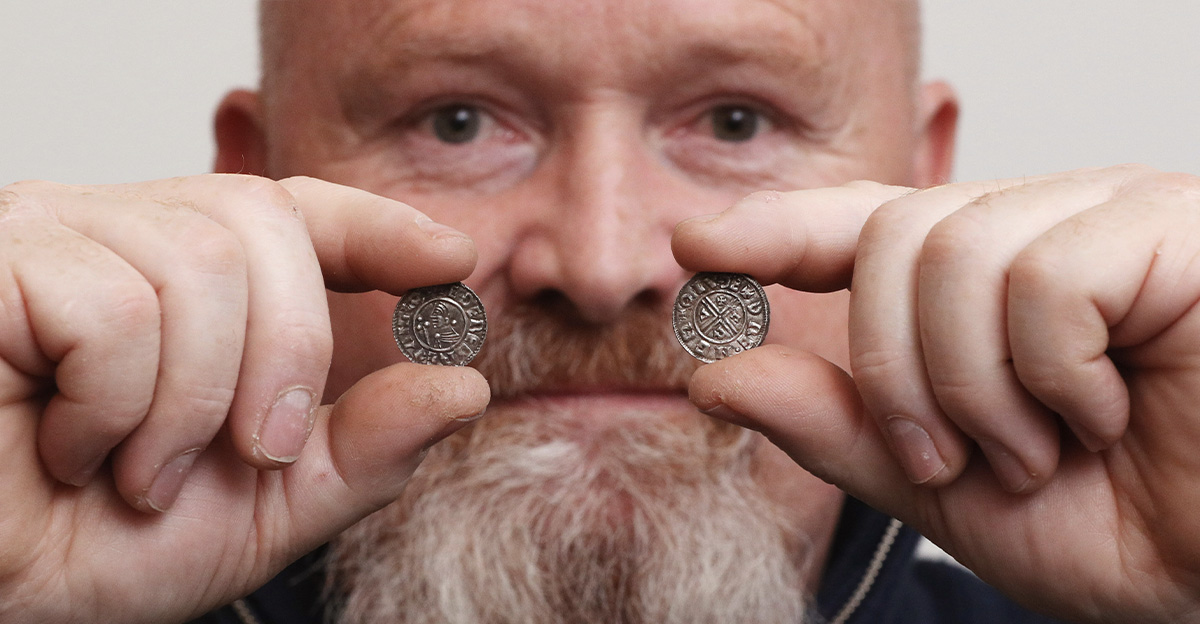
An amateur metal detectorist in Finland expected another ordinary signal. Instead, he uncovered thousands of Viking Age silver coins near Sysmä. The discovery is already rewriting the archaeological record, being the largest of its kind ever found in the country, yet its real significance may lie in what it says about ancient trade.
 Jonathan Brady/PA Images via Getty Images
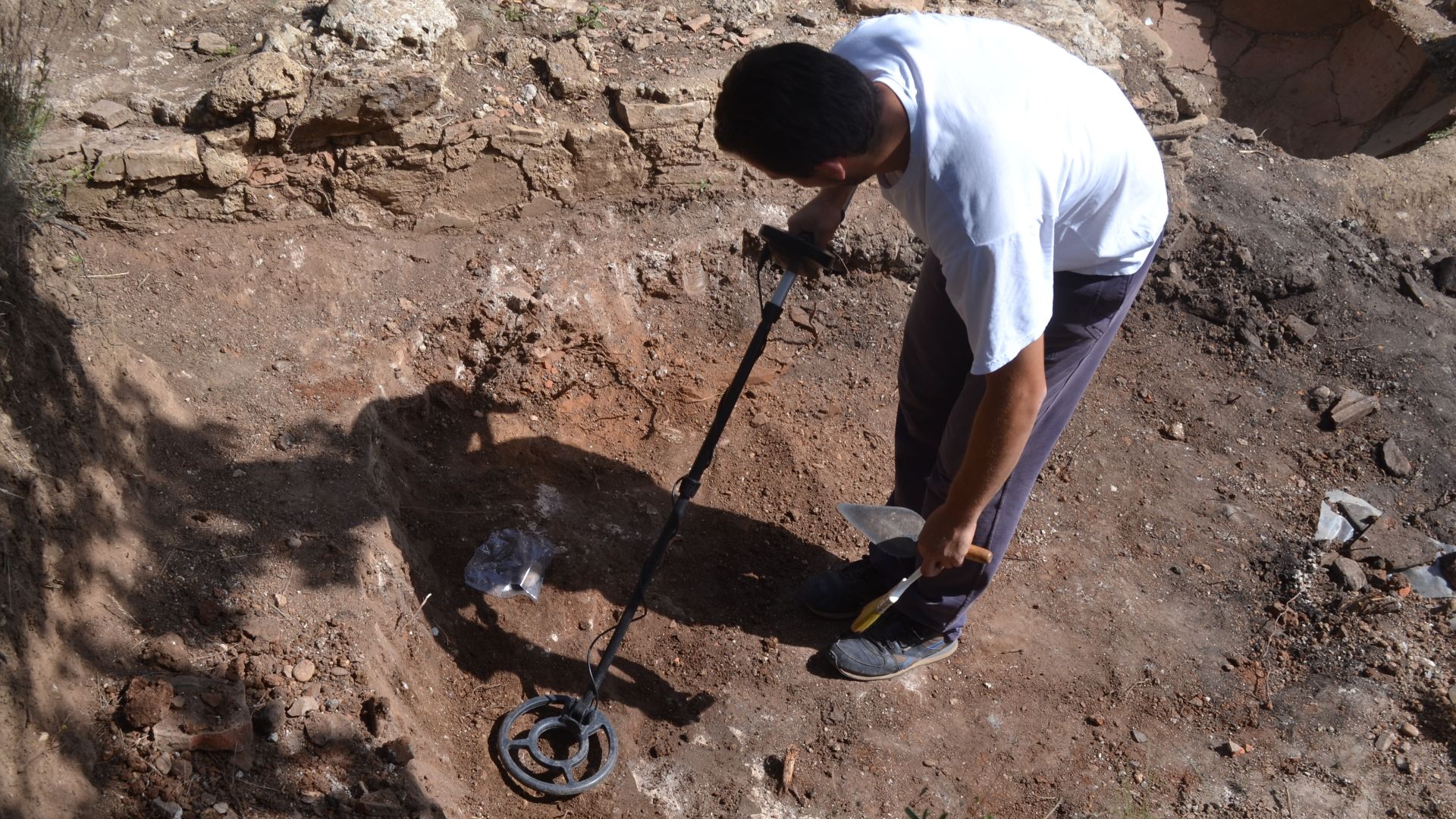
The Discovery Began With A Signal That Almost Got Ignored
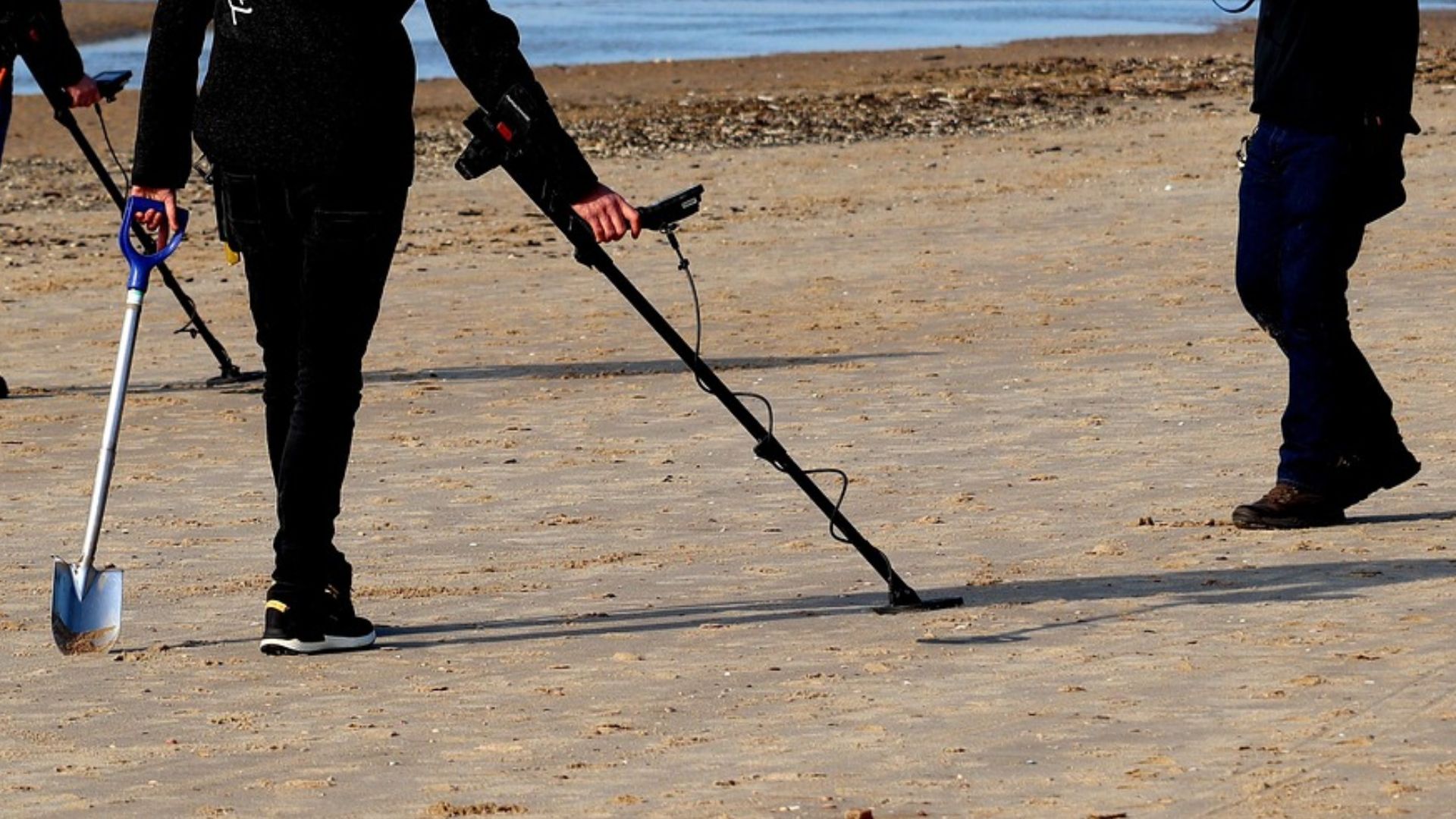
Kalle Lappinen had searched the area near Sysmä before and knew most metal-detector signals didn't lead to anything exciting. When his detector registered something unusually deep on September 3, 2026, he initially suspected naturally occurring metal in the ground. The signal seemed too deep to be an ordinary human-made object, so he moved on. Then another remarkably similar signal appeared only several meters away. This time, curiosity won.
10 Silver Coins Changed Everything
Lappinen kept digging at the second location until he reached the source of the signal. Near the bottom of the hole, silver coins started appearing, roughly 10 of them at first. He quickly realized this wasn't another piece of modern rubbish or an isolated lost coin. Something much larger was buried underneath. His handheld detector continued reacting strongly, and the scale of the deposit soon became obvious.
Then He Went Back To The First Signal
Once the second location started producing silver, Lappinen returned to the spot he'd initially abandoned. His instincts had been right to remember it. More coins appeared there as well, revealing that he wasn't dealing with a single accidental loss but two deliberately buried concentrations of valuables. The deposits were about 12 meters (39 feet) apart, close enough to raise obvious questions about whether they belonged to the same person, family, or episode.
Archaeologists Were Called Almost Immediately
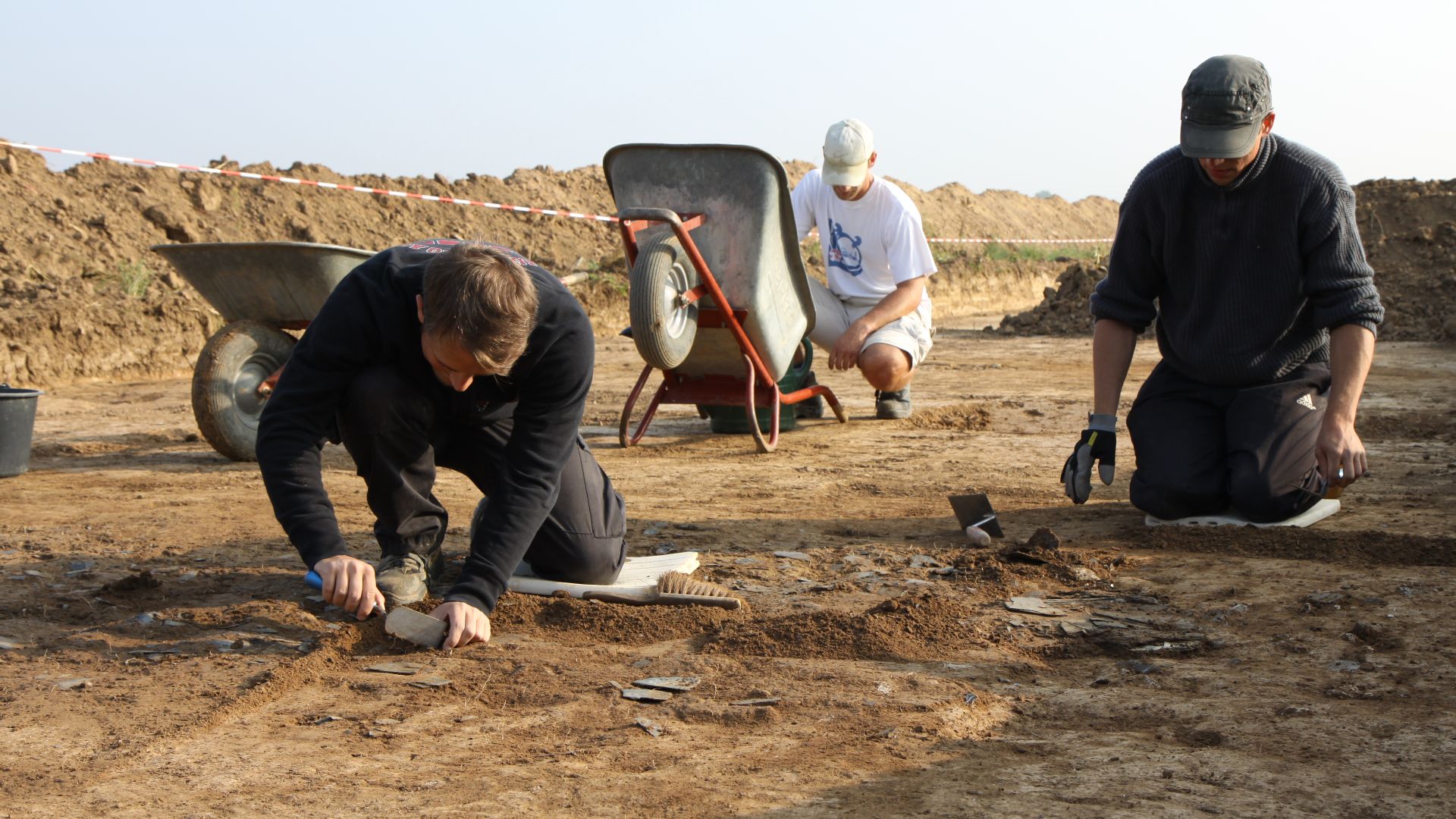
Rather than attempting to empty the deposits himself, Lappinen reported the discovery to heritage authorities. Archaeologist Esko Tikkala of Lahti Museums inspected the site the next day, and specialists took responsibility for recovering the rest of the material. That quick handoff matters because the arrangement of artifacts, surrounding soil, containers, and nearby features can reveal information that disappears when an archaeological deposit is dug up without documentation.
 Rachel Goodspeed (U.S. Corps of Engineers Europe District), Wikimedia Commons
Finland Had Never Seen A Hoard This Large
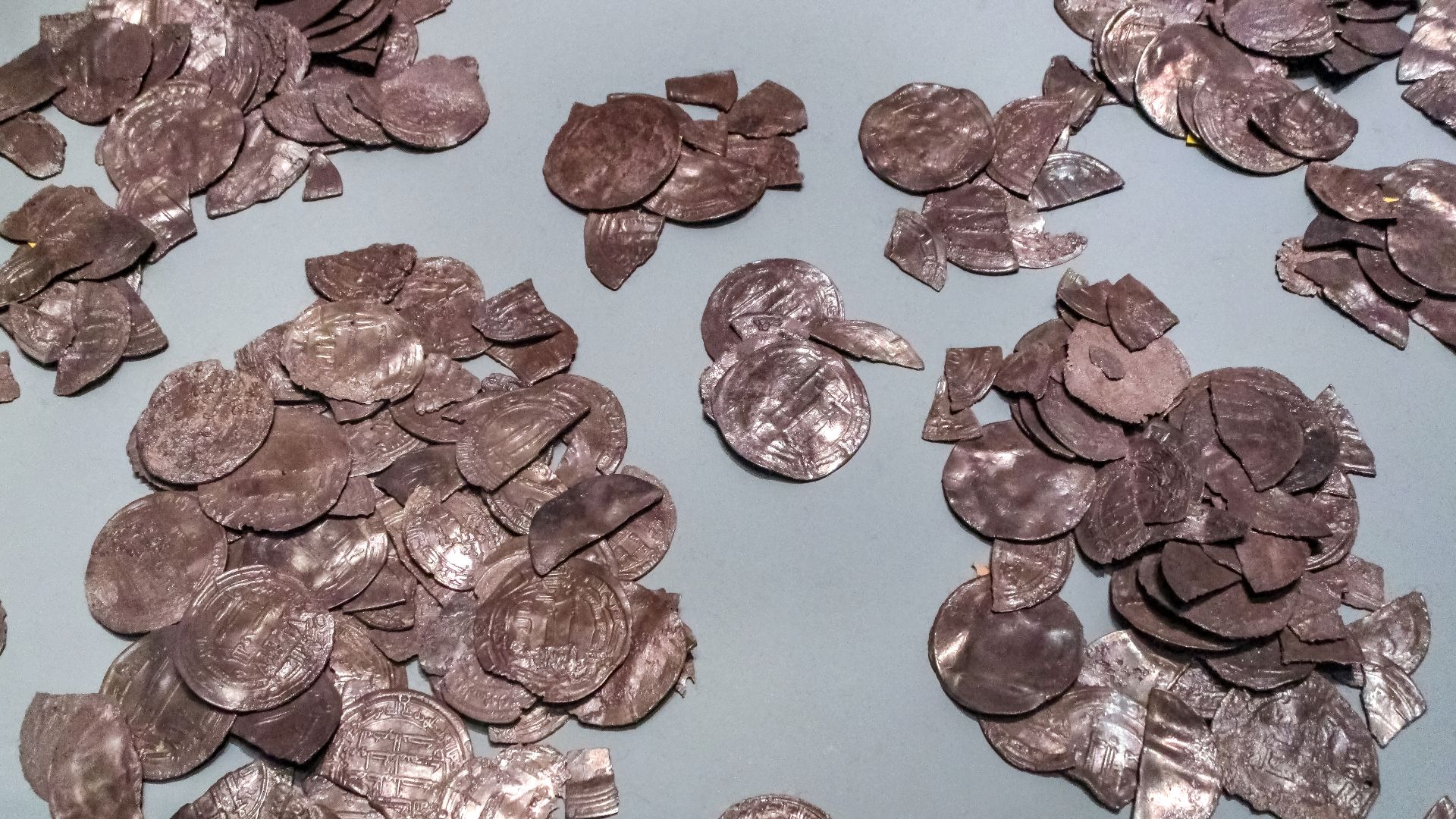
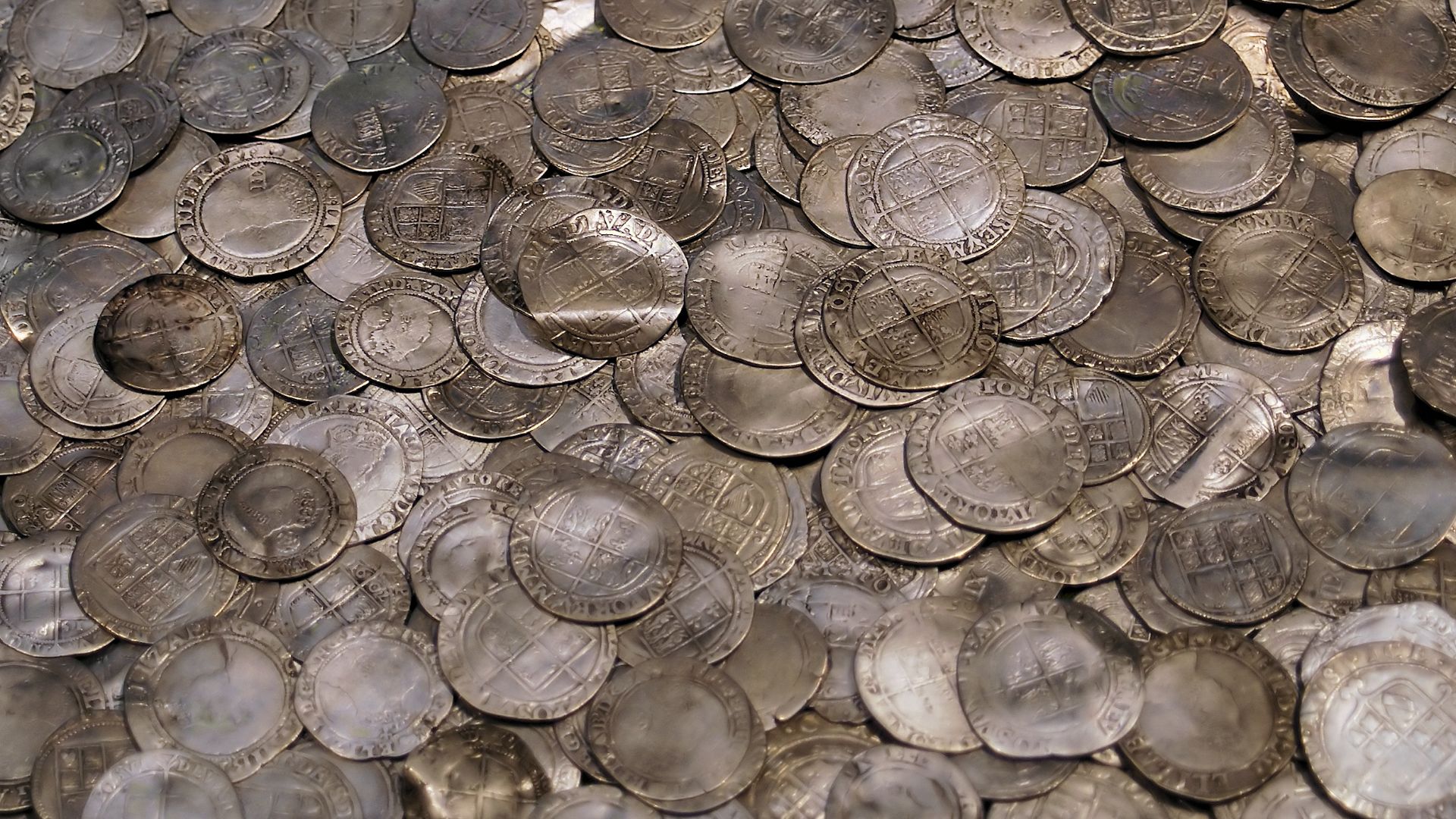
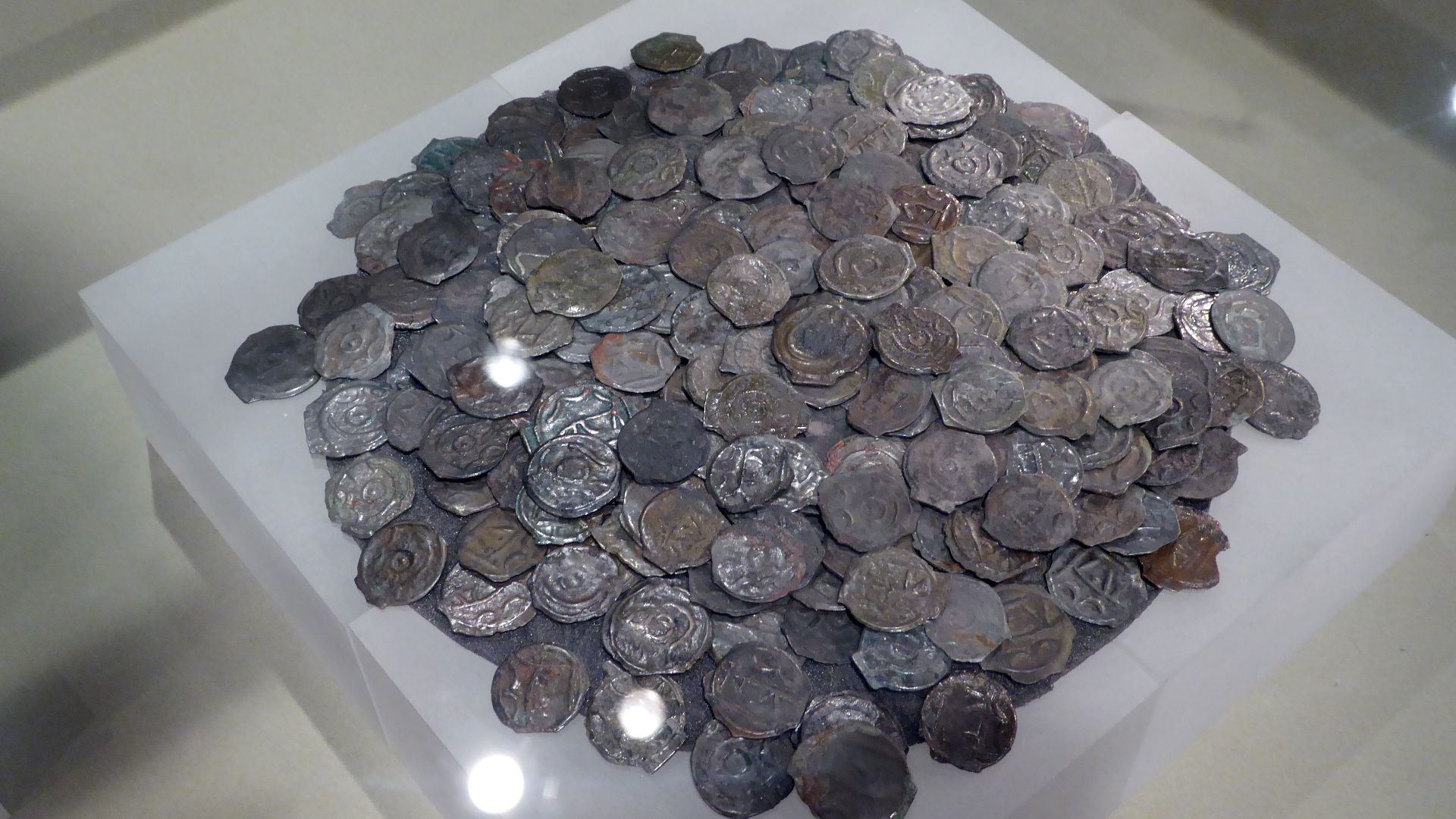
The recovered silver weighs approximately 4.5 kilograms, or close to 10 pounds. Archaeologists already know that the deposits contain thousands of coins, although the pieces remain stuck together in corroded masses and haven't yet been fully cleaned, separated, or counted. Even before that work is complete, the find comfortably exceeds Finland's previous record for a Viking Age coin hoard.
The Previous Record Had Stood Since 1895
Before Sysmä, Finland's largest known Viking Age coin hoard came from Nousiainen in southwestern Finland. Discovered in 1895, that collection contained more than 1,600 to 1,700 coins along with other silver objects and weighed a little over two kilograms. It had remained the country's standout discovery for more than 130 years. Sysmä has effectively doubled that weight, immediately giving researchers a huge new body of material to study.
 Birmingham Museums Trust, Peter Reavill, 2012-06-28 16:36:00, Wikimedia Commons
The Coins Weren't Buried Loose In The Ground
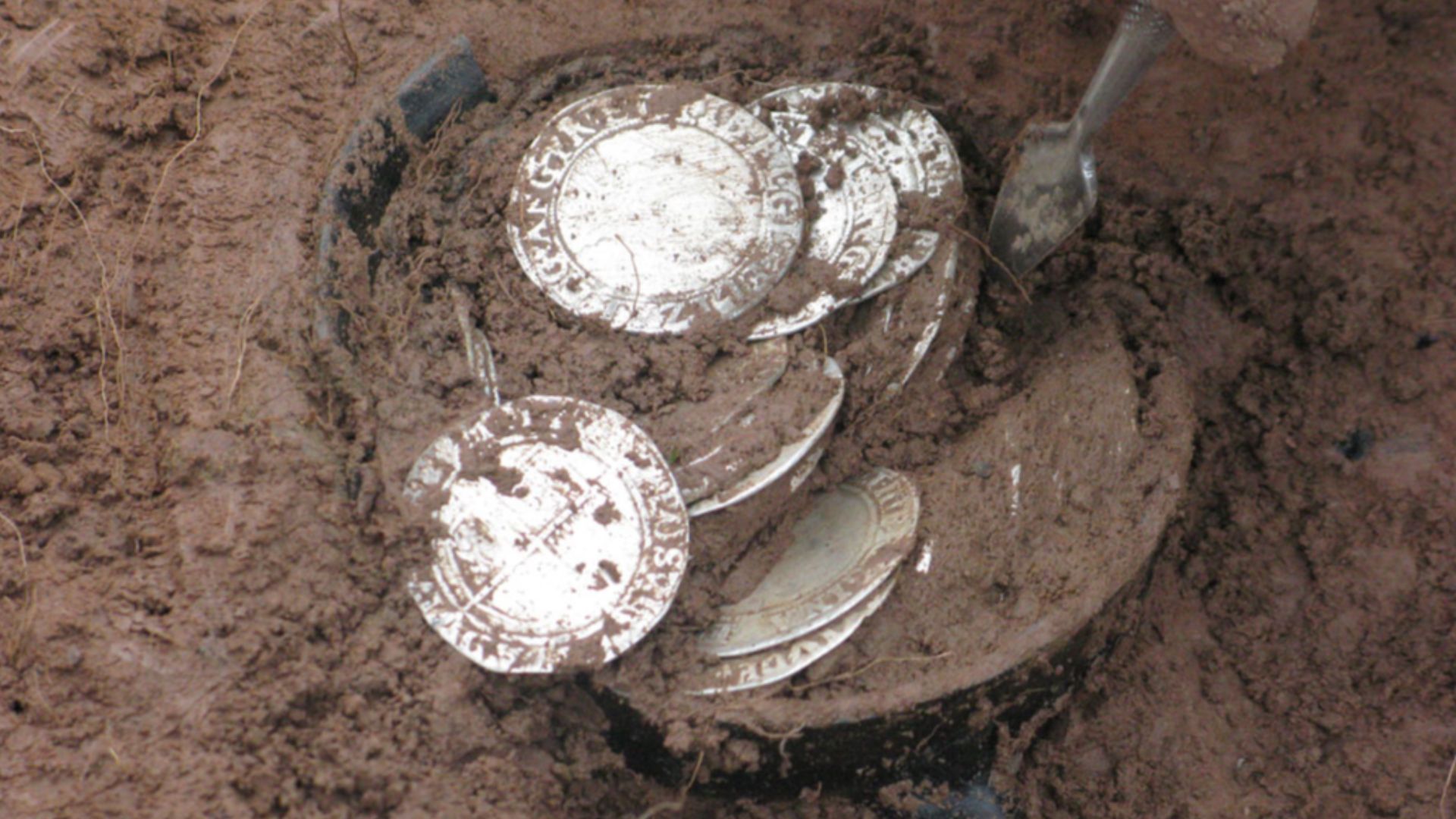
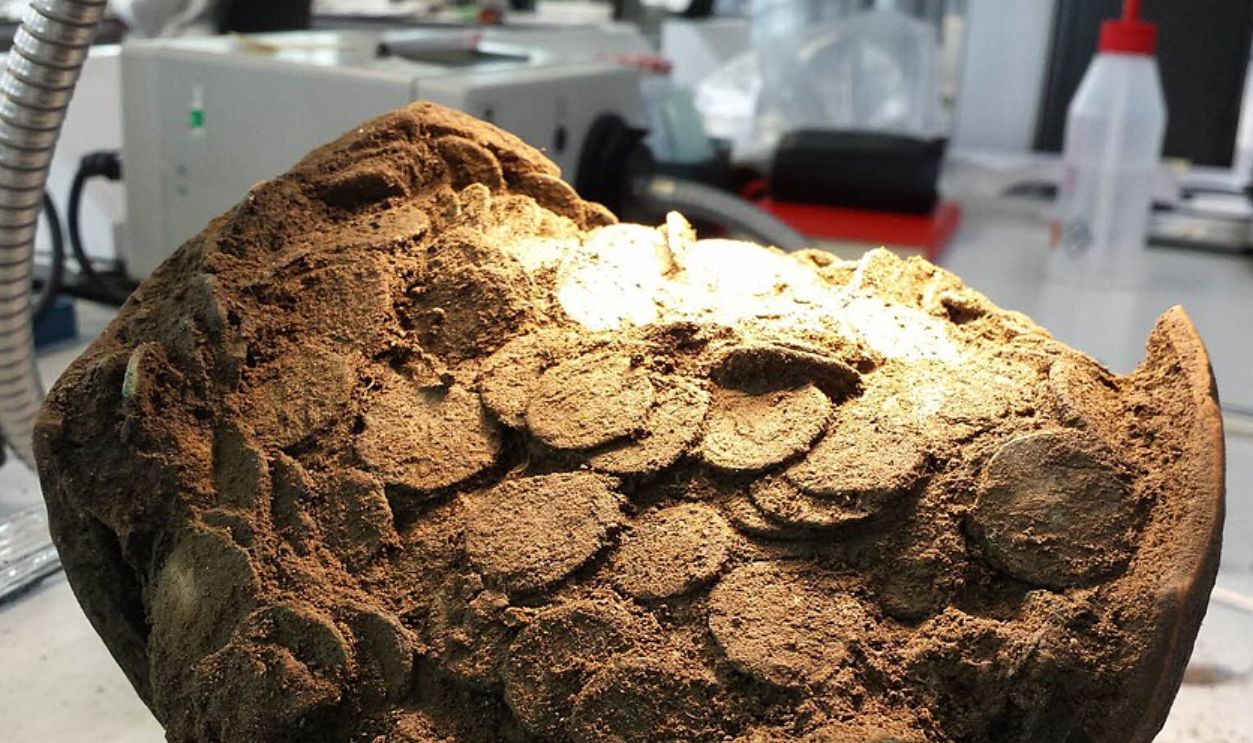
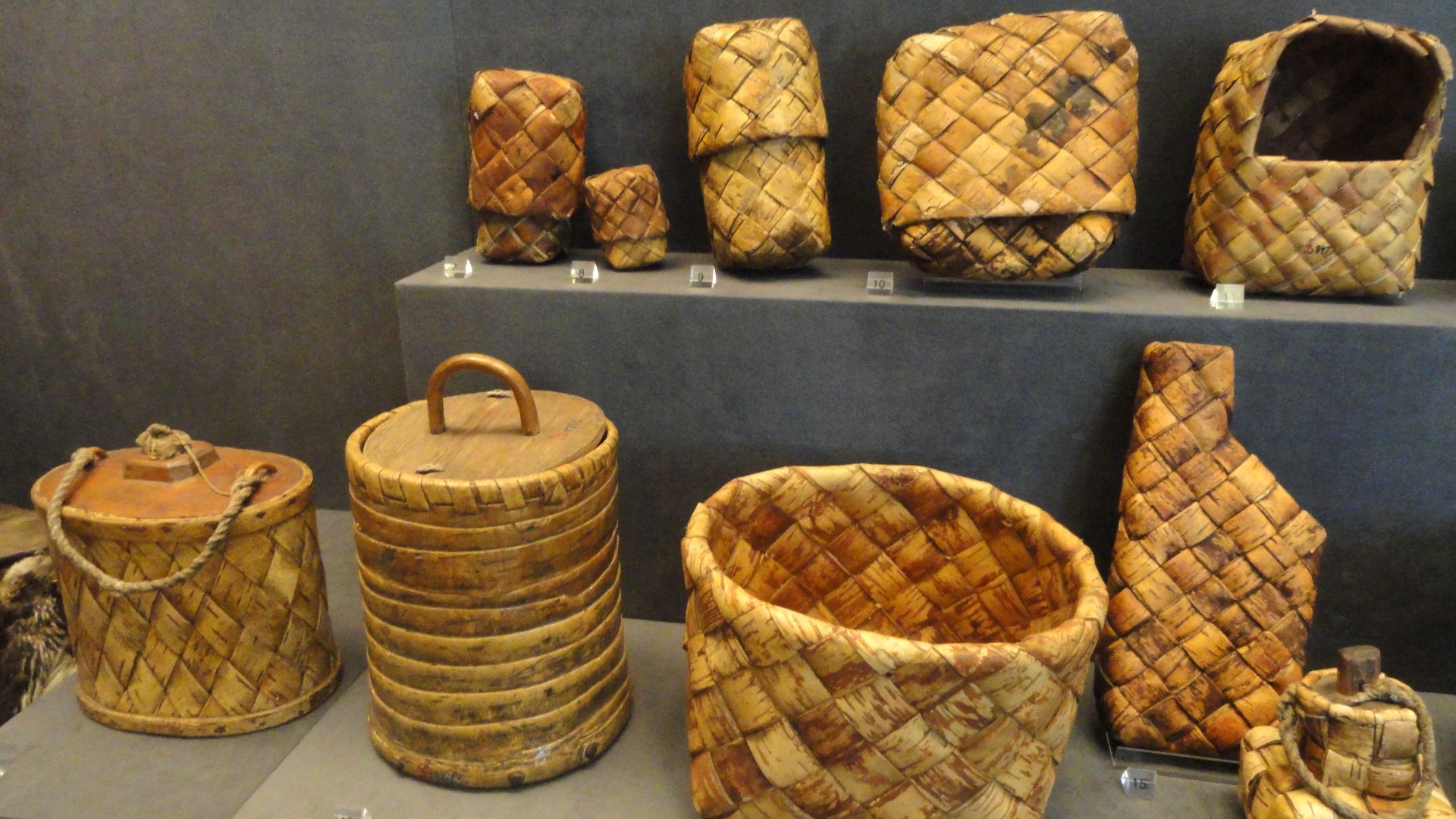
One of the most unusual details may turn out to be nearly as important as the silver itself. The valuables had been placed inside two containers made from birch bark before being buried roughly 45 centimeters (about 17 inches) underground between stones. Organic materials generally decay quickly in Finnish soil, so the survival of portions of the containers is exceptional. Researchers may be able to learn something about how the containers were constructed and how the hoard was originally packed.
 Portable Antiquities Scheme from London, England, Wikimedia Commons
It Wasn't Only A Pile Of Coins
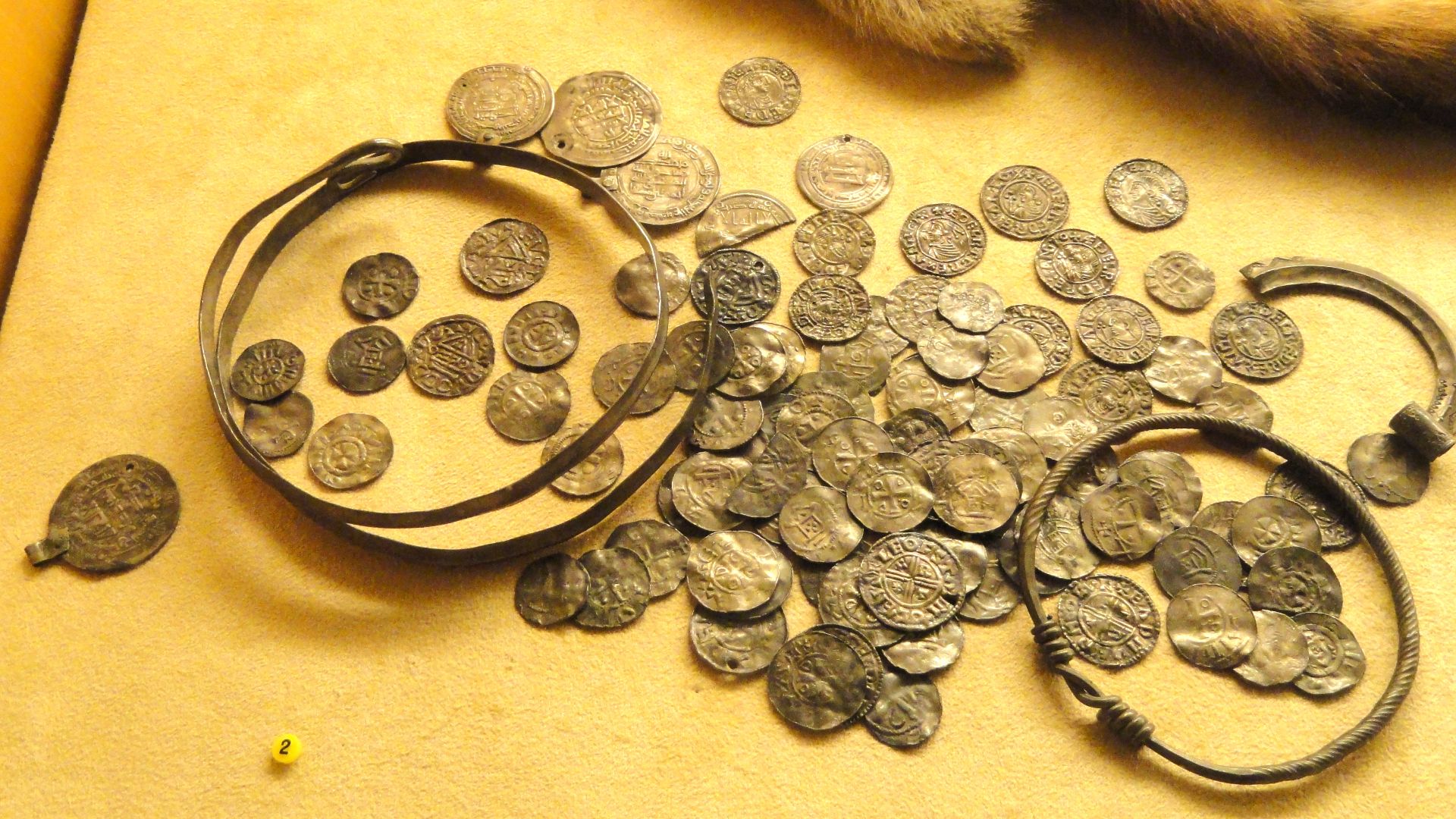
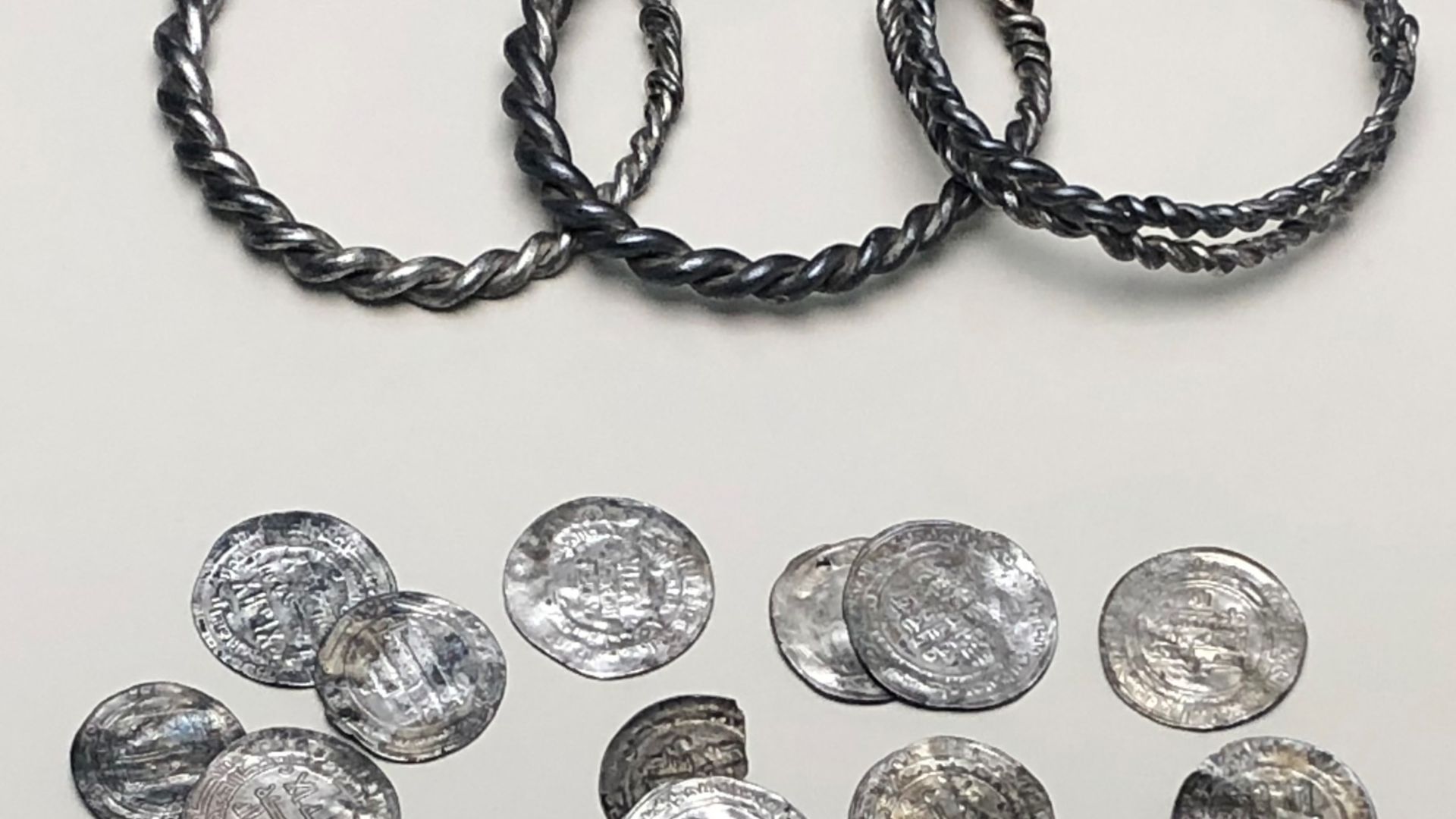
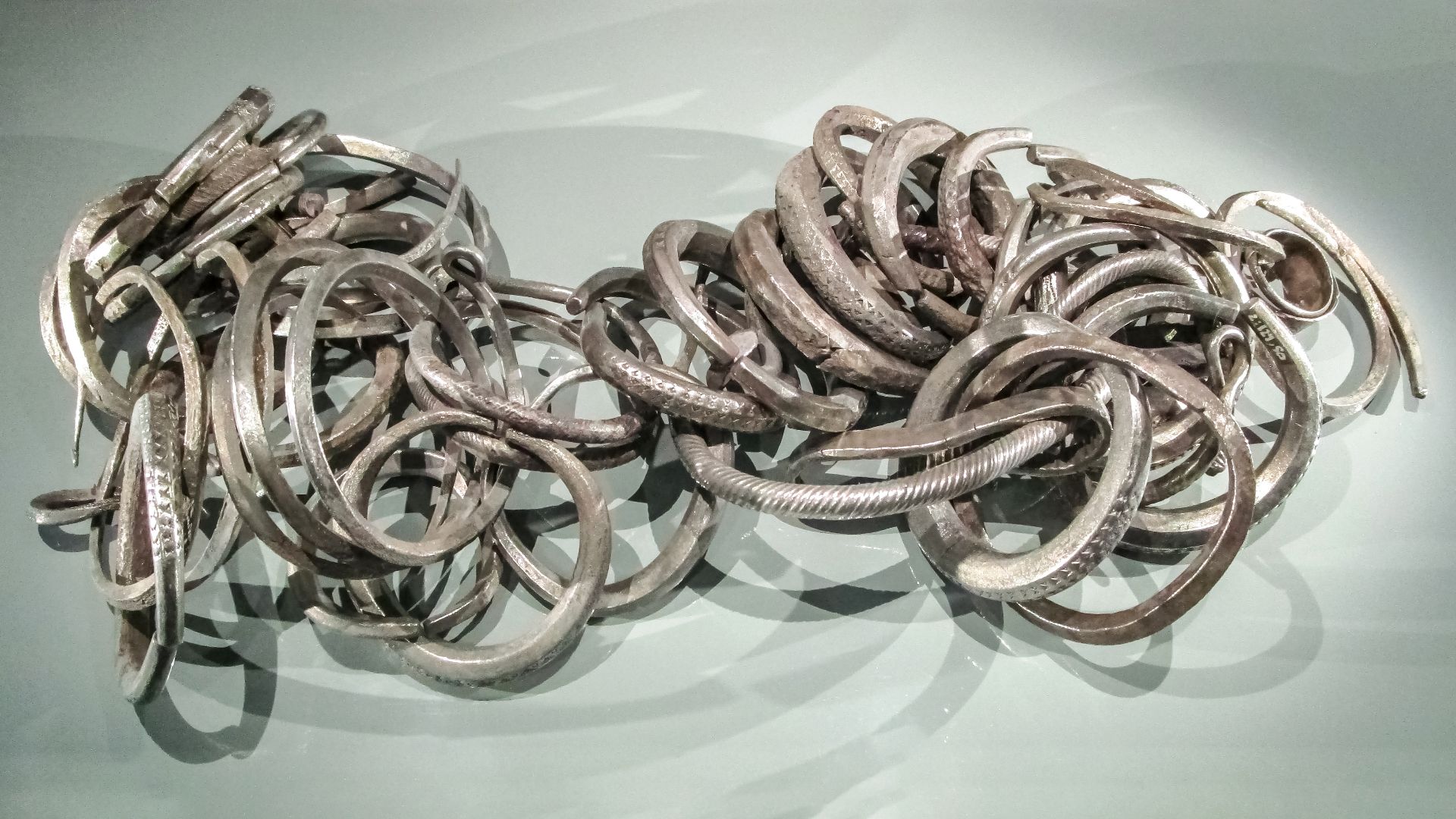
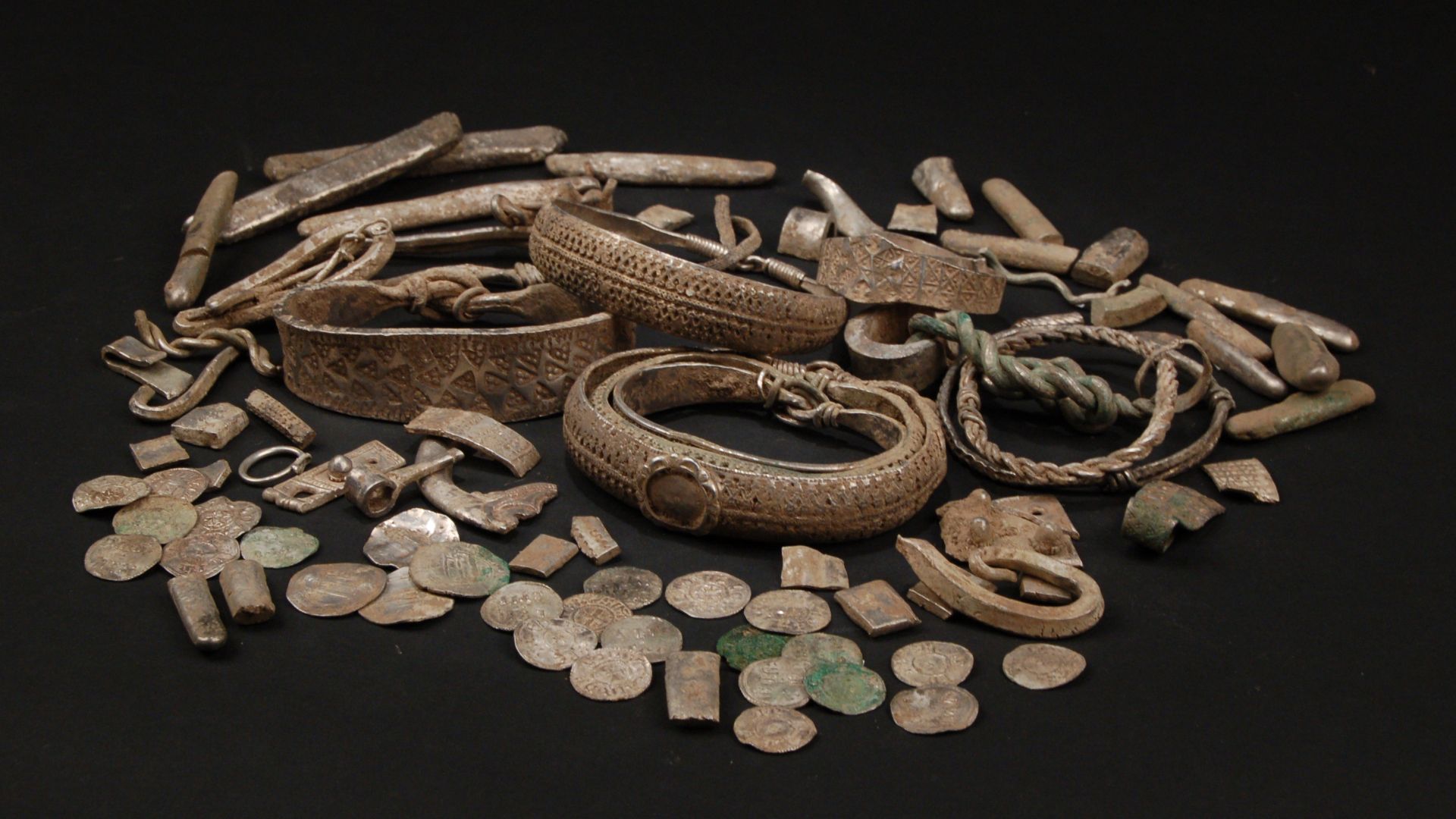
Alongside the coins, archaeologists recovered several other silver objects. Initial reports mention a silver bracelet, a silver fitting or mount, a bead, and pieces of cut silver. That mixture is important because Viking Age wealth wasn't always divided neatly into coins and jewelry. Silver objects could be ornaments one day and stores of transferable wealth the next, depending on their owner and circumstances.
Some Of The Silver Had Already Been Cut Apart
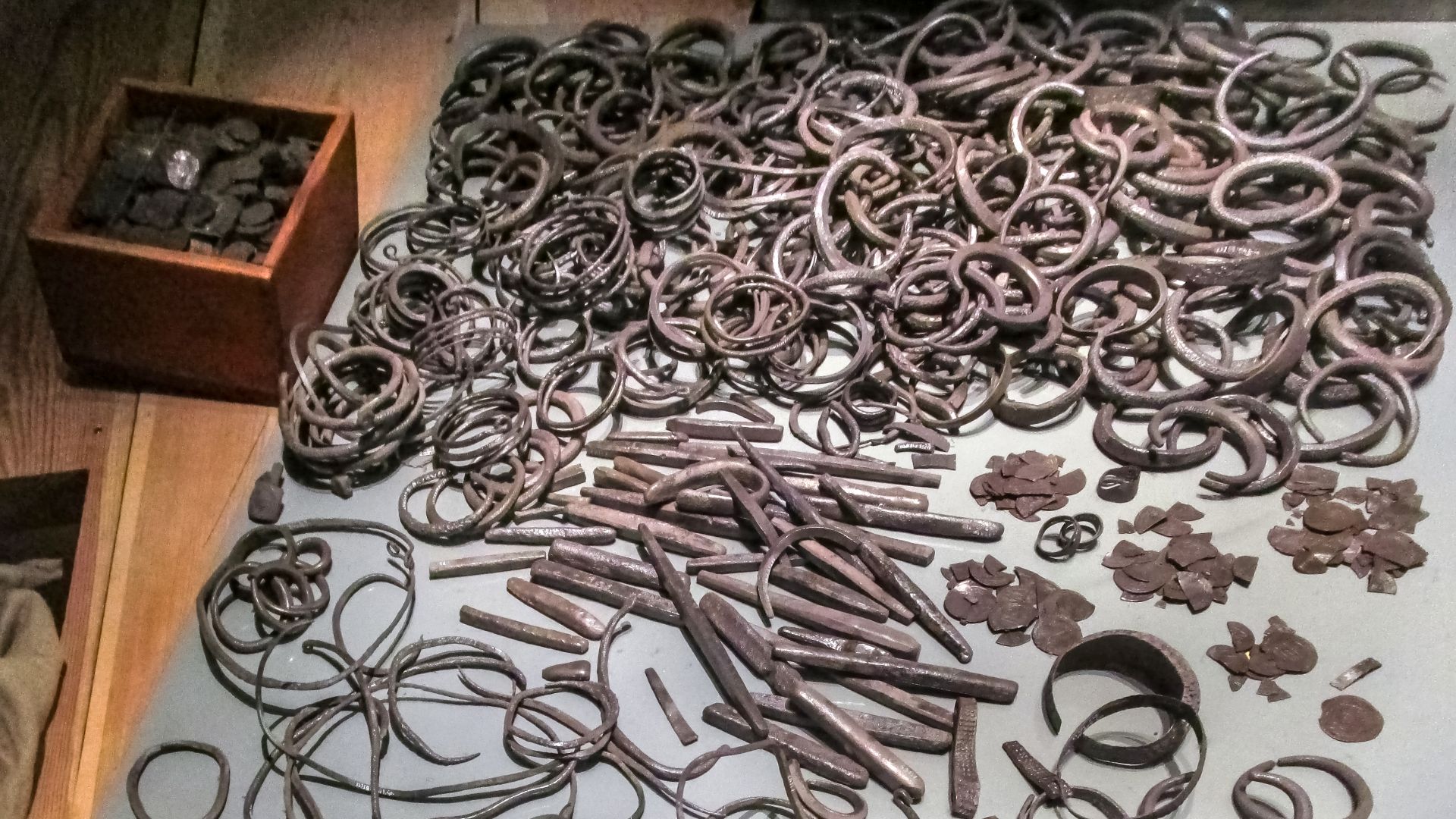
The hoard contains hacksilver, pieces of silver objects deliberately cut into smaller fragments. That practice was common across parts of the Viking Age world because silver could be valued by weight rather than purely by what was stamped on a coin. A bracelet, coin, ingot, or broken ornament could all participate in the same silver economy if their weight and purity were acceptable. The Sysmä hoard may therefore preserve both money and raw material in the same deposit.
 Hans Hillewaert, Wikimedia Commons
Calling It A "Viking Hoard" Needs One Important Clarification
The treasure dates to the Viking Age, but that doesn't automatically mean it was hidden by Scandinavian Vikings. Finland had its own Late Iron Age communities, and archaeologists haven't established who personally owned or buried the Sysmä silver. "Viking Age" is being used primarily as a chronological label for the era. That distinction is important because the hoard could tell us as much about Finnish participation in wider trade systems as it does about Scandinavian activity.
 The Portable Antiquities Scheme, Richard Abdy, 2017-04-03 11:11:28, Wikimedia Commons
The First Estimate Places It Around The Eleventh Century
The coins haven't yet been individually identified, so researchers are being cautious about precise dates. Initial assessment places the hoard broadly around 1000 to 1050 CE, near the end of the Viking Age. Once conservators separate the coins, specialists can identify rulers, mints, dates, and regions of origin. The youngest coin in a deposit can also help establish the earliest possible date when the treasure could have been buried.
 The British Museum, Wikimedia Commons
The Coins Could Map Connections Across Europe
This is where the discovery could become especially important. Finnish Viking Age hoards can contain coins struck astonishing distances away. The Nousiainen hoard, for example, included more than 1,100 German pennies along with English, Scandinavian, Italian, Irish, Byzantine, and Islamic coins. If Sysmä contains a similarly international mixture, researchers may be able to reconstruct the commercial connections that brought silver into inland Finland around a thousand years ago.
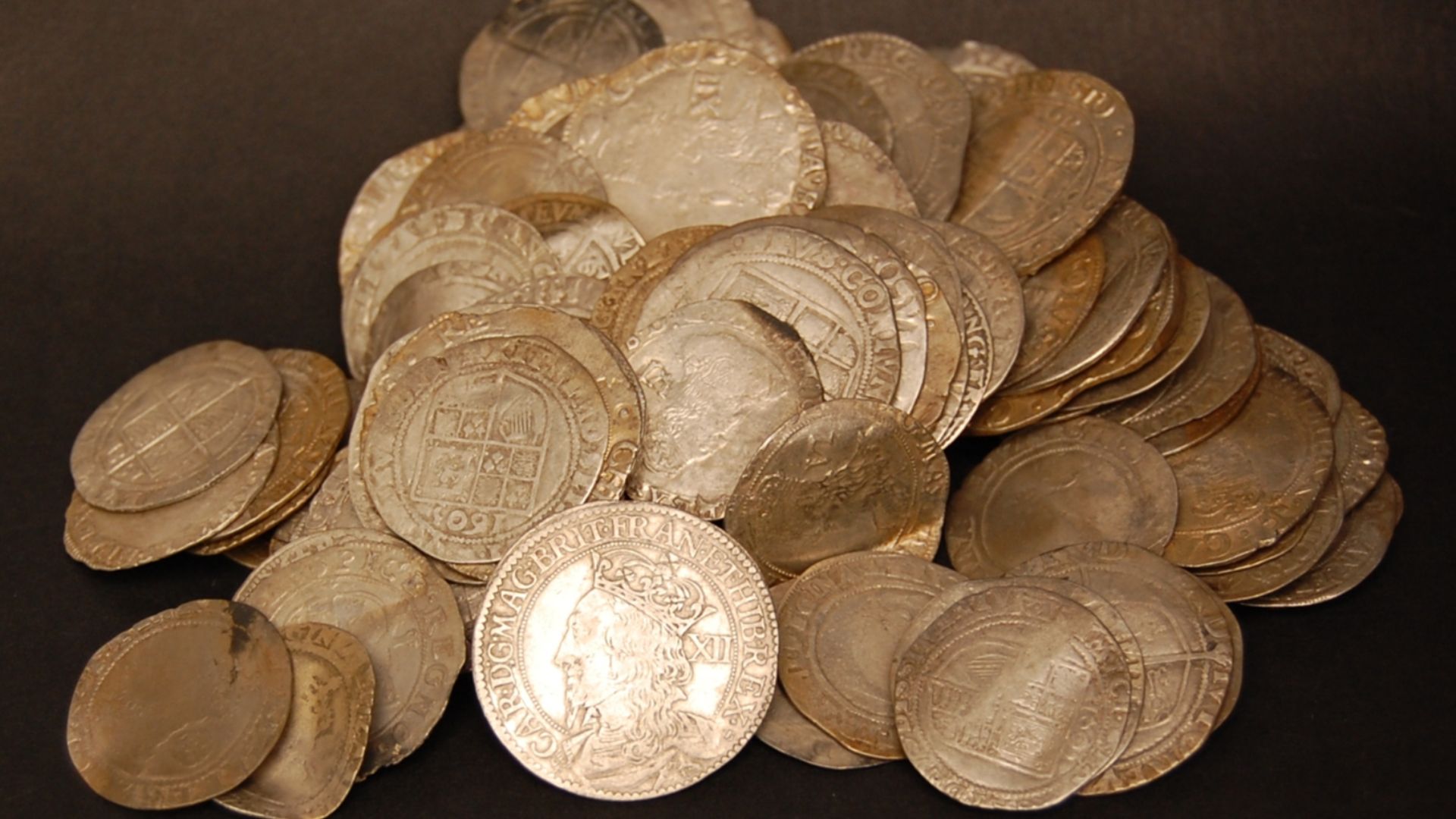 The Portable Antiquities Scheme, Harriet Louth, 2011-05-31 12:25:37, Wikimedia Commons
Finland Was Connected To A Much Larger Silver Economy
Recent archaeological research is already changing ideas about Finland's position within Viking Age commerce. Finds of coins, hacksilver, weights, and scales show that communities in southwestern Finland participated directly in Baltic Sea trade and a silver-based exchange system. Water routes connected Finland to Scandinavia and the eastern Baltic, which in turn linked traders with river systems stretching toward what are now Russia, Ukraine, and regions much farther south.
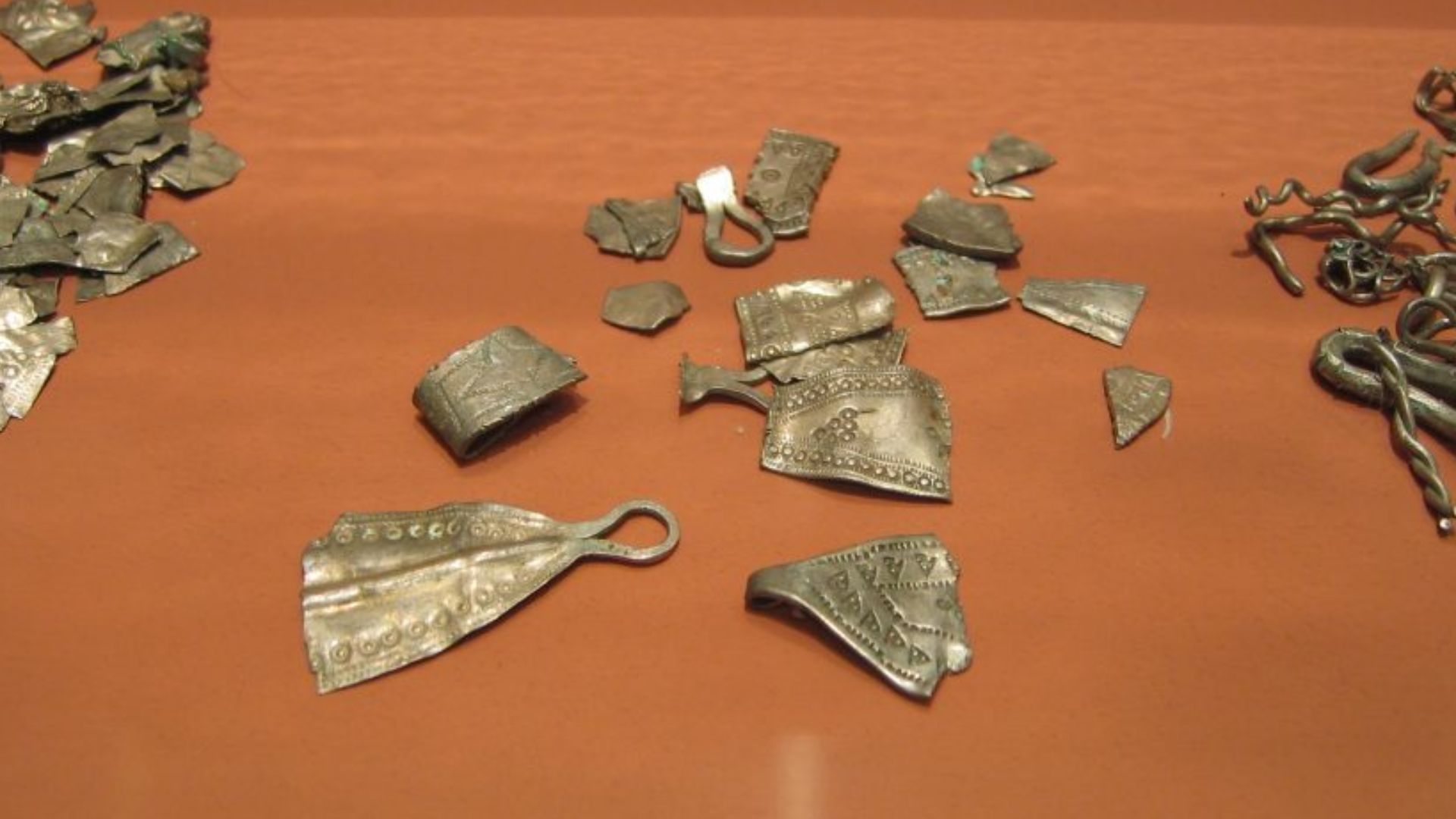 Photographed by User:Bullenwächter, Wikimedia Commons
Silver Could Travel From The Islamic World To Northern Europe
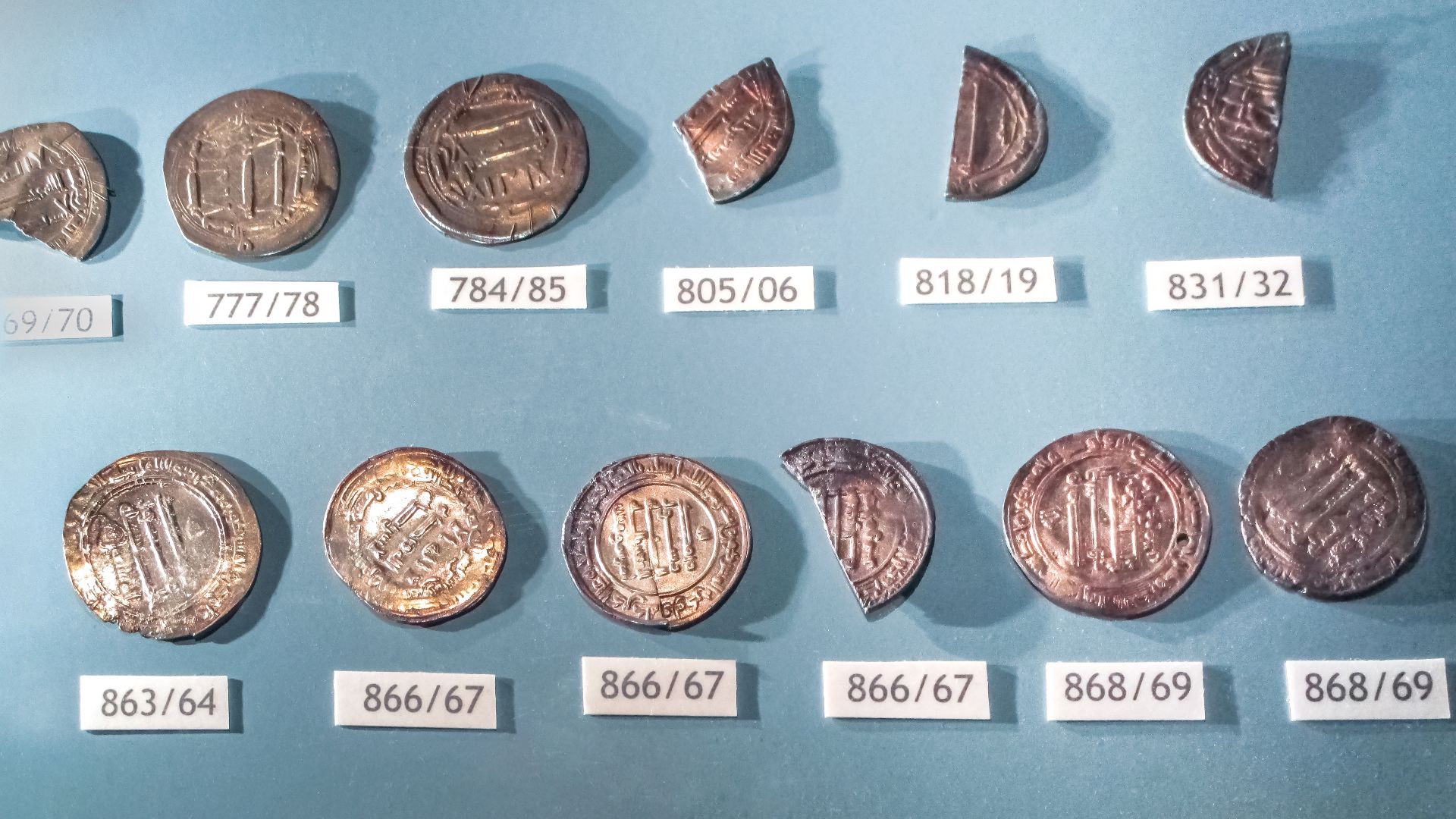
During the earlier Viking Age, enormous numbers of silver dirhams minted in Islamic territories traveled north through eastern European trade routes. Scandinavian and Baltic traders exchanged commodities including furs and other valuable products for silver. Islamic coins have consequently been found thousands of kilometers from the places where they were minted. By tracing which foreign coins reached particular communities, archaeologists can reconstruct surprisingly detailed patterns of long-distance exchange.
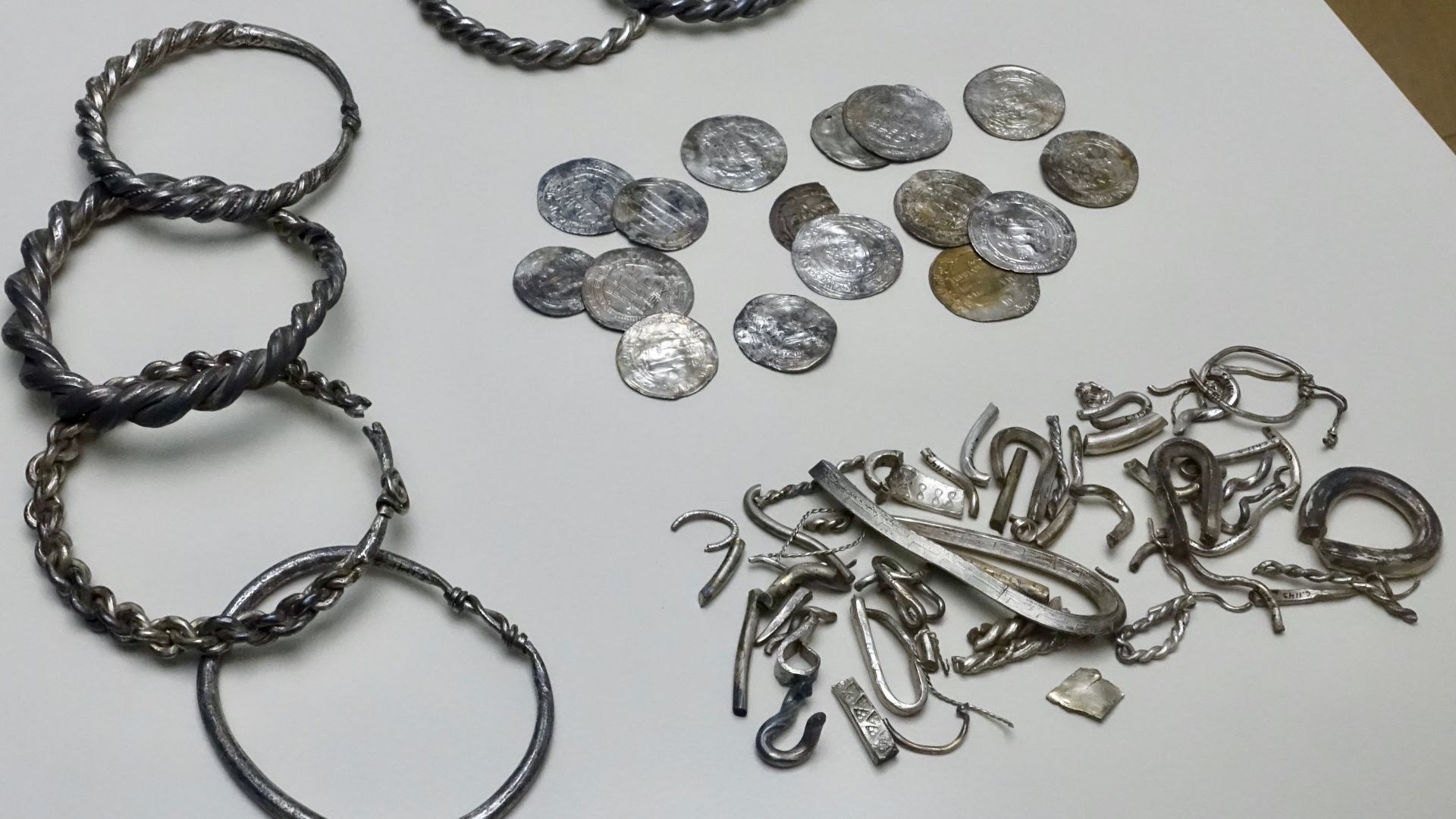
The Direction Of Trade Changed Over Time
By the later tenth and eleventh centuries, the flow of silver into northern Europe began changing. Political disruption and changes in coinage within Central Asia contributed to a decline in the supply of Islamic silver along eastern routes. Western European coins became increasingly important instead, particularly German and Anglo-Saxon pennies. A hoard deposited around the first half of the eleventh century can capture that transition almost like a snapshot.
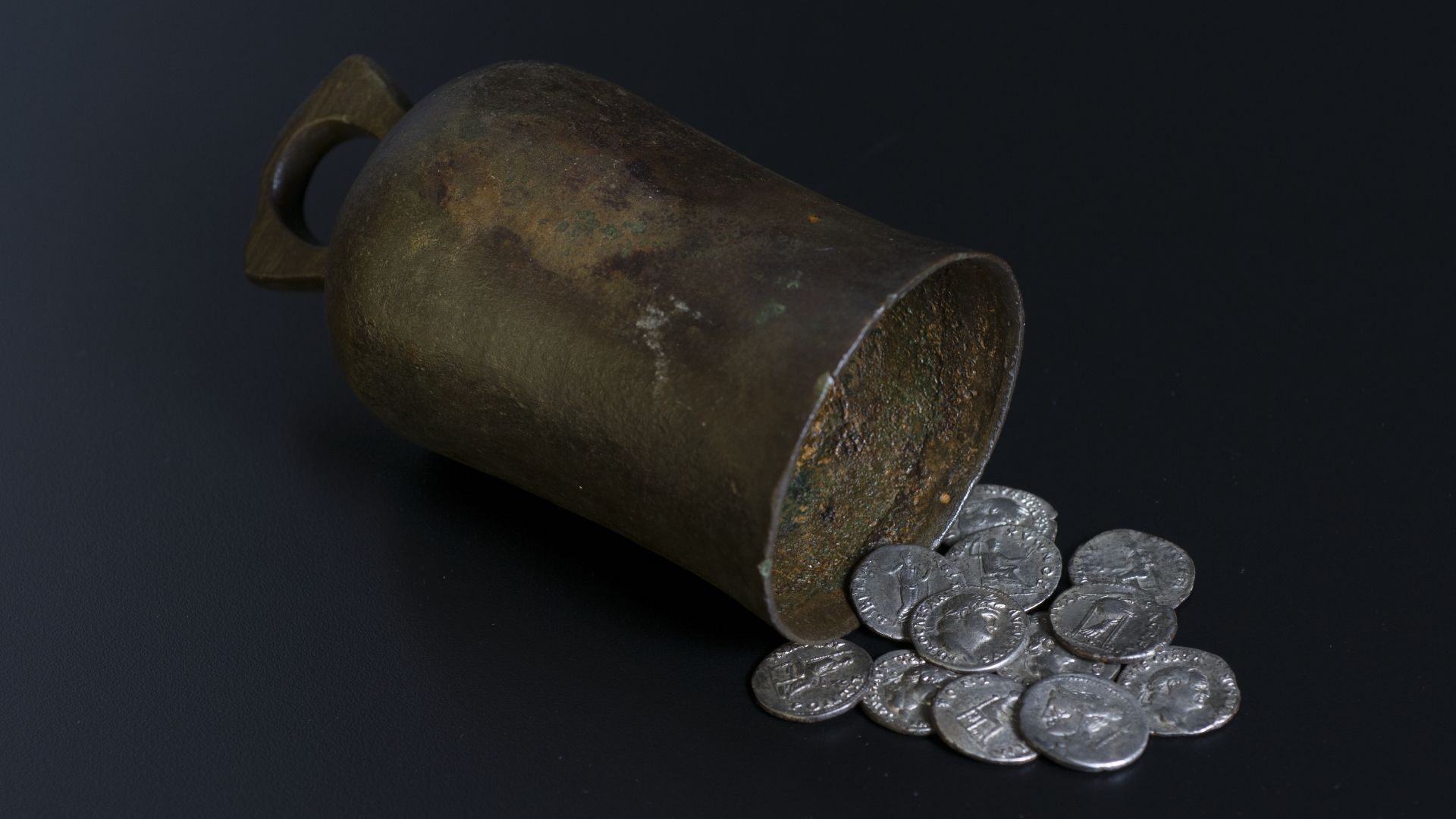 York Museums Trust, Wikimedia Commons
Sysmä Wasn't As Isolated As It Looks Today
That's where the new discovery could significantly change the picture of the region. Modern Sysmä is modest in size, but its Iron Age archaeology has long suggested that the area once held much greater regional importance. Concentrations of ancient remains around the town, along with other finds from Päijät-Häme, point toward communities with access to wealth and substantial exchange networks. A hoard containing 4.5 kilograms of silver strengthens the possibility that Sysmä sat within a surprisingly busy commercial landscape.
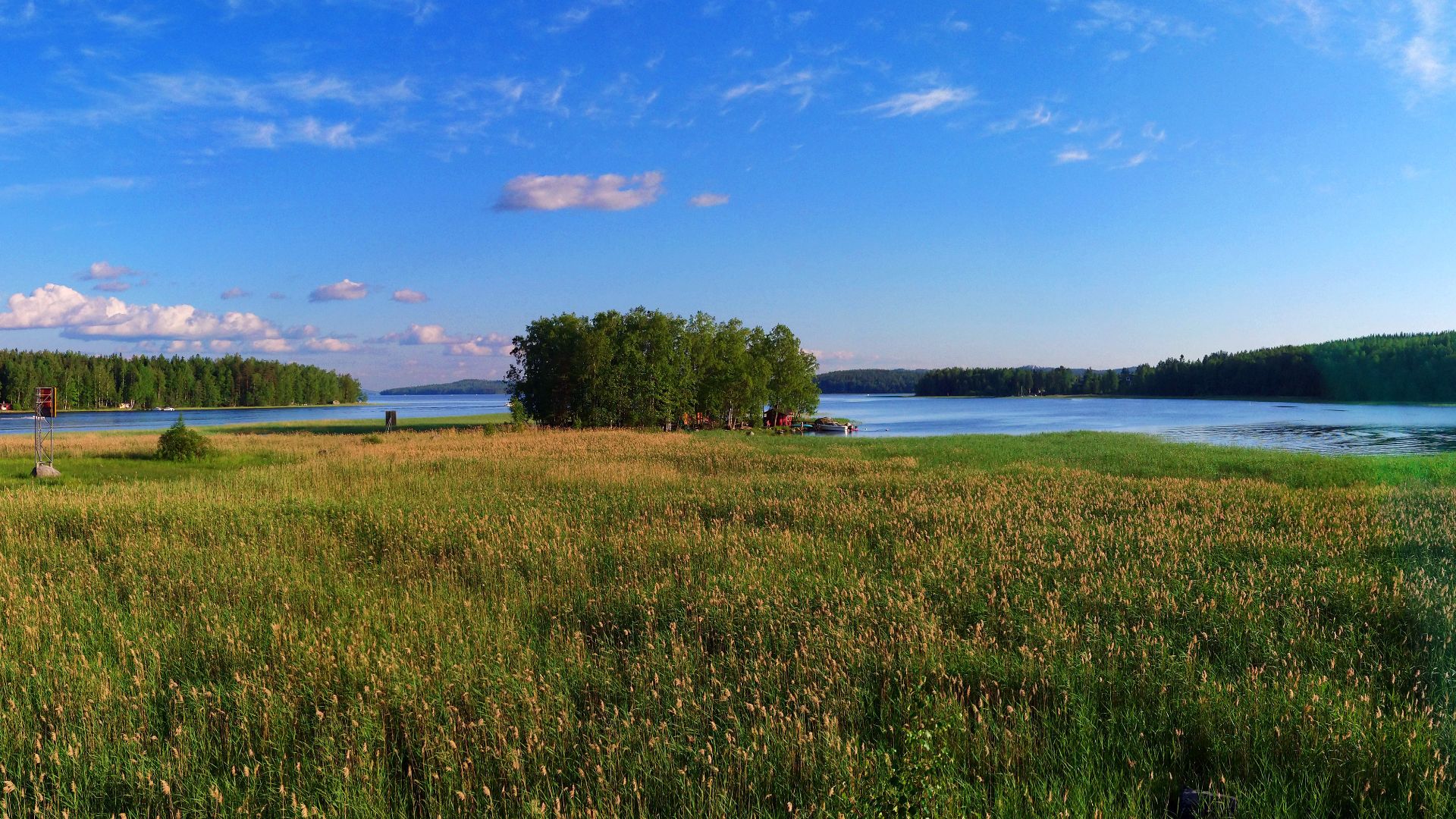
Lake Päijänne May Be Part Of The Explanation
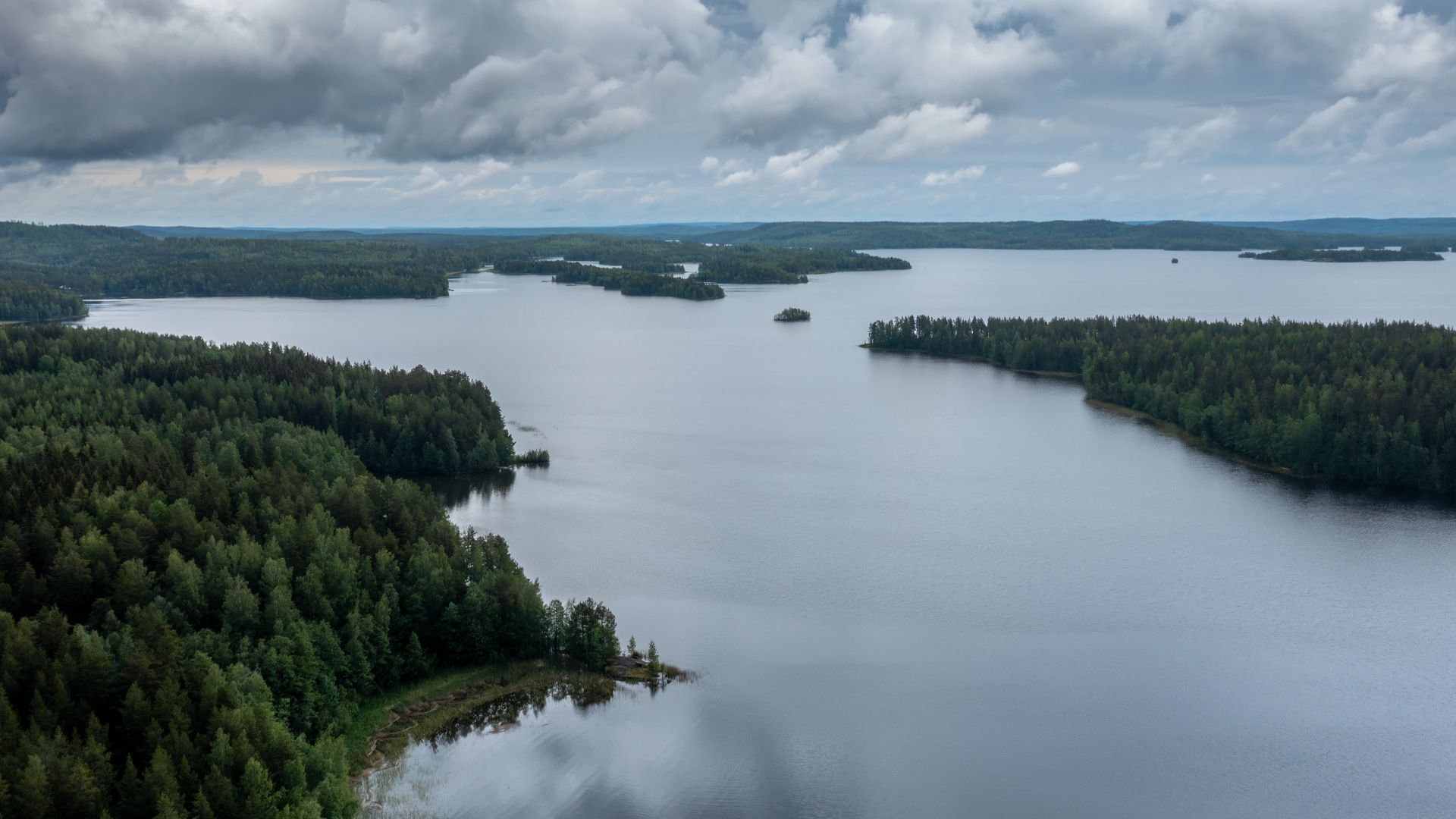
For modern visitors, Finland's lakes can seem like barriers separating communities. In premodern societies they often worked in the opposite way. Water provided efficient transportation through landscapes where overland travel could be slow and difficult. Lake Päijänne and connected waterways may have allowed goods, people, and information to move between inland settlements and wider trading systems. Archaeologists studying the region have increasingly emphasized these water routes when reconstructing Iron Age economic activity.
 Ximonic (Simo Räsänen), Wikimedia Commons
Other Finds Have Already Been Changing Päijät-Häme's Story
The Sysmä hoard isn't appearing in an archaeological vacuum. Metal-detector discoveries and excavations across Päijät-Häme have produced increasing evidence of Late Iron Age wealth, jewelry, settlements, and exchange. Archaeologists once tended to view Sysmä as the dominant Iron Age center of the region, but finds elsewhere now suggest prosperity was more widely distributed. The new hoard adds an enormous piece of evidence to a regional picture that's already being rewritten.
Why Would Someone Bury This Much Silver?
That may remain one of the great mysteries of the find. Hoards could be buried for safekeeping during periods of danger, especially when portable wealth couldn't be entrusted to banks or secure institutions. Owners may have intended to return and retrieve their valuables but died or were prevented from doing so. Some deposits may also have had ritual significance. At Sysmä, no associated grave has been identified so far, which makes an ordinary burial offering less likely based on what archaeologists currently know.
 Ethan Doyle White, Wikimedia Commons
Two Separate Containers Make The Mystery Better
The arrangement raises another question. Why divide the valuables between two birch-bark containers buried about 12 meters apart? They might represent two related caches hidden during the same event, two separate episodes of saving, or deposits made by different people using the same meaningful location. Careful study of the coin dates, object types, containers, and soil around each deposit could reveal whether the two caches were assembled at the same time.
Finland Isn't The Only Place Having An Extraordinary Hoard Year
The Sysmä discovery arrived during a remarkable year for Viking Age silver. In April 2026, metal detectorists near Rena uncovered Norway's largest Viking Age coin hoard, consisting of thousands of silver coins. Then, shortly before the Finnish discovery, a homeowner preparing a terrace in Rebild uncovered Denmark's largest known Viking Age silver hoard, weighing about 18.5 kilograms (about 41 pounds). These finds underline how much evidence about Viking Age economies can still be hiding only a short distance below modern ground.
Gotland Shows How Huge Viking Silver Networks Could Become
The great benchmark remains Sweden's Spillings Hoard, discovered on Gotland in 1999. It contained roughly 67 kilograms of silver, including more than 14,000 coins, making it one of the largest Viking Age silver treasures ever discovered. Its scale demonstrates just how much wealth could move through Baltic networks. Sysmä is much smaller, but its location may make it especially valuable for understanding how those larger exchange systems reached Finland's inland communities.
Metal Detectorists Are Changing Finnish Archaeology
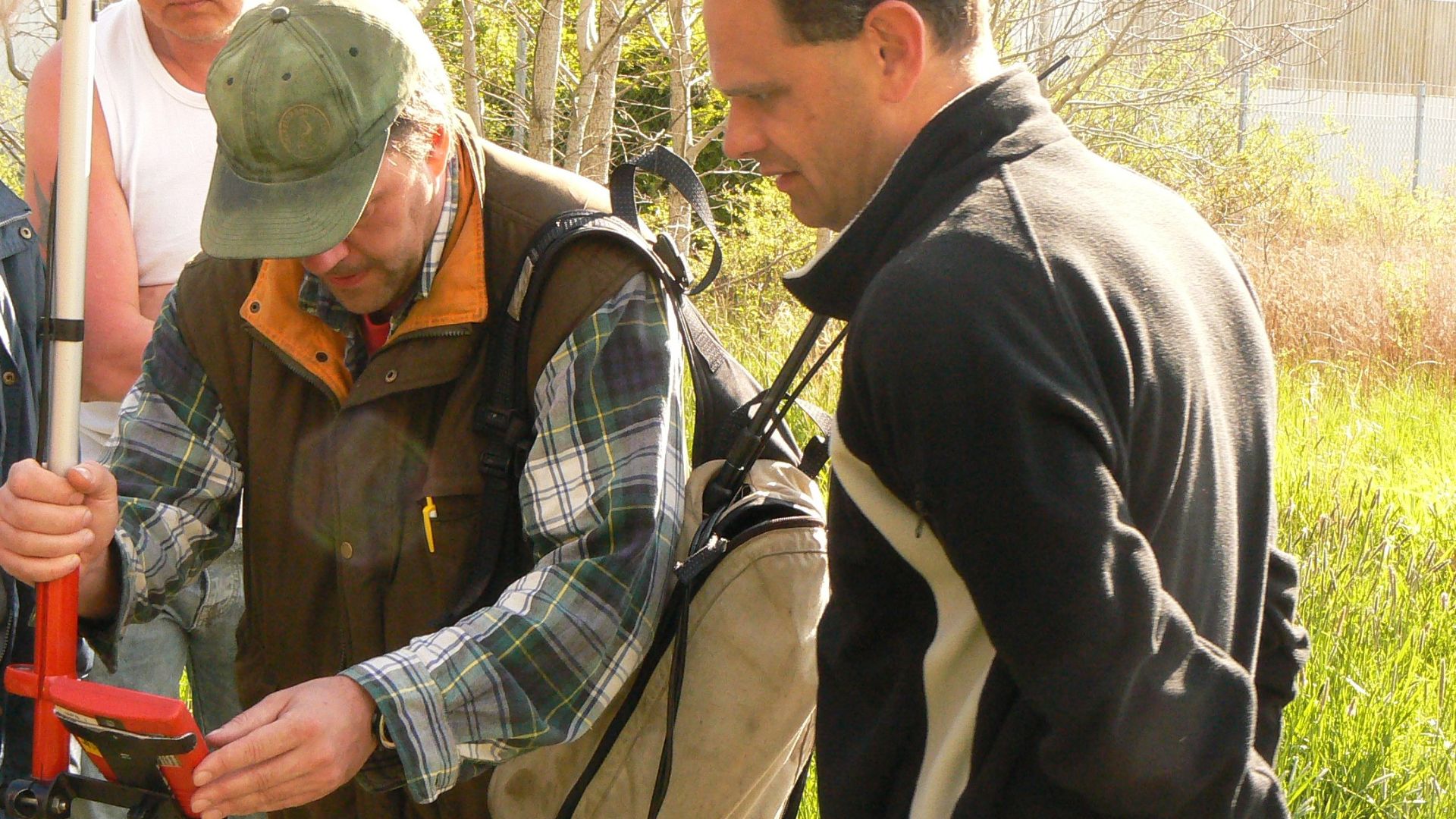
The discovery also highlights the increasingly important relationship between responsible hobby detectorists and professional archaeologists. Many trade-related objects used in recent Finnish research were found by members of the public rather than during conventional excavations. Archaeologist Eljas Oksanen noted after the Sysmä discovery that detectorists can provide valuable information precisely because they search landscapes professional archaeological teams might never have the resources to investigate systematically.
 Nathalie von Essen, Wikimedia Commons
The Most Important Work Hasn't Happened Yet
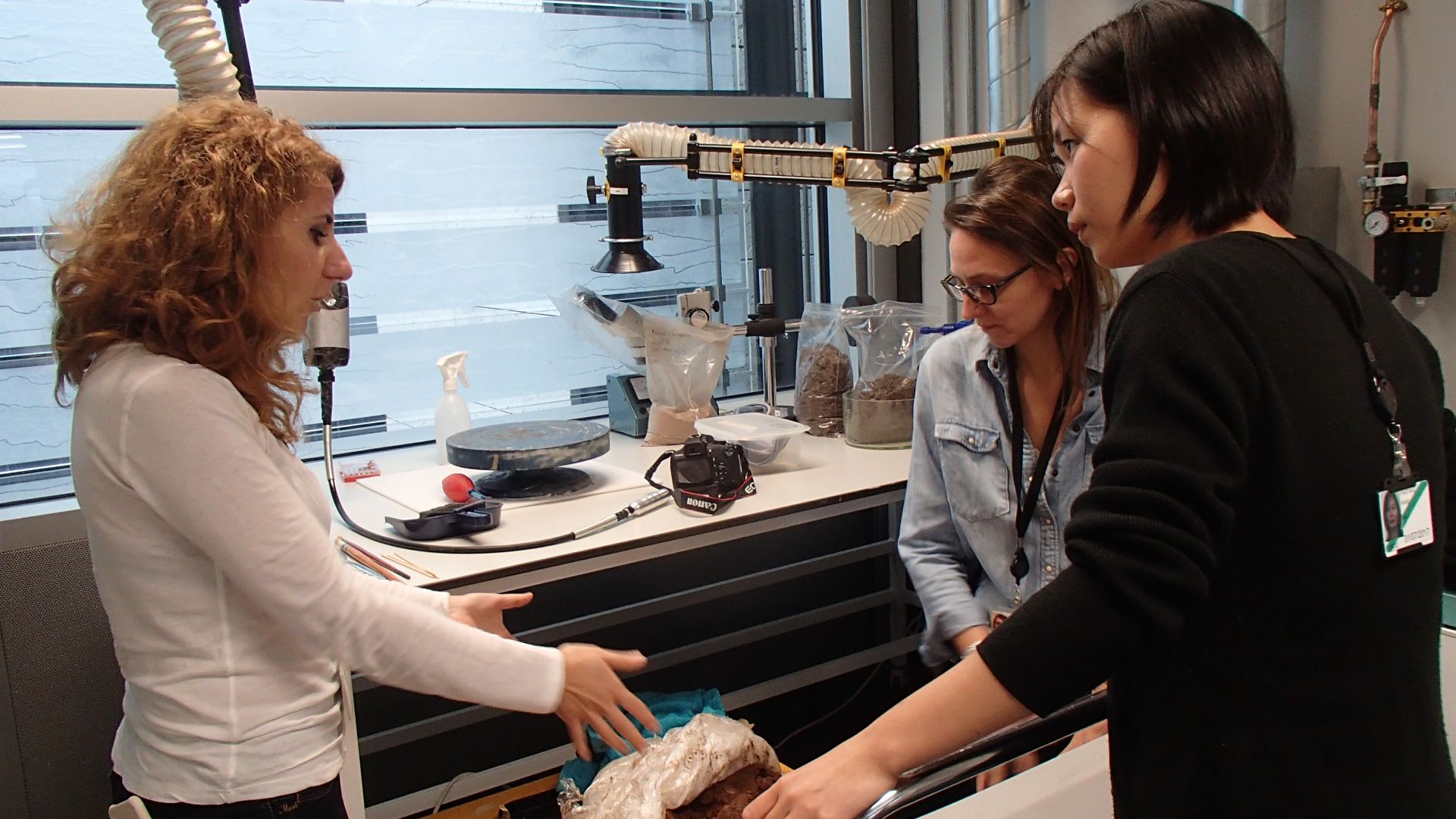
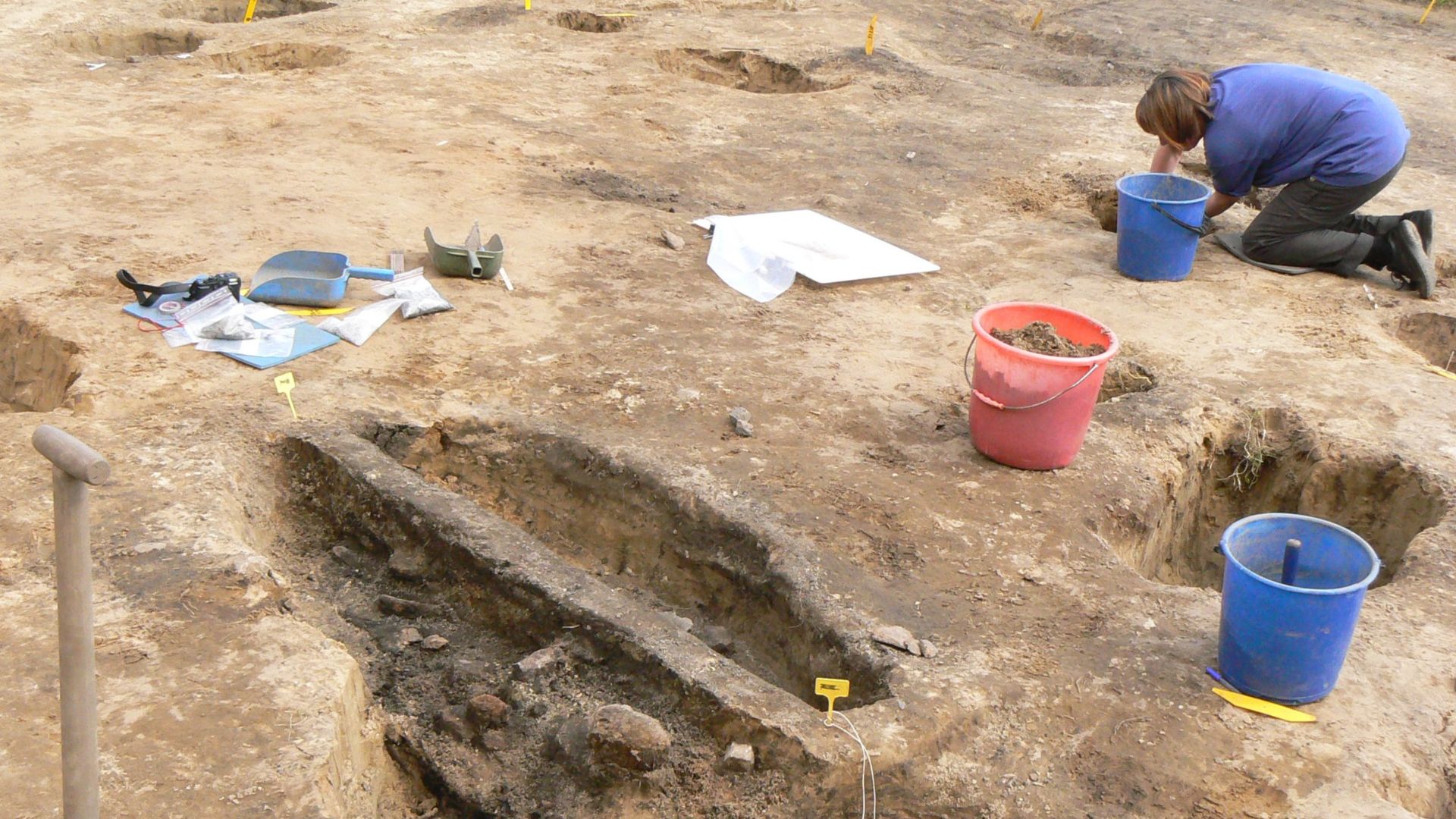
Despite the headlines, researchers are still at the beginning. The coins must be conserved, separated, counted, identified, and dated. Specialists can then compare where they were minted, how worn they are, whether any were deliberately cut, and whether the two caches have the same composition. The birch bark deserves analysis of its own, while archaeologists will continue investigating the surrounding landscape for evidence of settlements, paths, burials, or other activity.
 Nathalie von Essen, Wikimedia Commons
The Hoard Could Put Ancient Sysmä Back On The Map
The most exciting possibility isn't simply that Finland has a new record-breaking treasure. It's that the coins may reveal what Sysmä once was. A deposit this large represents substantial accumulated wealth, and its future analysis could show connections stretching from inland Finland toward Scandinavia, western Europe, the eastern Baltic, or even much farther away. Sysmä may look quiet today, but the archaeological evidence increasingly suggests that around a thousand years ago it occupied a far busier world of waterways, commerce, and international exchange than anyone looking at the modern town might guess.
Final Thoughts
Kalle Lappinen went into the woods with a metal detector and came back with a discovery capable of changing how archaeologists understand an entire region. Finland's largest known Viking Age coin hoard is impressive because of its thousands of coins and 4.5 kilograms of silver, but its real importance may lie in what those coins eventually reveal about the people who accumulated them.
Where did the silver come from? Who controlled enough wealth to bury it? Why were two caches hidden only meters apart? And how did a community deep in Finland's lake country fit into the enormous trade networks linking northern Europe a thousand years ago? The treasure has been found. Its real story is only beginning to emerge.
 Portable Antiquities Scheme, Wikimedia Commons
You May Also Like:
Ancient Cities That Were Swallowed Whole By The Sea And We Only Know About Because Of Sonar






,_Sarahi_Naidorf_(centre)_Pingfang_Wang_(right)_(FindID_787746).jpg)