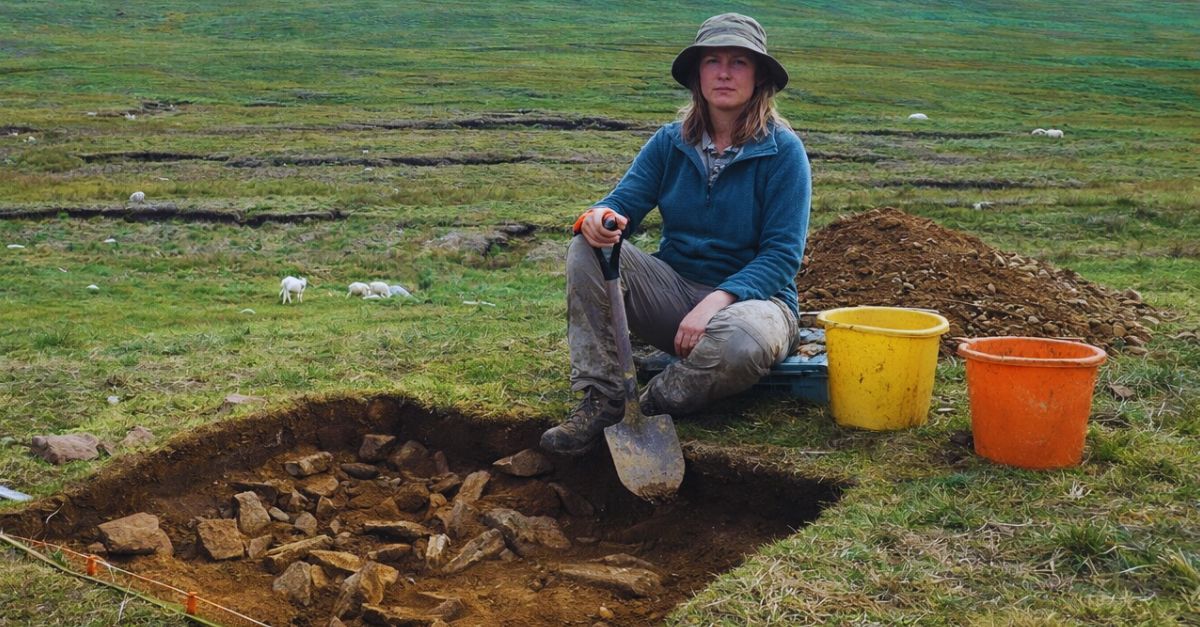
Unlike anything found before
For generations, Ireland’s prehistoric past was imagined as quiet and scattered. Then a single hill in County Wicklow told a very different story. Aerial surveys exposed hundreds of house foundations packed into a single community, raising questions about what we thought we knew.
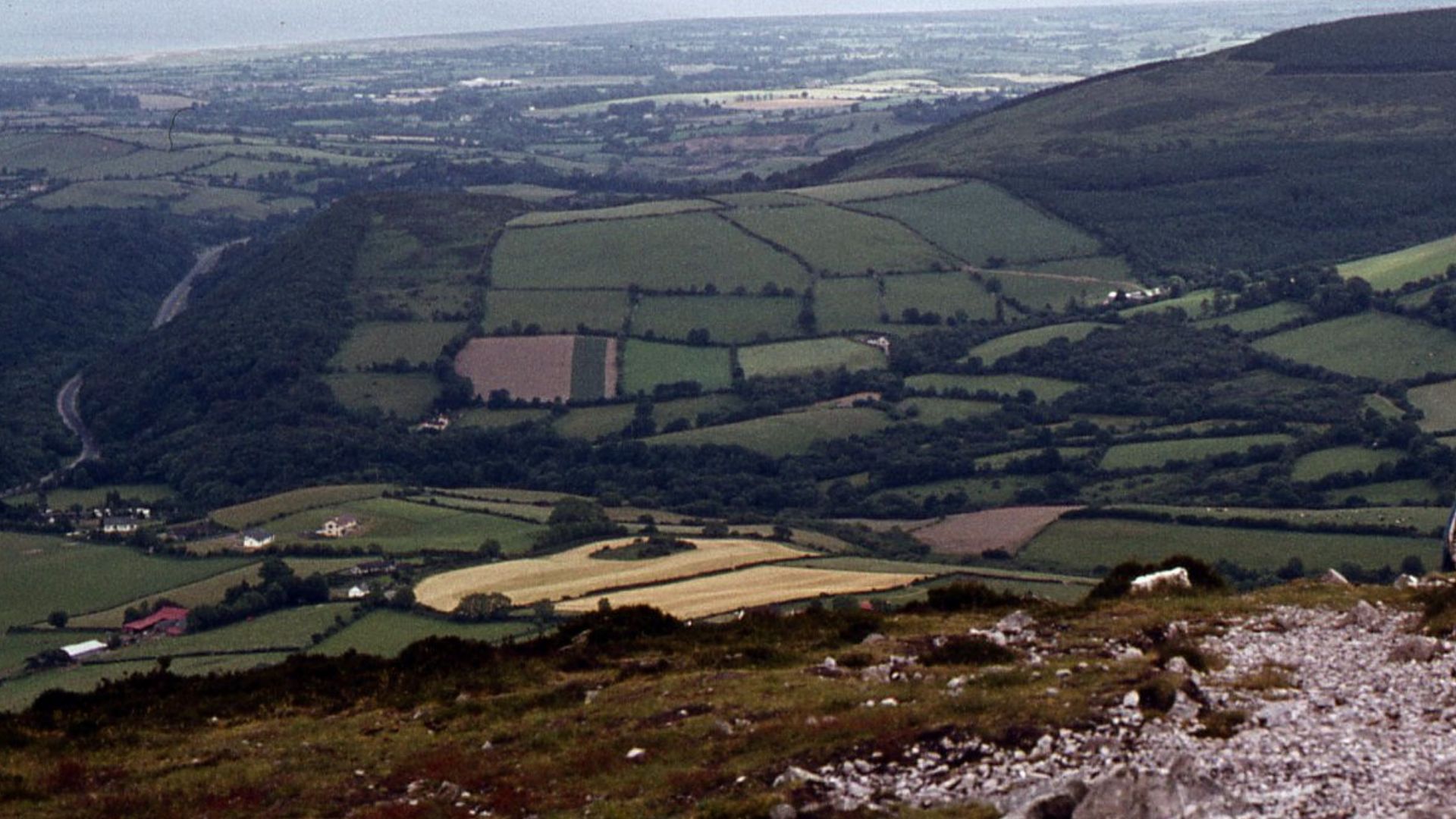
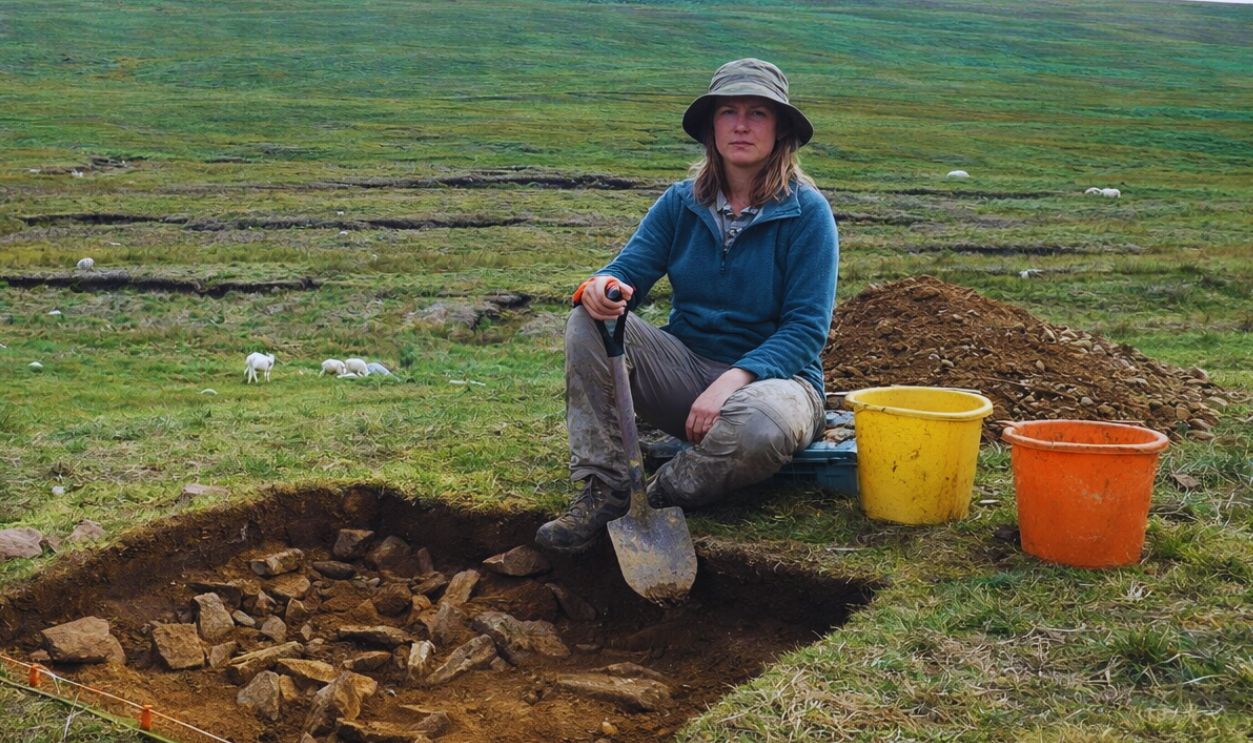 Sheep grazing in the Wicklow mountains by Eirian Evans, CC BY-SA 2.0, Wikimedia Commons, Modified
A Quiet Hill In County Wicklow
Brusselstown Ring, a hilltop site in County Wicklow, sat undisturbed for centuries. To the locals, it appeared unremarkable. However, to archaeologists, it would become one of the most important discoveries ever made in Ireland.
Patterns That Only Appeared From Above
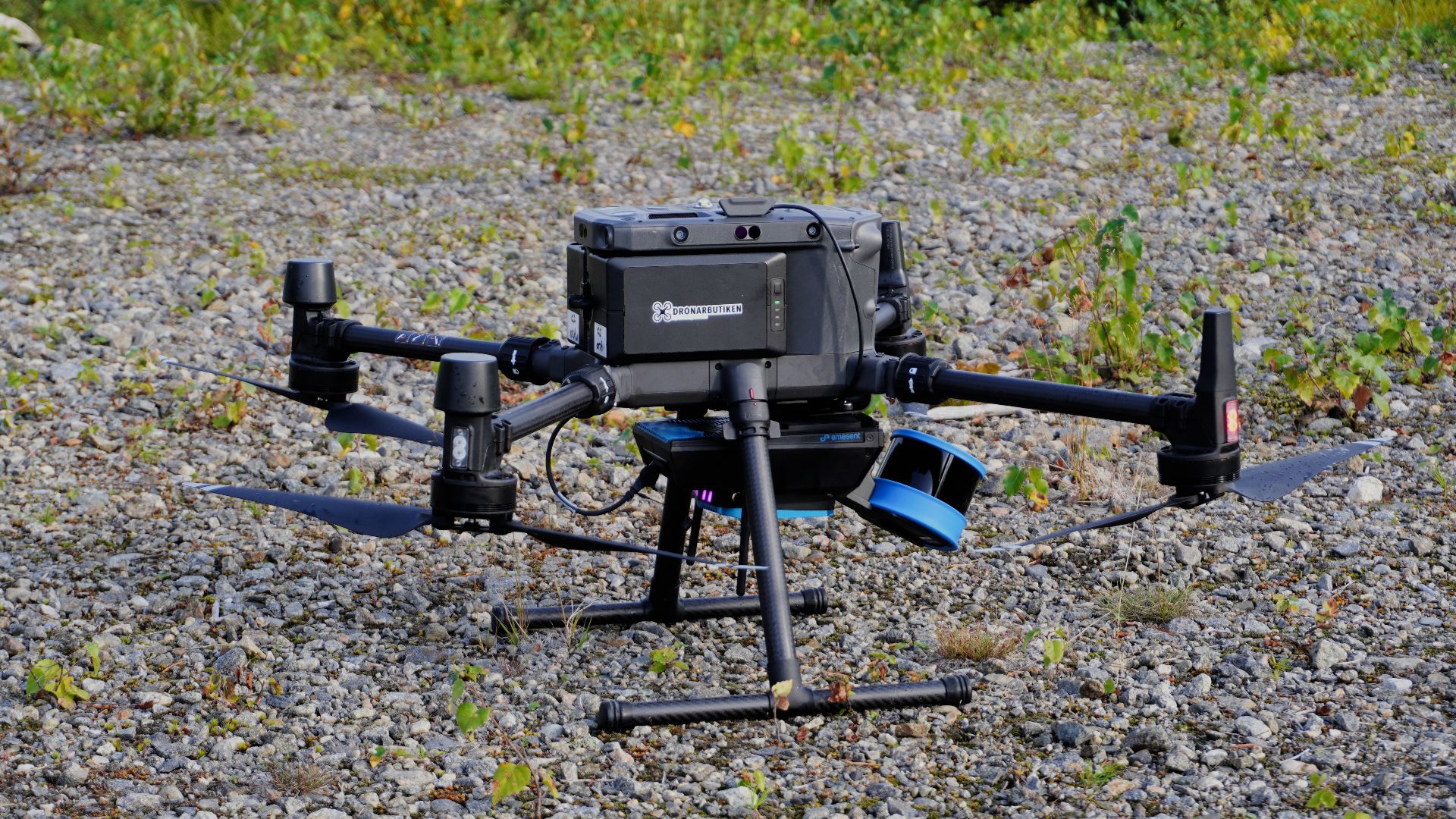
Modern archaeology often begins in the air. High-resolution aerial photography and LiDAR surveys exposed repeating shapes beneath vegetation at Brusselstown Ring. These subtle patterns, invisible at ground level, pointed to extensive human activity and prompted a far deeper investigation of the site.
Why This Site Drew Attention
Hillforts are common across Ireland, but Brusselstown Ring immediately stood apart. Its scale, combined with multiple clustered enclosures, suggested long-term and repeated use rather than a single defensive phase. That complexity hinted at a sustained community occupying the site across several prehistoric periods.
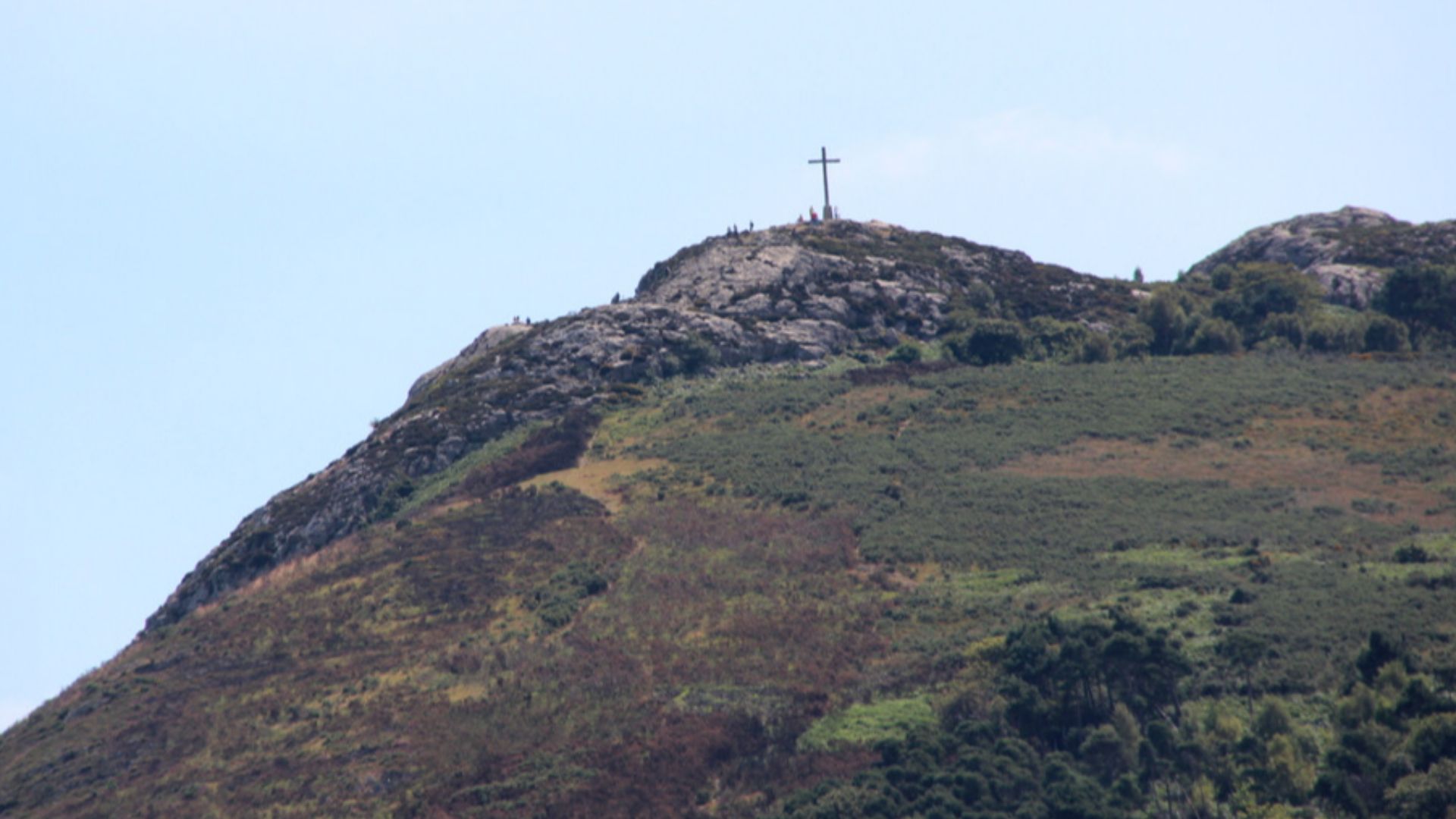 Christine Matthews, Wikimedia Commons
The First Clues Hidden In The Terrain
A closer study showed flattened terraces carved directly into sloping hillsides. These were not natural formations. Their consistency and placement showed deliberate planning, which indicates organized construction carried out over generations, long before written history.
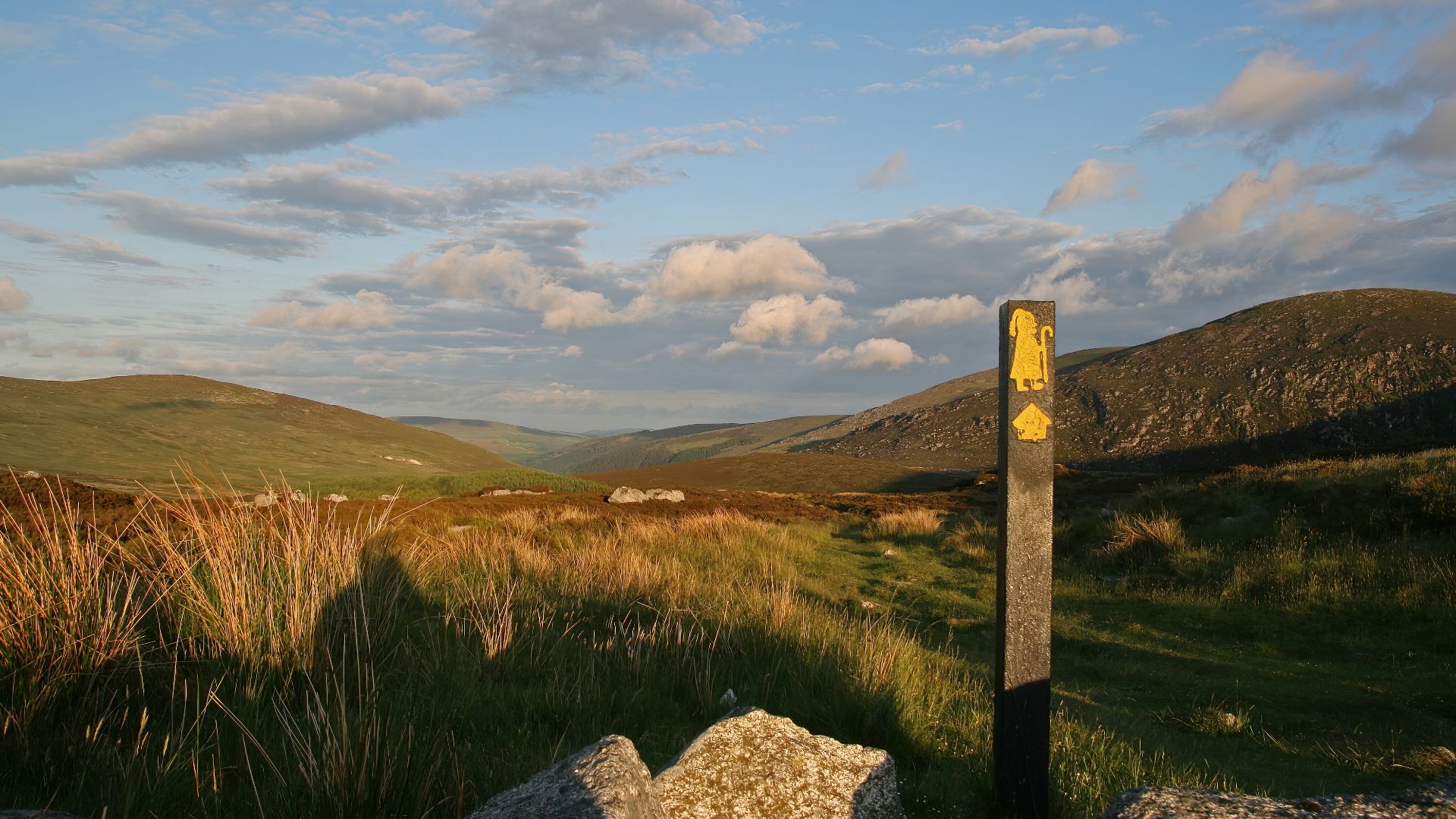
Stone Platforms Covering The Hillsides
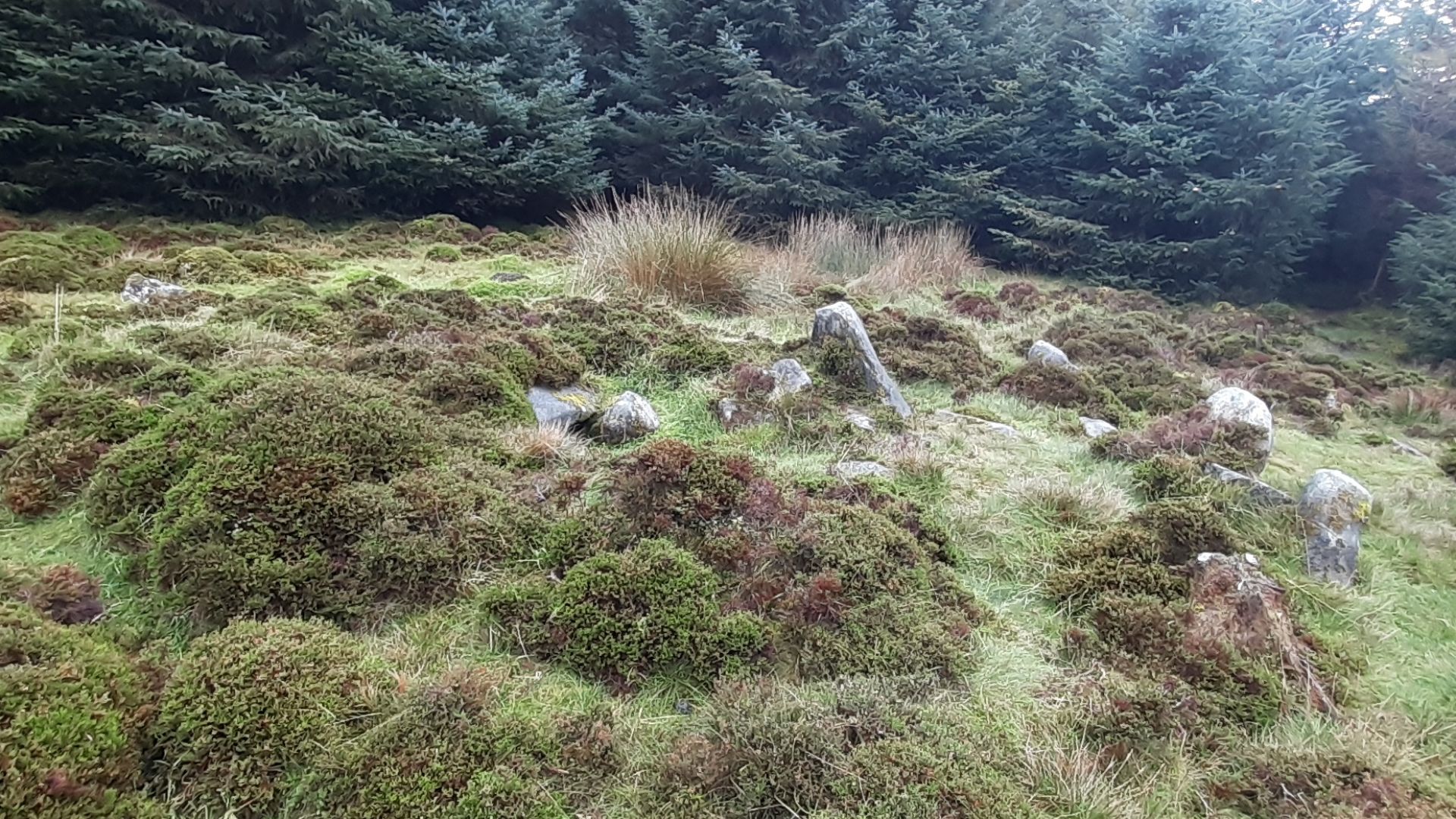
Detailed mapping uncovered hundreds of stone-cut platforms spread across the hills. Excavations later confirmed they were foundations for round houses. Their close spacing pointed to dense, permanent occupation, unlike the scattered farmsteads typical of Bronze Age Ireland.
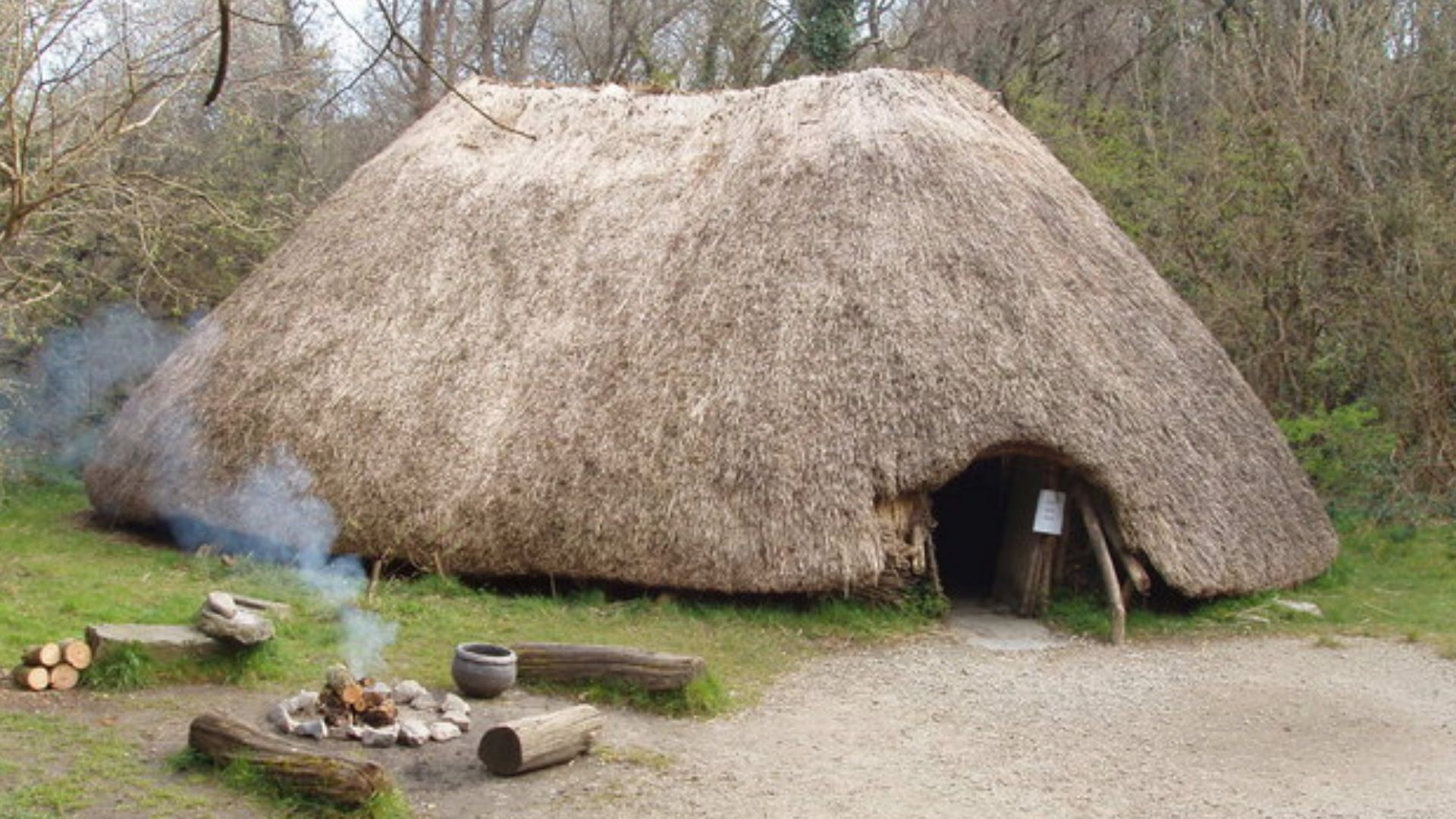 David Hawgood, Wikimedia Commons
More Than Scattered Farms Or Seasonal Shelters
Most Bronze Age settlements in Ireland consisted of small, widely spaced farmsteads that were not always occupied year-round. Brusselstown Ring challenges that model. The sheer number of houses and their arrangement suggest a community designed for continuous habitation.
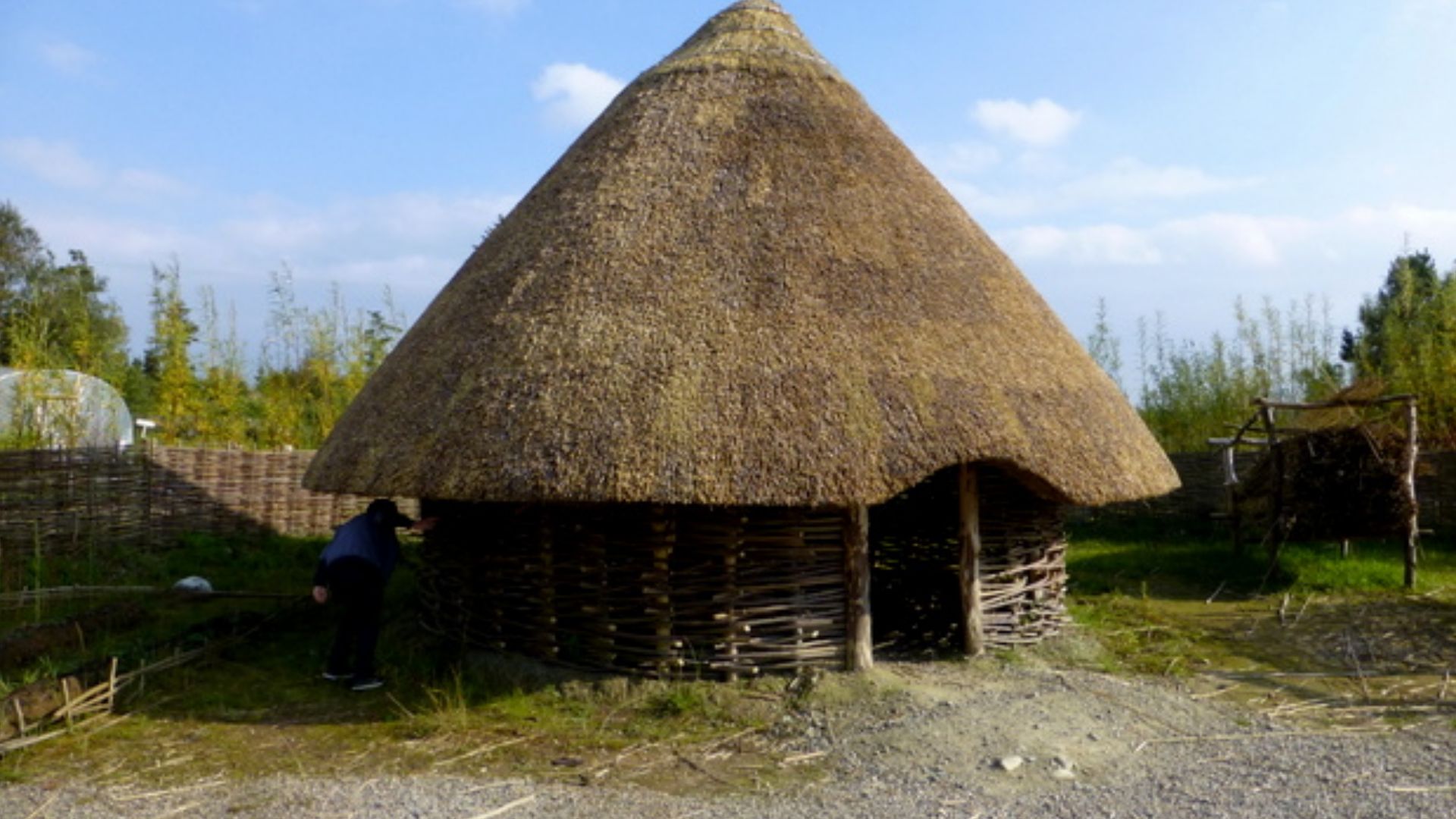 Kenneth Allen, Wikimedia Commons
A Settlement On A Scale Never Seen Before
Researchers identified more than 600 suspected house platforms across the site, which made it the largest known prehistoric settlement of its kind in Ireland. No other Bronze Age location in the region shows evidence of such a concentrated population living together at one time.
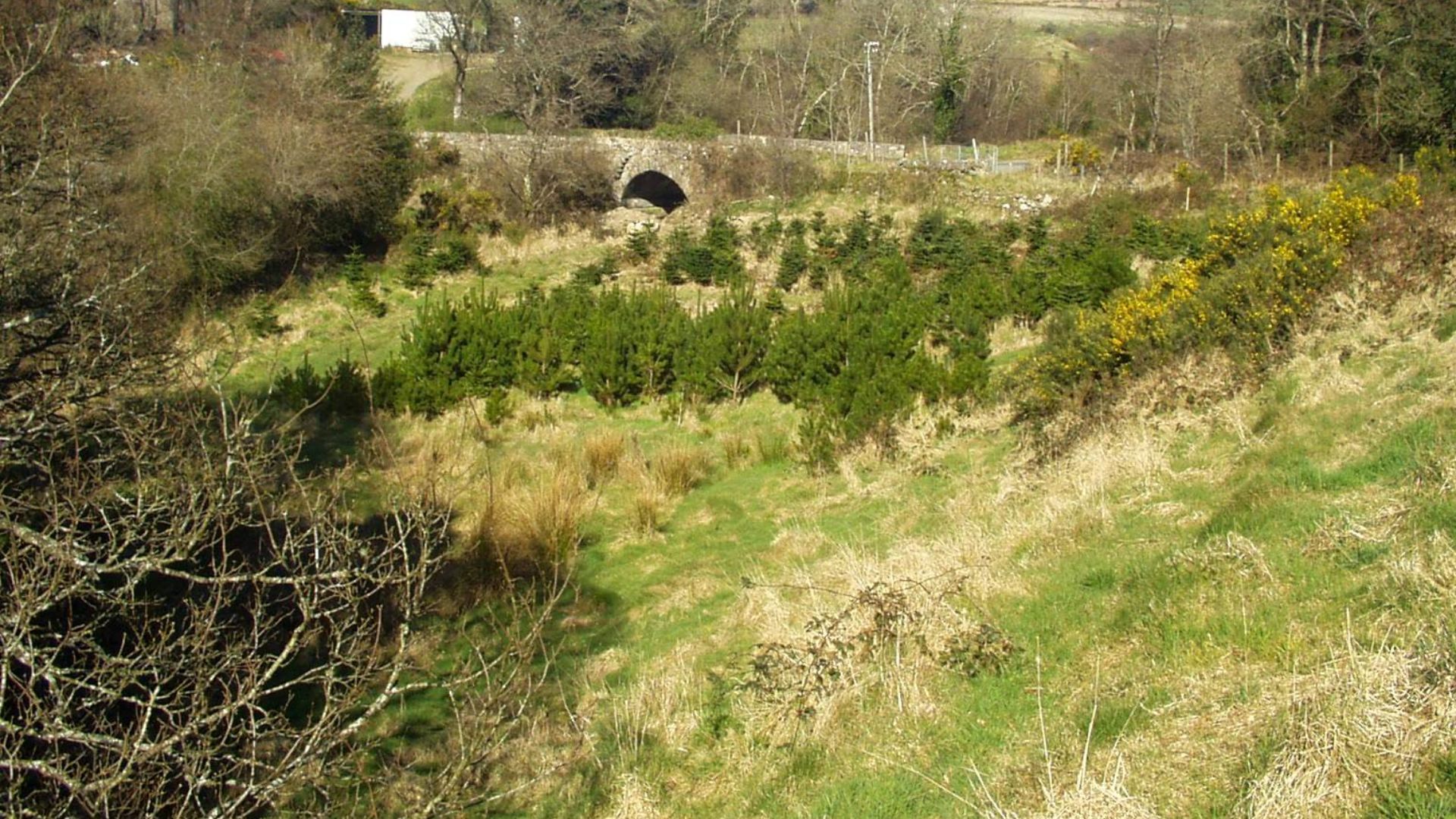
Reconstructing Daily Life Inside The Hillfort
The tightly packed houses imply close social interaction. Residents may have relied on nearby farmland while living within the fortified area. This arrangement suggests that their daily life involved cooperation and shared resources.
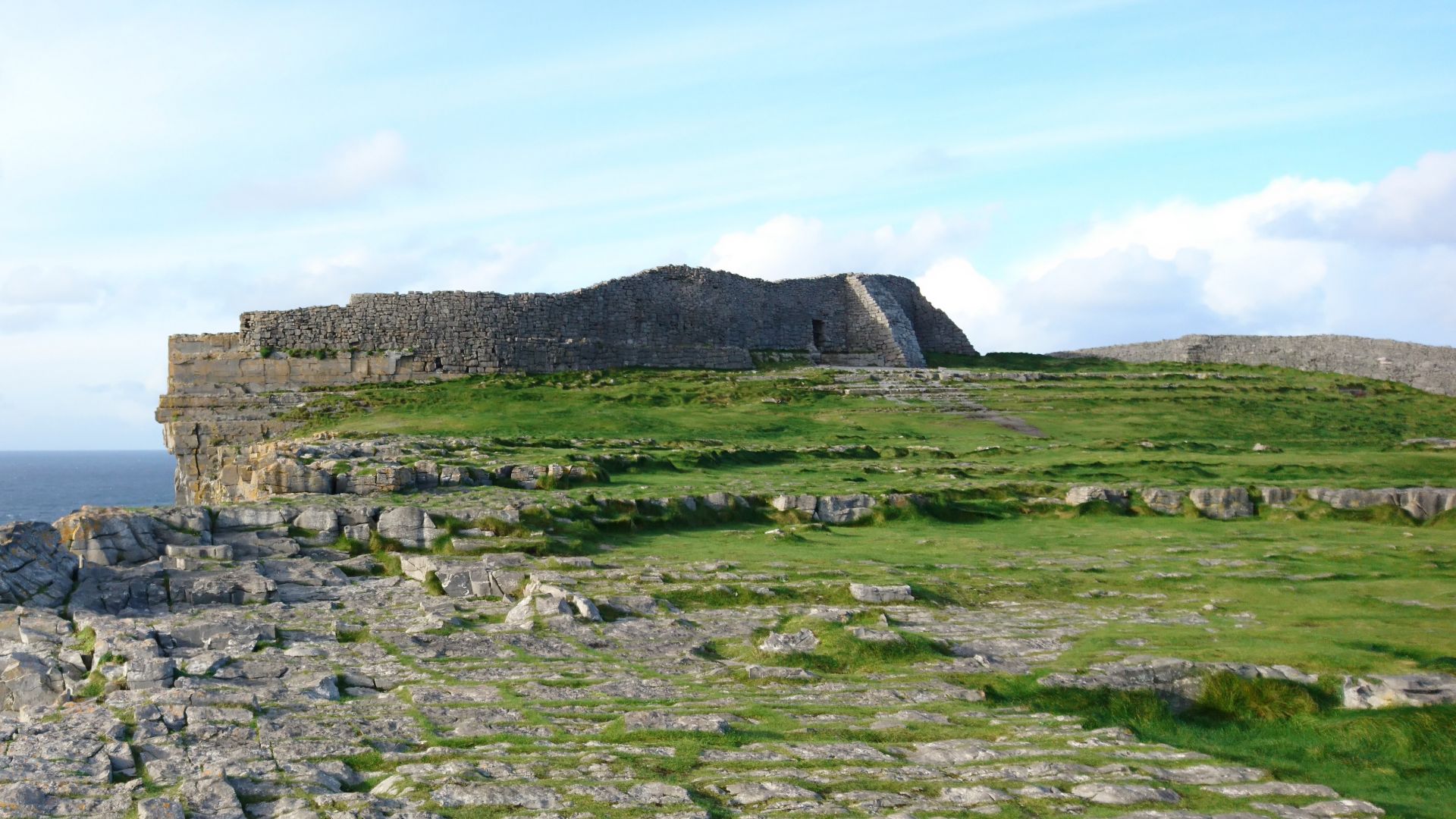 IG: Lorenz.12, Wikimedia Commons
Estimating A Population Of Unusual Size
Based on average roundhouse occupancy, archaeologists estimate the settlement may have supported a substantial population, potentially in the thousands. However, exact figures remain hypothetical. Nevertheless, conservative interpretations place the site's scale far above what was previously thought typical for Late Bronze Age communities in the area.
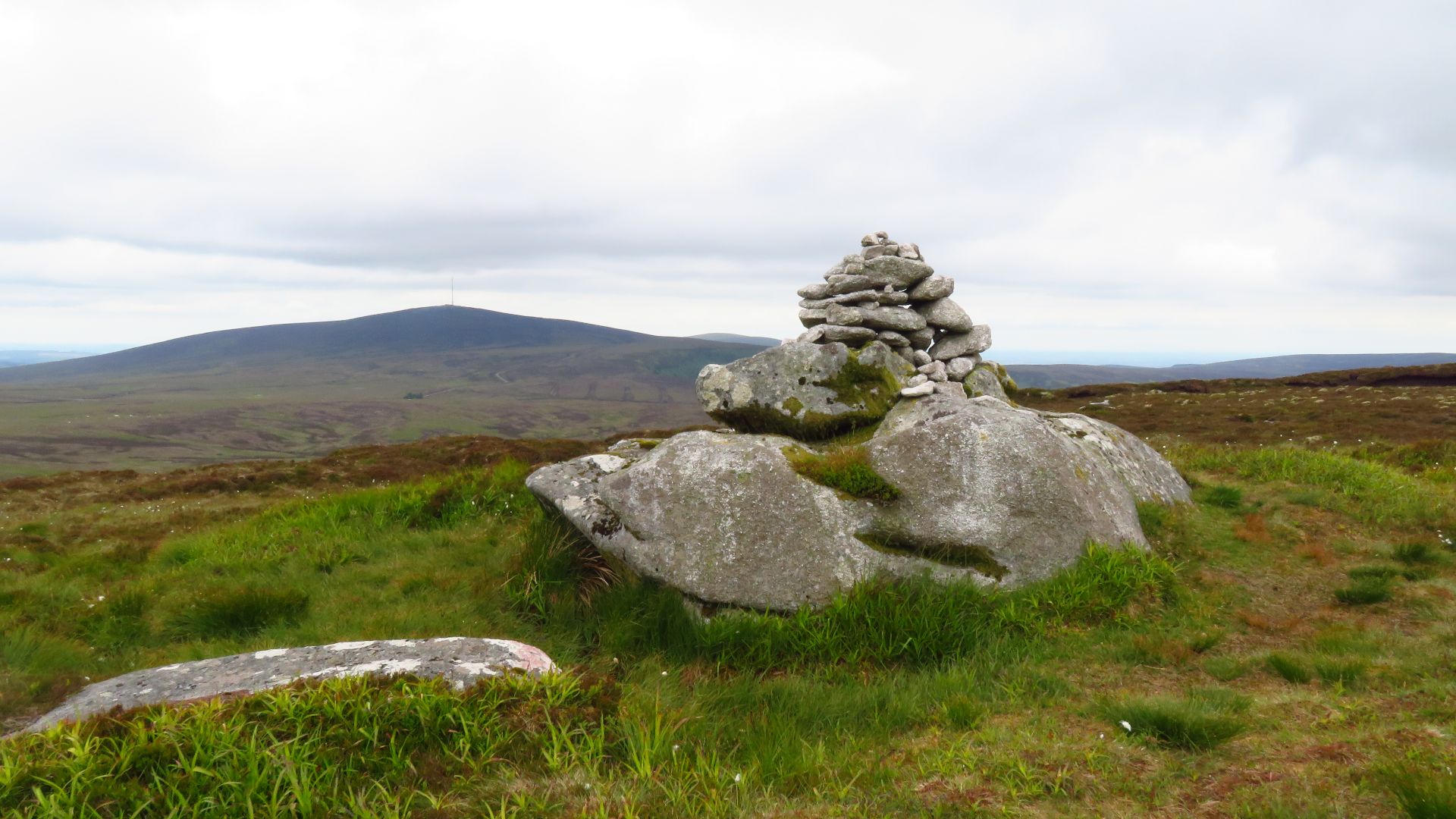
Signs Of Long-Term And Permanent Occupation
Radiocarbon dating and material evidence indicate the site was primarily occupied from roughly 1210 BC to 780 BC, with continued use until around 400 BC. That span supports the idea that multiple generations lived and adapted the settlement for long-term stability.
 Yulia Kolosova, Wikimedia Commons
A Community Spread Across Multiple Hills
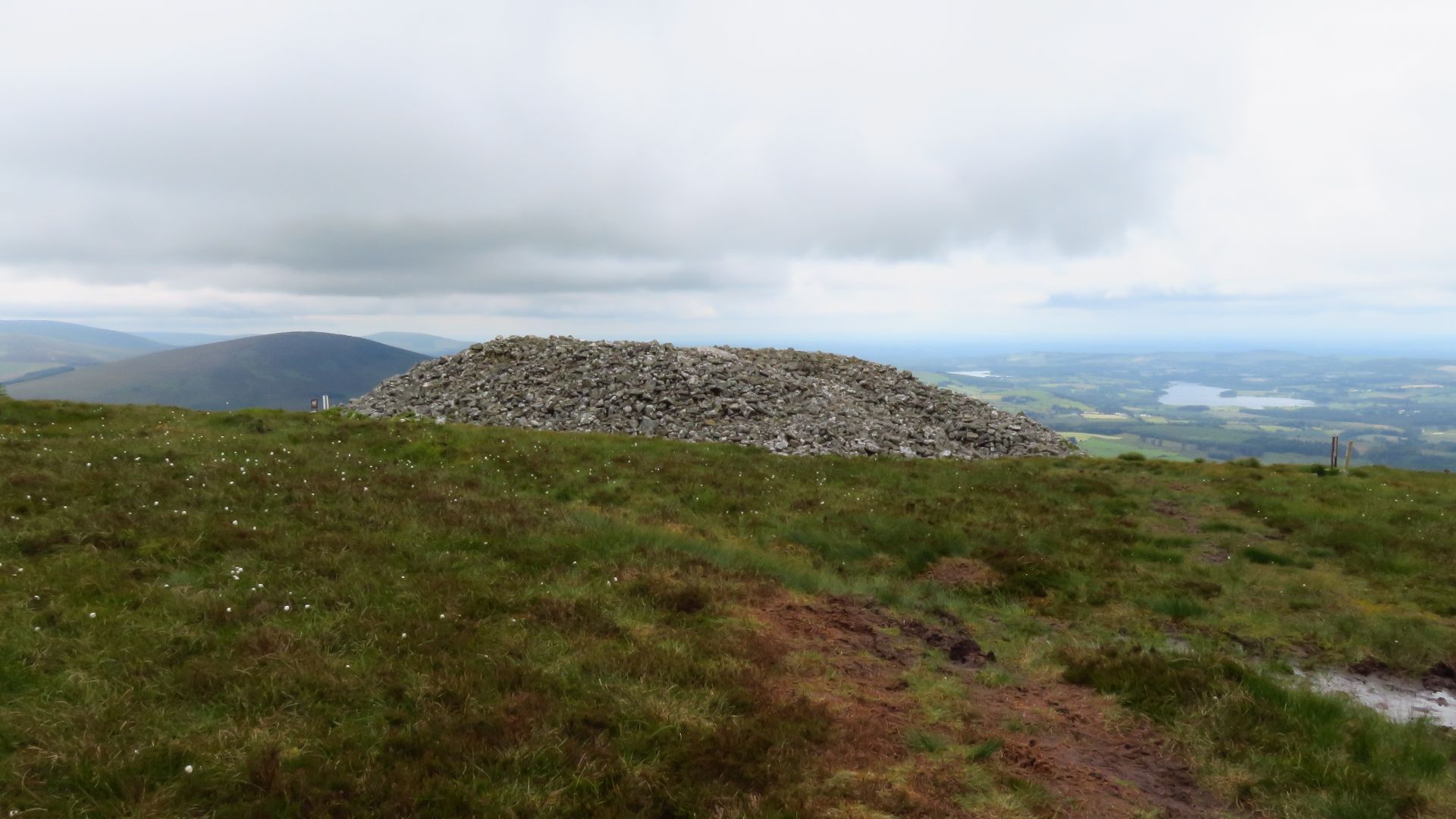
Brusselstown Ring extends beyond a single hilltop, incorporating nearby enclosures across the surrounding landscape. This multi-hill arrangement is extremely rare in Ireland, where settlements typically remained confined to one defensible location.
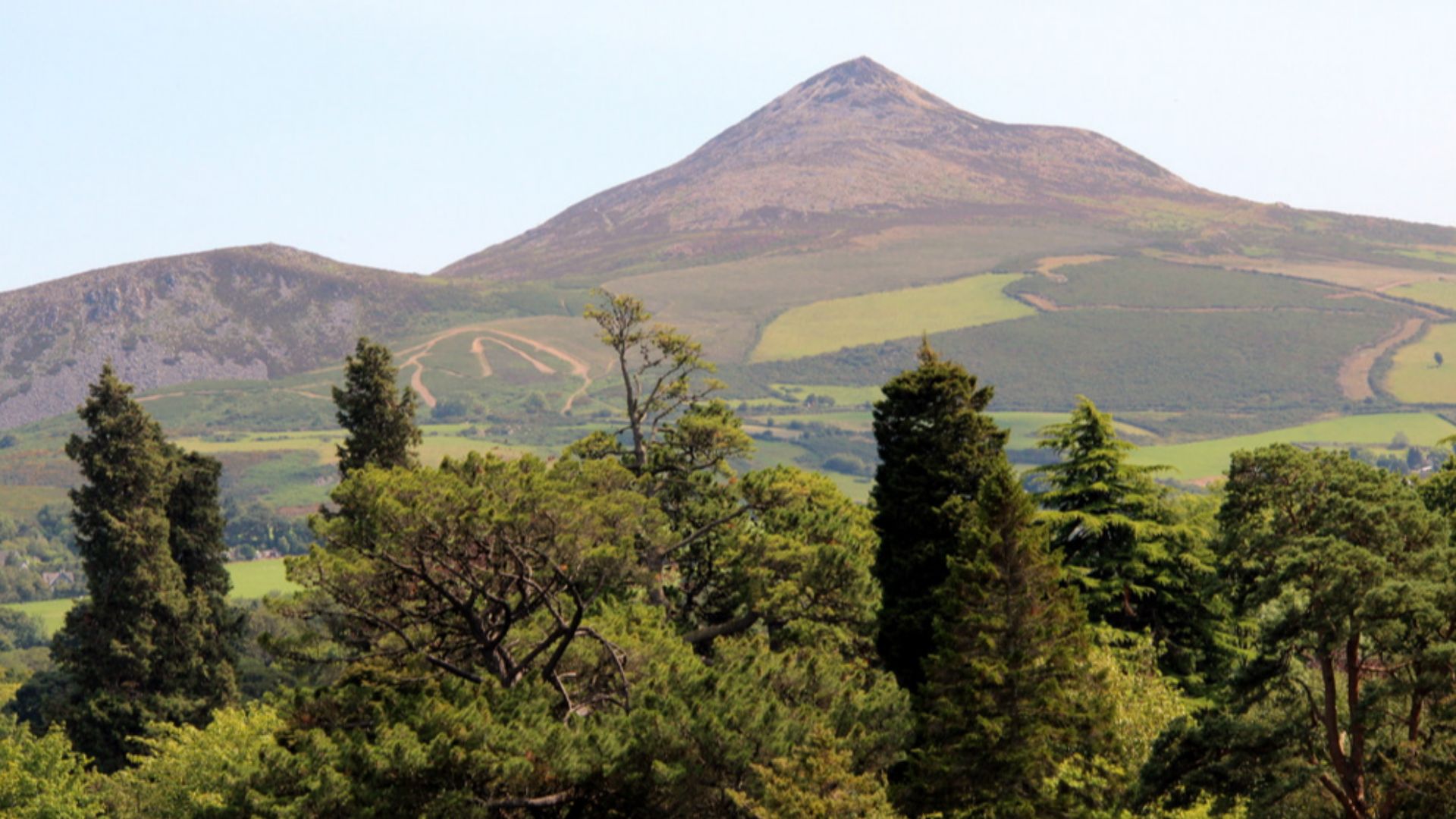 Christine Matthews, Wikimedia Commons
Why This Arrangement Is So Rare
Such expansive settlements were uncommon in the region, likely due to social organization and land use traditions. Comparable multi-hill communities are better documented in parts of continental Europe. As a result, Brusselstown Ring is an unusual and revealing exception within the Irish archaeological record.
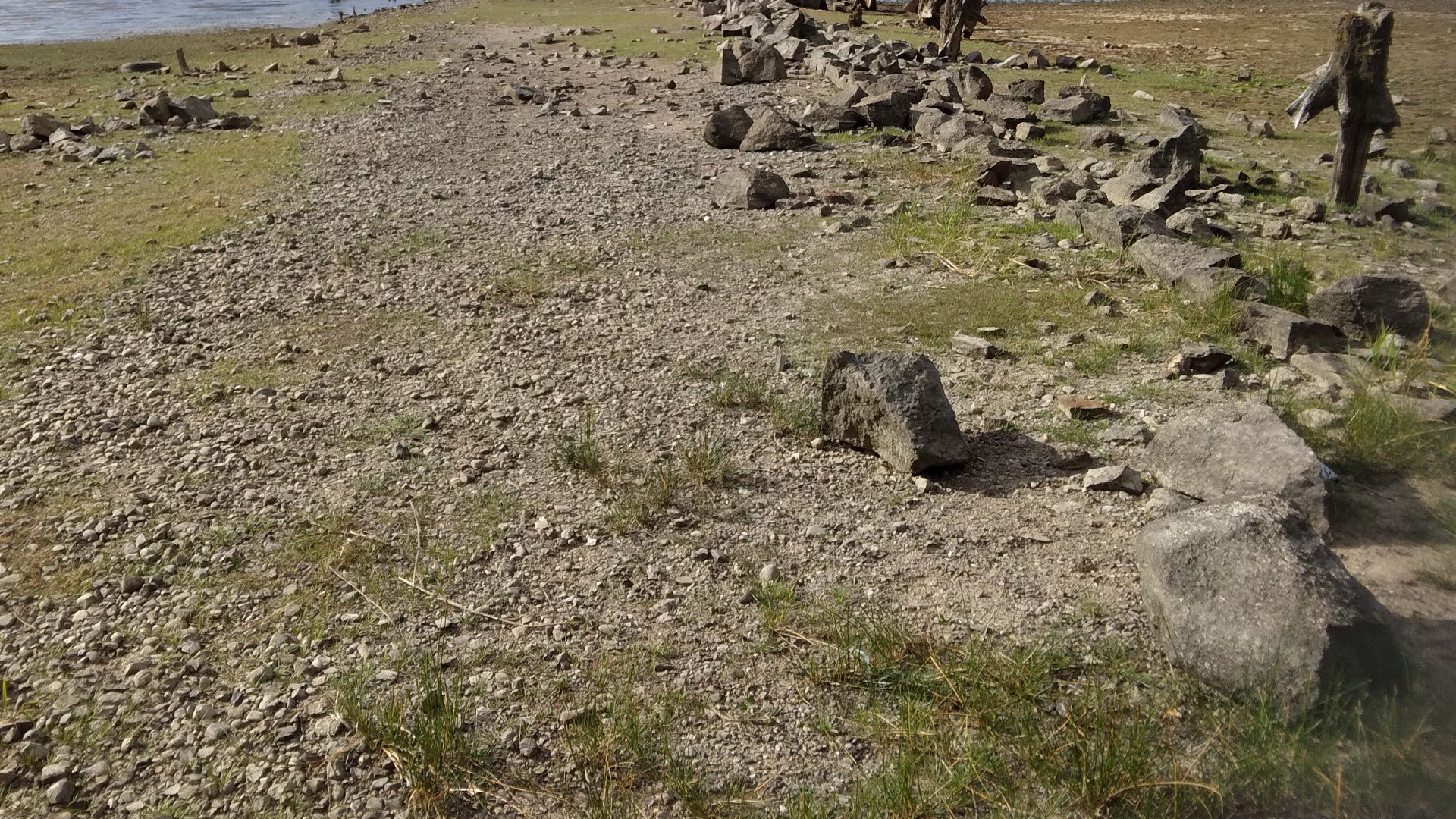 Ridiculopathy, Wikimedia Commons
A Settlement Pattern More Common In Europe
Settlements spread across multiple hills are far more typical of Late Iron Age Europe than Bronze Age Ireland. Brusselstown Ring’s layout points to influences or developments that parallel continental traditions, even though such arrangements rarely appeared in Ireland at that time.
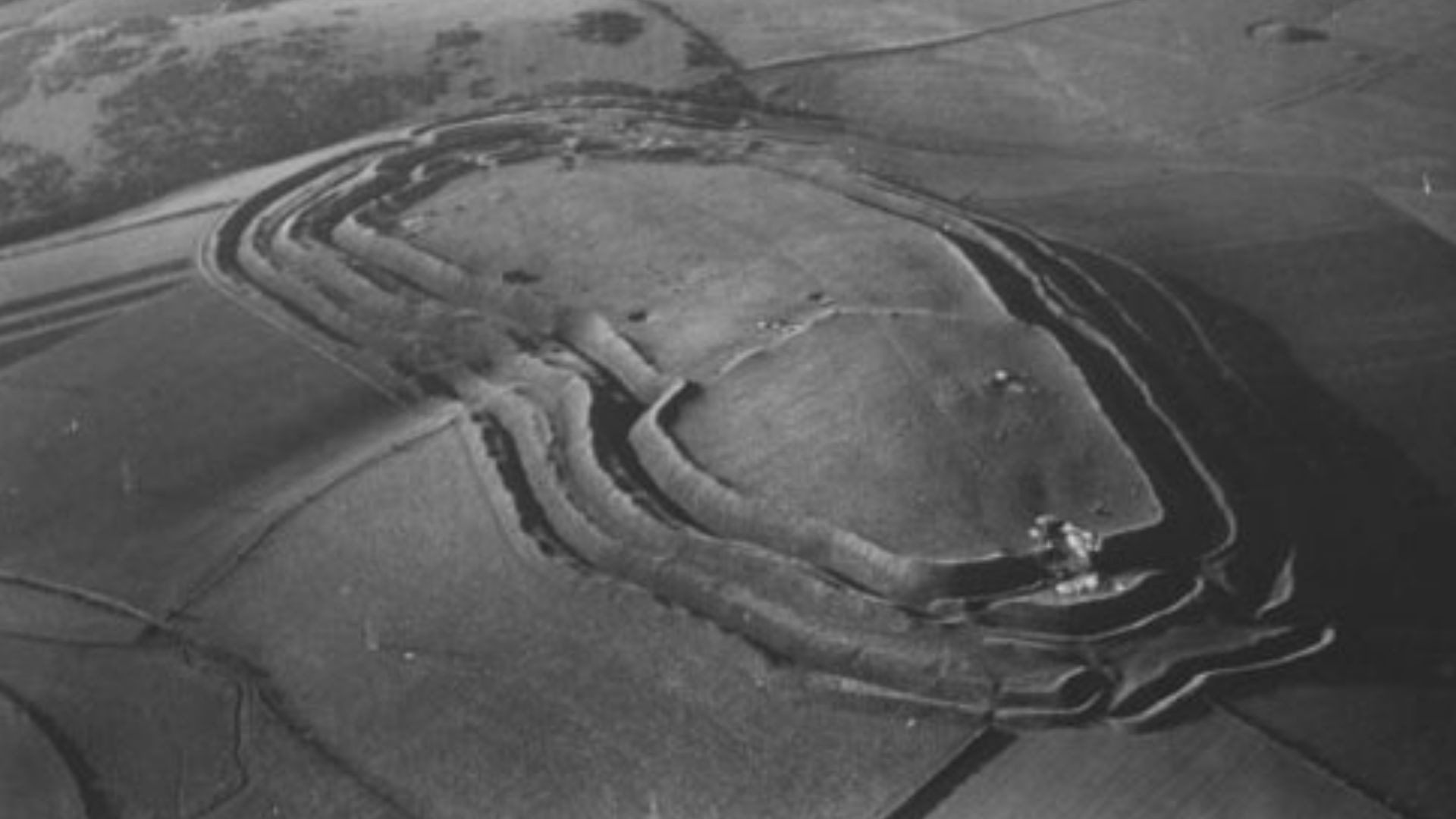 Major George Allen (1891–1940), Wikimedia Commons
What Differences In House Size Suggest
Excavations showed houses of varying sizes across the settlement. In many ancient societies, such variation signals social ranking. At Brusselstown Ring, however, house size did not align with wealth indicators. It could suggest functional differences rather than clear social divisions.
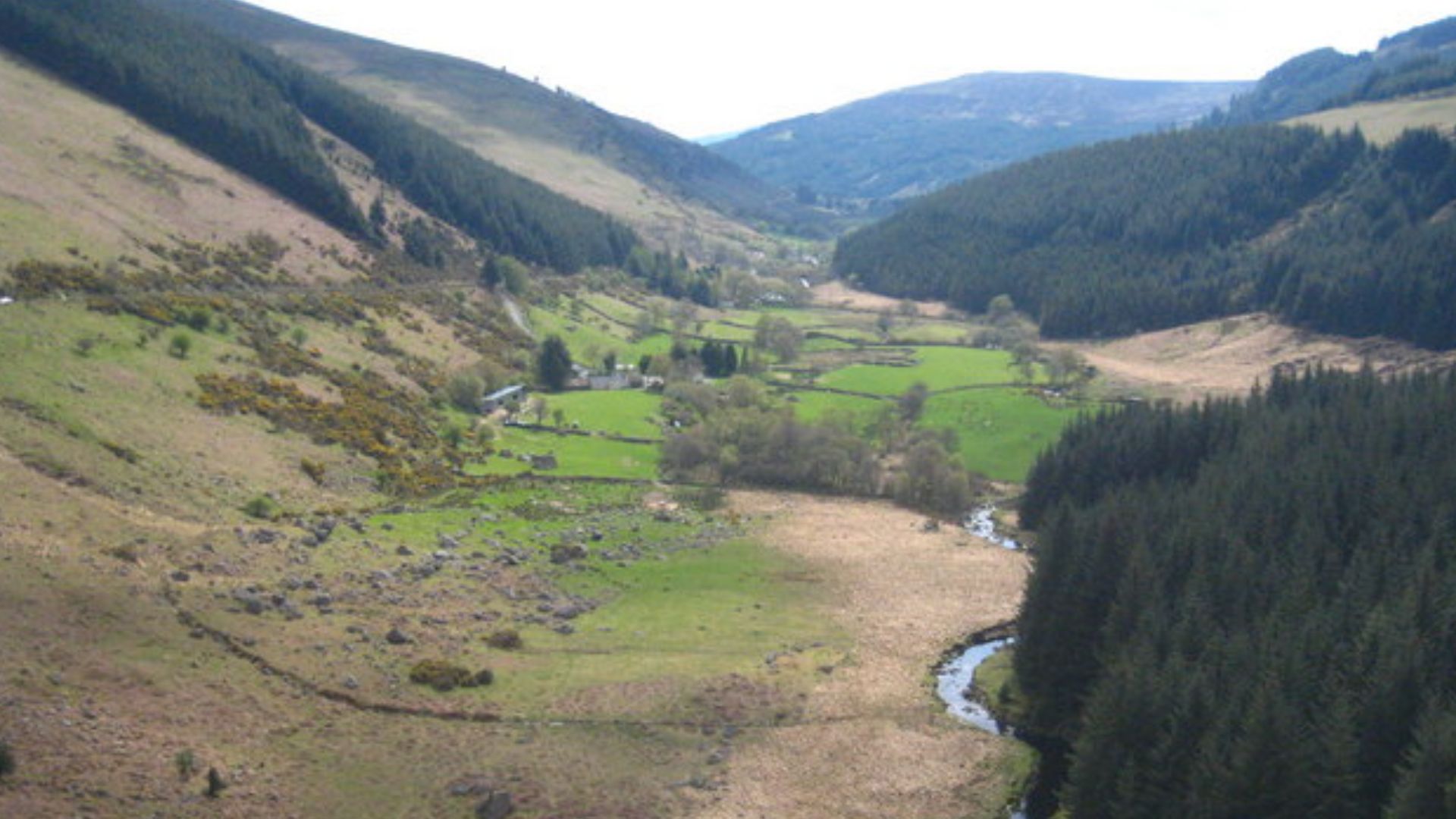
A Community With Little Evidence Of Elites
Archaeologists found no clear markers of elite residences or privileged zones. Defensive structures enclosed everyone equally. This absence of hierarchical separation challenges assumptions about leadership and power in large prehistoric communities.
Artifacts That Support An Egalitarian Society
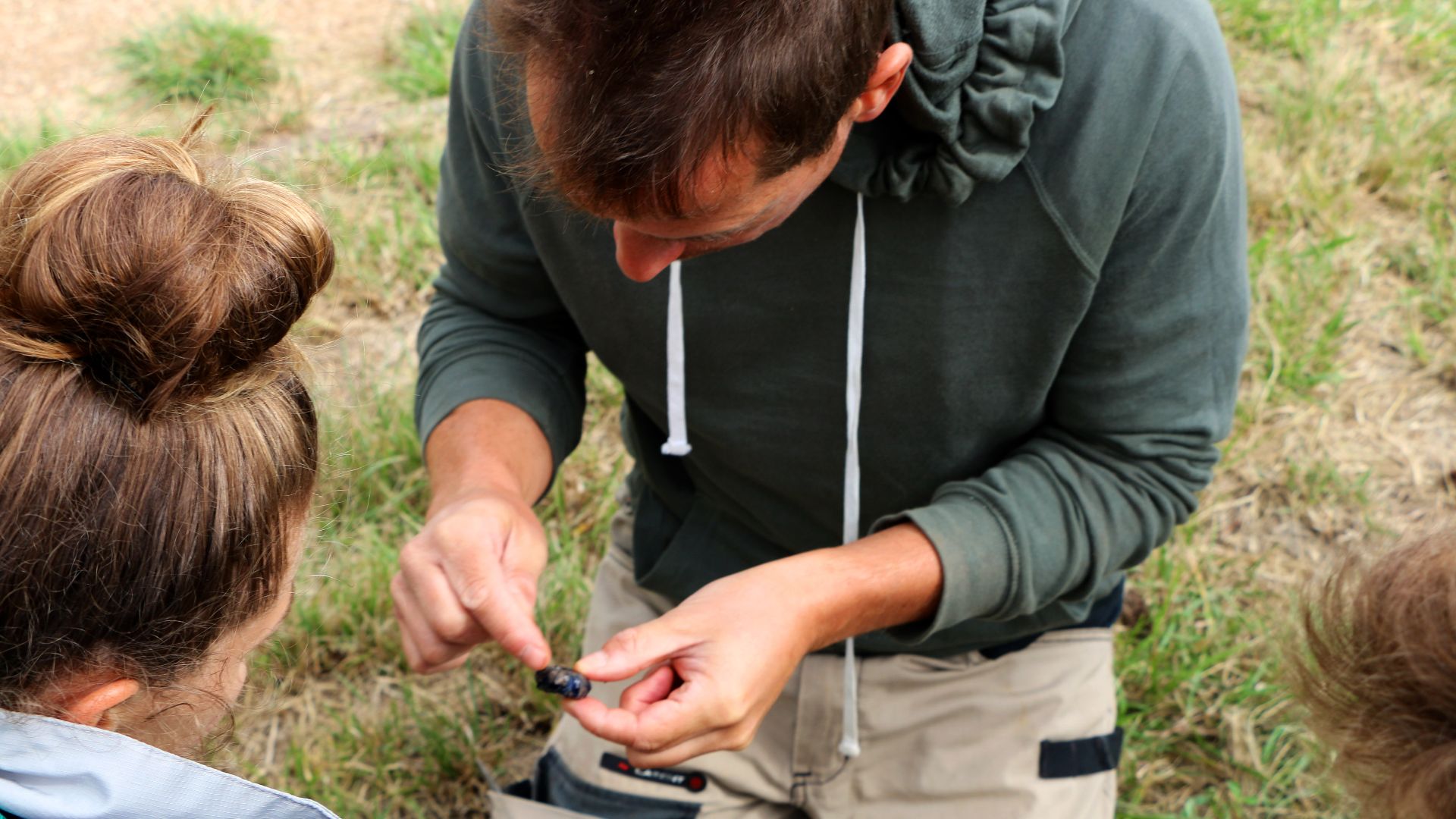
Objects recovered from the site, including everyday domestic materials, show little variation in quality or access. There is no strong evidence of luxury goods or restricted resources. This consistency reinforces the idea that wealth and status differences played a limited role.
Evidence Of Deliberate Planning And Organization
The careful spacing of houses and integrated enclosures reflects long-term planning. Such coordination suggests agreed-upon rules for construction and land use. It also points to a structured society capable of organizing large numbers of people over extended periods.
 Ridiculopathy, Wikimedia Commons
The Discovery Of An Unusual Stone Structure
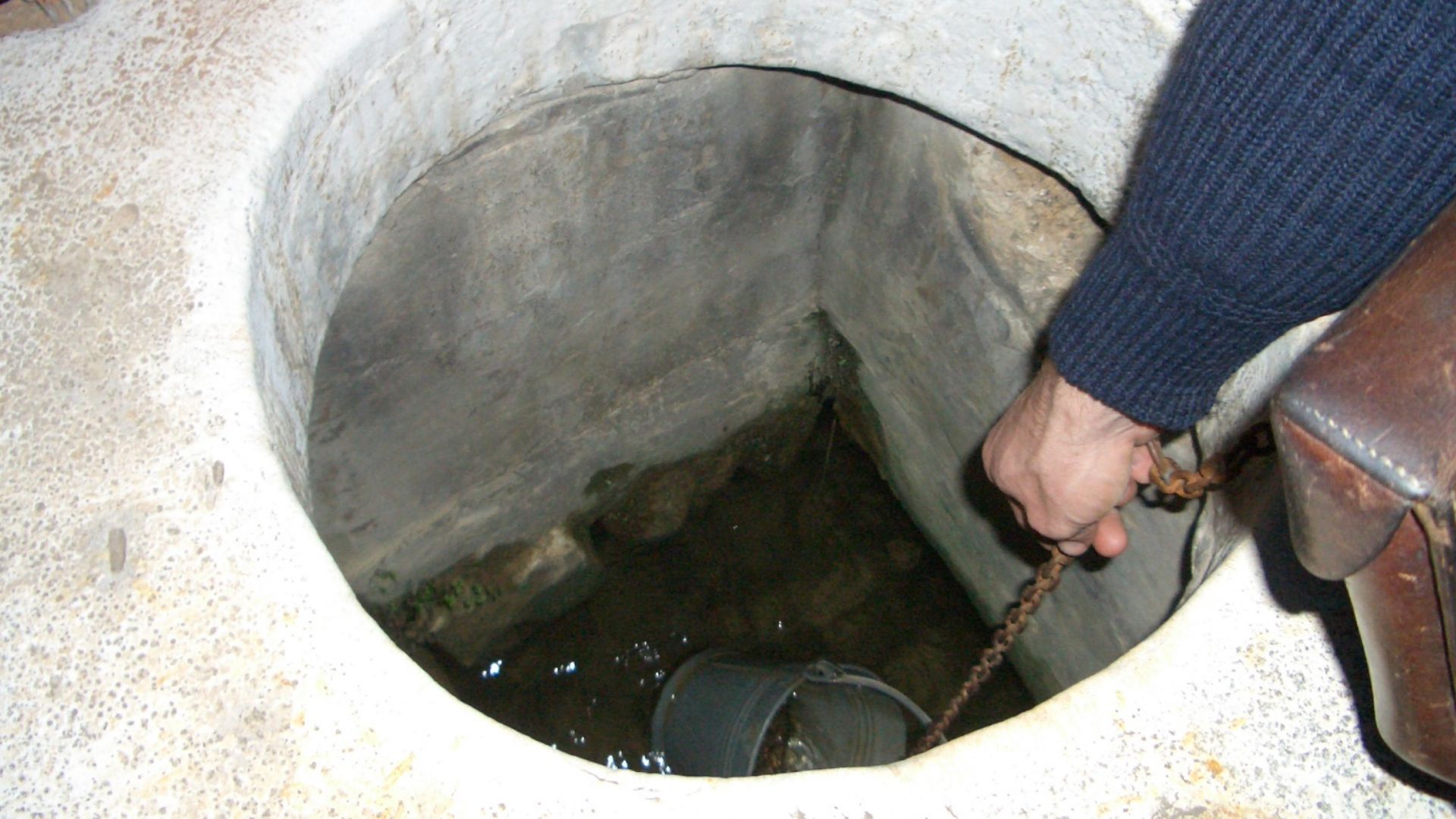
Among the most intriguing finds was a stone-lined structure with a flat interior unlike typical Bronze Age buildings. Its form and location set it apart from houses or storage sheds. This led researchers to question whether it served a specialized communal purpose.
Why This Structure May Have Stored Water
Some researchers believe the structure may have functioned as a water cistern, a feature common in parts of prehistoric Europe but rare in Ireland. If confirmed, it would show advanced planning to support a large population with reliable access to essential resources.
 Daniel Ortmann, Wikimedia Commons
A Cistern Could Reveal A Lot About Infrastructure
If the stone-lined structure is confirmed as a cistern, it would indicate deliberate water management for a large, permanent population. Such infrastructure suggests planners anticipated long-term needs for a large population.
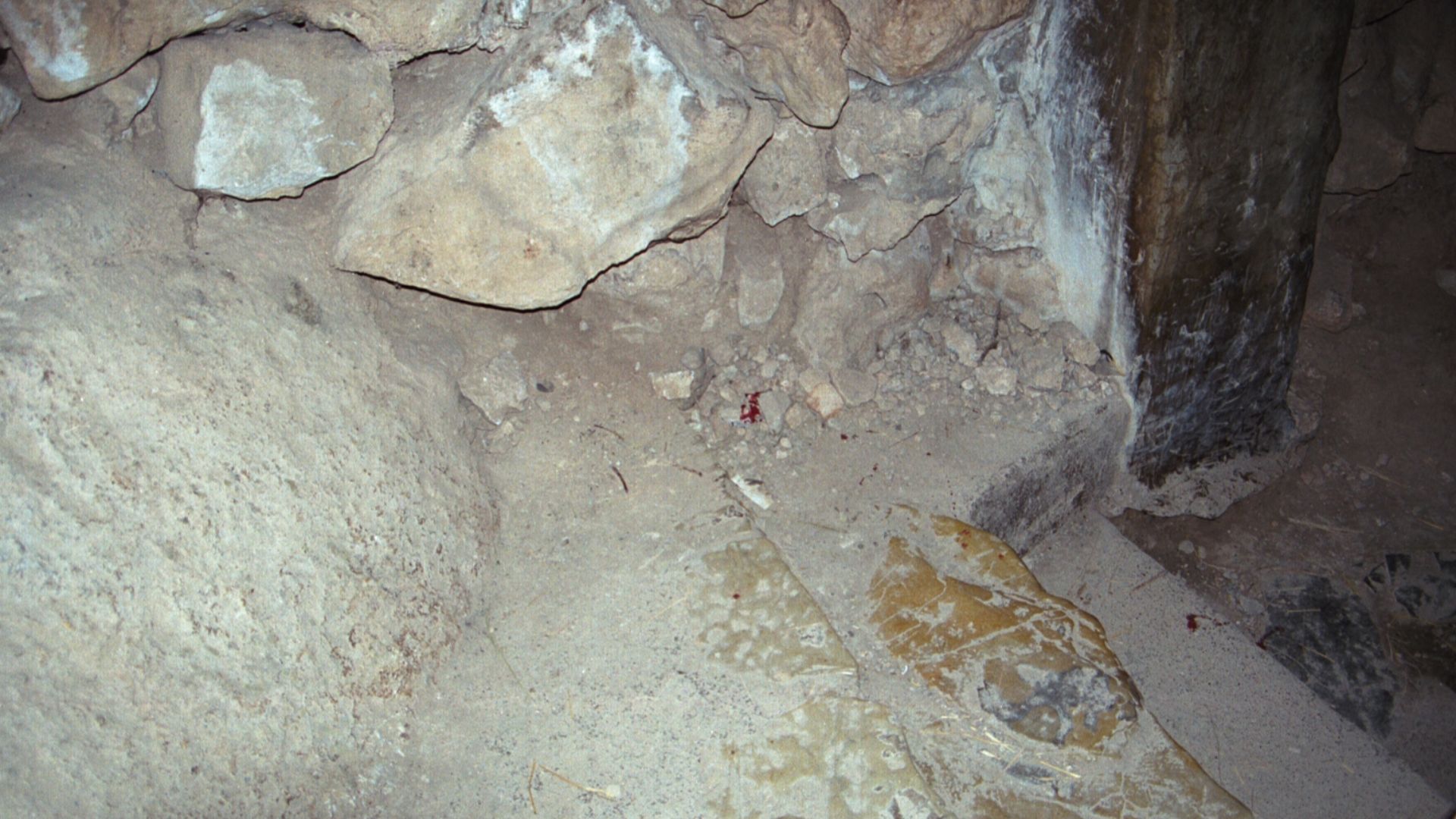
Dating A Community That Endured For Centuries
Radiocarbon dating places the main occupation into the Early Iron Age until around 400 BC. This lengthy timeline of almost 800 years shows that the settlement evolved gradually, with successive generations maintaining and adapting the site.
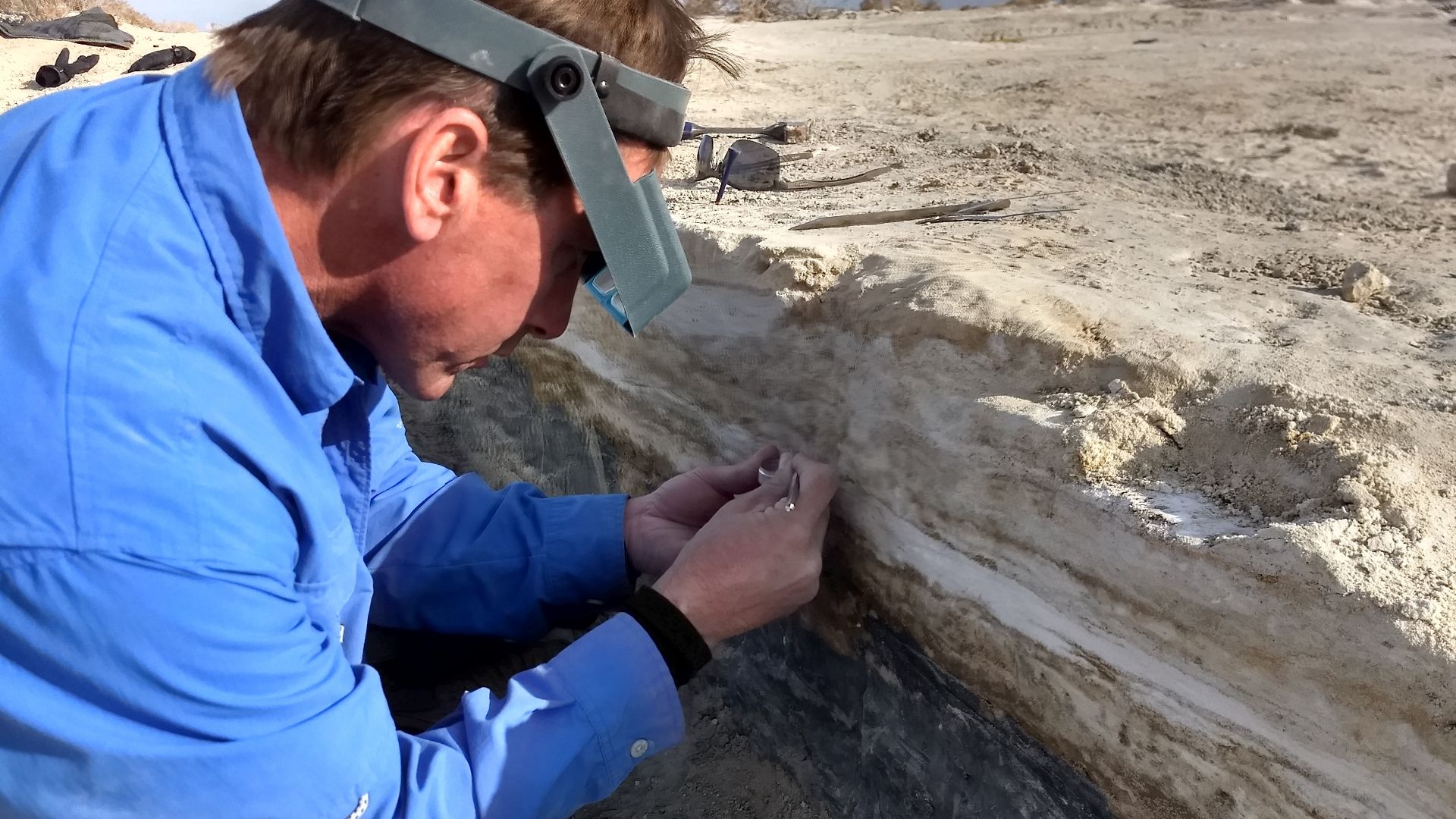
Clues Pointing To A Sudden Or Gradual Decline
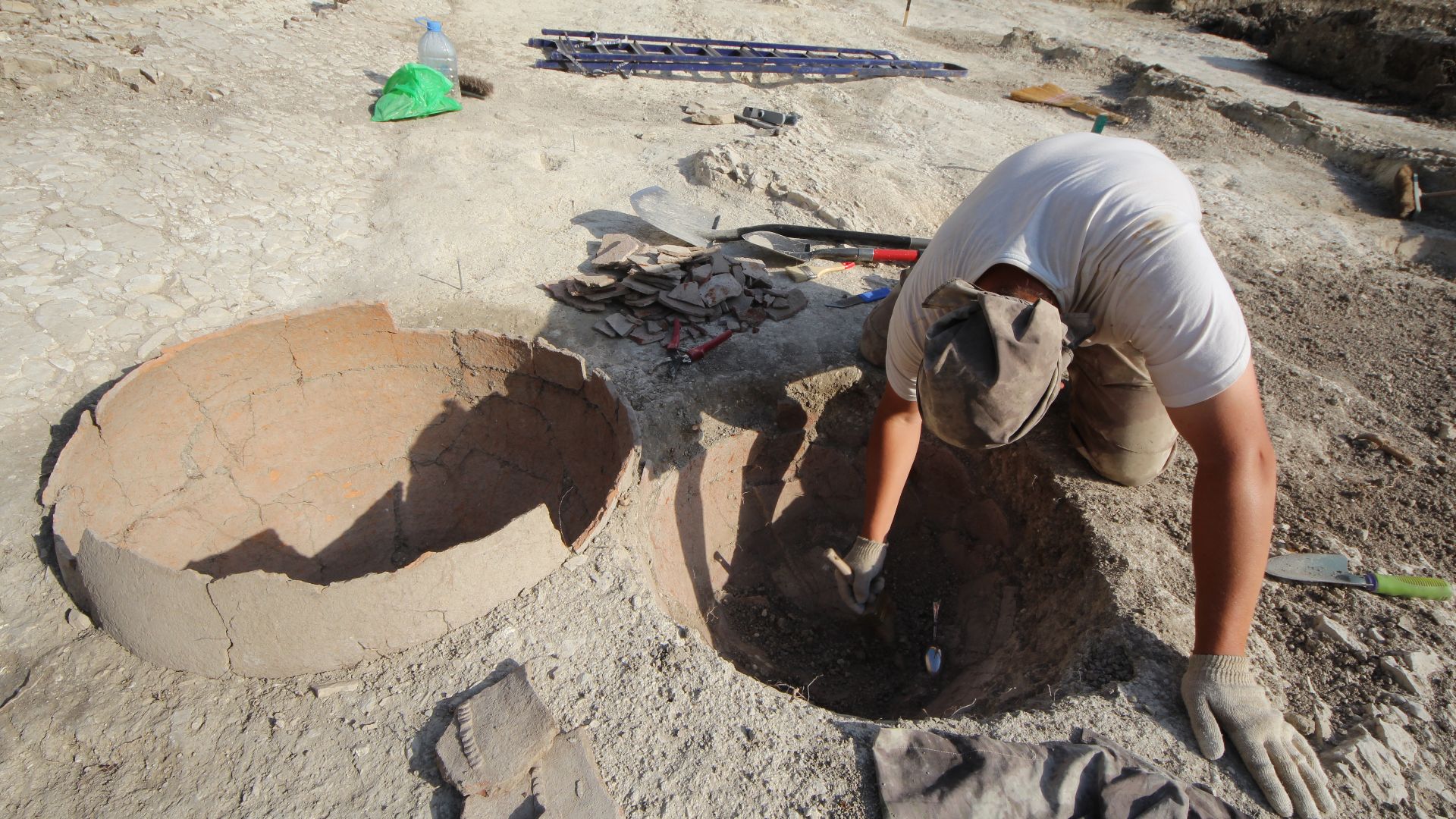
Archaeological evidence does not point to violent destruction or abrupt abandonment. Instead, researchers suspect a gradual decline. It could be tied to changing social structures, shifting trade networks, or new settlement patterns that reduced the need for large, centralized hillfort communities.
 MariyaShubina, Wikimedia Commons
How This Discovery Changes Prehistoric Ireland
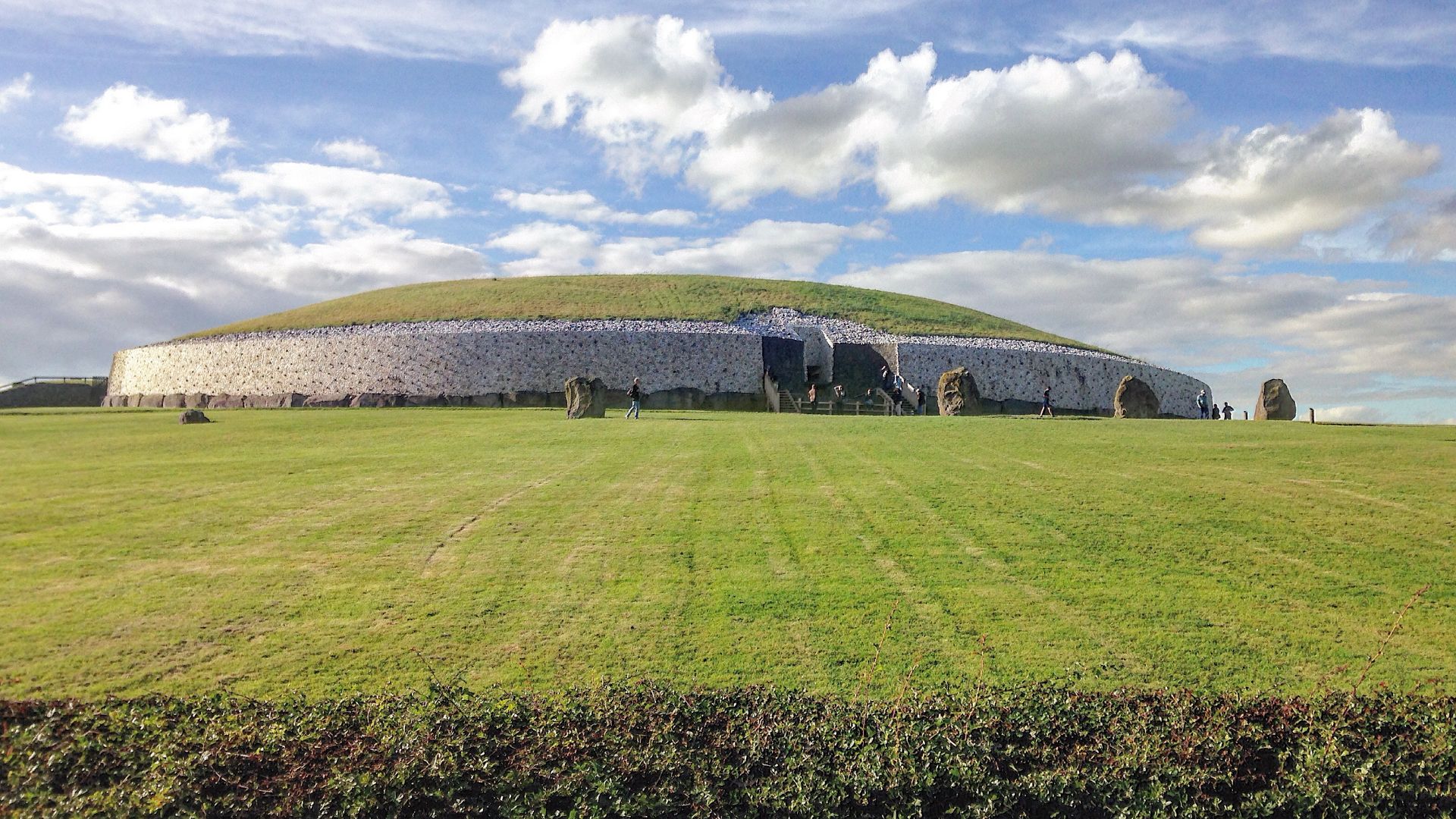
Brusselstown Ring forces archaeologists to rethink long-held views of prehistoric Ireland as sparsely populated and socially simple. The site demonstrates that organized and relatively egalitarian communities existed centuries earlier than previously assumed.
Questions That Future Excavations Hope To Answer
Ongoing research aims to clarify how the settlement functioned day to day, why it expanded so dramatically, and what ultimately led to its decline. Each excavation has the potential to reshape the understanding of social complexity in ancient Ireland.