Cave Art Raises Uncomfortable Questions
Across Ice Age Europe, cave walls preserve haunting hand stencils, many of them missing one or more fingers. For decades scholars squabbled over whether these absences were symbolic, accidental, or artistic tricks. A growing body of research shares a more unsettling explanation: some Paleolithic Europeans may have deliberately amputated fingers as part of ritual or ceremonial rites.
The Mystery Of Missing Fingers In Cave Art
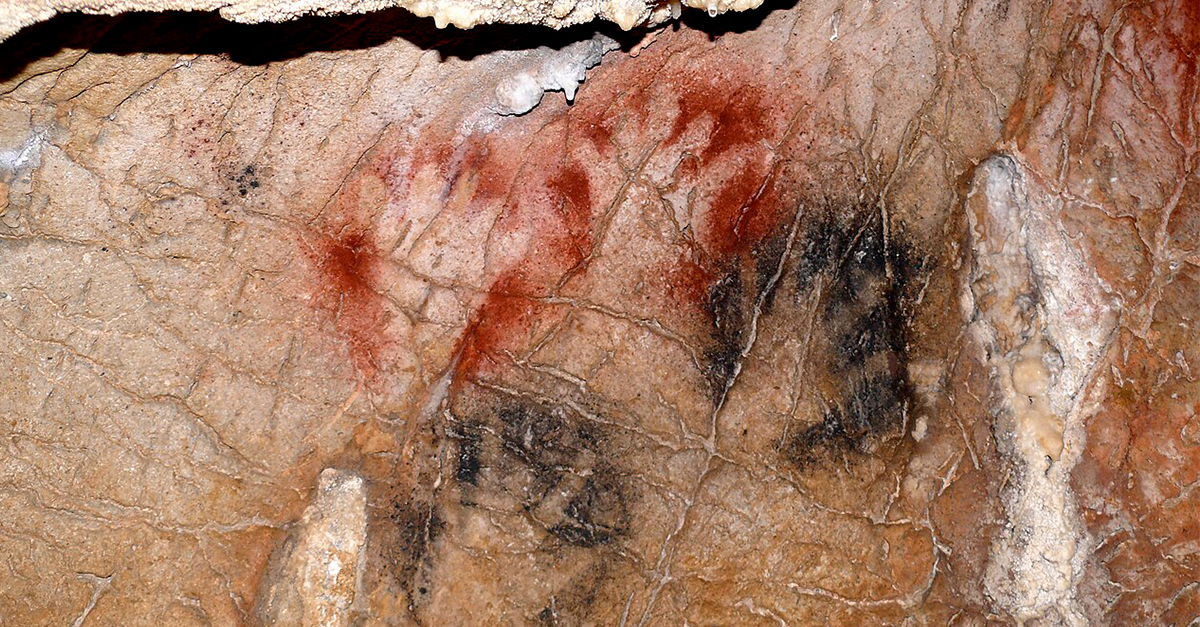
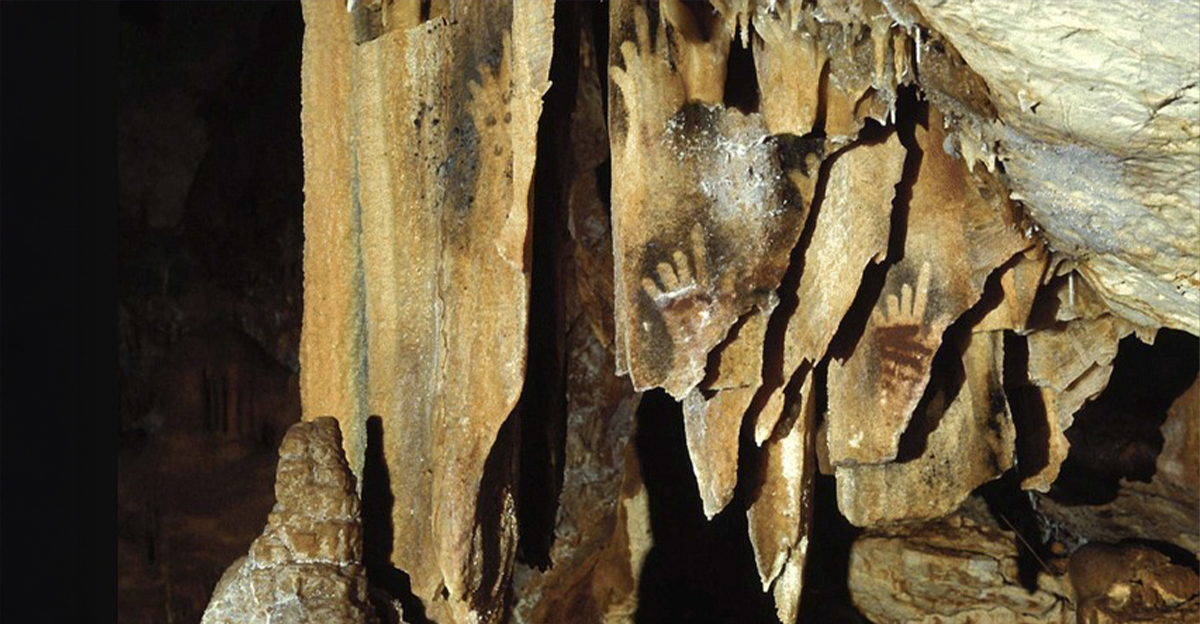
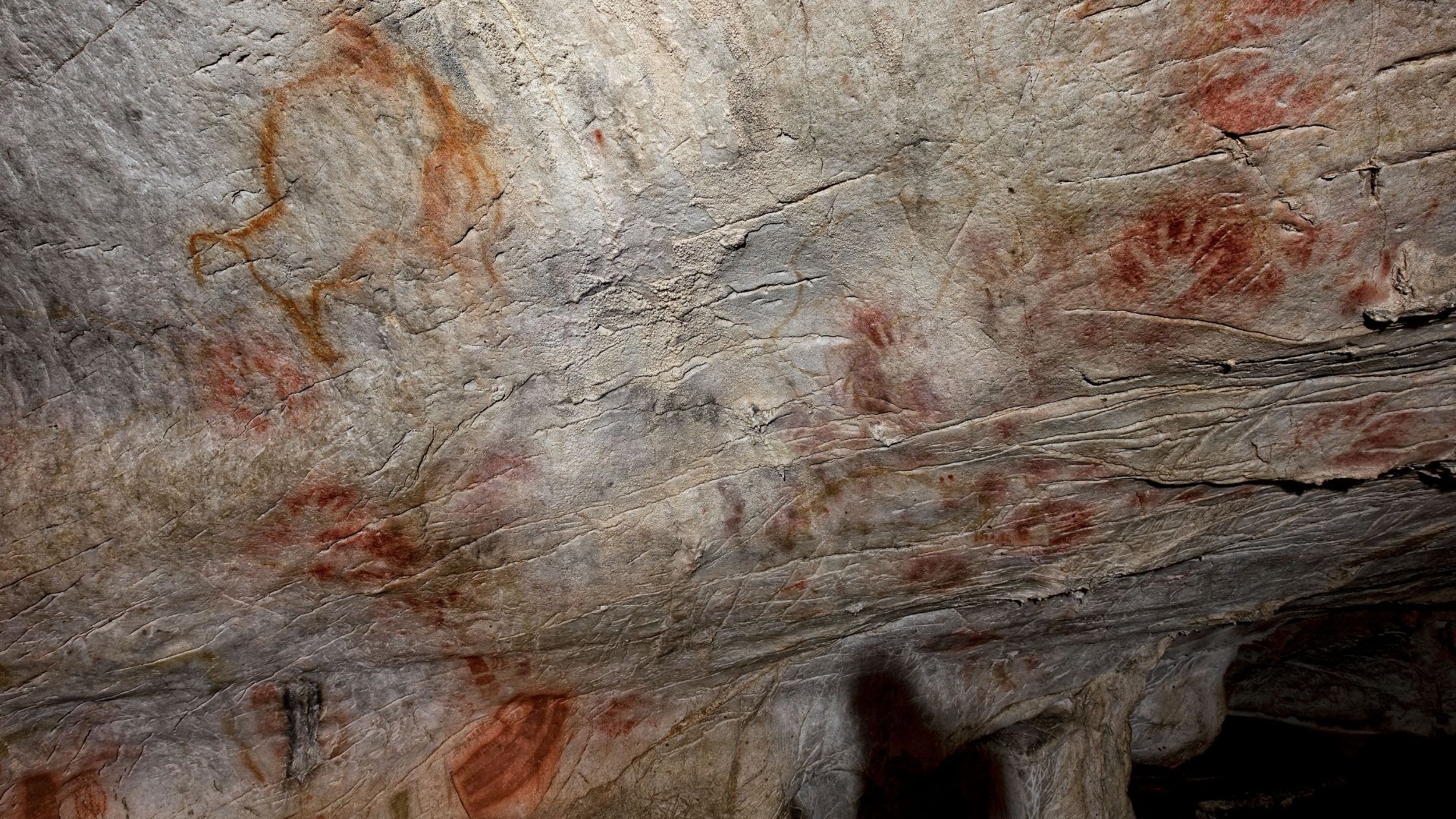
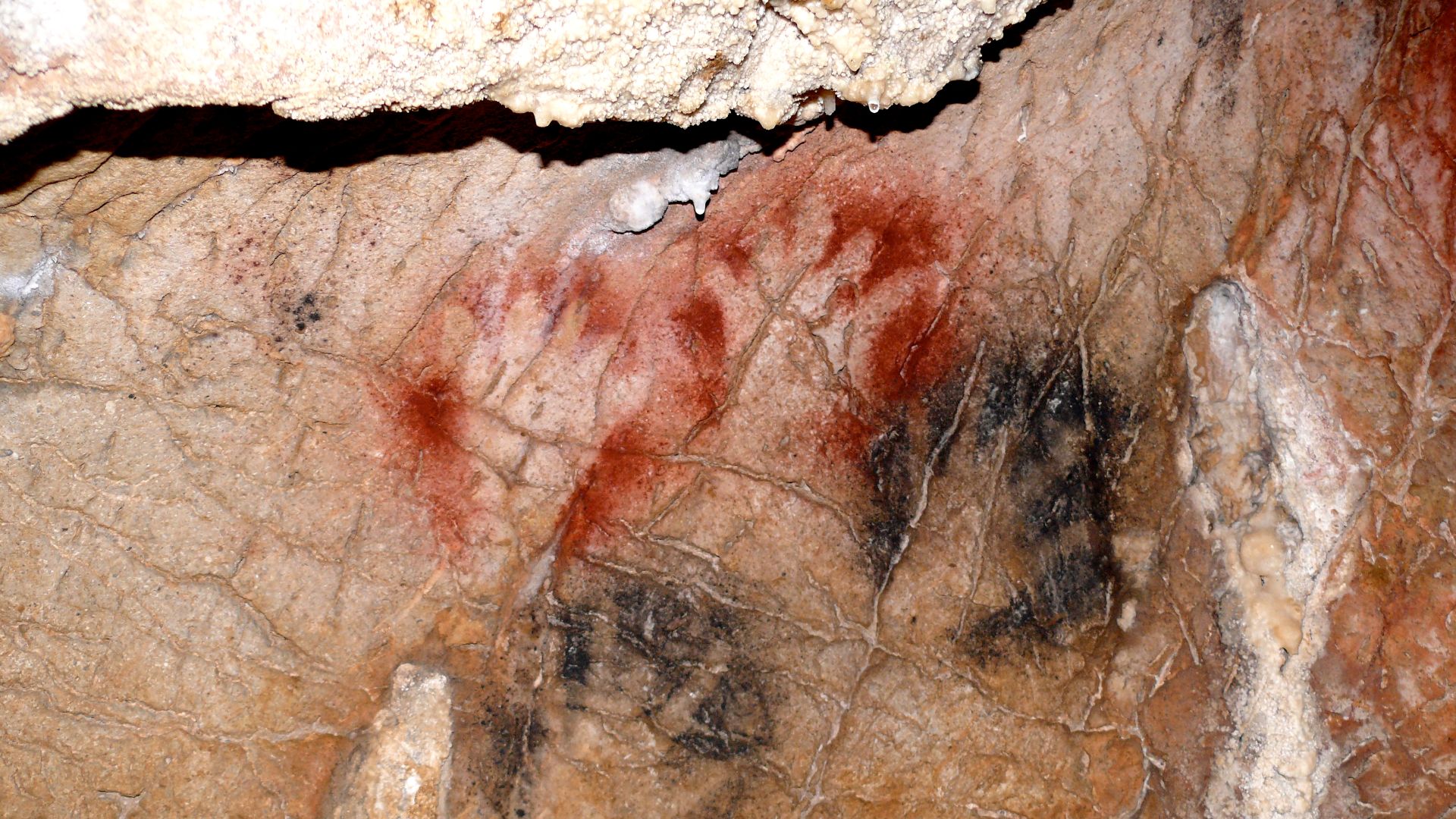
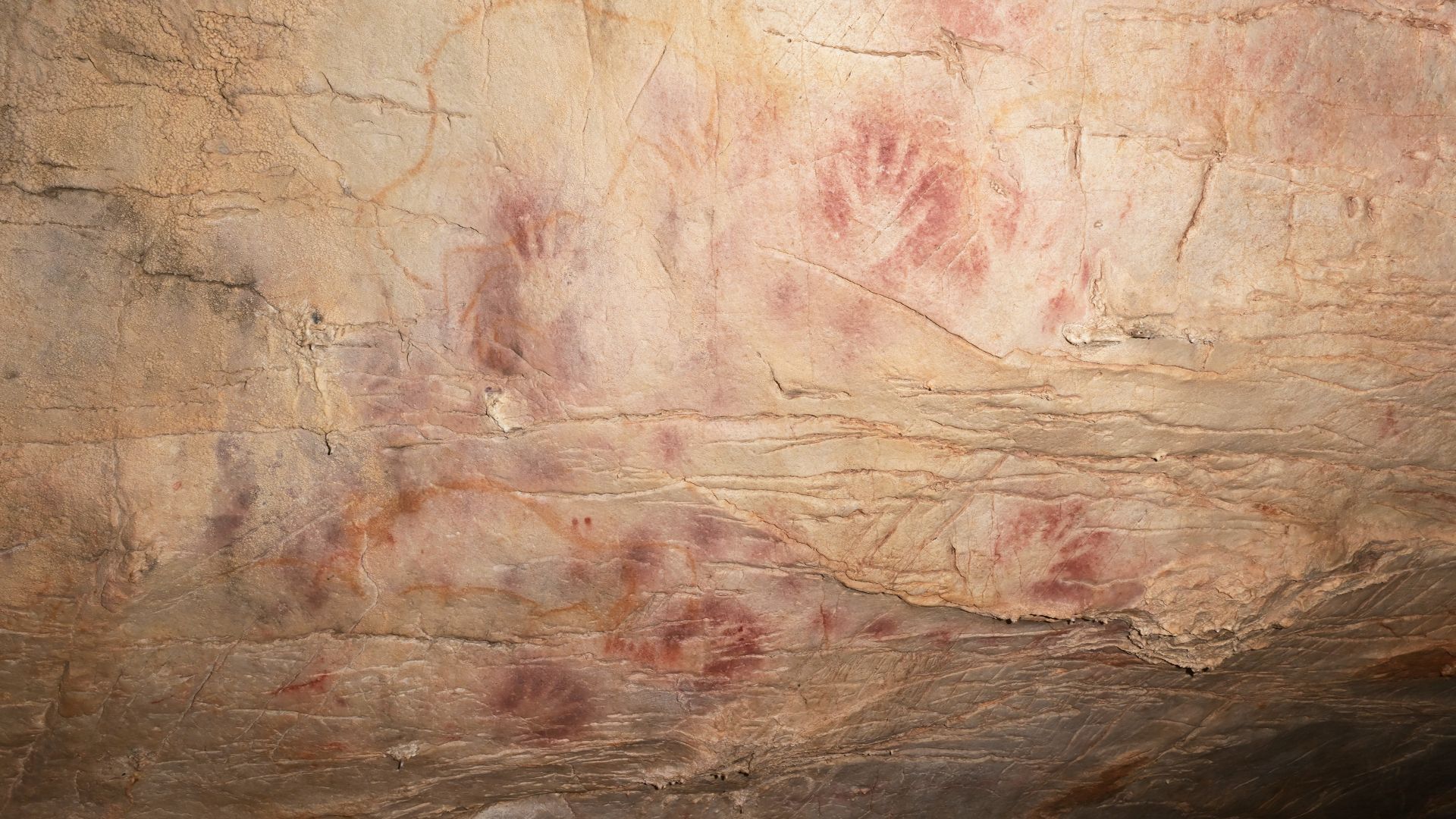
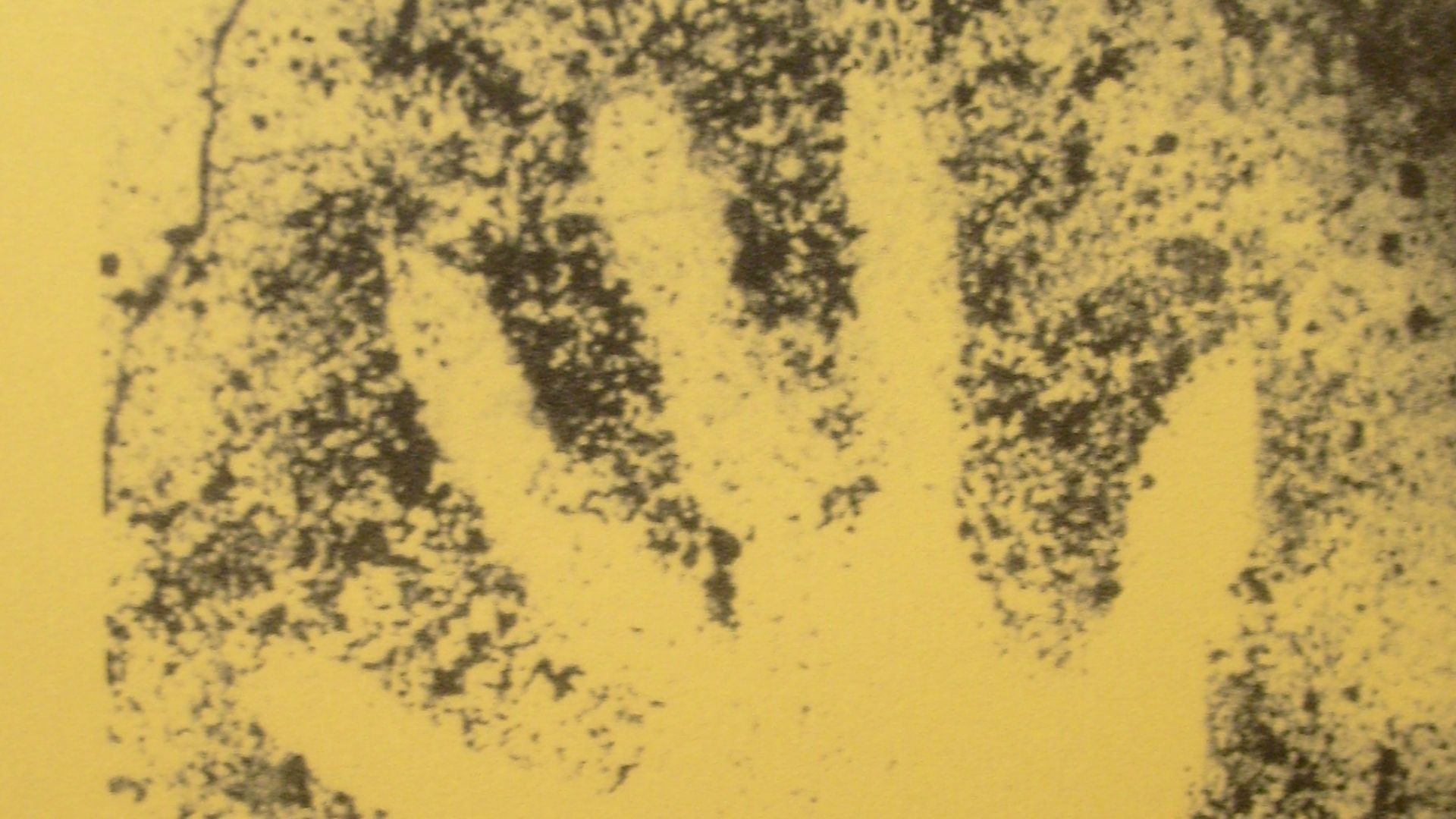
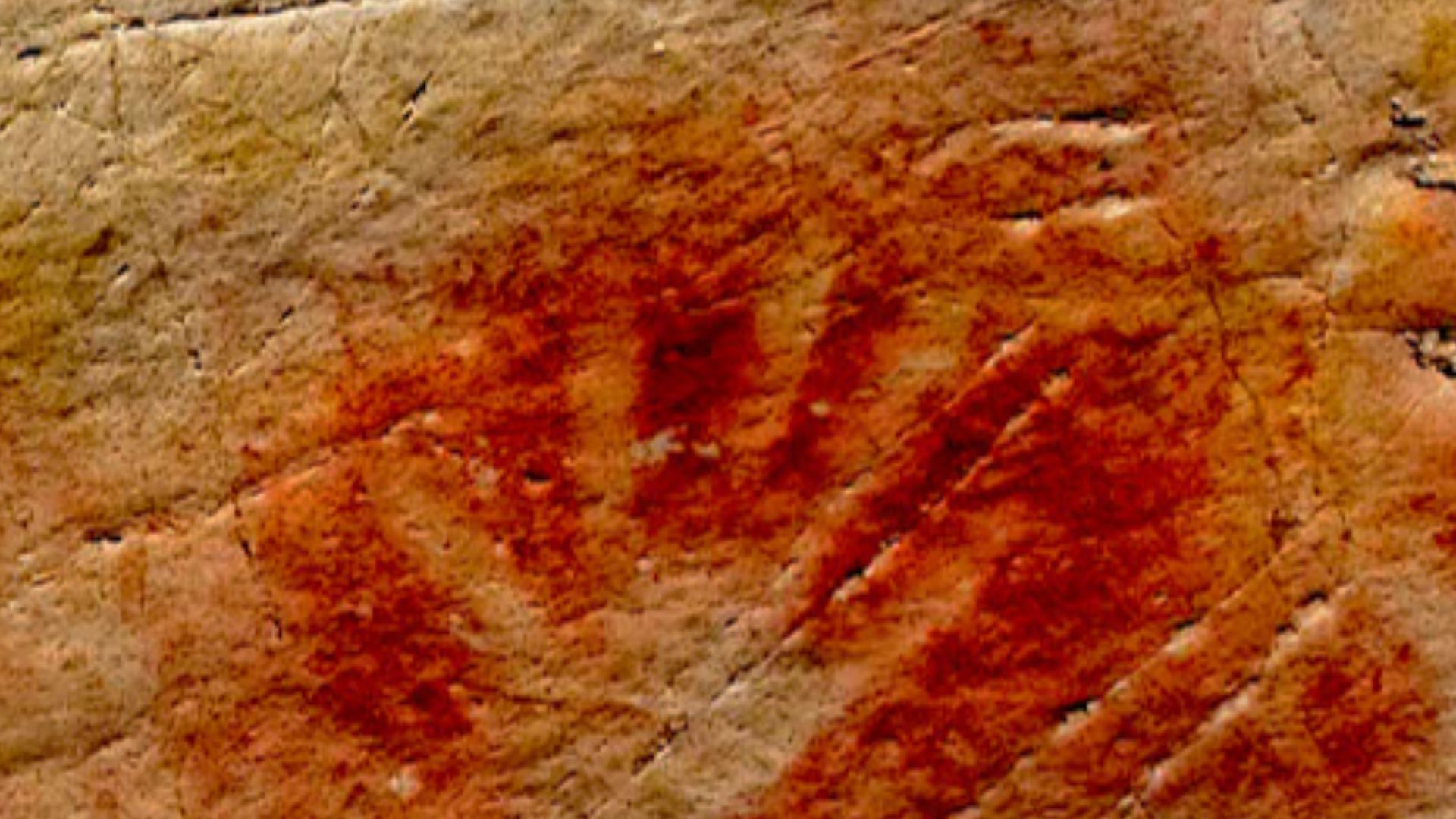
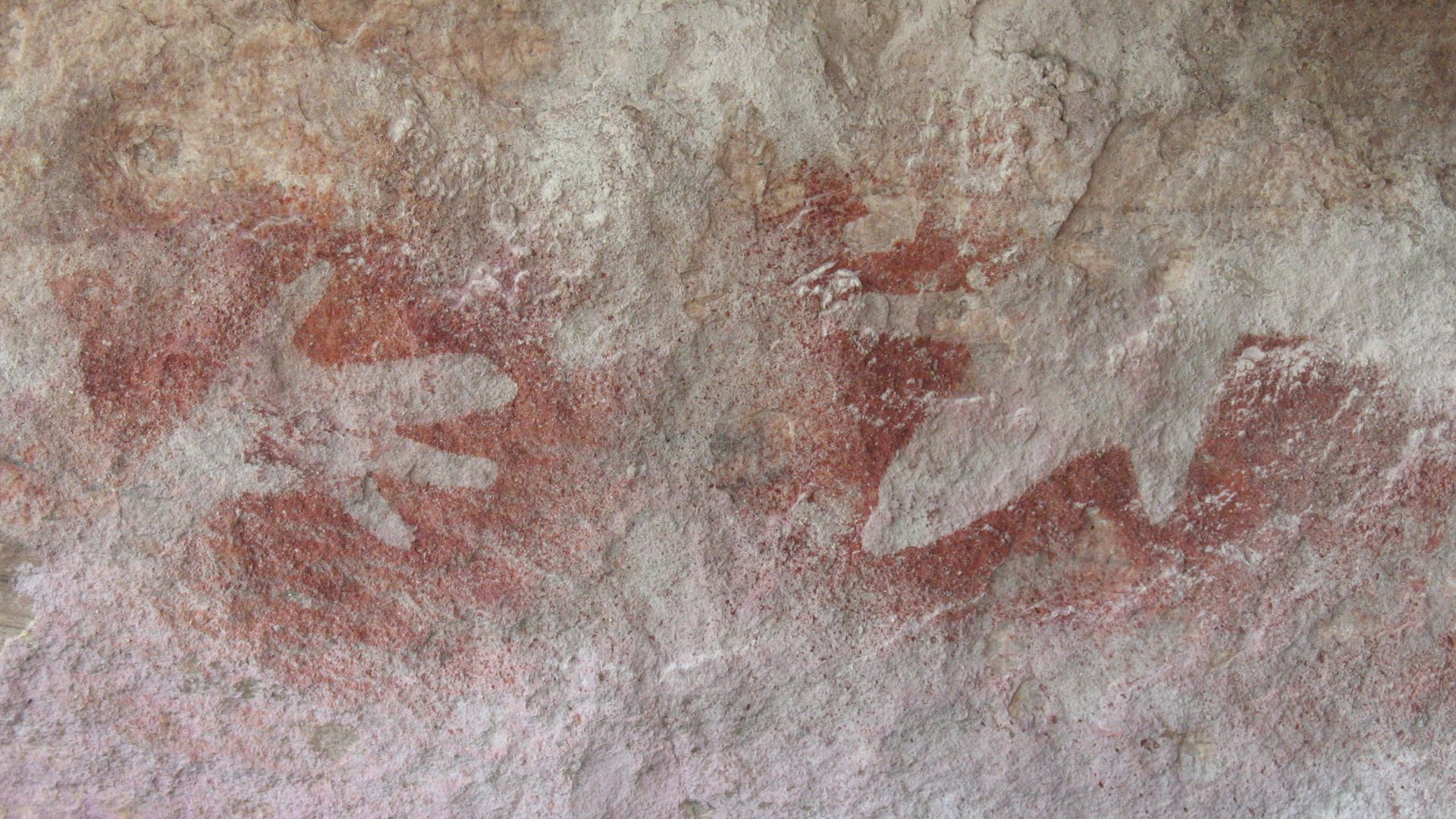
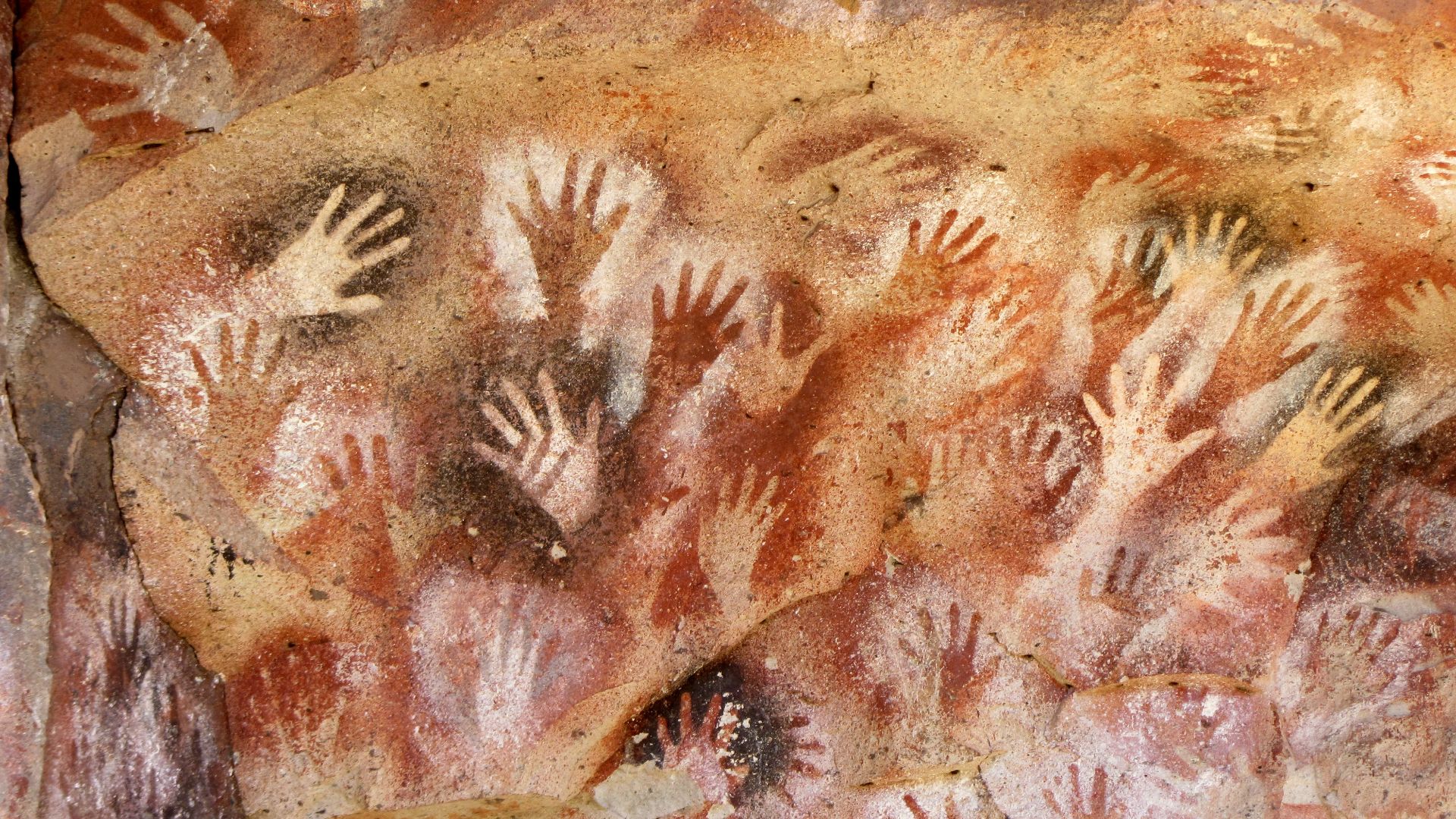
Hand stencils appear in dozens of Paleolithic caves across France, Spain, and elsewhere in western Europe. Many of them show truncated fingers, and not complete hands. The pattern is consistent and repetitive, which has always raised doubts that injury, frostbite, or artistic shorthand alone can explain this trend.
 Gabinete de Prensa del Gobierno de Cantabria, Wikimedia Commons
Where The Handprints Are Found
Sites such as Gargas and Cosquer in France; and El Castillo in Spain contain some of the highest concentrations of altered hand stencils. These caves weren’t everyday shelters but carefully chosen spaces, often quite deep, dark, and challenging to access.
 Yoan Rumeau, Wikimedia Commons
Accidental Injury Can’t Explain
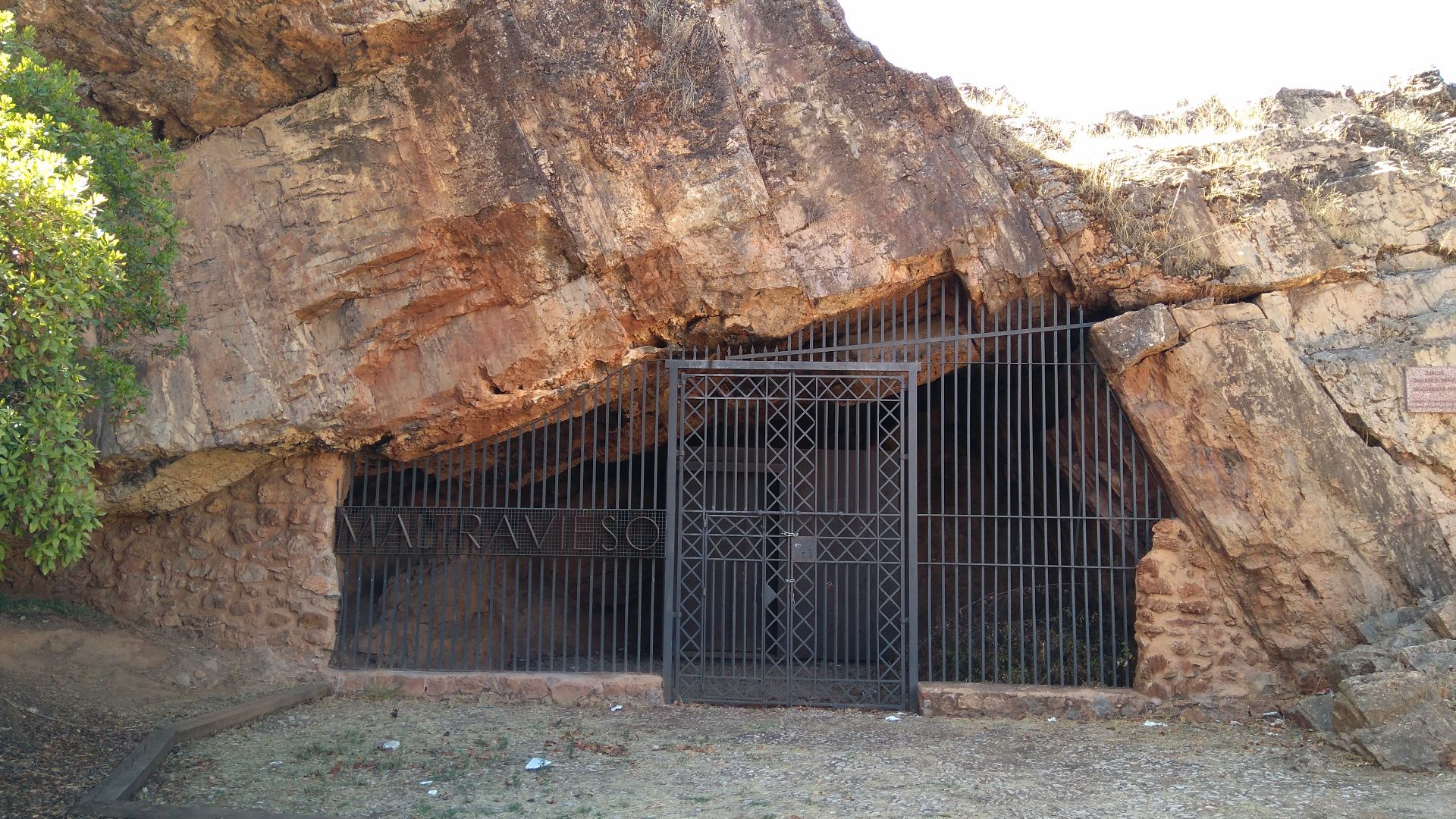
Early interpretations blamed hunting accidents, animal bites, or frostbite for the missing fingers; basically anything to avoid the uncomfortable truth. But researchers now point out that frostbite patterns don’t match the consistent fingertip losses seen in the paintings.
 Edurne Castillo Prieto, Wikimedia Commons
Symbolic Gesture Or Physical Reality?
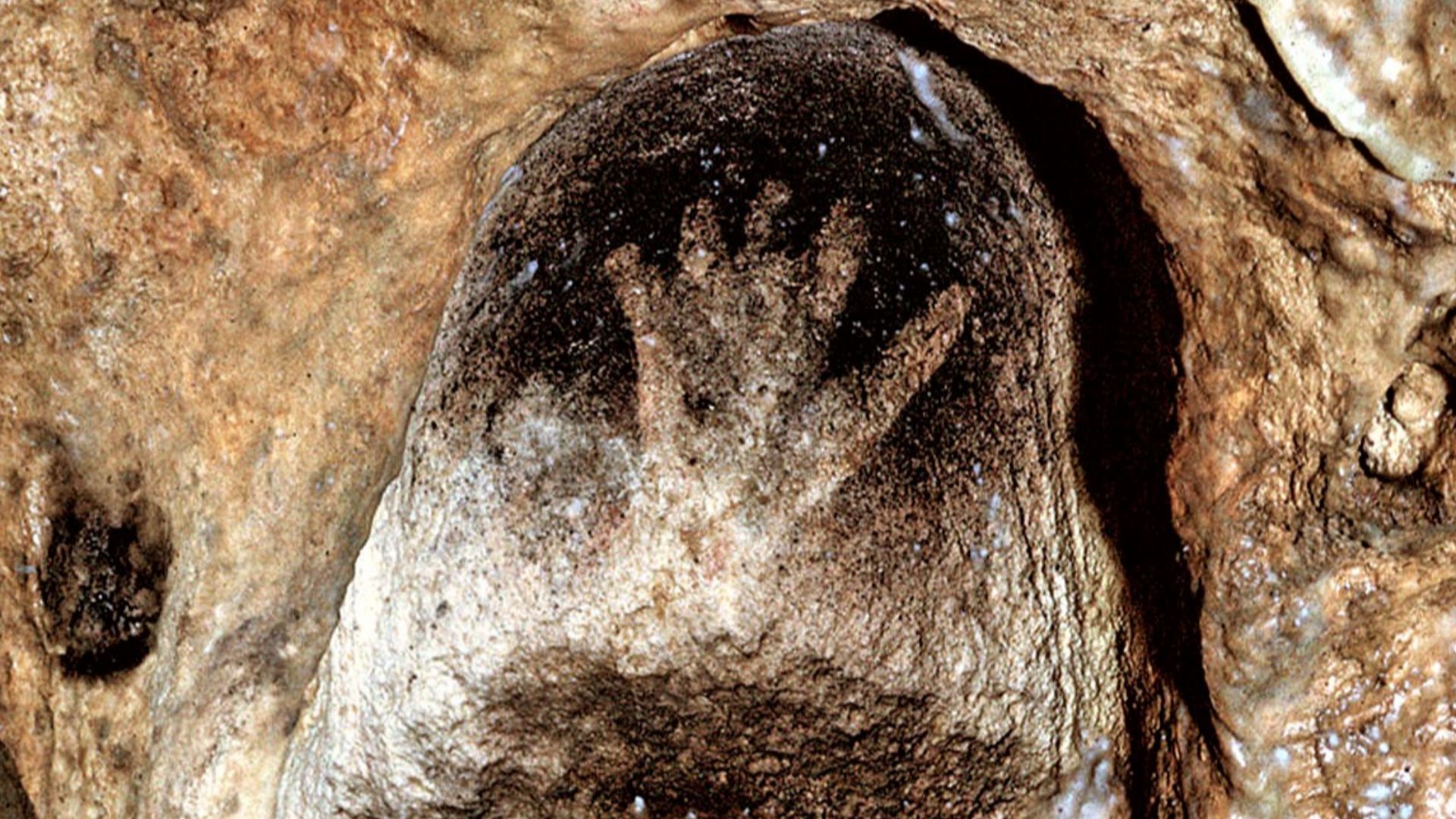
Some archaeologists used to argue the fingers were merely bent or hidden during stencil creation. But new digital analysis shows bone-length proportions inconsistent with flexed fingers. In many cases, entire finger sections appear absent. This strengthens the idea that the images are of real physical modifications and not an artistic illusion or symbolism.
 Heinrich Wendel (© The Wendel Collection, Neanderthal Museum), Wikimedia Commons
Theory Of Ritual Amputation
Recent studies propose that fingers were deliberately amputated during ritual acts, possibly as offerings to spirits or deities. Sacrifices like this may have symbolized devotion, identity, or the sense of belonging to the wider community. The hand stencils could then serve as permanent records of these acts, embedding that painful sacrifice straight into sacred cave spaces.
Comparisons With Ethnographic Examples
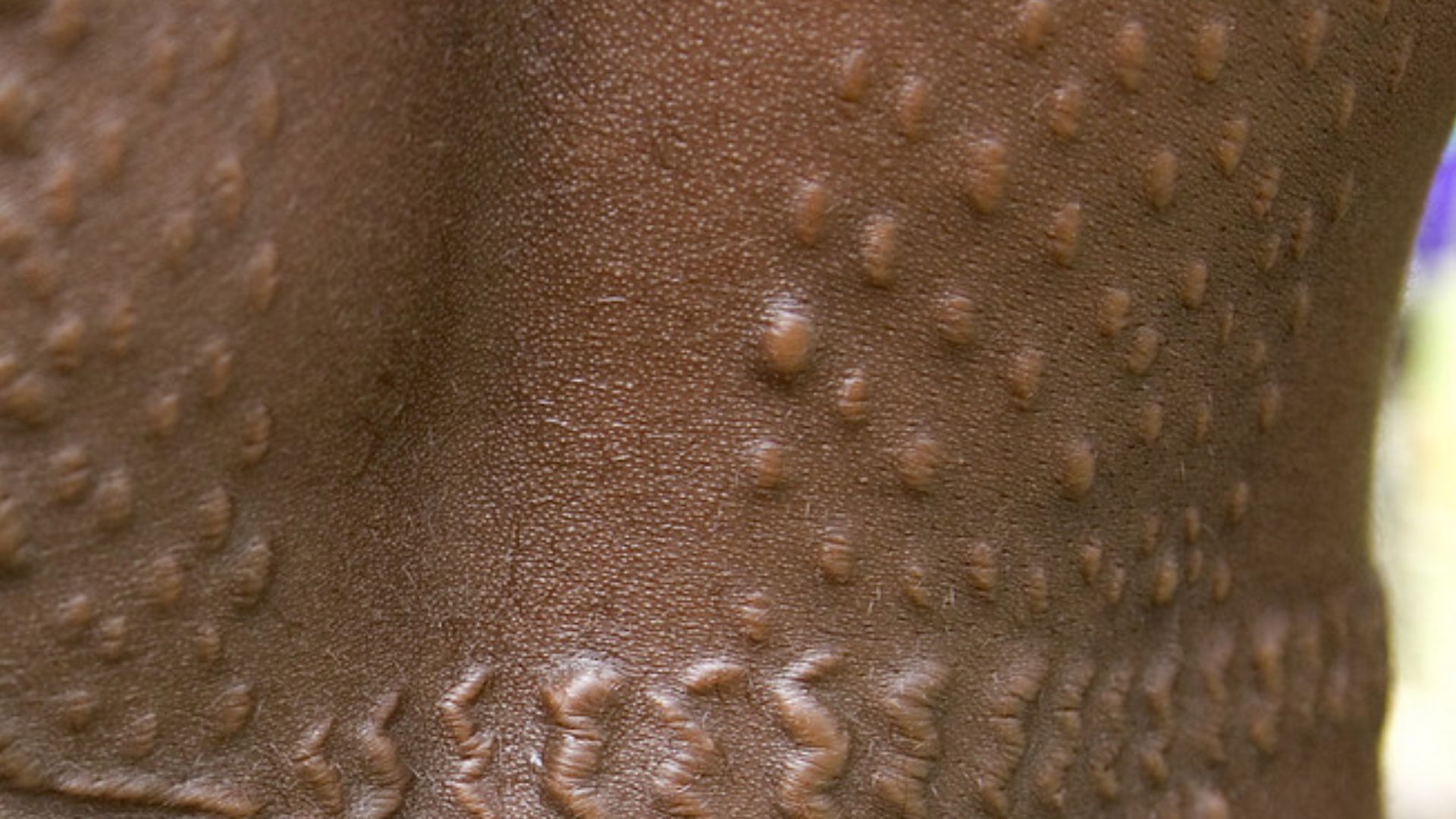
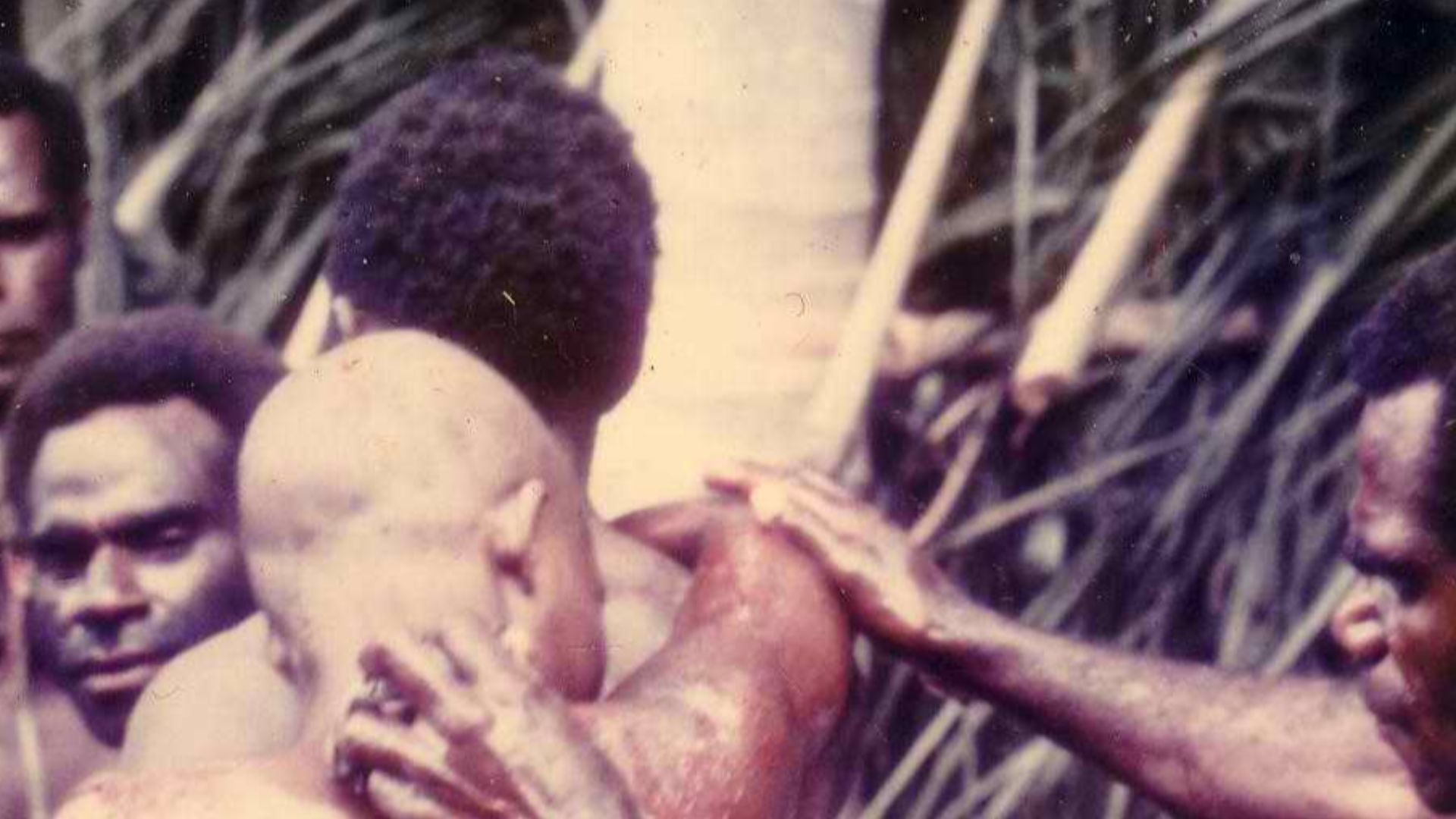
Research shows finger amputation rituals show up among historic societies in New Guinea, Africa, and Australia, often linked to mourning, initiation, or religious devotion. While these cultures are separated by a vast gulf of time and space, they demonstrate that ritual amputation is far from unheard of in human symbolic behavior.
 *christopher* from San Francisco, USA, Wikimedia Commons
Fingertips Instead Of Entire Fingers
The consistent removal of fingertips instead of whole fingers may reflect a balance between sacrifice and survival. Losing fingertips damages fine motor skills but allows continued hunting and tool use. This implies that the act was symbolically important while still allowing individuals to carry out daily functions within the Paleolithic world.
Who Performed These Rituals?
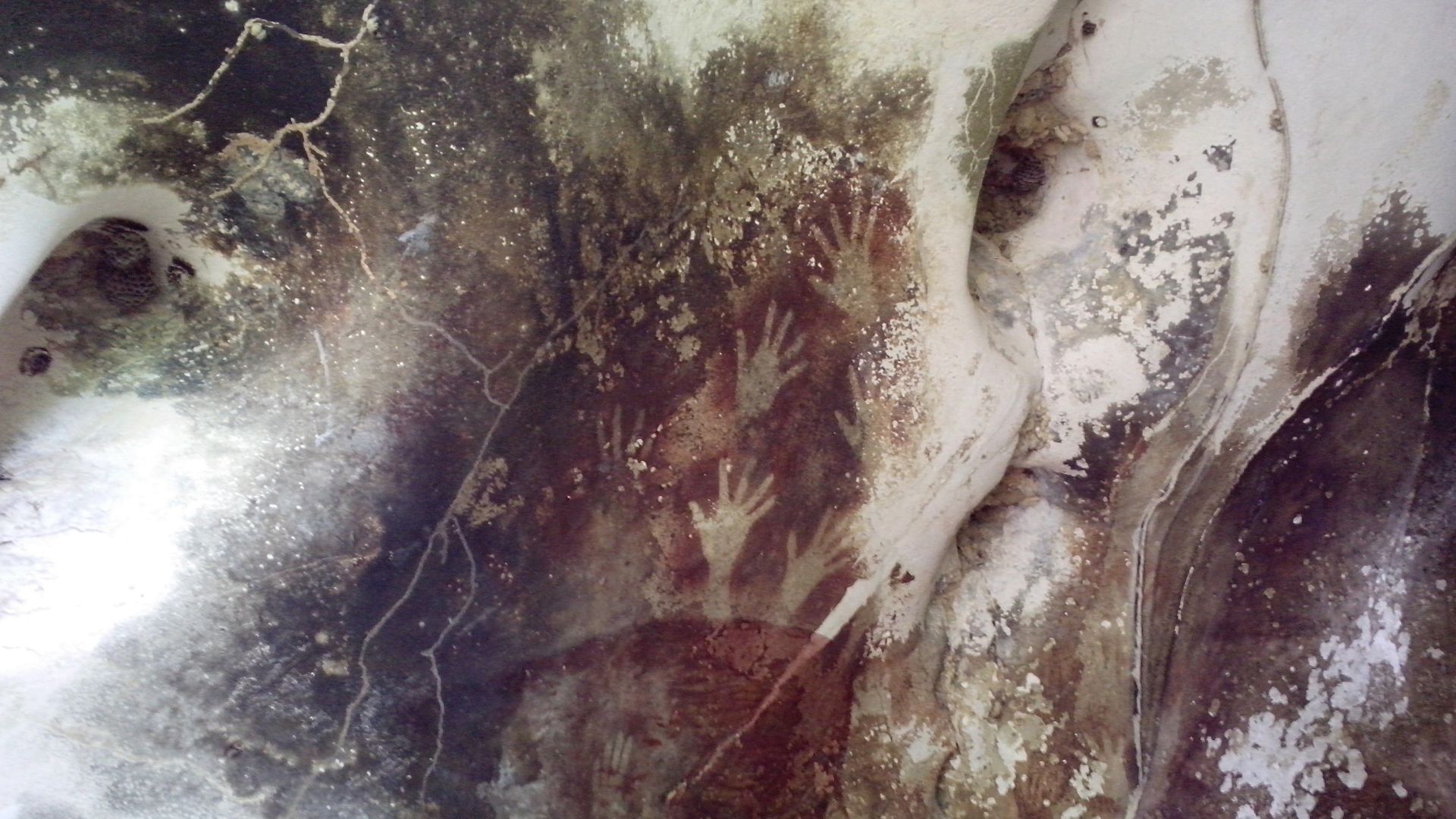
The hand stencils vary in size, suggesting the work of adults, adolescents, and possibly children. This diversity hints that ritual amputation may not have been limited to elites or shamans alone. It may have instead marked life stages, group identity, or communal participation in shared spiritual traditions.
Caves As Sacred, Dangerous Spaces
The placement of hand stencils deep inside caves reinforces the ritual nature of these activities. These environments were dark, acoustically unusually, and physically risky. Entering them required courage and a game plan ahead of time. The act of leaving a mutilated handprint in a space like that suggests deliberate engagement with what Paleolithic people may have considered supernatural realms.
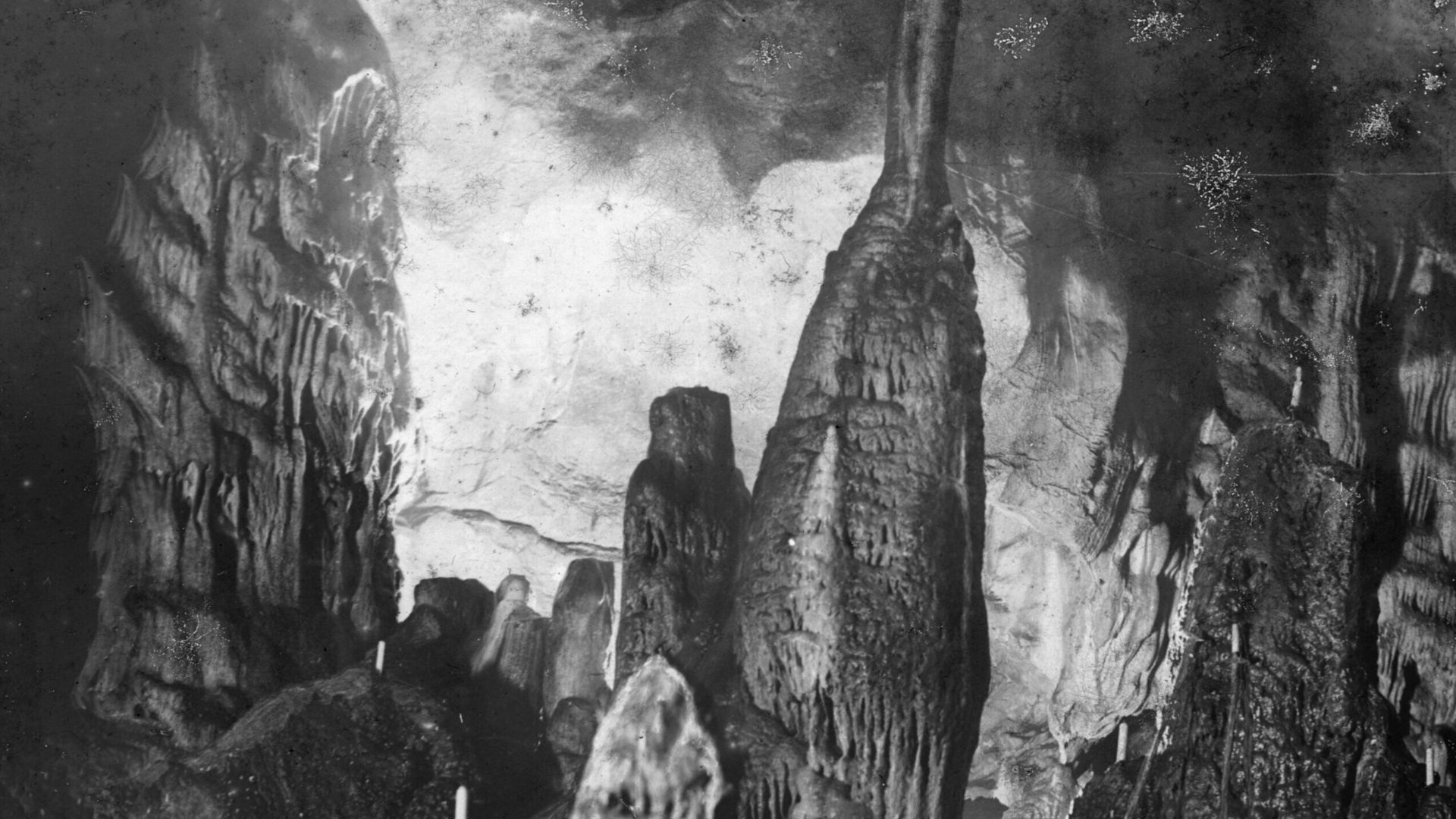
The Role Of Pain In Ritual Behavior
Anthropologists note that pain often plays a key role in ritual transformation. Going through suffering can signal commitment, belief, or social transition. If Paleolithic Europeans amputated fingers ceremonially, the pain itself may have been an essential component, turning the body into a lasting temple of spiritual experience.
 The original uploader was John Hill at English Wikipedia., Wikimedia Commons
The Study Of Ancient Hands
Modern analysis combines 3D imaging, statistical modeling, and comparative anatomy. By measuring finger proportions and stencil shapes, researchers can guess whether fingers were bent or missing entirely. This technological approach allows scholars to test long-standing assumptions and get past the idle speculation rooted in merely eyeballing the specimen.
 Benjaminfreyart, Wikimedia Commons
Challenges And Skepticism In Archaeology
Not all researchers agree with the ritual amputation hypothesis. Some warn that preservation issues, pigment spread, or cultural conventions could still be a factor in the missing digits. Archaeology rarely offers complete certainty, and critics stress that extraordinary claims require strong, multidisciplinary evidence before undertaking a wholesale rewriting of the interpretations of Paleolithic life.
 Unknown artistUnknown artist (Australian), Wikimedia Commons
Why This Theory Matters
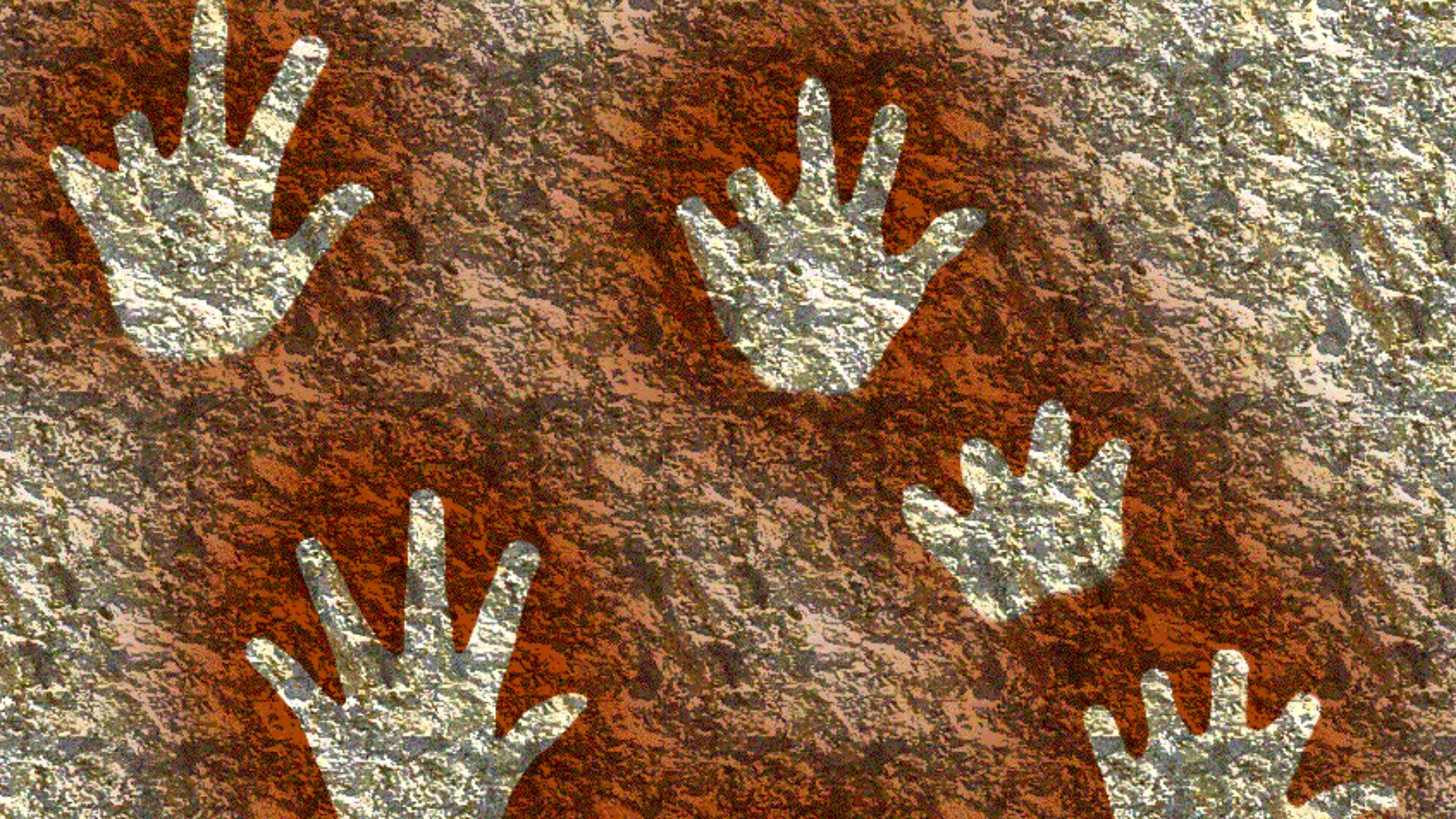
If ritual amputation did happen, it challenges long-held assumptions about Paleolithic societies as focused primarily on survival. Instead, it implies the people had complex belief systems capable of demanding physical sacrifice. This modifies the narrative of early Europeans as deeply symbolic thinkers whose spiritual lives shaped their bodies as well as their art.
 José-Manuel Benito, Wikimedia Commons
Understanding Ice Age Religion
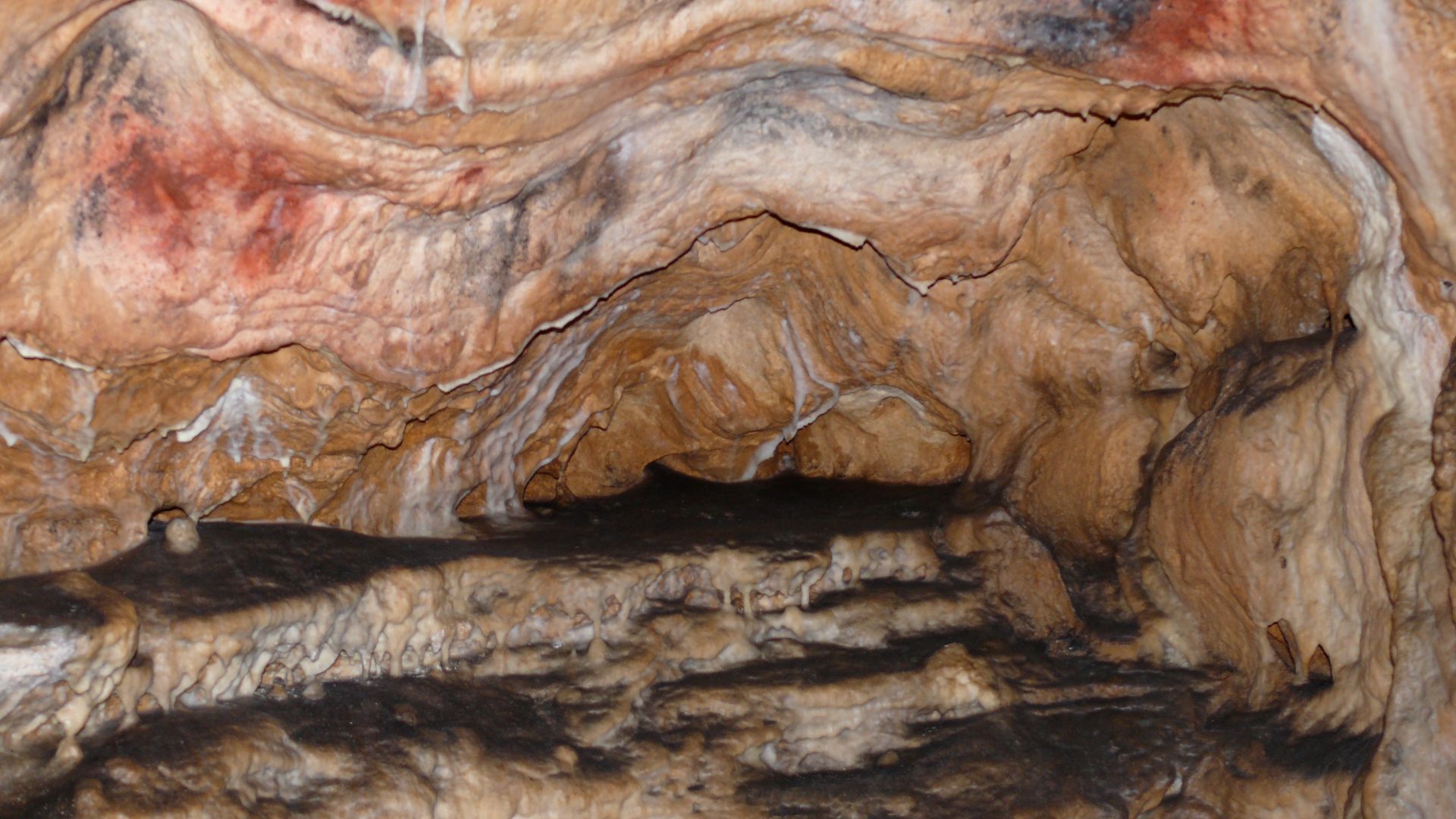
The new theory fits growing evidence that Paleolithic people practiced structured rituals involving art, sound, movement, and bodily transformation. Hand stencils may be the visualization of vows, offerings, or spiritual contracts and not just simple decoration. This interpretation puts religion and ritual at the center of Ice Age social organization.
 Yoan Rumeau, Wikimedia Commons
Connections To Other Forms Of Body Modification
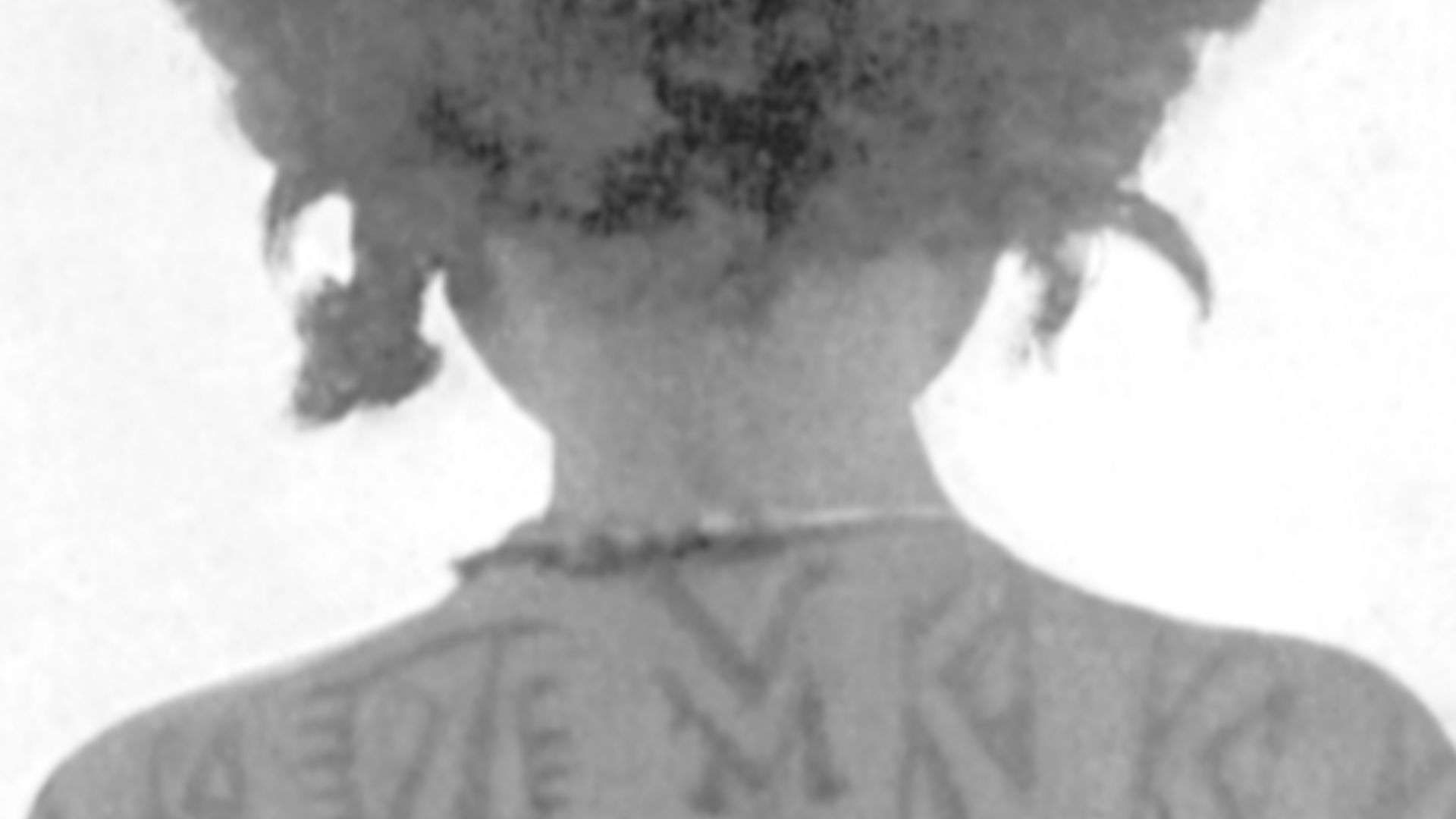
Ritual finger amputation might be part of a broader pattern of prehistoric body modification, including scarification, ornamentation, and pigment use. These practices suggest that body modification was a meaningful way to express identity, belief, and belonging a long time before written language even existed.
 George Brown, Wikimedia Commons
Why Europe? Why Then?
The clustering of these hand stencils in Upper Paleolithic Europe raises questions about regional traditions. Environmental stress, social competition, or evolving belief systems may have encouraged extreme displays of devotion. Understanding why this practice arose there could tell us how these belief systems responded to hardship and uncertainty.
 LuigiStudio, Wikimedia Commons
Future Research
New cave discoveries, improved imaging, and experimental archaeology could help confirm or challenge the amputation hypothesis. Skeletal remains showing healed fingertip amputations might be a powerful source of corroboration. Until then, researchers keep grinding away, trying to piece together frustratingly indirect evidence left behind on stone walls tens of thousands of years ago.
 Carlos Zito, Wikimedia Commons
A Cautious But Bold Interpretation
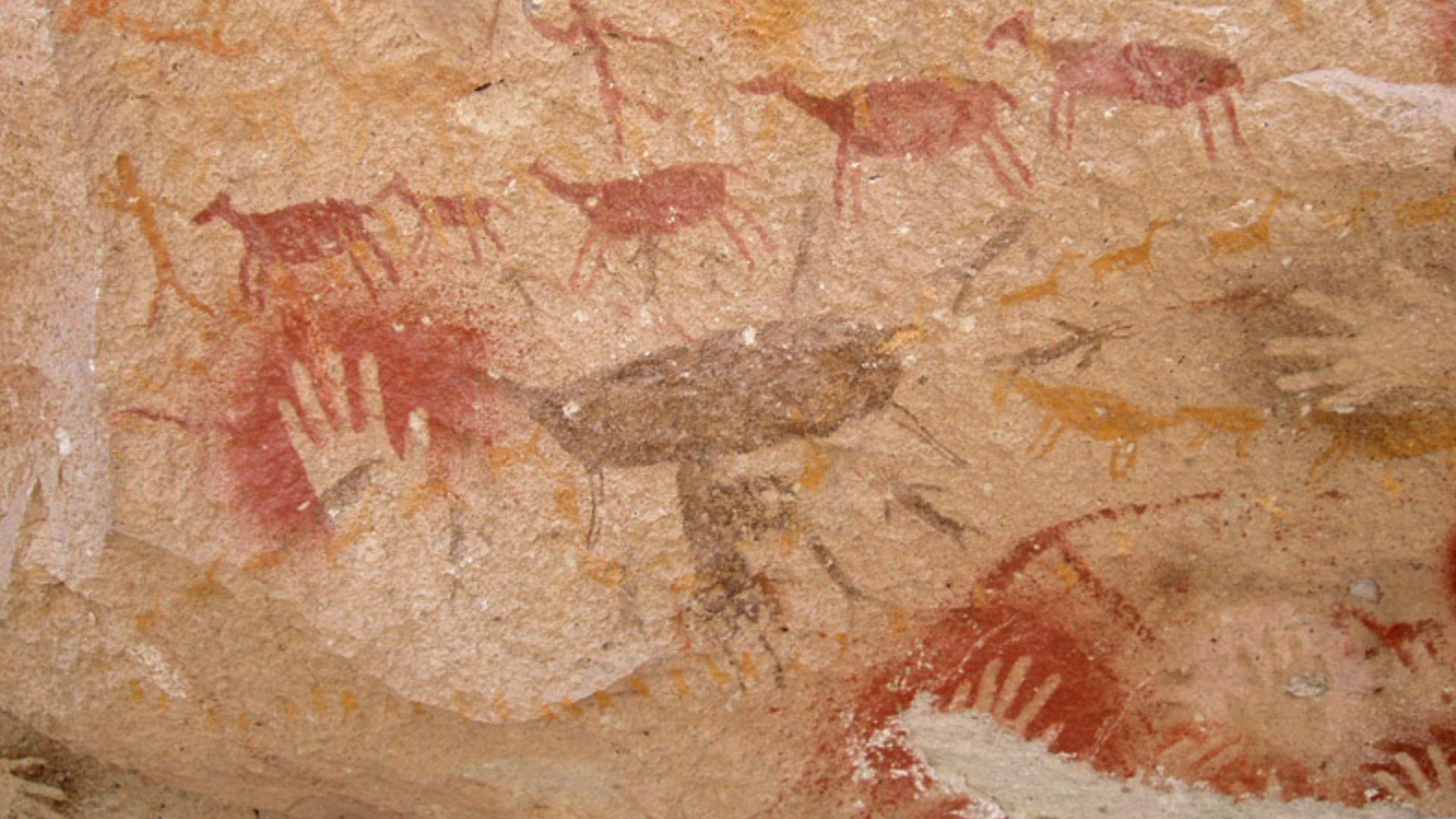
While definitive proof is still elusive, the ritual amputation theory does provide a compelling framework for interpreting mysterious hand stencils. It encourages archaeologists to start taking Paleolithic symbolism a lot more and to at least consider the possibility that early humans might have expressed belief through brutal physical sacrifice.
 Marianocecowski, Wikimedia Commons
Hands That Still Speak Across Millennia
Whether symbolic or literal, the missing fingers in Paleolithic cave art are part of a worldview where the body, belief, and landscape were woven deeply together. These ancient hands, pressed against stone, still provoke debate, and remind us that the spiritual lives of early Europeans may have been far more complex and intense than we ever imagined.
 Pablo A. Gimenez from Buenos Aires, Argentina, Wikimedia Commons
You May Also Like: