Something Worth A Closer Look
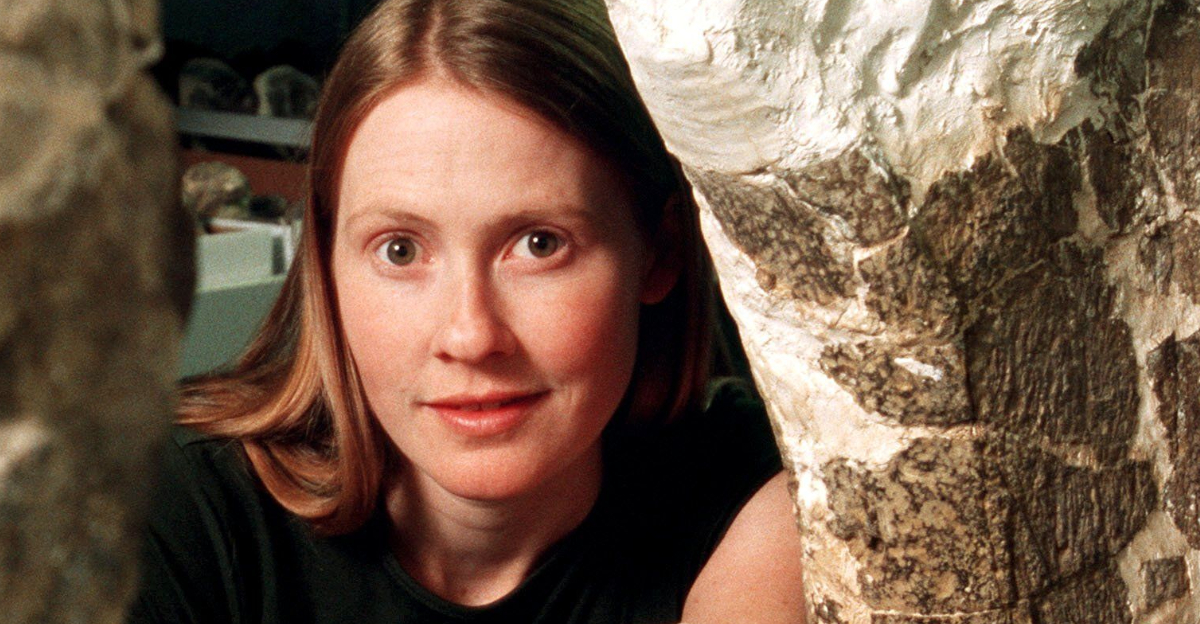
When Jodi Pierson found dinosaur bones on her Montana land in 2019, she brought some pieces to her cousin. He knew fossils, and he was excited. What she’d found would become part of a much bigger scientific argument.
But seven years later, when those bones went to auction, even the people selling them had seriously underestimated what would happen.
The Discovery Was On Her Own Land
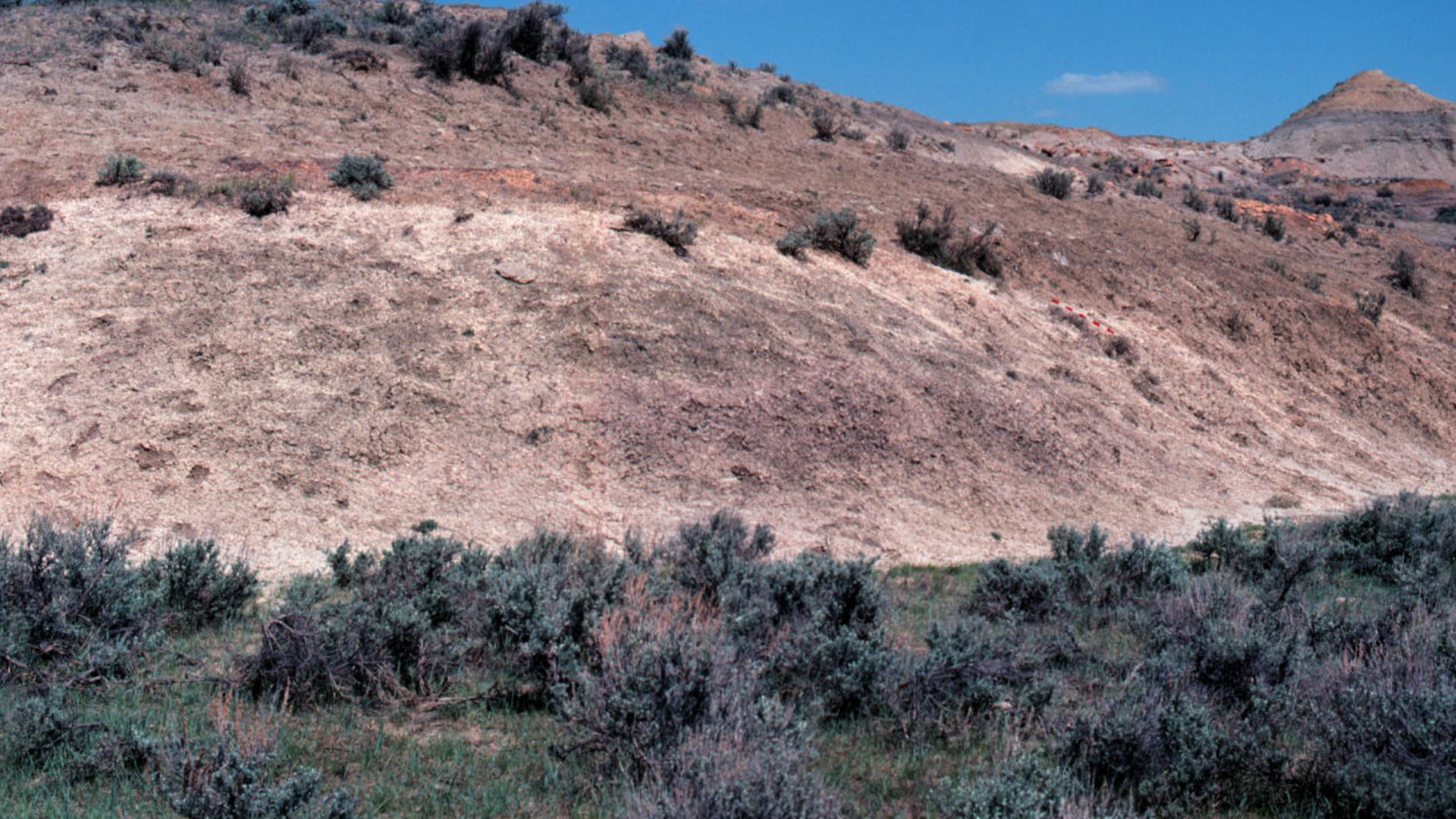
Pierson’s find came from her privately owned land near Jordan, Montana, in Garfield County. The bones were in the Hell Creek Formation, rocks that preserve the closing chapter of the dinosaur era. Sotheby’s dated this particular animal to approximately 67 million years ago.
 Joseph H. Hartman, Wikimedia Commons
Her Cousin Was The Right Person To Call
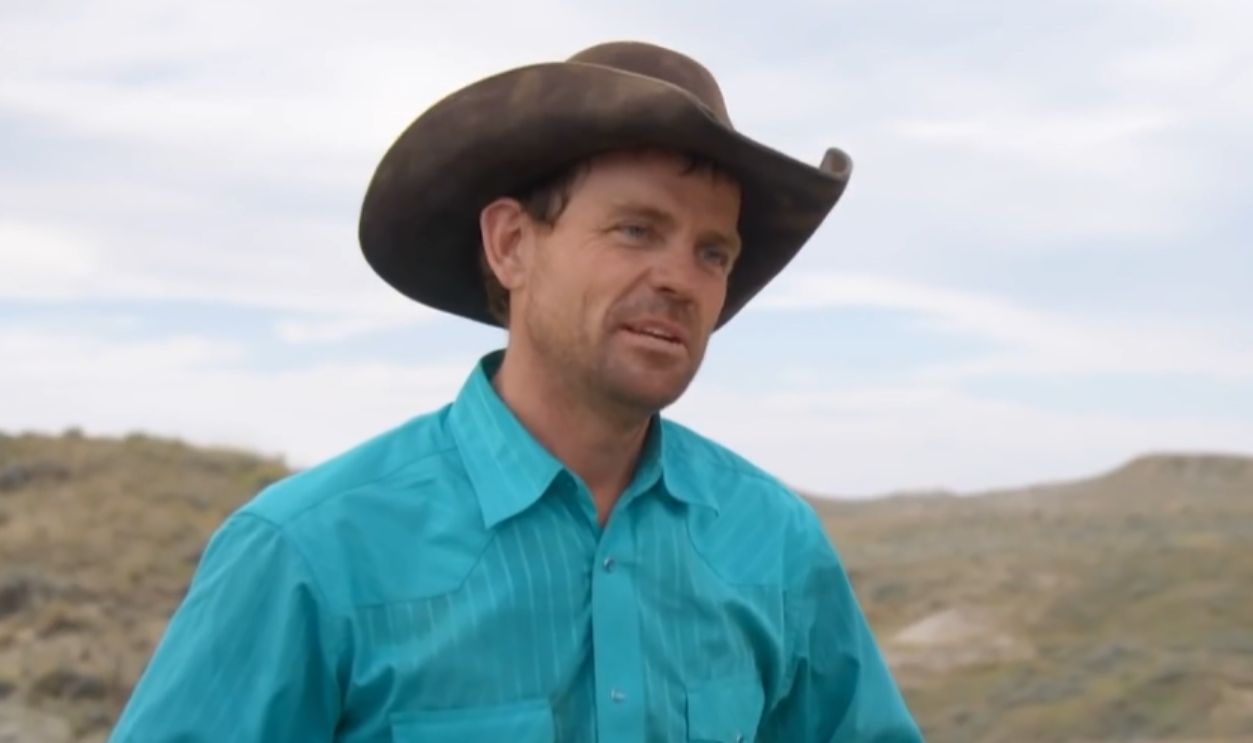
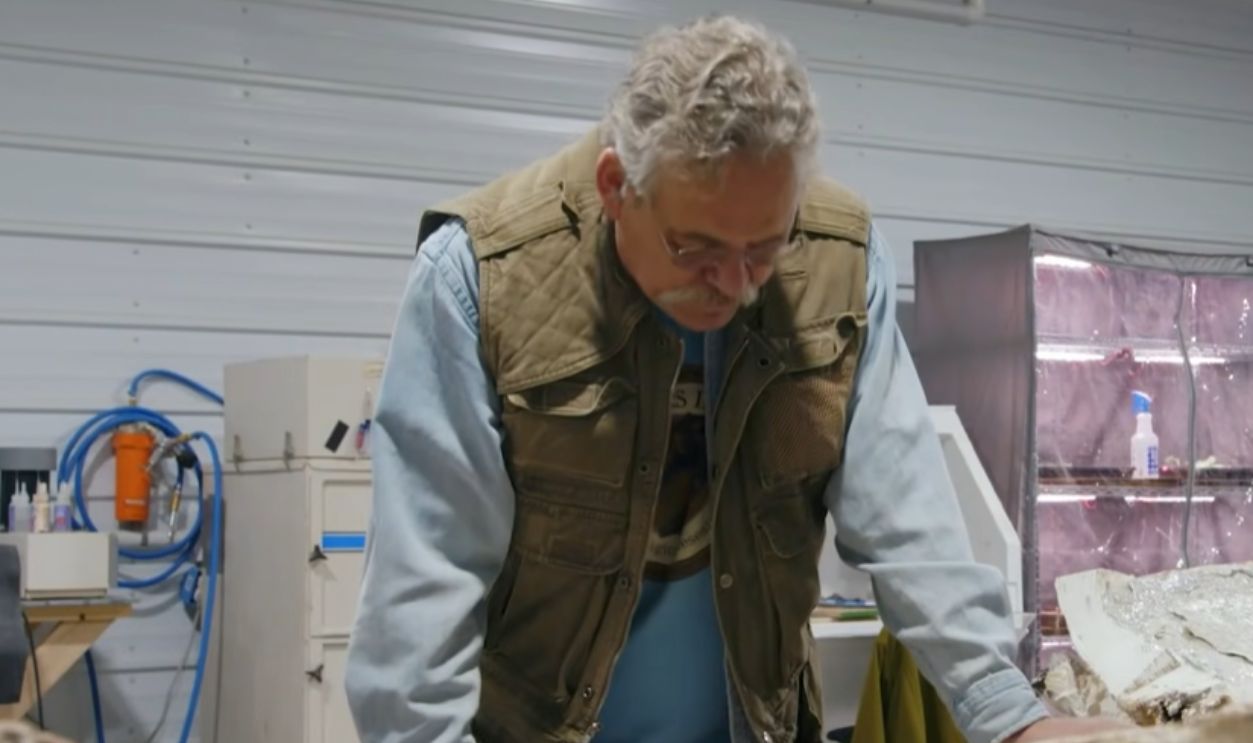
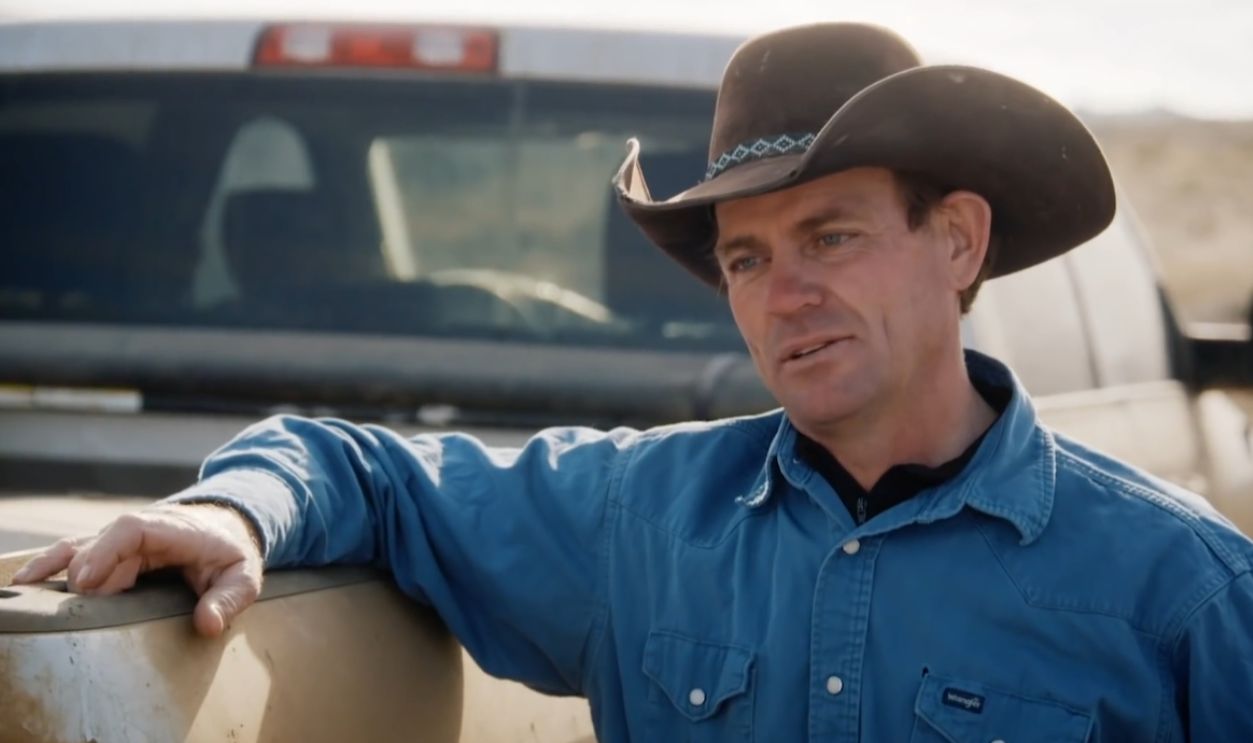
That cousin was Clayton Phipps, better known as the “Dinosaur Cowboy.” A Montana rancher turned commercial fossil hunter, he had already helped uncover the celebrated “Dueling Dinosaurs.” He later recalled Pierson arriving with her fossil pieces and how excited they both were to see them.
 Screenshot from Dino Hunters, Discovery Channel (2020-2021)
Getting It Out Took A Team
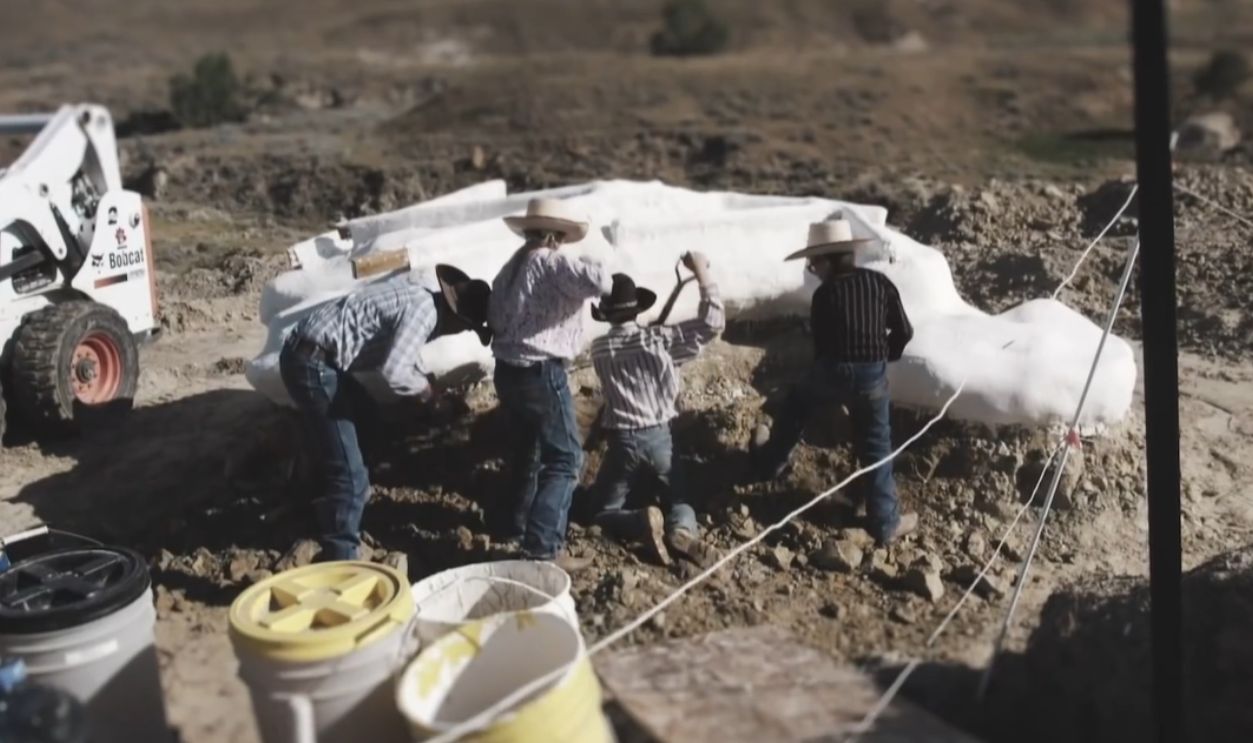
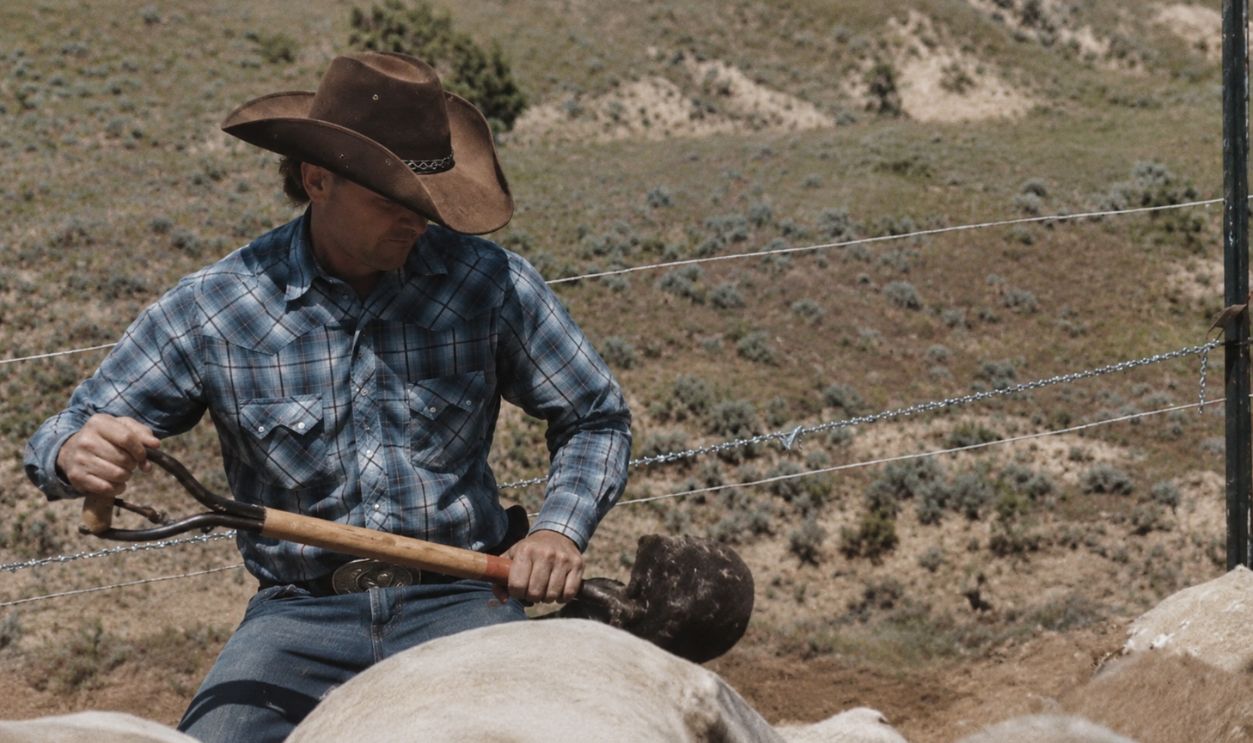
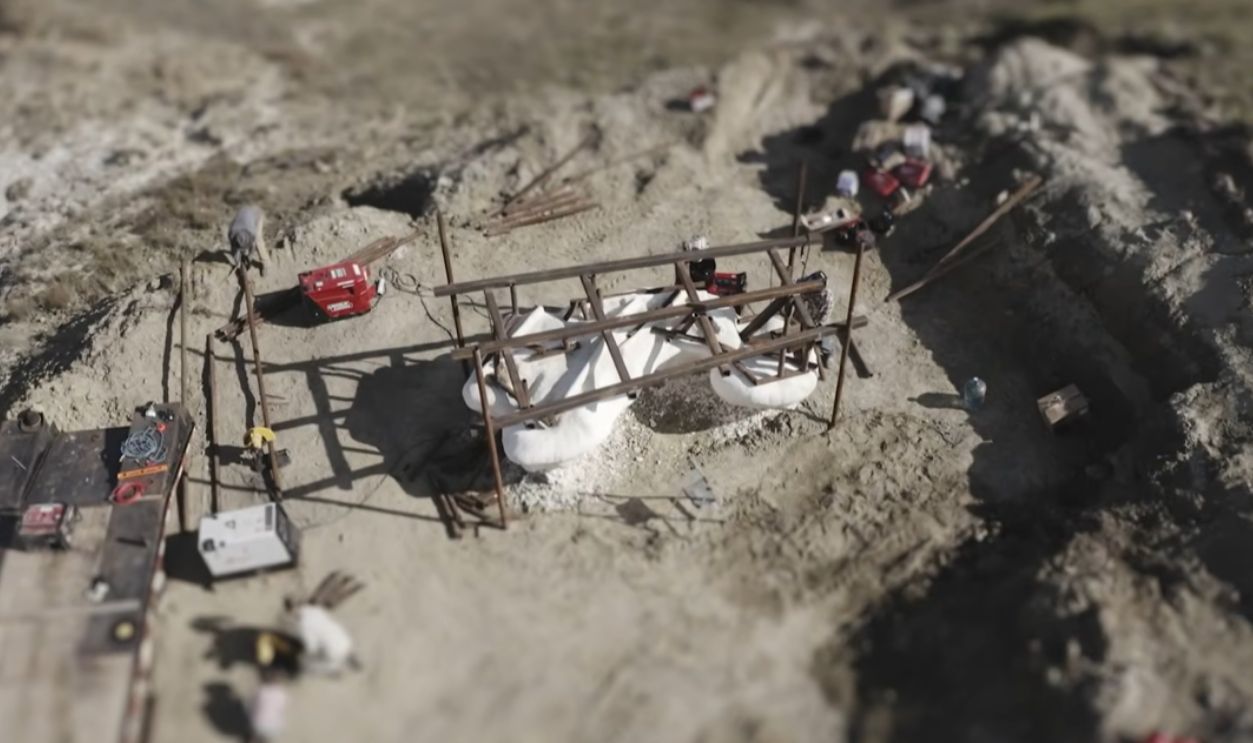
The excavation happened over one field season in 2019. Phipps worked with Pierson, her husband Kelly, his son Luke, and several other team members. The discovery and excavation later appeared in the Discovery Channel series “Dino Hunters,” giving viewers a look at the work behind the find.
 Screenshot from Dino Hunters, Discovery Channel (2020-2021)
This Was Much More Than A Few Bones
The recovered skeleton eventually became known as “Jodi,” after the woman who found it. Nearly 20 feet long when mounted, it was a substantial predator. The fossil material represented one individual, rather than a skeleton assembled from the remains of several different animals.
 Screenshot from Dino Hunters, Discovery Channel (2020-2021)
The Skull Was A Major Part Of The Find
Jodi’s skull was virtually complete, with 53 preserved bones and roughly 50 teeth in different stages of eruption. Sotheby’s even described a rooted tooth fused to the outside of the right upper jaw. There was much more here to examine than an impressive set of teeth.
 Screenshot from Dino Hunters, Discovery Channel (2020-2021)
But It Wasn’t A Complete Dinosaur
Reports described Jodi as almost 70% complete. Missing parts were restored with sculpted and 3D-printed elements for the mounted display. That matters when looking at the finished skeleton: the animal appears whole, but some of what visitors see is reconstruction.
 Screenshot from Dino Hunters, Discovery Channel (2020-2021)
It Changed Hands Before The Famous Auction
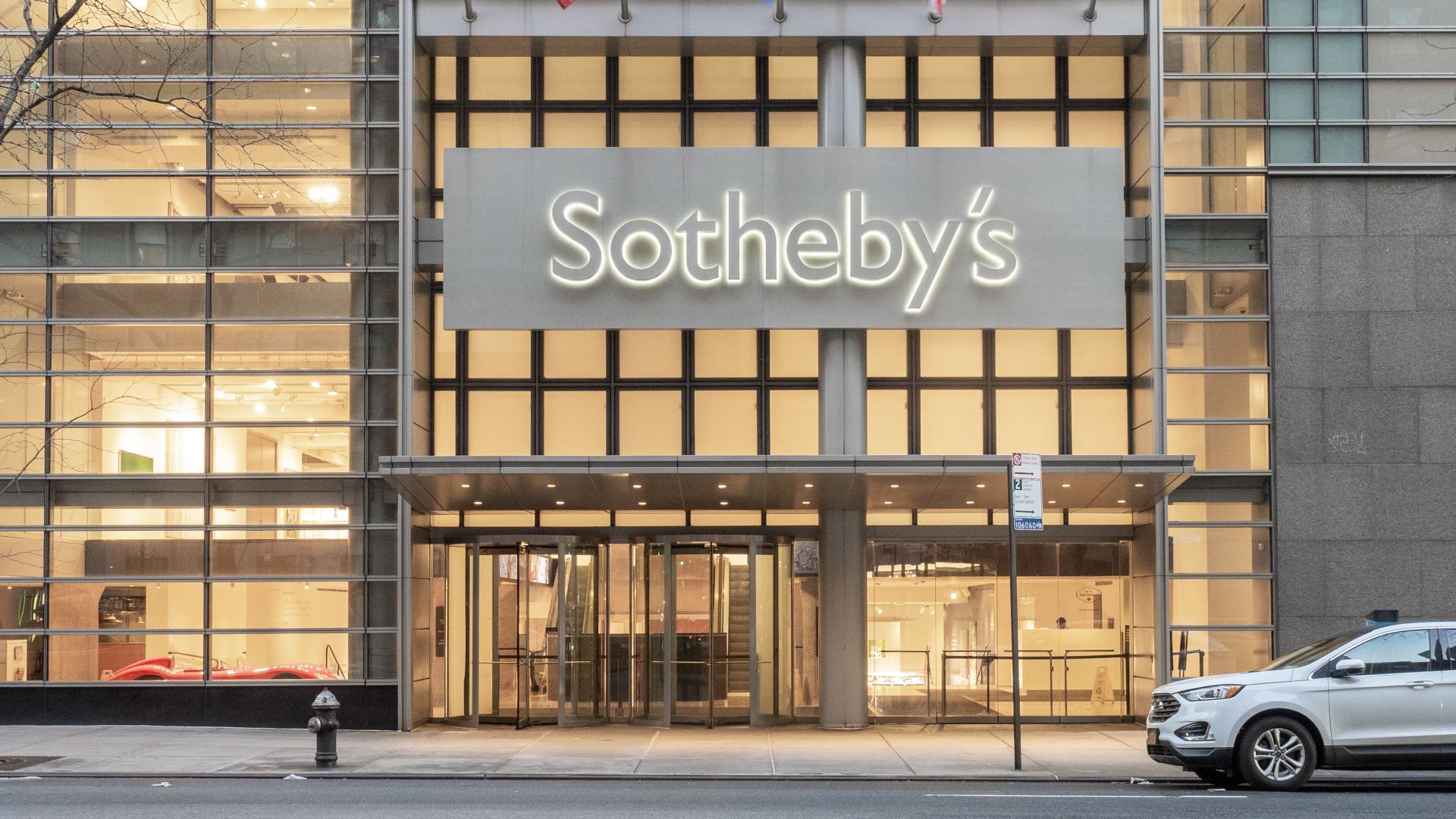
There’s another detail that gets lost in the discovery-to-riches version of this story. Sotheby’s catalogue records that a private collection acquired the specimen in 2021. The ranch discovery and the eventual New York auction were separate stages, with an earlier ownership change in between.
 ajay_suresh, Wikimedia Commons
In London, It Had A Different Name
By 2023, the skeleton was being exhibited at Frieze Masters in London under the name “Chomper.” It was presented as a juvenile Tyrannosaurus rex. But that identification placed it right in the middle of an argument paleontologists had been having for decades.
Was It Really Just A Young T. Rex?
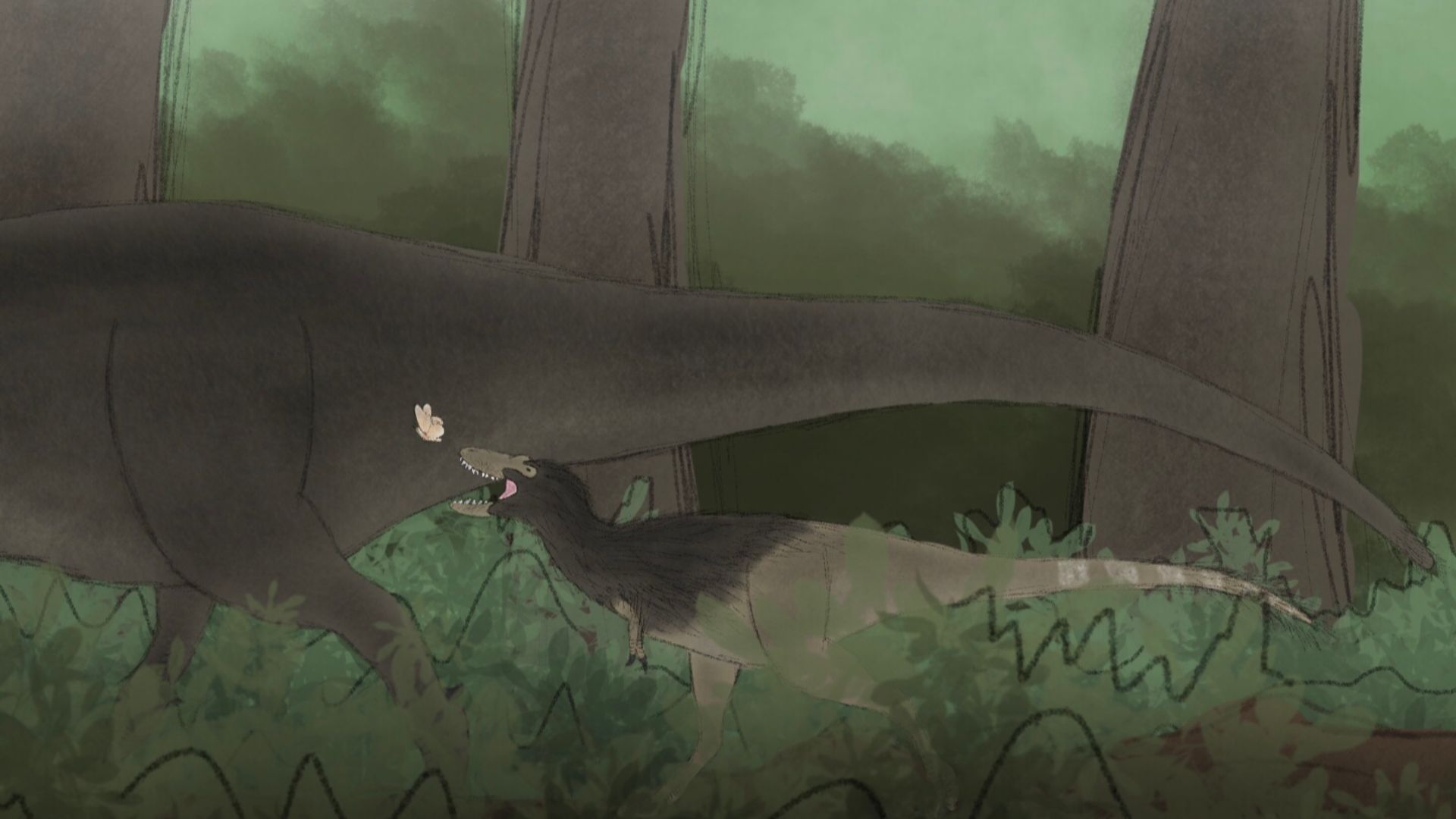
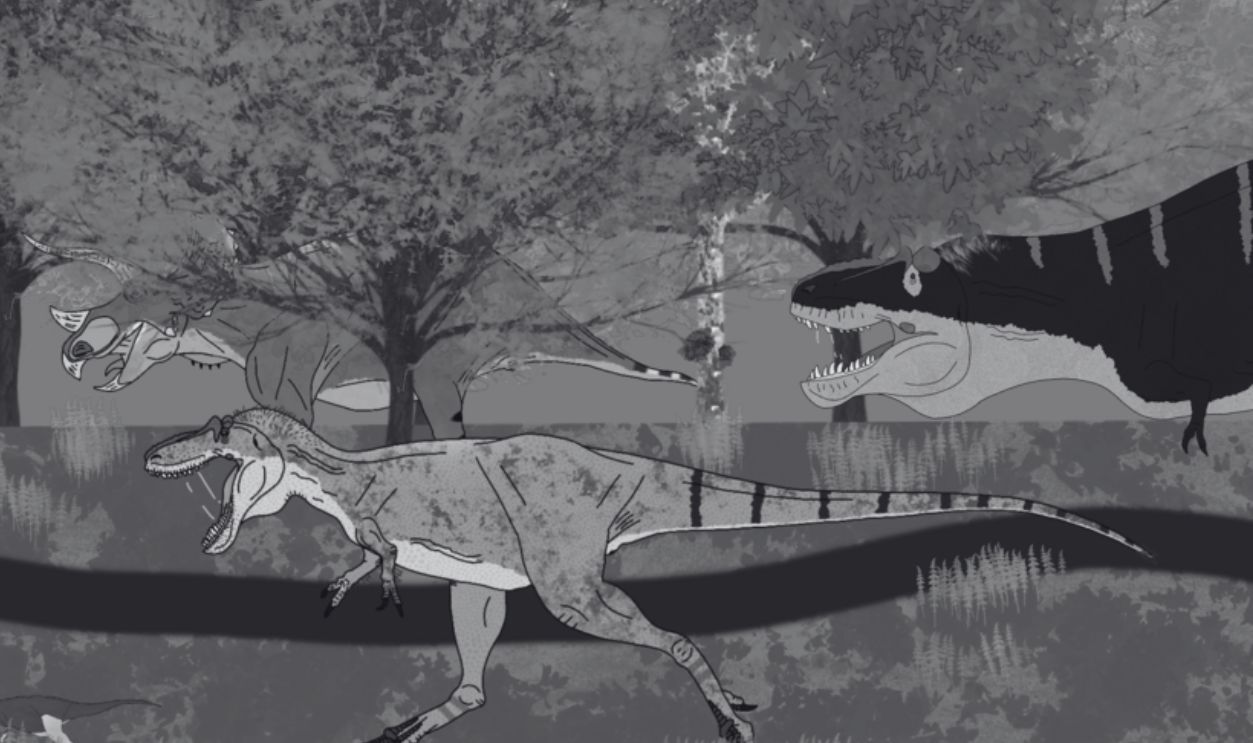
Nanotyrannus had been named in 1988, long before Pierson’s discovery. But were these smaller predators a separate kind of dinosaur, or simply T. rex individuals that hadn’t finished growing? That distinction changes how scientists interpret their bones, their growth, and the other predators living alongside them.
Then A Different Fossil Changed The Debate
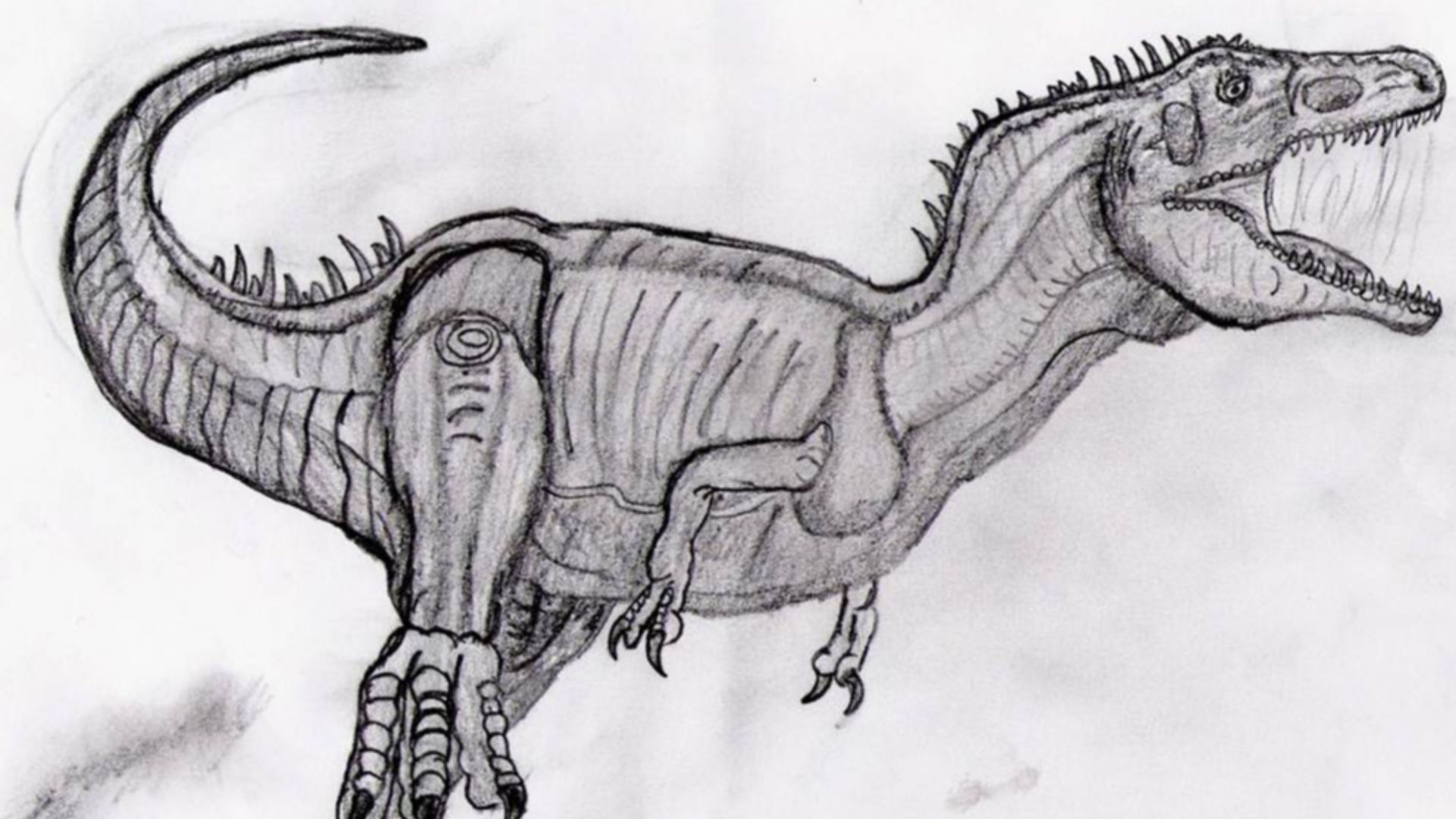
In 2025, research published in Nature provided strong evidence that Nanotyrannus was distinct from Tyrannosaurus. The researchers studied another exceptionally complete animal, part of the “Dueling Dinosaurs” discovery. Its maturity and anatomy supported a smaller adult predator, rather than a teenage T. rex.
 Arcovenator, Wikimedia Commons
A Tiny Throat Bone Added More Evidence
A separate study examined a small throat bone associated with a Nanotyrannus skull discovered in 1942. Its growth record indicated an animal nearing or already at skeletal maturity. Published online in Science on December 4, 2025, the findings reinforced the case that small size didn’t automatically mean a young T. rex.
Smaller Didn’t Mean Harmless
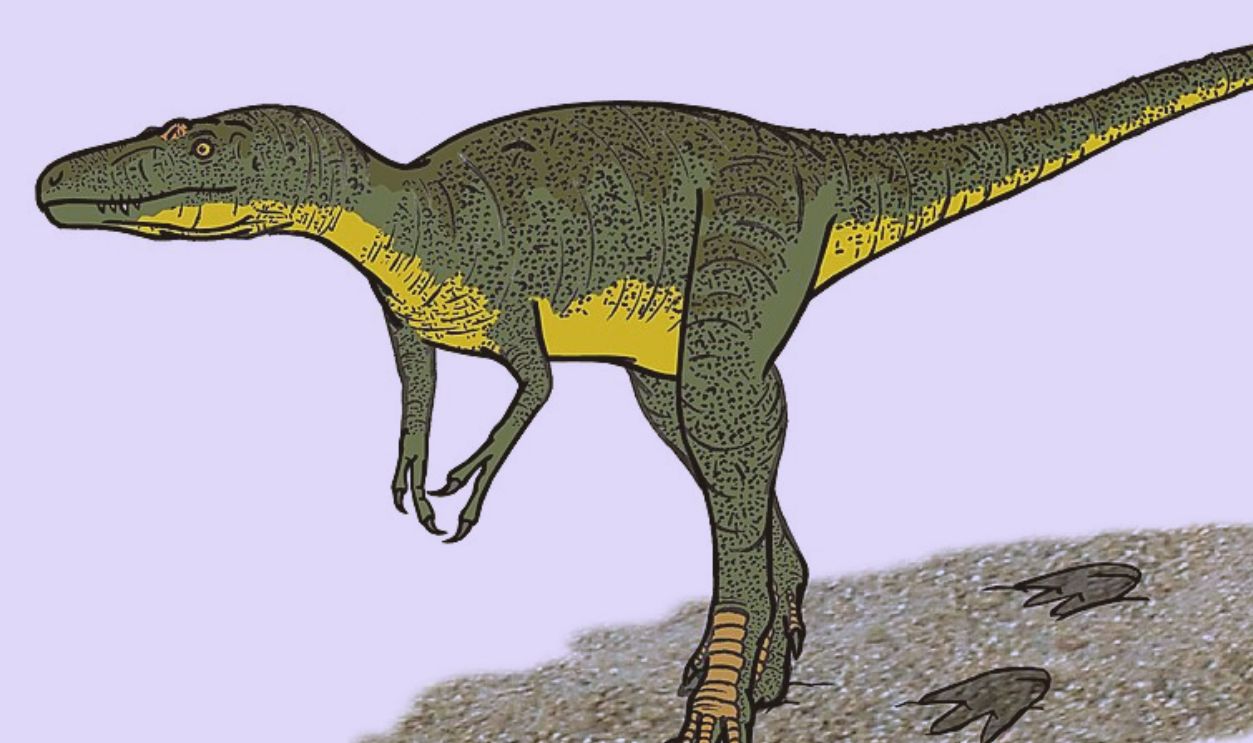
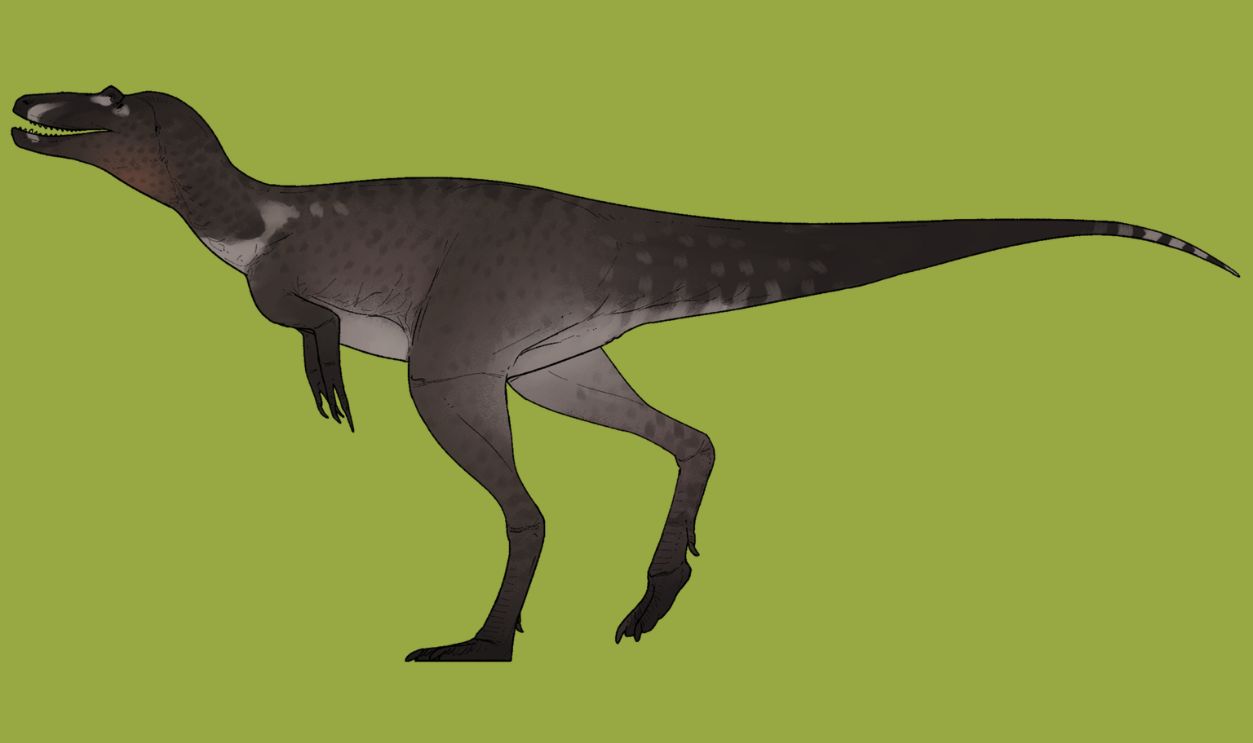
Nanotyrannus had different proportions from its much larger contemporary, including relatively longer forelimbs, larger hand claws, and more slender teeth. Think of two predators sharing the same prehistoric world. One wasn’t simply an unfinished version of the other.
 Connor Ashbridge, Wikimedia Commons
Jodi Entered The Market At The Right Moment
By the time Sotheby’s offered Jodi as a Nanotyrannus in 2026, the scientific case for the genus had become much stronger. The auction house described it as one of only three substantial skeletons known, and the first offered since the new research. Those studies examined other fossils, however; they did not independently establish Jodi’s identity.
 picture alliance, Getty Images
The Estimate Was Already Enormous
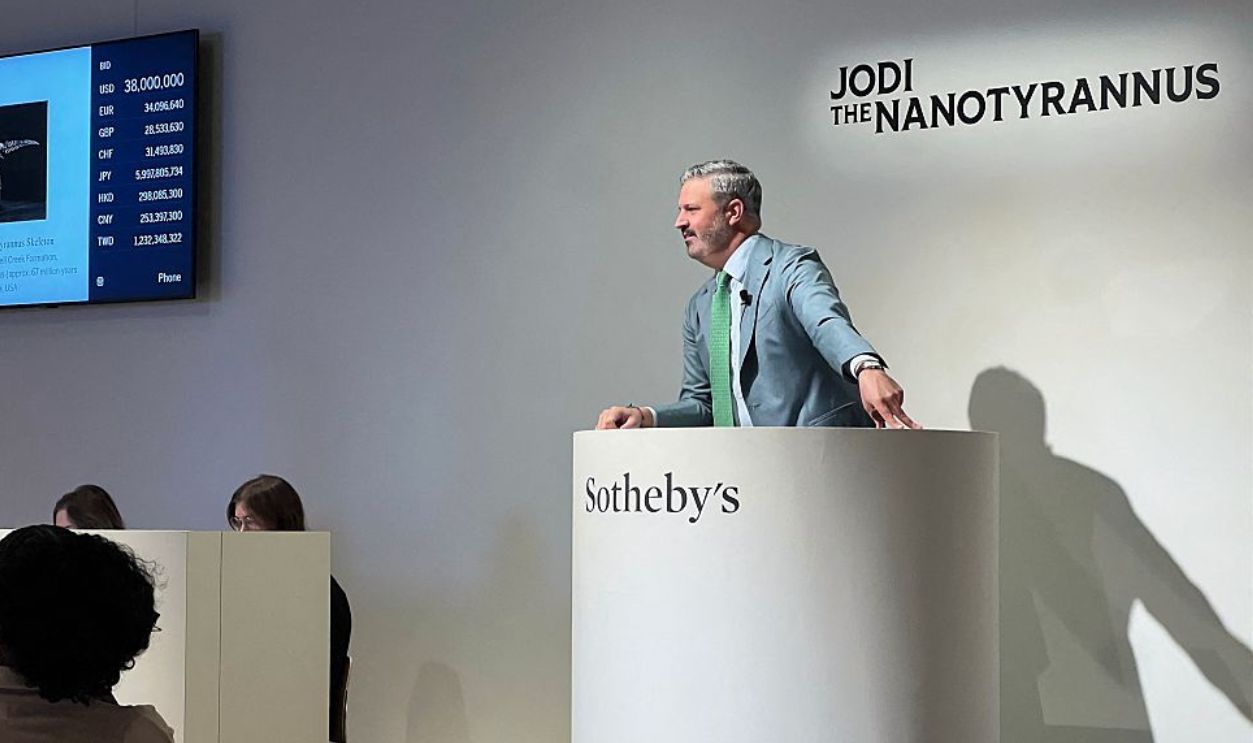
The auction was set for October 27, 2026, in New York. Sotheby’s estimated Jodi would bring $6 million to $9 million before buyer’s fees. Even the bottom of that range would have made this an extraordinary sale. The bidding would go much further.

Six Bidders Wanted The Same Dinosaur
Six bidders competed online and by telephone in a contest lasting about 12 minutes. The winning bid came over the phone. For a fossil that had once been pieces brought to a cousin in Montana, the competition had reached a very different scale.

The Final Total Was $47.3 Million
Including auction fees, Jodi sold for approximately $47.3 million U.S. That was more than five times the upper end of the presale estimate, although the estimate excluded those fees. The difference wasn’t a small surprise. The final total was tens of millions above expectations.

Only One Dinosaur Had Sold For More
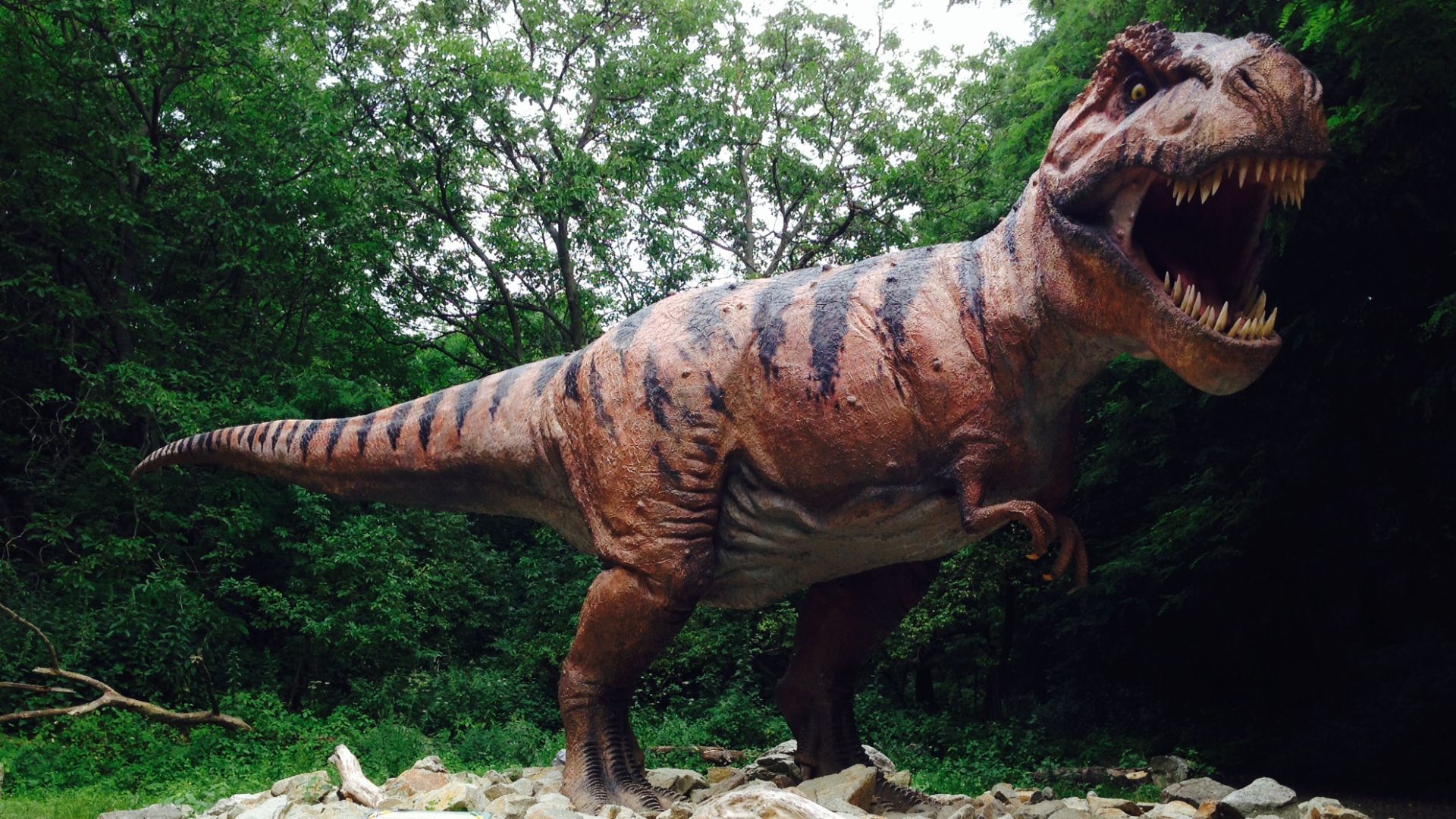
The result put Jodi second among dinosaur fossils sold at auction. The only higher sale was “Gus,” a T. rex that brought about $50.1 million at Sotheby’s in July 2026. Jodi also surpassed “Apex,” the Stegosaurus that sold for $44.6 million in 2024.
That Doesn’t Mean Pierson Received $47.3 Million
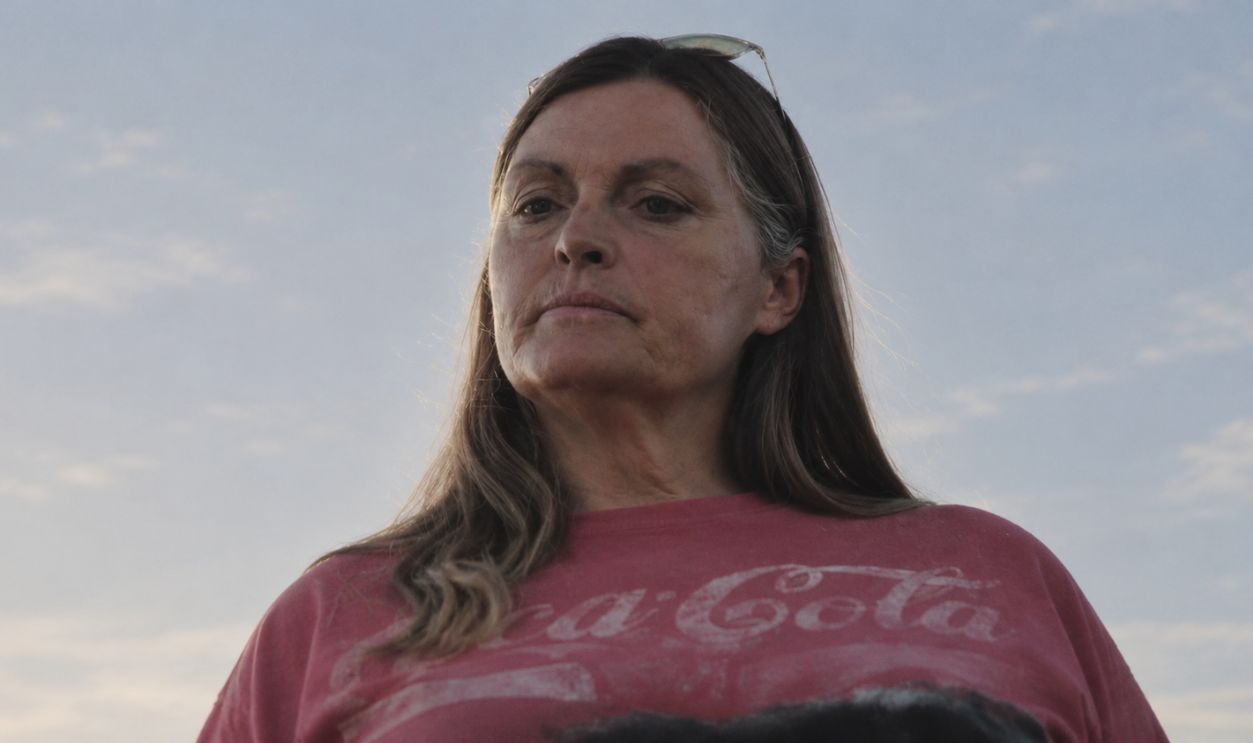
The headline number is the auction price, including fees, rather than a disclosed payment to the rancher. With the catalogue recording a private acquisition in 2021, the sale cannot simply be treated as Pierson’s personal payday. Her financial arrangements weren’t detailed in the published provenance.
 Screenshot from Dino Hunters, Discovery Channel (2020-2021)
The Buyer Stayed Anonymous
The new owner chose to remain anonymous, according to reporting on the sale. That left the public with a famous dinosaur and an enormous price, but no named buyer. It also raised the question that follows many major fossil auctions: what happens to the specimen next?
Scientists Have A Reason To Worry
Researchers need dependable access to fossils so they can examine evidence and check one another’s conclusions. A privately owned specimen may be loaned to a museum, but that access can later disappear. The concern is especially serious when relatively few comparable animals are available to study.
The People Finding Them Make A Different Point
Commercial collectors argue that fossils also face a threat when left in the ground: erosion. Phipps has described his work as rescuing specimens before nature destroys them. Museums acknowledge that collectors have made important discoveries, while still questioning where scientifically valuable fossils ultimately end up.
 Screenshot from Dino Hunters, Discovery Channel (2020-2021)
The Next Chapter Matters Too
Pierson’s discovery became one of the most expensive dinosaurs ever auctioned. But the research that strengthened the case for Nanotyrannus also showed why access to old bones matters. The sale answered what a buyer would pay for Jodi. What researchers can learn from it will depend on what happens next.

You Might Also Like:
Challenges Neanderthals Could Survive That Modern Humans Probably Couldn’t