An Ancient Campsite With A Story To Tell
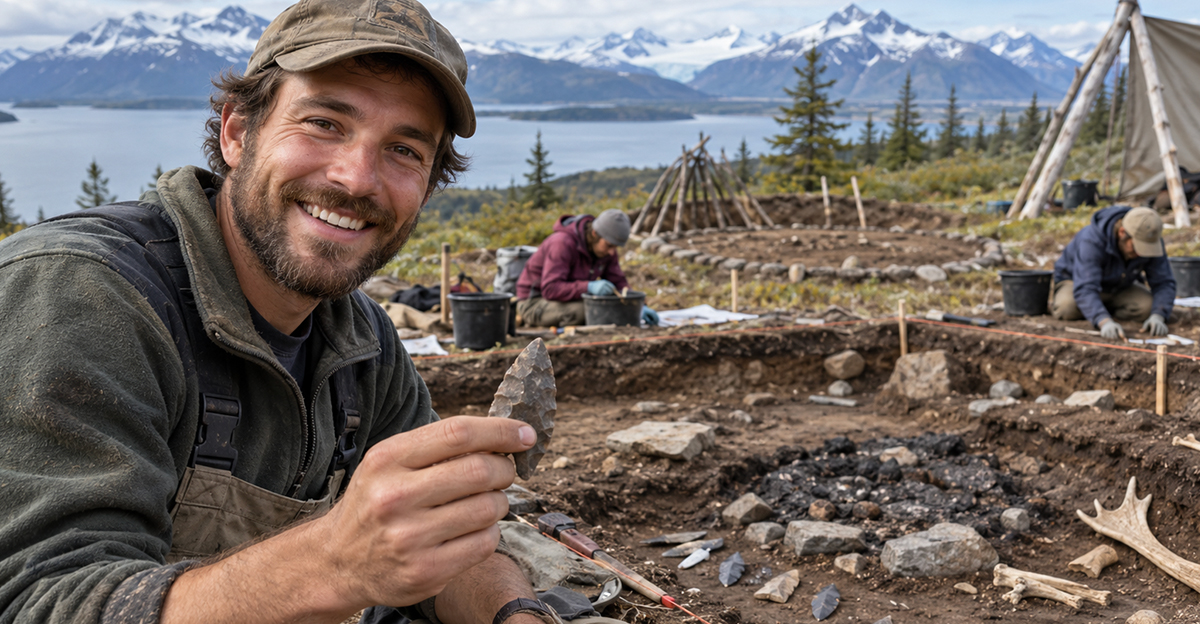
Nearly 14,000 years ago, a group of people made themselves at home in what is now Alaska. They built fires, cooked meals, made tools, and found ways to keep warm. Now, archaeologists have uncovered their old campsite, and what they found tells us quite a bit about everyday life during the Ice Age.
A Discovery In The Alaskan Wilderness
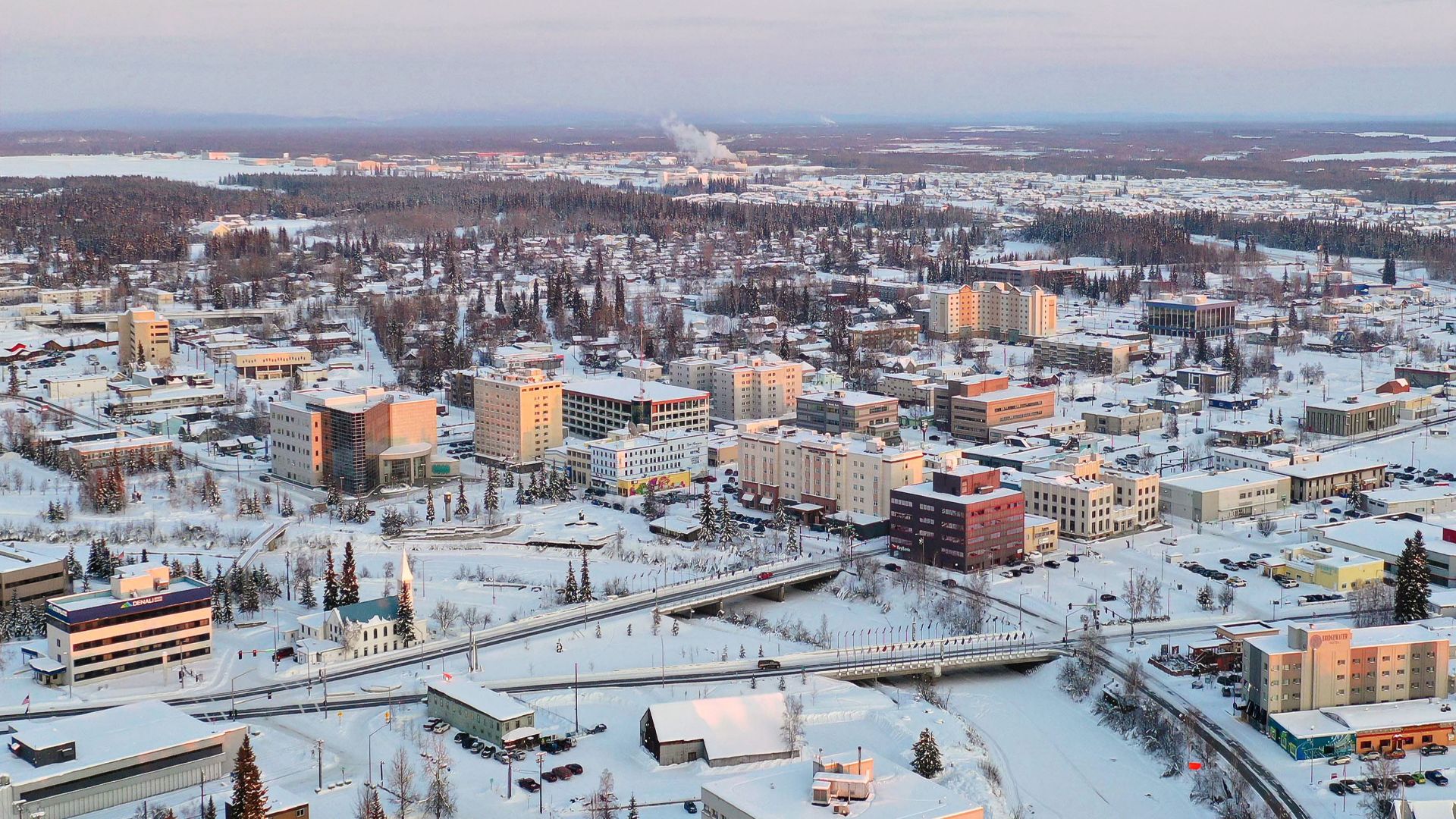
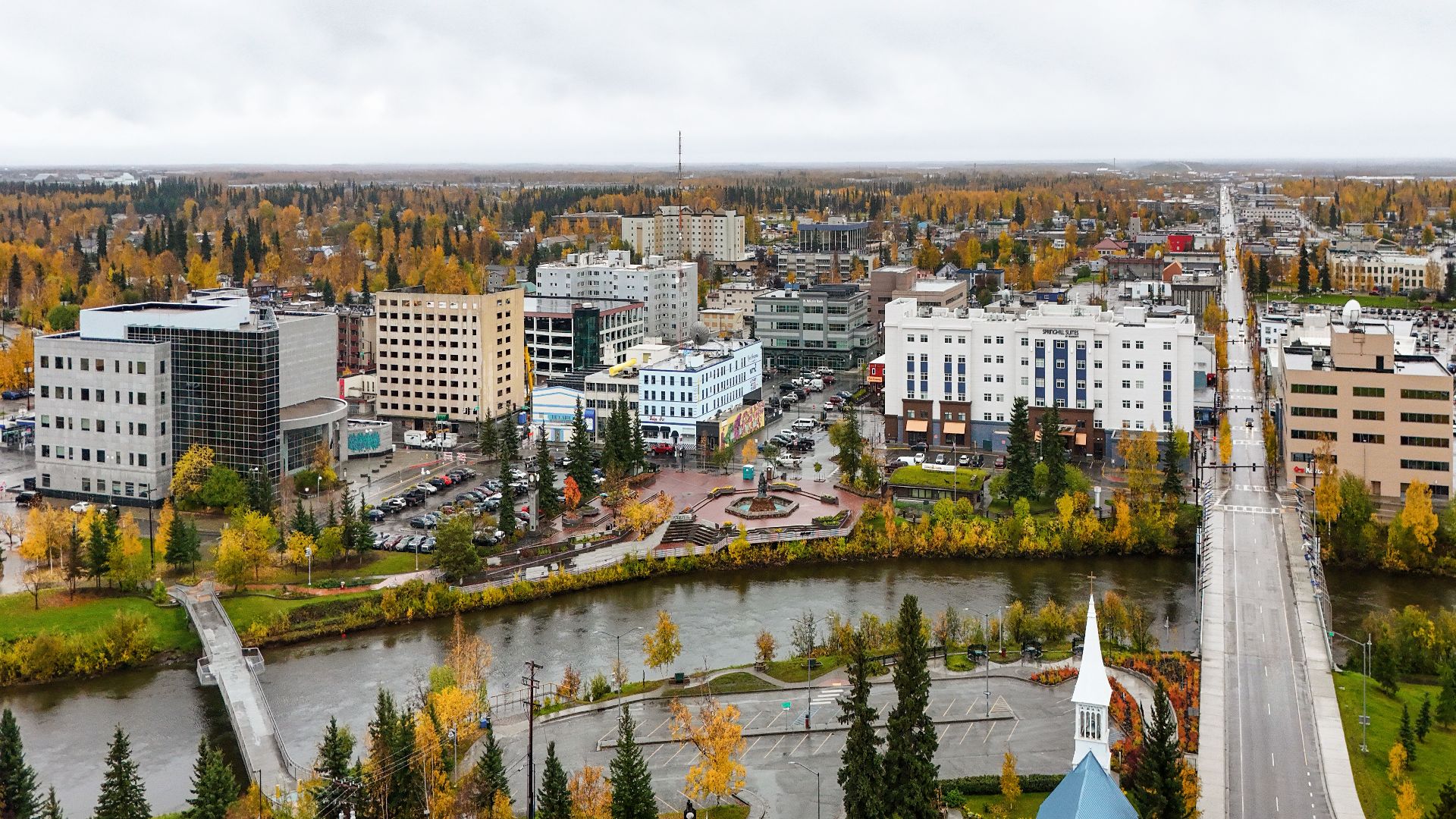
The campsite sits about 34 miles southeast of Fairbanks, Alaska. Researchers found thousands of objects left behind by its ancient occupants, from stone tools to animal bones. What makes this place special is how much evidence survived. It's almost like finding someone's belongings exactly where they left them thousands of years ago.
 Quintin Soloviev, Wikimedia Commons
A Name With A Special Meaning
The site is called Shég’ Xdaltth’í’, which means "They Were There" in an Alaska Native Athabaskan language. It's a fitting name for somewhere that was home to people so long ago. Archaeologists have been investigating the location for years, slowly putting together the story of those who once lived there.
 Quintin Soloviev, Wikimedia Commons
Alaska Was A Very Different Place
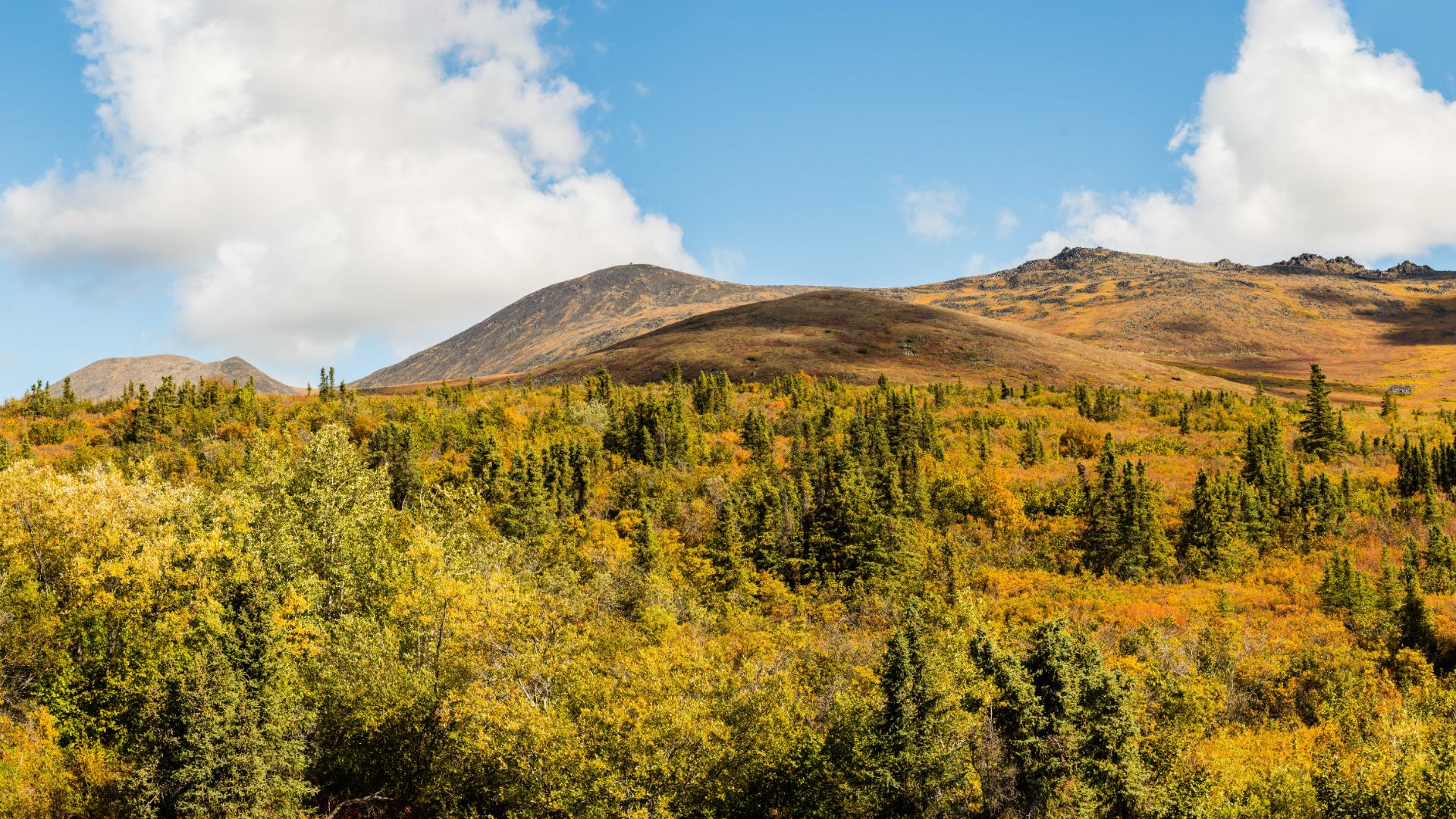
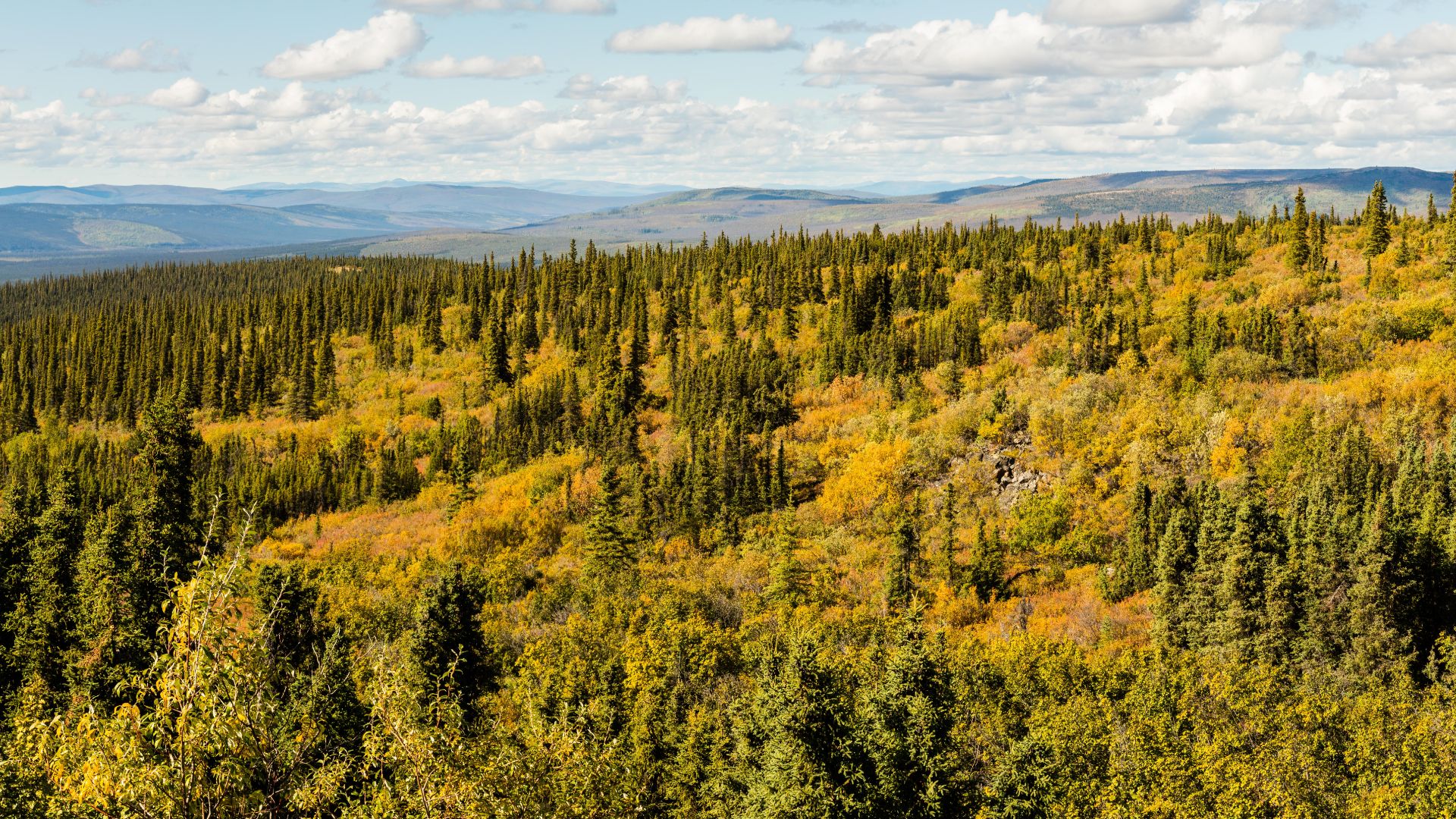
Forget the thick forests you might picture when thinking about Alaska today. Around 13,800 years ago, the landscape was much more open, with shrubs and grassy areas. Large animals wandered across the region, and people had to know where to find food, water, and shelter to survive the changing seasons.
 Diego Delso, Wikimedia Commons
When Alaska And Asia Were Connected
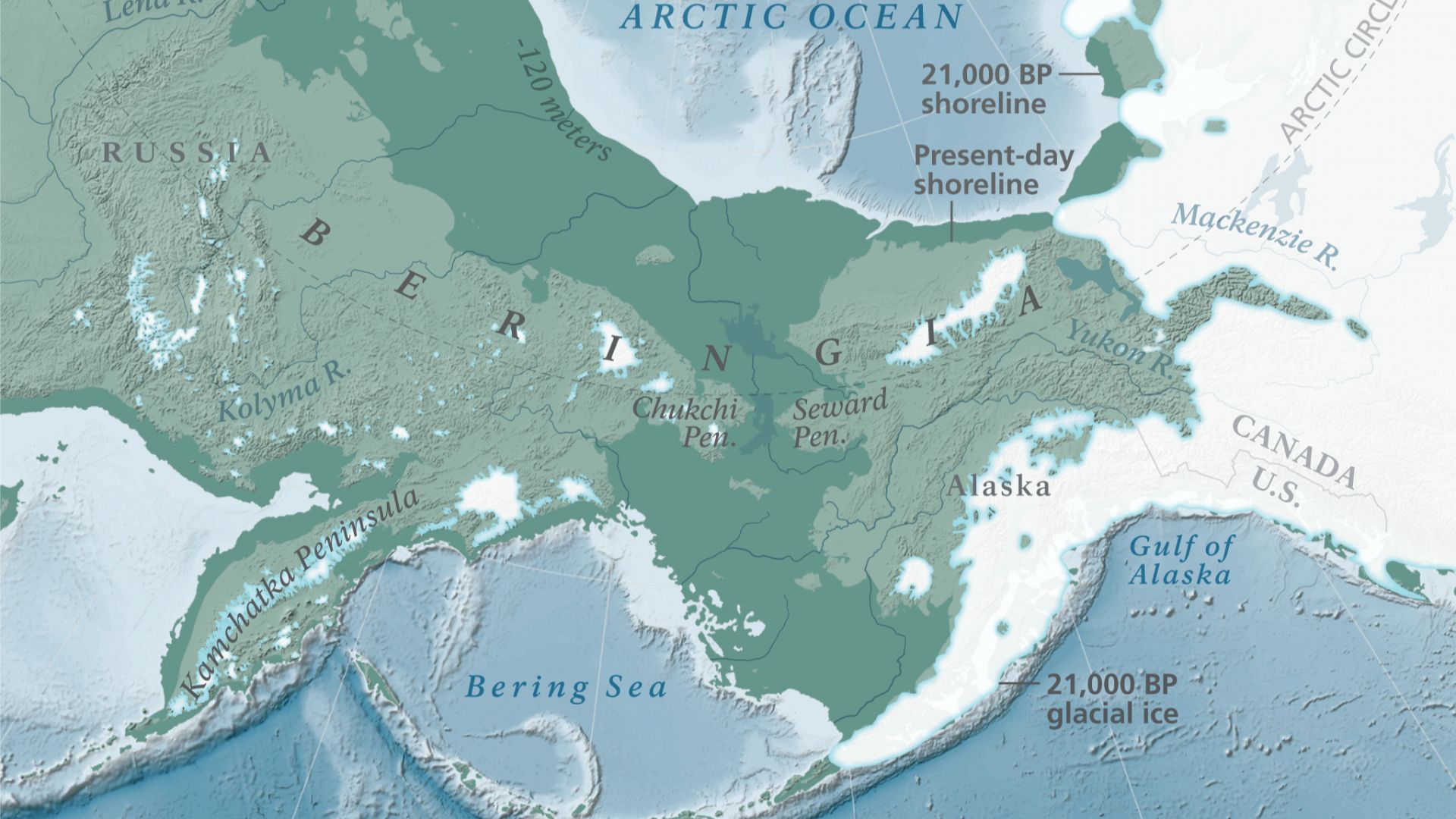
Believe it or not, you could once travel between Siberia and Alaska without crossing an ocean. A huge stretch of land called Beringia connected the two regions during the Ice Age. People and animals moved across this landscape, which eventually disappeared beneath rising seas as the climate warmed.
 Unknown authorUnknown author, Wikimedia Commons
More Than 80,000 Pieces Of History
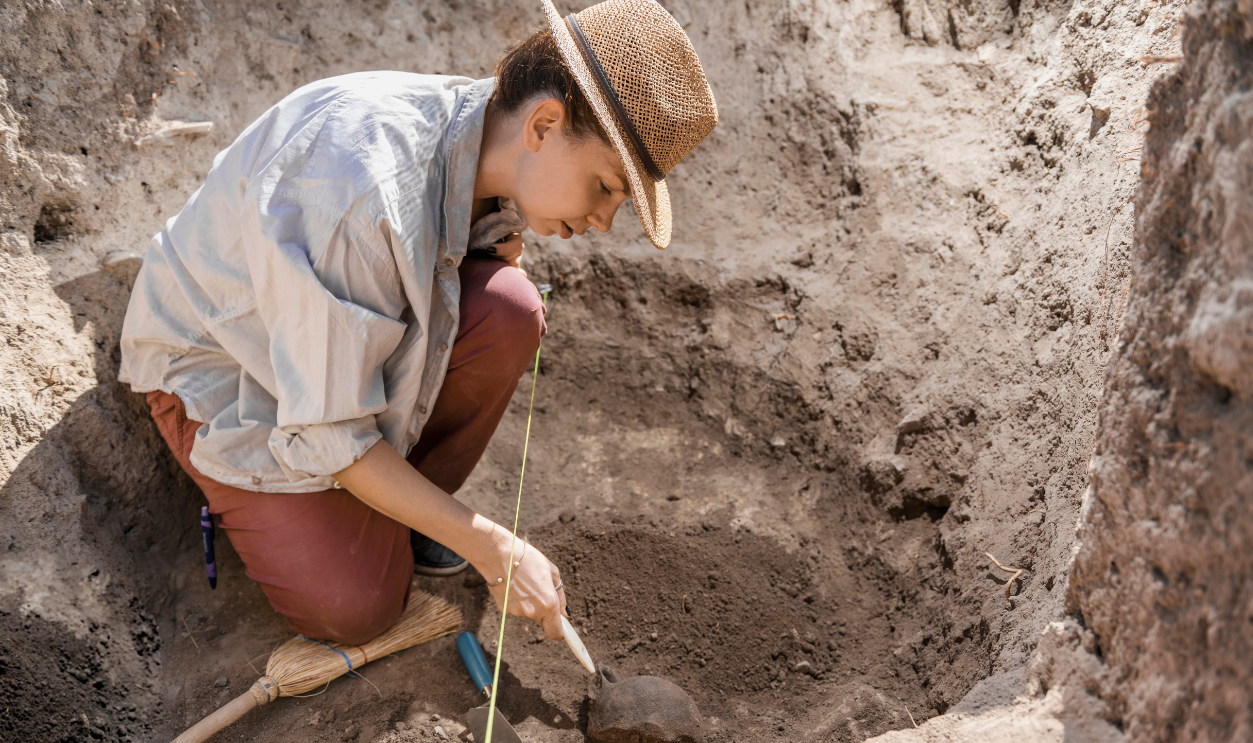
Archaeologists recovered more than 80,000 specimens from the campsite's oldest layer. These included stone tools, animal remains, and other traces of human activity. Some 70,000 pieces were concentrated in an area measuring just 25 square meters. That's a remarkable amount of history packed into a relatively small patch of ground.
 Aziz Karbal, Wikimedia Commons
More Than A Place To Stop For The Night
At first, archaeologists expected to find a simple hunting camp, perhaps somewhere people had stopped to prepare food. Instead, they discovered signs of a much busier place. There were tools, cooking areas, and possible shelter remains. It looked like somewhere people had spent time living, rather than simply passing through.
The Remains Of An Ancient Home
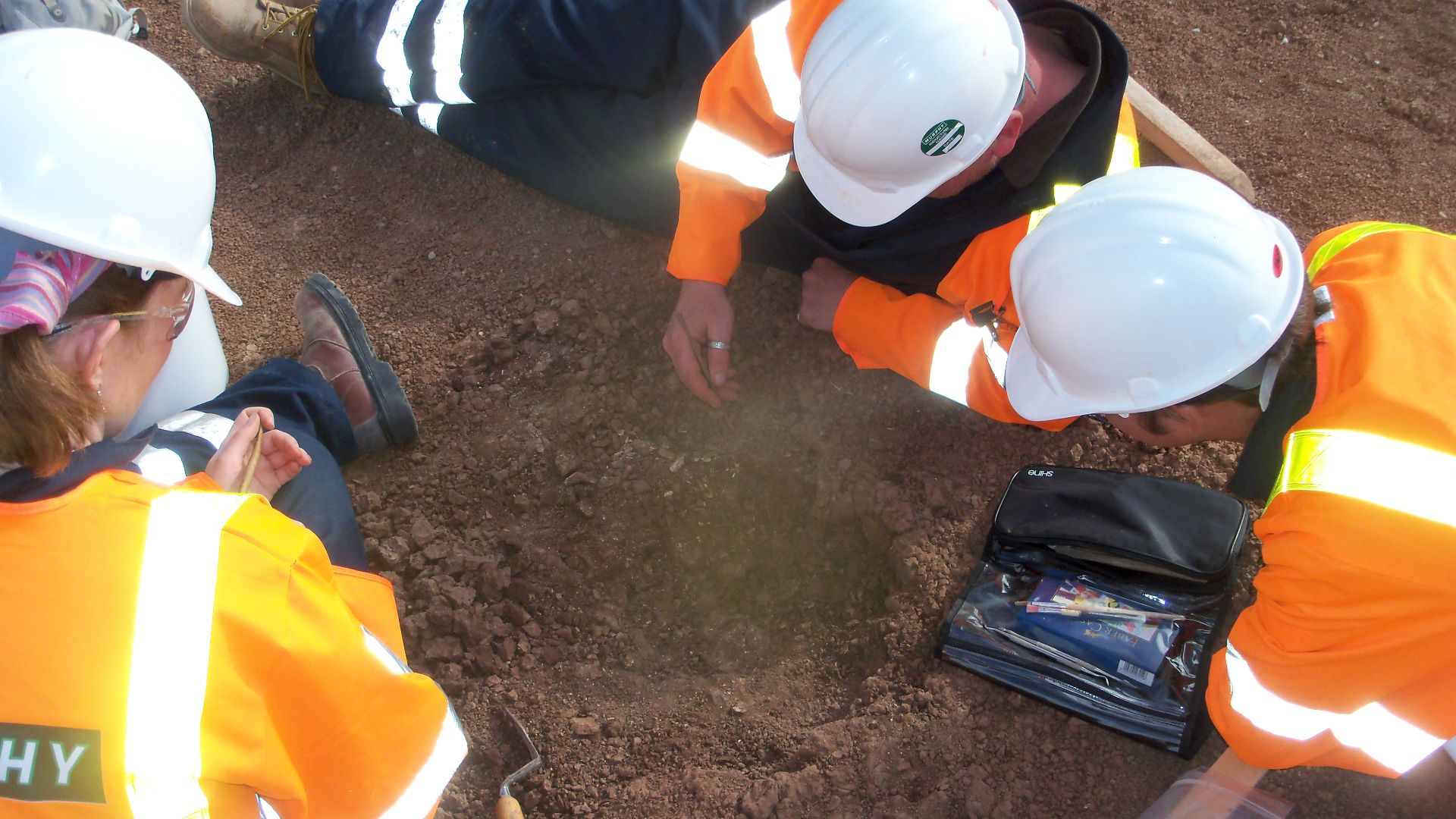
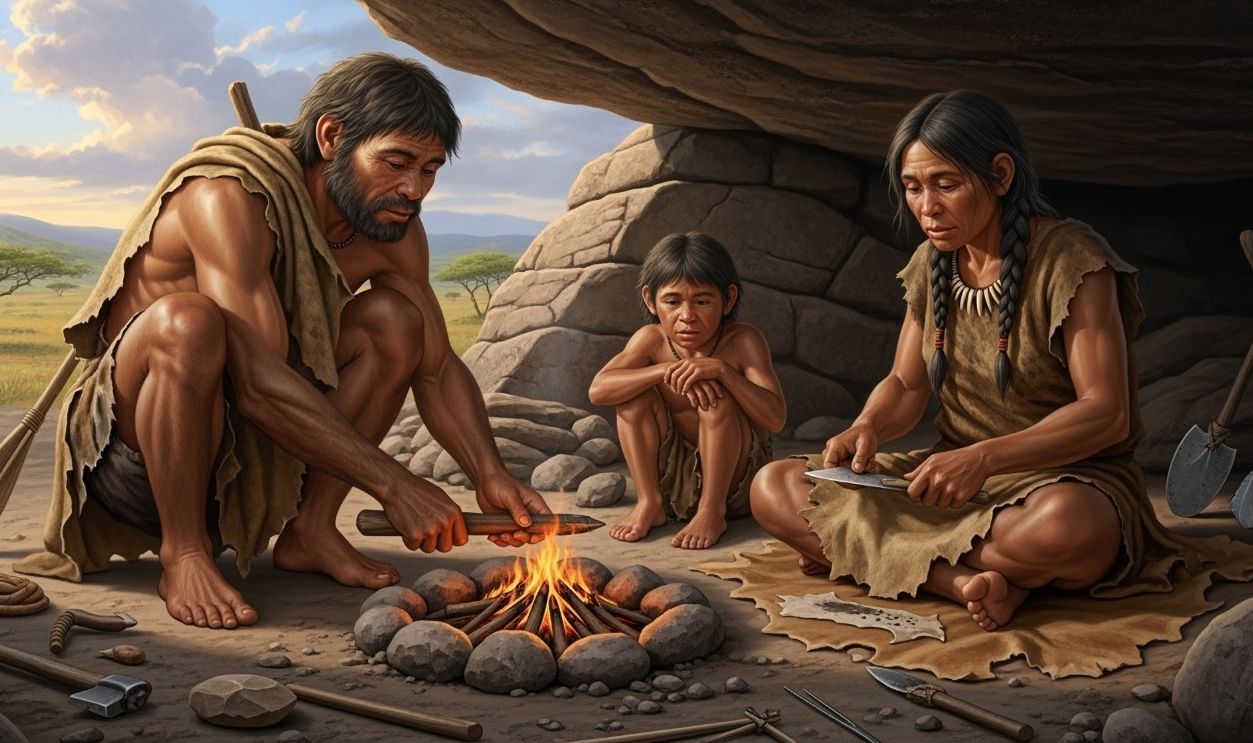
One of the biggest surprises was a patch of dark soil shaped roughly like an oval. Inside it, researchers found a fireplace, a small pit, and traces of what might have been a wooden support post. These clues suggest that people had built some kind of shelter there.
 Network Archaeology Ltd, Wikimedia Commons
What Did Their Shelter Look Like?
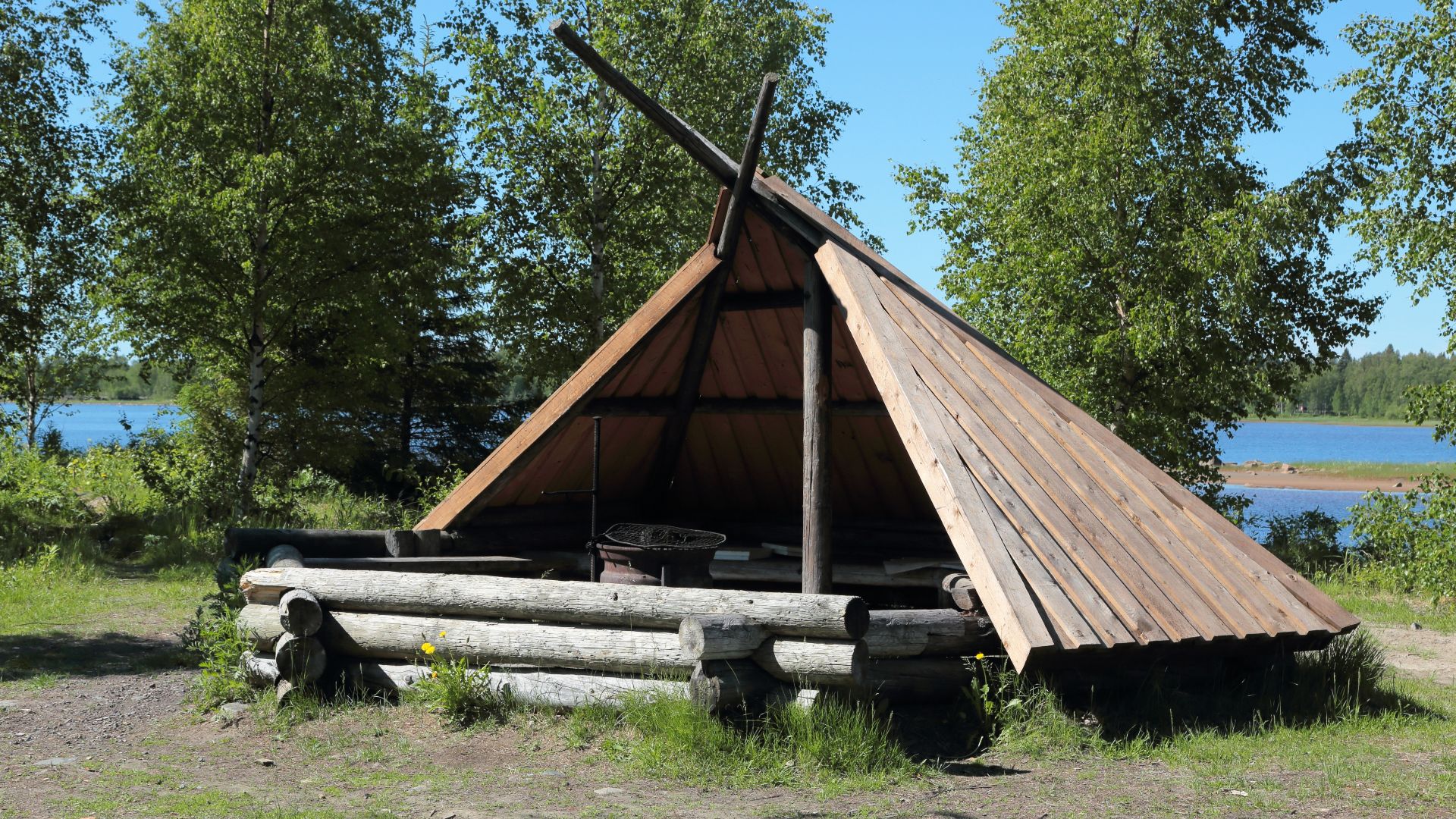
Nobody knows exactly what the structure looked like, but archaeologists think it may have been a simple lean-to, partly covered and open toward the south. It wouldn't have resembled a modern house, of course. Still, having somewhere to escape the weather would have made life much easier for its occupants.
A Fireplace That Survived Thousands Of Years
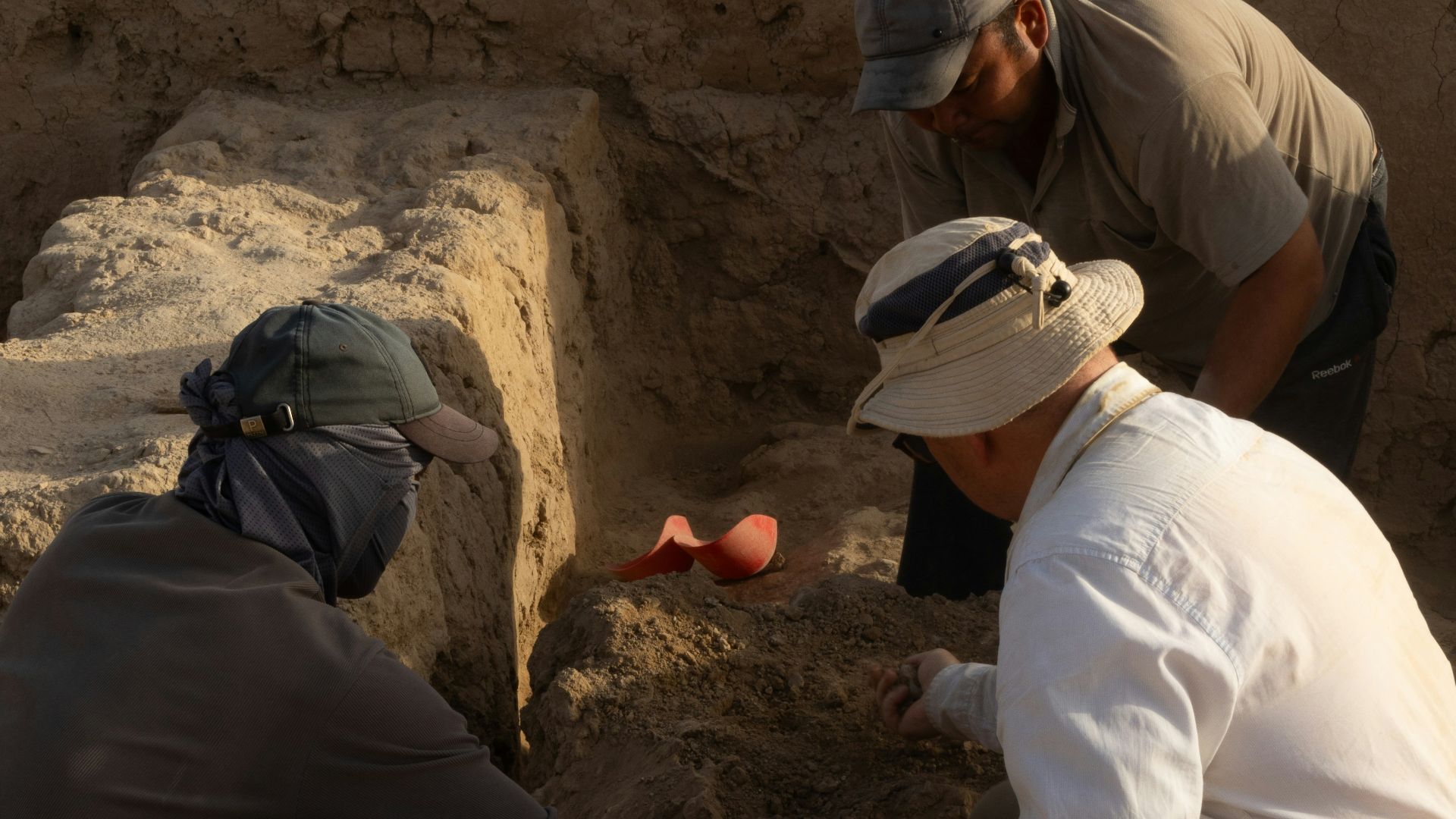
The possible shelter contained a fireplace measuring about 70 centimeters across. Archaeologists found charcoal showing where people had burned wood long ago. Imagine sitting beside that fire after a day of hunting or making tools. For the people who stayed here, a reliable fire would have been a necessity.
 Aleksander Stypczynski, Unsplash
An Ice Age Cooking Oven
A short distance away, researchers found something rather unexpected: an earth oven. It contained charcoal, heated stones, and animal bones. Archaeologists believe people used it to cook meat slowly. It wasn't a modern kitchen, but the basic idea was familiar: prepare a good meal using whatever equipment you have.
Cooking Dinner For The Whole Family
The oven may have been large enough to prepare food for a sizable family group. Slow-cooking meat would have helped make it tender and easier to eat. Researchers also think this method could have helped people get more fat from their meals, an important source of energy when living in cold conditions.
Mammoths Were On The Menu
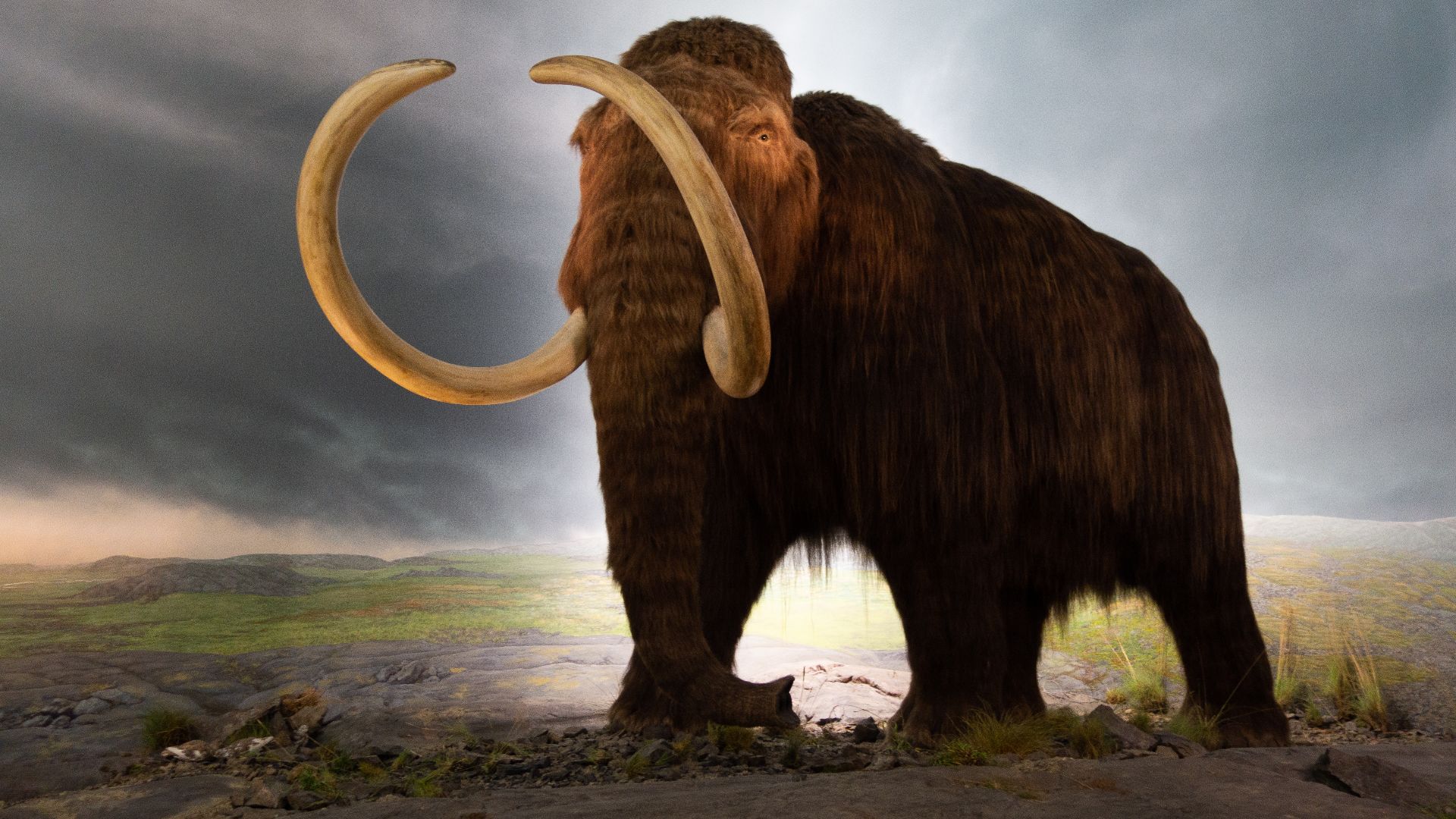
The campsite contained bones from several large Ice Age animals, including mammoths, bison, horses, and caribou. Hunting these creatures would have required knowledge, patience, and probably teamwork. The animal remains show that the people living here had access to a variety of food sources, including some animals that have long since disappeared.
 Thomas Quine, Wikimedia Commons
Smaller Animals Were Important Too
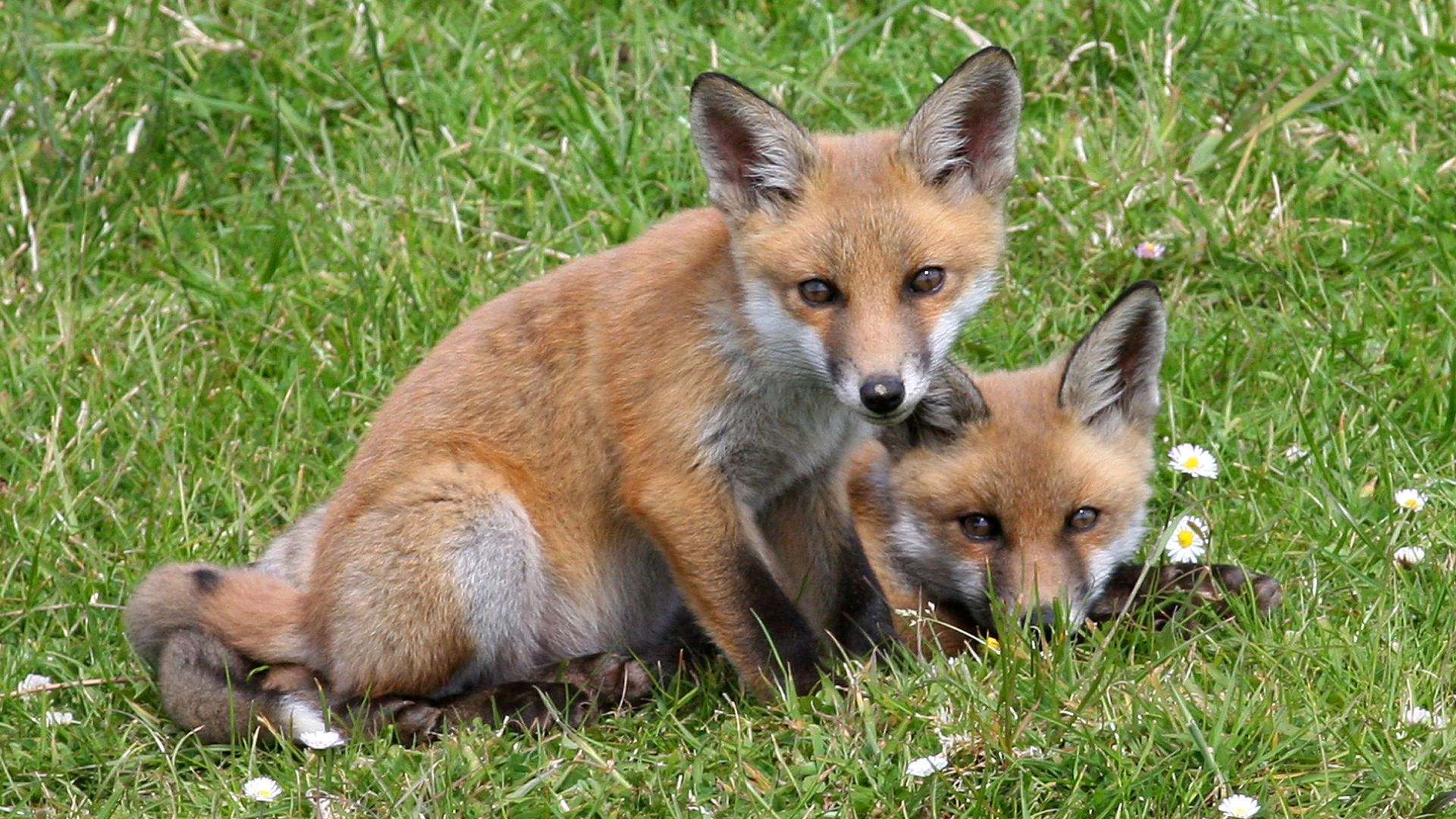
Not every meal had to come from hunting something the size of a mammoth. Archaeologists also found evidence of smaller animals, including hares, foxes, and birds. These remains help show the variety of wildlife around the campsite. Making use of different resources would have been a sensible way to get by.
 Ken Billington, Wikimedia Commons
Animal Bones Reveal Everyday Habits
You might think an old animal bone wouldn't tell us much, but archaeologists can learn plenty from one. They study where bones were found, how they were broken, and whether they show signs of human activity. At this campsite, the arrangement of remains helped researchers identify areas where people prepared food and discarded leftovers.
Stone Tools For Everyday Jobs
The campsite was full of stone tools used for cutting, scraping, and other tasks. There were also pieces left behind when people shaped new tools. Some implements had been sharpened and reused. Just like someone looking after a favorite pocketknife today, these ancient people knew the value of keeping useful equipment in good condition.
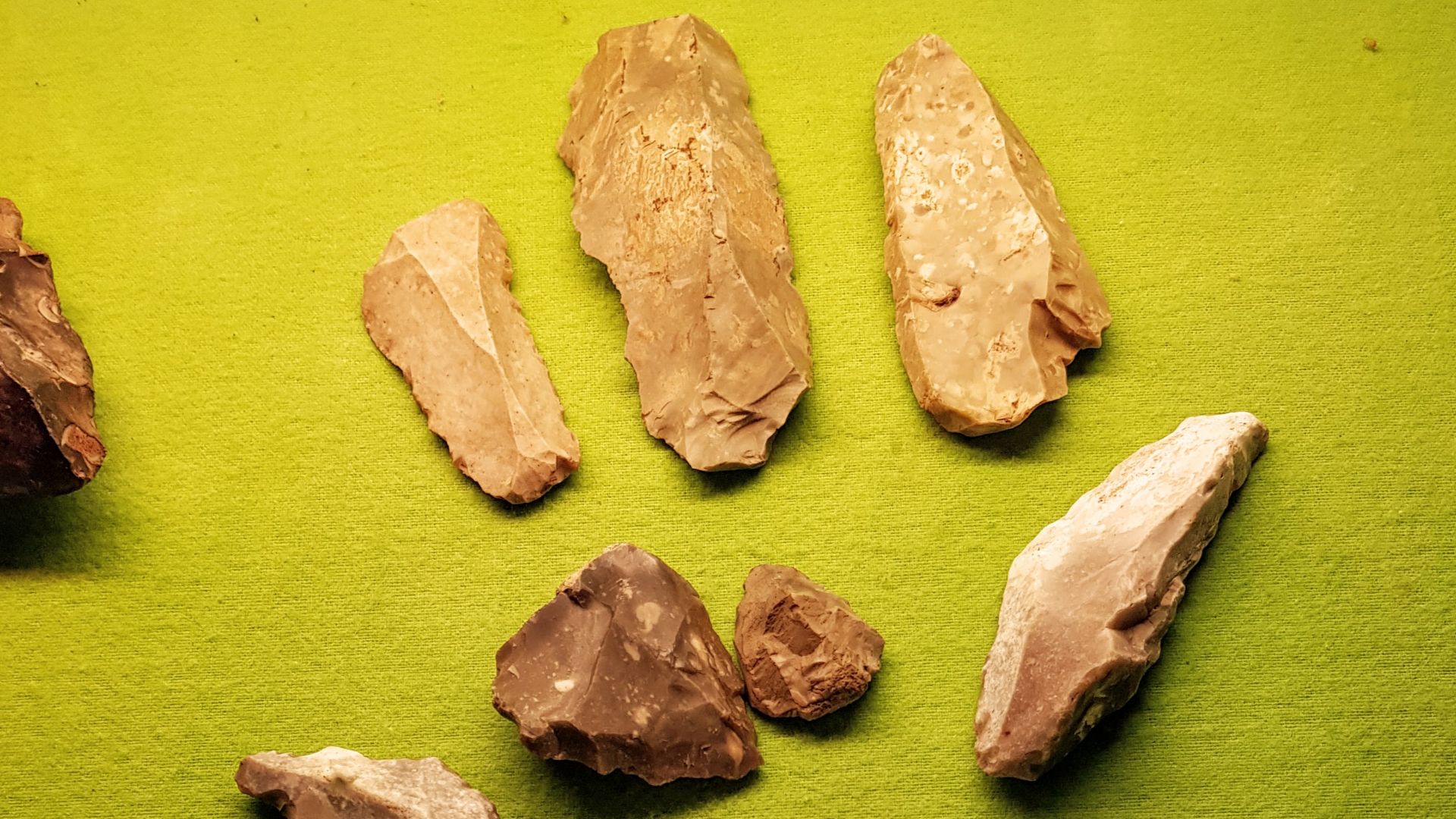
Hunting Weapons With A Familiar Design
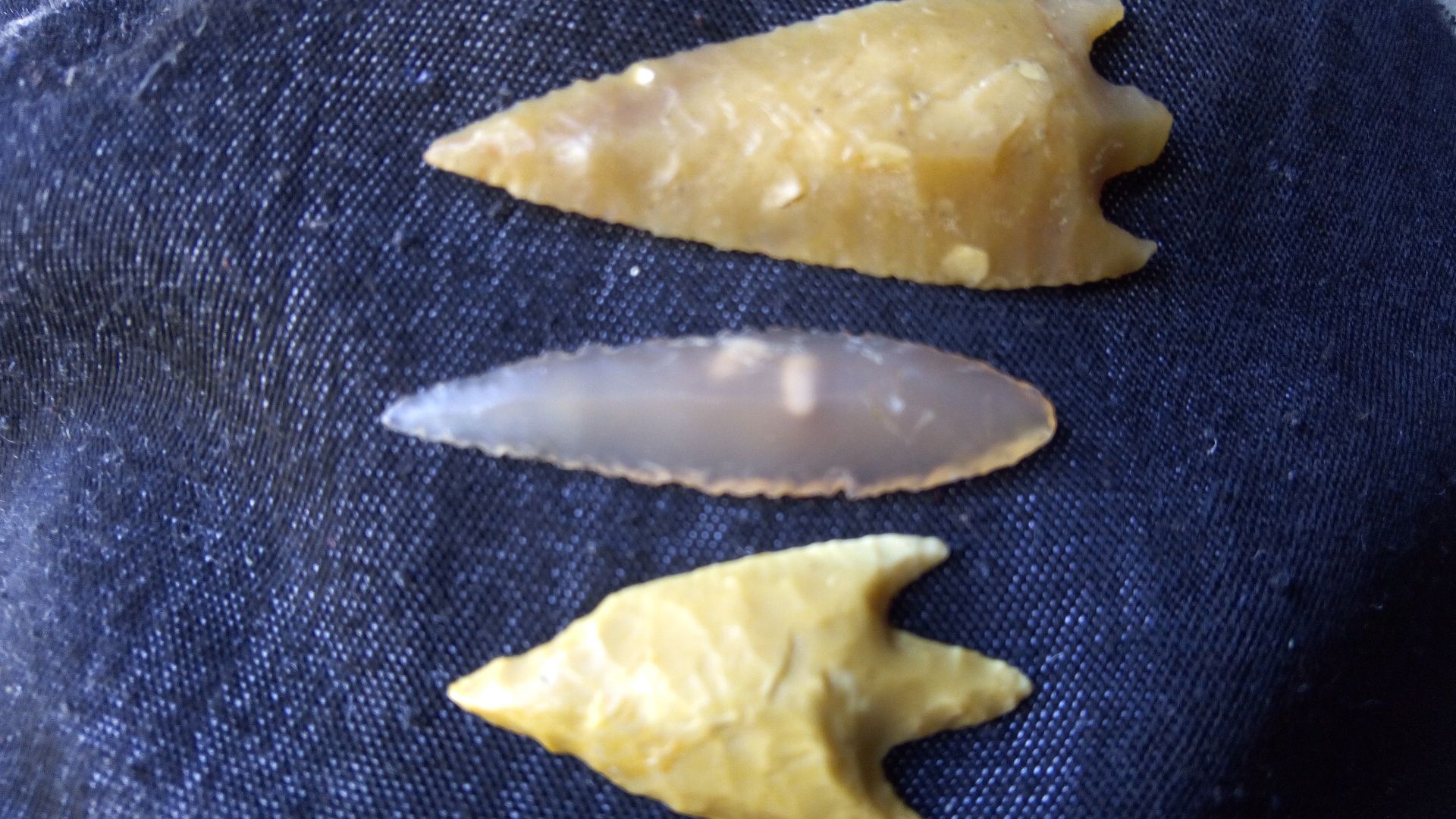
Among the finds were unusual diamond-shaped stone points. What caught the researchers' attention was their similarity to objects discovered at ancient sites in Siberia. This suggests that people living on opposite sides of what is now the Bering Strait may have shared toolmaking traditions thousands of years ago.
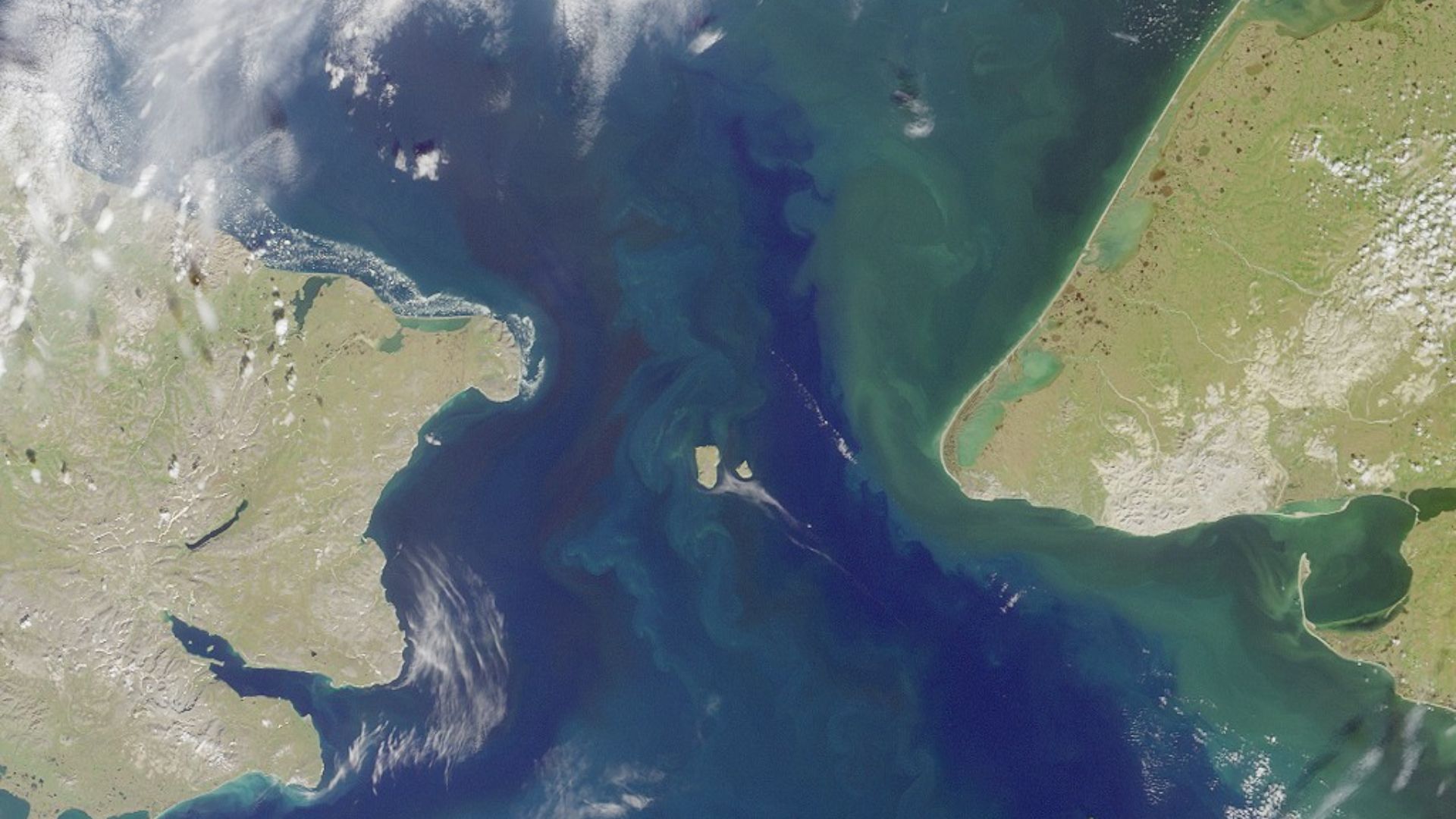 NASA/GSFC/JPL/MISR-Team, Wikimedia Commons
Stone That Came From Far Away
Some tools were made from materials that weren't readily available near the campsite. Researchers identified volcanic glass called obsidian, along with other kinds of stone. These materials may have arrived through long journeys or contact between different groups. Either way, the people living here knew about resources far beyond their immediate surroundings.
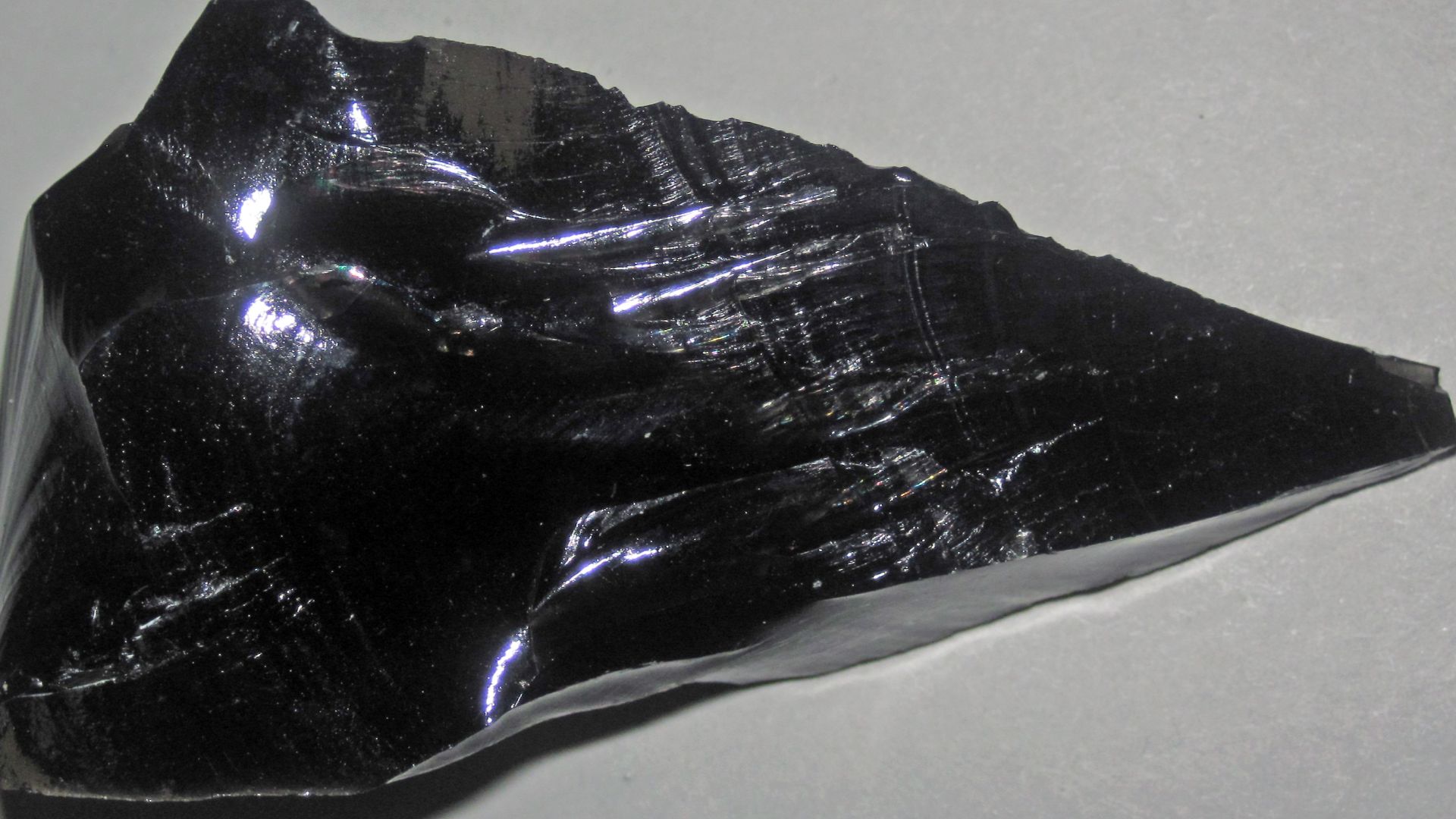 James St. John, Wikimedia Commons
Tiny Needles Made A Big Difference
One of the most interesting discoveries was eight fragments of bone sewing needles. Some had the remains of holes where thread could pass through. Researchers identified them as the oldest known eyed needles in the Western Hemisphere. They're small objects, but they tell an important story about the skills people needed to survive.

Keeping Warm Without Modern Clothing
Imagine facing an Alaskan winter without a warm jacket, gloves, or waterproof boots. Ancient people had to make their own clothing, often using animal hides. Needles would have helped them stitch pieces together into better-fitting garments. That kind of practical knowledge could make an enormous difference when temperatures dropped.
 Paul Hermans, Wikimedia Commons
Someone Even Had A Piece Of Jewelry
Life wasn't all about finding food and staying warm. Archaeologists also discovered a small pendant made from antler, complete with a drilled hole. It may have been worn as an ornament. Even thousands of years ago, people appear to have valued personal decoration, something we can easily recognize today.
 Son of Groucho from Scotland, Wikimedia Commons
Did They Have Dogs?
Researchers found remains of wolf-like animals at the campsite, raising questions about whether dogs might already have been living alongside people. It's an interesting possibility, but there's no firm answer yet. Scientists still need more evidence to determine whether these animals were wild wolves or early domesticated dogs.
 YAKOBCHUK VIACHESLAV, Shutterstock
A Place People Kept Coming Back To
Dating suggests the oldest part of the campsite was used repeatedly over roughly 200 years. Other remains show that people visited the area again around 13,000 and 12,700 years ago. They weren't necessarily living there all year. Instead, the location seems to have been useful enough for different groups to return.
 Diego Delso, Wikimedia Commons
A Campsite For Different Seasons
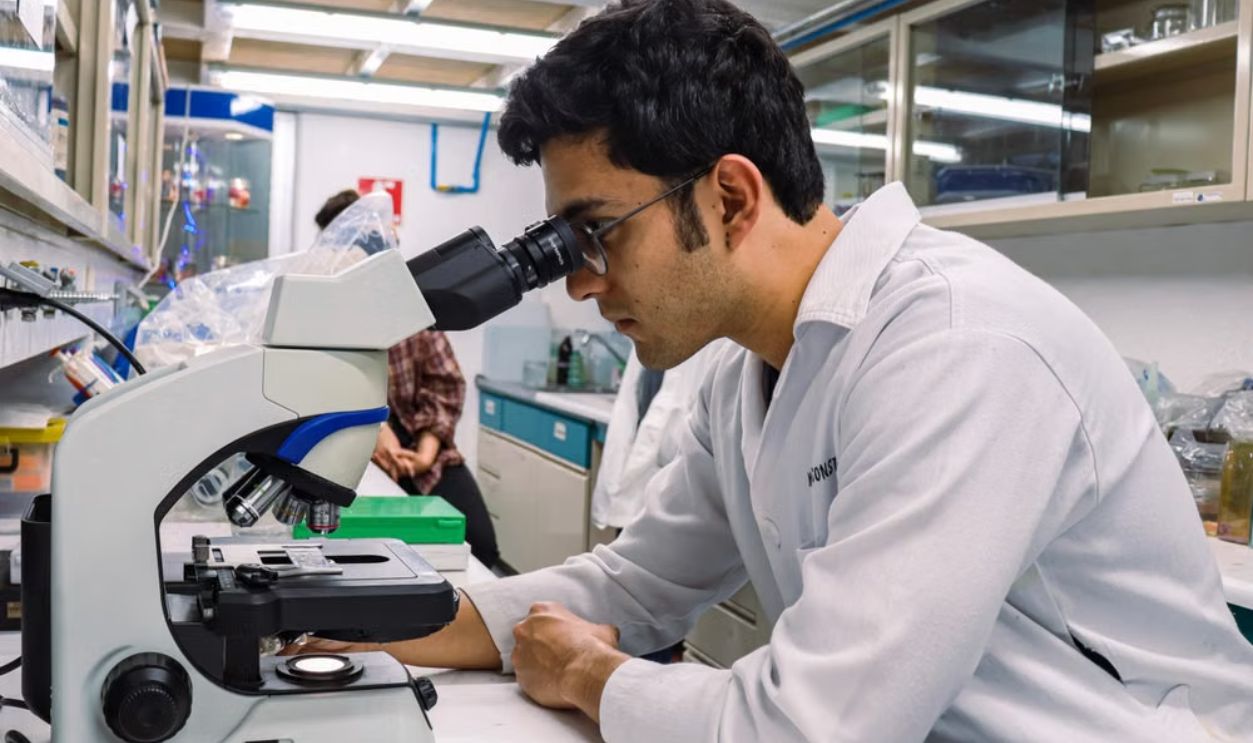
The animals found at the site offer clues about when people may have stayed there. Some species would have been easier to hunt or collect at particular times of year. Researchers are studying these remains to better understand the movements of the people who used the camp and how they planned around seasonal changes.
Everything Had Its Place
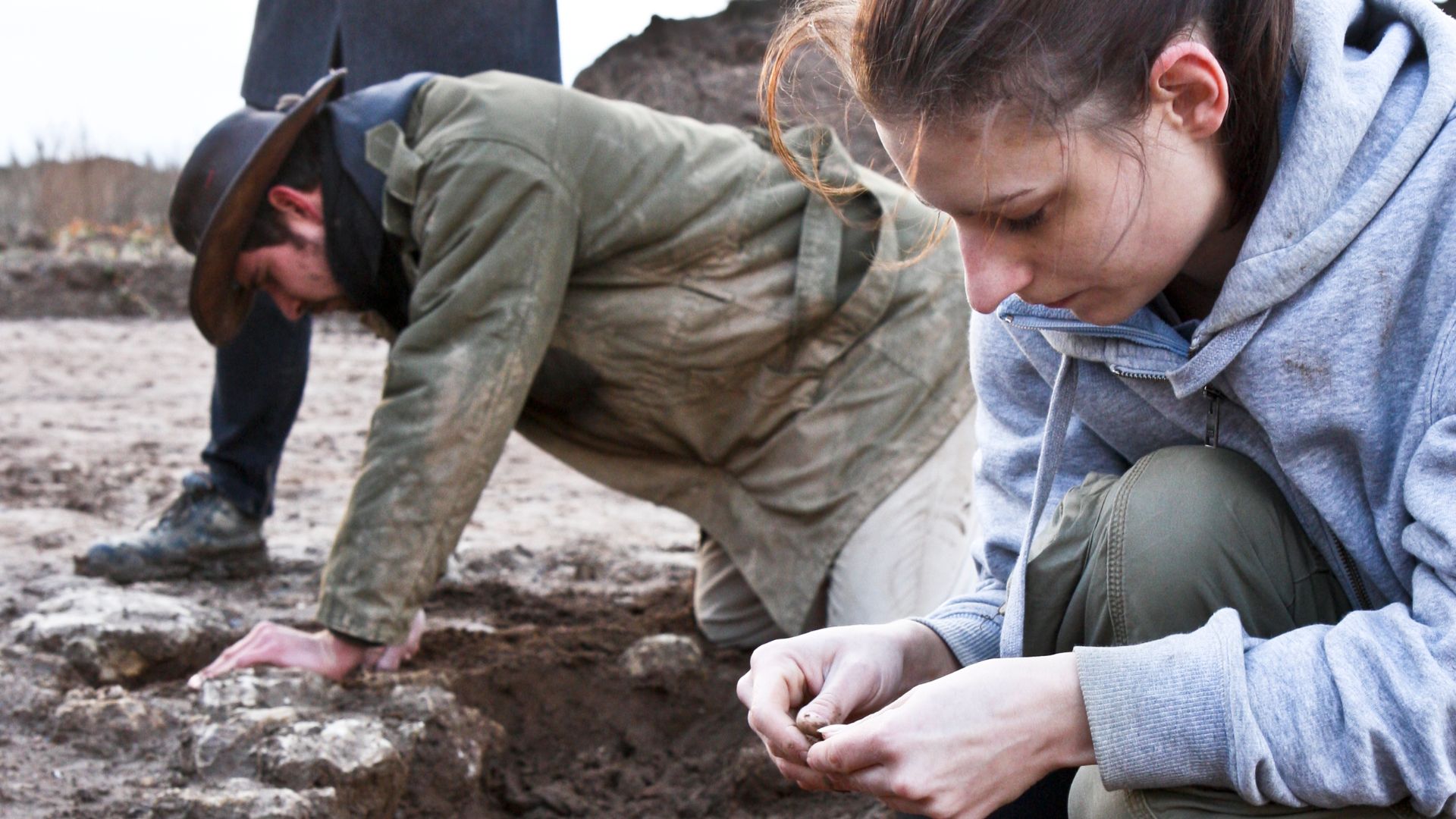
One surprising detail is how organized the campsite seems to have been. Archaeologists found evidence of cooking in one area, toolmaking in others, and a separate place where animal bones had been discarded. It sounds familiar, doesn't it? Even without modern houses, people still needed somewhere to work, eat, and deal with the mess.
 U.S. Army Corps of Engineers Europe District from Wiesbaden, Germany, Wikimedia Commons
A Discovery That Changes The Picture
For years, much of the evidence from early Alaskan sites came from smaller hunting stops. This campsite tells a fuller story. People weren't simply moving through the landscape. They were building shelters, preparing meals, making clothing, and returning to places they knew. It shows how well they had learned to live in their surroundings.
What Else Is Waiting Beneath The Ground?
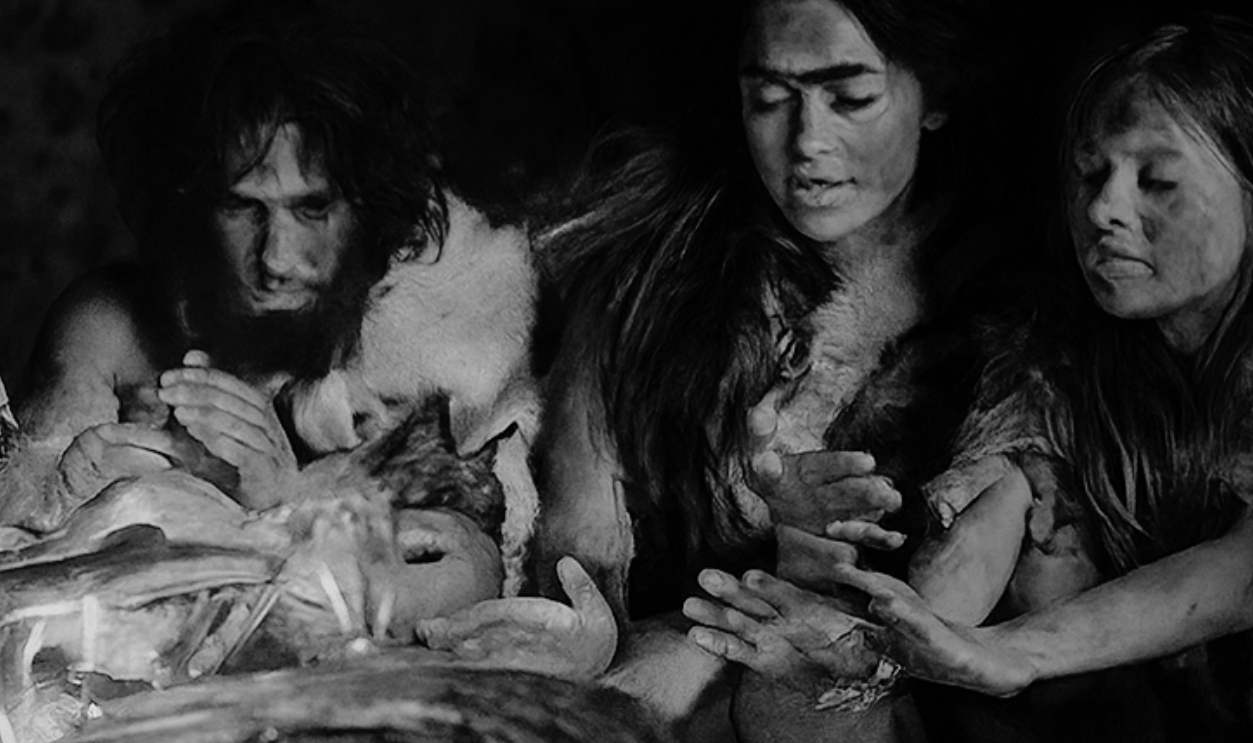
After nearly 14,000 years, this campsite is still helping us understand the people who lived there. Their tools, cooking fires, and possible shelter tell a story of resourcefulness and hard work. They faced challenges we can barely imagine, yet many of their daily concerns were surprisingly familiar: food, warmth, family, and a safe place to sleep.

You May Also Like: