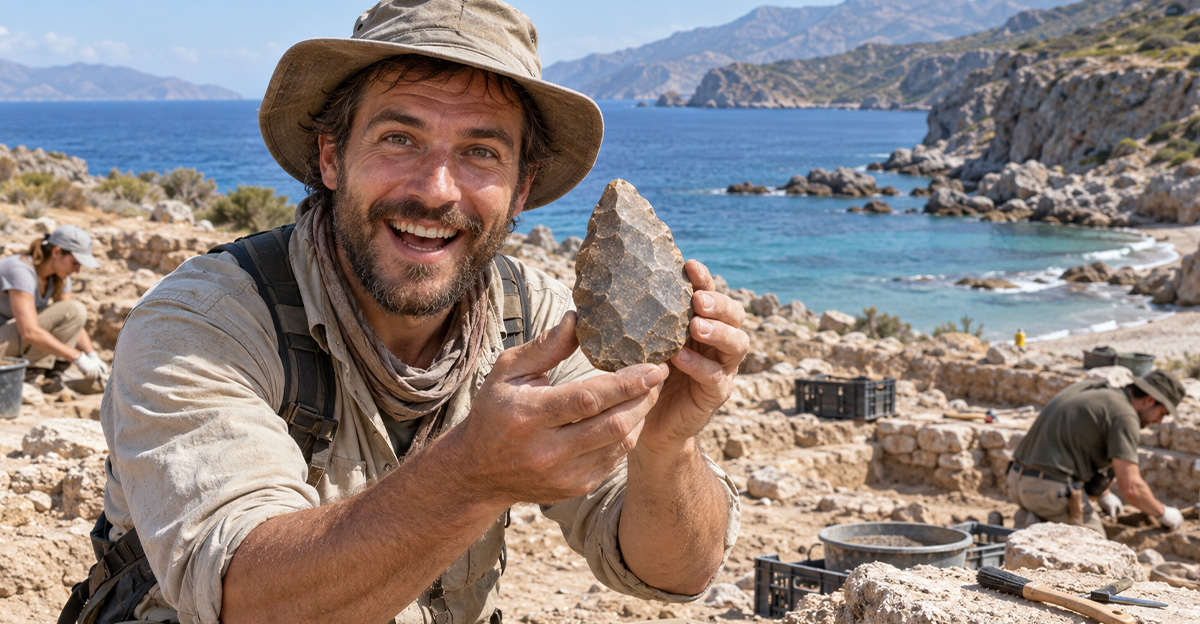
A Discovery That Changed Everything
For decades, archaeologists believed our ancient ancestors mostly traveled on foot, avoiding dangerous stretches of open water. Then, researchers exploring a Greek island uncovered something extraordinary. Their discovery suggested Stone Age humans might have been crossing the Mediterranean Sea much earlier than anyone expected.
The Mystery Begins On Crete
The story begins on Crete, a beautiful island in the Mediterranean Sea. Today, it's famous for its beaches and ancient ruins. But in 2008, archaeologists exploring its southwestern coastline discovered something that would raise surprising questions about the intelligence and traveling abilities of prehistoric humans.
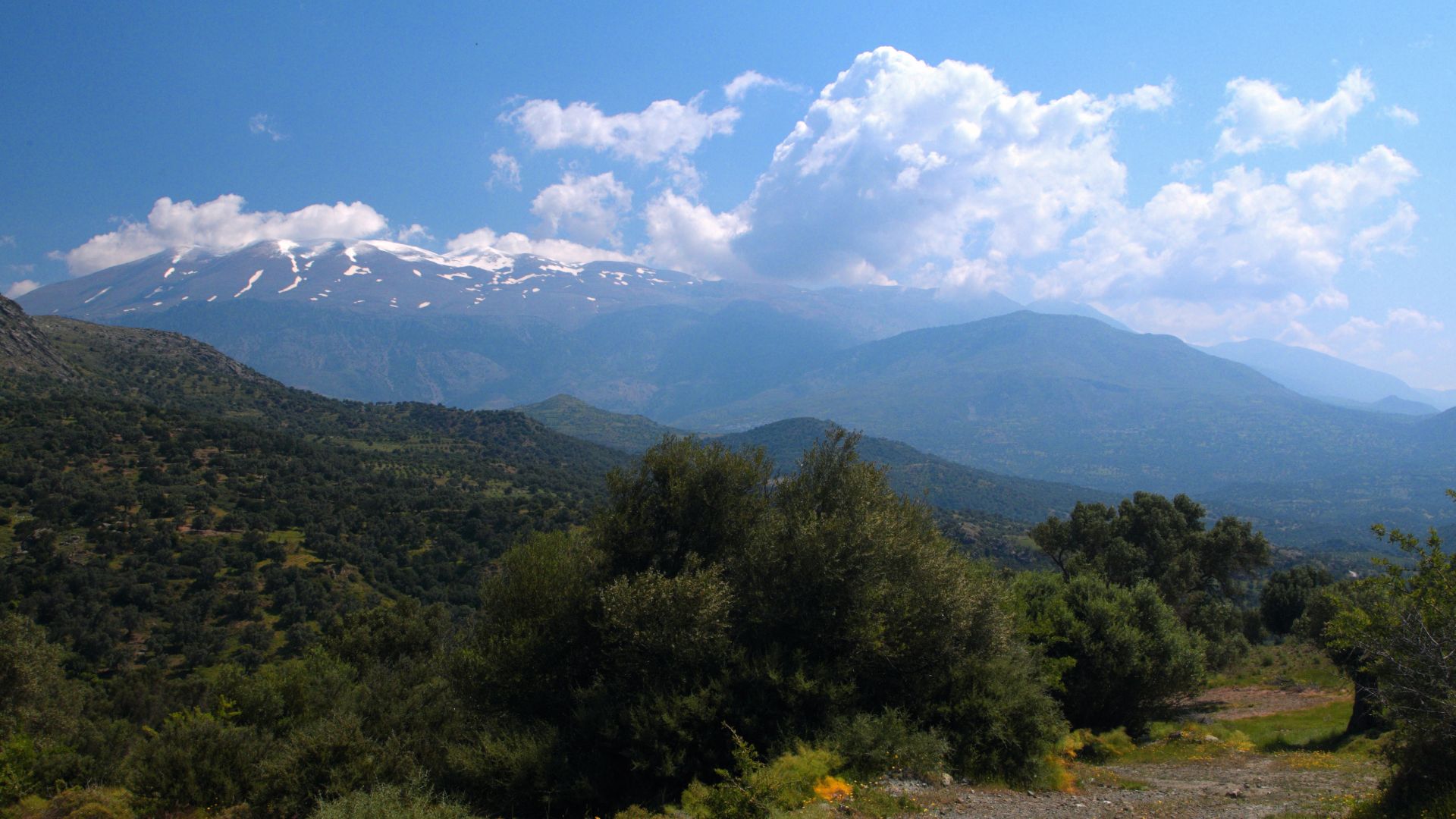 Jerzy Strzelecki, Wikimedia Commons
Researchers Were Looking For Something Else
Archaeologist Thomas Strasser and his team weren't expecting a revolutionary discovery. They were searching for small stone tools left behind by people who lived roughly 11,000 years ago. Instead, they stumbled upon something much larger, much older, and far more difficult to explain.
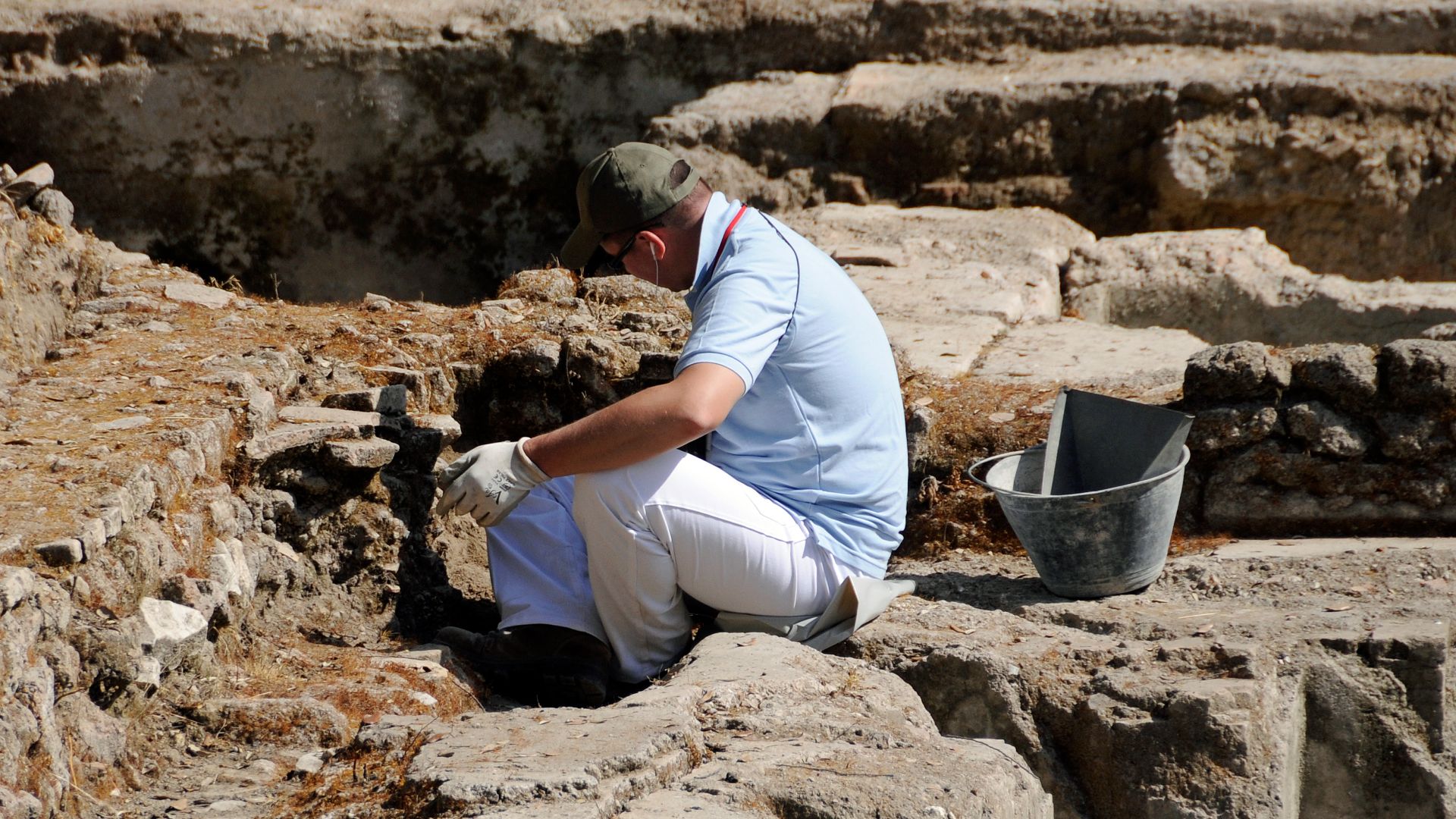 Son of Groucho from Scotland, Wikimedia Commons
An Ancient Hand Axe Appeared
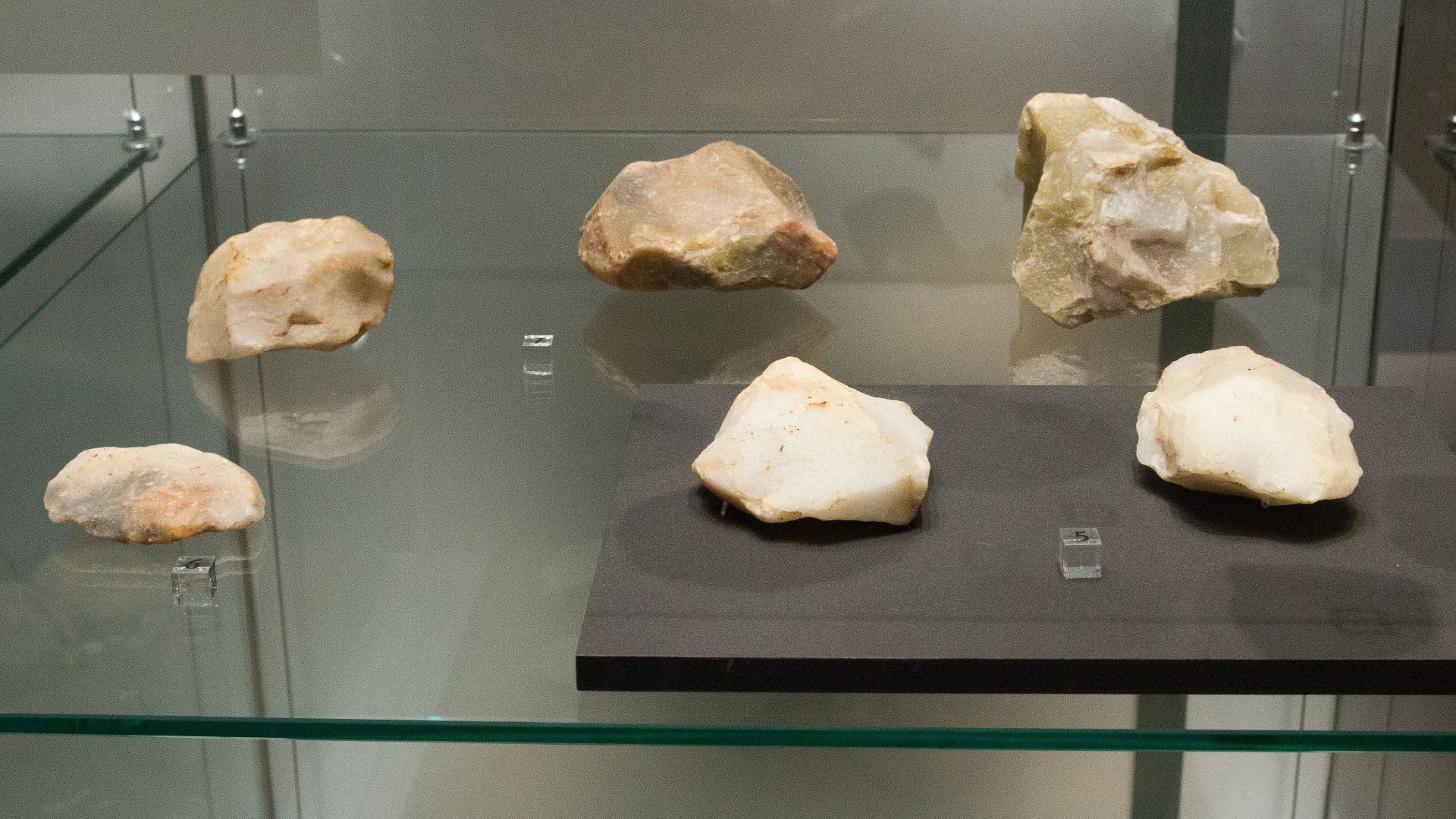
During their investigations near the town of Plakias, researchers discovered a roughly five-inch-long stone hand axe. Made from local quartz, the tool looked remarkably similar to implements used by ancient human ancestors hundreds of thousands of years earlier. Its presence on Crete immediately raised an extraordinary question.
The Tool Shouldn't Have Been There
Stone hand axes weren't unusual discoveries on mainland Europe or Africa. Finding one on Crete, however, was another matter entirely. The island had been separated from neighboring landmasses for millions of years. Whoever carried or made the tool must somehow have reached this isolated destination.
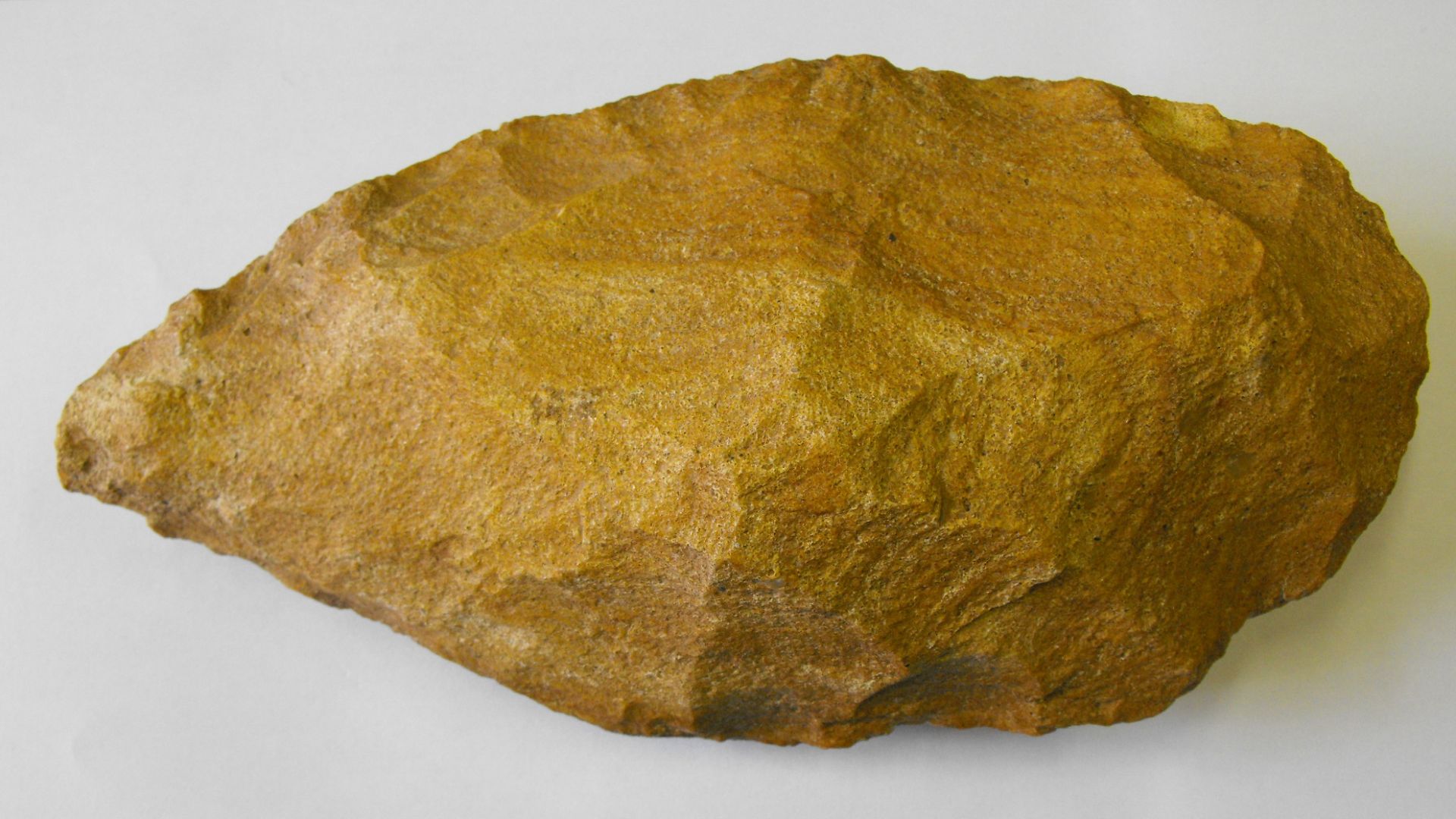 Northamptonshire County Council, Julie Cassidy, 2011-10-07 15:21:46, Wikimedia Commons
The Search Revealed Even More
As researchers continued exploring the coastline, the discoveries multiplied. They identified more than 30 hand axes alongside other ancient stone implements. These weren't scattered across just one mysterious location, either. Similar artifacts appeared at several sites, suggesting the original discovery wasn't simply an isolated curiosity.
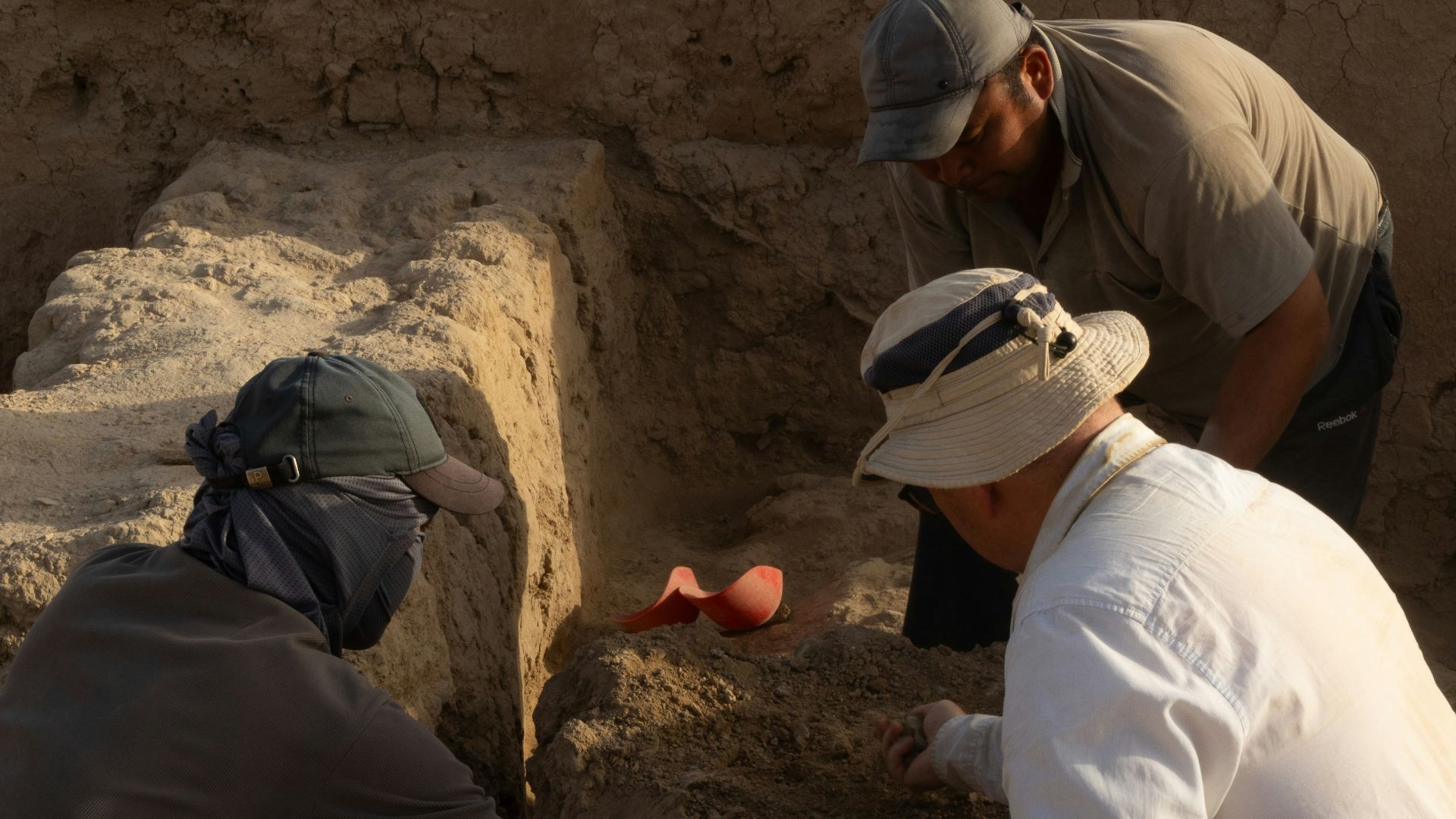 Aleksander Stypczynski, Unsplash
Hundreds Of Artifacts Changed The Picture
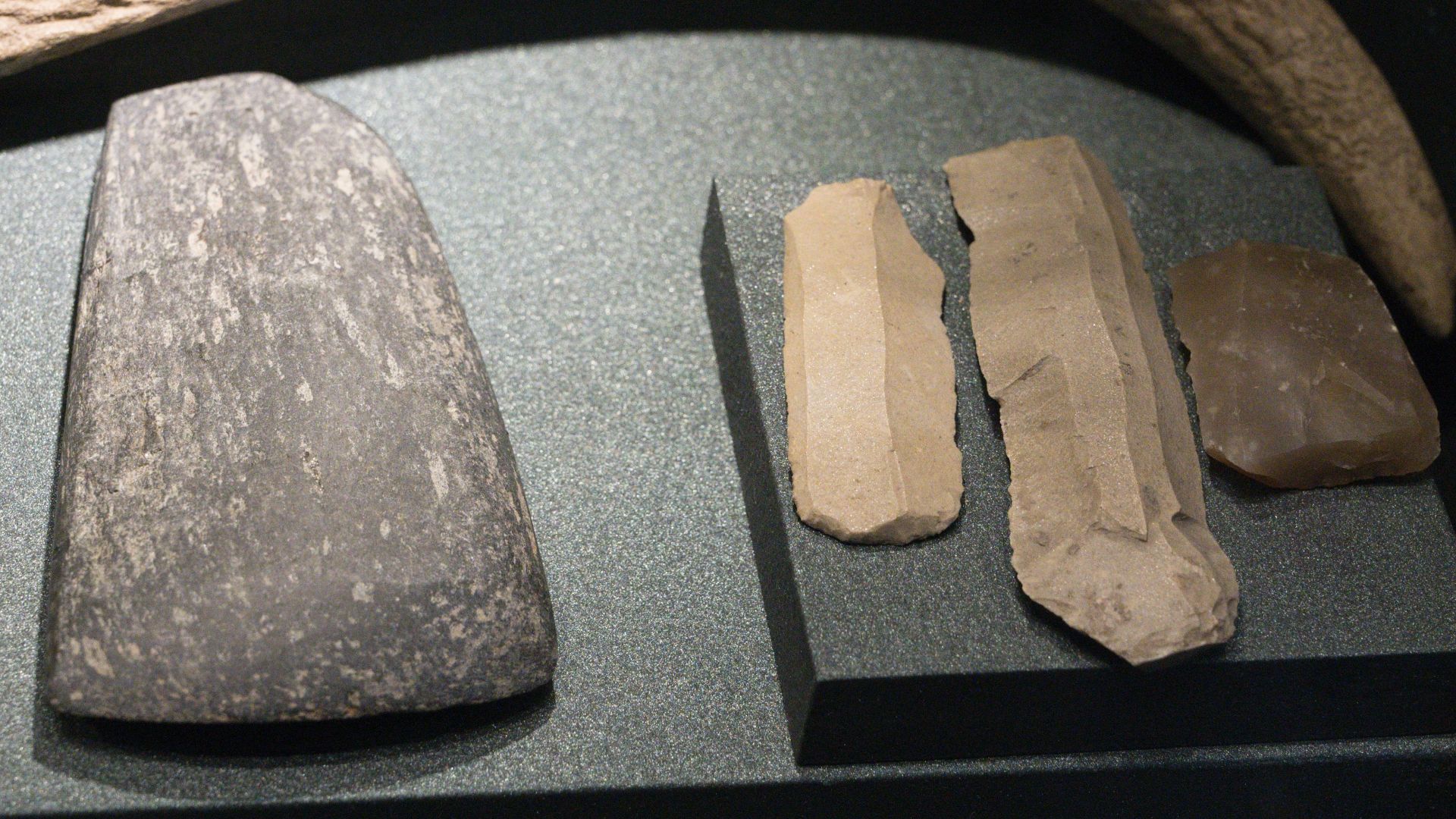
The wider archaeological survey eventually documented thousands of stone artifacts representing different prehistoric periods. Researchers identified 28 preceramic stone-tool sites in their published study. Some belonged to the Mesolithic period, while others appeared considerably older, suggesting human activity on Crete stretched much further into the past.
The Age Was Almost Unbelievable
The researchers proposed that some of Crete's earliest stone tools were at least 130,000 years old. If correct, that would push evidence of Mediterranean seafaring back by more than 100,000 years compared with previous expectations. Suddenly, the history of human travel looked very different.
Dating The Discovery Wasn't Simple
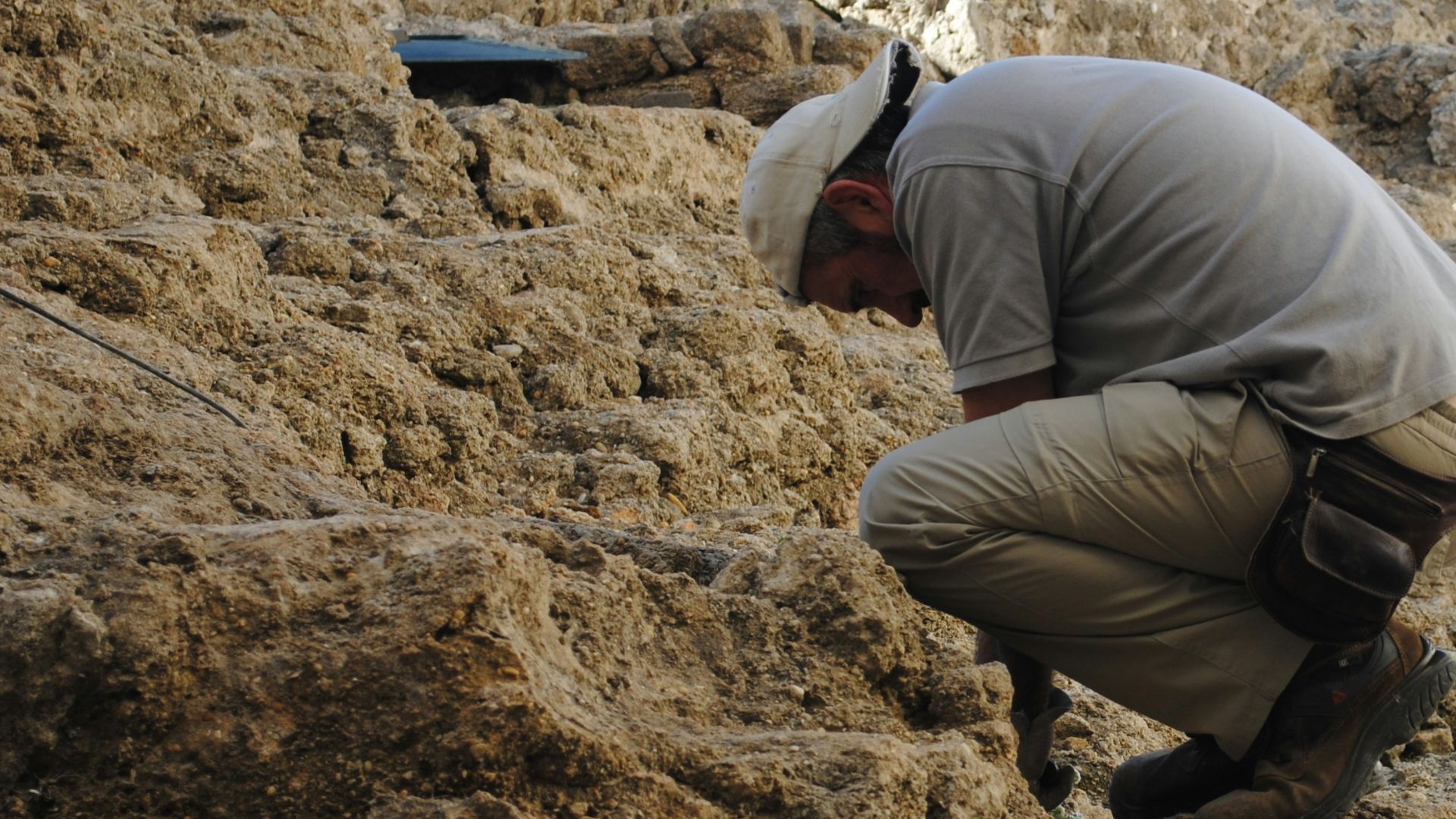
Unlike objects made from organic materials, stone tools generally cannot be dated directly using radiocarbon techniques. Instead, the researchers examined geological formations surrounding the artifacts. Ancient coastal terraces, sediment deposits, and the changing landscape helped them estimate when people might have left the tools behind.
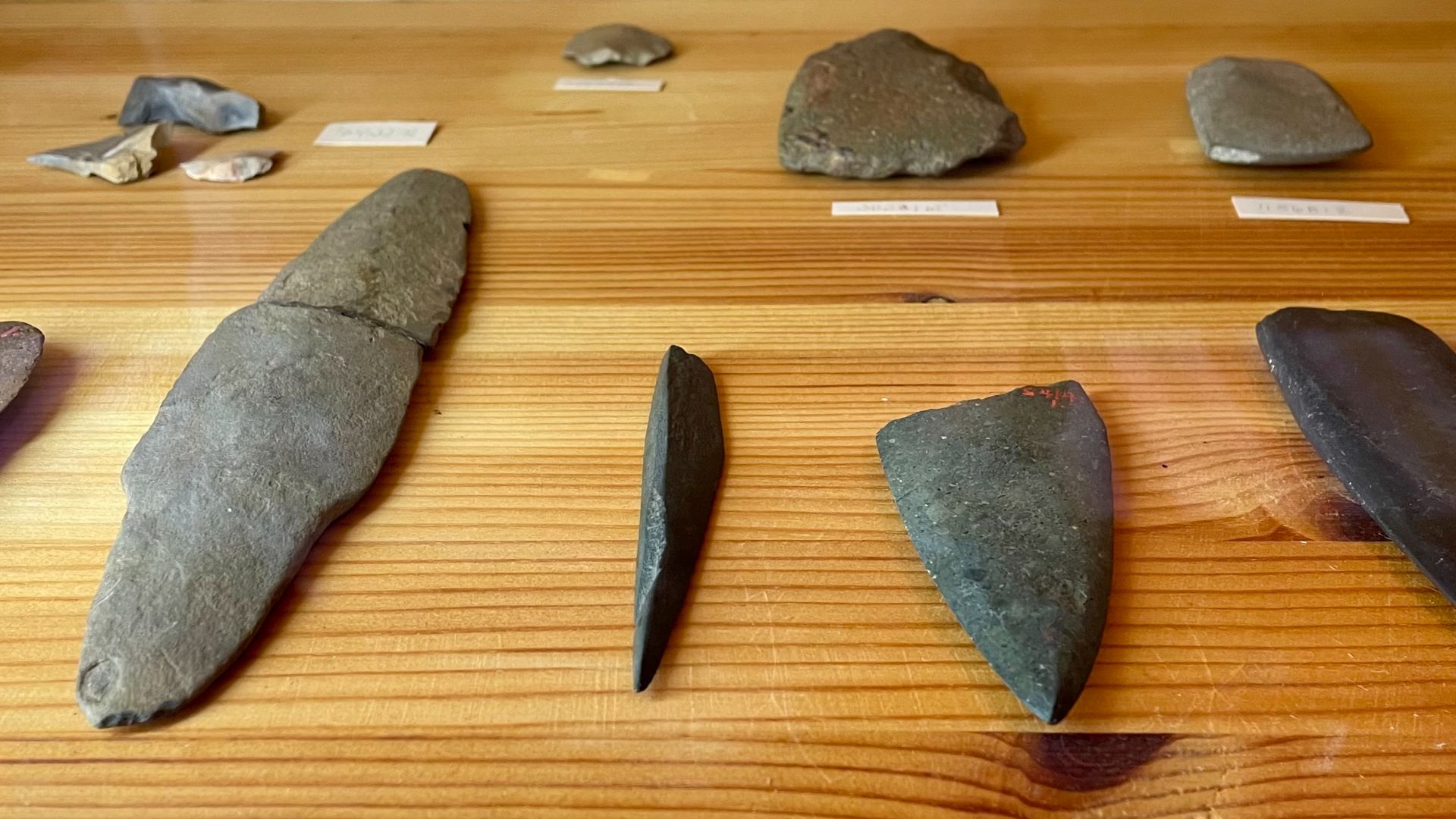 Limelightangel, Wikimedia Commons
Ancient Beaches Held Important Clues
Some tools were associated with ancient beach deposits that geological forces had gradually pushed above modern sea level. By studying these raised terraces, researchers developed a timeline for prehistoric activity. Their findings suggested that some artifacts belonged to a period far older than previously documented settlement on Crete.
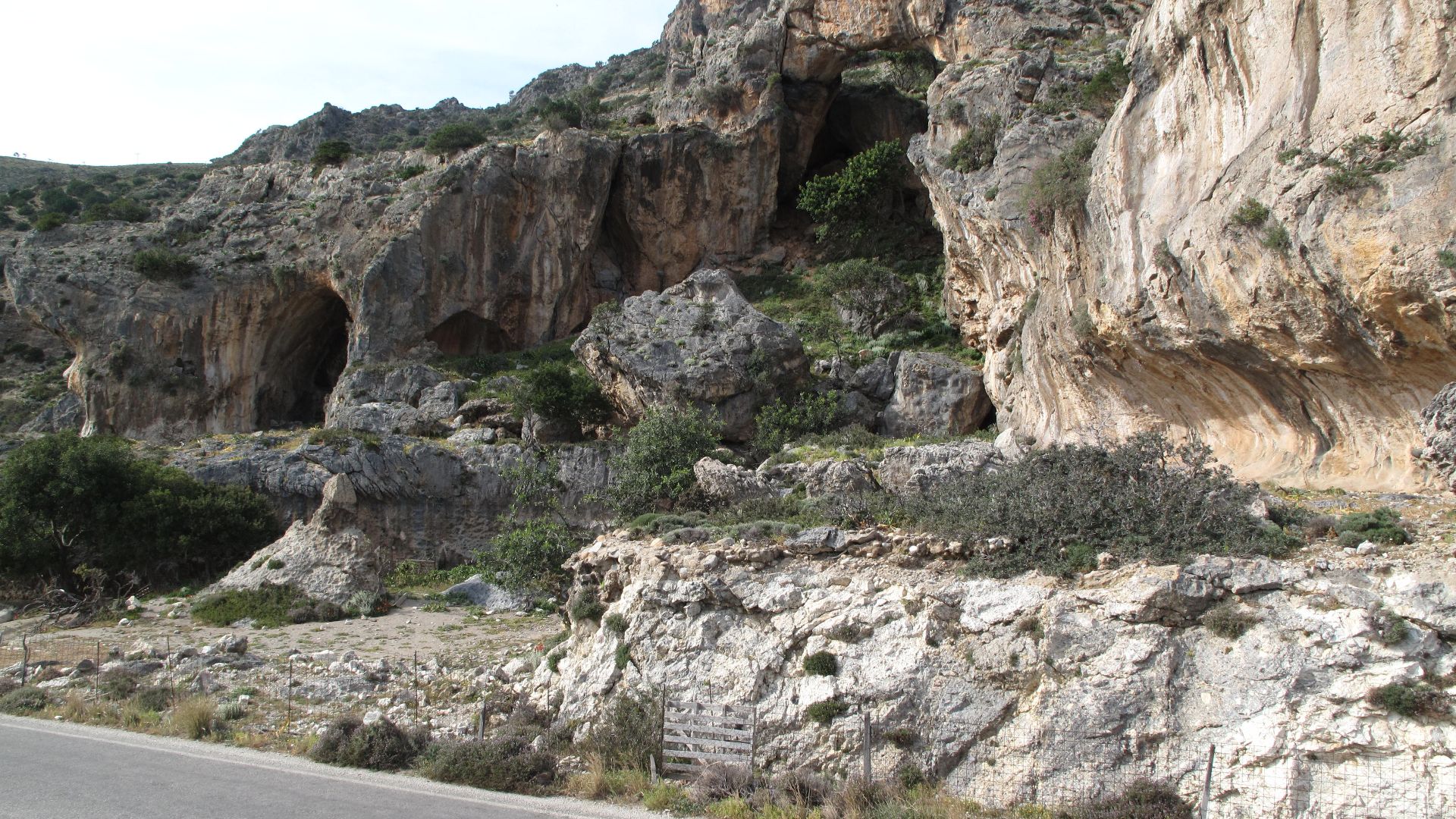
Crete Had One Important Secret
Here's what makes the discovery particularly fascinating: Crete wasn't connected to mainland Greece during the period under investigation. Even when sea levels dropped dramatically during the Ice Ages, the island remained separated by water. That meant walking across an exposed land bridge simply wasn't an explanation.
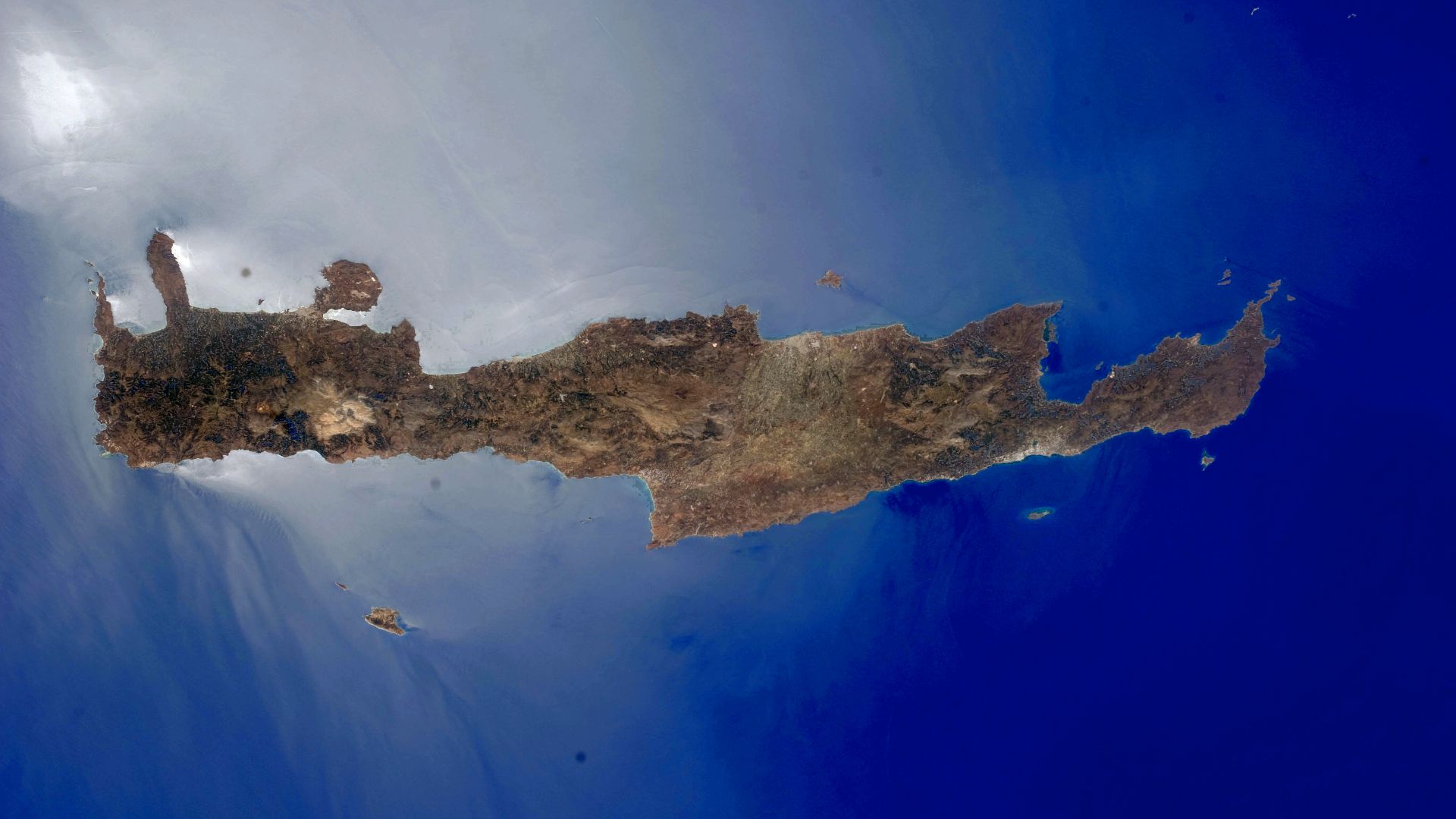 ISS Expedition 28 crew, Wikimedia Commons
Someone Had To Cross The Sea
If ancient humans really reached Crete 130,000 years ago, they needed some way of traveling across open water. Researchers proposed that early human ancestors might have used simple boats or rafts. No prehistoric vessel was actually discovered, but the stone tools offered intriguing indirect evidence.
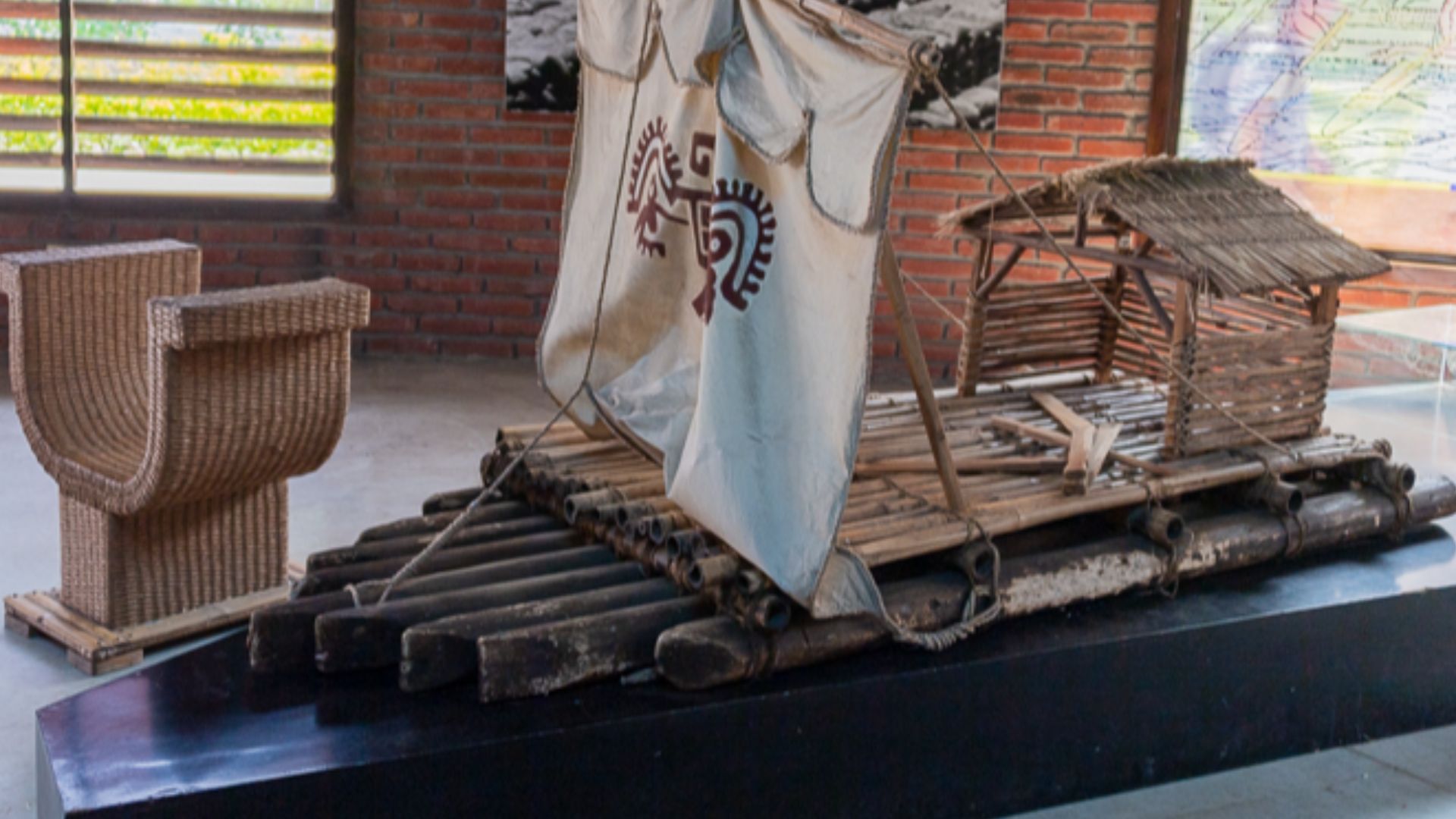 Craig Stanfill, Wikimedia Commons
These Weren't Short Little Paddles
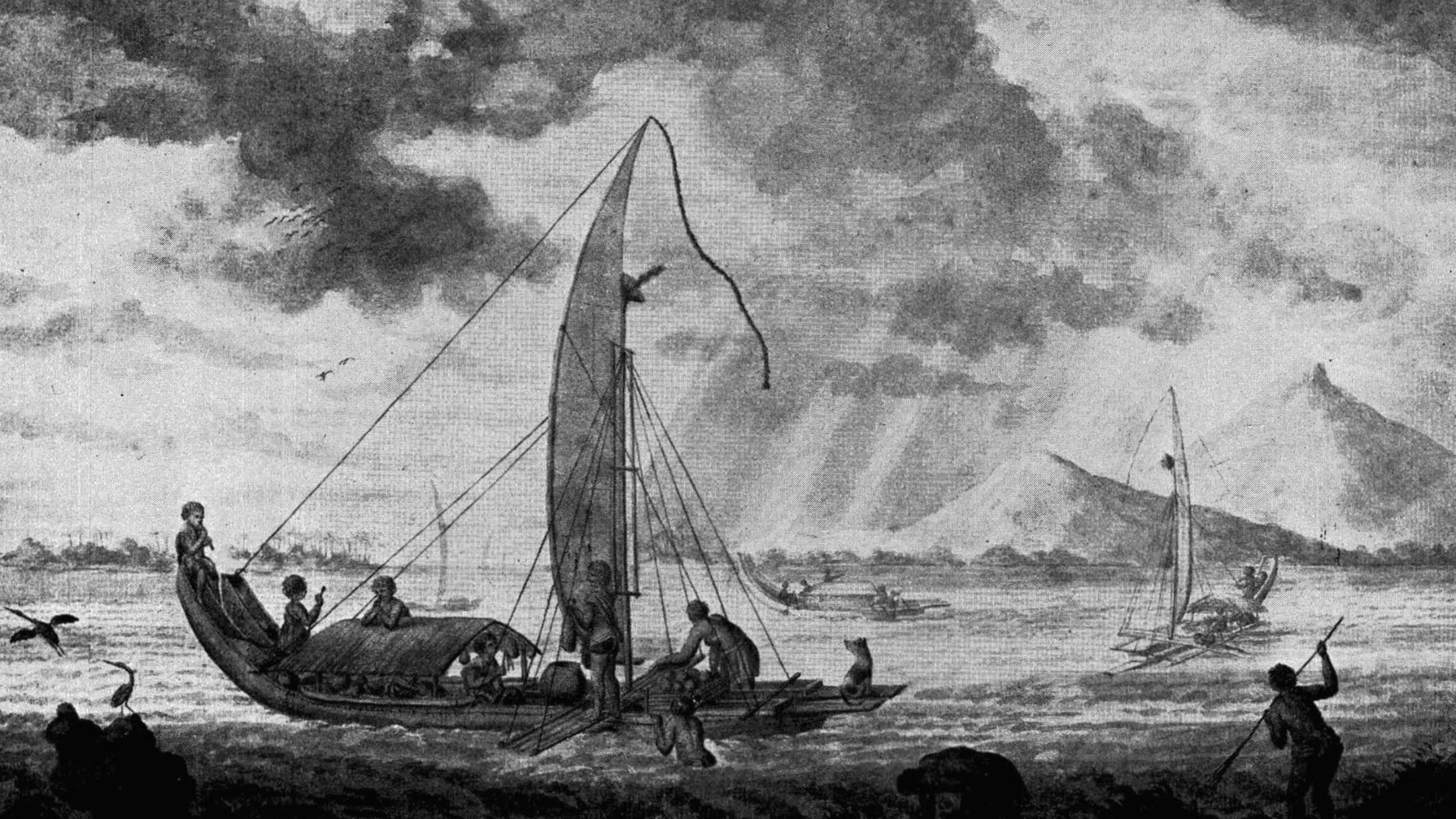
Reaching Crete would have required more than crossing a narrow river. Depending on their starting location, travellers might have faced several stretches of open sea. Researchers estimated that routes from Greece or Anatolia could have involved individual crossings of roughly 12 to 24 miles.
 A. Buchan, S. Parkinson or J. F. Miller, Wikimedia Commons
The African Route Was Even Harder
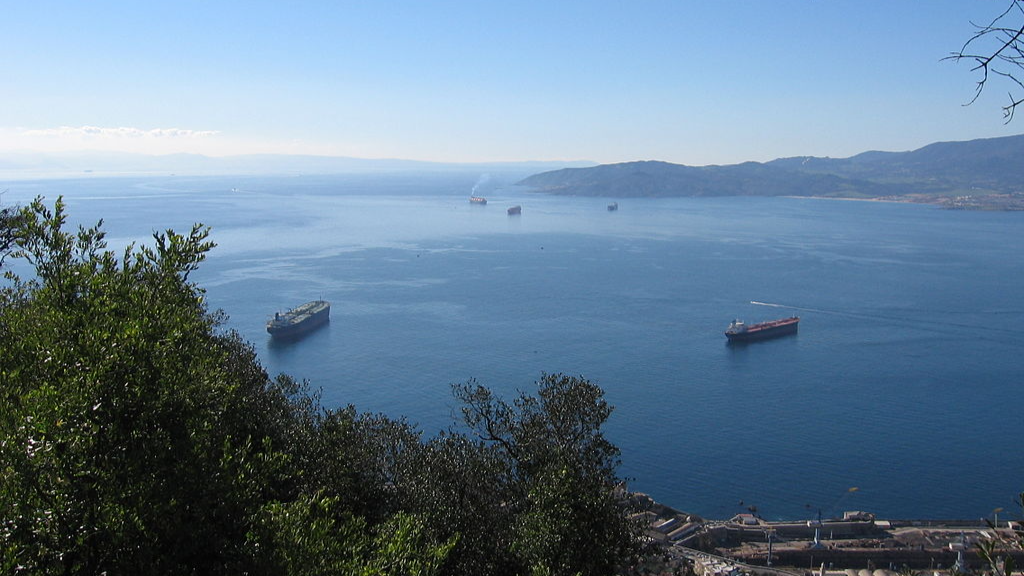
Another possibility was that ancient travellers approached Crete from North Africa. That would have involved a considerably longer journey, potentially exceeding 125 miles of open water. Archaeologists haven't established which route, if any, these prehistoric visitors followed, making their possible journey even more mysterious.
 PookieFugglestein, Wikimedia Commons
Who Were These Ancient Sailors?
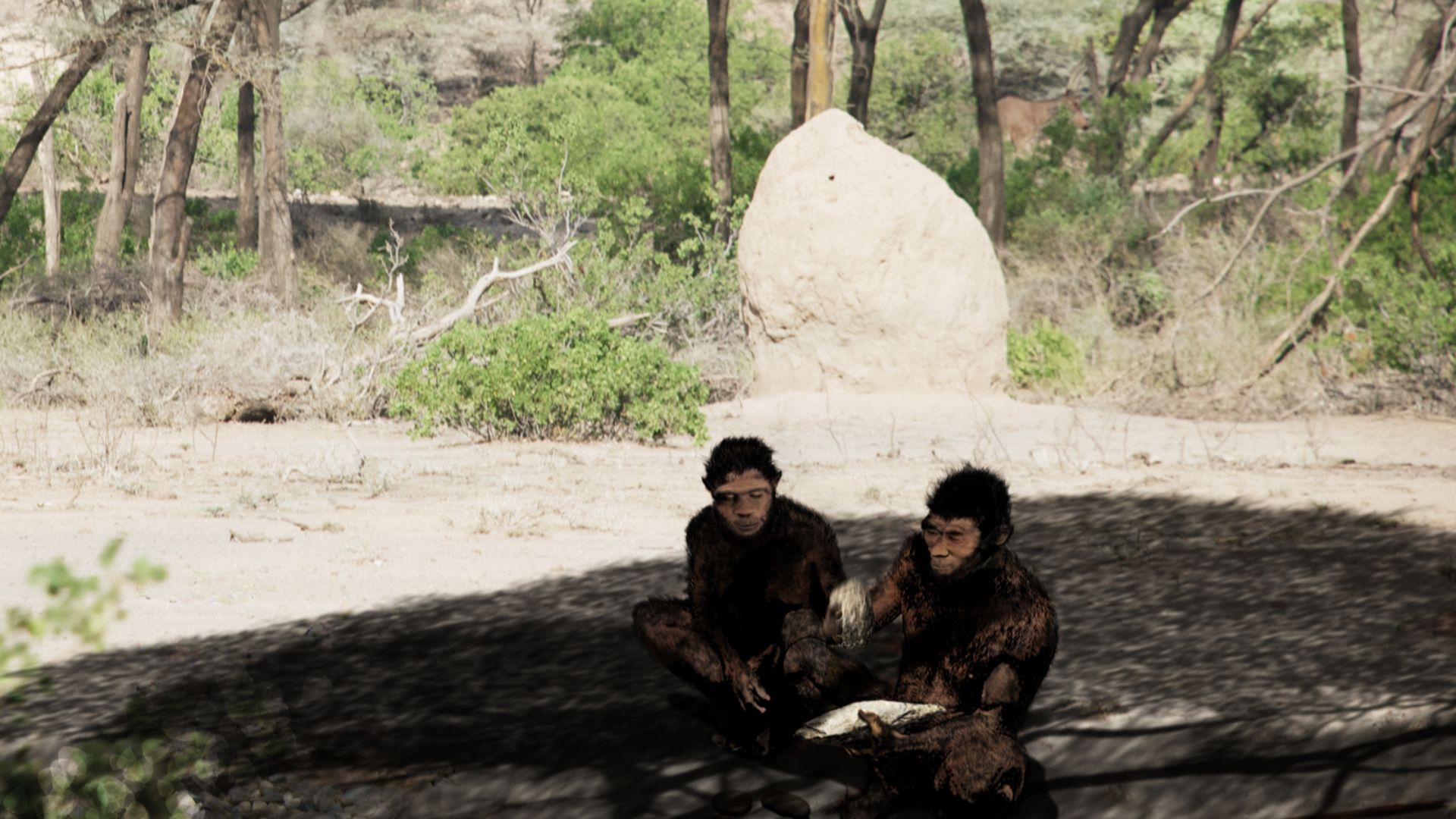
One of the biggest mysteries concerns the identity of the travelers. Researchers suggested that early human relatives, possibly Homo erectus or Homo heidelbergensis, might have been responsible. Both existed long before modern civilization, although the artifacts alone cannot establish exactly which human species visited Crete.
 Neanderthal Museum, Wikimedia Commons
They Were Smarter Than People Thought
Early human relatives were already capable of making sophisticated stone tools and adapting to challenging environments. But building watercraft would suggest another level of practical knowledge. If the Crete interpretation is correct, these ancient populations possessed abilities that researchers once considered unlikely for such an early period.
 Jakub Hałun, Wikimedia Commons
Imagine Building A Stone Age Boat
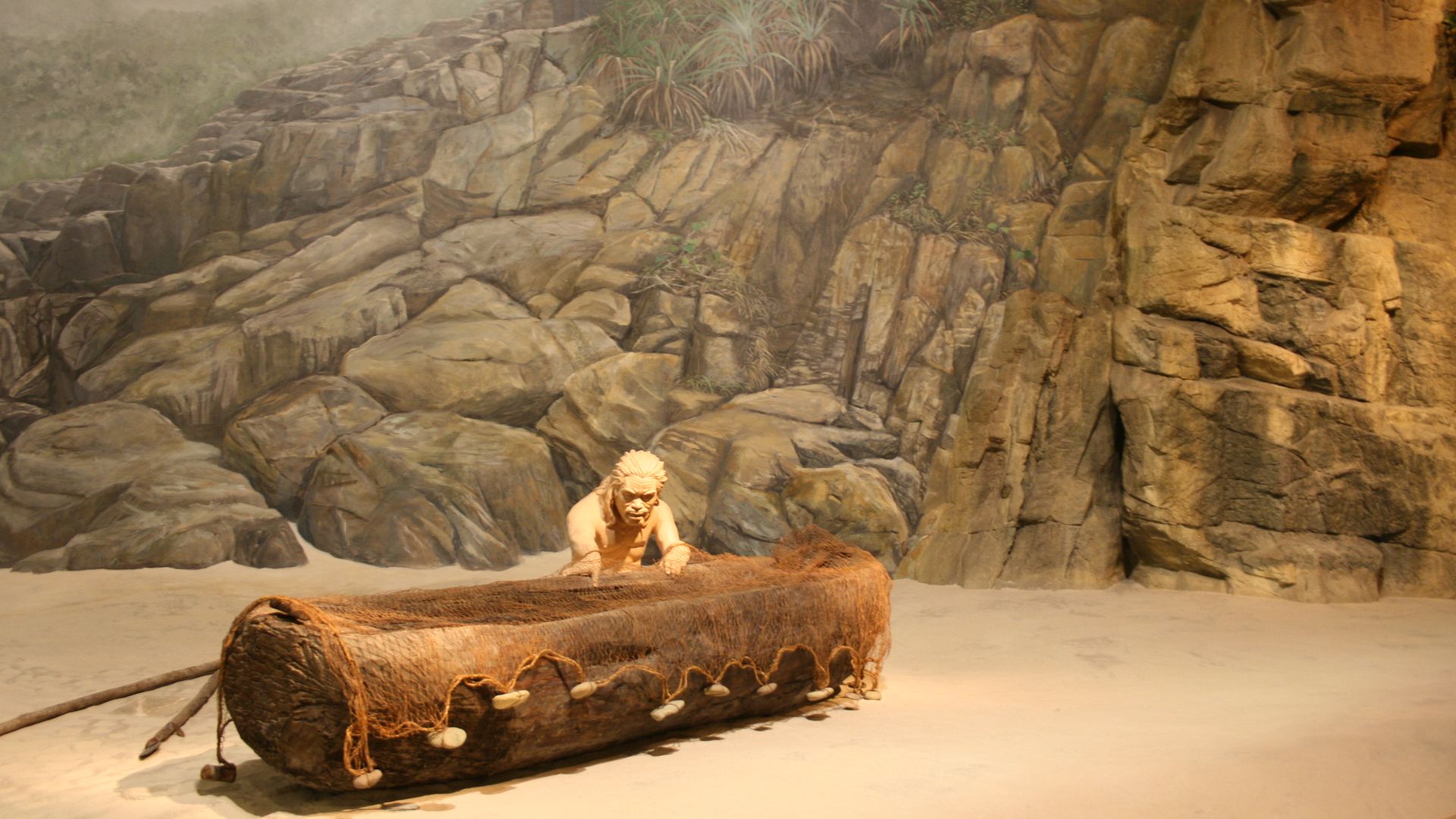
Unfortunately, archaeologists haven't uncovered the vessels these travelers might have used. Simple wooden rafts, boats constructed from natural materials, or other basic floating structures are possibilities. Whatever their design, the proposed journeys would have required overcoming waves, currents, and the uncertainty of crossing unfamiliar waters.
 Gary Todd from Xinzheng, China, Wikimedia Commons
One Trip Probably Wasn't Enough
The variety and distribution of stone tools suggested something potentially even more remarkable. Researchers proposed that ancient people might have visited Crete repeatedly rather than arriving through one accidental crossing. However, establishing whether these visits represented regular voyages or lasting settlements remains an important archaeological challenge.
 Henry Gilbert and Kathey Schick, Wikimedia Commons
Could They Navigate Deliberately?
One intriguing possibility is that prehistoric travelers deliberately planned their crossings. Reaching an island separated by substantial stretches of water could have required observation and decision-making. However, the archaeological evidence cannot reveal how these people navigated, whether their journeys were intentional, or how frequently they ventured offshore.
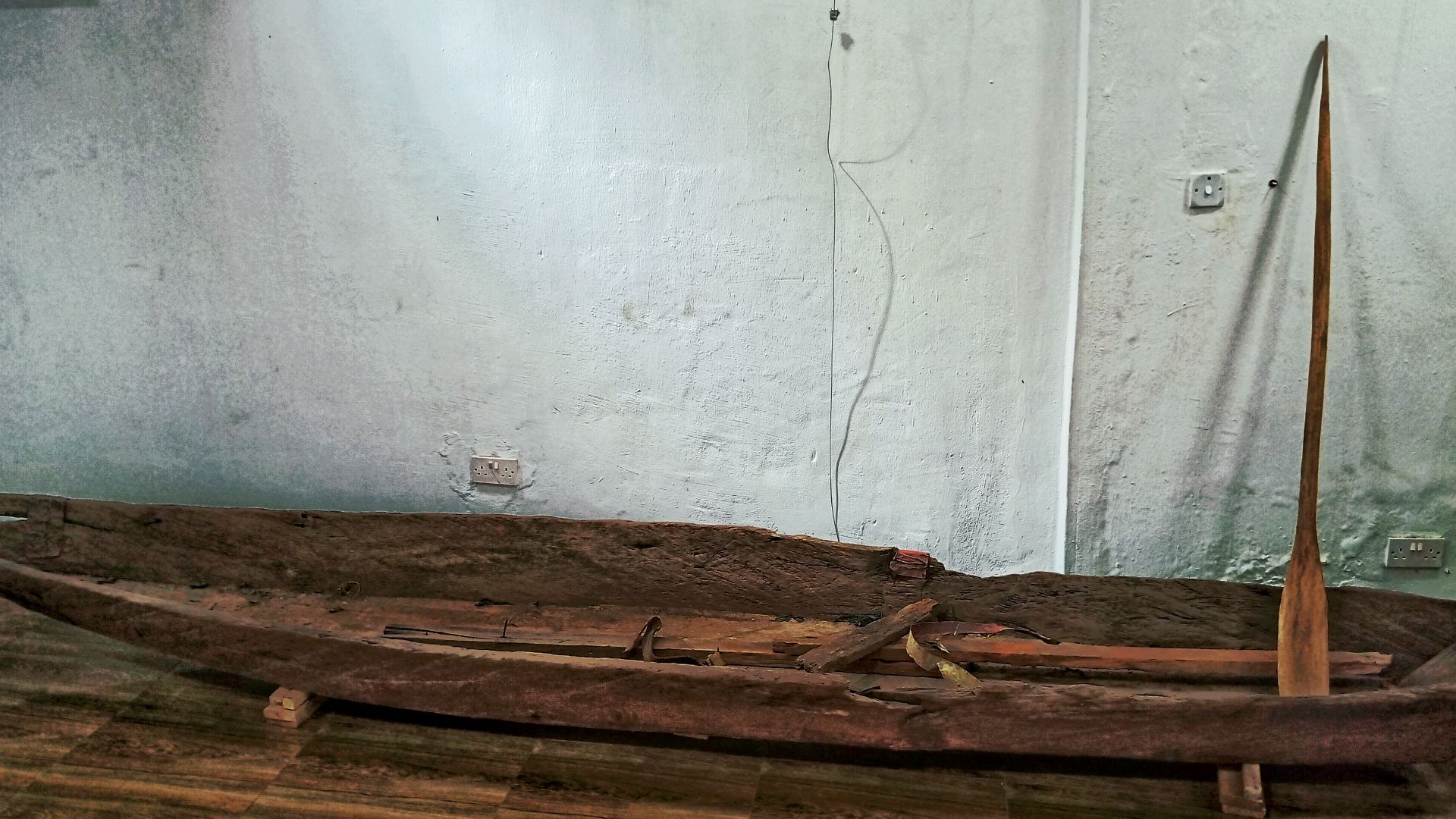 Senator Choko, Wikimedia Commons
Their Journey Might Rewrite Migration History
For generations, researchers emphasized land routes when reconstructing early human migration out of Africa. The discoveries on Crete introduced another possibility: some ancient populations might also have traveled by sea. If confirmed, this would expand our understanding of how prehistoric humans explored and occupied unfamiliar environments.
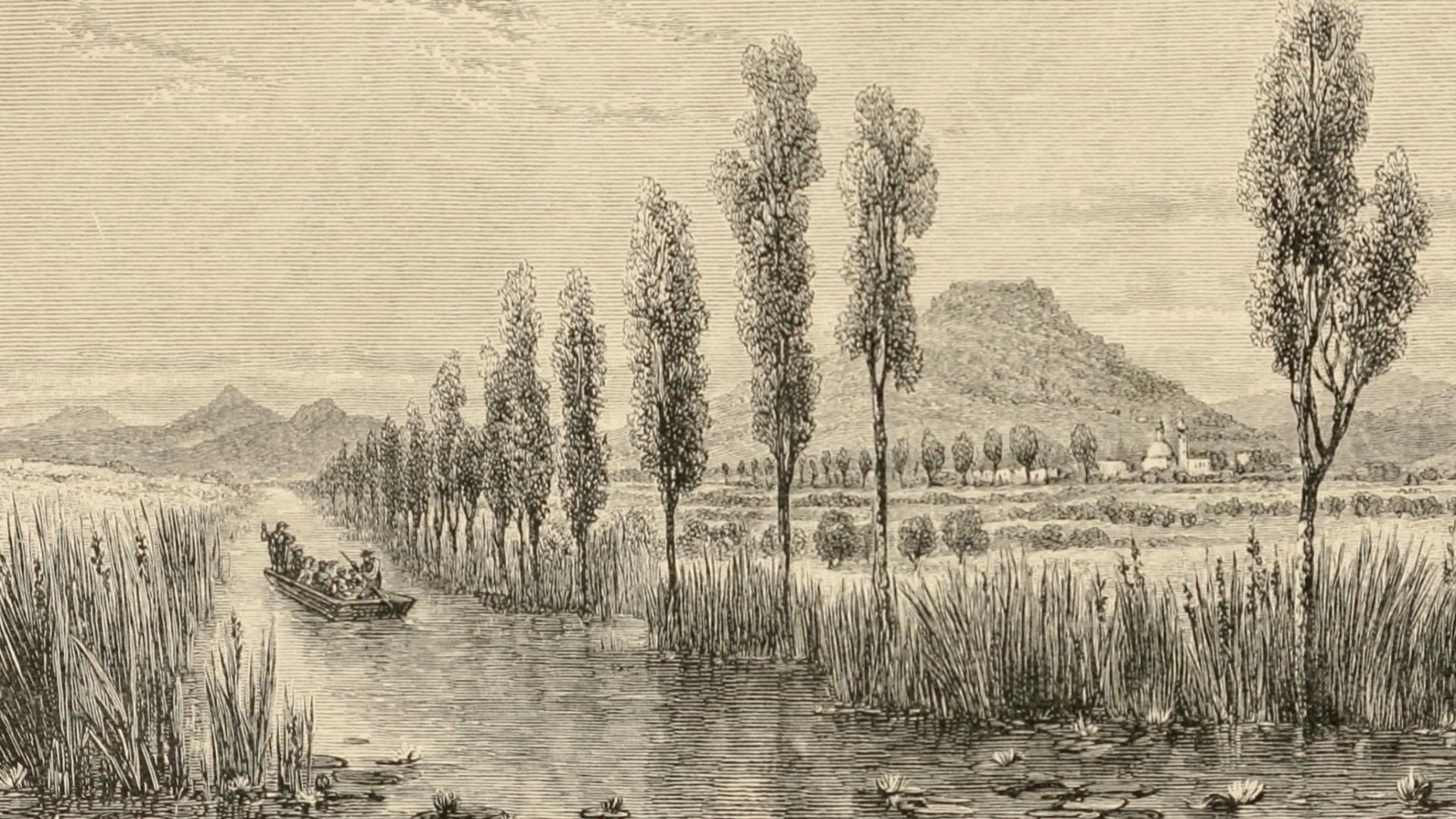 Internet Archive Book Images, Wikimedia Commons
Crete Wasn't The Only Mystery
Scientists have also investigated evidence of extremely ancient human activity on islands in Southeast Asia. Discoveries on Flores, Indonesia, indicate that early human relatives reached the island hundreds of thousands of years ago. These findings provide another reason to investigate prehistoric water crossings seriously.
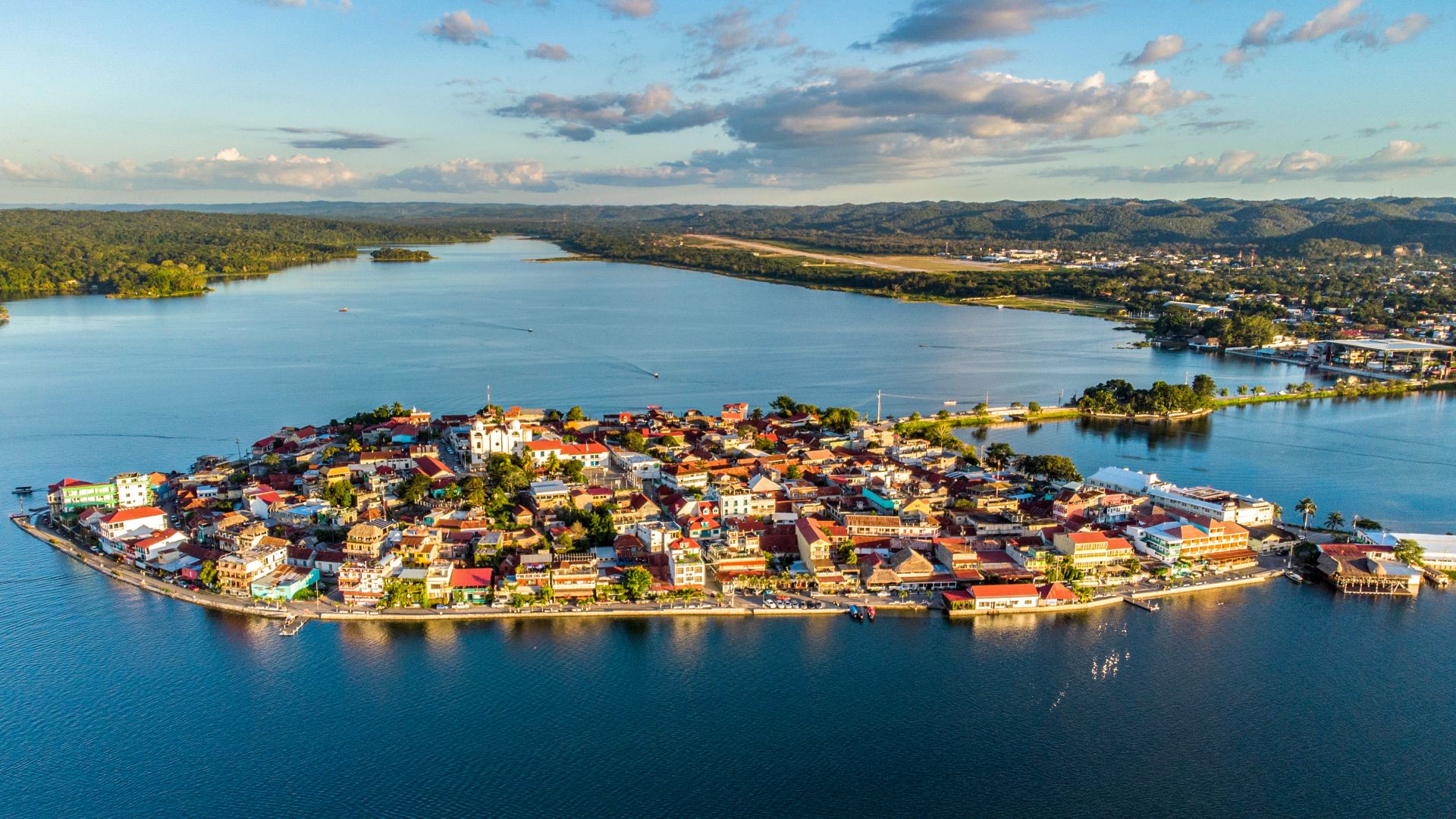 Juan Francisco, Wikimedia Commons
Australia's First Settlers Offered Another Clue
The peopling of Australia provides much stronger evidence that prehistoric humans could cross significant stretches of water. Modern humans reached the continent tens of thousands of years ago, despite marine barriers separating it from Southeast Asia. Those journeys demonstrate that ancient seafaring eventually became an important human capability.
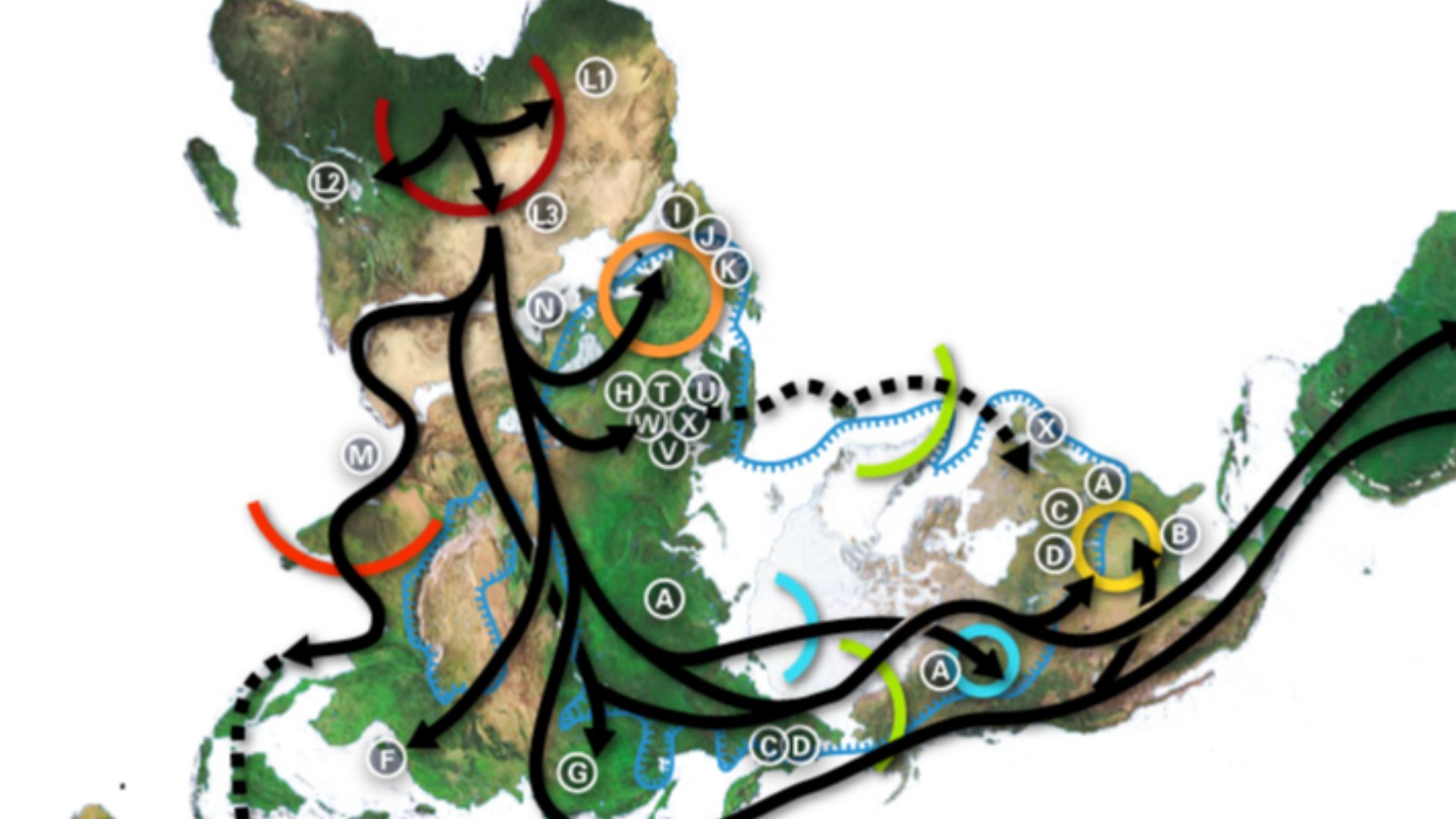
But Not Everyone Was Convinced
The Crete discoveries generated excitement, but archaeologists also raised important questions. Some researchers argued that the artifacts needed more securely dated archaeological contexts. Others questioned whether geological evidence alone could establish their precise age. The proposed antiquity of the tools remains an important subject of scientific debate.
The Missing Boat Remains A Problem
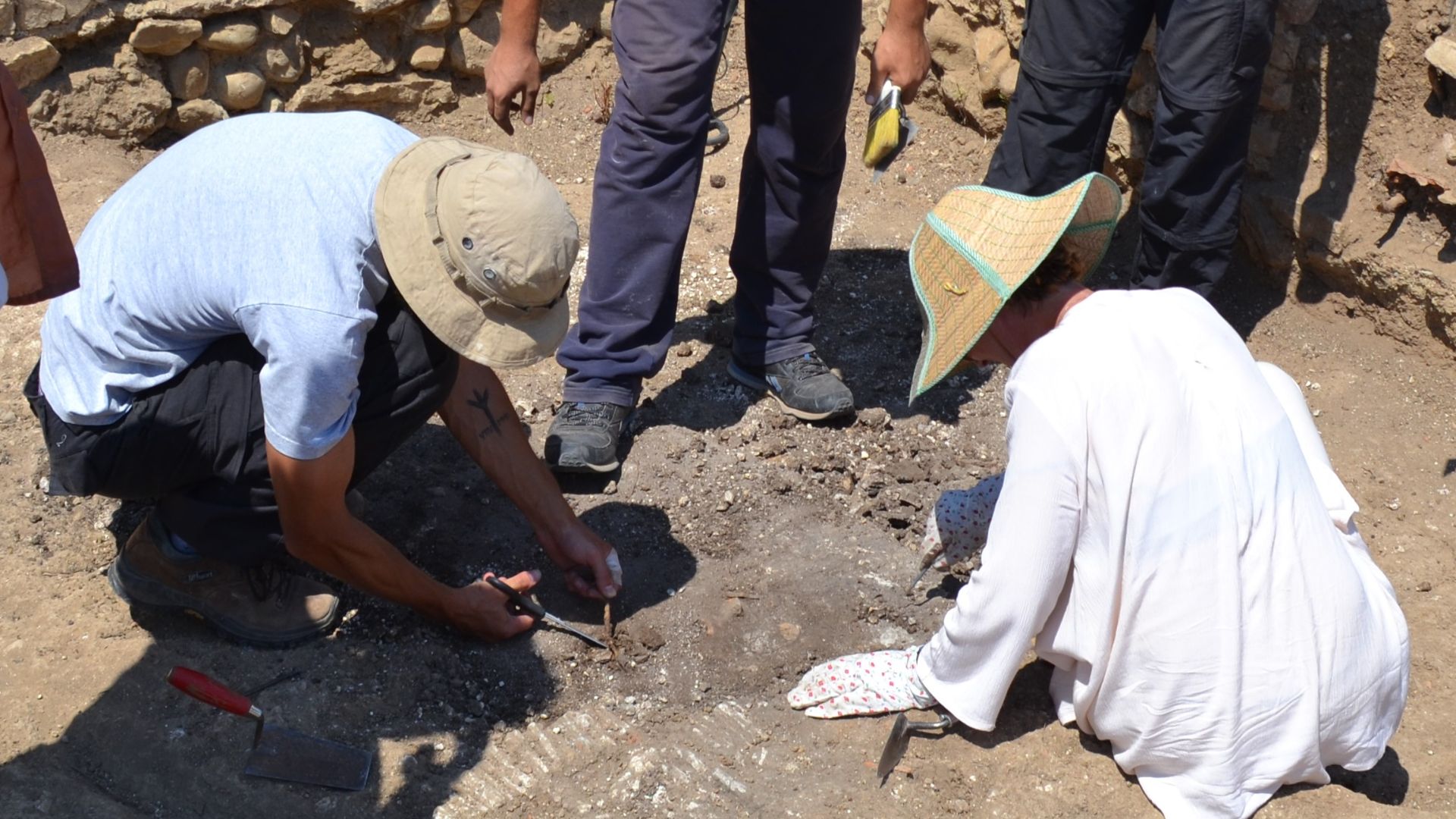
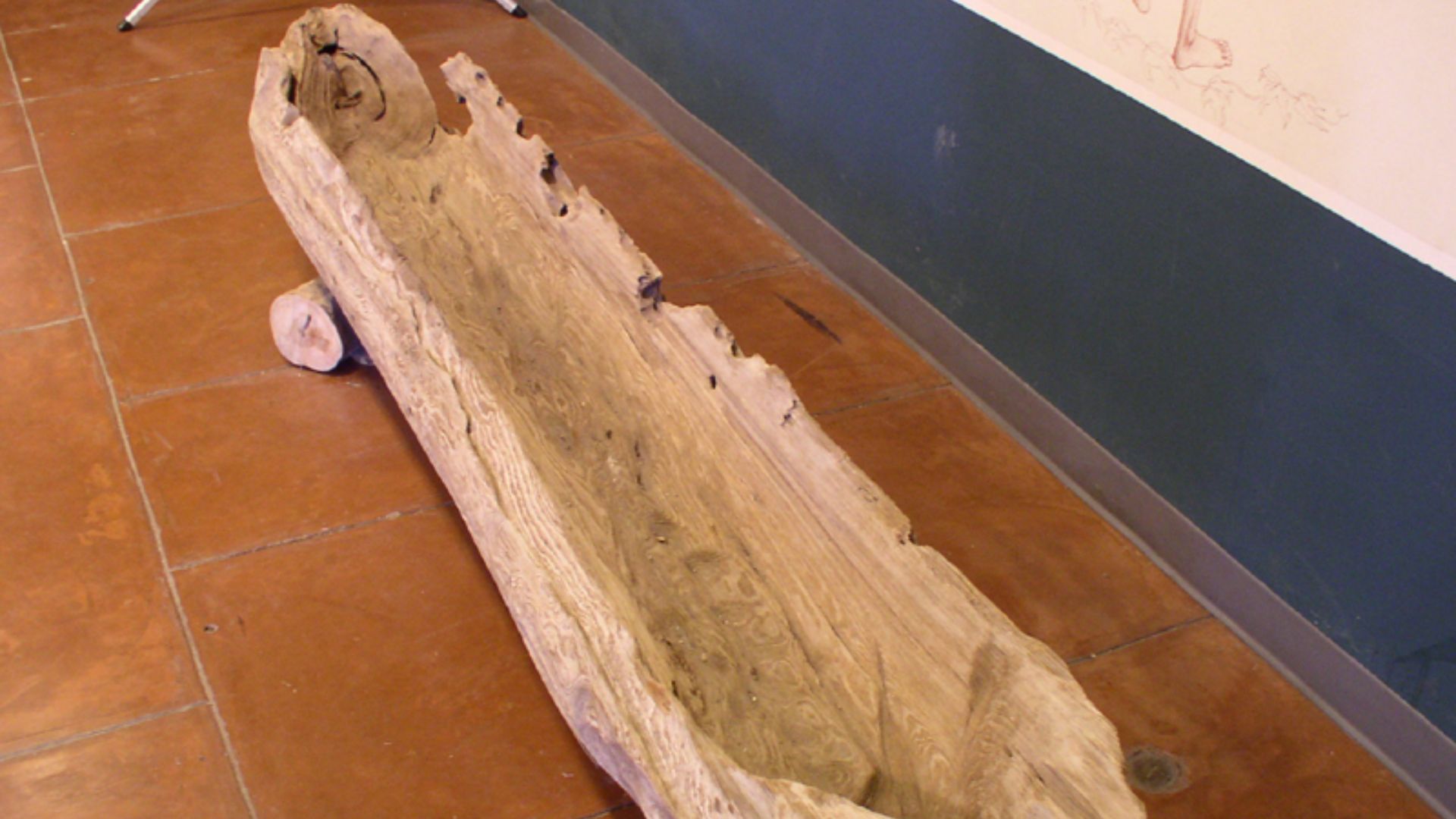
There's another complication: nobody has found a boat dating to the proposed age of the Cretan artifacts. Wooden vessels rarely survive for enormous periods, particularly in challenging environments. For now, the tools remain indirect evidence of ancient seafaring rather than physical proof of prehistoric boat construction.
More Excavations Could Settle The Question
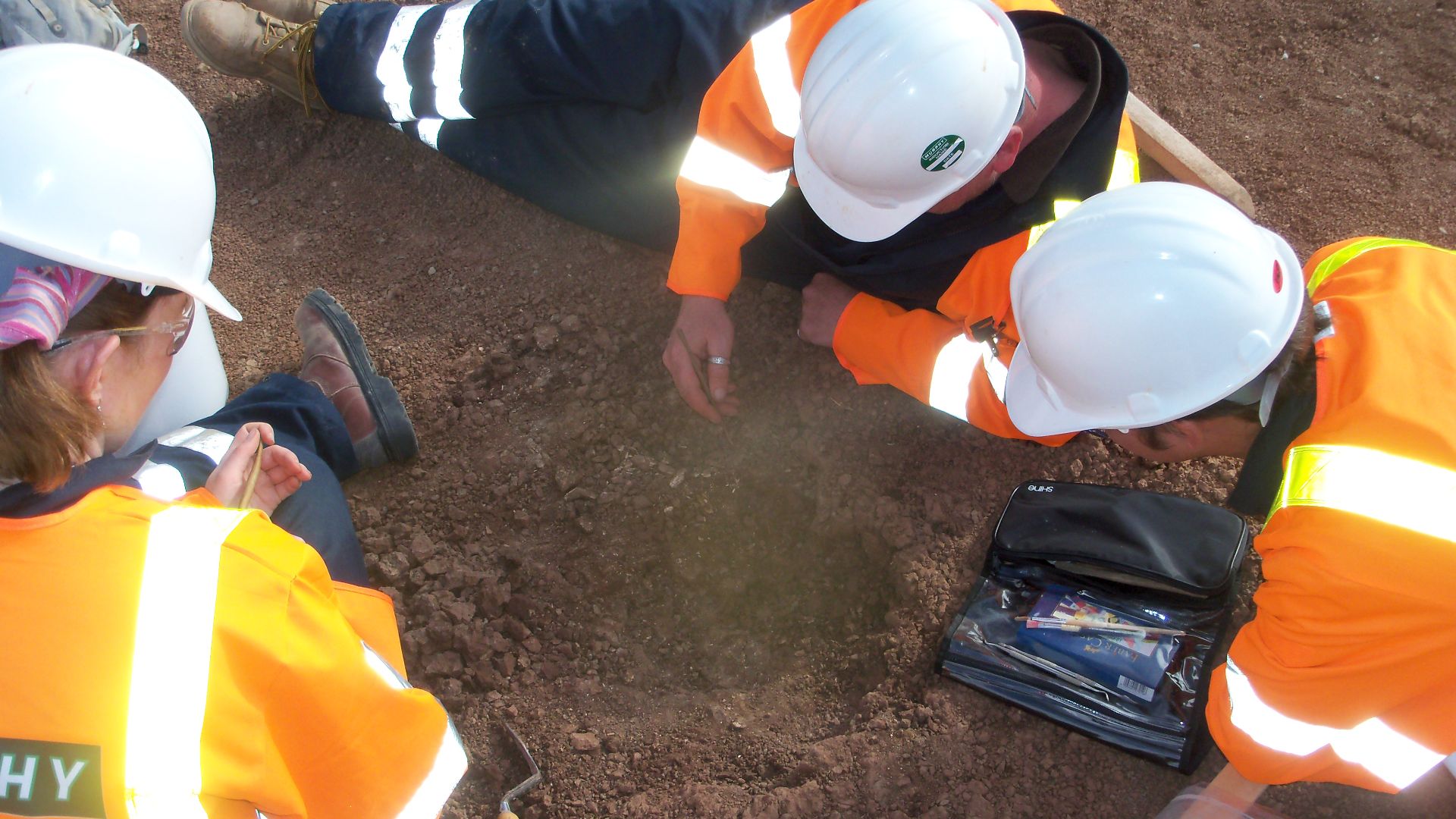
Researchers need additional securely dated artifacts, ideally recovered through carefully controlled excavations. Discovering evidence of habitation, toolmaking, or other human activities within well-dated deposits could strengthen the case considerably. Such discoveries might help determine when ancient travelers arrived and whether they established enduring communities.
 Network Archaeology Ltd, Wikimedia Commons
An Ancient Desire To Explore
Why would early humans have risked crossing unfamiliar waters? Researchers have suggested several possibilities, including searching for food, finding new territory, or accessing valuable coastal resources. Curiosity might also have played a role, although nobody can establish the motivations of travelers who lived so incredibly long ago.
 Jean-Pierre Dalbéra from Paris, France, Wikimedia Commons
The Stone Age Still Has Surprises
A handful of ancient tools from a Greek island challenged long-standing ideas about prehistoric travel. Although their dating and significance remain debated, the discoveries have encouraged scientists to reconsider what early humans might have accomplished. Perhaps our ancestors were exploring the world's waterways far earlier than we once imagined.

You May Also Like:
American Ghost Towns With Disturbing Stories Behind Why Everyone Left