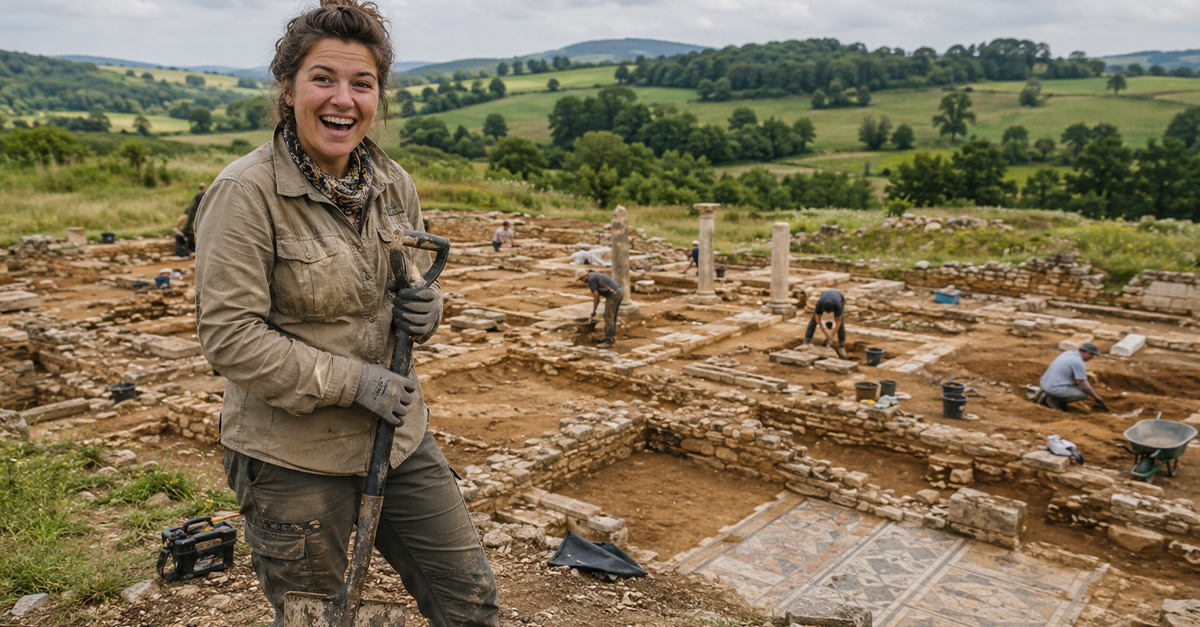
Archaeologists near Auxerre, France, have uncovered a vast Roman villa with private baths, heated floors, gardens, fountains, and clues to elite rural life between the first and fourth centuries.
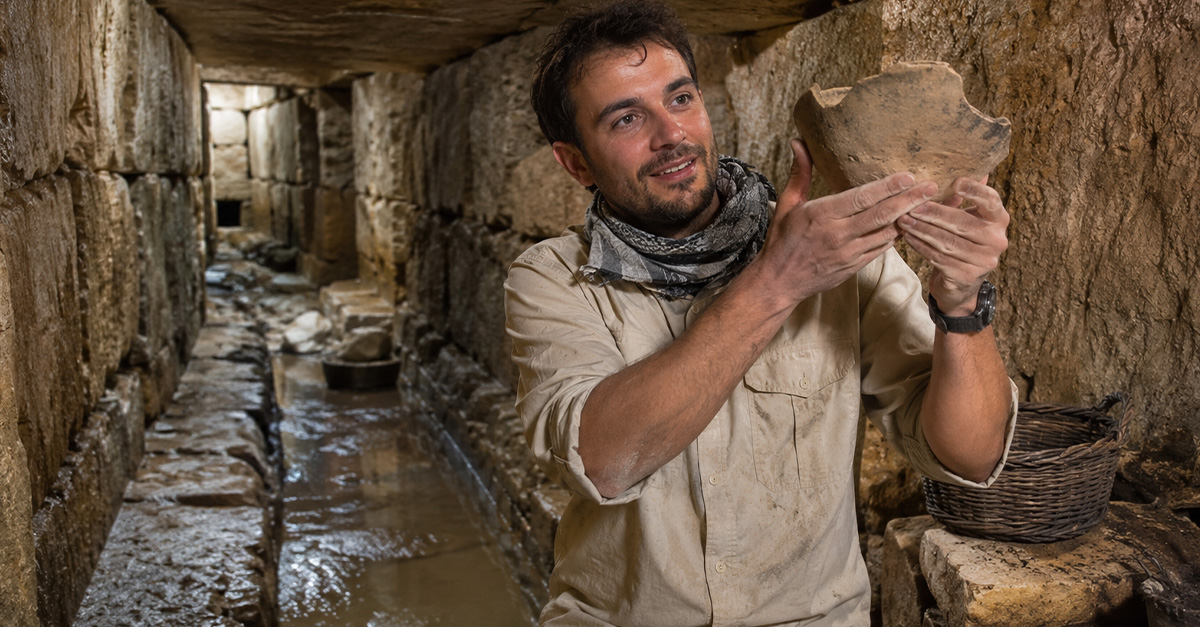
Thousands of artifacts recovered from Jerusalem’s ancient drainage channel, including lamps, glass vessels, eggshells, and grape seeds, reveal daily life before the Roman destruction of the city.
Learn how to set kind but firm boundaries when friends assume you will babysit their kids every night on vacation, with practical scripts for handling it mid-trip.
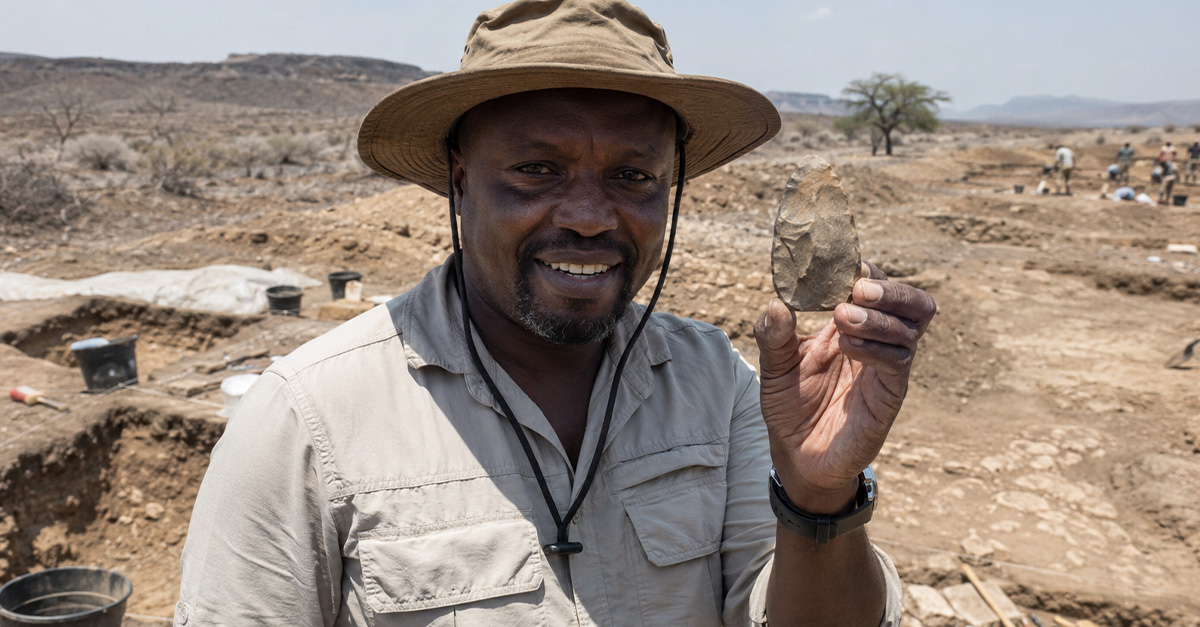
Scientists discovered 2.75-million-year-old stone tools in Kenya that reveal how prehistoric humans survived dramatic climate change through skill, adaptability, and dependable technology.
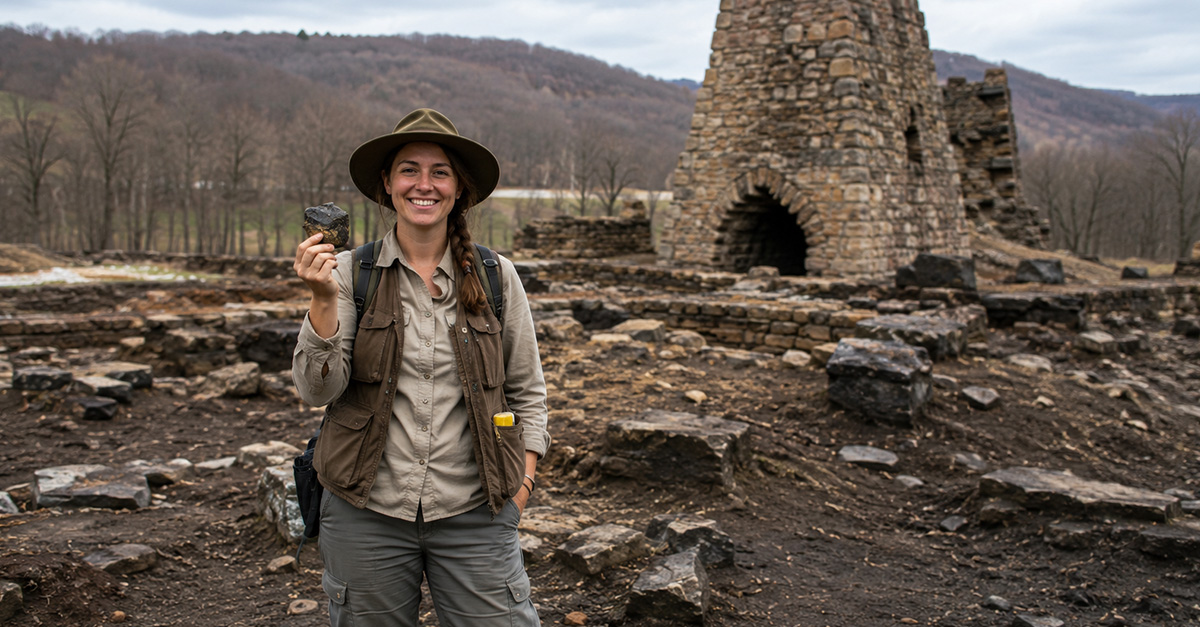
Excavated furnaces, mills, mines, and worker communities across Pennsylvania reveal the ingenious manufacturing methods that helped launch America’s Industrial Revolution.
A hotel required a mobile room key, but your phone battery died. Learn why hotels need physical-key backups, what guests should do, and when to complain.
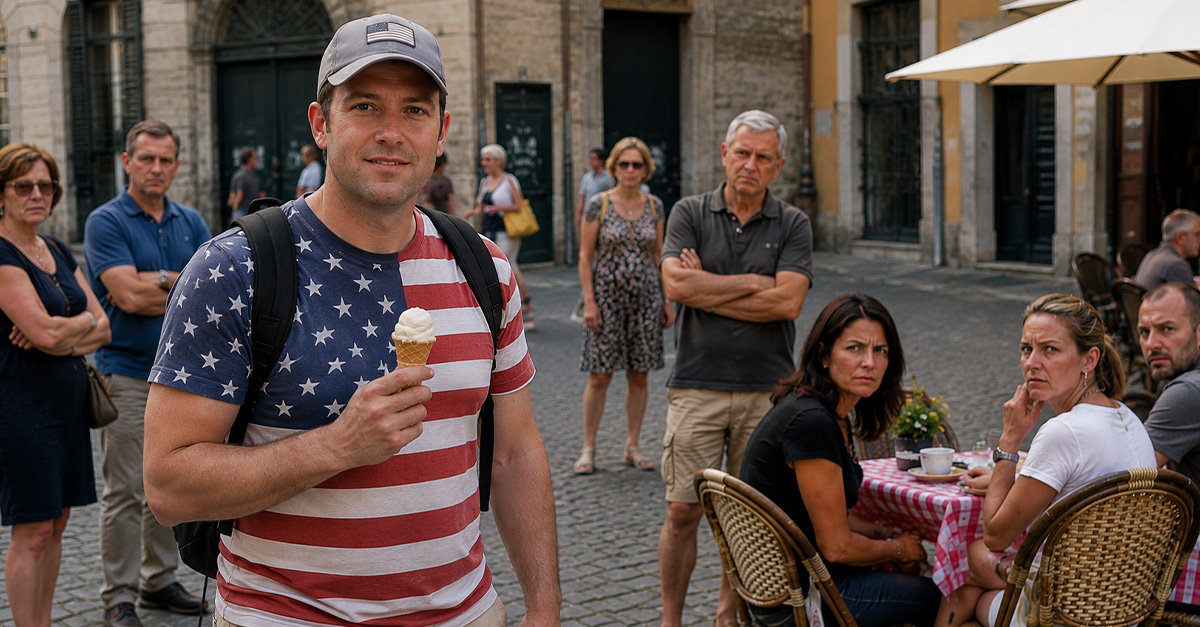
From enormous flags and friendly strangers to biscuits and gravy, Canadians quickly notice these charming differences when visiting small-town America.
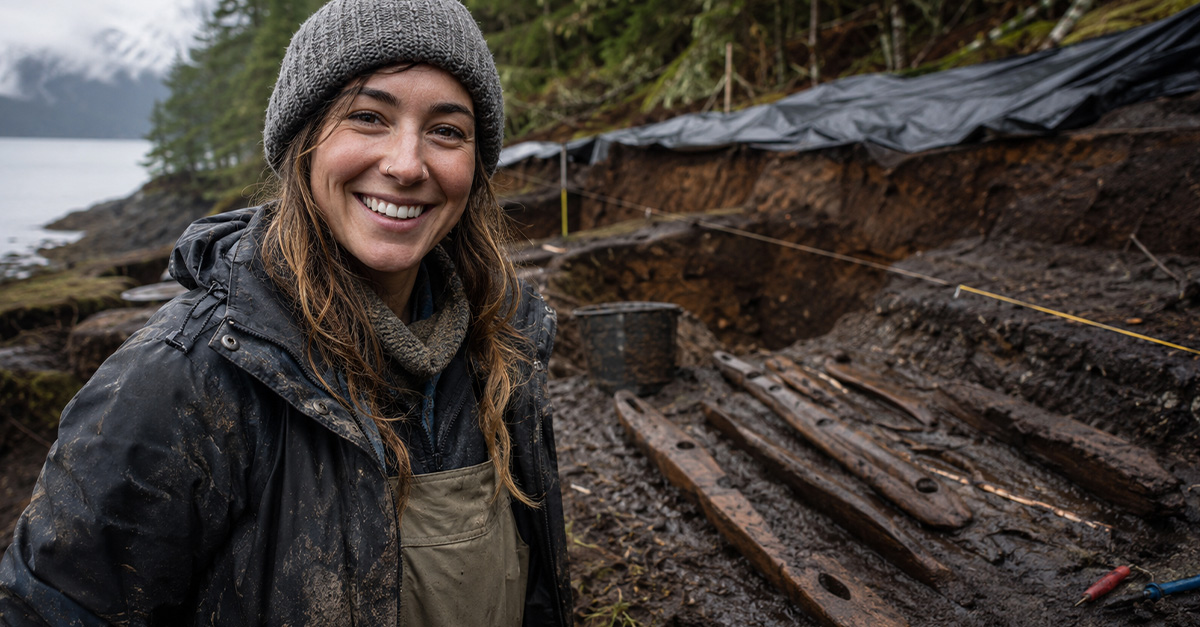
Archaeologists uncovered 3,800-year-old wooden wedges and cordage at a rare wet site in British Columbia, revealing ancient Indigenous woodworking skills.