A Thrift-Store Find That Changed Everything
When a London bargain hunter scooped up a pair of small ceramic jars for the price of a takeout lunch, he had no idea he was walking out of that charity shop with pieces of Chinese imperial history tucked under his arm. What looked like charming little knickknacks turned out to be the kind of artifacts museums dream of — the sort of discovery that transforms a casual collector into the hero of an archaeological fairy tale.
The Ordinary Little Jars That Weren’t So Ordinary
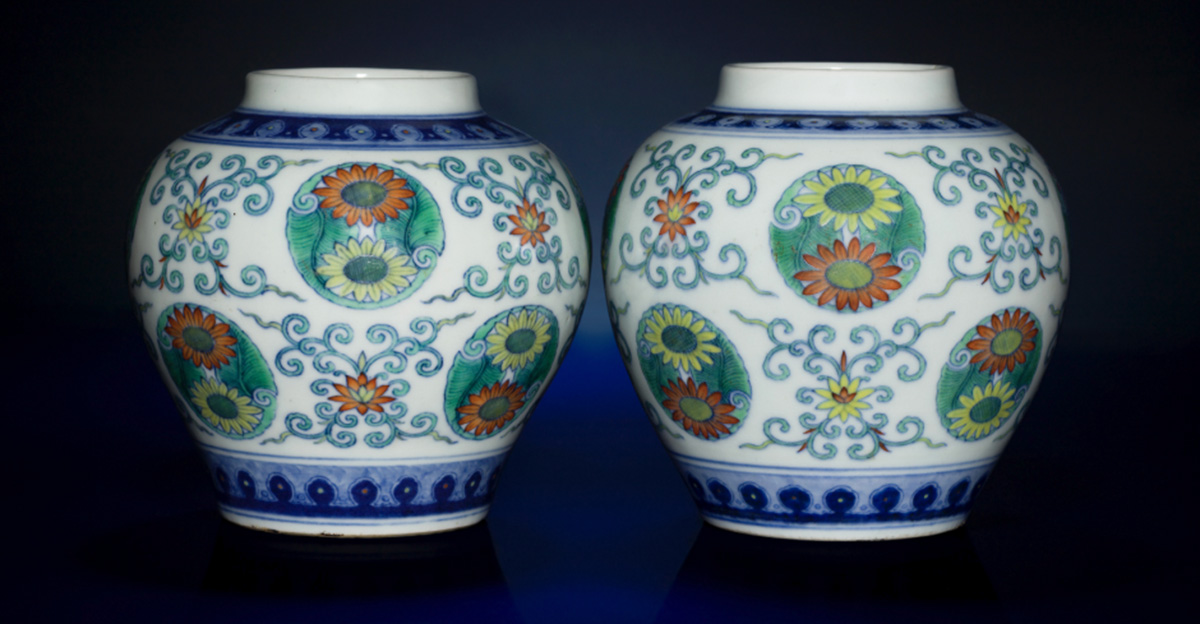
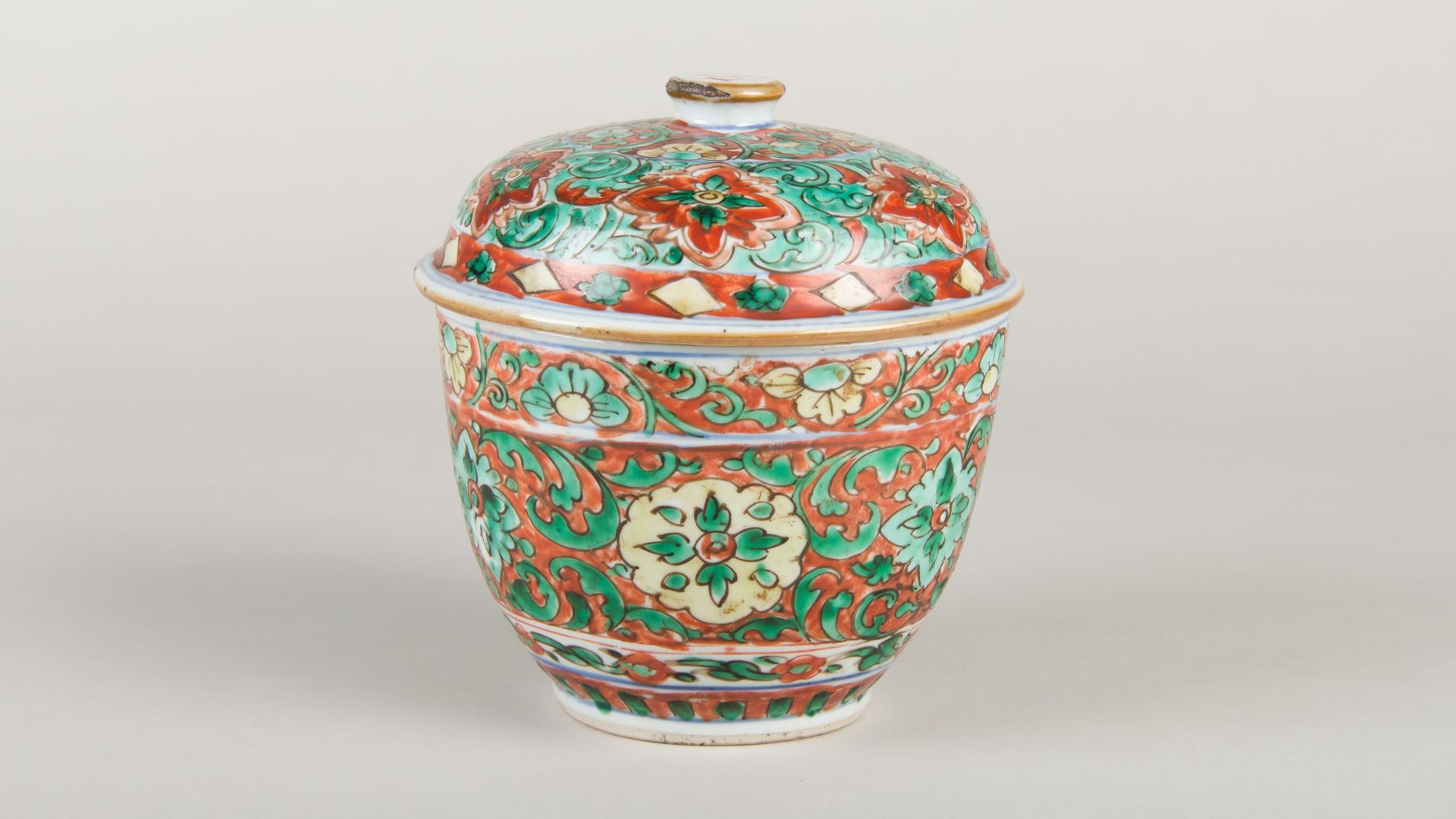
At first glance, the jars didn’t scream “priceless treasure.” They were short, round, and delicately painted, sure, but nothing that would stop most shoppers in their tracks. They had a certain character: floral patterns, soft colors, a sense of age. But few people digging through thrift-store shelves expect to uncover anything older than their grandmother’s gravy boat.
A Curious Mark Sparks A Closer Look
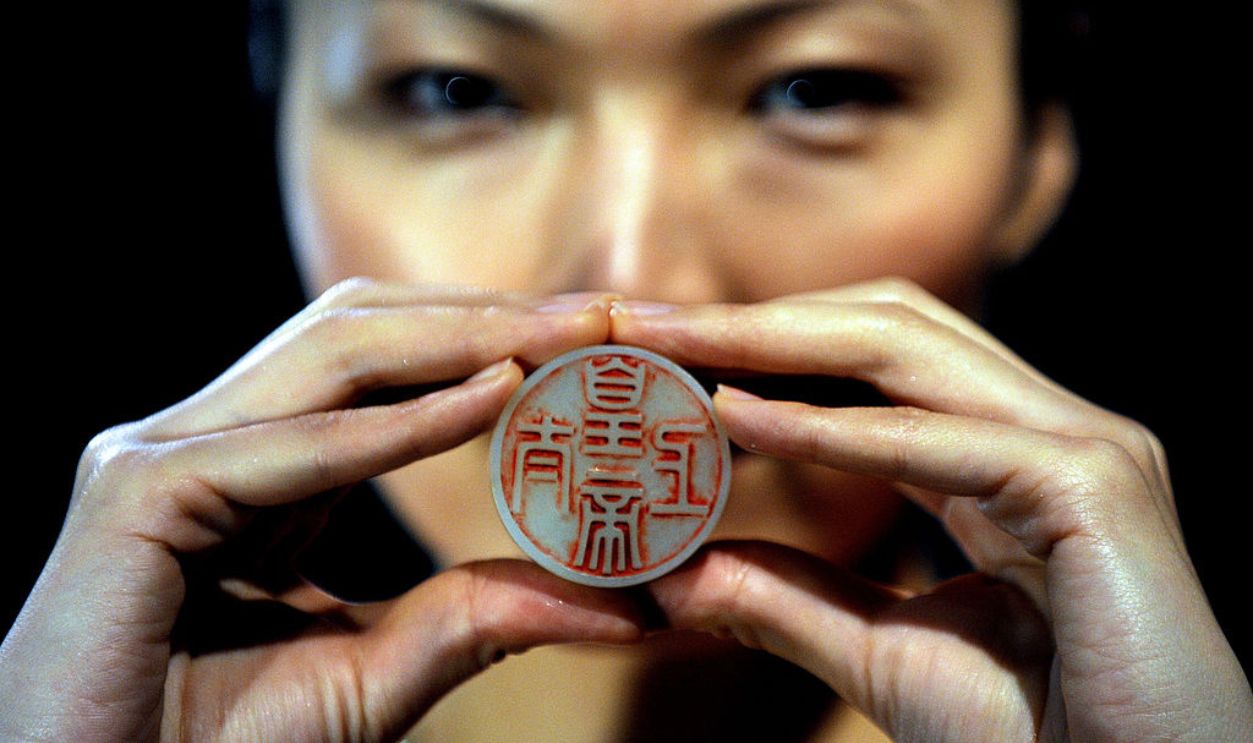
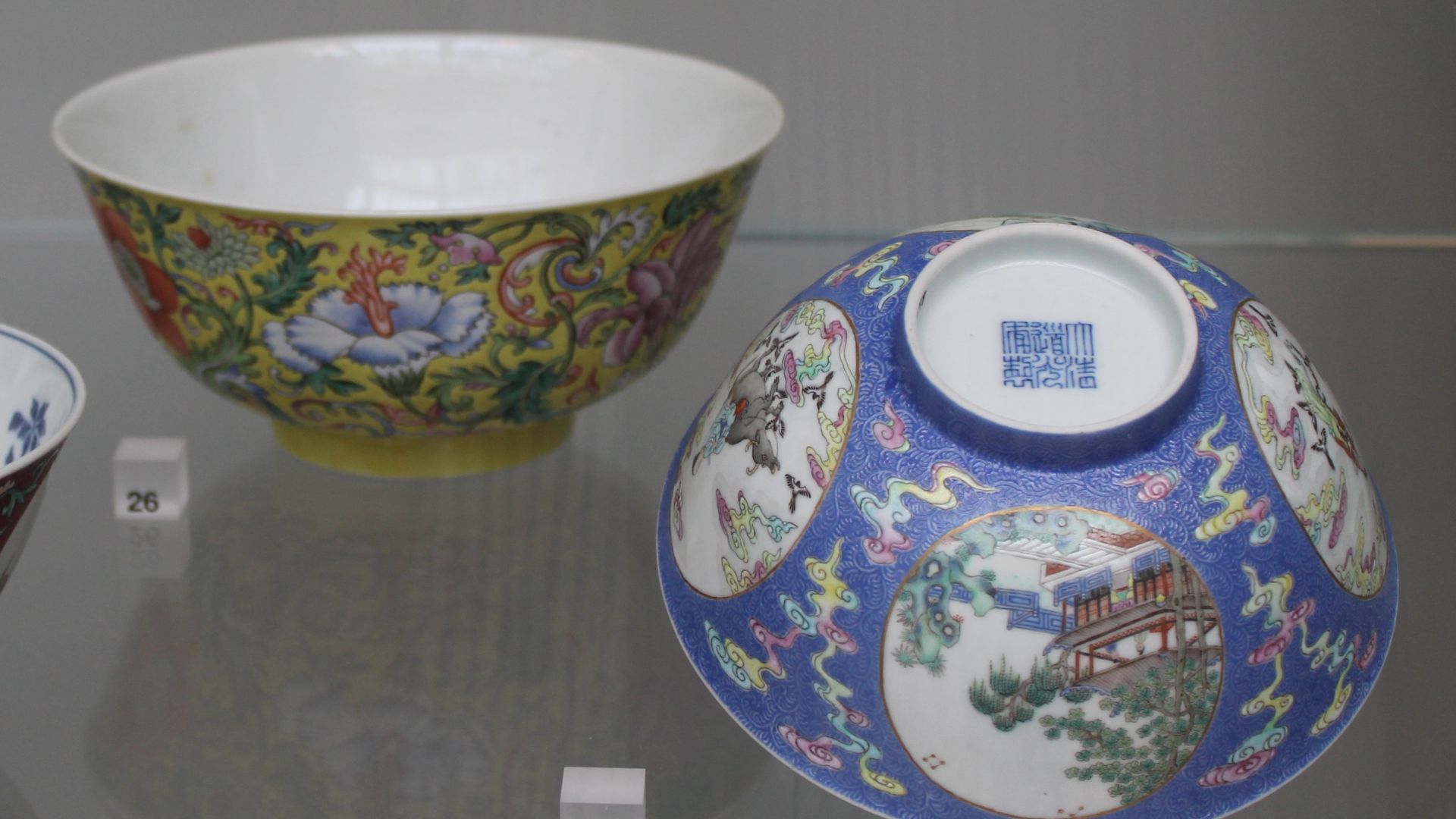
The buyer noticed a mysterious six-character seal mark on the base of each jar, painted in deep underglaze blue. For many people, that mark would have been a shrug-inducing squiggle. But for a collector with a good eye, it was enough to raise an eyebrow — and prompt a little research detour that would soon send shockwaves through the porcelain world.

The Qianlong Seal Changes Everything
A bit of digging revealed that the marks matched those used during the reign of the Qianlong Emperor, one of the most powerful rulers of the Qing Dynasty. Suddenly, the jars looked a lot less like thrift-store tchotchkes and a lot more like something worthy of a velvet-lined display case.
Experts Step In & Confirm The Incredible
The collector brought the jars to Roseberys, a respected London auction house, where specialists in Asian art quickly realized this wasn’t going to be a standard appraisal session. The verdict? The jars were genuine imperial Chinese porcelain — handcrafted in the 18th century for use in the Qianlong court.
 Ravenelartgroup, Wikimedia Commons
An Imperial Technique Reveals Its Signature Style
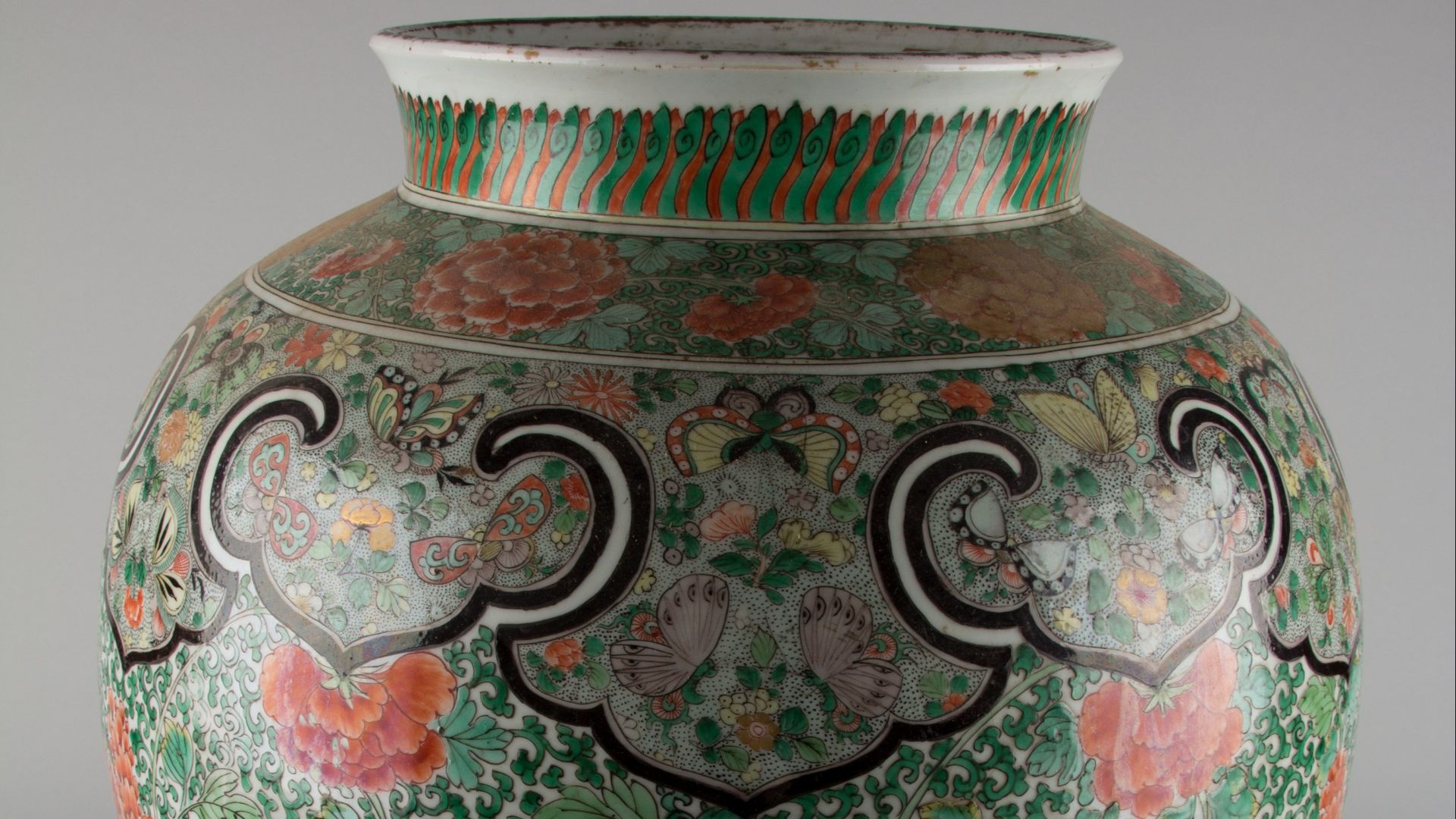
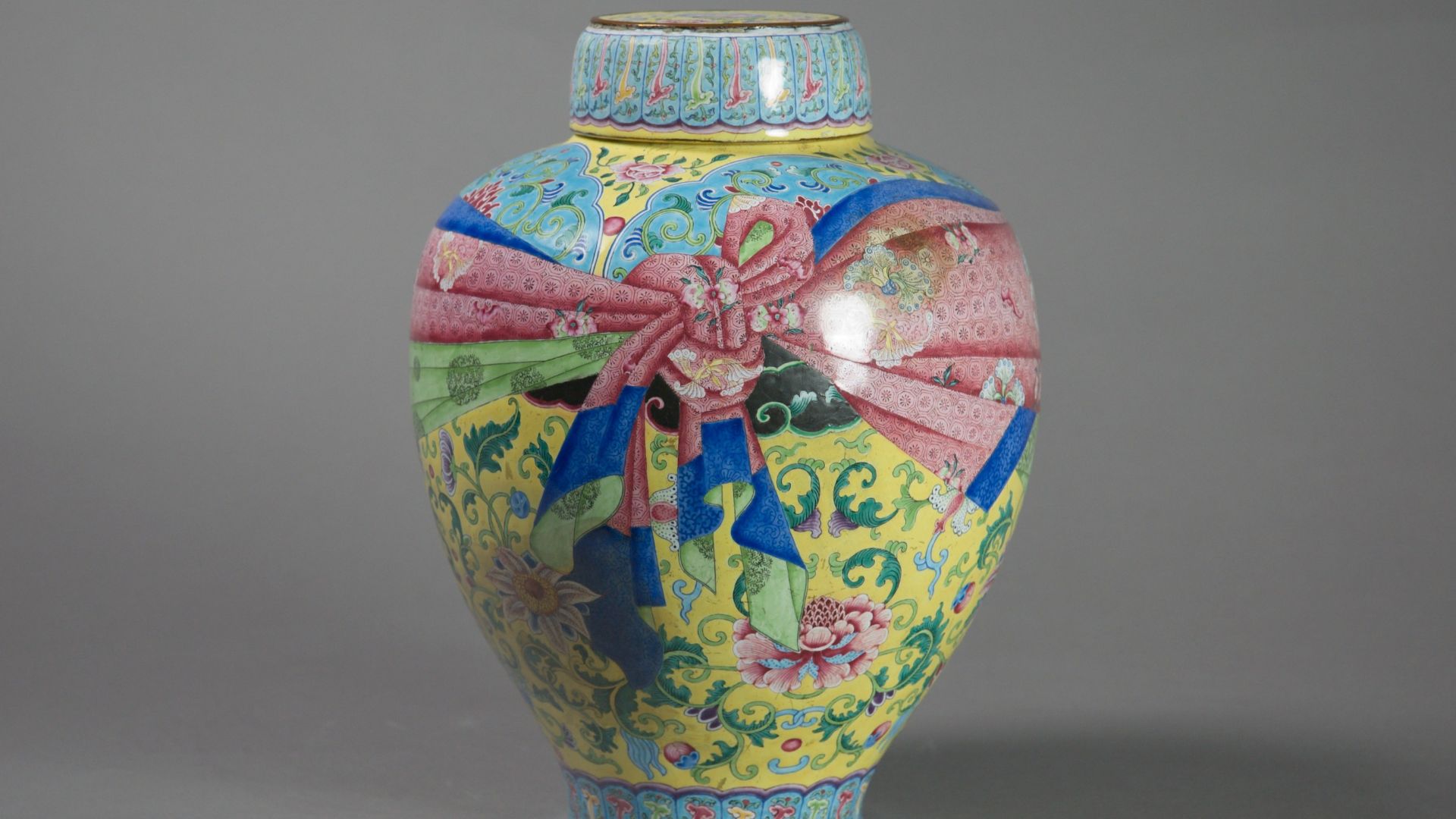
Experts recognized the jars as classic “doucai,” a porcelain technique that layers multiple firings to achieve luminous colors and fine lines. It’s not the kind of method used for mass-market wares. This was high-status craftsmanship — the kind reserved for elite households and imperial palaces.

Blossoms, Symbols & A Story Told In Paint
The jars’ chrysanthemum and lotus patterns weren’t chosen at random. In Chinese symbolism, chrysanthemums are tied to longevity and nobility, while lotus blossoms embody purity and renewal. These themes were favorites among Qing artisans and gave the jars cultural depth far beyond their pretty appearance.

Jingdezhen: Where Art Meets Perfection
The jars were traced to Jingdezhen, the legendary porcelain capital of China. For centuries, Jingdezhen’s kilns produced the world’s finest ceramics — the kind of pieces emperors commissioned, traders coveted, and collectors still feverishly pursue. These jars weren’t just from any workshop; they came from the top of the top.

The Charity Shop Misses What History Sees
To be fair, it’s hard to blame the charity shop for not realizing what they had. People donate mountains of household items every day, and thrift-store employees can’t exactly run carbon dating on every teapot that lands on the shelf. Still, it’s almost poetic that imperial porcelain spent time nestled between mismatched mugs and novelty vases.
A Modest Auction Estimate Sets Expectations
When Roseberys announced the jars’ upcoming auction, they estimated they might bring in around £30,000 to £50,000 — a staggering leap from their humble £20 purchase price. Even seasoned collectors felt a spark of excitement; imperial porcelain rarely surfaces unexpectedly, especially in matched pairs.

The Auction Day Surprise Everyone Loves
The moment the jars hit the auction block, the bidding took off like a rocket. In what must have felt like the world’s most exhilarating thrift-flip moment, the jars ultimately sold for over £60,000 — roughly $74,000. The buyer’s heart probably needed its own special insurance policy by the end of the day.

Tiny Flaws, Big Value
The jars weren’t perfect. They were missing their lids, and one had a small hairline crack. These issues prevented the price from reaching the six-figure territory seen in similar sales. But even “imperfect,” the jars carried extraordinary artistic, historical, and cultural weight — enough to transform them from bargain-bin finds into international headlines.
A Prototype With A Lost Origin
Scholars noted that despite the jars’ recognizable doucai style, their exact original prototype is unknown. Similar motifs have turned up in major exhibitions across China and Japan, but the jars themselves represent a slightly mysterious thread in the tapestry of imperial ceramic design.

A Gesture Of Gratitude Toward the Charity Shop
In a heartwarming twist, the anonymous buyer pledged to donate a portion of the proceeds back to the shop where he’d found the jars. It’s a poetic full circle — the past enriching the present, and generosity weaving the story together.

Finds Like This Are Astonishingly Rare
While urban legends of thrift-store treasures abound, genuinely valuable artifacts from the Qing Dynasty don’t typically pop up between used cookbooks and costume jewelry. Discoveries like this are so rare they border on miraculous — the archaeological equivalent of striking gold in your backyard.
Why This Matters For Archaeology
Unlike many archaeological finds that surface through excavation, these jars were rediscovered through everyday chance. But they still offer invaluable insights into cultural traditions, artistic innovations, and the imperial aesthetics of 18th-century China.
The Human Element Behind The Discovery
What makes this story so compelling is the human part of it: one shopper’s curiosity, one moment of recognition, and a hunch that something wasn’t as ordinary as it seemed. It’s archaeology’s favorite lesson — everyday people can uncover extraordinary history.

A Reminder That The Past Still Lives Among Us
So many artifacts spend their lives tucked away in boxes, attics, or, apparently, charity shops. This discovery serves as a delightful reminder that pieces of the past are still out there, hiding in plain sight, waiting for the right eyes to recognize them.
The Allure Of The Qing Dynasty’s Artistic Legacy
The Qing Dynasty remains a golden era for porcelain collectors. From technical innovations to bold designs, the period represents one of the high-water marks of ceramic artistry. These jars tell a small but shimmering part of that story.

A Story That Captured Global Curiosity
Once news of the sale broke, outlets around the world — Smithsonian Magazine, Artnet, USA Art News, and more — eagerly picked up the tale. It wasn’t just a story about porcelain; it was a story about luck, history, and the irresistible charm of the unexpected.
The Thrill Of The Hunt For Collectors
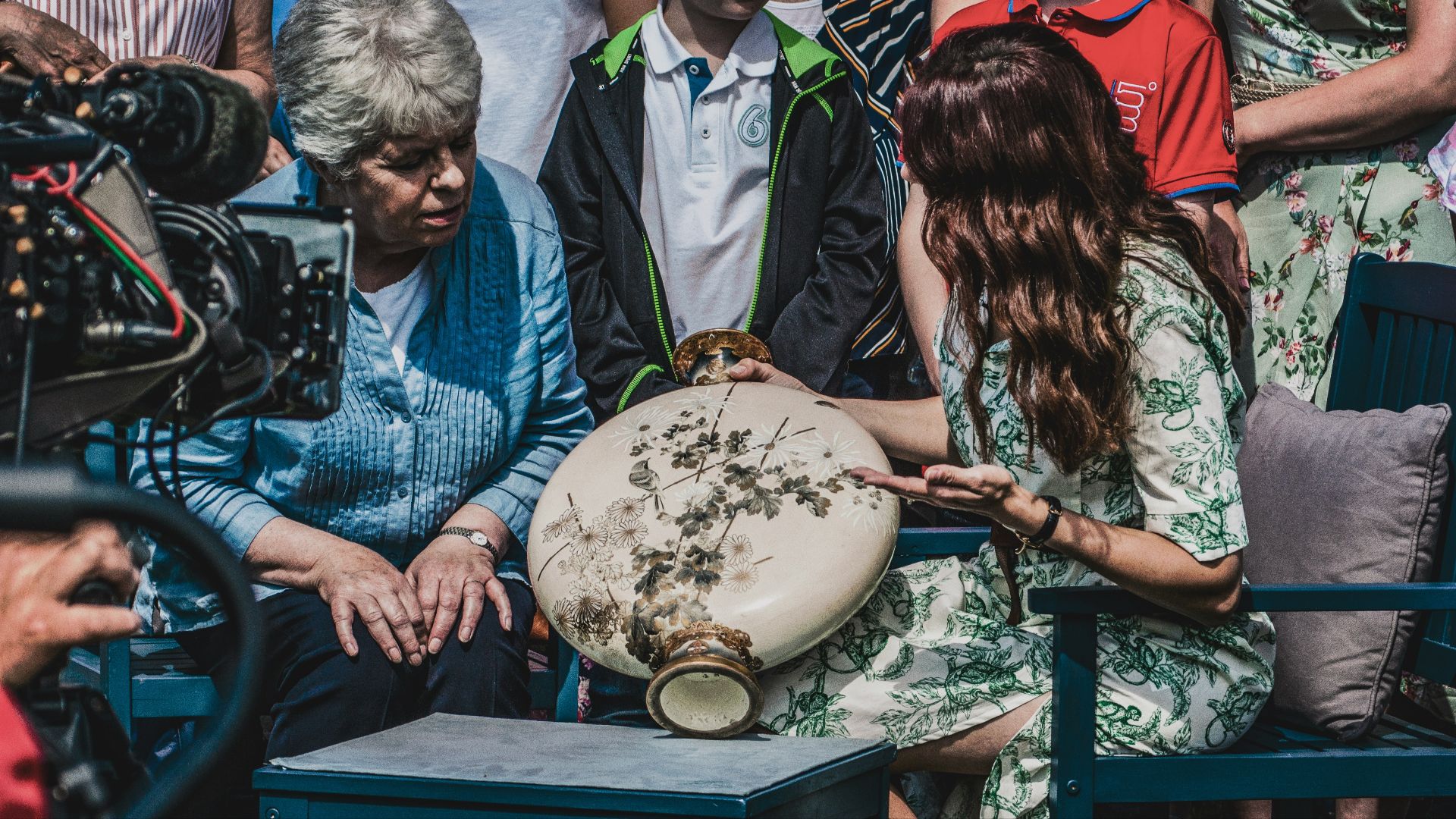
Collectors everywhere know the sweet thrill of spotting something unusual in a crowded thrift store. This story takes that thrill to a new level — from a moment of curiosity to a life-changing discovery.

A Win For Curiosity & Passion
What stands out most about the buyer is that he wasn’t looking for treasure. He was simply following his passion for ceramics and his eye for detail. That passion, paired with a dash of luck, opened the door to a forgotten chapter of imperial craftsmanship.

The Jars’ Journey Across Centuries
From the kilns of Jingdezhen to a modern European charity shop, these jars have traveled cultures, continents, and centuries. Their story is a testament to how objects outlive the people who make, use, and admire them — carrying memories of the past into the present.
Why Museums Pay Attention To Stories Like This
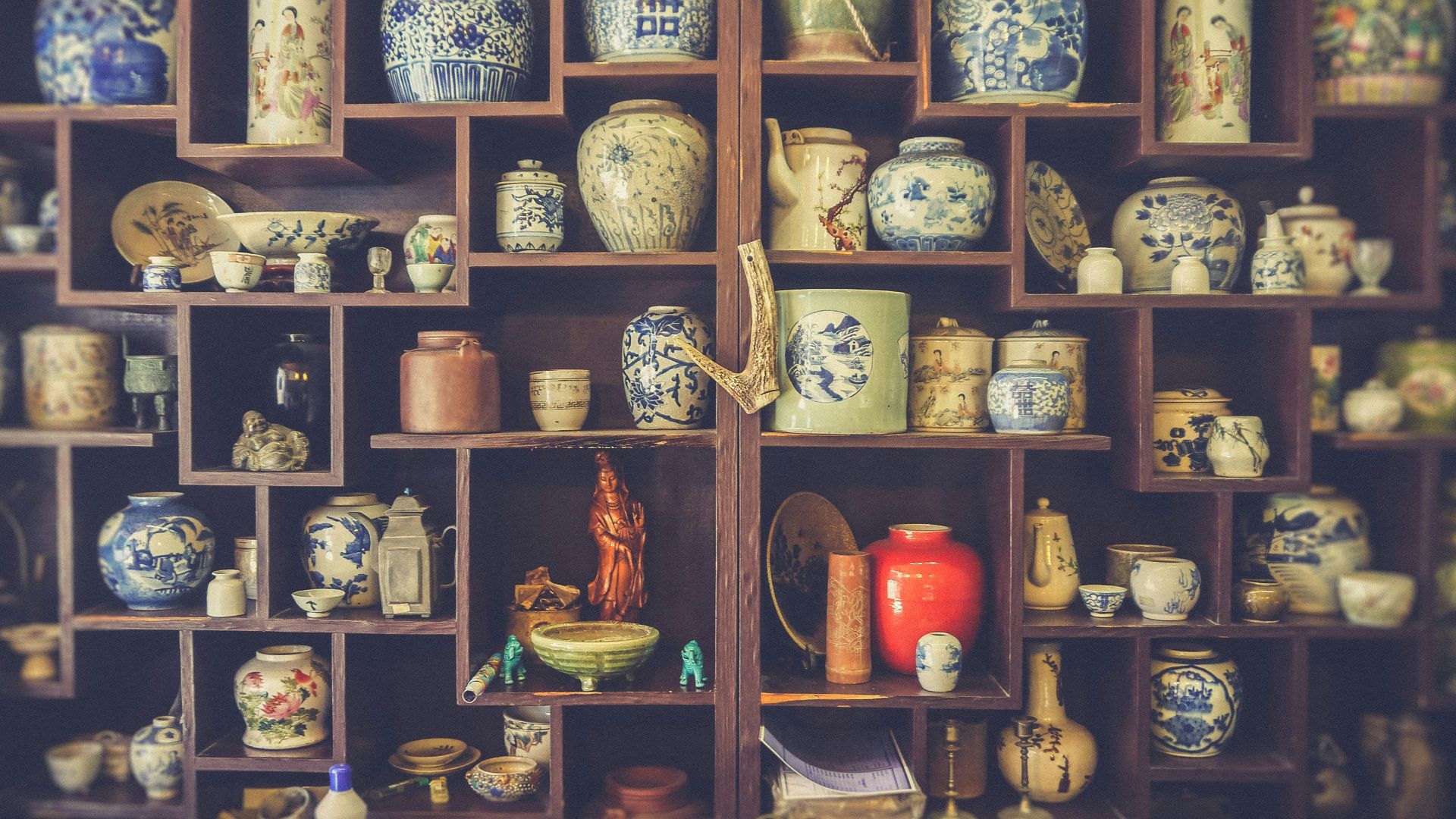
Museum curators and historians know that stray artifacts can escape documentation, pass through private hands, or slip into obscurity. When pieces like these resurface, they offer new data points and new opportunities for research.
 Photograph by Mike Peel (www.mikepeel.net)., Wikimedia Commons
How Everyday People Connect With Ancient History
There’s something magical about knowing that history isn’t locked away in distant ruins or remote dig sites. It might just be sitting on a thrift-store shelf, waiting for someone to notice. That possibility makes everyone’s daily life a little more adventurous.
The Beauty Of Chance In Archaeology
Not all discoveries are made with trowels and trenches. Sometimes, they’re made with shopping baskets and quiet curiosity. And these jars show that chance can lead to some of the most delightful stories in archaeology.
 Burkhard Mücke, Wikimedia Commons
A Story That Will Be Told For Years
There’s no doubt these jars will continue to inspire storytellers, collectors, and history lovers for generations. Their journey from imperial artisans to thrift-store shelves is the stuff of legend.

The Legacy Of A $25 Purchase
In the end, the story is about more than money or even porcelain. It’s about discovery, luck, generosity, and the unexpected ways history continues to surface in our everyday world. These jars, once forgotten, now shine again—reminding us that the past is never as distant as it seems.

You May Also Like:
39 Foods With Misleading Names—And What They Actually Are
The States Most Likely To Survive The End Of The World—According To Data