

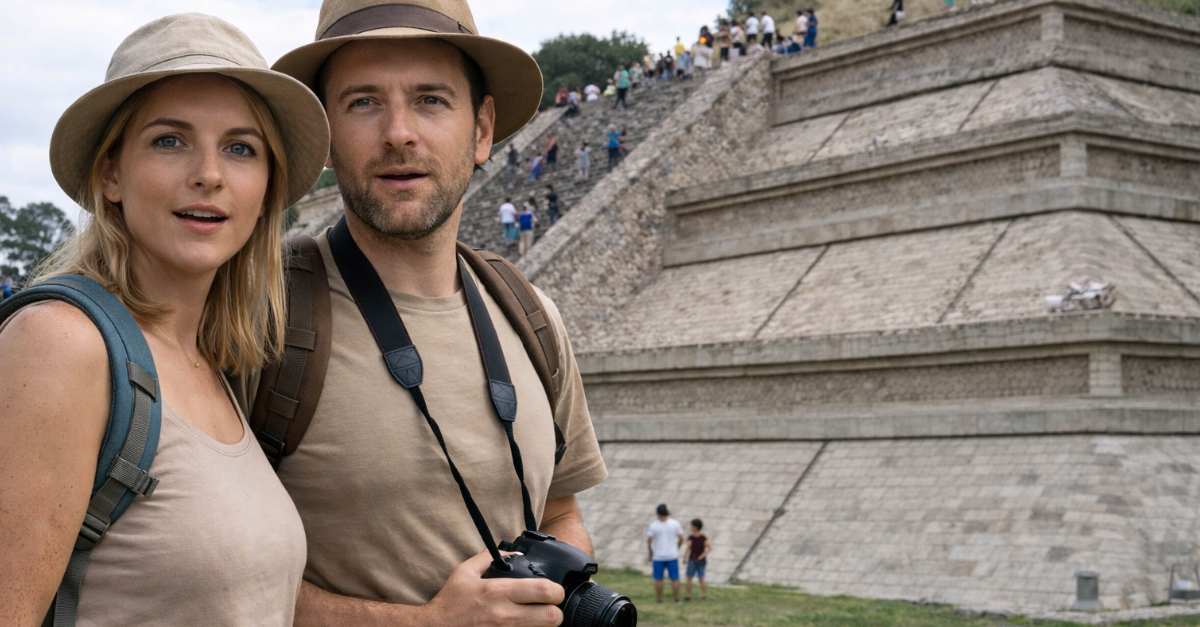
Most People Walk Right Past It
For centuries, people have traveled across the world to see Egypt’s pyramids. They’re towering, unmistakable, and instantly recognizable. But did you know the largest pyramid on Earth isn’t actually in Egypt? Most people don’t. In fact, most people who’ve seen it have walked right past it without realizing what they just saw.
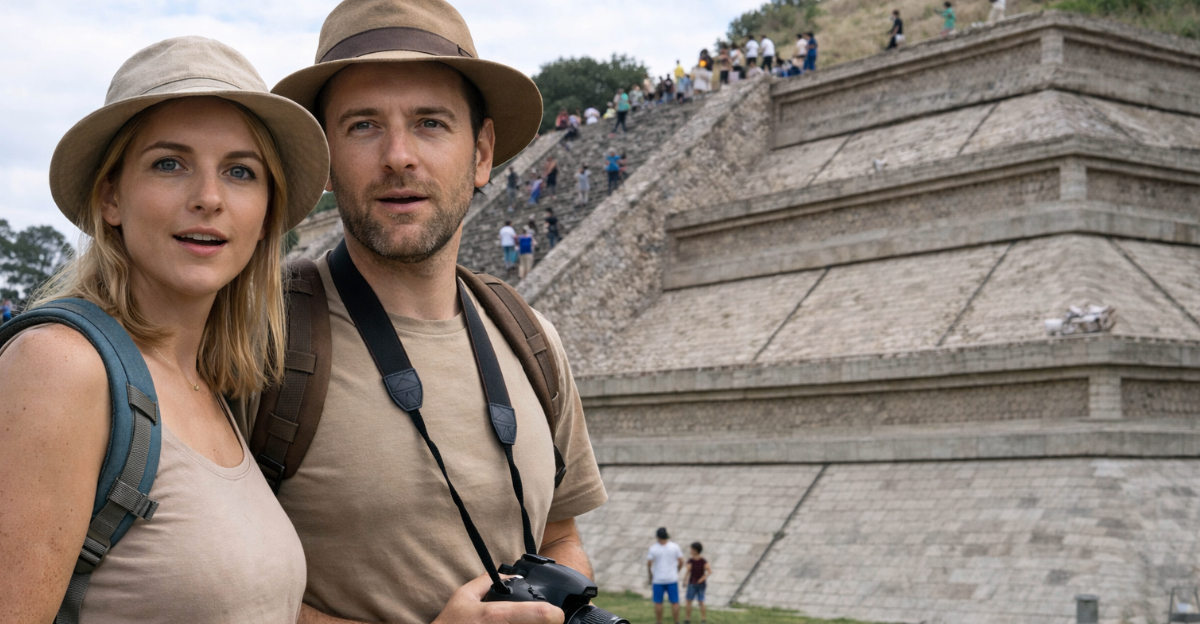
It Was Hiding In Plain Sight
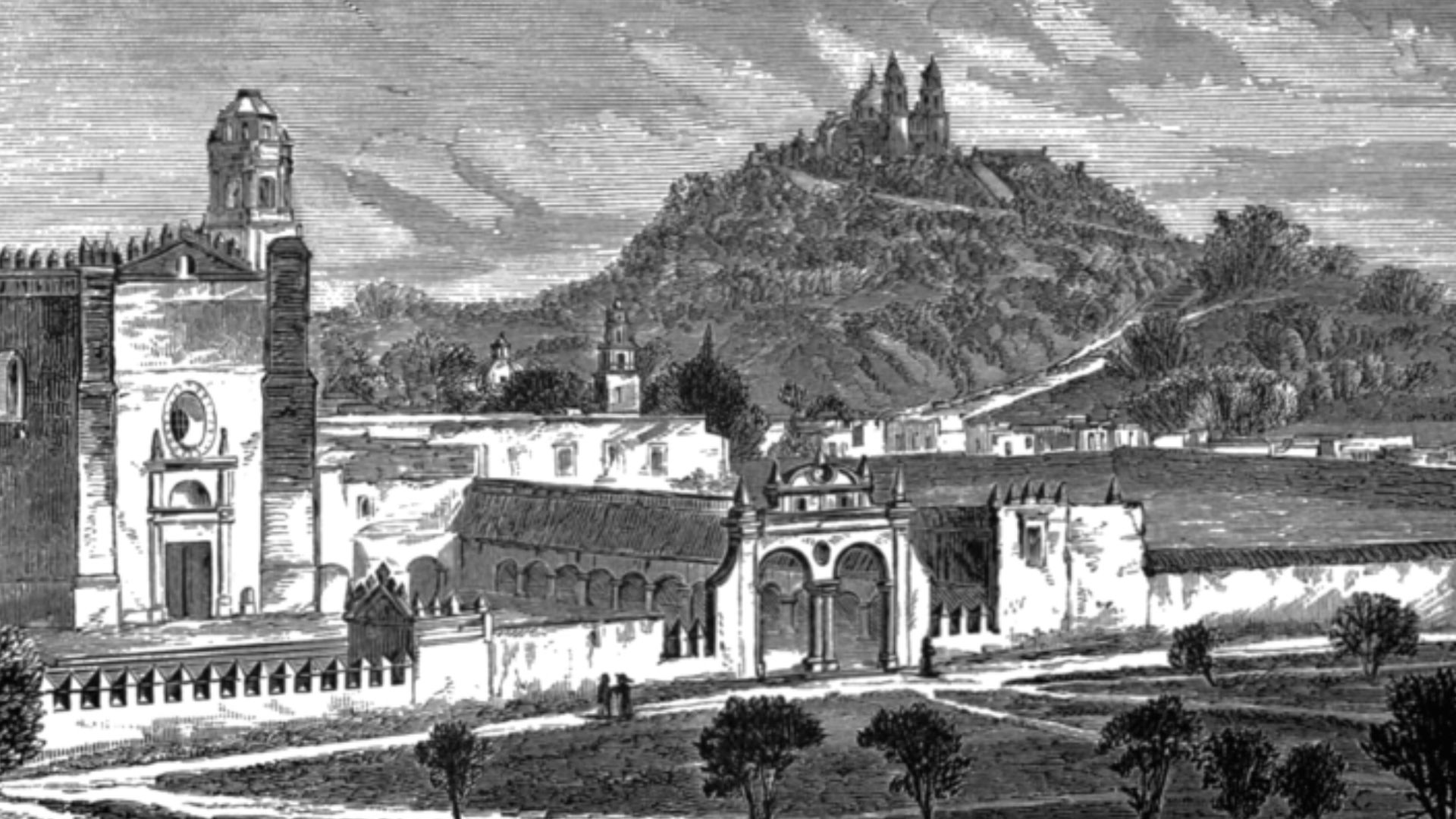
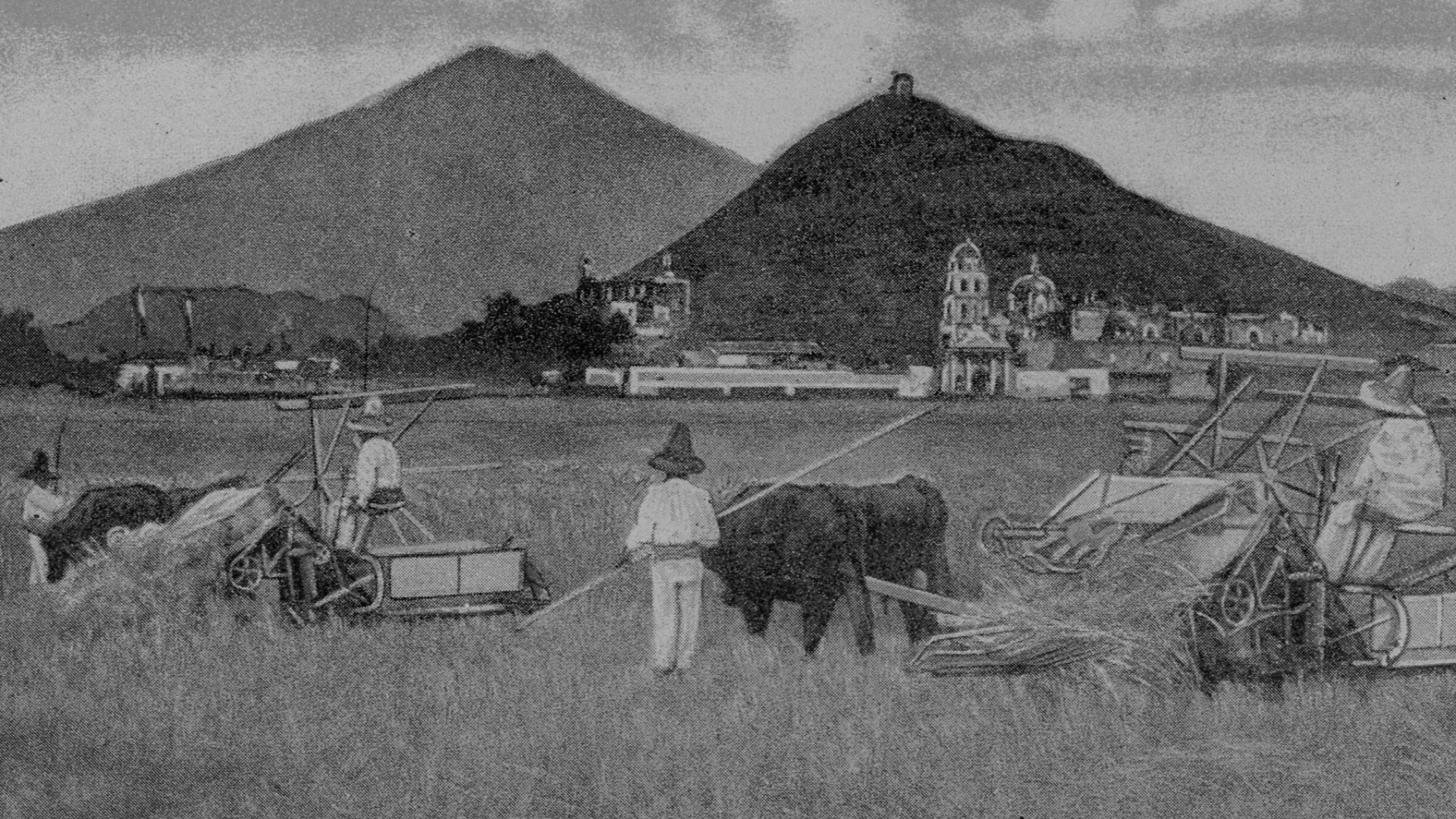
For hundreds of years, people believed it was nothing more than a natural hill. Travelers passed by it. Locals lived beside it. A church was even built on top of it. All the while, one of the largest structures ever built by humans was sitting quietly underneath.
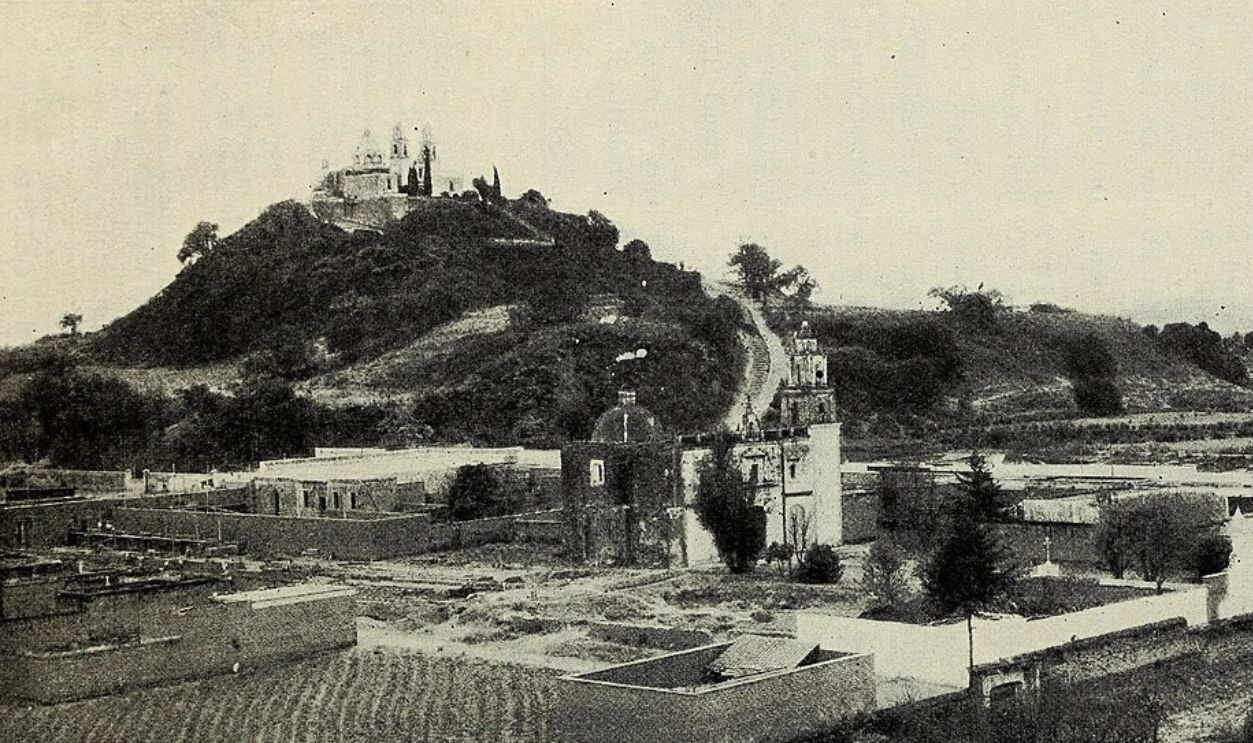 Episcopal Church. Board of Missions, Wikimedia Commons
It Doesn’t Look Like A Pyramid
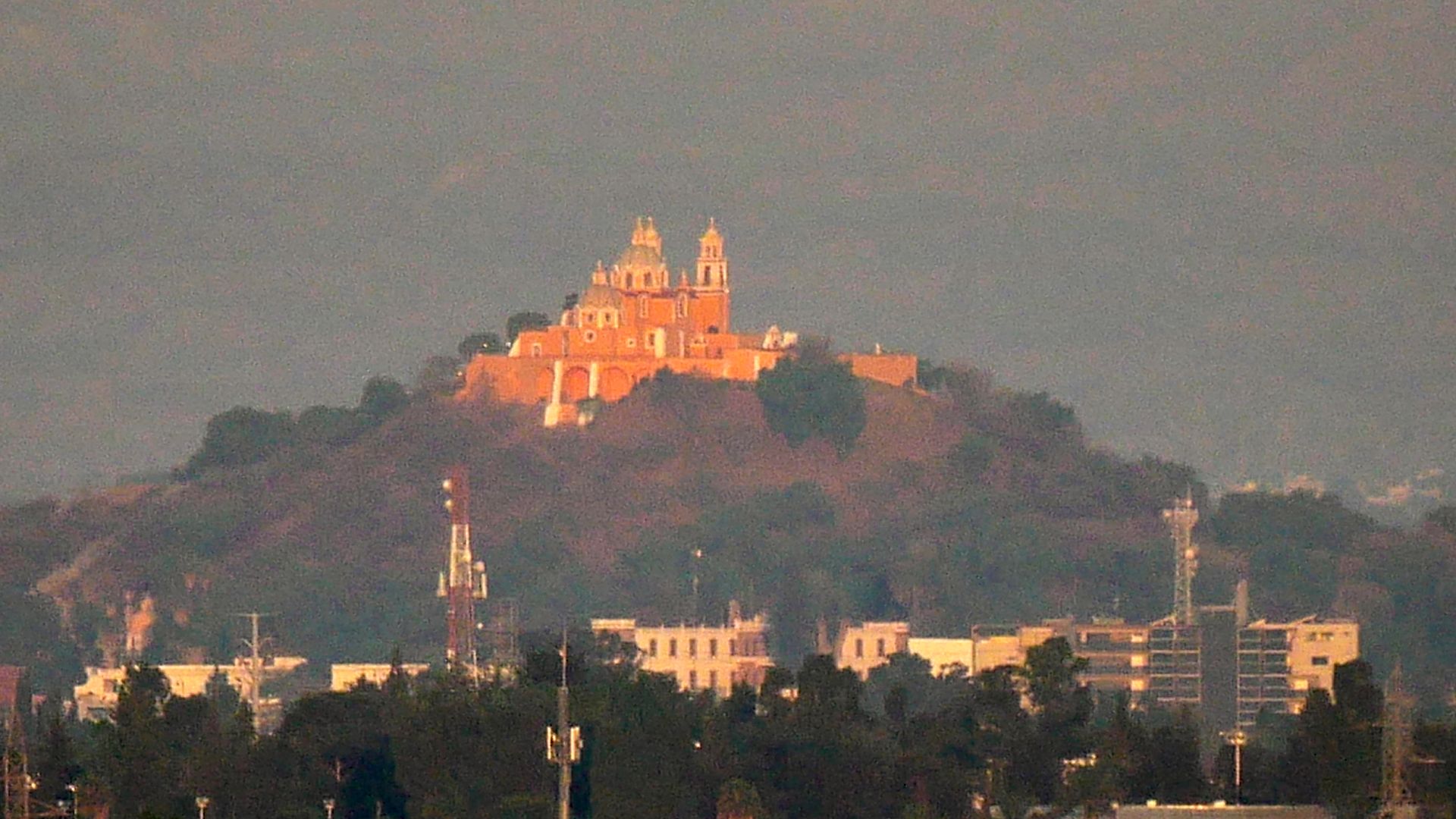
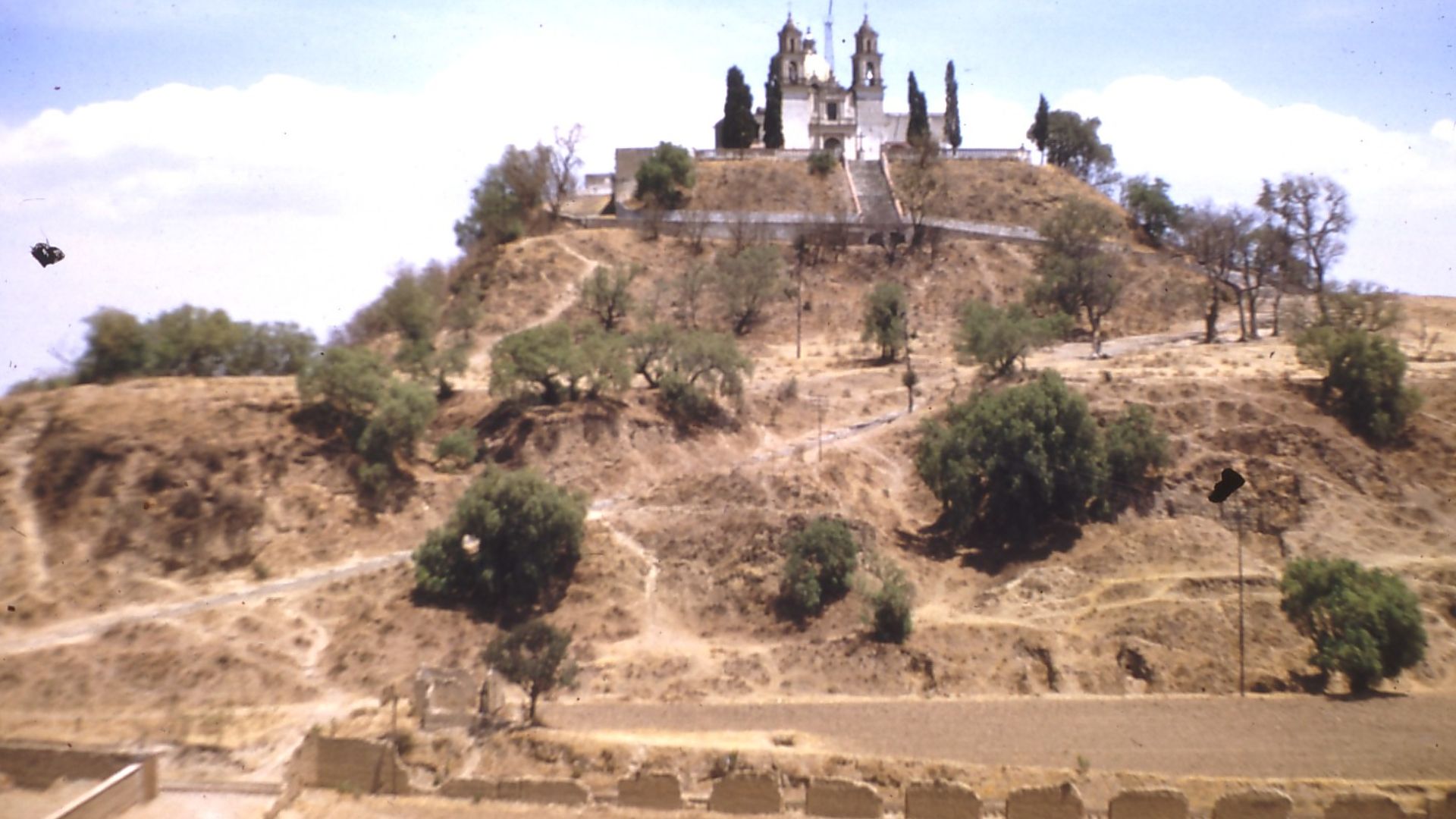
That’s the strange part. Visitors often walk right past it without noticing anything unusual. From a distance, it simply looks like a grassy hill rising above the surrounding land. No sharp angles. No giant stone blocks. Nothing that immediately signals “ancient pyramid.”
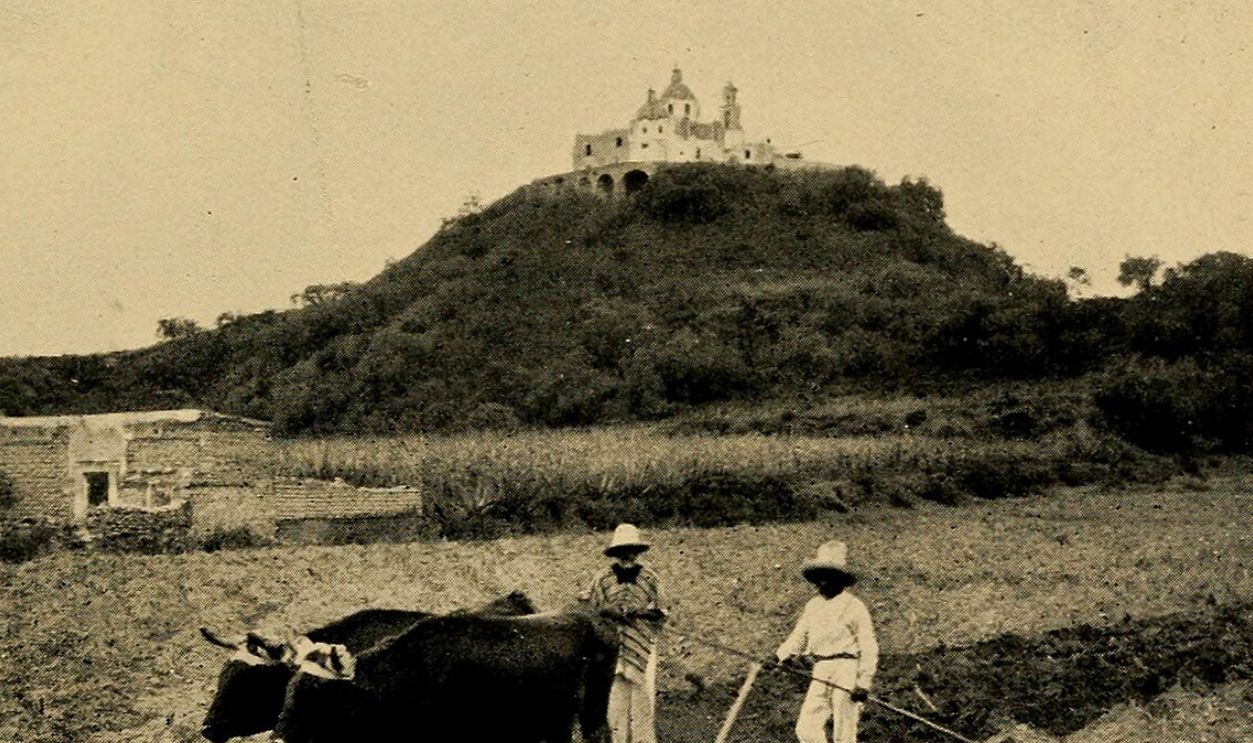 Internet Archive Book Images, Wikimedia Commons
The Largest Pyramid In The World
Here’s the twist: that grassy “hill” is actually the Great Pyramid of Cholula in Puebla, Mexico. Known in Nahuatl as Tlachihualtepetl, meaning “man-made mountain,” it holds the title of the largest pyramid—and largest ancient monument—ever built by volume.
 Colonel Albert S. Evans (U.S.A.), Wikimedia Commons
Bigger Than The Pyramids Of Egypt
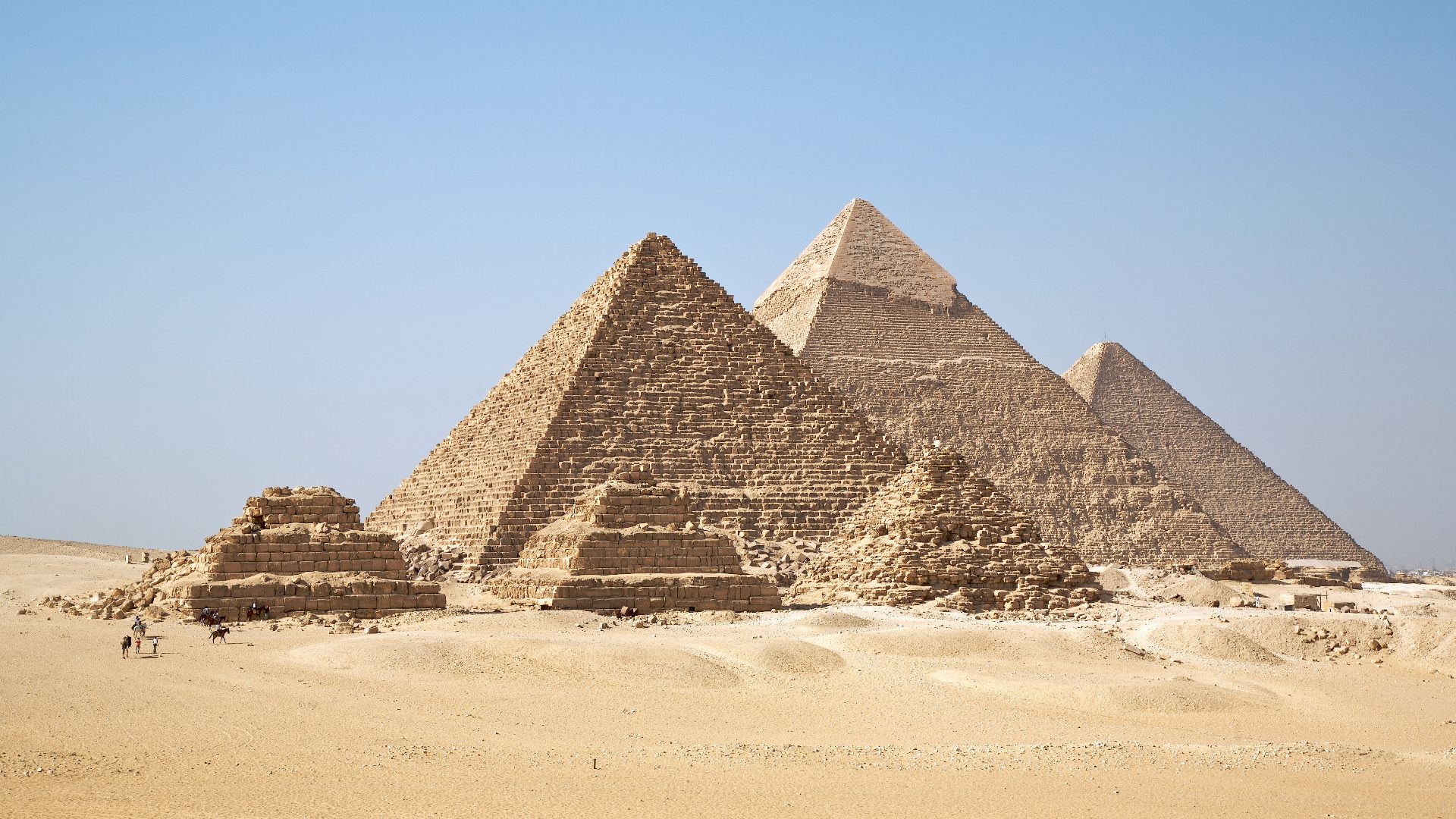
By total volume, the Great Pyramid of Cholula contains about 4.45 million cubic meters of material. Egypt’s Great Pyramid of Giza holds around 2.6 million cubic meters. In other words, the world’s largest pyramid is nearly twice the size of Giza.
A Massive Base
One reason it’s so enormous is its footprint. The pyramid’s base measures about 450 meters (1,480 feet) on each side and covers roughly 182,000 square meters—significantly larger than the base of Egypt’s most famous pyramids.
 Janice Waltzer, Wikimedia Commons
Not The Tallest Pyramid
Despite its massive size, Cholula’s pyramid isn’t the tallest. The pyramid itself rises about 25 meters (82 feet) above the surrounding plain, though the hill and church on top bring the total height to roughly 66 meters (217 feet). By comparison, the Great Pyramid of Giza originally stood around 146 meters (481 feet) tall.
 Ricardo Liberato, Wikimedia Commons
Construction Began Over 2,000 Years Ago
Archaeologists believe the earliest version of the pyramid began around 300 BC. Unlike Egypt’s pyramids—which were often built during a single ruler’s reign—this monument grew gradually as different civilizations expanded and rebuilt it over many centuries, with construction continuing for nearly 1,000 years.
Built Layer By Layer
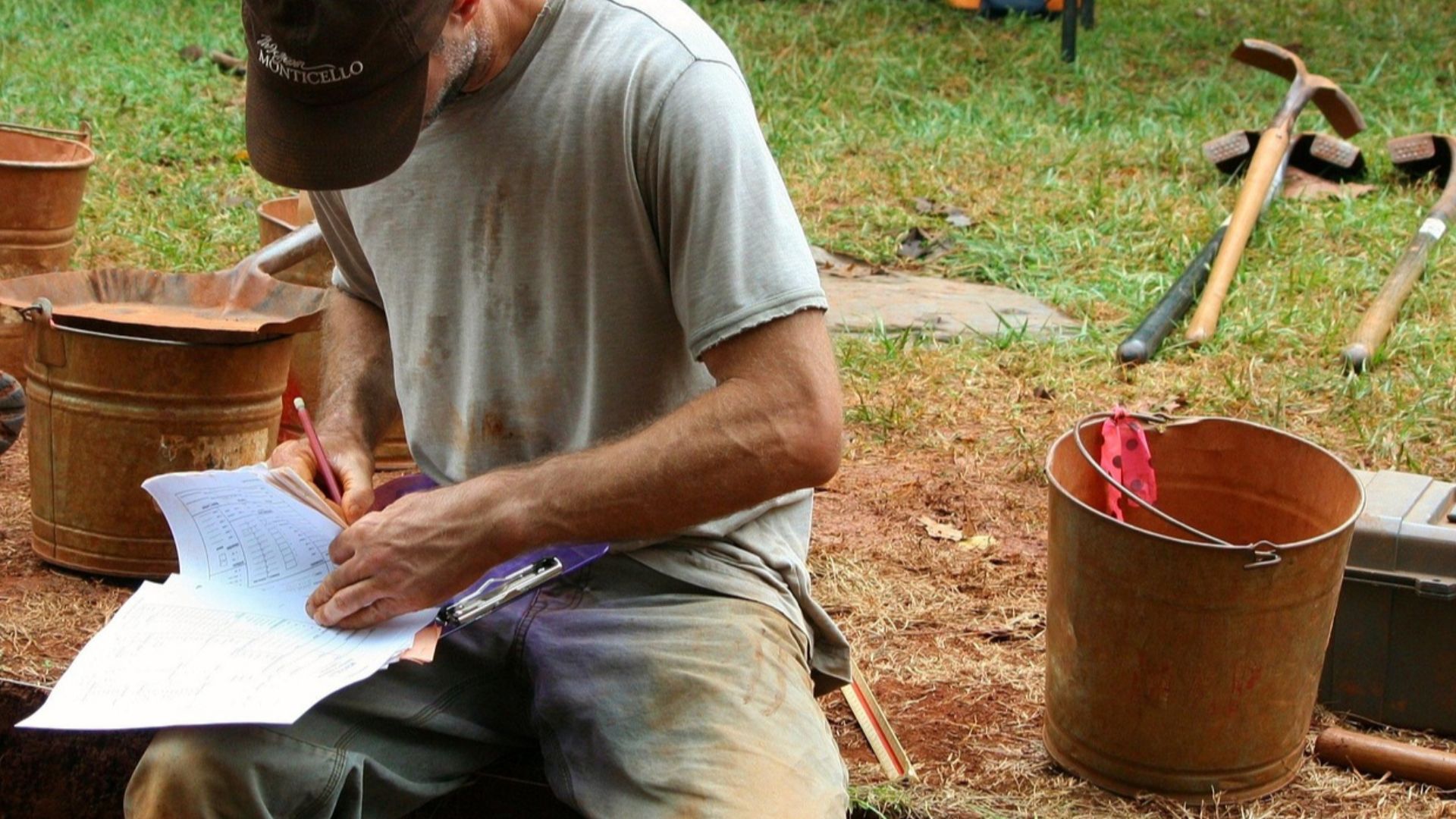
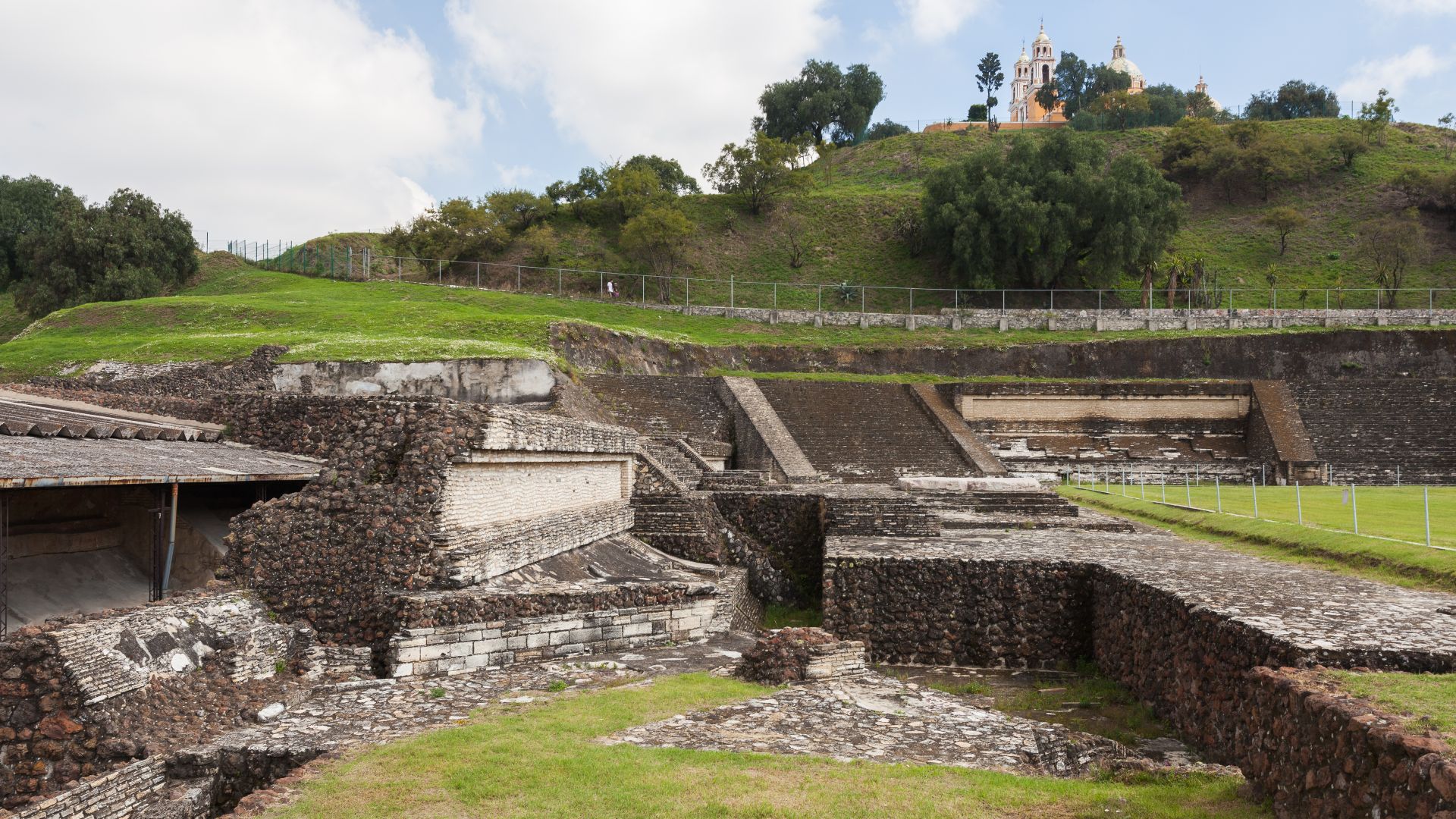
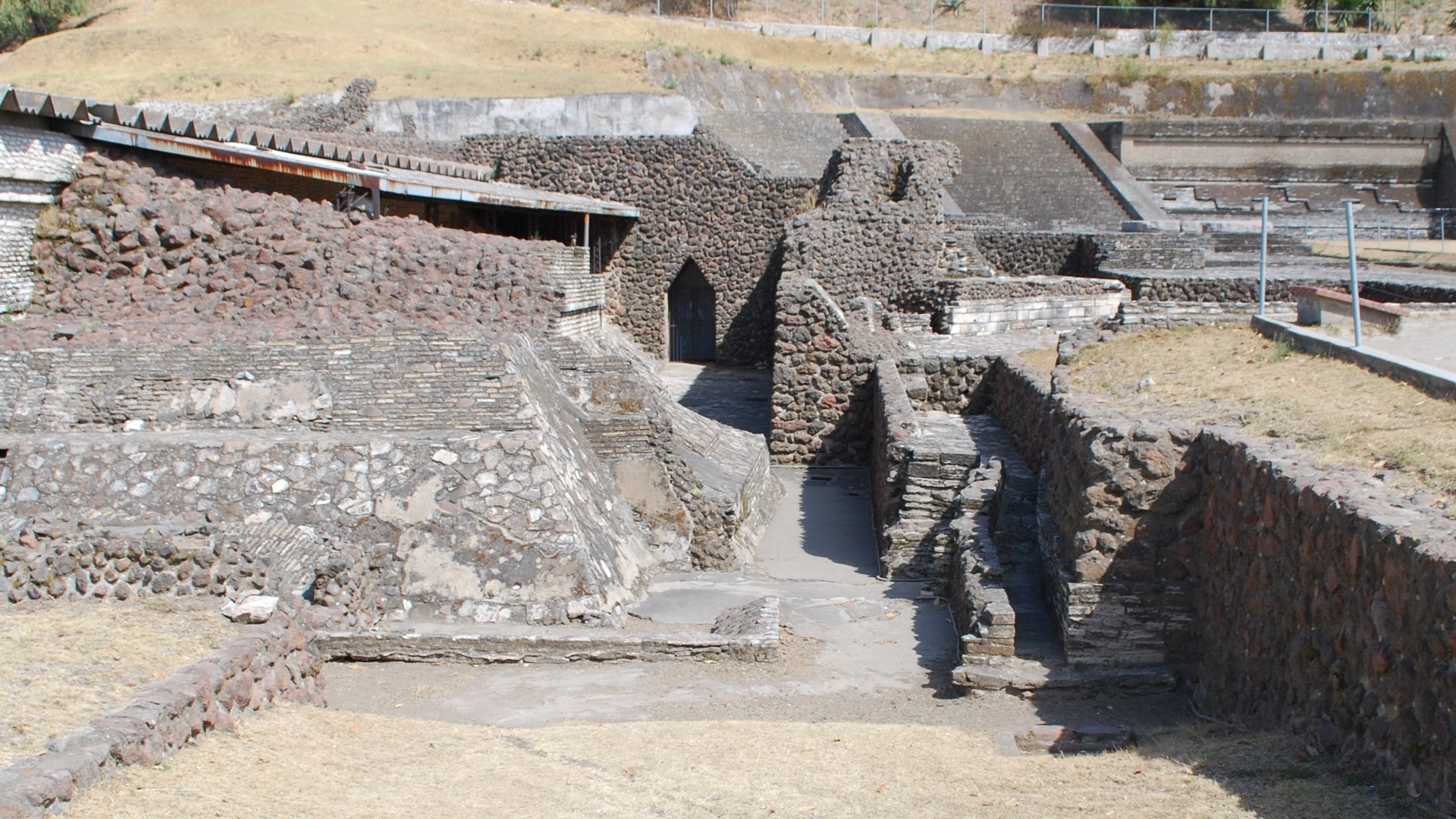
Instead of demolishing the original structure, later builders expanded it. Each generation constructed a larger pyramid around the previous one, slowly creating a layered monument that grew bigger and bigger over time.
 Diego Delso, Wikimedia Commons
Built From Adobe Bricks
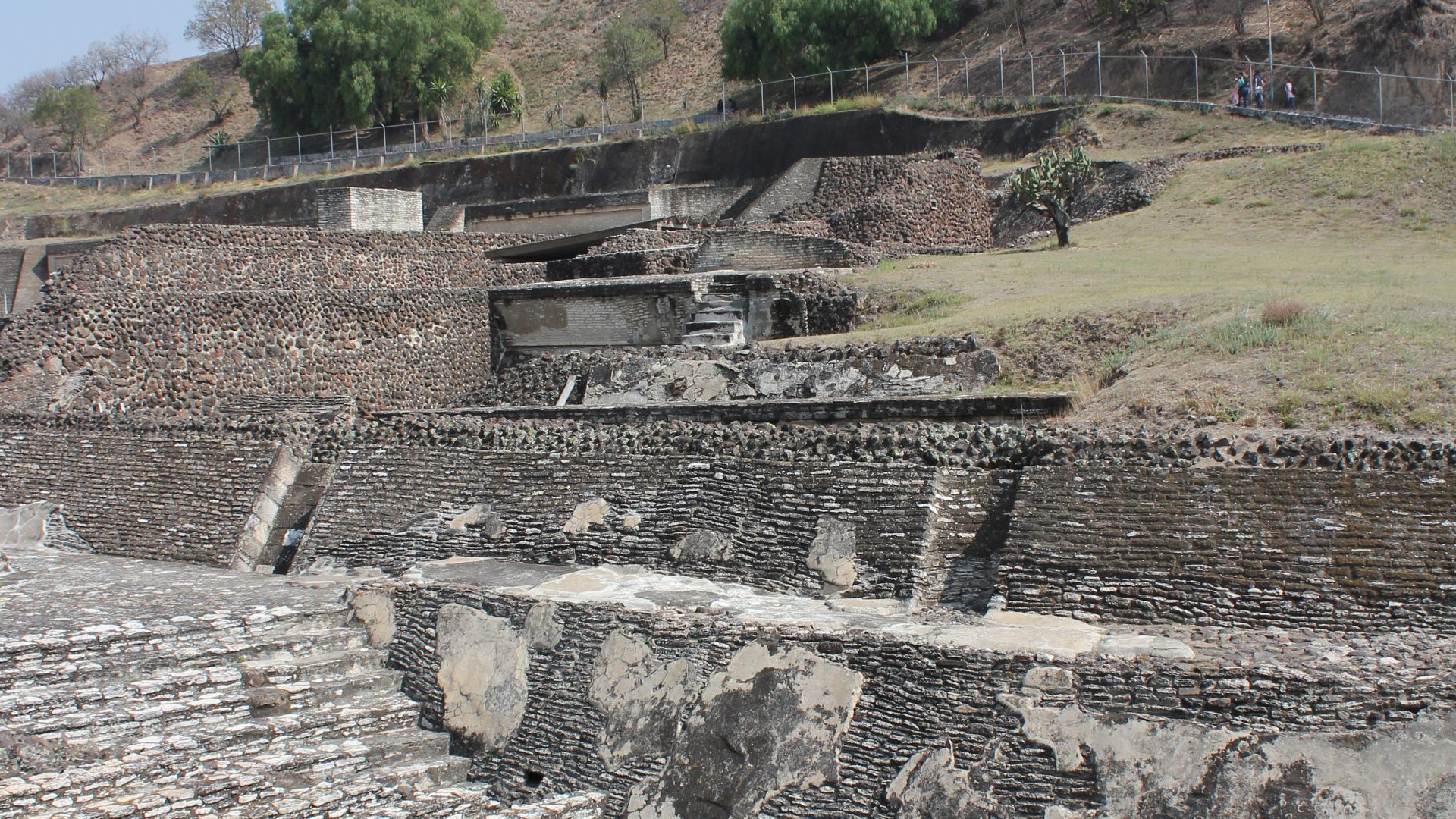
Another key difference is construction. Much of the pyramid was built using adobe bricks—sun-dried mud bricks—rather than solid stone. Over centuries, these materials gradually eroded, softening the once-stepped structure. In total, the monument likely contains millions of these adobe bricks.
 Arian Zwegers from Brussels, Belgium, Wikimedia Commons
Nature Slowly Covered It
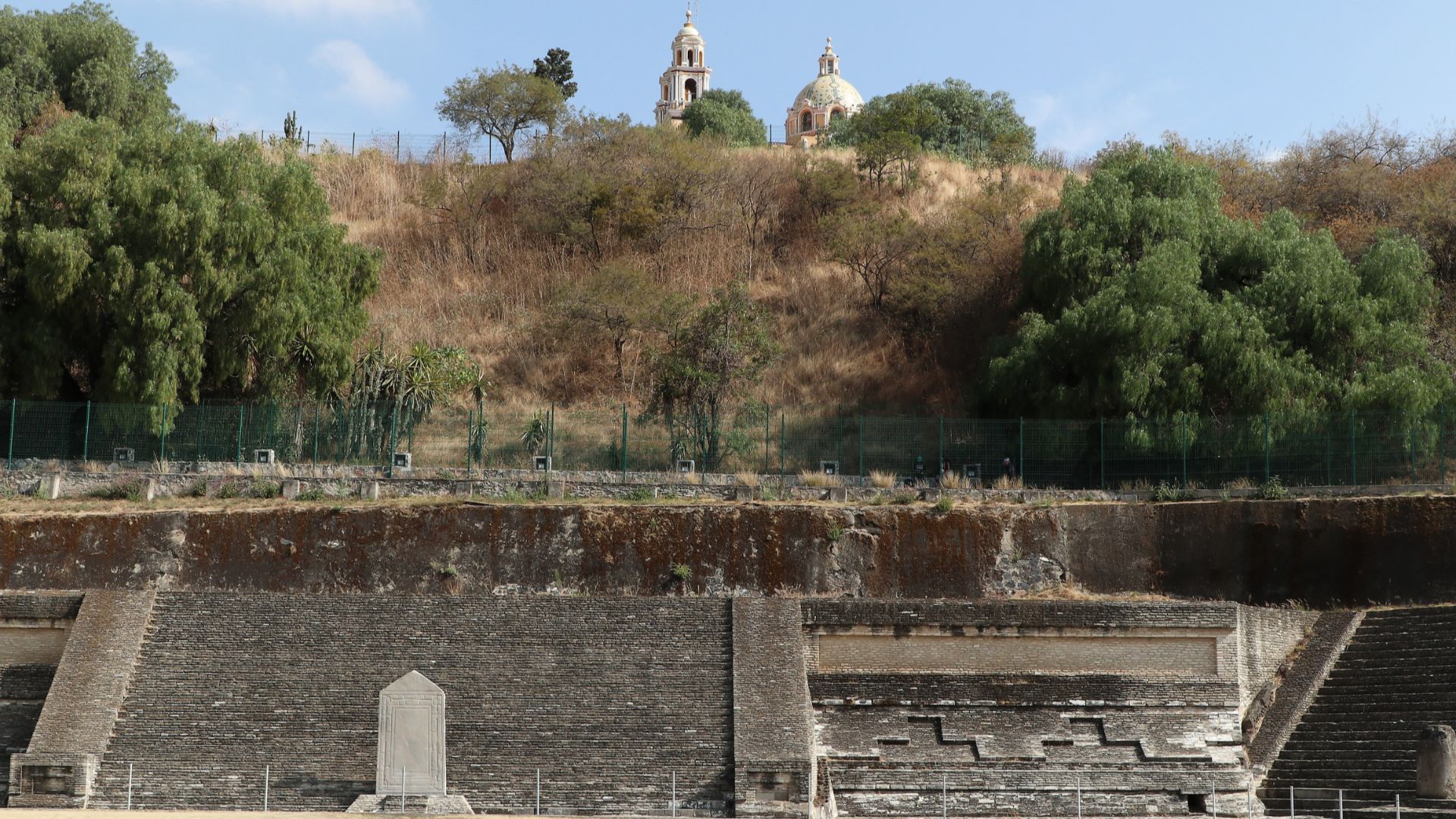
Wind, rain, and plant growth slowly covered the pyramid with soil. Grass and trees began spreading across its surface, disguising its original shape until the structure blended almost perfectly with the surrounding landscape.
 Burkhard Mücke, Wikimedia Commons
By The Time The Spanish Arrived
When Spanish conquistadors entered the region in the early 1500s, they encountered the large city of Cholula. But they never realized the enormous hill nearby was actually an ancient pyramid buried beneath centuries of earth.
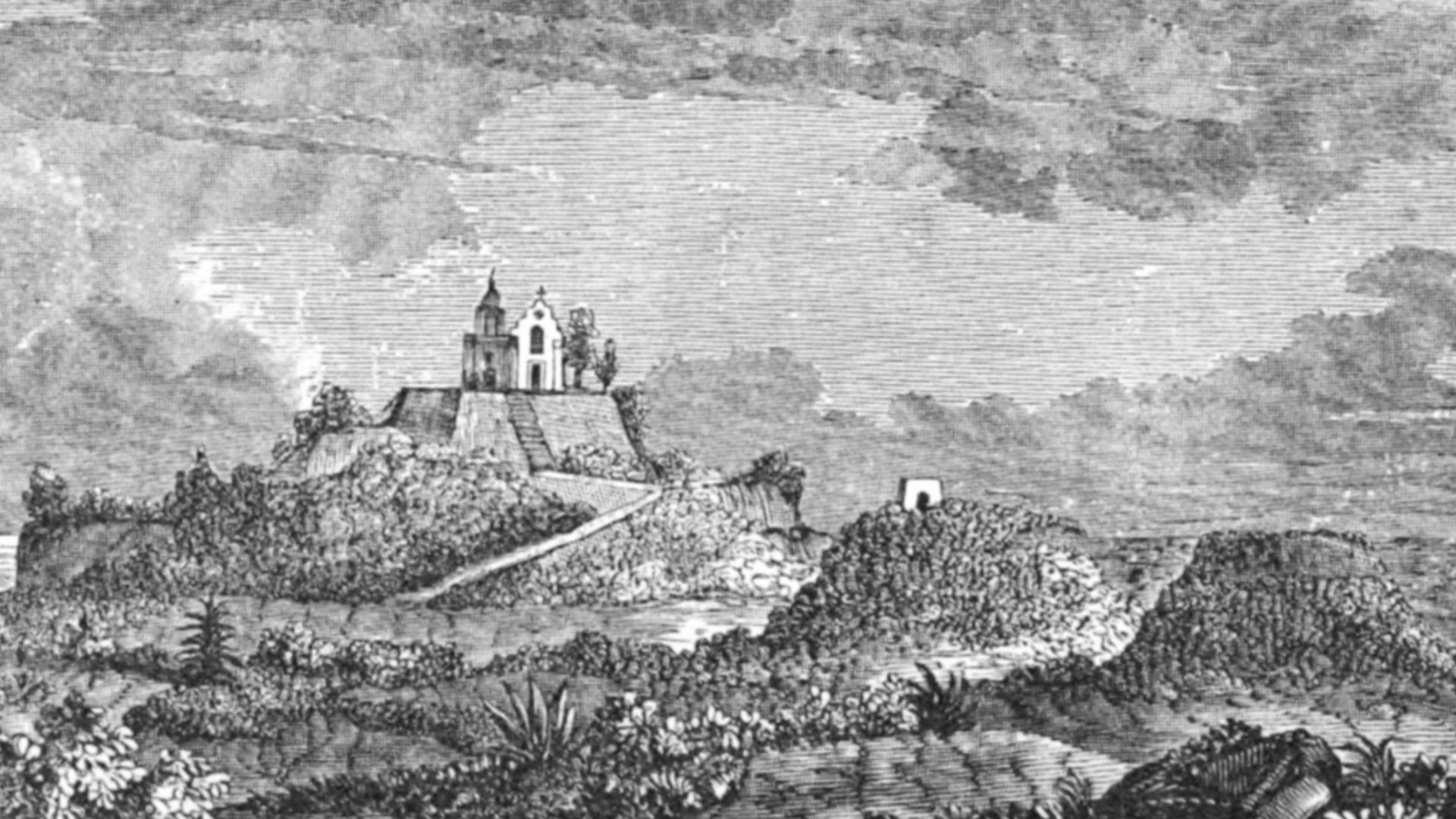 Brantz Mayer, Wikimedia Commons
A Church On Top Of The Pyramid
In 1594, the Spanish built a church on top of the hill. The church—Nuestra Señora de los Remedios—still stands there today, sitting directly on top of the ancient pyramid.
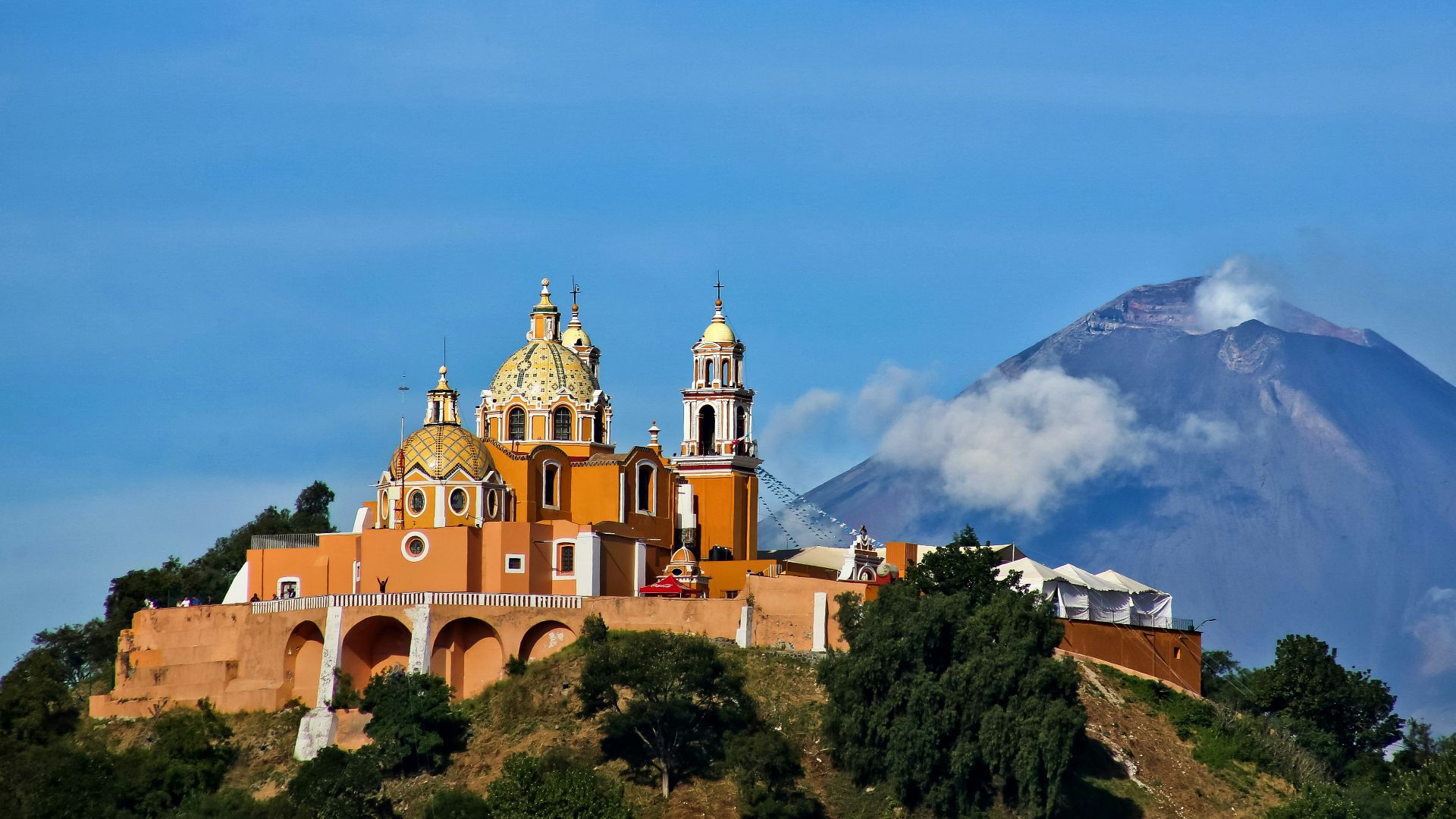
Visitors Still Walk Up It
Today visitors climb the hill to reach the church and enjoy sweeping views of the surrounding valley. Many never realize that the ground beneath their feet is actually the largest pyramid ever built.
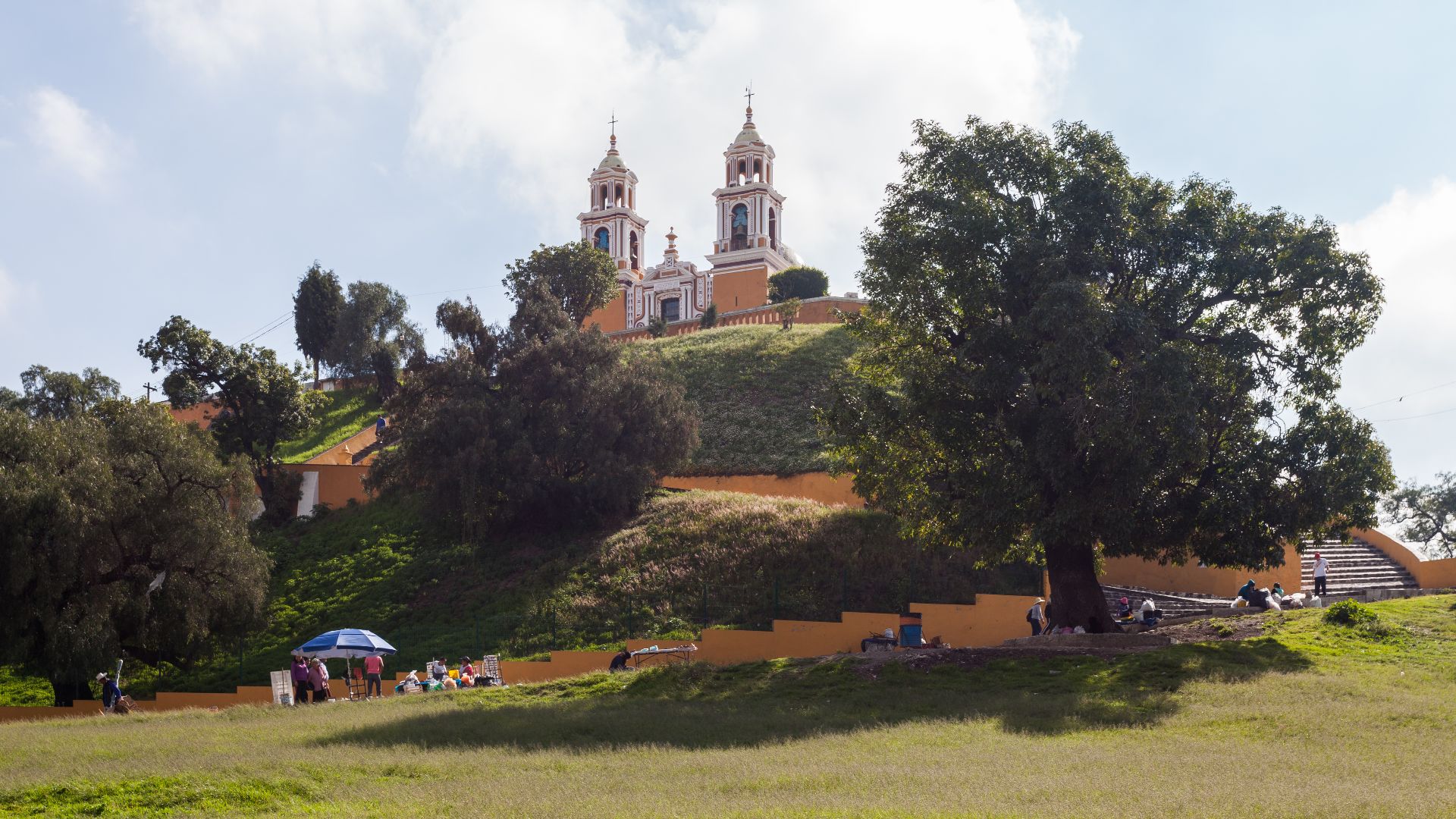 Diego Delso, Wikimedia Commons
A Sacred City Long Before Europeans
Long before Europeans arrived, the area around modern-day Cholula, Mexico was already a thriving city. At its peak, historians estimate the population may have reached 100,000 people, making it one of the largest cities anywhere in the Americas at the time.
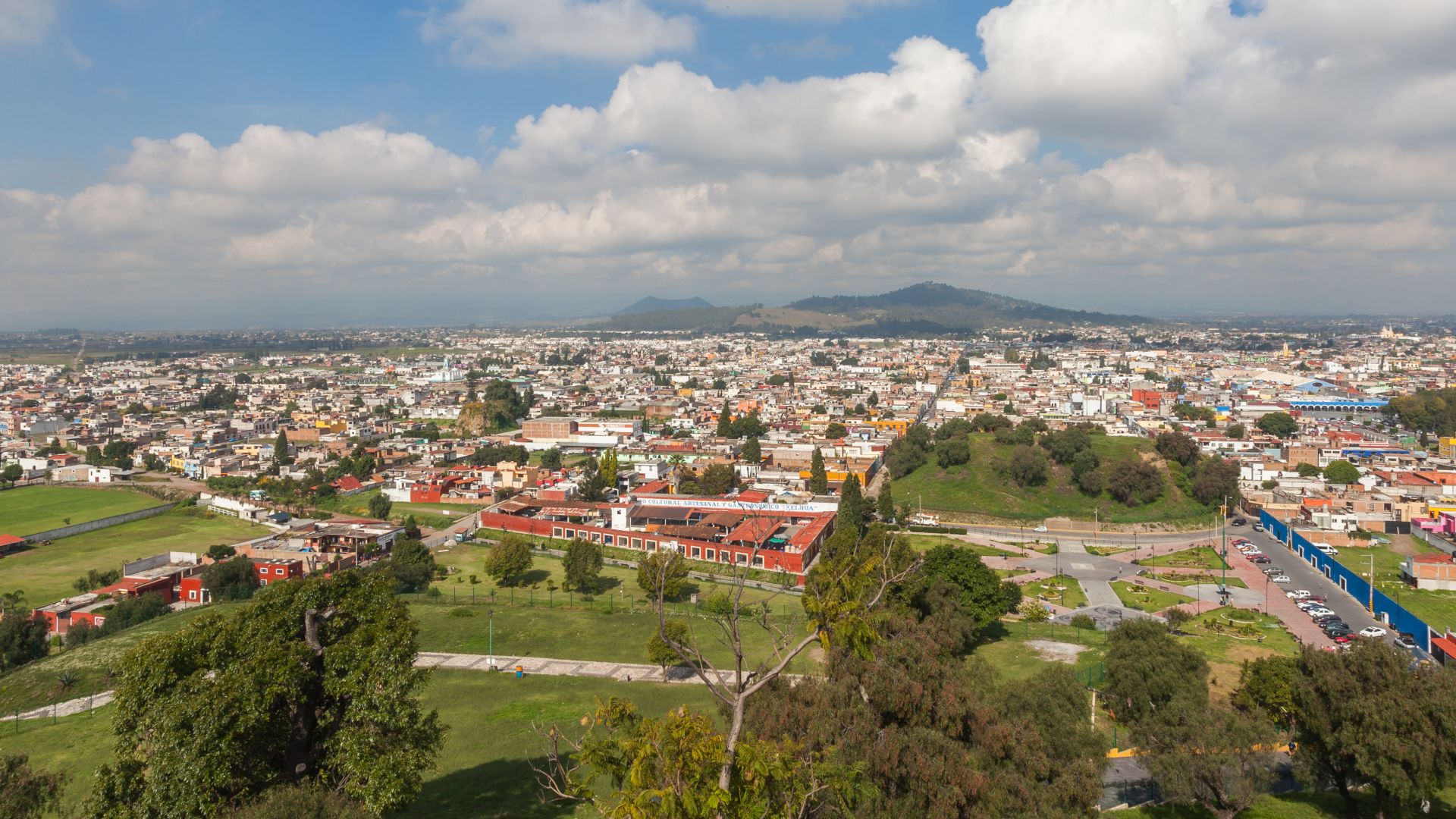 Diego Delso, Wikimedia Commons
Archaeologists Started Investigating
Serious archaeological work began in the early 20th century when researchers suspected the hill might not be natural. Their investigations soon revealed the enormous structure hidden beneath the soil.
 Steve Shook from Moscow, Idaho, USA, Wikimedia Commons
Tunnels Through The Pyramid
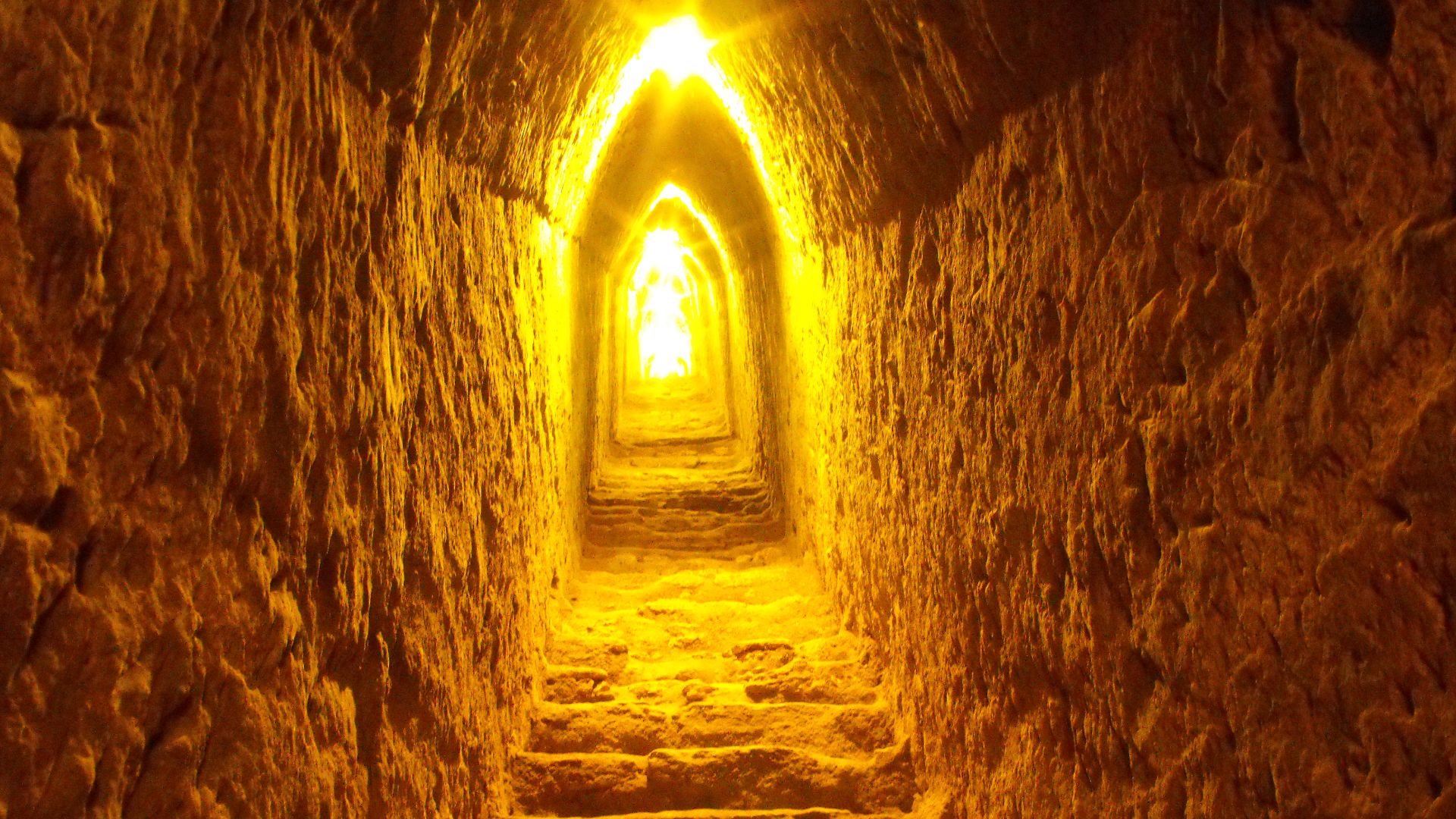
Beginning in the 1930s, archaeologists dug tunnels through the structure to study it. Eventually they created nearly 8 kilometers (about 5 miles) of tunnels running through the pyramid’s interior.
Several Pyramids Inside One
Those tunnels revealed something remarkable: the monument isn’t just one pyramid. Instead, it contains multiple pyramids built inside one another, each created by expanding the structure over earlier versions.
 AlejandroLinaresGarcia, Wikimedia Commons
A Center Of Ancient Worship
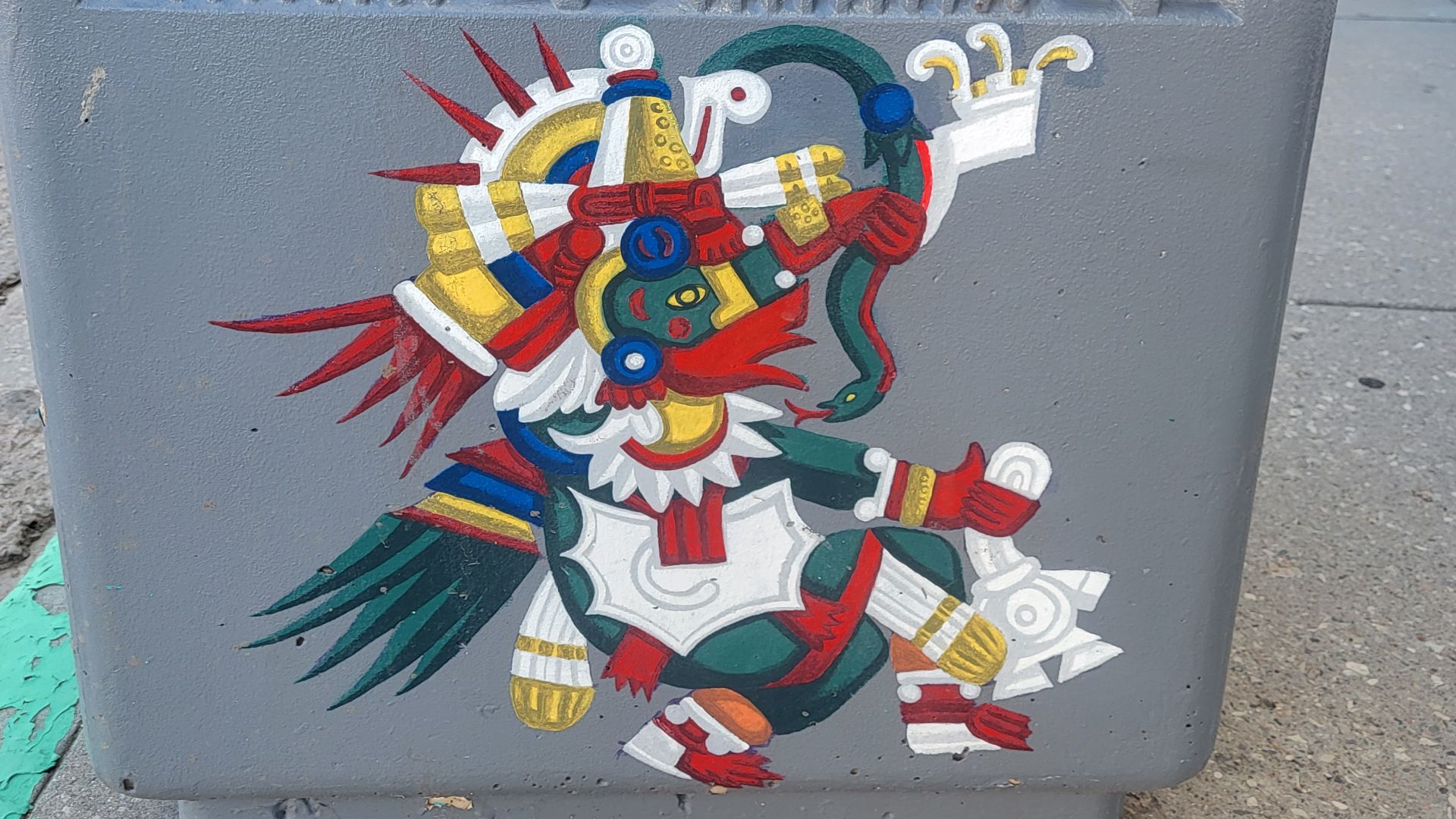
Historians believe the pyramid was dedicated to Quetzalcoatl, the feathered serpent deity worshipped by several Mesoamerican cultures. Pilgrims likely traveled from surrounding regions to take part in ceremonies held at the site.
 Alvickers03, Wikimedia Commons
A City Filled With Temples
Ancient Cholula was famous for its religious architecture. Some historians say the city once contained dozens of pyramids and temples, making it one of the most important ceremonial centers in ancient Mexico.
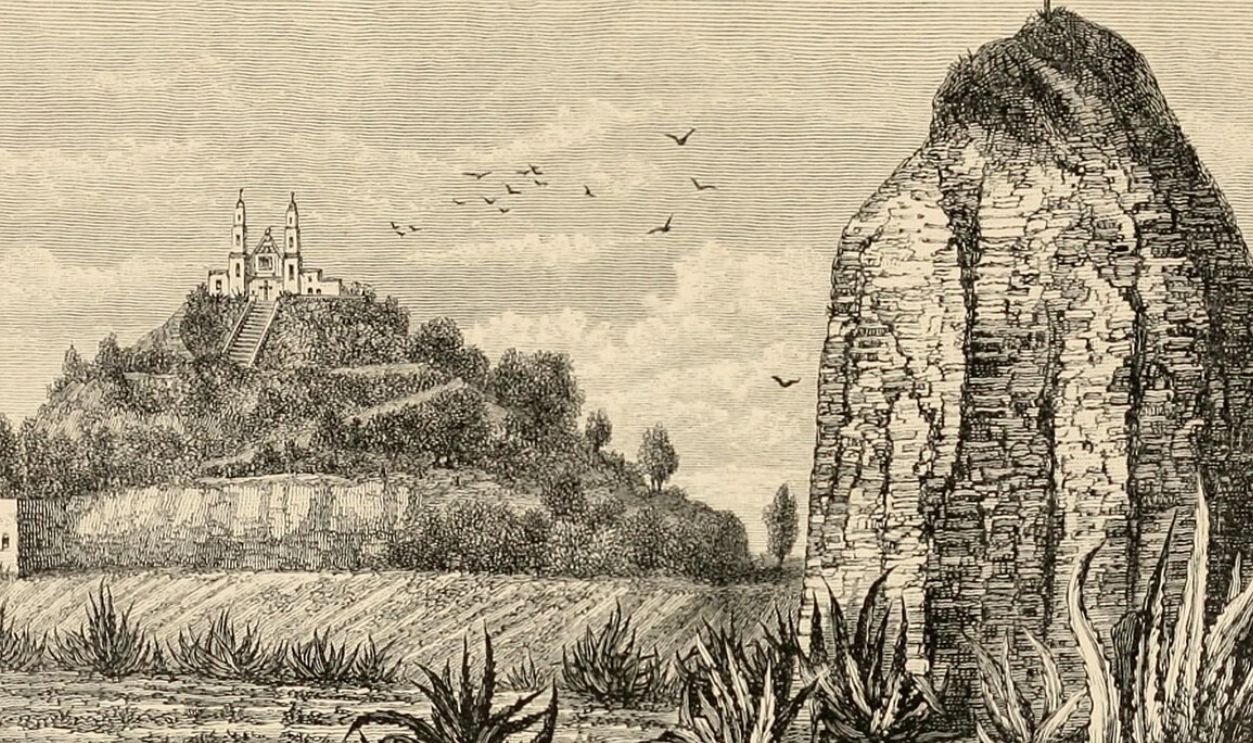 Internet Archive Book Images, Wikimedia Commons
A View Of A Giant Volcano
From the top of the pyramid, visitors can see Popocatépetl, a massive volcano rising over 17,000 feet and still considered one of Mexico’s most active volcanoes.
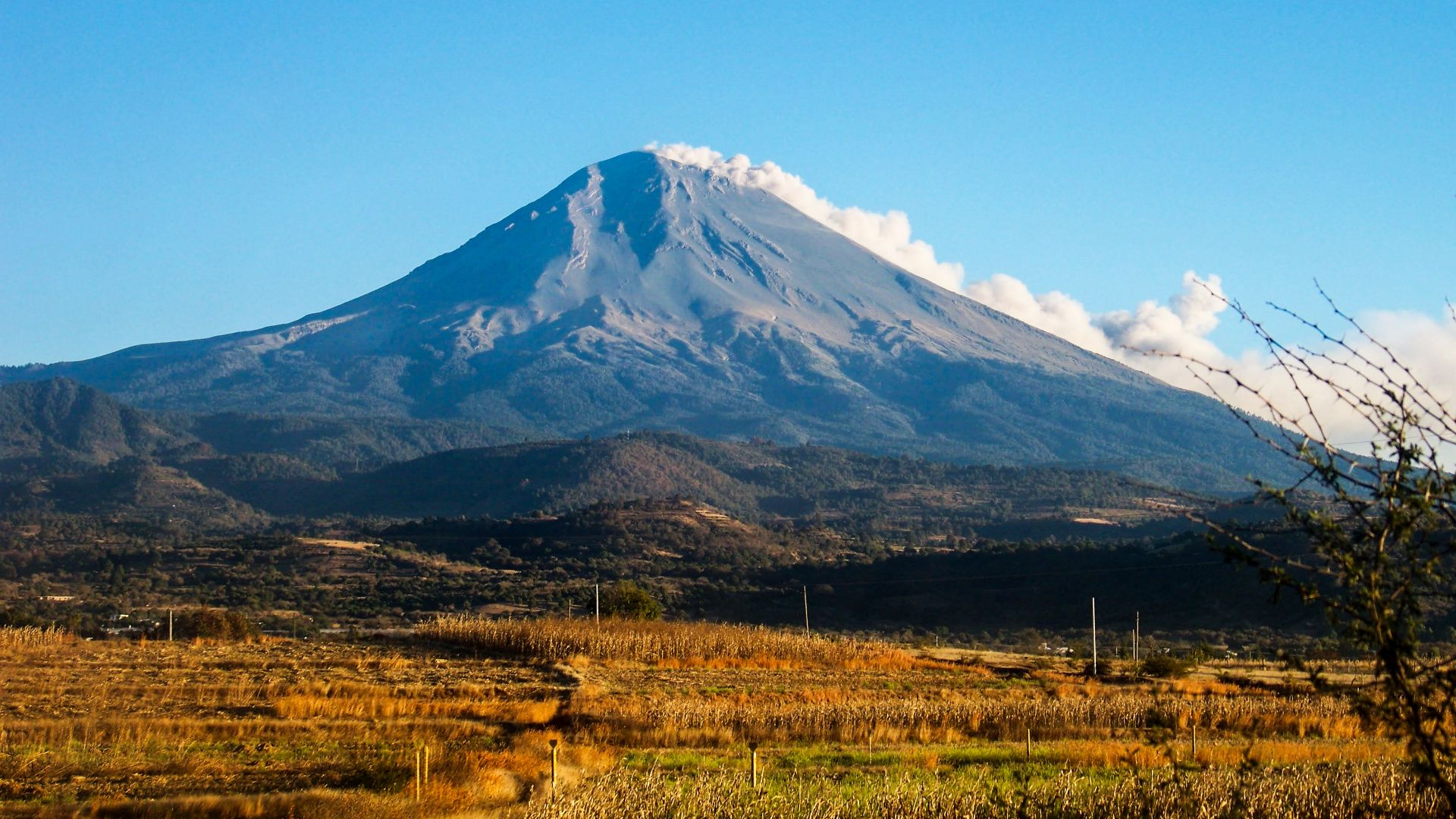 Metrocamell, Wikimedia Commons
Still Partially Hidden
Even today, large sections of the pyramid remain buried and unexcavated. Archaeologists continue studying the site, and parts of the structure are still hidden beneath soil and vegetation.
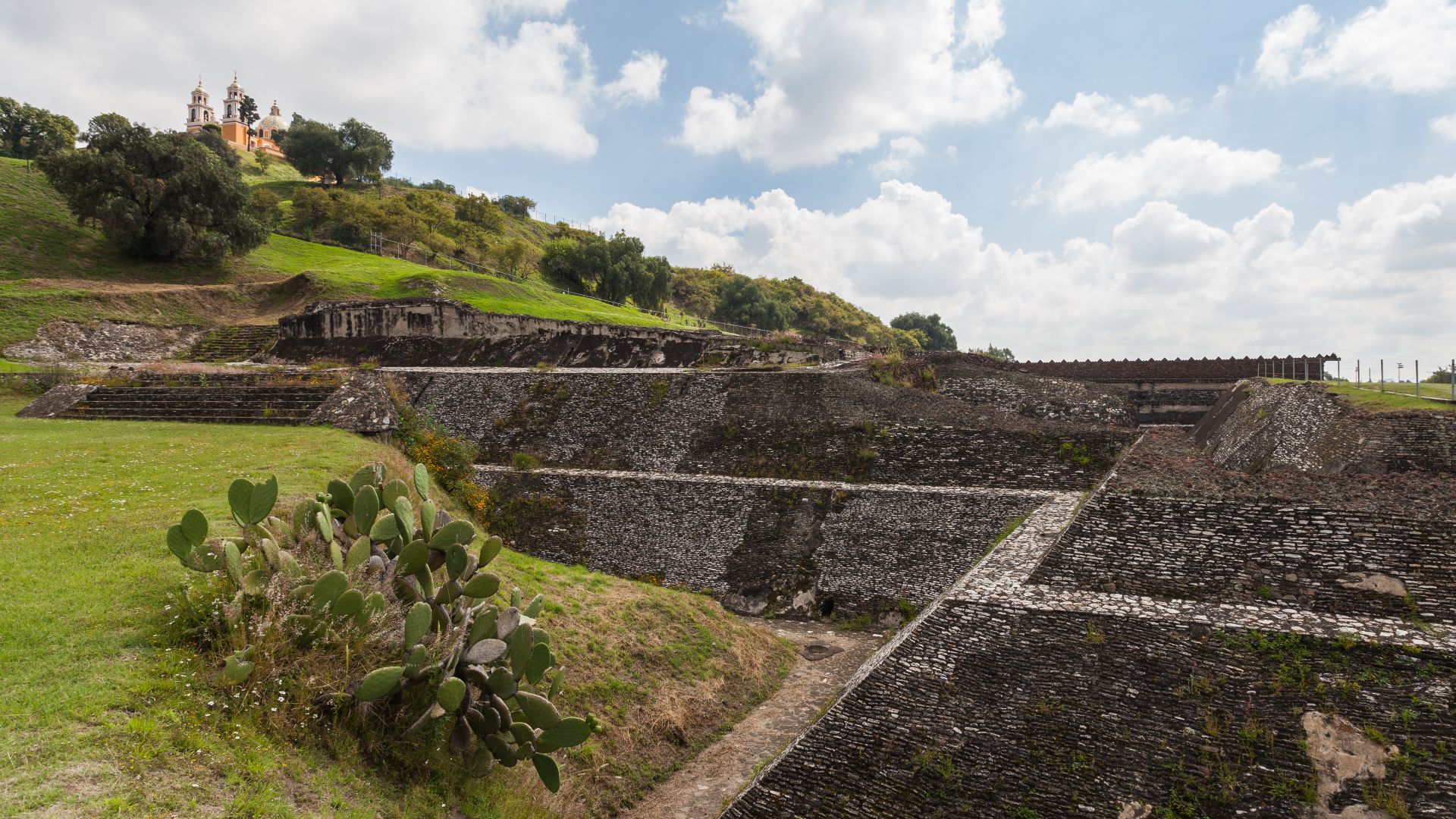 Diego Delso, Wikimedia Commons
The Pyramid People Walk Past
Today it appears to be a peaceful hill with a church on top. Grass covers the slopes and visitors wander the paths. But beneath that hill lies a structure nearly twice the volume of the Great Pyramid of Giza—and most people walk right past it without realizing.
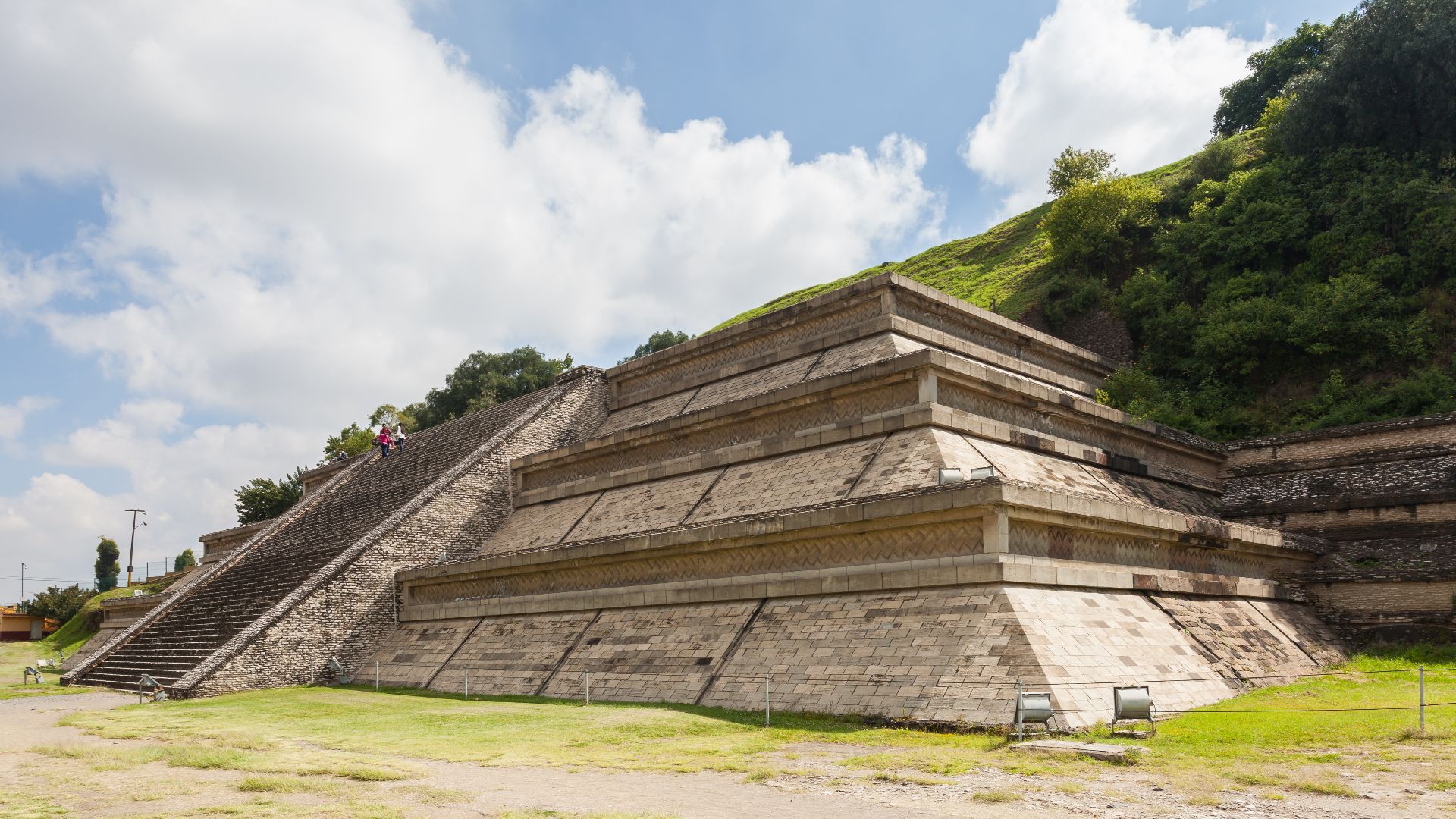 Diego Delso, Wikimedia Commons
You Might Also Like:
They Sealed 8 Humans Inside A “Fake Earth” For Two Years—And It Didn’t Go As Planned


_(14781744455).jpg)
_(14779592371).jpg)