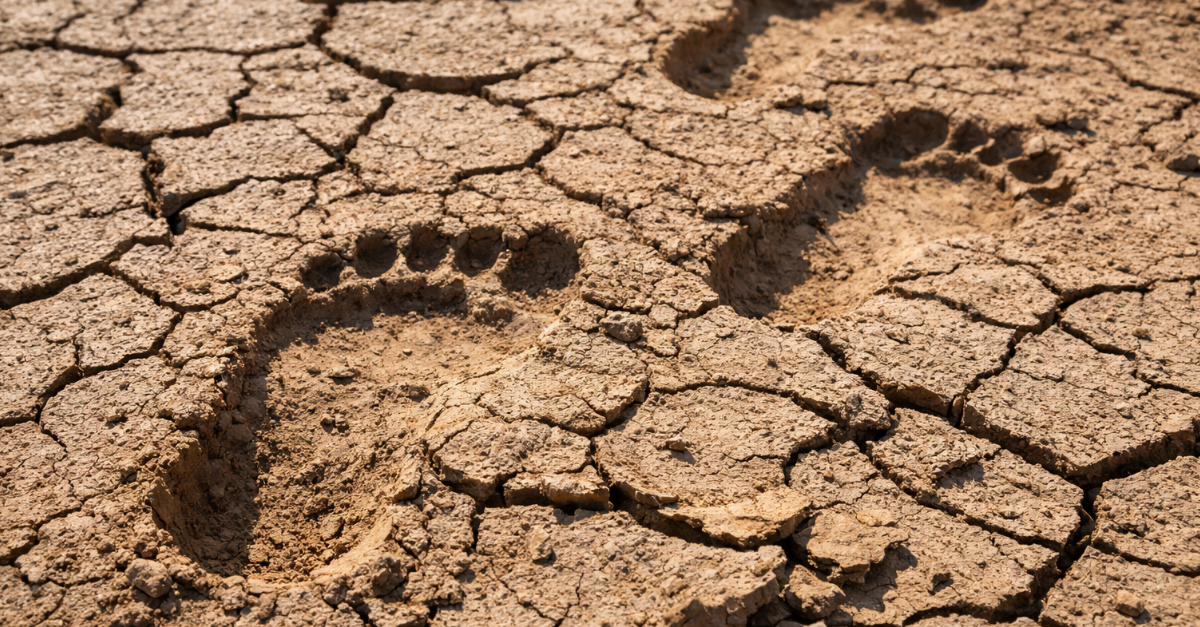
A Discovery That Wasn’t Expected
Archaeologists studying this ancient lakebed in Saudi Arabia’s Nefud Desert weren’t looking for evidence of early humans, because based on current science, there shouldn’t have been any. But what they found is now reshaping what scientists thought they knew about early human history.
Why These Footprints Matter Immediately
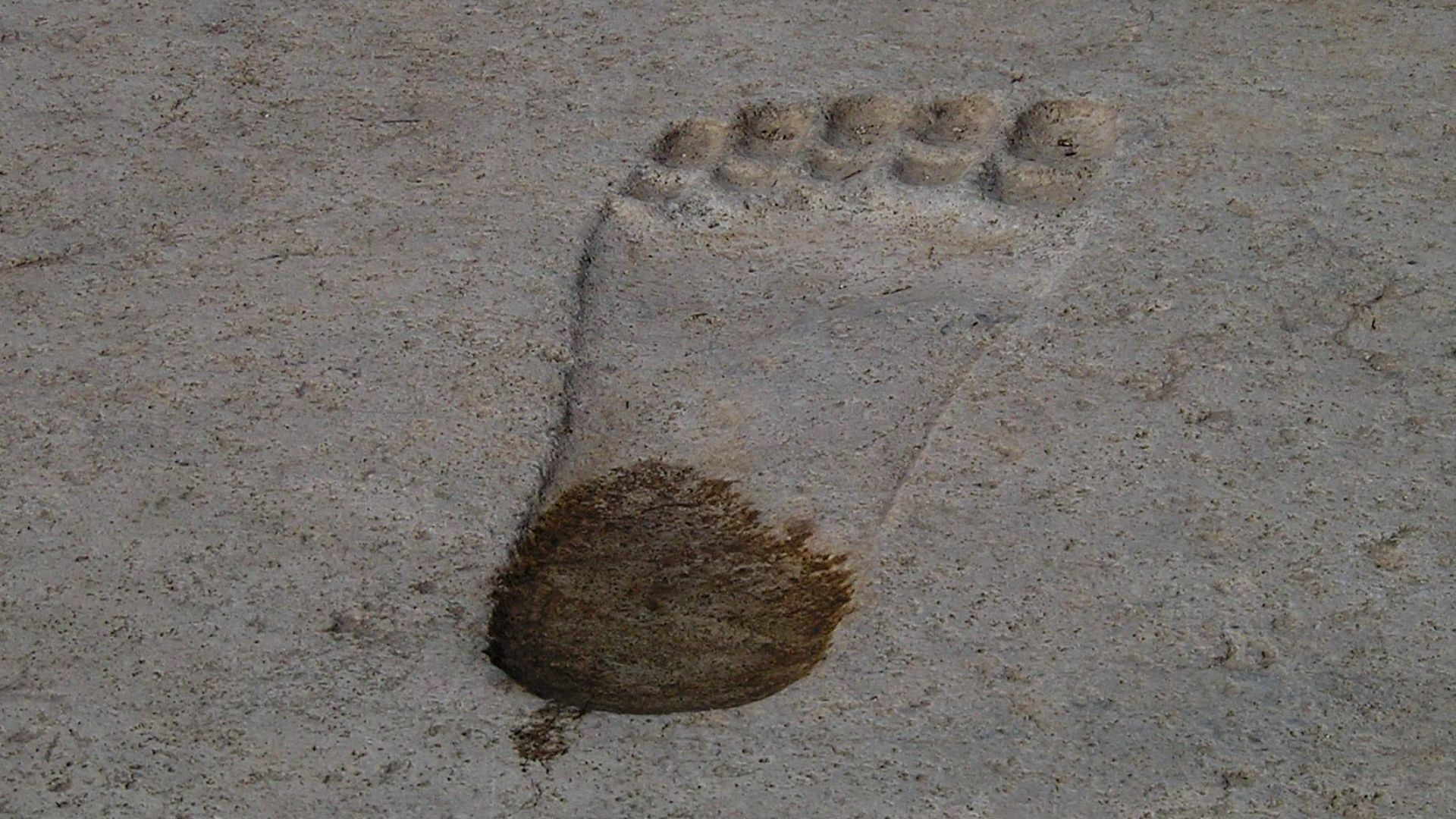
The footprints were dated to roughly 115,000 years ago, placing them far earlier than most accepted timelines for humans moving through this region. For decades, Arabia was viewed as an environmental barrier rather than a realistic route for early human movement.
 Verity Cridland, Wikimedia Commons
Not Tools or Bones—Actual Footsteps
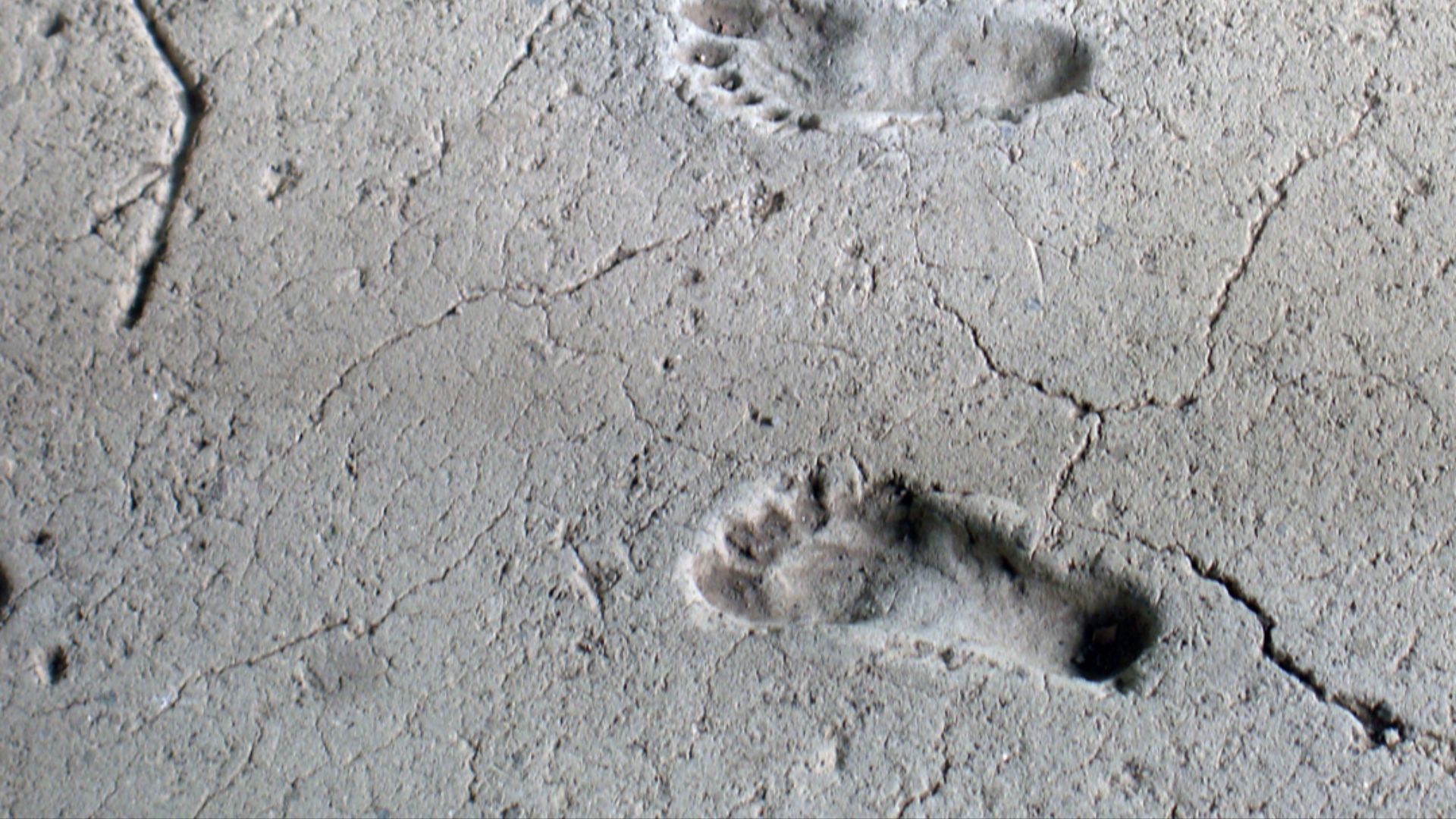
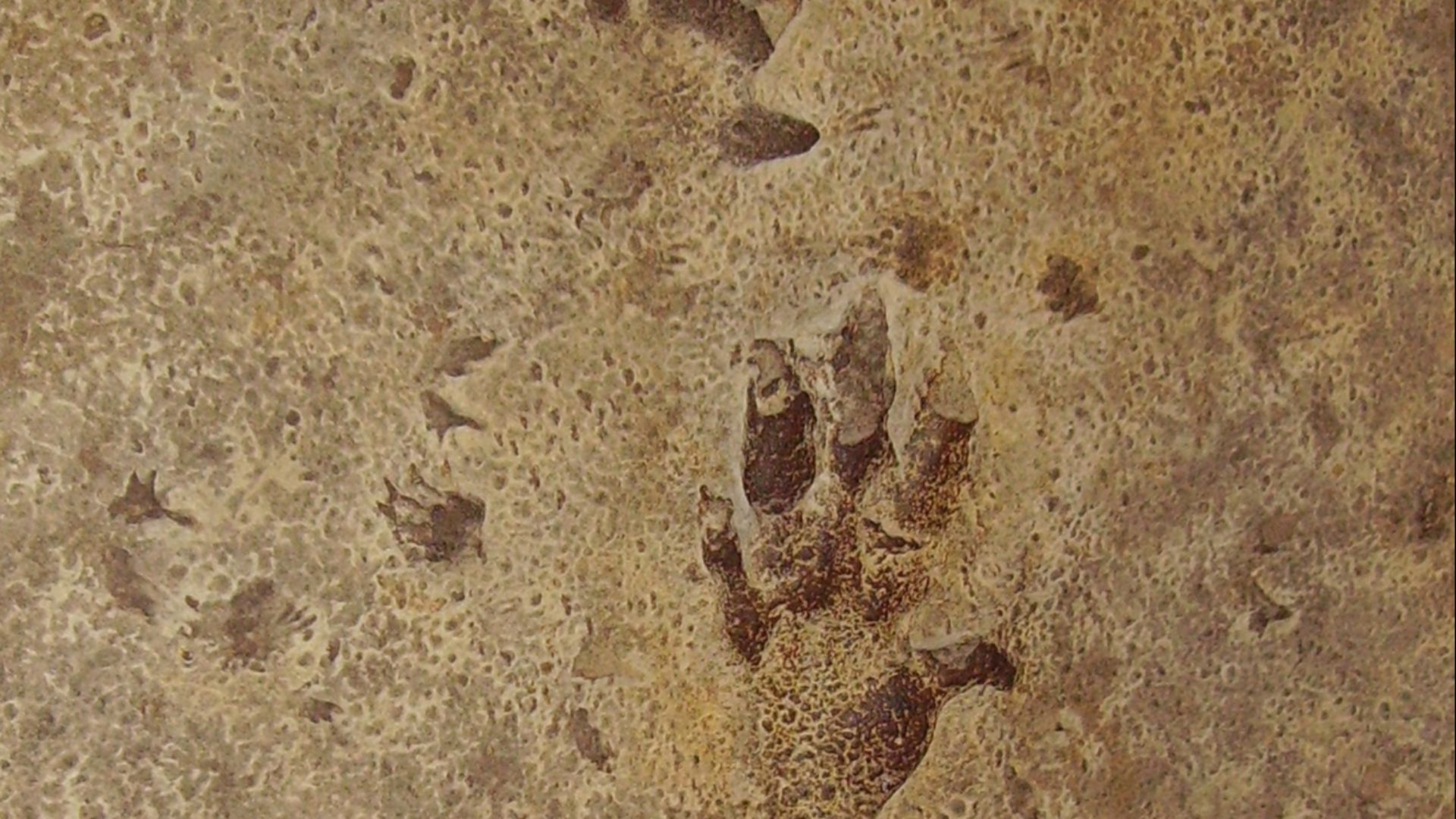
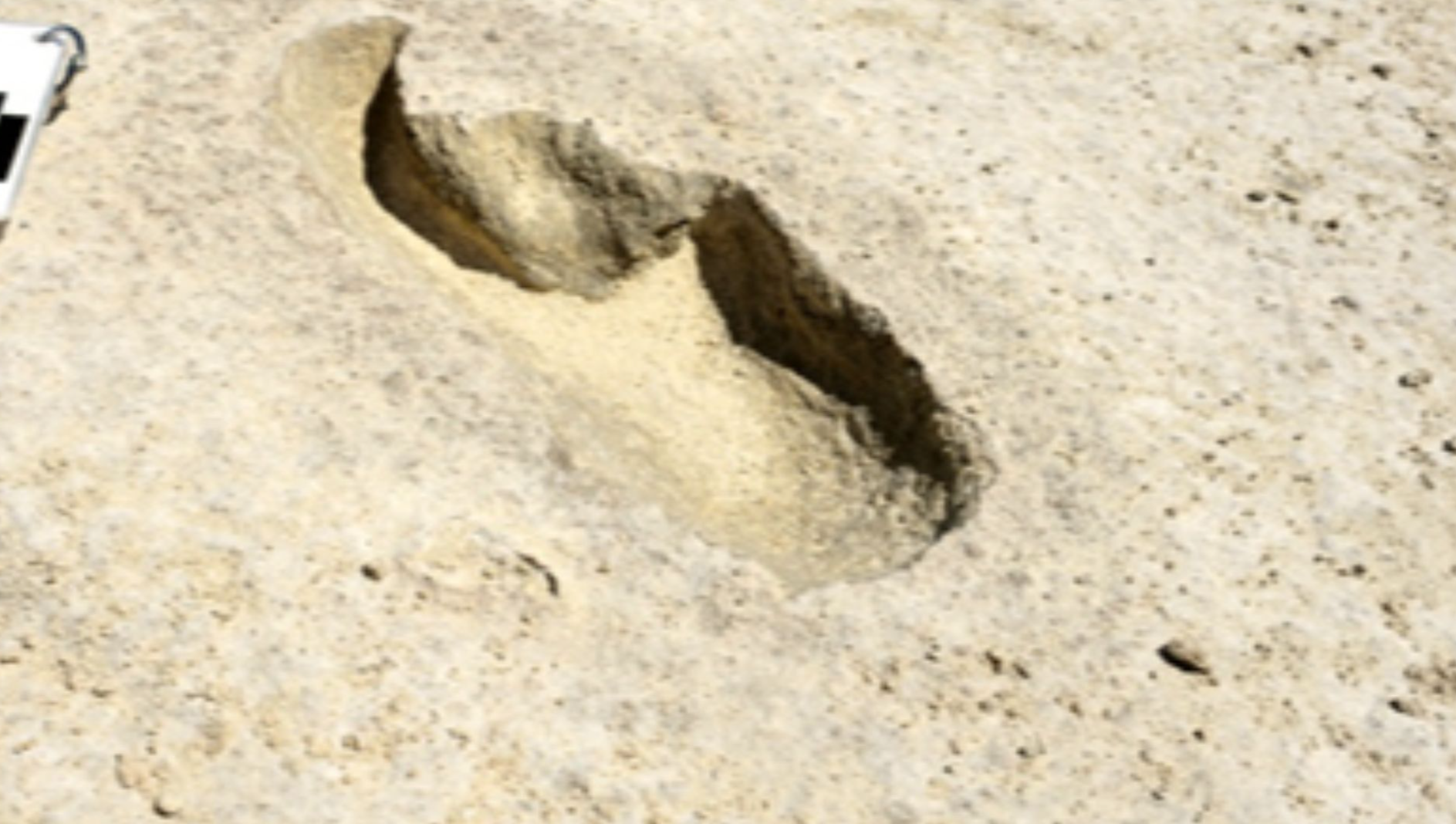
Footprints are rare because they only form and survive under specific conditions. Unlike tools or fossils, they record a precise moment. They show people physically present at a location, rather than behavior inferred from objects that could have been moved later.
 Dr d12 at English Wikipedia (Original text: Dr d12), Wikimedia Commons
Where the Footprints Were Found
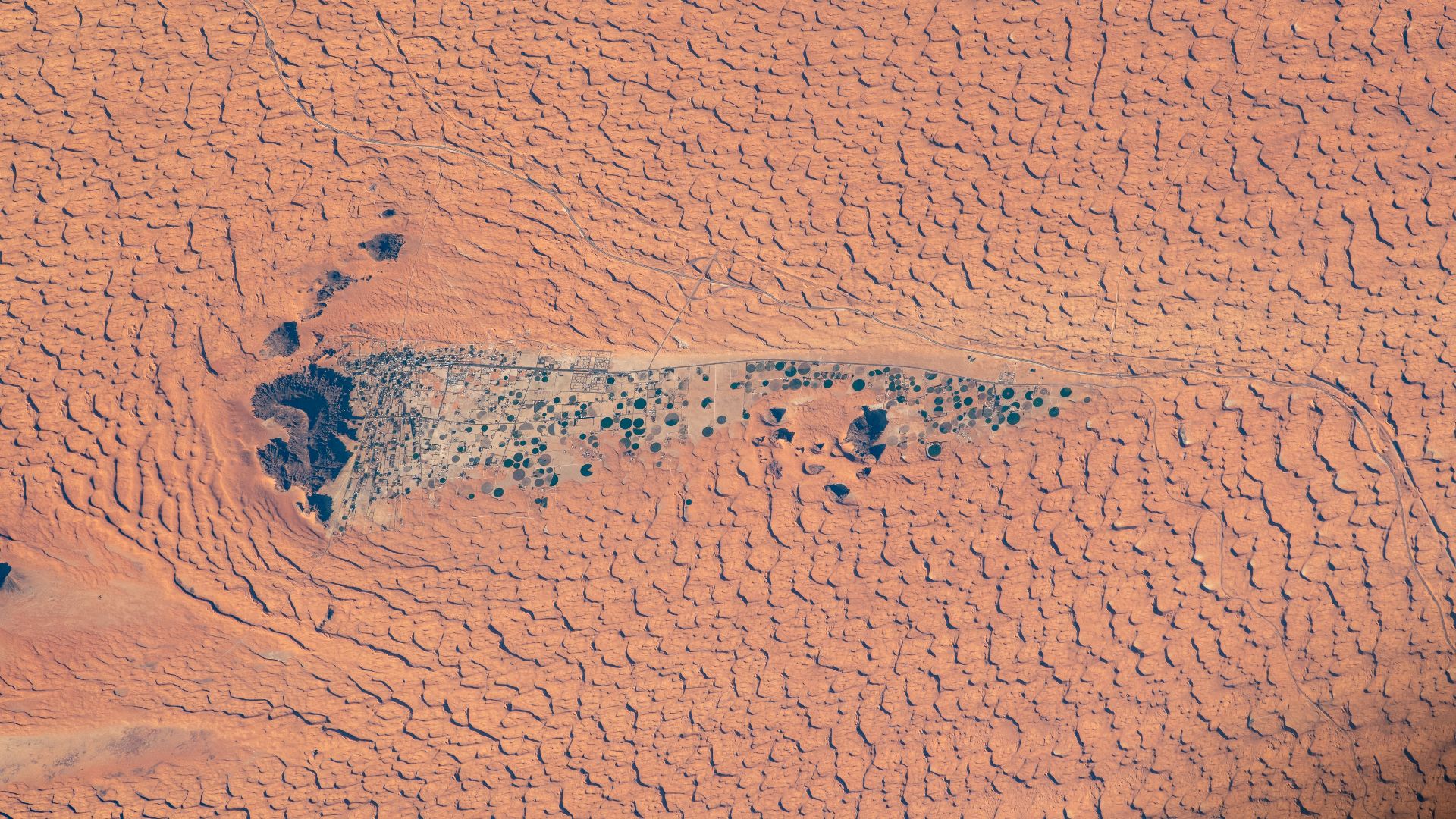
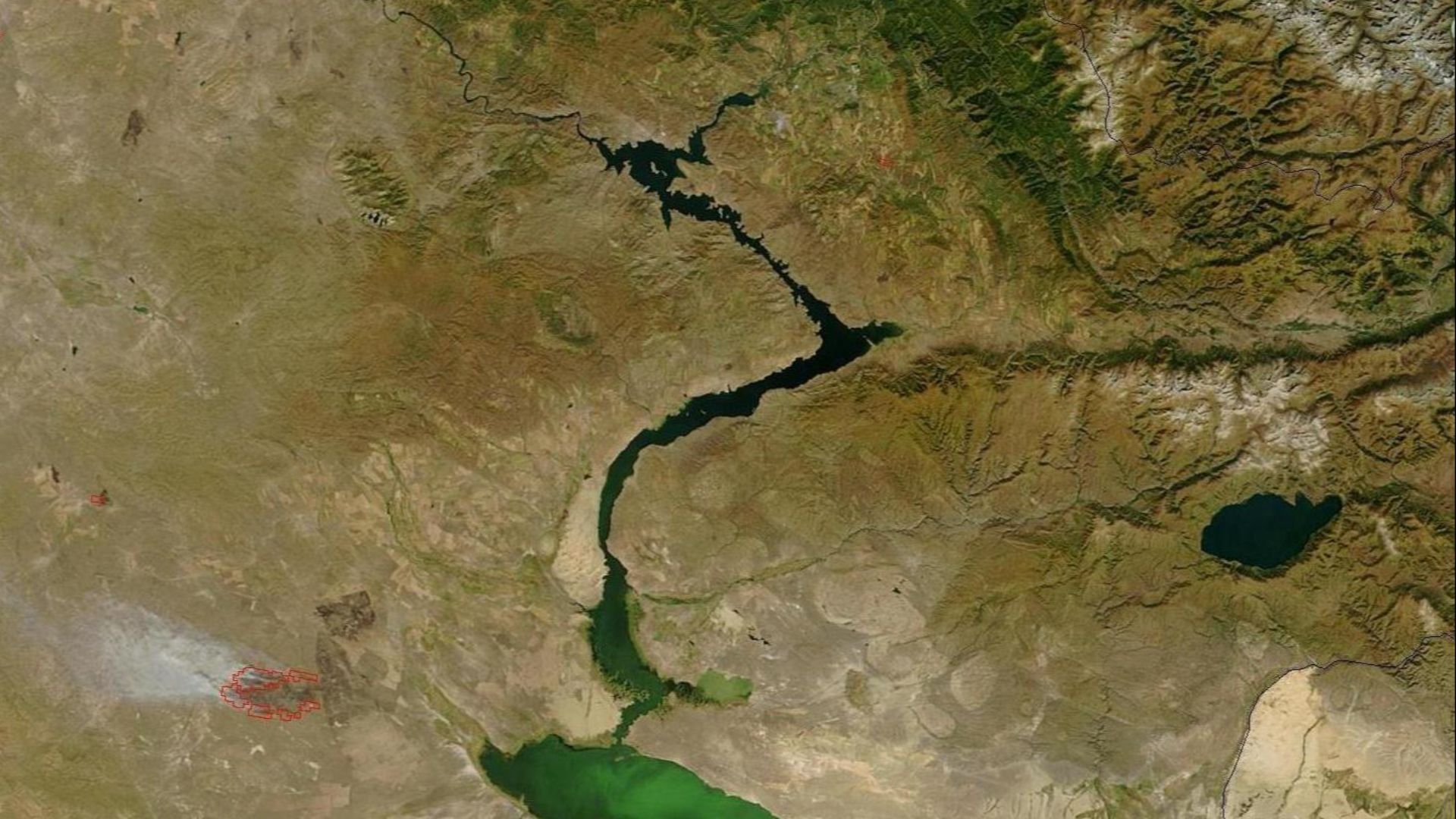
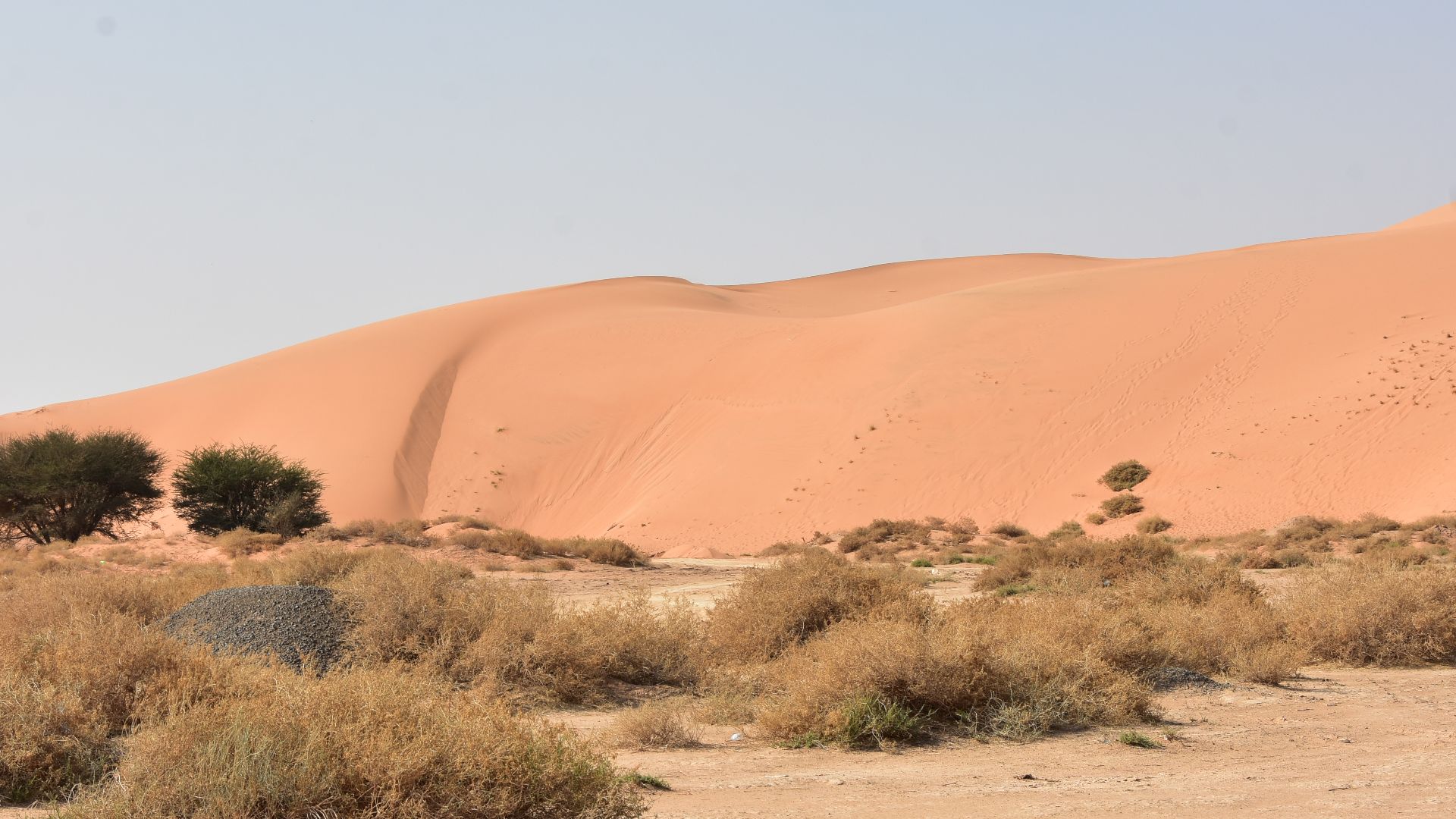
The prints were uncovered at Alathar Lake, now a dry lakebed in the western Nefud Desert. Geological evidence shows the lake once held freshwater, vegetation, and wildlife, making it a temporary but important stop during wetter climate periods.
How Scientists Determined Their Age
Researchers used optically stimulated luminescence dating on surrounding sediments. This technique measures when mineral grains were last exposed to sunlight, allowing scientists to securely place the footprints within the last interglacial period.
 GeoGammaMorphologe, Wikimedia Commons
They Weren’t Alone Near the Water
Human footprints were found alongside tracks from elephants, camels, horses, and large carnivores. This confirms the lake was part of a thriving ecosystem and not an isolated water source visited only by humans.
 Ballista at English Wikipedia, Wikimedia Commons
What the Footprints Reveal About the People
The size, spacing, and distribution of the prints suggest multiple individuals moved across the lakeshore together. Some smaller impressions may indicate children, pointing toward social groups or families rather than lone individuals.
Evidence of Movement, Not Settlement
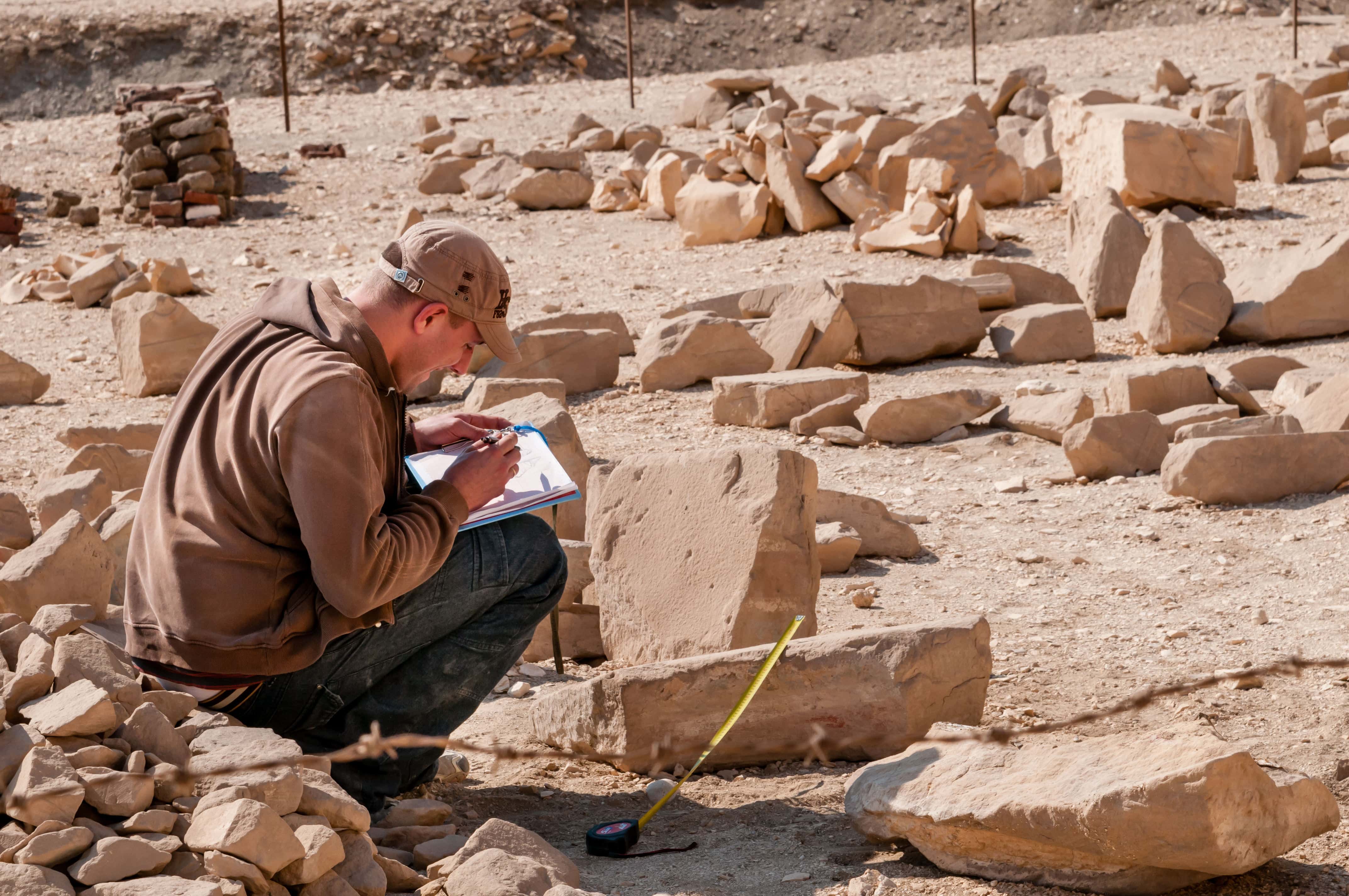
No tools, hearths, or long-term habitation remains were found nearby. Researchers believe the footprints represent a brief visit during favorable climate conditions, rather than permanent settlement in the region.
 Richard Mortel, CC BY 2.0, Wikimedia Commons
Why Arabia Was Long Considered Empty
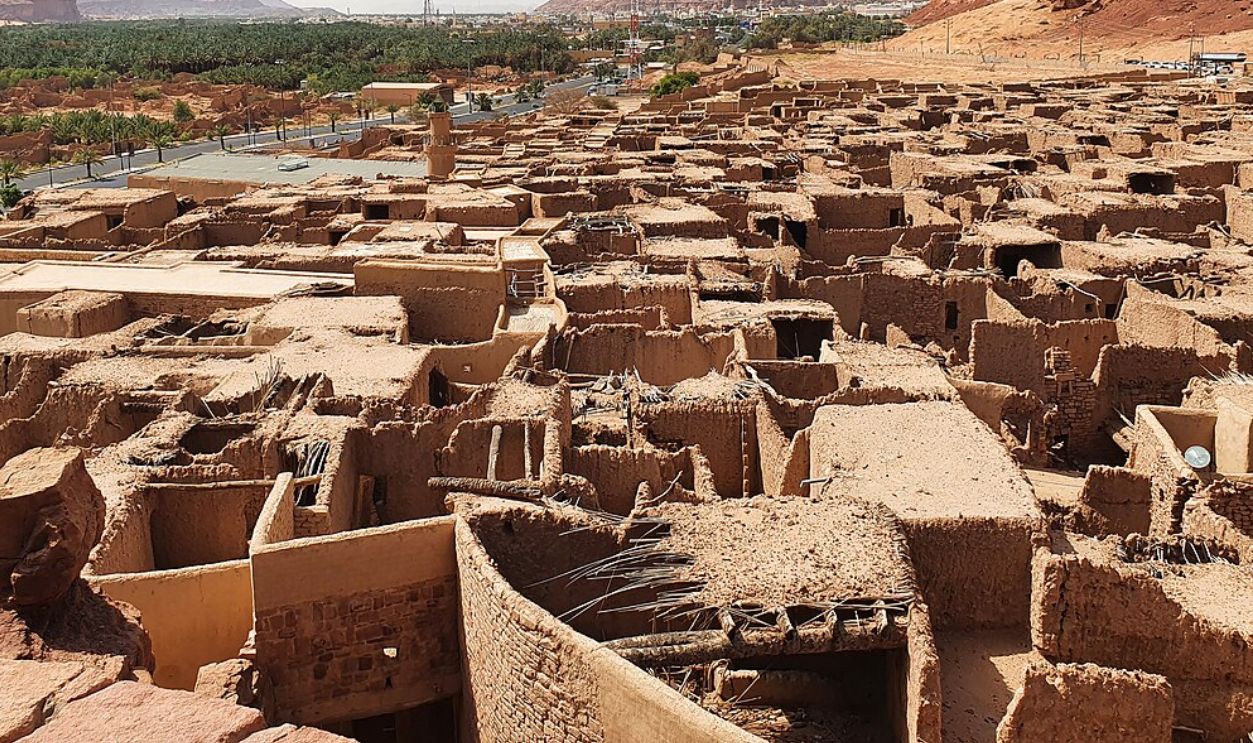
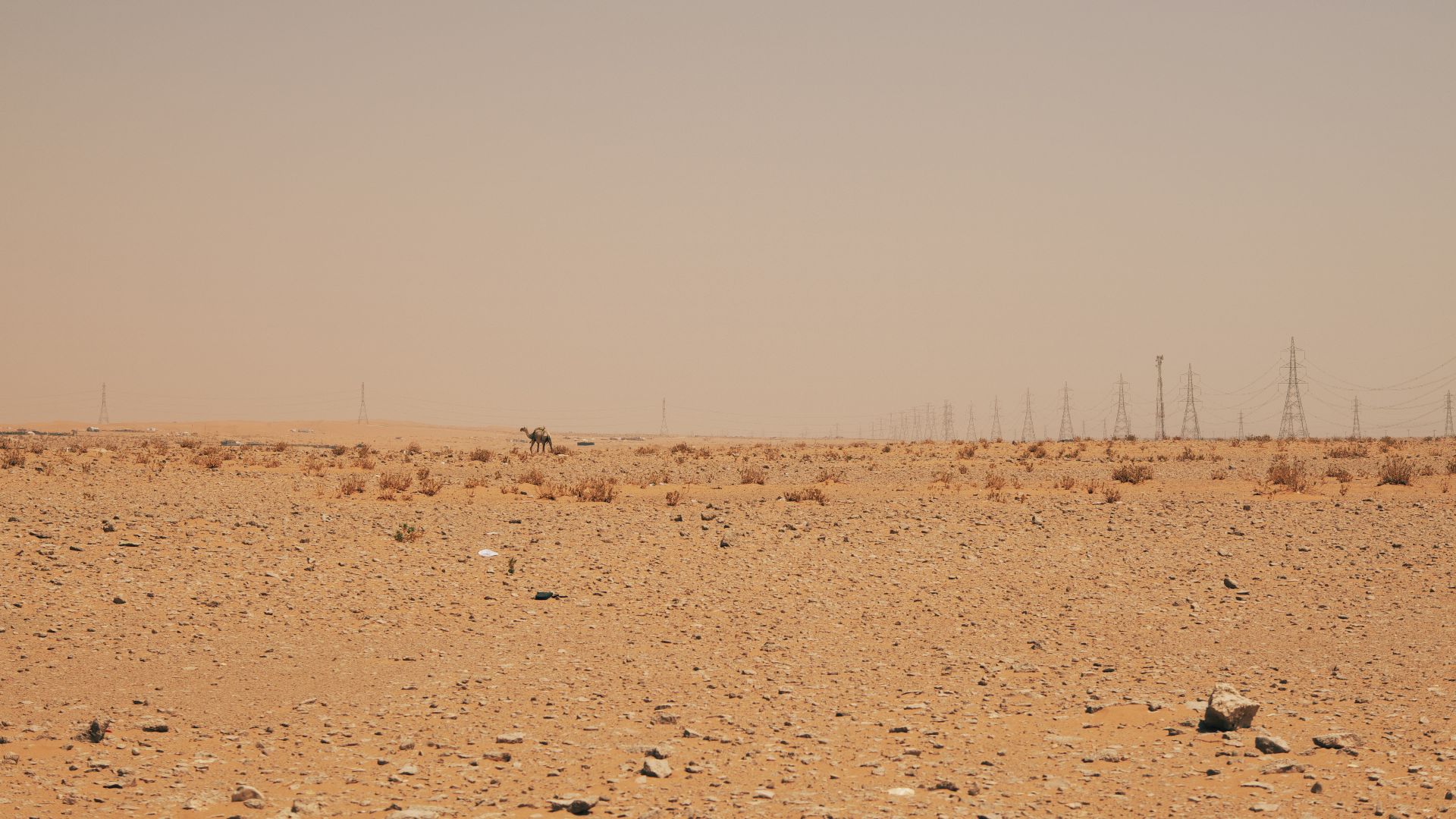
Early migration models were heavily influenced by Arabia’s modern desert climate. Because the region is extremely arid today, it was assumed to have been similarly inhospitable in the deep past.
 Meshari Alawfi, Wikimedia Commons
Climate Changes Rewrote the Landscape
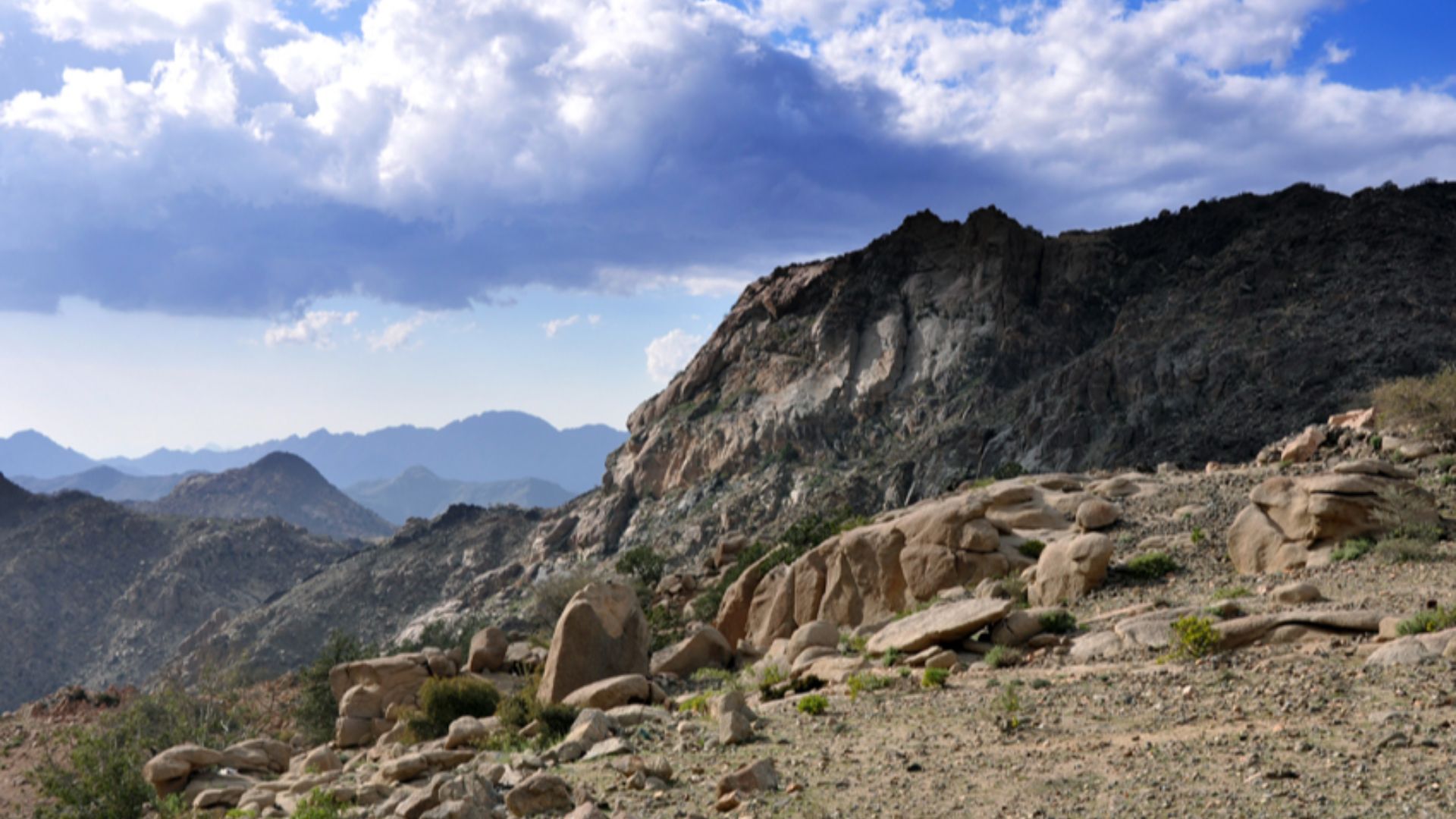
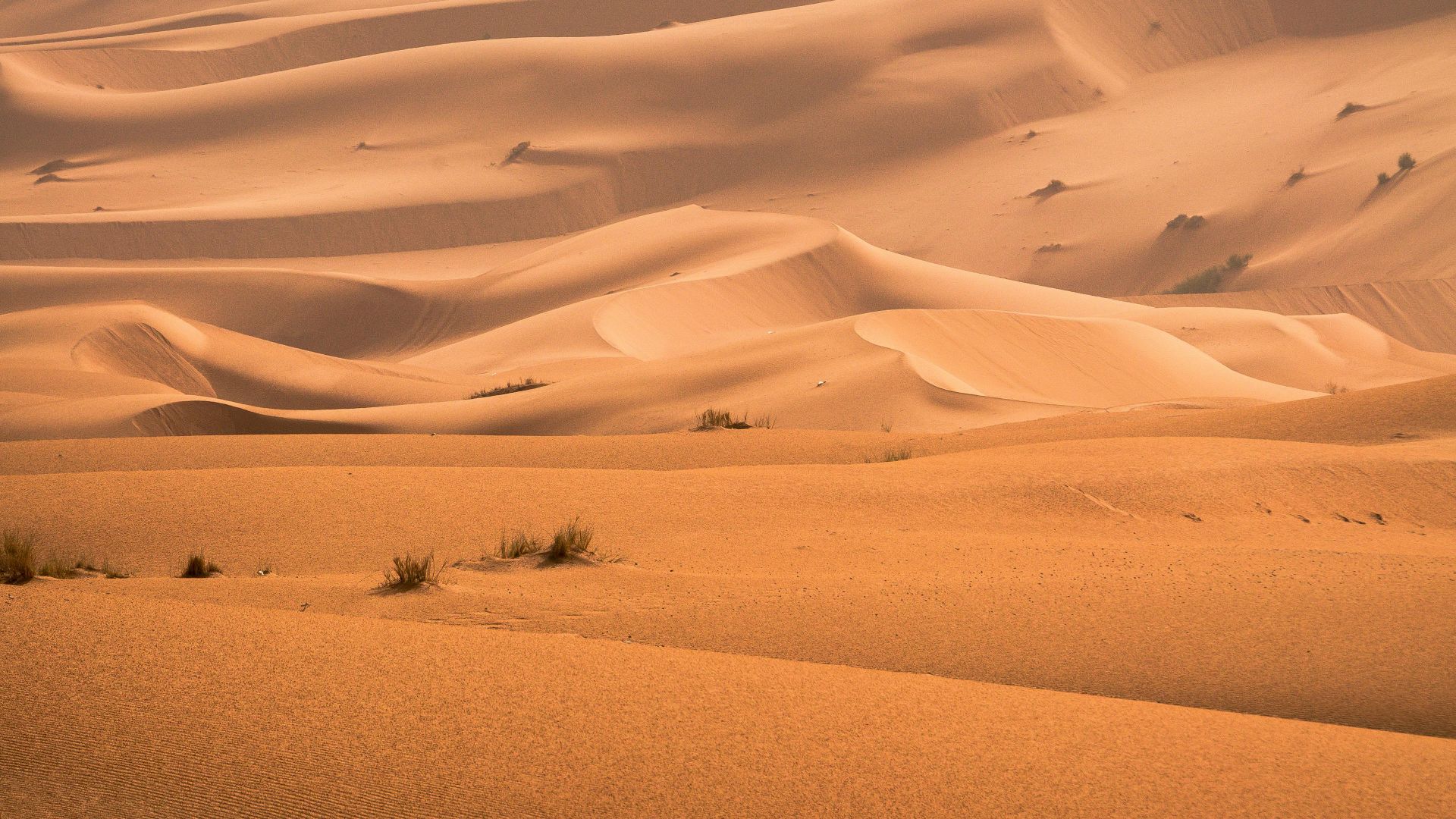
Paleoclimate research shows Arabia experienced repeated wet phases. During these periods, rainfall increased, lakes formed, and grasslands spread, temporarily opening routes early humans could use to travel beyond Africa.
 Ziyad Khader, Wikimedia Commons
What Researchers Say About the Find
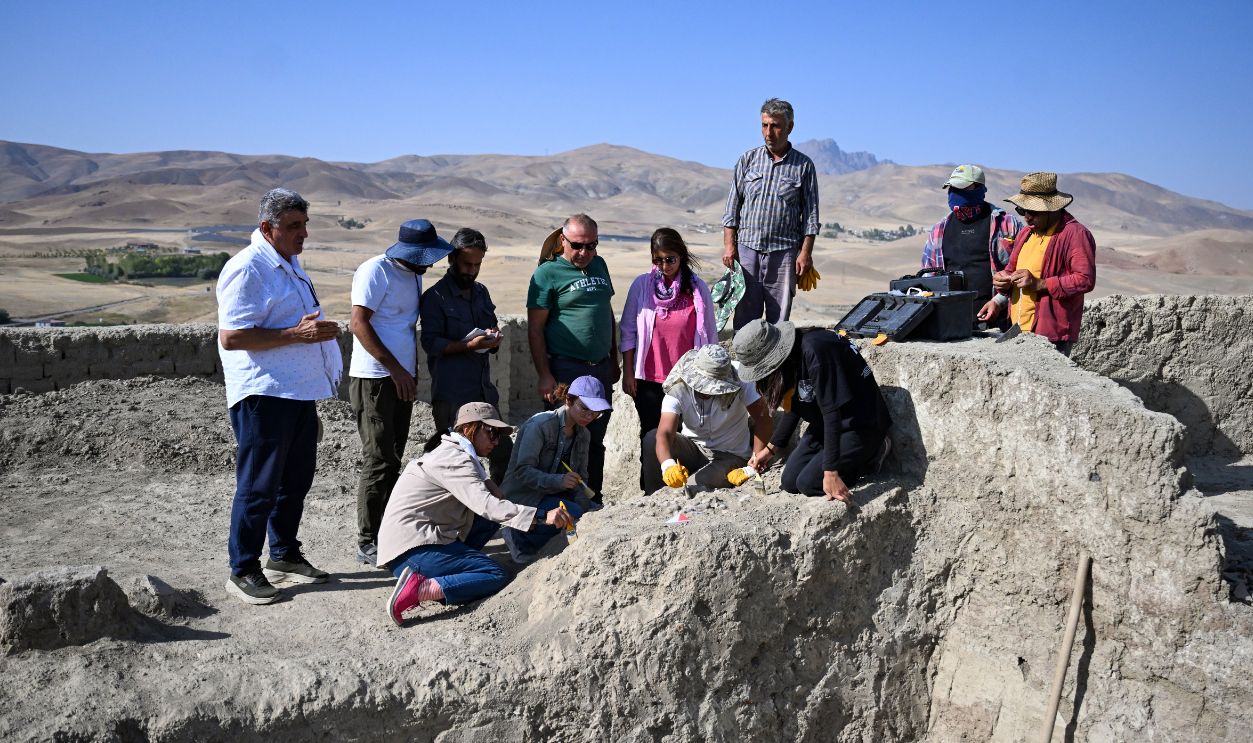
In the published study, the research team described the footprints as evidence of a brief dispersal into the Arabian interior. They emphasized that these movements were likely short-lived and dependent on favorable environmental conditions.
Why Footprints Carry Extra Weight
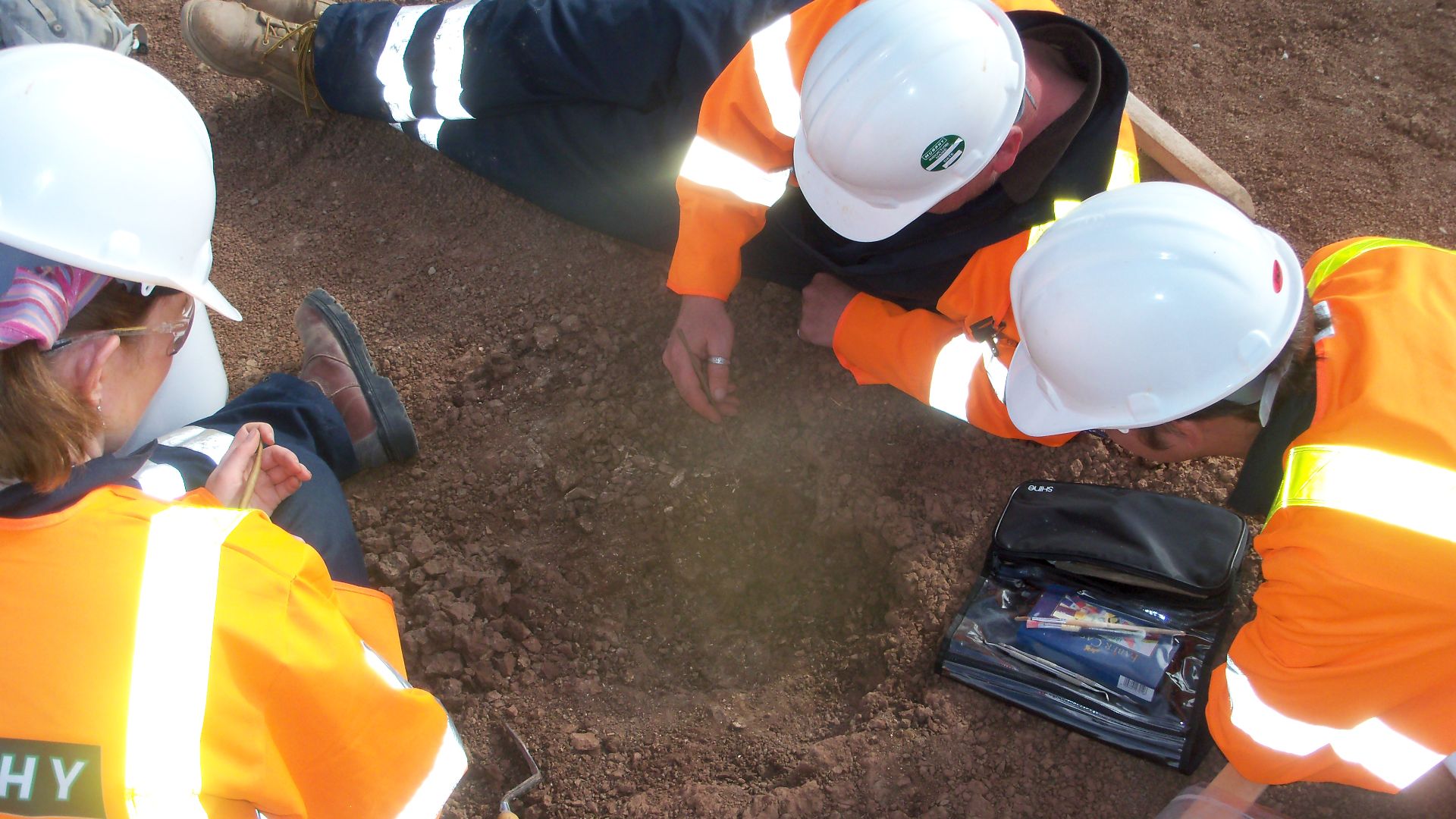
Stone tools can be reused, transported, or redeposited. Footprints cannot. They show exactly where people stood and walked, making them among the most direct and difficult-to-dismiss forms of archaeological evidence.
 Network Archaeology Ltd, Wikimedia Commons
This Wasn’t the Only Surprise in Arabia
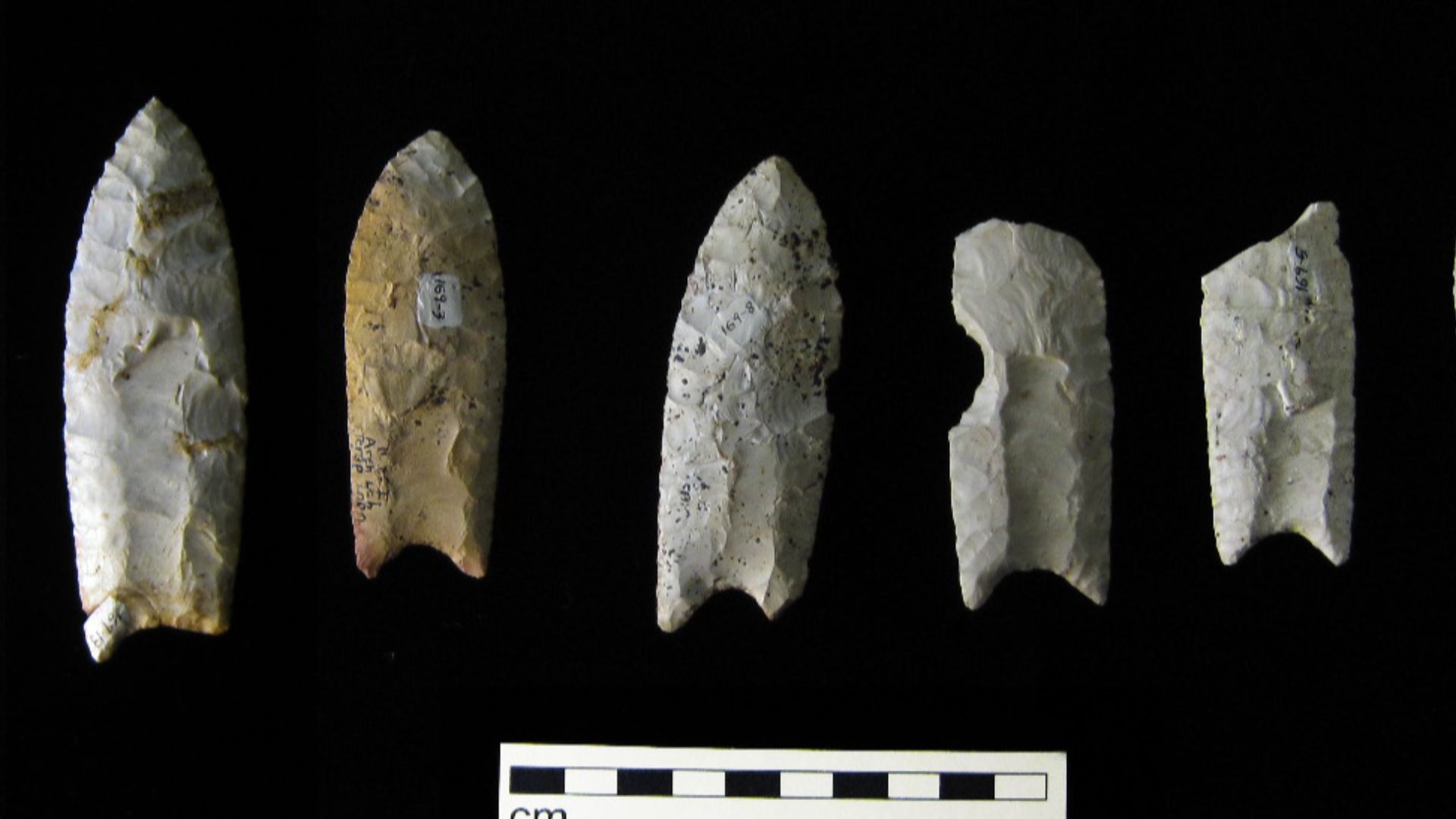
Other sites across the Arabian Peninsula have yielded stone tools dating to similar periods. Together, these discoveries suggest humans entered the region multiple times whenever climate conditions allowed.
 Bill Whittaker (talk), Wikimedia Commons
A New View of Human Migration
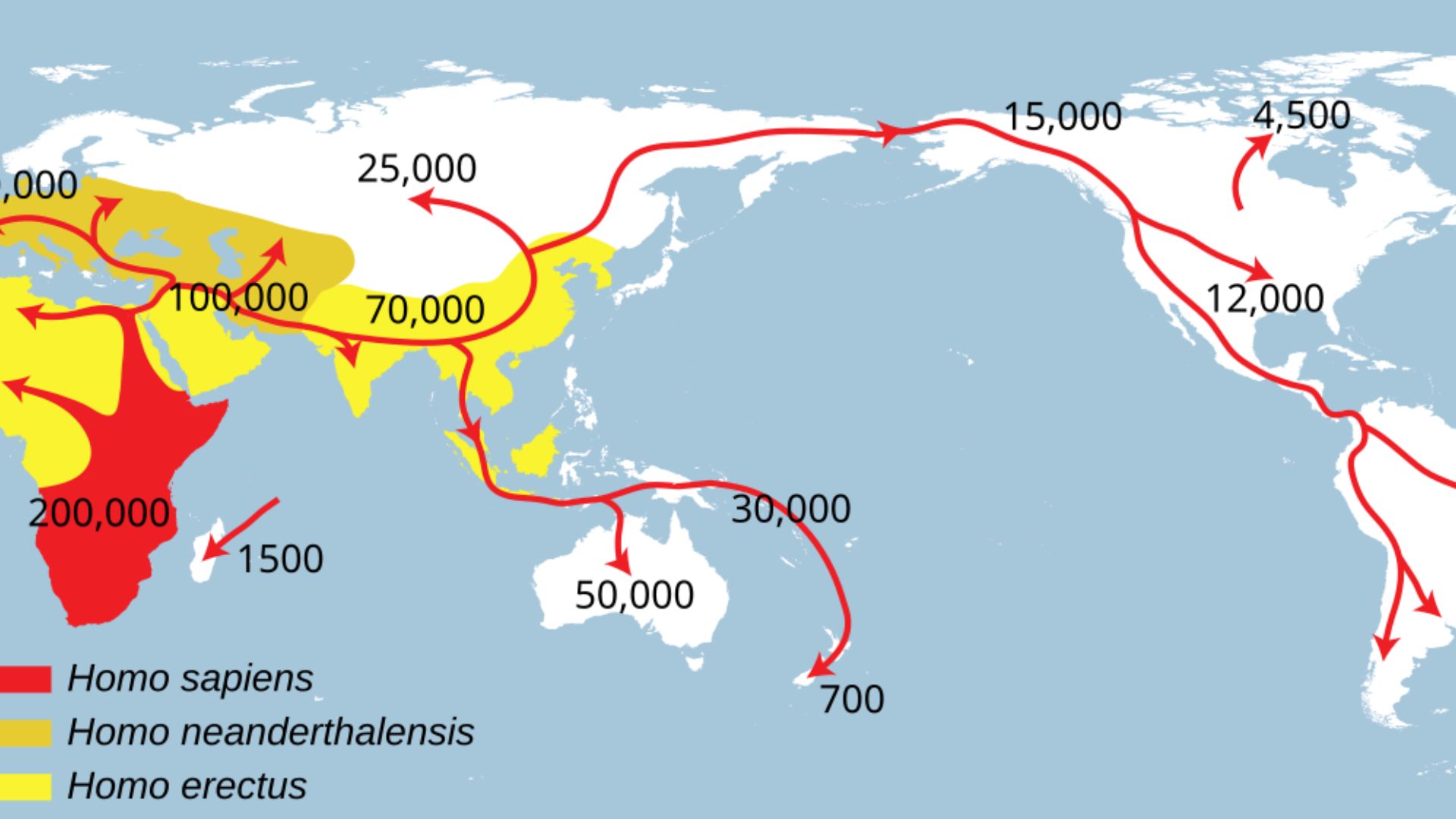
Rather than one successful migration out of Africa, evidence increasingly points to repeated attempts. Some groups traveled far but disappeared as climates shifted, leaving little lasting evidence behind.
 NordNordWest, Wikimedia Commons
Did These Humans Leave Descendants?
Genetic evidence suggests many early dispersals did not contribute to modern populations. The people who left these footprints may represent a population that ultimately failed to survive long-term in the region.

Why Scientists Took This Seriously
Because the footprints are clearly human and securely dated, even cautious researchers agree they challenge long-held assumptions. The discovery does not rely on indirect interpretation, which is why it drew immediate attention.
How This Changes Future Searches
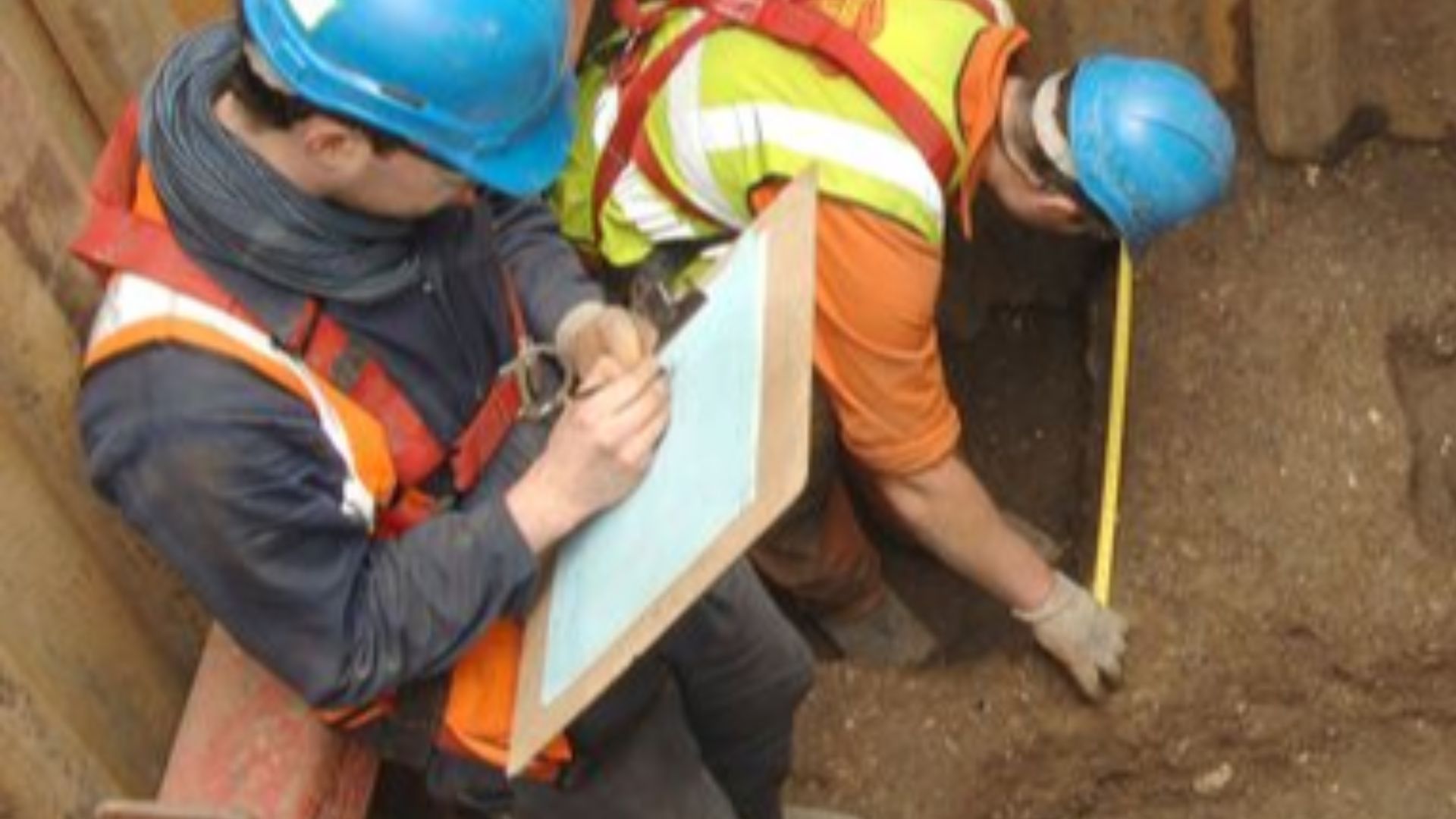
Researchers are now prioritizing ancient lakebeds and paleoenvironments rather than caves alone. Landscapes once overlooked are becoming key targets for uncovering early human activity.
A Reminder of How Incomplete the Story Is
Early human history is fragmented and uneven. Many journeys left no descendants and little evidence, making rare discoveries like this critical for understanding how experimental early human expansion really was.
 Crossrail/MOLA, Wikimedia Commons
Why More Surprises Are Likely
With improved satellite imagery and climate modeling, scientists believe many ancient landscapes remain unexplored beneath modern deserts, especially across Arabia and surrounding regions.
 Prof. Mortel, Wikimedia Commons
Footprints That Changed the Timeline
The people who walked across this muddy lakeshore disappeared long ago. But their footprints survived for more than 100,000 years—long enough to force scientists to rethink when and how early humans spread across the world.
 National Park Service, Wikimedia Commons
You Might Also Like:
There’s a feature of our eyes that no other animal has—and evolution still can't explain it.