Look Into Your Eyes
Humans share almost every part of our anatomy with the rest of the animal kingdom—bones, muscles, organs, reflexes, even facial expressions. But there’s one tiny feature sitting right on our faces that only we have. And the strangest part? Evolution still hasn’t given us a clear answer for why they exist.
What Makes Human Eyes So Weird?
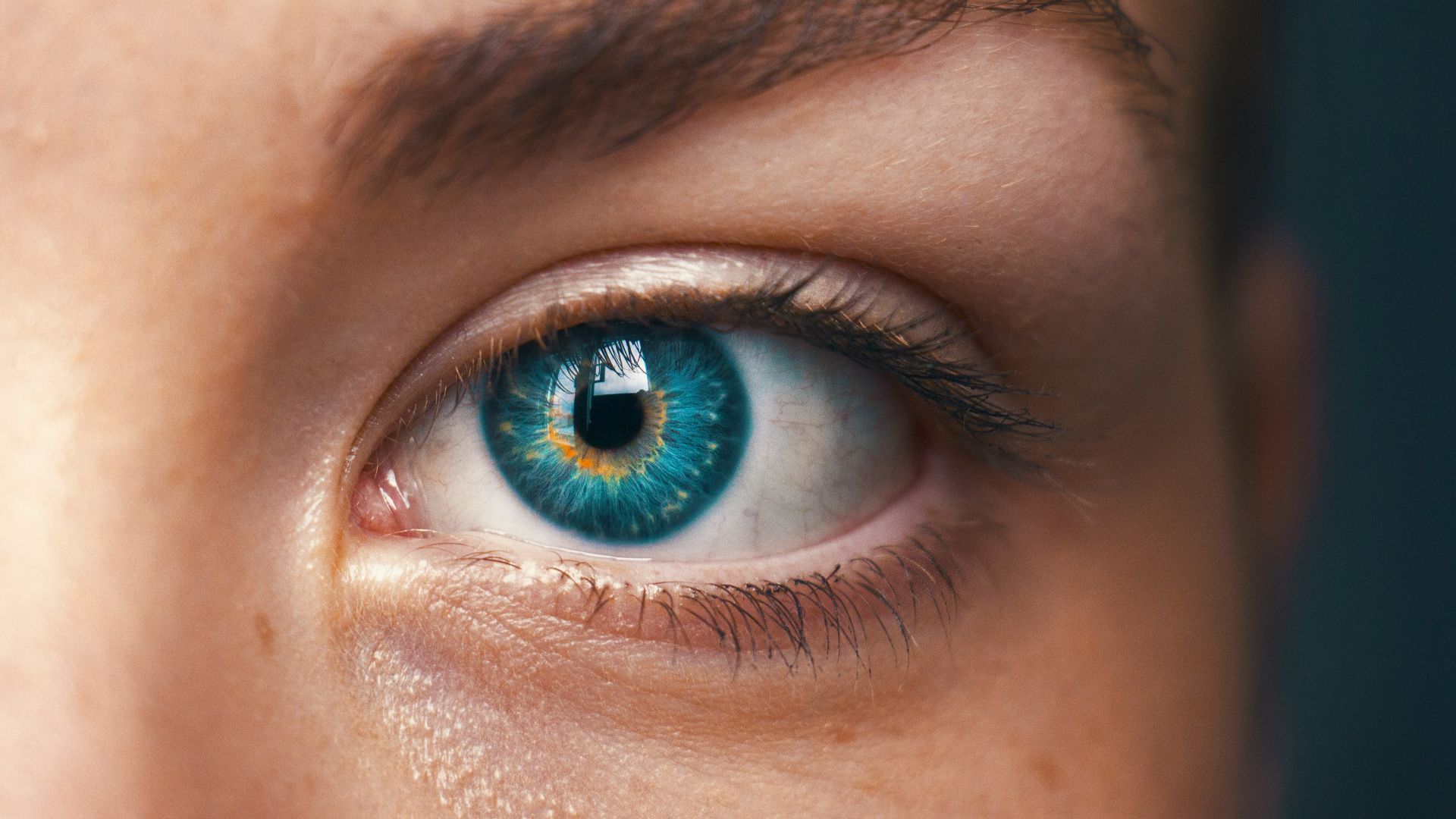
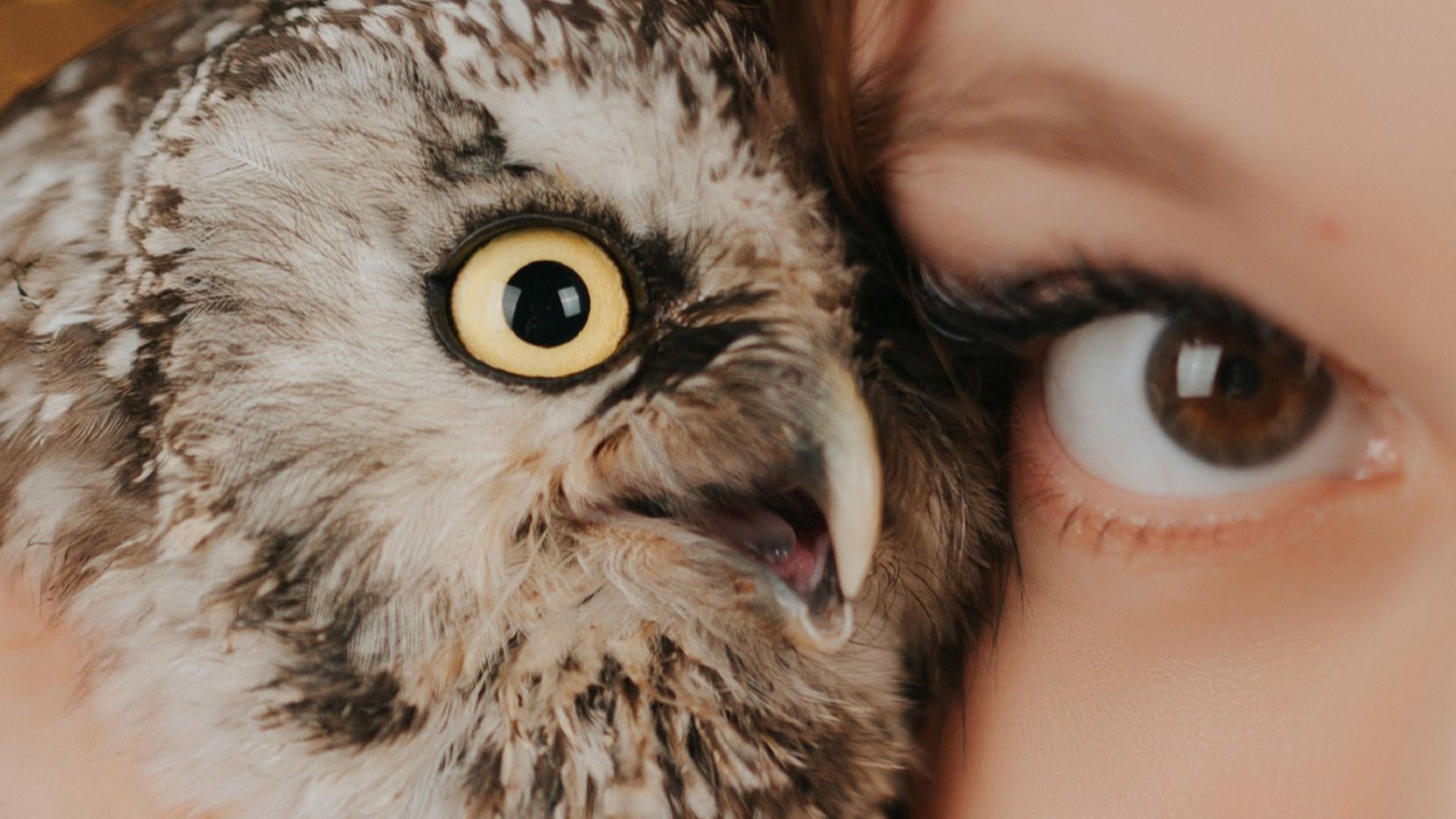
Look closely in the mirror and you’ll see something surprisingly rare: big, bright white sclera on both sides of the iris. In almost all other mammals—especially primates—the sclera is dark, small, or nearly invisible. Humans are the outliers, and dramatically so. But why?

Our Eyes Broadcast Emotion Instantly
One theory says visible whites evolved to make our expressions clearer. Wide eyes, narrowed eyes, or nervous glances communicate fear, surprise, or suspicion instantly. Neuroscientist Daniel H. Lee notes that “human eyes evolved into an organ of emotional broadcasting.” But scientists still debate whether emotional clarity alone could drive such a dramatic anatomical shift.
We’re Built to Be Seen—Even From Far Away
Human sclera contrast so sharply against the iris that they act like little arrows. You can tell exactly where someone is looking from across a room. A landmark study by Kobayashi & Kohshima found that humans have the highest gaze-visibility index of any primate—by far. No other species has this level of gaze visibility, even those that live in groups.
The “Cooperative Eye” Hypothesis
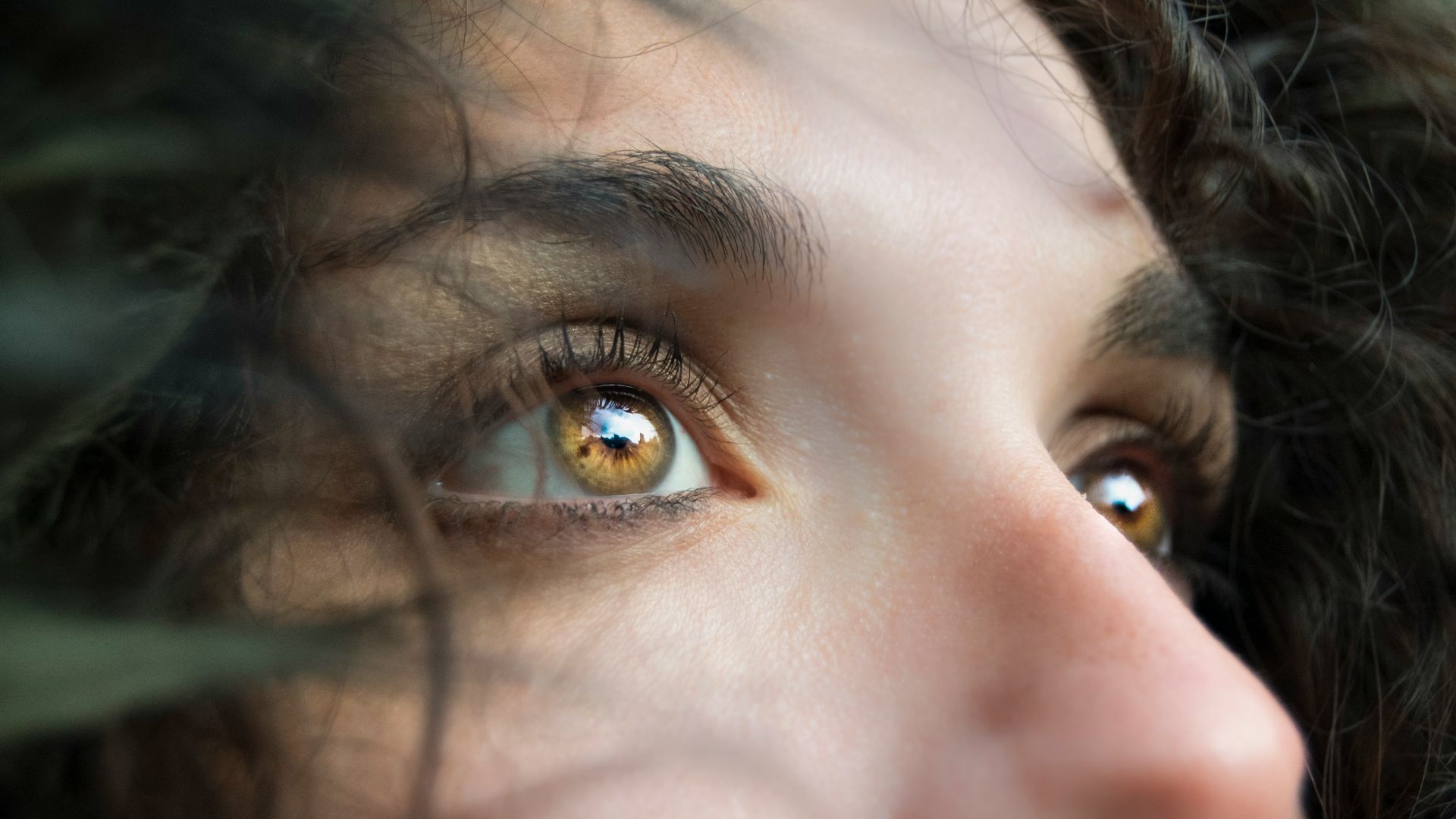
A leading idea claims our bright eye whites evolved to help humans work together—letting us follow each other’s gaze during hunting, gathering, or tool-making. As evolutionary psychologist Michael Tomasello puts it: “Humans are natural cooperators, and our eyes are part of that story.”

But Cooperation Isn’t the Full Answer
If cooperation explained everything, then other cooperative species—wolves, dolphins, bonobos—should also have bright, exposed sclera. They don’t. Their eye whites remain hidden behind pigmented tissue. Primatologist Oren Hasson notes that in apes, “scleral pigmentation may function to hide the direction of gaze,” which means humans evolved in the opposite direction entirely.

The Danger of Being Too Readable
Visible eyes also make deception harder. You can track someone’s intentions just by noticing where they’re glancing. Evolution usually rewards animals that conceal intentions—not reveal them. So why did humans evolve the opposite trait?

A Risky Evolutionary Move
Some researchers suggest our unusual eyes spread only once human societies became safer—when cooperation outweighed threats. In small, trusting groups, being more readable may have become a strength instead of a vulnerability.

Infants Notice Eye Whites Immediately
Studies on newborns show that babies track human eyes within hours of birth—especially the whites. A 2002 PNAS study found that newborns prefer faces with visible sclera over those with darker whites, suggesting the trait is deeply wired into early social development.

Eye Whites Make Language Easier
Long before spoken language matured, our ancestors relied on gestures, expressions, and—yes—eye direction. Being able to silently “point” with the eyes may have helped early humans coordinate quietly during hunts or avoid predators. Anthropologist Hannes Rakoczy notes that “silent gaze cues may have allowed early humans to coordinate without alerting prey or competitors.”

Other Animals Hide Their Intentions
Chimpanzees, gorillas, and orangutans all camouflage the sclera with dark pigmentation. This hides their gaze during conflict or competition. Humans flipped this strategy entirely—an evolutionary curveball researchers still struggle to explain.

Did Social Structure Change Our Eyes?
As humans formed larger groups, shared food, and built alliances, reading intentions became more valuable. In those environments, transparent eyes may have increased trust—nudging evolution toward brighter sclera.

A Feature That Spread Shockingly Fast
Genetic studies suggest the depigmented sclera spread rapidly in early Homo sapiens. But we still don’t know what selective pressure triggered such a sweep—or why it happened only in our lineage.

A Trait That Makes Us Easier to Approach
Psychology experiments consistently show that people with brighter eye whites appear more trustworthy, more empathetic, and more “open.” One study found that faces with brighter sclera were rated as more trustworthy even when every other feature was identical. Whether evolution selected for this—or it’s a modern interpretation—is still unclear.

The Survival Benefit Is Still Debated
Some anthropologists argue that visible eyes might have helped humans detect danger by noticing where others were looking. But the evidence remains indirect, and no single theory fits all the data.

Our Eyes Signal Health Too
Bright sclera indicate good health—making them a subtle cue in mate selection. Researcher Joanna Setchell notes that “depigmented sclera may have been favored because they indicate youth and vitality.” But again, if that were enough to drive the trait, we’d expect it to appear in other species with complex social lives. It hasn’t.

A Strange Mix of Beauty and Biology
Human art, portraits, and sculptures across civilizations emphasize large, bright eyes. It’s a universal aesthetic—but it may also reflect something deeper: our brains are hardwired to find visible sclera meaningful.

Even Neanderthals Probably Didn’t Look Like Us
Some researchers suspect Neanderthals and Denisovans had darker sclera, though we can’t confirm it directly. If true, it would make our eye whites an even more uniquely modern-human feature.
 Jakub Hałun, Wikimedia Commons
The Mystery Isn’t Solved—Not Even Close
Despite decades of research, no single explanation satisfies evolutionary biologists. Human eye whites may be the result of multiple forces—communication, cooperation, signaling, mate choice—or something we still haven’t considered.
Human Eyes May Have Become Brighter by Accident
Some scientists argue our bright sclera might not have been “selected for” at all—it could be a genetic quirk that spread through early human populations simply because it didn’t harm survival. Evolution sometimes preserves harmless traits that later gain meaning, which makes the origin of our eye whites even harder to pin down.

Climate Might Have Played a Role—But We Don’t Know How
Another theory suggests that shifting light conditions, open environments, and longer daylight hours in early human habitats may have influenced eye anatomy. But the evidence is thin, and no one has identified a direct climate-linked advantage. If climate shaped our eyes, its impact remains frustratingly unclear.

Cultural Evolution Could Have Reinforced the Trait
Even if bright sclera started as a small anatomical difference, human culture may have amplified it. As societies began valuing expressiveness and communication, individuals with more visible eyes may have been perceived as more trustworthy or socially skilled—unintentionally pushing the trait forward without a strict biological cause.

A Tiny Trait That Tells a Big Story
Our eyes reveal emotions, intentions, and even health. They strengthen bonds, guide attention, and make us uniquely readable. The fact that they remain an unsolved evolutionary puzzle only makes them more fascinating.

And That’s the Strange Truth
We evolved something no other animal has—a feature that makes us more transparent, more expressive, and more connected. It helped shape human society… but the exact reason it appeared at all remains one of evolution’s lingering mysteries.

You Might Also Like: