An Ancient Roman Bridge Is Found In Switzerland
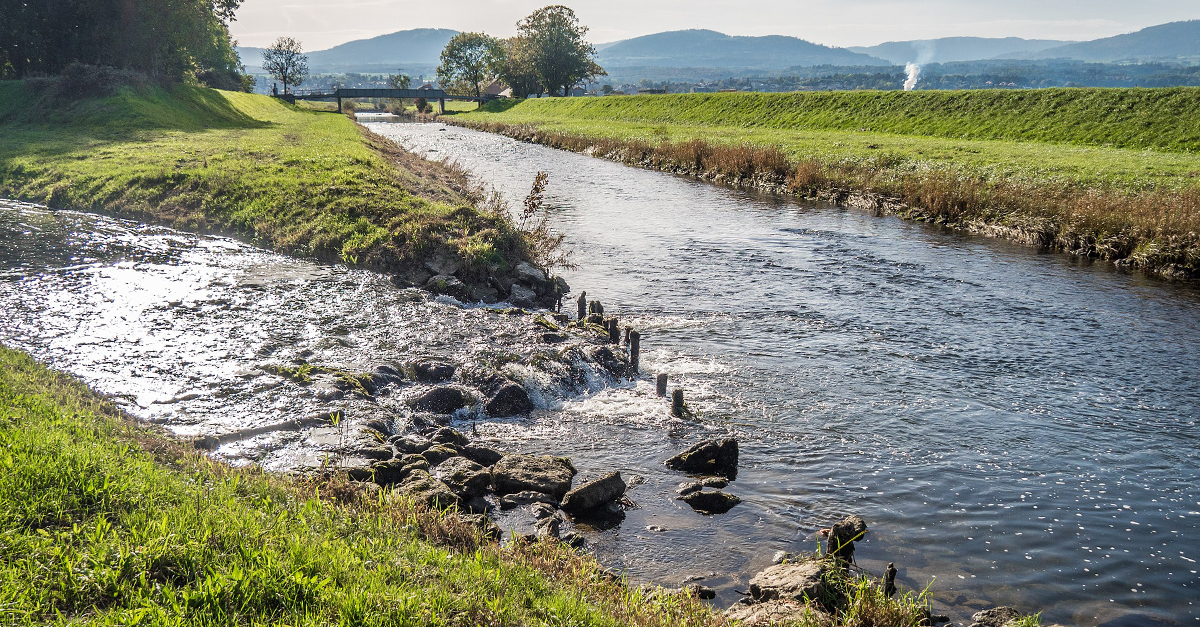
Archaeologists in Switzerland have uncovered the remarkably well-preserved remnants of a 2,000-year-old Roman wooden bridge in Aegerten, near the Zihl River. The amazing discovery adds to our knowledge of Roman engineering in the Alpine region and reveals how the empire connected Celtic Helvetian territory to the larger Imperial realm.
Discovery At Aegerten, Canton Of Bern
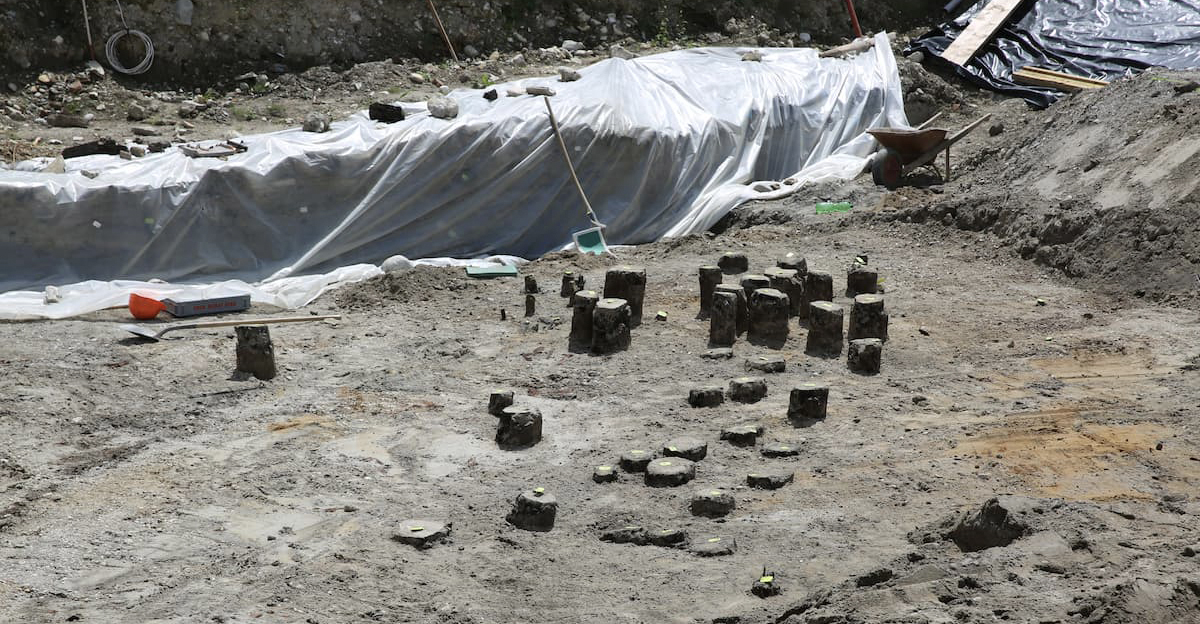
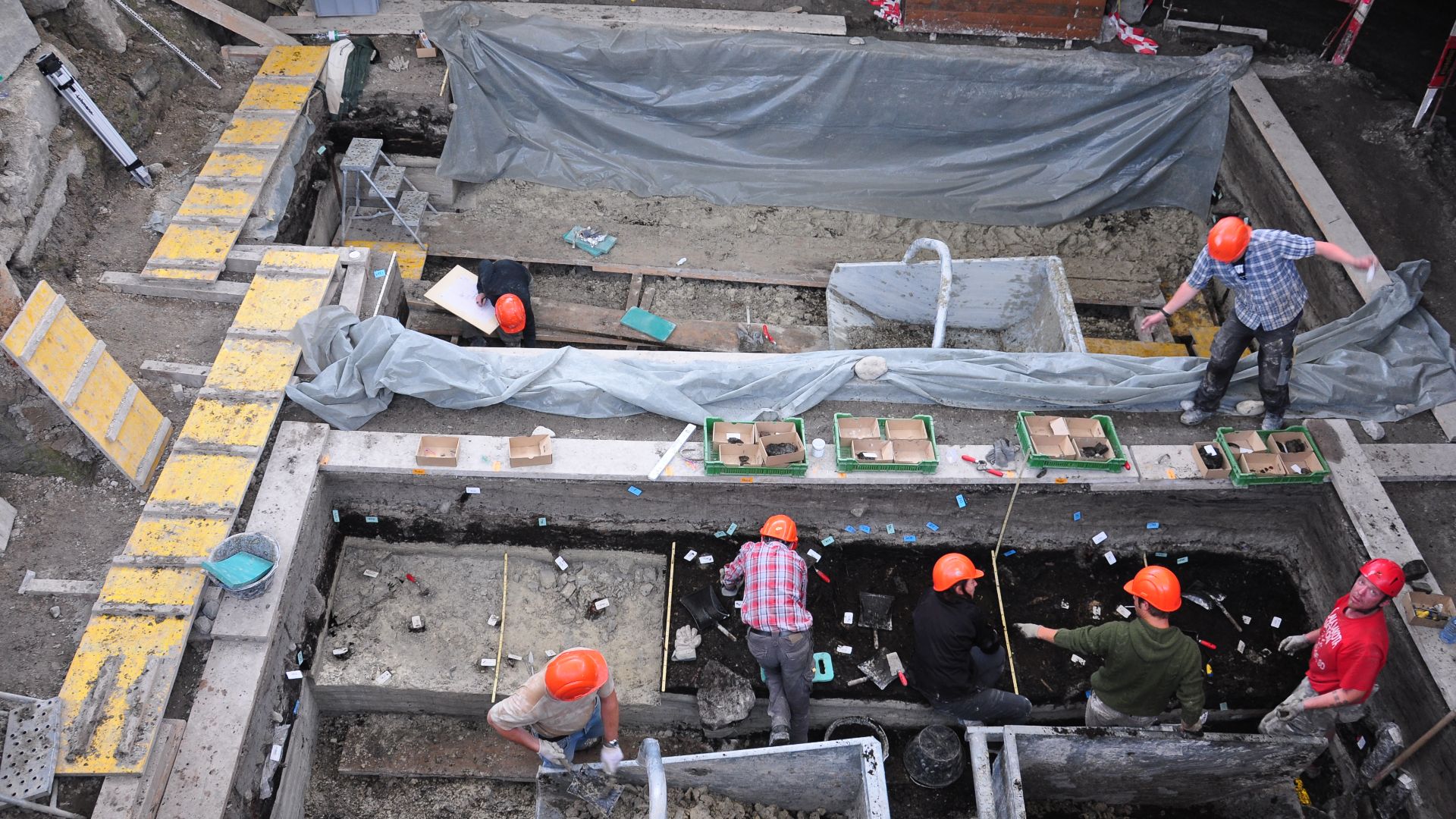
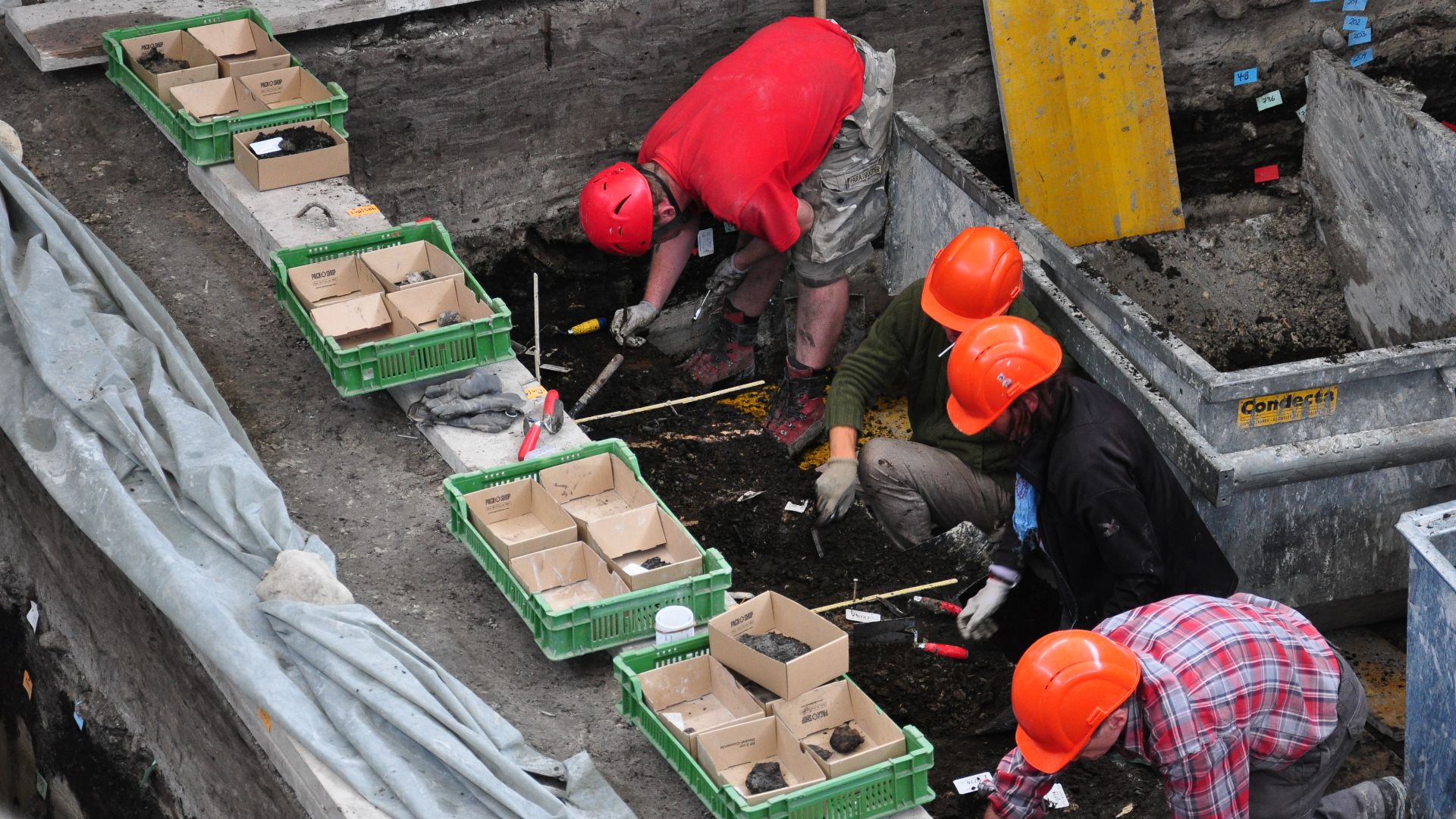
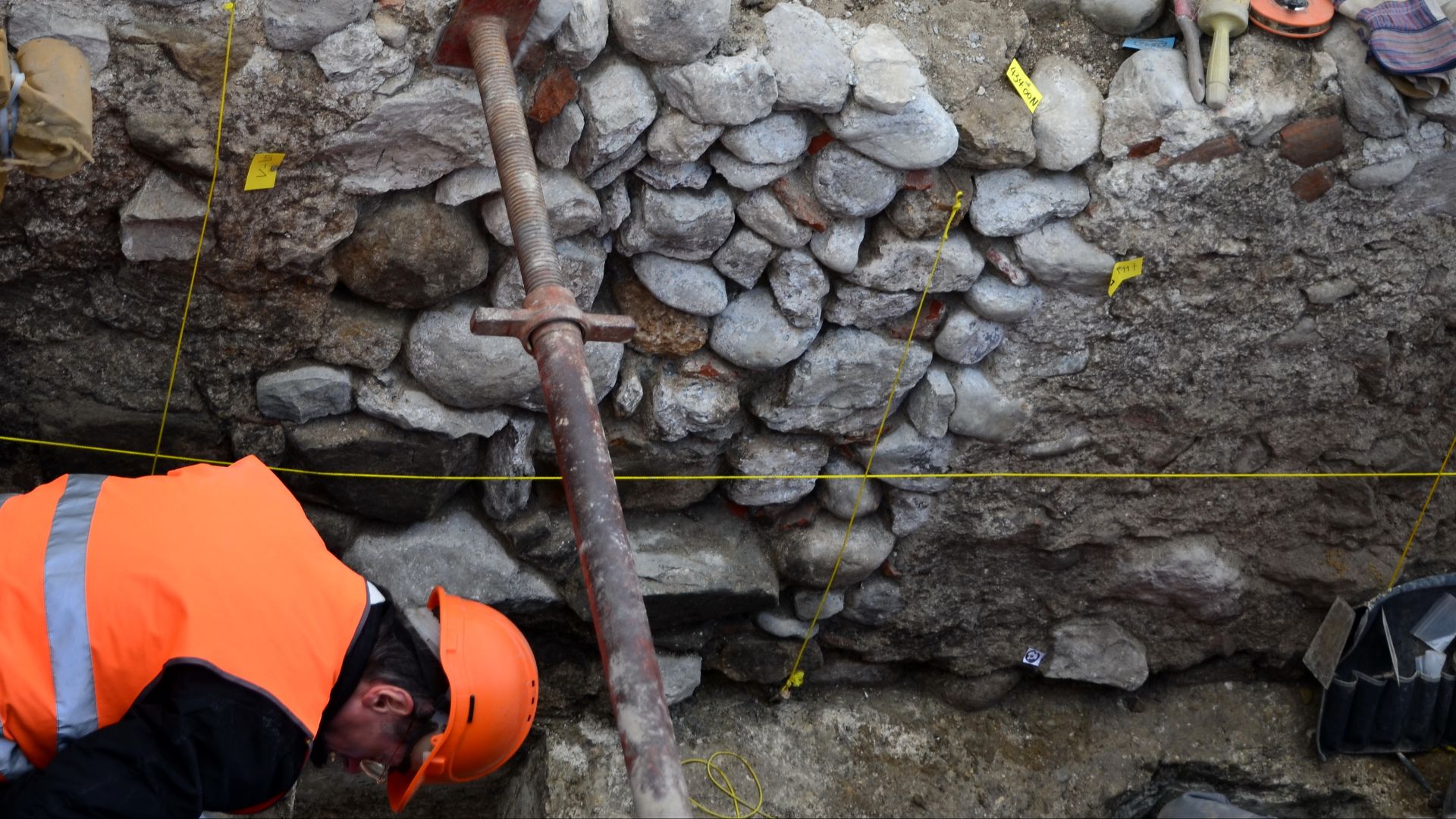
Excavations at Aegerten came across timber piles, oak planks, and bridge supports dating back roughly two millennia. The team further dup up the structure during construction work for modern flood-protection measures. The preservation of the wooden structural members was the result of waterlogged soils that prevented decay. This allowed the archaeologists to recover the Roman-period wood in unusually intact condition.
A Wooden Bridge, Not Stone
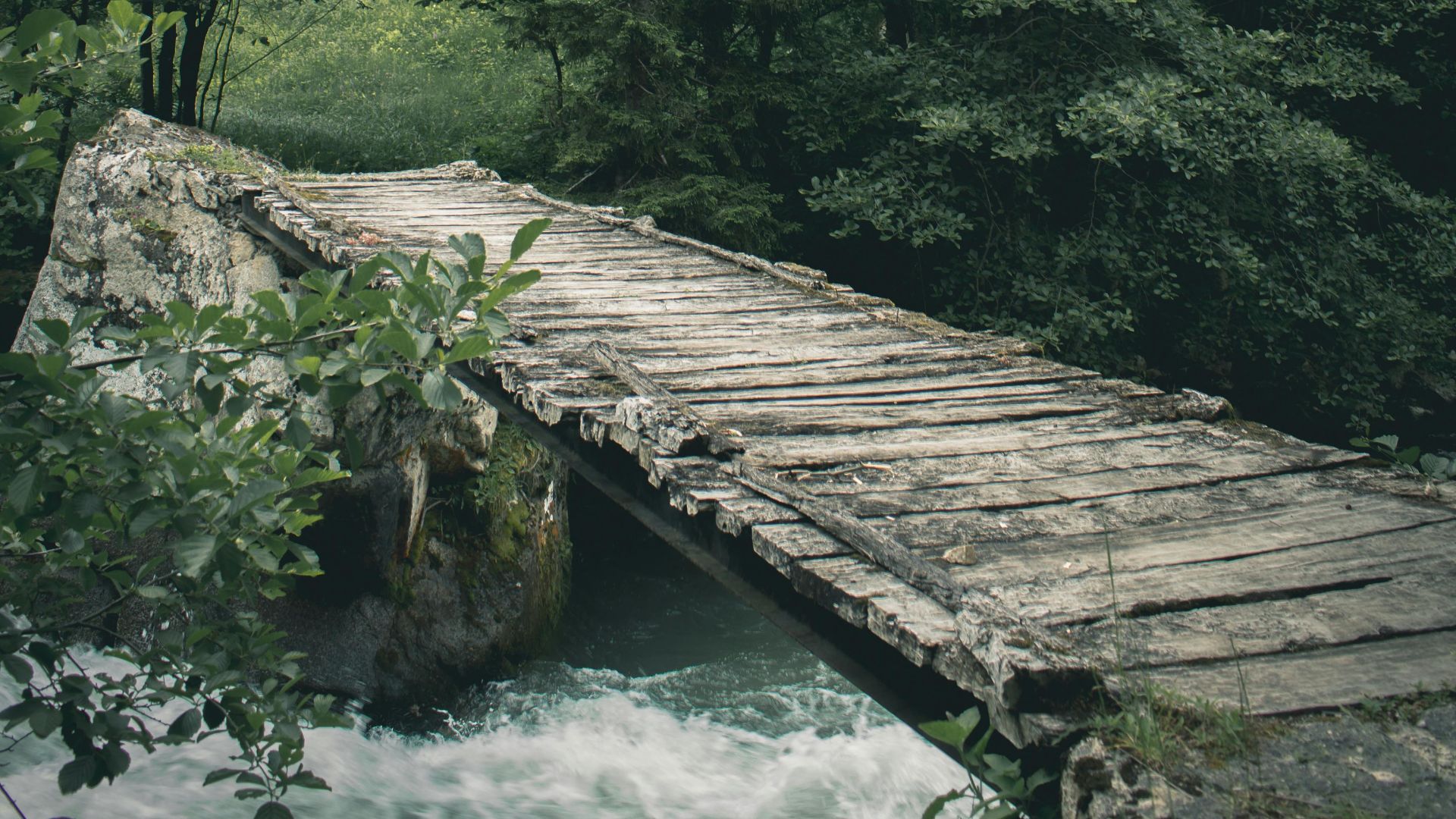
Unlike the stone bridges that we normally associate with Roman engineering efforts, this structure was primarily wooden. Timber construction was common in frontier regions where material availability and the speed of construction mattered more than monumental durability. The organic remains give us a new insight into Roman provincial engineering activities that don’t normally survive in the archaeological record.
Exceptional Preservation Conditions
The bridge survived because the Zihl River’s moist, oxygen-poor environment protected the timber from the decay caused by microorganisms. Archaeologists took note that many beams still show the tool marks, grain patterns and even carpentry joints made by ancient tradespeople. Such preservation allows for precise dendrochronological (tree ring) dating and detailed reconstruction of ancient building methods.
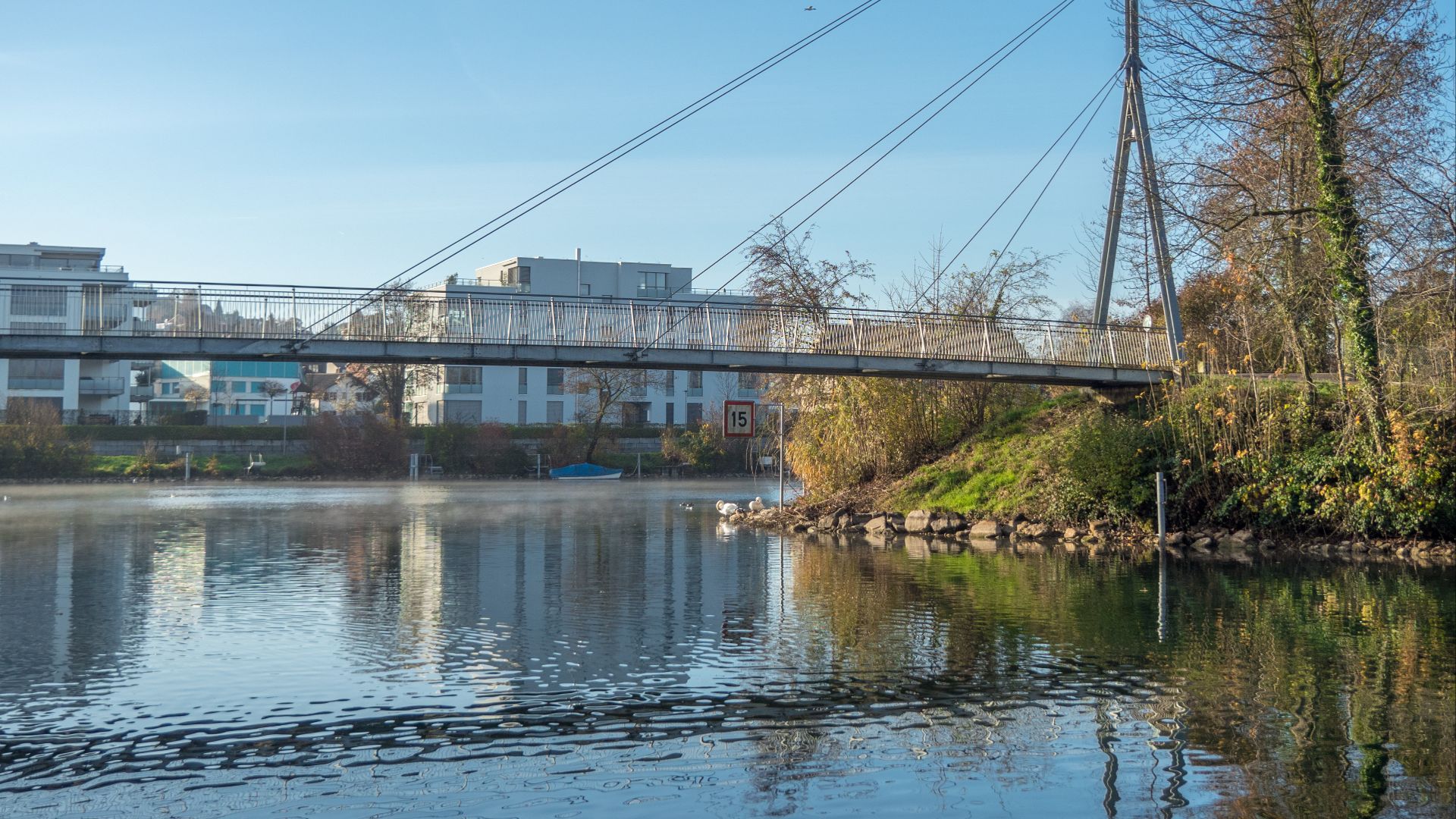
Dendrochronology Assigns A Date Range
Tree-ring analysis suggests the timber was felled around the early first century AD, aligning the structure with the time when Rome consolidated the lands of the Celtic tribe known as the Helvetii. The dating is strong evidence that the bridge was part of a strategic infrastructure program aimed at stabilizing Roman control and streamlining military movements in the region.
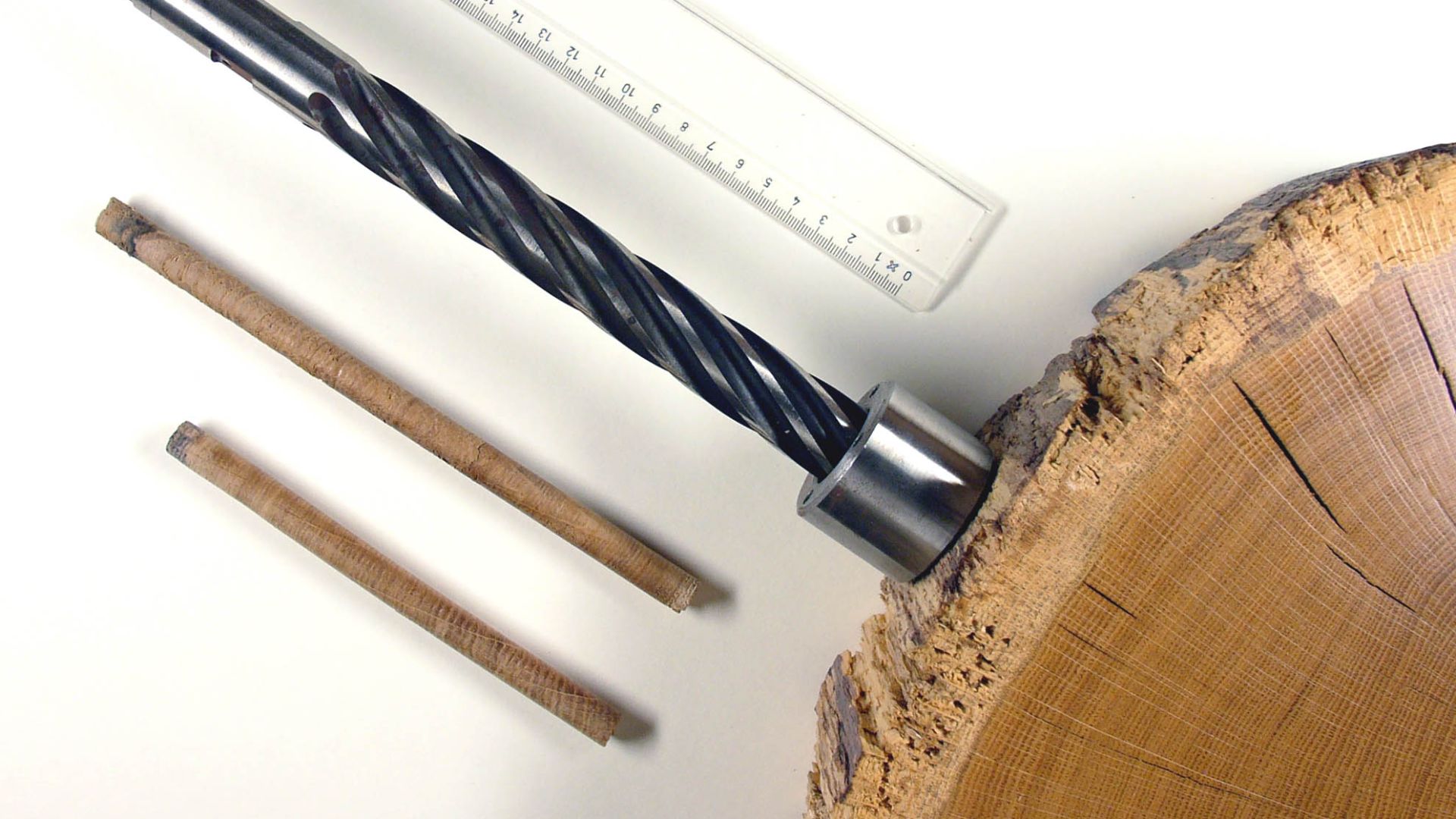 Hannes Grobe/AWI, Wikimedia Commons
Strategic Role In Roman Helvetia
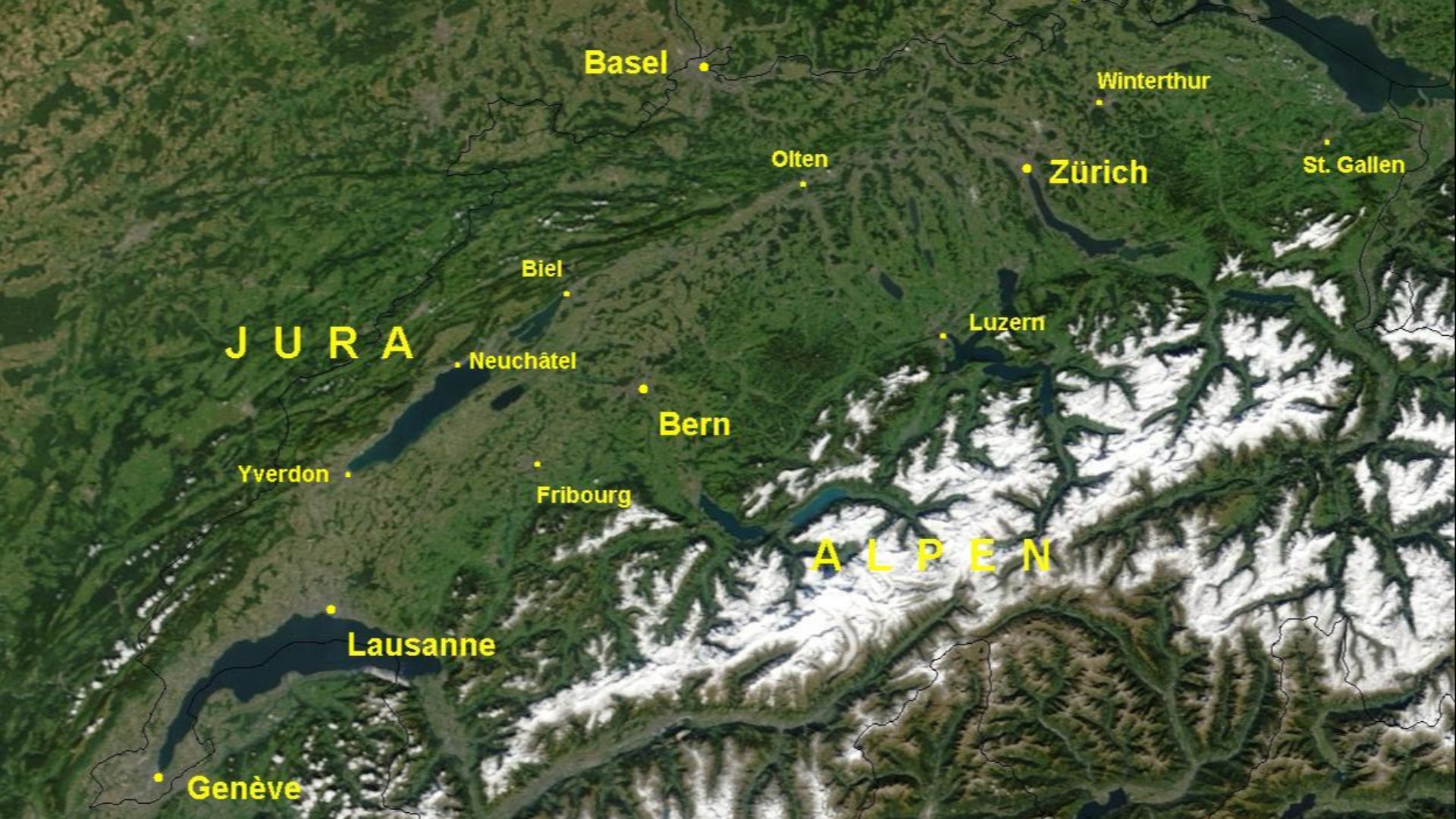
The bridge was a key crossing on the Zihl River that linked major Roman routes in the Swiss Plateau. Its pivotal location indicates that Roman administrators were keen to stabilize transport corridors used for troop movements, supply transport, and everyday trade between the Alps, the Rhine frontier and centralized Roman settlements further to the south.
Evidence Of Long-Term Use
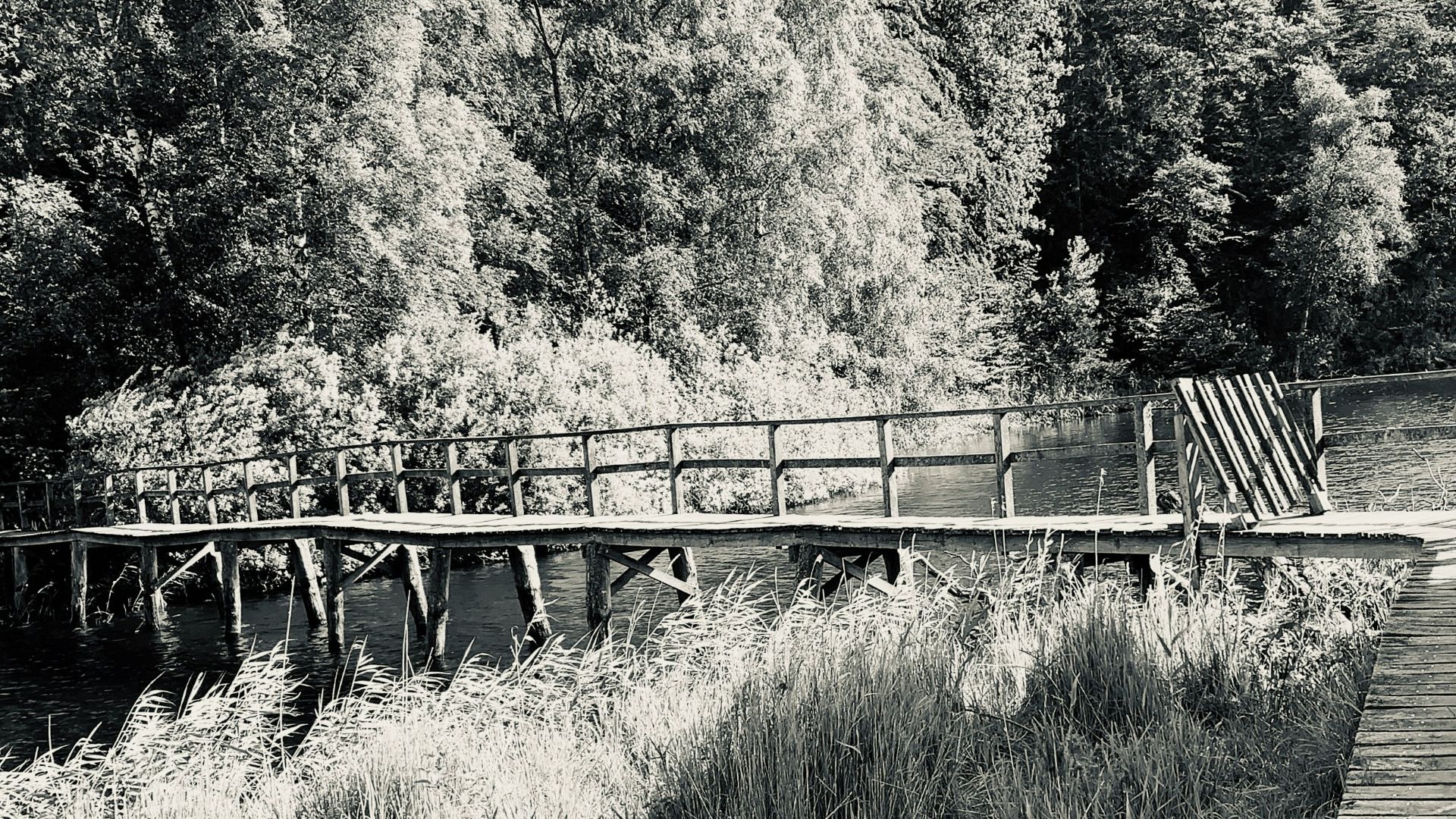
Archaeologists found multiple layers of timber and repairs in the immediate location, suggesting the bridge went through several phases of reconstruction. The alternating construction layers signal decades or even centuries of continued upkeep and use. The long-term maintenance speaks to the bridge’s lasting strategic importance during shifting frontier conditions across the Roman Empire’s northern expanses.
Tool Marks And Carpentry Techniques
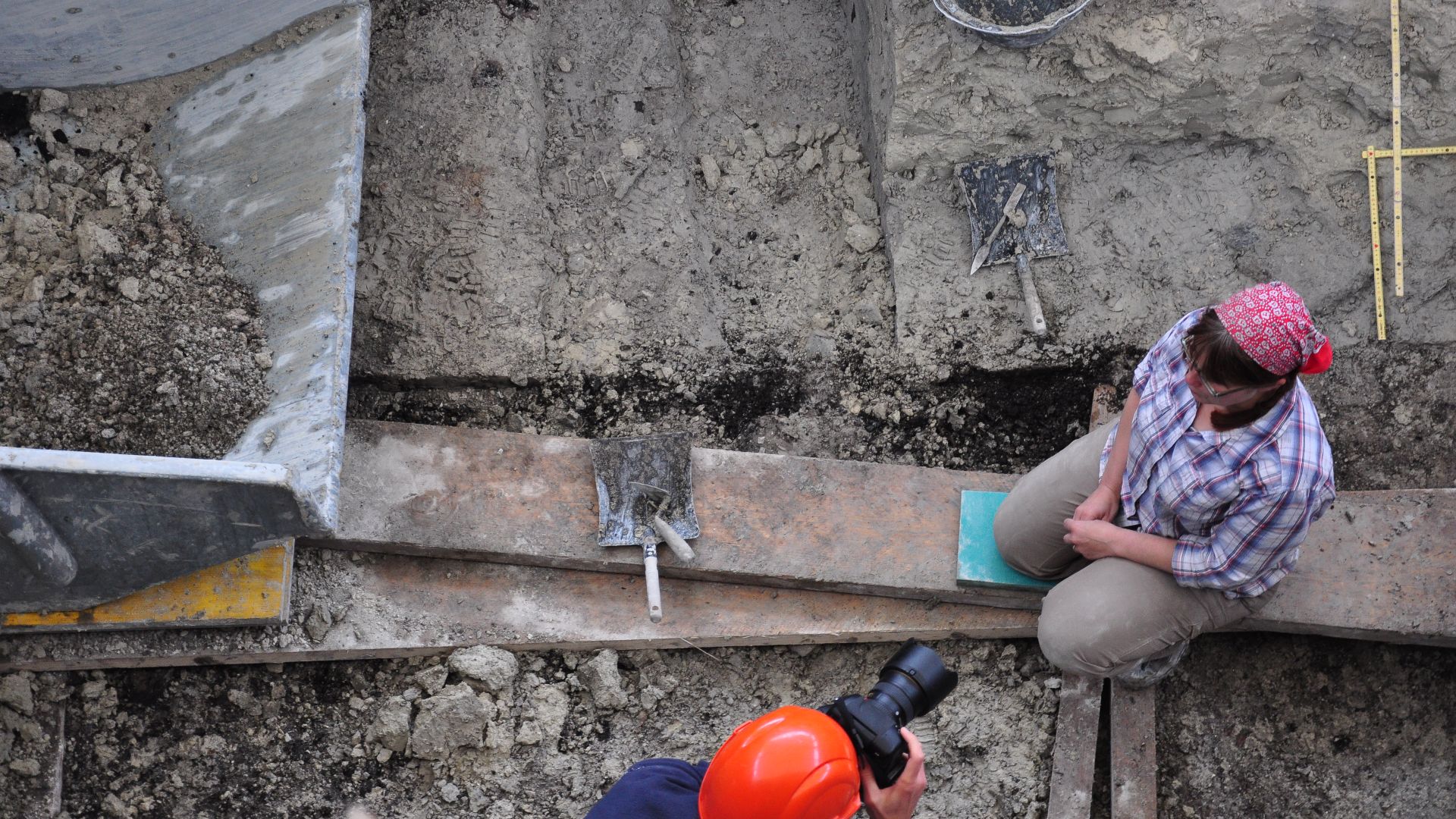
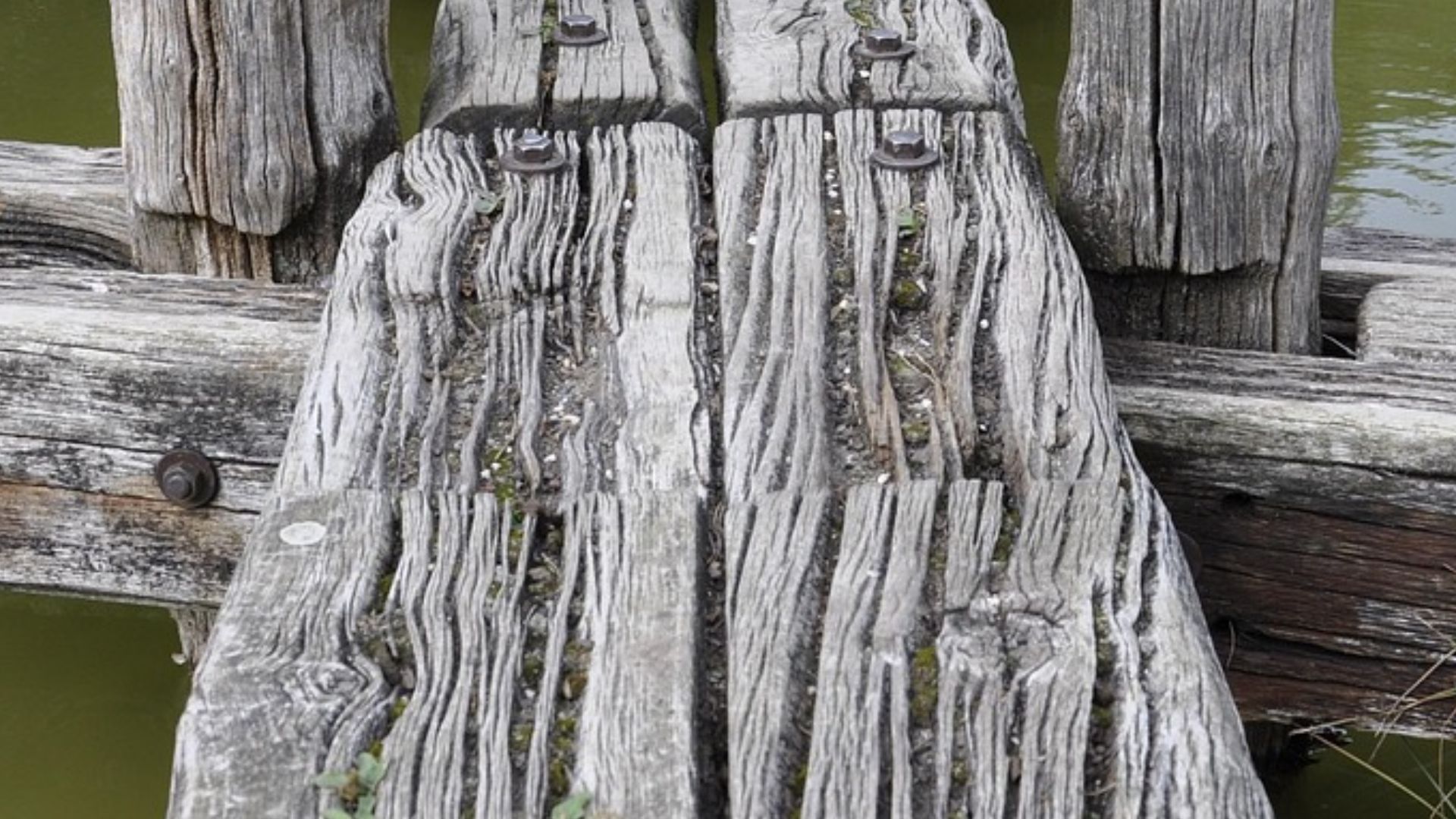
Visible axe cuts, split-wood surfaces and surviving mortise-and-tenon joints offer a fascinating close-up look at Roman carpentry in a temperate region. The craftsmanship indicates the presence of trained builders with standardized methods. This supports historical interpretations that Roman engineers often were able to provide skilled teams even in remote provincial hinterland settings.
Relationship To The Helvetii
The bridge was located in territory that was once occupied by the Celtic Helvetii, later integrated into the Roman province of Celtic Helvetica. Its construction is symbolic of the transition from tribal autonomy to Roman administrative control. The structure would have helped bring about the economic and cultural exchange between fiercely independent local communities and Roman settlers.

Nearby Archaeological Context
Previous discoveries around Aegerten include such items as Roman roads, pottery sherds, and military artifacts. The newly uncovered bridge only strengthens the interpretation that the region hosted a buzzing transportation network. The area’s archaeological landscape is a sign of continuous habitation and development through the early imperial period and afterward.
Roman Engineering Tames A River’s Wild Currents
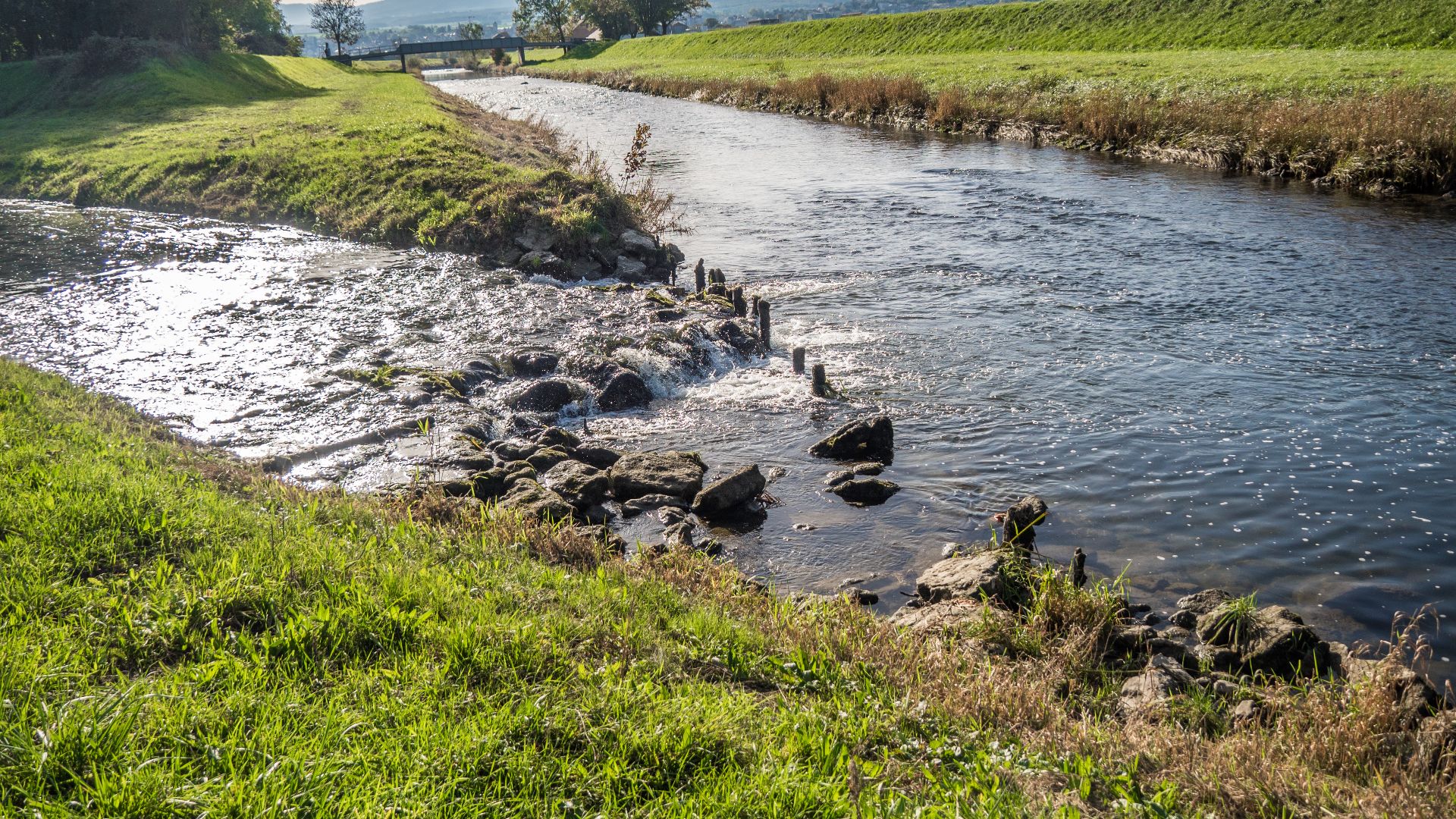
The Zihl River’s shifting course required the Romans to adapt their engineering methods. The bridge design used deeply driven wooden piles to stabilize the crossing. The Roman engineers were no doubt well aware of Alpine river dynamics and their ability to drastically modify the landscape. The structure demonstrates the empire’s healthy respect for local geography and how to tailor its transportation design to that geography.
Implications For Trade Routes
The bridge probably served merchants transporting trade goods like grain, ceramics and metalwork across the Swiss Plateau. The bridge’s existence supports the idea that Helvetian regions weren’t just peripheral fringe communities but fully connected to the larger European economic systems The crossing served as an important connection within Rome’s wider commercial road network.
Military Use
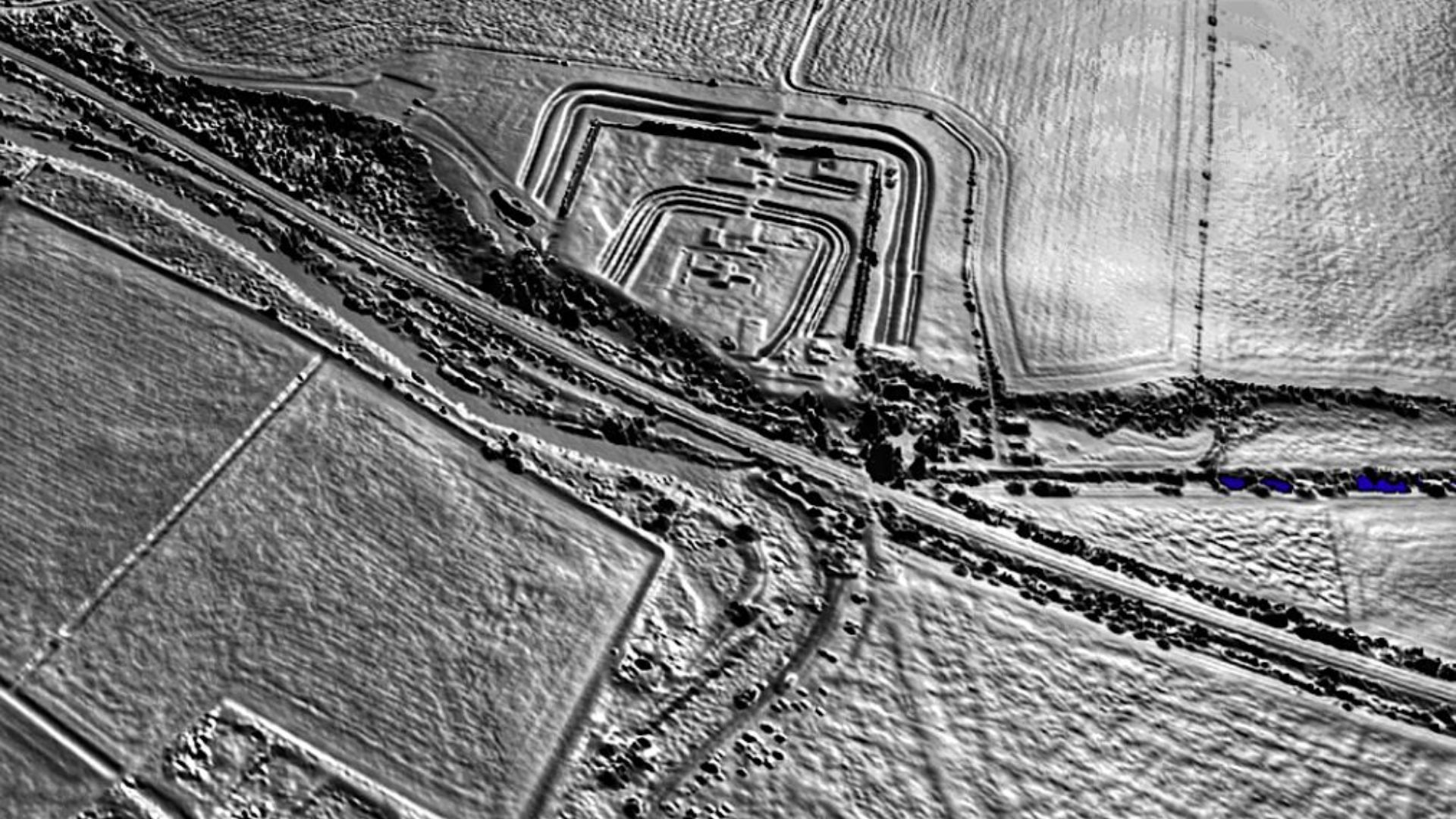
Given its early first-century date, the bridge must have aided troop movements linked to Roman frontier campaigns aimed at the Rhine. Rapid deployment and reliable crossings were a big part of Roman strategy. The site’s close proximity to known Roman encampments is an obvious indicator of its military relevance.
 Dr John Wells, Wikimedia Commons
Organic Materials And Rare Survival
Most Roman timber bridges disappeared over the centuries because wood rots rapidly outside controlled environments. This makes the Aegerten find incredibly valuable. Archaeologists can examine the beams that normally wouldn’t survive, giving them a missing dataset to complement the well-known stone structures like the famous Roman bridges of Germany and Gaul.
 Øyvind Holmstad, Wikimedia Commons
Visible Flood Damage
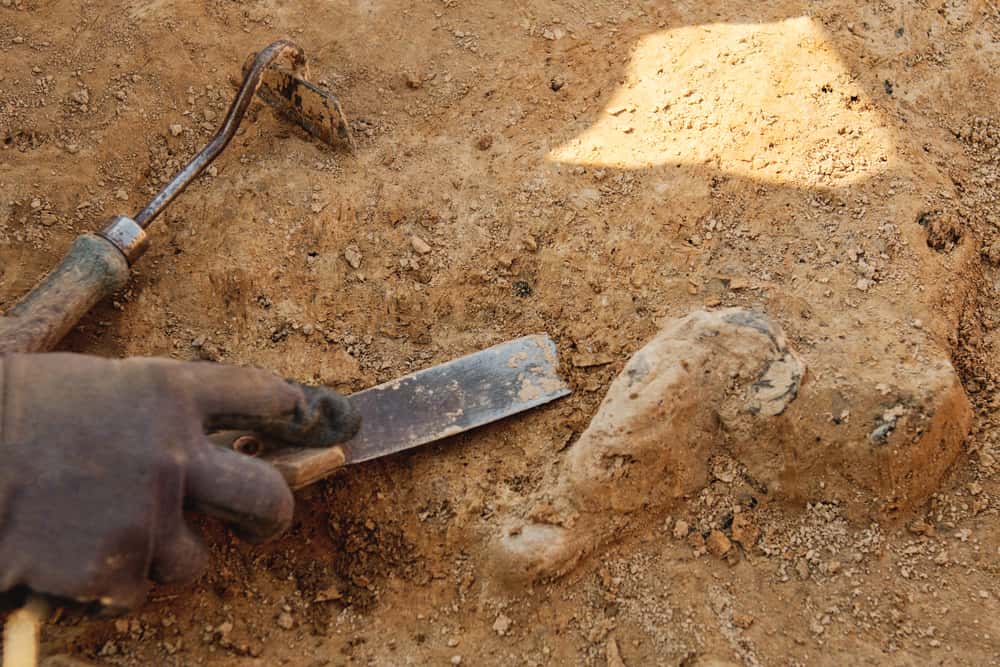
The excavation revealed broken beams and misaligned supports that would be consistent with flood impacts. These findings confirm the old written sources that made it clear the challenges the Romans faced managing waterways in these rugged areas. The bridge’s repeated repairs are a dead giveaway of the protracted struggle against natural forces that the Romans had to endure.
Public Infrastructure And Local Communities
The bridge was a benefit to Roman officials and Roman armies, but it was also a welcome sight for the local inhabitants. Farmers, traders and travelers depended on reliable river crossings for their daily comings and goings. The structure merged Roman priorities and local community needs, a lesson in successful empire-building.

Reconstruction Possibilities
With preserved timbers and high-resolution scanning, researchers can digitally reconstruct the form the full bridge took back in its heyday. Preliminary interpretations suggest a multi-span wooden platform held up by rows of piles. Reconstruction will help illustrate traffic flow, load capacity and engineering plans that were adapted to fast-flowing Alpine river environments.

Comparison To Other Roman Bridges
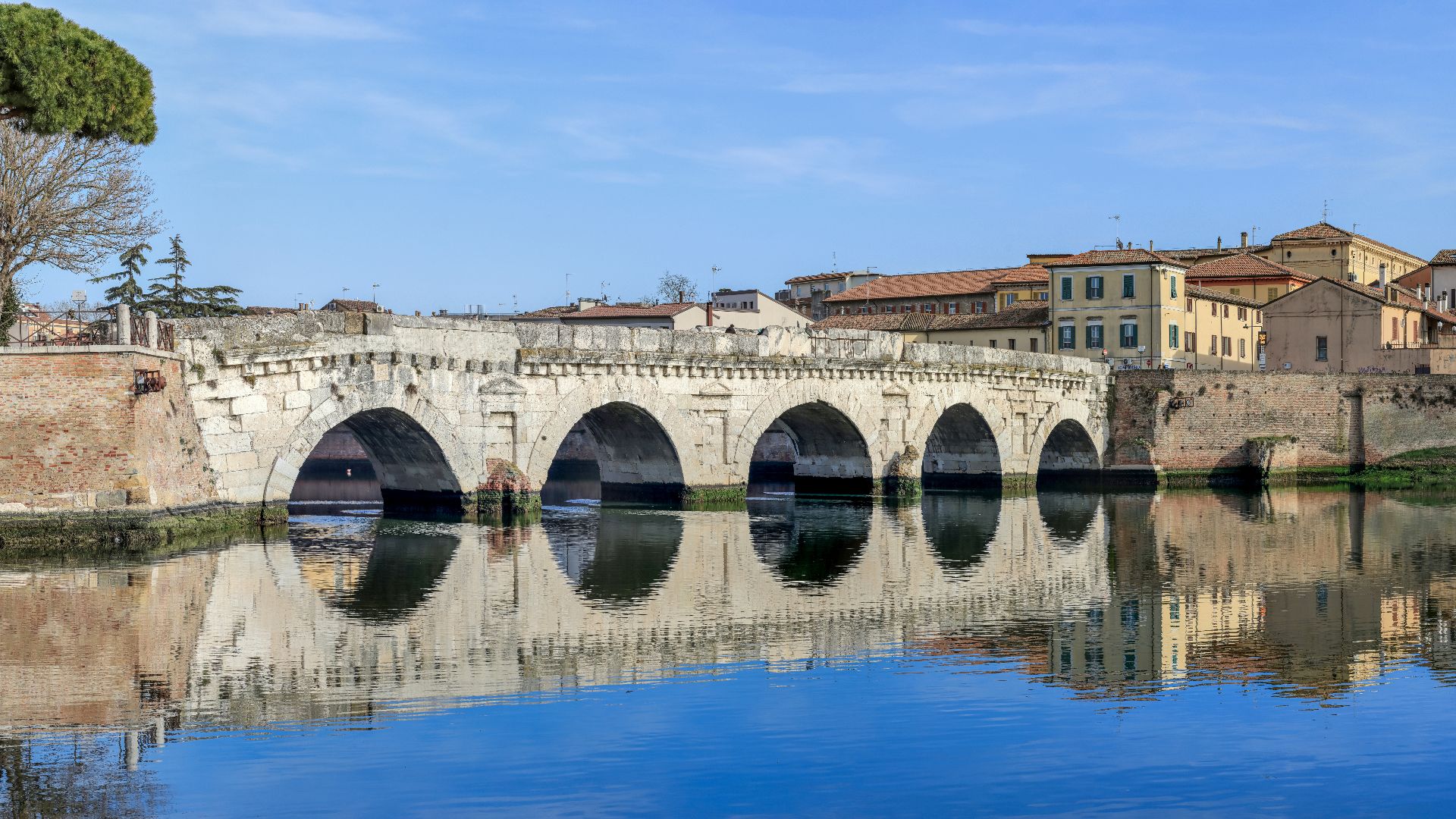
Aegerten’s wooden bridge is a stark contrast to the monumental stone examples like the Alcántara Bridge in Spain or the Bridge of Augustus in Italy. This difference highlights Rome’s flexible approach to engineering. They were happy to use stone for durability in major centers, but comfortable employing wood for quick, efficient solutions in frontier regions.
Environmental Insights
Timber species analysis gives us a wealth of fascinating information about ancient forests, logging practices, and the climate conditions in those days. Oak and fir samples from the site provide data on woodland composition and timber-harvesting methods. This botanical evidence adds substance to both the archaeological interpretation and environmental history of Roman Switzerland.
Modern Construction And Rescue Archaeology
This bridge was uncovered during the preliminary phase of flood-protection construction, proving the crucial role of rescue archaeology. It was proof that we still deal with the same issues the Romans did thousands of years ago. For without these preventative measures, the structure would have been lost to the mists of time. Swiss heritage authorities quickly stepped in to help the archaeologists record, preserve and document the remains before the work resumed.

Cultural-Historical Significance
This discovery reveals how deeply the Roman Empire penetrated and reshaped Alpine Europe to its own ends. The bridge gives concrete physical proof of engineering networks that once joined isolated terrains to imperial infrastructure. Its survival adds to our understanding of Roman Switzerland and contributes to the knowledge of frontier culture.

A Swiss Treasure
The Aegerten bridge discovery Switzerland’s best archaeological find in a long time. Its preserved timbers, strategic placement and layered reconstruction history reveal how Rome engineered its northern frontier. Through tree ring analysis, environmental studies, and careful excavation, archaeologists can now put together a colorful picture of the people and culture of ancient Roman Helvetia.
You May Also Like: