
If They Came. Which States Actually Stand A Chance?
If aliens showed up tomorrow, an inspirational speech from Bill Pullman probably wouldn't be enough to guarantee our survival. That would most likely come down to things like food production, military presence, energy resources, population density—and how easy a place is to take over from orbit.
With that in mind, the truth (and the data) is out there—and some states have a rather clear advantage over others when it comes to making it through an invasion in one piece (or at least in fewer pieces, as the case may be).
Here’s how all 50 states rank if the aliens showed up today.

50: New Jersey
Alien Survival Index: 18.7
If the aliens land here first, it might be over before anyone finishes their coffee. Extreme population density and dense infrastructure create obvious targets, and evacuation routes would clog fast. The state that gave us Springsteen and Bon Jovi will be living on a prayer if they hope to come out of this in one piece.

49: Rhode Island
Alien Survival Index: 19.9
Small, dense, and highly centralized, this state offers little room to regroup. Critical infrastructure is concentrated and easily monitored from above. Even with coastal assets nearby, survival odds drop fast if evacuation corridors shut down early. When the entire state fits inside a single alien flight path, options become limited.

48: Massachusetts
Alien Survival Index: 22.3
Highly urbanized corridors and tight infrastructure networks make this state efficient—but vulnerable. Advanced technology hubs may attract unwanted attention. Strong institutions help, but once major cities are compromised, fallback options become limited. All those Ivy League students and professors can only do so much once the sky starts glowing.

47: Connecticut
Alien Survival Index: 23.1
Dense suburbs and close proximity to major metro regions increase exposure. While resources exist, dispersion is limited. If the first wave targets population centers, there aren’t many deep rural zones to retreat to. Even hedge funds can’t short-sell an alien invasion.

46: Delaware
Alien Survival Index: 24.8
Compact geography and modest defense presence leave little strategic depth. Critical facilities sit close together, making coordination easier—for the wrong side. If containment fails early, the entire state could be monitored quickly from above with very little resistance. On the bright side, evacuating Delaware might not take very long.
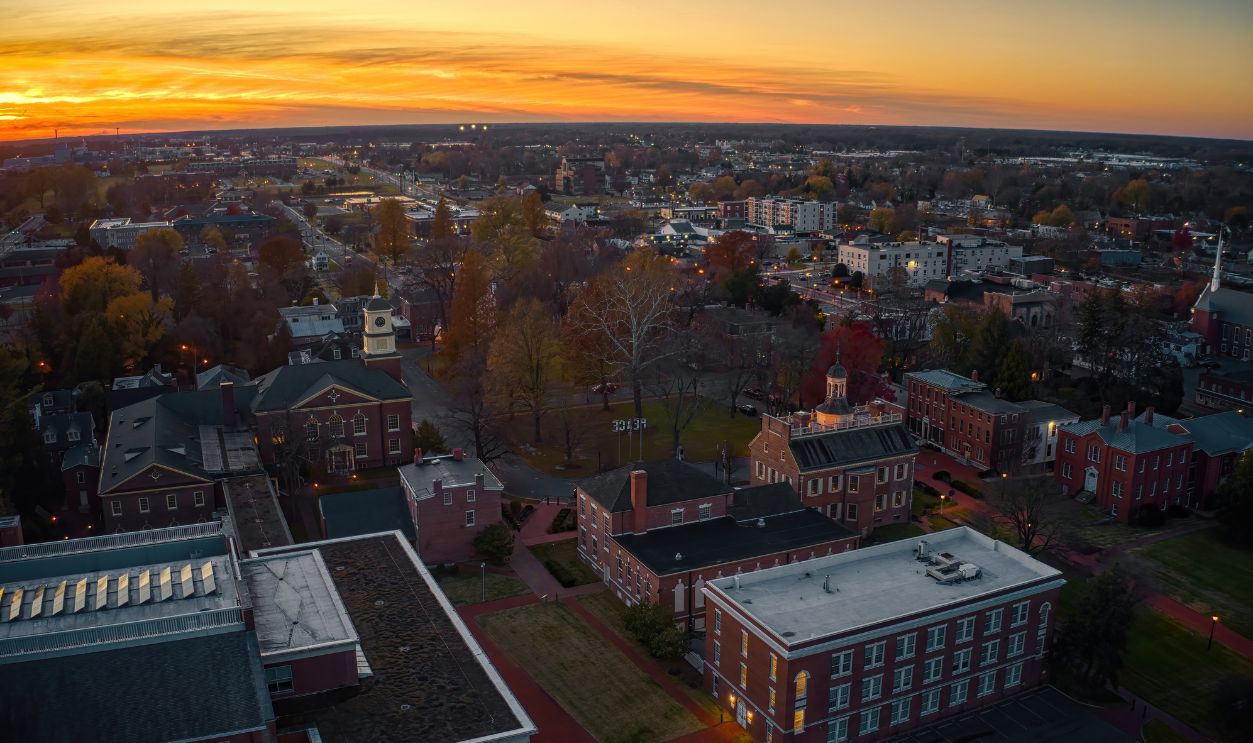
45: Maryland
Alien Survival Index: 26.2
Despite proximity to major federal defense assets, dense suburban sprawl and infrastructure concentration increase vulnerability. Evacuation bottlenecks would form quickly. Strategic resources exist—but so do obvious high-value targets. When the nation’s capital is next door, it tends to attract attention.
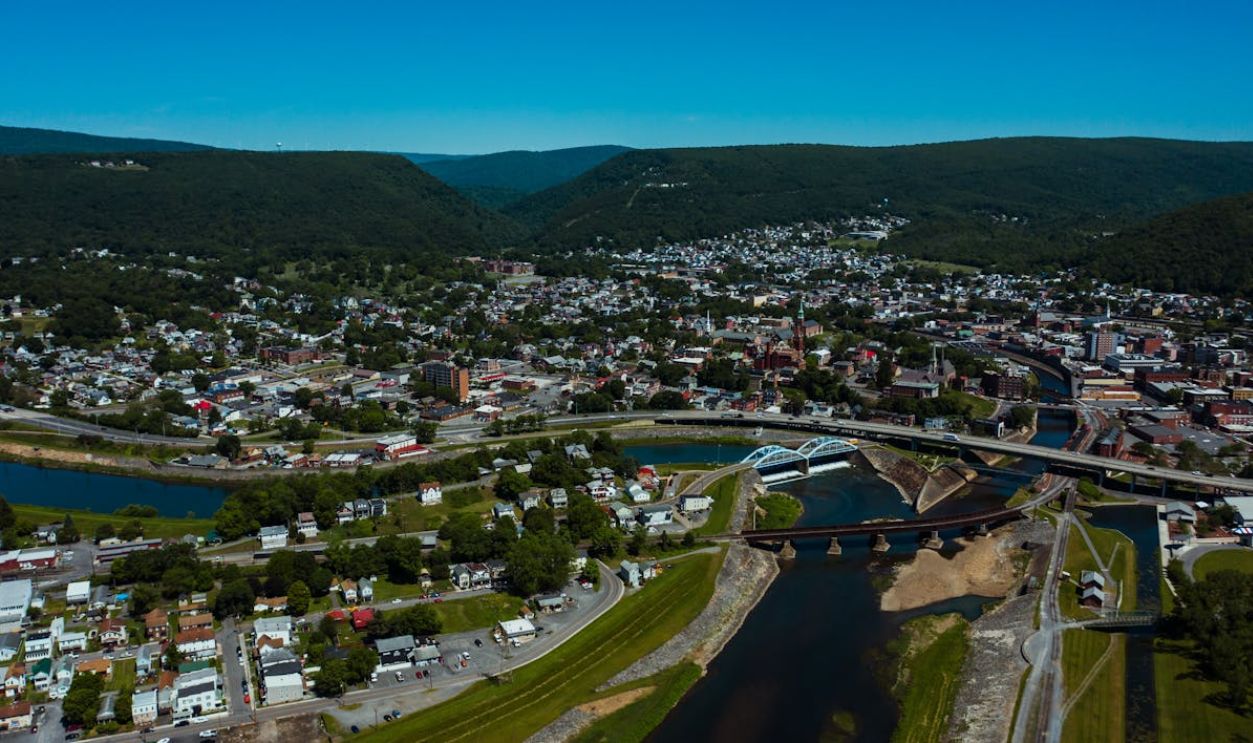
44: Illinois
Alien Survival Index: 28.4
Outside Chicago, resilience improves—but population concentration in the northeast shifts the balance. Agriculture helps long-term survival, yet early strikes on transport hubs could stall coordination across the state. Deep-dish pizza is comforting—but it’s not exactly a defensive strategy.

43: Nevada
Alien Survival Index: 30.1
Vast desert terrain helps, but heavy concentration in one metro area creates risk. If Las Vegas goes dark early, population shockwaves spread quickly. Remote zones offer refuge, though coordination across distance would be difficult. Even the casinos wouldn’t like those odds.

42: California
Alien Survival Index: 31.5
Size helps. Density hurts. Major coastal cities provide immediate high-value targets. Agriculture and defense infrastructure offer resilience—but population exposure is massive. Hollywood has scripted dozens of alien invasions. Unfortunately, this one wouldn’t have a director yelling cut.

41: Florida
Alien Survival Index: 33.7
Long coastlines mean multiple entry points. High metro density adds risk. Emergency systems are hurricane-tested—but extraterrestrial unpredictability is another level. The “Florida Man” headlines would write themselves.
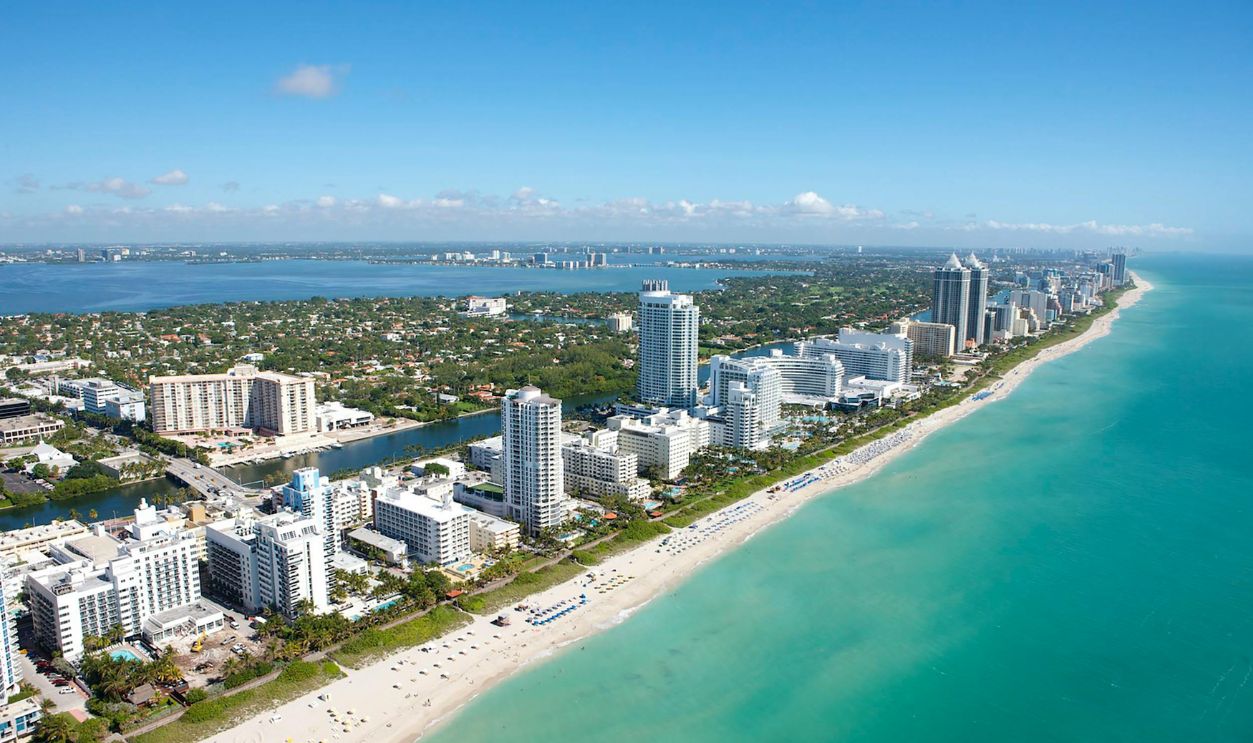
40: New York
Alien Survival Index: 35.2
Upstate provides strategic depth, but dense downstate corridors change the math quickly. Major infrastructure hubs likely draw attention first. Wall Street can handle market crashes—but hovering spacecraft over Manhattan is a different kind of volatility.
 Carol M. Highsmith, Wikimedia Commons
39: Hawaii
Alien Survival Index: 37.4
Isolation provides early warning, but limited landmass reduces fallback options. Strong defense presence helps. Paradise works well for tourism—less so for prolonged interstellar negotiations.
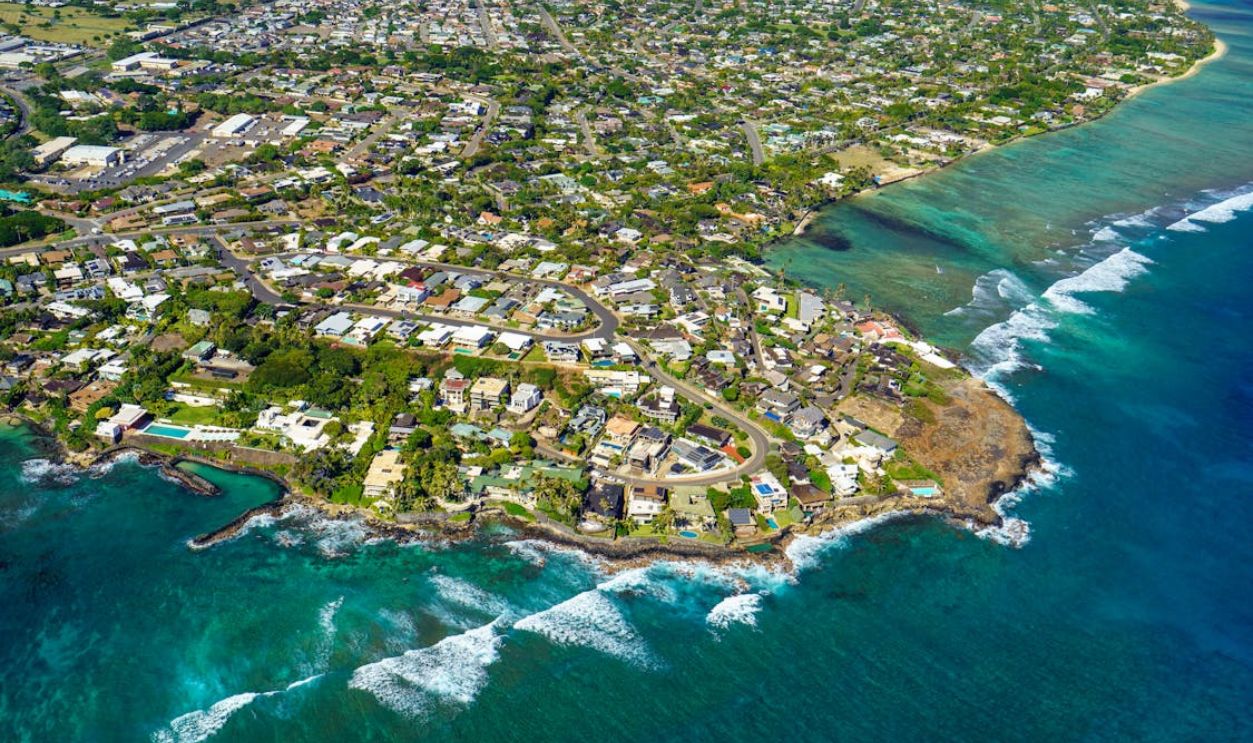
38: Arizona
Alien Survival Index: 39.6
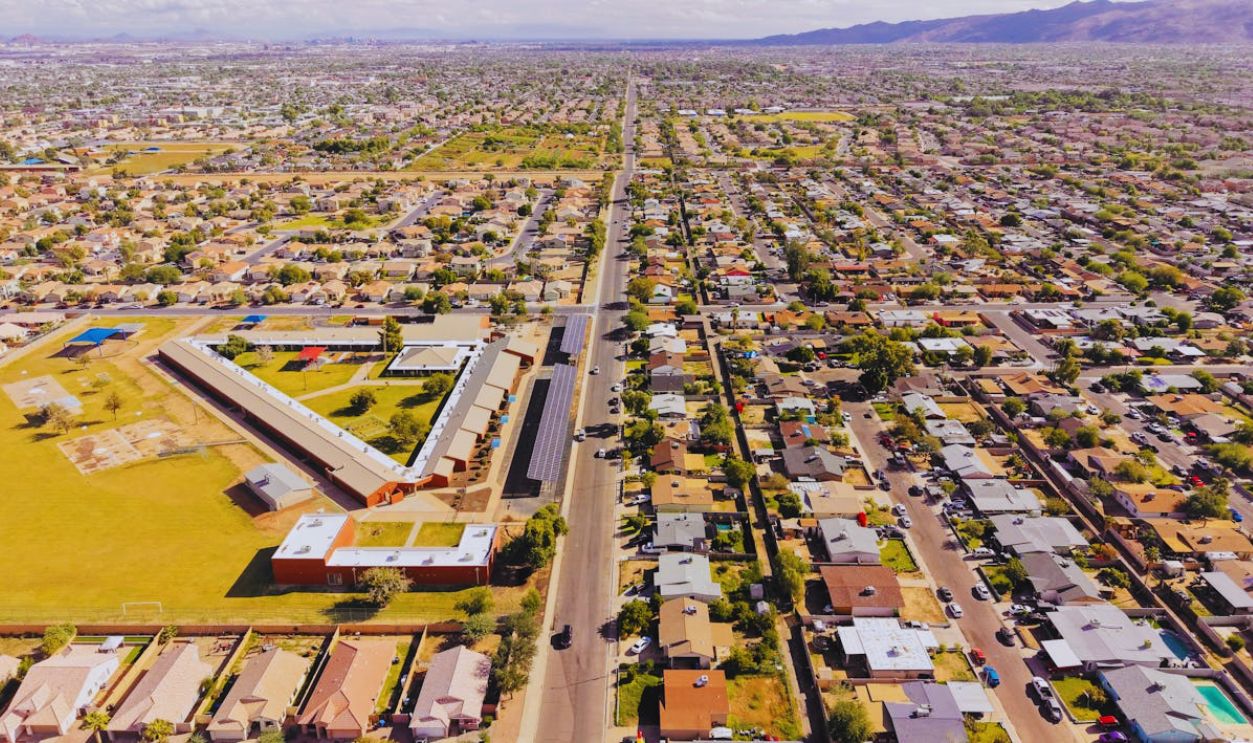
Wide desert terrain offers refuge, but heavy metro clustering in Phoenix increases exposure. The landscape looks otherworldly already—but that doesn’t mean it’s ready for actual visitors from elsewhere.
37: Michigan
Alien Survival Index: 41.2
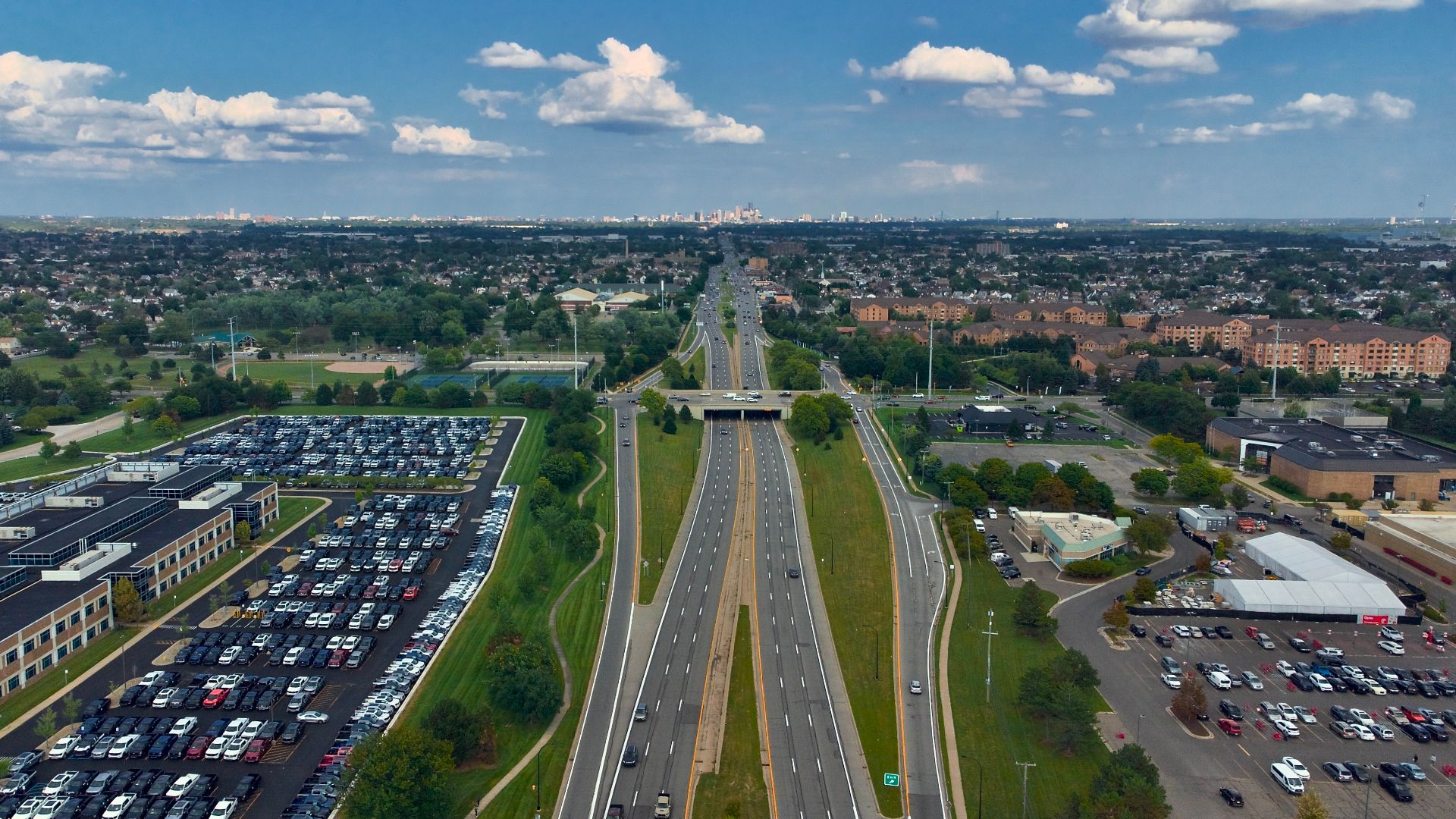
Freshwater access and industrial capacity support resilience. However, population clustering in southeast corridors limits early maneuverability. Long-term survival is possible—if the first wave is survived. The Great Lakes help with resources, though they probably won’t slow down a spacecraft.
36: Georgia
Alien Survival Index: 42.8
Strong logistics and regional coordination help, but metro Atlanta remains a dense target. The state has become a filming capital for apocalyptic blockbusters. This time, there wouldn’t be craft services.

35: North Carolina
Alien Survival Index: 44.3
Growing metro corridors raise exposure, yet diversified geography offers fallback areas. Military assets boost response capacity. The Outer Banks know storms—but this wouldn’t be coming from the Atlantic.
 Bud Davis, U.S. Army Corps of Engineers, Wikimedia Commons
34: Virginia
Alien Survival Index: 46.0
Significant defense infrastructure raises survival potential. However, proximity to high-value federal sites increases the chance of early targeting. Being close to the Pentagon is comforting—until it becomes the main attraction.
 mariordo59 from Santo Domingo, Dominican Republic, Wikimedia Commons
33: Pennsylvania
Alien Survival Index: 47.6
Mountainous terrain aids concealment, and energy production adds durability. Dense eastern cities remain vulnerable. Survival improves the farther from major corridors you are. Philadelphia sports fans are famously intense—but even they might struggle to boo a mothership away.

32: Ohio
Alien Survival Index: 49.1
Central location aids logistics—but also visibility. Manufacturing strength supports rebuilding capacity. The birthplace of aviation understands the skies—just not necessarily when something unfamiliar controls them.

31: Louisiana
Alien Survival Index: 50.8
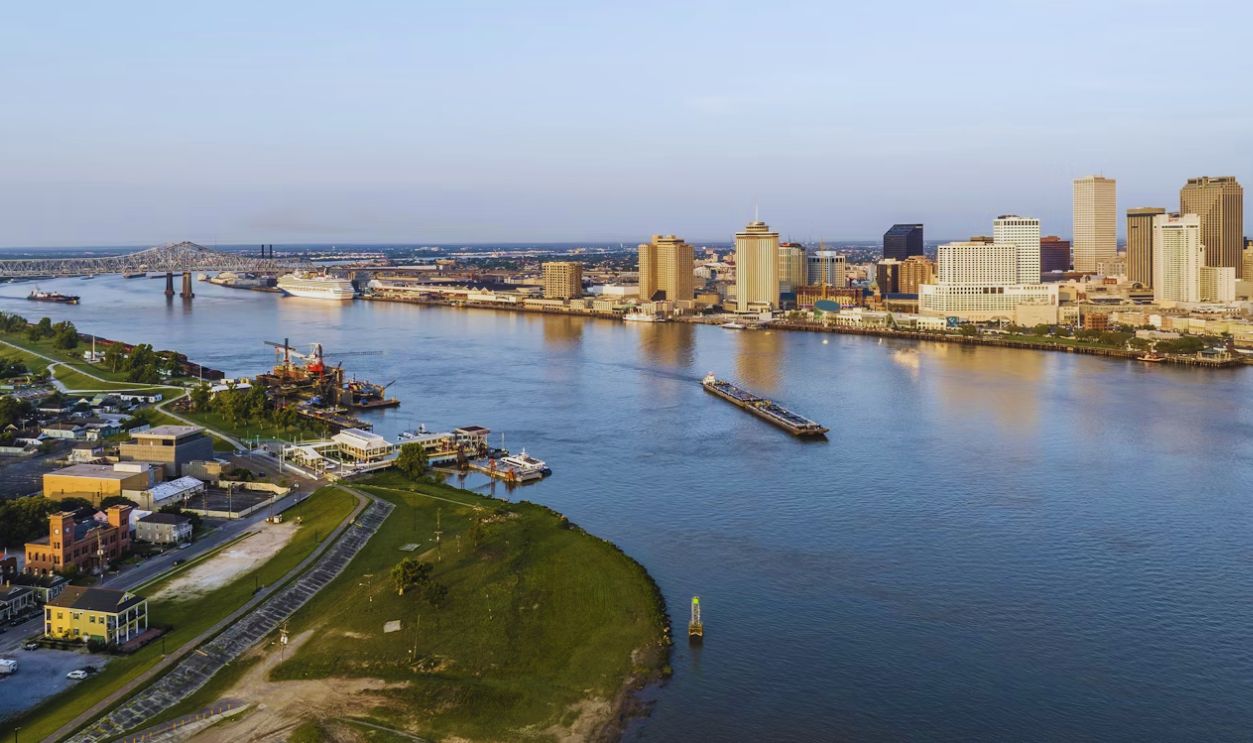
Energy infrastructure provides leverage. Low elevation and infrastructure clustering increase fragility. If coordination holds early, survival chances stabilize over time. The food will still be great—but an alien occupation probably hurts tourism.
30: South Carolina
Alien Survival Index: 52.4
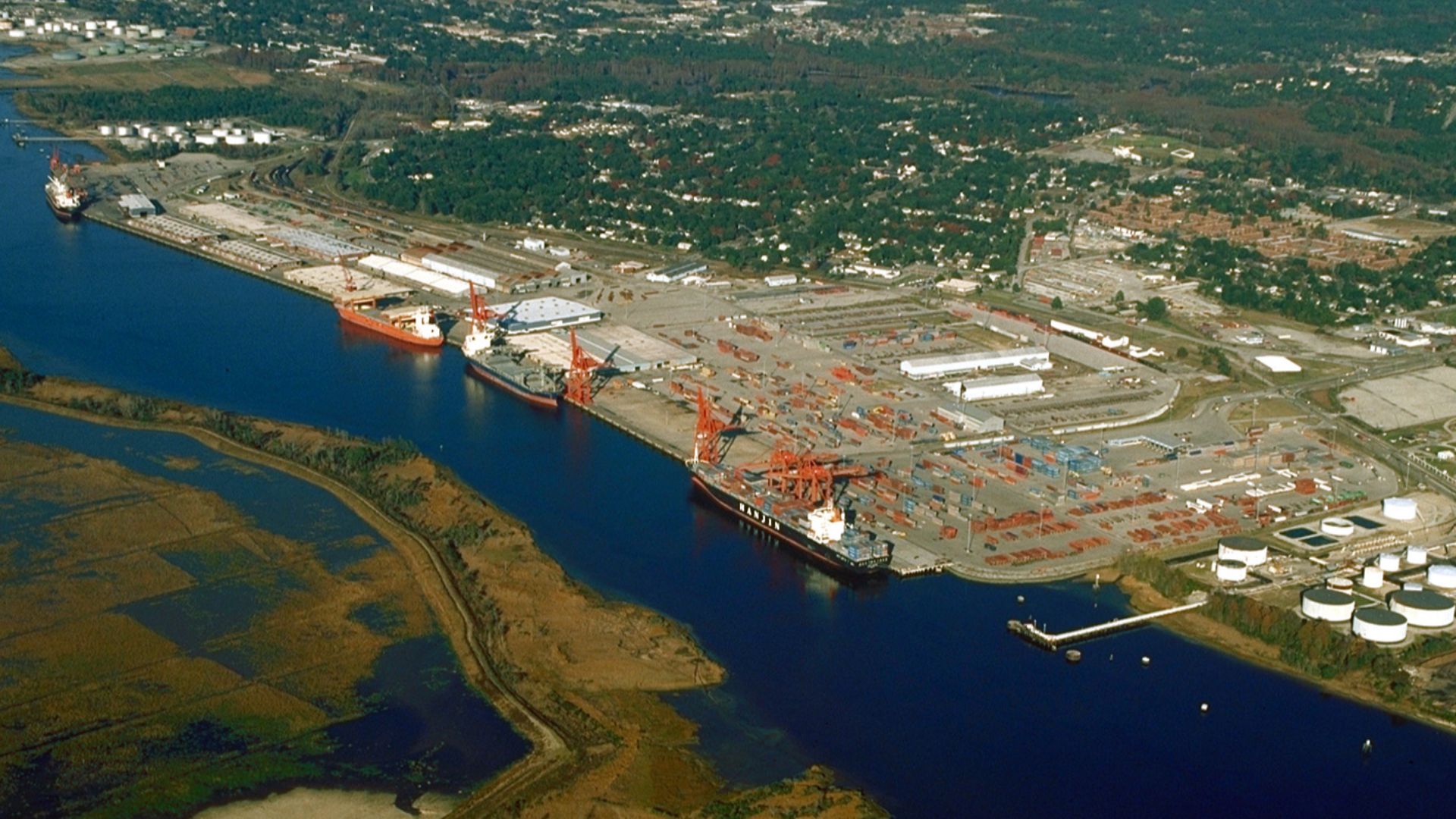
Coastal exposure is a risk, but rural inland regions improve prospects. Moderate defense presence enhances organization capacity in the early stages. If early coordination holds, the state could stabilize faster than many coastal neighbors—assuming the aliens don’t decide Myrtle Beach looks interesting.
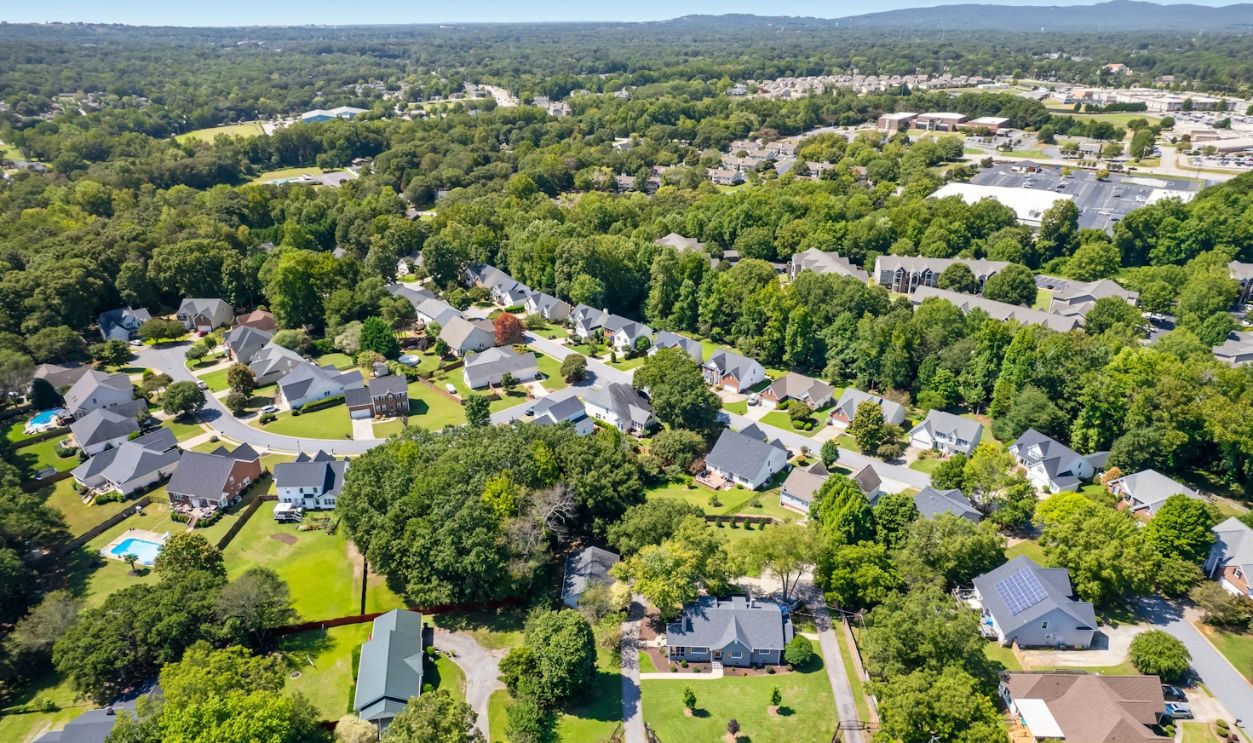
29: Alabama
Alien Survival Index: 54.0
Aerospace engineering assets enhance response capability, and dispersed rural regions improve survivability. Huntsville builds rockets—but it’s a different situation when something else brings the rockets first.
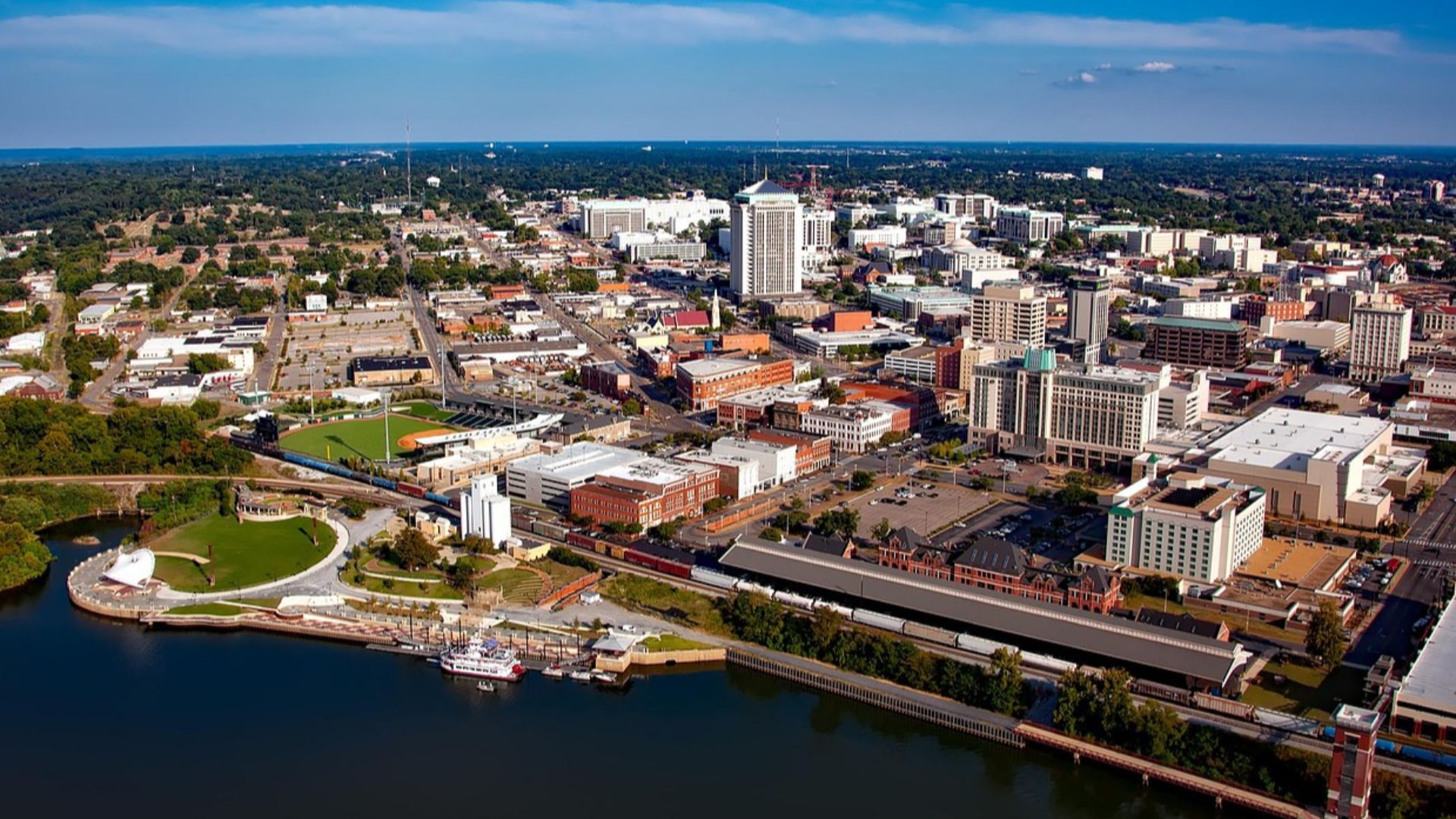
28: Tennessee
Alien Survival Index: 55.6
Central geography and moderate dispersion create balance. Logistics networks help—if they remain intact in the opening phase. Nashville knows how to put on a show, but this wouldn’t be the kind anyone bought tickets for.

27: Kentucky
Alien Survival Index: 57.1
Energy production and rural terrain boost endurance. Lower density improves early survival odds compared to neighboring states. Wide stretches of countryside provide space to regroup if cities are compromised. Also, bourbon might make the situation slightly easier to cope with.
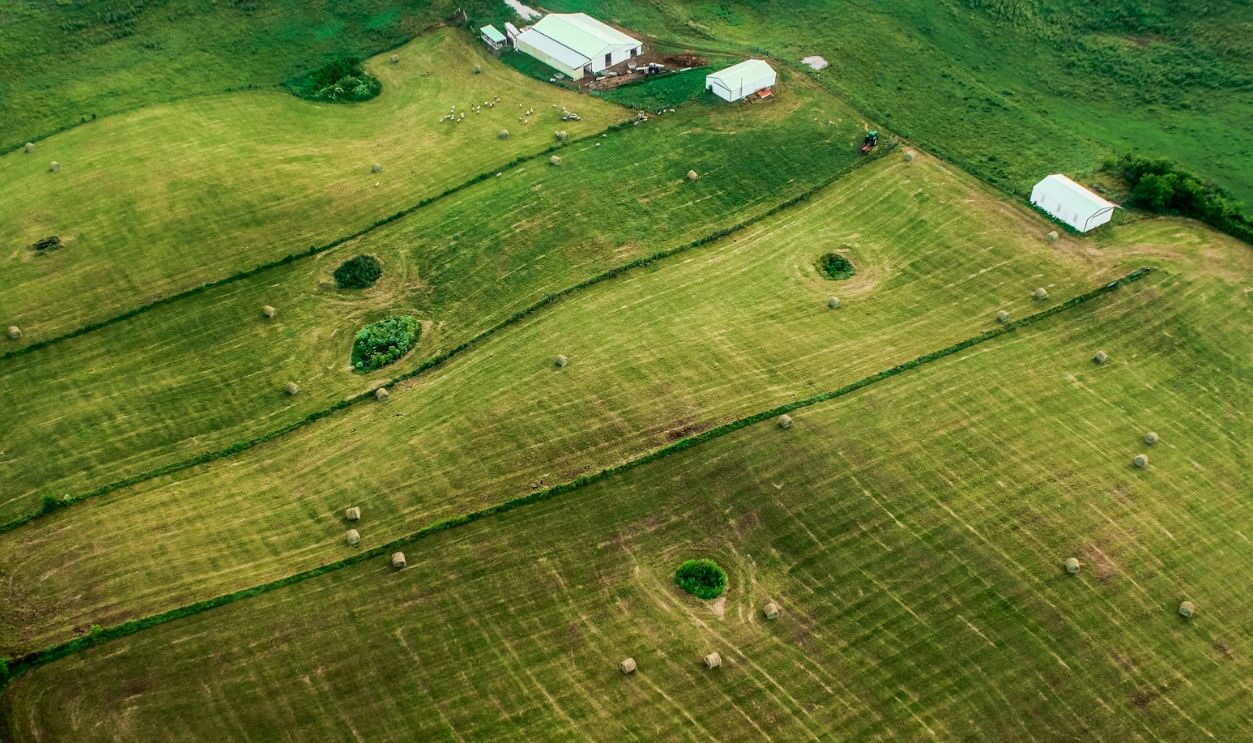
26: Indiana
Alien Survival Index: 58.5
Industrial capacity supports rebuilding potential. Moderate population density keeps early exposure manageable. If the skies fill with spacecraft, the Indy 500 probably won’t be the fastest thing moving anymore.
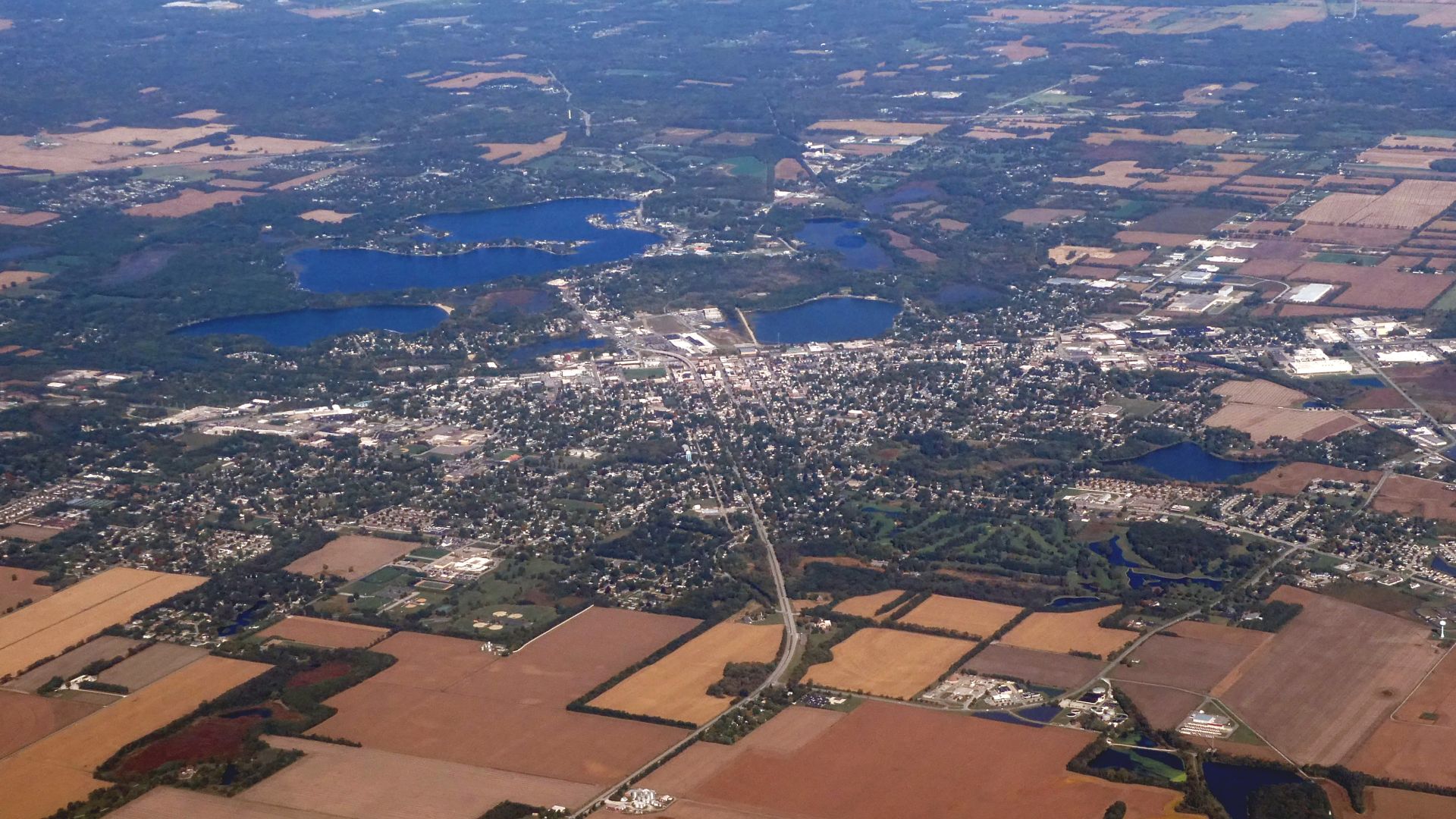 Pi.1415926535, Wikimedia Commons
25: Missouri
Alien Survival Index: 60.2
Central positioning and diversified geography create strategic flexibility. Population spread reduces the risk of total early collapse. If infrastructure stays intact, coordination across the state could remain surprisingly stable. The Gateway Arch might also become a very convenient landmark for confused aliens.

24: Arkansas
Alien Survival Index: 62.0
Low density and strong self-reliance culture enhance resistance longevity. Limited metro clustering reduces immediate vulnerability. Remote rural areas provide fallback space if urban centers are disrupted. If the invasion spreads out, the forests alone could hide a lot of people.
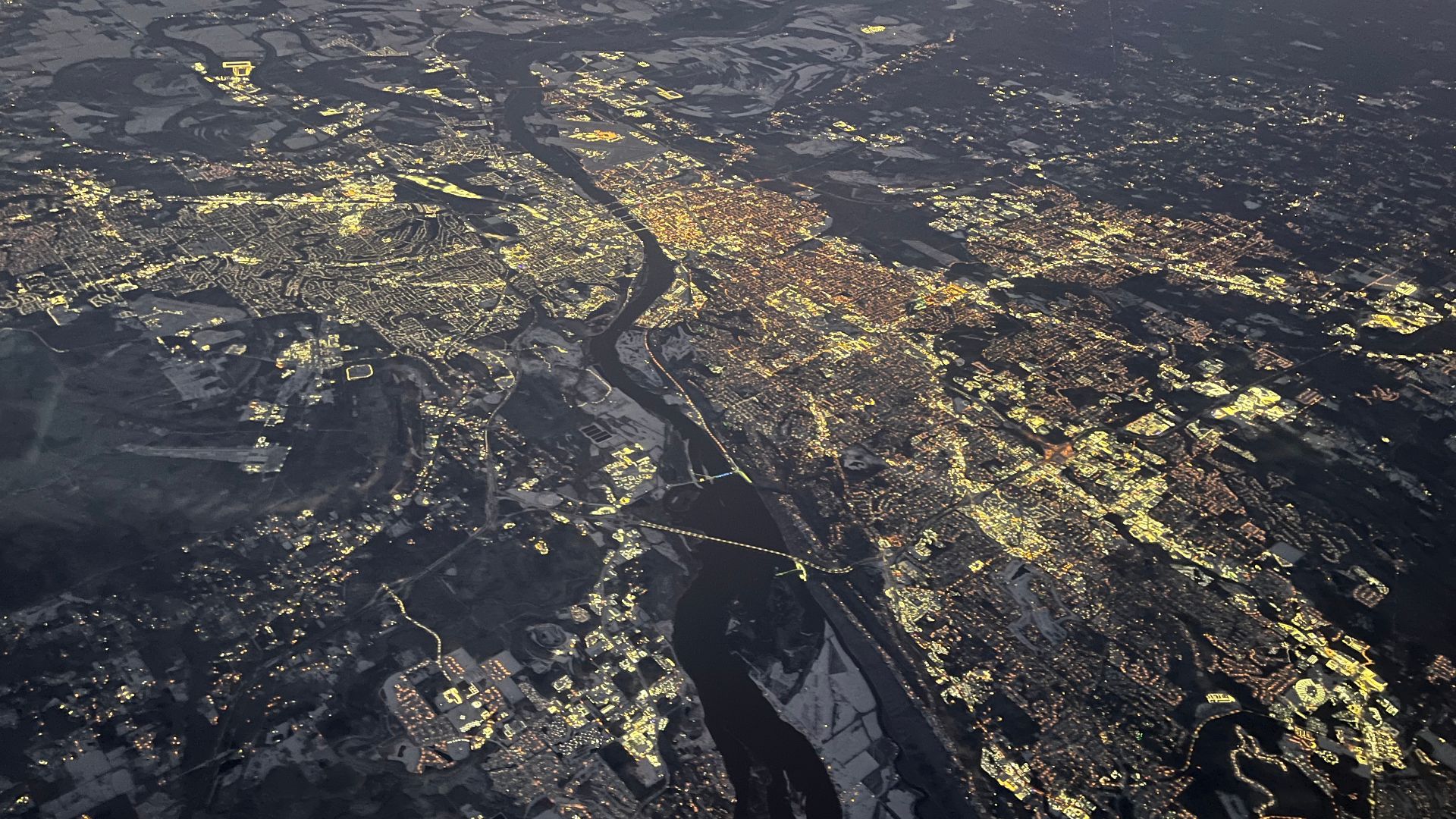
23: Oklahoma
Alien Survival Index: 63.7
Energy production and dispersed population strengthen resilience. Open terrain allows rapid movement if coordination holds. Long sightlines across the plains also make it easier to spot trouble approaching from the sky—which is helpful when the trouble is literally coming from the sky.
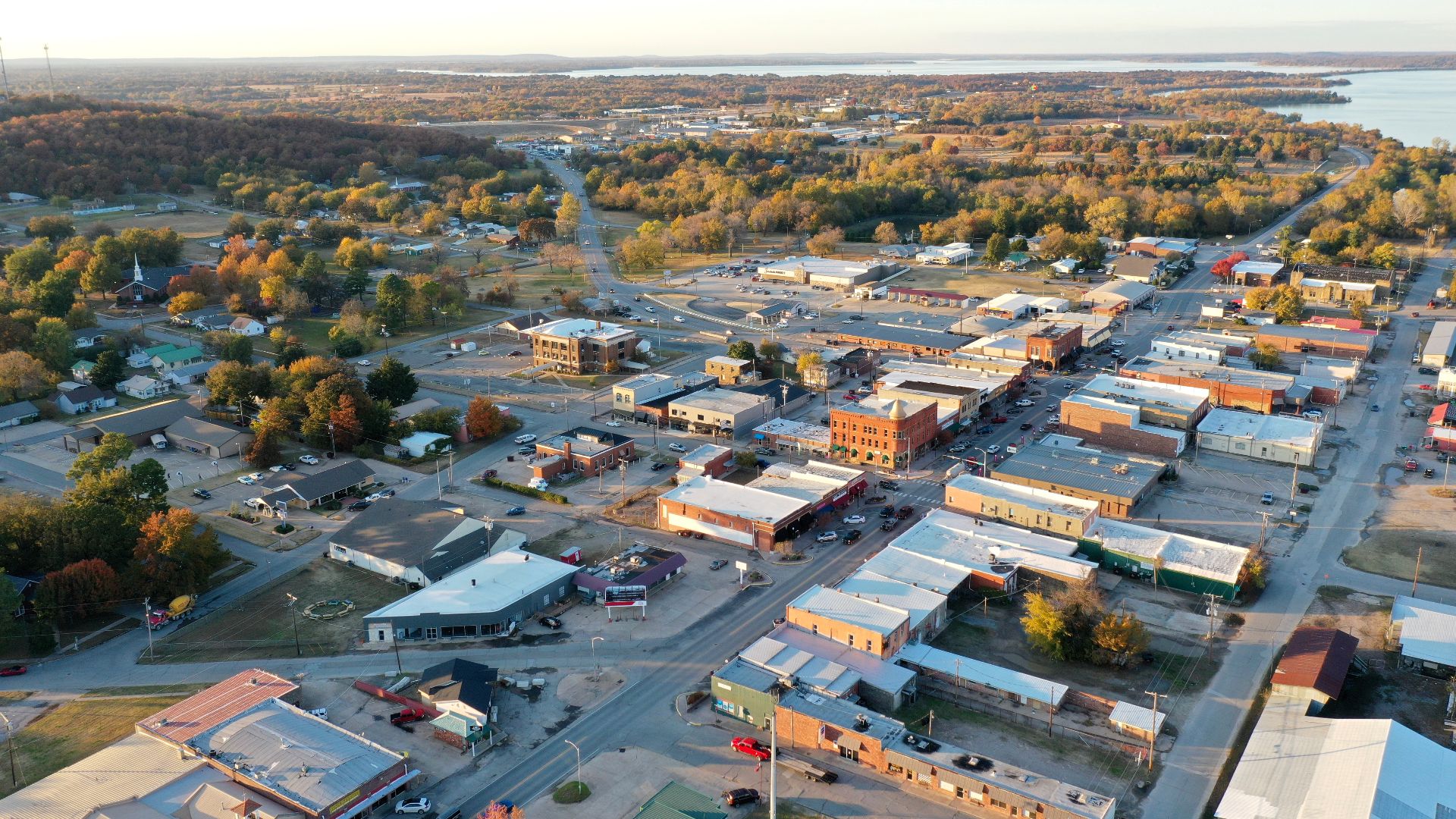 Cityofeufaulaok, Wikimedia Commons
22: Mississippi
Alien Survival Index: 65.3
Lower density and agricultural output improve survival duration. Infrastructure concentration remains modest compared to coastal peers. That combination could buy valuable time if early strikes target larger cities elsewhere. The humidity might also come as a surprise to visiting extraterrestrials.
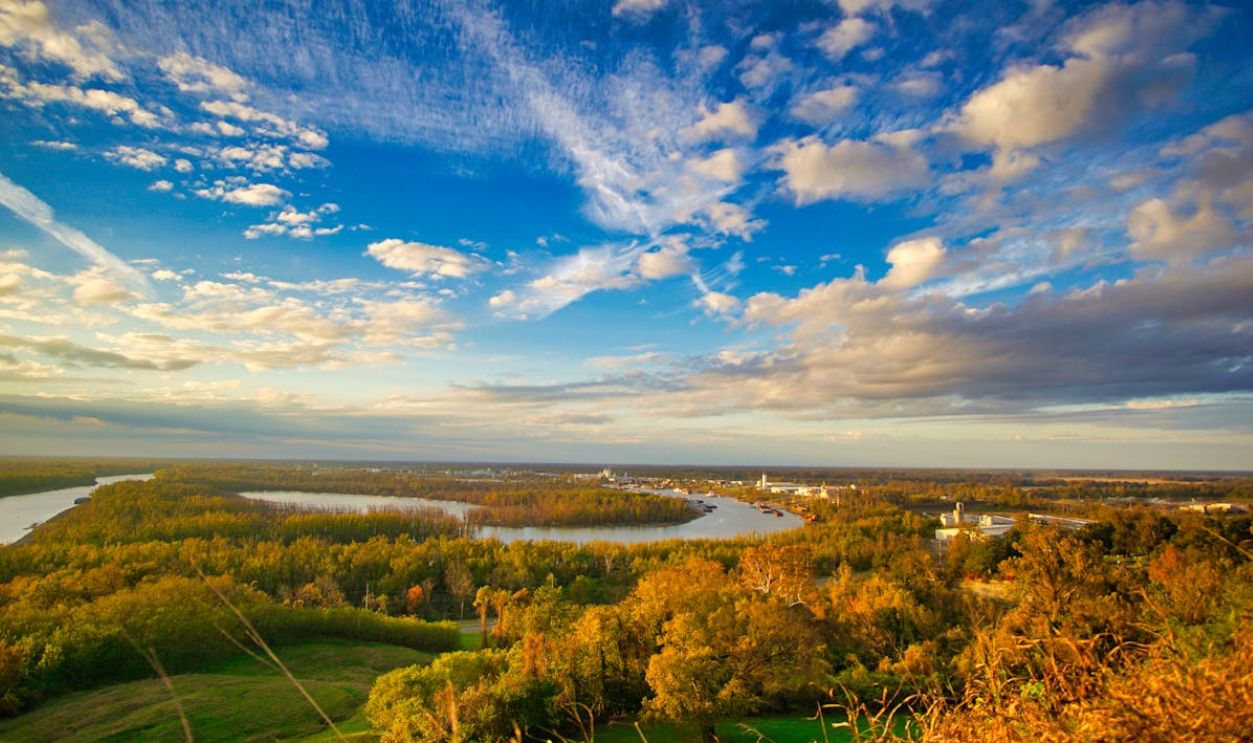
21: Colorado
Alien Survival Index: 67.4
Mountain terrain provides natural defensive advantages, and strategic installations strengthen coordination. High altitude gives you great views of the sky. It also means you’ll see what’s coming very clearly.

20: Washington
Alien Survival Index: 69.0
Coastal exposure increases risk, but strong infrastructure and regional defense assets improve response speed. Eastern rural regions offer fallback potential. Seattle’s tech scene can solve a lot of problems—interstellar diplomacy might be pushing it.

19: Oregon
Alien Survival Index: 70.6
Dense western corridor offsets vast rural east. Survival improves dramatically away from major population hubs. Once you move past the coastal cities, the landscape becomes much harder to monitor or control quickly. The aliens may also discover the rain is extremely committed.
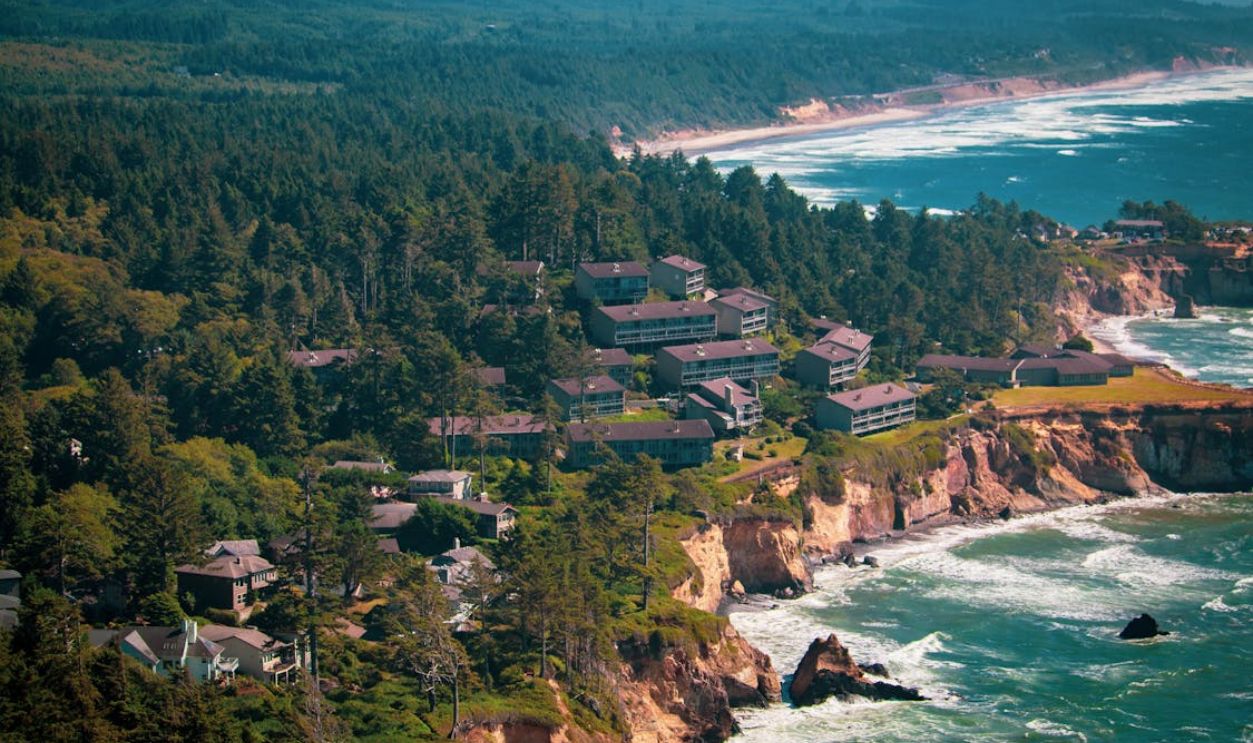
18: Minnesota
Alien Survival Index: 72.1
Cold climate and dispersed population support endurance. Northern regions would be difficult to fully control. “Minnesota Nice” might extend to visitors—but extraterrestrial diplomacy could test even that reputation.
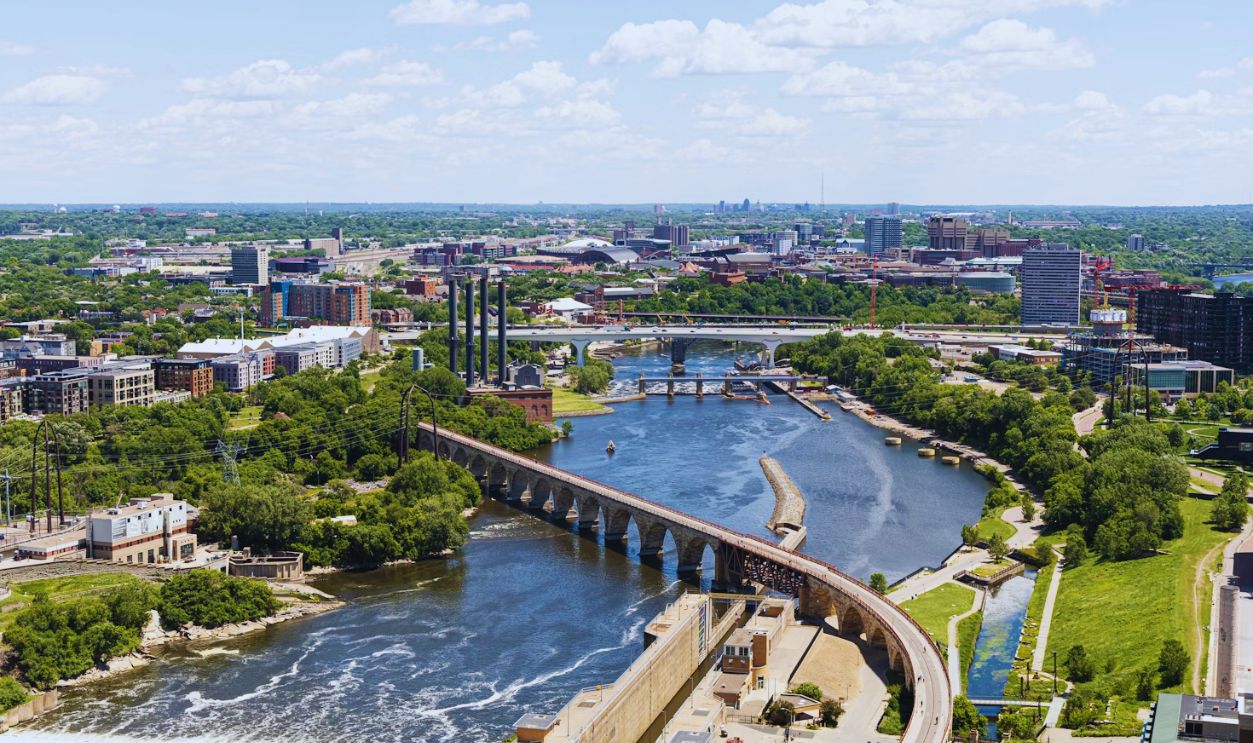
17: Wisconsin
Alien Survival Index: 73.4
Agriculture, freshwater access, and moderate density create steady survival capacity. Urban exposure remains limited to key pockets. Even if the invasion drags on, Wisconsin has one advantage many places don’t—enough cheese to keep bunker morale surprisingly high.
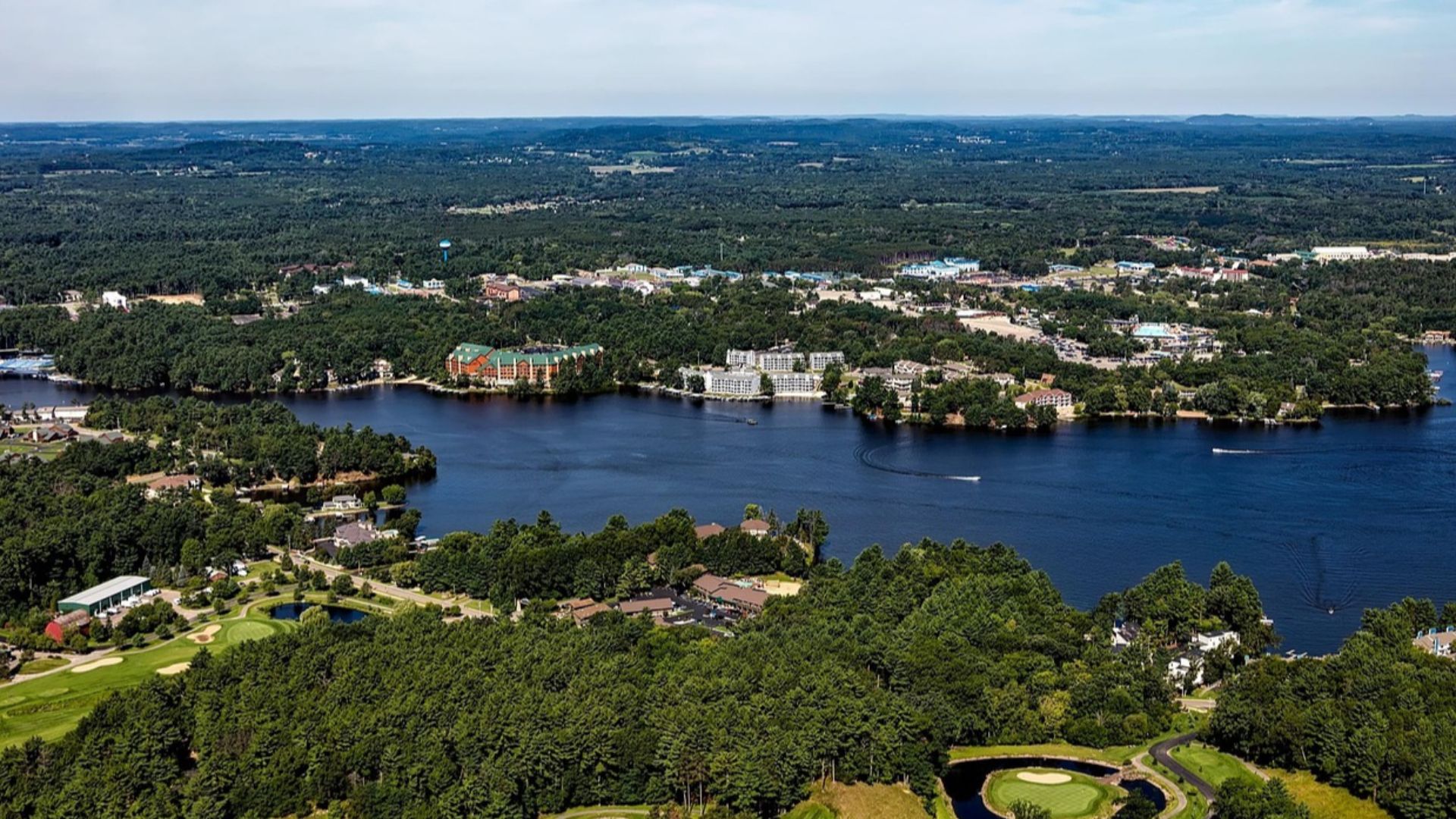
16: Idaho
Alien Survival Index: 75.0
Low density and mountainous terrain increase concealment options. Infrastructure targets are relatively sparse. That combination alone could make large-scale control extremely difficult. The aliens might also discover Idaho produces an awful lot of potatoes—and potatoes make surprisingly decent projectiles in a pinch.
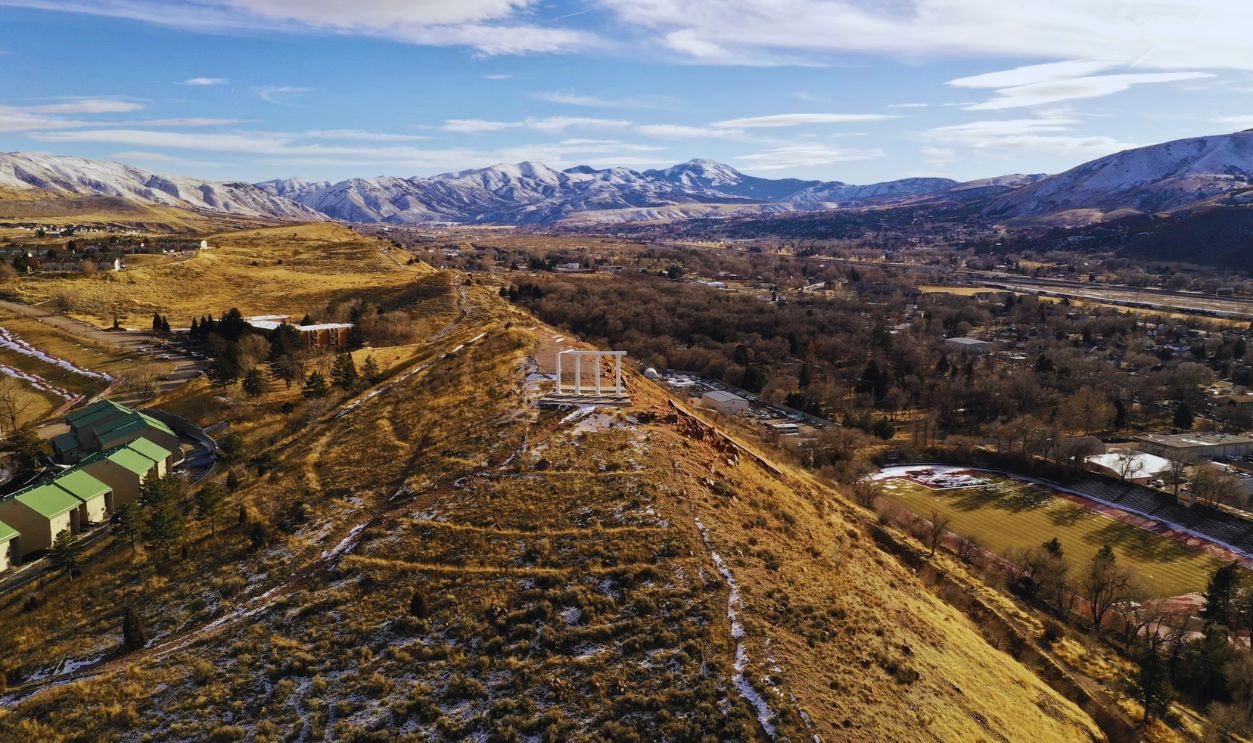
15: Montana
Alien Survival Index: 76.8
Wide open space and minimal density complicate large-scale monitoring. Strategic assets enhance deterrence potential. If the invasion spreads out, the sheer size of the state becomes a major advantage. Visitors from another galaxy might underestimate just how big Montana actually is.
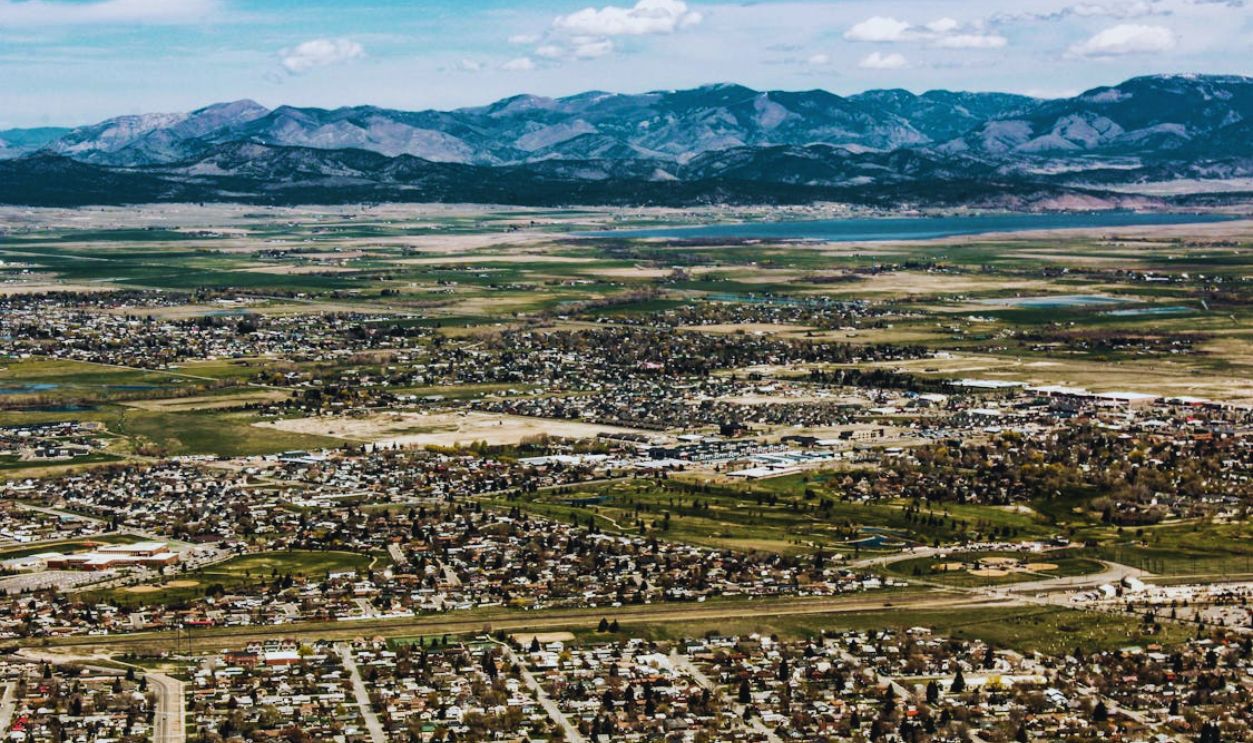
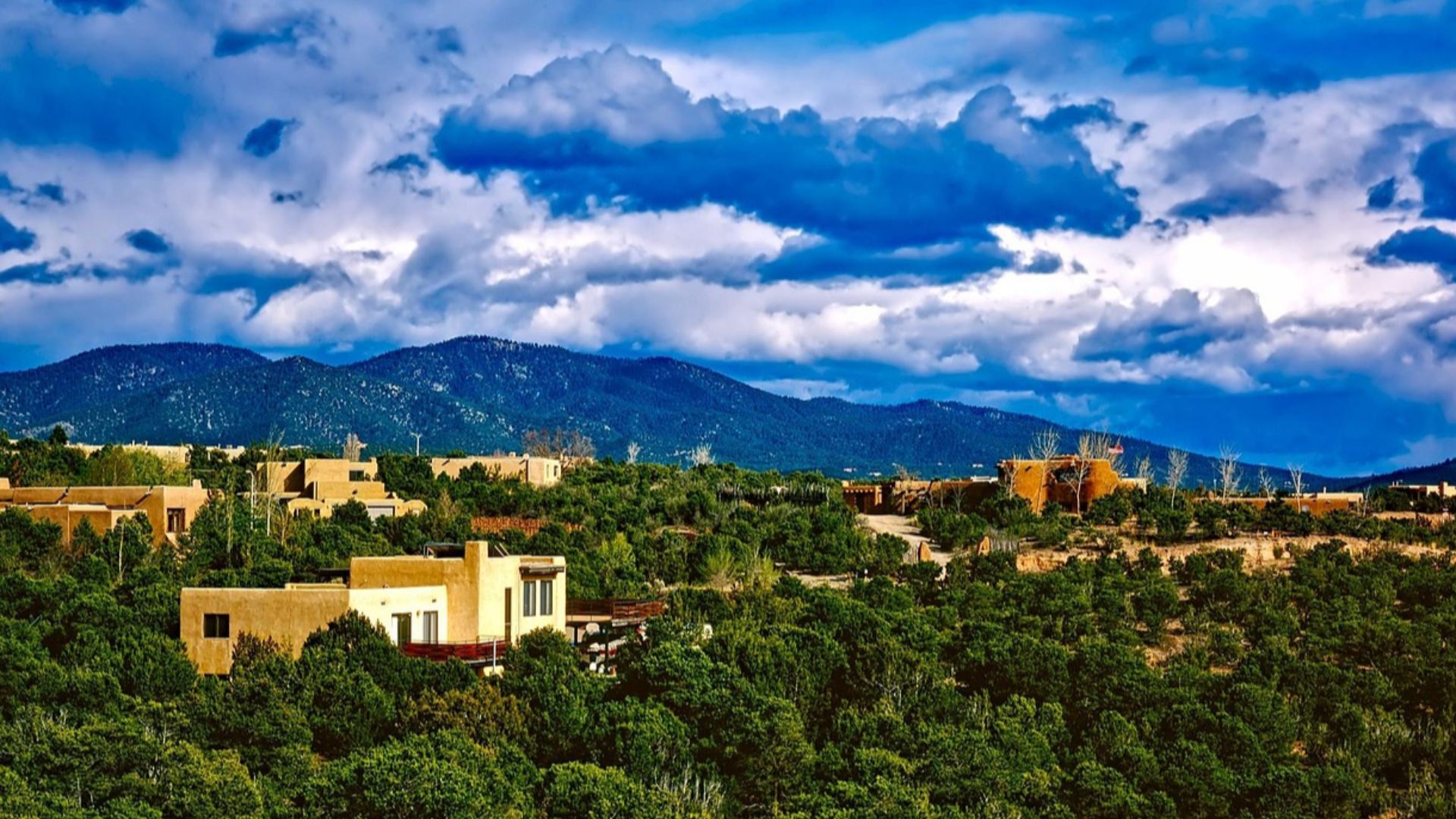
14: New Mexico
Alien Survival Index: 78.5
Sparse population, vast desert terrain, and large stretches of remote land provide real strategic depth. Infrastructure targets are limited and widely dispersed. If aliens land here, the town of Roswell is going to have some very satisfying “told you so” moments.
13: South Dakota
Alien Survival Index: 80.1
Low density and strong agricultural base support endurance. Limited metro clustering reduces first-wave impact. The wide open plains provide early visibility if something unusual appears overhead. Mount Rushmore would also be a very confusing first landmark for aliens.
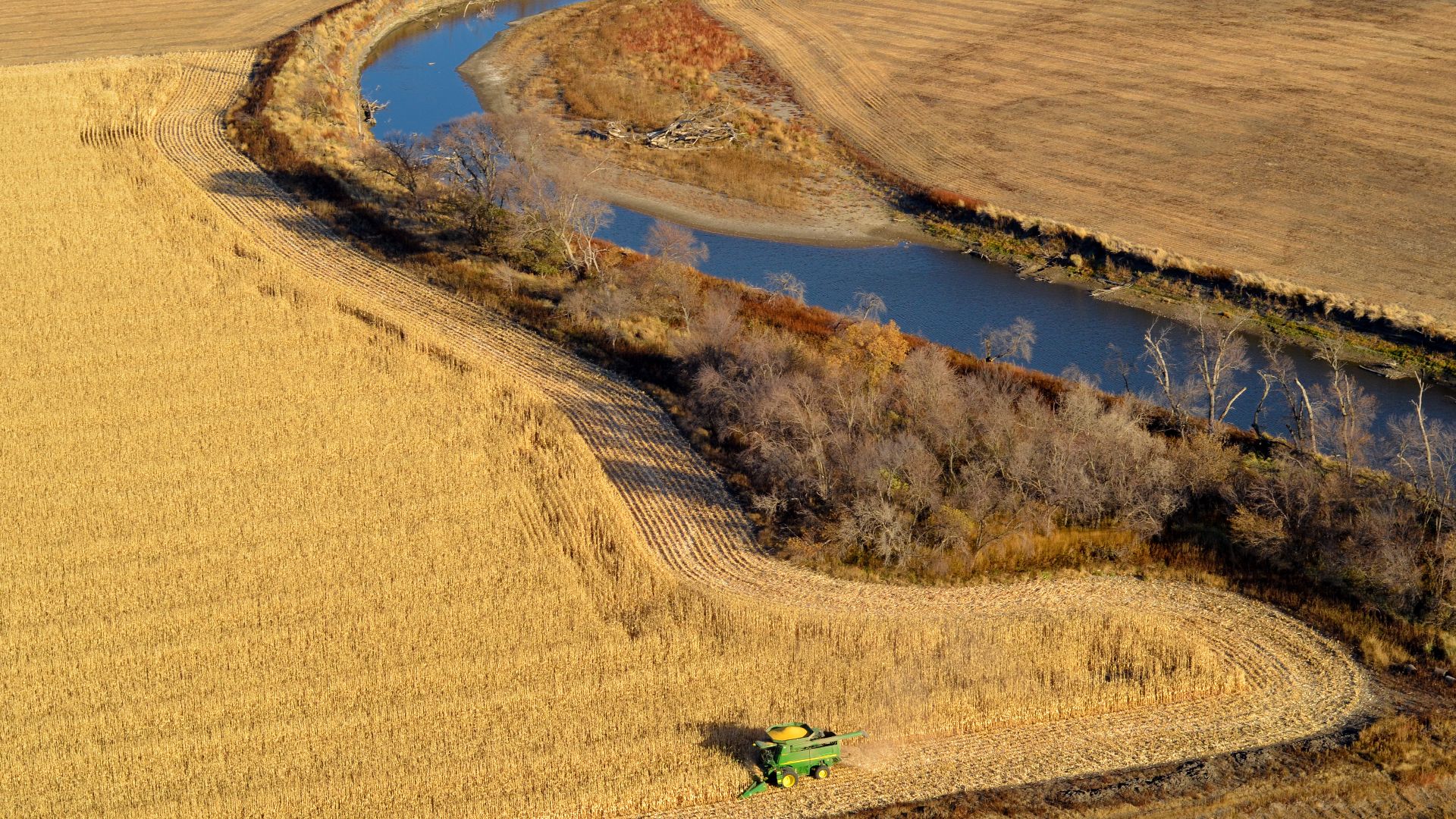
12: North Dakota
Alien Survival Index: 82.6
Energy production and strategic installations strengthen defensive capacity. Population dispersion makes rapid takeover unlikely. Long distances between population centers add another layer of difficulty. The aliens may also notice that winters here are not particularly welcoming.
 formulanone from Huntsville, United States, Wikimedia Commons
11: Nebraska
Alien Survival Index: 84.2
Central geography and low density create strategic depth. Food production supports long-term sustainability. If the invasion drags on, those agricultural resources could become extremely valuable. Cornfields also make surprisingly good hiding spots.

10: Kansas
Alien Survival Index: 85.9
Flat terrain aids visibility and coordination. Agriculture and moderate dispersion enhance resilience beyond initial strikes. If something massive appears in the sky, at least everyone will see it coming from miles away.
 Quintin Soloviev, Wikimedia Commons
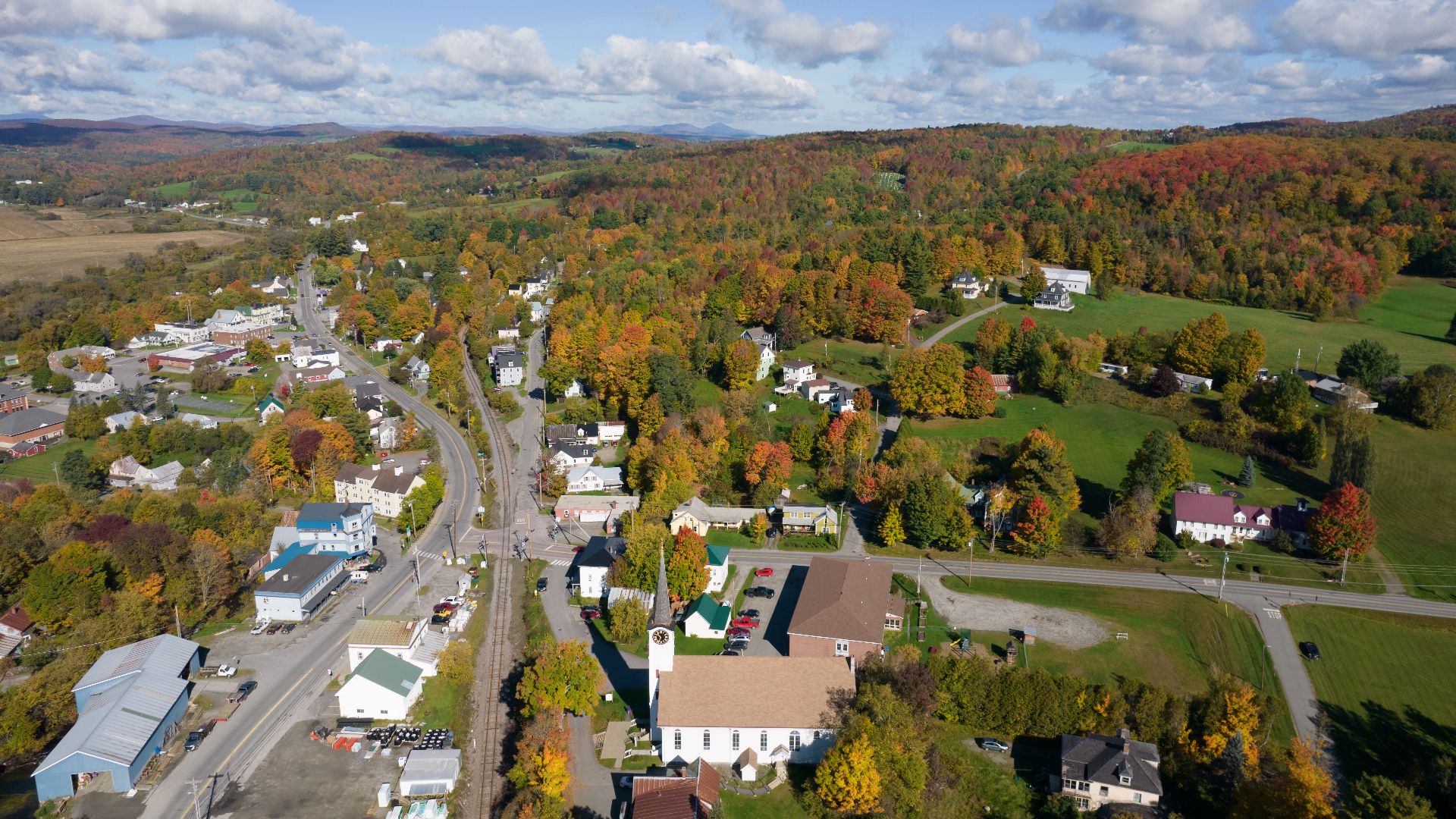
9: Vermont
Alien Survival Index: 87.3
Mountain terrain and small population centers reduce vulnerability. Isolation becomes an advantage if skies stay contested. Dense forests and rural valleys offer plenty of places to regroup. Worst case, Vermont has enough maple syrup to leave the aliens’ fingers too sticky to steer their ships—assuming they even have fingers.
 King of Hearts, Wikimedia Commons
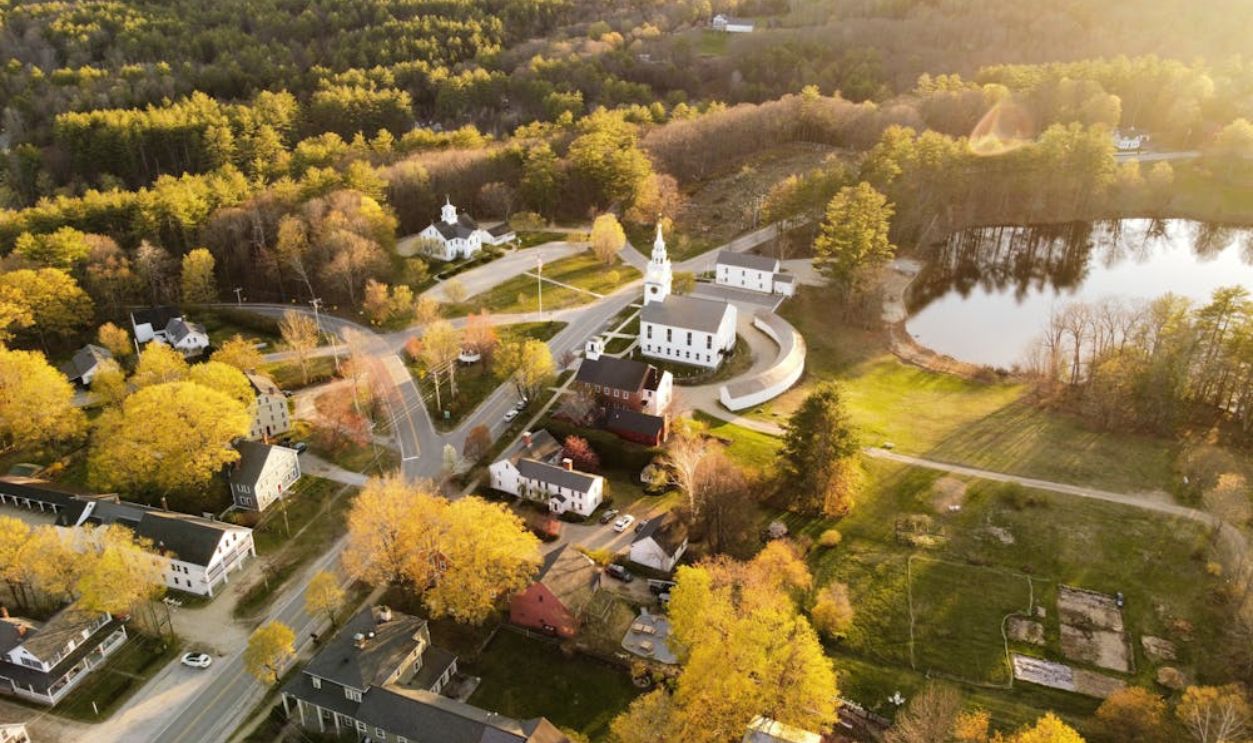
8: New Hampshire
Alien Survival Index: 88.7
Low density and strong preparedness culture boost survivability. Compact but rugged geography complicates rapid control. Mountain terrain creates natural barriers that slow large-scale movement. “Live Free or Die” would suddenly feel very on-theme.
7: West Virginia
Alien Survival Index: 90.4
Mountainous terrain and sparse infrastructure complicate large-scale domination. Remote valleys offer concealment. If the invasion drags on, the hills may prove harder to conquer than expected.
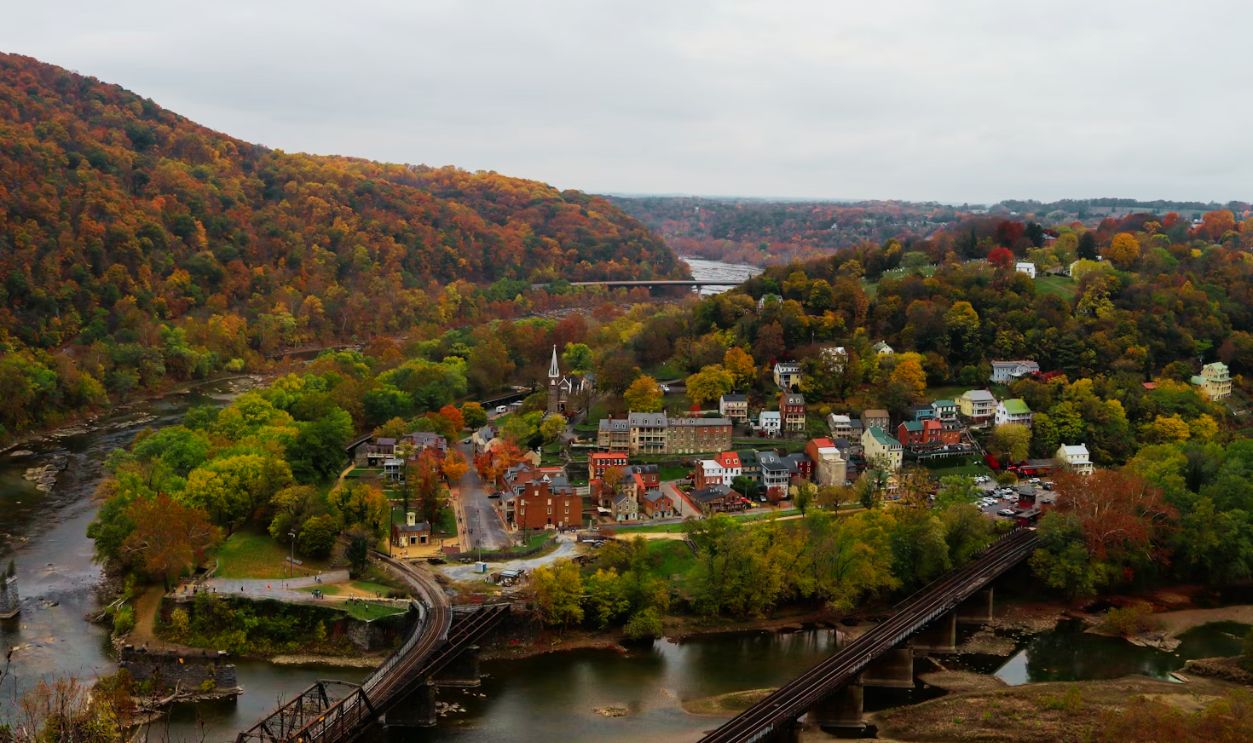
6: Maine
Alien Survival Index: 92.0
Remote forests and minimal density make sustained occupation difficult. Cold climate adds another layer of deterrence. If the invasion drags into winter, the aliens might learn why even humans complain about it here.
 Quintin Soloviev, Wikimedia Commons
5: Iowa
Alien Survival Index: 93.6
Low density and massive agricultural output create exceptional sustainability. Infrastructure targets are limited and widely dispersed. If the invasion drags on, the corn supply alone could keep people going for a very long time—assuming the aliens don’t develop a taste for it too.

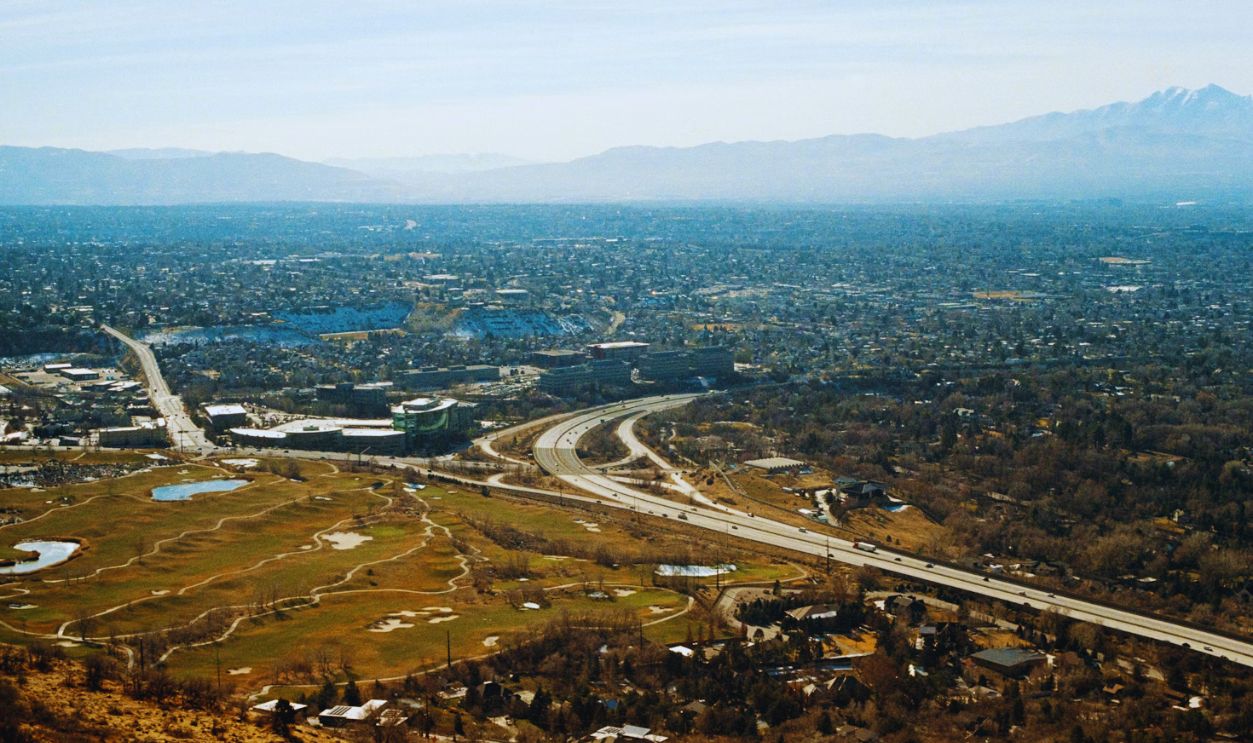
4: Utah
Alien Survival Index: 95.1
Mountain terrain, strategic facilities, and strong self-reliance culture create formidable resistance capacity. Rapid organization would be likely. The landscape already looks a little like another planet—which might make visiting aliens feel briefly at home before realizing the locals aren’t thrilled they stopped by.
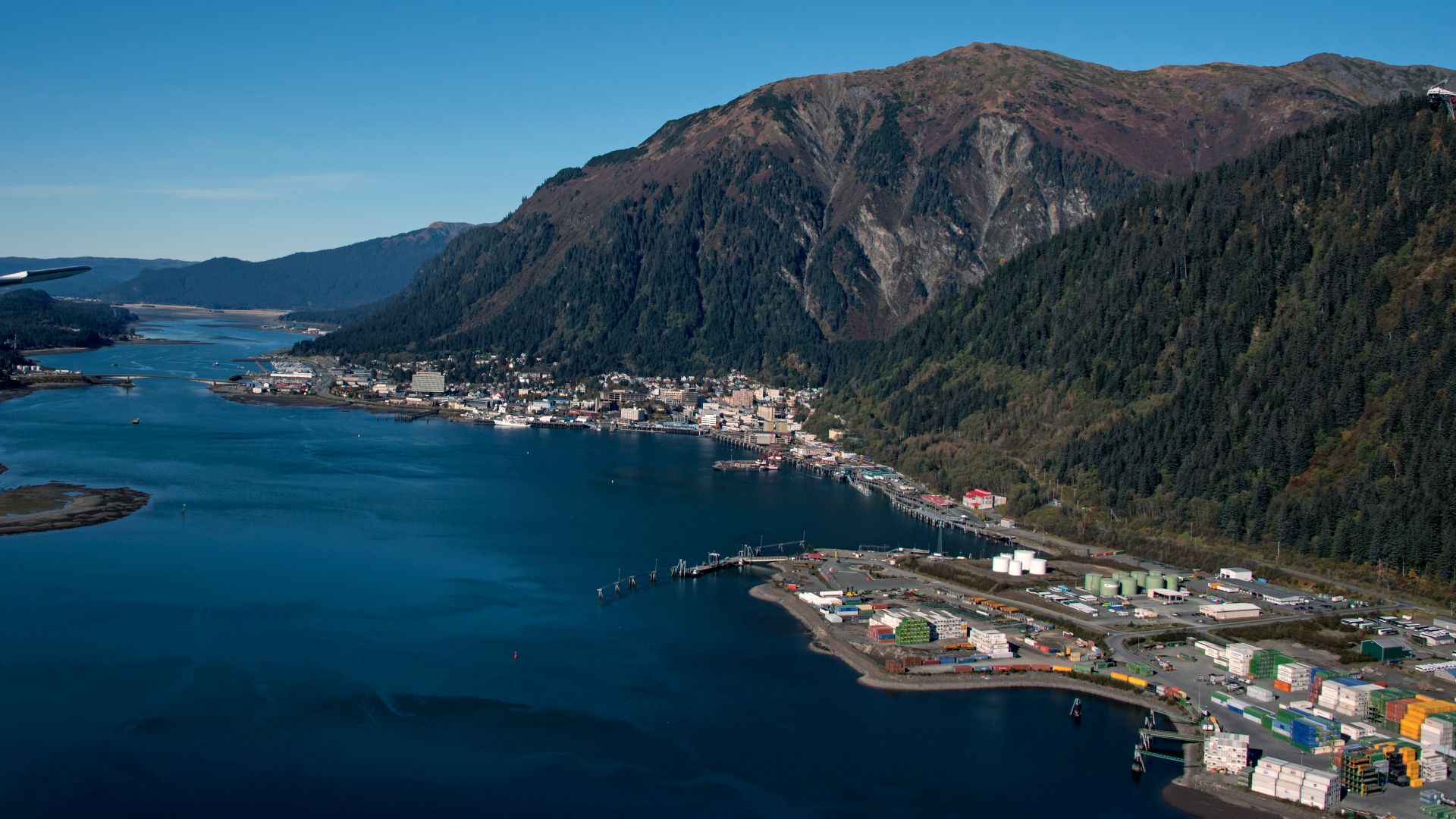
3: Alaska
Alien Survival Index: 97.4
Vast terrain, extreme climate, and serious defense presence make full control nearly impossible. The wilderness is unforgiving to outsiders. If aliens think they can just land and settle in, Alaska might politely disagree—and the weather will probably back it up.
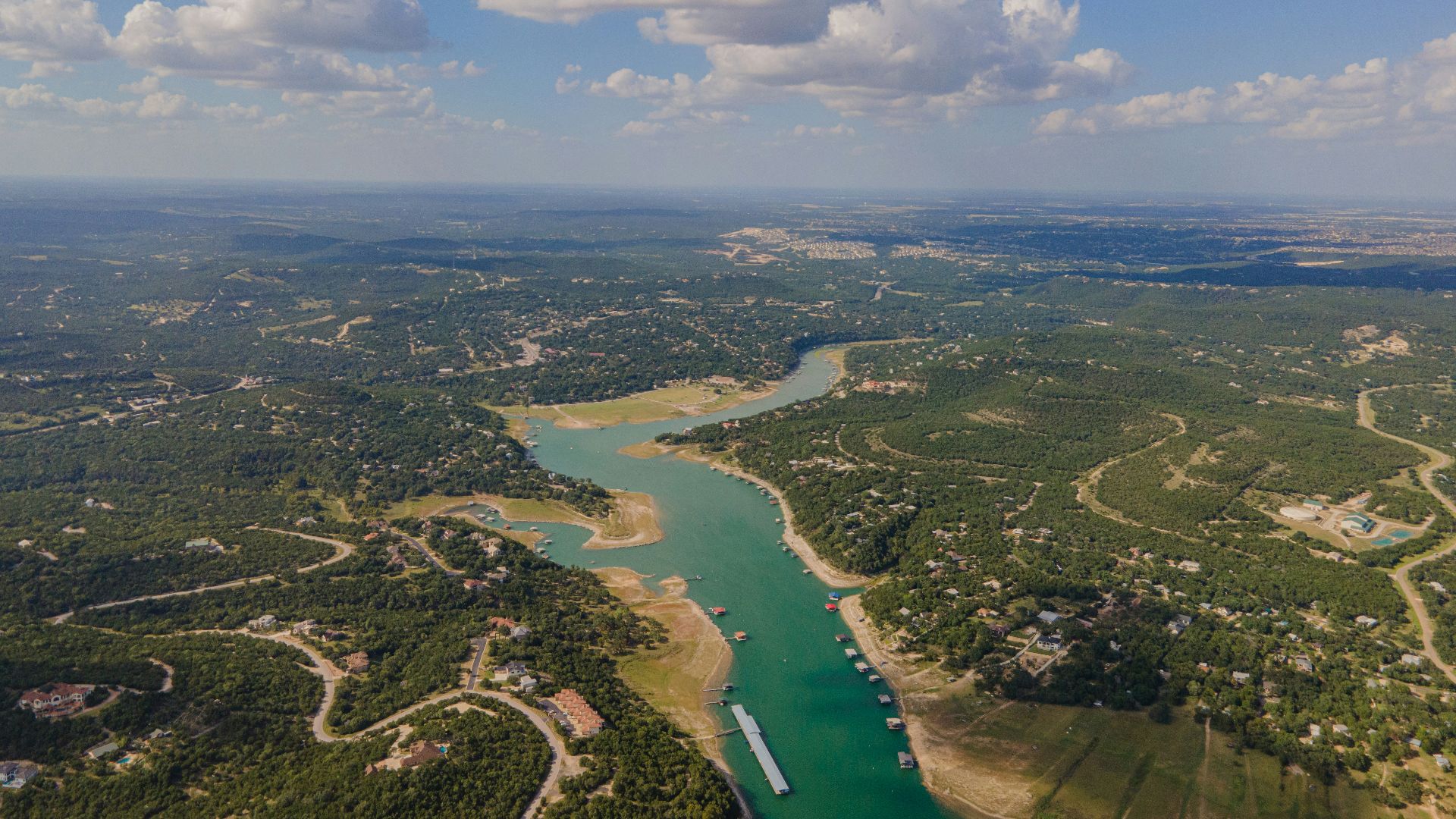
2: Texas
Alien Survival Index: 98.6
Massive energy production, wide geographic spread, and substantial defense infrastructure create serious staying power. Coordination across scale is its biggest strength. If the sky fills with spacecraft, Texas will probably respond the same way it responds to everything else—bigger.
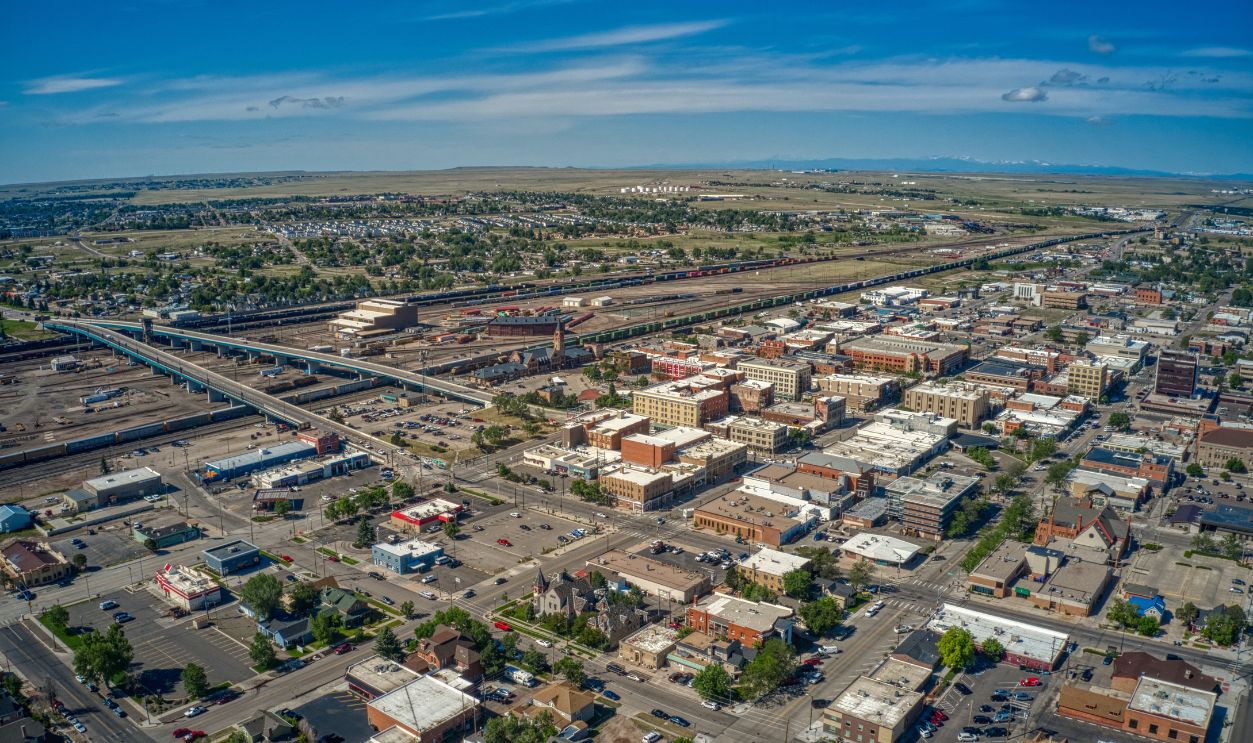
1: Wyoming
Alien Survival Index: 99.2
Extremely low population density, rugged terrain, and strong energy production create exceptional resilience. Vast open spaces make large-scale control extremely difficult. If the invasion drags on, the aliens may eventually realize Wyoming is simply too spread out—and too stubborn—to conquer easily.
You Might Also Like:
The Most Incredible Ancient Technology
An actual scientist says that aliens may have started life on Earth. And he isn't the only one.