The Question That Won’t Go Away
How life began on Earth is one of science’s biggest unanswered questions—or at least, that’s how it’s usually framed. In reality, there is an explanation most scientists broadly agree on. But what if that explanation is incomplete? One scientist, using real research and real data, has publicly argued exactly that. And he doesn’t stop there. He’s also put forward another possibility. Yes…aliens. And he isn’t the first scientist to say it either.
The Explanation Most Scientists Agree On
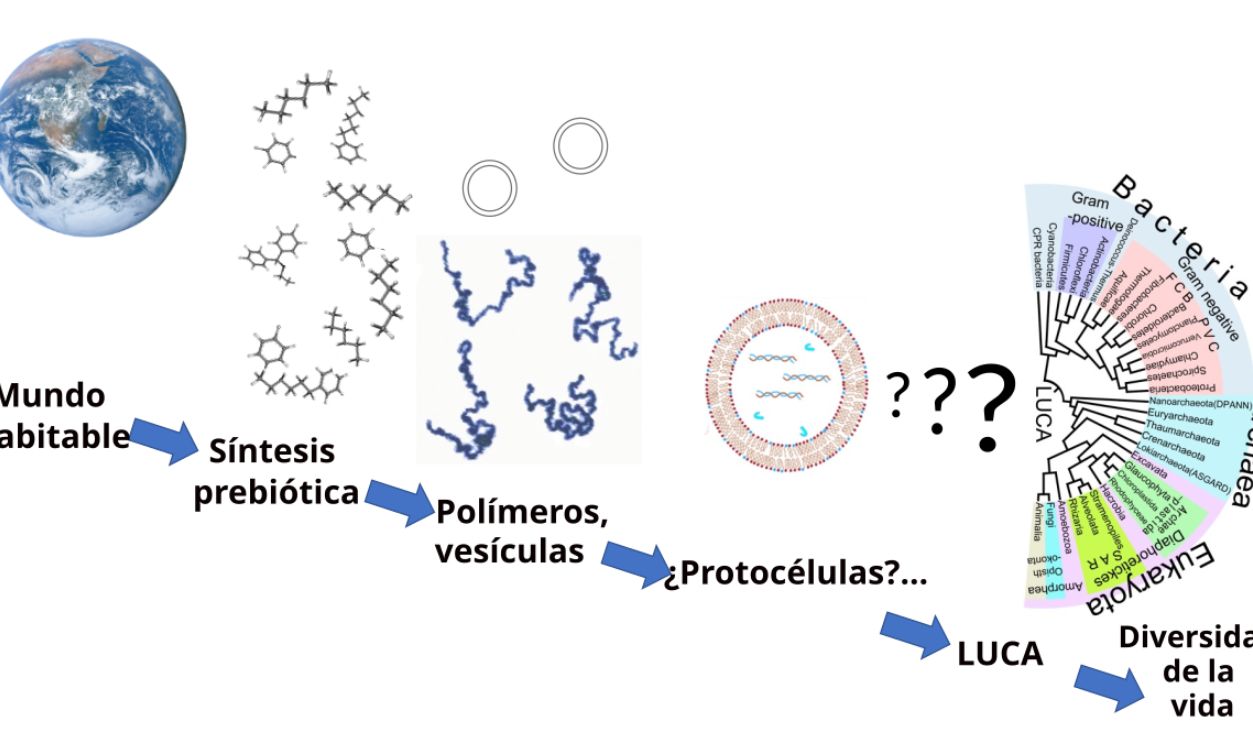
The leading explanation for how life began is known as abiogenesis. It proposes that life emerged naturally from non-living chemical processes on early Earth, driven by energy, time, environmental conditions, and increasingly complex molecular interactions that eventually crossed the threshold into biology.
 Vyacheslav Argenberg, Wikimedia Commons
Why Abiogenesis Became the Consensus
Abiogenesis gained acceptance because scientists have repeatedly demonstrated that many of life’s fundamental building blocks can form without biology. Amino acids, lipids, and nucleotides have all been created in laboratory experiments designed to replicate conditions believed to exist on early Earth.
 Chiswick Chap, CC BY 4.0, Wikimedia Commons
What Abiogenesis Explains Well
The theory explains how simple chemical compounds could gradually become more complex over long periods of time. It aligns with what scientists know about early oceans, volcanic activity, atmospheric chemistry, and natural energy sources, as well as fossil evidence showing life emerged billions of years ago.
 Anne Burgess, CC BY-SA 2.0, Wikimedia Commons
Where Abiogenesis Still Has Gaps
Despite decades of research, scientists have not recreated the full transition from chemistry to the first self-replicating organism. The precise mechanism that crossed the line from non-living molecules to living systems remains unknown and is still actively debated in origin-of-life research.
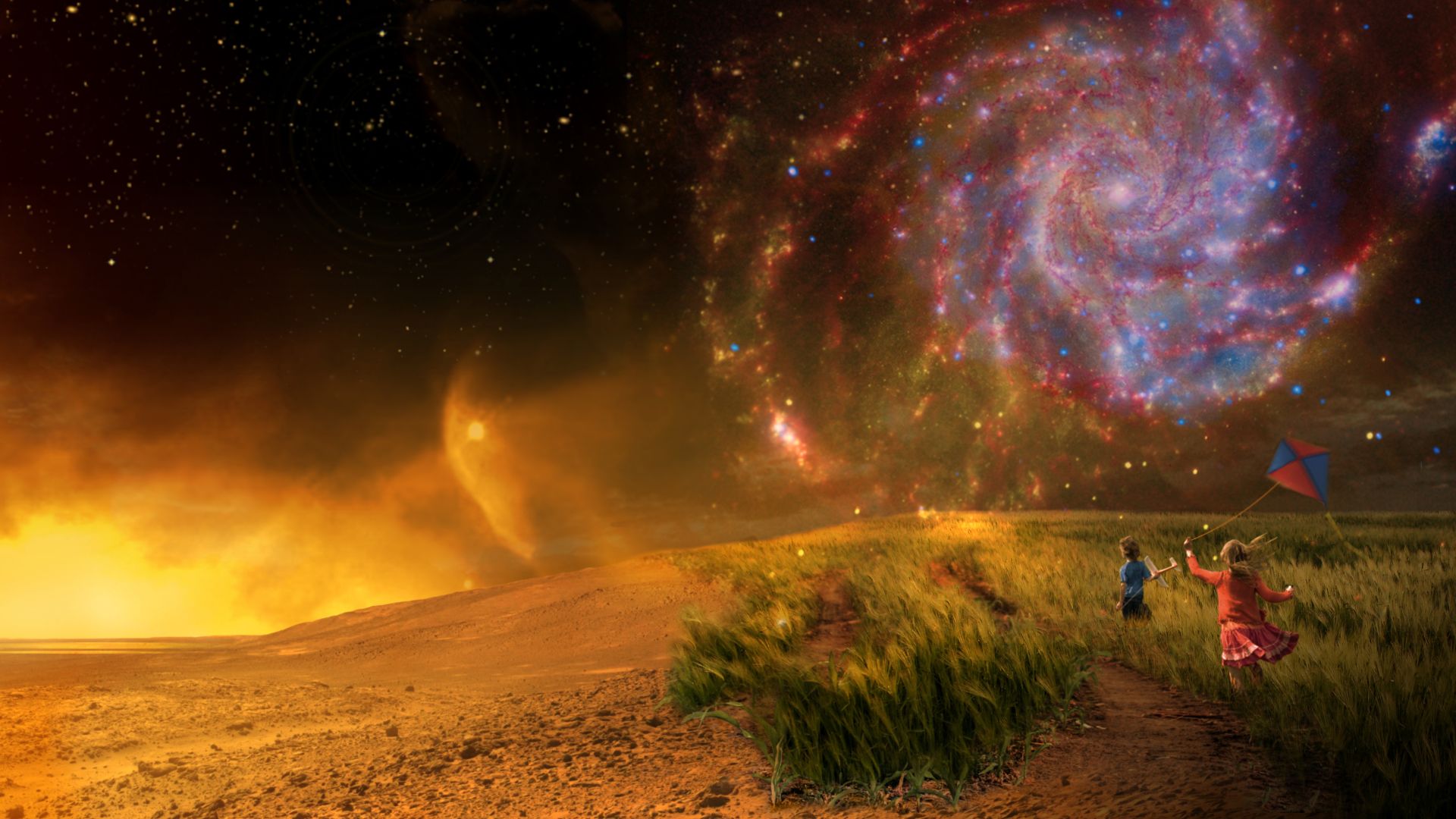
Enter Biologist Robert Endres
Biologist Robert Endres has argued that abiogenesis, while widely accepted, may be incomplete—and that scientists should be cautious about treating unresolved gaps as settled simply because no better explanation has yet prevailed.
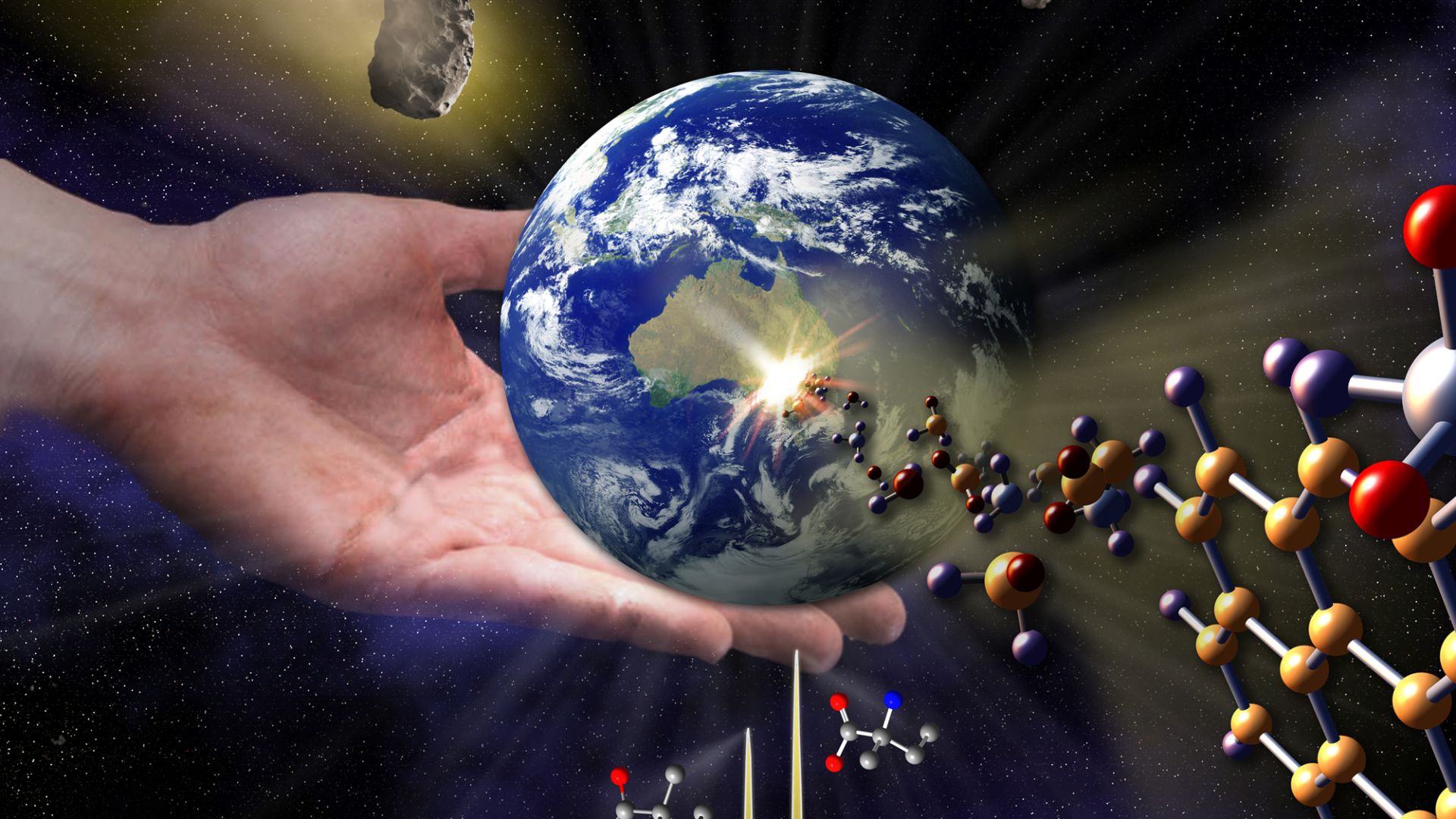 NASA Goddard Photo and Video, Wikimedia Commons
Where His Argument Eventually Leads
Endres doesn’t just argue that abiogenesis may be incomplete. He openly acknowledges that, if Earth didn’t generate life entirely on its own, the origin could lie beyond this planet. That possibility shifts the discussion from local chemistry to a much broader cosmic context.
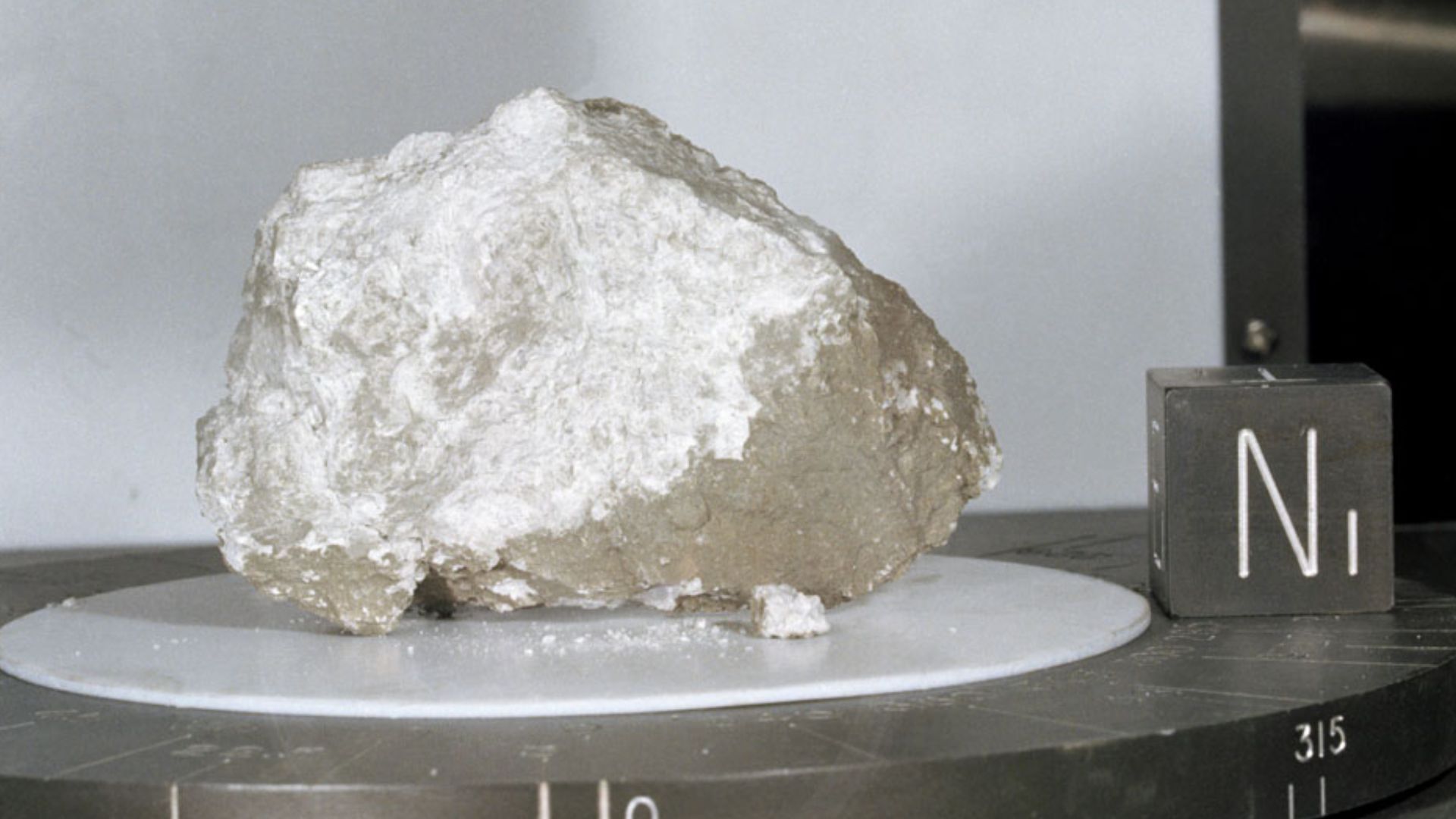
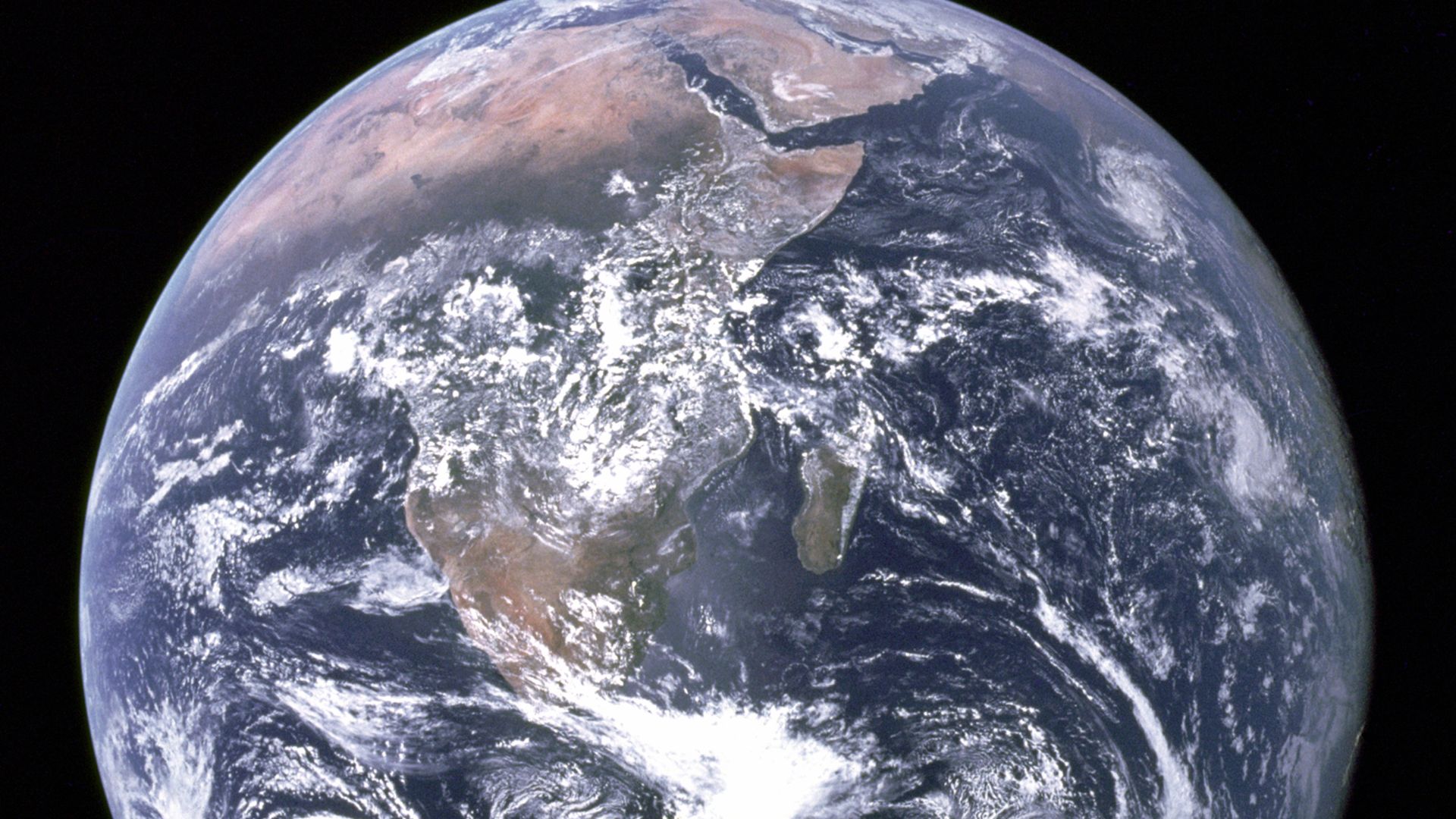 NASA/Apollo 17 crew; taken by either Harrison Schmitt or Ron Evans, Wikimedia Commons
What Endres Is Not Saying
Endres is not rejecting science or claiming abiogenesis is wrong. His position is narrower and more careful: that existing models don’t fully explain how life actually began, and that alternative explanations shouldn’t be dismissed prematurely without proper investigation.
 Biswarup Ganguly, Wikimedia Commons
NASA Has Said This Out Loud
NASA has described the origin of life as “one of the most profound unanswered questions in science,” acknowledging that while chemistry explains many individual components, the complete pathway from non-life to life has not yet been demonstrated or confirmed experimentally.
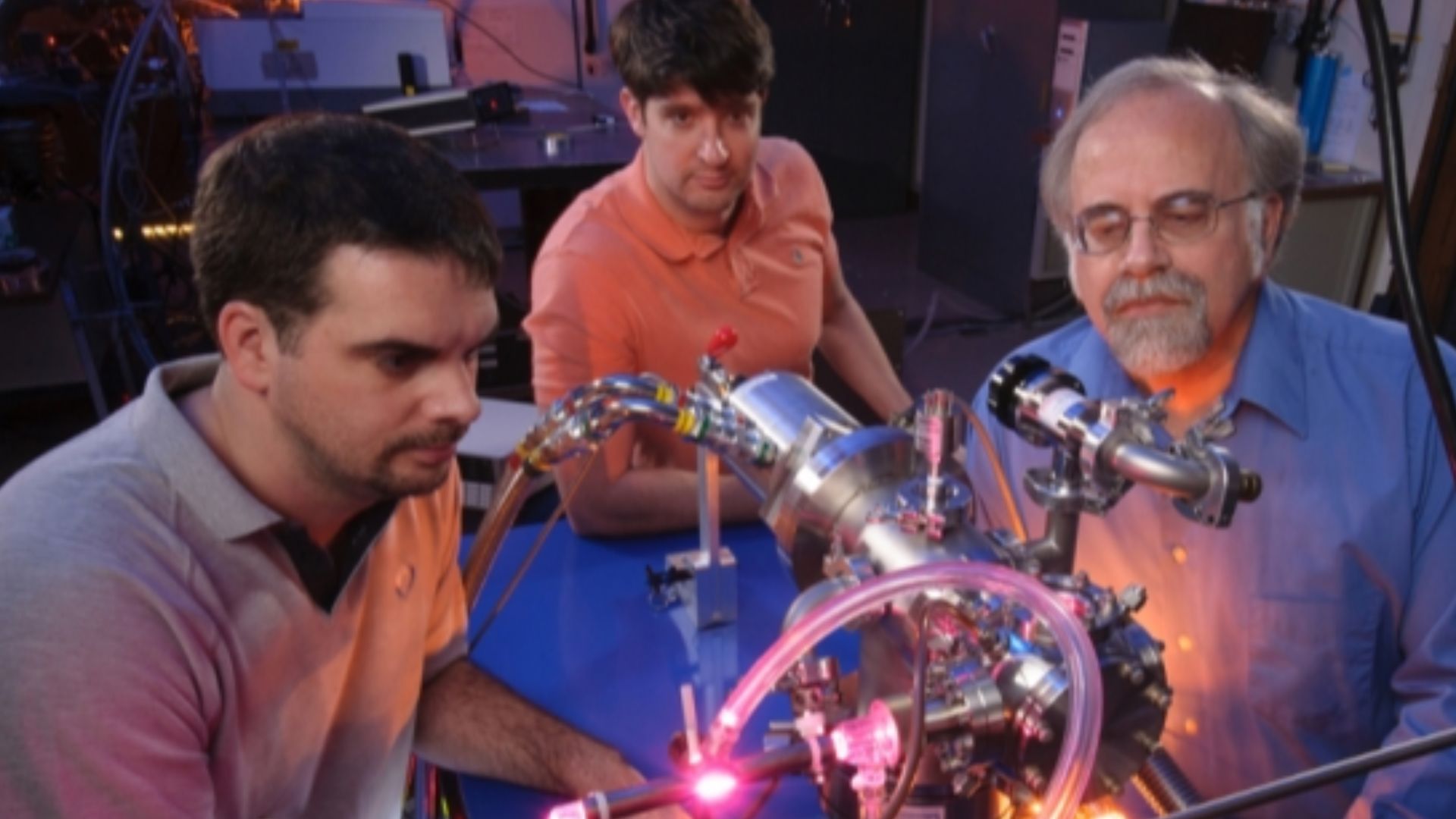 NASA/Dominic Hart, Wikimedia Commons
Why Timing Raises Questions
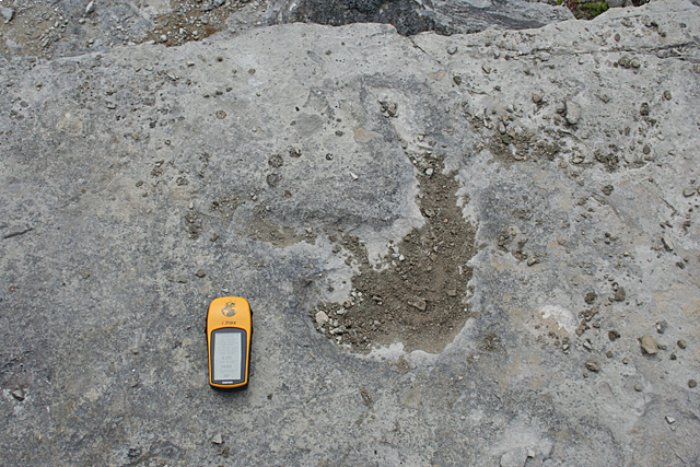
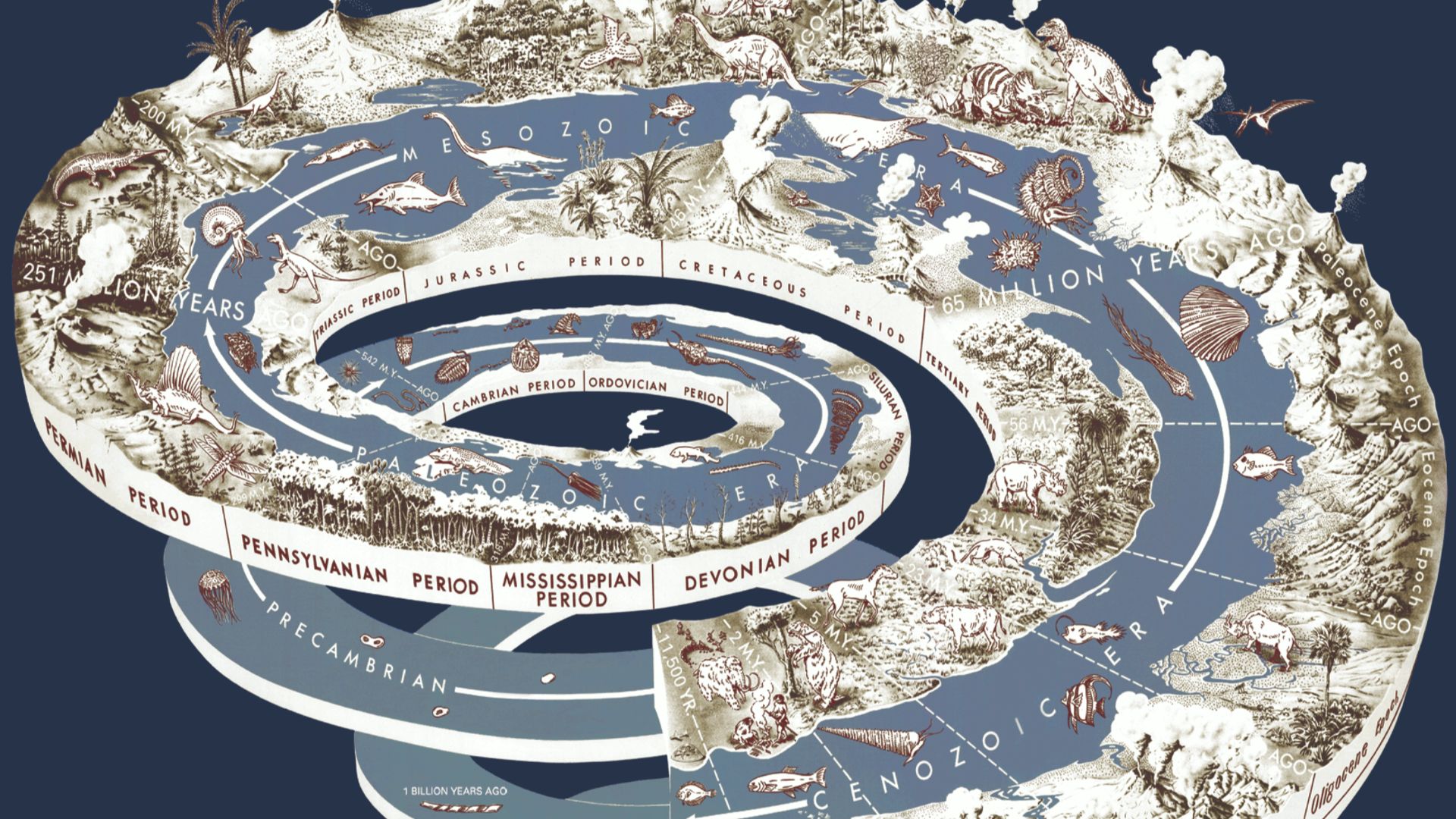
Geological evidence suggests life appeared on Earth relatively quickly after the planet became stable enough to support it. Researchers studying early fossils often note that “life began on Earth very soon after the planet formed,” a pace that many scientists find surprising.
 United States Geological Survey, Wikimedia Commons
The Alternative He’s Willing to Entertain
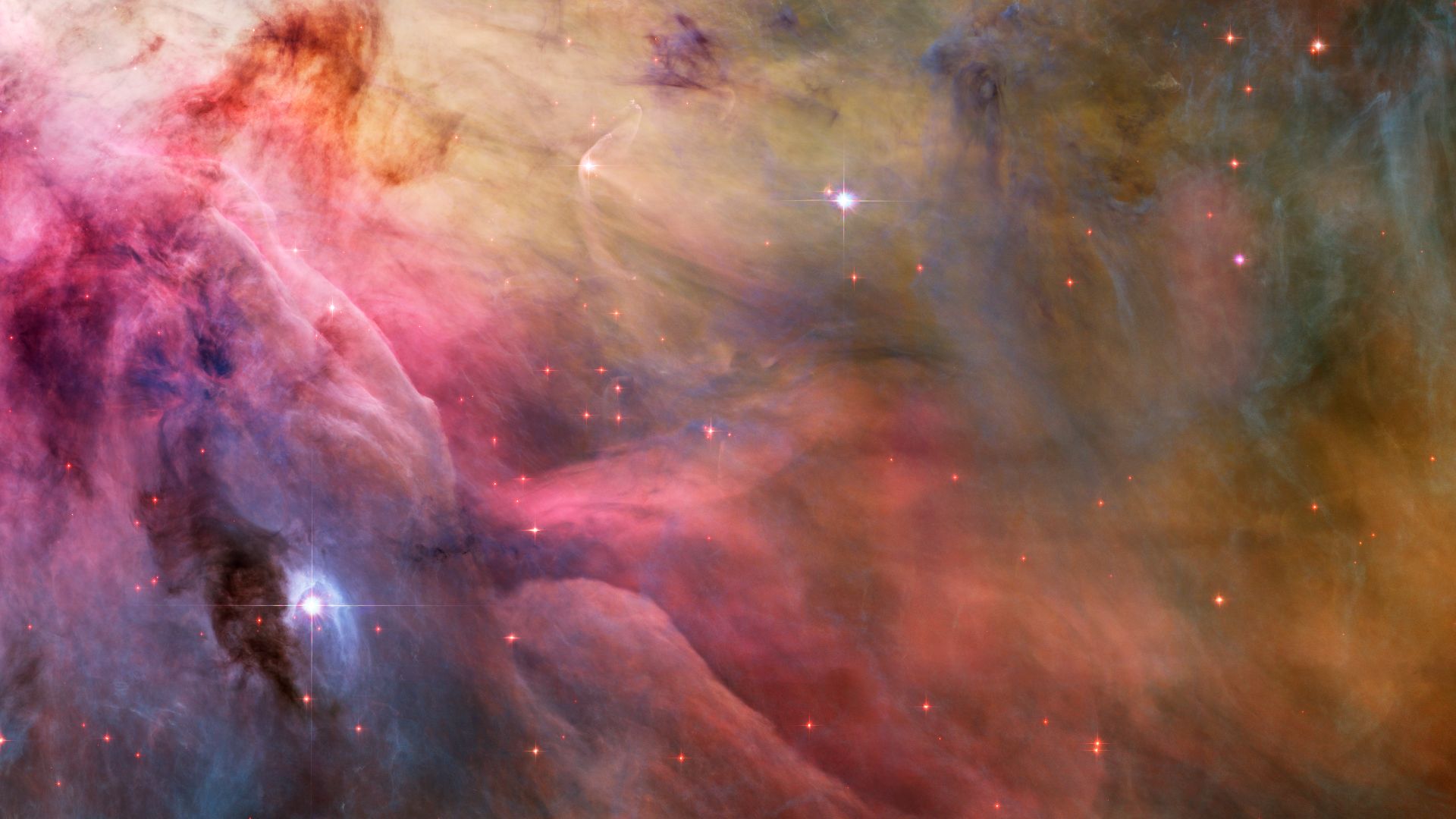
Because of those unresolved gaps, Endres has pointed to a controversial but longstanding idea: that life—or the earliest biological precursors—may have originated elsewhere in the universe and arrived on Earth later under the right conditions.
The Theory Has a Name
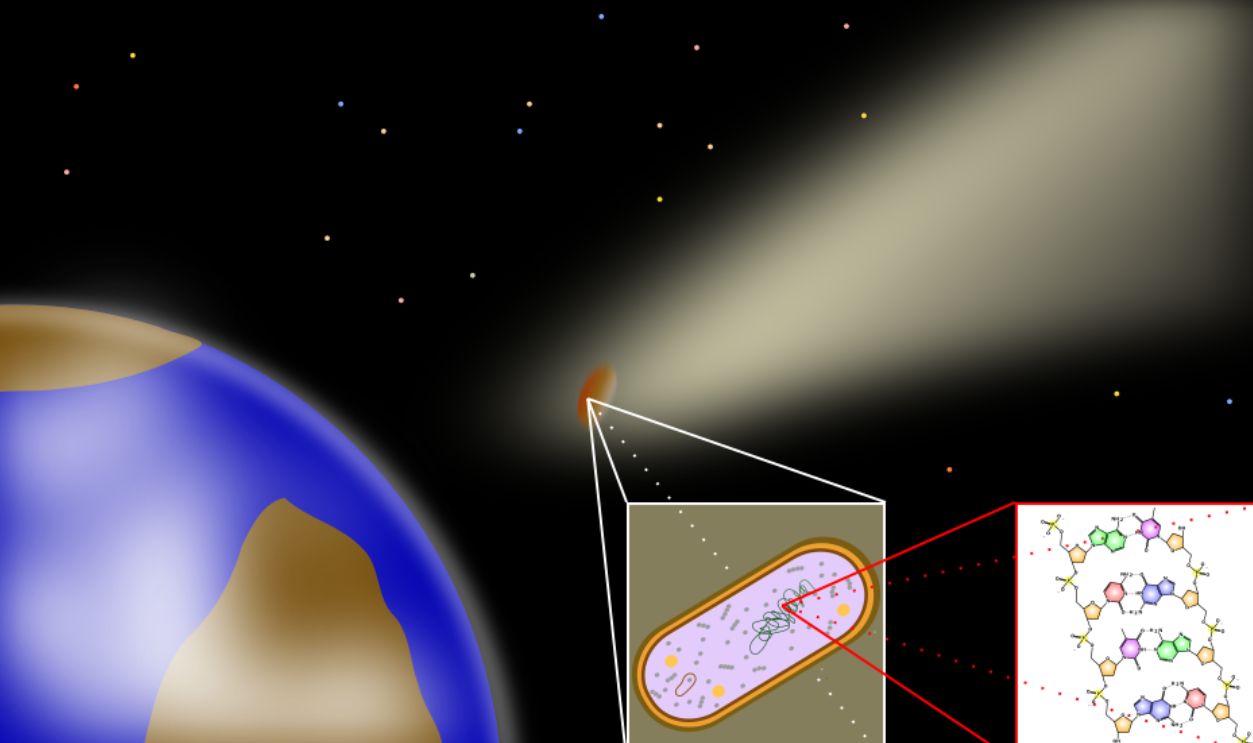
That idea is called panspermia. As Encyclopaedia Britannica explains, “panspermia is a hypothesis that seeks to explain the distribution of life in the universe,” proposing that life or its ingredients can move between planets and star systems.
 Silver Spoon Sokpop, CC BY-SA 3.0, Wikimedia Commons
Panspermia Doesn’t Rule Out Intelligence
Panspermia does not require intelligent aliens intentionally planting life on Earth. But it doesn’t rule it out either. In most scientific versions, the process is natural and accidental, driven by asteroid impacts, cosmic debris, and vast spans of time rather than deliberate intervention.
The Scientists Who Took the Idea Seriously
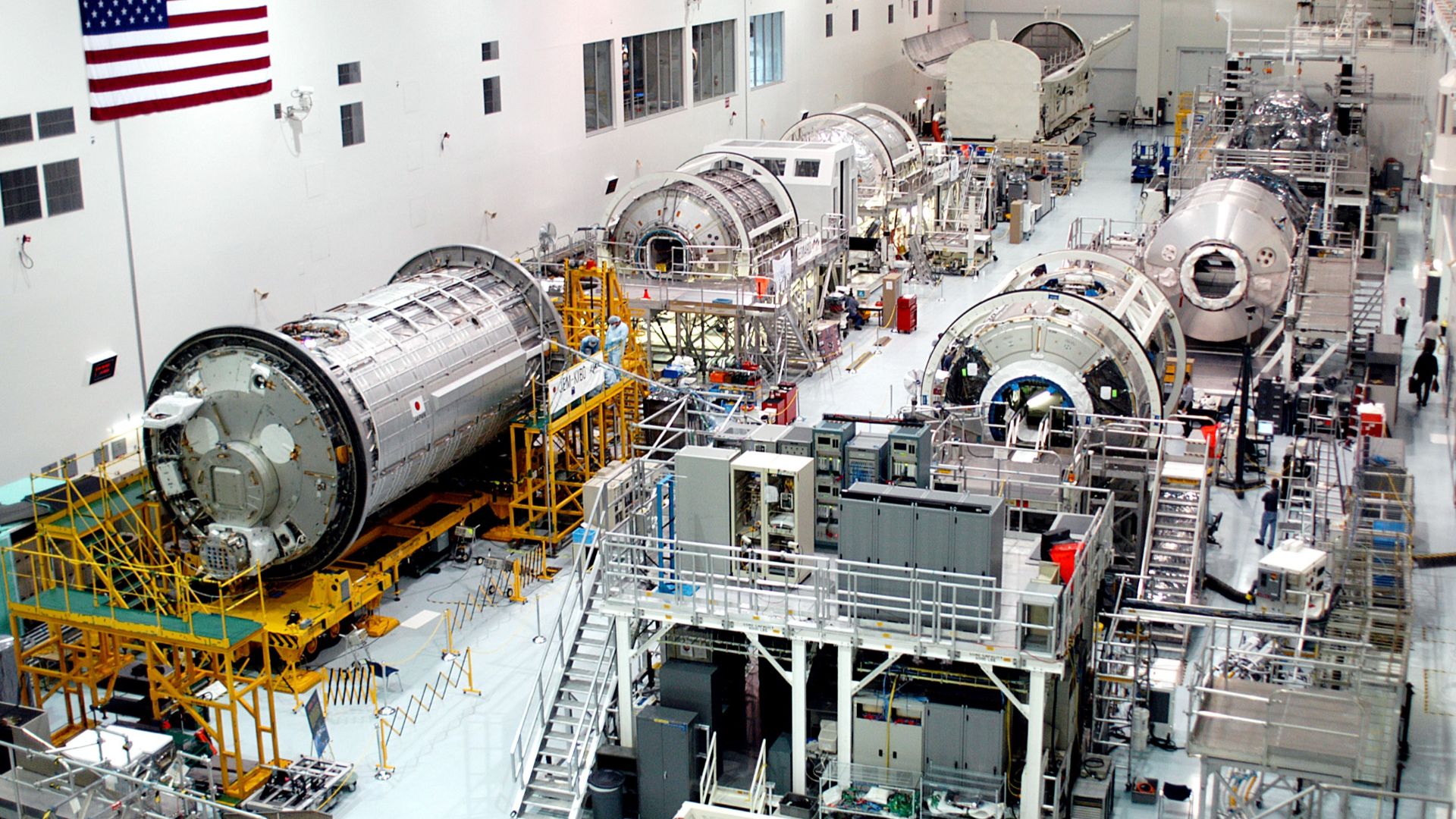
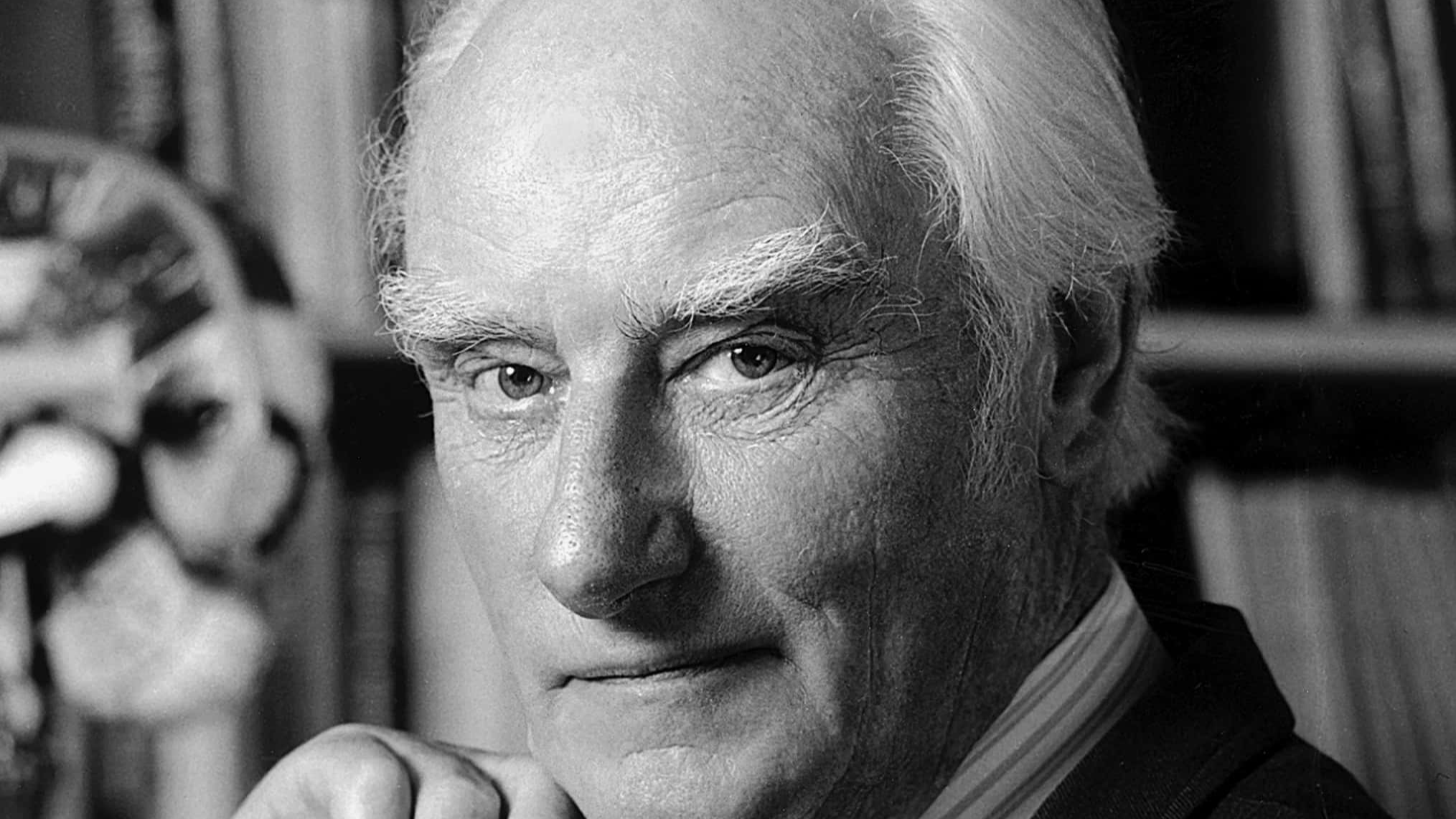
The concept of directed panspermia was formally proposed in 1973 by Francis Crick, the Nobel Prize–winning co-discoverer of DNA’s structure, and chemist Leslie Orgel. They suggested that if life appeared too complex too quickly on Earth, an advanced civilization could have deliberately seeded it. Crick stressed this was theoretical, not evidence-based.
Space Is Loaded With Organic Chemistry
Scientists have discovered amino acids, sugars, and complex carbon compounds in meteorites and comets. Research published in Nature Astronomy notes that “organic molecules are widespread throughout interstellar space,” confirming that life’s raw materials are common across the cosmos.
Asteroids as Chemical Couriers
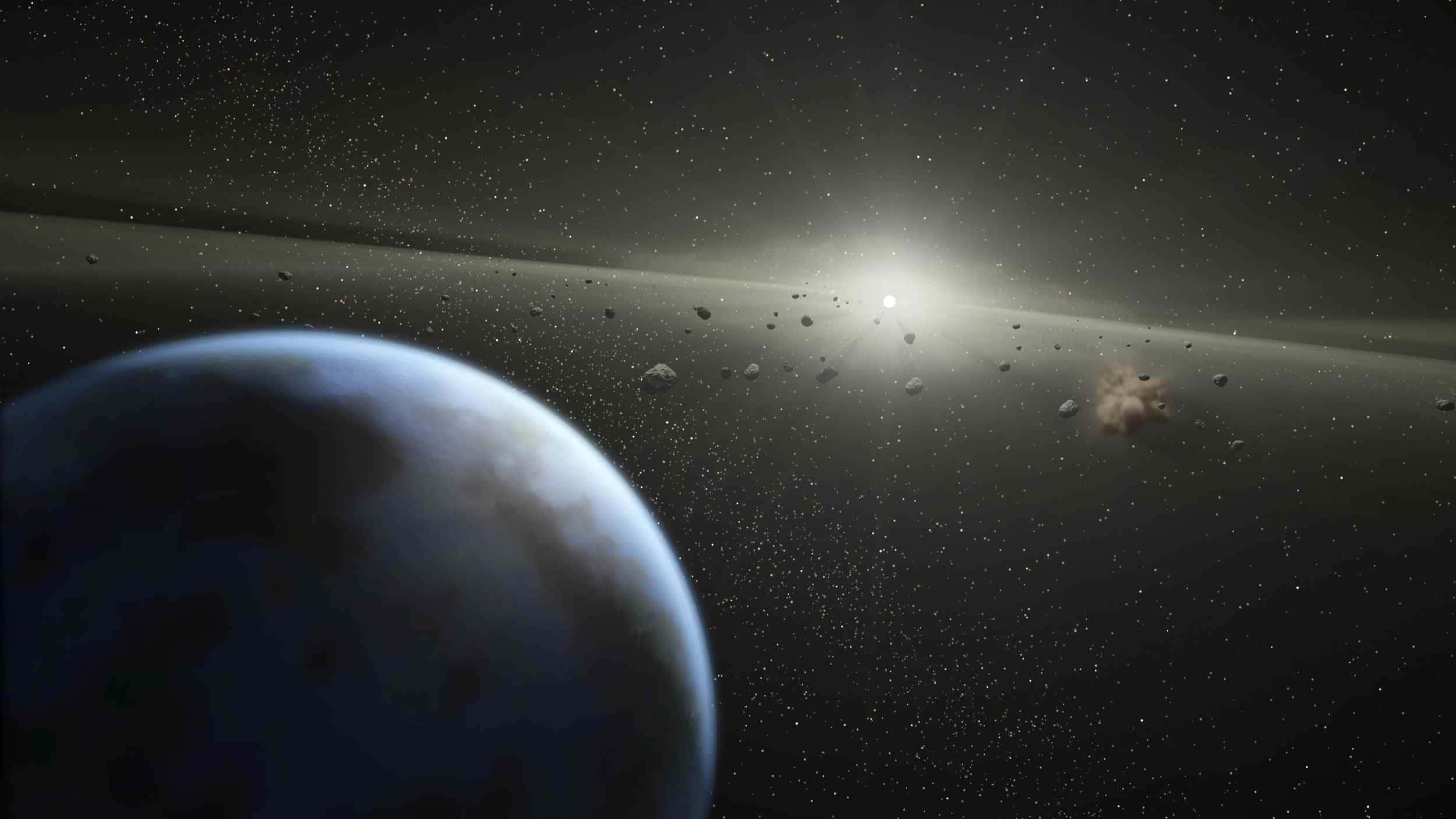
Early Earth experienced intense asteroid bombardment. Researchers now believe those impacts delivered enormous quantities of organic material, potentially accelerating chemical reactions that may have helped push prebiotic chemistry closer to the threshold of life.
Could Life Itself Survive Space?
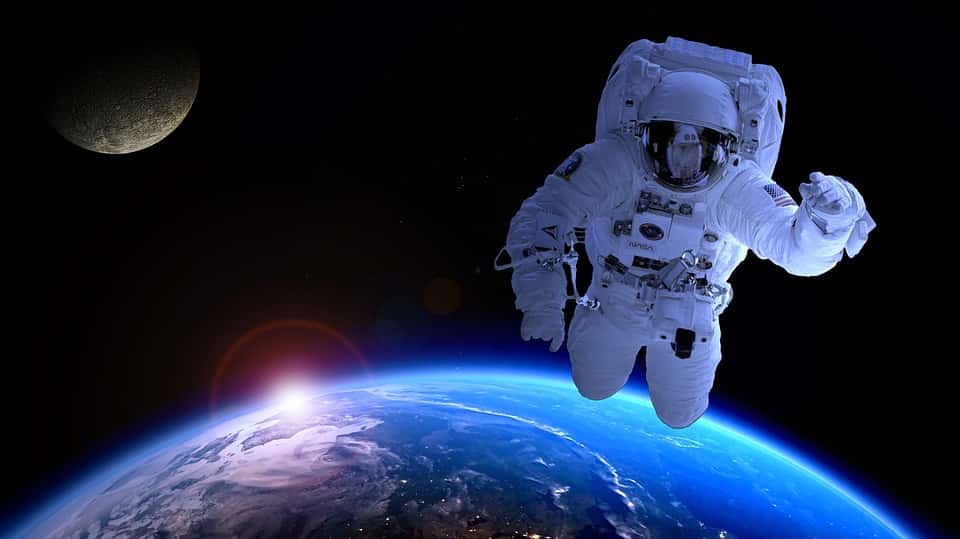
Laboratory experiments have shown that some microbes can survive extreme cold, radiation, and vacuum for limited periods. This surprising resilience has fueled debate about whether microscopic life could endure space travel long enough to reach another planet.
Why Many Scientists Remain Skeptical
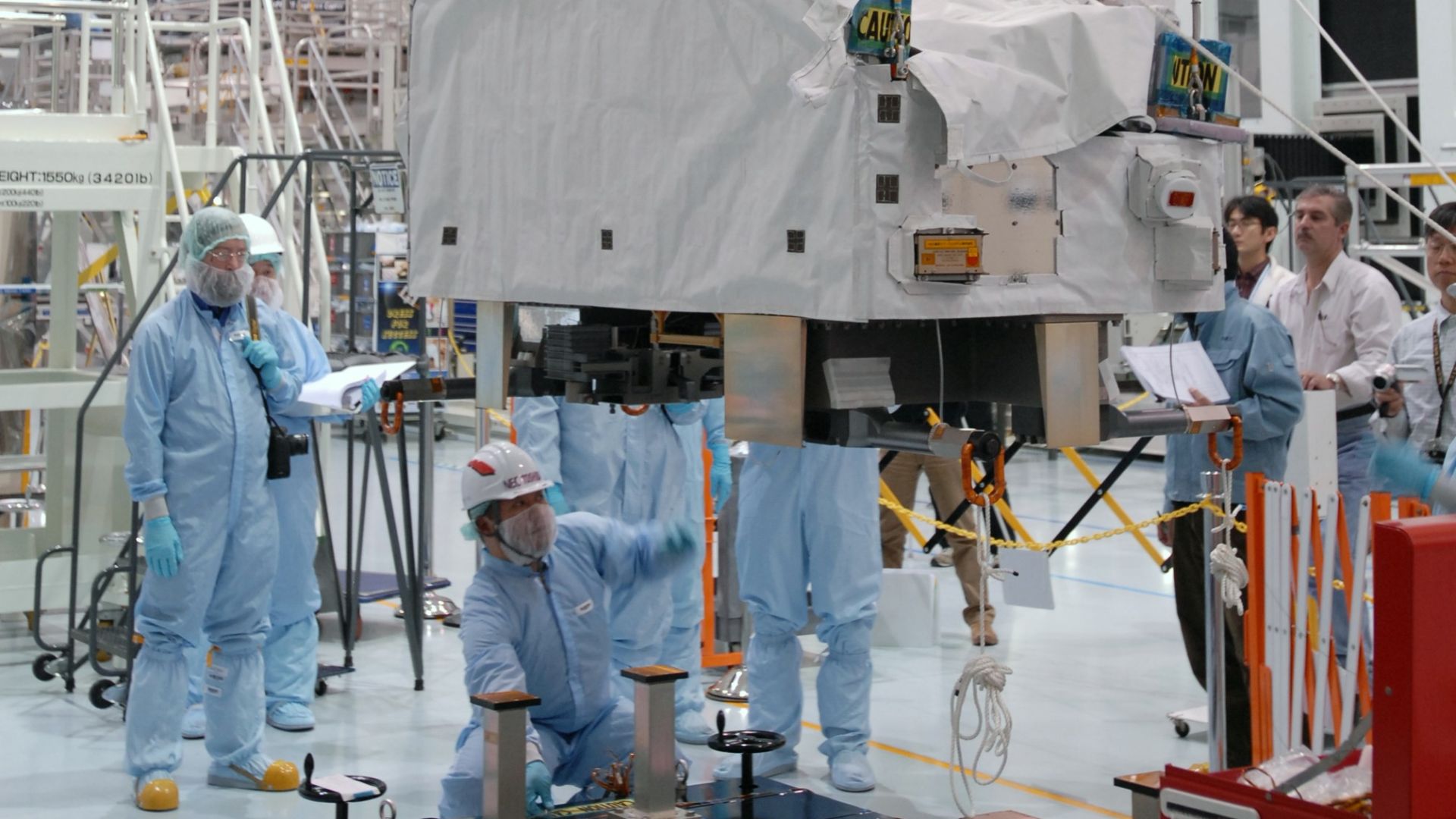
Surviving short laboratory experiments is not the same as surviving millions of years drifting through space. Critics argue that this remains the weakest link in panspermia-related ideas and the primary reason many scientists remain unconvinced.
 NASA/Jim Grossmann, Wikimedia Commons
Why Endres’s Argument Matters
Endres’s contribution isn’t that he claims aliens definitely started life on Earth. It’s that he pushes scientists to acknowledge what remains unexplained and to follow evidence rather than treating unanswered questions as closed cases.
A Broader Scientific Shift
Other researchers, including Harvard astrophysicist Avi Loeb, have argued that science should not dismiss ideas simply because they challenge long-held assumptions. As Loeb has said, “We should not dismiss possibilities just because they sound strange.”

What Modern Astronomy Is Showing
Astronomers are now identifying planets with atmospheres containing chemicals associated with biological processes. While not proof of life, these findings suggest Earth may not be as biologically unique as once believed.
Why This Debate Isn’t Going Away
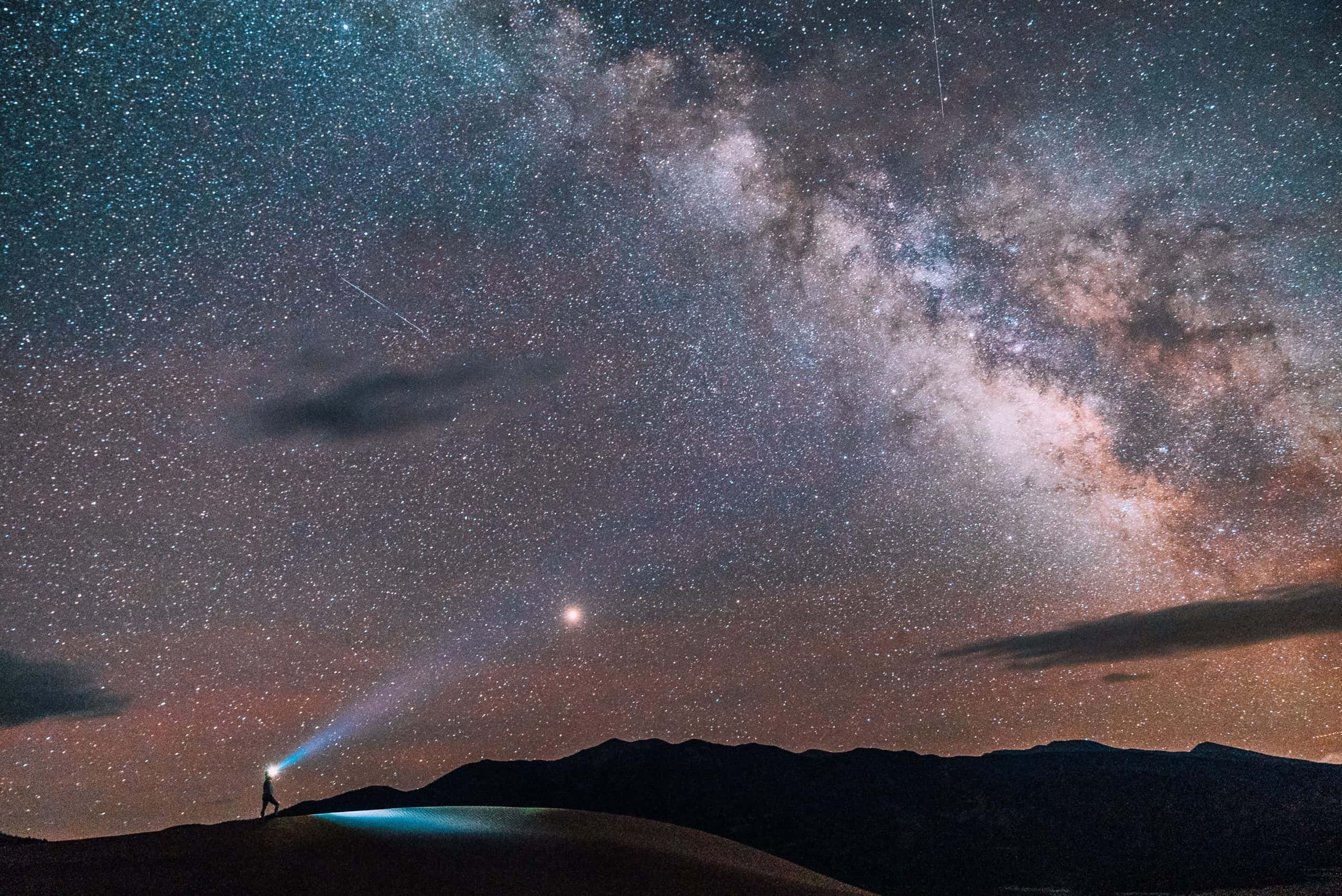
As evidence mounts that life-friendly chemistry is common throughout the universe, scientists are increasingly forced to ask whether life itself might also be widespread—and capable of moving between worlds under the right circumstances.
What Evidence Is Still Missing
There is still no direct proof linking extraterrestrial material to the first living organisms on Earth. Until such evidence is found, panspermia—including its more speculative versions—remains an open scientific question rather than a confirmed explanation.
The Real Takeaway
Abiogenesis remains the leading explanation for how life began. But because it’s incomplete, scientists like Robert Endres argue that alternative possibilities deserve serious consideration. The idea that aliens may have played a role isn’t settled science—but it’s no longer just science fiction either.
You Might Also Like:
There’s a feature of our eyes that no other animal has—and evolution still can't explain it.