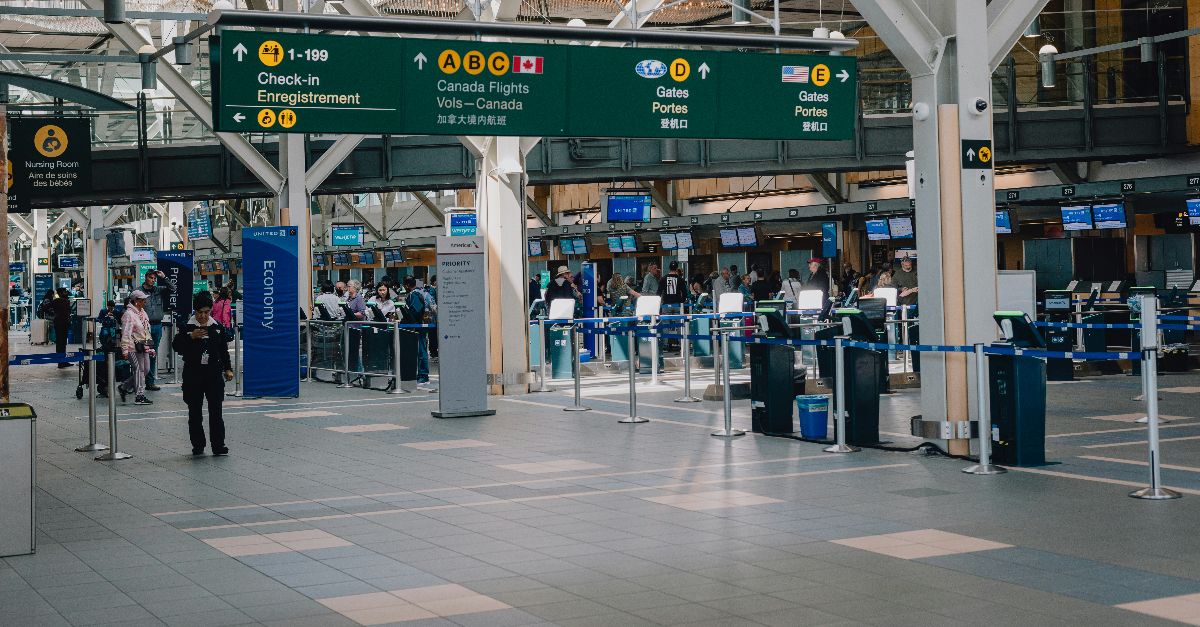
Some countries feel completely foreign the moment you arrive. Others create a stranger sensation, especially for Americans: everything is different, yet somehow familiar enough that you can imagine living there.
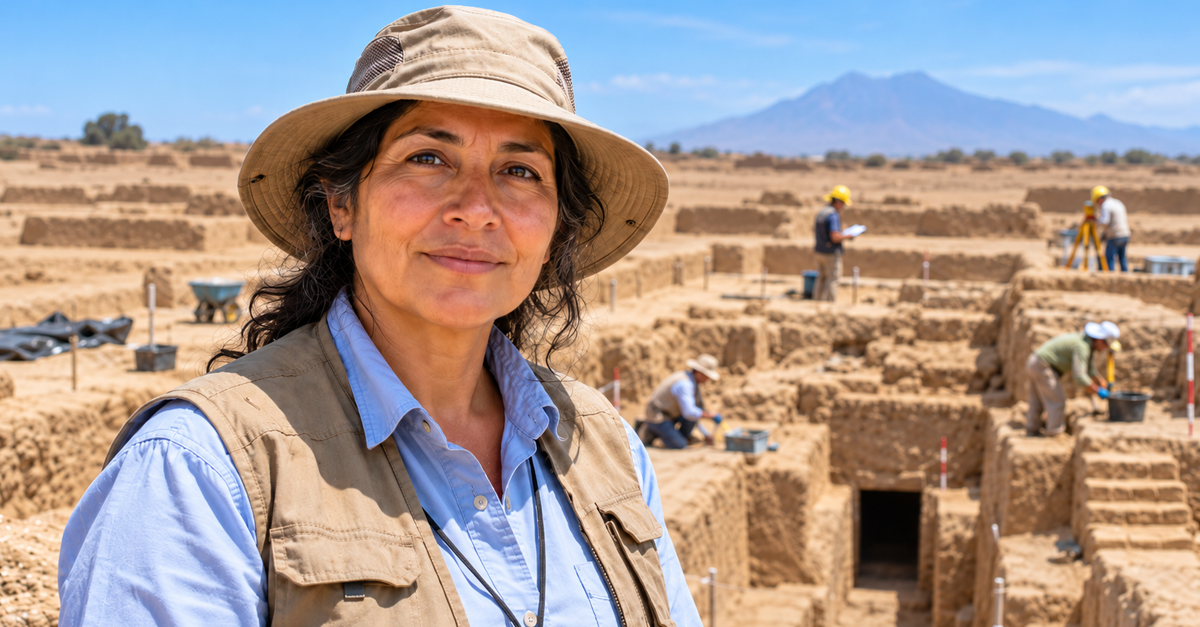
Archaeologists opened a 600-year-old tomb at Chan Chan in Peru and uncovered human remains, weapons, jewelry, and rare artifacts offering an extraordinary glimpse into the ancient Chimú elite.
Booked an oceanfront rental only to find a busy road between you and the beach? Here’s what “oceanfront” can mean, your refund options, and how to challenge misleading listings.
Vacation package promised all transfers but excluded a necessary ferry? Here’s what all-inclusive really means, what travelers should check, and when unexpected transportation charges may be worth challenging.
Discover American foods that surprise international visitors, from biscuits and gravy to Cincinnati chili, sweet casseroles, root beer, and classic dishes with unexpected flavors, names, and ingredients across the country.
Archaeologists discovered evidence that hunter-gatherers reached Malta 8,500 years ago, crossing open Mediterranean waters long before farmers and revealing surprisingly advanced ancient seafaring networks between remote islands and coastal communities.