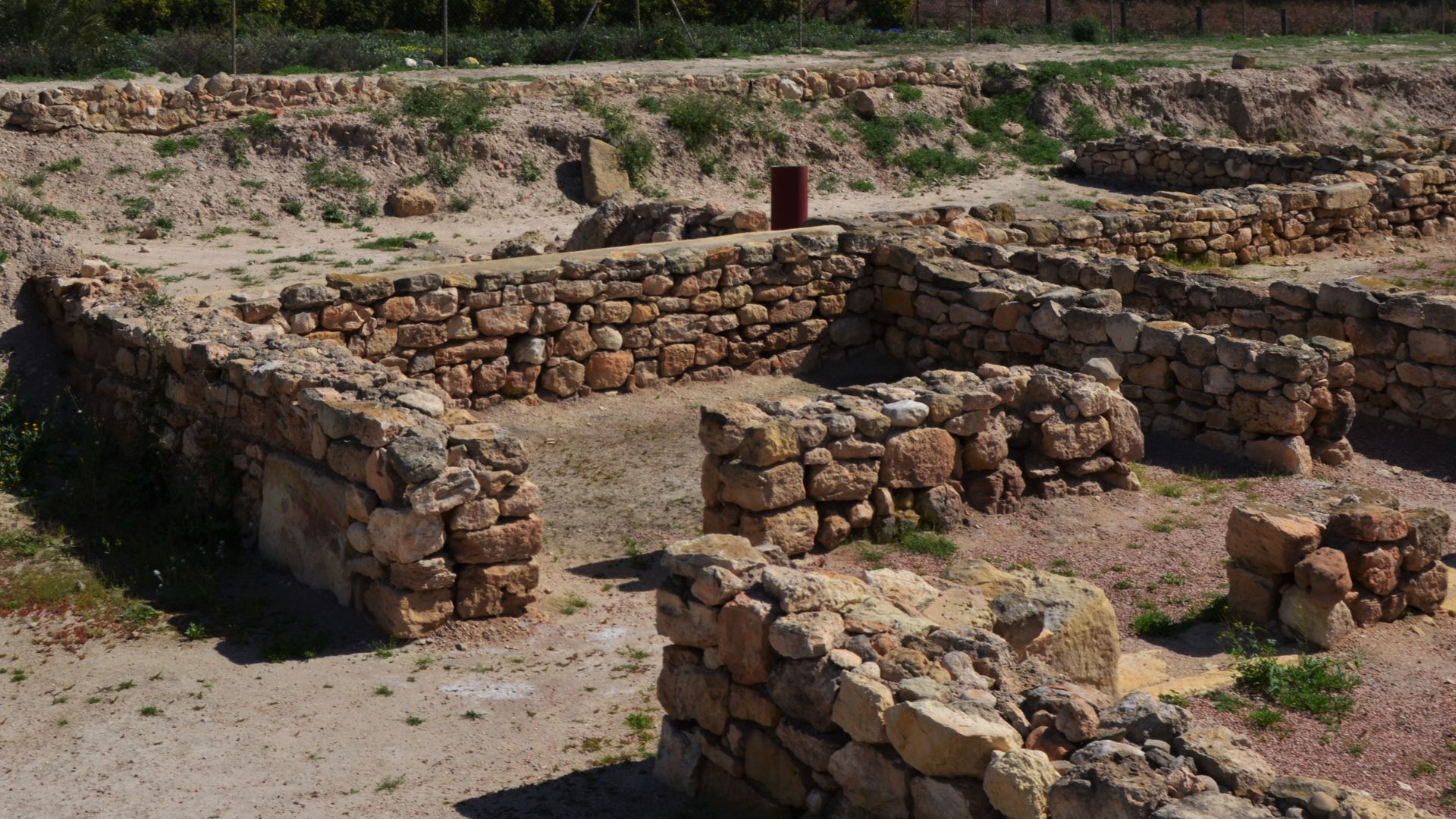
Just outside Elche, calm fields and gentle hills sit over an unexpected secret. La Alcudia conceals its history so thoroughly that its depth becomes visible only when the soil is opened for all to see. Layers of time lie there like folded pages, each preserving traces of earlier worlds. Across eight digging seasons, archaeologists uncovered a Roman bath complex of remarkable scale. Baths were shared throughout the empire, yet few in Spain survive in such size or with such preservation. The discovery revealed not a modest installation but a sophisticated public space shaped for regular use and community life.
When excavation began, the extent of the complex remained unknown, but its centerpiece soon emerged: a massive natatio, an open-air swimming pool large enough to evoke scenes of Roman citizens moving through the water beneath open sky. Surrounding rooms traced a full bathing sequence, from warm spaces to cold plunges and steam rooms, all supported by a hypocaust system circulating heated air beneath the floors. With each season, new chambers and pools appeared, exposing a site built for a substantial population and functioning as an essential gathering place for relief, routine, and social connection.
The Artistry Underfoot: Mosaics That Last
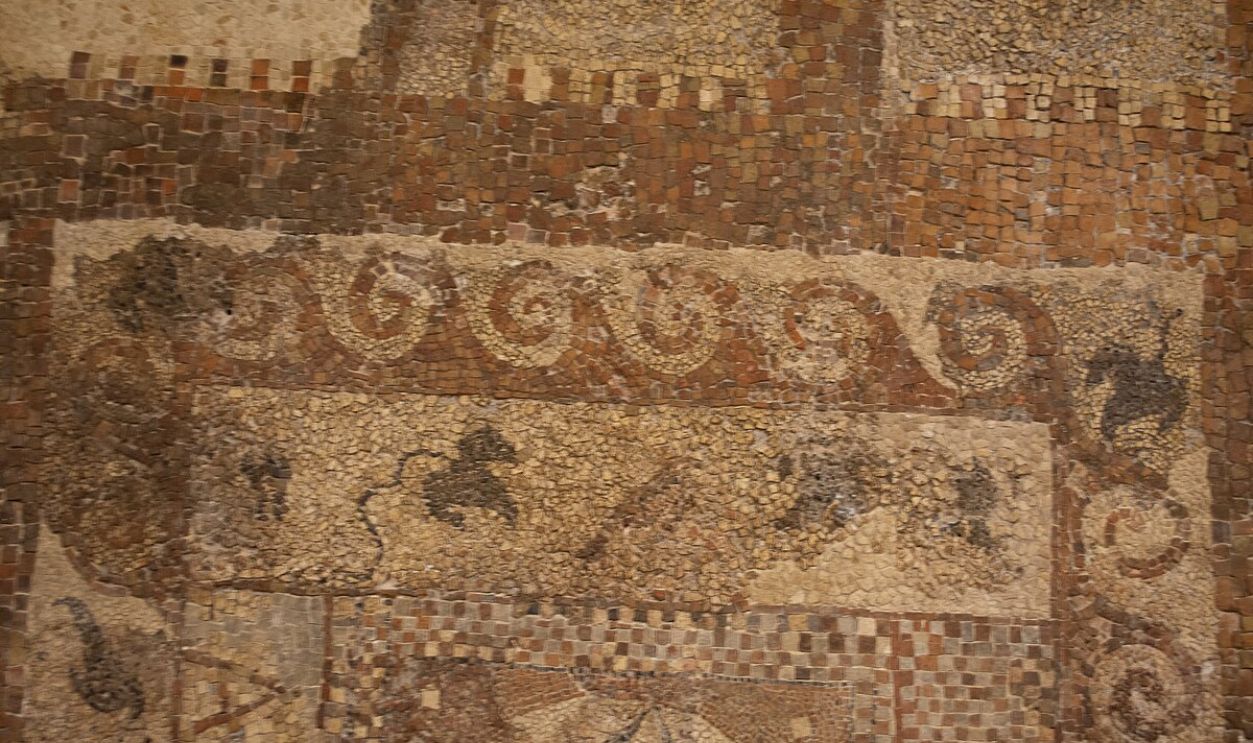
One of the most enchanting discoveries inside the bath complex is its mosaics. If you’ve never seen a mosaic, think of thousands of tiny colored tiles, called tesserae, meticulously placed to create images and patterns. The mosaics here are remarkable—both for their designs and the way their colors have survived through the centuries. Far from just flooring, these mosaics were a statement. Some mosaics depict geometric patterns that draw your eye with their vibrant repetition, while others feature intricate floral motifs and marble imitations that evoke luxury and nature. These artistic touches weren’t merely decorative; they reflected the society’s identity and values.
What The Baths Tell Us About Roman Elche
The scale of the La Alcudia baths points to a populous and thriving town, likely well-connected within the Roman Empire. Elche’s location would have made it a strategic and cultural hub, so the baths also suggest an intention to create a civilized, comfortable environment reflecting Roman values. These baths were places where people from different classes and backgrounds could come together and reinforce a sense of shared identity. The layout of the baths also shows how advanced Roman engineering was. From the sophisticated heating system to carefully planned water drainage, the baths are a marvel of design and utility. Discovering these details required patient work over many digging seasons, but each piece helps us understand how Romans lived and how much importance they placed on public wellness and leisure.
Why La Alcudia’s Bath Complex Matters Today
For archaeologists, La Alcudia is far from just a historic site. It’s a continuing story, an ongoing project that grows with every excavation season. Each new discovery adds depth: a new mosaic panel, a piece of heating pipe, or a fragment of a wall becomes a clue helping experts piece together daily life in Roman Elche. Walking among partially restored walls or imagining the bustle around the natatio, you can feel history come alive. The site encourages curiosity and appreciation for the care that ancient architects and artisans took in creating a space meant to serve communities for generations.
In a world that moves fast, it’s fascinating to pause and look back nearly two thousand years to see how people created spaces to connect and unwind. La Alcudia’s Roman bath complex is much more than ruins—it’s a bridge to another time, and a gate that invites us to enter an ancient story and witness how history lives beneath our feet. The scale of the baths, the careful engineering behind their heating systems, and the rhythm of movement they encouraged reveal a community that valued restoration, conversation, and shared experience. What survives today offers a rare look at how daily life once unfolded.