

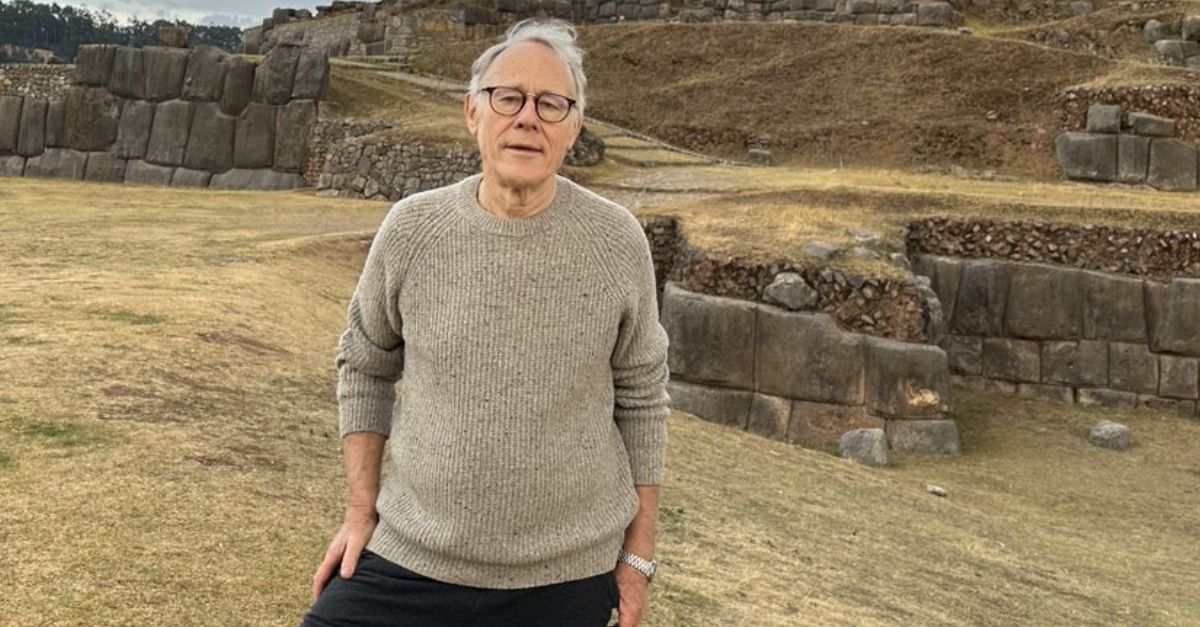
Secrets locked within Sacsayhuaman’s walls
Those towering walls above Cusco carry a story far more complex than their imposing appearance suggests. Thanks to geological tests, textures and patterns that no early survey ever recorded are pushing researchers toward surprising conclusions.
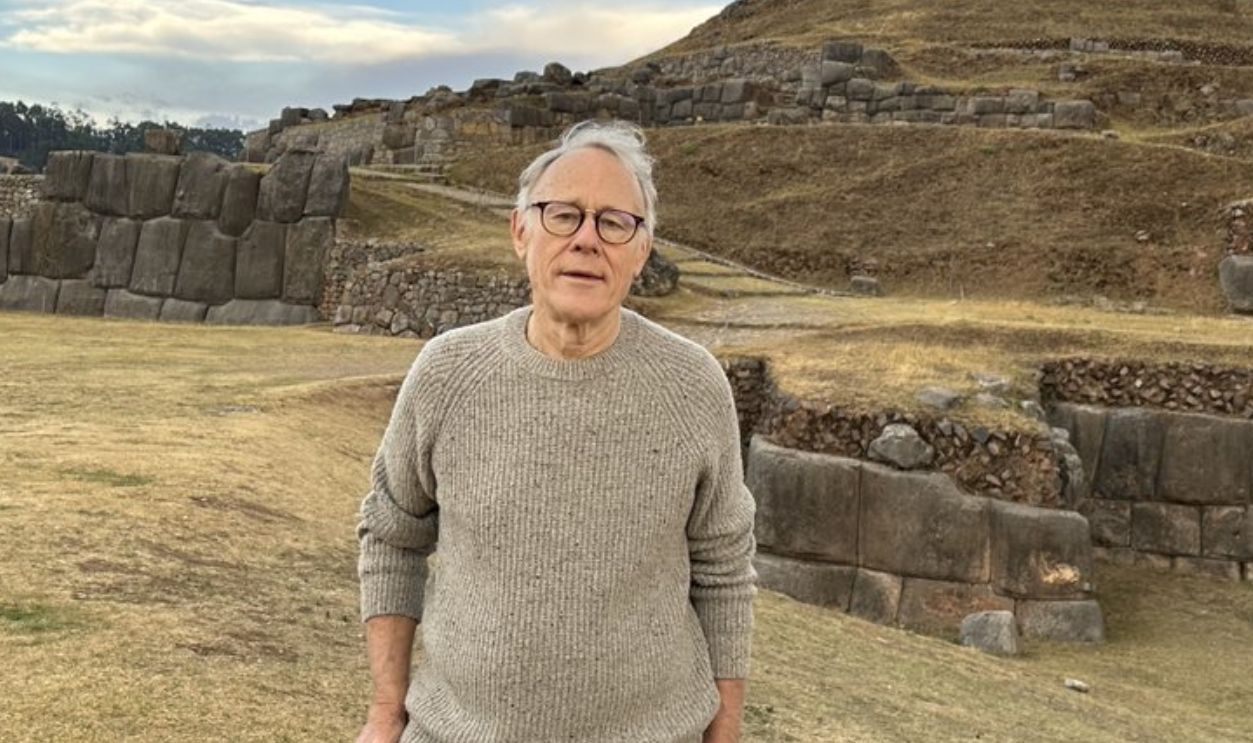
Mysteries Inside Sacsayhuaman’s Stone Walls
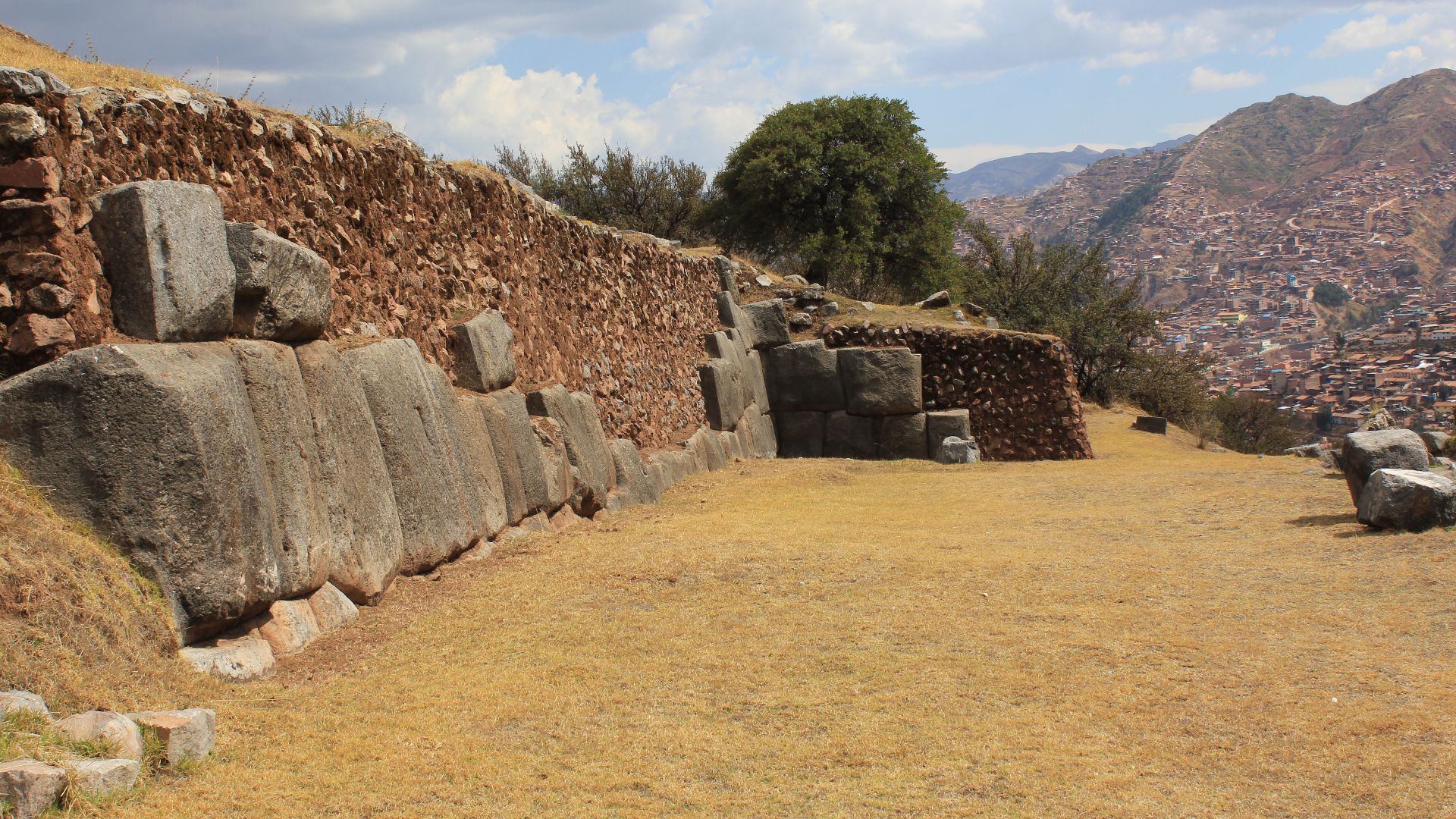
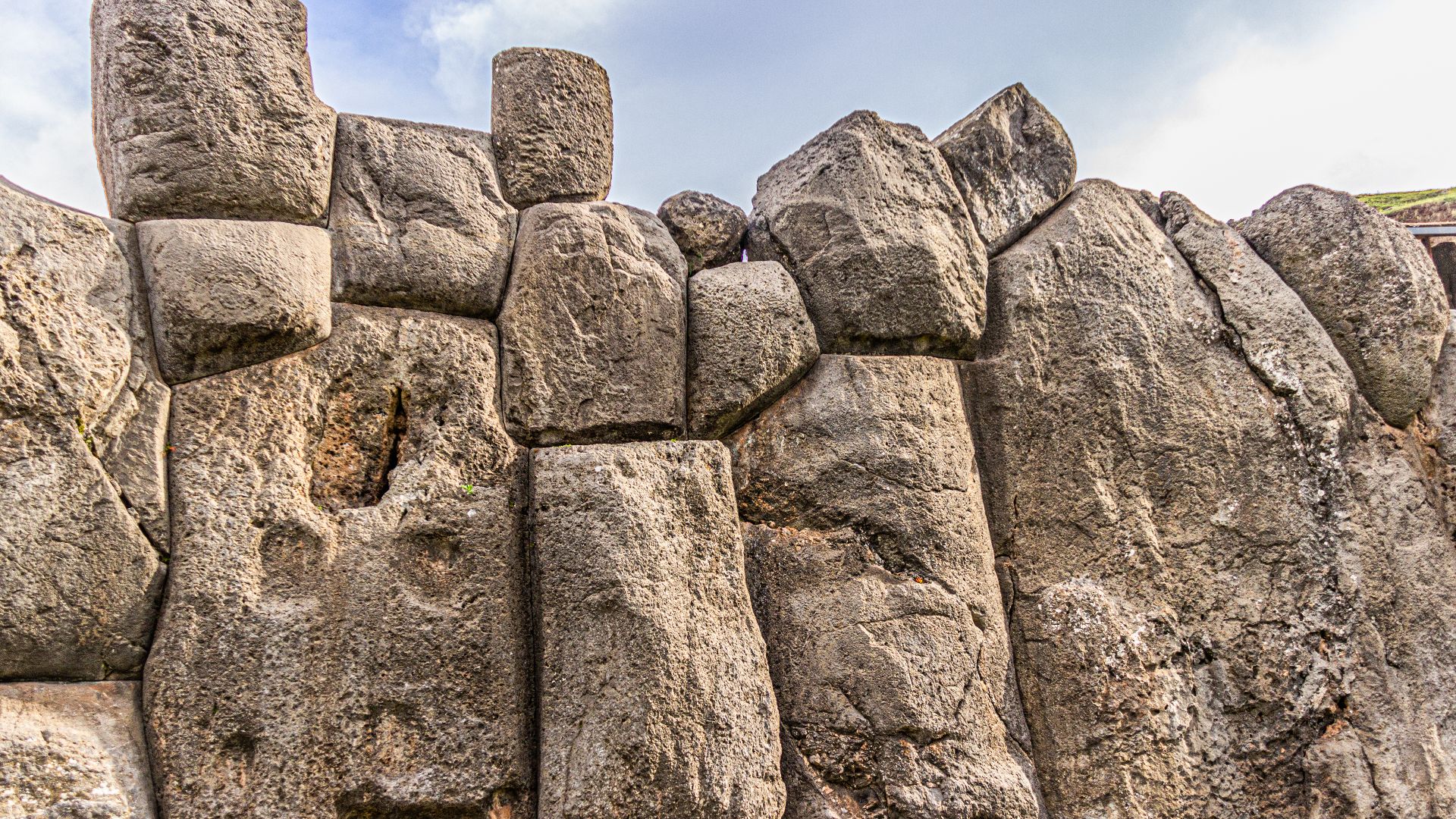
Researchers long admired Sacsayhuaman’s massive walls, yet recent geological studies revealed unexpected traits inside and outside the stones, including pillow-like bulges, curved corners, scoop marks, and surface nubs. Microscopic textures and structural variations pointed toward natural processes.
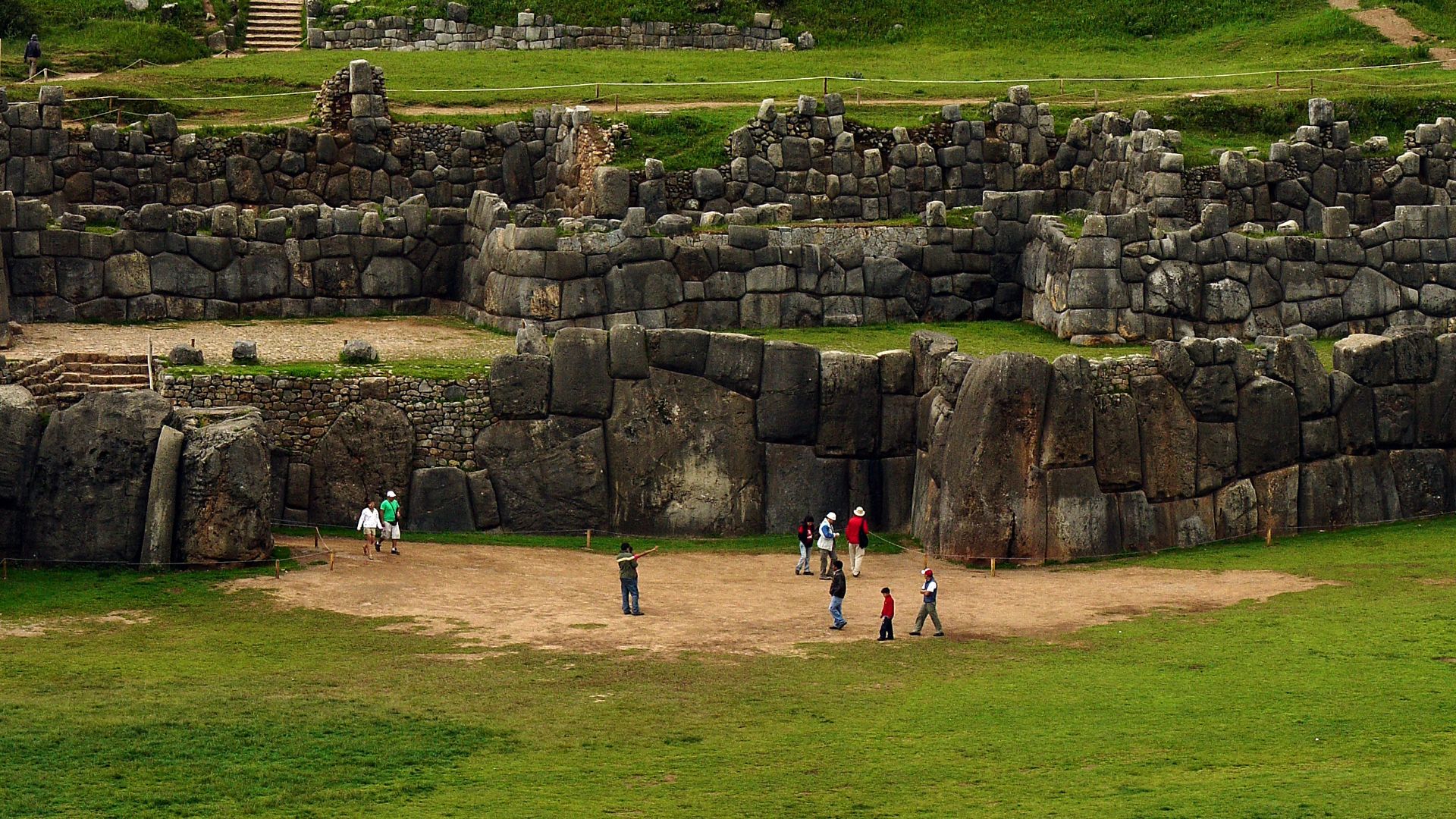 Martin St-Amant (S23678), Wikimedia Commons
These Ancient Blocks Have Confused Experts For Generations
The stones defy straightforward explanations because they combine extraordinary size with near-perfect joints. Their durability through major earthquakes adds another puzzle. Early surveys left specialists unsure how different cultures shaped and positioned materials that behave differently from typical limestone or andesite found elsewhere in the Cusco region.
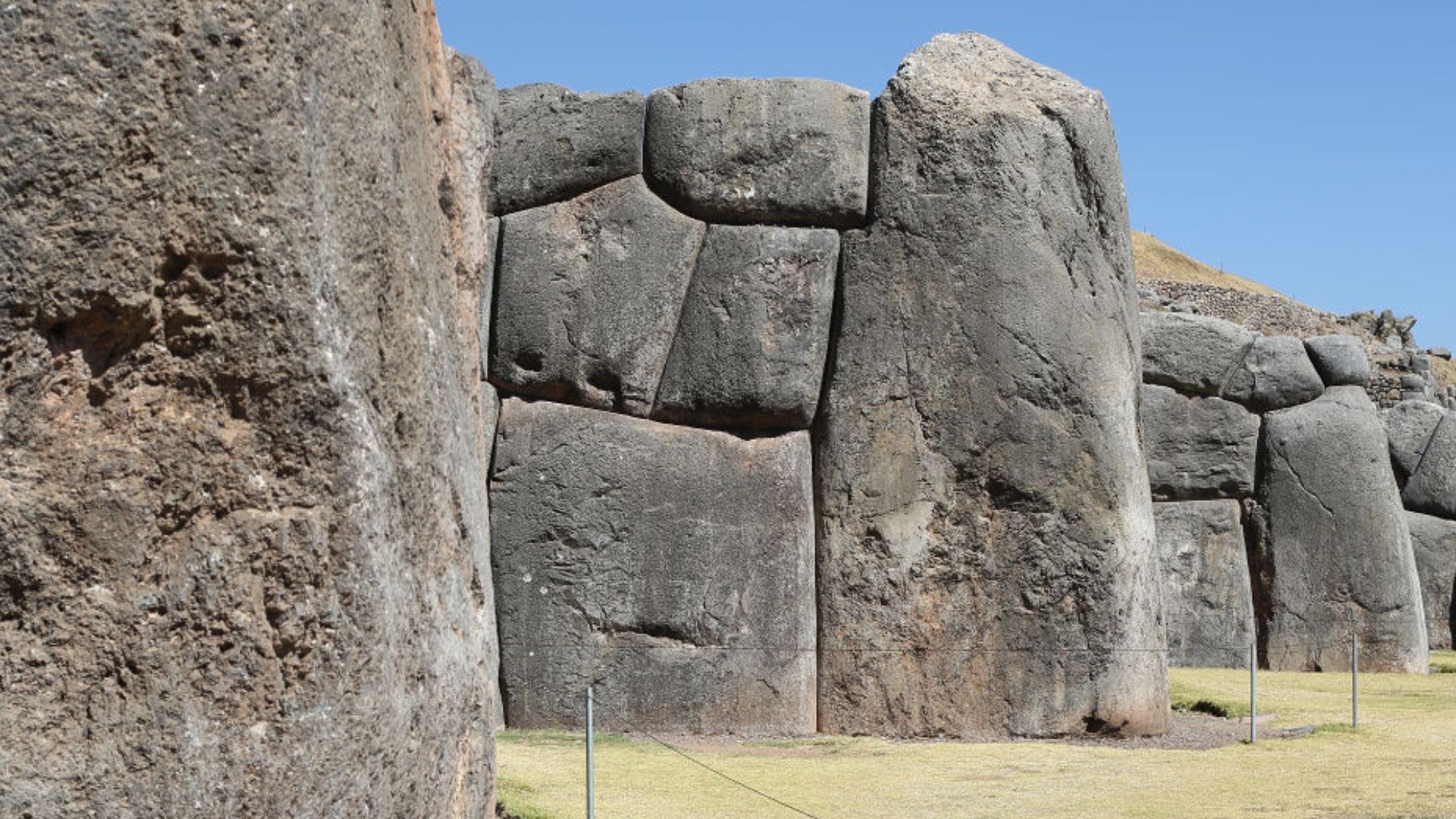
Possible Explanations For Identical Blocks And Their Tight Assembly
For years, scholars considered several explanations, including skilled shaping informed by studying fracture lines, repeated fitting and refinishing, applying a stone-softening agent, and selecting stone already altered by natural pressure. Others examined cultural knowledge of load distribution and seismic behavior.
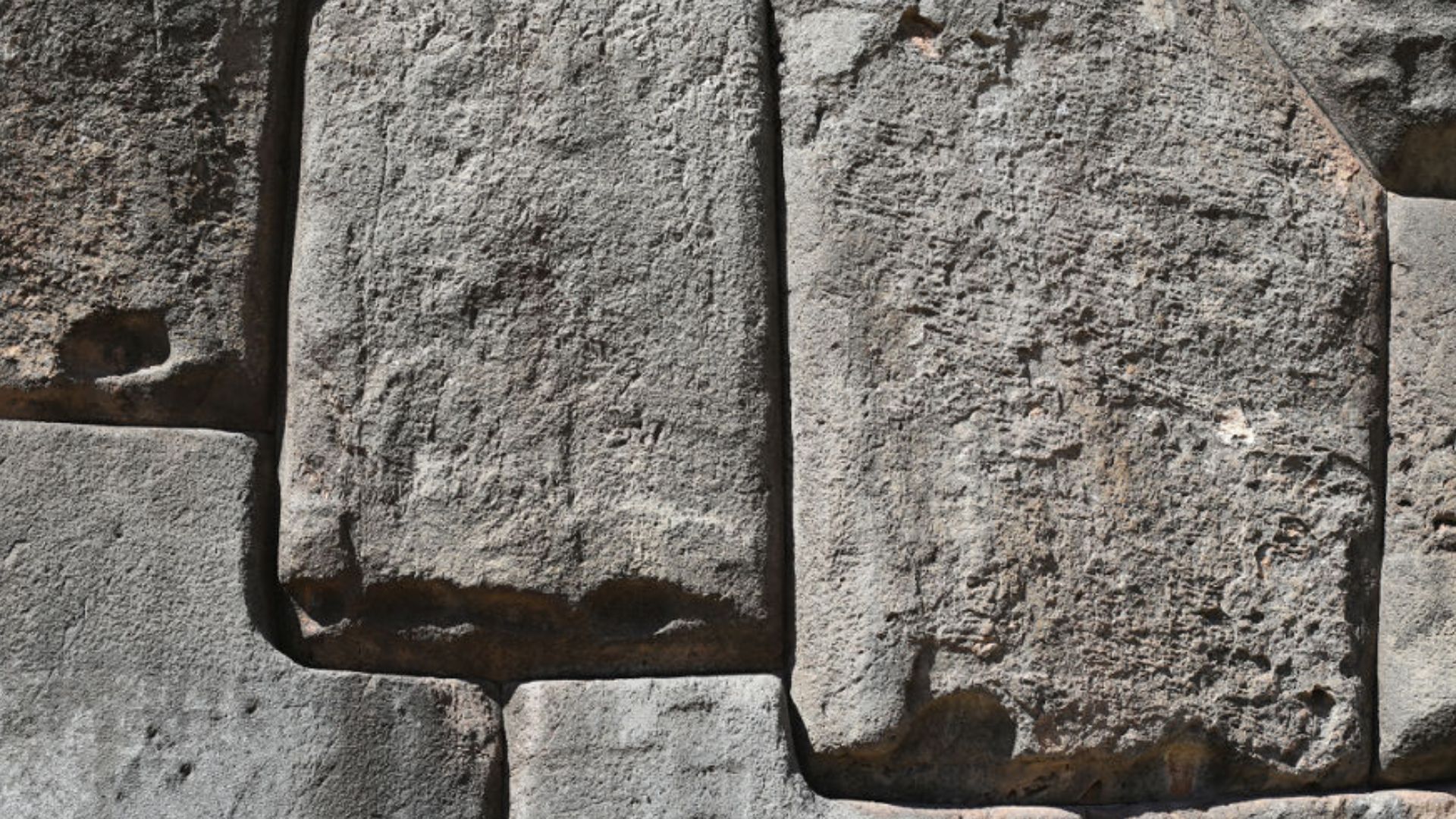
Three-Dimensional Joints That Confused Everyone
Each block carries meticulously carved three-dimensional joints, giving every contact surface unique depth and angle. This approach allowed builders to lock stones together securely while distributing pressure across multiple planes. However, early researchers couldn’t explain the remarkably uniform fit without relying on mortar, although science later explained it.
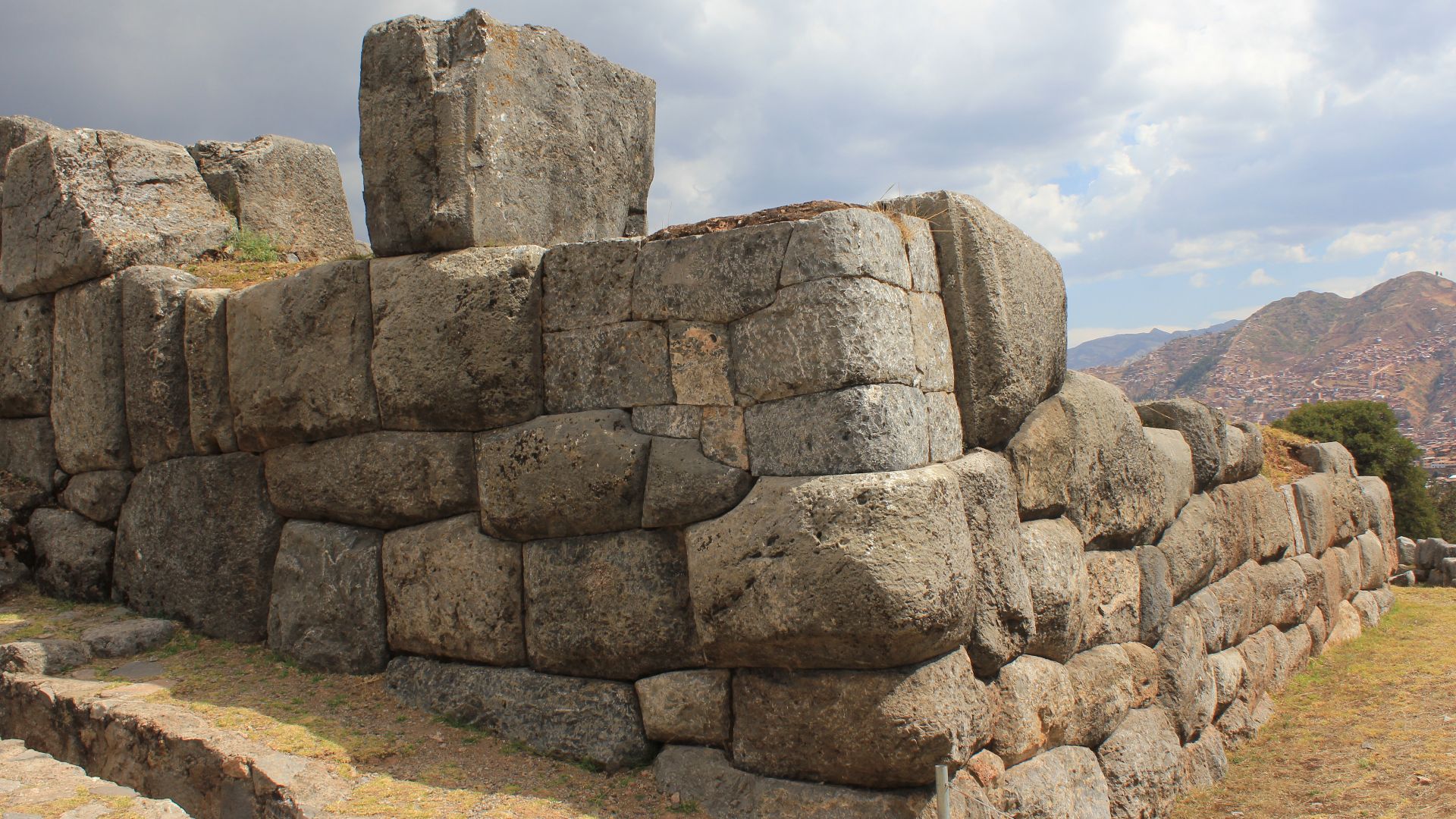
Highlighted In A 2012 Report
A 2012 investigation organized with Peru’s cultural authorities brought geophysicists to examine Sacsayhuaman’s stonework and surrounding terrain. Although the study generated imagery and field observations, no formally published report has surfaced. Existing references describe preliminary geological notes rather than definitive conclusions.
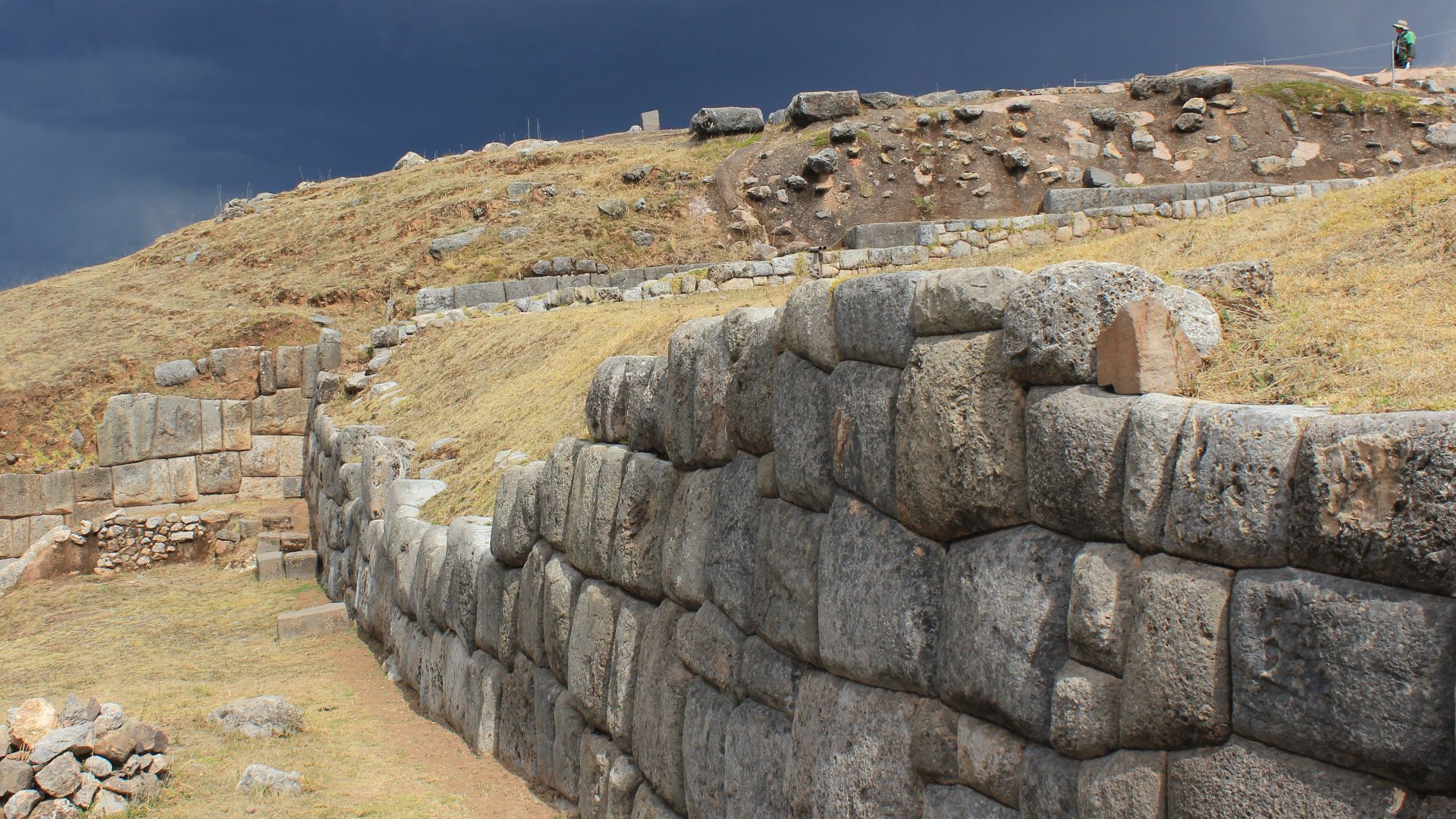
A Fresh Scientific Look Reopened An Old Debate
Advanced petrography and imaging technologies encouraged scientists to reassess assumptions formed decades earlier. These tools showed internal features previously invisible, challenging long-held views on quarry sources and construction techniques.
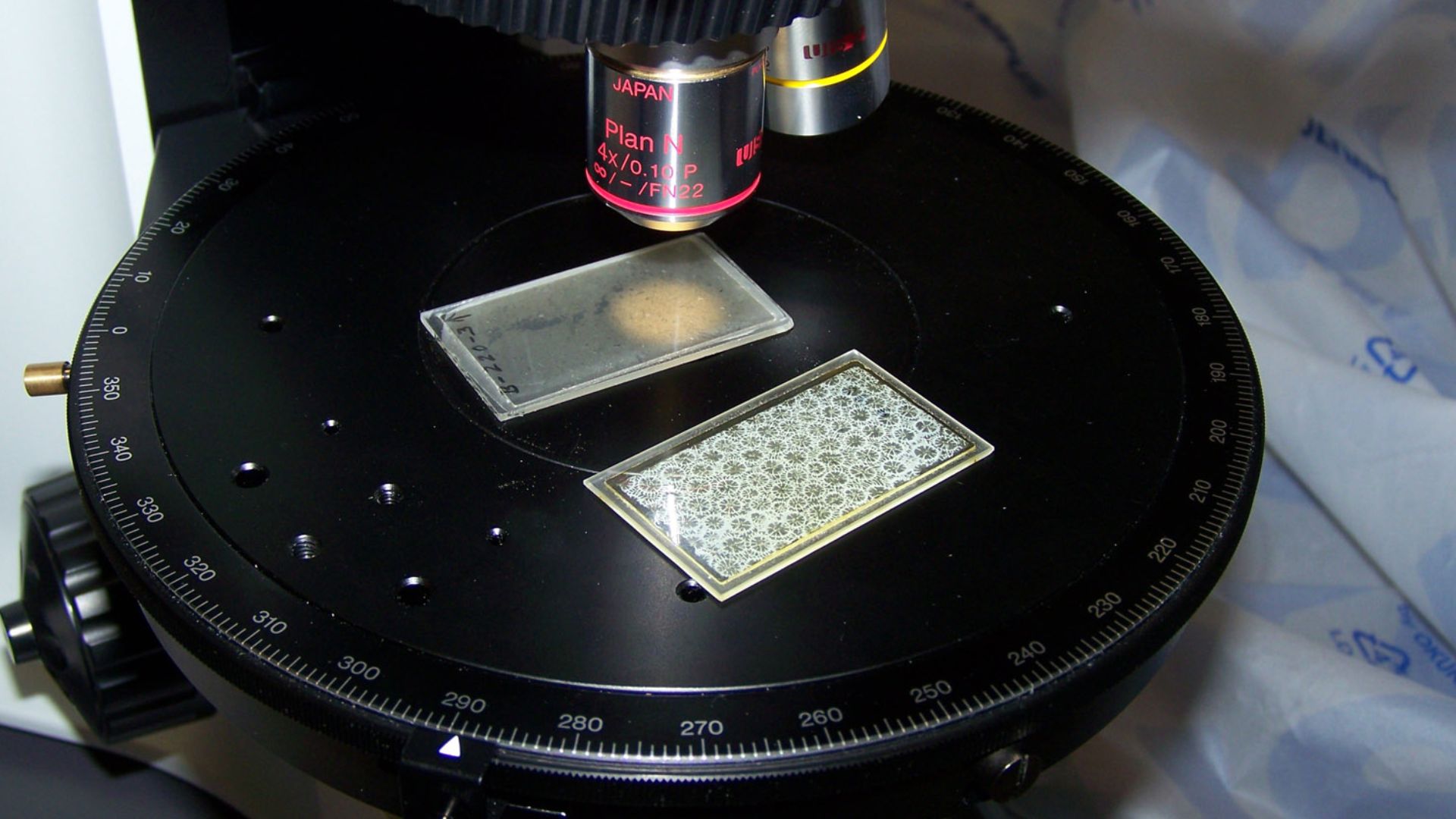
Researchers Were Pulled Back To The Quarried Hills Above Cusco
Geologists returned to nearby limestone and andesite quarries after noticing mismatches between traditional quarry attributions and the stones’ microstructures. Field comparisons and mineral analyses indicated the builders selected rock with properties formed under high pressure or heat.
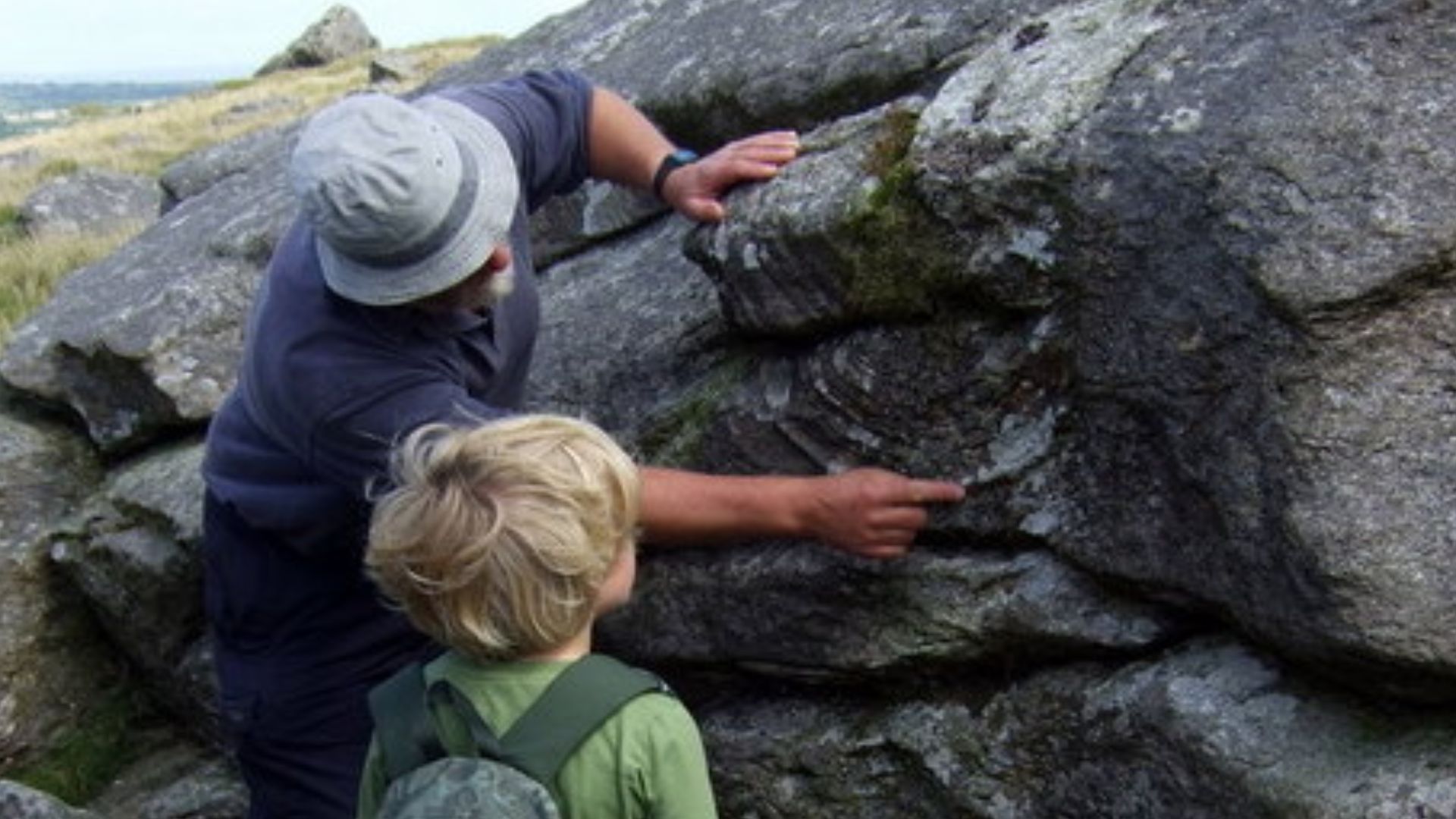
The First Stone Samples Challenged Long-Held Assumptions
Initial thin-section samples demonstrated textures far finer than expected for ordinary limestone. Recrystallized calcite and distinctive microfractures suggested the material underwent natural alteration before extraction. These findings contradicted earlier views that all blocks came from known quarries.
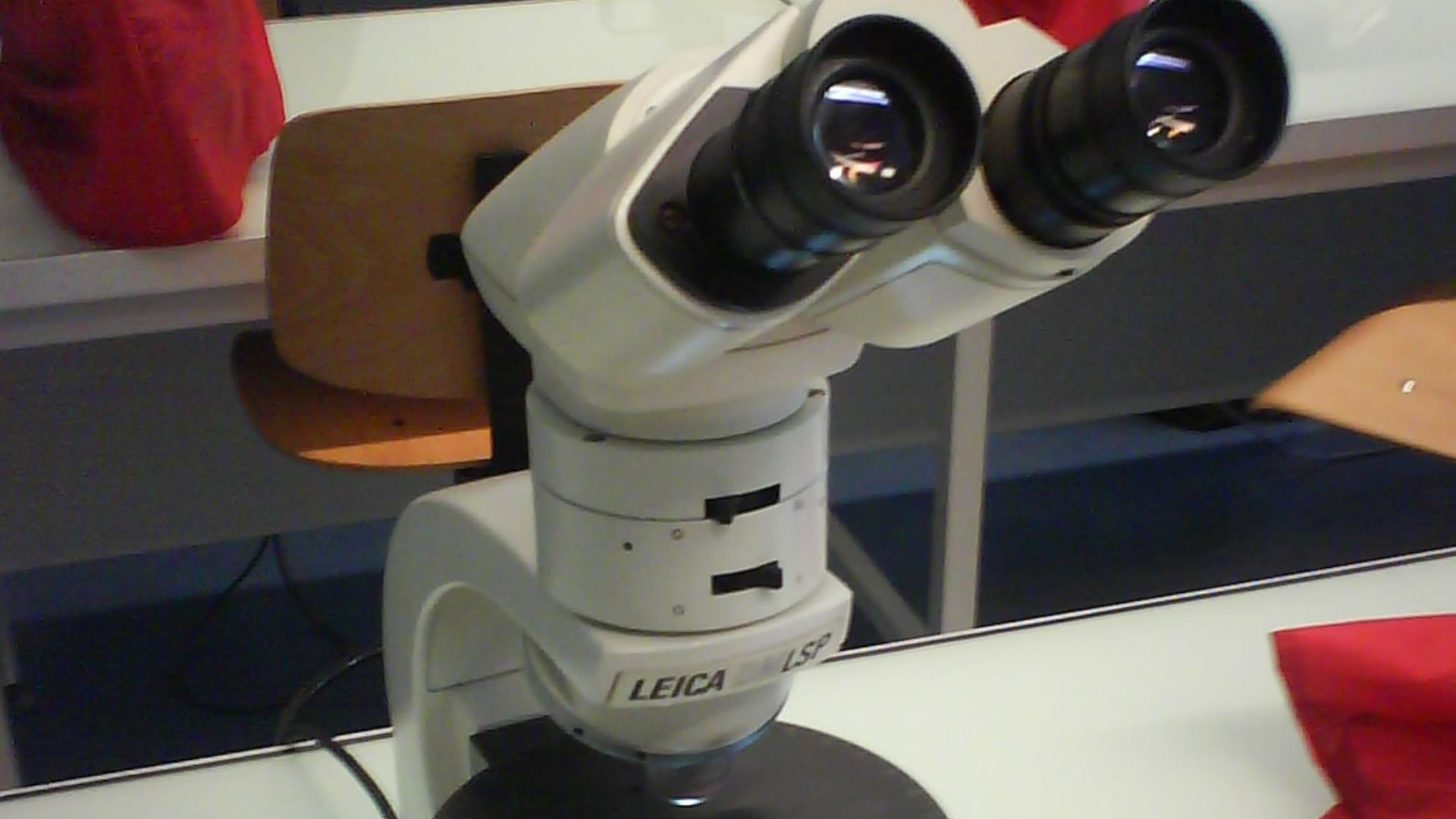
Petrographic Imaging Exposed Features No One Predicted
Petrographic imaging revealed crystal arrangements and mineral relationships that differed from those of typical regional limestone. Under magnification, the blocks displayed unusually consistent textures and altered zones, suggesting long-term exposure to pressure or heat. These microscopic signatures pushed researchers to investigate deeper geological shifts influencing the material’s formation.

And Fine-Grained Crystals Shifted The Entire Conversation
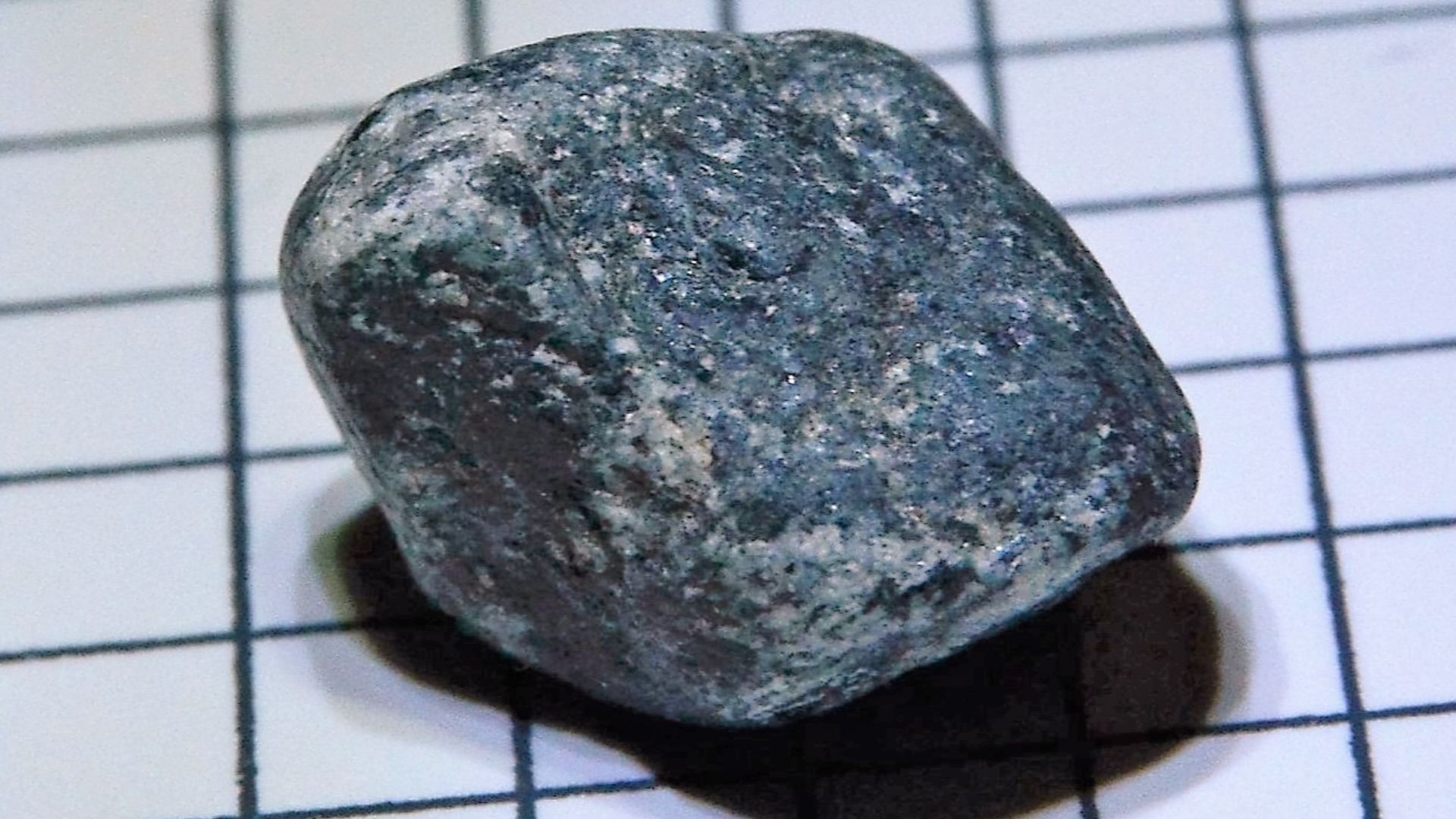
In many samples, crystal grains appeared far smaller than those in standard limestone formations. Such refinement usually reflects slow recrystallization under natural stress. This unexpected detail implied the builders worked with stone transformed by geological forces rather than conventional sedimentary deposits.
 Ra'ike (see also: de:Benutzer:Ra'ike), Wikimedia Commons
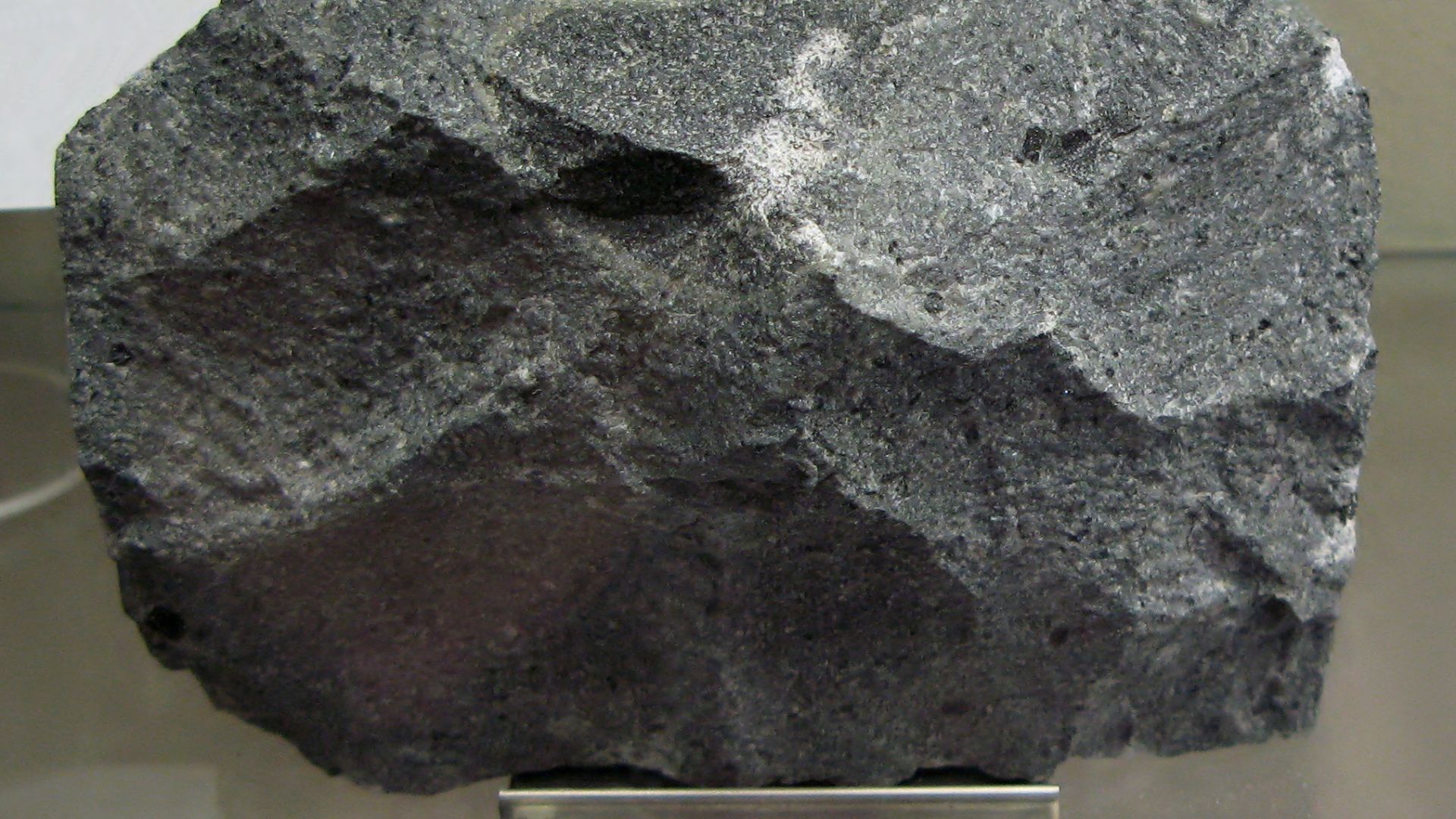
With An Almost Absence Of Fossils
Unlike other sedimentary samples, the microscopic review exposed the almost absence of biological remnants within the samples, which is an unusual outcome for regional limestone. Their absence supports the interpretation that the stone experienced significant recrystallization, where heat or pressure erased original sedimentary features.
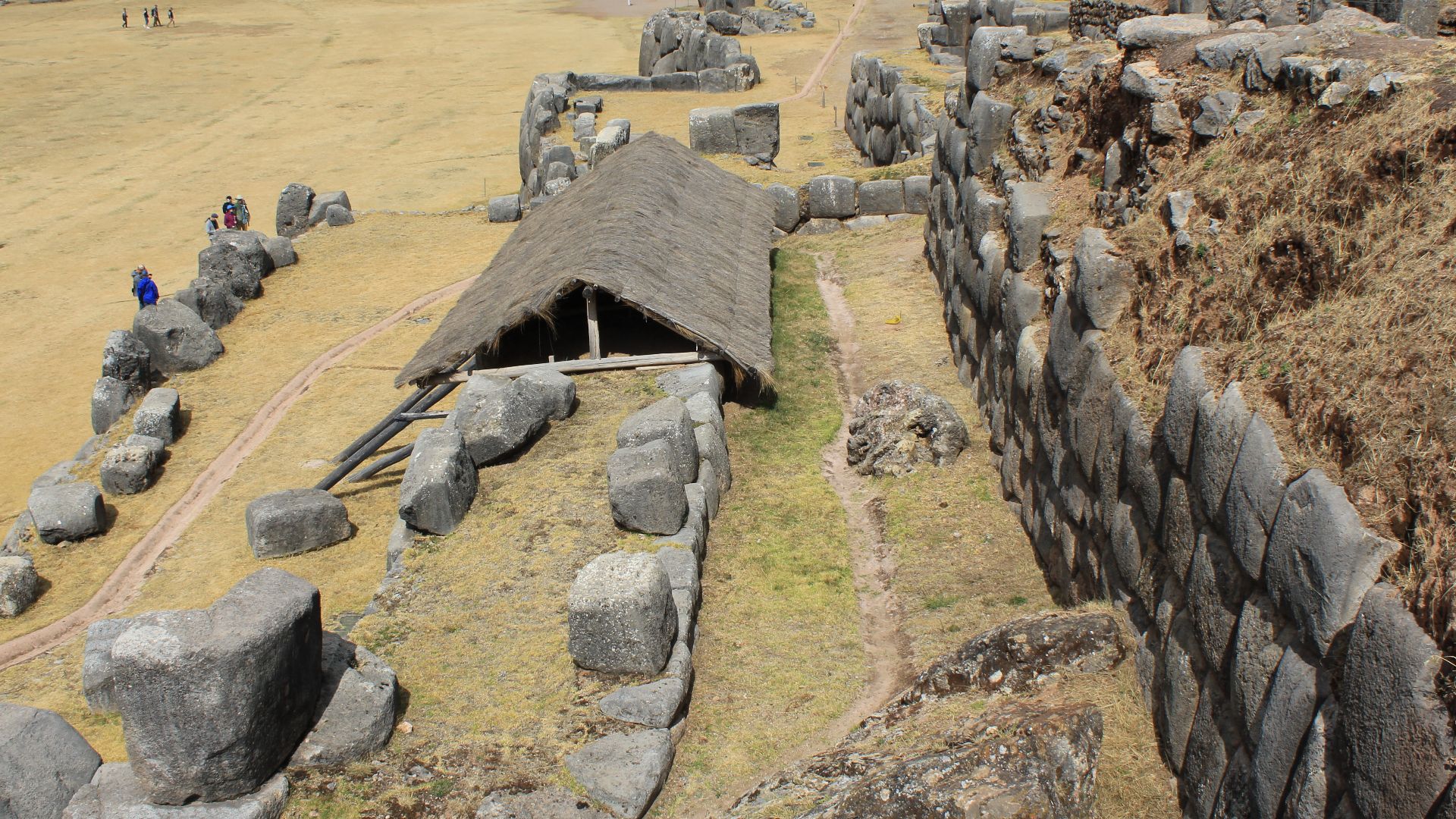
Why Do Such Unusual Textures Raise Immediate Geological Questions?
The textures didn’t match nearby outcrops, prompting investigators to question long-standing assumptions about local sourcing. Finer crystals and uniform patterns suggested the stone originated from a section of the formation that experienced unique conditions.
Identical Chemistry Led To A Very Different Conclusion
Matching chemistry initially suggested correct quarry identification. However, researchers concluded the blocks were natural limestone altered by geological processes rather than artificially produced material. This clarified debates over ancient casting theories and reinforced the importance of microstructural evidence.
 DLR German Aerospace Center, Wikimedia Commons
Can Natural Forces Transform Familiar Rock Into Something New?
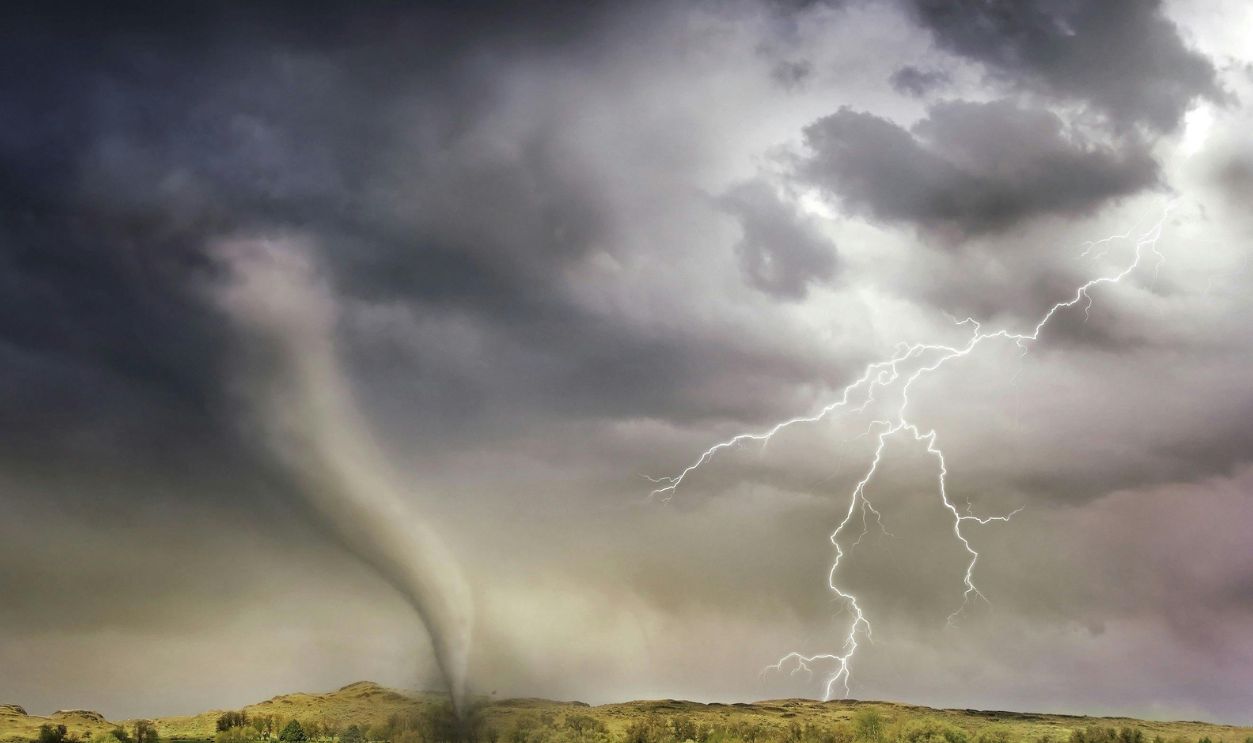
Limestone can recrystallize or change texture when subjected to elevated pressure, temperature, or circulating mineral-rich fluids. These processes don’t alter its chemistry but significantly reshape its internal structure. Understanding these mechanisms helped scientists explain why Sacsayhuaman’s stones differ from nearby deposits.
Veins And Microfractures Point To A Natural Origin
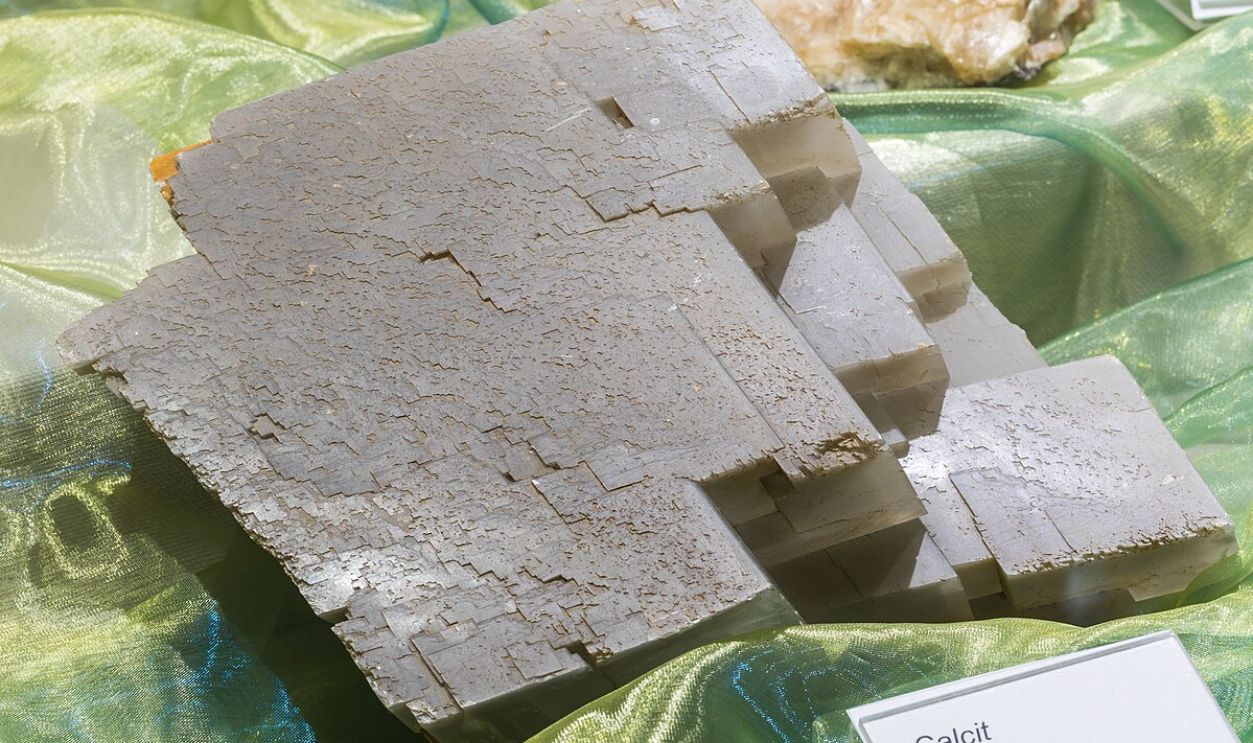
Microscopic veins filled with calcite and naturally formed microfractures appeared throughout several samples. These features develop during geological stress, not human manufacturing. Their presence reinforced the interpretation that the stones were naturally altered rock rather than cast material.
 Raimond Spekking, Wikimedia Commons
These Findings Rule Out Concrete And Cast-Stone Theories
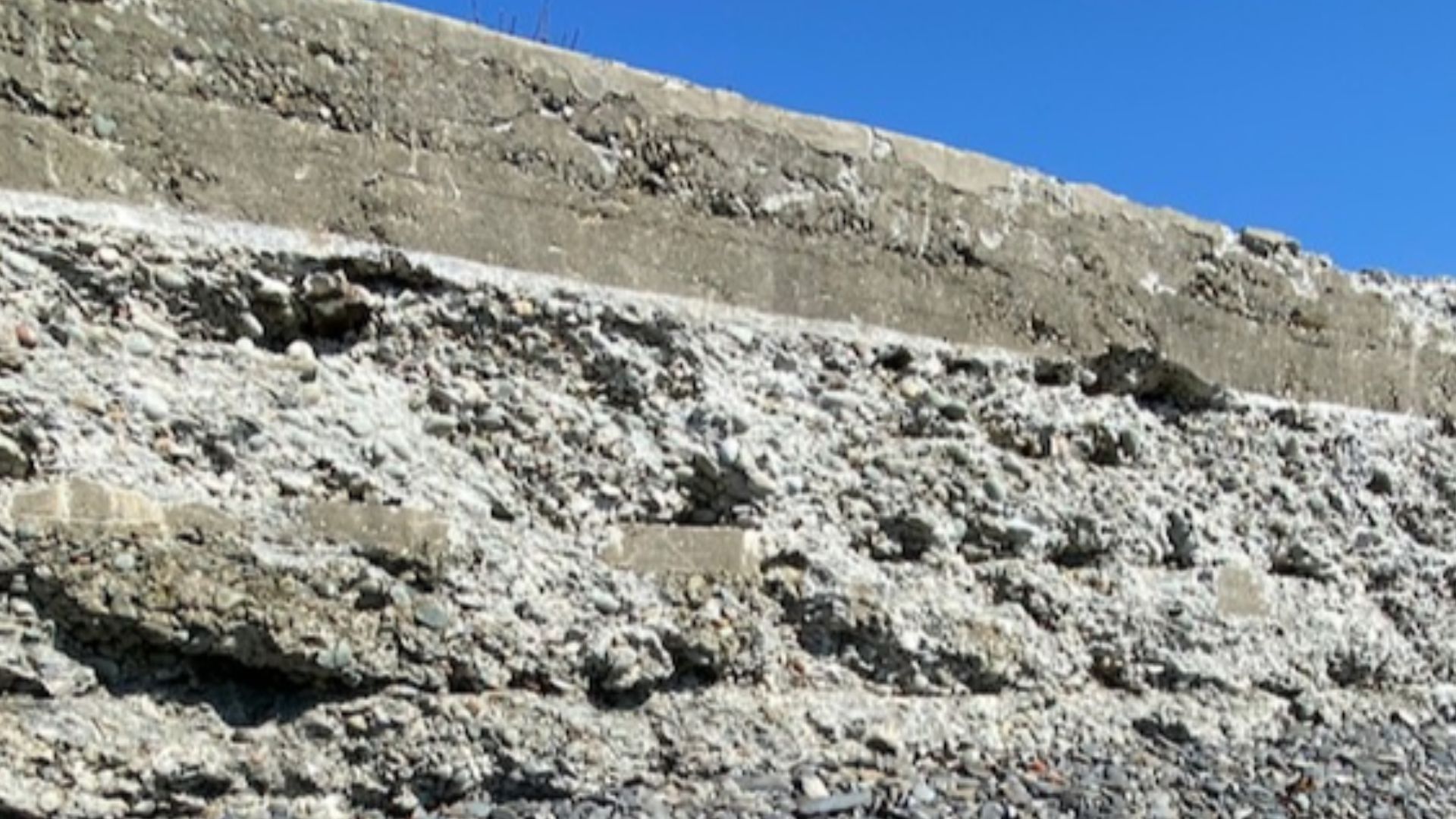
The internal patterns lacked the binding agents, aggregates, and textures associated with ancient or experimental concrete. Instead, they displayed mineral relationships consistent with naturally altered limestone. This evidence effectively dismissed long-standing claims that the site used artificial stone.
 Gerberadaisyflower, Wikimedia Commons
The Builders Chose Materials With Remarkable Precision
The consistent use of altered limestone suggests deliberate selection rather than chance. Builders likely recognized the stone’s workability and fracture behavior. Its ability to hold sharp edges and resist erosion made it an ideal material for large interlocking blocks.
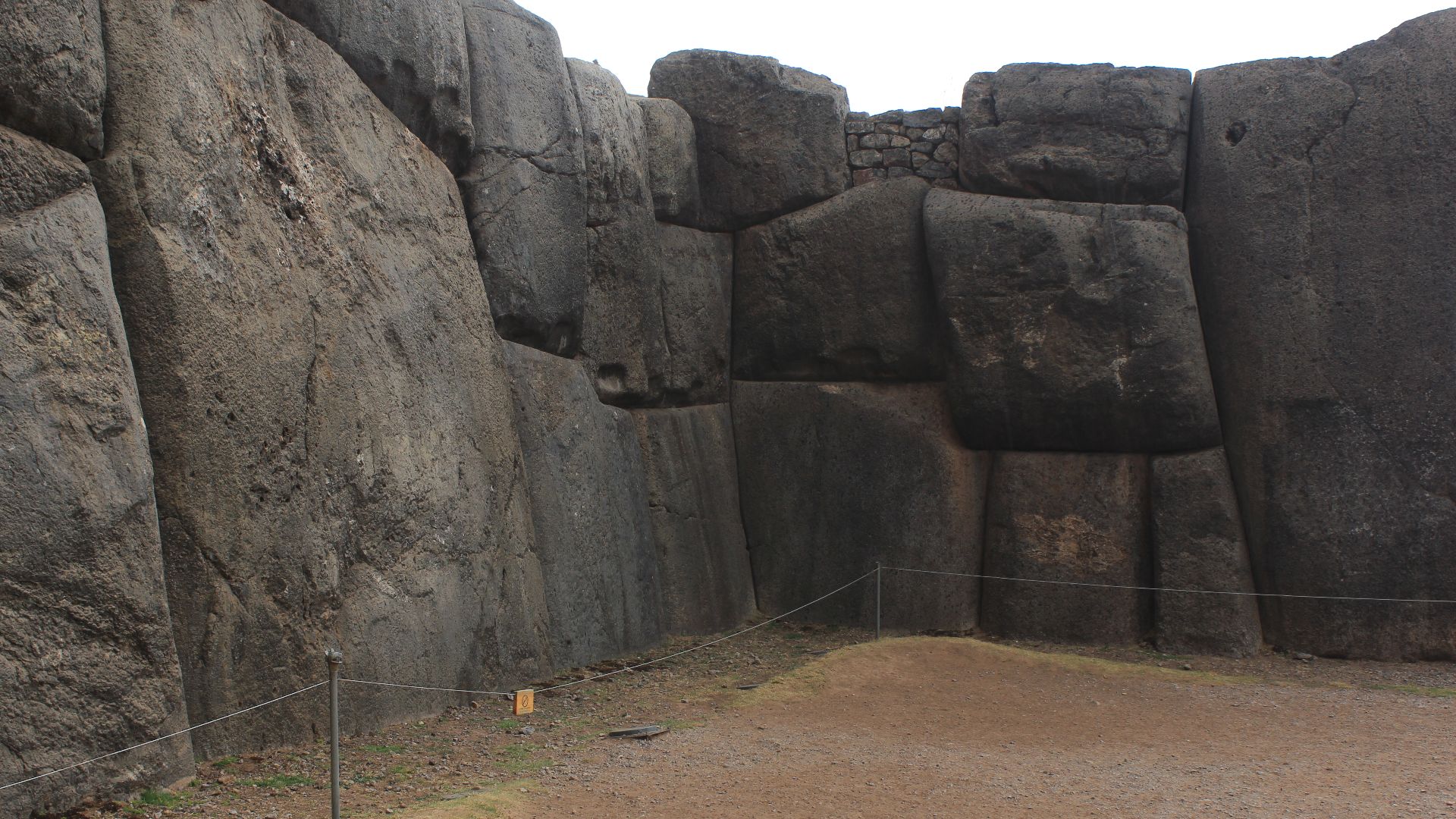
Altered Limestone Offered Advantages Over Ancient Stoneworkers
Recrystallized limestone typically responds predictably to shaping tools, allowing artisans to carve tight joints without excessive breakage. Its stability under stress also helped large blocks maintain form during placement. These qualities would have supported the complex masonry style at Sacsayhuaman.

Polygonal Masonry Made Perfect Sense For These Materials
Using multi-angled blocks allowed builders to distribute weight efficiently and lock stones together without mortar. Altered limestone’s reliable fracture lines enabled precise shaping for such designs. This method created strong, flexible walls capable of absorbing movement, which explains how the structure maintained cohesion through repeated earthquakes.
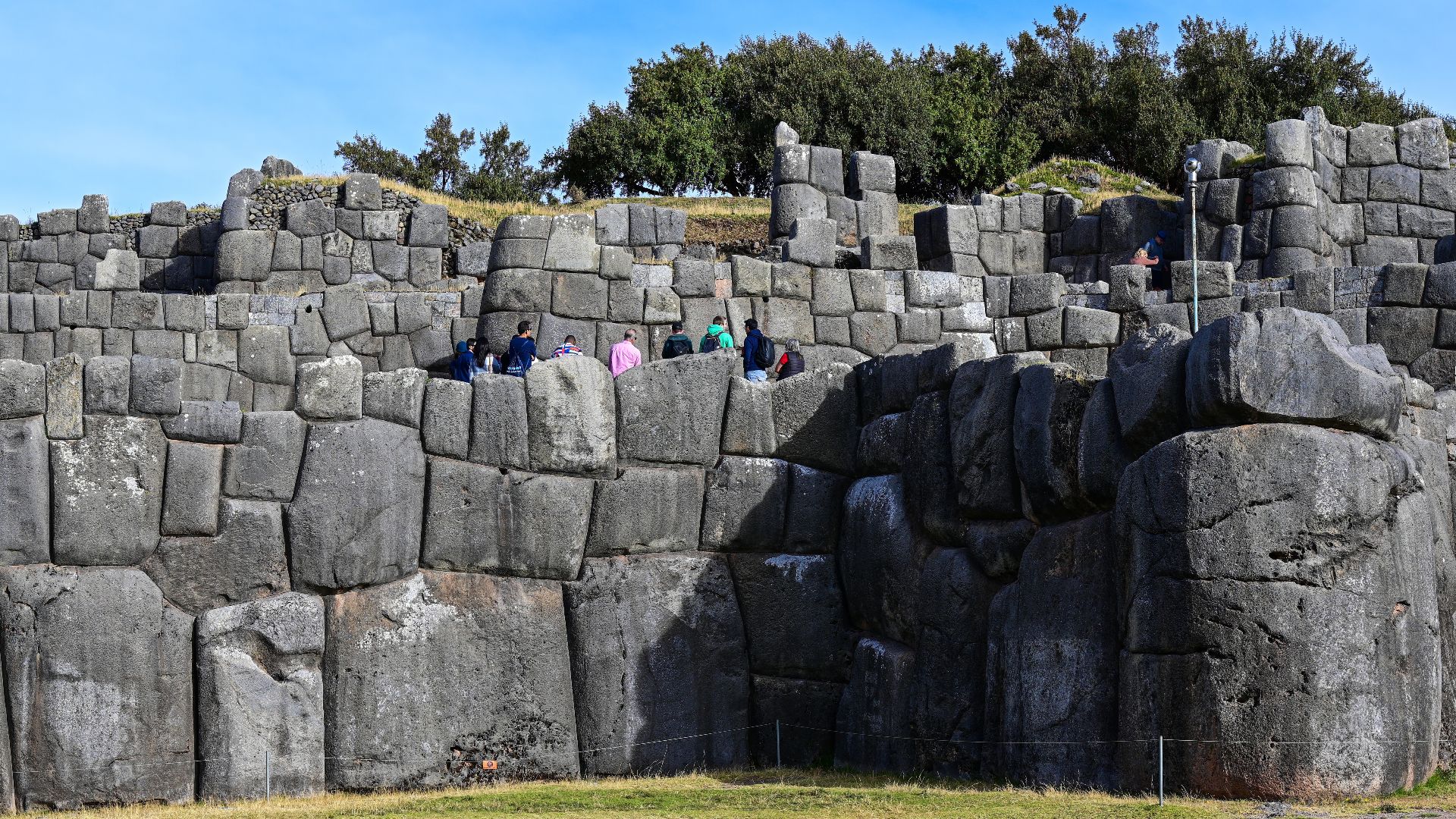
And Patterns Forced Scientists To Rethink Everything
Cross-section imaging exposed subtle internal alignments indicating long-term stress within the rock, contradicting earlier assumptions that the stones were homogeneous. These patterns suggested the builders selected material already strengthened by natural processes.
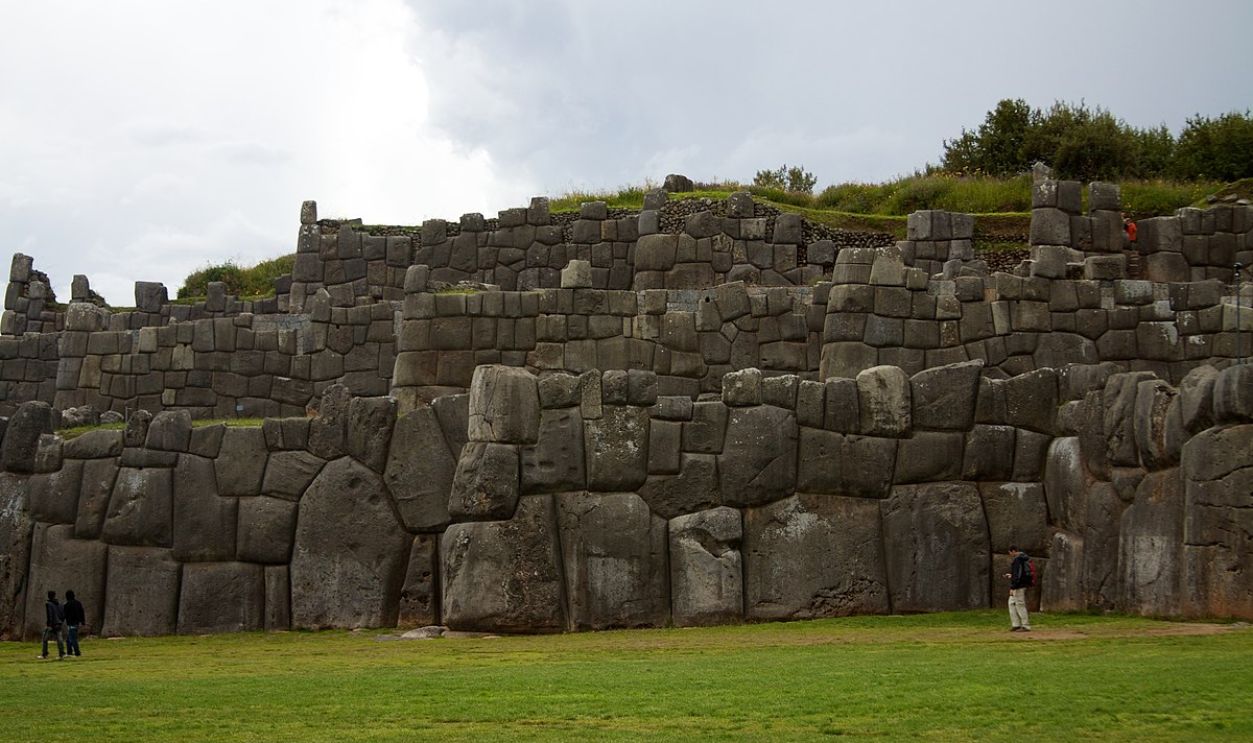 McKay Savage from London, Wikimedia Commons
What This Means For Our Understanding Of Pre-Inca Engineering
The evidence implies that earlier regional cultures that came before the Incas possessed deeper geological awareness than previously recognized. Their ability to identify altered stone, transport it, and shape it with precision challenges earlier interpretations of Andean skills.
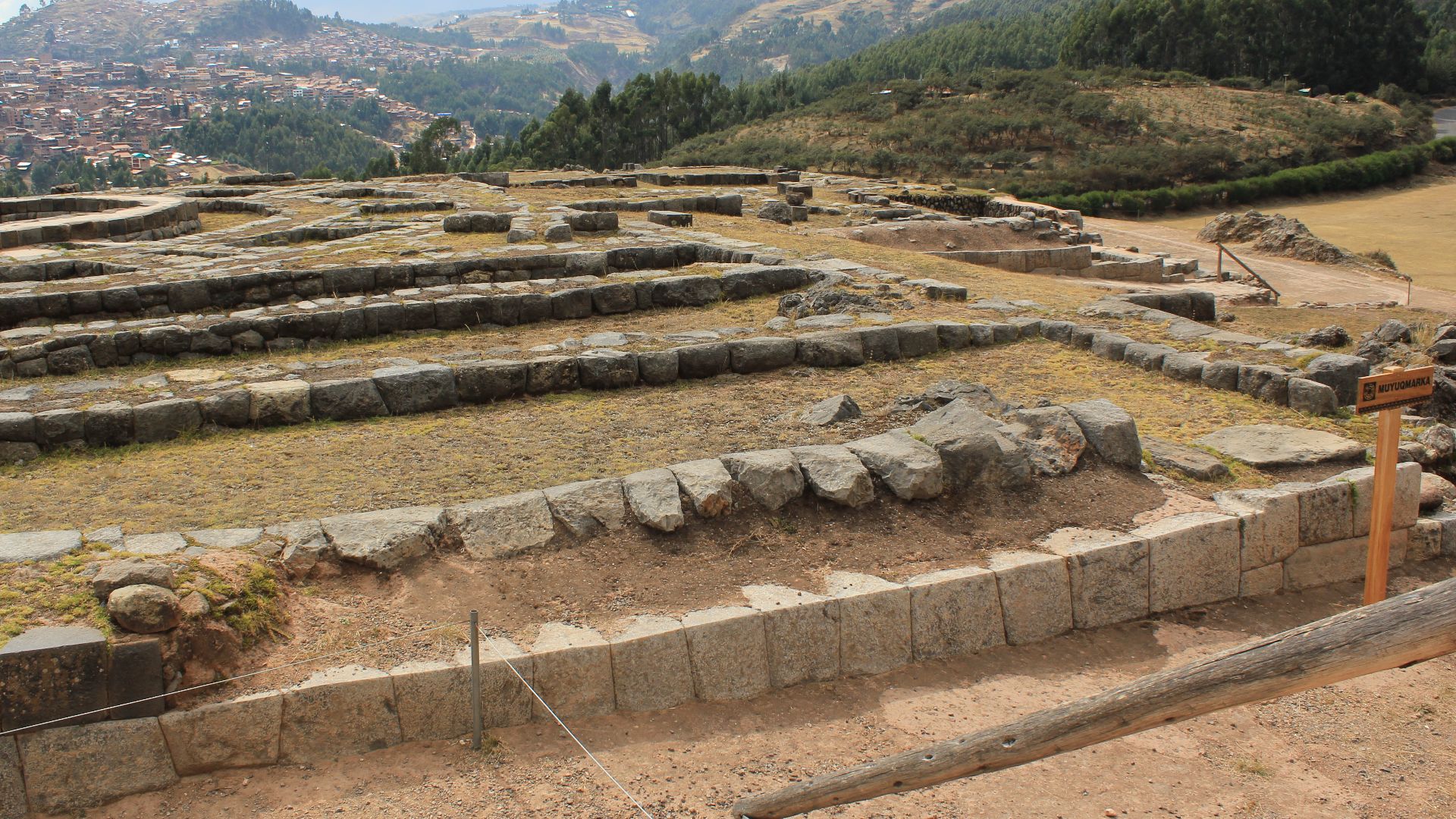
New Archaeological Questions Are Rising From The Laboratory
Laboratory results shifted focus toward unanswered issues: where the altered limestone formed, how builders recognized its properties, and which groups first developed the techniques later refined by the Inca. These questions now guide multidisciplinary studies linking geology, archaeology, and cultural history across the broader Cusco region.
 Son of Groucho from Scotland, Wikimedia Commons
A Micro-Level Discovery Rewrote The Story
Minute crystal patterns revealed through petrography reshaped narratives built over decades. Instead of relying on speculative technologies, scientists now attribute Sacsayhuaman’s precision to informed material selection and geological circumstances.
 Mark Nenadov, Wikimedia Commons
What Sacsayhuaman’s Stones May Finally Be Telling Us About Their Makers
The stones suggest builders combined observational skill with practical geology by choosing rock shaped by natural forces to achieve lasting stability. Their methods reflect adaptation rather than mystery, with skills grounded in empirical knowledge. These insights bring the site’s creators into clearer focus while preserving the structure’s enduring intrigue.




.jpg)