The 14 Most Photogenic Places On Earth

The 14 Most Photogenic Places On Earth


August 8, 2023 | Allison Robertson

The 14 Most Photogenic Places On Earth


Whether you're a pro photographer with a fancy camera or a social media influencer perfecting your Insta game, the world is your canvas, filled with jaw-dropping locations just begging to be captured. 

Come along as we explore 14 of the most photogenic spots across the globe, dishing out some handy tips to snap that million-dollar shot or the next viral post. 

1. Banff National Park, Canada
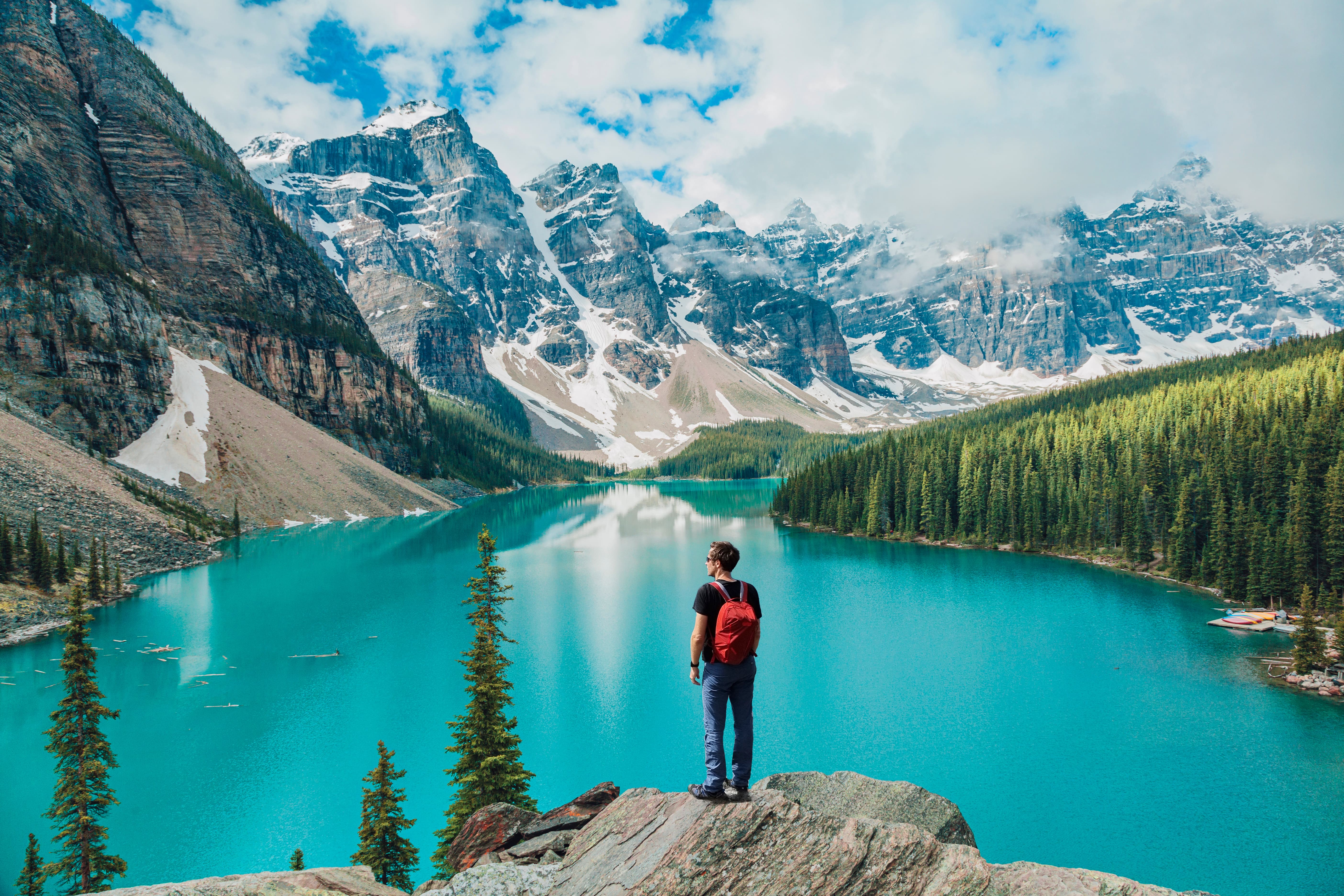
Tourist at Banff National Park, Alberta, CanadaMaridav, Adobe Stock

Advertisement

Moraine Lake and Lake Louise, with their emerald waters nestled among snow-capped peaks, are just a couple of the photographic gems in Banff.

Use a wide-angle lens to capture the full expanse of these beautiful scenes.

The cold, crisp air often results in clear, vivid photos.

2. The Serengeti, Tanzania
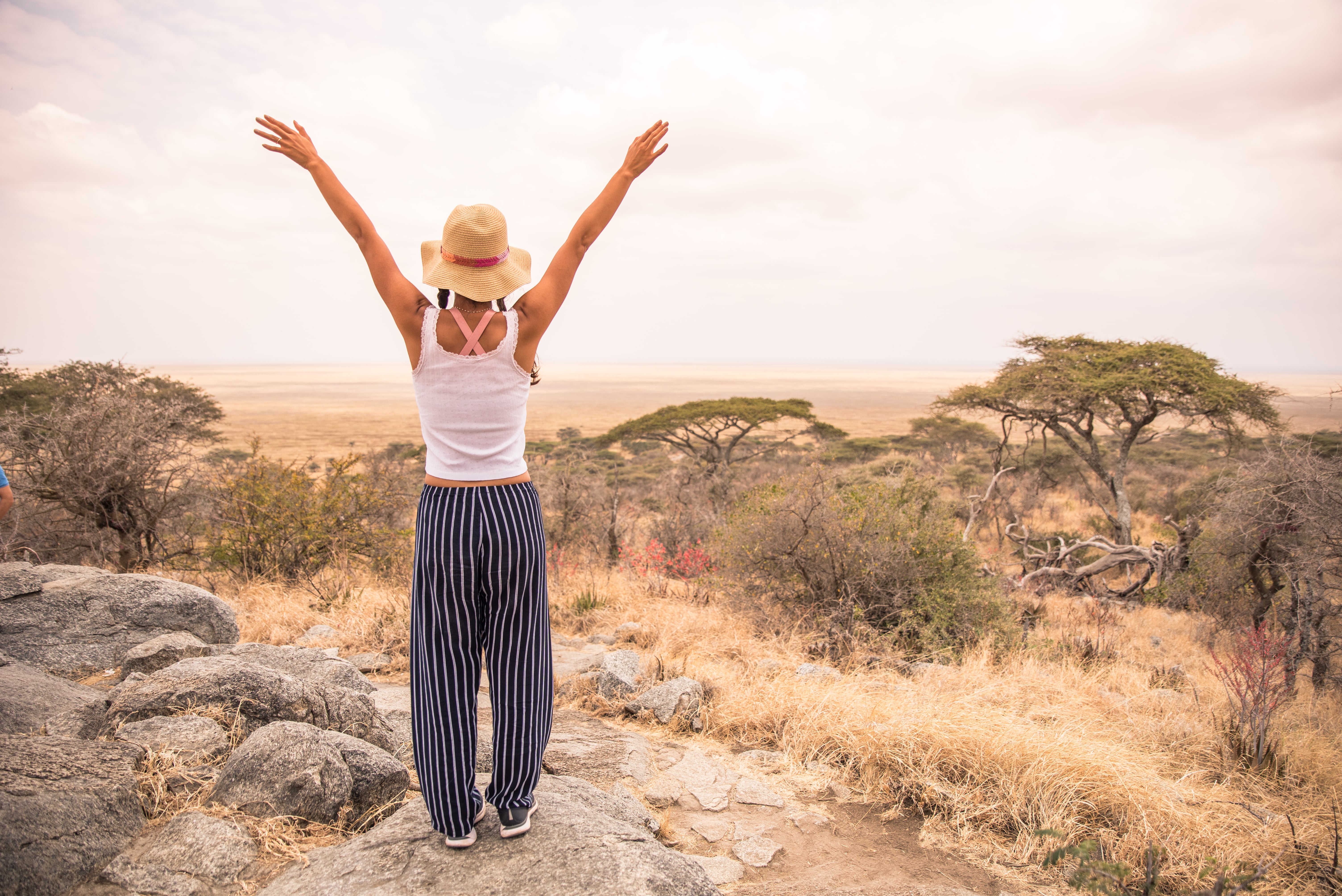
Girl at The Serengeti, TanzaniaSimon Dannhauer, Adobe Stock

Advertisement

An African safari is a dream for many photographers.

The wildlife, the landscapes, and the incredible sunsets combine for an unforgettable experience.

A telephoto lens is a must for capturing stunning wildlife from a distance.

3. Santorini, Greece
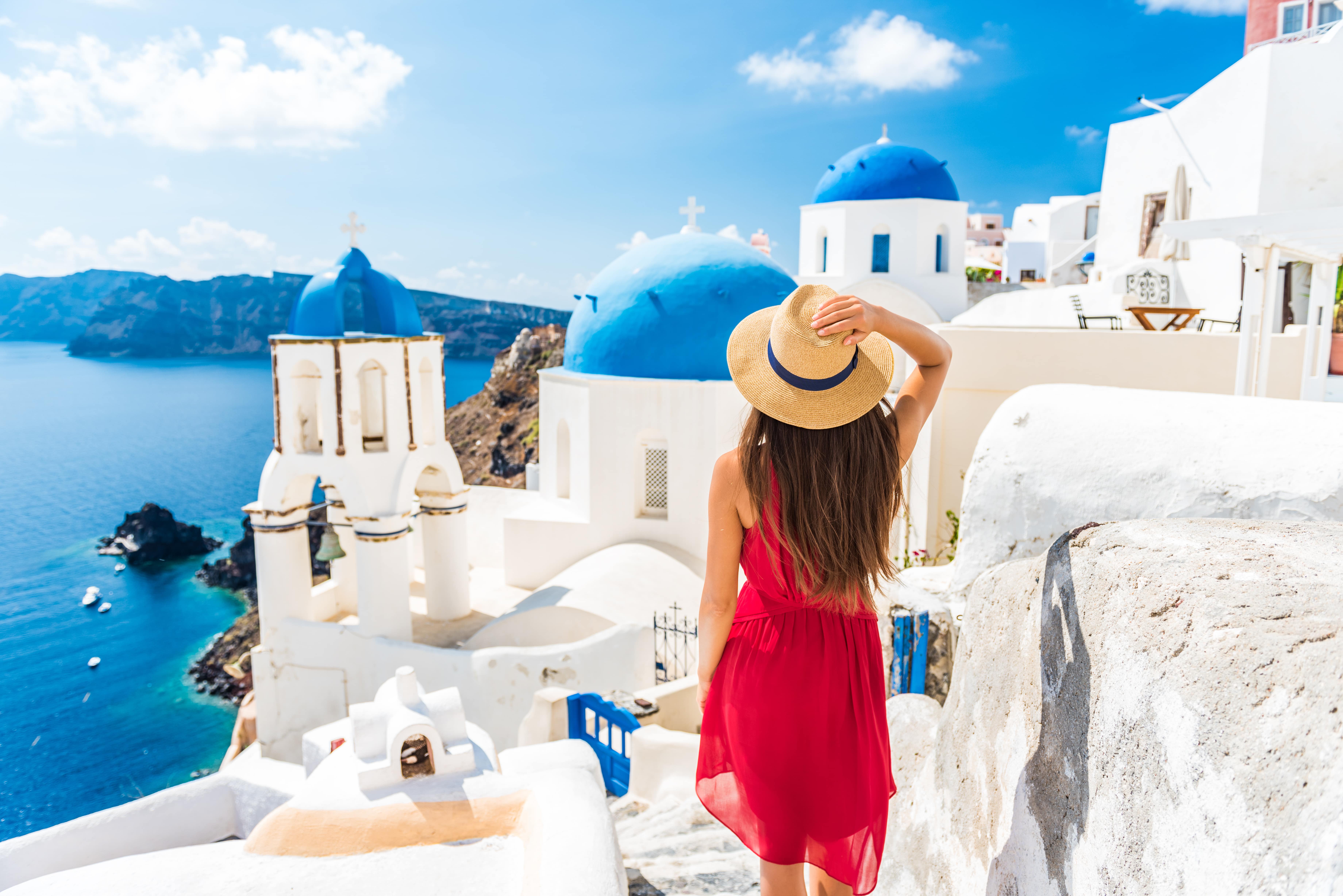
Woman at Santorini, GreeceMaridav, Adobe Stock

Advertisement

White-washed buildings with blue domes set against the backdrop of the Aegean Sea make Santorini a dream destination for photographers.

The island's typical clear, sunny weather is perfect for bright, vibrant shots.

4. The Scottish Highlands, Scotland
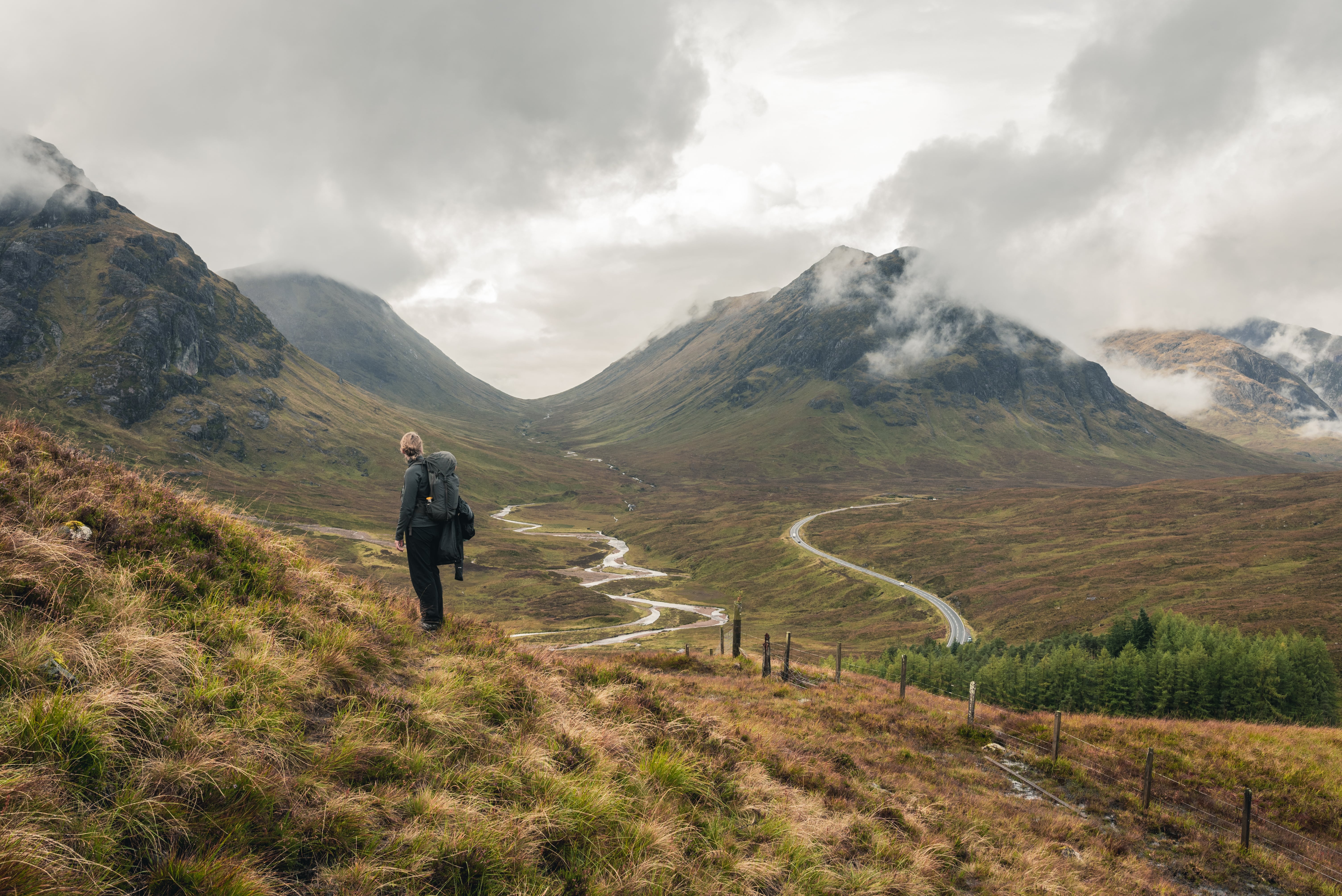
Person walking a trail in the Scottish Highlands ScotlandAlexander, Adobe Stock

Advertisement

Dramatic mountains, serene lochs, and rugged coastline provide a range of photo opportunities.

The constantly changing weather can make for moody, atmospheric shots.

A wide-angle lens can help capture the vastness of the landscape.

5. The Grand Canyon, USA
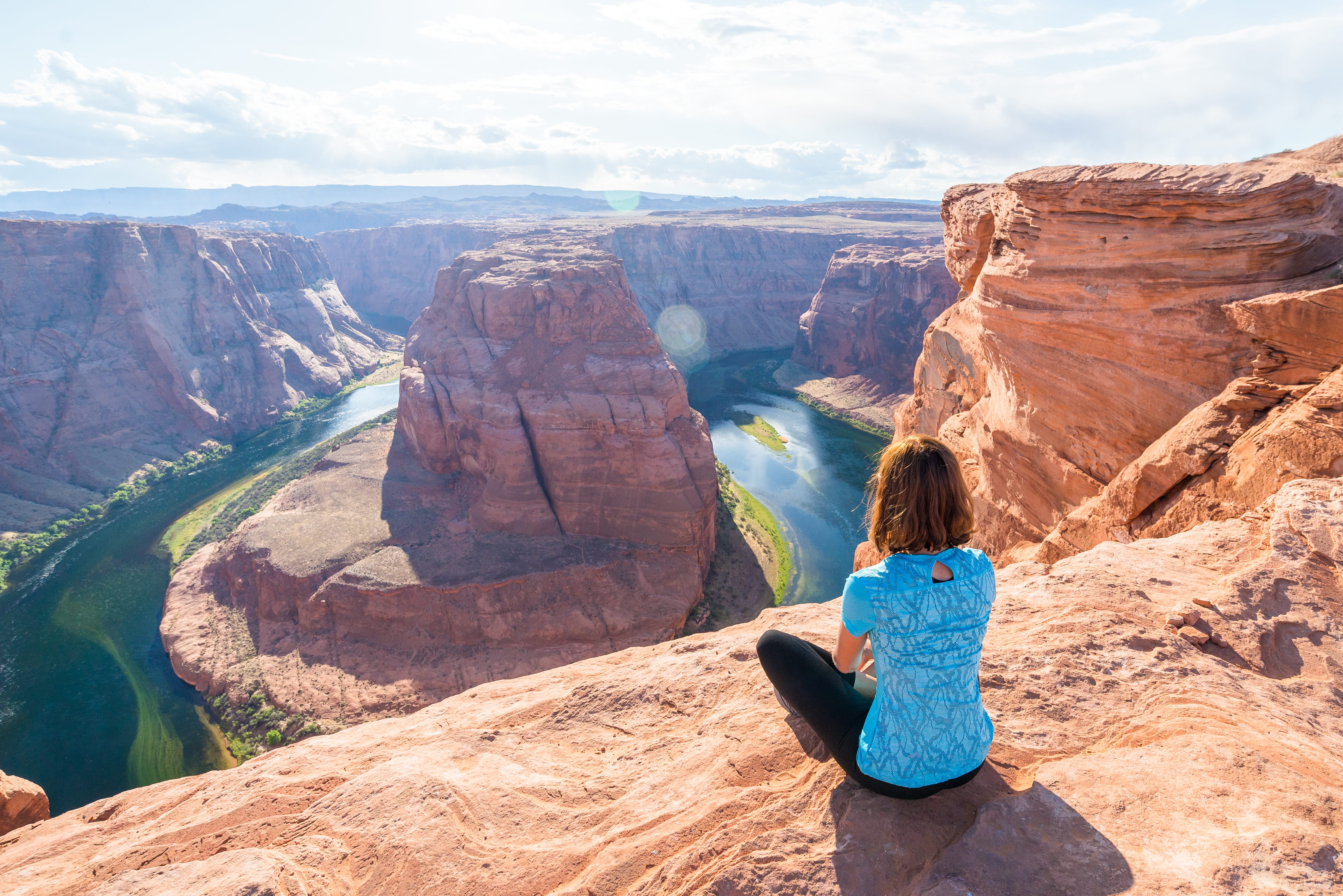
Woman at the Grand Canyon, Usablazekg, Adobe Stock

Advertisement

The sheer scale of the Grand Canyon is awe-inspiring.

Capture it from one of the many lookout points along the rim.

A wide-angle lens and a clear day will allow you to capture its vastness and vibrant color palette.

6. Machu Picchu, Peru
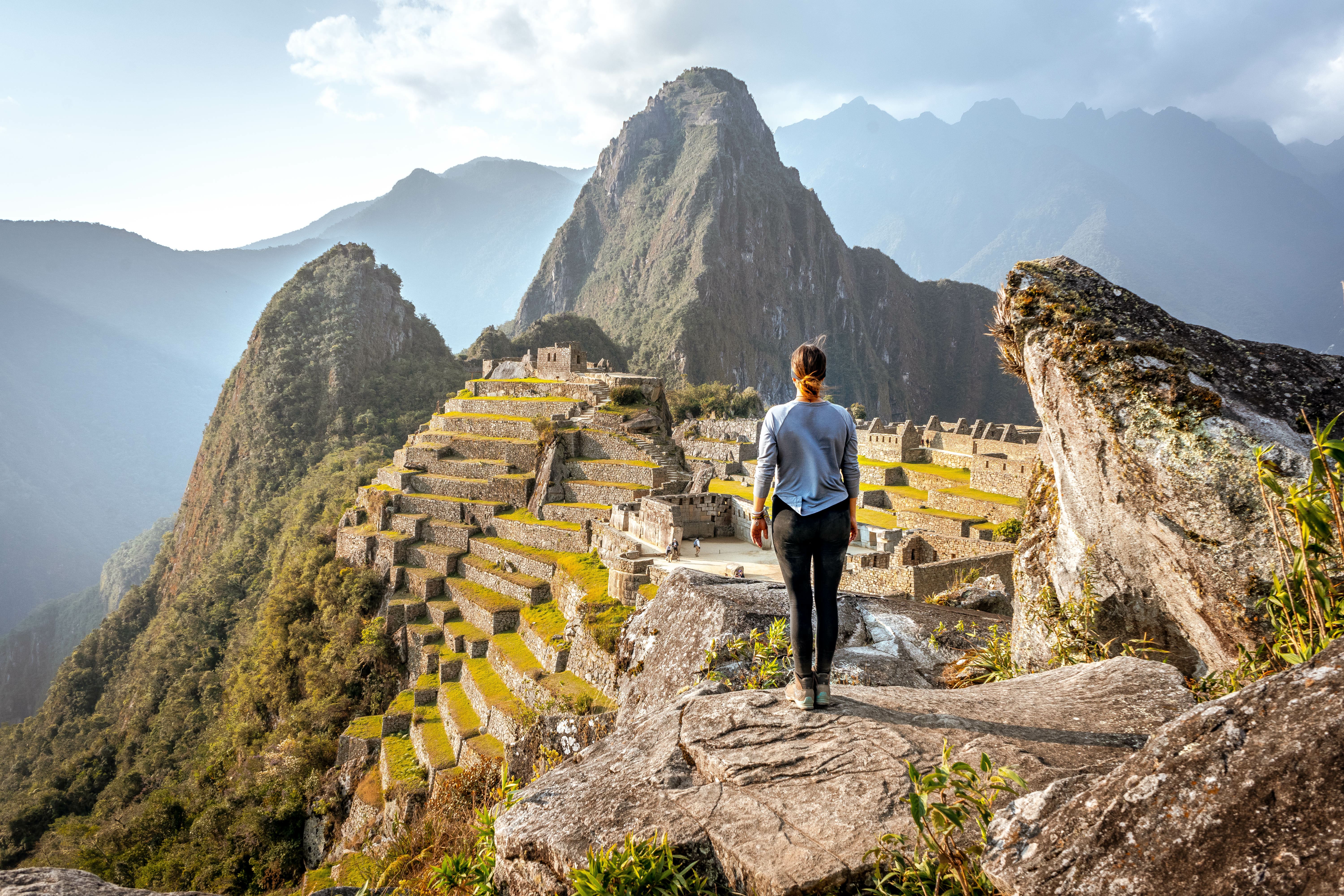
Tourist at Machu Picchu, PeruPat, Adobe Stock

Advertisement

Capture this ancient Inca city nestled high in the Andes Mountains.

The often misty, cloudy weather conditions add an atmospheric quality to photos.

Use a wide-angle lens to include as much of the landscape as possible.

7. Antelope Canyon, USA
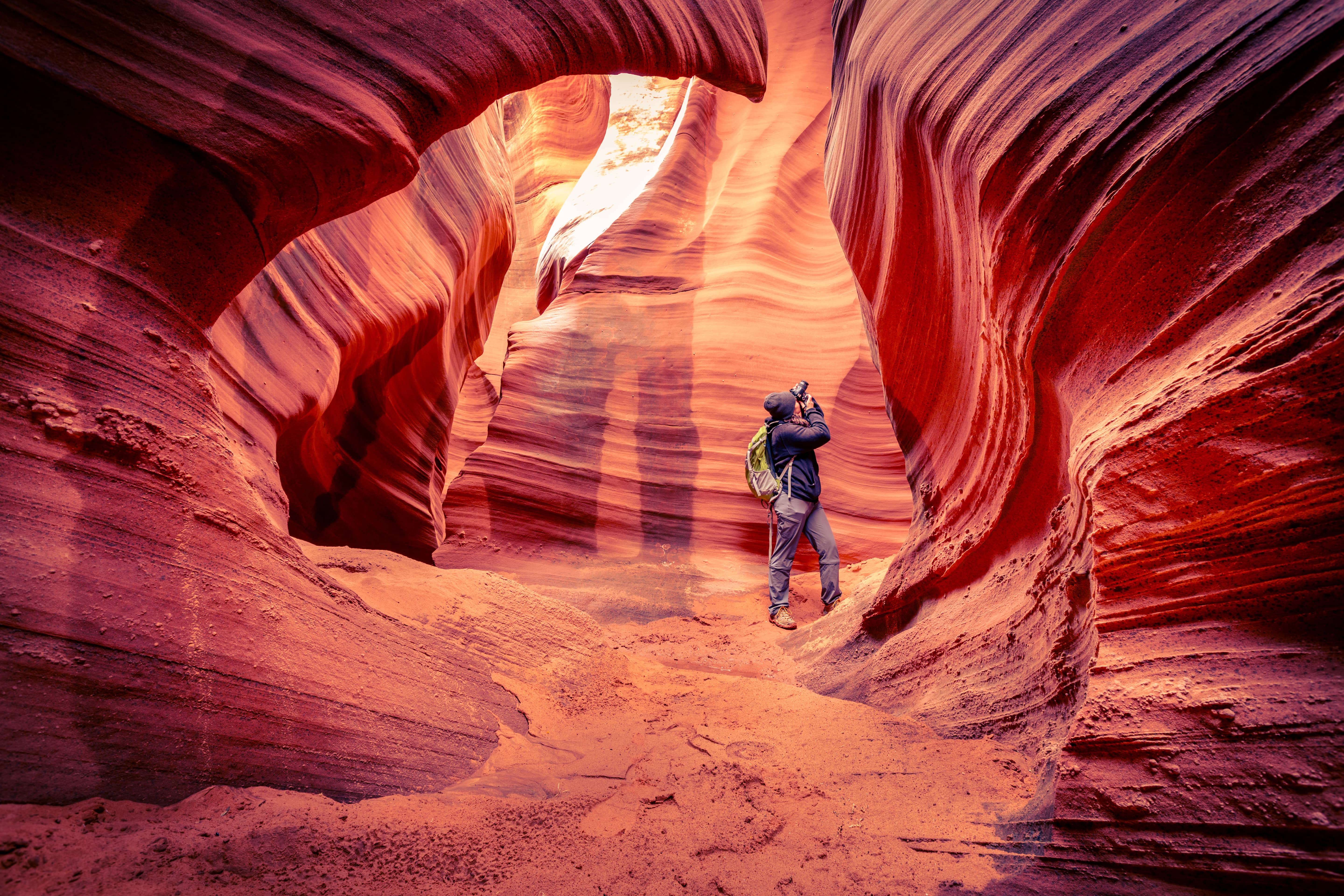
Photographing Antelope Canyon, Utah, USASven Taubert, Adobe Stock

Advertisement

Antelope Canyon's swirling sandstone walls make for incredible abstract shots.

The way light filters down into the canyon creates dramatic and colorful lighting conditions.

A tripod is a must for long exposures.

8. The Northern Lights, Iceland
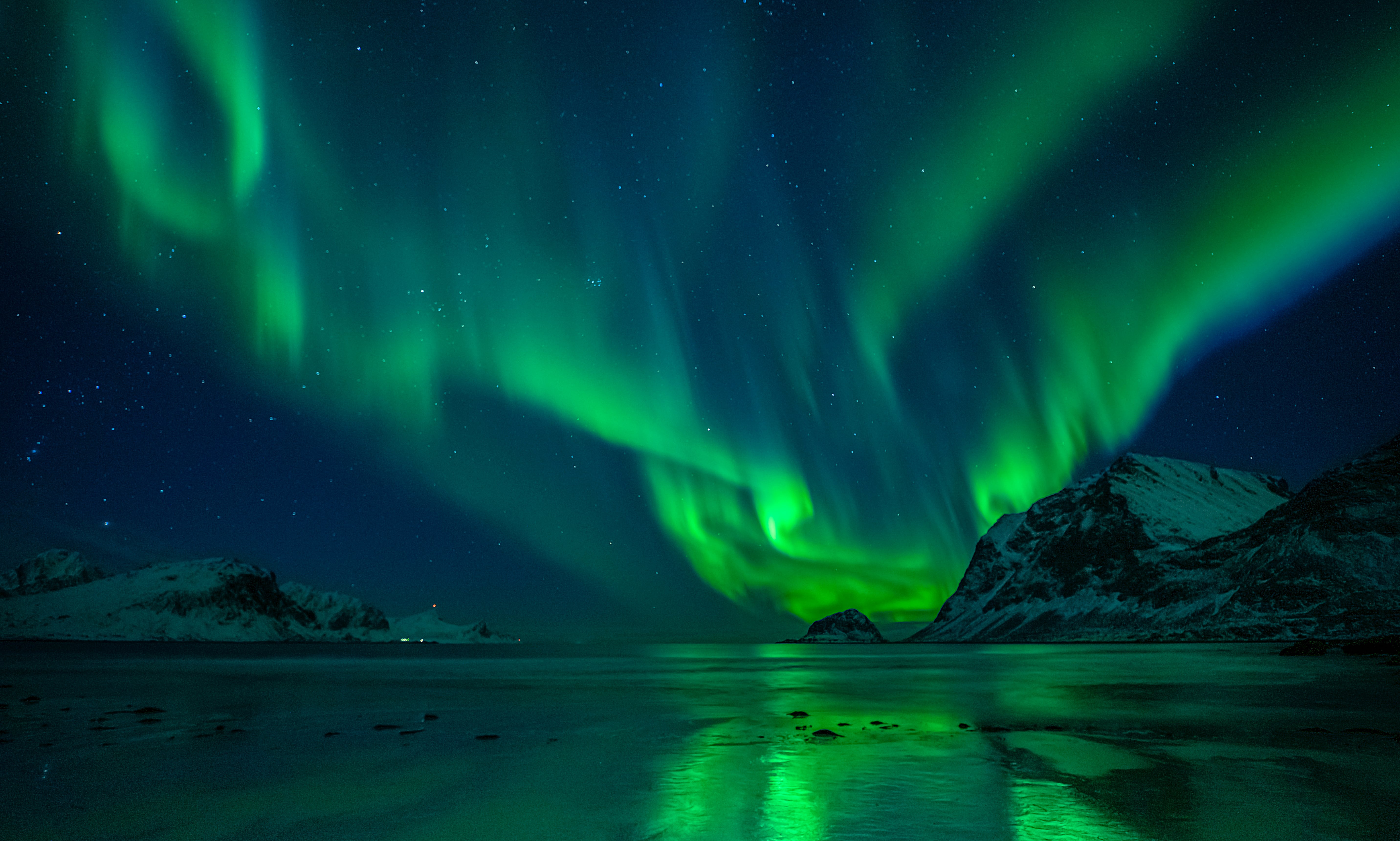
The Northern Lights beach in IcelandFelix Pergande, Adobe Stock

Advertisement

The northern lights are one of the most sought-after photographic subjects.

A wide-angle lens is a must, and long exposures are key to capturing the lights' full majesty.

Remember to bundle up - Icelandic weather is notoriously cold and windy.

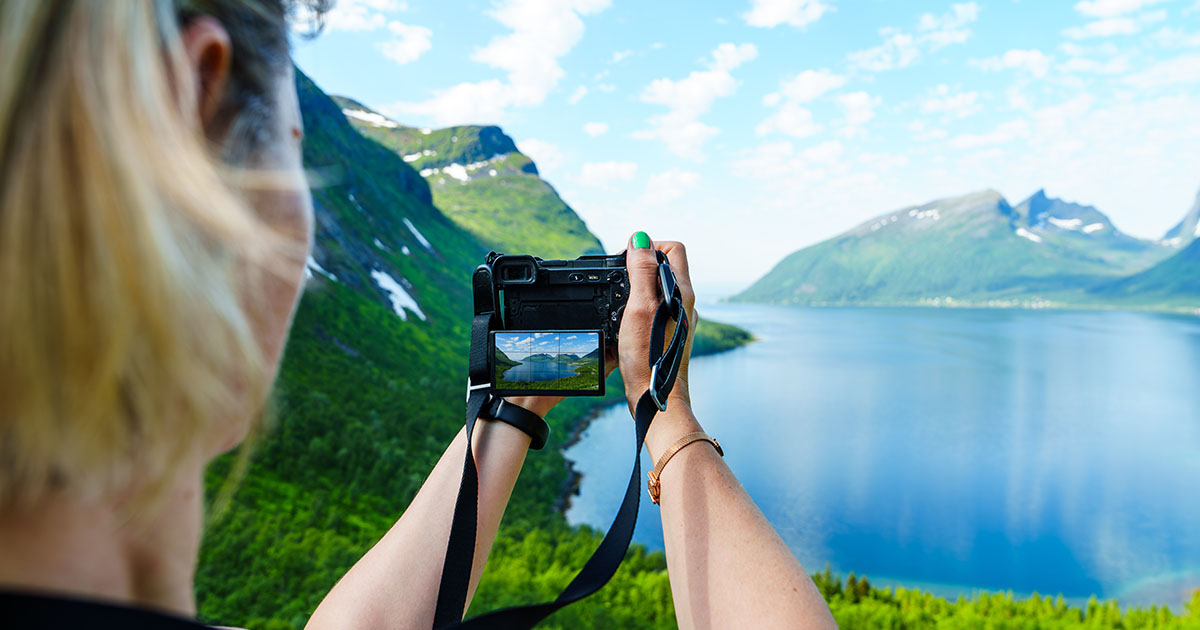
9. The Fjords, Norway
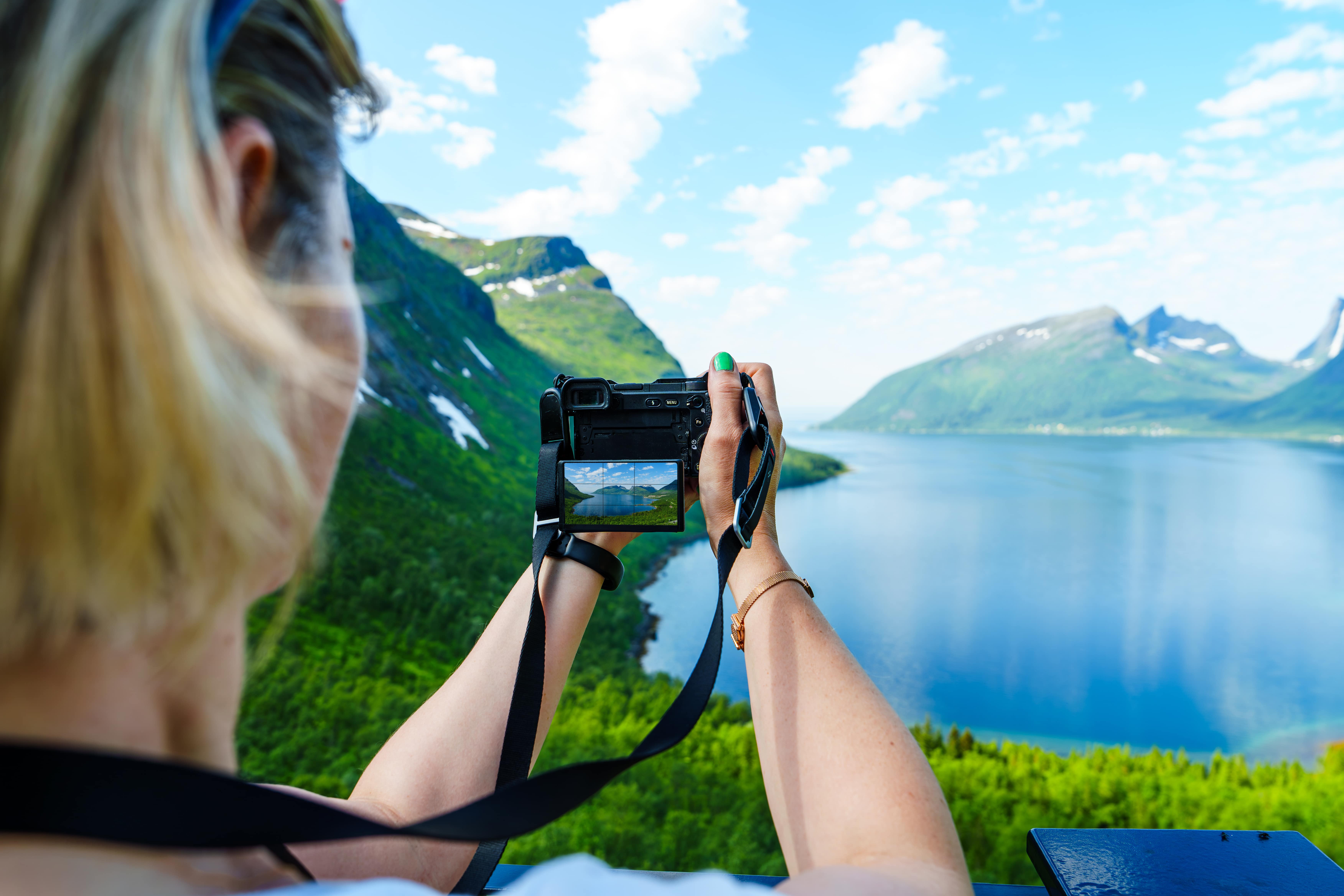
A photographer in The Fjords, Norway Ilja, Adobe Stock

Advertisement

The fjords of Norway offer breathtaking views of steep cliffs diving into deep, calm waters.

The typically overcast weather gives a moody and mysterious feel to photographs.

A wide-angle lens can capture the full grandeur of these landscapes.

10. Yosemite National Park, USA
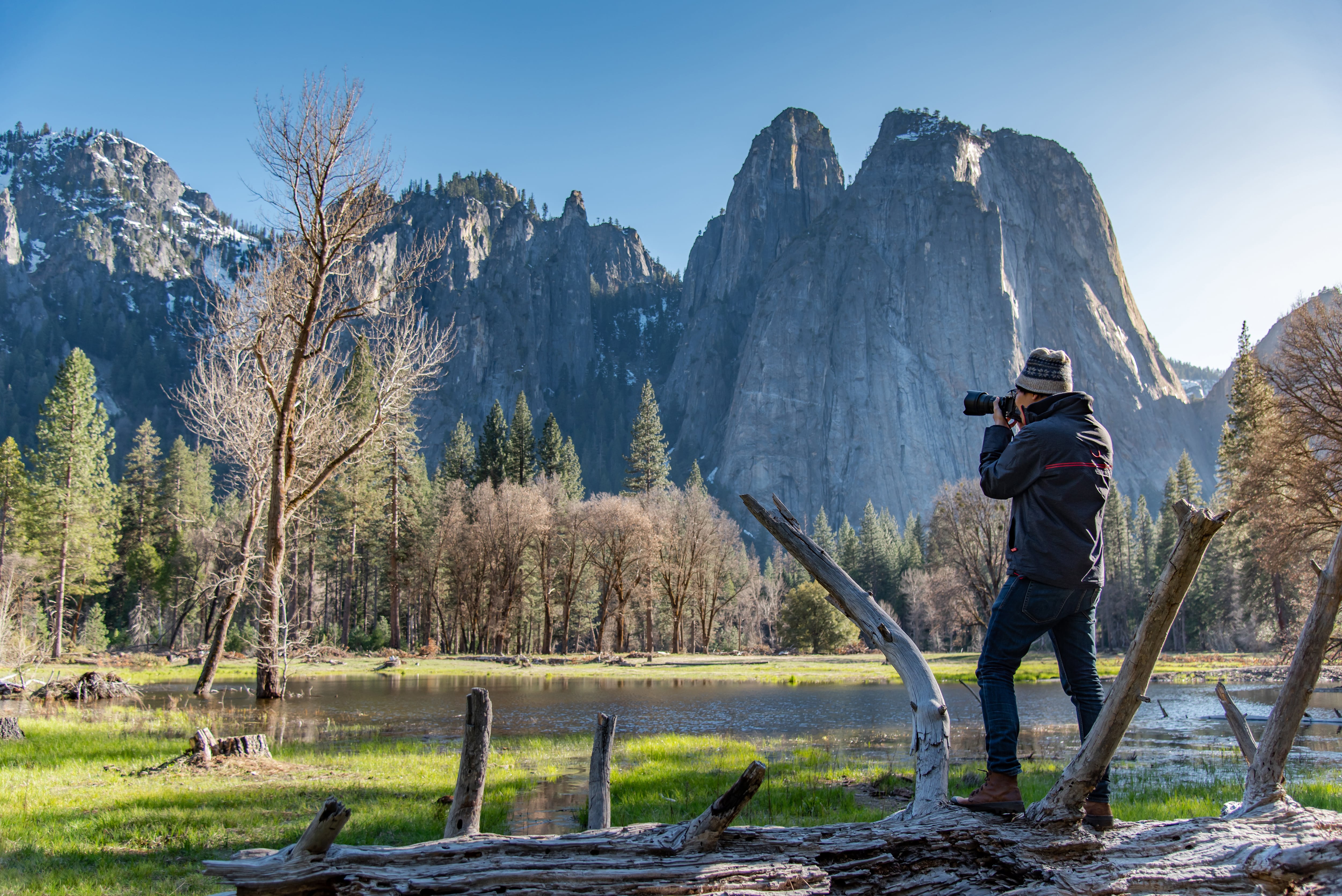
Photographer at Yosemite National Park zephyr_p, Adobe Stock

Advertisement

From El Capitan to Half Dome, Yosemite has some of the most iconic landscapes in the United States.

The valley's often clear weather allows for crisp, vibrant shots.

Use a wide-angle lens to capture the grandeur.

11. Bora Bora, French Polynesia

A person's feet in the water at Bora Bora, French PolynesiaMaridav, Adobe Stock

Advertisement

White sand beaches and crystal-clear waters make Bora Bora a tropical paradise.

The warm, sunny weather is perfect for bright, colorful photos.

A polarizing filter can help cut through the water's reflection to reveal the marine life below.

12. Mt. Fuji, Japan
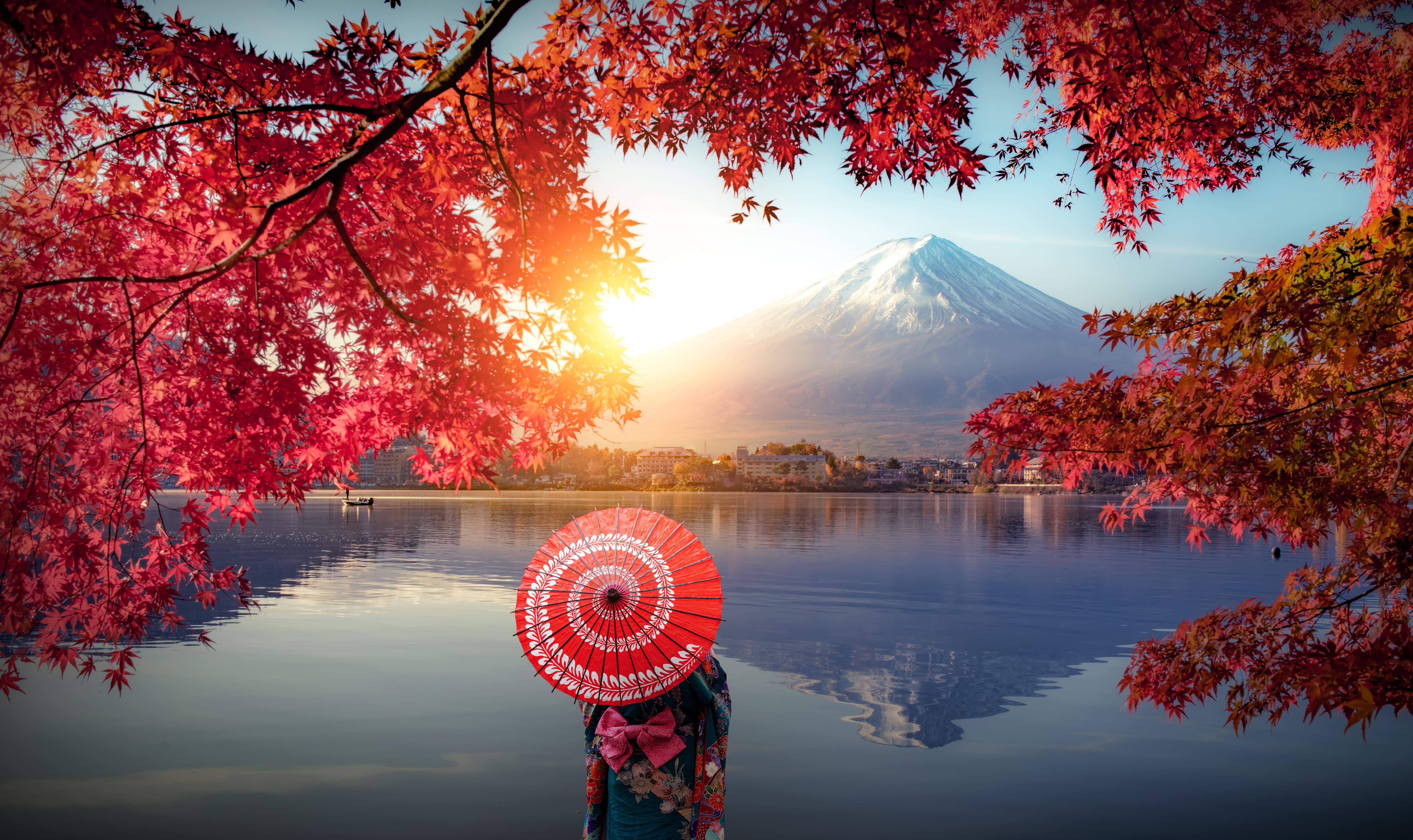
Person standing overlooking the water at Mt. Fuji, JapanTravel mania, Adobe Stock

Advertisement

Mt. Fuji is a symbol of Japan. Capture it from Lake Kawaguchiko, where the mountain reflects in the lake on calm, clear days.

The mountain's snow-capped peak contrasts beautifully with cherry blossoms in spring or colorful foliage in autumn.

13. The Great Barrier Reef, Australia

Sea turtle in The Great Barrier Reef, AustraliaTunatura, Adobe Stock

Advertisement

The world's largest coral reef is a vibrant, underwater spectacle full of beautiful sea creatures that get up-close-and-person. 

Underwater housing for your camera is necessary, and remember to respect the fragile marine environment.

14. The Taj Mahal, India
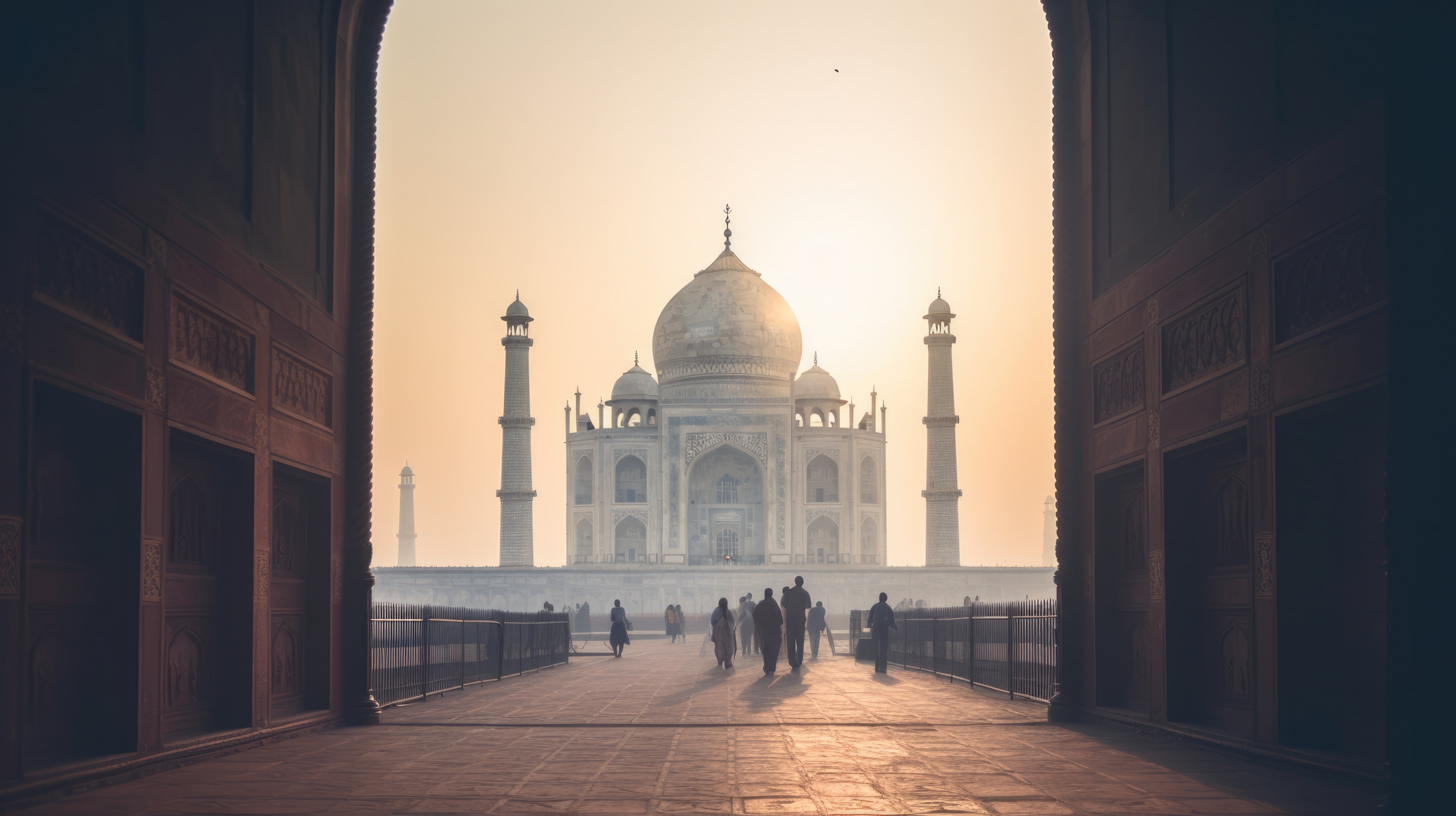
People in front of the Taj Mahal on a foggy day4kclips, Adobe Stock

Advertisement

Capture the white marble mausoleum in the soft light of sunrise or sunset for the most flattering images.

The monument is spectacular on a clear day, but fog can add an enchanting quality to your photographs.

Remember, being a great landscape photographer is not only about the equipment but understanding light, composition, and, most importantly, having patience. Happy photographing!

READ MORE

Healthy living

States That Take Healthy Living Seriously (And It Shows)

Discover the top 25 U.S. states that prioritize healthy living based on obesity rates, healthcare quality, outdoor recreation access, and healthy food availability—ranked with real data and a laid-back, informative tone.
February 24, 2026 Allison Robertson
AncientEarth

Montana's Pyramid-like sandstone towers force us to think about deep time, even if the human mind isn't strong enough to really comprehend it.

In eastern Montana, stone keeps a timeline that makes human history look brief. At Medicine Rocks State Park, sandstone towers trace their story back roughly 61 million years, long before pharaohs planned monuments. Curious how geologists know that? Stick around. Deep time is about to stretch your sense of ancient.
February 24, 2026 Marlon Wright
Ephesos ruins

Archaeologists found a cult building under a Byzantine basilica in Amphipolis, revealing a 4th‑century structure and hints of lost places of pagan worship.

Archaeology sometimes feels like lifting trapdoors through time. You peel back one era, only to discover something older hiding underneath. That’s exactly what happened in Amphipolis, in northern Greece, where researchers working around a Byzantine basilica uncovered something unexpected beneath it: the remains of a 4th-century B.C. cult building
February 24, 2026 Quinn Mercer
Couple at the airport terminal

I get very anxious if I’m not at the airport 3 hours before my flight—my wife likes to arrive at the last possible minute. Who’s right?

One of you wants to be at the gate before the check-in counter even opens. The other believes strolling up 45 minutes before boarding is perfectly reasonable (and even preferable). So who’s actually right?
February 24, 2026 Jesse Singer
Family portrait with US map backdrop

Latest Numbers Reveal The Best States To Raise A Family In America In 2026

Where you raise your kids can shape everything—from their education and safety to their future earning potential. WalletHub’s newest nationwide analysis breaks down all 50 states using hard data on schools, affordability, healthcare, and overall quality of life. Some states clearly rise to the top.
February 24, 2026 Jesse Singer
El Mirador - Fb

Neolithic human remains often show evidence of violence, but the cut marks on bones in El Mirador cave suggest intentional butchery for cannibalism.

Around 5,700 years ago, a violent episode unfolded inside El Mirador cave in northern Spain. Archaeologists uncovered human remains marked by systematic tool cuts and deliberate fractures, securely dated to the Late Neolithic period. The evidence suggests organized interpersonal violence rather than accidental disturbance or animal interference. This discovery challenges the familiar image of early farming communities as stable and uniformly peaceful. Instead, it reveals tensions that can escalate into collective harm within settled groups as they adapt to agricultural life. By examining bones altered with clear human intention, researchers reconstruct a troubling chapter of prehistory. The site also provides insight into social stress, shifting alliances, and the pressures that accompany population growth. El Mirador ultimately invites a more balanced understanding of early European societies.
February 24, 2026 Marlon Wright