Hidden Moments Locked In Time
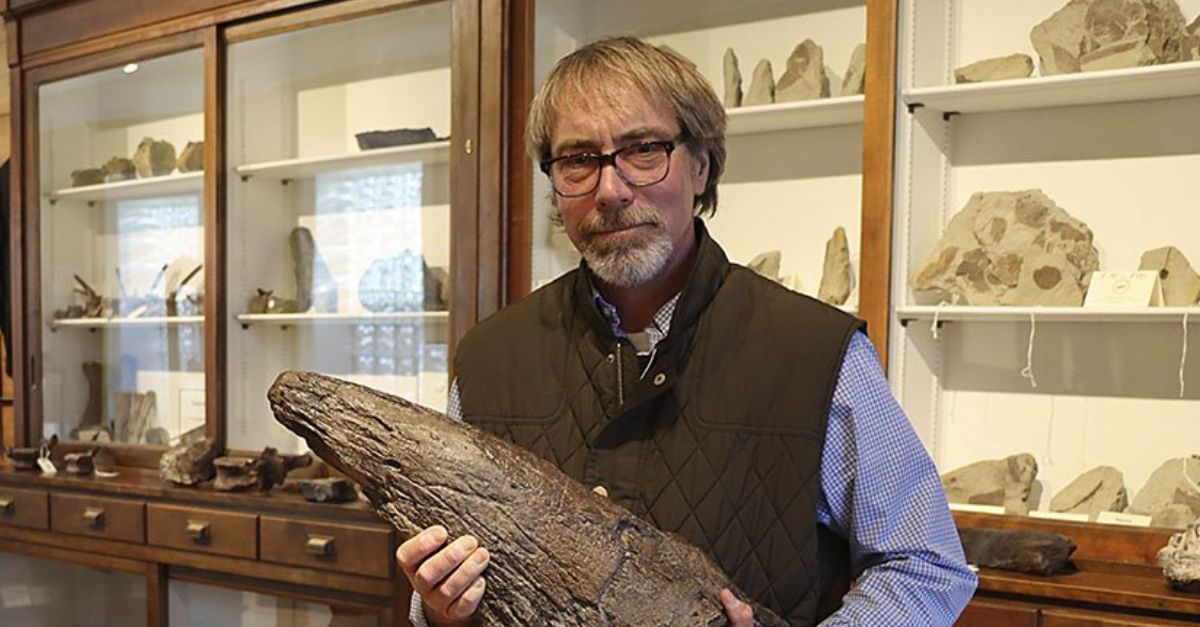
A fossil usually reveals a creature, yet some split open to expose something wildly unexpected inside. Little stowaways. Last meals. Moments frozen by accident, preserved without intention.
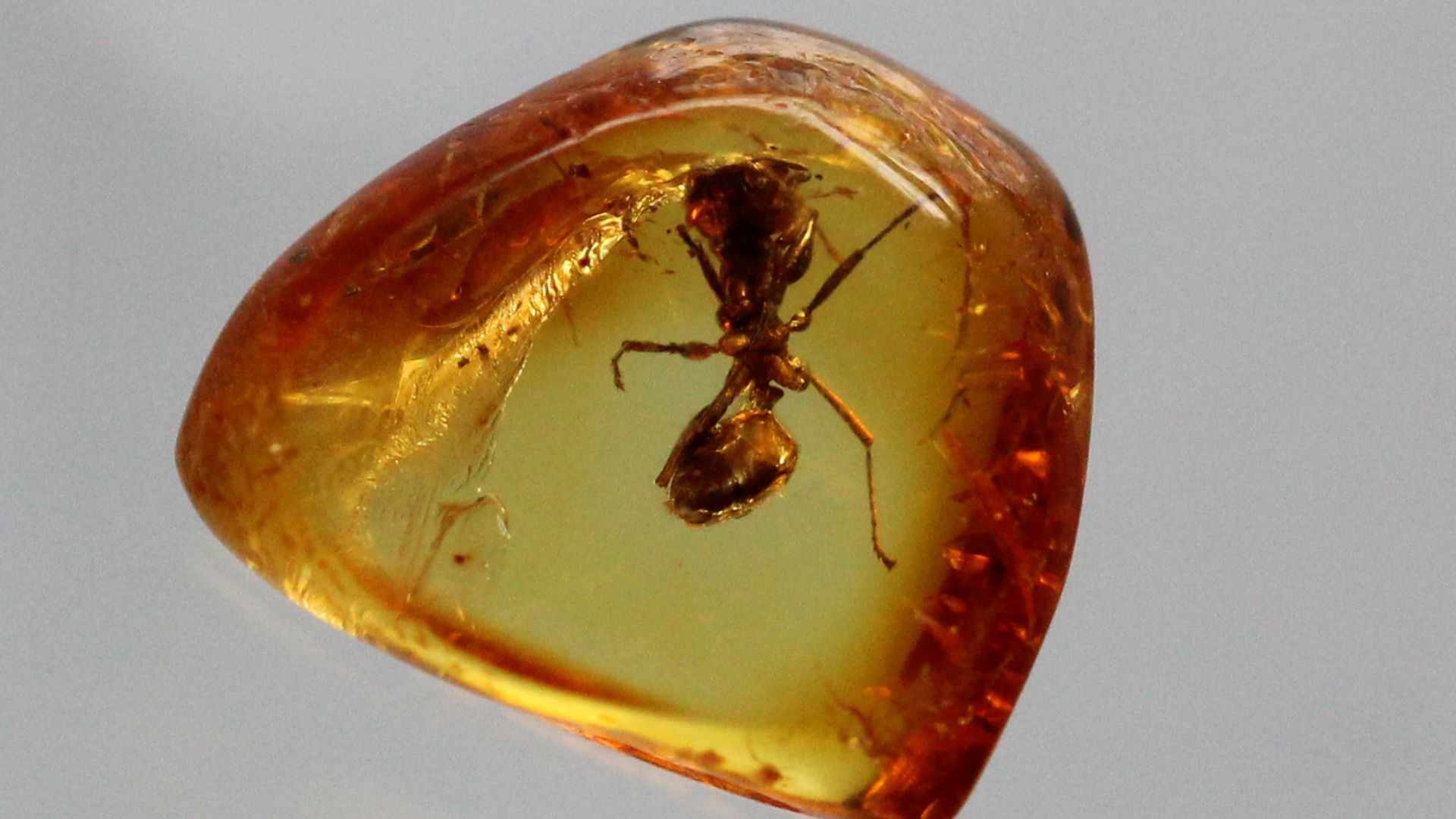
Amber Enclosing A Prehistoric Gnat
A tiny gnat trapped in amber becomes a perfectly preserved snapshot from millions of years ago. The resin sealed it so quickly that even the thin veins in its wings and the tiny lenses in its eyes remain visible. It’s like nature pressed pause to save details no normal fossil ever could.
 Manukyan Andranik, Wikimedia Commons
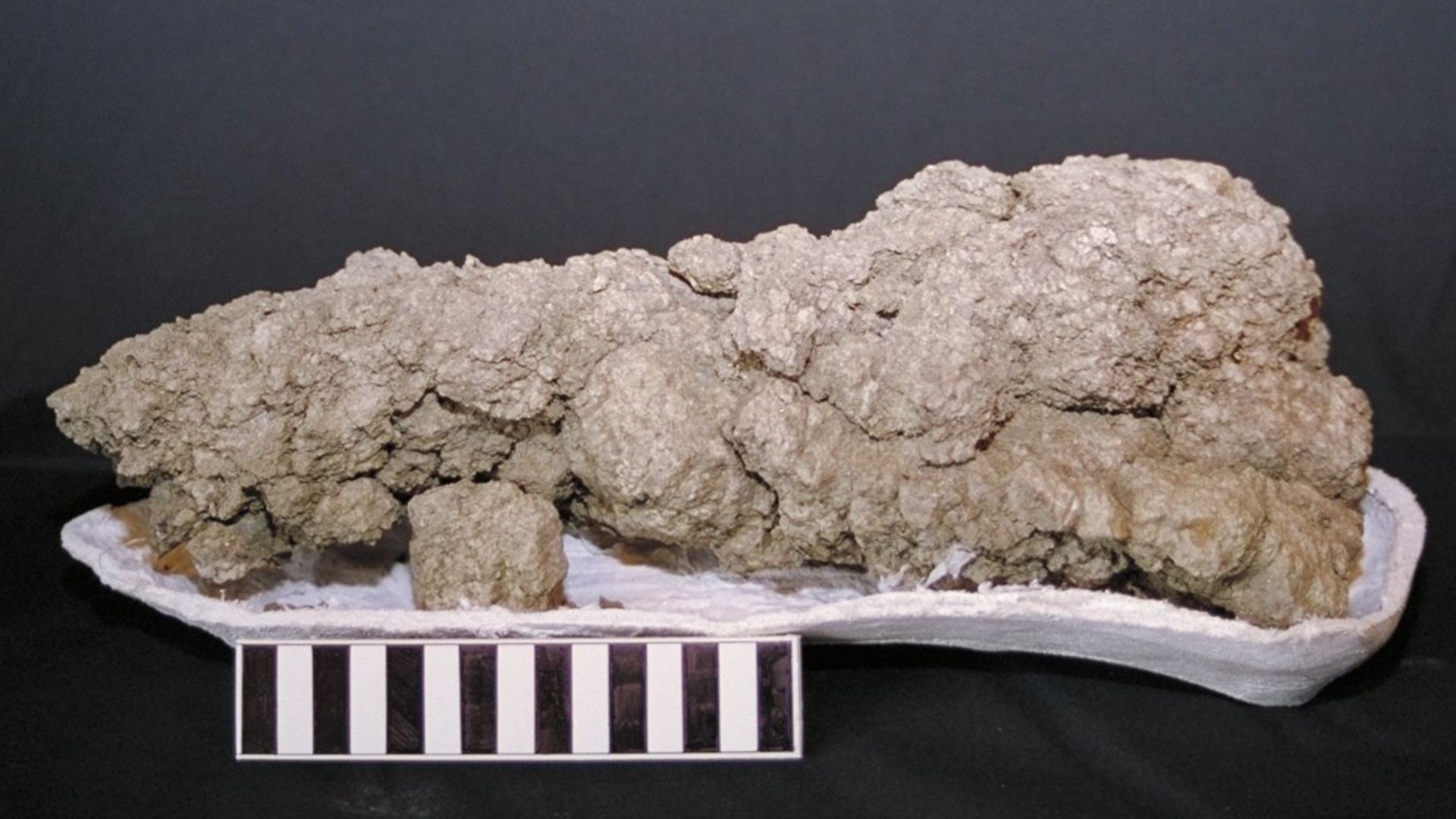
Dinosaur Coprolite With Crushed Beetle Exoskeletons
Fossilized dinosaur poop may not sound exciting, but it often reveals exactly what the animal ate. In some pieces, scientists find broken beetle shells that the dinosaur couldn’t fully digest. One giant sample—probably from a T rex—even holds splintered bones. It swallowed huge chunks of food without much chewing.
 United States Geological Survey, Wikimedia Commons
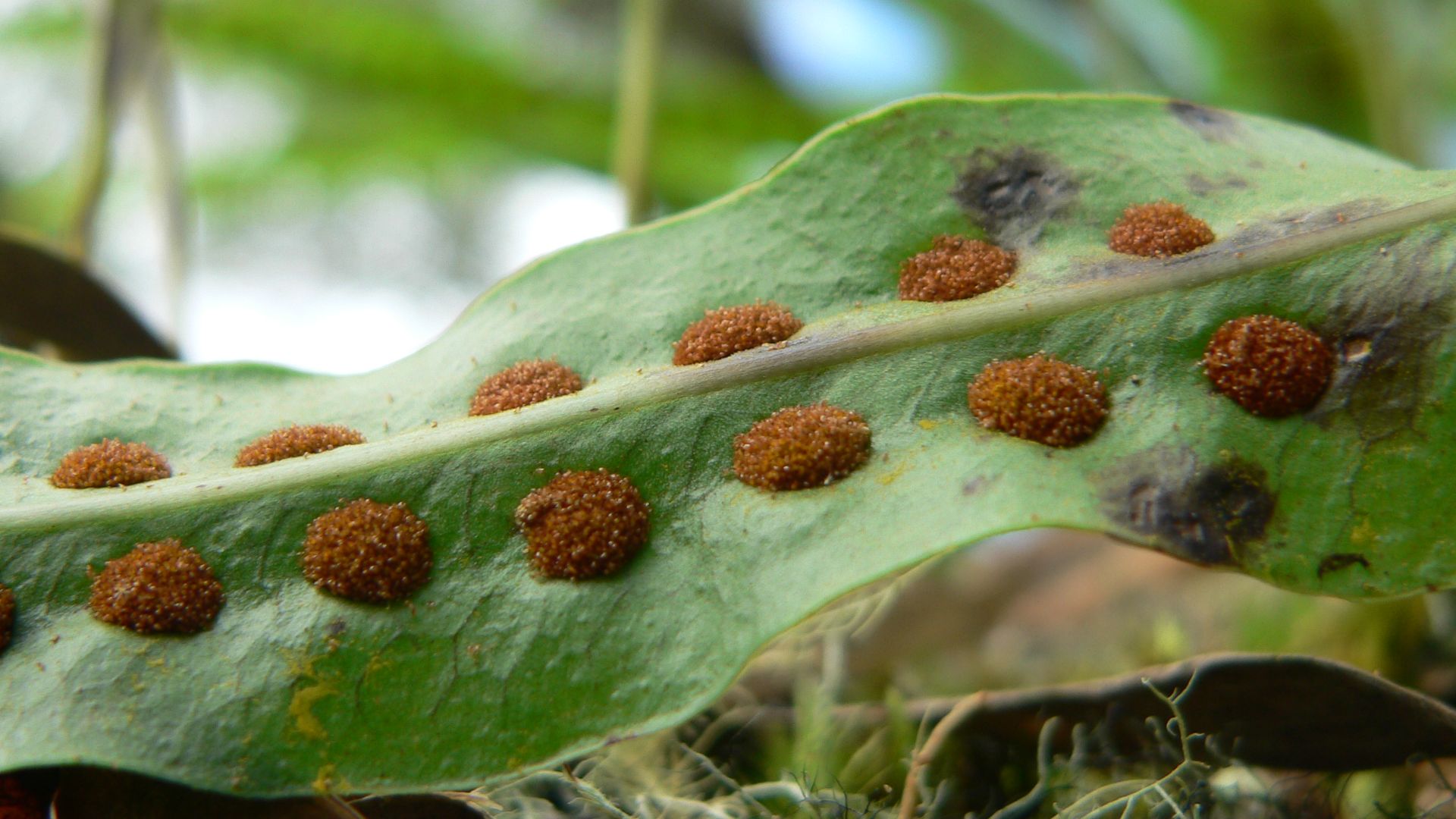
Fossilized Fern Frond With Spores In The Sori
A fern leaf preserved in stone can still hold tiny spore clusters on its underside. These spores are incredibly tough and survive long enough to help scientists identify the fern and even understand what the climate was like when it grew. It’s a plant’s ancient fingerprint, pressed into rock.
 David Monniaux, Wikimedia Commons
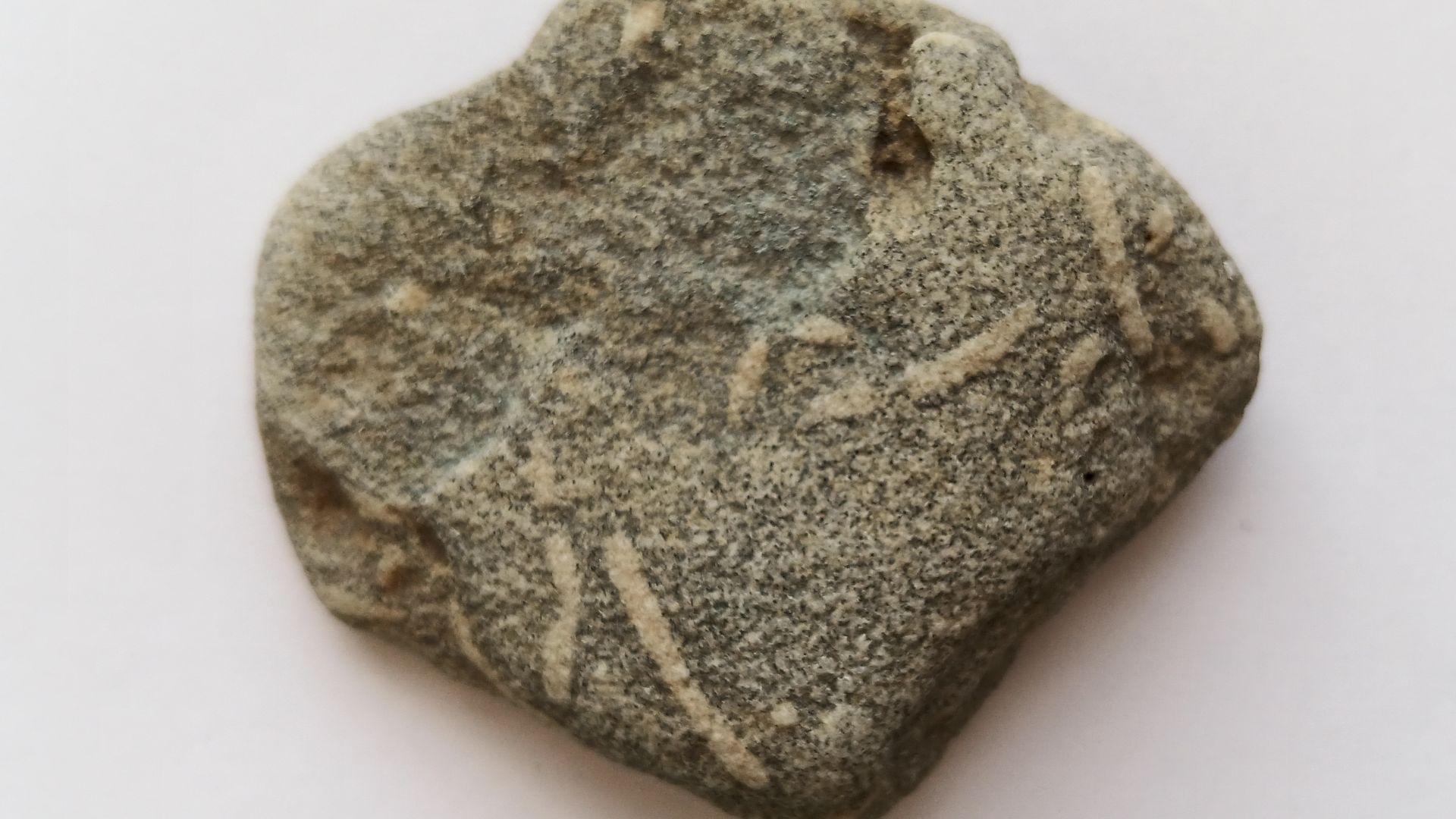
Petrified Log Filled With Ancient Shipworm Borings
Some fossilized logs still show the winding tunnels of ancient wood-boring creatures, similar to shipworms, that once lived inside the water-soaked wood. When minerals slowly replaced the wood, the tunnels remained exactly as they were. The result is a stone log full of tiny passageways carved millions of years ago.
 Пётр Тарасьев, Wikimedia Commons
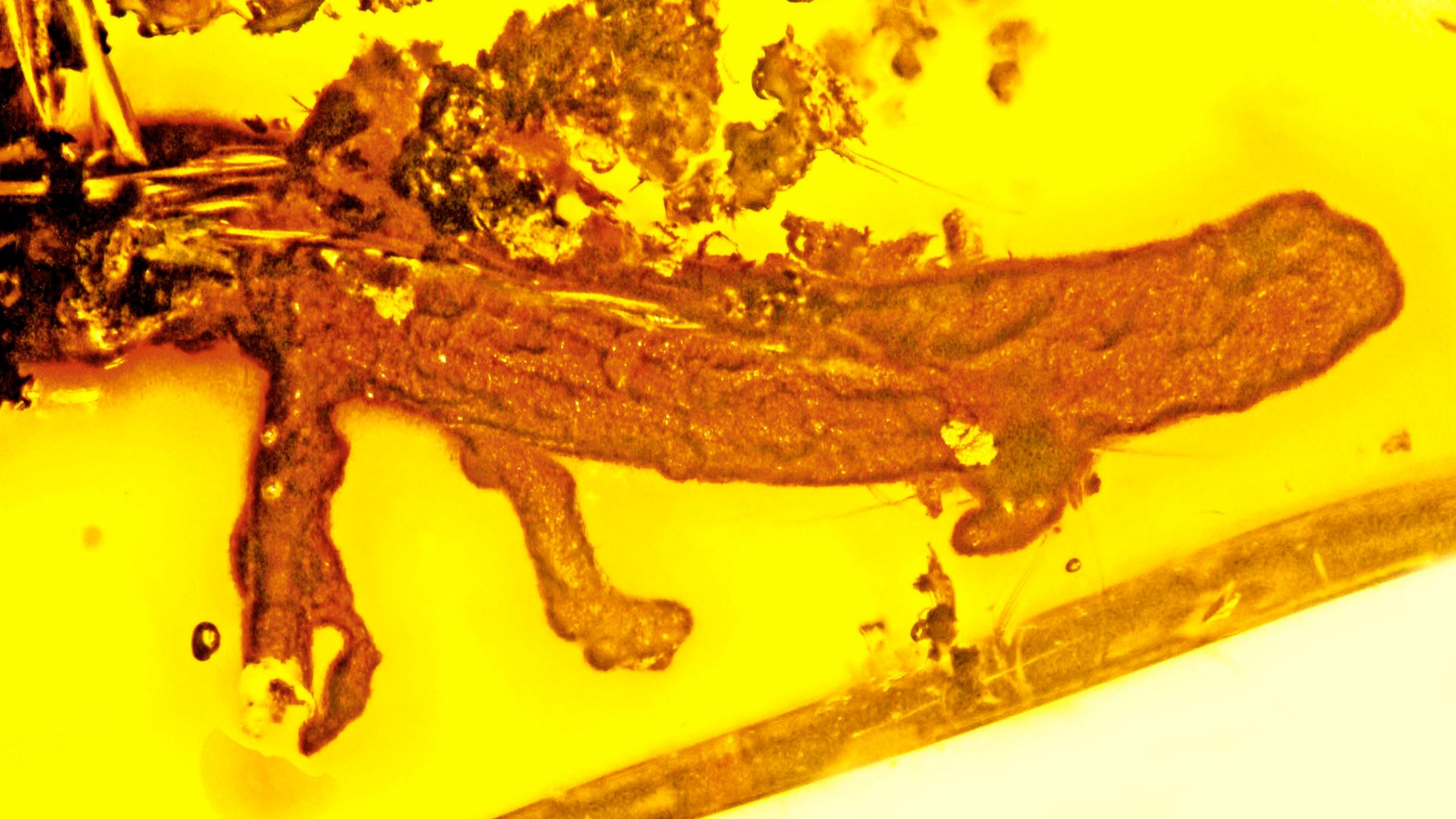
Amber With A Juvenile Salamander Curled In Defense
A young salamander trapped in amber passed on in the middle of protecting itself, curled into a tight ball. Because salamander bodies normally decay quickly, this kind of fossil is extremely rare. In this piece, even parts of its skin and its original color pattern survived from nearly 100 million years ago.
 Oregon State University, Wikimedia Commons
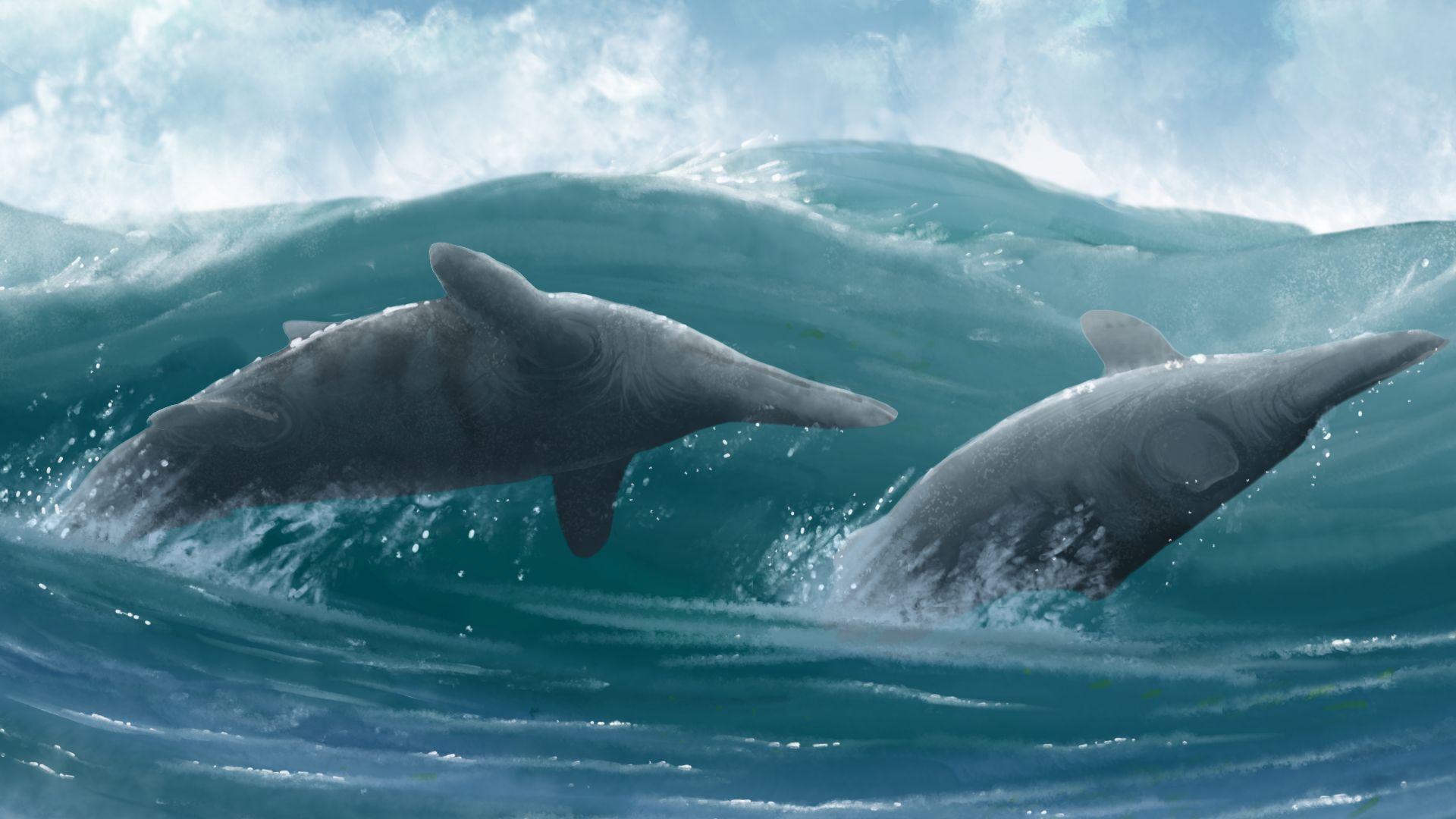
Ichthyosaur Ribcage With Squid Ink Sacs Inside
Inside the ribcage of a long-dead ichthyosaur (ancient marine reptile), scientists sometimes find the ink sacs of squid it once ate. The ink is so well-preserved that it’s made of the same pigment found in modern squid. In one famous case, researchers even remixed the fossil ink and drew with it.
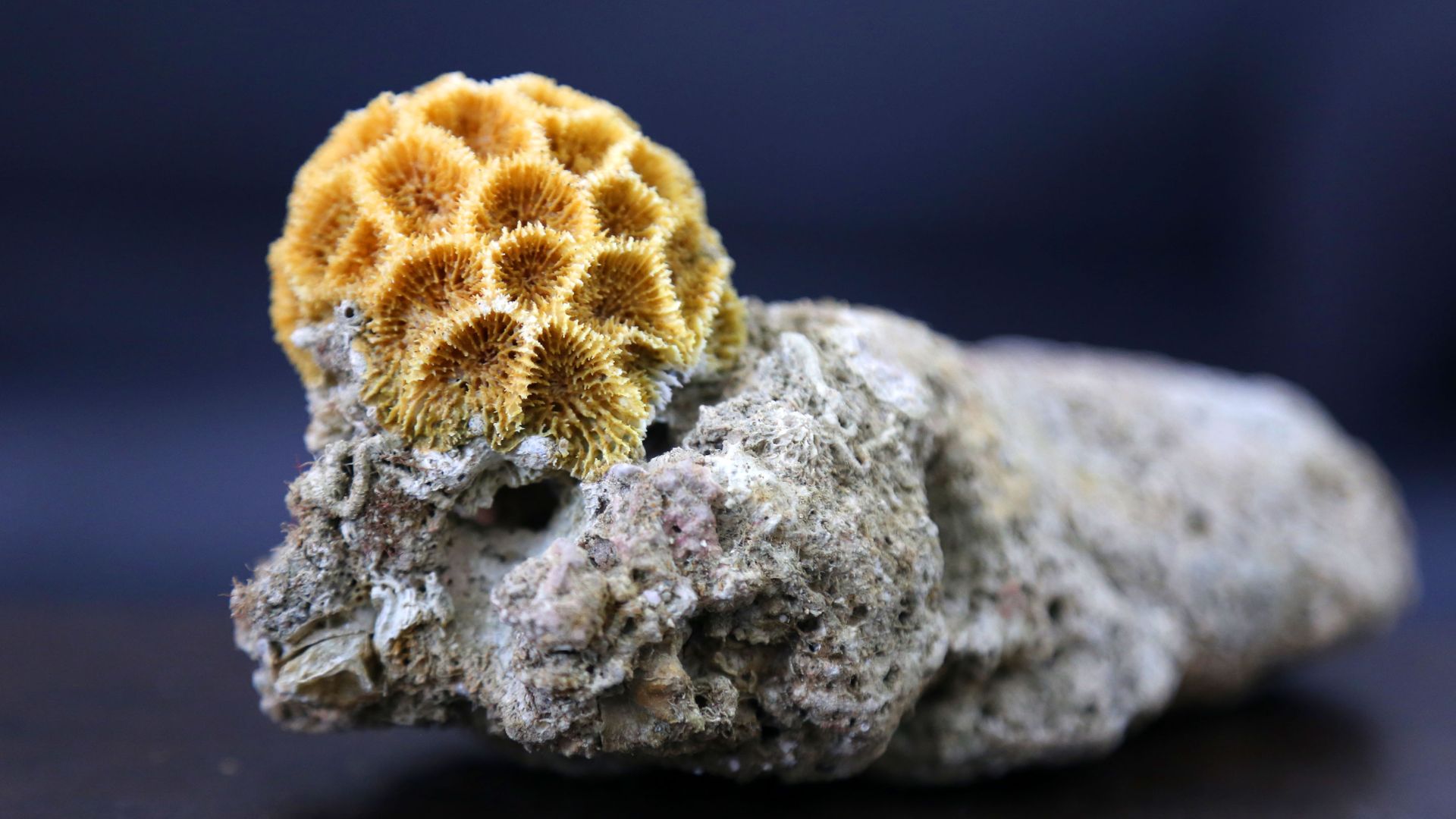
Fossilized Coral Polyp With Trapped Algae Cells
Some ancient coral fossils are still fossilized with tiny algae cells still inside them. These algae once provided food through sunlight, just like in modern corals. Their presence shows that the coral lived in shallow water. Chemical clues in these fossils even reveal early “bleaching” events.
 Safa.daneshvar, Wikimedia Commons
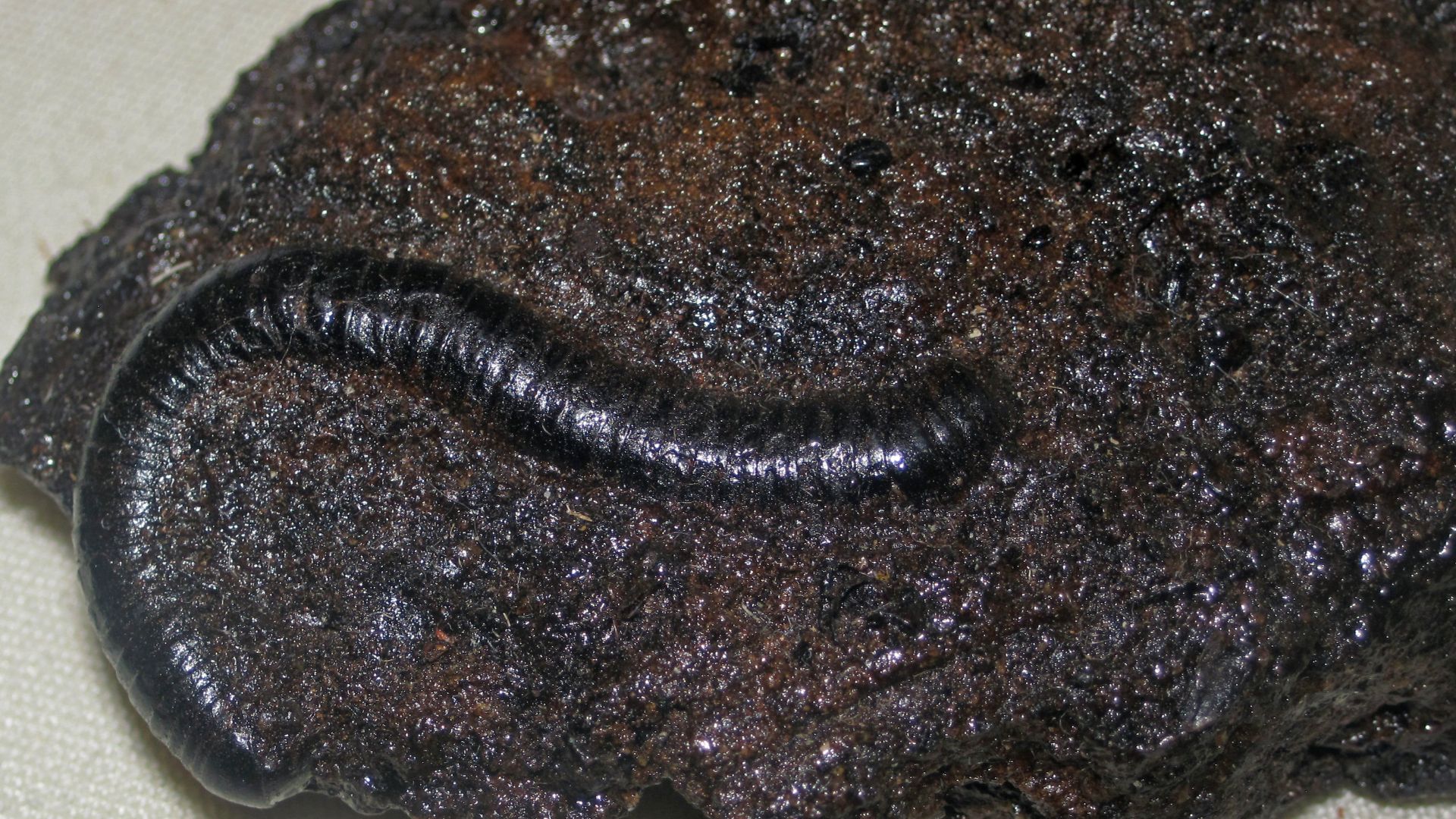
Amber Trapping A Millipede With Every Segment Clear
A millipede trapped in amber can show features impossible to see in most rock fossils, which include the tiny openings where it released defensive chemicals. Millipedes have existed for hundreds of millions of years, and this type of amber capture shows they were already similar to modern ones.
 James St. John, Wikimedia Commons
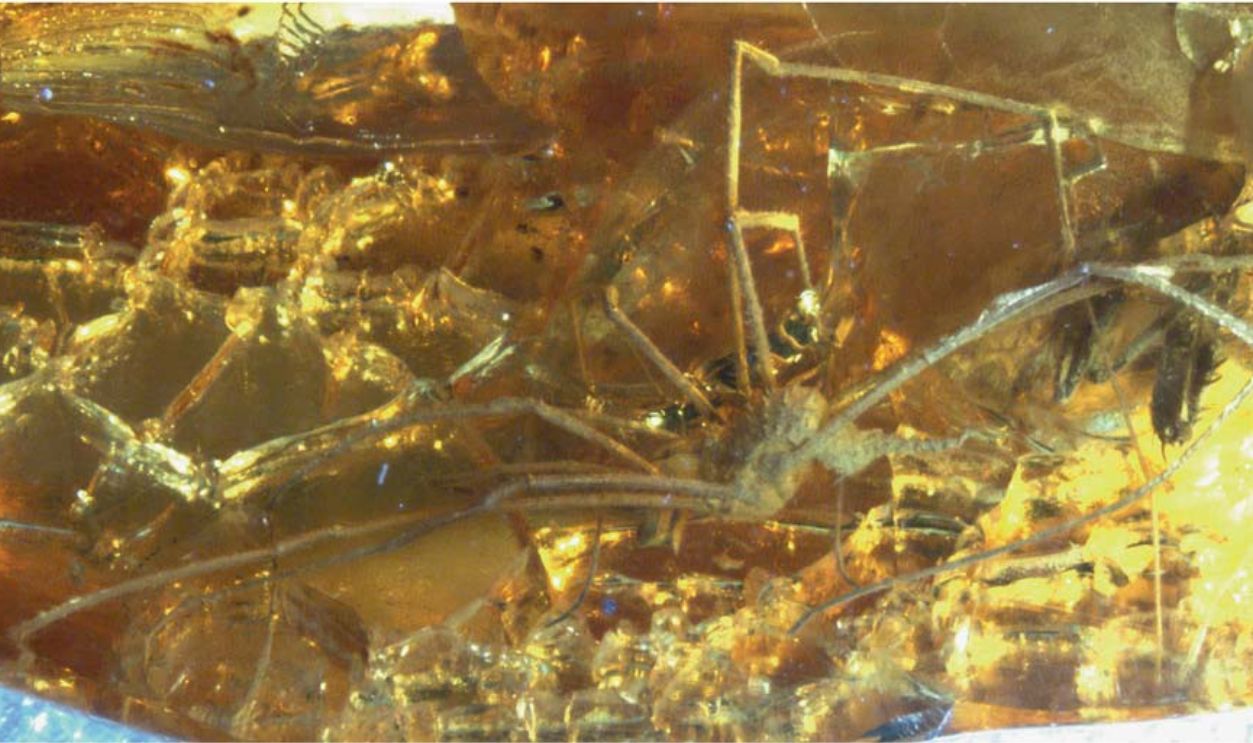
Amber Preserving A Harvestman With Its Long Legs
A harvestman—often called a daddy longlegs—was trapped in sticky resin with its delicate legs fully stretched. Because their legs break easily, complete fossils like this are uncommon. Amber saved its tiny mouthparts and body shape quite clearly, so that we can see how it explored its surroundings at that frozen moment.
 Dunlop, J. A., Bartel, C., and Mitov, P. G., CC BY-SA 3.0, Wikimedia Commons
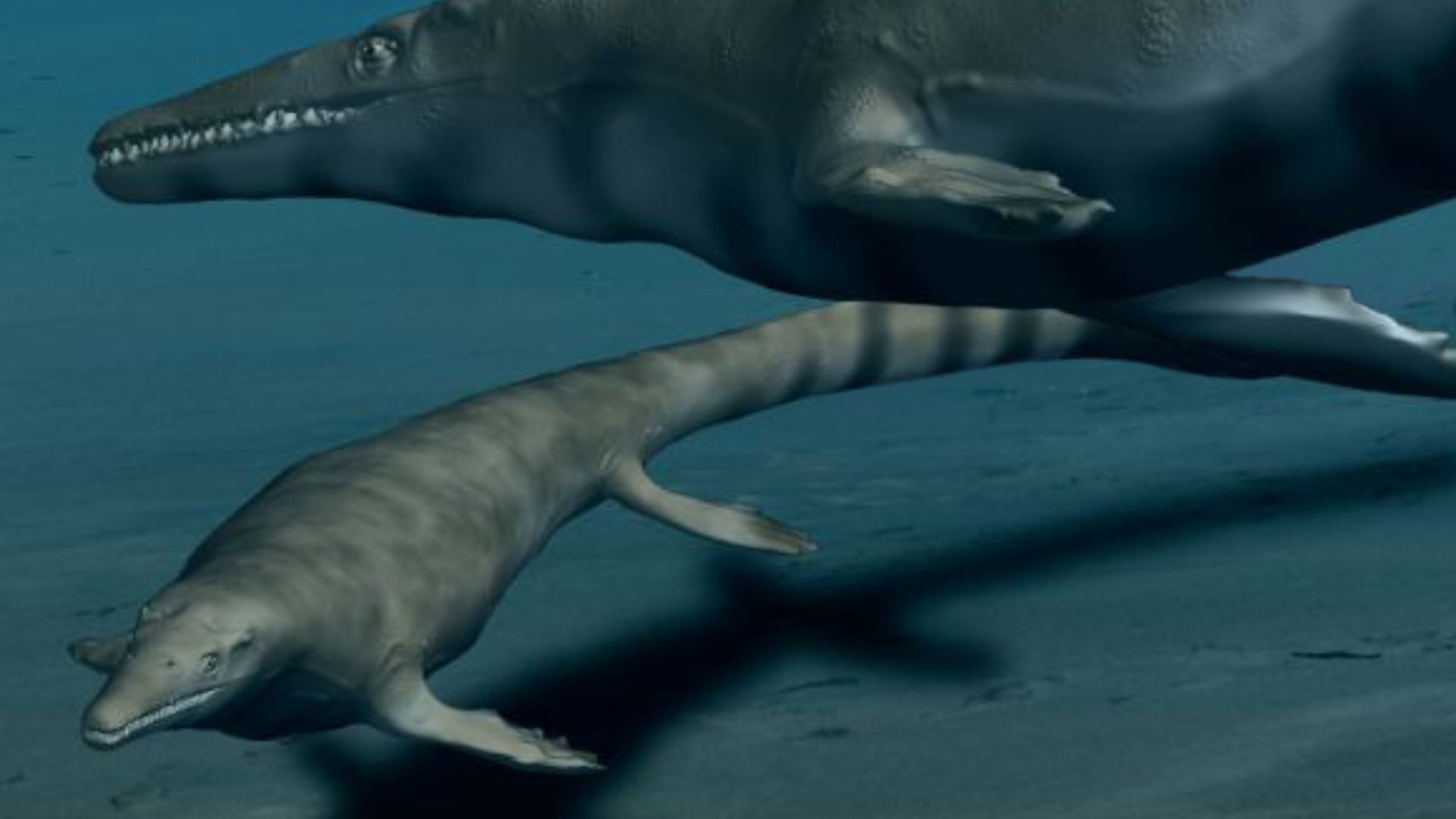
Mosasaur Stomach With Fish Scales And Bones
Inside the preserved stomach of a mosasaur, a giant marine reptile, scientists often find fish bones and shiny scales from its last meals. These remains were protected when the animal was rapidly buried. Some fossils even show multiple fish species eaten in one feeding spree.
 Nobu Tamura (https://spinops.blogspot.com), Wikimedia Commons
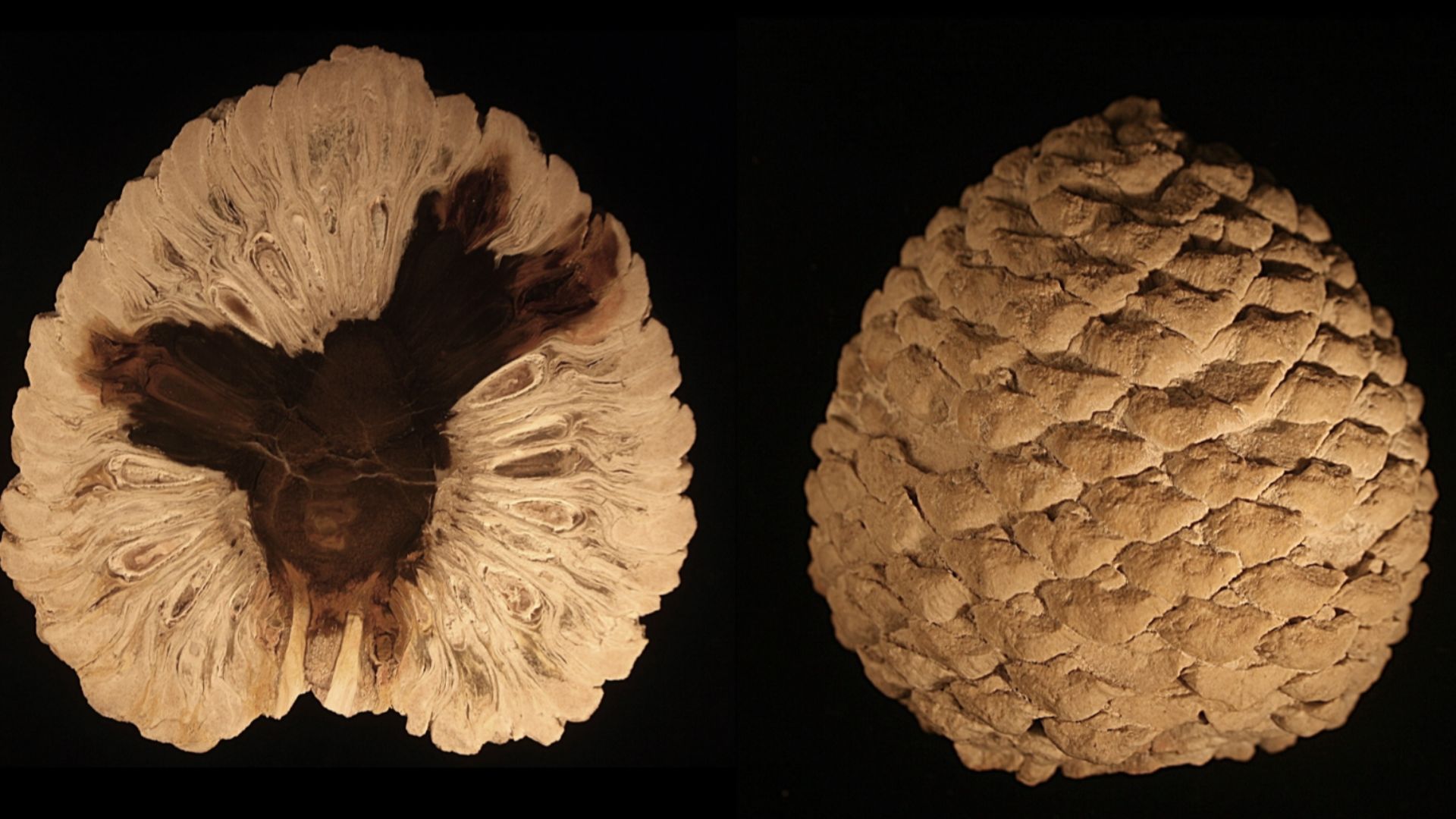
Petrified Conifer Cone With Sealed Pollen Sacs
This fossilized cone was preserved before it could release its pollen, which left its tiny pollen sacs sealed shut. The grains inside still show their original shapes under a microscope. It captures a moment in a tree’s life cycle that usually disappears long before fossilization can occur.
 Brocken Inaglory, Wikimedia Commons
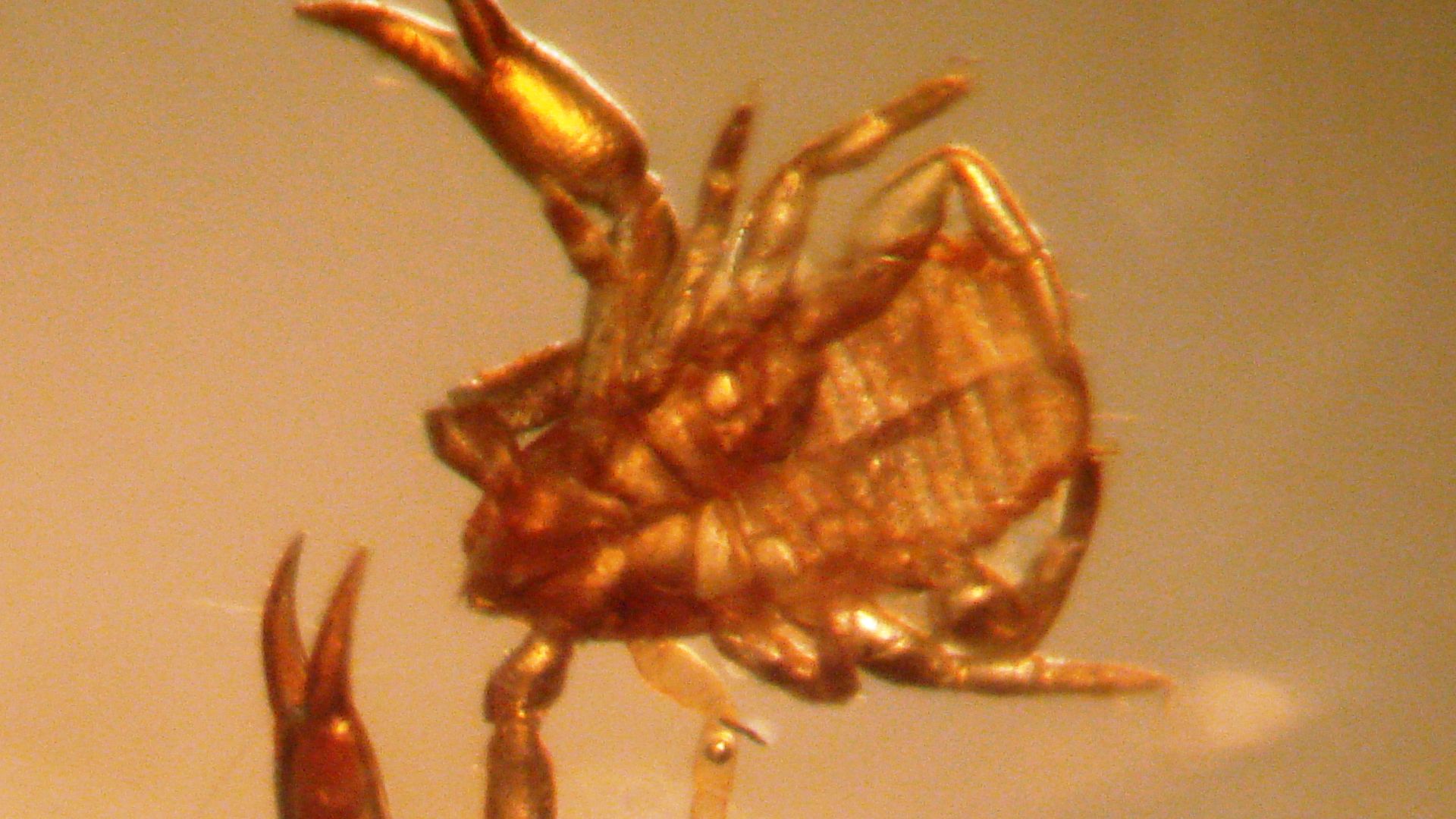
Amber With A Pseudoscorpion Gripping A Mite
A tiny pseudoscorpion was trapped in amber while grabbing a mite in its pincers. These miniature hunters use venom in their claws to catch prey, and here the attack is frozen mid-action. The grip is so clear that researchers can see exactly how the pincers closed around the mite’s body.
 Anders L. Damgaard - www.amber-inclusions.dk- User:Baltic-amber-beetle, Wikimedia Commons
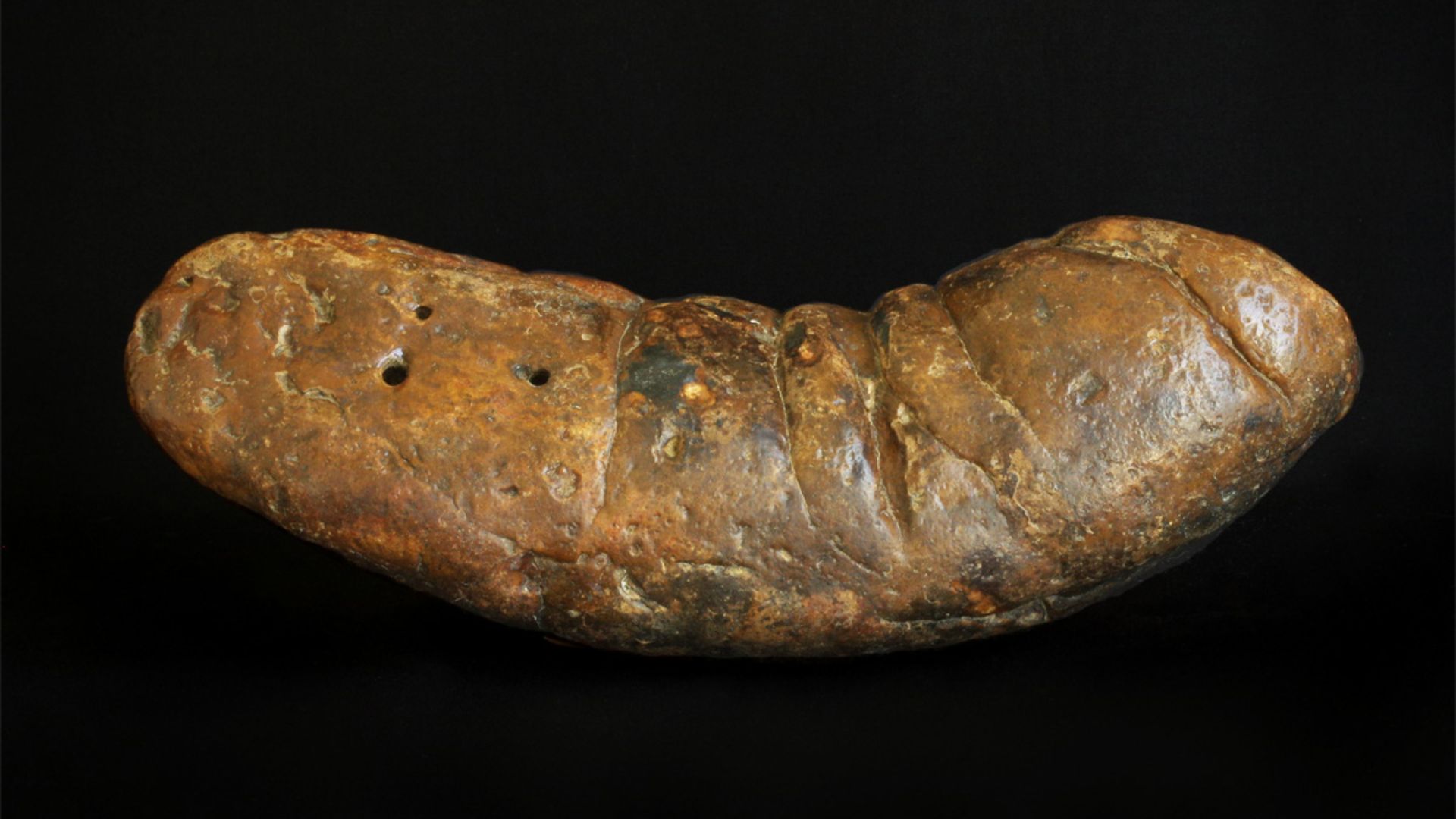
Ancient Bird Coprolite Filled With Seeds And Insects
A tiny fossilized dropping from an ancient bird holds crushed seed husks and insect pieces, which shows the bird ate an omnivorous diet—much like many modern birds. These seeds help scientists identify what plants grew at the time and how birds helped spread them across the area.
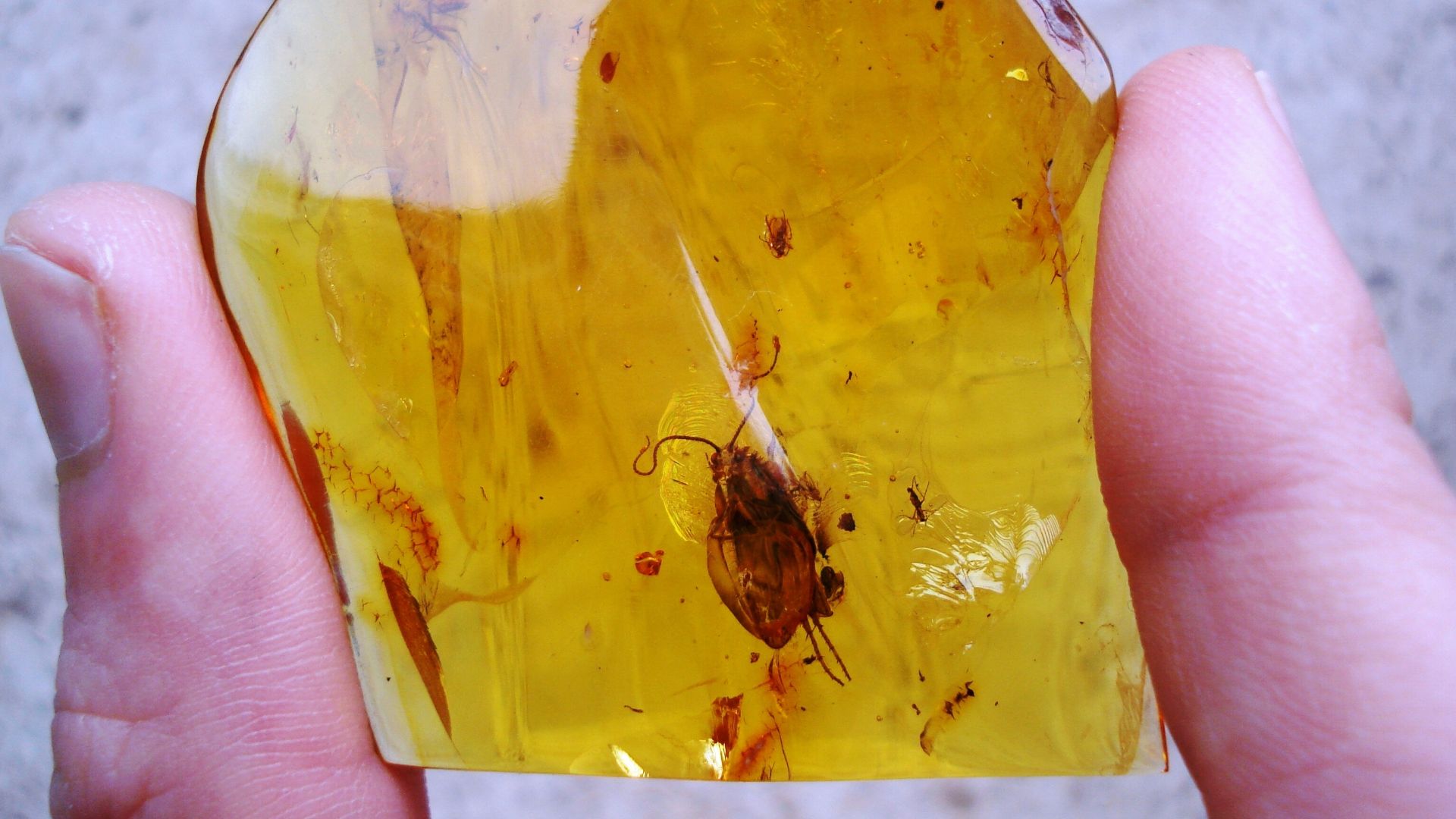
Amber Capturing A Springtail Mid-Jump
A springtail was caught in amber at the very moment it leaped into the air, its spring-like tail structure snapped open beneath it. These tiny creatures are among the earliest land animals, and this fossil shows their jumping ability hasn’t changed in hundreds of millions of years.
 Anders L. Damgaard - www.amber-inclusions.dk - Baltic-amber-beetle, Wikimedia Commons
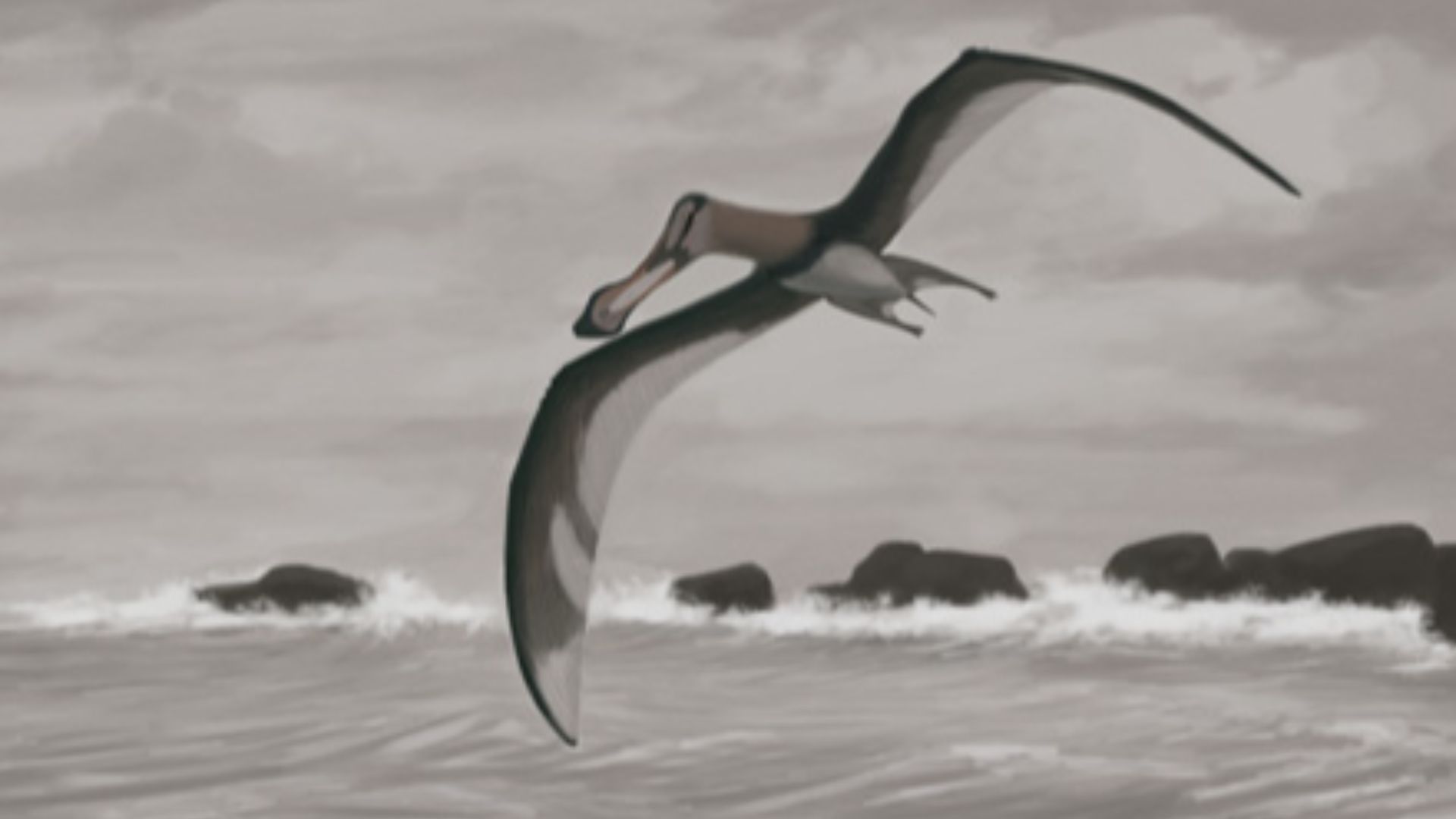
Pterosaur Bone With Fish Scales Inside The Cavity
A pterosaur bone containing fish scales inside might look like a mystery, but it’s usually due to sediment washing in after the animal died. It's their fish-eating lifestyle, something supported by other fossils. Occasionally, pterosaur stomachs do preserve real fish remains.
 John Conway, Wikimedia Commons
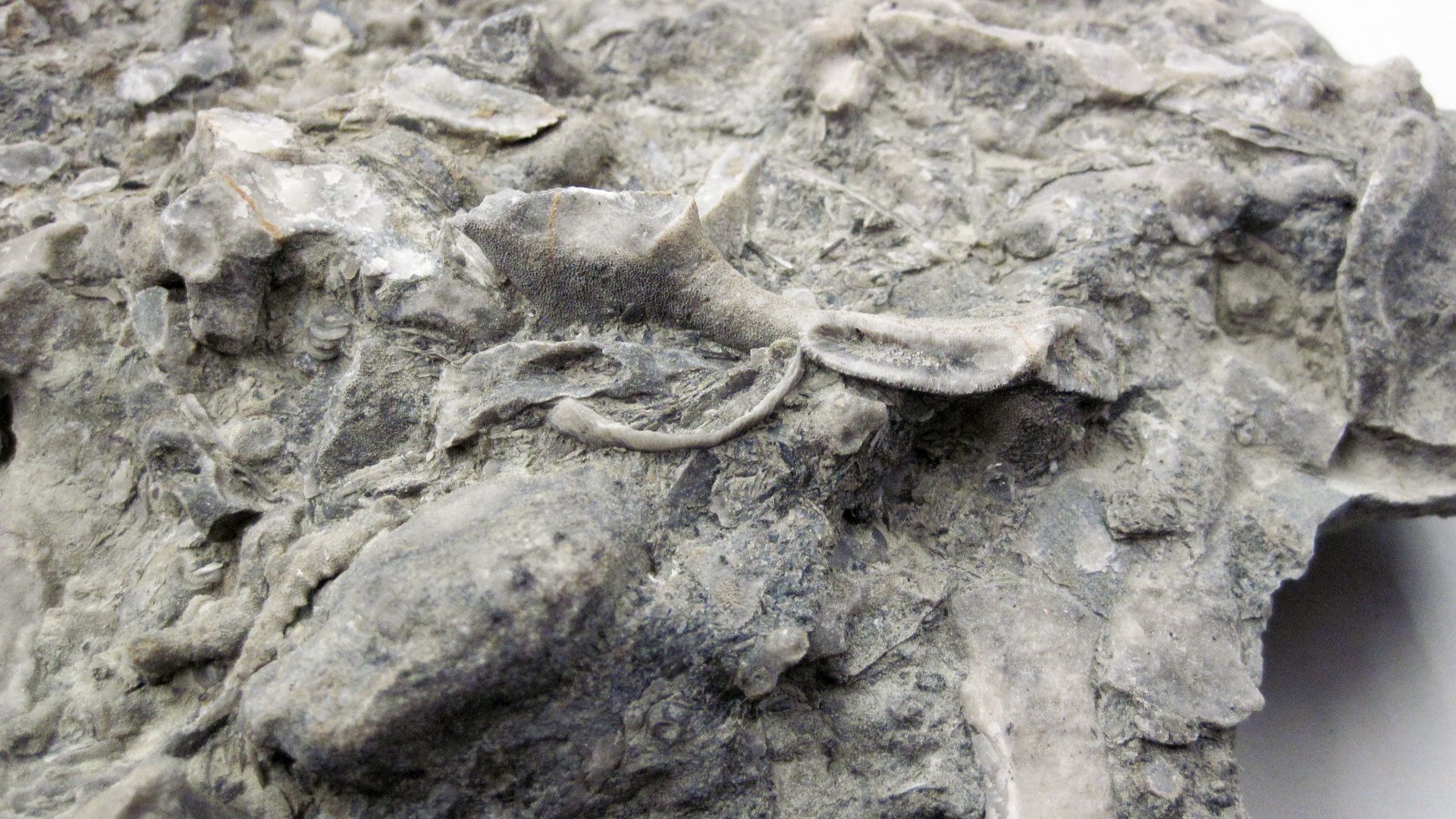
Fossilized Bryozoan Colony With Tiny Zooids And Larvae
This fossil shows a whole colony of bryozoans—tiny animals that lived packed together like a miniature underwater city. Each one had its own little feeding system, but all were connected. Some fossils even capture early reproductive structures, which helped scientists understand how these colonies spread across ancient sea floors.
 James St. John, Wikimedia Commons
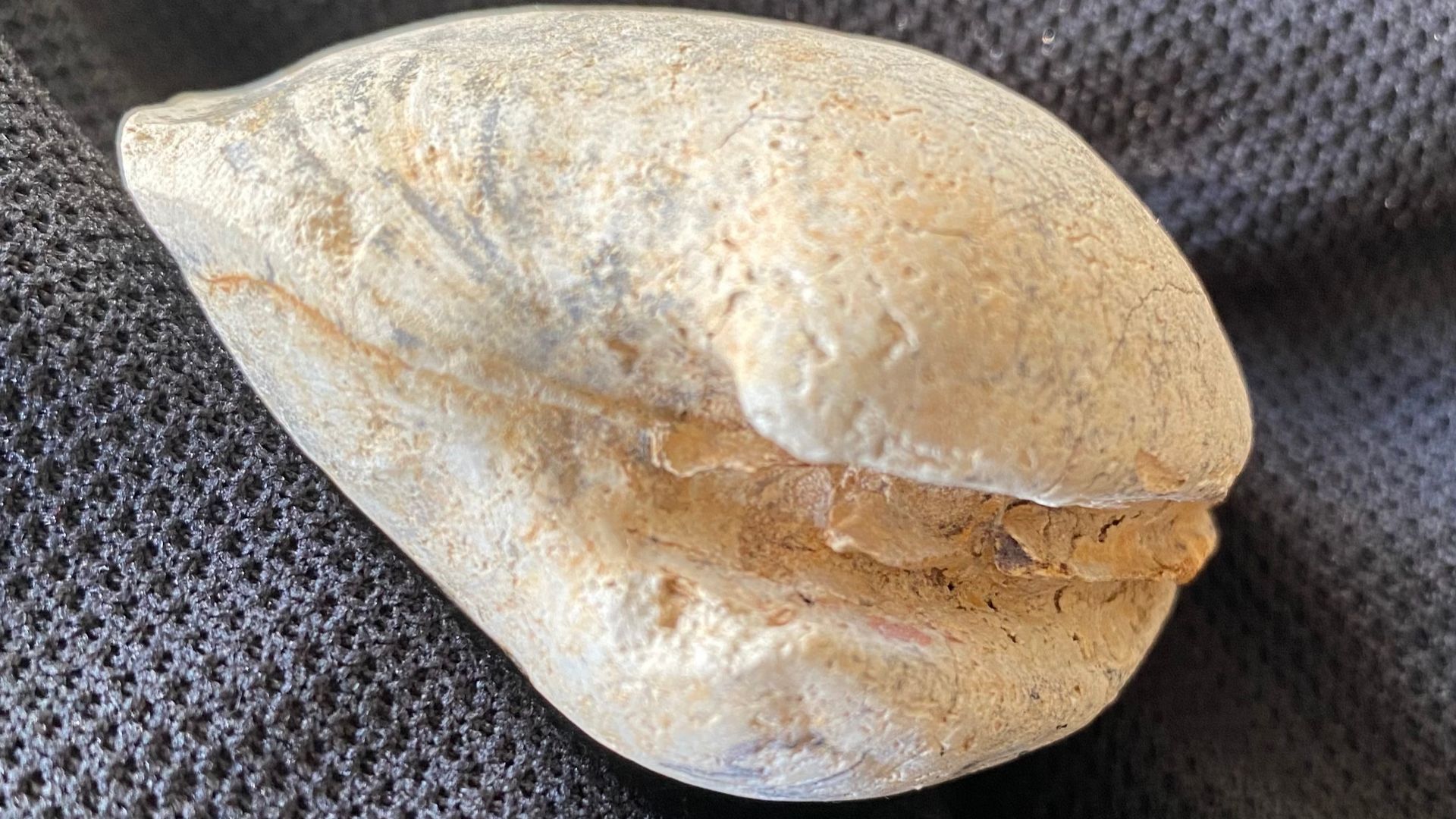
Fossil Clam Containing A Mineralized Crab Hidden Inside
Inside a regular-looking fossil clam was a tiny crab preserved in perfect detail, protected by the clam’s shell when both were buried. The crab fossilized right where it lived to create a surprising “fossil inside a fossil” that no one could see from the outside.
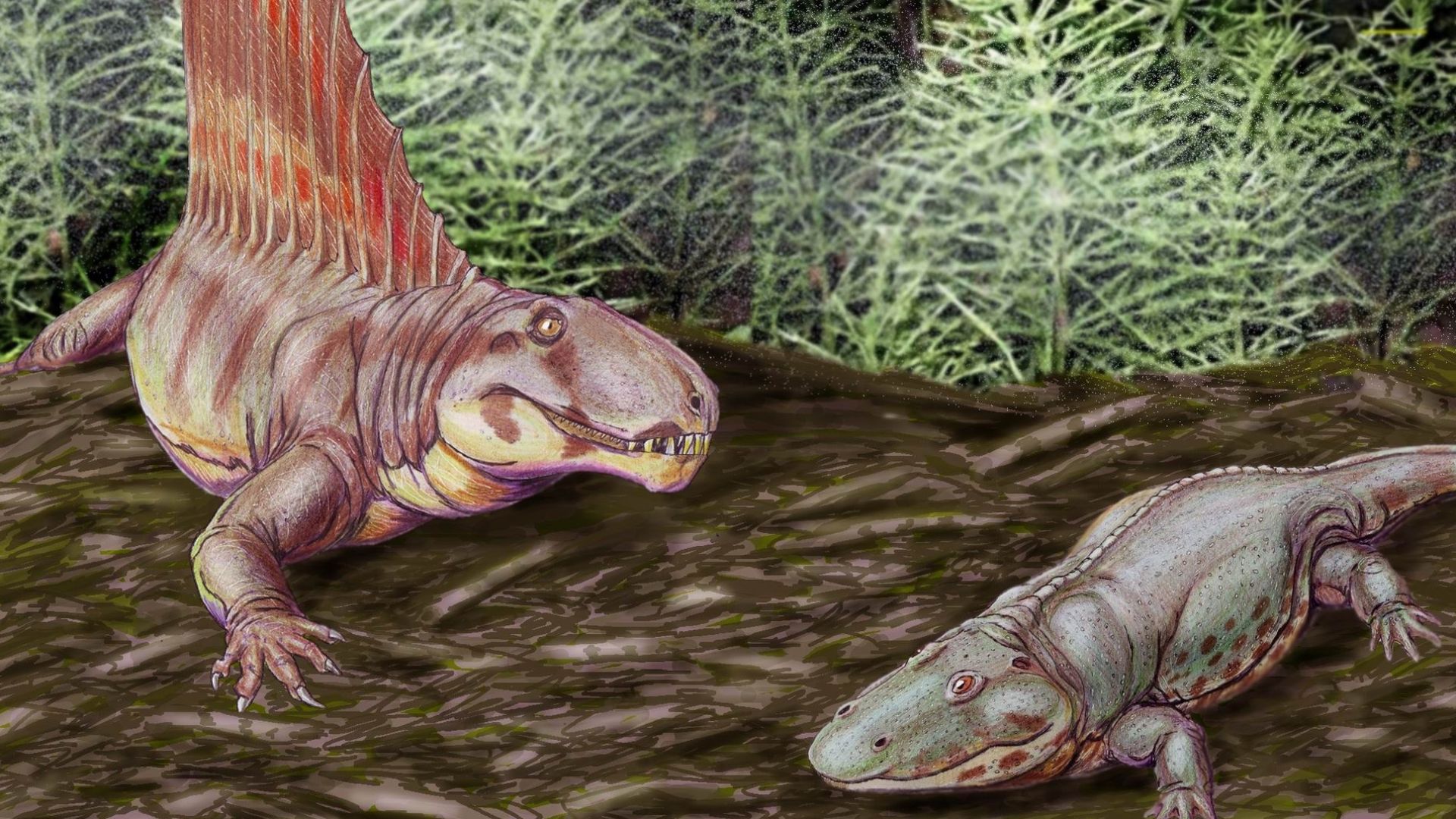
Permian Reptile Coprolite Containing Amphibian Limb Bones
This fossilized dropping from a Permian reptile holds broken bones from an amphibian it ate. The condition of the bones shows how strong the reptile’s stomach acids were—powerful enough to dissolve much of the skeleton. It’s a direct record of the predator-prey struggle during a major shift in Earth’s early ecosystems.
 Dmitry Bogdanov, Wikimedia Commons
Petrified Vine Tendril Preserving Fungal Threads
A fossilized plant tendril contains delicate fungal filaments that usually decay too fast to fossilize. These tiny threads are how fungi infect or feed on the plant, just as they do today. With the preserved branching patterns, scientists identified the fungus and understood ancient plant diseases that shaped early forests.
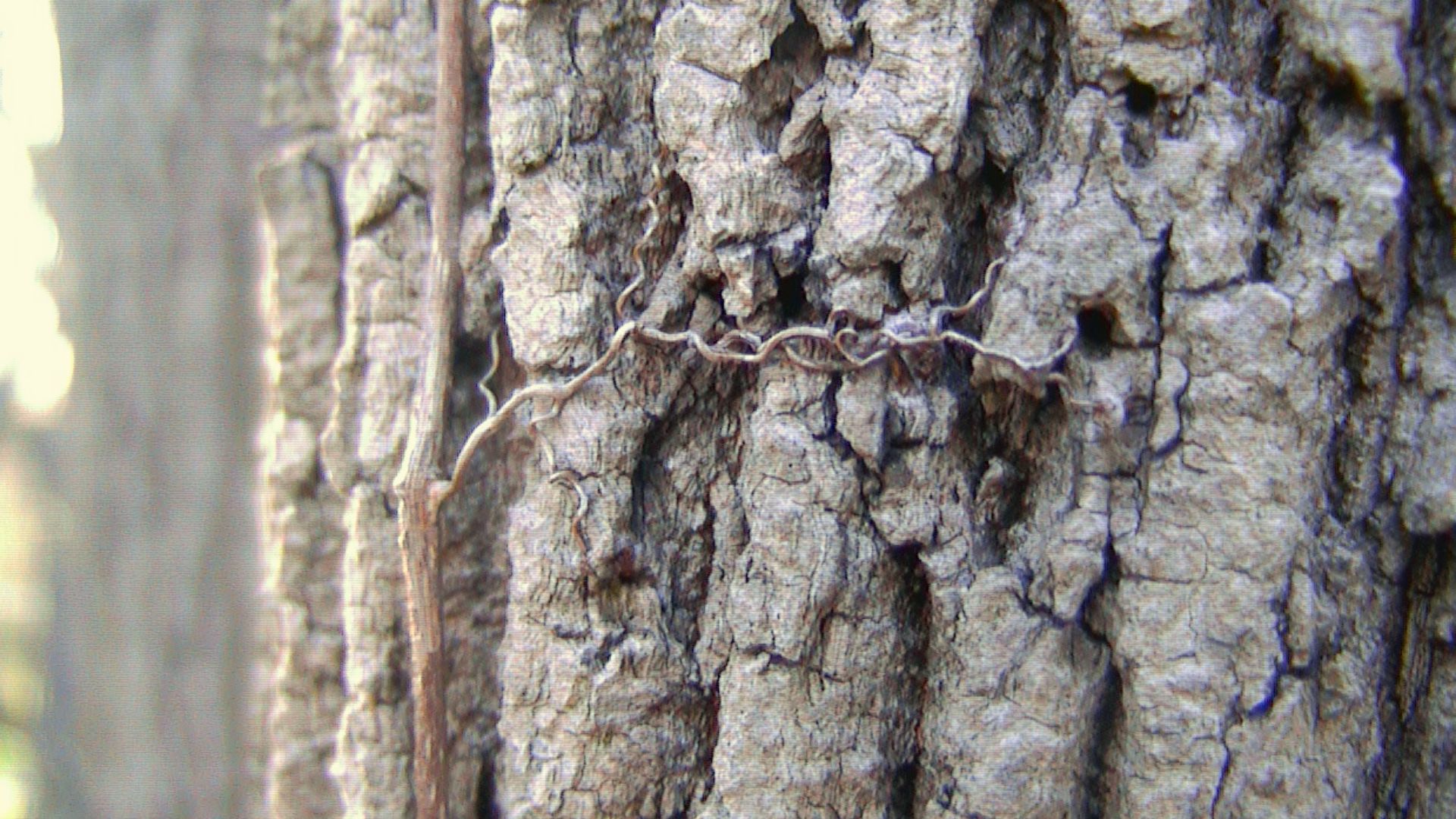 User:Yskyflyer, Wikimedia Commons
Ammonite Shell Filled With Opal
Some ammonite shells turn into shimmering opal over millions of years, which transformed an old spiral fossil into a rainbow gemstone. The empty chambers slowly fill with silica-rich water that hardens into opal. The result is part fossil, part jewel, and completely unexpected when cracked open.
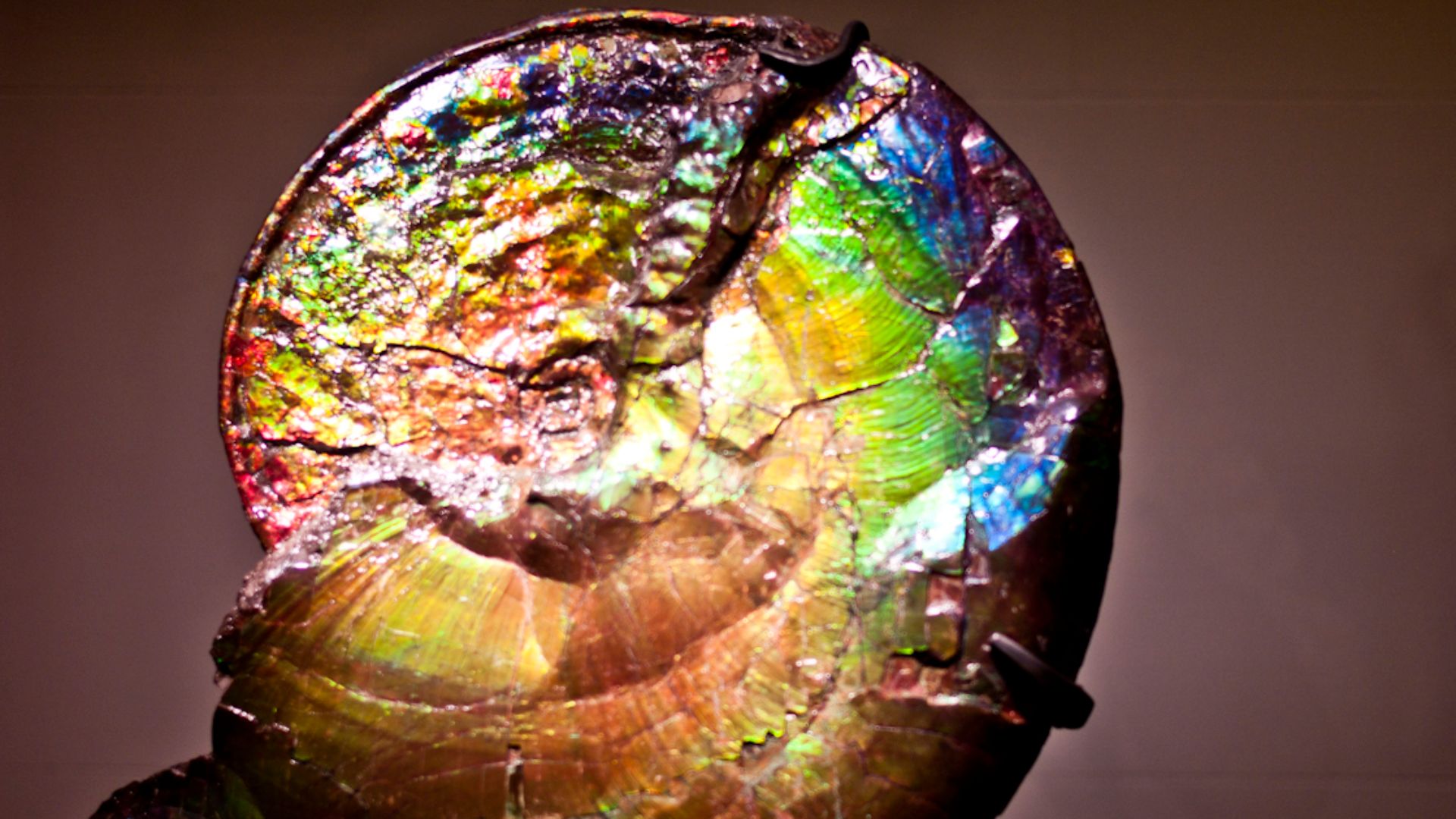 JamesPFisherIII, Wikimedia Commons
Snake Fossil Preserved While Eating A Dinosaur Hatchling
A stunning fossil shows a snake coiled around a newborn dinosaur at the moment of attack. Both skeletons are preserved together, frozen exactly where the struggle ended. It feels like looking at a prehistoric crime scene to capture a split-second interaction that somehow survived for 67 million years.
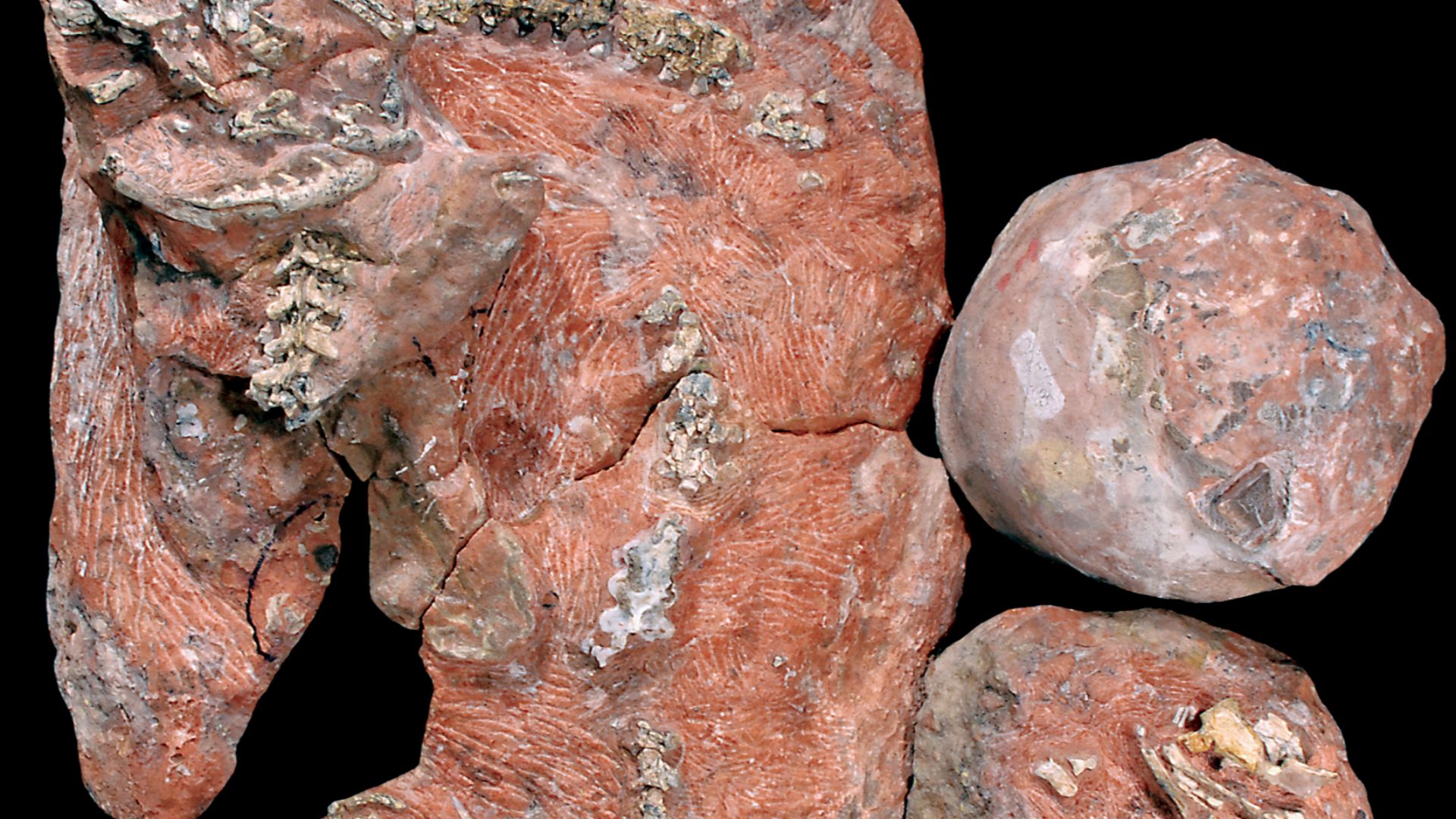 Jeffrey A. Wilson, Dhananjay M. Mohabey, Shanan E. Peters, Jason J. Head, Wikimedia Commons
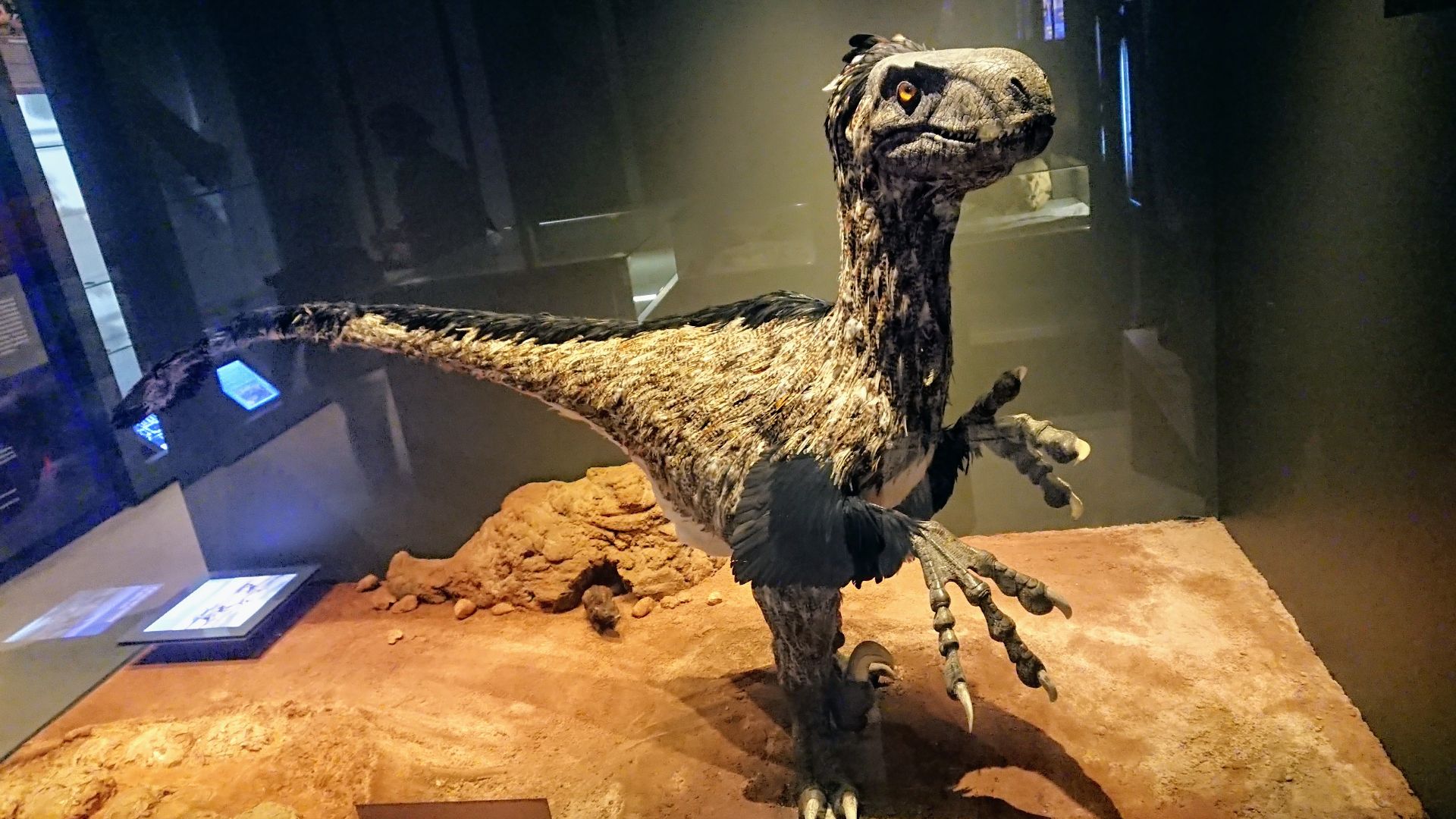
Amber Containing A Feather From A Dinosaur
Some amber pieces hold delicate feathers that came from feathered dinosaurs. The tiny barbs and color cells are still visible. These fossils prove dinosaurs were already sporting feathers long before true birds arrived. They added a new texture to how we picture them.
Pearl Found Inside A Fossilized Oyster
A fossilized oyster was discovered with a mineralized pearl still resting inside its shell. The pearl formed while the animal was alive and fossilized right along with it. It’s a small, perfect treasure hidden in stone, preserved far longer than the creature that created it.
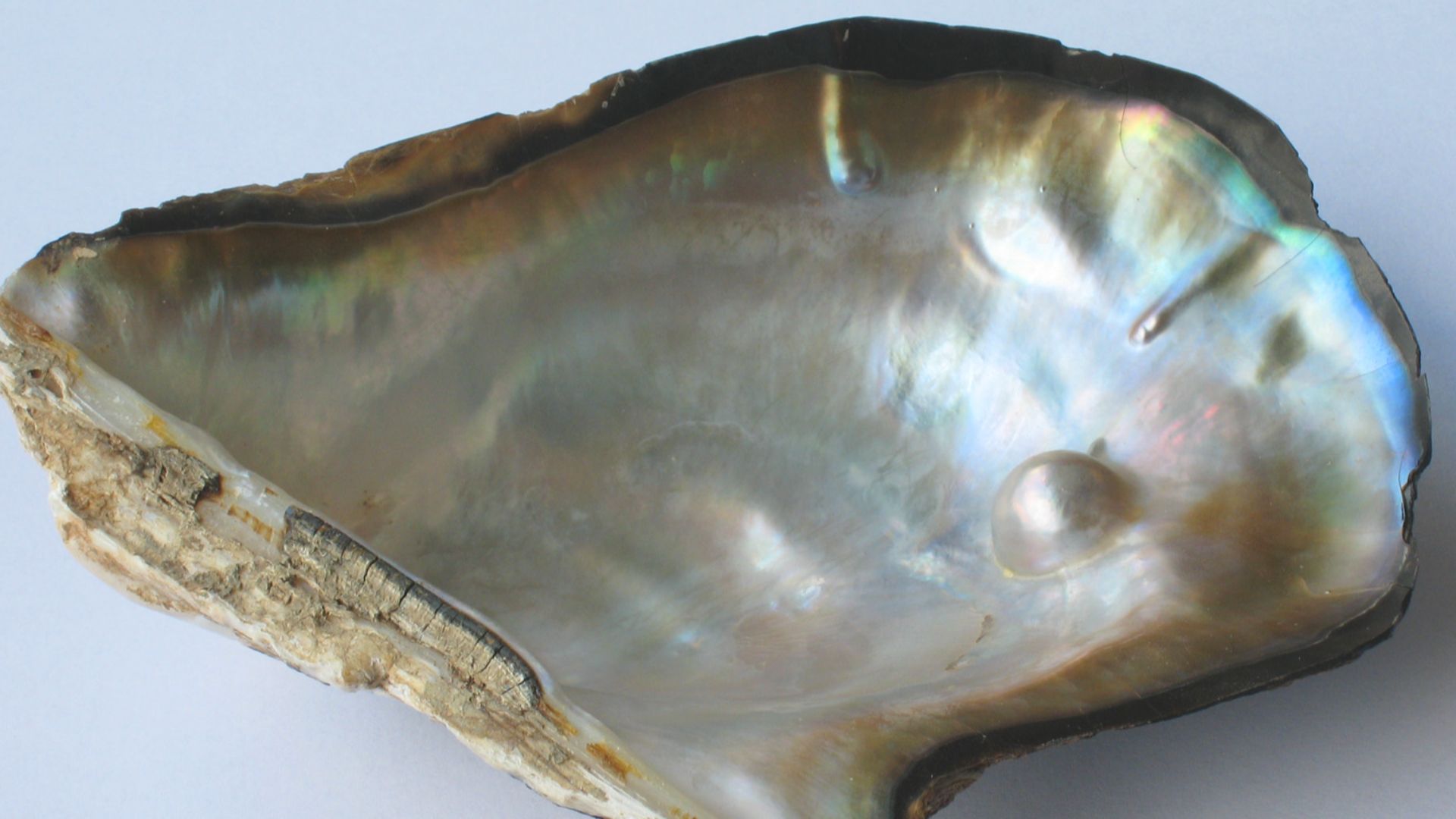 Manfred Heyde, Wikimedia Commons
Shark Tooth Embedded In A Plesiosaur Bone
Some plesiosaur bones contain shark teeth stuck deep inside them—leftovers from an ancient attack or scavenging event. The tooth fossilized along with the bone, which created a layered snapshot of two animals that crossed paths millions of years ago. It’s a fossil inside another fossil.
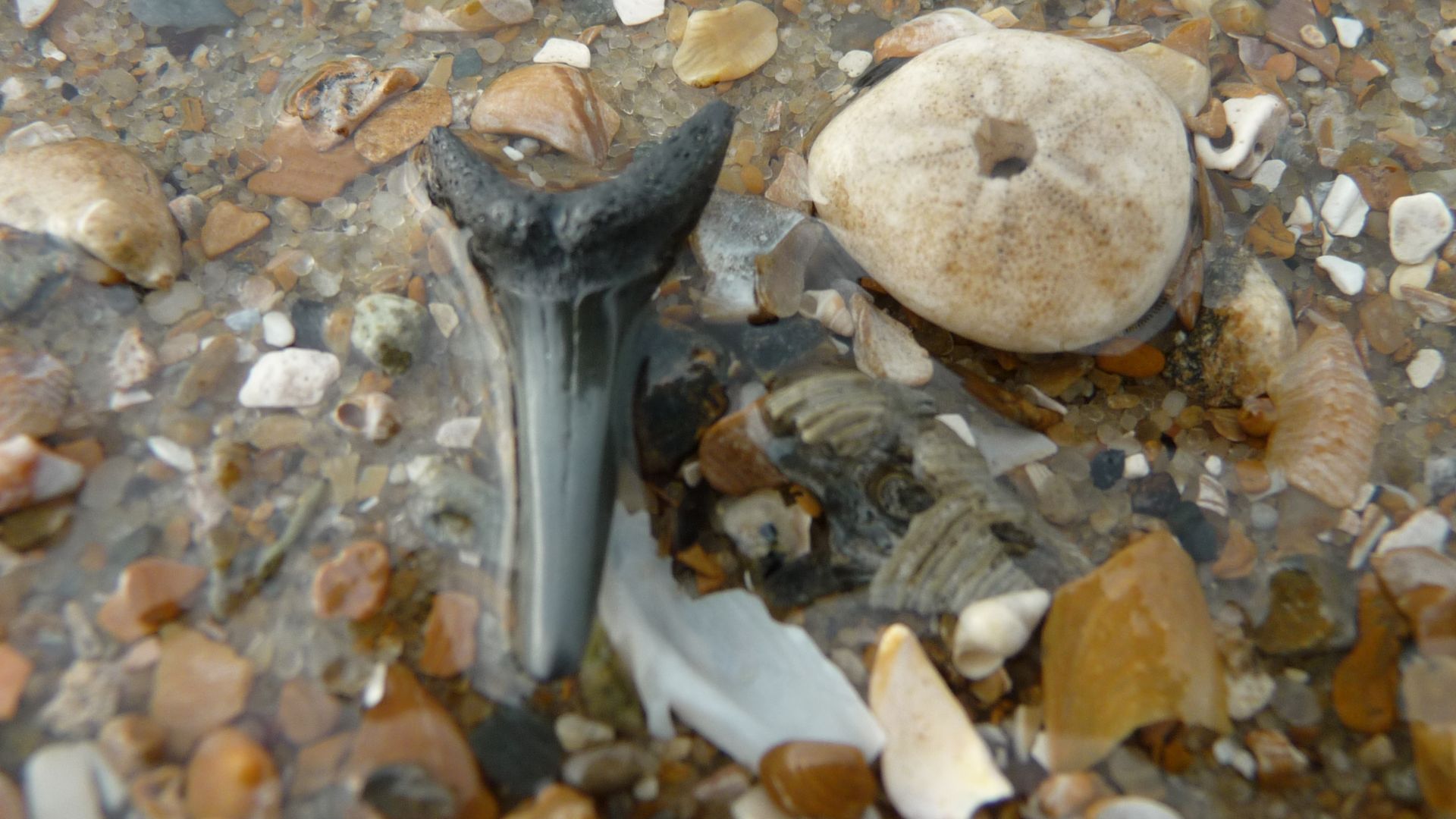 Dominik Vogt, Wikimedia Commons
Fish Fossil Preserving A Parasite Still Attached To Its Gill
A fossil fish was discovered with a parasitic isopod still gripping its gill, just like modern parasites that latch onto living fish. Because these creatures have soft bodies, they seldom fossilize. This rare find captures ancient parasitism in action, frozen exactly as it happened millions of years ago.
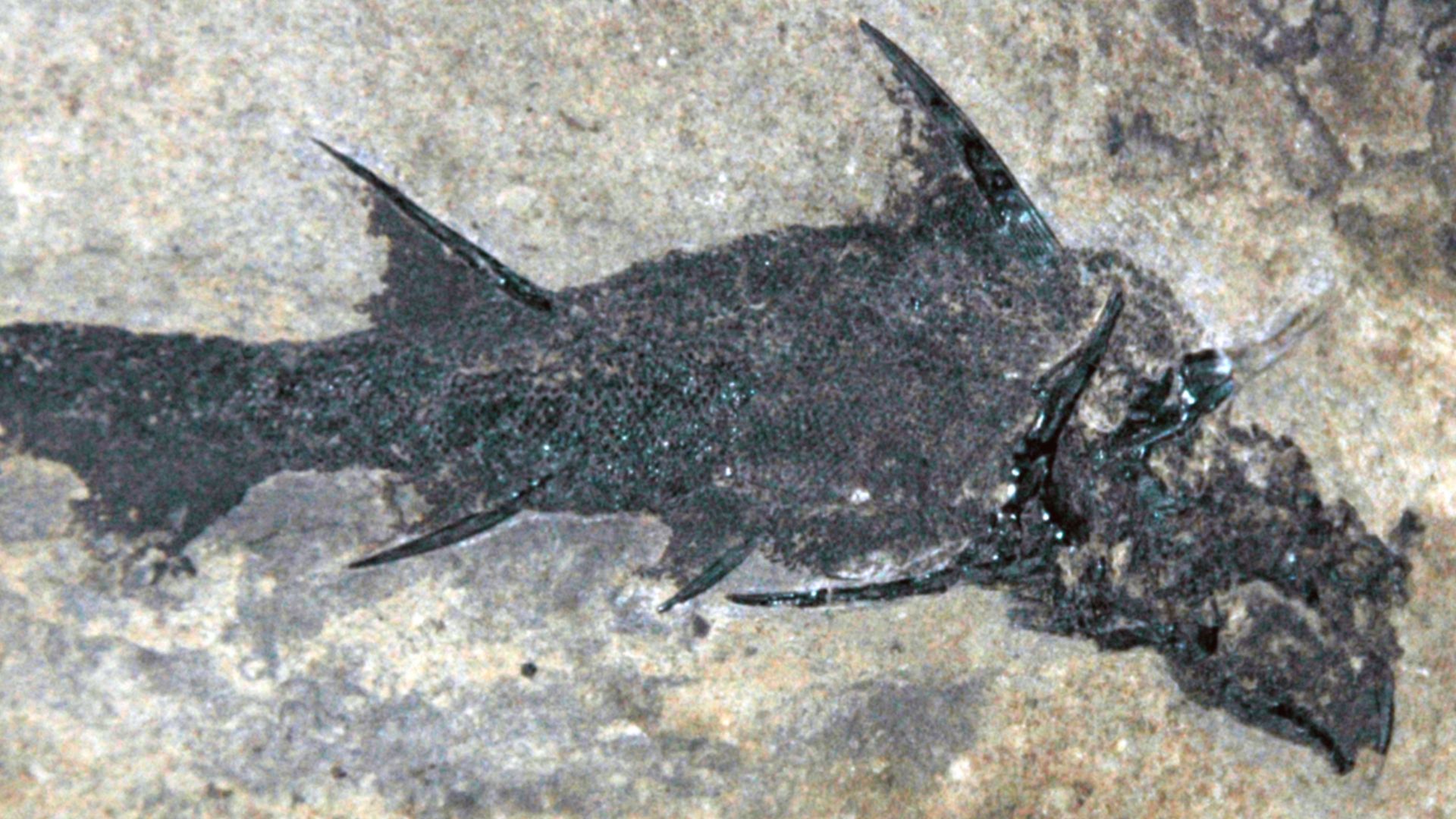 James St. John, Wikimedia Commons