

A Bold New Claim
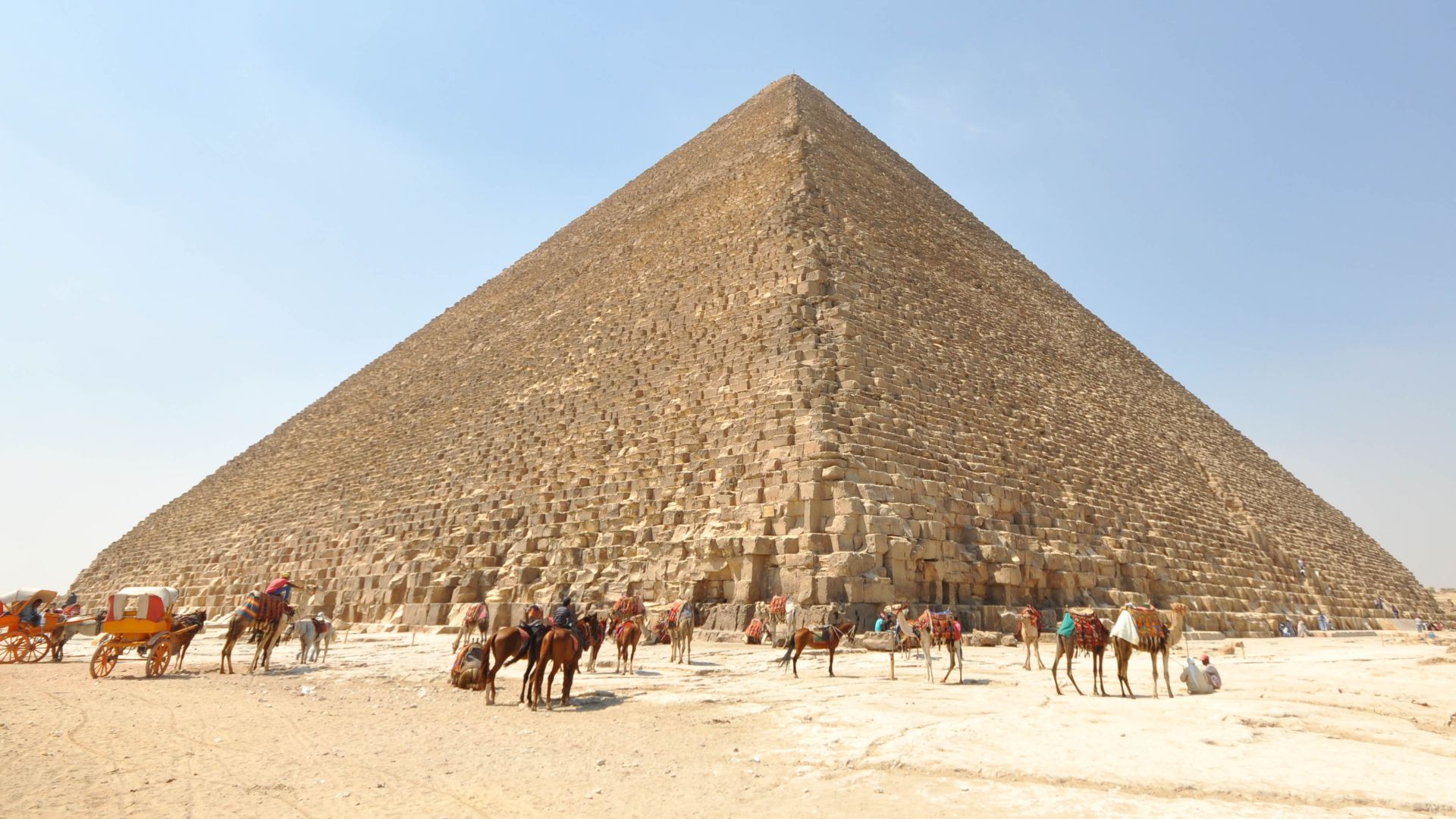
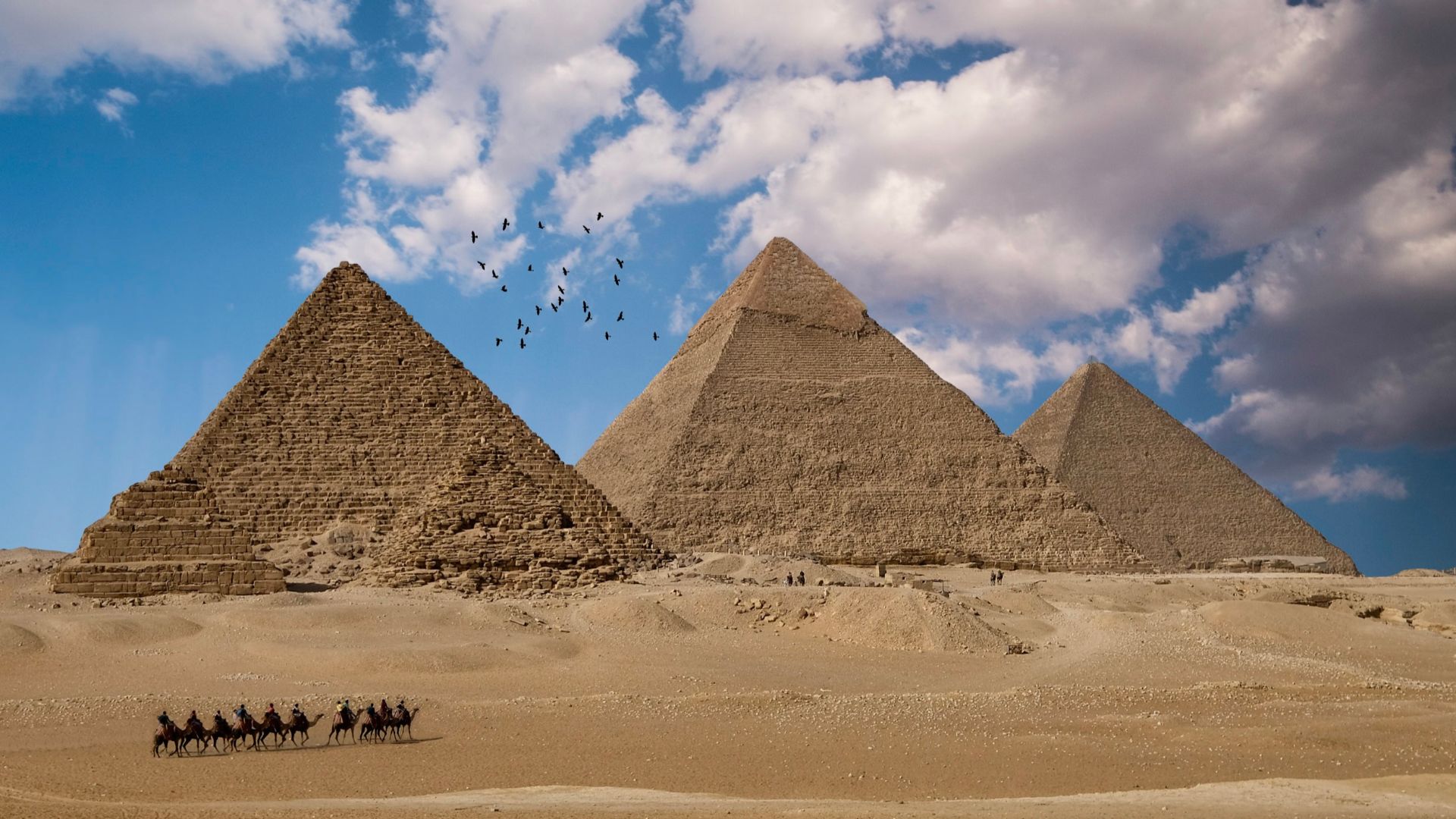
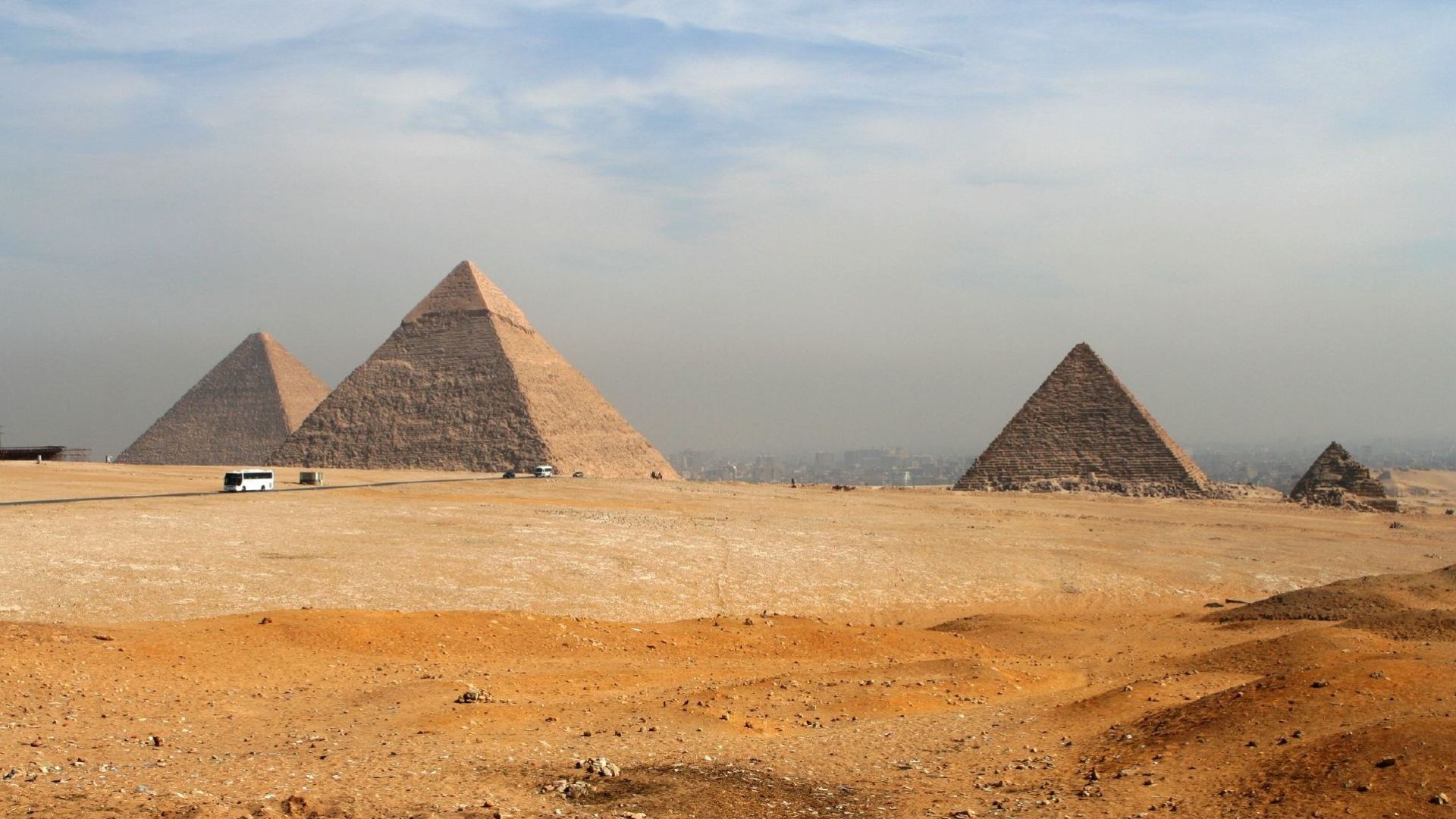
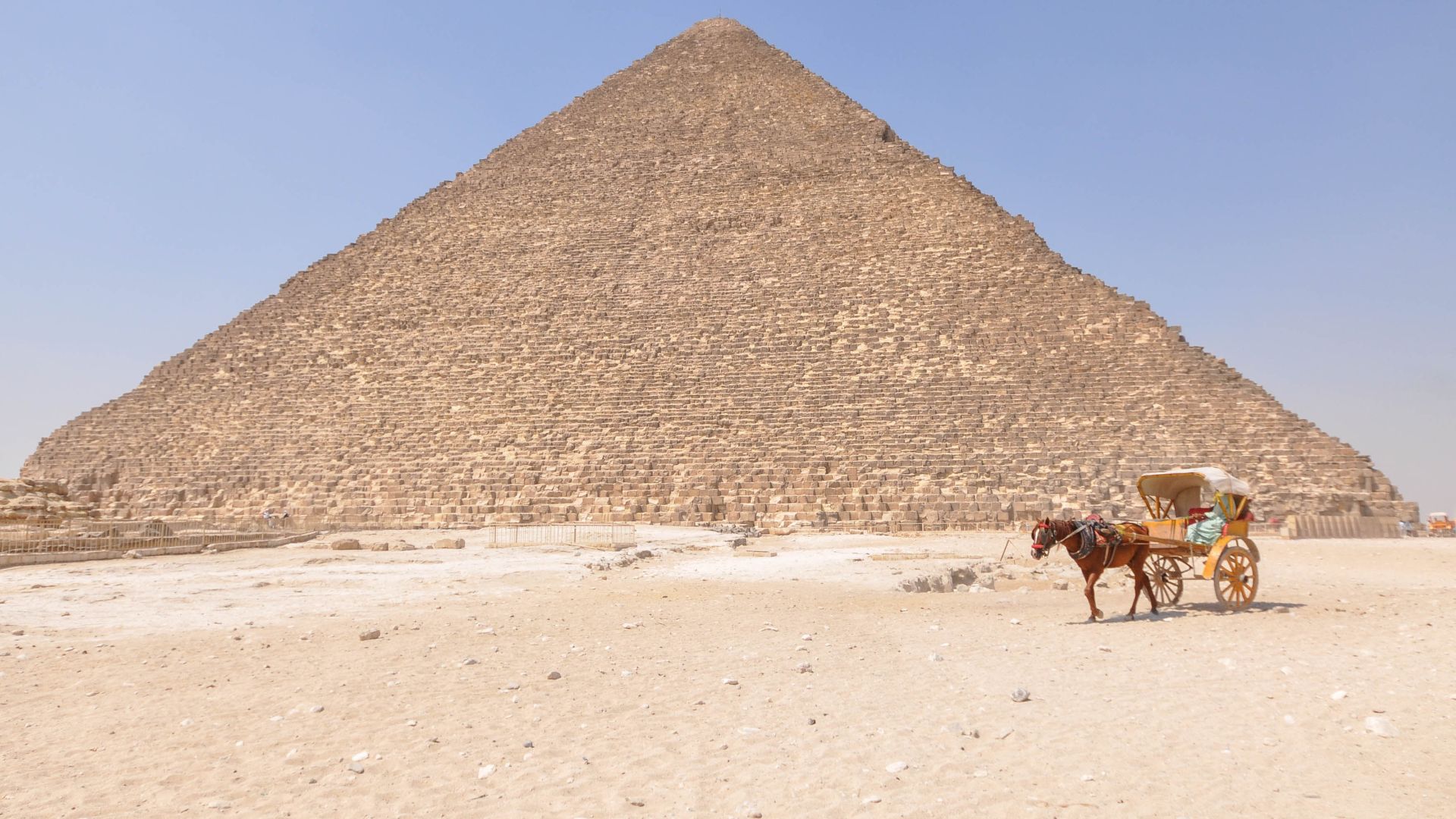
Recent research has resulted in a bold new claim about the age of the Great Pyramid of Giza. Traditional Egyptology dates the pyramid to around 2560 BC. But now a small group of scientists are claiming that the geological evidence suggests that the Pyramid was built several millennia earlier than the accepted date. The findings clash with traditional timelines and raise questions about ancient civilizational capabilities.
 Warren LeMay, Wikimedia Commons; Factinate
Egyptology’s Established Timeline
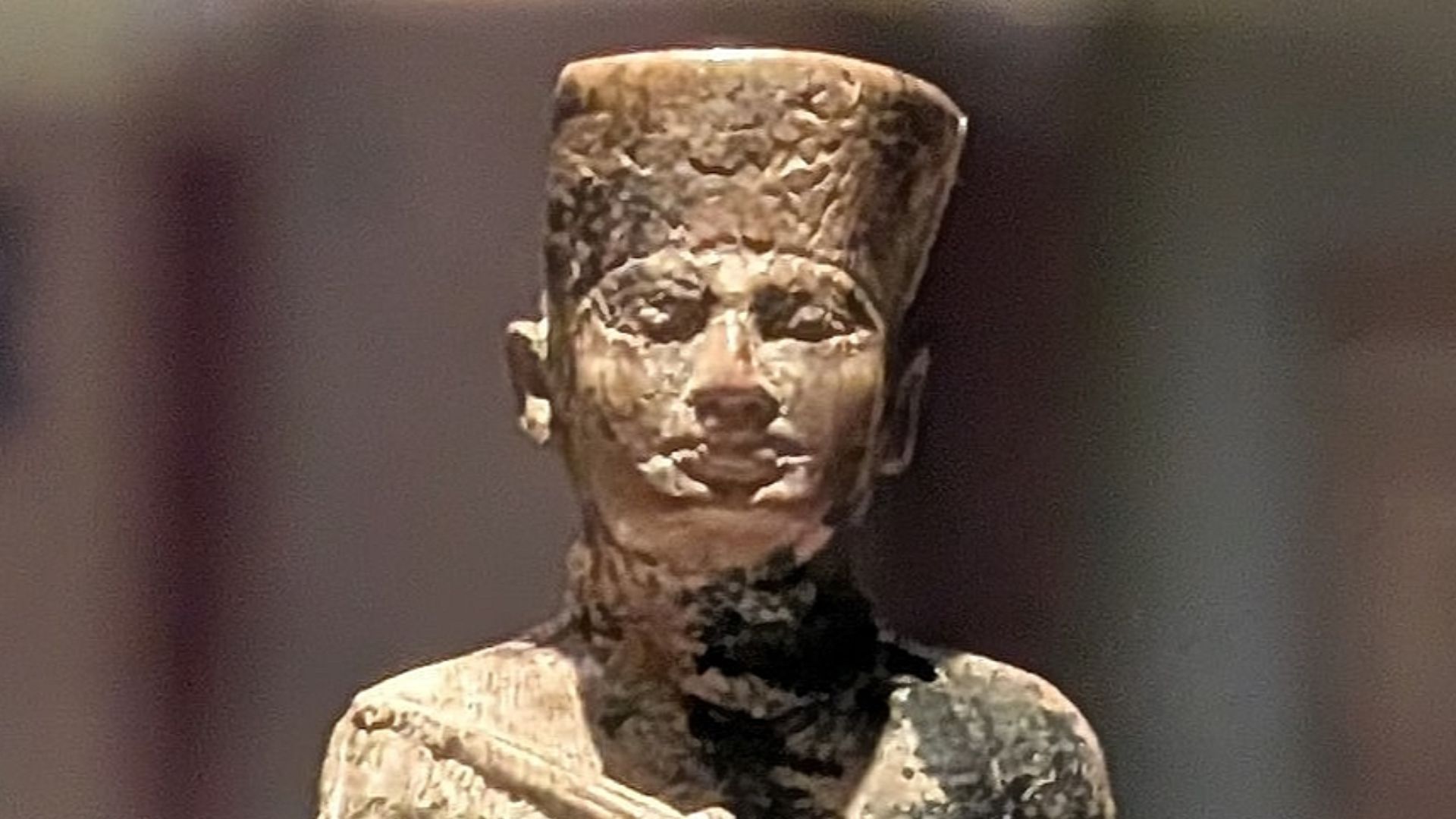
For more than a century, scholars have attributed the Great Pyramid’s construction to Pharaoh Khufu (or Cheops) of the Fourth Dynasty, who lived around 4,500 years ago. This dating is based on inscriptions, historical texts, and archaeological context within Giza’s necropolis. The Khufu attribution sits at the very core of our conventional understanding of Old Kingdom monument building.
The New Study’s Bold Claim
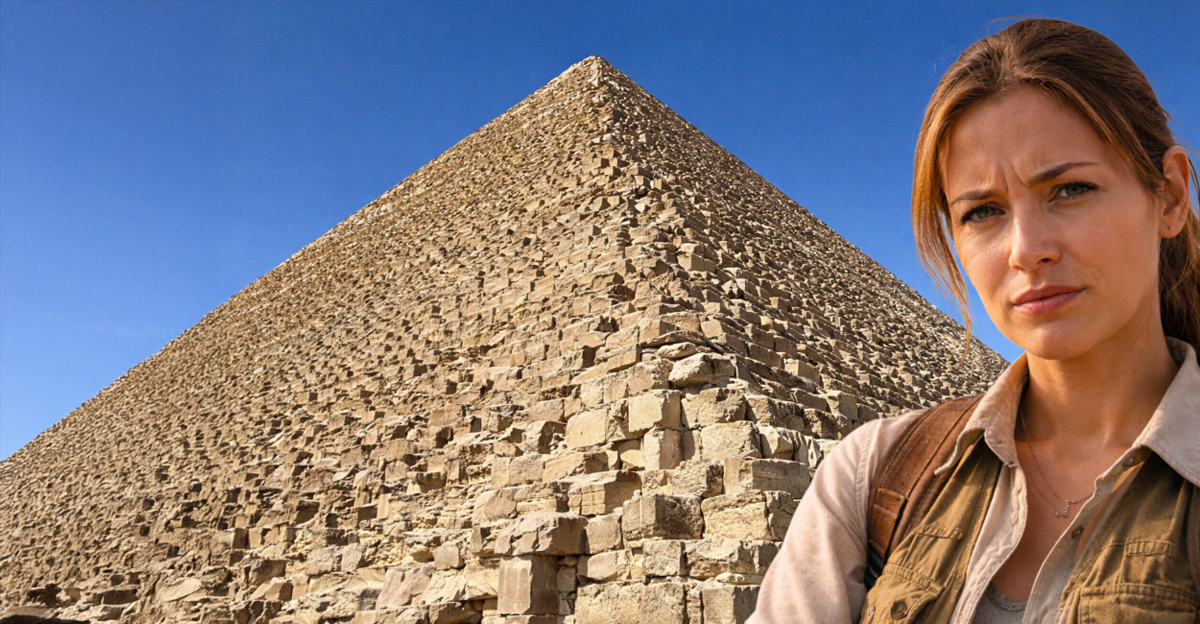
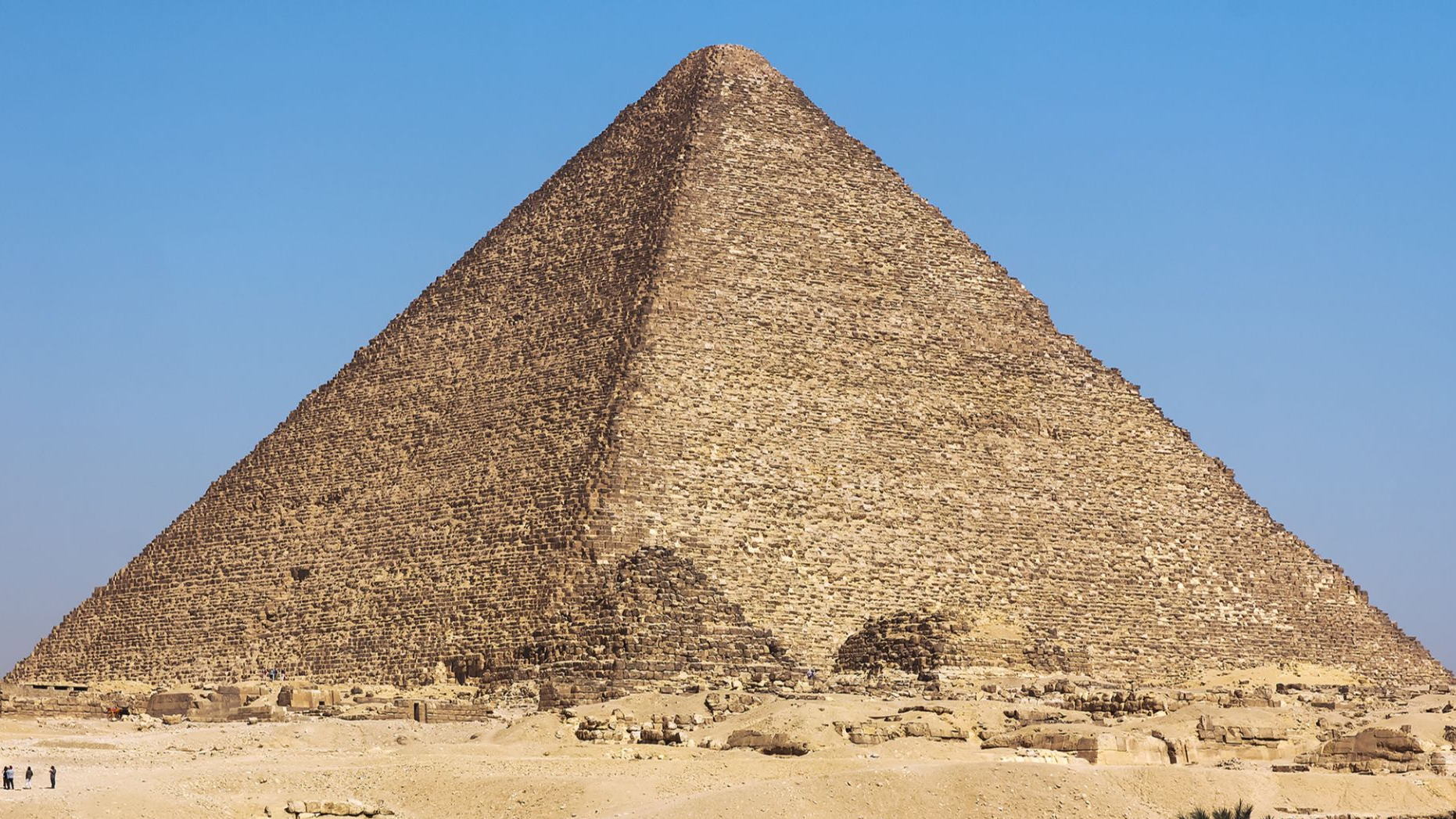
The controversial hypothesis argues that signs of water erosion on the pyramid’s lower casing stones show exposure to heavy rainfall far earlier than the Old Kingdom. Proponents suggest that these intense weather patterns in the region occurred at least 8,000 to 10,000 years ago, which implies a much older date of construction for the immense stone structure.
 Douwe C. van der Zee, Wikimedia Commons
Who Did The New Research?
The newer claim is championed by a small group of researchers, notably British geologist Robert Schoch and colleagues. Schoch has previously proposed older dates for famous Egyptian structures like the Sphinx. These ideas were also base on rock weathering patterns. His involvement lends geological expertise to a hypothesis that challenges our mainstream archaeological interpretations.
 Filipov Ivo, Wikimedia Commons
Erosion Patterns And Climate Interpretation
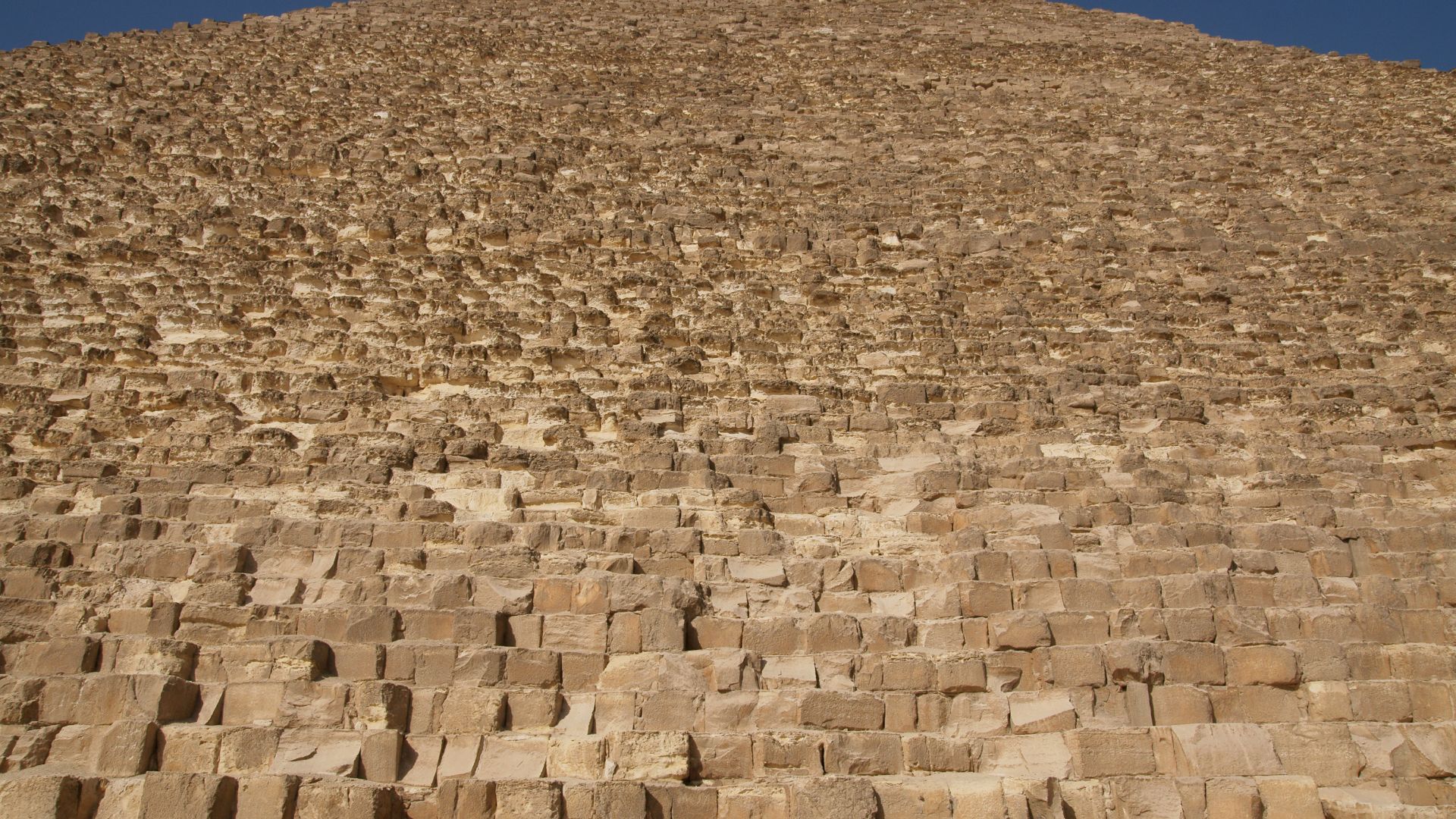
Supporters of the new framework focus on vertical and undulating weathering marks on the pyramid’s lower courses. They insist that these marks look like erosion from sustained rainfall, not wind or sandblasting. Critics counter that distinguishing rainfall erosion from other geological processes in desert environments is highly uncertain.
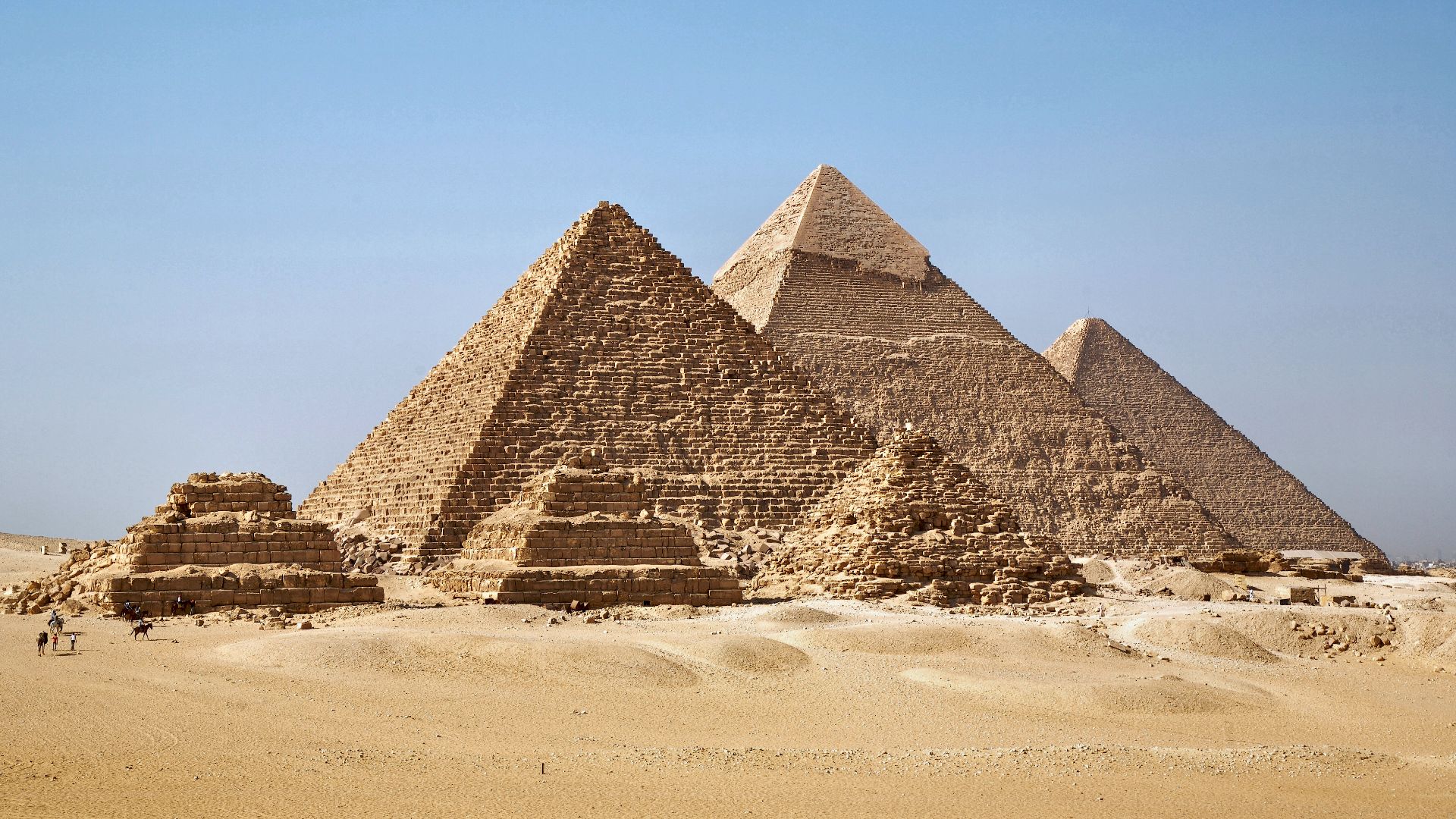 Ricardo Liberato, Wikimedia Commons
Research Methods
The new study relies heavily on comparative geological analysis, and not the conventional archaeological methods we are accustomed to. Researchers closely examine rock weathering, stratigraphy, and surface morphology. By comparing the erosion patterns on the rocks with known climate histories, they argue for a much earlier exposure period consistent with wetter regional periods in prehistory.
Erosion Is The Key Debate
Erosion interpretation is the central part of the argument. Those who still back the traditional date claim that only rainfall, not wind or human activity, produces certain observed patterns. Mainstream archaeologists counter that wind, temperature fluctuations, and centuries of sand impact can also create similar effects in limestone.
Archaeologists Support Traditional Dating
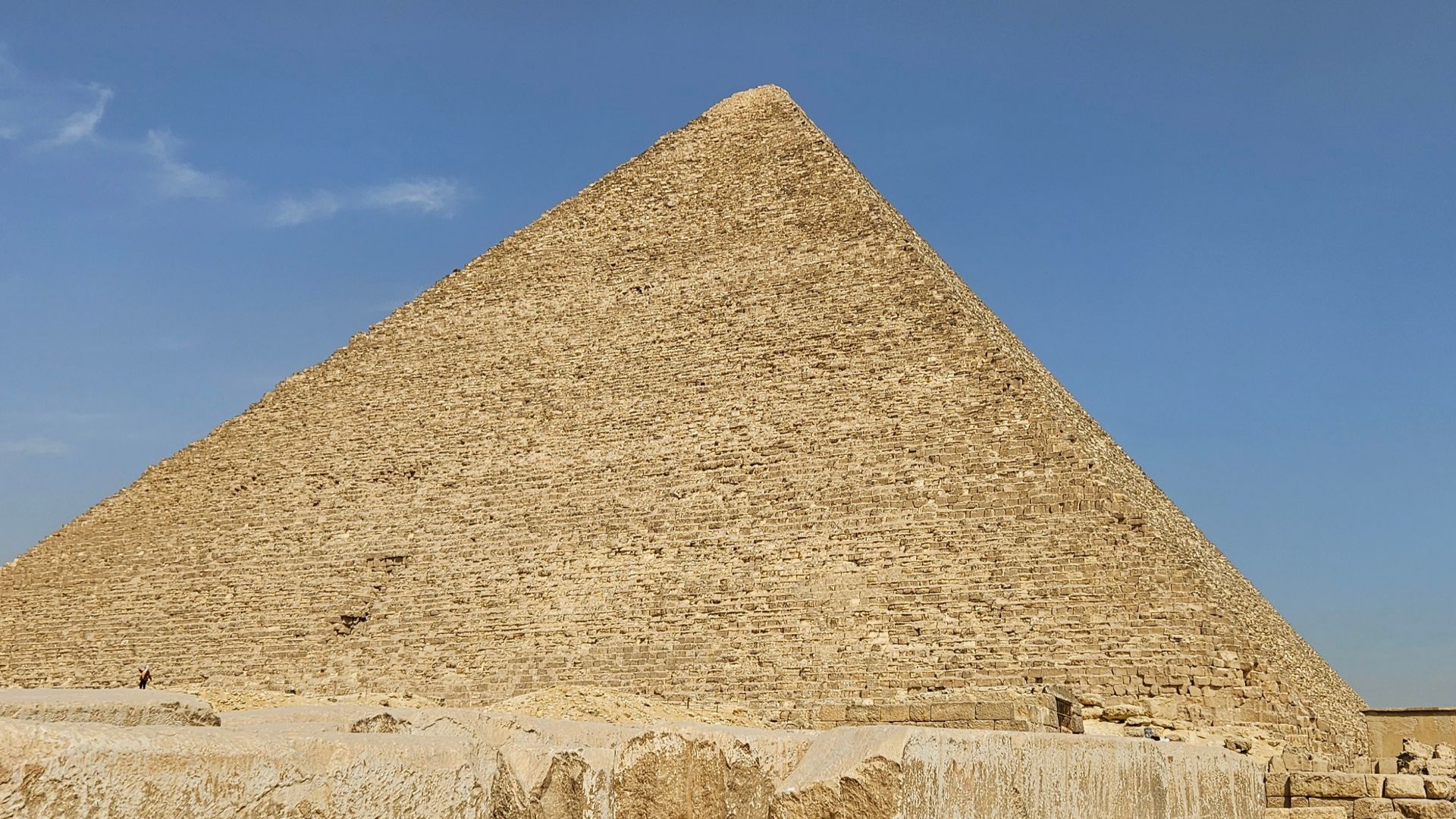
Mainstream Egyptologists have reiterated that multiple strands of clearly established evidence confirm the traditional accepted Old Kingdom date. These include such important things as: Khufu’s name on quarry marks; records from his reign; and alignment with tomb and settlement remains. Taken together, these contextual clues make a strong case for a 4,500‑year‑old pyramid that is a more robust hypothesis in the view of many specialists.
Importance Of Direct Archaeological Context
Critics of the new date argue that archaeological context is more important than geological speculation. The pyramid exists within a broader necropolis network with clear associations to other structures with clearly established dates. The lack of earlier cultural layers tied to a hypothetical 10,000‑year‑old civilization at Giza undermines the argument for such a drastically older construction date.
Evidence From Pottery And Artifacts
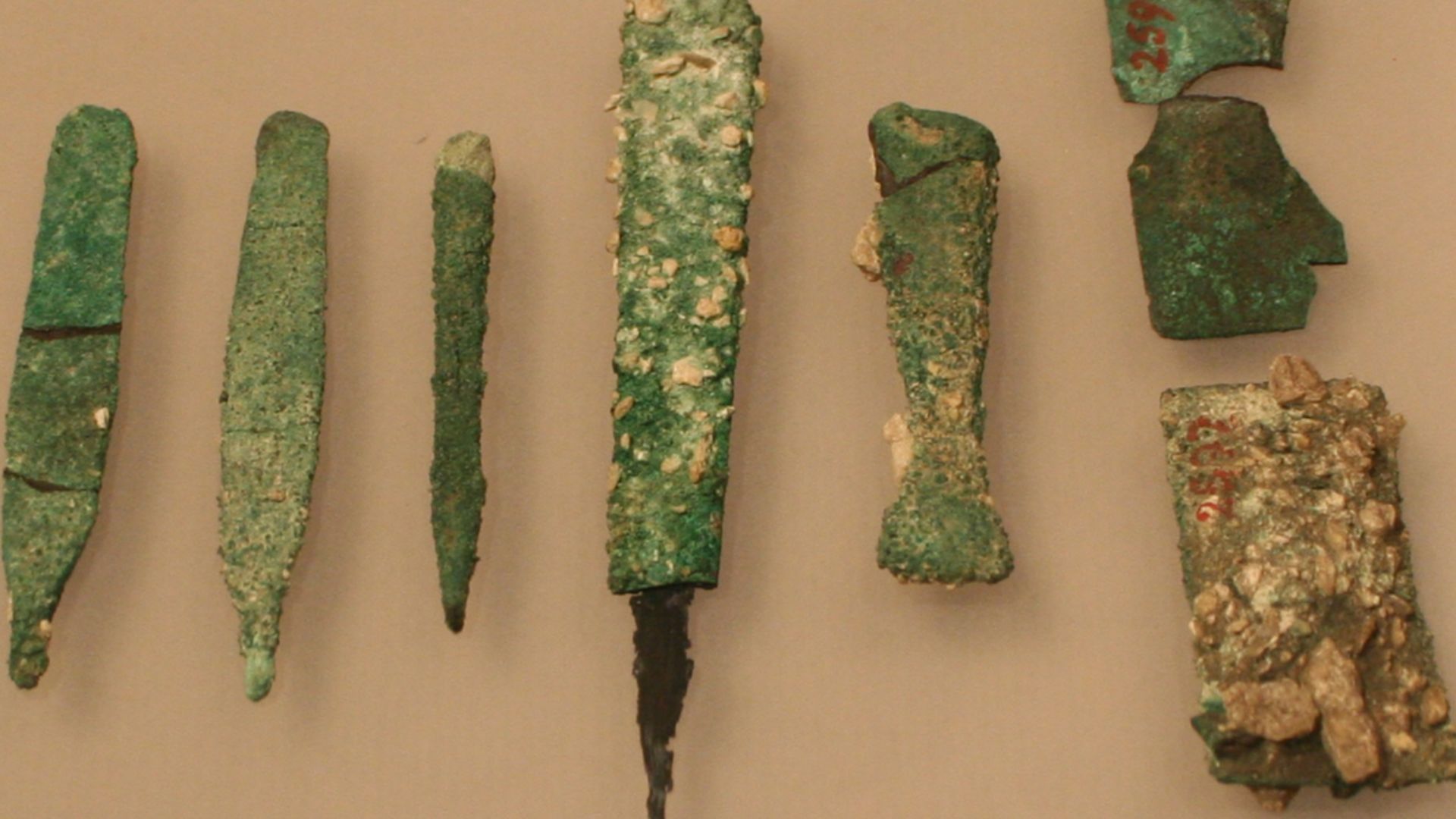
Excavations around the pyramids have dug up pottery, tools, and human remains consistent with Fourth Dynasty activity. These artifacts are congruent with the known Egyptian material culture of the era. No reliably dated artifacts exist from a hypothesized earlier age, and the skeptics have pounced with great zeal on this gap in evidence.
 Einsamer Schutze, Wikimedia Commons
The Limits Of Radiocarbon Dating
Radiocarbon testing of organic materials associated with the pyramid gives results that support the traditional date. However, attempts to push older timelines through radiocarbon analysis requires a secure, datable sample of organic material that is directly tied to construction, which hasn’t been found yet.
 Tommy Wong , Wikimedia Commons
Climate And Saharan Desertification
Those who maintain the old hypothesis point to climate reconstructions showing a much wetter Sahara thousands of years before the Old Kingdom. If those reconstructions are correct, that early rainfall might have left the erosion marks. This connection remains contentious among experts.
 Jorge Lascar from Melbourne, Australia, Wikimedia Commons
A 10,000‑Year Hypothesis Is Tempting
There’s nothing like ancient lost civilizations to captivate the public imagination. A pyramid older than the Sumerian, Babylonian, or even Neolithic structures challenges our entire established narrative about human technological development. It suggests prehistoric societies reached unimaginable engineering feats long before our accepted timelines.
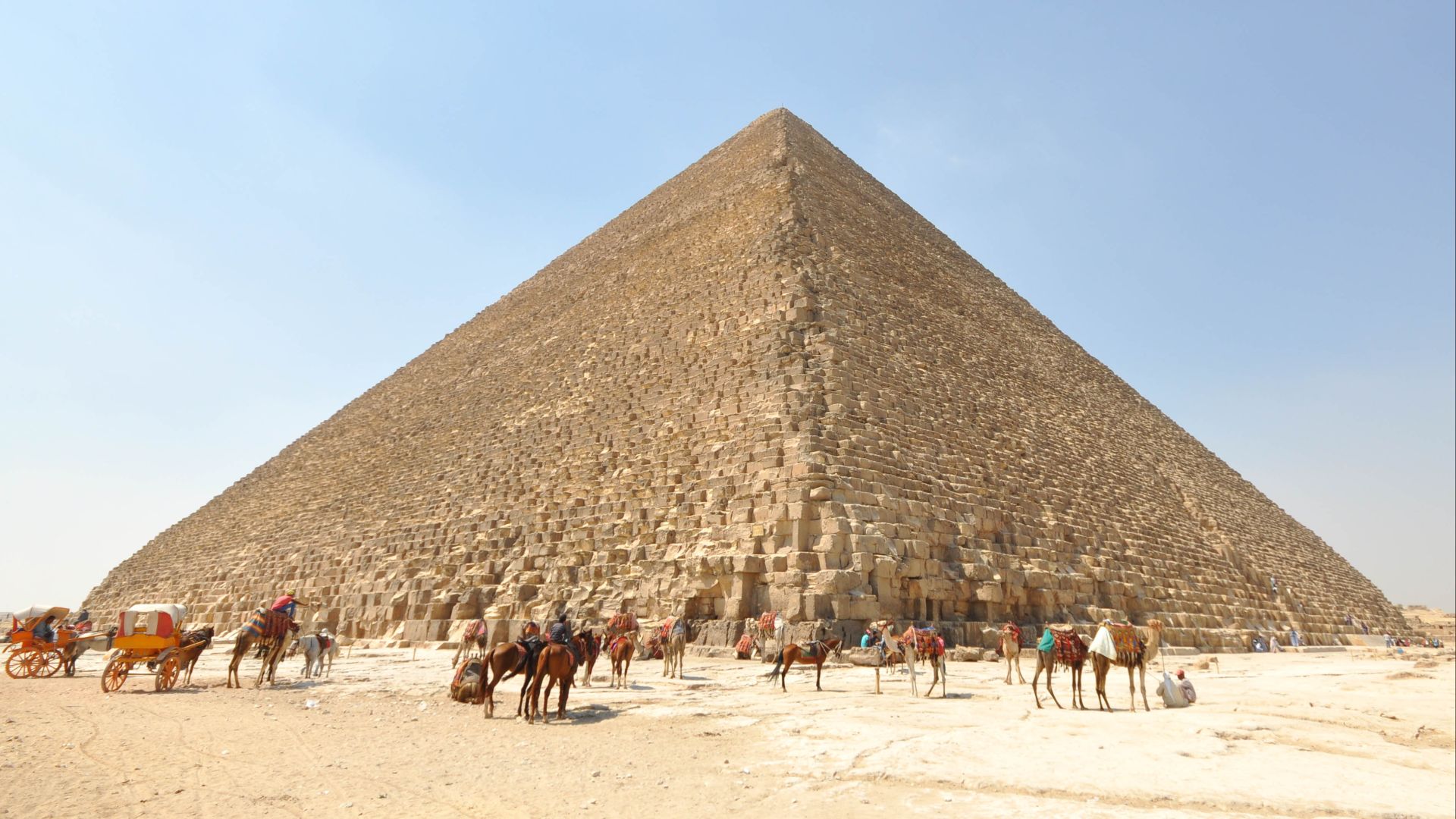 Jorge Láscar from Melbourne, Australia, Wikimedia Commons
Arguing Against The Geologic Approach
While it’s fine to imagine what might have been, critics insist that geologic reasoning can never take the place of archaeological evidence. Weathering in limestone is complicated, influenced by microclimates, mineral inconsistencies, and human modifications over millennia. Sceptics are sticking to their story that without secure archaeological context, the erosion argument is nothing more than speculation.
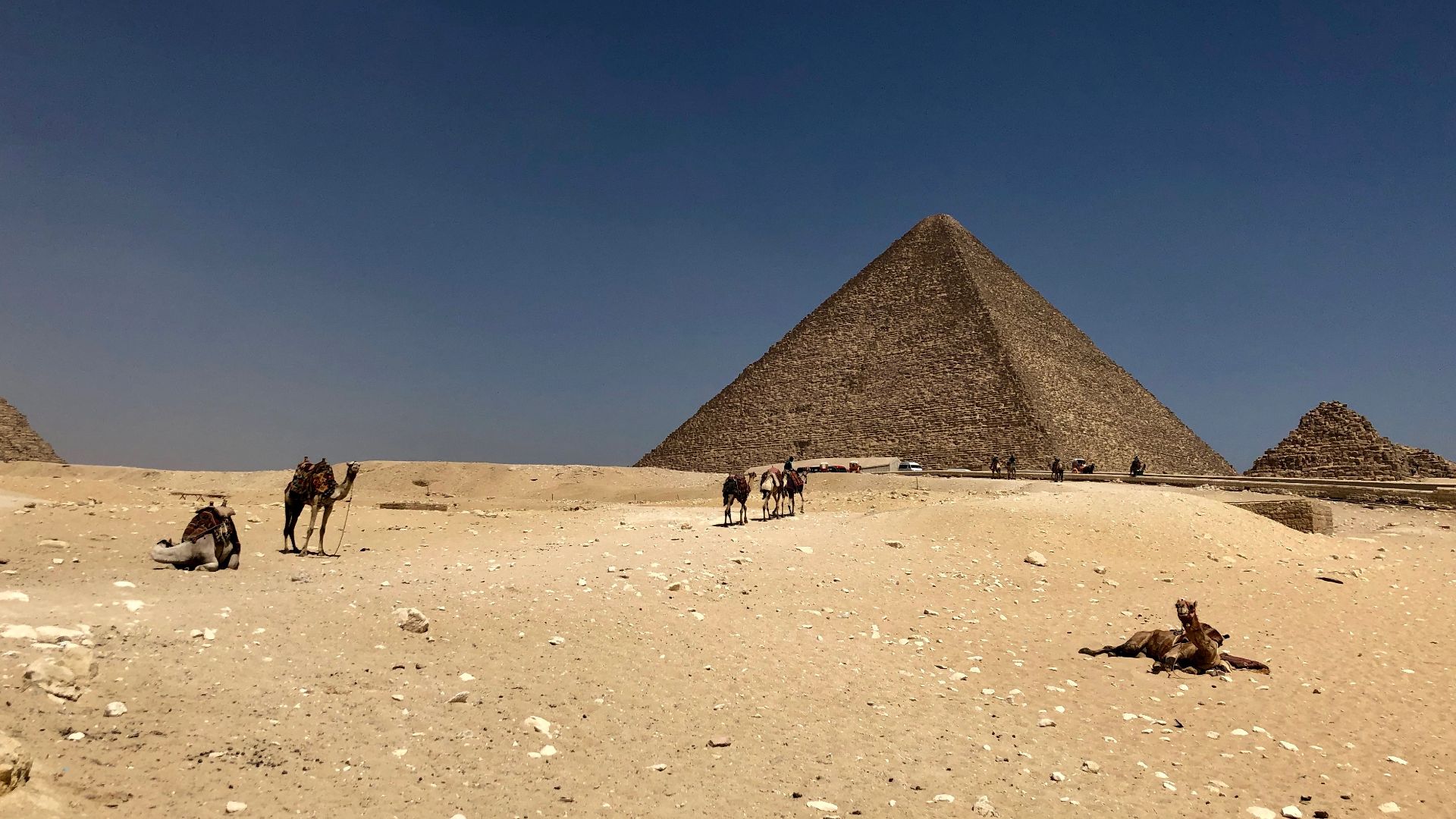 Warren LeMay from Chicago, IL, United States, Wikimedia Commons
Debate In Academic Circles
While the hypothesis has gained public attention, it hasn’t swayed most Egyptologists. Peer reviewed journals always stress the need for caution rather than embarking on wild flights of fancy. Some scholars are more welcoming of interdisciplinary research, but all insist that extraordinary claims require extraordinary evidence, especially for any attempts to overturn paradigms tied to Egyptian chronology.
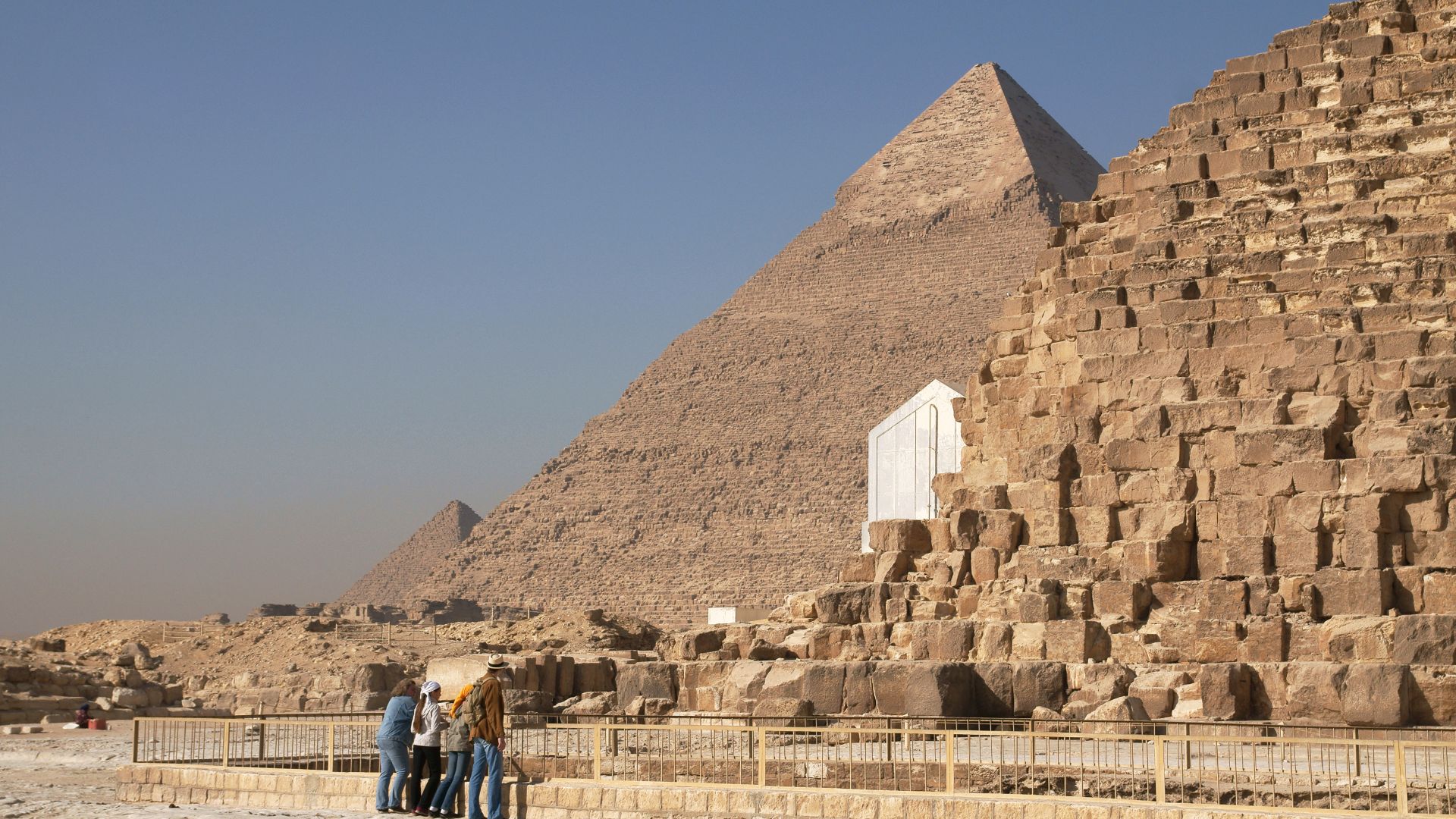
Public Reaction And Pop Archaeology
Media coverage of the new hypothesis ranges all the way from enthusiastic curiosity to skepticism. Popular commentators and fringe theories often make dramatic alternative claims, sometimes overshadowing more complex scientific debate. Education and open communication are important to uphold clear public understanding of complicated archaeological issues.
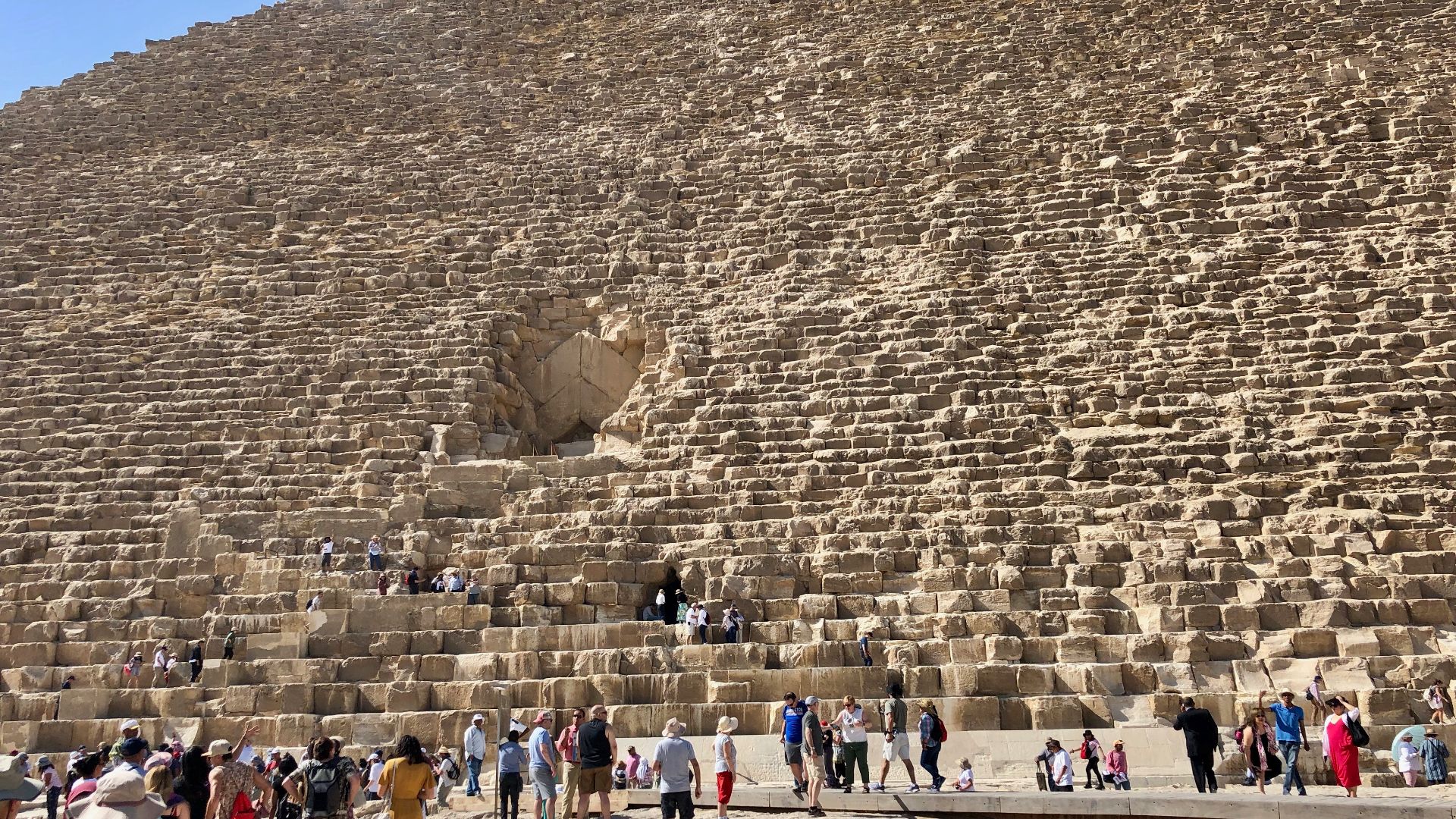 Warren LeMay from Chicago, IL, United States, Wikimedia Commons
Similar Debates In Archaeological History
Controversy over the pyramid’s age echoes past debates about other ancient sites, from Gobekli Tepe in Turkey to Stonehenge. In all of these cases, new data prompted a review and sometimes a reassessment of assumptions. These kinds of debates drive the science forward, even if mainstream consensus resists wholesale reinterpretations without robust evidence.
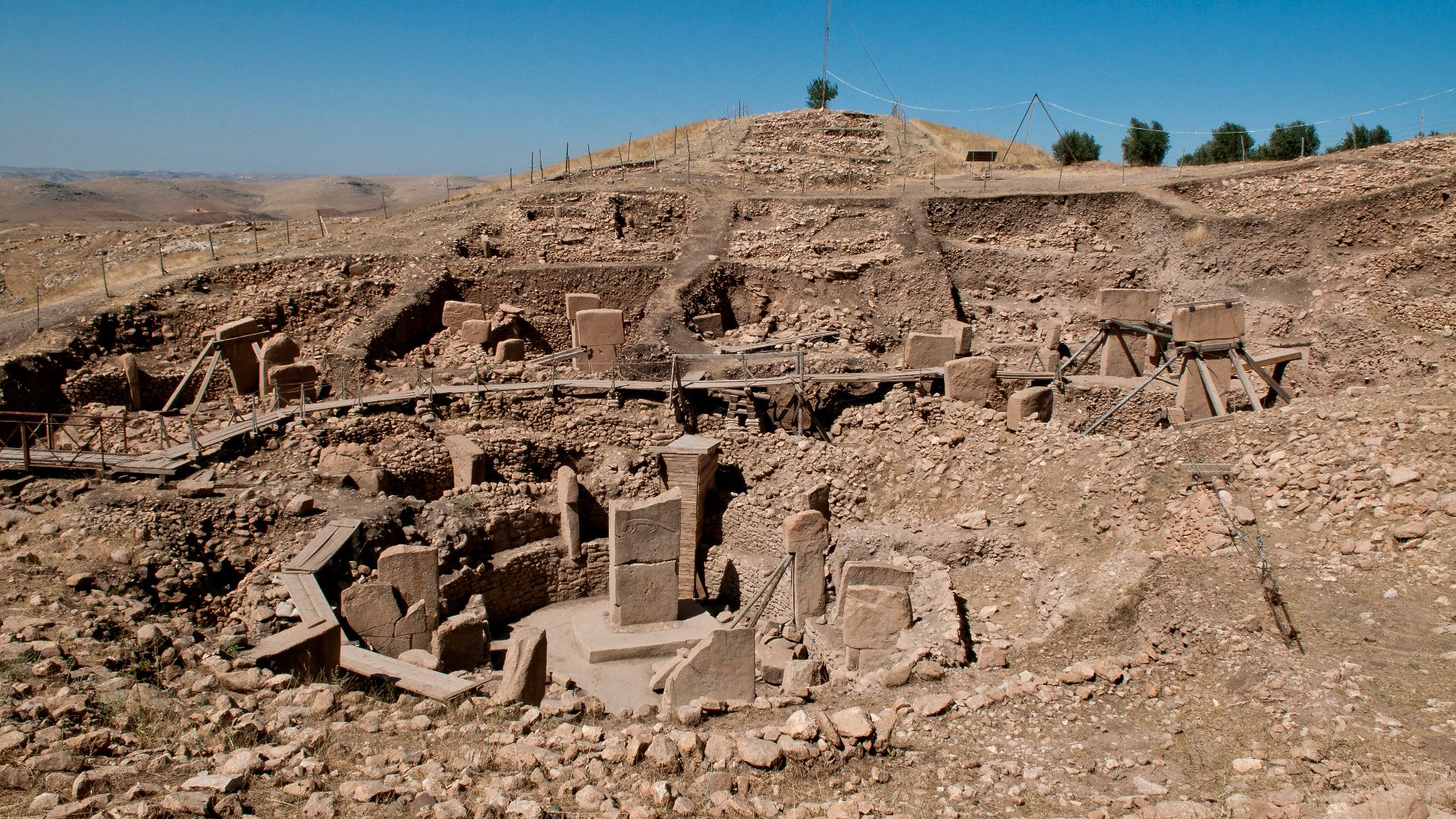 Teomancimit, Wikimedia Commons
Method Matters In History
The pyramid age debate is very educational in bringing broader questions to light about methodology. Geological data, climate studies, and archaeological context all bring value. Putting all those streams together carefully and critically ensures that new claims add to our understanding of ancient human history without distorting it.
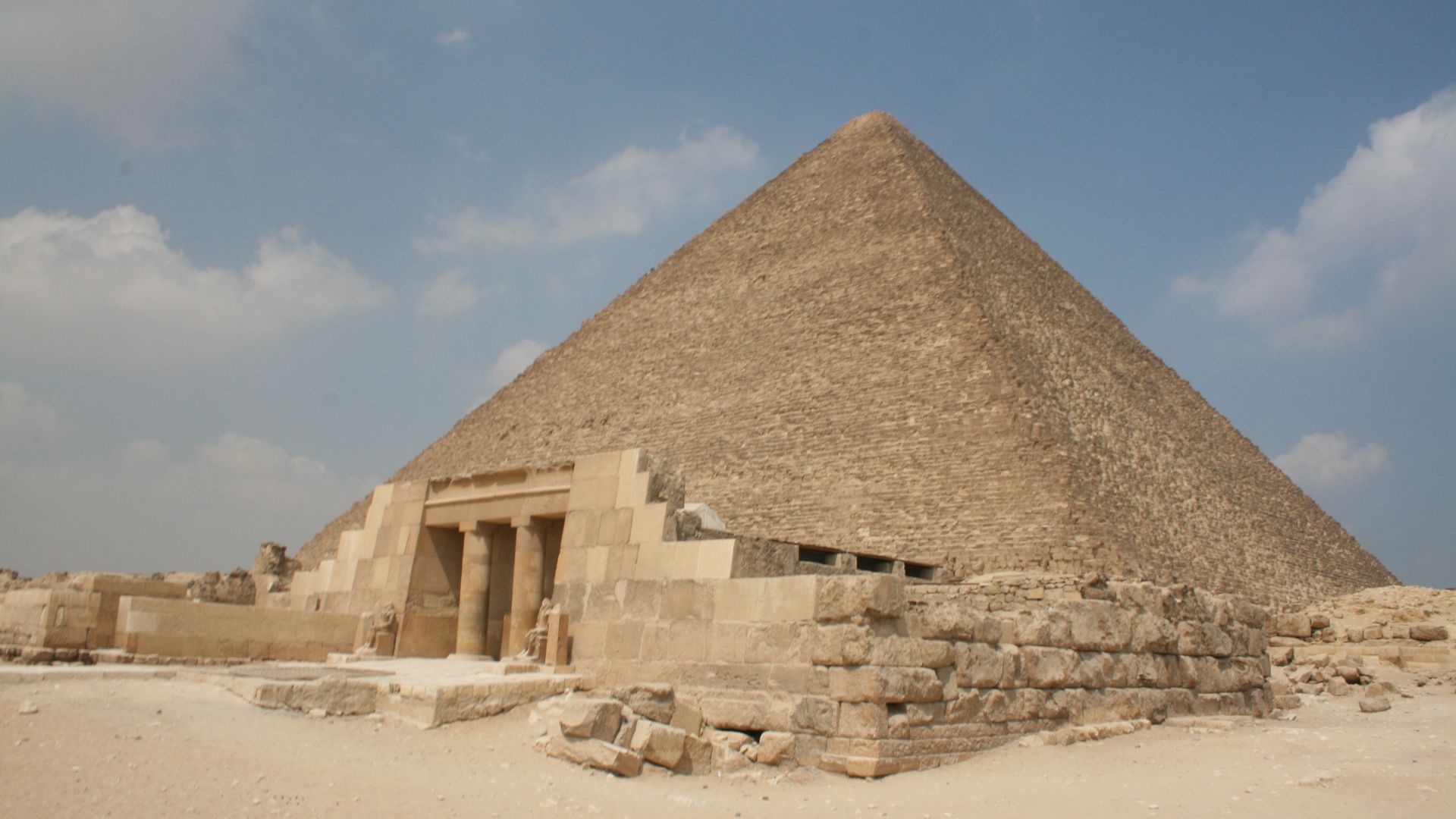 Diego Delso, Wikimedia Commons
What Future Research Could Reveal
Future discoveries, like secure organic remains beneath the pyramid or refined chemical signatures, could offer us more decisive answers. New remote sensing methods, isotopic testing, and deeper ground analysis around and beneath the pyramid’s cast bulk might clarify the chronology. Each line of investigation could reshape or reinforce current views.
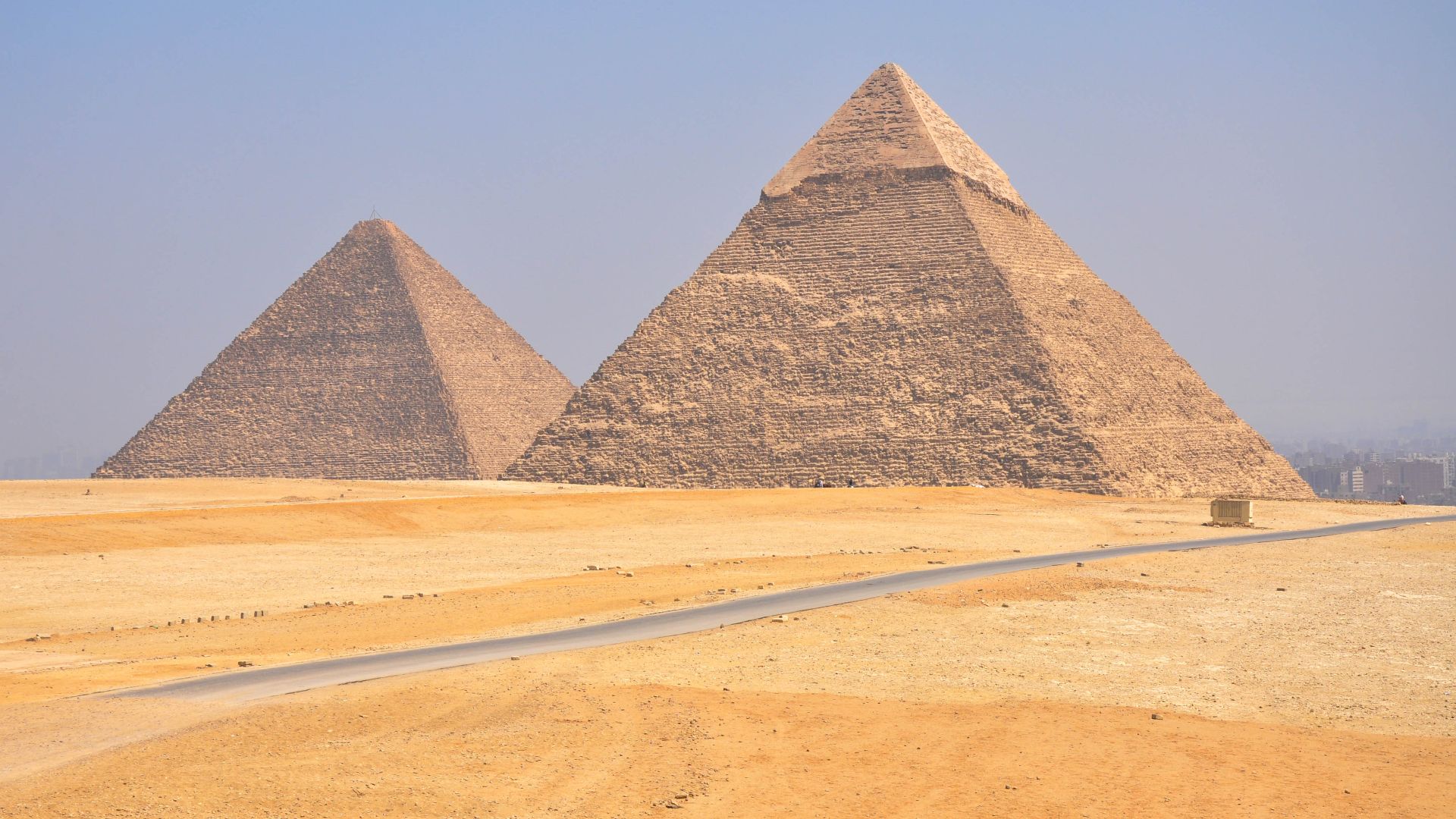 Jorge Láscar from Melbourne, Australia, Wikimedia Commons
Keeping An Open But Critical Mind
The sensational idea of a much older Great Pyramid takes us soaring skyward on the wings of imagination, but scholars urge us to stay grounded in careful evaluation. The hypothesis is intriguing but far from conclusive. For travelers and history enthusiasts alike, the debate just goes to show that people will never give up the quest to learn more about our ancient origins.
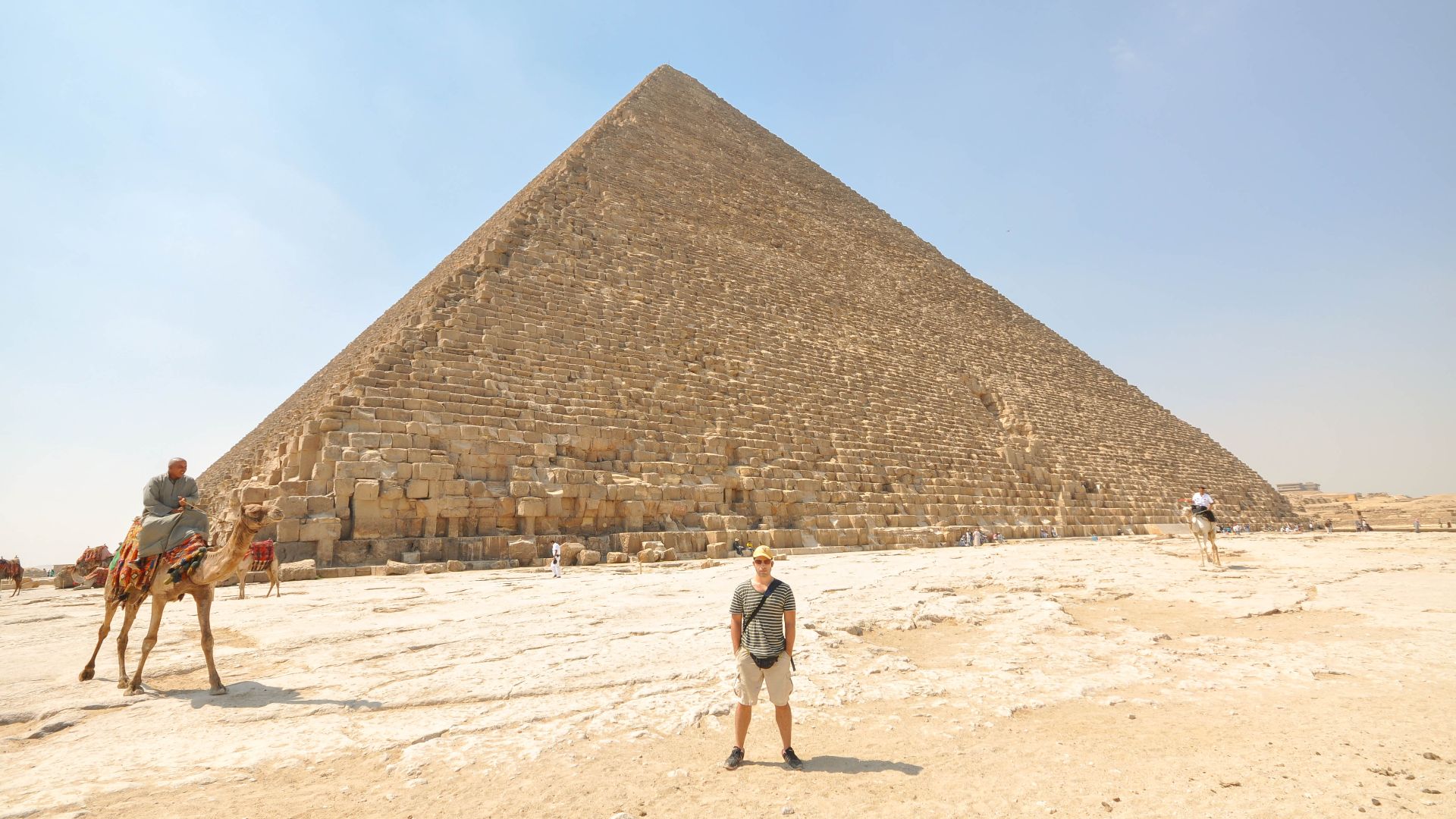 Jorge Láscar from Melbourne, Australia, Wikimedia Commons
You May Also Like:
Archaeologists in Egypt discovered an ancient mummification workshop.
There's Way More To Egypt Than The Great Pyramids: The Explosion Of Egyptian Tourism





,_Giza,_GG,_EGY_(40936203693).jpg)