A Pyramid Reconsidered
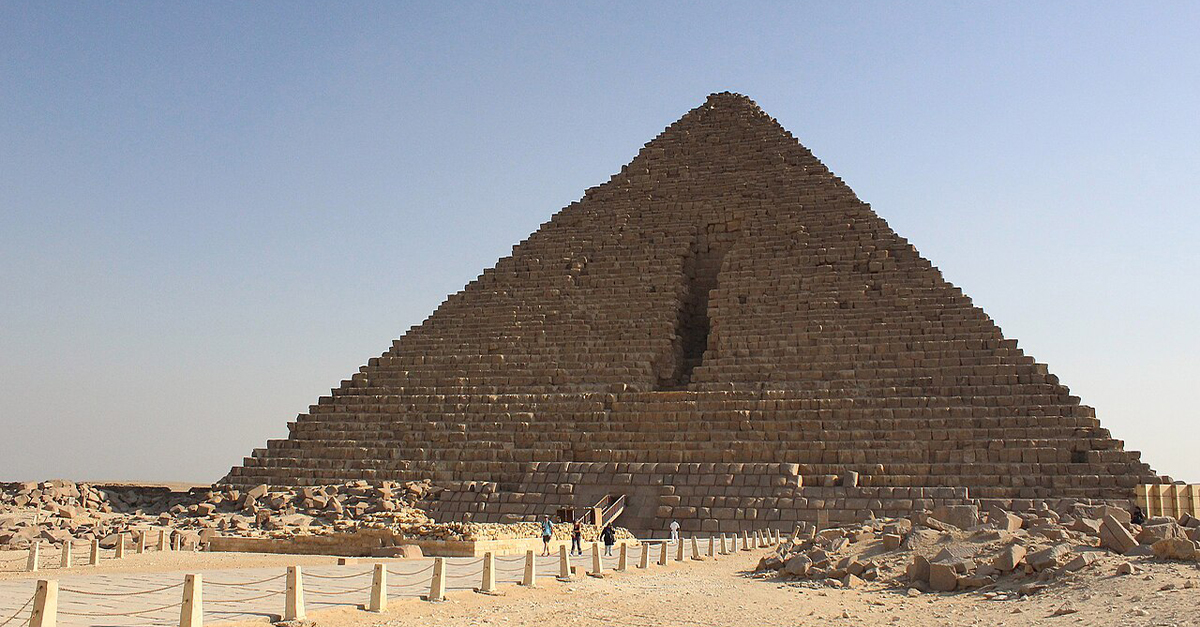
Recent high-tech scans inside the Pyramid of Menkaure at Giza have revealed the shocking presence of unexpected voids and air-filled spaces, This raises the possibility of a previously unknown internal passage. The discovery suggests that the smallest of Giza’s three great pyramids may still guard architectural secrets jealously within its walls, challenging our complacent assumptions about its internal layout and original design.
The Menkaure Pyramid At Giza
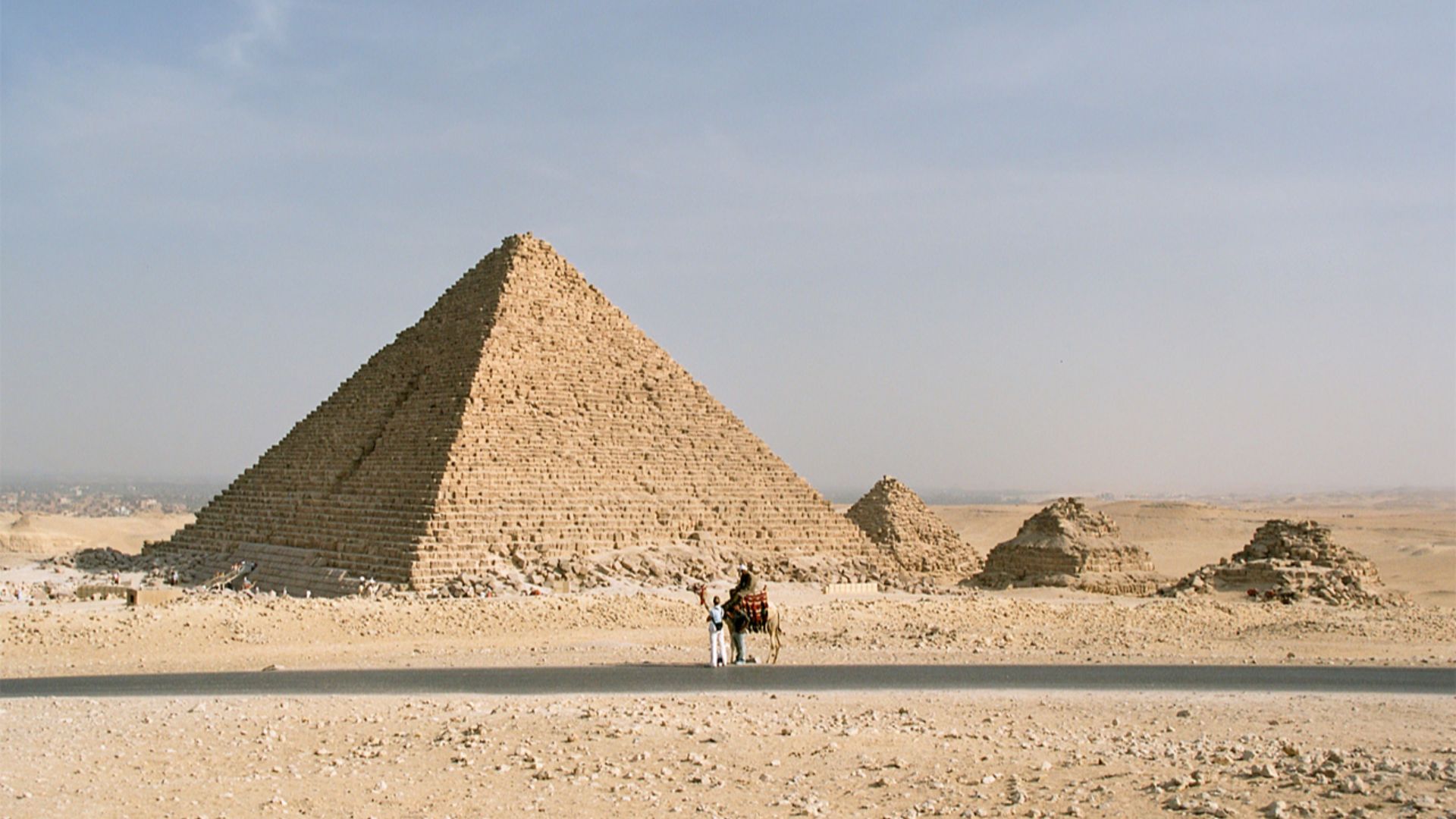
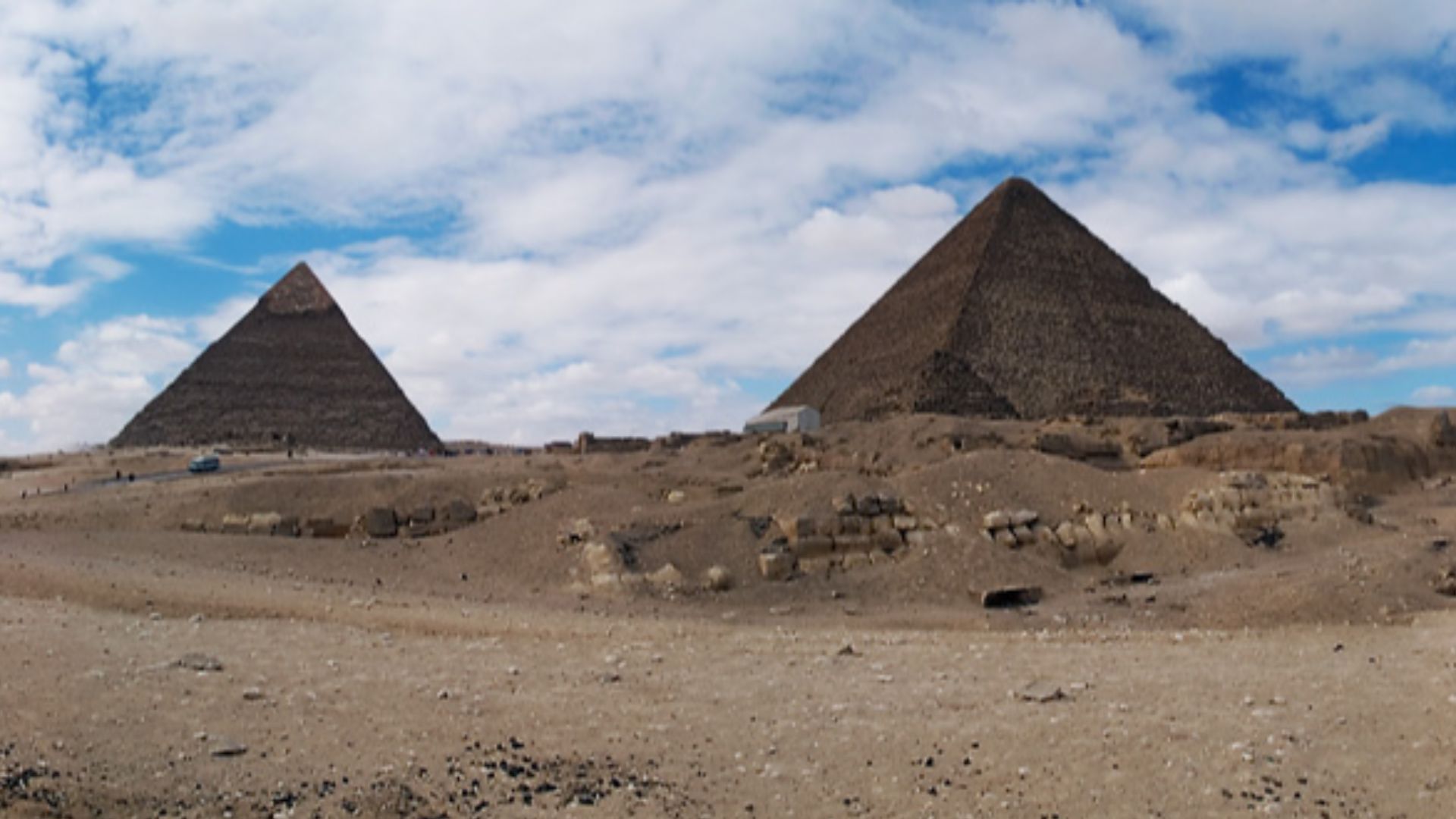
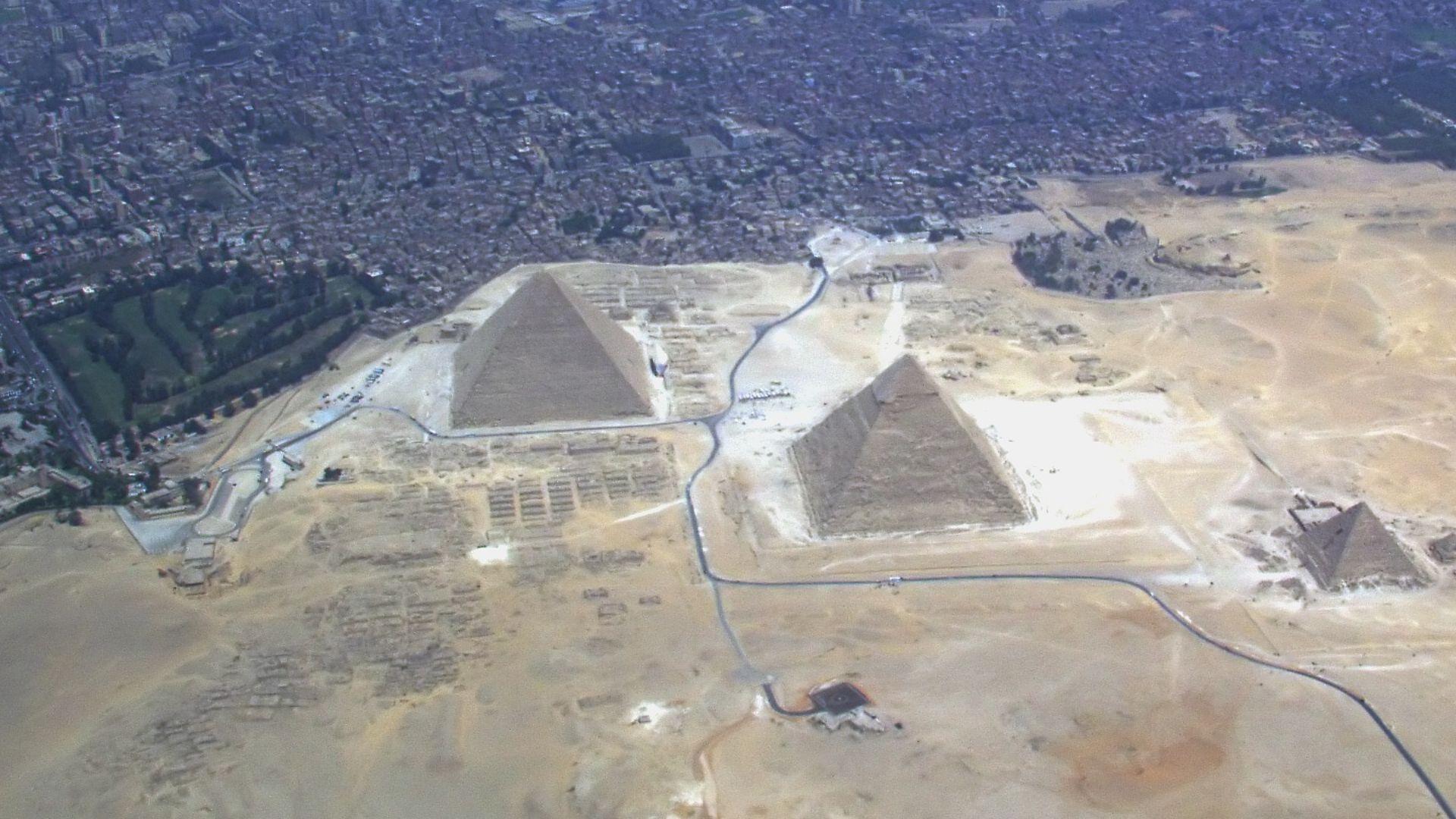
Built around 2500 BC for Pharaoh Menkaure, the Pyramid of Menkaure is the smallest and least explored of the three spectacular main pyramids of Giza. While its external form has been pored over incessantly, its internal structure has long been assumed to be relatively simple compared to that of the Great Pyramid. That’s what makes these new discoveries so mystifying.
Why Menkaure Was Overlooked
Unlike its imposing neighbors, Menkaure’s pyramid contains fewer known chambers and passageways for people to wander around in. Earlier researchers believed its internal plan was completed in haste or simplified late in construction. It was if the builders suddenly decided to wrap everything up as soon as they could. This left parts of Menkaure’s interior comparatively understudied until recent advances in non-destructive scanning technology.
 Robster1983 at English Wikipedia, Wikimedia Commons
High-Tech Tools For An Ancient Monument
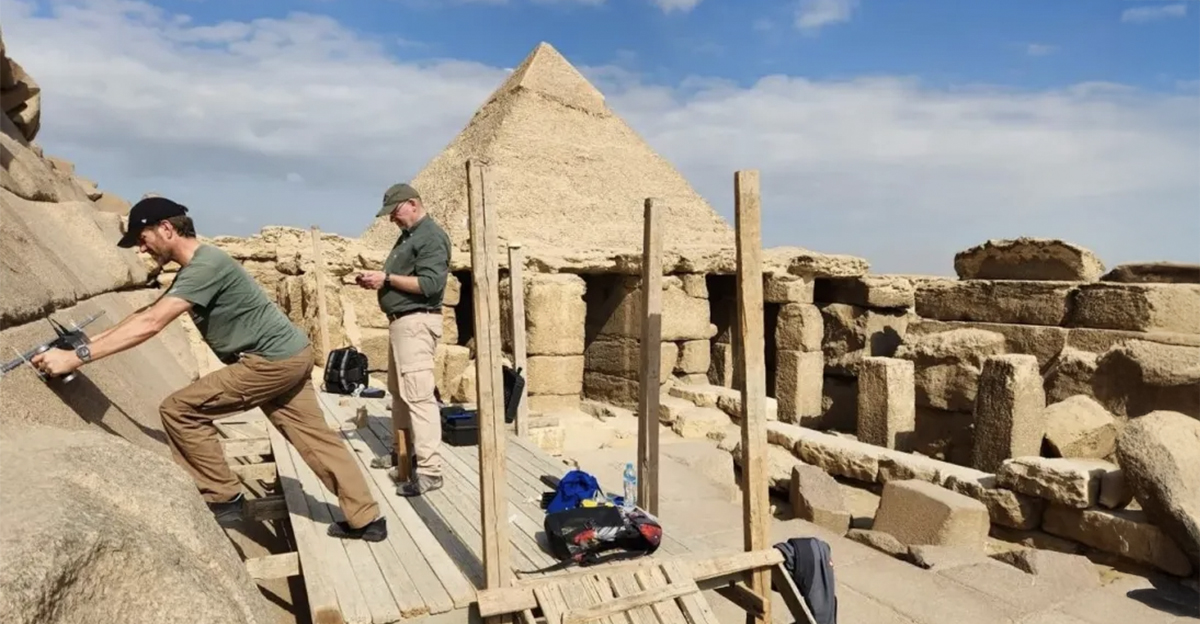
The new discoveries were made using a combination of muon radiography, ground-penetrating radar, and microgravimetric measurements. These tools allow scientists to image or “see” density changes inside the massive stone structures without having to drill into it. The imagery offers us a detailed internal map while not damaging the integrity of the pyramid’s fabric.
 Sebastien Procureur, Wikimedia Commons
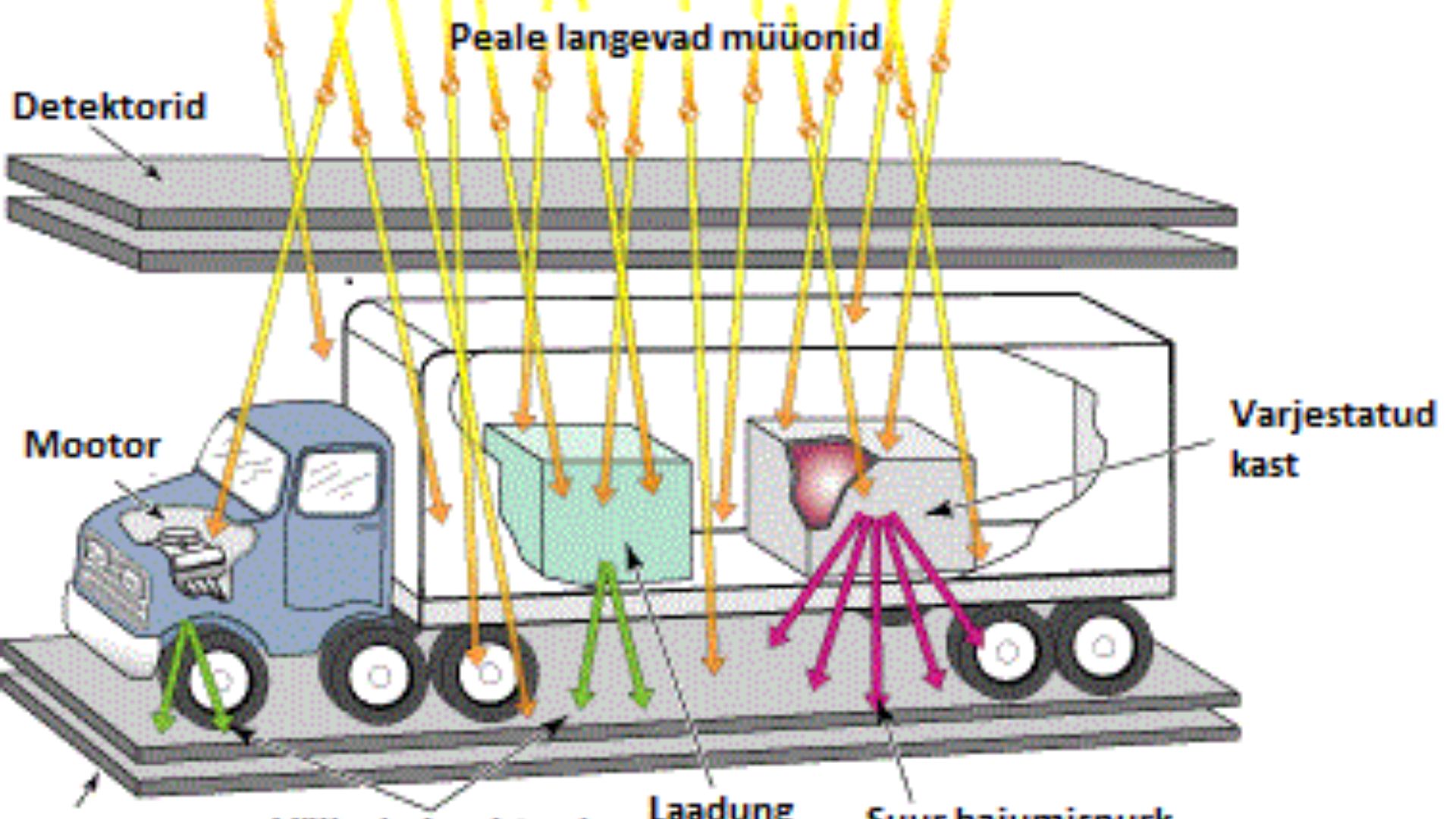
Muon Scanning
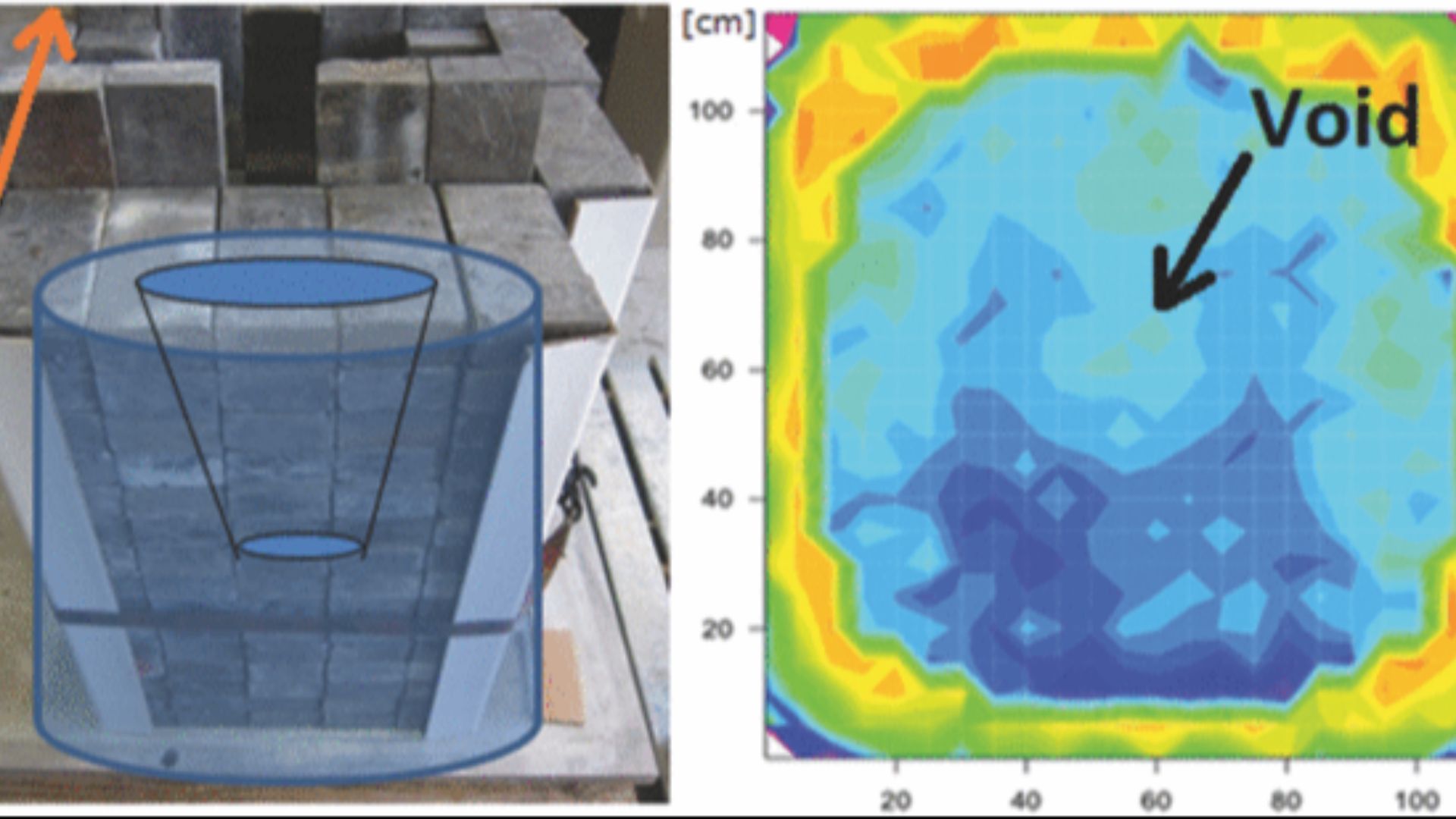
Muon radiography detects cosmic particles that pass through stone at varying rates depending on the stone’s density. By measuring how many muons reach detectors placed in a pattern inside or around the pyramid, researchers can pinpoint voids or anomalies, revealing empty spaces completely invisible to conventional archaeological methods.
 Los Alamos National Labs, Wikimedia Commons
Detecting Air-Filled Voids
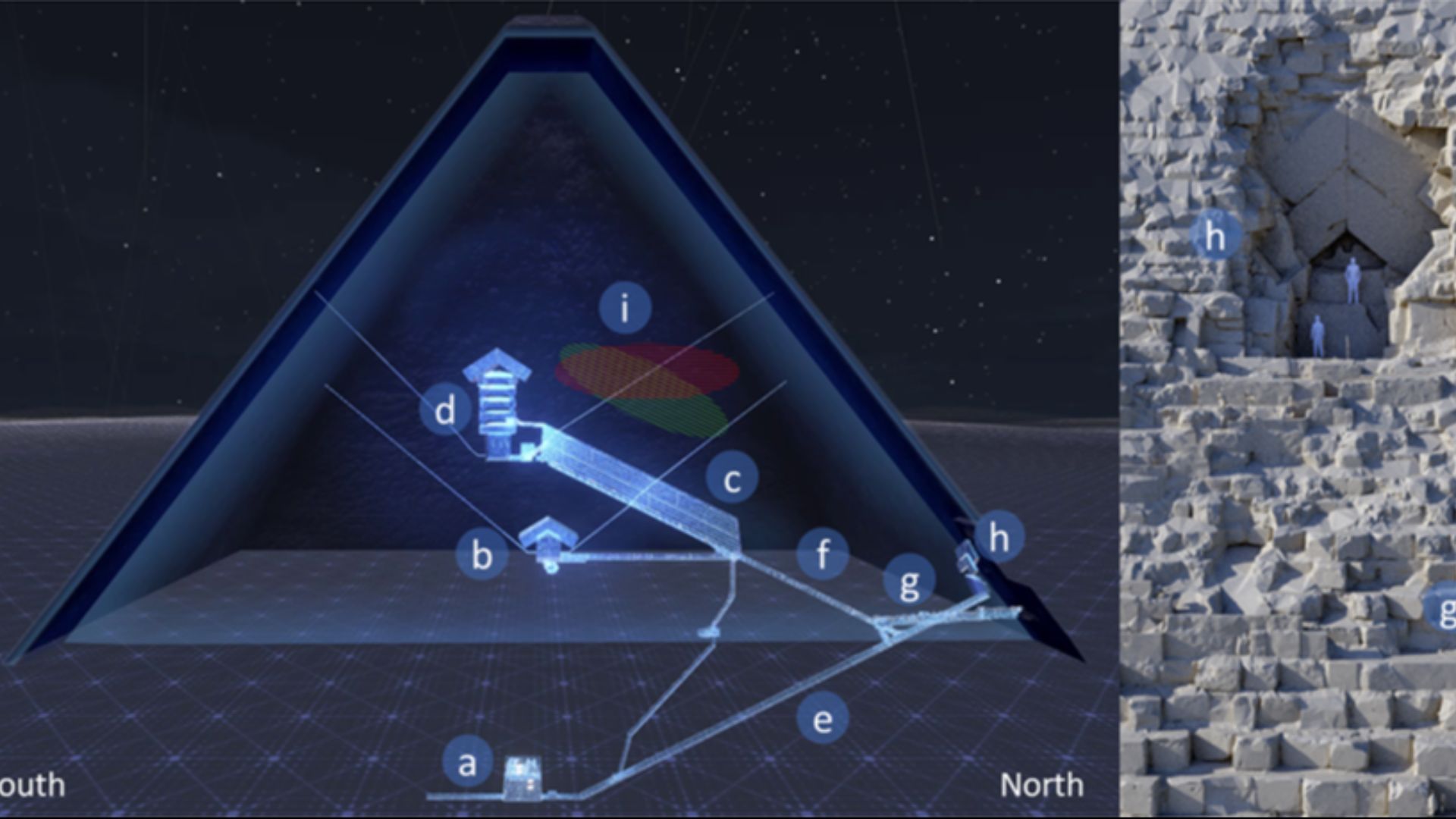
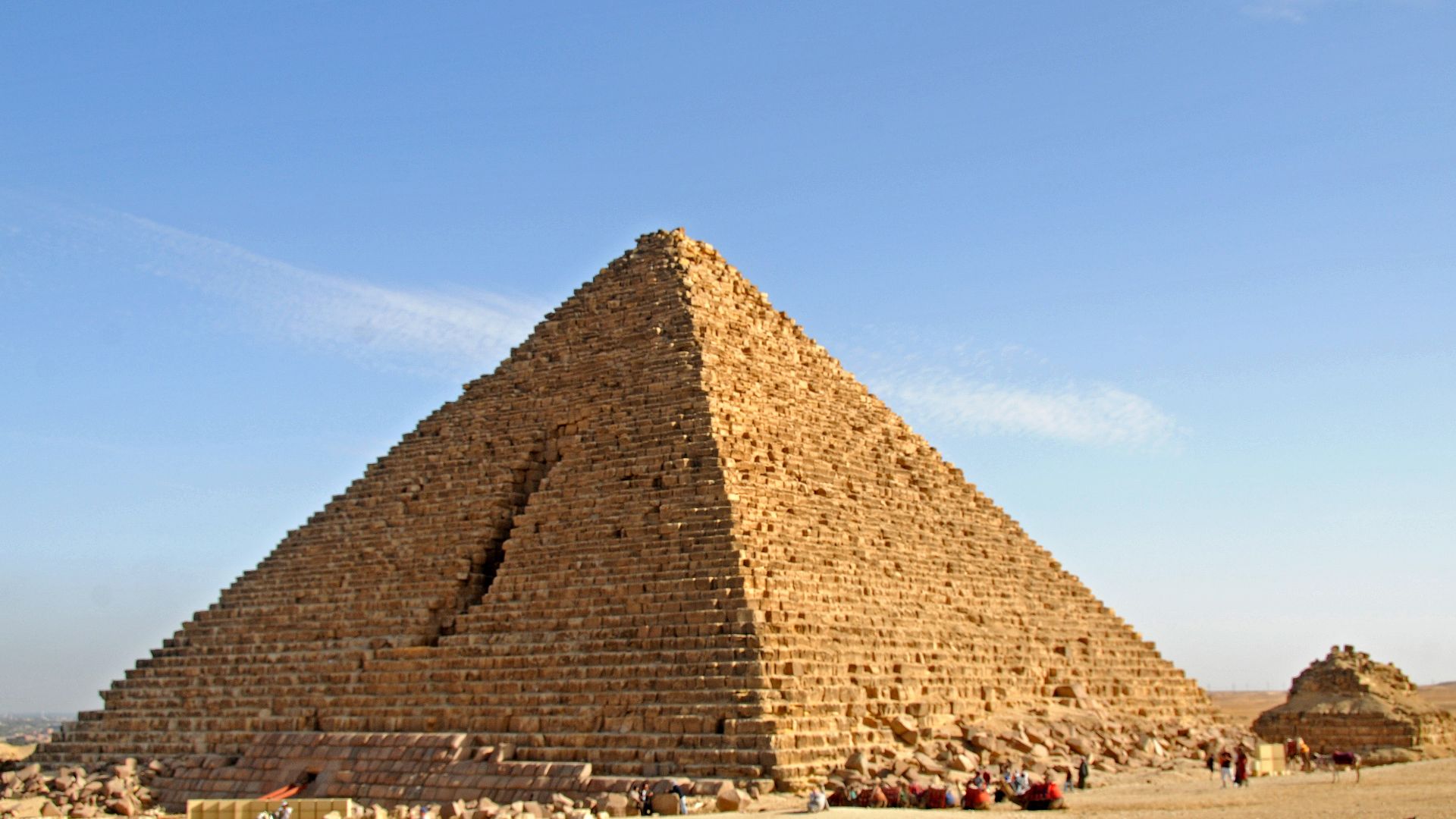
Data from recent scans revealed several air-filled cavities deep within the bowels of Menkaure’s pyramid. These voids don’t line up neatly with known chambers or corridors, which suggests that they were either deliberately and cleverly concealed or are remnants of an unfinished or altered construction plan never before documented by even the most diligent Egyptologists.
 David Broad, Wikimedia Commons
Possible Hidden Passage
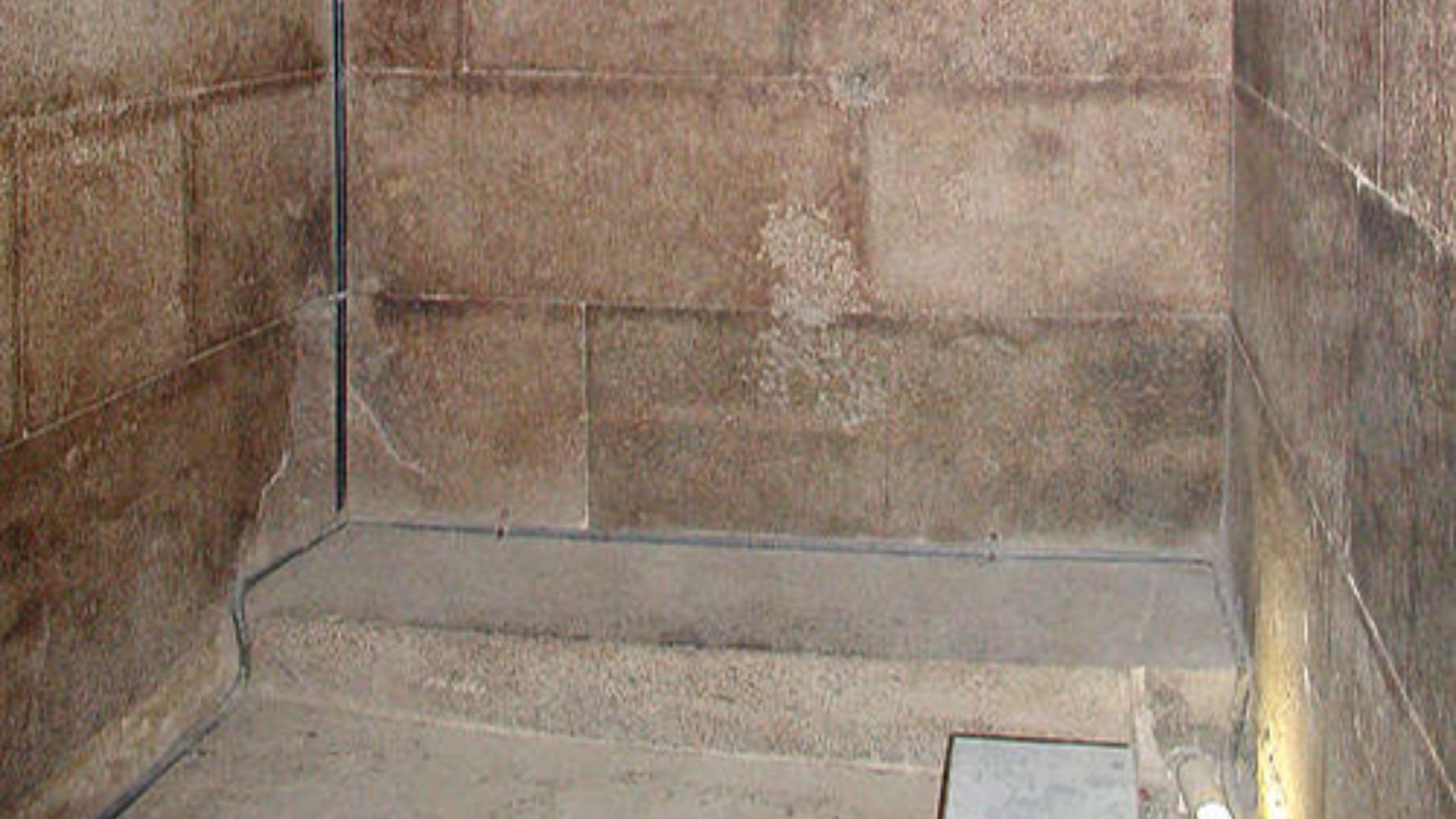
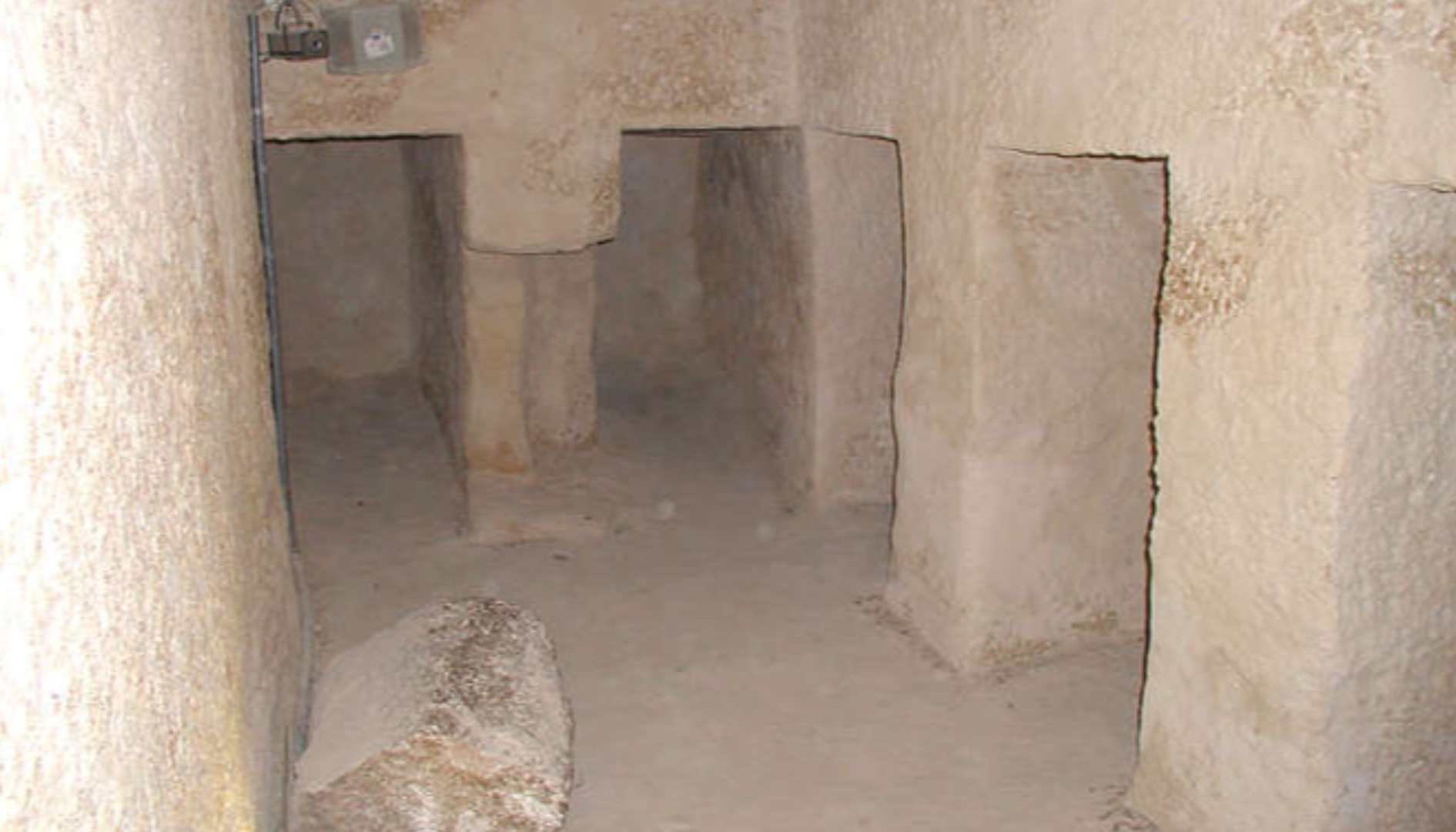
One of the most fascinating voids appears elongated and corridor-like, prompting speculation that it may represent a hidden passage. If this proposition is confirmed, it would suggest that Menkaure’s pyramid once featured an alternate route, possibly designed for ritual use, security, or a burial process that didn’t necessarily follow the standard Old Kingdom norms that were in vogue four-and-a-half millennia ago.
 Jon Bodsworth, Wikimedia Commons
Known Passages Vs New Anomalies
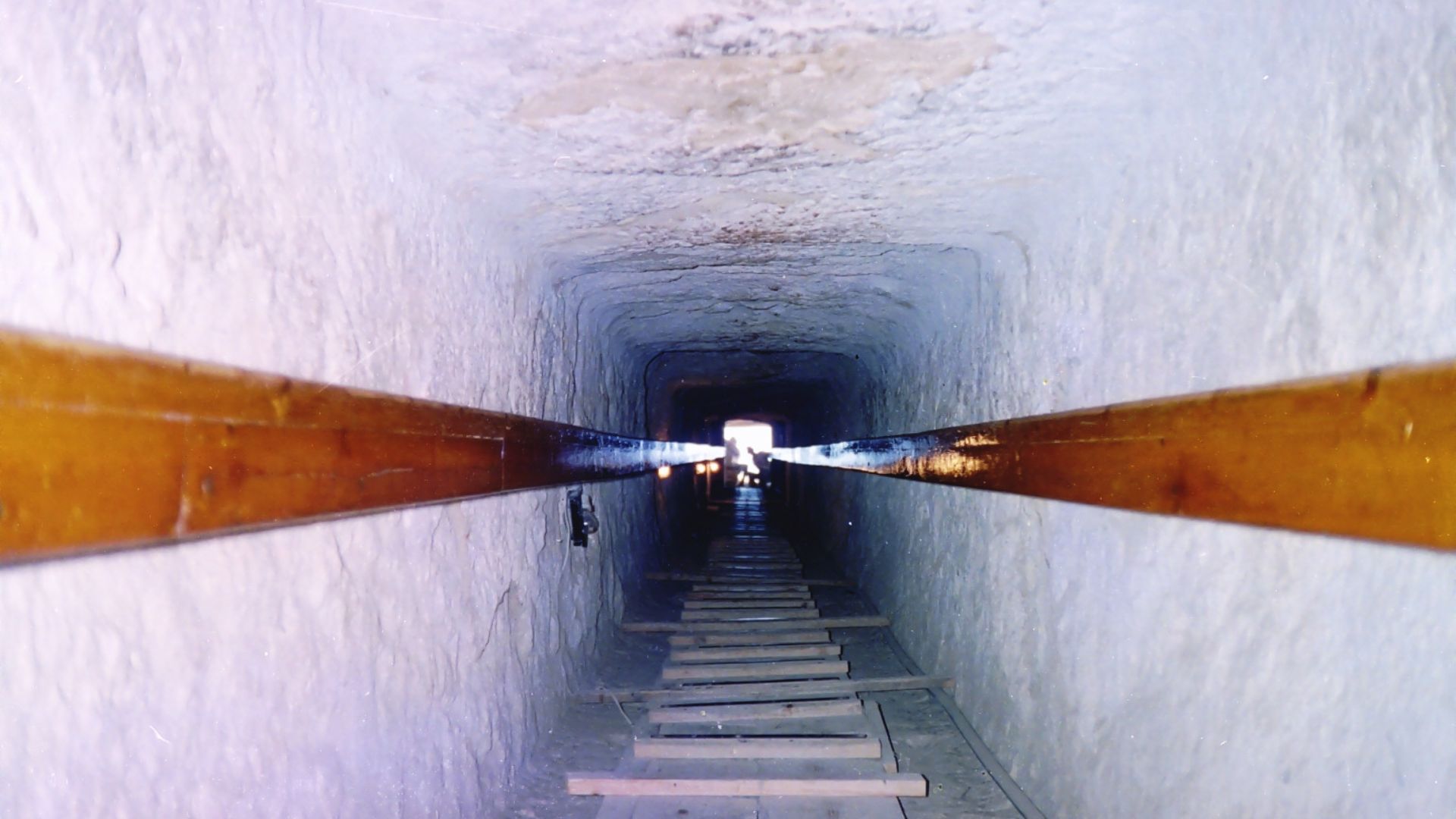
The pyramid’s known entrance and descending passage are well documented and have been studied to death already. The newly detected anomalies, however, are located outside expected structural zones, implying intentional design and not accidental gaps. Their placement raises disquieting questions about the possibility that additional access points were concealed during or after construction.
 CT Snow from Hsinchu, Taiwan, Wikimedia Commons
Construction Features As Clues
Architectural features within Menkaure’s pyramid are subtle hints that support the scan results. Variations in masonry, unusual blocking stones, and changes in corridor alignment may be nothing more than the result of abandoned plans or sealed pathways, which suggests the pyramid’s design may have evolved over time rather than following a single fixed blueprint.
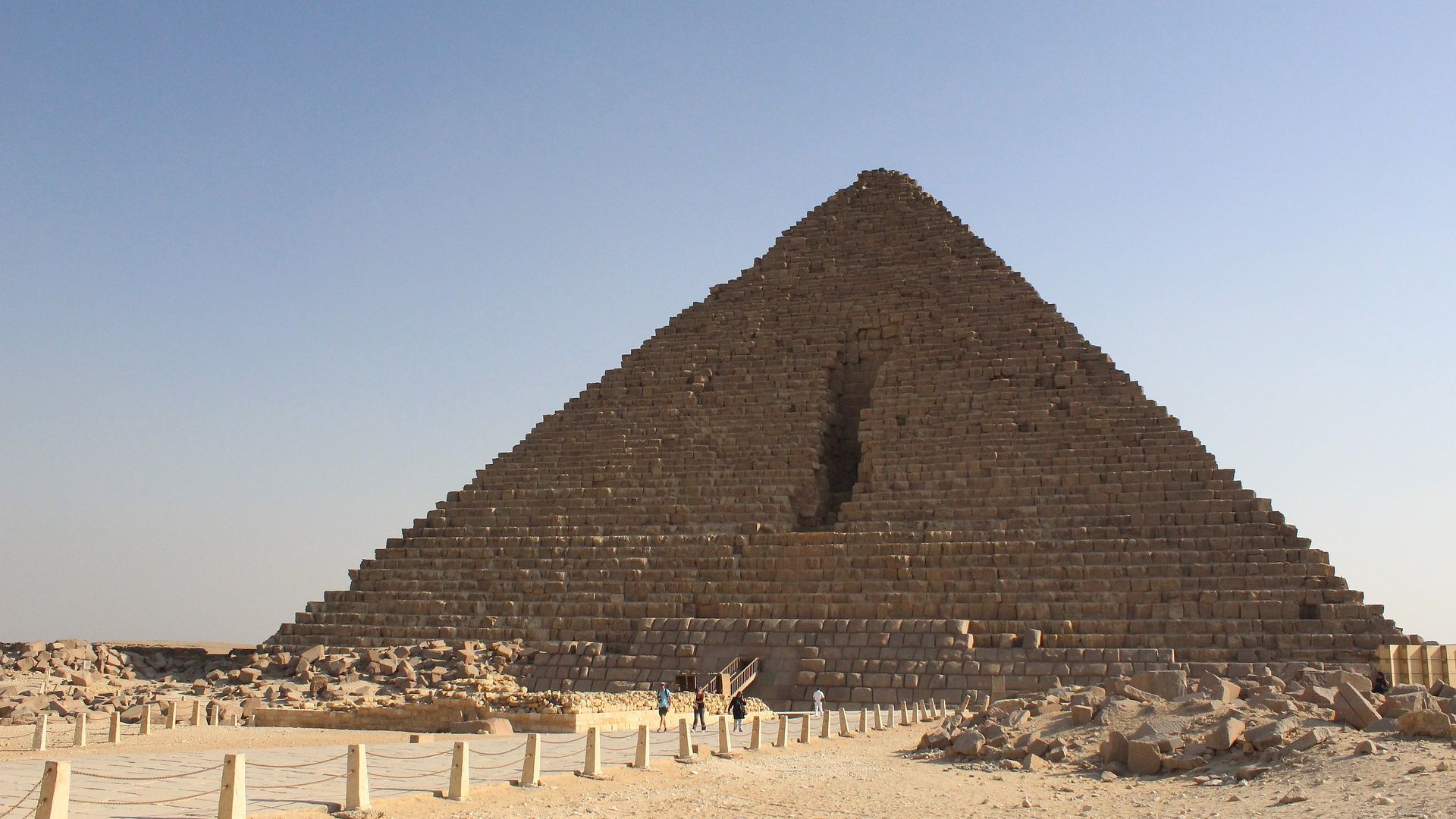 Vincent Brown, Wikimedia Commons
Menkaure Vs Other Pyramids
Egyptologists are at great pains to point out the parallels between these findings and earlier discoveries in Khufu’s Great Pyramid, where hidden voids fly in the face of long-standing assumptions. The Menkaure results are a reinforcement of the concept that Old Kingdom pyramid design was a lot more experimental and architecturally challenging than we can possibly comprehend.
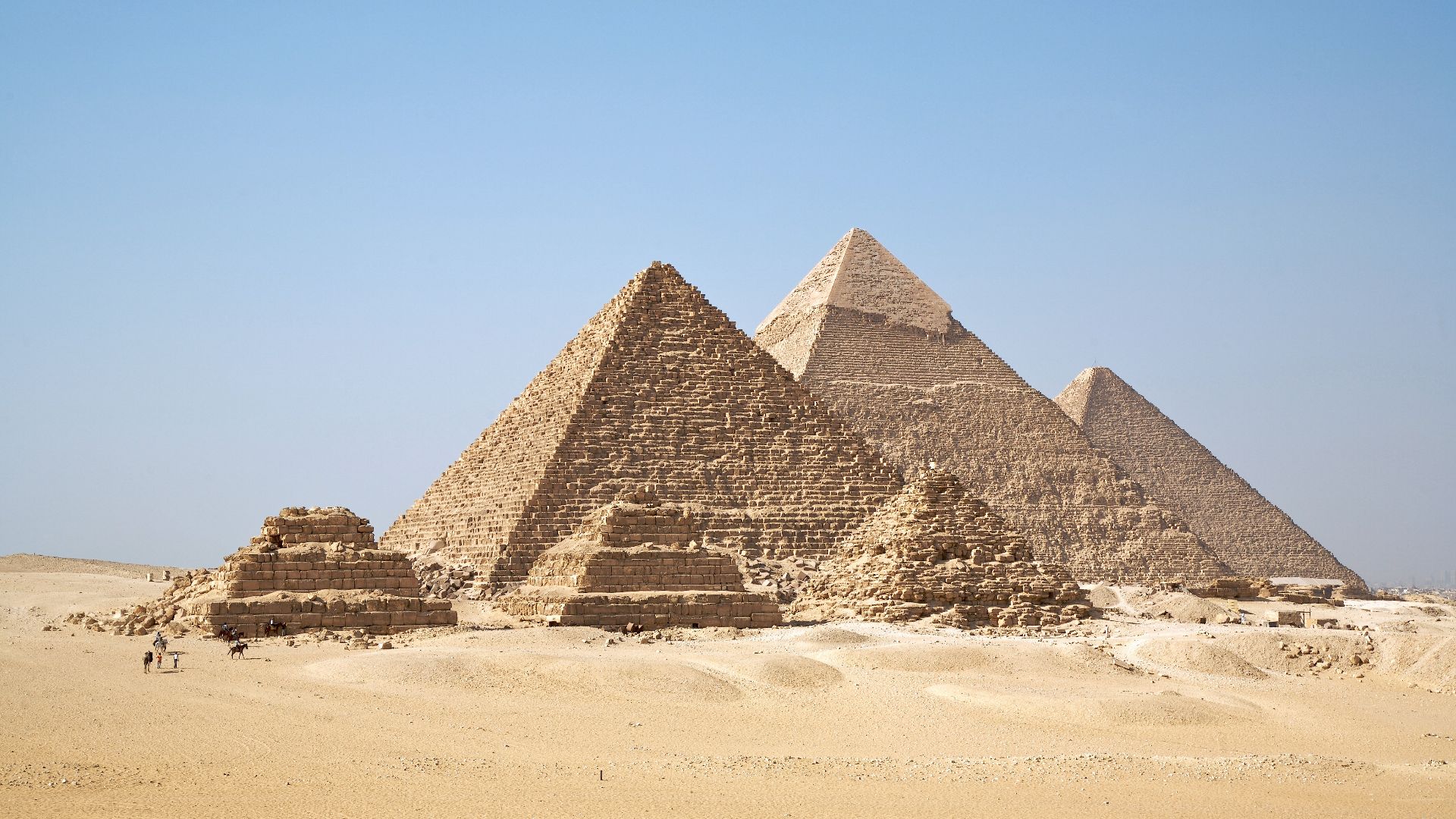 Ricardo Liberato, Wikimedia Commons
Engineering Decisions And Structural Logic
Ancient Egyptian builders had to constantly balance symbolic design, engineering stability, and ritual purpose. Hidden voids may have been a way to reduce the monument’s internal stress, redirect construction loads, or accommodate ceremonial spaces. Understanding why these cavities exist could bring some kind of clue as to how engineers optimized pyramid construction through their own hard-won experience of what worked and what didn’t.
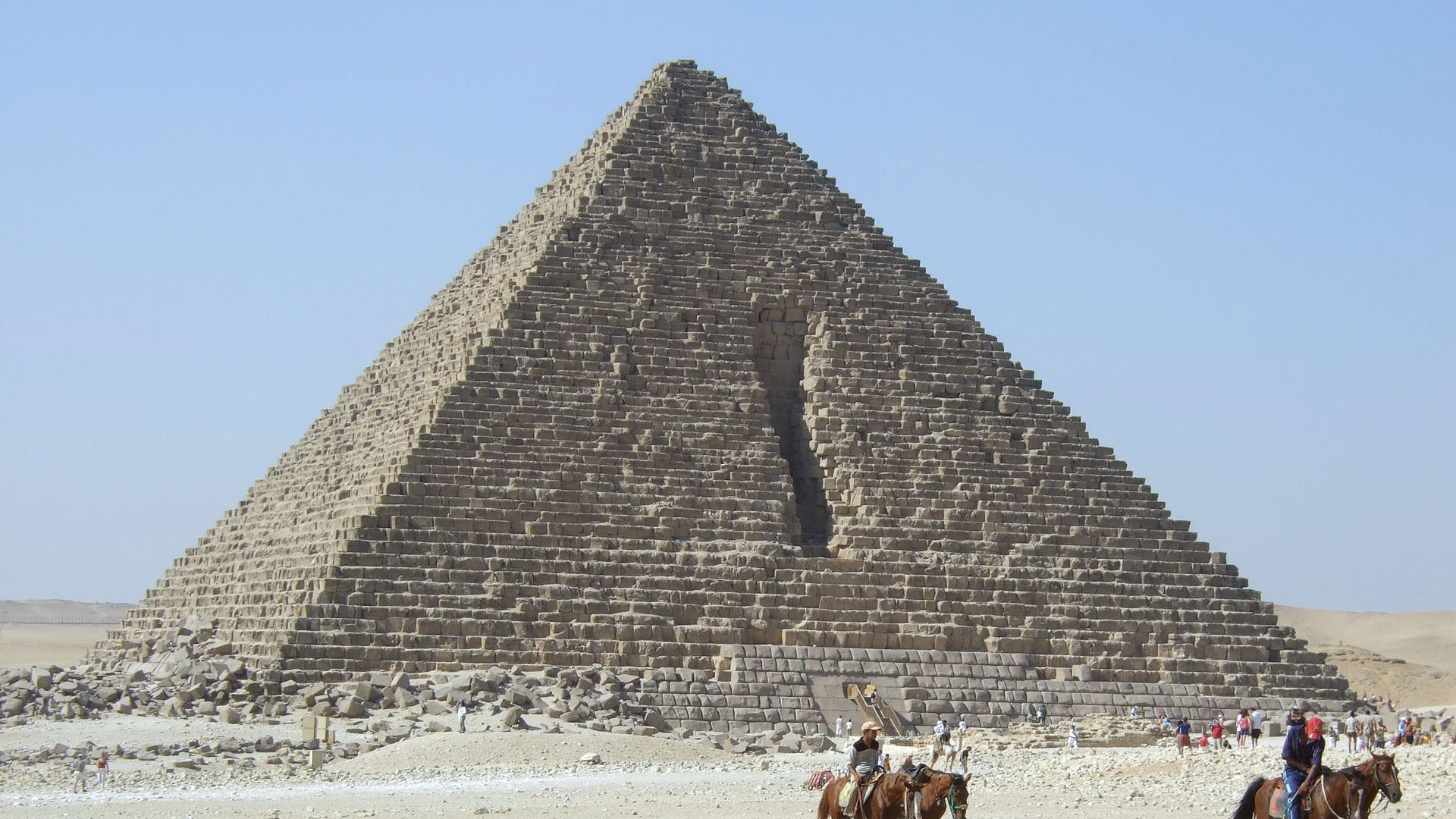
Alternate Entrance?
If the elongated void does prove to be a passageway, it could indicate that a secondary entrance once existed. Such an entrance could have been sealed intentionally to thwart grave robbers or to preserve ritual secrecy, changing once and for all how archaeologists interpret the pyramid’s final stage of use.
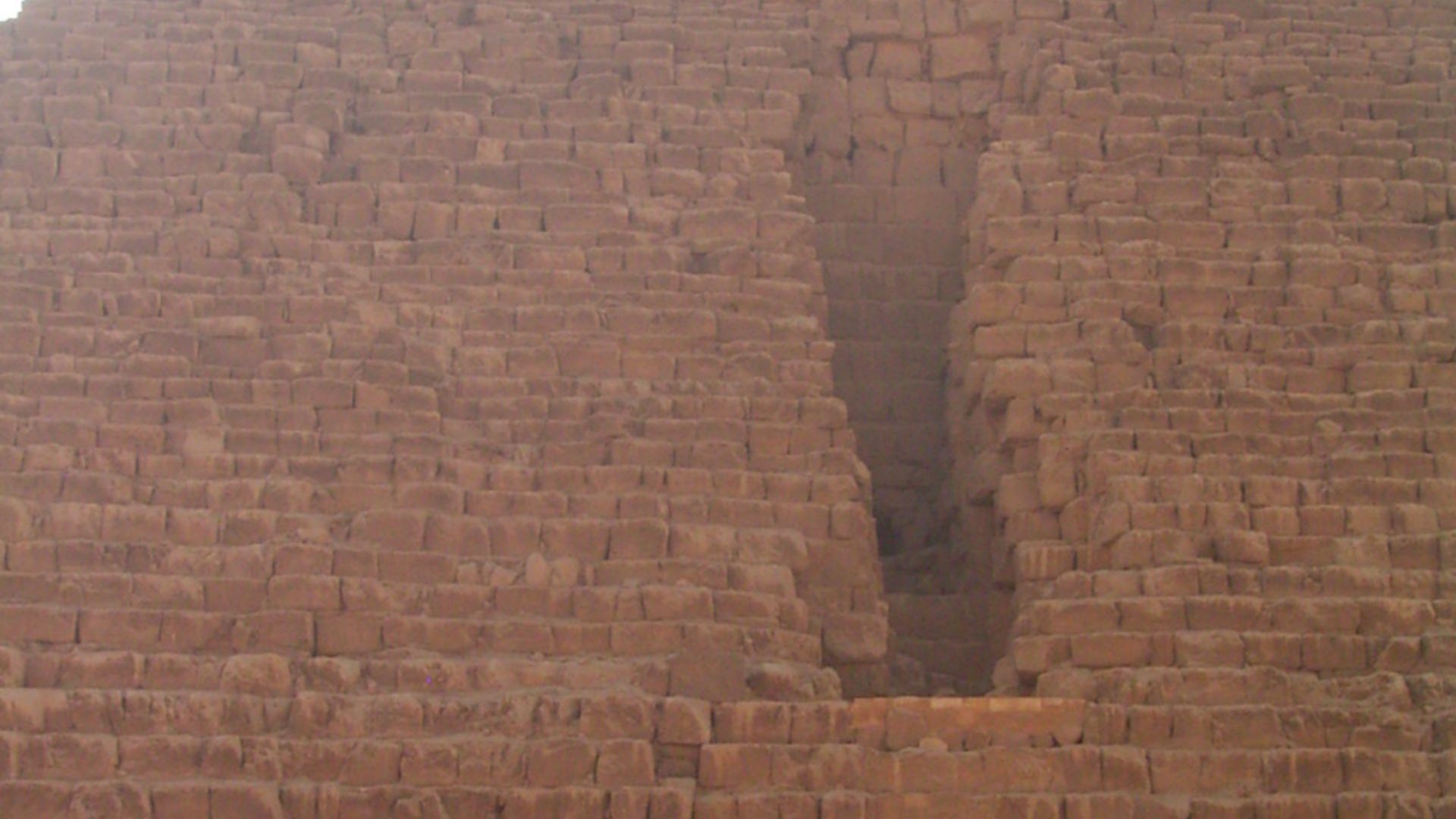 Marc Lacoste, Wikimedia Commons
Implications For Burial Practices
An alternate internal route could indicate a more elaborate funerary ritual for Menkaure, one which would involve multiple processional paths or symbolic journeys within the pyramid's looming bulk. This possibility challenges the traditional view that Old Kingdom pyramids followed a rigid and standardized burial layout.
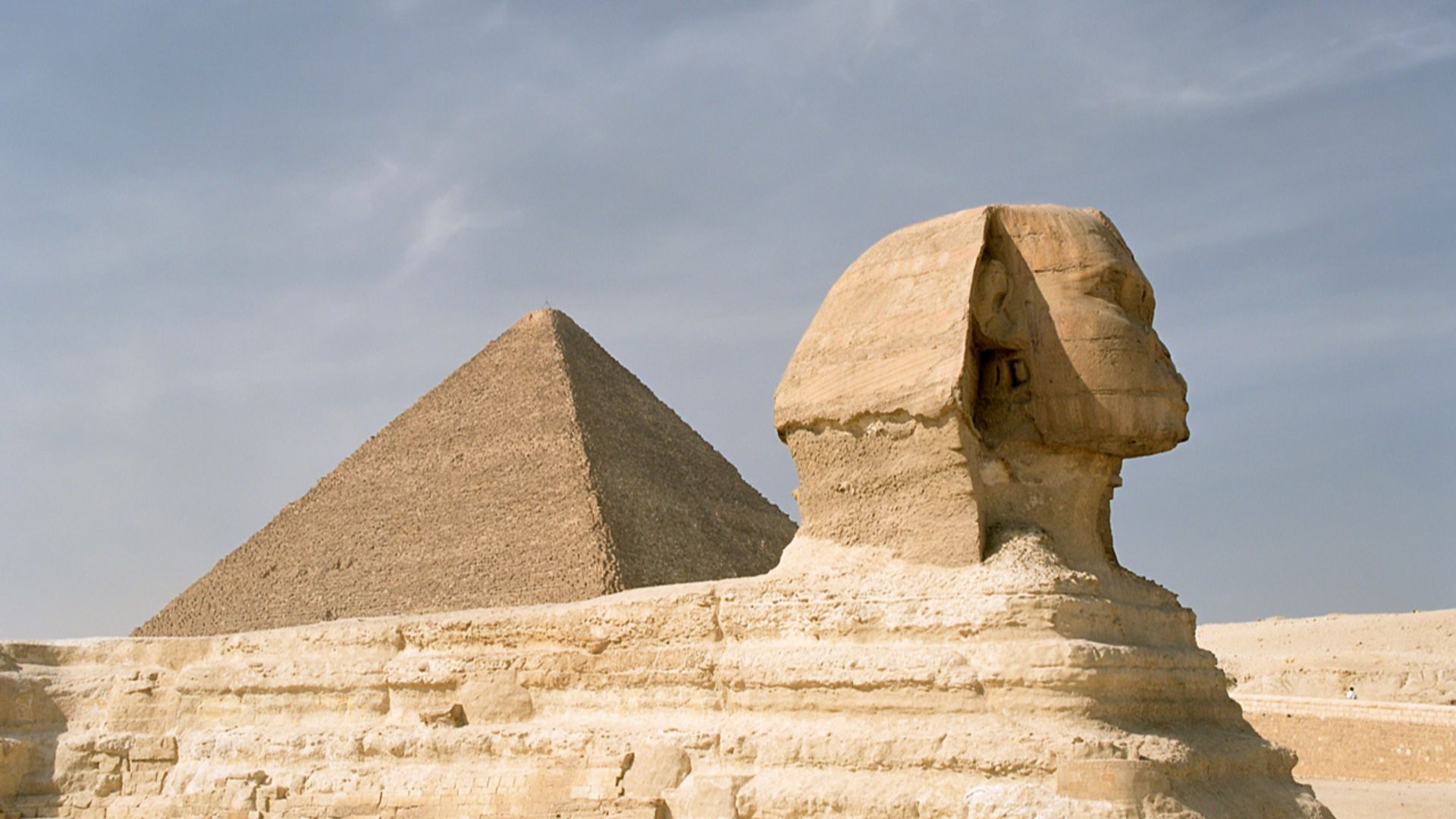
Preservation Vs Excavation
Researchers are quick to point out that no physical excavation has gone on inside the pyramid. The findings are only the result of the remote sensing probe, reflecting a growing trend in archaeology that puts preservation as the first priority while still allowing detailed investigation of fragile ancient structures.
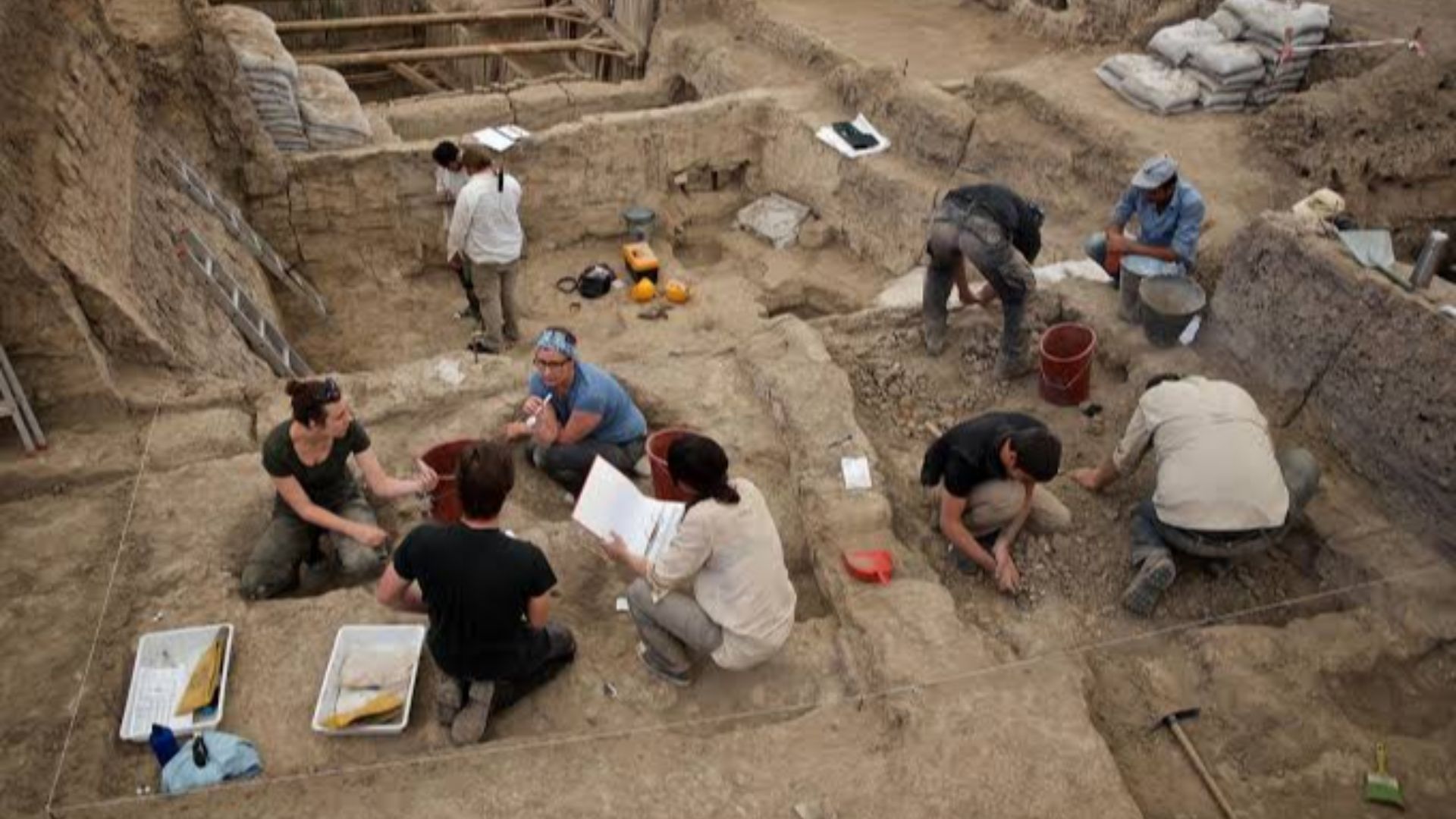
Incomplete Construction
Some scholars grumble that the voids merely reflect abandoned construction phases and not purpose-built intentional chambers. Historical records also allude to alterations to Menkaure’s pyramid done after the mighty pharaoh’s demise, leaving behind structural features that were never properly incorporated into the final design.
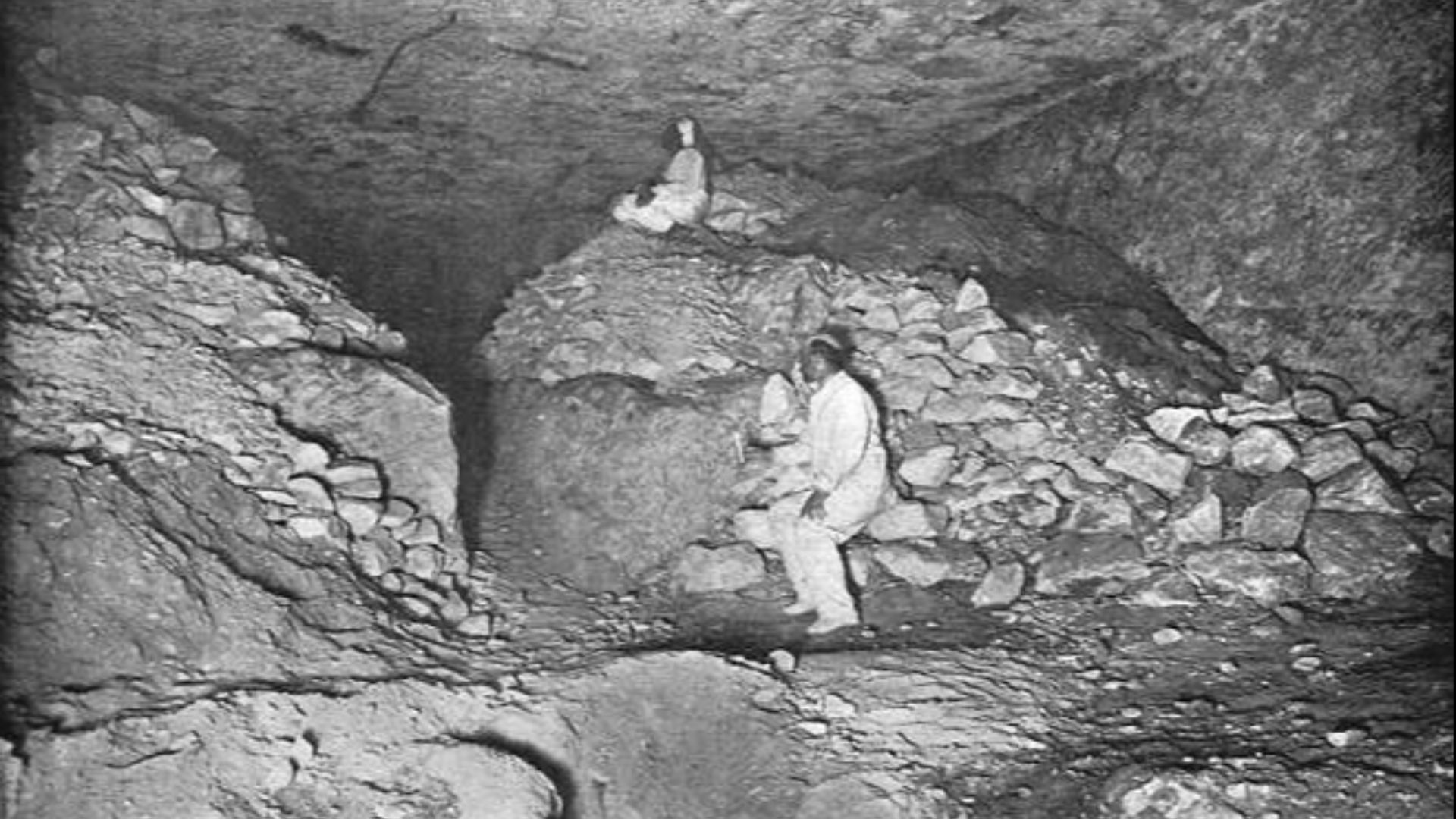 john and edgar morton, Wikimedia Commons
Debate And Caution
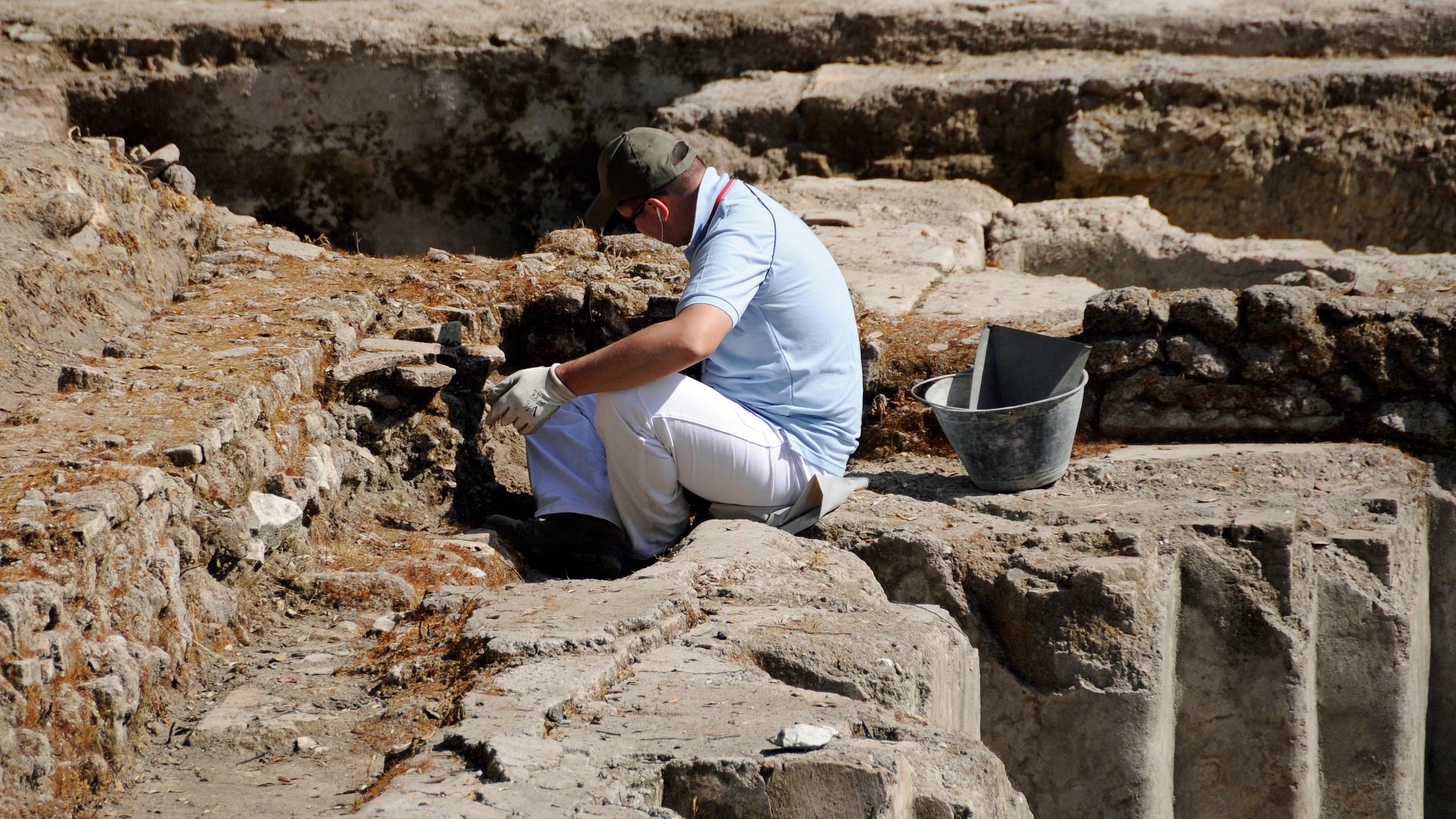
While all this data is compelling, researchers still say that we should exercise caution: let’s not get carried away with the meaning of the void, as it isn’t necessarily a human-made passage. It’s important to do further scans, modeling, and peer review before jumping to conclusions about the void’s function, accessibility, or cultural meaning.
 Son of Groucho from Scotland, Wikimedia Commons
What Happens Next
Future research has the goal of refining the scan resolution and correlating data across multiple technologies. By combining muon imaging with architectural analysis, scientists hope they can see whether the voids connect to known spaces or have some structural importance.
 Haruo Miyadera, Wikimedia Commons
Pyramid Simplicity: A Rethink
The Menkaure discoveries are part of a sweeping reassessment of pyramid interiors. What once appeared to be more or less architecturally straightforward may conceal layers of complexity, innovation, and adaptation that reflect dynamic and ingenious planning rather than tedious, back-breaking construction work.
 Jon Bodsworth, Wikimedia Commons
Better Comprehending Giza
If a hidden passage is confirmed by this work, it would underscore how much we still don’t know about the world’s most studied archaeological site. Giza continues to surprise researchers, and it goes to show that ancient monuments still have the power to totally shatter our modern historical understandings.
 Nomo michael hoefner / http://www.zwo5.de, Wikimedia Commons
Secrets Of An Ancient Marvel
More than four thousand years after its construction, the Pyramid of Menkaure is again the focus of global attention. Advanced technology is allowing archaeologists to root around in its hidden interior, all with the unsettling awareness that seemingly familiar wonders still hold profound and uncanny mysteries.
 Raimond Spekking, Wikimedia Commons
You May Also Like:
Archaeologists in Egypt discovered an ancient mummification workshop.