Business Travel

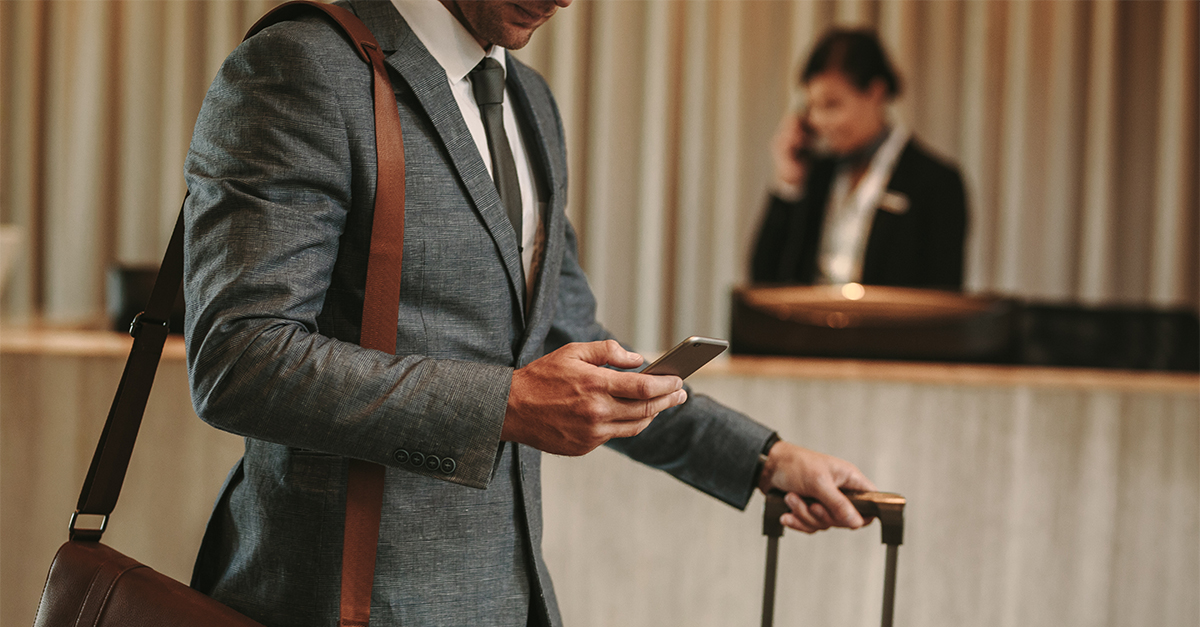
Business travelers with luggage interacting with a hotel employee in a modern lobby, discussing their stay and check-in process

Why Some Companies Are Trading Frequent Trips For Bigger Team Gatherings

For years, corporate travel was built around frequency. Employees flew out for client meetings, office visits, project check-ins, training sessions, and quick conversations that supposedly worked better face to face. That model has not disappeared, but a different pattern is becoming more visible. Some companies are questioning whether a steady stream of short trips delivers as much value as fewer, larger gatherings that bring multiple people and objectives together at once.
October 9, 2026 Samantha Henman
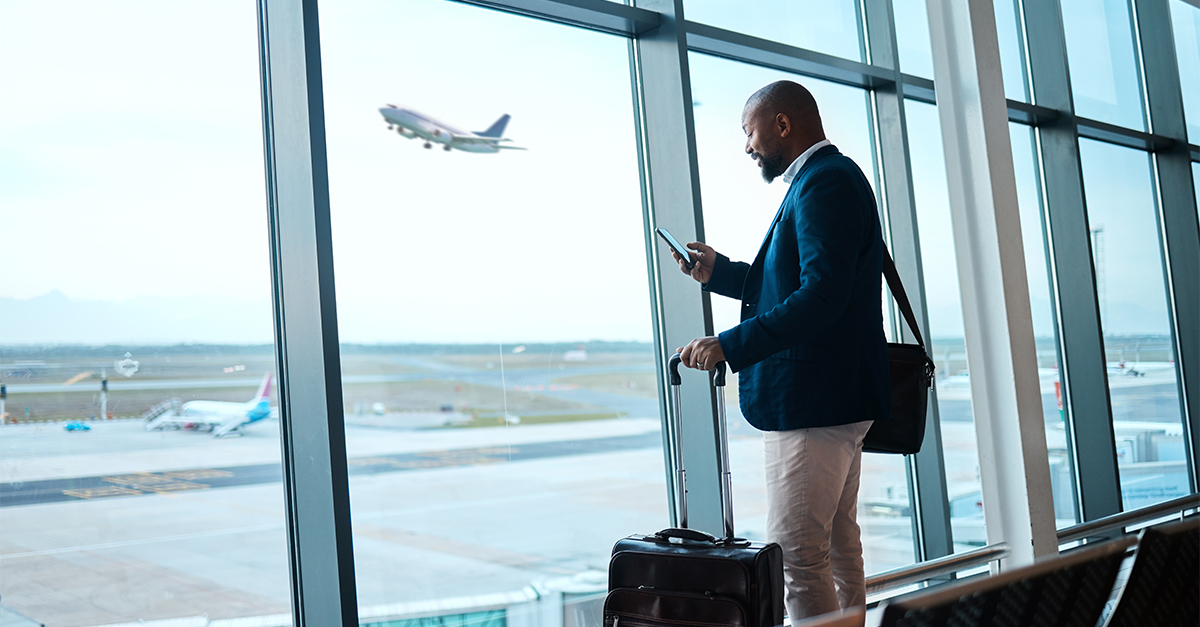
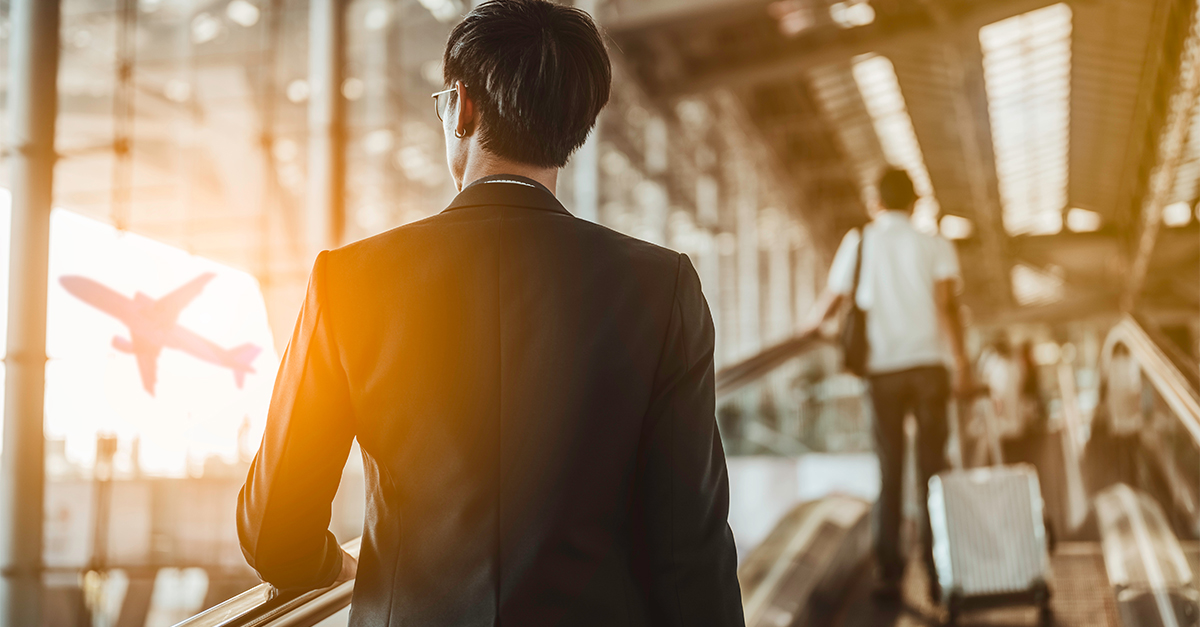
Black man with phone, airport window and plane taking off, checking flight schedule terminal for business trip. Technology, travel and businessman reading international travel restrictions app online

How Companies Are Balancing Business Travel With Climate Commitments

The return of business travel has created an awkward question for companies that spent the past several years making ambitious climate promises. Meeting customers, visiting factories, attending conferences, and bringing distributed teams together can still produce real business value. Flying employees around the world, however, also produces emissions that increasingly show up in corporate climate accounting.
October 8, 2026 J. Clarke
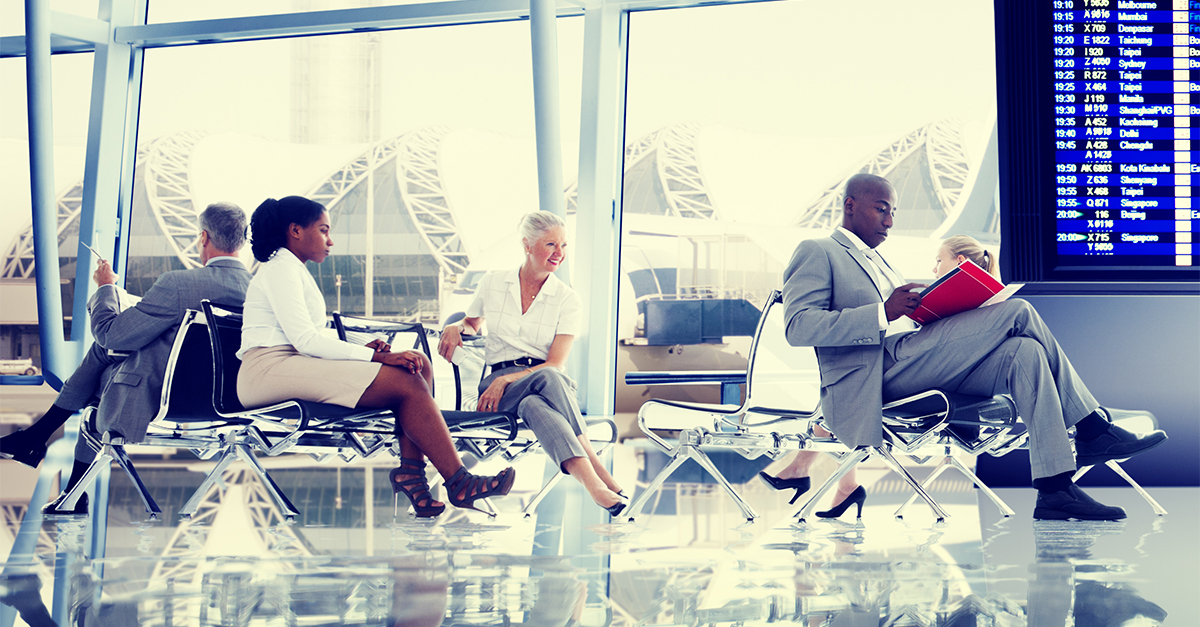
Business People Airport Terminal Travel Departure Concept

The New Corporate Travel Hierarchy: Who Still Gets To Fly?

Business travel is growing again, but that does not mean companies are simply putting everyone back on airplanes. Global Business Travel Association data forecasts worldwide business travel spending of $1.71 trillion in 2026, up 7.2% from 2025. Yet the number of trips is projected to rise by only 1.3%, from about 1.82 billion to 1.84 billion. Rising prices explain part of that gap, but GBTA also describes companies as increasingly selective about where, how and why employees travel.
October 7, 2026 Jack Hawkins
Passenger at international airport terminal for departure with airline transport face detection biometric identity using self service check

What Will The Business Trip Look Like In 2035?

Picture a business trip in 2035. You tell an AI assistant that you need to meet a client in Paris, and within seconds it has decided whether the meeting justifies the trip, checked your company’s travel policy, compared air and rail options, calculated the emissions, booked a compliant hotel, arranged local transportation, and blocked recovery time on your calendar. At the airport, a digital identity stored on your phone could handle much of the documentation that once required passports, boarding passes, and repeated identity checks.

October 2, 2026 Jamie Hayes
Engineer Planning Residential Solar Energy System for Cost Reduction, Renewable Energy Design, Solar Panel Blueprint, Energy Analysis, Sustainable Engineering,Power Solutions, Clean Energy Management

Carbon Budgets Could Become The Next Corporate Travel Budgets

For decades, corporate travel departments have managed one number above all others: money. Employees could fly to a conference, visit a client, or bring a remote team together as long as the trip fit the company’s financial rules and someone was willing to pay for it. Increasingly, companies are adding another number to the equation: the greenhouse gas emissions created by the journey.
October 1, 2026 J. Clarke
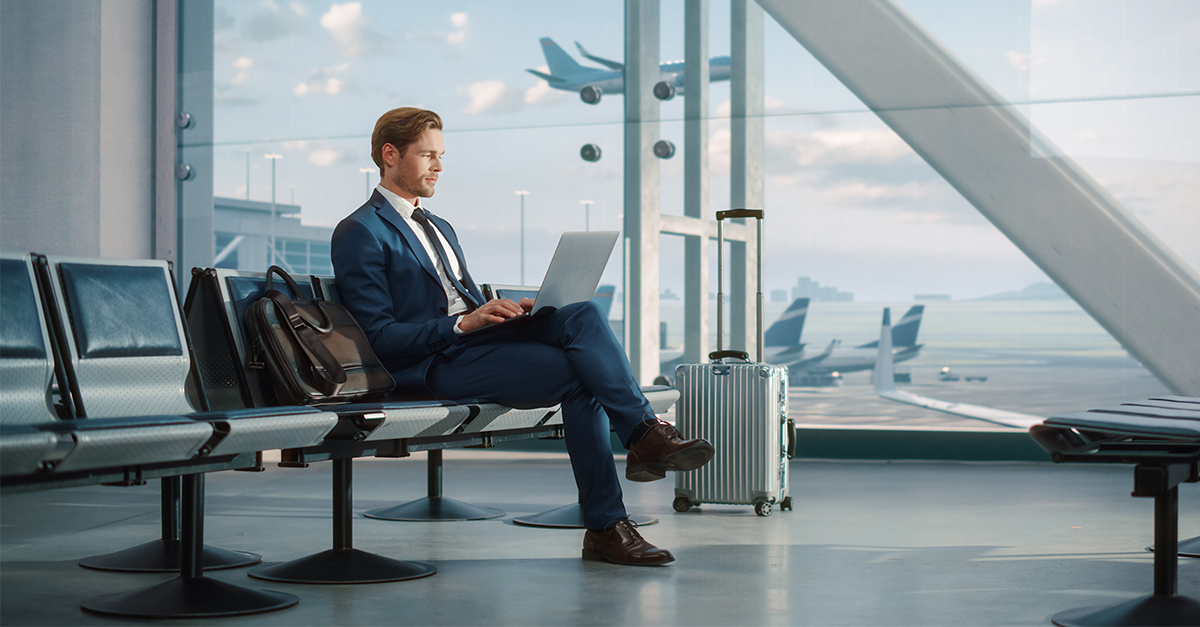
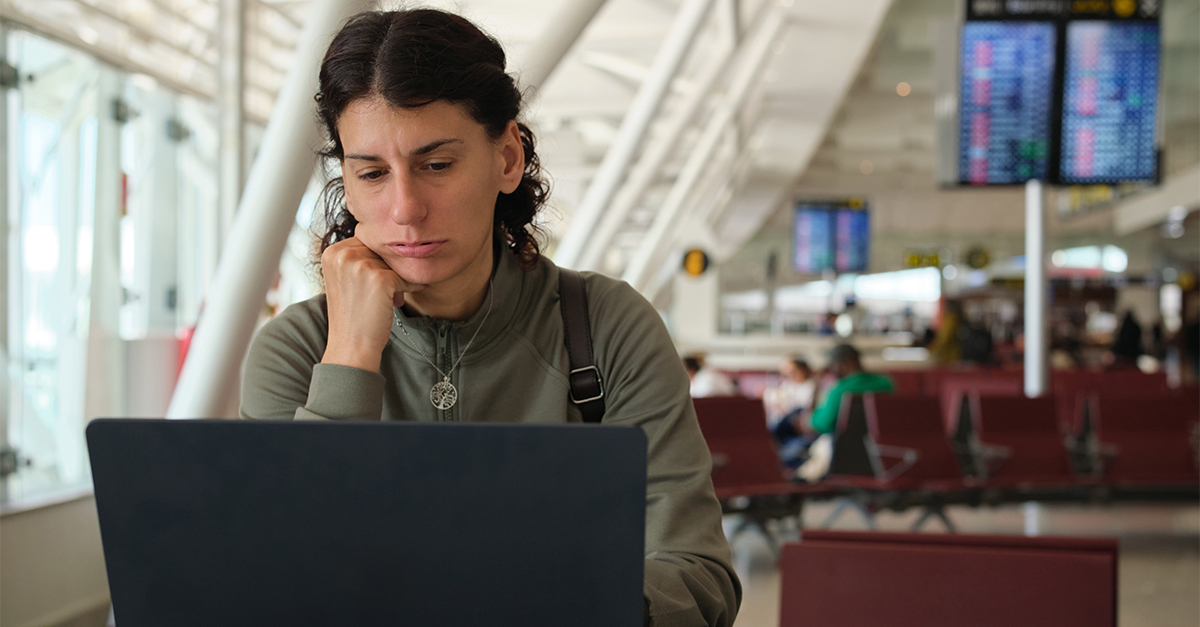
Modern Airport Terminal: Handsome Businessman Working on Laptop Computer While Waiting for His Flight. Man Sitting in a Boarding Lounge of Big Airline Hub with Airplanes Departing and Arriving

The Three-Day Business Trip Is Changing. Here’s What’s Replacing It.

For decades, the stereotypical business trip had a familiar rhythm. Fly out, spend a couple of nights in a hotel, squeeze meetings into a packed schedule, and get home before the end of the week. That model certainly has not disappeared, but the forces reshaping office life are also changing what companies expect from a trip.
September 29, 2026 Jack Hawkins
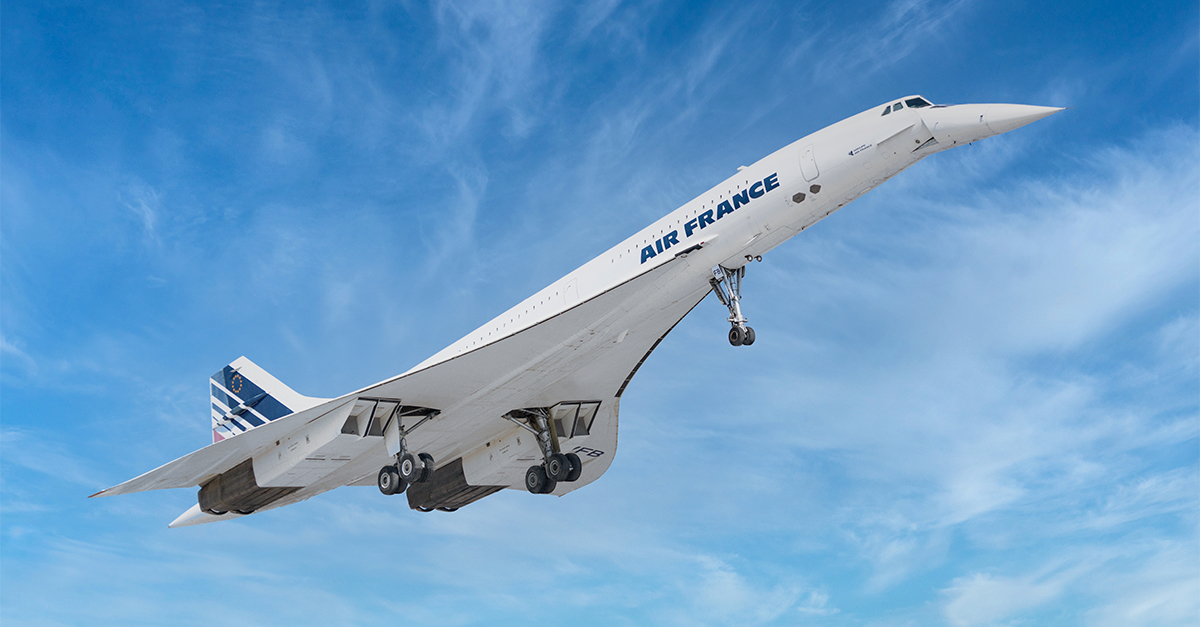
CONCORDE supersonic airplane takeoff picture. 01-09-2024, Sinsheim, Germany

What Could Supersonic Flight Mean For The Future Of Business Travel?

For decades, supersonic passenger travel has occupied an odd place between aviation history and science fiction. Concorde proved that an airliner could cross the Atlantic in less than four hours, but the aircraft disappeared from commercial service in 2003 after years of high operating costs, expensive fares, and a limited market. Now, a combination of new aircraft development, successful supersonic test flights, and changing U.S. regulations has made the possibility of high-speed commercial travel harder to dismiss. For business travelers, the biggest potential change is straightforward: journeys that consume most of a day could eventually consume only a few hours.
September 28, 2026 Samantha Henman
Businessman moving to terminal gate for check in boarding with luggage at the airport to business trip.

Which Business Trips Are Actually Worth Taking In 2026?

Business travel is hardly disappearing in 2026. The Global Business Travel Association forecasts worldwide business travel spending of $1.71 trillion this year, while the number of trips is expected to reach roughly 1.84 billion. Yet there is an important gap hidden inside those numbers: spending is forecast to rise 7.2 percent, while trip volume is expected to grow only 1.3 percent. In other words, companies are spending considerably more without sending employees on considerably more trips.
September 25, 2026 Jesse Singer
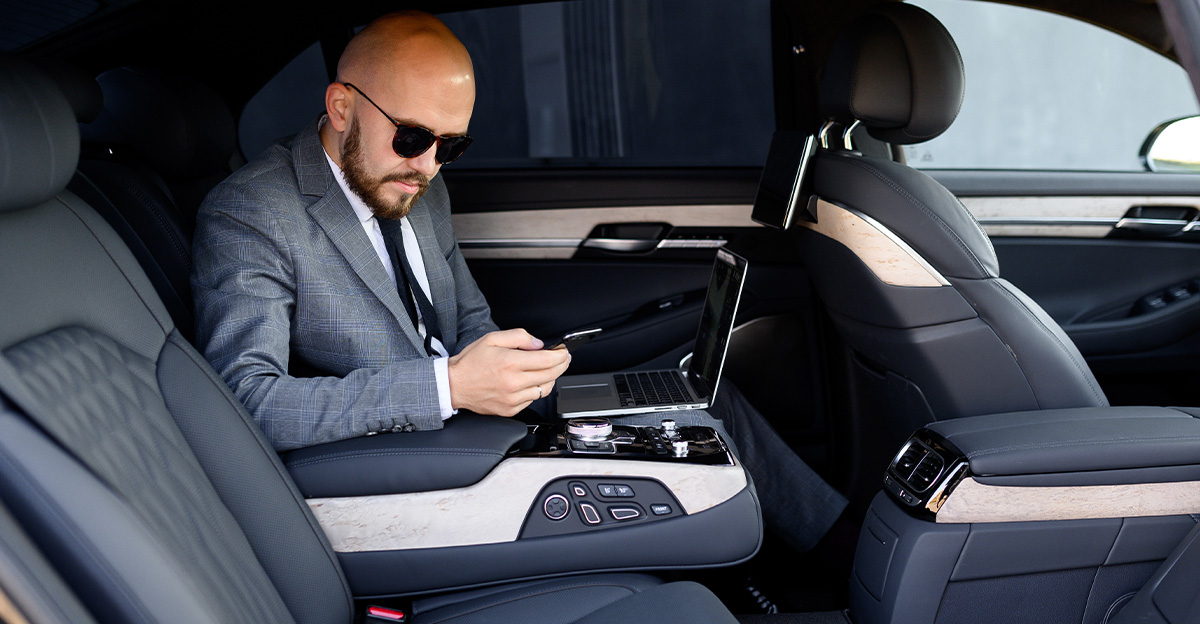
Internal - Business Man Luxury Car

From Expense Accounts To Experiences: What Today’s Business Traveler Actually Values

Business travel is changing. Today’s travelers value flexibility, wellness, smart technology, bleisure opportunities, and meaningful experiences as much as traditional expense-account perks.
September 16, 2026 Jack Hawkins


✕