An Ancient City Hidden In Plain Sight
Imagine discovering that a handful of dusty mounds in Mali were actually the remains of a thriving ancient city. That's exactly what archaeologists uncovered at Djenné-Djeno, where generations of people lived, traded, and built communities centuries before Islam became established in West Africa. The discovery changed African history.
A Surprising Discovery In Mali
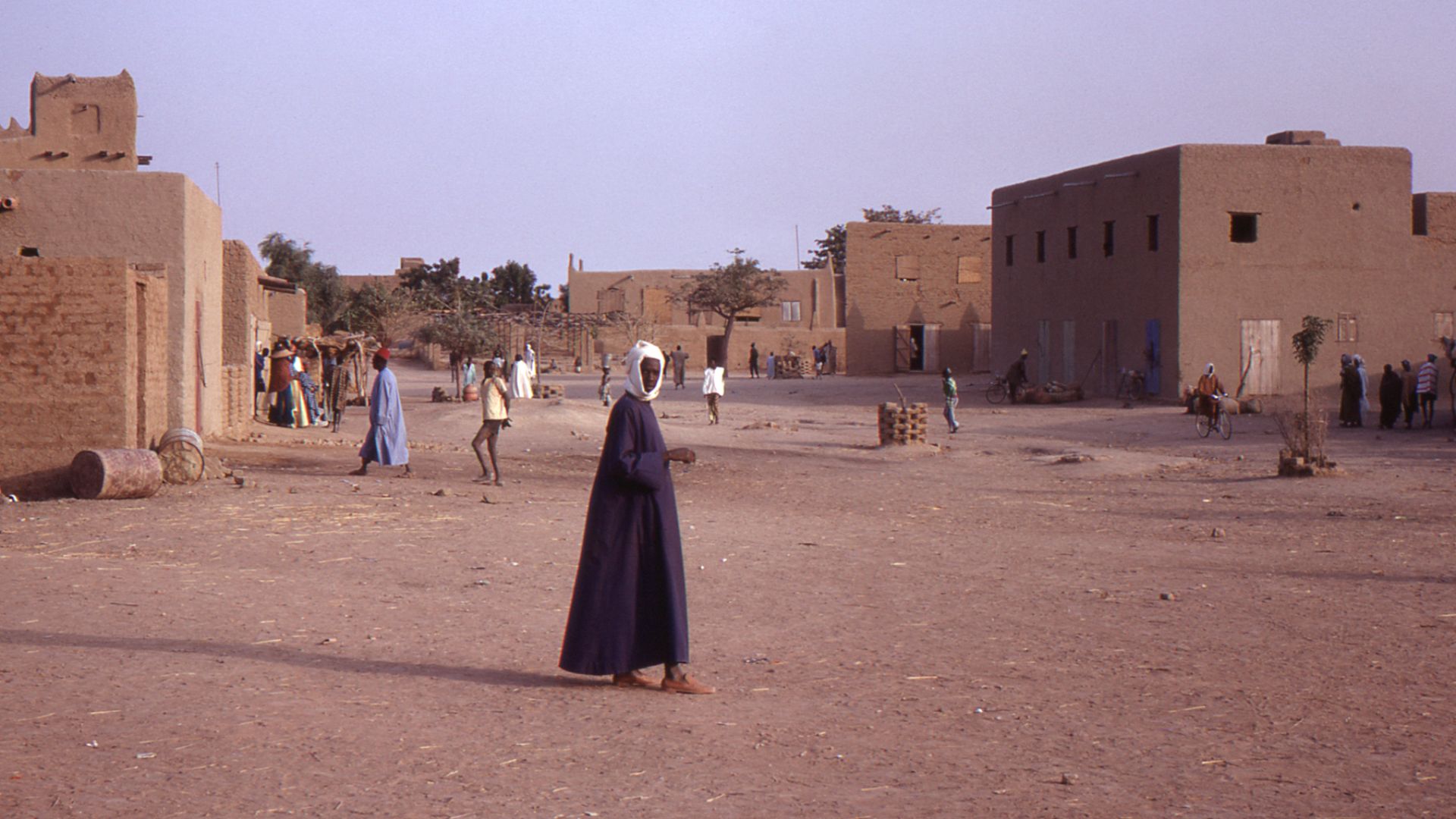
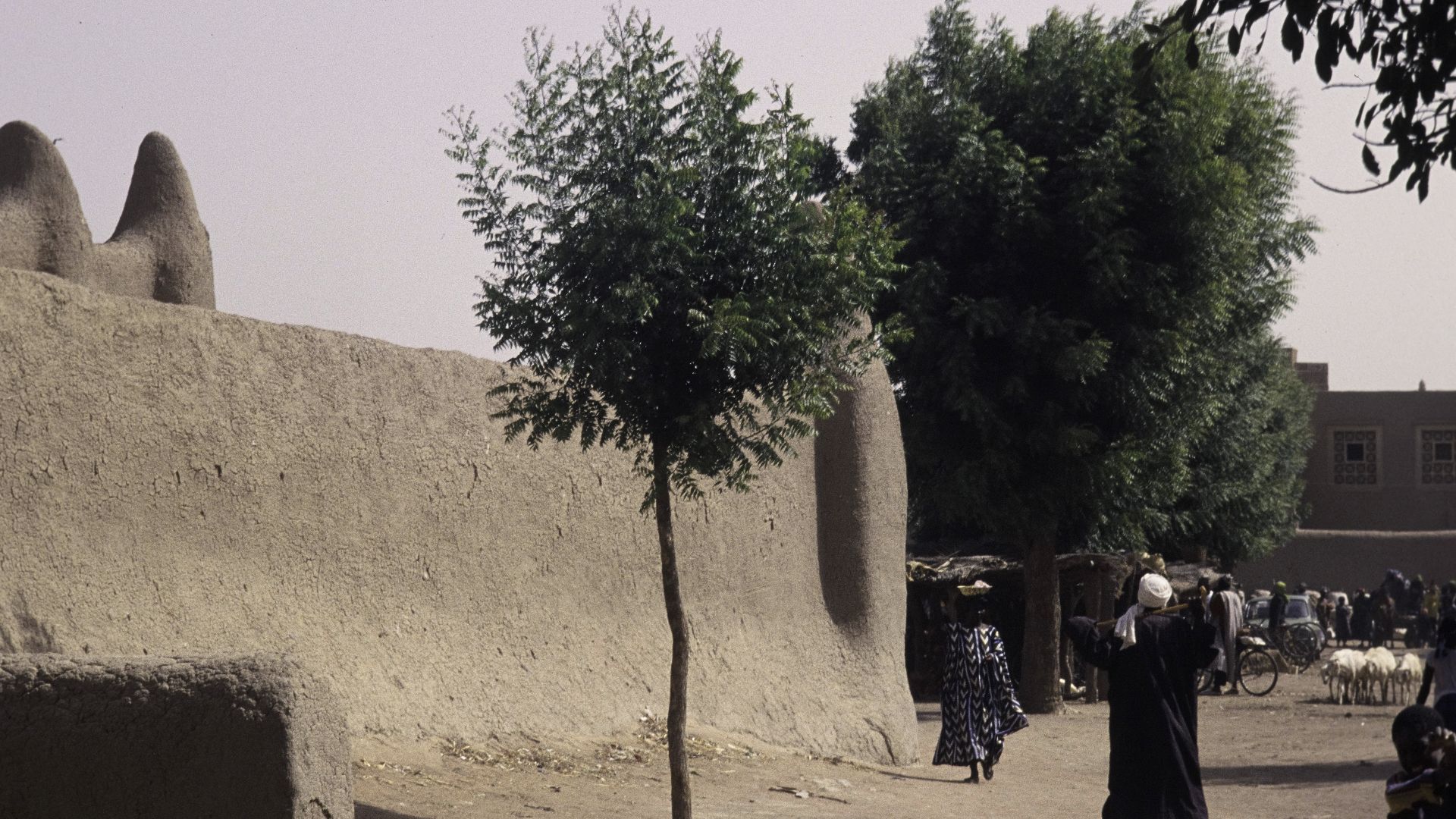
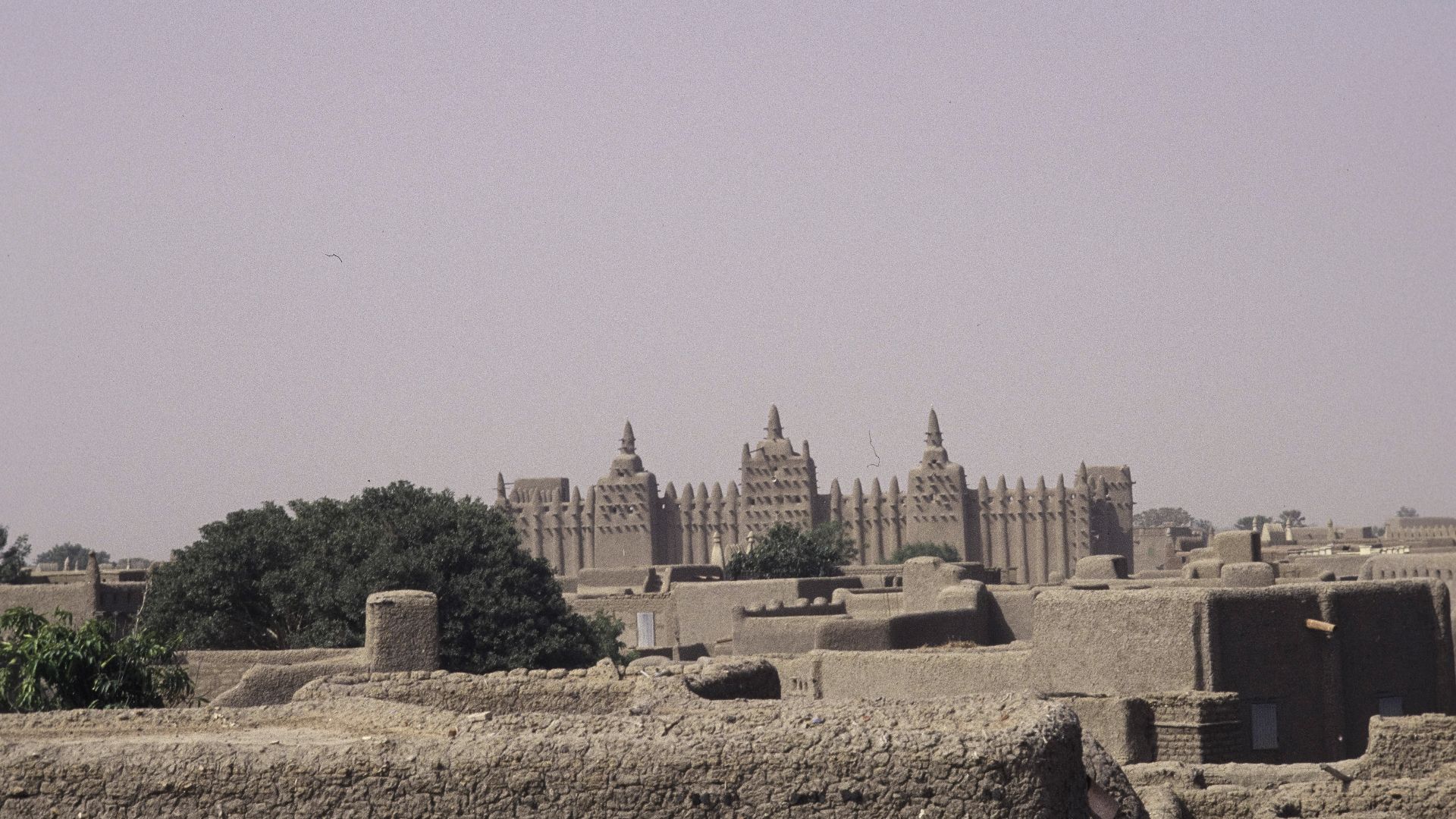
Djenné-Djeno sits near the modern city of Djenné, in Mali's Inland Niger Delta. Today, much of the ancient settlement looks like ordinary raised earth. But beneath those weathered mounds lie the remains of homes, workshops, pottery, and centuries of human activity that archaeologists have spent decades investigating.
 Gilles MAIRET, Wikimedia Commons
The Archaeologists Who Changed Everything
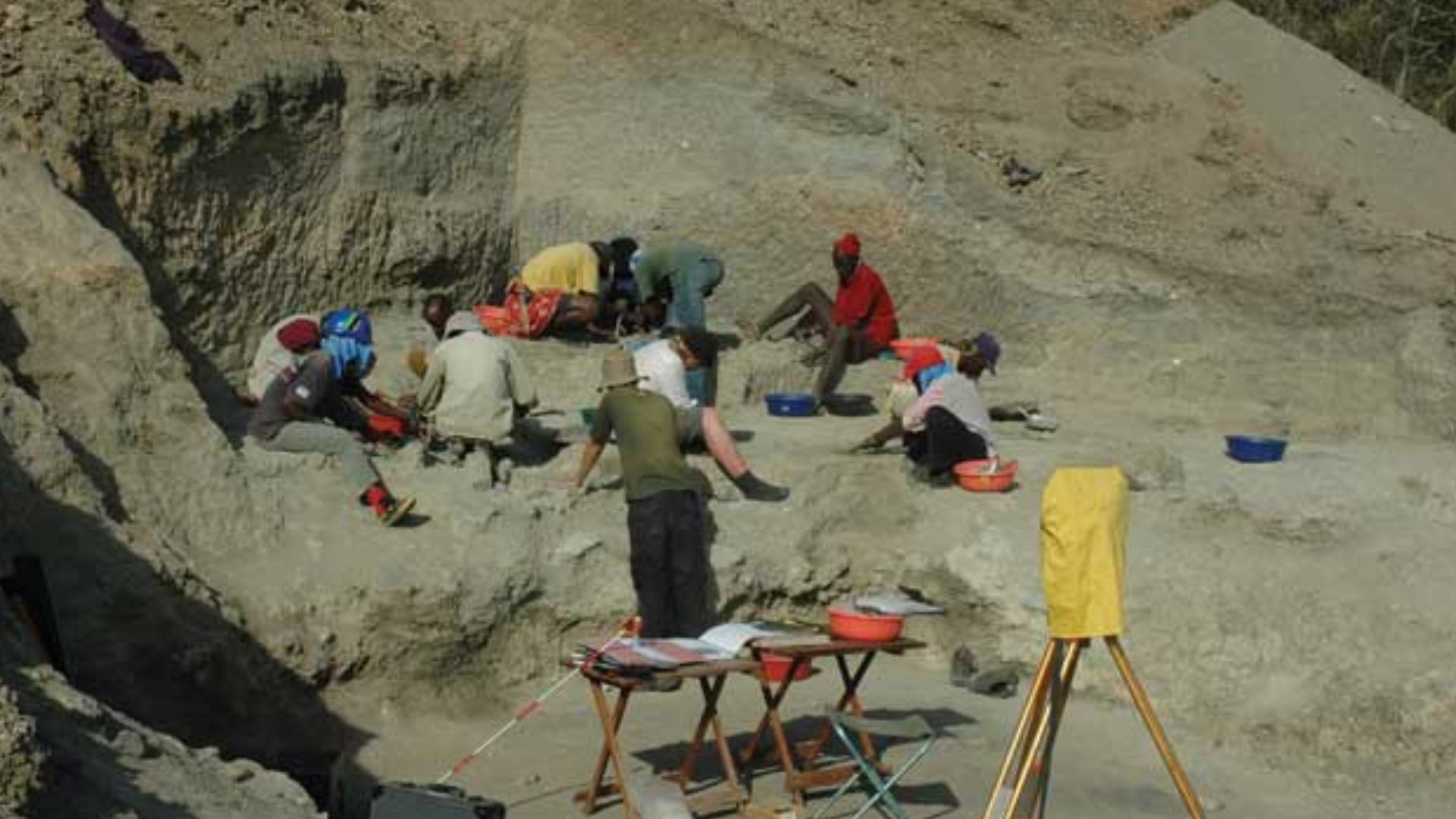
In 1977, archaeologists Susan Keech McIntosh and Roderick McIntosh began investigating Djenné-Djeno. Their work challenged a longstanding assumption about African history: that major cities in this region developed largely because of trade connections with North Africa. The evidence they uncovered pointed toward a much older story.
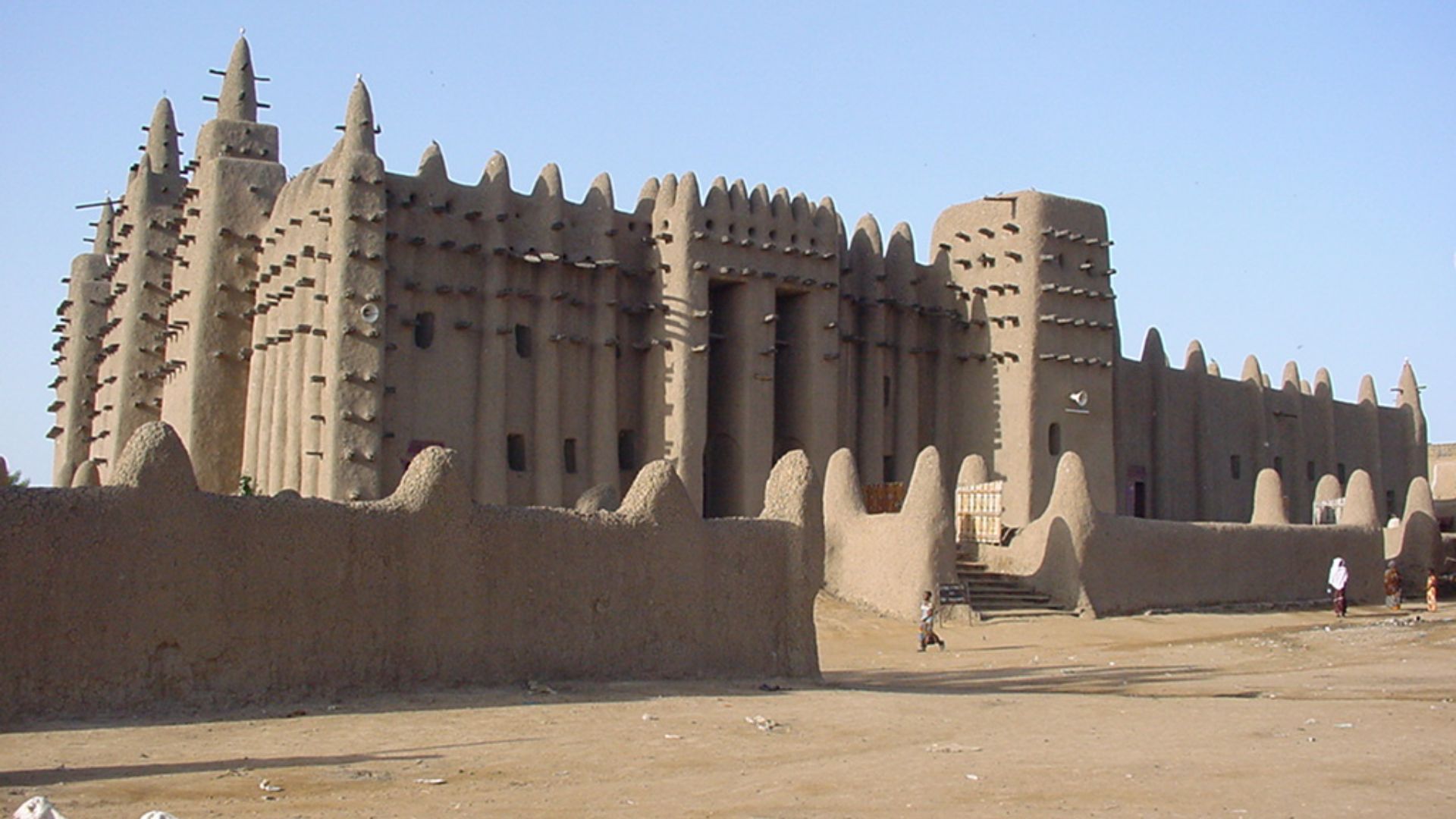 Andy Gilham, Wikimedia Commons
A City Older Than Anyone Expected
Excavations revealed that people had settled at Djenné-Djeno around 250 BC. That meant the community existed more than a thousand years before the great medieval trading cities of the region reached their height. Far from being a late arrival, urban life in this part of Africa had remarkably deep roots.
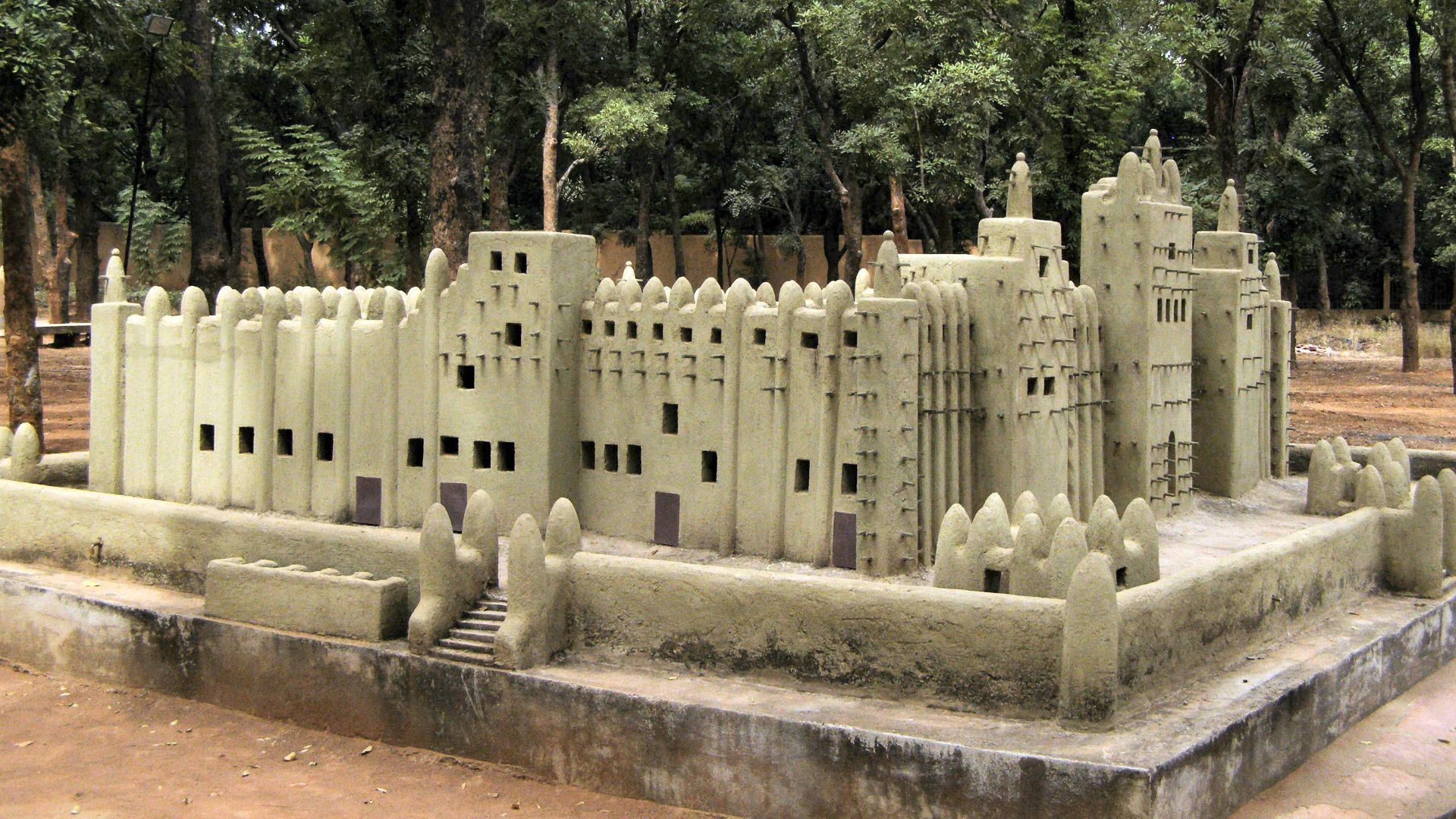
The Mounds Were Made By People
Djenné-Djeno wasn't built on a giant natural hill. Its main mound grew gradually as generations constructed houses, repaired buildings, and settled over earlier remains. Centuries of accumulated mud brick, broken pottery, and everyday debris created an enormous archaeological mound containing layer upon layer of the city's history.
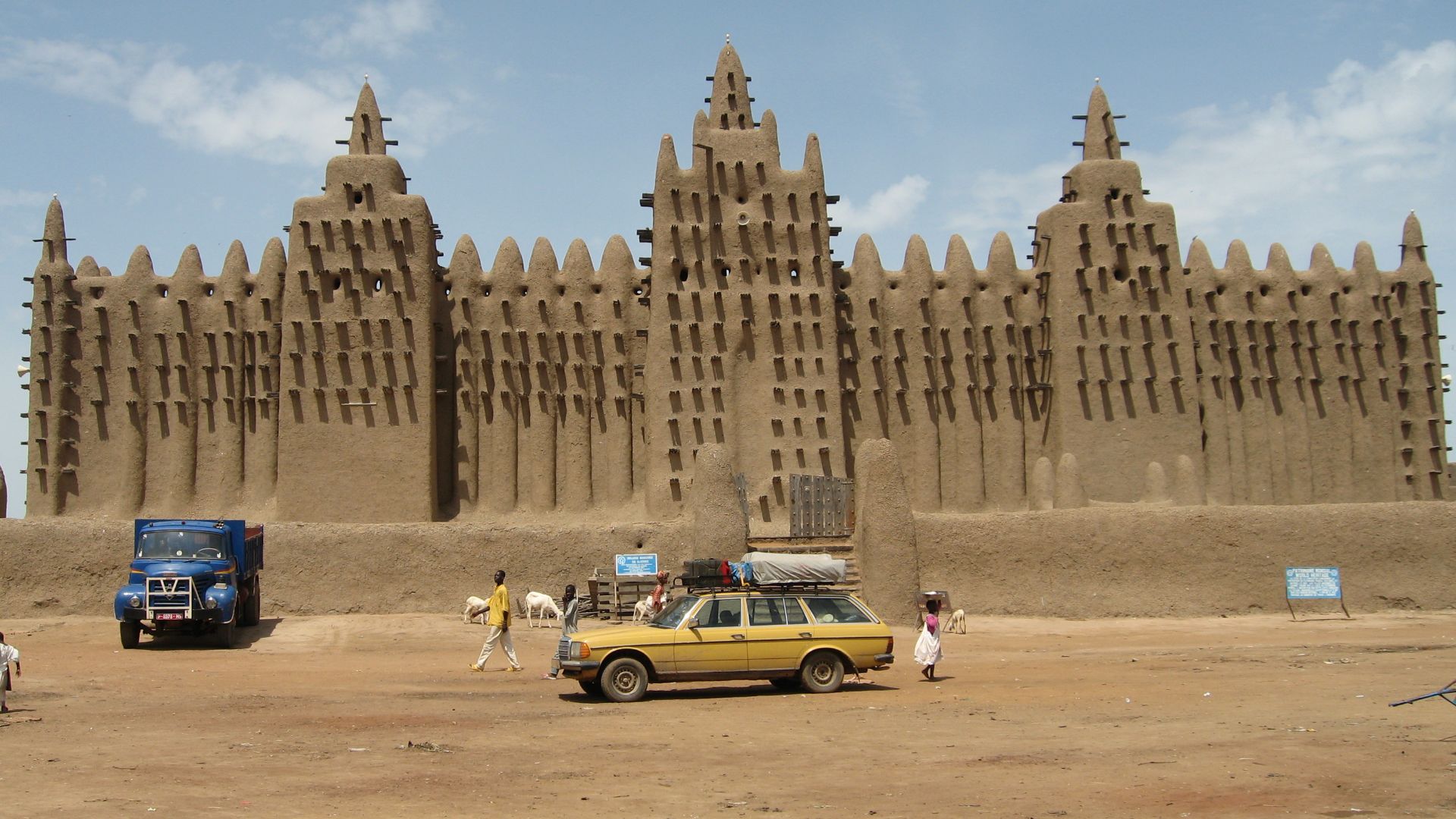
A Different Kind Of Ancient City
Forget the familiar picture of an ancient capital dominated by palaces and towering monuments. Djenné-Djeno developed differently. Its urban landscape included a major settlement mound surrounded by numerous smaller communities. Together, these settlements formed a connected urban center that looked unlike many famous ancient cities.
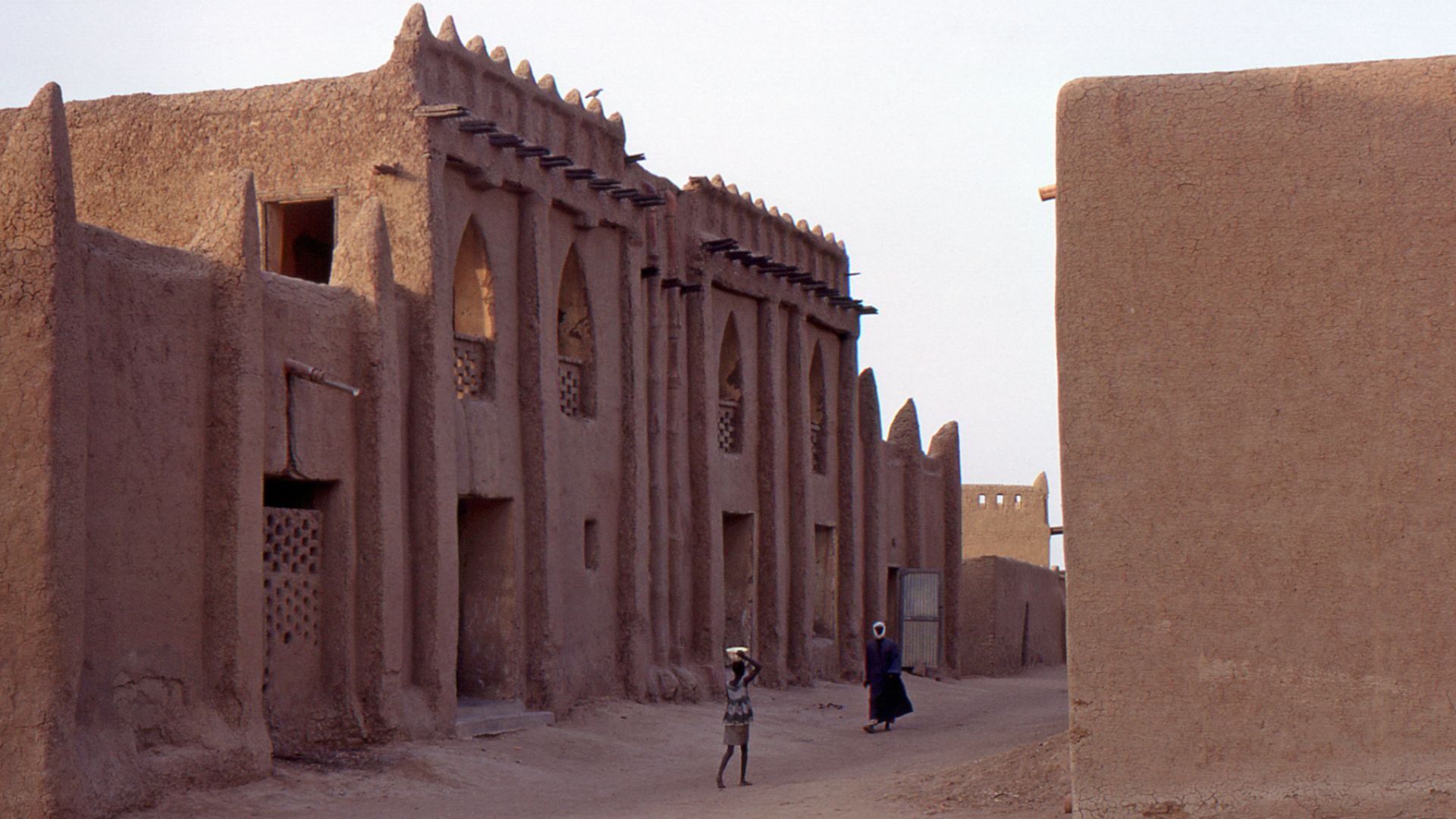 Gilles MAIRET, Wikimedia Commons
More Than Just One Settlement
Archaeologists have identified dozens of neighboring settlement mounds around Djenné-Djeno. Some likely housed communities engaged in different trades and activities. Rather than concentrating everyone inside one tightly packed city, the inhabitants appear to have created a network of settlements that depended on one another.
 Angeline A. van Achterberg, Wikimedia Commons
Life Beside The Niger River
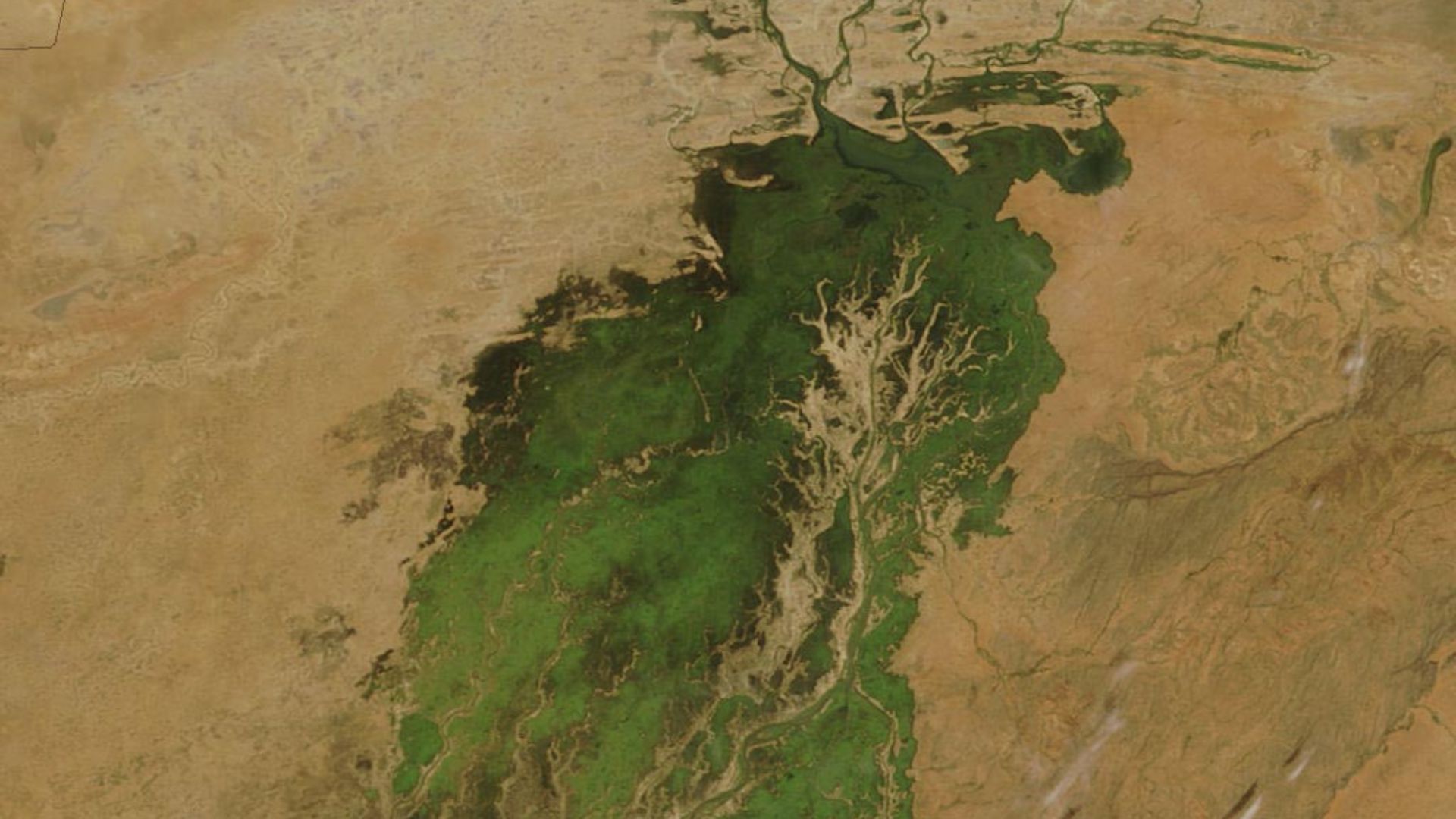
Location was everything. Djenné-Djeno developed in the Inland Niger Delta, where seasonal flooding created fertile land and productive fishing grounds. The surrounding waterways also offered routes for transportation and exchange. For people trying to build a permanent community, this landscape provided some extraordinary advantages.
 Jeff Schmaltz, MODIS Land Rapid Response Team, NASA GSFC, Wikimedia Commons
Rice Helped Feed The City
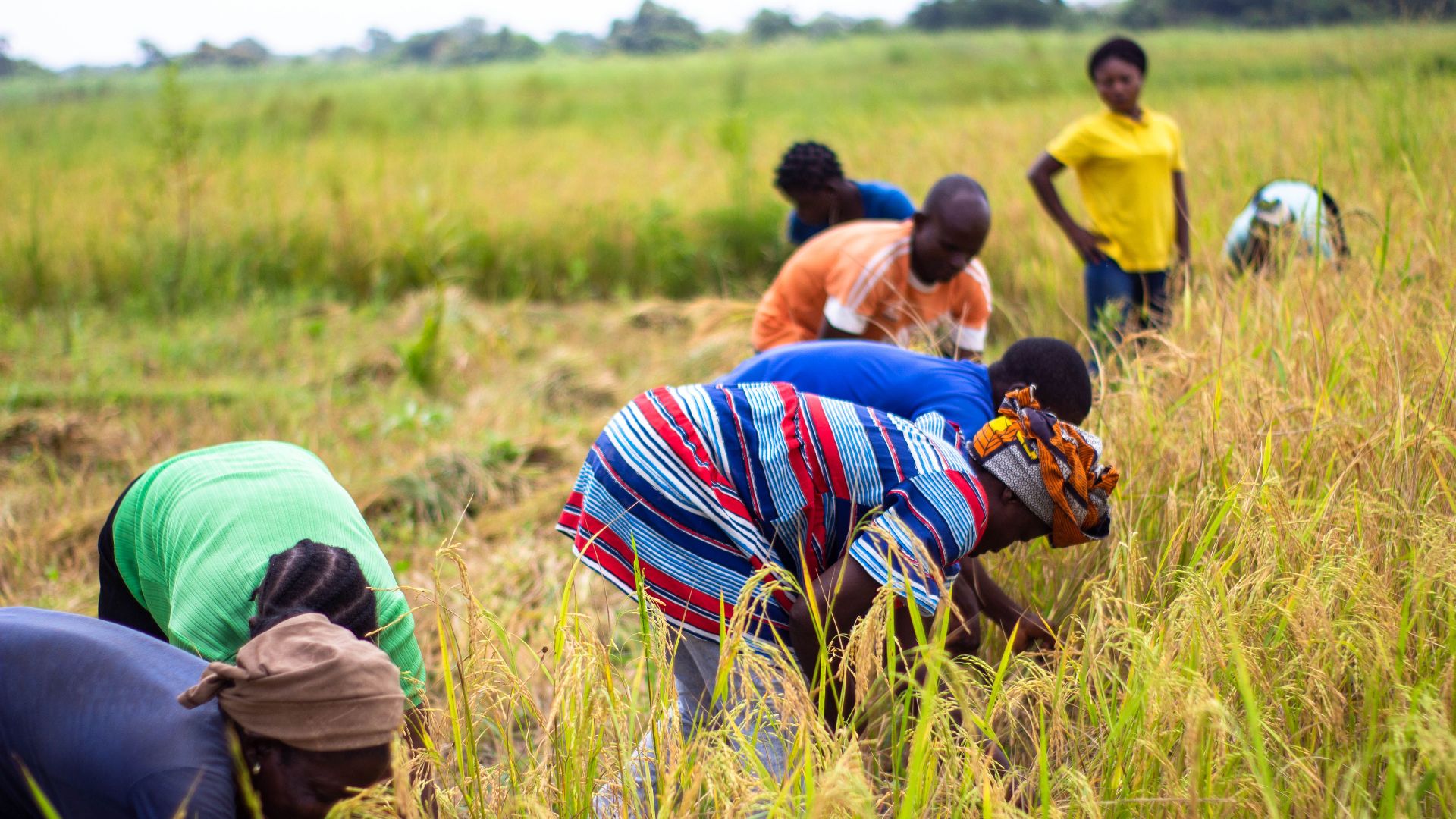
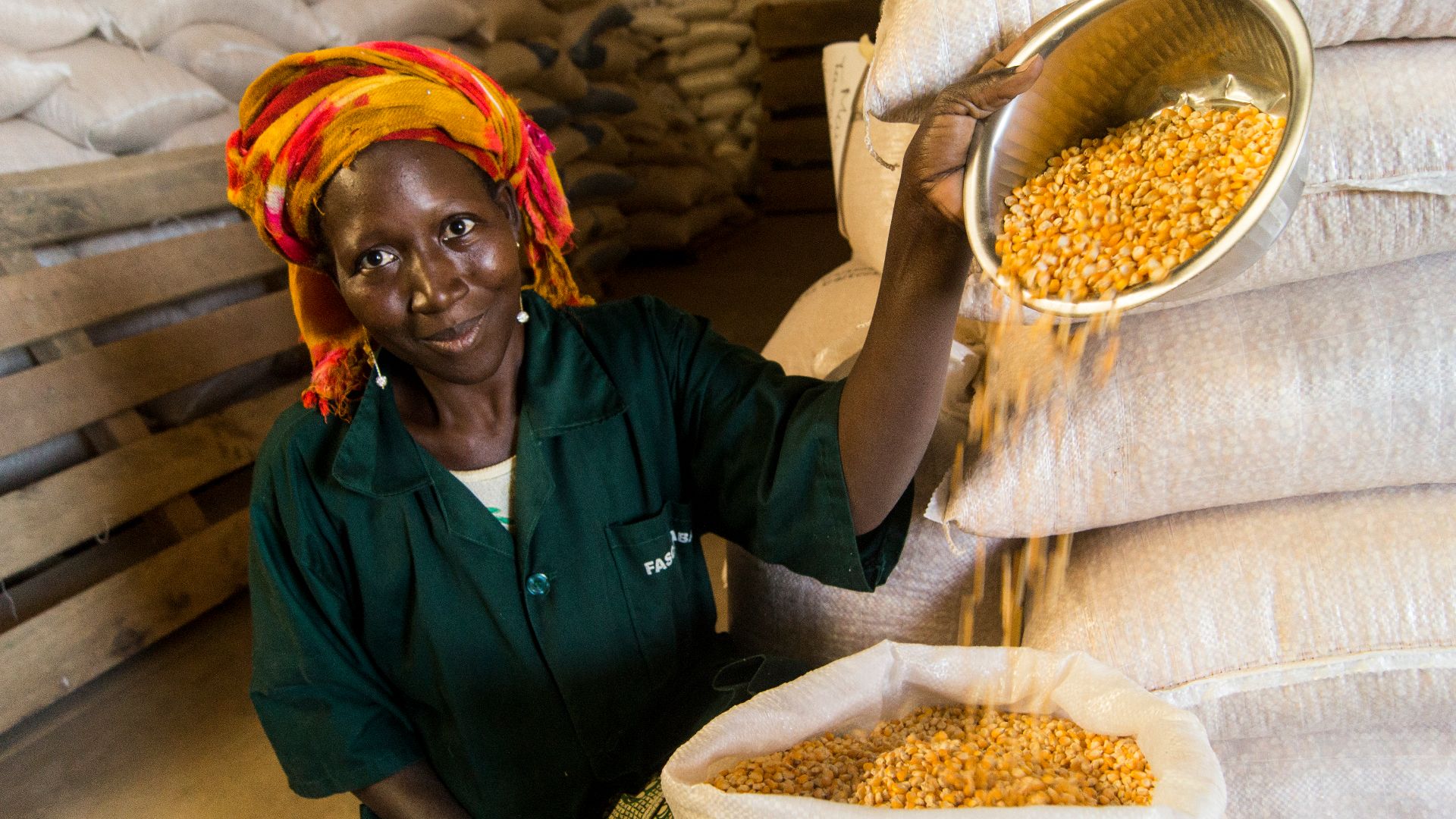
One of the most important discoveries involved food. Archaeologists uncovered early evidence of African rice cultivation at Djenné-Djeno. Rice could thrive in the region's floodplain environment, providing an important source of nourishment. Alongside fish and livestock, it helped sustain a growing population over many generations.
Fishing Was Big Business
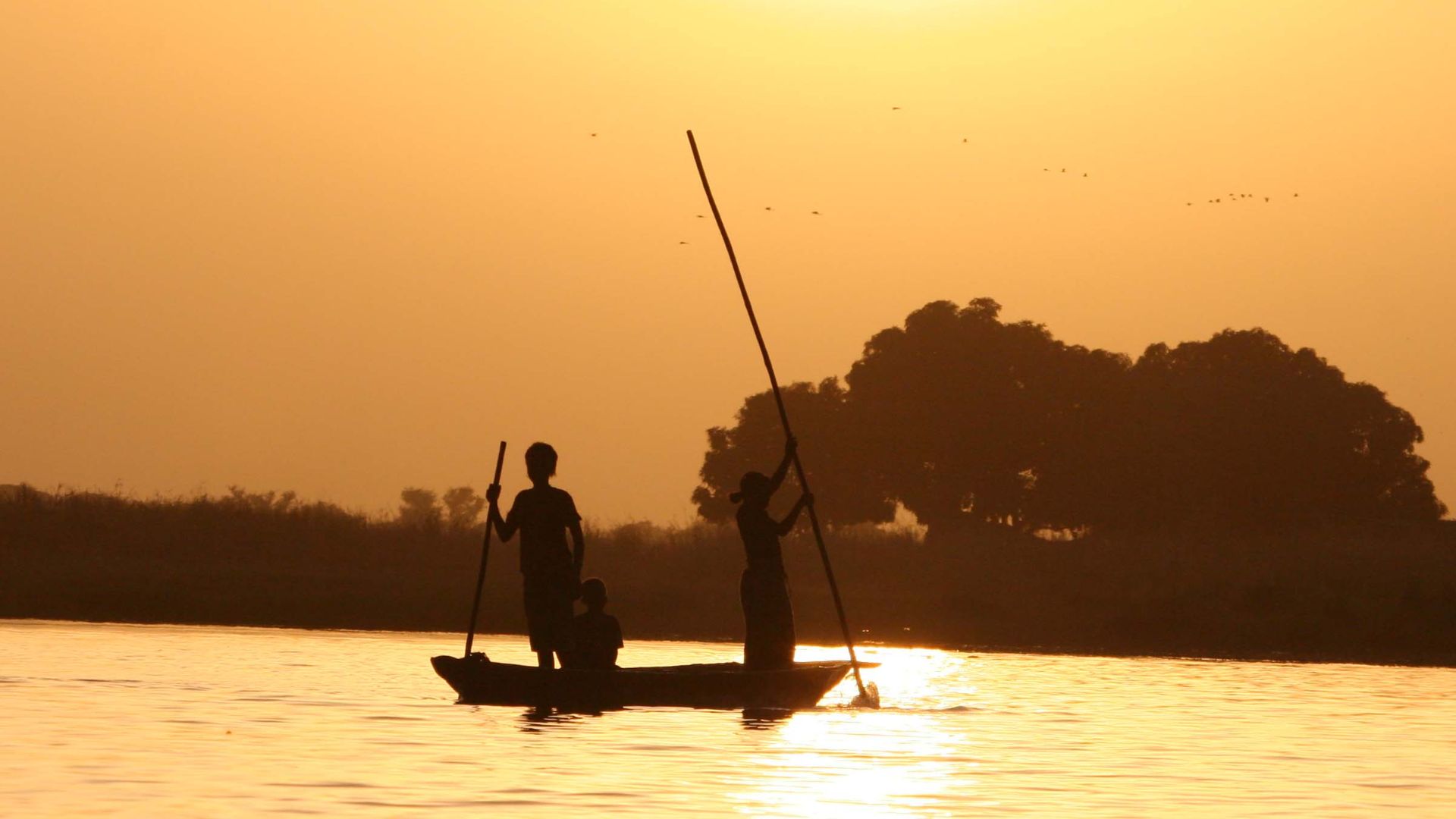
The Niger's waterways supplied enormous opportunities for fishing. Archaeological fish remains helped researchers understand just how important this food source was. Fish could be eaten locally, while preserved fish likely served as a valuable trading product. The river wasn't simply scenery; it was central to the community's economy.
 Ferdinand Reuss, Wikimedia Commons
Farmers And Herders Worked Together
Djenné-Djeno benefited from a remarkably varied food supply. Farmers cultivated crops, fishing communities harvested river resources, and herders raised cattle. These different activities complemented one another, helping people cope with the changing seasons. That flexibility was one reason settlements could survive in the floodplain for centuries.
 Nduati.githae, Wikimedia Commons
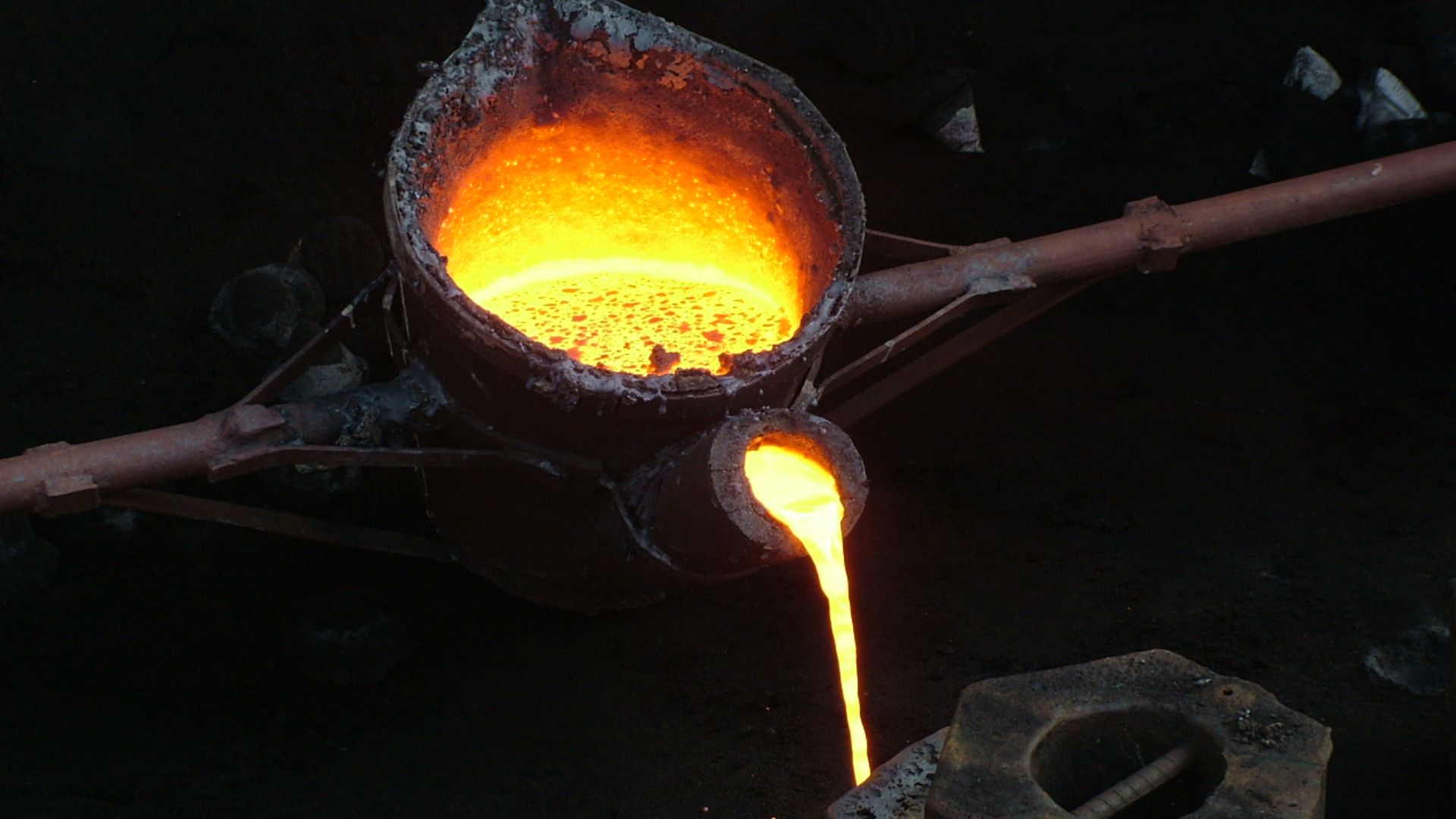
Ironworkers Were Already Busy
Excavations revealed evidence of ironworking from the settlement's earliest centuries. Metalworkers fashioned useful objects from iron, contributing to an increasingly complex local economy. This was particularly significant because it demonstrated that skilled ironworking communities existed here long before the better-documented medieval trading empires emerged.
Pottery Told Another Story
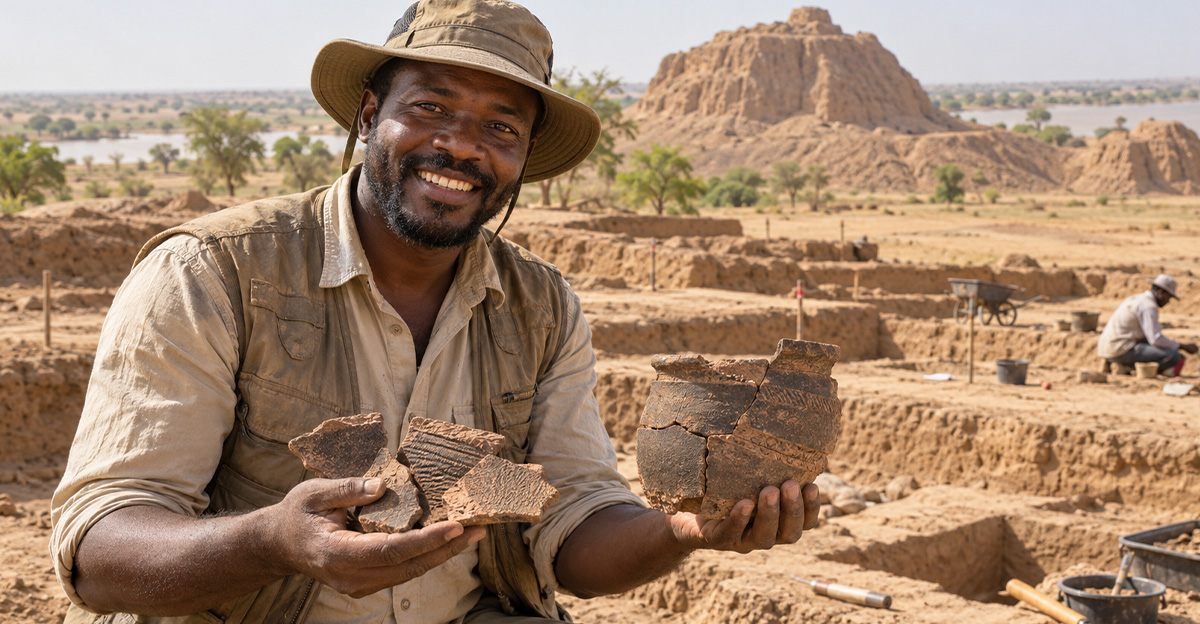
Broken pots might not sound especially exciting, but archaeologists love them. Djenné-Djeno produced an extraordinary collection of ceramics, including decorated vessels and everyday containers. Changes in pottery styles helped researchers trace different periods of occupation, revealing how local customs and craftsmanship developed across more than a thousand years.
 Angeline A. van Achterberg, Wikimedia Commons
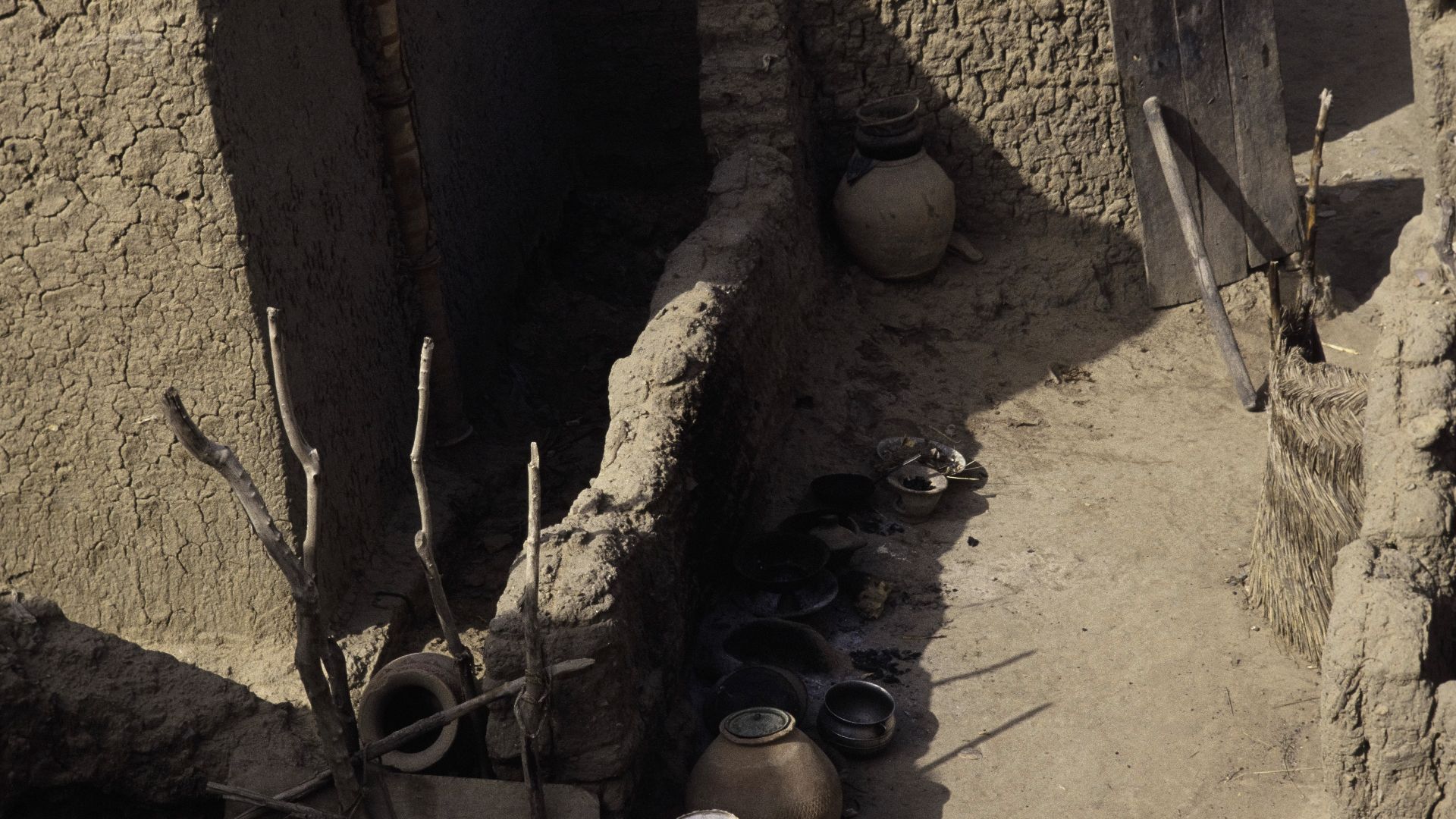
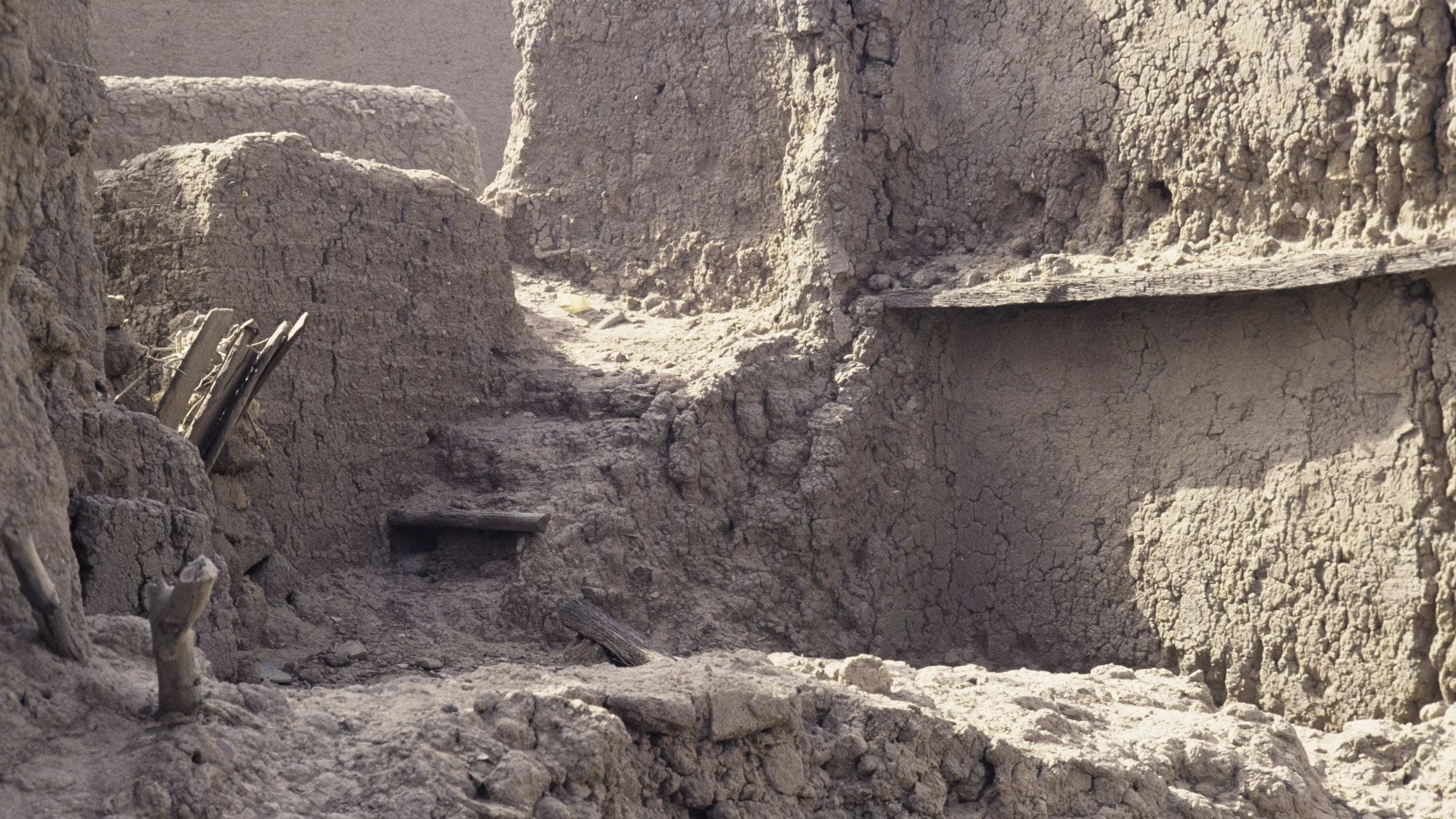
The Houses Were Built From Earth
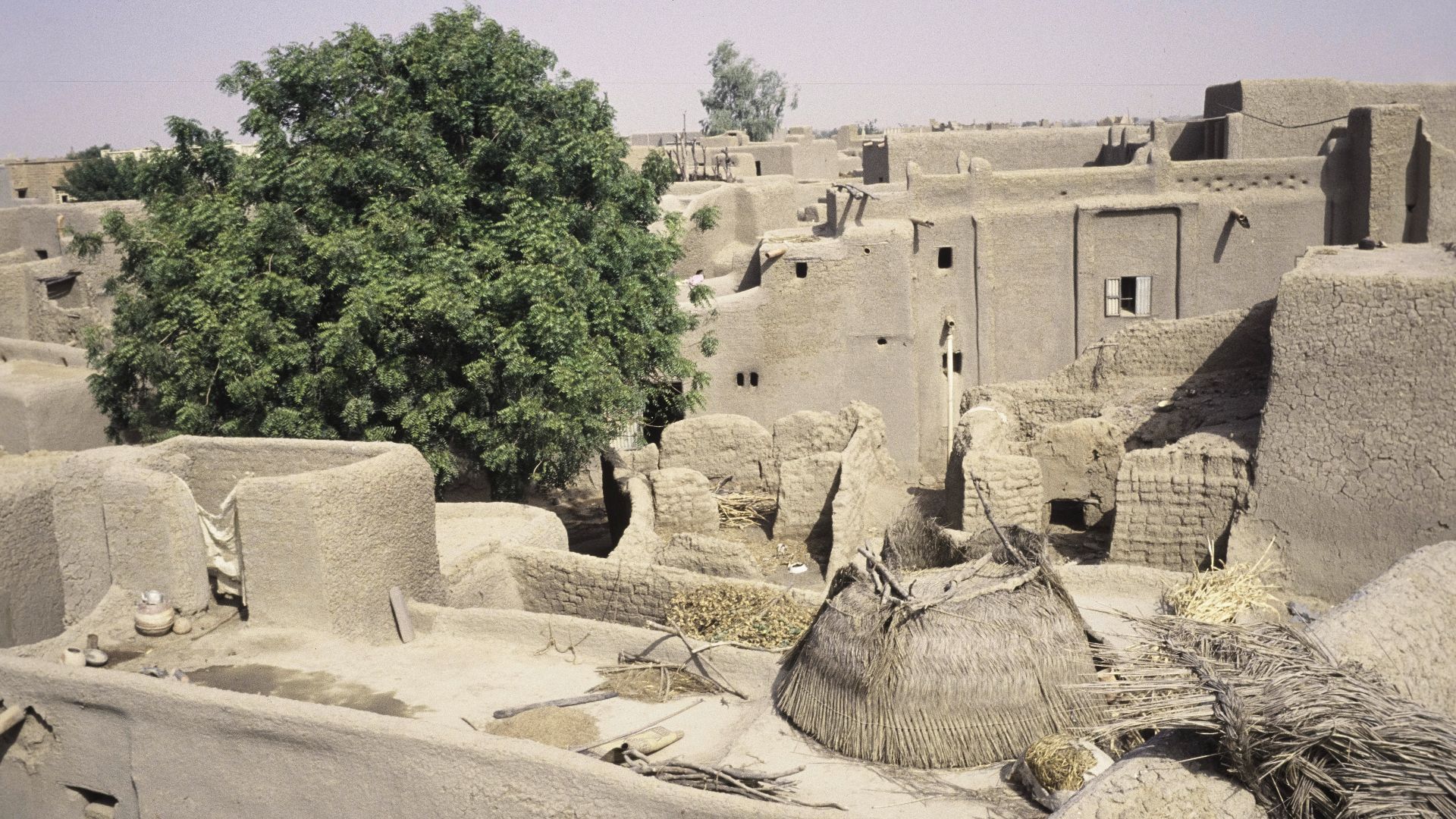
The settlement's builders made clever use of an abundant material: mud. Excavations uncovered earthen structures, including walls built from distinctive cylindrical mud bricks known as djenné ferey. Both circular and rectangular buildings existed during the site's long history, demonstrating changing construction techniques and architectural traditions.
 Angeline A. van Achterberg, Wikimedia Commons
A Massive Wall Surrounded Part Of The City
Among the most impressive discoveries was a substantial mud-brick wall, approximately 3.7 meters thick. It enclosed much of the main settlement mound. Archaeologists are still debating its exact purpose, but its construction shows that the community could organize a major building project using locally available materials.
 Angeline A. van Achterberg, Wikimedia Commons
The City Became Surprisingly Large
Between approximately 750 and 1100 AD, Djenné-Djeno experienced its greatest period of growth. The main settlement expanded beyond 33 hectares, roughly 82 acres. When the surrounding communities are considered, the wider urban complex was even more impressive. This was no isolated farming village.
 Angeline A. van Achterberg, Wikimedia Commons
Trade Connected Distant Communities
Djenné-Djeno's residents weren't cut off from the outside world. Archaeologists discovered materials that had traveled from beyond the Inland Niger Delta, including stone, iron, and later copper. These finds demonstrate that regional exchange networks were operating long before the better-known medieval trans-Saharan trading routes reached their peak.
 McHenry, L, Njau, J, Pante, M and de la Torre, I 2012, Wikimedia Commons
Copper Revealed Faraway Connections
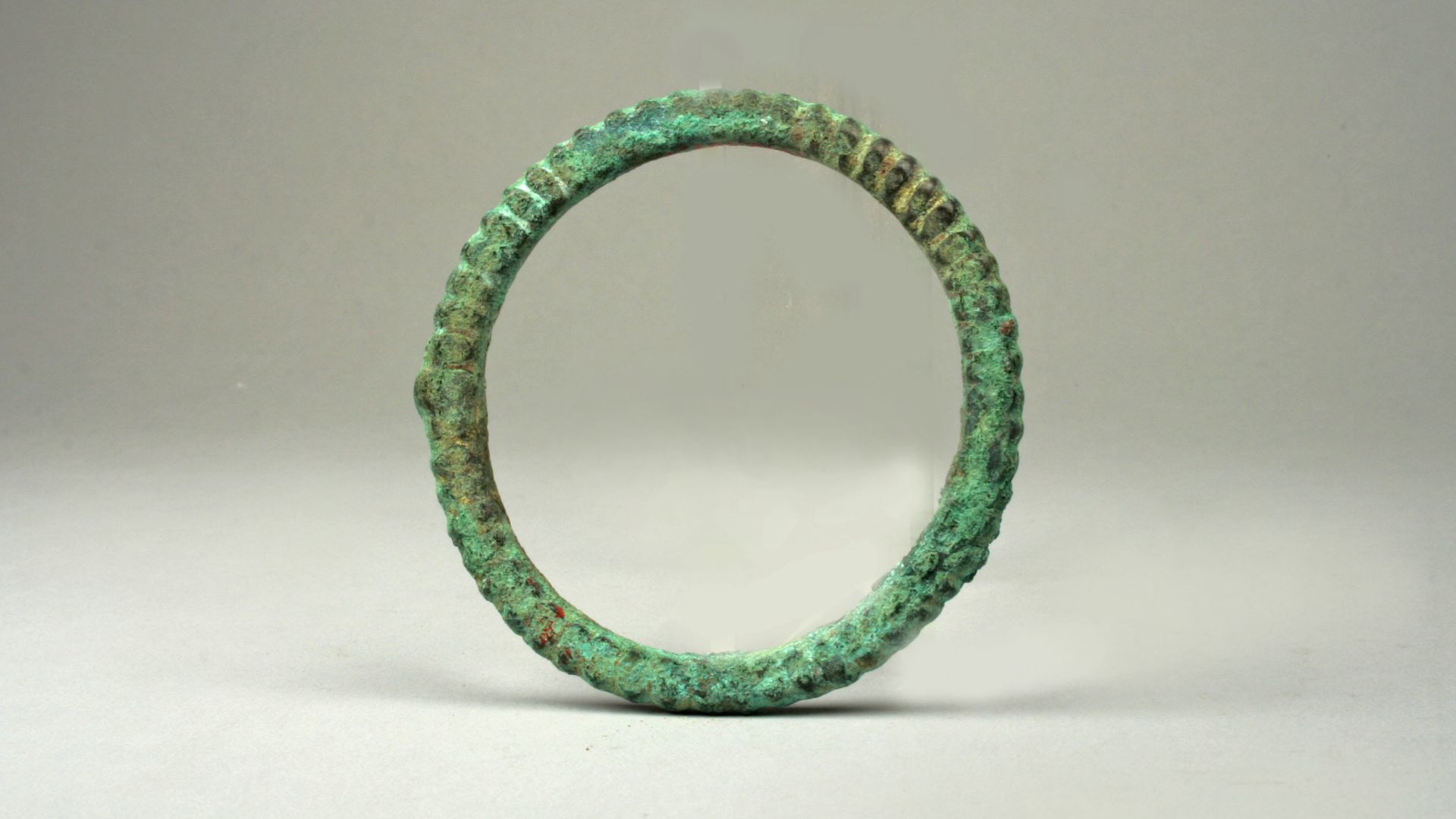
Copper discoveries were especially revealing. By around 400 AD, copper objects or materials had reached Djenné-Djeno, probably through exchange with regions farther north. Such finds suggest that its inhabitants participated in commercial networks stretching well beyond their immediate surroundings, centuries before the rise of famous trading centers such as Timbuktu.
An Ancient City Without A Palace
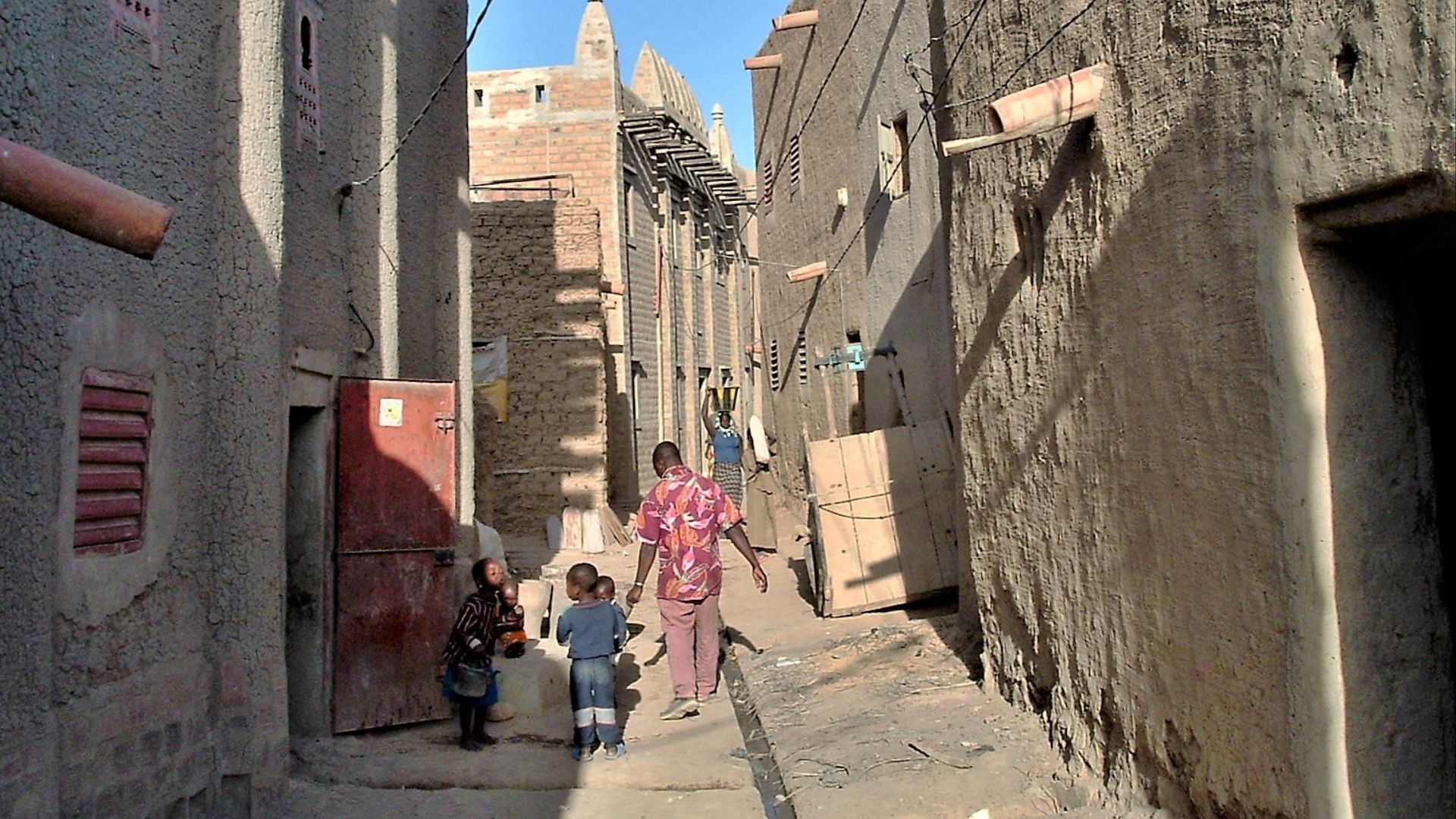
Here's something fascinating: archaeologists haven't discovered the kind of grand royal palace that might be expected in a major ancient city. Evidence for a powerful ruling elite is also limited. Djenné-Djeno suggests that substantial urban communities could develop without the familiar political structures associated with ancient kingdoms.
 Anne and David, Wikimedia Commons
A Different Way Of Organizing Society
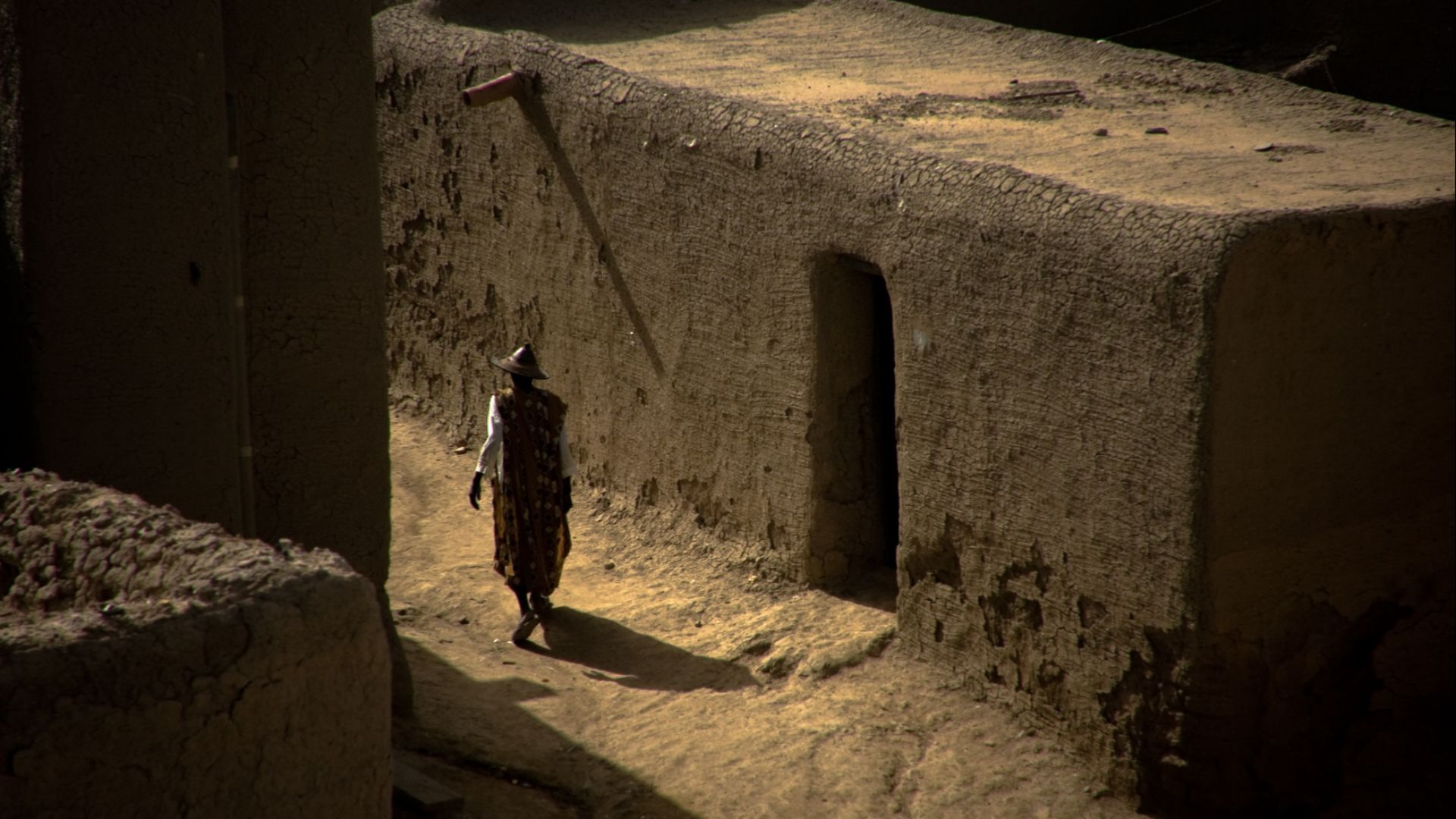
Researchers believe Djenné-Djeno's inhabitants may have coordinated activities through different communities, occupational groups, and social networks rather than relying entirely on centralized rulers. The precise arrangements remain uncertain. Nevertheless, the settlement offers an intriguing alternative to the idea that every successful ancient city required a king.
Ancient Burials Offered Important Clues
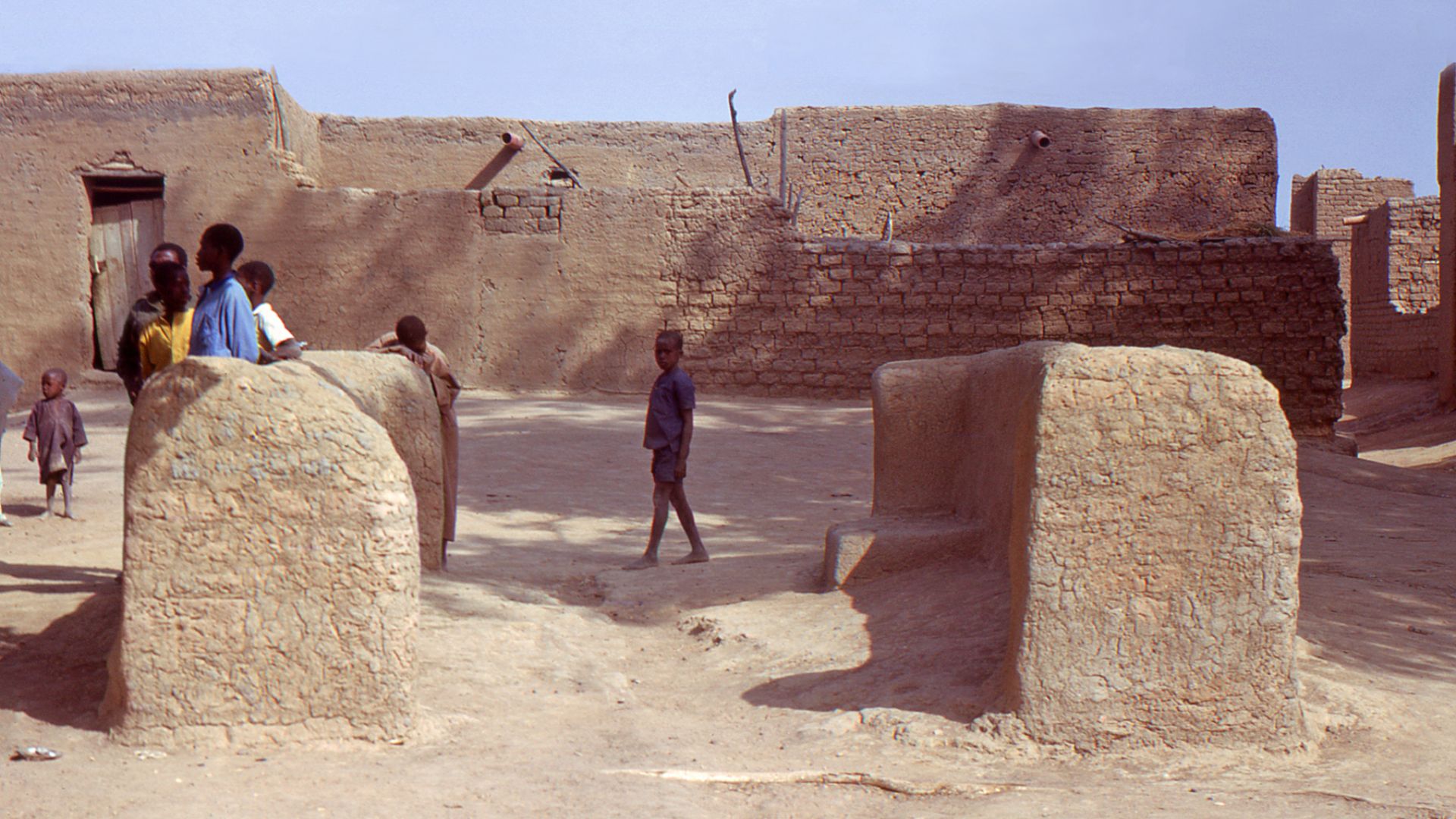
Among the discoveries were large burial jars containing human remains. These unusual burials provided valuable evidence about local funerary customs. Alongside figurines and other artifacts, they reveal aspects of a community's cultural life that existed before Islamic traditions became prominent in the region.
 Gilles MAIRET, Wikimedia Commons
Religion Before Islam
Djenné-Djeno flourished long before Islam became firmly established in this part of West Africa. Its inhabitants maintained their own cultural practices, although archaeologists cannot reconstruct every aspect of their beliefs. Burial customs and terracotta objects provide important clues about this earlier world, without revealing a complete picture of its religion.
 Flickr user: Juan Manuel Garcia Mexico City https://www.flickr.com/people/phase3/, Wikimedia Commons
Why Did The City Disappear?
Despite surviving for more than a millennium, Djenné-Djeno eventually declined. By around 1400 AD, the settlement had been abandoned. Archaeologists have not established one definite explanation. Changes in settlement patterns, trade, and regional circumstances may have contributed, but exactly why its inhabitants left remains an unanswered question.
A New Djenné Took Its Place
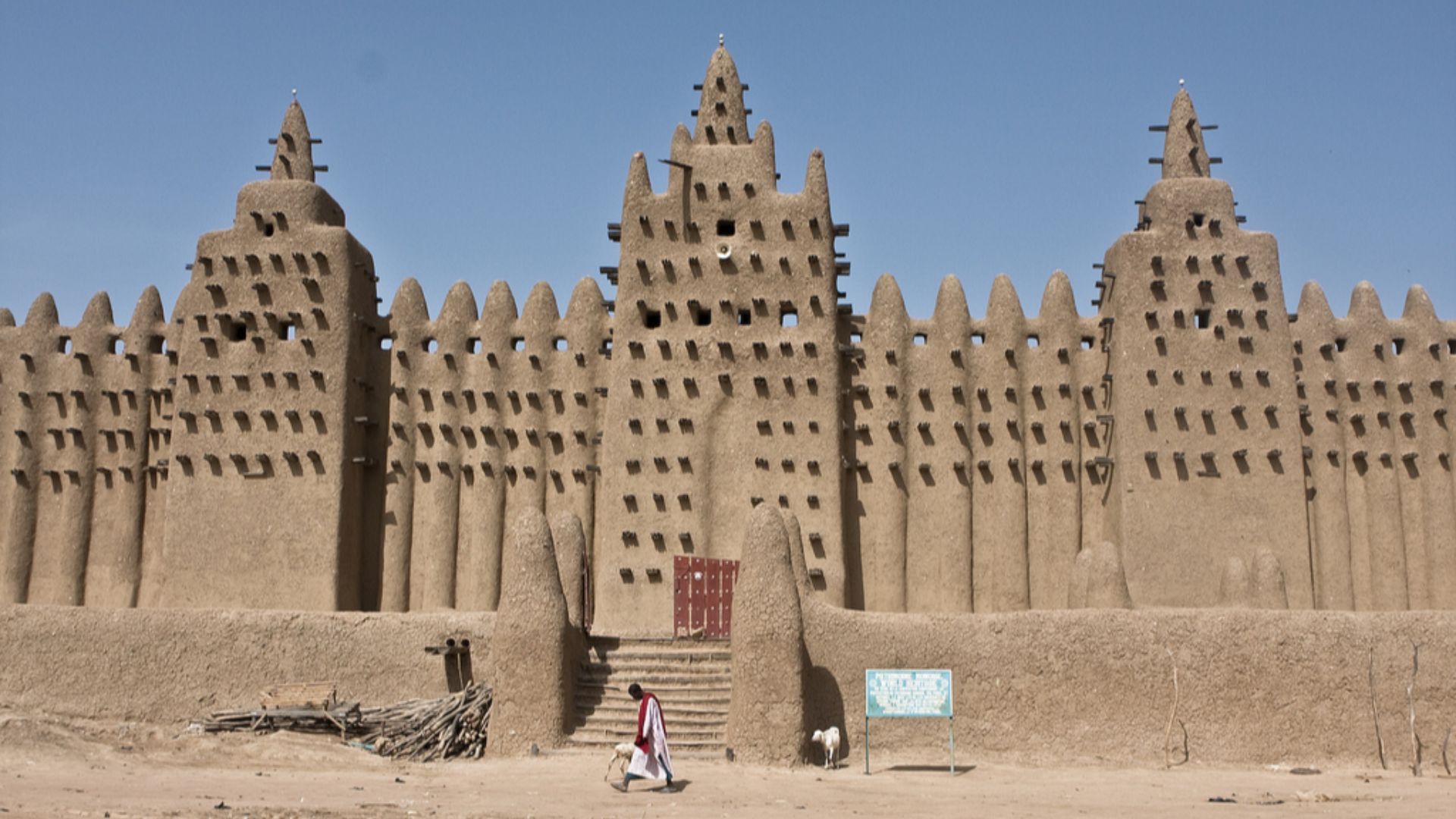
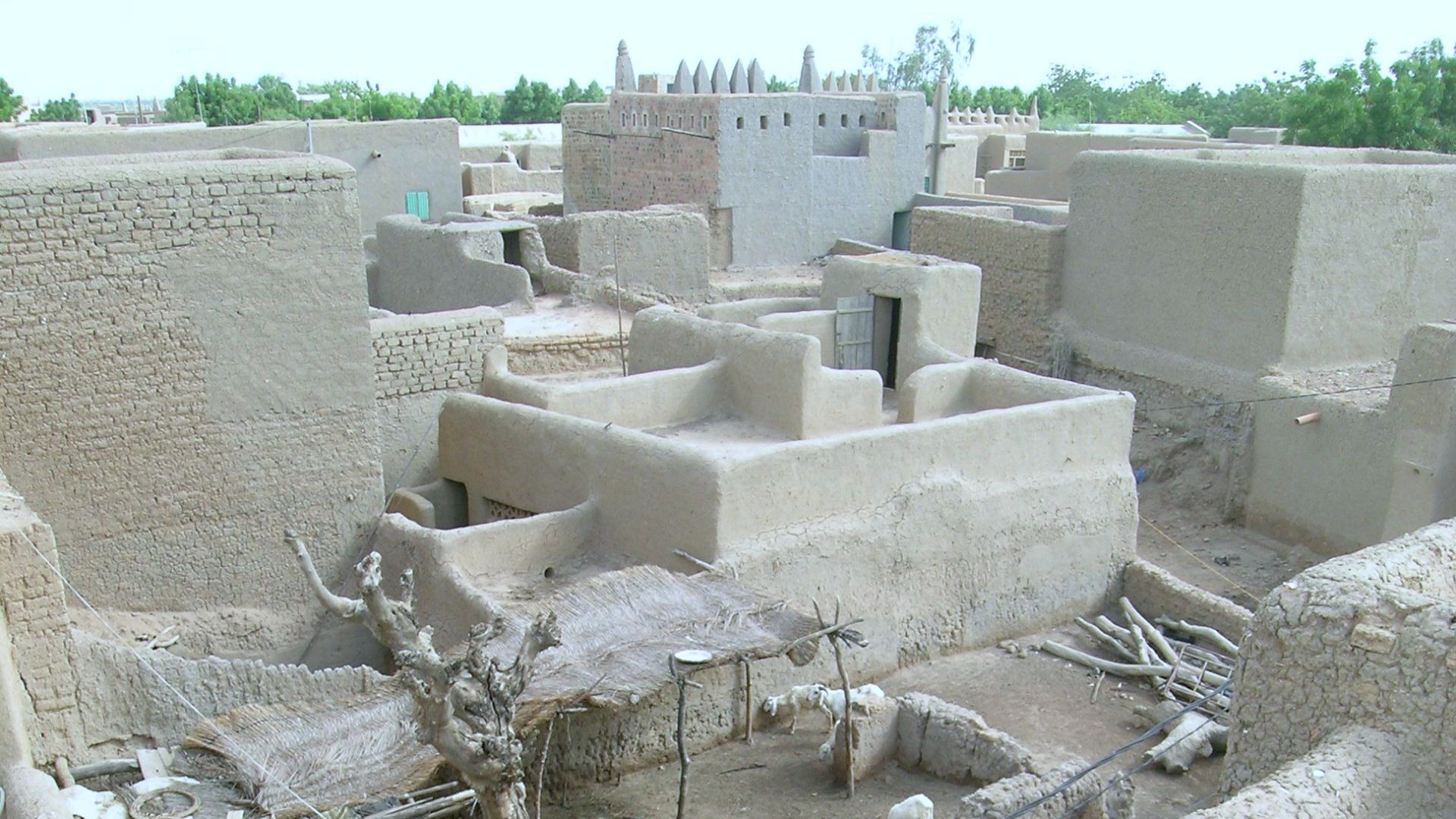
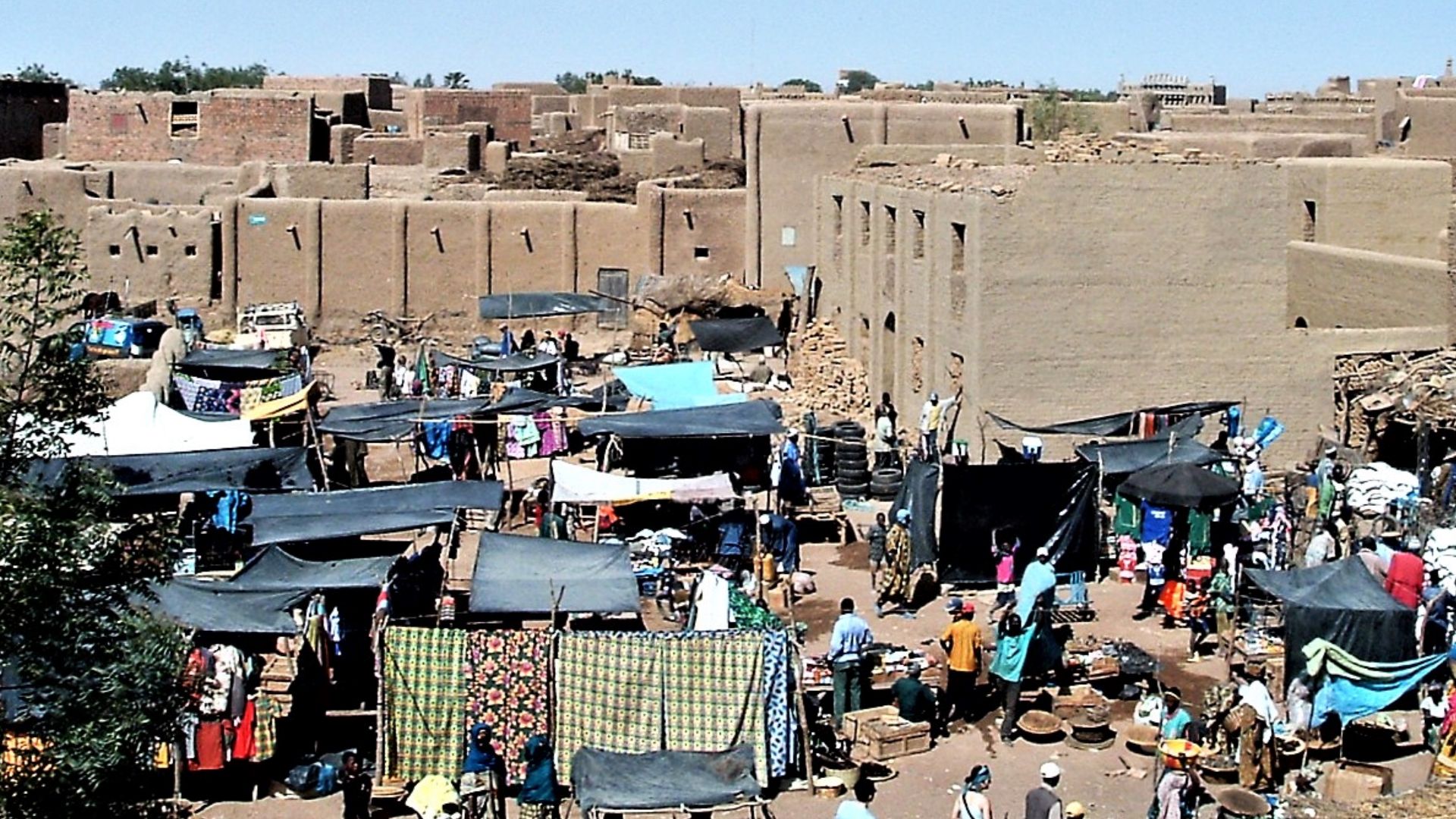
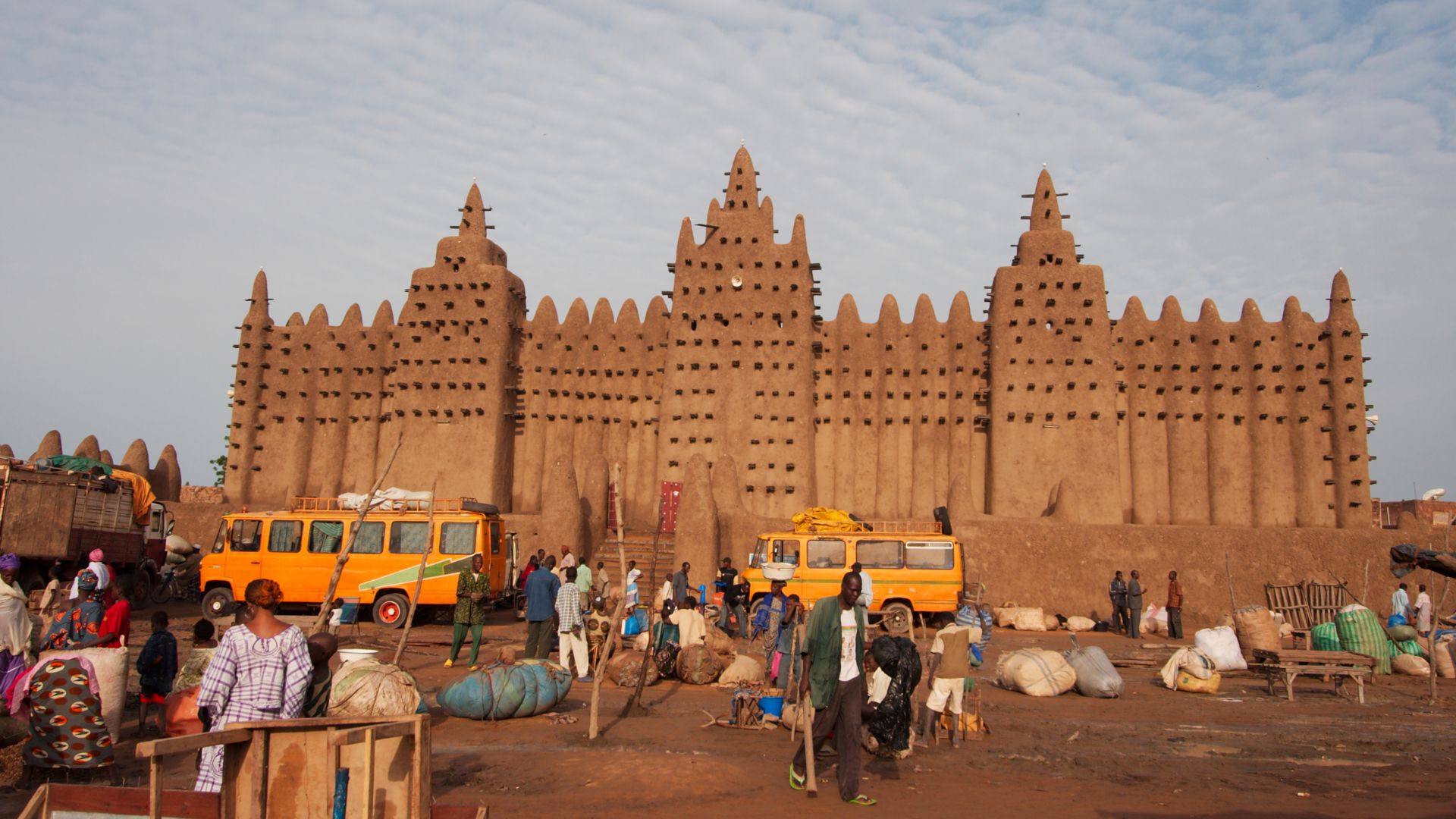
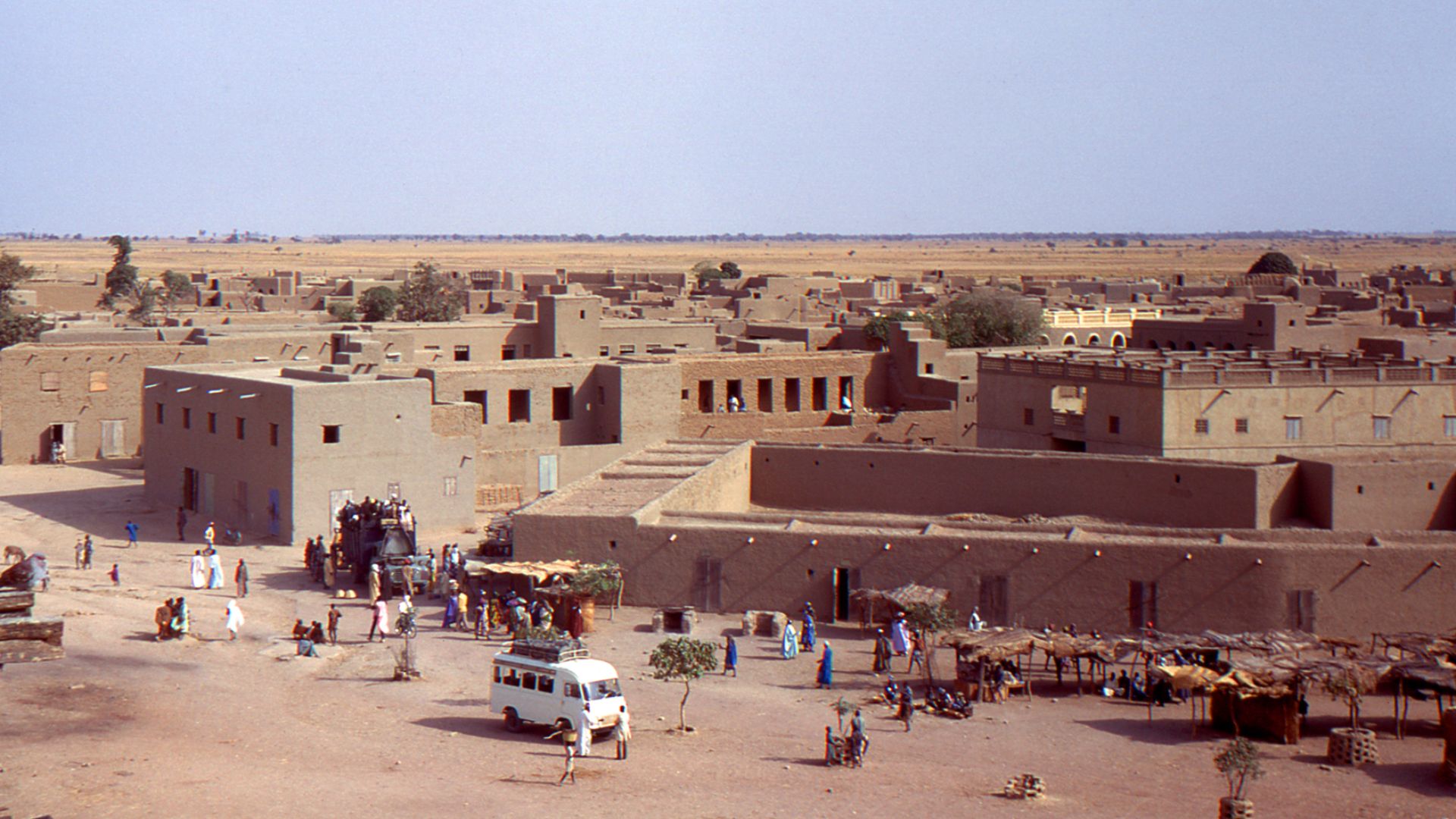
While ancient Djenné-Djeno declined, nearby Djenné grew into an important trading center. The later city became famous for its markets, Islamic scholarship, and remarkable earthen architecture. Its development continued a long regional history, although the relationship between the two settlements was more complex than simply moving a city.
 Anne and David, Wikimedia Commons
Archaeologists Rewrote African History
The discoveries forced historians to rethink how cities first developed south of the Sahara. Djenné-Djeno demonstrated that substantial urban communities and sophisticated exchange networks could emerge through local African developments, rather than depending entirely on outside influences. Its significance extends far beyond Mali's borders.
Protecting A Fragile Ancient Treasure
In 1988, Djenné-Djeno became part of the UNESCO World Heritage listing for the Old Towns of Djenné. Yet its remains face serious threats, including erosion, looting, and environmental damage. Organizations such as the World Monuments Fund have drawn attention to the importance of protecting this irreplaceable archaeological landscape.
 Gilles MAIRET, Wikimedia Commons
The Ancient City That Changed Everything
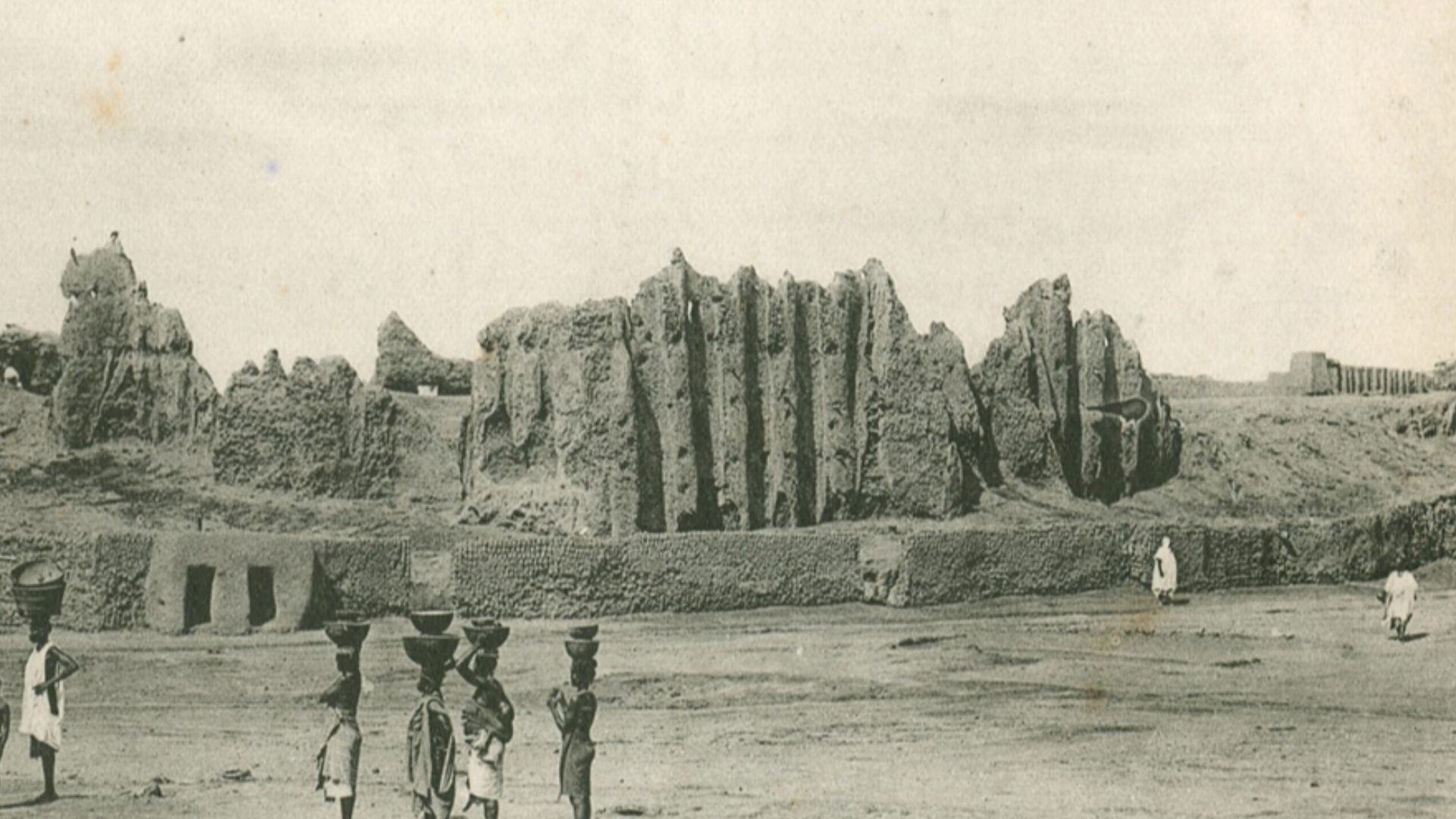
What looks like little more than a collection of dusty mounds has transformed our understanding of West Africa's past. Djenné-Djeno was home to farmers, fishers, craftspeople, and traders for over a thousand years. Its greatest legacy is the reminder that remarkable civilizations can be hidden beneath the most ordinary-looking ground.
 Edmond Fortier (1862-1928), Wikimedia Commons
You May Also Like:
Things American Tourists Keep Ordering In Italy That Italians Themselves Would Never Eat
American Ghost Towns With Disturbing Stories Behind Why Everyone Left