
A Shocking Discovery
You arrive in Italy dreaming of authentic pasta, pizza, and everything you've loved at your favorite Italian restaurant back home in the United States. Then you open the menu and discover something strange: half the dishes you expected aren't particularly Italian at all. Some are Italian-American inventions, others are tourist-trap specialties, and a few break culinary traditions Italians take pretty seriously. Here are the orders that might give away an American tourist before they even open their mouth.
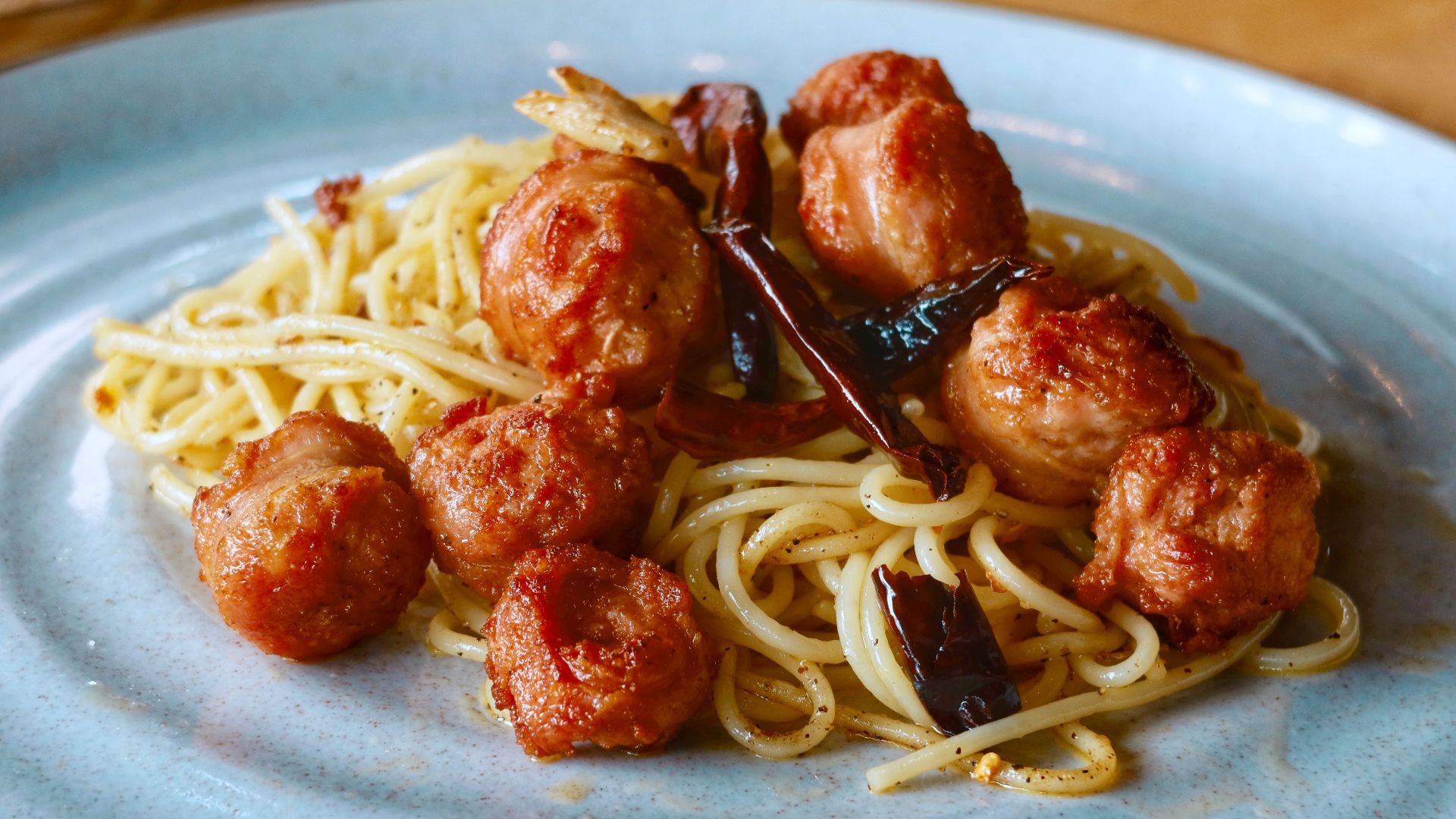
Spaghetti And Meatballs
For generations, Americans have considered spaghetti and meatballs the ultimate Italian comfort food. But in Italy, giant meatballs piled onto spaghetti are largely an Italian-American tradition. Italians certainly eat meatballs, called polpette, but they're generally served separately, often as a main course. The American combination grew out of immigrant cooking rather than traditional Italian restaurant menus.
 Baworn Srisatjalertwaja, Pexels
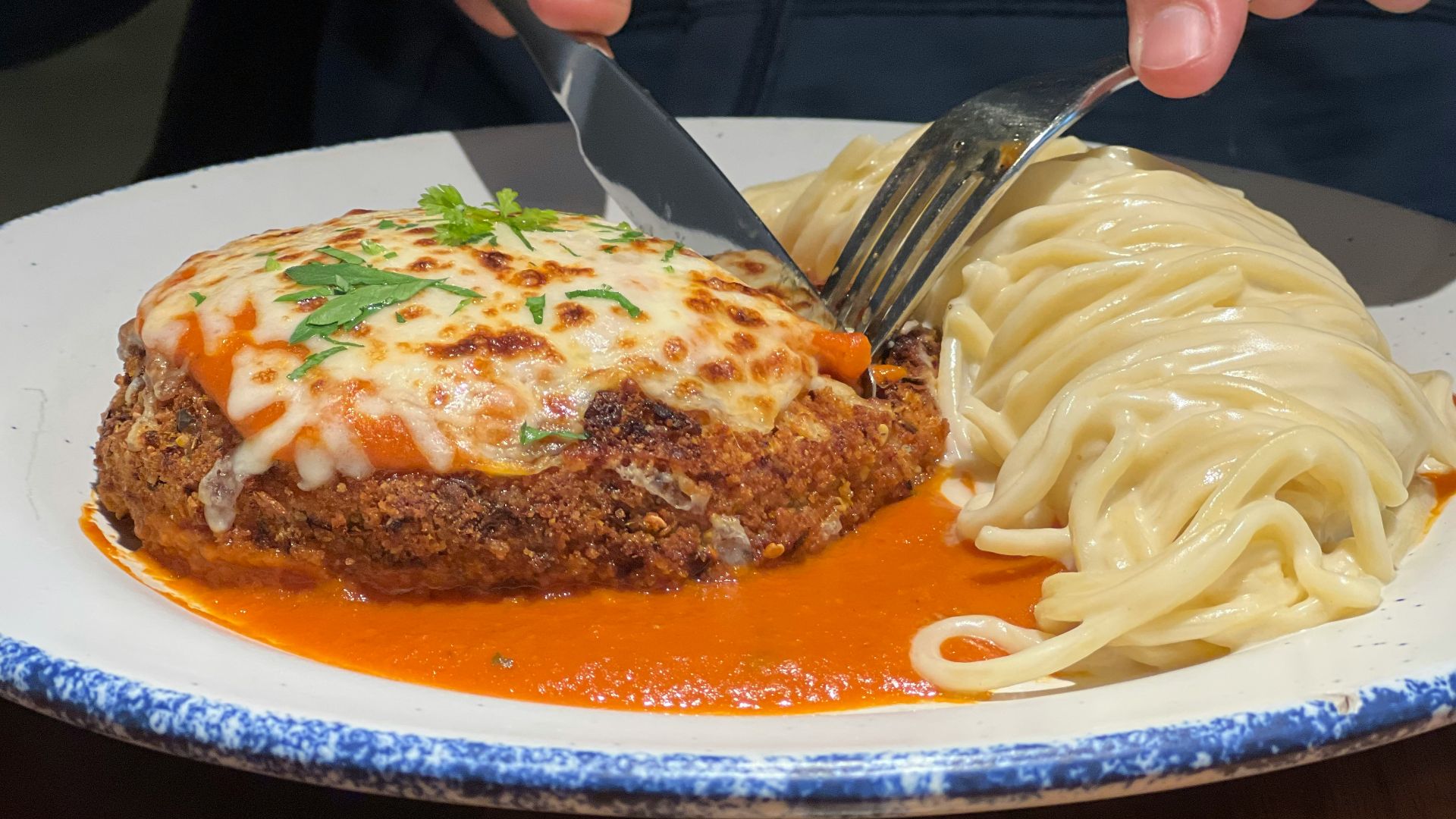
Chicken Parmesan With Pasta
Chicken Parmesan is practically unavoidable in American Italian restaurants, usually arriving as a breaded chicken breast buried beneath tomato sauce and melted cheese, with spaghetti alongside. In Italy, you'll find dishes such as melanzane alla parmigiana, made with eggplant, and various breaded meat cutlets. But the familiar chicken-and-spaghetti combination is overwhelmingly associated with Italian-American cuisine.
Fettuccine Alfredo With Cream
Americans love rich Alfredo sauce made with heavy cream, garlic, and Parmesan cheese. The original Roman dish associated with Alfredo di Lelio, however, relied on butter, Parmigiano-Reggiano, and pasta water to create its silky texture. Although restaurants catering to visitors may serve the Americanized version, the cream-heavy sauce familiar in the United States isn't a traditional everyday Italian preparation.
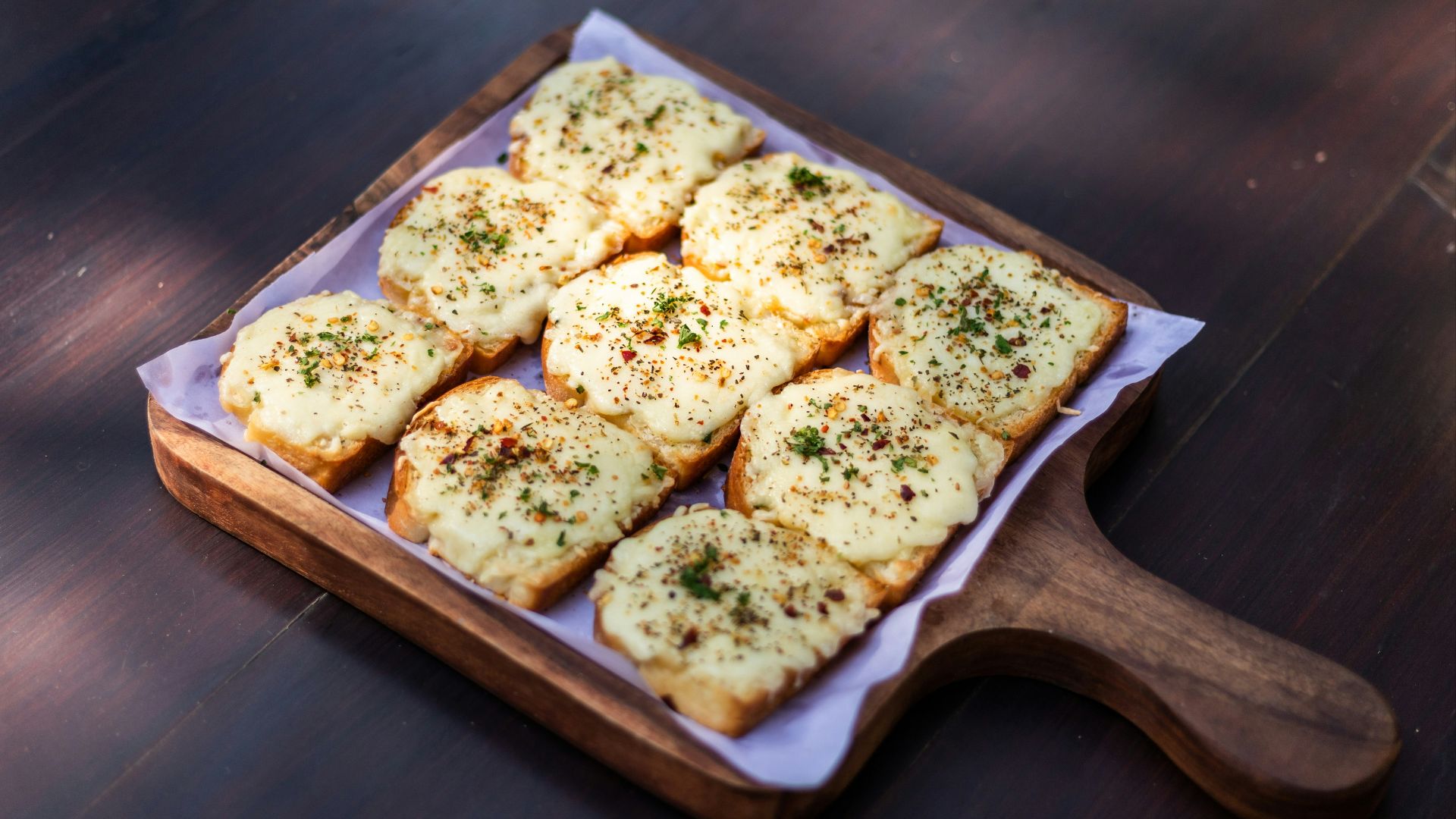
Garlic Bread With Cheese
A basket of thick garlic bread dripping with butter and melted mozzarella seems like the perfect beginning to an Italian meal. But this familiar American restaurant staple isn't something Italians routinely order. Italy has its own traditions involving toasted bread, olive oil, garlic, and bruschetta. The heavily buttered, cheese-covered version is much more closely associated with Italian-American restaurants.
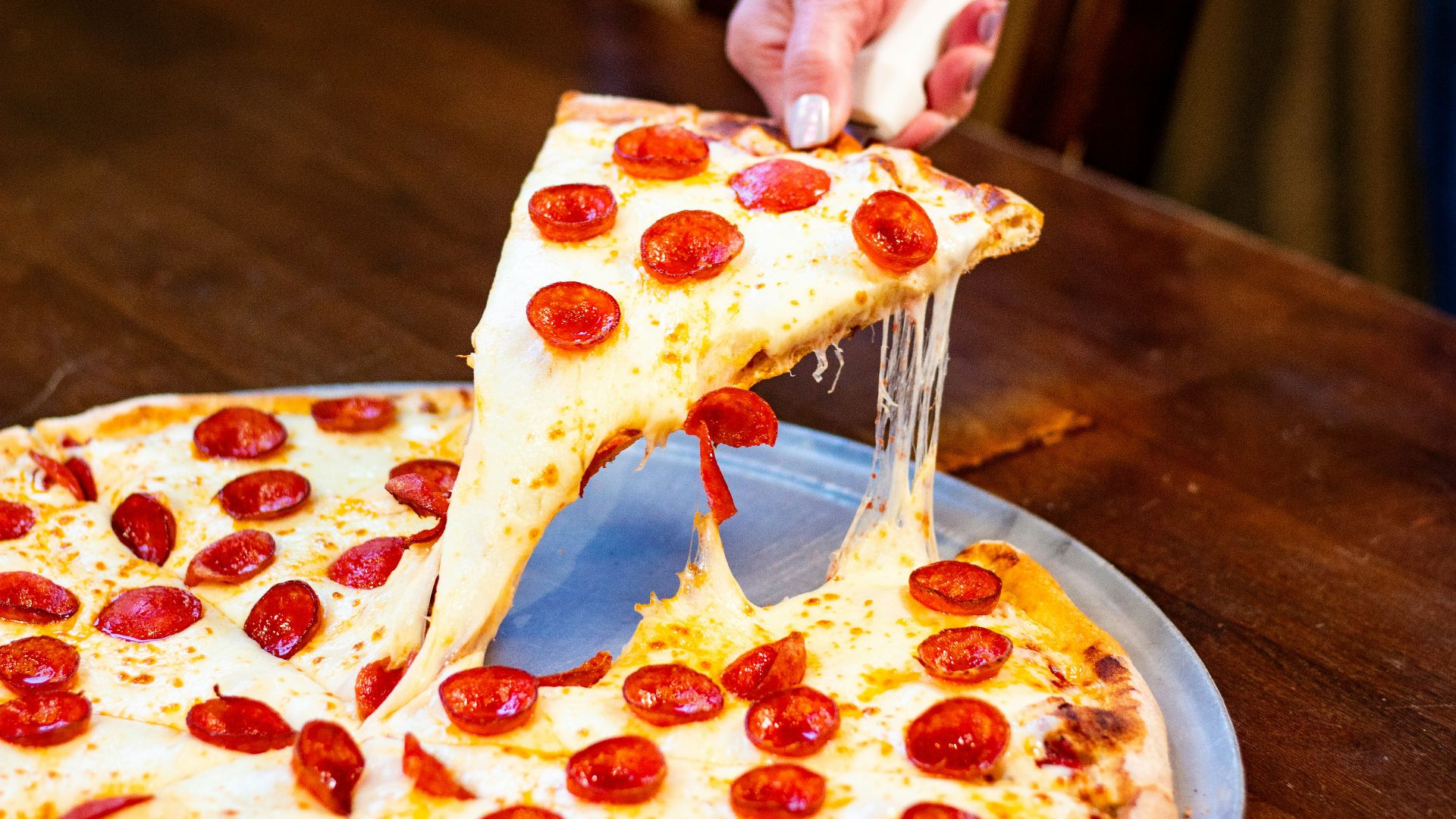
Pepperoni Pizza
Ask for pepperoni pizza in Italy and you might get a puzzled look. The spicy, bright-red sausage Americans call pepperoni is an Italian-American creation. In Italian, peperoni means bell peppers. If you want something resembling American pepperoni pizza, look for toppings such as salame piccante or diavola. Even then, the sausage and overall pizza style may differ by a lot.
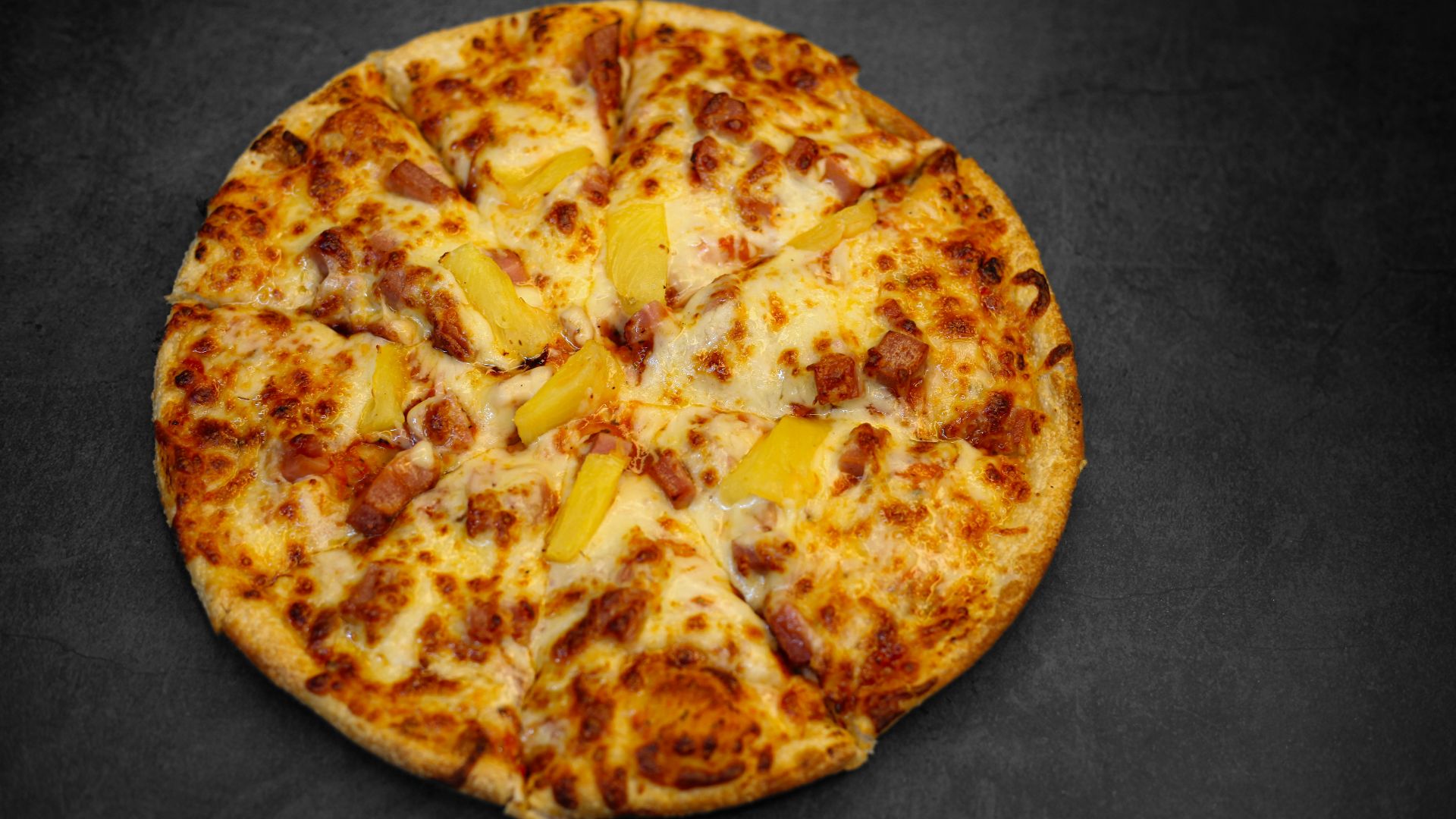
Hawaiian Pizza
Pineapple and ham have become a familiar pizza combination in North America, but Hawaiian pizza was invented in Canada, not Italy. Many Italians regard pineapple as an unusual pizza topping, although some adventurous Italian pizzaioli have experimented with it. Ordering Hawaiian pizza at a tourist-oriented restaurant is therefore more likely to reveal international influence than a traditional Italian specialty.
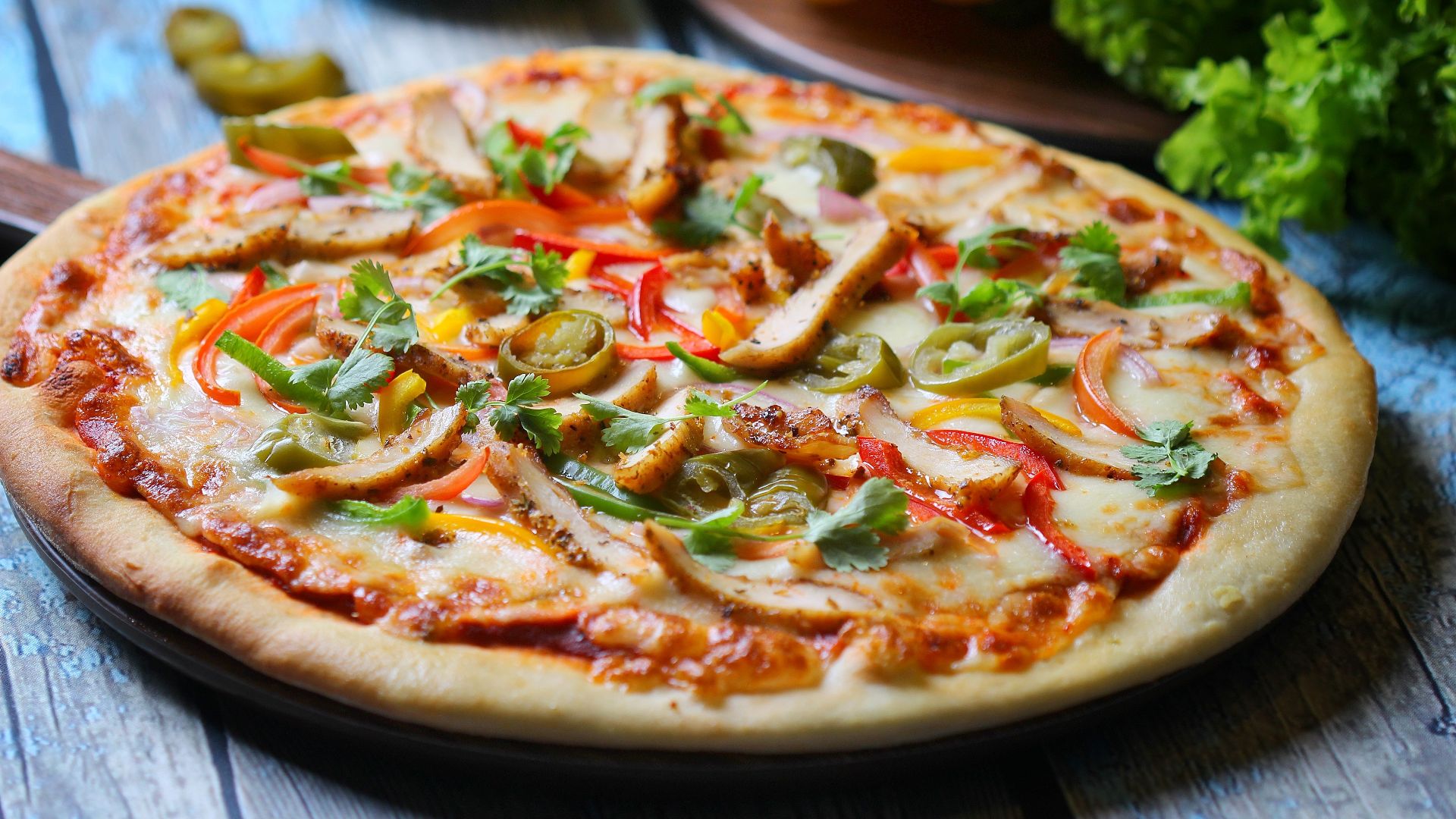
Chicken On Pizza
Americans think nothing of ordering barbecue chicken pizza or a pie topped with grilled chicken and ranch dressing. Traditional Italian pizza menus generally favor ingredients such as mozzarella, tomatoes, mushrooms, cured meats, anchovies, and vegetables. Chicken isn't an absolute impossibility in Italy, but it remains uncommon compared with the familiar toppings Americans encounter at home.
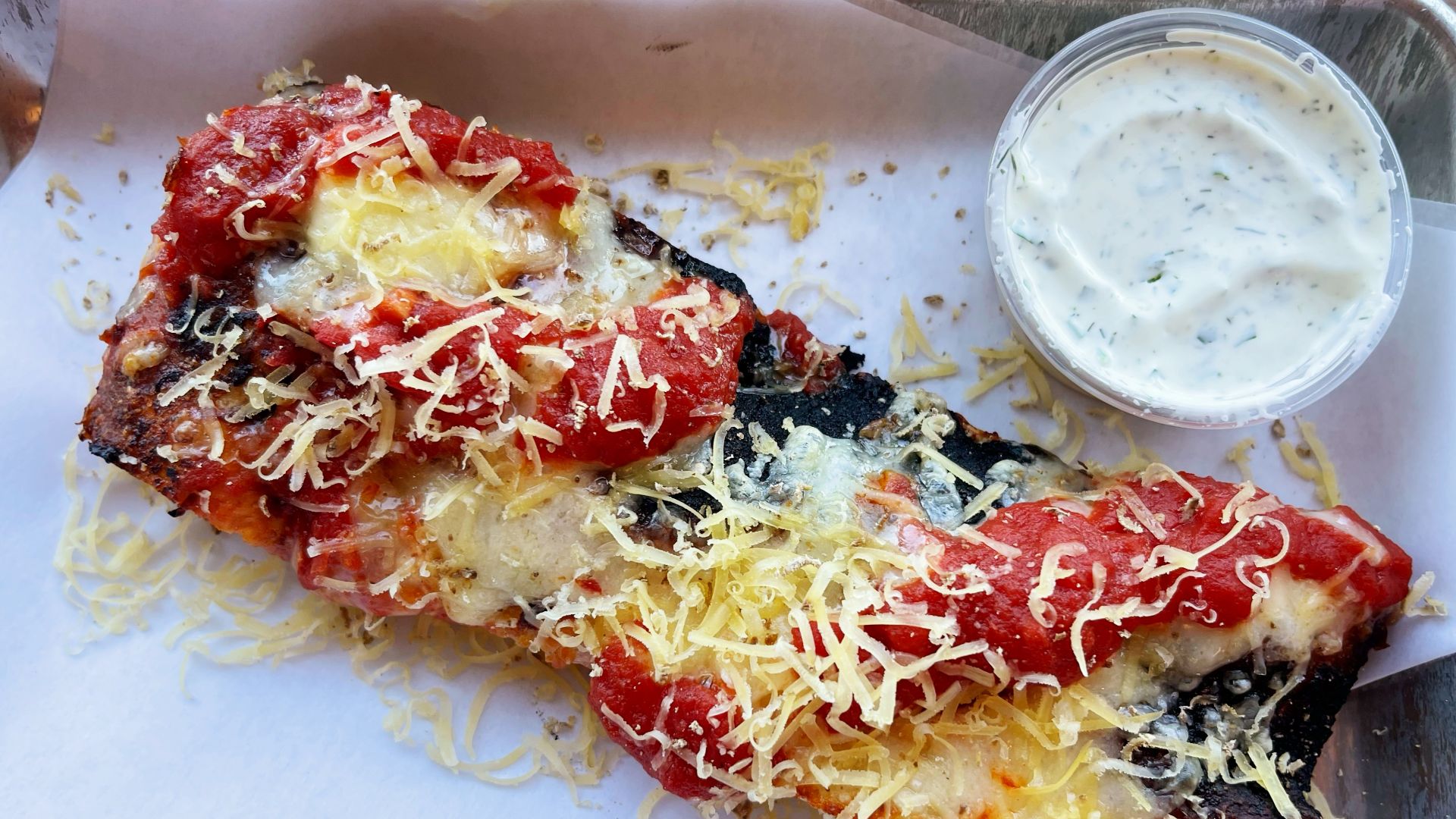
Ranch Dressing On Pizza
In parts of the United States, dipping pizza crust into ranch dressing is practically a ritual. Italian pizza culture has no comparable mainstream tradition. Pizza is generally served with its intended toppings rather than a separate creamy dipping sauce. Asking for ranch at a traditional pizzeria may produce confusion, particularly because the dressing itself is far less common in Italy.
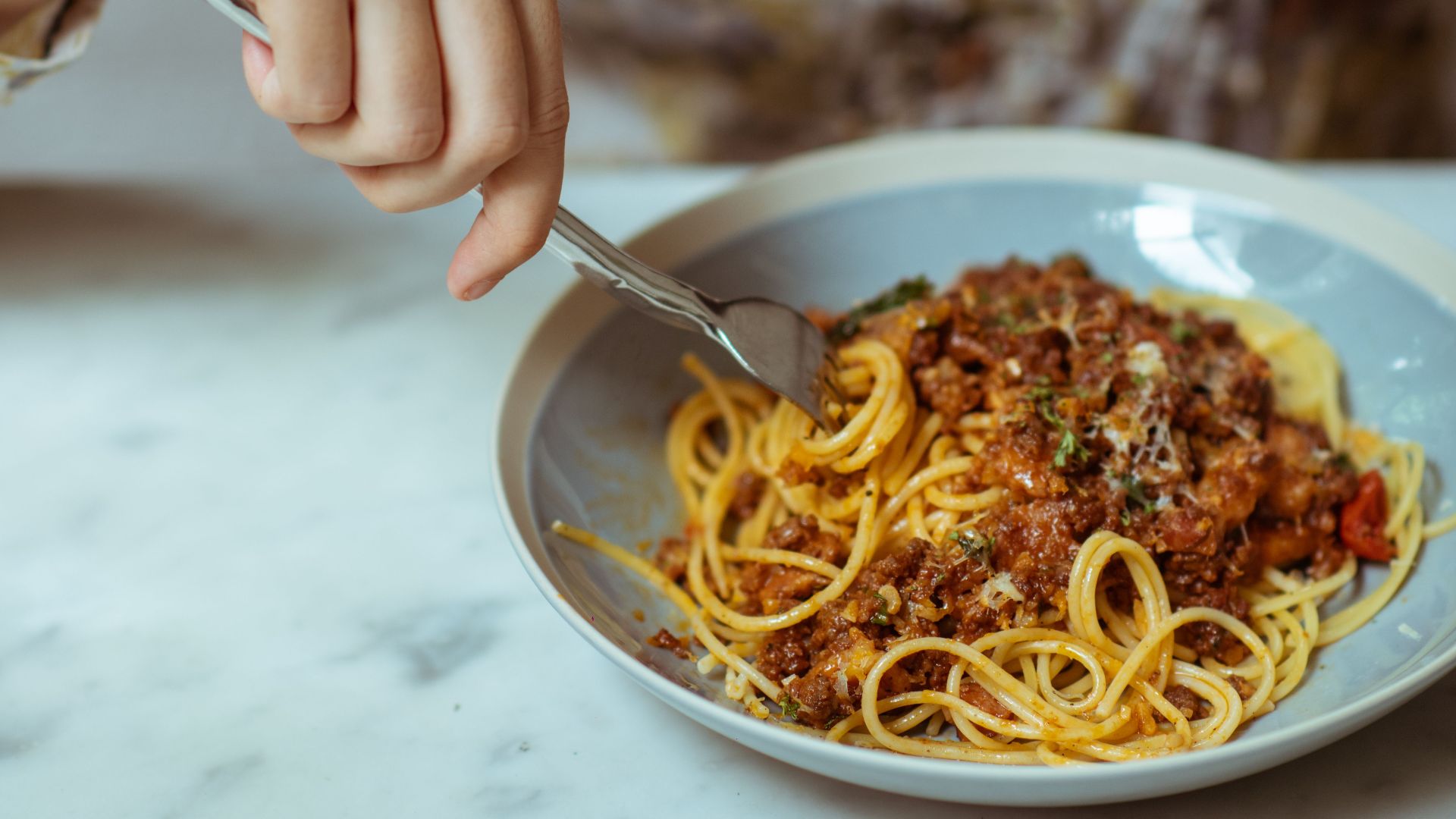
Spaghetti Bolognese
Spaghetti Bolognese is an international favorite, but visitors to Bologna may struggle to find it in traditional restaurants. The city's famous meat sauce, ragù alla bolognese, is commonly served with tagliatelle, whose broad ribbons hold the sauce beautifully. Spaghetti Bolognese isn't unheard of in Italy, but it's much more closely associated with international variations of Italian cooking.
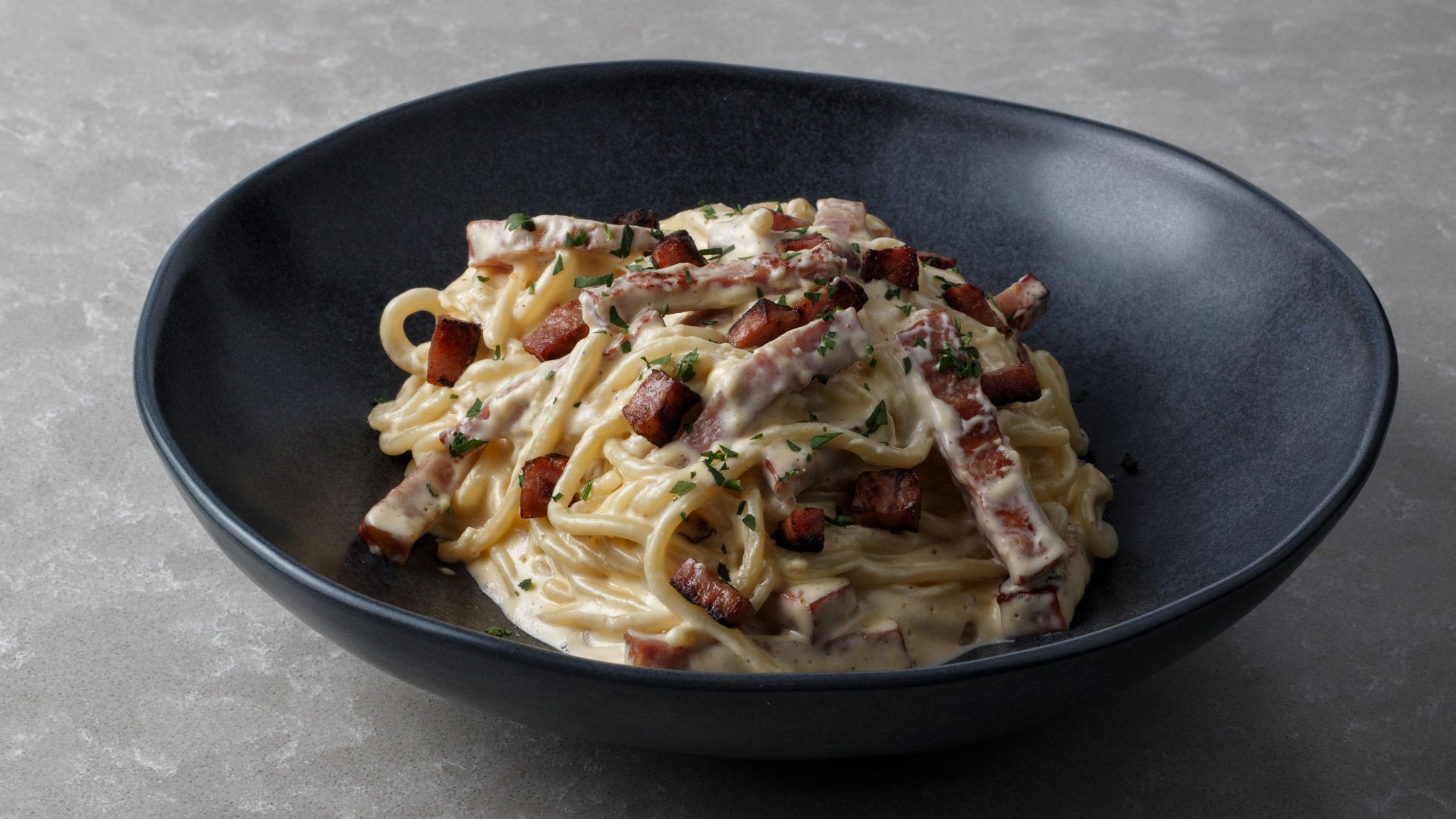
Carbonara With Cream
A creamy carbonara might seem completely normal to American diners, especially when it includes bacon, garlic, or peas. In Rome, however, the classic preparation uses eggs, Pecorino Romano, guanciale, and black pepper. The creamy texture comes from emulsifying the ingredients rather than adding heavy cream. Tourist-oriented restaurants sometimes adapt the dish to foreign expectations, but Romans have their own ideas.
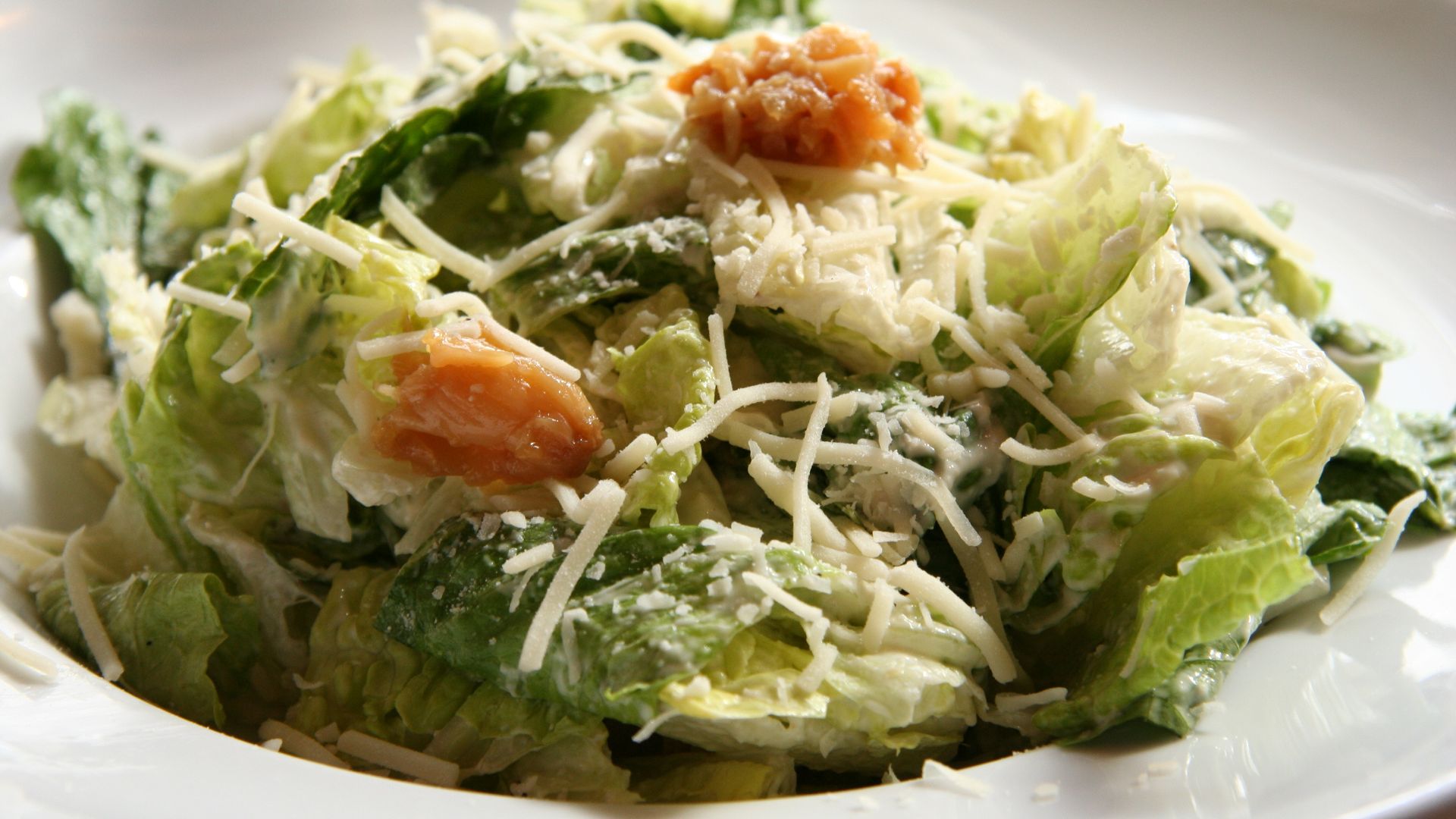
Caesar Salad
Despite its Italian-sounding name, Caesar salad wasn't invented in Rome or anywhere else in Italy. Its origins are associated with restaurateur Caesar Cardini in Tijuana, Mexico, during the 1920s. Romaine lettuce, croutons, Parmesan, and creamy dressing became enormously popular in American restaurants. Italians certainly eat salads, but Caesar salad isn't a traditional Italian dish, even if some international restaurants serve it.
 Geoff Peters from Vancouver, BC, Canada, Wikimedia Commons
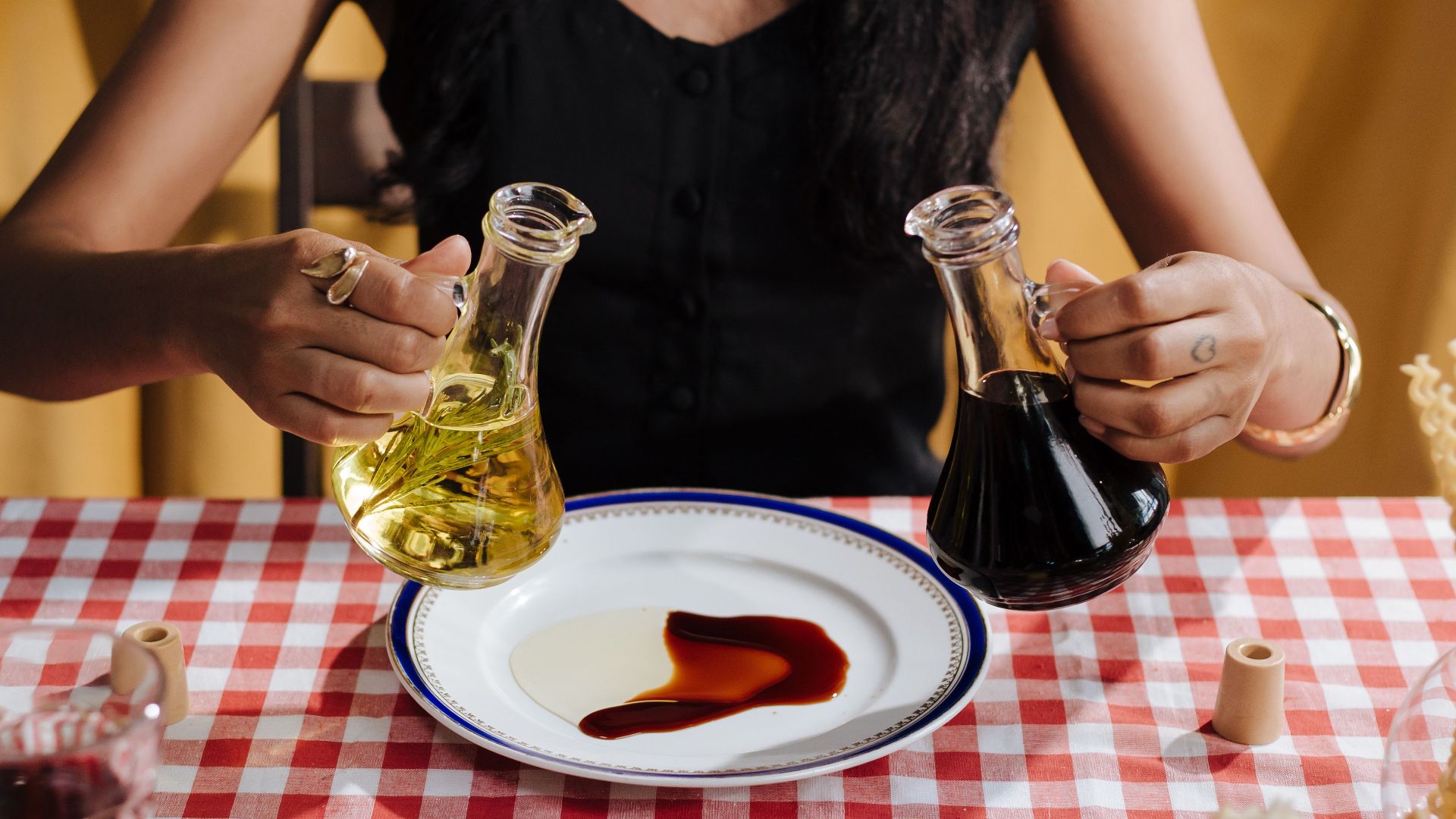
Italian Dressing
Americans frequently expect their salads to arrive covered in bottled Italian dressing, complete with herbs, vinegar, and seasonings. In Italy, salads are more commonly dressed simply with olive oil, vinegar or lemon juice, and salt. The familiar bottled dressing is an American product inspired by Italian flavors rather than a standard Italian restaurant condiment. Simplicity is often the point.
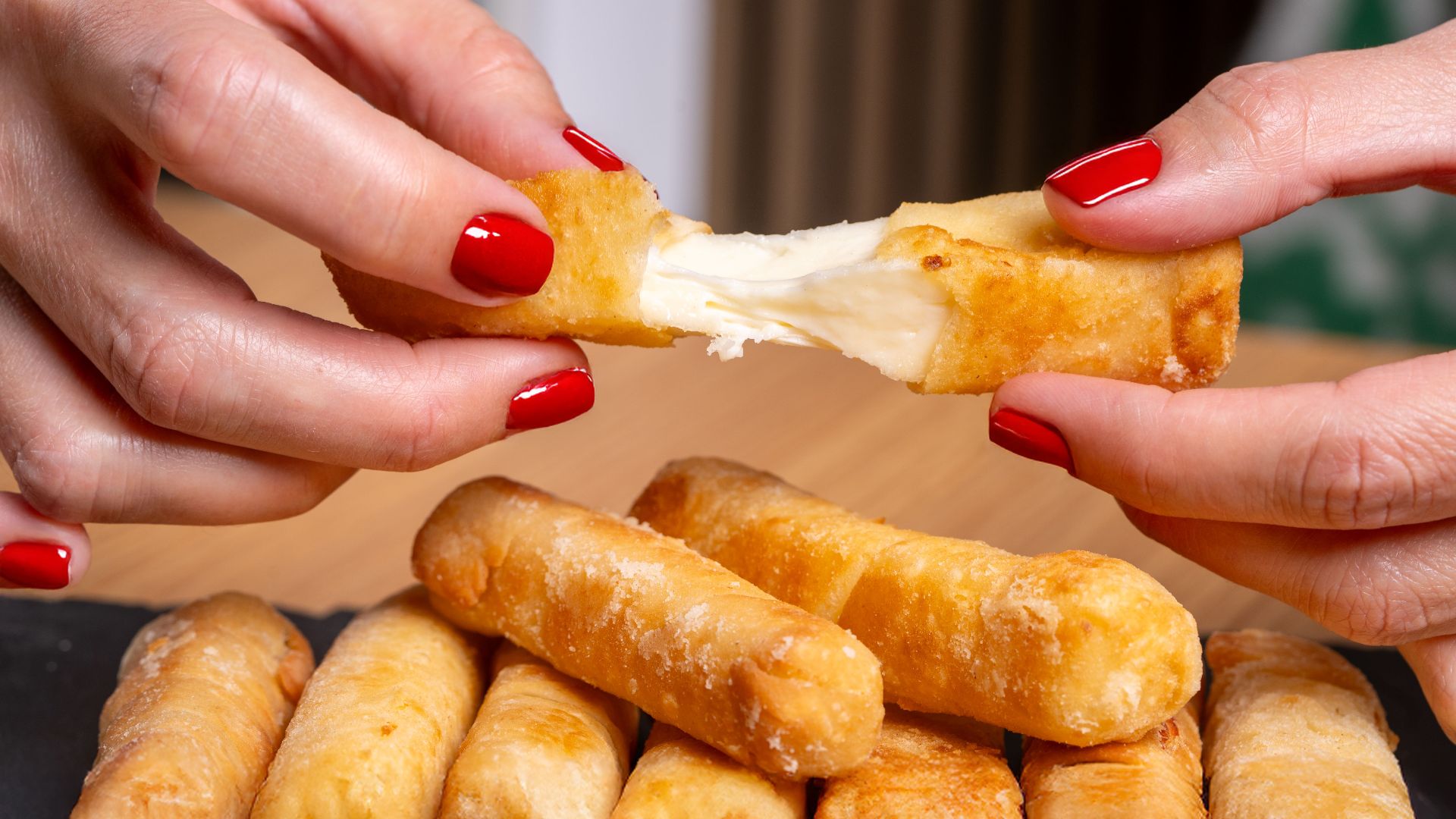
Mozzarella Sticks
Golden, breaded mozzarella sticks with a bowl of marinara sauce are practically synonymous with American casual dining. Italy has its own fried cheese specialties, including mozzarella in carrozza, which sandwiches mozzarella between slices of bread before frying. But the familiar uniform cheese sticks served as an appetizer are primarily an American restaurant creation, not a staple of traditional Italian menus.
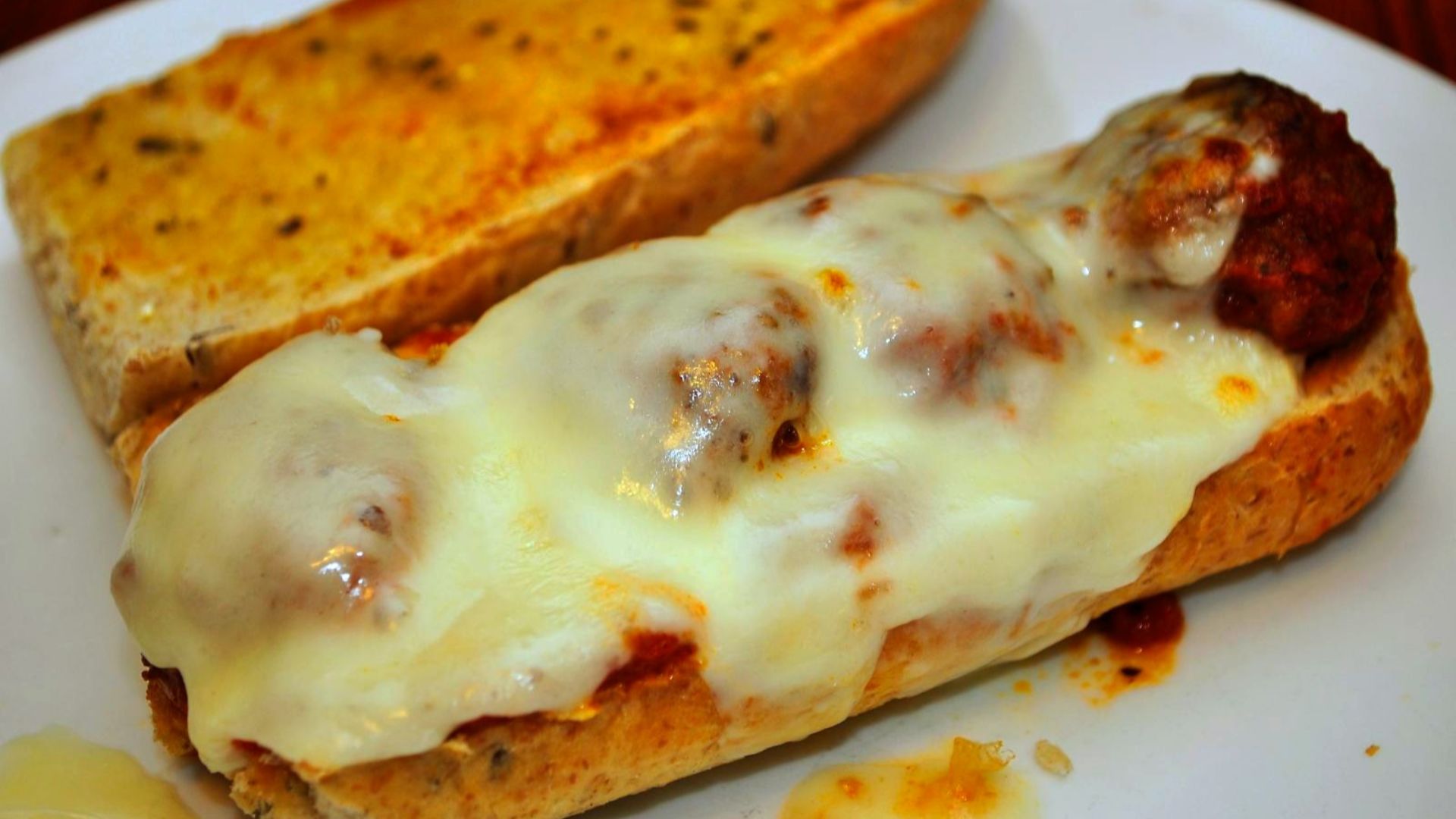
Meatball Subs
The enormous meatball submarine sandwich, stuffed with tomato sauce and melted cheese, is another beloved Italian-American invention. Italian cuisine includes countless meatball preparations and sandwiches, but the American-style meatball sub isn't a traditional Italian lunch. In Italy, you're more likely to encounter regional sandwiches filled with cured meats, cheeses, vegetables, or other local specialties.
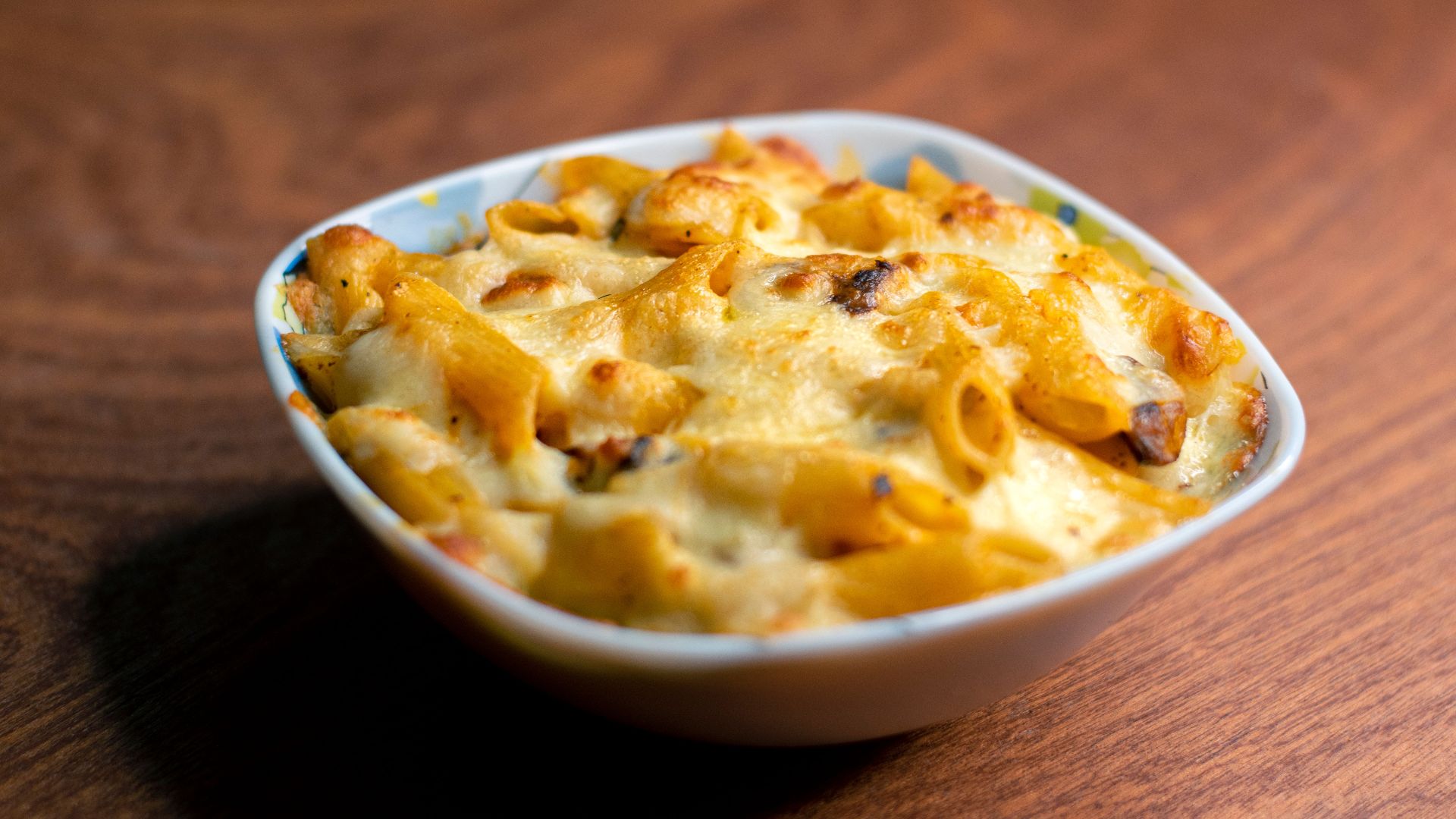
Baked Ziti
Americans know baked ziti as a bubbling casserole packed with pasta, tomato sauce, ricotta, and melted mozzarella. Italy has plenty of traditional baked pasta dishes, broadly known as pasta al forno, with recipes varying dramatically by region. However, the familiar Italian-American baked ziti casserole isn't necessarily what an Italian restaurant means by baked pasta. The name may sound familiar, but the preparation can be quite different.
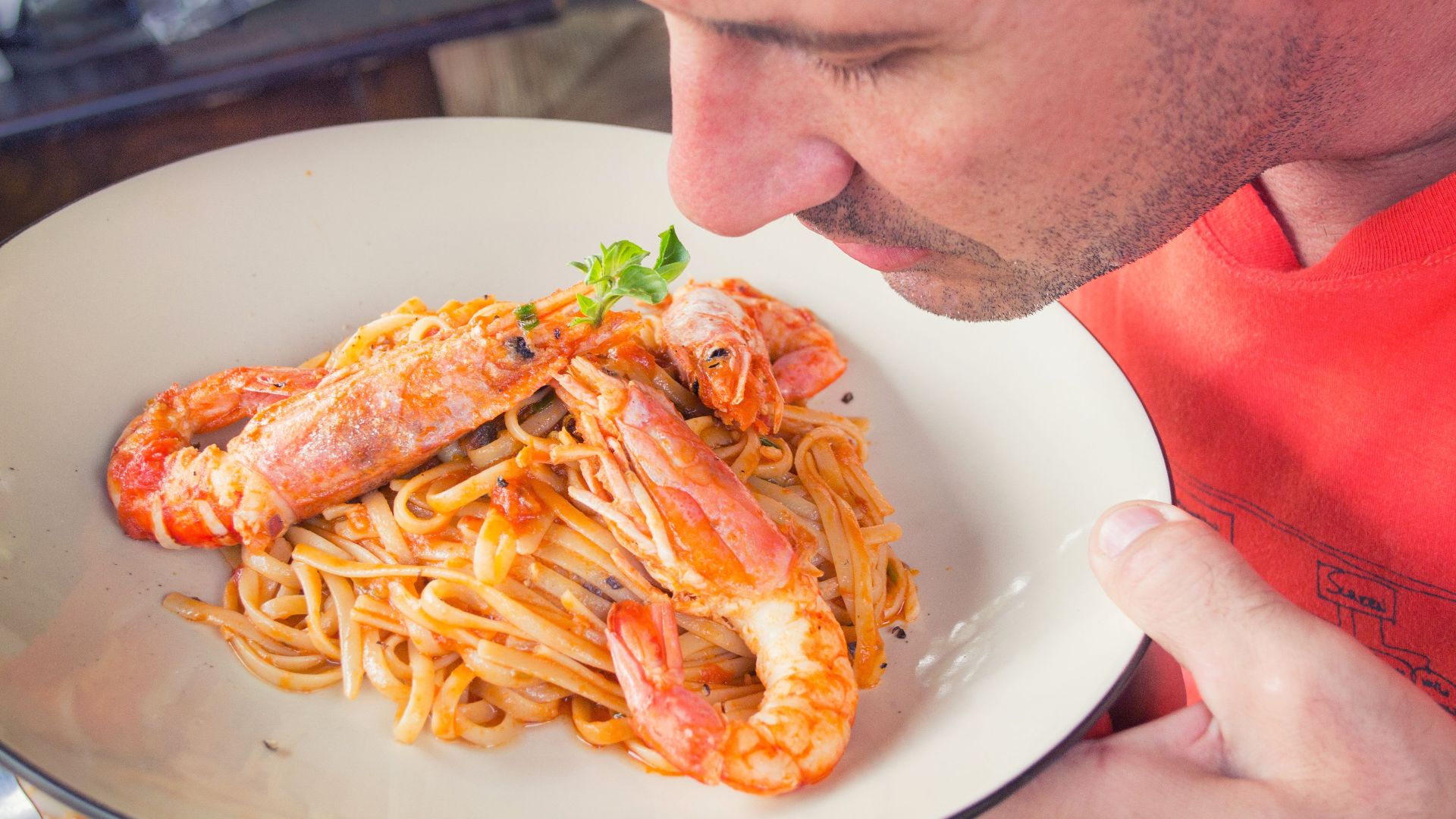
Shrimp Scampi
In American restaurants, shrimp scampi generally means shrimp cooked with garlic, butter, lemon, and sometimes white wine, often served over pasta. The terminology becomes confusing in Italy because scampi refers to langoustines, a different crustacean. Italians certainly prepare seafood with garlic and olive oil, but the American dish called shrimp scampi isn't a standard traditional order.
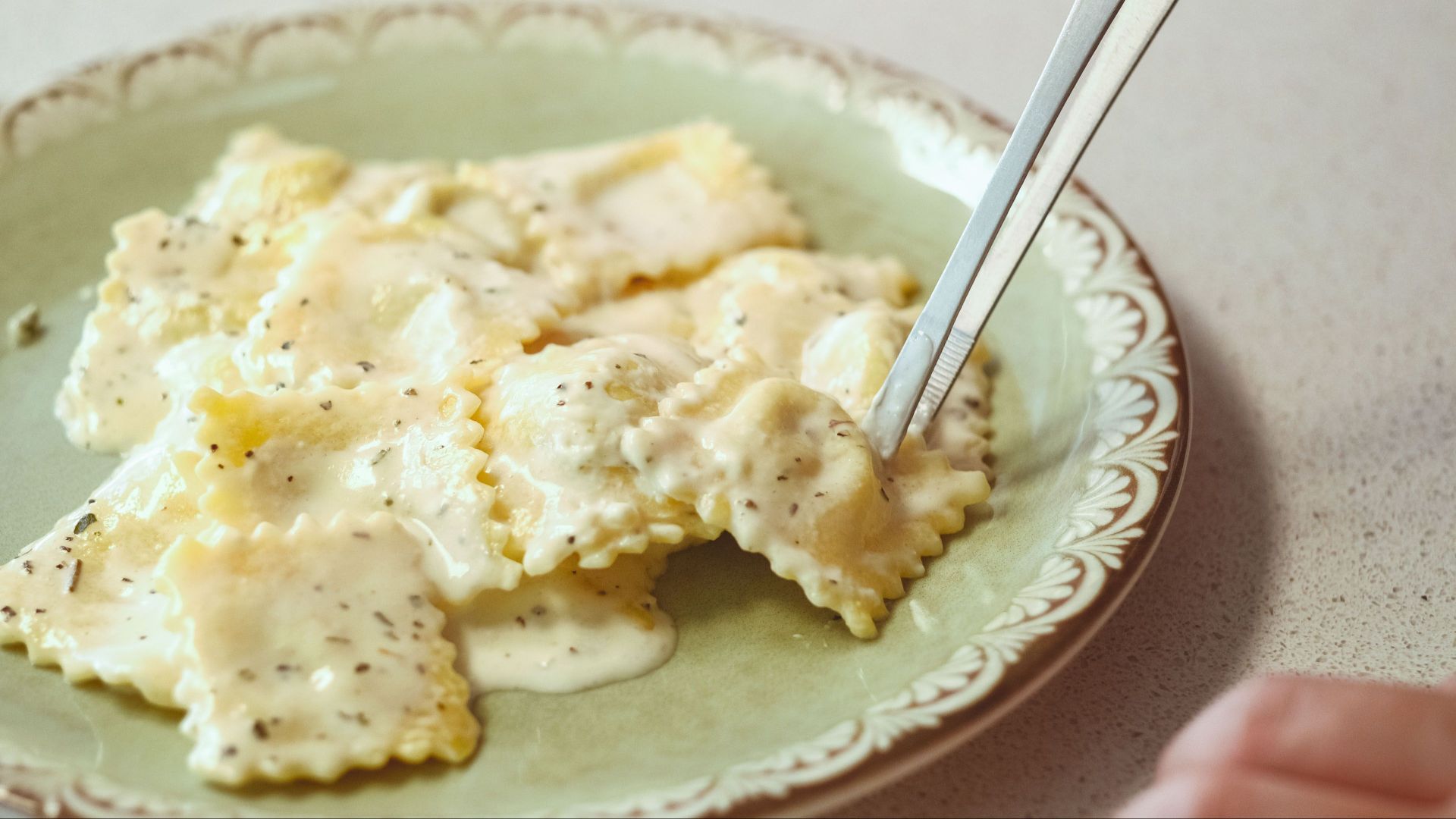
Lobster Ravioli With Cream Sauce
Americans often associate lobster ravioli with luxurious Italian dining, especially when it's drenched in a rich cream sauce. Italian coastal regions certainly prepare exquisite seafood-filled pasta, including ravioli with shellfish. However, the heavy, creamy restaurant version familiar in North America isn't representative of every regional tradition. Italians frequently favor preparations that allow the seafood's delicate flavor to remain prominent.
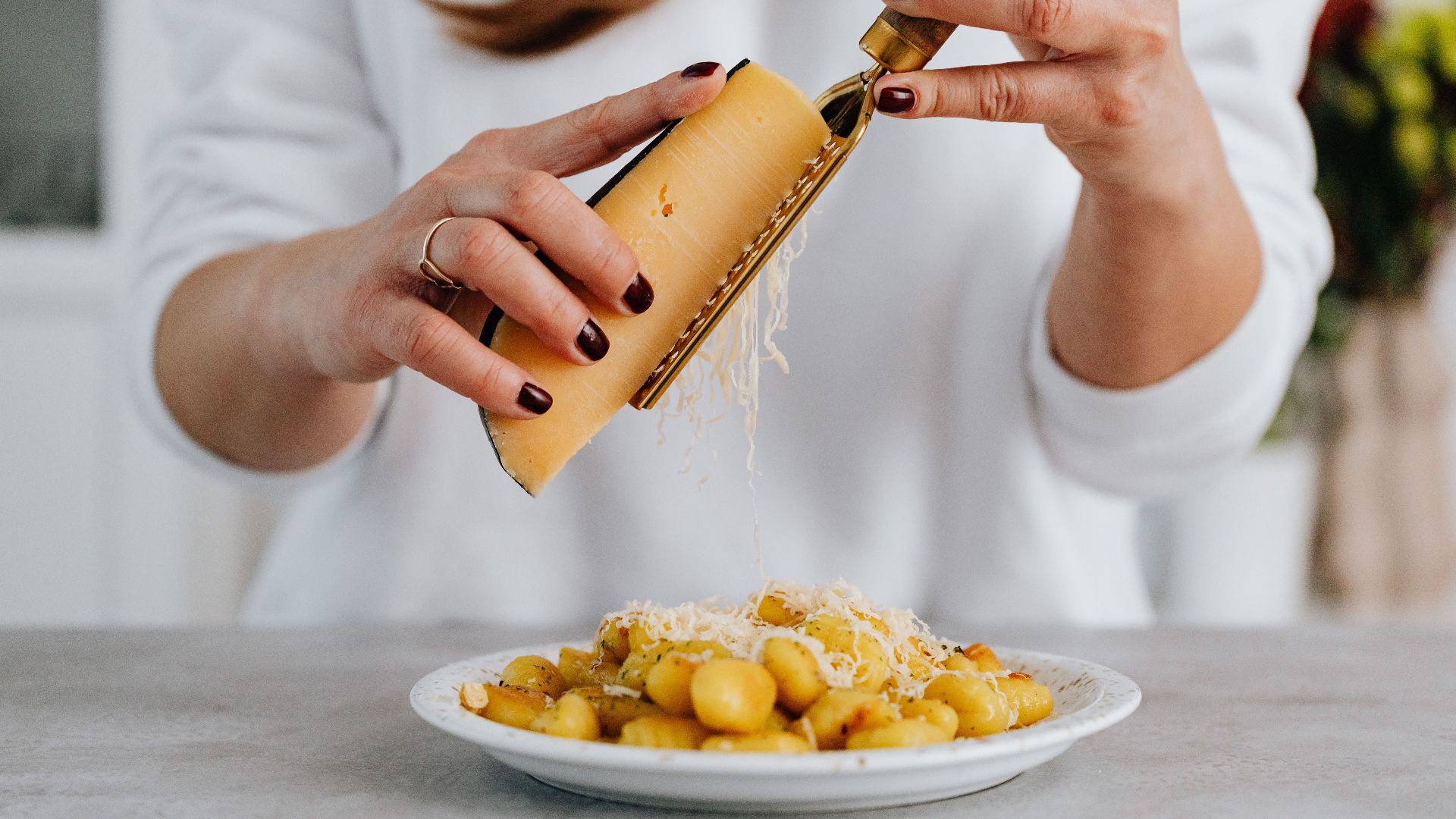
Parmesan On Seafood Pasta
Americans sometimes ask for extra Parmesan on almost any pasta dish, including spaghetti with clams or seafood linguine. Traditional Italian cooking generally avoids grated cheese on seafood pasta because its strong flavor can overpower delicate ingredients. The convention isn't universal, and modern chefs sometimes challenge it. Nevertheless, requesting a mountain of Parmesan on spaghetti alle vongole can surprise a traditional Italian cook.
 https://kaboompics.com/, Pexels
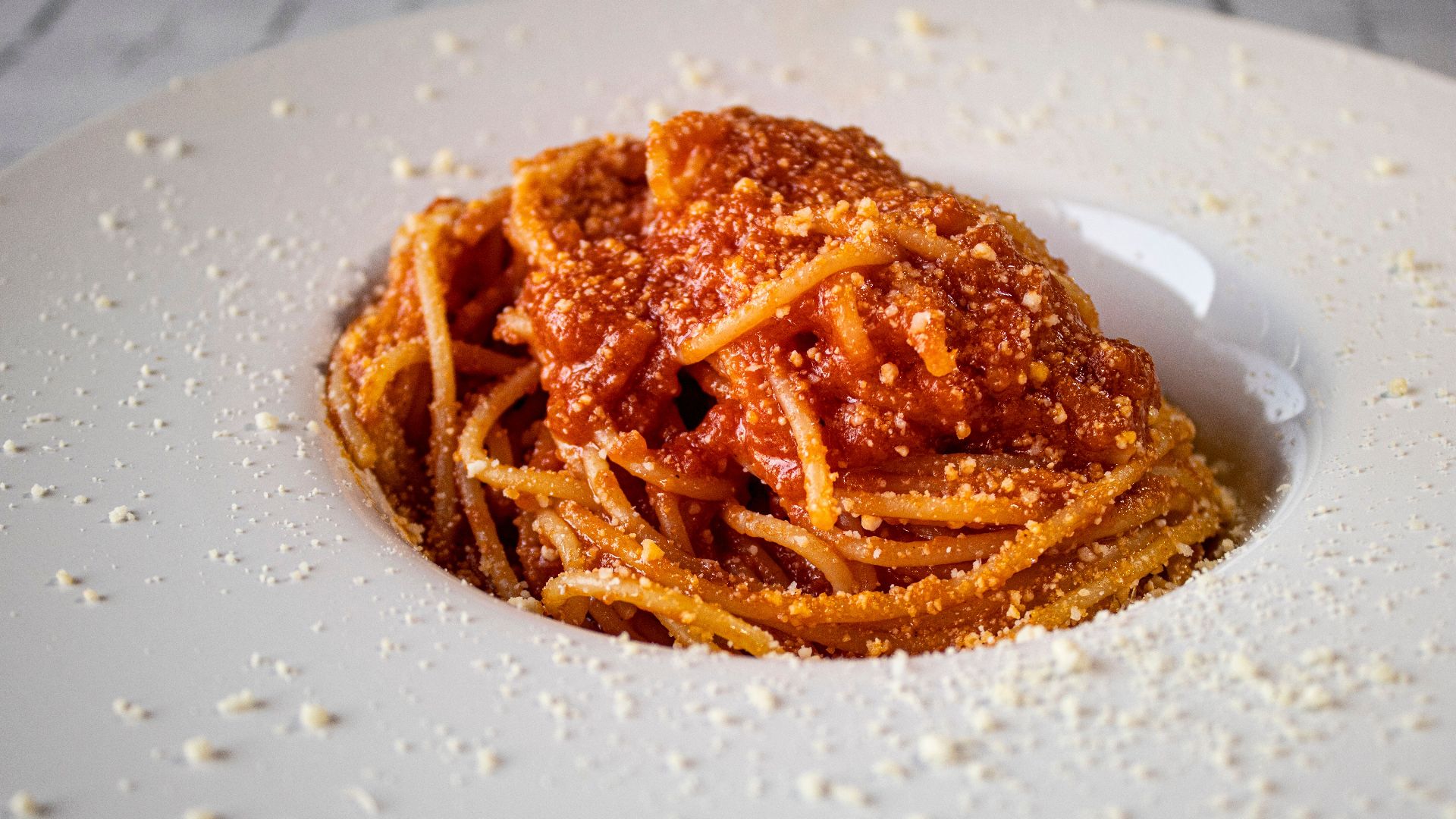
Pasta As A Side Dish
In many American Italian restaurants, a chicken or veal entrée automatically arrives with a generous side of spaghetti. Traditional Italian dining usually separates pasta, served as a primo, from meat or fish, served as a secondo. Vegetables or potatoes are more conventional accompaniments to the main course. Visitors expecting spaghetti beside every cutlet may discover a different approach to organizing dinner.
 Muhammed Emin TOPALOĞLU, Pexels
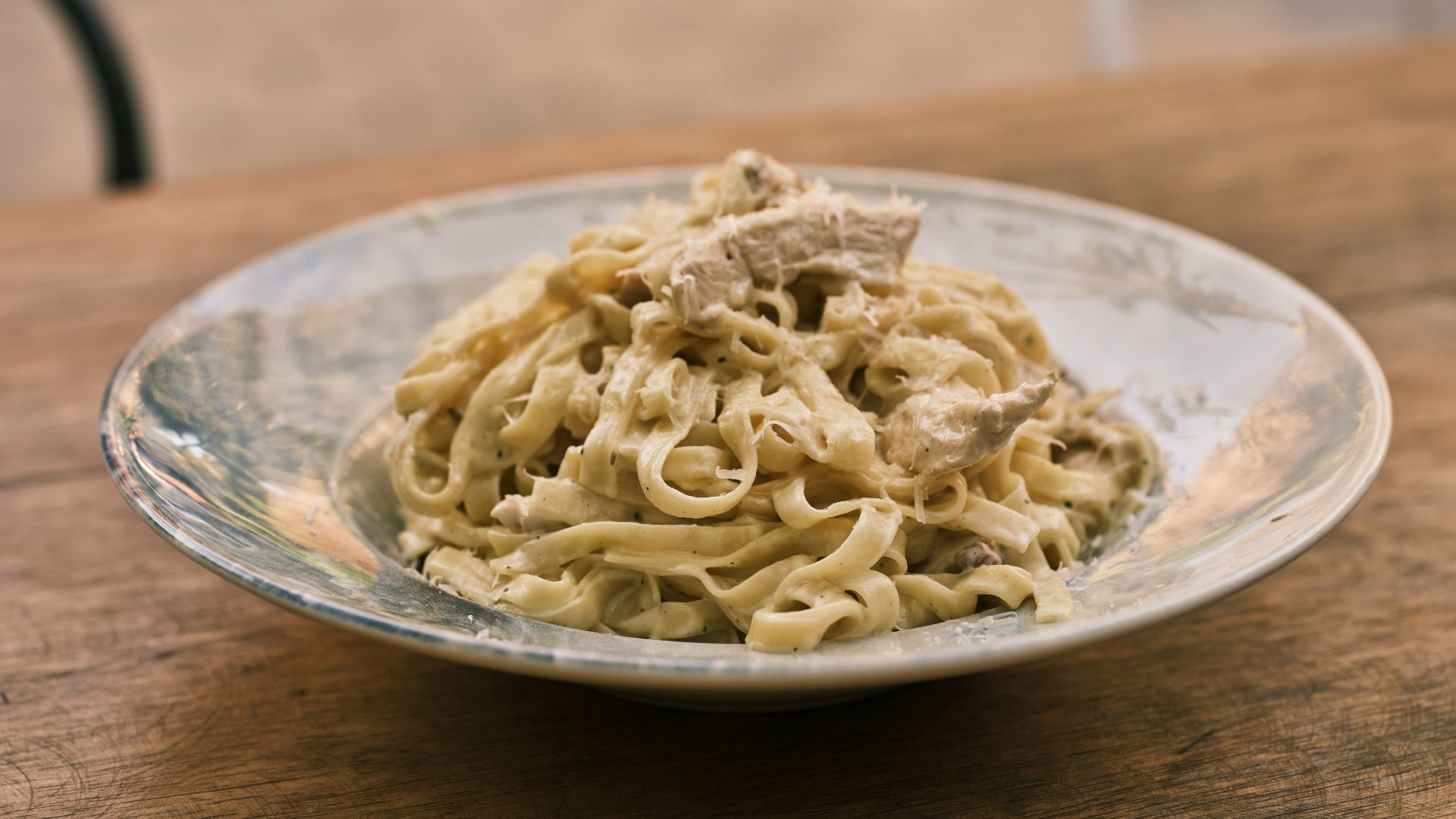
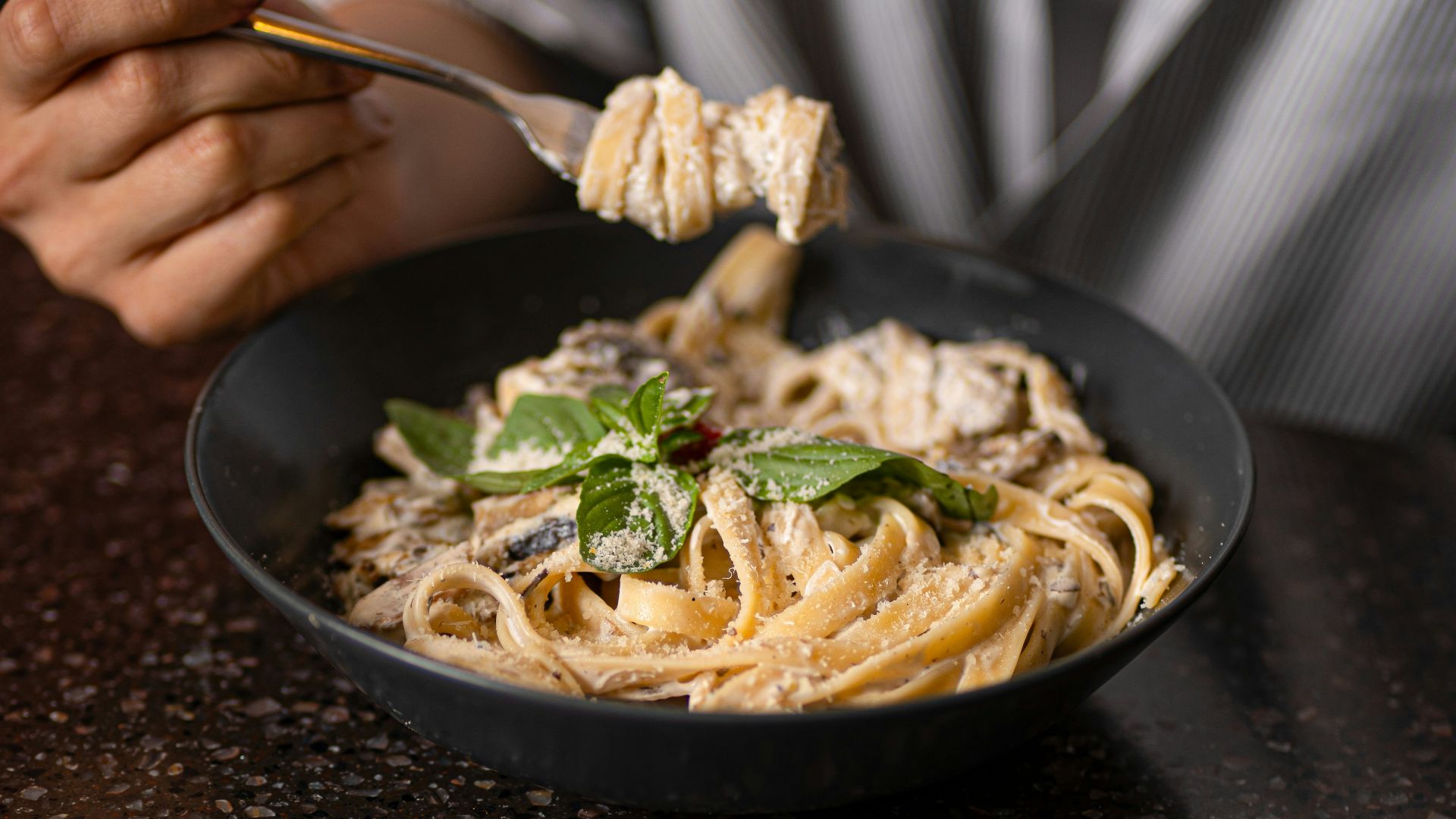
Chicken Alfredo Pasta
American restaurant menus frequently combine grilled chicken, fettuccine, and a thick Alfredo sauce into one enormous entrée. In Italy, chicken is rarely incorporated into traditional pasta dishes in this fashion. Pasta and poultry are more commonly prepared separately, while the original Roman Alfredo preparation didn't include chicken. It's a perfect example of how Italian-American restaurants adapted familiar ingredients into satisfying new combinations.
Cappuccino After Dinner
This isn't a dish, but it's one of the most recognizable differences between American and Italian dining habits. Americans happily order cappuccinos after dinner, sometimes alongside dessert. Italians generally associate milky coffee drinks with breakfast and prefer espresso after meals. Nobody is going to confiscate your cappuccino, but ordering one after a late dinner certainly isn't the traditional Italian custom.
 www.Pixel.la Free Stock Photos, Wikimedia Commons
The Bottomless Bread Basket
American Italian restaurants often begin meals with unlimited breadsticks, garlic knots, or baskets of warm bread accompanied by butter and dipping oil. Italian restaurants may serve bread, but the American-style complimentary appetizer experience isn't universal. Some establishments charge a coperto, or cover charge, which can include bread and table service. Visitors should check the menu rather than assume everything works like home.

Italy Isn't One Cuisine
The biggest surprise for many American visitors is discovering how dramatically Italian food changes from region to region. Bologna celebrates rich meat sauces, Naples is famous for pizza, Liguria treasures pesto, and Sicily has distinctive Arab-influenced culinary traditions. A dish that's perfectly traditional in one region may be unfamiliar elsewhere. Understanding those differences makes eating in Italy far more rewarding.
Italian-American Food Has Its Own History
It's tempting to dismiss Italian-American dishes as inauthentic, but that overlooks their fascinating origins. Immigrants adapted family recipes to American ingredients, changing incomes, and new cultural influences. Meat became more affordable, portions grew, and entirely new combinations emerged. Spaghetti and meatballs, chicken Parmesan, and garlic bread developed their own traditions. They aren't necessarily traditional Italian foods, but they're authentic expressions of Italian-American history.

Order Like A Local
The best way to enjoy Italy's food isn't to memorize a long list of forbidden dishes. Instead, explore regional specialties, ask about seasonal ingredients, and try foods that local restaurants prepare particularly well. You might discover that a simple plate of pasta with fresh tomatoes tastes better than an enormous Alfredo entrée. Italian cuisine rewards curiosity, and sometimes the most memorable meal is the one you never thought to order.

You May Also Like:
Countries Where American Travelers Say The Food Was Better Than They Ever Expected
Americans Must Try These European Fast Food Chains
Things Americans Do At Restaurants That Confuse Europeans When They Visit