Dining Out Looks Pretty Different Depending On Where You're From
Grabbing a meal at a restaurant might seem like a universal experience, but the little details can be completely different depending on the country. Plenty of things Americans barely think about—like asking for free refills or taking leftovers home—can leave European visitors scratching their heads. Here are some of the restaurant habits that tend to stand out the most.
Expecting Free Refills
One of the first surprises for many Europeans is unlimited drink refills. In the U.S., your soda, iced tea, or coffee might get topped off several times without costing another dime. In many European countries, though, every drink is usually a separate purchase, so endless refills feel like a pretty unusual perk.
Leaving A 20 Percent Tip
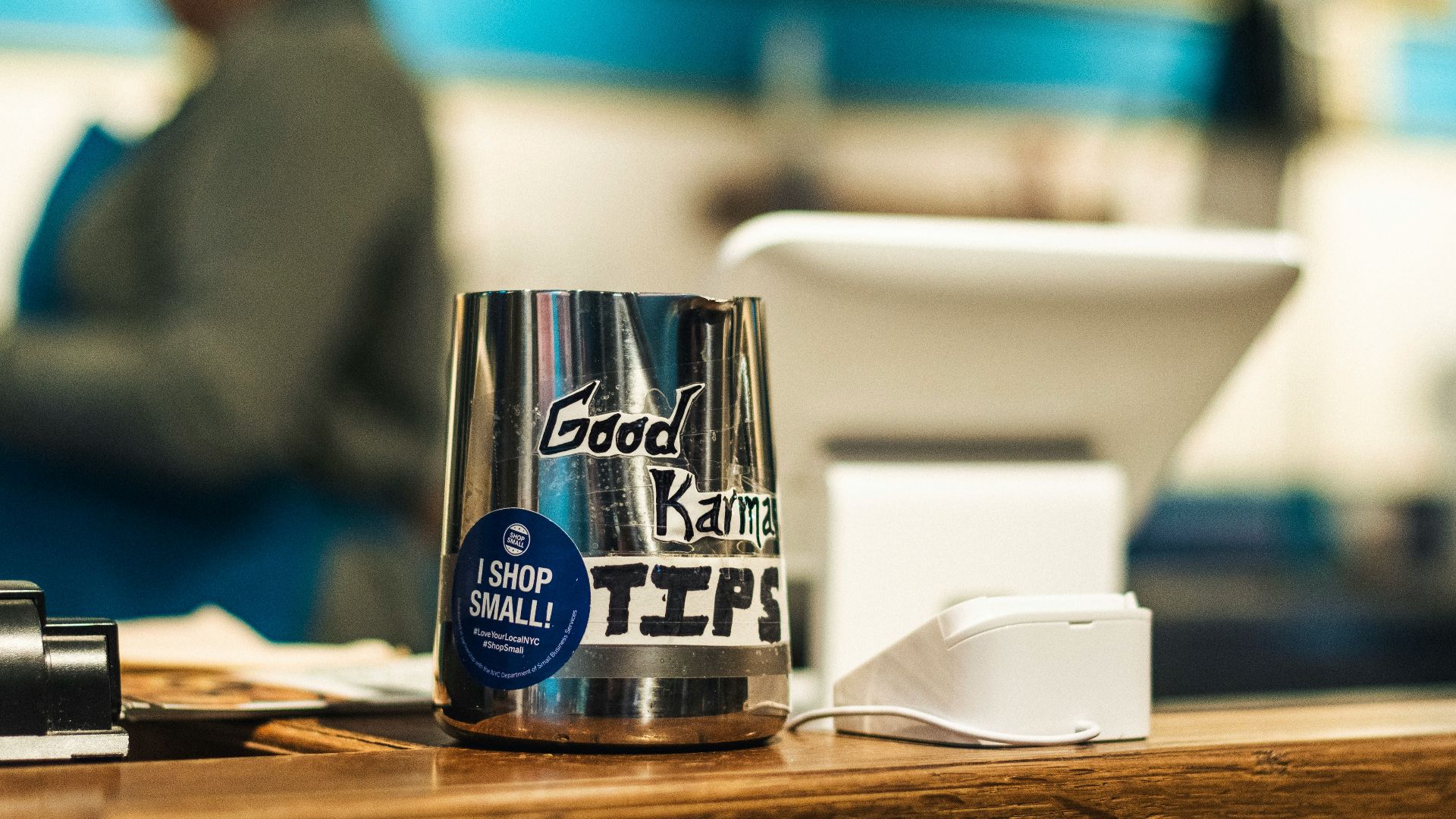
Tipping is one of the biggest cultural differences between American and European restaurants. In the US, leaving around 15 to 20 percent is generally expected at sit-down restaurants. In much of Europe, servers receive regular wages, so diners often leave only a small tip or simply round up the bill.
Wanting Lots Of Ice
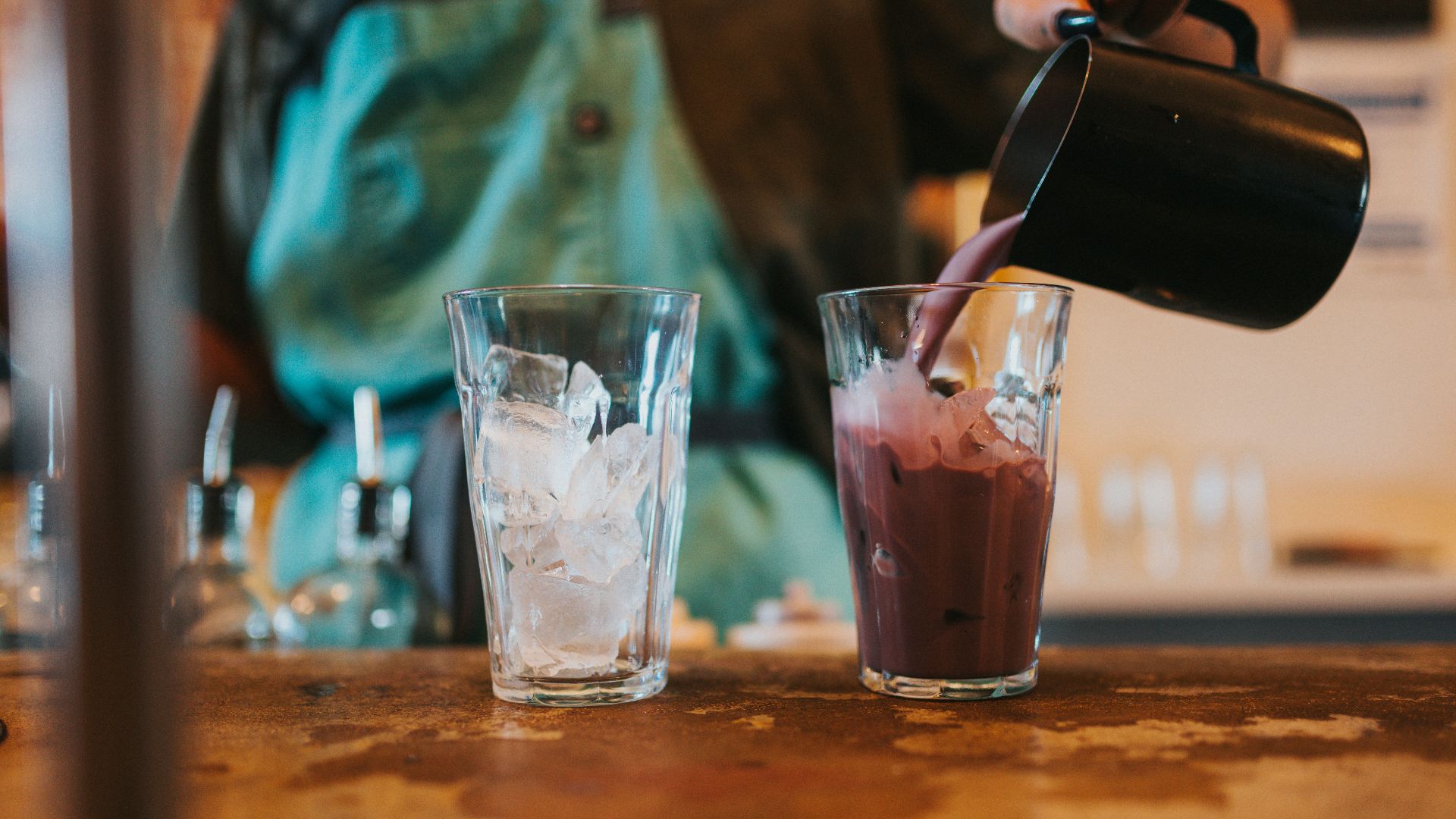
Americans love cold drinks, and that often means glasses packed with ice. Europeans are sometimes surprised to see more ice than beverage in a glass because many restaurants across Europe either use very little ice or skip it altogether unless someone specifically asks.
Getting Free Water Without Asking
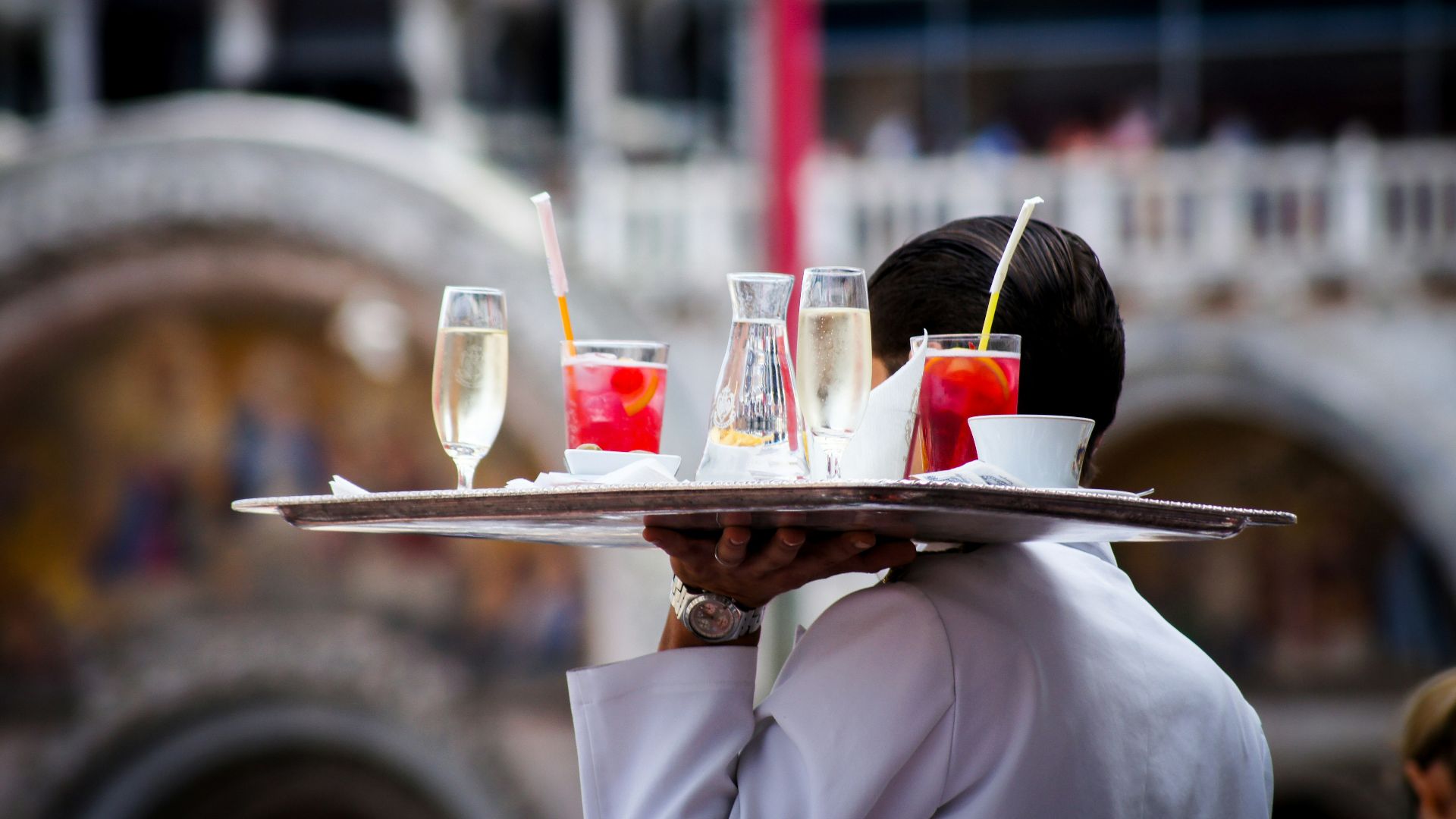
Sit down at an American restaurant, and there's a good chance a server will bring you a glass of tap water right away. In many parts of Europe, you'll usually be asked if you'd like still or sparkling water, and bottled water is often the standard choice instead of free tap water.
Customizing Just About Everything
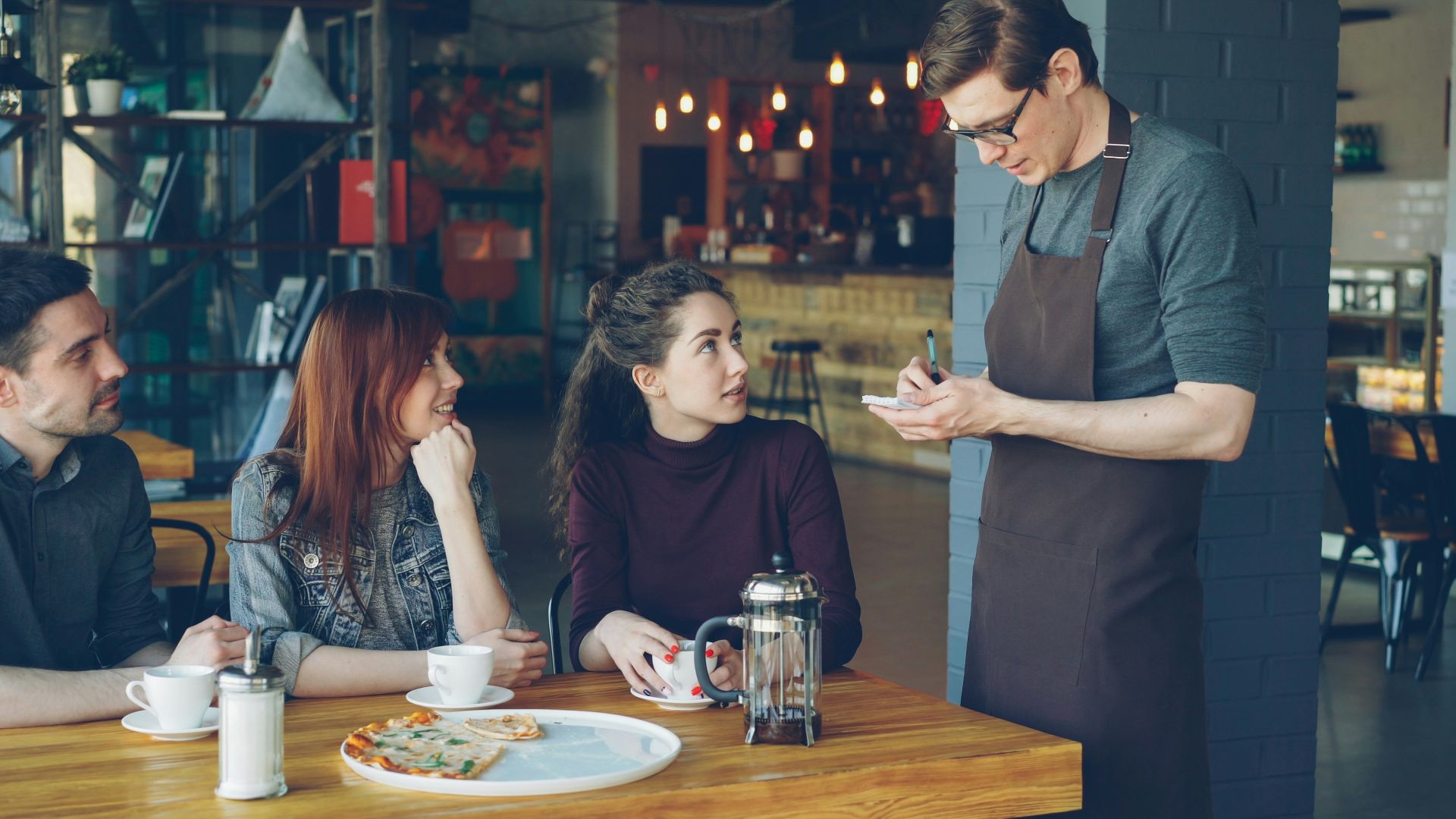
Americans are famous for making special requests. Extra pickles, no onions, dressing on the side, swapping fries for a salad—it happens all the time. European restaurants are often a little less flexible because dishes are generally meant to be enjoyed the way the chef prepared them.
Splitting The Bill Into Individual Payments
It's perfectly normal in the US for a group to ask for separate checks or have the bill divided based on what everyone ordered. In many European countries, one person pays the entire bill, and friends settle up later, so splitting everything at the restaurant can seem like a lot of extra work.
Ordering Huge Portions
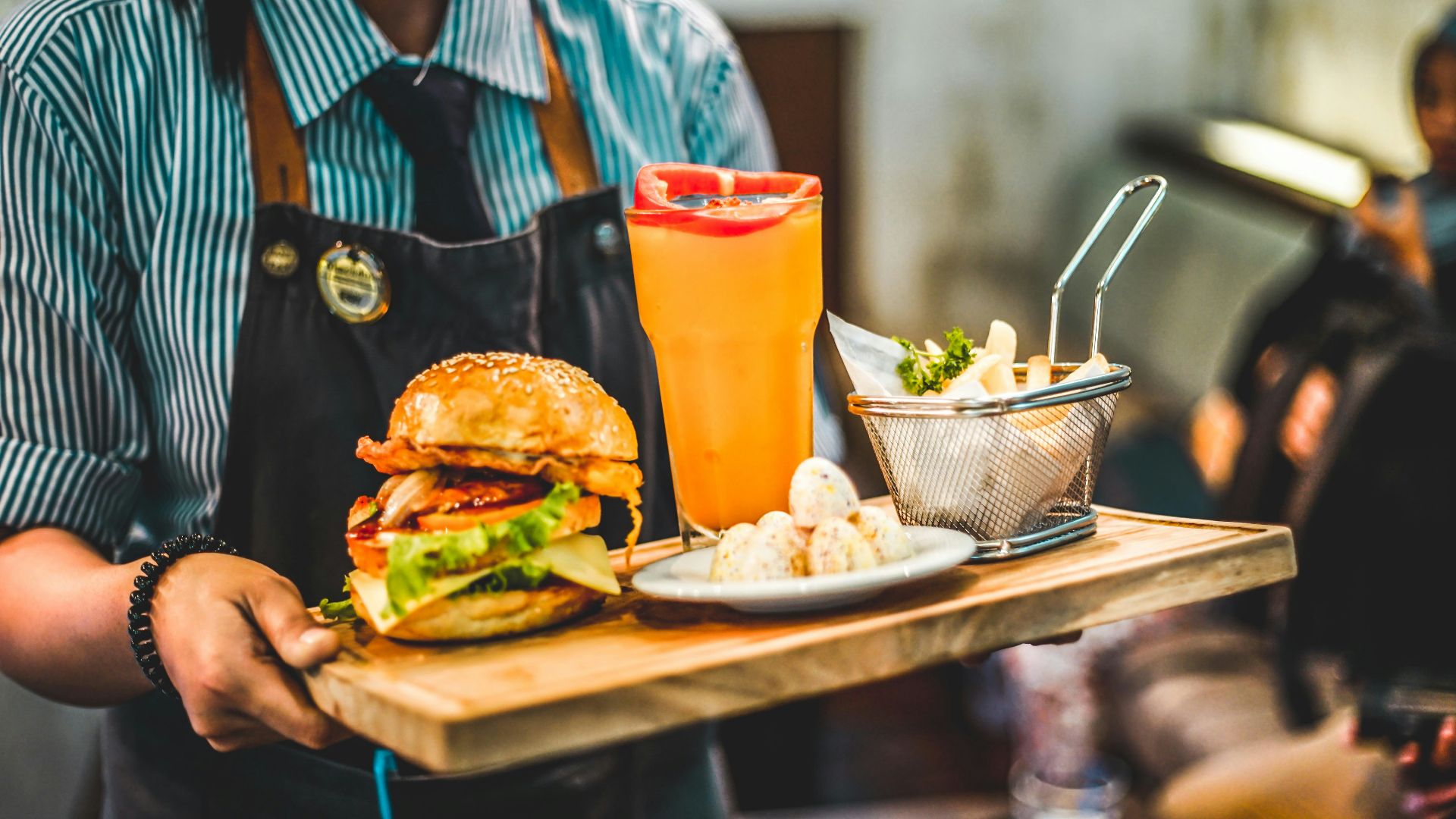
Restaurant meals in America have a reputation for being enormous, and for good reason. Entrées often come with generous sides, and some portions are easily big enough for two people. Visitors from Europe are frequently surprised by just how much food arrives at the table.
Taking Leftovers Home
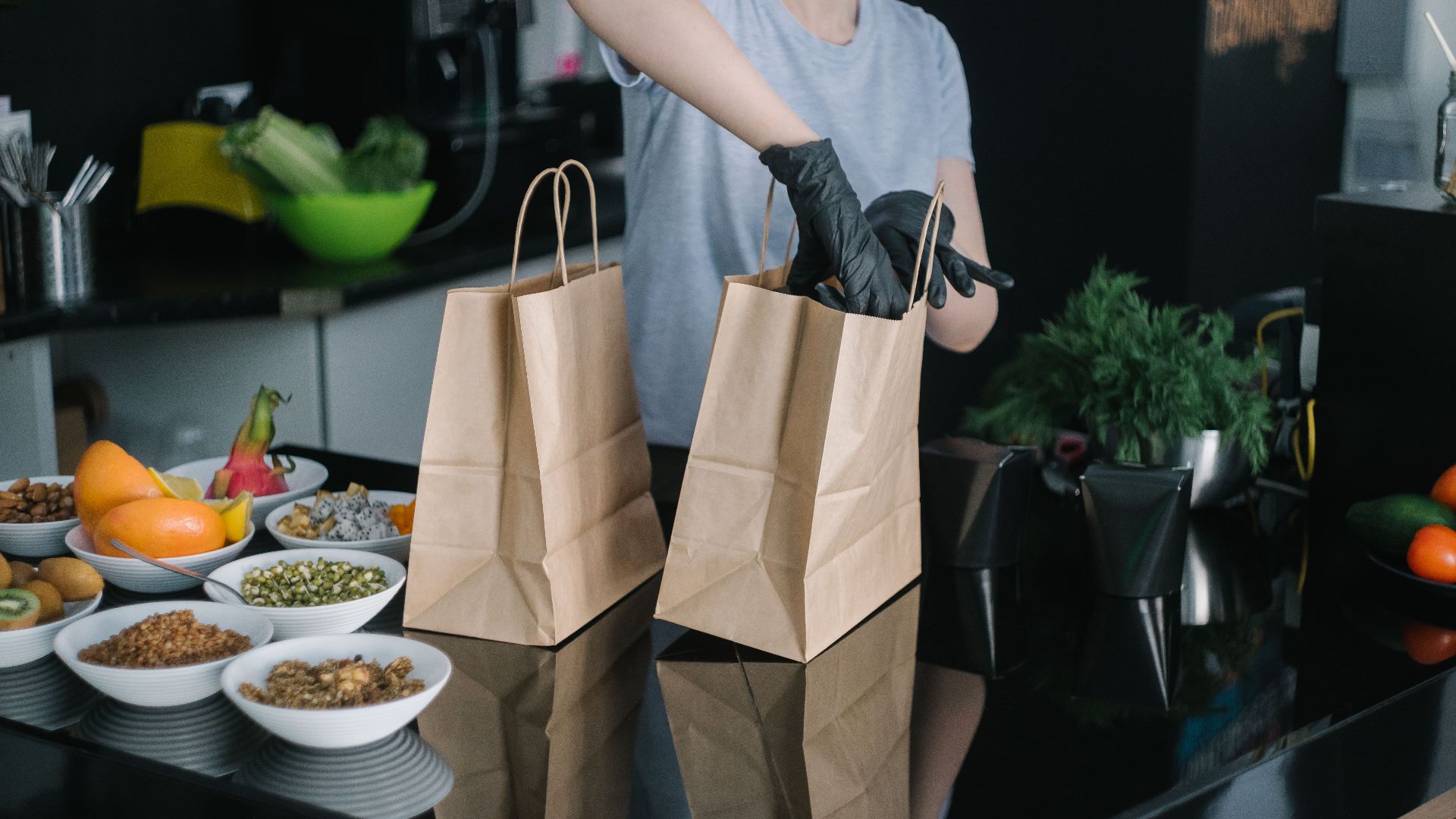
In the United States, asking for a box to take home unfinished food is completely normal. In fact, many people expect to have leftovers after eating out. That's much less common in many European countries, where restaurant meals are more often finished at the table.
Expecting The Server To Check In Often
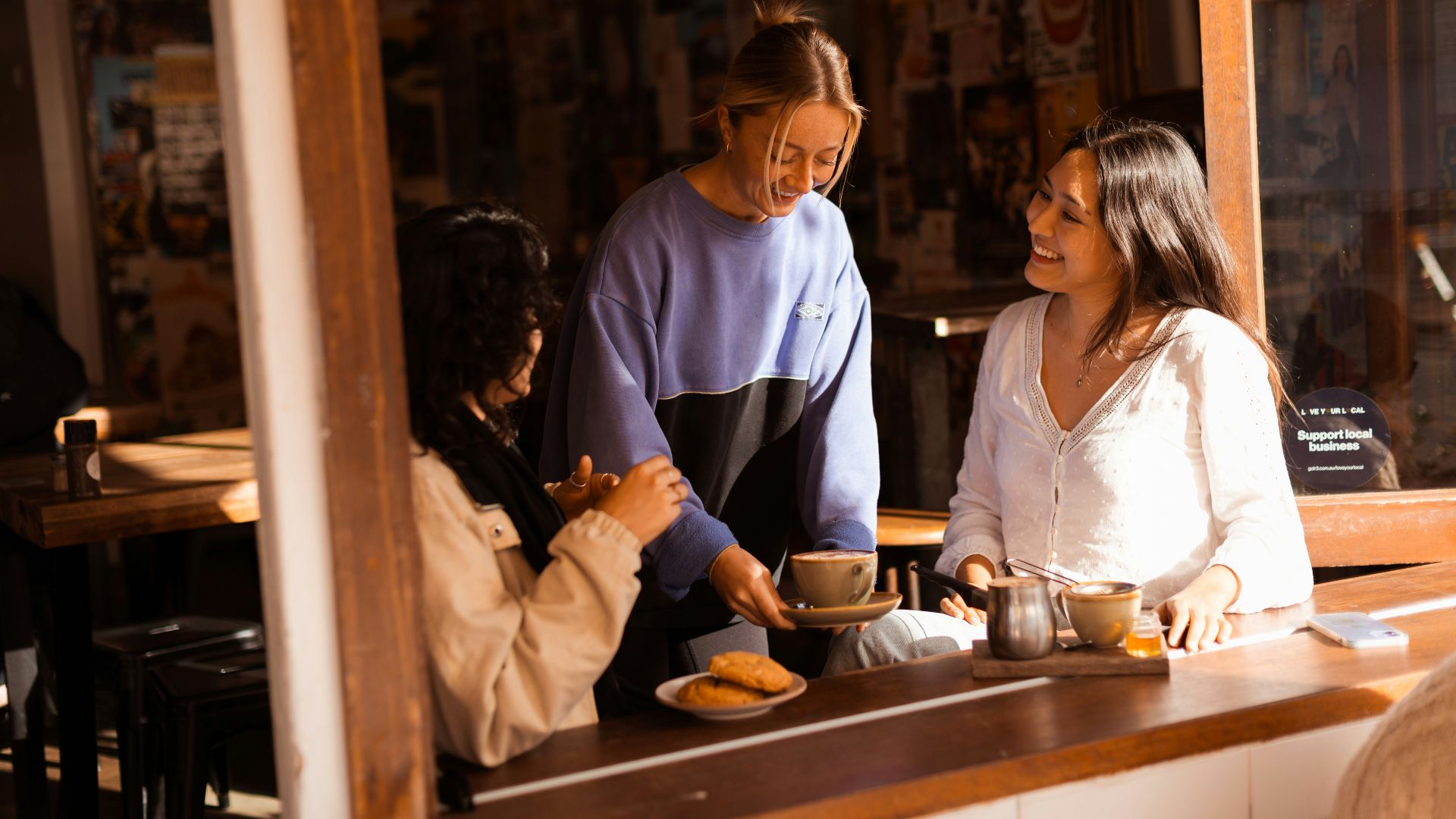
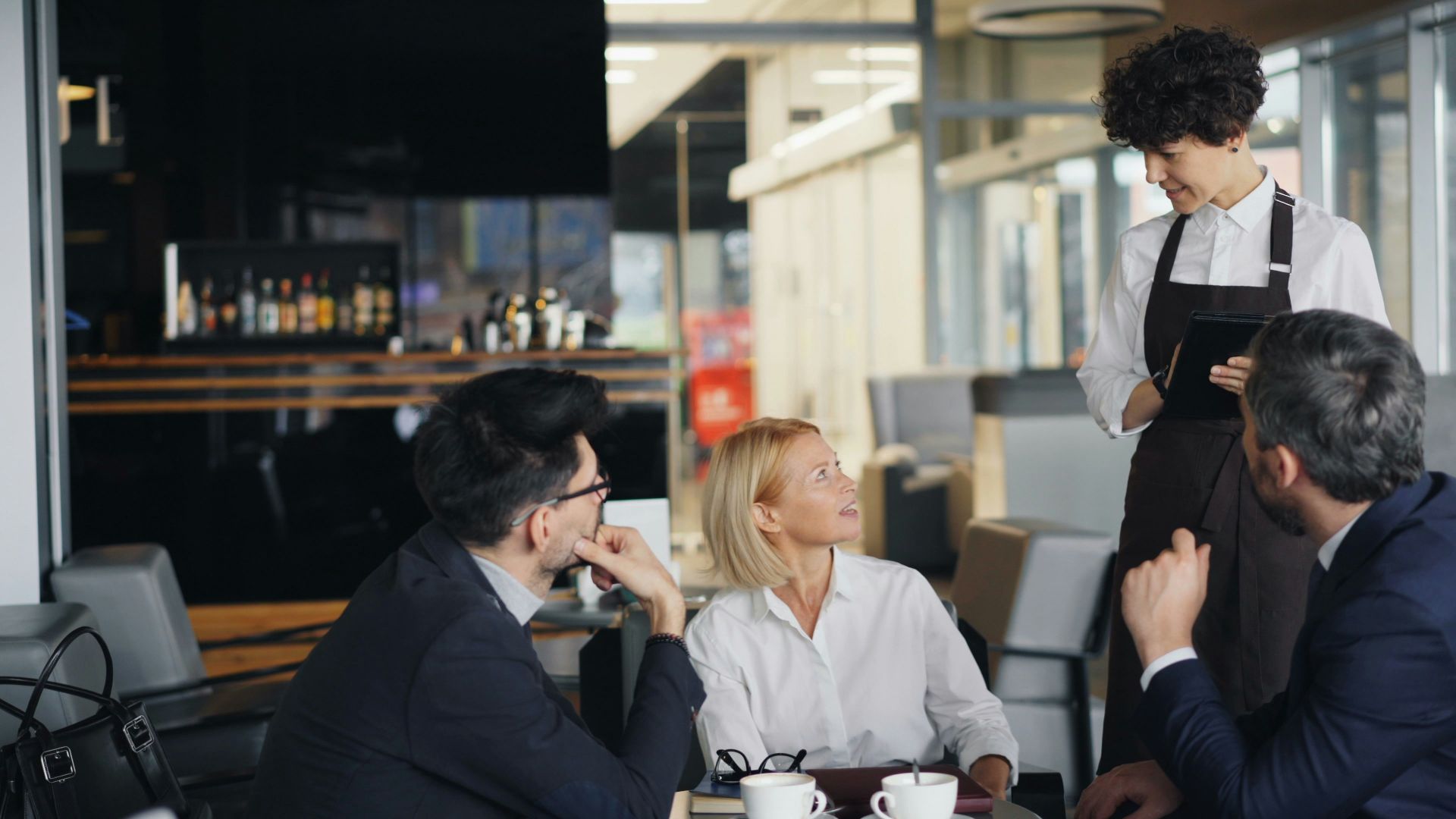
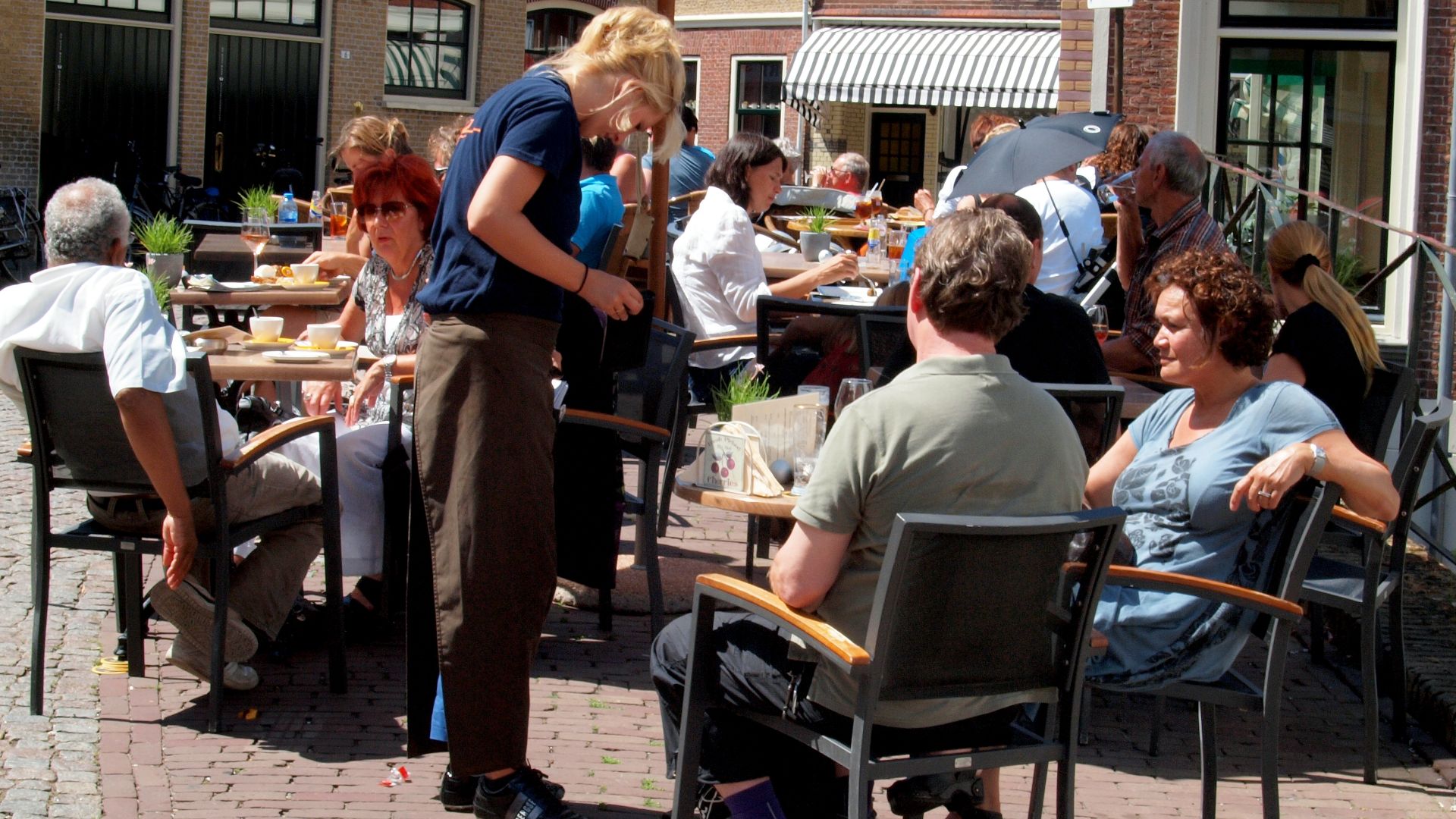
American servers usually stop by several times during a meal to make sure everything is going well and to see if guests need anything else. Europeans are often used to a more hands-off style of service, so those frequent check-ins can feel a little unexpected.
Asking For The Check Right Away
Once Americans finish eating, they're often ready to pay and head out. In many European countries, though, no one rushes you. The bill usually isn't brought over until you specifically ask for it, since lingering at the table is considered part of the dining experience.
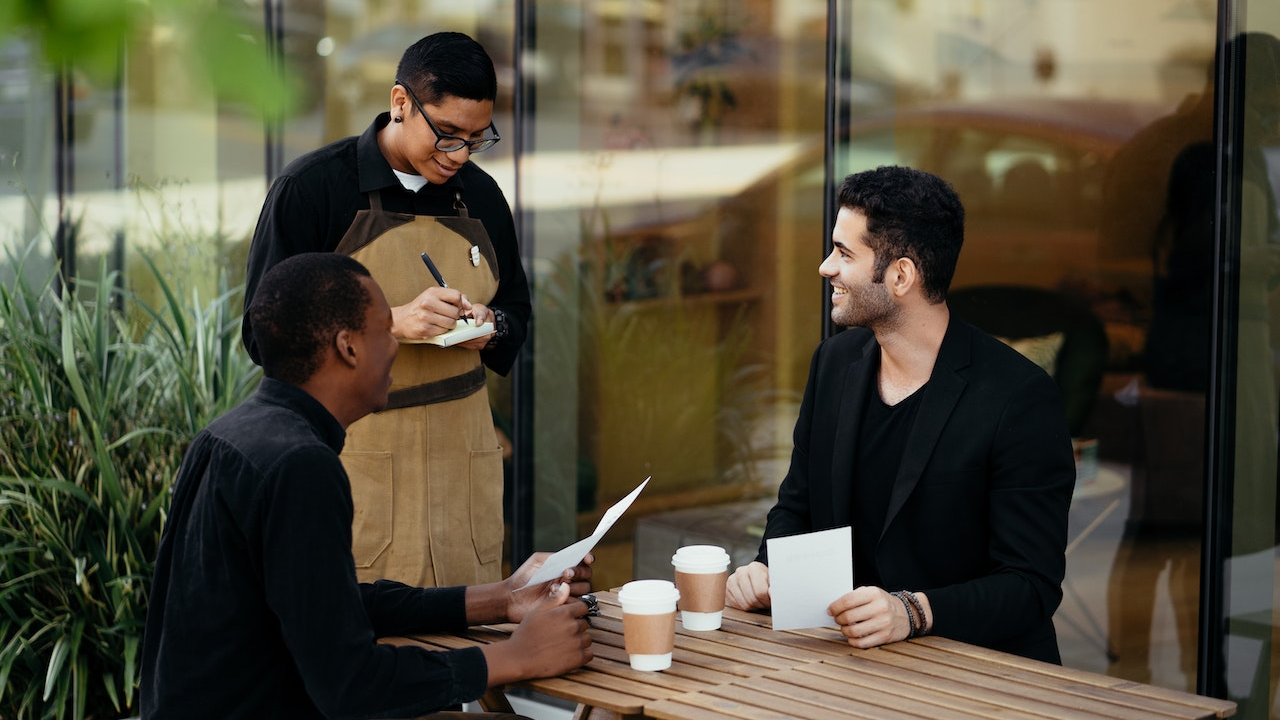
Eating Dinner Earlier
Many Americans eat dinner somewhere between 6:00 and 7:30 in the evening. In countries like Spain and parts of Italy, people often don't even think about dinner until much later, so American meal times can seem surprisingly early.
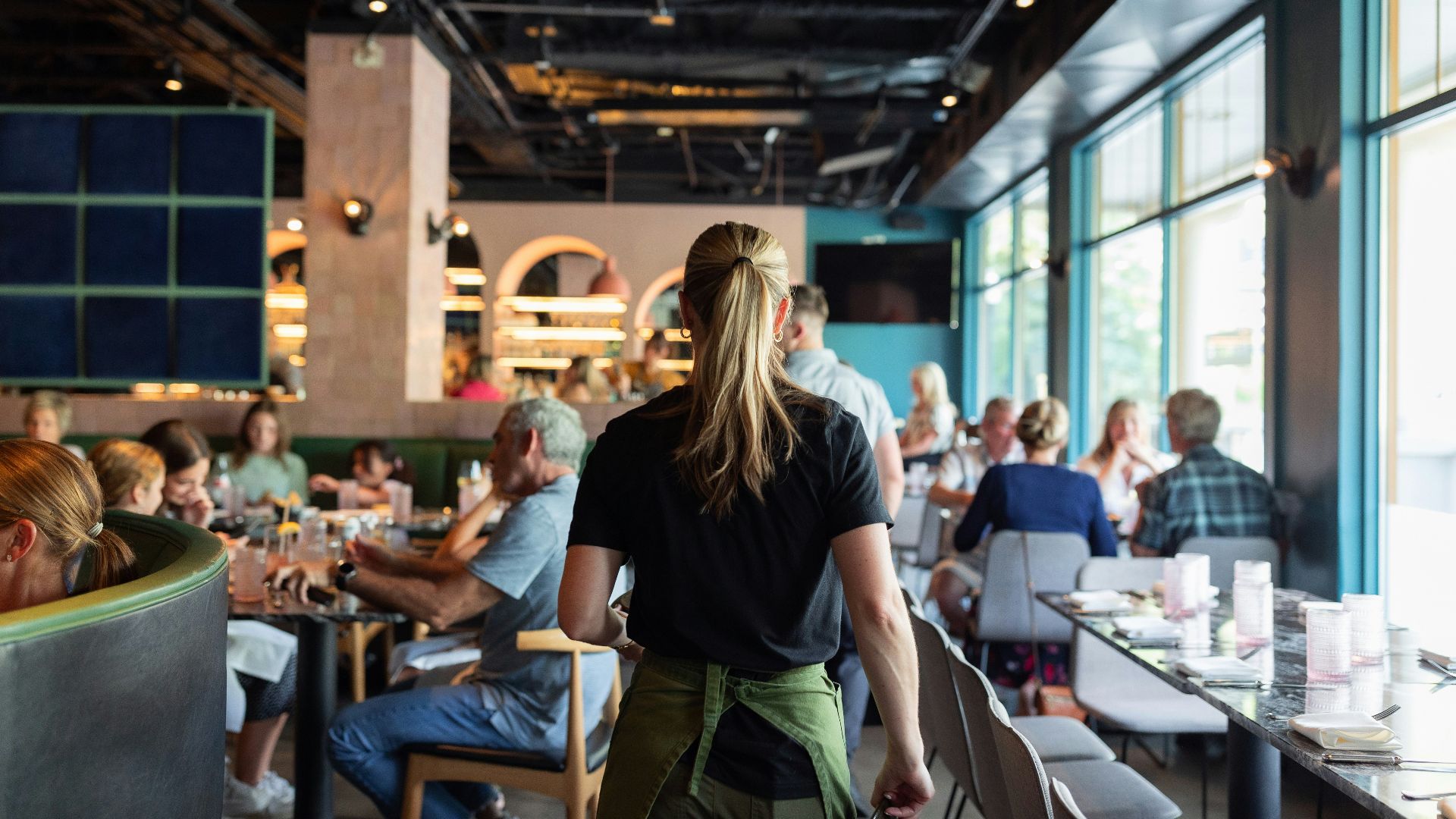
Putting Ranch On Everything
Ranch dressing is practically its own food group in America. It's used on salads, pizza, fries, vegetables, wings, and plenty of other foods. Many Europeans have never seen it used so often, which makes America's love of ranch a bit of a curiosity.
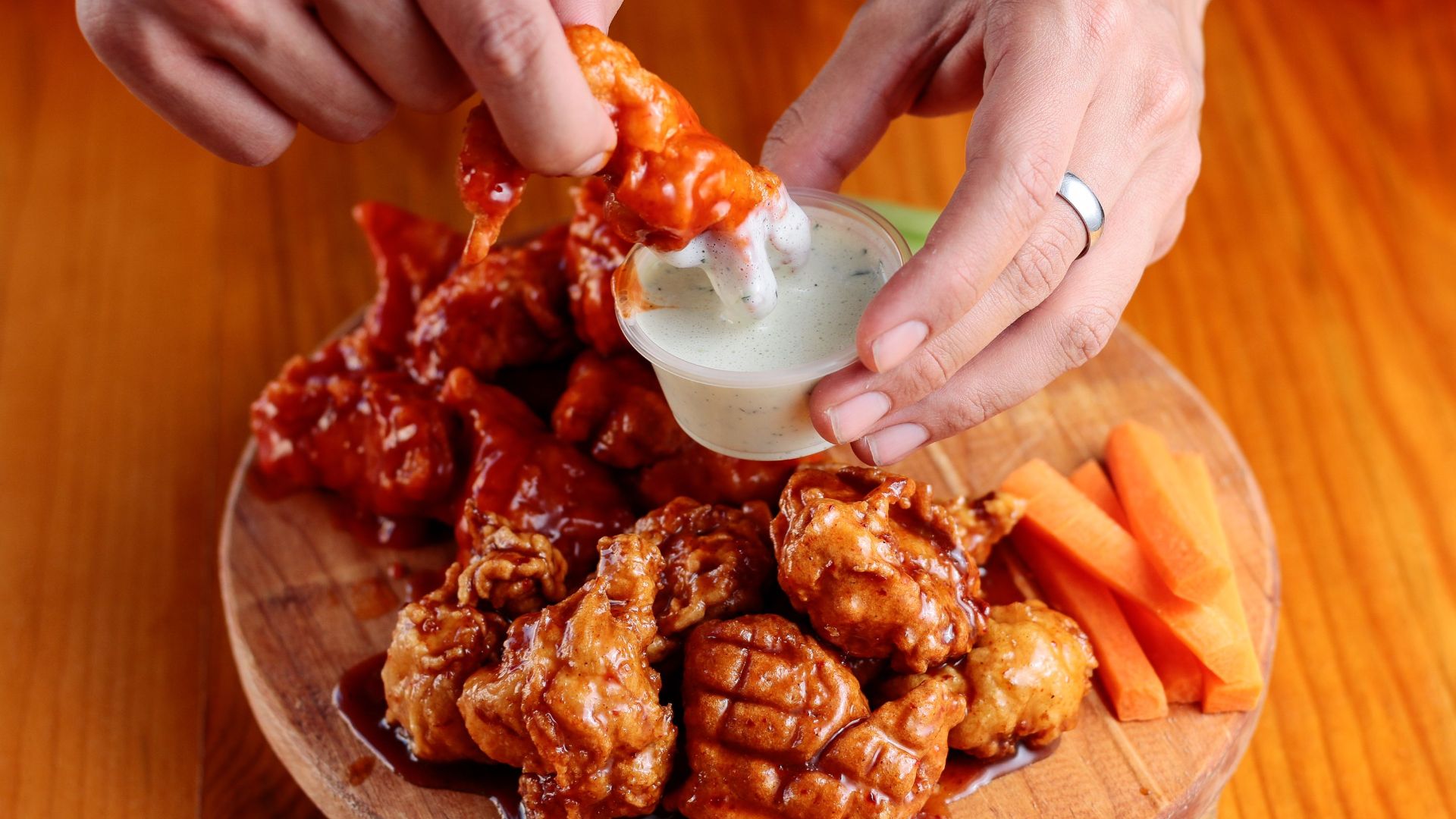
Expecting Fast Service
American restaurants usually try to keep things moving. Orders are taken quickly, food comes out fast, and tables turn over throughout the day. In much of Europe, meals are meant to be enjoyed at a slower pace, so the speedy service in the US can feel a little rushed.
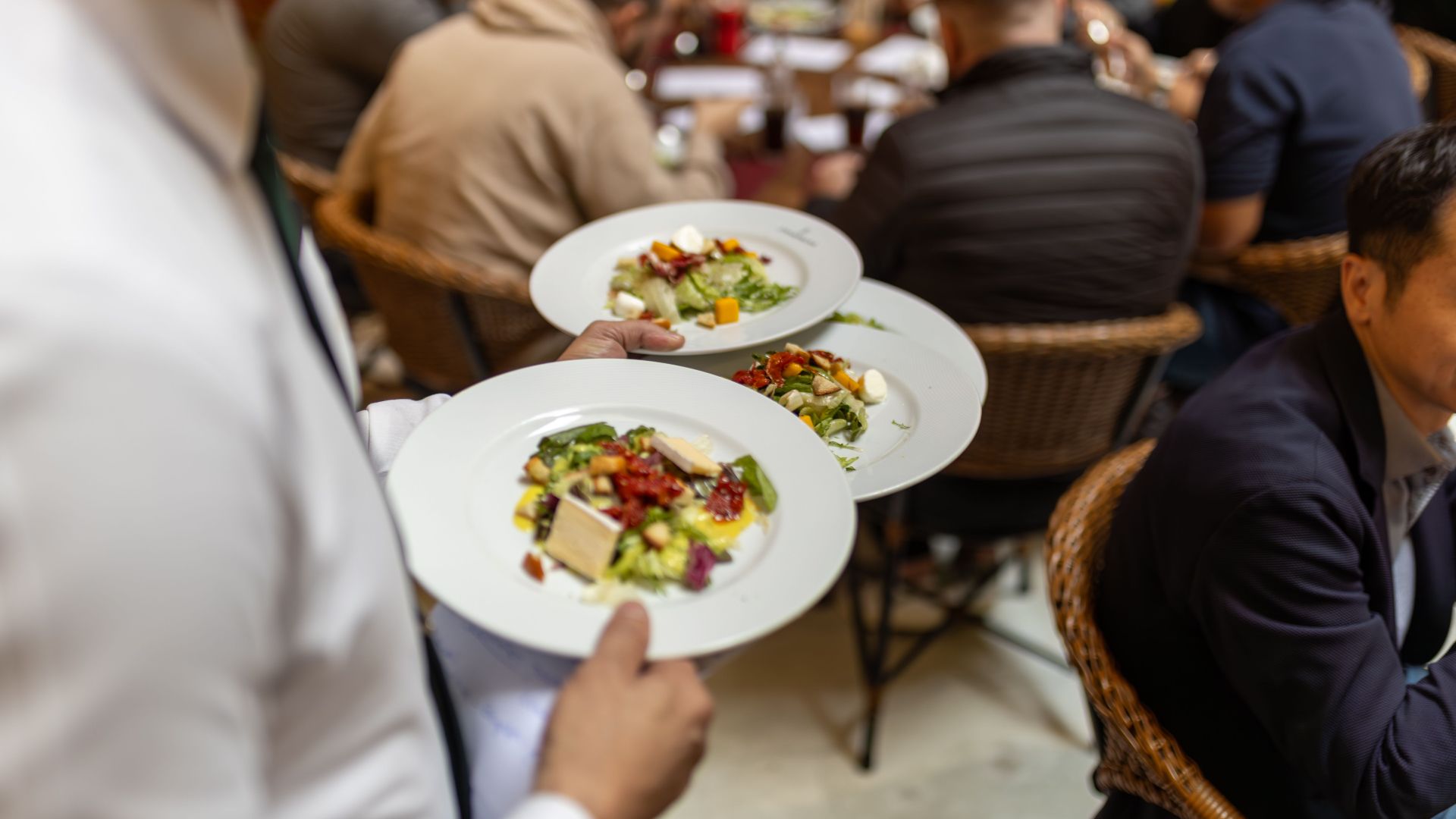
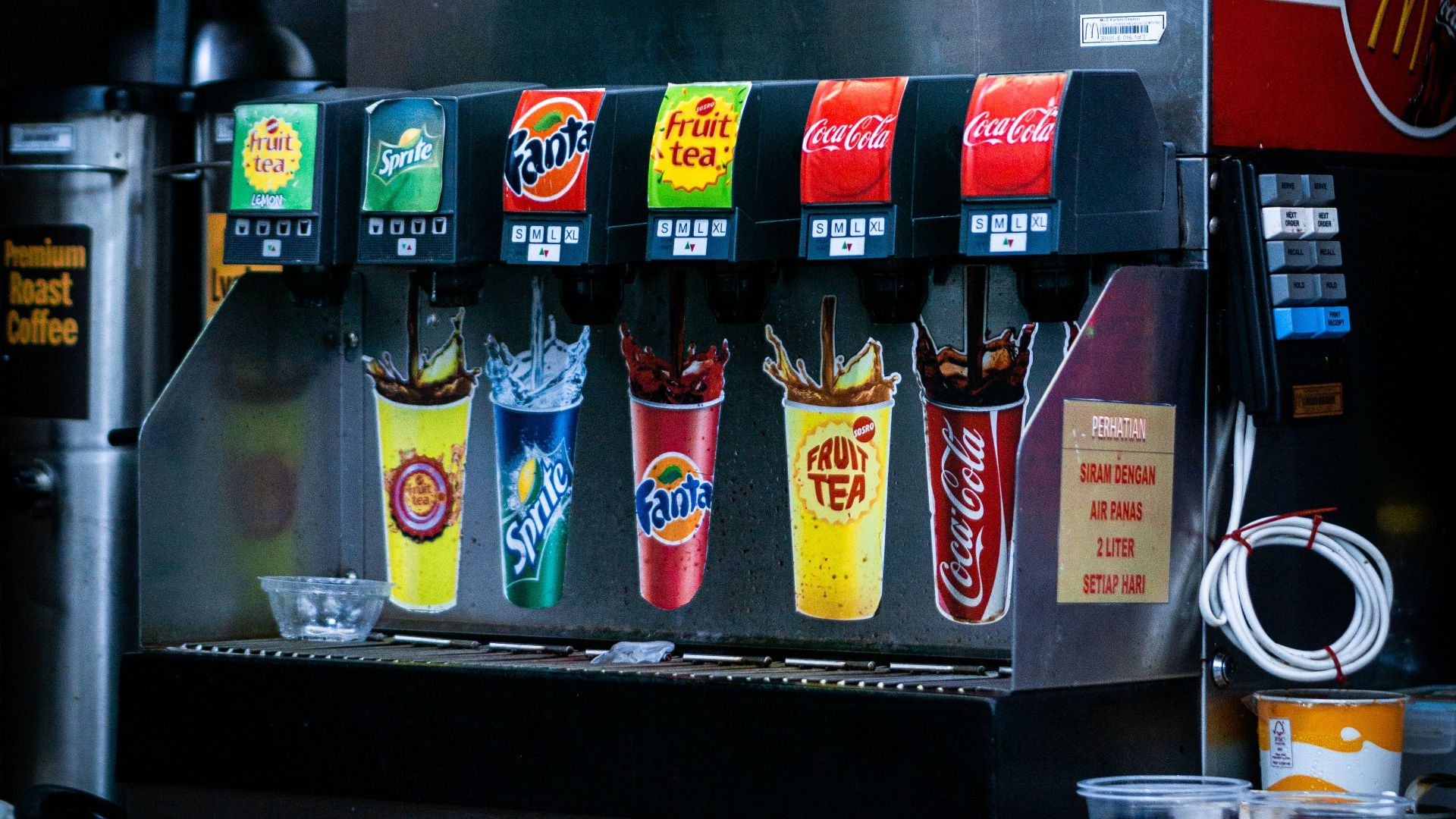
Ordering Giant Soft Drinks
Drink sizes in America can seem enormous to visitors. Even a "medium" soda may be larger than what many European restaurants serve, and once you add unlimited refills, the amount of soda can be pretty surprising.
Eating Breakfast At Dinner
If you want pancakes, waffles, or eggs at 7:00 at night, plenty of American diners are happy to make that happen. All-day breakfast is popular throughout the U.S., but it's still relatively uncommon in many European restaurants.
 Deividas Dravininkas, Unsplash
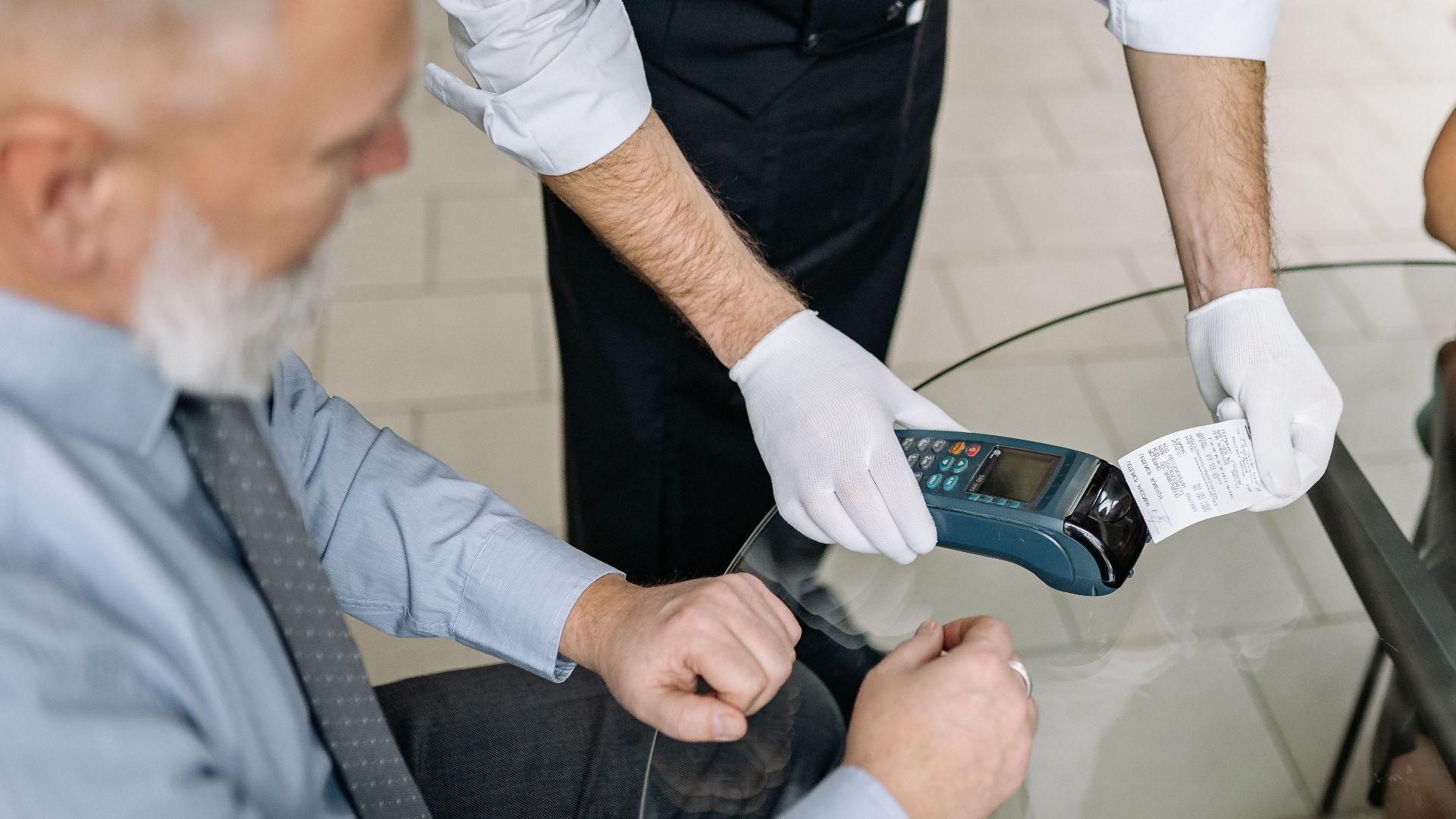
Paying Small Bills With A Card
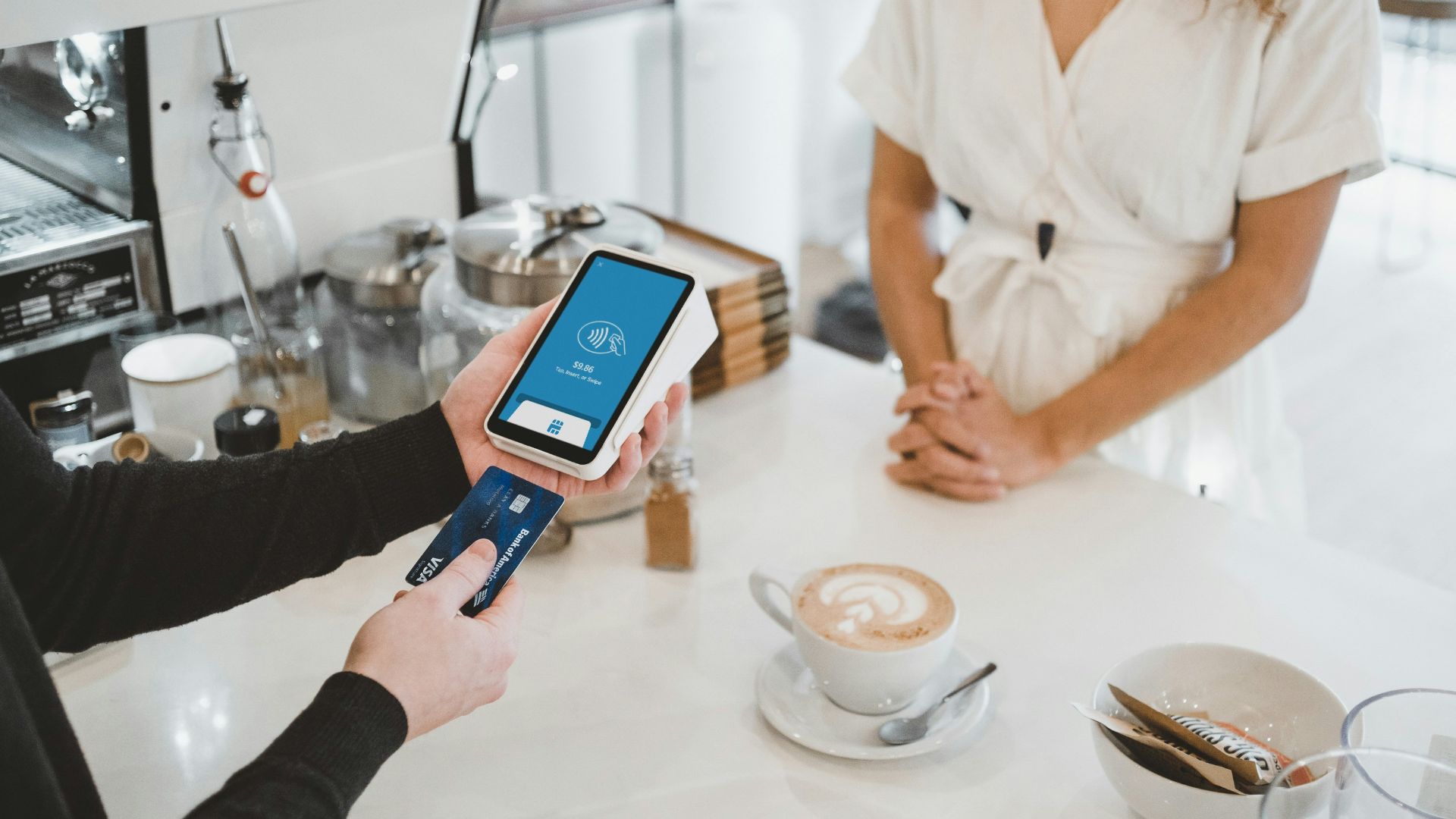
Americans rarely think twice about using a credit or debit card for a small purchase. Whether it's a quick lunch or a cup of coffee, tapping a card is routine. Although contactless payments have become common across Europe too, this wasn't always the case, and some visitors still notice the difference.
Chatting With The Server
American servers often introduce themselves, joke around a little, and make friendly conversation with guests. In much of Europe, restaurant service tends to be more reserved, so the extra friendliness can catch first-time visitors by surprise.
Walking Out With Food In Hand
It's not unusual to see Americans leave a restaurant carrying a takeout container or even finishing a drink while walking down the street. Since restaurant meals in Europe are more often enjoyed entirely at the table, this habit can stand out.
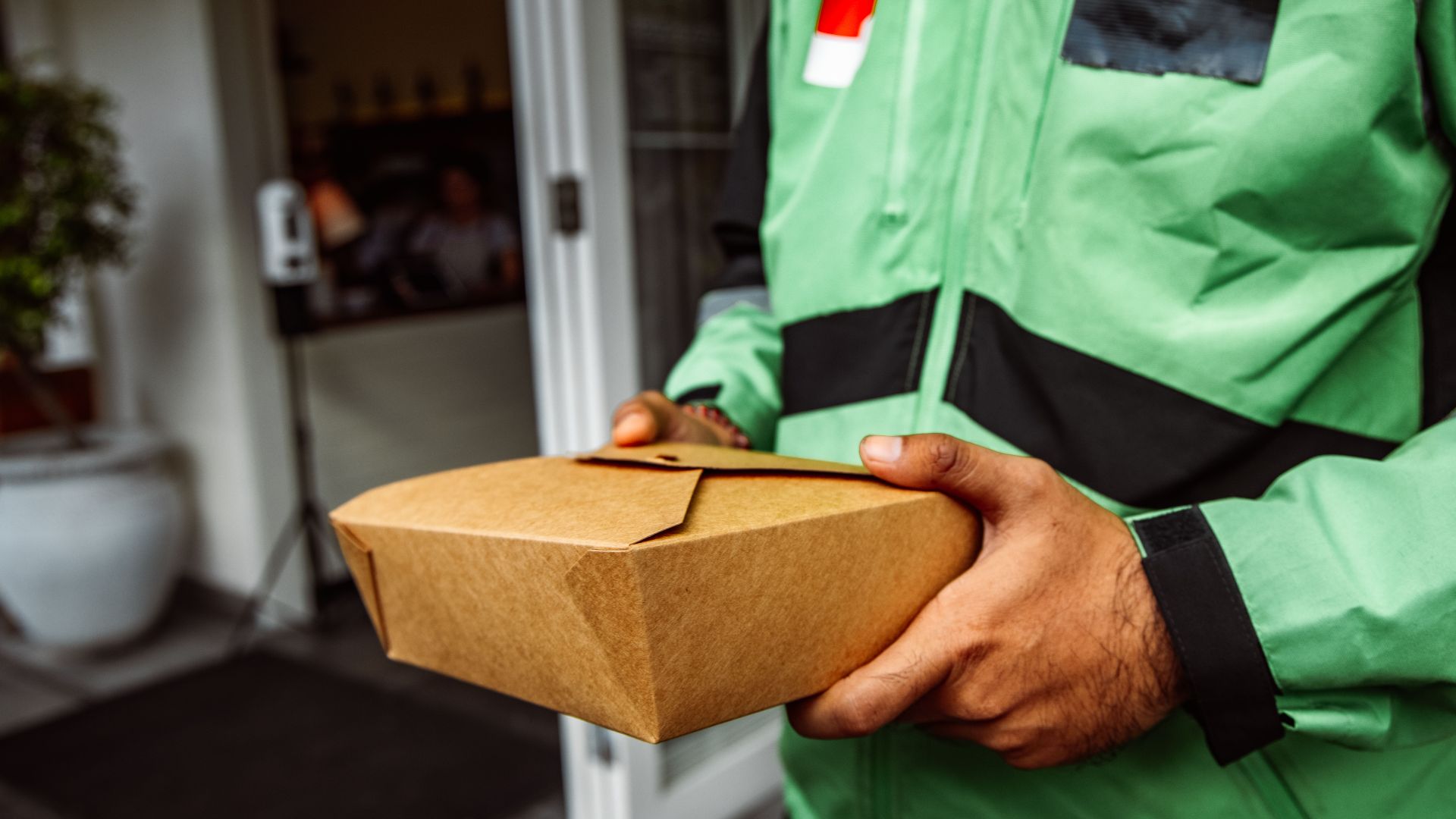
Ordering Sweet Tea
Sweet tea is especially popular in the southern United States, where it's served ice cold and packed with sugar. Visitors from Europe often expect regular iced tea, so the first sip of authentic Southern sweet tea can be a bit of a surprise.
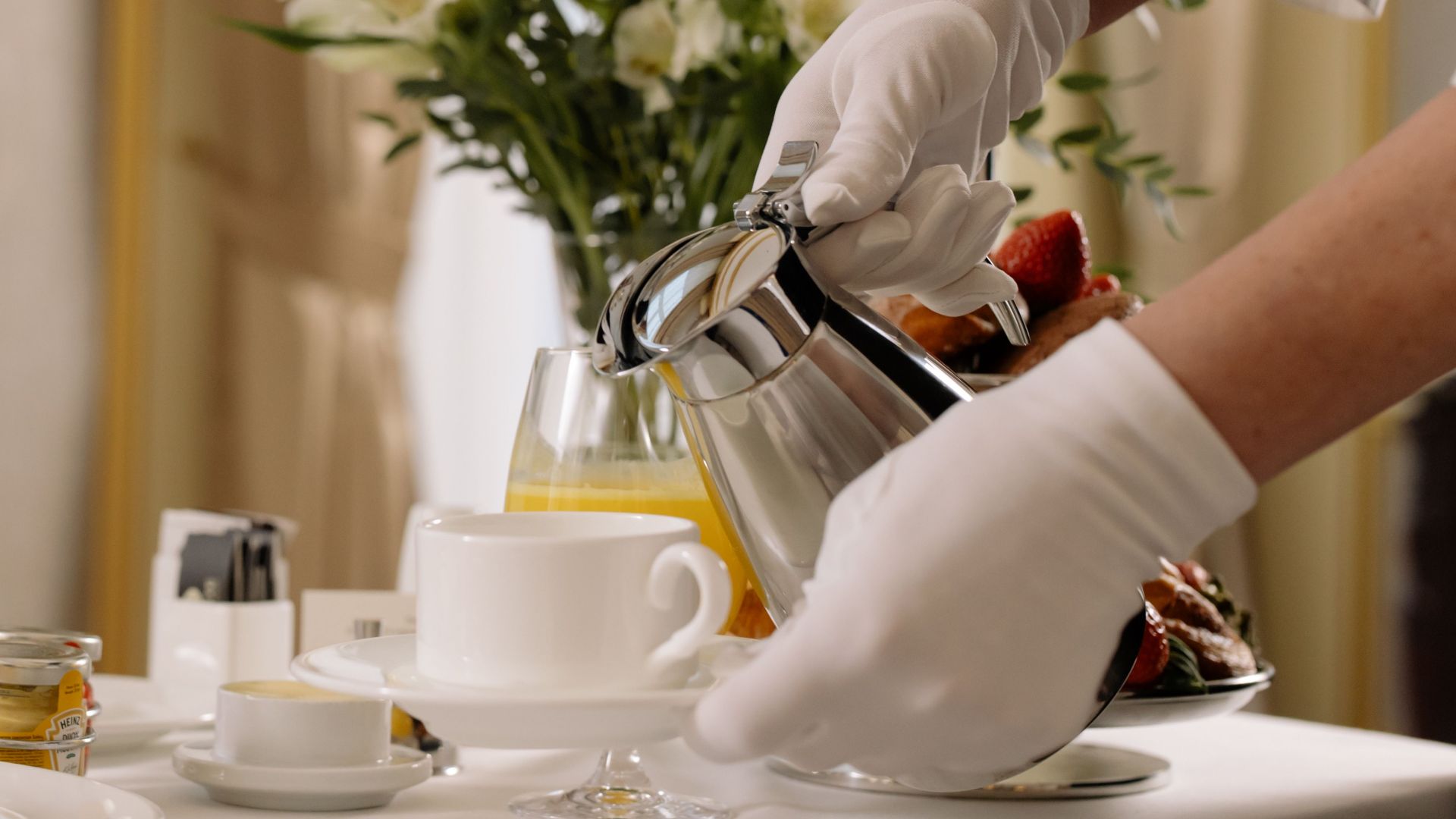
Loading Up On Condiments
Many American restaurants have ketchup, mustard, hot sauce, barbecue sauce, and other condiments within easy reach. Instead of asking for sauces, diners often help themselves. In Europe, condiments are generally used a little more sparingly, so the selection can seem surprisingly large.
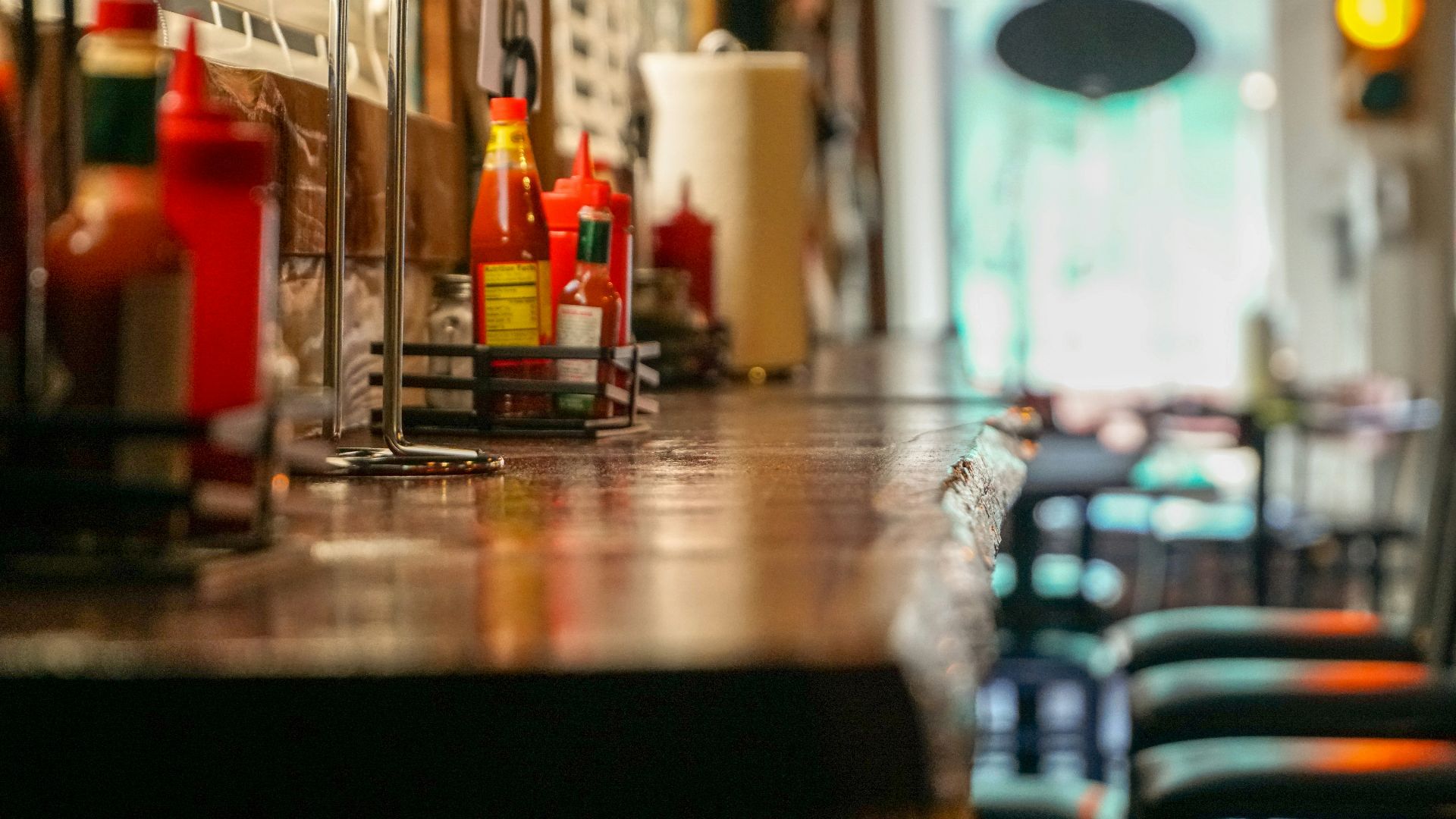
Dining Out As A Regular Routine
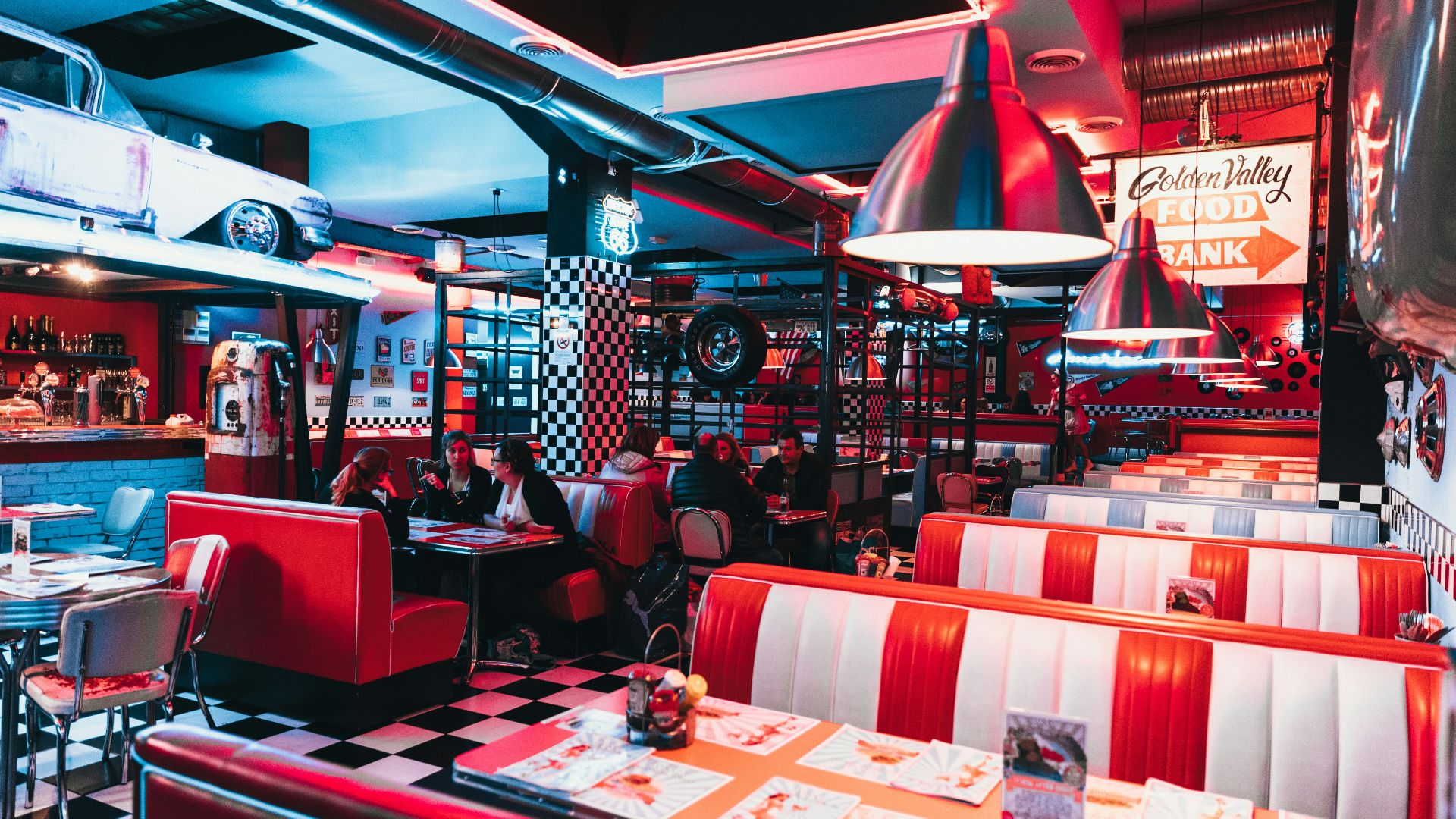
For many Americans, grabbing dinner at a casual chain restaurant or neighborhood diner is just another weekday activity. While Europeans certainly eat out too, visitors often notice how common large, family-friendly restaurants are in the US, along with the focus on quick service, generous portions, and convenience.
You May Also Like:
Five Incredible Destinations For Nature Lovers
Four Tips For A Successful Vacation
The Most Dangerous Selfie Spots In The World
Sources: 1