
The Silence Is Becoming Harder To Ignore
Something isn't adding up. As astronomers discover more distant worlds and develop increasingly powerful ways to search for life, one enormous question keeps hanging over the cosmos, and the possible answers are stranger than many people realize.
The Universe Should Be Full Of Possibilities
For centuries, humans could only guess whether planets existed around other stars. Today, astronomers know that planetary systems are common, and NASA's confirmed exoplanet count passed 6,000 in September 2025. That discovery has made the search for extraterrestrial life more scientifically grounded, but it has also sharpened an uncomfortable question about why we have found no confirmed evidence of anyone else.
 User Halfblue on en.wikipedia, Wikimedia Commons
One Physicist Asked The Question That Changed Everything
The mystery is commonly associated with physicist Enrico Fermi, who raised the question of extraterrestrial civilizations during a conversation in 1950. If intelligent life can emerge elsewhere, and the galaxy has existed for billions of years, why haven't we encountered any convincing evidence of it? That apparent contradiction became known as the Fermi paradox, although it is better understood as a question than a formal mathematical paradox.
 Department of Energy-Office of Public Affairs, restored by Yann, Wikimedia Commons
The Numbers Make The Mystery Even Stranger
The Milky Way contains hundreds of billions of stars, and astronomers now know that planets are widespread. Some confirmed exoplanets are roughly Earth's size and orbit within their stars' habitable zones, where temperatures could permit liquid water under suitable conditions. None of this proves that another civilization exists, but it gives scientists plenty of reasons to keep searching.
Scientists Even Created An Equation For Aliens
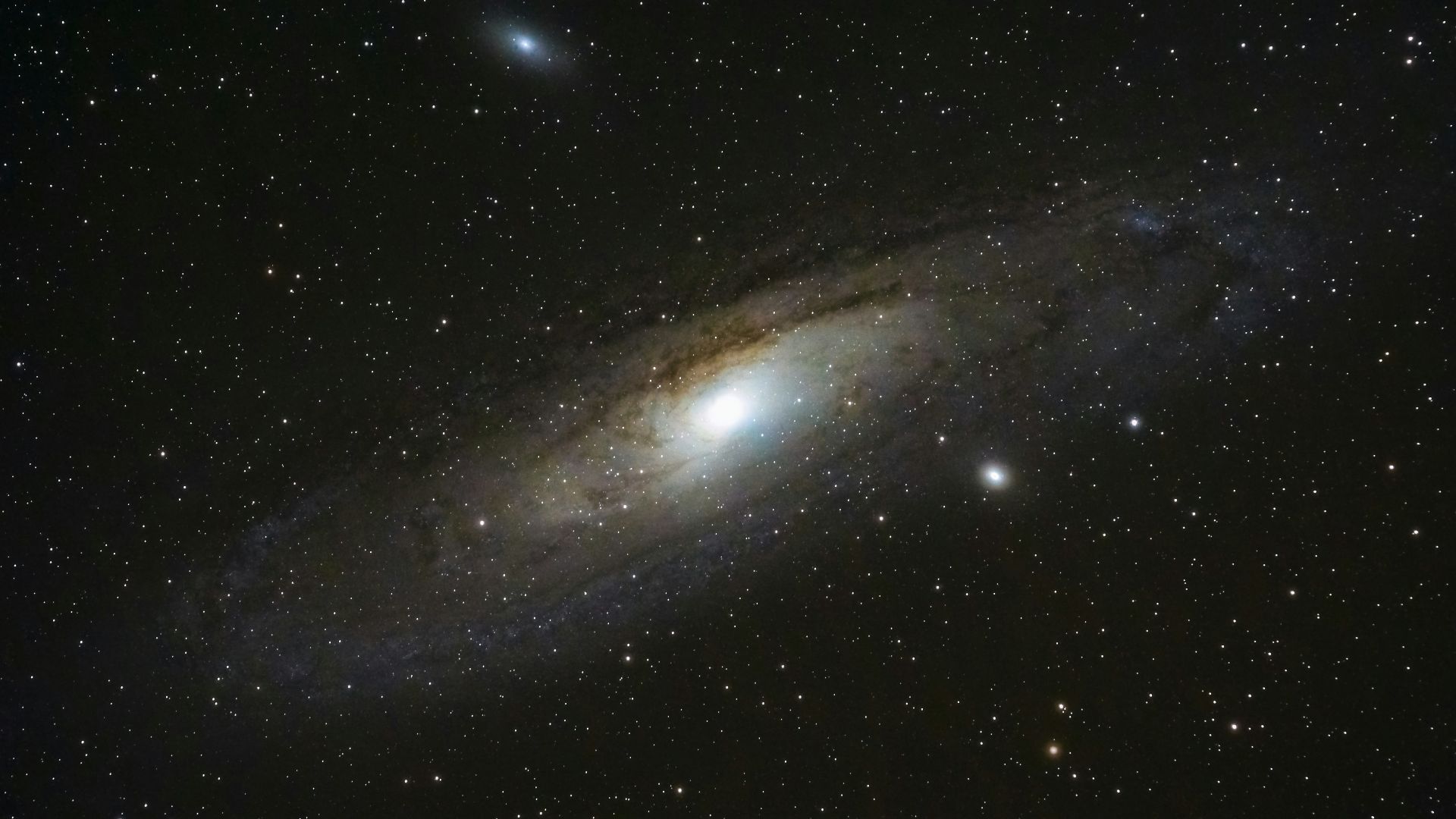
In 1961, astronomer Frank Drake developed an equation to organize the factors that might determine how many detectable civilizations exist in our galaxy. It considers everything from star formation to the fraction of planets that develop life and technological societies. The problem is that several crucial values remain unknown, making any numerical answer highly uncertain.
 NRAO/AUI/NSF, Wikimedia Commons
The Search Has Already Lasted Decades
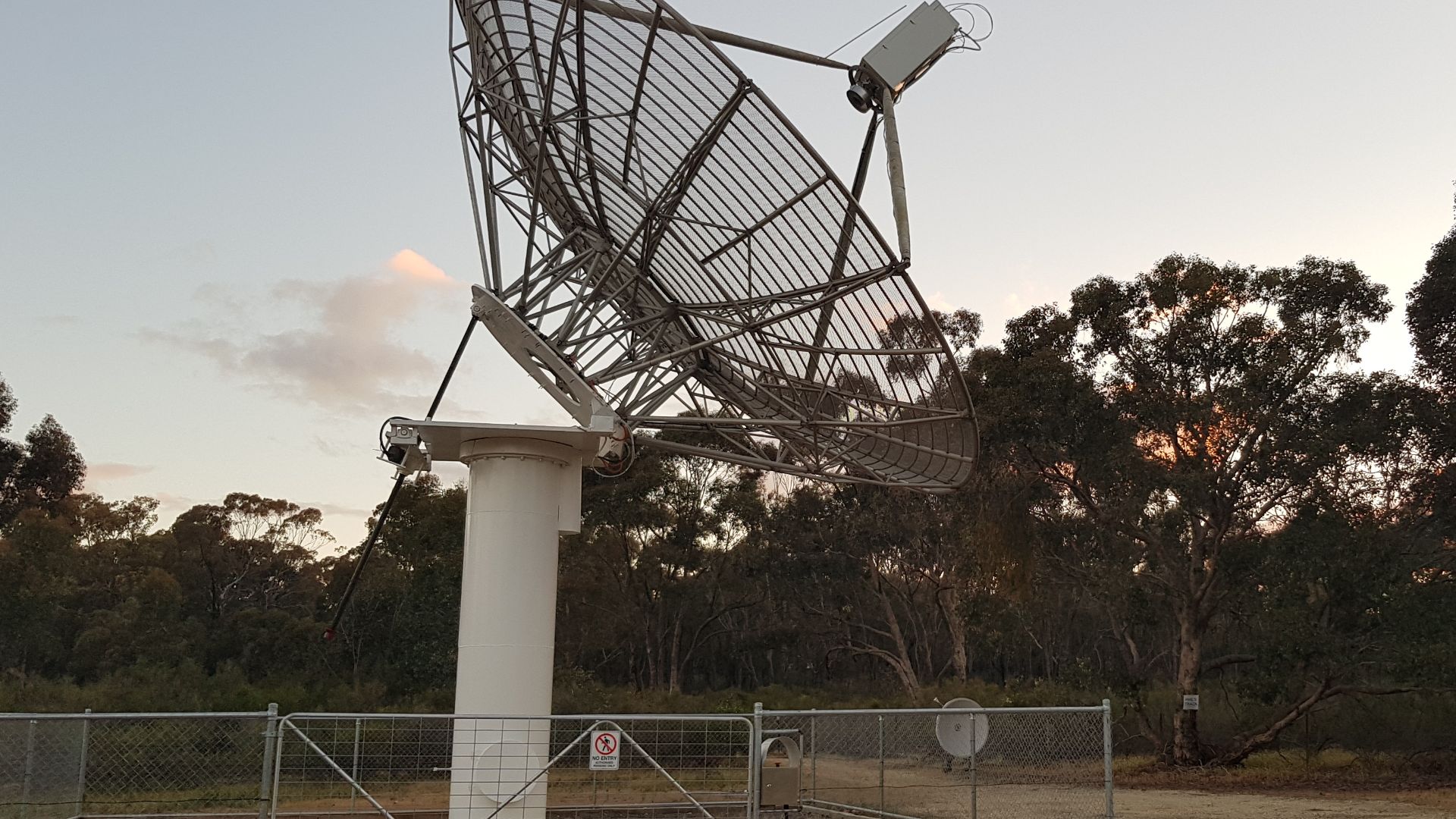
Modern searches for extraterrestrial intelligence, often called SETI, began with efforts to detect artificial radio signals from nearby stars. Radio astronomy offered a way to listen across enormous distances without physically traveling between planets. Despite decades of observations, researchers have yet to identify a confirmed extraterrestrial technological signal.
Then Came A Signal Nobody Could Explain
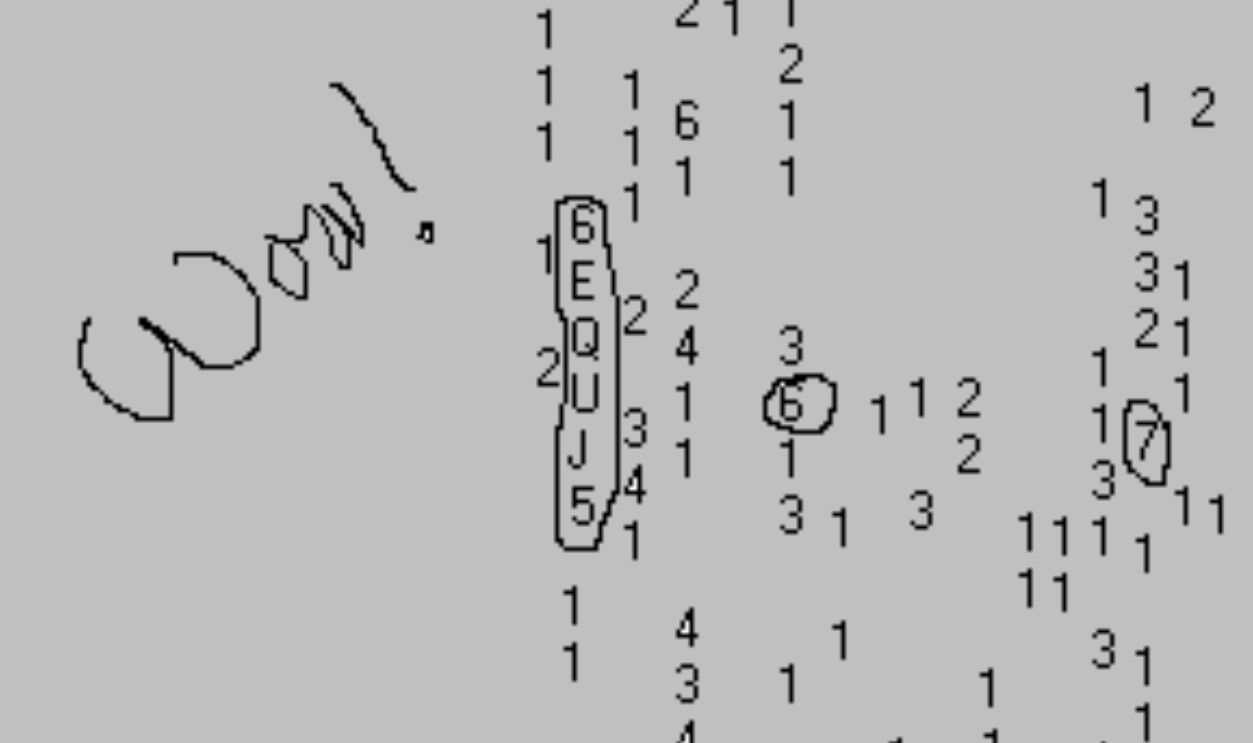
On August 15, 1977, Ohio State University's Big Ear radio telescope detected an unusually strong, narrowband signal. Astronomer Jerry Ehman later marked the computer printout with the famous word “Wow!” because the observation stood out so dramatically. The signal has never been confirmed as extraterrestrial, and repeated attempts to detect it again have failed.
 David Novák, Wikimedia Commons, Enhanced
The Famous Signal Never Came Back
The Wow! signal remains intriguing partly because it appeared only once during the original observation. Scientists have considered natural astronomical explanations and interference, but no explanation has been conclusively established. Without a repeat detection or independent confirmation, the signal cannot be treated as evidence of an alien civilization.
 Fashionslide, Wikimedia Commons
Astronomers Have Been Listening In The Wrong Places
A major limitation of SETI is the extraordinary size of the search. Astronomers must choose which stars to examine, which radio frequencies to monitor, and how faint a signal their instruments can detect. The SETI Institute emphasizes that the lack of detections so far may simply reflect how little of the available search space has been explored.
 Eugene Zelenko, Wikimedia Commons
Searching The Sky Is Like Sampling An Ocean
SETI researcher Jill Tarter famously compared humanity's search to examining a tiny sample of Earth's oceans and concluding that no fish exist. More recent discussions acknowledge that searches have expanded, but still cover only a small portion of the possible combinations of location, frequency, sensitivity, and time. In other words, the universe may appear quiet because our listening efforts remain extremely limited.
 Christopher Michel, Wikimedia Commons
A Massive Project Tried To Change That
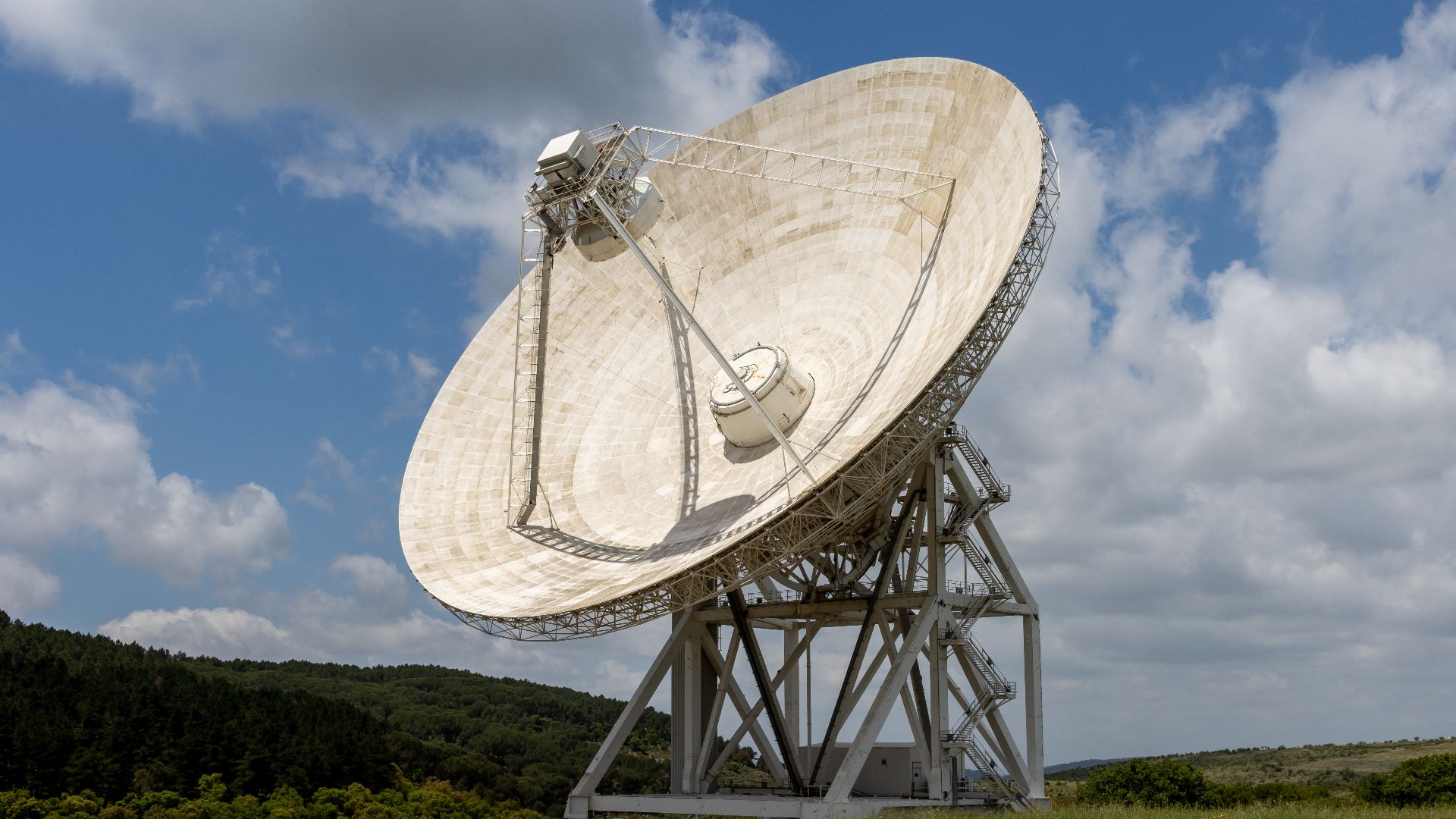
Breakthrough Listen began an ambitious effort to search for signs of extraterrestrial technology using powerful radio telescopes and extensive data analysis. Its early campaigns examined thousands of hours of observations and billions of frequency channels. A major 2019 data release reported no evidence of artificial signals from beyond Earth, while emphasizing that the search was far from complete.
 Photograph by Mike Peel (www.mikepeel.net)., Wikimedia Commons
The Signals Might Be Too Weak To Hear
Even if another civilization uses radio technology, its transmissions might not be powerful enough for Earth-based instruments to detect. Signals also become harder to distinguish as they travel across enormous interstellar distances. The absence of a detectable transmission therefore tells astronomers much less than a confirmed signal would.
Space Weather Could Be Hiding The Evidence
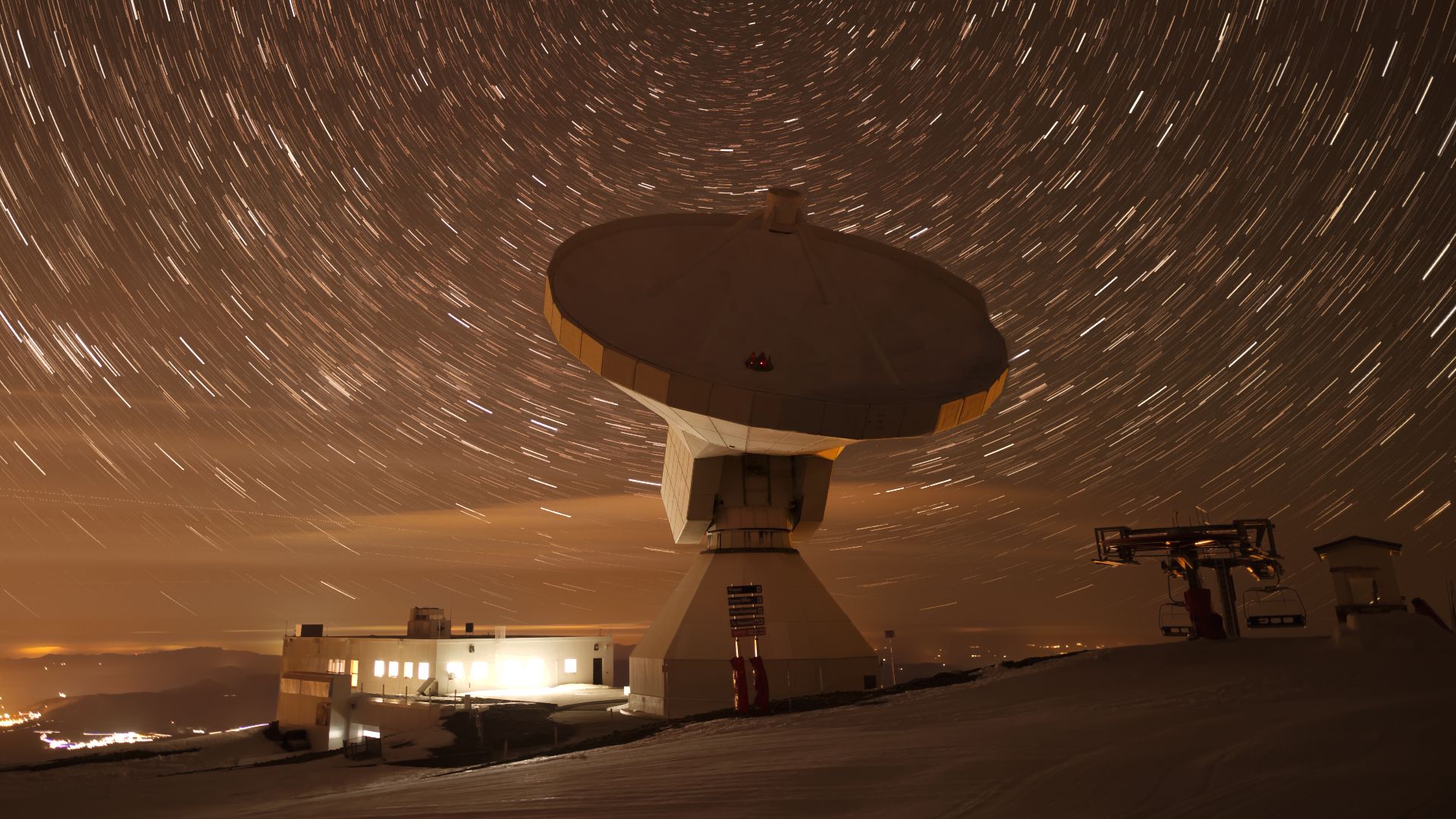
Researchers have also examined how plasma and turbulent conditions around stars might alter signals traveling through space. A 2026 SETI Institute research roundup highlighted modeling suggesting that stellar activity could broaden narrowband transmissions and make them harder to recognize. That possibility raises an unsettling thought: some signals might reach Earth without matching the patterns astronomers expect.
Aliens Might Not Use Radio At All
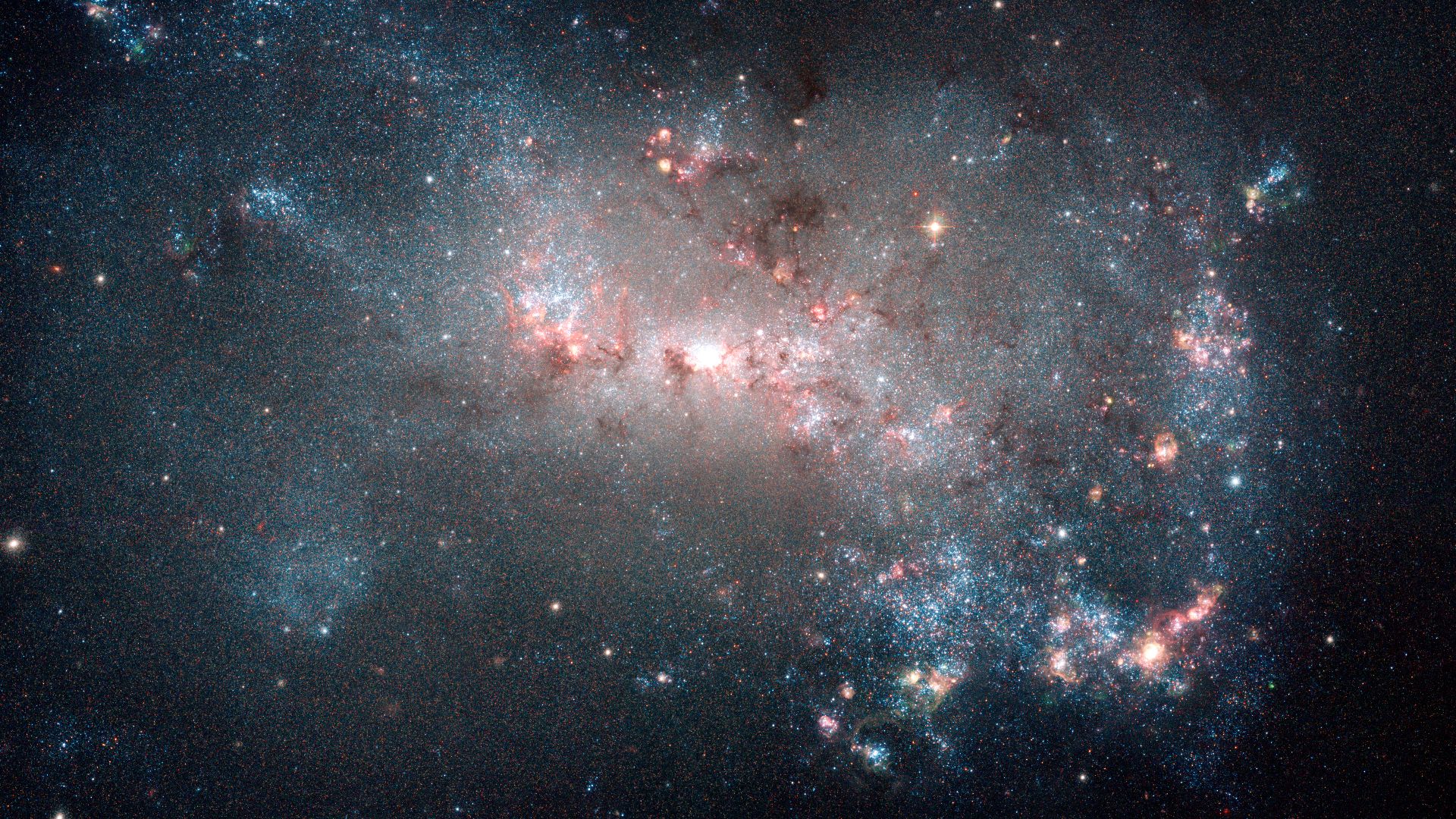
Human radio technology has existed for only a tiny fraction of our species' history. A civilization thousands or millions of years more technologically advanced might communicate in ways we have not imagined or cannot currently detect. NASA researchers therefore consider several potential technosignatures, including laser emissions and artificial chemicals in planetary atmospheres.
 NASA/Jay Freidlander, Wikimedia Commons
A Civilization Might Be Invisible By Choice
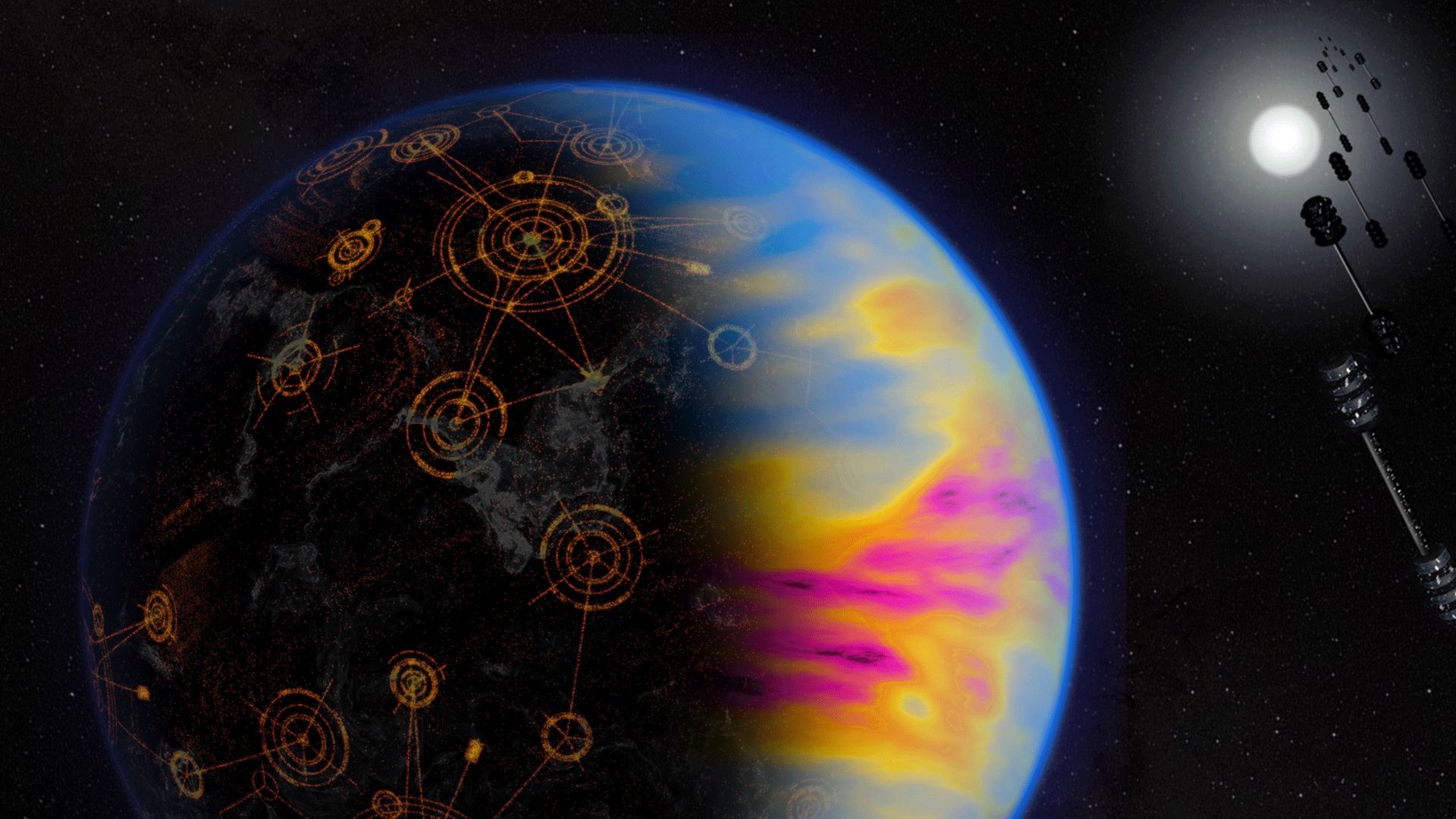
NASA researchers have explored whether advanced societies might use relatively modest amounts of energy rather than building enormous structures around stars. A 2024 study examined how difficult it could be to detect solar panels on a distant inhabited planet. The findings challenge the assumption that technological progress must eventually produce enormous, unmistakable signs visible across space.

What If Intelligent Life Is Extremely Rare?
One possible explanation is that simple life might arise relatively often while technological intelligence remains exceptionally uncommon. Earth's history demonstrates that life can exist for billions of years without producing radio transmitters or spacecraft. Scientists do not yet know how frequently biology develops into complex organisms, intelligence, or technology on other worlds.

The Most Frightening Possibility Has A Name
The Great Filter hypothesis proposes that one or more steps between lifeless matter and a spacefaring civilization might be extraordinarily difficult. Perhaps life rarely begins, or perhaps complex intelligence almost never evolves. A more troubling possibility is that civilizations frequently encounter obstacles that prevent them from surviving long enough to spread beyond their home worlds.

Maybe Civilizations Keep Missing Each Other
Another possibility is that technological civilizations exist at different times rather than simultaneously. A society might transmit detectable signals for only a brief period before changing its technology or disappearing. Even if intelligent life has emerged repeatedly across the galaxy, overlapping communication windows could be rare.
The Galaxy Is Almost Unimaginably Large
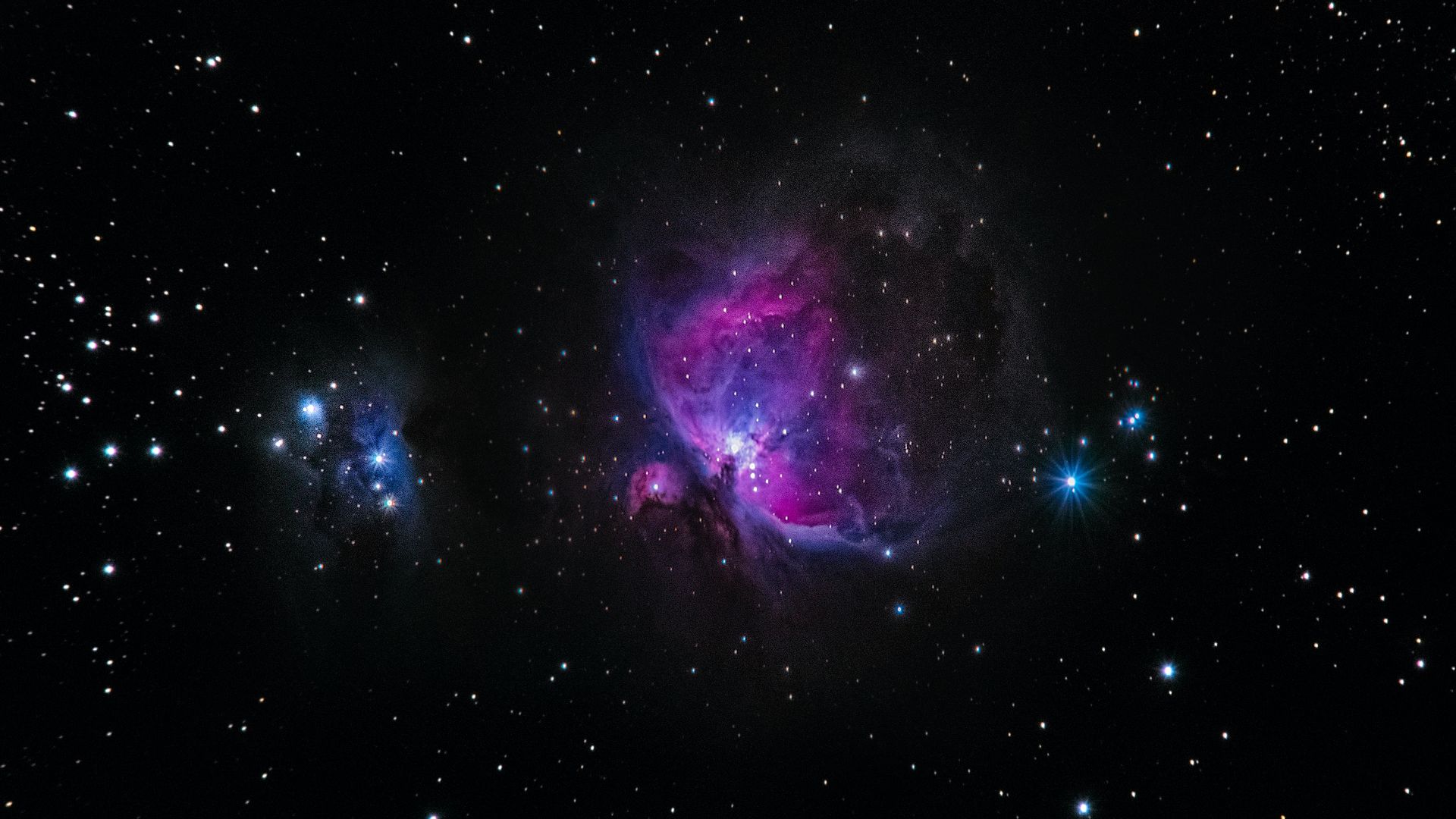
Light from even relatively nearby stars takes years to reach Earth, and signals from distant parts of the Milky Way can require thousands of years to arrive. Any message would therefore reveal a civilization as it existed in the past, not necessarily as it exists today. The enormous distances involved make an apparent lack of communication less surprising than it might initially seem.

Scientists Are Looking For Signs Of Life Instead
Rather than searching exclusively for intelligent civilizations, astronomers are also hunting for chemical evidence of biology. NASA's James Webb Space Telescope can examine the atmospheres of certain exoplanets and identify molecules that offer clues about their environments. Such observations might eventually reveal life that never developed technology capable of communicating across space.
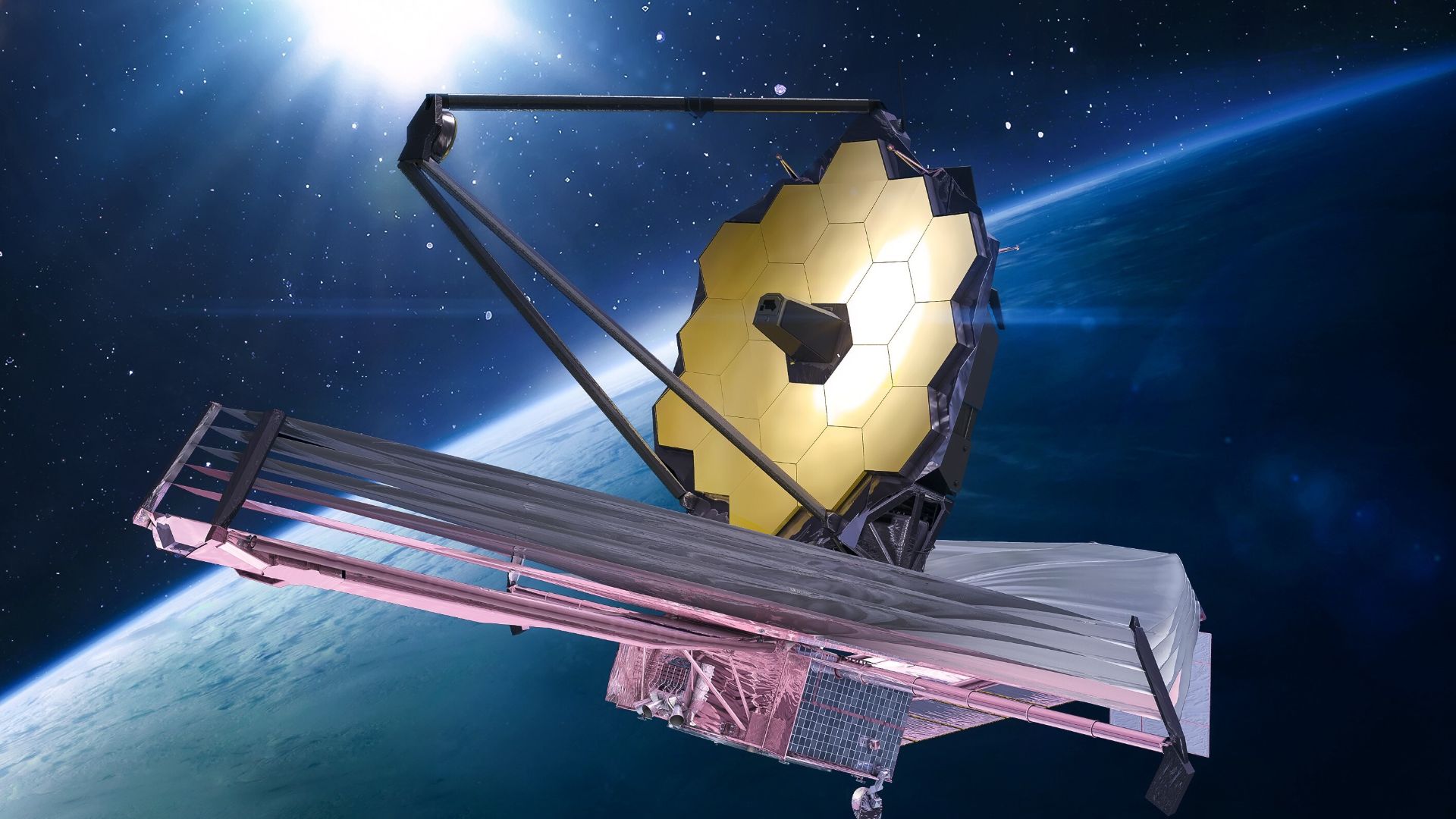 NASA/dima_zel, Wikimedia Commons
One Distant Planet Has Already Raised Eyebrows
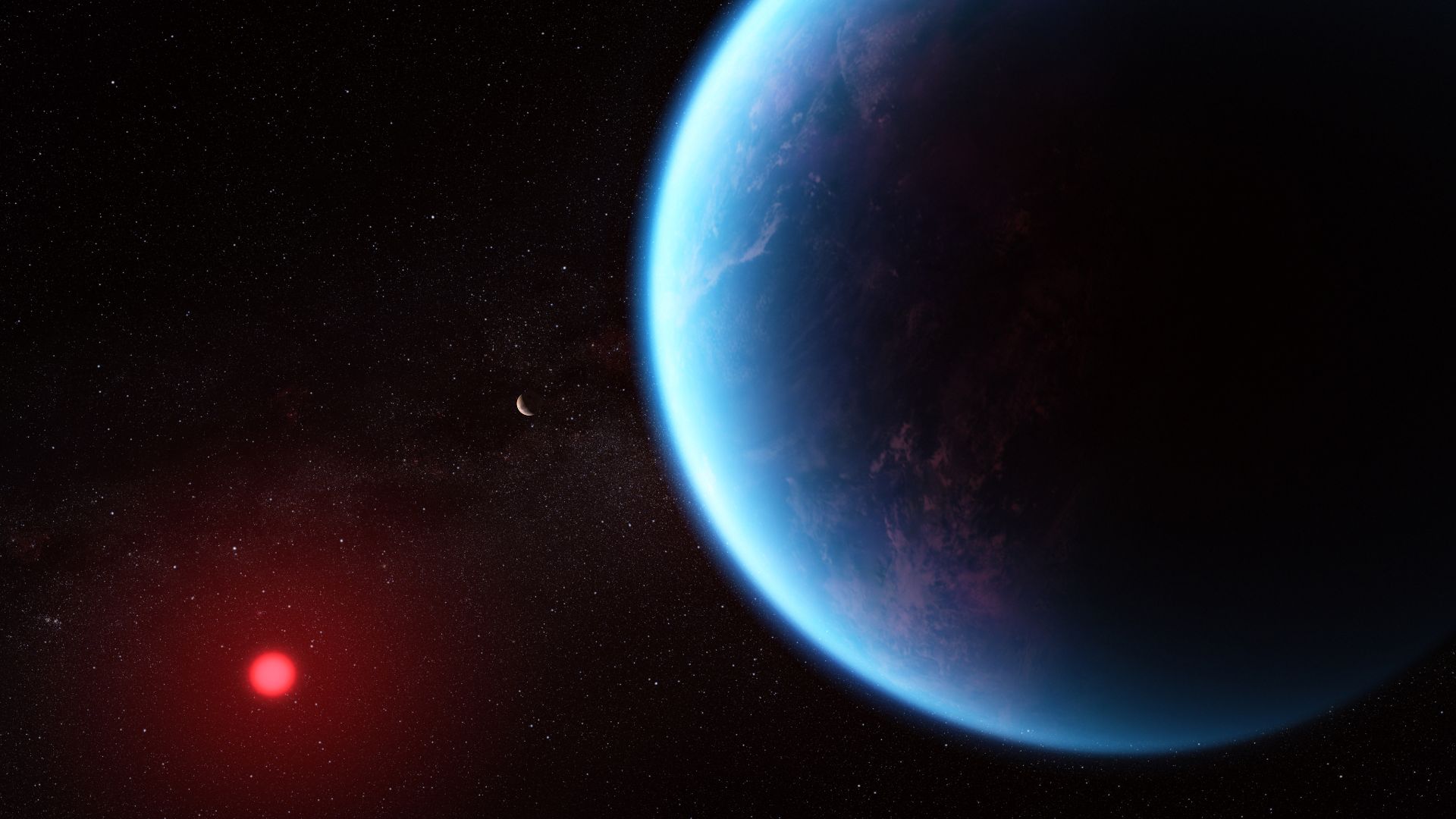
The exoplanet K2-18 b attracted attention when Webb observations revealed methane and carbon dioxide in its atmosphere. Researchers also reported a tentative indication of dimethyl sulfide, a molecule associated with biological activity on Earth. NASA has emphasized that the possible detection requires further confirmation and that the planet's habitability remains uncertain.
Even A Promising Discovery Might Be Misleading
Finding an interesting chemical in another planet's atmosphere would not automatically prove that life exists there. Natural geological or atmospheric processes can sometimes produce molecules that resemble biological signatures. NASA stresses that scientists would need multiple lines of evidence and careful examination of alternative explanations before announcing a genuine discovery.
 Chidera Faustina Okeke, Unsplash
Our Own Solar System Still Holds Possibilities
Jupiter's moon Europa and Saturn's moon Enceladus both have evidence of oceans beneath their icy surfaces. Cassini observations of Enceladus revealed chemical ingredients and potential energy sources relevant to life as we know it. These discoveries do not demonstrate that either moon is inhabited, but they suggest that environments worth investigating exist much closer than the nearest stars.

Mars Has Added Another Piece To The Puzzle
In September 2025, NASA announced that a sample collected by its Perseverance rover contained potential biosignatures. The sample came from a rock called Cheyava Falls, where unusual mineral patterns and chemical compounds prompted further scientific investigation. Researchers stressed that nonbiological explanations remain possible, so the finding was not confirmation of ancient Martian life.
 color processing by areo.info, raw data by NASA/JPL-Caltech, Wikimedia Commons
The Next Generation Of Telescopes Could Change Everything
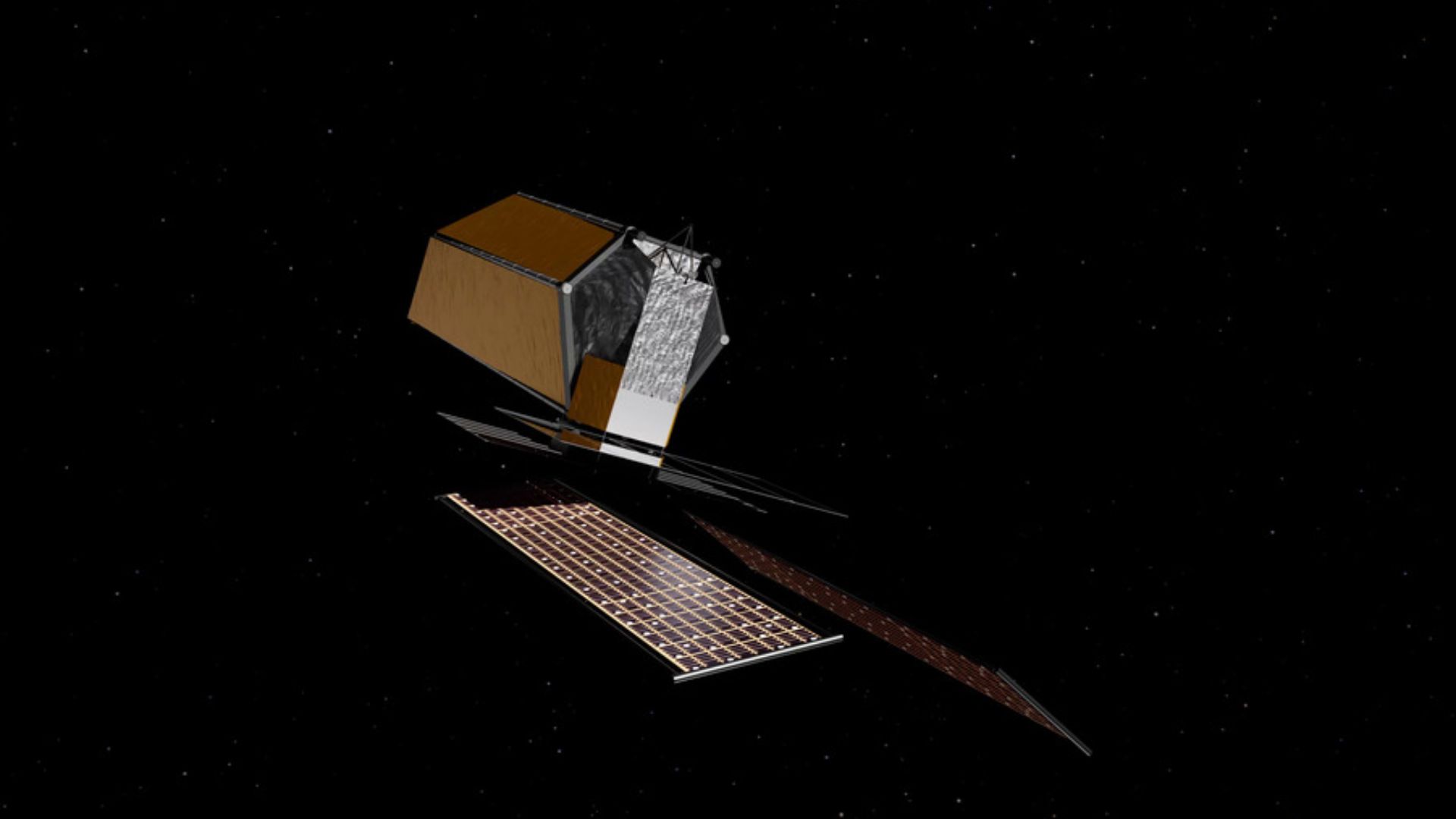
NASA is developing the concept for its Habitable Worlds Observatory, a future space telescope designed specifically to study potentially habitable planets. Its planned capabilities would allow scientists to directly image some Earth-like worlds and examine their atmospheres for possible signs of life. NASA selected additional technology-development proposals in January 2026, although the observatory remains a future mission rather than an operating telescope.
The Silence Might Be The Biggest Clue Of All
After decades of searching, astronomers still have no confirmed evidence of extraterrestrial life or technology. Yet the expanding catalog of planets, improved instruments, and new search methods mean the question is being investigated more thoroughly than ever before. The silence could reflect a universe without nearby technological civilizations, a search that has barely begun, or something scientists have not yet learned how to recognize.

You May Also Like:
10 Hidden Gems for a Safe and Affordable Family Vacation
America’s Best Historic Downtowns According To Europeans
Four Key Tips For Traveling On A Budget
Sources: 1, 2, 3, 4, 5, 6, 7, 8, 9, 10, 11, 12, 13, 14, 15, 16, 17, 18, 19