The Originals Are Simply Too Precious
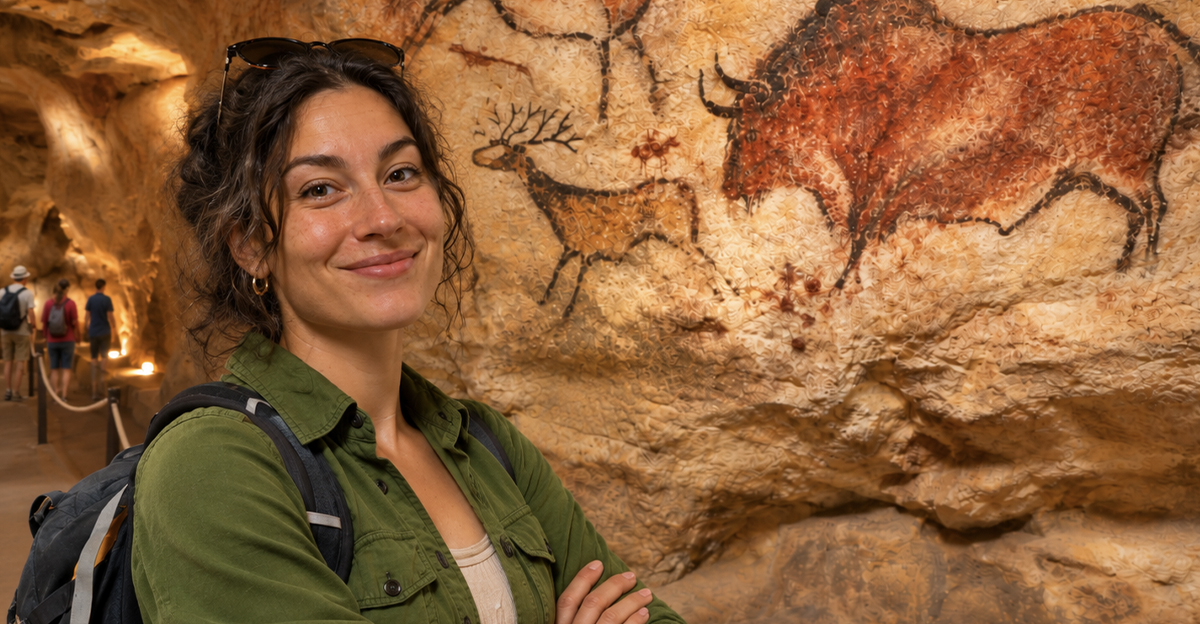
Imagine discovering cave paintings that survived tens of thousands of years, only to realize that letting people admire them could slowly destroy them. That’s the problem facing some of the world’s greatest prehistoric caves. Fortunately, museums have gotten remarkably good at building copies that are well worth traveling for on their own.
Lascaux Cave (Grotte de Lascaux) — Dordogne, France
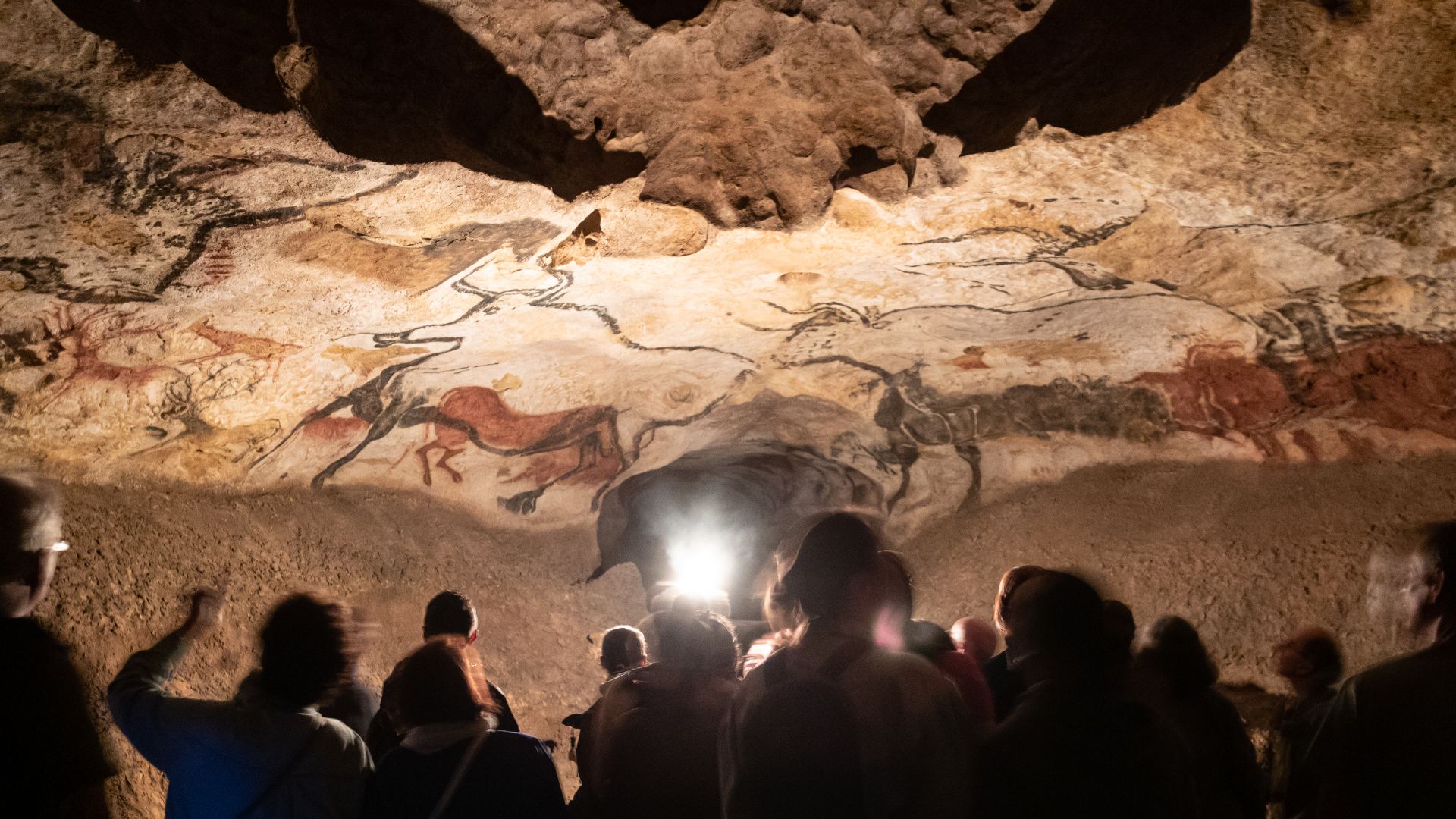
Four teenagers stumbled across Lascaux in 1940, revealing one of the most extraordinary collections of Paleolithic art ever found. Its chambers contain hundreds of painted and engraved animals, including horses, deer, bison, and the enormous aurochs of the Hall of the Bulls. The cave opened to tourists after World War II and quickly became famous. Unfortunately, all those visitors changed the cave’s delicate atmosphere. Carbon dioxide, humidity, microorganisms, and artificial lighting began risking damage to artwork that had survived for roughly 20,000 years.
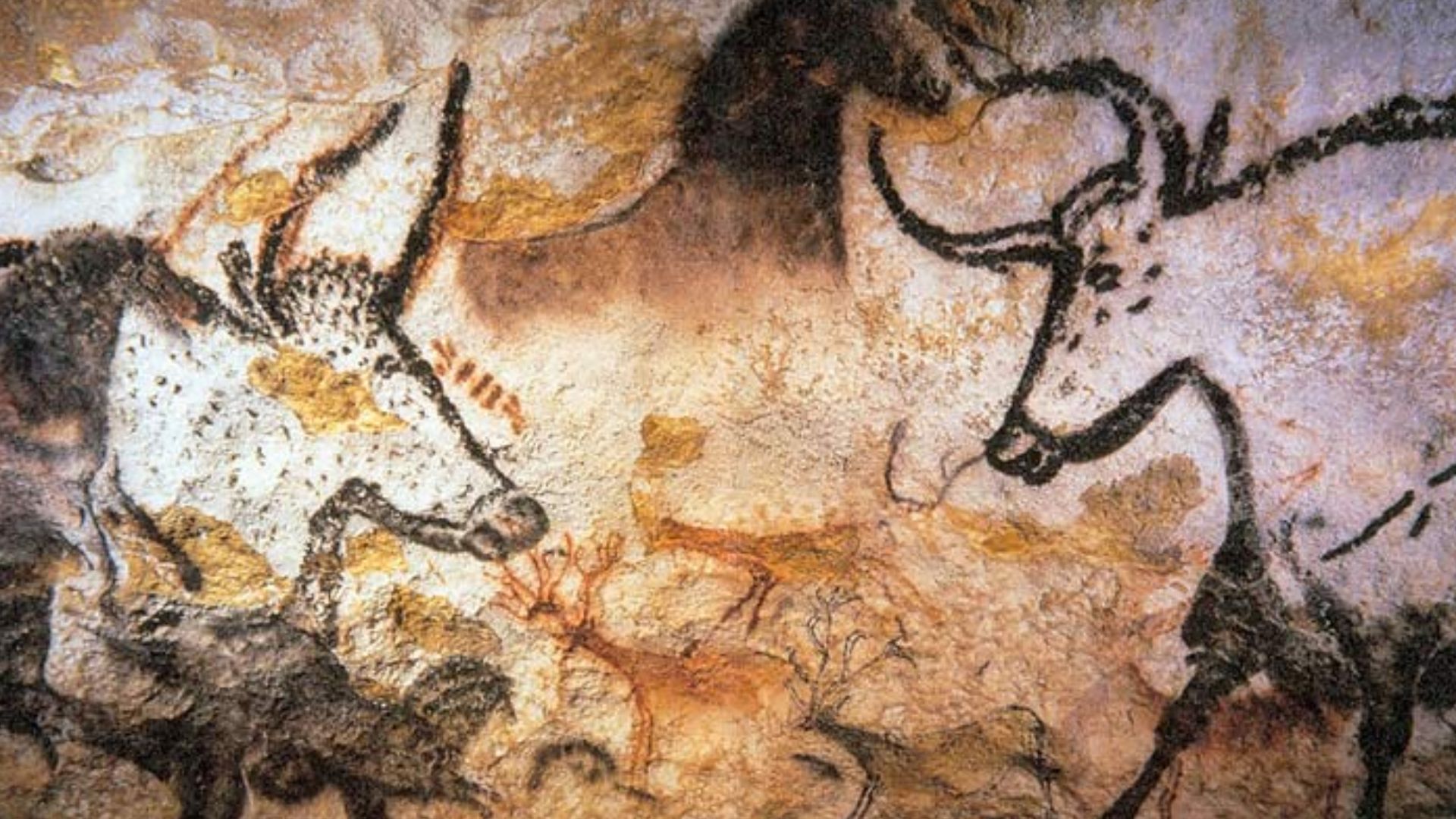
Lascaux Cave — Lascaux IV Lets You See Almost Everything Anyway
The original Lascaux closed to ordinary visitors in 1963, but that didn’t mean its cave paintings disappeared from public view. Lascaux IV, the International Centre for Cave Art in Montignac, contains an extraordinarily detailed recreation of virtually the entire decorated cave. 3D scanning helped reproduce the walls, contours, textures, and artwork at full scale. Walking beneath the giant bulls and horses is surprisingly convincing, and the replica has one major advantage over the original: millions of people can experience it without slowly destroying the thing they came to admire.
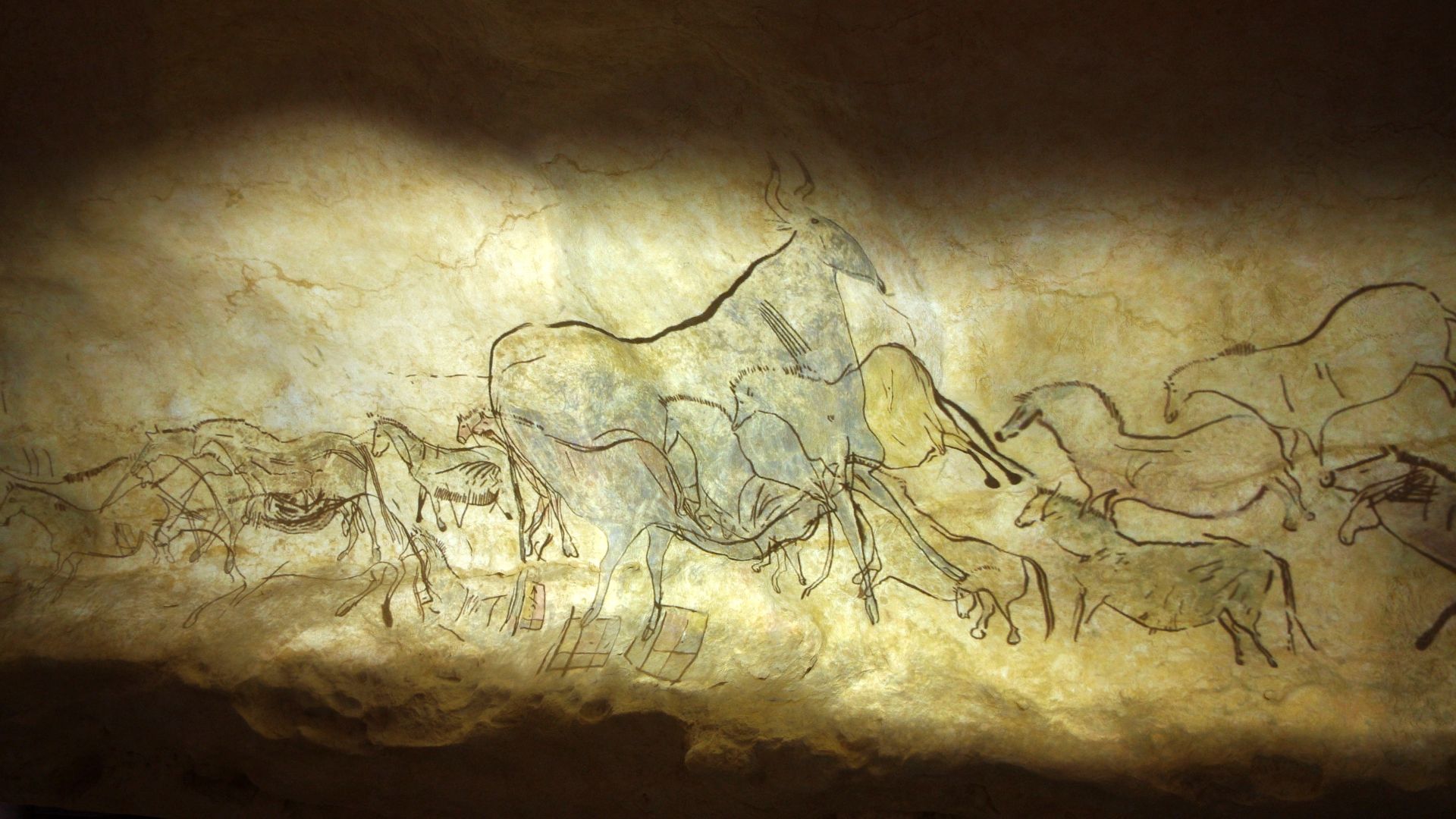
Chauvet-Pont D’Arc Cave (Grotte Chauvet-Pont D’Arc) — Ardèche, France
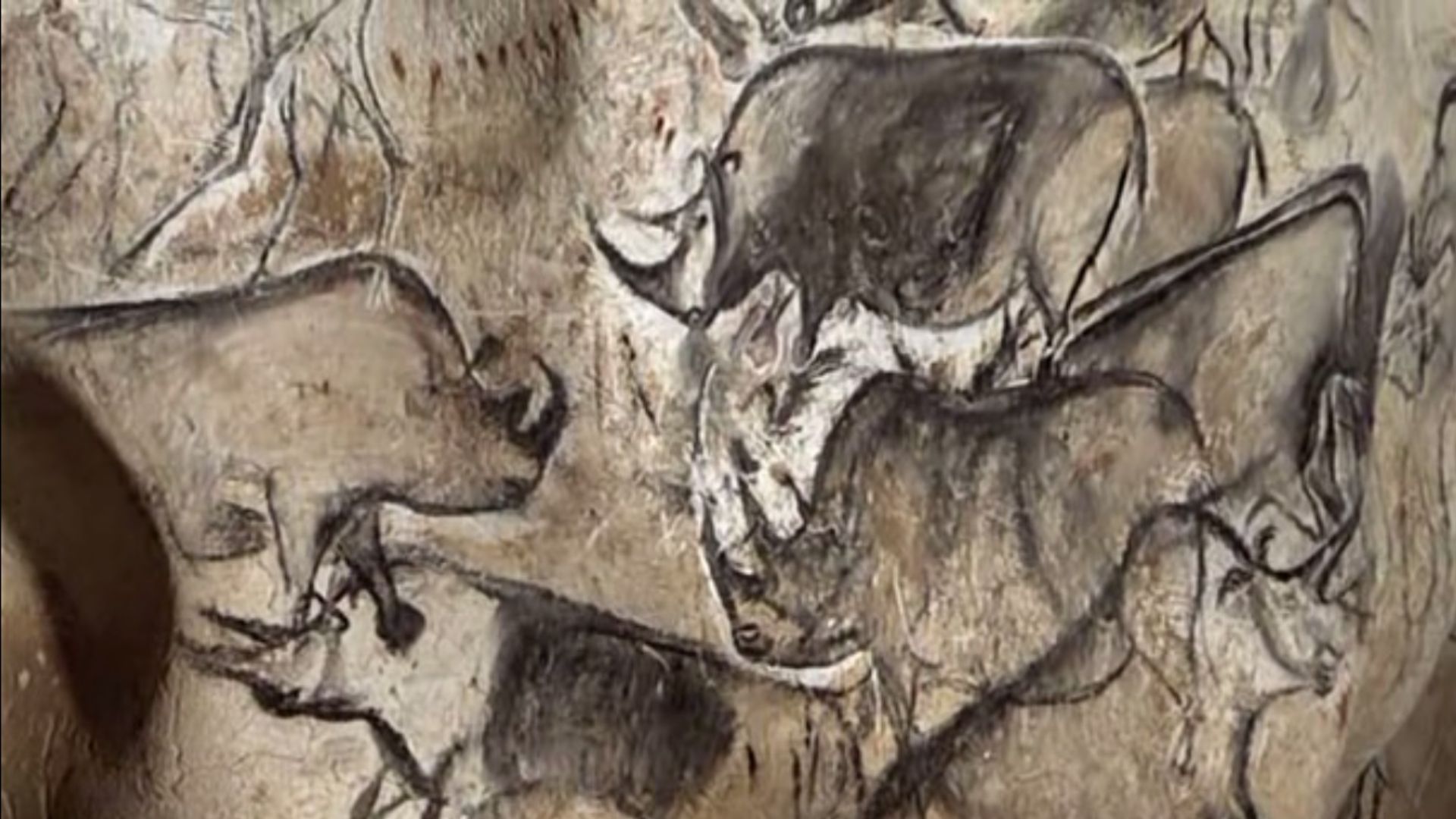
Jean-Marie Chauvet, Éliette Brunel, and Christian Hillaire discovered Chauvet in December 1994, and authorities immediately understood that they were dealing with something exceptional. Some of its charcoal drawings are around 36,000 years old, making them among the oldest spectacular figurative artworks ever found. Lions stalk across the walls. Rhinoceroses appear to charge one another. Bears, mammoths, horses, and even an owl emerge from the darkness. Unlike Lascaux, Chauvet was never allowed to become a mass-tourism attraction.
 Unknown authorUnknown author, Wikimedia Commons
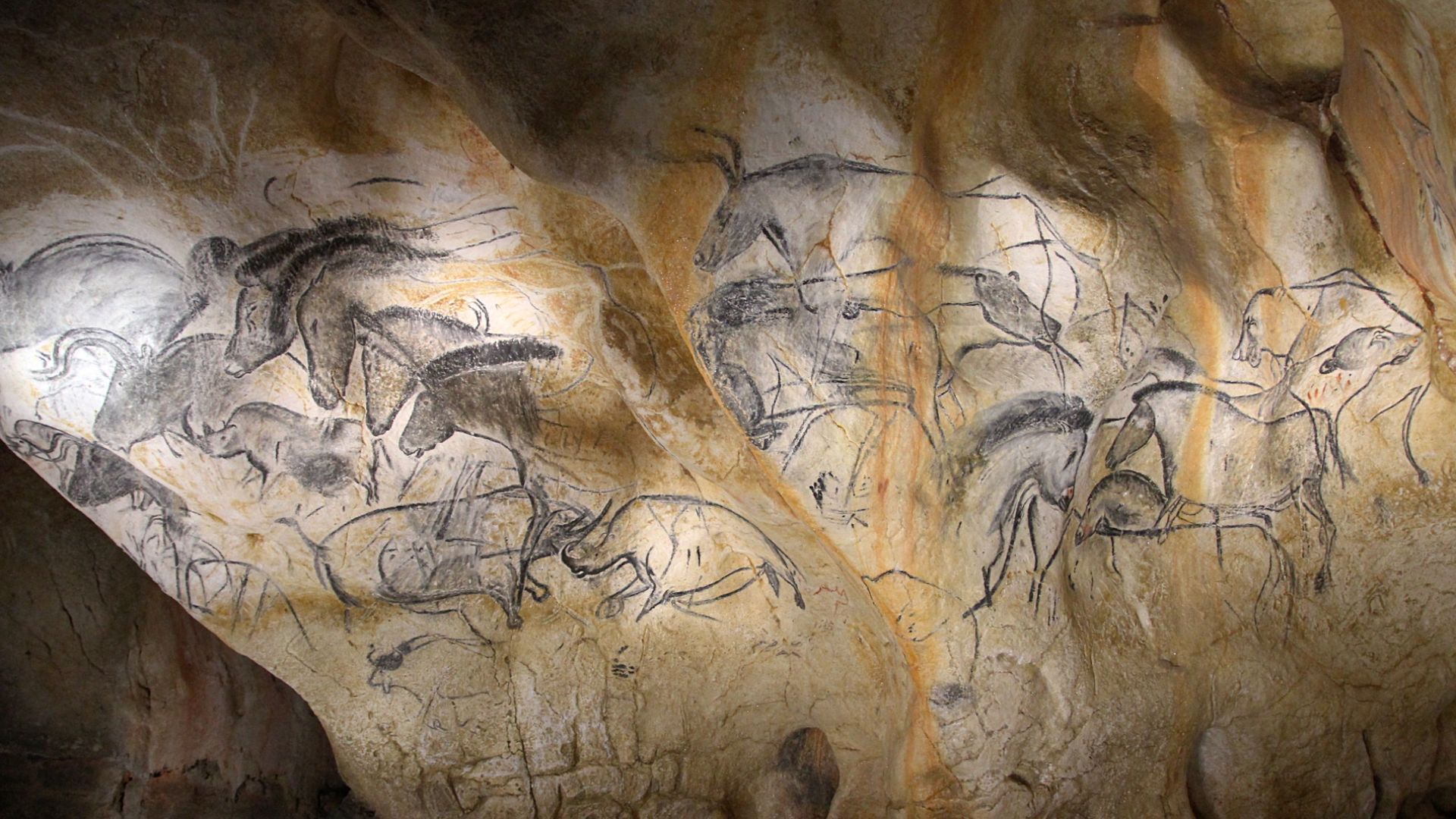
Chauvet-Pont D’Arc Cave — Chauvet 2 Was Built Before Tourists Could Damage The Original
The decision to protect Chauvet from the beginning allowed its fragile surfaces, footprints, bones, and cave-floor evidence to remain remarkably intact. Visitors instead go to Chauvet 2 near Vallon-Pont-d’Arc. It recreates the painted spaces at full scale using detailed scans and reproductions of the original walls, right down to the shapes surrounding individual drawings. Temperature, darkness, rock formations, and even the overall cave atmosphere help sell the illusion. At more than 8,000 square meters, it’s one of the world’s most ambitious prehistoric cave replicas.
 Claude Valette, Wikimedia Commons
Altamira Cave (Cueva de Altamira) — Cantabria, Spain
Altamira changed the way scholars thought about prehistoric people. Its cave paintings became famous in the late nineteenth century, particularly the ceiling covered with brilliantly rendered bison that use the natural bulges of the rock to give the animals three-dimensional bodies. Horses, deer, goats, hands, and mysterious signs appear elsewhere in the roughly 290-meter cave. The artwork spans thousands of years, with activity dating from roughly 36,000 to 13,000 years ago. Unfortunately, modern visitors proved almost as damaging to Altamira as they had been to Lascaux.
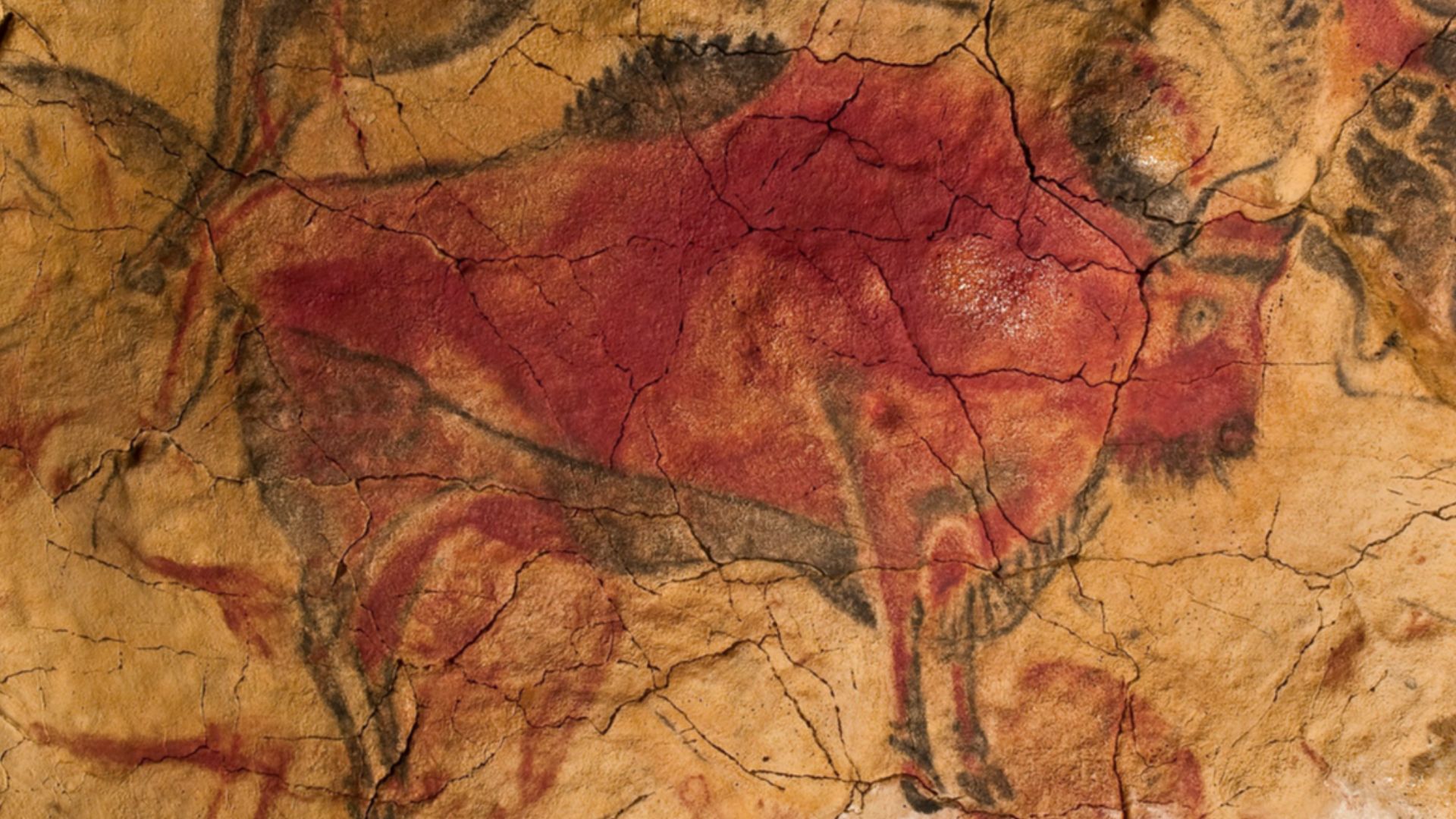 Museo de Altamira y D. Rodríguez, Wikimedia Commons
Altamira Cave — The Neocave Is What Almost Everyone Actually Sees
Altamira does maintain an extraordinarily limited conservation-controlled access program for the original, but it’s not something ordinary tourists can simply book. For practically everyone, the experience is the museum’s Neocave. This rigorous three-dimensional reconstruction recreates the cave as it appeared during the Paleolithic, including the famous polychrome ceiling. It doesn’t just copy the cave paintings. The museum also reconstructs the cave entrance and spaces where prehistoric people cooked, worked, made tools, and lived. In some ways, it actually provides more context than a brief walk through the fragile original ever could.
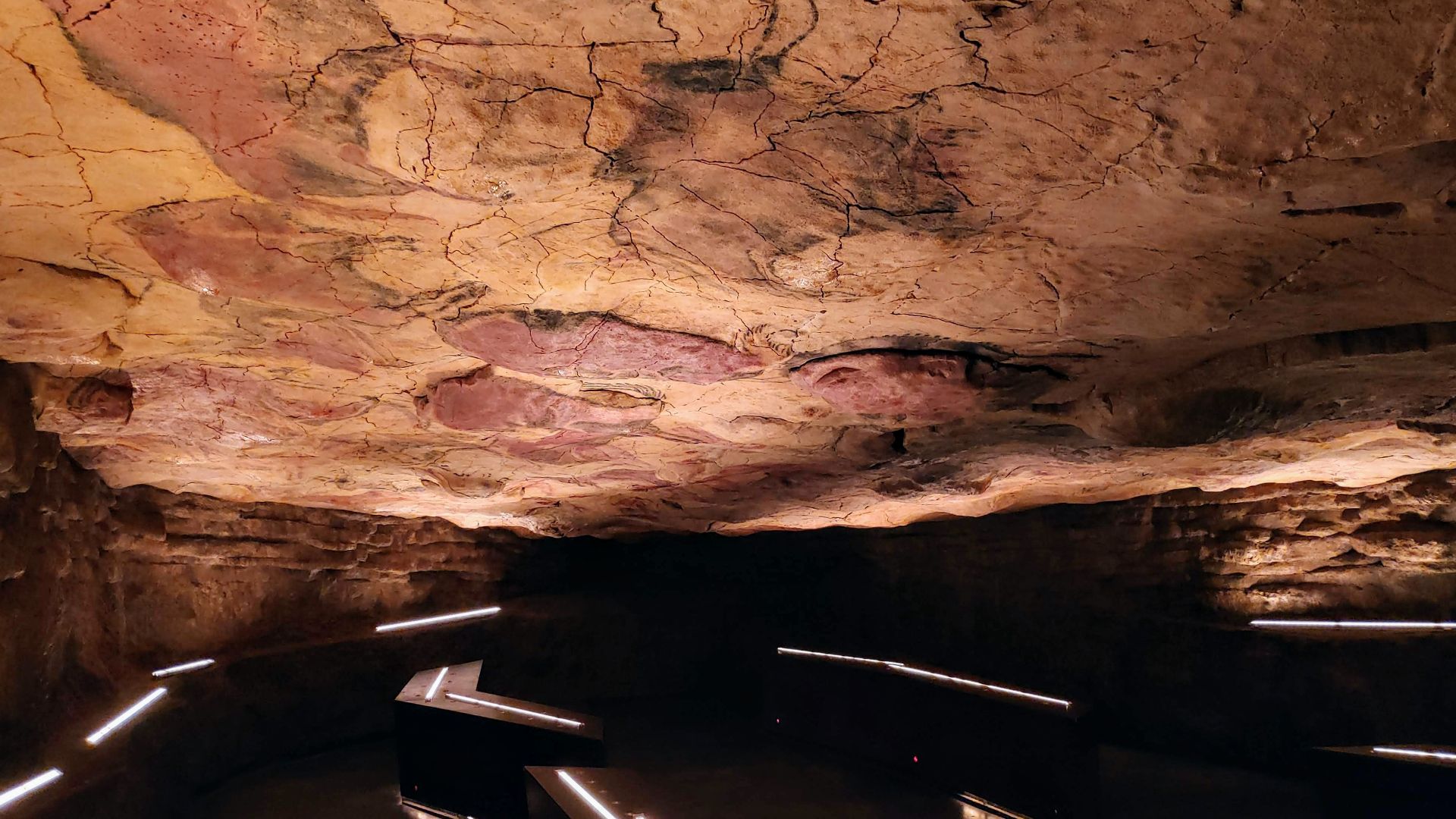 Alonso de Mendoza, Wikimedia Commons
Cosquer Cave (Grotte Cosquer) — Near Marseille, France
Even if conservation weren’t an issue, casually strolling into Cosquer would be impossible. Its entrance now sits 37 meters beneath the Mediterranean Sea. Diver Henri Cosquer discovered the submerged entrance and eventually reached dry chambers filled with prehistoric images. During the Ice Age, sea level was much lower and people could simply walk into the cave. Today, hundreds of paintings, engravings, signs, and handprints survive inside, including horses, ibex, bison, deer, seals, and unusually rare images of marine animals.
 Kleber Rossillon & Région Provence-Alpes-Côte d’Azur / Sources 3D MC, Wikimedia Commons
Cosquer Cave — The Replica Comes With Its Own Ride
Cosquer Méditerranée in Marseille takes a very different approach from the typical museum reconstruction. Visitors descend into a recreated underwater world and board small exploratory vehicles for a roughly 35-minute ride through the replica. More than 400 prehistoric works are represented along the recreated walls, while the larger museum explains how rising seas eventually swallowed the original entrance. It’s less like standing in front of reproductions in a gallery and more like moving through a prehistoric cave attraction. In this case, the replica is considerably easier to reach than the real thing.
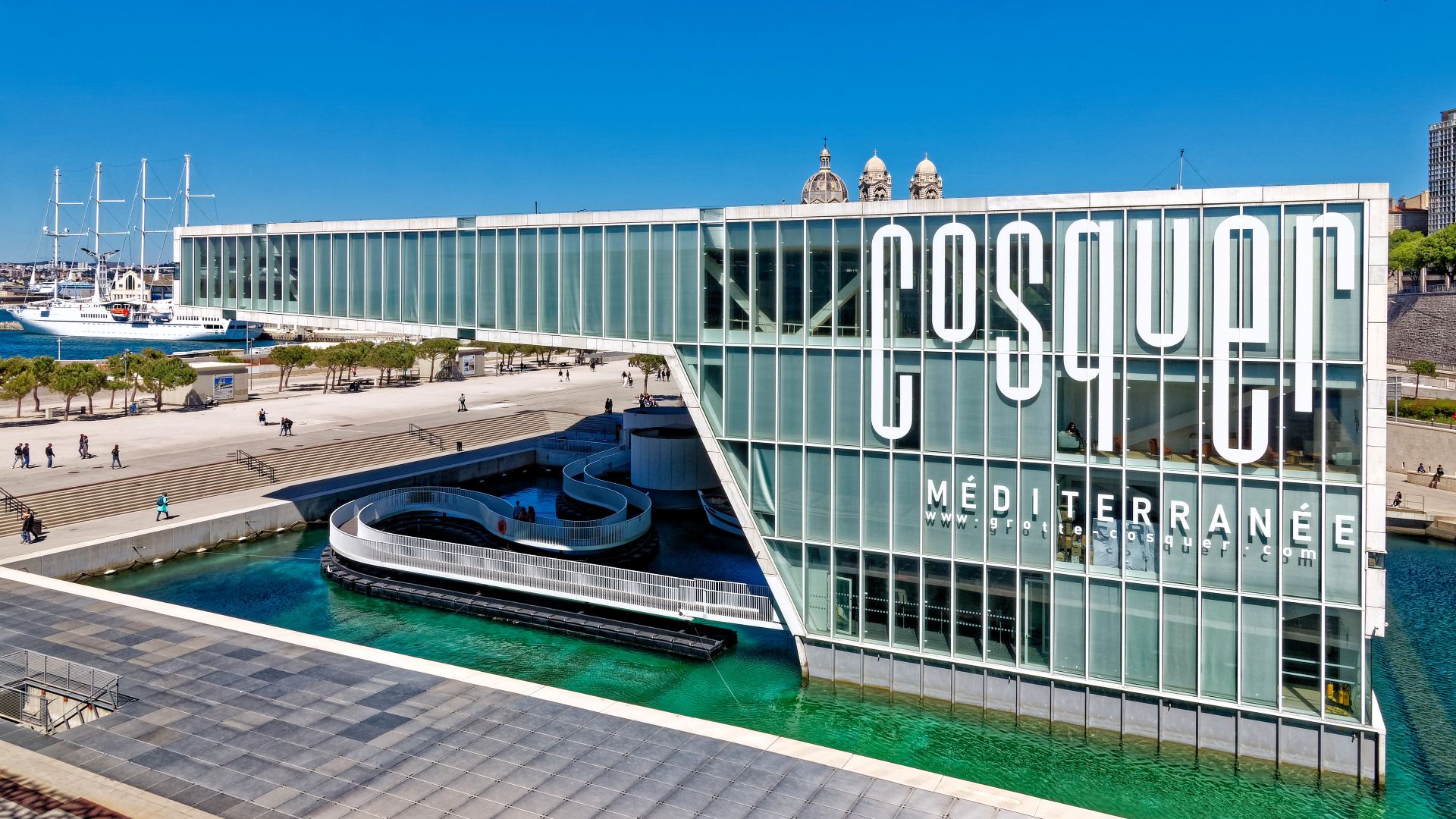 Holger Uwe Schmitt, Wikimedia Commons
Ekain Cave (Ekain Koba) — Basque Country, Spain
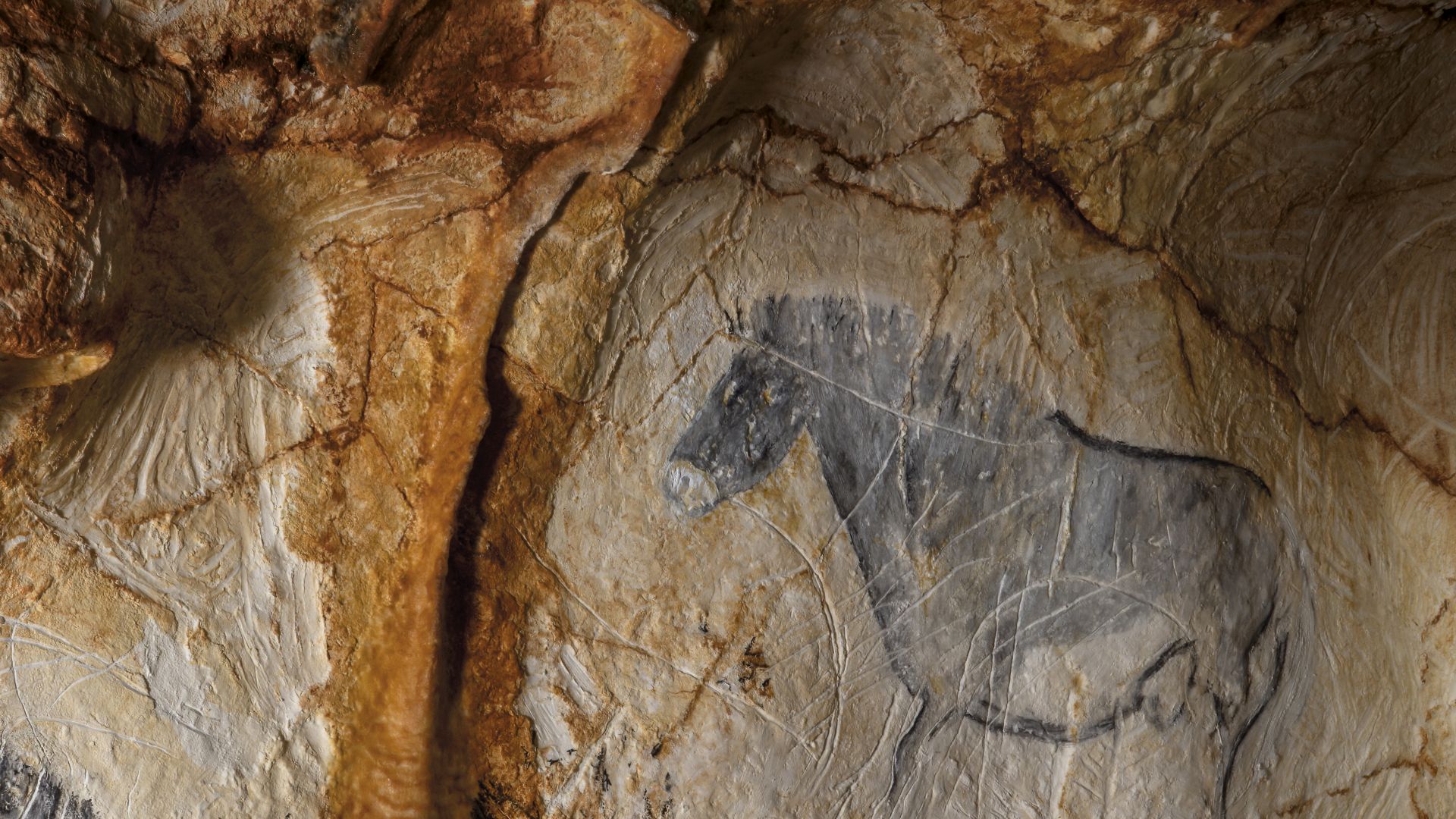
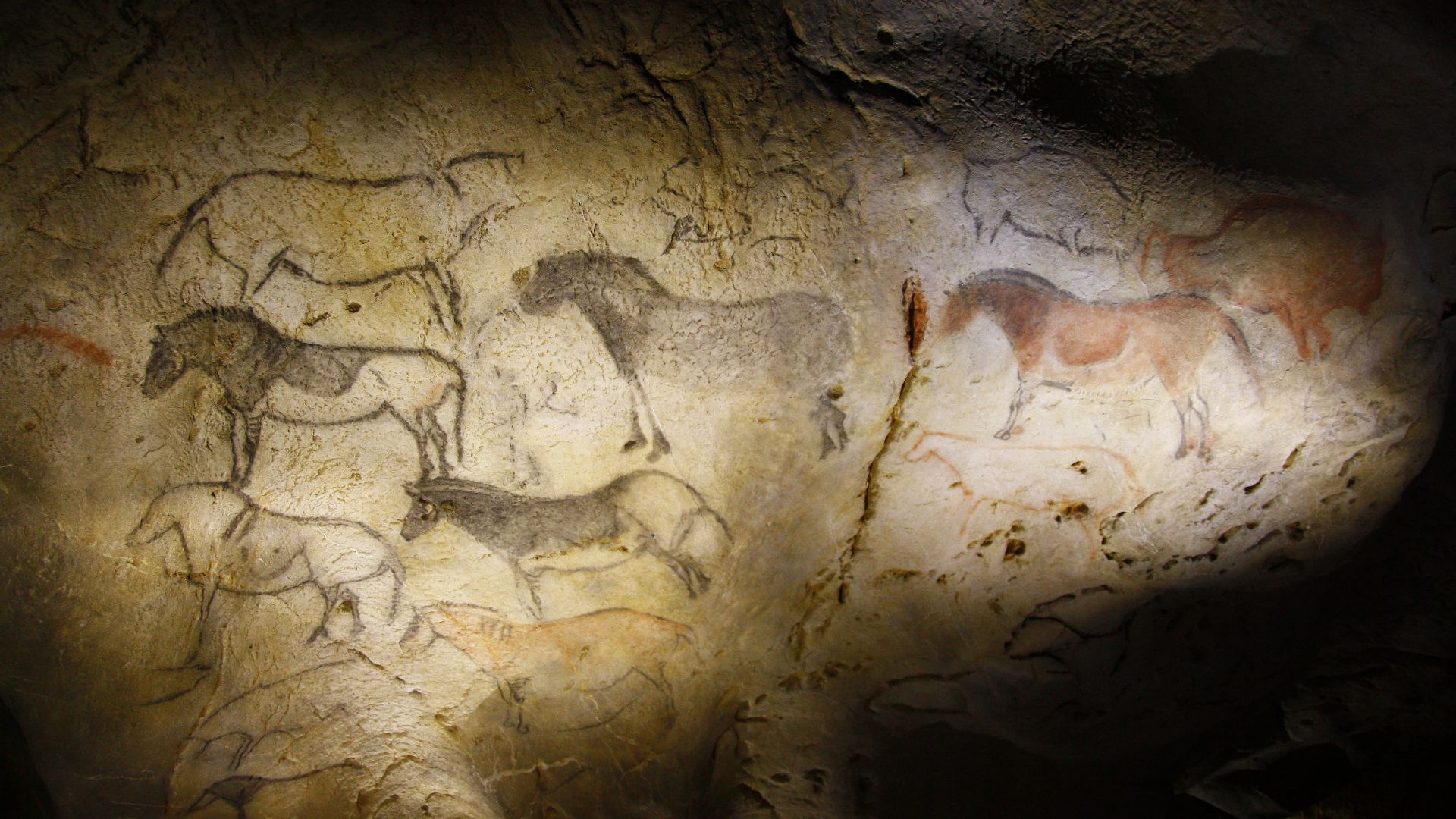
Ekain is famous above all for its horses. The cave contains around 70 animal figures, 64 painted and six engraved, with horses dominating the collection. Bears, goats, and other animals appear too, but the equine images are so accomplished that the ensemble is considered one of the great masterpieces of Prehistoric Franco-Cantabrian art. The cave paintings date mainly to the Magdalenian period, around 14,000 years ago. Fortunately, Ekain was protected rather than developed into the kind of heavily visited attraction that damaged other famous caves.
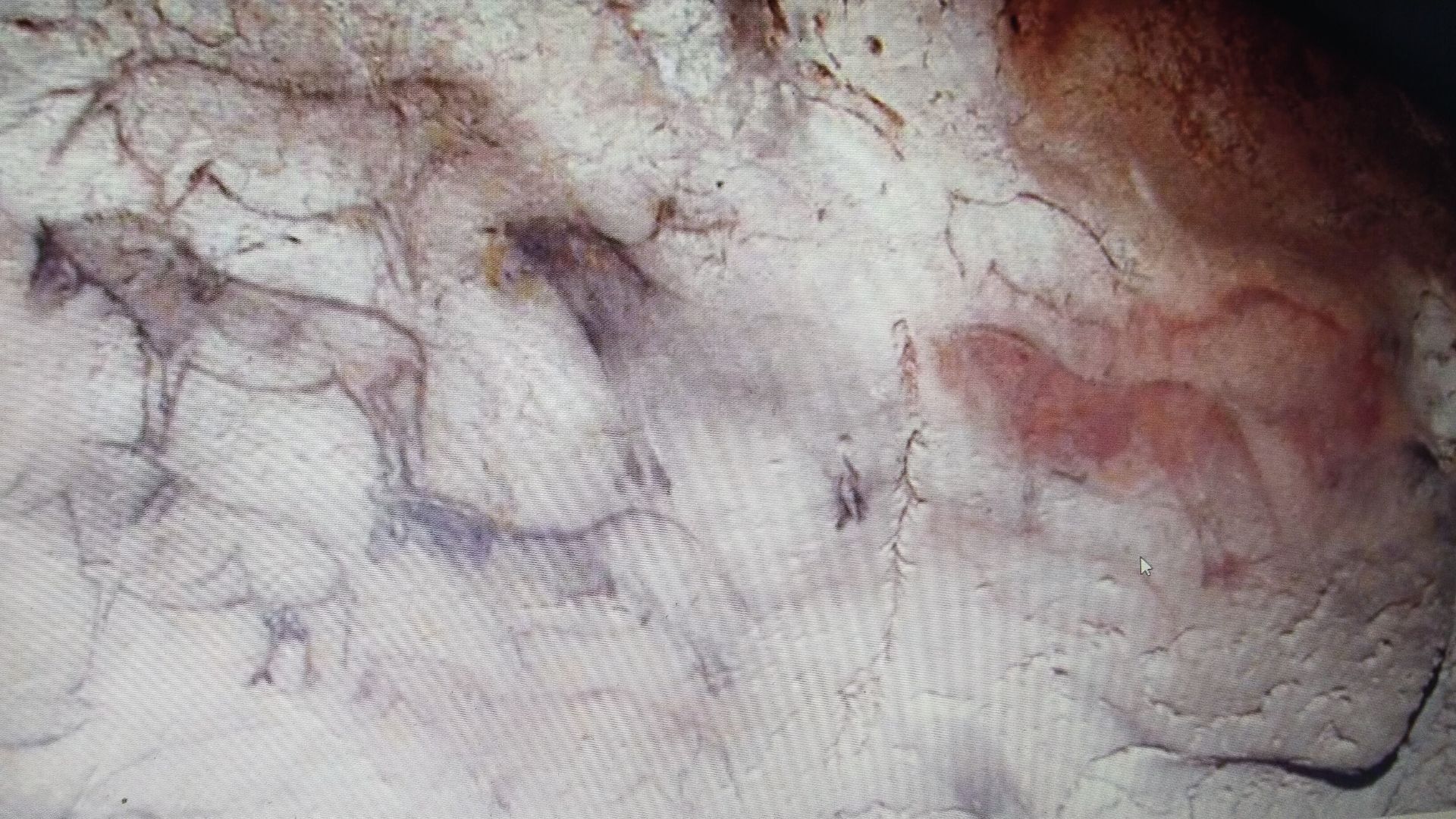
Ekain Cave — Ekainberri Tries To Recreate The Feeling, Not Just The Pictures
Visitors instead head to Ekainberri near Zestoa, a carefully constructed replica designed to reproduce the cave’s most important spaces and paintings. Guided visits deliberately create a sensory experience rather than simply displaying copied images under bright museum lights. The horses appear against textured rock surfaces in dim conditions much closer to how prehistoric people would have encountered them. Longer experiences even introduce ancient painting, fire-making, and hunting techniques. You leave with a much better sense of the people behind the art, not just the animals they drew.
 Xabier Eskisabel, Wikimedia Commons
Shulgan-Tash Cave (Kapova Cave) — Bashkortostan, Russia
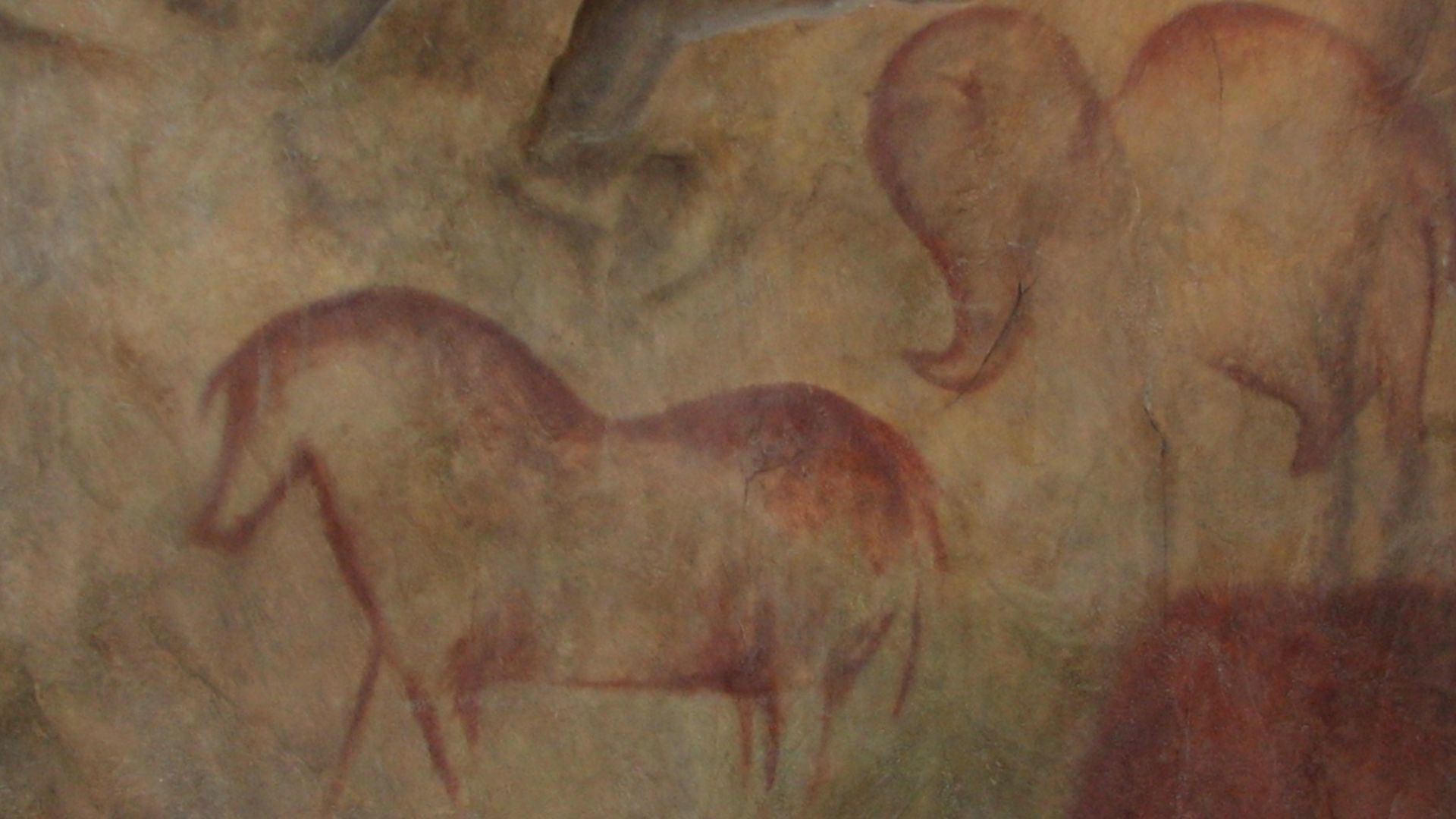
Shulgan-Tash is one of the most important Paleolithic art sites outside western Europe. Deep in the southern Ural Mountains, its walls preserve mammoths, horses, bison, woolly rhinoceroses, geometric signs, and one especially surprising animal: a two-humped Bactrian camel. The cave’s enormous chambers make it dramatically different from many painted caves in France and Spain. Visitors can experience portions of the cave complex, but the precious decorated sections themselves are tightly protected and aren’t opened to normal tourist traffic.
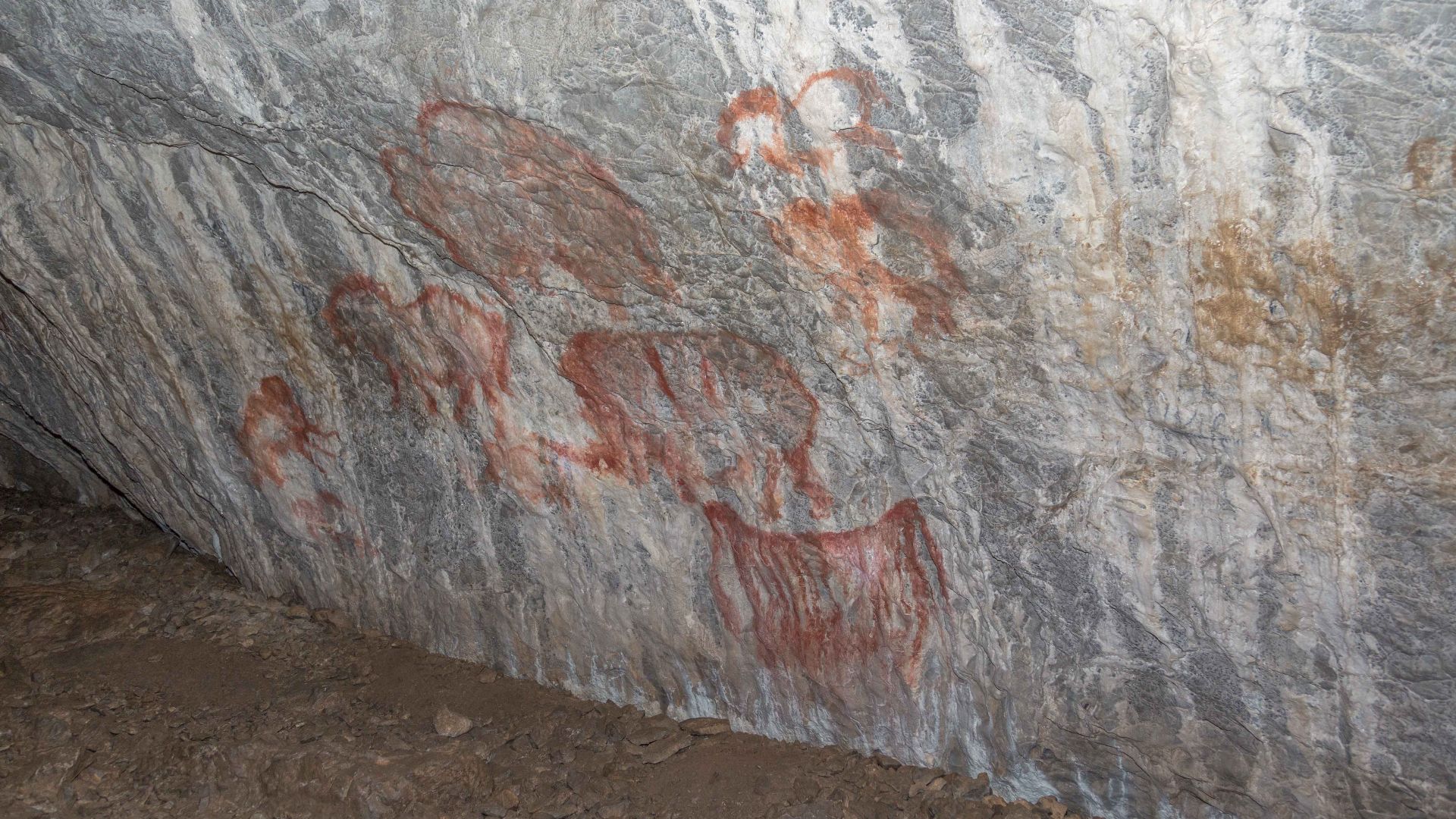
Shulgan-Tash Cave — The Painted Walls Were Rebuilt By Cave-Replica Specialists
The nearby Shulgan-Tash historical and cultural museum gives visitors another way to see the cave paintings. Specialists created three-dimensional facsimiles of major decorated panels using laser scans and photogrammetry of the original rock. French artists from a workshop experienced in reproducing western European cave art then recreated the paintings and textures by hand. The museum includes copies of the eastern and western walls of the Hall of Paintings along with the famous “Horses and Signs” composition. That means visitors can examine artwork that conservation rules wisely keep out of reach underground.
Covaciella Cave (Cueva de Covaciella) — Asturias, Spain
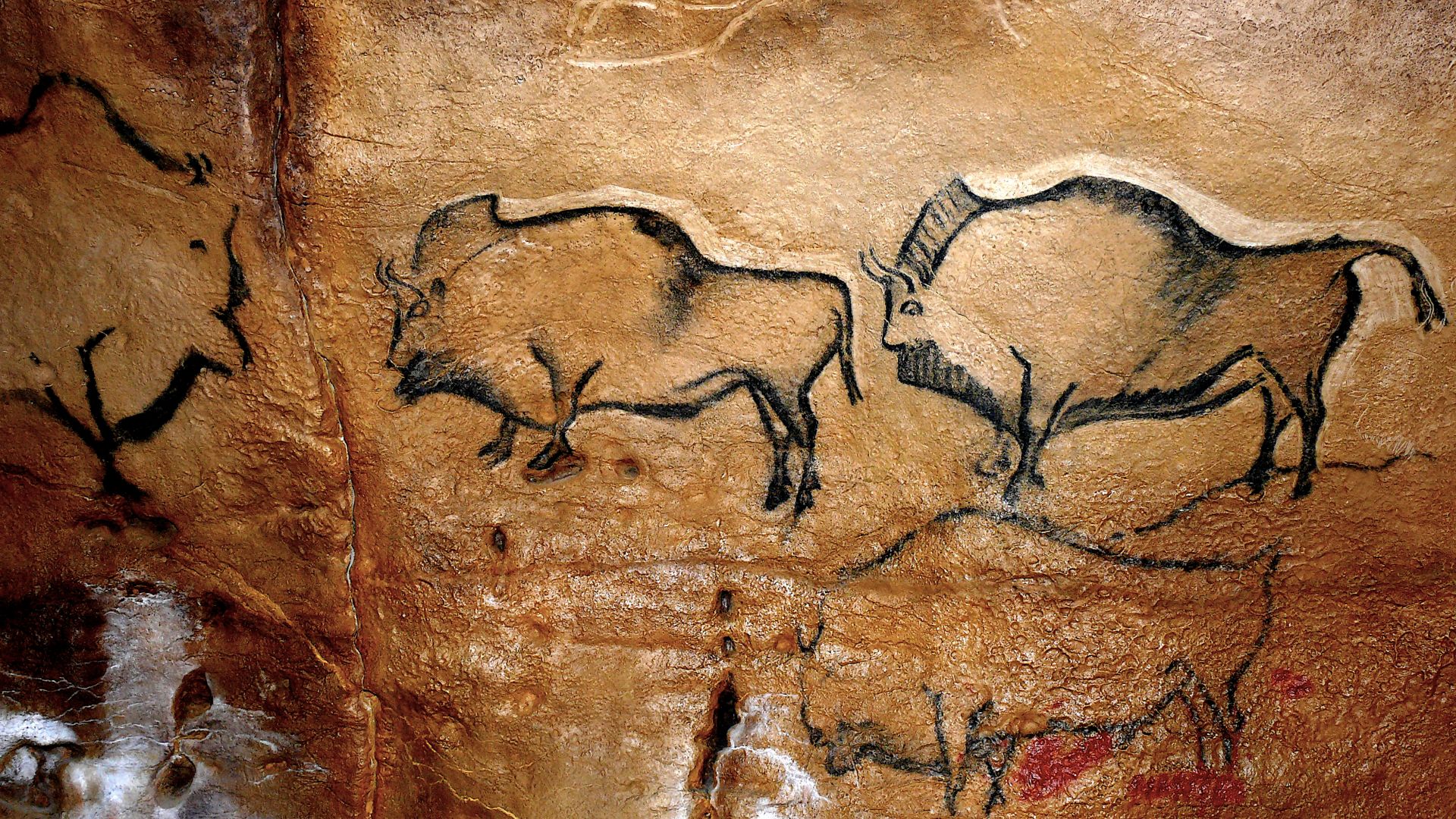
Covaciella might still be unknown if road construction hadn’t accidentally broken into it in 1994. Until then, the cave had remained sealed for thousands of years, which turned out to be wonderful news for its art. Its Magdalenian paintings, more than 14,000 years old, include bison, horses, and deer in exceptional condition. The bison panel is considered one of Asturias’ finest prehistoric artworks. Opening the cave to tourists would risk throwing away the very accident of preservation that made it so extraordinary.
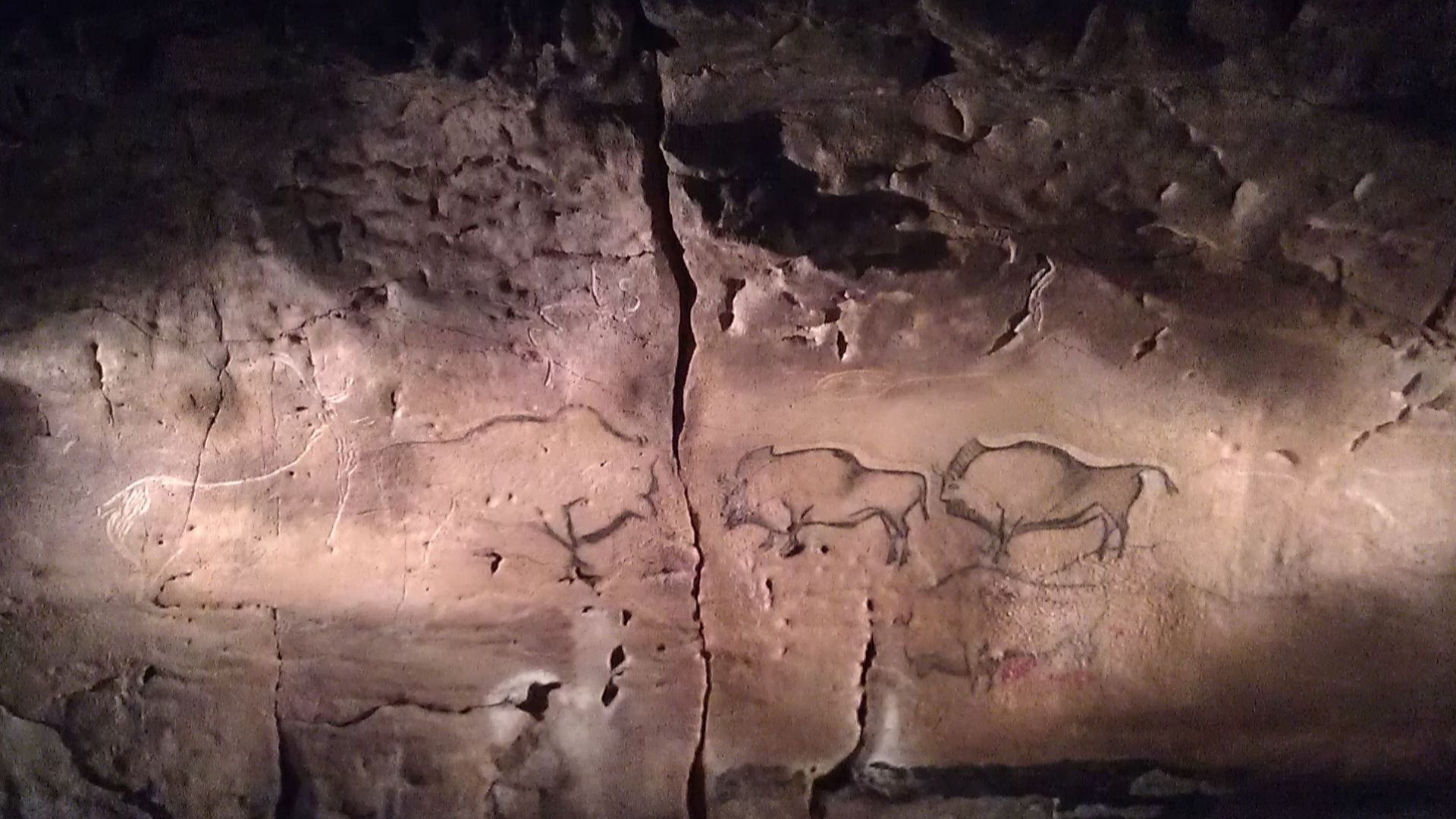
Covaciella Cave — Casa Bárcena Brings The Bison Into The Daylight
Covaciella remains closed, but visitors can head to Casa Bárcena in Carreña de Cabrales. The interpretation space includes a reproduction of the cave’s painted panel, allowing travelers to see the celebrated bison without entering the protected cavern. It isn’t the enormous immersive attraction that Lascaux IV or Chauvet 2 has become, but that actually suits Covaciella’s story. This is a cave that survived precisely because humans couldn’t reach it. The replica offers a glimpse while letting the original return to something close to its long isolation.
 José Manuel Benito, Wikimedia Commons
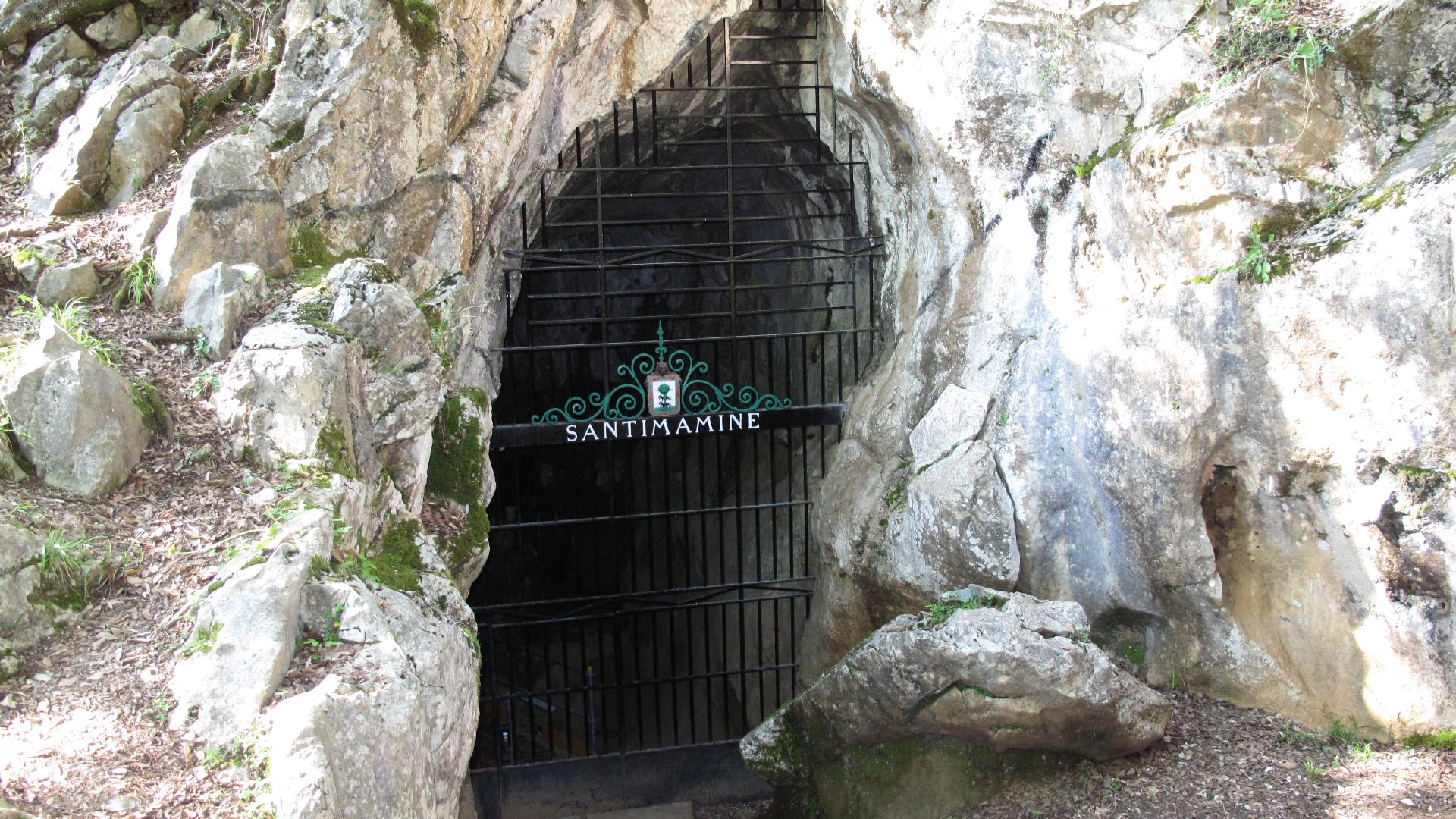
Santimamiñe Cave (Cueva de Santimamiñe) — Basque Country, Spain
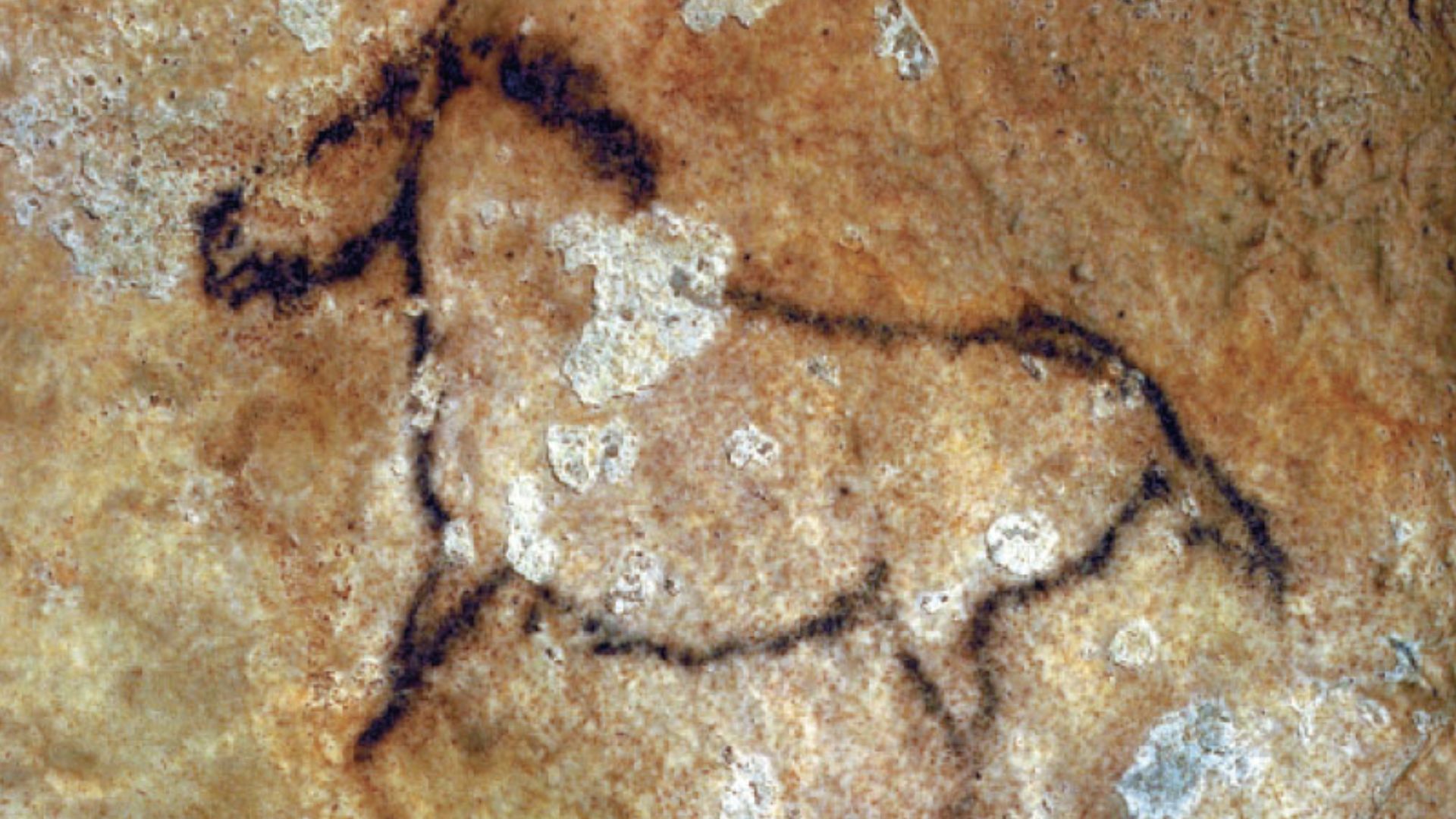
A group of local boys discovered Santimamiñe’s prehistoric art in 1916. The cave eventually became one of the best-known Paleolithic sites in the Basque Country, with nearly 50 figures concentrated in several decorated areas. Bison dominate, accompanied by goats, horses, a deer, and a bear, many drawn in black charcoal. Tourism eventually took its toll, and authorities closed the deeper cave to public visits in 2006 as part of a conservation program intended to stabilize and study the site.
 ETOR Entziklopedia, Wikimedia Commons
Santimamiñe Cave — Today You Finish The Visit In A Virtual Cave
Santimamiñe offers one of the more unusual compromises on this list. Guided visits can still introduce travelers to the archaeological site and accessible entrance area, but tourists don’t continue into the sensitive painted chambers. Instead, the nearby interpretation center in the Chapel of San Mamés uses a detailed 3D virtual reconstruction to carry visitors through the cave and show the art that’s now off-limits. You lose the physical sensation of standing beneath the original bison, but the digital version can take you into spaces conservation rules simply can’t.
Marsoulas Cave (Grotte de Marsoulas) — Haute-Garonne, France
Marsoulas was the first decorated Paleolithic cave identified in the French Pyrenees, with its art recognized in 1897. Its walls are almost overwhelming. More than 600 cave paintings and engravings crowd together, including animals, human-like figures, and roughly a hundred geometric signs. Bison feature prominently, with images overlapping one another in dense compositions created around 18,000 years ago. Unfortunately, early visitors also left graffiti, adding modern damage to walls already difficult to study because of their fragile surfaces and tightly layered artwork.
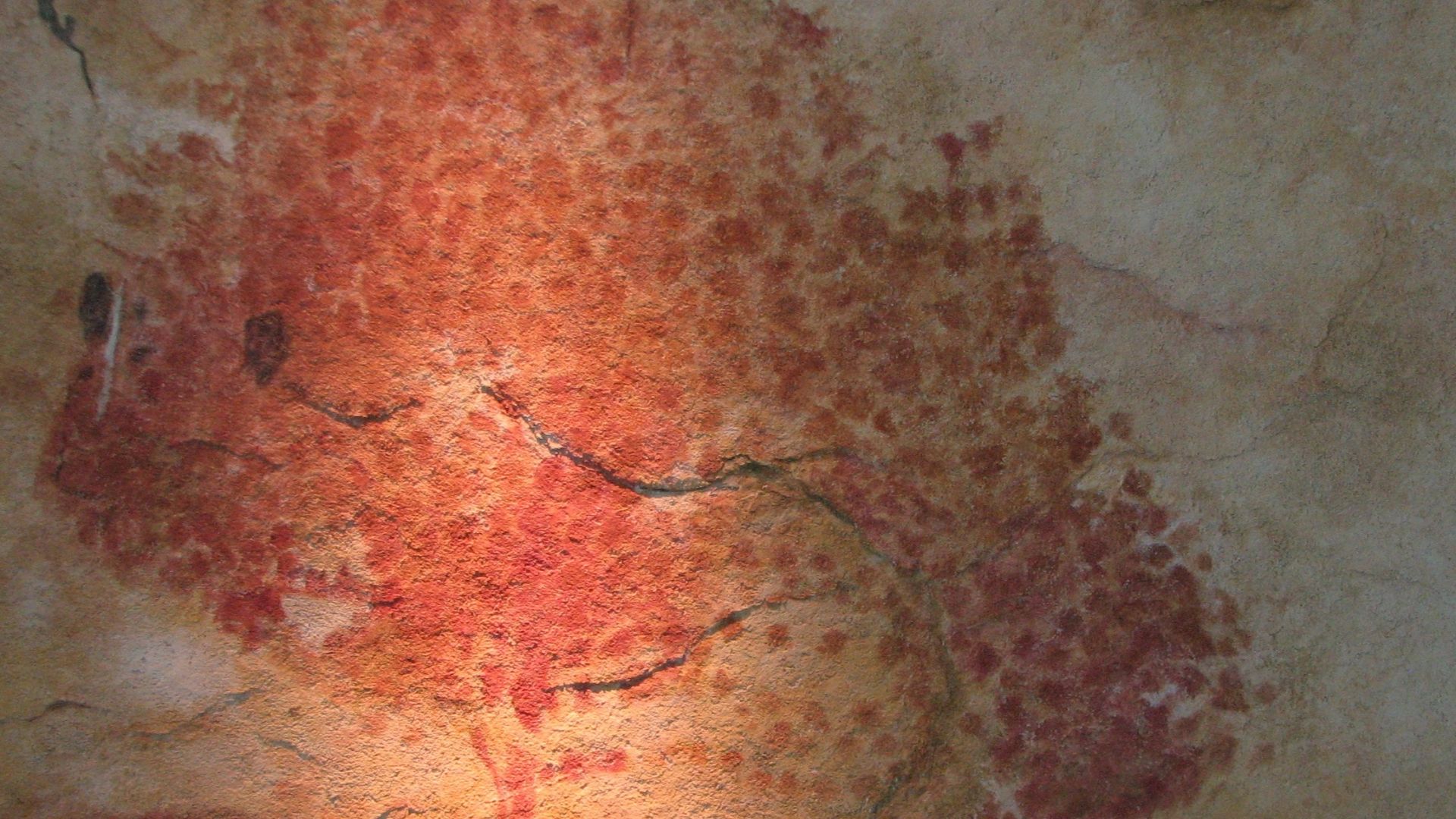
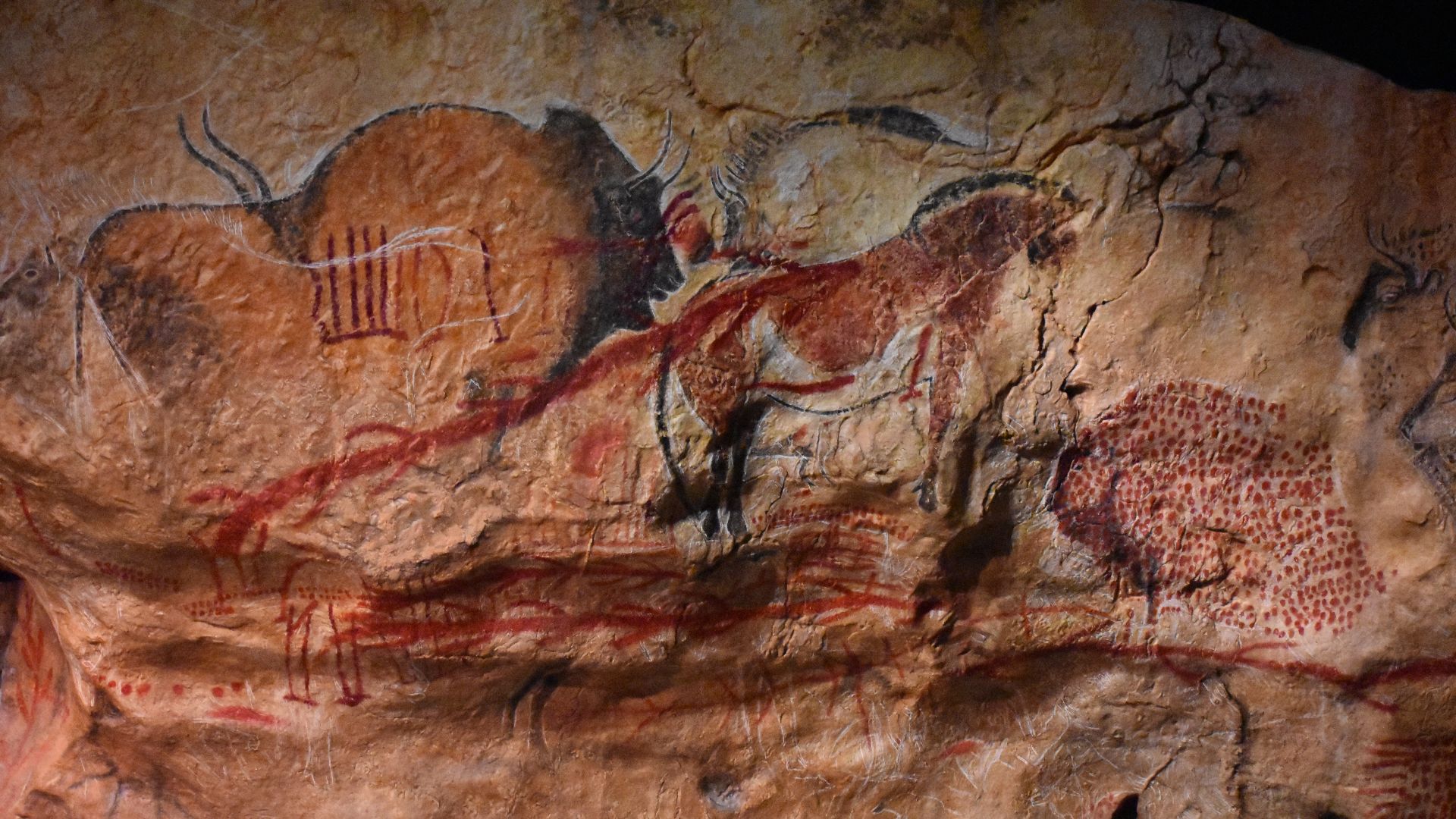
Marsoulas Cave — A Full-Size Panel Helps Untangle The Chaos
Marsoulas is now kept closed for conservation, but researchers have used photography, digital imaging, and 3D scanning to study its complicated walls without constantly touching or approaching them. Those same technologies made possible a full-size facsimile of the enormous Grand Painted Panel, displayed at the Parc de la Préhistoire near Tarascon-sur-Ariège. The reproduction stretches several meters and includes bison, a horse, engravings, and red geometric signs. It’s actually easier to understand there, where overlapping images can be interpreted without risking the original surface.
 Tylwyth Eldar, Wikimedia Commons
Llonín Cave (Cueva de Llonín) — Asturias, Spain
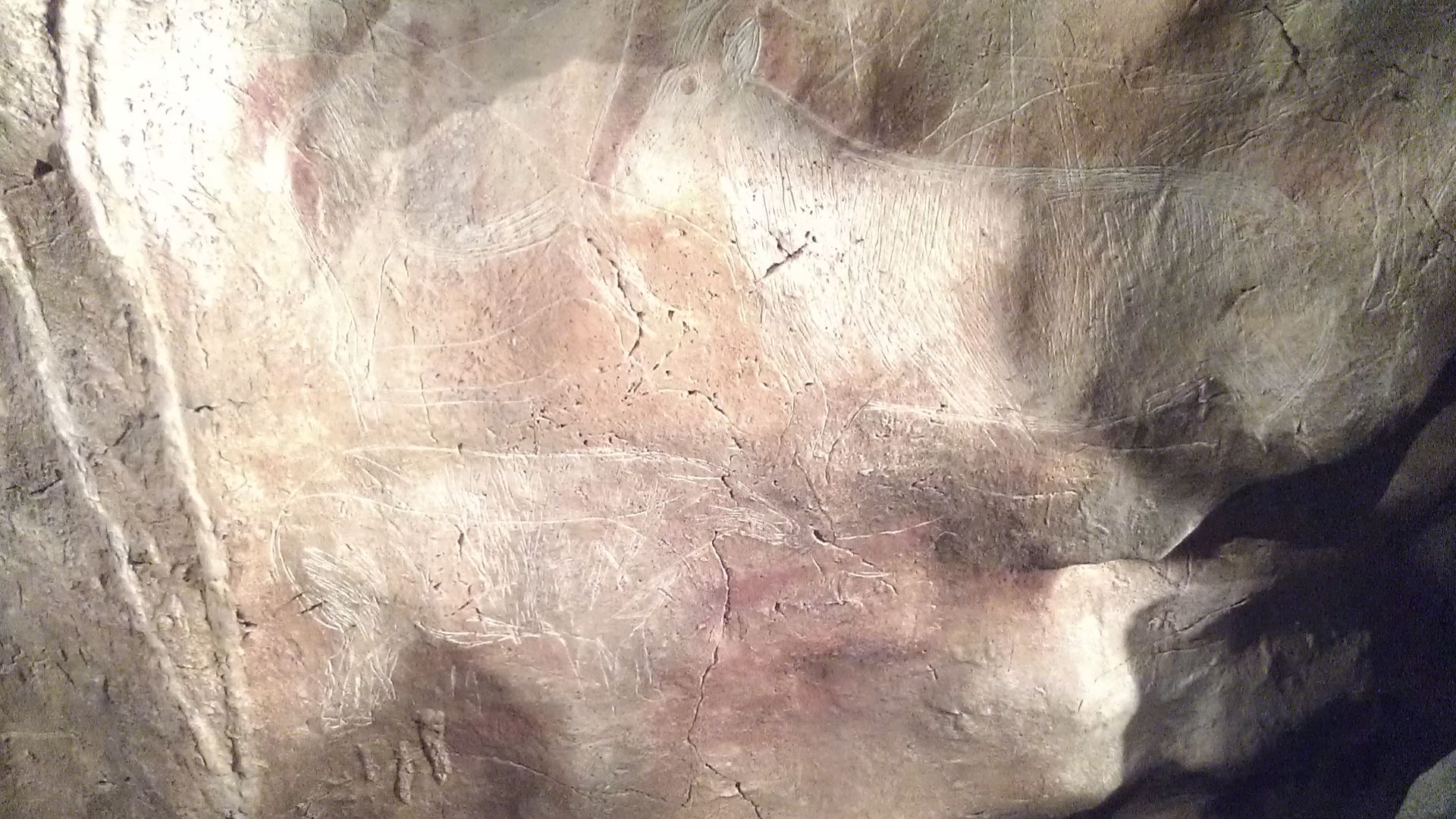
Llonín had an unusual modern life before its prehistoric importance became clear. The cave was once used in connection with Cabrales cheese production, and its Paleolithic art wasn’t properly recognized until speleologists explored it in the early 1970s. The cave contains a complicated collection of paintings, engravings, animal figures, and signs representing several phases of prehistoric activity. Deer are especially prominent, alongside goats, bison, horses, and other animals. Because of the cave’s archaeological importance and sensitivity, it isn’t open to ordinary visitors.
Llonín Cave — Asturias Has Turned Replicas Into An Attraction Of Their Own
There isn’t a giant Llonín copy comparable to Lascaux IV, so this entry works a little differently. The Parque de la Prehistoria de Teverga brings inaccessible Asturian and European cave art together through exact facsimiles, reconstructed cave spaces, audiovisual material, and other reproductions. Other regional heritage programs have also used virtual reality to let visitors explore Llonín itself. It’s a useful reminder that preserving cave art doesn’t always require rebuilding an entire cavern. Sometimes reproducing selected panels and creating a convincing underground environment gets the point across just as effectively.
La Garma — Cantabria, Spain
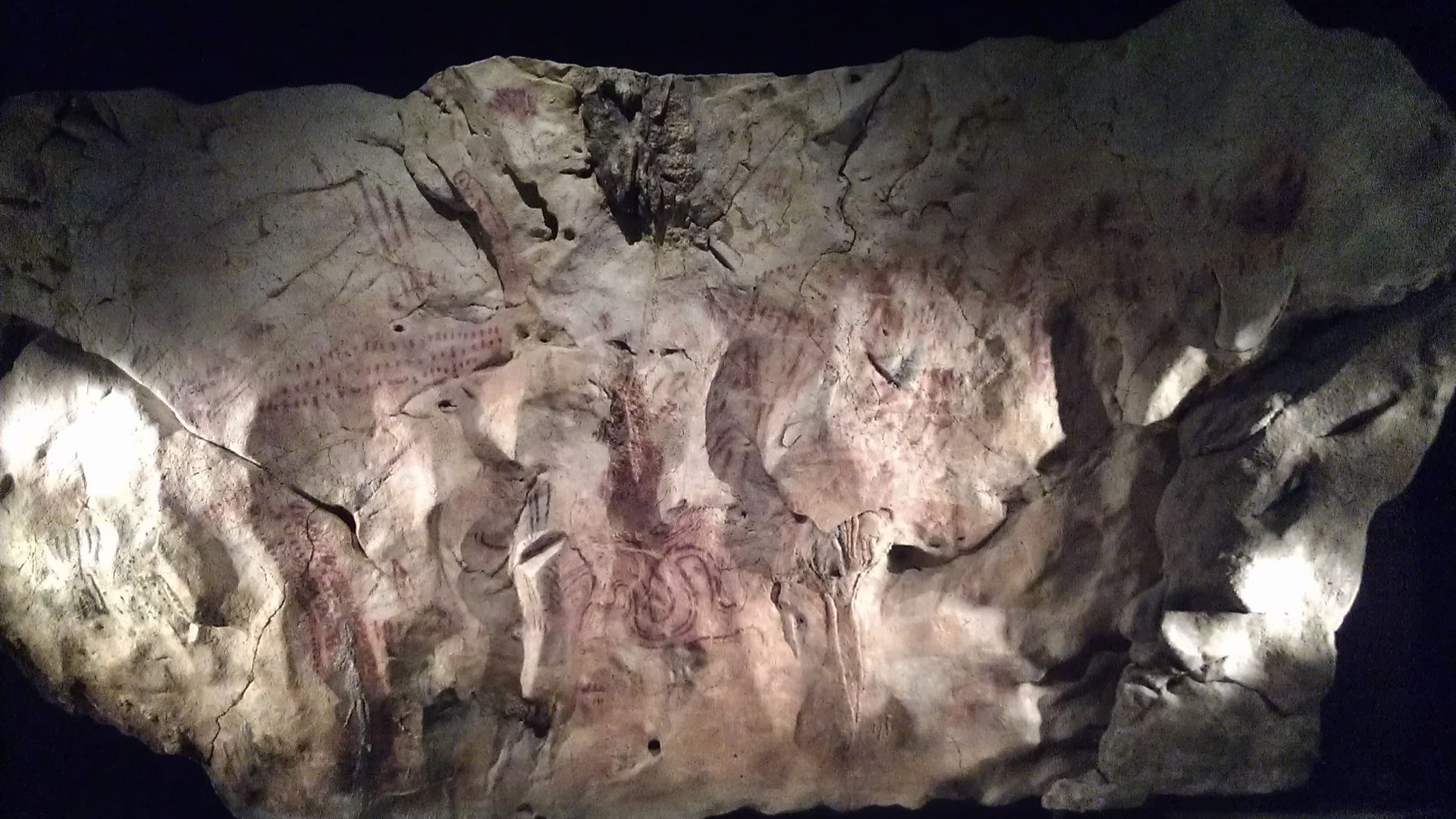
La Garma isn’t fascinating only because of what prehistoric people put on its walls. A collapse sealed parts of the cave roughly 15,000 years ago, preserving an extraordinary archaeological landscape underneath. Art, tools, bones, footprints, hearths, and other traces of human activity survived with remarkably little disturbance. In places, researchers can effectively study the floor left behind by Paleolithic people rather than a surface churned up by centuries of visitors. That makes simply letting crowds walk through it almost unthinkable.
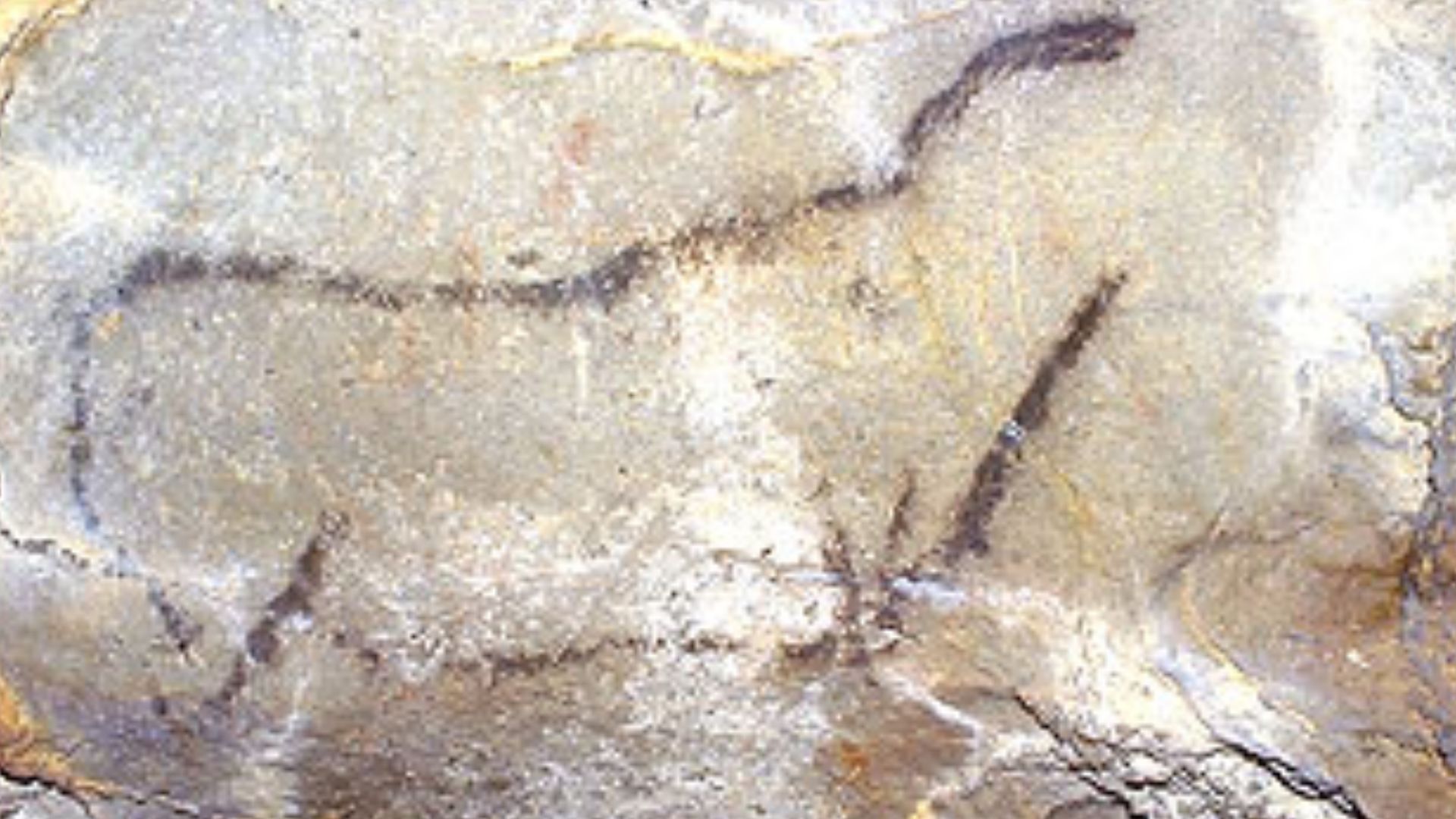 Gobierno de Cantabria, Wikimedia Commons
La Garma — The Best Way Inside Is Virtual
La Garma remains closed to the public because even small changes to its microclimate and untouched archaeological surfaces could cause damage. The World Monuments Fund and its partners instead helped create a detailed virtual experience based on documentation of the cave. That allows people to move through spaces they would otherwise never see while researchers continue working without thousands of shoes, bodies, and breaths entering the system. It may lack the physical rock walls of a full replica, but La Garma is one case where staying virtual is probably the most respectful option.
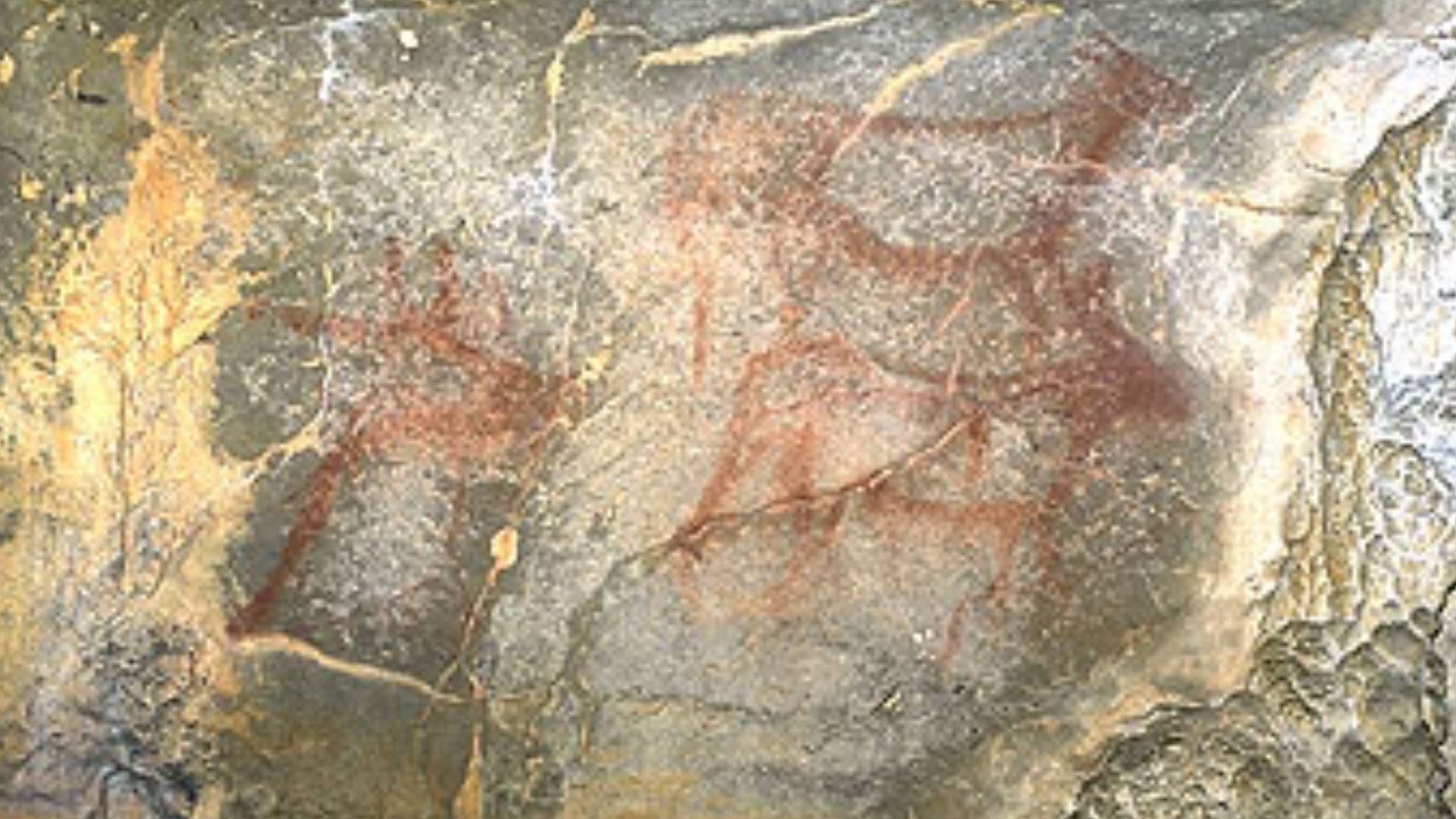 Gobierno de Cantabria, Wikimedia Commons
Cussac Cave (Grotte de Cussac) — Dordogne, France
Cussac was discovered by speleologist Marc Delluc in 2000, after remaining sealed for around 30,000 years. What he found was unusual even by Dordogne standards. The 1.6-kilometer cave contains large engraved animals and human figures, but it also holds prehistoric human remains placed in natural depressions and bear dens. Art and burial activity appear together within the same cave, giving researchers an exceptionally rare look at Gravettian behavior. From the beginning, there was never much question of turning such a fragile time capsule into a conventional tourist cave.
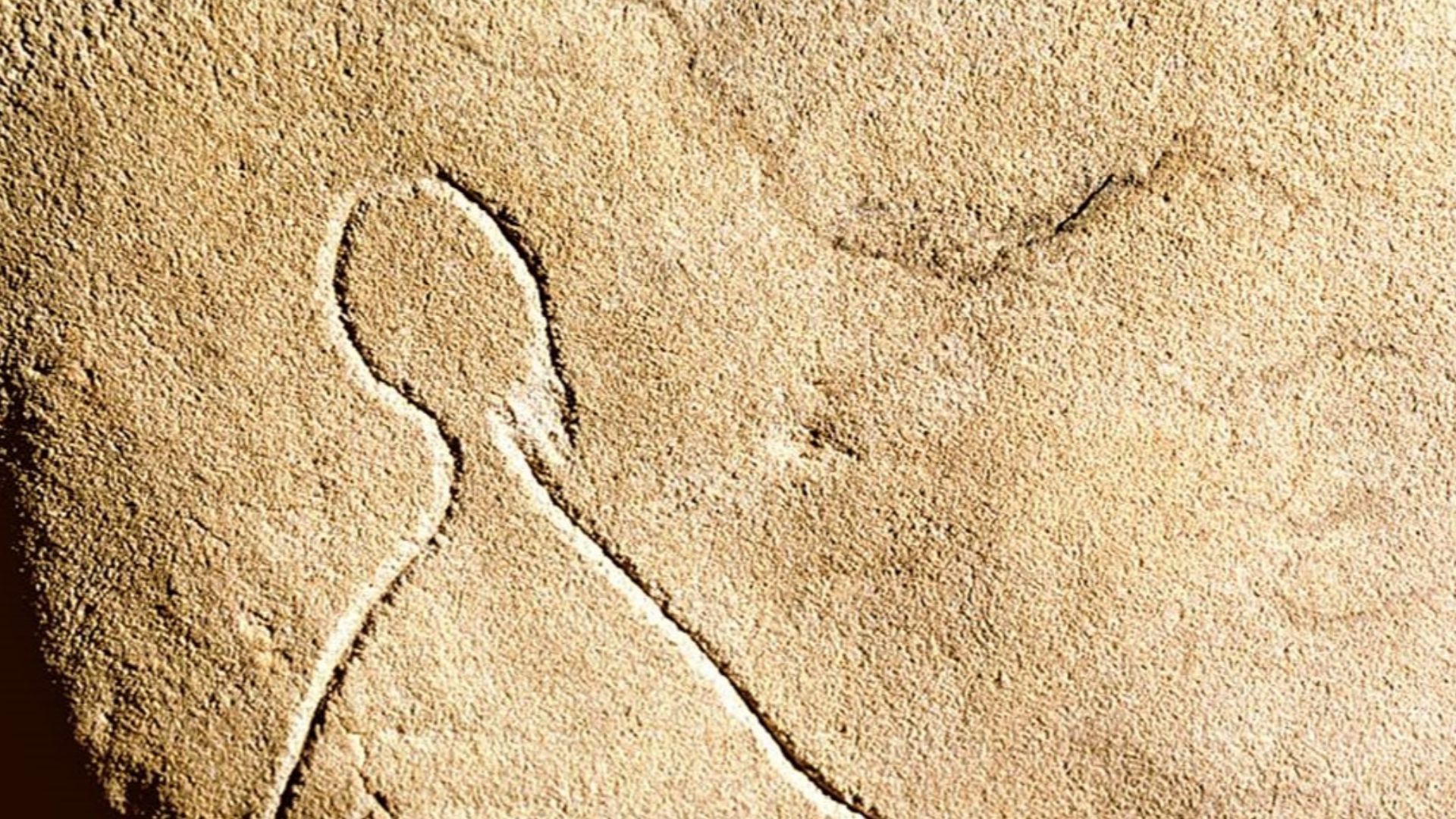 Photo: Don Hitchcock, donsmaps.com, Wikimedia Commons
Cussac Cave — The Replica Arrived More Than Two Decades Later
Cussac remains completely closed to tourists, but in 2024 an exhibition dedicated to the cave opened at Le Buisson-de-Cadouin. Full-scale facsimiles reproduce important areas including the Discovery Panel and Locus II, created from detailed three-dimensional models of the original cave. That lets visitors examine engravings and wall surfaces without disturbing either the art or the human remains still being studied underground. It’s a much smaller-scale solution than Lascaux IV, but Cussac is still an active archaeological site, so keeping the original quiet is very much the point.
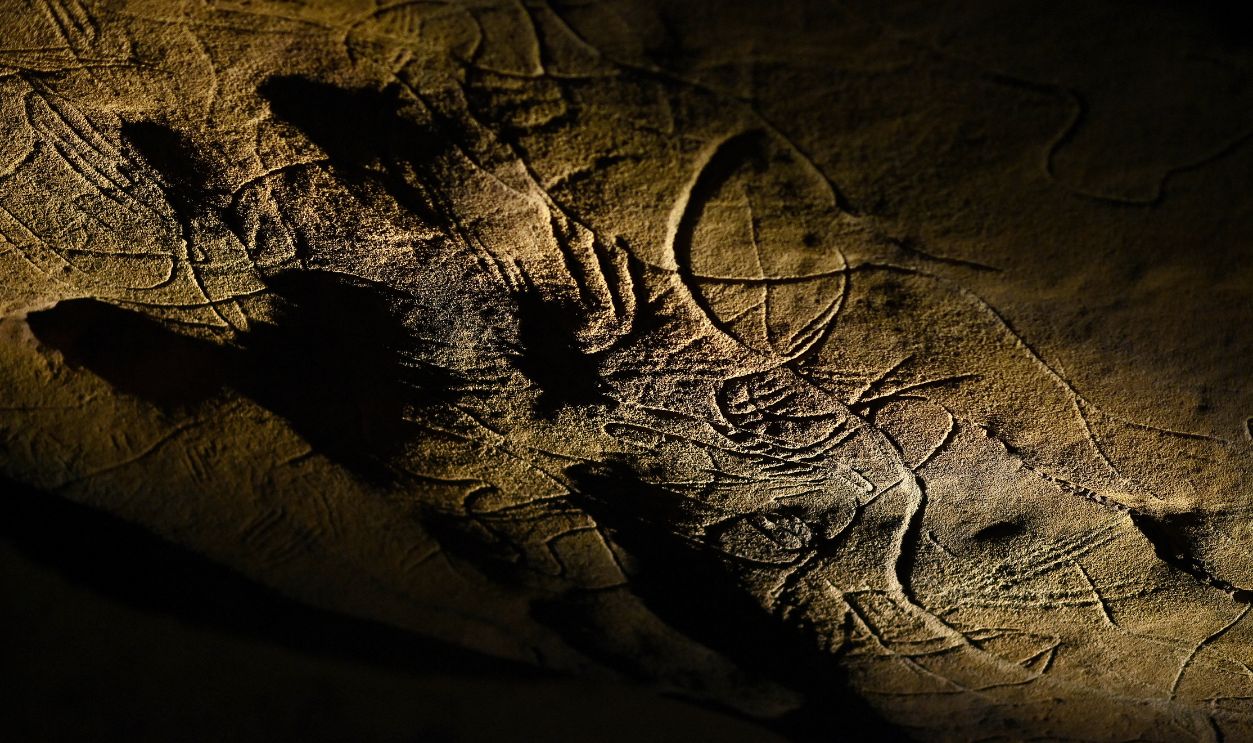 CHRISTOPHE ARCHAMBAULT, Getty Images
The Copies Are Part Of The Preservation Story
It’s easy to hear “replica” and assume you’re getting the consolation prize. These caves prove otherwise. A good facsimile can put you inches from cave paintings that would be dangerous to approach in the original, recreate sections that ordinary visitors could never physically reach, and even restore the darkness and atmosphere prehistoric artists experienced. Most importantly, the real caves remain sealed, stable, and available to researchers. If the choice is between seeing a brilliant copy today or helping destroy a 30,000-year-old original, the copy starts looking pretty remarkable.
 Elke Wetzig (User:Elya), Wikimedia Commons
You May Also Like: