Follow That Dog!
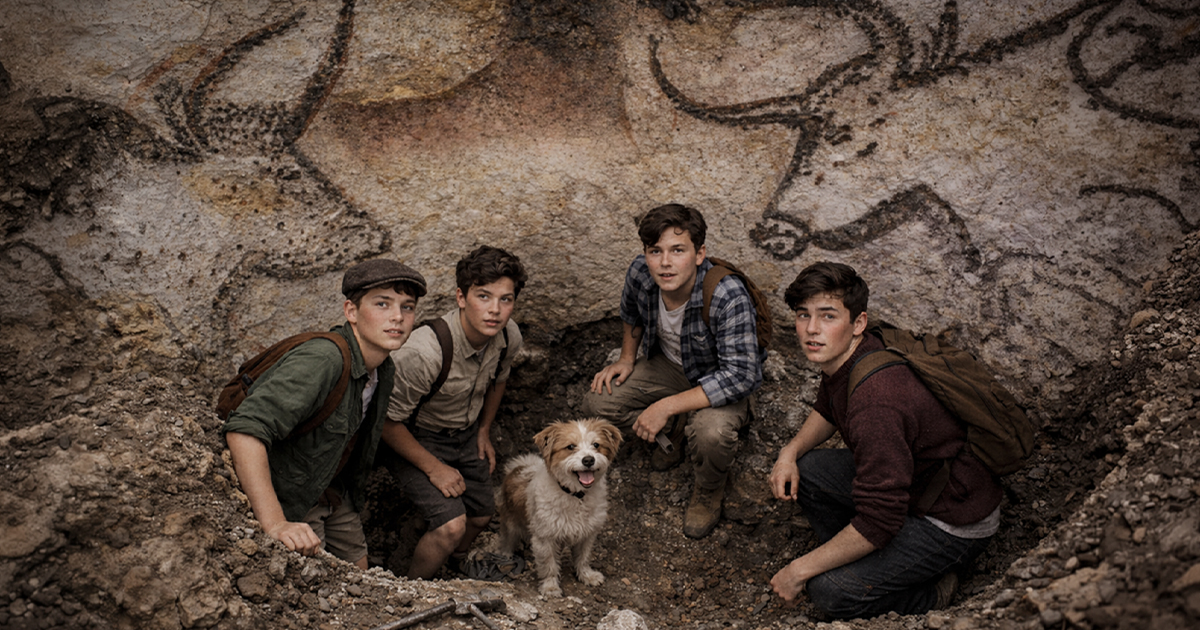
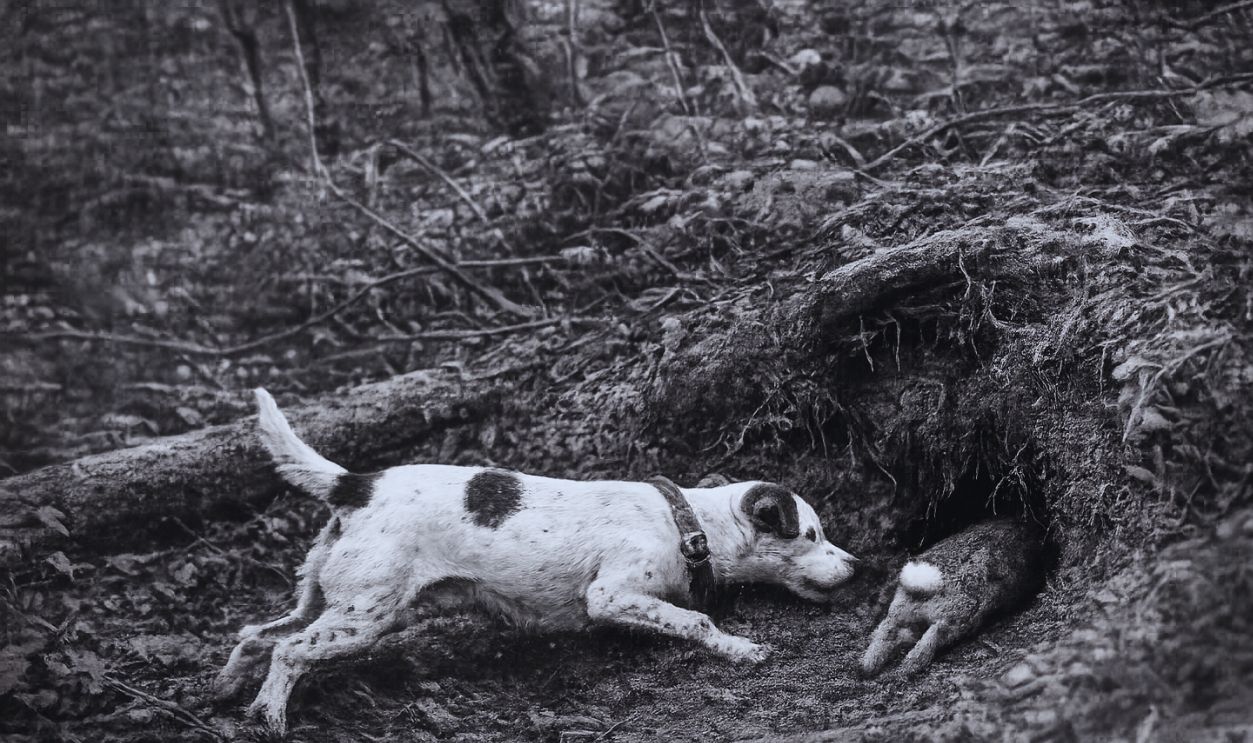
On September 12, 1940, in a quiet town in southwestern France, four teenage boys were out exploring the woods near Montignac. Suddenly, their dog, named Robot, began chasing a rabbit and suddenly vanished into a hole in the ground—and everything changed.
Curiosity Took Over
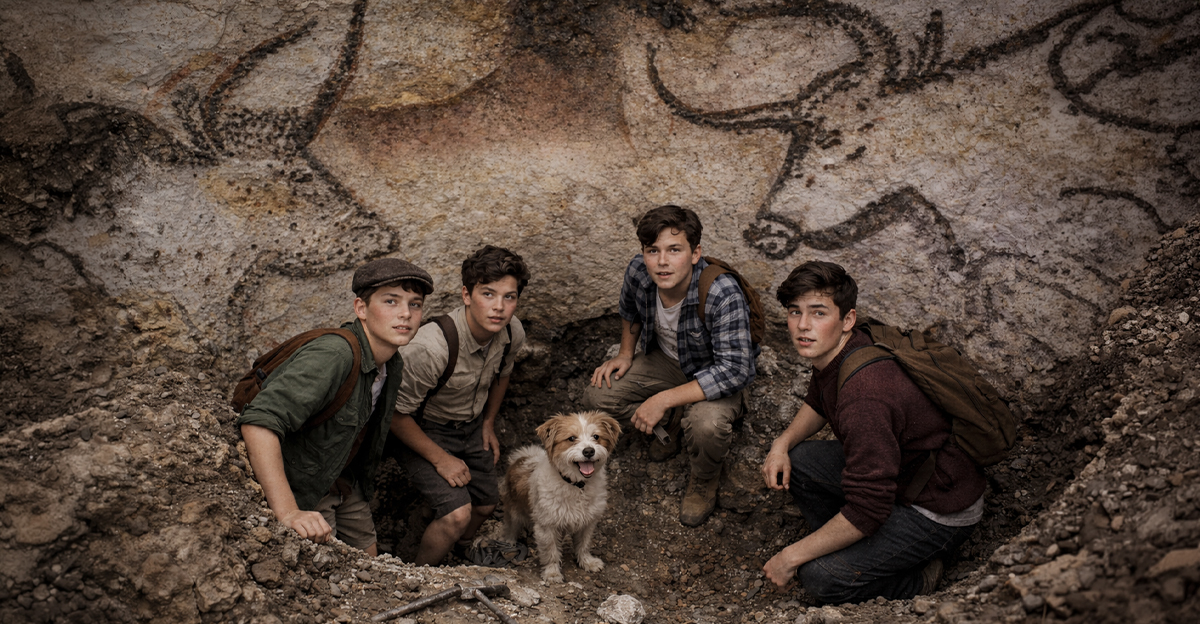
Instead of calling their dog and walking away like most people probably would, the boys did the exact opposite. Marcel Ravidat, along with his friends Jacques Marsal, Georges Agnel, and Simon Coencas, decided to investigate. Because apparently, following your dog into a dark hole in the earth seemed like a solid plan.
A Hole That Wasn’t Supposed to Be There
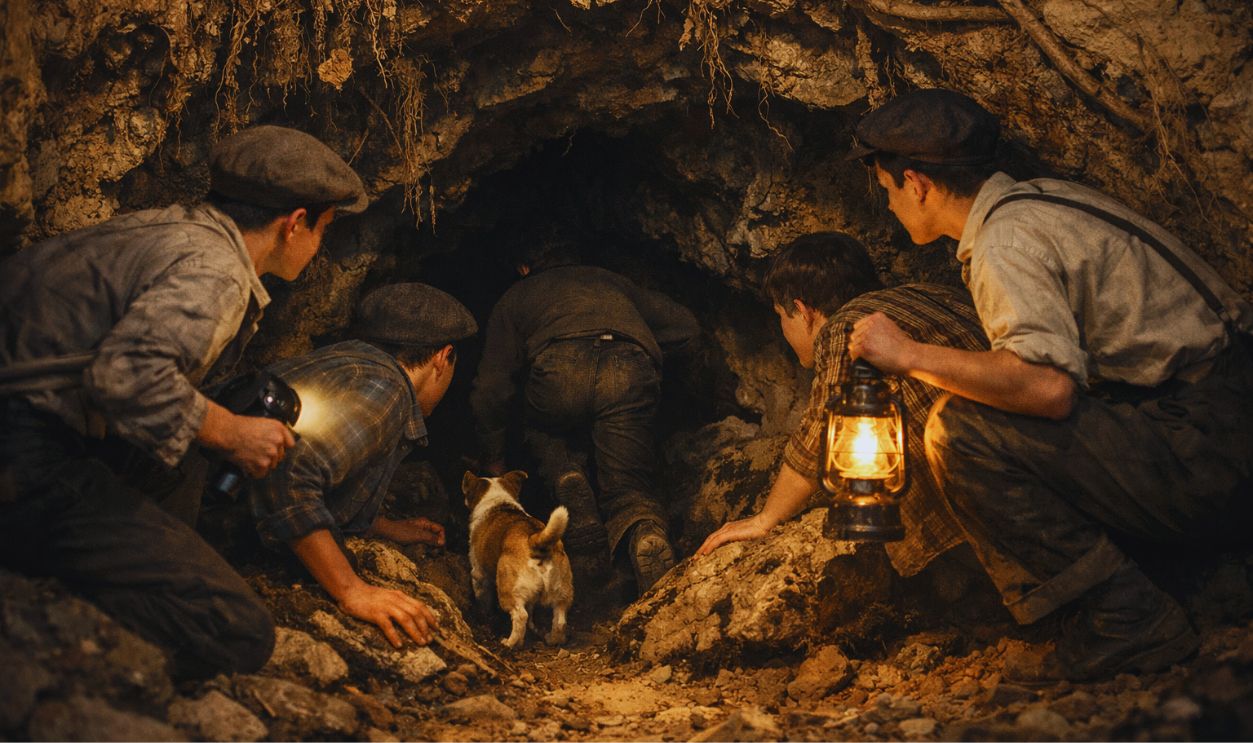
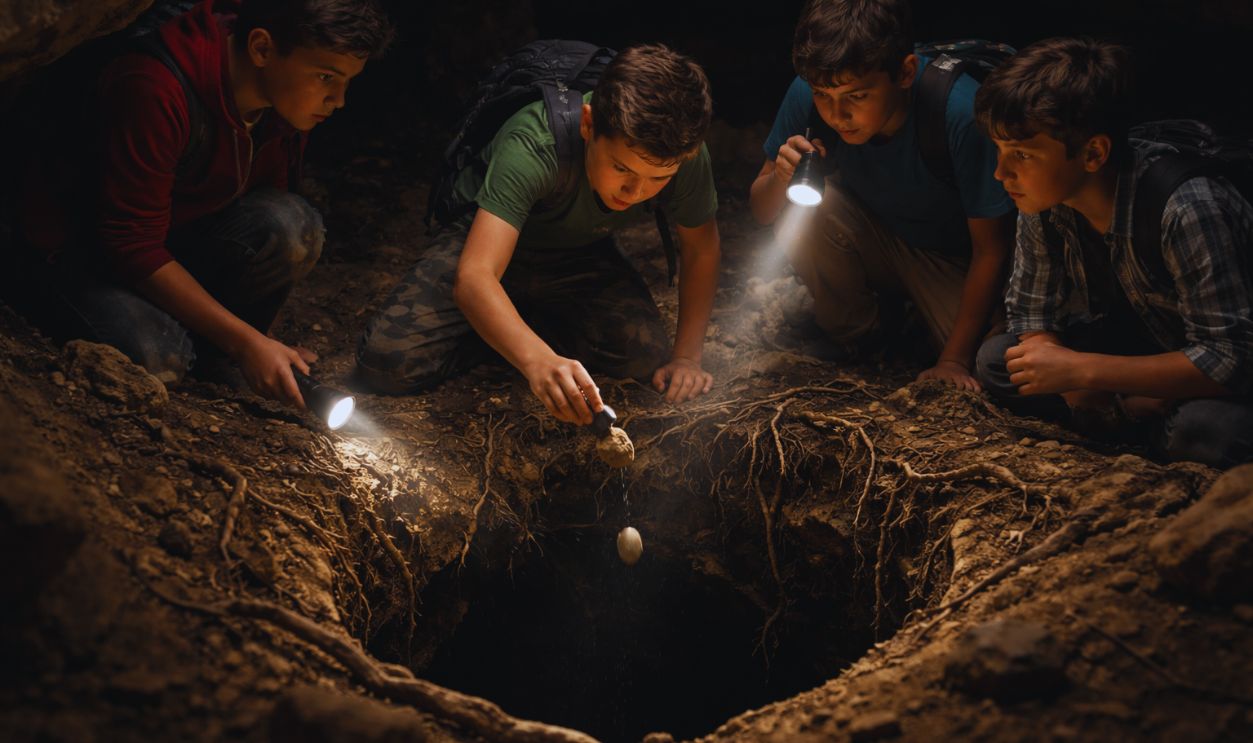
The opening Robot disappeared into wasn’t just any hole—it looked like a deep shaft, possibly formed by a fallen tree or collapsed ground. Marcel was the first to take a closer look, dropping stones down into it to test the depth. When he realized it went far down, he knew this wasn’t normal.
Going Back With a Plan
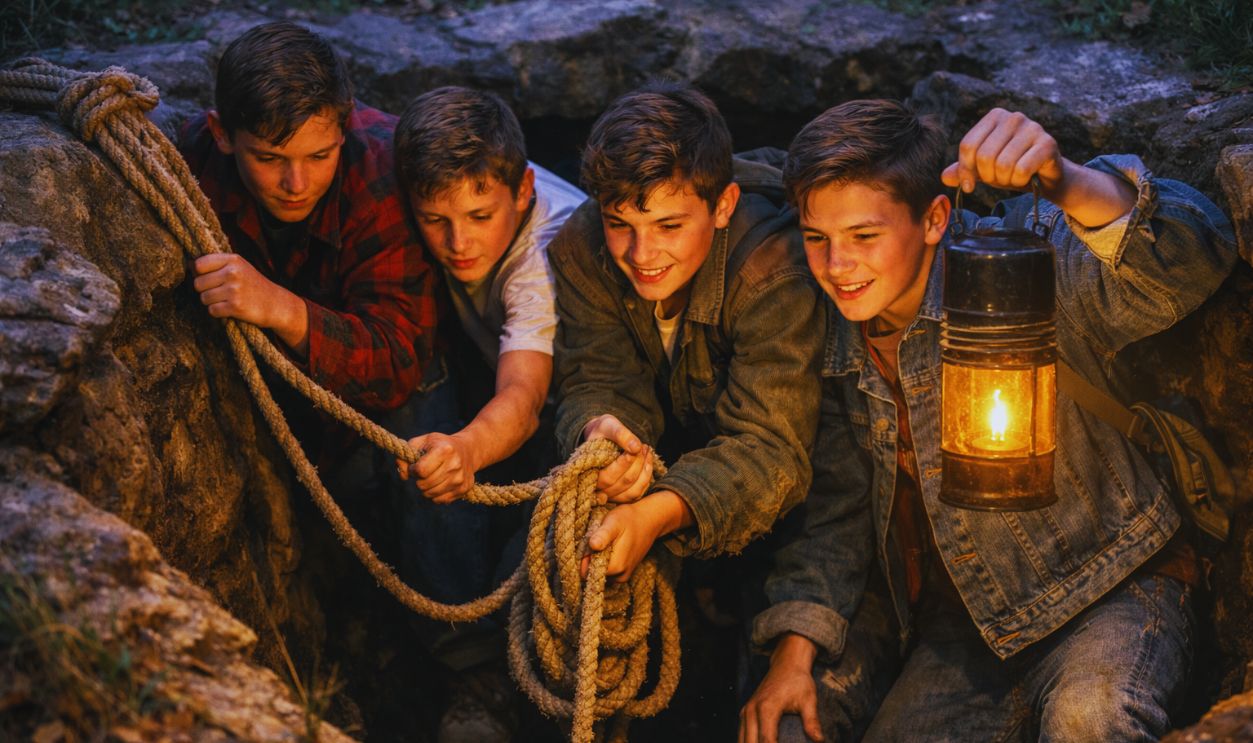
The boys didn’t have the right equipment that first day, so they came back with a rope and a homemade lamp. This wasn’t an official expedition—just four teenagers with curiosity, a rope, and very questionable decision-making skills.
But what they found made it all worth it.
Climbing Into the Unknown
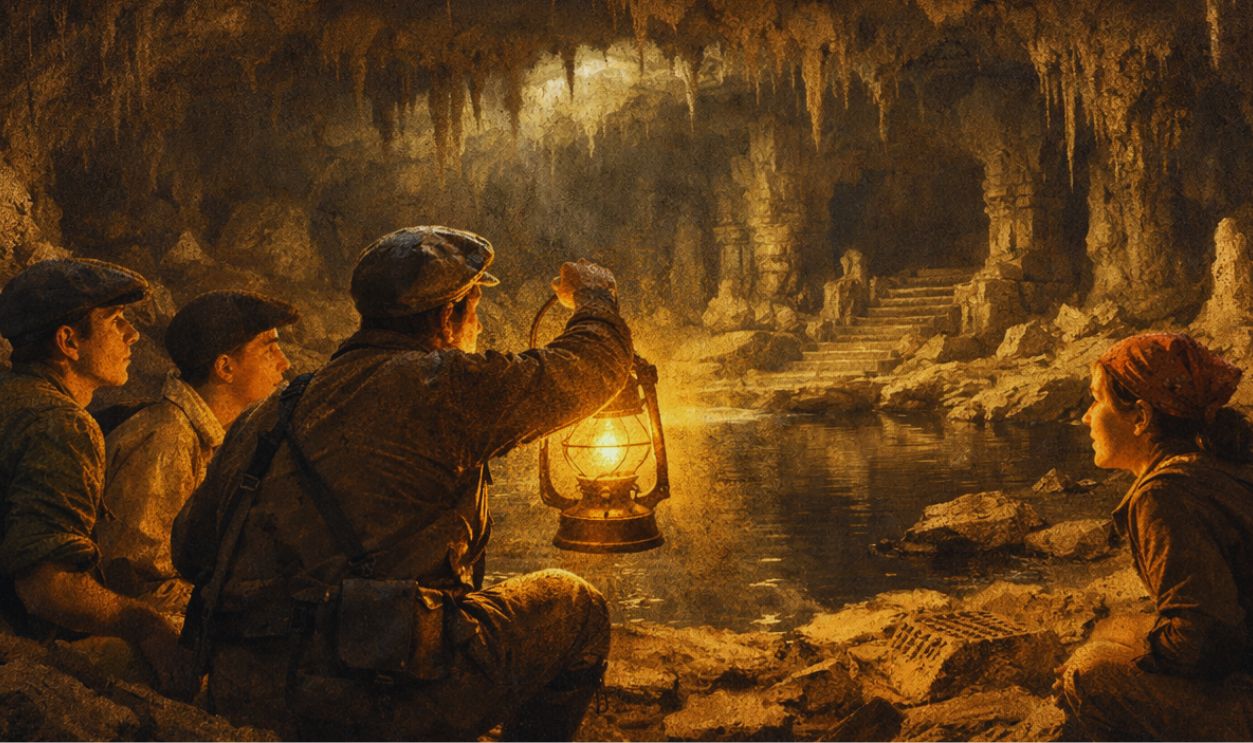
Marcel Ravidat went down first, lowering himself into the narrow shaft. One by one, the others followed. As they reached the bottom and lit their lamp, they expected dirt, rocks… maybe nothing. What they got instead was something no one had seen in thousands of years.
The Walls Came Alive
As the light flickered across the cave walls, shapes began to appear. At first, it was confusing—lines, shadows, colors. Then it clicked. These weren’t random markings. They were paintings. And it was about to get so much better.
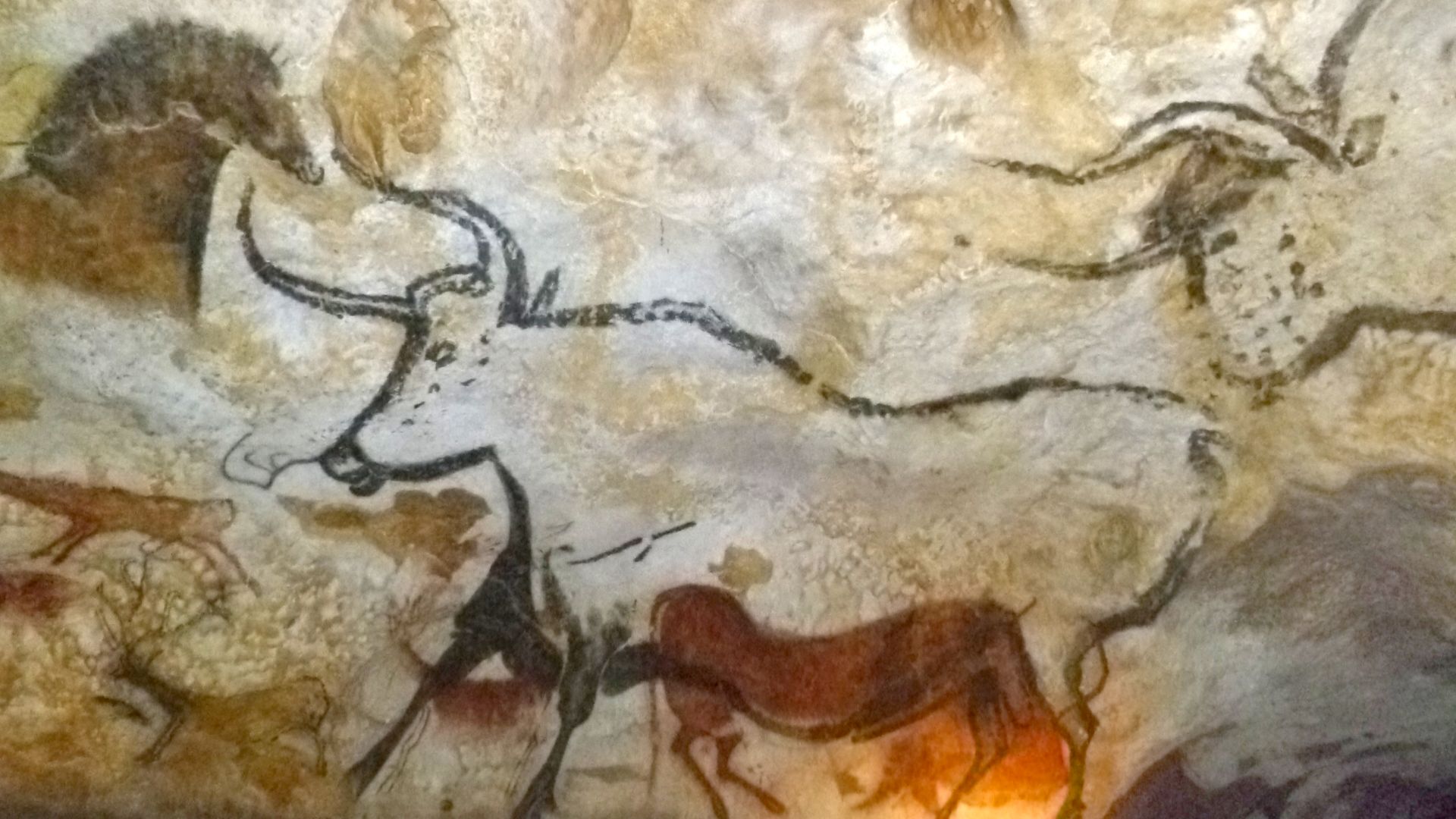 photograph by JoJan, Wikimedia Commons
Not Just Paintings—Something Much Bigger
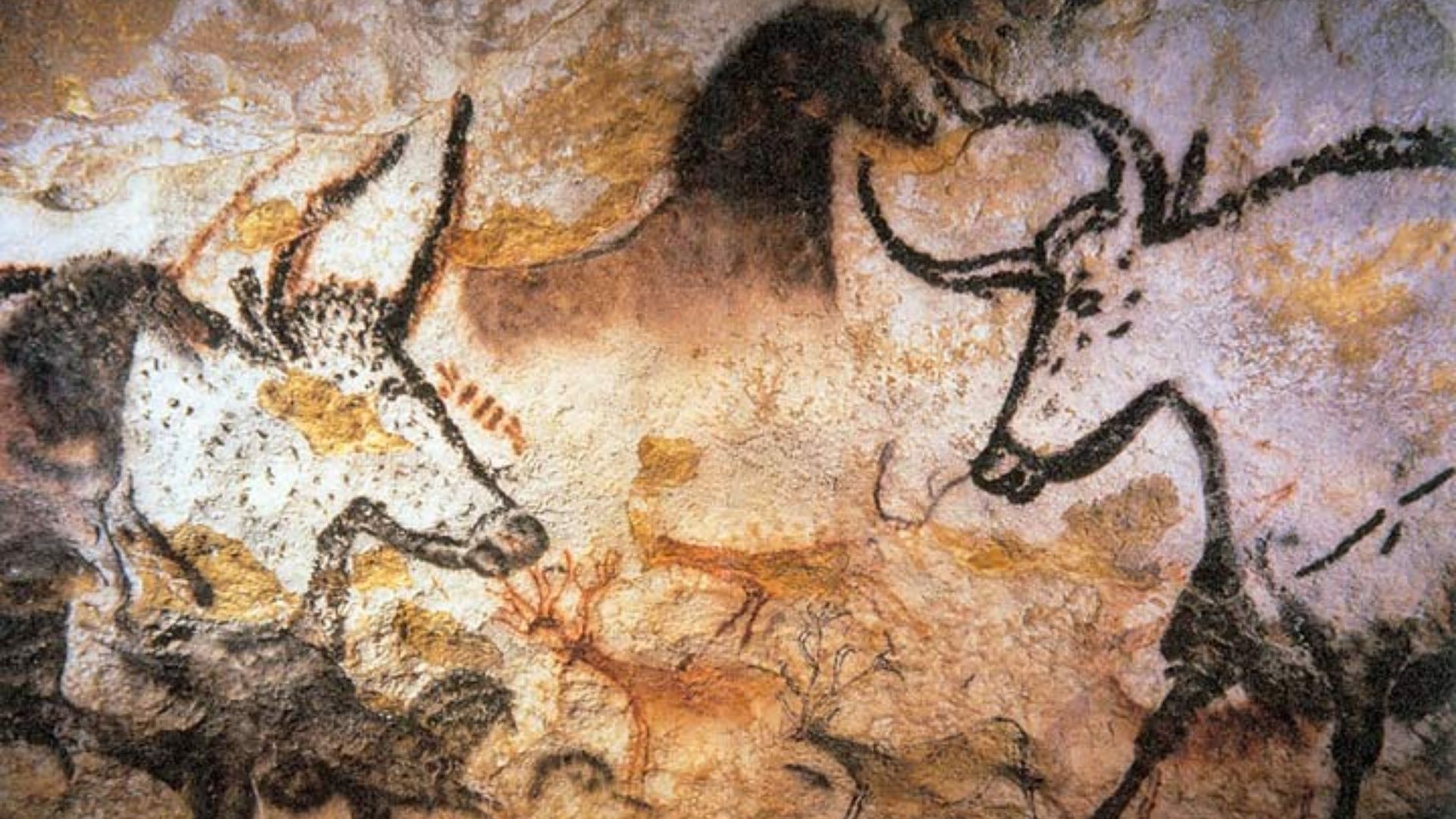
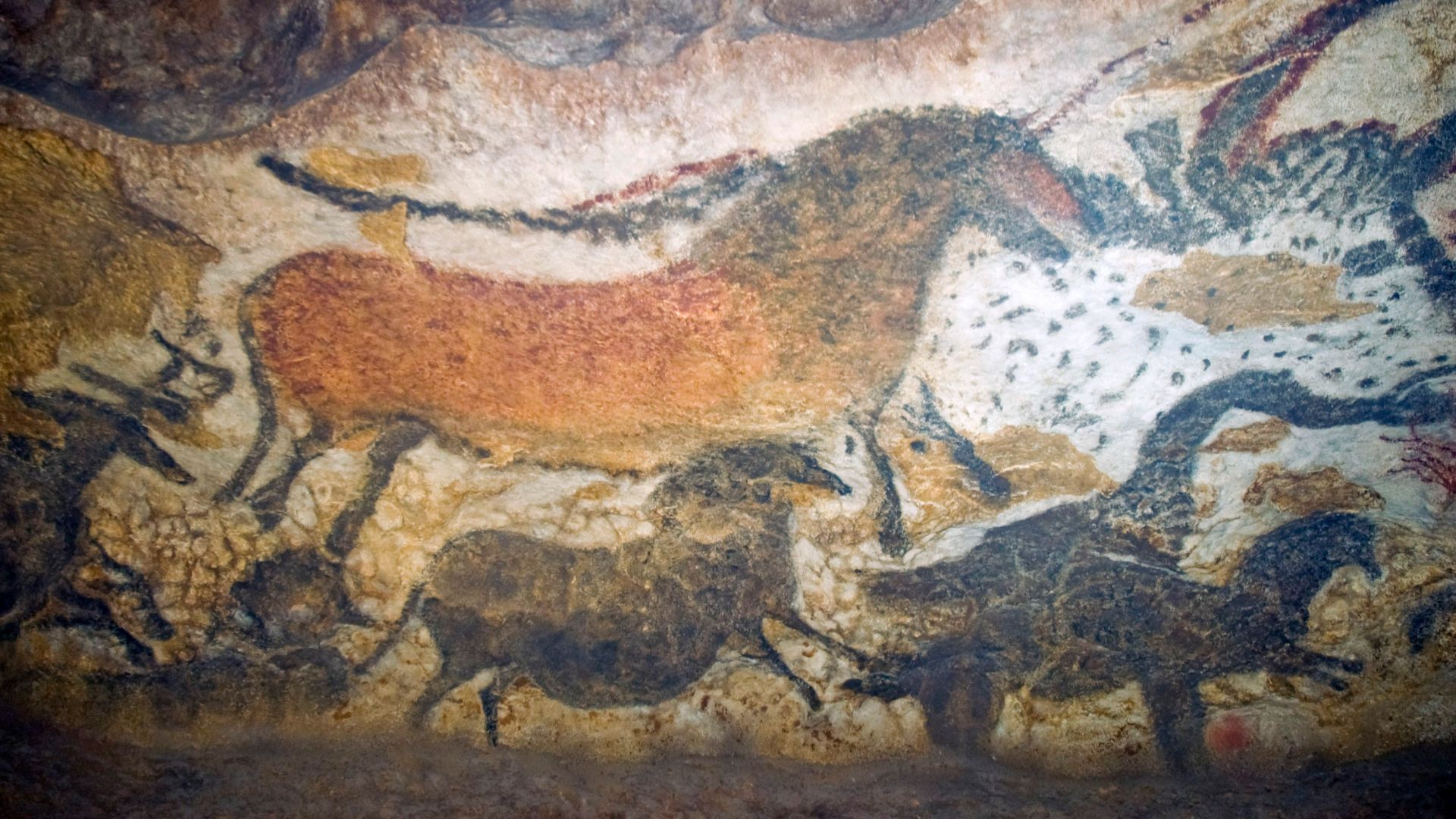
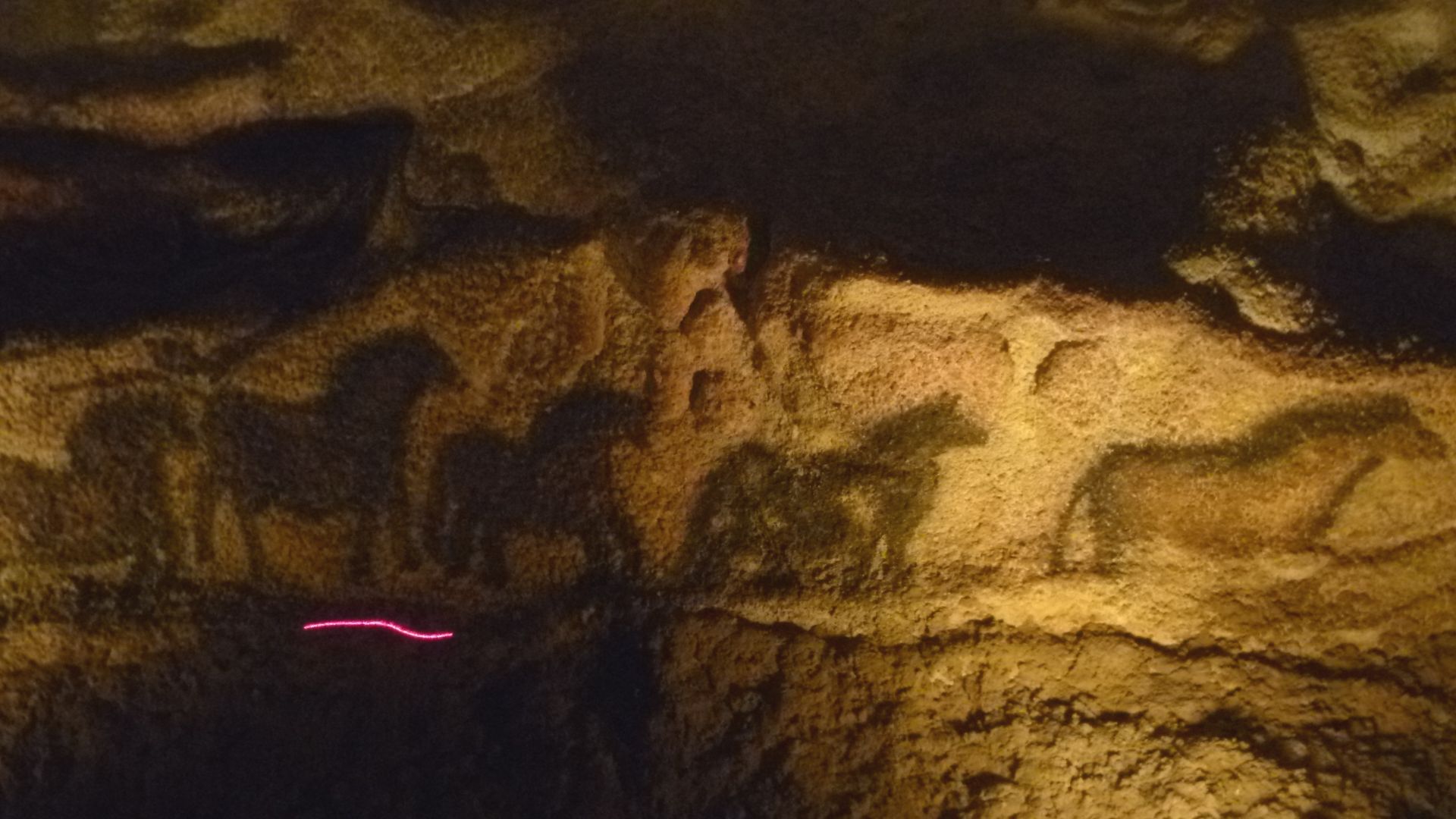
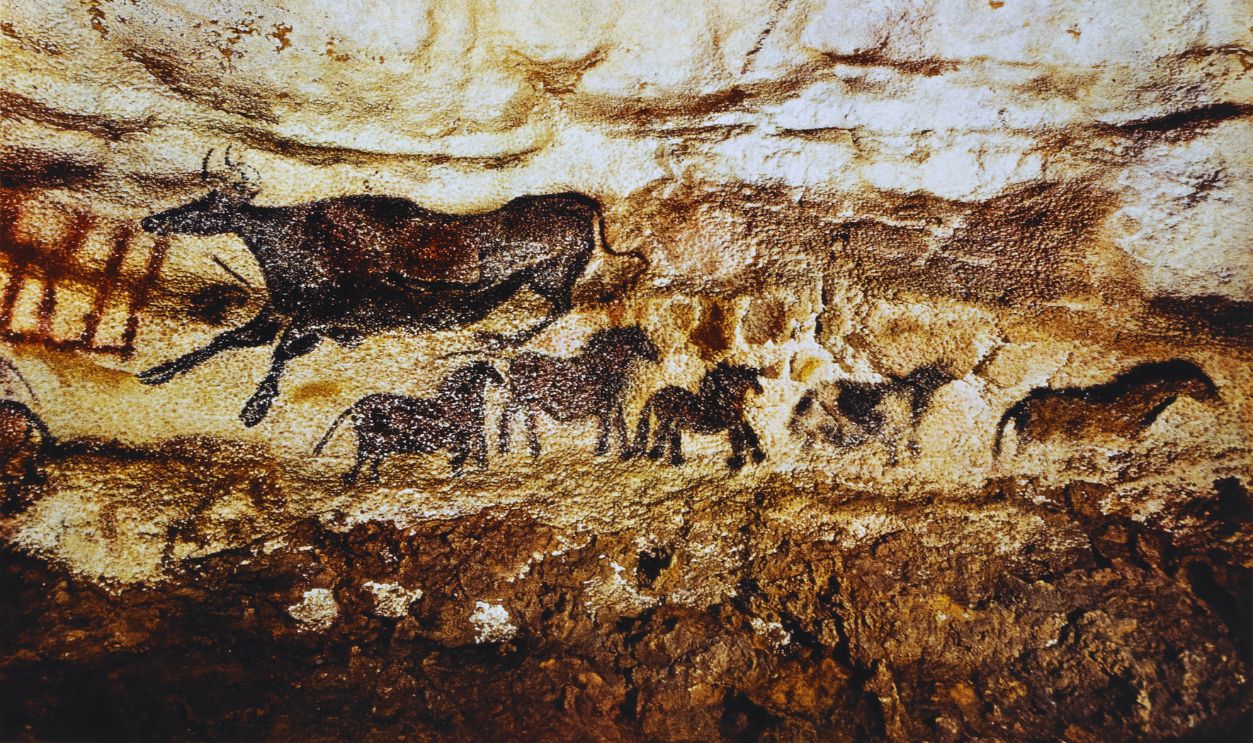
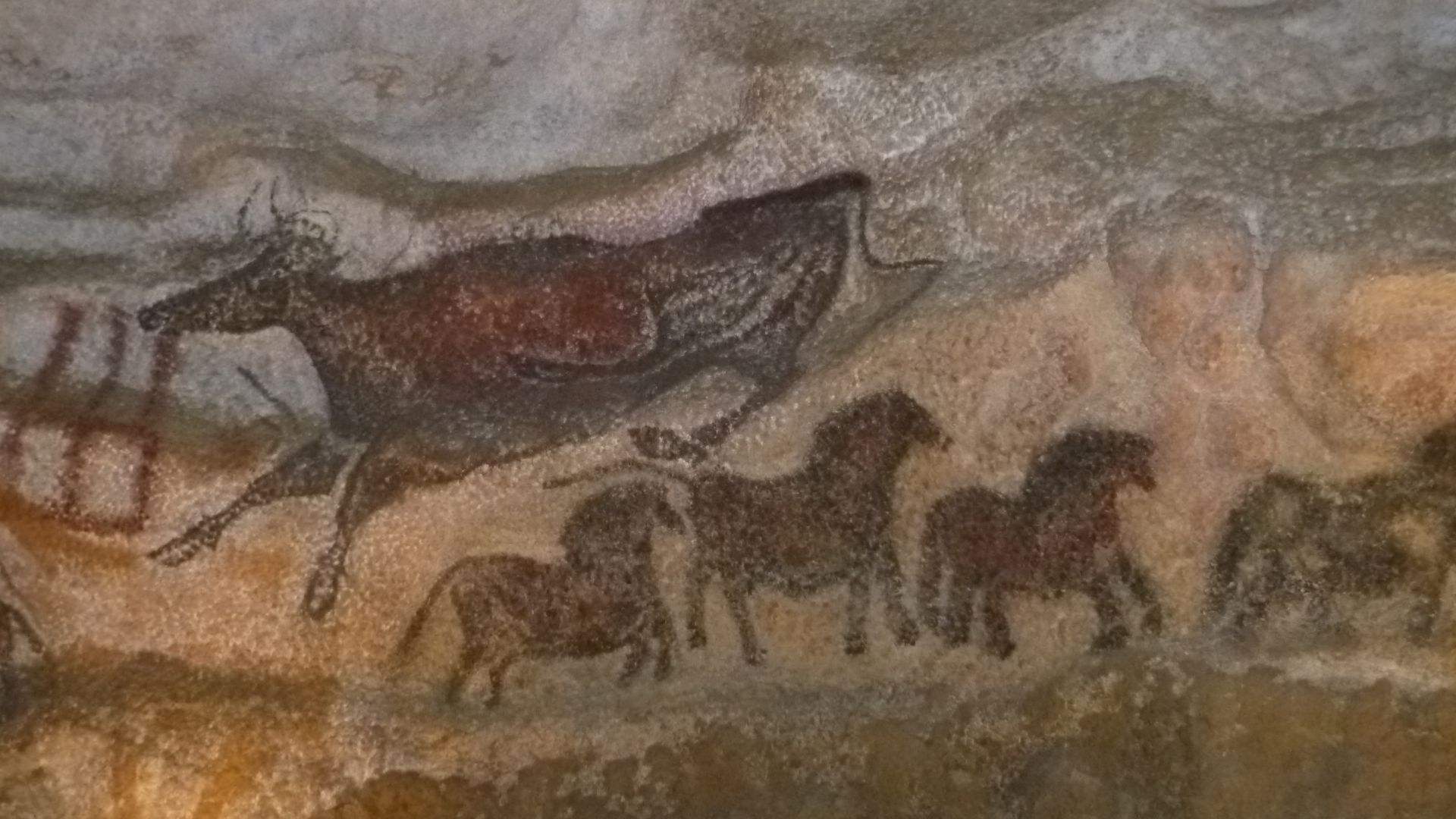
The boys were staring at massive images of animals—horses, deer, bulls—painted across the cave walls. Some were over 5 meters (16 feet) long. The detail was unbelievable, even by modern standards.
A Secret Hidden for Thousands of Years
What they had just stumbled into was the Lascaux Cave, one of the most important prehistoric art sites ever discovered. These paintings had been hidden underground for around 17,000 years, dating back to the Upper Paleolithic period.
 Jack Versloot, Wikimedia Commons
Telling an Adult (Eventually)
After climbing back out, the boys knew this was too big to keep to themselves. Marcel reported the discovery to his former schoolteacher, Léon Laval, who quickly realized the importance of what they had found.
Experts Step In
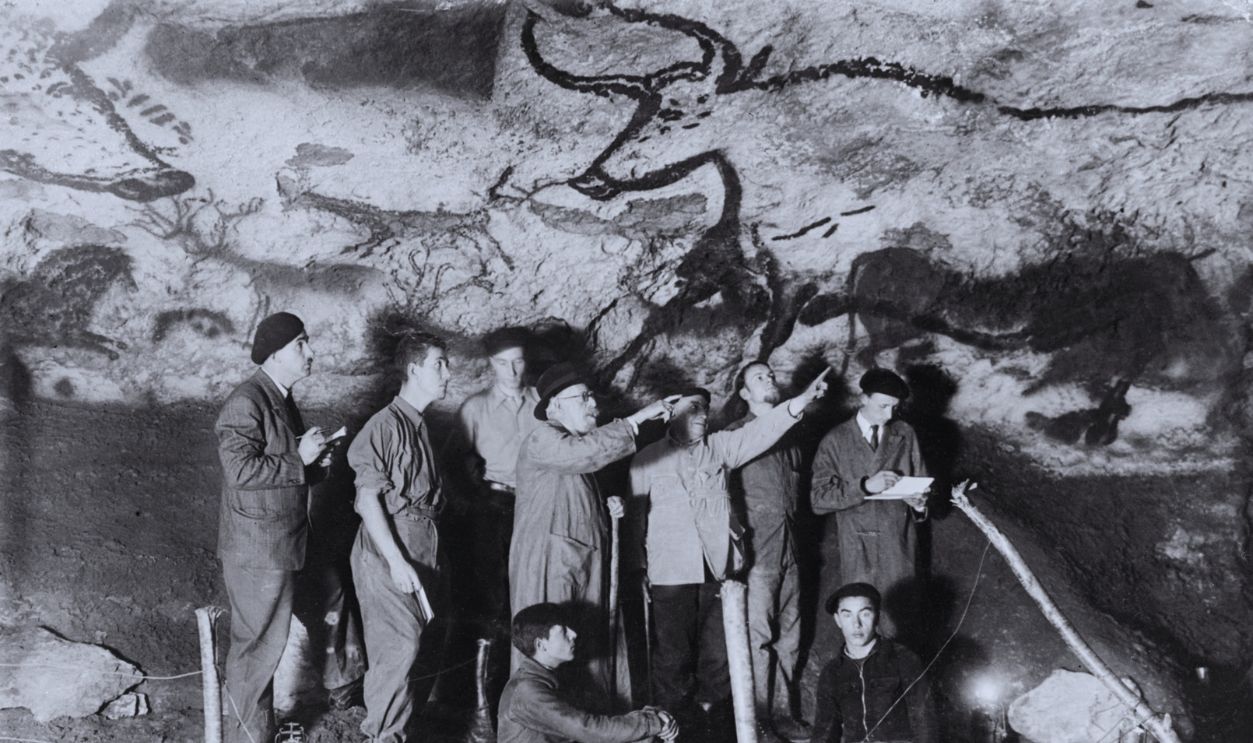
Soon after, archaeologist Abbé Henri Breuil—one of the leading experts in prehistoric art—arrived to study the cave. When he saw the paintings, he understood immediately just how significant they were.
“The Sistine Chapel of Prehistory”
Breuil famously described Lascaux as the “Sistine Chapel of Prehistory.” And honestly, it fits. The scale, detail, and artistic skill were far beyond what anyone expected from humans living 17,000 years ago.
And there was more than a few paintings.
What Exactly Did They Paint?
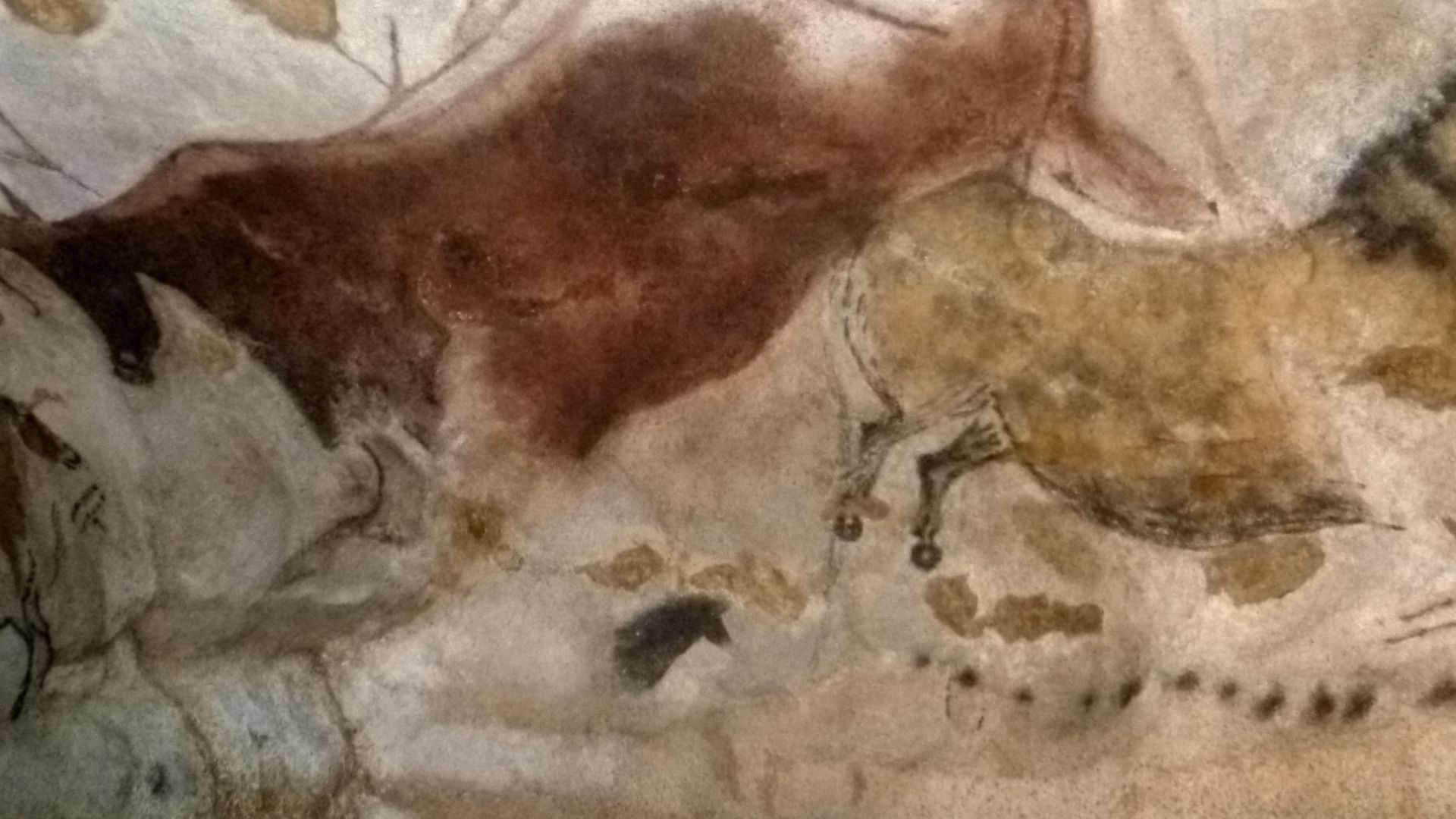
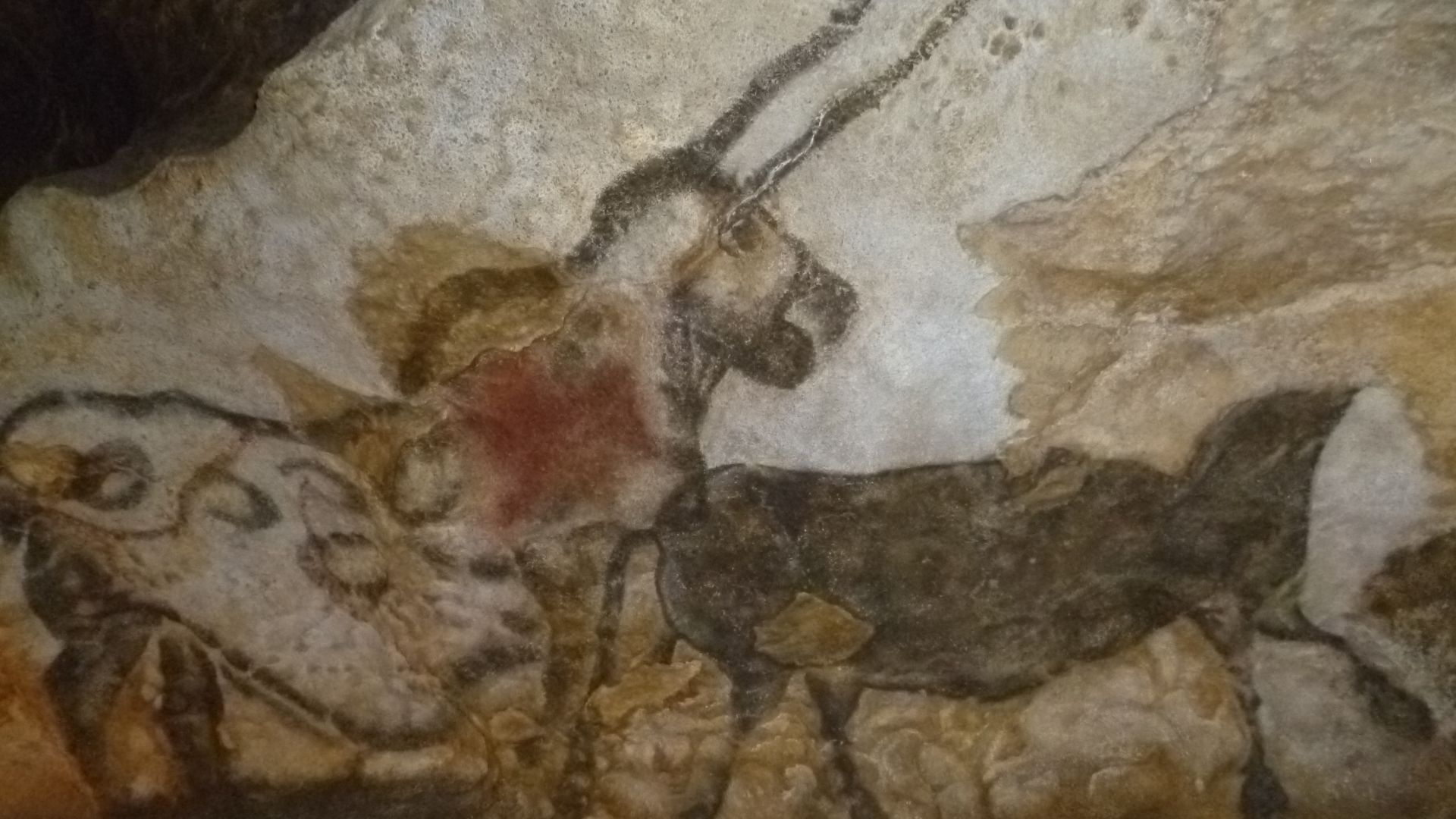
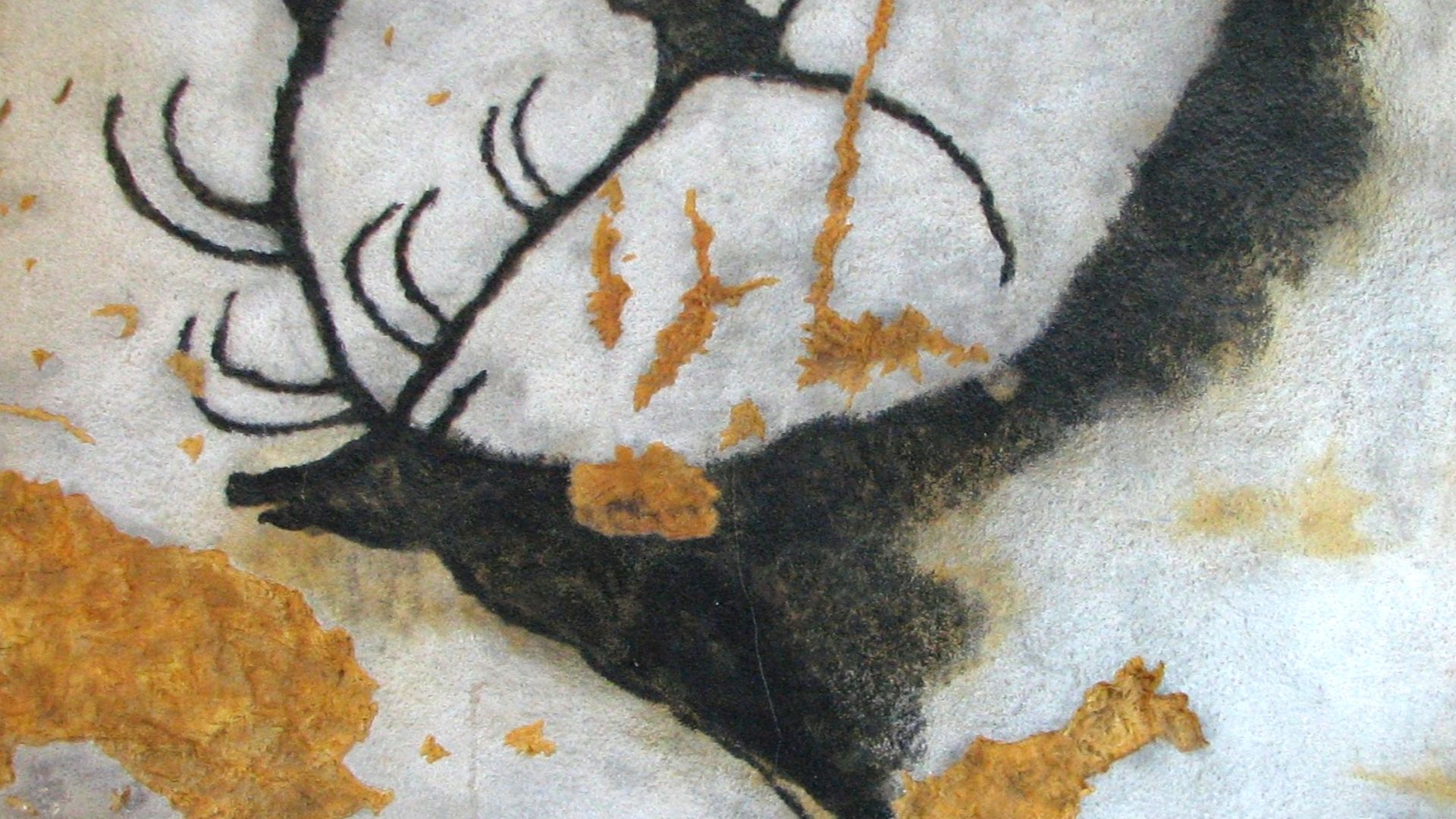
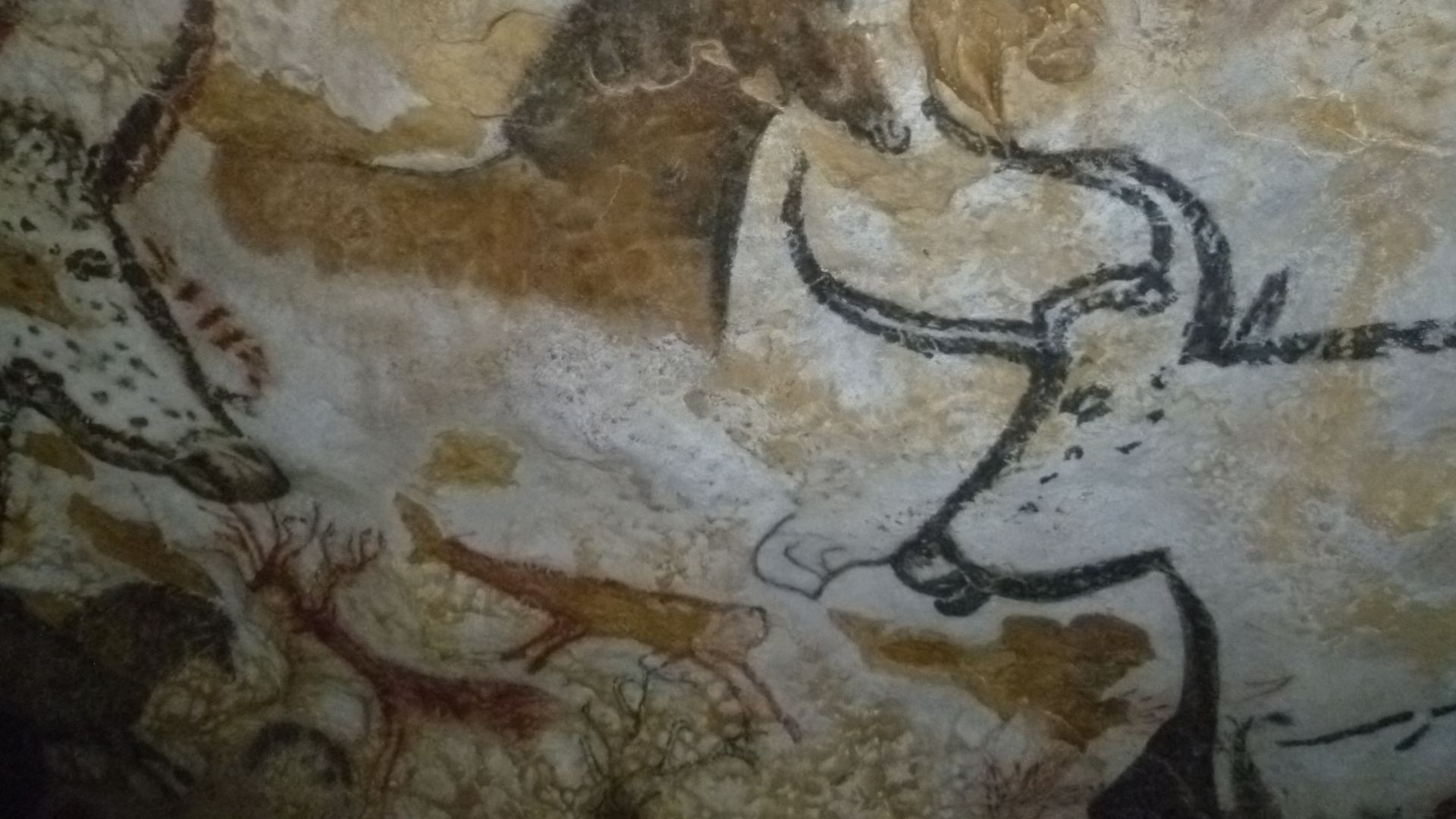
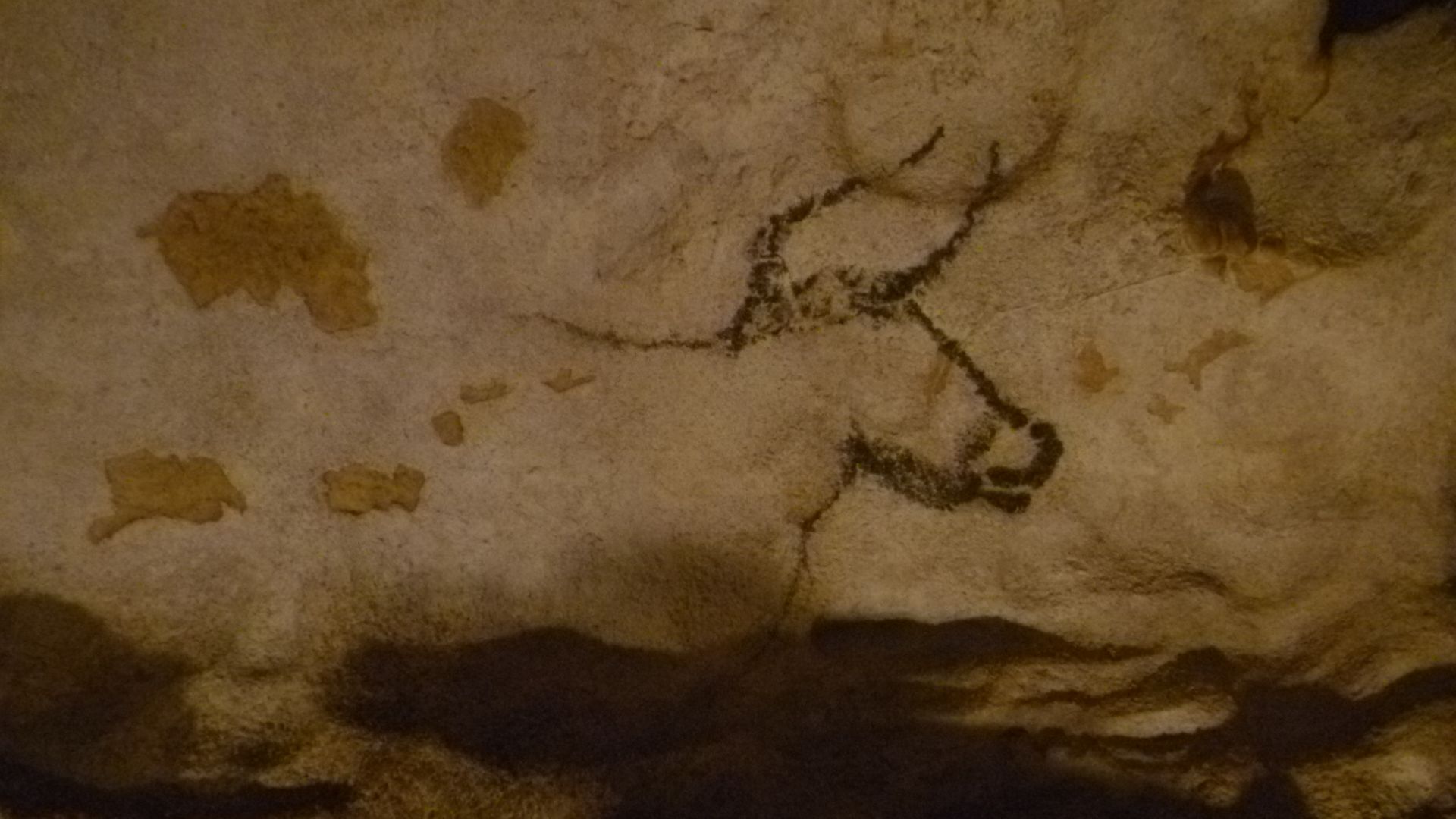
The cave contains over 600 paintings and around 1,500 engravings. Most of them show animals—horses, stags, bison, and aurochs (extinct wild cattle). Interestingly, there are very few human figures.
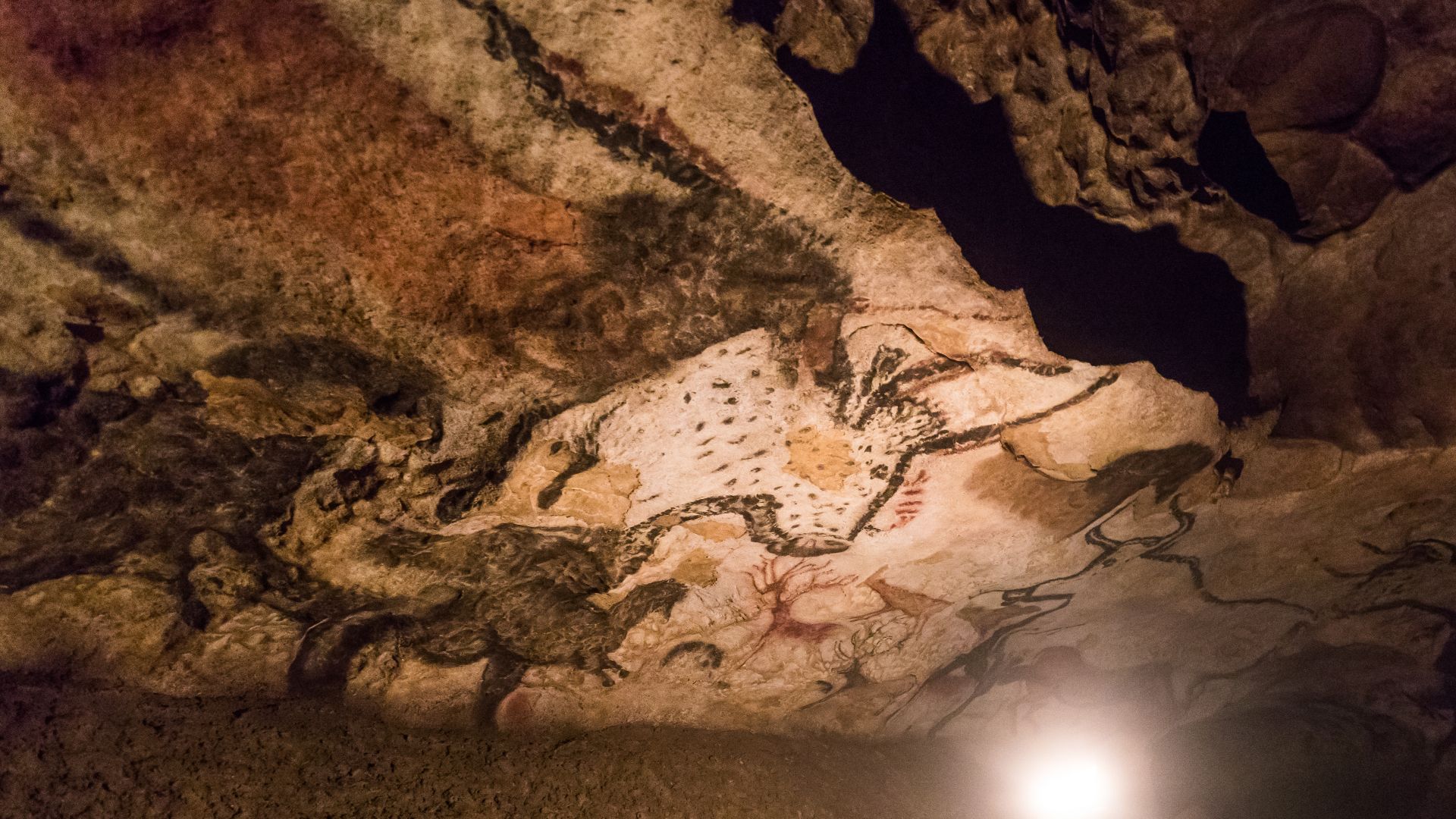 Raimond Spekking, Wikimedia Commons
The Hall of the Bulls
One of the most famous sections is called the “Hall of the Bulls,” where enormous bulls stretch across the walls. Some of them are among the largest known cave paintings in the world.
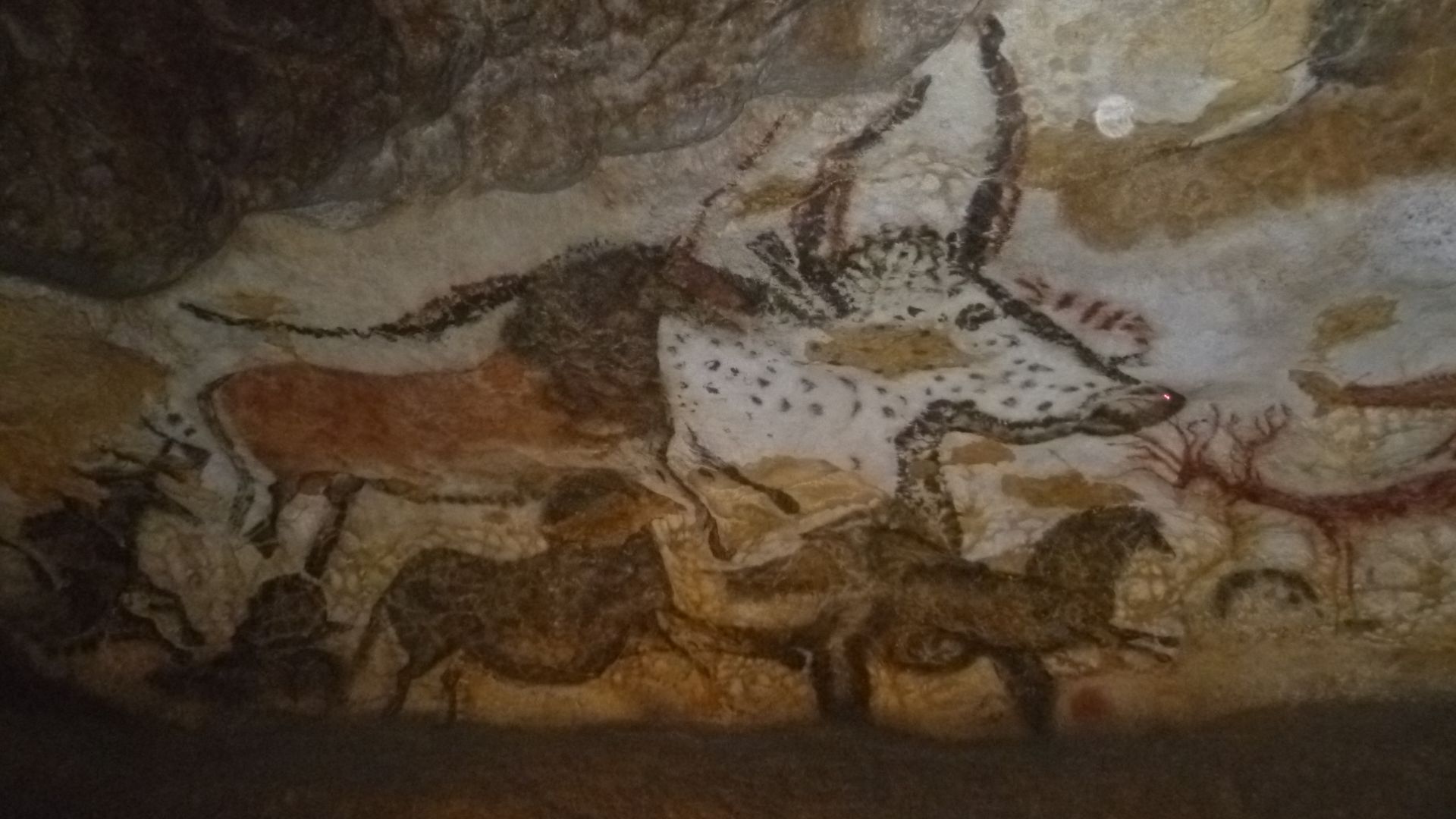
How Did They Even Make This?
The artists used natural pigments like charcoal and ochre to create their colors. They also used brushes, pads, and even blew pigment through hollow bones to create spray effects. Basically… prehistoric airbrushing.
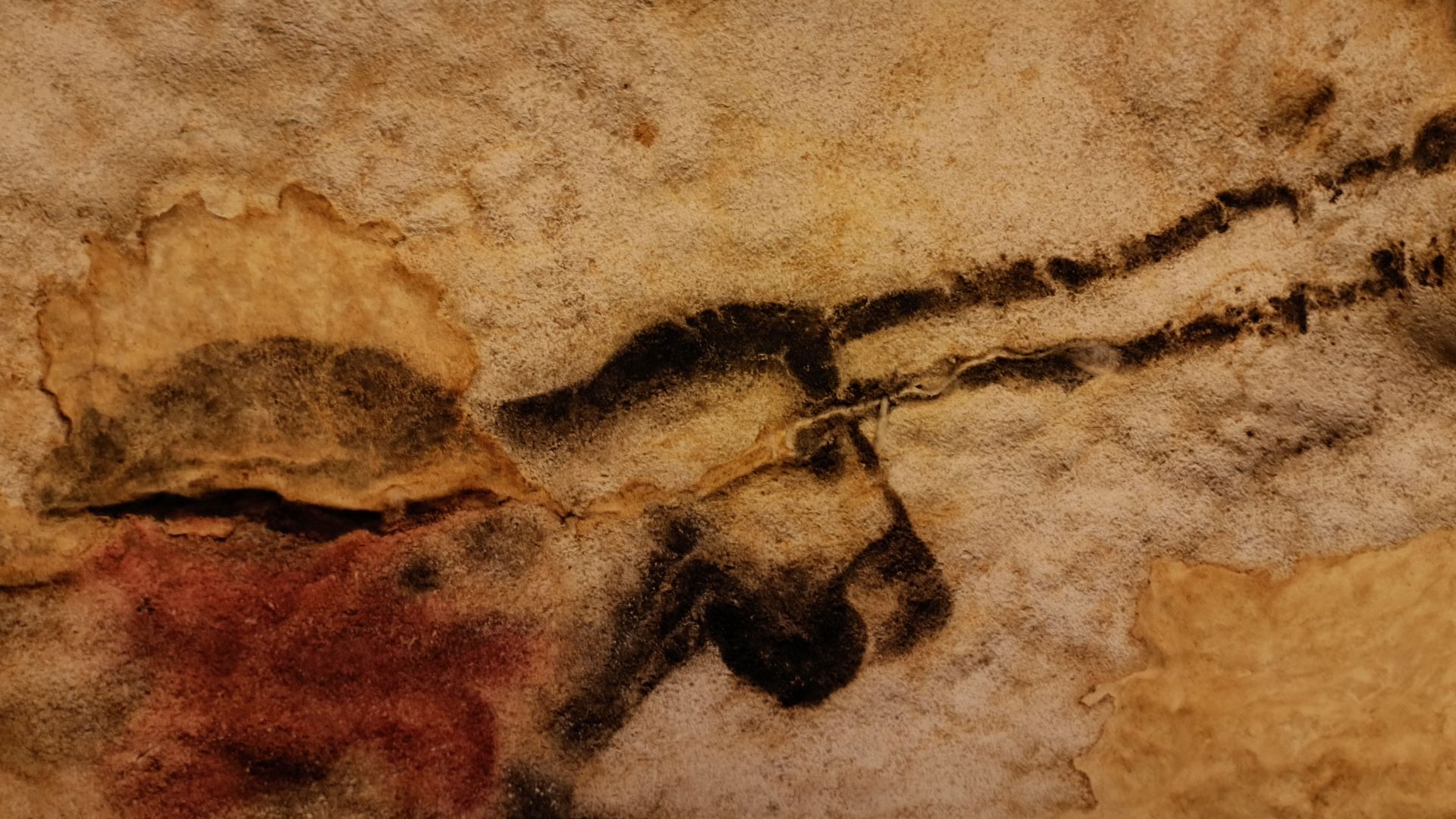
They Used the Walls Themselves
What’s really impressive is how the artists used the natural curves of the cave walls to give their paintings depth and movement. They weren’t just drawing—they were thinking about perspective.
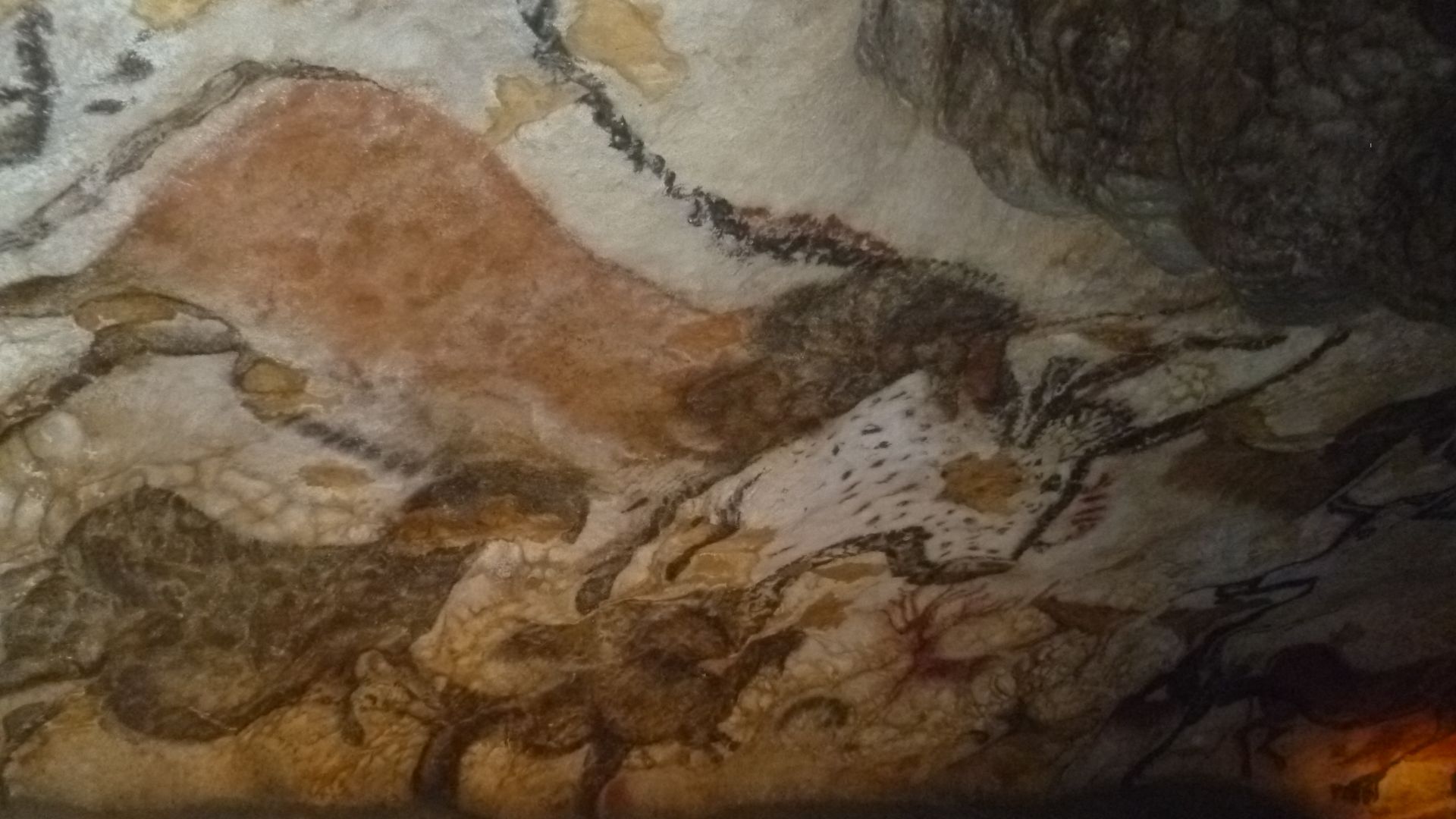
Why Did They Do It?
That’s still a mystery. Some researchers believe the paintings had spiritual or ritual meaning, possibly linked to hunting or beliefs about animals. Others think they could have been a form of storytelling.
Not a Place People Lived
Interestingly, Lascaux wasn’t used as a living space. There’s very little evidence of daily life inside the cave. That suggests it may have been a special place—somewhere people went for specific purposes.
The Cave Becomes Famous
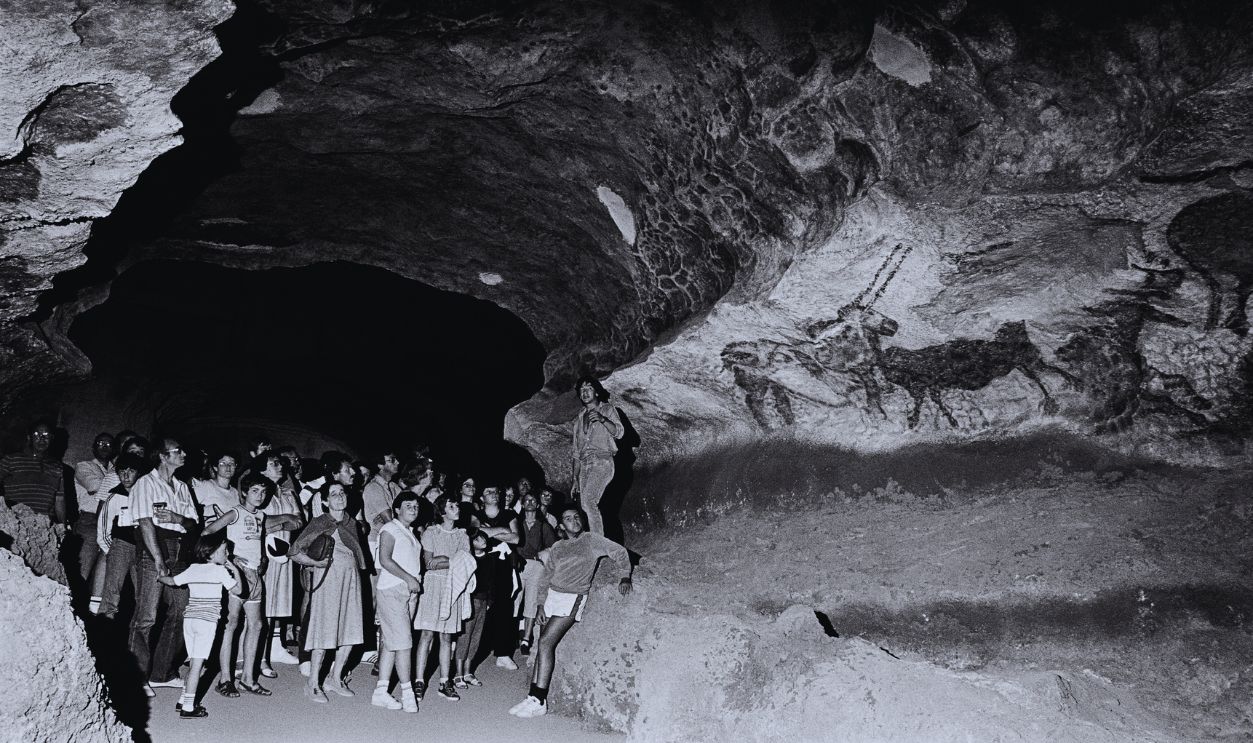
After its discovery, Lascaux was opened to the public in 1948. And people showed up in huge numbers. Tourists poured in, eager to see one of the oldest art galleries in the world.
But there was a problem—actually, a few of them.
Too Many Visitors, Big Problems
Unfortunately, the breath, heat, and moisture from thousands of visitors started damaging the paintings. Mold and algae began to grow on the walls. Sharing this discovery with the world was ruining it.
Something had to be done.
Closing the Cave to Save It
By 1963, the French government made a tough decision: close the cave to the public. It was the only way to preserve the artwork for the future. With it one of the most important prehistoric art sites ever discovered, preservation was imperative.
 Universal History Archive, Getty Images
A Replica Instead
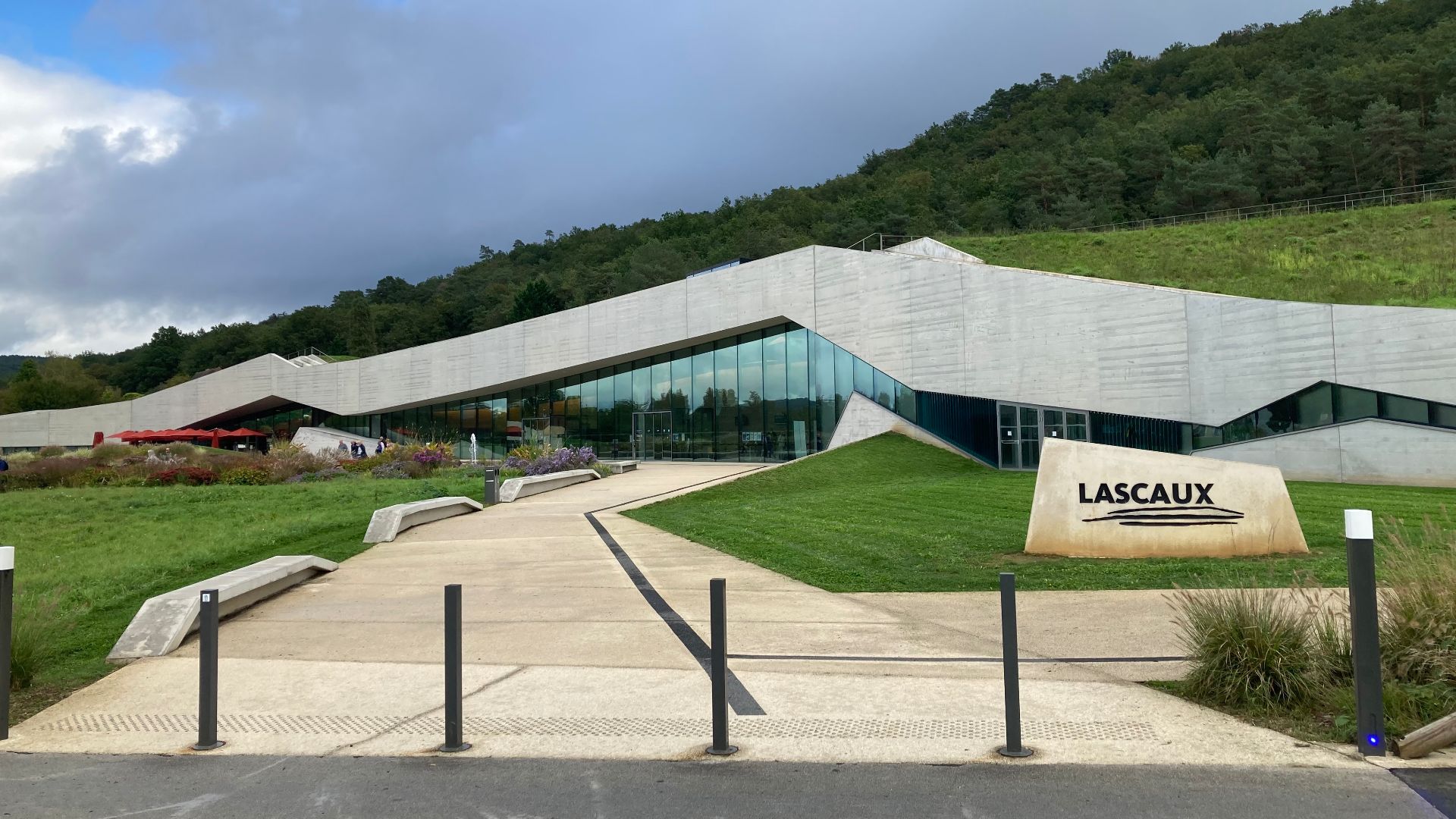
To keep the experience alive, a detailed replica called Lascaux II was built nearby and opened in 1983. Today, even more advanced versions like Lascaux IV allow visitors to experience the art without harming the original.
The Dog That Started It All
And through all of this, it’s easy to forget how the story began—with a dog named Robot chasing a rabbit into a hole. If that dog hadn’t wandered off, this discovery might have taken decades longer… or never happened at all.
A Window Into Human Creativity
Lascaux changed the way we see early humans. These weren’t just people trying to survive—they were artists, thinkers, and storytellers. And they were really good at it.
The Final Reveal: Art Older Than Civilization
No gold. No treasure chests. Just something far more powerful—art created 17,000 years ago that still impresses people today.
You May Also Like: