The Storm That Turned a Beach Into a Museum
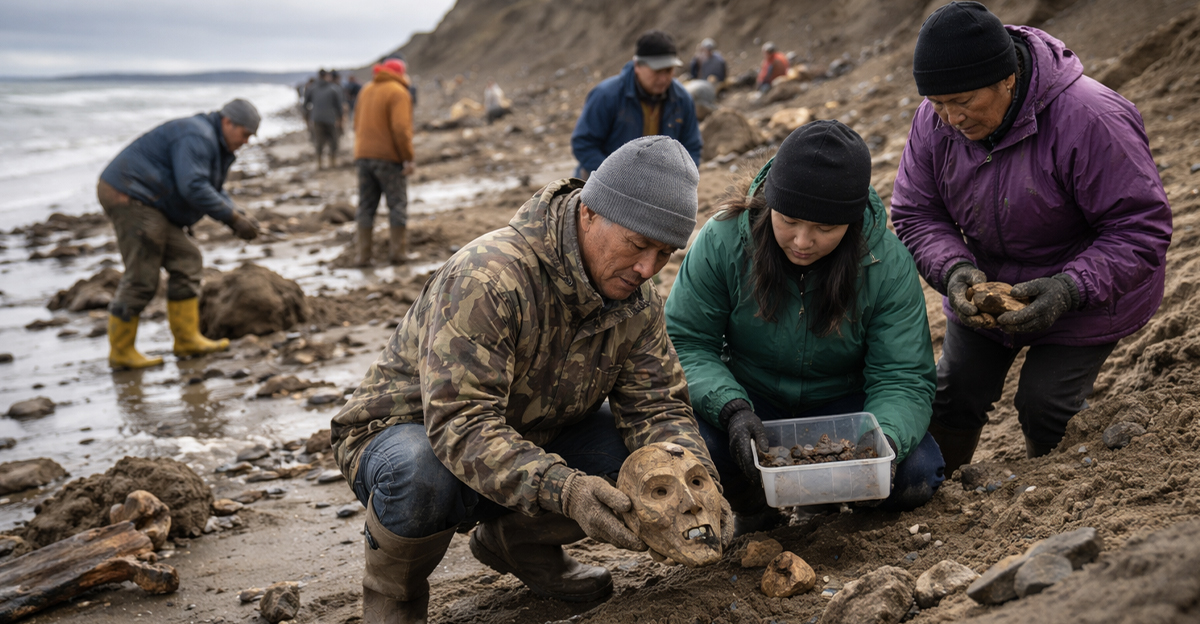
In October 2025, the remnants of Typhoon Halong pushed north into the Bering Sea and slammed into the remote western coast of Alaska... and it did something no archaeologist could plan. The powerful storm tore open the land and scattered ancient history across the shoreline. Masks, tools, and objects appeared in the sand like something out of a movie. Except this was real, and people had to act fast.
Where This All Happened
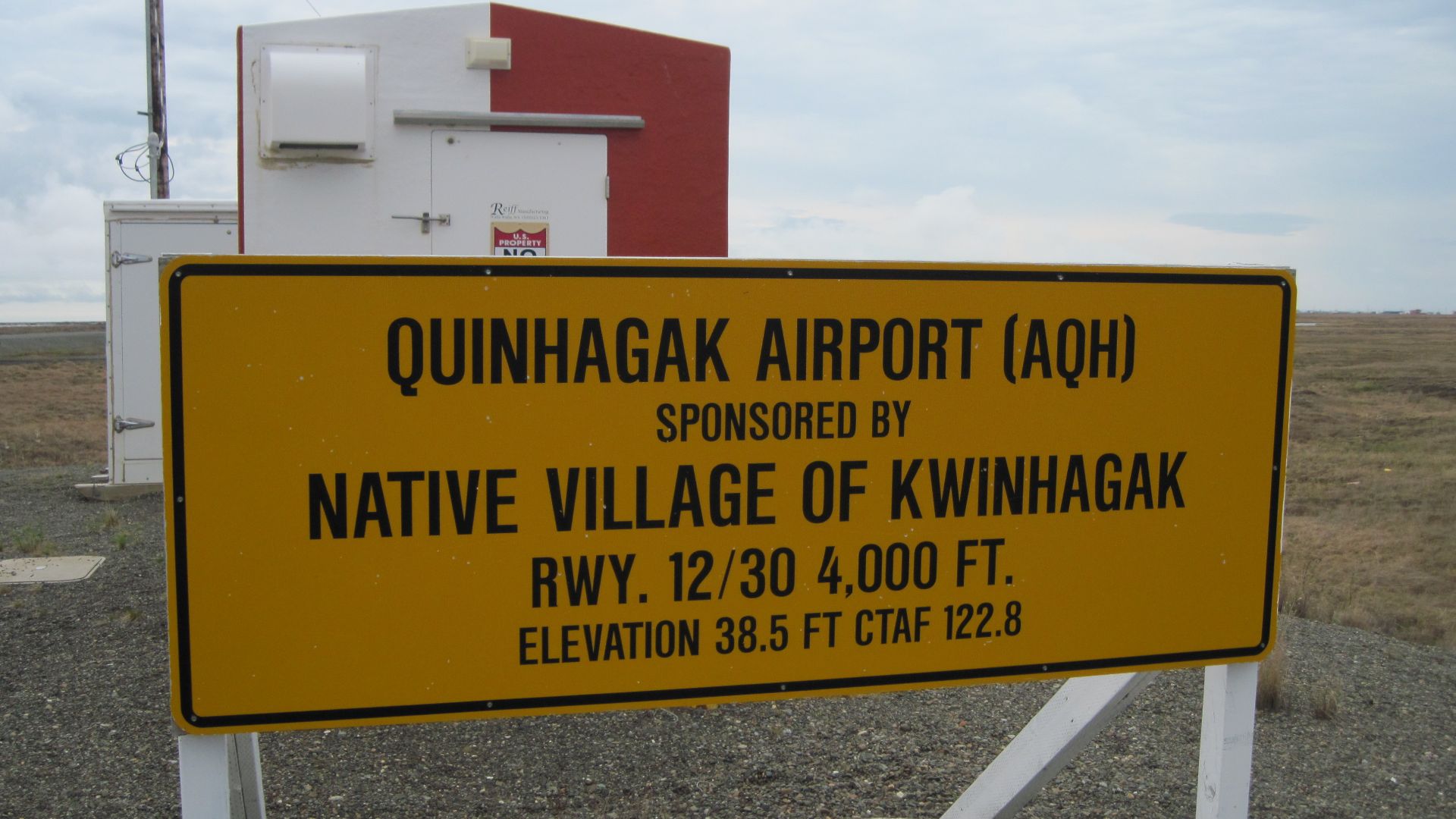
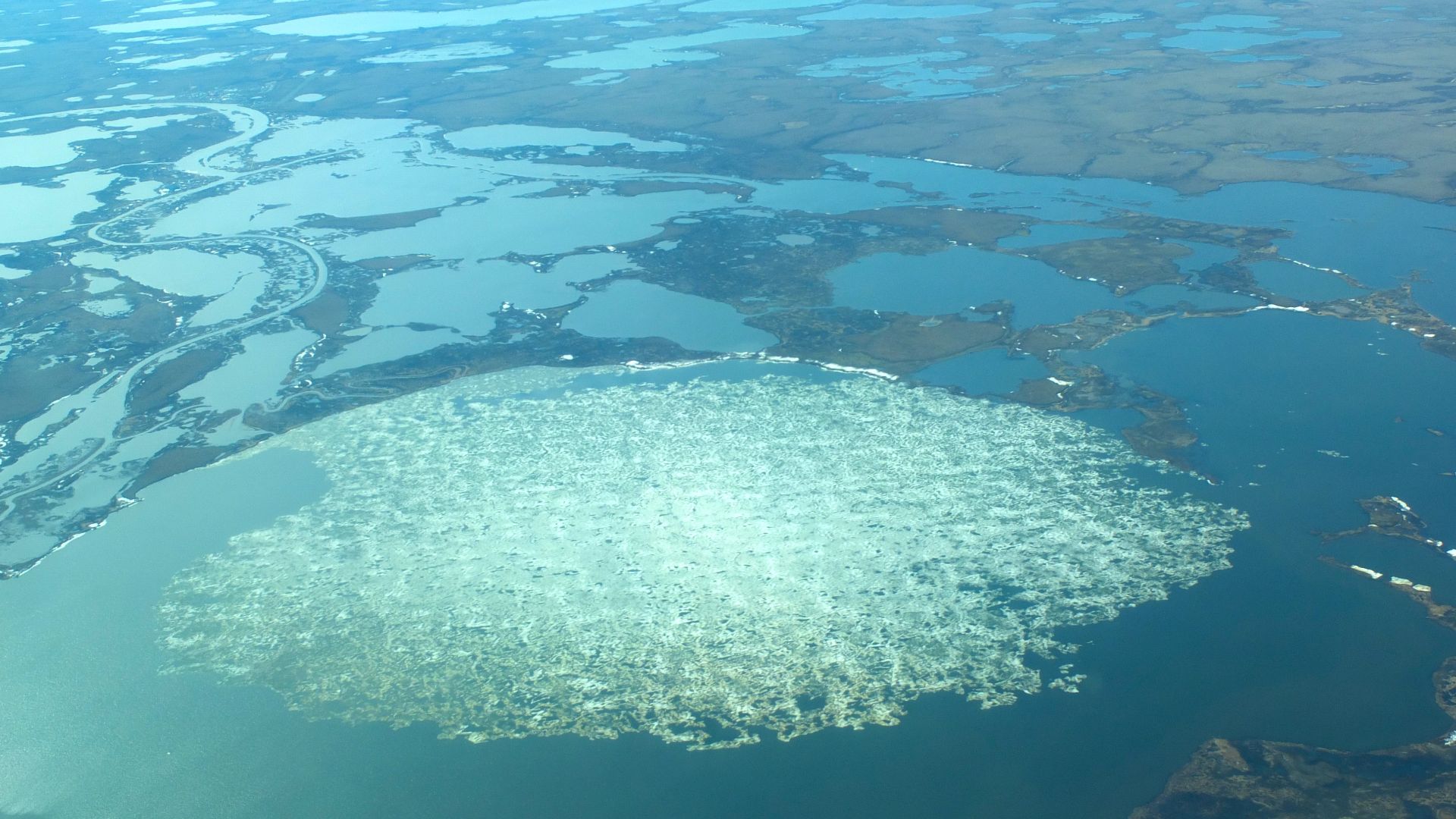
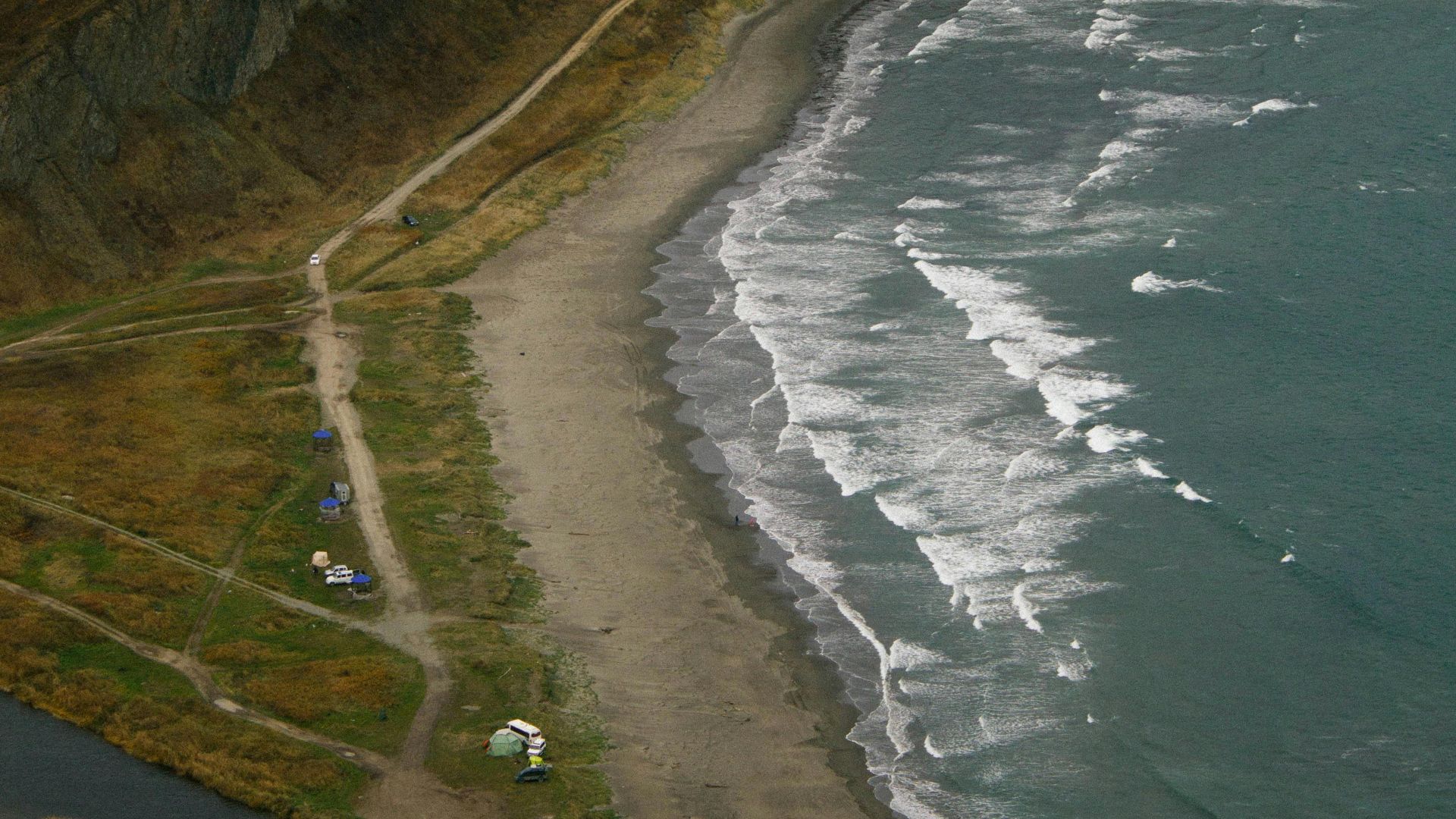
The discovery took place near Quinhagak, Alaska, a small Yup’ik community in the Yukon-Kuskokwim Delta along the Bering Sea, where land and sea are constantly shifting. This is a remote region where erosion constantly reshapes the land, sometimes revealing pieces of the past without warning.
This time, the ocean won.
 IceCreamForEveryone, Wikimedia Commons
What Everyone Expected to Find
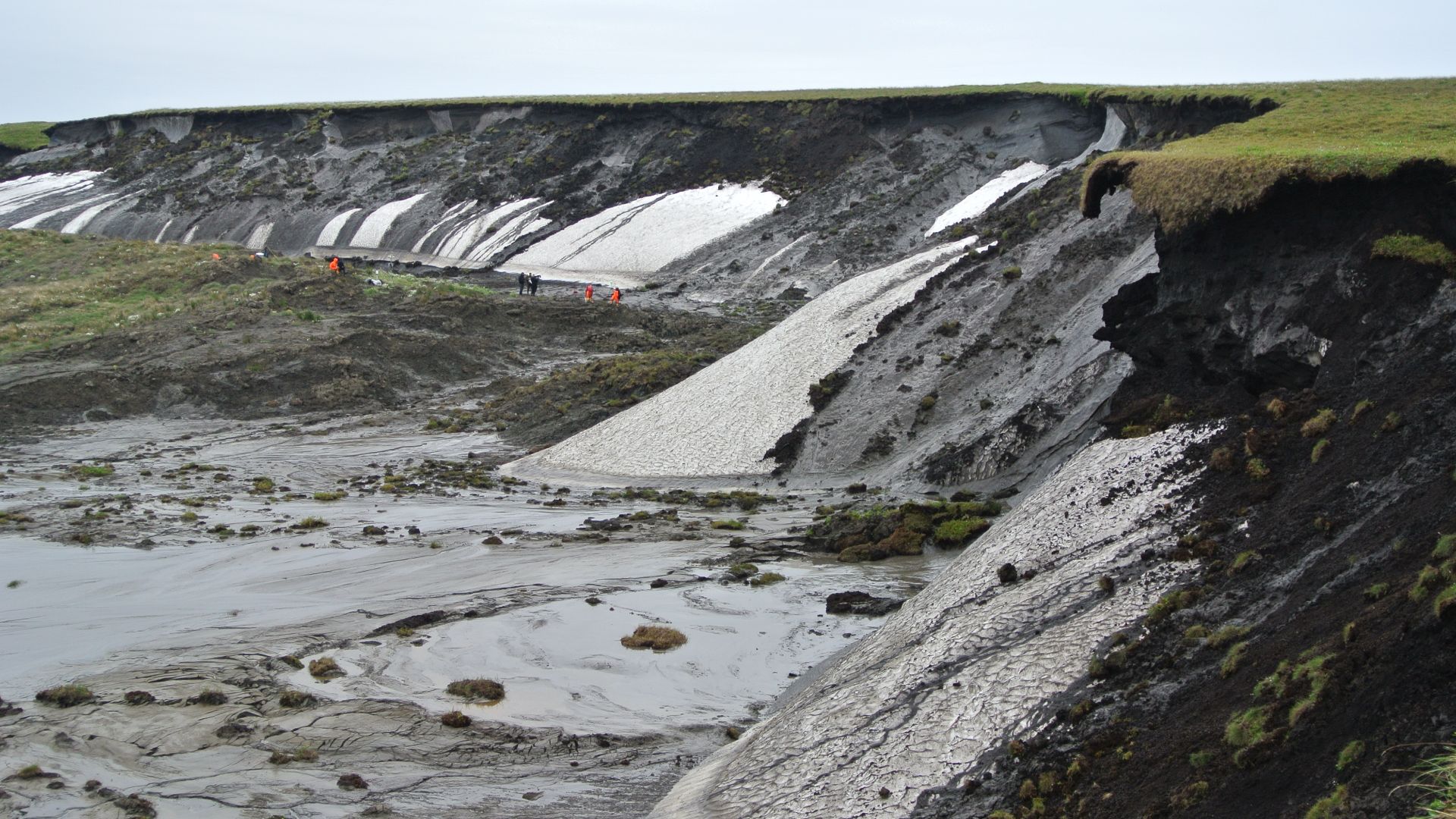
The storm surge carved away as much as 60 feet of coastline, slicing into frozen ground that had held steady for centuries. After storms like this, people usually expect damage such as washed-out paths, debris, or damaged fishing structures. No one expected to find history. And definitely not the kind that had been buried for over 500 years.
 Joseph from Cabin On The Road, USA, Wikimedia Commons
The First Walk Along the Shore
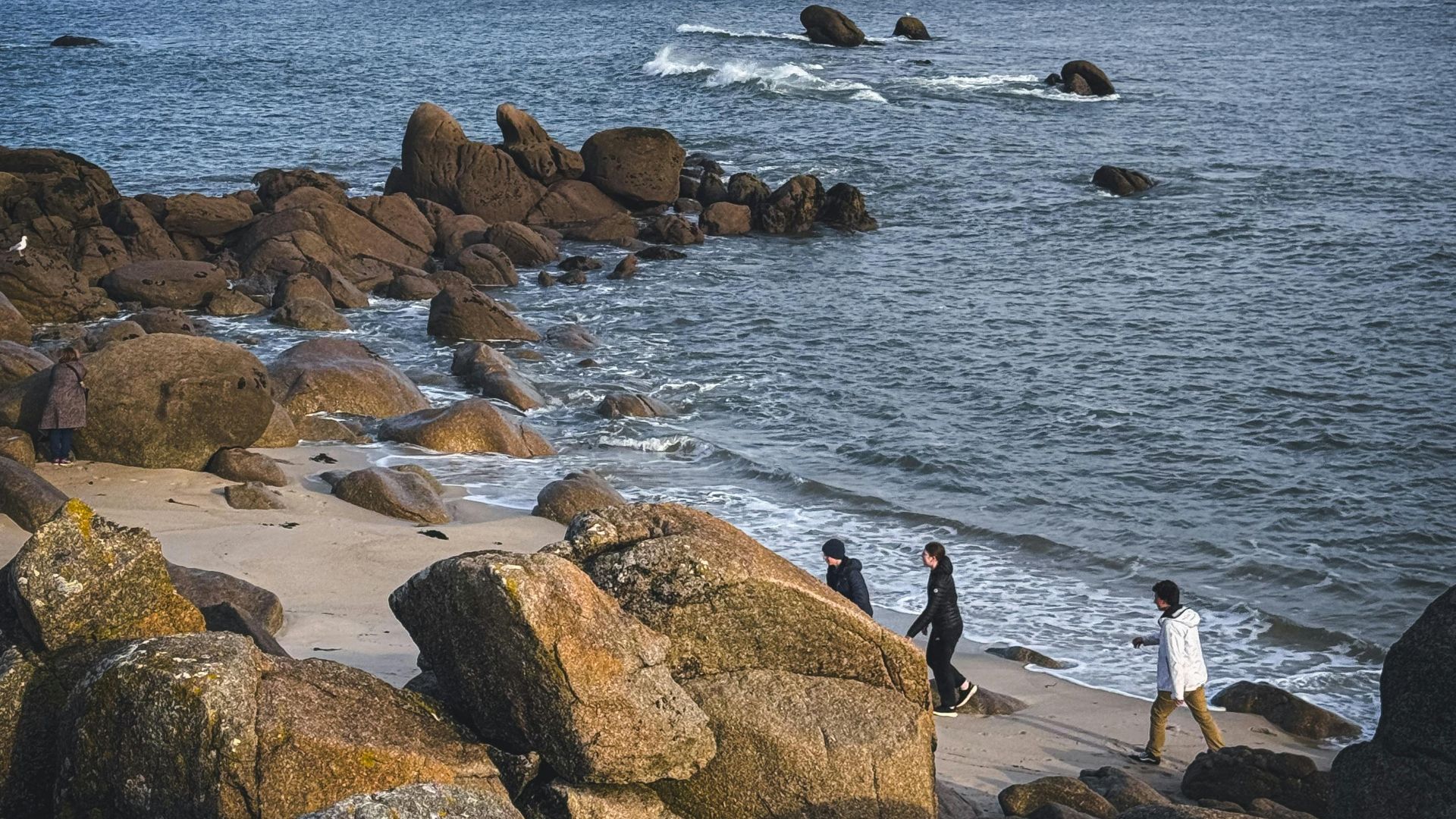
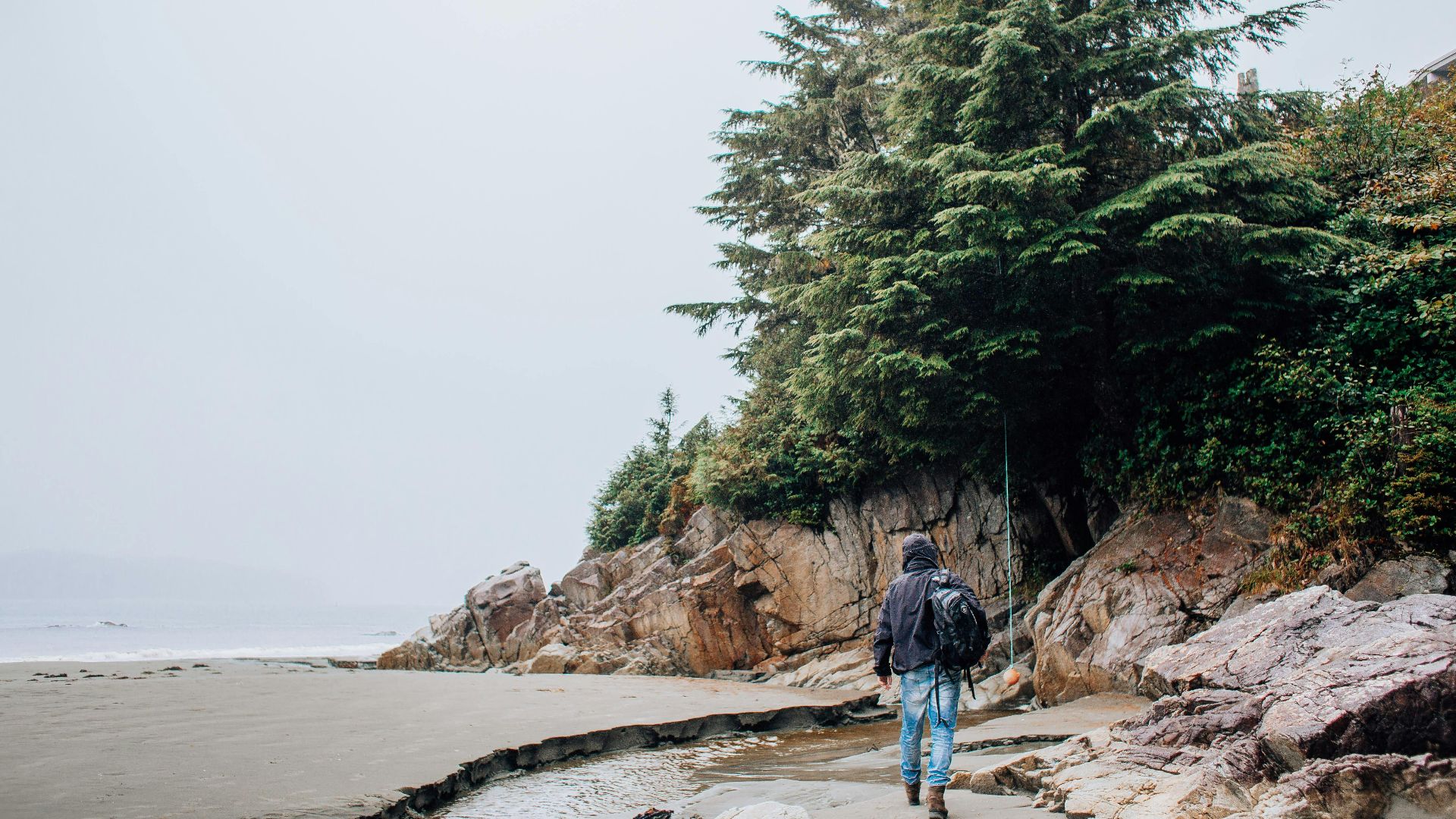
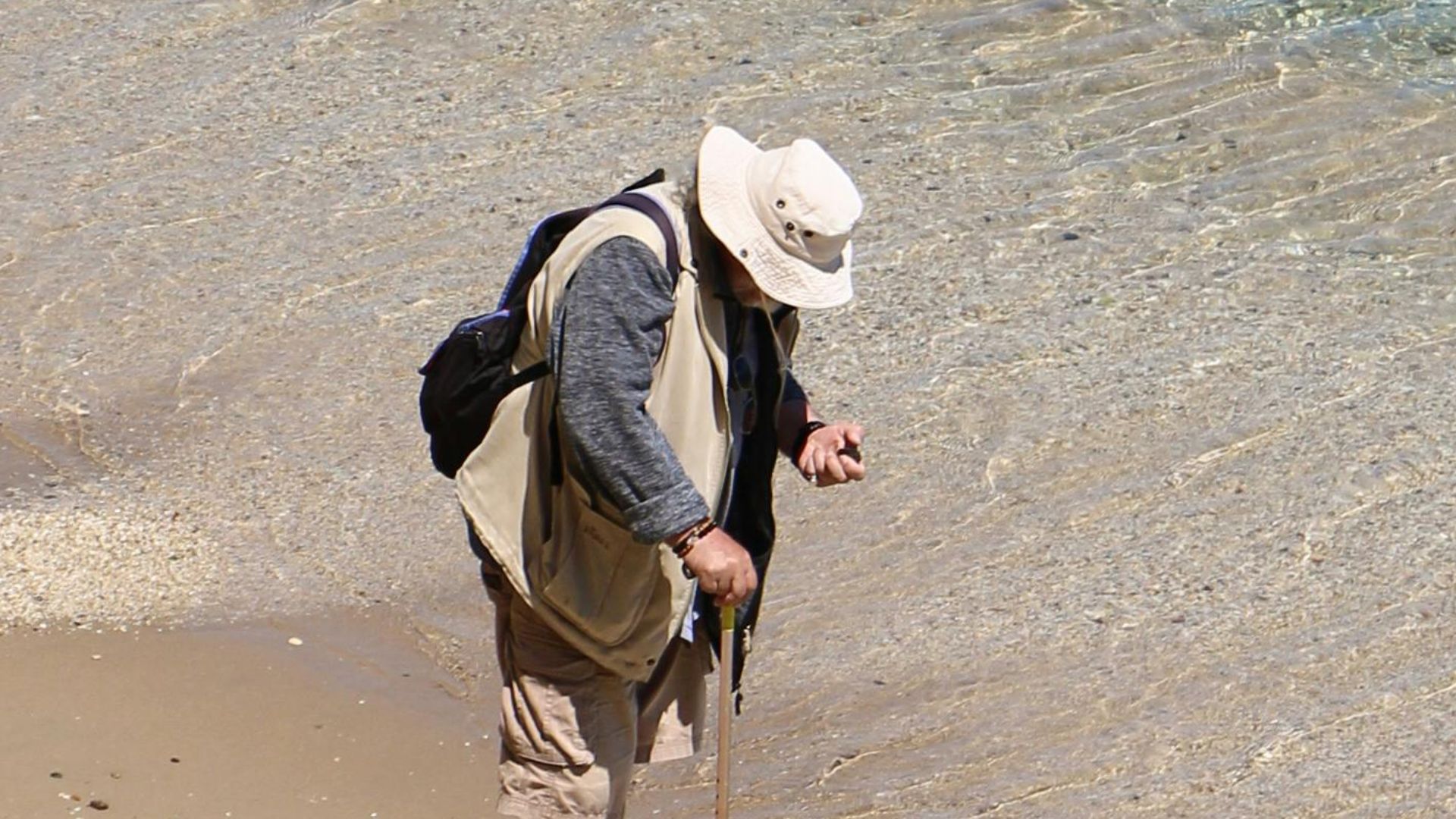
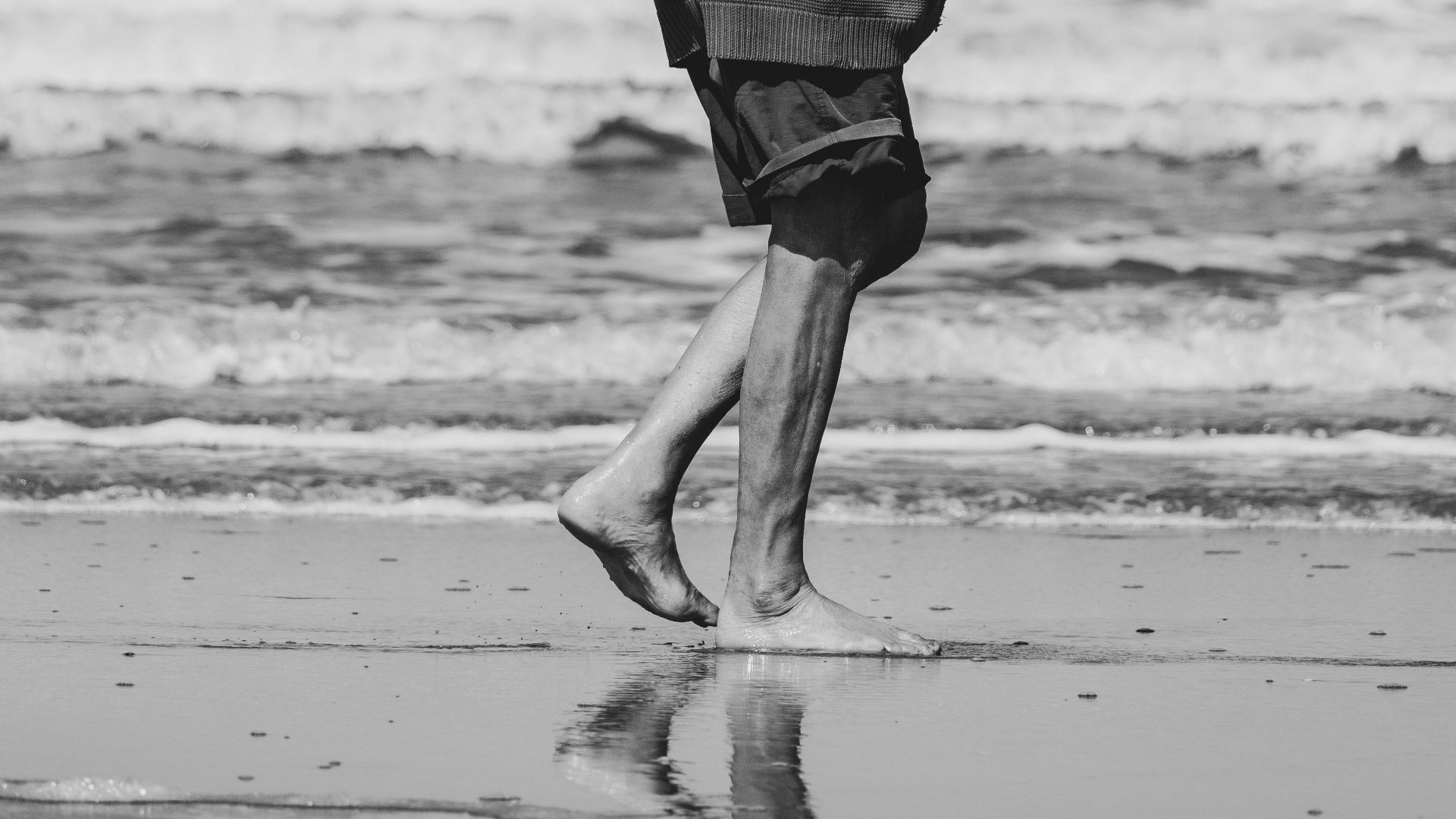
Within days of the storm passing, residents walked the shoreline to assess the damage. That’s when they began noticing something strange. There were shapes in the sand that didn’t belong there.
Wait, That’s Not Driftwood
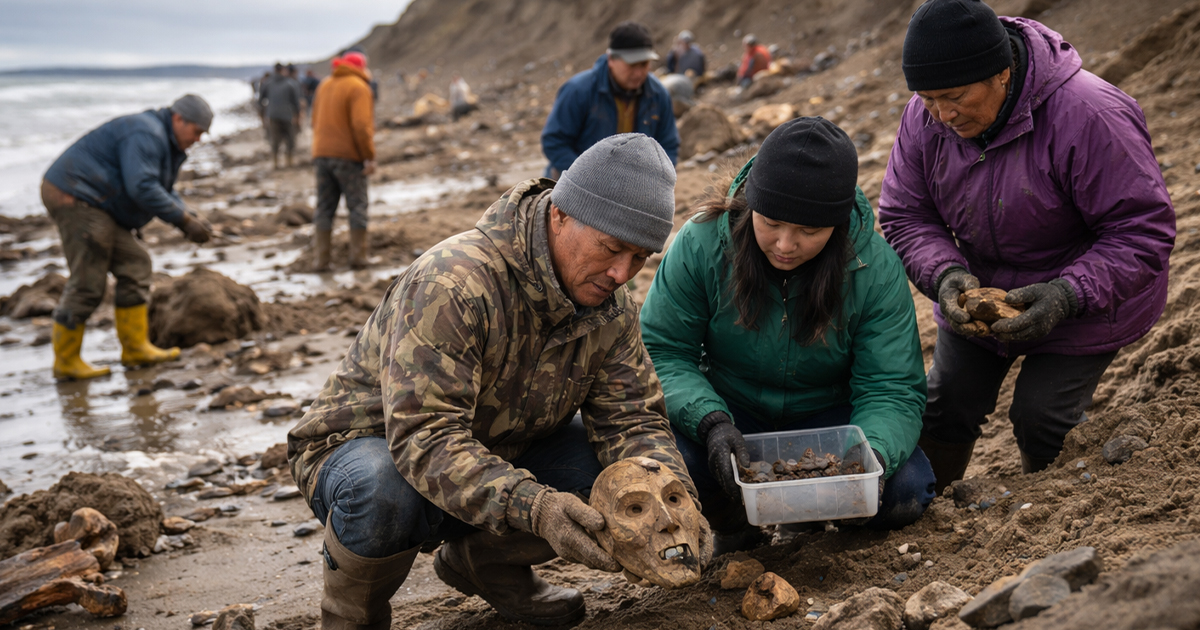
At first, it didn’t make sense. One person spotted a carved piece of wood. Then another appeared. Soon, something shaped like a face emerged from the sand. It quickly became clear that these were not natural objects. They were artifacts.
The Site Beneath Their Feet
What had been exposed was part of the Nunalleq site, an archaeological area just outside Quinhagak. The name means “old village” in Yup’ik, and researchers believe it was occupied between 1300 and 1650 CE.
A Village Frozen in Time
The village likely ended suddenly, possibly during a violent conflict. What remained behind was sealed in permafrost, preserving everyday objects for centuries. That frozen protection ended the moment the coastline collapsed.
“It Looks Like a Bomb Hit”
Archaeologist Rick Knecht, who has worked at Nunalleq since 2009, described the damage bluntly. “It looks like a bomb hit,” he said. But what followed that destruction was something no one could have planned.
The Beach Turns Into an Archaeological Site
Beautiful, ancient artifacts were suddenly scattered everywhere. Some were partially buried, while others were fully exposed on the sand. It looked as if the ground had opened and spilled its contents into the open air.
The Masks That Stopped People Cold
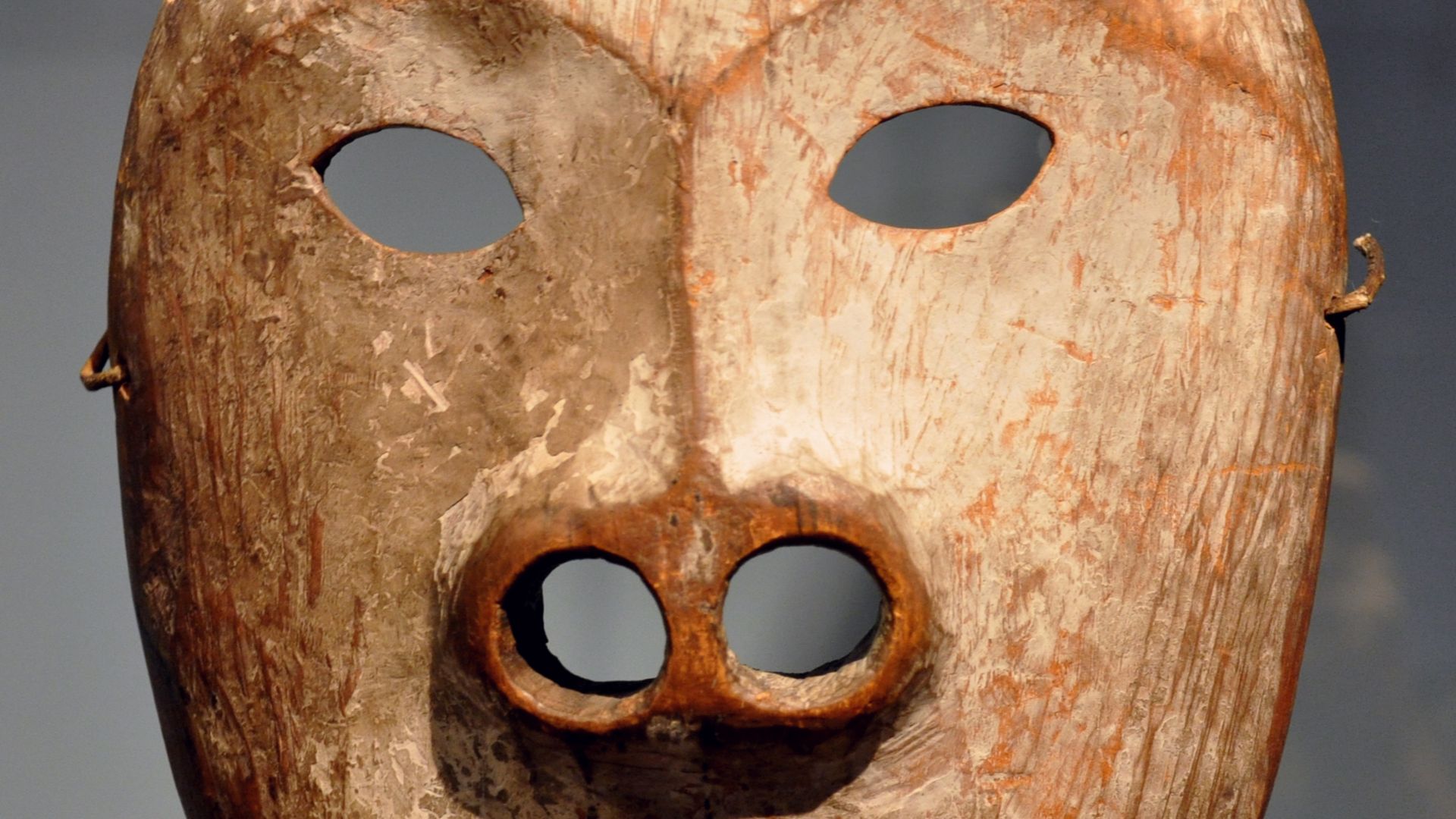
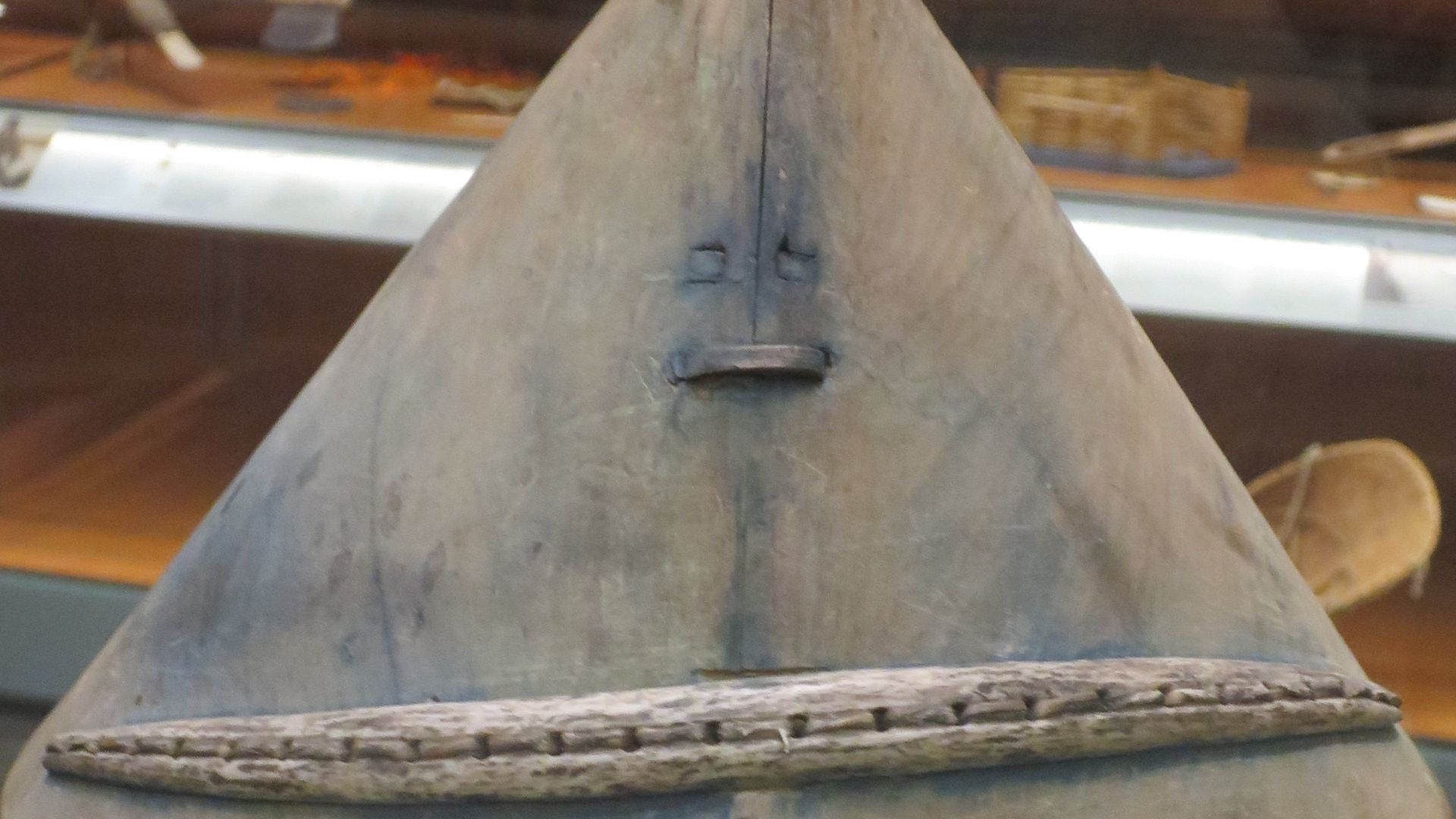
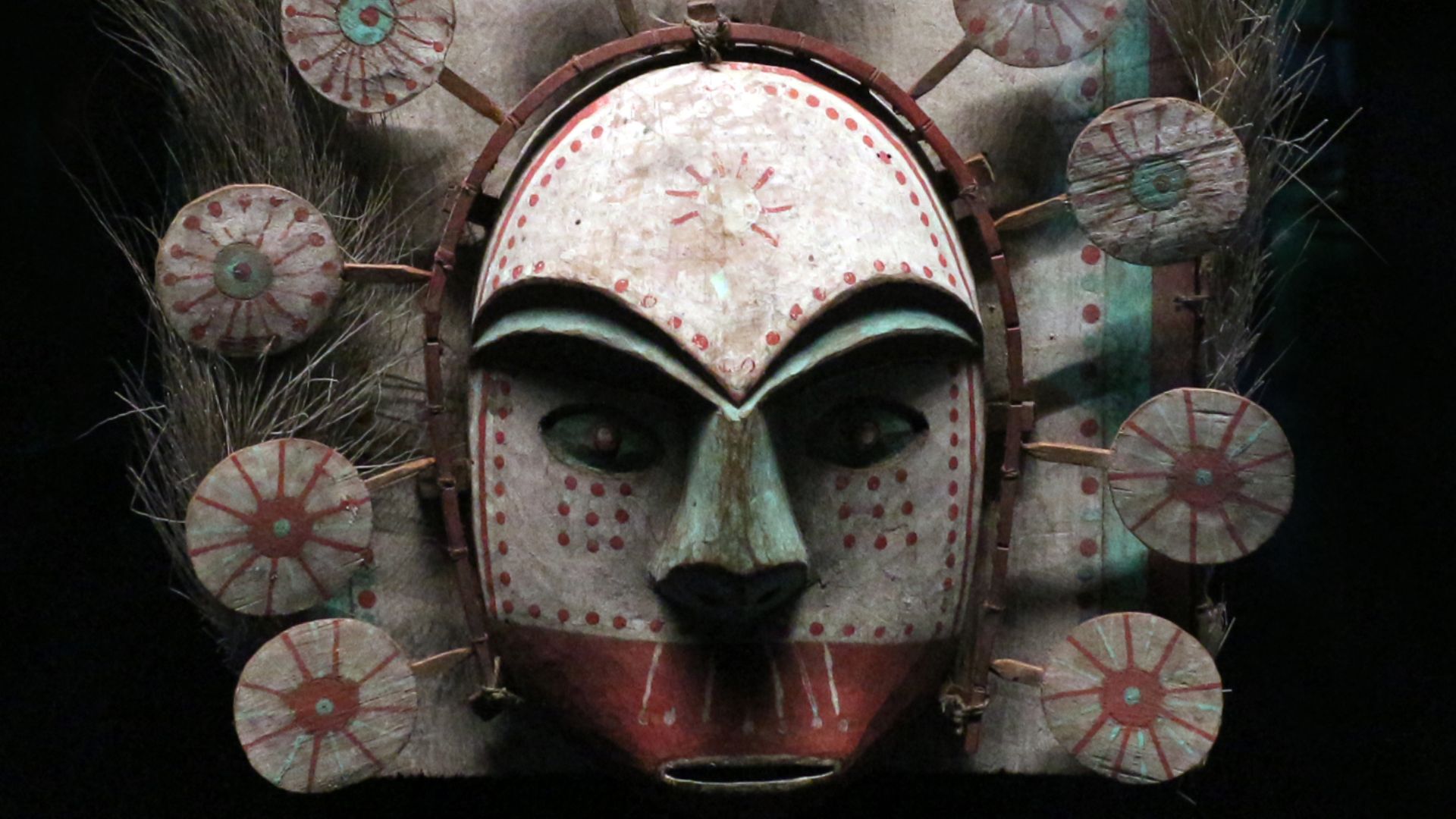
Among the first major discoveries were wooden Yup’ik masks, some still showing traces of paint after hundreds of years. These were not simple decorations. They were used in ceremonies and storytelling, carrying deep cultural meaning.
 Photograph: Andreas Praefcke, Wikimedia Commons
And Then There Was More
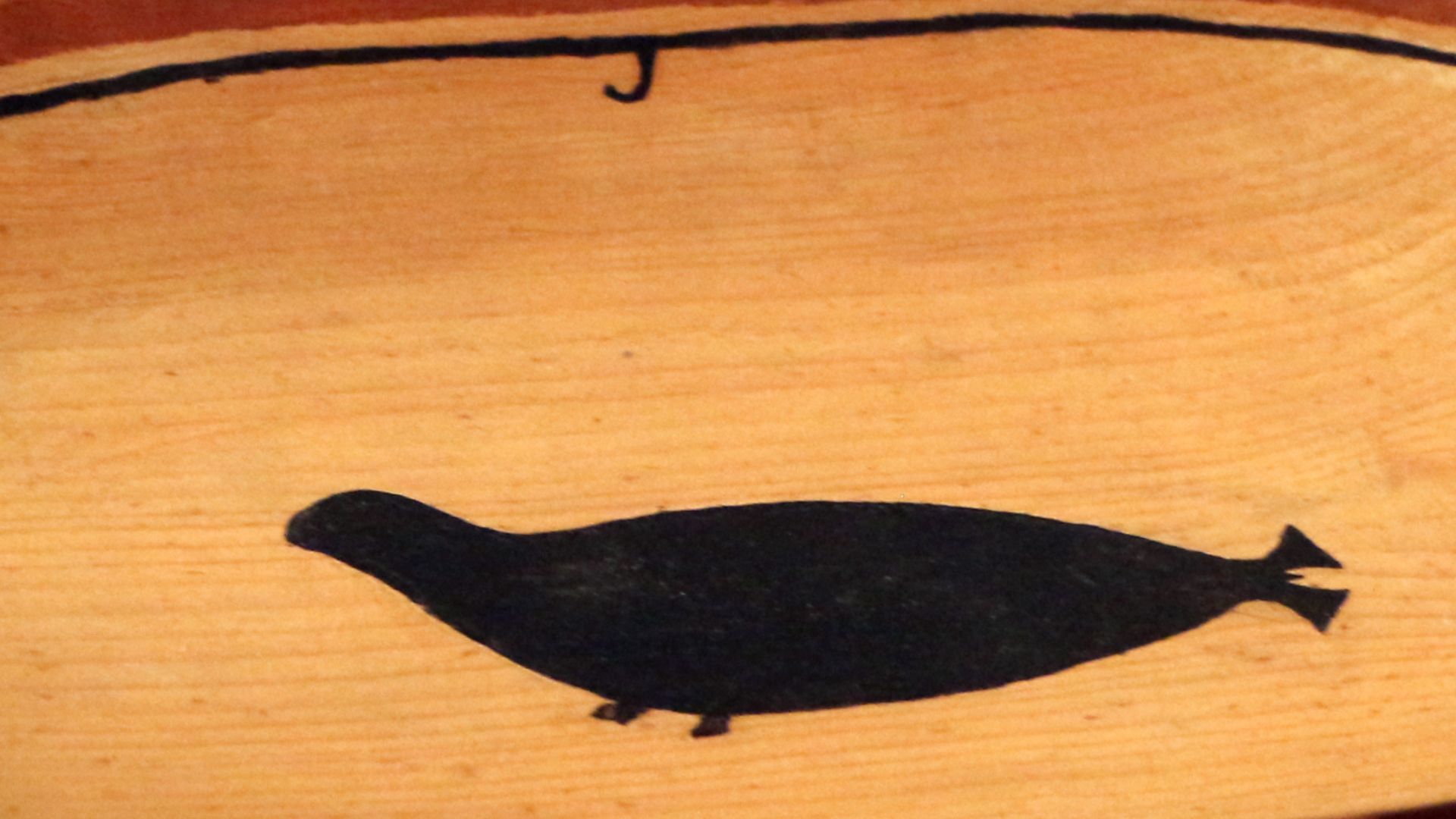
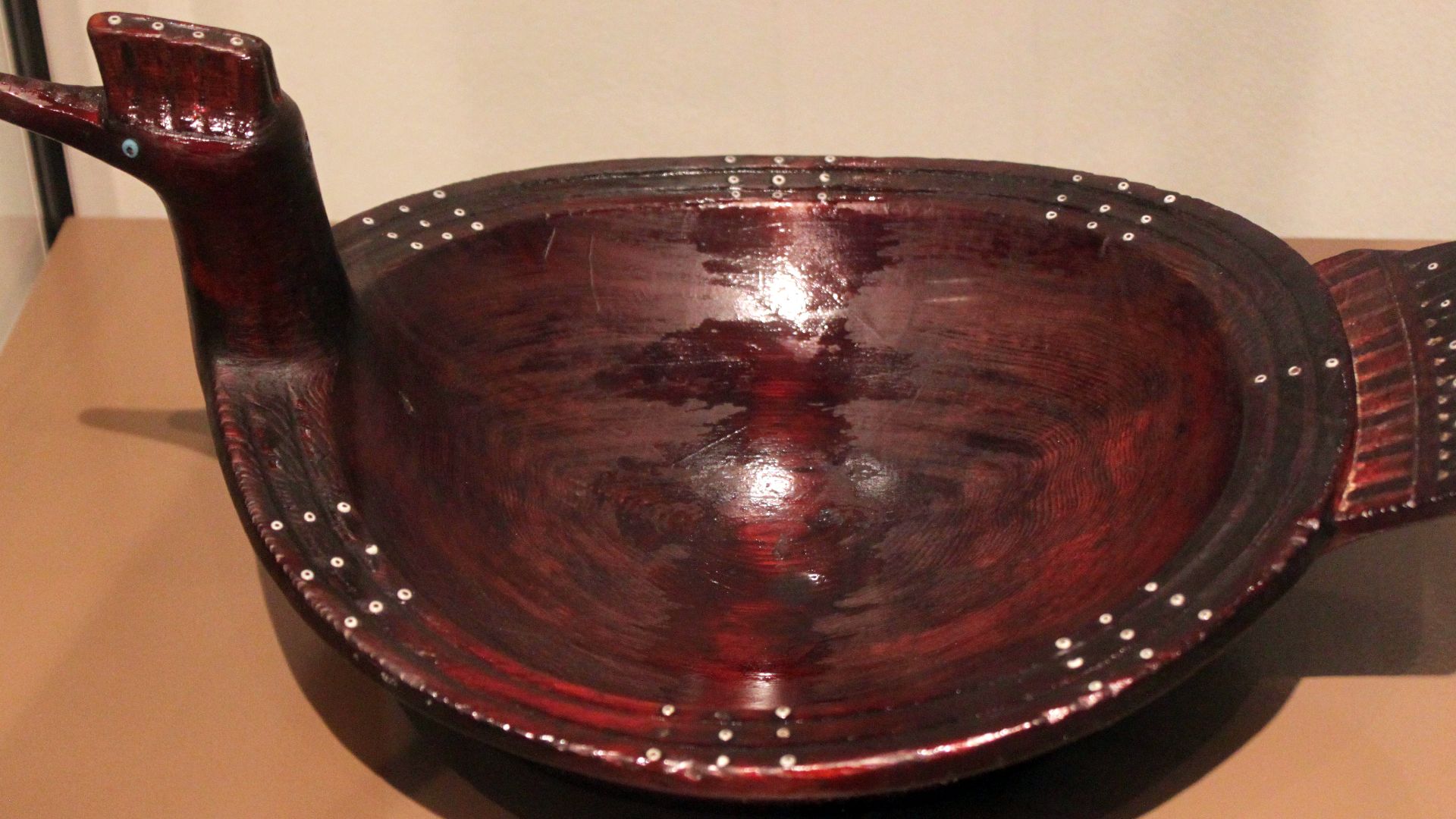
The discoveries continued to grow. People began finding old tools, bowls, weapon shafts, fishing gear, and even parts of kayaks. According to Knecht, it was essentially everything people once used in their daily lives.
Who Found It All?
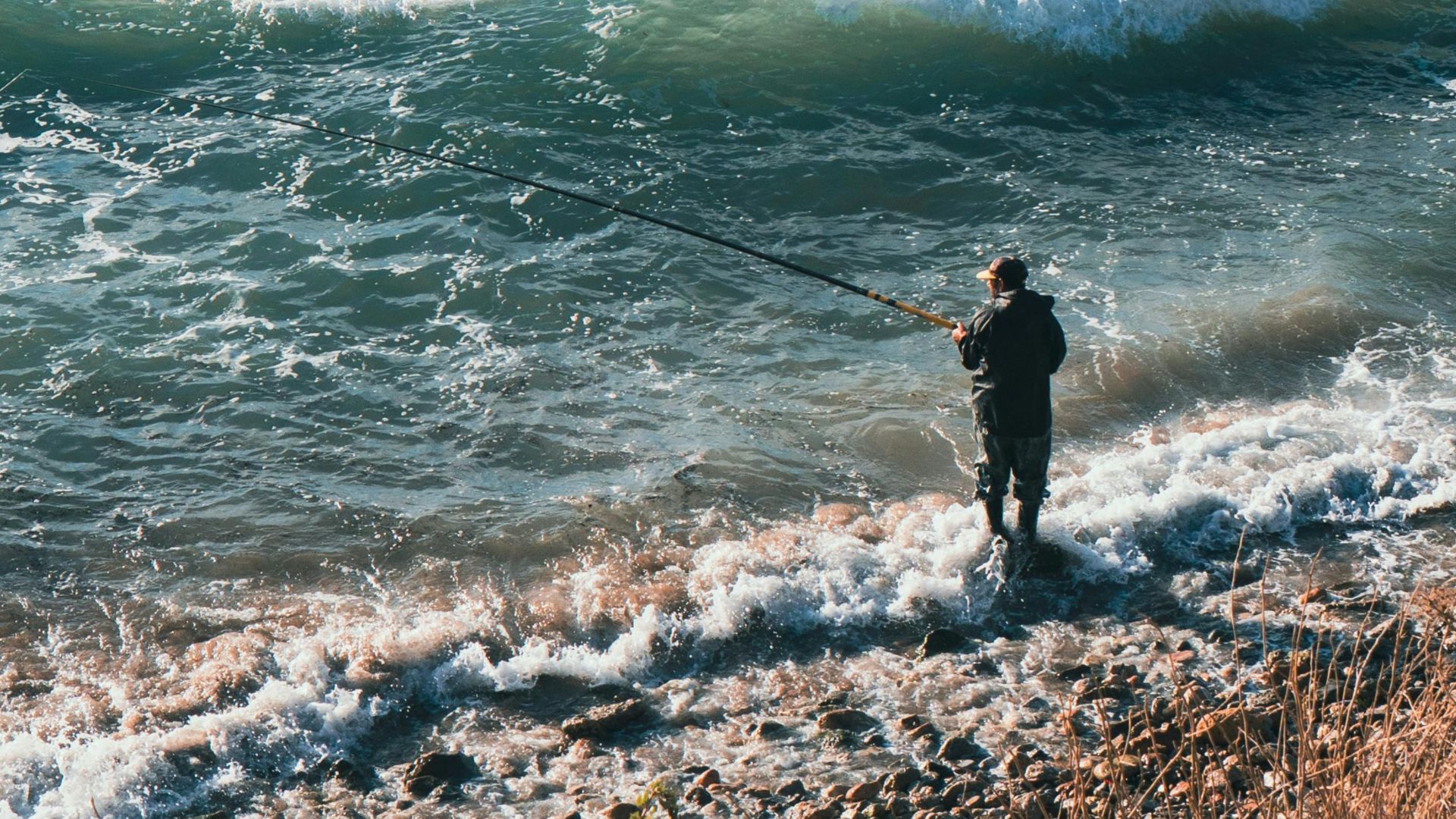
The first people to discover these artifacts were not scientists. They were local residents, including families and fishermen, who knew the land better than anyone else.
But word spread fast.
A Race Against the Ocean
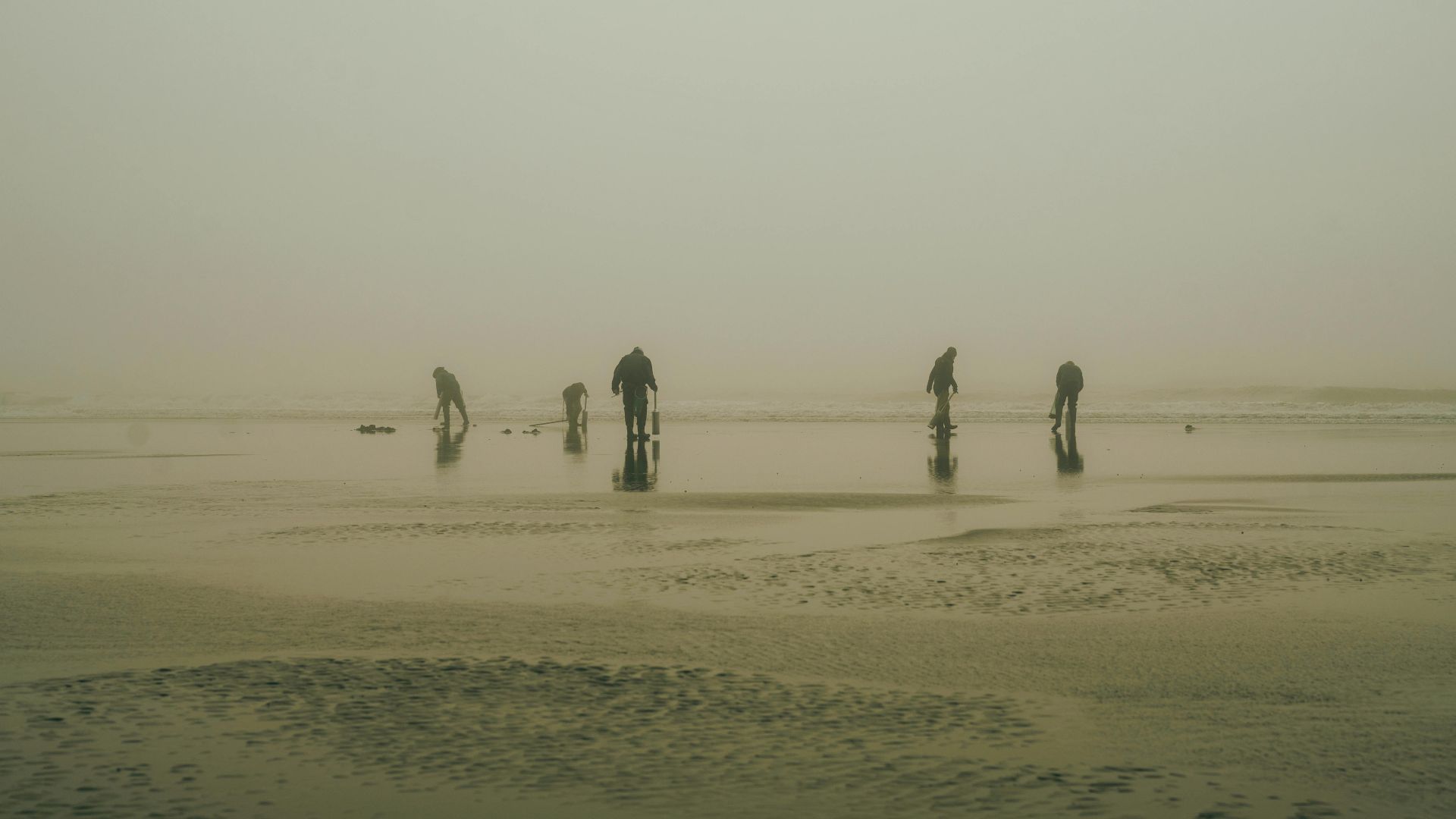
Once the significance became clear, about 30 to 40 volunteers quickly stepped in to help. There was no time to organize a formal excavation. The ocean was still active, and every wave risked carrying more history away.
Collecting History by Hand
Residents began gathering artifacts by hand and placing them into boxes and containers. It was not a careful dig with tools and brushes. It was a fast-paced effort to rescue as much as possible.
But it yielded incredible results.
Over 1,000 Pieces Saved
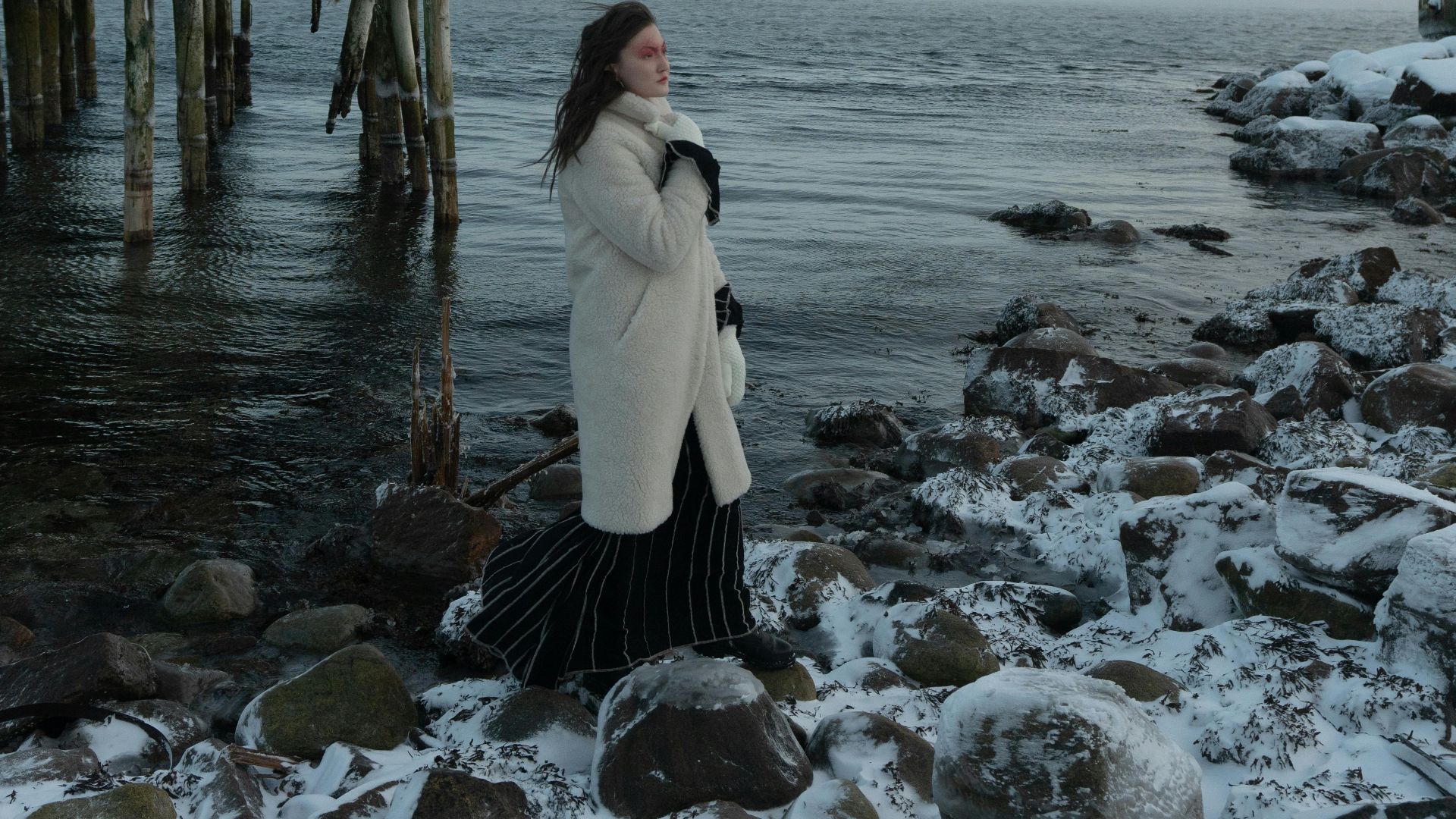
In a matter of days, more than 1,000 artifacts were recovered. Under normal circumstances, that alone would be considered a major discovery.
What Was Lost Before Anyone Arrived
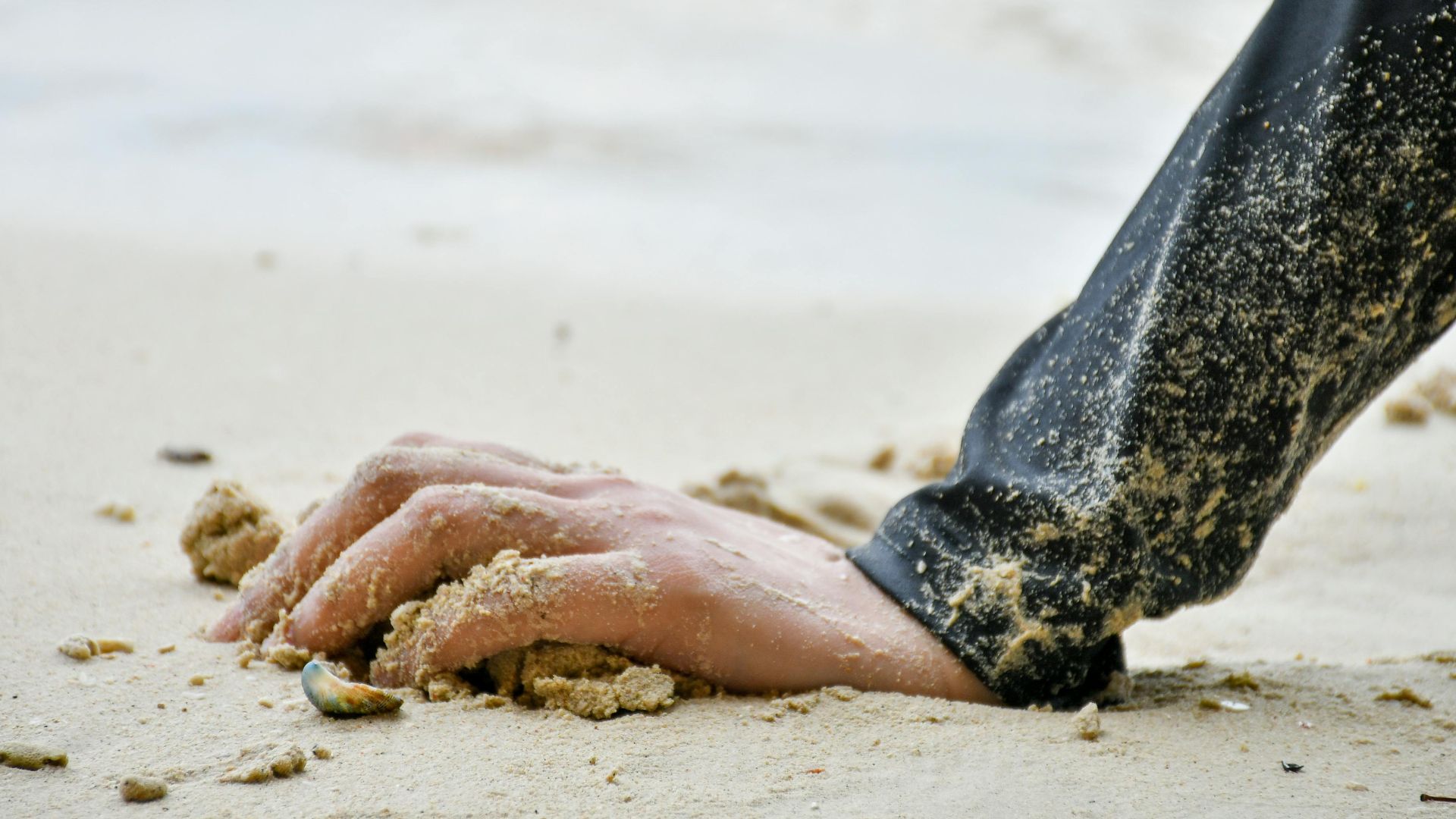
Experts believe that tens of thousands of artifacts may have been exposed during the storm. Many of them were likely swept into the Bering Sea before anyone could recover them. It was unlike anything anyone has seen before.
“It’s Like a Museum Exploded”
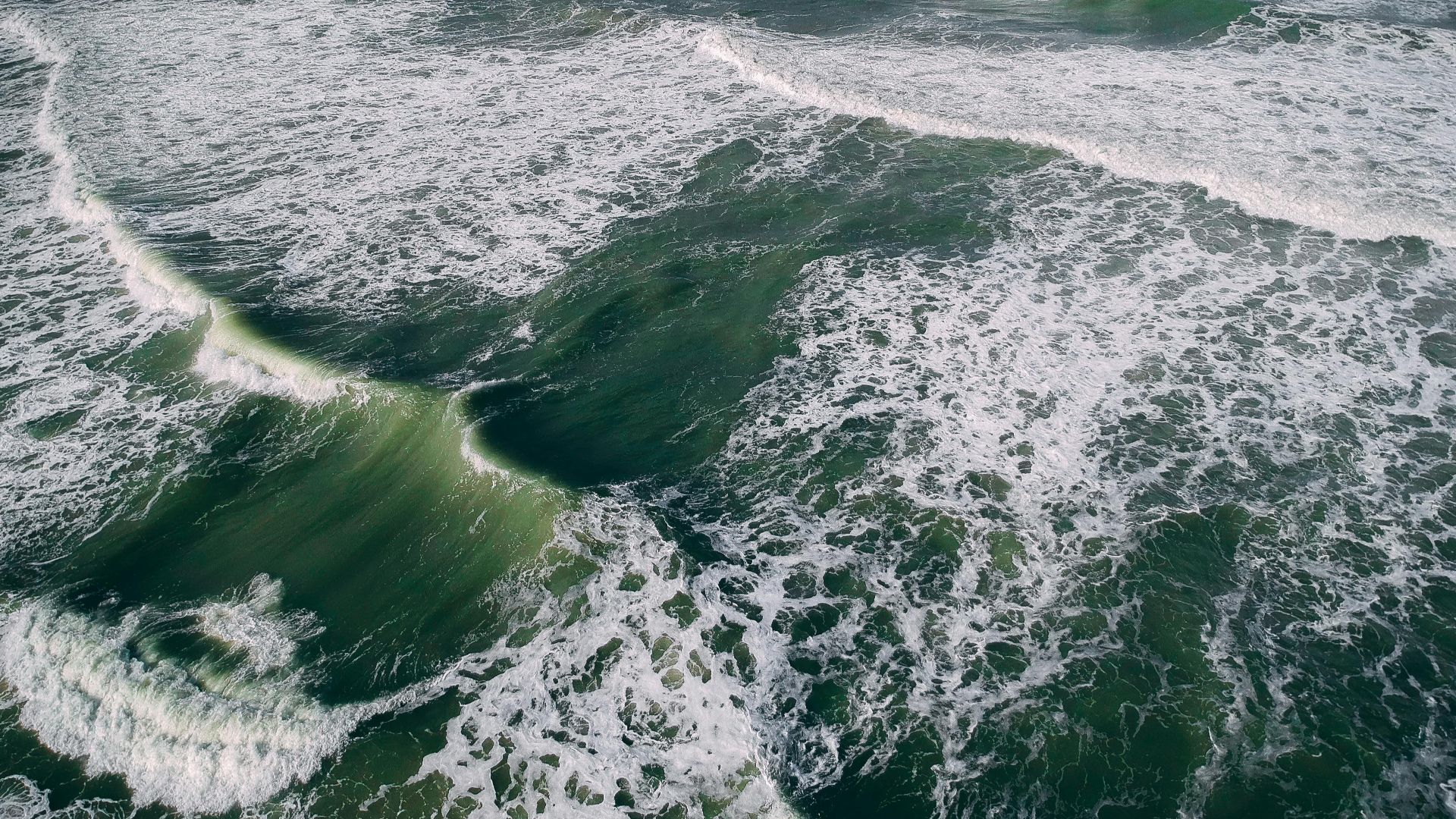
Knecht described the scene in a way that captured both the scale and the chaos. He said it was like taking a museum and scattering it across the beach. And the historical significance was substantial.
A Library With Missing Pages
Knecht also described Nunalleq as “a library of the past.” With parts of the site now gone, he explained that it is like trying to read a book with missing pages.
But what we do know tells an interesting tale.
 Edward S. Curtis, Wikimedia Commons
Why These Artifacts Are Different
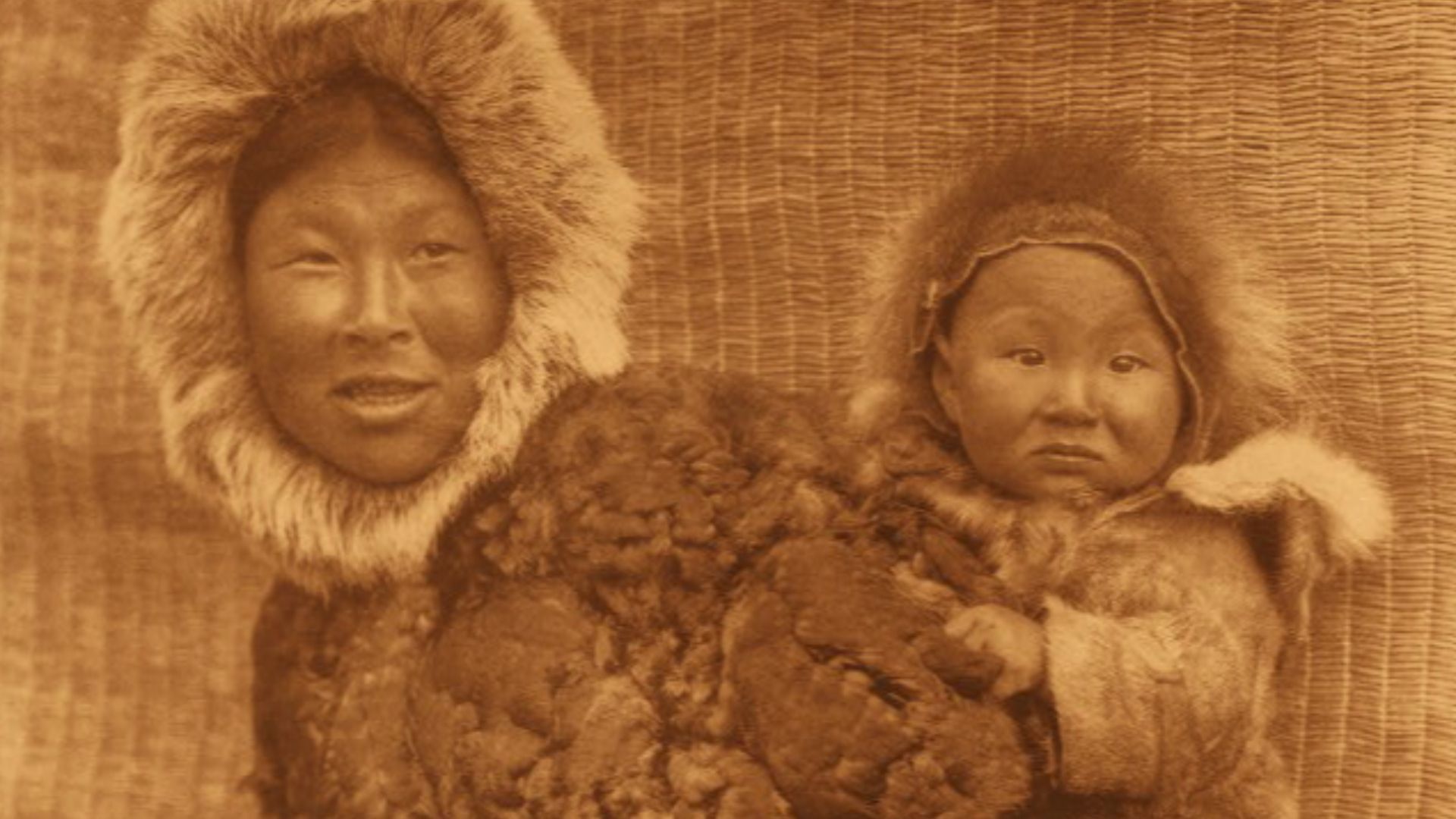
Most archaeological sites do not preserve materials like wood, grass, or fiber because they decay quickly. At Nunalleq, permafrost kept these items intact for centuries, making the discovery unusually detailed.
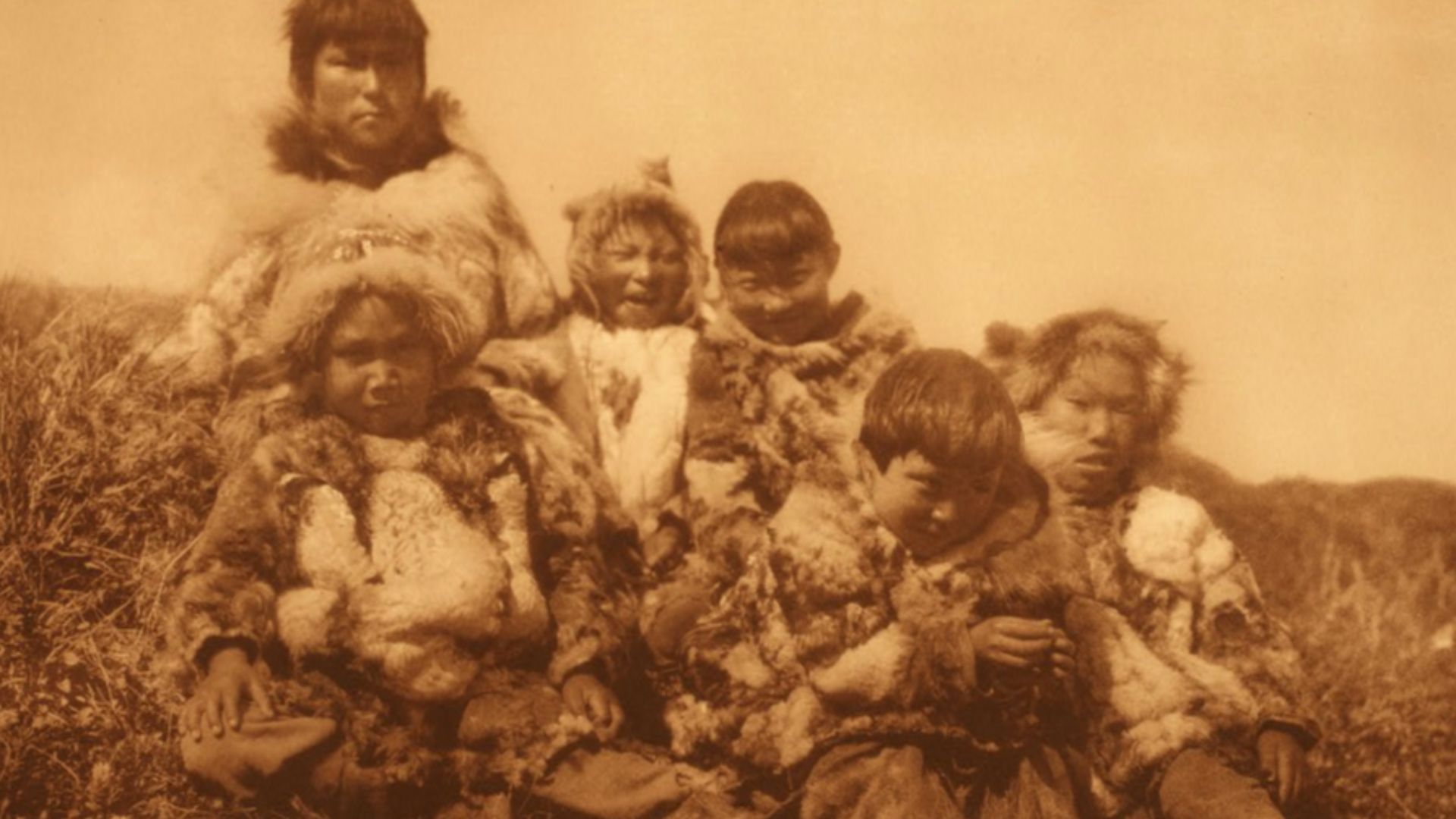
A Glimpse Into Yup’ik Life
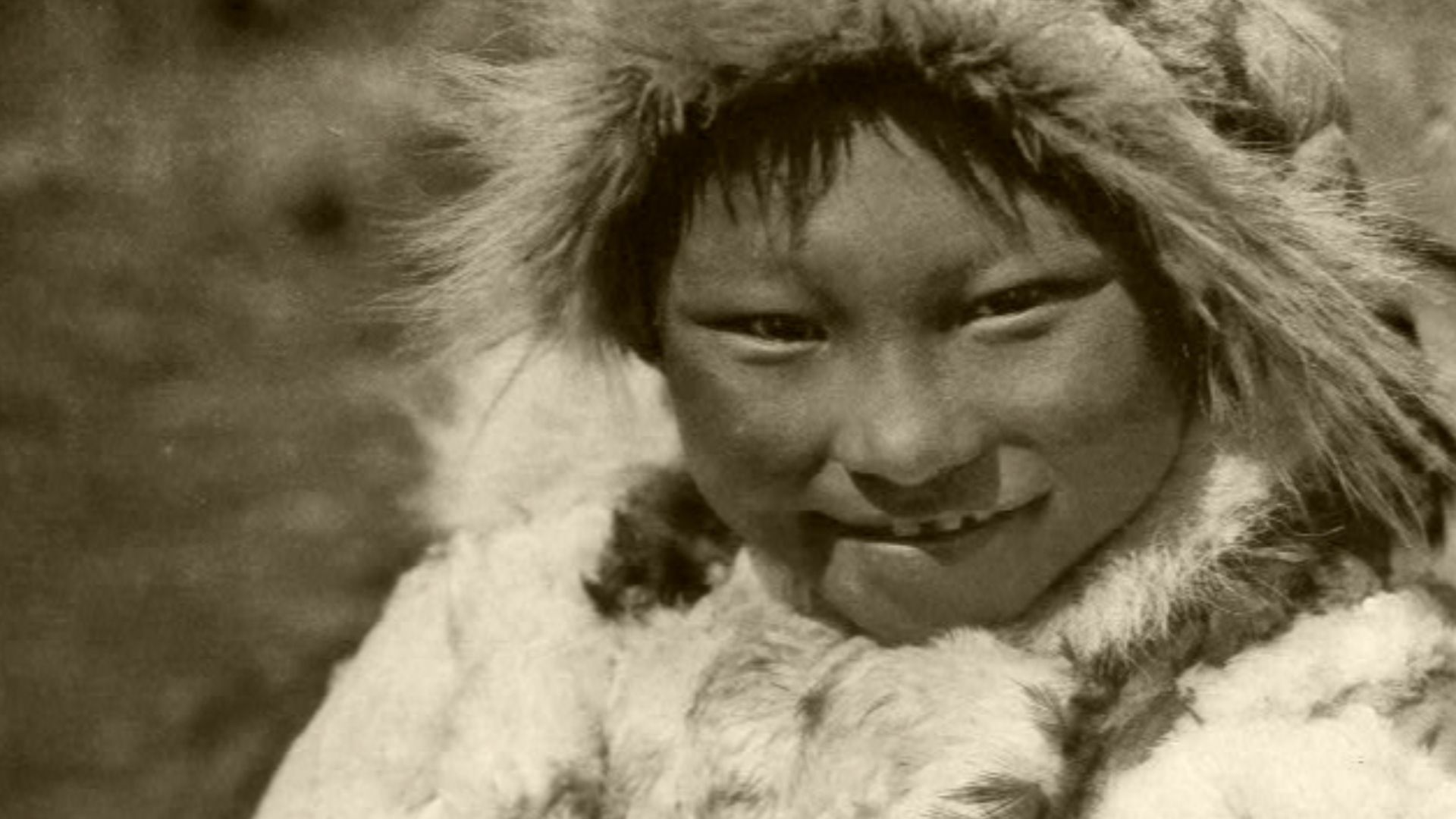
The artifacts provide a clear picture of daily life. They show how people hunted, cooked, built tools, and told stories. It is not just history in theory. It is real life captured in physical form.
 Edward S. Curtis, Wikimedia Commons
Climate Change in the Background
While the typhoon triggered the discovery, the larger issue is long-term environmental change. Rising temperatures are thawing permafrost and increasing coastal erosion, putting sites like this at risk.
And these newly discovered items needed somewhere to go.
 Boris Radosavljevic, Wikimedia Commons
From Beach to Museum
The recovered artifacts were transported to the Nunalleq Culture and Archaeology Center, where they could be preserved properly. Without this step, many would have been destroyed within days. The locals' quick action saved centuries of historical significance.
Preservation Is a Race Too
Once exposed, these materials can deteriorate quickly. Changes in temperature, moisture, and salt levels can cause them to break down. Saving them is only the first step.
What Happens Next
Archaeologists plan to return to the location for further rescue excavations, but they are working against time. The coastline continues to shift, and future storms remain a constant threat. What remains is still at risk, and every passing season could reveal or destroy more.
The Value We Haven’t Fully Measured Yet
What was uncovered in Quinhagak is more than a collection of objects. It is a story of people, culture, and survival. The true value of what was revealed, both historically and beyond, may take years to fully understand.
 Edward S. Curtis, Wikimedia Commons
You May Also Like: