In 2024, archaeologists used light-detection technology to uncover a massive Amazonian city hidden in what was once believed to be untouched jungle.

In 2024, archaeologists used light-detection technology to uncover a massive Amazonian city hidden in what was once believed to be untouched jungle.


January 19, 2026 | Allison Robertson

In 2024, archaeologists used light-detection technology to uncover a massive Amazonian city hidden in what was once believed to be untouched jungle.


A Secret Hidden Under the Jungle

For thousands of years, the rainforest in eastern Ecuador quietly covered the remains of something no one expected. In 2024, archaeologists revealed that the Upano Valley was once home to a massive network of ancient cities. These settlements were carefully planned, deeply connected, and built more than 2,000 years ago. What looked like untouched jungle turned out to be a carefully shaped human landscape.
Upano Valley Msn

Advertisement

Where the Upano Valley Is

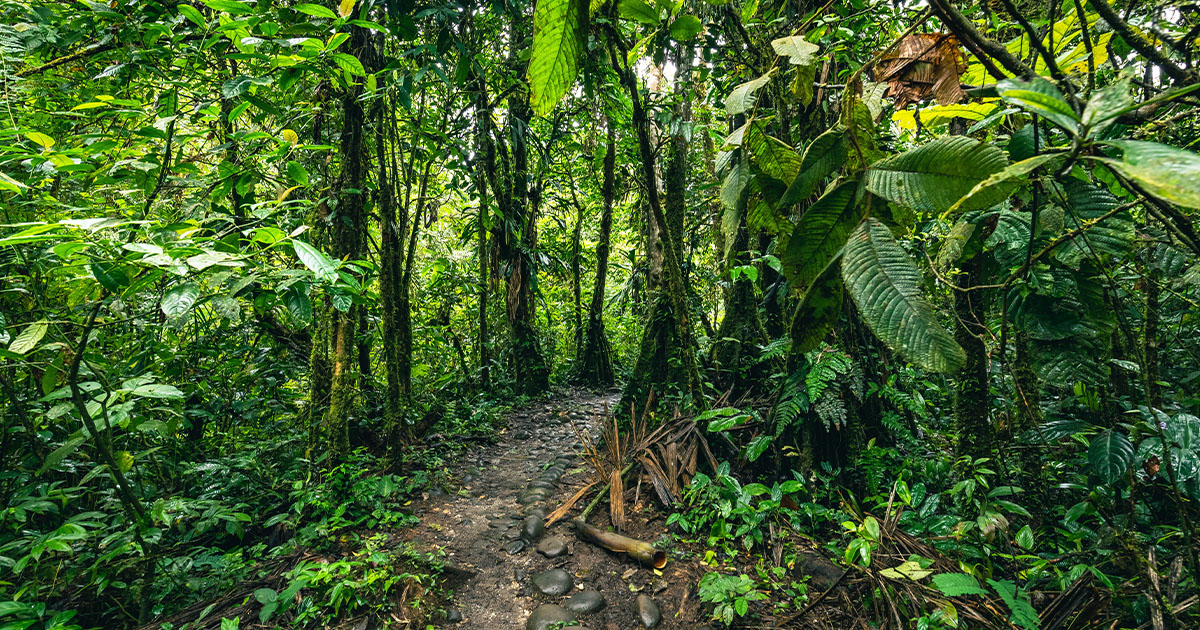
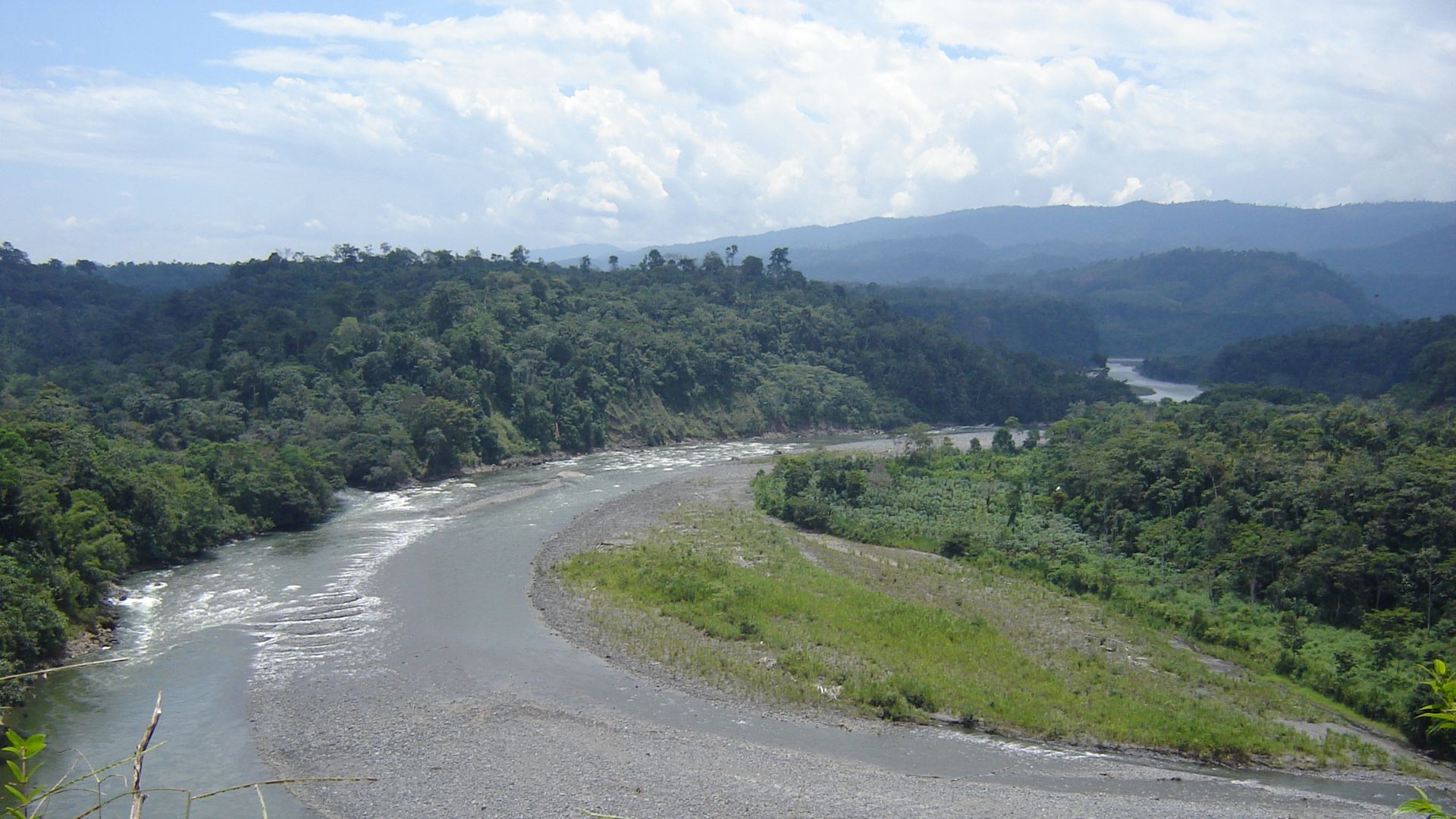
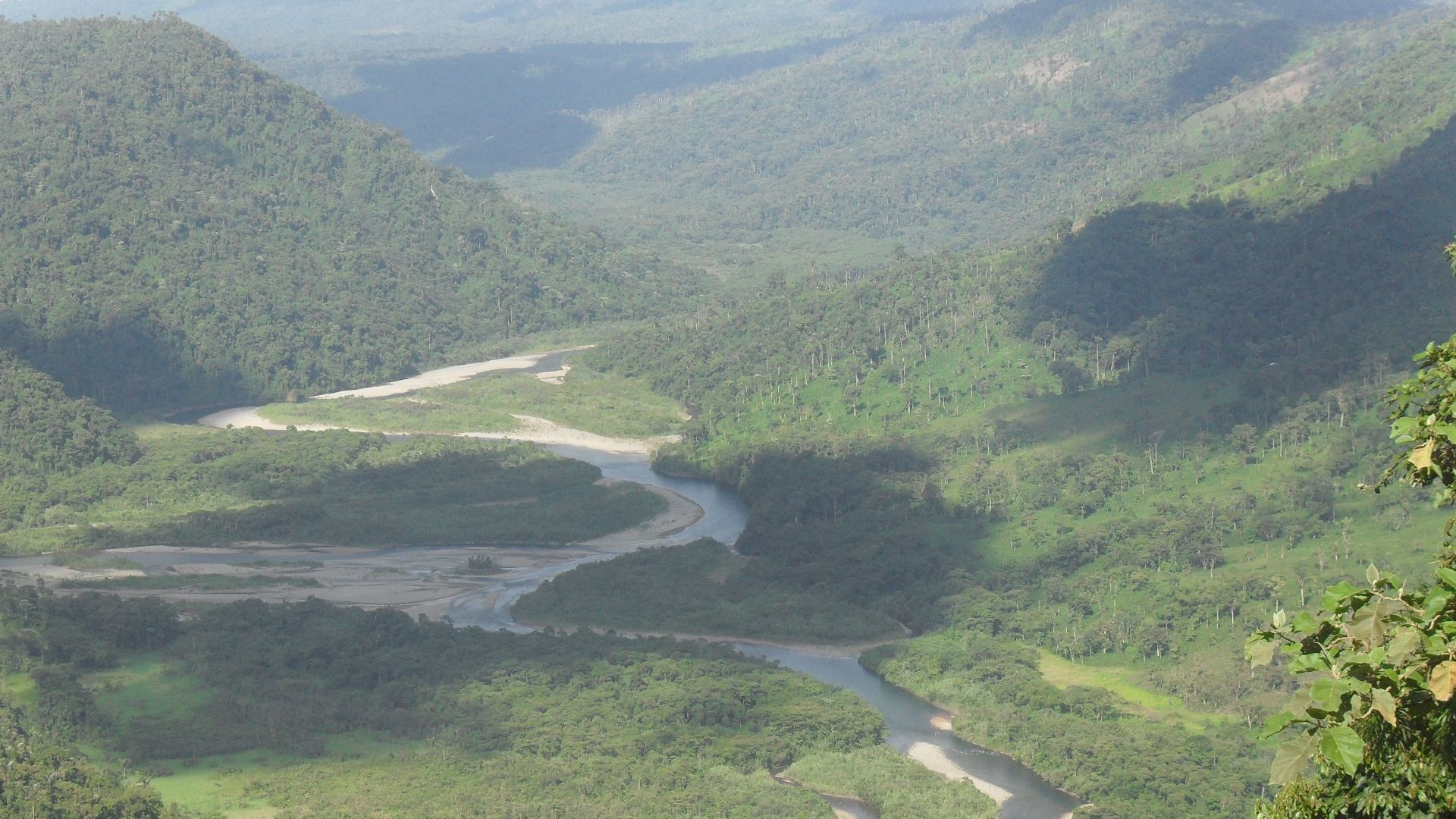
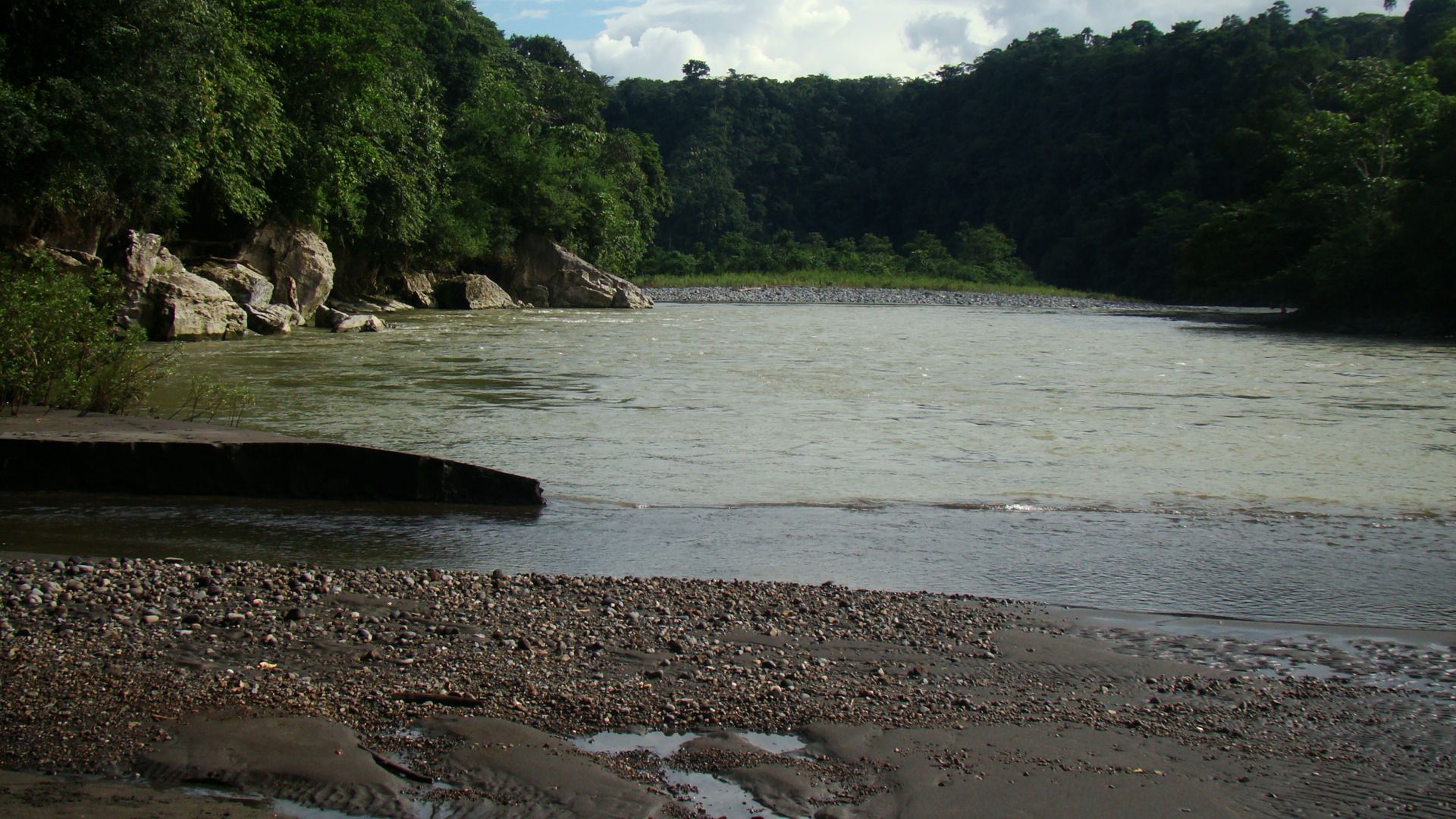
The Upano Valley sits in eastern Ecuador, near the foothills of the Andes and within the Amazon Basin. The region is hot, wet, and densely forested, which made it incredibly difficult for archaeologists to see what lay beneath the trees. For decades, researchers suspected ancient activity here, but the full scale of it remained hidden.
File:Rio Upano, Logroño.jpgJlh249, Wikimedia Commons

Advertisement

Early Clues That Didn’t Add Up

As far back as the 1970s, missionaries and researchers noticed strange earthen mounds scattered across the valley. At the time, they were thought to be isolated features or small villages. Without a way to see the entire landscape at once, no one realized these mounds were connected parts of something much larger.
File:UPANO - panoramio.jpgDIOHER_PAVAL, Wikimedia Commons

Advertisement

Technology Changes Everything

The breakthrough came from the sky. In 2015, Ecuador’s government funded a LIDAR survey of the region. LIDAR uses laser pulses fired from aircraft to map the ground beneath thick vegetation. When the data was finally analyzed in detail, it revealed a hidden world beneath the forest canopy.

File:Yellowscan LIDAR on OnyxStar FOX-C8 HD.jpgCargyrak, Wikimedia Commons

Advertisement

Thousands of Structures Revealed

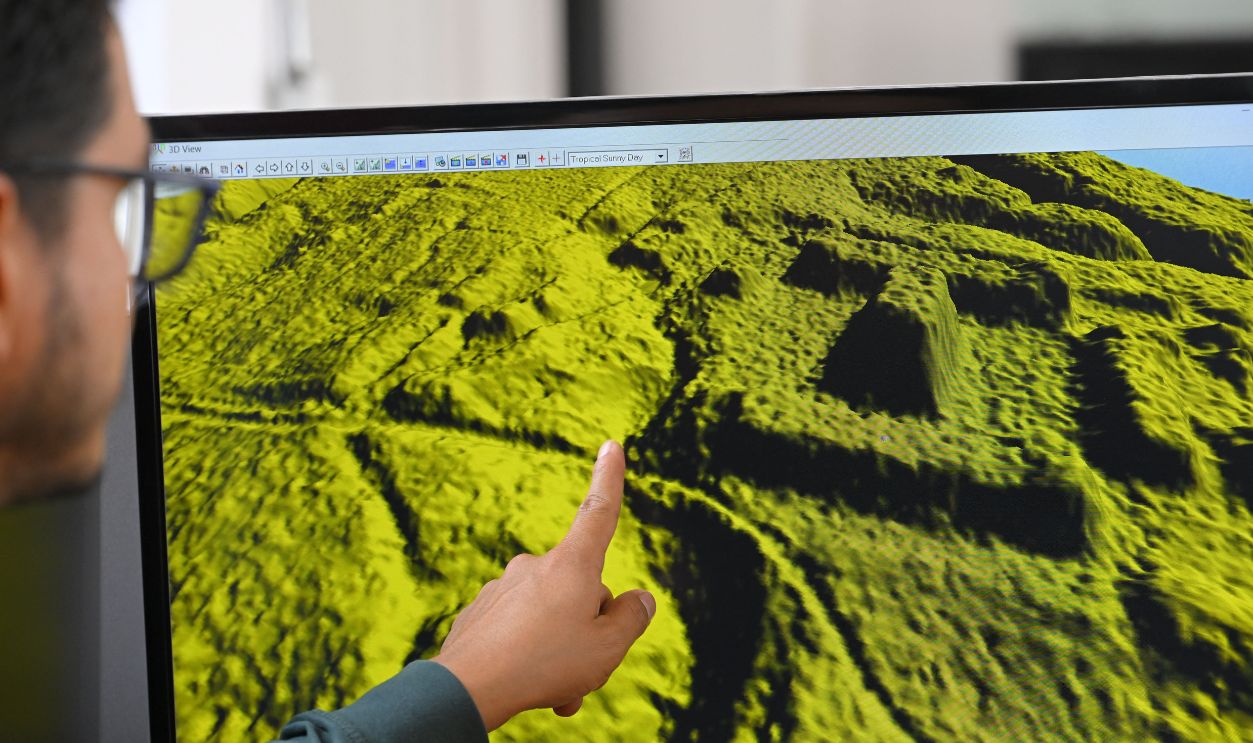
The LIDAR scans showed roughly 6,000 rectangular platforms spread across the Upano Valley. These platforms were not random. They were arranged in groups and connected by straight roads, forming a clear pattern of urban planning. What archaeologists were looking at was not wilderness, but a large human-designed landscape.
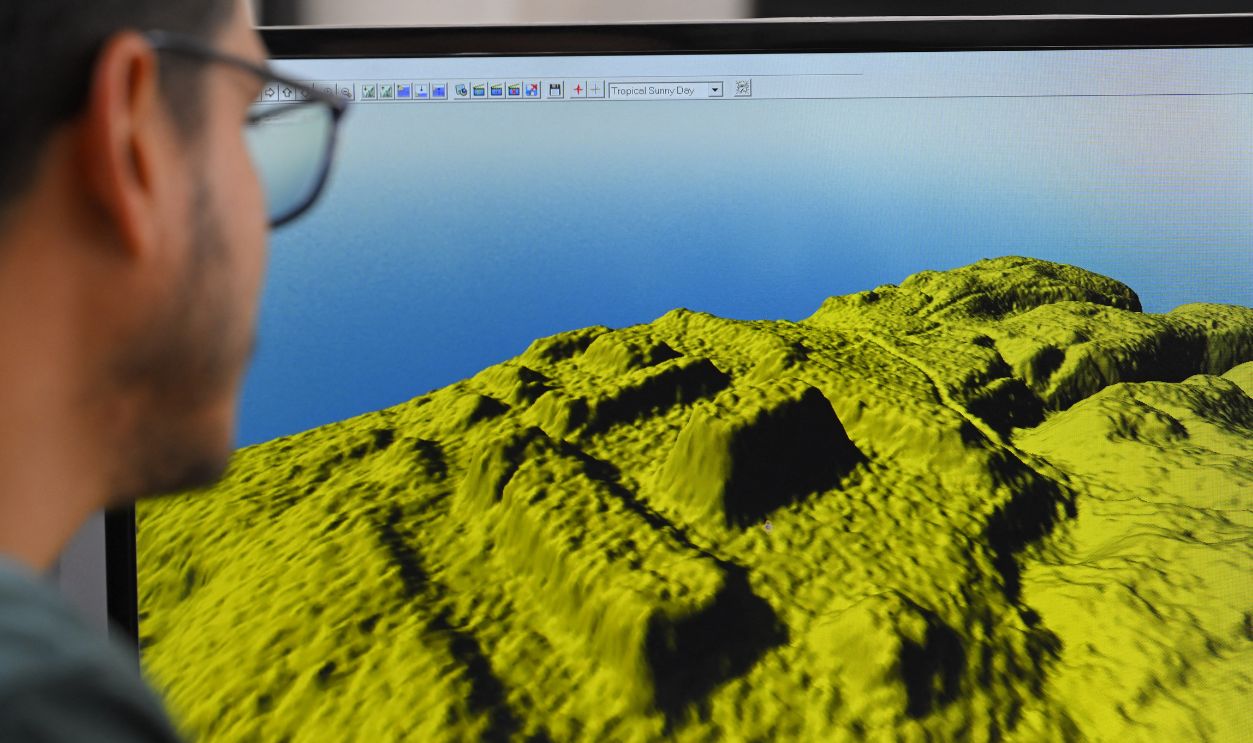
Geomatics analyst at the Institute of Cultural Heritage, Leonardo Auz, shows a digital representation of the relief of an area near the Upano River in the Ecuadorian Amazon, where there would be monumental archaeological remains, at the institute's headquarters in Quito on January 31, 2024. The thickness of the forest protected them for thousands of years, but the passage of machinery and natural erosion have put at risk enormous mounds of an ancient Amazonian civilization in the Upano valley, in Ecuador, where strategies for the conservation of a RODRIGO BUENDIA, Getty Images

Advertisement

A Network, Not a Village

Instead of one city, researchers identified at least 15 major settlements across an area of about 300 square kilometers. These settlements were linked together, suggesting cooperation and shared planning rather than isolated communities. It was a true network of cities.

Geomatics analyst at the Institute of Cultural Heritage, Leonardo Auz, shows a digital representation of the relief of an area near the Upano River in the Ecuadorian Amazon, where there would be monumental archaeological remains, at the institute's headquarters in Quito on January 31, 2024. The thickness of the forest protected them for thousands of years, but the passage of machinery and natural erosion have put at risk enormous mounds of an ancient Amazonian civilization in the Upano valley, in Ecuador, where strategies for the conservation of a RODRIGO BUENDIA, Getty Images

Advertisement

Meet the Archaeologist Behind the Discovery

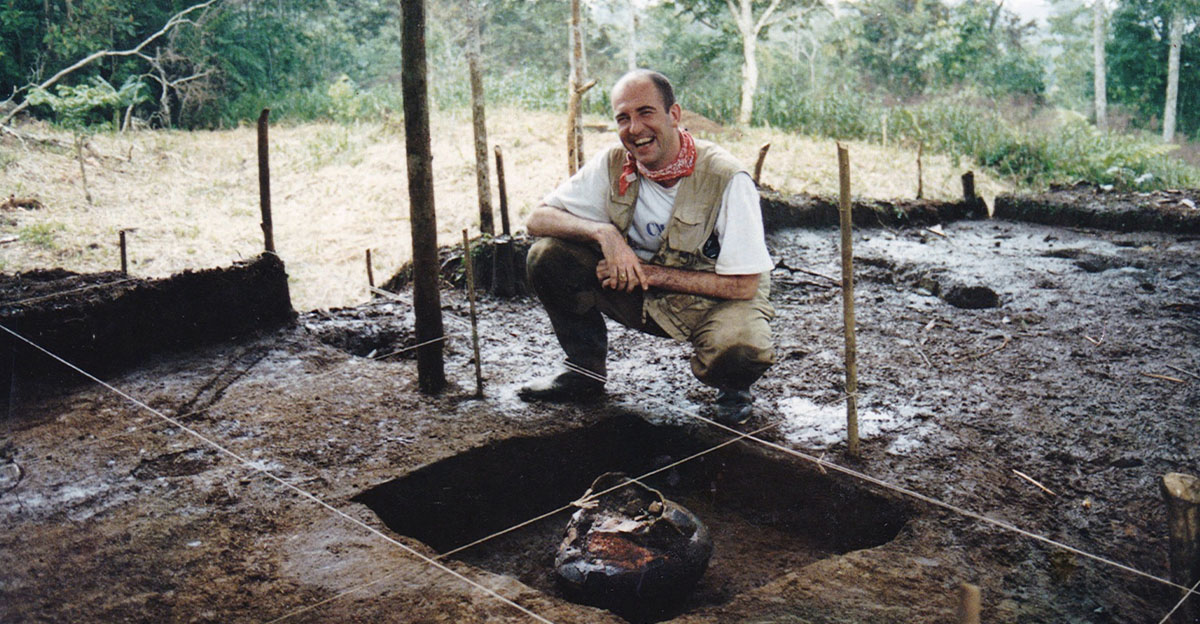
French archaeologist Stéphen Rostain, a researcher with France’s National Centre for Scientific Research, has worked in the region since the 1990s. Even after decades of fieldwork, he was stunned by the scale of what the LIDAR revealed. He later described the area as a “lost valley of cities.”
File:Siège du CNRS rue Michel-Ange Paris 6.jpgPolymagou, Wikimedia Commons

Advertisement

Older Than Anyone Expected

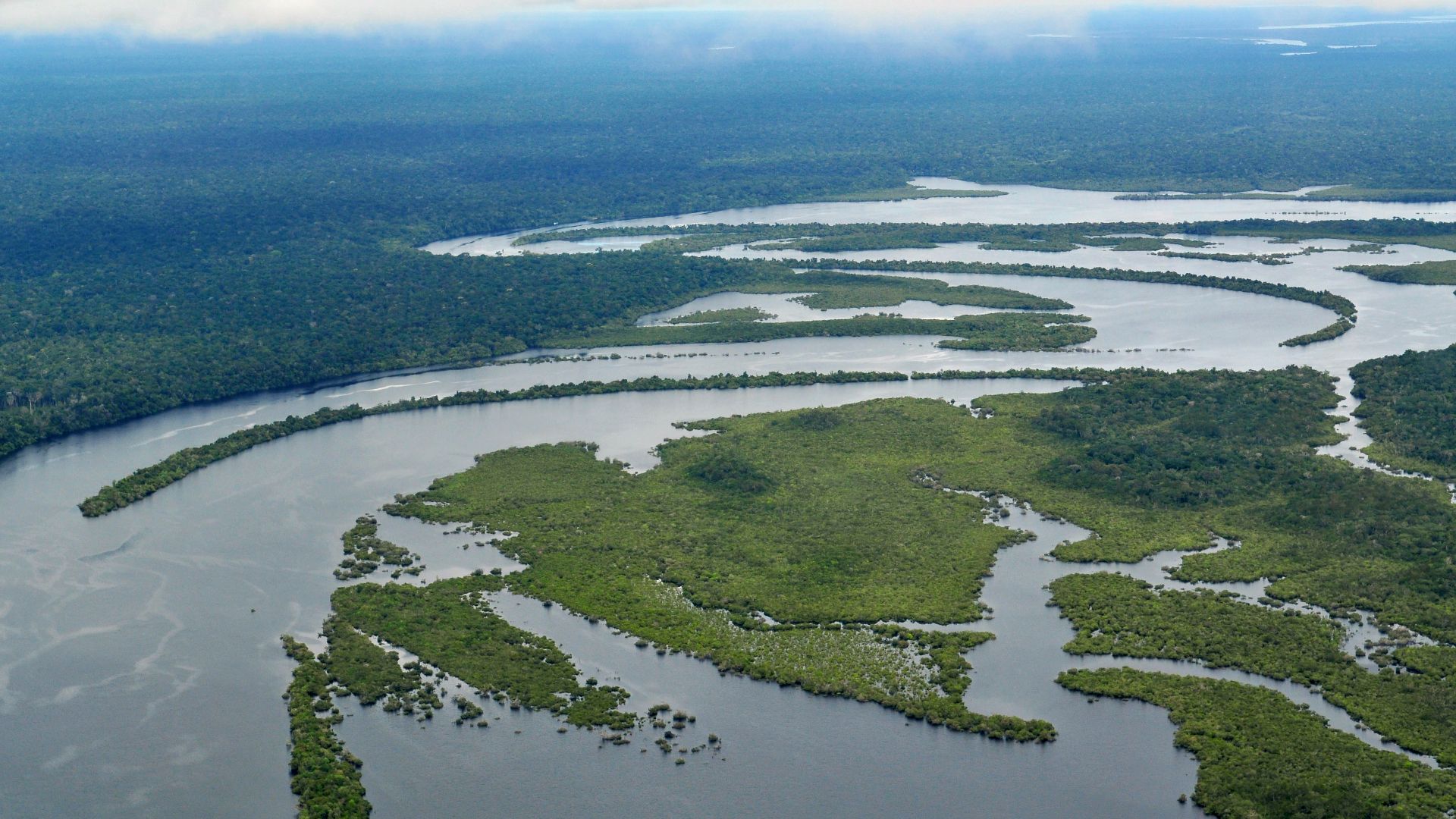
Dating evidence suggests the earliest settlements in the Upano Valley began around 500 BCE. That makes them some of the oldest known urban sites in the Amazon. These communities continued to exist and evolve for centuries, remaining active until around 300 to 600 CE.
File:Amazon17 (5641020319).jpgCIAT, Wikimedia Commons

Advertisement

Kilamope, the Largest City

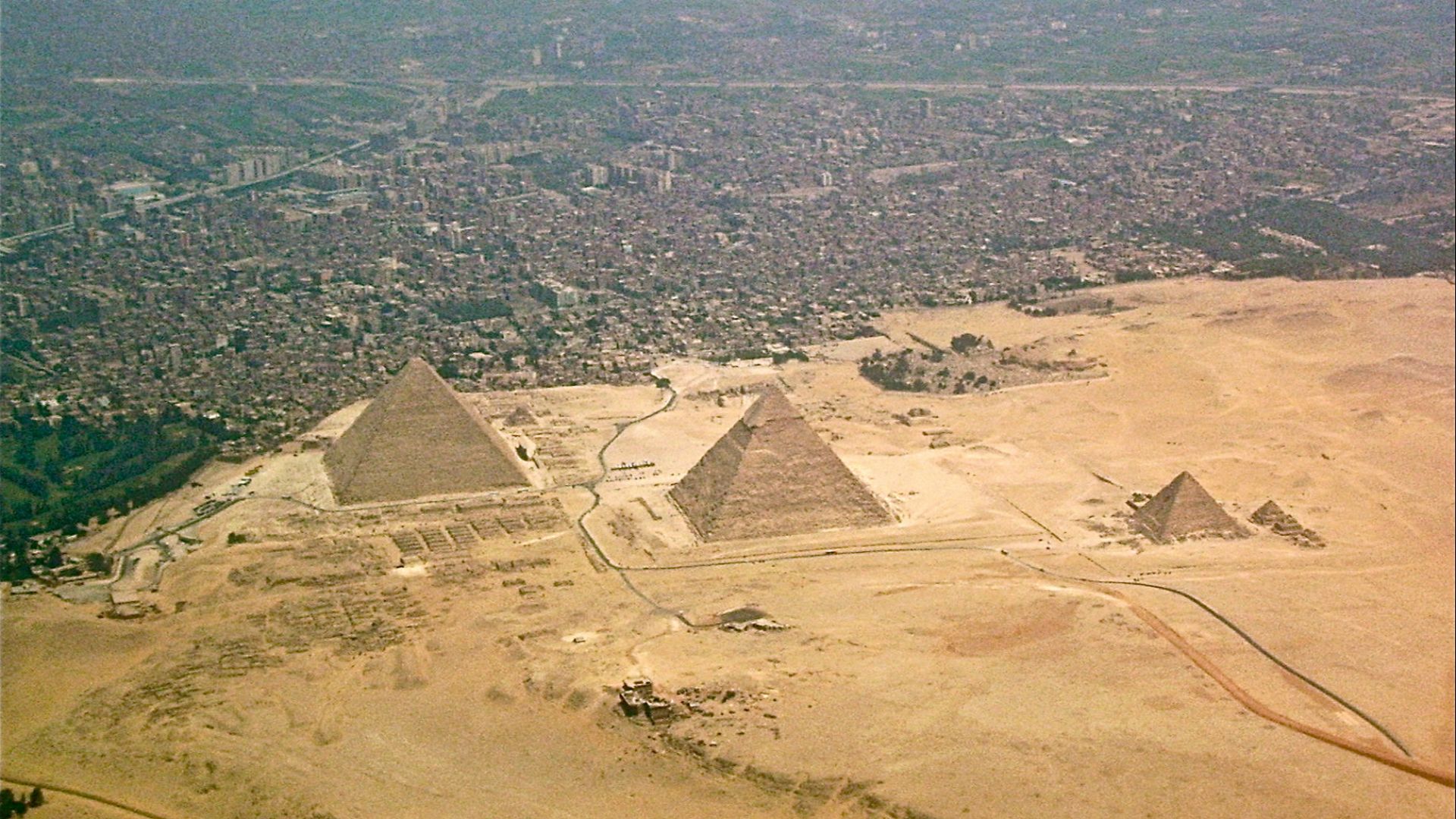
One settlement, known as Kilamope, stands out for its size. Archaeologists say it covers an area comparable to the Giza Plateau in Egypt. That comparison alone gives a sense of how ambitious and organized these ancient builders were.
File:Giza-pyramids.JPGRobster1983 at English Wikipedia, Wikimedia Commons

Advertisement

Platforms Built With Purpose

Many of the platforms measure about 20 by 10 meters and rise several meters above the surrounding land. Archaeologists believe they supported homes, public buildings, and ceremonial spaces. These were not temporary structures, but long-term foundations meant to last.
File:Rio Upano, Logroño.JPGJlh249, Wikimedia Commons

Advertisement

Roads Through the Forest

Straight, wide roads connected the settlements. Some stretch for kilometers across the valley. Their precision suggests careful planning and organized labor. These roads made travel, communication, and trade possible between communities.
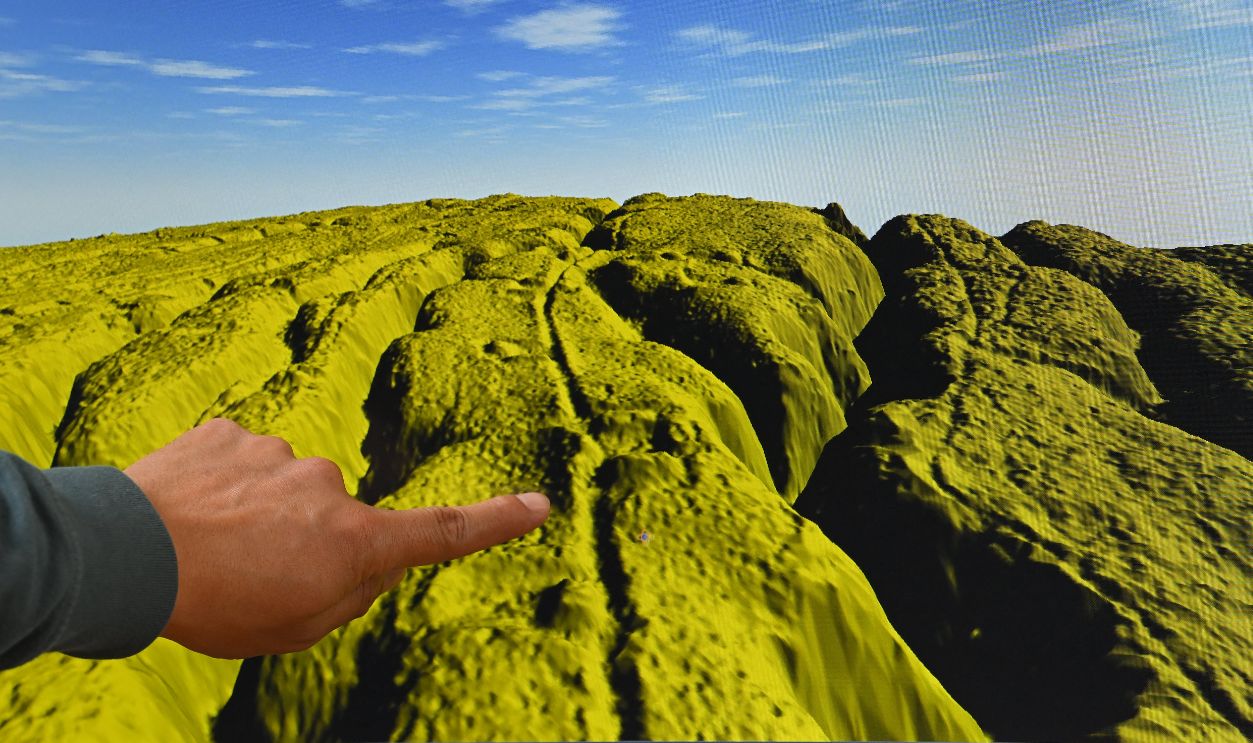
Geomatics analyst at the Institute of Cultural Heritage, Leonardo Auz, shows a digital representation of the relief of an area near the Upano River in the Ecuadorian Amazon, where there would be monumental archaeological remains, at the institute's headquarters in Quito on January 31, 2024. The thickness of the forest protected them for thousands of years, but the passage of machinery and natural erosion have put at risk enormous mounds of an ancient Amazonian civilization in the Upano valley, in Ecuador, where strategies for the conservation of a RODRIGO BUENDIA, Getty Images

Advertisement

Communities Designed to Gather

Platforms were often arranged around central plazas. This layout points to shared public life, where people gathered for meetings, ceremonies, or daily interaction. These were social spaces, not just places to live.
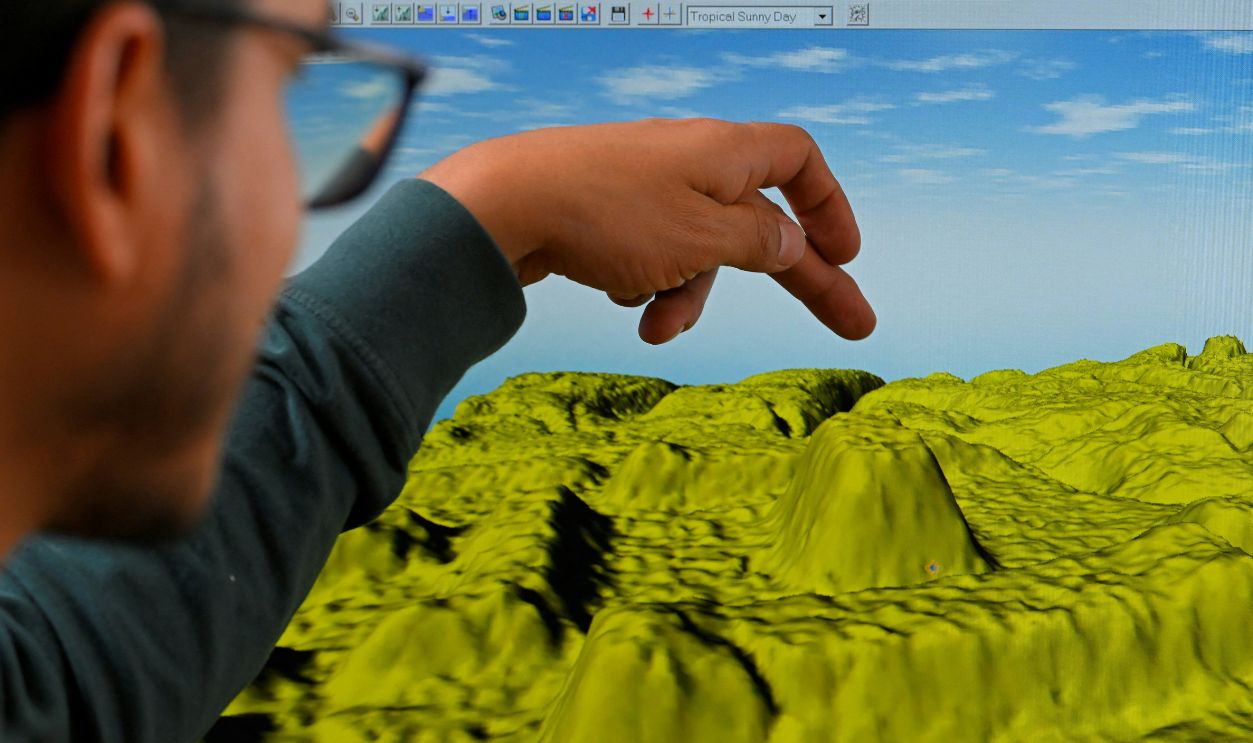
Geomatics analyst at the Institute of Cultural Heritage, Leonardo Auz, shows a digital representation of the relief of an area near the Upano River in the Ecuadorian Amazon, where there would be monumental archaeological remains, at the institute's headquarters in Quito on January 31, 2024. The thickness of the forest protected them for thousands of years, but the passage of machinery and natural erosion have put at risk enormous mounds of an ancient Amazonian civilization in the Upano valley, in Ecuador, where strategies for the conservation of a RODRIGO BUENDIA, Getty Images

Advertisement

Farming at a Large Scale

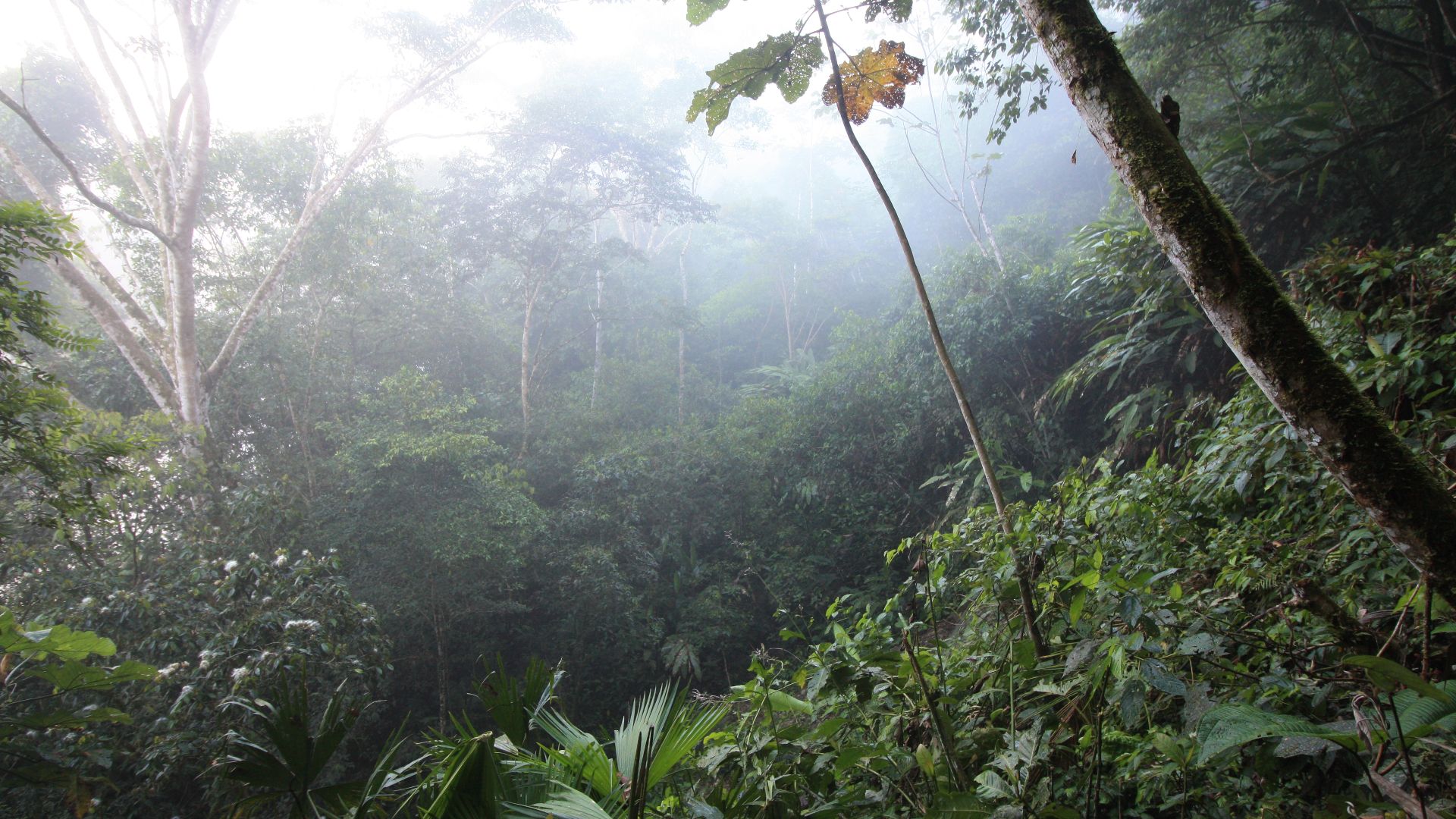
The cities were surrounded by agricultural areas that included terraces and fields. Crops like maize, manioc, and sweet potatoes were grown to support large populations. This shows the people of the Upano Valley were skilled farmers who understood their environment well.
File:Amazon Rainforest in Tena, Ecuador.jpgJay, Wikimedia Commons

Advertisement

Managing Water in the Rainforest

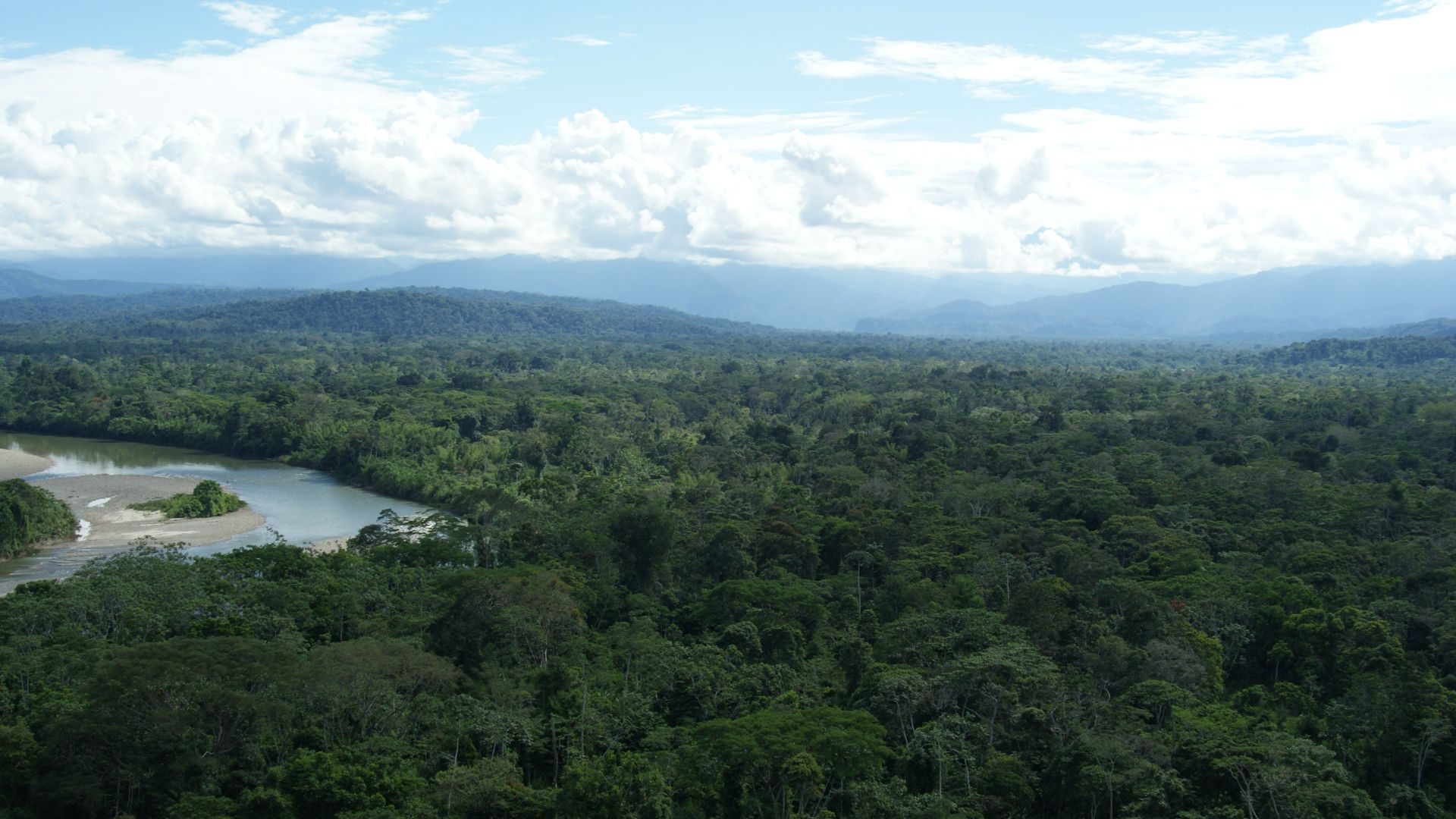
Drainage canals and ditches helped manage heavy rainfall and prevent flooding. This kind of water control was essential in a rainforest environment and shows a high level of environmental knowledge and planning.
File:Ecuadorian Amazon.jpgDallas Krentzel, Wikimedia Commons

Advertisement

The Role of the Volcano

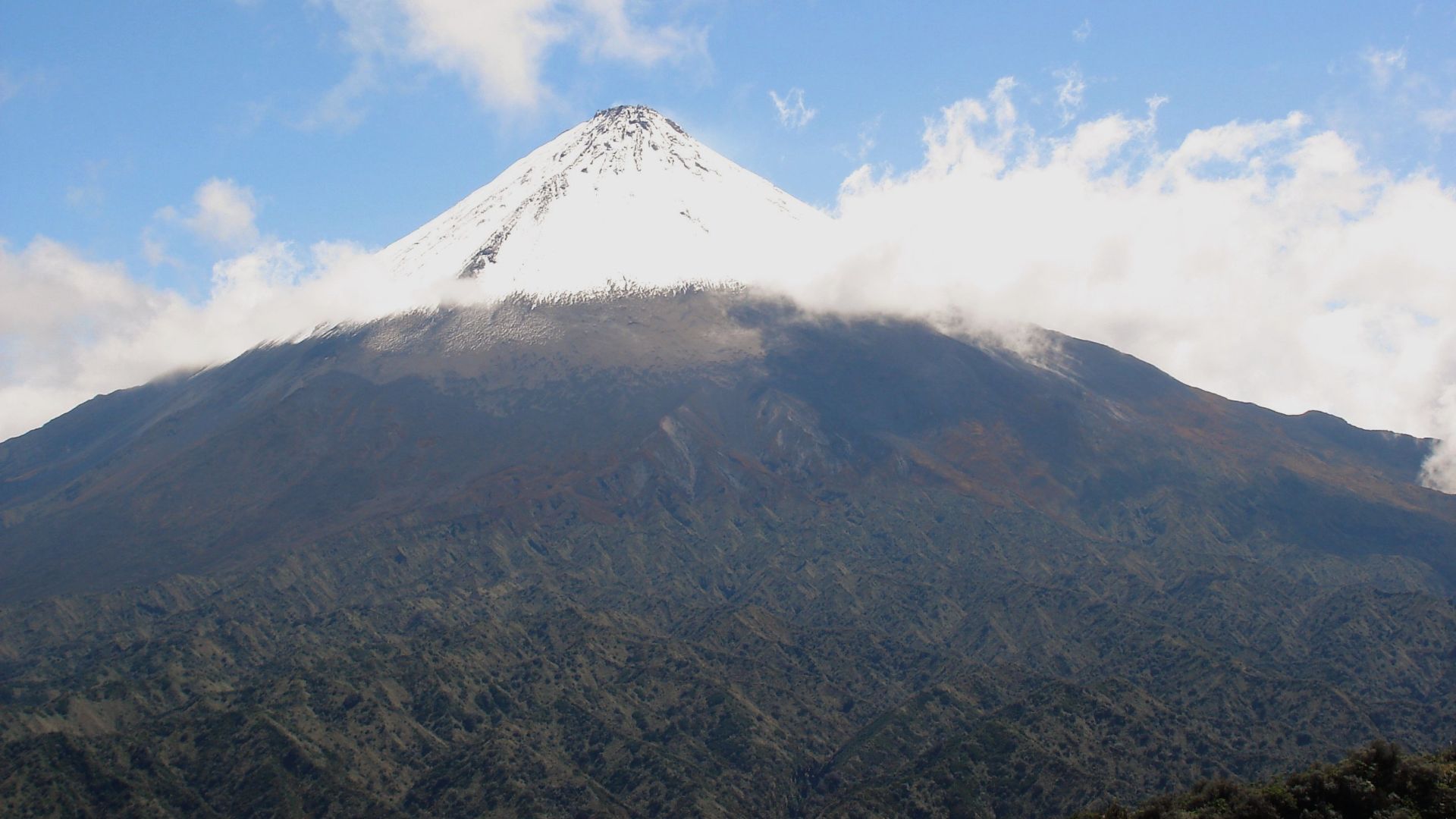
The nearby Sangay volcano likely played a role in the valley’s fertility. Volcanic ash enriched the soil, making it ideal for farming. Even today, people in the region note how productive the land can be.
File:Sangay2.jpgAlbert Backer, Wikimedia Commons

Advertisement

Who Lived in the Valley

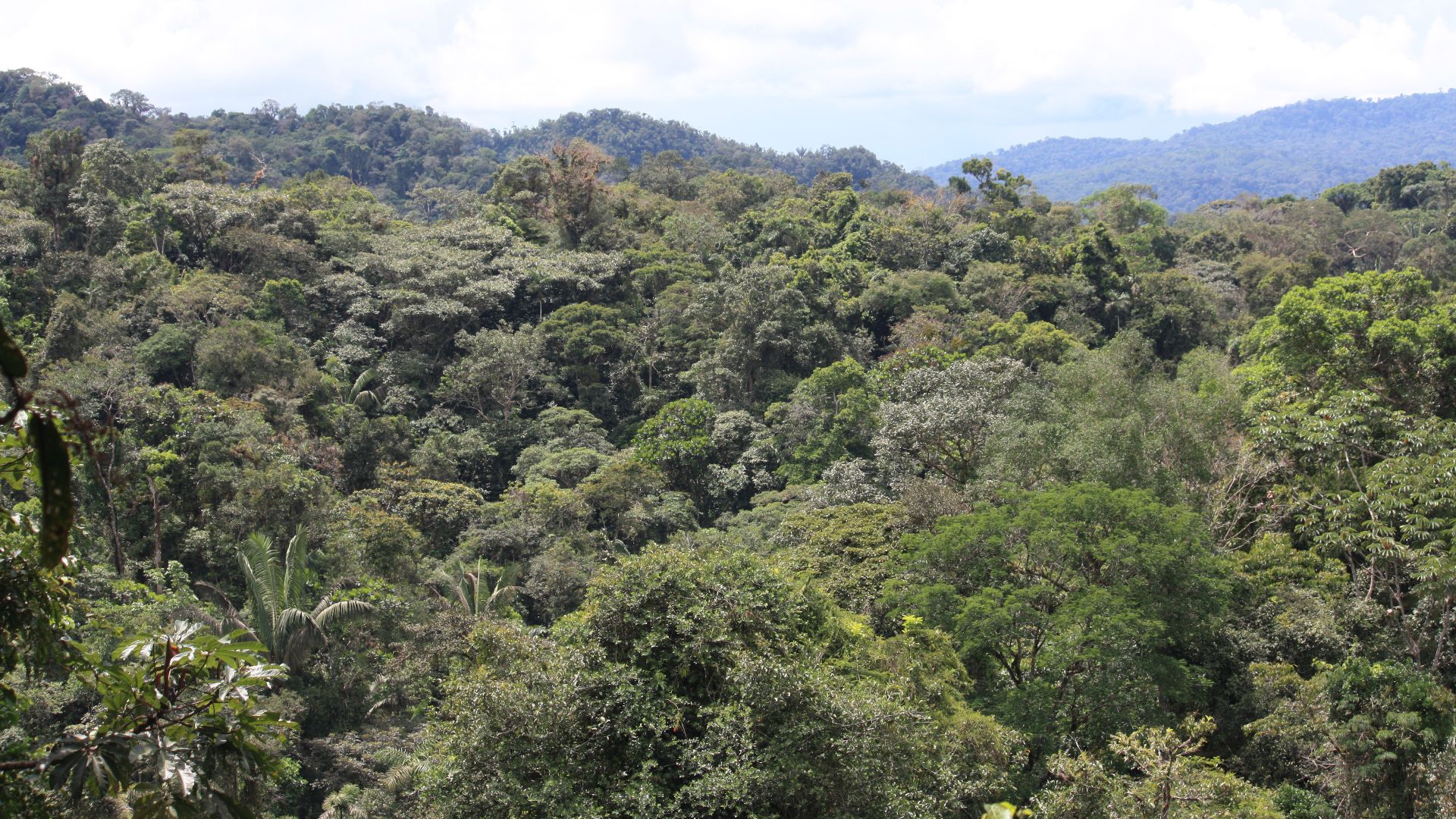
Archaeologists associate the sites with ancient cultures now known as the Upano and Kilamope traditions. These were settled communities with deep ties to the land, not small or short-lived groups.
File:Amazon rainforest treetops in Tena, Ecuador.jpgJay, Wikimedia Commons

Advertisement

How Many People Lived Here

Exact population numbers are difficult to determine, but researchers estimate that between 10,000 and 30,000 people may have lived across the network at its peak. For the ancient Amazon, that number is remarkable.

Director of the Cultural Heritage Institute, Catalina Tello, speaks during an interview with AFP at her office in Quito, on January 25, 2024. The thickness of the forest protected them for thousands of years, but the passage of machinery and natural erosion have put at risk enormous mounds of an ancient Amazonian civilization in the Upano valley, in Ecuador, where strategies for the conservation of a RODRIGO BUENDIA, Getty Images

Advertisement

Challenging Old Ideas

For a long time, many scholars believed the Amazon could not support large, permanent populations. The Upano Valley discoveries directly challenge that assumption and show that complex societies thrived here.
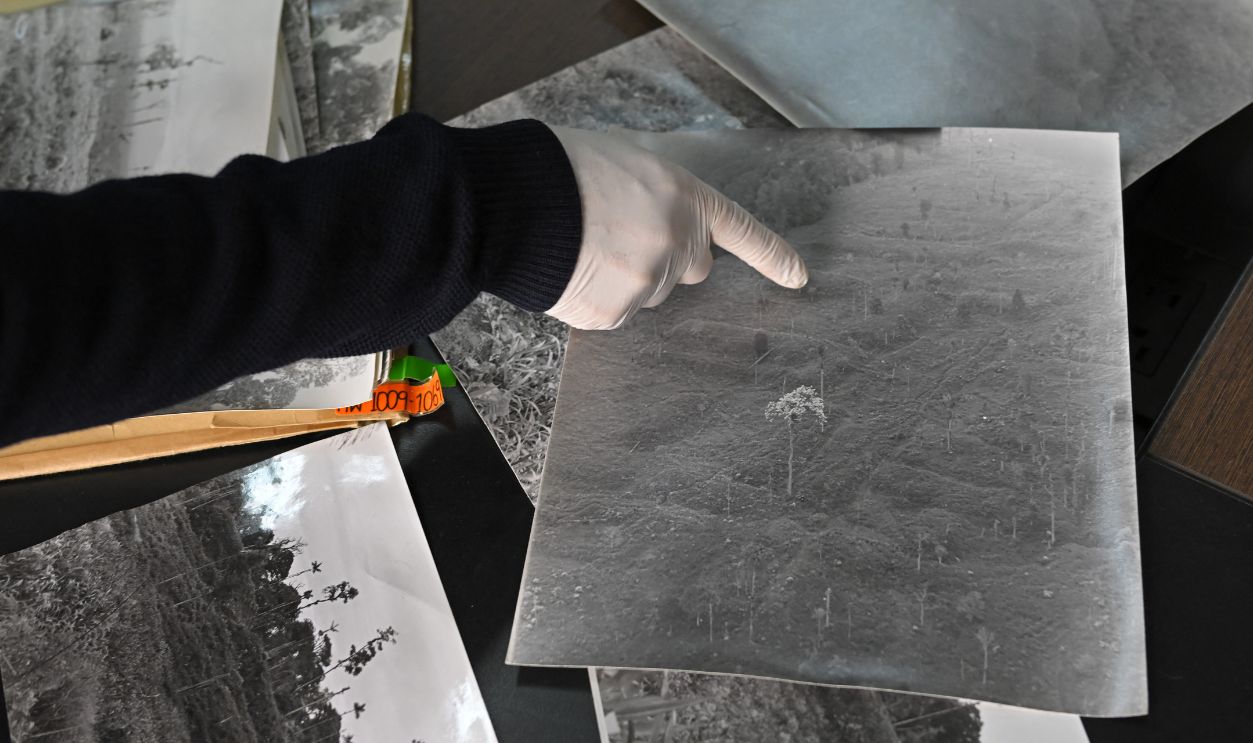
Ecuadorian archaeologist Alden Yepez shows pictures of archaeological investigations made in the Ecuadorian Amazon during an interview with AFP at the Universidad Catolica's Weilbauer-Porras museum in Quito, on February 2, 2024. The thickness of the forest protected them for thousands of years, but the passage of machinery and natural erosion have put at risk enormous mounds of an ancient Amazonian civilization in the Upano valley, in Ecuador, where strategies for the conservation of a RODRIGO BUENDIA, Getty Images

Advertisement

A Shift in Amazonian History

Archaeologist Michael Heckenberger from the University of Florida described the discovery as being “in a class of its own.” He emphasized that it shows long-term, organized urban life in a region once thought unsuitable for it.
File:Century Tower (University of Florida).jpgKate Haskell from Gainesville, USA, Wikimedia Commons

Advertisement

Not an Untouched Jungle

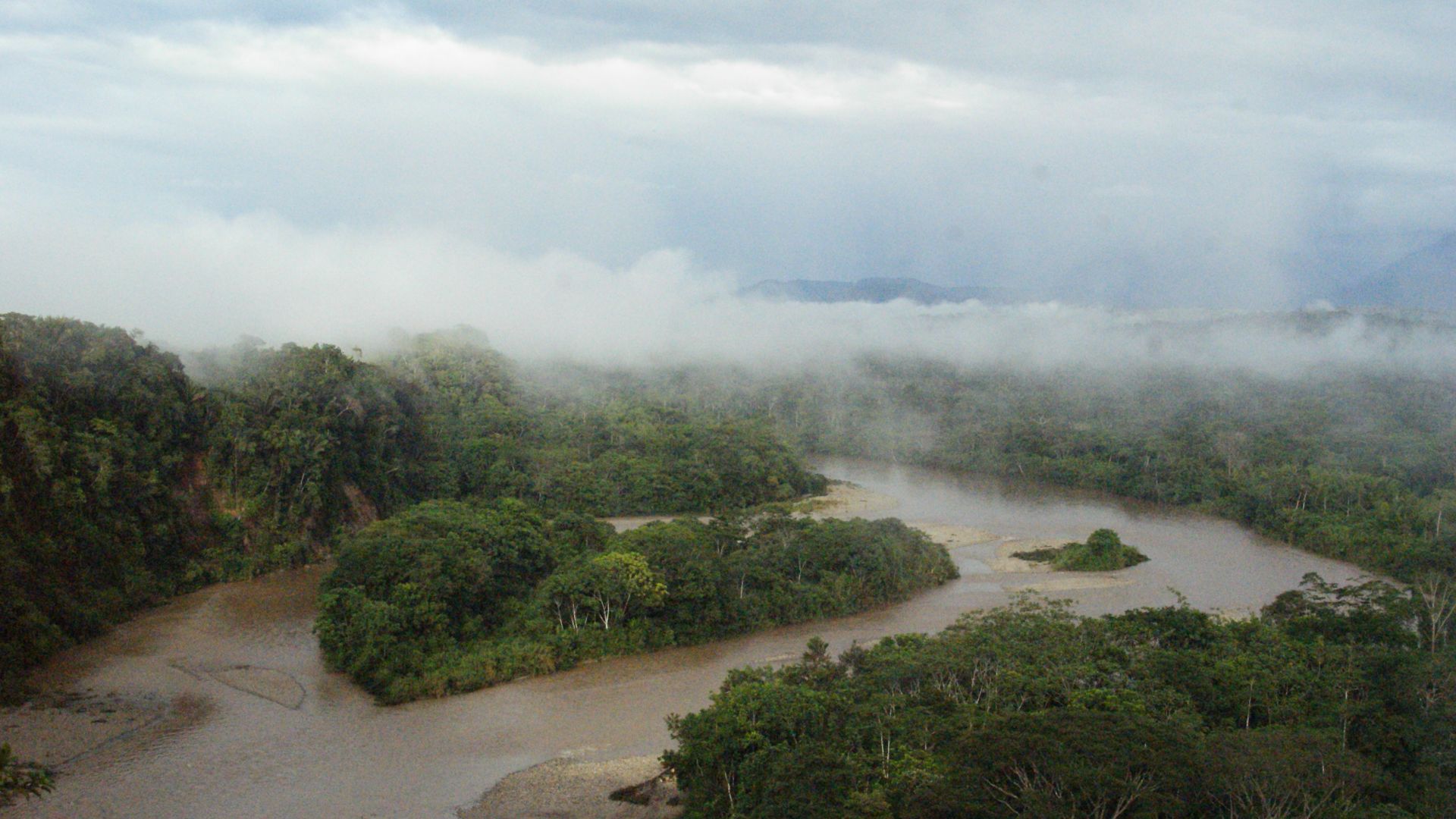
What appears today as wild rainforest was once a carefully managed landscape. People shaped the land, built cities, farmed crops, and maintained roads over generations.
File:Ecuadorian Amazon, Tena.jpgDallas Krentzel, Wikimedia Commons

Advertisement

Years of Waiting for the Full Picture

Although the LIDAR survey was completed in 2015, it took years to process and analyze the data. The findings were published in early 2024, finally revealing the full scale of the ancient cities.
Geomatics analyst at the Institute of Cultural Heritage, Leonardo Auz, shows a digital representation of the relief of an area near the Upano River in the Ecuadorian Amazon, where there would be monumental archaeological remains, at the institute's headquarters in Quito on January 31, 2024. The thickness of the forest protected them for thousands of years, but the passage of machinery and natural erosion have put at risk enormous mounds of an ancient Amazonian civilization in the Upano valley, in Ecuador, where strategies for the conservation of a RODRIGO BUENDIA, Getty Images

Advertisement

Signs of Ceremony and Leadership

Some platforms are larger and more complex than others. Archaeologists believe these may have served ceremonial or administrative roles, hinting at leadership structures within the communities.

Ecuadorian archaeologist Alden Yepez speaks during an interview with AFP at the Universidad Catolica's Weilbauer-Porras museum in Quito, on February 2, 2024. The thickness of the forest protected them for thousands of years, but the passage of machinery and natural erosion have put at risk enormous mounds of an ancient Amazonian civilization in the Upano valley, in Ecuador, where strategies for the conservation of a RODRIGO BUENDIA, Getty Images

Advertisement

Roads That Connected More Than Places

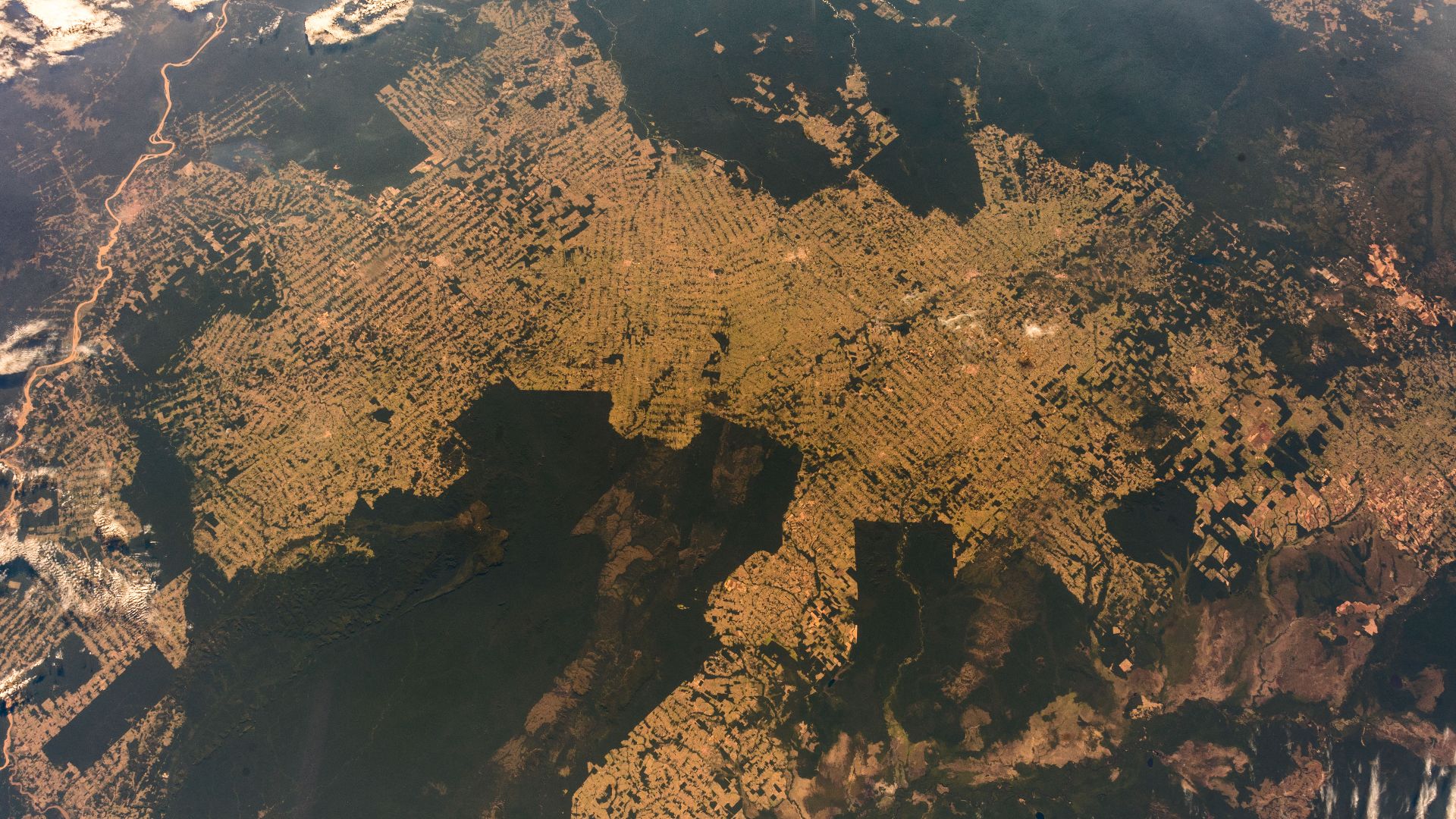
The road network connected not just settlements, but people and ideas. It suggests a shared culture that valued cooperation and long-distance connection.
File:Amazon rainforest (Satellite picture) - 3.jpgAlexander Gerst, Wikimedia Commons

Advertisement

Still Mostly Underground

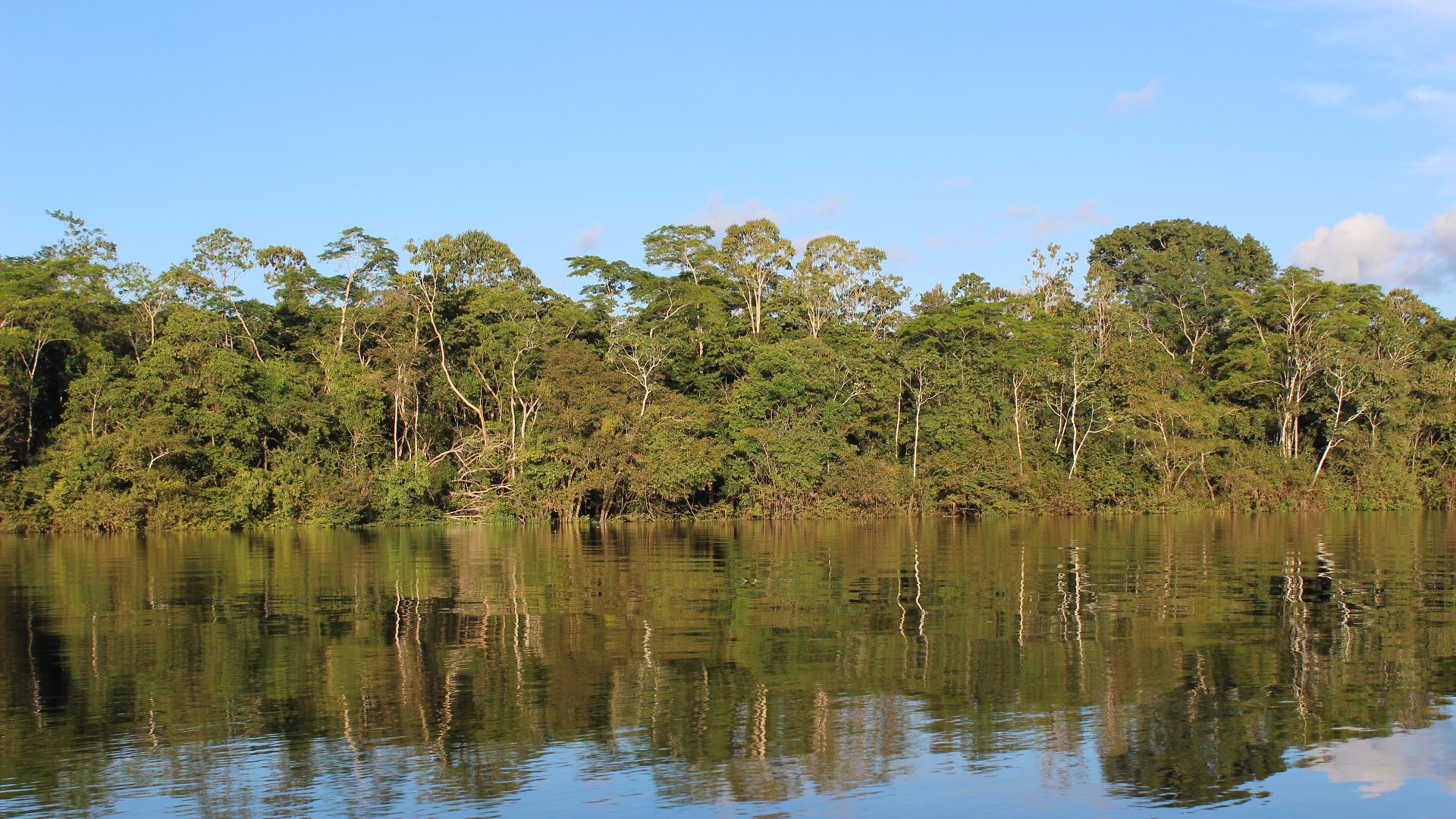
Despite everything uncovered so far, much of the Upano Valley remains unexplored. Large areas have yet to be excavated, and archaeologists believe many more discoveries are still buried.
File:Amazon Rainforest.jpgAntonio Campoy, Wikimedia Commons

Advertisement

A Civilization Reconsidered

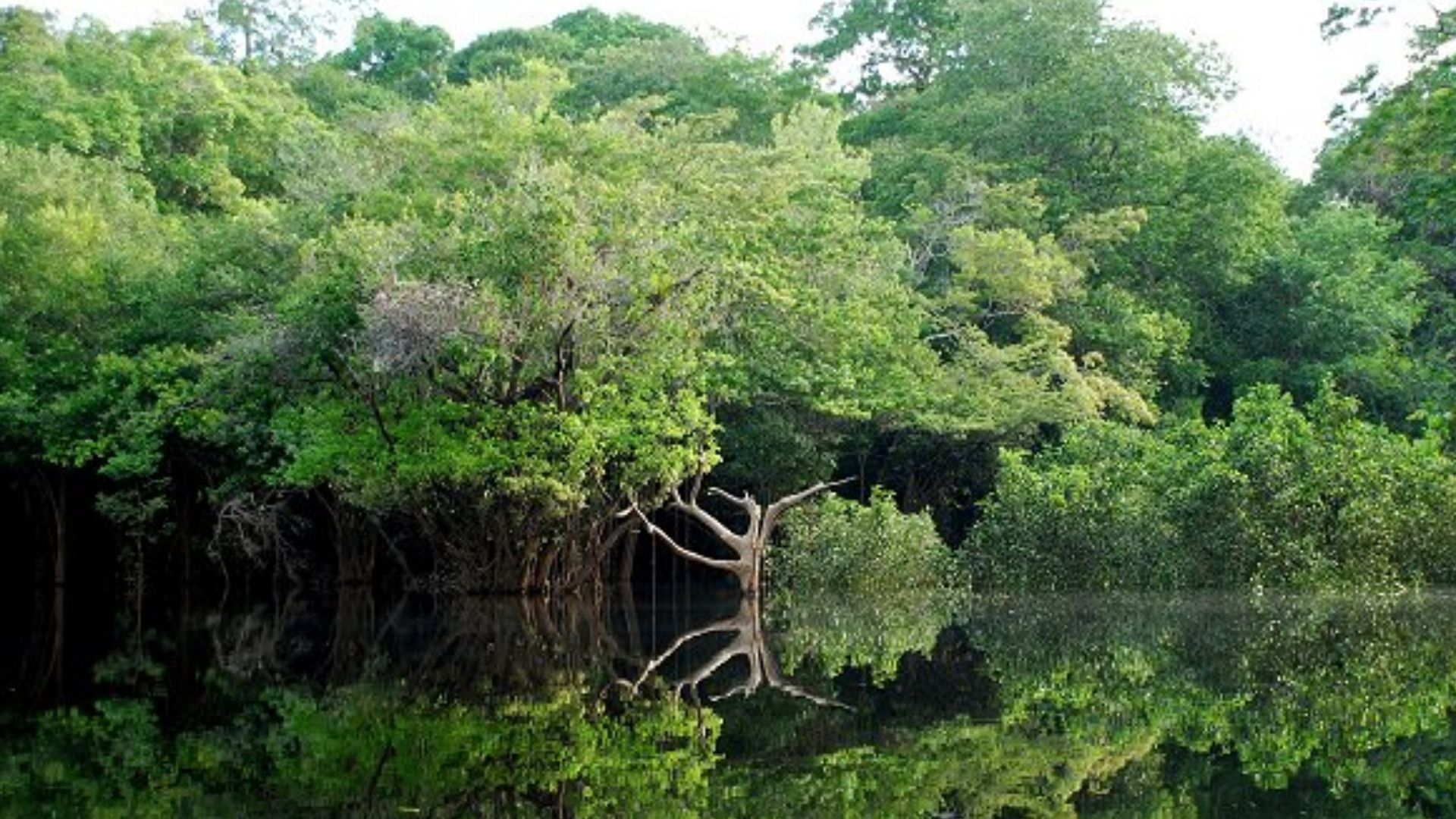
The garden cities of the Upano Valley show that ancient Amazonian societies were skilled engineers, farmers, and planners. They built lasting communities in an environment once thought too difficult for large-scale settlement.
File:Amazonie.jpgLecomteB, Wikimedia Commons

Advertisement

The Story Continues

Each new survey and excavation adds another piece to the puzzle. What was once invisible is now changing how we understand the ancient Amazon, and the rainforest has not finished telling its story yet.
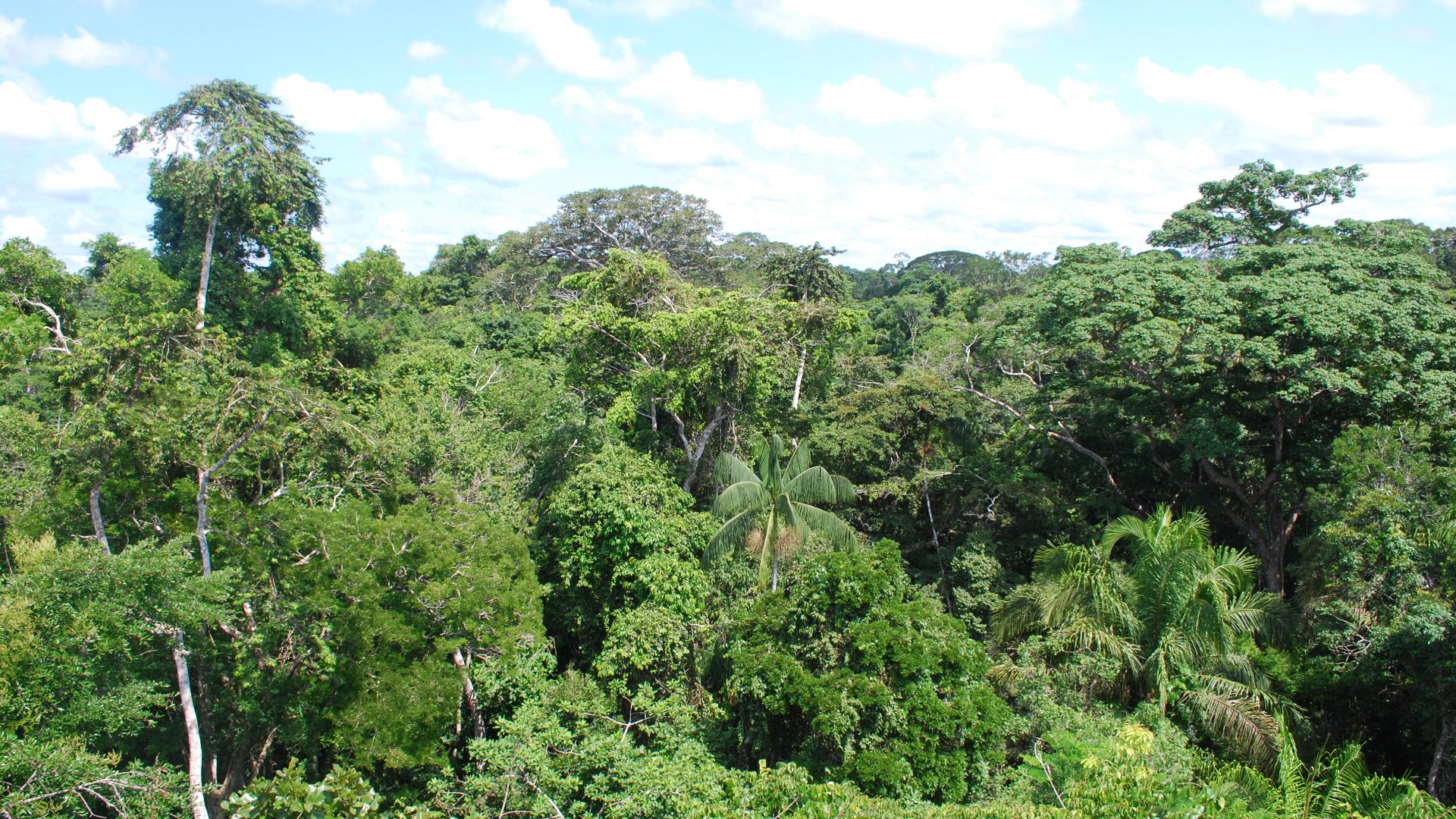
File:Amazon rainforest near Puerto Maldonado.jpgIvan Mlinaric, Wikimedia Commons

Advertisement

You May Also Like:

The Amazonian Tribe That Vanished Into The Jungle To Survive

In 2021, archaeologists uncovered a remarkably well-preserved 3,400-year-old city where homes, tools, and workshops were left exactly as they were.

Sources: 1, 2, 3


READ MORE

Things American Tourists Do In Europe That Instantly Give Them Away

From giant water bottles to early dinners, discover the funny habits that make American travelers instantly recognizable across Europe.
July 23, 2026 Jack Hawkins

I Bought A Transit Pass Online, But When I Boarded, It Didn't Work And Ruined My Plans For The Day. What Are My Options?

Buying a transit pass online is usually quick and convenient. Most riders expect the purchase to work immediately when they board. It can be incredibly frustrating when the fare reader rejects a valid purchase and disrupts the rest of the day.
July 25, 2026 Jane O'Shea

I Planned A Trip Just To See One Legendary Building, But Just Found Out It Will Be Closed For Construction When I'm There. Do I Just Cancel Entirely?

You spent months planning around one unforgettable landmark. Then you discover it will be covered in scaffolding or closed entirely during your visit. That disappointment is real, but it does not automatically mean the whole vacation is a lost cause.
July 25, 2026 Jane O'Shea
Handsome Man Tourist with Coffee in China Town Chinatown Tourist Street People Chinese Lantern Colorful Parasols and Shops in Centro Historico Mexico City Mexico.

American Tourist Habits That Immediately Make You Stand Out To European Locals

Traveling through Europe is an incredible experience, but it's easy to forget that everyday customs can be very different from what you're used to back home. From how people order coffee to how loudly they speak on public transit, small habits that seem perfectly normal in the United States can instantly signal to locals that you're a visitor. Knowing a few of those differences ahead of time can help you blend in a little better and enjoy a smoother trip.
July 24, 2026 J. Clarke

My Hotel Required Mobile Keys, But My Phone Battery Died. Shouldn't They Have Thought Of That?

A hotel required a mobile room key, but your phone battery died. Learn why hotels need physical-key backups, what guests should do, and when to complain.
July 24, 2026 Jack Hawkins