A City Lost to the Sands for 3,400 Years
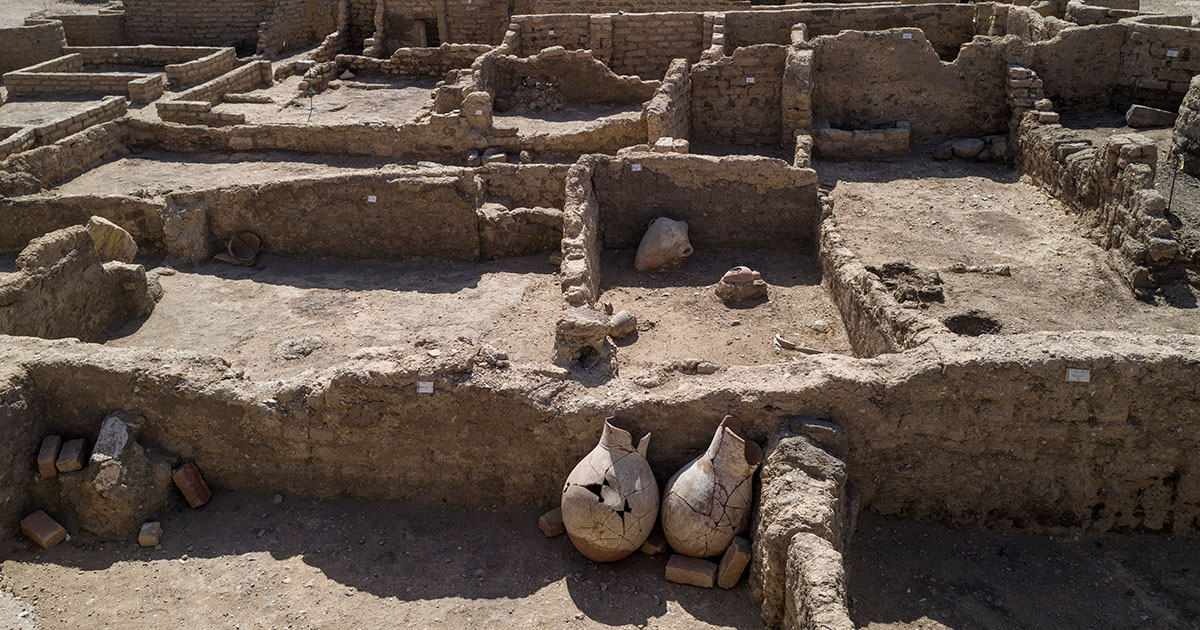
Imagine walking into an ancient place where walls rise nearly intact, streets stretch forward, and tools lie where they were left centuries ago. That moment came in 2020 near Luxor, Egypt, when archaeologists uncovered Aten, the Lost Golden City—a sprawling settlement frozen beneath the desert sands.
Searching for Tutankhamun’s Temple
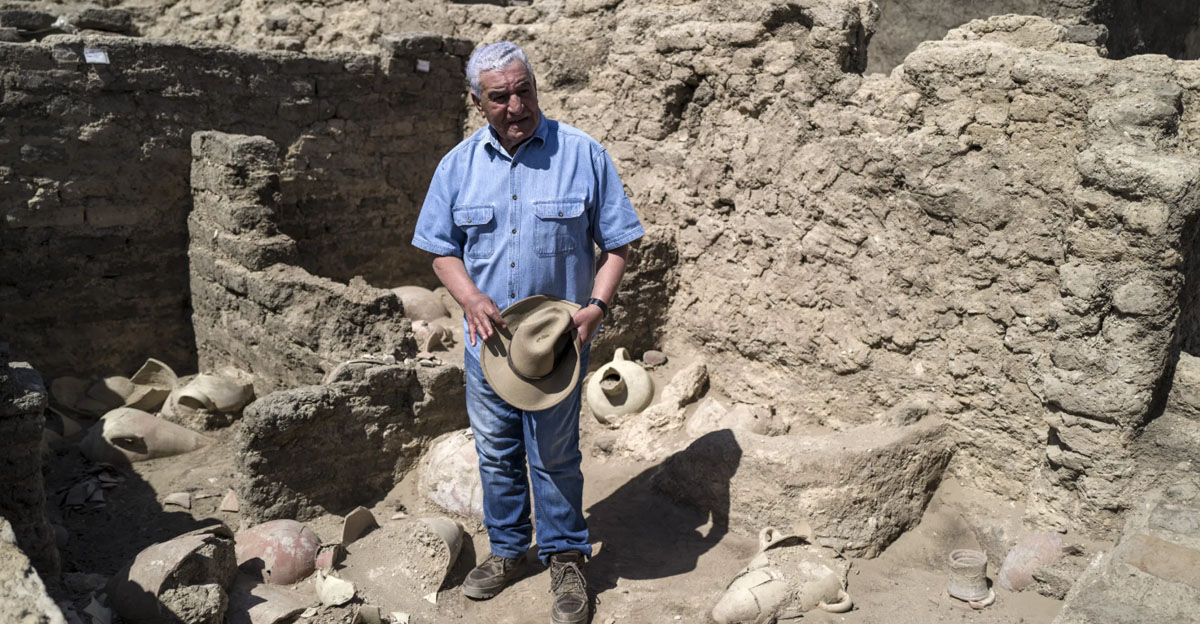
The discovery began unexpectedly. Archaeologists led by Zahi Hawass were searching for the mortuary temple of King Tutankhamun on the west bank of the Nile when mudbrick walls started to appear. What they uncovered was not a temple, but an entire ancient city.
The Announcement That Shocked the World
On April 8, 2021, Egypt officially announced the discovery. Hawass called it the most important archaeological find since Tutankhamun’s tomb. The city was named Aten after inscriptions referencing “the dazzling Aten,” linking it directly to royal and religious power.
Built Under a Powerful Pharaoh
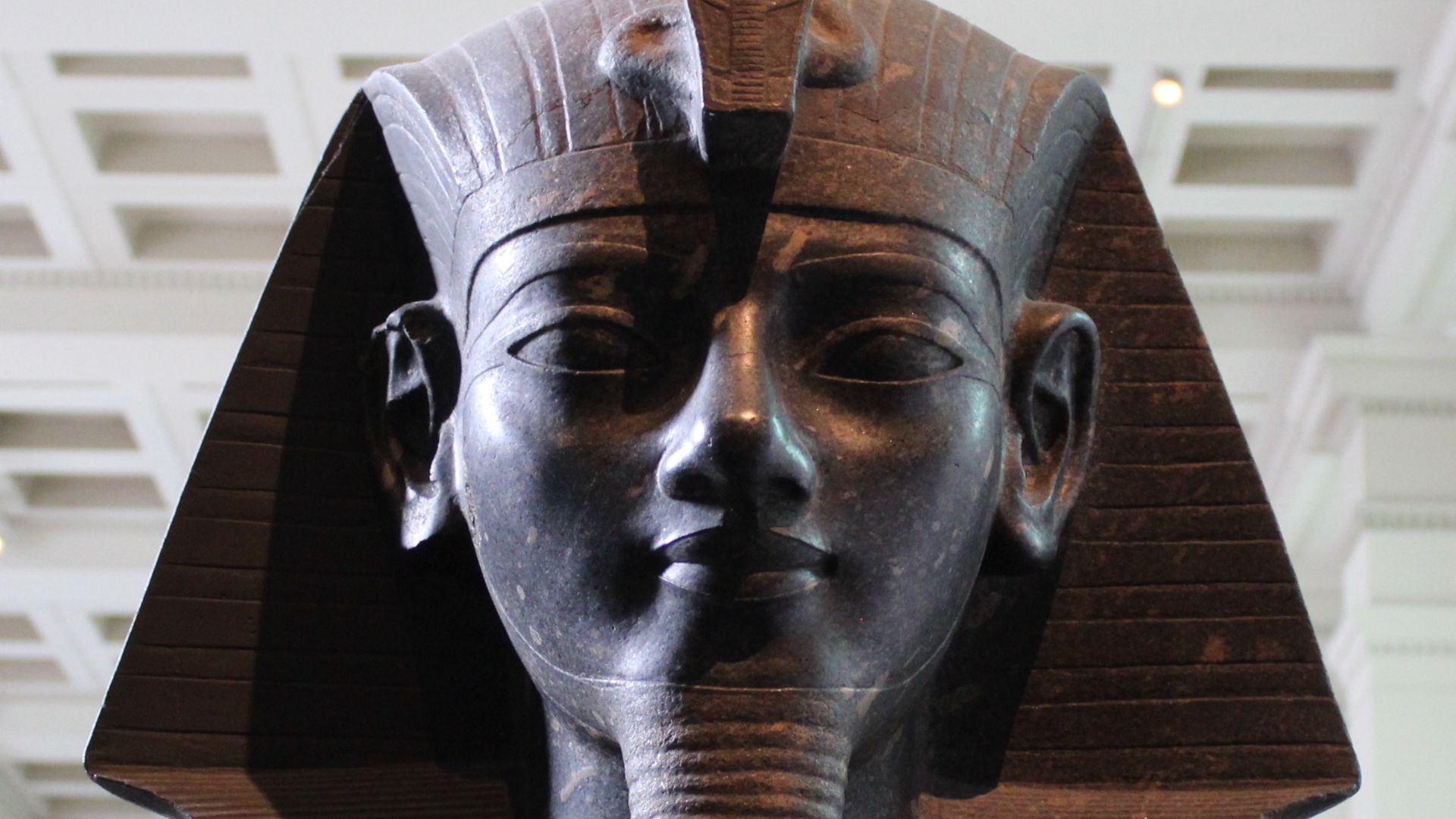
Aten was founded during the reign of Amenhotep III, who ruled from around 1386 to 1353 BCE. His reign marked one of Egypt’s wealthiest and most stable periods. The city functioned as a royal, administrative, and industrial center tied to his palace complex.
Hidden Near Ancient Thebes
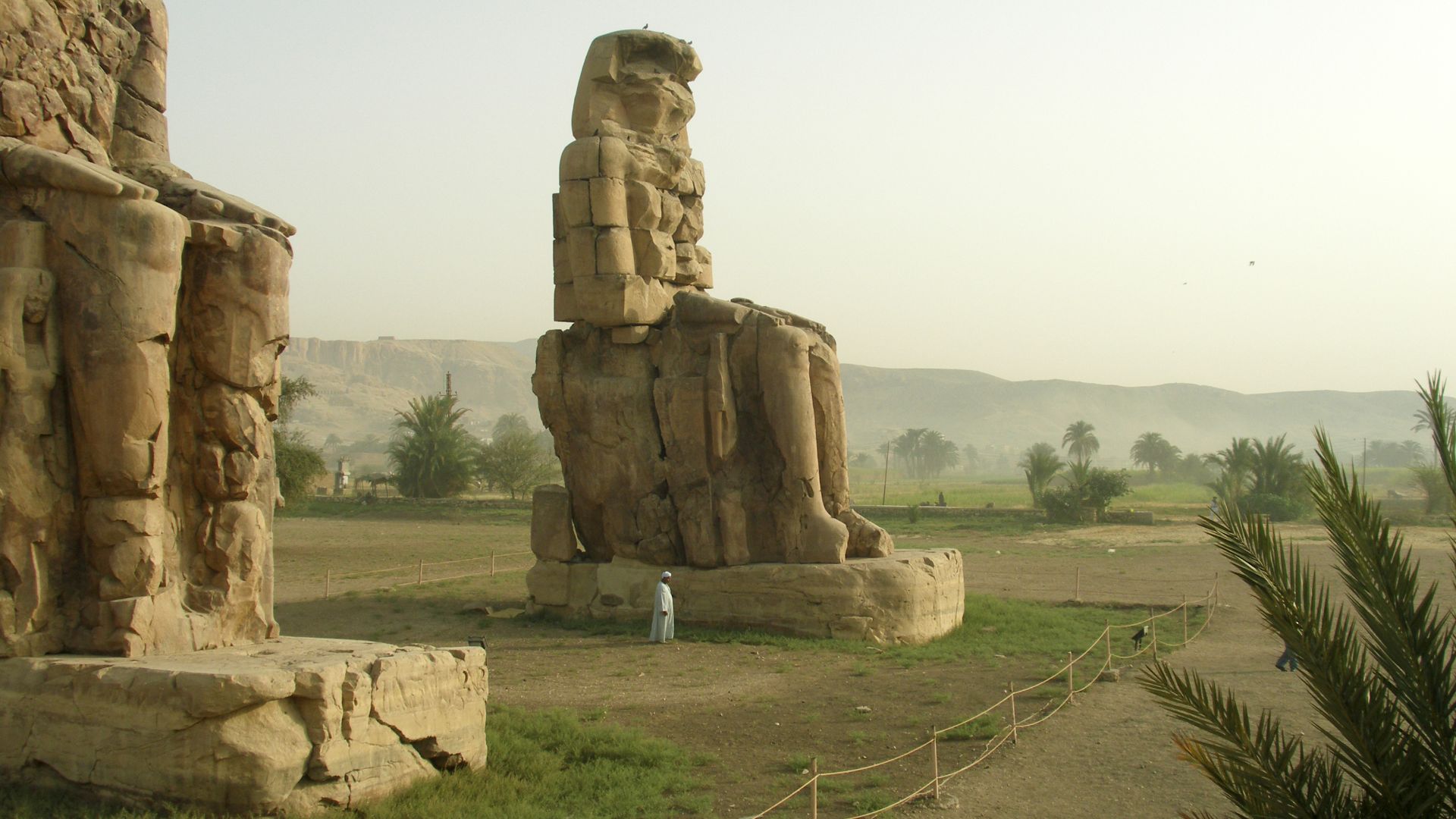
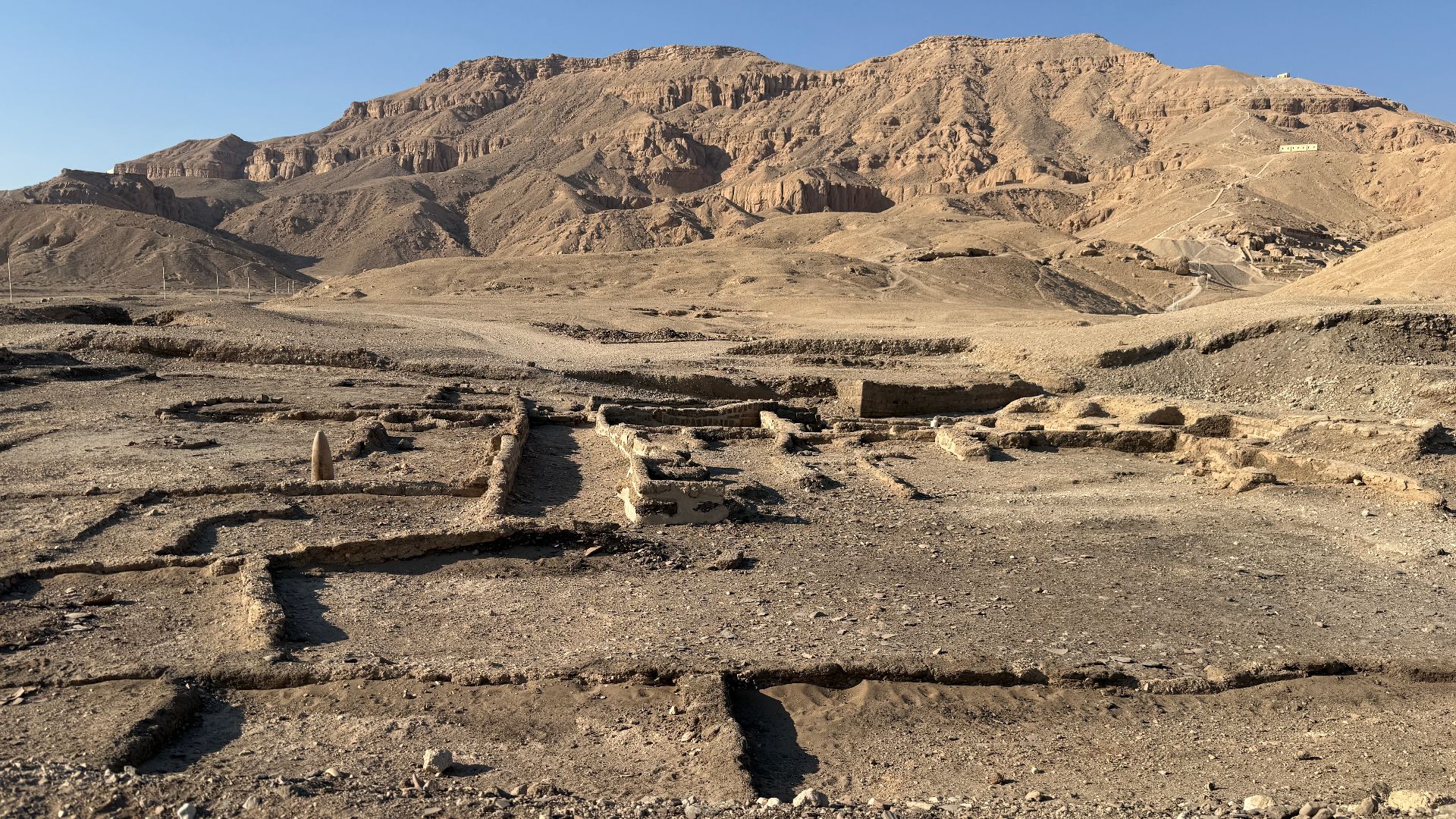
The city lies on the west bank of the Nile near modern Luxor, ancient Thebes. This area is already famous for temples and royal tombs, making the survival of an intact urban center here all the more surprising to archaeologists.
 Vyacheslav Argenberg, Wikimedia Commons
Walls Still Standing
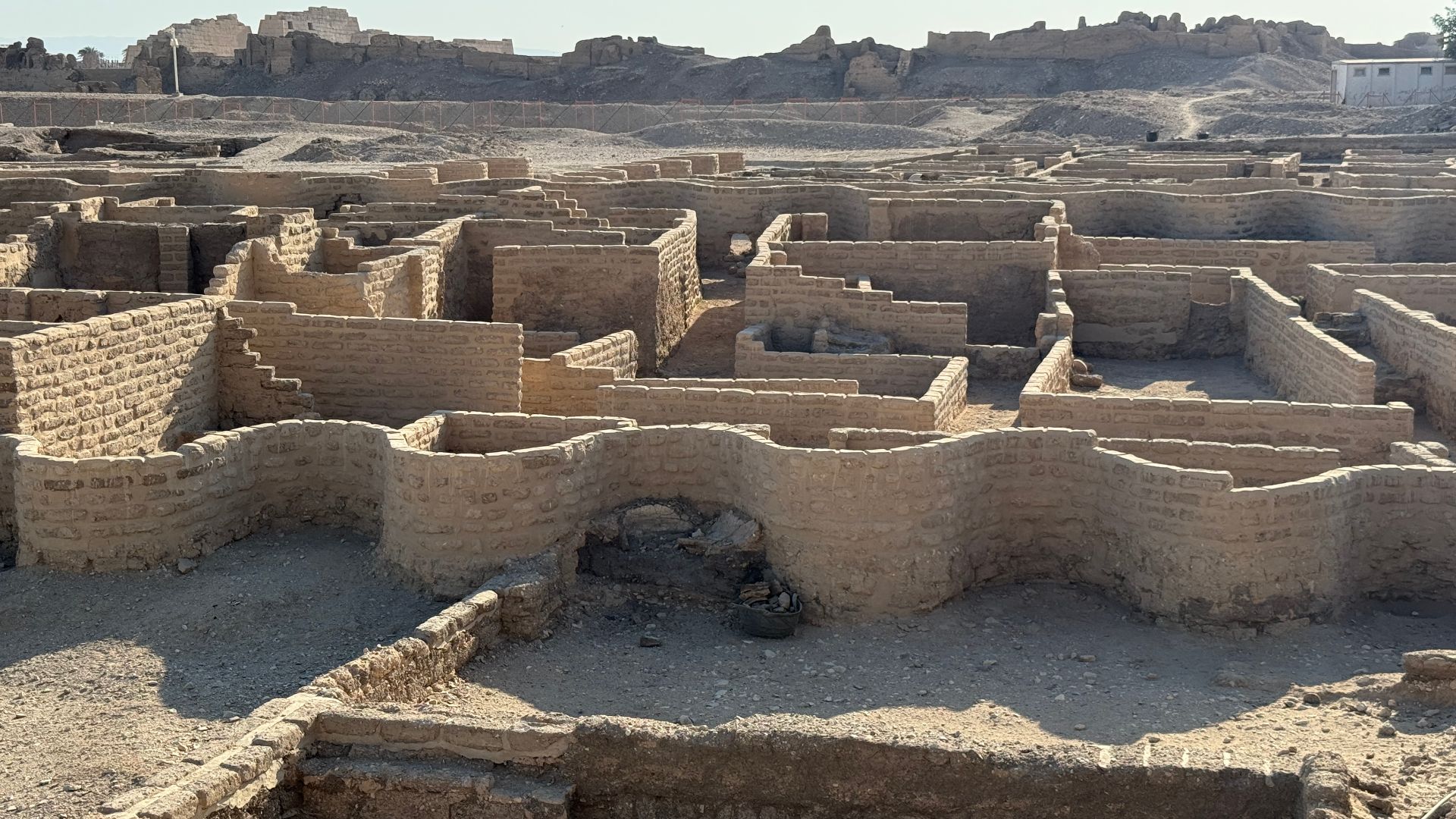
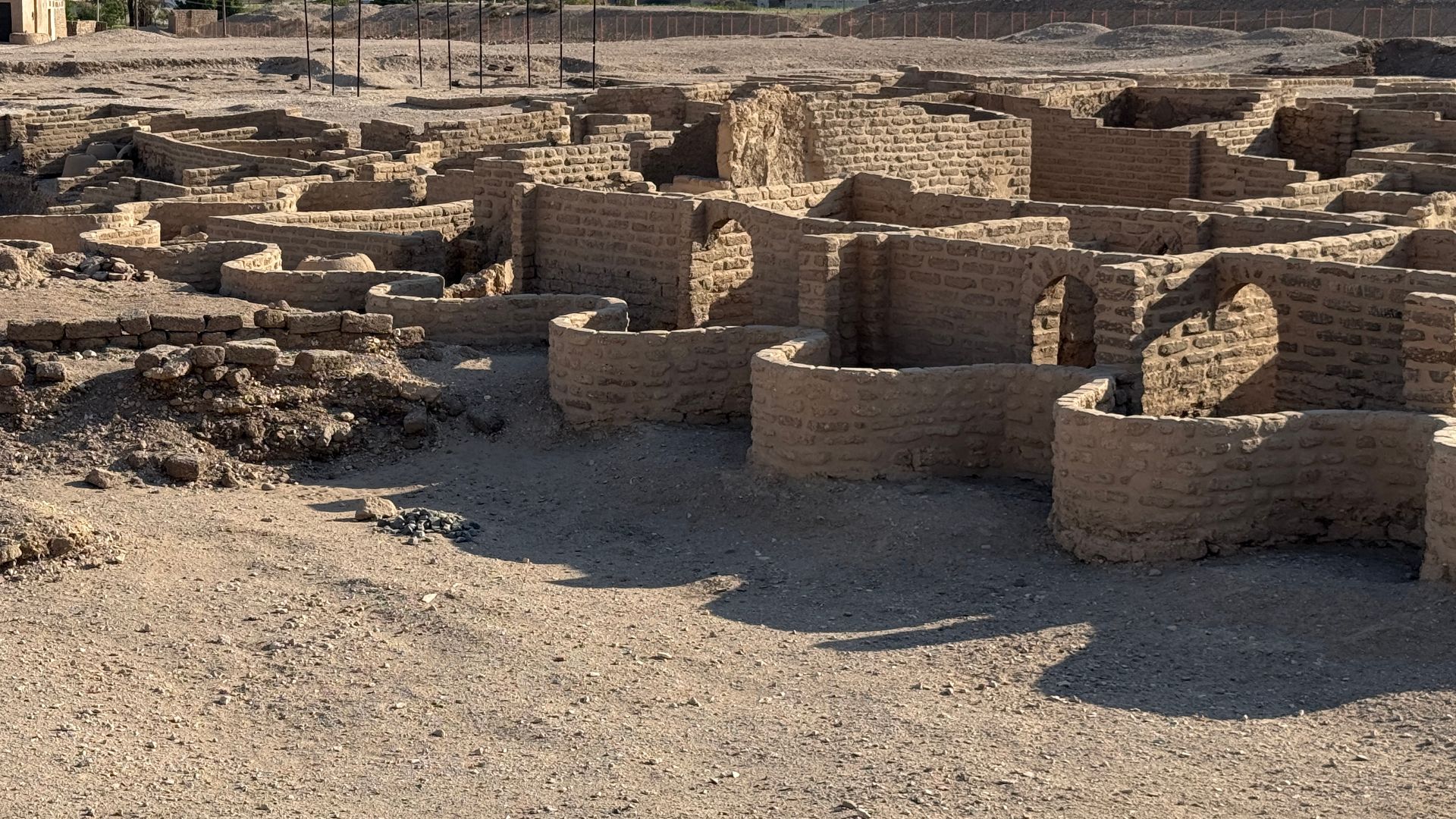
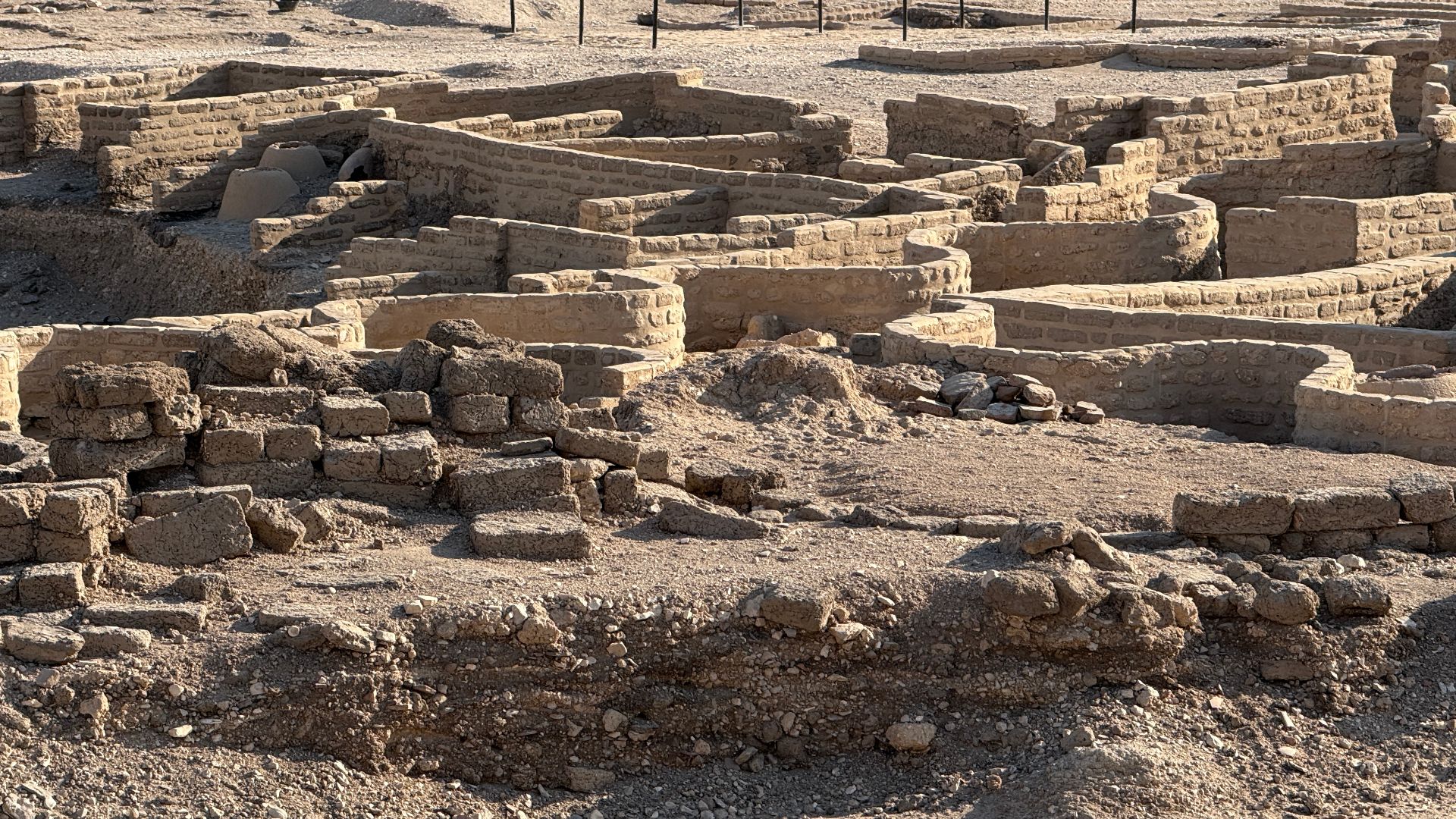
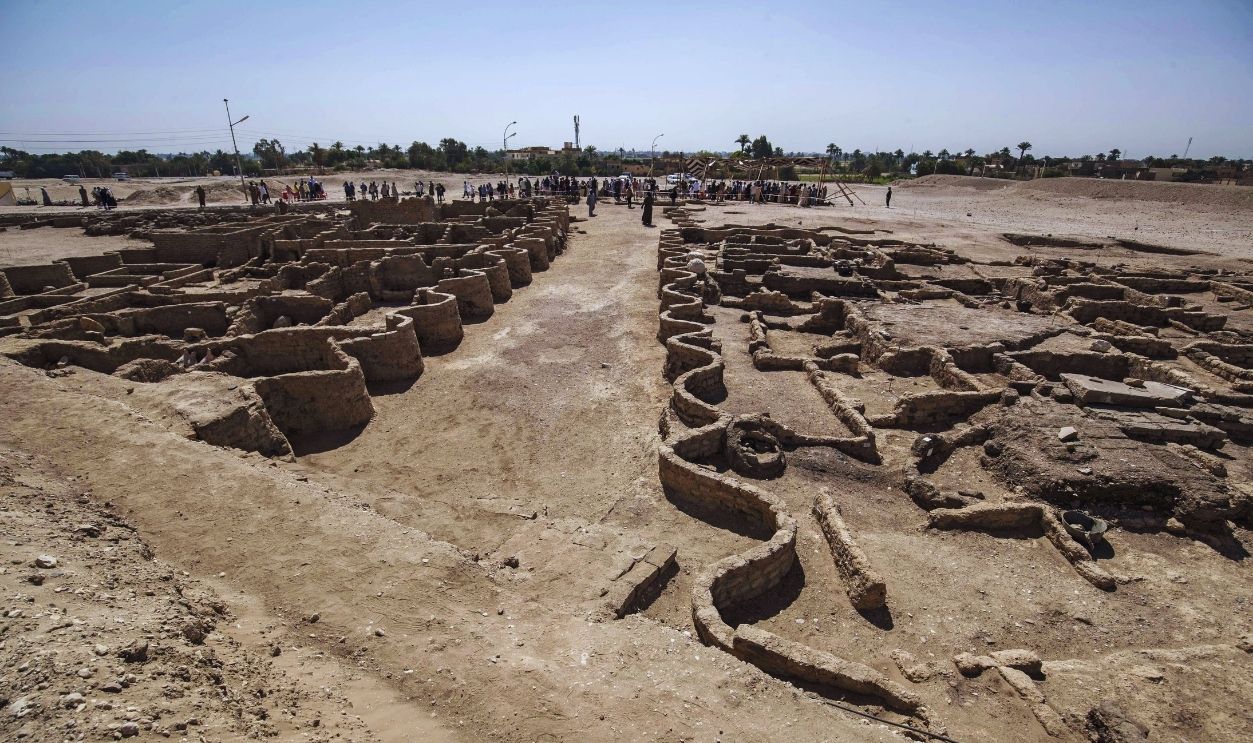
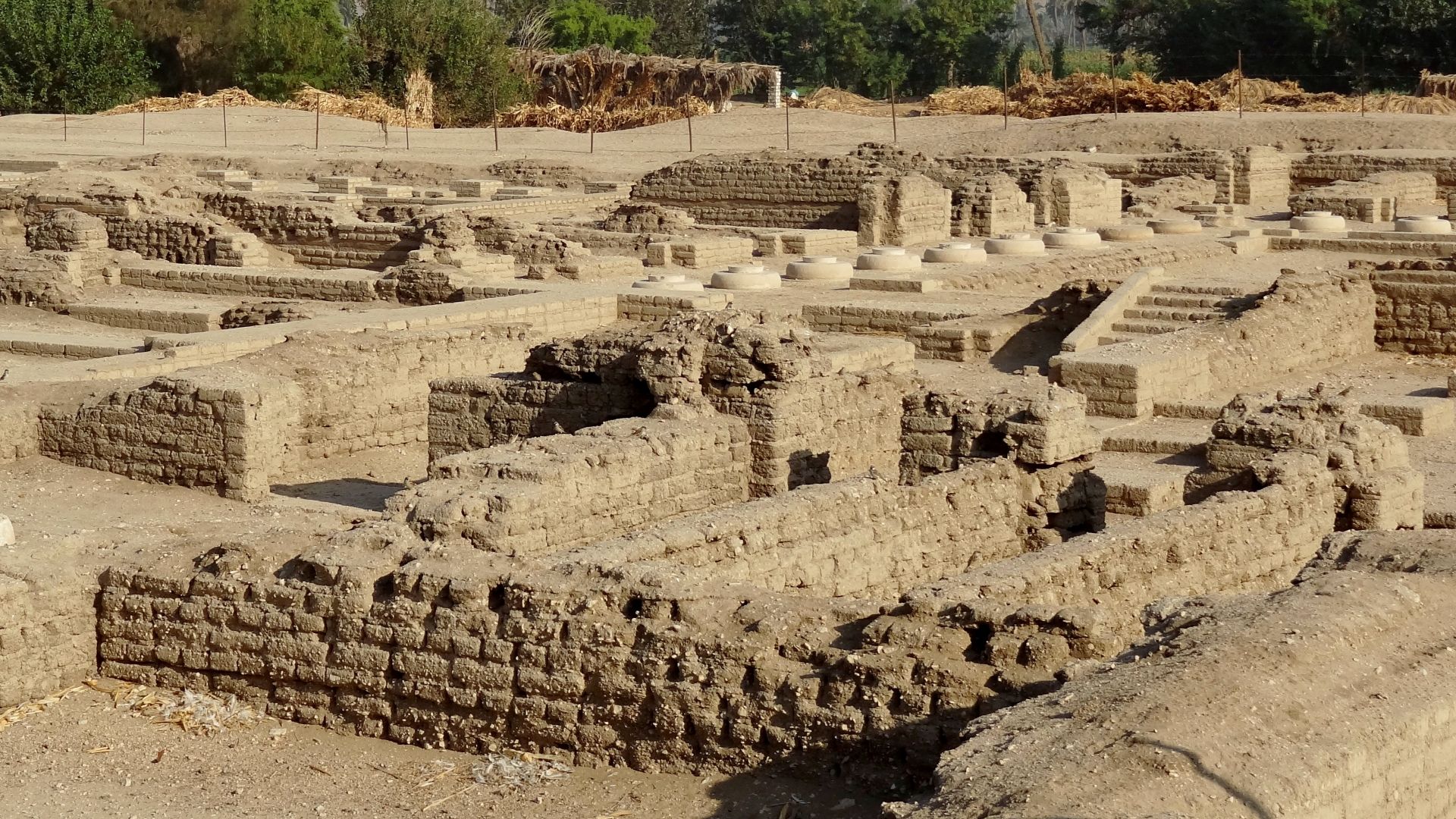
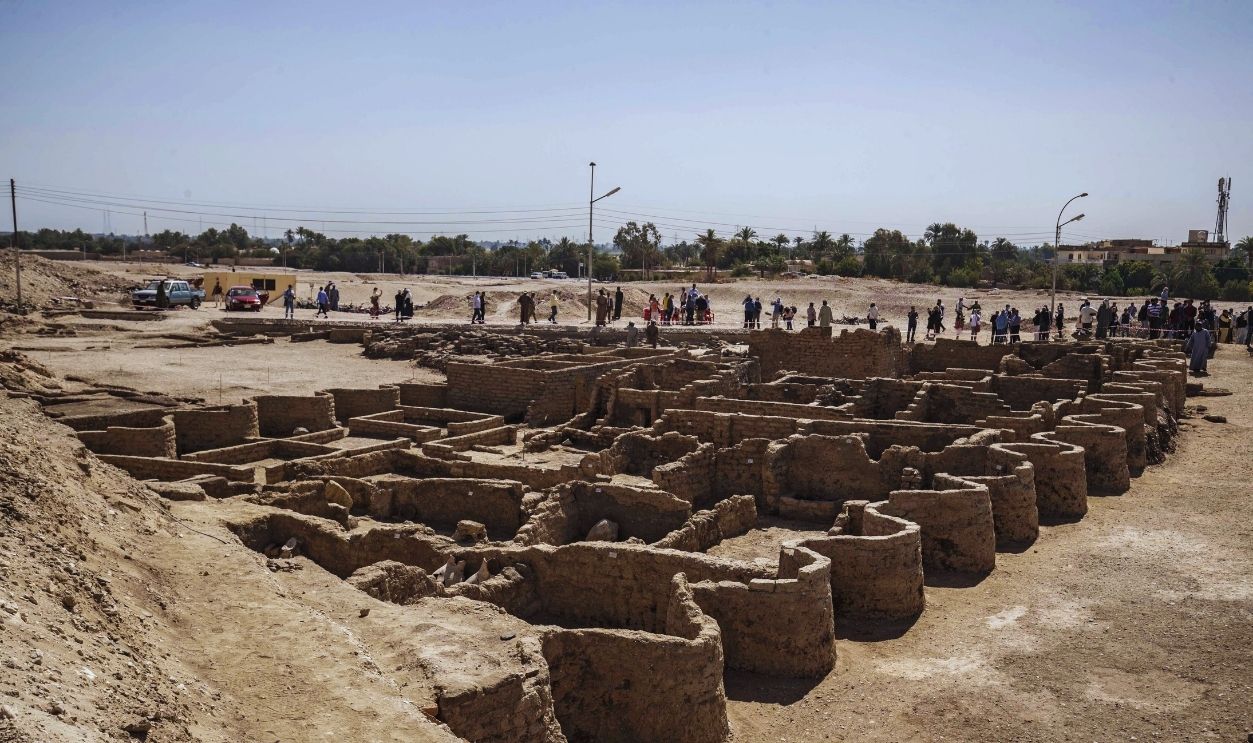
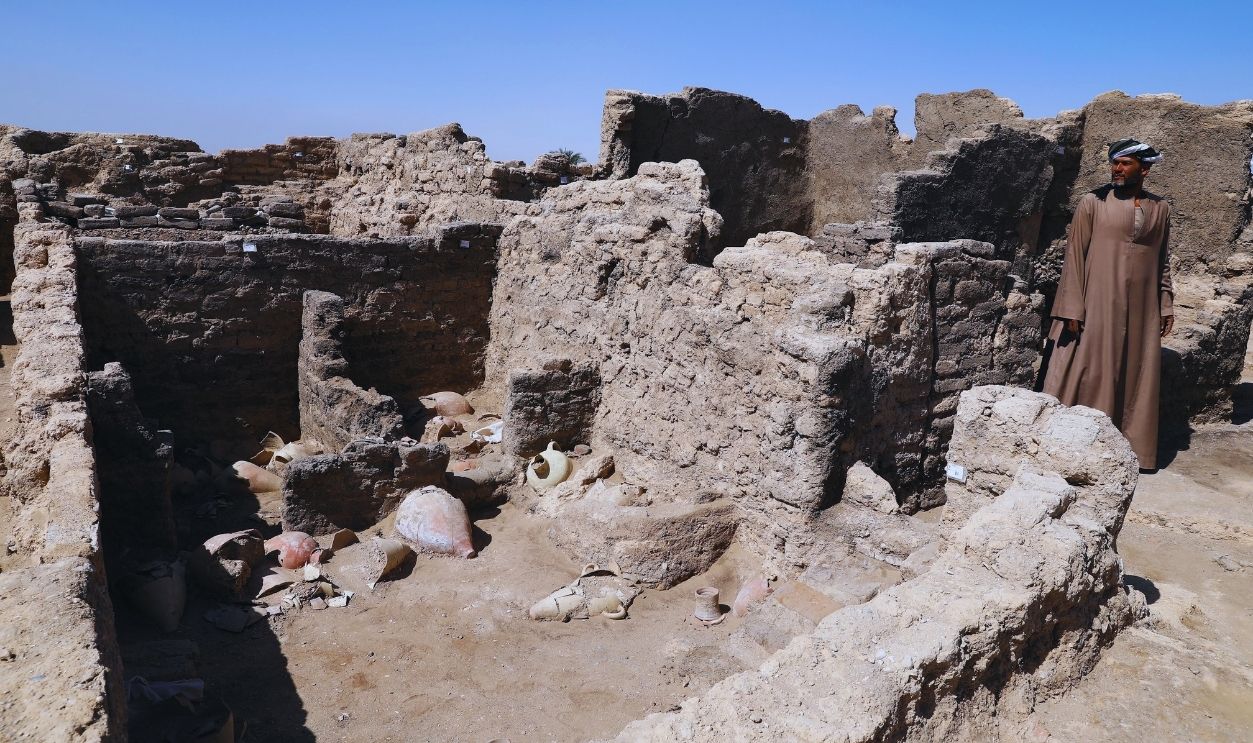
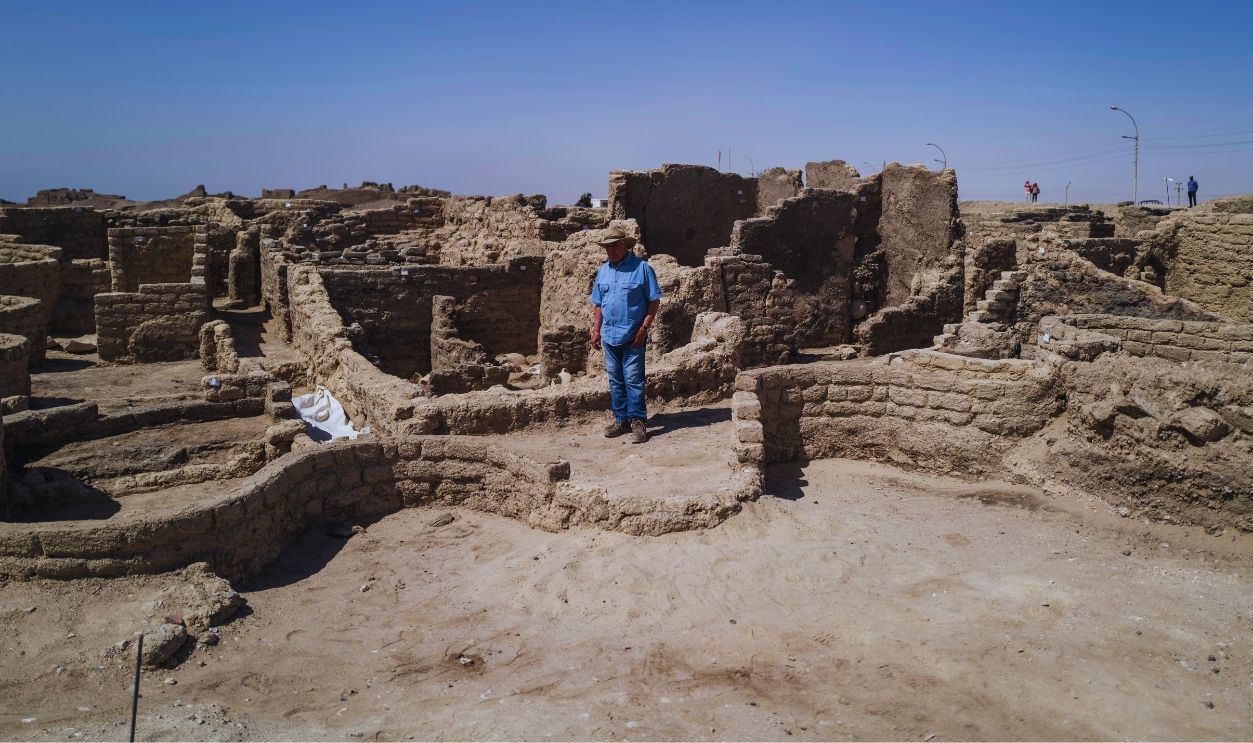
Excavators uncovered zig-zagging mudbrick walls, some standing several meters high. These walls once controlled movement within the city and protected key areas. Their preservation allowed archaeologists to clearly identify neighborhoods and city planning.
Streets From Another Time
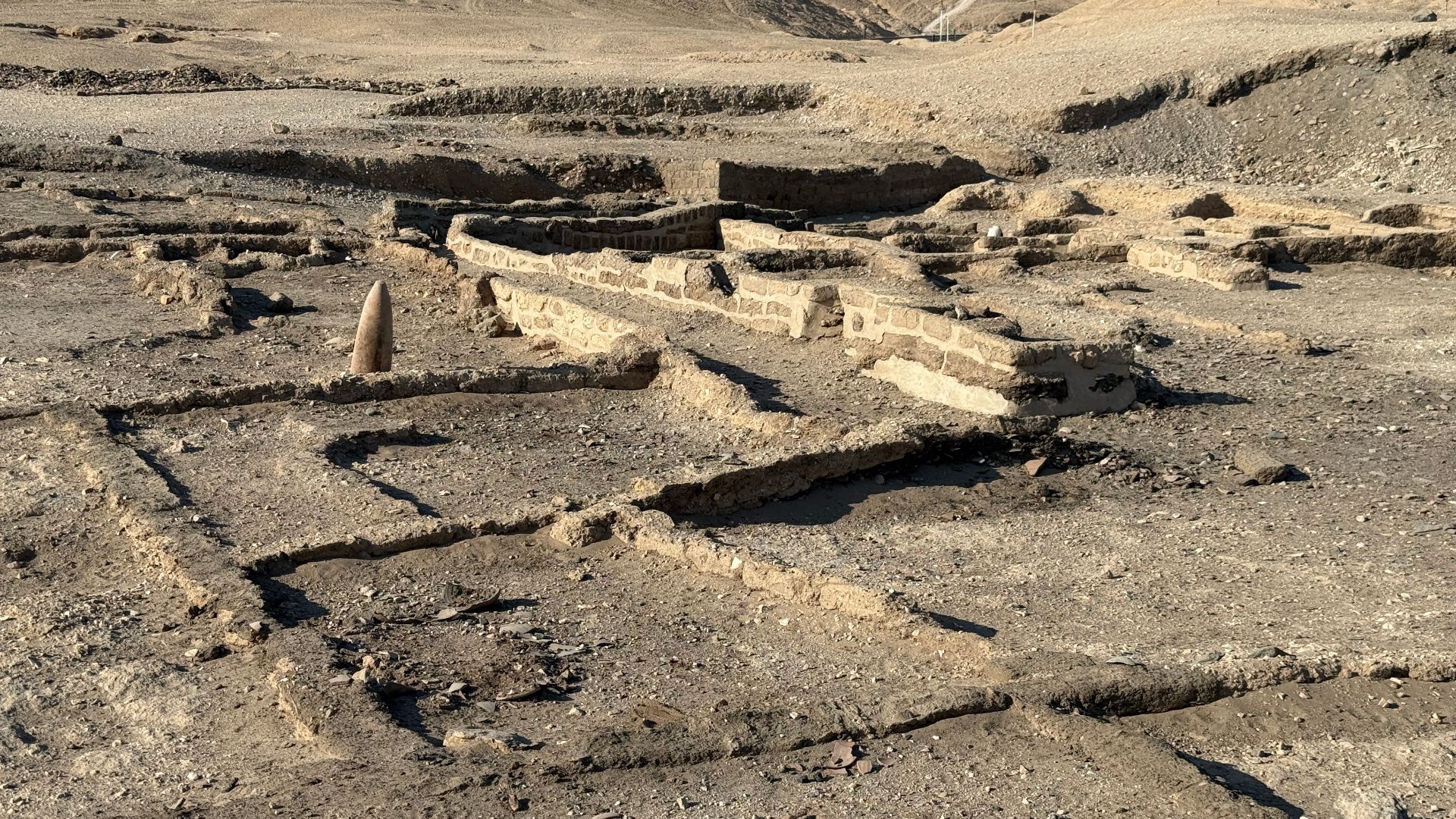
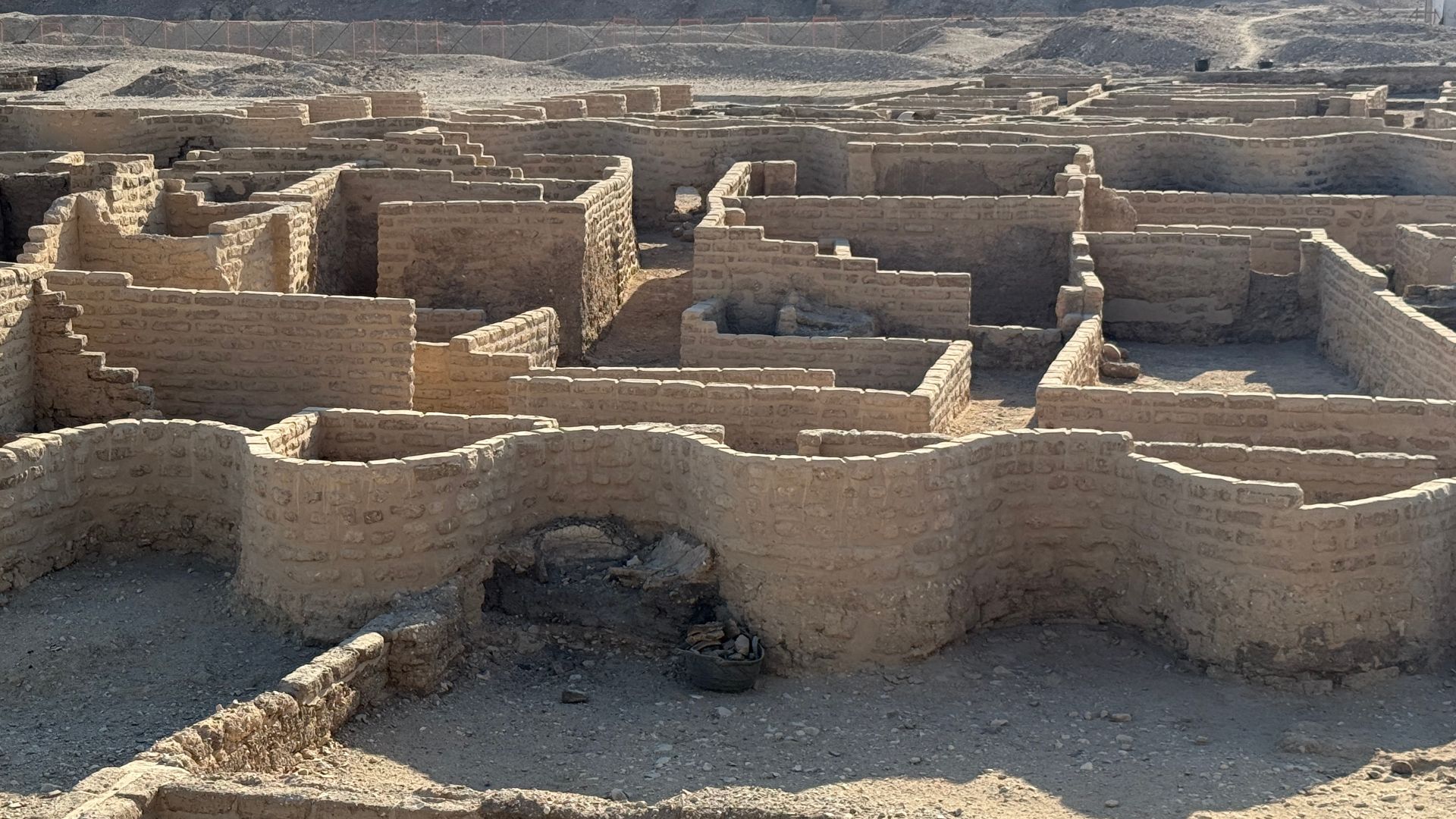
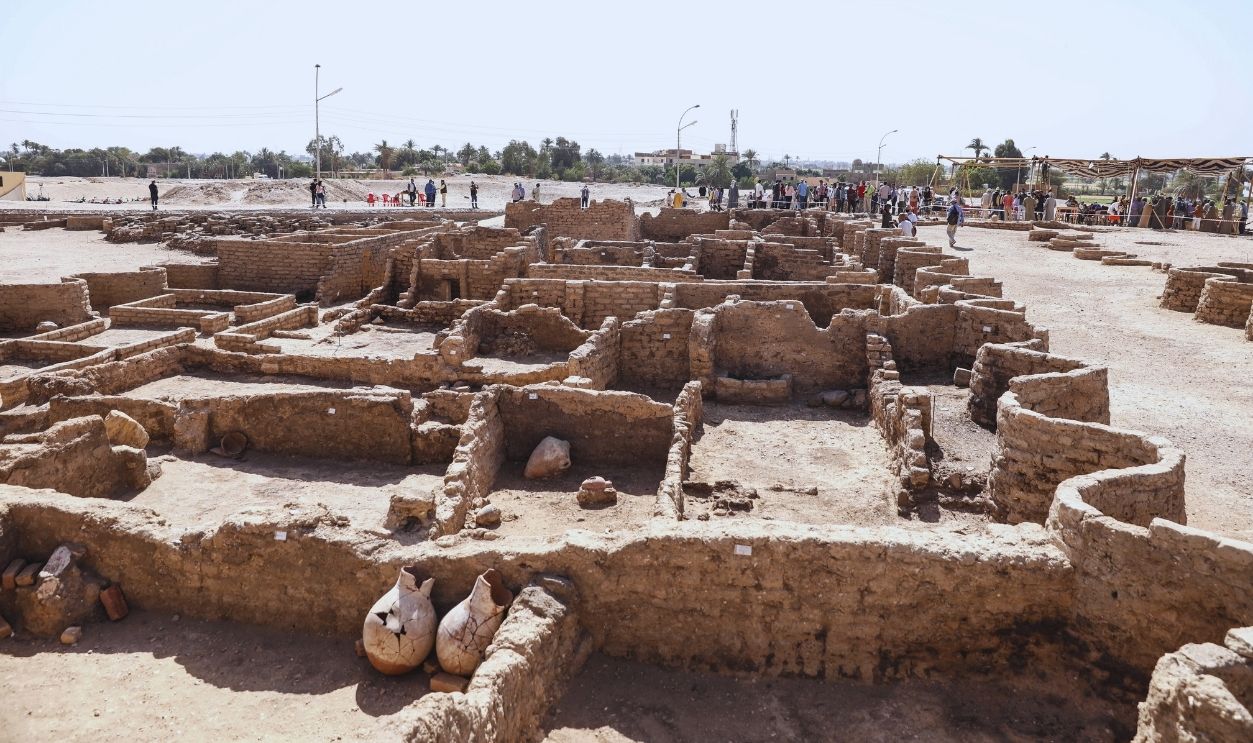
Entire streets emerged as sand was cleared away. Homes with intact walls revealed where families once lived and worked. Unlike tombs, these remains offer rare insight into daily urban life rather than elite burial practices.
A Working City
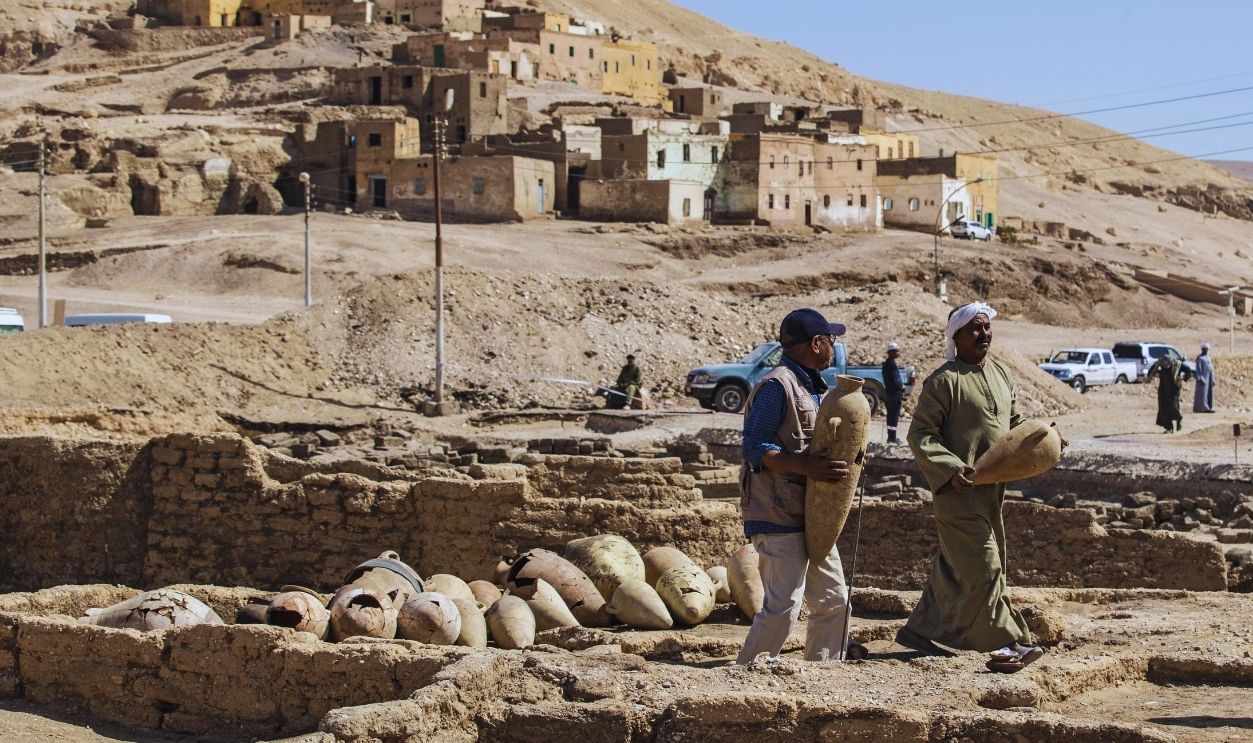
Evidence quickly showed Aten was an active city. Archaeologists uncovered tools, pottery, and workspaces that pointed to large-scale production. This was not a ceremonial site — it was a living, working metropolis.
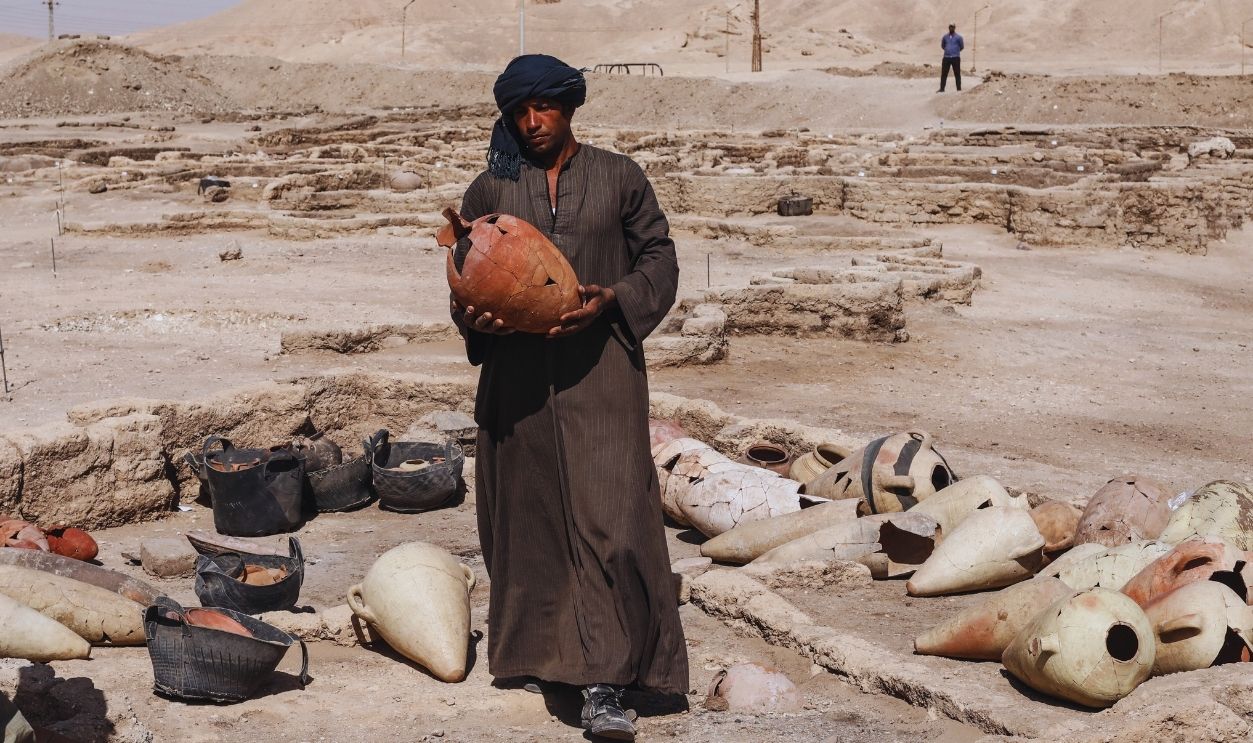
Ancient Kitchens and Bakeries
One district revealed ovens, storage jars, and cooking tools. These findings suggest large-scale food preparation, possibly for workers and officials. Everyday life—meals, labor, and routines—suddenly became visible after centuries underground.
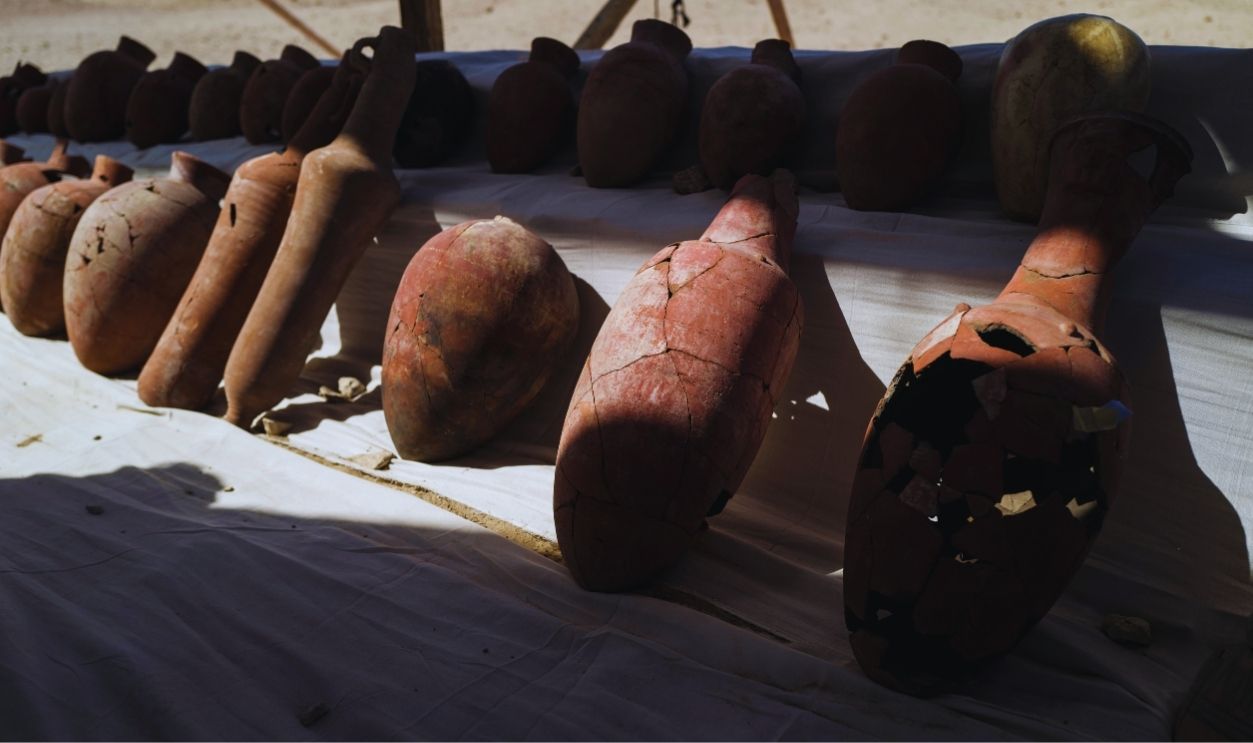
An Administrative Hub
A large area enclosed by a zig-zag wall with a single entrance is believed to be an administrative district. Researchers think officials controlled access here, managing records, labor, and supplies for the city.
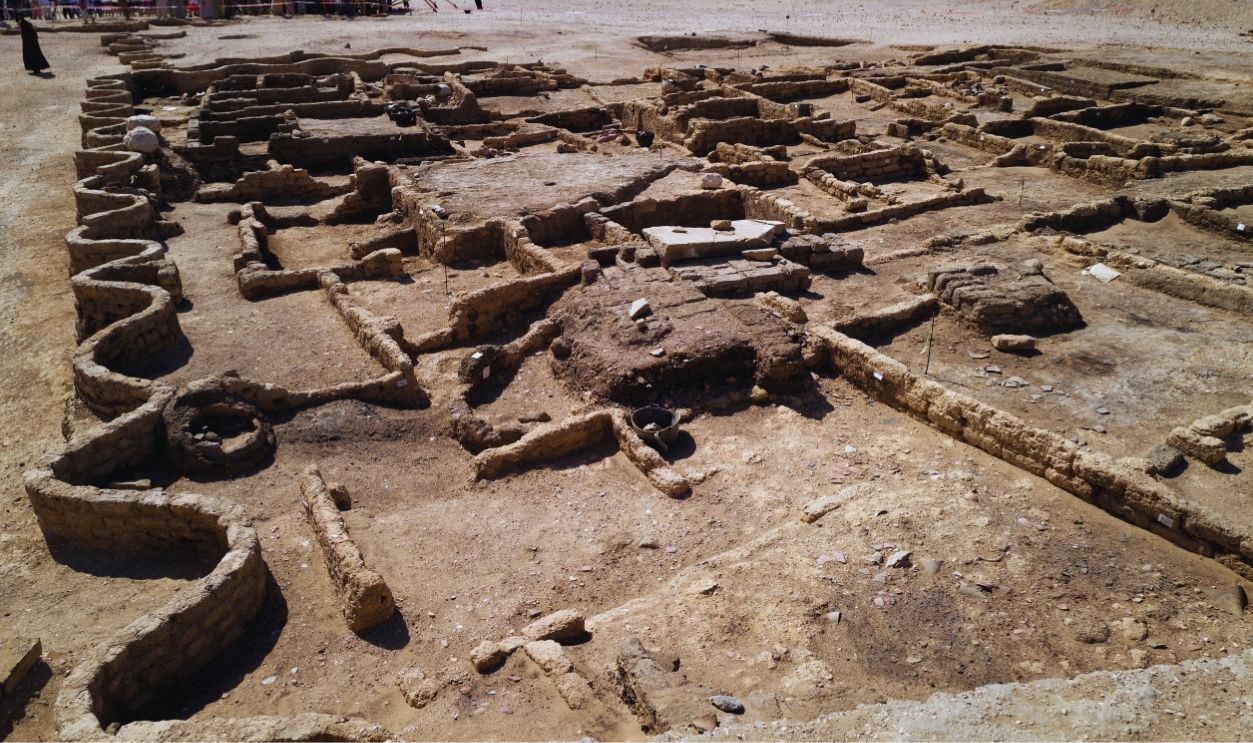
Workshops of Craft and Industry
Excavators found workshops containing molds, tools, and unfinished items. These spaces were likely used to produce amulets, pottery, and decorative objects, highlighting Aten’s role as a center of skilled labor.
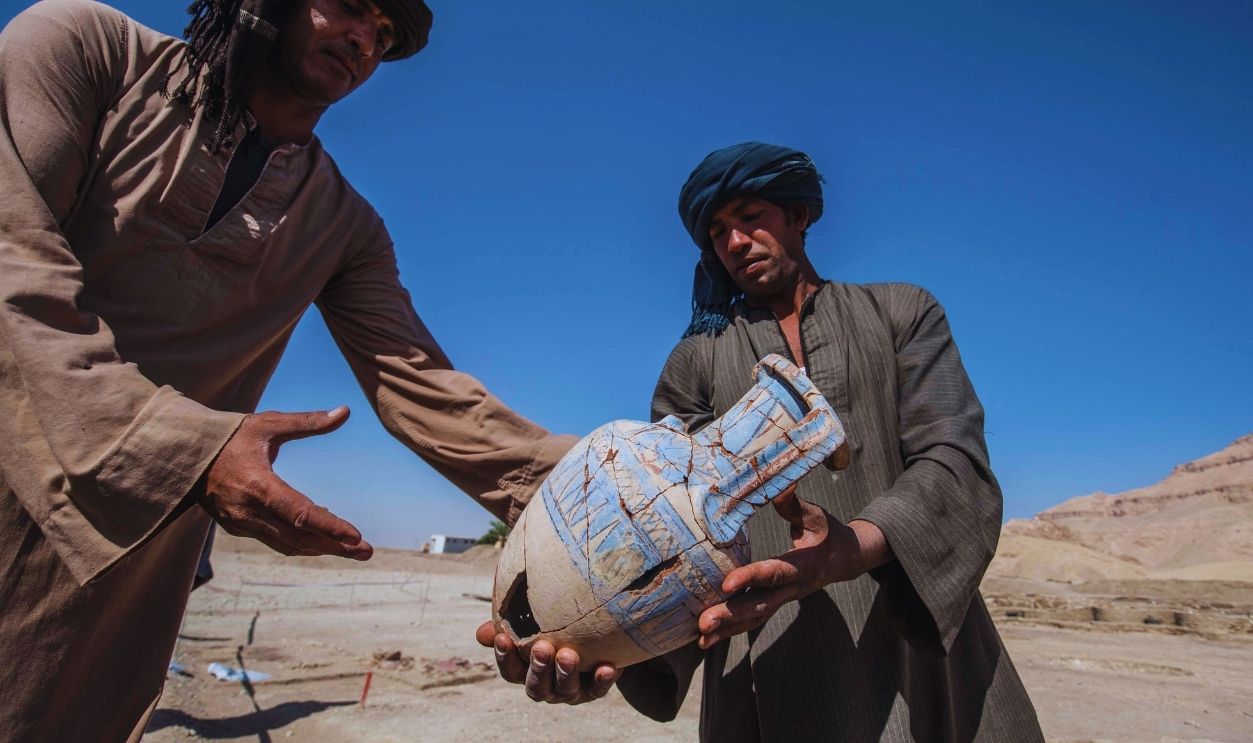
Objects Left Behind
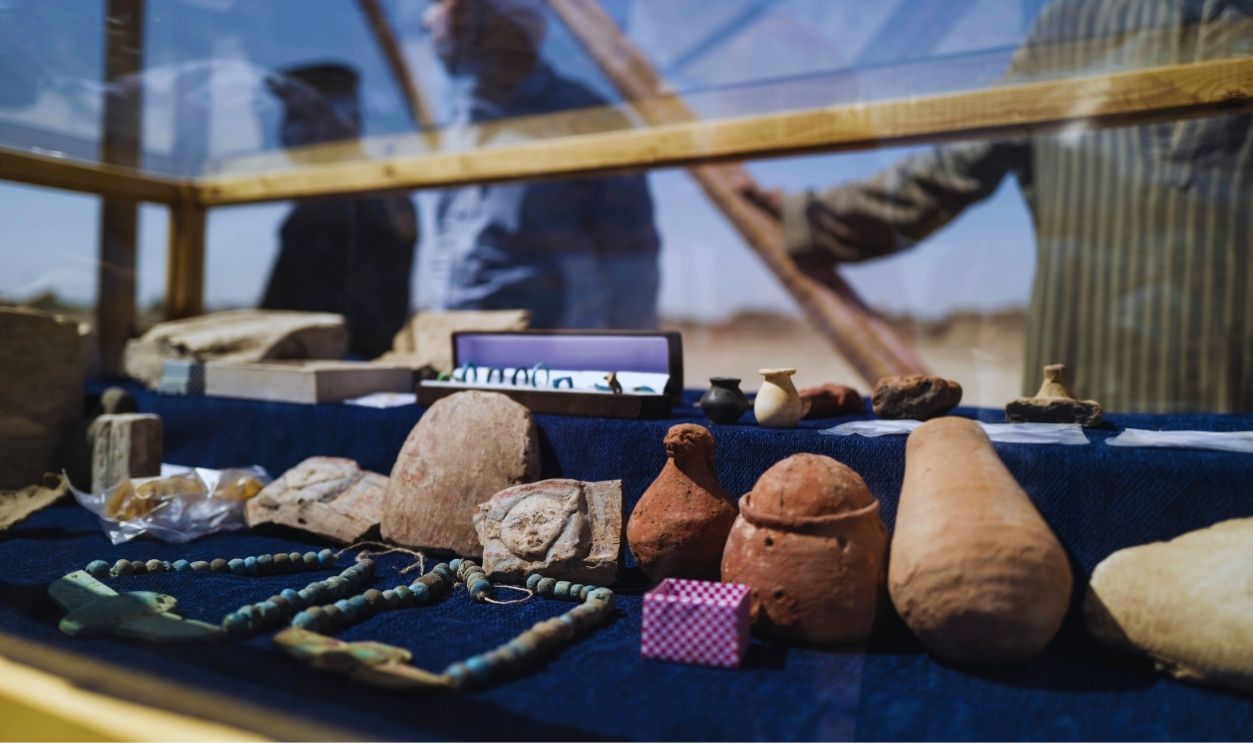
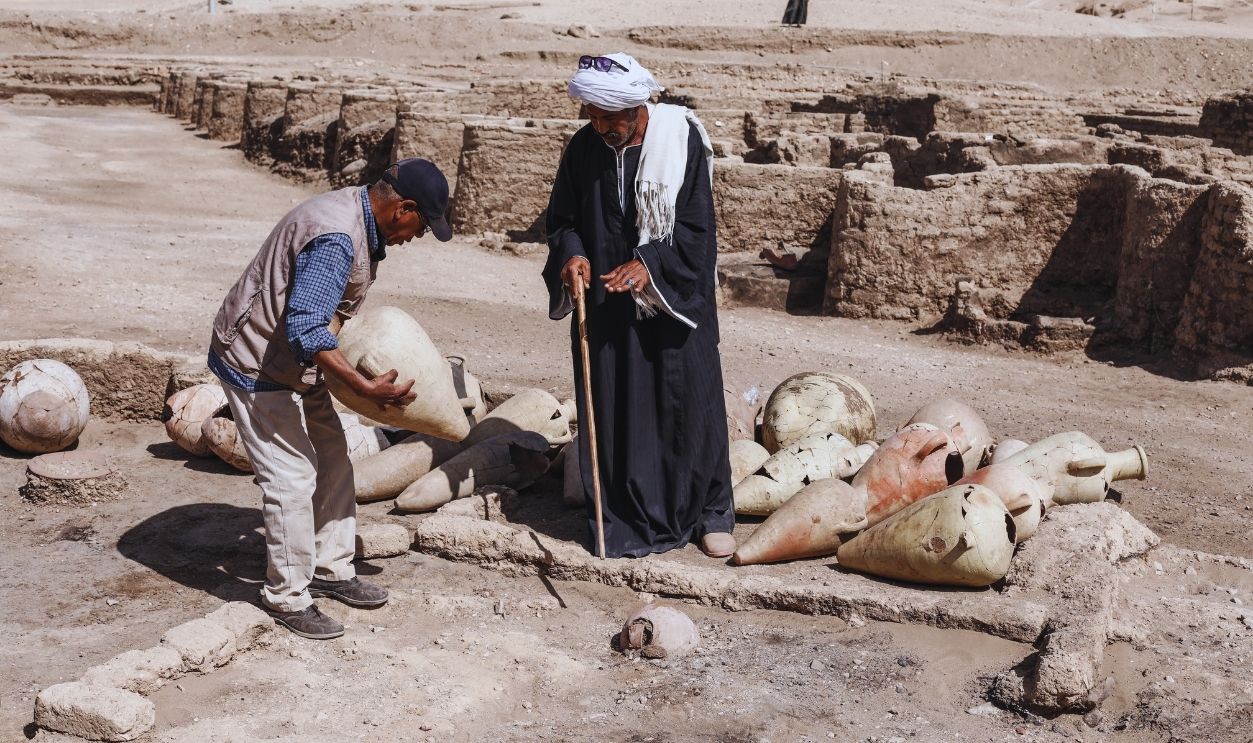
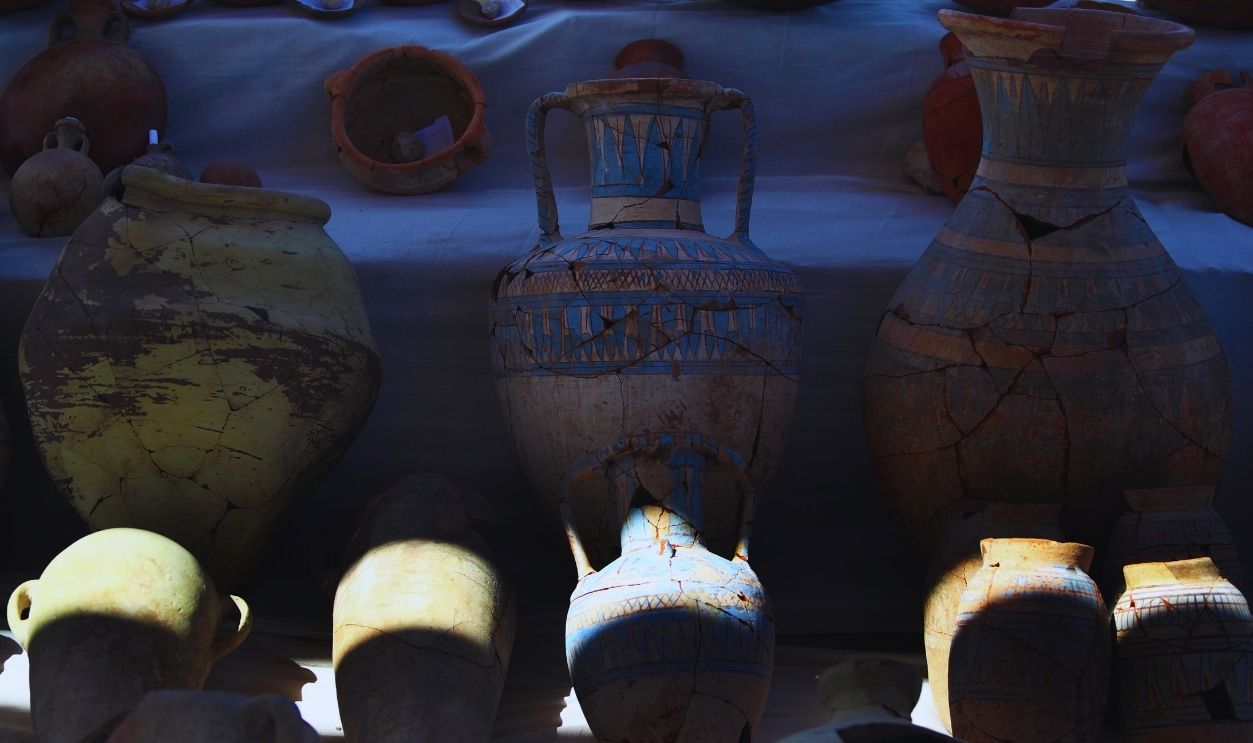
Pottery, jewelry, scarabs, and household items were found scattered throughout the city. Some vessels still held remains of food, suggesting the city was abandoned quickly rather than slowly dismantled.
A Snapshot in Time
Egyptologist Salima Ikram described Aten as an “Egyptian version of Pompeii.” The preservation of structures and objects captures a moment in time, allowing archaeologists to reconstruct daily life in extraordinary detail.
Layers of History
Archaeologists identified four settlement layers, showing the city was occupied across multiple generations. Aten continued to be used beyond Amenhotep III’s reign, adapting as Egypt’s political and religious landscape shifted.
A Royal Connection
Aten was connected to the nearby palace complex at Malkata. Inscriptions found at the site link it directly to the royal household, confirming its importance during the height of Egypt’s imperial power.
Akhenaten’s Radical Shift
Amenhotep III’s son, Akhenaten, later moved Egypt’s capital to Amarna and promoted worship of Aten, the sun disk. Scholars continue to debate how this city fit into his religious revolution.
 Olaf Tausch, Wikimedia Commons
A City Left Behind
After Akhenaten’s death, Egypt returned to traditional religious practices under Tutankhamun. Aten gradually lost importance, leaving behind homes, workshops, and streets that would remain buried for millennia.
Not Just Gold and Kings
Despite its name, the Lost Golden City is valuable not for treasure, but for insight. Aten reveals how ordinary Egyptians lived, worked, and organized society during one of history’s most powerful empires.
Bigger Than Expected
Researchers believe Aten may be the largest ancient city ever discovered in Egypt. Its scale suggests it played a central role in the country’s economy and administration.
Clues in the Inscriptions
Hieroglyphic inscriptions on jars and seals helped date the city. Some references place activity as late as 1337 BCE, confirming its use during major political transitions.
 Xinhua News Agency, Getty Images
Urban Life Revealed
Until Aten’s discovery, most knowledge of ancient Egypt came from tombs and temples. This city finally reveals the urban world — streets, homes, and workplaces — where most Egyptians lived.
 Xinhua News Agency, Getty Images
Still More to Find
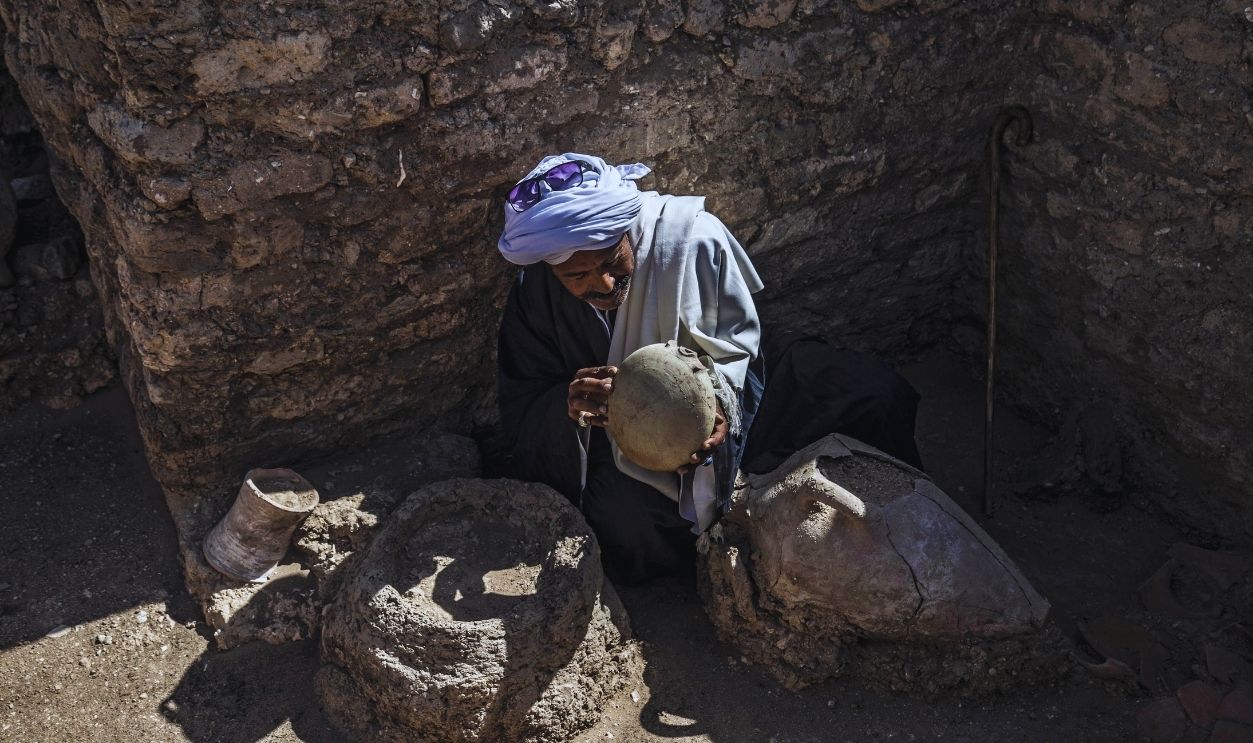
Large sections of the city remain unexcavated, including possible burial areas. Archaeologists believe future digs will uncover even more about Aten’s people and their lives.
A Fragile Treasure
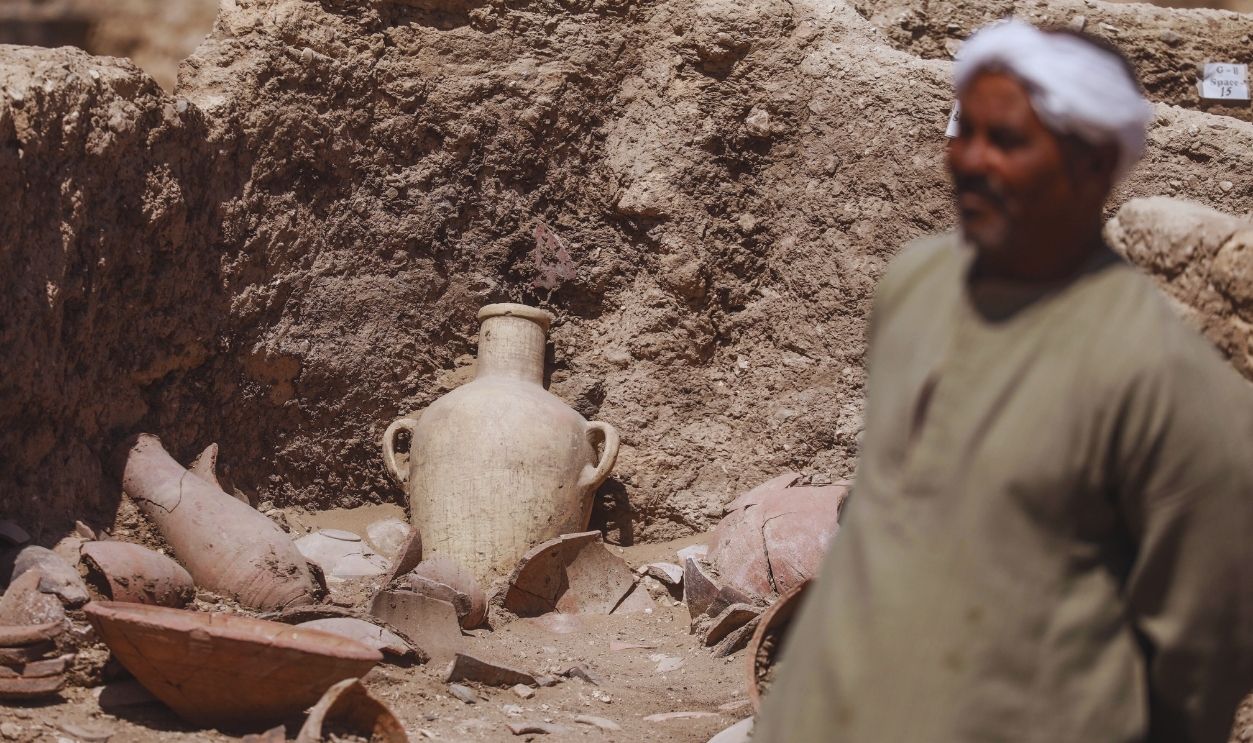
With rooms still holding tools and pottery, Aten is an archaeological time capsule. Preserving the site is now a priority as researchers carefully document each find.
Why Aten Matters
The Lost Golden City reshapes how historians understand ancient Egypt. It shows a civilization not only of monuments and pharaohs, but of workers, families, and communities.
A City Reborn
After 3,400 years underground, Aten has reemerged as one of Egypt’s most important discoveries. Each new wall and object adds another piece to a story long buried beneath the desert.
You May Also Like:
Archaeologists unearthed an ancient Roman warrior mass grave beneath a soccer field in Vienna.
Archaeologists stumble upon an ancient marble statue hidden in a sewer.
Archaeologists discovered a 4,100-year-old tomb of an Ancient Egyptian doctor who likely treated royals.