

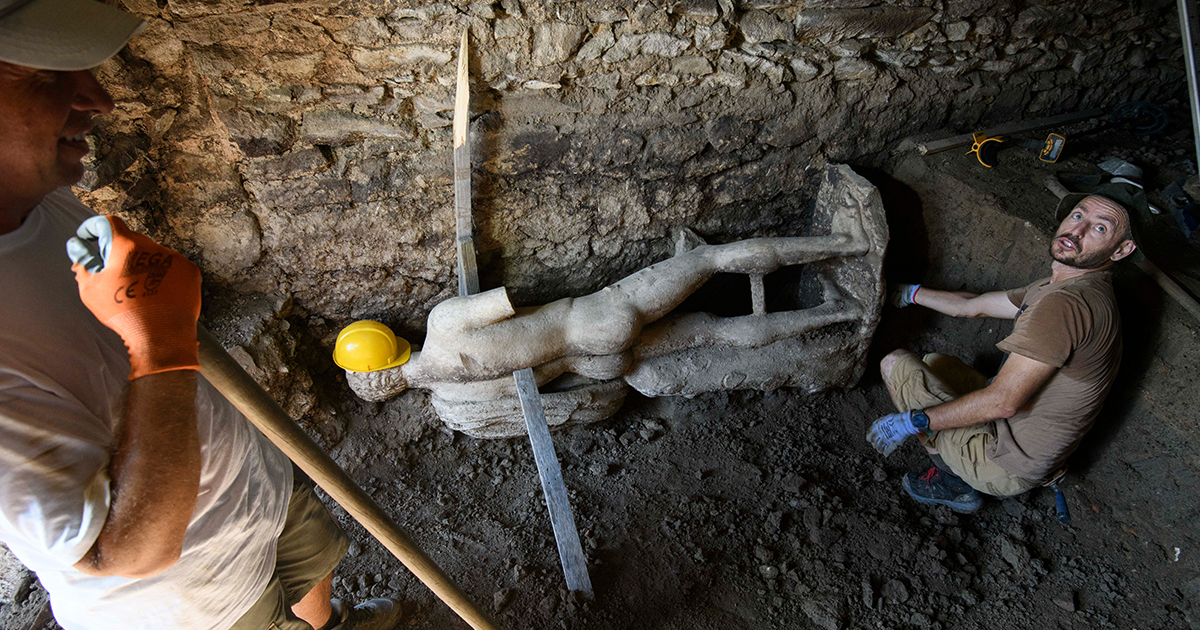
An Ancient Greek God, Hidden In A Sewer
While excavating the ancient town of Heraclea Sintica, archaeologists came across a historic treasure hidden in the Roman sewer system. While this unexpected find is amazing in itself—its discovery is not what’s making history.
The Marvelous Ruins
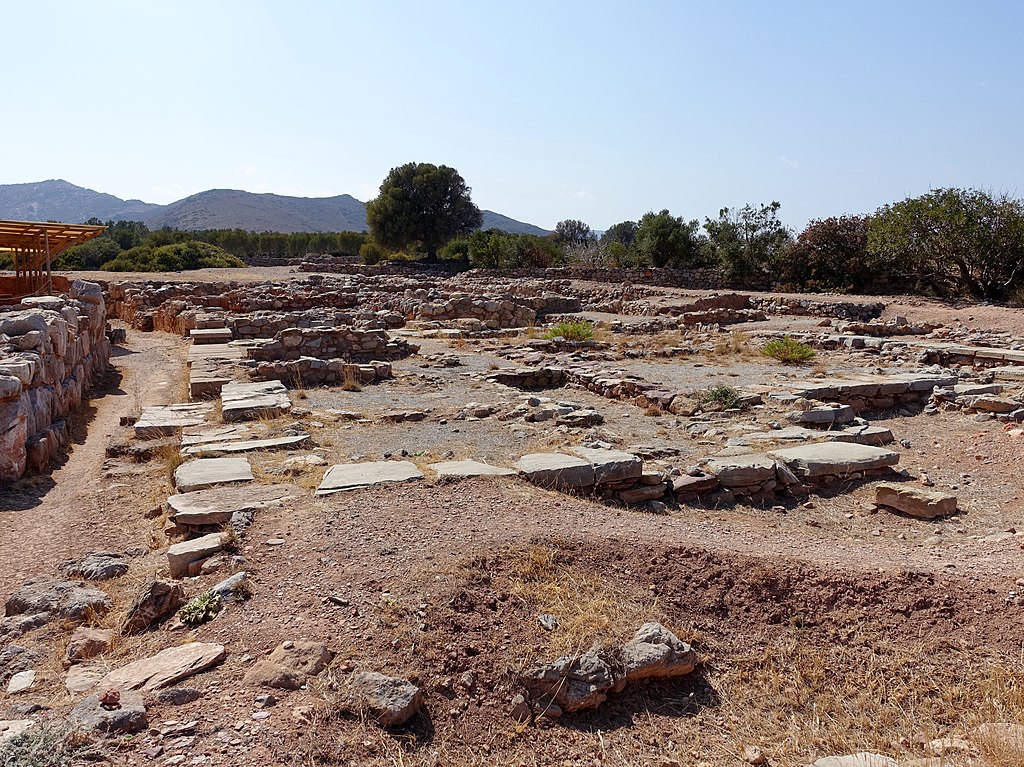
The ancient city of Heraclea Sintica is located near the village of Rupite in Bulgaria. The city is believed to have been abandoned by 500 AD, and its ruins were only discovered in 2002 after a Latin inscription bearing its name was found nearby.
Excavations began in 2007. And while the entire historic site is an incredible discovery in itself—what they found hidden in the sewer system is extraordinary.
The Ancient City’s Downfall
Studies tell us that Heraclea Sintica was once a booming, beautiful city inhabited by Macedonian settlers. Sometime around 425 AD, however, a powerful earthquake destroyed most of the city’s infrastructure, and caused a flood that took out everything else.
Eventually, people returned to the ruins, but much of the damage was far beyond repair, and by 500 AD, no one was left.
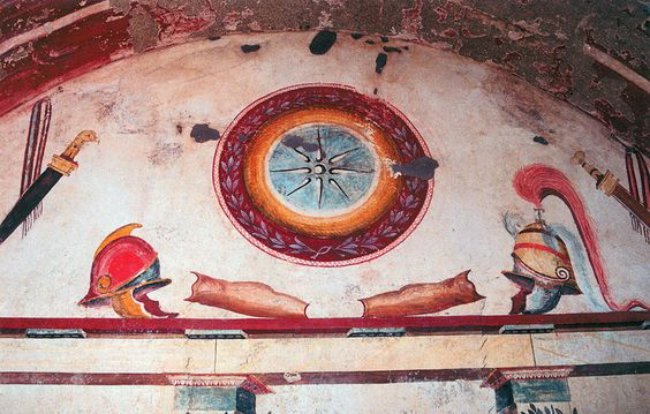 Ancient painters of Macedonia, Greece, Wikimedia Commons
A Deep Dig Into History
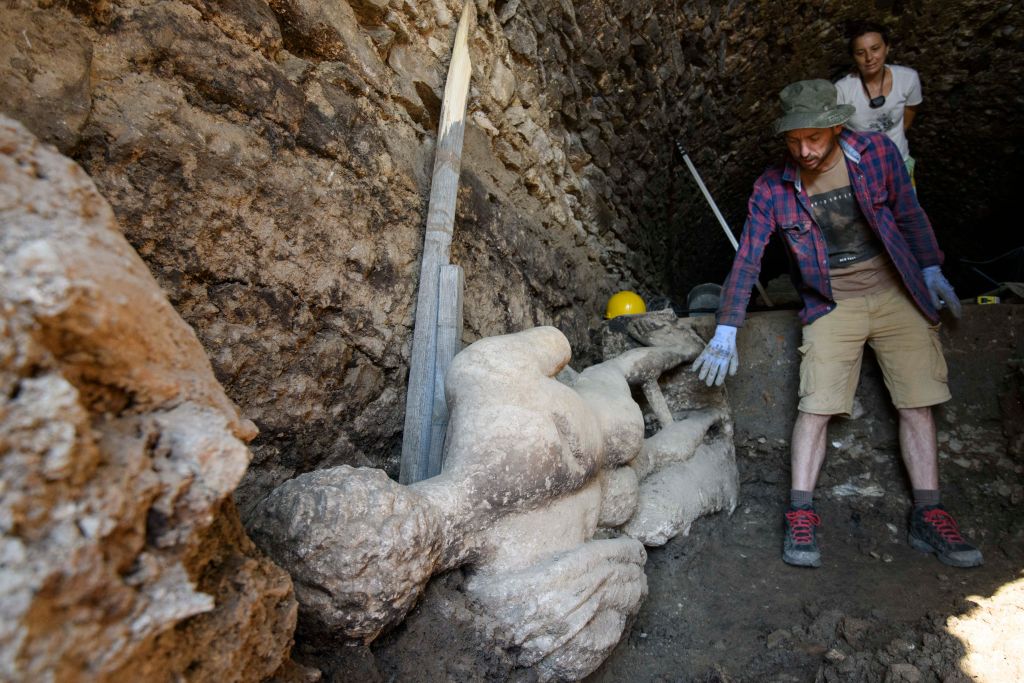
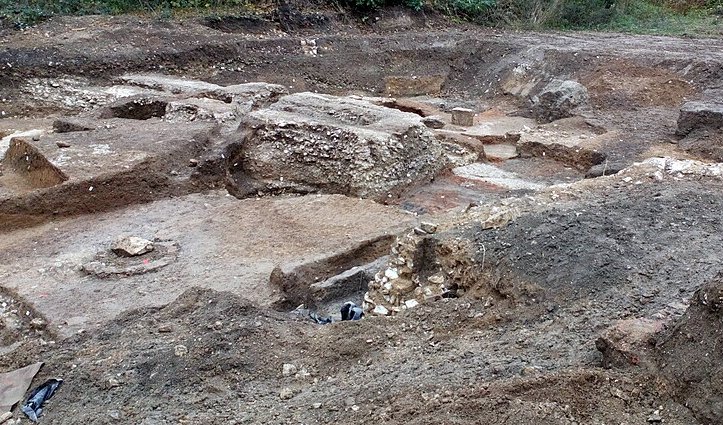
Since its modern discovery, Heraclea Sintica has been heavily excavated, unearthing tunnels, arches, stone pathways, structures, and even an ancient theater. In fact, so much of the city has been uncovered that excavators are now going deeper. And it’s a good thing they did.
 DOBRIN KASHAVELOV, Getty Images
Another Level Of Underground
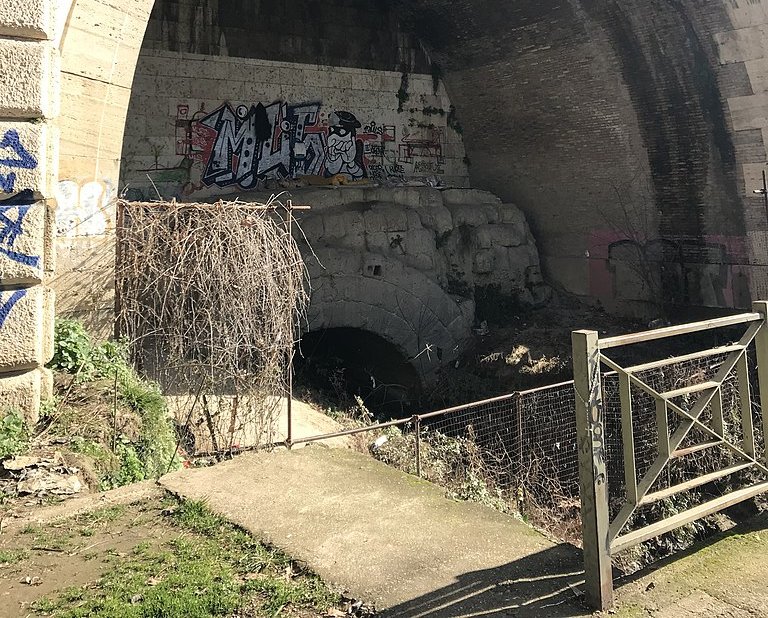
Back in 2018, archaeologists led by Professor Dr Lyudmil Vagalinski from the National Archaeological Museum unearthed large portions of the ancient Roman sewer system—known as the Cloaca Maxima.
And in doing so, they uncovered several other ancient treasures.
 Mbattista22, CC BY-SA 4.0, Wikimedia Commons
Going Back For Another Look
Ancient “structures” were uncovered while exploring the sewage system, but were ultimately left alone until a plan could be put in place for their preservation.
Fast forward to 2024, when Professor Vagalinski and his team decided to open up the grates to check on the sewer's condition—and came across something they hadn’t noticed before.
 Christoffer Wilhelm Eckersberg, Wikimedia Commons
Fragments Of A Past Life
Much of what is found at Heraclea Sintica is decayed, crumbled, and weathered. Most artifacts and notable statues or structures were only fragments of what they once were.
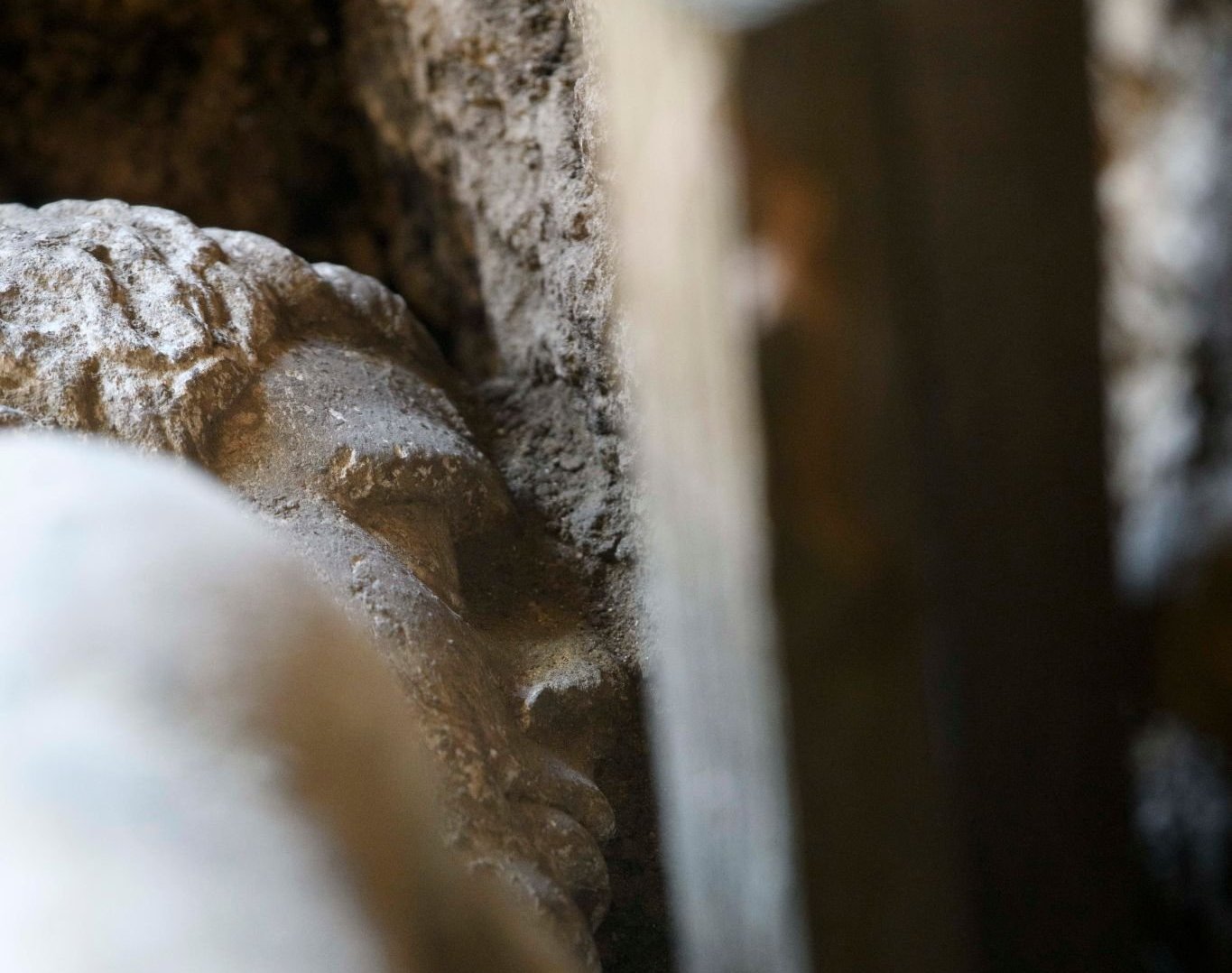
While archaeologists were dusting around the ancient sewer system though, they came across something unexpected—and it was unlike anything else they had found thus far.
 DOBRIN KASHAVELOV, Getty Images
The Newest Discovery
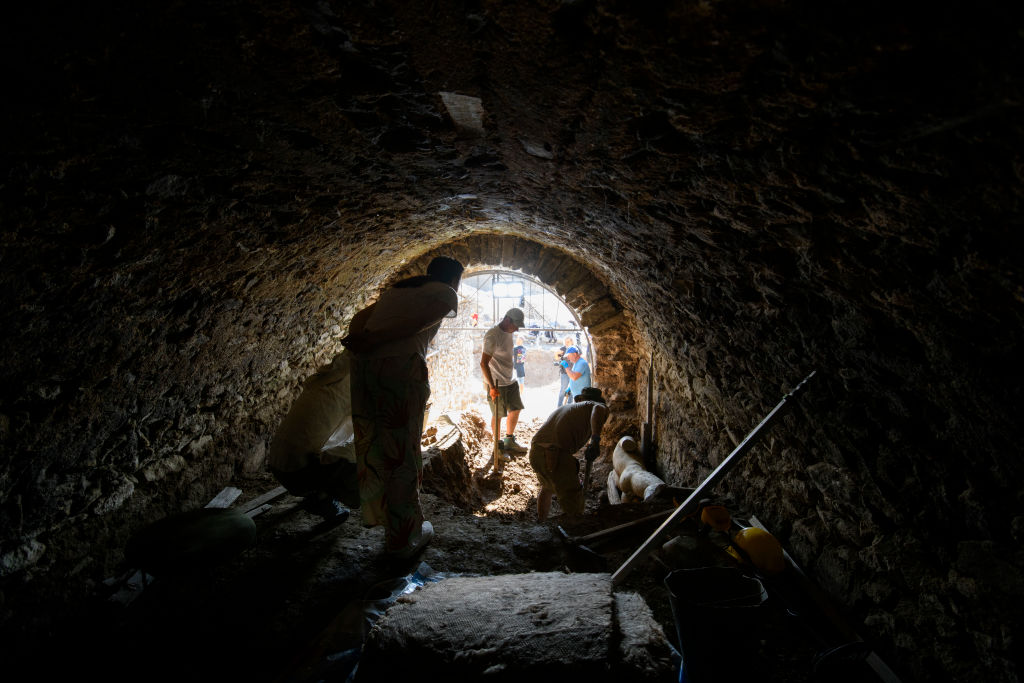
Hidden under a thick blanket of soil, archaeologists found an incredible piece of history that is believed to be the work of a “master”. With a larger-than-life size of 6.8 feet high, this work of art was not only solid, it was massive, too.
But that’s not what makes it so significant.
 DOBRIN KASHAVELOV, Getty Images
It’s A True Ancient Masterpiece
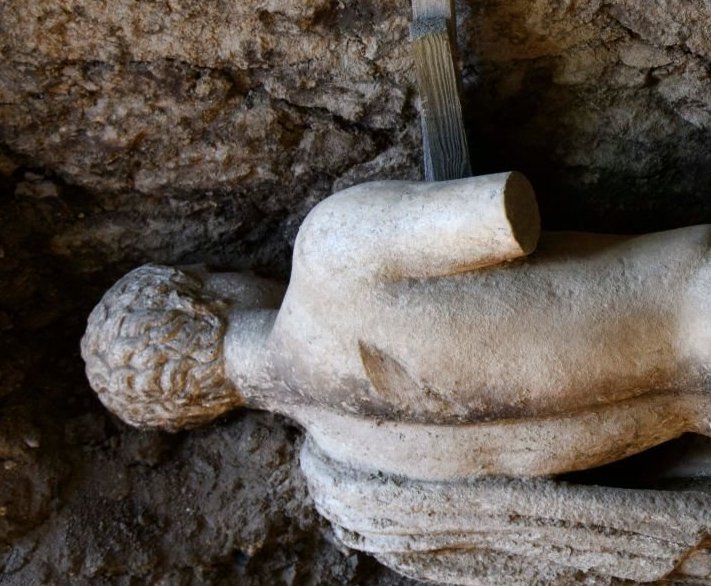
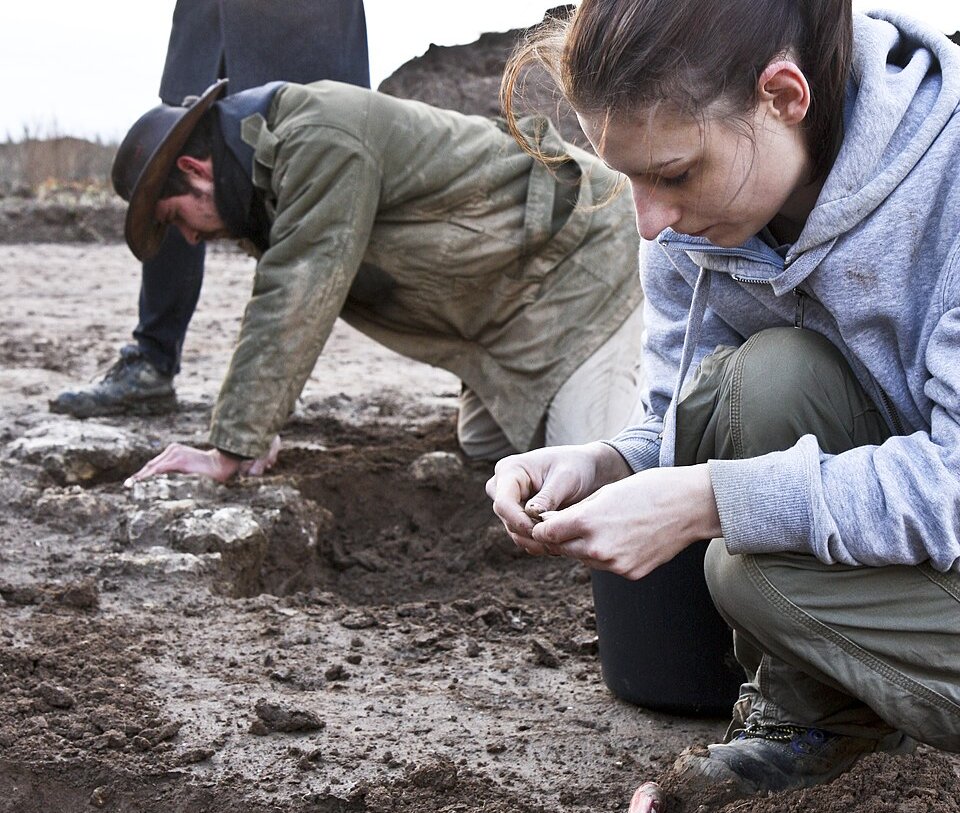
While the archaeologists were sweeping the walls inside the sewers, they came across a patch of marble. As they carefully continued to clean further, they ended up uncovering a full statue—carved from a single block of marble.
But that’s not all.
 DOBRIN KASHAVELOV, Getty Images
It’s One Of A Kind
The statue, as mentioned earlier, stands nearly 7 feet tall, and was found in “exceptional condition”, with only the hands missing. It is the only complete Roman statue ever found in Heraclea Sintica.
There’s still more.
 Maxime Cambreling, CC BY-SA 4.0, Wikimedia Commons
It’s The Divine Trickster
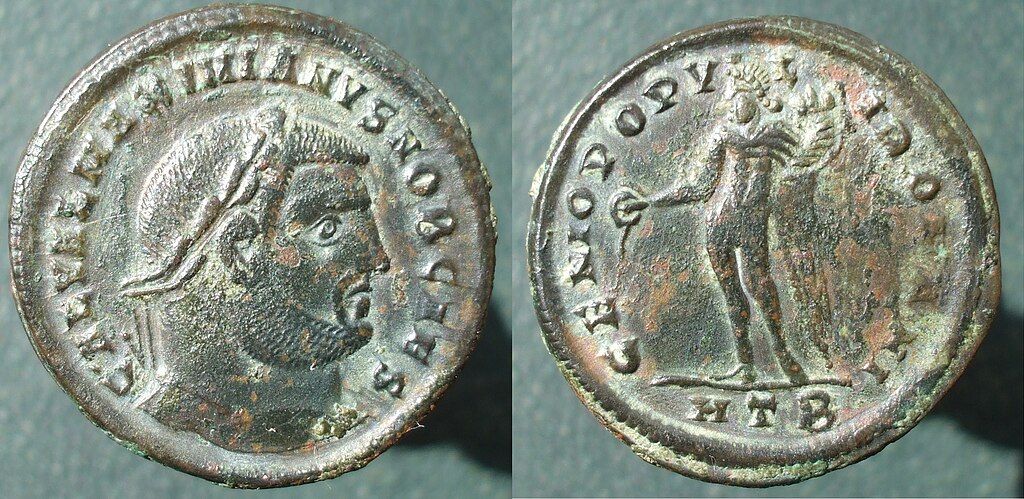
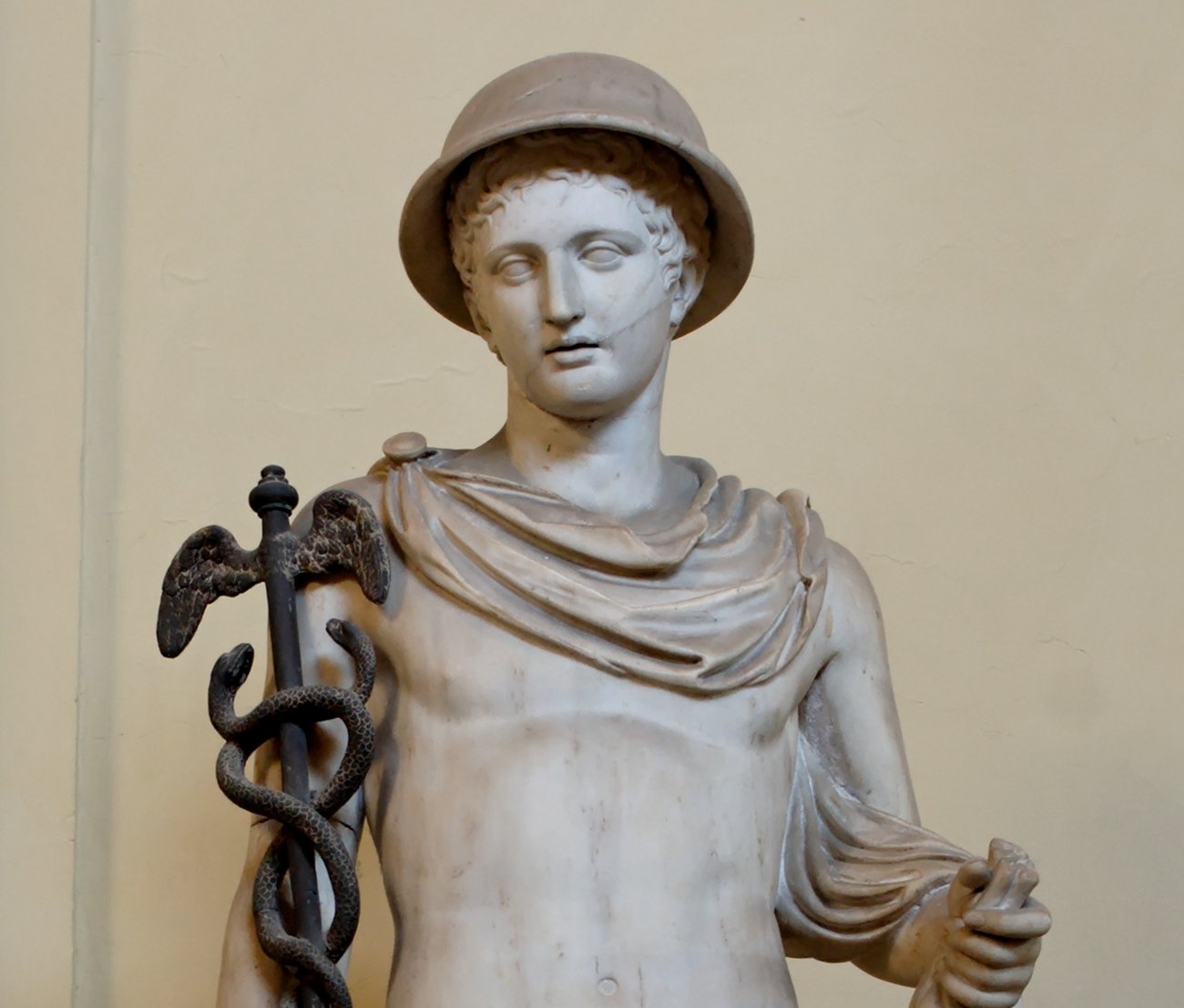
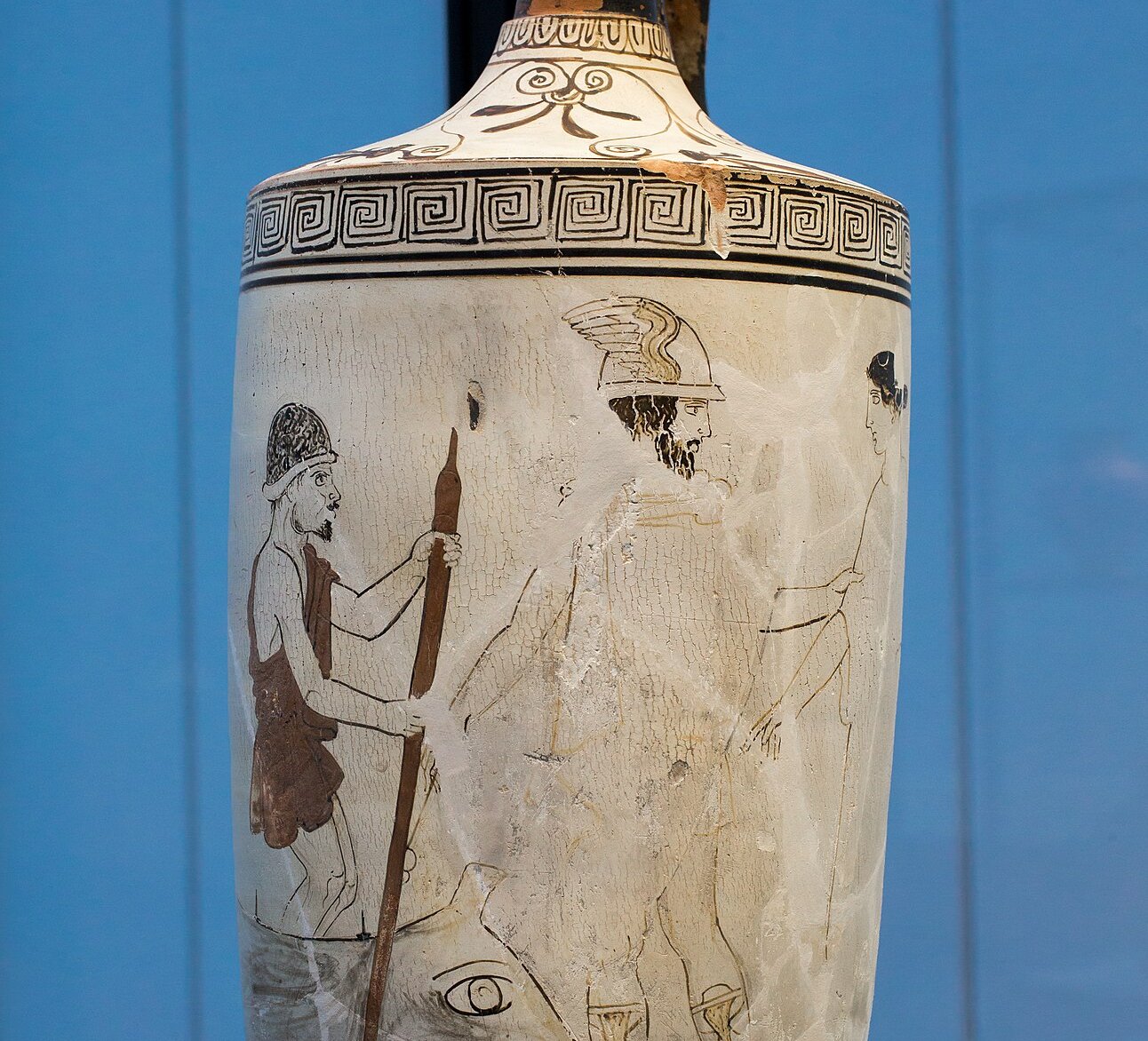
The sculpture is believed to be a statue of the Greek god Hermes—who was considered the messenger of the Olympic gods. According to legend, he was the son of Zeus and Maia, and was often associated with trickery, luck, shepherds, athletes, thieves, and merchants.
This astonishing discovery was not without questions, though. For starters—why the sewer?
 Vatican Museums, Wikimedia Commons
The Dig Has Complications
The land atop the sewer system, particularly where the statue was found, is located on private property. This makes excavation work complicated, as they have less power to conserve and restore the site.
But this hasn’t stopped archaeologists from coming up with theories of how this massive marble statue ended up in the Roman sewer system to begin with.
 ArchaiOptix, CC BY-SA 4.0, Wikimedia Commons
Putting Together The Pieces
The statue was apparently found lying on its side, facing the sewer wall. It is believed it was deliberately, and carefully, placed there and covered with soil for its protection. As we now know, Hermes is sometimes associated with thieves and merchants. Could someone have been up to no good?
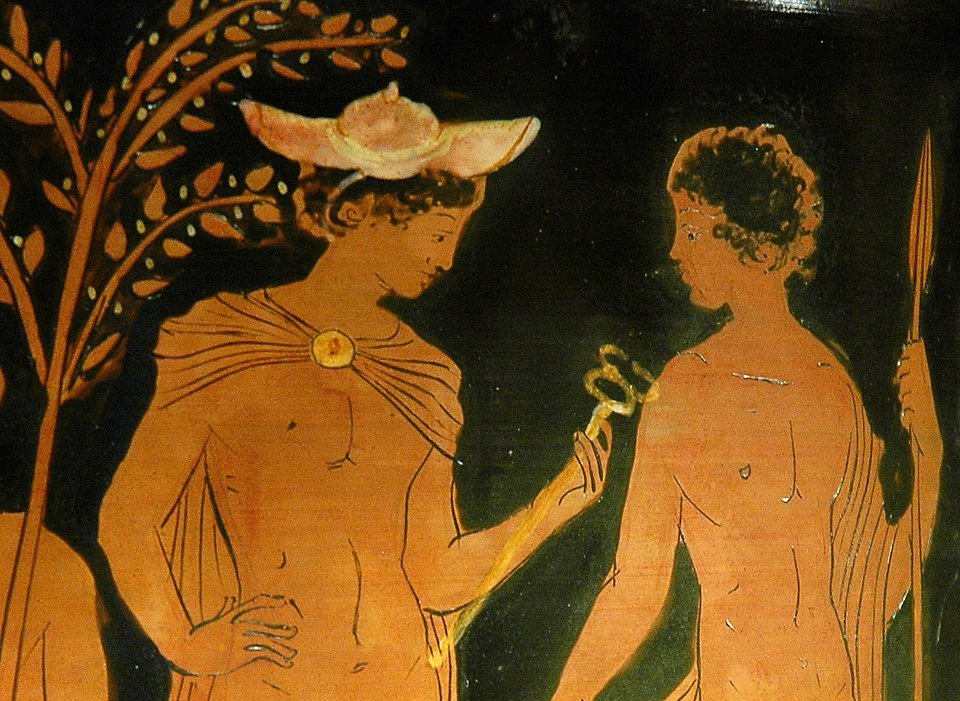 Bendis Painter, Wikimedia Commons
Hidden For Protection
One popular theory is that the statue went against religious rules in Heraclea Sintica at the time. Emperor Theodosius I had officially declared Christianity the official and only state religion at this point—and many people quickly became anti-pagan.
As a result, most temples and statues were destroyed, which is why most of the Roman statues found in Bulgaria are headless.
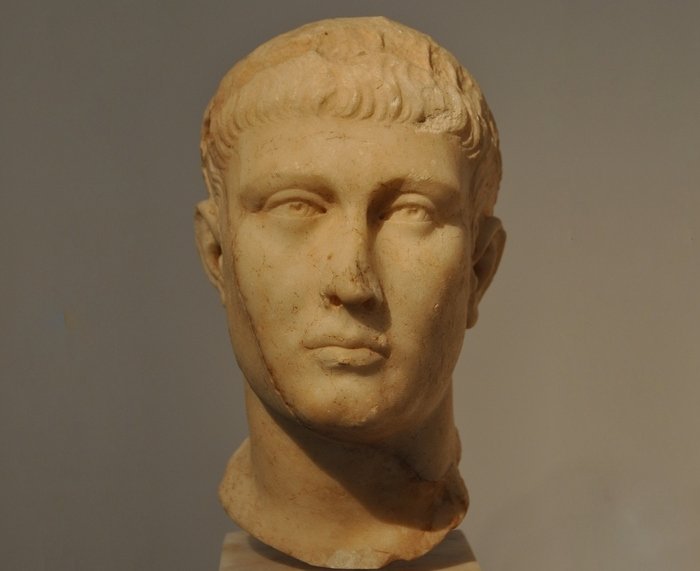 livius.org, CC BY-SA 4.0, Wikimedia Commons
It Was Rescued
Because of the religious overrule, many people believe the statue of Hermes was rescued by people who respected its cultural value—and hidden for safekeeping deep in the underground sewer system, only to be found millennia later.
While this theory is popular—some historians believe something entirely different.
 Adolf Hirémy-Hirschl, Wikimedia Commons
Protection From Something Else
While people have many fun theories piecing historical events together, historians believe that the statue may have been hidden inside the sewer system around the time of the earthquake, likely for protection.
And here we are, 1,700 years later, with a marble statue in shockingly good condition.
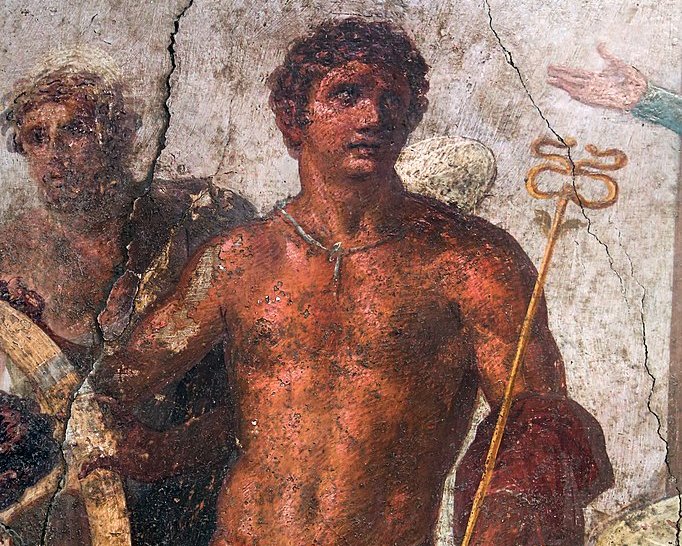 Sailko, CC BY-SA 4.0, Wikimedia Commons
It Is Incredible Well-Preserved
The fact that the statue has barely deteriorated in thousands of years is a celebration all in itself. But the intricate design is also something to marvel at.
The entirely marble statue has a distinct style that dates all the way back to the 2nd century AD—and it resembles something else found from the same era.
 Olaf Tausch, CC BY 3.0, Wikimedia Commons
The Atlante Hermes
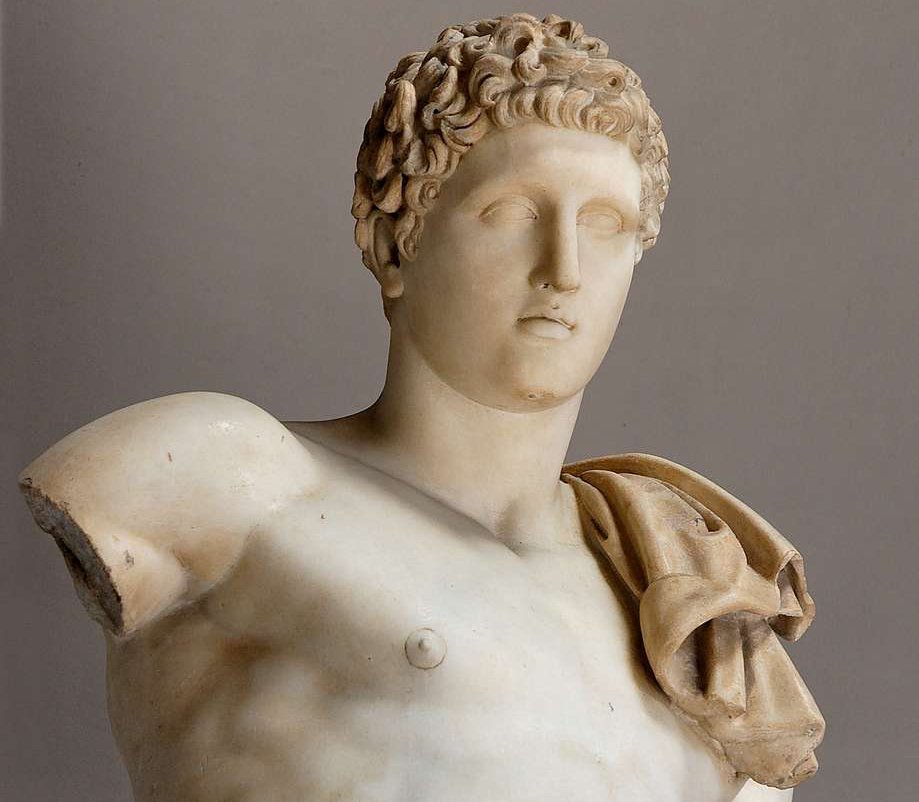
Aside from its large size, the contrapposto posture, along with the chlamys and the tree trunk support next to the left leg, are said to be almost identical to the Atlante Hermes—a marble statue of Hermes that was found in central Greece.
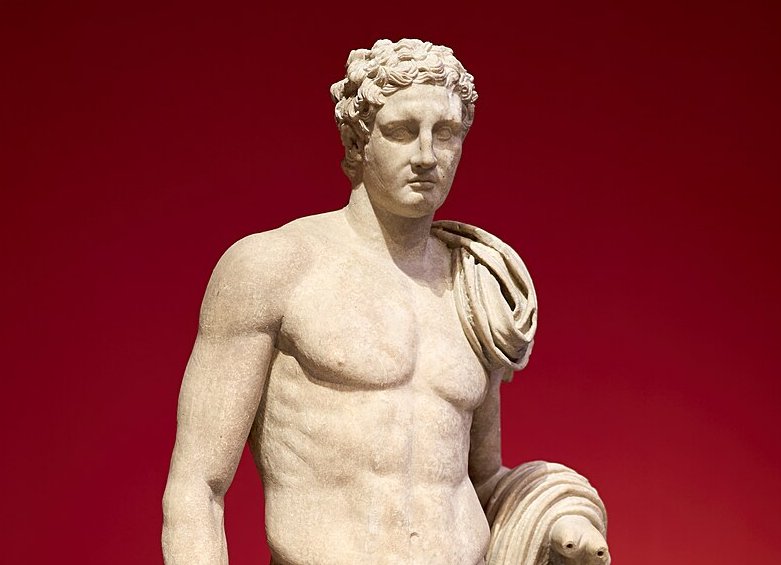 George E. Koronaios, CC BY-SA 4.0, Wikimedia Commons
The Missing Piece
The Atlante Hermes is a 2nd-century copy of a 4th century BC original that is believed to have been created by Lysippos, one of the three greatest sculptors of Classical Greece. But this statue is missing a valuable piece—one that we are hoping this newly excavated Hermes will still have.
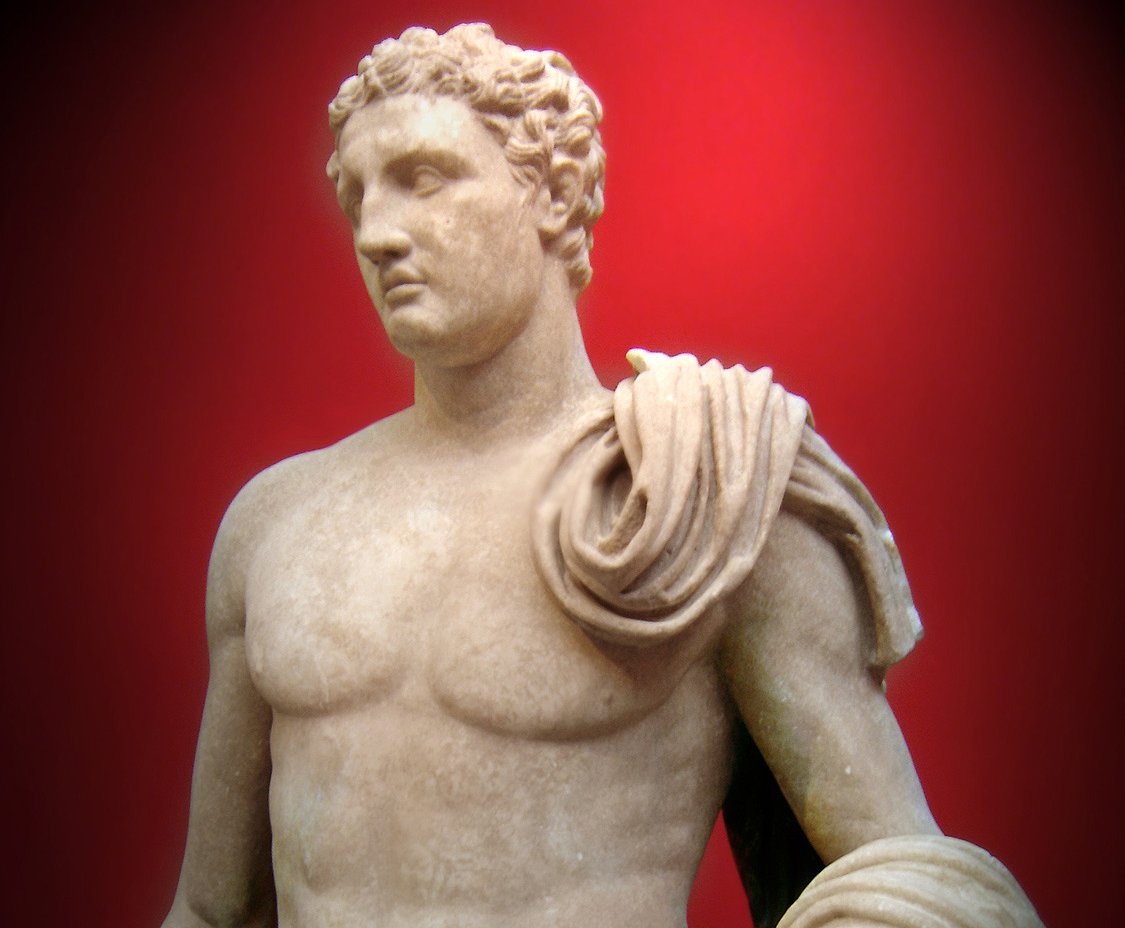 Ricardo André Frantz, CC BY-SA 3.0, Wikimedia Commons
The Caduceus
The Atlante Hermes was found without the caduceus—a winged staff entwined with two snakes—that would have originally been held in his left hand. This symbolic piece is found on nearly all statues of Hermes.
Since the Heraclea Sintica statue has only recently been discovered, much of it is still waiting to be unearthed.
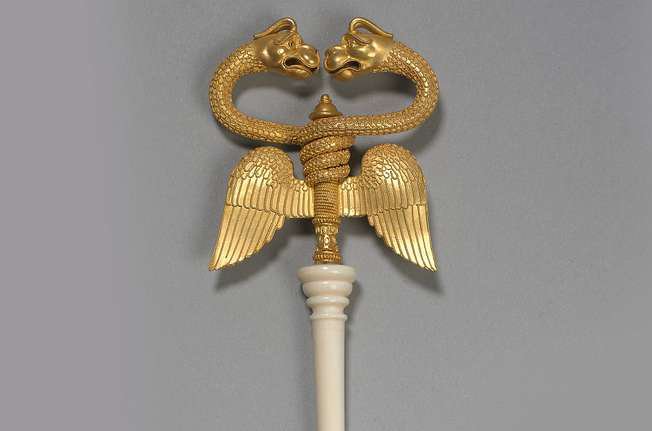 Cooper–Hewitt, Smithsonian Design Museum, Picryl
The Job Isn’t Done Yet
Archaeologists are currently working to fully uncover and safely remove the statue so it can be further studied and preserved in the History Museum in Petrich. Afterward, it will be exhibited for visitors.
But getting it out is proving to be a challenge.
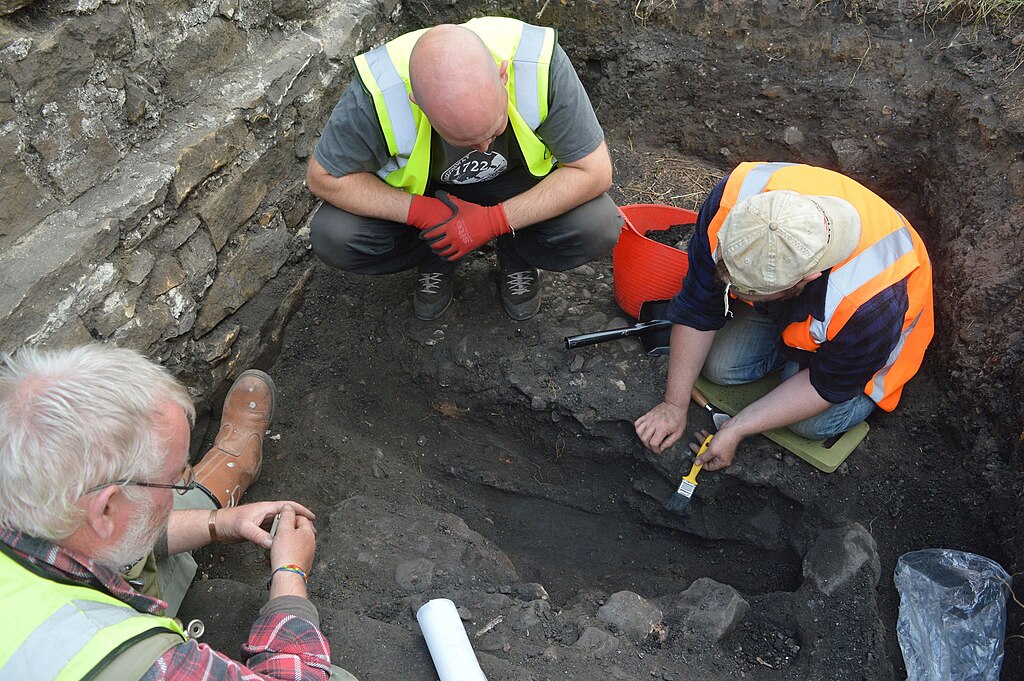 Elknell, CC BY-SA 4.0, Wikimedia Commons
It’s A Challenging Process
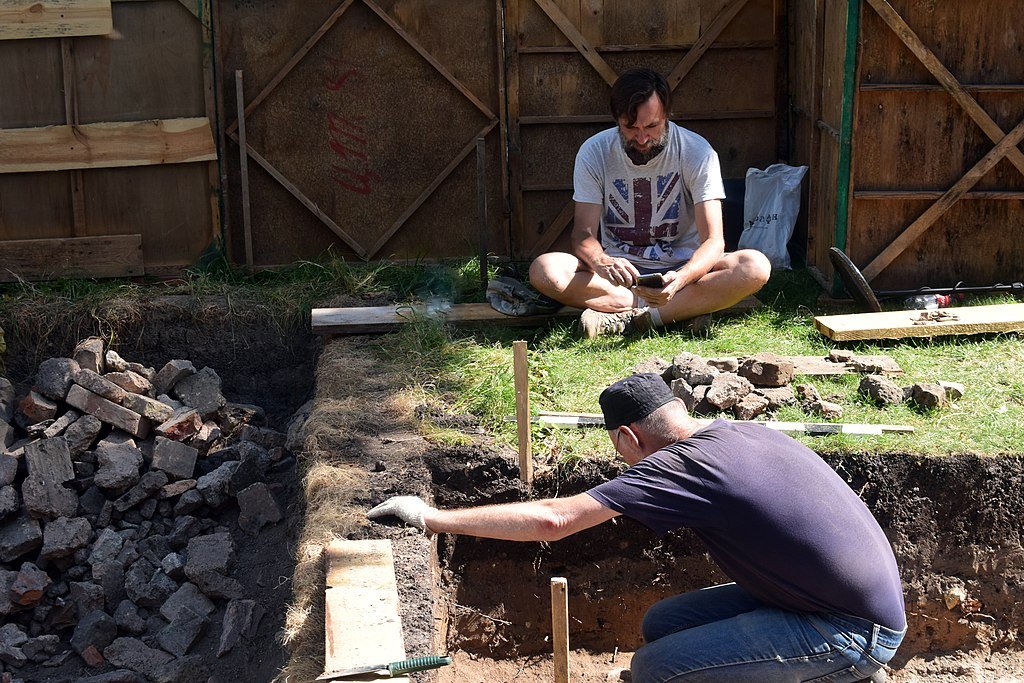
Sources on the job say that given the historical value of the sculpture, immense safety precautions are in play. This is a job that will take a great deal of time and patience. Not only that, a “special structure” is apparently being prepared to lift the heavy statue with a crane, and safely transport it.
 Bycro, CC BY-SA 4.0, Wikimedia Commons
It's Making History
The discovery of the statue is a remarkable find in itself, as it adds to the incredible story that we're piecing together of the ancient city of Heraclea Sintica and the rich culture that once inhabited it. But that's not the only reason this discovery is making history right now.
 Sarapulov, CC BY 4.0, Wikimedia Commons
It's Not Just An Old Statue
The fact that the statue is in such excellent condition is apparently very rare—and because of this, it has attracted the attention of people all across the globe. According to Elizabeth Marlowe, the director of the museum studies program at Colgate University, “It is rare and exciting to find an almost perfectly intact statue, and especially one of such apparently high quality”.
As a win for Professor Vagalinski, not only does he speak highly of his team, but he wants the world to know just how significant this find truly is.
 U.S. Army Corps of Engineers, Wikimedia Commons
It’s The Best One
According to Professor Vagalinkski, “We still have a lot of work to do and I do not want to rush to conclusions, but from now on I can say that this ancient statue is not only the best preserved among the discovered here, but also on the territory of Bulgaria in general”.
While "best" is subjective, according to our research, this Bulgarian statue is currently considered the best Hermes sculpture in the world. And a testament to the quality of ancient Roman marble art.
You May Also Like:
Archaeologists Discover 150-Year-Old Message In A Bottle
Archaeologists Have Just Found A Egyptian Tomb That Rivals King Tut
A 7,000 year-old sculpture was discovered in the Kuwaiti desert in 2024.







.jpg)


.jpg)


_1.jpg)

.jpg)