A Silent Invasion
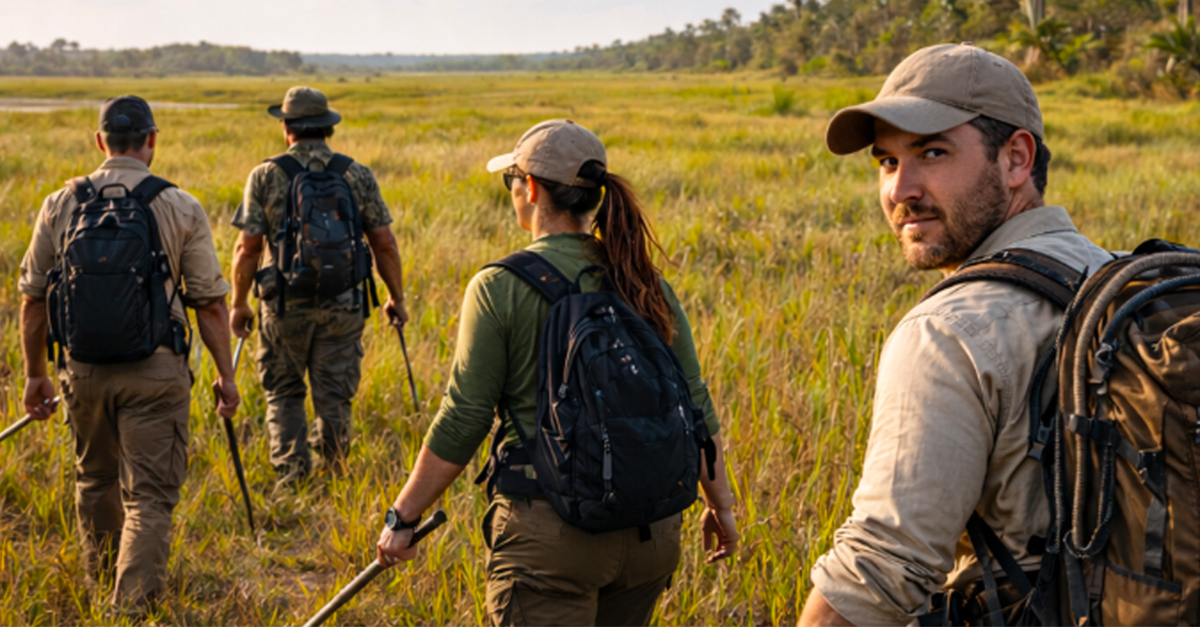
The Burmese python problem in Florida started innocently enough. Imported as exotic pets in the 70s and 80s, many of these large snakes were released; others escaped into the wild because of the carelessness of their owners. Inadequate regulations and the destruction of a python breeding facility by Hurricane Andrew in 1992 accelerated their spread. In the decades since, these snakes established a thriving population deep within the Everglades, which went largely unnoticed until the ecological damage became impossible to overlook.
Burmese Pythons Thrive In Florida
South Florida’s warm climate and vast wetlands are very similar to the python’s native habitat of Southeast Asia. With plenty of prey to feast on and few natural predators, the snakes’ population grew rapidly. Long lifespans, high fertility, and stealthy behavior allowed them to slither their way into and across protected areas while being difficult to detect.
 evergladesnps, Wikimedia Commons
Impact On Mammals And Birds
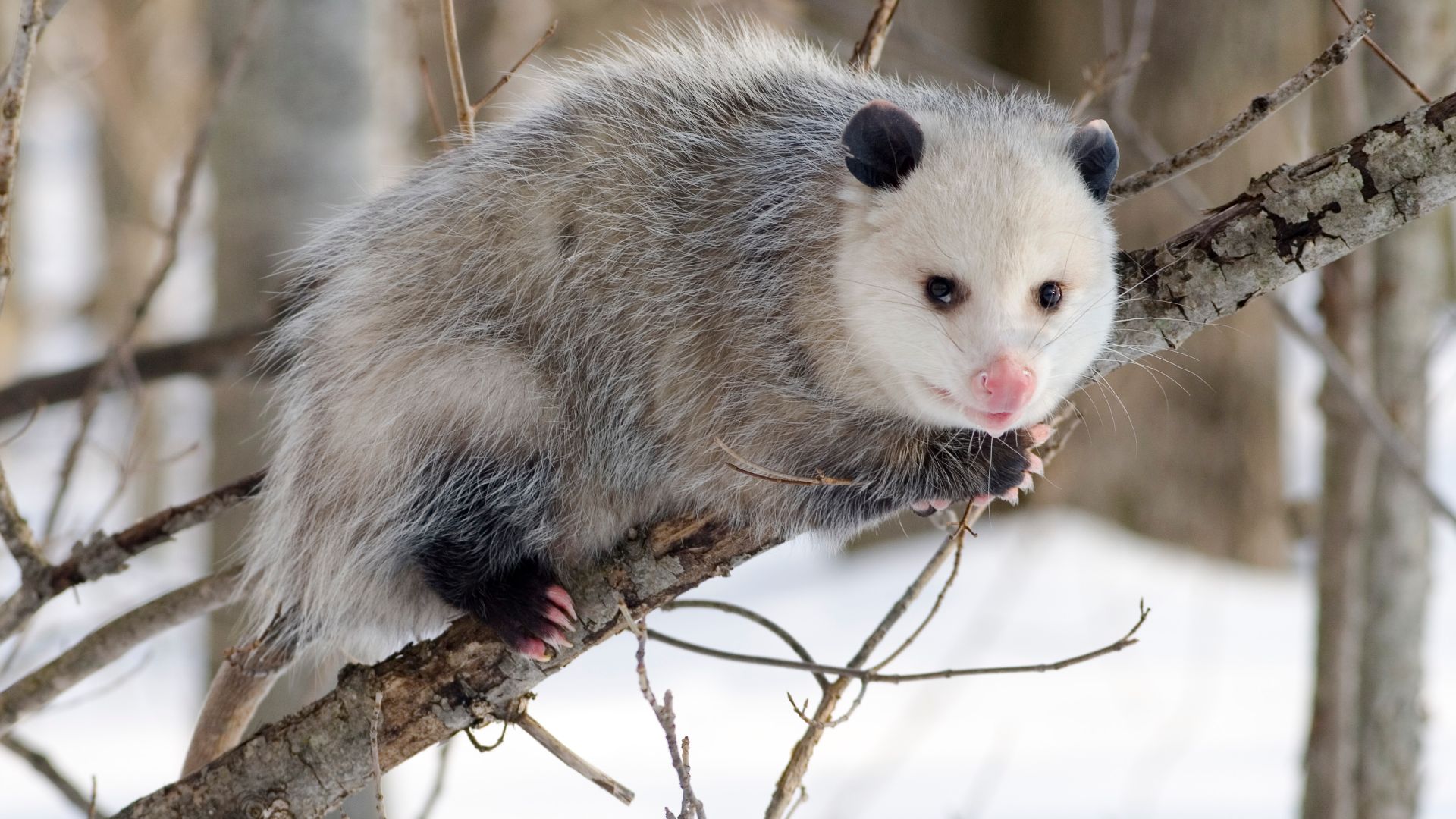
Wildlife studies show dramatic declines in many different native mammal populations linked to python presence. Raccoons, opossums, bobcats, and even deer have vanished in heavily infested regions. Ground nesting birds, wading birds, and other waterfowl also face serious predation pressure. The loss of these animals disrupts delicate food webs and ecosystem balance.
Everglades Ecosystem Disrupted
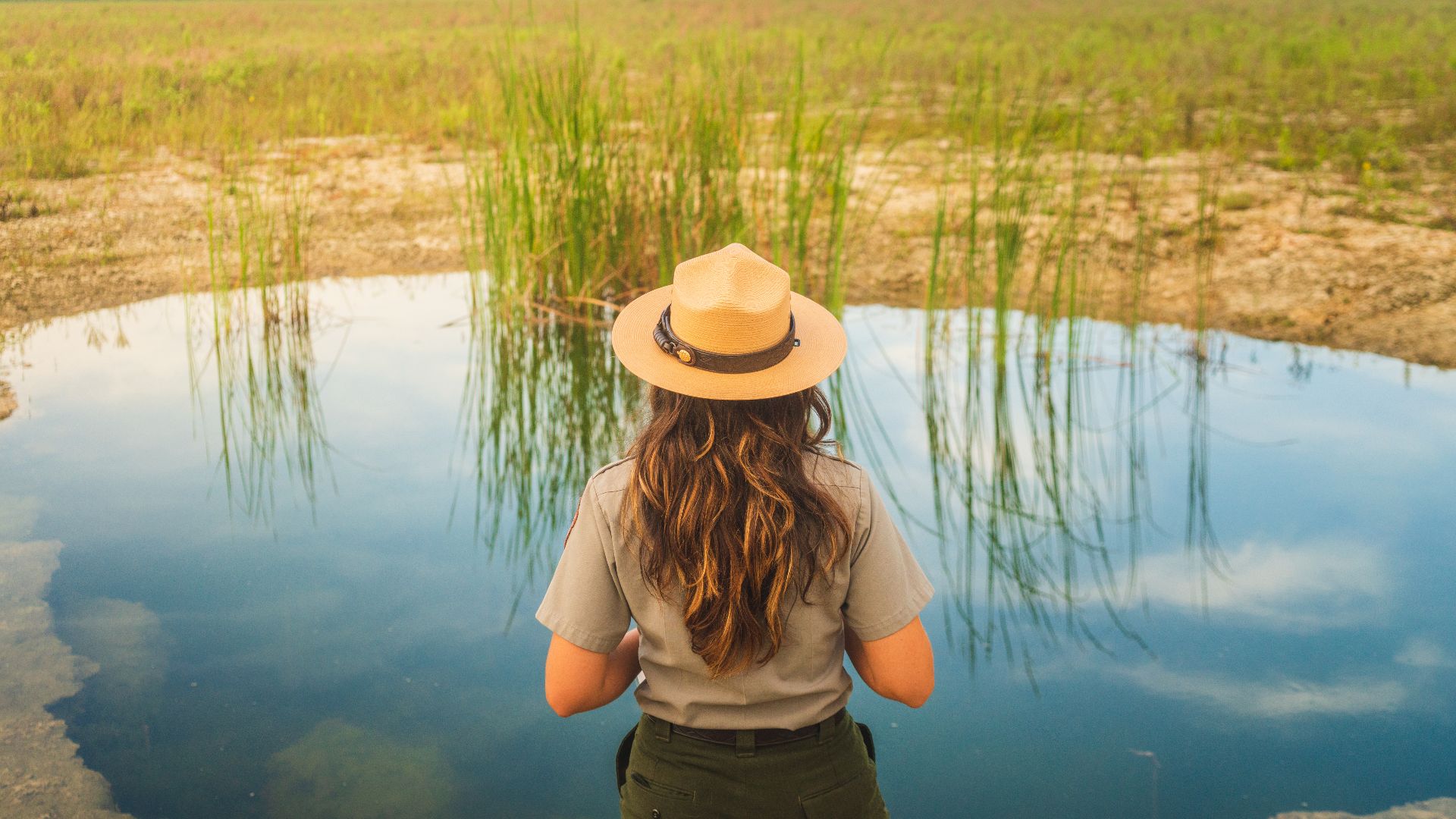
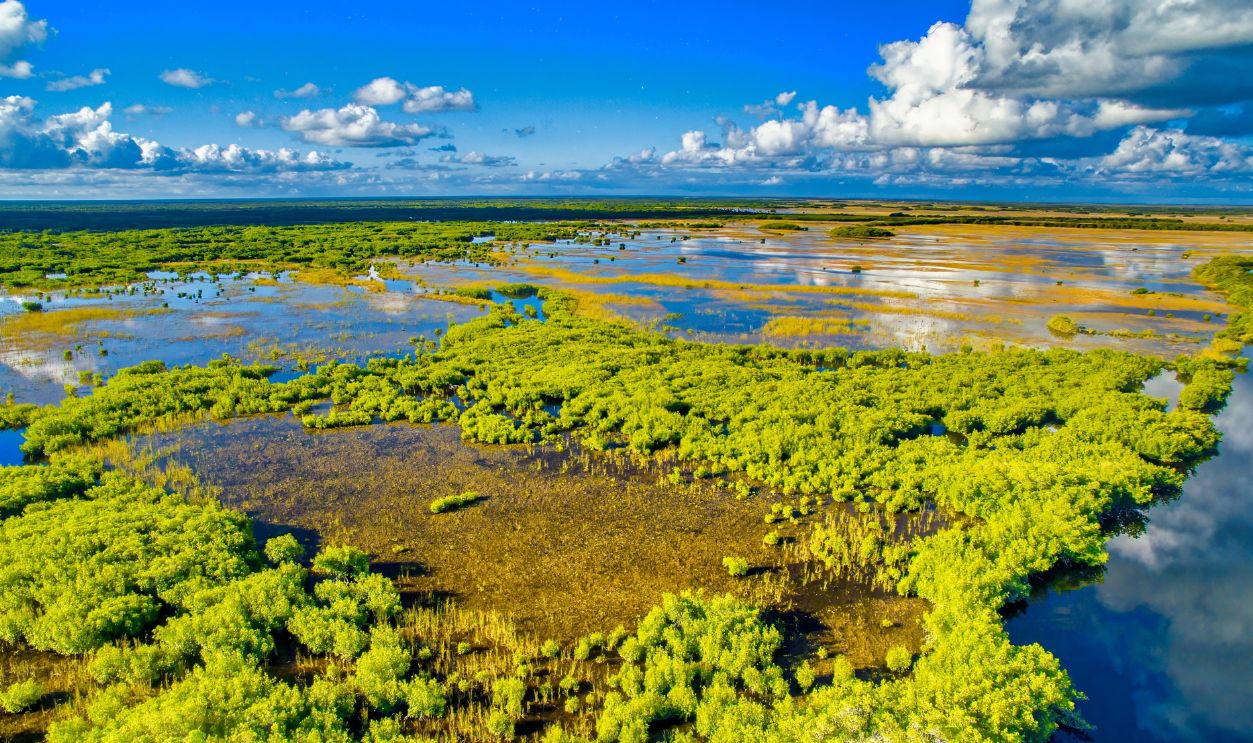
The Everglades relies on carefully balanced predator-prey relationships. Burmese pythons act as apex predators in places where they never previously existed and do not belong. Their broad diet interferes with species that control insects, shape vegetation, and spread seeds. It’s a ripple effect that alters the entire habitat structure and threatens long term ecological stability.
 GagliardiPhotography, Shutterstock
Early Efforts To Control The Snakes
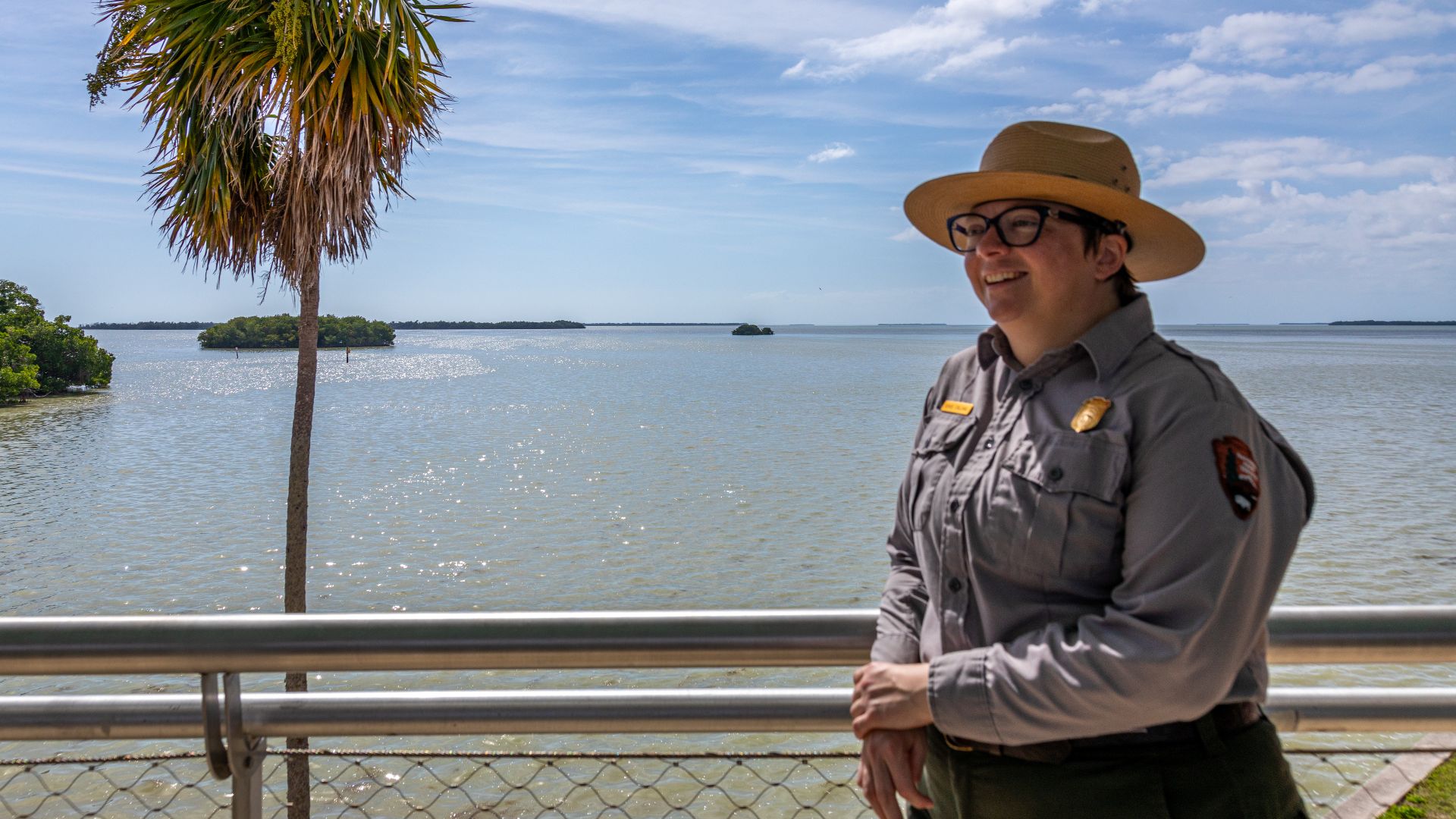
Initial responses to the python problem relied on opportunistic removal. Rangers and volunteers removed snakes whenever they encountered them, but these efforts didn’t have a whole lot of coordination of scientific guidance. The sheer area of the Everglades made random searching useless. Early capture numbers barely even made a dent in the ballooning population.
 evergladesnps, Wikimedia Commons
Florida Python Action Programs
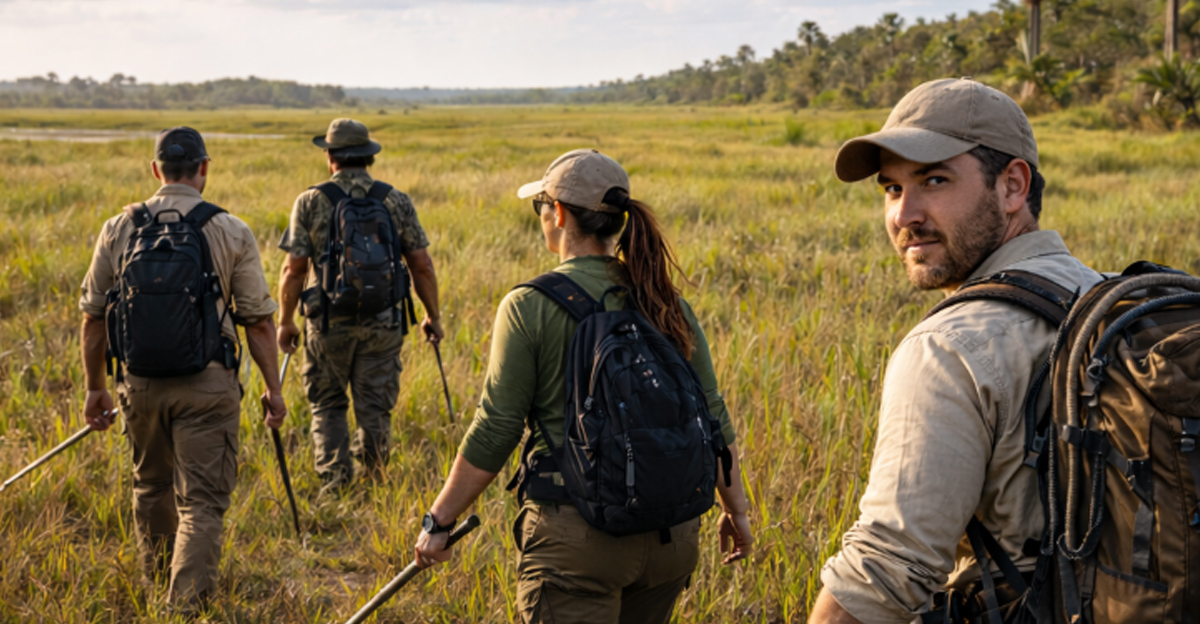
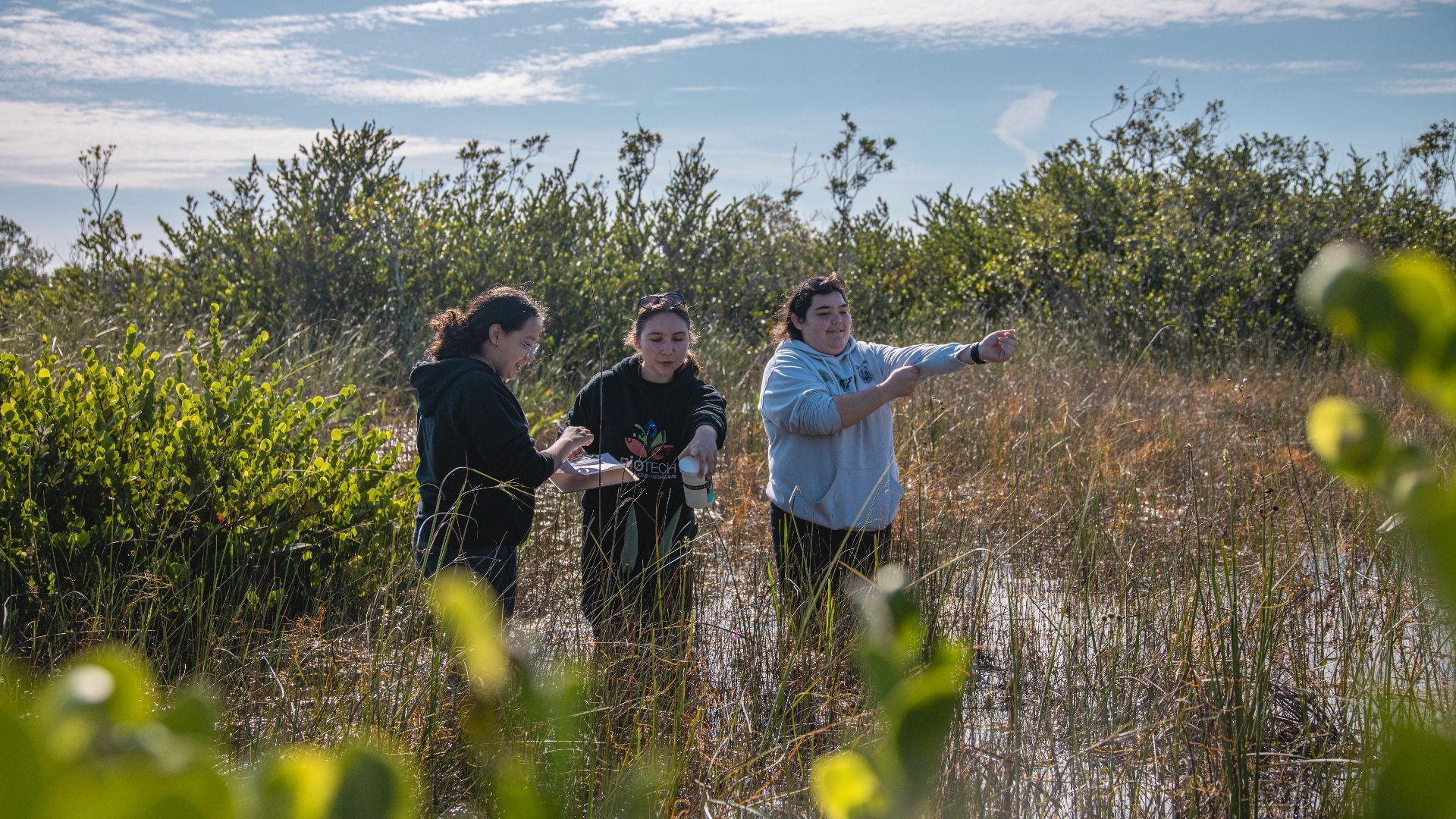
As awareness of the unwelcome serpents grew, Florida started some formal control programs that offered incentives for snake removal. The Python Action Team and public removal programs expanded detection efforts. Trained contractors worked in key habitats all year round, which increased removal rates by a lot.
 evergladesnps, Wikimedia Commons
Rise Of Python Tracking Science
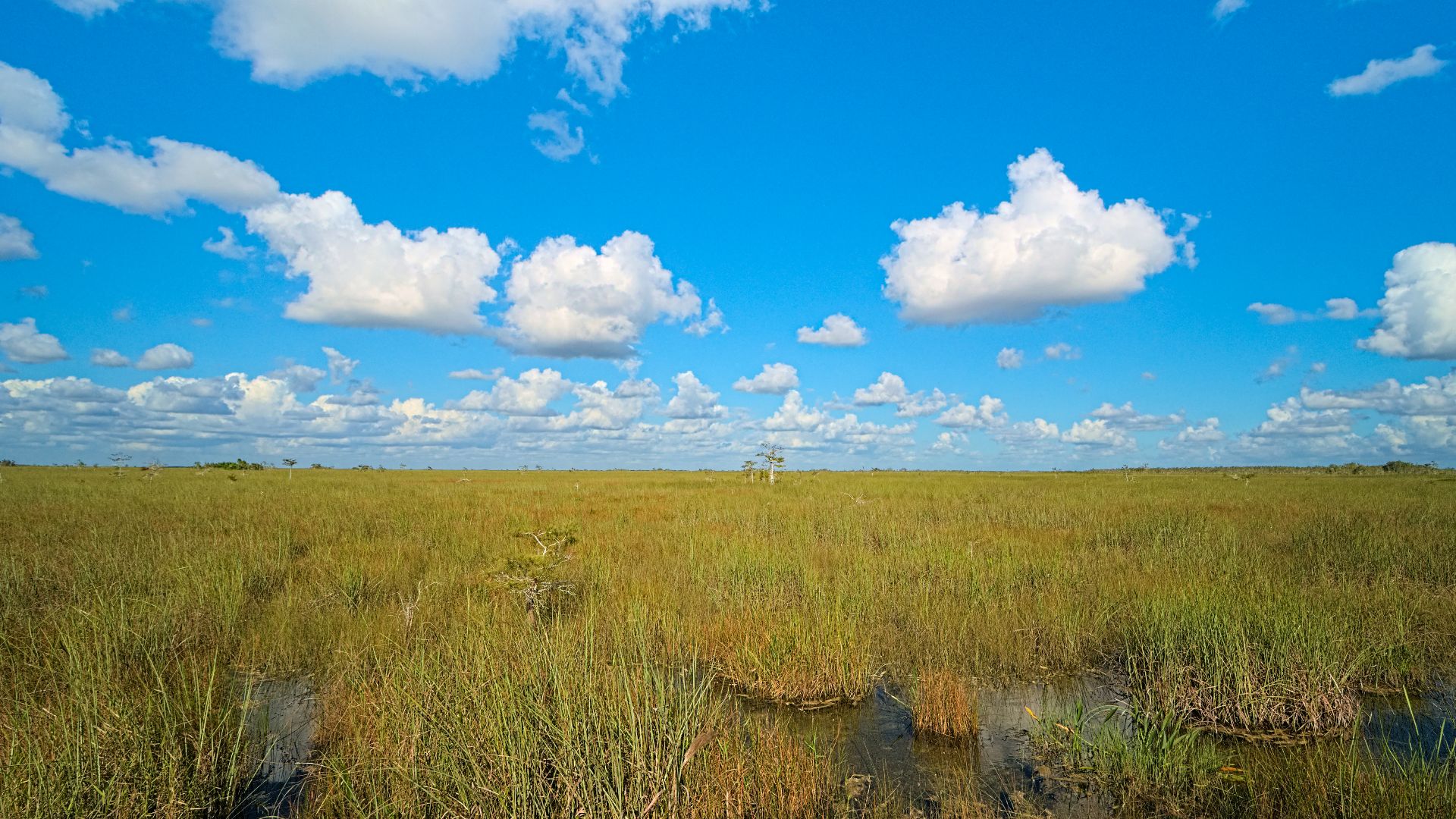
Researchers realized that locating the pythons was the biggest challenge of the project. Because the snakes are cryptic and spend a lot of time hidden in dense vegetation, visual searches were very hit-and-miss and totally inefficient. Biologists shifted their focus toward behavioral and technological solutions set up to exploit python movement, breeding cycles, and sensory traits.
 Daniel Kraft, Wikimedia Commons
Radio Telemetry And The Judas Snake Method
One breakthrough involved fitting captured male pythons with radio transmitters. During the breeding season, these males were able to inadvertently lead researchers to multiple females. This Judas snake technique gives teams the ability to find breeding clusters that would otherwise have remained invisible in the dense wetlands.
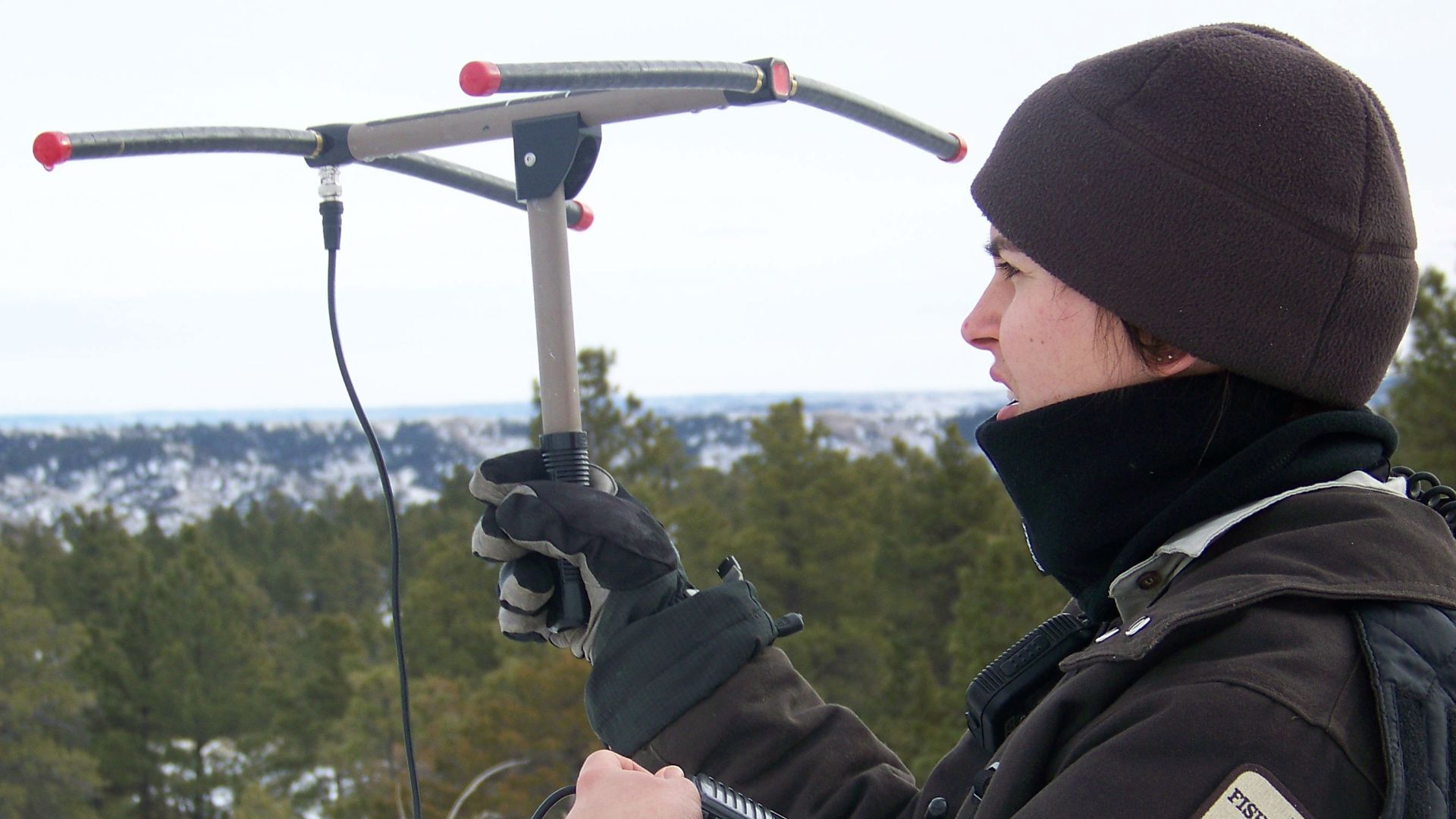 USFWS Mountain-Prairie, Wikimedia Commons
Genetic And Environmental DNA Tools
Scientists now use environmental DNA sampling to detect the presence of pythons from water or soil. DNA shed by the snakes can reveal occupied areas even when the reptiles can’t be seen. This method helps narrow down search zones and measure population spread more accurately than was possible through old-school visual observation.

Thermal Imaging And Aerial Surveys
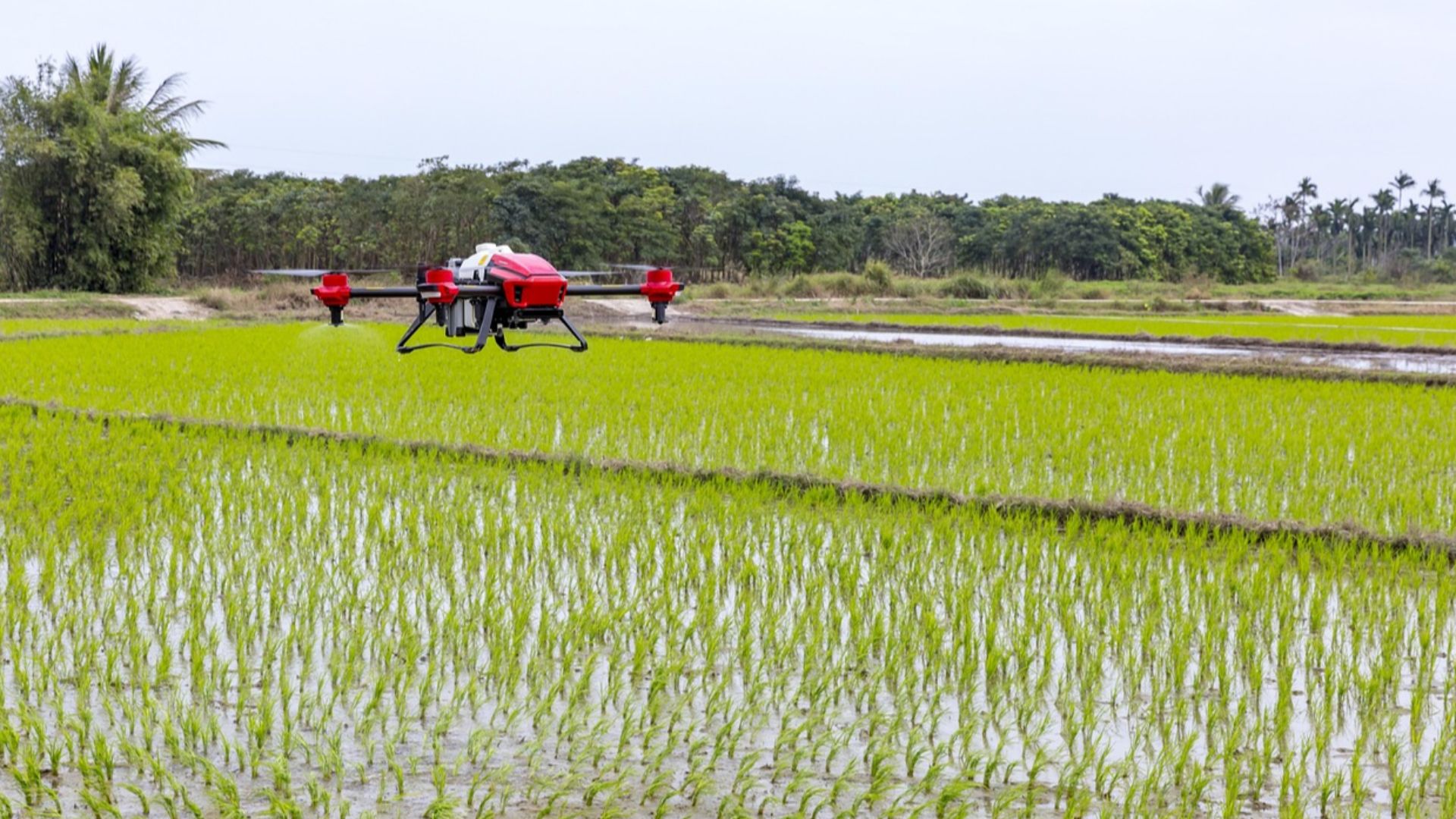
Technicians increasingly use drones fitted with thermal cameras to spot heat signatures in open terrain. In cooler months, pythons stand out against the surrounding environment. Combined with helicopters and aircraft surveys, these tools expand coverage into normally inaccessible areas of the Everglades.
Trained Detection Dogs
Specially trained dogs can also detect python scent trails. Working with handlers, these dogs can track down snakes buried in vegetation or mud. This method increases detection rates while reducing the amount of time wasted in stumbling around aimlessly in the forest. These detection dogs have come particularly in handy along levees and nesting zones where pythons congregate on a seasonal basis.
 presidential palace, Wikimedia Commons
Improved Capture Techniques
Advances in hooks, traps, and restraint tools have also made capture safer and more effective. Removal teams now follow strict protocols to avoid injury. Snakes are measured, tagged, and processed efficiently to gather as much scientific data as possible while removing them permanently from the ecosystem.
 evergladesnps, Wikimedia Commons
What Happens After Capture?
Captured pythons are humanely euthanized following wildlife guidelines. Many of the snakes are donated for scientific research, educational displays, or processed for leather goods. Researchers have the opportunity to analyze stomach contents, genetics, and health to learn more about python ecology and improve their own control strategies for the future.

Role Of Public Python Challenges
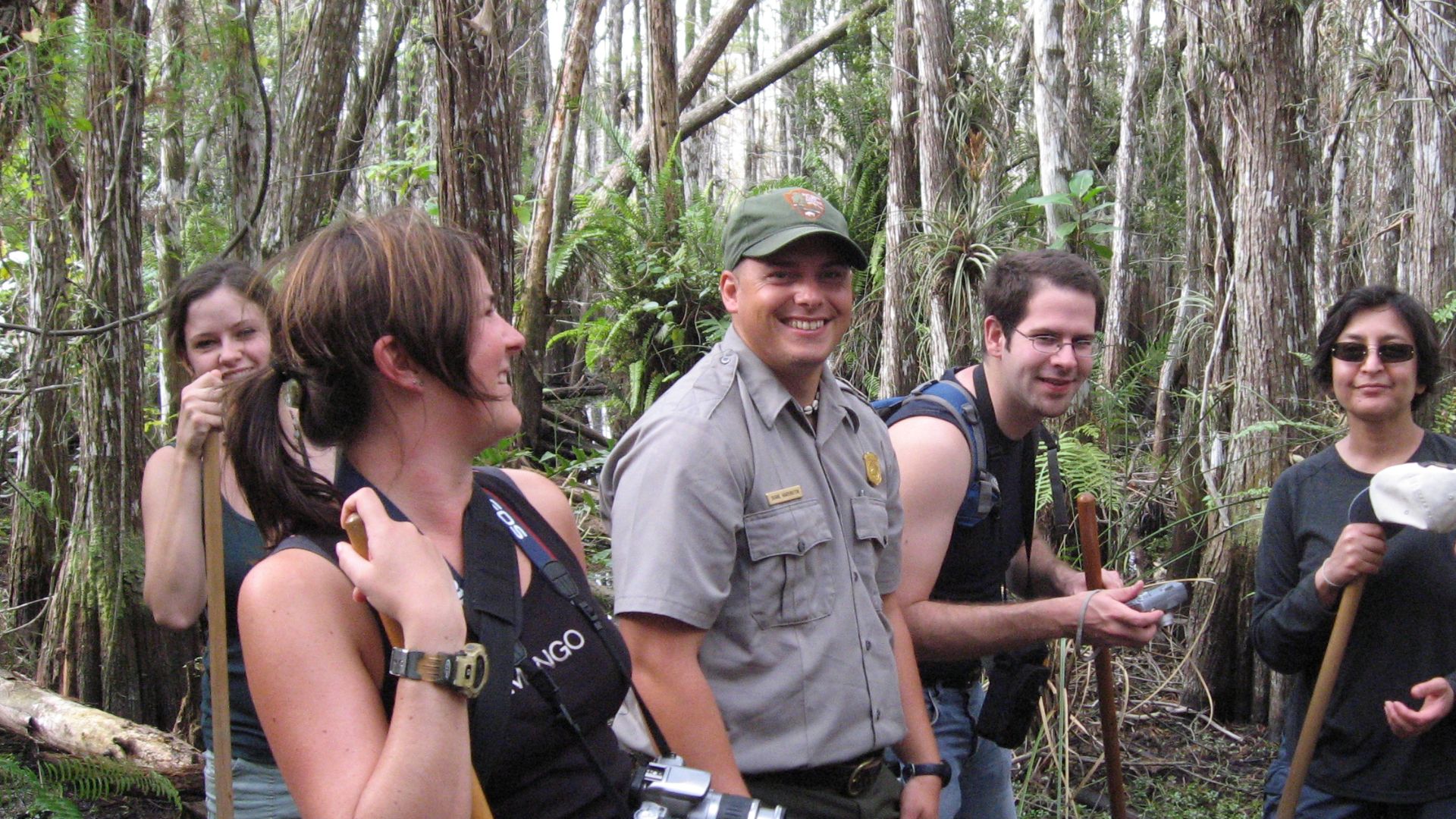
Florida’s Python Action competitions encourage the public to get involved in the effort as well. Cash rewards motivate skilled hunters to remove large quantities of snakes. These events raise awareness while contributing a measurable number of removals, although professionals still take the lion’s share of captures year-round.
 evergladesnps, Wikimedia Commons
Job Opportunities As A Python Tracker
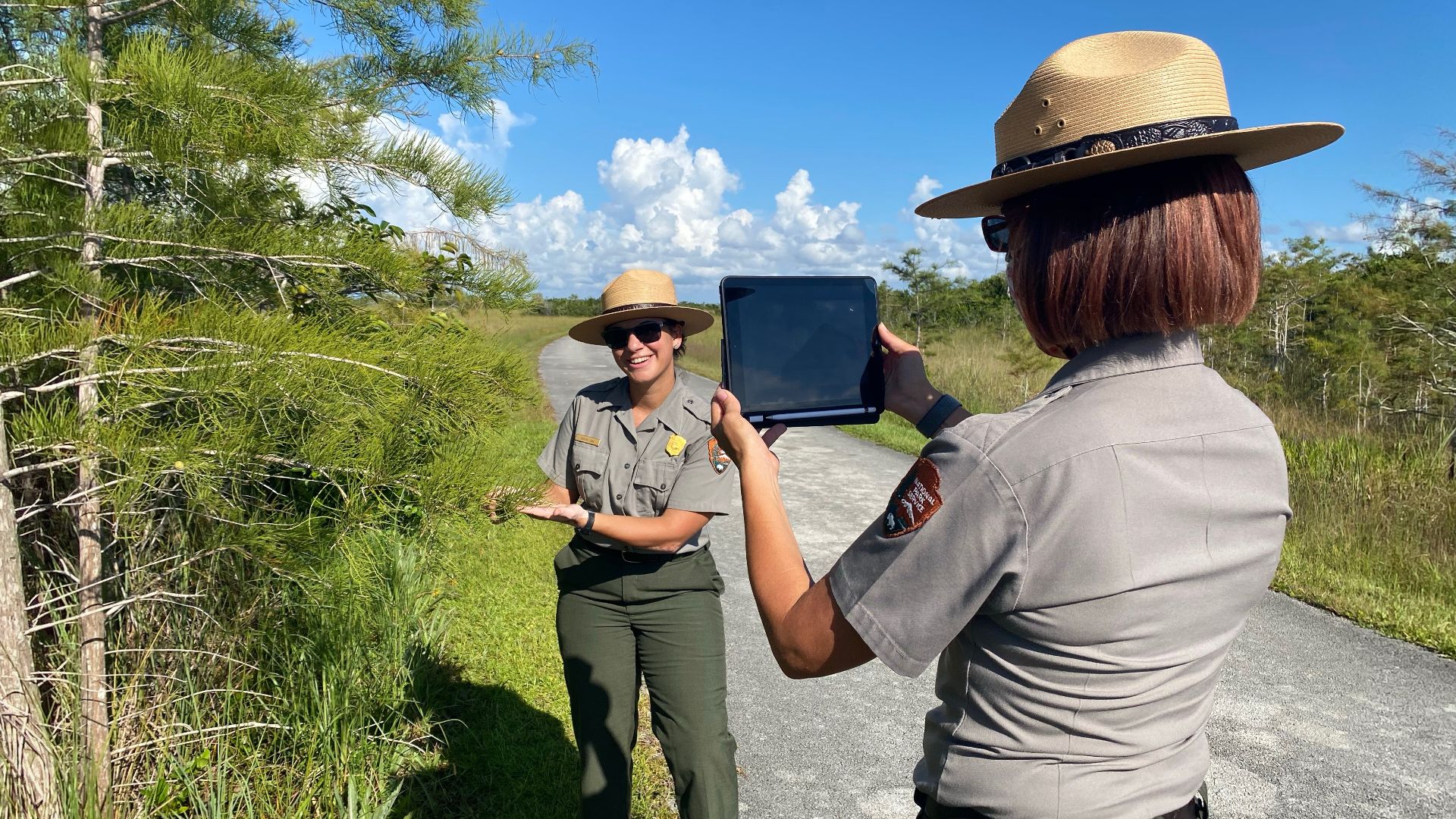
Becoming a python tracker is now a viable job path. Contractors receive training in identification, navigation, capture, and data collection. Some trackers earn steady income, while others only participate seasonally. The demand is still strong as agencies continue to expand control zones across south Florida.
 evergladesnps, Wikimedia Commons
Training And Certification Requirements
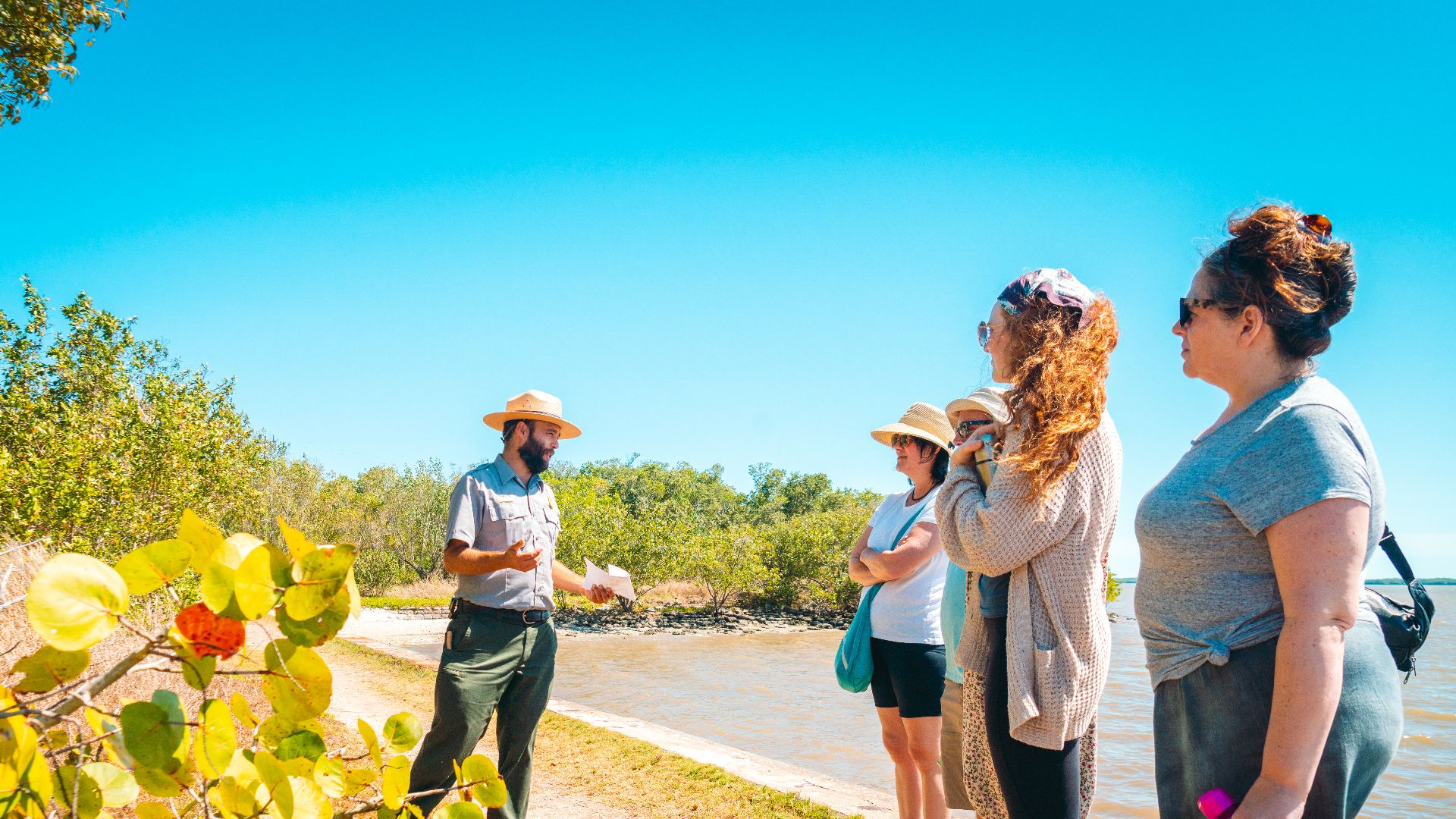
Trackers must complete state-approved training courses covering wildlife handling, safety, and reporting. Many people who choose this career already come from hunting, biology, or conservation backgrounds. Physical endurance, outdoor skills and navigational ability are essential, as work often involves long days in flooded and mosquito infested terrain.
 evergladesnps, Wikimedia Commons
Measuring Success By The Numbers
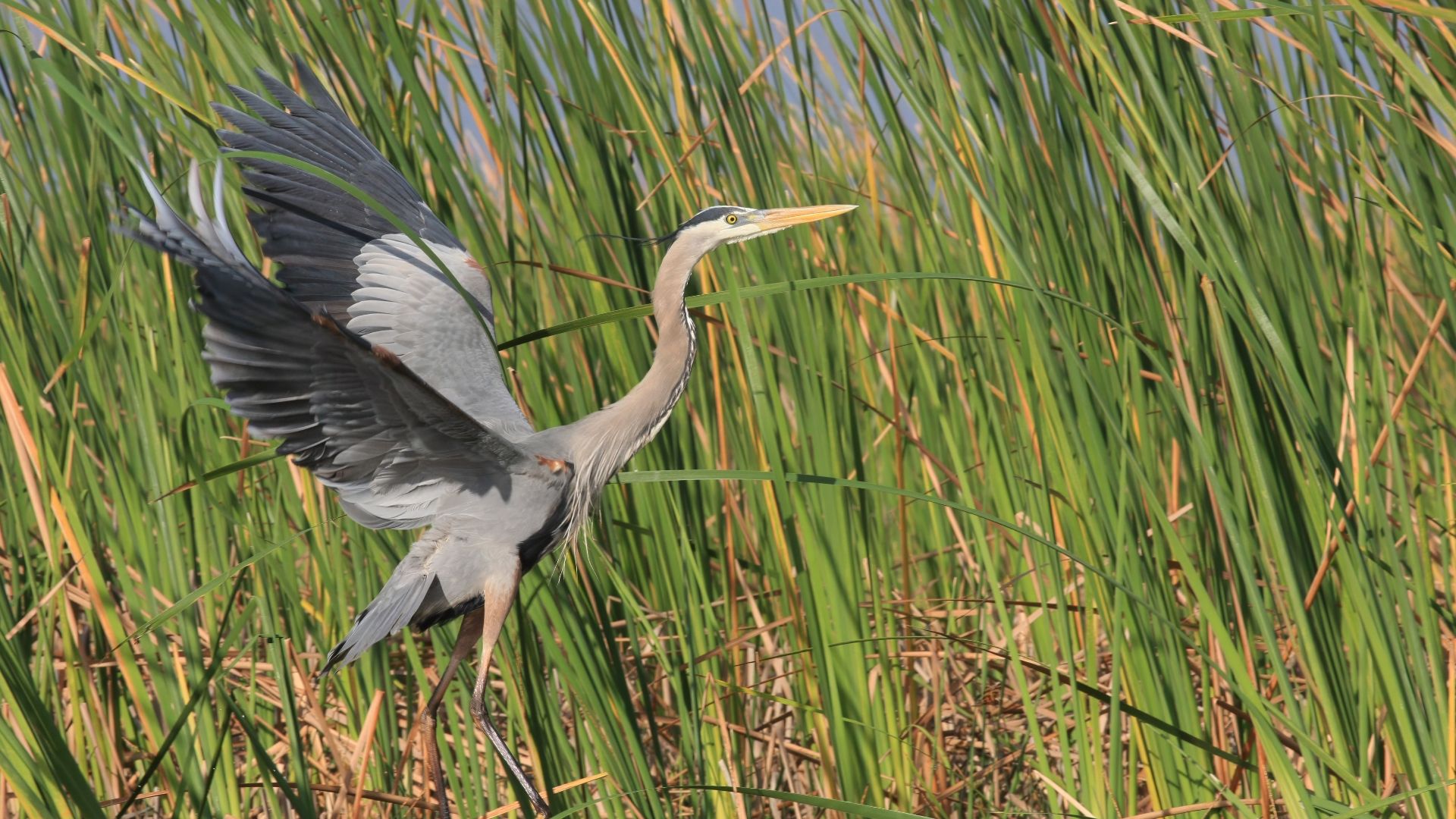
Removal numbers have gone up sharply in recent years, with thousands of pythons captured each year. Trackers and bounty hunters removed more than 20 tons of pythons in 2025, a record number. While total eradication is unlikely in the near future, localized population suppression is achievable. Reduced python density allows some native species to recover, offering cautious optimism among scientists.
 ImagePerson, Wikimedia Commons
Remaining Challenges
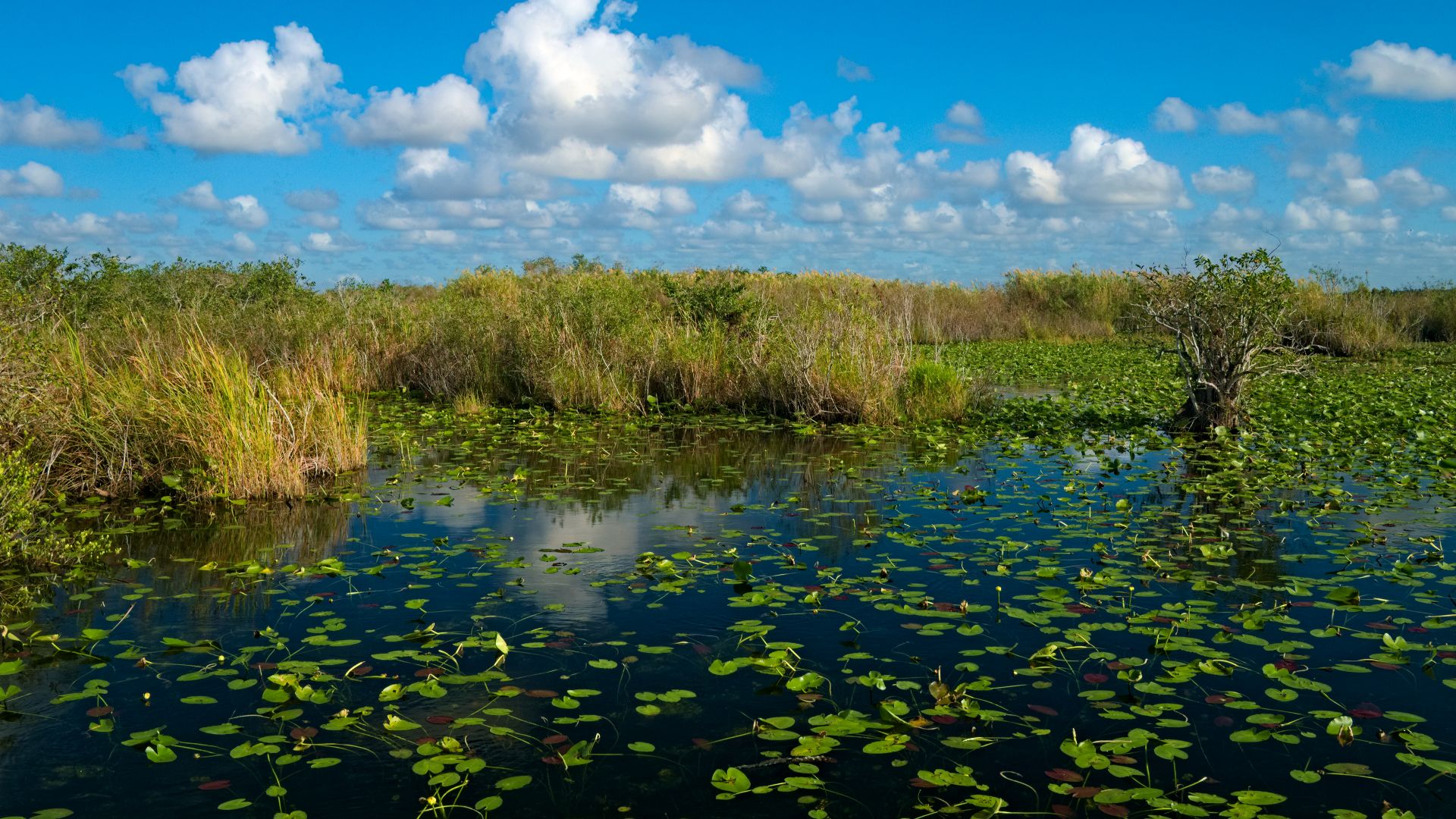
The Everglades cover a vast stretch of difficult terrain. Pythons are still reproducing faster than they can be removed in some regions. Climate change, flooding, and difficult access hamper control efforts. Long term management will come down to sustained funding and innovation.
 Daniel Kraft, Wikimedia Commons
Public Education And Prevention
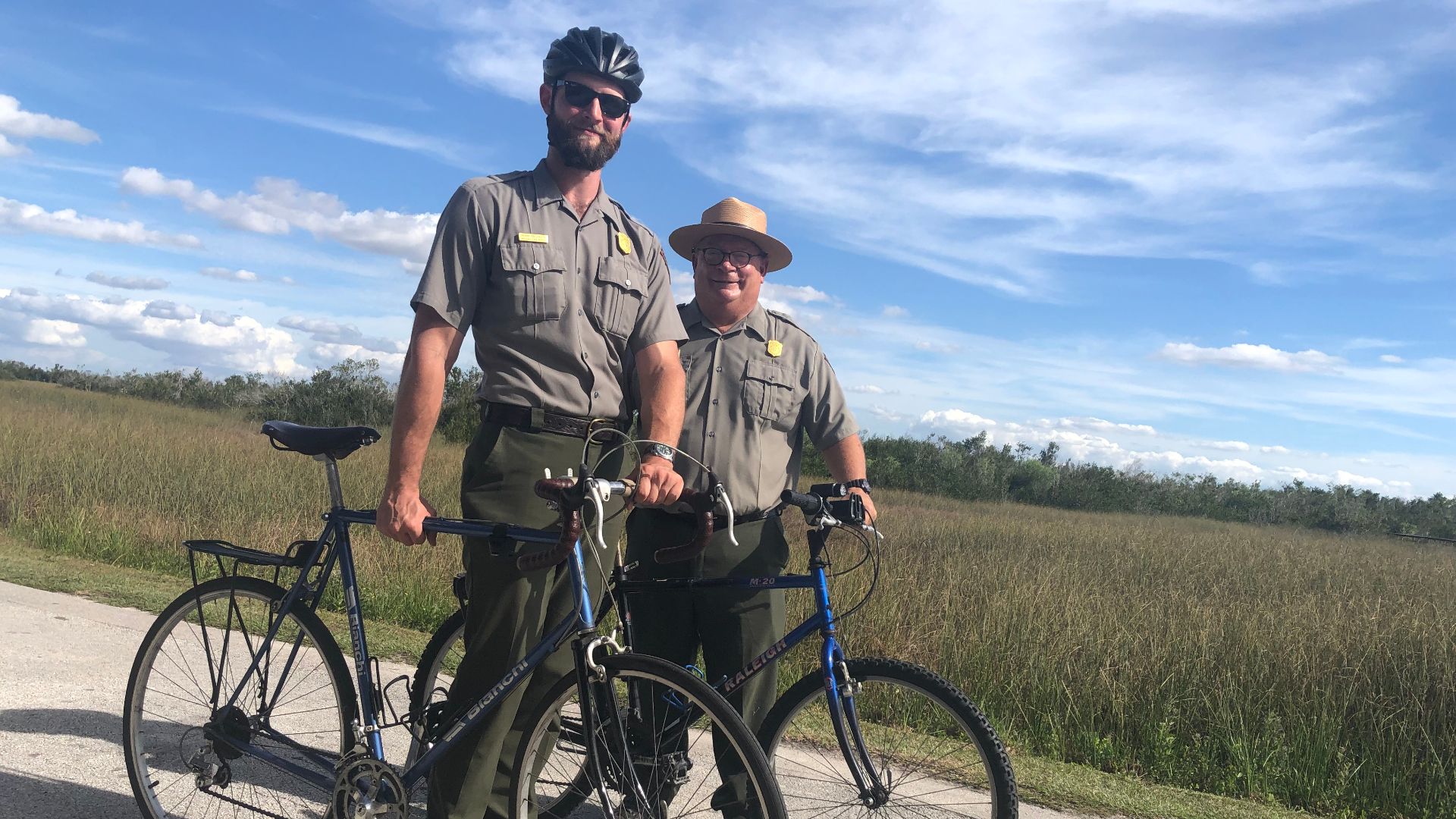
Authorities emphasize the message that prevention is critical. Public campaigns discourage exotic pet releases and promote responsible ownership. Reporting sightings helps track expansion. Preventing any new introductions ensures that control programs aren’t undermined by continued releases.
 evergladesnps, Wikimedia Commons
Future Technologies
Researchers are exploring the possibility of using pheromone lures, improved AI-assisted detection, and advanced genetic tracking. These tools may further increase efficiency. Combining multiple technologies gives you the best chance of keeping python populations suppressed across the Everglades.
 National Cancer Institute, Unsplash
Can The Everglades Be Restored?
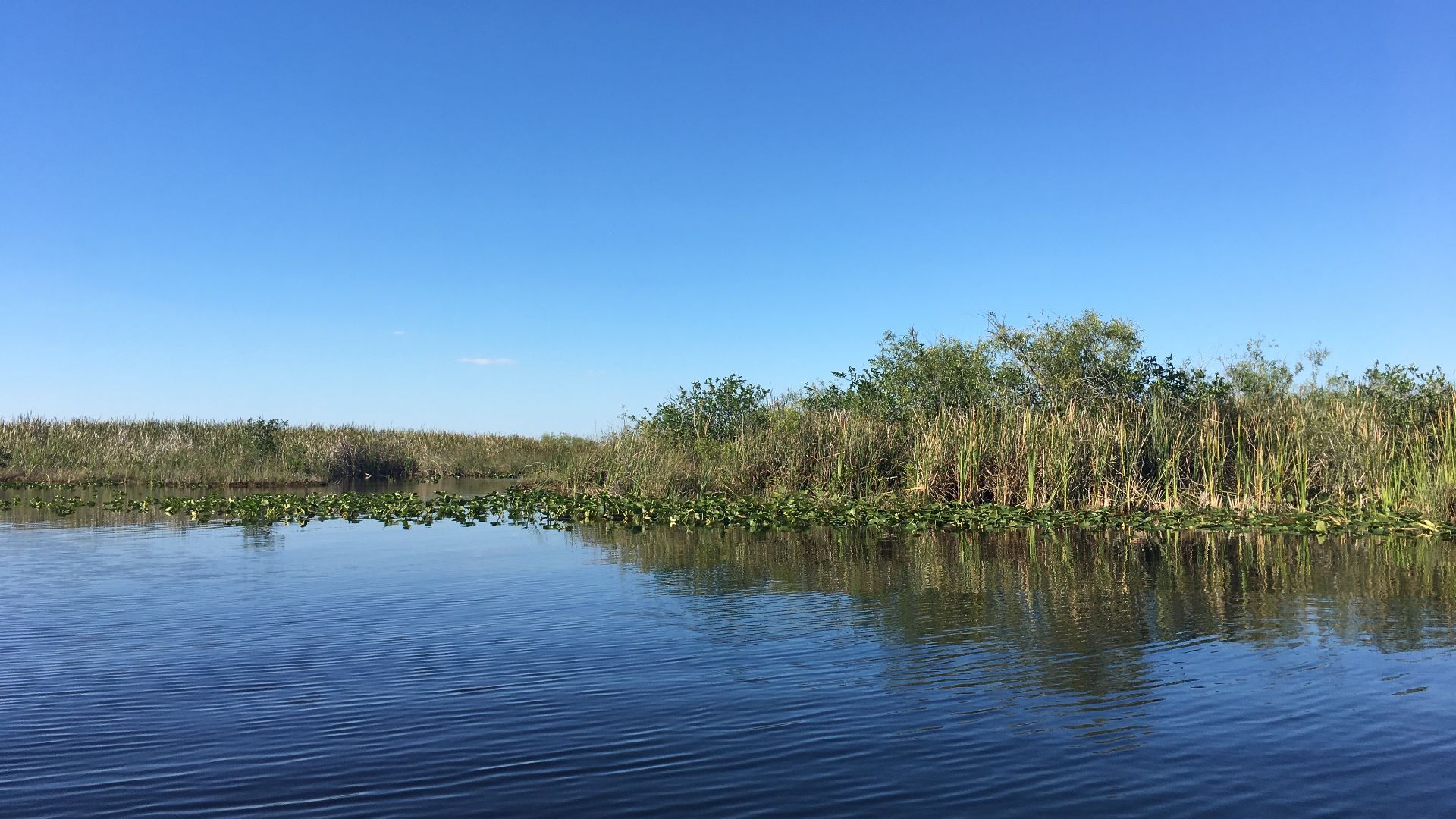
While total eradication of these horrifying serpents is unlikely, aggressive control reduces the ecological damage the reptiles do. Early evidence suggests mammal populations come back once python pressure drops. Restoration is based on long term commitment rather than short term solutions.
 Ryan Barrios, Wikimedia Commons
Long Fight Ahead
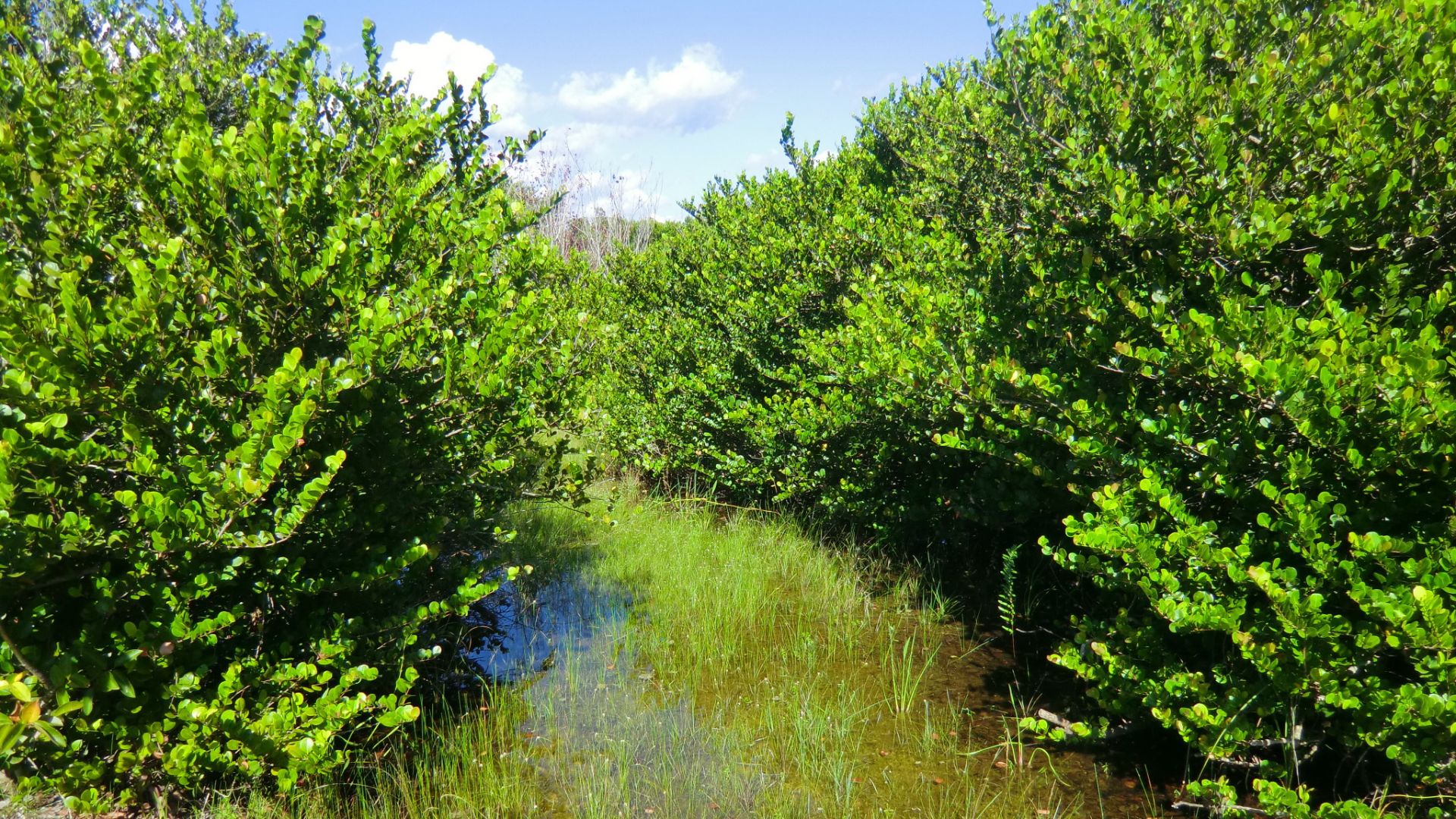
The battle against Burmese pythons is now a matter of permanent ongoing management rather than spontaneous emergency response. Ongoing science, public involvement, and public funding will shape the ultimate outcome of the struggle. The Everglades can recover, but only if control efforts are relentless and adapt to conditions.
 Reinhard Link from Germany, Wikimedia Commons
You May Also Like:
11 Underrated State Parks In Florida
These Wild Animal Species Are Making A Strong Comeback From The Brink Of Extinction.
Ranking The Best National Parks In America, According To Visitors