The Lake Of The Dead
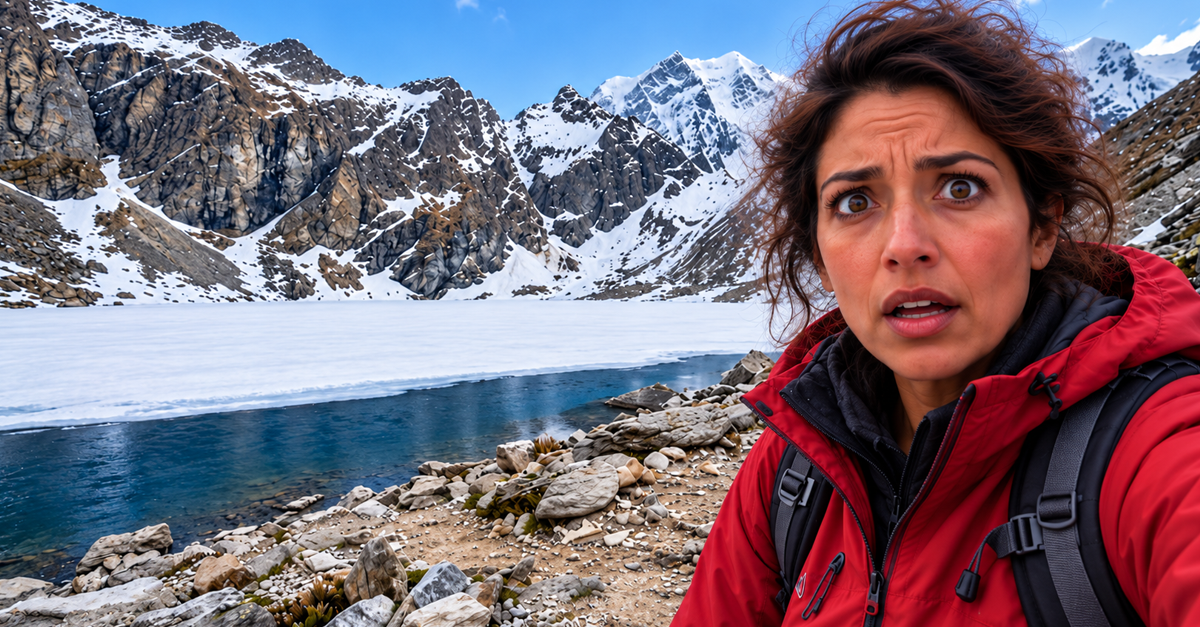
In 1942, hundreds of human skeletons were discovered around a remote Himalayan lake. For decades, researchers believed the victims had perished together in a terrifying mountain disaster. But when scientists finally examined their DNA, they discovered something extraordinary: some had Mediterranean ancestry and died roughly 1,000 years after the others.
Who were these mysterious travelers, and what brought them to such an isolated place?
Hidden High In The Himalayas
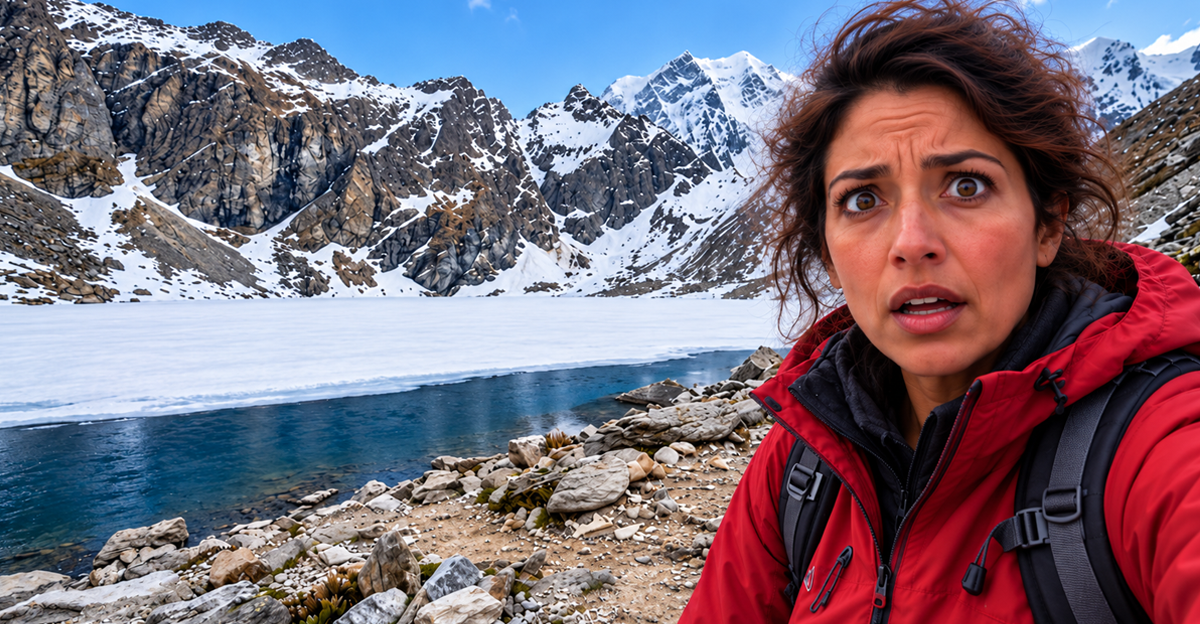
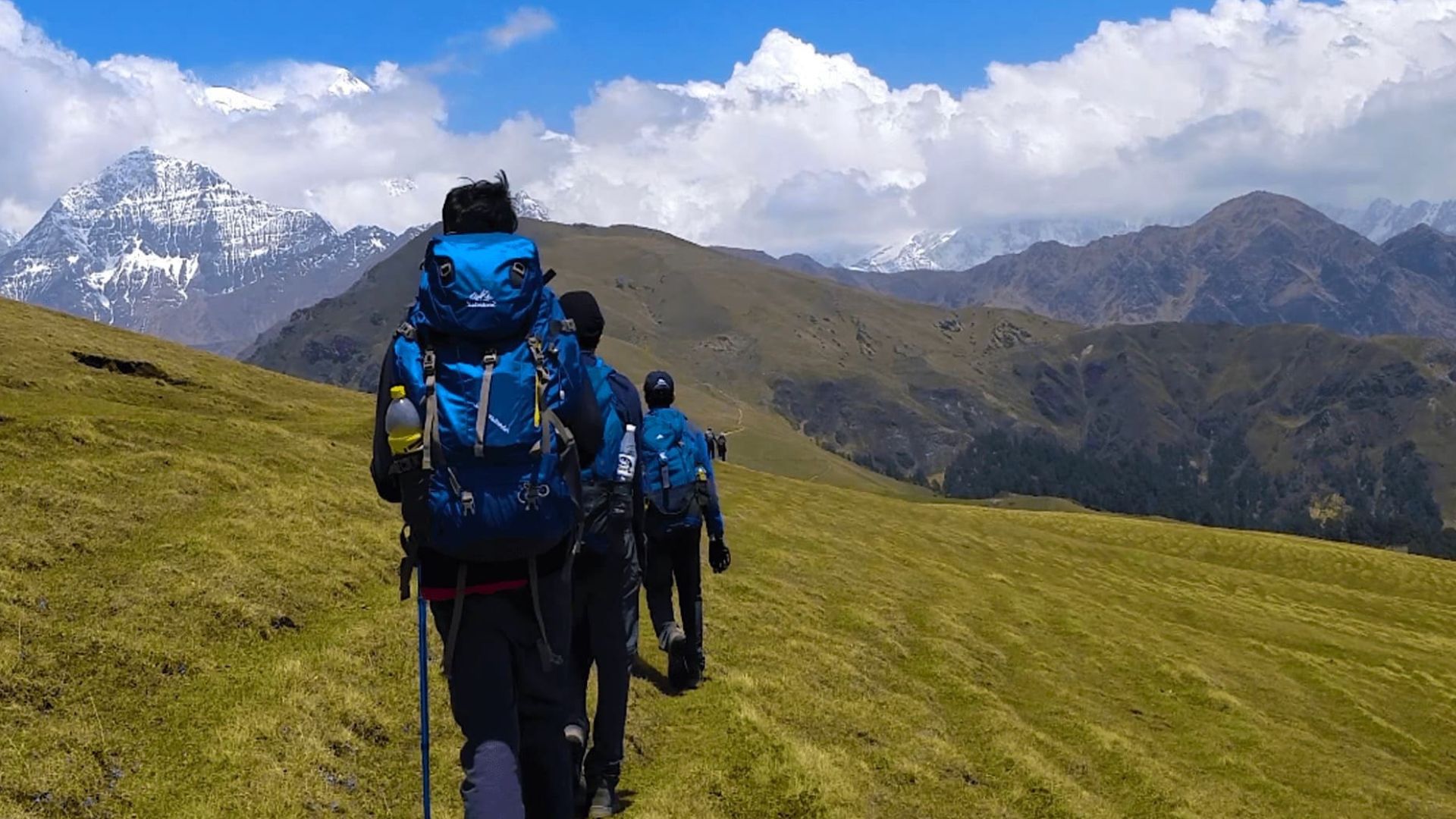
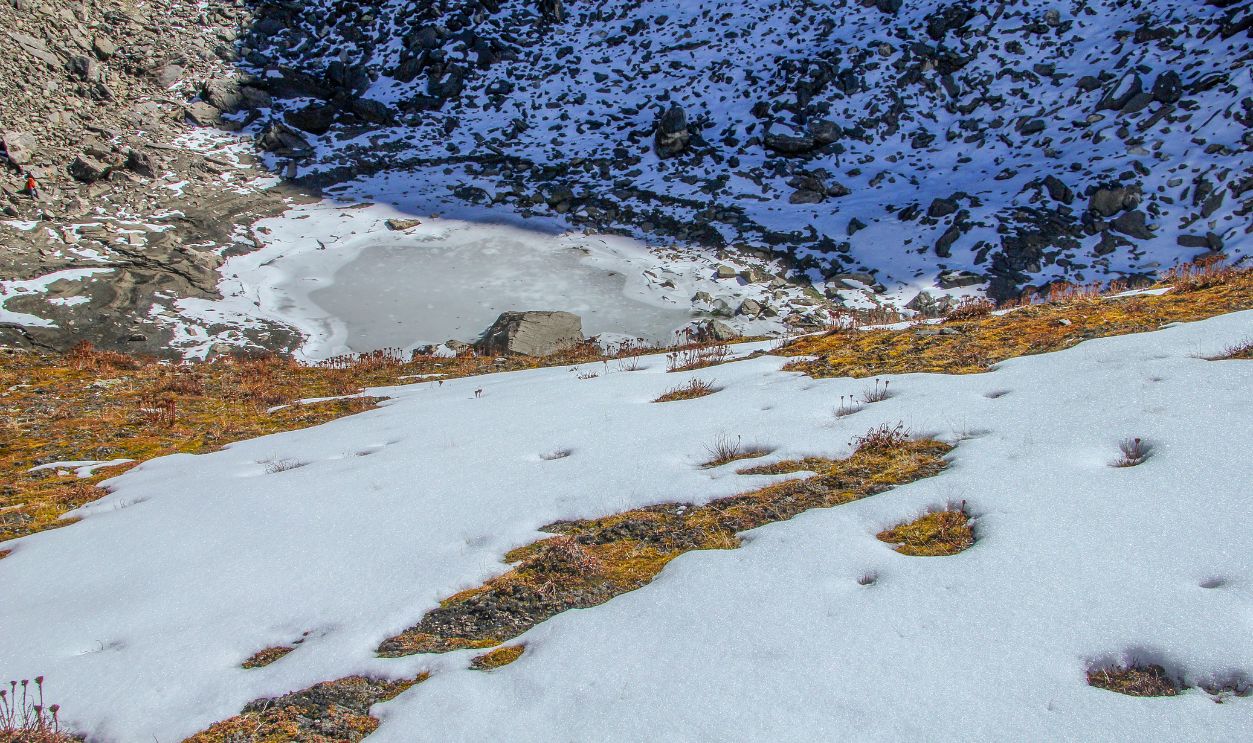
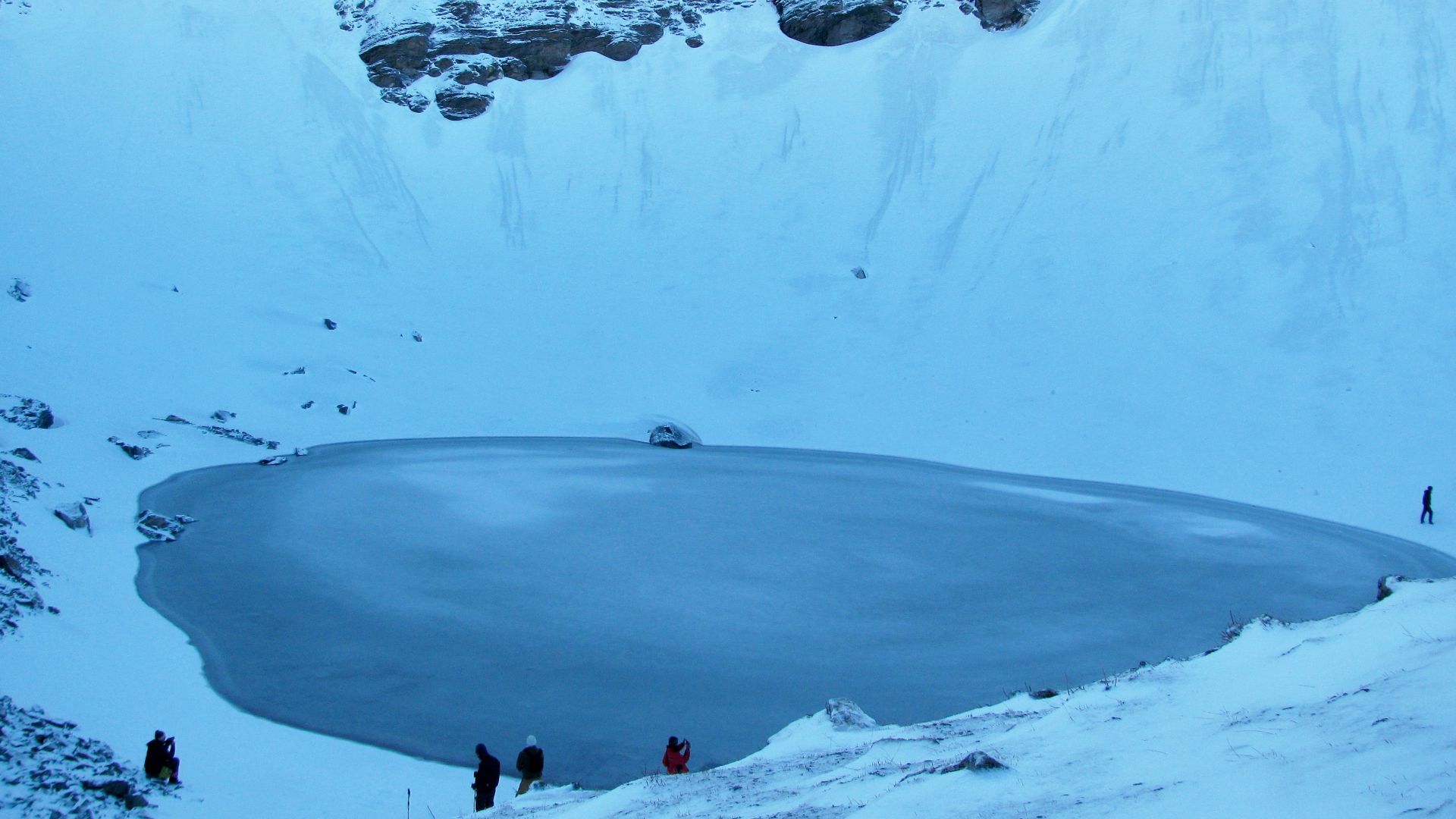
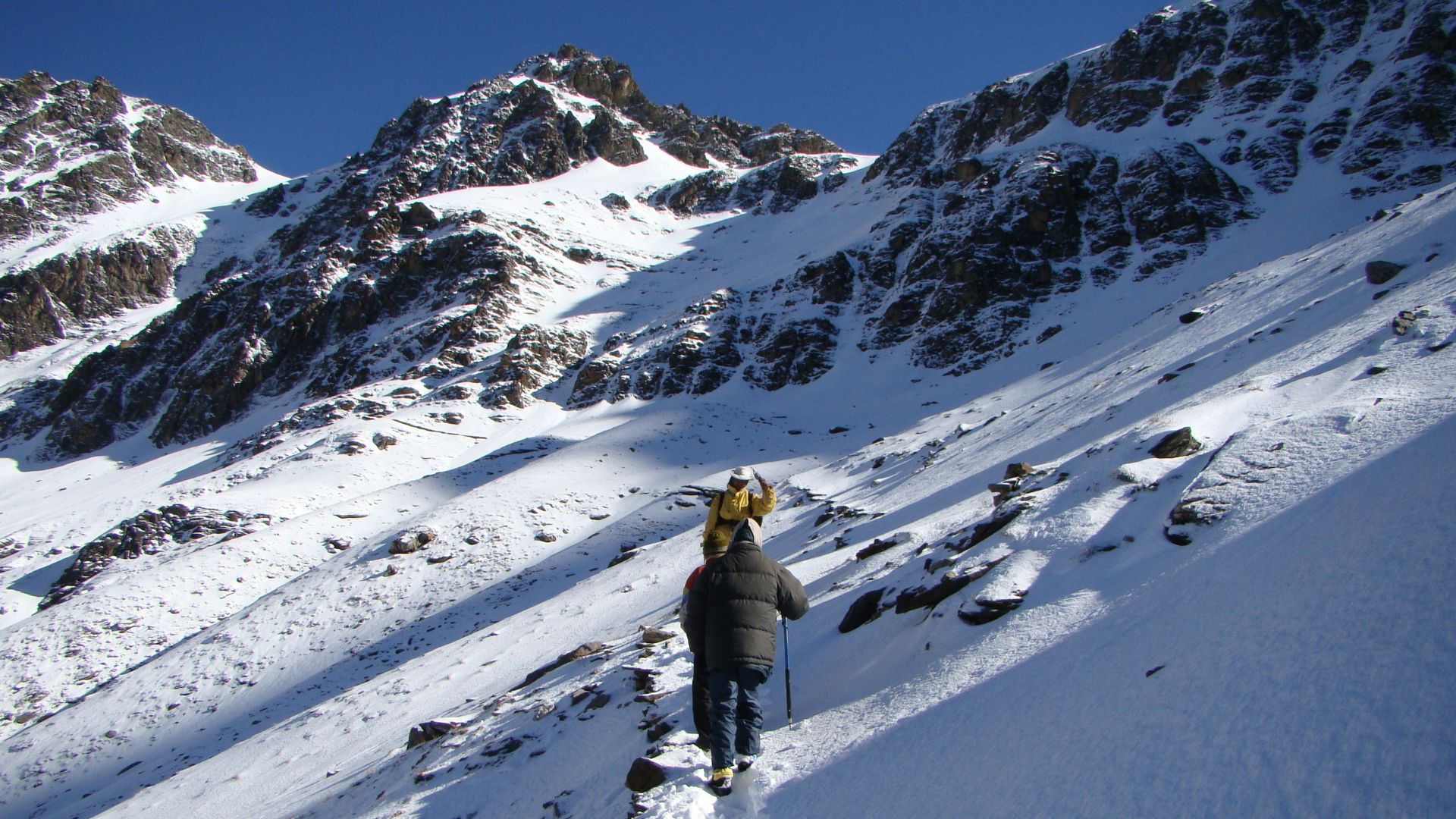
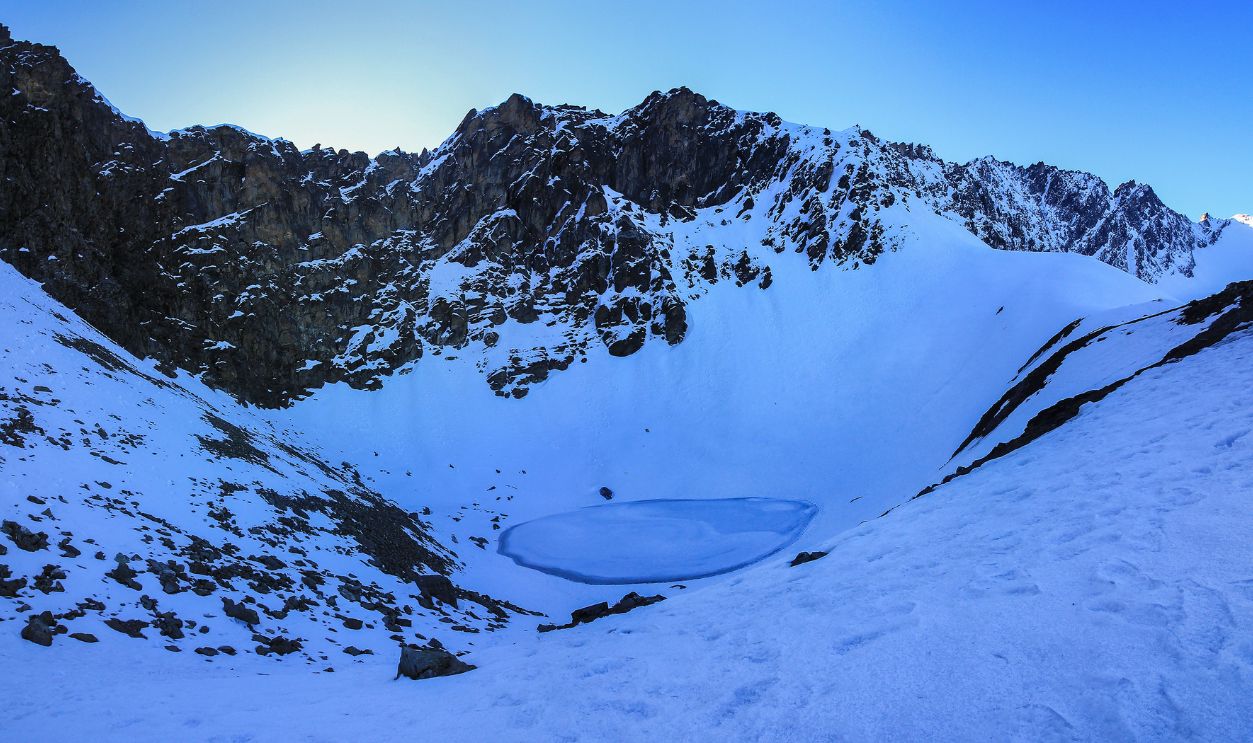
Roopkund Lake sits more than 16,000 feet above sea level in India's Uttarakhand state, surrounded by rugged Himalayan mountains. The lake measures only about 130 feet across and remains frozen for much of the year. Reaching it requires traveling through challenging high-altitude terrain, making its extraordinary collection of human remains even more puzzling.
 Daniel Romanson, Wikimedia Commons
A Chilling Discovery In 1942
In September 1942, Indian forest ranger Hari Kishan Madhwal encountered a disturbing sight near the remote lake. Human remains lay scattered around its shoreline, raising immediate questions about how so many people had died in the mountains. The discovery would eventually turn Roopkund into one of India's most mysterious archaeological sites.
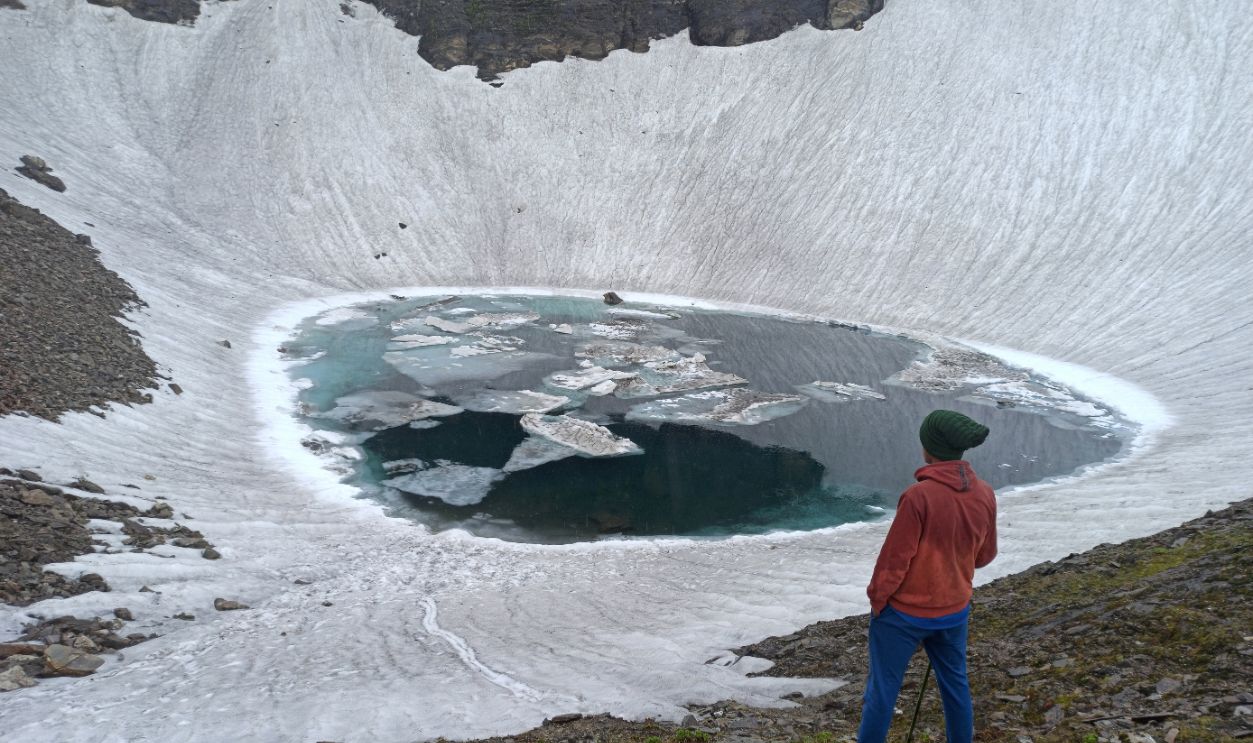
Hundreds Of Skeletons Were Scattered Everywhere
The lake became known as Skeleton Lake because of the extraordinary number of human bones found around its shores. Researchers estimate that the remains represent several hundred individuals, although the exact total remains uncertain. Skulls, leg bones, and other skeletal fragments have been discovered around the water, sometimes emerging as the snow and ice recede.
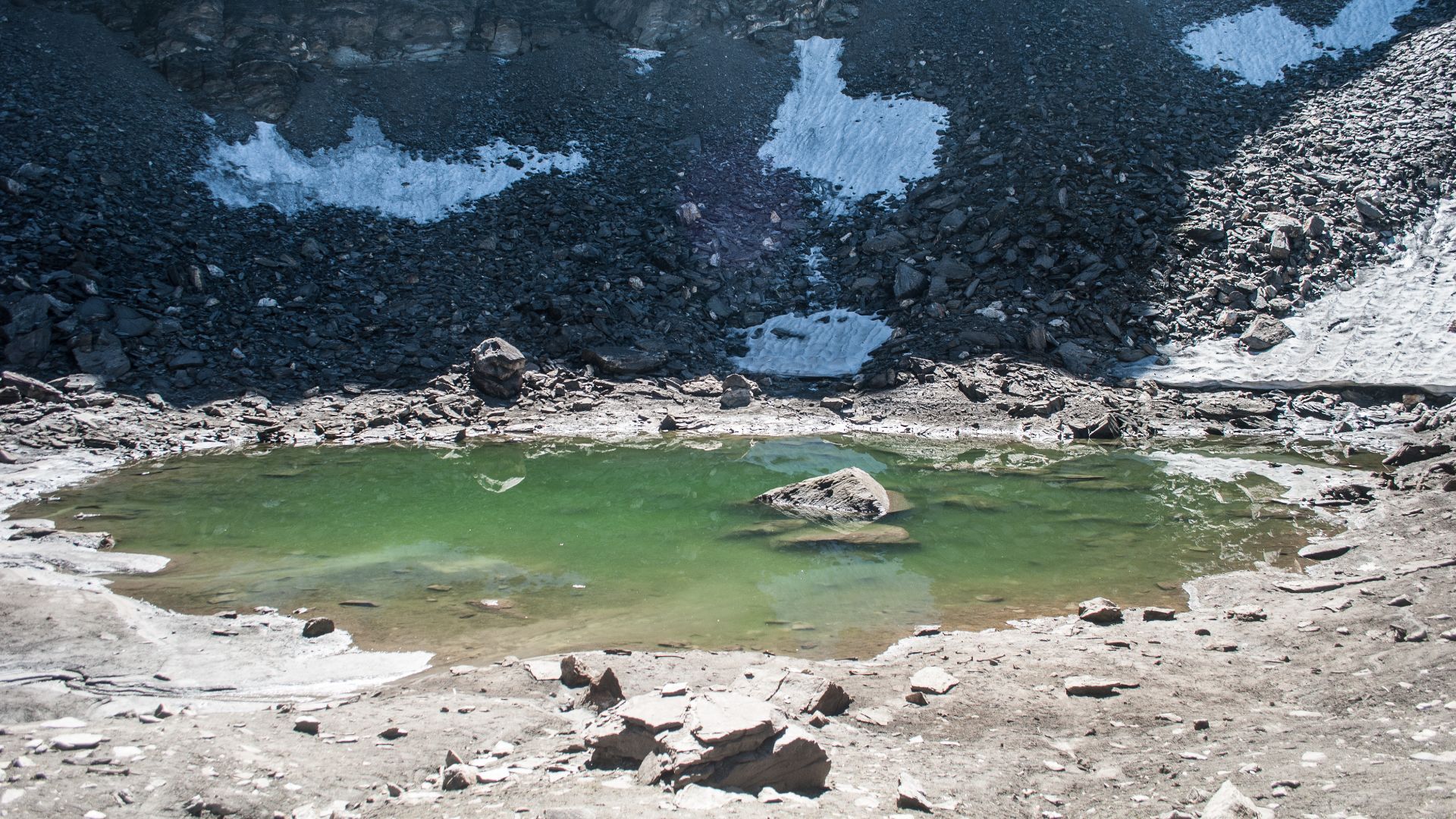
One Disaster Seemed To Explain Everything
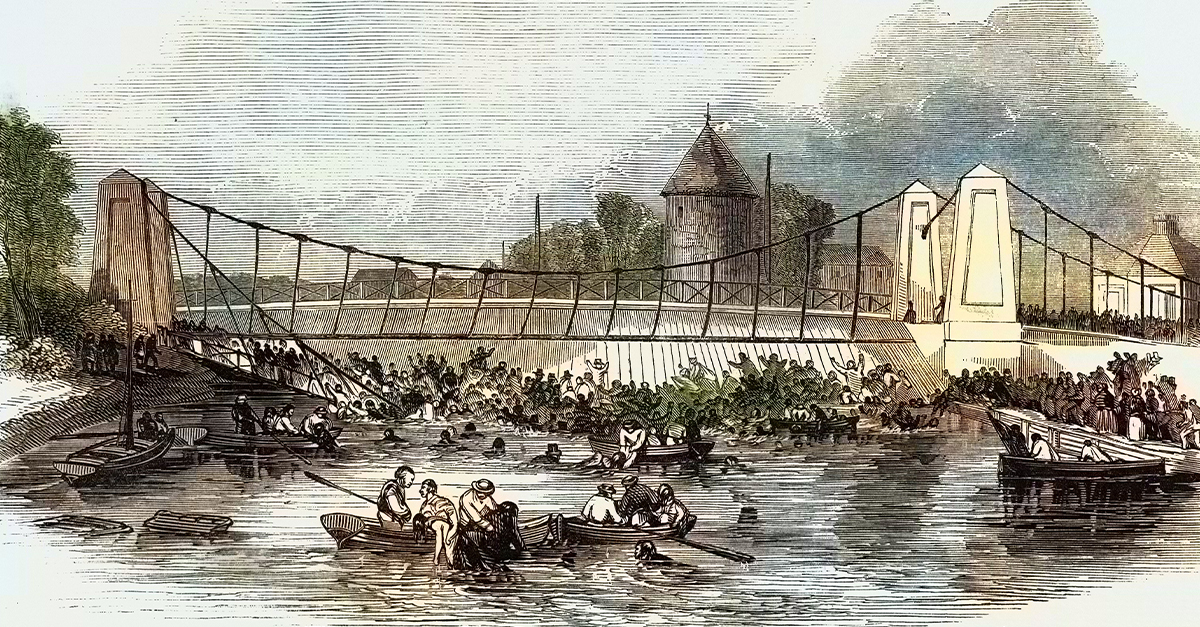
Early investigators generally assumed that the skeletons belonged to people who had died during a single catastrophic event. Some proposed that an army had become trapped in the mountains, while others suggested merchants had encountered deadly conditions along a forgotten route. An epidemic was another possibility, but no explanation could account convincingly for the mysterious collection of remains.
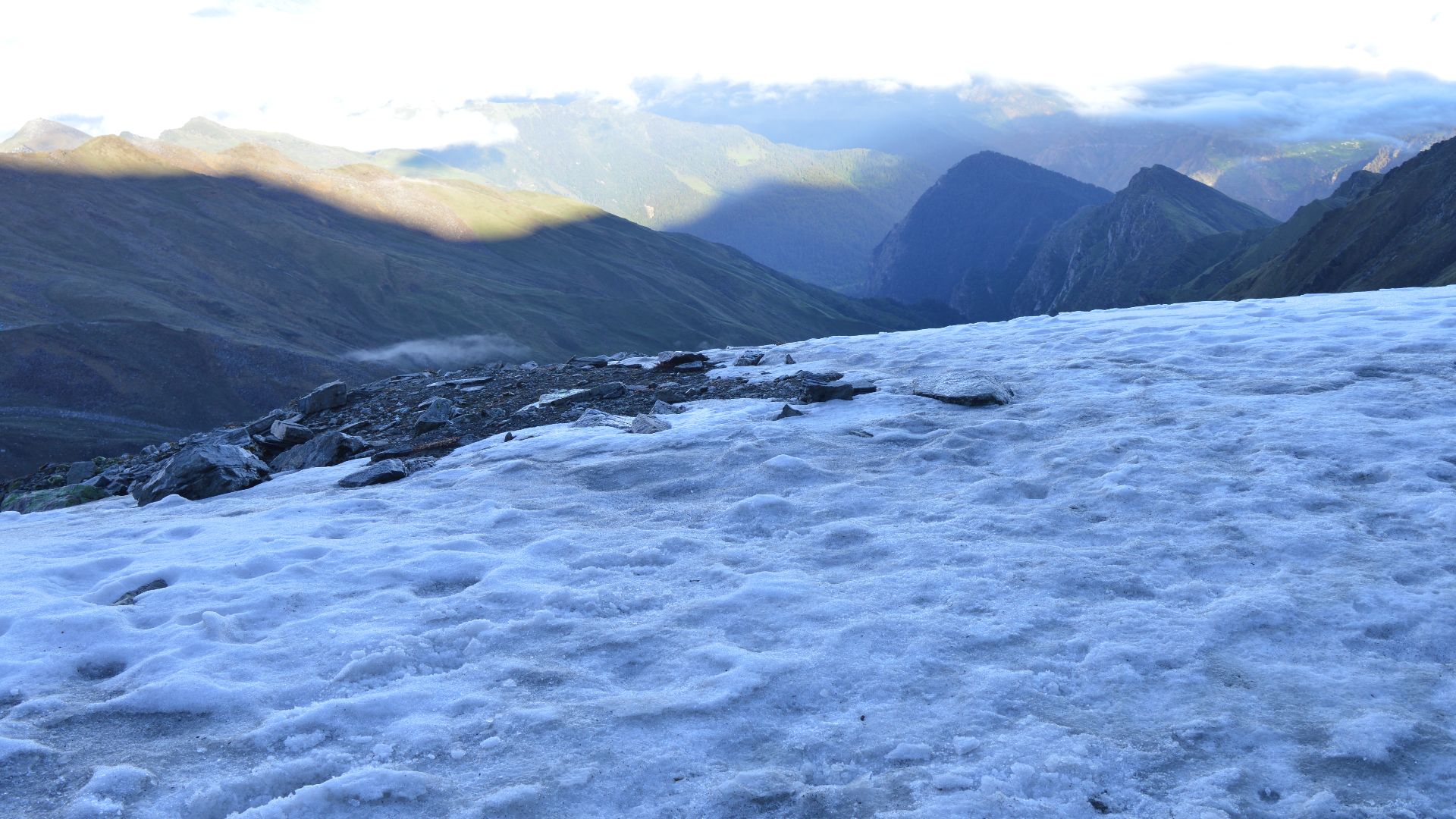 Shubhamrathod15, Wikimedia Commons
A Local Legend Offered A Terrifying Explanation
For generations, local folklore has connected Roopkund with the mountain goddess Nanda Devi. According to one traditional account, a king, queen, and their attendants angered the goddess through their inappropriate behavior during a pilgrimage. Divine punishment supposedly struck the travelers in the mountains, leaving their remains near the lake.
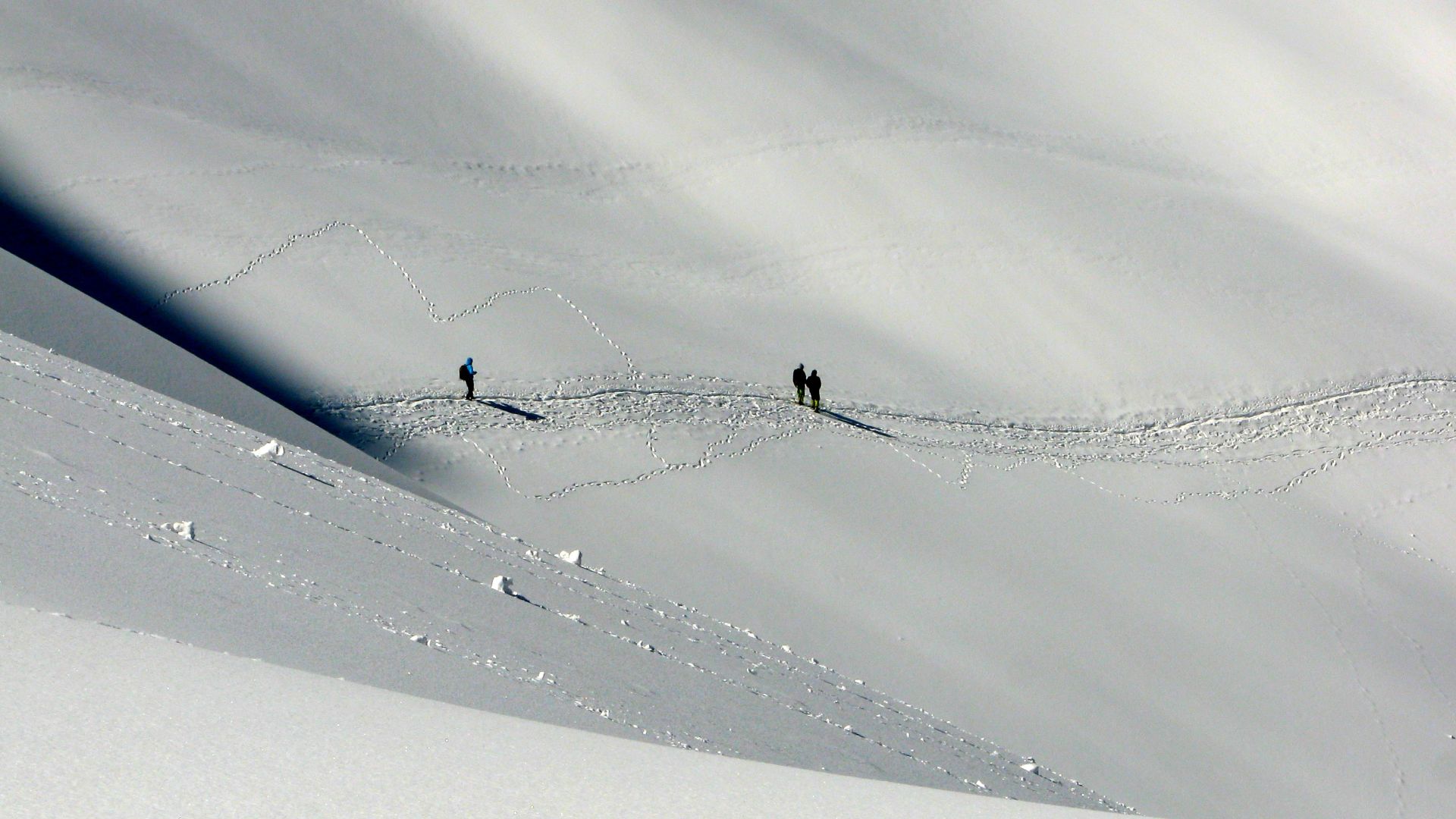 Debabrata Bardhan, Wikimedia Commons
The Lake Was Near A Sacred Pilgrimage Route
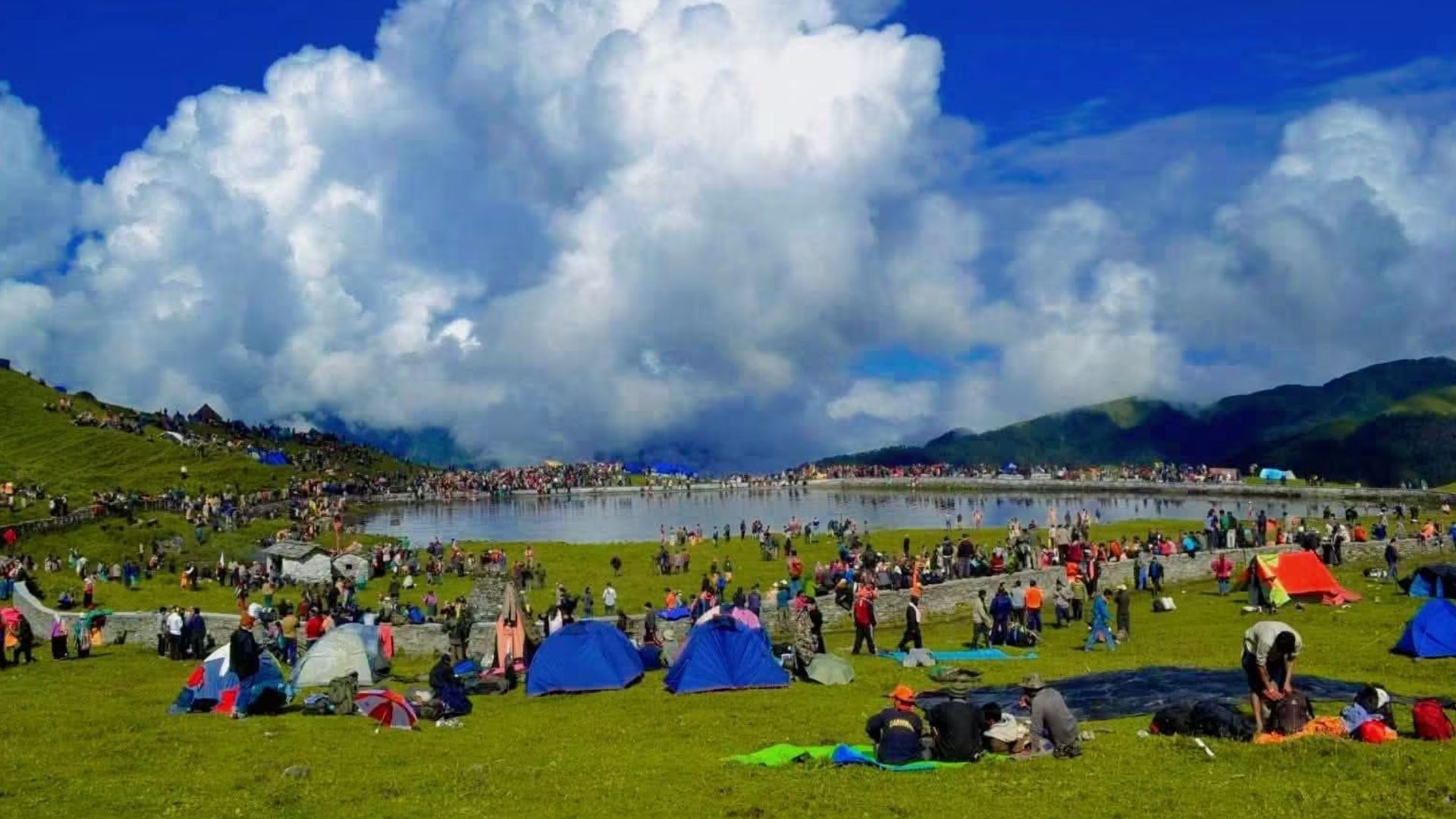
Roopkund lies near the route of the Nanda Devi Raj Jat, a major Hindu pilgrimage traditionally undertaken approximately every 12 years. Pilgrims travel through difficult Himalayan terrain as part of the religious procession. This connection led researchers to consider whether some of the skeletons belonged to worshippers who had attempted an earlier version of the journey.
Could A Deadly Hailstorm Have Struck?
One of the most dramatic theories involved travelers becoming trapped in a violent hailstorm. Earlier skeletal examinations identified three individuals with unhealed compression fractures that researchers suggested might have resulted from powerful hailstones. However, other explanations for the injuries remained possible, and the evidence could not establish that a single storm had caused all the deaths.

The First Scientific Clues Pointed To The Middle Ages
Early scientific investigations suggested that at least some of the skeletons dated to approximately the ninth century CE. This seemed compatible with the possibility that medieval pilgrims had died while traveling through the mountains. For years, the combination of ancient remains, pilgrimage traditions, and dangerous weather offered a plausible explanation for the mystery.
 Frame Stock Footage, Shutterstock
Then Scientists Examined The DNA
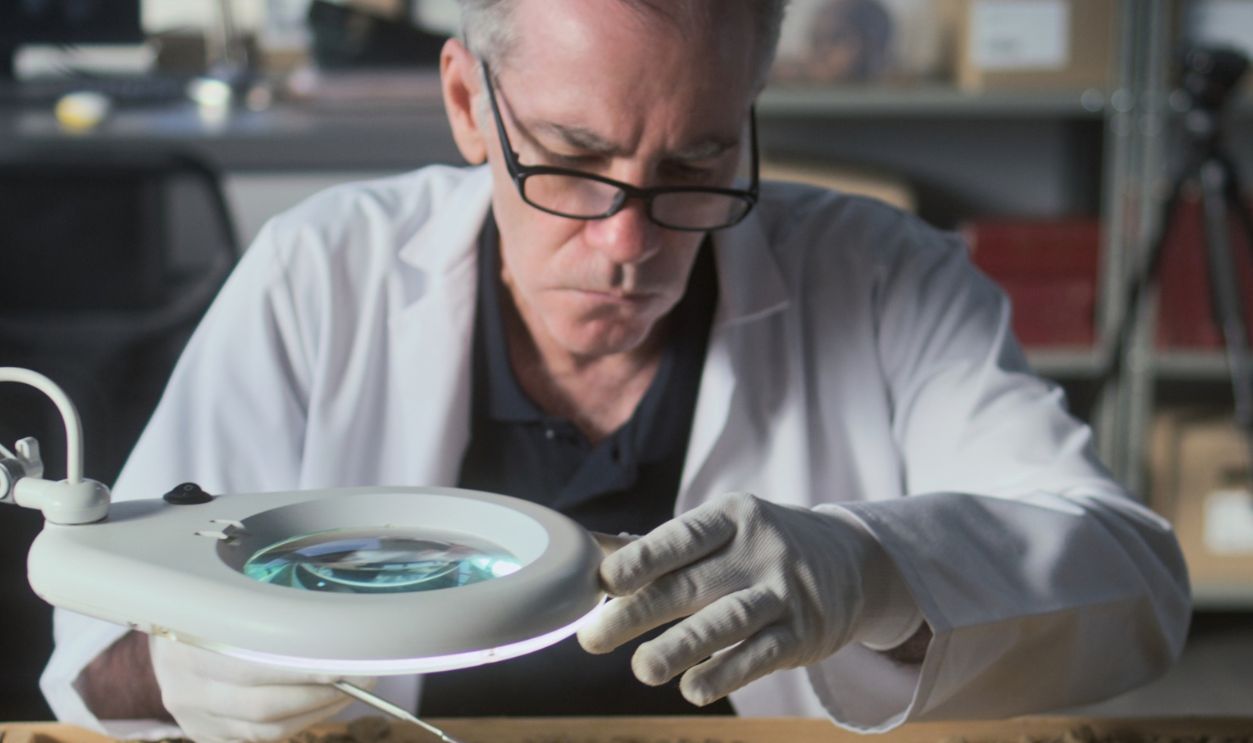
In 2019, an international research team published a groundbreaking investigation in Nature Communications. The scientists analyzed ancient DNA from 38 individuals, alongside radiocarbon dates, skeletal evidence, and chemical signatures preserved in their bones. They expected the results to clarify the origins of the skeletons, but the findings dramatically complicated the mystery.

Three Different Groups Emerged
The DNA analysis revealed that the 38 individuals belonged to three genetically distinct ancestry groups. Twenty-three had ancestry associated with present-day South Asian populations, while another 14 showed ancestry characteristic of the eastern Mediterranean. The final individual had ancestry related to Southeast Asian populations, revealing a surprising diversity among the remains.

The Mediterranean Discovery Shocked Researchers
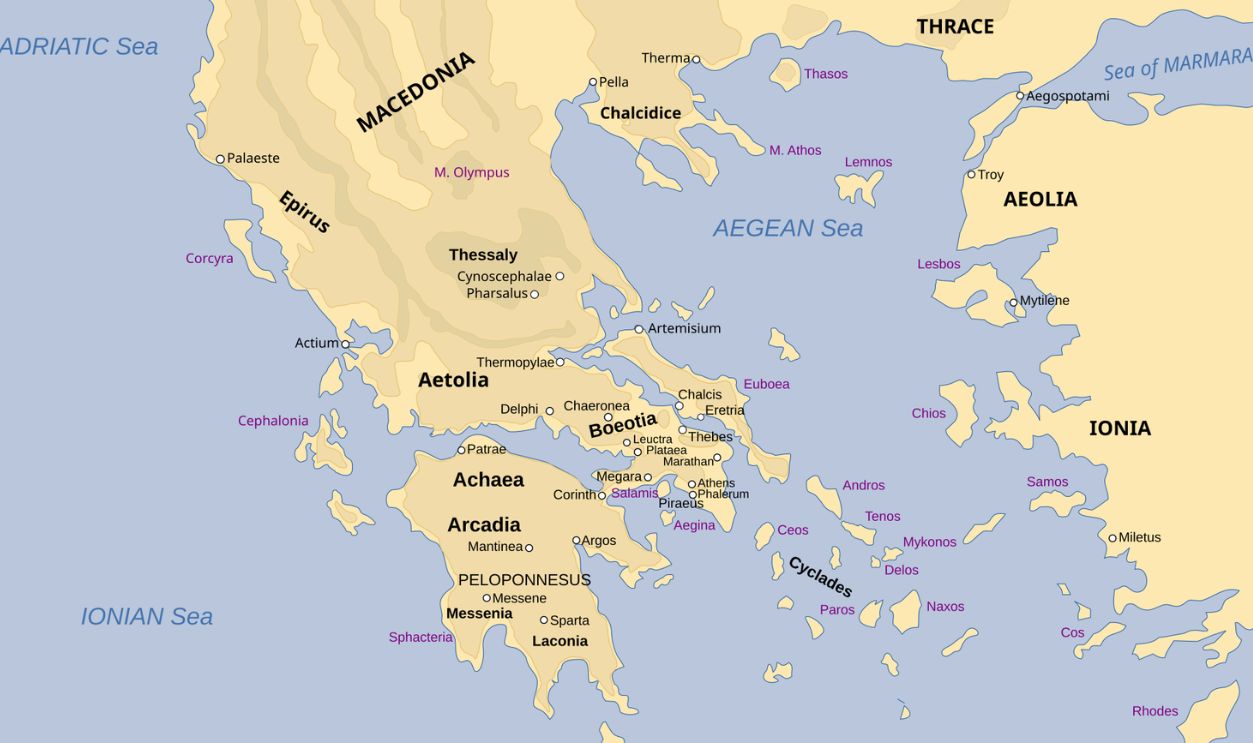
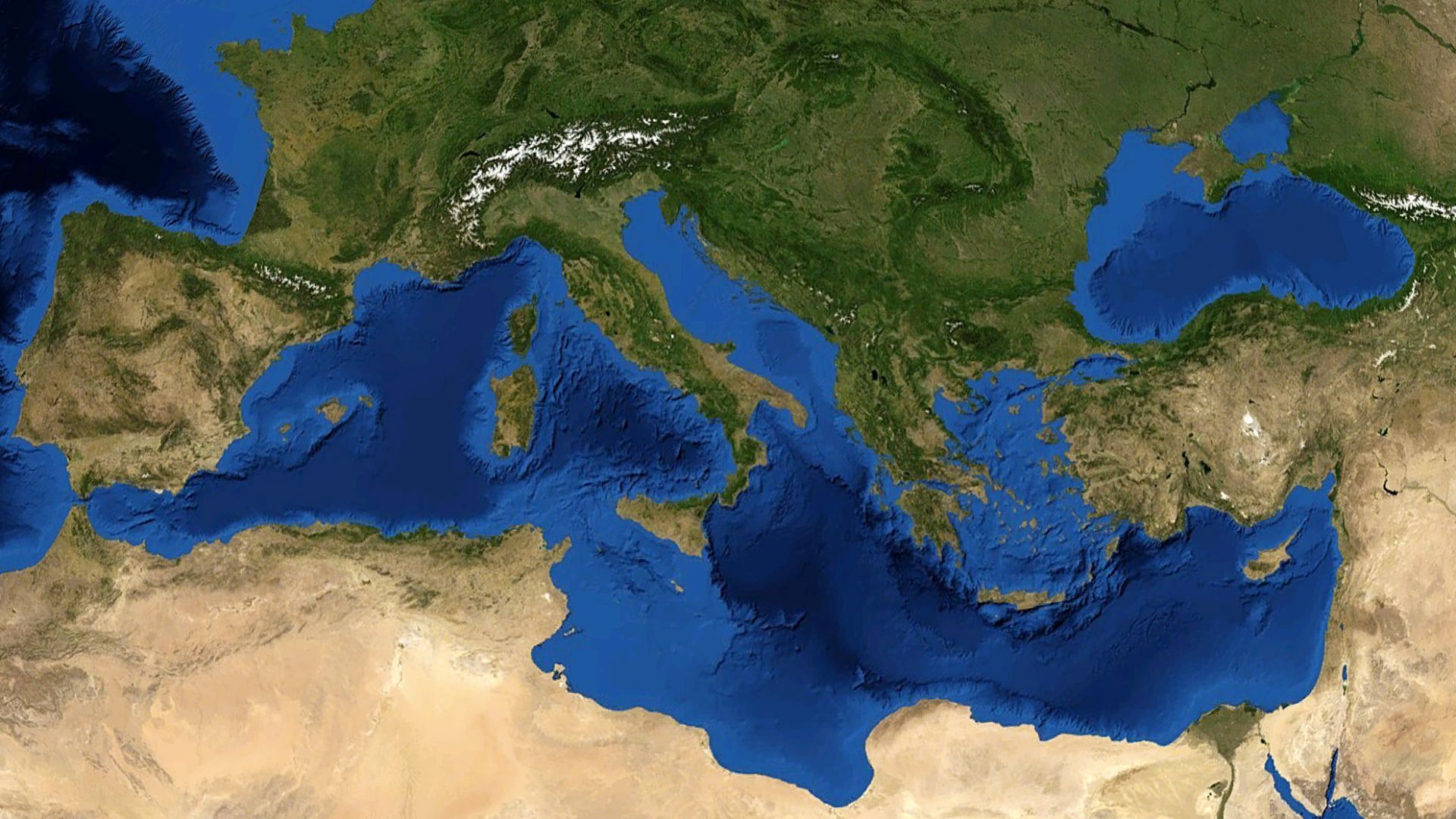
The most unexpected finding involved the 14 individuals with eastern Mediterranean ancestry. Their DNA showed strong similarities to populations from places such as Greece and Crete, thousands of miles from the Himalayan lake. Researchers had not anticipated finding evidence of people with this ancestry at such a remote location in northern India.
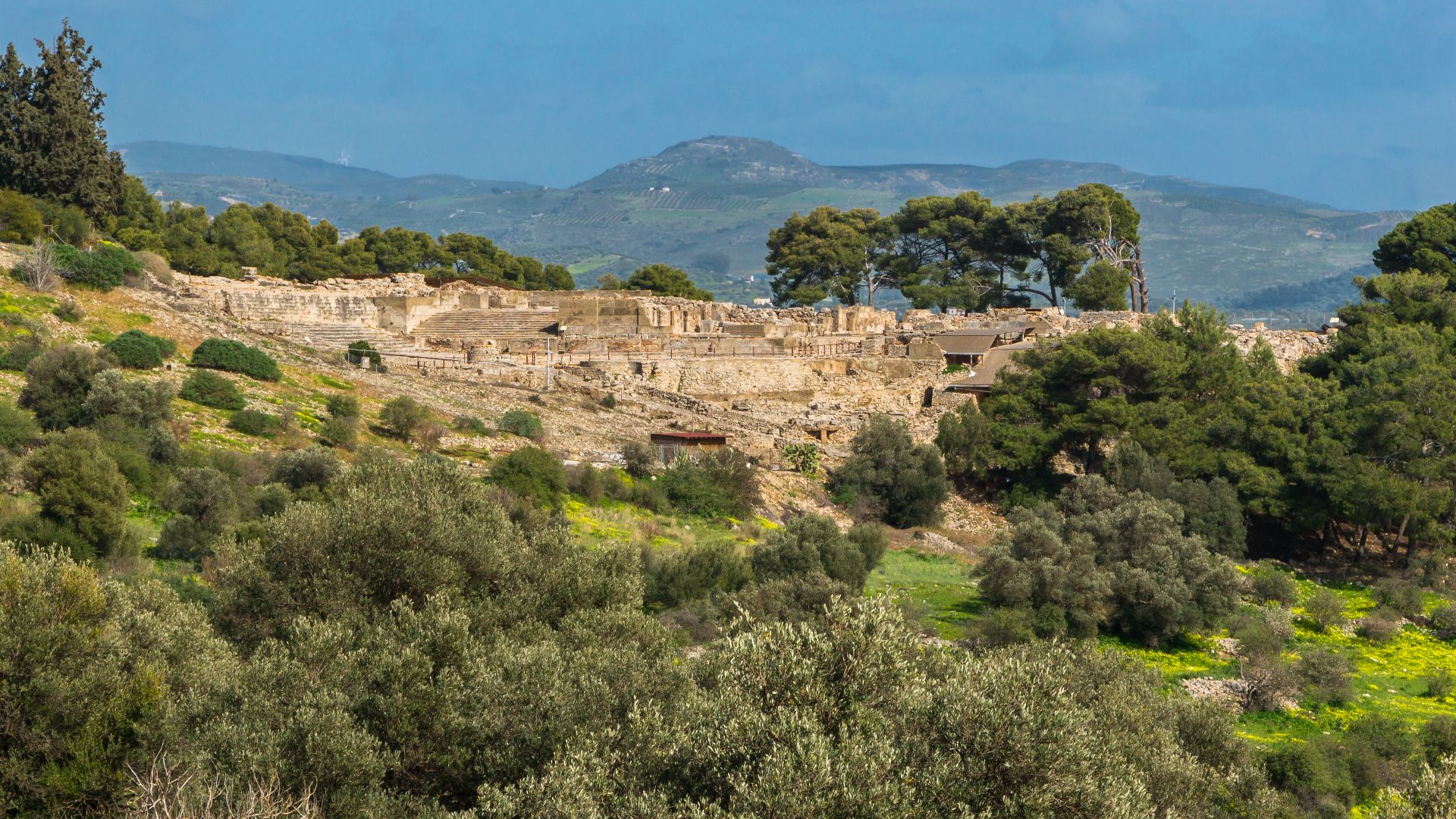
Their DNA Pointed Toward Crete
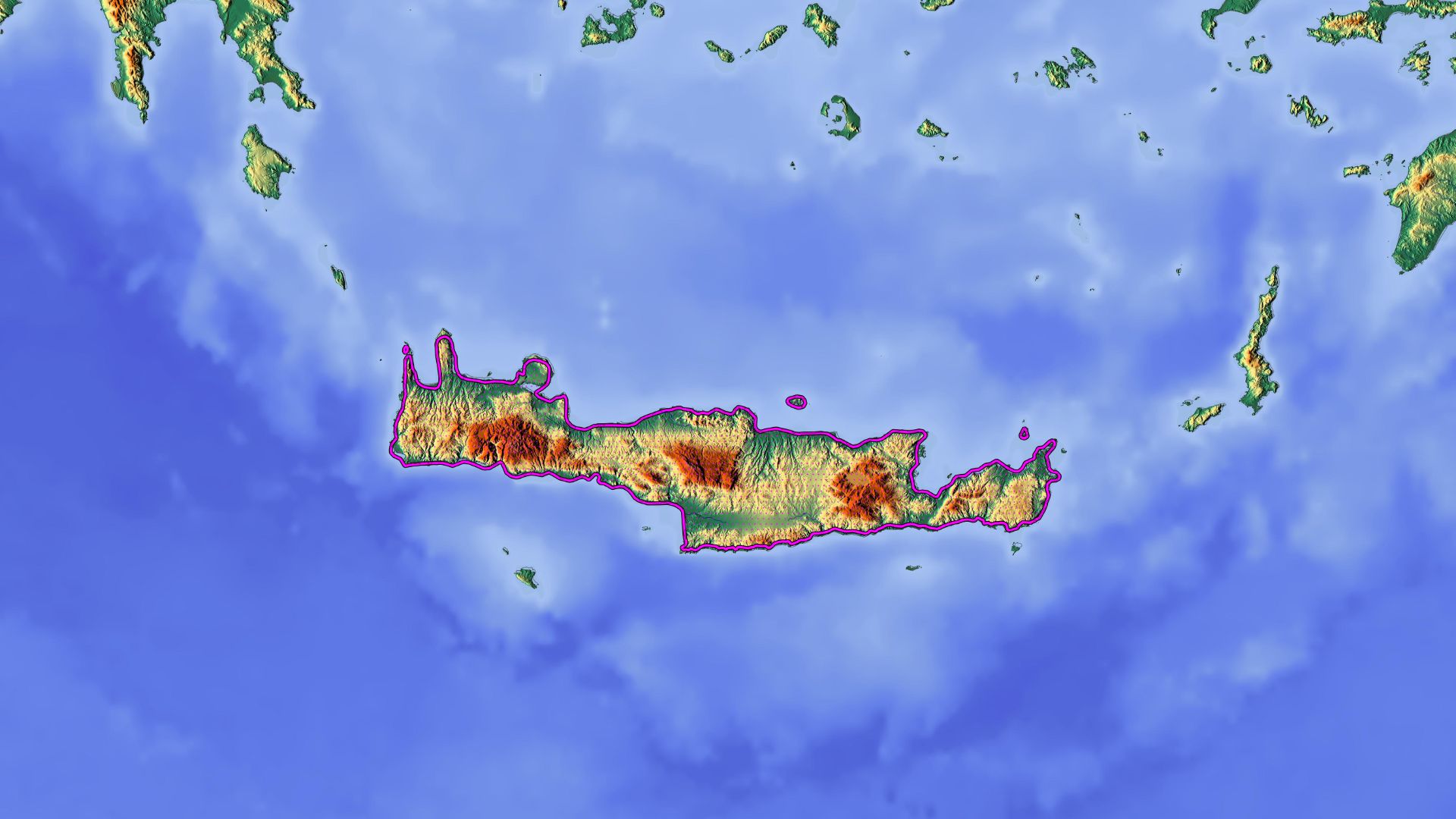
Further analysis showed that the Mediterranean individuals were particularly similar genetically to present-day people from Crete. However, the researchers emphasized that this did not prove the travelers had actually been born there. Their origins could have been elsewhere in the eastern Mediterranean, leaving their precise homeland unknown.
The Bones Were Separated By 1,000 Years
Radiocarbon dating delivered an even more astonishing revelation about the skeletons. The South Asian individuals dated broadly to the seventh through tenth centuries CE, while the Mediterranean group dated to a much later period centered around 1800. Rather than representing one ancient tragedy, the remains came from deaths separated by approximately a millennium.
The Earlier Victims Came From Across South Asia
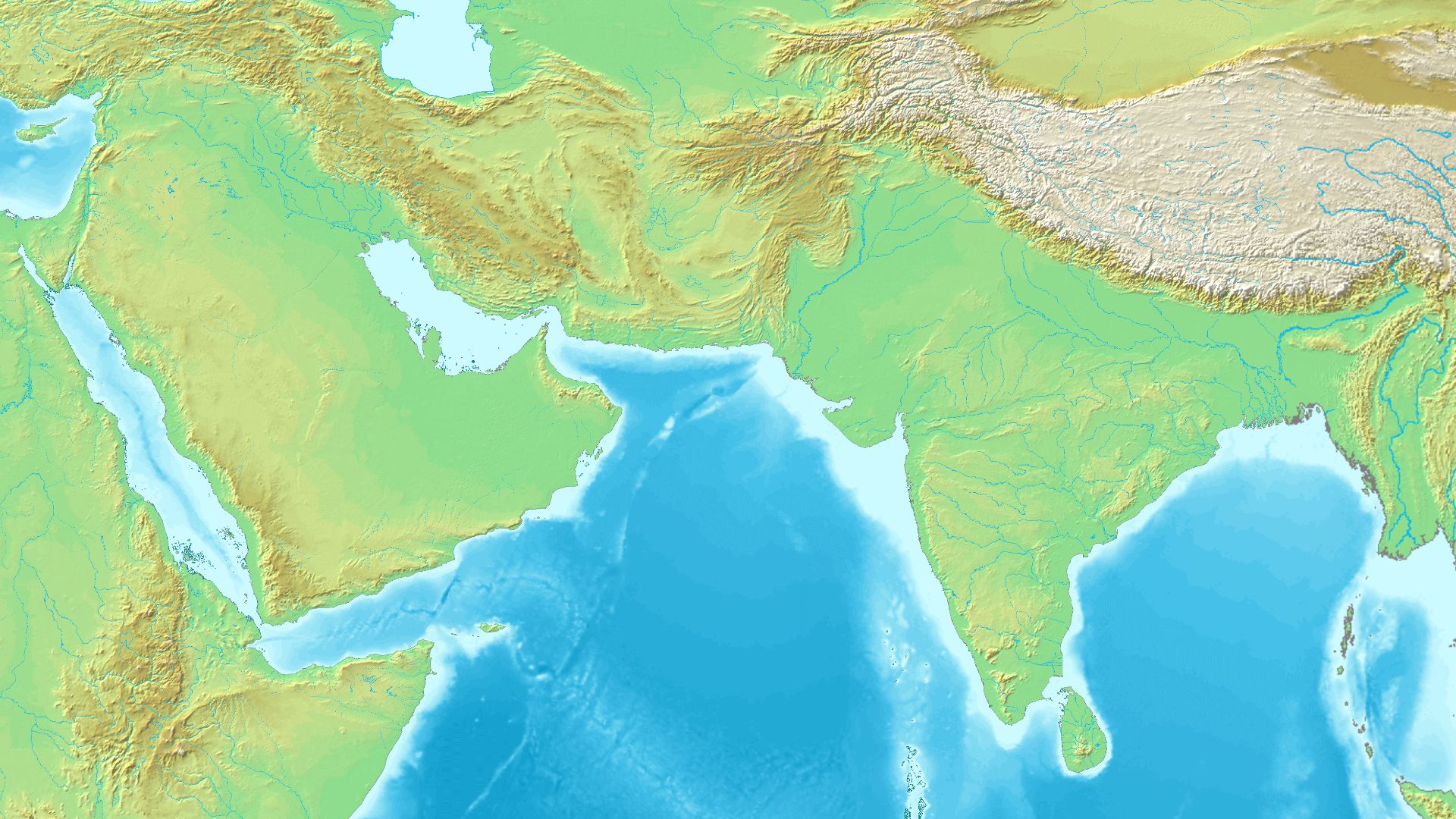
The 23 individuals in the earlier group possessed genetic ancestry consistent with a variety of present-day South Asian populations. Their genetic differences suggested that they may have come from different communities rather than one closely related population. This diversity was compatible with the possibility that travelers from various regions had gathered for a religious pilgrimage.
 Maps created from DEMIS Mapserver, which are public domain. Koba-chan, Wikimedia Commons
Even The First Group Had Not Died Together
The researchers discovered that some of the earlier skeletons had radiocarbon date ranges that did not overlap. This suggested that the South Asian individuals had died during more than one event, rather than all perishing in a single disaster. The findings challenged the long-standing assumption that one catastrophe explained the hundreds of remains.
 Frame Stock Footage, Shutterstock
A Third Group Added Another Mystery
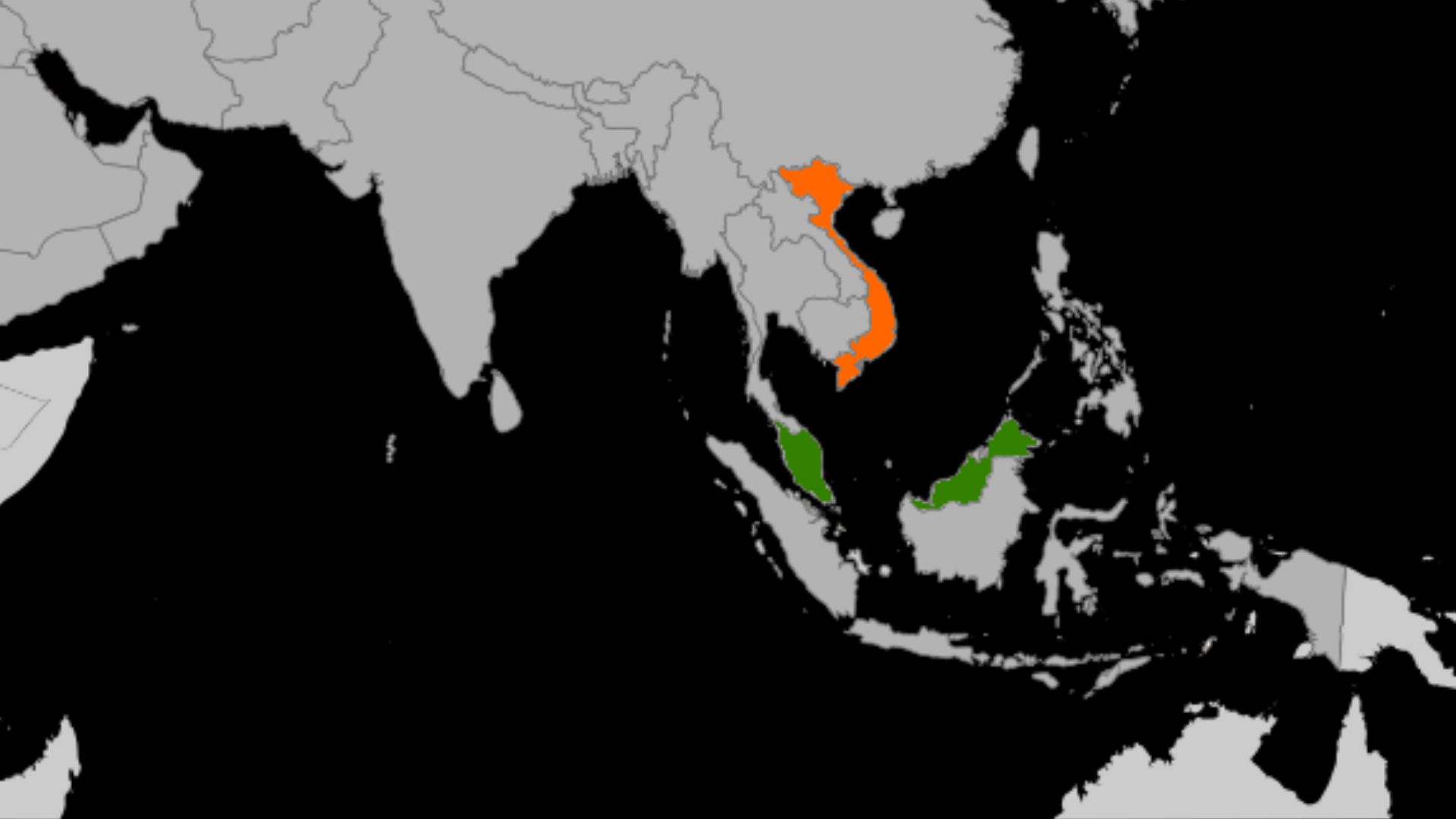
The DNA investigation also identified one individual with ancestry most closely associated with populations from Southeast Asia. Genetic comparisons suggested connections to populations related to those living in places such as Malaysia and Vietnam today. This individual represented another unexpected geographical connection, adding to the puzzle of who had traveled to Roopkund.
 — NZscout link=:en:User talk:Ranking Update, Wikimedia Commons
The Later Travelers May Have Died Together
Although the earlier remains represented different periods, the Mediterranean and Southeast Asian individuals appeared to belong to the same broad time frame. Their radiocarbon date ranges overlapped, meaning they could have died during a single event. Scientists could not confirm that they had traveled together or died on the same day, but the possibility raised intriguing questions.
 Dipak Kurmar Roy, Shutterstock
Their Diets Revealed Another Clue
Researchers examined chemical signatures preserved in the bones to investigate the travelers' diets. The earlier South Asian group showed considerable dietary variation, including evidence consistent with millet consumption. The Mediterranean individuals had more similar dietary signatures, supporting the conclusion that the two main groups had lived under different dietary traditions.

They May Have Lived Far From The Sea
Despite their Mediterranean ancestry, the later individuals showed little evidence of substantial marine food consumption. Researchers suggested that they might have lived in an inland area before making their way to the Himalayas. However, the dietary evidence could not establish their exact birthplace or reveal the route they followed.
 of the modification : Eric Gaba (Sting), Wikimedia Commons
The Victims Included Both Men And Women
Genetic analysis identified 23 males and 15 females among the 38 people examined. Researchers also found no close family relationships of the third degree or closer among those whose DNA was studied. The presence of both men and women, along with the absence of close relatives, complicated explanations involving a military expedition or a single extended family.
 Amnaj Khetsamtip, Shutterstock
Disease And Warfare Became Less Convincing
Scientists found no genetic evidence of bacterial pathogens that would support the theory that an epidemic had caused the deaths. However, they acknowledged that ancient pathogen DNA can be difficult to detect, meaning disease could not be completely excluded. The skeletal evidence also offered little support for widespread combat, further weakening the theory that the remains belonged to an army.
 THICHA SATAPITANON, Shutterstock
An Ancient Greek Connection Was Considered
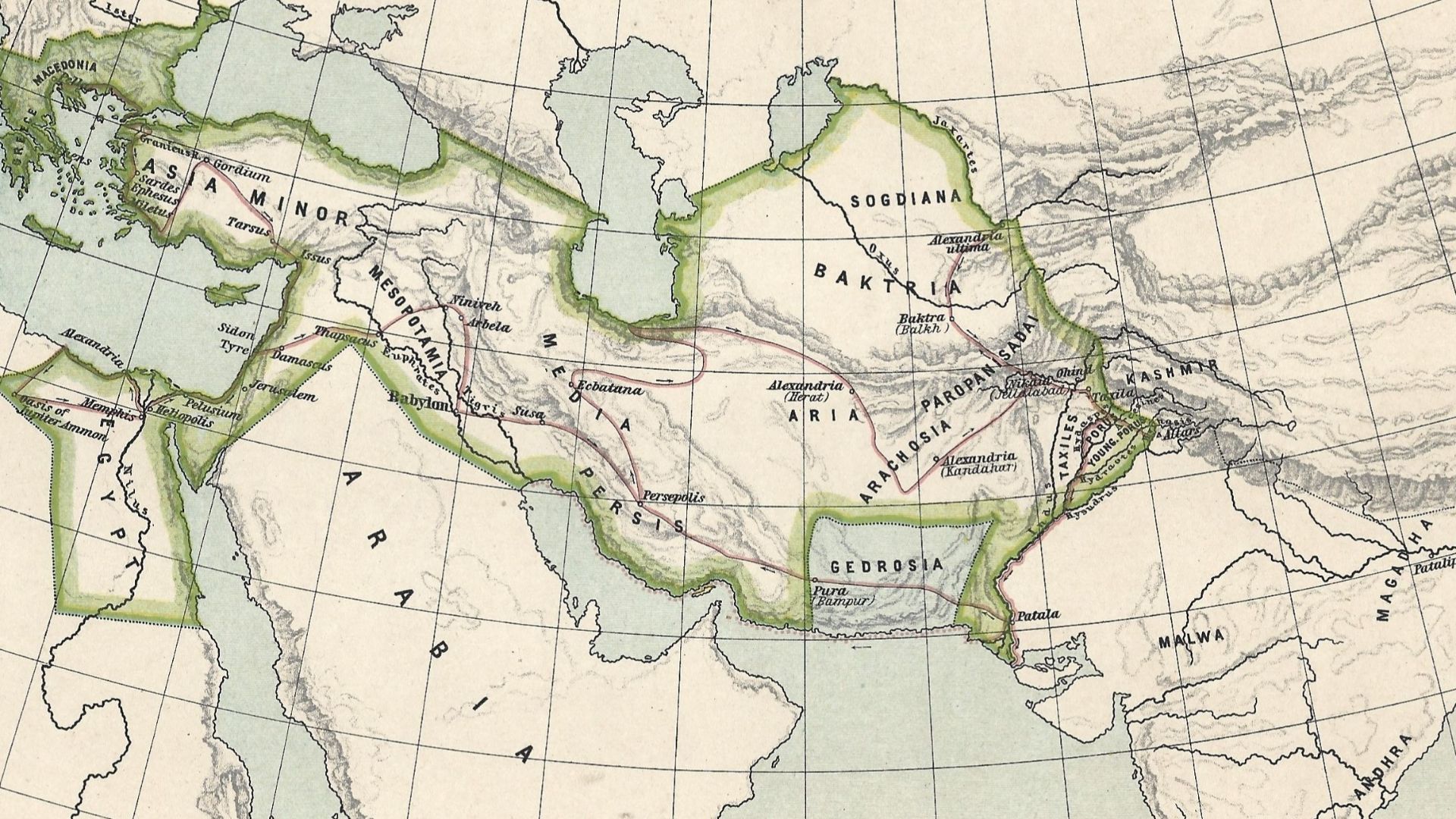
Researchers investigated whether the Mediterranean group could have descended from ancient Greek populations established in parts of South Asia after Alexander the Great's campaigns. Such populations had existed in the region many centuries before the later Roopkund deaths. However, the individuals lacked the genetic patterns researchers would expect from a community that had remained in South Asia for generations, making this explanation unlikely.
 Charles Joppen, Justus Parthes, Gotha., Wikimedia Commons
Why Would Europeans Travel So Far?
The Mediterranean group's presence was especially mysterious because Roopkund was not located along a major historical trade route. Researchers could find no established explanation for why people with Mediterranean ancestry would have traveled to this isolated Himalayan location around 1800. Whether they were religious travelers, visitors accompanying another group, or participants in an undocumented expedition remains unknown.
The Site Had Already Lost Valuable Evidence
Unfortunately, Roopkund had never been subjected to a comprehensive, systematic archaeological excavation. Rockslides and other natural processes had disturbed the remains, while hikers and pilgrims had moved bones or removed artifacts over the years. These disturbances made it difficult for scientists to reconstruct the original positions of the skeletons or determine which objects might have belonged to particular individuals.
 Biswajit Majumdar, Wikimedia Commons
The Investigation Took Another Turn In 2025
In October 2025, genetic testing company 23andMe revealed that researchers had revisited the Roopkund mystery using modern genetic matching techniques. They compared DNA from 17 of the lake's individuals against data from more than 11 million consenting research participants. The researchers hoped that identifying genetic connections to living people might provide new clues about the mysterious travelers and their origins.

More Than 1,200 Genetic Connections Emerged
The investigation identified approximately 1,240 research participants with detectable genetic connections to the Roopkund individuals. Most of those connections were extremely distant, making it unlikely that they could establish recent family relationships or reveal the travelers' identities. Although the findings did not solve the mystery, they demonstrated how modern genetic databases could provide another way to investigate people who died centuries ago.

The Mediterranean Connection Grew Stronger
The 2025 analysis also examined genetic similarities between the ancient individuals and more specific present-day populations. Once again, the Mediterranean group's strongest connections pointed toward southeastern Europe, particularly Greece and Crete. The results reinforced the original ancestry findings, although researchers still could not identify the travelers' exact origins or determine why they had journeyed into the Himalayas.
The Lake Still Guards Its Greatest Secret
More than eight decades after Roopkund's mysterious remains first attracted official attention, scientists have established that people from dramatically different ancestral backgrounds died at the site across several centuries. Yet neither the original DNA investigation nor the more recent genetic comparisons have explained why the Mediterranean travelers reached this remote Himalayan lake. Somewhere between their distant homeland and the mountains of India lies a remarkable story that history has yet to uncover.
You May Also Like: