Paris May Have Hidden Its Origins Underground
For centuries, historians have argued over where Paris truly began. Ancient texts seemed to point toward an island in the Seine, but archaeologists could never find enough evidence to prove it. Then, beneath the historic heart of modern Paris, they uncovered a burned stone-and-timber wall that may finally provide the missing evidence.

The Discovery Was Beneath A Working Hospital
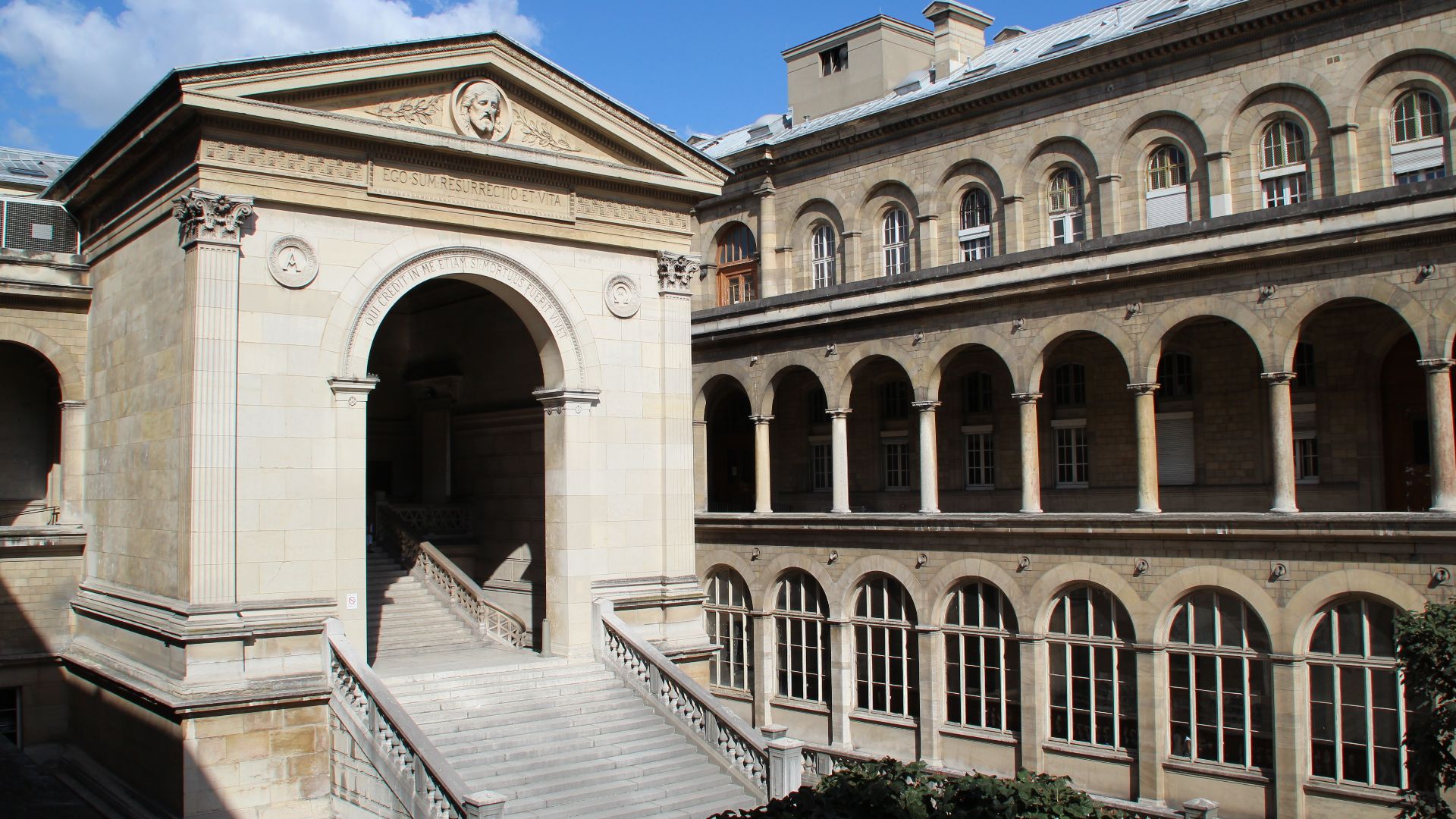
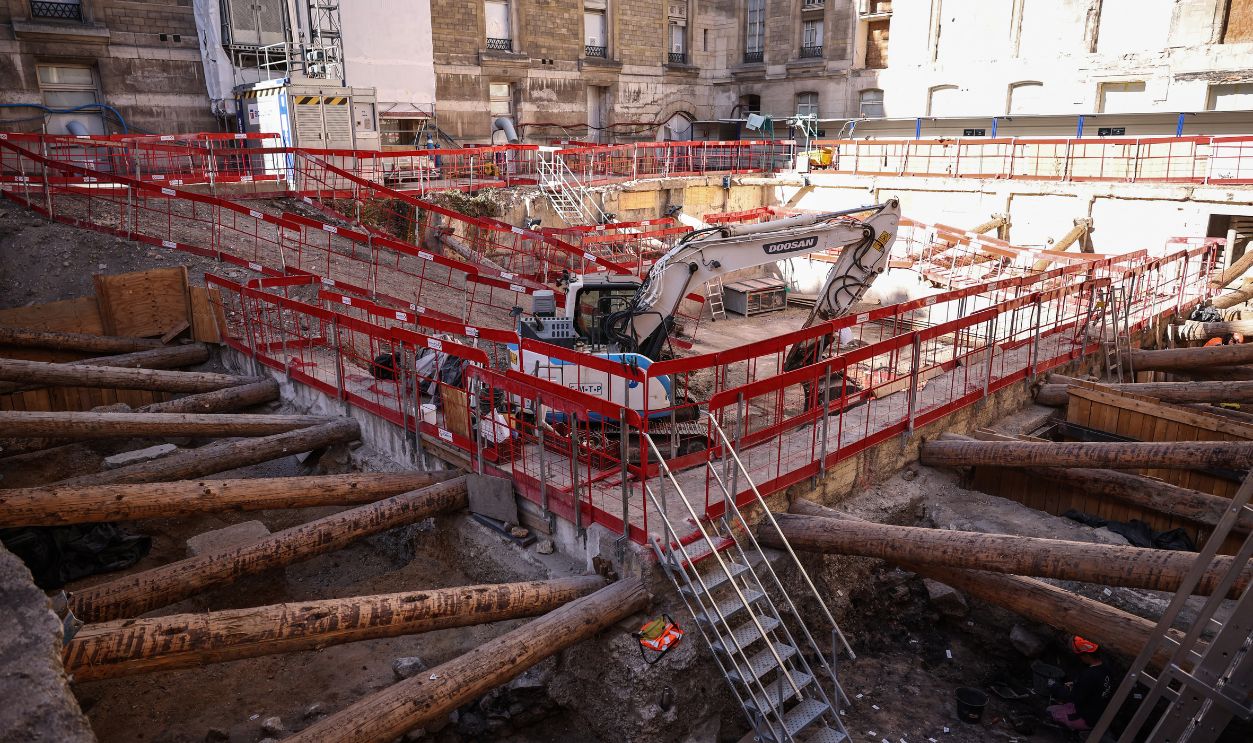
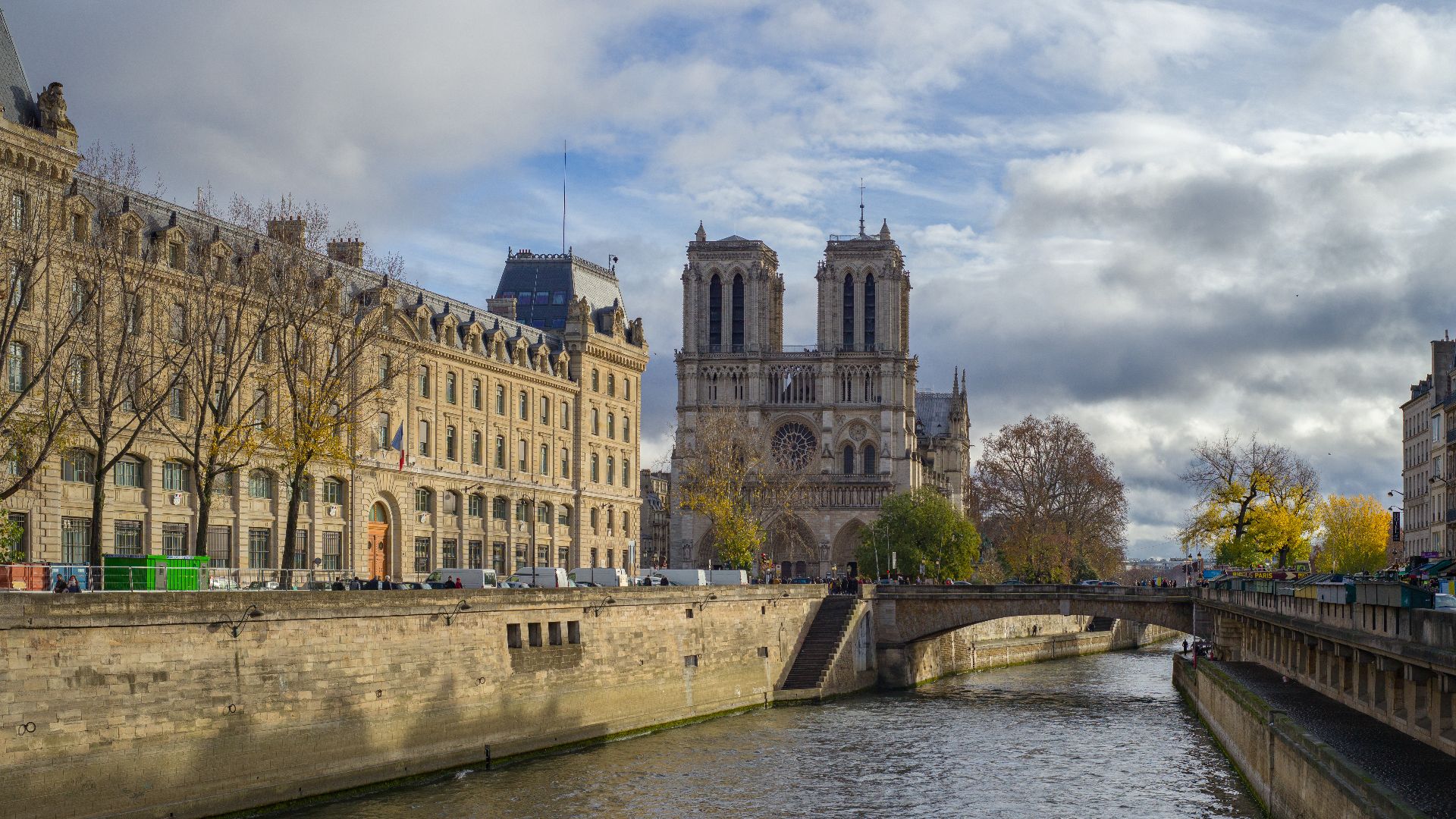
The find emerged during archaeological work at the Hôtel-Dieu hospital beside Notre-Dame Cathedral. Excavations began in February 2026 ahead of redevelopment work in two of the hospital's courtyards. Archaeologists from the City of Paris and France's National Institute for Preventive Archaeological Research were involved.
 Lionel Allorge, Wikimedia Commons
Then A Massive Wall Appeared
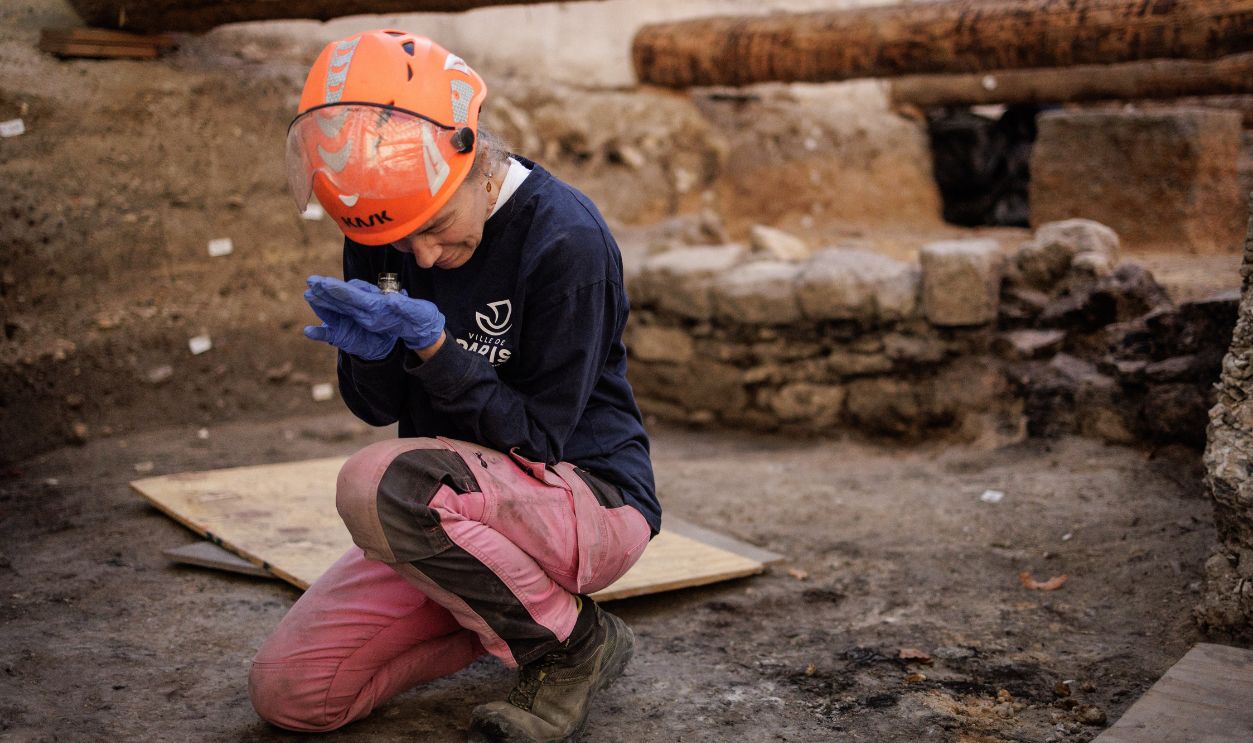
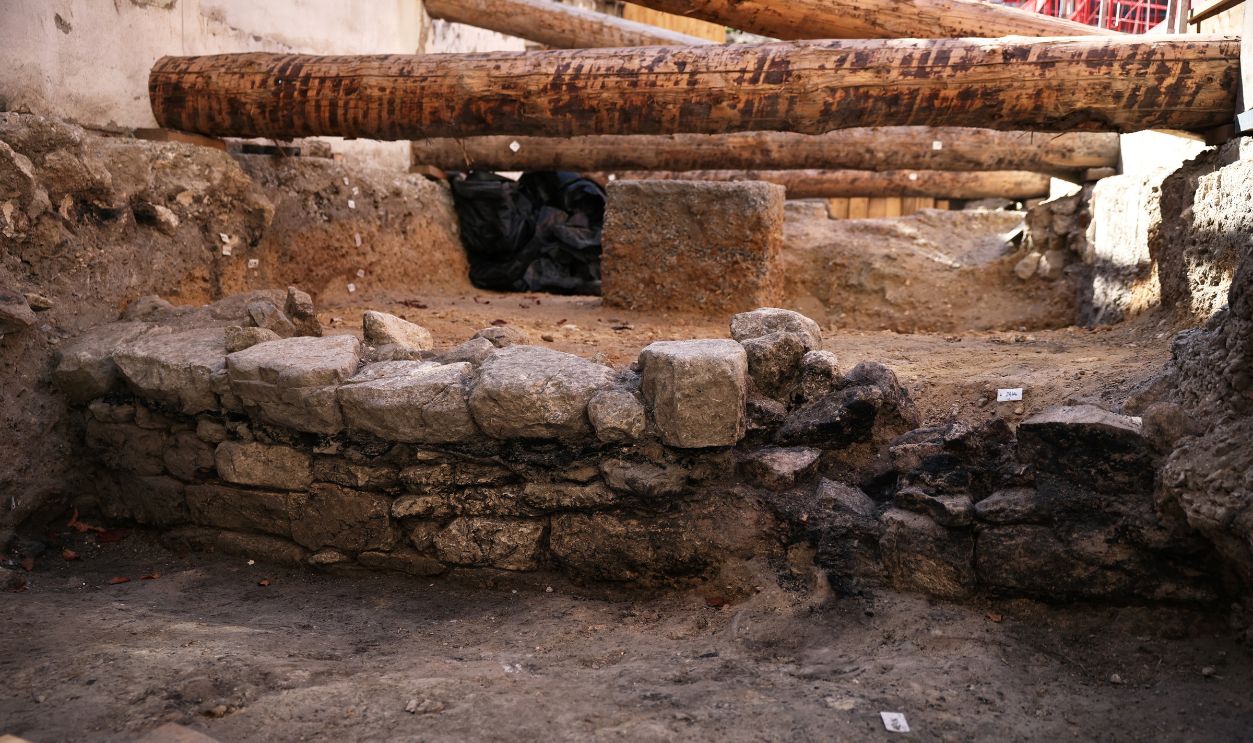
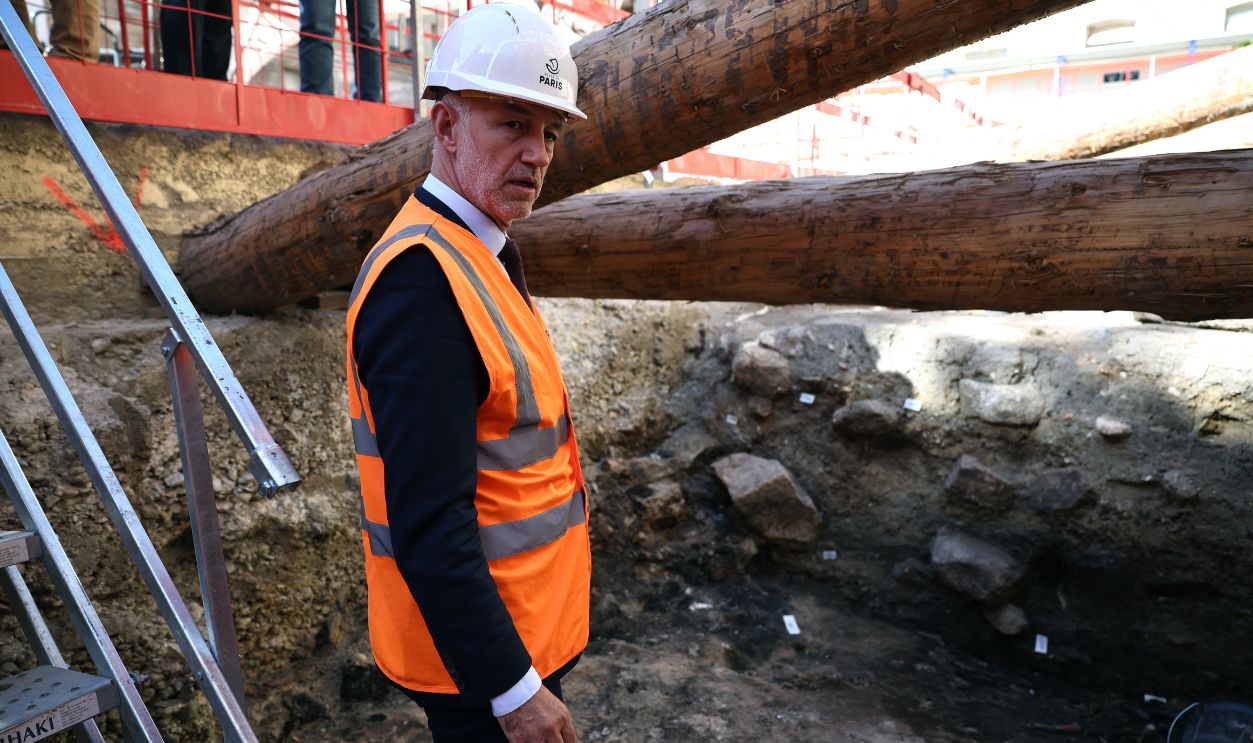
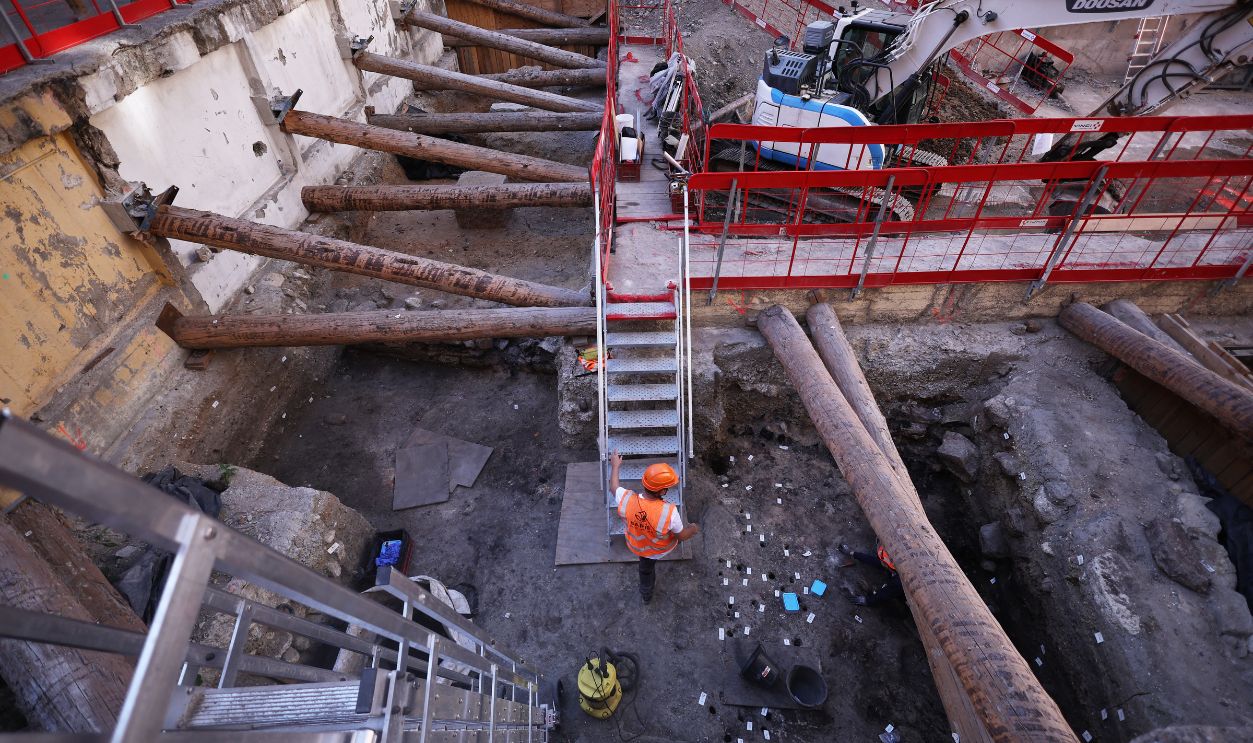
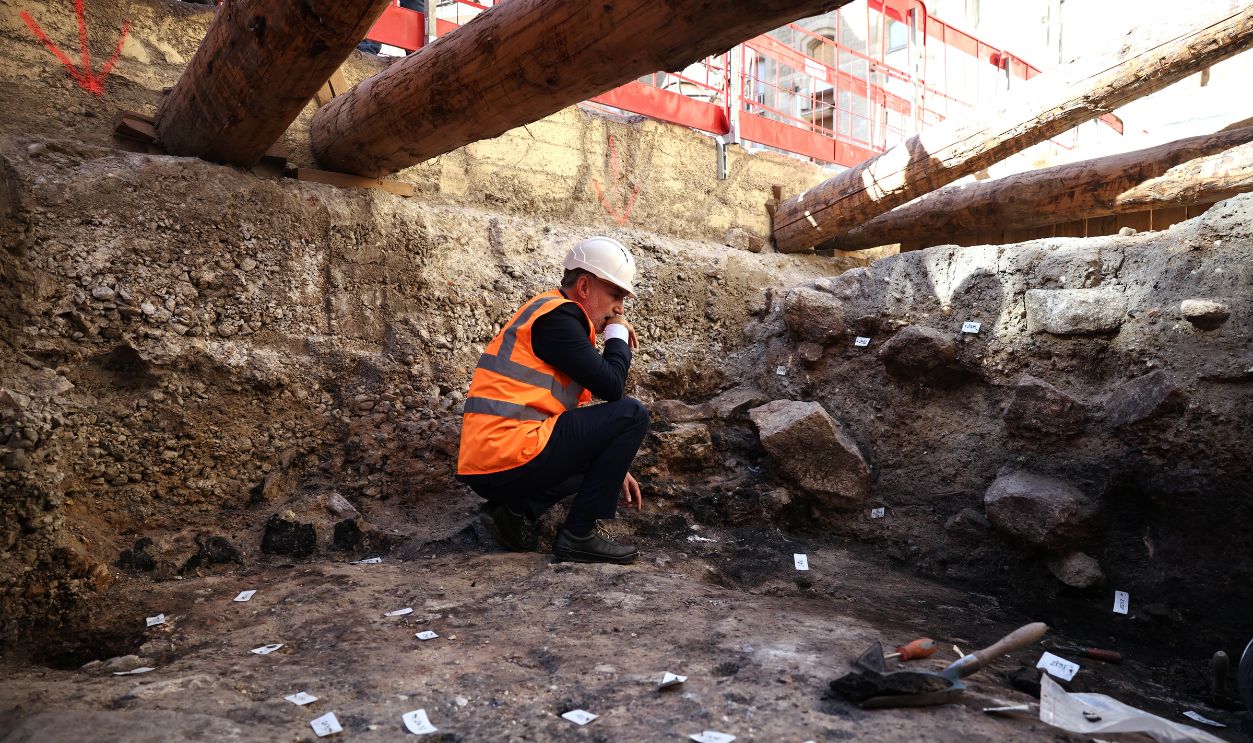
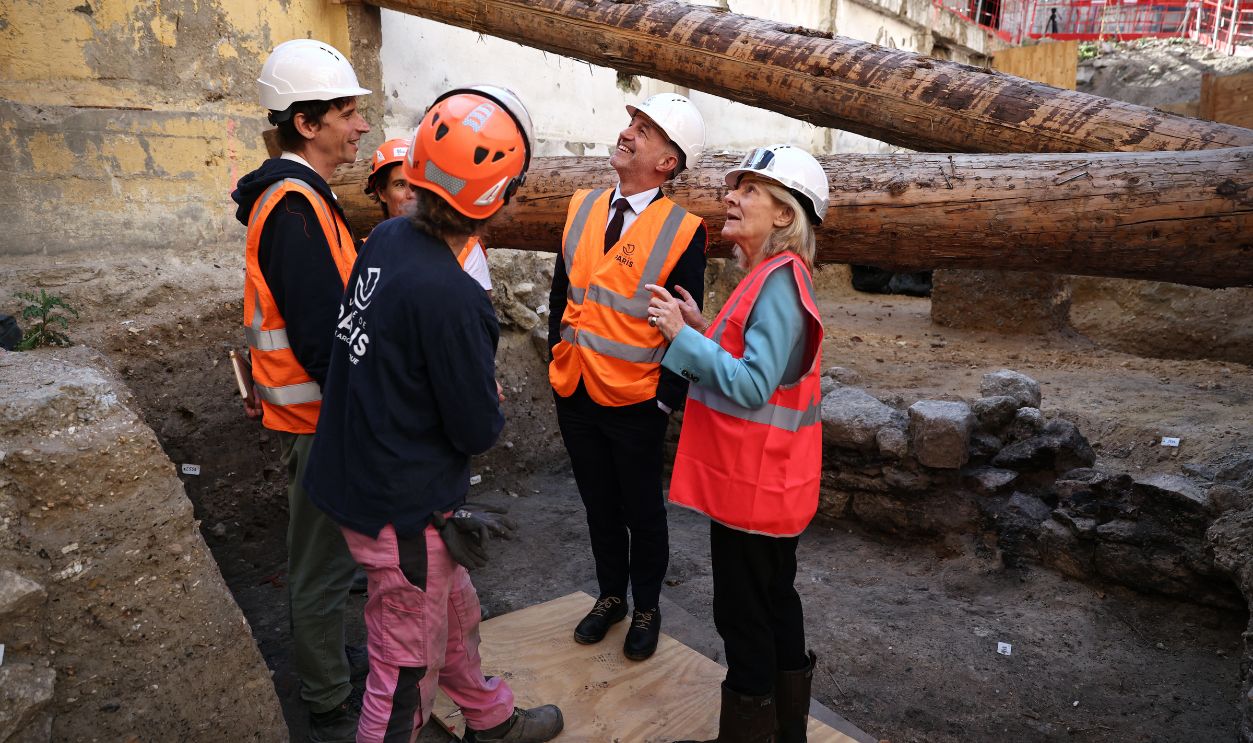
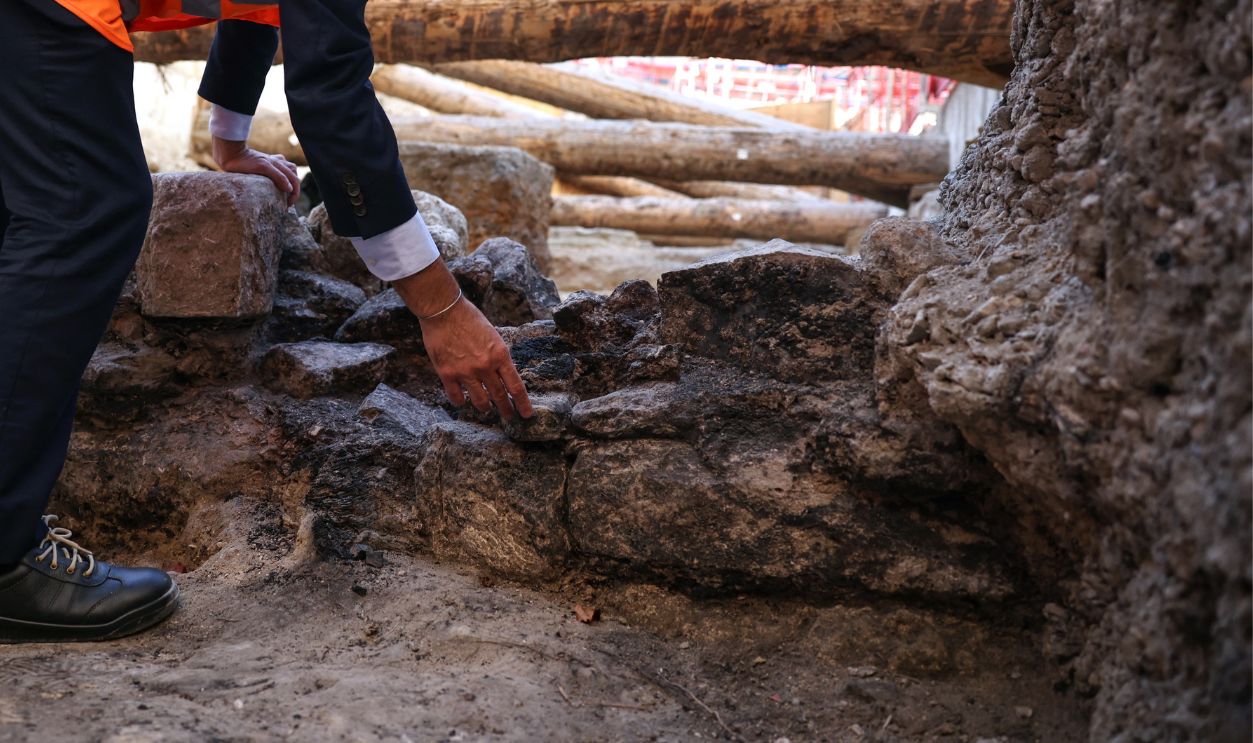
During the summer, excavators uncovered about 20 meters, or 65 feet, of an imposing stone-and-timber structure. Its construction immediately stood out from the later Roman remains found throughout Paris. Specialists soon began considering whether they were looking at a Gallic fortification.
Its Construction Looked Distinctly Gallic
The wall combines stone blocks with horizontal wooden elements. French cultural authorities say this technique is characteristic of some fortified Gallic settlements from the late Iron Age. That raised an extraordinary possibility: the structure might belong to pre-Roman Lutetia.
Lutetia Came Before Paris
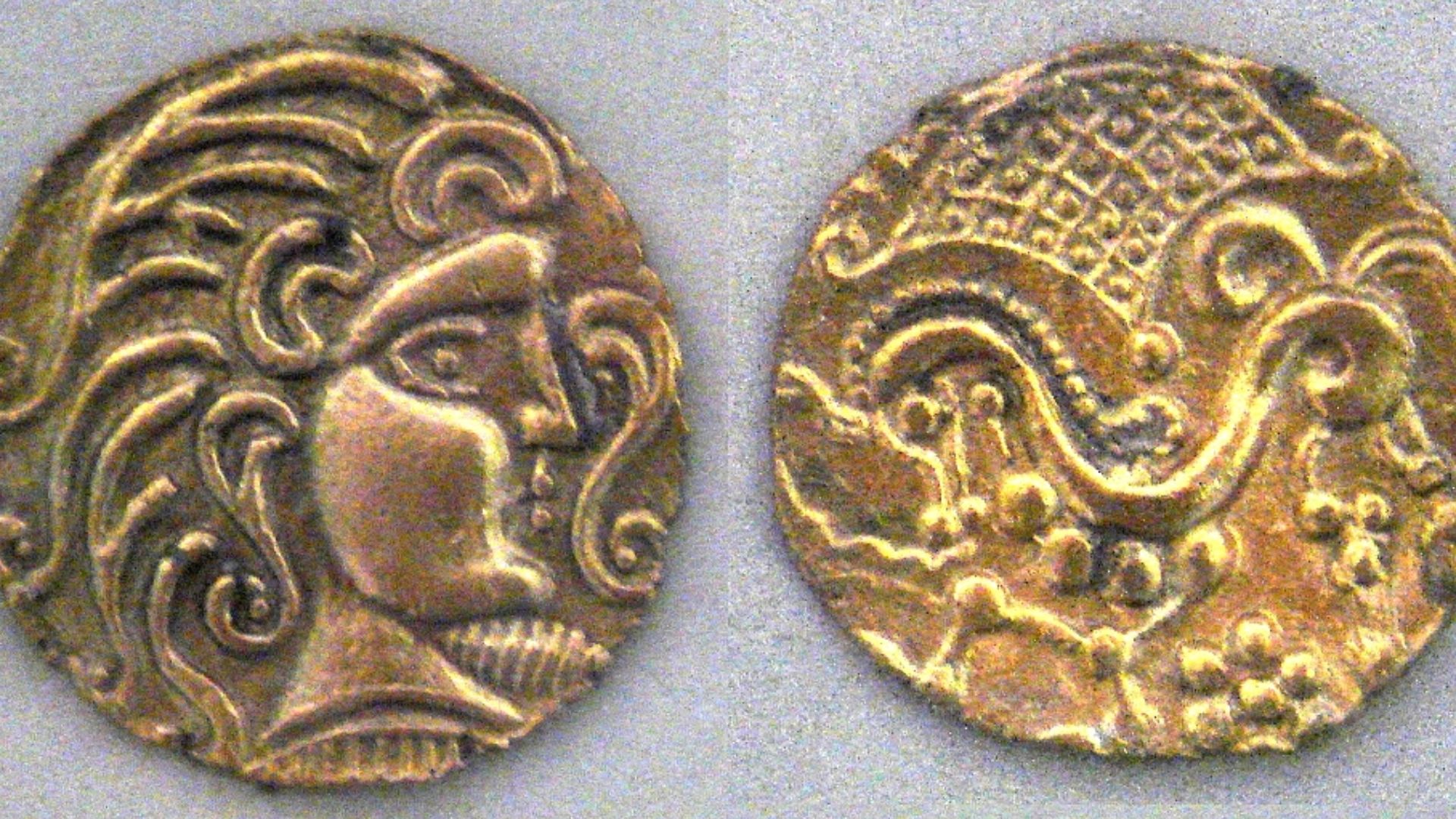
Long before Paris became a Roman and medieval metropolis, the surrounding region was occupied by a Gallic people called the Parisii. Julius Caesar referred to their settlement as Lutetia during his conquest of Gaul. The location of that earlier settlement has remained surprisingly difficult to pin down.
Caesar Left A Crucial Clue
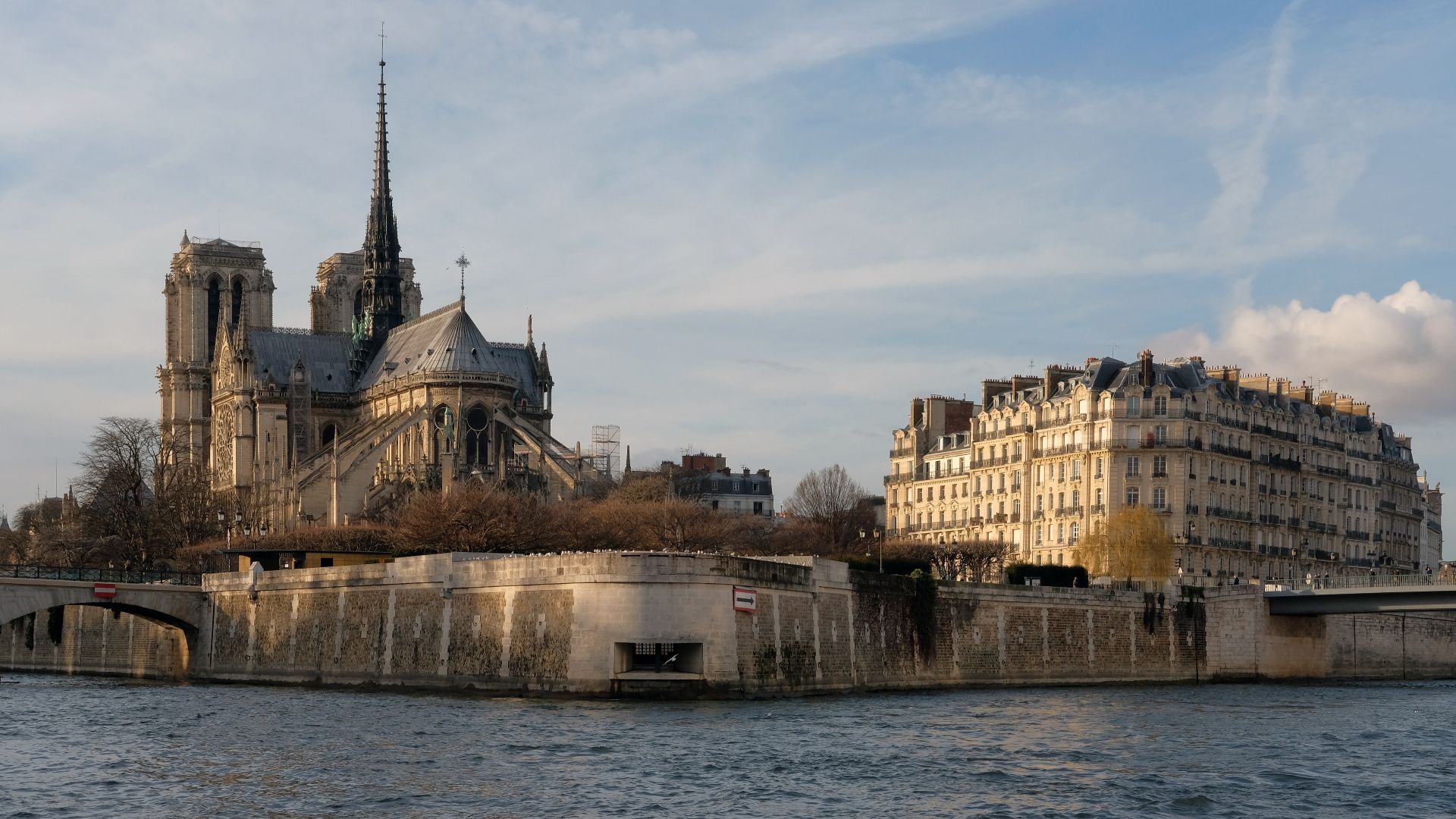
Caesar described Lutetia as an oppidum of the Parisii situated on an island in the Seine. For generations, that naturally made the Île de la Cité the leading candidate. The island would later become the historic center of Paris, but the expected Gallic settlement was strangely hard to find.
Archaeology Never Quite Matched The Story
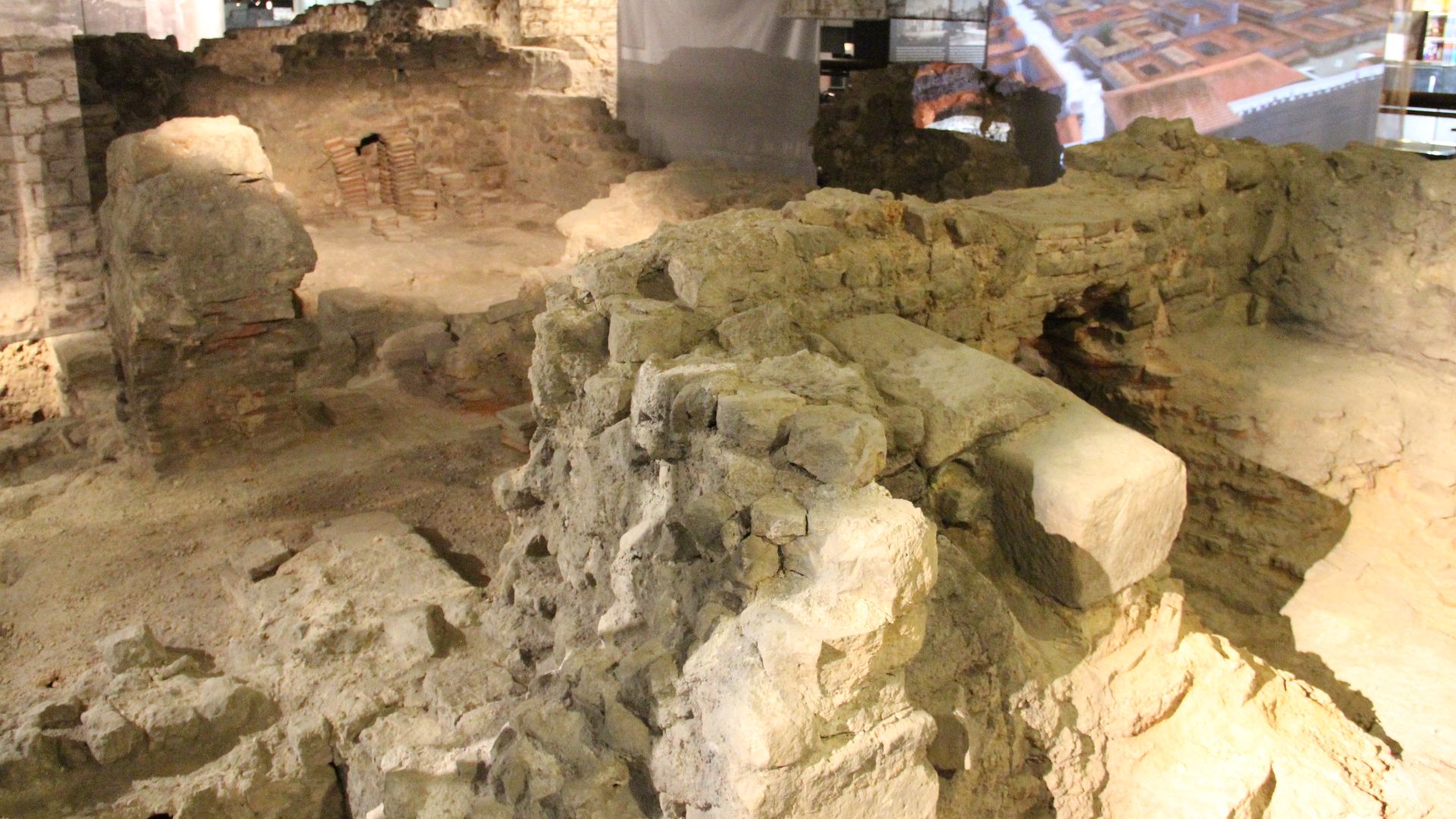
Excavations on the Île de la Cité had uncovered plenty of Roman and medieval remains. Pre-Roman evidence was far thinner. A 1986 excavation on Rue de Lutèce found pits, postholes, and other traces dating to around the middle of the second century BCE, but nothing resembling the major fortified center historians were looking for.
 Ana Paula Hirama, Wikimedia Commons
Then Nanterre Became The Rival Candidate
Attention increasingly shifted west to Nanterre, outside central Paris. Excavations there revealed a substantial Gallic settlement covering at least about 15 hectares. Archaeologists found residential areas, craft activity, streets, wells, and nearby burials.
Nanterre Suddenly Looked Convincing
The scale of the Nanterre settlement made it a serious candidate for the political or economic center of the Parisii. It offered much stronger archaeological evidence than the Île de la Cité had produced at the time. For years, that discovery complicated the traditional idea that Caesar's Lutetia stood beneath central Paris.
The Hôtel-Dieu Wall Changed The Debate
The newly uncovered wall is exactly the sort of evidence the Île de la Cité theory had been missing. Its apparent Gallic construction, late Iron Age date, and location all make it unusually significant. Specialists in Iron Age fortifications examined the discovery in August 2026, strengthening the interpretation that it may be part of a Gallic rampart.
Then Archaeologists Noticed The Fire Damage
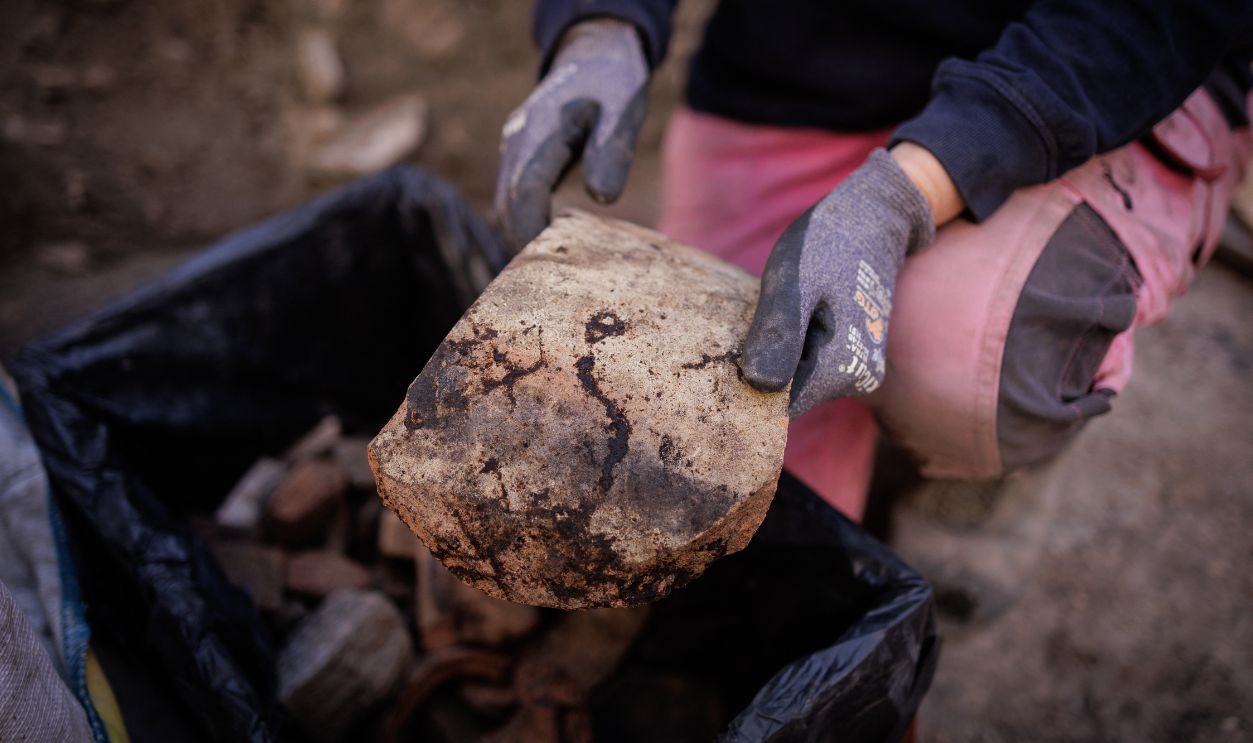
The wall showed signs of intense burning. Archaeologists also found carbonized seeds nearby and the remains of a wooden structure directly in front of the wall that had been destroyed by fire. That detail immediately made the discovery even more intriguing.
Caesar Described Lutetia Burning
During the Roman campaign of 52 BCE, Caesar's lieutenant Titus Labienus advanced against a Gallic coalition that included the Parisii. Caesar's account states that the Gauls burned Lutetia and destroyed its bridges. The scorched remains beneath Hôtel-Dieu therefore raise an obvious question.
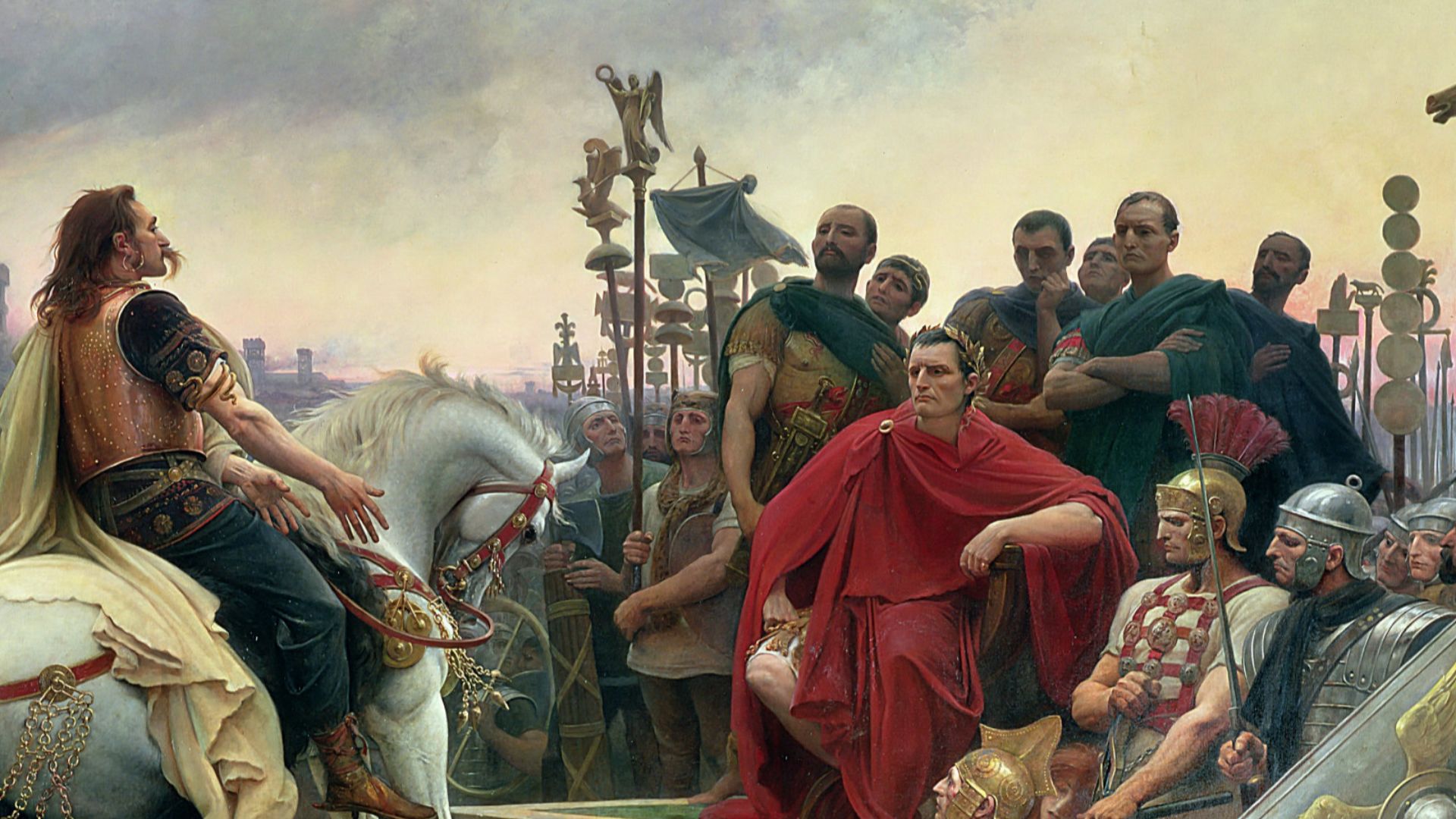 Lionel Royer, Wikimedia Commons
Could This Be The Fire Of 52 BCE?
It is tempting to connect the burned wall directly with Caesar's account. Archaeologists are not making that leap yet. The destruction could date to the same episode, but there is currently no evidence strong enough to prove it.
The Dating Keeps The Possibility Open
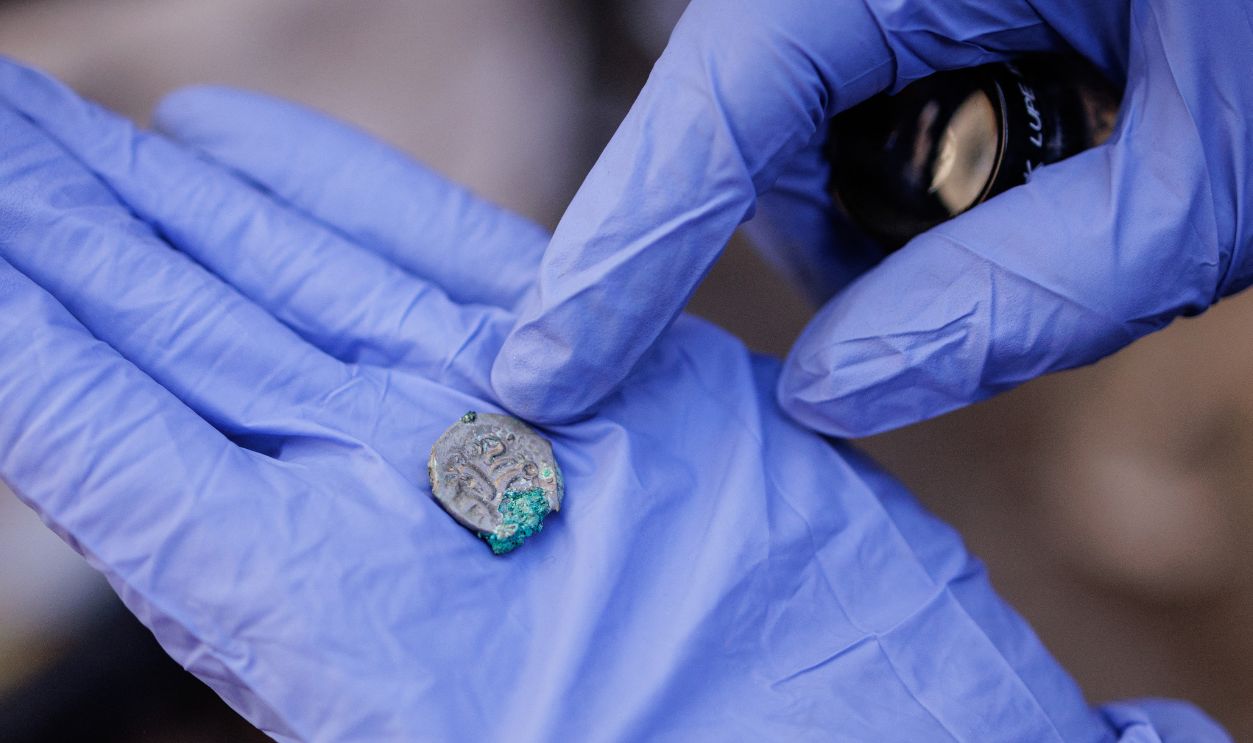
Initial radiocarbon testing of wooden material produced a date range of roughly 200 BCE to 10 BCE. That comfortably includes 52 BCE and places the wall firmly in the late Iron Age. However, the range is much too broad to identify one specific historical event.
A Gallic Spearhead Added Another Clue
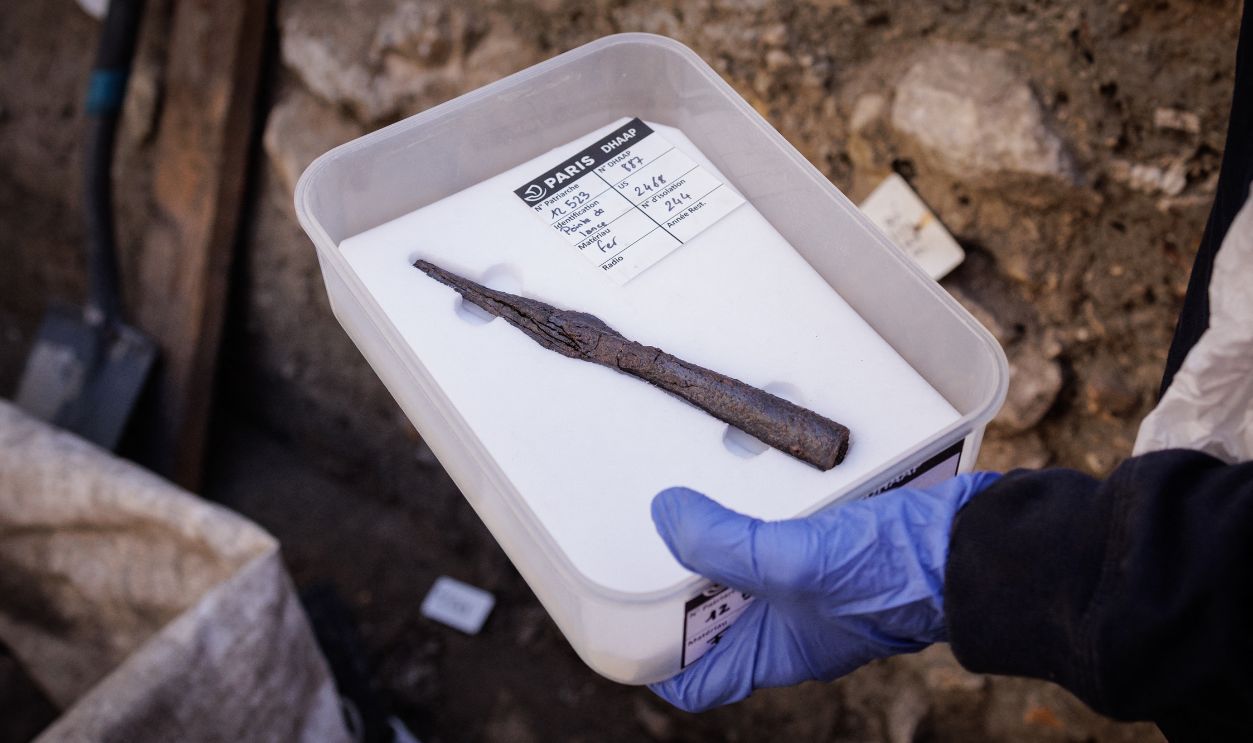
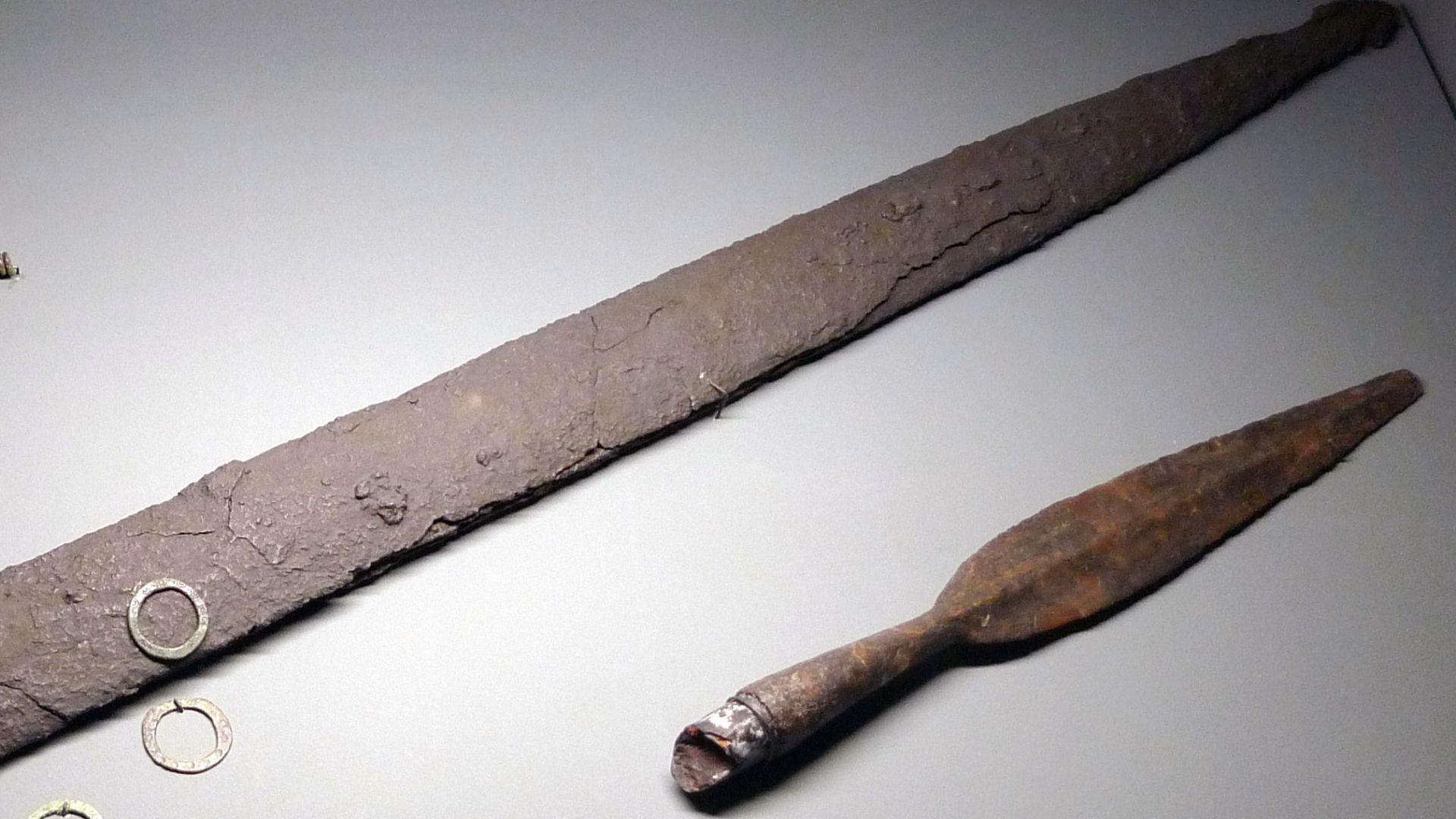
Archaeologists also recovered an iron spearhead at the foot of the wall. Its style places it within the Gallic cultural world of the period. It adds to the site's military atmosphere, although a single weapon cannot prove that a battle happened there.
There Was A Huge Artificial Platform Behind It
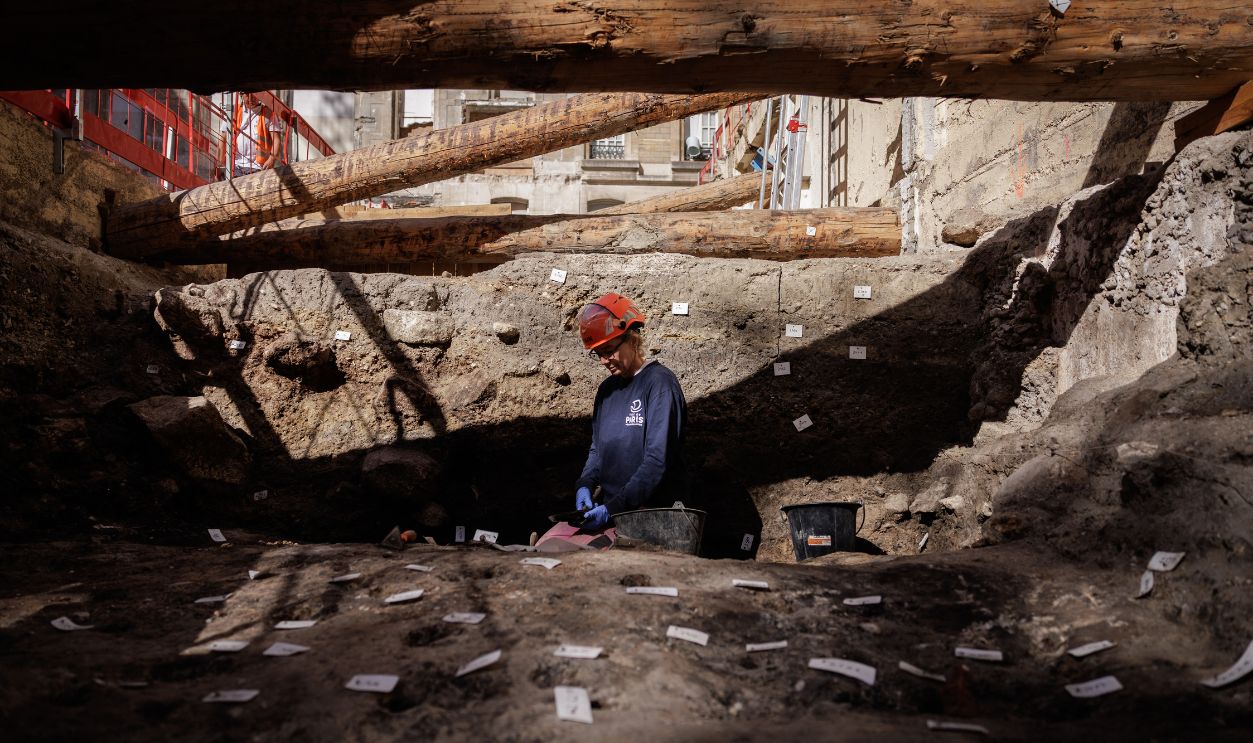
The wall was not standing alone. Archaeologists found a substantial artificial platform behind it made from layers of sand and gravel. Nearly two meters of this material survive in some places, suggesting that considerable effort went into reshaping the site.
The Wall May Have Done More Than Defend
Researchers still do not know exactly what the structure was designed to do. It may have served as a defensive rampart, helped retain the artificial platform behind it, or performed both functions. Understanding its purpose will be crucial to identifying the site.
Why The Word “Oppidum” Matters
Roman writers used the word oppidum for important fortified settlements in Gaul. These sites could act as political centers, trading hubs, residential communities, and places of defense. If the Hôtel-Dieu wall belonged to the Parisii oppidum, archaeologists may have finally found a physical piece of the settlement Caesar described.
The Parisii Fought Against Rome
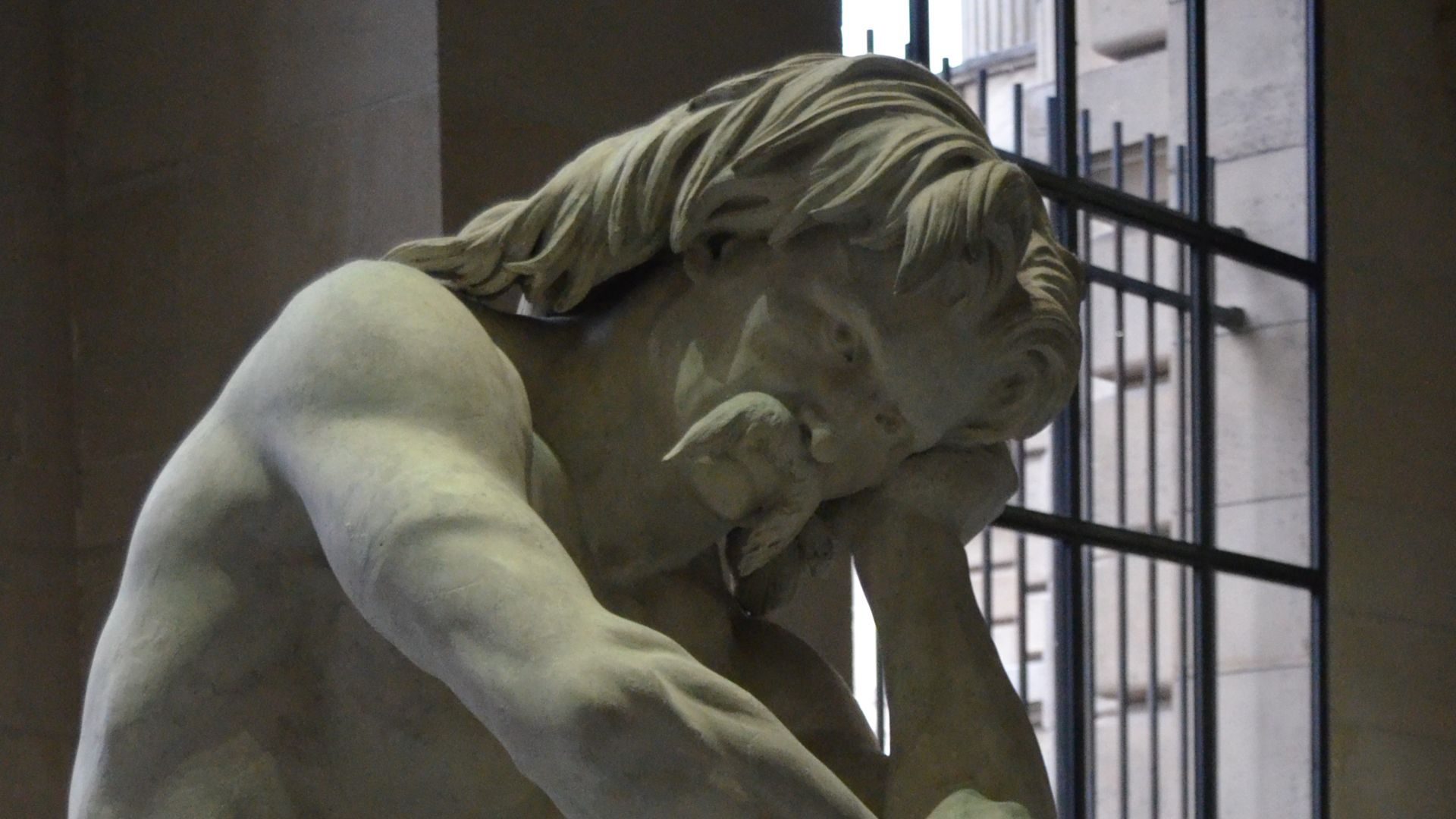
In 52 BCE, the Parisii took part in wider Gallic resistance to Roman conquest. Labienus led Roman forces against a coalition commanded in the region by the Gallic leader Camulogenus. The campaign ended in Roman victory and helped secure Roman control around Lutetia.
 Arnaud Fafournoux, Wikimedia Commons
Roman Paris Shifted South
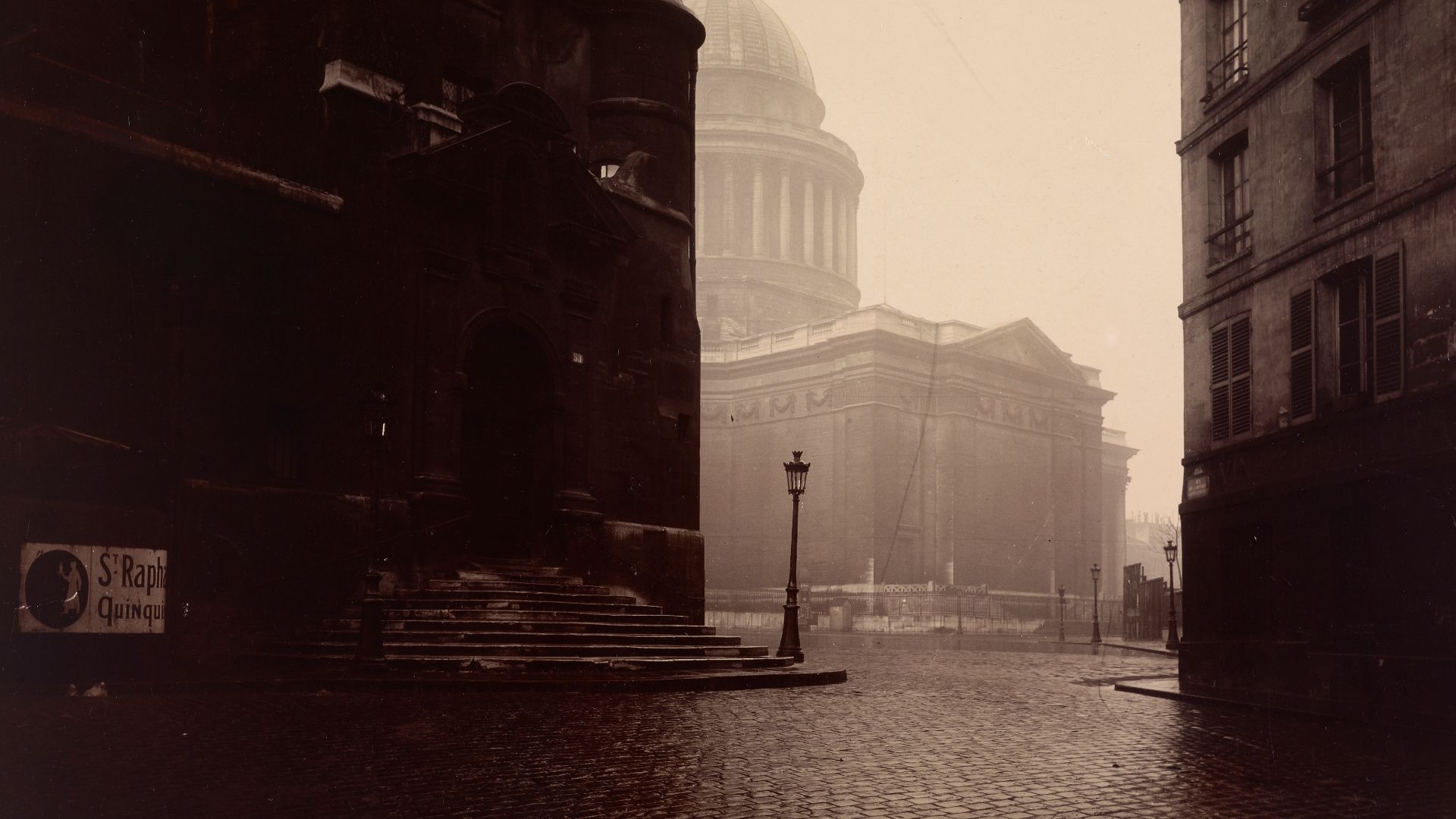
After the conquest, Roman Lutetia developed very differently from the Gallic settlement that preceded it. Much of its monumental center grew on the Left Bank around Montagne Sainte-Geneviève. Archaeologists have found baths, roads, an arena, and traces of the city's forum there.
 Eugène Atget, Wikimedia Commons
The Île De La Cité Still Remained Important
The island continued to play an important role in Roman Lutetia. A major north-south route crossed the Seine through the island area and connected the settlement to the broader Roman road network. Later centuries would make the island even more central to the city.
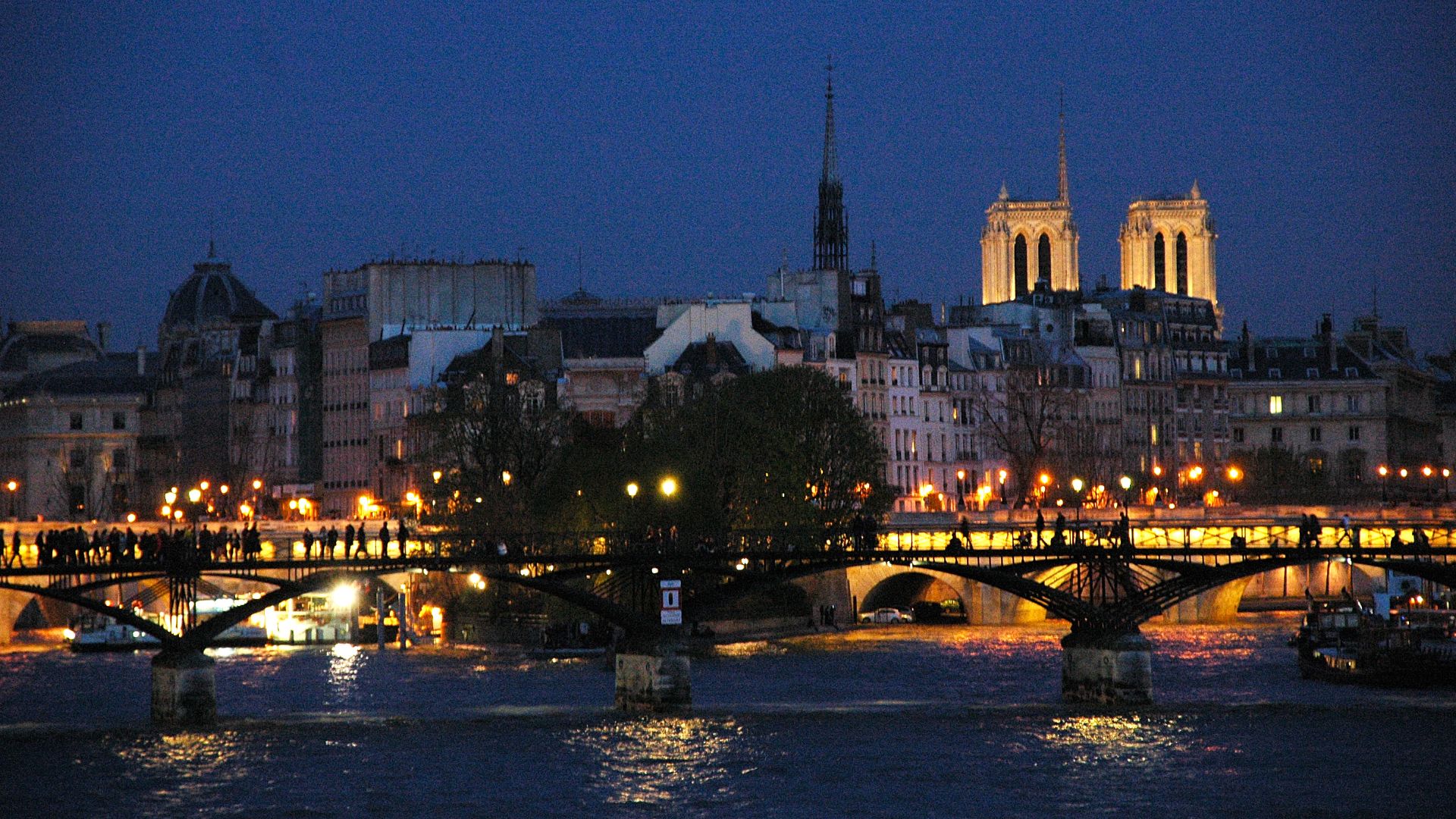
Much Of Ancient Paris Is Still Buried
The area around Notre-Dame contains layer upon layer of Parisian history. Archaeologists have identified remains from the Roman period, medieval buildings, waterfront structures, and later defenses in the surrounding area. Some of those remains can already be seen in the Archaeological Crypt beneath the cathedral square.
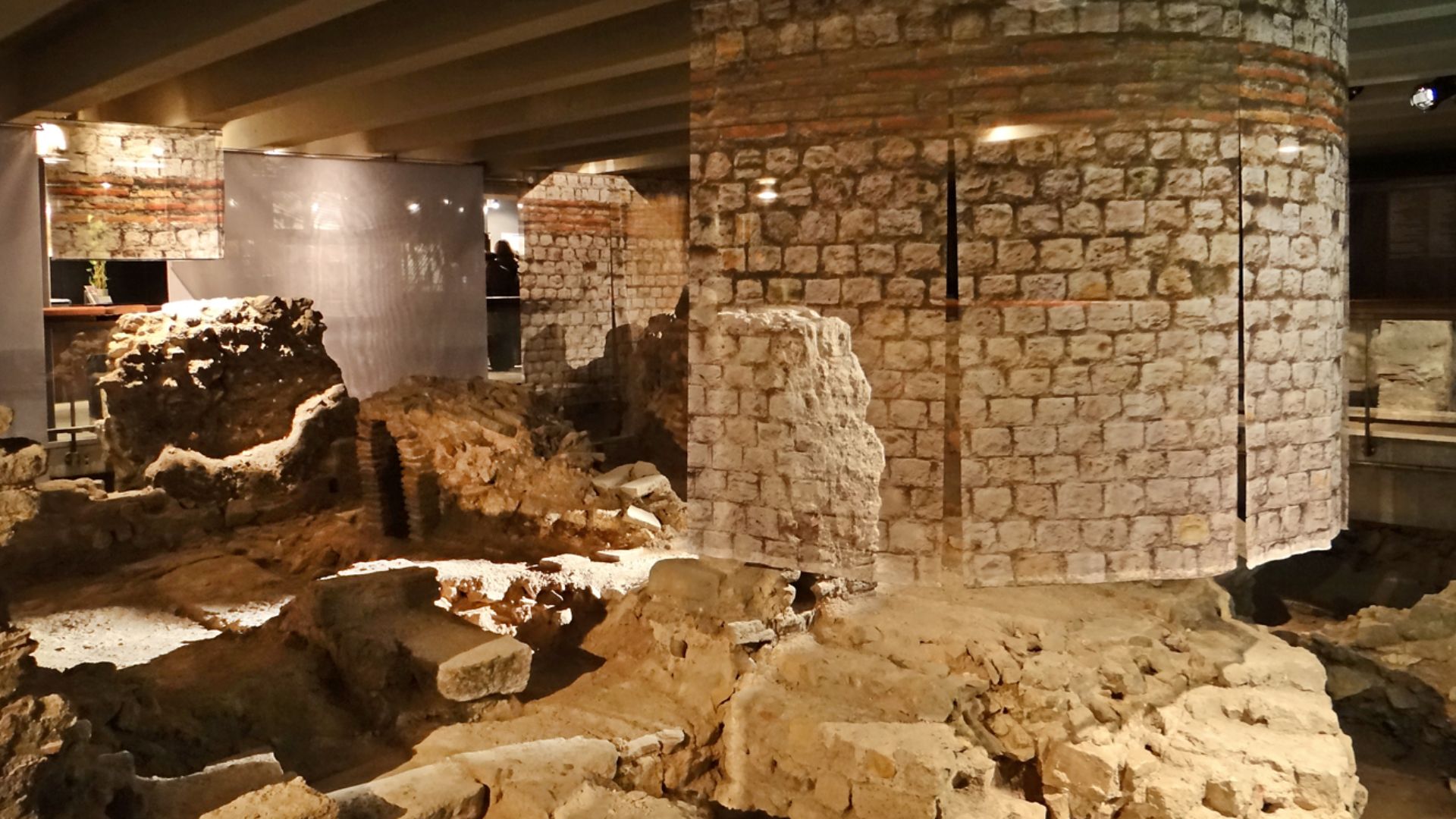 Jean-Pierre Dalbéra from Paris, France, Wikimedia Commons
2026 Has Been A Major Year For Paris Archaeology
The Hôtel-Dieu discovery is part of a wider wave of archaeological work on the Île de la Cité. Excavations have also taken place around Notre-Dame and elsewhere in the historic center. Together, the projects are exposing more than two millennia of development beneath modern Paris.
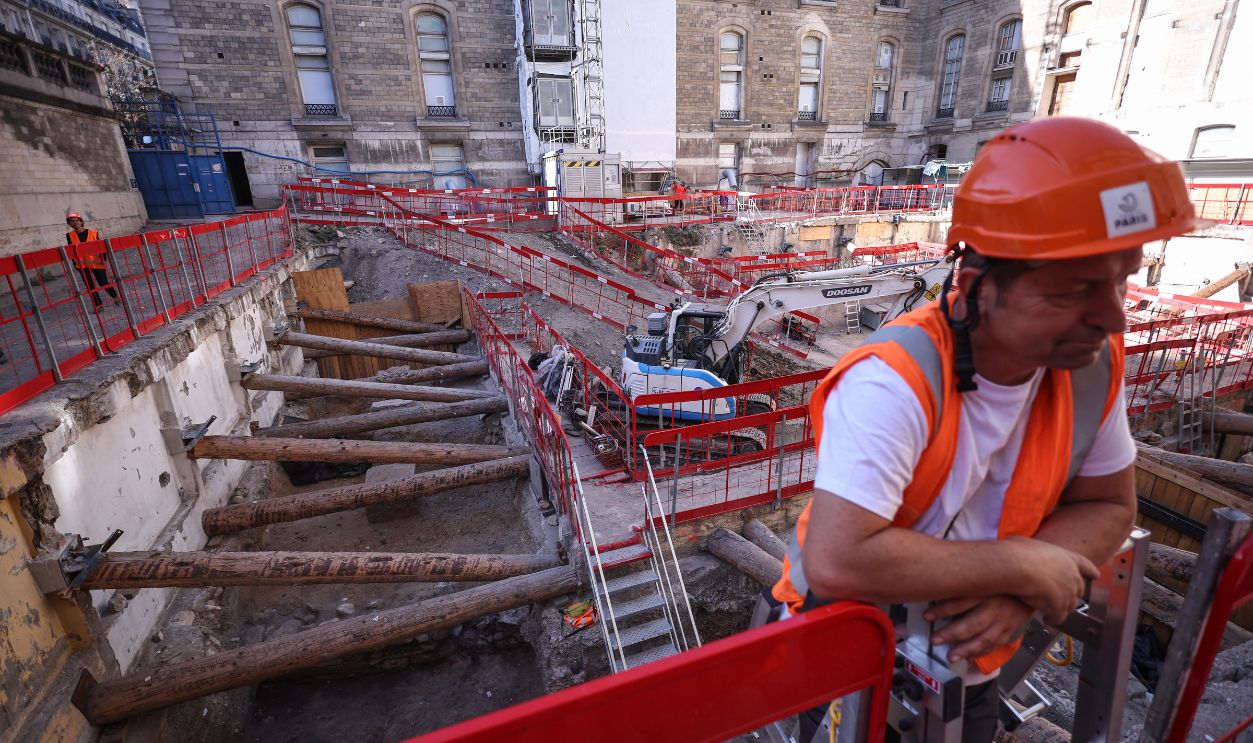
The Wall Is Too Fragile To Simply Leave In Place
The fire that makes the wall so interesting also damaged it badly. Officials do not currently plan to preserve the entire structure in situ as part of the hospital redevelopment. Specialists instead plan to document it carefully before dismantling the remains.
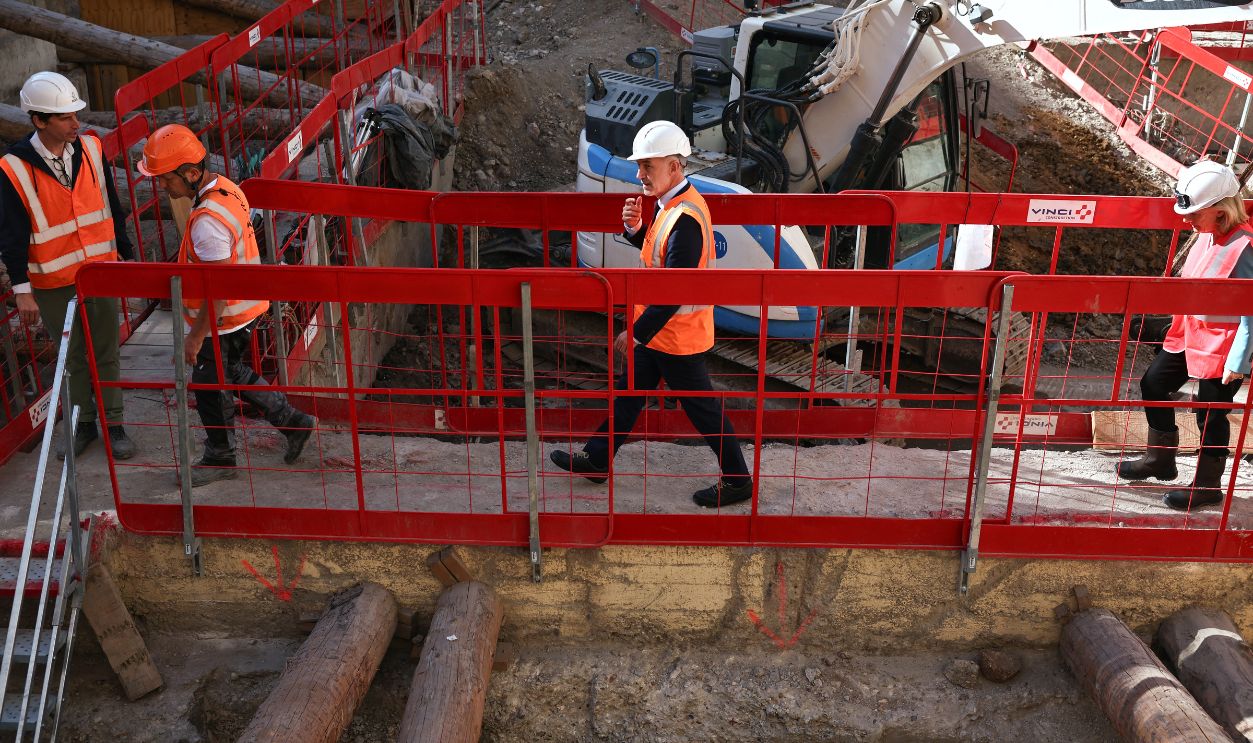
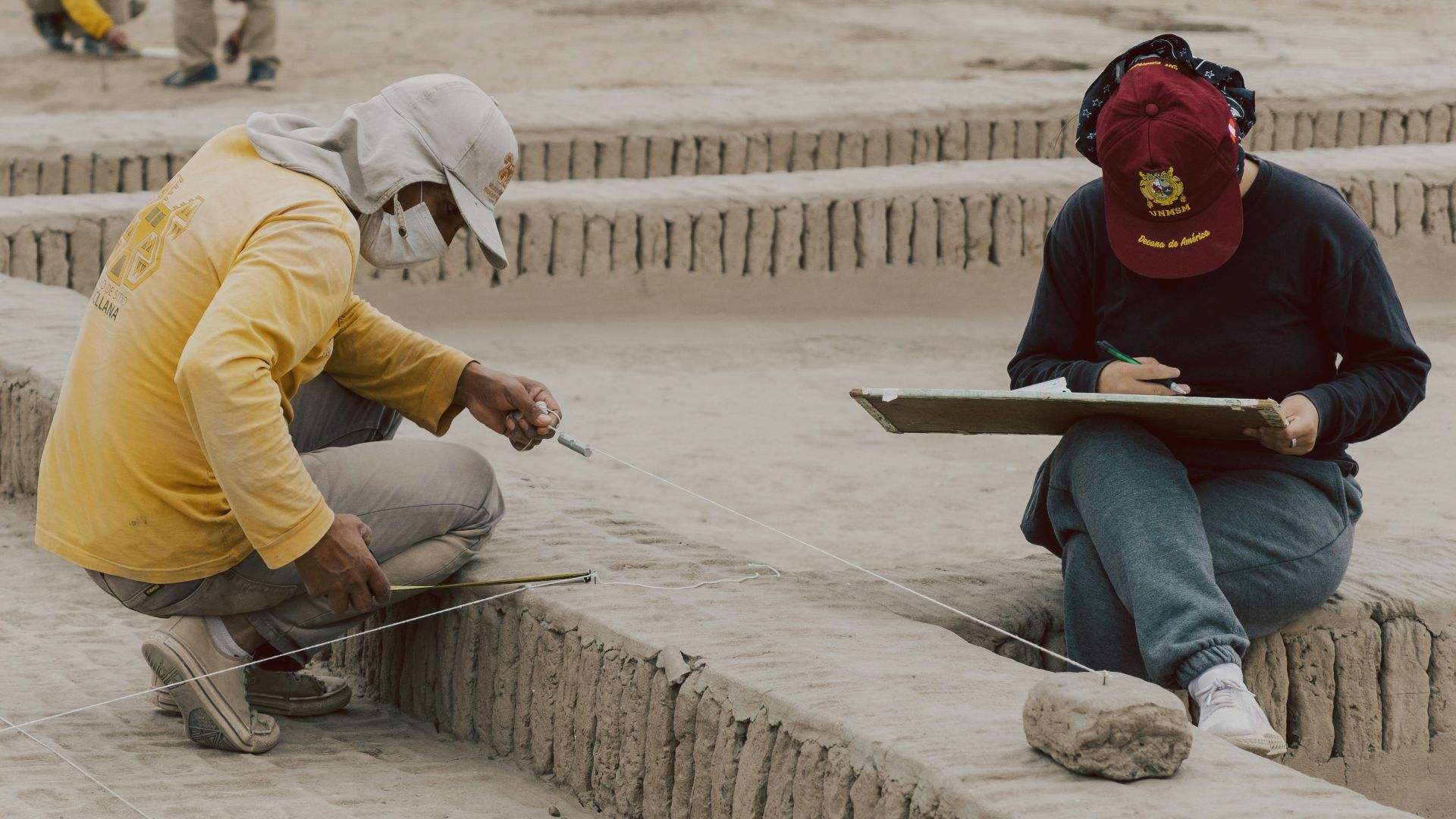
Archaeologists Are Recording Every Detail
Photogrammetry and 3D recording will preserve a highly detailed digital record of the structure. Officials also plan to create a mold and reconstruct part of the rampart using some of its original facing stones. That reconstructed section is expected to be displayed publicly in a Paris museum.
The Discovery Is Important, But Not Proven
Researchers still need to determine exactly when the wall was built, what it was used for, and when the fire occurred. They also need to establish whether older remains survive beneath the structure. For now, the idea that this is Caesar's Lutetia remains a strong possibility rather than a settled conclusion.
Nanterre Still Complicates The Picture
Even if the Hôtel-Dieu wall turns out to be part of Gallic Lutetia, the large settlement at Nanterre still has to be explained. Archaeologists will need to reconsider how the two sites related to the Parisii and to each other. The new discovery may reshape the debate rather than end it completely.
Paris May Finally Have Found Its Missing Beginning
For generations, historians had Caesar's description of an island settlement but surprisingly little archaeology beneath the Île de la Cité to support it. Now, a burned Gallic-style wall has appeared almost exactly where tradition suggested Lutetia should have been. If further research confirms that interpretation, the earliest chapter of Paris may have been beneath its historic center all along.
You May Also Like:
Archaeologists Discovered A 1,600-Year-Old Roman Guardian Spirit Buried Beneath Hadrian's Wall