A Guardian Emerges From The Ground
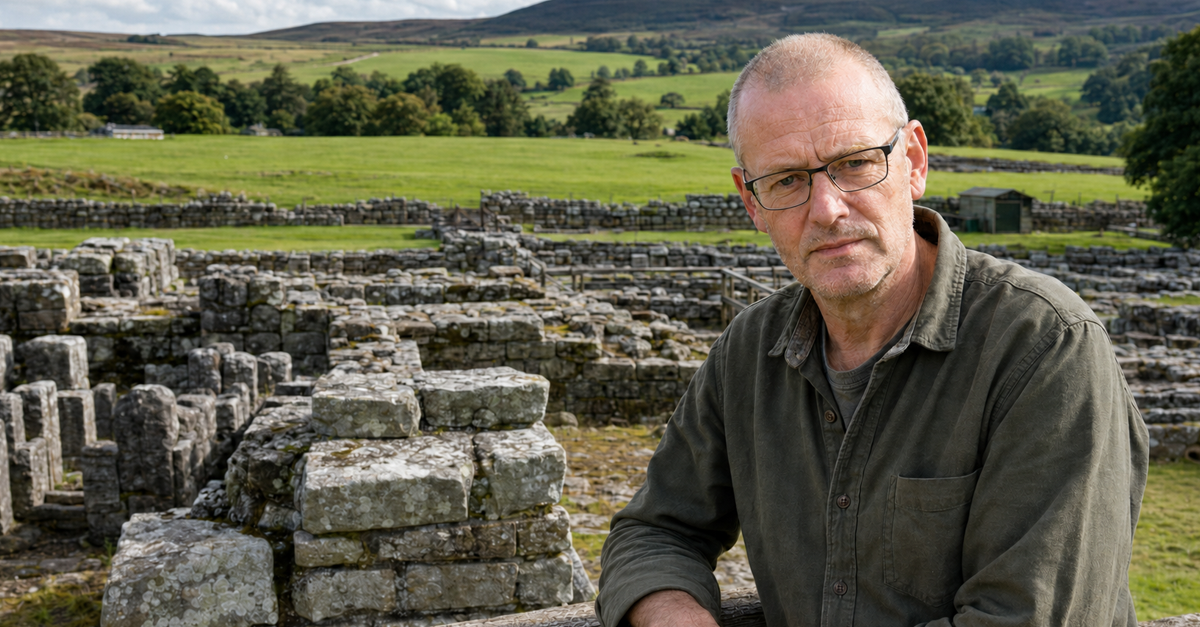
A beautifully preserved Roman guardian spirit has emerged from beneath a barrack floor at Vindolanda in northern England. The sandstone relief remained hidden for more than 1,600 years near Hadrian’s Wall. Its survival is offering archaeologists a rare glimpse into spiritual life on Rome’s distant frontier.
One Stone Looked Different
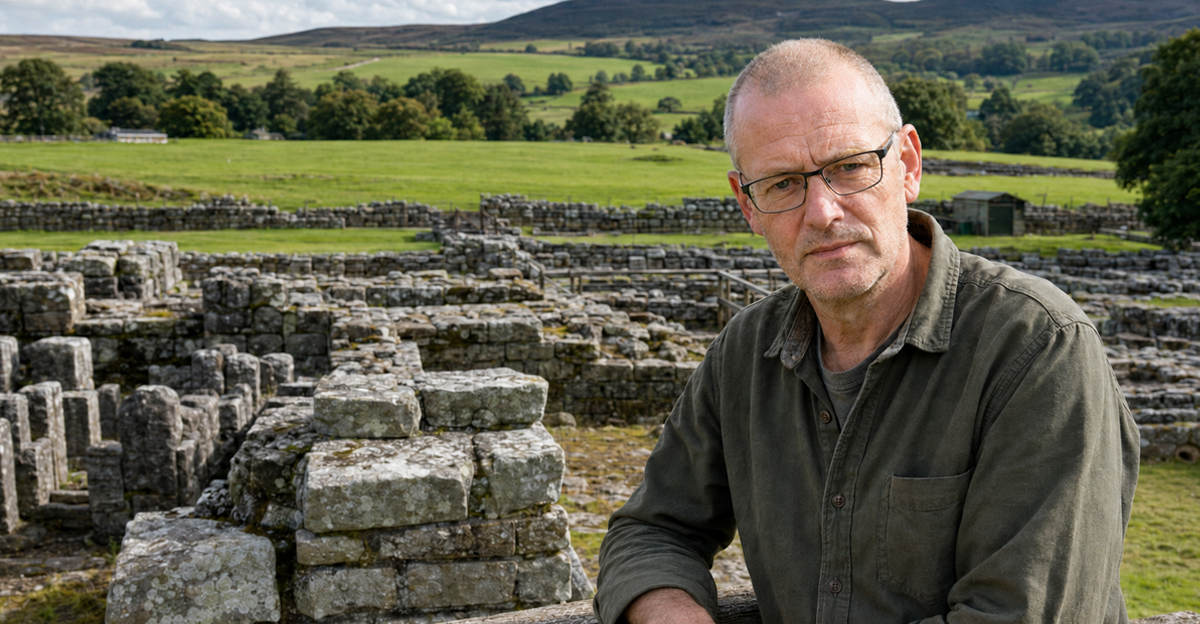
Dr. Andrew Birley, Vindolanda’s director of excavations, discovered the carving on June 16, 2026. He was examining a fourth-century barrack when he noticed an unusually rounded flagstone positioned on its edge. That subtle difference persuaded him to investigate more closely.
A Face Was Waiting Underneath
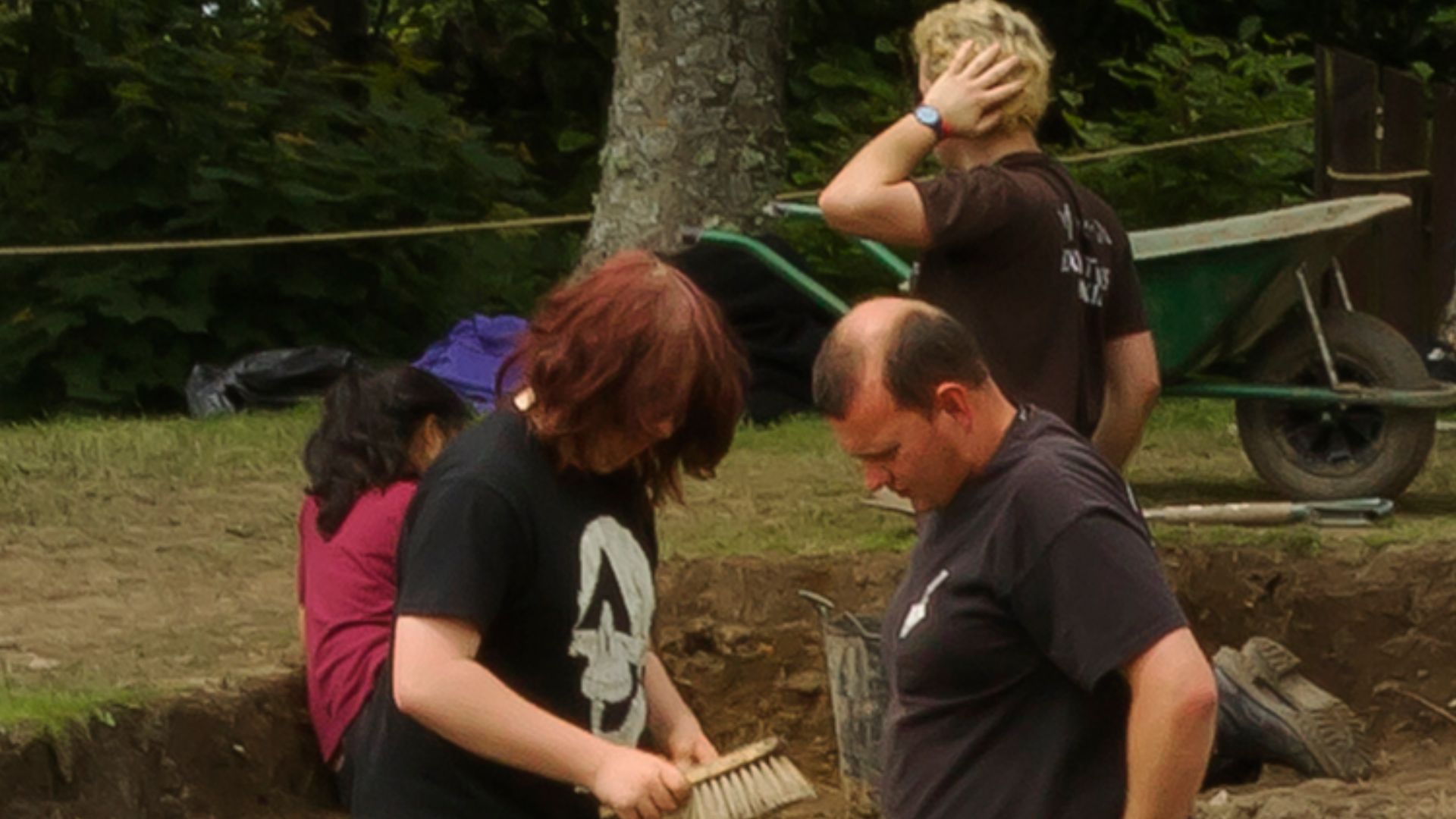
Birley carefully loosened the stone and turned it over. A finely carved human figure appeared on the side that had been concealed beneath the floor. The decorated surface was remarkably clear after spending roughly 16 centuries underground.
 Steven Fruitsmaak, Wikimedia Commons
The Figure Was A Mystery
Birley did not immediately recognize the person depicted in the relief. His first reaction was to wonder who was staring back at him from the stone. Photographs were soon sent to specialists familiar with Roman archaeology and sculpture.

Experts Identified A Roman Genius
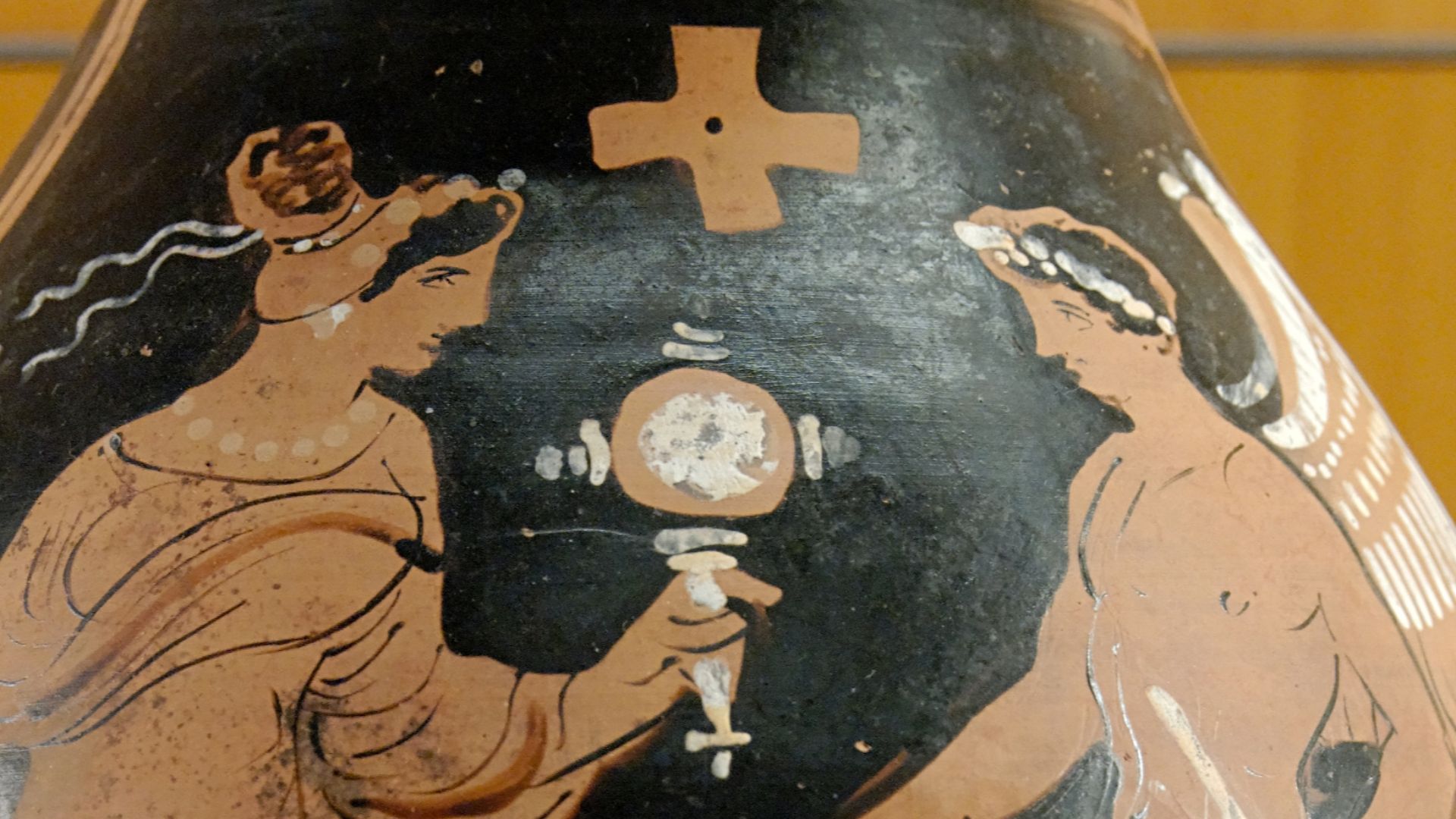
Lindsay Allason-Jones, Dr. Fraser Hunter, and Alex Rome-Griffin examined photographs of the carving. All three identified the figure as a Genius, a type of Roman protective spirit. It was the first known relief of its kind discovered at Vindolanda.
 Group of the British Museum centaur, Wikimedia Commons
Not A Genius In The Modern Sense
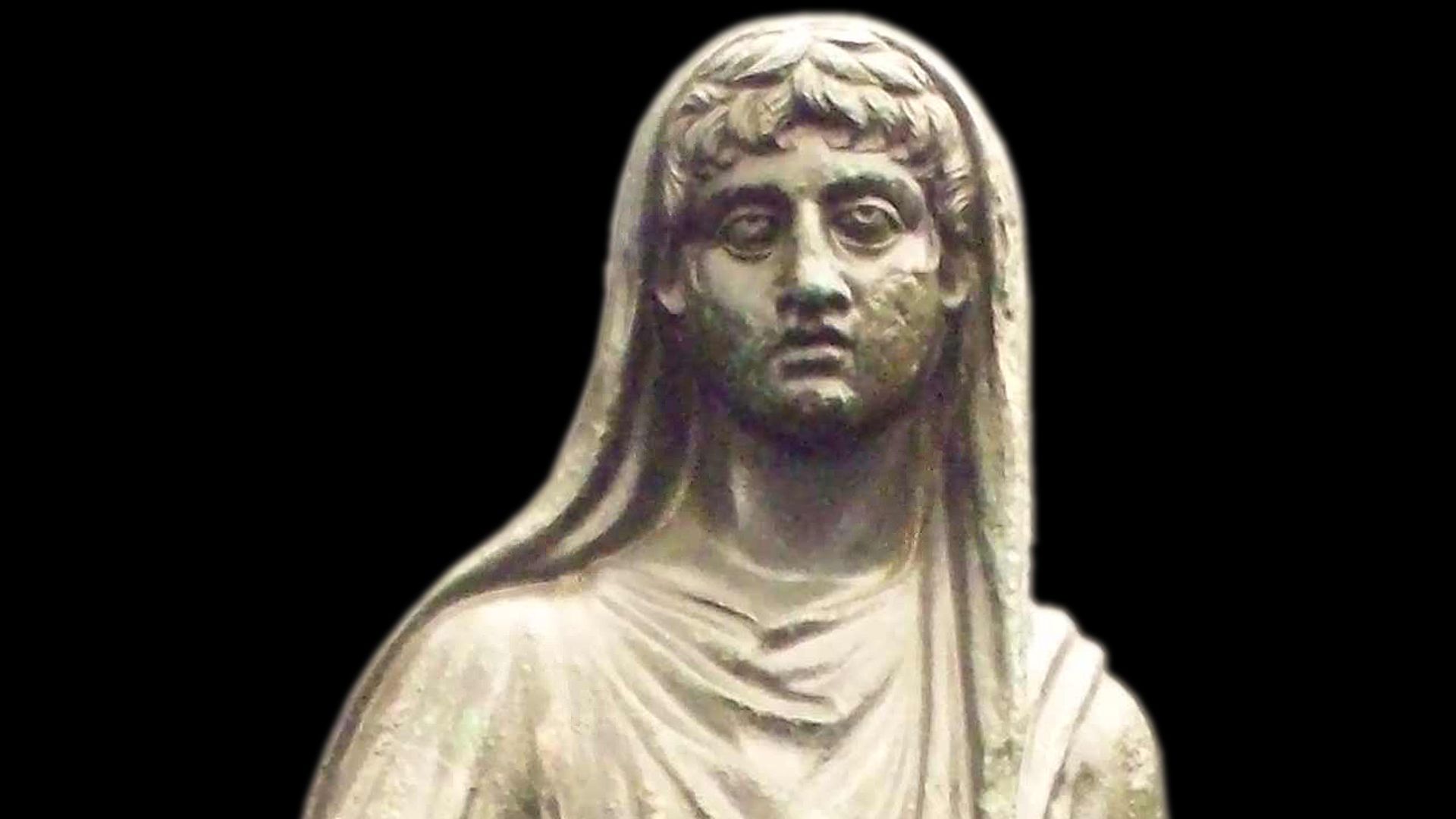
The Roman word “Genius” had a very different meaning from its common modern use. It referred to a protective spiritual presence associated with a person, household, group, or place. Romans invoked these guardians in hopes of receiving security, prosperity, and good fortune.
Two Objects Revealed Its Identity
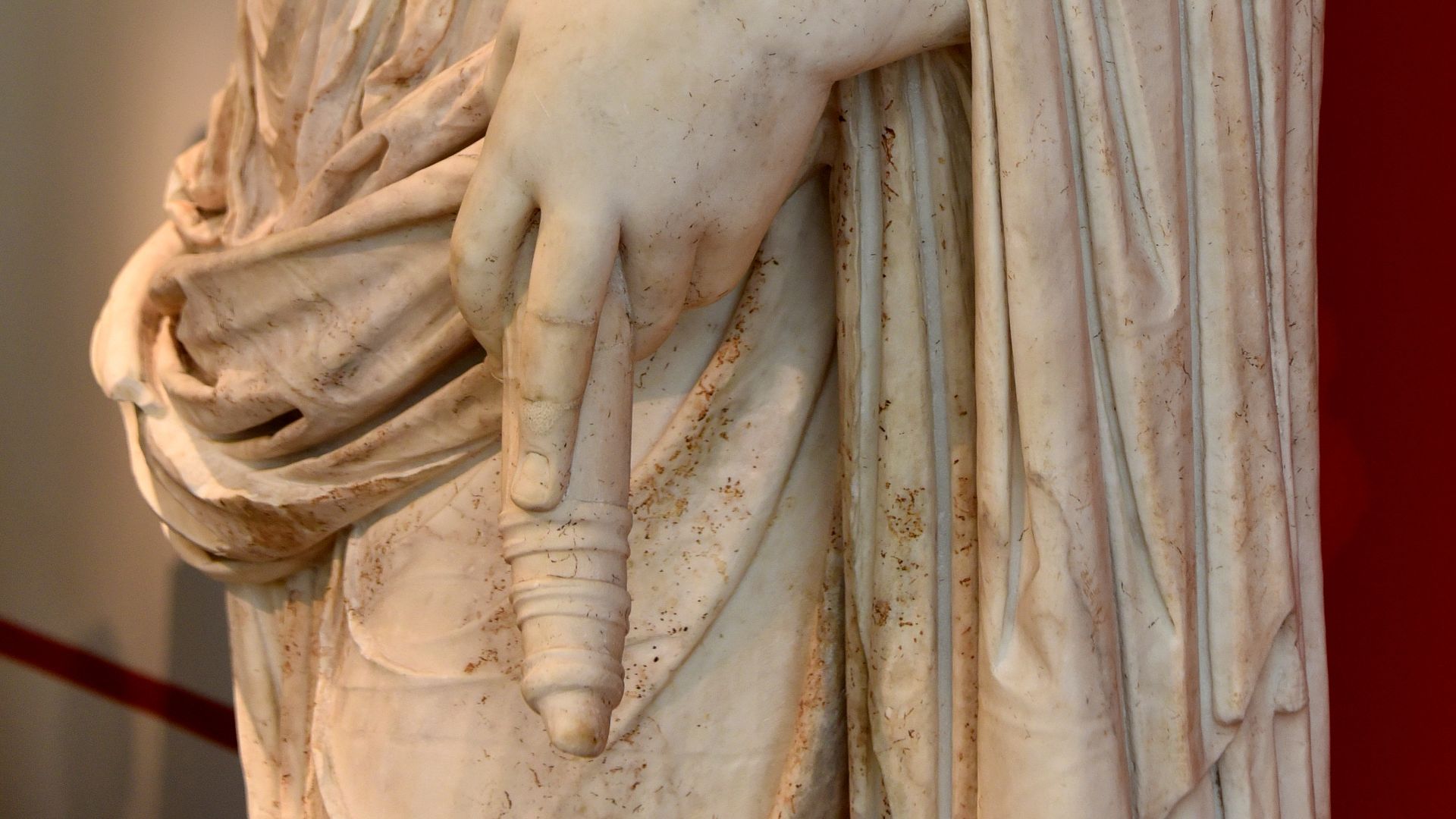
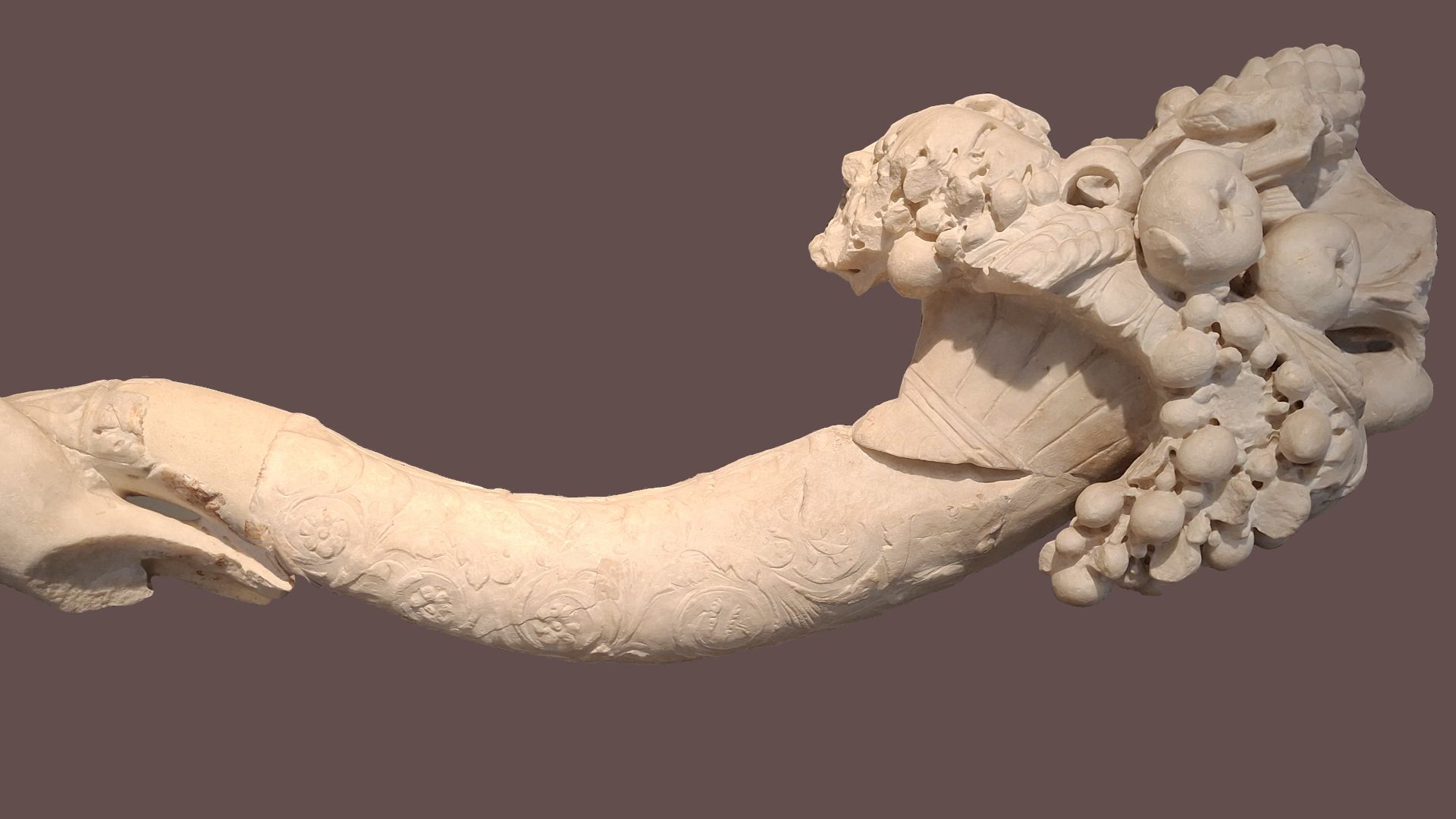
The figure carries a cornucopia in one hand and a shallow dish called a patera in the other. Both objects have strong associations with Roman abundance and religious practice. Their appearance helped experts determine what the carving represented.
 Osama Shukir Muhammed Amin FRCP(Glasg), Wikimedia Commons
The Cornucopia Promised Plenty
The cornucopia was known as a horn of plenty. It commonly symbolized nourishment, prosperity, and abundance in Greek and Roman art. Its inclusion presented the Genius as a guardian capable of supporting the community under its protection.
 Jürg Oliver Straub, Wikimedia Commons
The Patera Had A Sacred Purpose
A patera was a shallow bowl used when making liquid offerings to the gods. Worshippers could pour wine or another substance from the dish during religious observances. The object connects the carved guardian directly with Roman ritual.
Small Enough For A Shrine
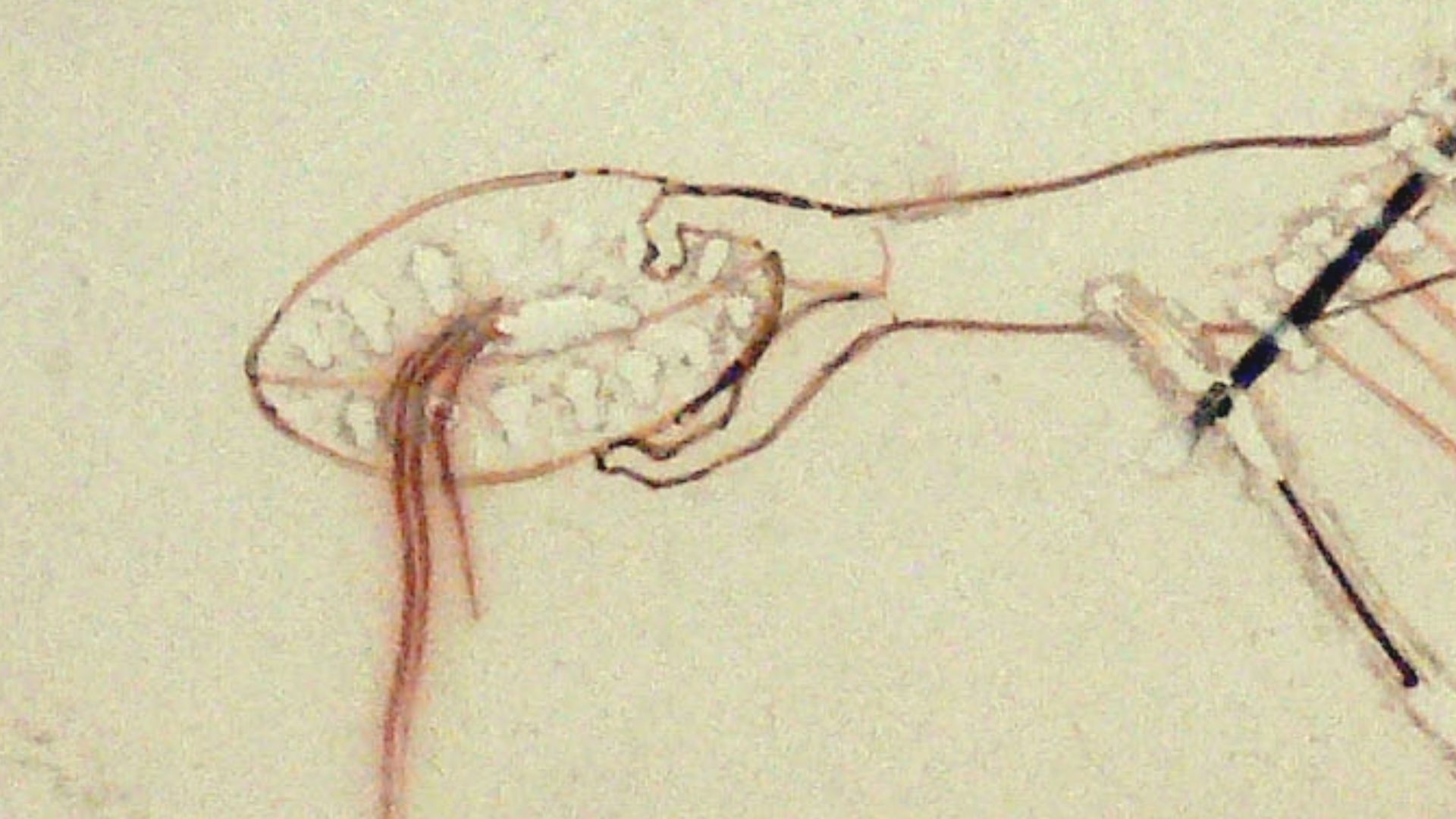
The relief measures 44 centimeters high, 23 centimeters wide, and 8 centimeters deep. Archaeologists believe it originally belonged to a domestic shrine rather than a monumental public structure. Its modest scale would have suited a more personal place of worship.
Protection Started Close To Home
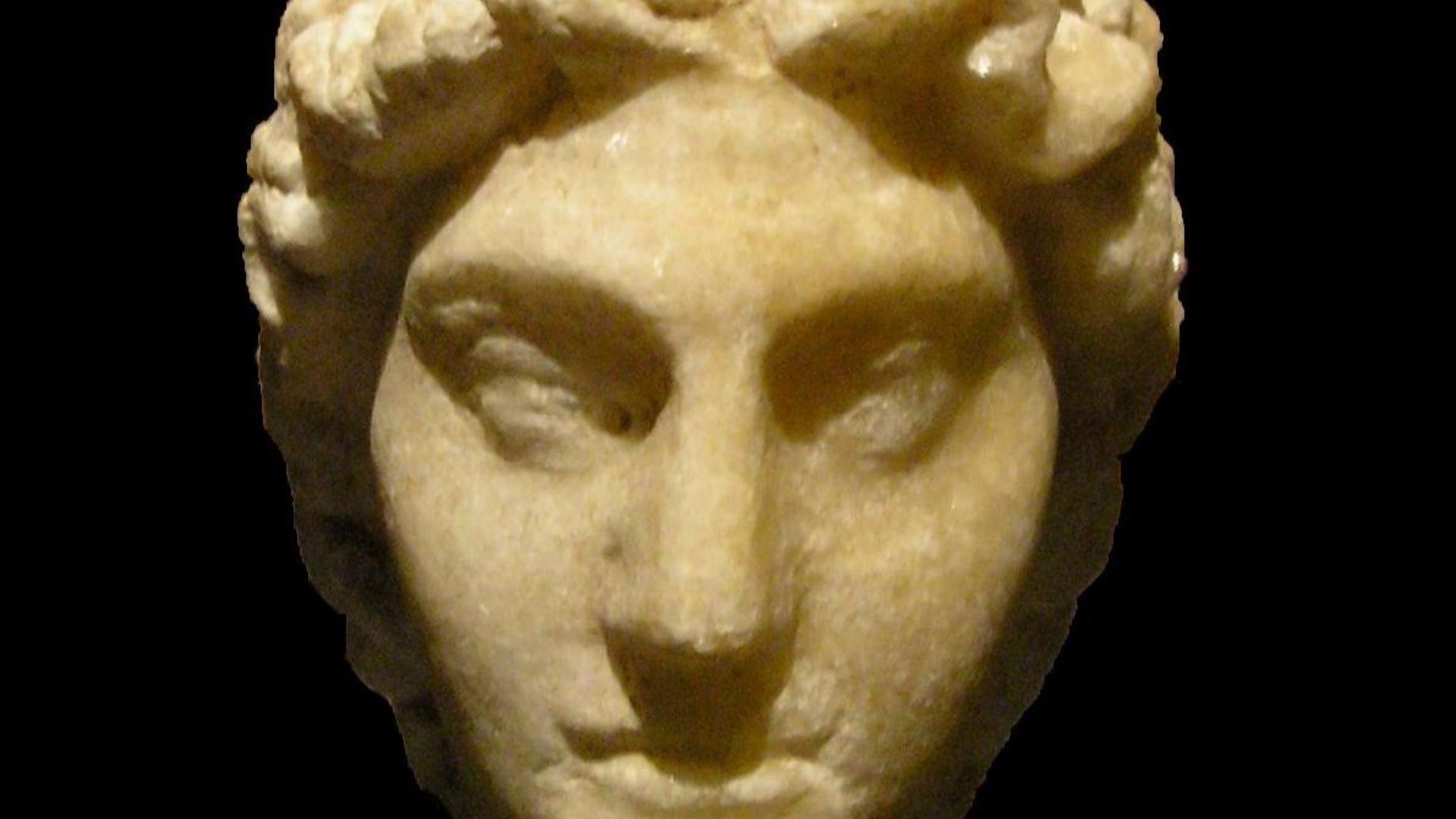
Domestic shrines brought Roman religion into houses and other everyday settings. A genius associated with a household or place could be honored alongside other divine figures. The Vindolanda carving may therefore have watched over a relatively intimate community before entering the barracks.
 Christian Daniel Rauch, Wikimedia Commons
The Stone Was Given A Second Life
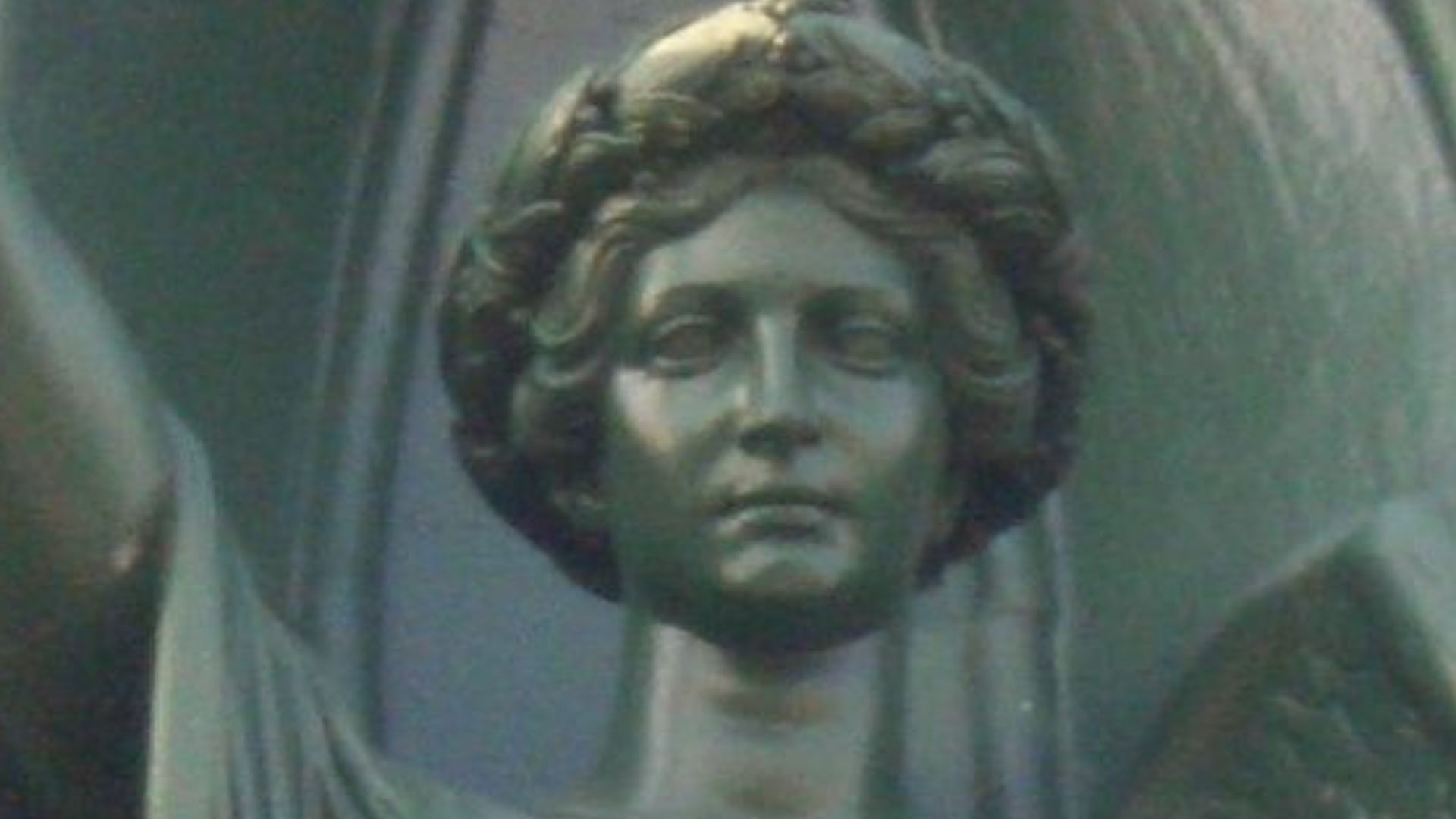
At some point, the relief appears to have been removed from its original setting. Builders reused it as construction material beneath the floor of a fourth-century barrack. Roman sites frequently changed over time, and useful stone could be incorporated into newer structures.
Why It Was Reused Remains Unclear
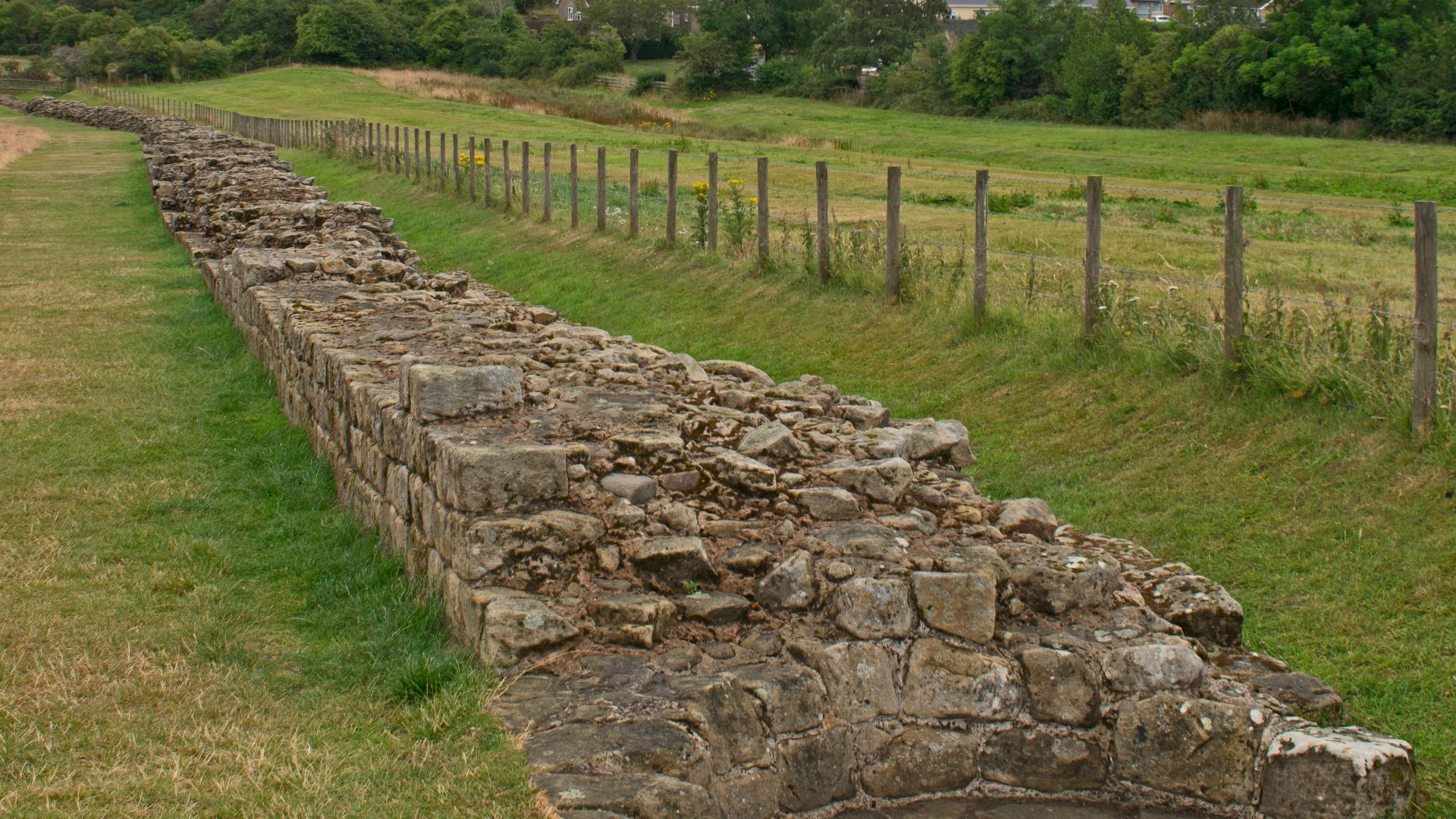
Archaeologists cannot yet say exactly why the carving ended up beneath the floor. It may have lost its religious function and become a convenient building slab. There is currently no firm evidence that its placement represented a special burial ritual.
Being Hidden Helped Preserve It
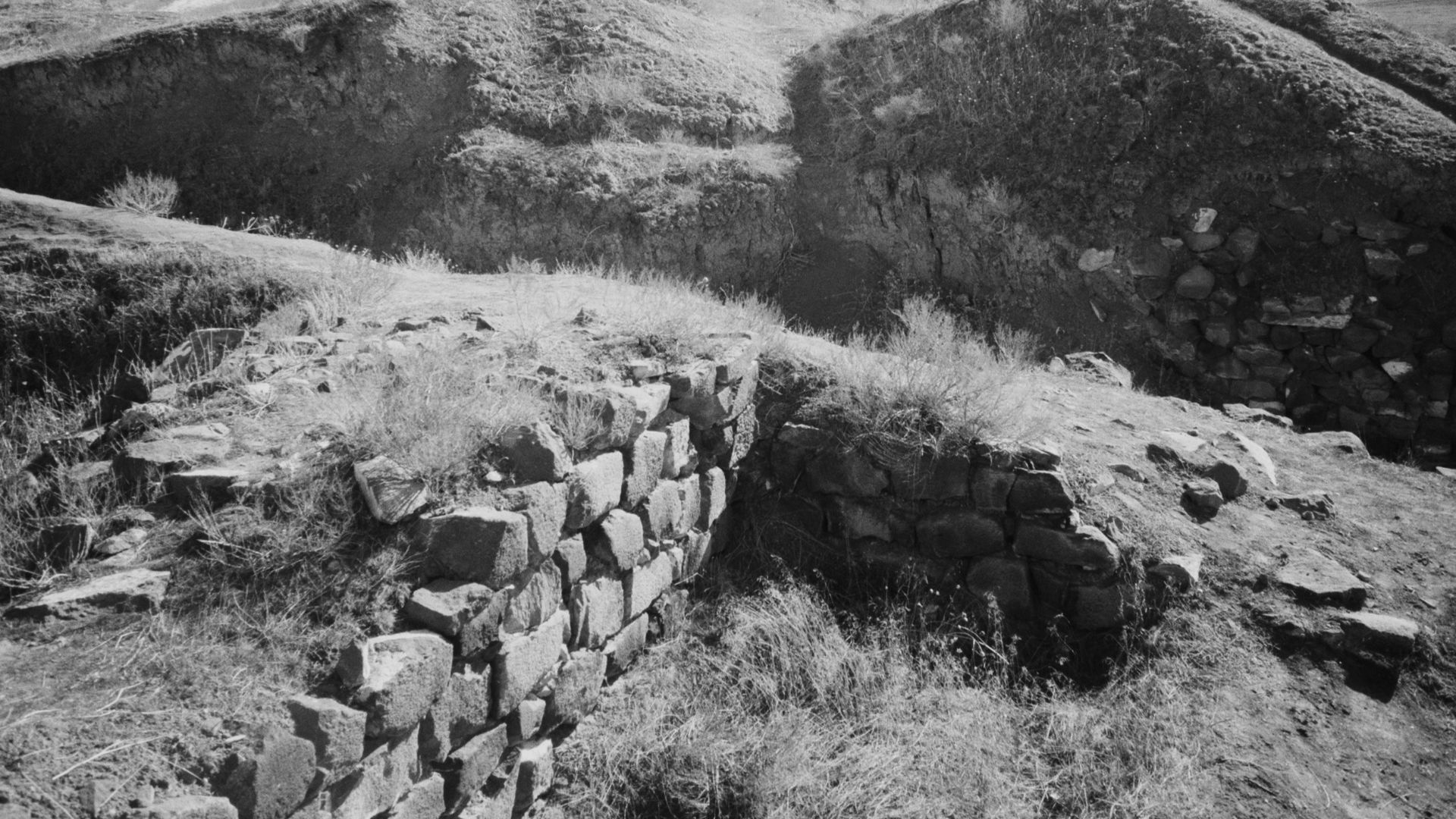
Reuse may have saved the decorated surface from centuries of damage. Placing the carving face down protected it from wind, rain, and repeated exposure. What looked like an ordinary floor stone became an accidental time capsule.
 Oliver Dixon, Wikimedia Commons
Its Original Carver May Have Been Local
Researchers believe the sandstone relief was probably carved in the surrounding region. It could have been created by a mason working at Vindolanda or by someone following a nearby sculptural tradition. The Roman fort at Lanchester in County Durham has been suggested as one possible regional connection.
 David Collins, Wikimedia Commons
A Rare Image From Roman Britain
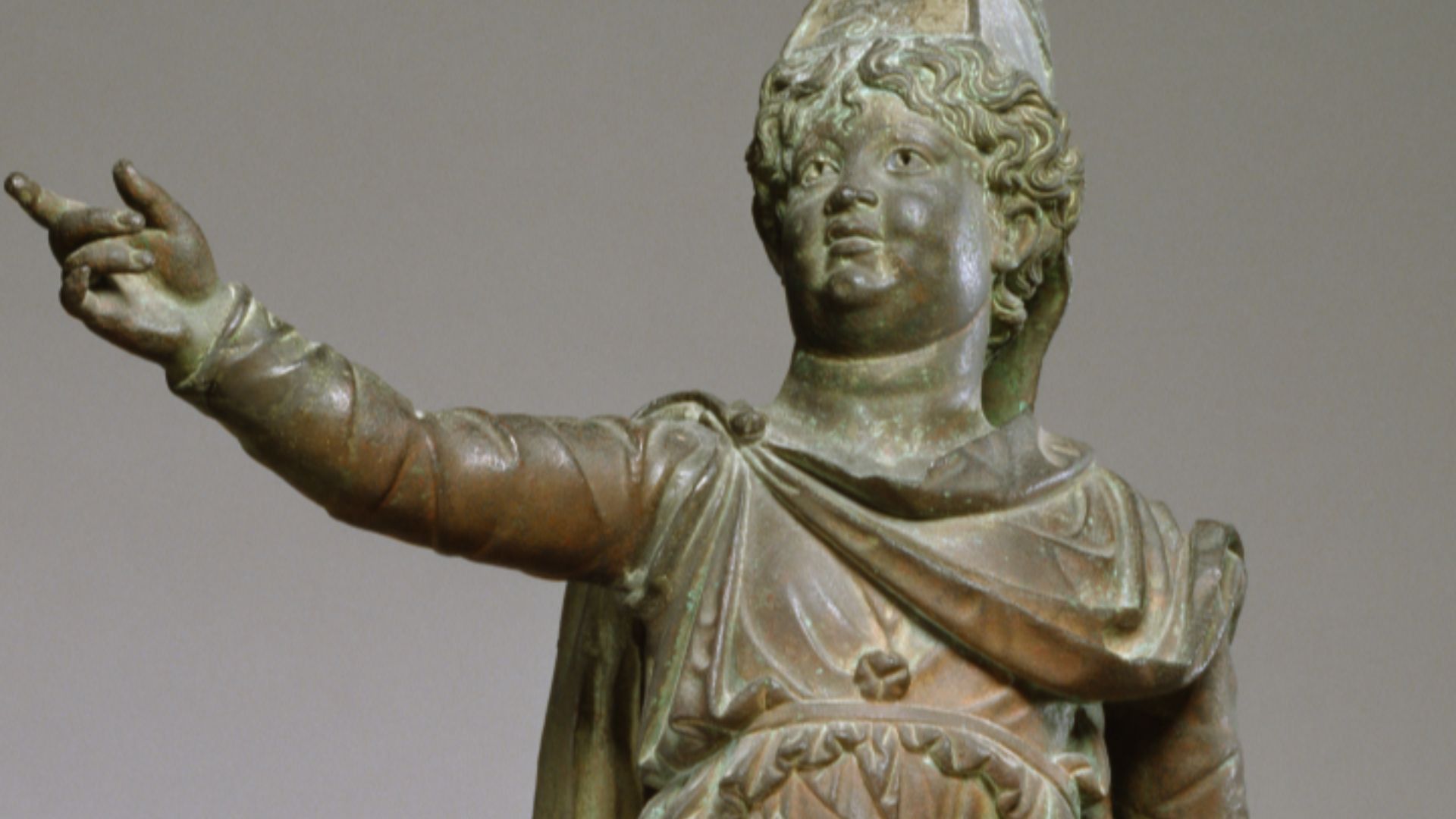
Inscriptions dedicated to genii are relatively common across Roman Britain. Surviving stone images of these guardians are much less frequently encountered. That rarity makes the Vindolanda relief an important addition to the known collection of Romano-British sculpture.
 Anonymous (Category:Roman Empire)Unknown author, Wikimedia Commons
Another Kind Of Guardian Appeared Nearby
A different group of protective figures was discovered at Housesteads Roman Fort in 1933. The relief depicts three cloaked beings known as genii cucullati, or hooded spirits. It dates from around AD 225 to 250 and illustrates the variety of guardian traditions found near Hadrian’s Wall.
 uploaded to Wikipedia by Fryslan0109, Wikimedia Commons
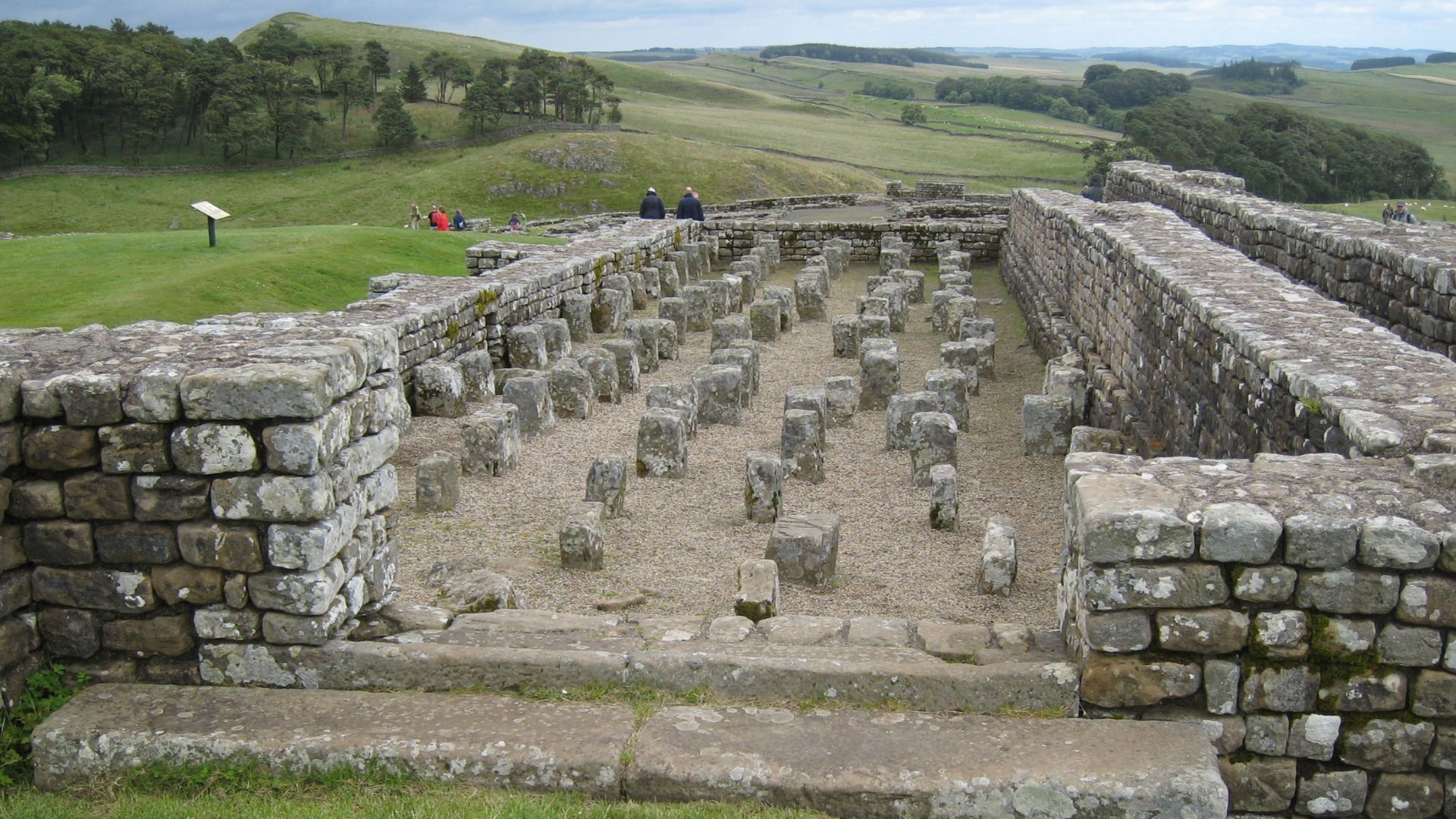
Vindolanda Predates Hadrian’s Wall
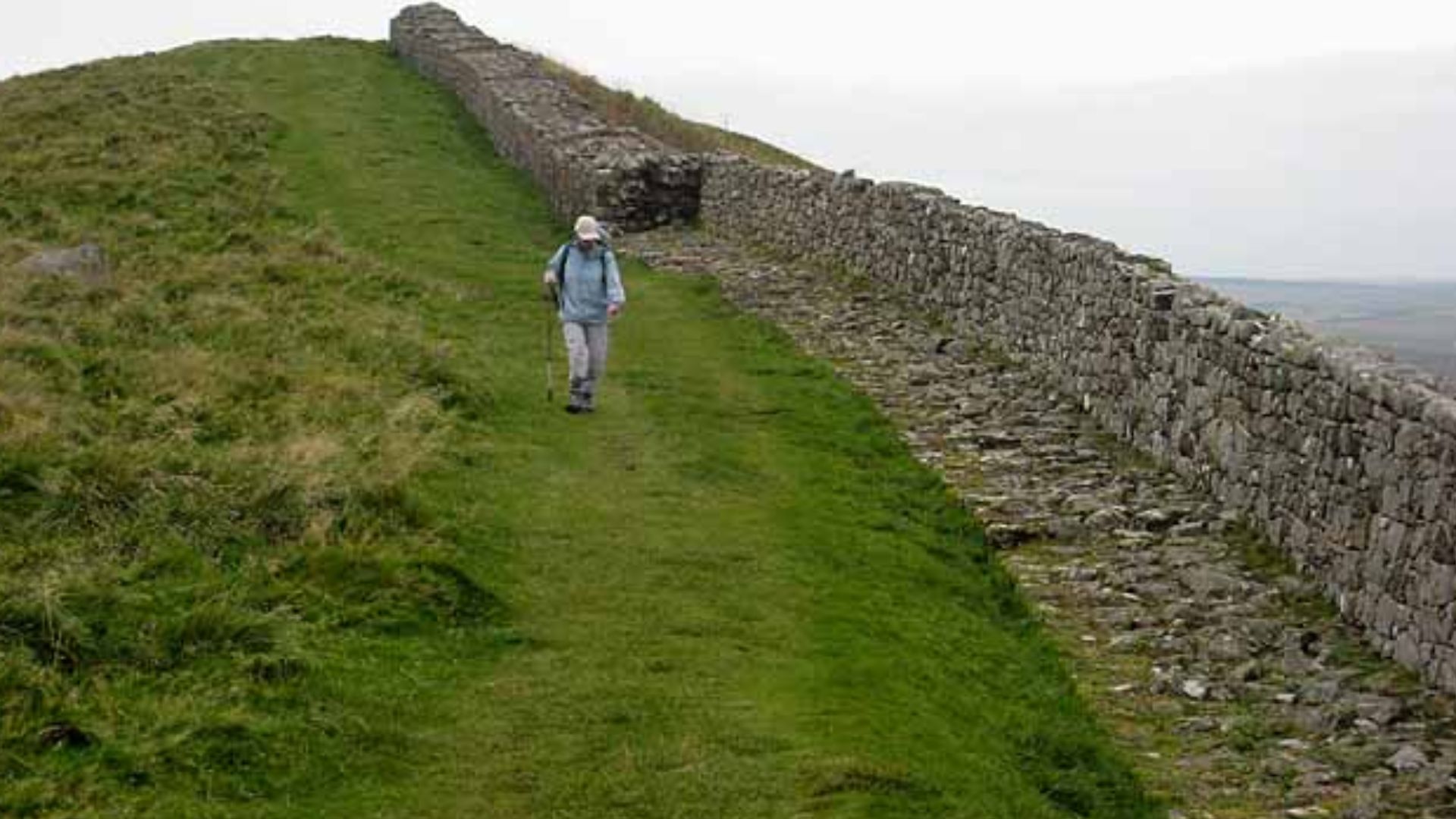
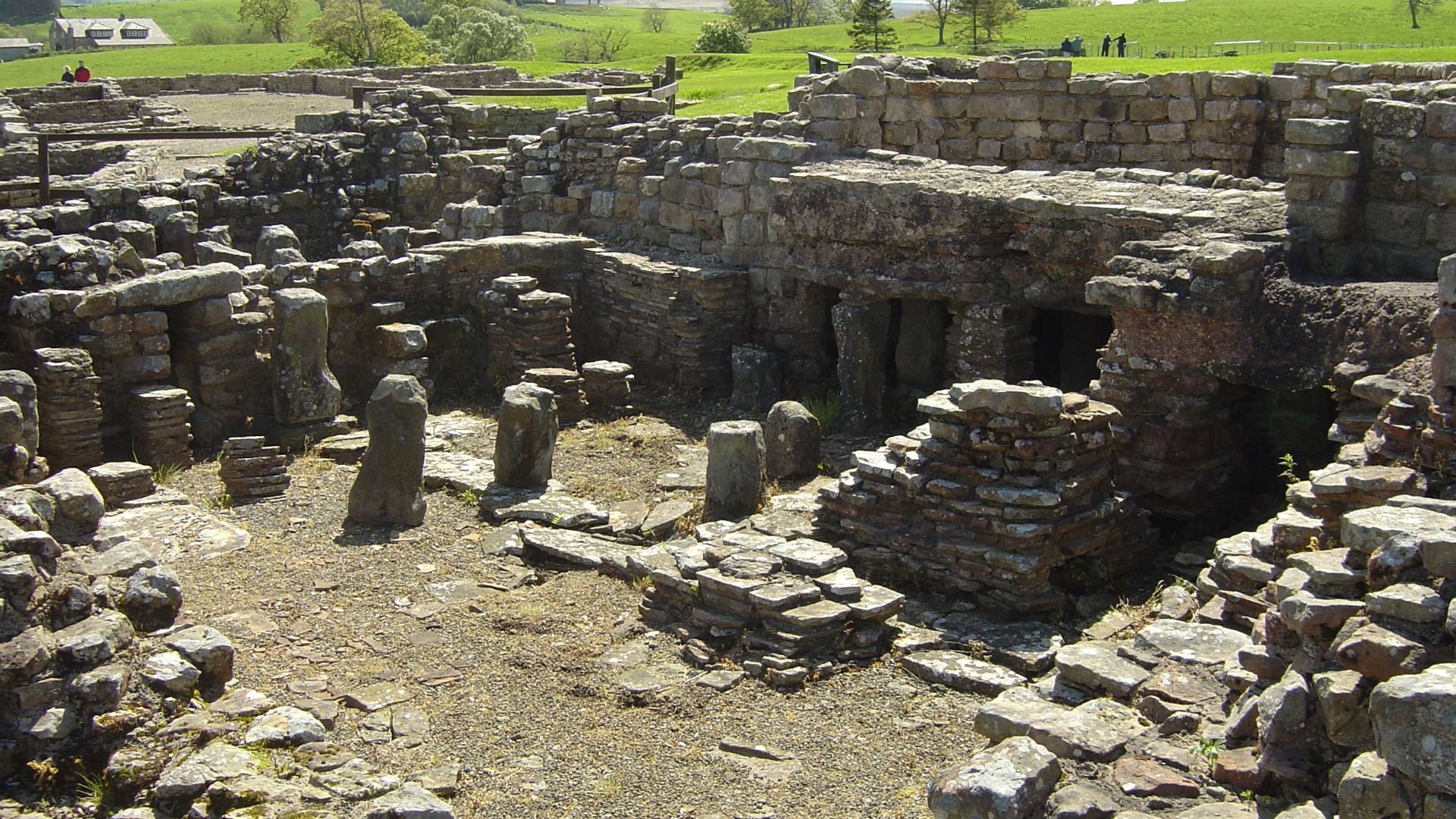
Vindolanda lies just south of Hadrian’s Wall in Northumberland. Roman soldiers established the site during the late first century, decades before construction of the stone frontier began around AD 122. It initially occupied an important position beside the Stanegate road.
![500px provided description: Hadrian S Wall [#the wall ,#hadrian's wall ,#walltown]](https://www.factinate.com/storage/app/media/splashtravels/2026/8/3/1785726557b0fba336413e3fcd38d3d76aa79b32bef719f485.jpeg) Sunsetbeach, Wikimedia Commons
Sunsetbeach, Wikimedia Commons
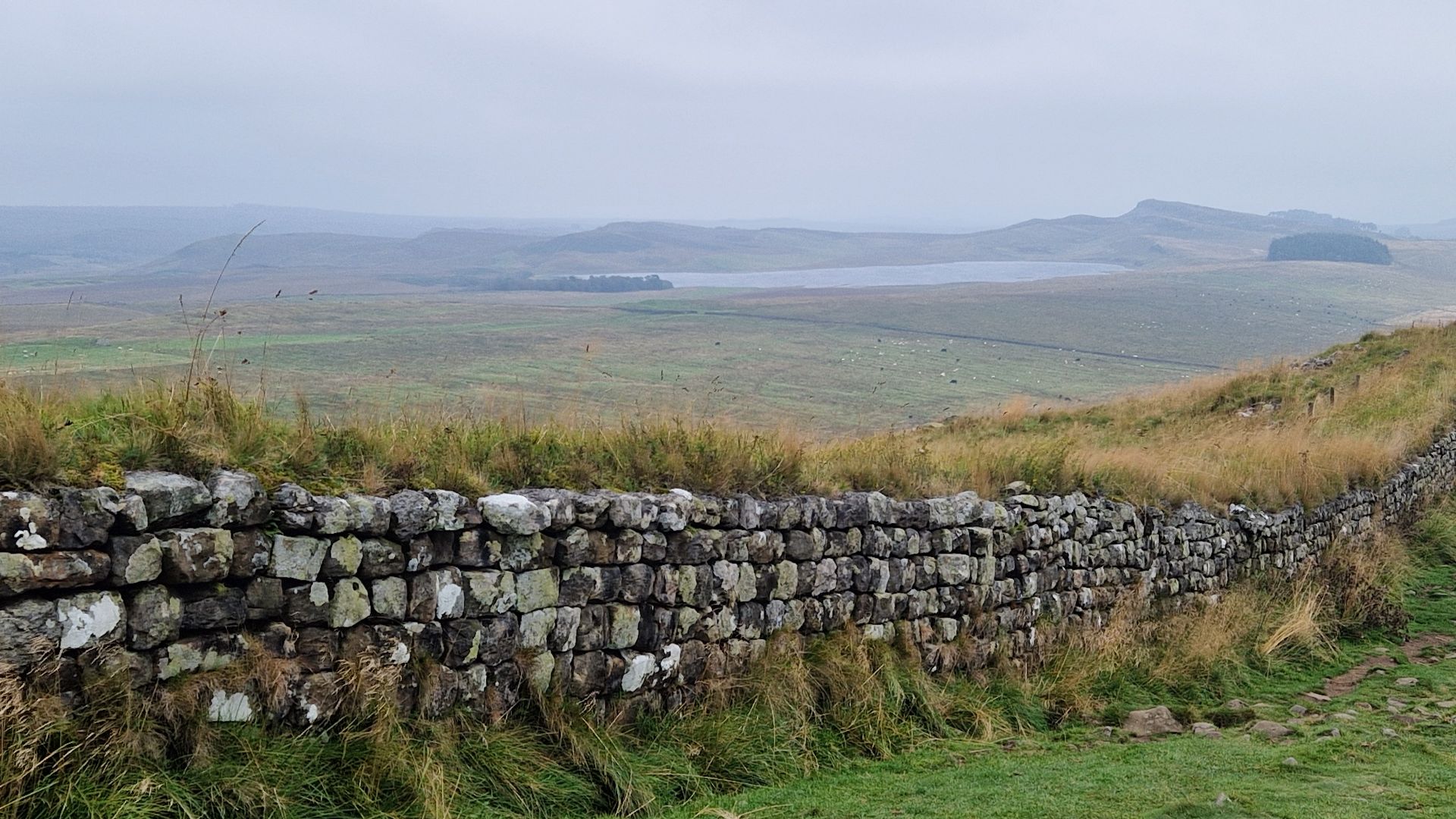
The Wall Was More Than A Barrier
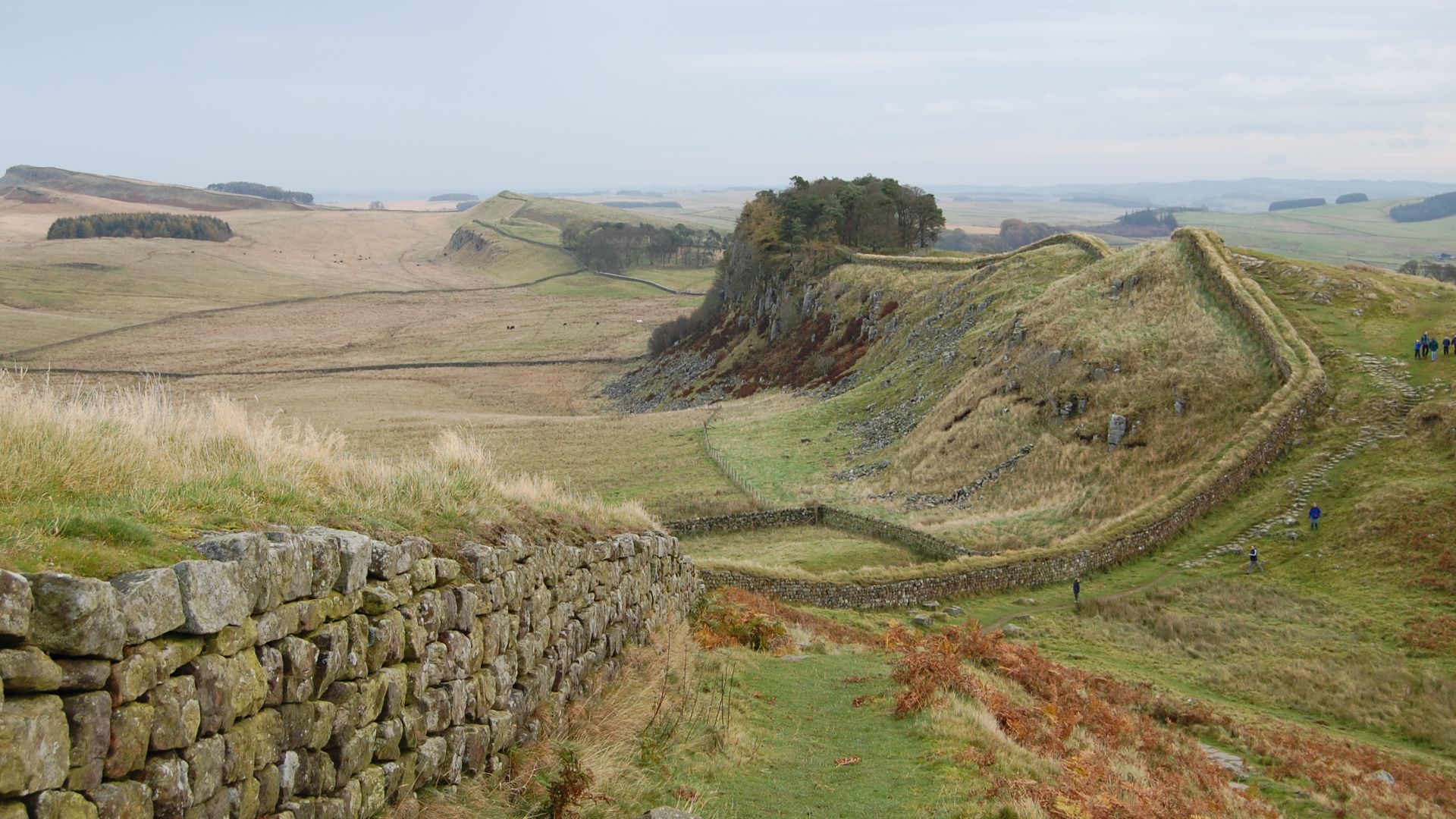
Hadrian’s Wall extended for approximately 118 kilometres across northern Britain. Its frontier system included forts, roads, ditches, milecastles, and observation towers. It helped Rome manage military movement, communication, and access across the northern edge of Britannia.
 Laurencedixon1994, Wikimedia Commons
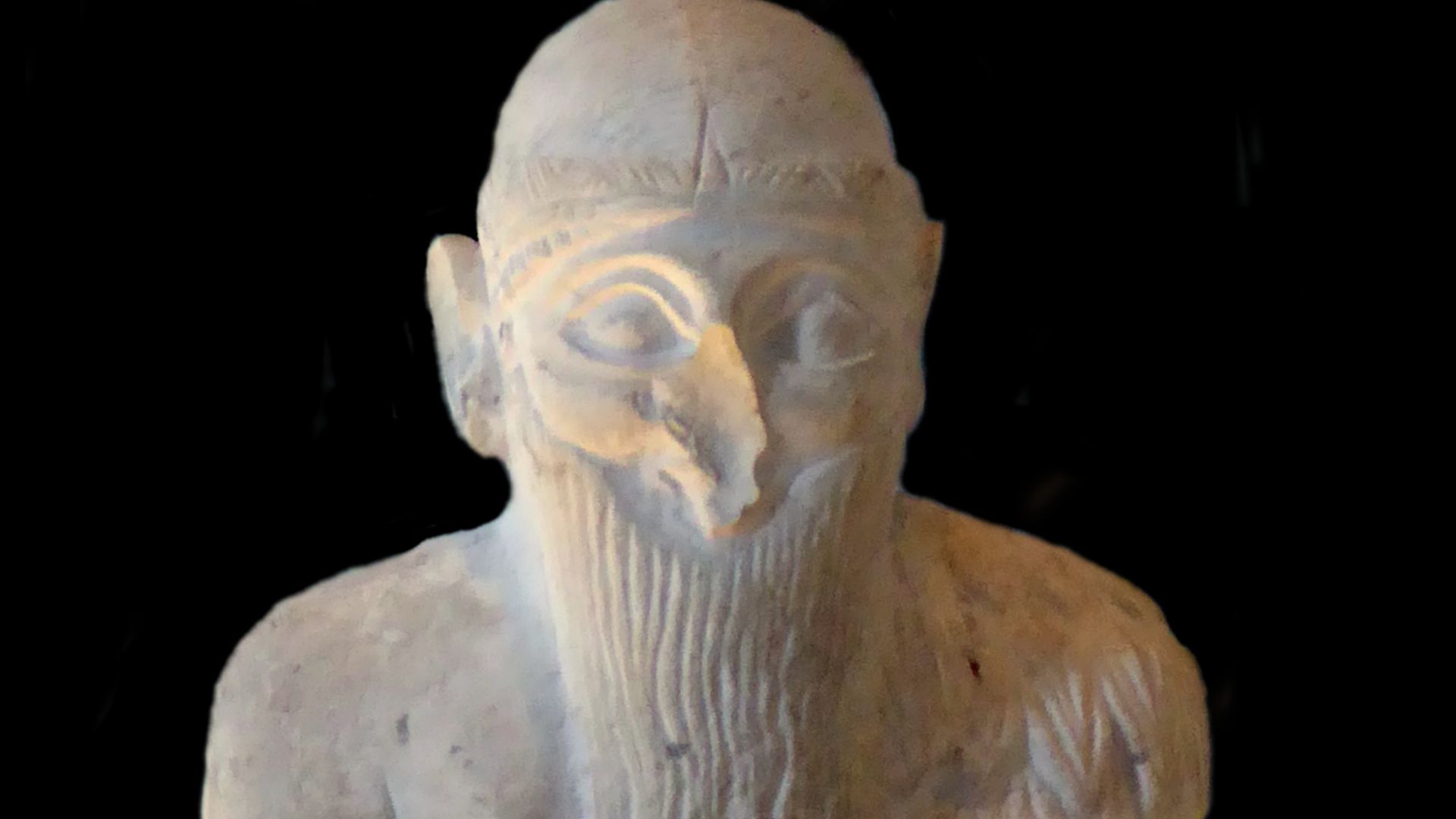
People Came From Across The Empire
The frontier was home to soldiers and civilians from many different regions. People connected with modern Syria, Romania, Spain, and North Africa all lived or served along Hadrian’s Wall. Their beliefs mixed with local customs, creating a religious landscape far more diverse than a single Roman tradition.
 Statue: Andy Hammond https://www.flickr.com/photos/thecolchesterkid/49547470347/, Wikimedia Commons
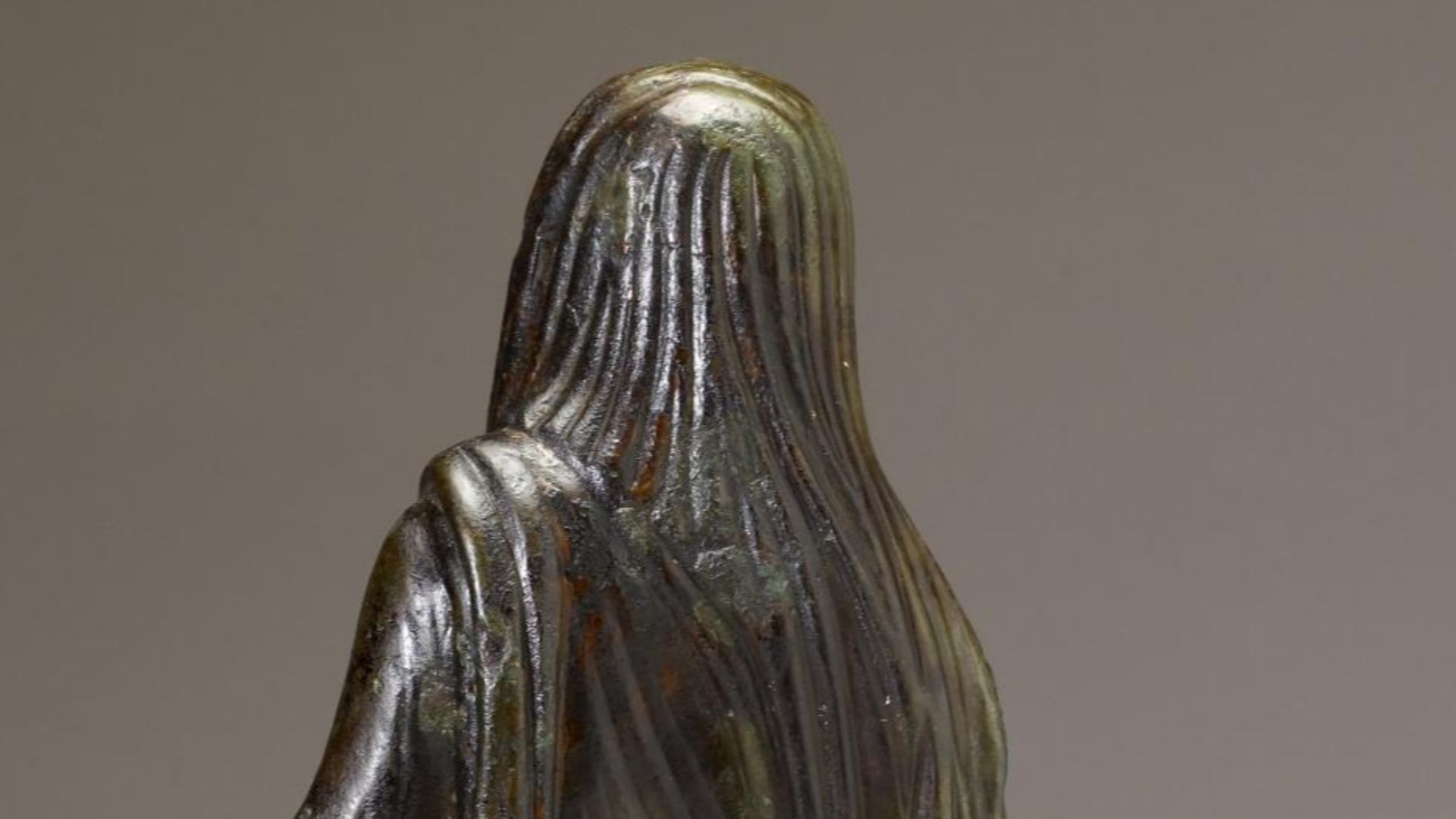
Vindolanda Kept Changing
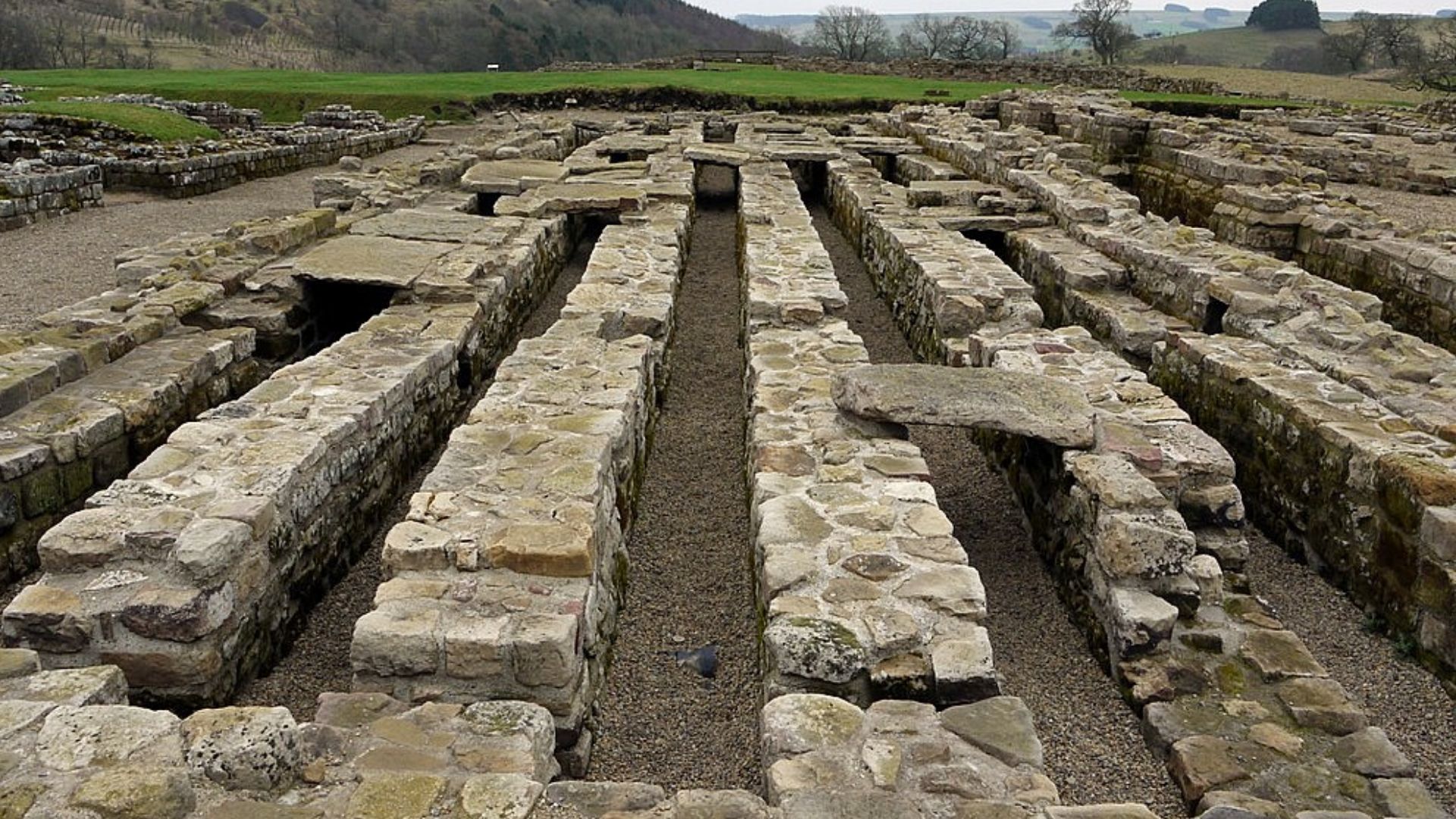
The Romans demolished and rebuilt Vindolanda several times during its long history. The Vindolanda Trust identifies nine major forts or settlements in the site’s archaeological sequence. Each reconstruction left layers of buildings, possessions, and discarded materials for later archaeologists to examine.
 Anonymous (Category:Roman Empire)Unknown author, Wikimedia Commons
Life Extended Beyond The Barracks
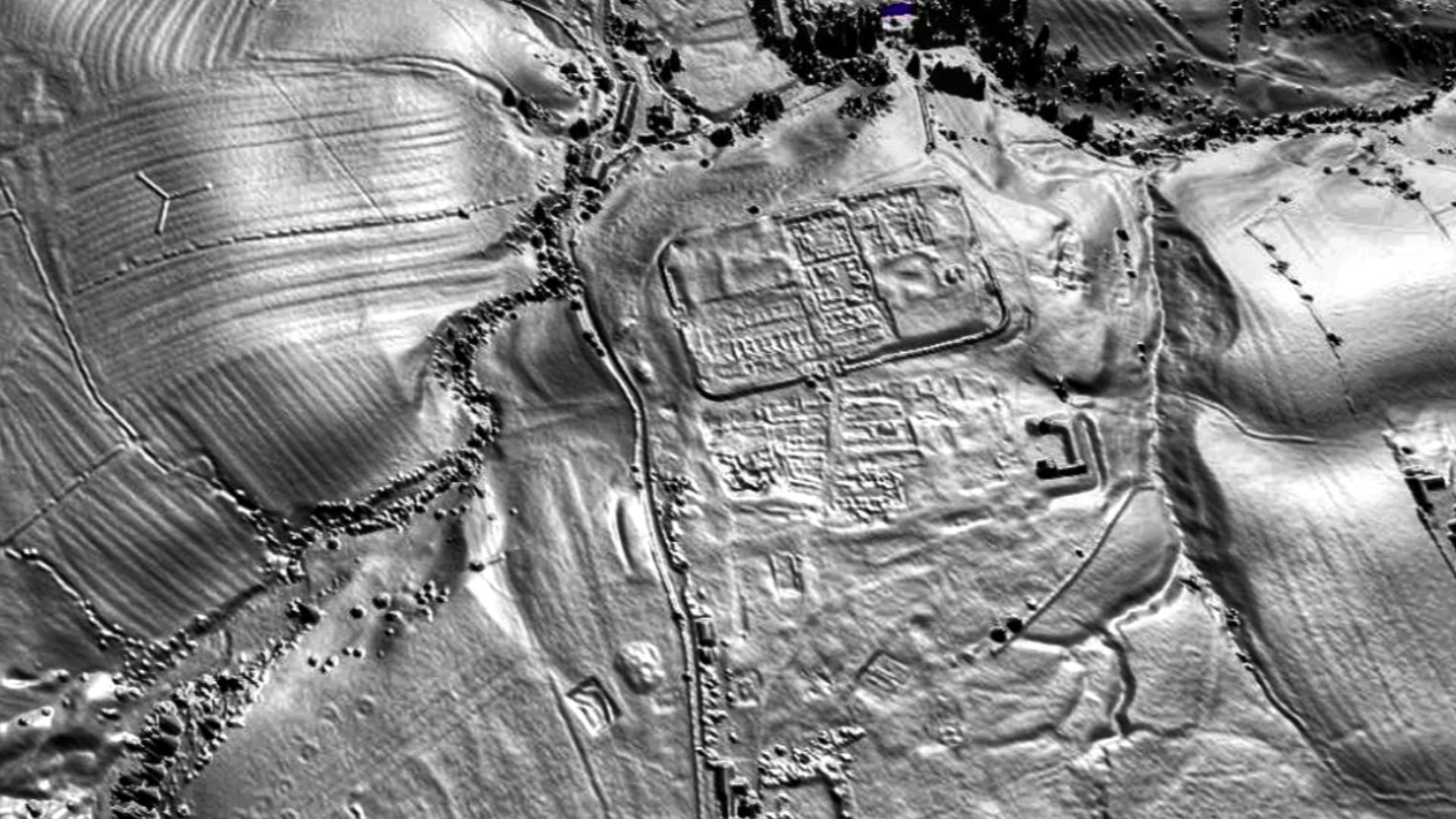
Vindolanda was not occupied exclusively by soldiers. Families, merchants, craftspeople, officials, and other civilians lived within or near frontier communities. The genius relief adds another dimension to this world by showing how protection and prosperity could be expressed through religion.
 Dr John Wells, Wikimedia Commons
The Fourth Century Was A Time Of Change
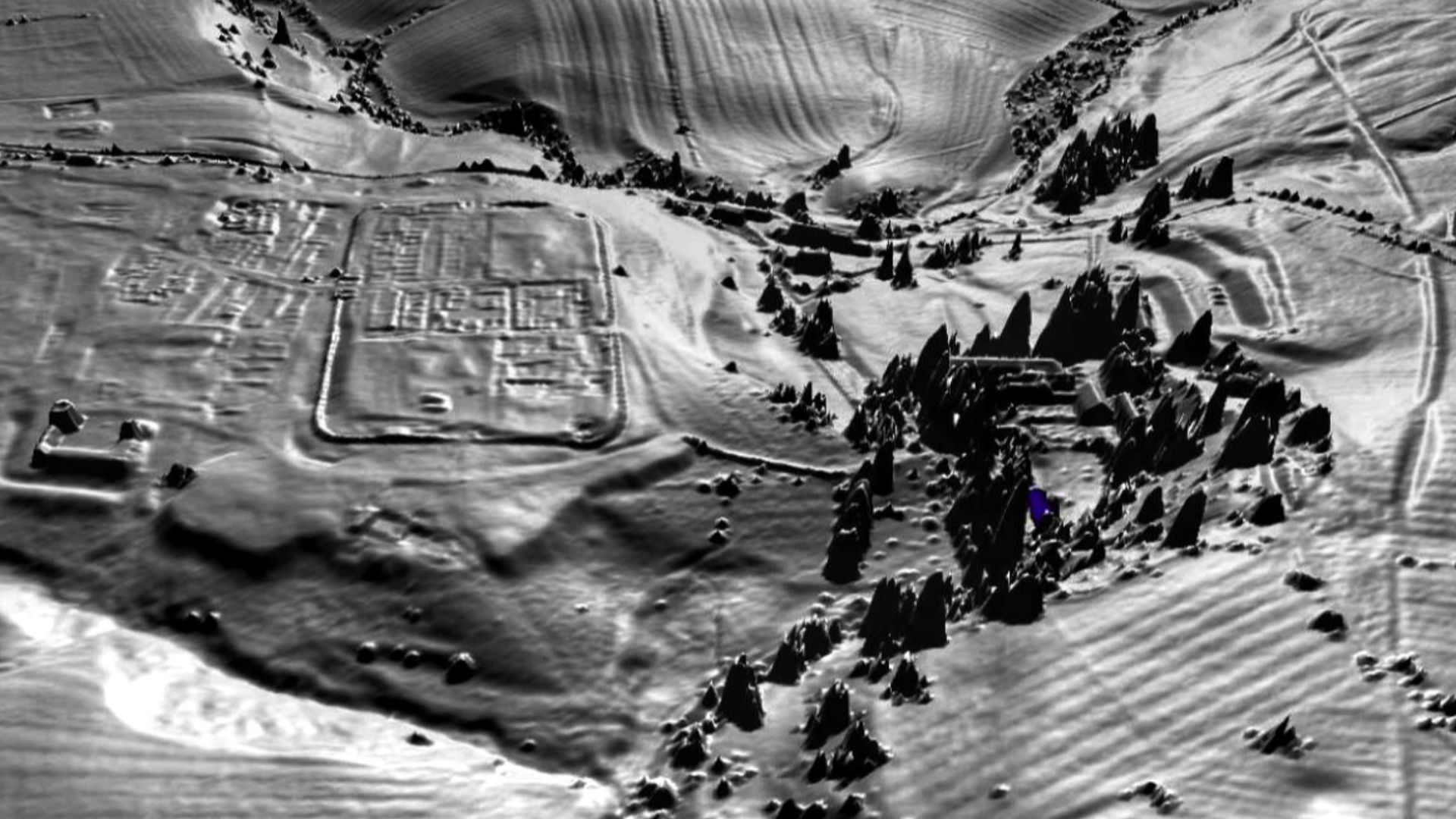
The barrack containing the relief belonged to Vindolanda’s later Roman occupation. Roman authority in Britain continued into the early fifth century, although political and military conditions were changing. This securely identified context helps researchers place the carving within the frontier’s closing Roman centuries.
 Dr John Wells, Wikimedia Commons
Vindolanda Preserves Everyday Life
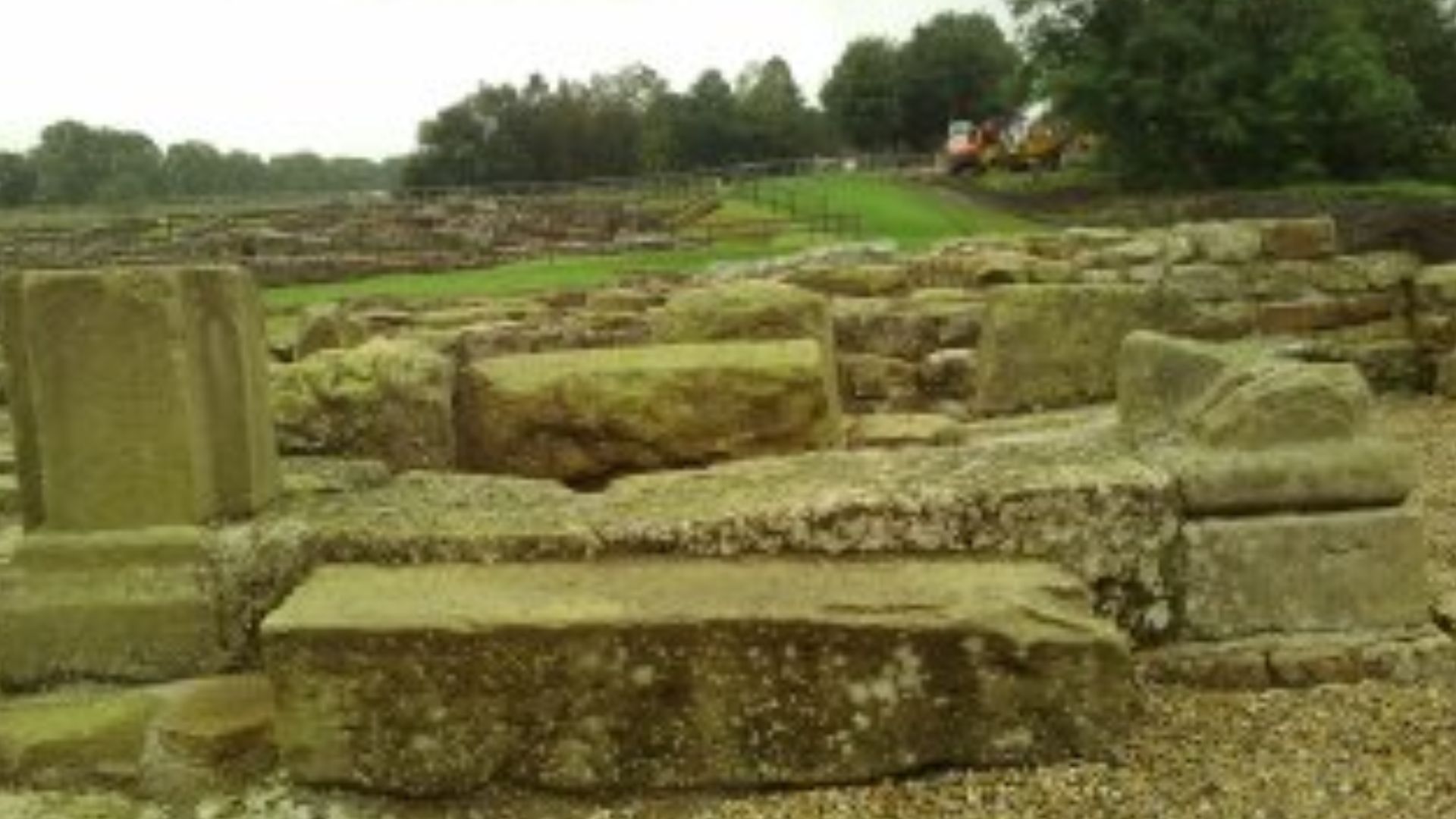
The site is famous for objects that rarely survive elsewhere. Archaeologists have recovered leather shoes, textiles, wooden items, and thousands of personal possessions. These finds reveal how people dressed, worked, travelled, worshipped, and managed ordinary tasks at the edge of the empire.
 Mainlymazza, Wikimedia Commons
Its Tablets Changed British History
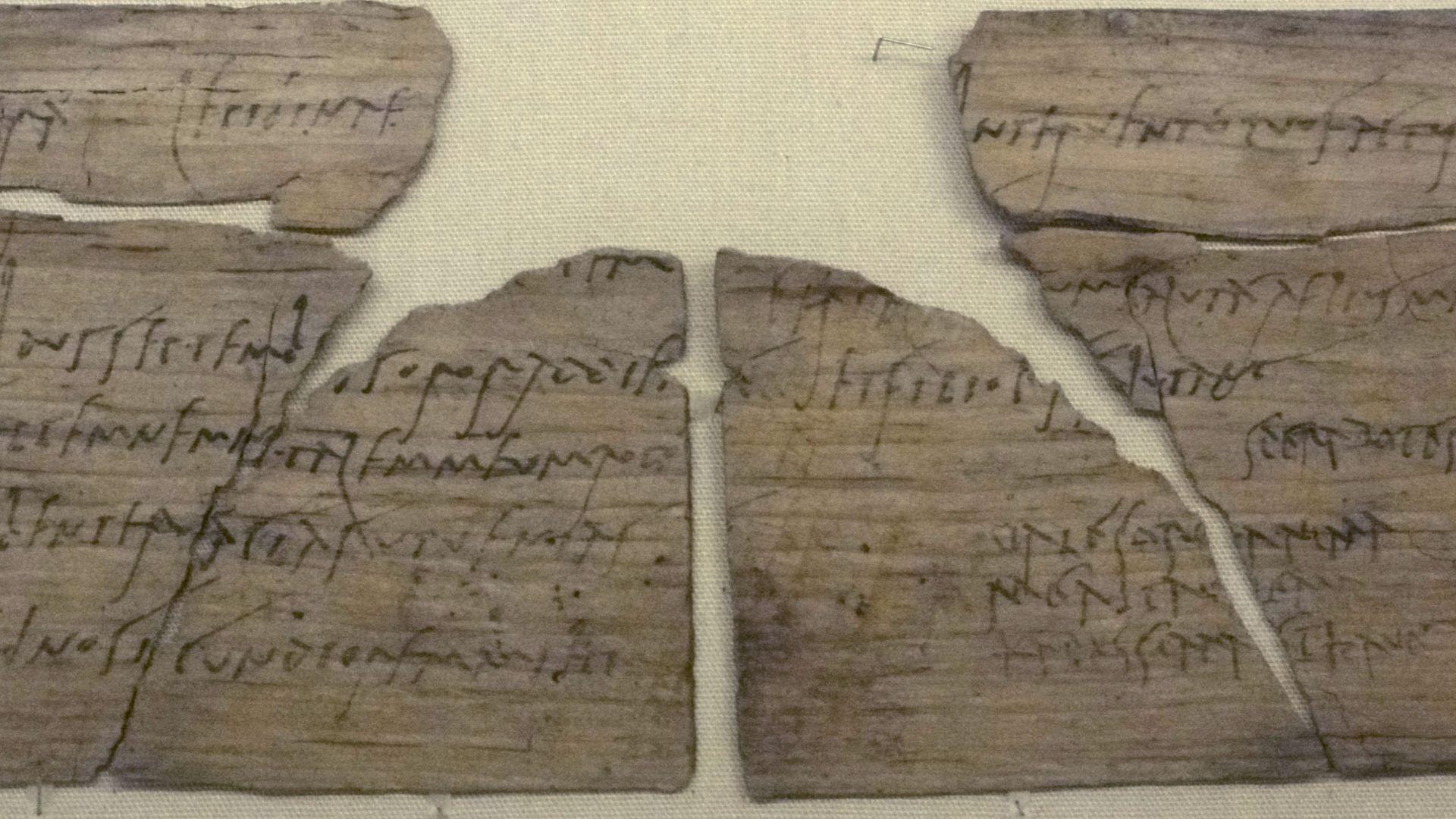
Vindolanda’s celebrated writing tablets are thin pieces of wood covered with ink handwriting. Preserved in oxygen-poor deposits, they are the oldest surviving handwritten documents discovered in Britain. Their messages discuss military business as well as clothing, food, friendships, and a birthday invitation.
The Discovery Spanned Three Generations
Andrew Birley is the third generation of his family to lead archaeological work at Vindolanda. His grandfather, Eric Birley, established major excavations there during the 1930s. His father, Robin Birley, later spent decades expanding knowledge of the site and its exceptionally preserved remains.
 Voice of Clam, Wikimedia Commons
The Guardian Is Being Conserved
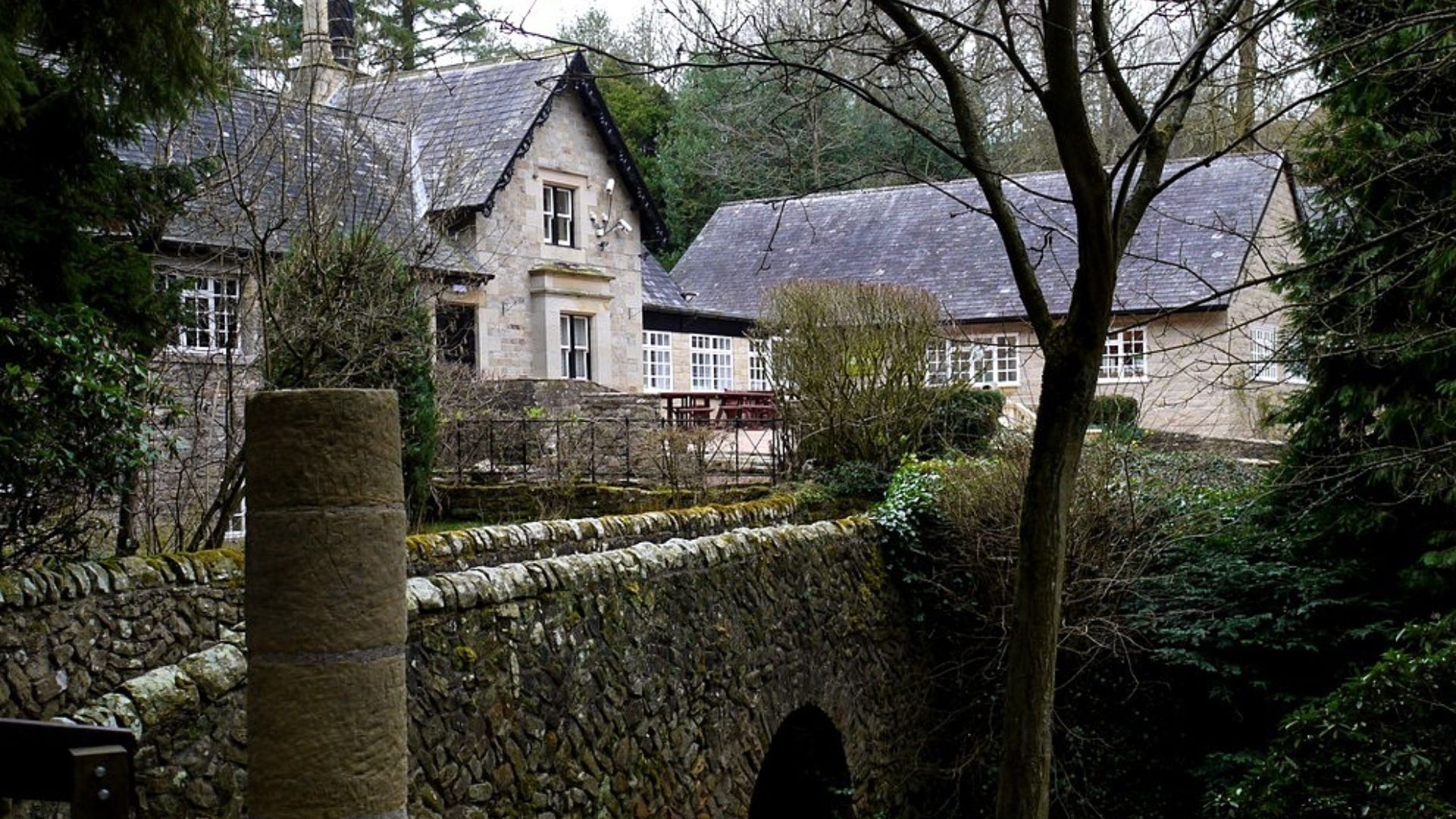
The sandstone relief is now undergoing conservation and detailed study. Specialists will examine its material, carving style, imagery, and archaeological context before it is placed on public display. Visitors are eventually expected to see it at the on-site Vindolanda Museum.
 Andrew Curtis , Wikimedia Commons
An Ancient Protector Has A New Role
The people who once turned to this Genius for protection disappeared many centuries ago. Their guardian survived because later builders placed it beneath an ordinary barrack floor. Now the figure is protecting something different by preserving the story of belief and daily life at Roman Vindolanda.
 Andrew Curtis , Wikimedia Commons
You May Also Like: