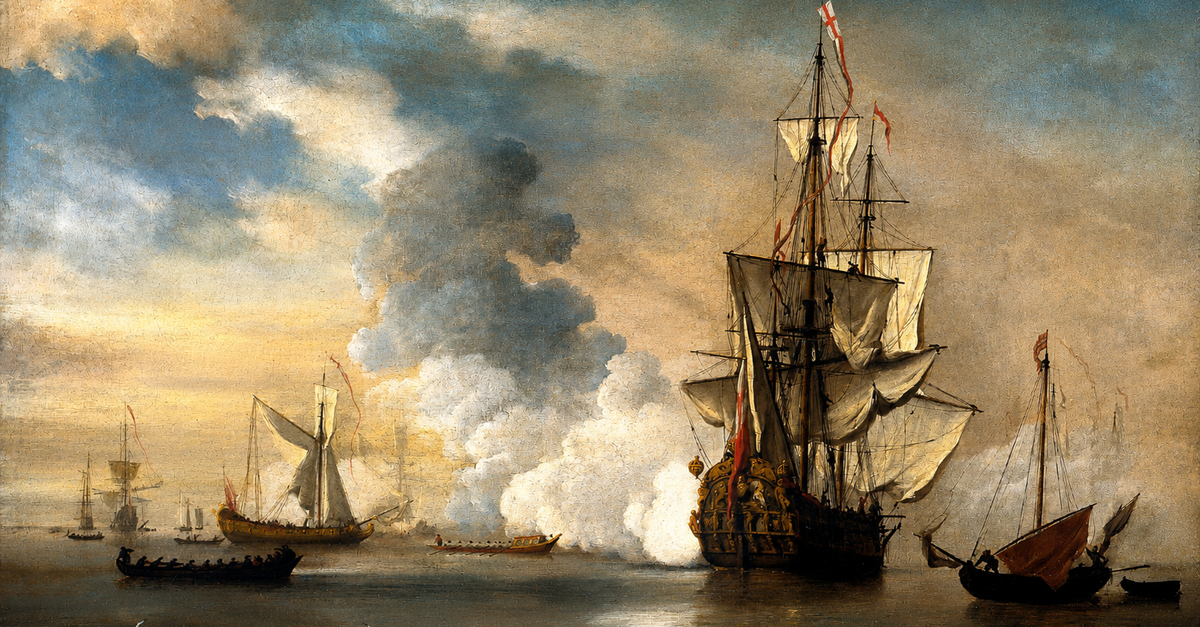
A Lost Flagship Emerges From The Silt
Marine archaeologists have identified the wreck of Dannebroge, a Danish warship destroyed during the Battle of Copenhagen in 1801. Its remains lie beneath layers of sediment in Copenhagen Harbor, where the vessel has rested for 225 years. The discovery gives researchers their first archaeological evidence from one of Denmark’s most famous naval battles.
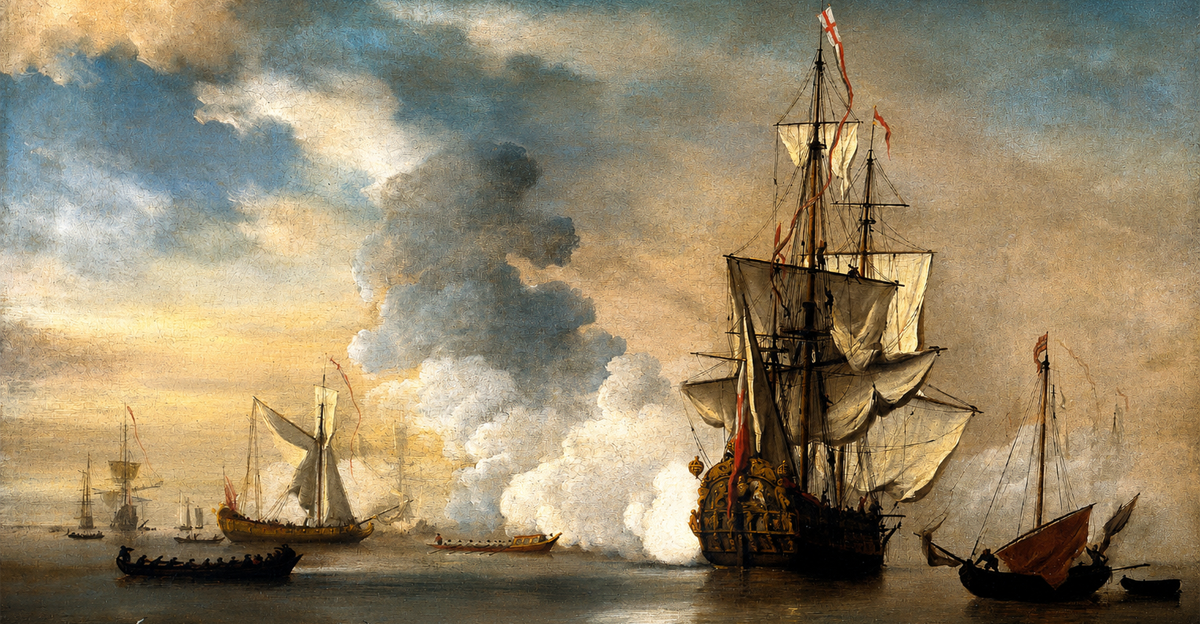 Willem van de Velde the Younger, Wikimedia Commons
Modern Construction Led To The Discovery
The investigation began because of work connected to Lynetteholm, a large artificial island being created in Copenhagen Harbor. Danish heritage rules require archaeologists to examine potentially important areas before major construction disturbs the seabed. What began as a precautionary survey ultimately revealed the remains of a nationally significant warship.
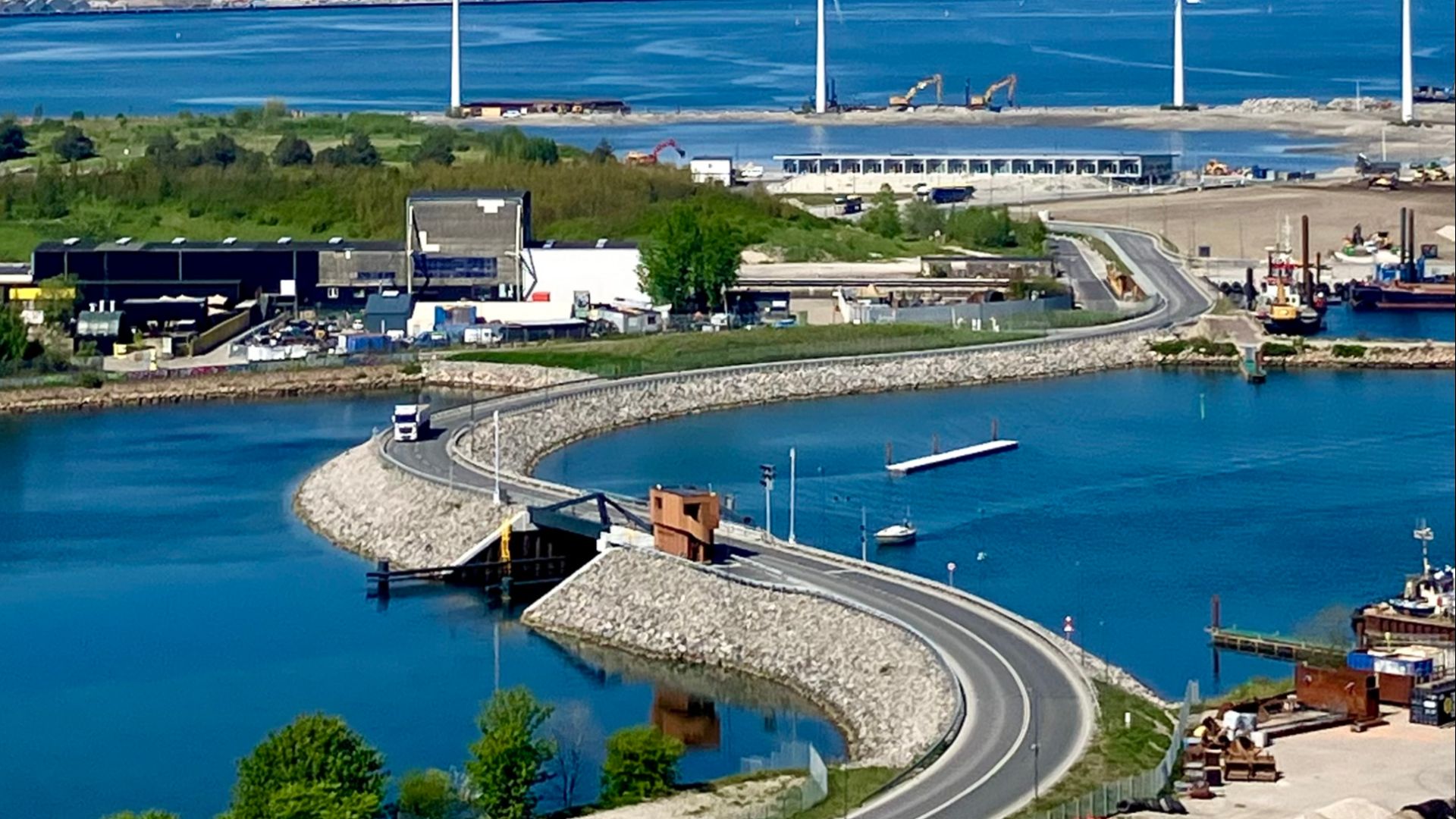 Twolfgangpohlentz, Wikimedia Commons
Archaeologists Are Racing Against Time
The wreck site lies within an area affected by the Lynetteholm development, leaving researchers with a limited window to study it. Excavations must proceed alongside preparations for one of Denmark’s largest infrastructure projects. The team is therefore recovering threatened material while recording everything that cannot be removed.
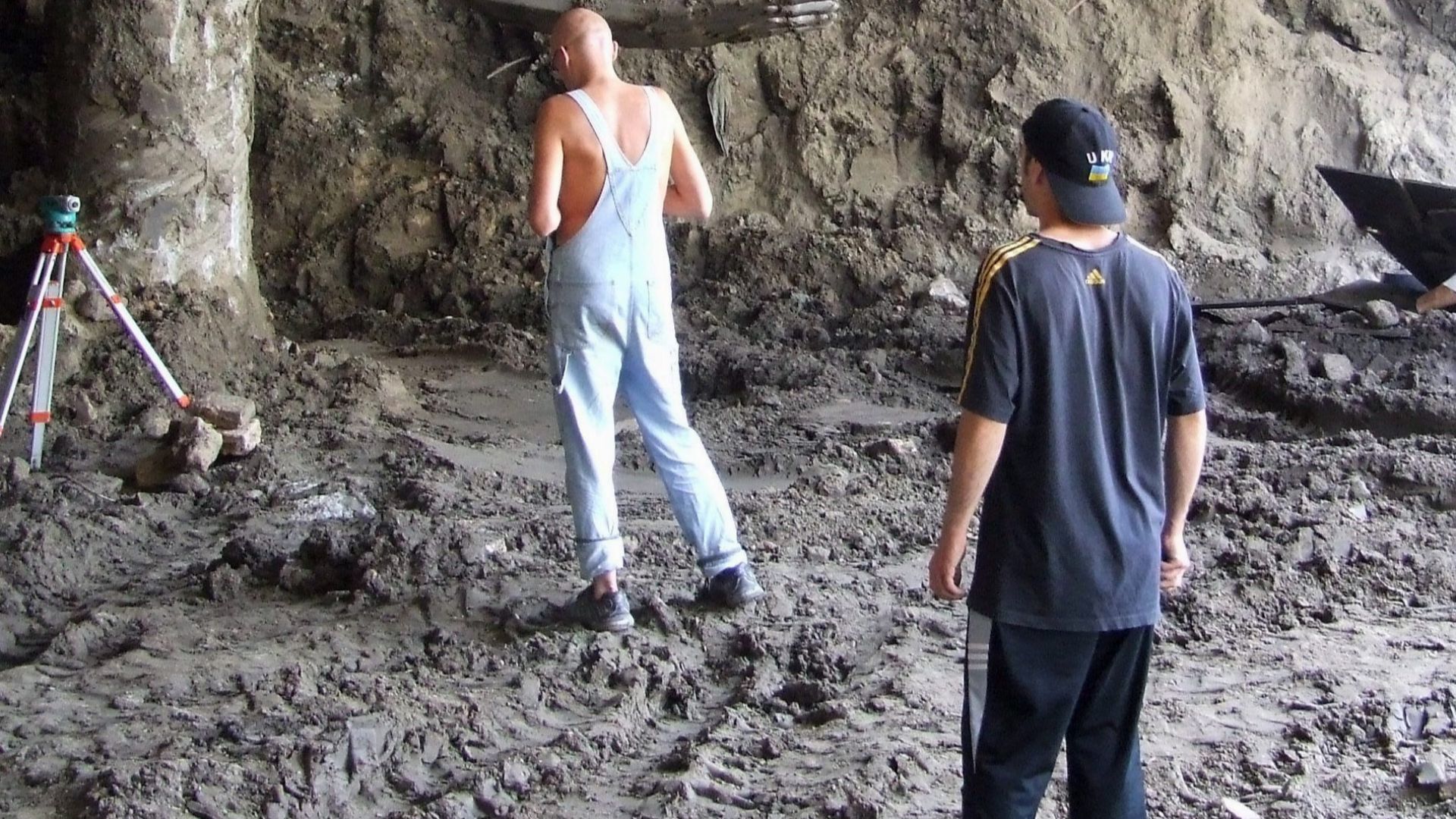 Nataliya Shestakova, Wikimedia Commons
The Wreck Is Hidden In Copenhagen Harbor
Dannebroge rests approximately 15 meters, or 49 feet, below the harbor’s surface. Most of the surviving material is concealed beneath thick sediment rather than sitting visibly on the seabed. Archaeologists must carefully remove that covering before they can identify individual timbers and artifacts.
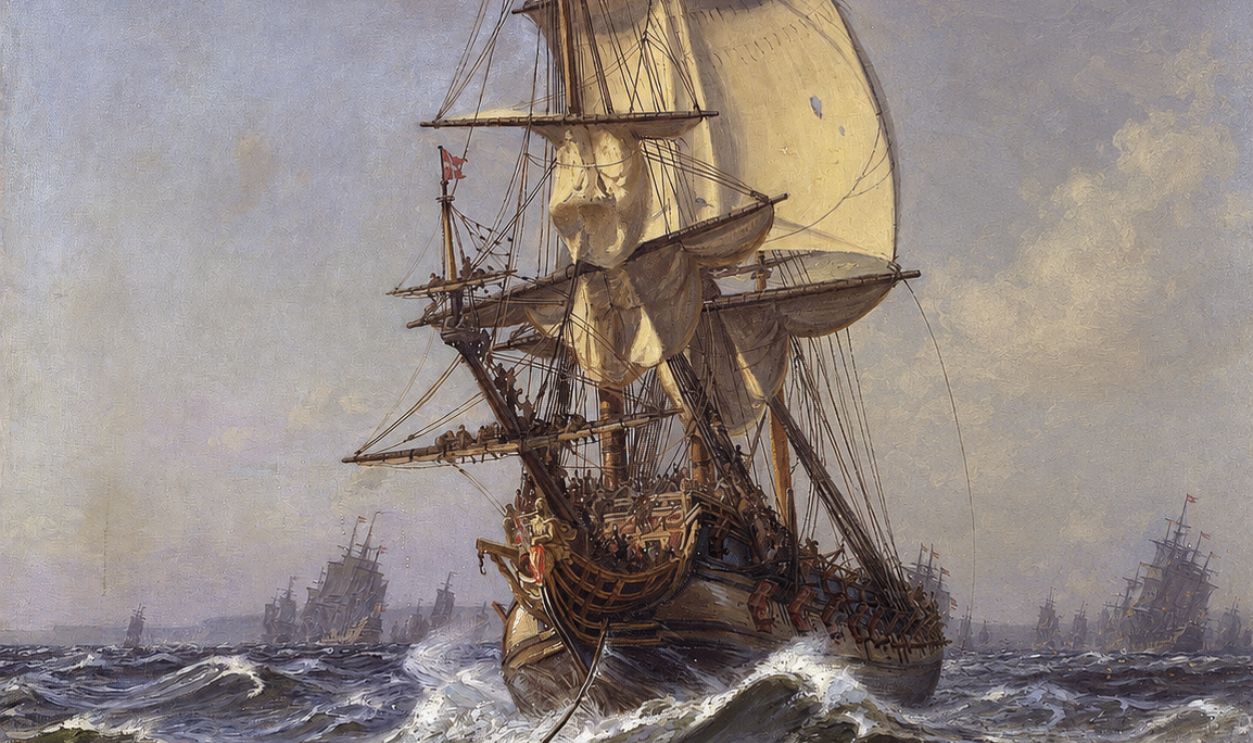 Christian Molsted, Wikimedia Commons, Modified
Divers Work In Near-Total Darkness
The harbor’s silt makes underwater visibility extremely poor, especially once excavation begins disturbing the bottom. Divers frequently have to locate and examine objects by touch instead of sight. Working this way makes even routine archaeological tasks slow, demanding, and potentially disorienting.
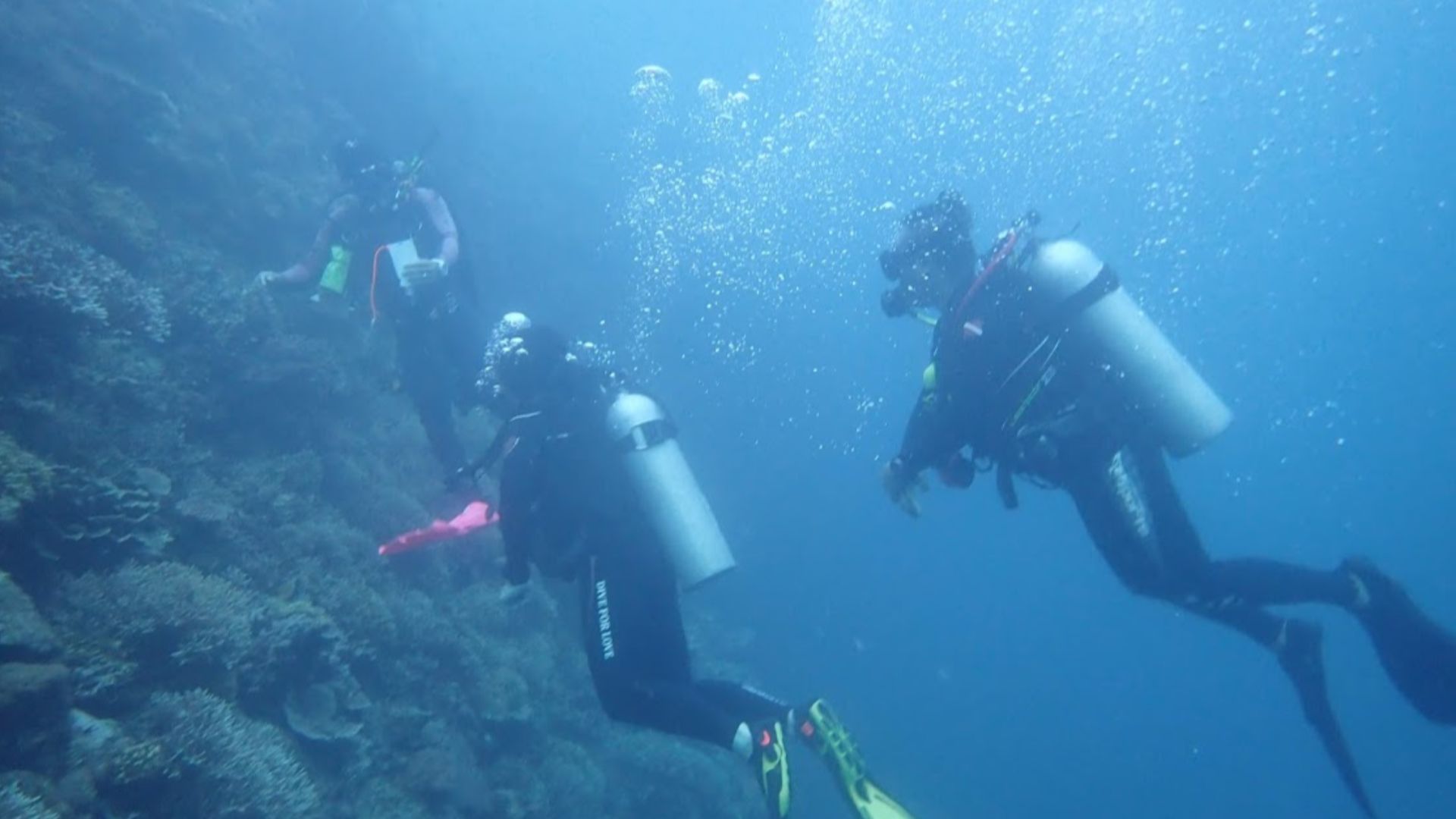 Leila Izachi, Wikimedia Commons
The Ship Was Not Found Intact
Dannebroge does not survive as a complete wooden hull that can simply be raised from the harbor. The vessel exploded during battle, and later harbor-clearing operations removed or broke apart additional sections of the wreck. What remains is a scattered archaeological site containing timbers, ballast, weapons, personal belongings, and human remains.
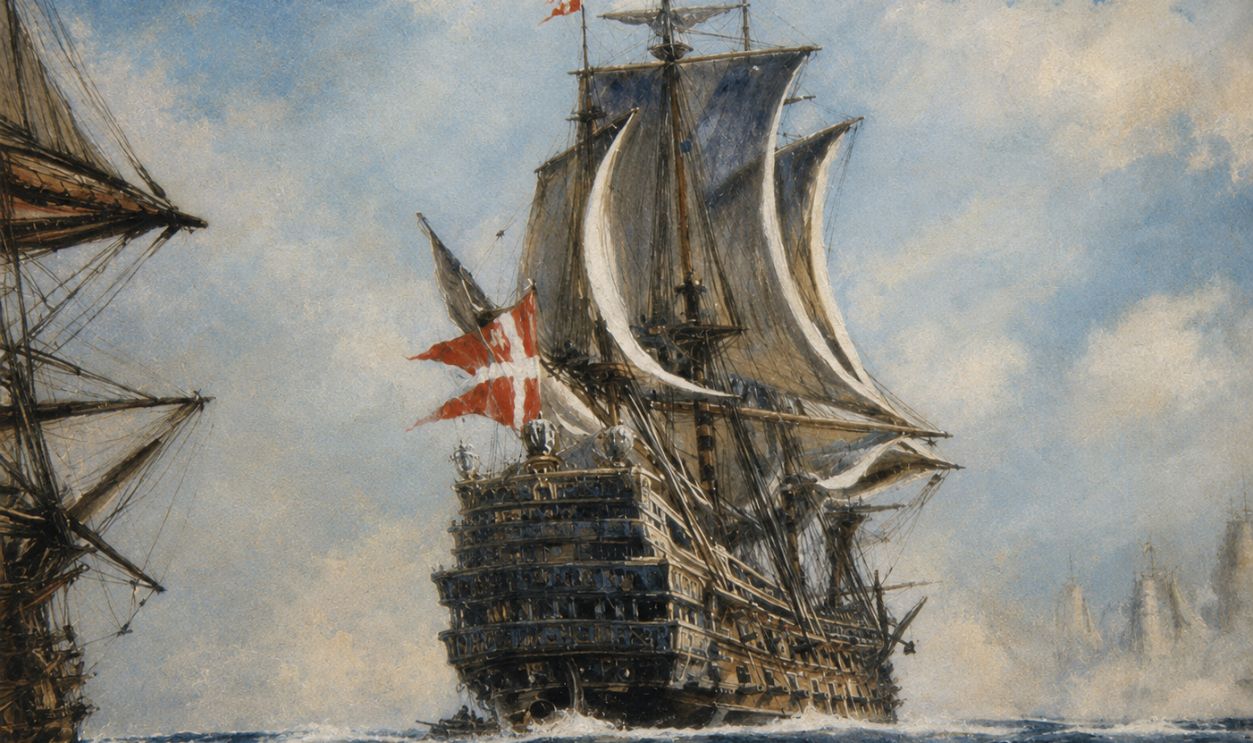 Nationalmuseet, Wikimedia Commons, Modified
A Mound Of Stones Marked The Site
One of the wreck’s most noticeable features is a large concentration of ballast stones. Warships carried heavy stones low in their hulls to improve stability, and those stones remained after the surrounding structure collapsed. The ballast mound helped archaeologists recognize that they were examining the remains of a substantial vessel.
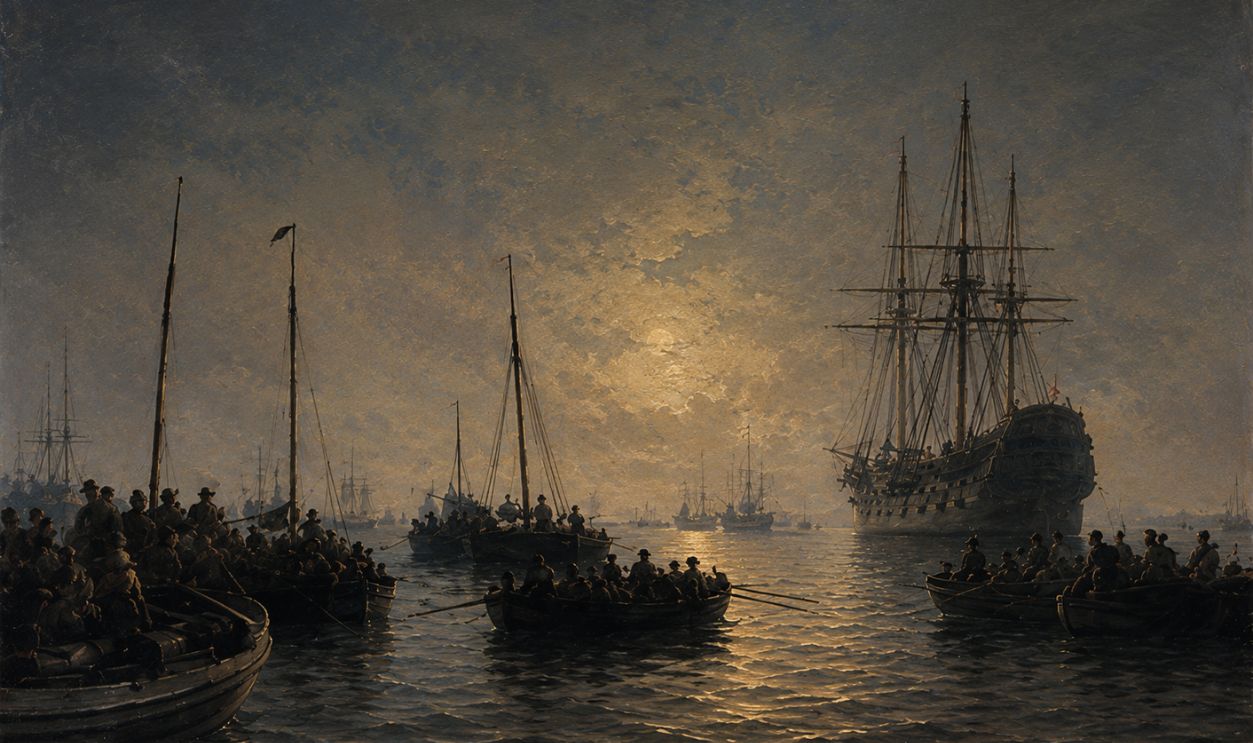 Carl Neumann, Wikimedia Commons, Modified
Surviving Timbers Offered Important Clues
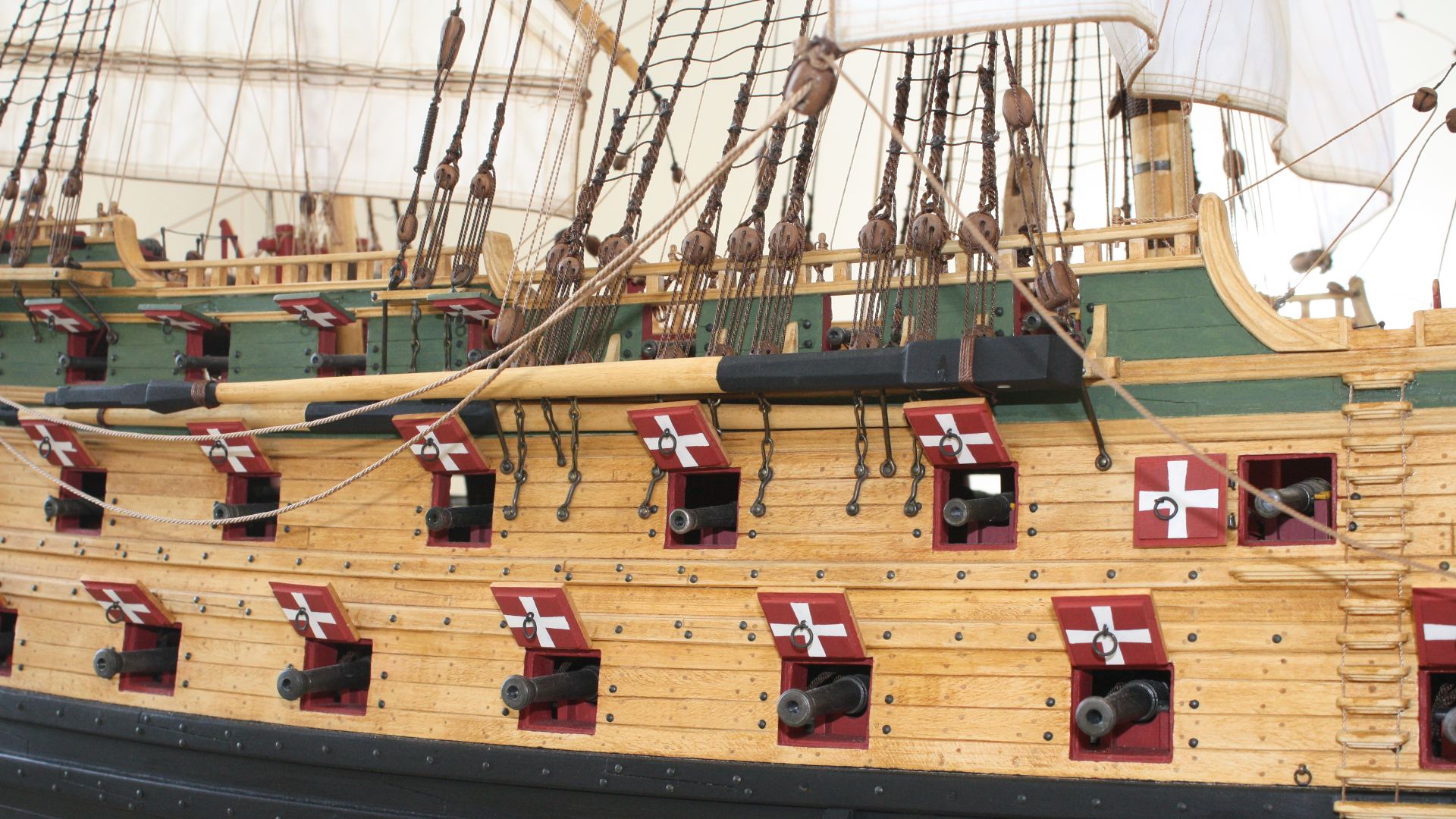
Researchers uncovered large pieces of the ship’s wooden structure beneath and around the ballast. The dimensions and arrangement of those timbers were compared with surviving plans and descriptions of Dannebroge. Their size indicated that the wreck belonged to a major naval vessel rather than a smaller merchant ship or harbor craft.
 Niels Buhl, Orlogsmuseets Modelbyggerlaug, Wikimedia Commons
Tree Rings Helped Date The Wreck
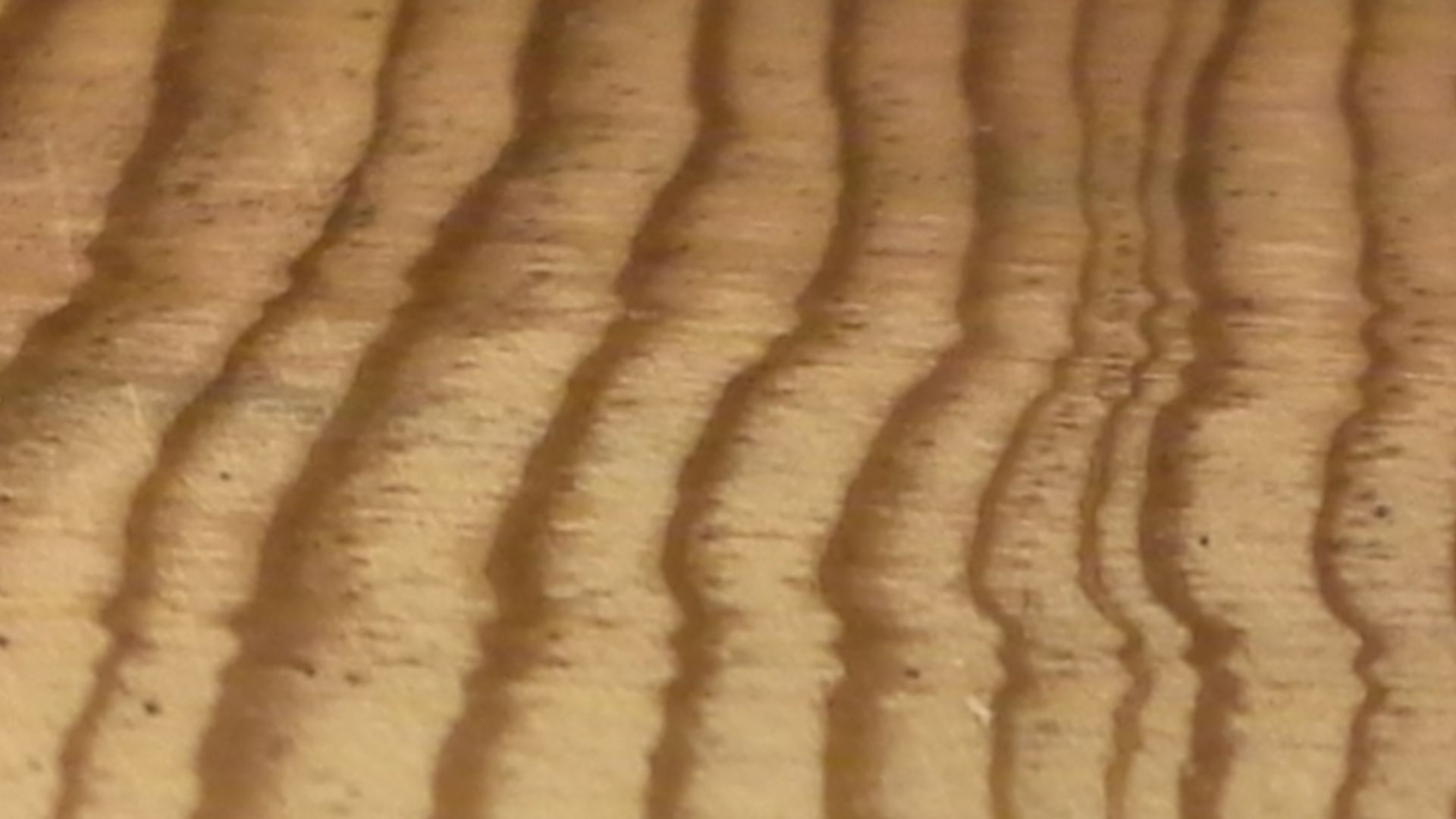
The team used dendrochronology to study growth-ring patterns in samples taken from the surviving wood. The results showed that the timber came from the period when Dannebroge was constructed. Combined with the wreck’s location and structural details, the dating strengthened the identification considerably.
 Ellis Margolis, USGS. Public domain., Wikimedia Commons
Historical Plans Matched The Evidence
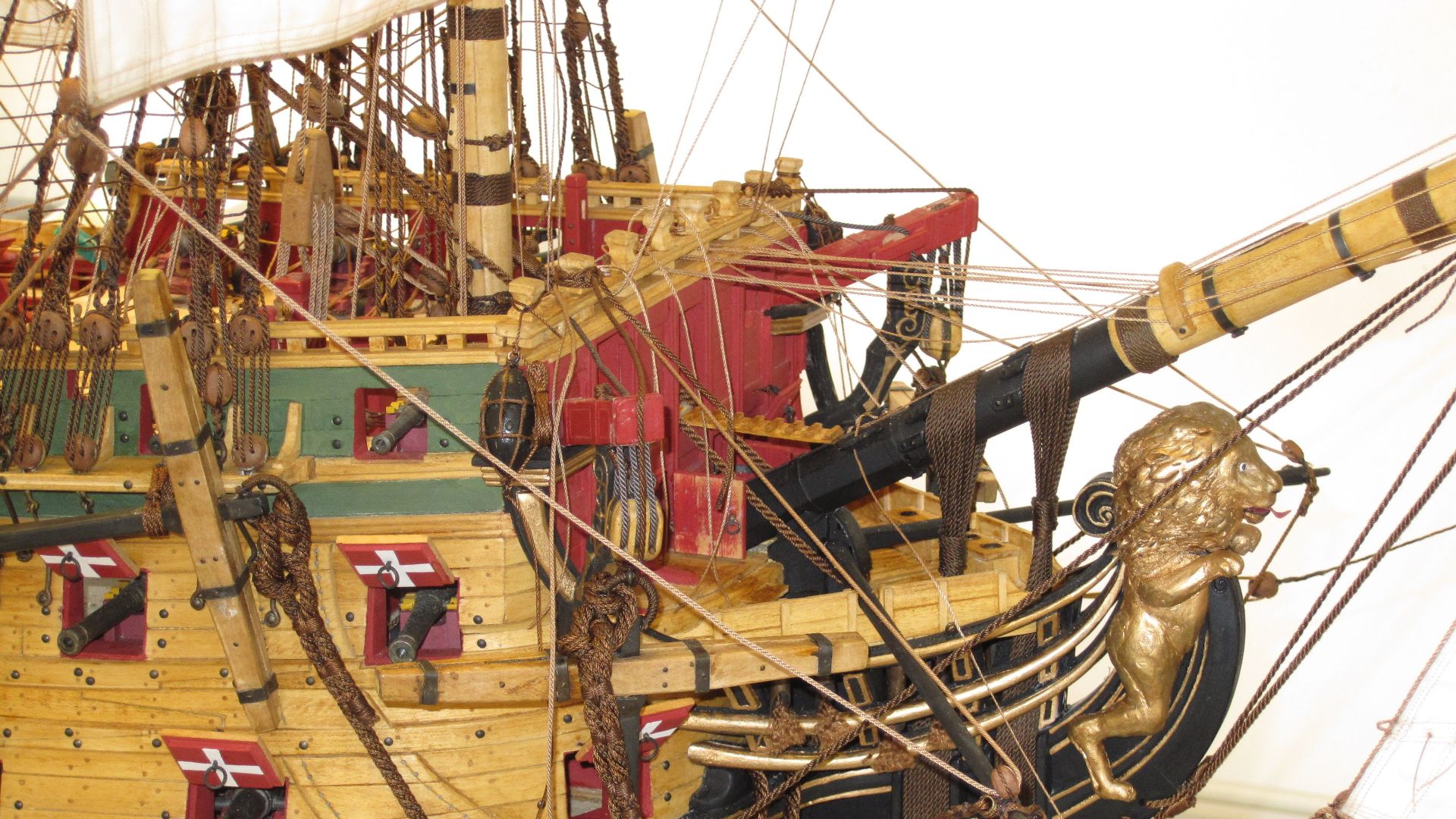
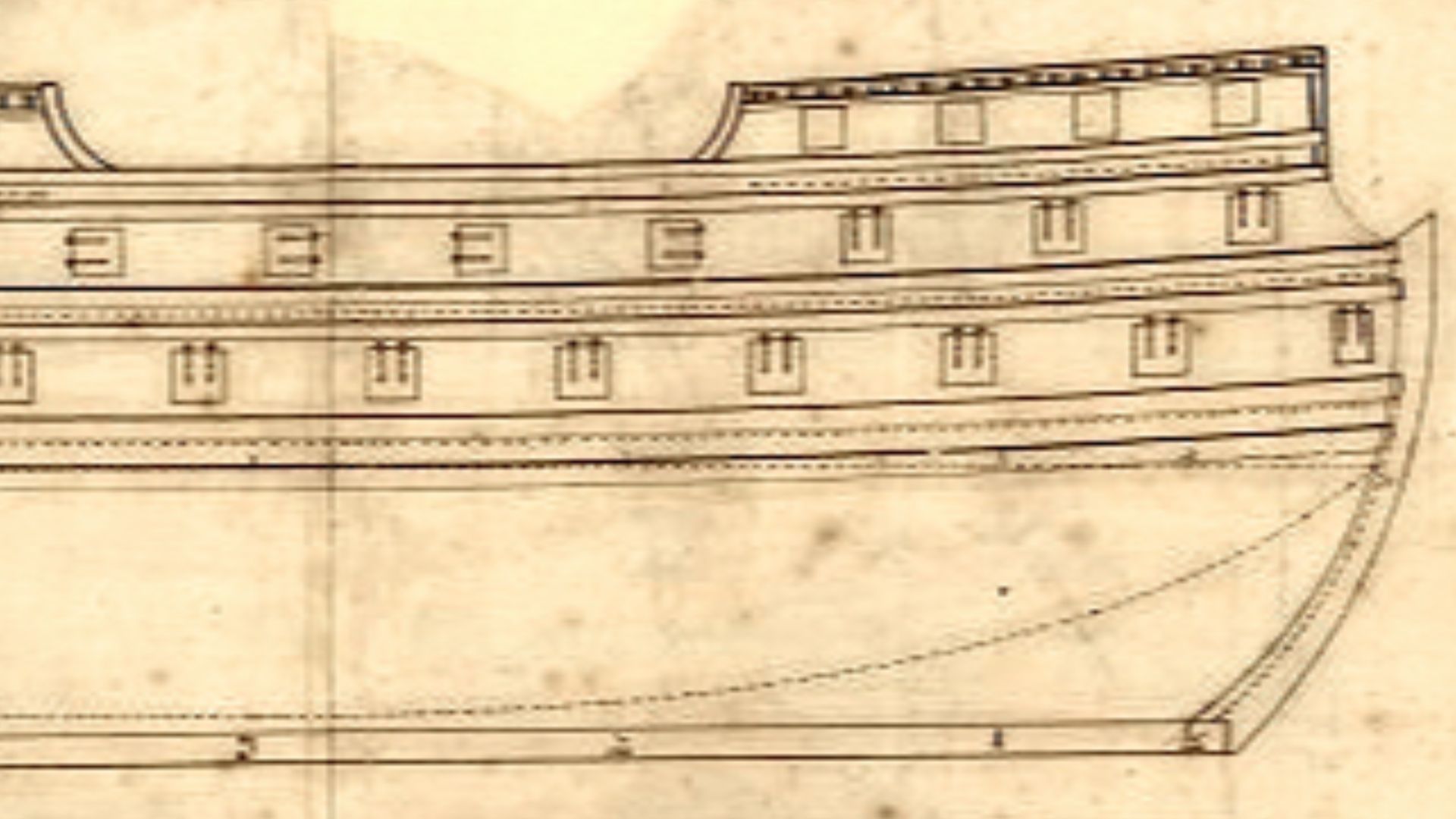
Dannebroge’s construction and service were well documented in Danish naval records. Archaeologists compared the physical remains with historical drawings showing the ship’s proportions and internal structure. The agreement between the records, timber dating, wreck location, and recovered weapons left the team highly confident that it had found the lost flagship.
 Niels Buhl, Orlogsmuseets Modelbyggerlaug, Wikimedia Commons
Two Cannons Survived Below The Harbor
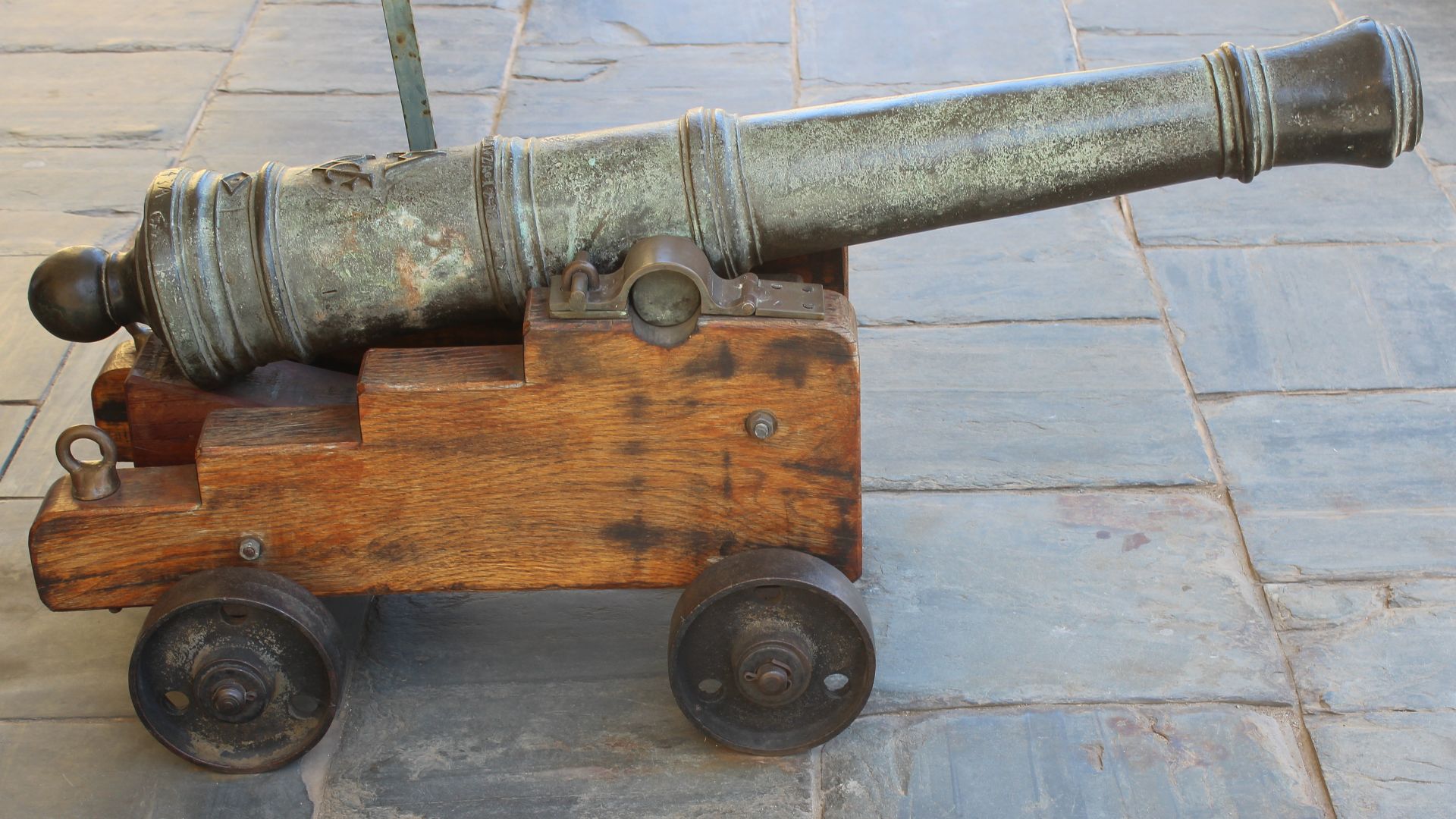
Among the most dramatic discoveries were two cannons associated with the wreck. Their presence supports the identification of the site as a heavily armed warship destroyed during combat. The guns may also help researchers reconstruct how the vessel was equipped during its final battle.
Ammunition Covers The Battlefield
Archaeologists have recovered cannonballs, bar shot, and other pieces of ammunition from the site. Bar shot consisted of connected iron projectiles designed to damage rigging, sails, and wooden structures. Its presence reflects the intense bombardment that tore through Dannebroge before it sank.
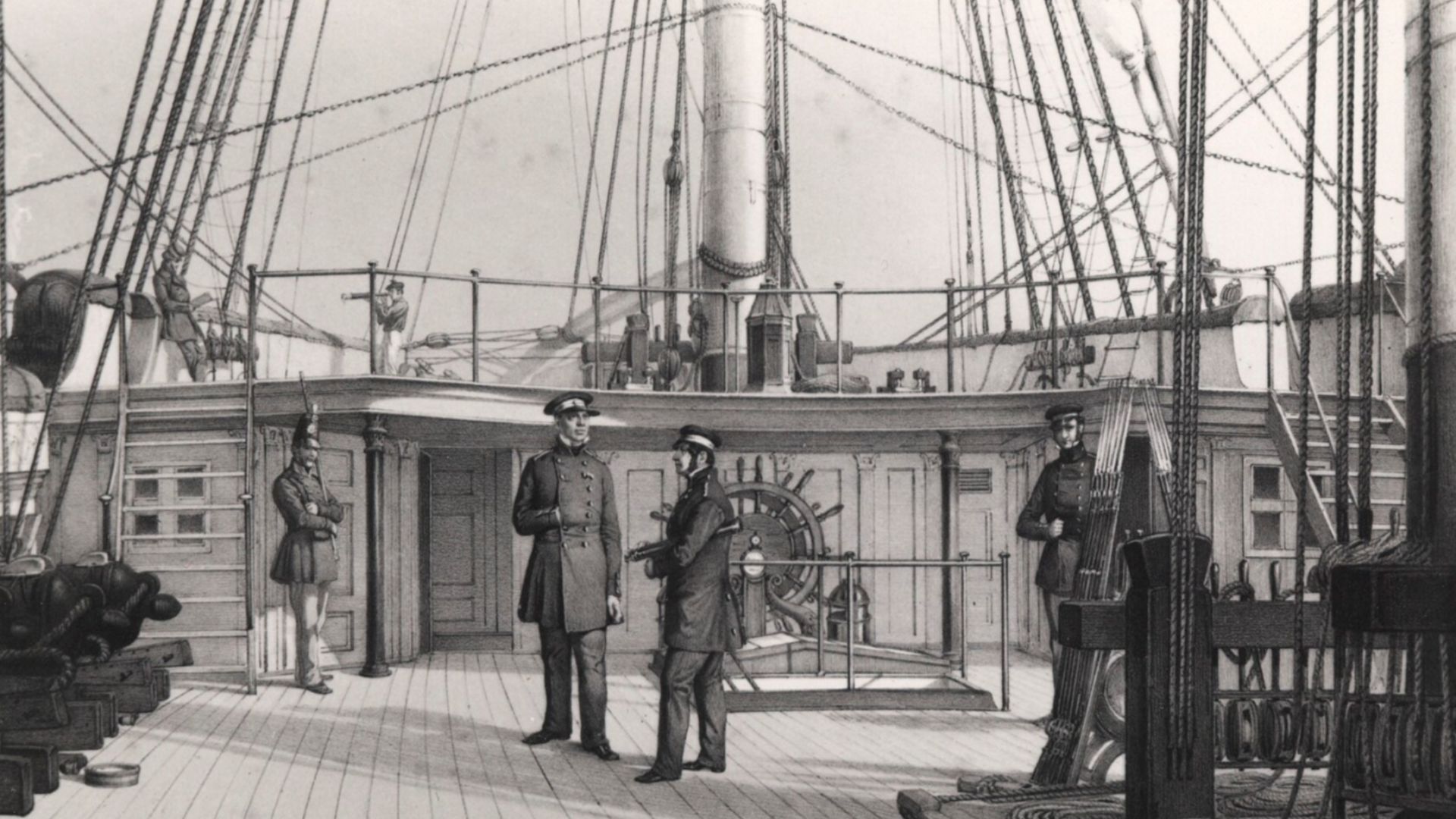
The Wreck Preserves Evidence Of Violence
Damage to the timbers and the concentration of weapons provide physical evidence of the battle’s destructive force. Cannonballs striking a wooden hull could send large splinters flying across crowded decks, injuring sailors who were never directly hit. Researchers hope the wreck will reveal how such attacks affected both the vessel and the people inside it.
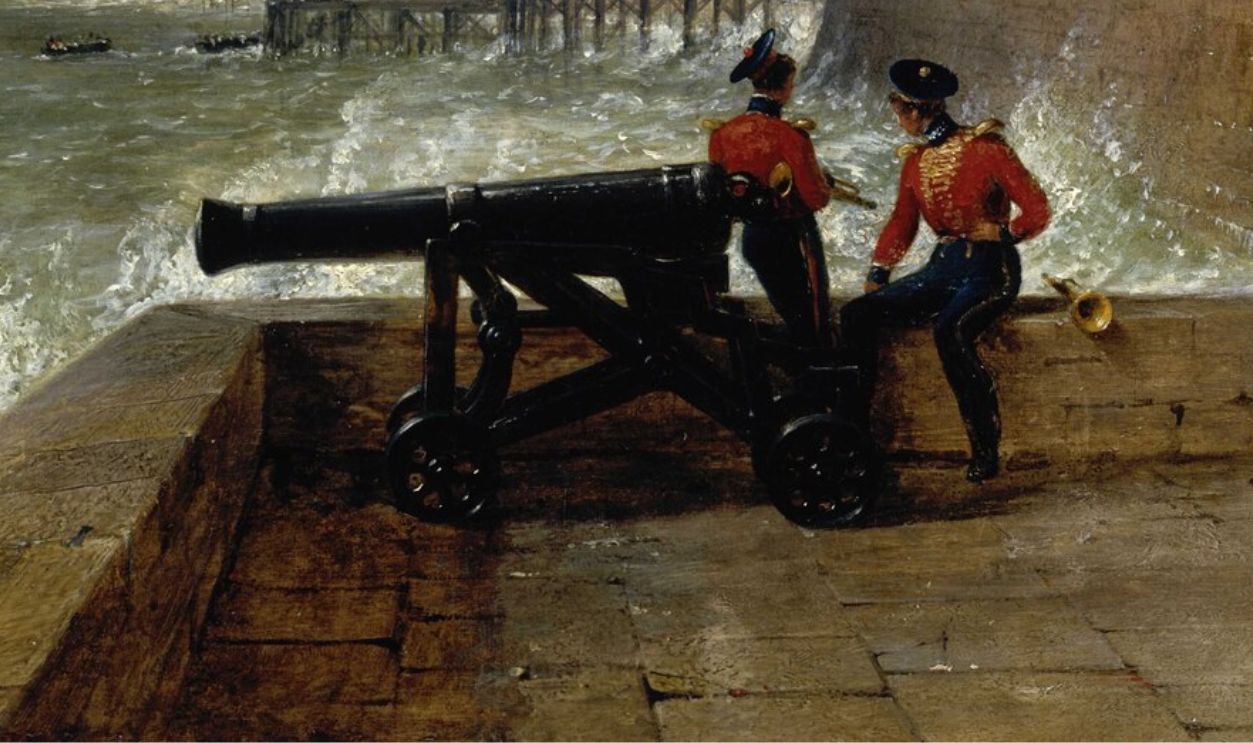 Edward William Cooke, Wikimedia Commons
Personal Possessions Survived The Explosion
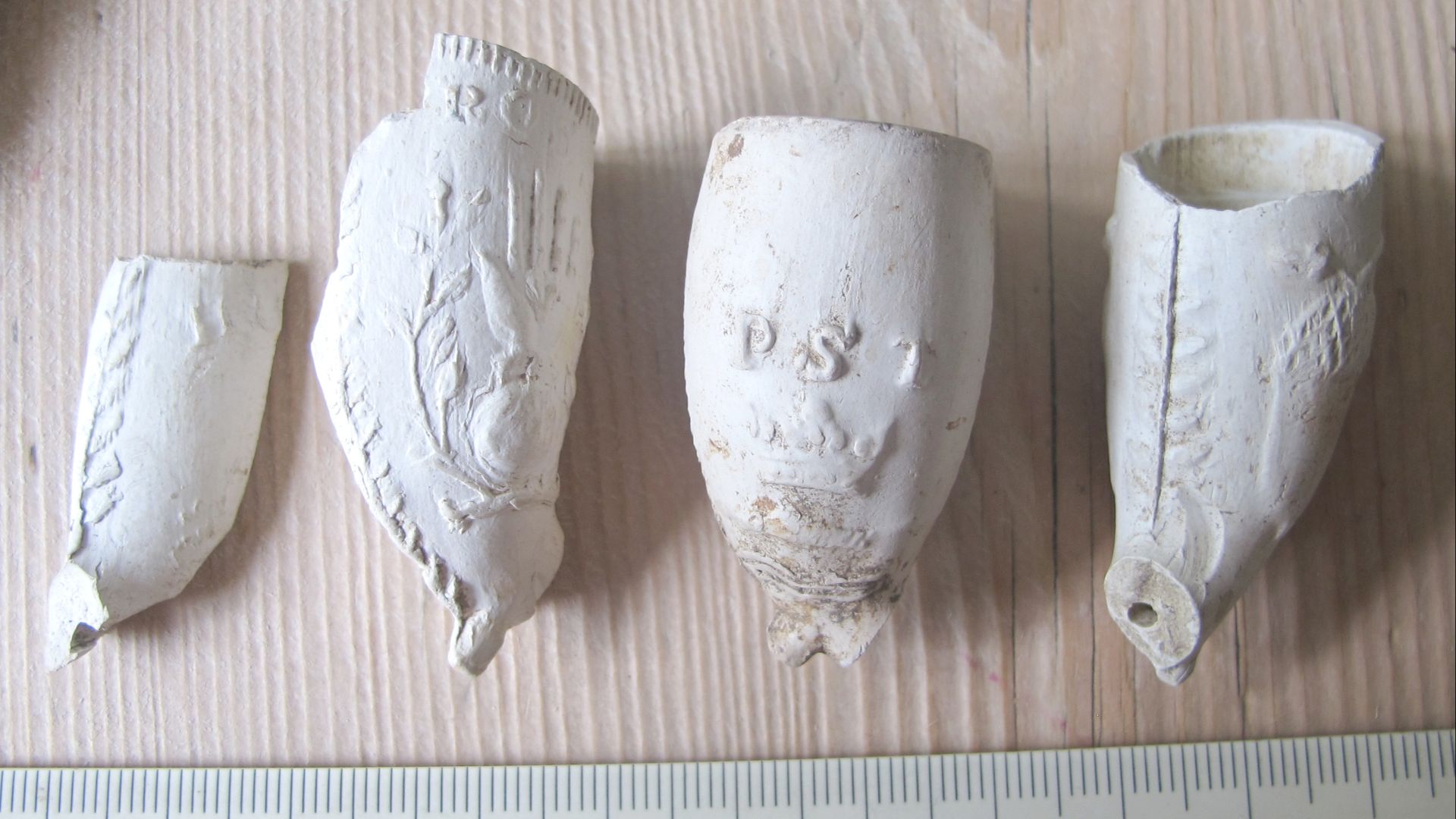
The excavation has uncovered shoes, bottles, ceramics, clay pipes, clothing fragments, and pieces of basketry. These ordinary belongings survived despite the fire, explosion, later harbor work, and two centuries underwater. Together, they offer a more intimate view of the crew than official military records can provide.
 Lincolnshire County Council, Adam Daubney, 2013-11-12 11:37:12, Wikimedia Commons
Uniform Insignia Connects Finds To Sailors
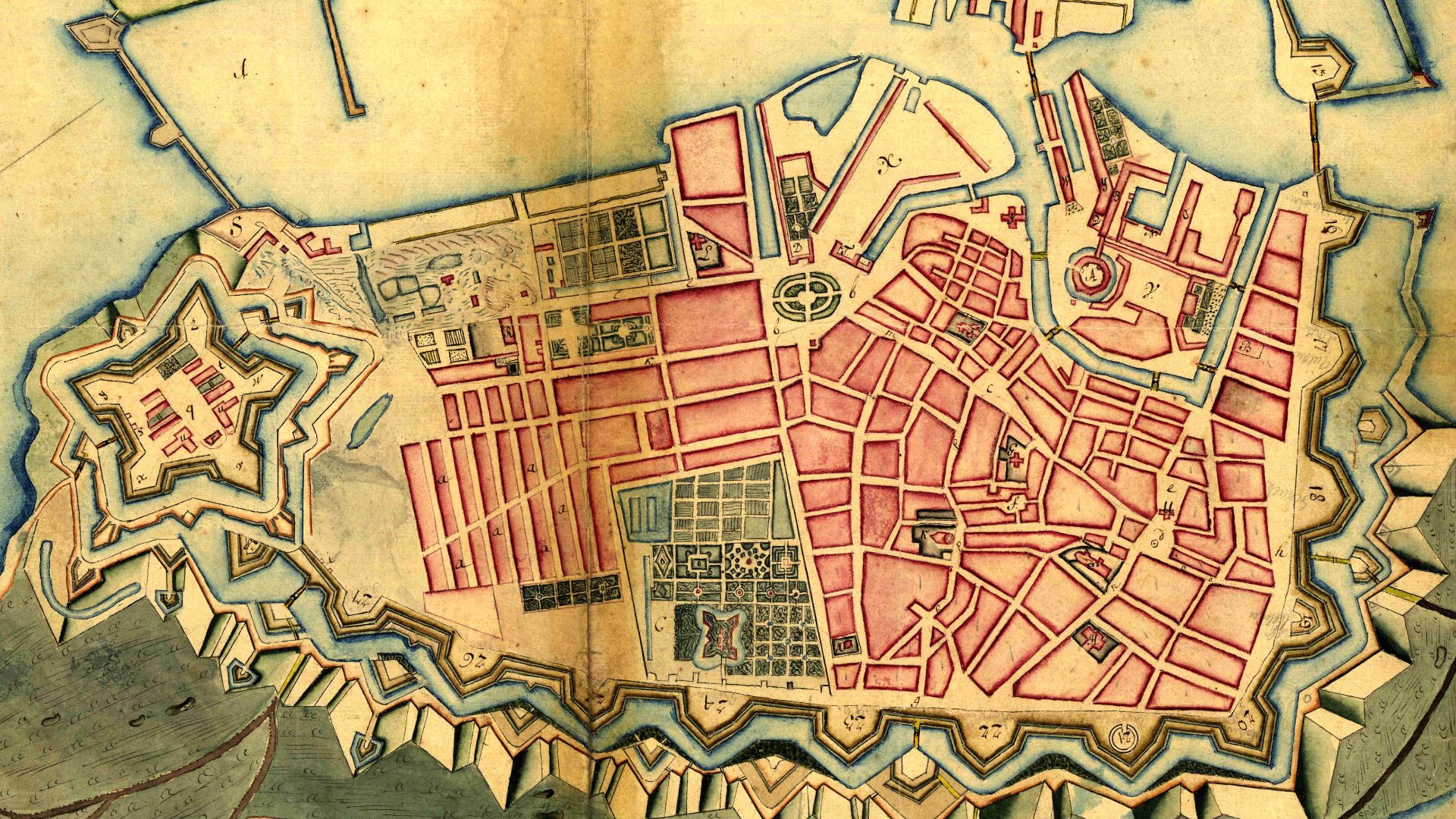
Metal insignia and pieces of uniforms have also emerged from the sediment. Such items may help archaeologists distinguish naval personnel from civilian volunteers who joined Copenhagen’s defense. They could eventually reveal more about the ranks, duties, and identities of the people serving aboard Dannebroge.
 J.F. Arnoldt, Wikimedia Commons
Human Remains Made The Discovery Personal
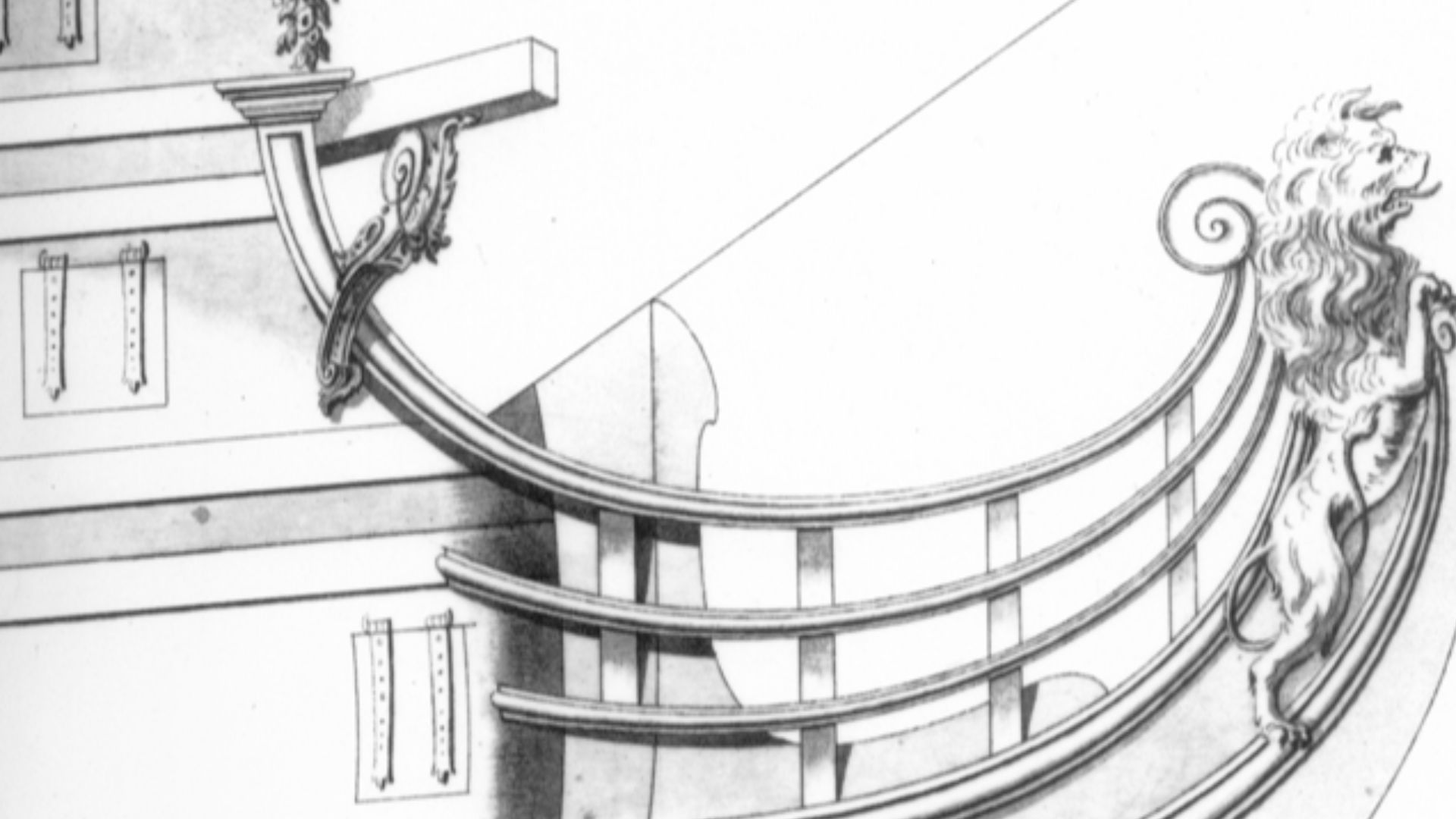
Researchers recovered part of a human lower jaw and other bones, including remains that may be human ribs. Nineteen members of Dannebroge’s crew were recorded as missing after the battle, raising the possibility that some were trapped in the wreck. Further analysis will be needed before the bones can be linked to any particular individual.
 Ole Judichær, Wikimedia Commons
Ordinary Sailors Are Finally Being Seen
Historical accounts of naval battles often focus on admirals, officers, and strategic decisions. The shoes, pipes, clothing, and containers found aboard Dannebroge instead preserve traces of the ordinary men who operated its guns and maintained the ship. This material allows archaeologists to study people who left few written accounts of their own experiences.
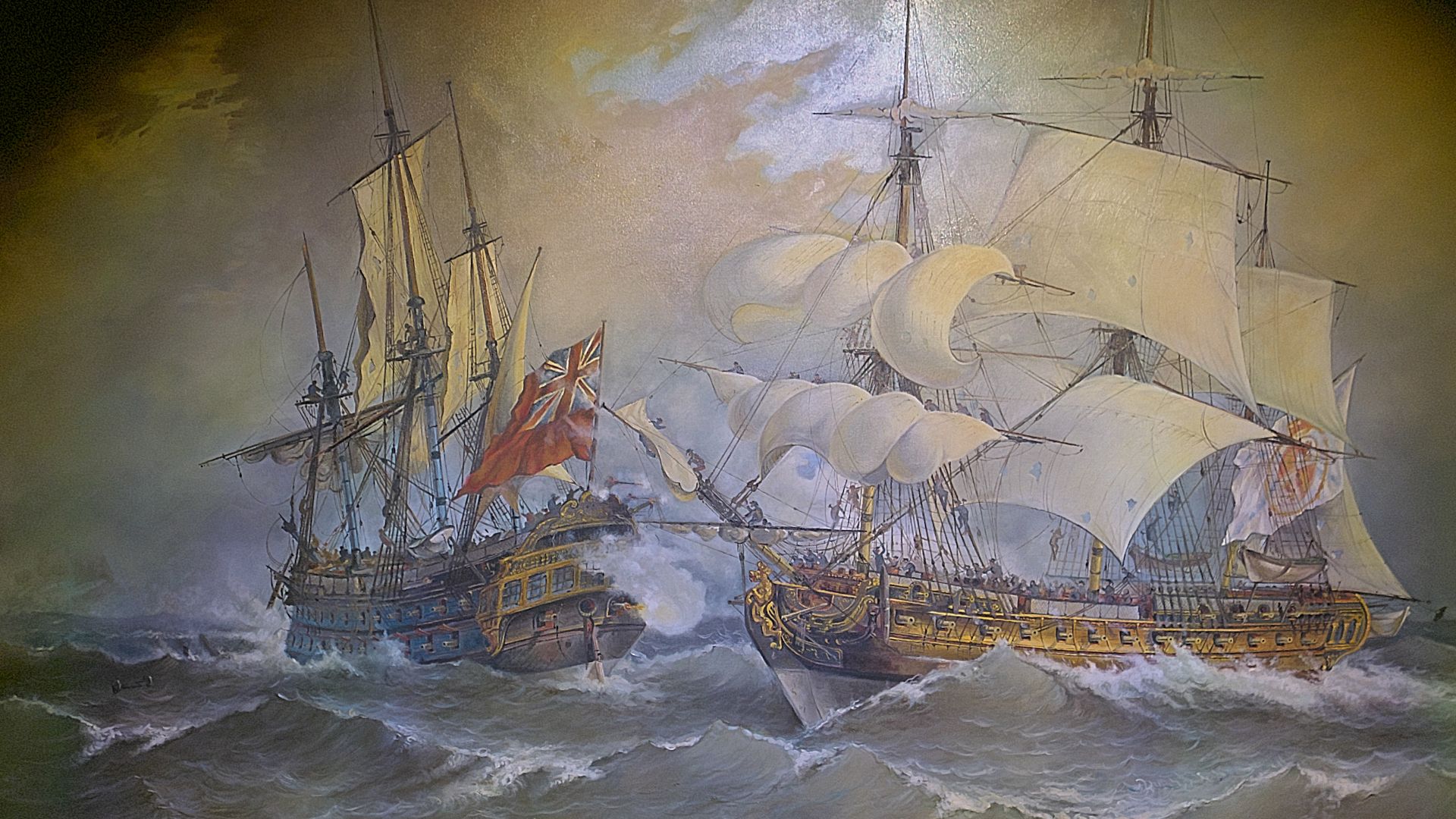
Each Object Must Be Carefully Documented
Before anything is removed, archaeologists record its location and relationship to surrounding material. Surveying, photography, measured drawings, and digital imaging help preserve the structure of the site. These records allow researchers to reconstruct parts of the wreck even after construction changes the surrounding seabed.
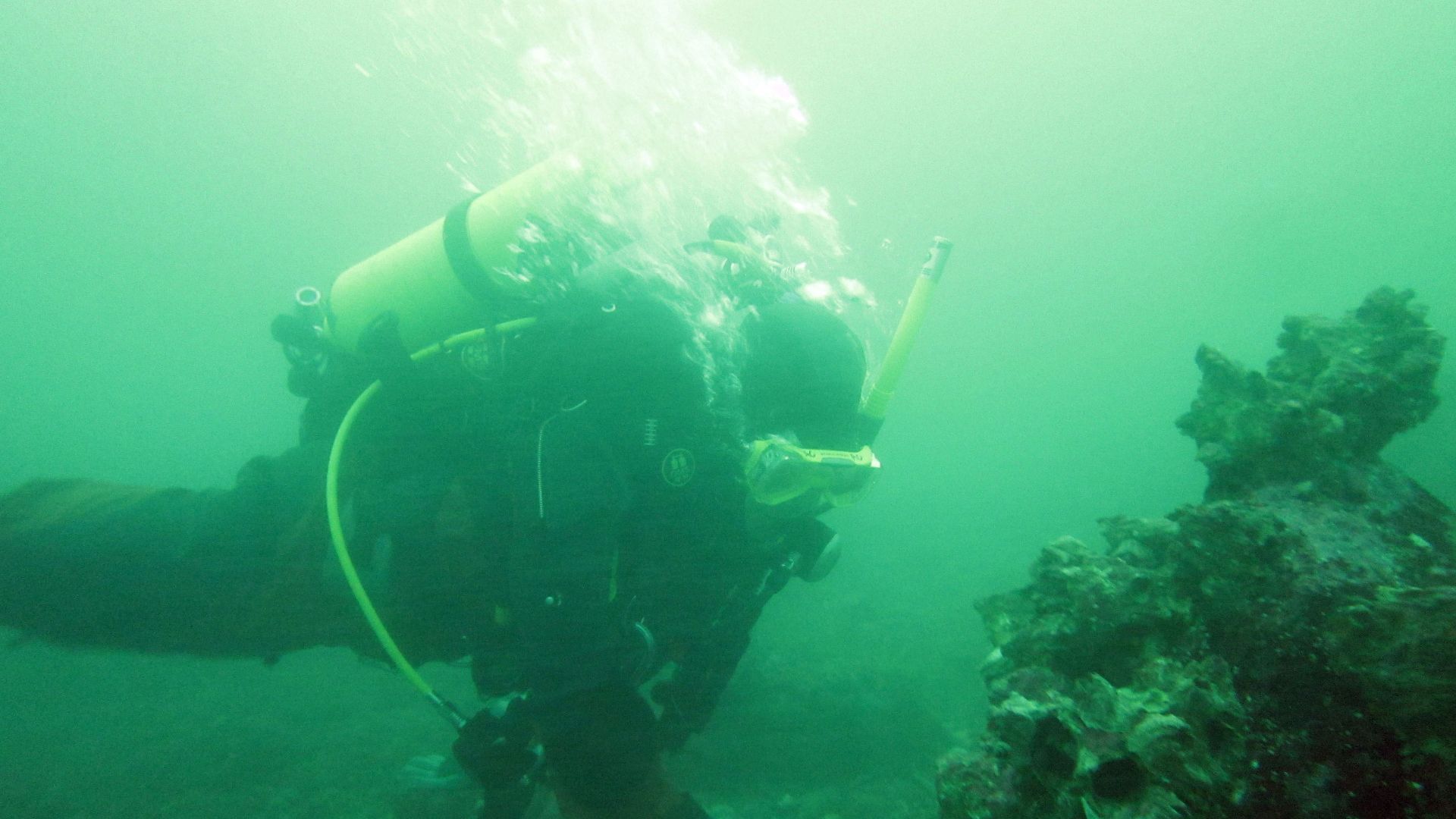 USEPA Environmental-Protection-Agency, Wikimedia Commons
Recovered Artifacts Need Immediate Care
Objects that survive underwater can deteriorate quickly once exposed to air. Wood, leather, textiles, and metal each require different conservation treatments to prevent cracking, corrosion, or collapse. Recovering an artifact is therefore only the beginning of a long process of stabilization, study, and preservation.
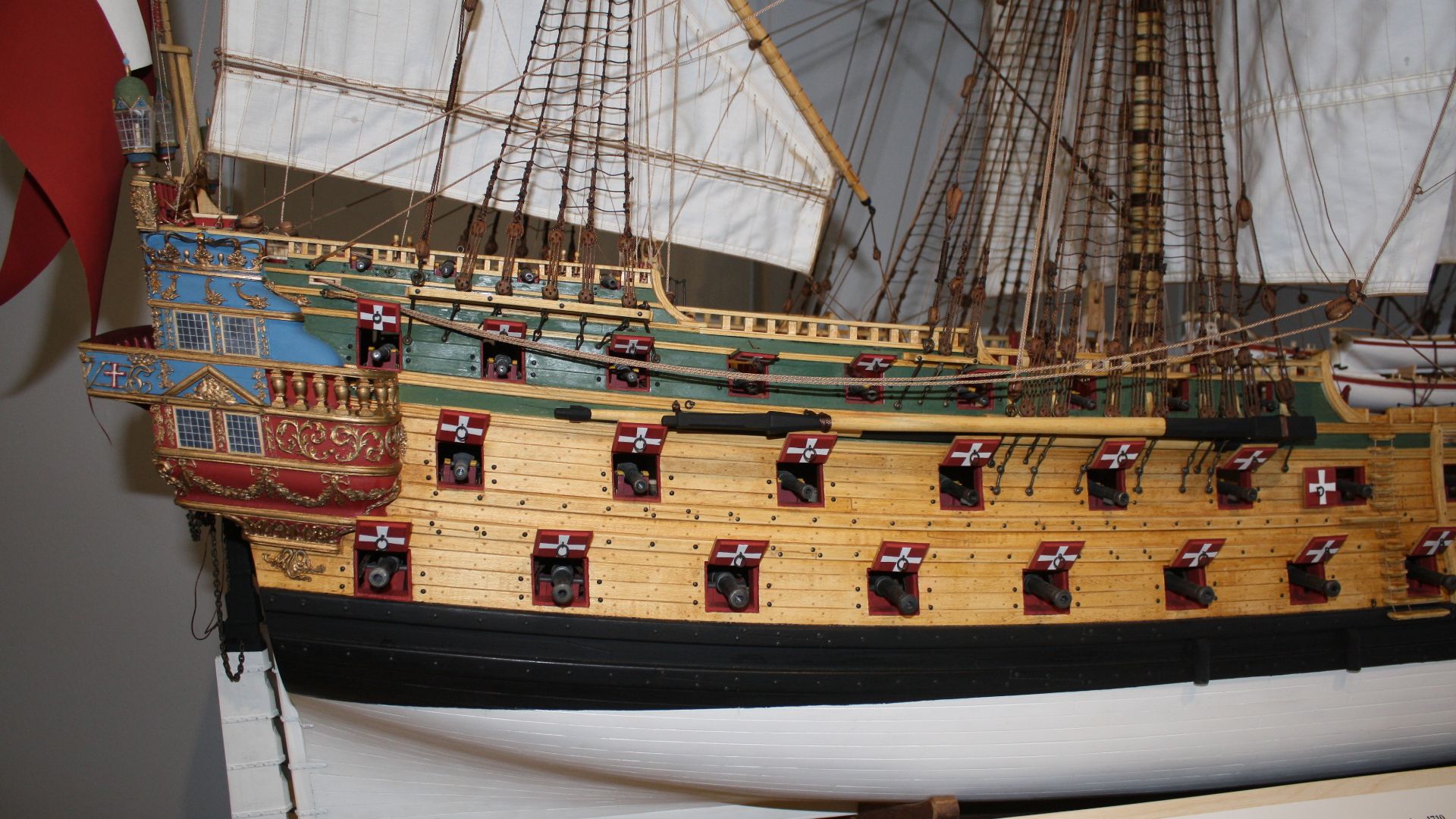 Niels Buhl, Orlogsmuseets Modelbyggerlaug, Wikimedia Commons
Dannebroge Began As A Powerful Warship
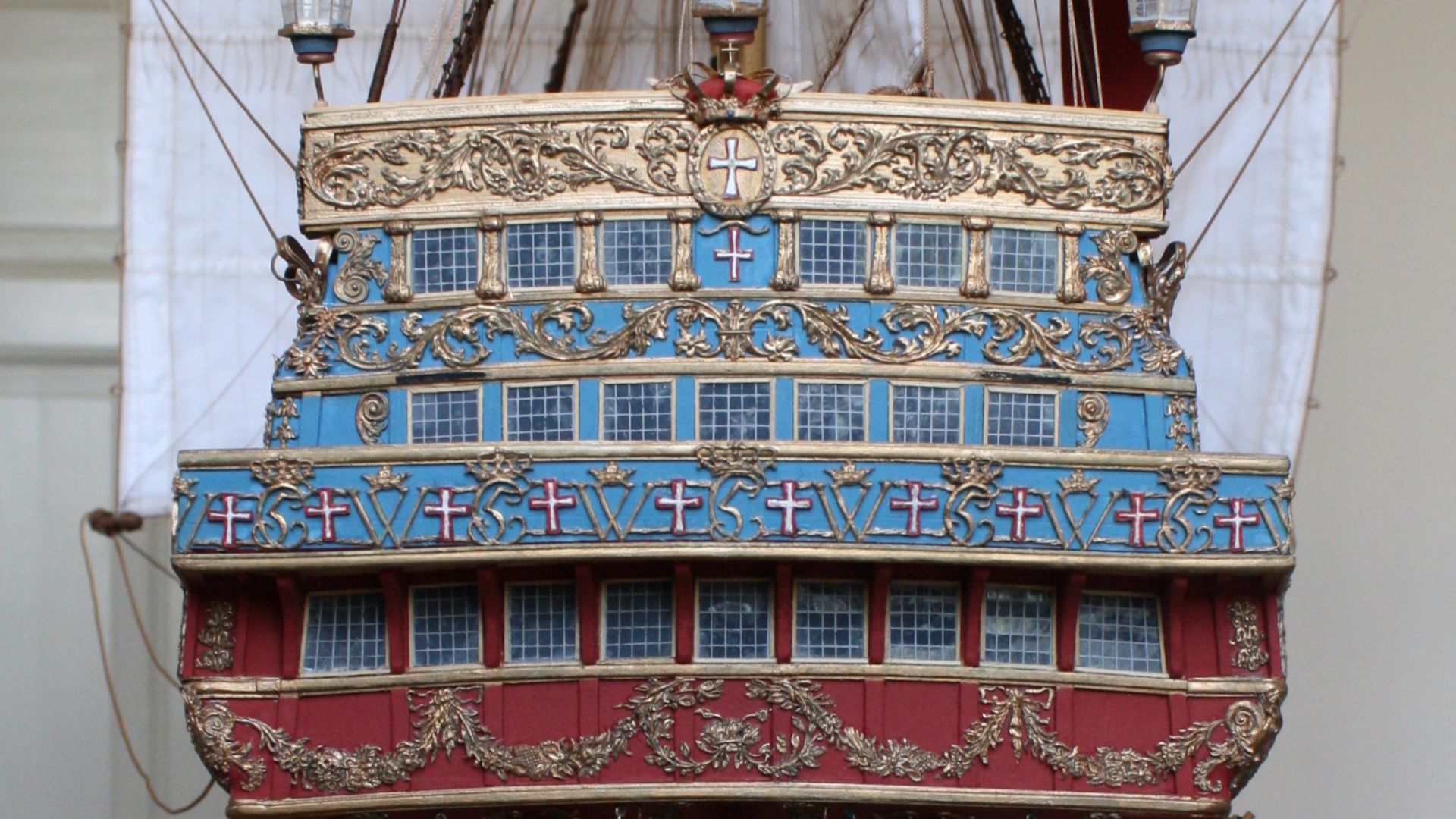
Construction of Dannebroge began at Copenhagen's Nyholm naval yard in 1770, and the ship was launched in 1772. It measured about 48 meters long and originally carried 60 guns. By 1801, however, the aging vessel had been converted into a blockship anchored as part of Copenhagen's fixed defensive line, ready to defend the Danish capital.
 Niels Buhl, Orlogsmuseets Modelbyggerlaug, Wikimedia Commons
Britain And Denmark Headed Toward War
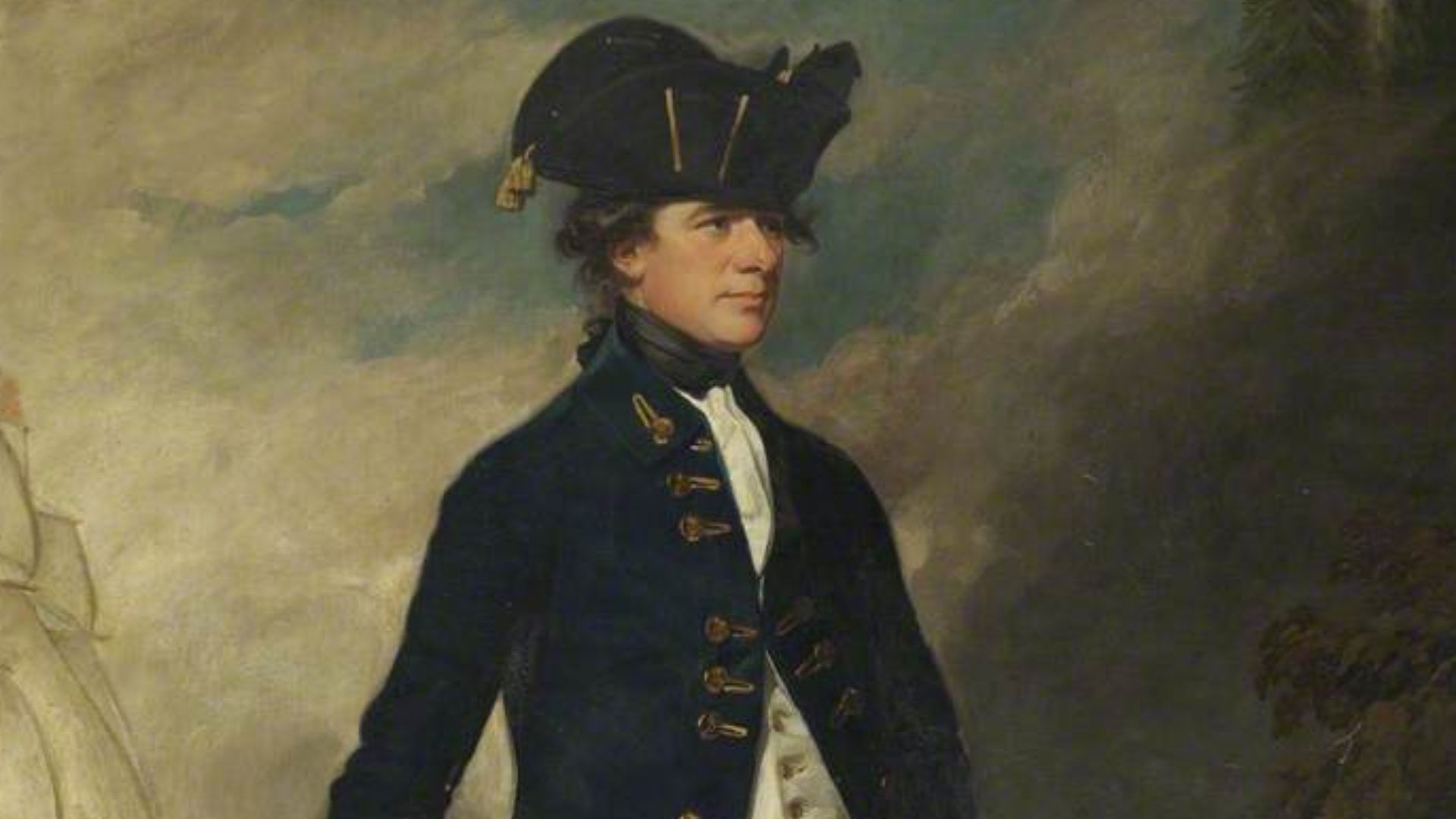
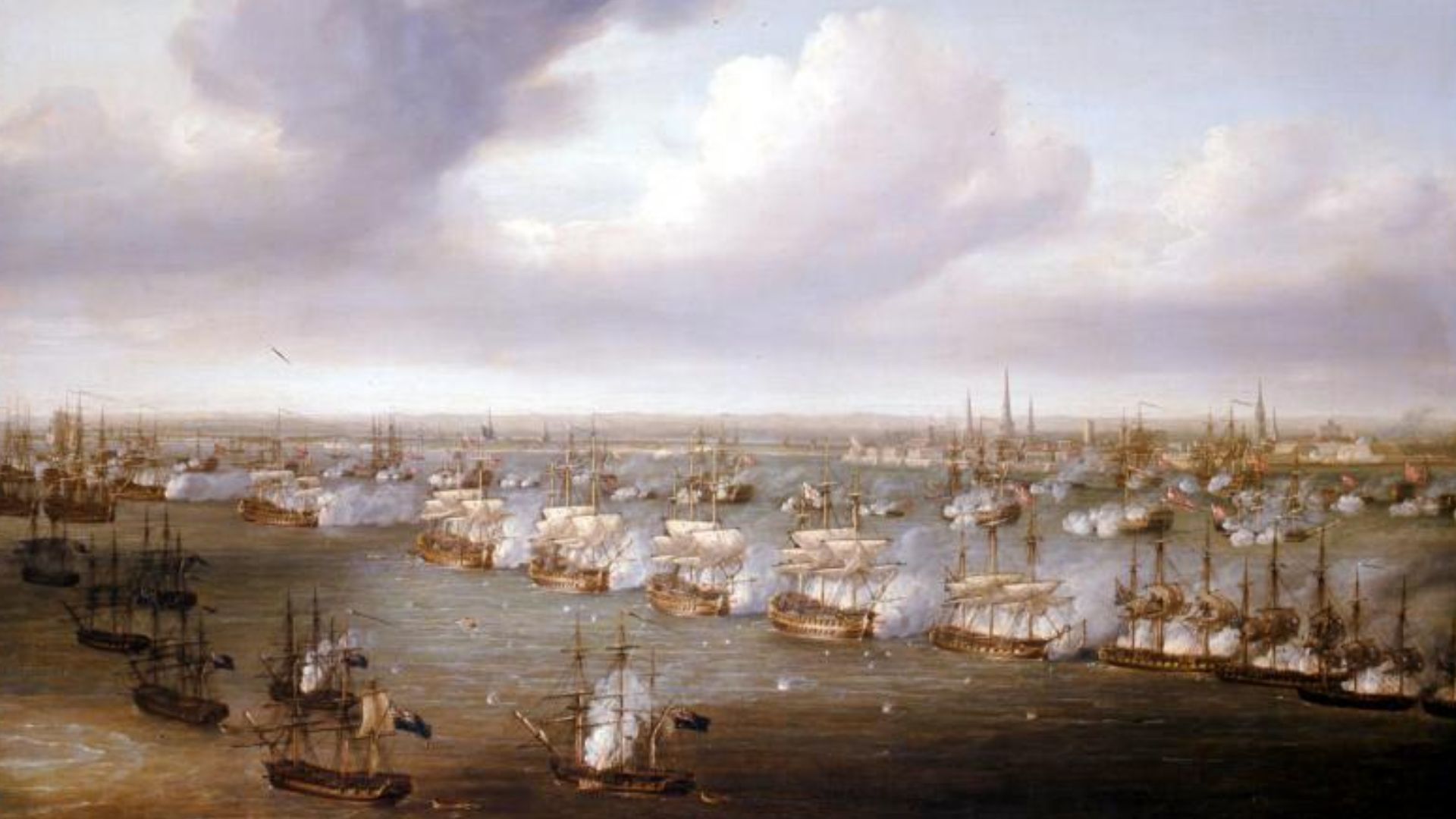
Dannebroge's transformation reflected the growing tension between Britain and Denmark at the start of the 19th century. Britain feared that Denmark's participation in the League of Armed Neutrality threatened British naval dominance and access to Baltic trade. A British fleet under Admiral Sir Hyde Parker, with Vice Admiral Horatio Nelson leading the main attack, sailed to Copenhagen, setting the stage for one of the most famous naval battles of the Napoleonic Wars.
 George Romney, Wikimedia Commons
The Ship Became Denmark's Command Centre
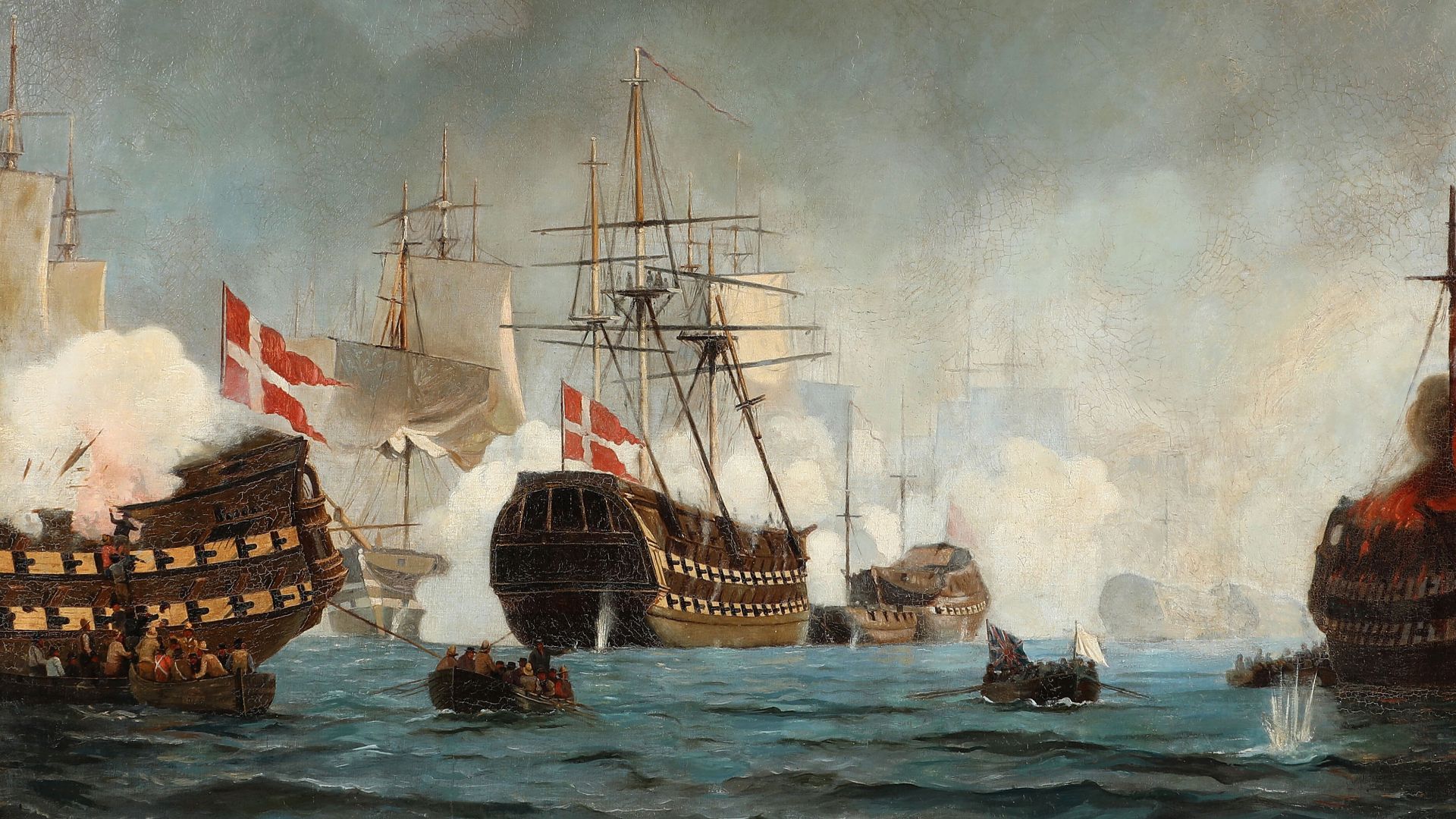
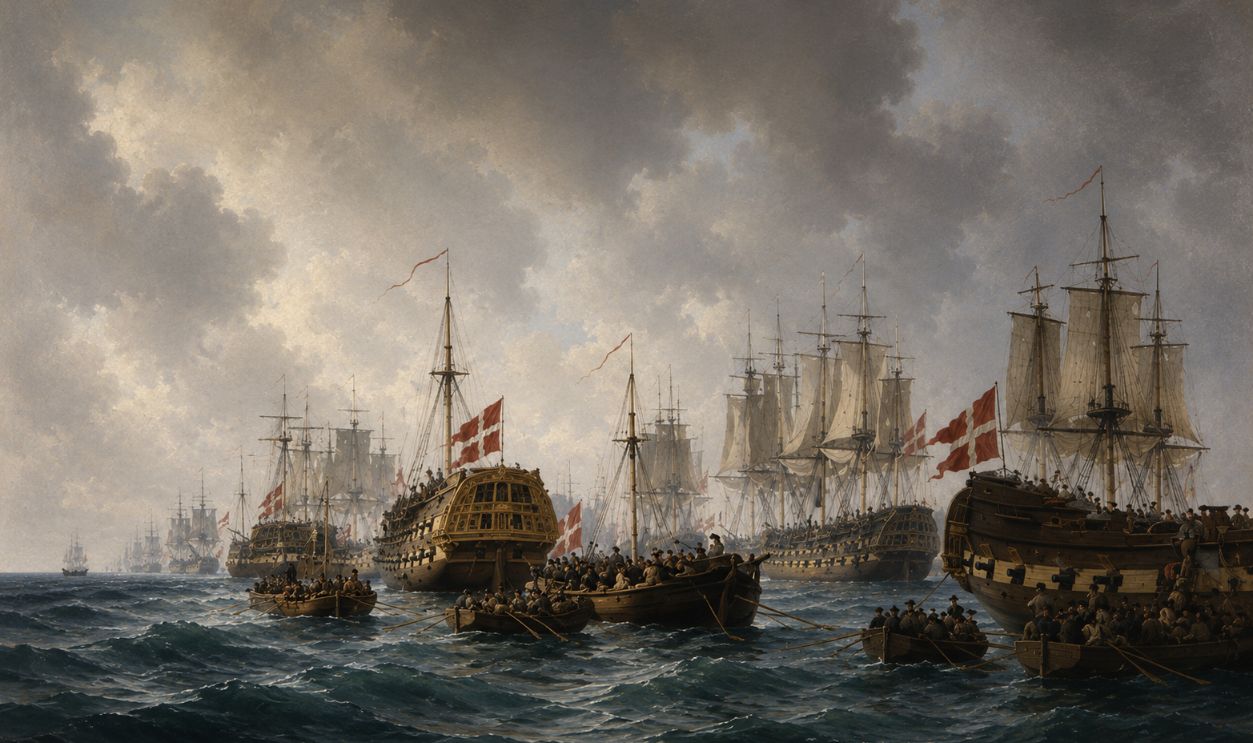
When the Battle of Copenhagen began on April 2, 1801, Dannebroge served as Commodore Olfert Fischer's flagship. From its position in the defensive line, he directed Danish and Norwegian vessels resisting the British assault. That central role made the ship one of Nelson's most important targets and ultimately sealed its fate.
 Christian Mølsted, Wikimedia Commons
British Fire Set The Flagship Ablaze
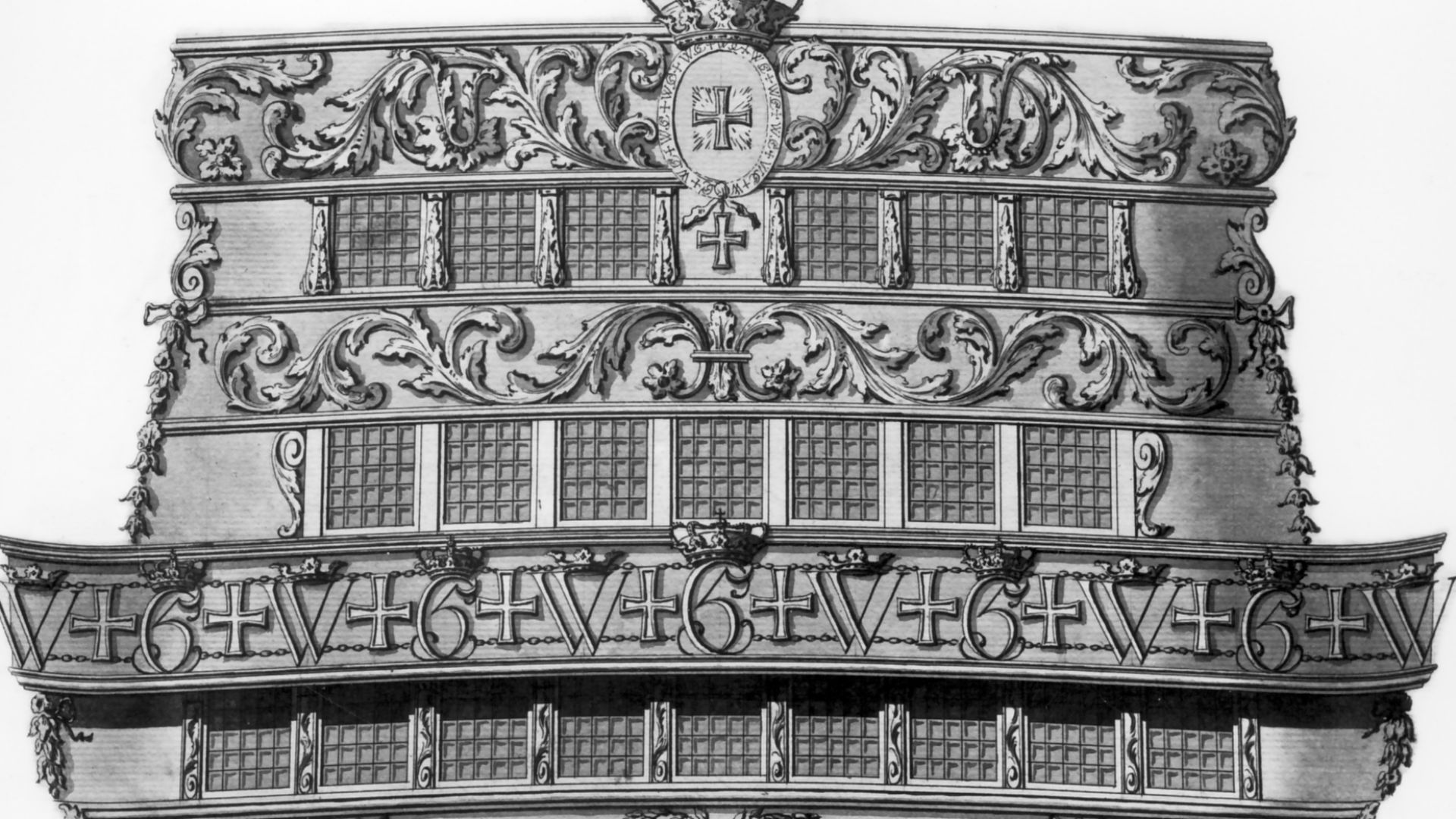
British ships bombarded Dannebroge at close range during the fighting on April 2, 1801. Cannon fire devastated its upper deck, while incendiary projectiles started fires that the crew struggled to control. The burning vessel eventually drifted away from the Danish line as flames moved closer to its gunpowder stores.
 Forsvarets Bibliotek, Wikimedia Commons
The Explosion Scattered The Ship
Dannebroge exploded at approximately 4:30 that afternoon, shortly after a ceasefire had been arranged. The blast destroyed much of the vessel and sent its remains to the bottom of the King’s Deep. The scattered condition of the modern wreck reflects both that explosion and the harbour work that followed during the 19th century.
 Carl Neumann, Wikimedia Commons, Modified
Archaeology Can Test The Written Story
The Battle of Copenhagen was described by officers, civilians, artists, and later historians, but those accounts were shaped by memory and national pride. The wreck provides an independent body of physical evidence that can support, challenge, or complicate their descriptions. Damage patterns, ammunition, structural remains, and personal objects may reveal details that no eyewitness recorded.
 Nicholas Pocock, Wikimedia Commons
The Wreck Is Telling A Different History
Dannebroge’s discovery is important not simply because a famous ship has been identified. Its remains preserve evidence of construction, combat, daily life, injury, and death aboard an early 19th-century warship. After 225 years beneath Copenhagen Harbor, the flagship is allowing the people who served on it to become part of the story again.
 Unknown authorUnknown author, Wikimedia Commons
You May Also Like:
Archaeologists Discovered The “Holy Grail Of Shipwrecks”—And They’re Still Uncovering Its Secrets