The Stone At The Center Of The Mystery
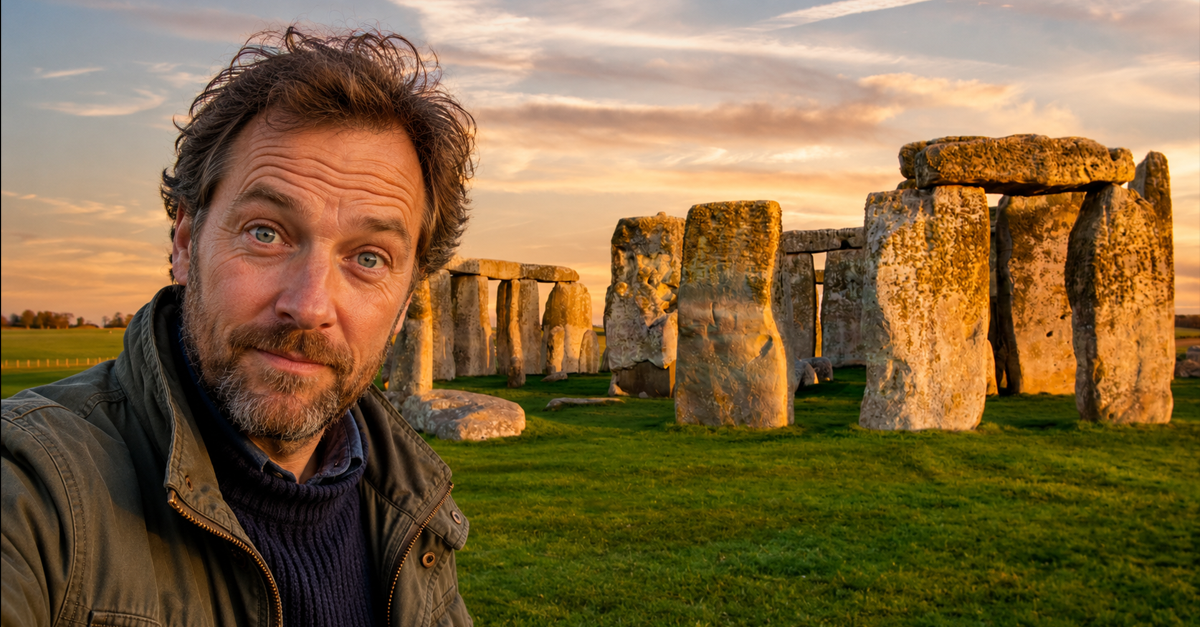
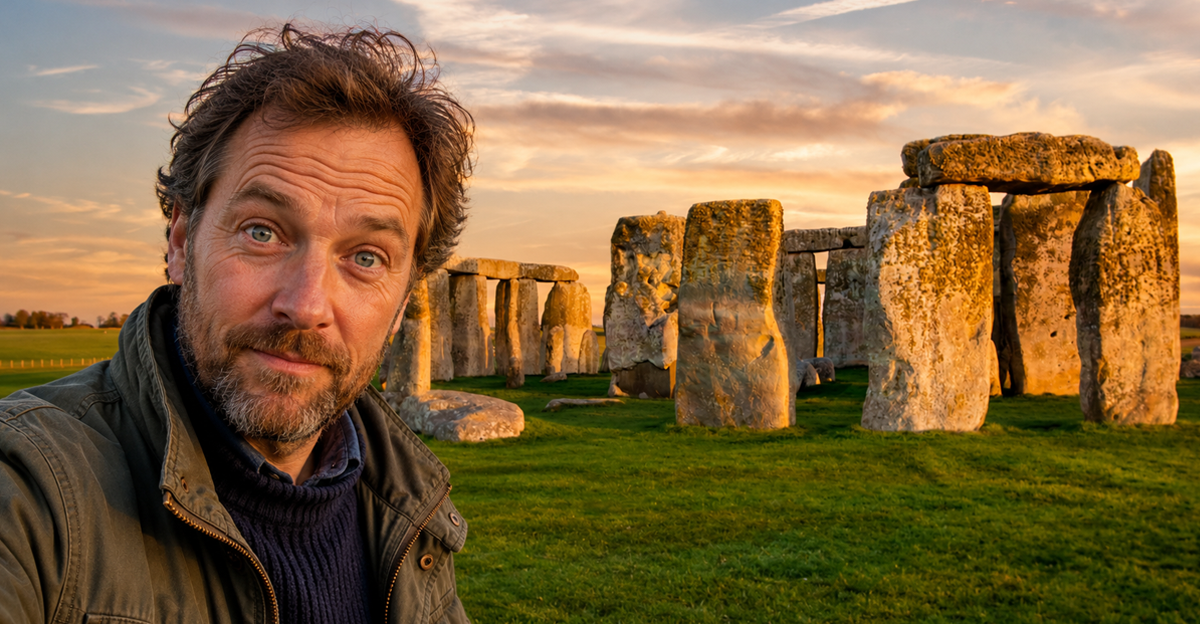
Stonehenge has never been short on mysteries, but one stone has suddenly become the star of the whole monument. The Altar Stone sits near the center of the ancient circle on Salisbury Plain. For generations, many experts thought it likely came from Wales, like the famous bluestones nearby. New research now points much farther north.
Not Just Another Stone
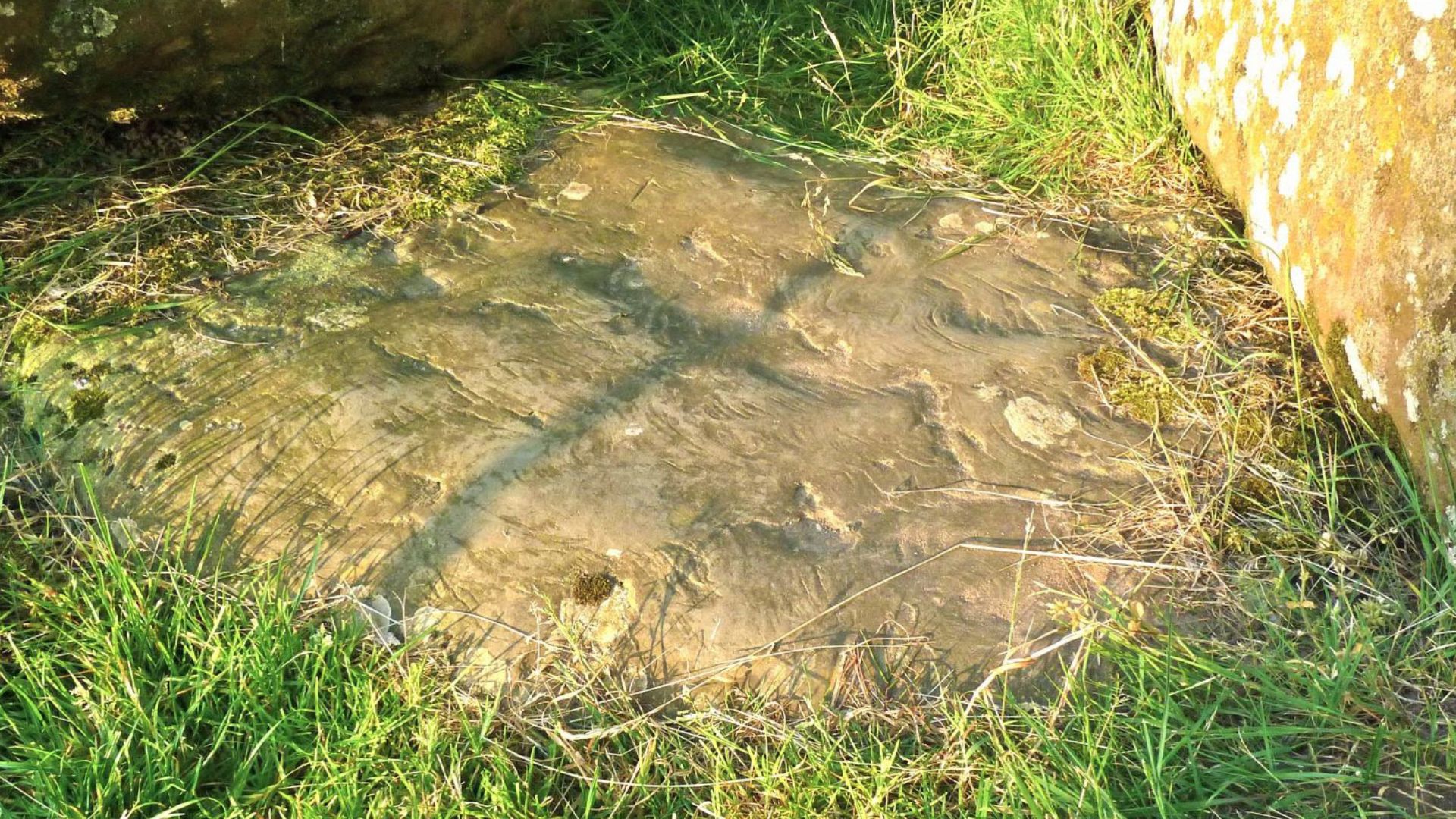
The Altar Stone is a large sandstone block that weighs about six tonnes. It lies mostly flat today, partly hidden beneath fallen sarsen stones. Visitors can easily miss it, even though it sits in one of the most important parts of the monument. Its quiet position made the new discovery even more surprising.
 The Stones of Stonehenge, Wikimedia Commons
Wales Was The Old Story
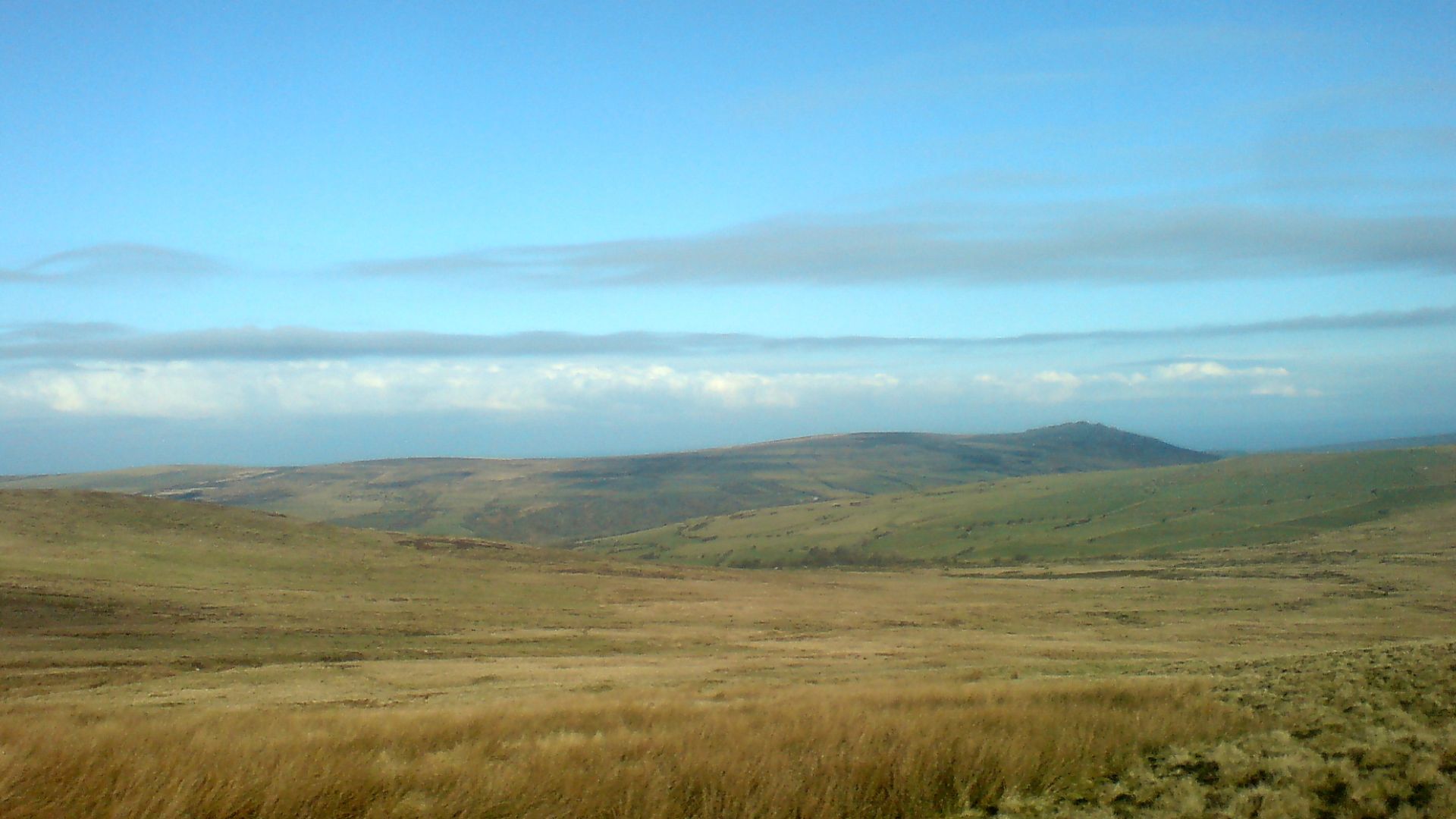
Stonehenge’s smaller bluestones have long been linked to the Preseli Hills in southwest Wales. That made Wales the obvious suspect when researchers studied the Altar Stone. For decades, the Welsh-origin idea shaped theories about how the monument was built. Then the stone’s chemistry began telling a different story.
 Deborah Tilley, Wikimedia Commons
The Clues Were Microscopic
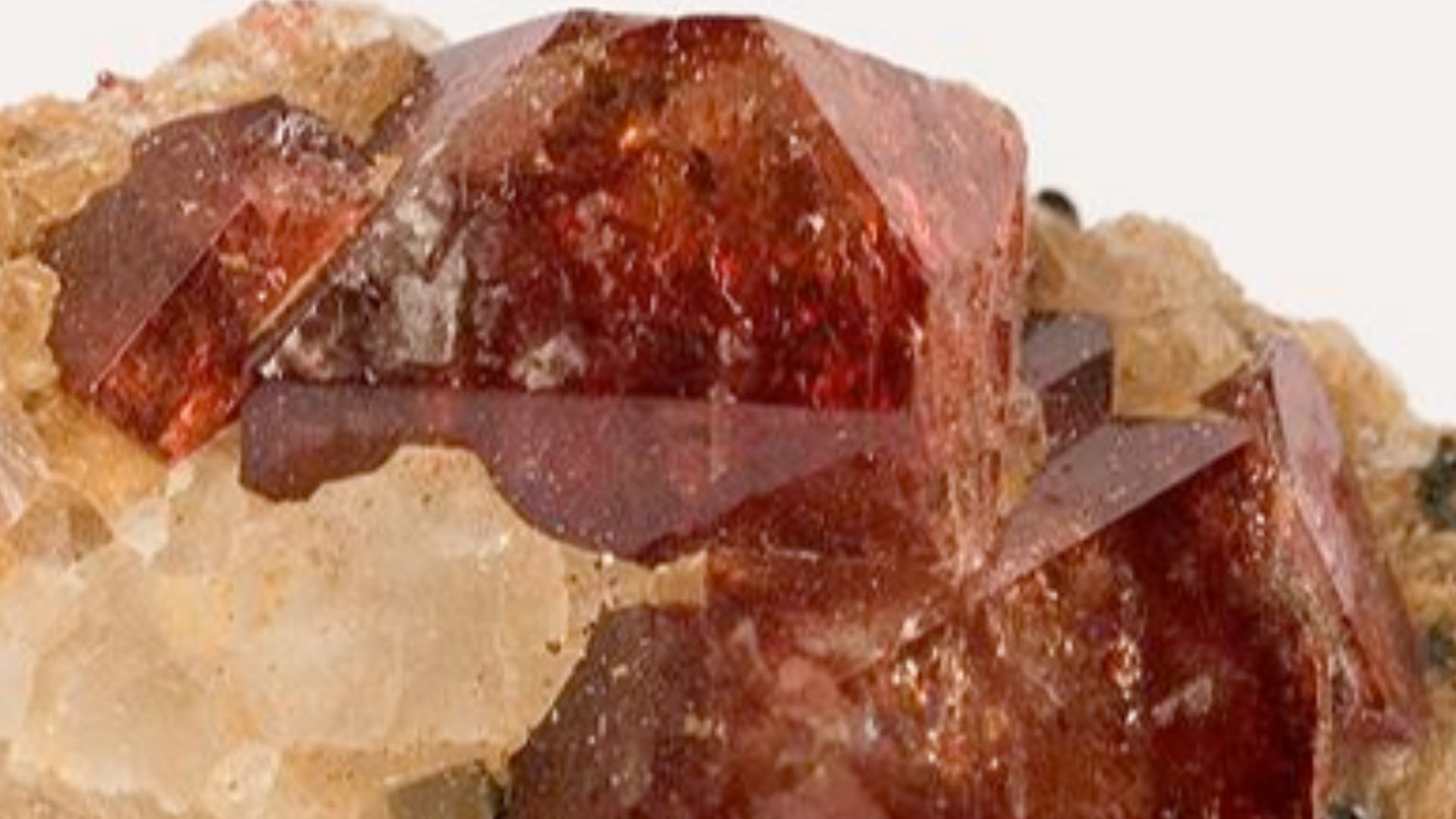
Scientists did not need legends or guesswork to follow the trail. They studied tiny mineral grains inside fragments linked to the Altar Stone. Zircon, apatite, and rutile acted like geological fingerprints. Those fingerprints did not match the expected rocks of Wales.
 Robert M. Lavinsky, Wikimedia Commons
Scotland Entered The Picture
The strongest match pointed to the Orcadian Basin in northeast Scotland. That area includes parts of Caithness, Orkney, and the surrounding region. It is a dramatic shift from the older Welsh explanation. It also places the stone’s likely source more than 700 kilometers from Stonehenge.
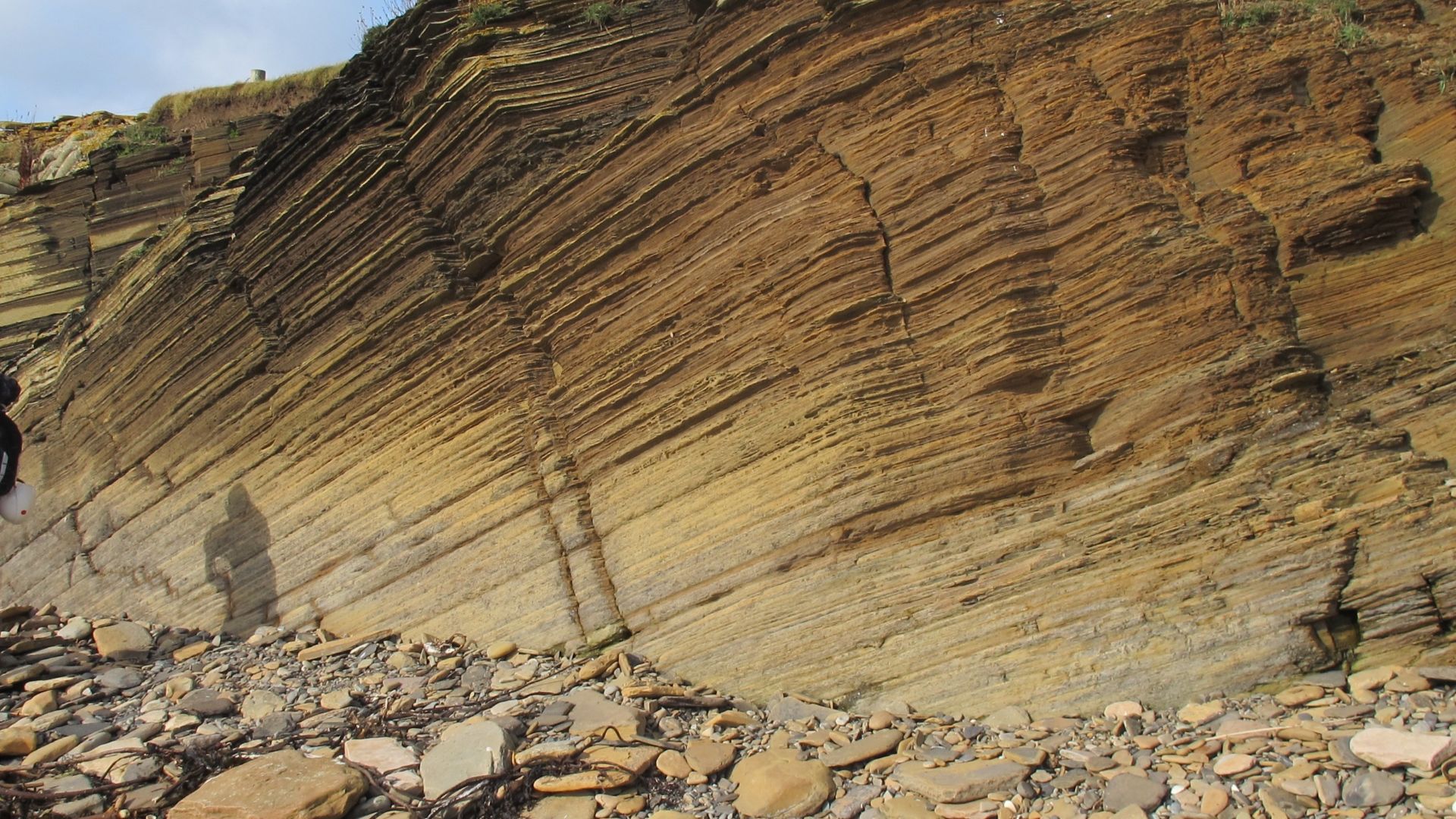
A Journey That Sounds Impossible
Moving a six-tonne stone across Britain would be difficult today without modern machinery. In the Neolithic period, the challenge would have been enormous. The distance alone forces historians to rethink what ancient communities could organize. The discovery suggests a level of planning that feels almost startling.
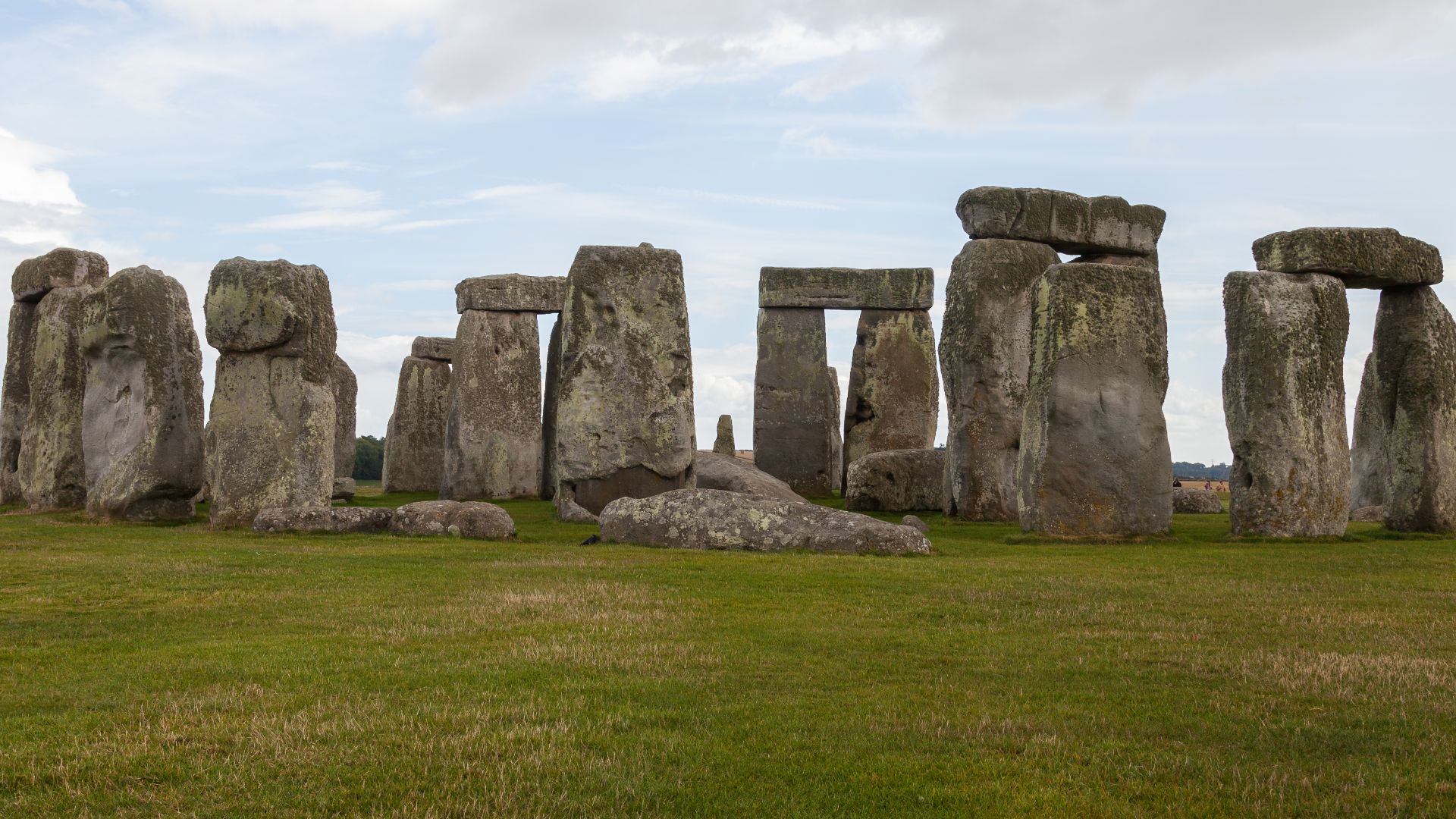 Diego Delso, Wikimedia Commons
Stonehenge Was Already Complicated
Stonehenge was not built in a single weekend or even a single generation. Construction began around 5,000 years ago, with later changes continuing for centuries. The monument combines local sarsens with smaller stones brought from far away. The Altar Stone now adds an even longer and stranger chapter.
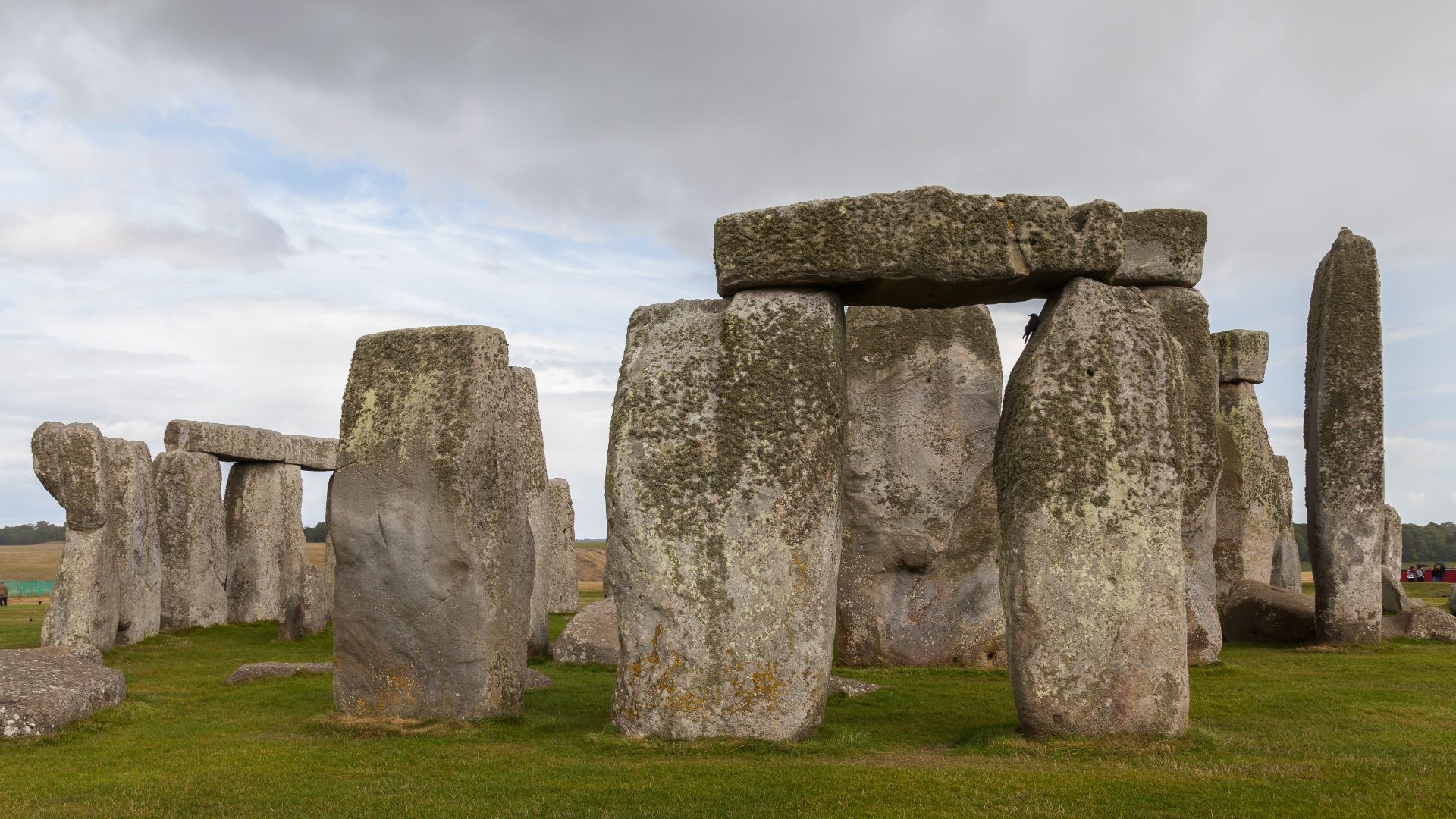 Diego Delso, Wikimedia Commons
The Sarsens Stayed Closer To Home
The huge upright sarsen stones came from much nearer Stonehenge. Research has linked many of them to West Woods in Wiltshire. That source is impressive, but it is still local compared with Scotland. The Altar Stone now stands apart as the monument’s long-distance traveler.
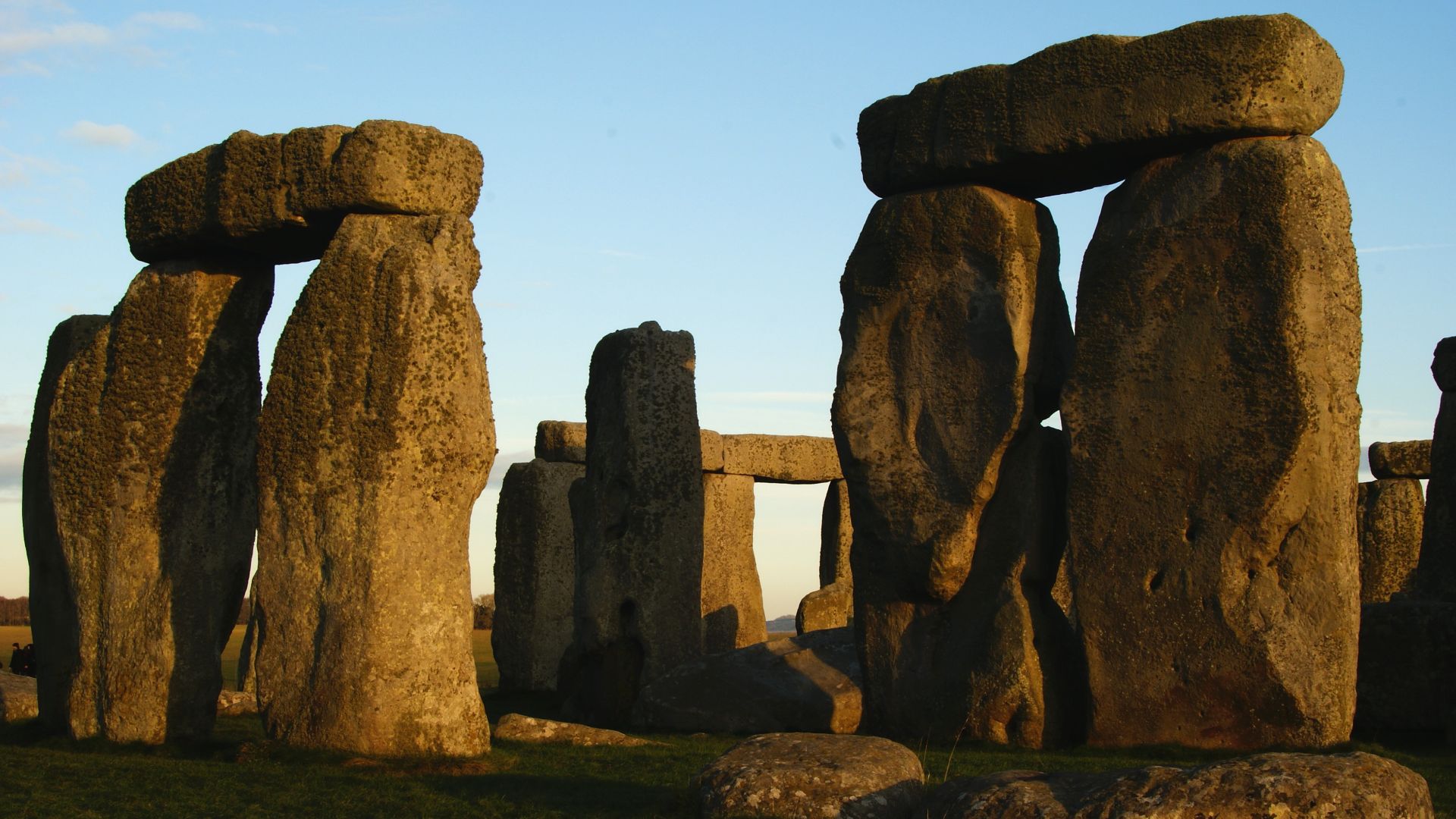 Peter Trimming, Wikimedia Commons
The Bluestones Still Matter
The Welsh bluestones remain a huge part of the Stonehenge story. They show that Neolithic builders were already capable of moving heavy stones across great distances. The Altar Stone does not erase that achievement. Instead, it makes the wider network look even more remarkable.
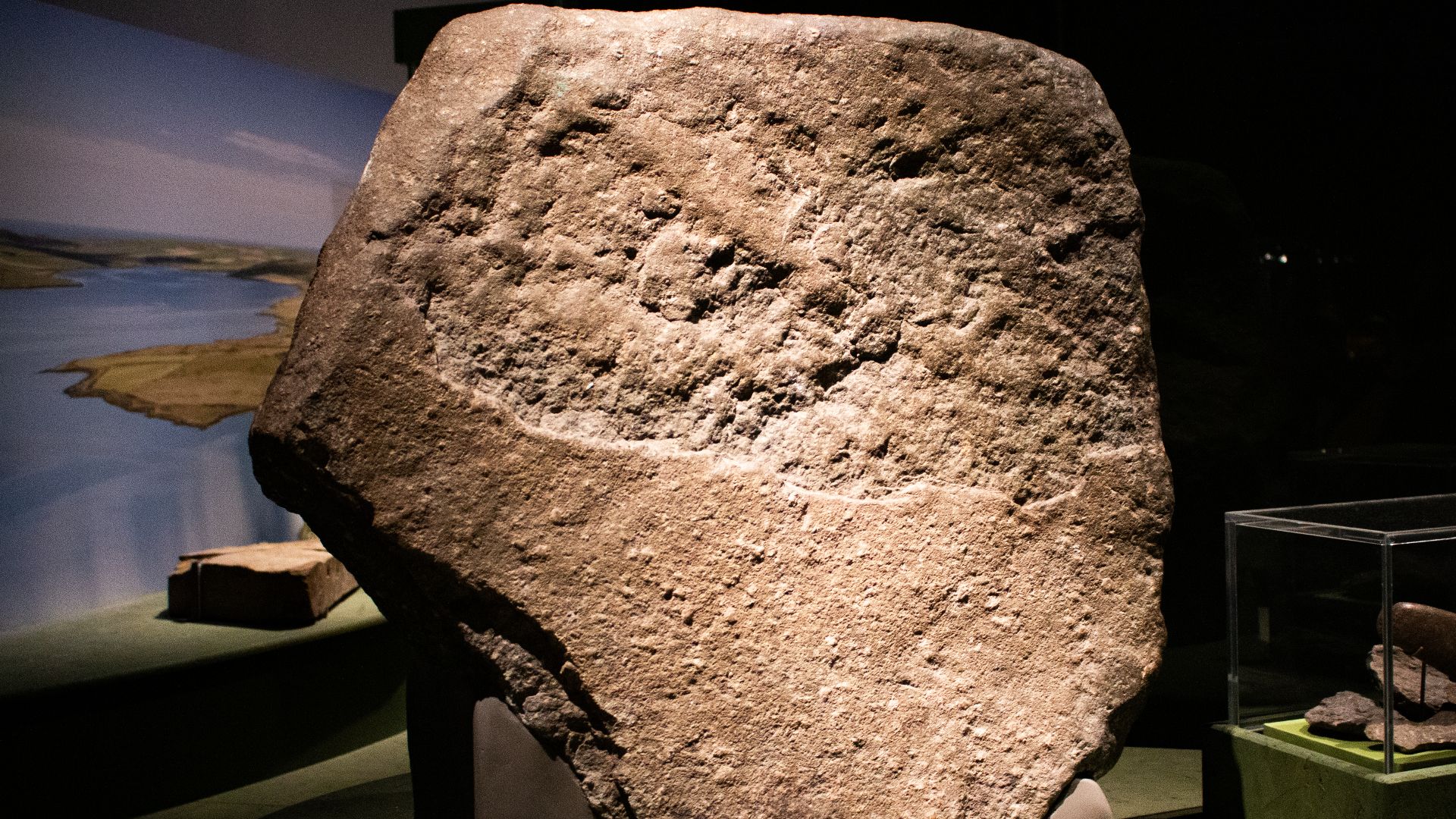
The Old Map No Longer Works
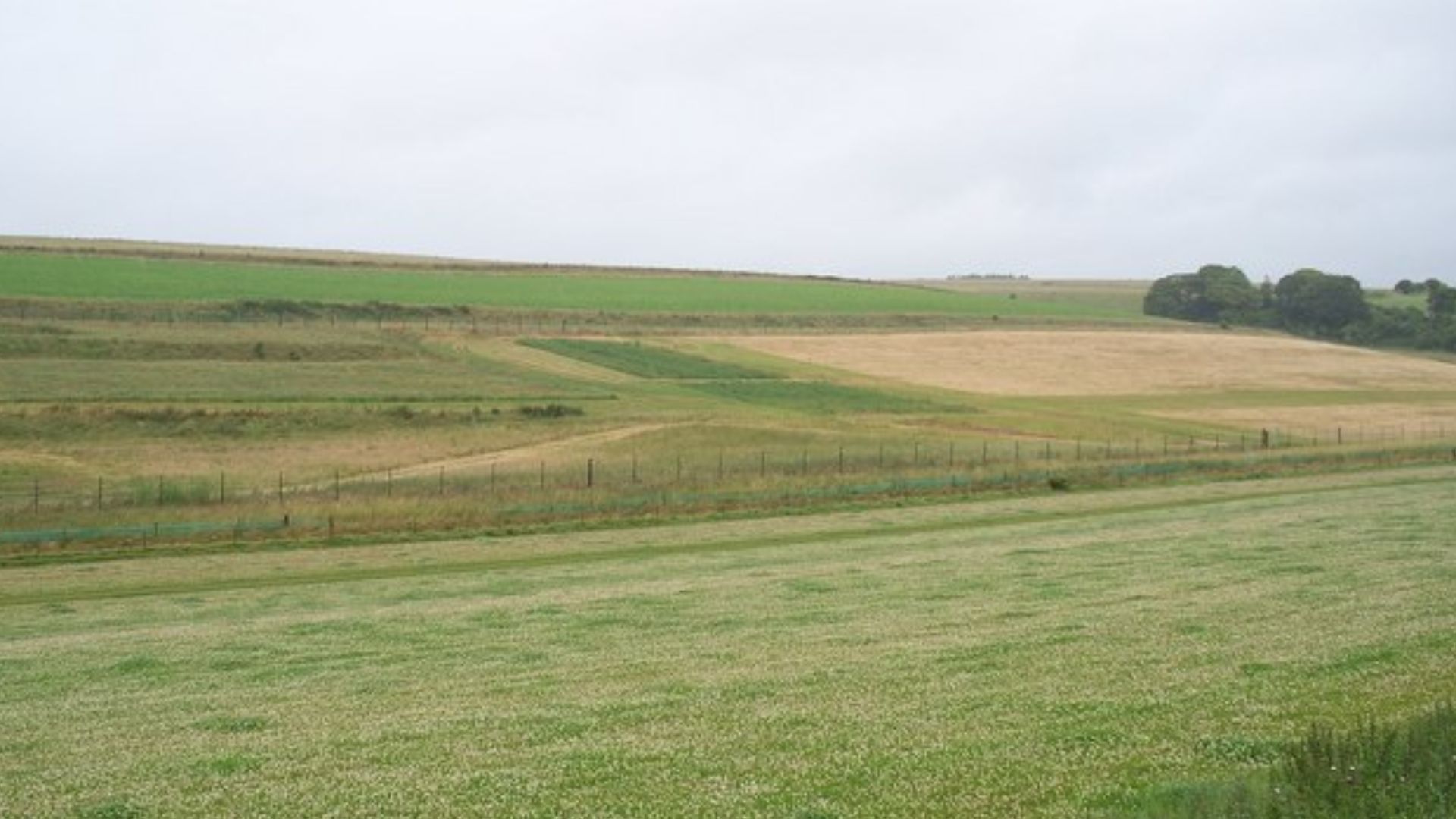
If the Altar Stone came from Scotland, the old Stonehenge transport map needs a major update. The story is no longer just Salisbury Plain and southwest Wales. It may include northeast Scotland, coastal routes, rivers, and communities spread across Britain. That changes the scale of the monument’s world.
 James T M Towill, Wikimedia Commons
Sea Travel May Have Helped
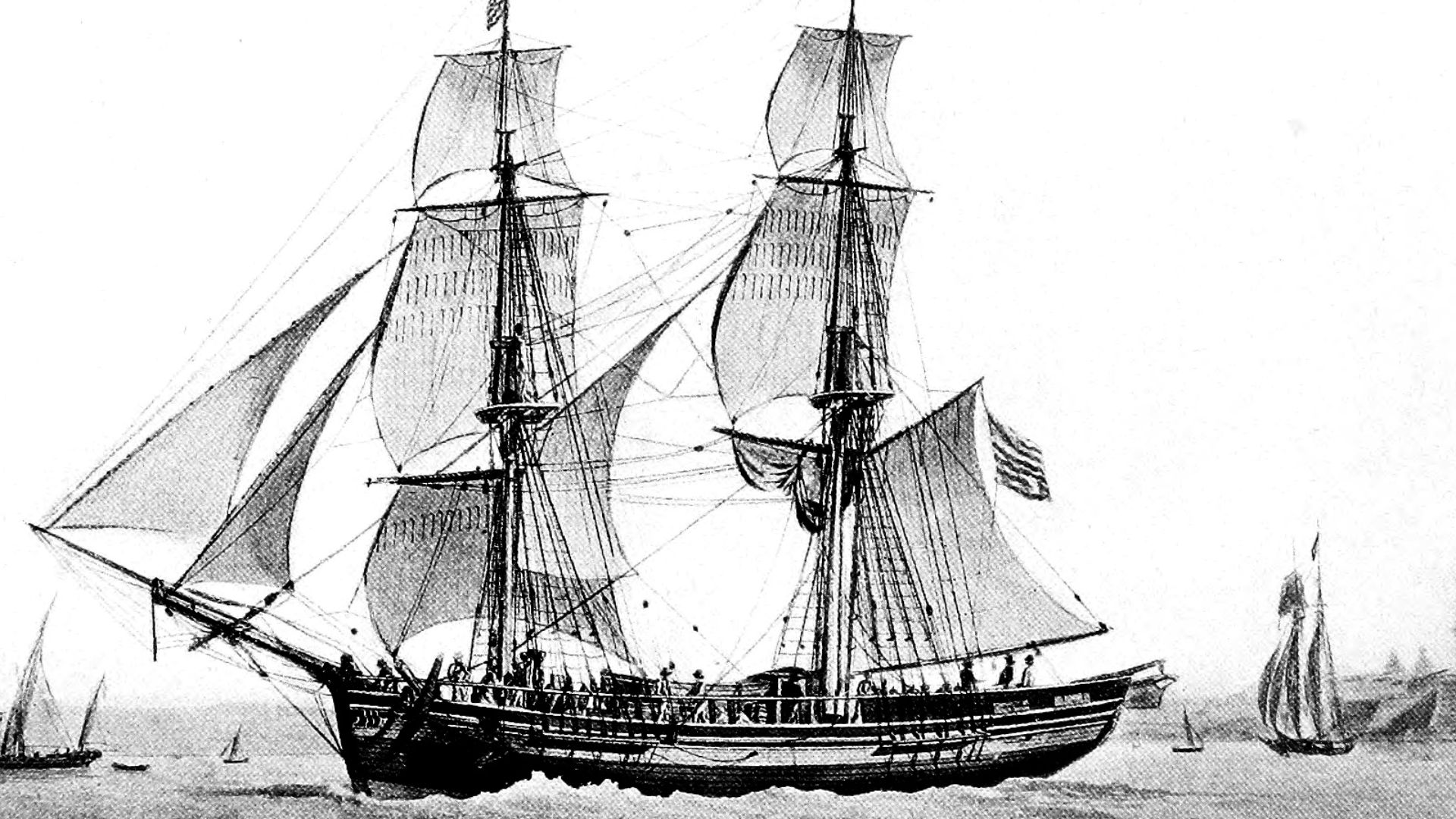
Researchers have suggested that moving the stone entirely overland would have been brutally difficult. Mountains, rivers, forests, and uneven ground would have made the route punishing. A sea journey may have been more practical for at least part of the trip. Even then, loading and guiding such a stone would have required serious skill.
 George Alfred Avison (excepting attributed paintings from museums), Wikimedia Commons
Overland Routes Were No Small Matter
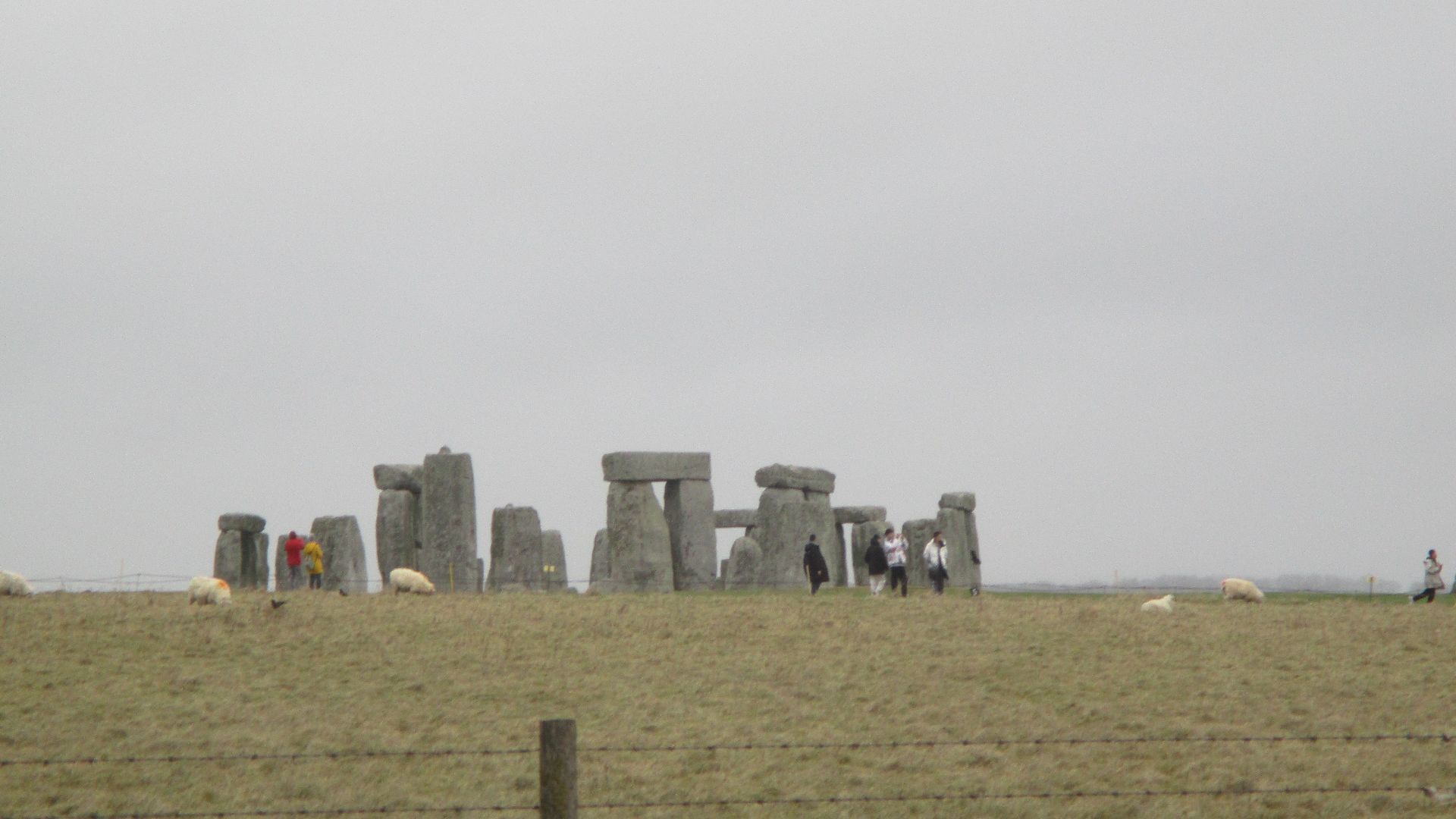
An overland journey cannot be ruled out entirely, but it would have been extraordinary. The stone would have needed teams, tools, food, coordination, and repeated problem-solving. Every mile would have created new challenges. That makes the Altar Stone feel less like an object and more like evidence of a shared mission.
 Simon Burchell, Wikimedia Commons
This Was Not Random Hauling
The Scottish origin suggests that the builders chose the Altar Stone deliberately. It was not simply the nearest convenient rock. Someone valued it enough to bring it across a vast distance. That choice hints at meaning we still do not fully understand.
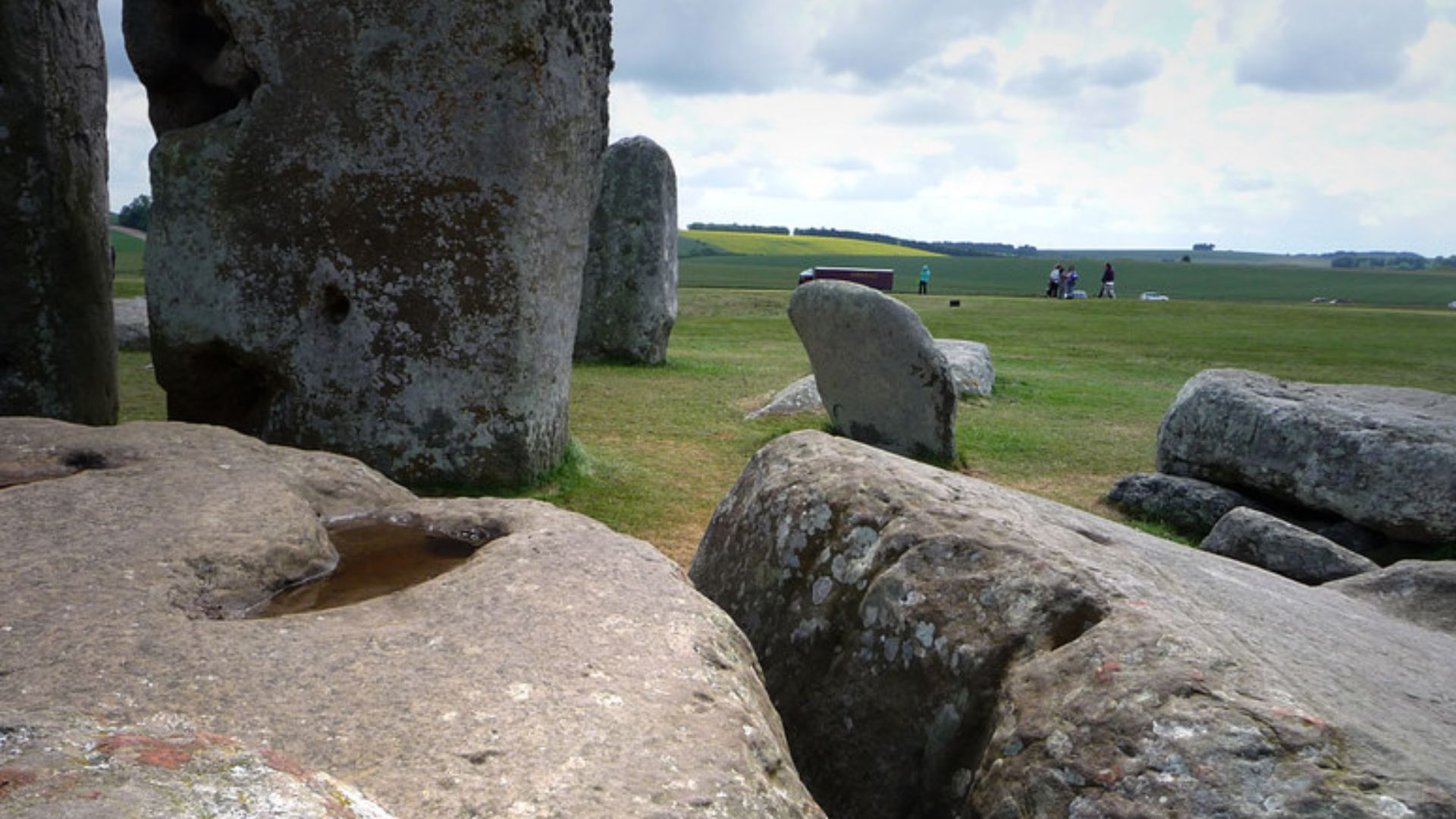 Chris Gunns , Wikimedia Commons
A Monument With A Bigger Reach
Stonehenge may have mattered to people far beyond southern England. The Altar Stone points to connections across ancient Britain. Goods, ideas, people, or rituals may have traveled more widely than once assumed. The monument could have been part of a much larger cultural landscape.
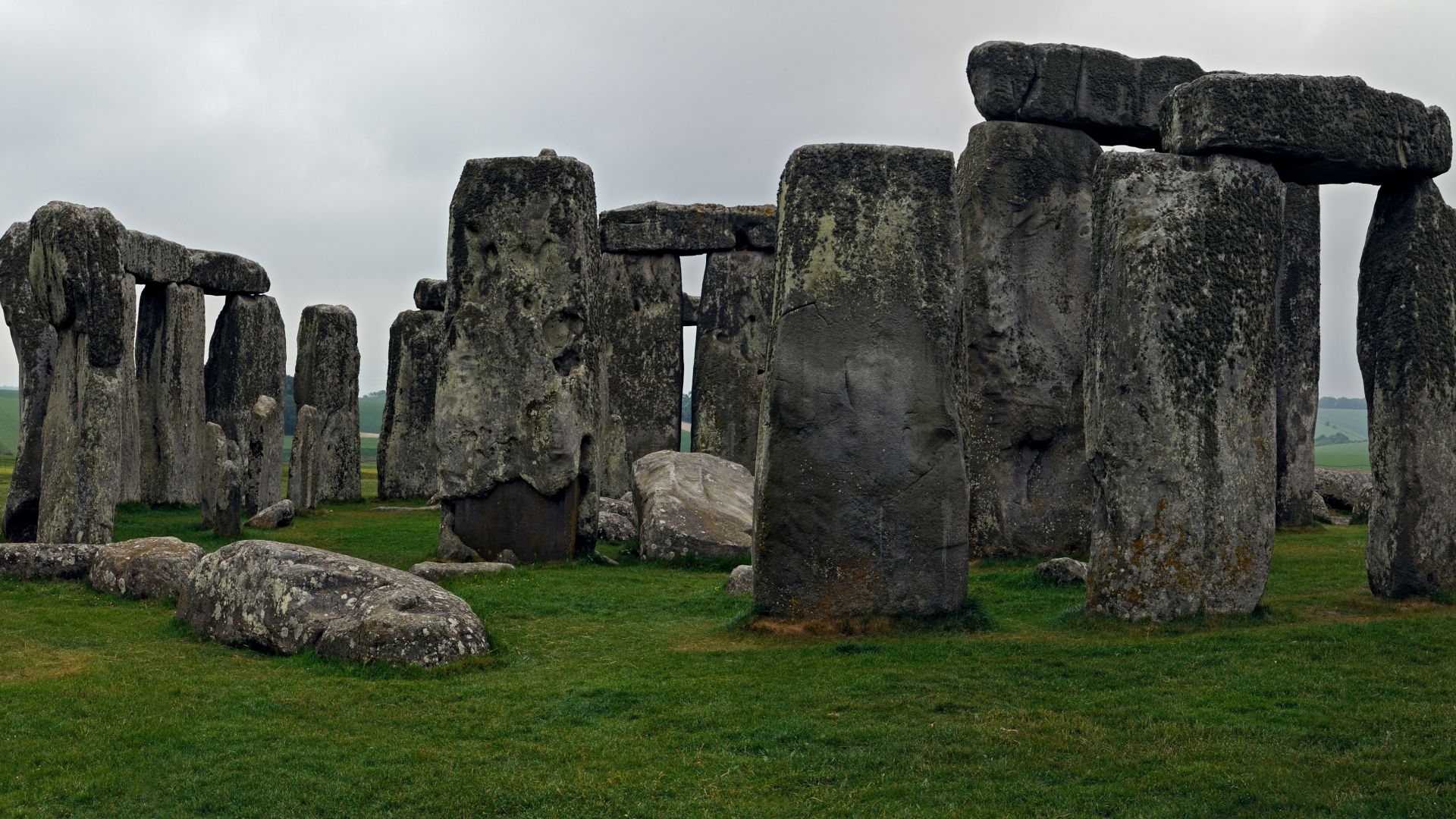
Scotland And Stonehenge Were Connected
Archaeologists have already noted cultural links between parts of Scotland and southern Britain. Similarities in pottery and ceremonial practices have raised questions about long-distance contact. The Altar Stone gives that discussion a dramatic new piece of evidence. It suggests those links may have been physical as well as cultural.
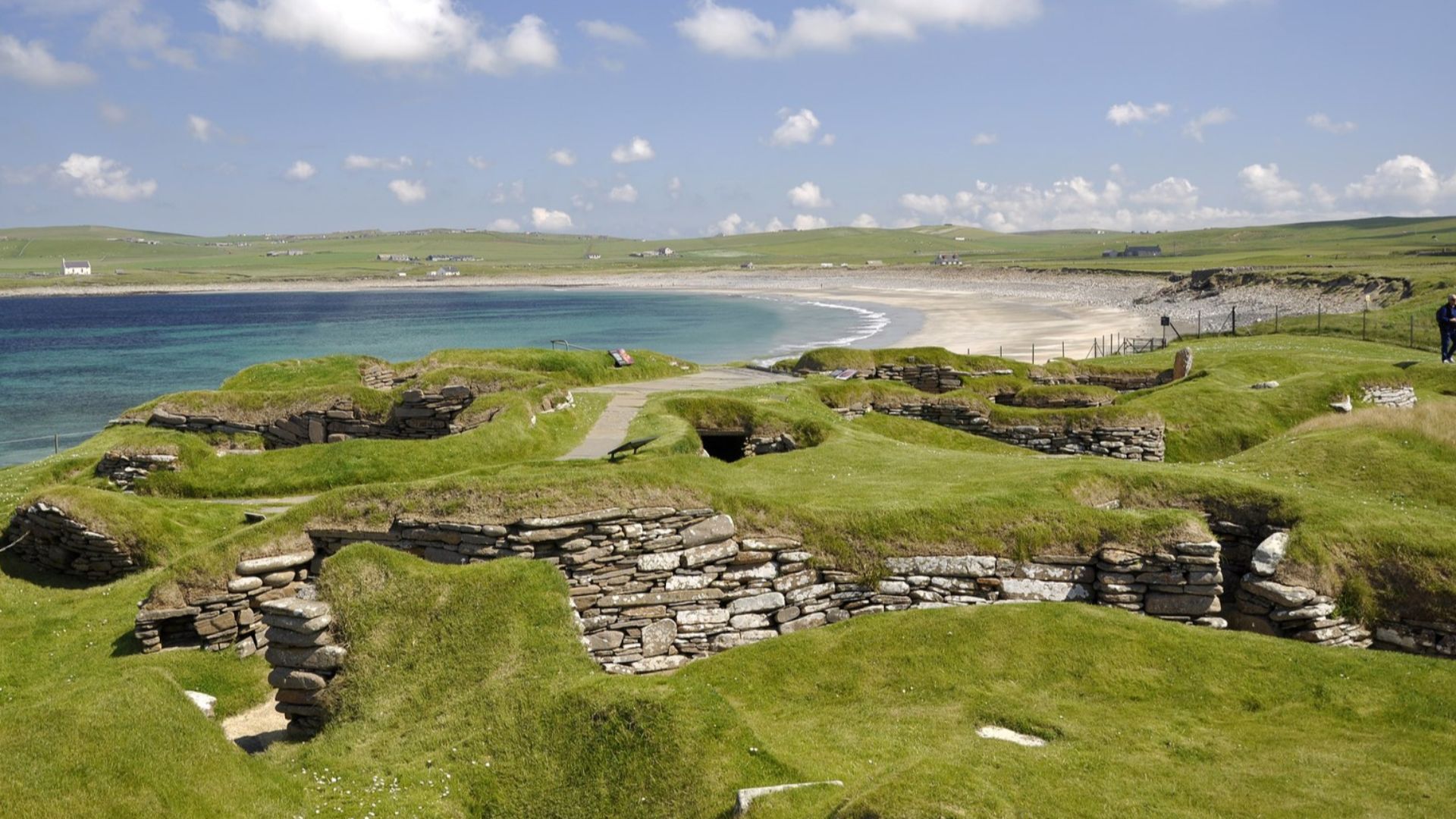 Stuart Wilding , Wikimedia Commons
The Orkney Connection Feels Intriguing
Orkney was one of Neolithic Britain’s great ceremonial landscapes. Sites such as the Ring of Brodgar and the Stones of Stenness show how important monument building was in the north. The Altar Stone’s likely source region makes that northern world harder to separate from Stonehenge. It does not prove a direct Orkney origin, but it makes the connection fascinating.
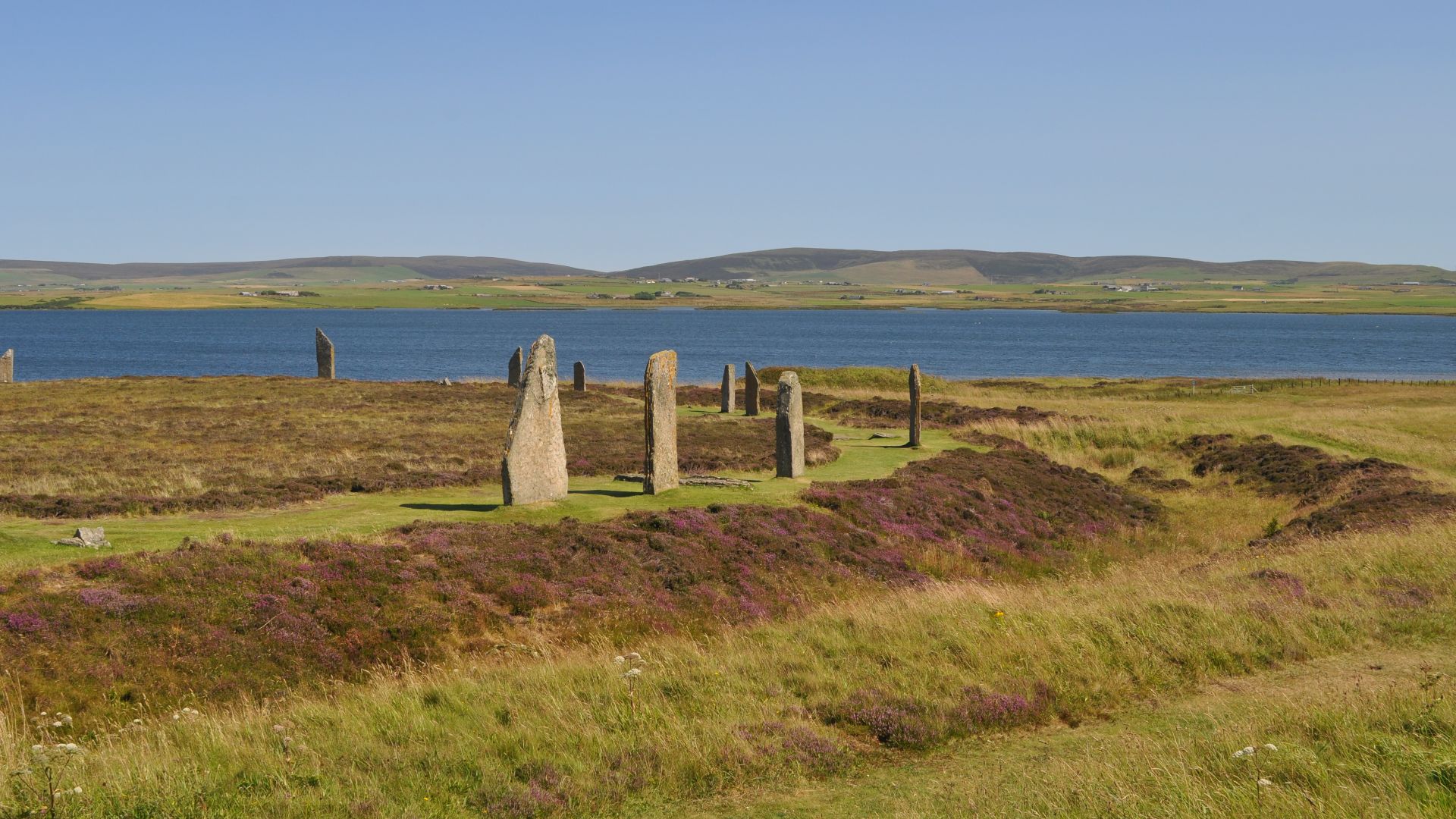 Stevekeiretsu, Wikimedia Commons
The Stone May Have Arrived Early
Researchers have suggested that the Altar Stone may have been placed during Stonehenge’s second construction phase. That phase is often dated to around 2620 to 2480 BC. The exact arrival date remains uncertain. Still, the timing would place the stone deep in the monument’s formative history.
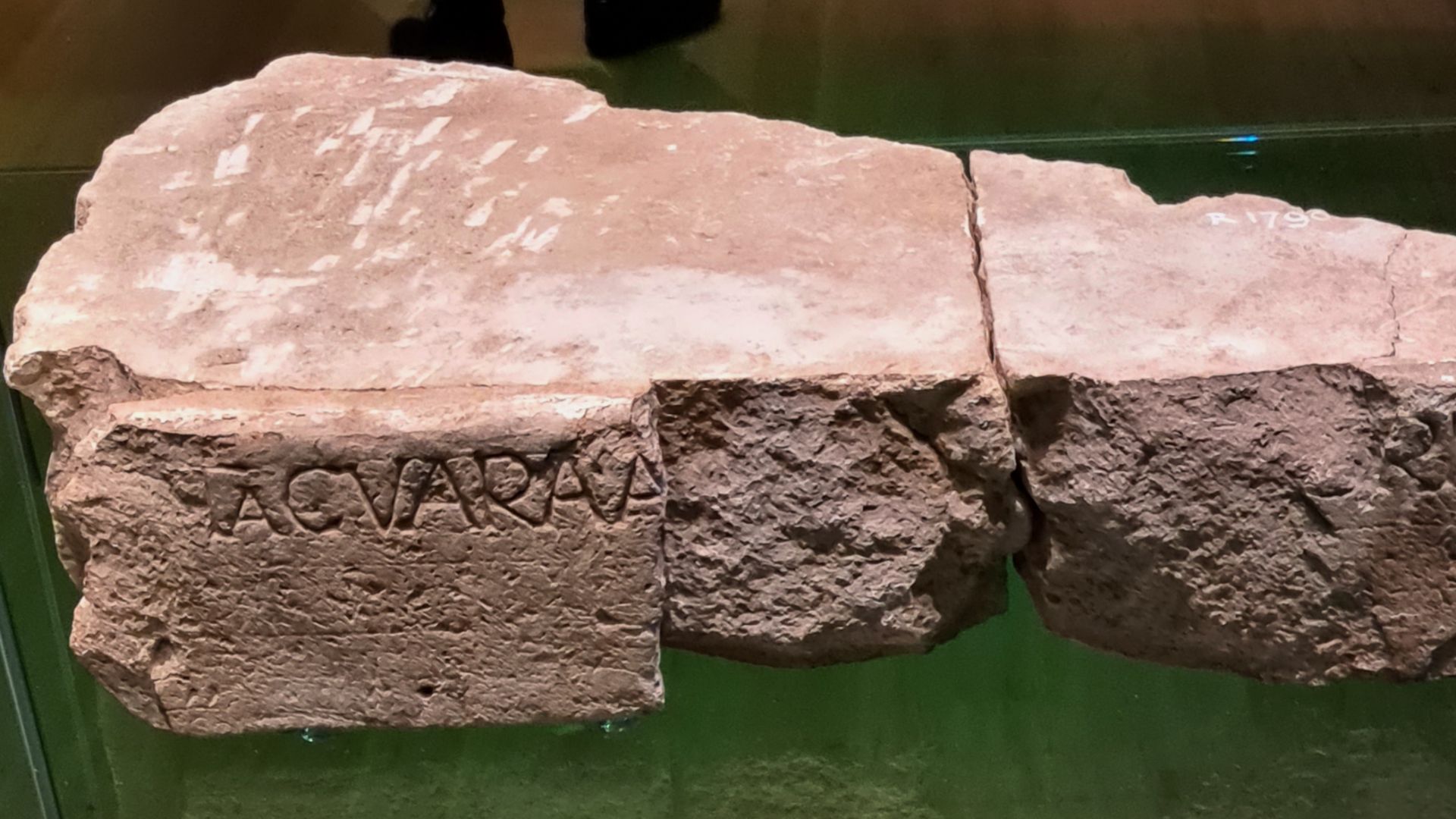
Its Purpose Remains Unclear
The name Altar Stone sounds certain, but its original function is not. It may not have been used as an altar in the modern sense. It may once have stood upright, though researchers cannot say for sure. Today, it lies broken and partly buried, leaving more questions than answers.
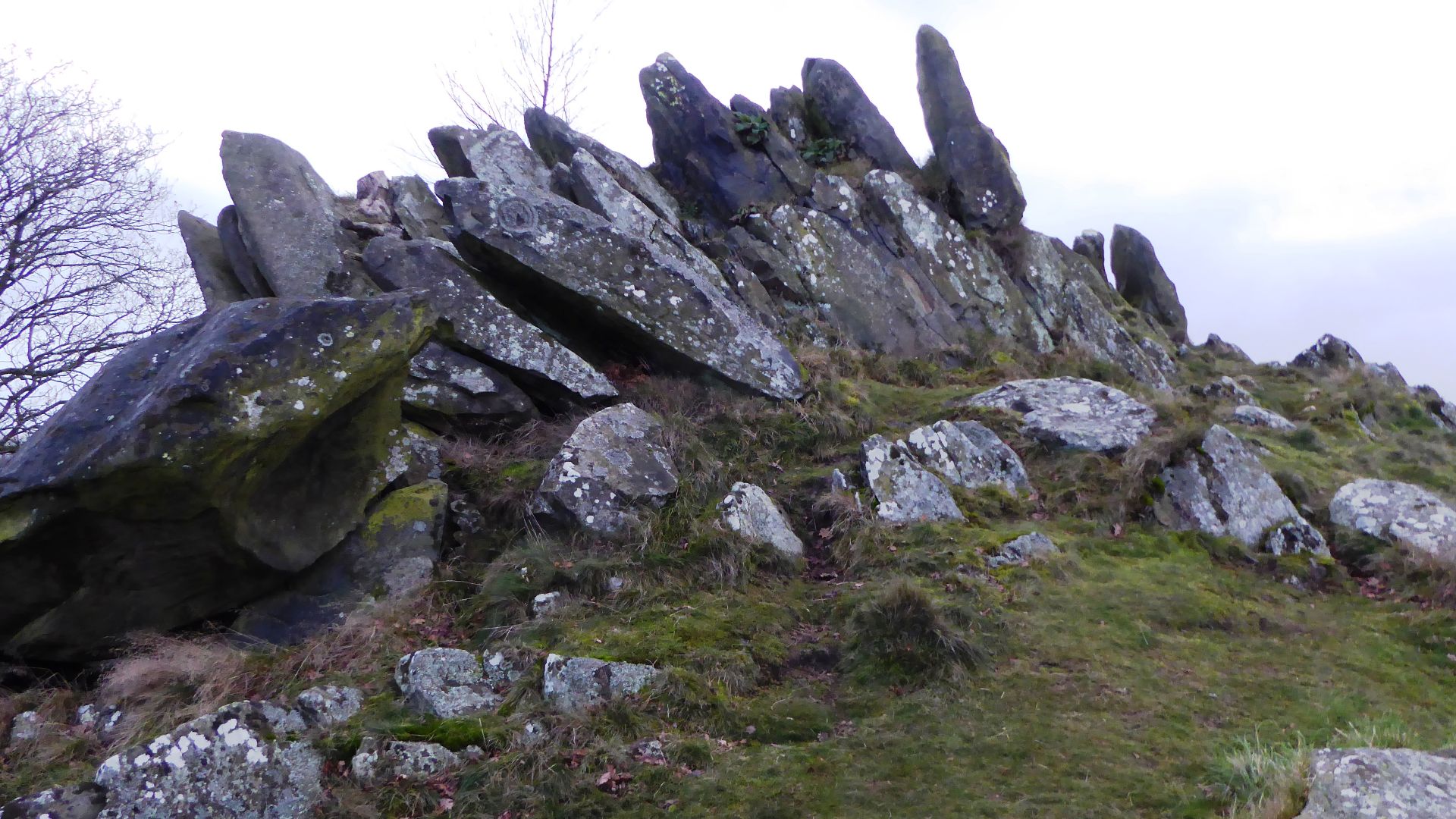 Dudley Miles, Wikimedia Commons
Science Changed The Conversation
The discovery shows how modern geology can transform archaeology. Researchers compared mineral ages and chemical signatures rather than relying only on visual similarities. That approach helped rule out earlier ideas about Wales. It also gave the Altar Stone a much more distant story.
 National Institute of Allergy and Infectious Diseases, Unsplash
The Glacier Theory Took A Hit
Some older ideas suggested that glaciers might have carried Stonehenge’s stones closer to Salisbury Plain. Recent mineral work has strengthened the case for human transport instead. Researchers found no convincing evidence that ice delivered the stones to the area. That makes the human achievement even more impressive.
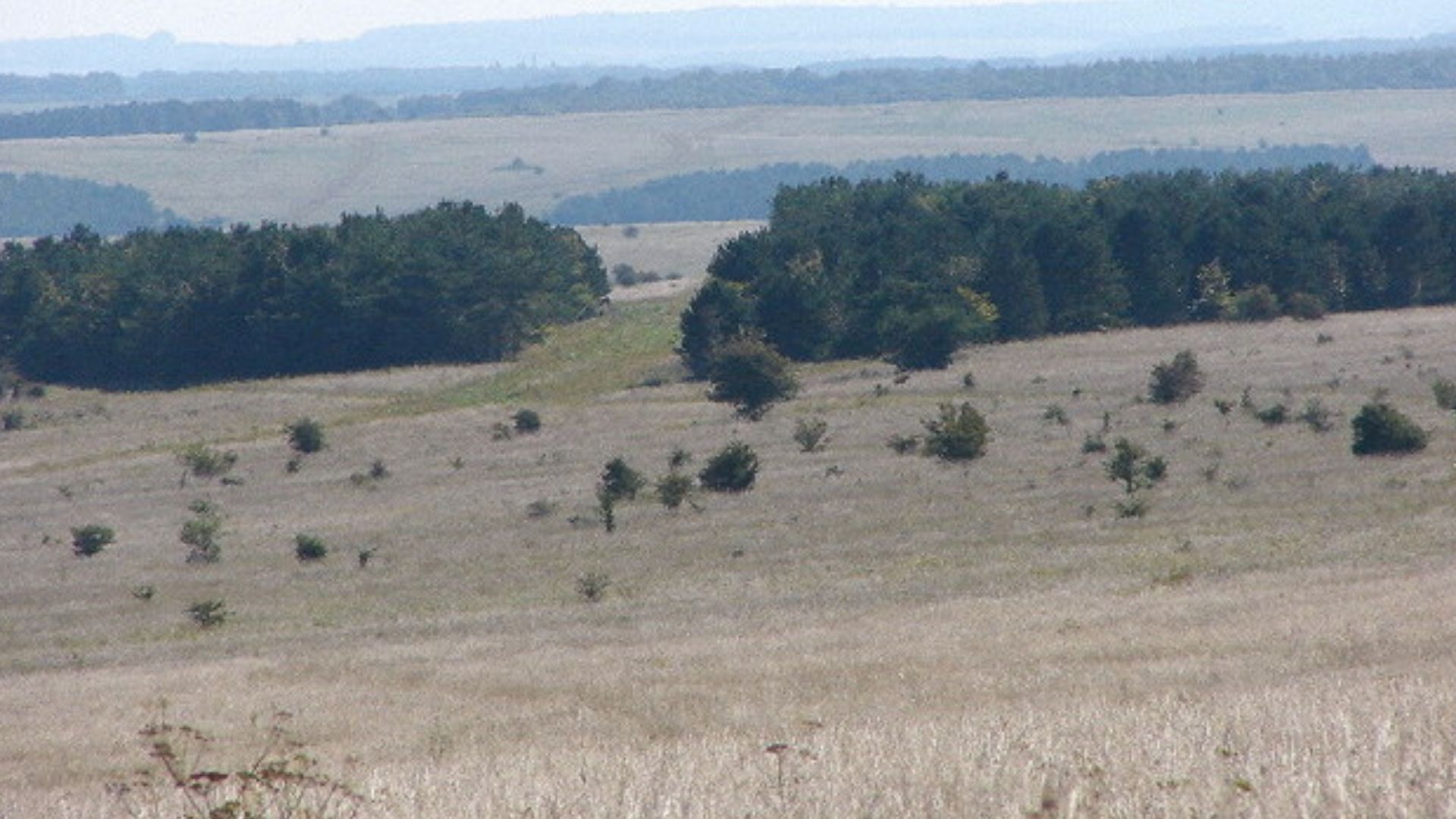 David Hawgood, Wikimedia Commons
A Travel Story From Prehistory
For modern travelers, Stonehenge is a famous stop on a Britain itinerary. For ancient people, it may have been a destination with meaning that crossed regions. The Altar Stone turns the monument into a prehistoric travel story. It speaks of movement, connection, and effort on a breathtaking scale.
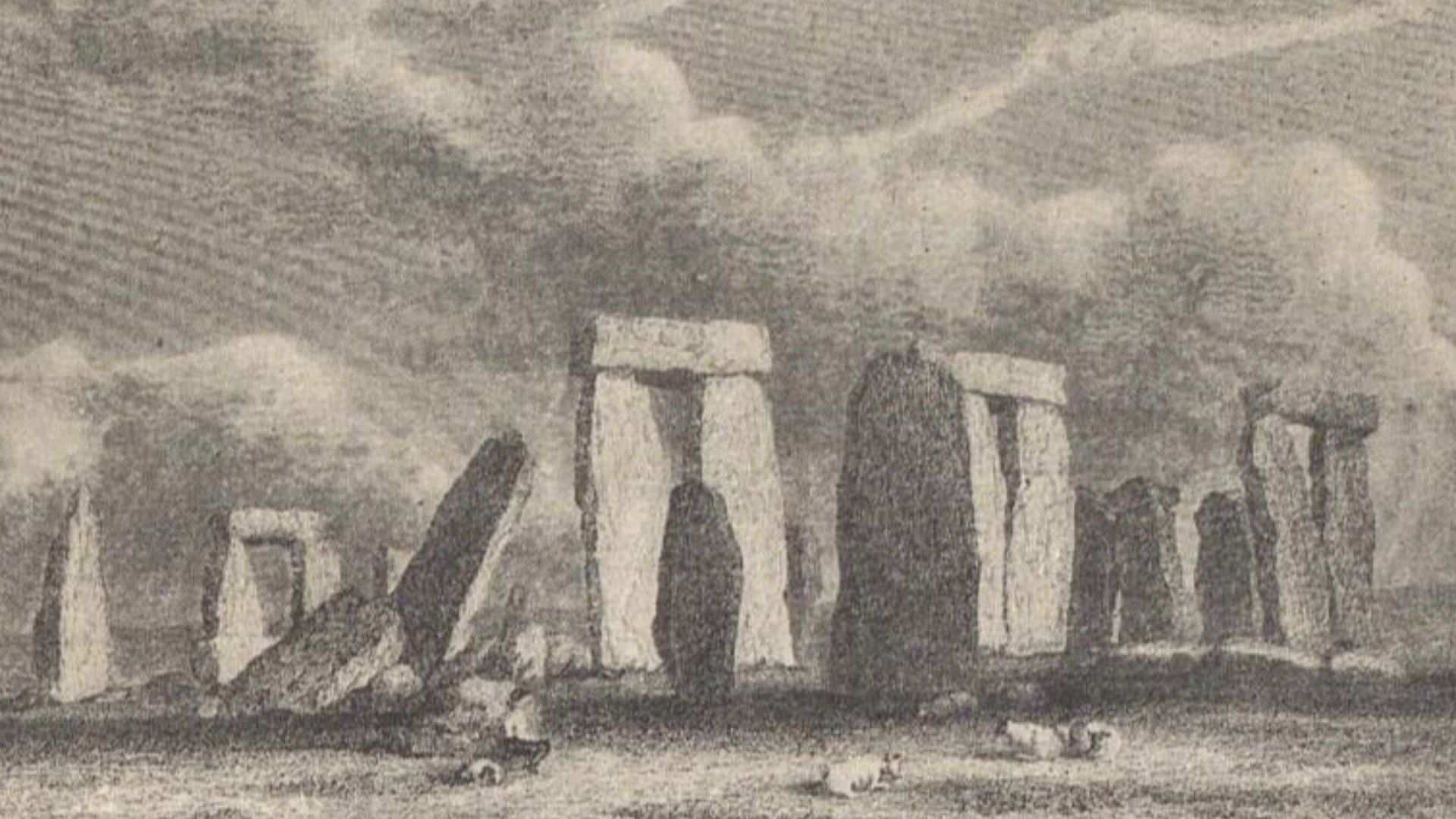
The Discovery Rewrites The Emotional Scale
Stonehenge has always felt mysterious because of its size and age. Now it feels mysterious because of its reach. A stone from northeast Scotland at the heart of a monument in Wiltshire changes the emotional geography of the site. It makes Britain’s ancient communities feel more connected and ambitious.
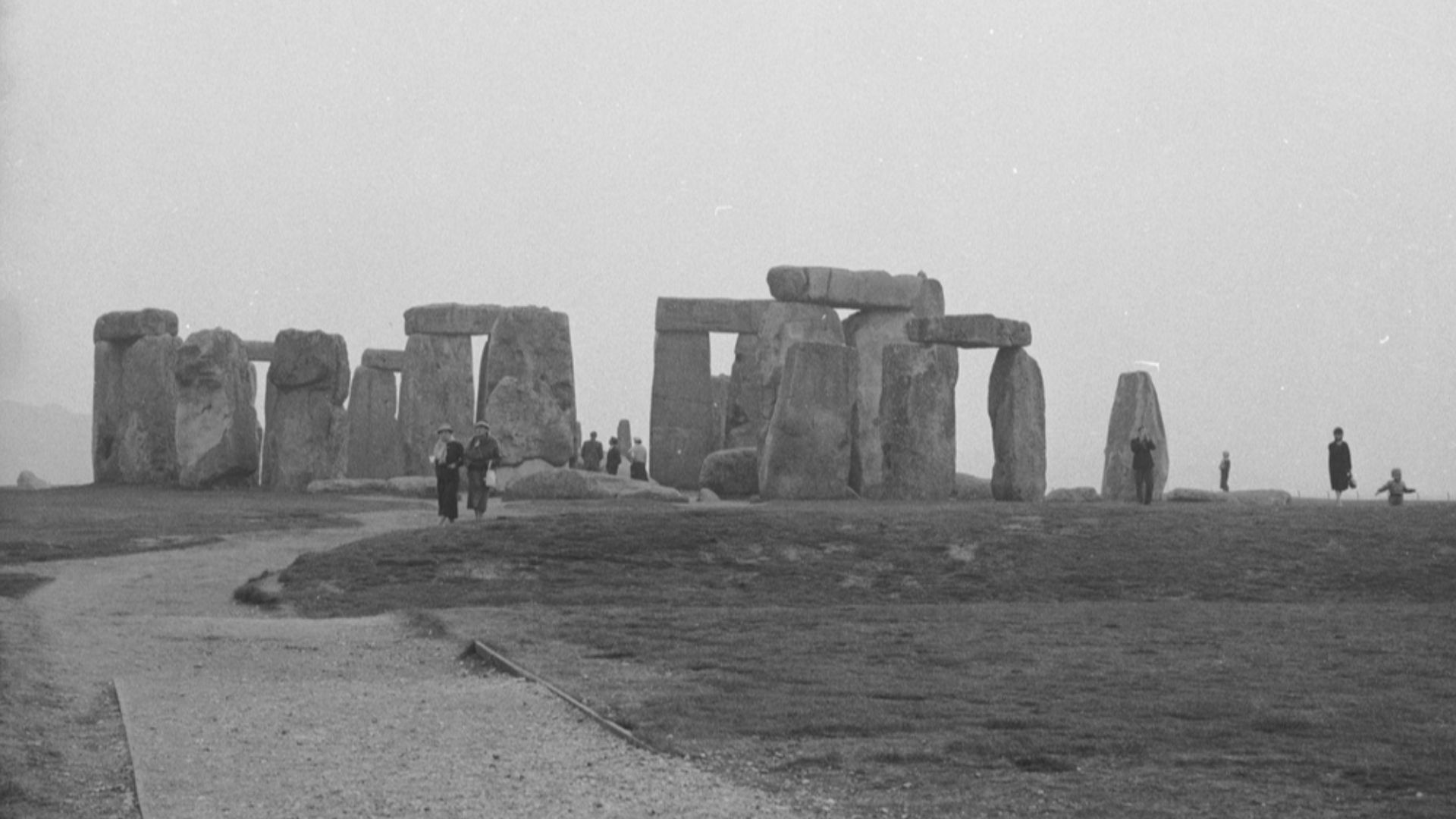 Geoff Charles, Wikimedia Commons
Questions Now Matter More Than Answers
The discovery does not solve every mystery. It actually creates new ones. Who chose the stone, why did it matter, and how was it moved so far? Those questions may drive Stonehenge research for years.
 National Cancer Institute, Unsplash
Stonehenge Feels New Again
That is the magic of this discovery. A monument studied for centuries can still surprise everyone. The Altar Stone was hiding an epic journey in plain sight. Now Stonehenge looks less like a lonely stone circle and more like the center of a vast ancient network.
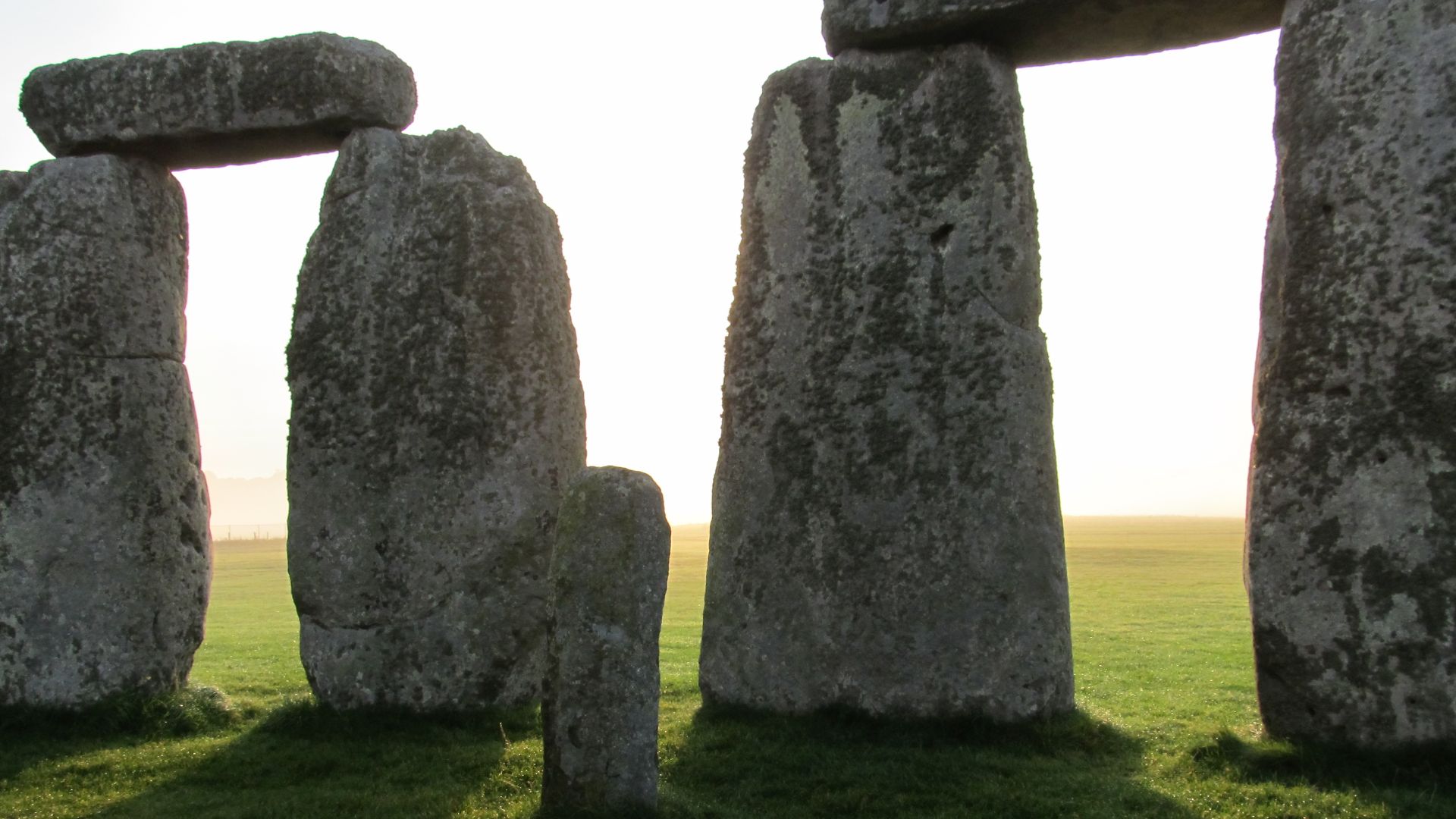
A Scottish Stone At England’s Ancient Heart
The Altar Stone’s likely Scottish origin does not make Stonehenge less mysterious. It makes it more human. It suggests cooperation, shared belief, and technical skill across huge distances. For travelers and history lovers, that makes the stones feel more alive than ever.
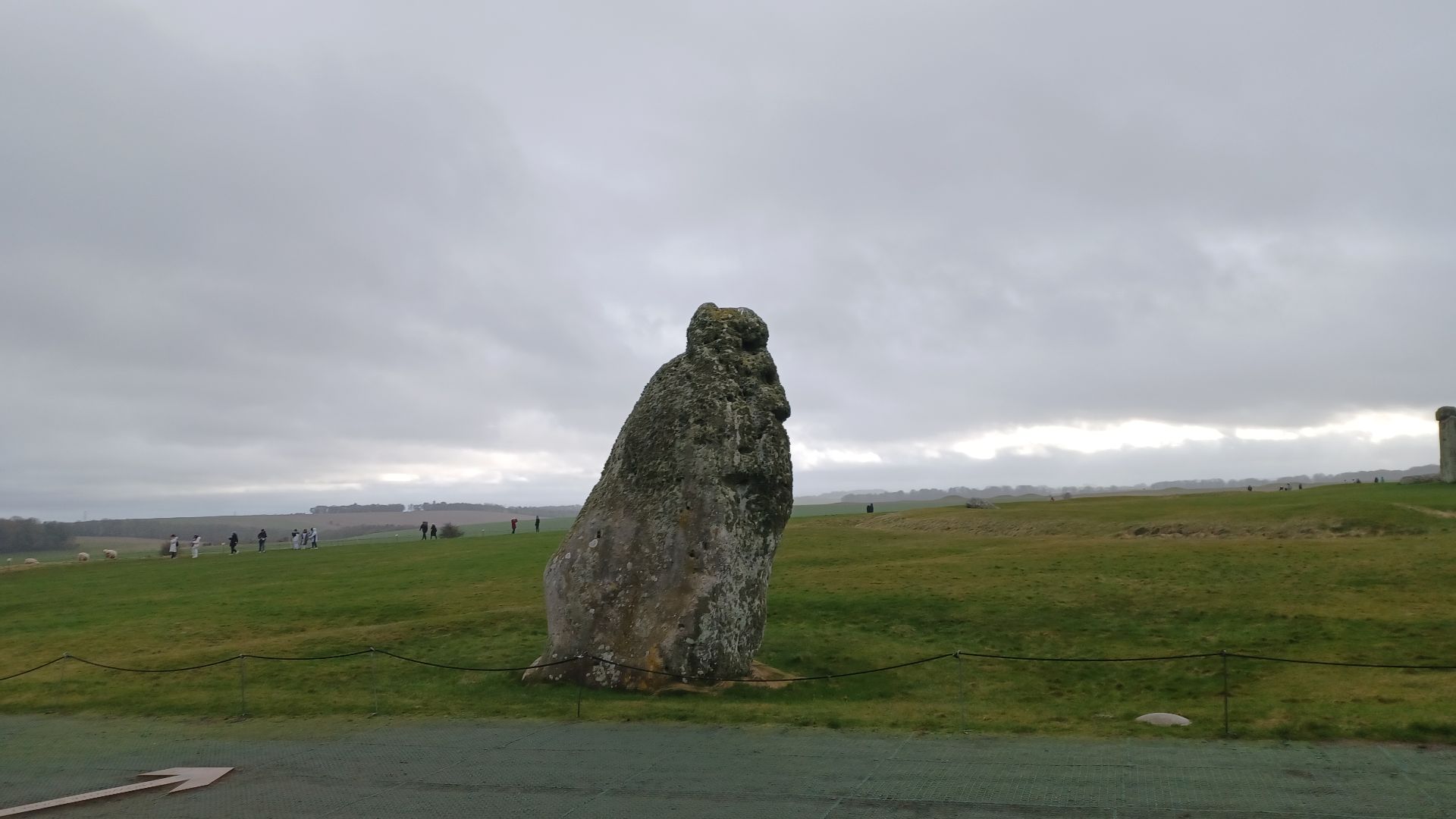 Simon Burchell, Wikimedia Commons
You May Also Like:
Scientists uncover a toxic legacy of Ancient Rome that may have lowered intelligence across Europe