A Giant Olive Oil Machine Comes Back To Life
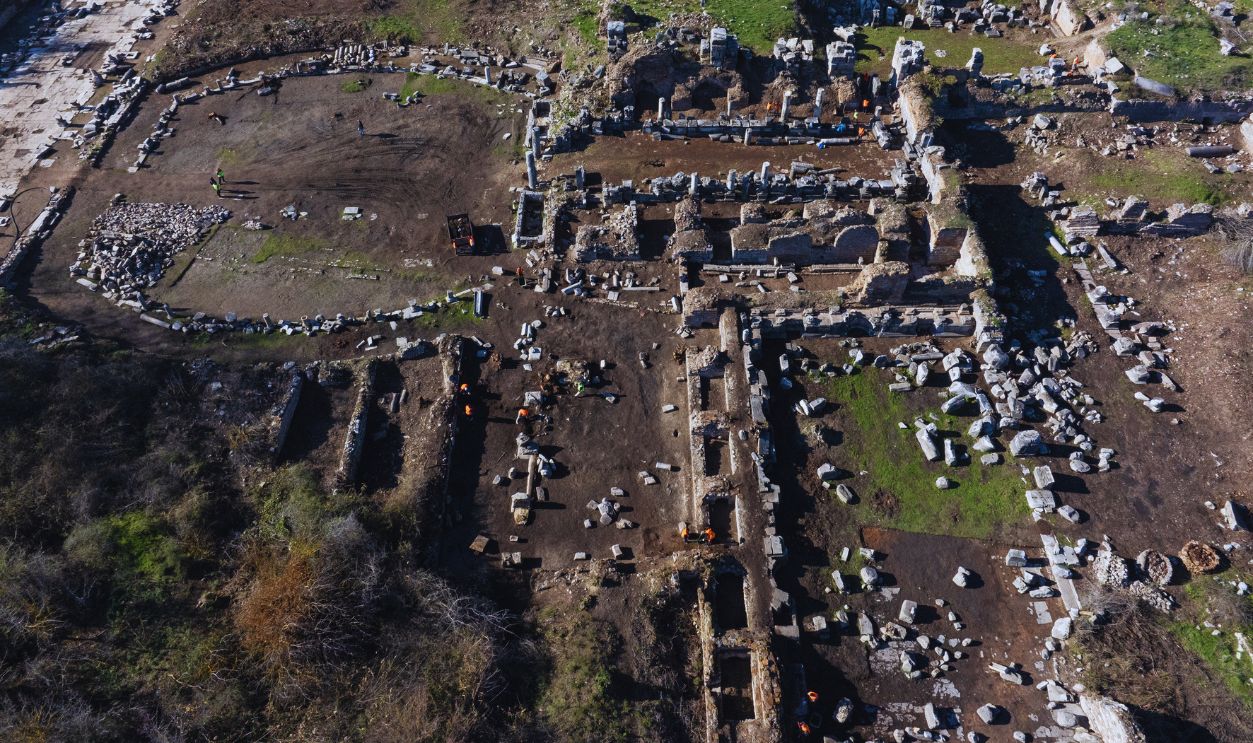
Archaeologists in Tunisia have uncovered something that sounds almost too practical to be thrilling: a huge Roman olive oil production complex. But don’t let the word “press” fool you. This was not some little farm gadget. At Henchir el Begar, researchers have revealed one of the biggest olive oil facilities known from the Roman world.
The Discovery Was Made In Tunisia
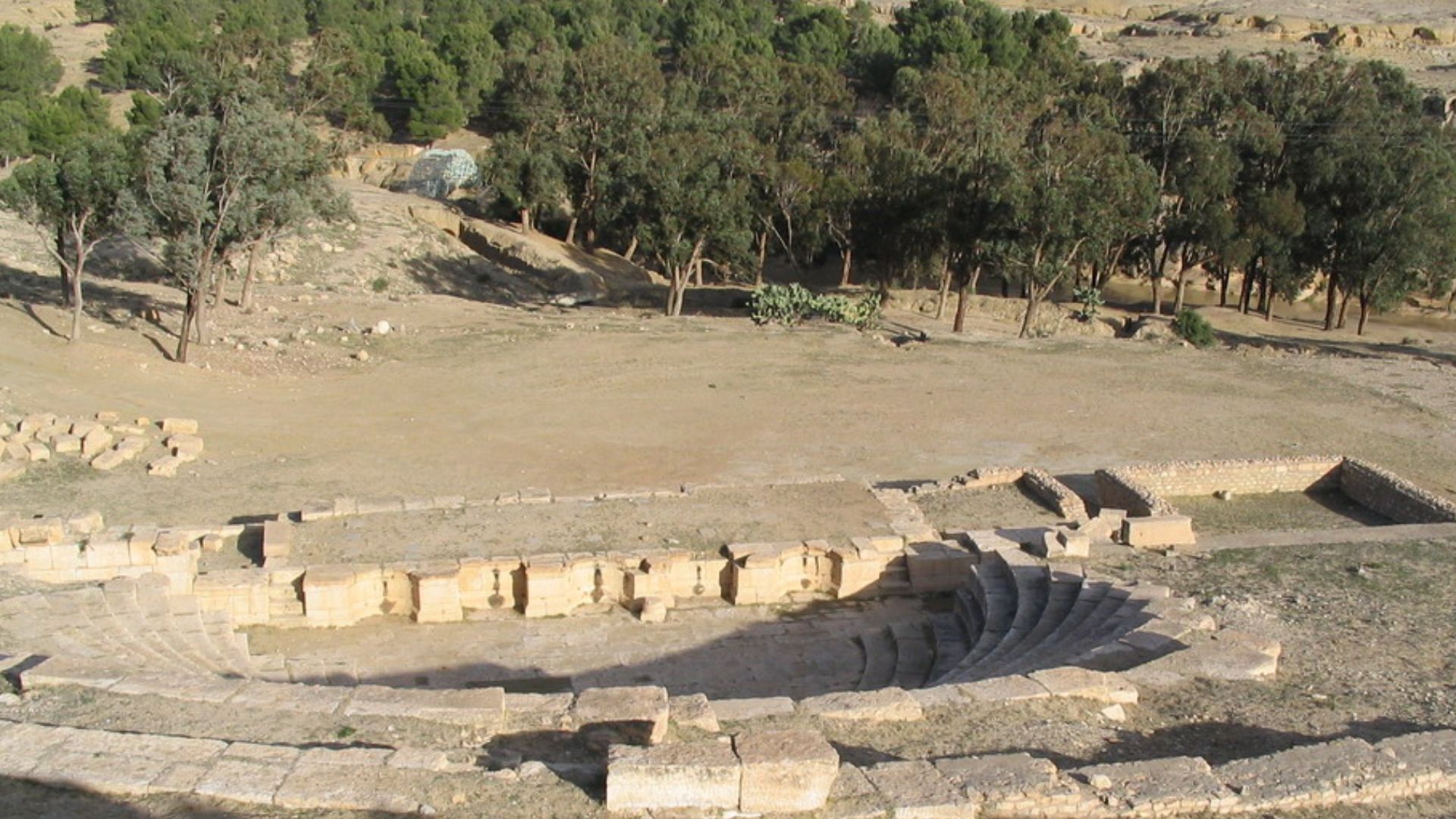
The site sits in Tunisia’s Kasserine region, near the border with modern Algeria. In Roman times, this area was part of Africa Proconsularis, a province that helped feed, fuel, and supply the empire. The new excavations are focused around ancient Cillium, a settlement surrounded by rugged steppes and olive-growing land.
 Astiosaurus, Wikimedia Commons
Meet Henchir El Begar
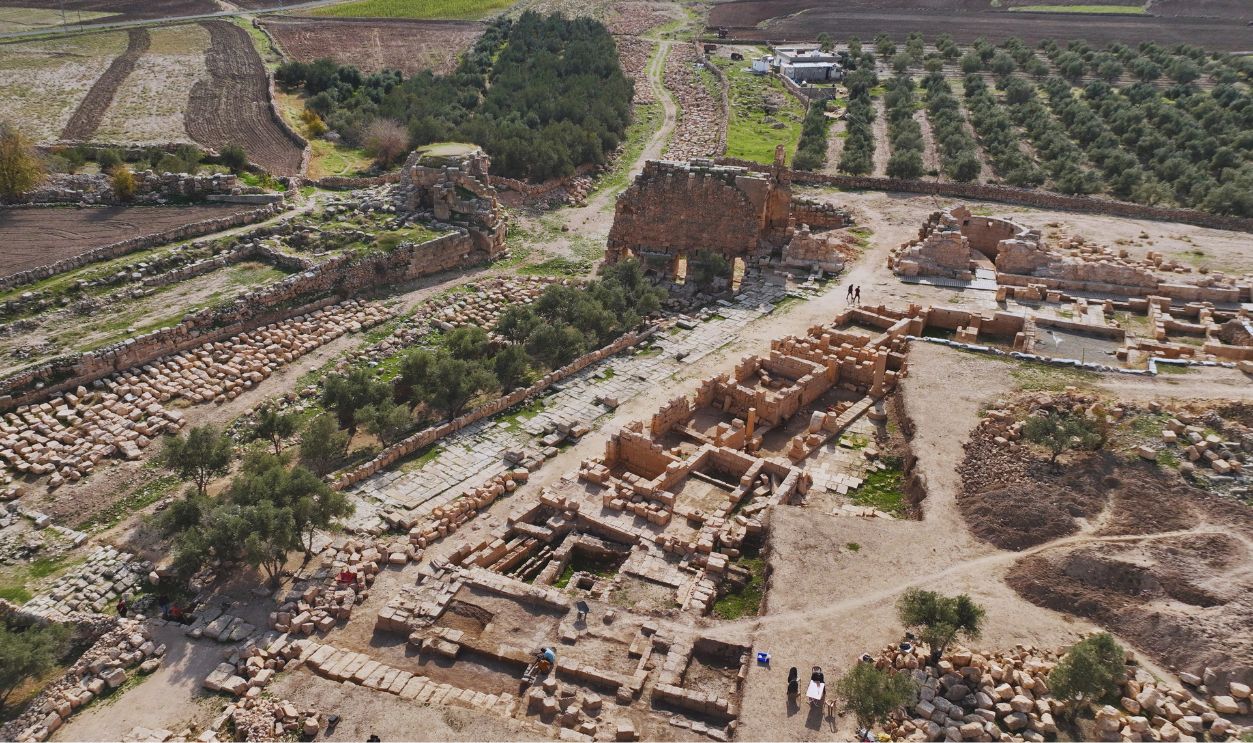
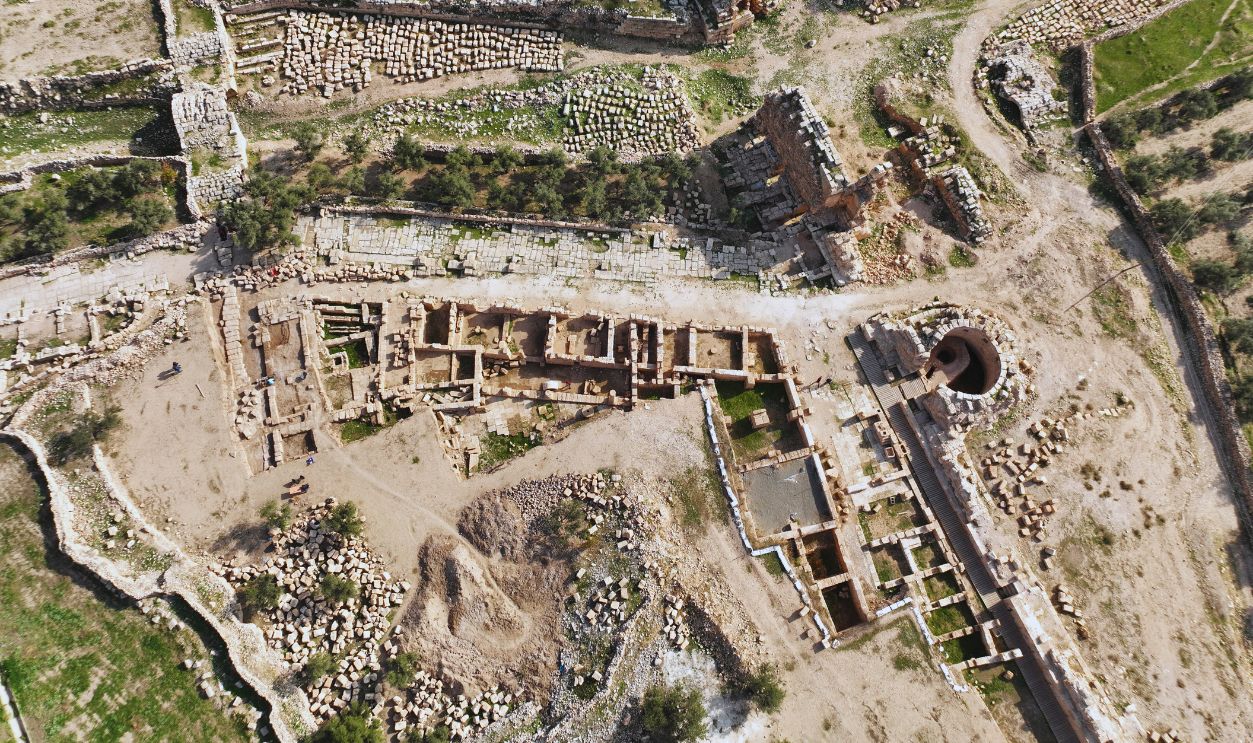
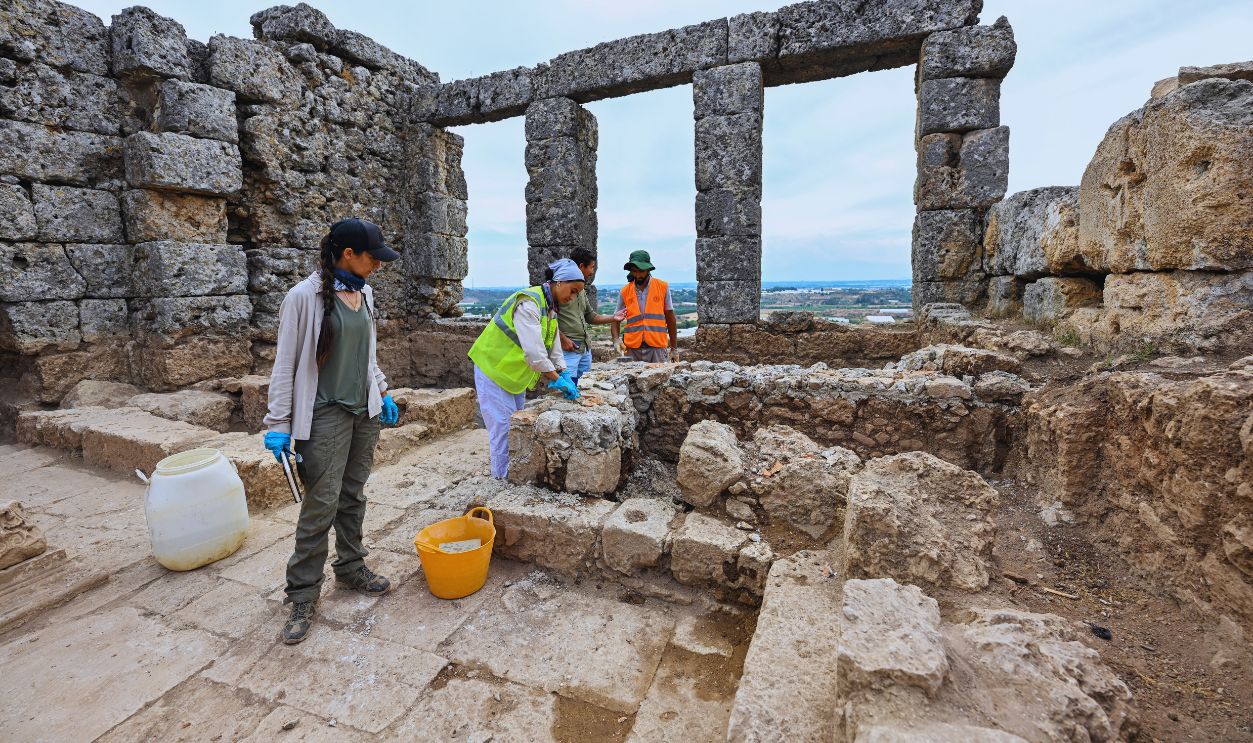
Henchir el Begar is no small ruin. The settlement covers about 33 hectares and is divided into two main sectors, known as Hr Begar 1 and Hr Begar 2. Both areas contain traces of serious oil production, including presses, water systems, cisterns, and other features tied to agricultural work.
This Was Industrial-Scale Olive Oil
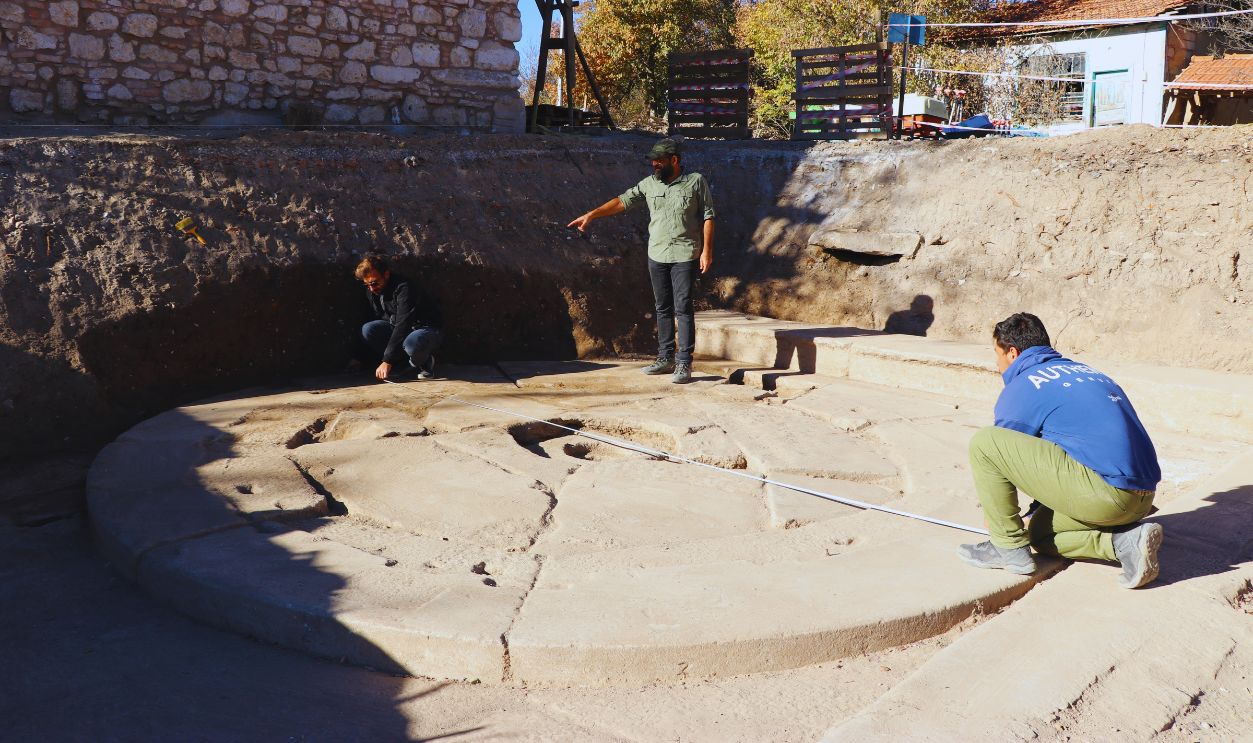
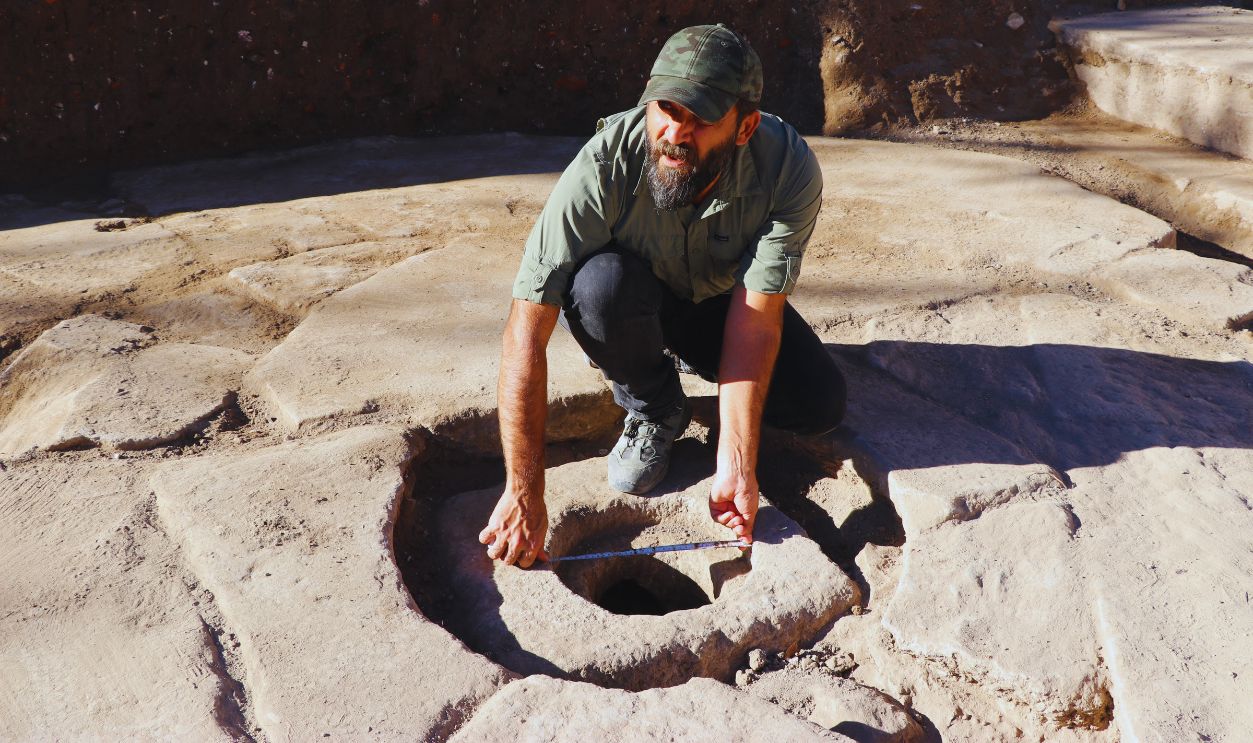
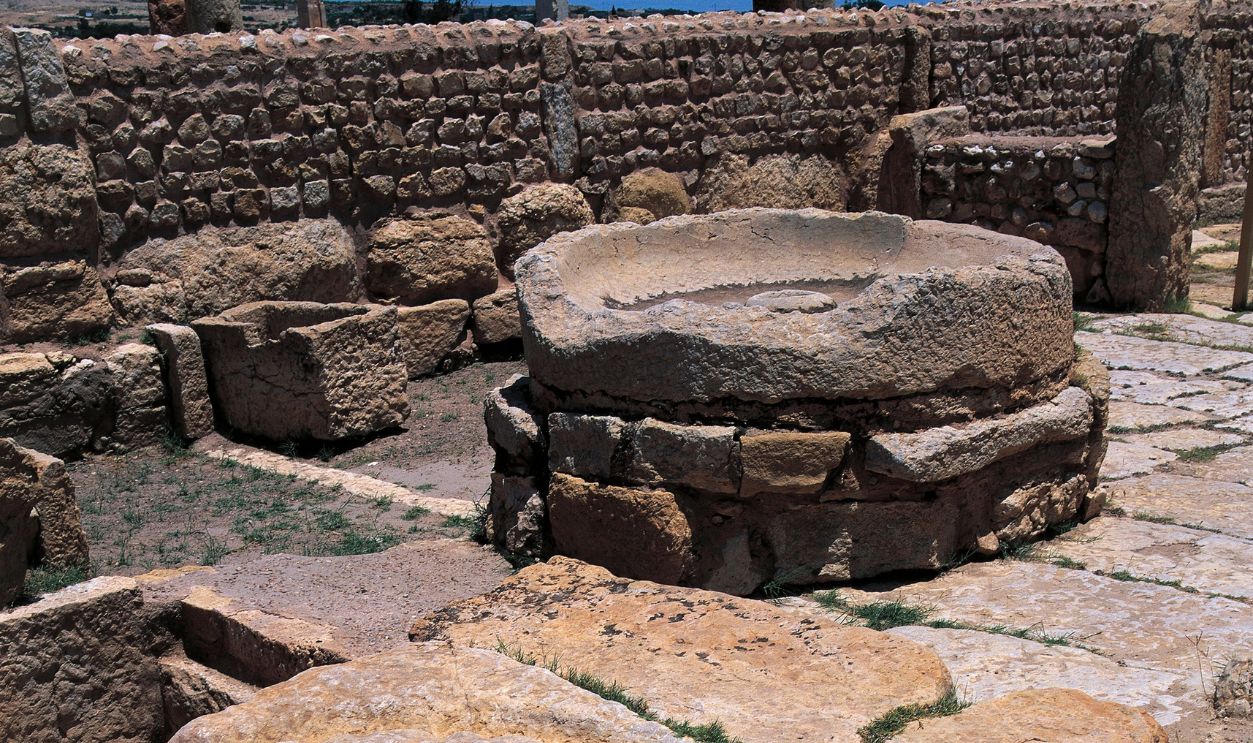
The headline-grabber is Hr Begar 1. Archaeologists have identified it as the largest known Roman oil mill in Tunisia and the second-largest known in the whole Roman Empire. Its monumental torcularium, or pressing room, contained twelve beam presses. In ancient farming terms, that is a serious production line.
 David Shankbone, Wikimedia Commons
And There Was A Second Pressing Facility
As if twelve beam presses were not impressive enough, Hr Begar 2 preserved another olive oil plant with eight presses of the same type. Together, the two sectors suggest that this was not a casual seasonal operation. It was a major rural production center built to handle big harvests.
 DEA / G. DAGLI ORTI, Getty Images
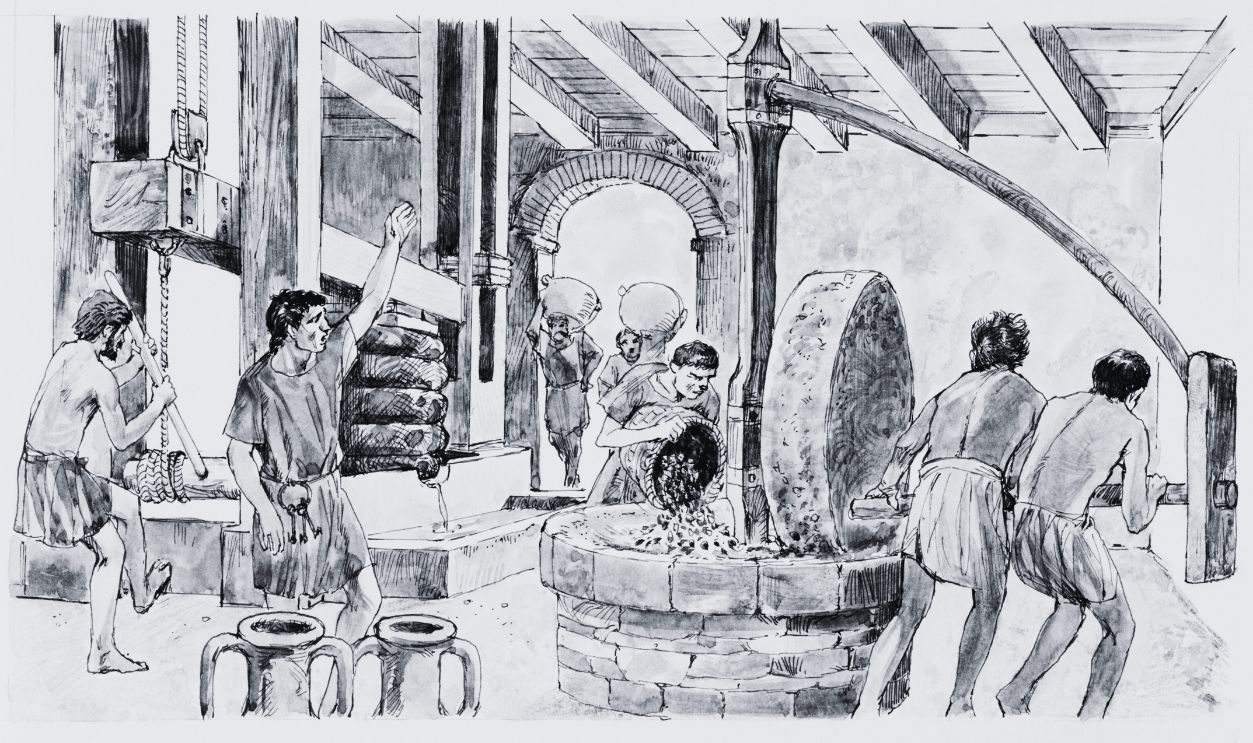
What Is A Torcularium?
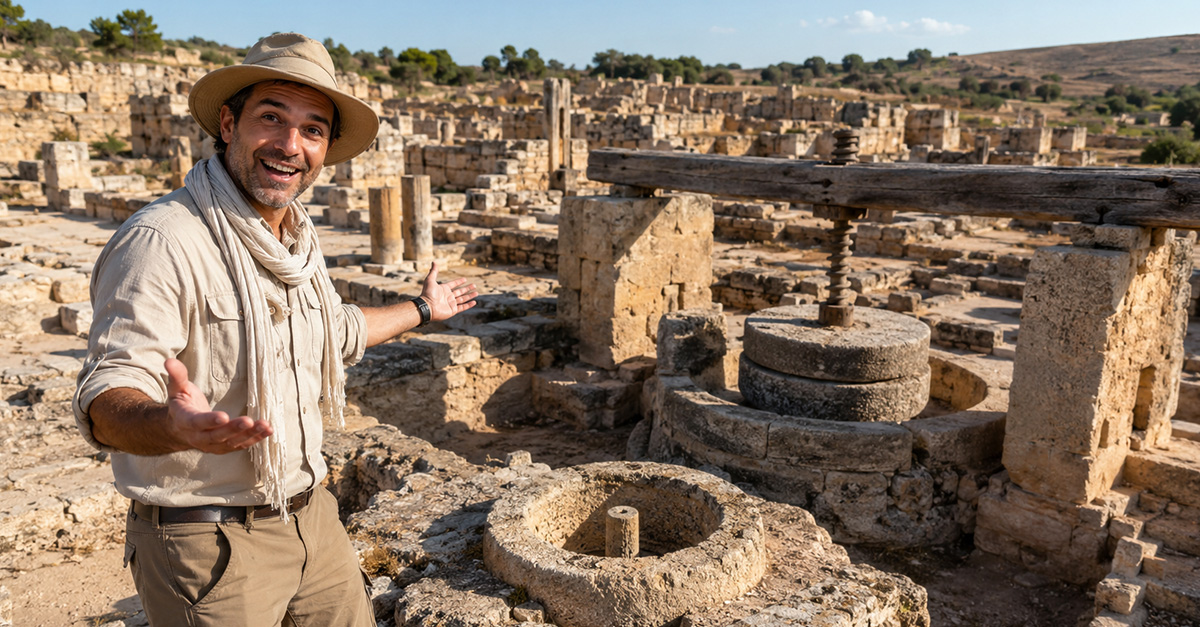
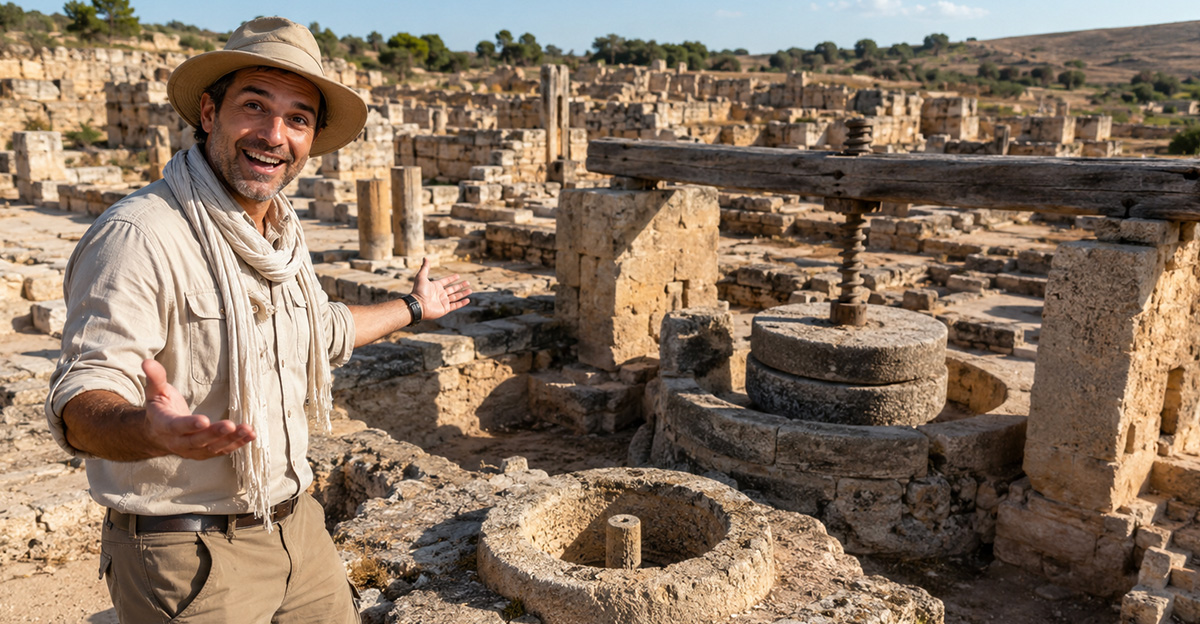
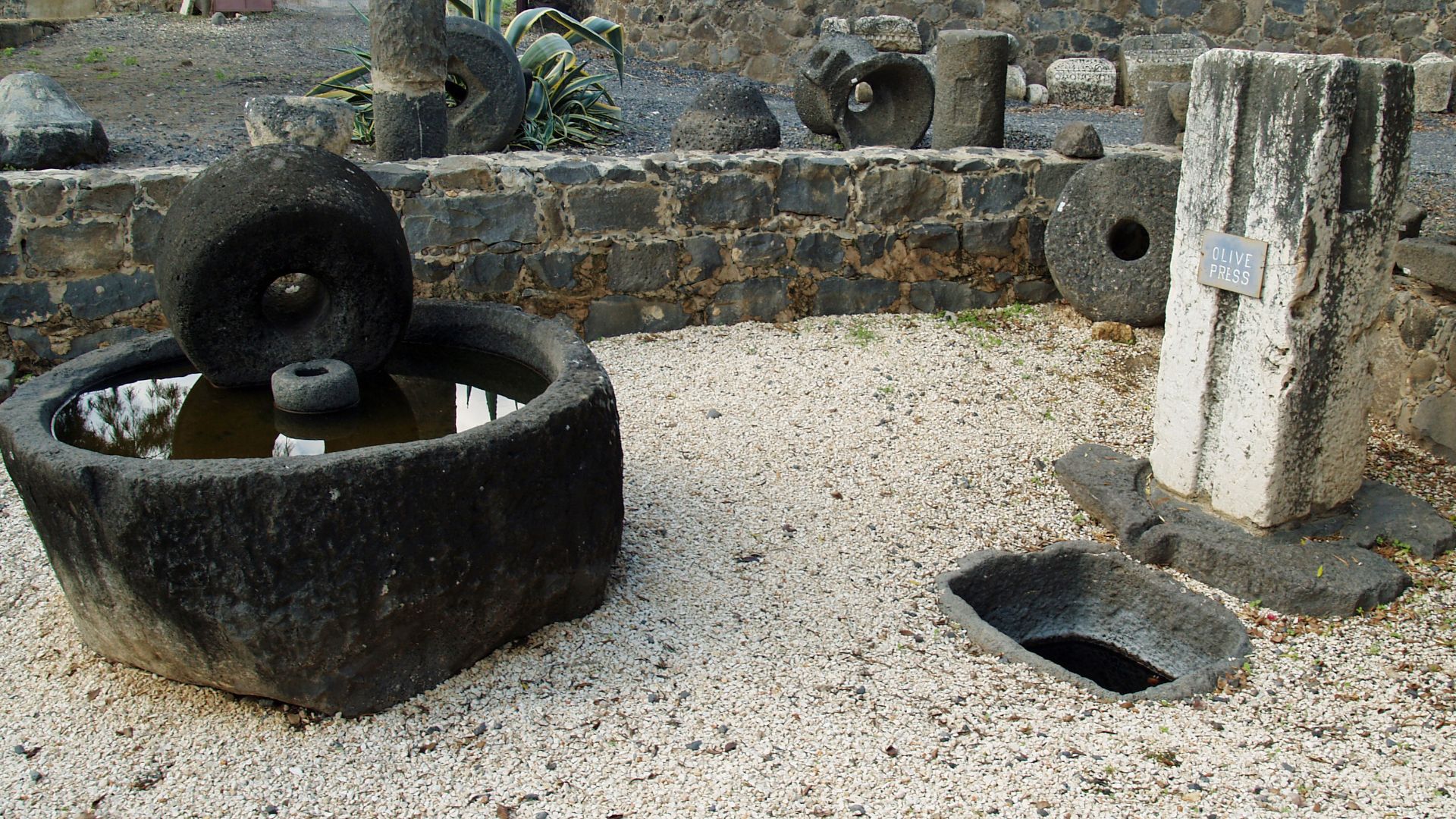
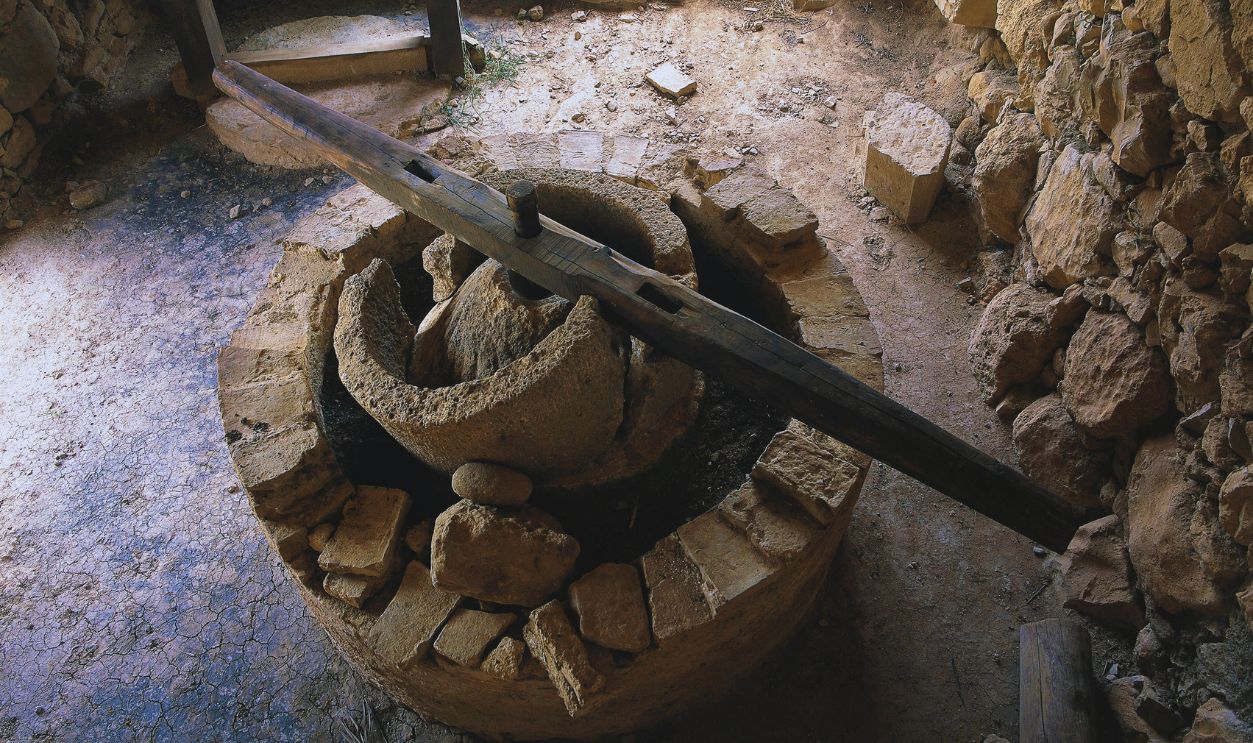
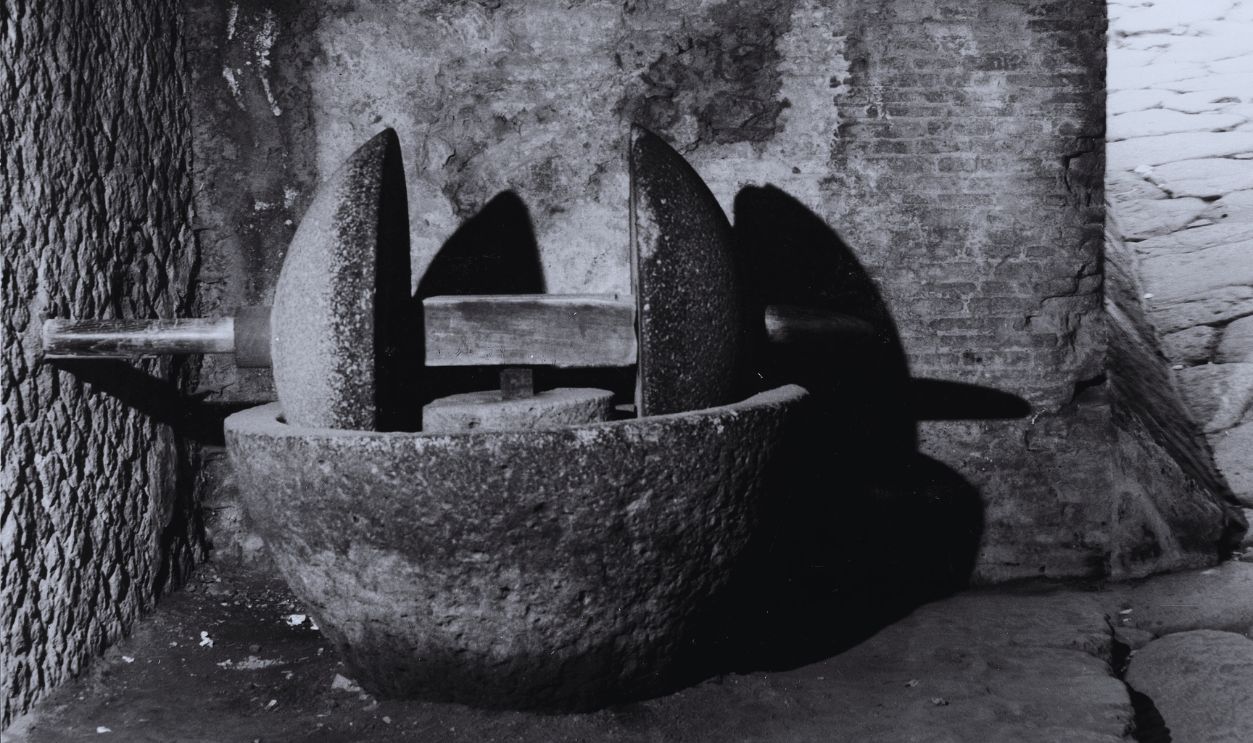
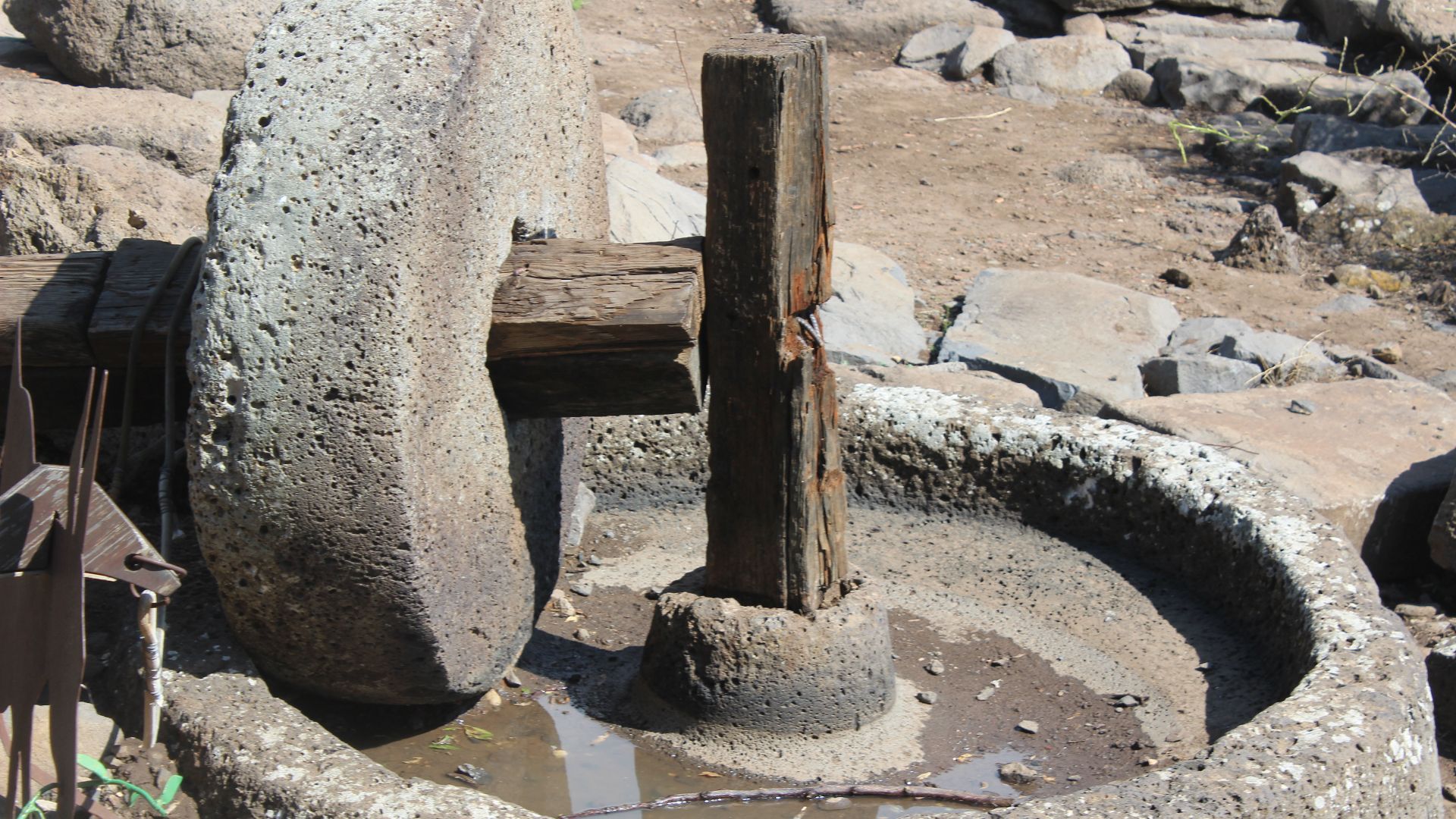
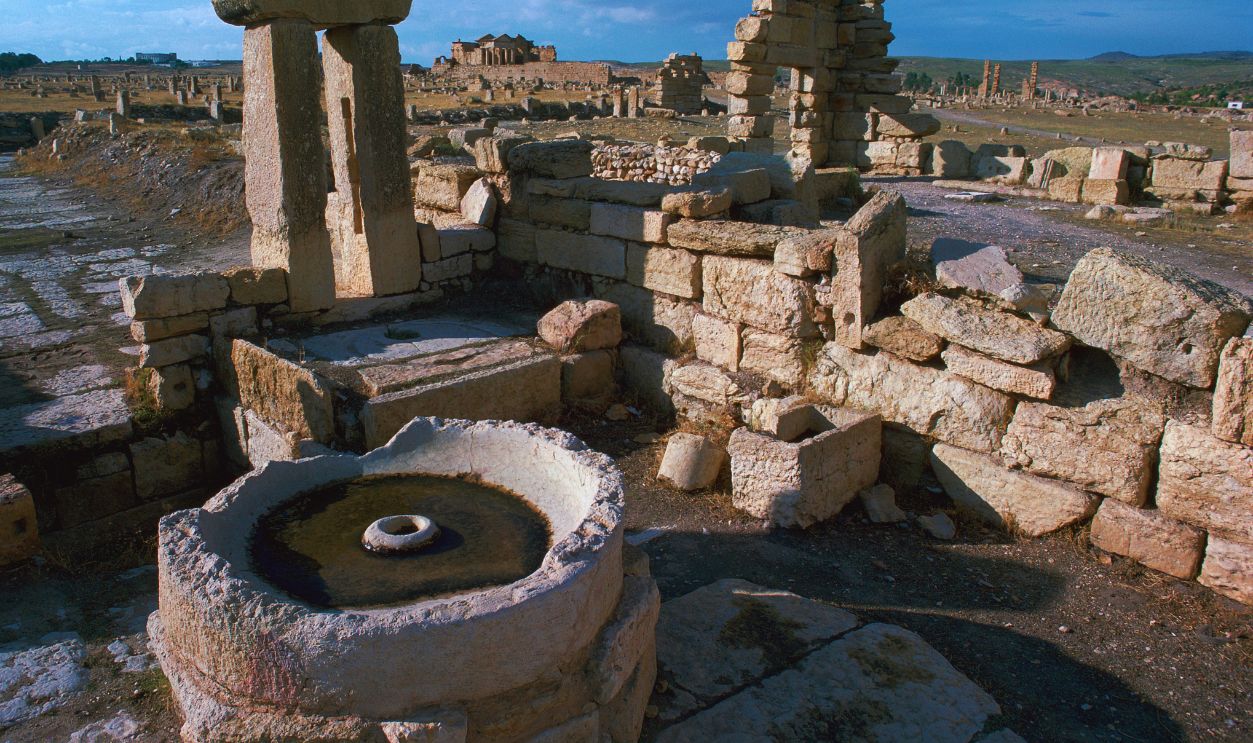
A torcularium was the part of a Roman agricultural complex where olives were pressed for oil. Workers crushed the olives, packed the mash, and used heavy beams to squeeze out the liquid gold. It was messy, physical, clever work, and Roman engineers were very good at scaling it up.
 DE AGOSTINI PICTURE LIBRARY, Getty Images
Why Olive Oil Mattered So Much
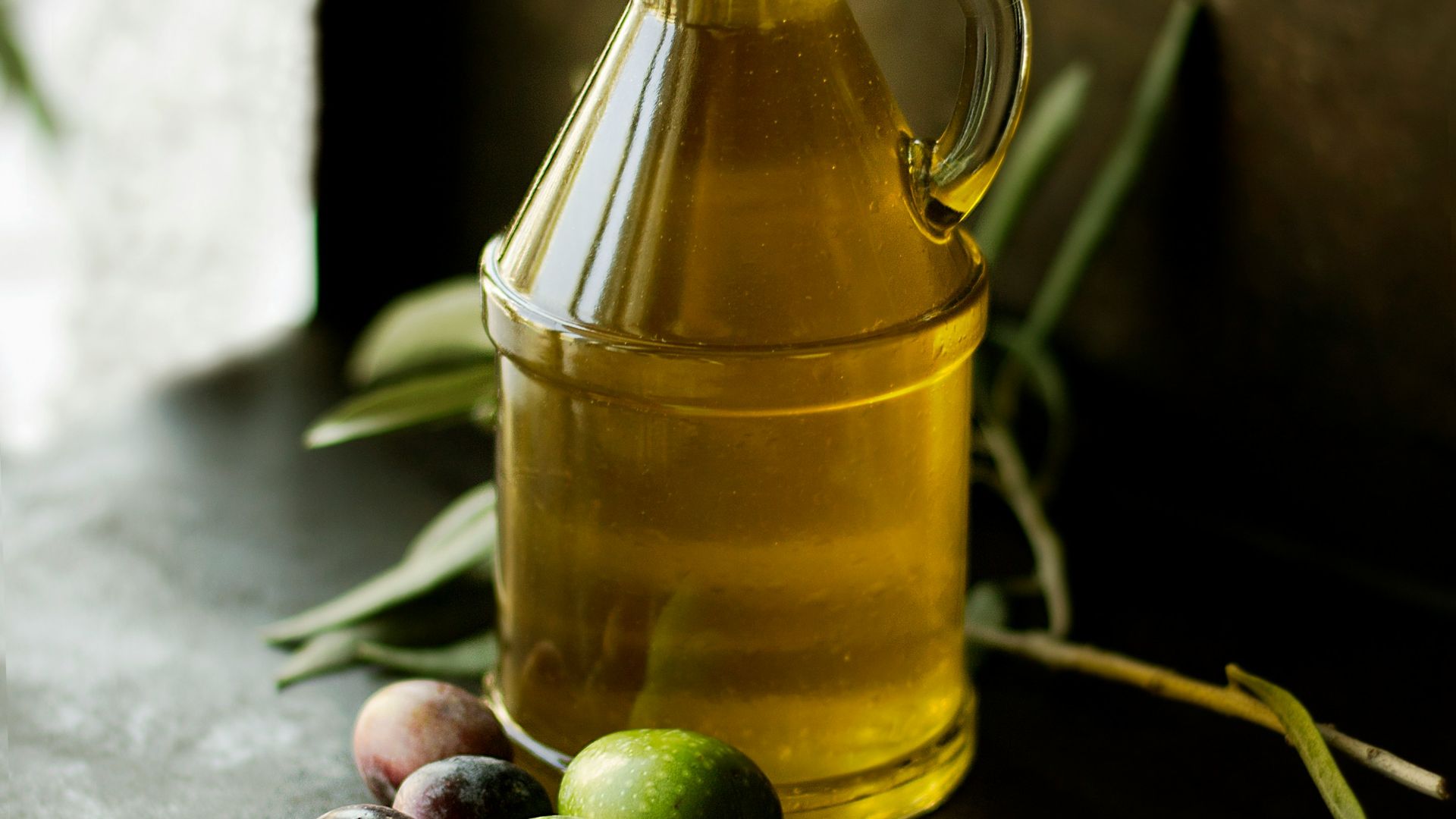
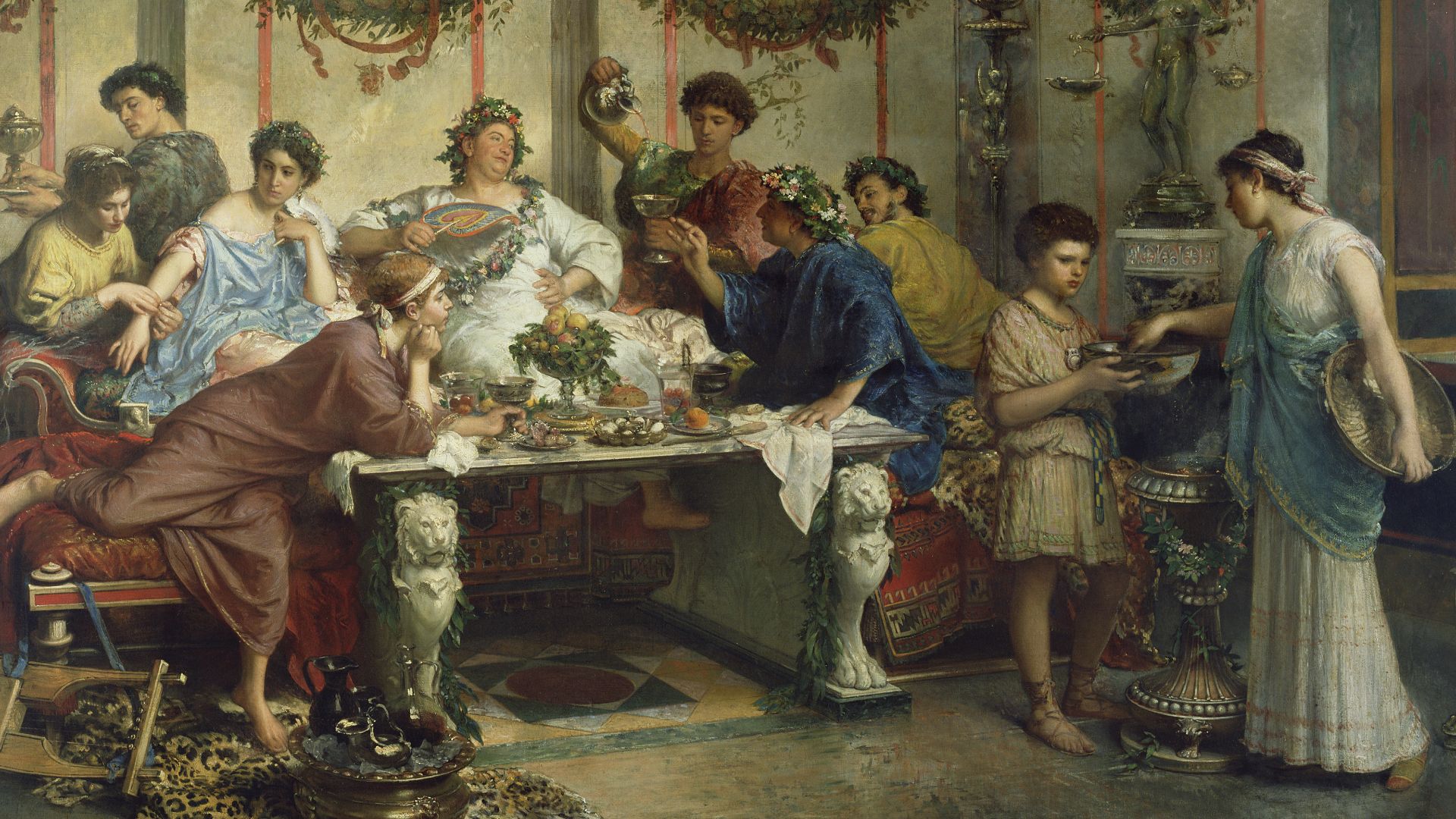
To the Romans, olive oil was not just something you drizzled on bread. It was food, medicine, skincare, lamp fuel, sports rub, and ritual material. A Roman household could burn through a lot of it, which helps explain why giant production sites like Henchir el Begar mattered.
Tunisia Was A Roman Oil Powerhouse
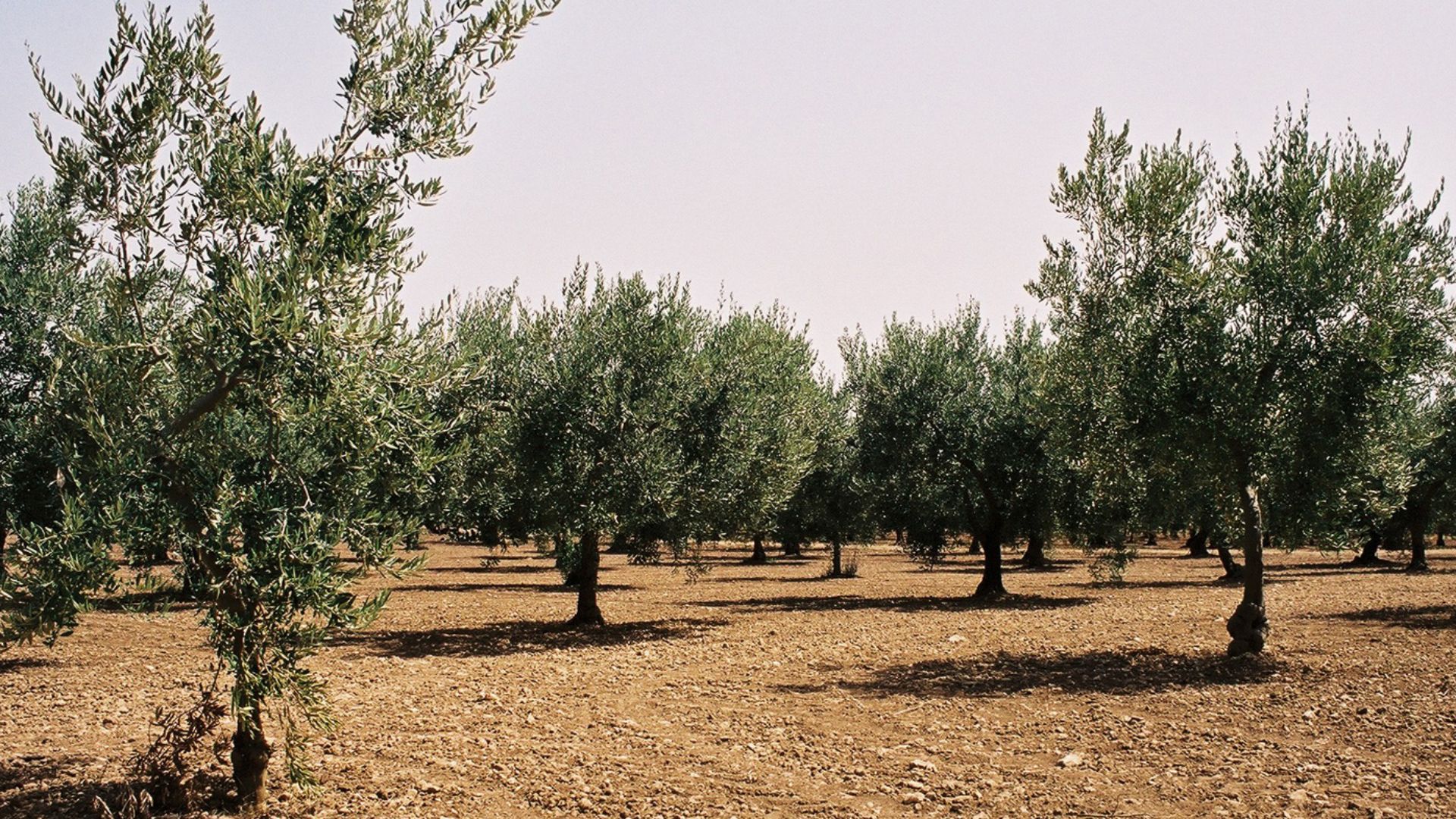
Roman Africa, including parts of modern Tunisia, became one of the empire’s great agricultural engines. The region’s olive groves supplied huge amounts of oil to Rome and beyond. This discovery gives archaeologists a rare look at how that supply chain may have worked on the ground.
The Landscape Helped Make It Possible
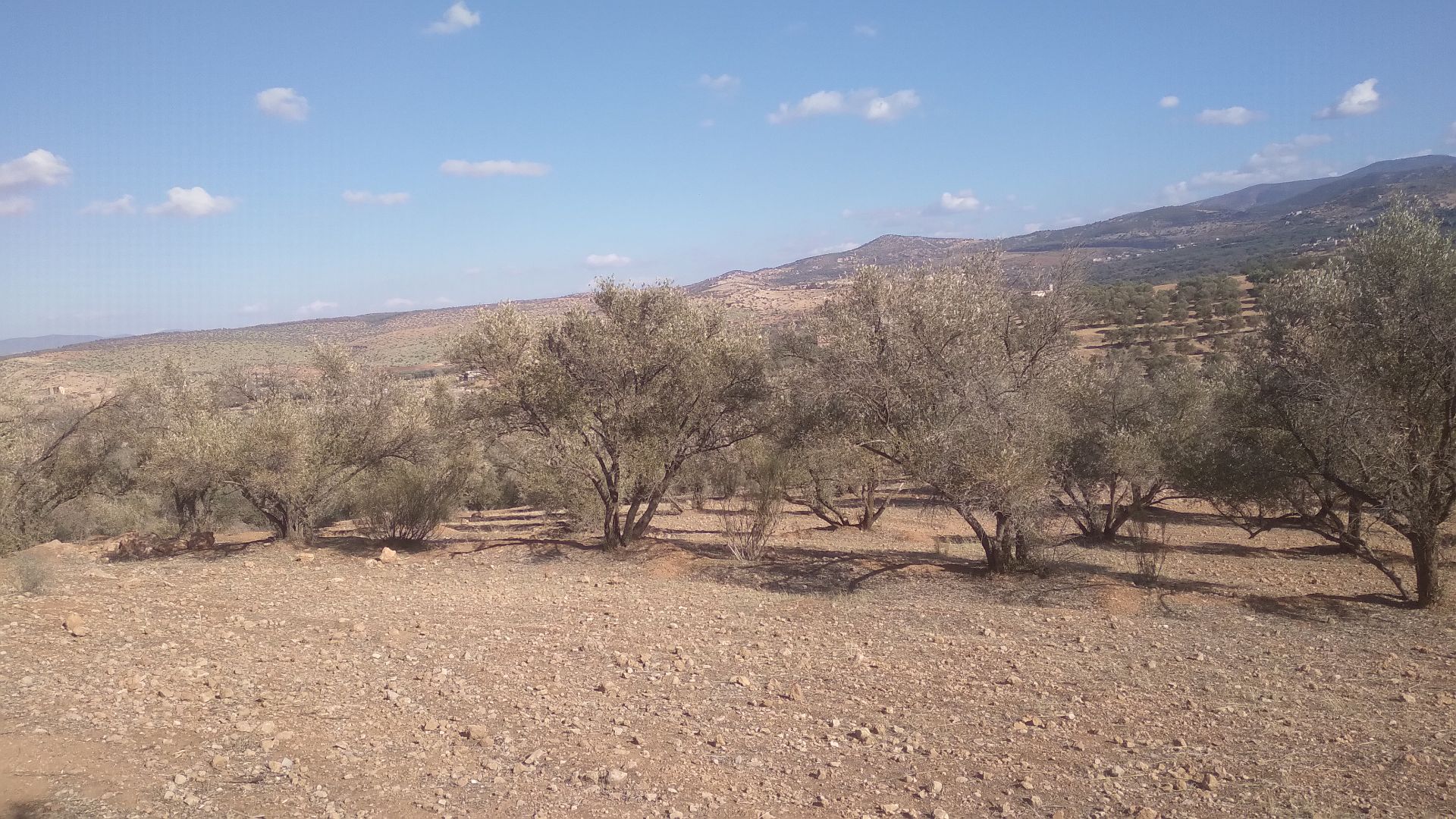
The Jebel Semmama area has high steppes, modest rainfall, and strong temperature swings. That might sound harsh, but olives are tough trees. With wells, water-collection basins, and cisterns, ancient farmers could turn this challenging landscape into a productive agricultural zone.
 Lhoussine AIT TAYFST, Wikimedia Commons
Water Was Part Of The System
Both main sectors at Henchir el Begar had water-collection features and cisterns. That detail matters because olive production was not just about trees and presses. It also required planning, storage, labor, cleaning, transport, and maintenance. The whole landscape had to be organized around production.
The Site Worked For Centuries
Researchers believe the structures were in use between the third and sixth centuries AD. That long lifespan suggests the complex was not a short-lived experiment. It kept producing through major changes in the Roman and late antique world, which makes it especially useful for understanding rural resilience.
A Rural Estate With A Big Role
Henchir el Begar has been identified with ancient Saltus Beguensis, the center of a large rural estate in the district of Begua. In the second century AD, it belonged to Lucillius Africanus, a high-ranking Roman aristocrat. So yes, this olive operation had elite connections.
The Market Inscription Is A Clue
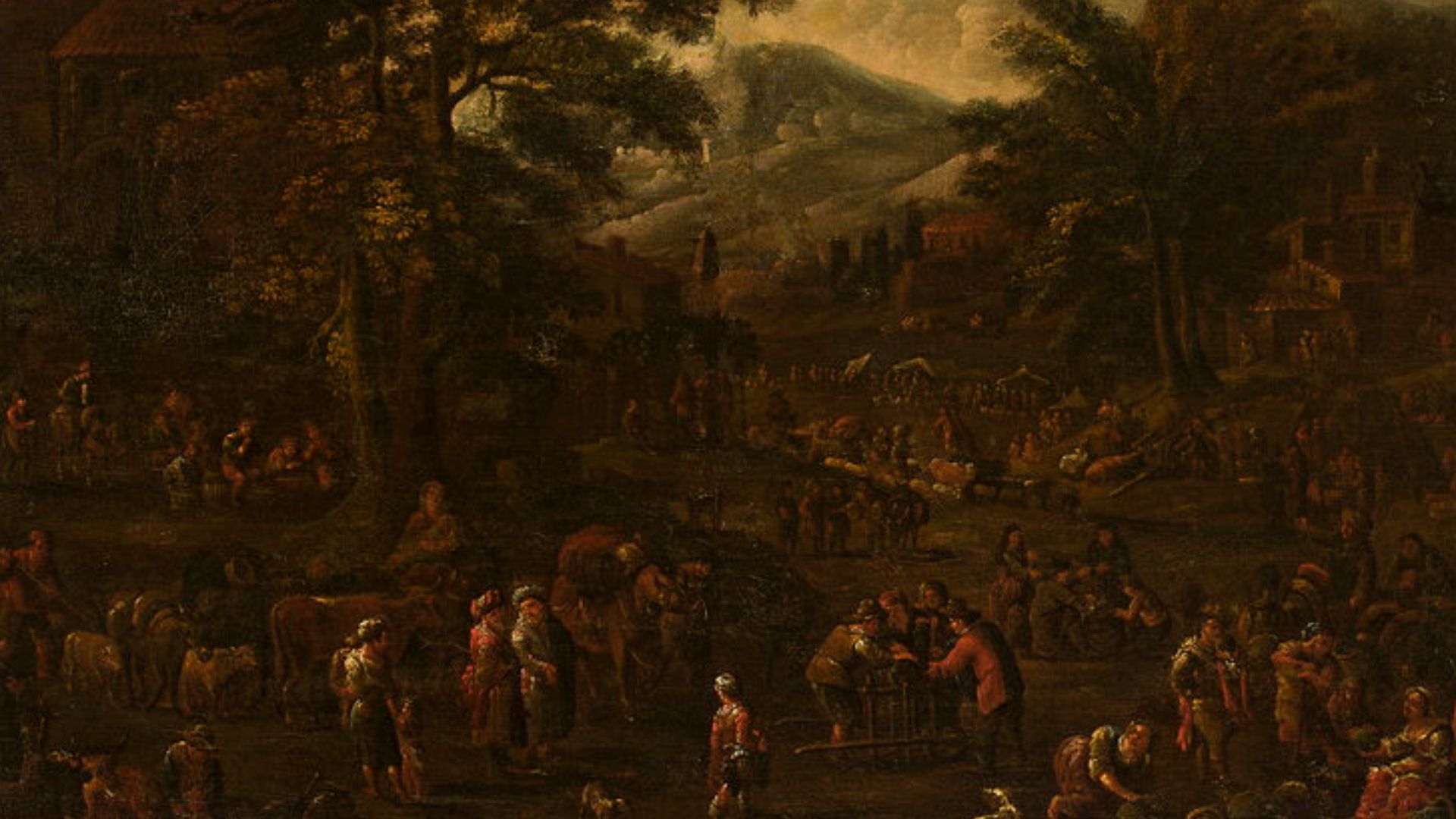
The site is famous for a Latin inscription linked to a senate consultation in 138 AD. That text authorized a bimonthly market. Suddenly, the place looks less like an isolated farm and more like a busy local hub where trade, politics, religion, and rural life all crossed paths.
 Peeter van Bredael, Wikimedia Commons
This Was Not Just About Olives
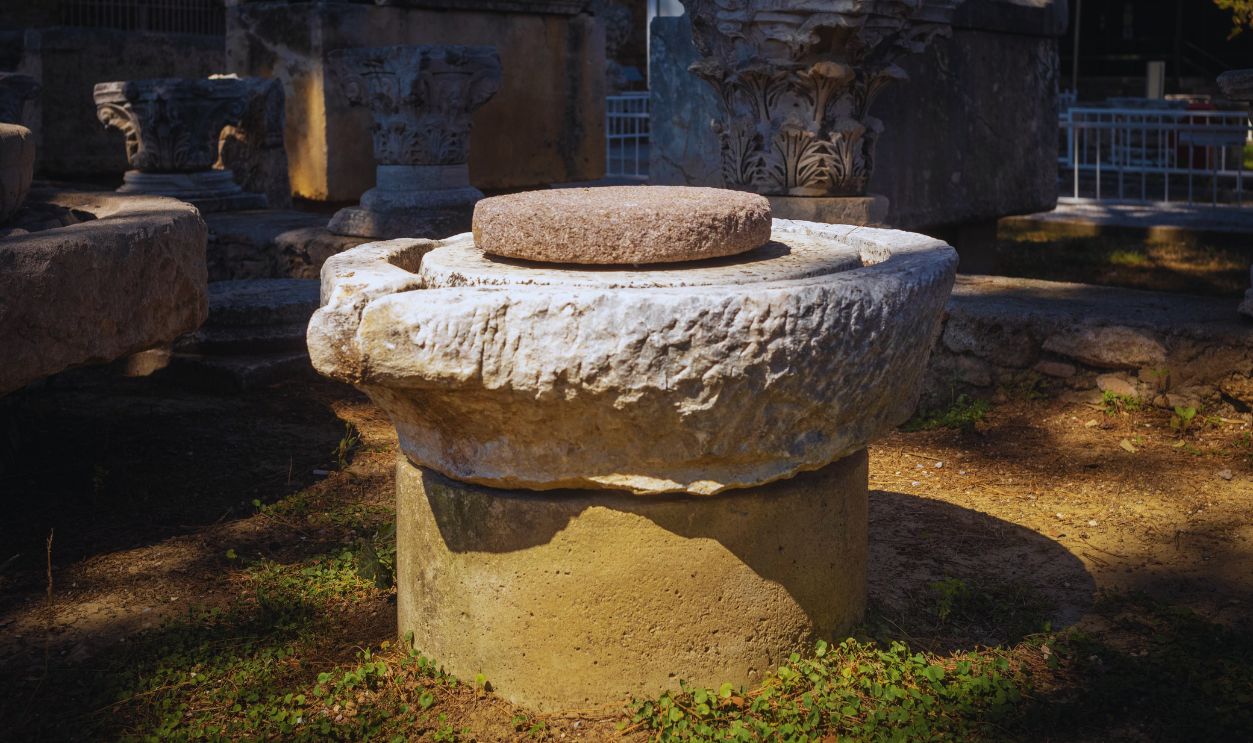
Archaeologists also found many stone millstones and mills on the surface. That points to cereal processing alongside olive oil production. Henchir el Begar was probably a mixed agricultural center, producing both grain and oil. Rome loved specialization, but real farms often stayed practical.
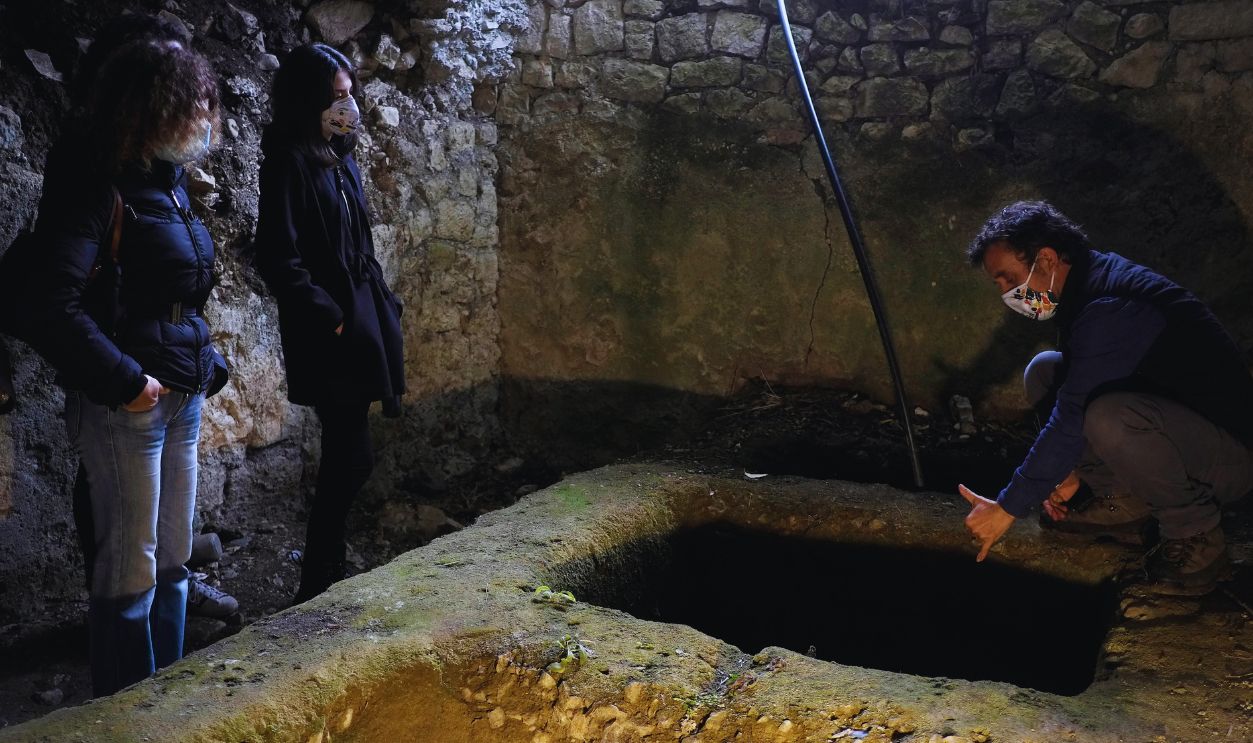 Simona Granati - Corbis, Getty Images
Radar Revealed Hidden Order
Recent geophysical surveys using ground-penetrating radar have detected a dense network of residential structures and roads. That is a big deal because it shows the press complex was part of a broader settlement. Workers, colonists, and local communities likely lived close to the machinery.
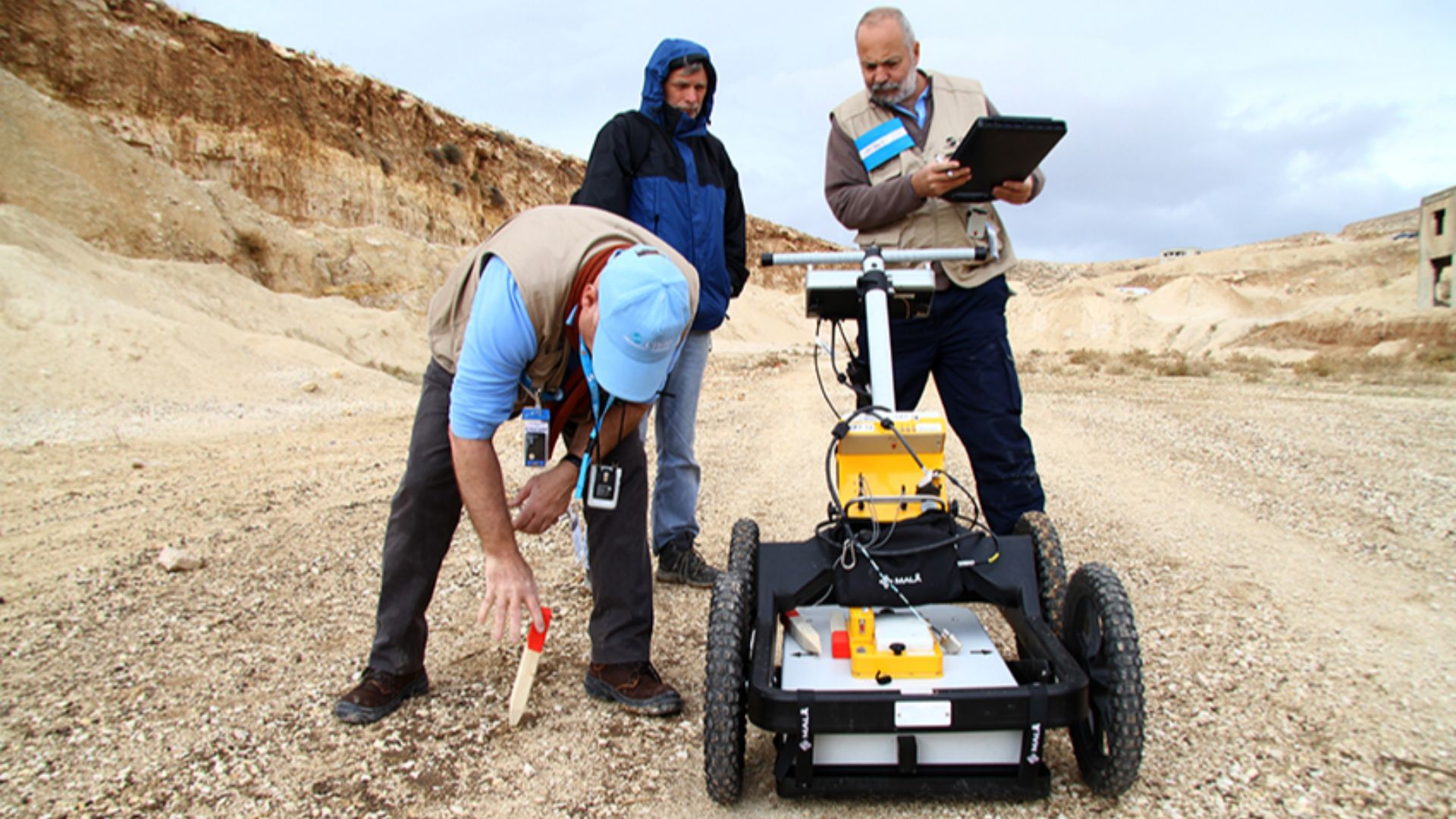 The Official CTBTO Photostream, Wikimedia Commons
People Lived Around The Presses
The site included a rural vicus, or village-like settlement. That means Henchir el Begar was not just an industrial installation sitting alone in the countryside. It was a lived-in place, with roads, homes, laborers, managers, farmers, and families moving through the same agricultural world.
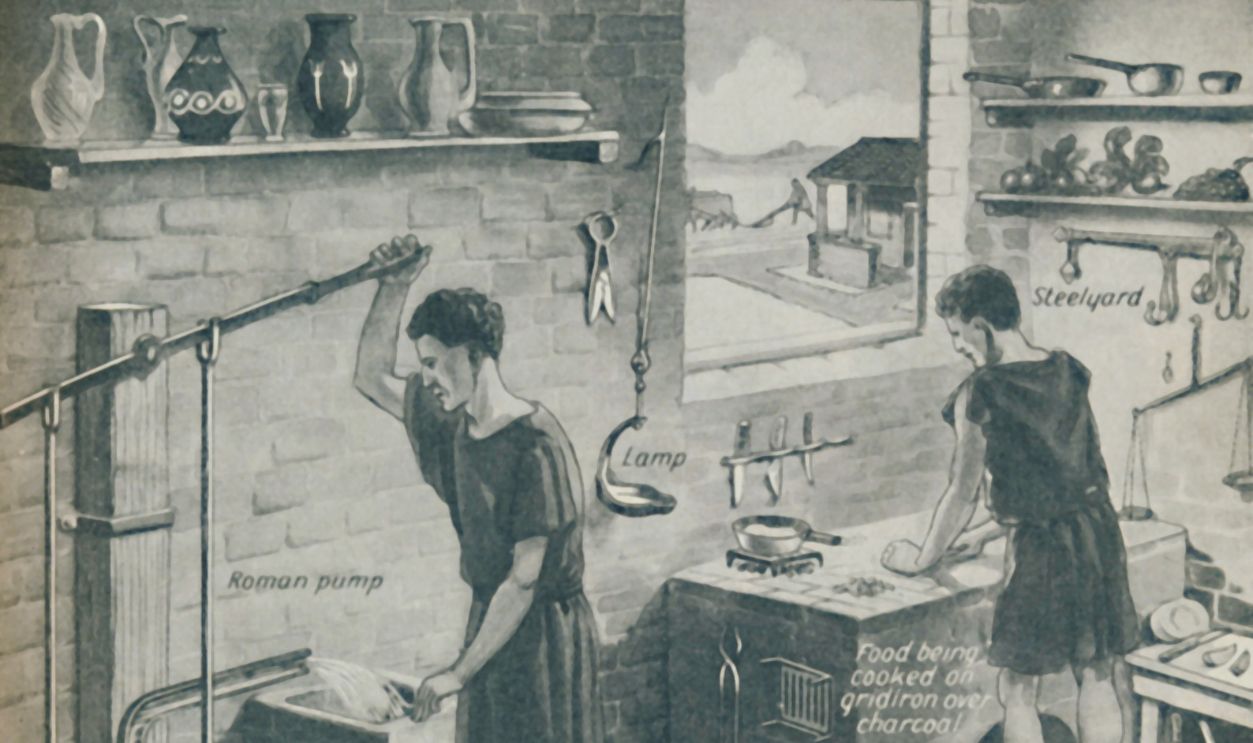
Local And Imperial Worlds Met Here
This frontier region was once inhabited by the Musulamii, people of Numidian origin. Under Roman rule, it became a meeting point for indigenous communities, veteran colonists, estate owners, and imperial authority. The olive presses are exciting partly because they sit inside that complicated human story.
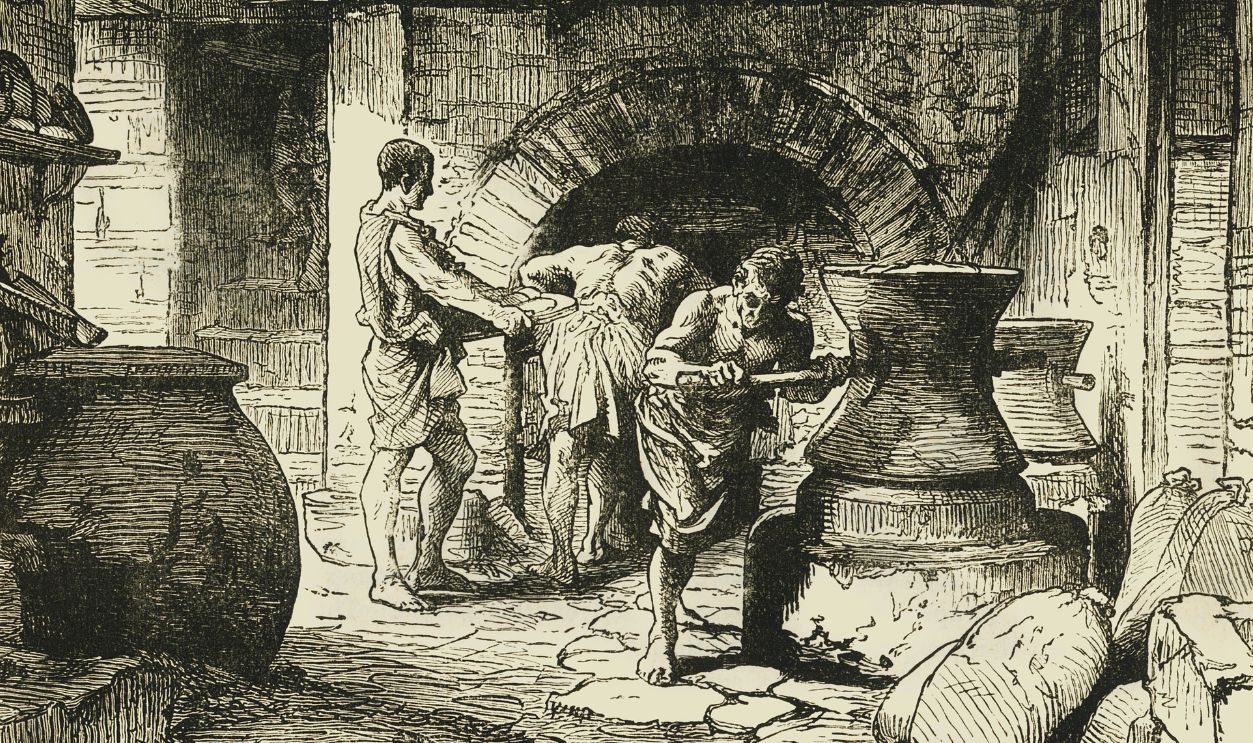
The Presses Rewrite The Scale
For a long time, it was easy to imagine ancient farming as small, slow, and local. Henchir el Begar pushes back against that picture. Twelve beam presses in one facility and eight more nearby suggest coordinated production on a scale that feels surprisingly modern.
Ancient Agriculture Was Big Business
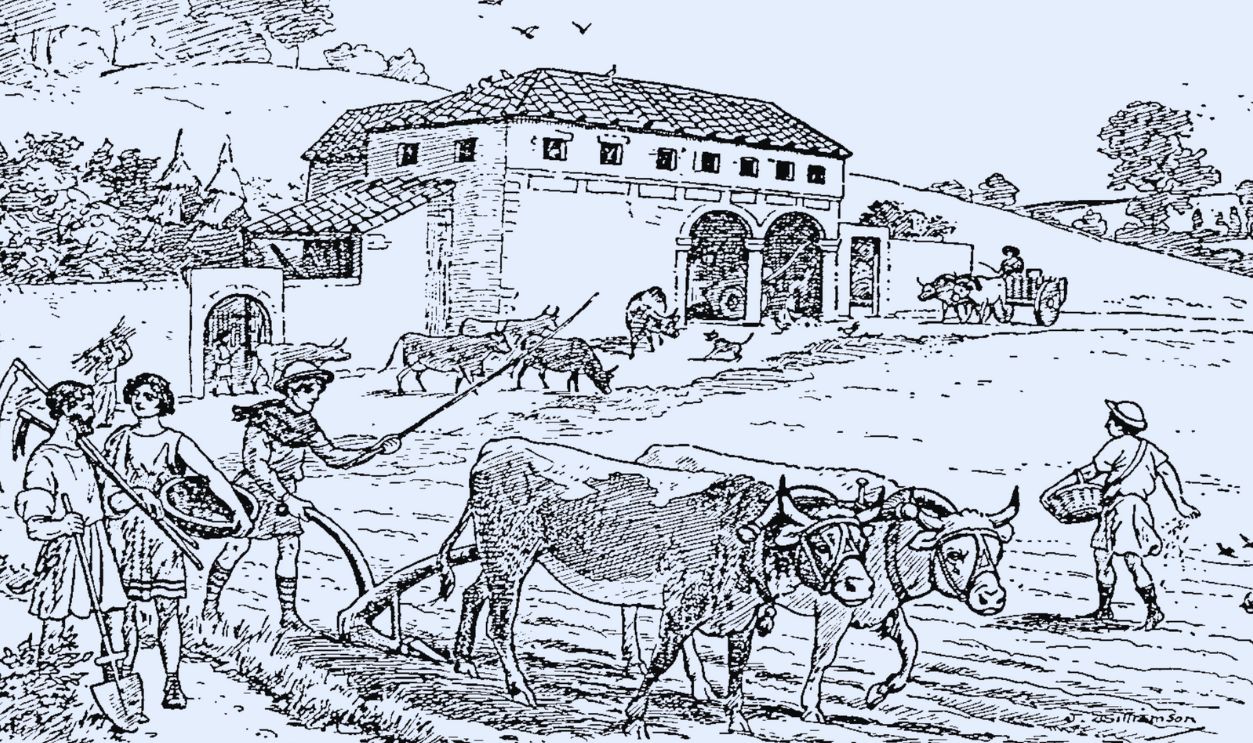
This discovery reminds us that Roman agriculture could be highly organized and commercially ambitious. Olive oil moved through farms, markets, storage systems, roads, ports, and ships. By studying places like Henchir el Begar, archaeologists can trace the machinery behind everyday Roman life.
 John Williamson, Wikimedia Commons
The Finds Add Texture
The excavation layers have produced artifacts from the modern age back to the Byzantine era. Finds include a decorated copper and brass bracelet, a white limestone projectile, and architectural sculpture fragments. One particularly telling detail is a piece of a Roman press reused in a Byzantine wall.
Reuse Tells Its Own Story
Ancient ruins were often recycled, and Henchir el Begar was no exception. A broken press element could become building material centuries later. That kind of reuse may sound ordinary, but it helps archaeologists follow the long afterlife of a site after its main economic role changed.
The Mission Is International
The work brings together researchers from Tunisia, Spain, and Italy. The collaboration began in 2023 with Samira Sehili of Tunisia’s Université La Manouba and Fabiola Salcedo Garcés of the Complutense University of Madrid. Since 2025, Luigi Sperti of Ca’ Foscari University of Venice has co-directed the project.
Production Archaeology Gets The Spotlight
This is a great example of production archaeology, the study of how ancient people made things at scale. Instead of focusing only on palaces, temples, or tombs, researchers are examining presses, basins, roads, farms, and workshops. Basically, they are following the ancient economy’s fingerprints.
Why This Changes The Bigger Picture
Henchir el Begar helps show that Roman North Africa was not merely a supplier on the empire’s edge. It was an organized, productive, deeply connected region. Its farms and estates helped keep Roman tables, lamps, baths, and bodies supplied with oil.
 Roberto Bompiani, Wikimedia Commons
It Also Connects To Today
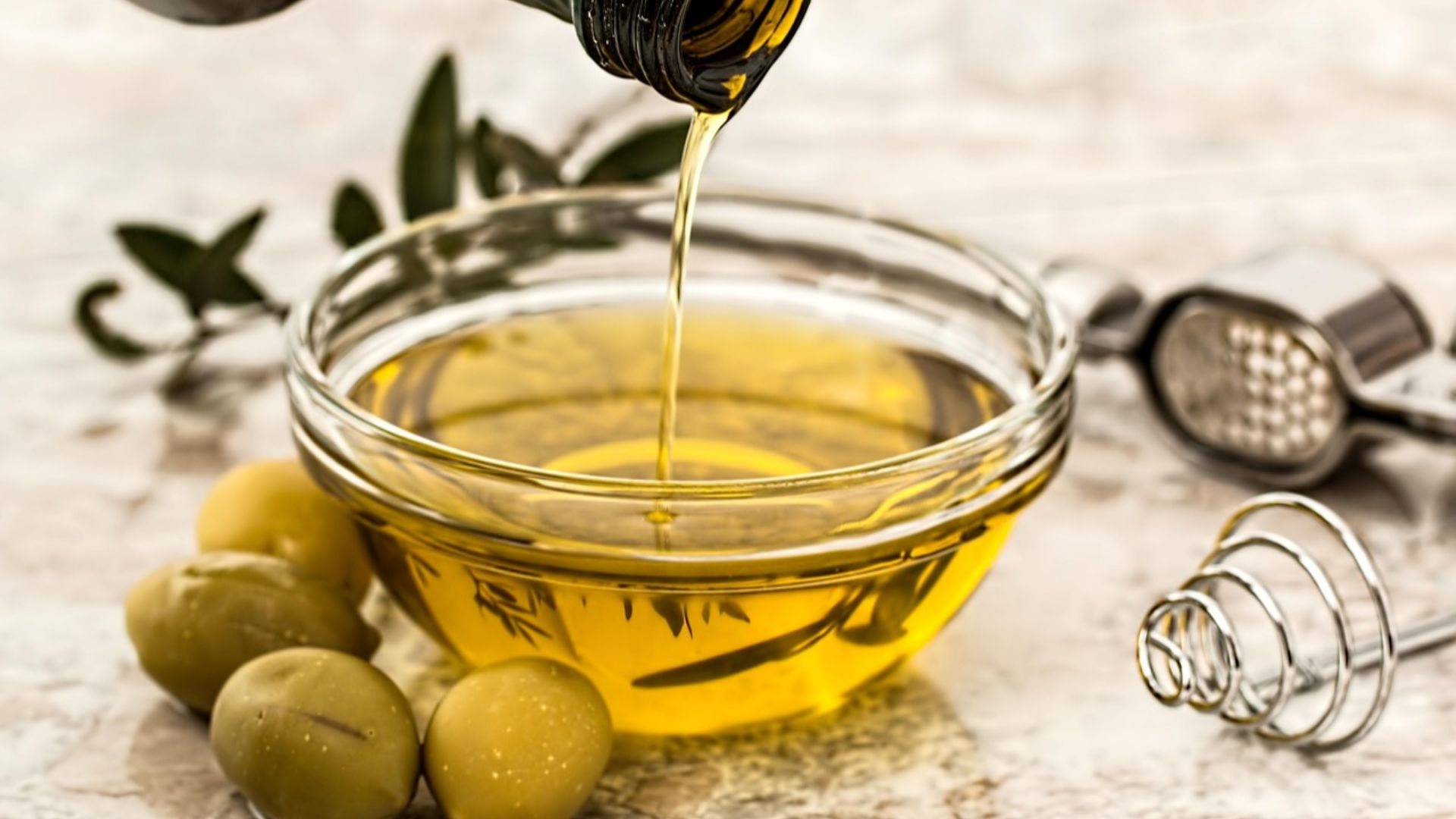
Olive oil is still central to Mediterranean life, so this discovery feels oddly familiar. The tools are ancient, but the crop is not. Seeing Roman presses in Tunisia reminds us that today’s olive groves belong to a very long story of farming, trade, taste, and survival.
The Big Lesson Is Scale
The real surprise at Henchir el Begar is not that Romans made olive oil. We knew that. The surprise is the size, planning, and staying power of the operation. This was agriculture with infrastructure, logistics, investment, and a clear eye on the marketplace.
An Ancient Press With A Modern Punchline
So, did archaeologists find the largest Roman olive press? More precisely, they revealed the largest known Roman oil mill in Tunisia and the second-largest known in the empire. That is still enormous news. Henchir el Begar turns olive oil from a pantry staple into a window onto Roman power, labor, and Mediterranean life.
 DEA PICTURE LIBRARY, Getty Images
You May Also Like:
American States Baby Boomers Hate—That Millennials Love
America's Most Dangerous Camping Destinations