Rome Left More Than Ruins Behind
Ancient Rome is remembered for its roads, aqueducts, and engineering marvels. But a new study suggests the empire may also have spread a hidden toxin across Europe. Researchers say Roman mining and smelting released enough airborne lead to affect people hundreds of miles from the source.

A Pollution Story Frozen In Ice
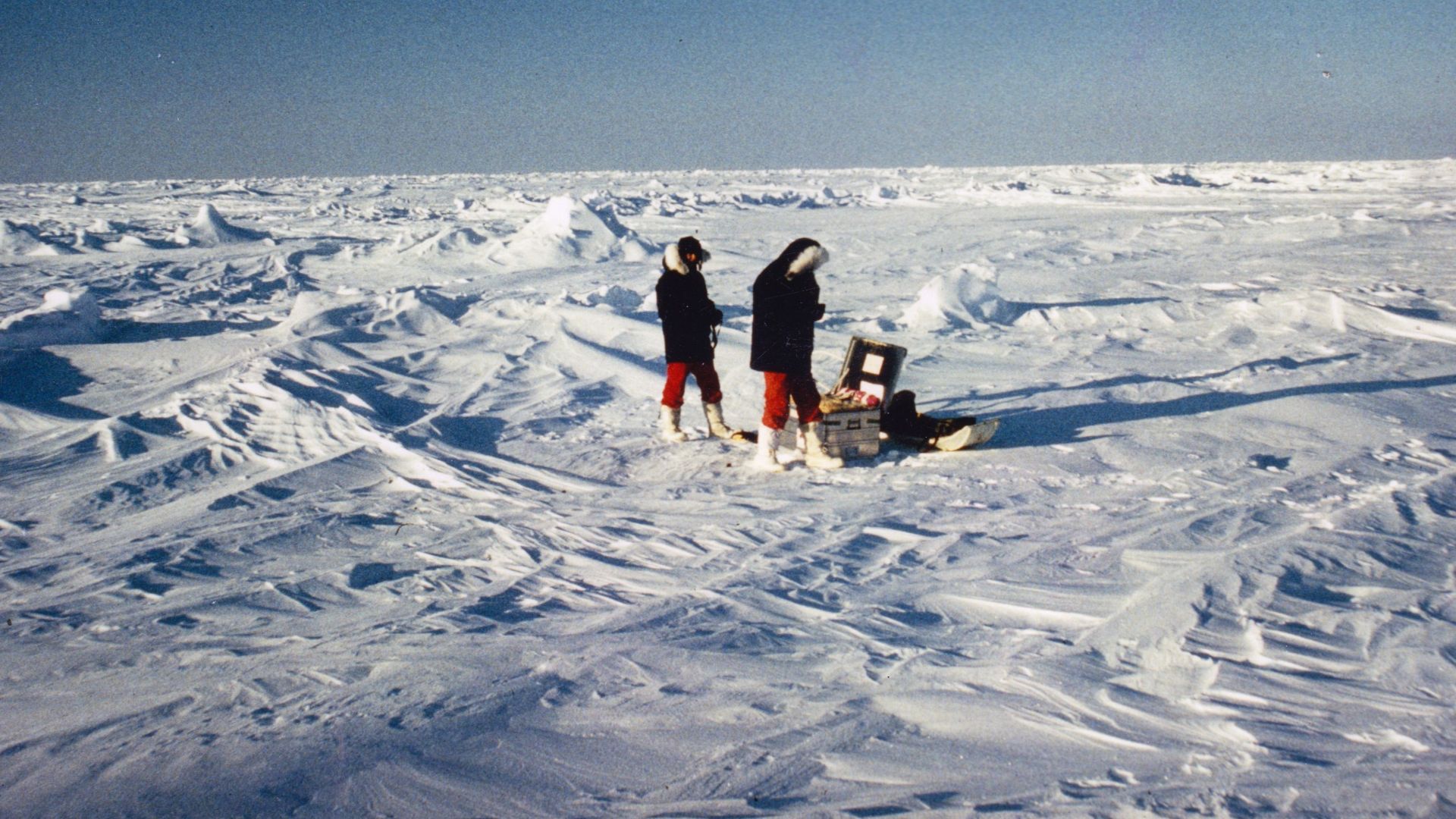
The study was published in the Proceedings of the National Academy of Sciences in January 2025. Researchers examined Arctic ice cores that preserved traces of ancient atmospheric pollution. Those frozen records helped scientists reconstruct atmospheric lead pollution between 500 BCE and 600 CE.
 Matti&Keti; [email protected], Wikimedia Commons
The Clue Was Lead
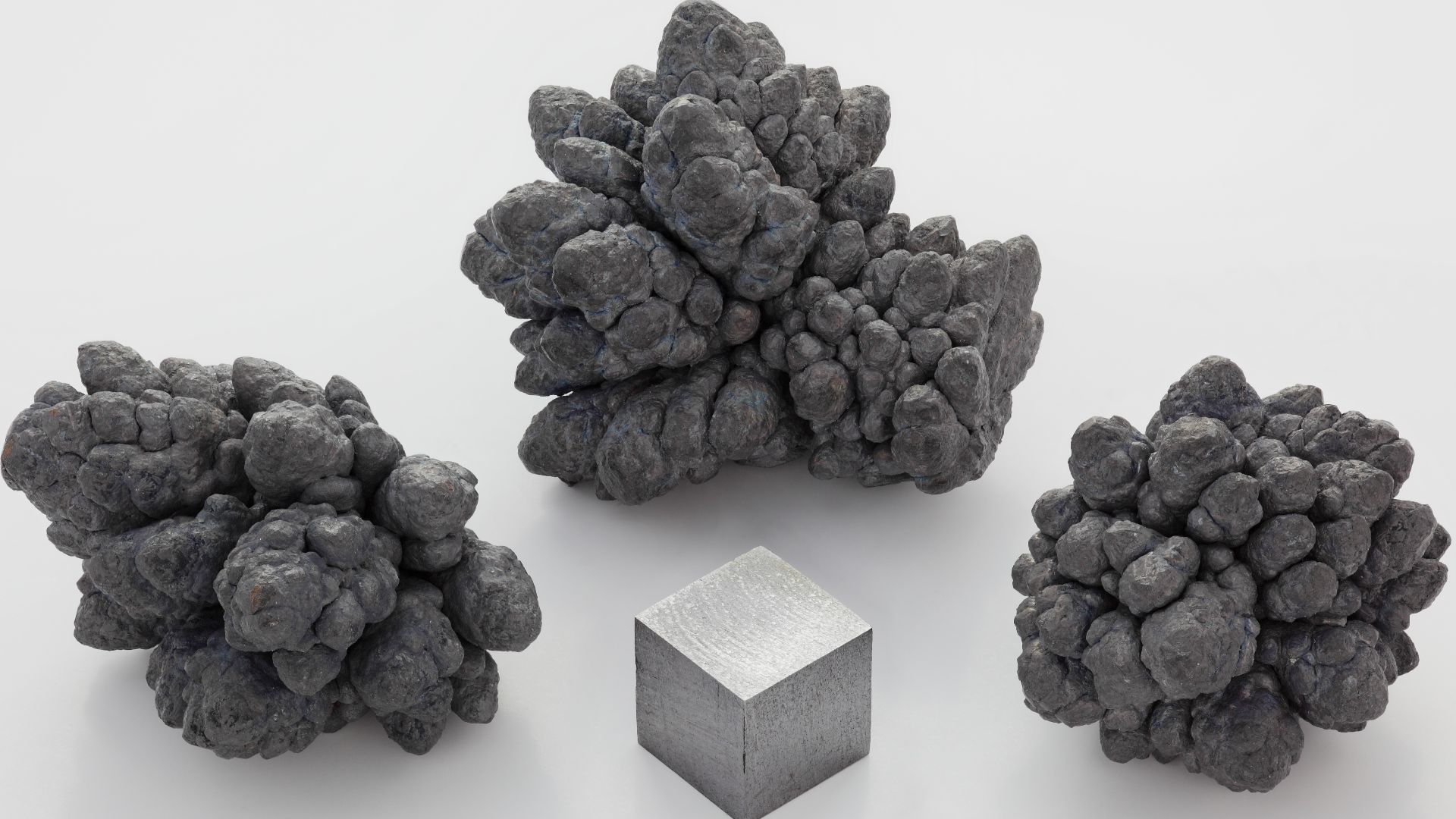
Lead is a toxic metal that can harm the brain and nervous system. Modern health agencies say children are especially vulnerable to its effects. That matters because the Roman pollution study focused on how airborne lead may have raised childhood blood lead levels.
 Alchemist-hp (talk) (www.pse-mendelejew.de), Wikimedia Commons
The Roman Silver Boom Had A Cost
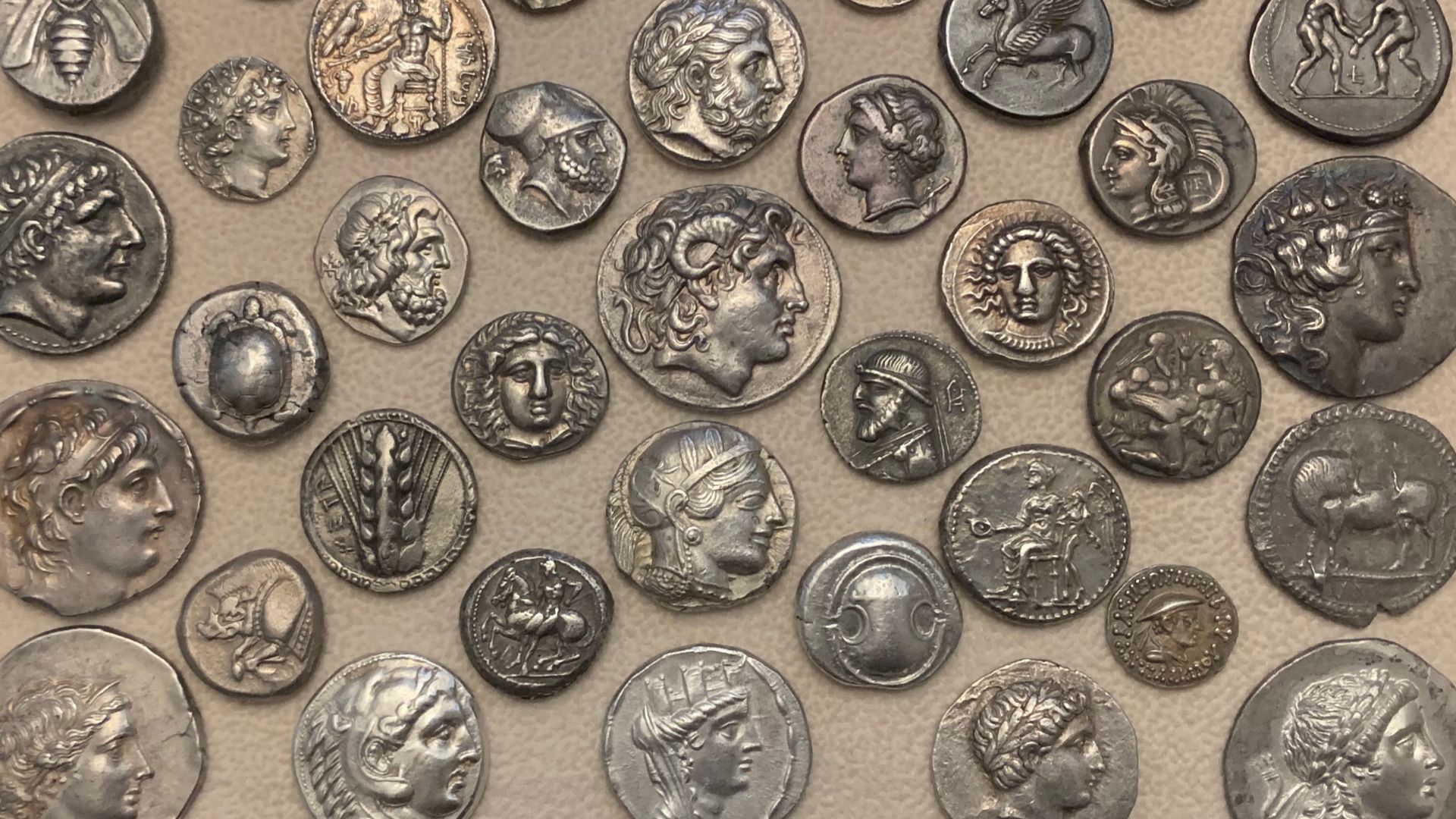
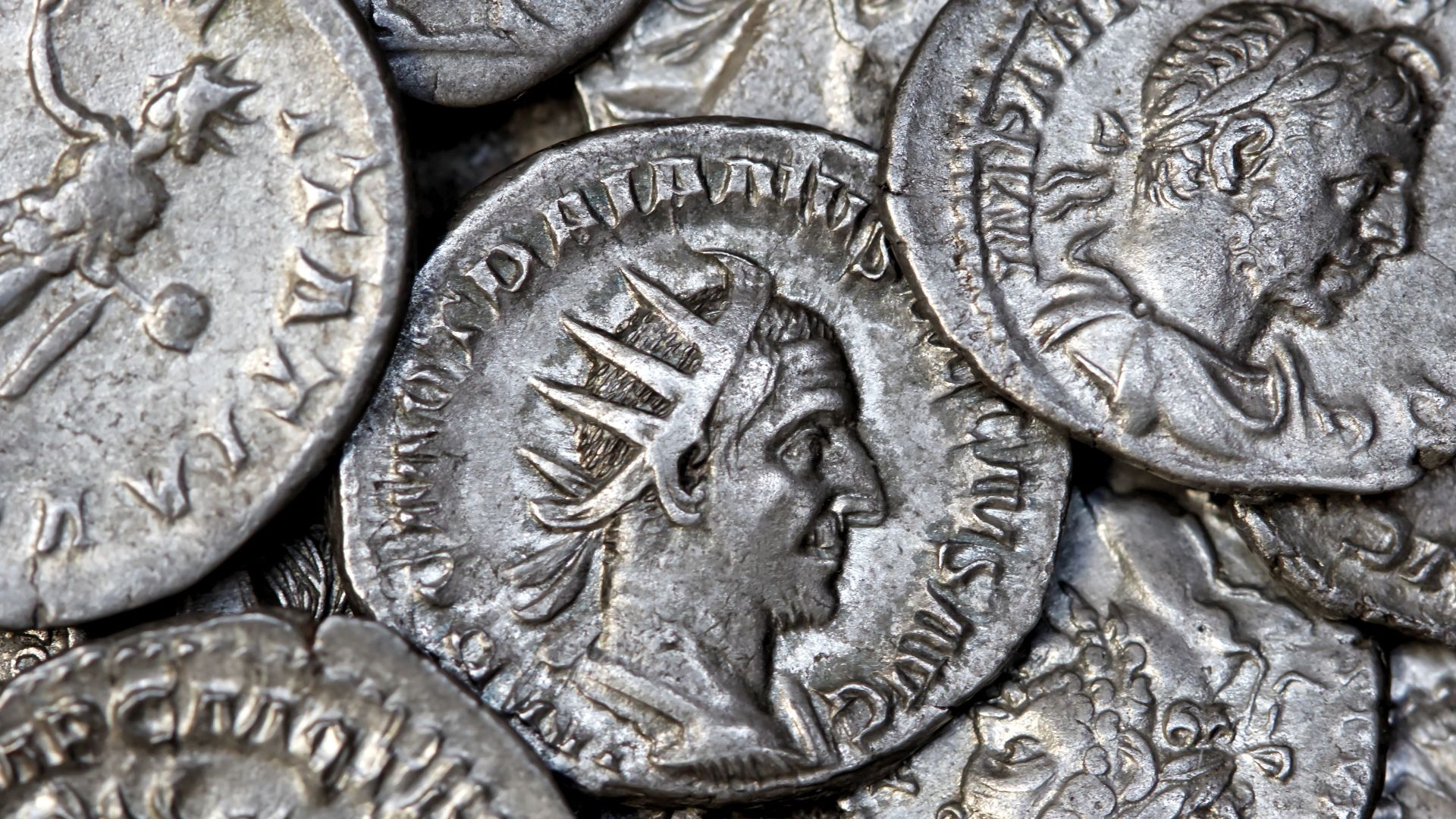
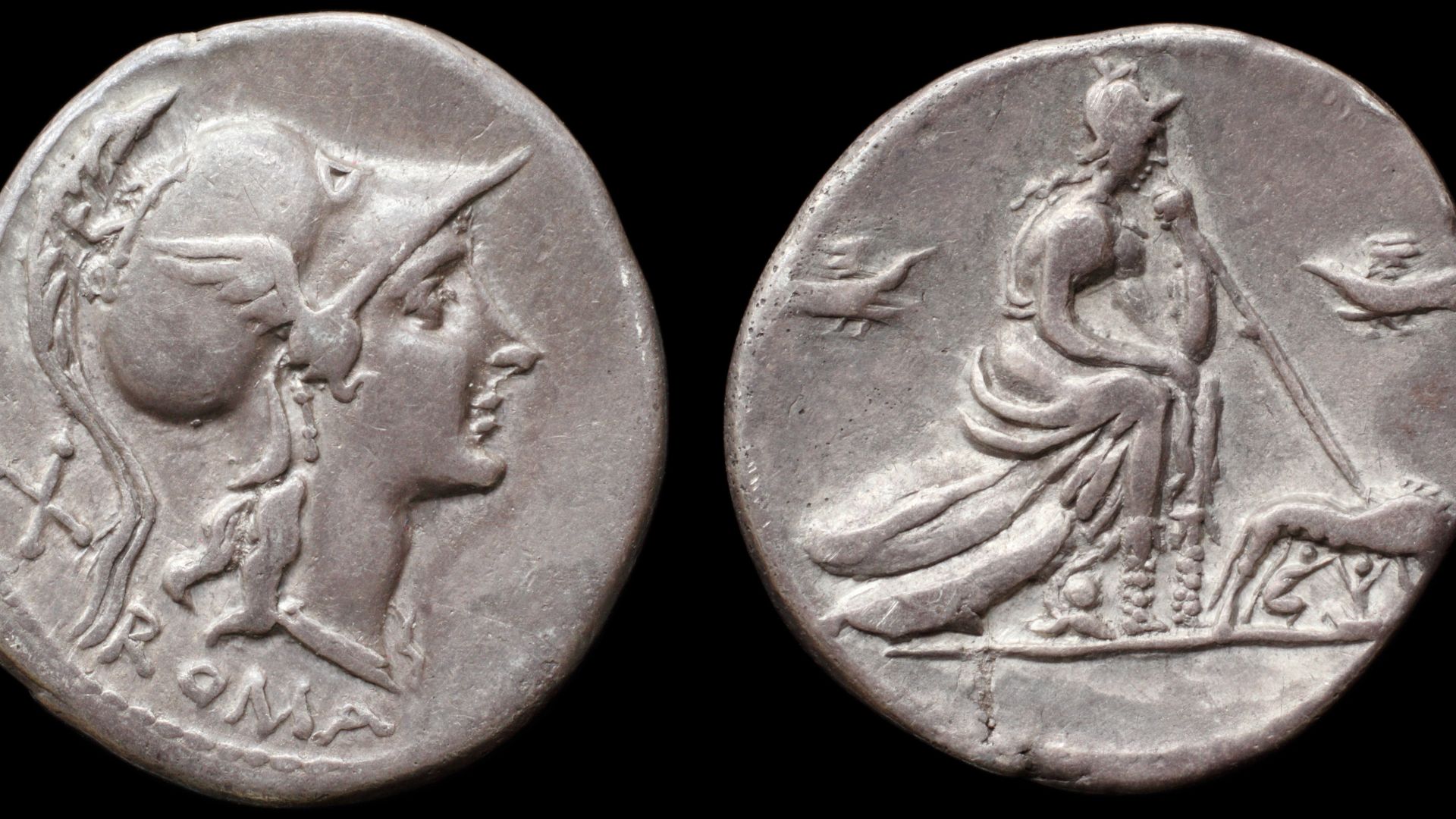
Rome needed enormous amounts of silver for its economy. The denarius, one of Rome's most important silver coins, helped power trade, taxation, and military payments. Extracting silver from lead-rich ore produced lead as a major byproduct.
 Arkaio Nomisma, Wikimedia Commons
The Empire Breathed Its Own Success
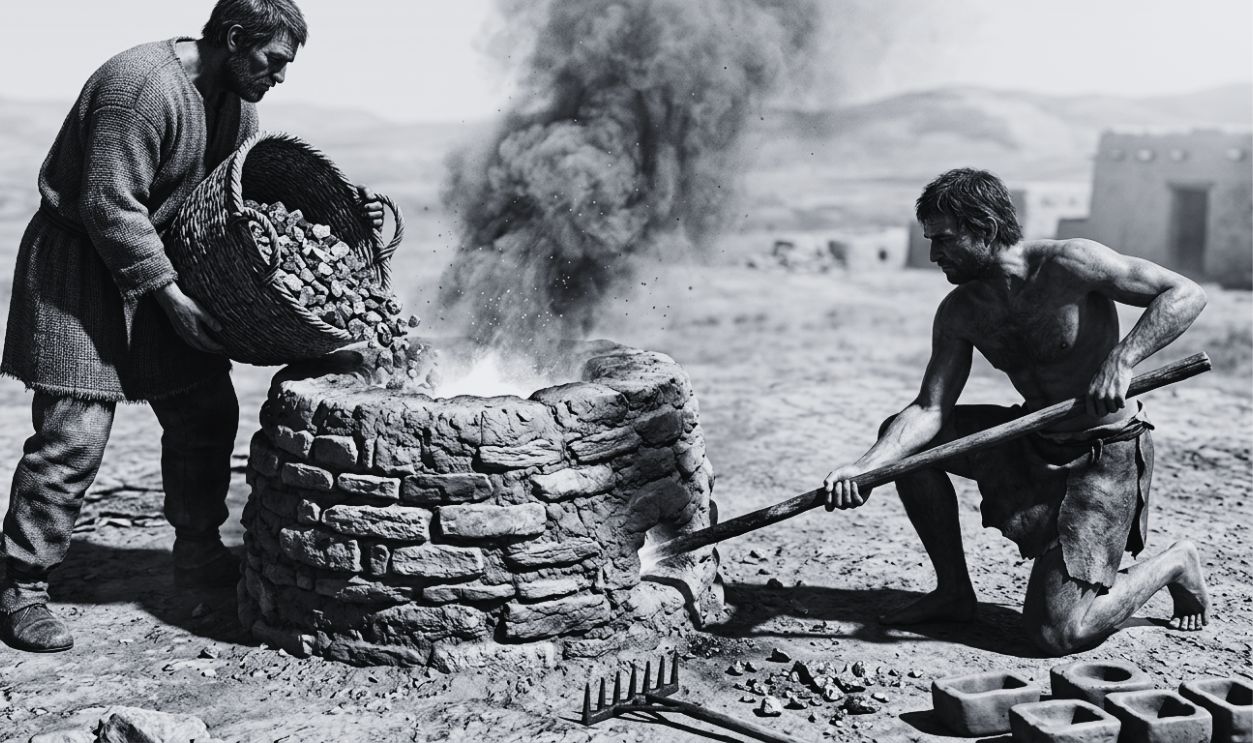
Roman mining and smelting were industrial achievements by ancient standards. Those same activities also released lead particles into the atmosphere. The study suggests people far from the mines may still have inhaled some of that pollution.
The Pax Romana Was Not So Clean
The researchers focused closely on the Pax Romana, the long period of Roman stability associated with Augustus through Marcus Aurelius. This period dates from 27 BCE to 180 CE. The new study found elevated lead pollution during the height of that imperial age.

Scientists Followed The Smoke Trail
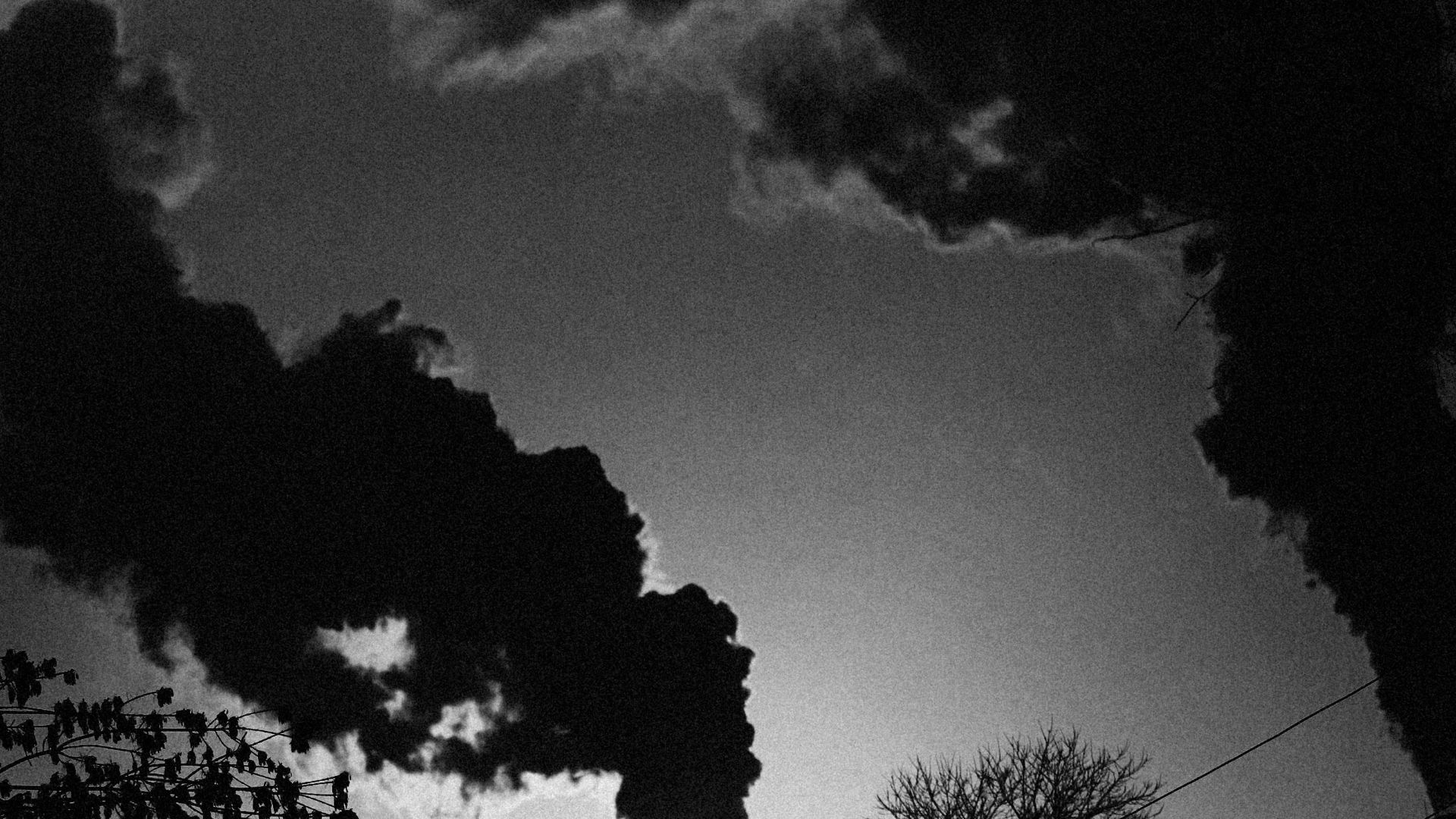
Lead particles from mining and smelting did not stay neatly near the mines. Winds carried pollution across long distances. By combining ice-core evidence with atmospheric modeling, researchers mapped how Roman-era lead likely spread across Europe.
Ice Cores Became Time Machines
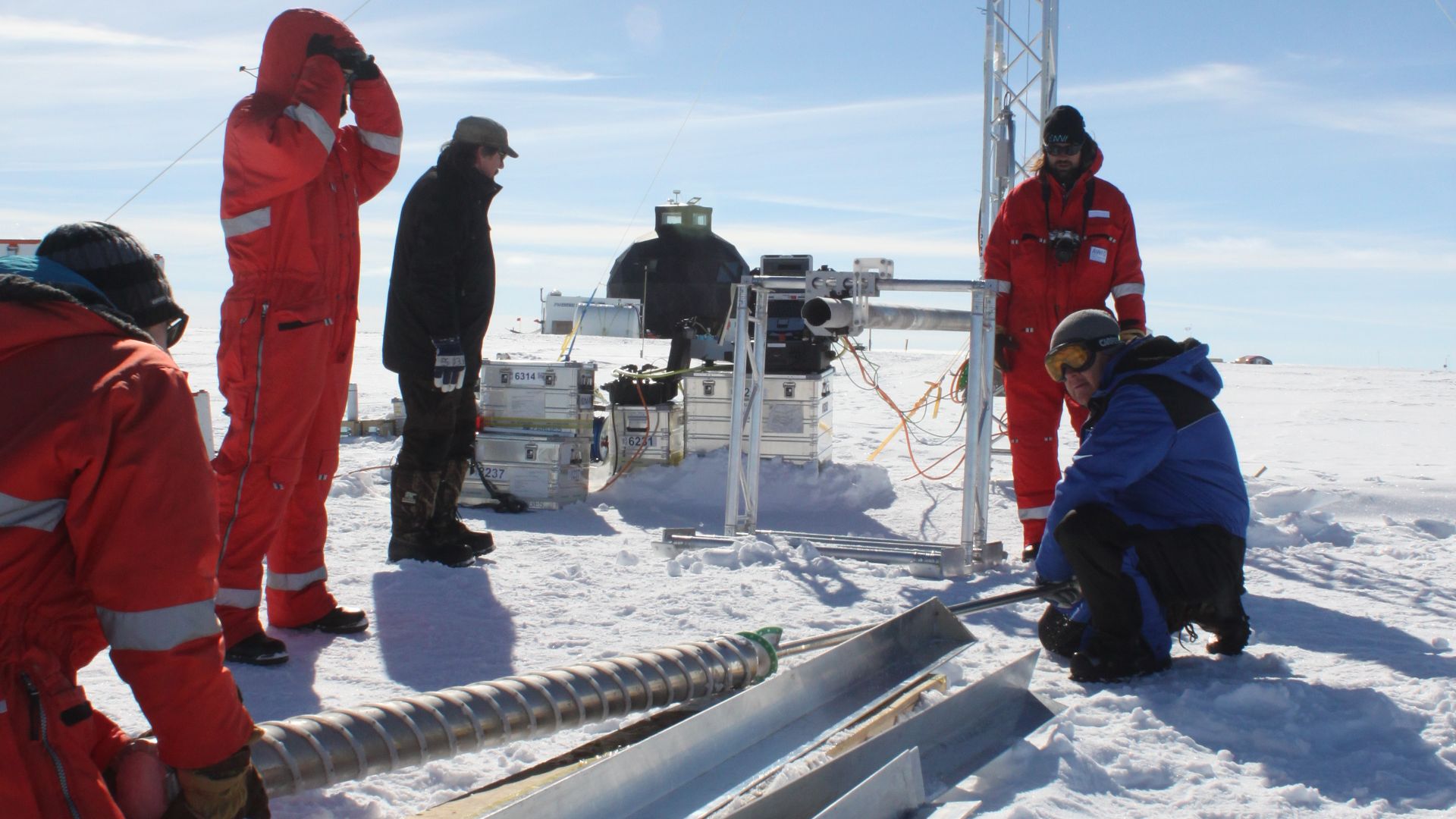
Ice cores preserve layers that can be read like a timeline. When snow falls and compacts into ice, it can trap tiny chemical traces from the atmosphere. In this case, those traces included lead linked to ancient human industry.
 NASA's Goddard Space Flight Center/Ludovic Brucker, Wikimedia Commons
The Arctic Kept Rome's Secret
The Arctic may seem far removed from Rome, but pollution can travel across continents. Lead preserved in Greenland and Russian Arctic ice helped researchers track emissions from Europe. That gave scientists a rare environmental record of the Roman world.

The Numbers Were Startling
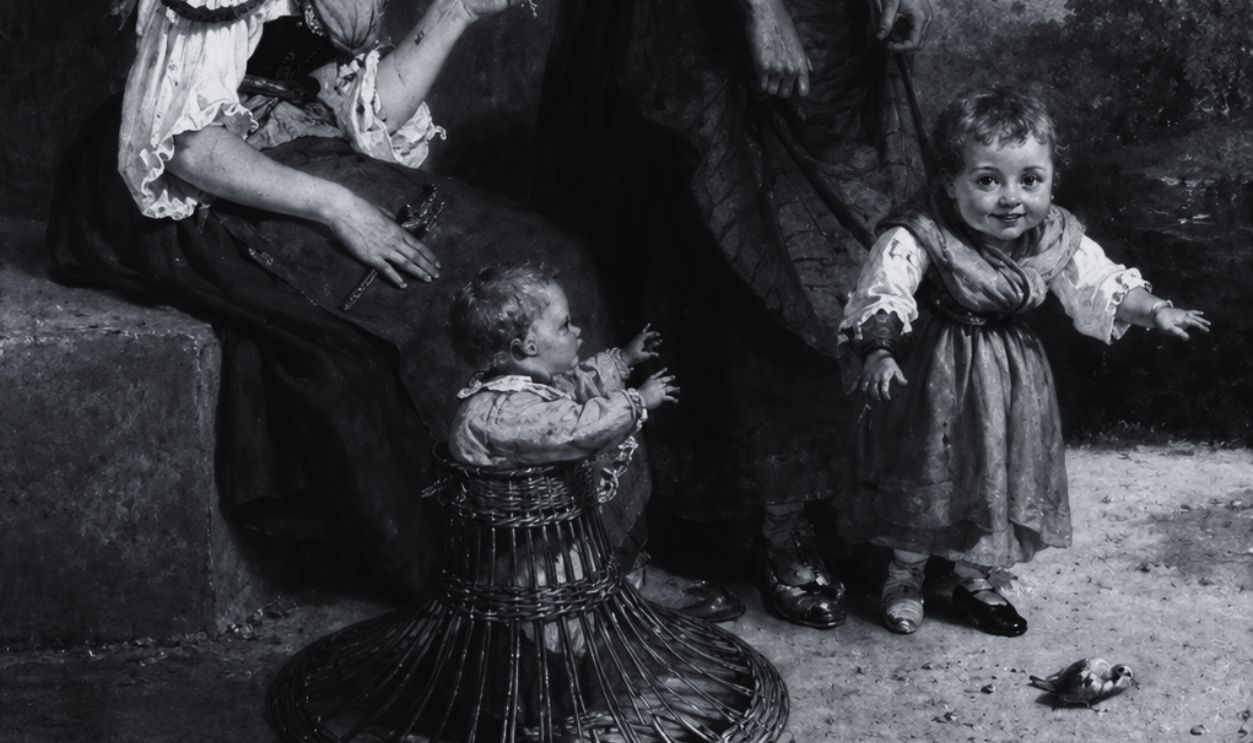
The study estimated that Roman-era lead pollution raised average childhood blood lead levels in Europe. During peak exposure, the researchers linked those levels to an estimated IQ reduction of about 2.5 to 3 points. That figure refers to an average population effect, not to every individual person.
 Penry Williams, Wikimedia Commons
A Few Points Can Matter
A drop of 2 or 3 IQ points may sound small at first. Across a large population, however, even a modest average shift can be significant. One study author noted that applying such a change to much of Europe makes it a much bigger deal.
 Unknown artistUnknown artist, Wikimedia Commons
This Was Not Just A Rich Person Problem
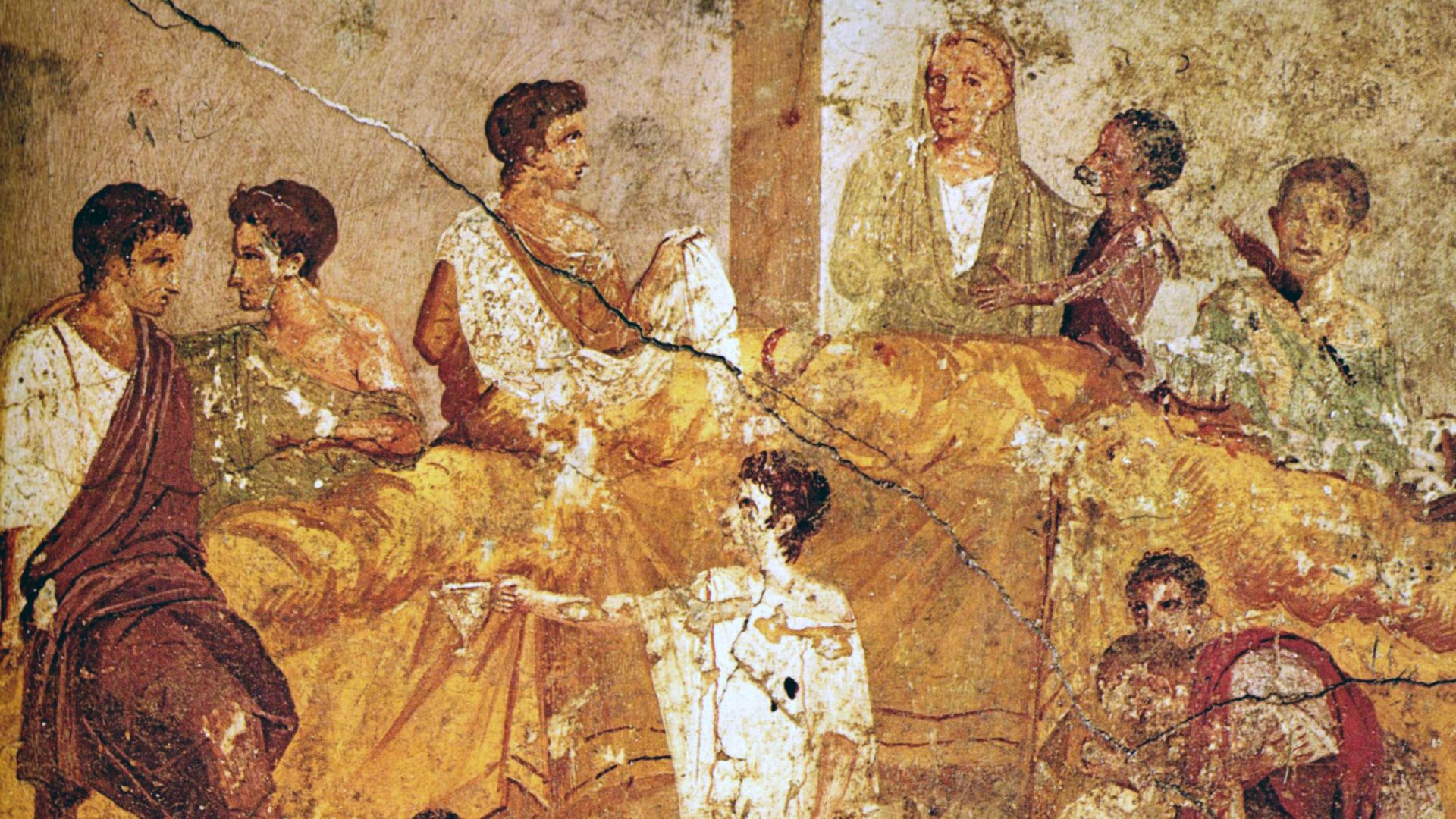
Roman elites had additional lead risks from pipes, cookware, cosmetics, medicines, and wine sweeteners. The new study focuses on a broader exposure route. Airborne lead from mining and smelting could have affected people across social classes.
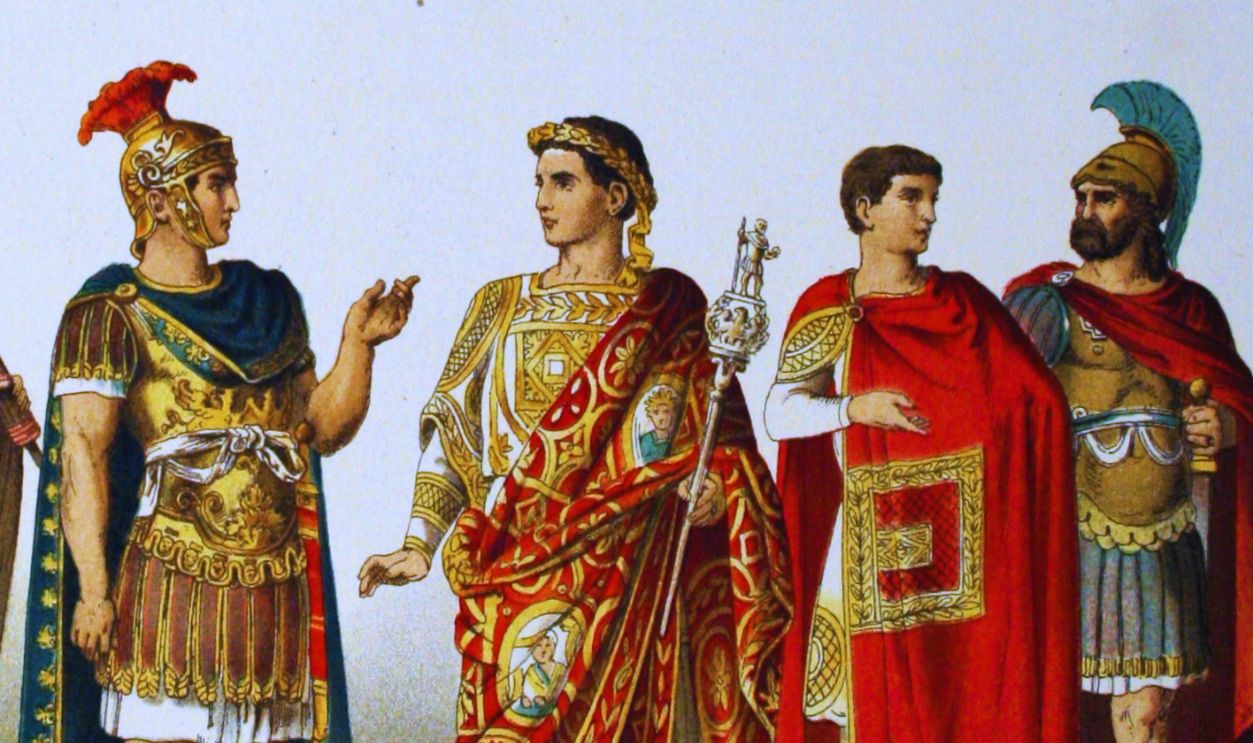 by Albert Kretschmer, Wikimedia Commons
Lead Was Everywhere In Roman Life
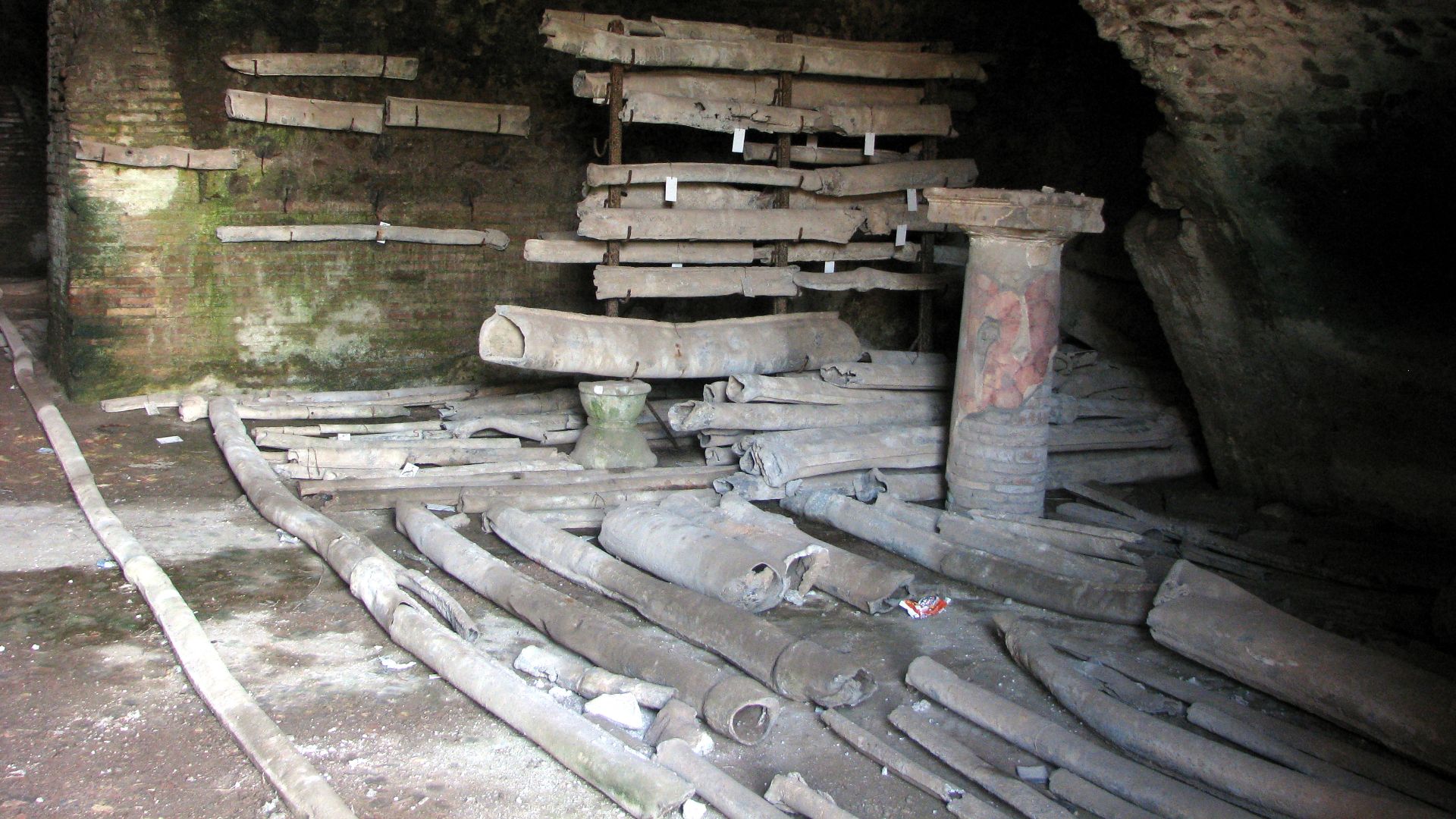
Romans used lead because it was useful, workable, and common. It appeared in plumbing, industrial equipment, and other everyday materials. The problem was that the metal carried serious health risks that ancient societies could not fully measure.
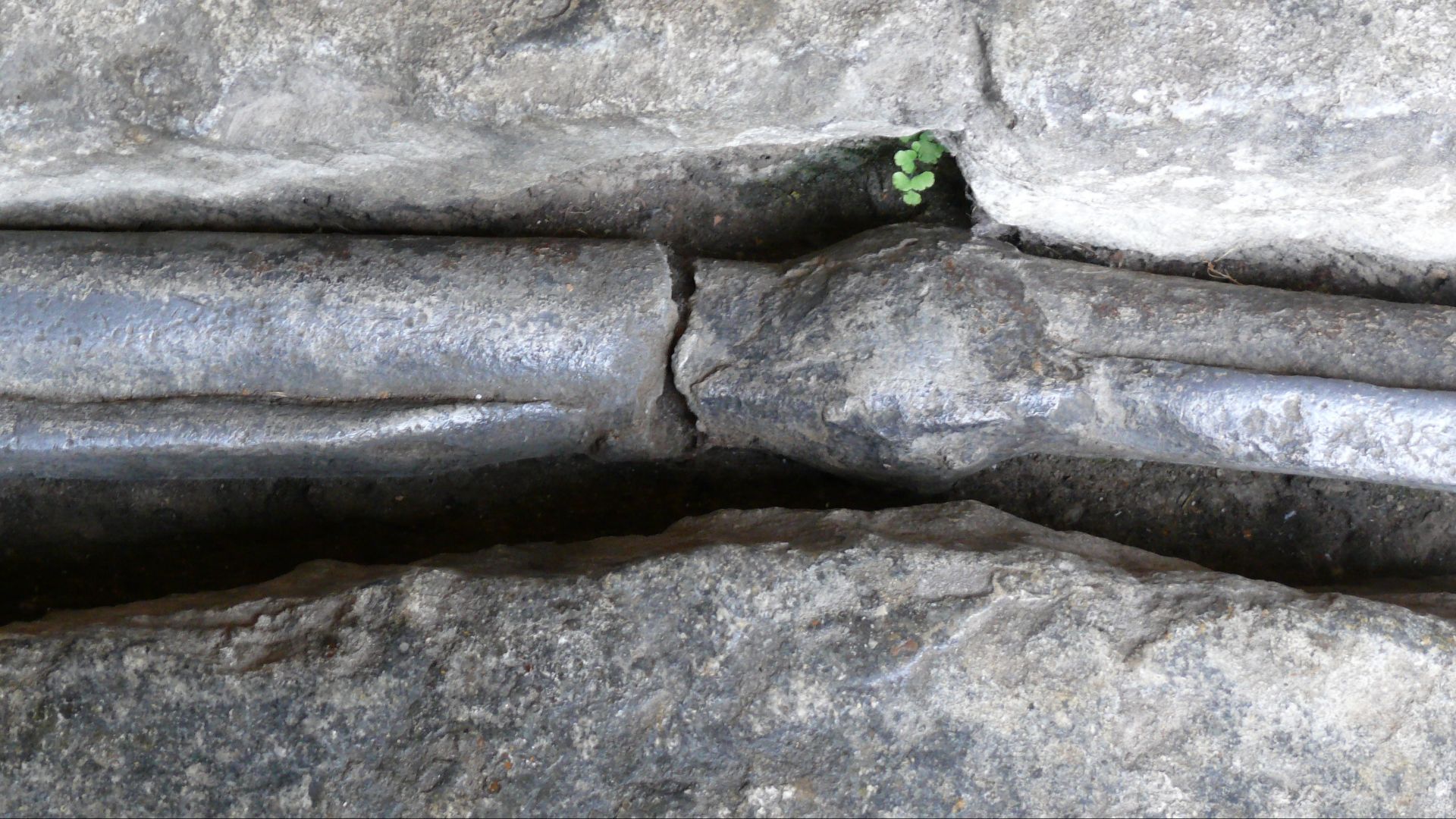
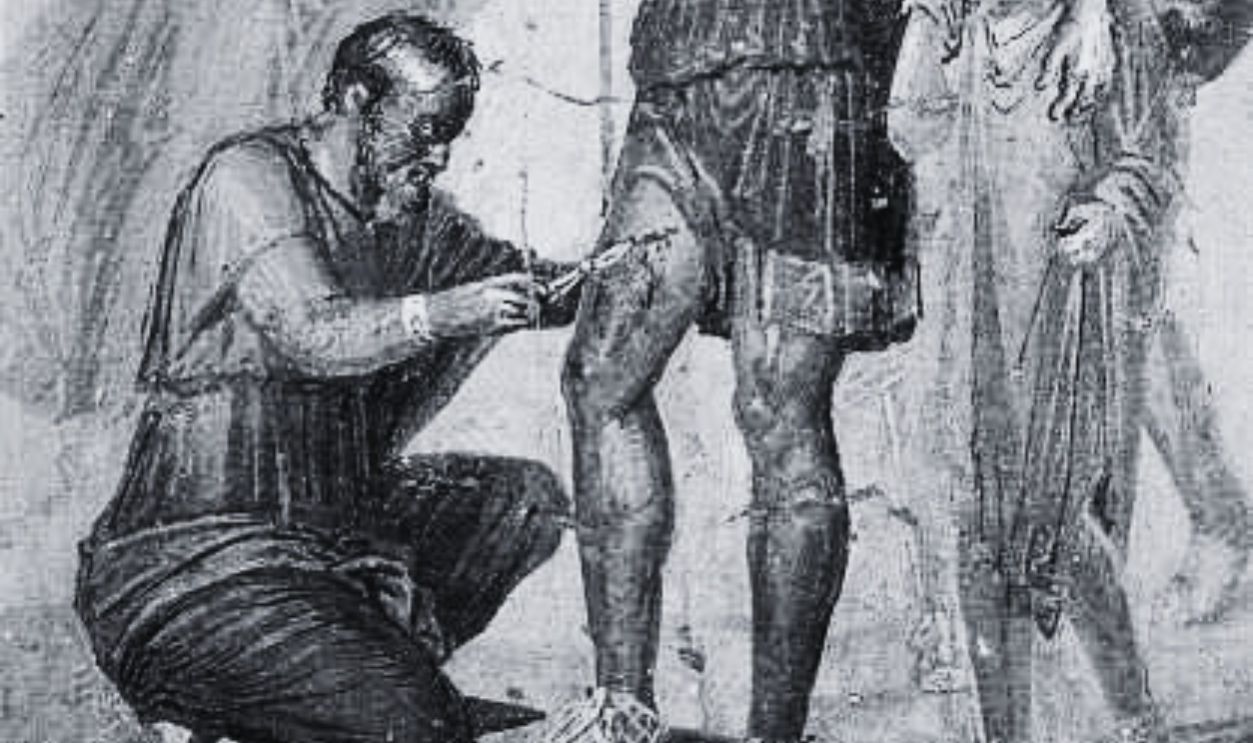
Ancient Doctors Knew Something Was Wrong
Ancient writers recognized that lead could be harmful. Even so, Roman society continued using it in many ways. The scale of the empire's mining industry made the problem much larger than individual household exposure.
Silver Made The Empire Shine
Silver coinage helped Rome pay soldiers, collect taxes, and support trade. That economic engine required metal production on a vast scale. The toxic side effect was lead pollution released during ore processing.
The Mines Fueled More Than Money
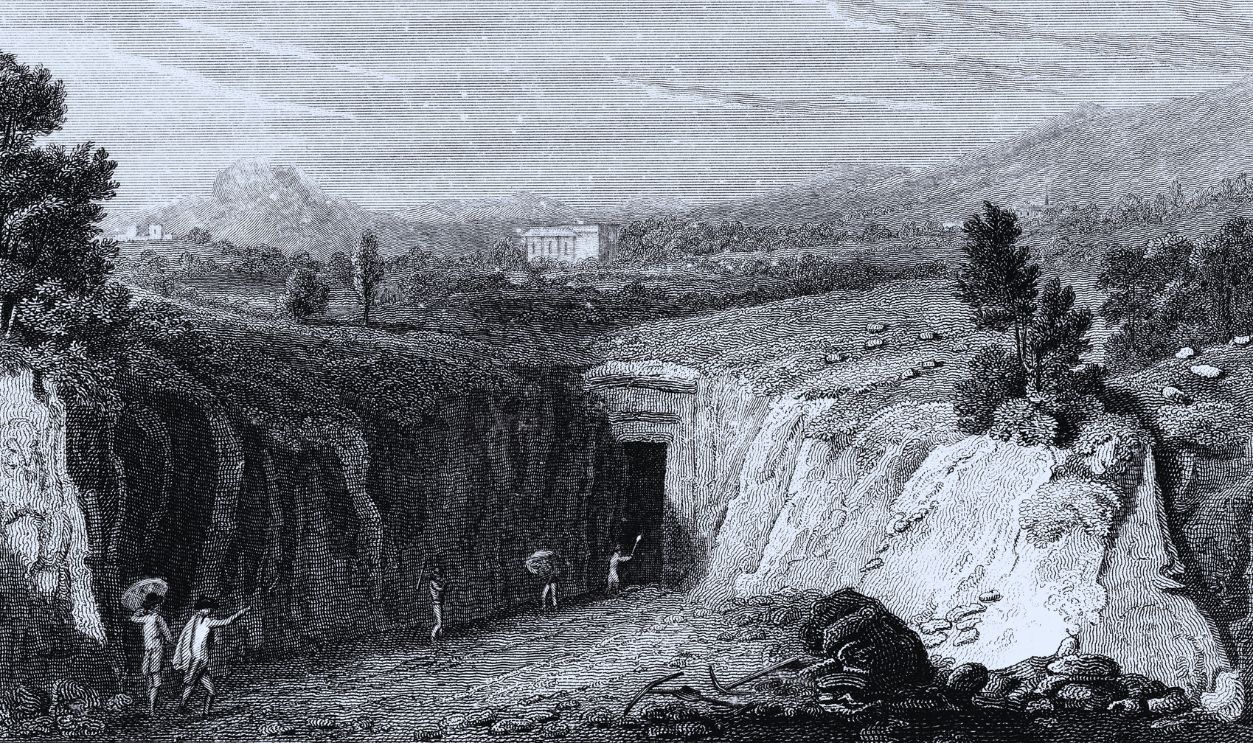
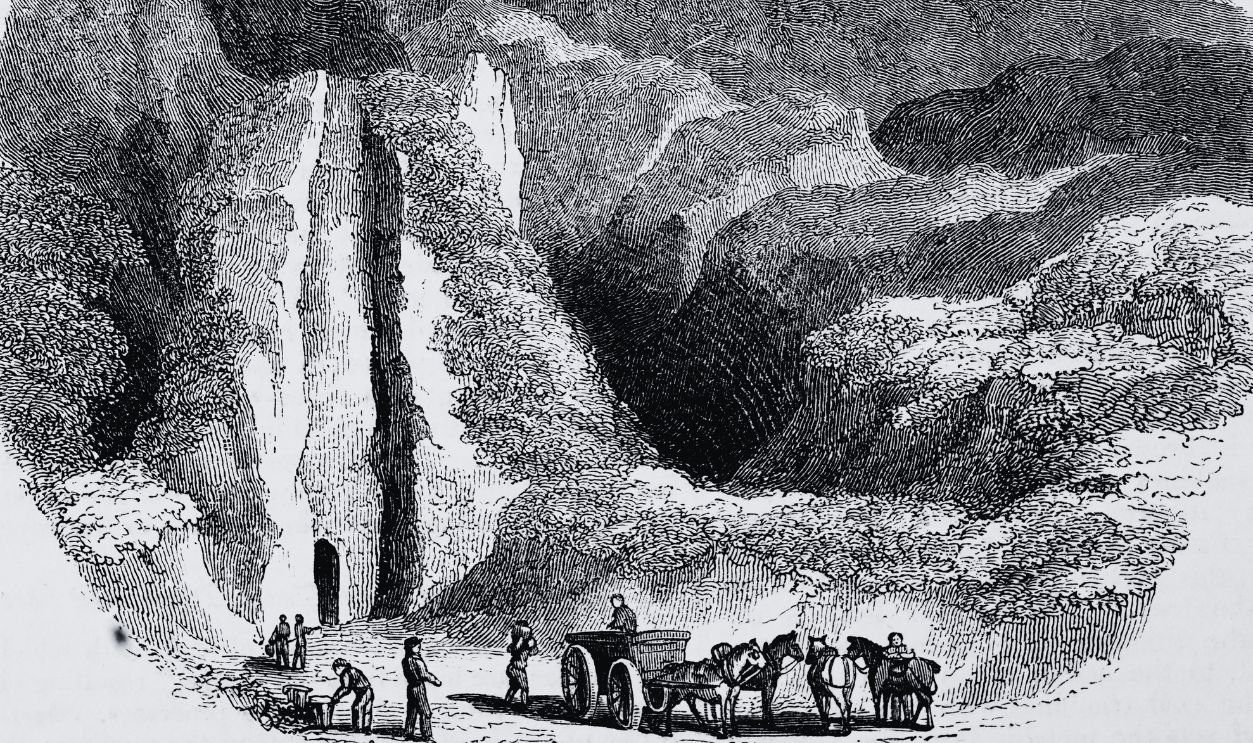
Roman mines supplied the material behind coins and other goods. Smelting separated valuable metals from ore. That process could send lead particles into the air long before modern smokestacks existed.
The Pollution Was Human Made
The study describes the lead spike as a result of anthropogenic emissions. That means it came from human activity rather than natural sources. In this case, the likely source was Roman-era mining and smelting.
 Universal History Archive, Getty Images
Isotopes Helped Identify The Source
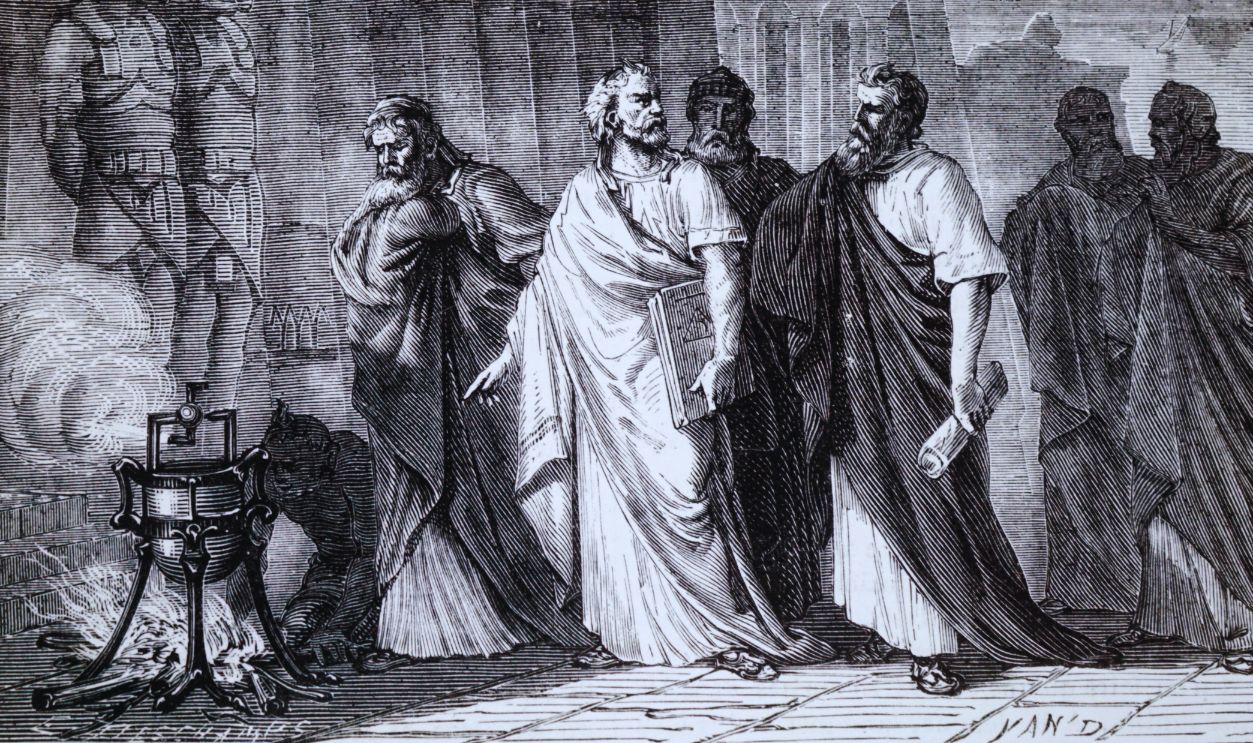
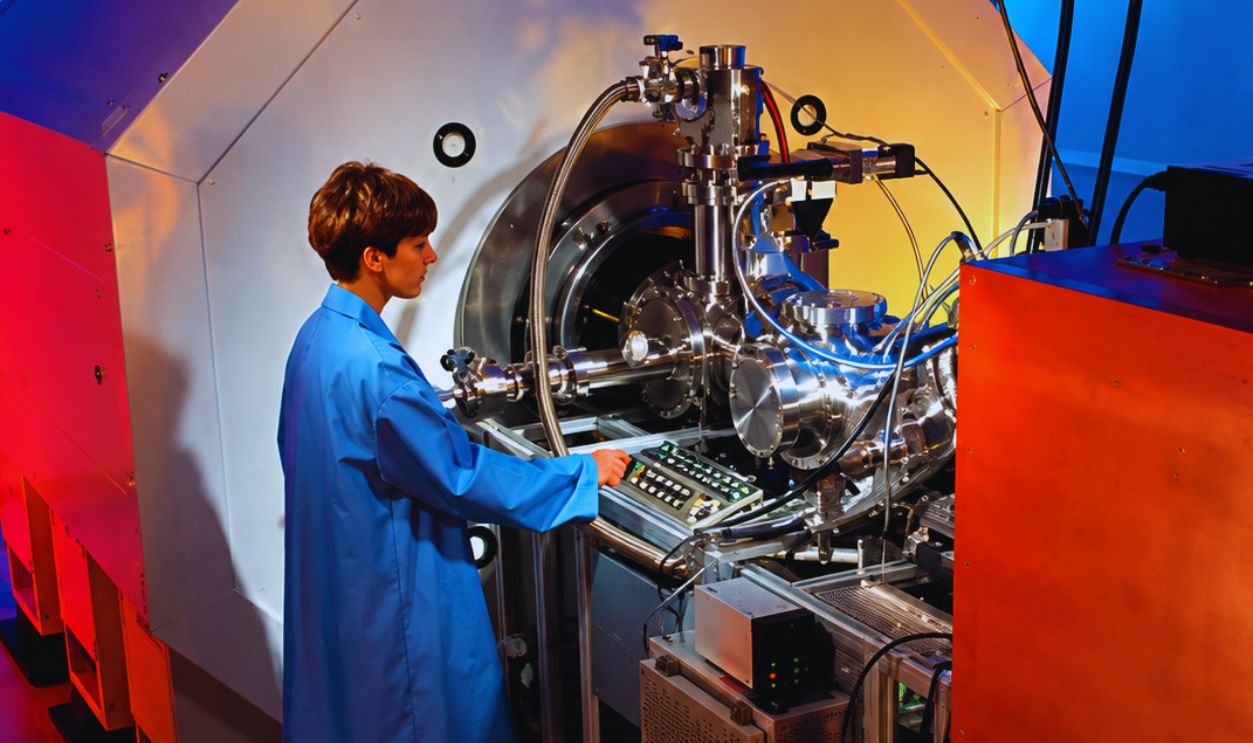
The researchers used lead isotopes to help trace where the pollution came from. Isotopes can act like chemical fingerprints. Those fingerprints pointed toward mining and smelting operations across Europe.
Rome's Golden Age Had A Shadow
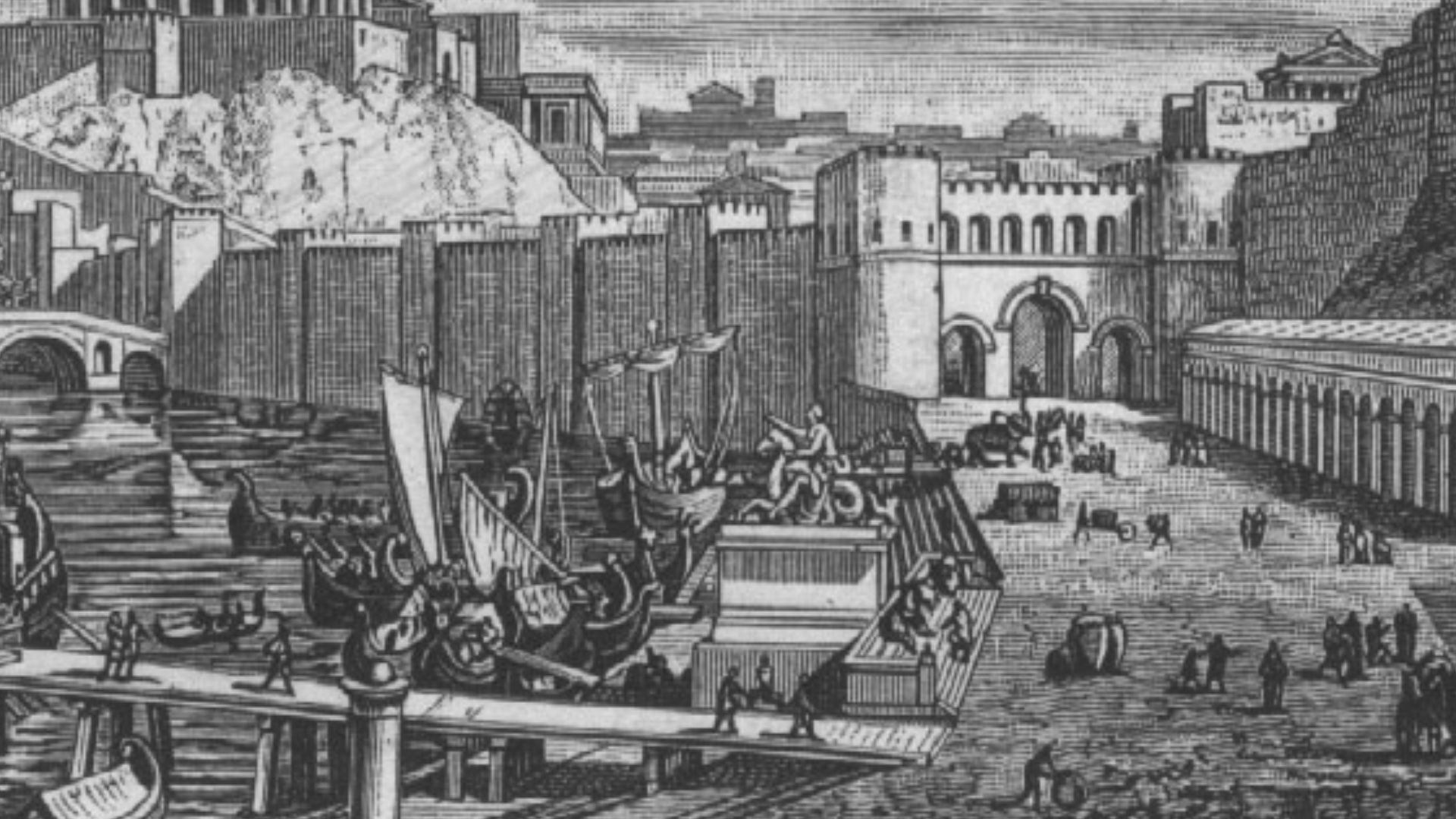
The Pax Romana is often remembered as a period of peace and prosperity. The study suggests that prosperity also came with environmental damage. Rome's economic strength may have carried a hidden biological cost.
 Editor at Large, Wikimedia Commons
Children Were The Most Vulnerable
Modern medical research shows that children are especially sensitive to lead exposure. The World Health Organization says lead can permanently affect children's brain development. That is why the study's estimates focused on childhood blood lead levels.

There Is No Safe Level
The CDC says no safe blood lead level in children has been identified. Even low levels can affect learning, attention, and academic achievement. That modern knowledge helps explain why ancient airborne exposure matters.

The Study Used Modern Health Data
Researchers could not test ancient children's IQ directly. Instead, they connected reconstructed air pollution to modern evidence about lead exposure and cognitive outcomes. That approach allowed them to estimate likely health effects.

This Was A Model, Not A Time Machine
The findings are estimates based on environmental records, atmospheric modeling, and epidemiology. They do not prove the exact experience of every Roman-era child. They do suggest that lead pollution was widespread enough to have population-level consequences.

The Air Told A Bigger Story
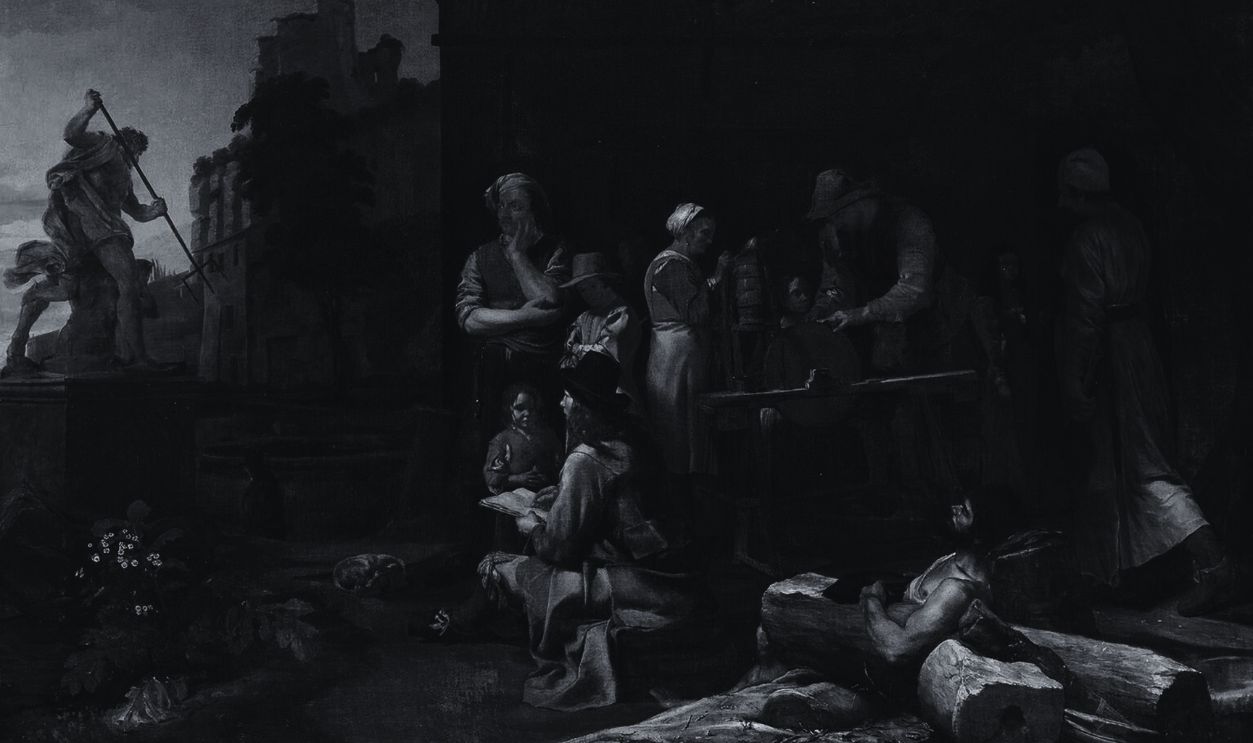
The study is not mainly about lead pipes or elite habits. It is about the air people breathed. That makes the finding especially striking because air pollution can reach people who never handled lead objects.
 Michiel Sweerts, Wikimedia Commons
Europe Was The Main Focus
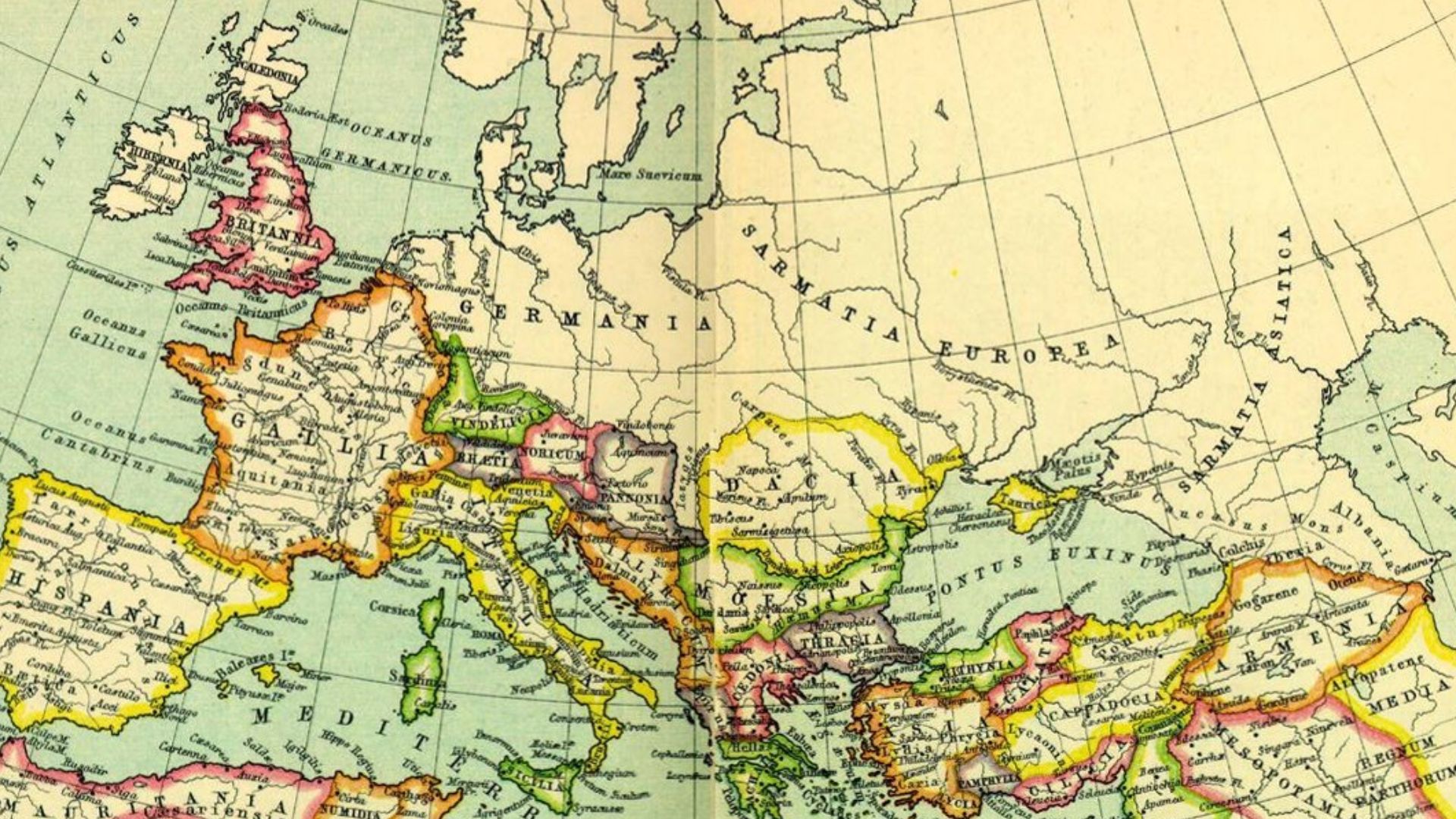
The researchers modeled lead exposure across Europe during Roman times. Their maps suggested elevated air lead levels over wide areas. The highest concentrations were closer to metallurgical sources.
The Empire's Reach Increased The Risk
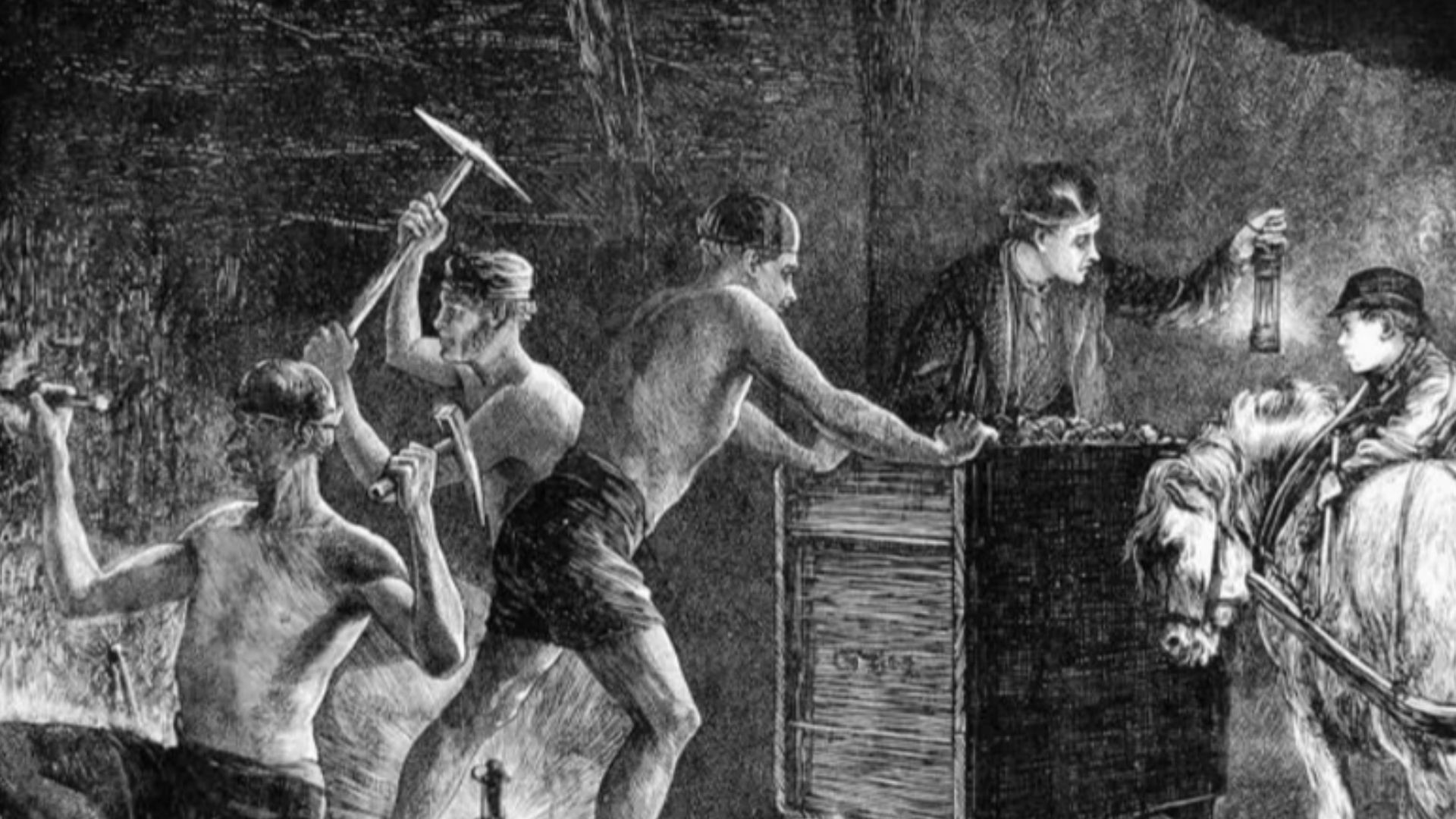
Rome's political and economic power helped expand mining and metal production. Larger production meant more emissions. In this case, the machinery of empire may have amplified a public health hazard.
The Decline Matched History
Lead pollution rose during the Roman imperial peak and fell after the Pax Romana declined. The ice-core record showed changes that tracked major shifts in Roman economic activity. That connection makes the pollution record useful for historians as well as scientists.
More Than Half A Million Tonnes
Lead researcher Dr. Joseph McConnell estimated Roman activity released more than half a million tonnes of lead into the atmosphere during the period studied. That figure gives a sense of the scale involved. It also shows why a supposedly ancient problem can look surprisingly modern.
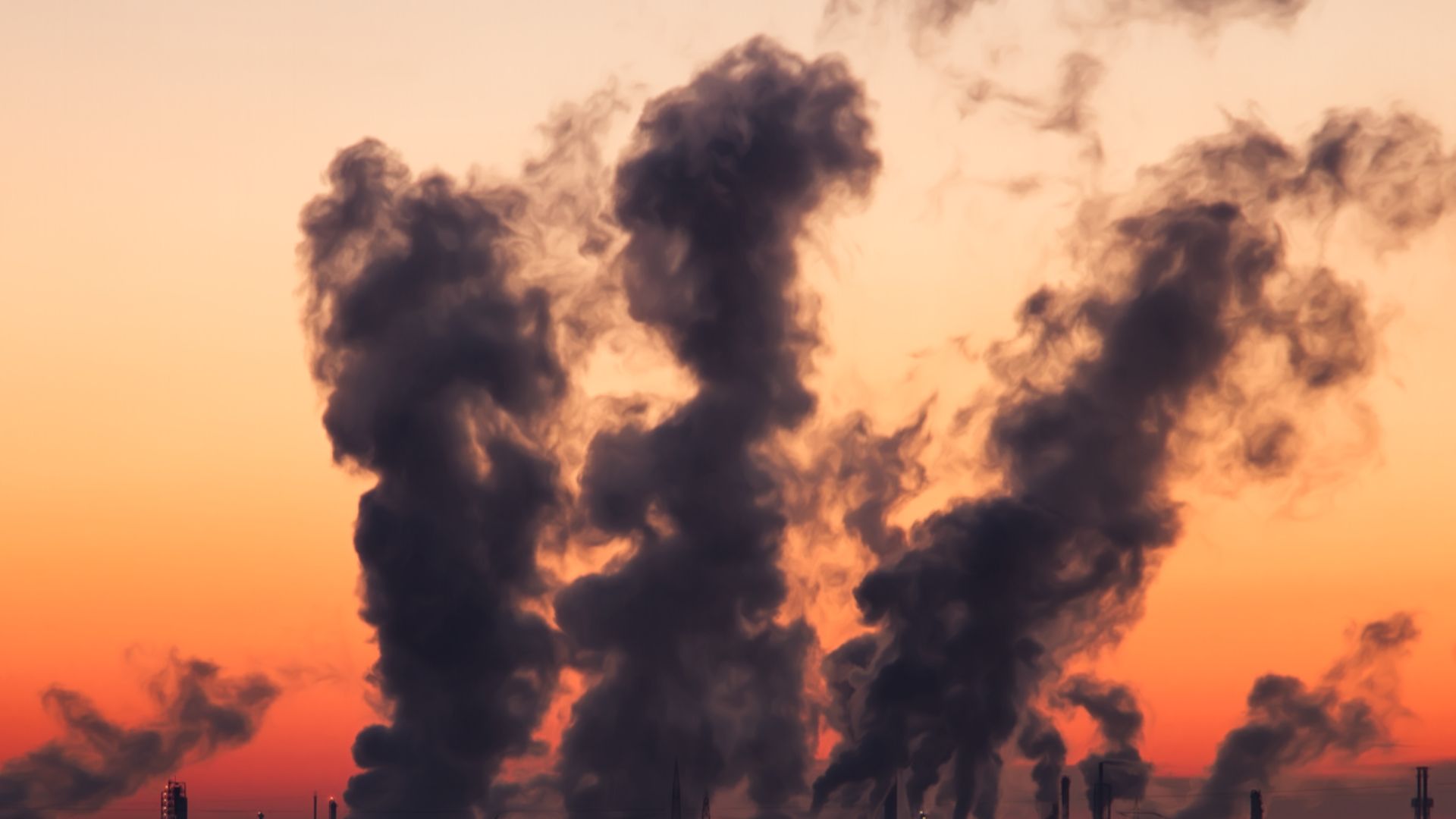
Ancient Industry Was Real Industry
It is easy to imagine ancient economies as small and simple. Roman mining shows that premodern societies could create large environmental footprints. This study adds human health impacts to that picture.
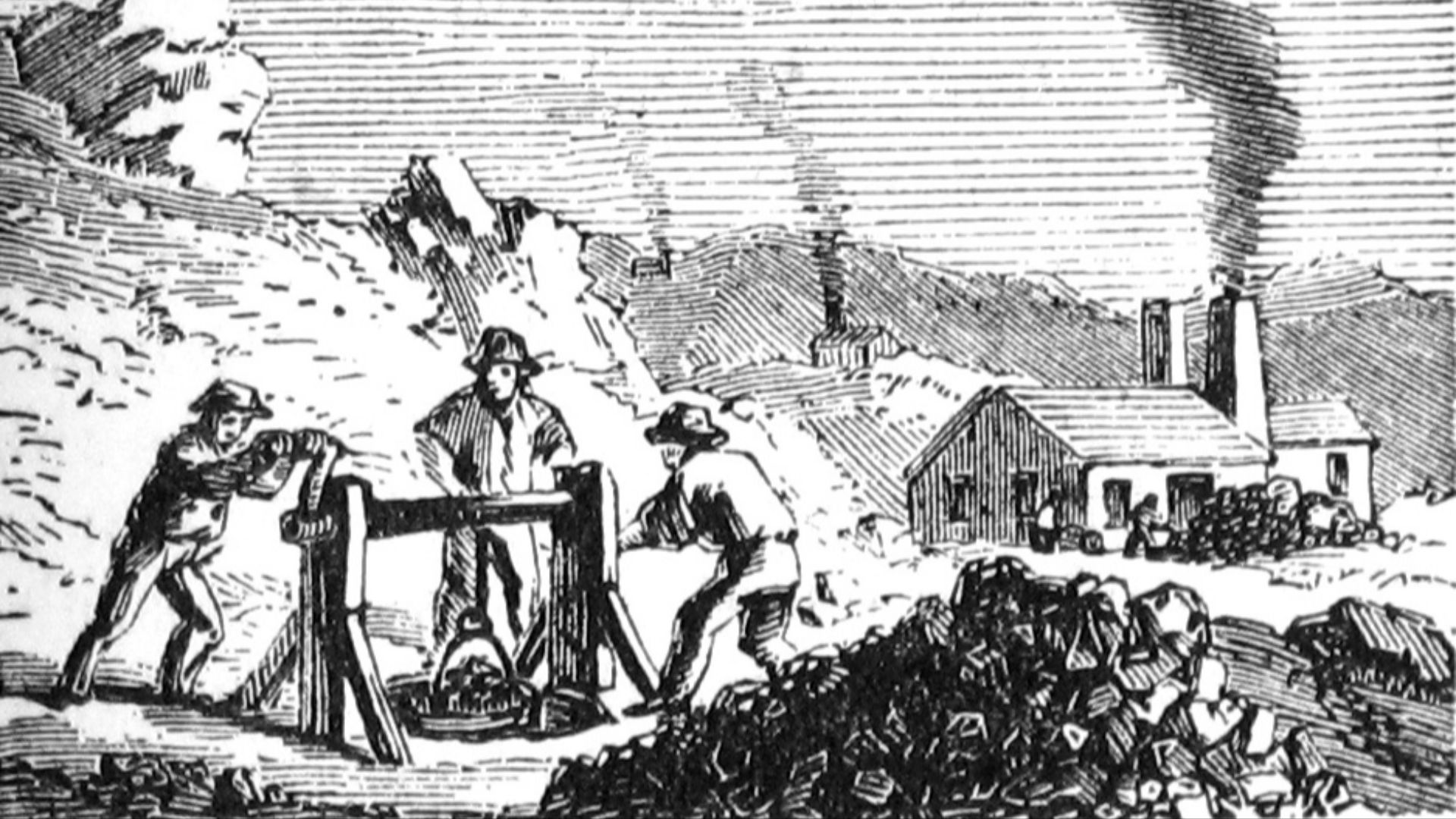 John W. Barber and Henry Howe, Wikimedia Commons
The Findings Do Not Blame One Mistake
The story is not that one Roman decision poisoned Europe. It was the combined result of mining, smelting, coin production, and everyday dependence on lead. The danger came from a whole system that prized the metal's usefulness.
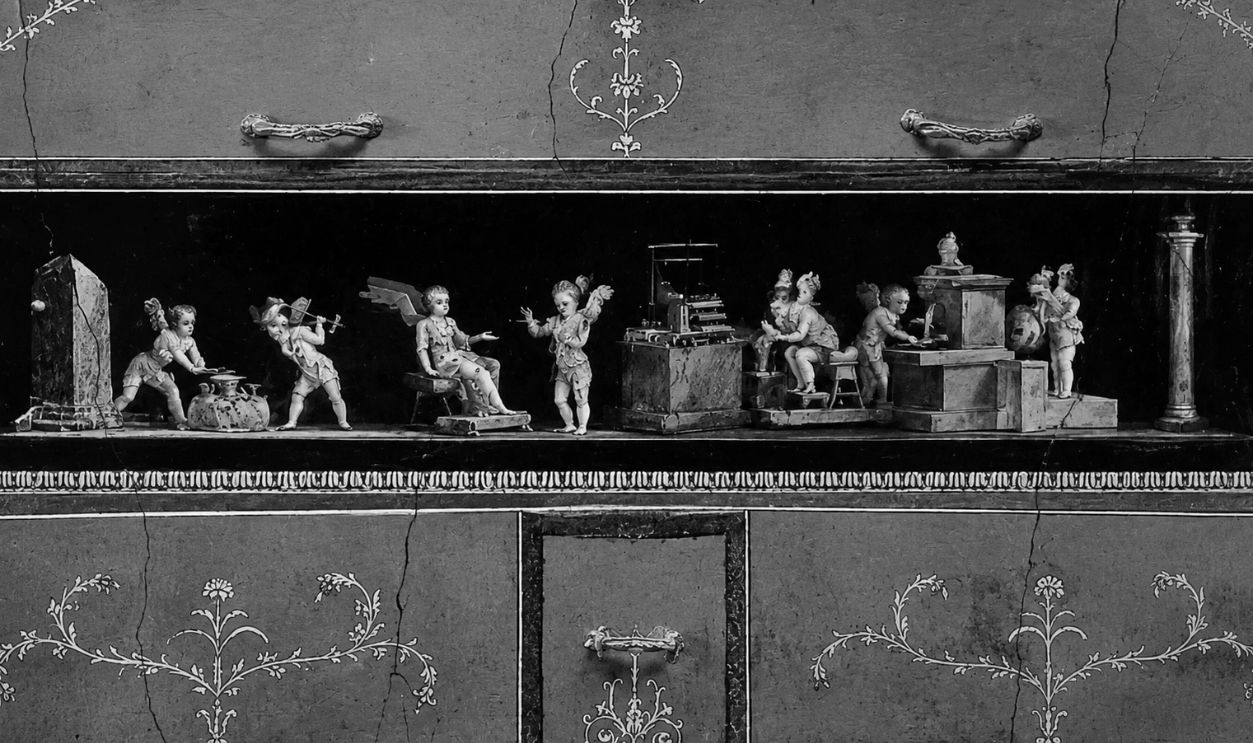 http://www.uniroma2.it/eventi/monete/n_mag_1d.htm, Wikimedia Commons
The Headline Claim Needs Care
The study suggests lead pollution may have lowered average IQ across affected populations. It does not show that Europeans became permanently less intelligent as a genetic fact. The claim is about exposure during a historical period, not inherited intelligence.
 This And No Internet 25, Pexels
The Effect Was Probably Uneven
People living near mines and smelting centers likely faced higher exposure. People farther away may have experienced lower levels. The study's continent-wide estimate reflects an average across modeled regions.
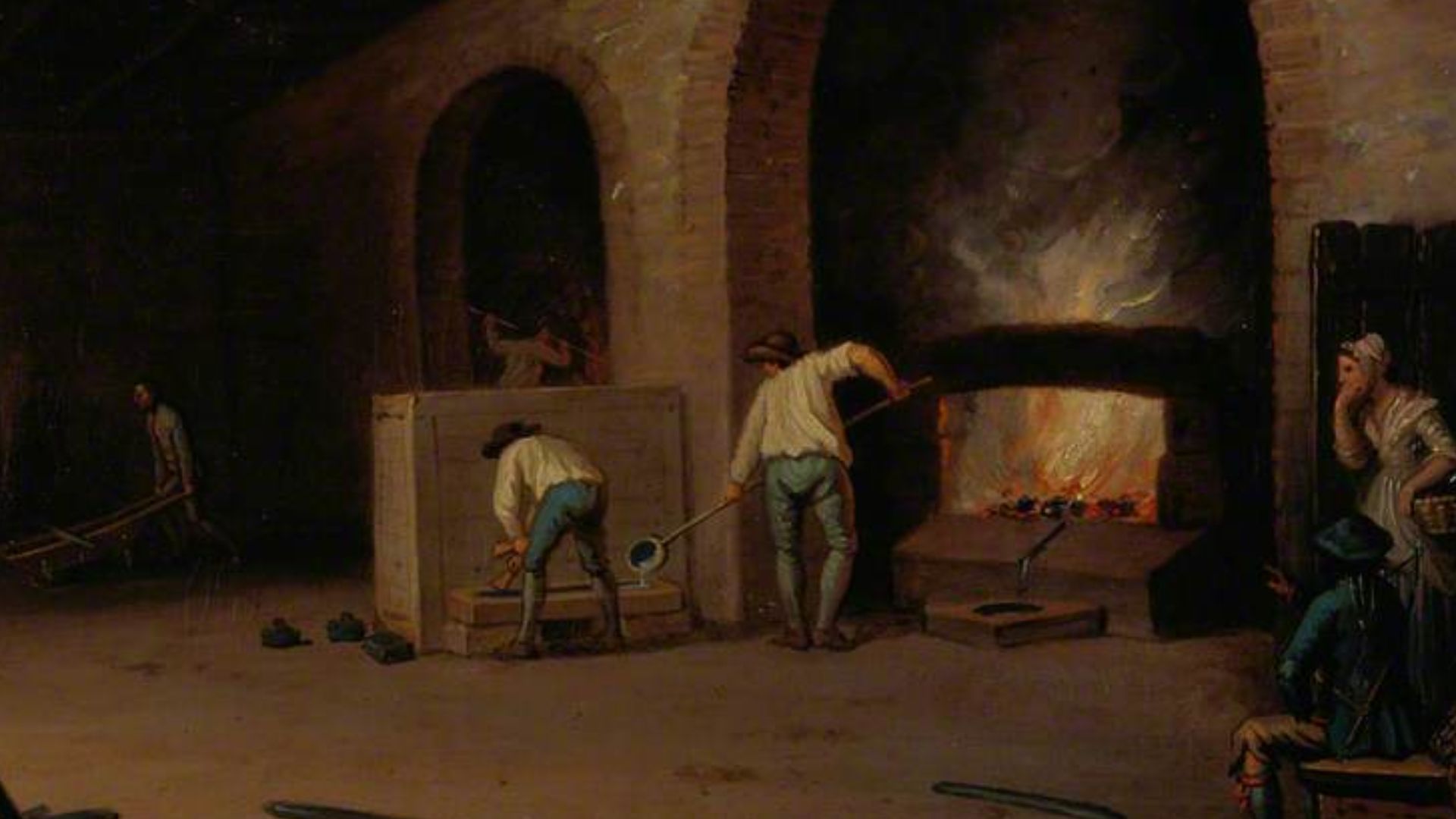 David Allan, Wikimedia Commons
Rome Was Not Alone In Polluting
The Roman Empire was not the only ancient society to produce pollution. What makes this case remarkable is the scale and the available ice-core evidence. The Arctic record allowed scientists to detect pollution from nearly 2,000 years ago.
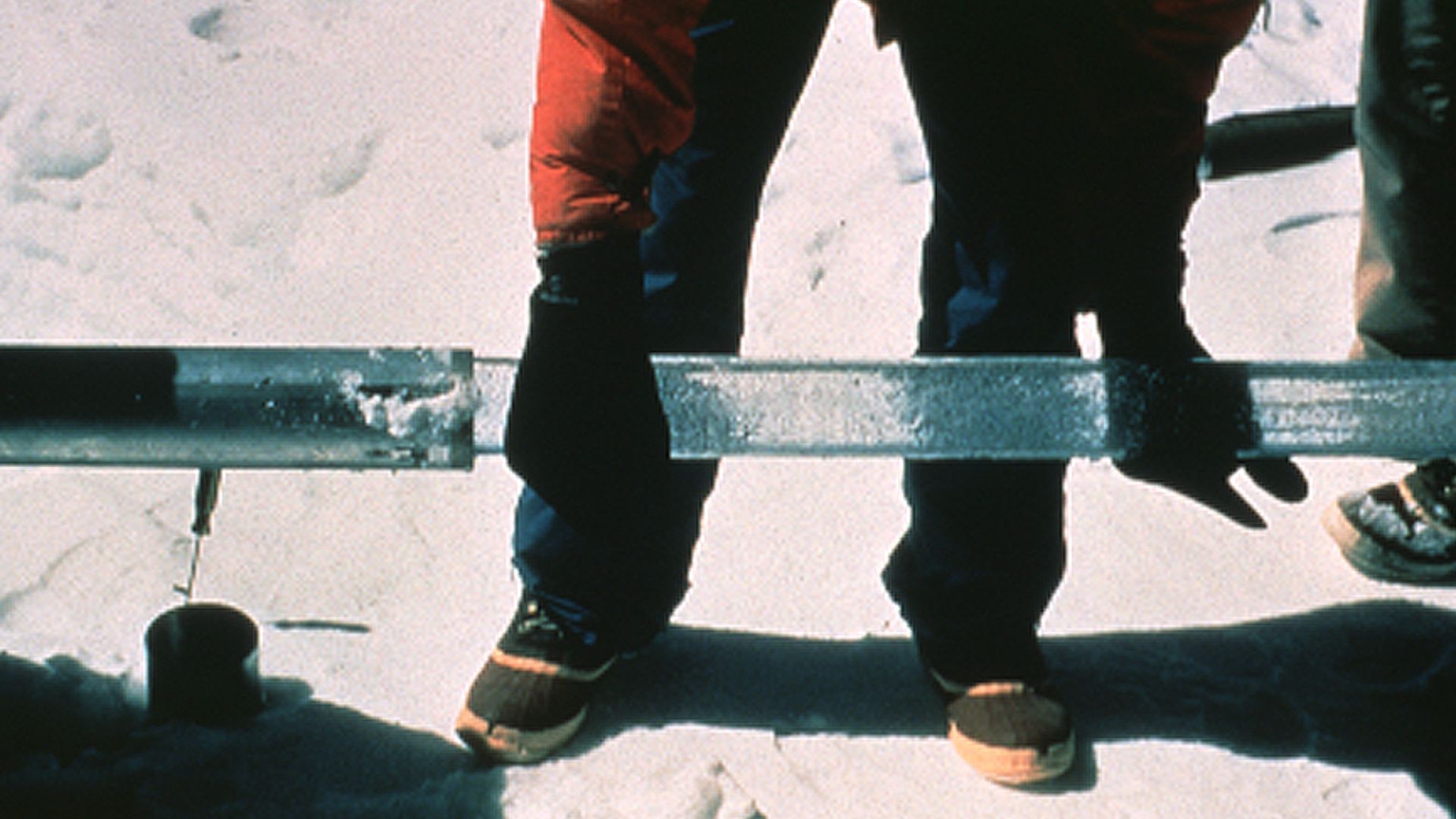 Photo by Lonnie Thompson, Byrd Polar Research Center, Ohio State University., Wikimedia Commons
The Industrial Revolution Was Worse
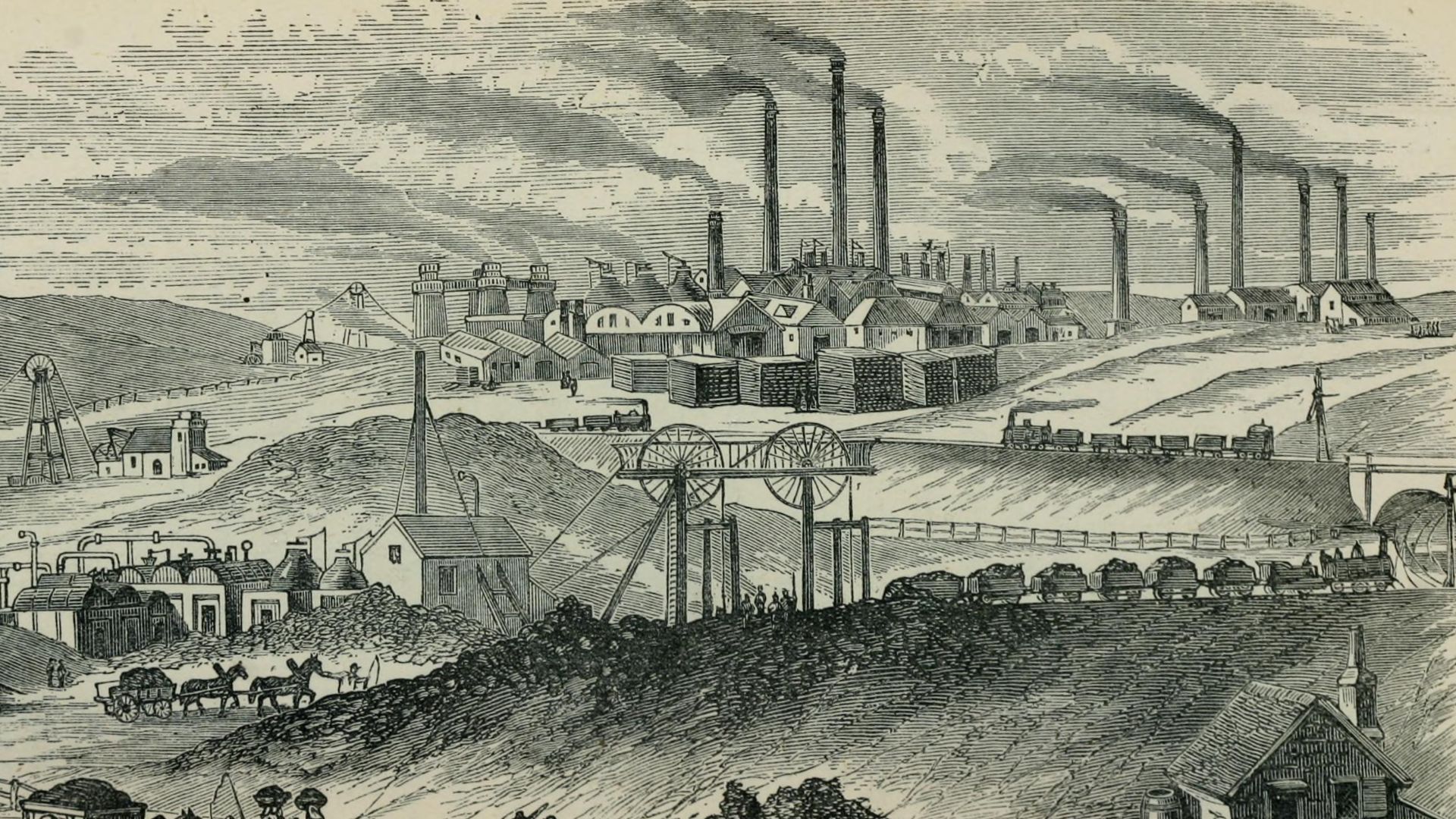
Lead pollution did not end with Rome. It rose again in later centuries and surged during the Industrial Revolution and the age of leaded fuels. That context shows how long societies have underestimated airborne lead.
Modern Science Changed The Picture
Today, lead is recognized as a major public health concern. WHO links lead exposure to reduced IQ, behavioral changes, and reduced educational attainment in children. Those modern findings make ancient exposure more alarming.

Ancient People Could Not See The Damage
Lead poisoning is not always obvious at low exposure levels. Children can be harmed even when symptoms are not visible. That makes the Roman case especially haunting because the damage may have been widespread but largely invisible.
 Hans Rottenhammer, Wikimedia Commons
The Study Bridges Archaeology And Health
This research sits at the intersection of archaeology, climate science, history, and public health. It uses environmental evidence to ask how ancient industry affected real bodies. That makes it much more than a story about dirty air.
 Helle Astrid Kjær, Wikimedia Commons
The Empire's Coinage Came With Consequences
Rome's silver coins symbolized order, power, and commerce. Producing that silver created lead-rich waste and emissions. The same system that helped bind the empire together may have harmed the people living within it.
 Johny SYSEL, Wikimedia Commons
The Air Connected The Empire
Roman roads connected cities and armies. Roman pollution connected landscapes in a different way. Lead particles traveled through the atmosphere, crossing borders that ancient people could barely imagine.
Scientists Are Still Debating The Bigger Meaning
The study does not prove that lead pollution changed the course of Roman history. Some scholars have long debated whether lead contributed to Rome's problems. The authors leave that larger historical question open.

The Public Health Lesson Is Clear
The strongest takeaway is not that lead caused Rome's decline. It is that human-made pollution has harmed health for thousands of years. Ancient Rome shows how prosperity can carry hidden environmental costs.
A Familiar Problem In An Ancient Setting
Modern readers know lead from paint, pipes, soil, and industrial contamination. The Roman study shows that lead pollution is not a new danger. It is an old hazard with a very long paper trail.
The Ice Remembered What People Forgot
No Roman official recorded continent-wide lead pollution statistics. The Arctic ice did that work instead. Centuries later, scientists used those frozen layers to uncover a toxic legacy.
 File Upload Bot (Magnus Manske), Wikimedia Commons
Rome's Legacy Looks More Complicated
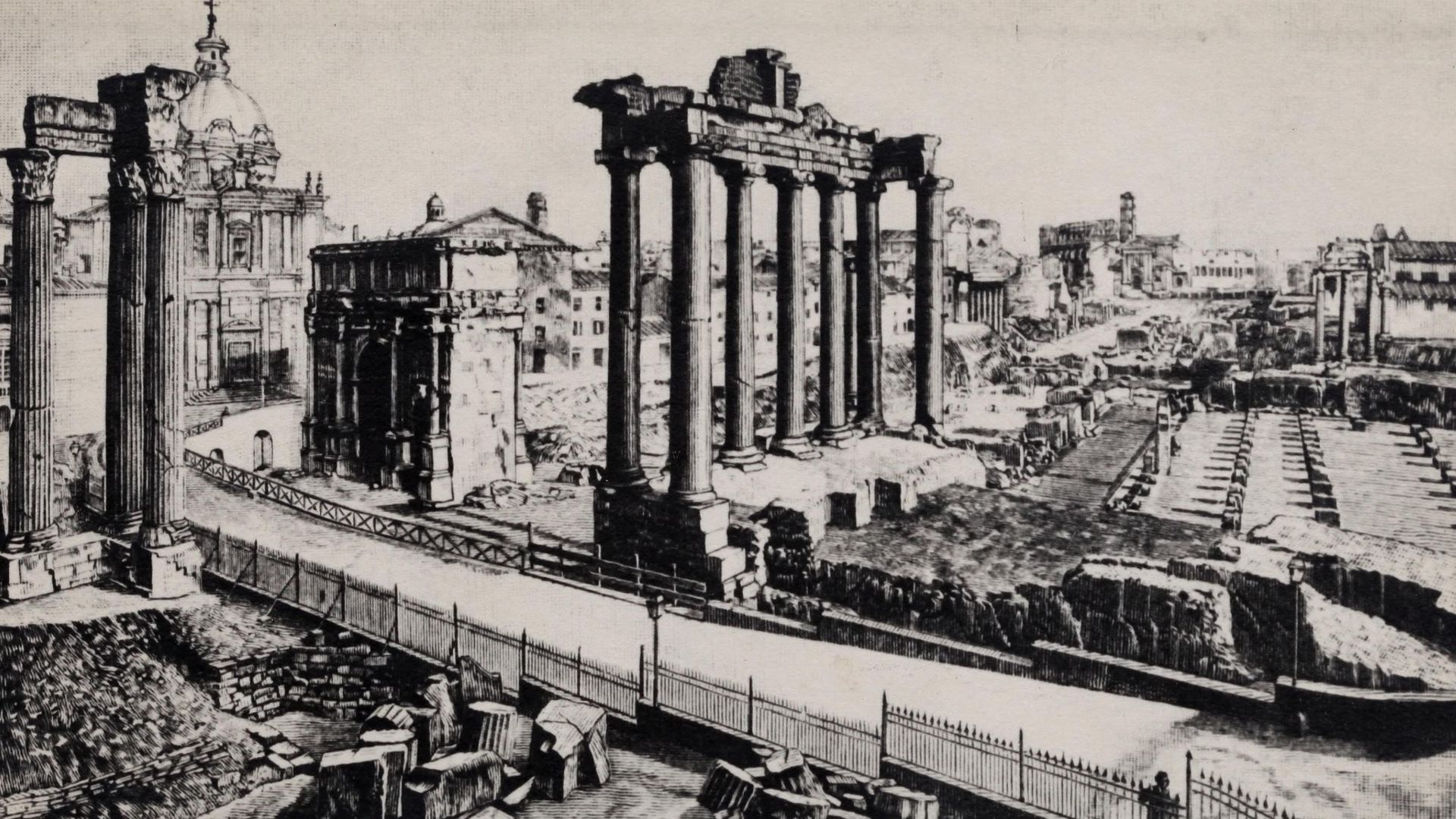
Ancient Rome gave the world impressive architecture, law, infrastructure, and literature. It also produced pollution on a scale large enough to leave traces in polar ice. That dual legacy makes the empire feel both brilliant and unsettlingly familiar.
 Myers, P. V. N. (Philip Van Ness), 1846-1937, Wikimedia Commons
The Past Has A Warning
The study turns a famous civilization into a cautionary tale. Rome's wealth depended partly on industries that polluted the air and may have affected children's brains. The warning is simple, powerful, and still relevant.
You May Also Like:
Scientists finally unlocked the secret of what made Roman concrete almost indestructible.