A Mystery That Survived Millennia
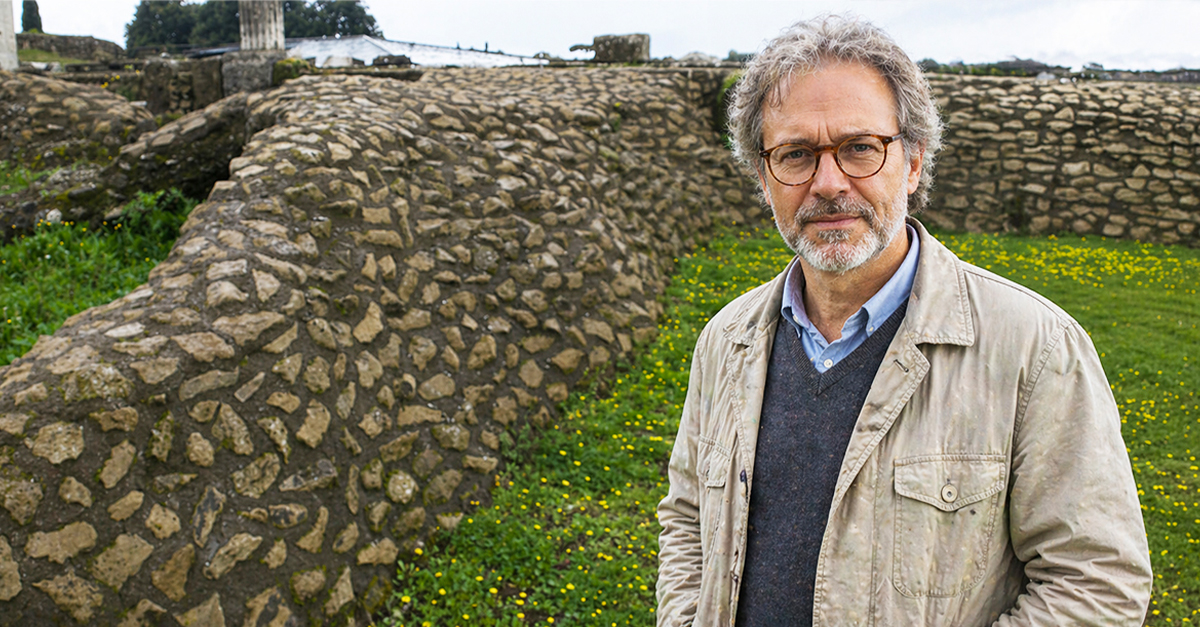
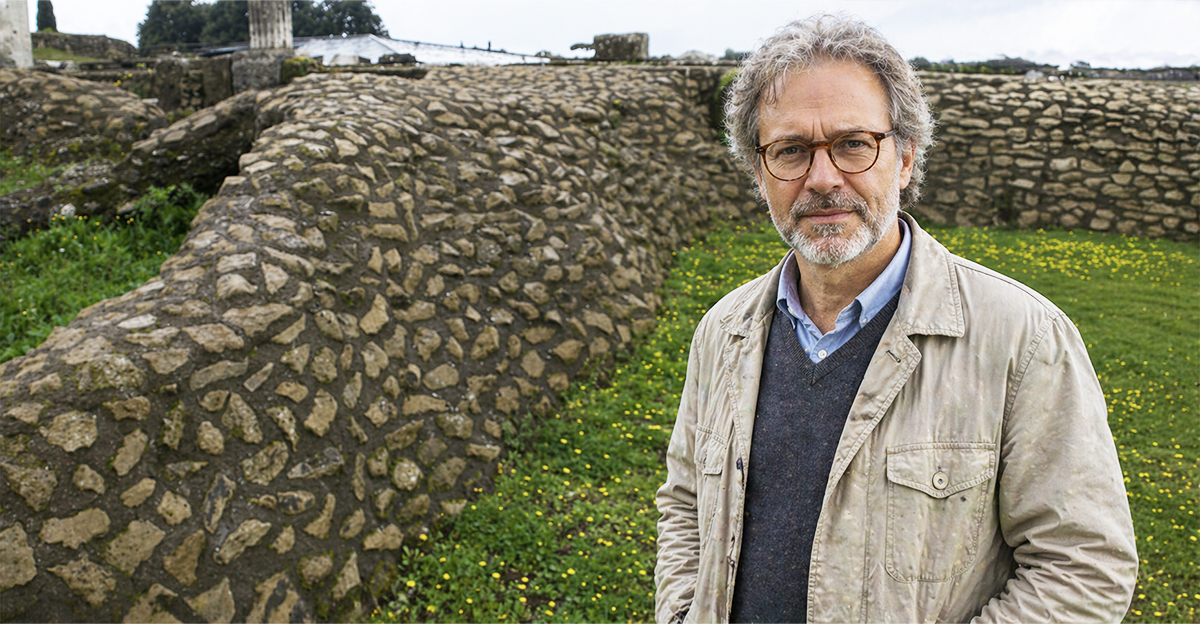
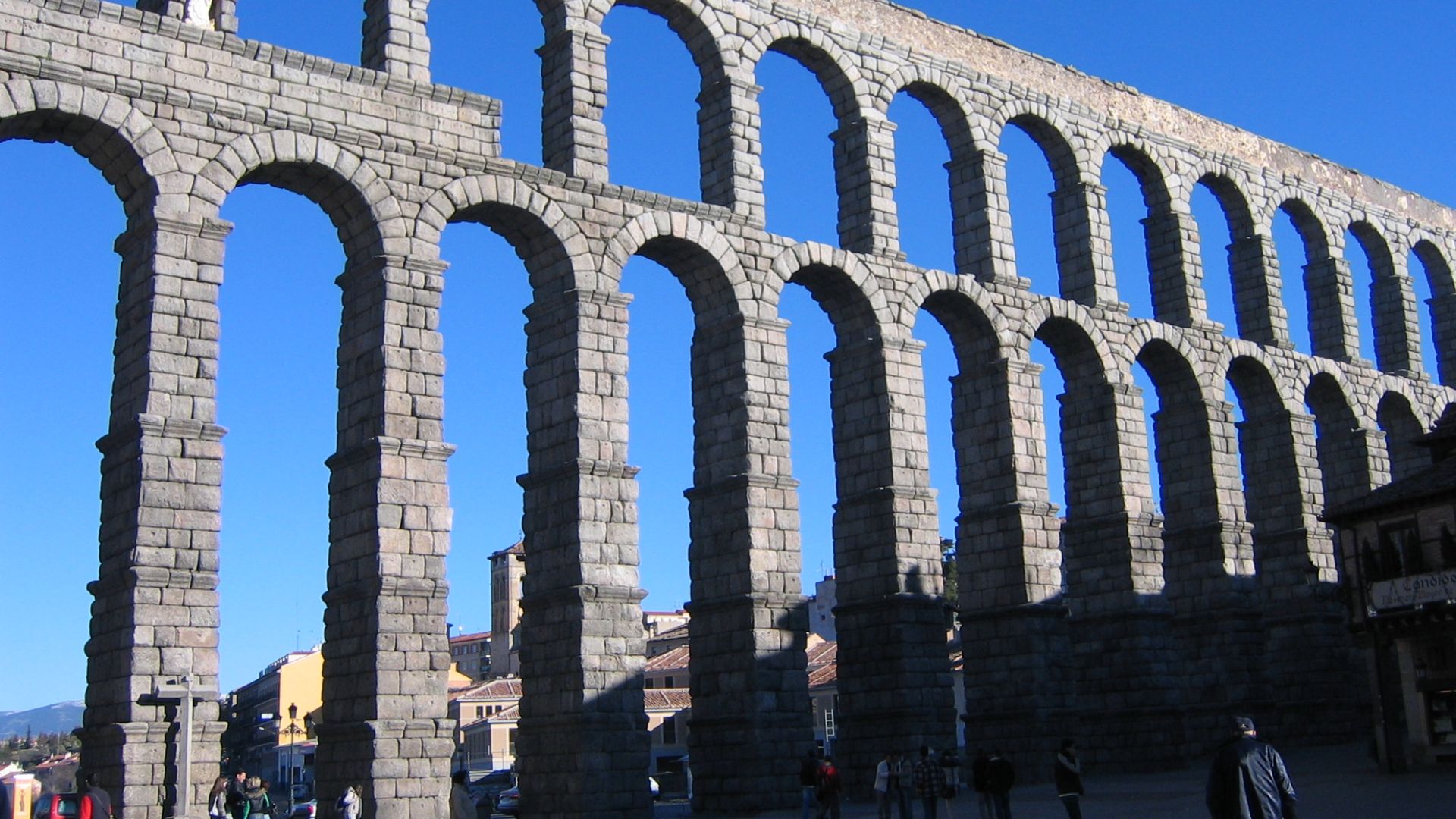
For centuries, historians and scientists have been baffled by the question: how did Roman concrete last for over 2,000 years while modern concrete often deteriorates within decades? From aqueducts to harbors, Roman structures have weathered earthquakes, seawater, and the ravages of Father Time himself. Only recently have researchers even begun to penetrate the true secret behind this remarkable durability.
 Oyvind, Wikimedia Commons; Factinate
The Concrete That Built An Empire
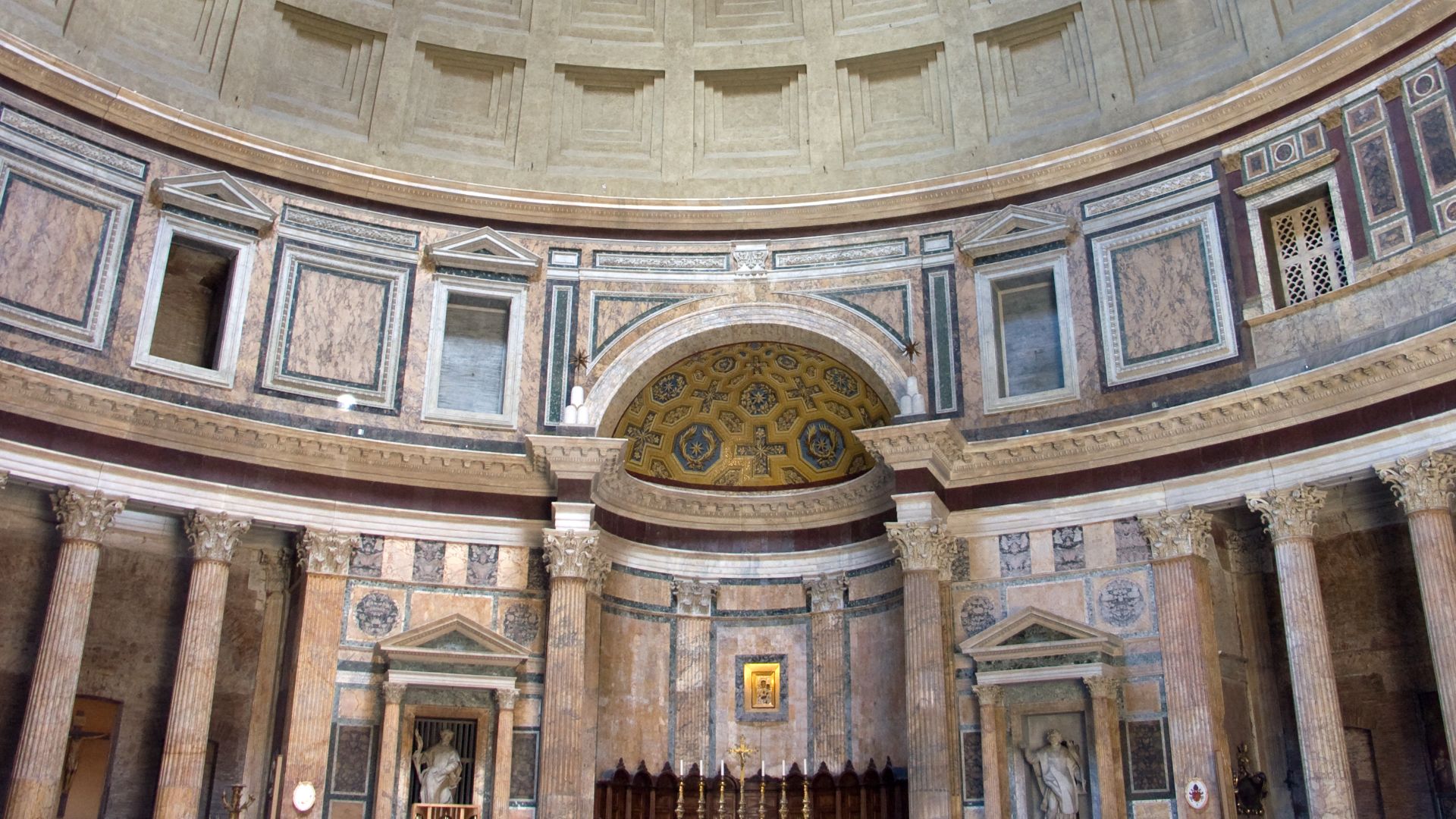
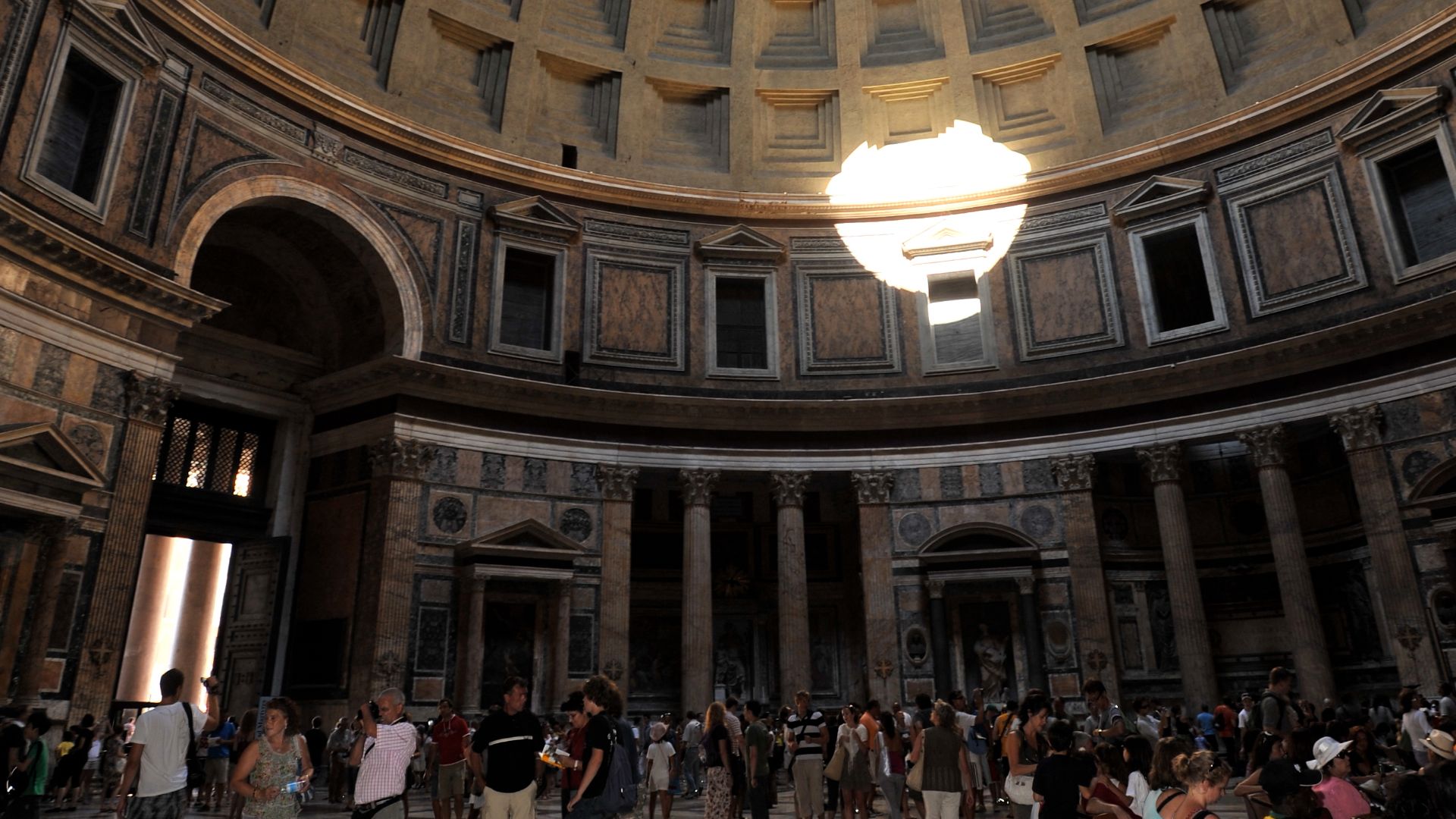
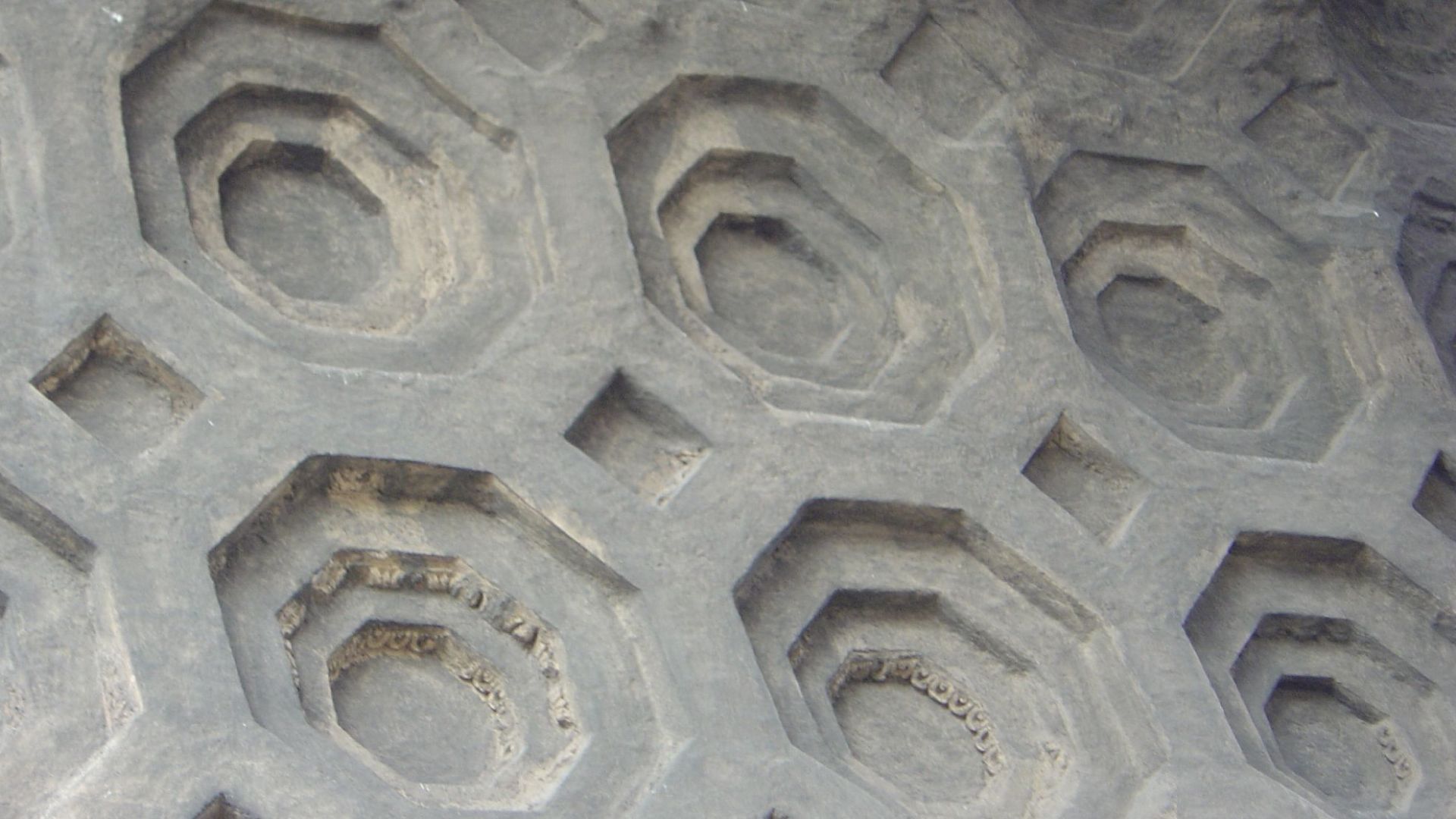
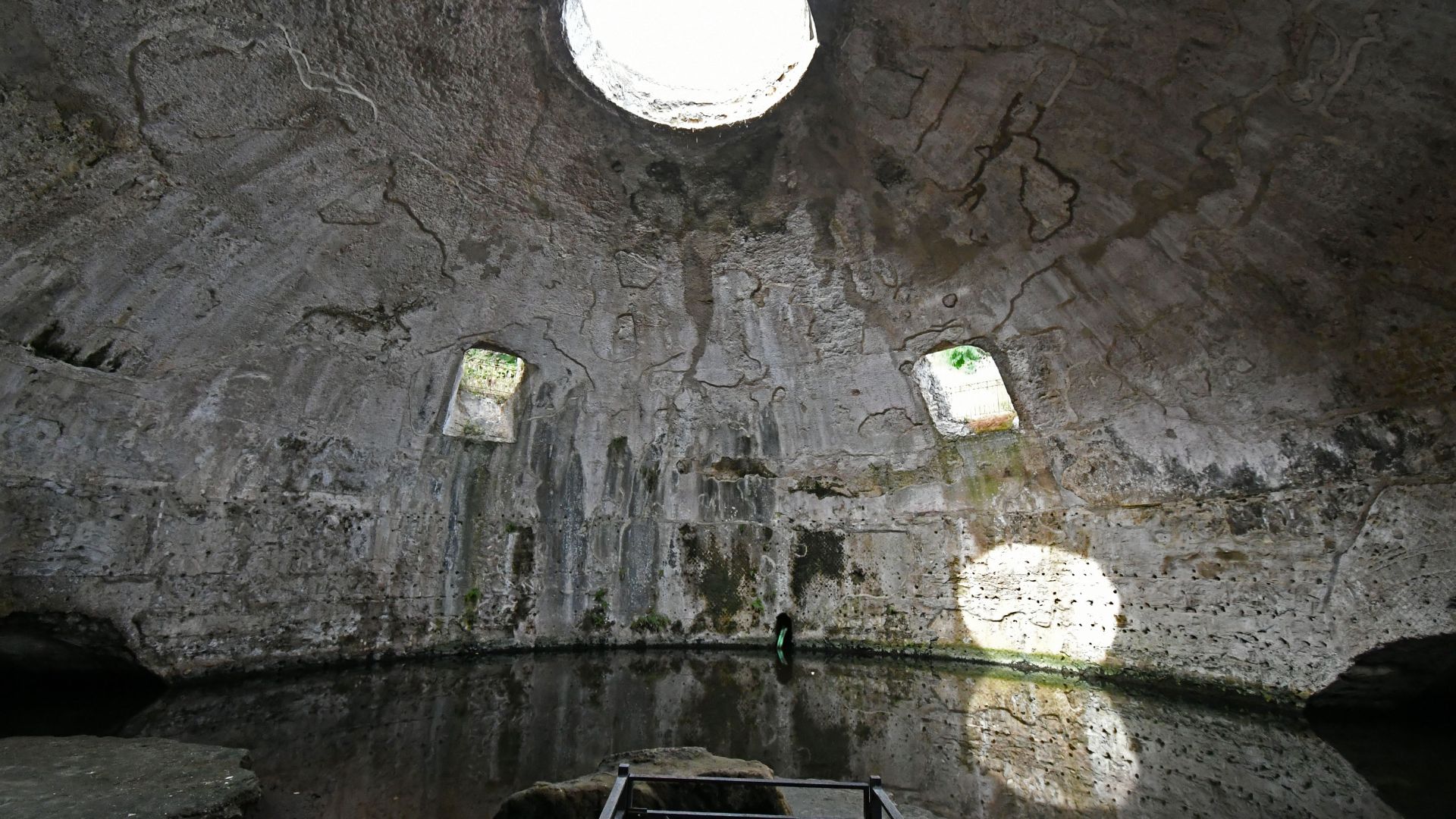
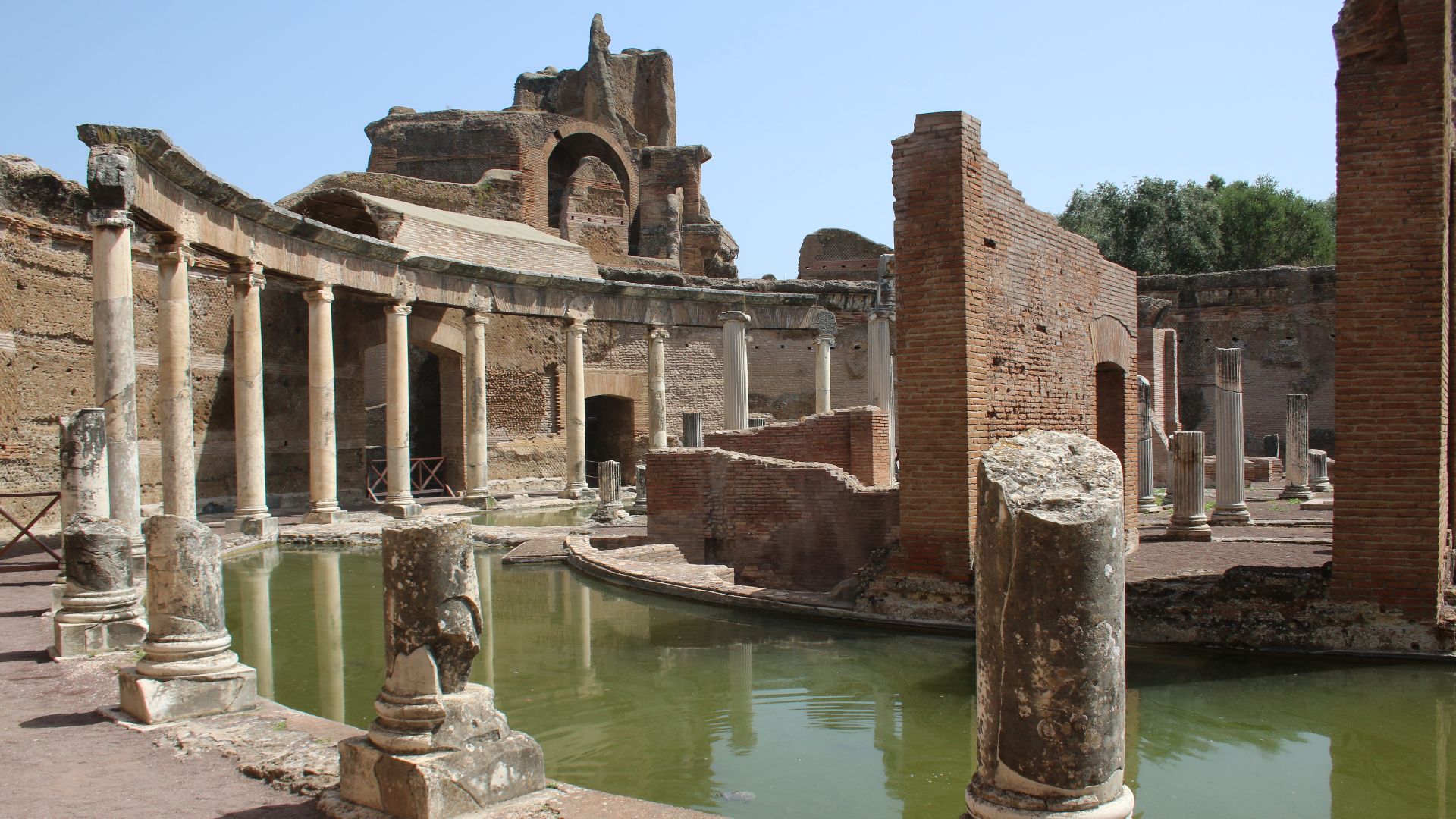
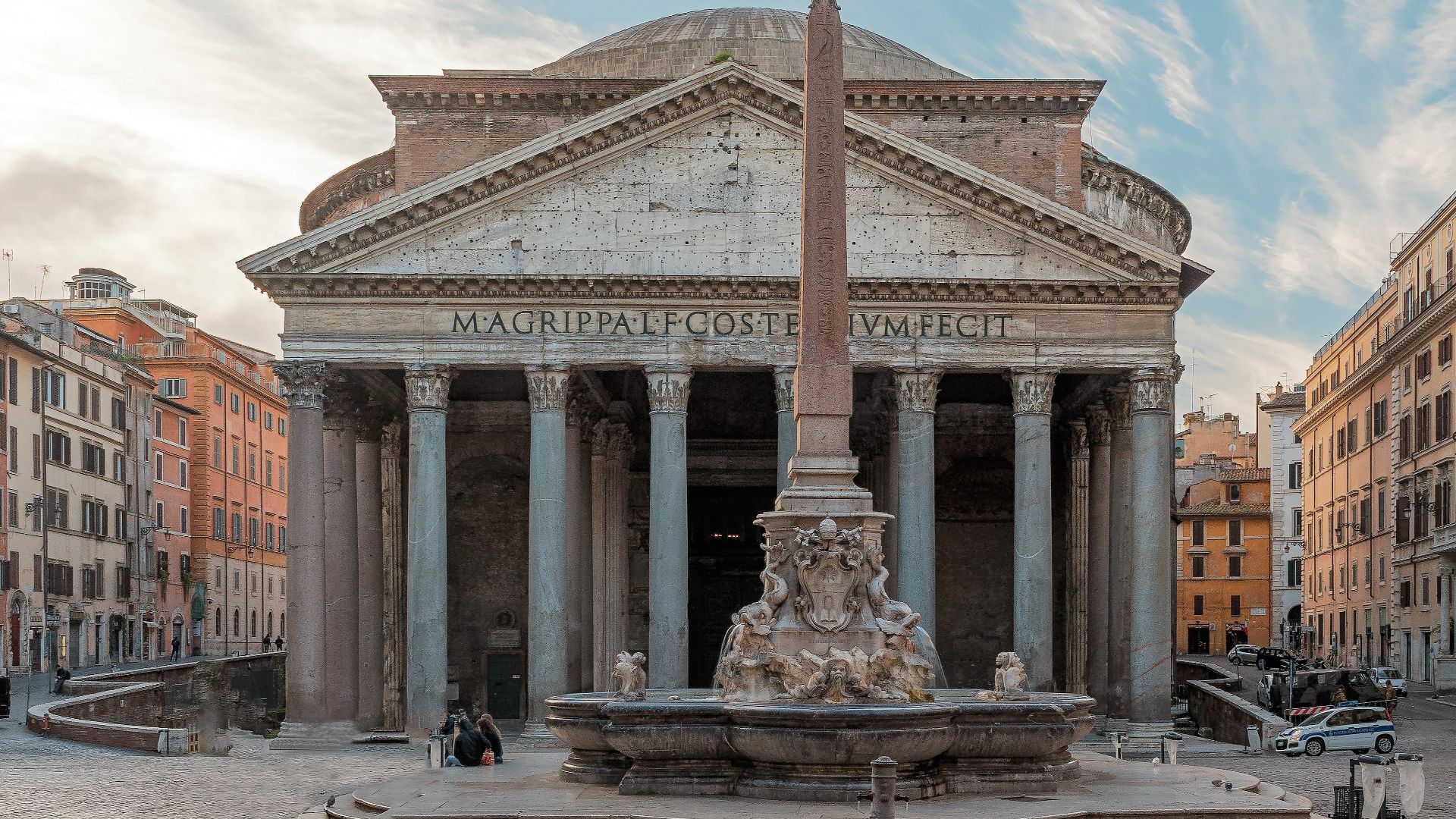
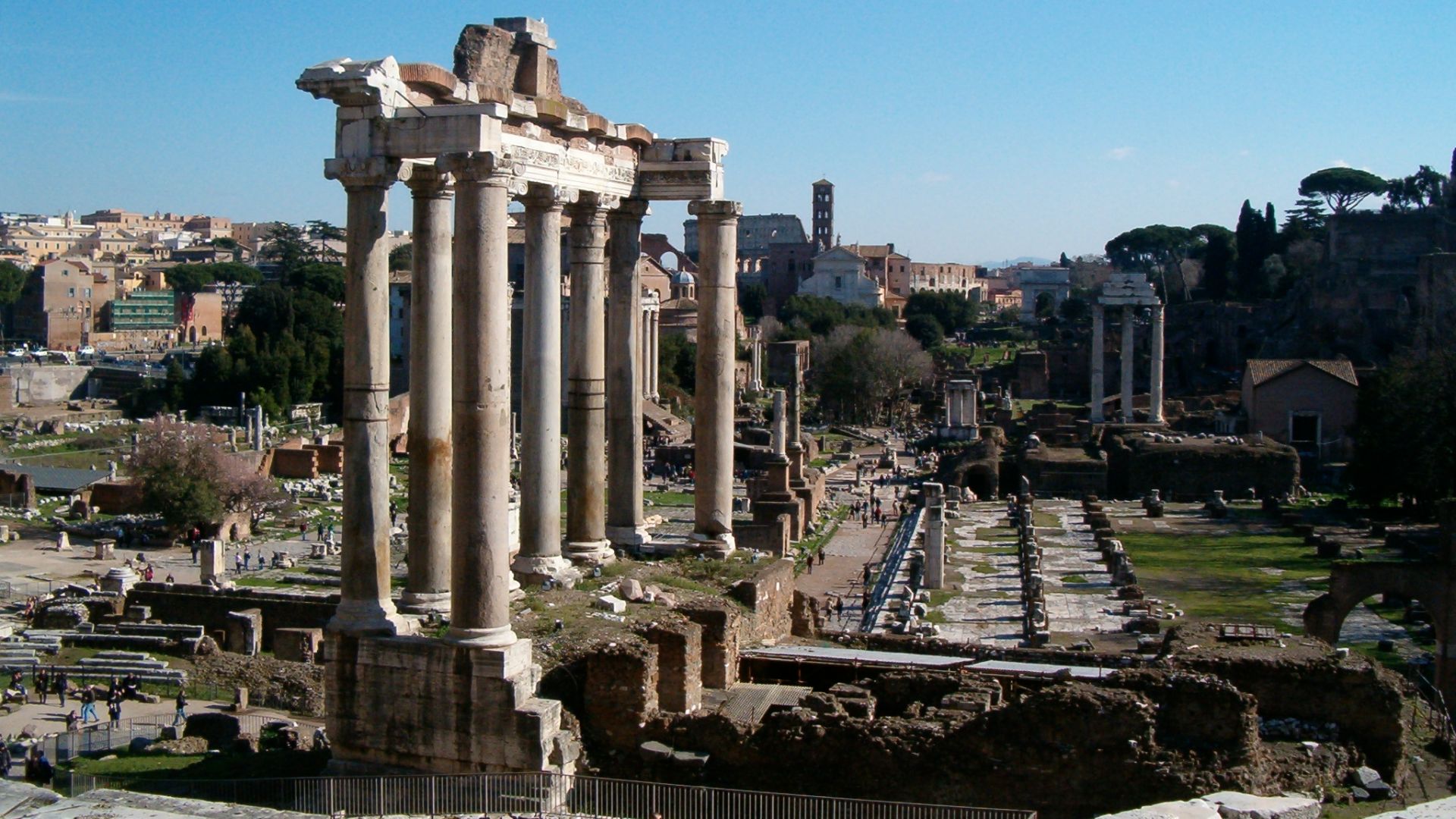
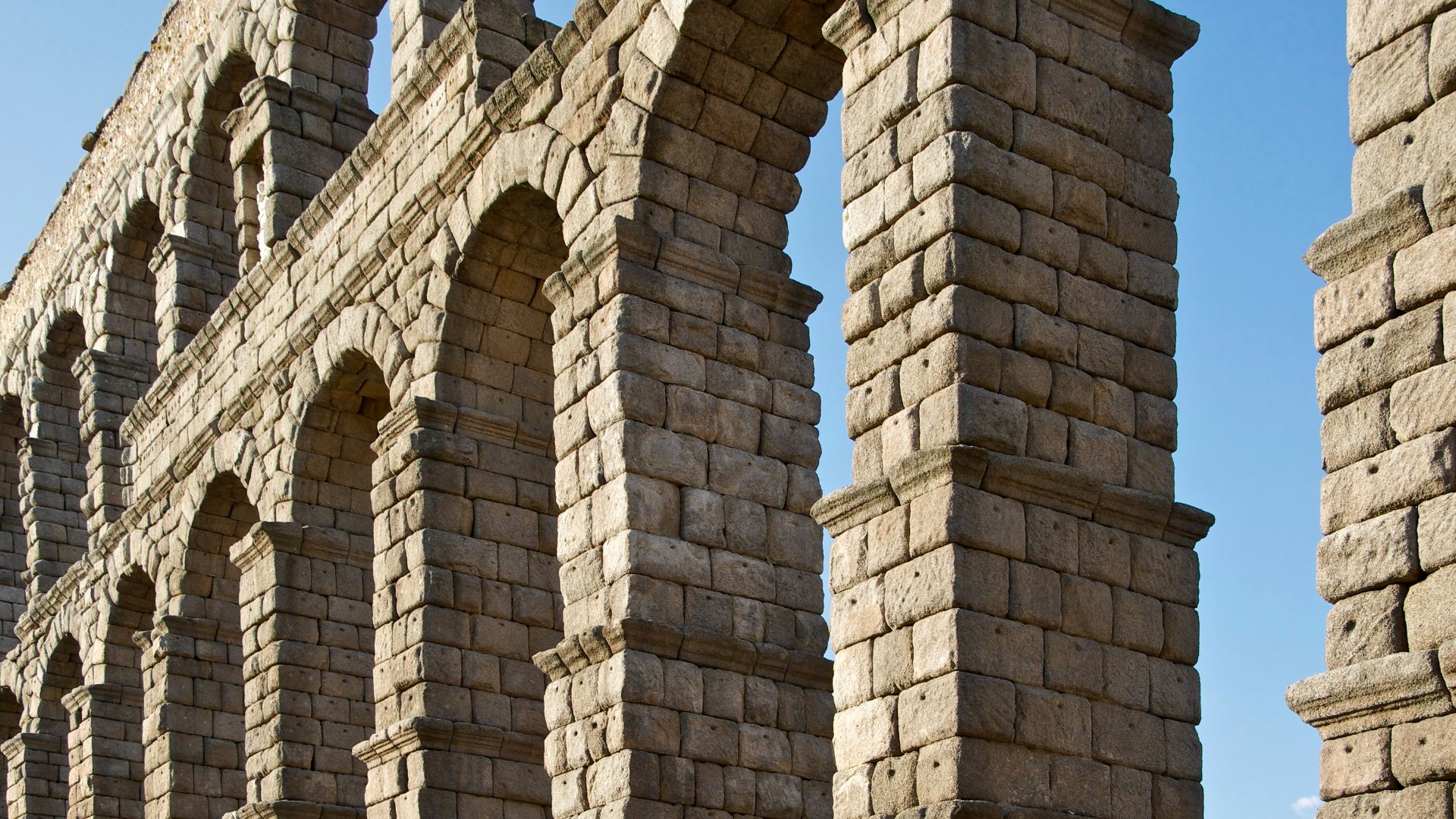
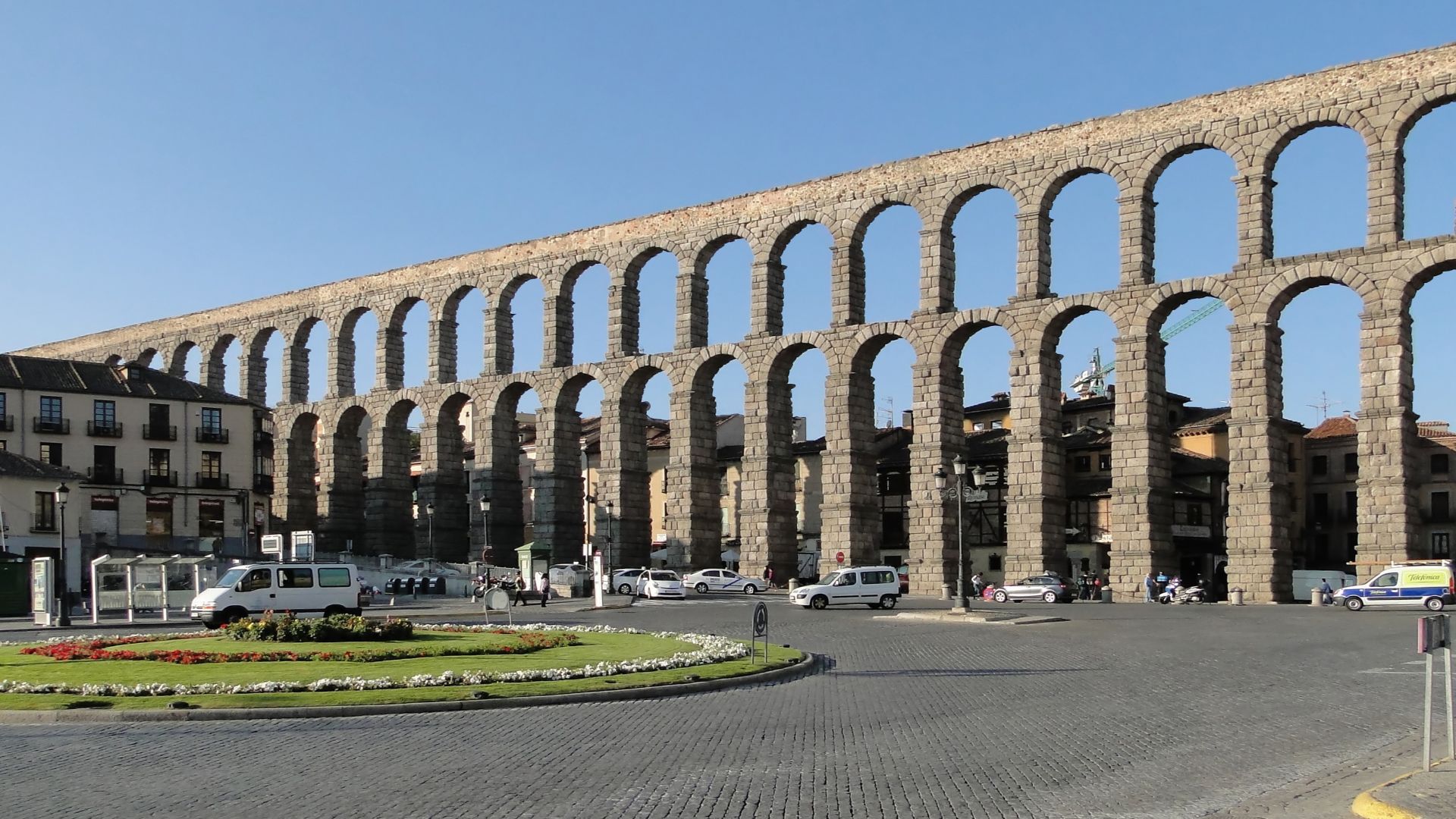
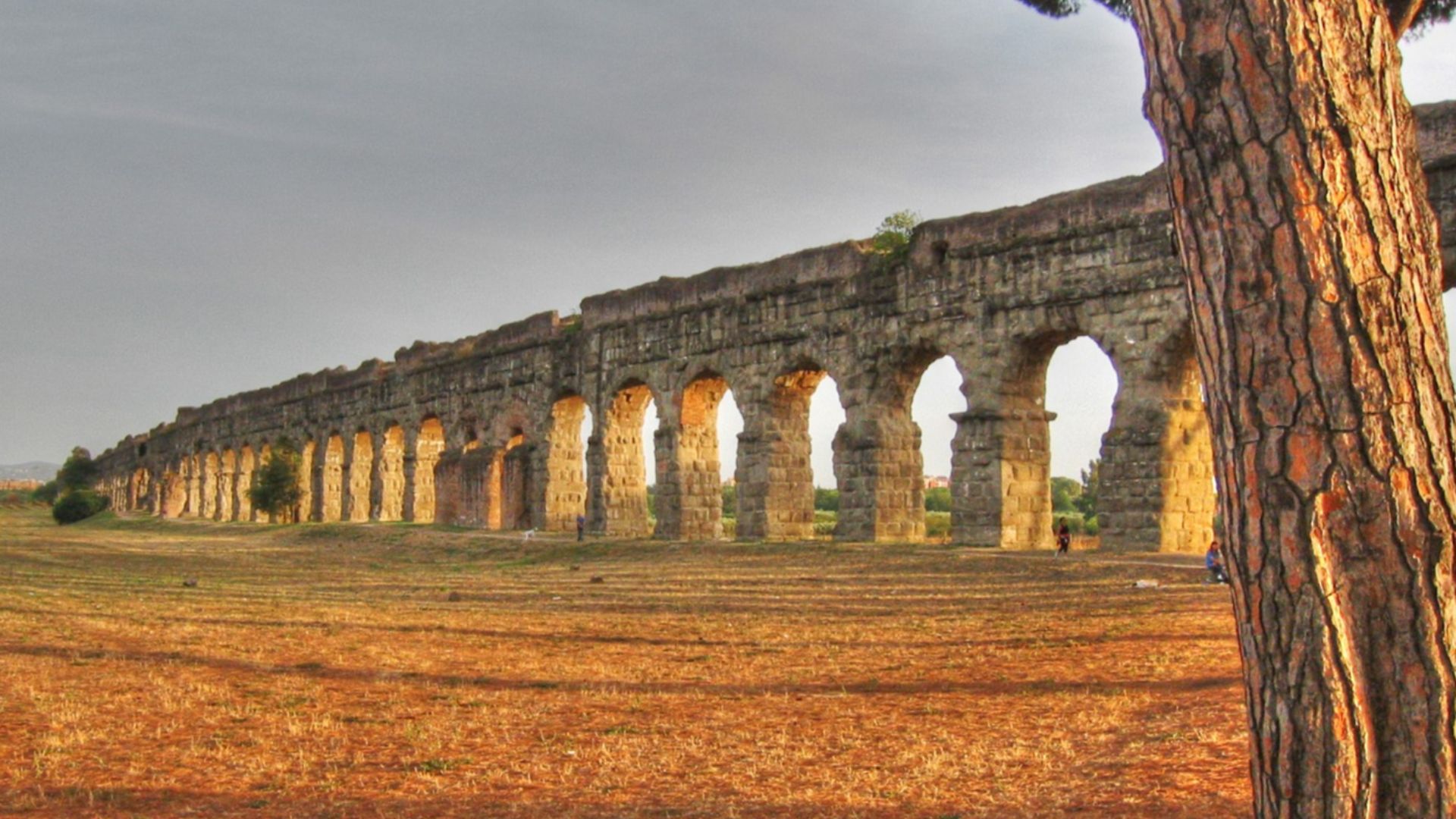
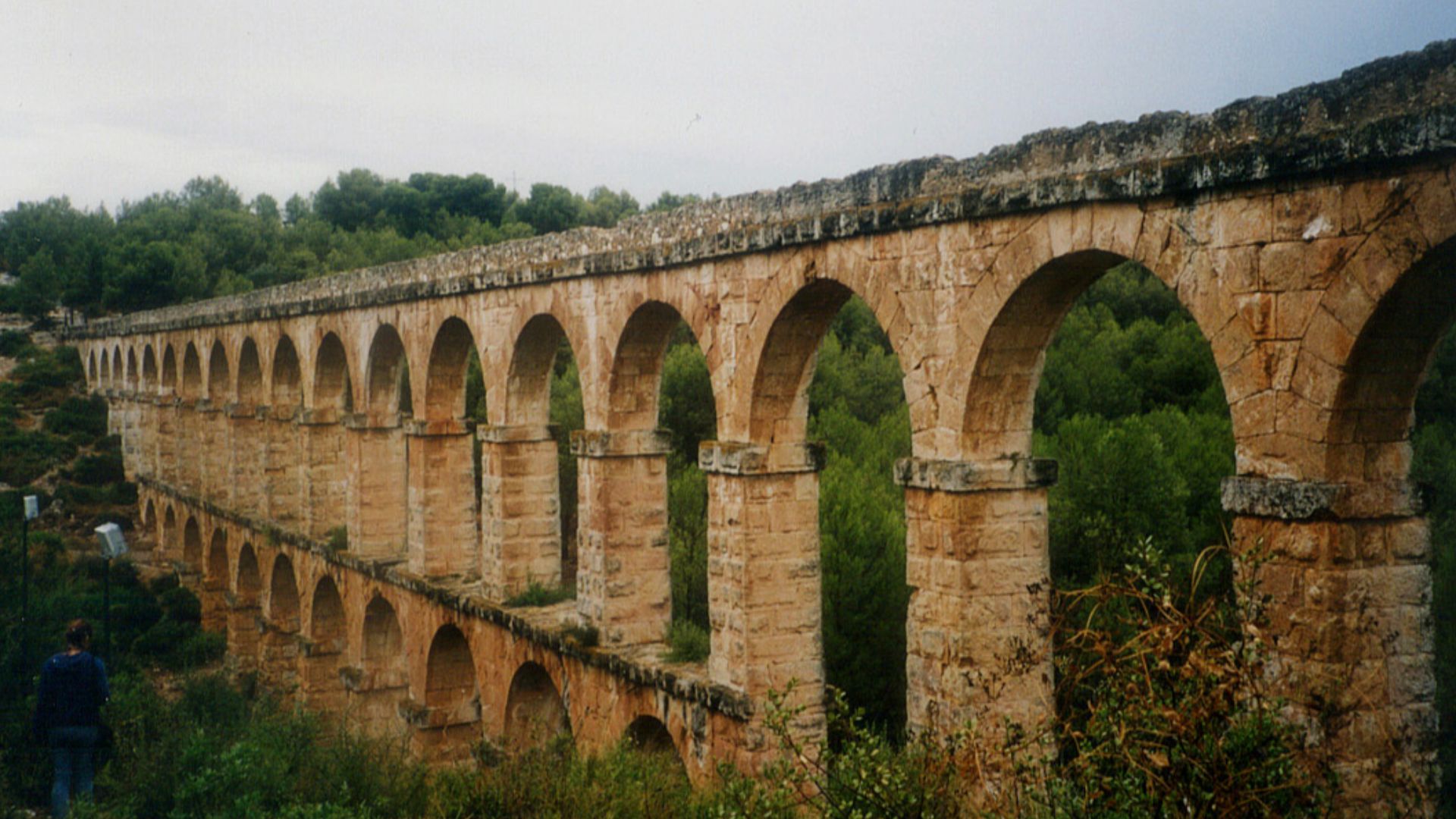
Roman concrete, known as opus caementicium, was the foundation of an empire that spanned the Mediterranean Sea. It allowed the Romans to construct imposing structures like the Pantheon and extensive aqueduct systems. Their concrete’s strength and versatility revolutionized architecture, enabling designs that were previously impossible and leaving behind structures that still stand two millennia later
 Jean-Christophe BENOIST, Wikimedia Commons
Early Theories About Its Strength
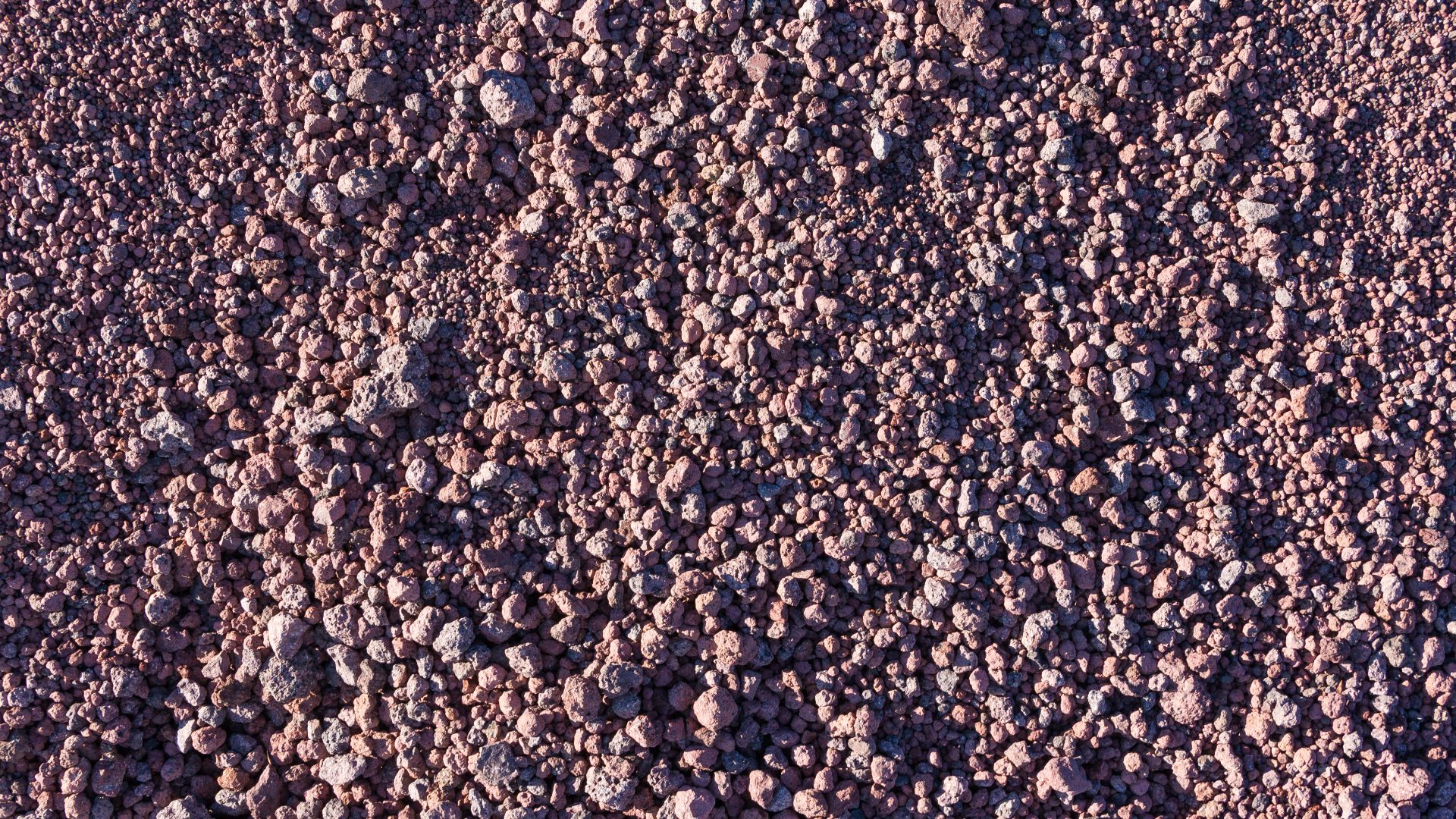
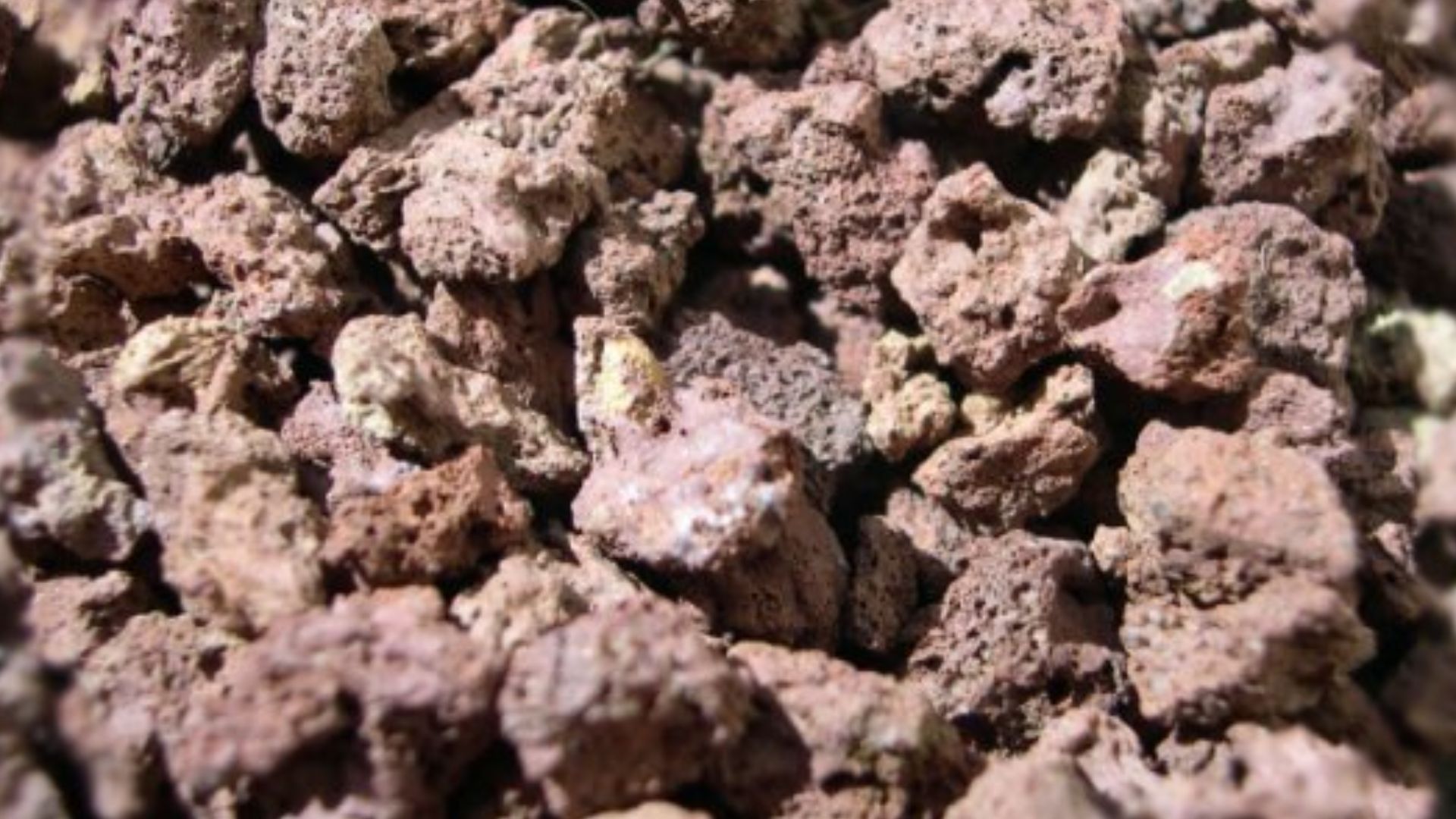
For many years, experts were certain that the secret to Roman concrete’s durability lay in one key ingredient: volcanic ash. Known as pozzolana, this ash was sourced from regions near the Bay of Naples in the Mount Vesuvius region and transported across the empire for construction projects.
The Role Of Volcanic Ash
Volcanic ash reacted with lime and water to form a strong binding material. Unlike modern Portland cement, this mixture created a stable chemical structure highly resistant to cracking and environmental damage. This explanation dominated scientific thinking for decades, but it was only part of the story.
A Durable Yet Puzzling Material
Despite having a basic grasp of the ingredients involved, researchers still couldn’t fully explain why Roman concrete performed so well. Modern concrete, even when using similar materials to the Romans, didn’t replicate the same long-term durability. The mystery persisted for years, leading to the suspicion that something important had been overlooked in the Roman process.
 Emilio Labrador, Wikimedia Commons
A Breakthrough In 2023
In 2023, researchers from MIT (Massachusetts Institute of Technology) and other institutions made a major breakthrough. By analyzing ancient samples, they discovered that Roman builders were using a previously misunderstood technique that gave the concrete its extraordinary resilience.
 Fcb981, this edited version by Thermos, Wikimedia Commons
Discovery Of Lime Clasts
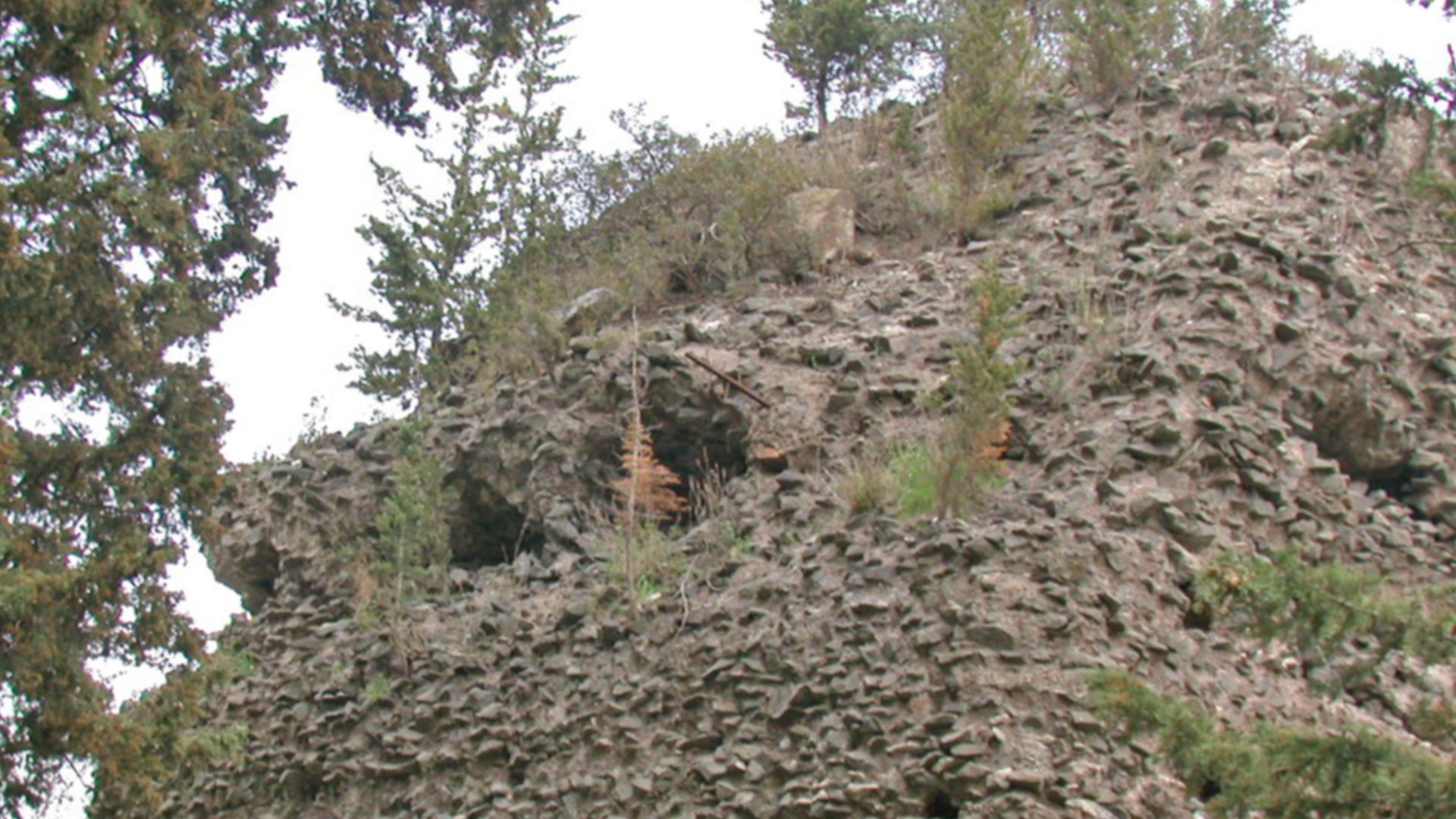
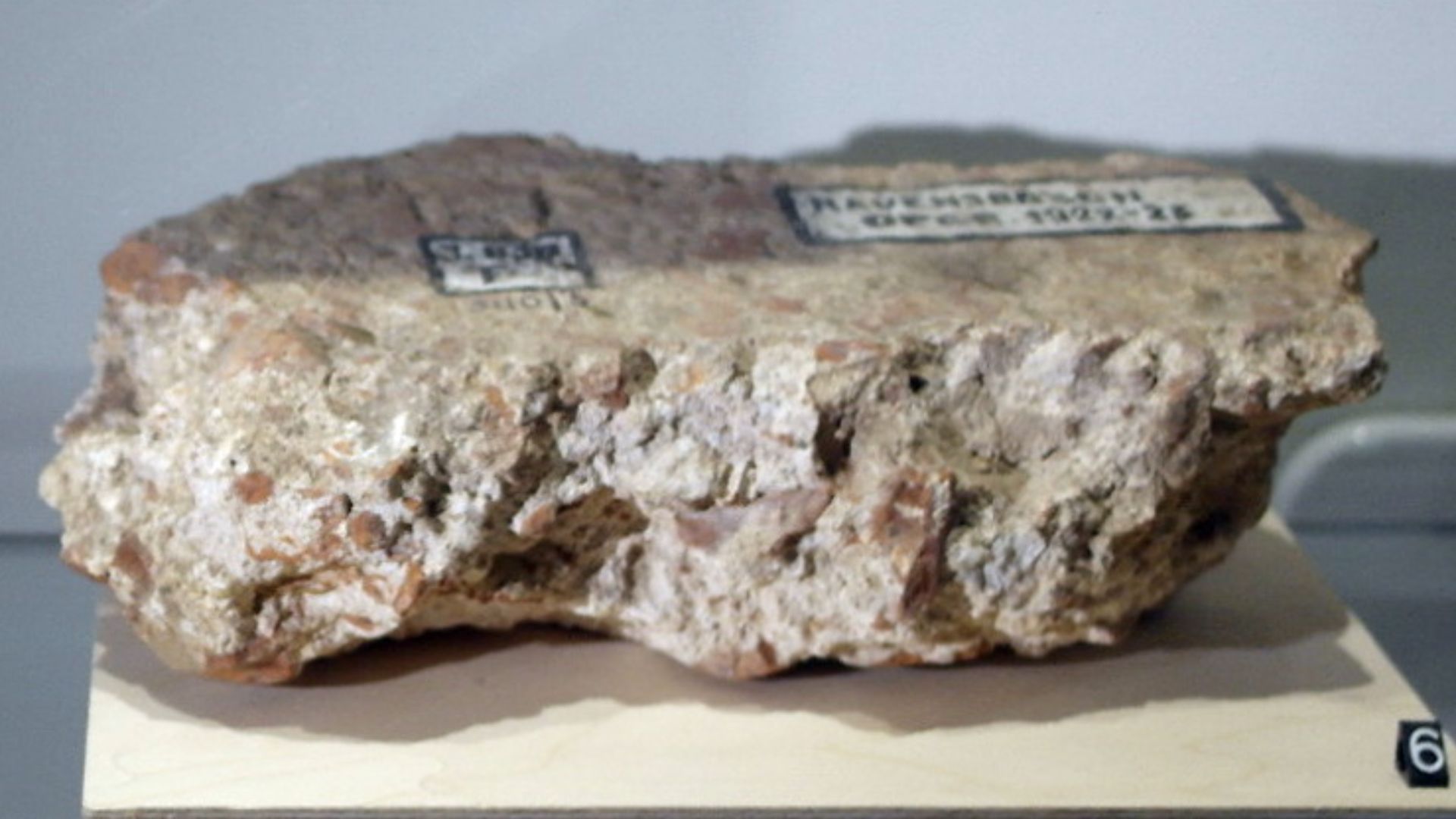
Scientists identified small white chunks in Roman concrete called lime clasts. Previously considered as imperfections from poor mixing, these fragments actually turned out to be a crucial feature. They played a central role in the material’s ability to repair itself over time.
 No machine-readable author provided. MM assumed (based on copyright claims)., Wikimedia Commons
The Power Of Self-Healing
When cracks formed in Roman concrete, water would seep into the material and interact with the lime clasts or chunks. This triggered a chemical reaction in the lime that produced the growth of new minerals, effectively sealing up the cracks. This self-healing property helped prevent small fractures from spreading into networks through the material.
 Michael Wilson from York, United Kingdom, Wikimedia Commons
The Secret Of Hot Mixing
Researchers also found out that the Romans used a method called hot mixing. Instead of mixing lime with water first, they combined quicklime directly with volcanic ash and other materials at high temperatures. This created the lime clasts that enabled self-healing.
![Preserved lime kiln [1], Burgess Park, Southwark, London. Taken by C Ford - July 04.](https://www.factinate.com/storage/app/media/splashtravels/2026/4/29/17774706058c5d45ee3677706f17811ecf4e663875ec379b2e.jpg) Secretlondon, Wikimedia Commons
Secretlondon, Wikimedia Commons
A Chemical Reaction Inside The Concrete
The hot mixing process threw off intense heat, causing chemical reactions that formed a highly durable internal structure. This method also preserved the reactive lime within the internal structure of the concrete, allowing it to respond to damage long after construction was complete.
Why Modern Concrete Falls Short
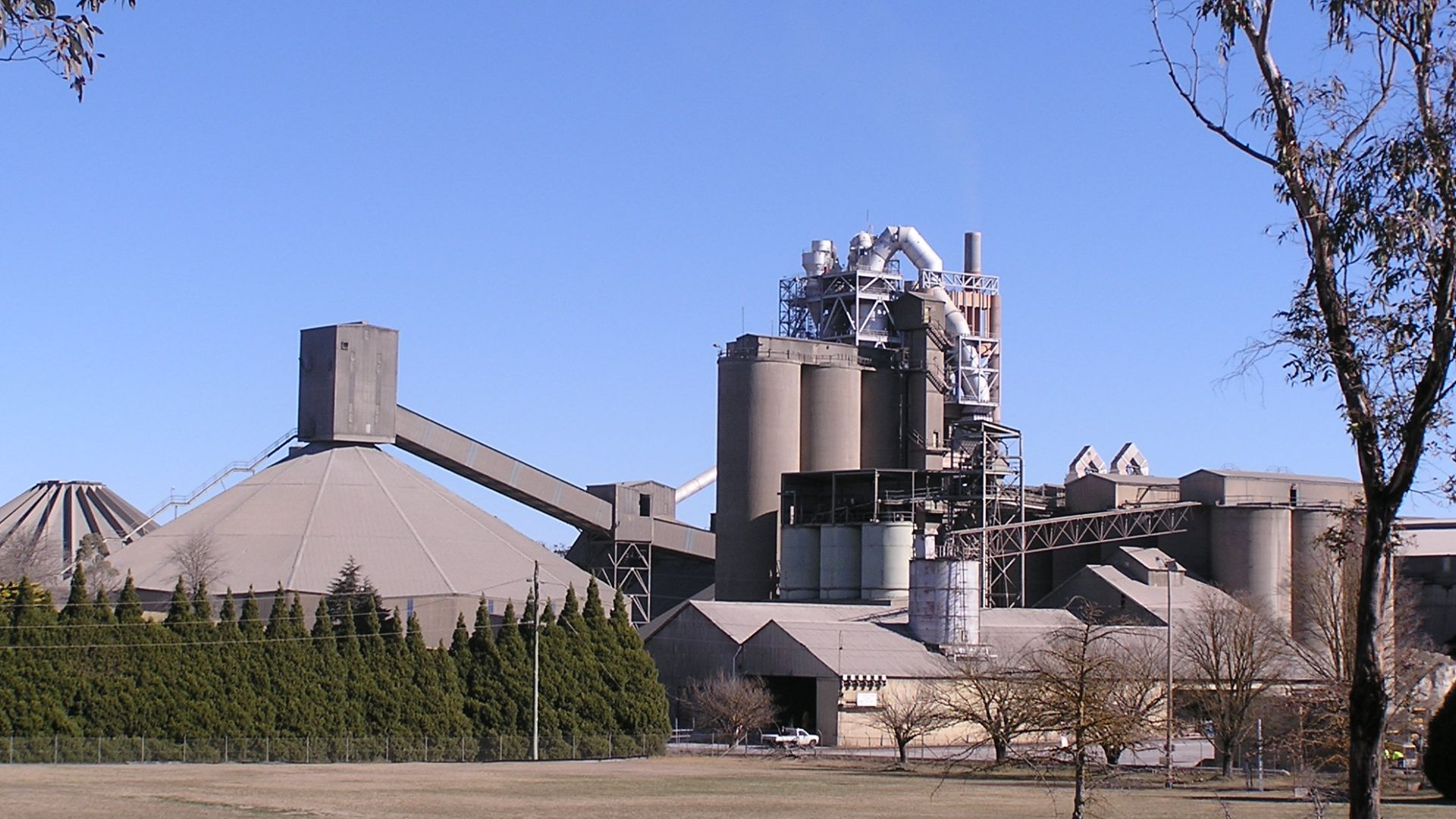
Modern concrete typically uses Portland cement, which doesn’t have the same self-healing properties. Over time, cracks form and allow water and air in, weakening the structure. Without a mechanism to repair itself, modern concrete often requires maintenance or replacement within a matter of decades.
A Material That Gets Stronger Over Time
In some cases, Roman concrete did more than resist decay. Exposure to seawater actually strengthened it by promoting the growth of new minerals within the material. This process enhanced the durability of the material rather than degrading it, a stark contrast to modern materials.
Evidence From Ancient Sites
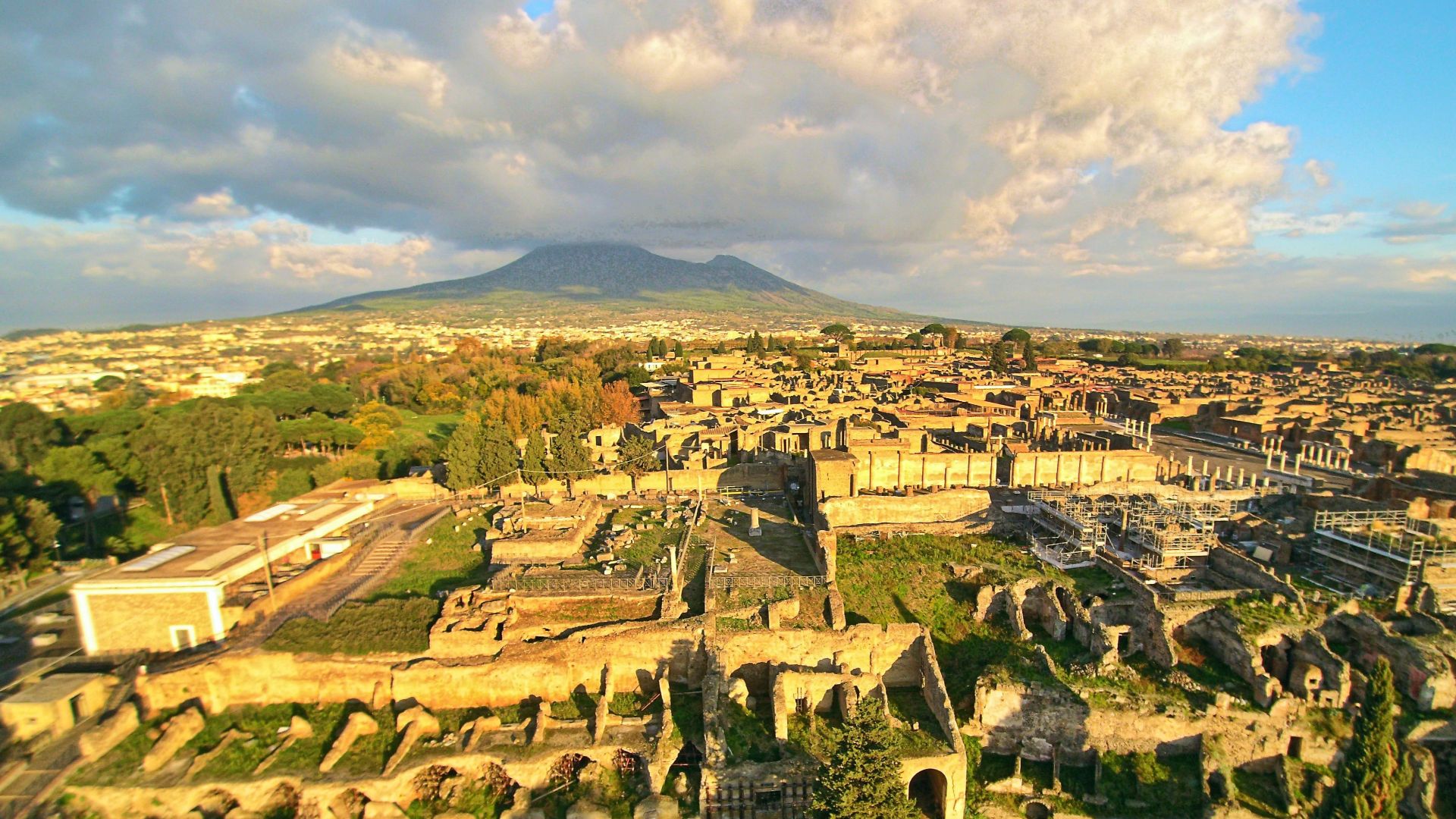
Archaeological sites like Pompeii provide a wealth of examples that have given us critical insights into Roman construction techniques. Preserved materials and unfinished structures allowed scientists to study the exact composition and methods used, confirming theories about hot mixing and lime clasts.
A Process Hidden In Plain Sight
It’s interesting to note that the ancient texts described Roman building methods, but they weren’t fully understood for centuries. The true importance of the mixing process was only appreciated after modern scientific analysis revealed the critical role of heat and lime clasts.
A Dynamic And Living Material
Roman concrete is now understood as a dynamic material that changes its characteristics over time. Its internal chemistry allows it to respond to environmental conditions, making it more resilient than static modern materials. This adaptability is the key feature that gives Roman concrete its longevity.
Implications For Modern Engineering
The discovery has major importance for modern construction. Engineers are exploring how to replicate the self-healing properties of Roman concrete to create infrastructure that lasts longer and doesn’t require as much maintenance.
 Marcok - it.wikipedia.org, Wikimedia Commons
A Path Toward Sustainable Building
Modern concrete production is a fairly significant contributor to carbon emissions. By adopting techniques inspired by Roman methods, researchers hope to reduce environmental impact while improving durability. This could lead to more sustainable construction practices worldwide.
Challenges In Recreating Roman Concrete
Despite all these promising upsides, recreating Roman concrete is far from a simple proposition. The exact materials and conditions used by the Romans are challenging to replicate, and modern building standards demand a consistency that ancient methods didn’t always provide.
 Bernard Gagnon, Wikimedia Commons
Bridging Ancient And Modern Knowledge
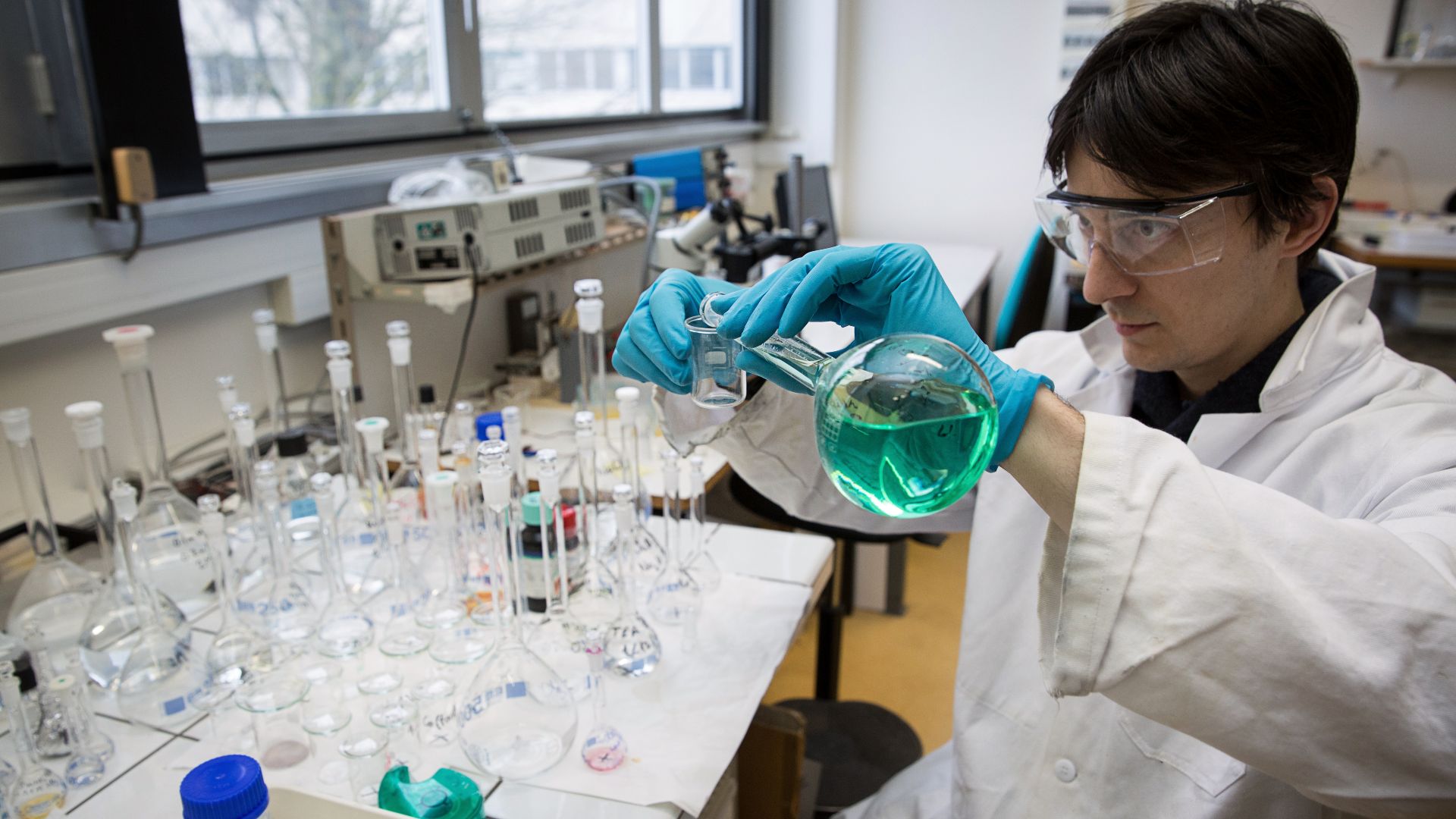
Researchers are now combining ancient techniques with modern science to try to come up with new materials. By understanding how Roman concrete worked at the microscopic level, scientists can adapt those same principles to fit today’s engineering projects.

The Future Of Self-Healing Materials
The concept of self-healing materials is gaining traction across multiple industries. Roman concrete offers a real-world example of how such materials can function over long periods of time, inspiring innovations in construction, infrastructure, and beyond.
 Ecole polytechnique / Paris / France, Wikimedia Commons
Lessons From The Ancient World
The Romans didn’t have modern technology, but their innovations still influence today’s science and engineering. Their approach to materials shows that durability and sustainability can be achieved if you use the right techniques.
 Camille Gevaudan, Wikimedia Commons
Rediscovered Engineering Marvel
What was once thought to be no more than an ancient curiosity is now viewed as a stroke of engineering genius. Roman concrete represents a blend of practical knowledge and hands-on experimental innovation that we’re only now beginning to fully appreciate.
Why This Discovery Matters Today
As infrastructure around the world crumbles, the need for longer-lasting materials becomes ever more urgent. Insights from Roman concrete could help us build structures that stand for centuries instead of decades, resulting in a massive cost savings and reduced environmental impact.
Looming Legacy Of The Romans
The secret of Roman concrete is no longer lost, but we’re only just starting to apply it to today’s world. By unlocking this ancient technology, scientists have managed to bridge the gap between the past and the future. Sometimes the best solutions come from the ancient past.
You May Also Like: