Rediscovering The Sea-God’s Home
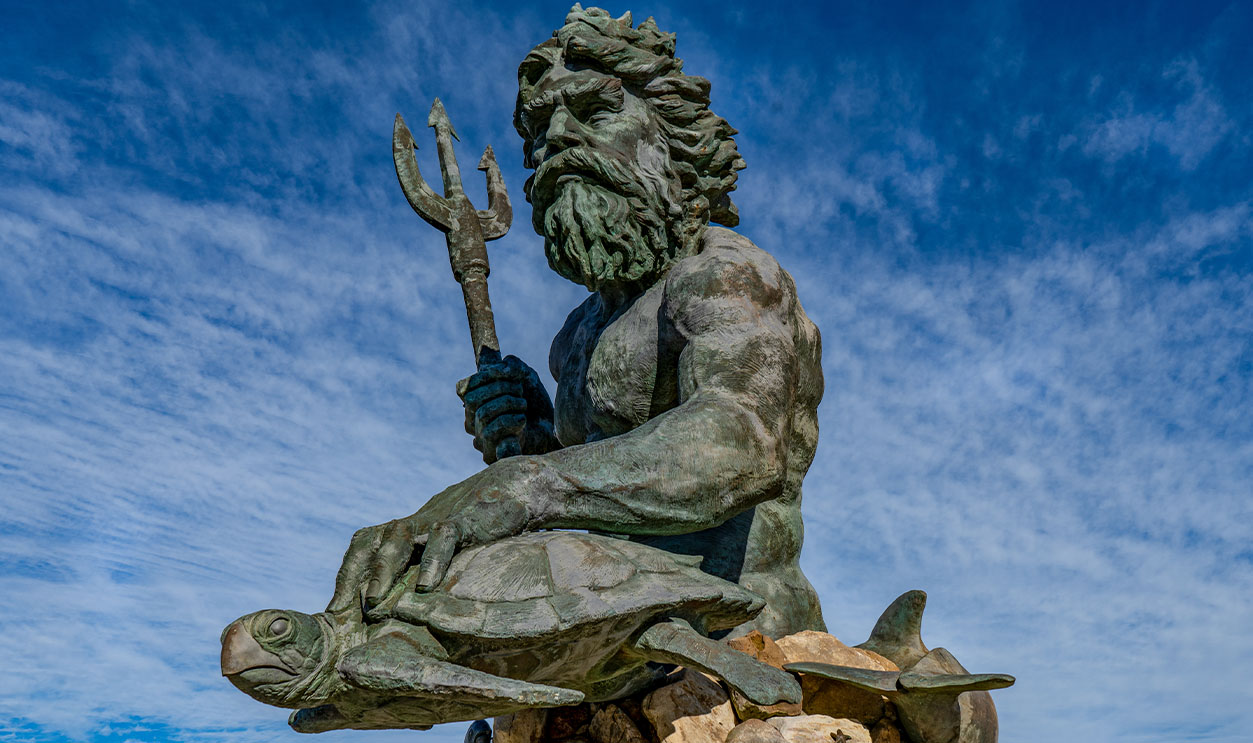
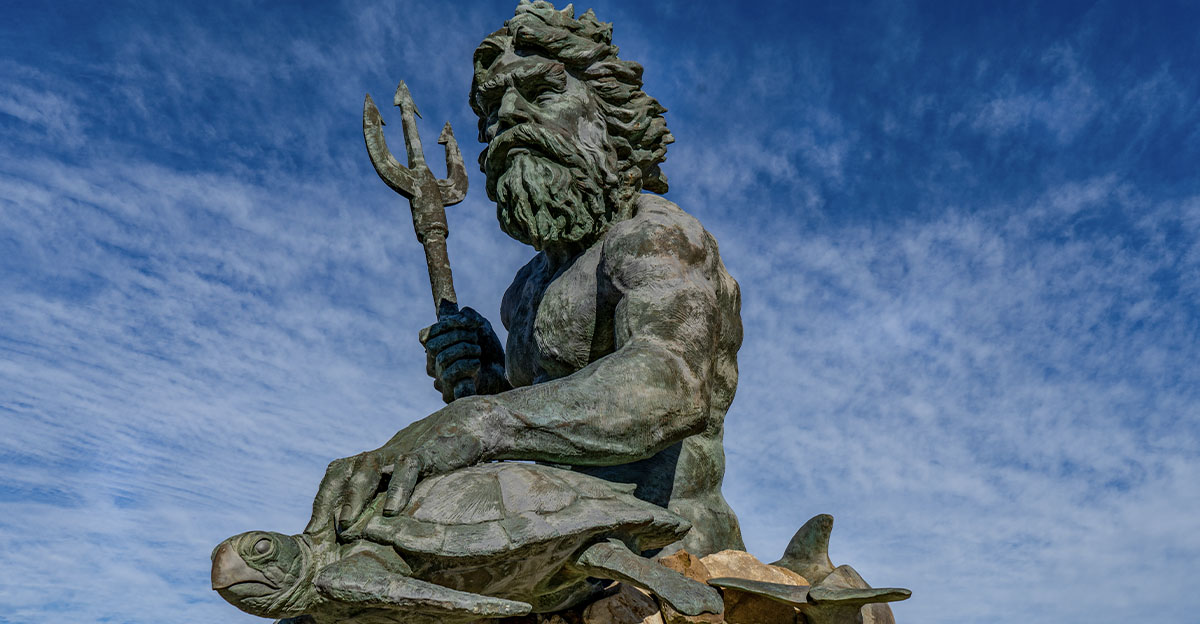
Archaeology has a habit of surprising us with myth splashed across reality, and this time that surprise comes courtesy of Poseidon himself. Beneath quiet olive groves and beside shimmering lagoons near Samikon, archaeologists have uncovered what appears to be the long-lost sanctuary of the sea god. It’s grand, it’s architecturally unusual, and it could reshape everything we thought we knew about ancient coastal cult routes and sacred landscapes.
A Long Hunt Ends Under Olive Trees And Lagoon Breezes
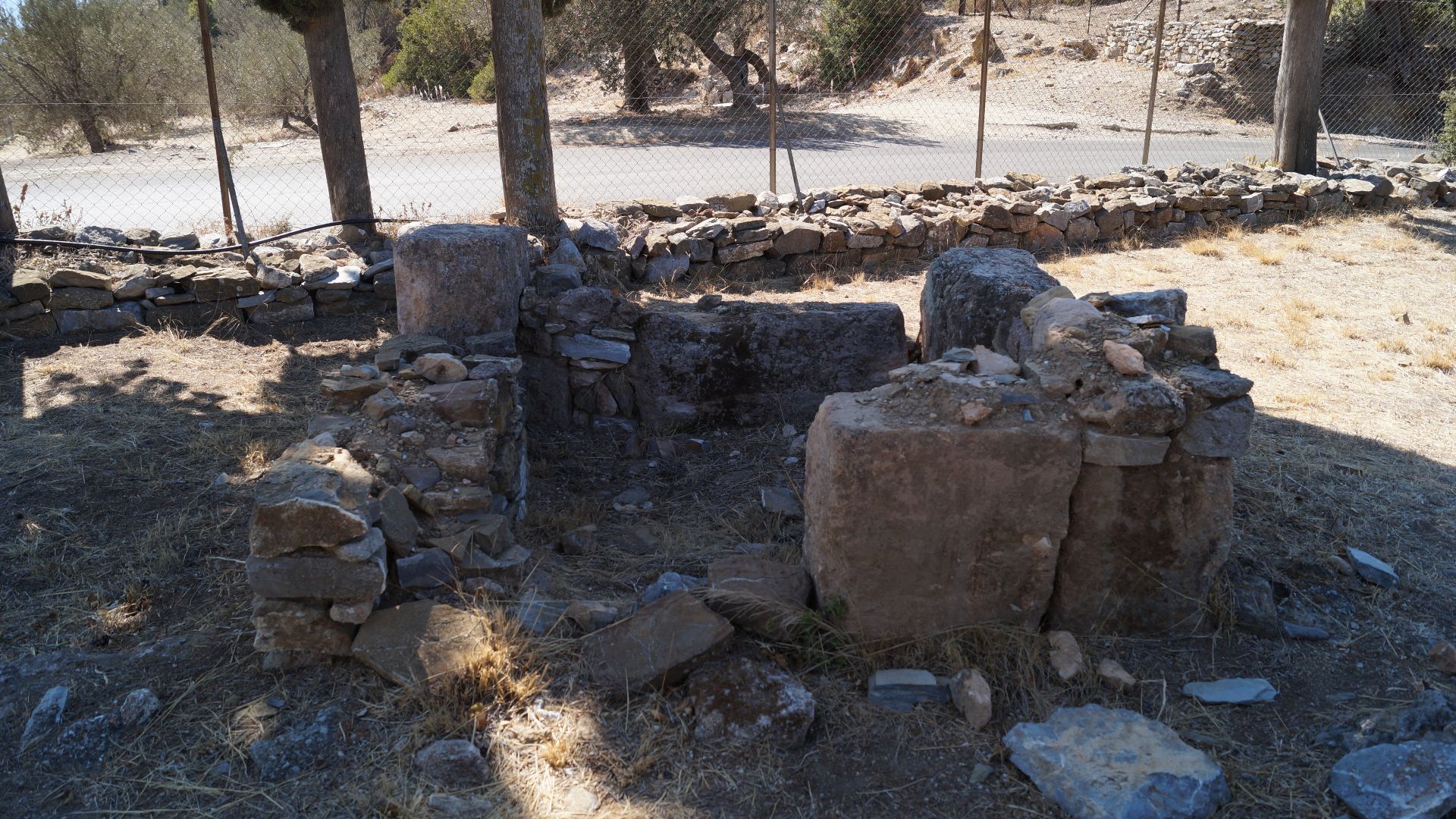
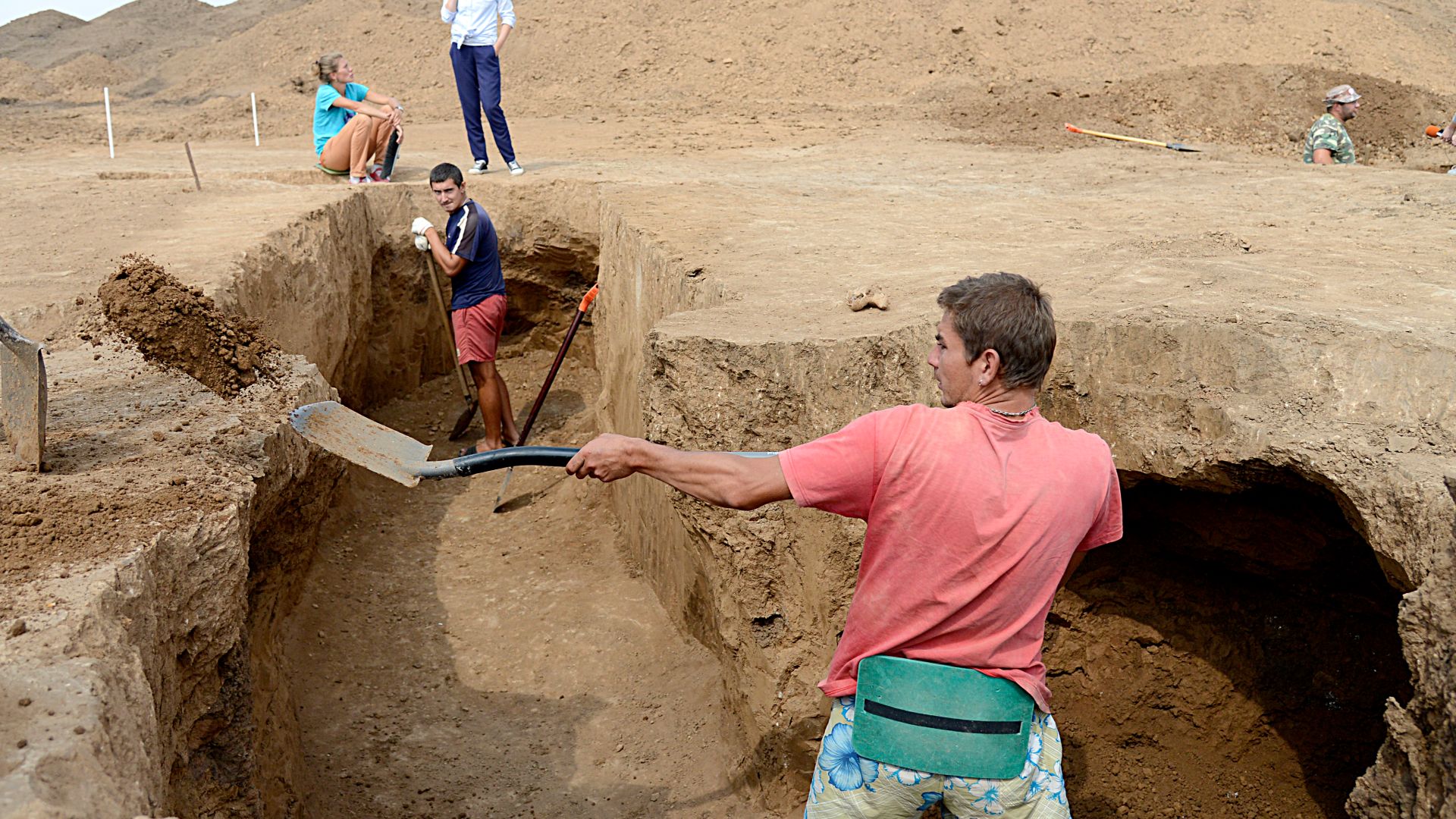
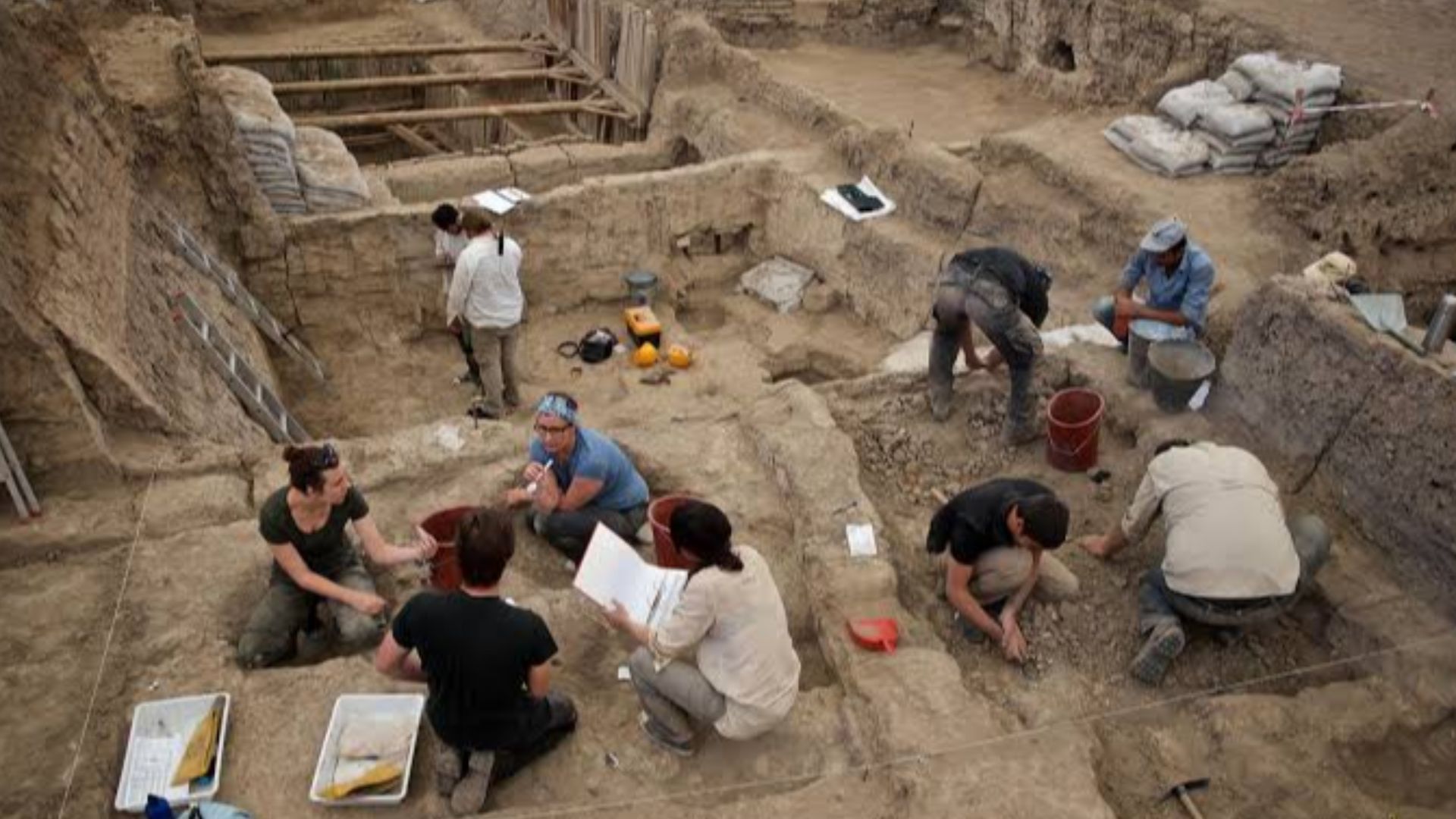
For more than a century, scholars hunted for the sanctuary of Poseidon mentioned in ancient texts. Finally, an international team excavating at Kleidi-Samikon uncovered a monumental temple whose size, design, and location strongly match classical descriptions. The discovery instantly placed this quiet region back on the archaeological map.
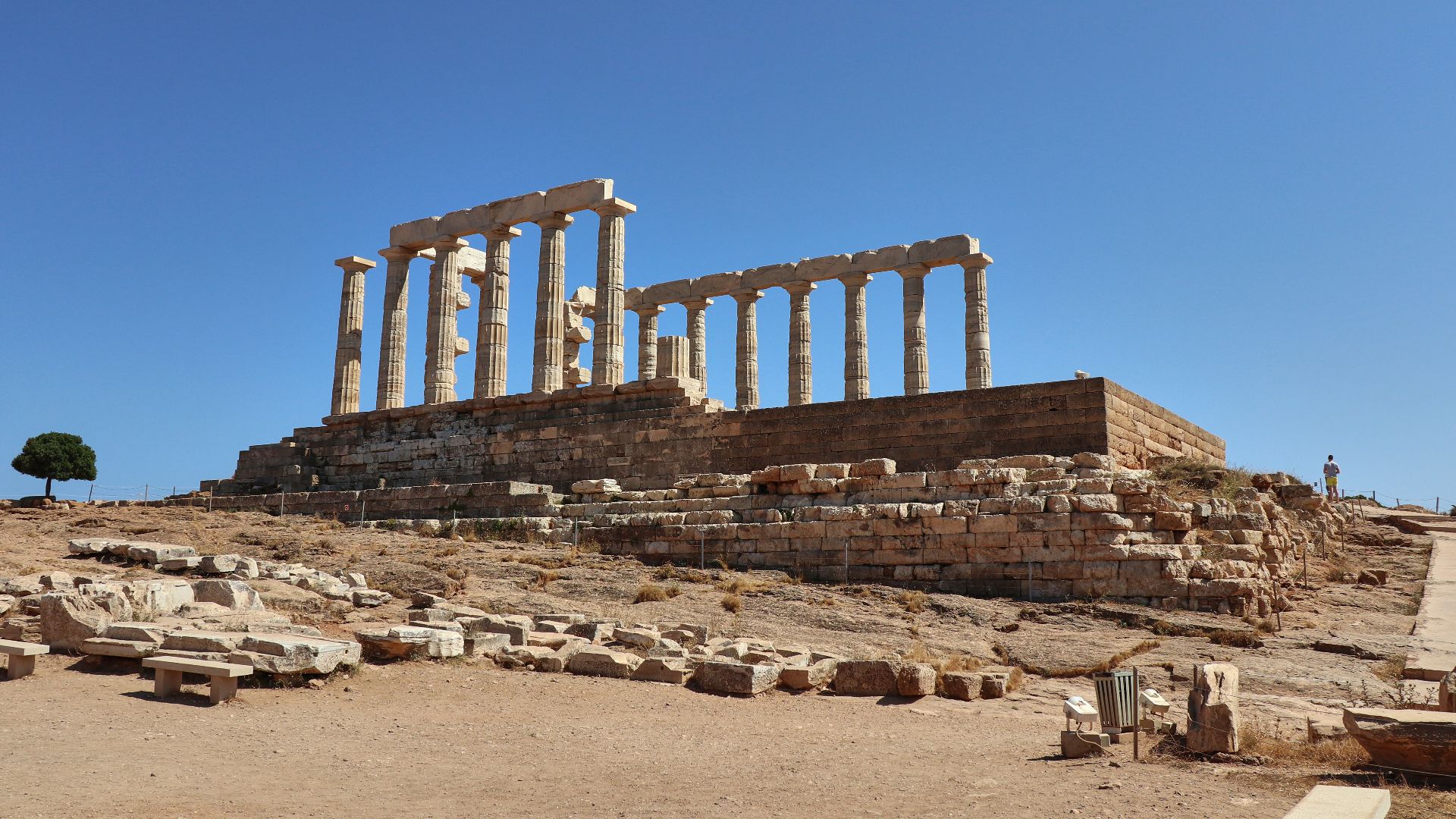 George E. Koronaios, Wikimedia Commons
The Temple Revealed
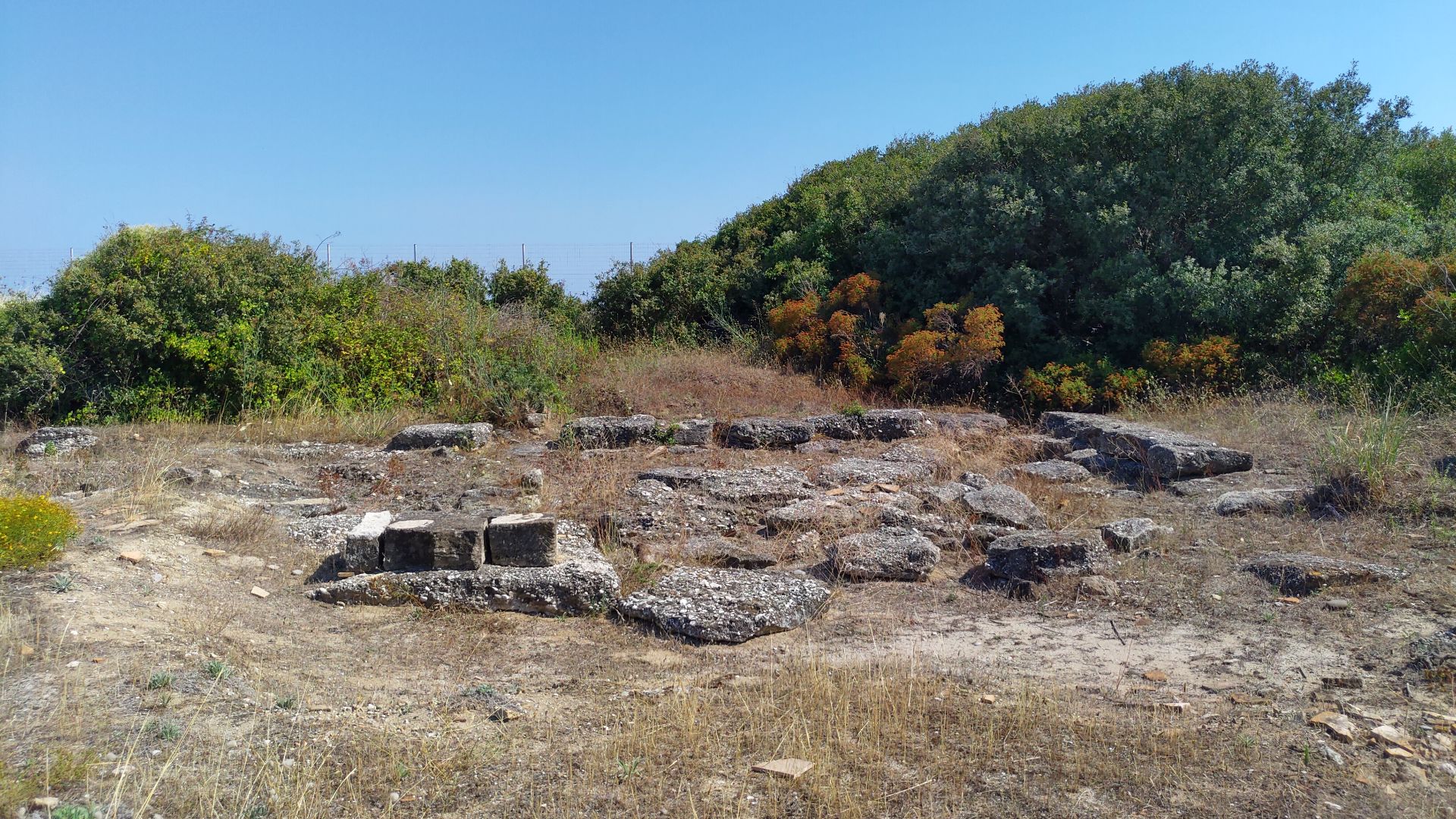
What they uncovered wasn’t some modest countryside shrine. The temple measures roughly 28 meters long and 9.5 meters wide, making it a significant religious building by Archaic Greek standards. Even more intriguing is its floor plan: two major rooms rather than a single naos, suggesting a function more complex than simple worship.
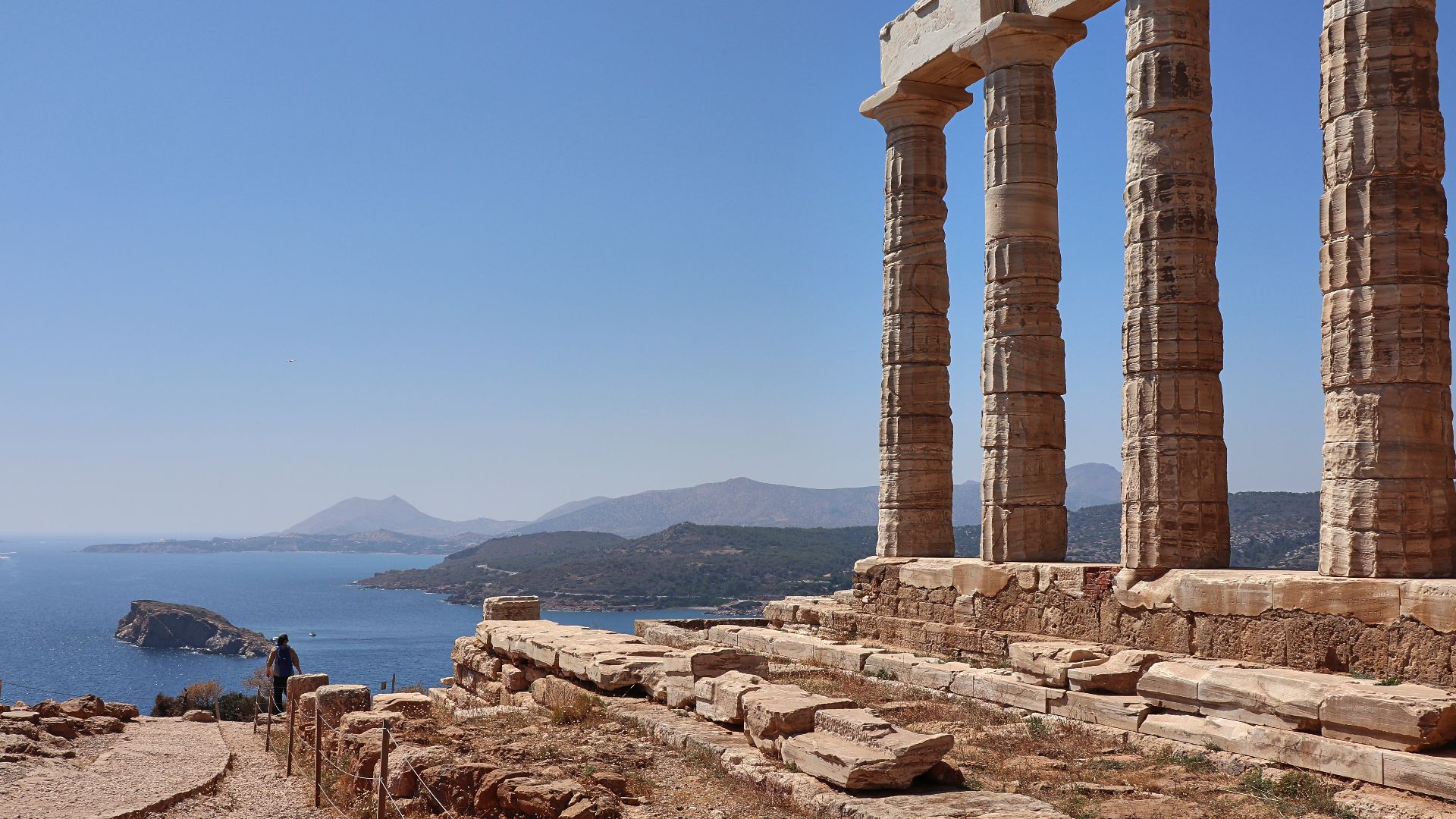 George E. Koronaios, Wikimedia Commons
Two Temples In One? The Double-Room Mystery
Scholars still puzzle over why the sanctuary contains two large halls. One theory suggests a dual dedication or a two-part cultic program. Another proposes that one room served Poseidon while the other functioned as a gathering hall for the local Triphylian League, a coalition of nearby cities engaged in shared ritual life.
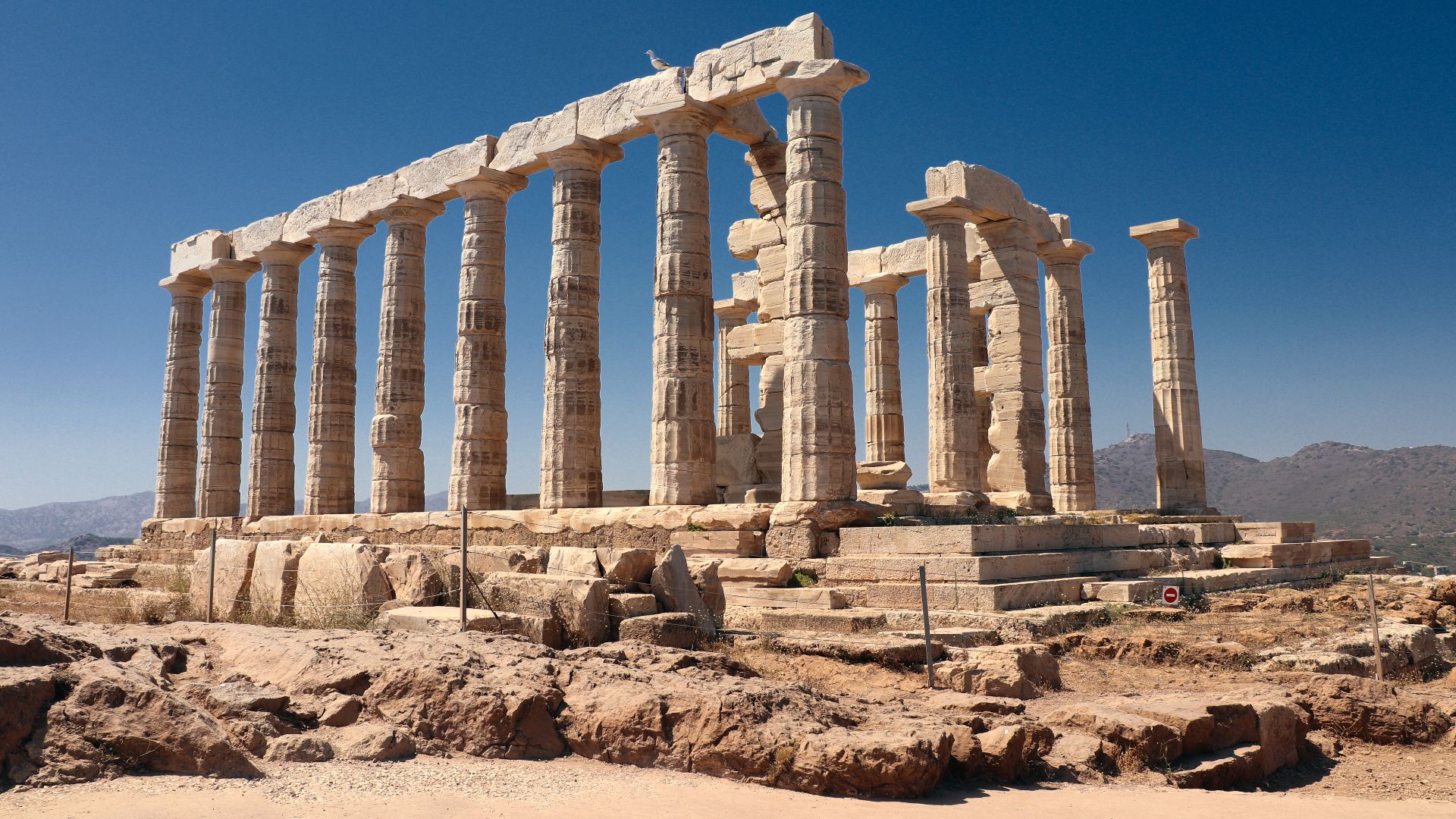 George E. Koronaios, Wikimedia Commons
An Archaic Building With Hellenistic Renovations
The temple’s earliest phase dates to the 6th century BCE, but by the 4th or early 3rd century BCE it had undergone major remodeling. One clever engineering detail stands out: roof tiles from the original temple were repurposed to create a subfloor in the renovation. That waterproofing solution still performs beautifully today.
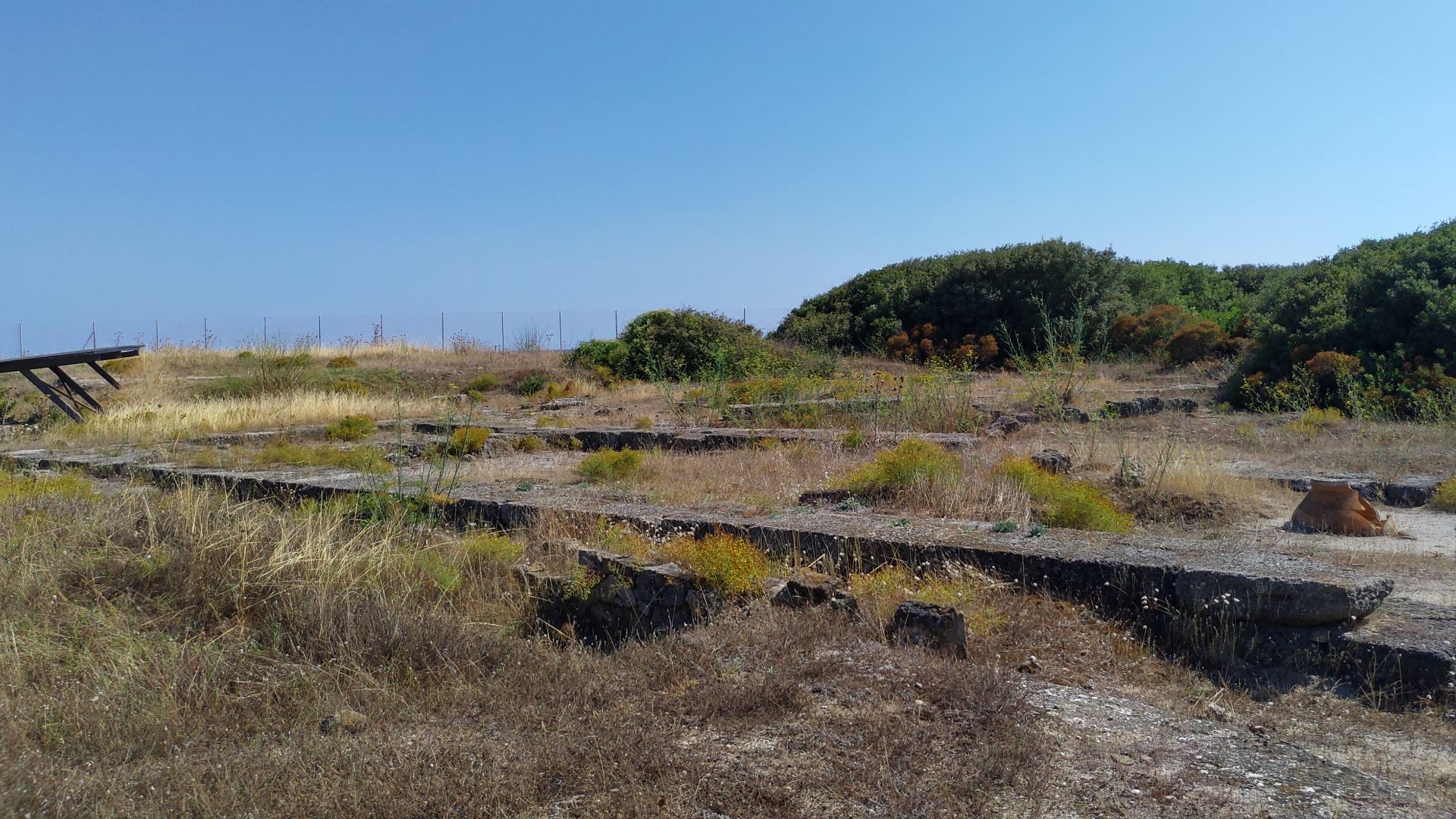
Purification Basin And Inscriptions: Finds To Decode
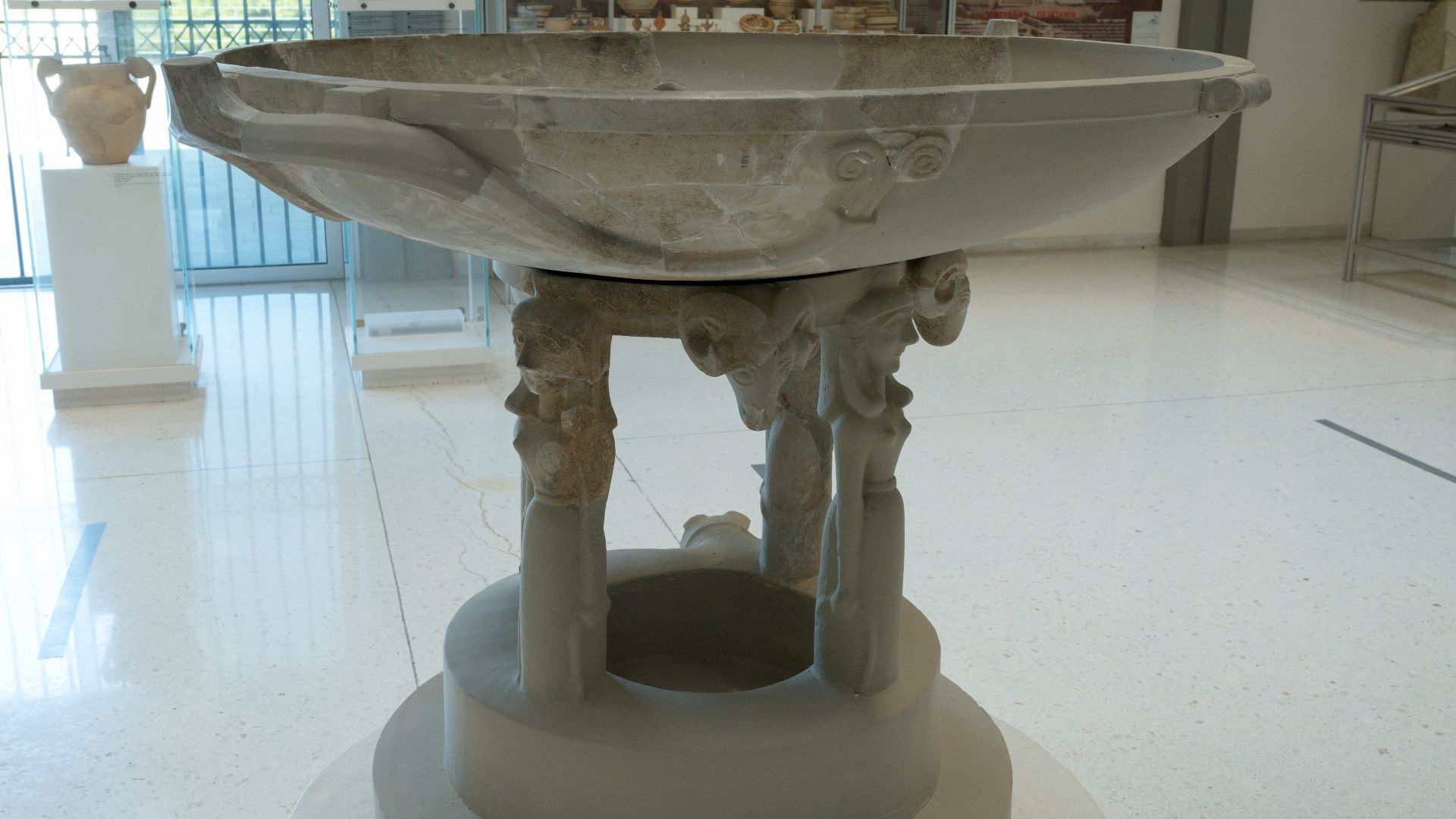
Among the most exciting finds is a reconstructed marble perirrhanterion, a large purification basin once used for ritual cleansing. Ancient repairs tell us it was valued for generations. A bronze plaque bearing an inscription was also uncovered, still partially concealed within a soil block. Early X-rays reveal extensive text that could reshape our understanding of the site’s religious and political history.
A Double Wall And Flood Protection
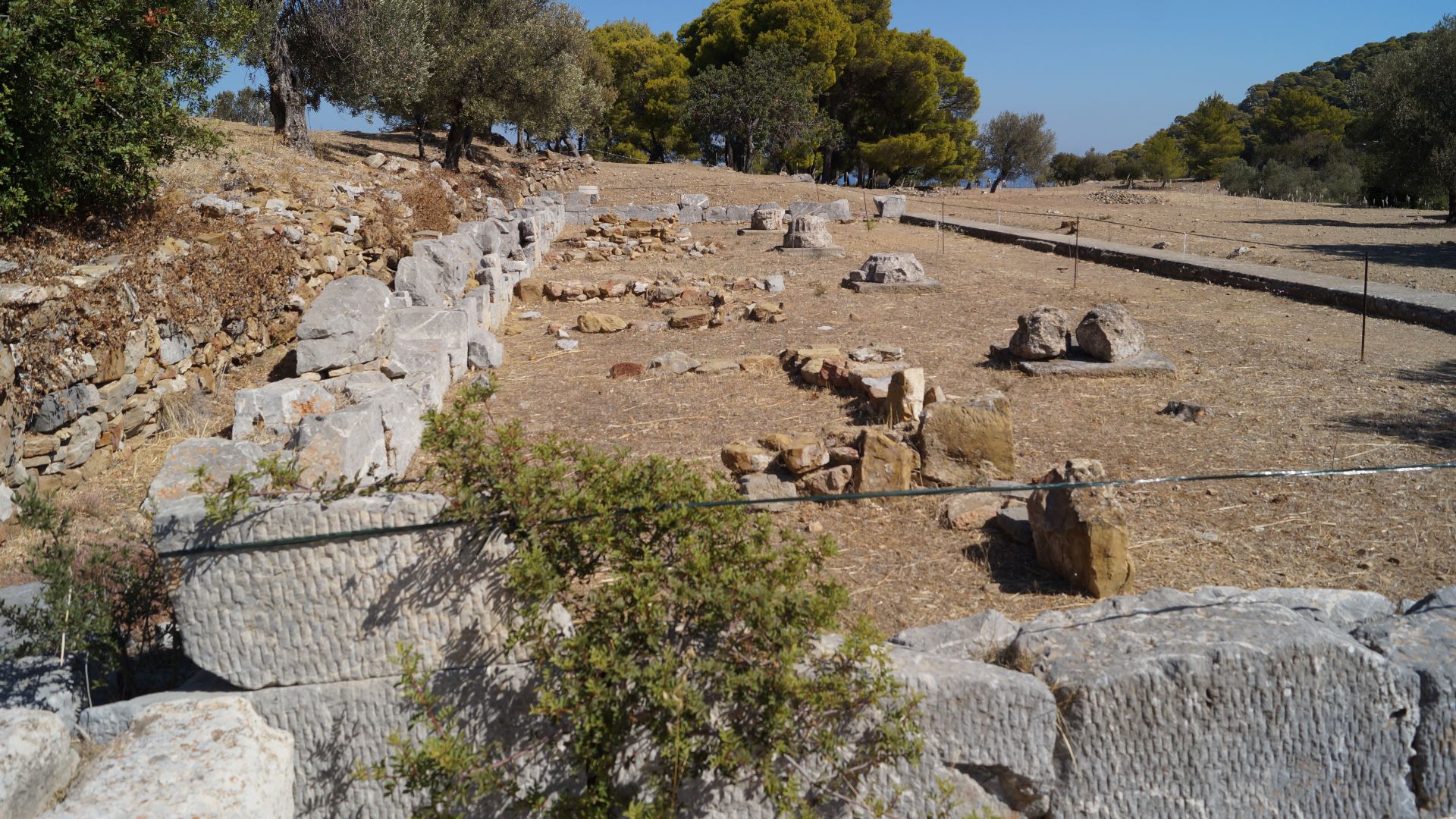
Clearing work revealed a double-walled enclosure that likely marked the sacred precinct. Researchers believe it may also have served as a flood barrier to protect the sanctuary from the lagoon’s shifting waters. Previous scholars saw parts of this structure decades ago, but its meaning only now becomes clear.
Revival Of A Lost Landmark From Ancient Texts
Ancient geographer Strabo describes a sanctuary of Poseidon near Samikon nestled among wild olive groves. The newly discovered temple aligns almost perfectly with his account, making this one of the rare cases where classical literature and archaeology snap together like puzzle pieces.
Sea, Lagoon, Fortress: A Sacred Crossroads
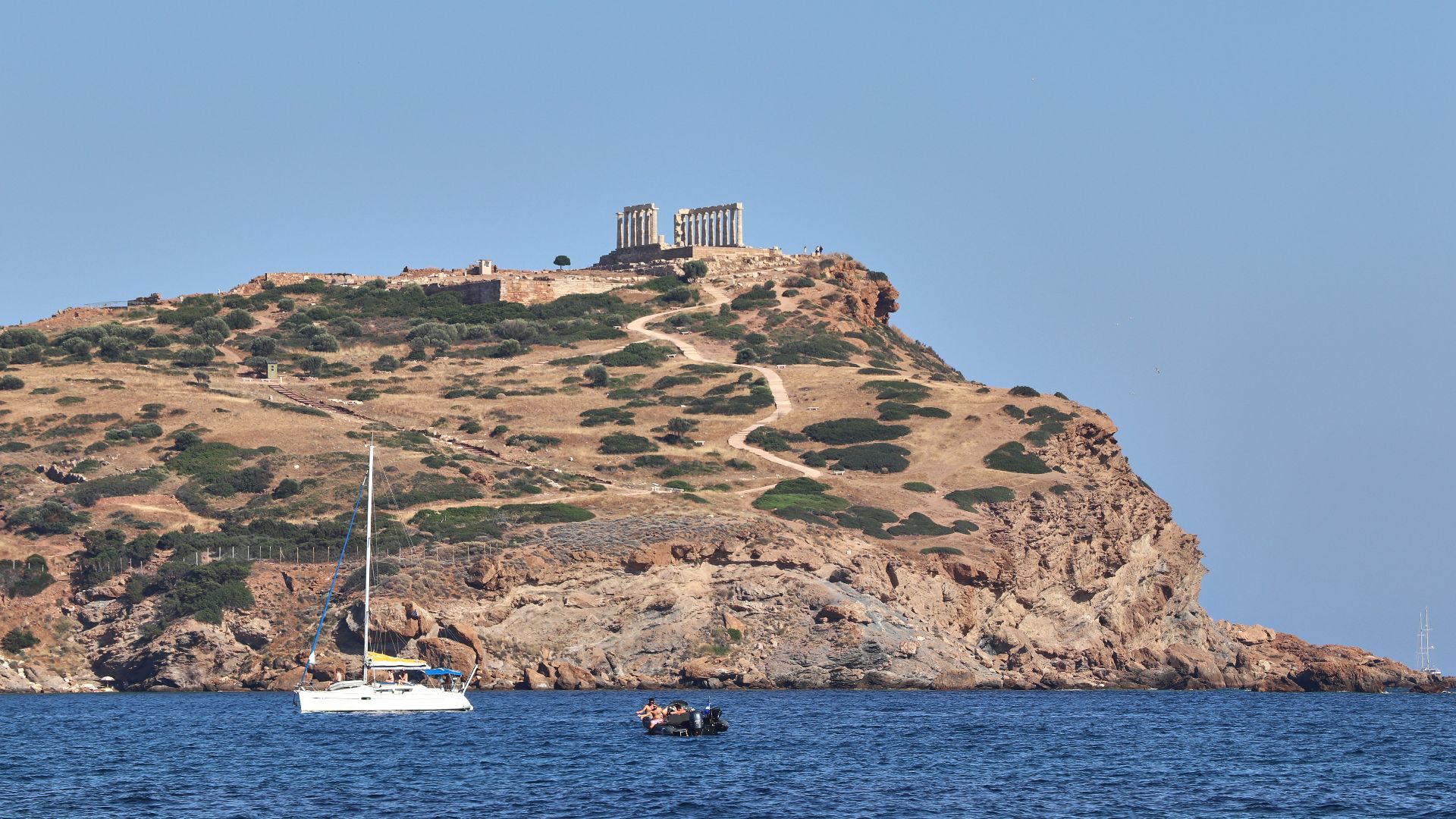
In antiquity, the sea was closer than it is today. Pilgrims arriving by boat may have disembarked near the coast, washed at a ritual basin, and walked a sacred path to the sanctuary. The vista—with the lagoon behind, fortress above, and open sea beyond—would have made for a powerful ritual landscape.
The Triphylian League’s Sacred Heart
Evidence suggests this was not merely a local shrine but a central sanctuary for the Triphylian League. Architectural scale, layout, and the presence of gathering spaces hint that the temple functioned as a shared cultural and religious center for multiple neighboring communities.
Pottery And Artifacts
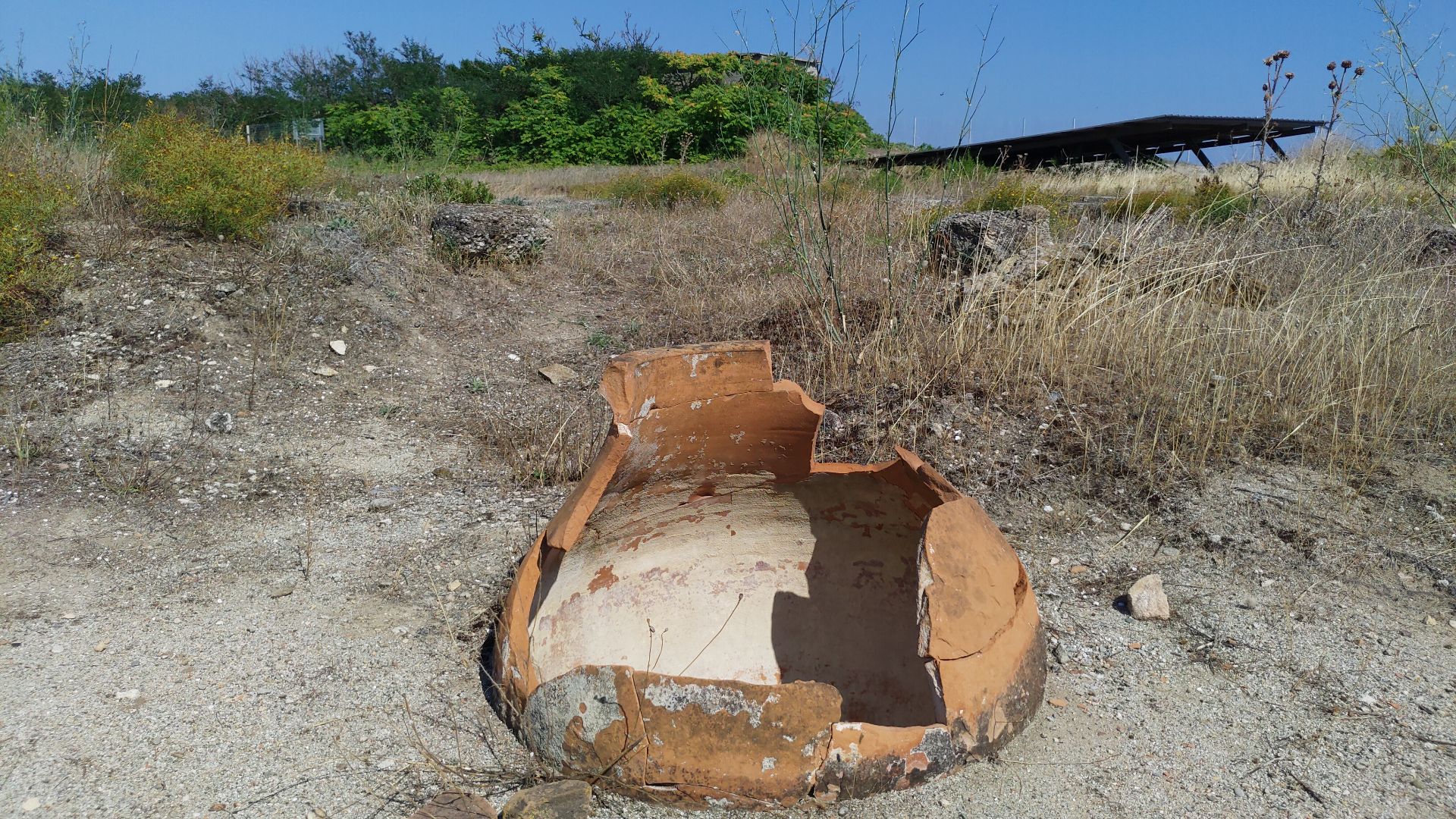
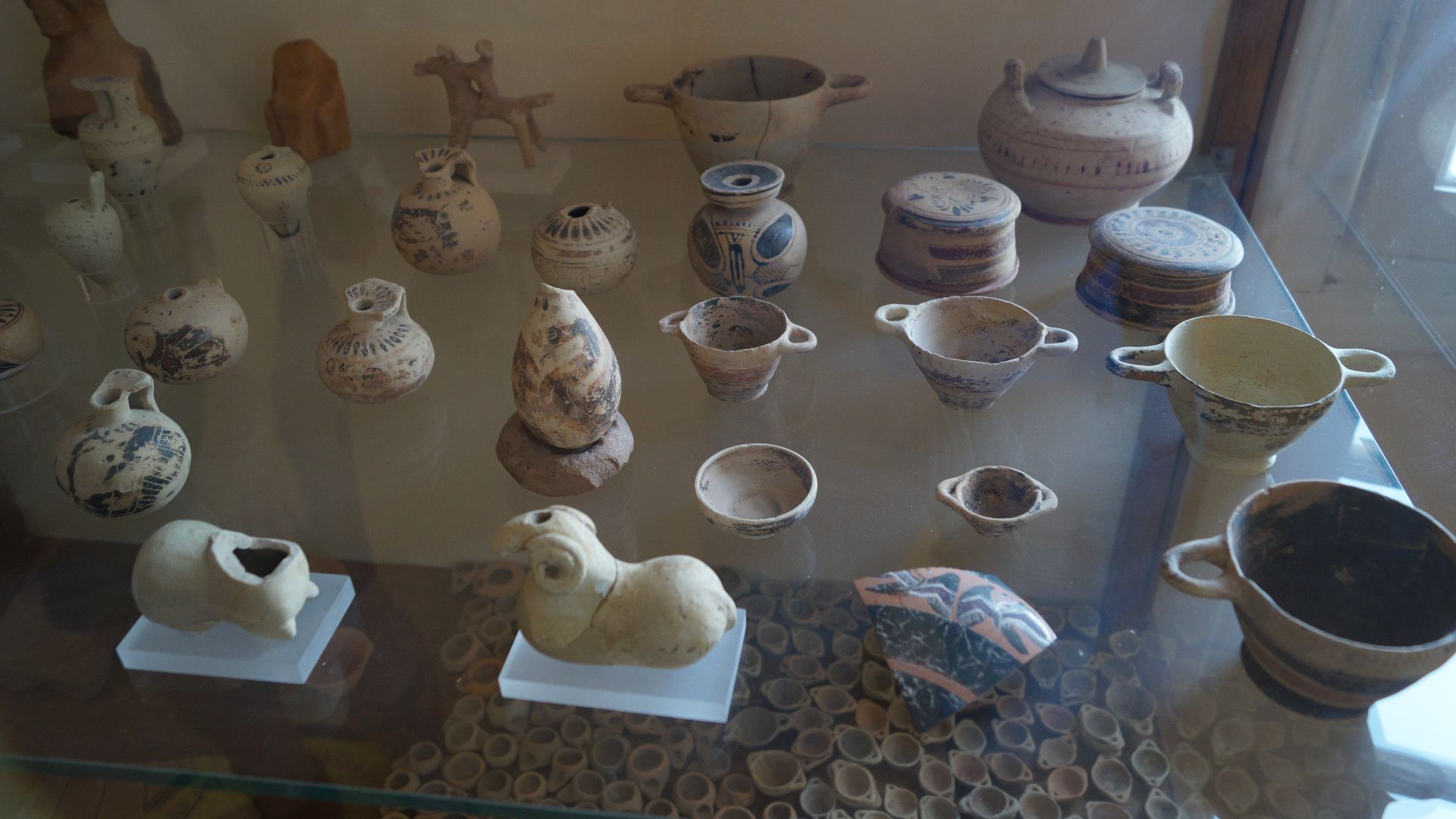
These are no random fragments. Pottery finds include ritual vessels, drinking cups, and fragments that date the building’s use and its renovations. These everyday objects tell us that ritual participation here was ongoing and part of everyday life.
A Temple Unlike Any Other
Archaeologists note that the double-room layout has no direct parallel in known Greek temples. This suggests local experimentation as architecture was shaped by community needs, political structures, or the unique role Poseidon played in this region.
 Galina Fomina, Wikimedia Commons
Water, Purification, And Sea-God Worship
Poseidon’s worship naturally gravitates toward waterscapes, and the purification basin reinforces this. Pilgrims could have washed before entering, preparing themselves to be in the presence of the sea god. The sanctuary’s location underscores the symbolic power of water in local religious practice.
 George E. Koronaios, Wikimedia Commons
From Construction To Reconstruction: A Temple With Two Lives
The sanctuary’s long lifespan, and its later renovation, signals a community continually invested in maintaining Poseidon’s presence. Rebuilding, reuse of materials, and retention of sacred layout all reflect a desire for continuity in the face of changing times.
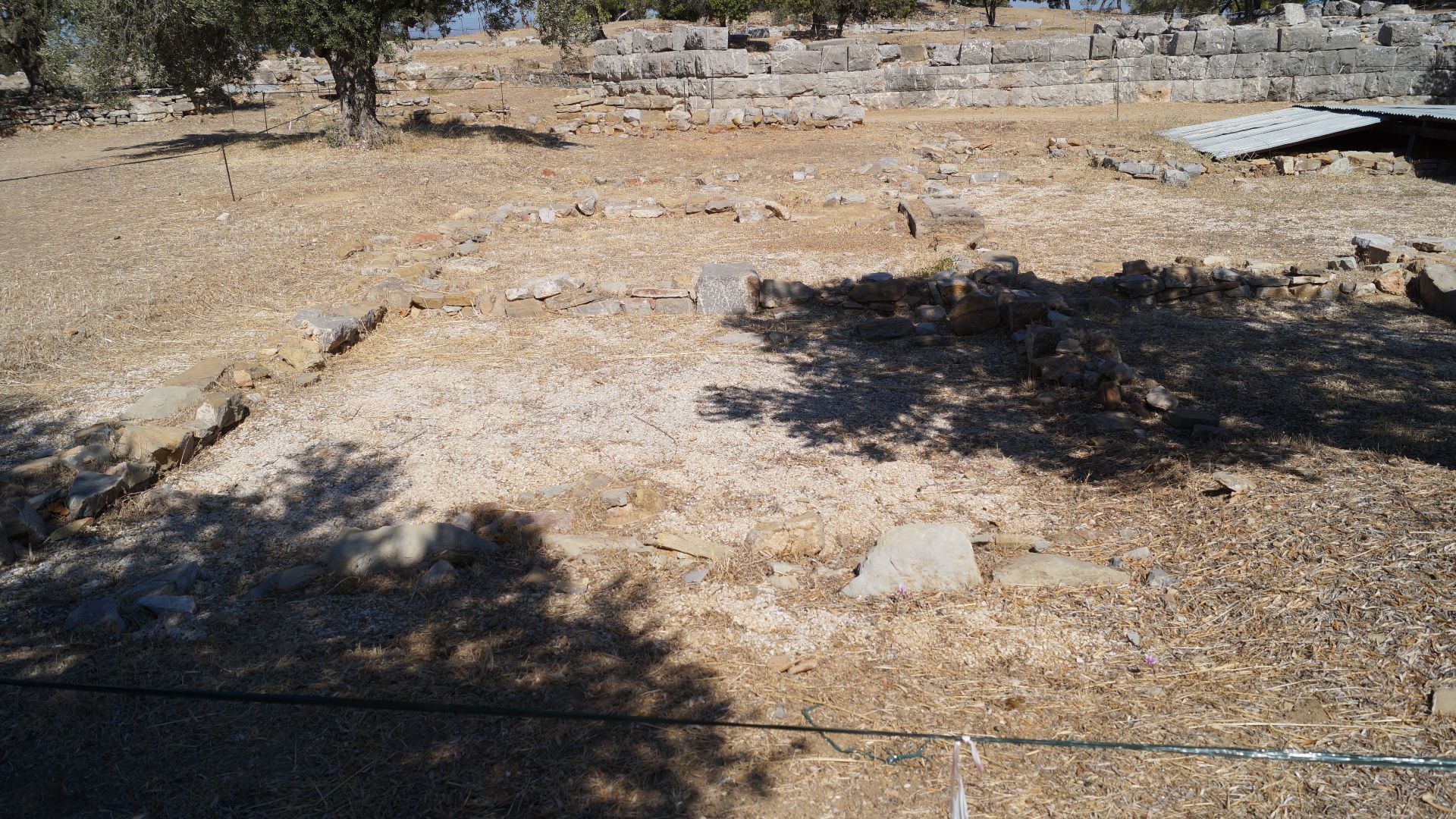
Inscriptions Waiting To Speak: The Bronze Plaque’s Potential
If the plaque’s inscription can be deciphered, it may reveal who funded the sanctuary, what rituals occurred there, or even political agreements linked to the Triphylian League. It could transform our understanding from architectural to historical in an instant.
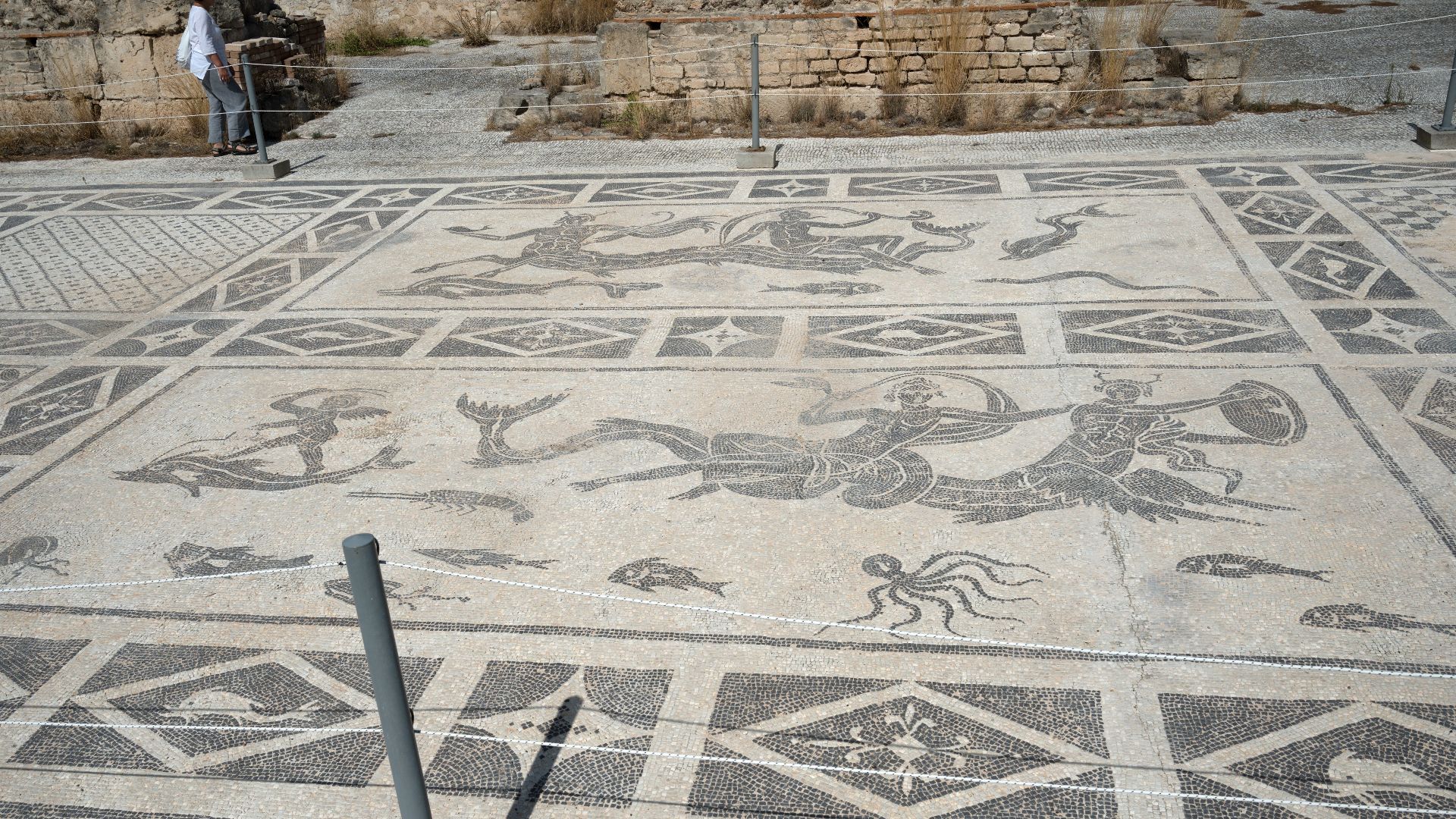
A Temple In Its Landscape: Walls, Lagoons, And Sacred Geography
The sanctuary’s setting wasn’t accidental. Everything from the double-wall terrace to the lagoon’s edge appears to have been engineered with ritual needs, and environmental challenges, in mind. Sacred space, in this case, was shaped by both nature and devotion.
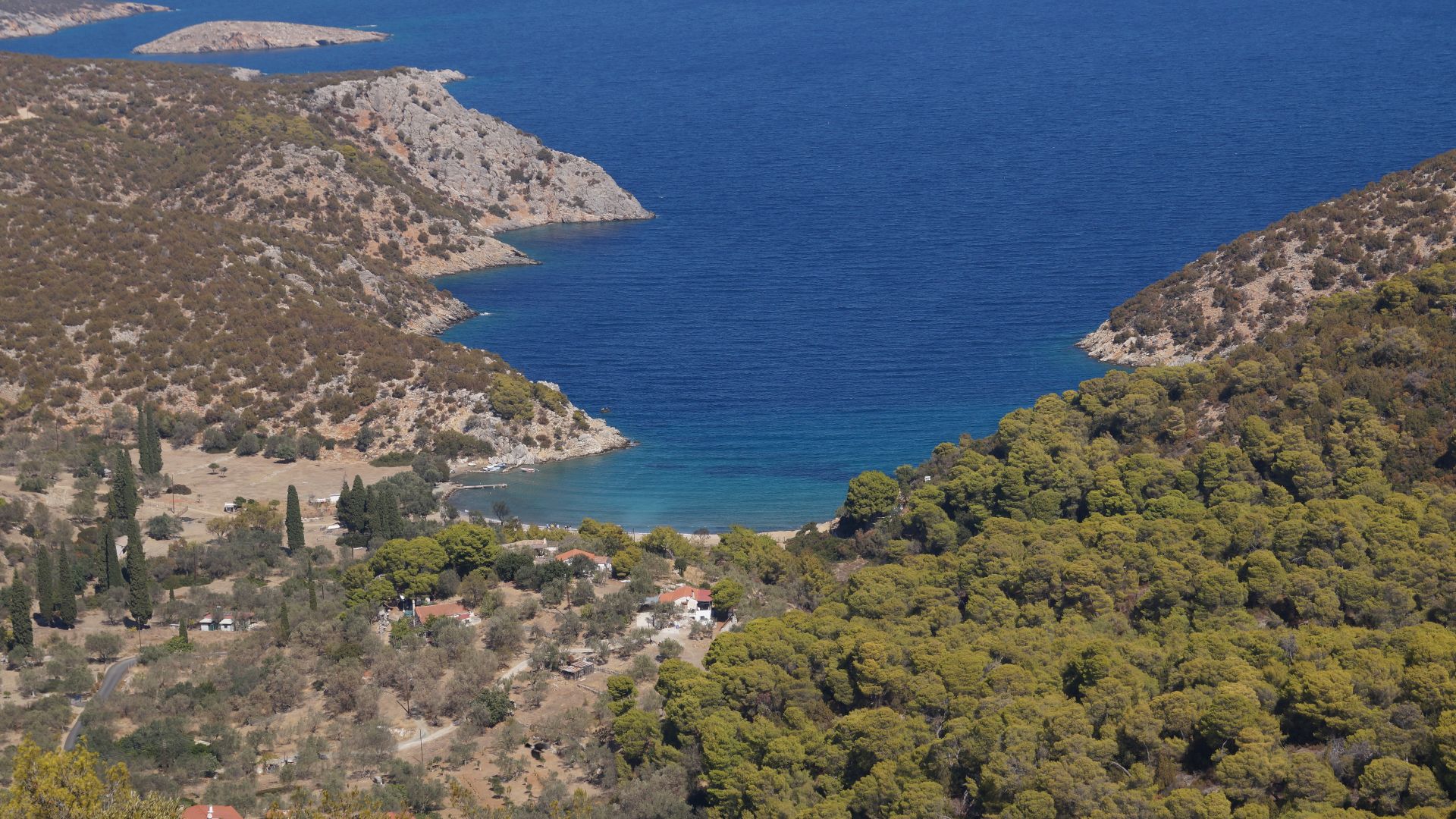
Coastal Cult Routes And Ritual Geography Revived
This find reinforces the idea that Greek religious life didn’t just unfold in city centers. Coastal sanctuaries formed a network of spiritual stops for travelers, traders, and pilgrims. Samikon’s sanctuary now re-enters that network as a major landmark along ancient maritime routes.
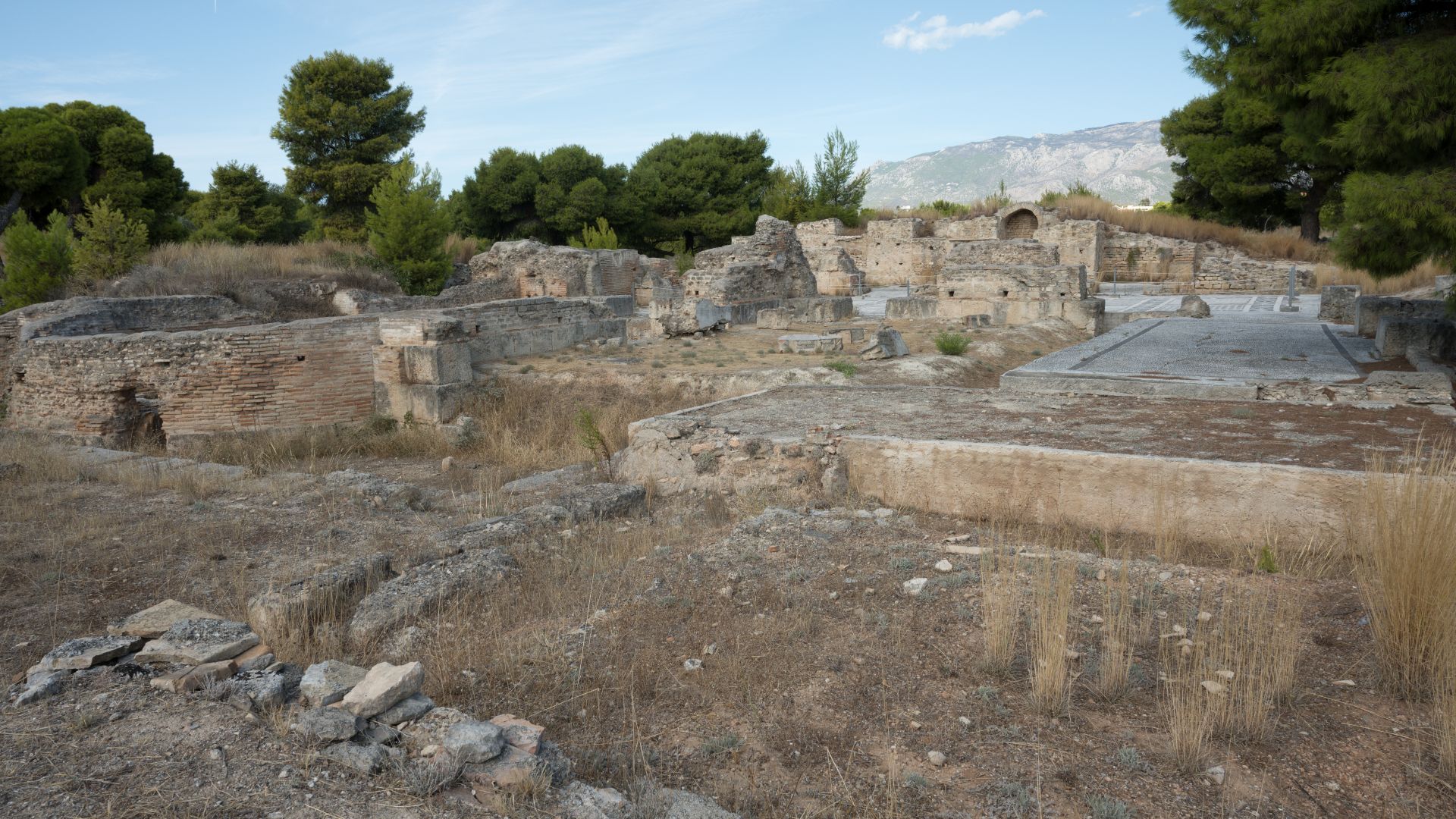
What This Means For Triphylia’s Cultural Identity
The sanctuary’s scale and prominence suggest Triphylia was not some fringe region. It had sophisticated religious structures and a shared cultural identity anchored in Poseidon’s worship, maritime life, and cooperation among city-states.
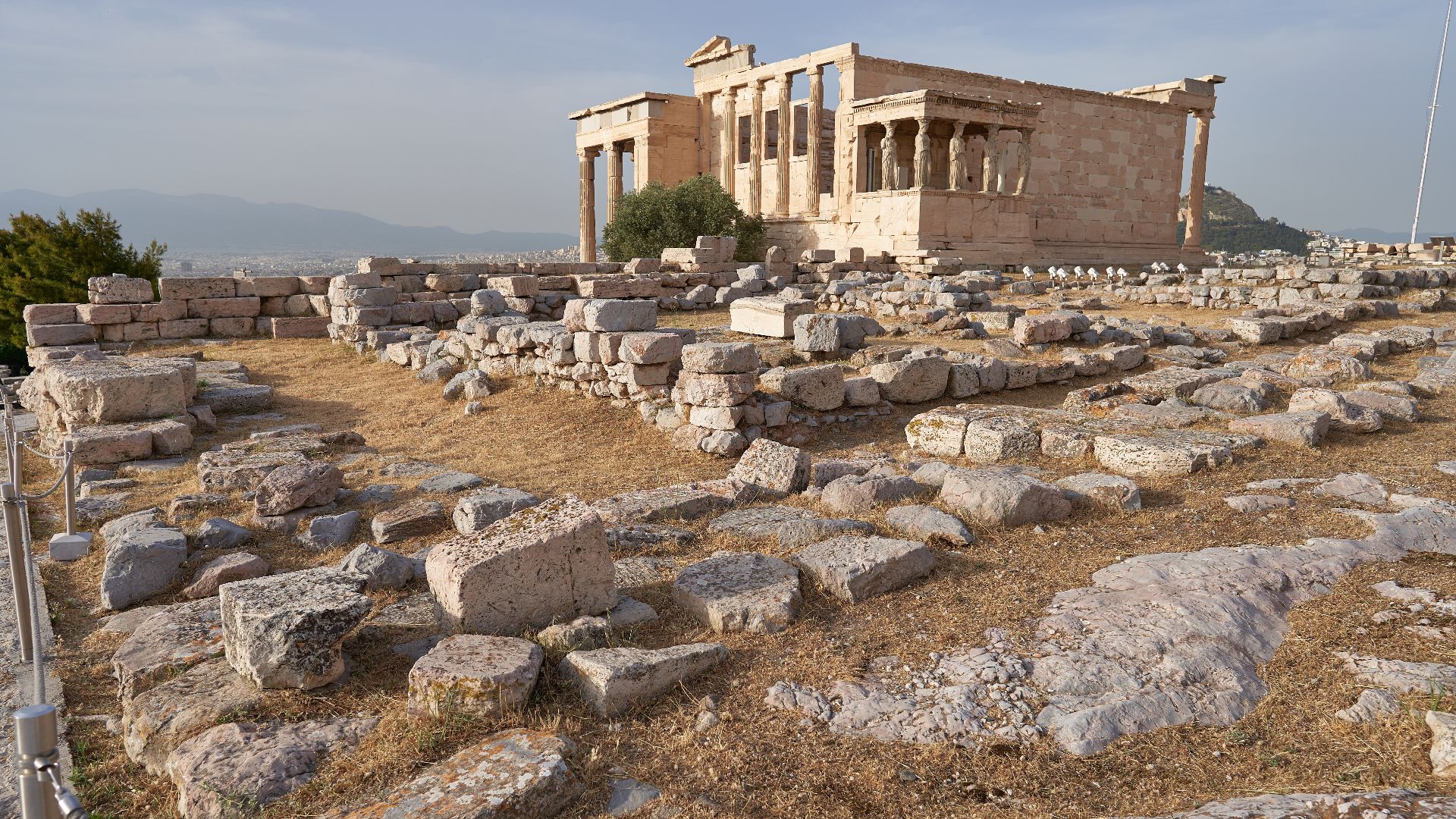 George E. Koronaios, Wikimedia Commons
What Researchers Hope To Find Next
Future seasons may uncover an altar, additional inscriptions, treasuries, or even evidence of festivals and large gatherings. Each new structure or artifact could clarify how Poseidon’s cult operated and how deeply it shaped local life.
Final Thoughts
The sanctuary of Poseidon near Samikon isn’t just another archaeological site; it’s a revived chapter of ancient spiritual geography. With its unusual architecture, deep history, and perfect placement between land and sea, the temple offers a rare glimpse into how coastal Greeks worshipped, collaborated, and crafted sacred landscapes. For now, it stands as a reminder: some gods never fully disappear, they simply wait for us to find them again.
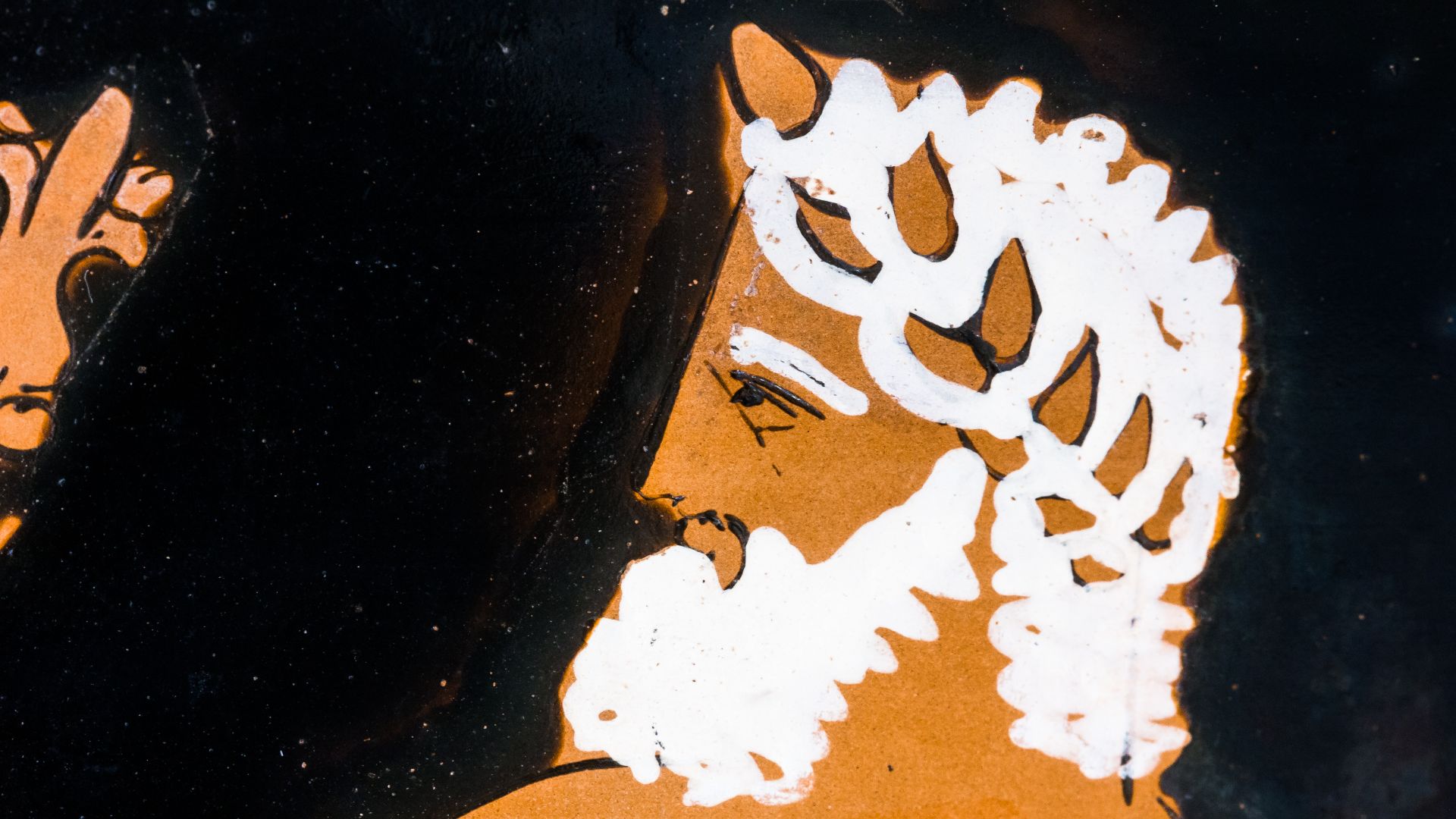 ArchaiOptix, Wikimedia Commons
You May Also Like: