The Storm That Peeled Back Time
In the winter of 1850, a violent storm tore across the windswept islands of Orkney, Scotland, hammering the coastline with powerful winds and relentless waves. Locals were used to rough weather, but this storm was different. It didn’t just reshape the land. It peeled it open—and what it revealed was jaw dropping.
A Mound That Suddenly Looked Wrong
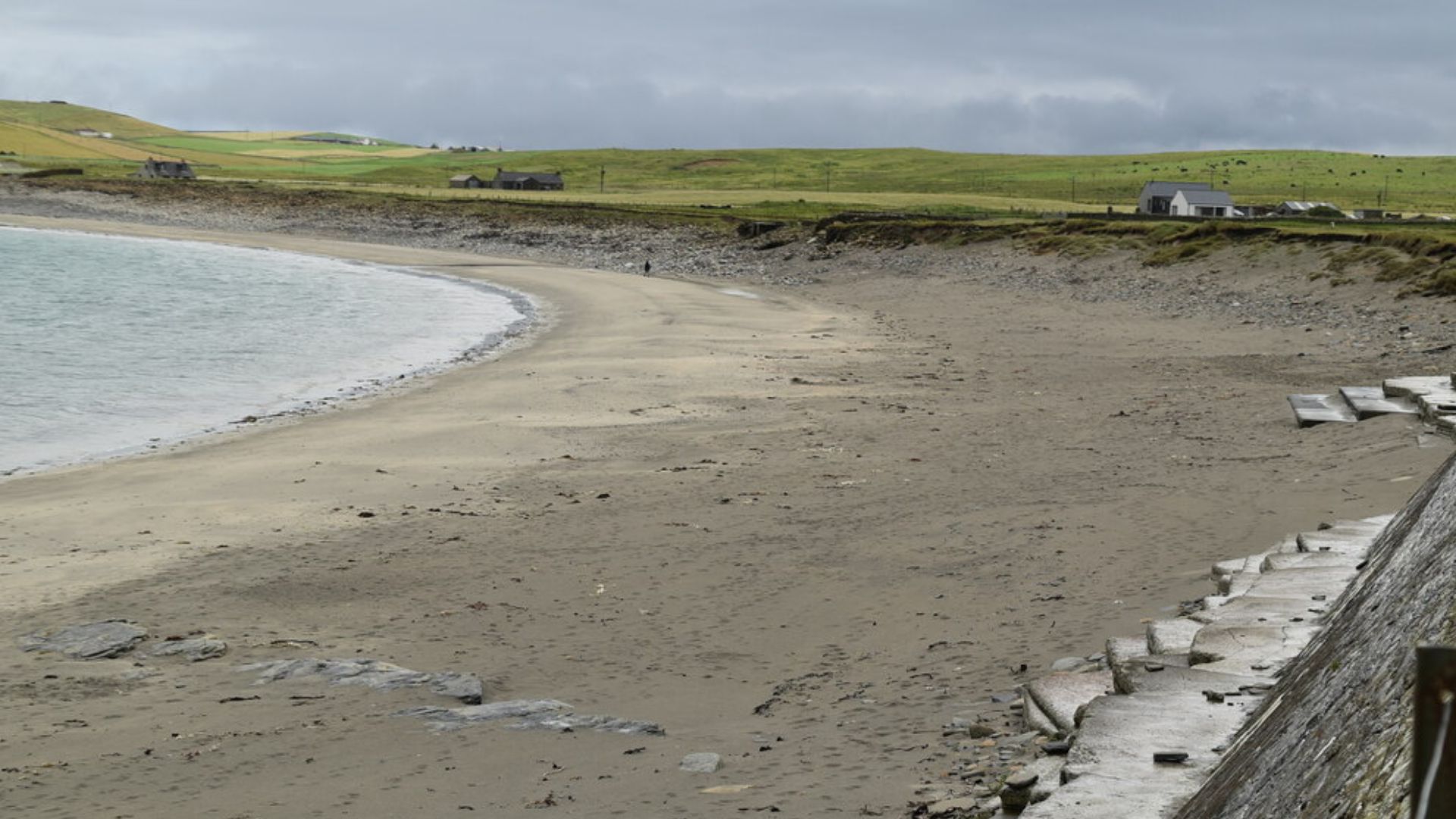
After the storm passed, people noticed something strange on the Bay of Skaill, near the village of Sandwick. A grassy mound that had always blended into the landscape now looked exposed. The earth had been stripped away, revealing something beneath it.
 N Chadwick , Wikimedia Commons
Not Just Dirt and Stone
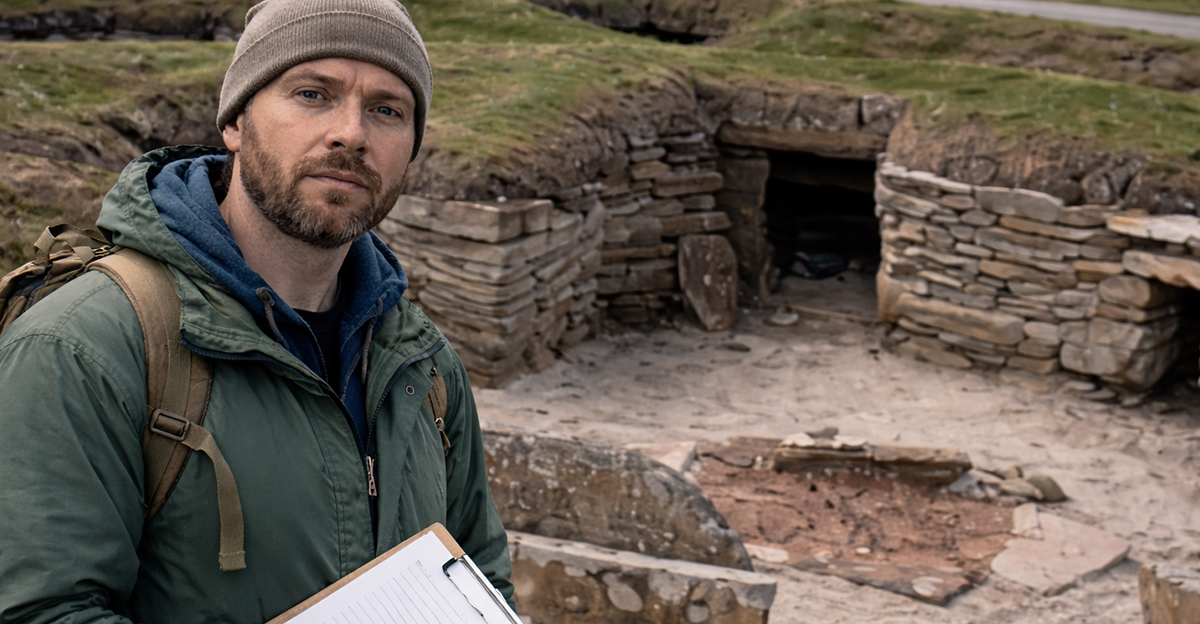
At first glance, it looked like rubble. But the shapes were too organized and deliberate. There were walls, passages, and doorways. Someone had built this—and not recently.
The Man Who Took a Closer Look
The landowner, William Watt of Skaill, was the first to investigate. Curious about what the storm had uncovered, he began clearing away debris. What he found wasn’t just a structure. It was an entire settlement.
A Village Hidden for Millennia
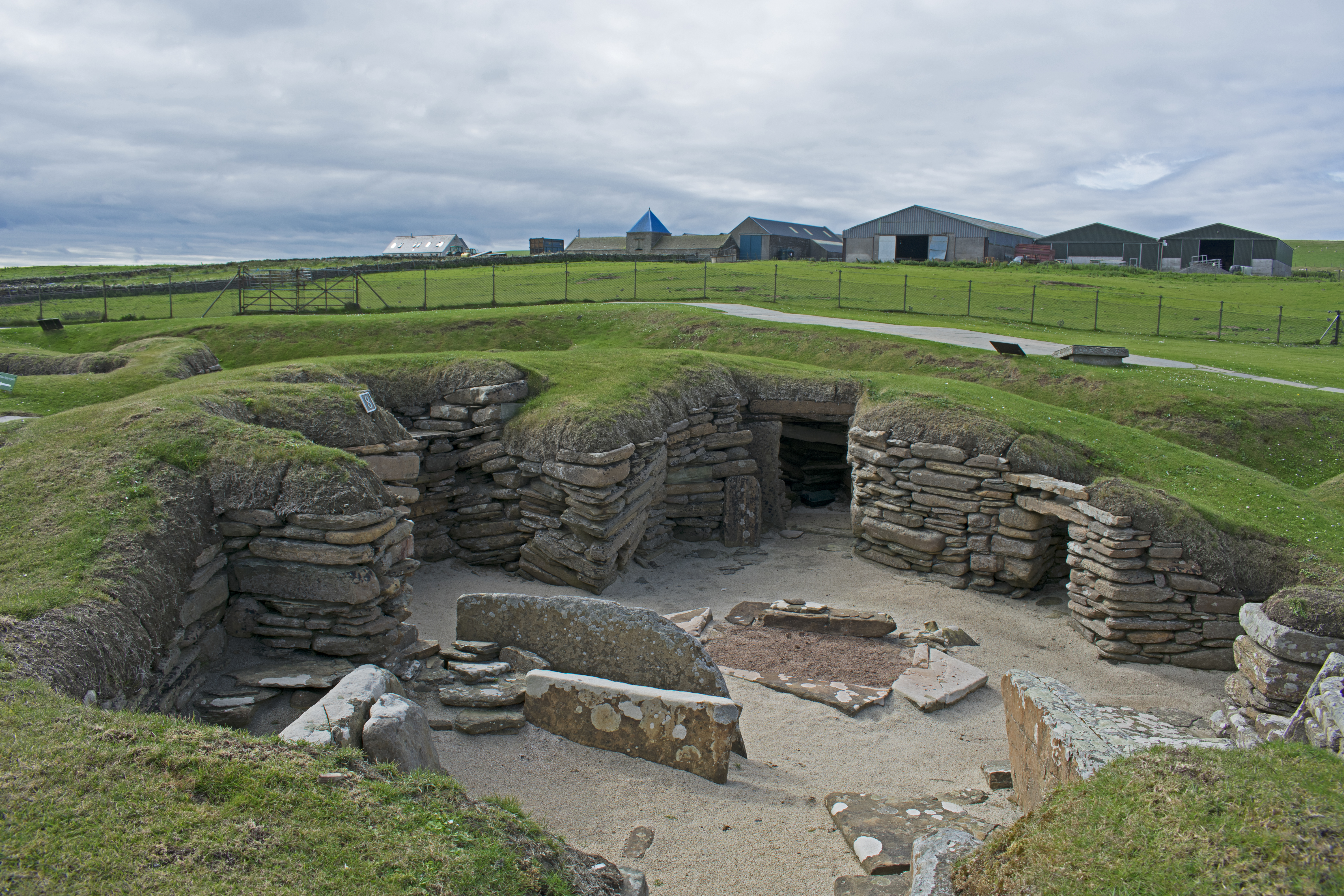
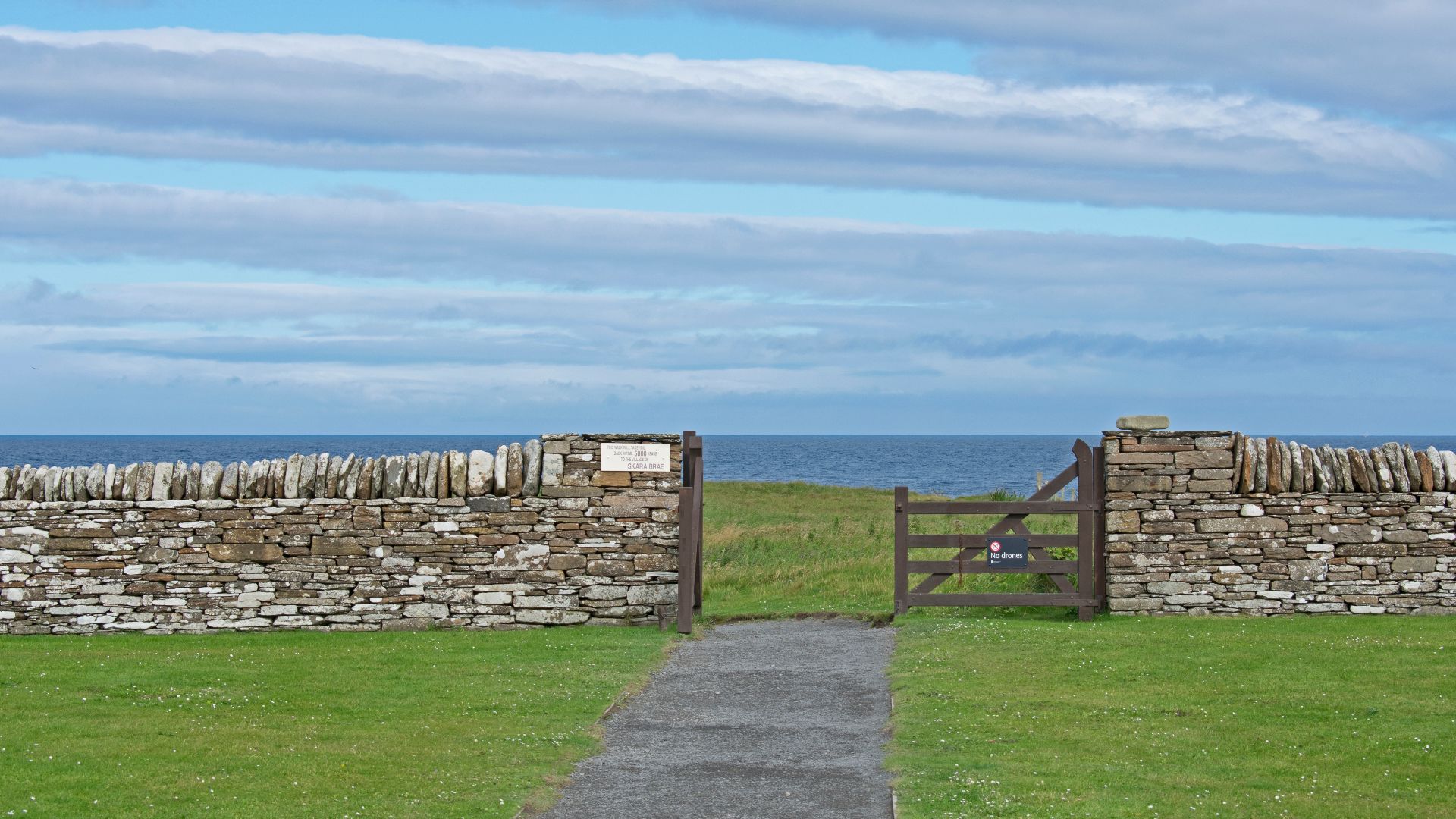
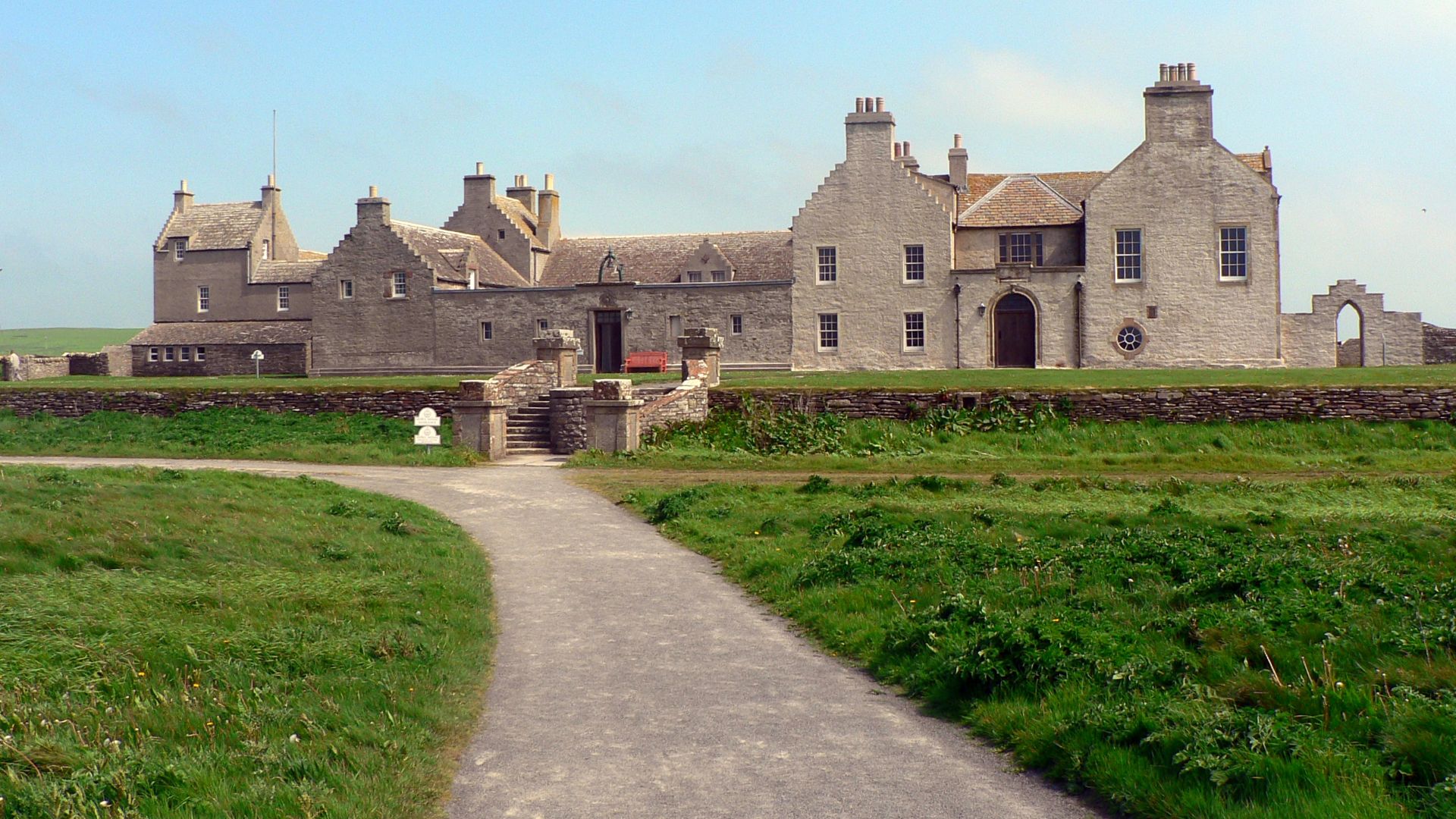
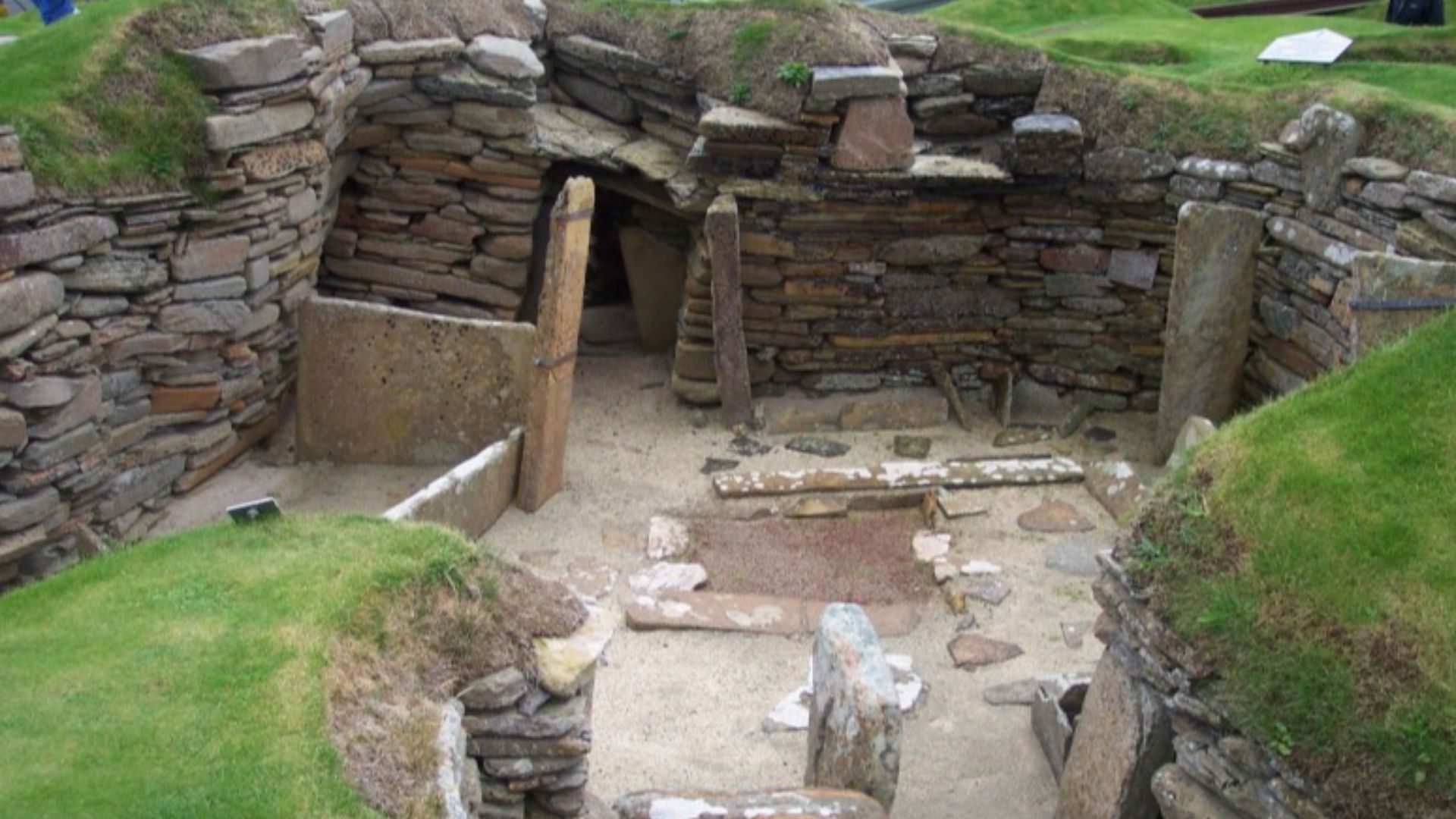
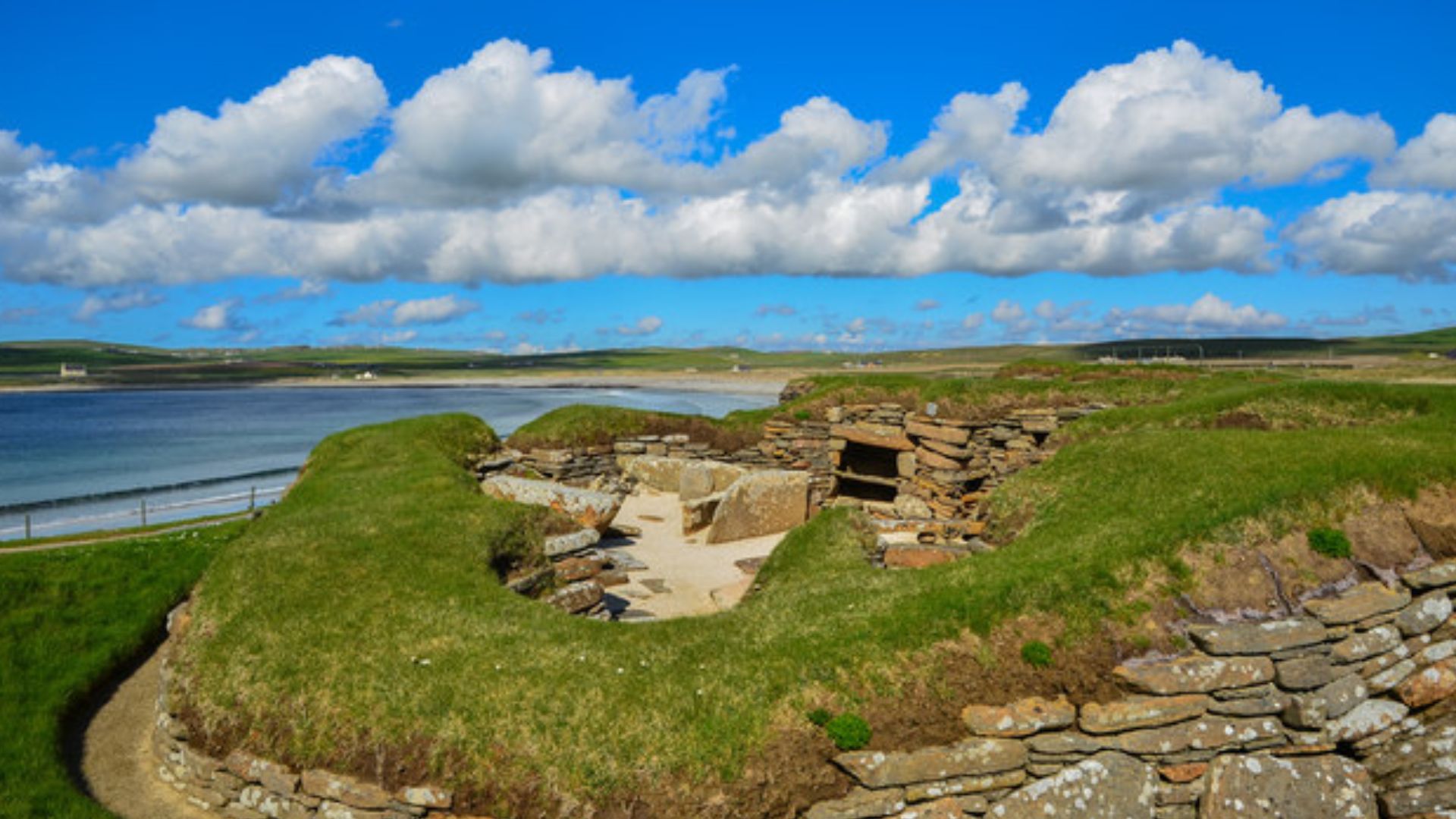
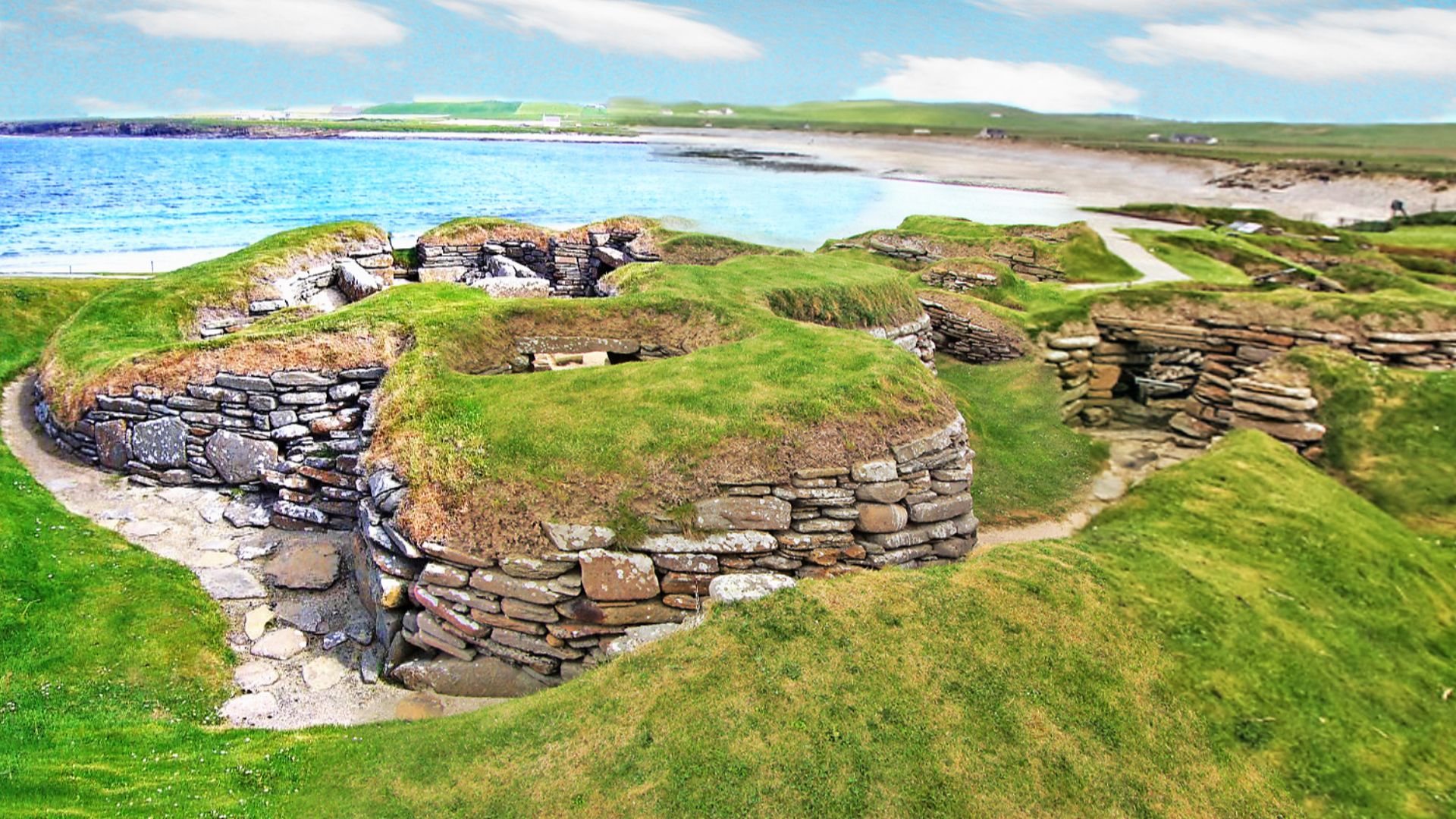
What Watt uncovered would later be known as Skara Brae, a remarkably preserved Neolithic village dating back roughly 5,000 to 6,000 years, around 3100 BCE. That means this place was already ancient when the pyramids of Egypt were still just an idea.
 Dr. John F. Burka, Wikimedia Commons
Houses Built Into the Earth
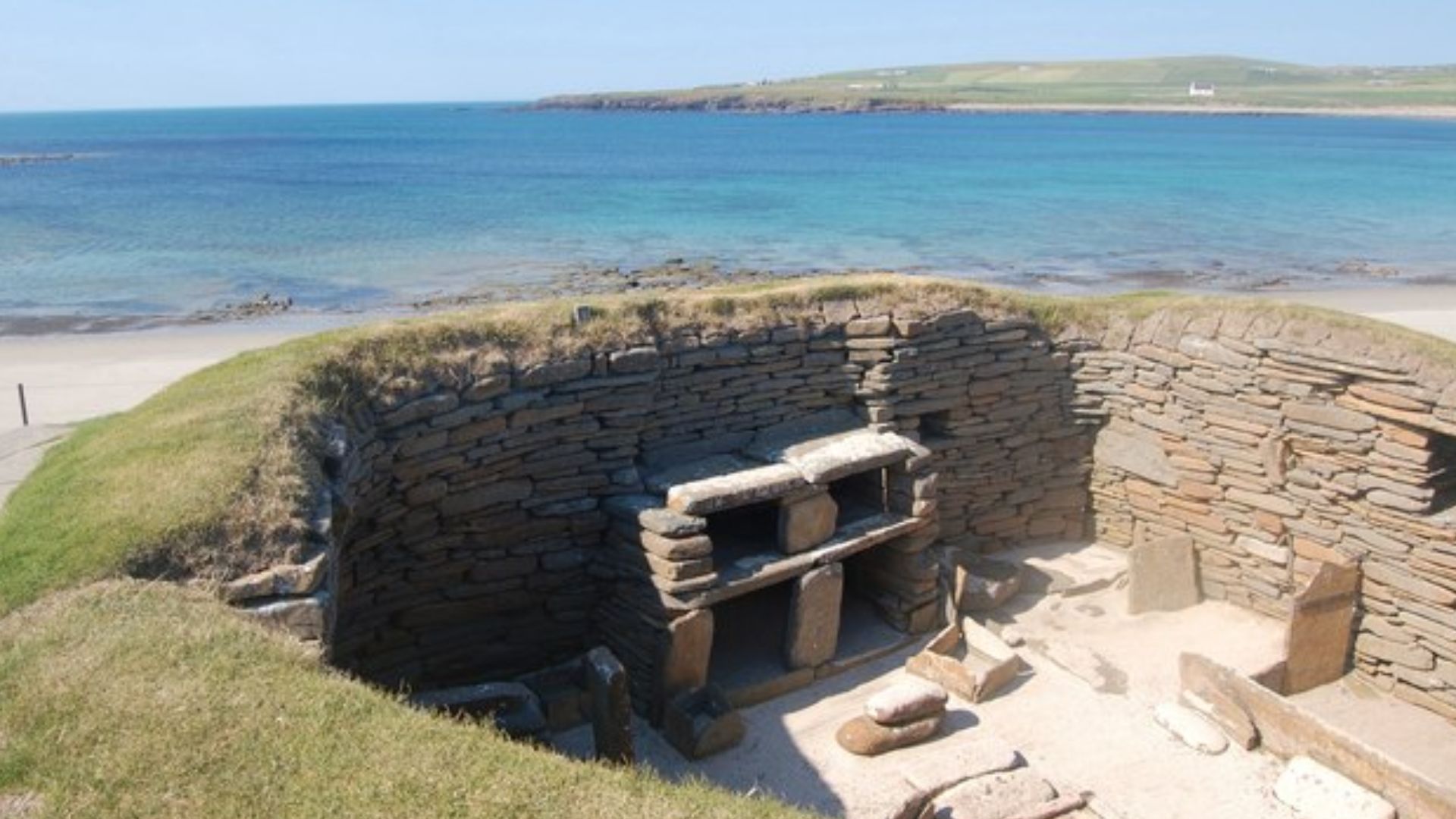
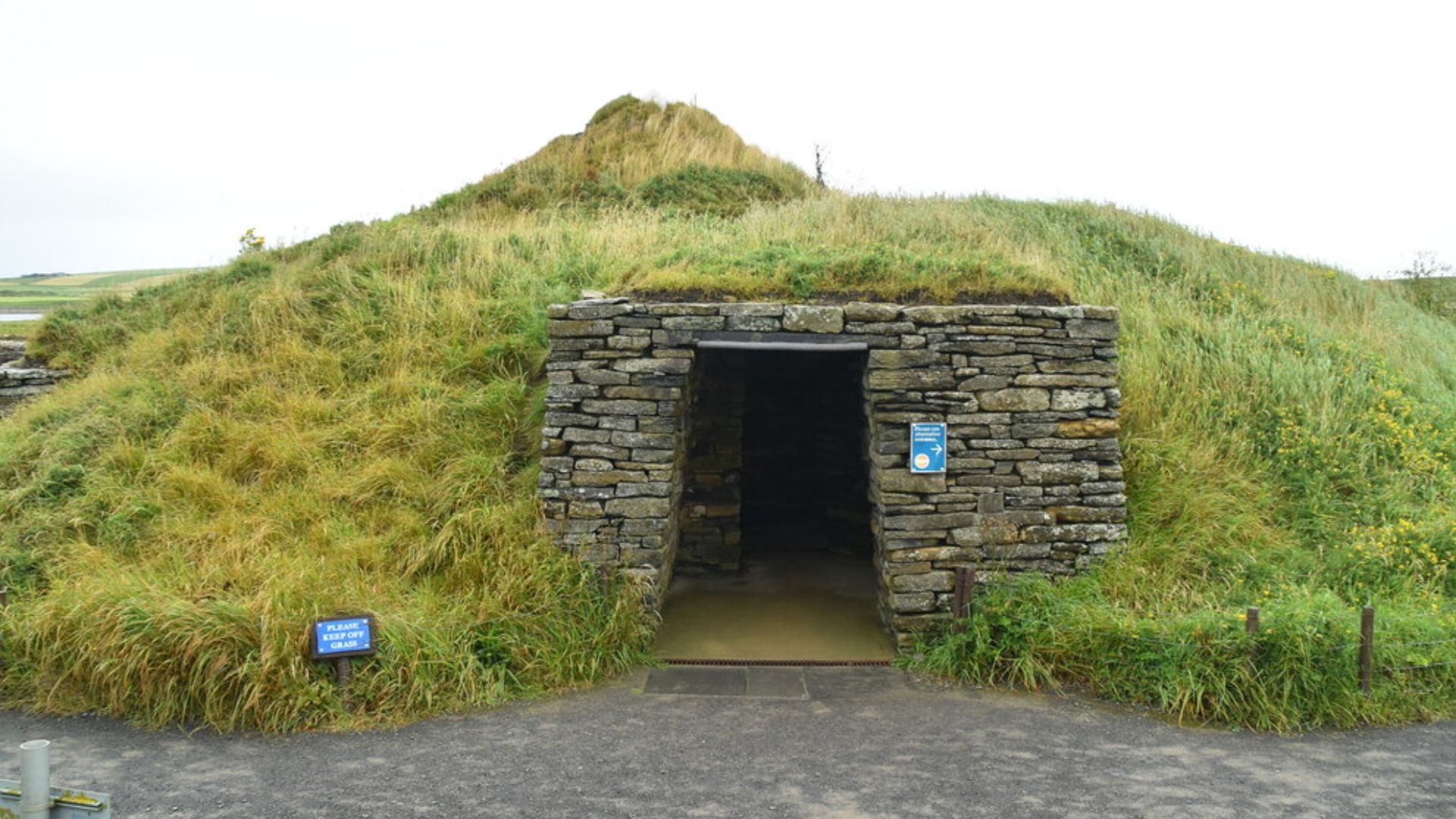
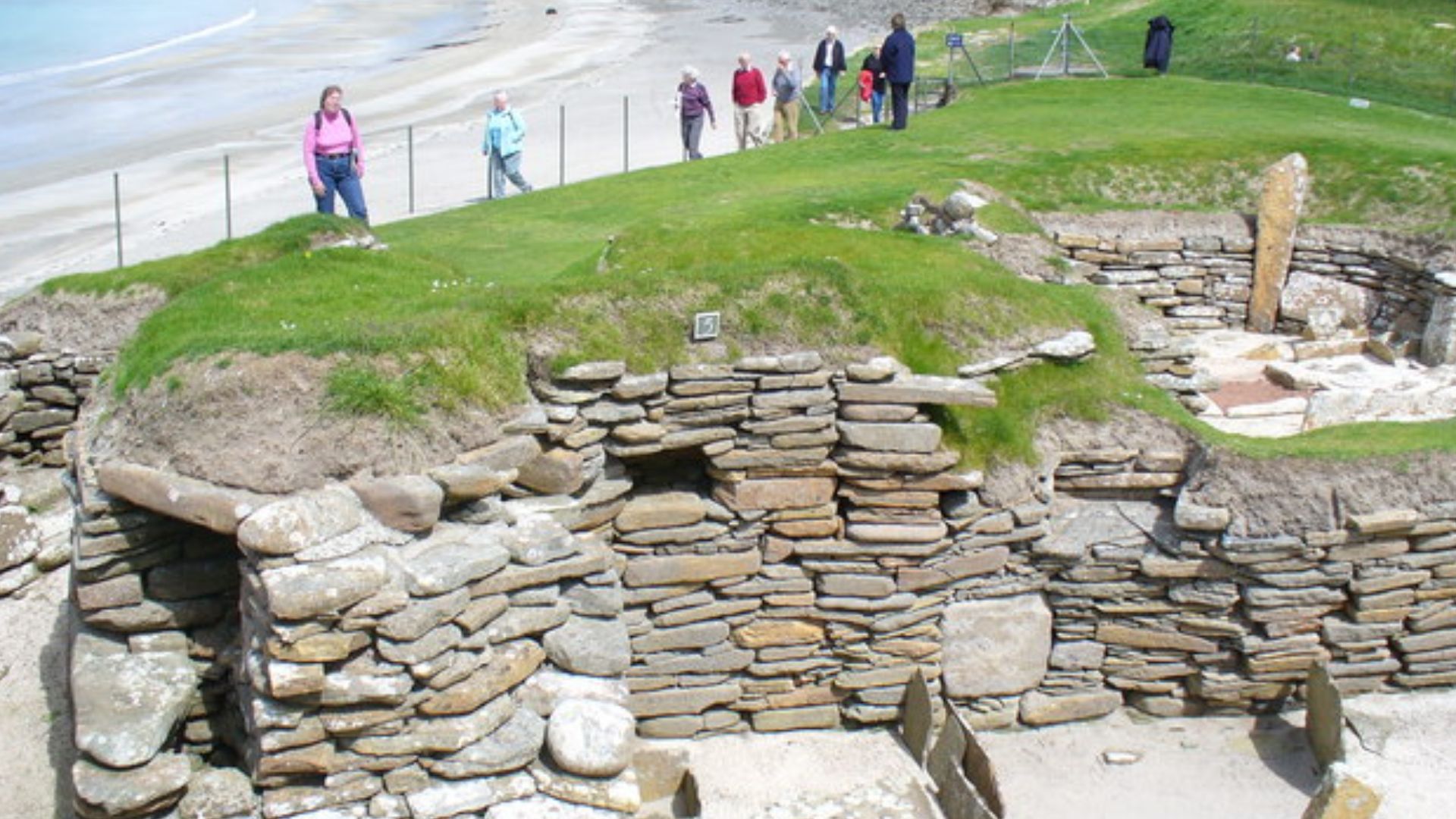
As more of the site was exposed, it became clear that these were not random ruins. The homes were carefully constructed, partially dug into the ground and built with stone walls. They were designed to survive the harsh Orkney climate, and clearly, they worked.
Rooms That Still Made Sense
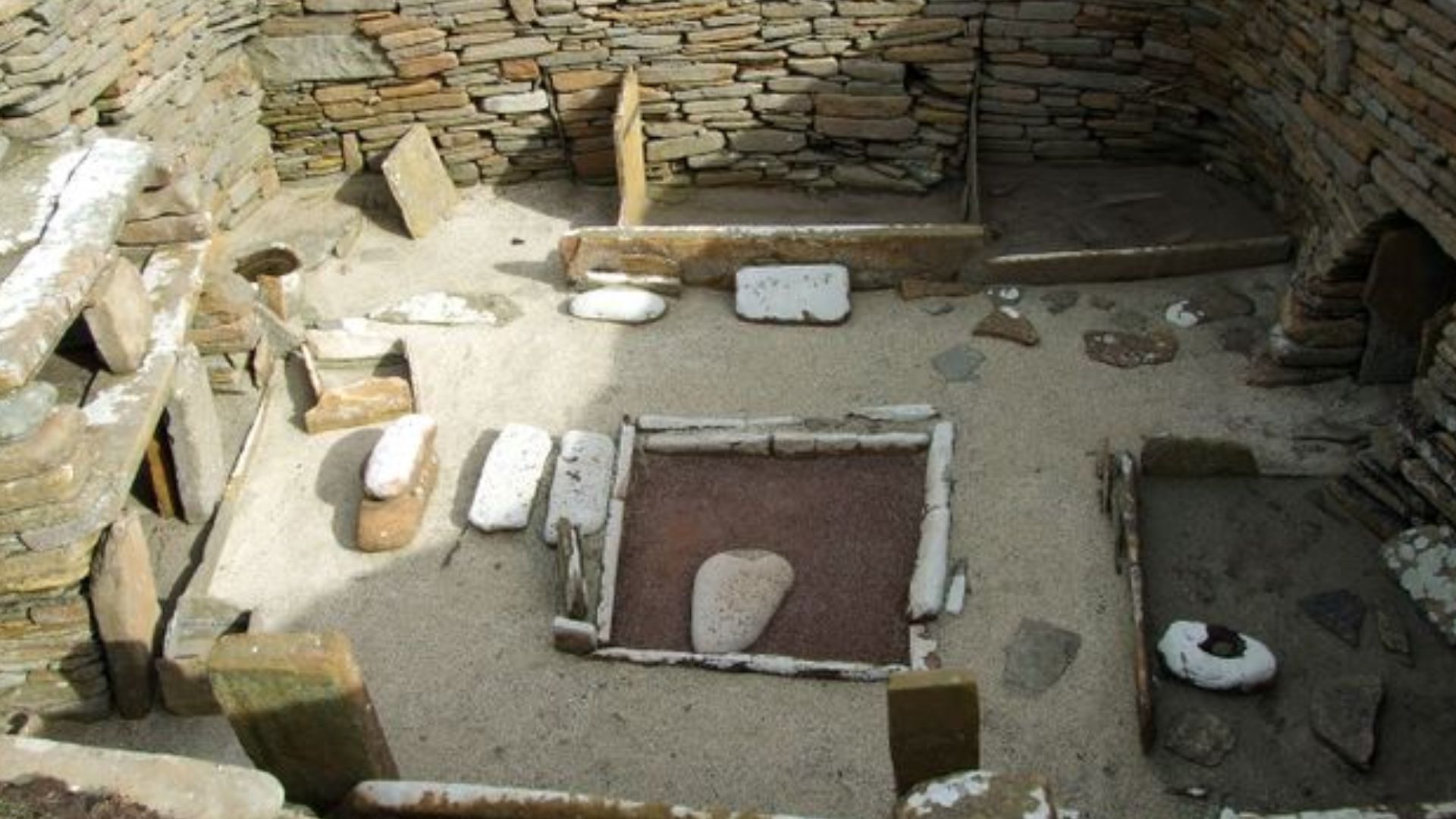
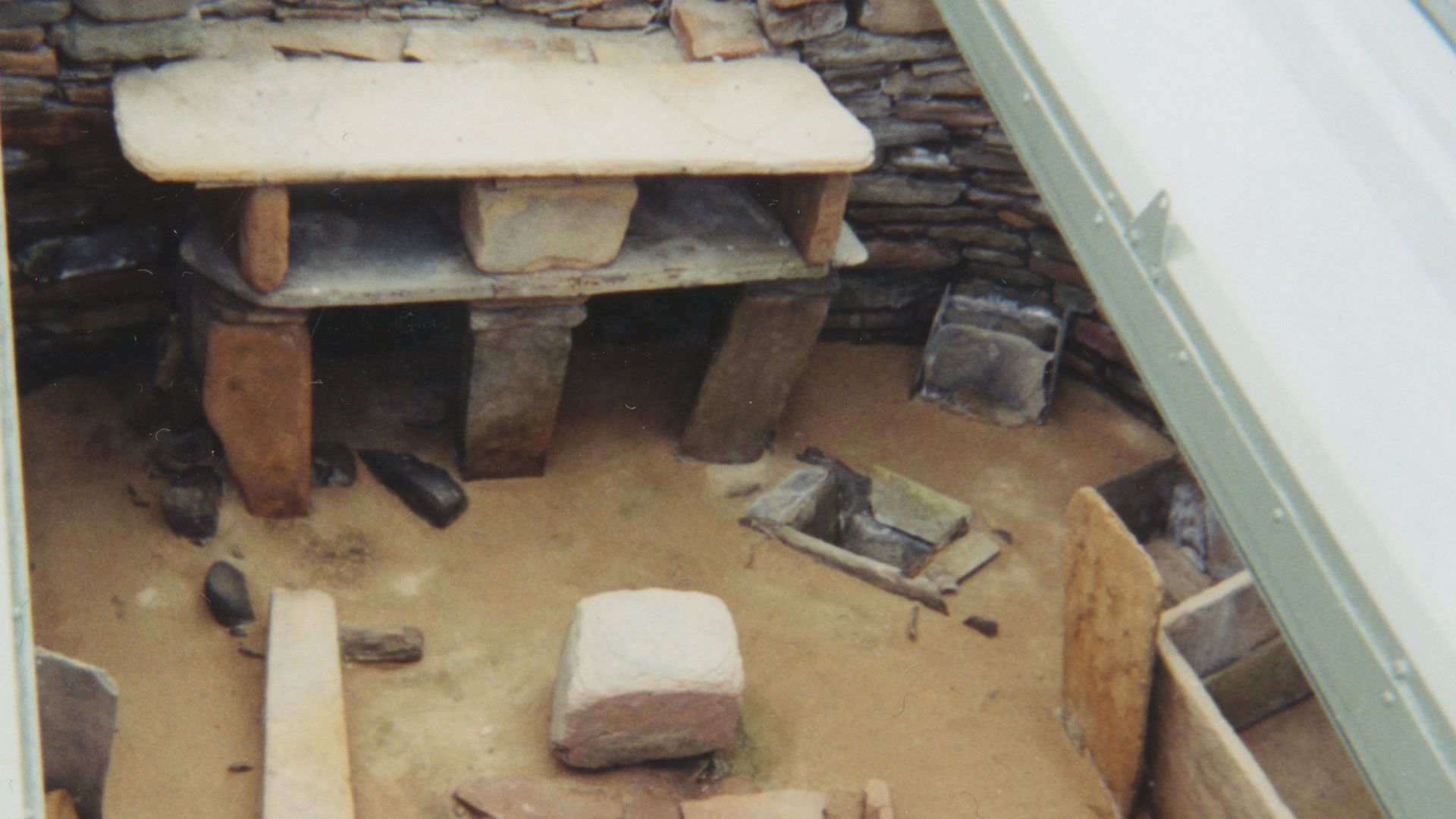
Inside the homes, the layout was surprisingly familiar. Each structure had a central hearth, stone-built beds, and even shelving that looked like ancient furniture. It was as if someone had just stepped out for a moment about 5,000 years ago.
 kevin rothwell, Wikimedia Commons
A Village With Streets
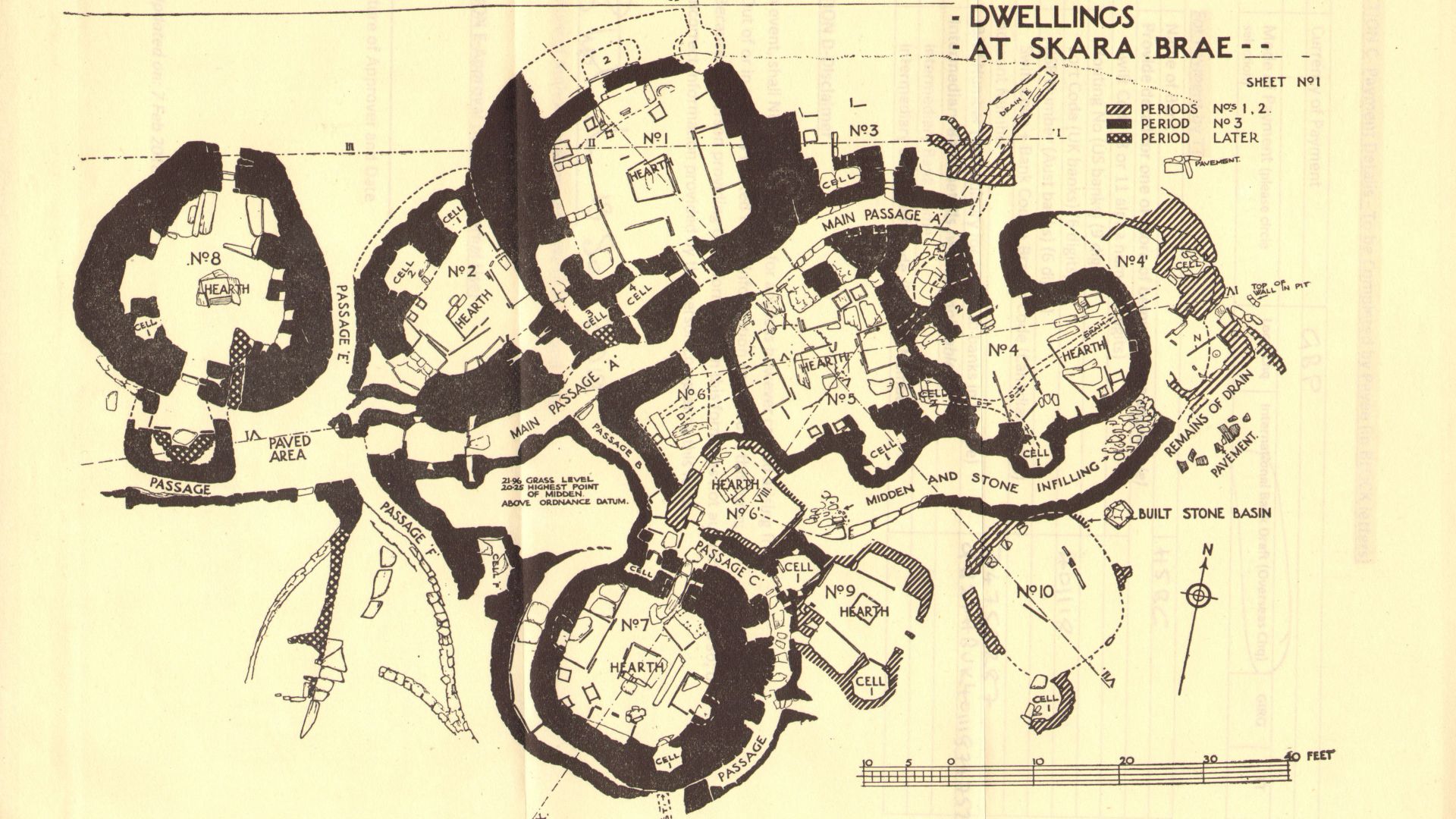
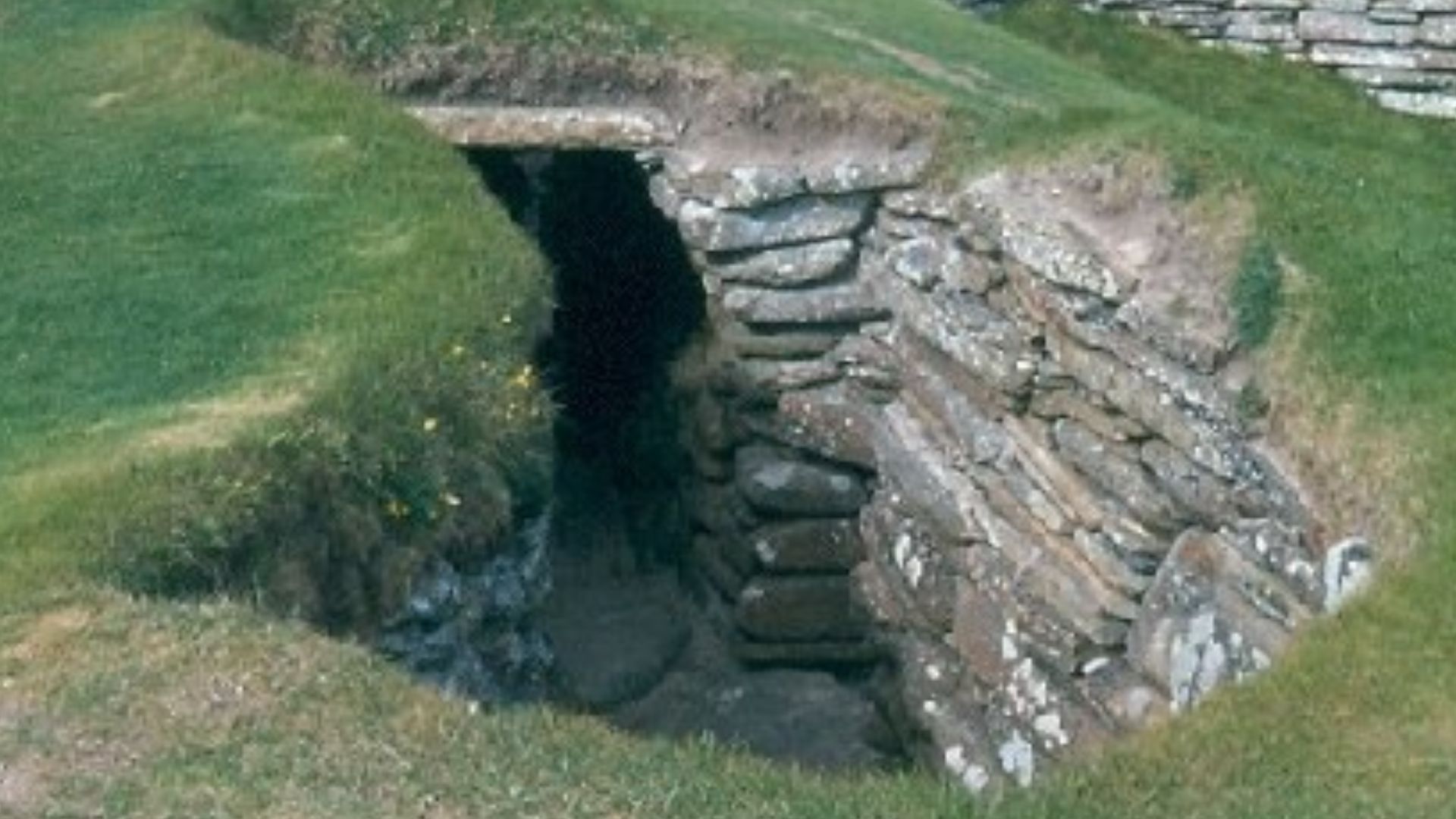
The houses were connected by a network of low, covered passageways, forming something that looked very much like streets. This wasn’t a random collection of shelters. It was a planned community.
 V. Gordon Childe, Wikimedia Commons
What They Left Behind
As archaeologists continued to study the site, they found tools, pottery, beads, and carved stone objects. These were everyday items, not treasures hidden away, which makes it even stranger that everything was left behind.
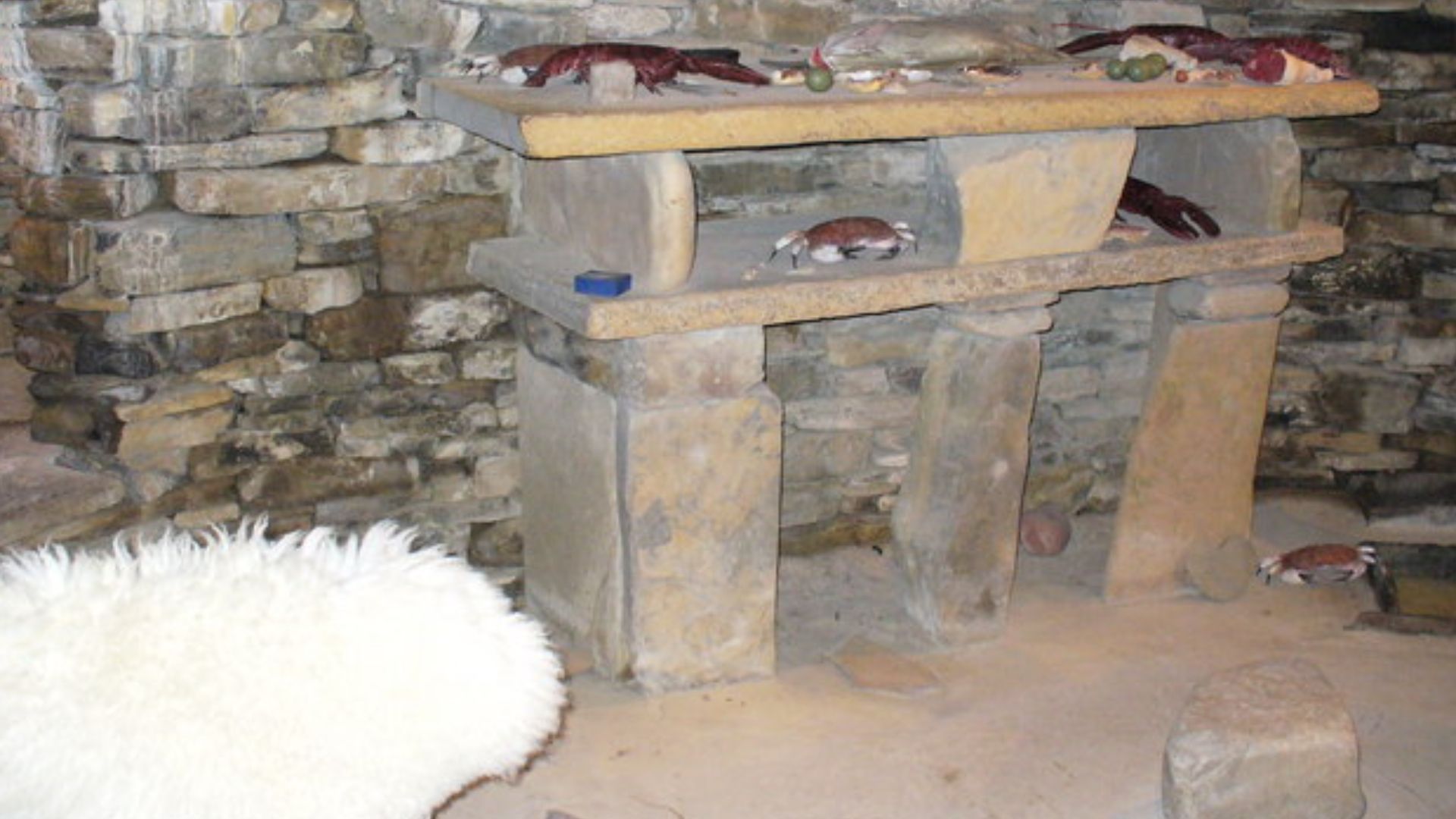 Colin Smith, Wikimedia Commons
A Mystery Beneath the Sand
For years, people wondered why the village had been abandoned. There were no obvious signs of disaster or conflict. Just a quiet disappearance.
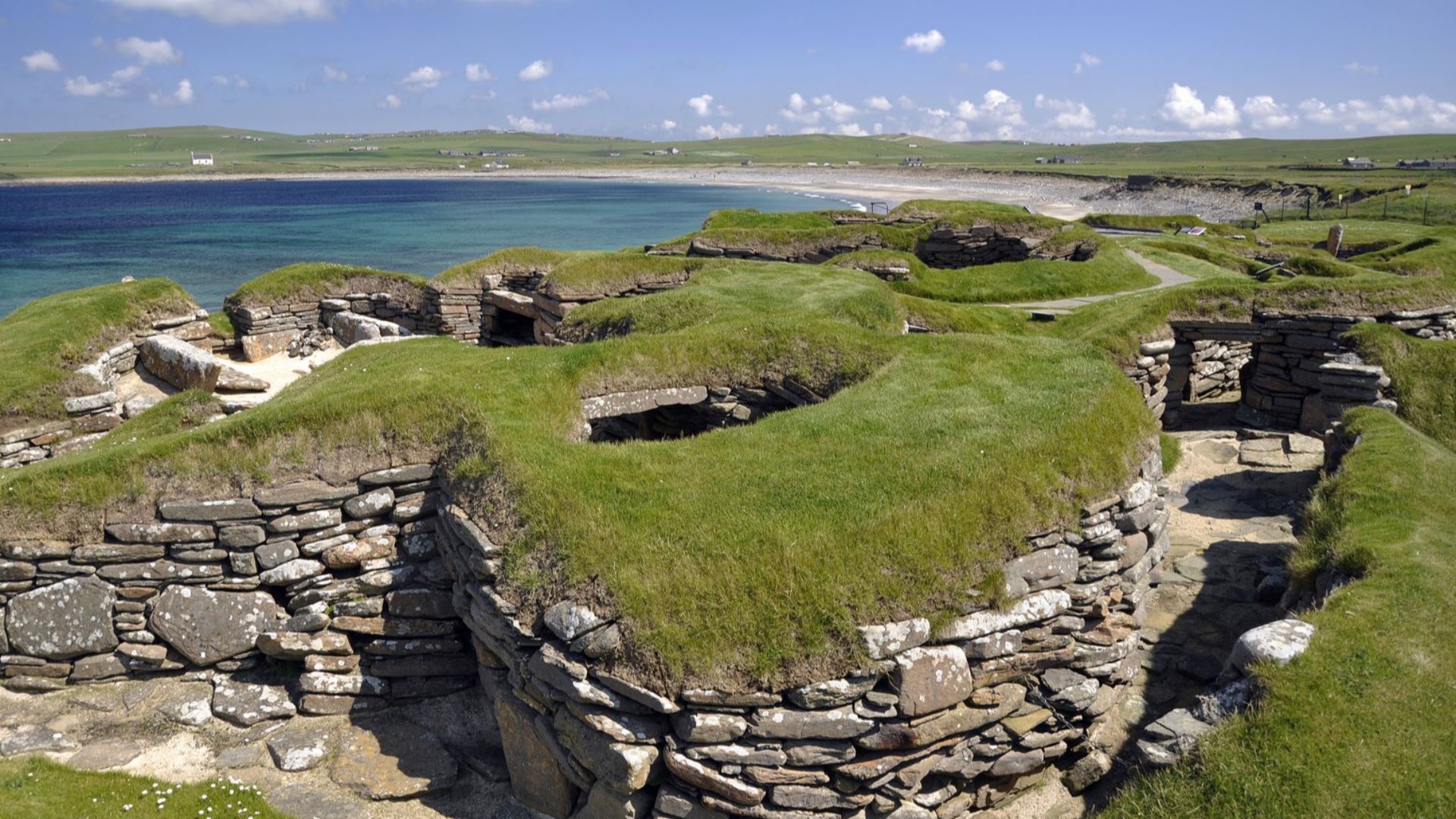 Stuart Wilding , Wikimedia Commons
Life Inside the Village
The people who lived here were farmers, fishers, and craftsmen. They raised animals, grew crops, and made tools from stone and bone. They were organized, skilled, and surprisingly comfortable.
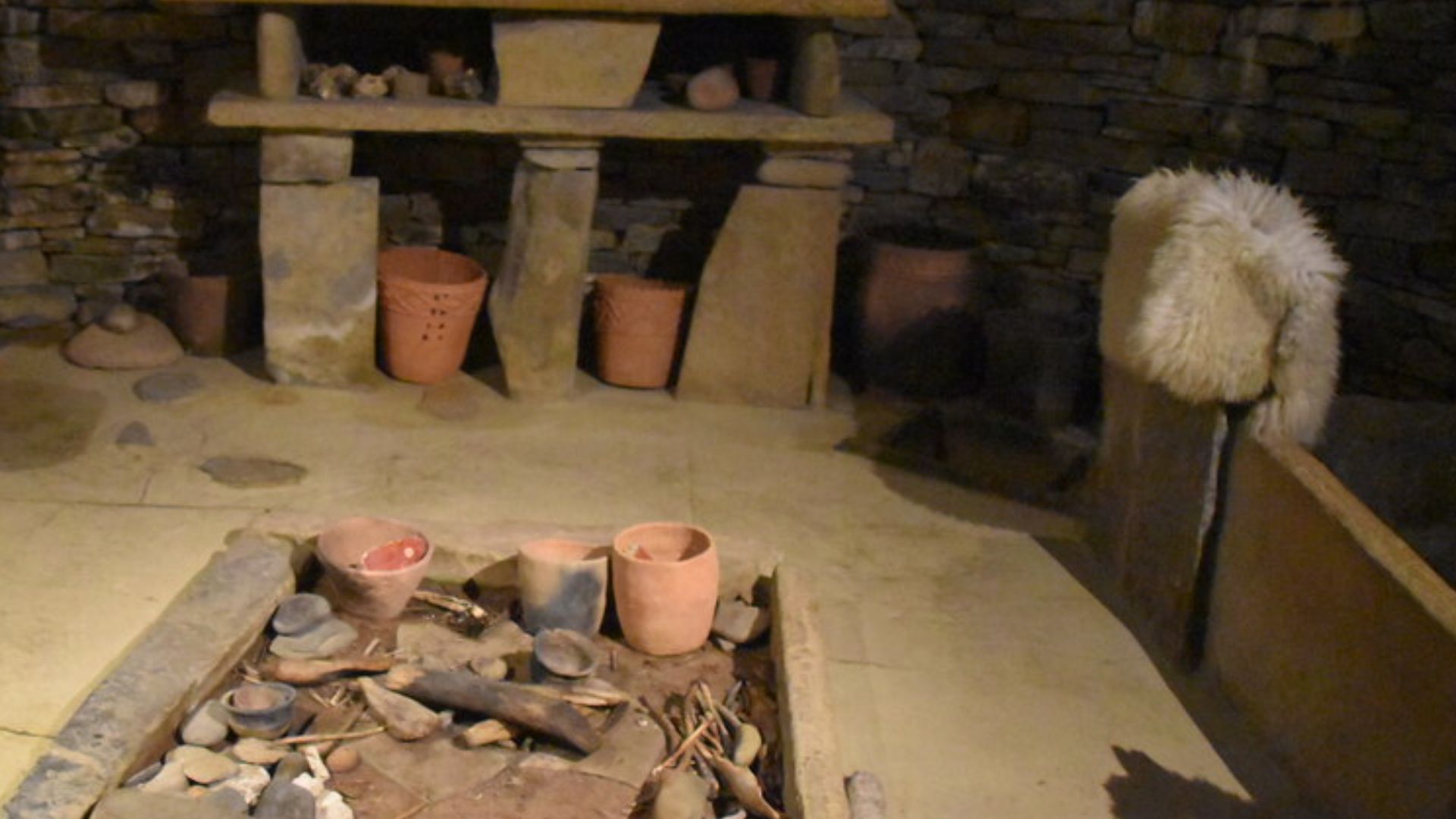 N Chadwick , Wikimedia Commons
The Weather Was Always Watching
Orkney’s weather has never been gentle. Even today, storms roll in with little warning. Back then, survival depended on smart design. These homes were built low, insulated by earth, and shielded from the wind.
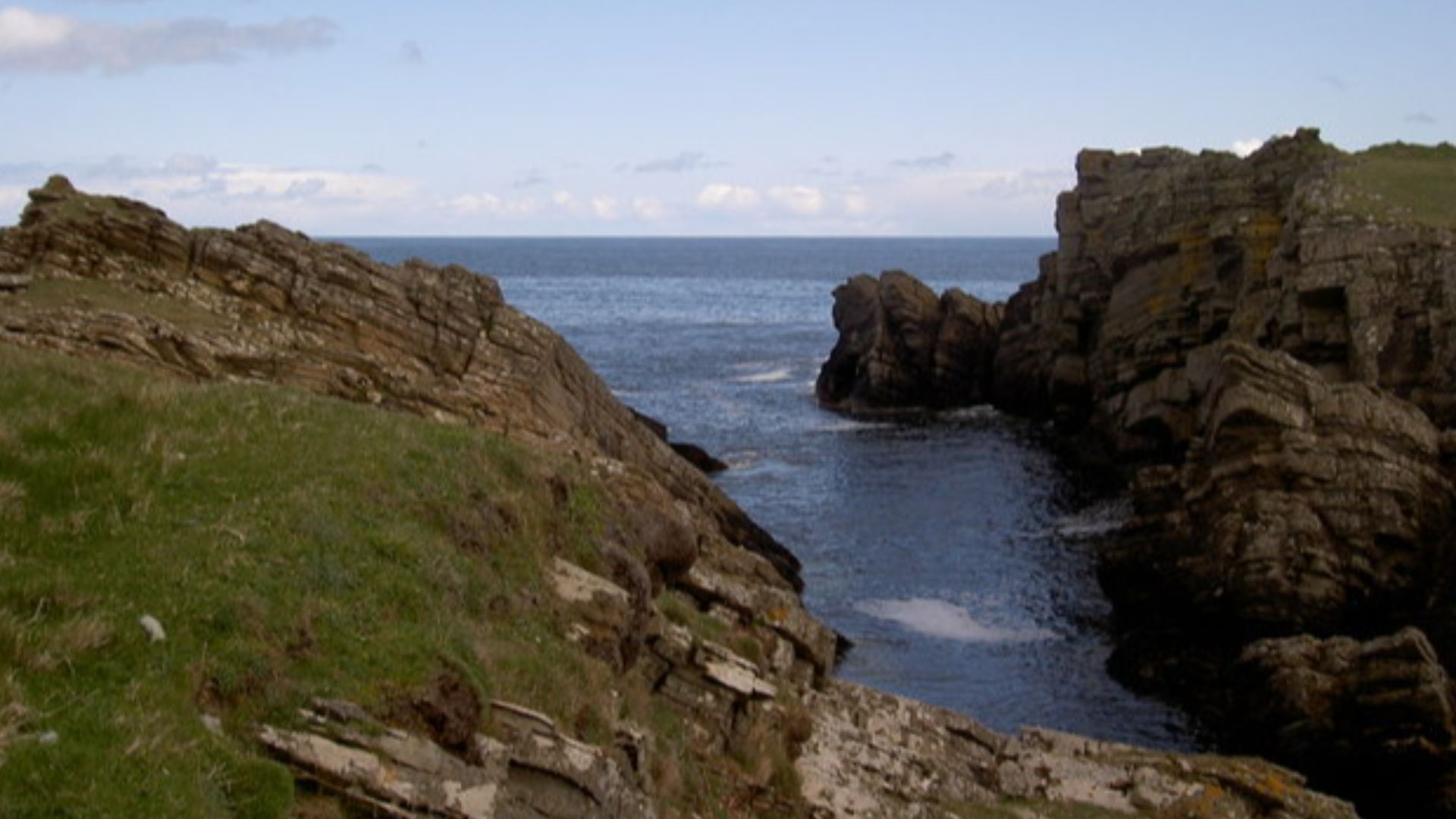
How Did It Stay Hidden?
Over time, sand and soil slowly covered the village, protecting it like a natural blanket. What buried it also preserved it. Without that covering, it likely would have been destroyed centuries ago.
 N Chadwick , Wikimedia Commons
Excavations Begin
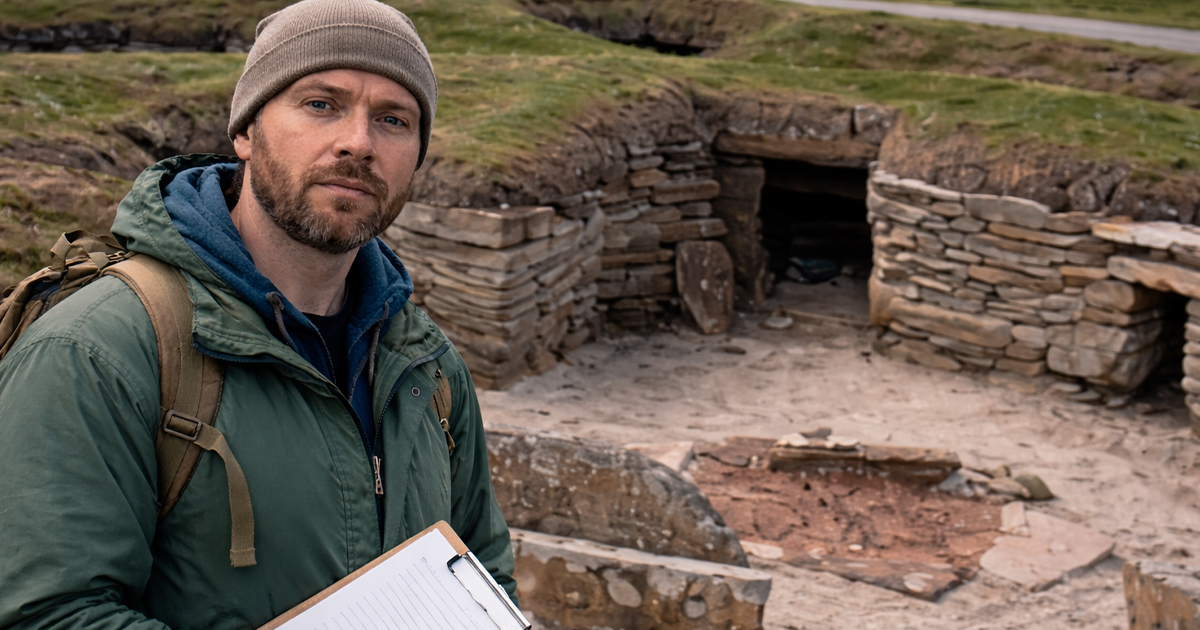
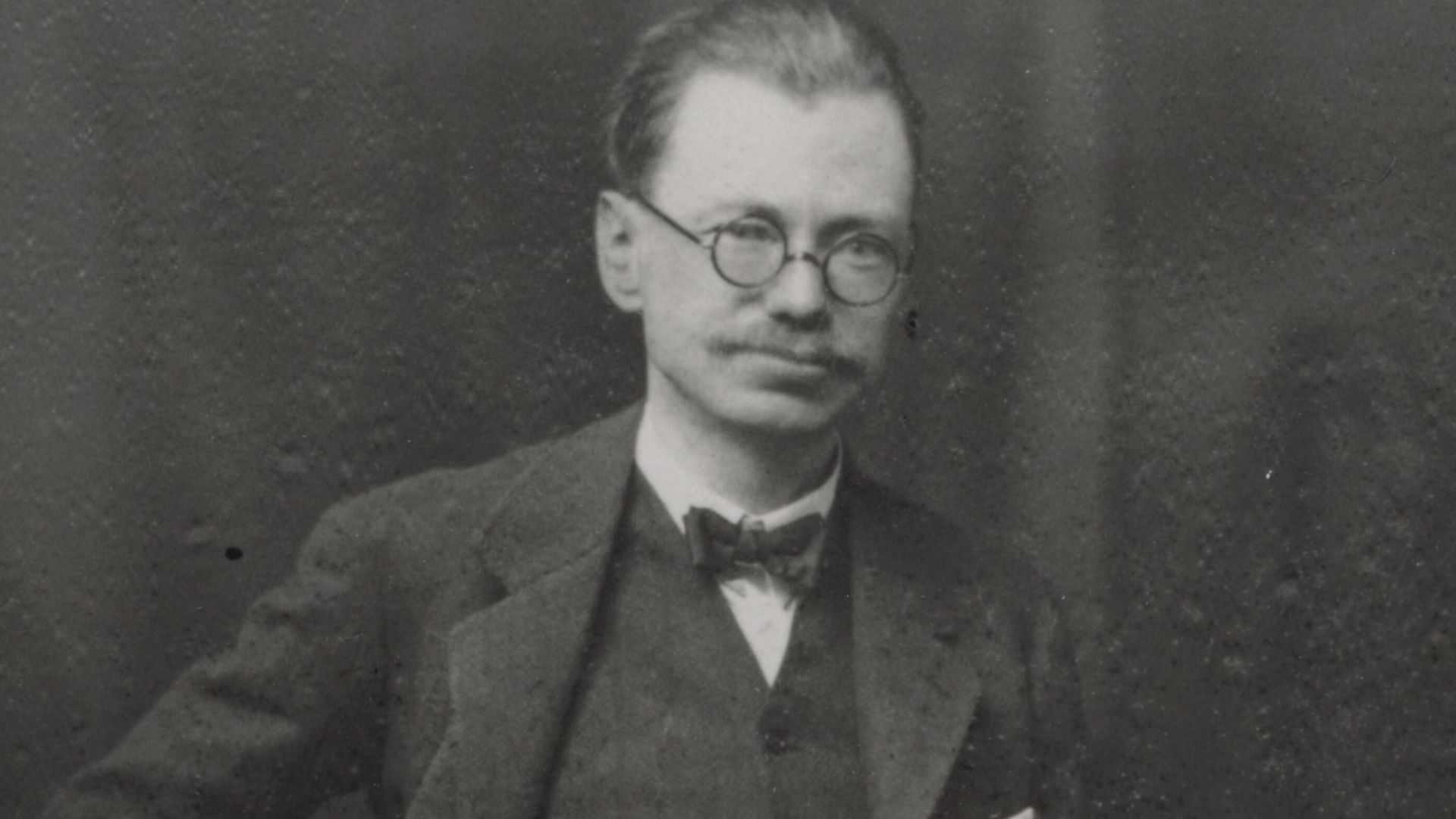
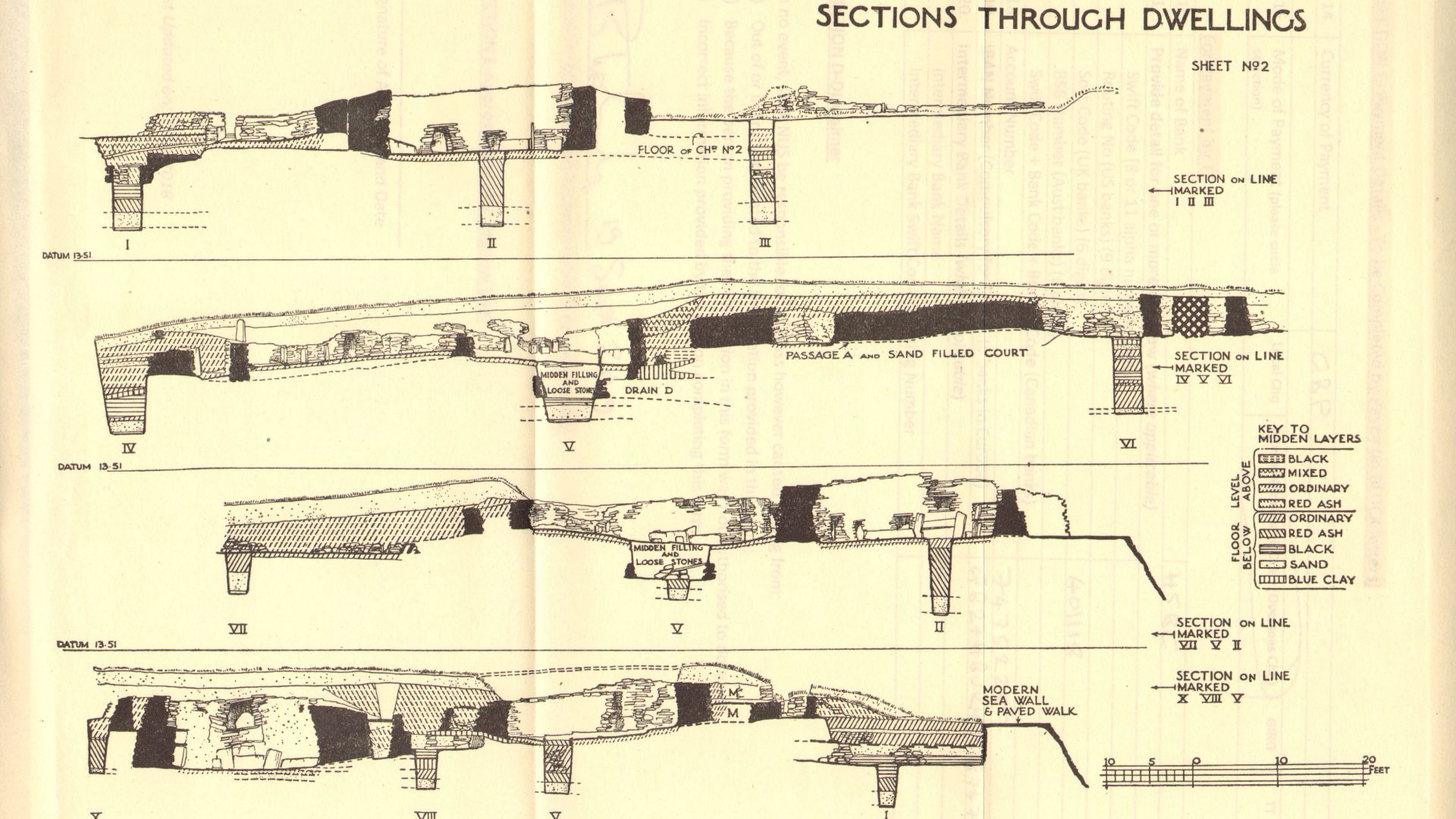
After Watt’s discovery, more formal excavations began in the early 20th century, led by archaeologist Vere Gordon Childe in 1927–1930. He helped uncover much of what we see today.
 Swan Watson, Andrew, Wikimedia Commons
“A Pompeii of the North”
Childe described Skara Brae as a Pompeii of the North because of how well preserved it was. Everything felt frozen in time.
The Details That Shouldn’t Exist
What surprised researchers most was the level of detail. Stone dressers stood against walls. Beds were clearly defined. Storage spaces were intact. These weren’t ruins you had to imagine. They told their own story.
 Humphrey Bolton, Wikimedia Commons
The Drainage System No One Expected
Even more surprising, the village had a form of drainage system, possibly even an early type of indoor sanitation. For a 5,000-year-old settlement, that’s almost unbelievable.
 V. Gordon Childe, Wikimedia Commons
Jewelry and Personal Touches
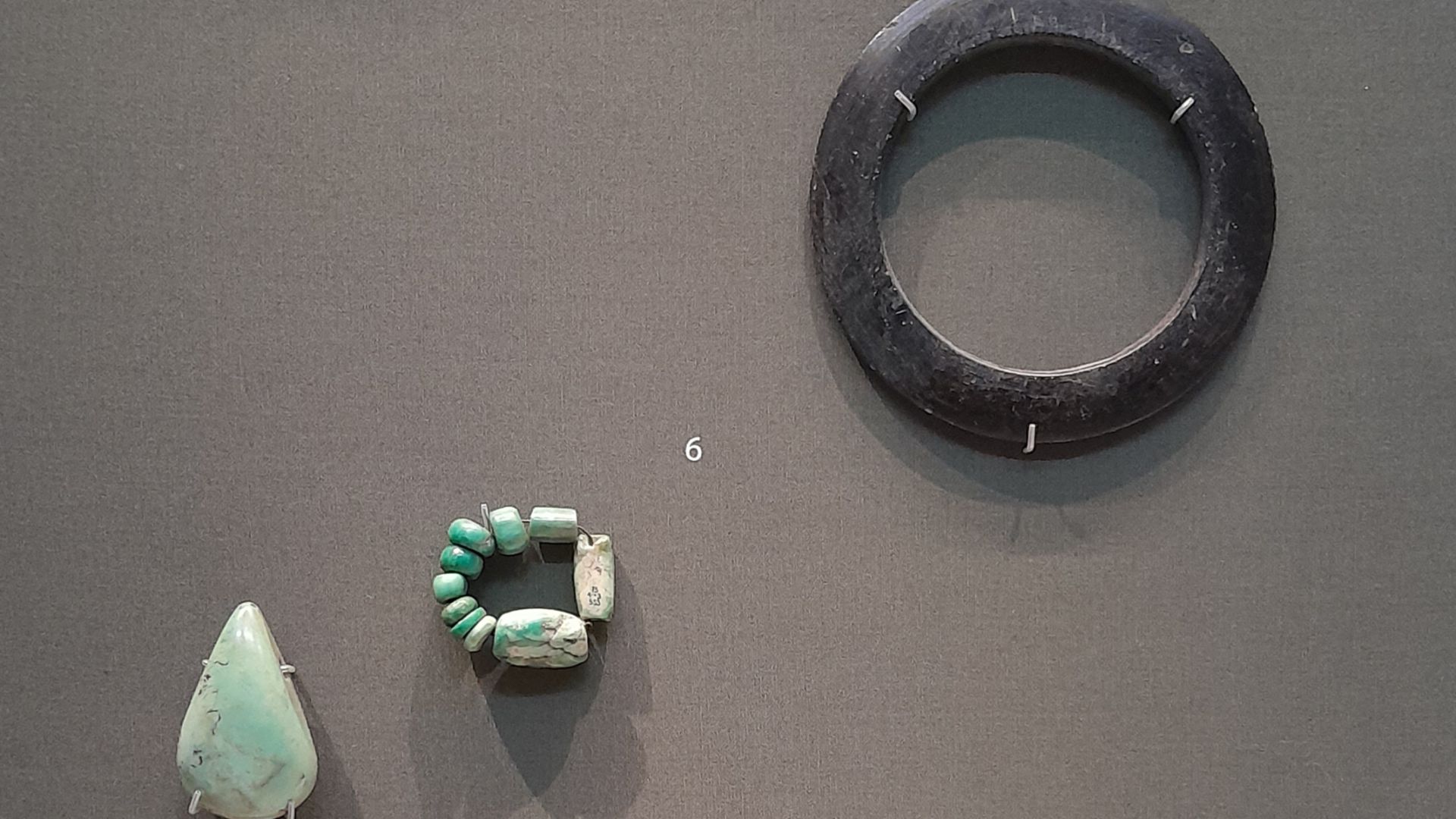
Small beads, pendants, and carved objects suggest that people here cared about appearance and identity. This wasn’t just survival. It was life, with personality.
Why It Still Feels So Real
Walking through Skara Brae today, it doesn’t feel like looking at ancient history. It feels like stepping into someone’s home. And it all came back to that storm in 1850. Without it, the village might still be buried, quietly waiting beneath the grass.
 Colin Smith, Wikimedia Commons
A Discovery No One Was Ready For
What began as storm damage turned into one of the most important archaeological discoveries in Europe. Skara Brae revealed how people actually lived thousands of years ago, not kings or warriors, but everyday people building homes and raising families.
 Andy Farrington , Wikimedia Commons
A Reminder From the Past
Sometimes history isn’t uncovered by careful planning. Sometimes it’s revealed by chance when the ground shifts and the past appears. If one storm could reveal an entire village, it raises a bigger question. How much history is still hidden beneath our feet?
 Archaeology Scotland, Wikimedia Commons
You May Also Like: