Construction Crews Expected Empty Ground—Instead They Found A Lost Piece Of Roman Switzerland
Sometimes the most important archaeological discoveries happen not during grand research projects, but because someone wants to build a new apartment complex. That was the case in Kaiseraugst, Switzerland, where a routine rescue excavation ahead of construction uncovered remarkably well-preserved Roman streets, buildings, courtyards, and artifacts belonging to the ancient city of Augusta Raurica. The finds are helping archaeologists better understand one of the Roman Empire’s most important settlements, and proving the ancient city still has secrets left to reveal.
Switzerland's Greatest Roman City
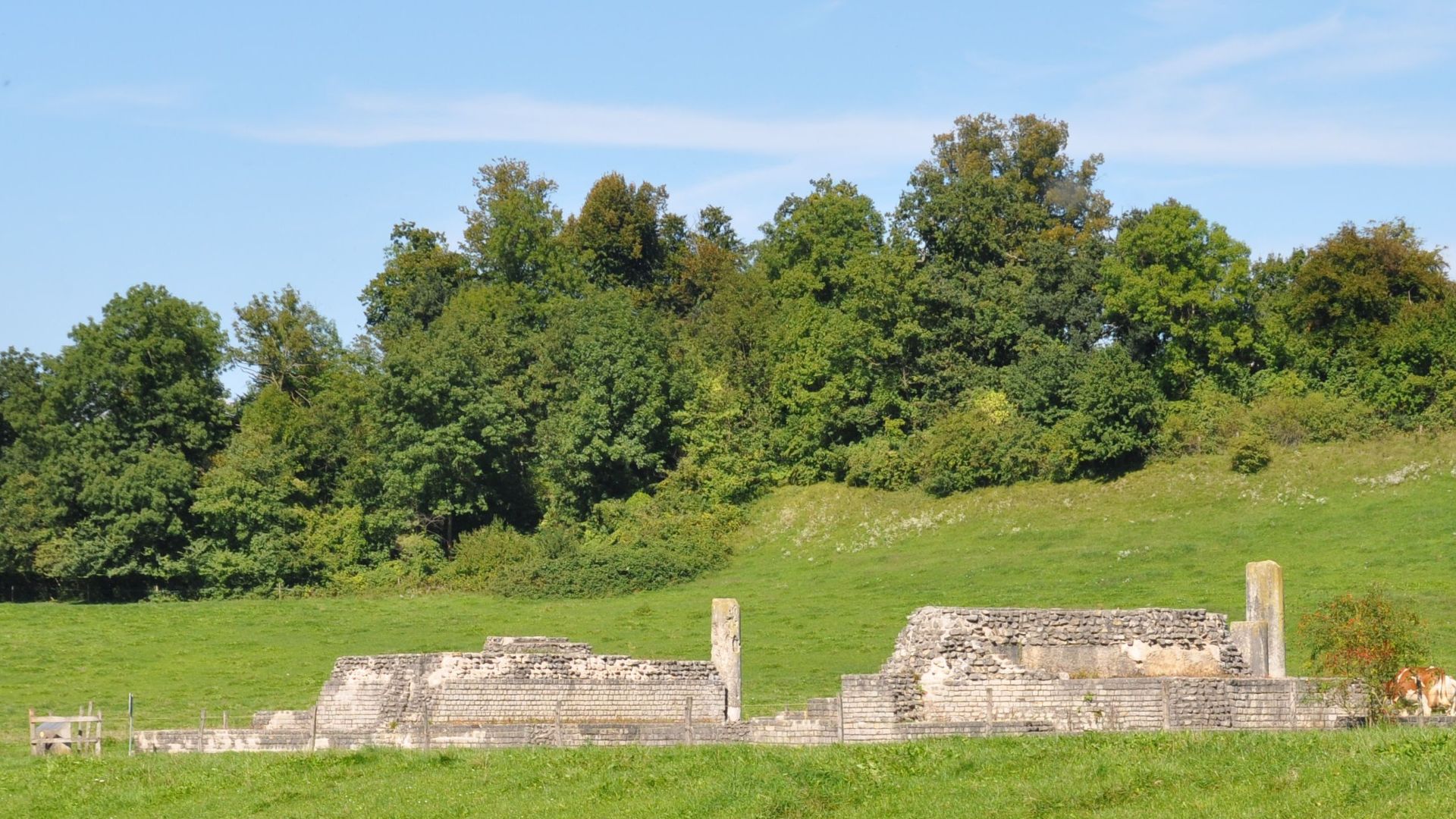
Augusta Raurica sits on the south bank of the Rhine River about 20 kilometers east of modern Basel. Founded around 44 BCE, it became the oldest known Roman colony on the Rhine and eventually one of the most important urban centers in the region. Today, it is considered the best-preserved Roman town north of the Alps, largely because later cities were never built directly on top of most of the ancient settlement.
 MunatiaPlancina, Wikimedia Commons
Founded During Rome's Expansion
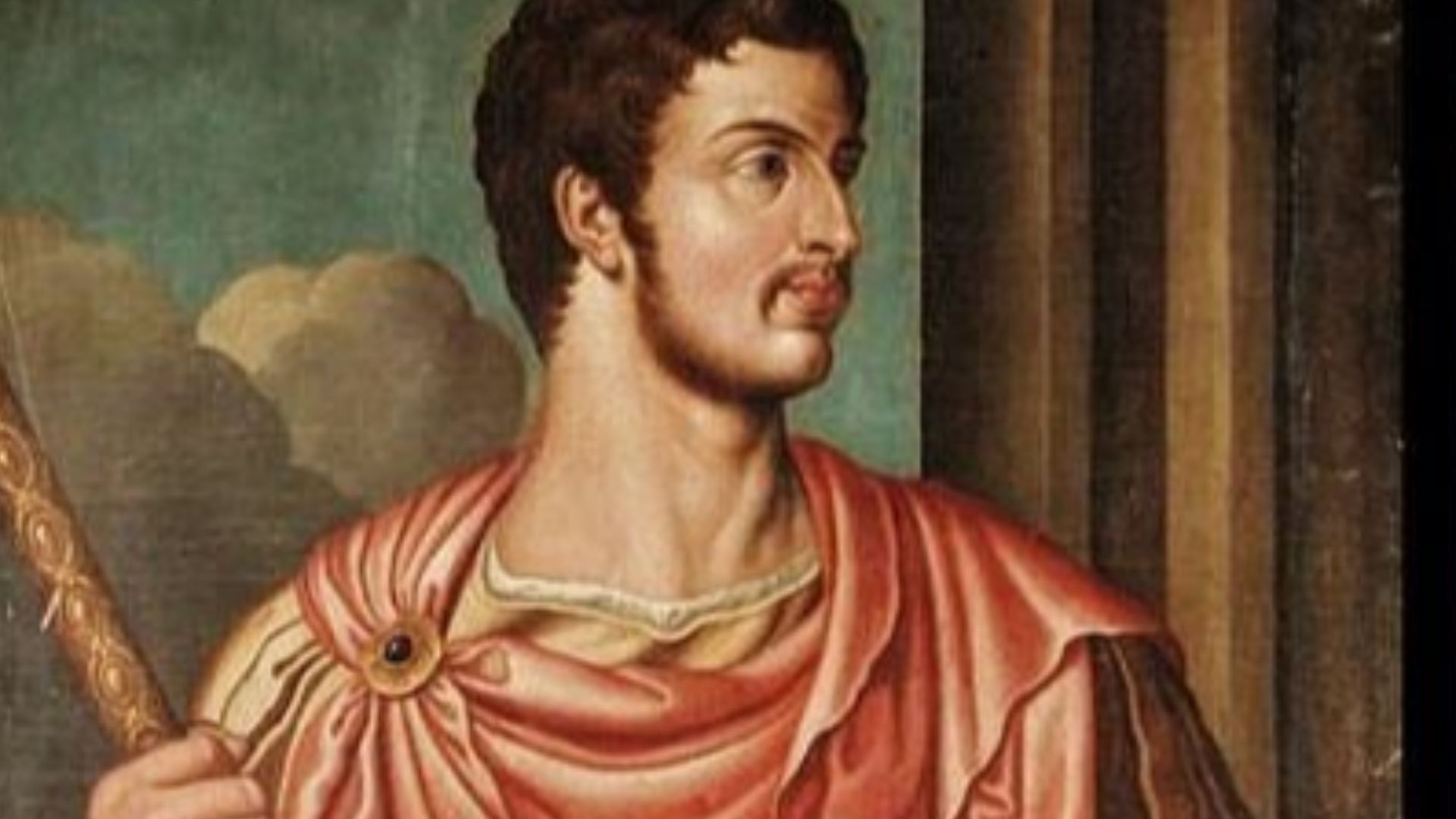
The colony was established during a period when Rome was extending its influence deeper into Central Europe. It was named after the local Celtic tribe known as the Rauraci and formed part of Rome's broader strategy for controlling trade routes and territory near the Rhine frontier. Although the earliest settlement struggled during Rome's political turmoil following Julius Caesar's assassination, the city flourished after Augustus secured control of the Alpine region.
 After Titian, Wikimedia Commons
A Carefully Planned Roman City
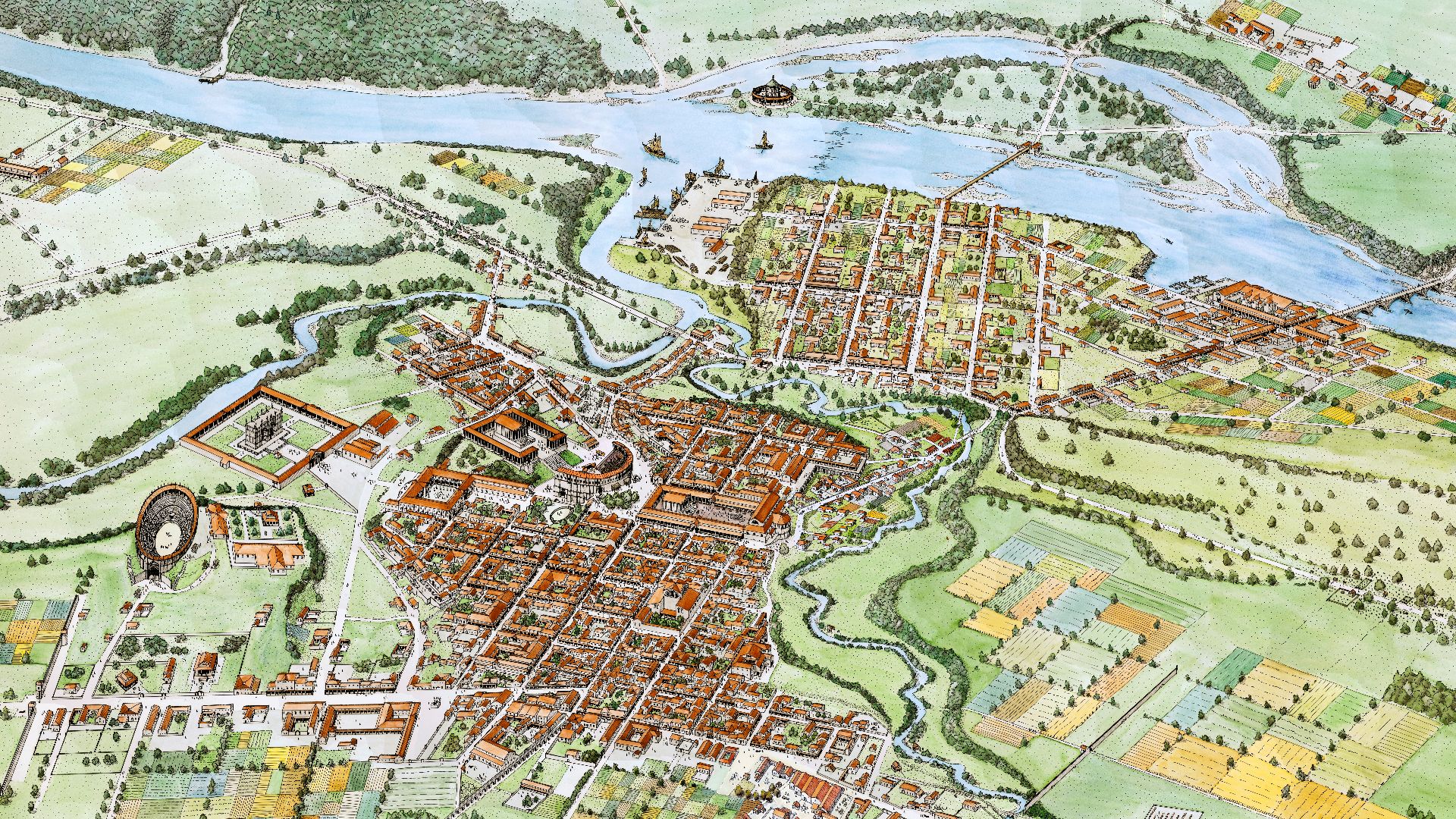
Like many Roman colonies, Augusta Raurica was meticulously planned from the beginning. Surveyors laid out streets in a grid pattern, dividing the city into blocks filled with homes, shops, workshops, and public buildings. Wide roads, drainage systems, and covered walkways reflected the Roman preference for order and urban efficiency. Even today, archaeologists can trace much of the original street network beneath the modern landscape.
 MunatiaPlancina, Wikimedia Commons
A Prosperous Trading Hub
By the second century CE, Augusta Raurica had become a thriving commercial center with an estimated population of around 20,000 people. Merchants, craftsmen, government officials, and traders all lived within its walls. Goods moved along the Rhine and nearby road networks, connecting the city to markets throughout the Roman Empire. Its location helped transform it into one of the most prosperous settlements in Roman Switzerland.
 Carole Raddato from FRANKFURT, Germany, Wikimedia Commons
The Roman Amenities Were All Here
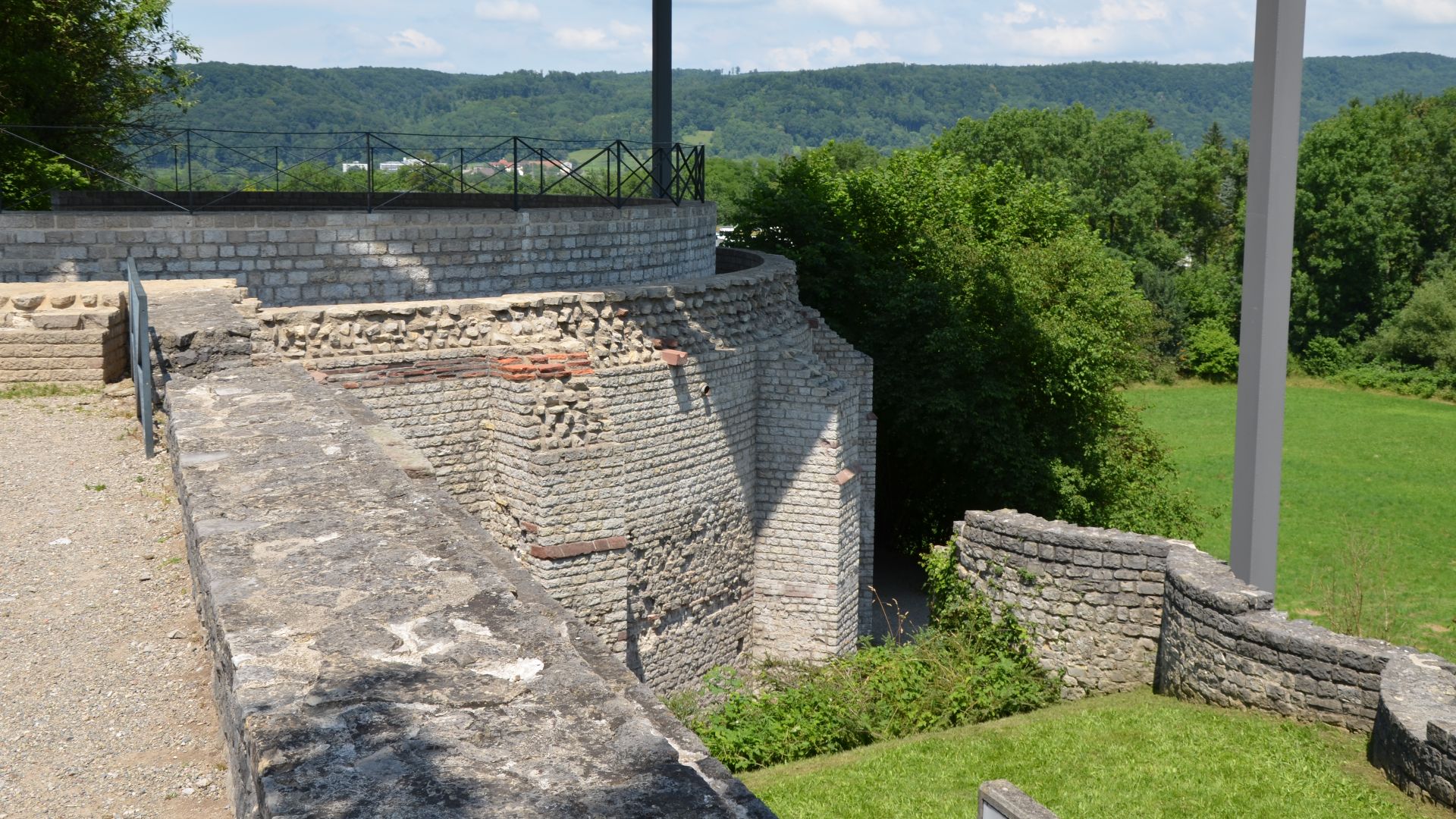
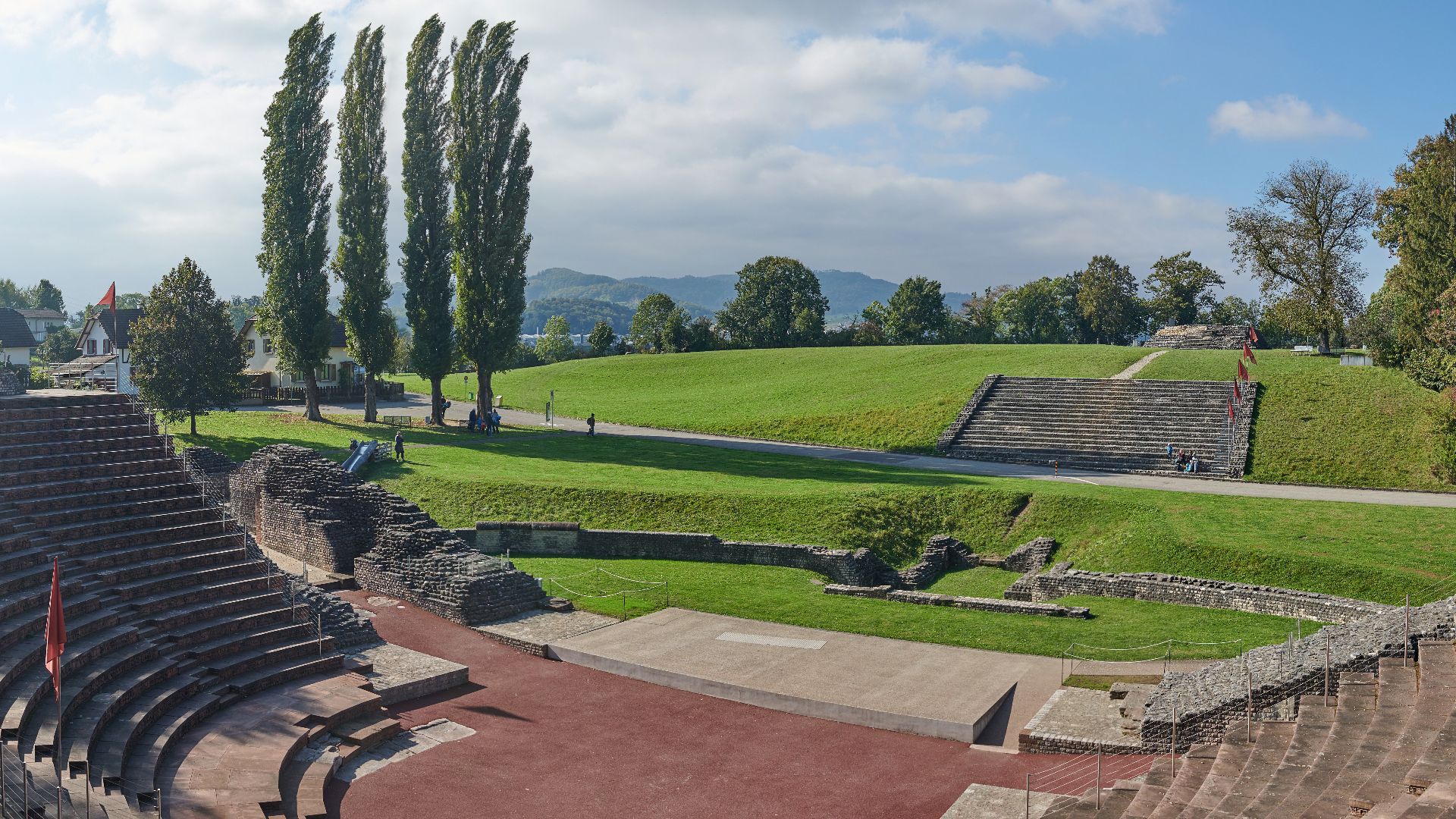
At its peak, the city contained nearly everything visitors would expect to find in a major Roman urban center. There were temples, bath complexes, theaters, workshops, marketplaces, fountains, and administrative buildings. The city even possessed the largest known Roman theater north of the Alps, capable of seating thousands of spectators for performances and public events.
 Wladyslaw Sojka, Wikimedia Commons
Why Augusta Raurica Is So Important
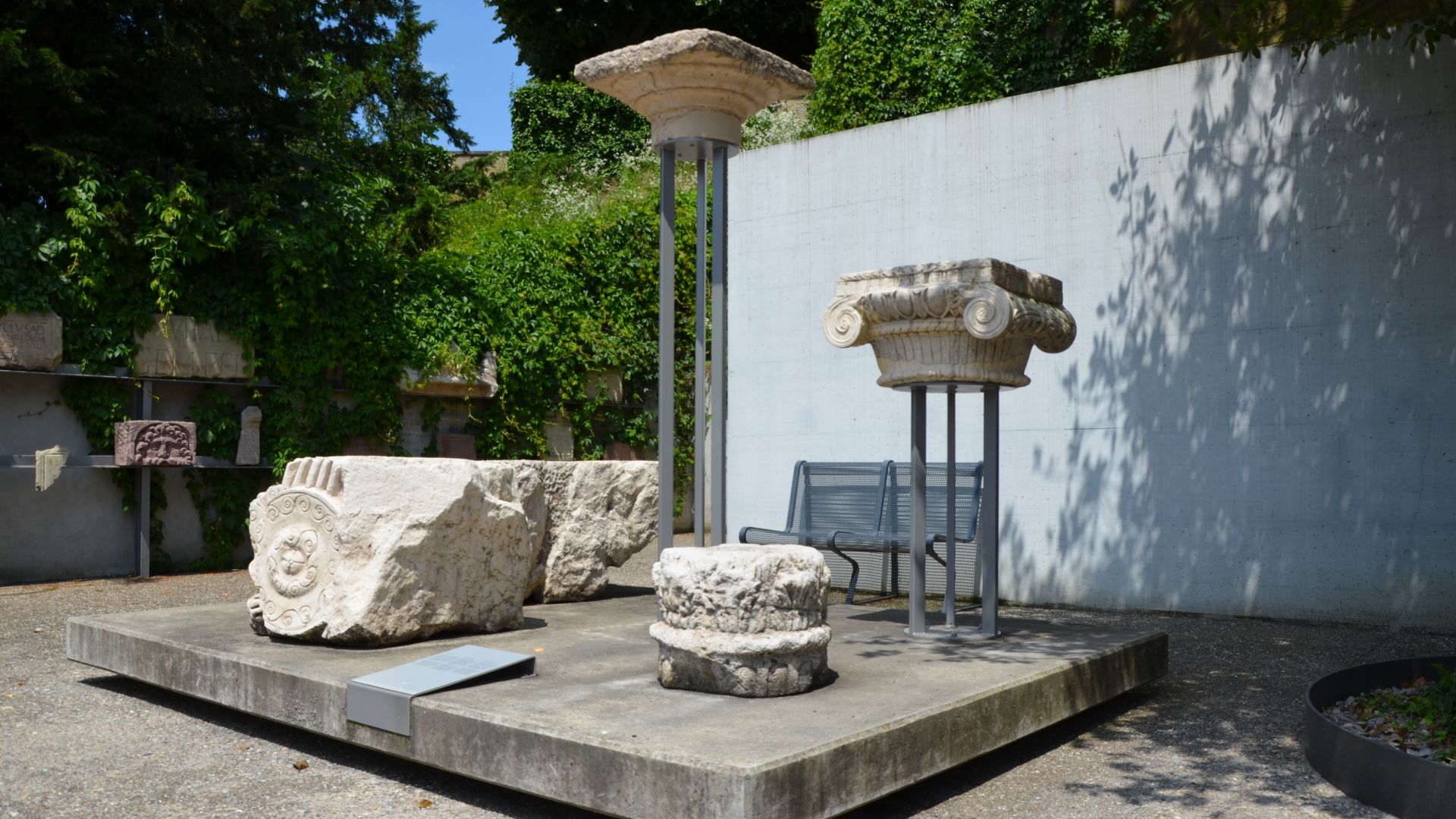
Many Roman cities were continuously occupied and rebuilt over the centuries, destroying or obscuring ancient remains. Augusta Raurica is different. Large portions of the city remained untouched after antiquity, preserving buildings, streets, and infrastructure in remarkable condition. Archaeologists estimate that roughly 80 percent of the ancient city still remains unexcavated beneath the ground, meaning future discoveries are almost guaranteed.
 Carole Raddato from FRANKFURT, Germany, Wikimedia Commons
The New Discovery Began With A Construction Project
The latest discoveries emerged during a rescue excavation carried out before the construction of new residential buildings in Kaiseraugst. Between 2024 and 2025, archaeologists investigated land that had never previously been developed. What they uncovered turned out to be an exceptionally well-preserved section of the Roman lower town.
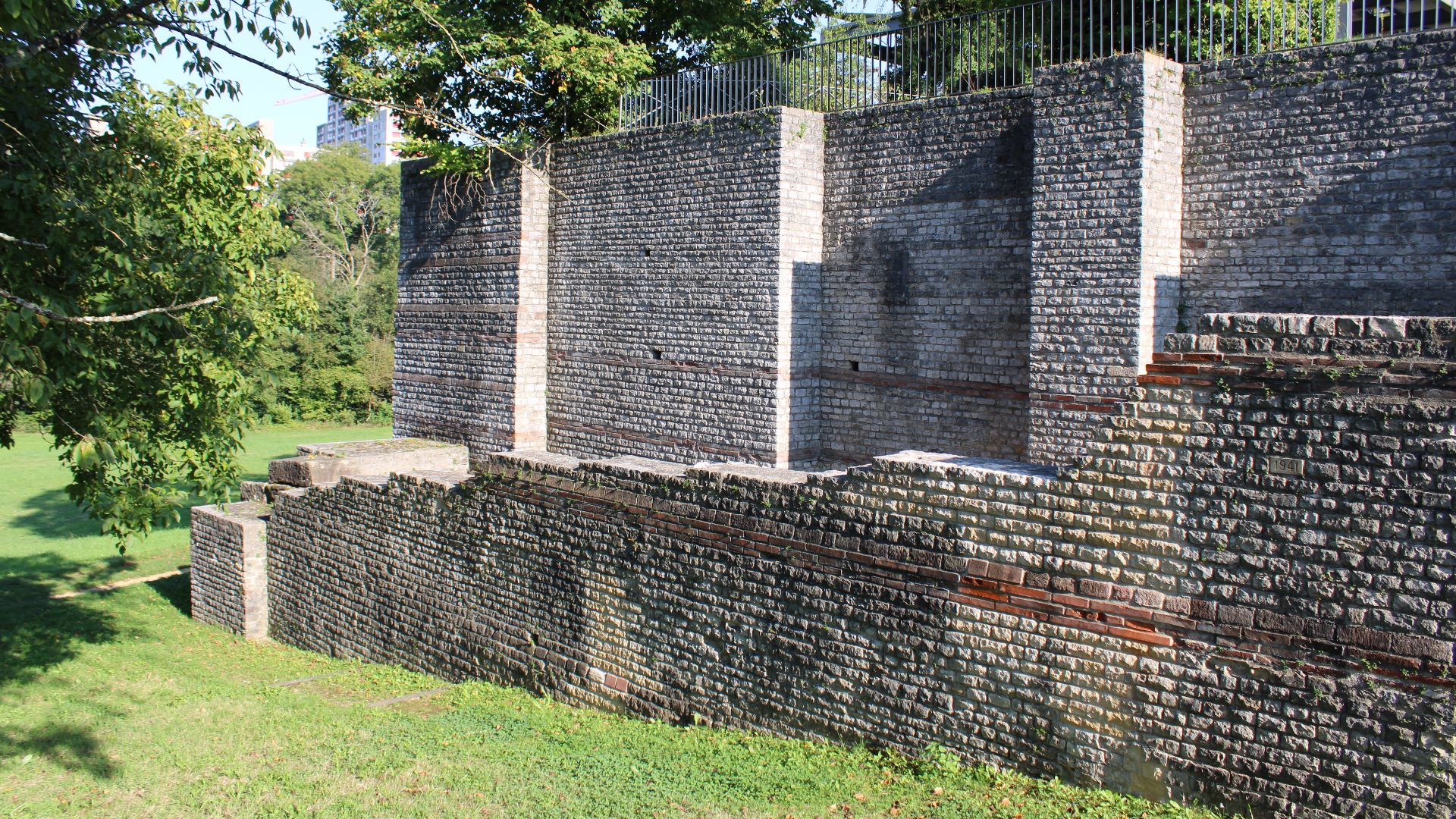 Ahmet Duz, Dreilander- & Oberrheinfotograf, Wikimedia Commons
A Roman Road Reappeared After Two Millennia
One of the most significant finds was a substantial Roman road that had remained buried for nearly 2,000 years. Archaeologists uncovered a broad roadway lined with porticoes, the covered walkways that were common in Roman cities. These structures would have protected pedestrians from rain and sun while creating a bustling commercial environment along the street.
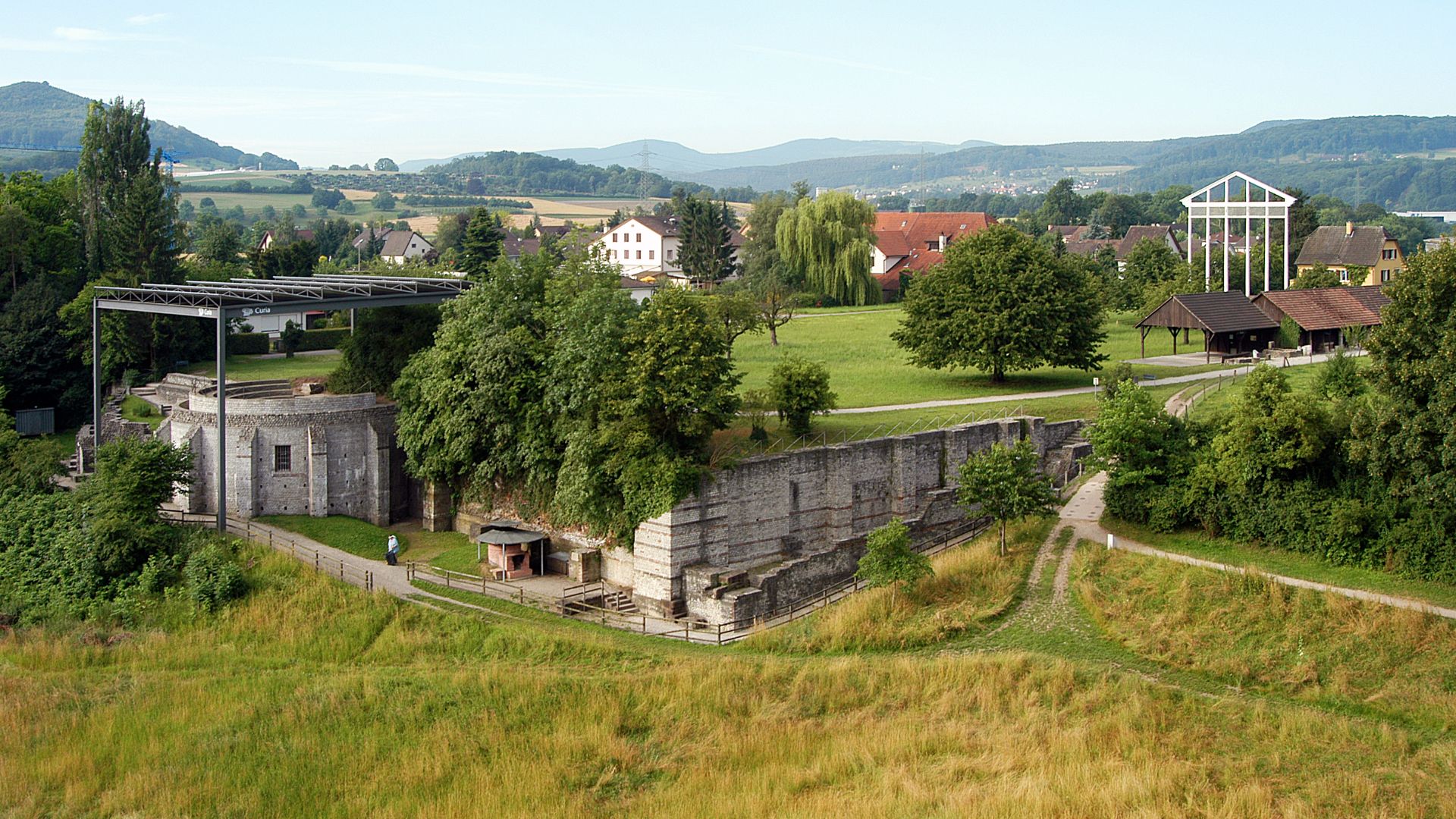 MunatiaPlancina, Wikimedia Commons
Buildings Emerged Alongside The Street
The road was not an isolated feature. Excavators discovered adjacent buildings, courtyards, and cellar spaces that once formed part of a larger urban neighborhood. Together, the remains provide a much clearer picture of how this section of Augusta Raurica was organized and how residents lived and worked within the city.
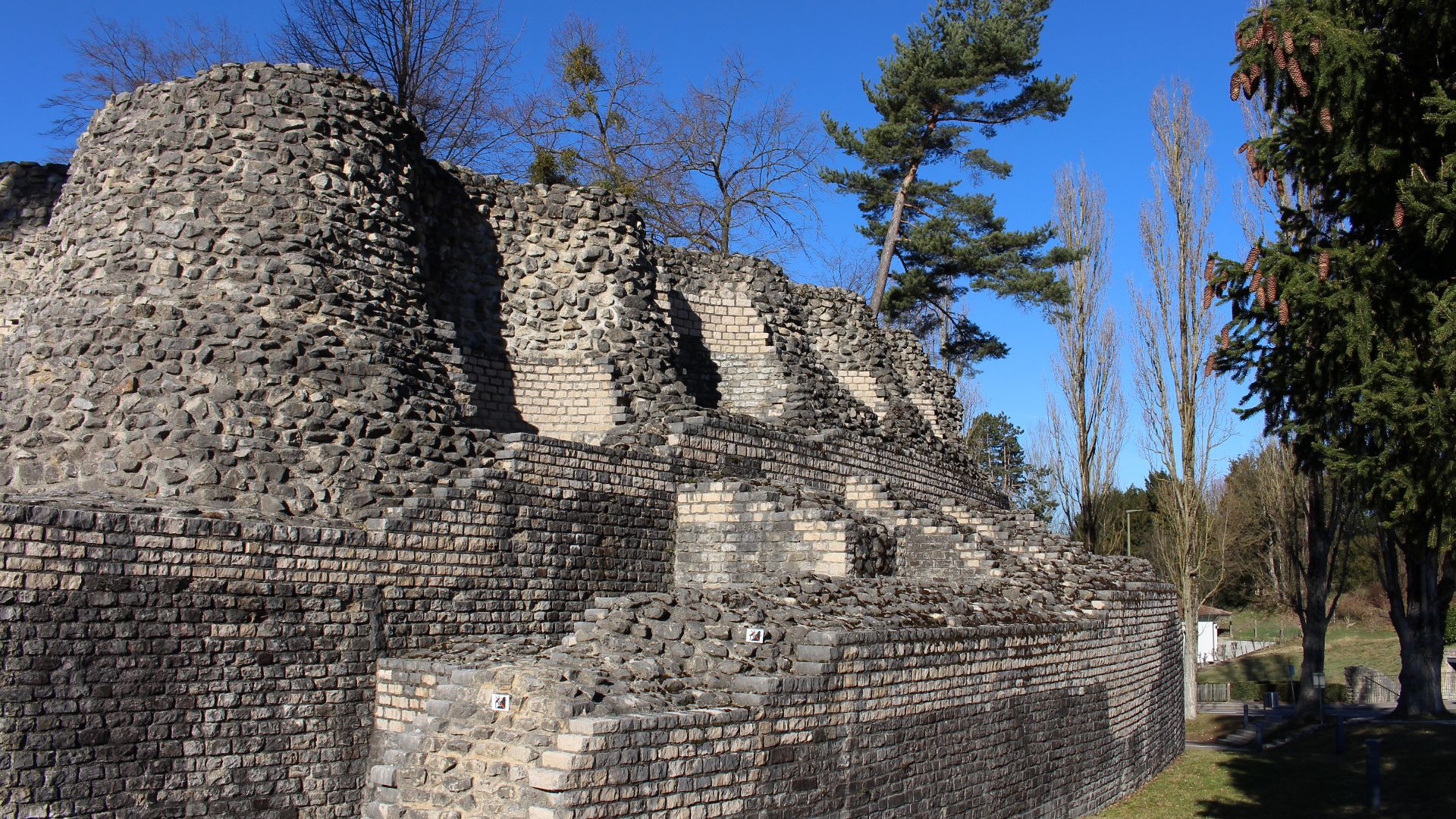
Redrawing The Ancient Map
Perhaps the most important aspect of the discovery is how it changes archaeologists' understanding of the city's layout. Previously unknown streets and structures have expanded the known boundaries of certain neighborhoods and revealed how different districts connected to one another. In effect, researchers are being forced to revise parts of Augusta Raurica's urban map.
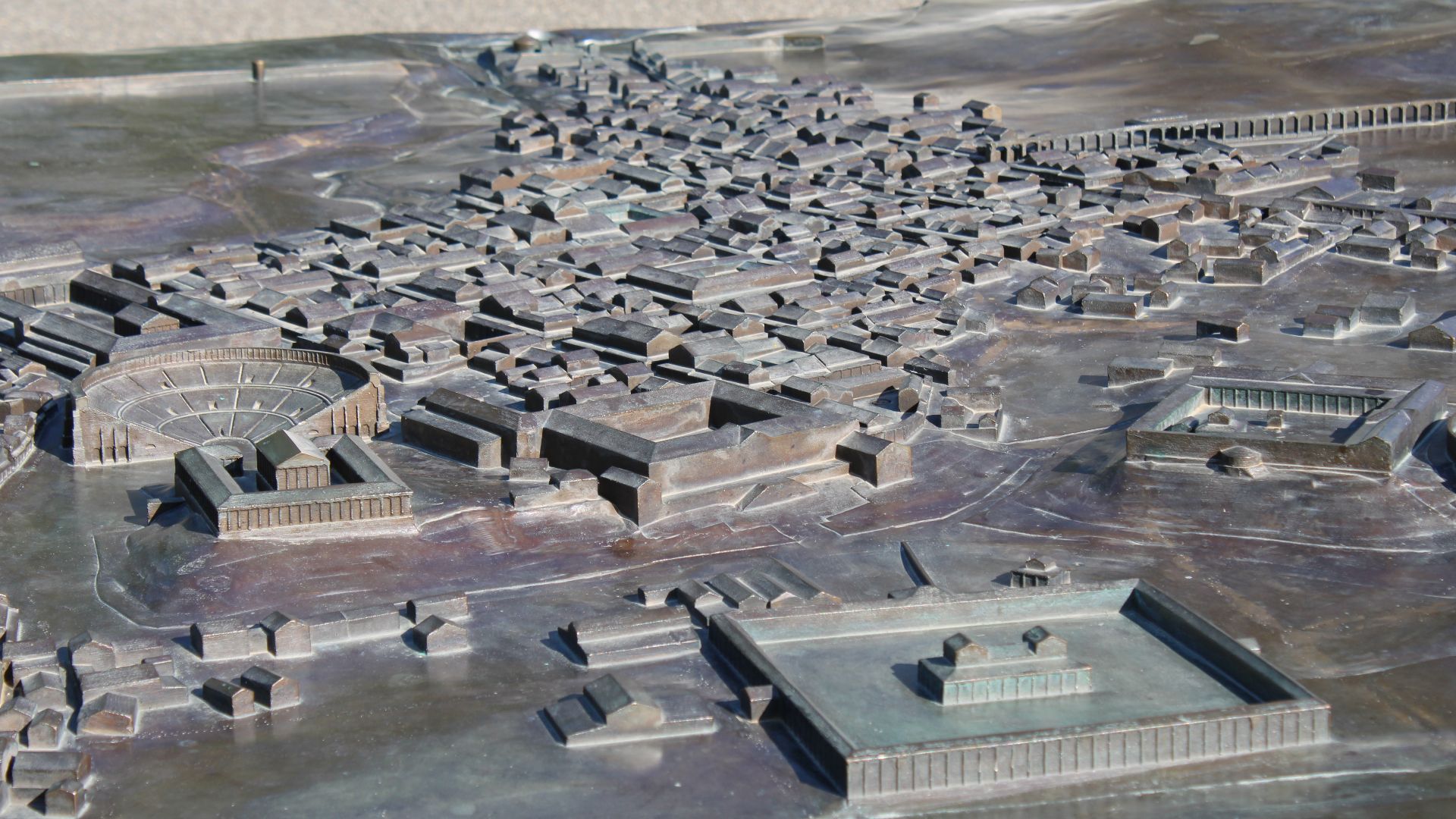 Ahmet Duz, Dreilander- & Oberrheinfotograf, Wikimedia Commons
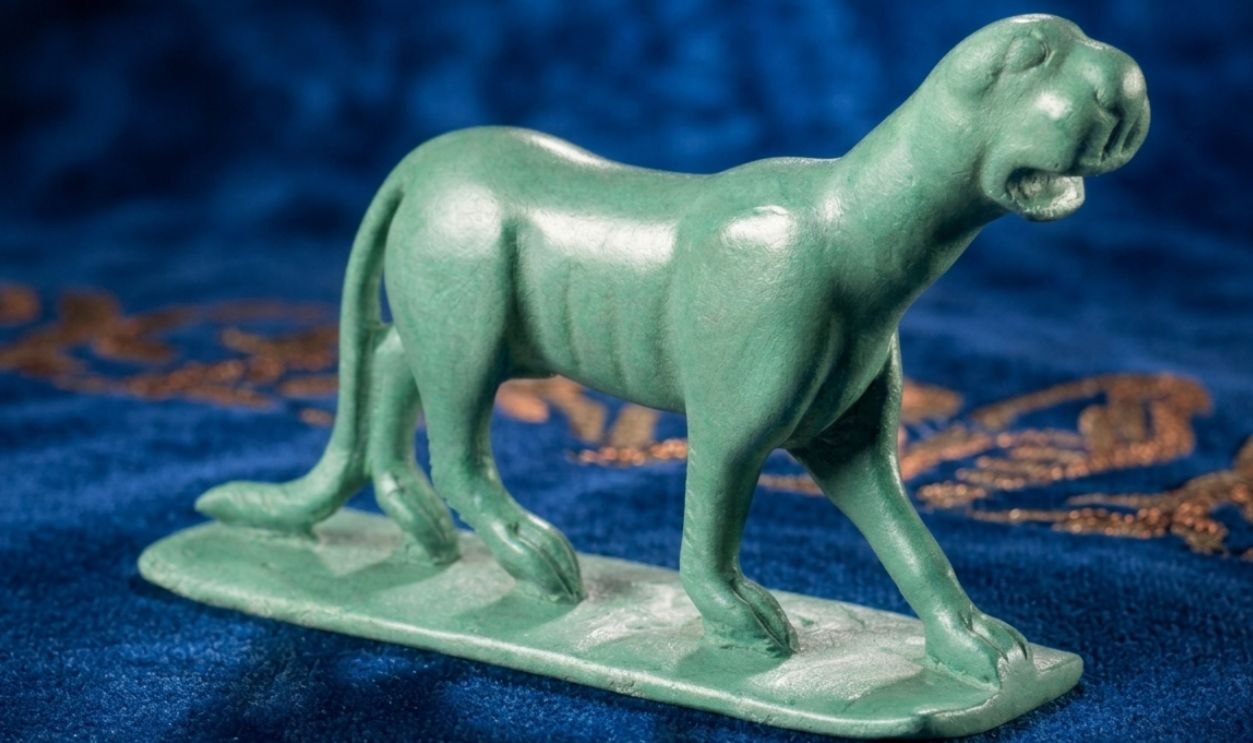
A Rare Bronze Panther Caught Attention
Among the most eye-catching artifacts was a small bronze panther figurine. Though modest in size, the object immediately attracted attention because such figurines are relatively uncommon. Researchers believe it may have served a decorative, religious, or symbolic purpose within a household or shrine. Finds like this help humanize the ancient city by revealing the personal possessions of its residents.
Infant Burials Raised New Questions
Archaeologists also uncovered several infant burials near residential structures. While modern visitors might find this unsettling, infant burials within domestic spaces were not uncommon in parts of the Roman world, especially for children who passed before reaching certain social or religious milestones. The discovery serves as a stark reminder of the high infant mortality rates that shaped everyday life in antiquity. It also offers a rare glimpse into how Roman families coped with loss, honored their youngest members, and integrated death into the fabric of daily life.
Layers Of History Beneath The Surface
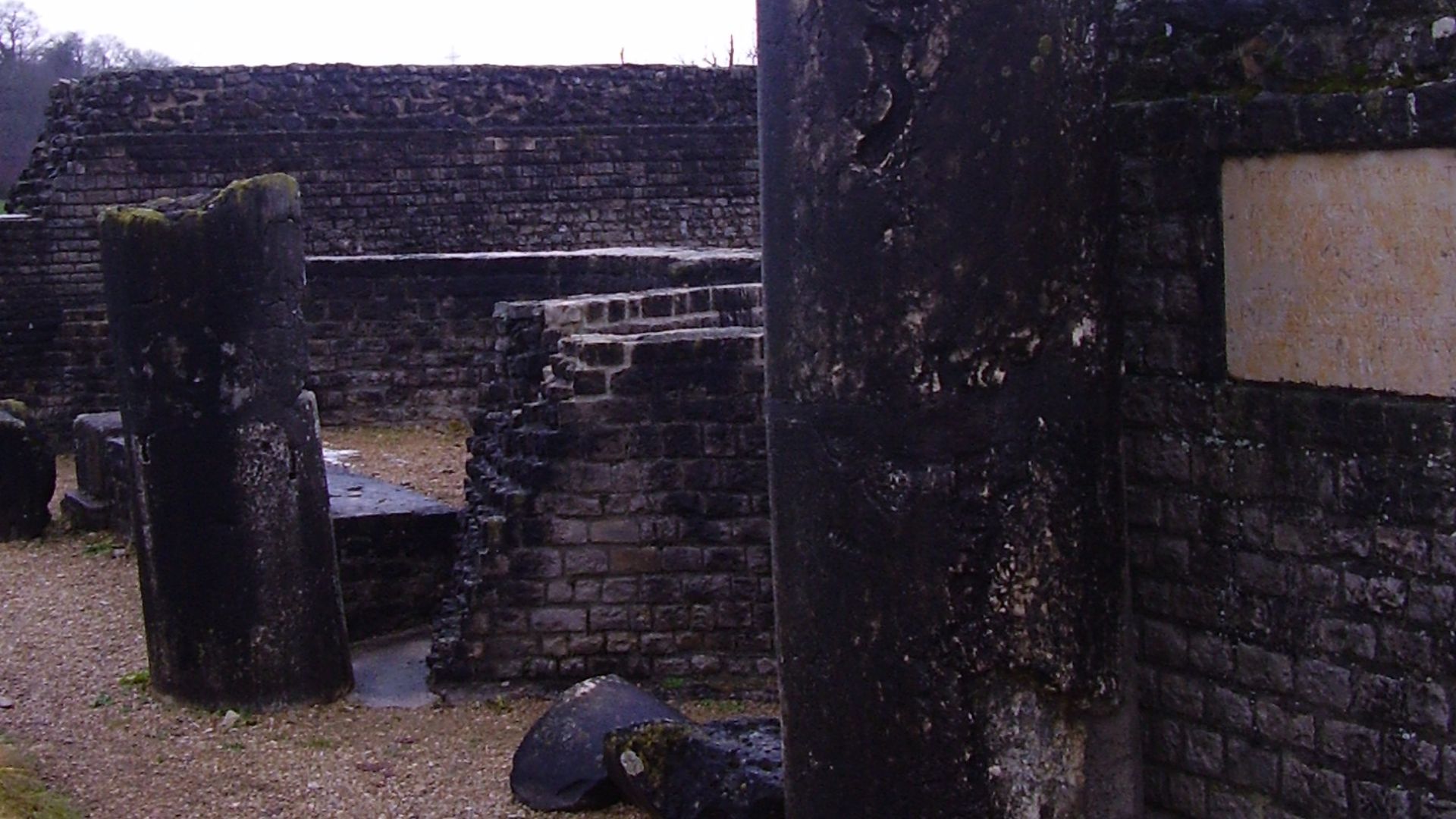
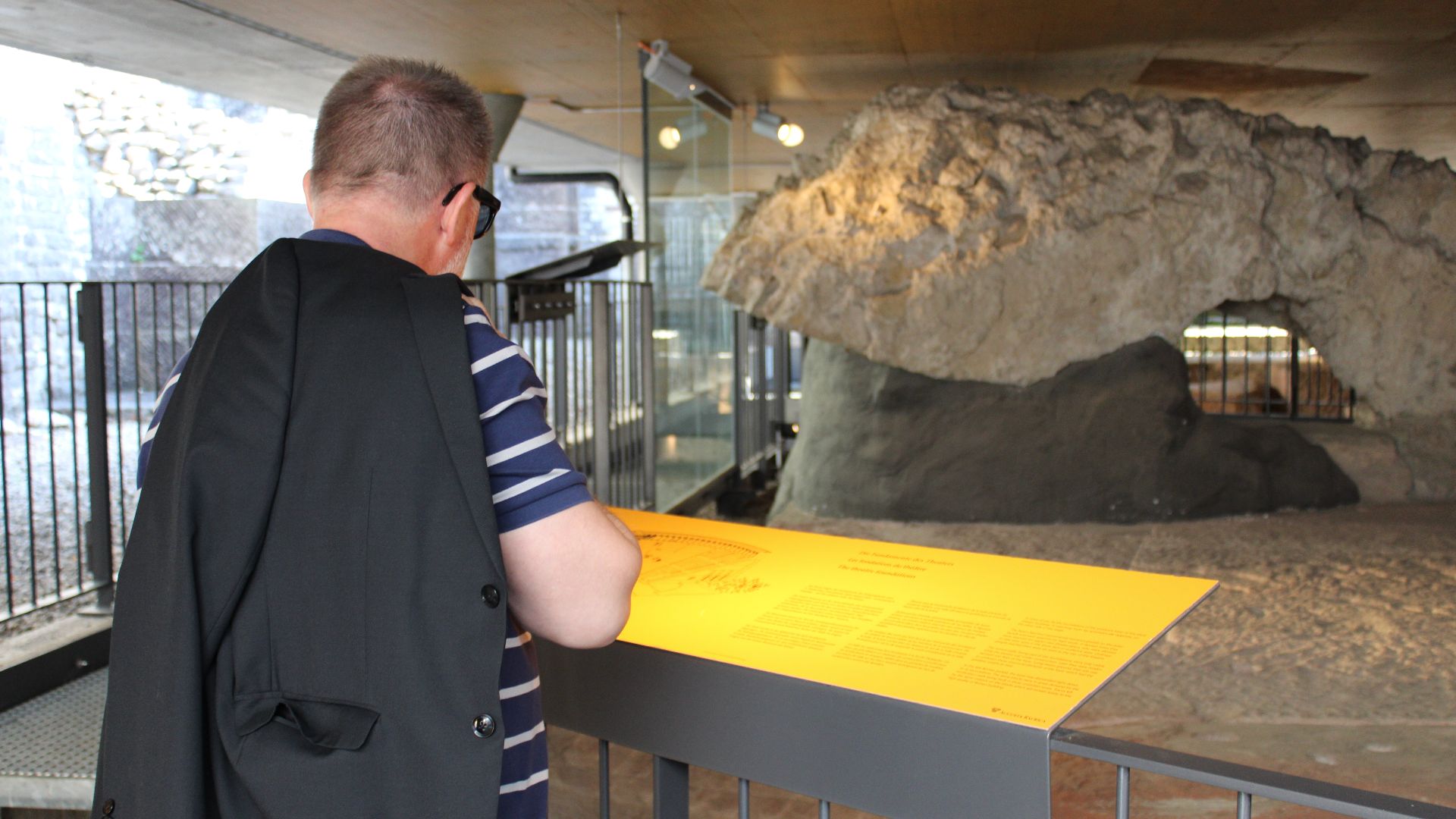
One reason the excavation proved so valuable is that archaeologists were able to study multiple phases of occupation. The site preserved evidence from the city's earliest years through later periods of rebuilding and adaptation. Researchers could trace how buildings changed over time, providing a detailed timeline of urban development spanning several centuries.
 Ahmet Duz, Dreilander- & Oberrheinfotograf, Wikimedia Commons
Not Every Discovery Was Spectacular
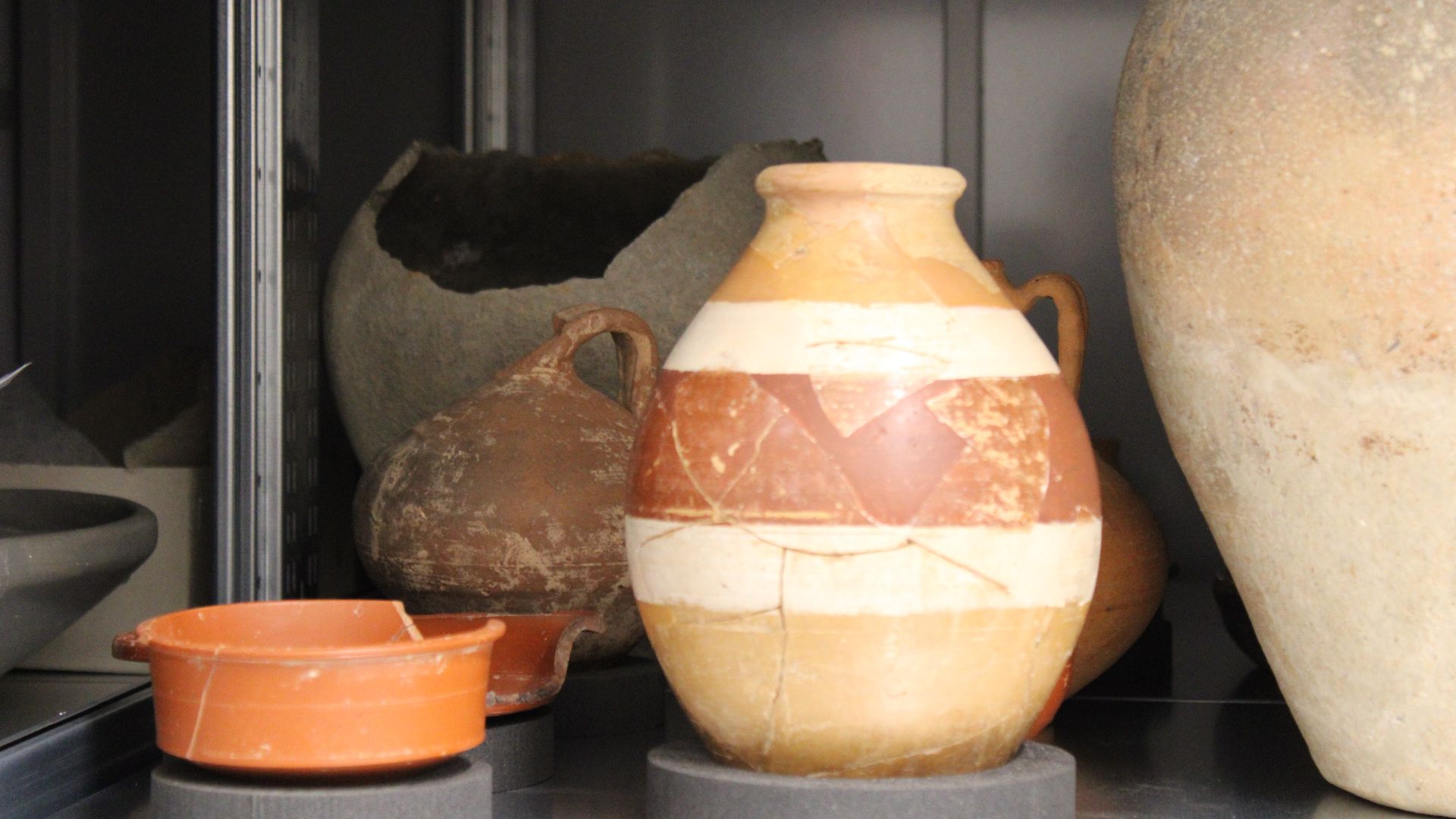
While artifacts like the bronze panther generate headlines, archaeologists are often just as excited by everyday finds. Pottery fragments, building materials, drainage features, and household items can reveal how people cooked, traded, worked, and maintained their homes. In many cases, these ordinary objects provide the most useful information about daily life.
 Ahmet Duz, Dreilander- & Oberrheinfotograf, Wikimedia Commons
Previous Excavations Have Produced Incredible Finds
The latest discoveries join a long list of remarkable finds from Augusta Raurica. Archaeologists have uncovered forums, temples, aqueducts, baths, bakeries, workshops, and portions of the city's sewer system. One particularly famous discovery was the Kaiseraugst Silver Treasure, a spectacular hoard of Roman silver objects uncovered in the 1960s.
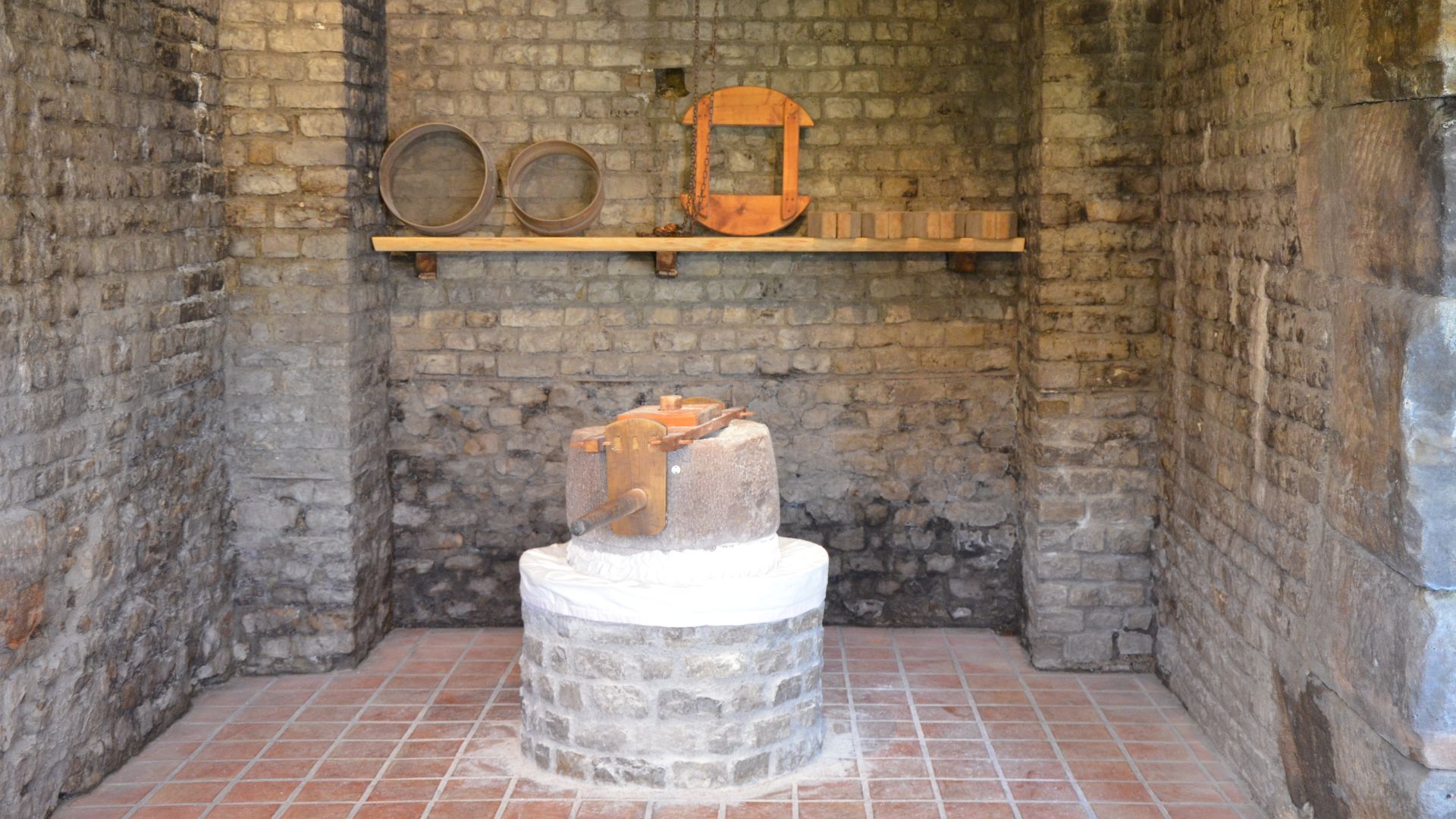 Carole Raddato from FRANKFURT, Germany, Wikimedia Commons
The Baths Revealed Everyday Roman Life
Excavations over the years have also shed light on the city's bathing culture. Roman baths were not simply places to wash. They served as social centers where people met friends, discussed business, and relaxed. Artifacts recovered from drains and bath structures have helped archaeologists reconstruct how these facilities operated and how frequently they were used.
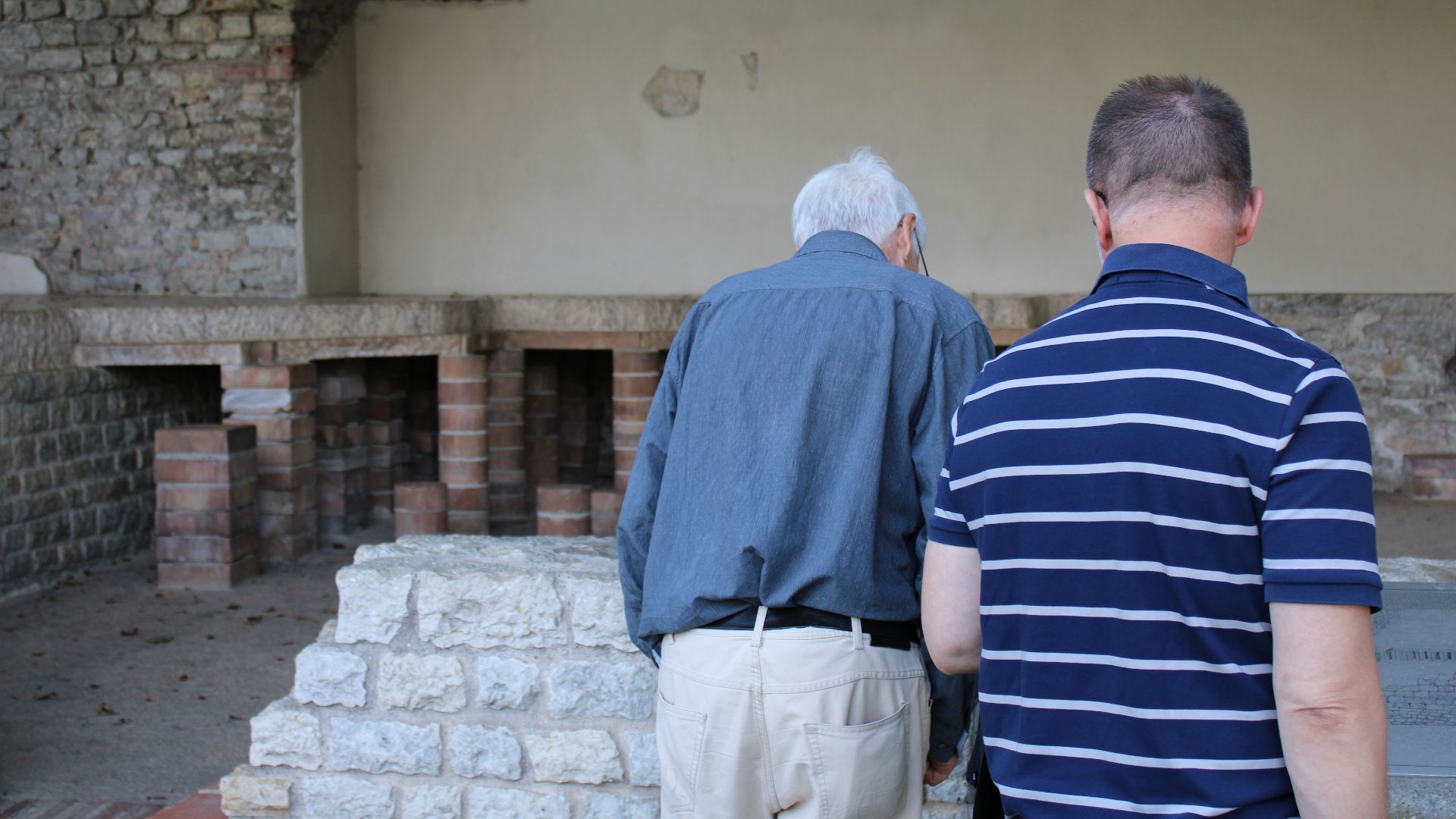 Ahmet Duz, Dreilander- & Oberrheinfotograf, Wikimedia Commons
Disaster Eventually Struck The City
Despite its prosperity, Augusta Raurica did not last forever. Around 250 CE, a powerful earthquake caused significant damage across the city. Not long afterward, invasions and political instability along Rome's northern frontier further weakened the settlement. Much of the urban center was eventually abandoned or destroyed.
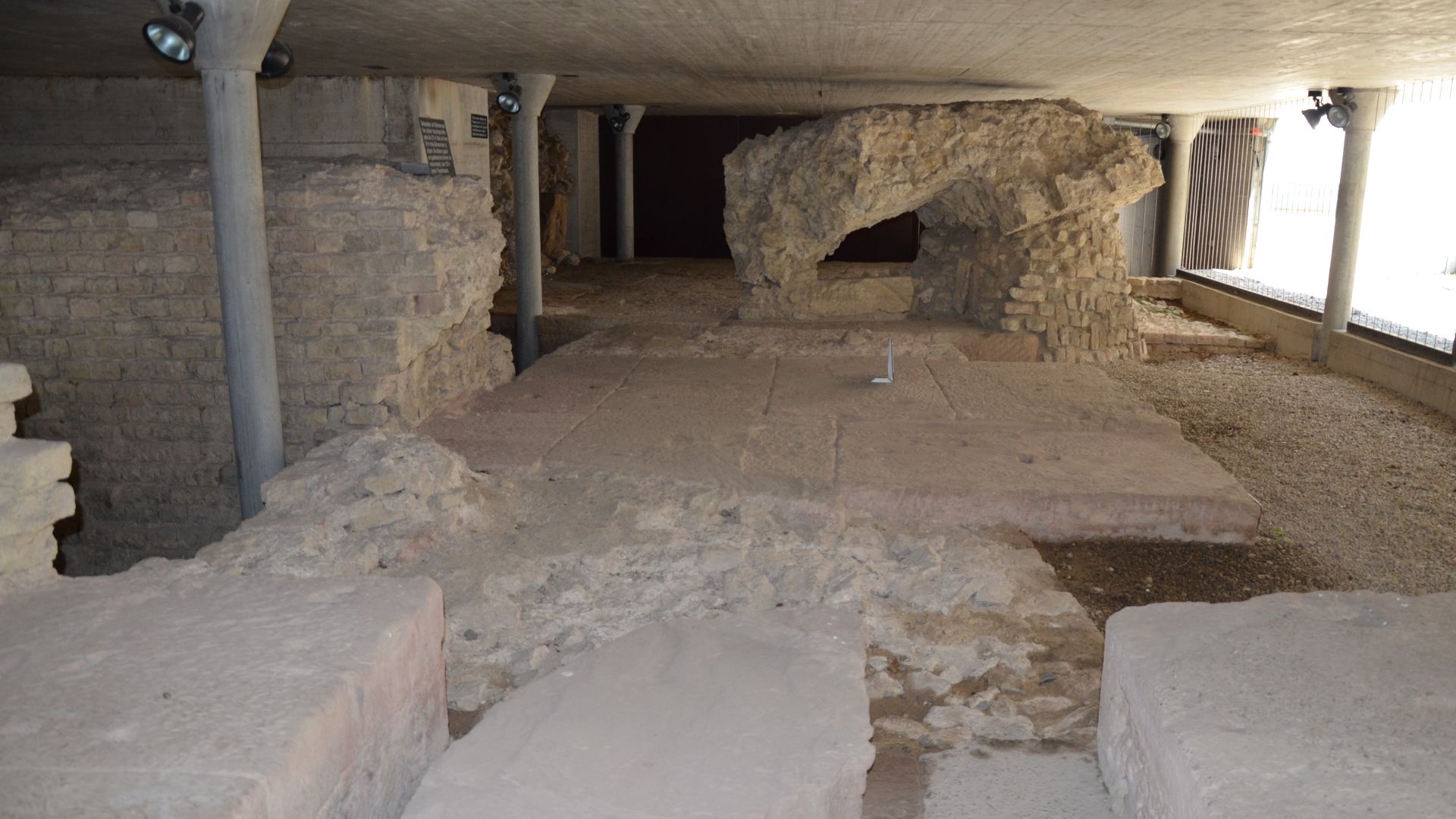 Carole Raddato from FRANKFURT, Germany, Wikimedia Commons
A Smaller Settlement Survived
Although the original city declined, Roman authorities continued to maintain a military presence in the area. Around 300 CE, they constructed the fortified Castrum Rauracense along the Rhine. This fortress became an important defensive position and helped preserve Roman influence in the region even as the Western Roman Empire began to weaken.
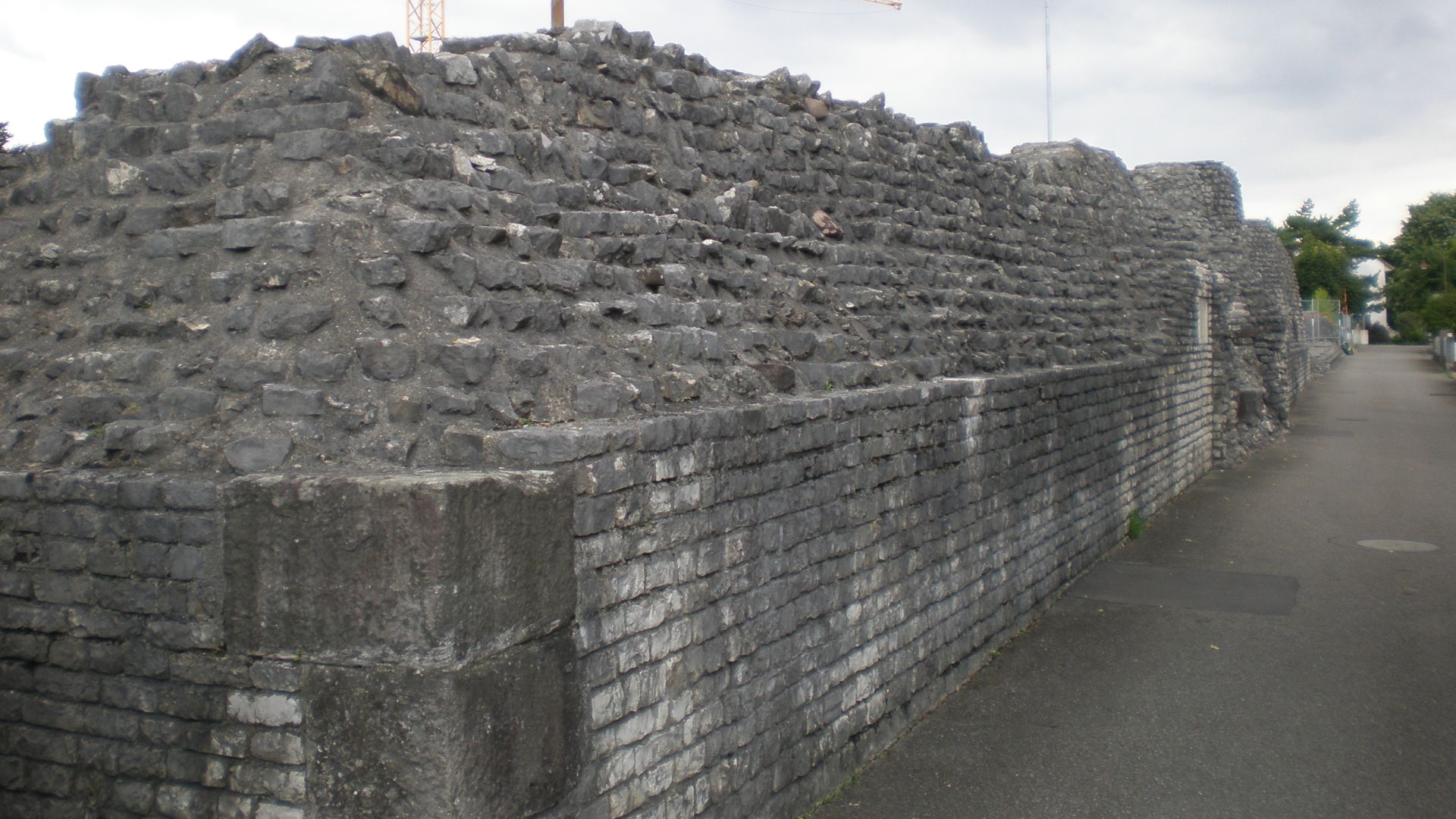
Archaeologists Are Only Scratching The Surface
One of the most astonishing facts about Augusta Raurica is how much remains buried. Researchers estimate that the vast majority of the city has never been excavated. Every new construction project therefore carries the possibility of uncovering additional streets, buildings, and artifacts that could reshape our understanding of the settlement.
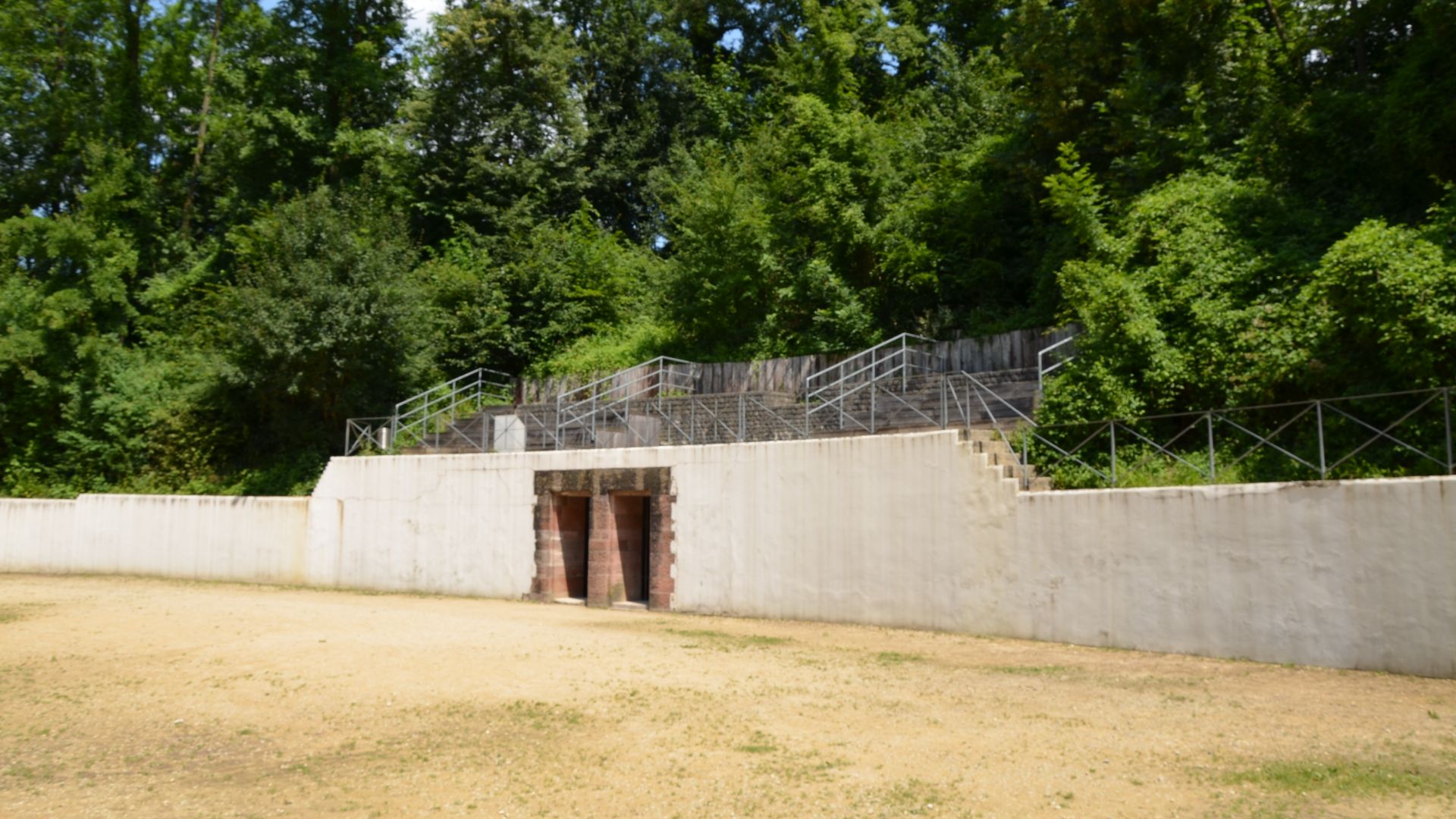 Carole Raddato from FRANKFURT, Germany, Wikimedia Commons
A Window Into Roman Life North Of The Alps
Sites like Pompeii often dominate discussions of Roman archaeology, but Augusta Raurica offers something equally valuable. Instead of preserving a single moment frozen by catastrophe, it preserves centuries of gradual urban development, allowing archaeologists to study how a Roman city evolved, adapted, and eventually declined on the empire's northern frontier.
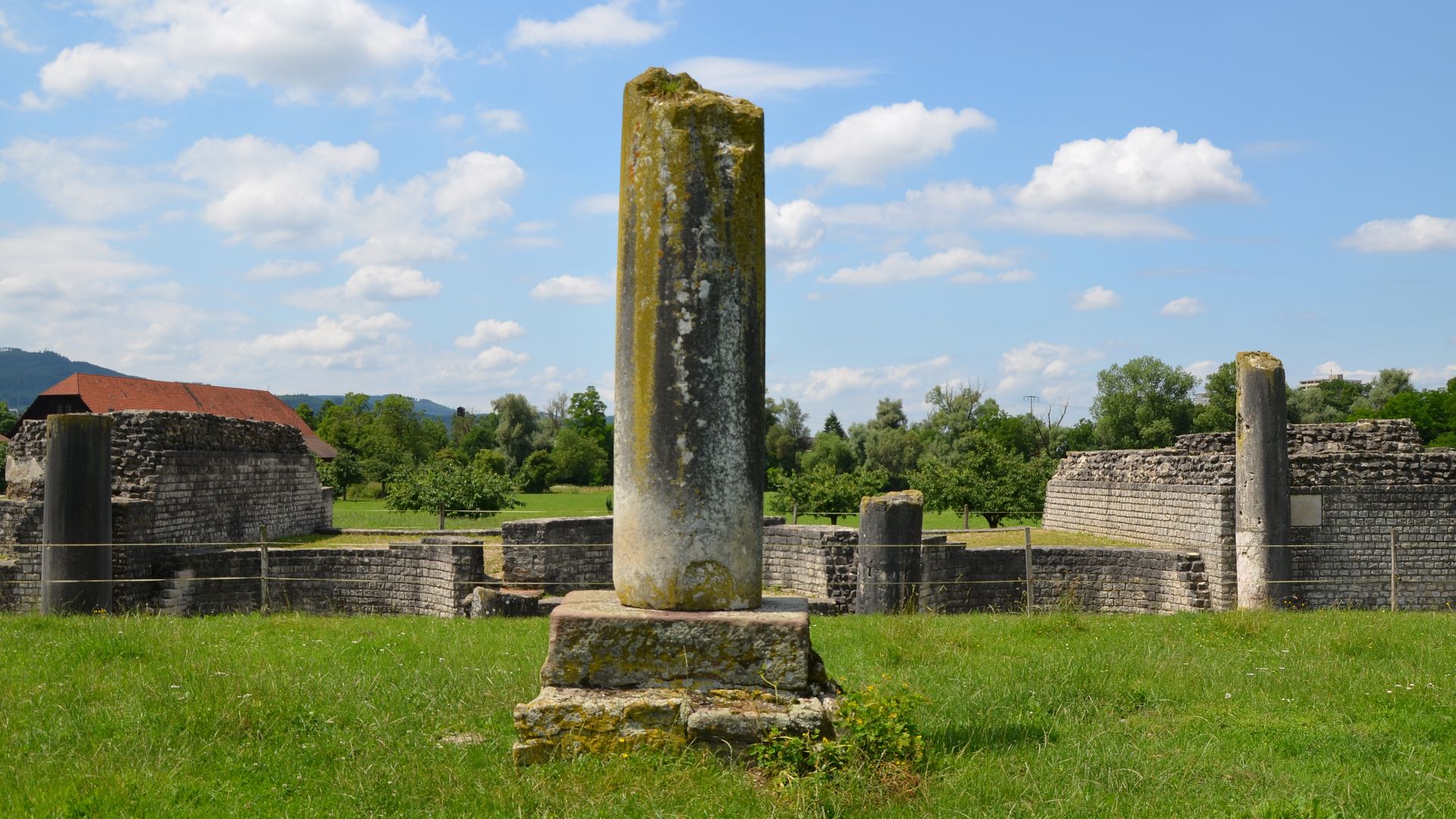 Carole Raddato from FRANKFURT, Germany, Wikimedia Commons
Final Thoughts
The latest rescue excavation at Augusta Raurica demonstrates why archaeology and modern development often go hand in hand. What began as a routine construction project ended up uncovering new streets, buildings, artifacts, and clues about one of the most important Roman cities north of the Alps. More than 2,000 years after its founding, Augusta Raurica continues to reshape our understanding of Roman life in Central Europe. And with most of the ancient city still hidden underground, there is every reason to believe that its biggest discoveries may still lie ahead.
 Ahmet Duz, Dreilander- & Oberrheinfotograf, Wikimedia Commons
You May Also Like: