Deep Inside A Belgian Cave, Archaeologists Uncovered One Of The Darkest Chapters Of Neanderthal History
For decades, Neanderthals were often portrayed as simple, brutish cave dwellers struggling to survive in Ice Age Europe. Modern archaeology has completely changed that image, revealing that they made tools, cared for injured group members, controlled fire, and may even have created symbolic art. But discoveries from Belgium’s Goyet Caves have revealed a far darker side of Neanderthal life.
A Cave System With A Long History
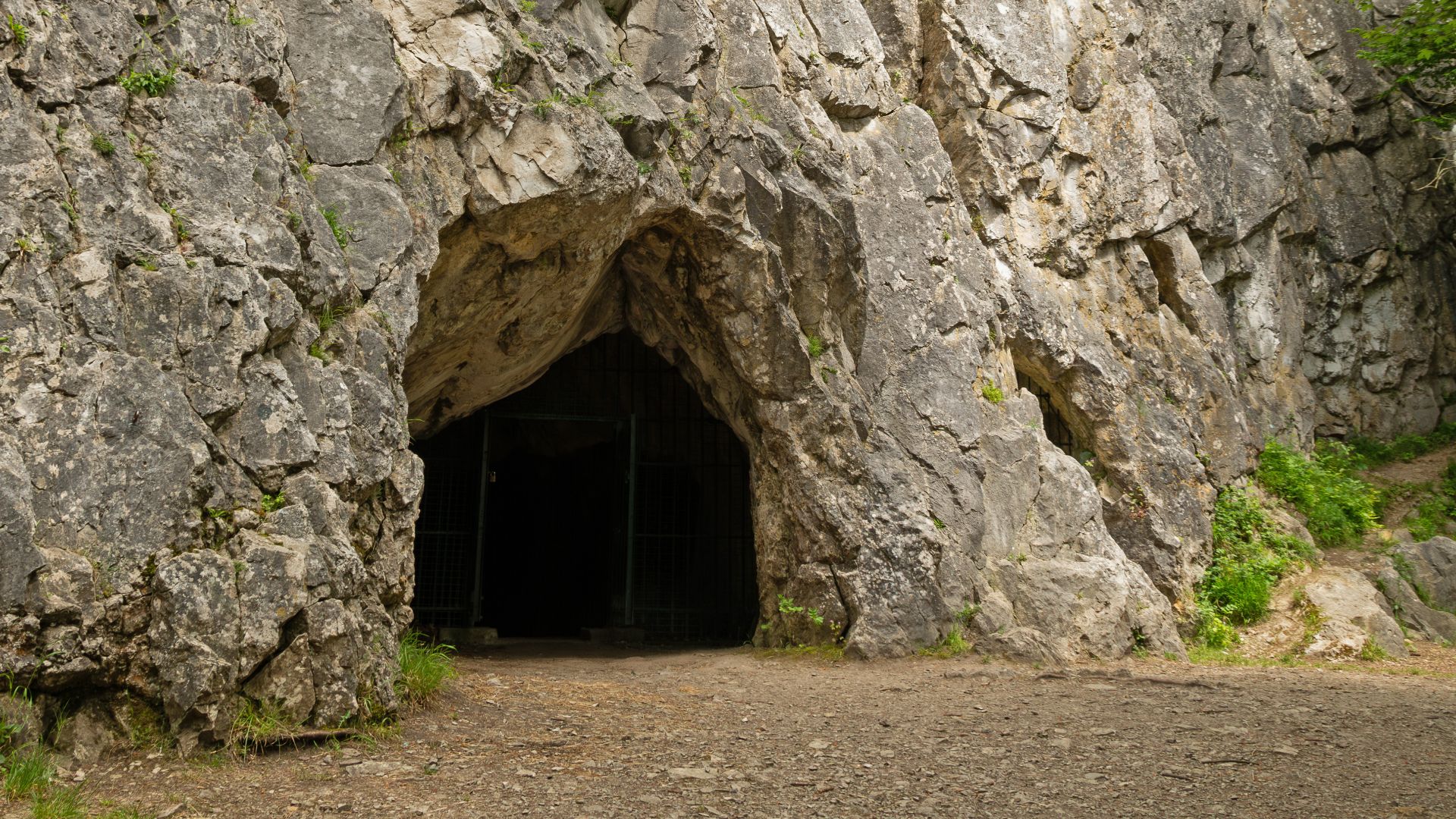
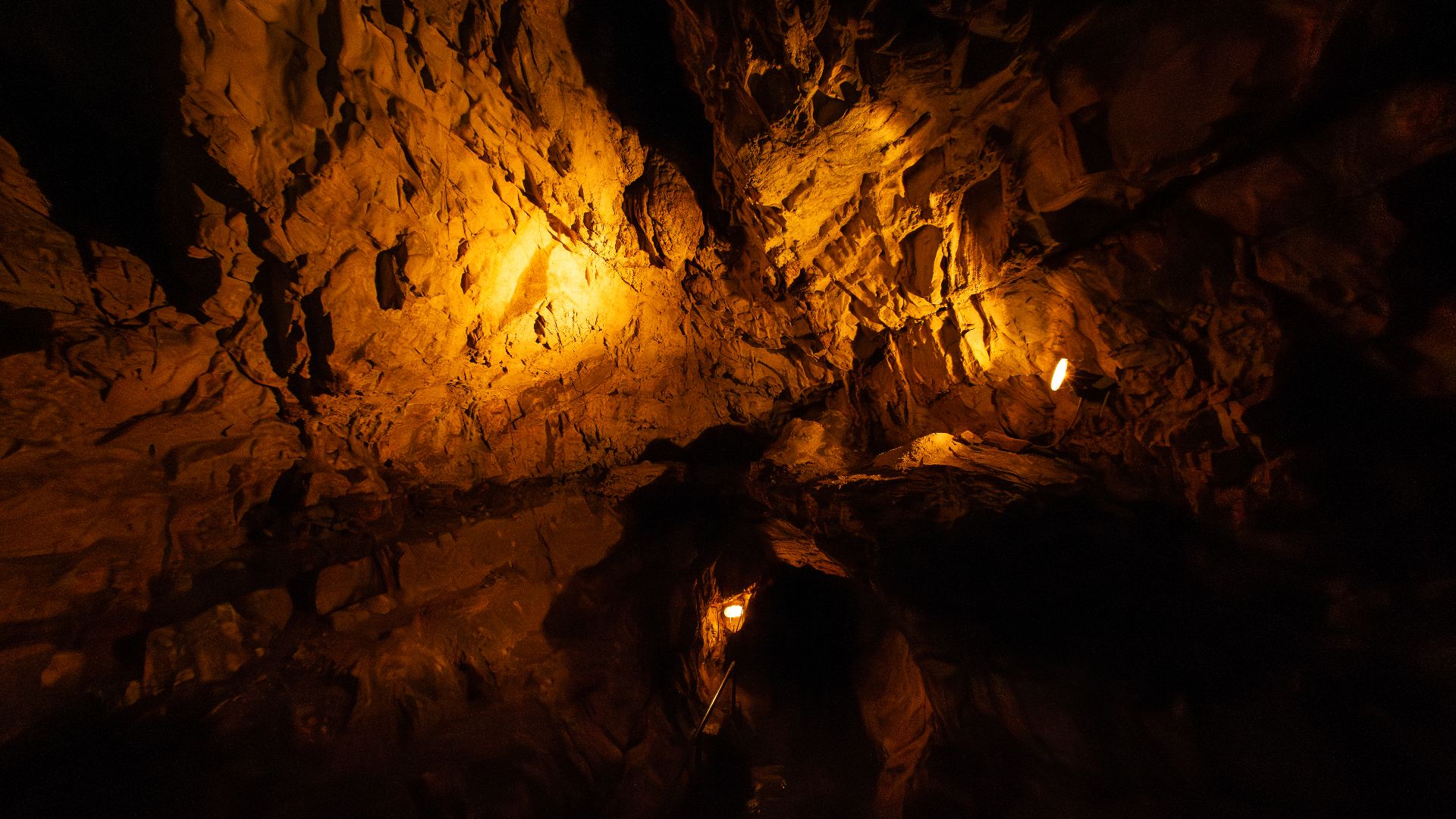
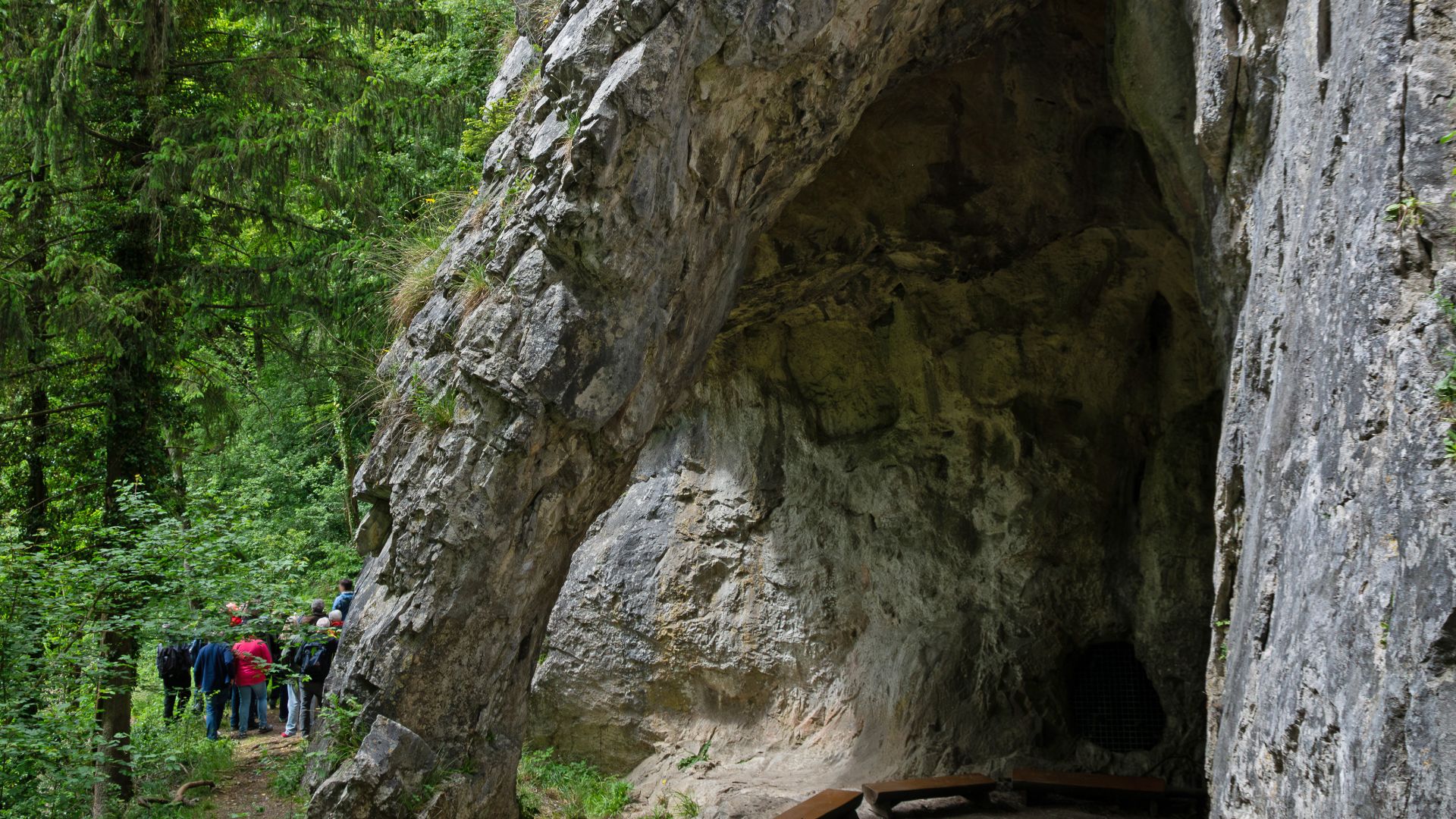
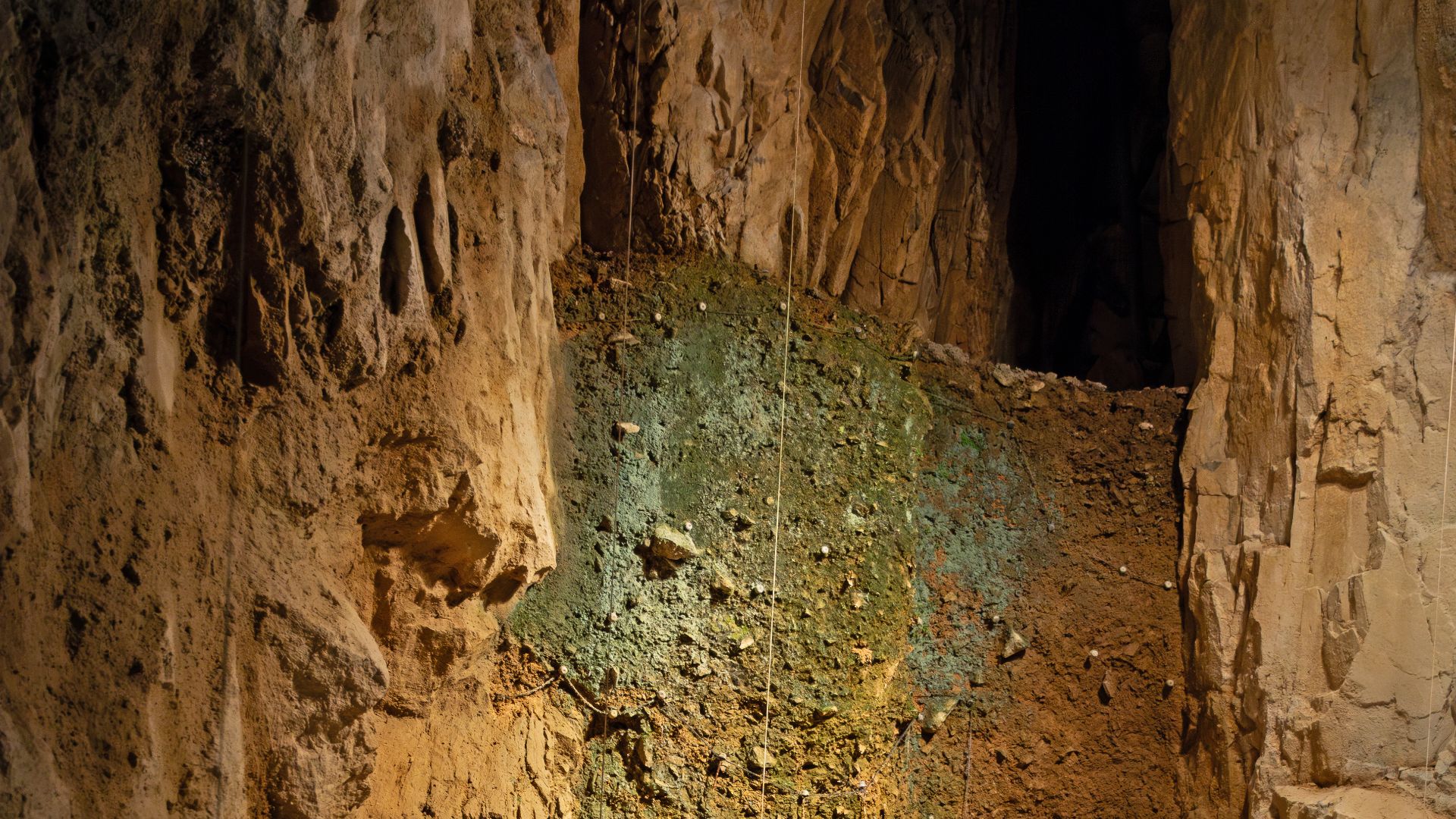
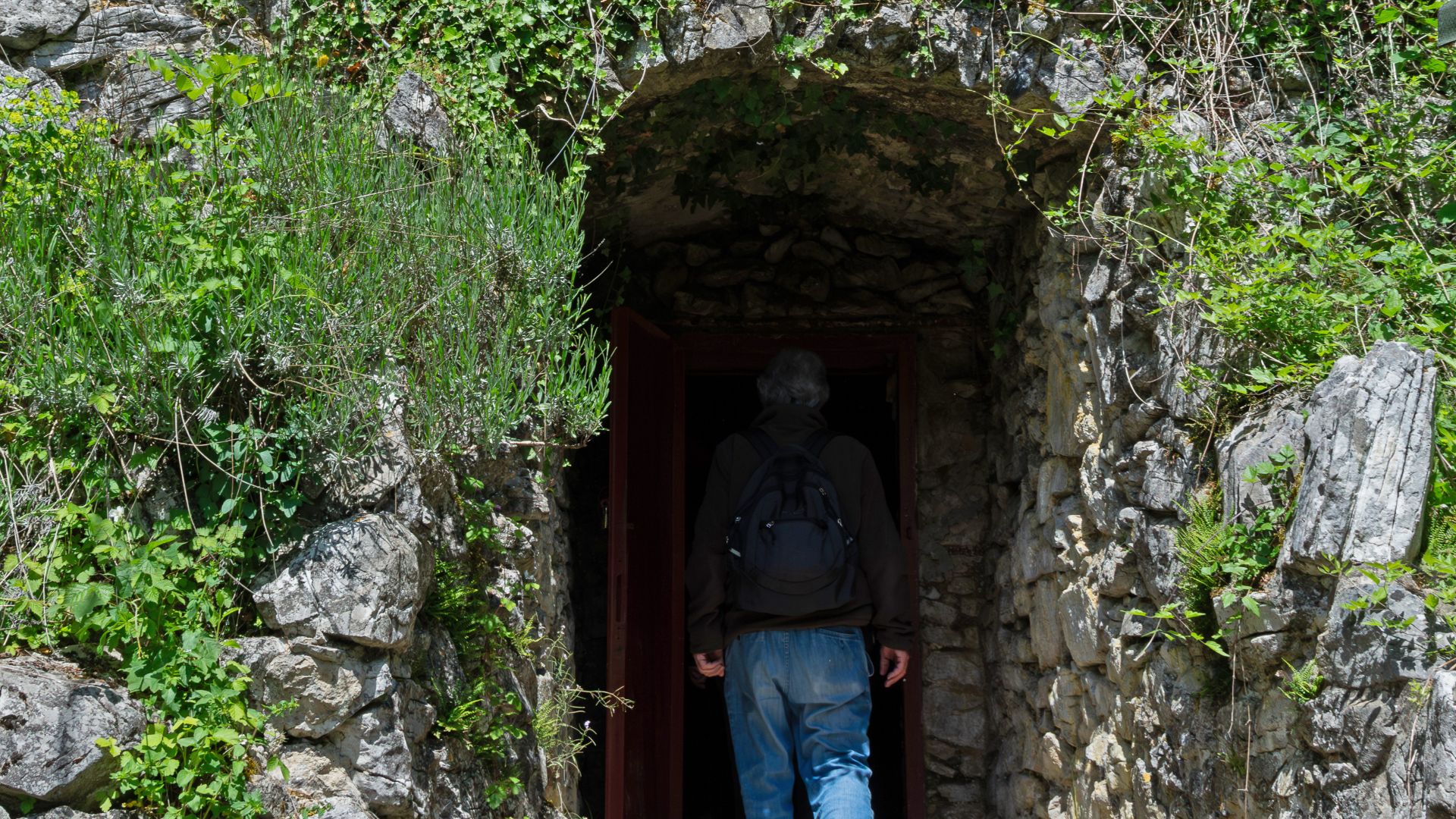
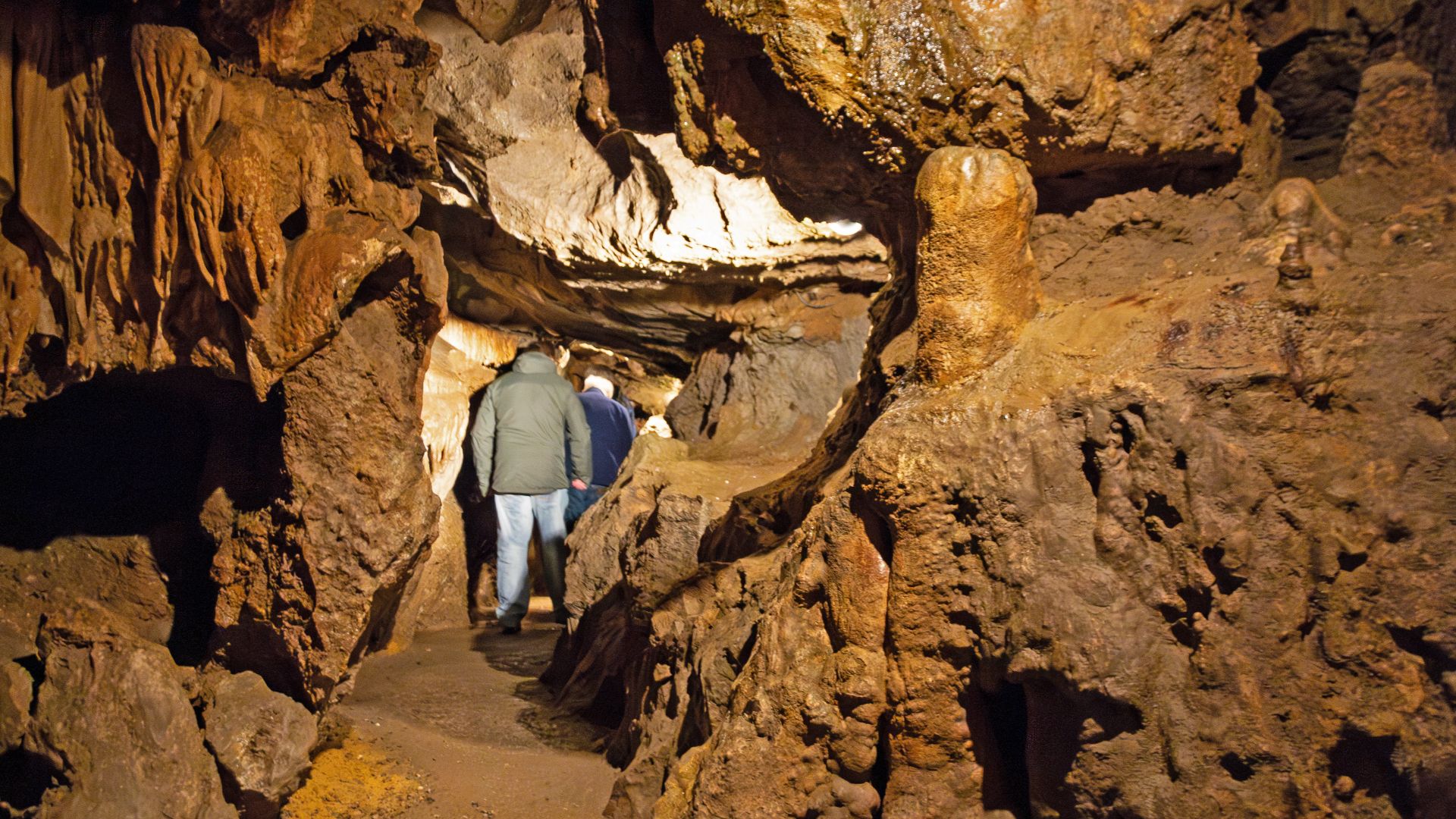
The Goyet Caves are located in southern Belgium near the village of Mozet, carved into a limestone cliff overlooking the Samson River. The cave complex stretches roughly 250 meters and contains a maze of chambers and underground passages. Archaeologists consider it one of the most important prehistoric sites in Europe because it preserves evidence of occupation spanning more than 100,000 years.
First Explored In The Nineteenth Century
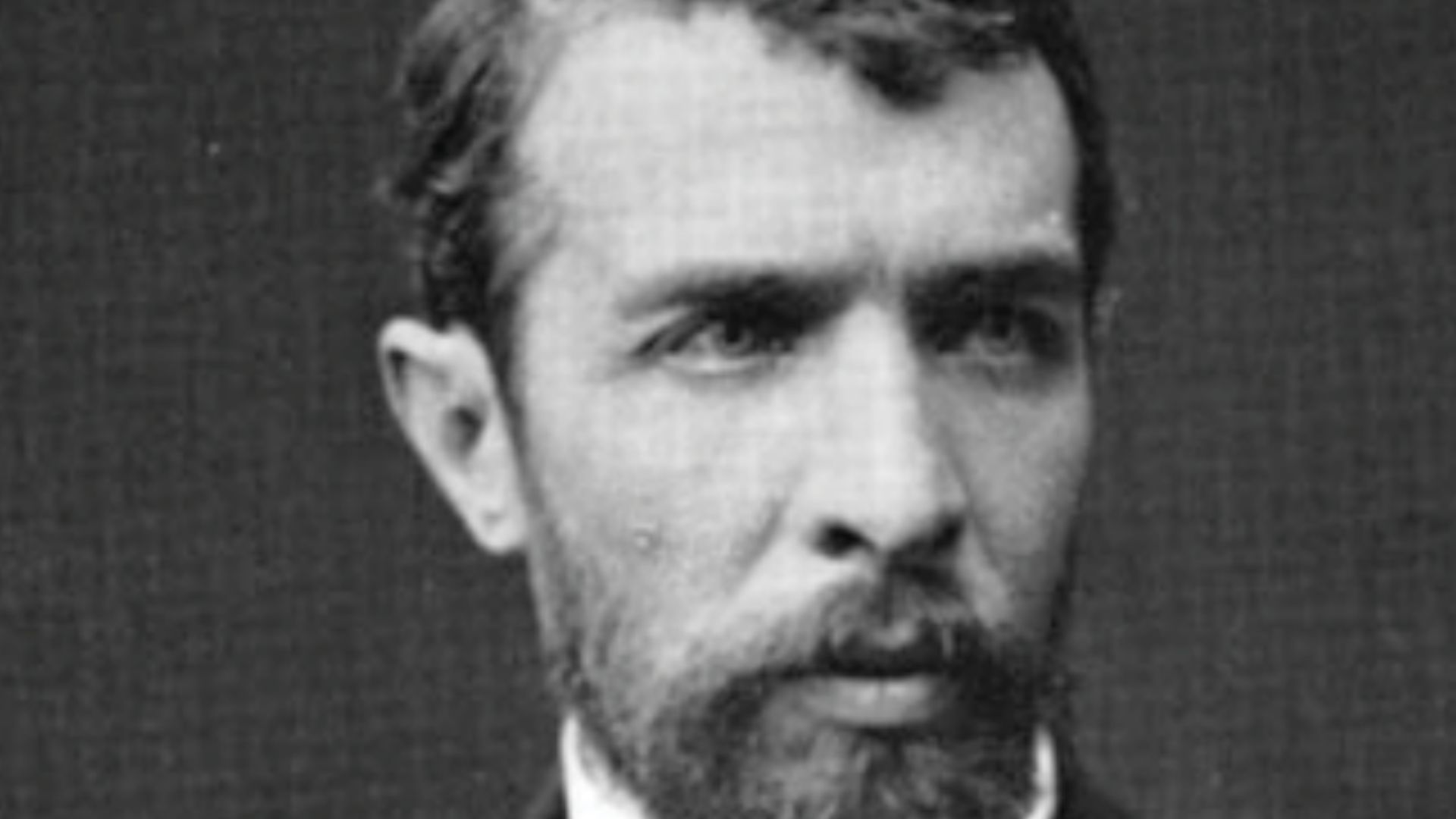
Scientific excavations at Goyet began in the late 1800s under Belgian geologist Édouard Dupont. His work uncovered thousands of bones, tools, and artifacts, although excavation methods at the time were far less precise than modern standards. Even so, the discoveries immediately established Goyet as a major Paleolithic site and sparked more than a century of archaeological research.
 Unknown authorUnknown author, Wikimedia Commons
More Than Just A Neanderthal Site
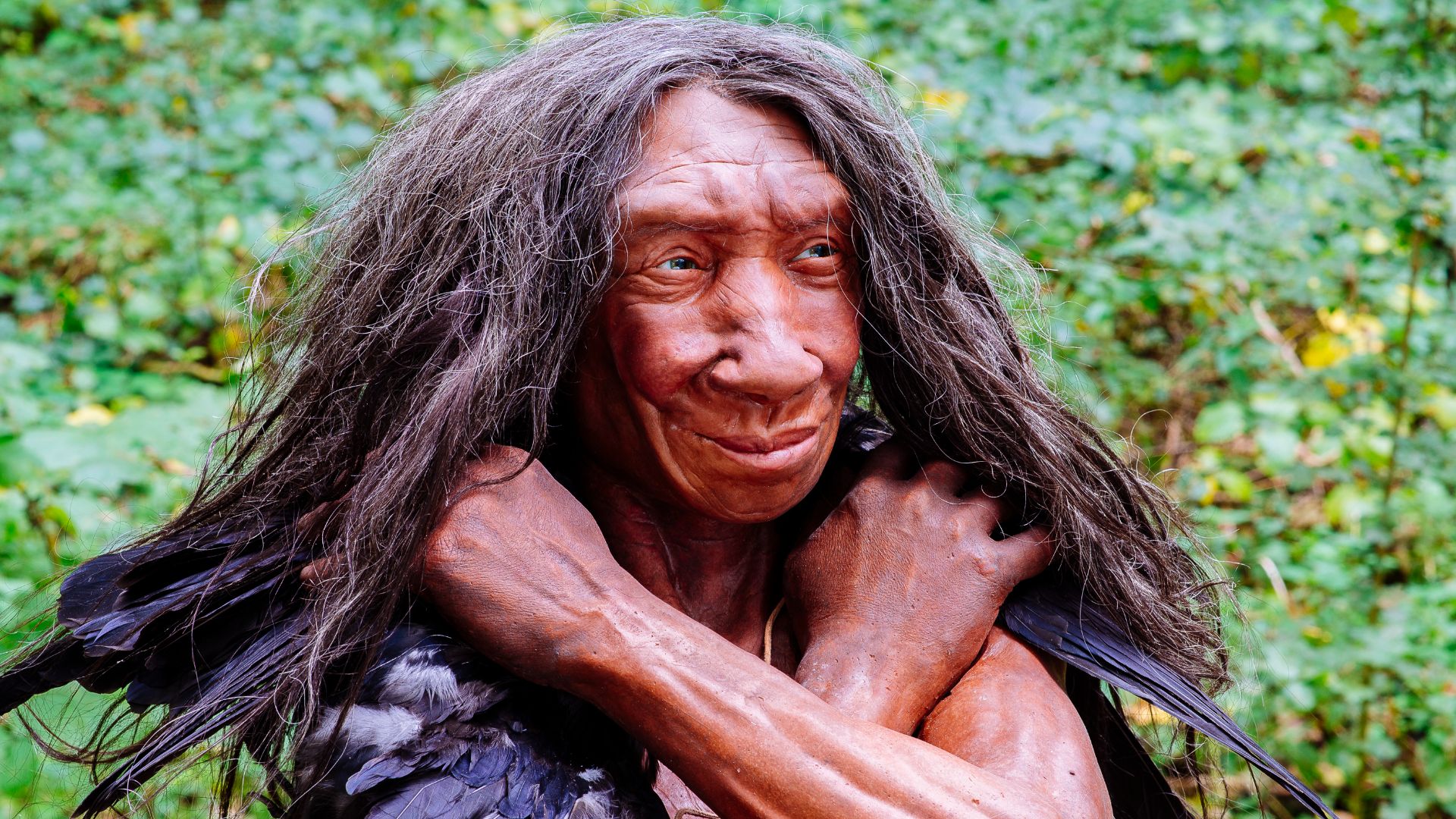
One reason Goyet is so valuable is because it contains evidence from many different periods of human history. Neanderthals lived there during the Middle Paleolithic, but later Homo sapiens populations also occupied the caves. Researchers have uncovered everything from Ice Age animal remains and stone tools to later burials and carved objects, creating a remarkably long archaeological record.
 Neanderthal-Museum, Mettmann, Wikimedia Commons
The Largest Collection Of Neanderthal Fossils In Northern Europe
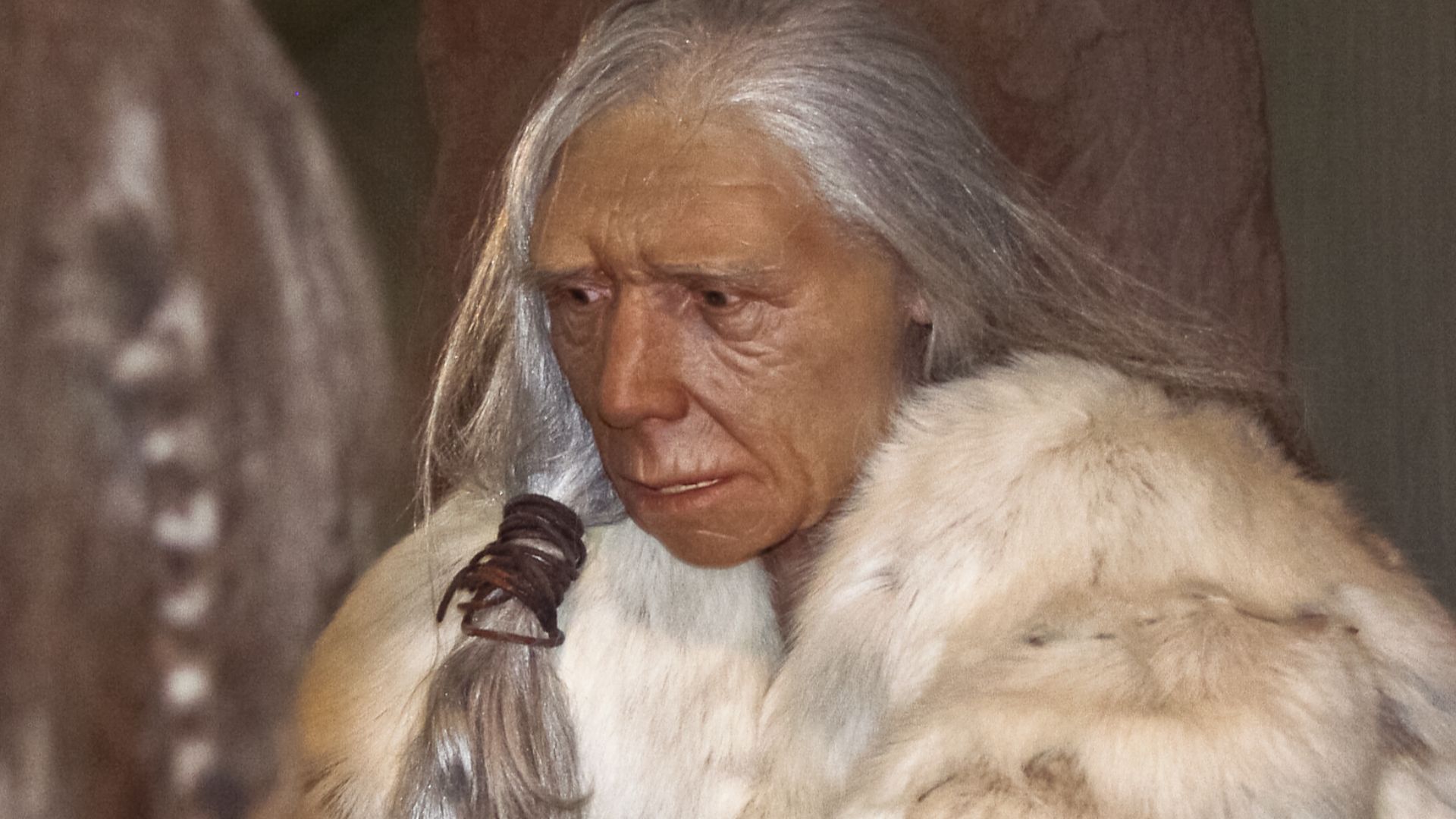
Among Goyet’s most important discoveries is a massive collection of Neanderthal remains. More than 100 bone fragments belonging to at least several individuals have been recovered from one section of the cave known as the Troisième Caverne. This assemblage represents the largest concentration of Neanderthal fossils ever found in Northern Europe.
Something Strange About The Bones
When researchers examined the bones closely, they noticed something disturbing. The Neanderthal remains contained cut marks, scraping marks, and fractures that looked strikingly similar to those found on animal bones processed for food. These were not random signs of damage caused by time or natural processes. They appeared to be the result of deliberate butchering.
 National Cancer Institute, Unsplash
Evidence Of Cannibalism Emerges
In 2016, researchers published evidence showing that Neanderthals at Goyet had practiced cannibalism. Bones had been skinned, filleted, and broken apart to extract marrow, exactly as hunters processed deer and reindeer remains found in the same layers. The similarities between the human and animal bones were difficult to ignore.
 National Institute of Allergy and Infectious Diseases, Unsplash
The Bones Were Treated Like Food
Researchers found that long bones had been cracked open while still fresh, suggesting the people processing them were interested in accessing the nutrient-rich marrow inside. Cut marks appeared near muscle attachment points, indicating that flesh had been removed intentionally. In many ways, the treatment of the human remains mirrored standard Ice Age butchering practices.

A New Study Changed The Story Even More
While the earlier discoveries already pointed toward cannibalism, more recent research added a surprising new layer. Scientists conducted genetic analyses and determined that the individuals being consumed were not a random sample of the local population. Instead, the victims appear to have been mostly women and children.

Women And Children Were The Main Victims
The study identified at least six Neanderthal individuals among the butchered remains. Four were adult or adolescent females, while two were young male children. Researchers noted that this pattern was unlikely to be accidental. If the remains simply represented ordinary deaths within a community, the age and sex distribution would probably look very different.
 Fährtenleser, Wikimedia Commons
They Were Not Local To The Area
Another surprising discovery came from isotope analysis. Chemical signatures preserved in the bones suggested that these individuals had grown up somewhere other than the Goyet region. In other words, they appear to have come from outside the local community.
 National Cancer Institute, Unsplash
Evidence For “Exocannibalism”
Because the victims seem to have been outsiders, researchers believe the site may represent a case of exocannibalism, the consumption of members of another group. This differs from endocannibalism, which involves consuming members of one's own community and is sometimes associated with funerary rituals. The evidence at Goyet suggests something much more violent.
Possible Conflict Between Neanderthal Groups
Some researchers think the remains may reflect conflicts between different Neanderthal groups competing for territory or resources. If that interpretation is correct, the women and children may have been deliberately targeted because they represented the reproductive future of rival groups.
 Charles Robert Knight, Wikimedia Commons
The End Of The Neanderthal World
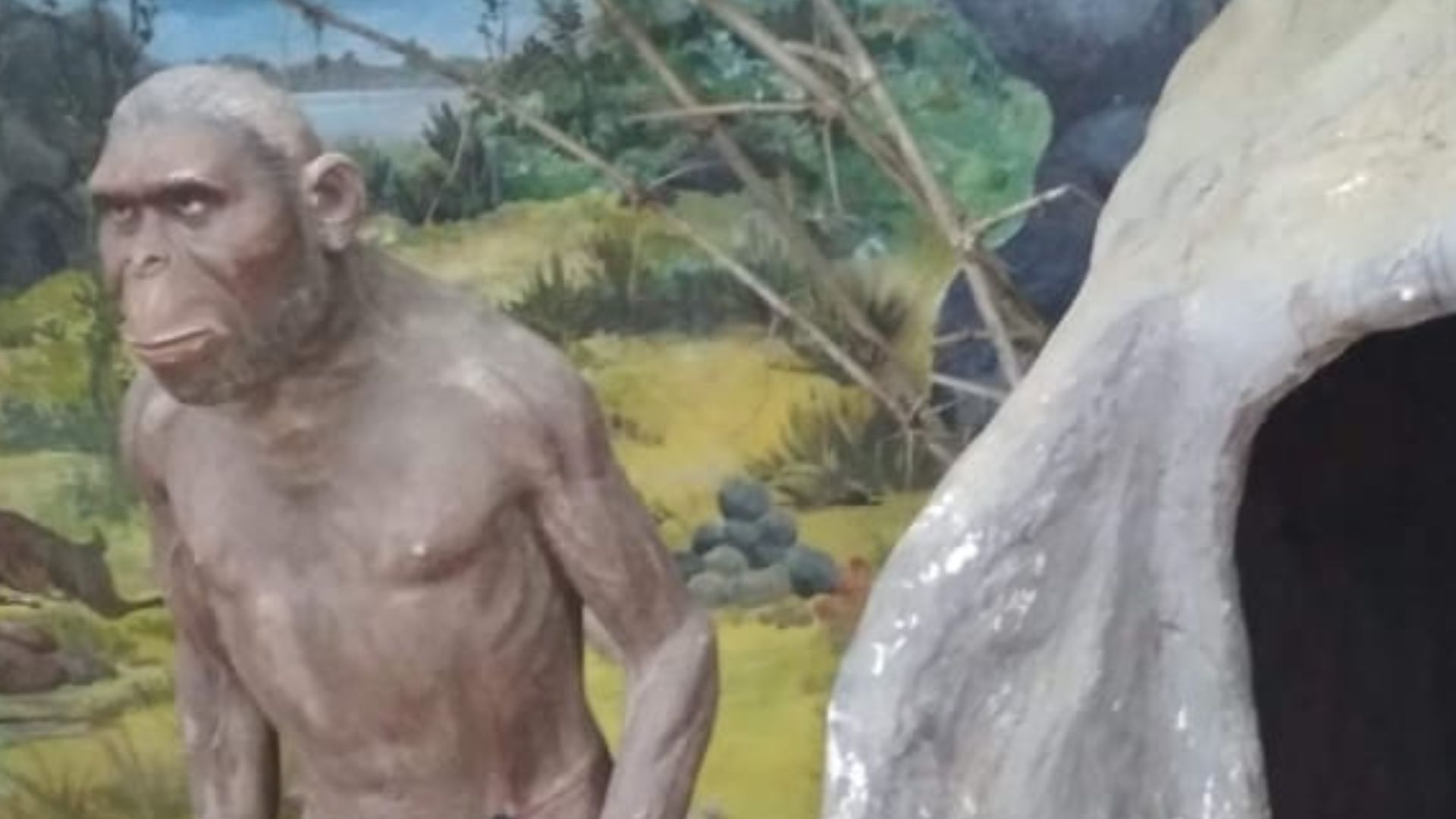
The timing of these events makes the discovery even more fascinating. The cannibalized individuals lived between roughly 45,000 and 41,000 years ago, near the end of Neanderthal existence in Europe. During this period, Neanderthal populations were declining while Homo sapiens populations were expanding into the continent.
Competition May Have Increased Tensions
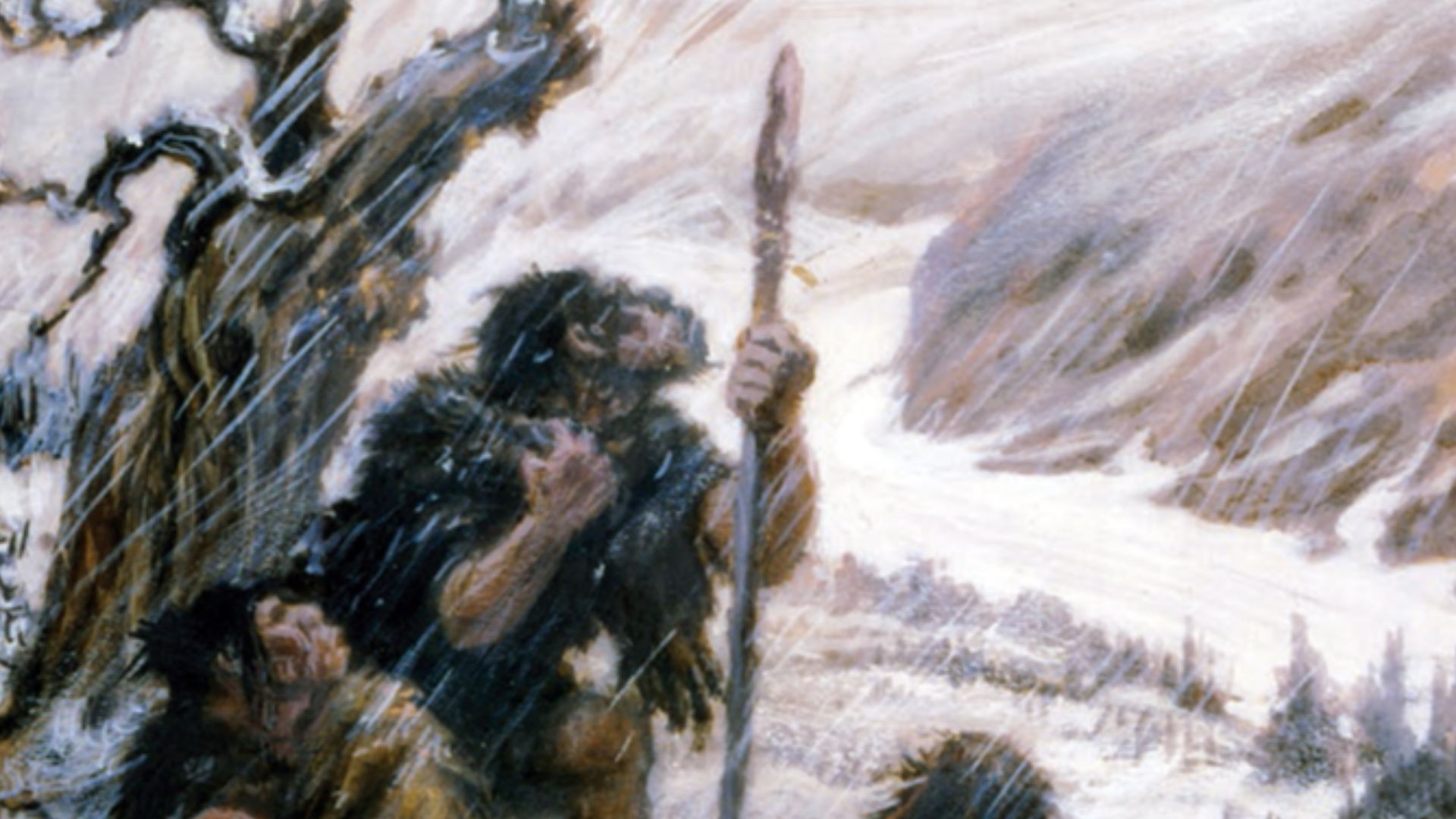
Archaeologists suspect that environmental pressures and competition for resources may have increased social tensions during this period. Small, isolated groups may have become more hostile toward outsiders as survival became increasingly difficult. The Goyet remains could preserve evidence of those pressures playing out in brutal ways.
 Charles R. Knight, Wikimedia Commons
Human Bones Became Tools
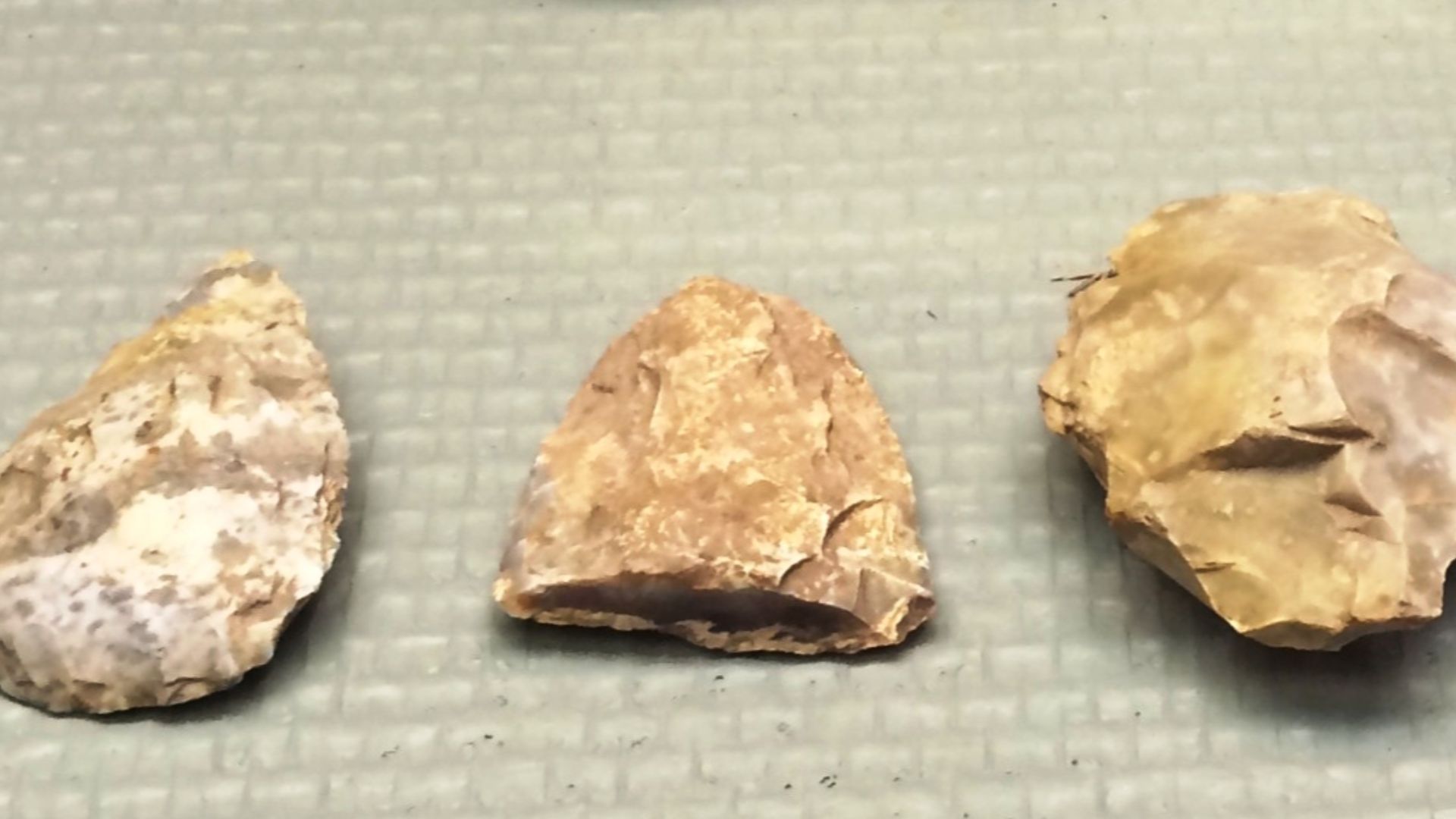
One of the strangest discoveries at Goyet is that some Neanderthal bones were not merely consumed. Certain fragments appear to have been used as retouchers, tools employed to shape and sharpen stone implements. This means the bones continued serving a practical purpose even after the individuals were dead.
Not The Only Cannibal Neanderthals
Goyet is not the only site where evidence of Neanderthal cannibalism has been found. Similar signs have appeared at sites in France, Croatia, and Spain. However, Goyet stands out because of the quantity of remains and the unusually detailed biological information researchers have been able to extract.
Were They Desperate Or Deliberate?
One major question is whether the cannibalism was driven by starvation or something else. The evidence at Goyet suggests that food resources such as reindeer were available in the area. Because animal prey was still being hunted, some researchers think the cannibalism may have been linked more closely to violence, social conflict, or dominance rather than simple survival.
 Diego Delso, Wikimedia Commons
Goyet Changed How We View Neanderthals
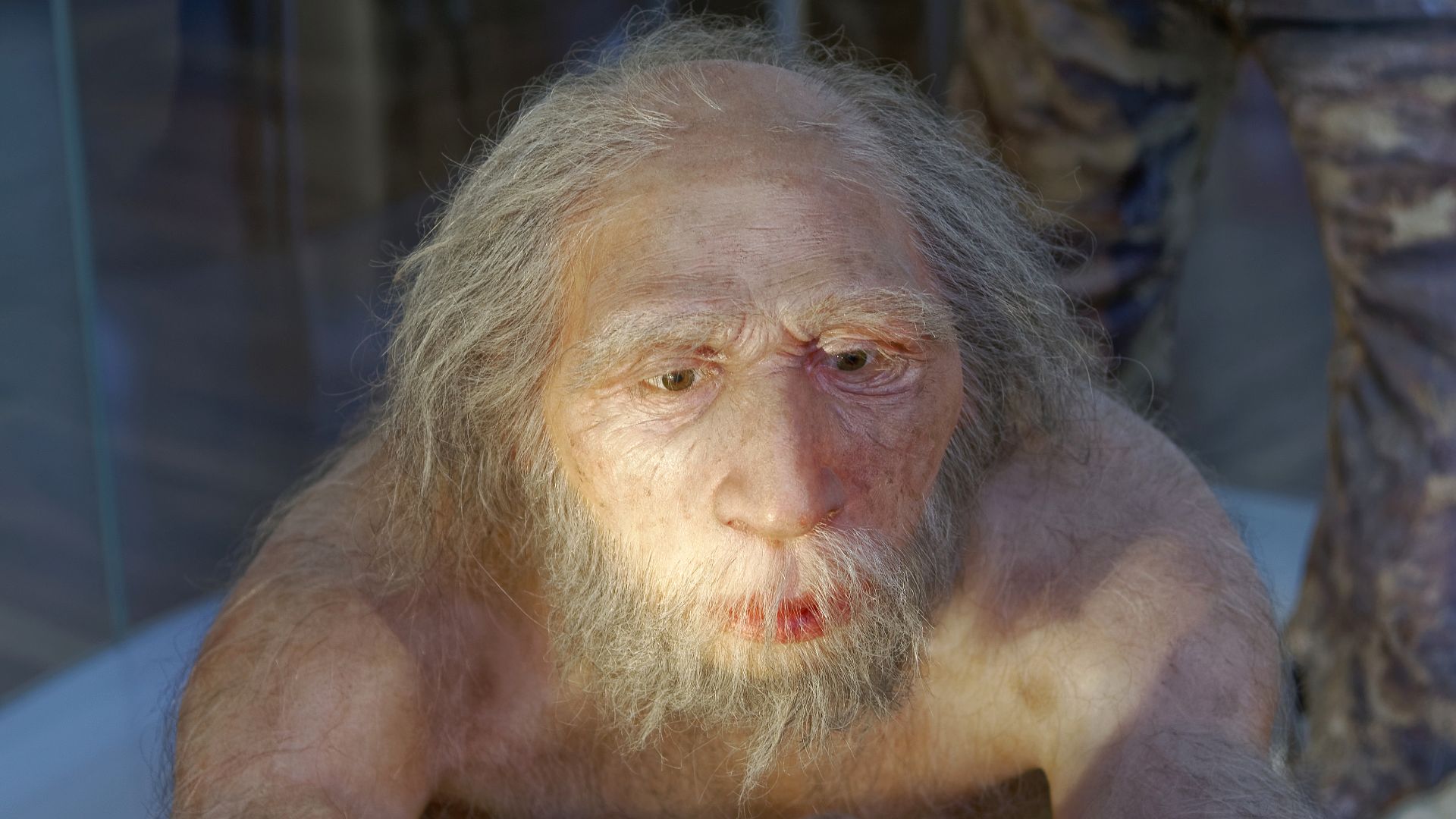
For many years, researchers debated whether Neanderthals were intellectually sophisticated or socially complex. Discoveries from Goyet continue to add nuance to that discussion. The site shows that Neanderthal behavior could be highly organized and strategic, even when that behavior involved disturbing acts such as cannibalism.
 Jakub Hałun, Wikimedia Commons
The Caves Keep Revealing New Secrets
One reason Goyet remains so important is that archaeologists continue to reanalyze old discoveries using modern techniques. DNA analysis, isotope studies, and advanced imaging methods are providing insights that would have been impossible when the bones were first excavated more than a century ago.
A Window Into Ice Age Europe
The Goyet Caves offer a rare glimpse into a world that disappeared tens of thousands of years ago. The site preserves evidence not only of Neanderthal survival but also of their social relationships, conflicts, and interactions during a period of major change in human history.
Final Thoughts
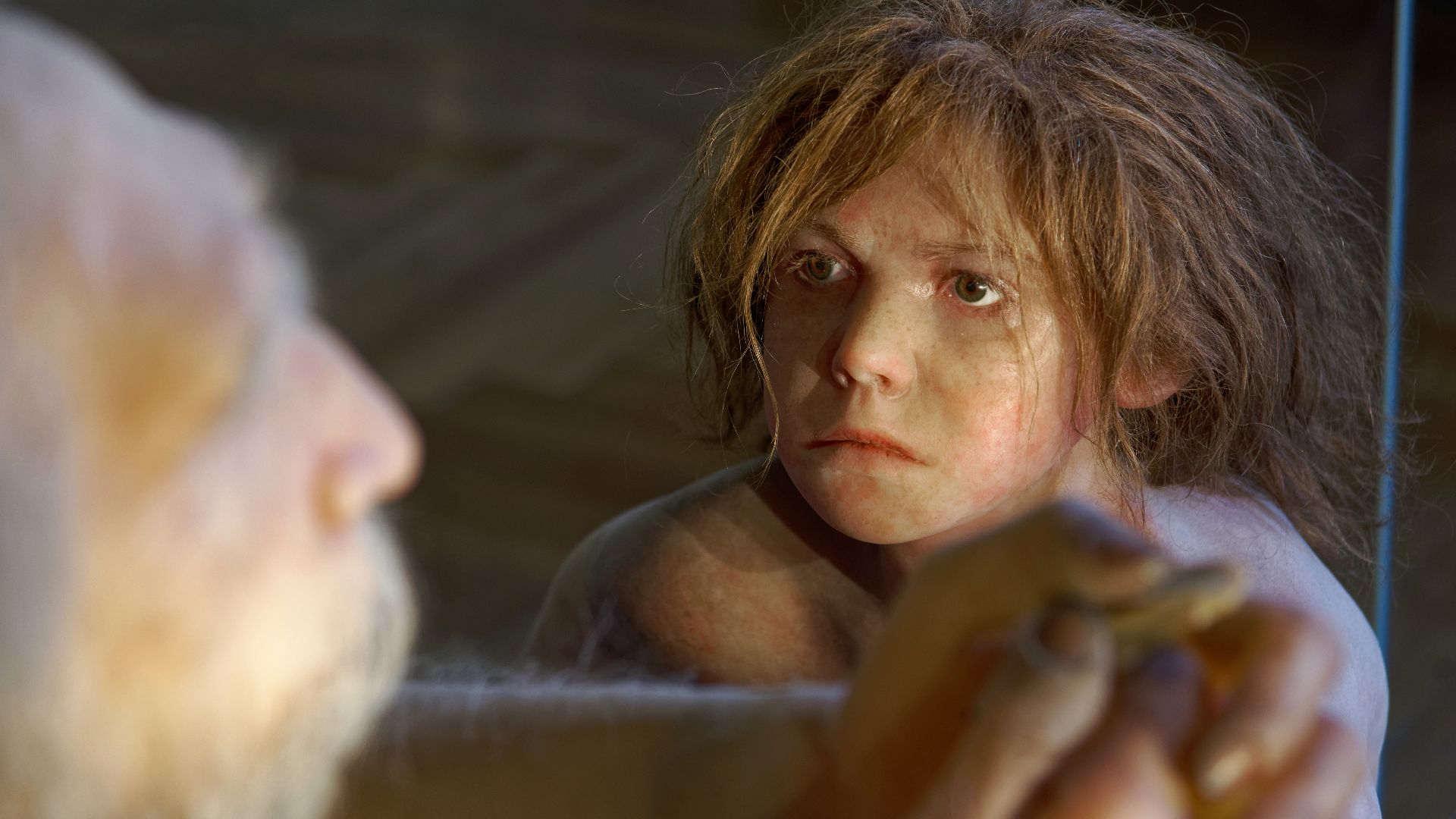
The discoveries from Belgium’s Goyet Caves reveal a side of Neanderthal life that is both fascinating and unsettling. Evidence of butchery, cannibalism, and possible intergroup violence suggests that life during the final centuries of Neanderthal existence may have been far more complicated—and far more dangerous—than researchers once imagined. At the same time, the site highlights how much we are still learning about our closest extinct relatives. Every new analysis of the Goyet remains adds another piece to the puzzle, showing that Neanderthals were not simple prehistoric caricatures but complex humans navigating an increasingly harsh and uncertain world.
 Jakub Hałun, Wikimedia Commons
You May Also Like:
Scientists Just Proved Neanderthals Lived Here Using Only Cave Dirt