The Discovery That Changed How We See Neanderthals
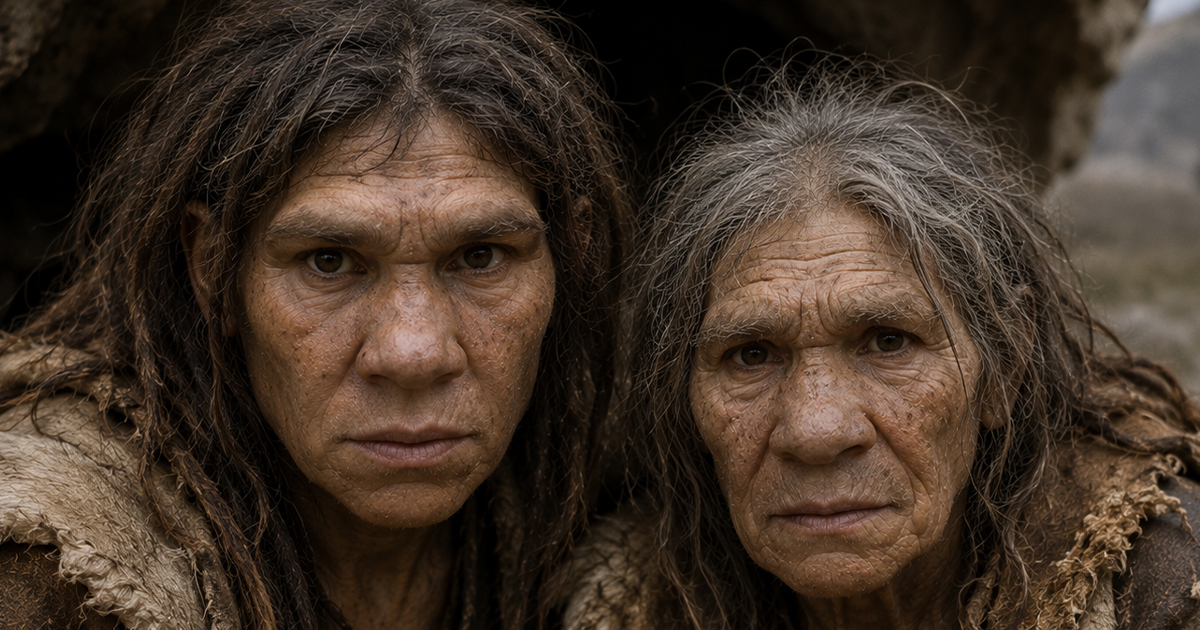
For a long time, Neanderthals were treated like prehistoric cavemen who barely survived the Ice Age. But archaeologists eventually uncovered evidence that completely changed that image. Hidden inside ancient caves were the remains of injured and elderly Neanderthals who should not have survived on their own—unless somebody was helping them.
Meet Humanity’s Tough Cousins
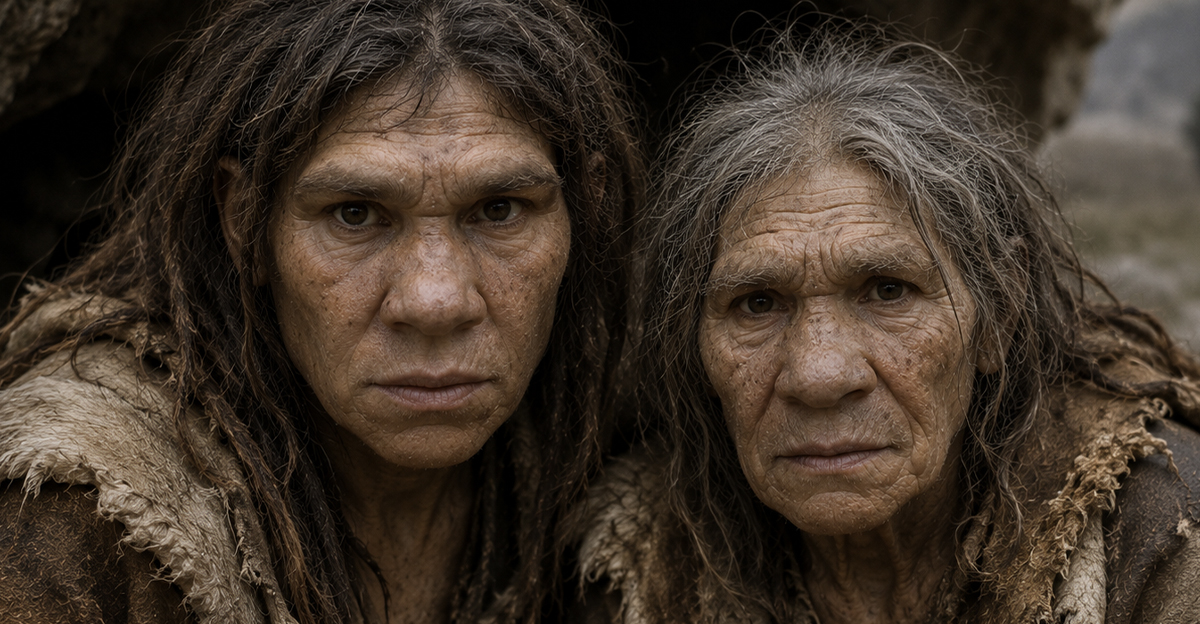
Neanderthals, officially called Homo neanderthalensis, lived across Europe and parts of western Asia between roughly 400,000 and 40,000 years ago. They survived freezing climates, hunted giant Ice Age animals, and somehow managed life without modern medicine, heating, or grocery stores. Honestly, most people today complain when the Wi‑Fi goes down for five minutes.
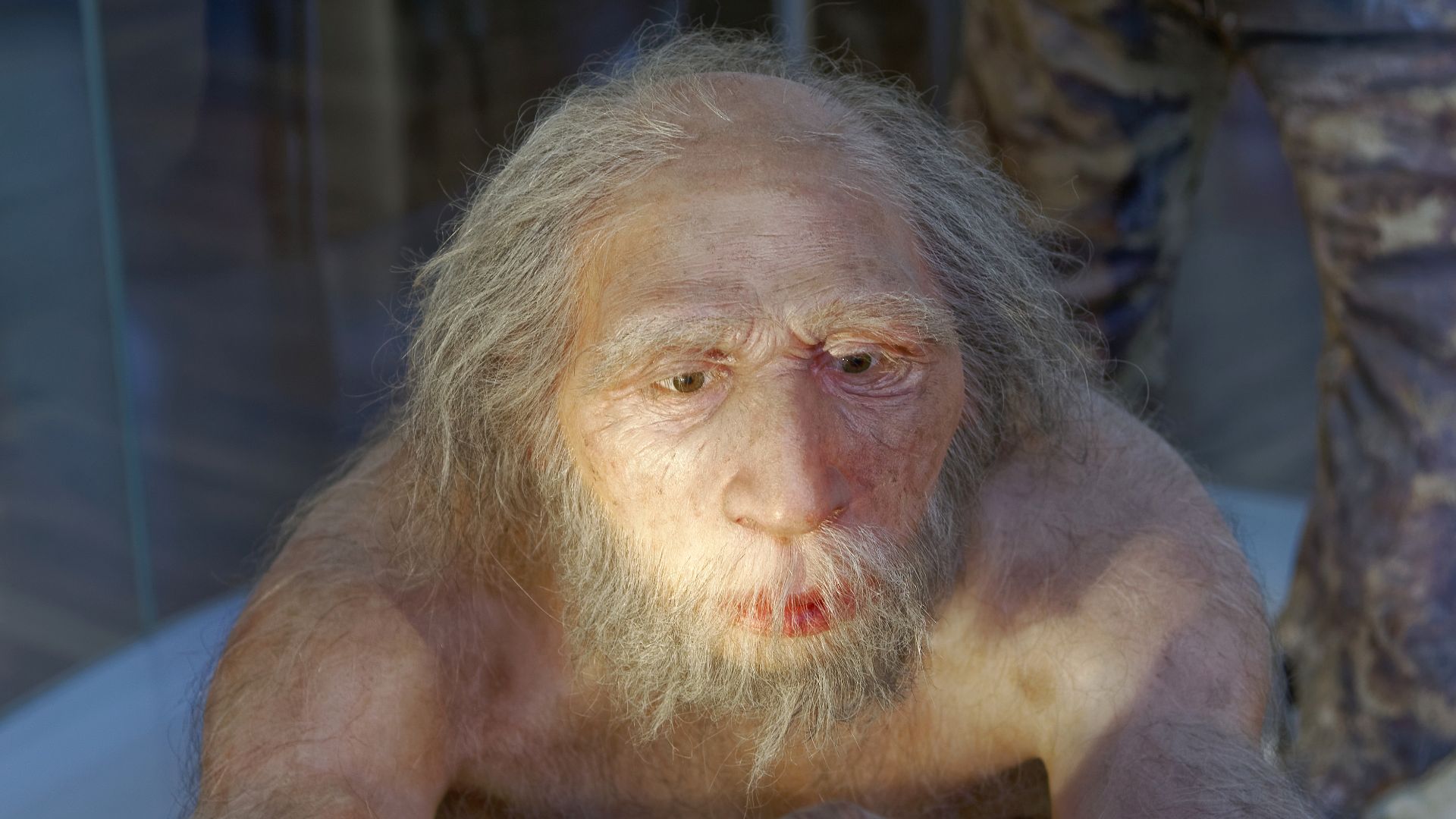 Jakub Hałun, Wikimedia Commons
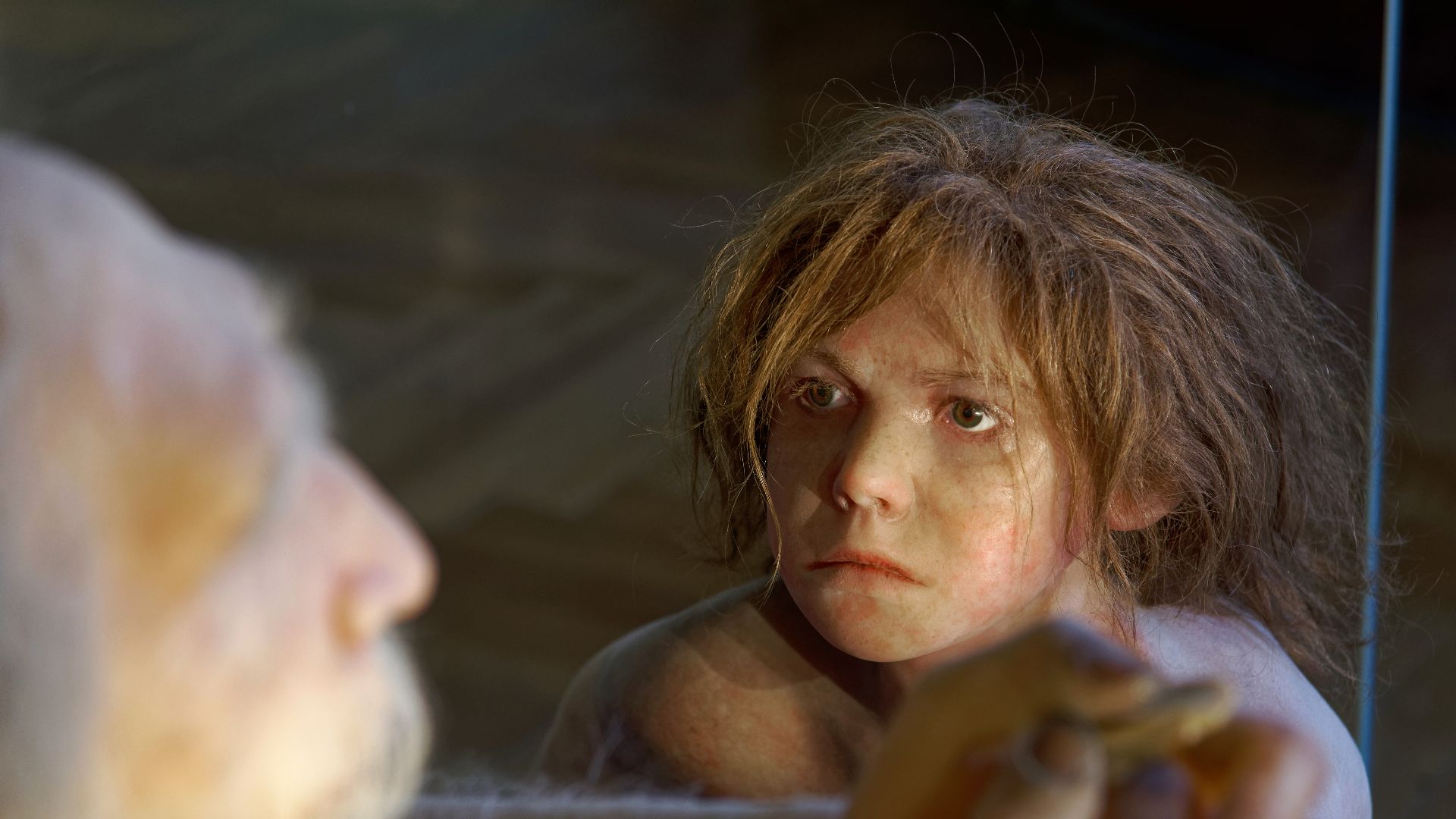
People Used to Underestimate Them
When Neanderthal fossils were first discovered in the 1800s, scientists assumed they were primitive, unintelligent brutes. Early illustrations even showed them hunched over like half-ape cave monsters. Modern archaeology has since made those early scientists look very, very wrong.
 Jakub Hałun, Wikimedia Commons
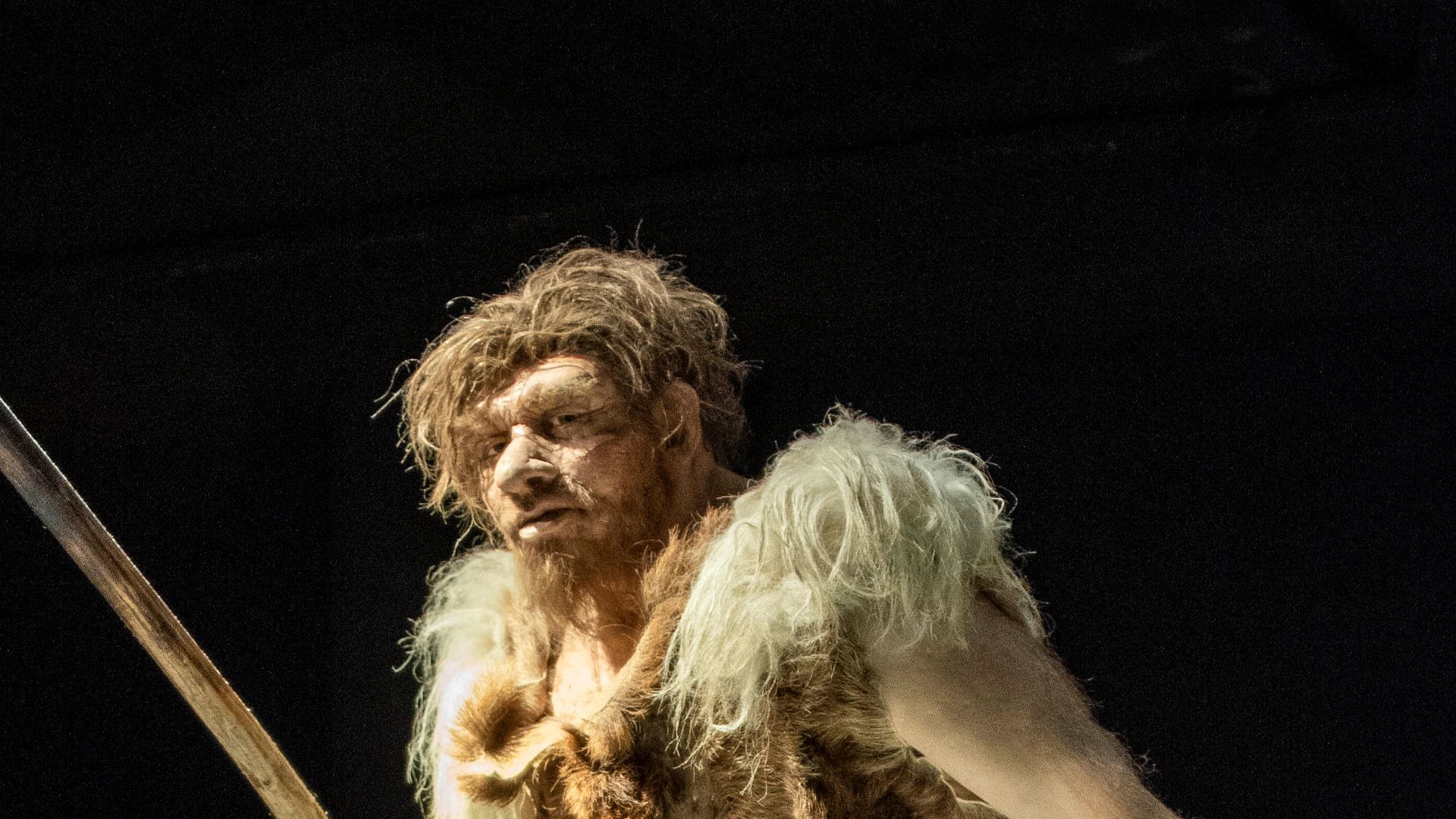
Stronger Than Most Humans Today
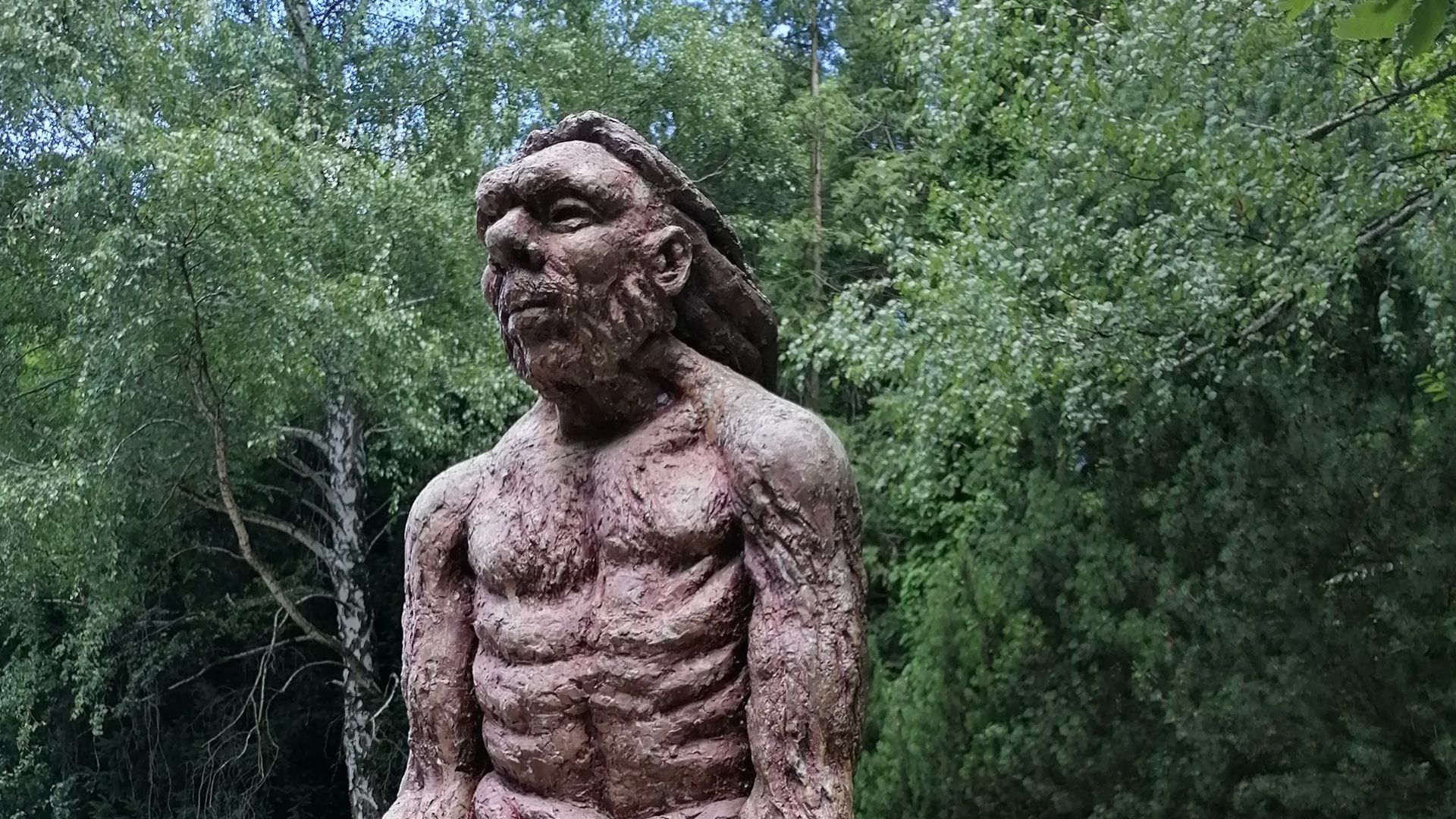
Neanderthals were heavily built, muscular, and physically powerful. Their thick bones and broad shoulders helped them survive the brutal Ice Age environment. Researchers believe they likely had far greater raw strength than the average modern human.
 Paul Hermans, Wikimedia Commons
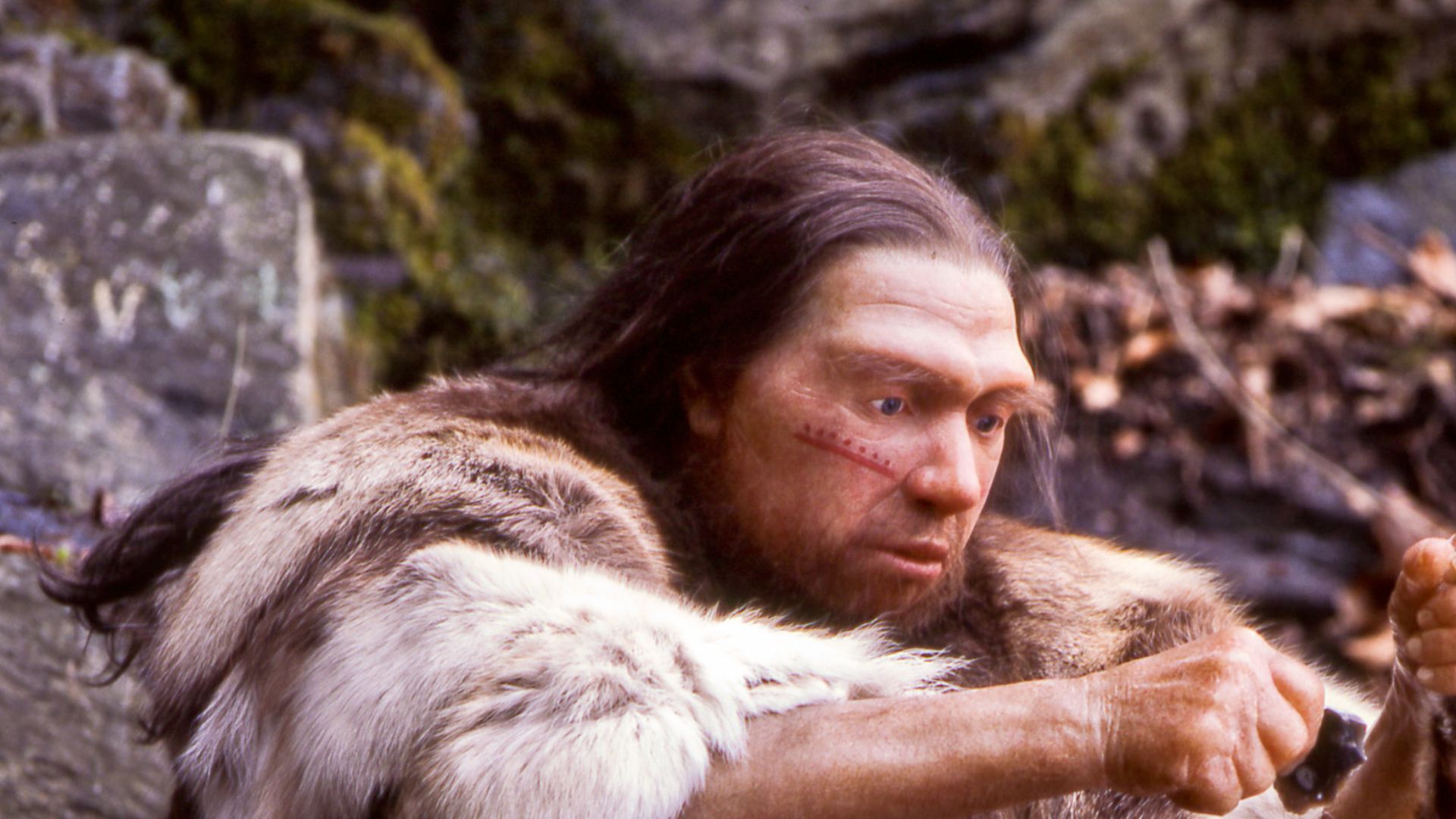
Life Was Constantly Dangerous
Everyday Neanderthal life involved hunting massive animals at close range using wooden spears. Fossils show broken bones, head injuries, damaged joints, and signs of repeated physical trauma. Surviving in the Ice Age was basically a full-time extreme sport.
 Neanderthal-Museum, Mettmann, Wikimedia Commons
One Cave Changed Everything
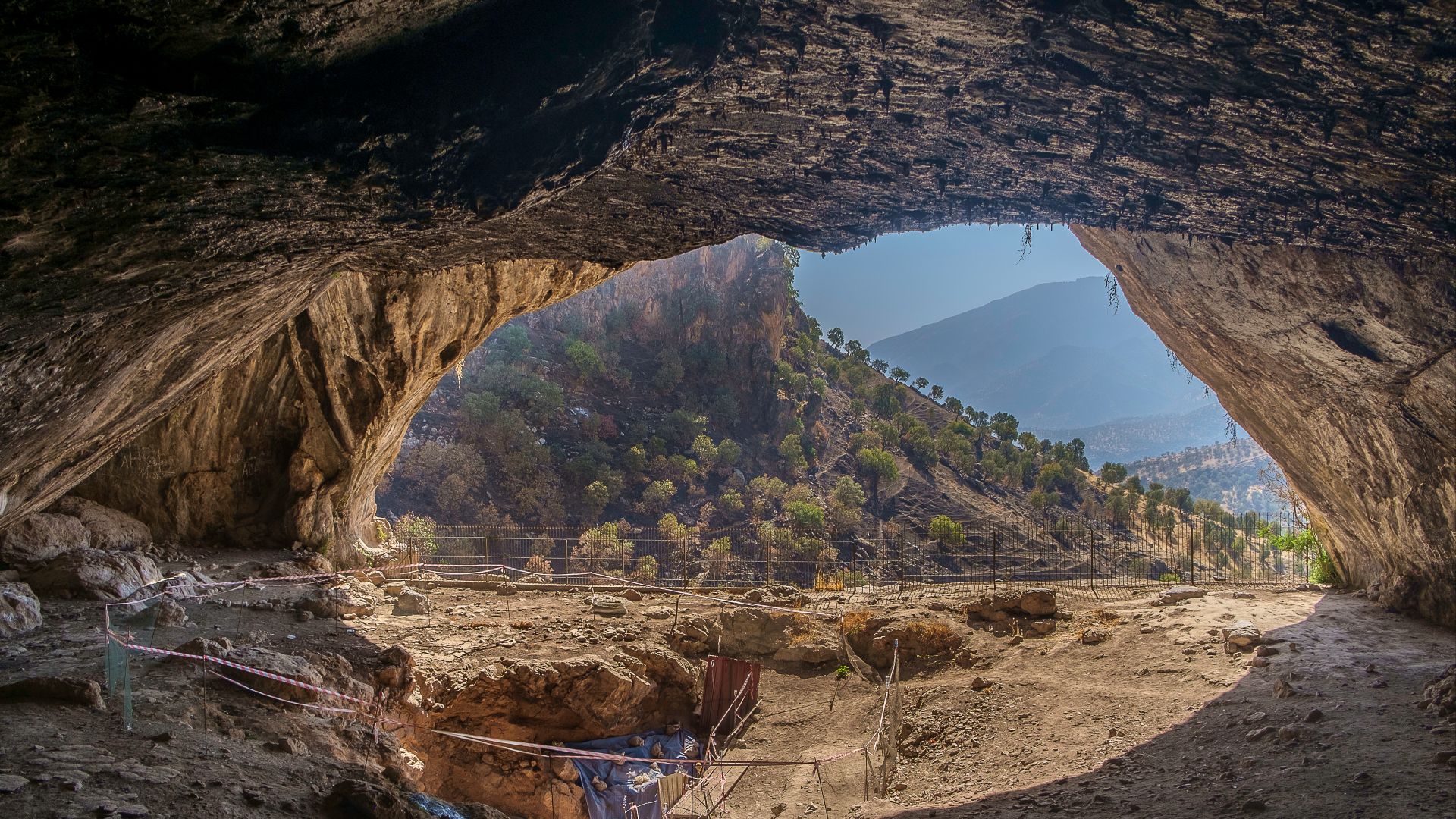
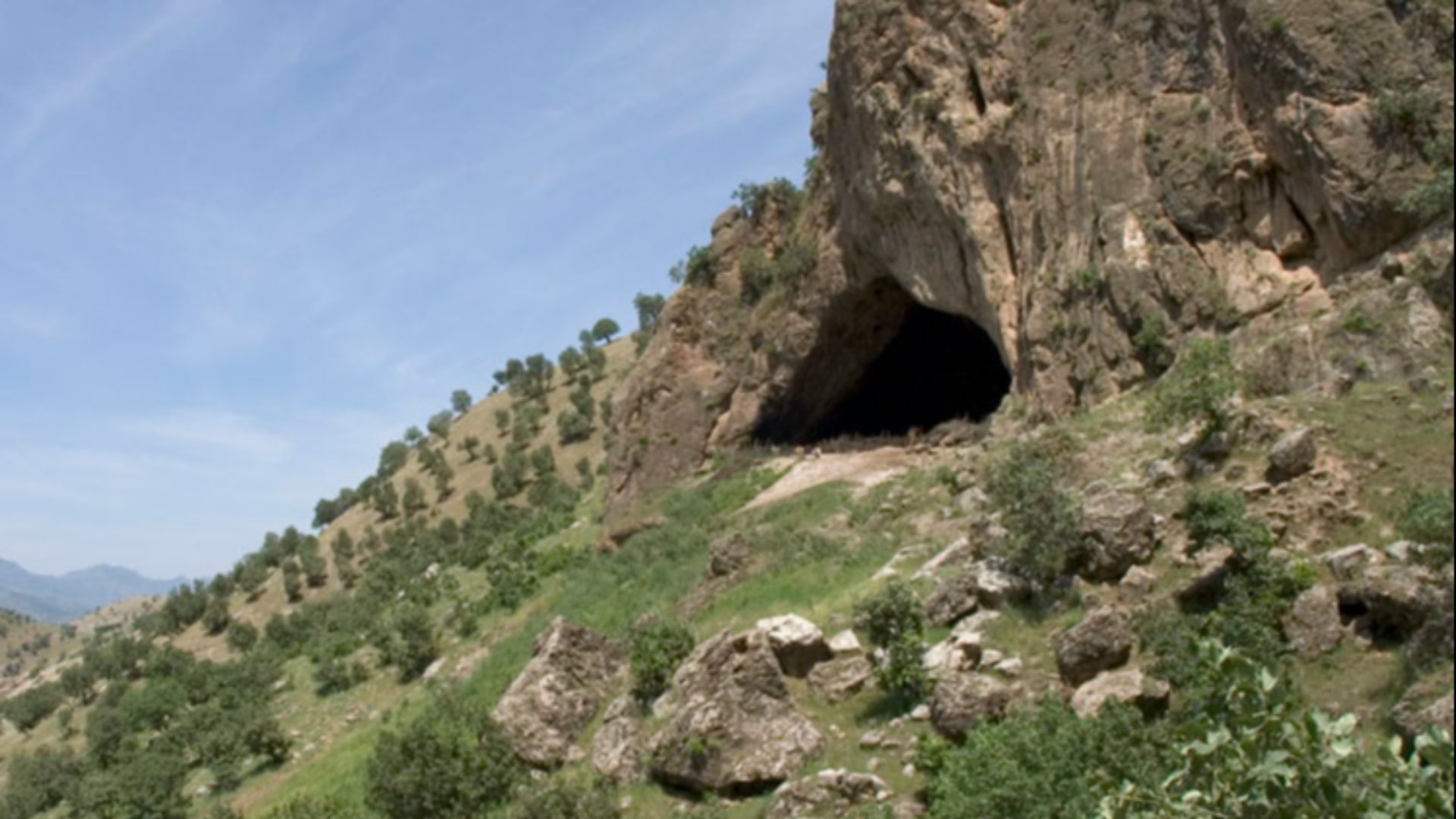
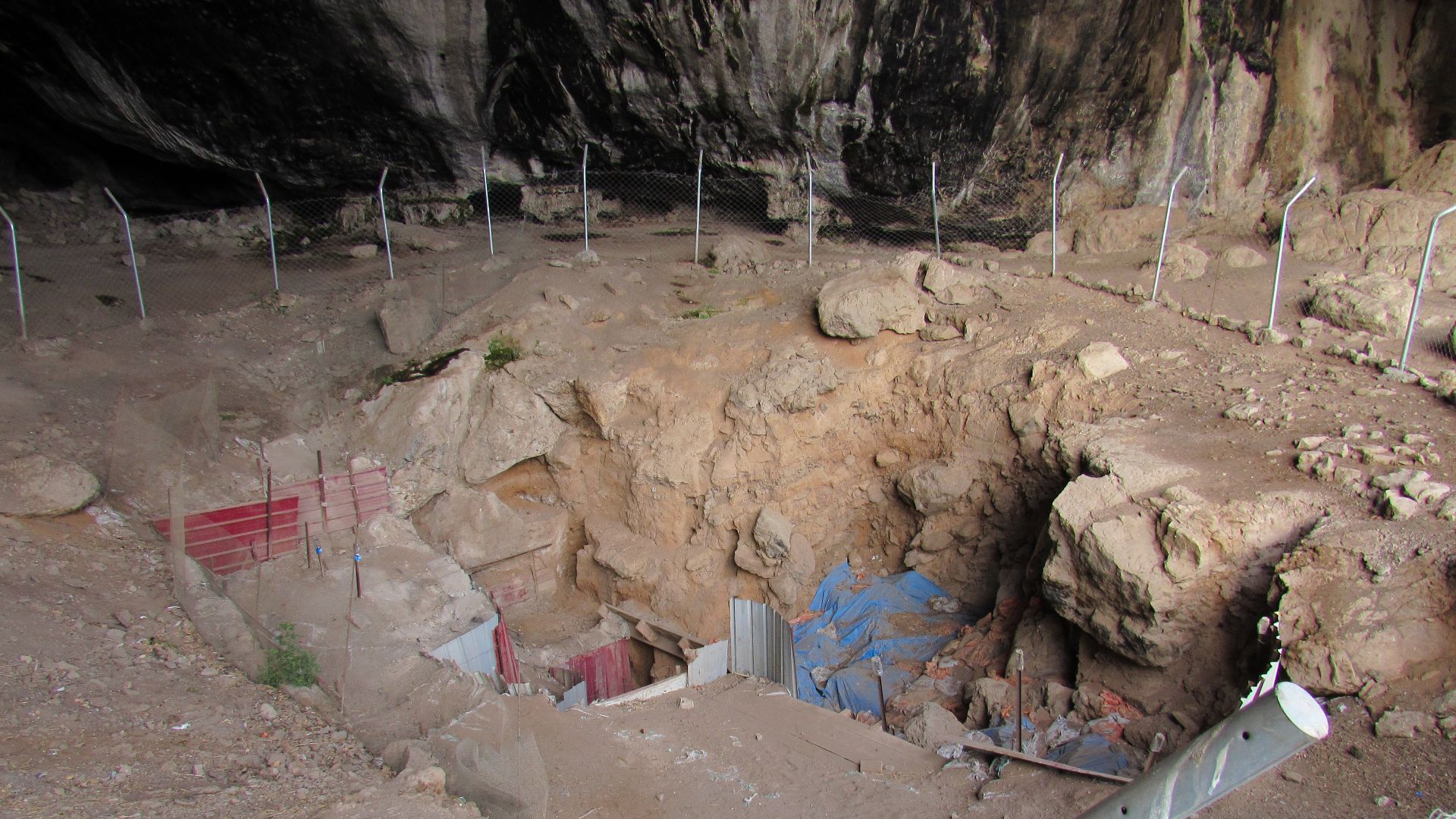
The biggest breakthrough came from a site called Shanidar Cave in modern-day Iraq. Archaeologist Ralph Solecki excavated the cave during the 1950s and uncovered several Neanderthal skeletons buried deep inside.
One Skeleton Stood Out Immediately
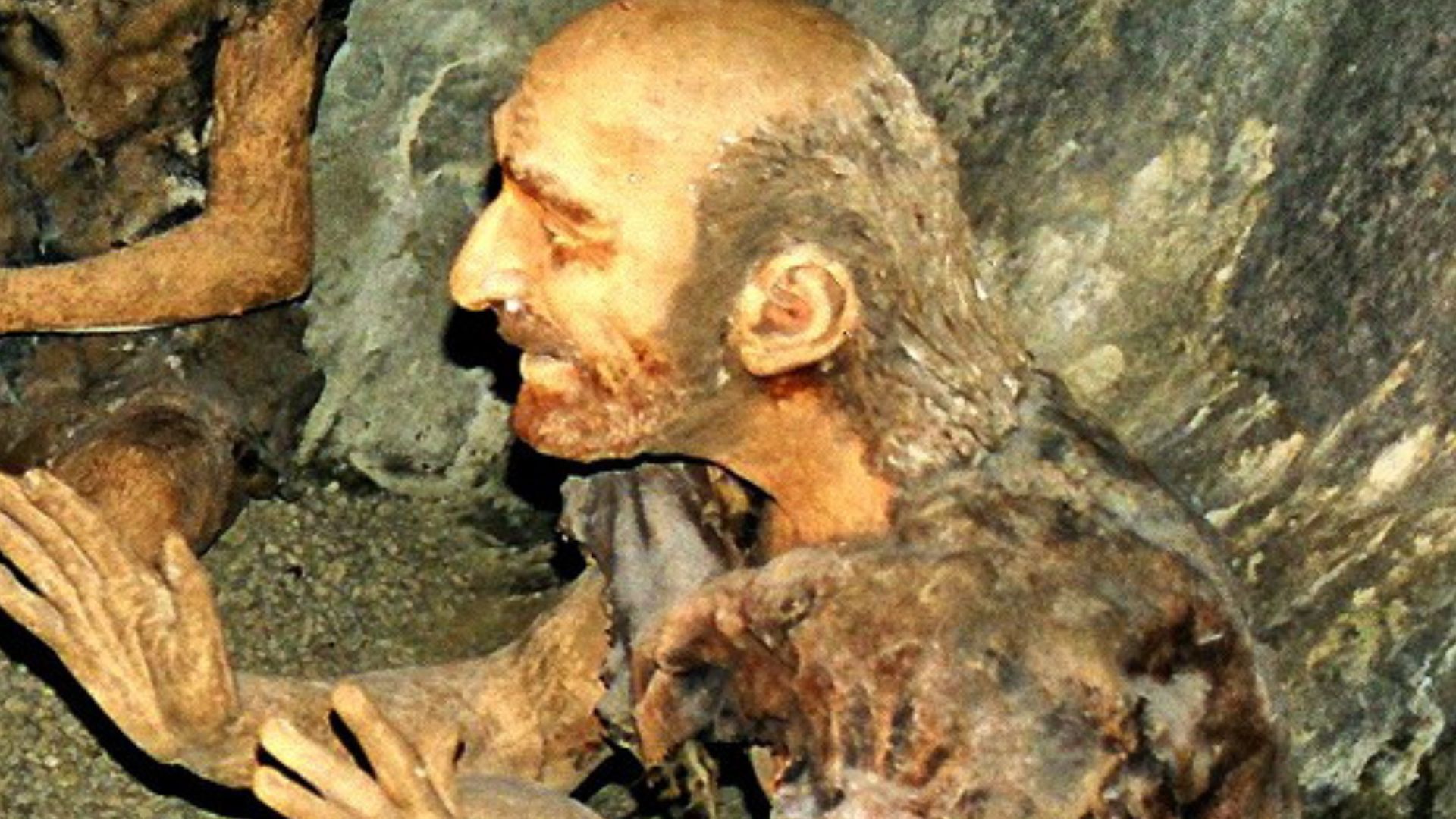
One individual, now known as Shanidar 1, completely stunned researchers. The skeleton belonged to a Neanderthal man who had suffered an unbelievable number of injuries and disabilities during his lifetime.
 JosephV at English Wikipedia, Wikimedia Commons
He Was Seriously Injured
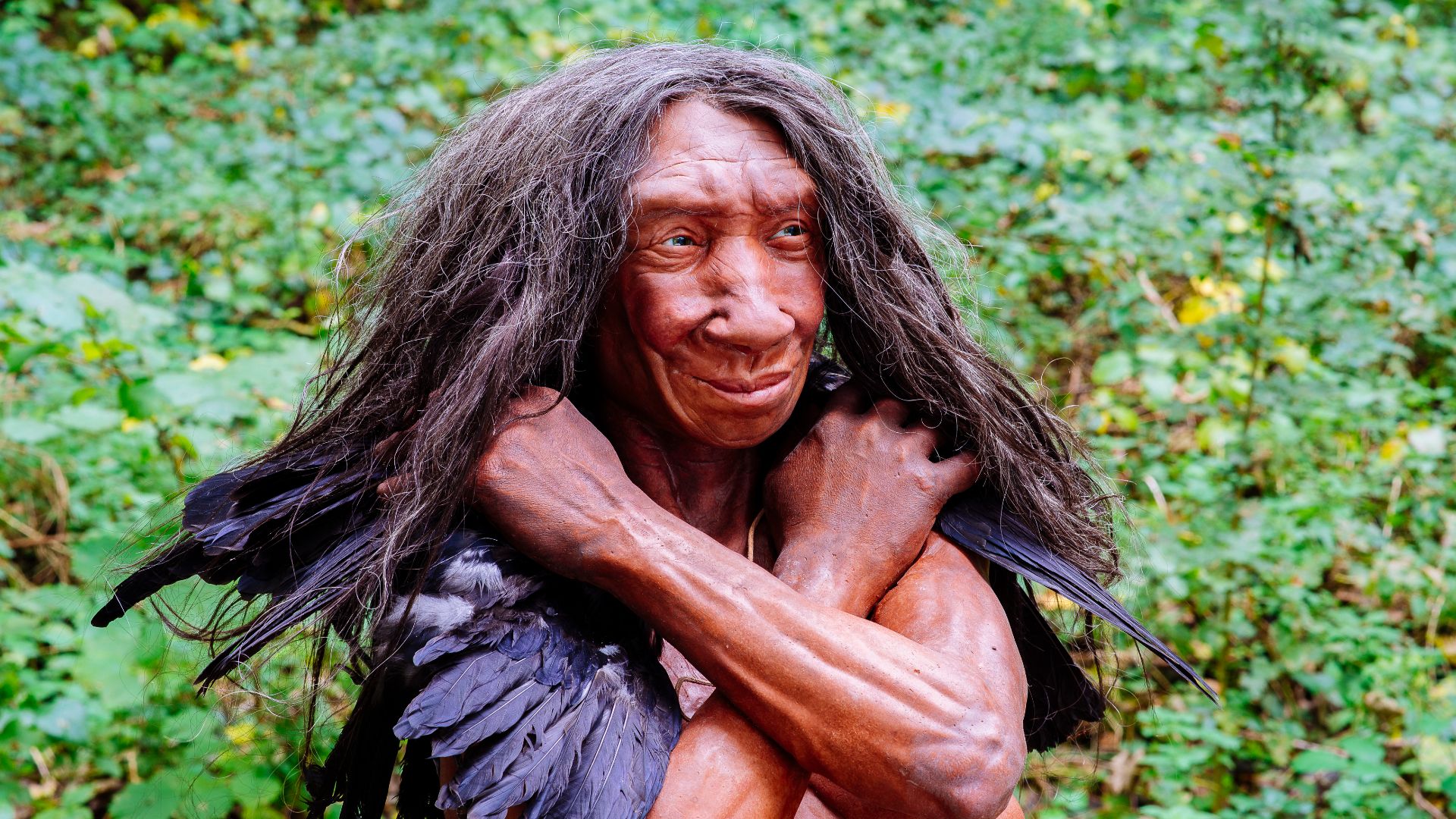
Shanidar 1 had a crushed eye socket and was likely blind in one eye. He also showed signs of severe hearing loss, a damaged arm, arthritis, and leg injuries that would have made walking painful and difficult.
 Neanderthal-Museum, Mettmann, Wikimedia Commons
And Yet He Lived for Years
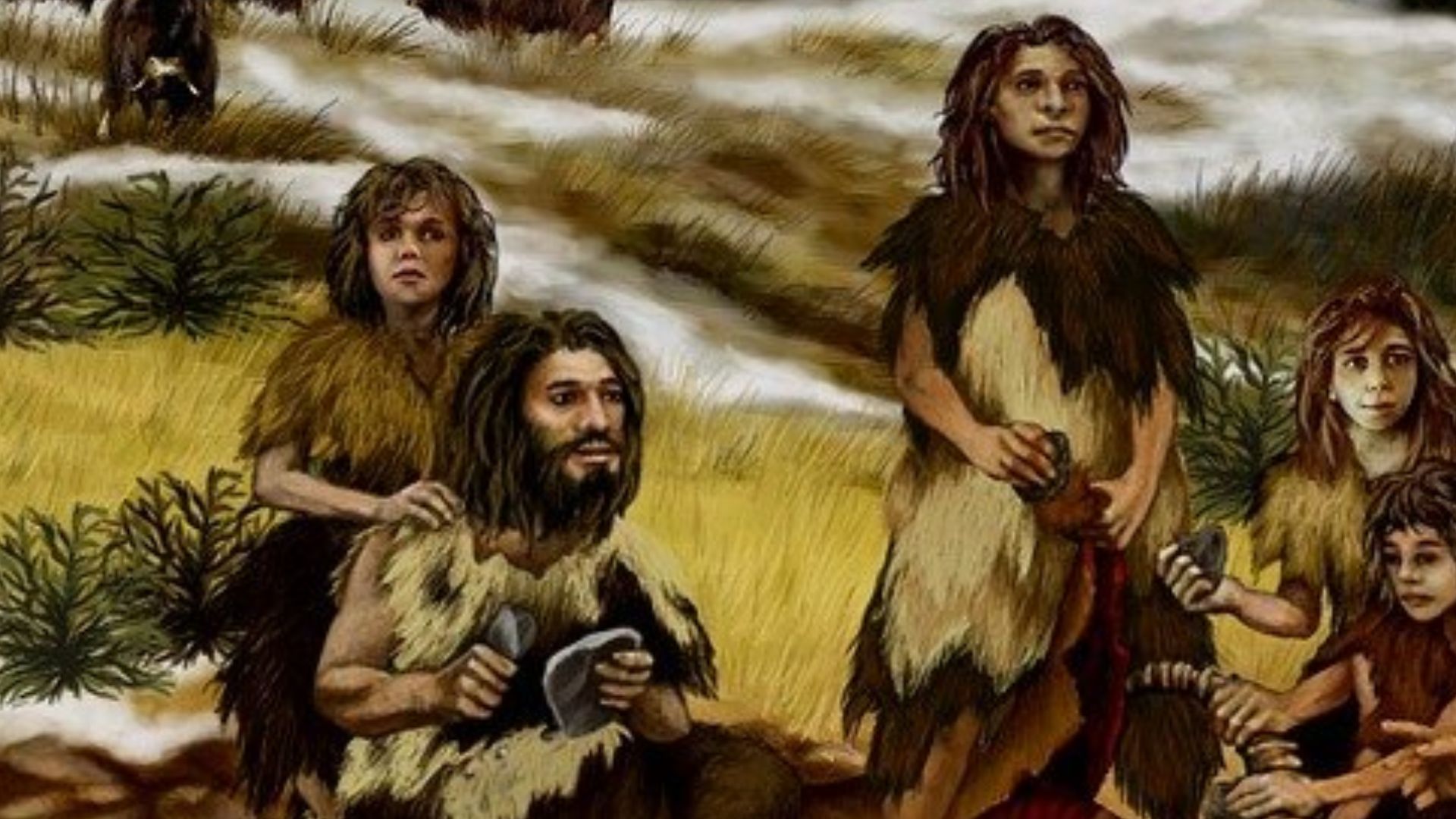
Despite all of those conditions, Shanidar 1 survived into older adulthood, likely reaching his 40s or 50s. For a Neanderthal living during the Ice Age, that was considered very old.
Researchers Realized Something Important
Archaeologists began asking an obvious question: how could someone with so many injuries survive in such a brutal environment? Hunting giant animals while partially blind and injured does not exactly sound easy.
Somebody Must Have Helped Him
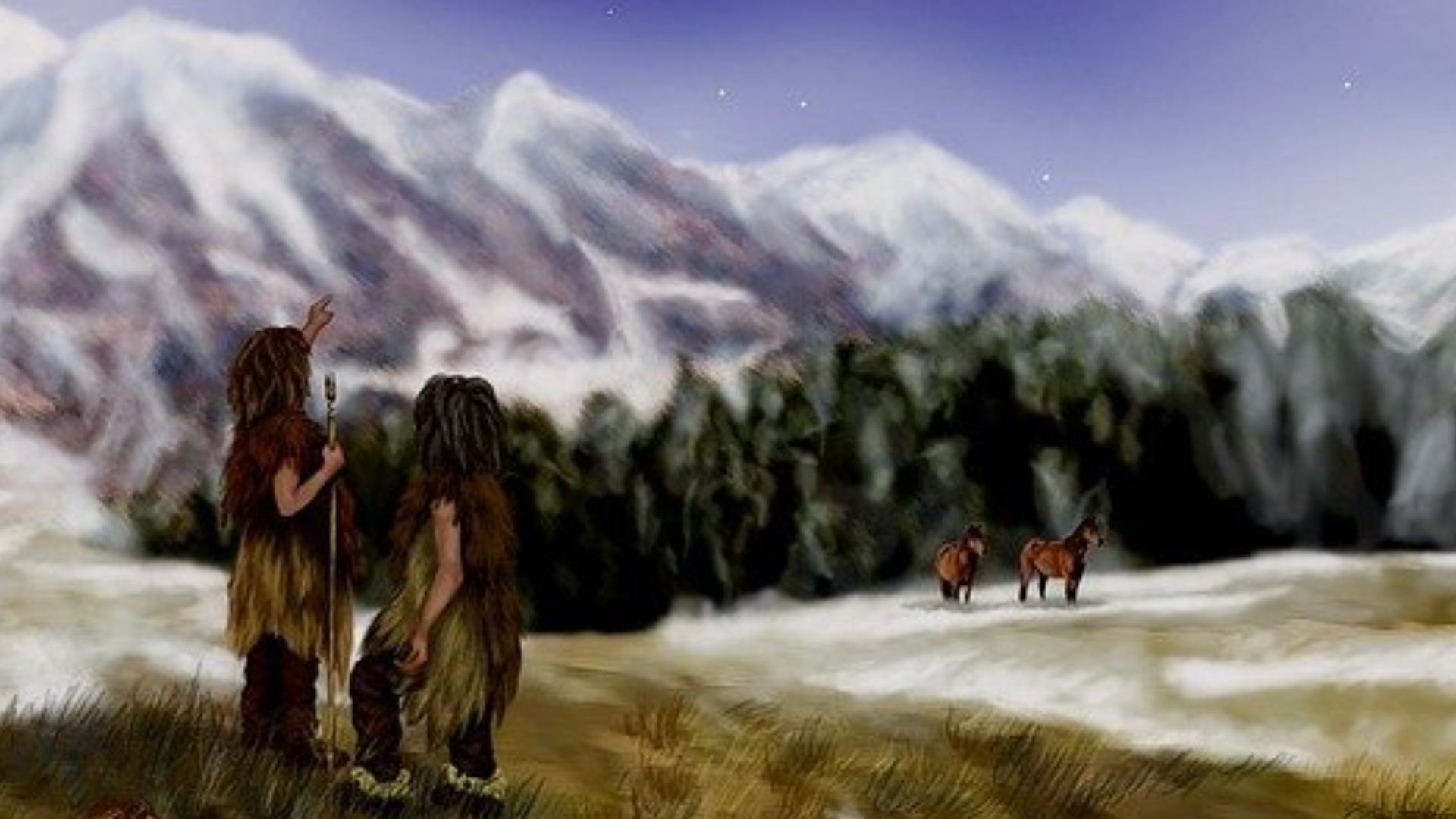
Researchers concluded that Shanidar 1 probably survived because other Neanderthals cared for him. That likely included sharing food, offering protection, and helping him move around after his injuries.
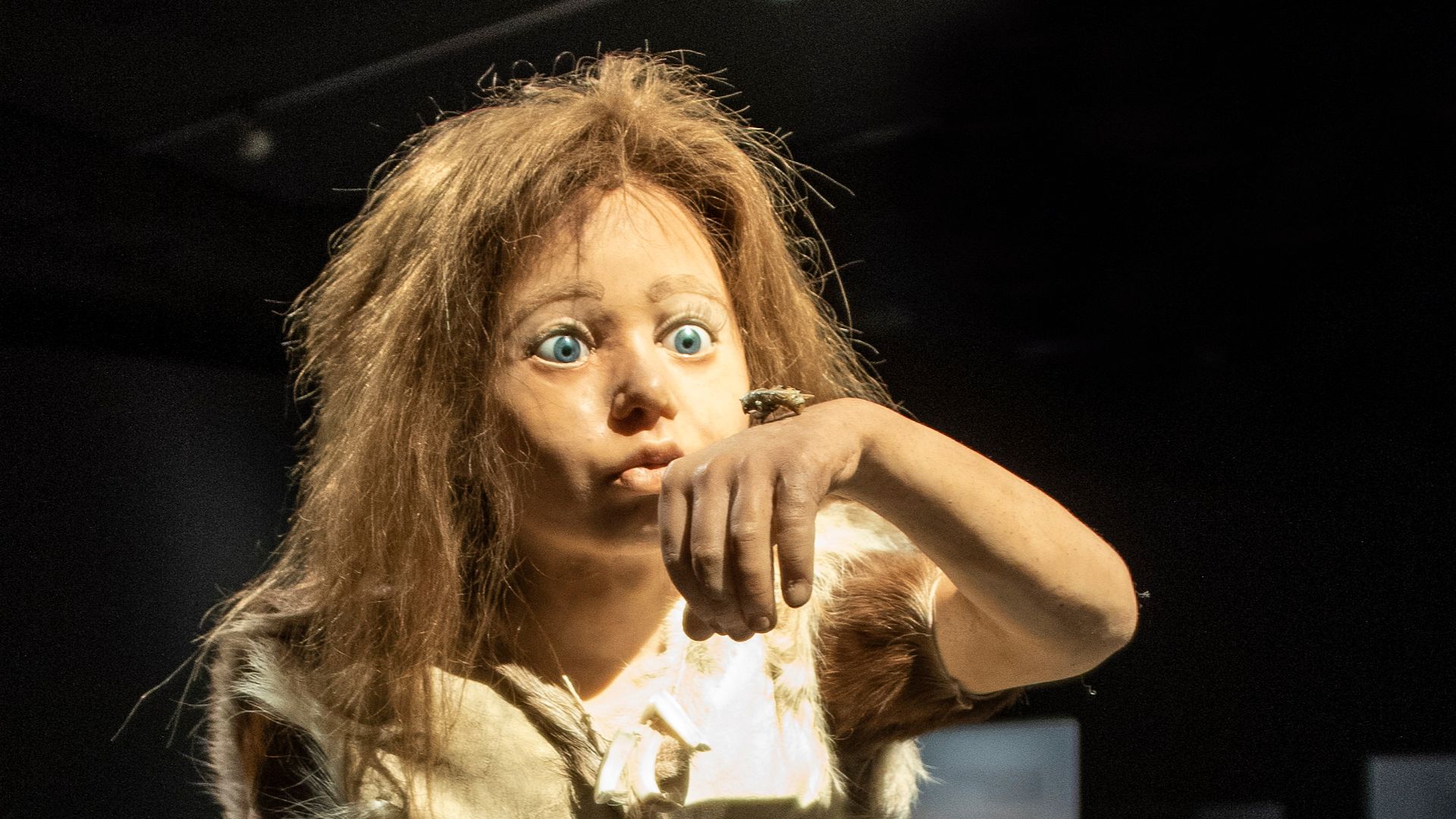 Paul Hermans, Wikimedia Commons
The Discovery Changed Their Reputation
This discovery completely changed how many scientists viewed Neanderthals. Instead of emotionless survival machines, they suddenly looked far more human—social, cooperative, and capable of compassion.
It Wasn’t Just One Example
Other Neanderthal sites across Europe showed similar patterns. Fossils discovered in places like La Chapelle-aux-Saints in France revealed elderly individuals with serious health problems who also survived much longer than expected.
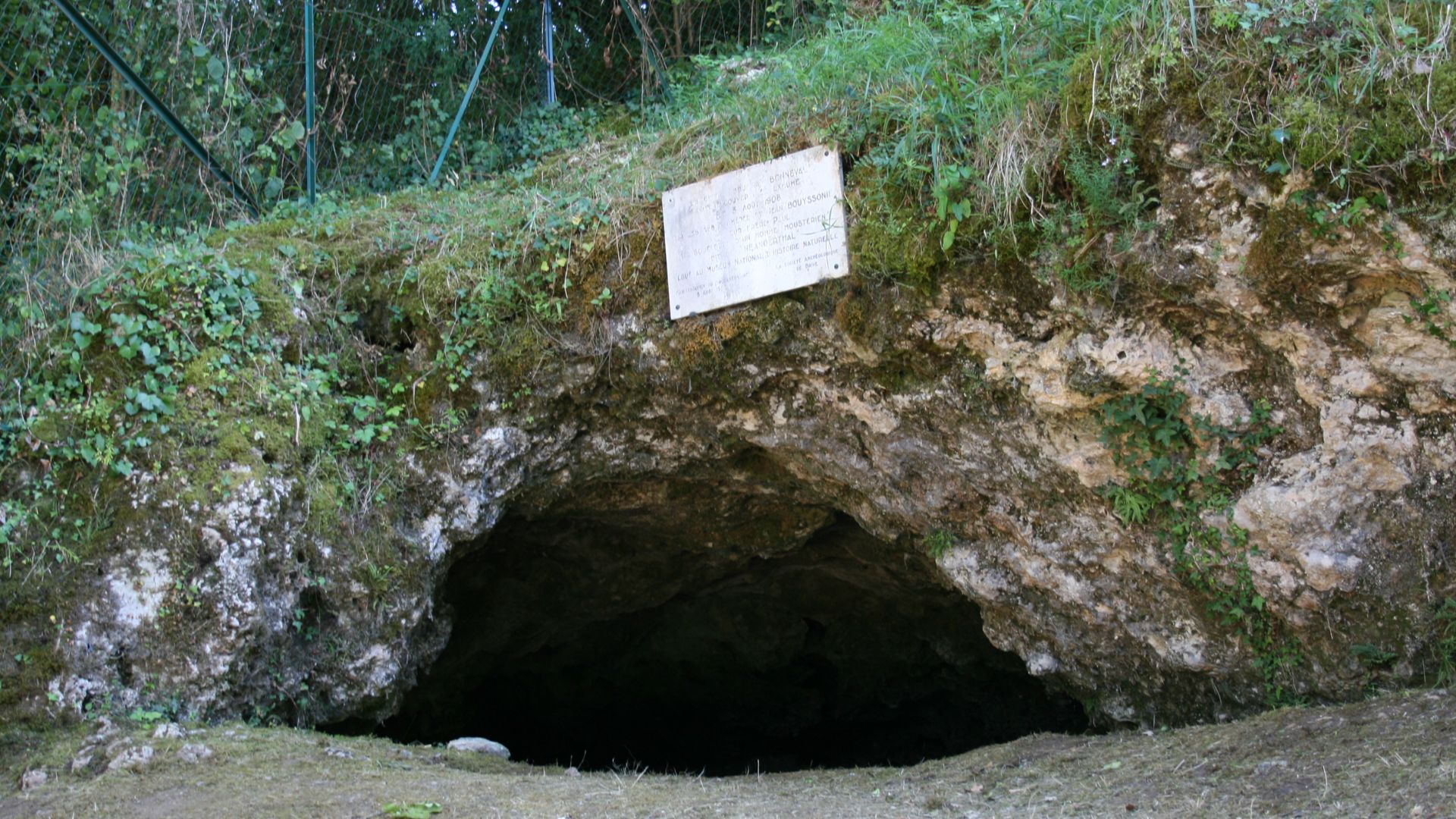 120 / V. Mourre, Wikimedia Commons
Some Could Barely Hunt
Several skeletons showed evidence of missing teeth, damaged limbs, arthritis, and chronic injuries. In many cases, these individuals would have struggled to hunt or gather food on their own.
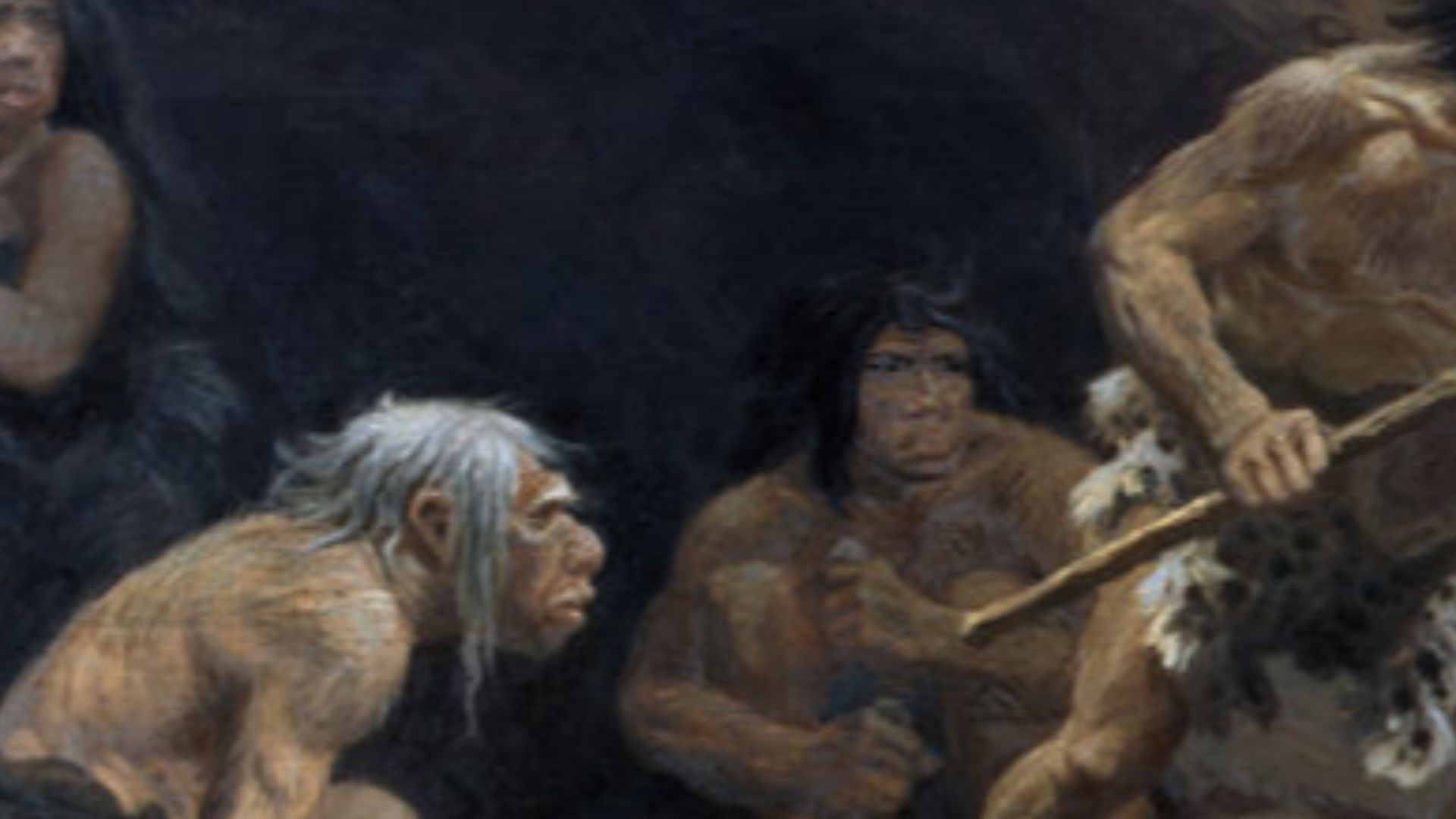 Charles Robert Knight, Wikimedia Commons
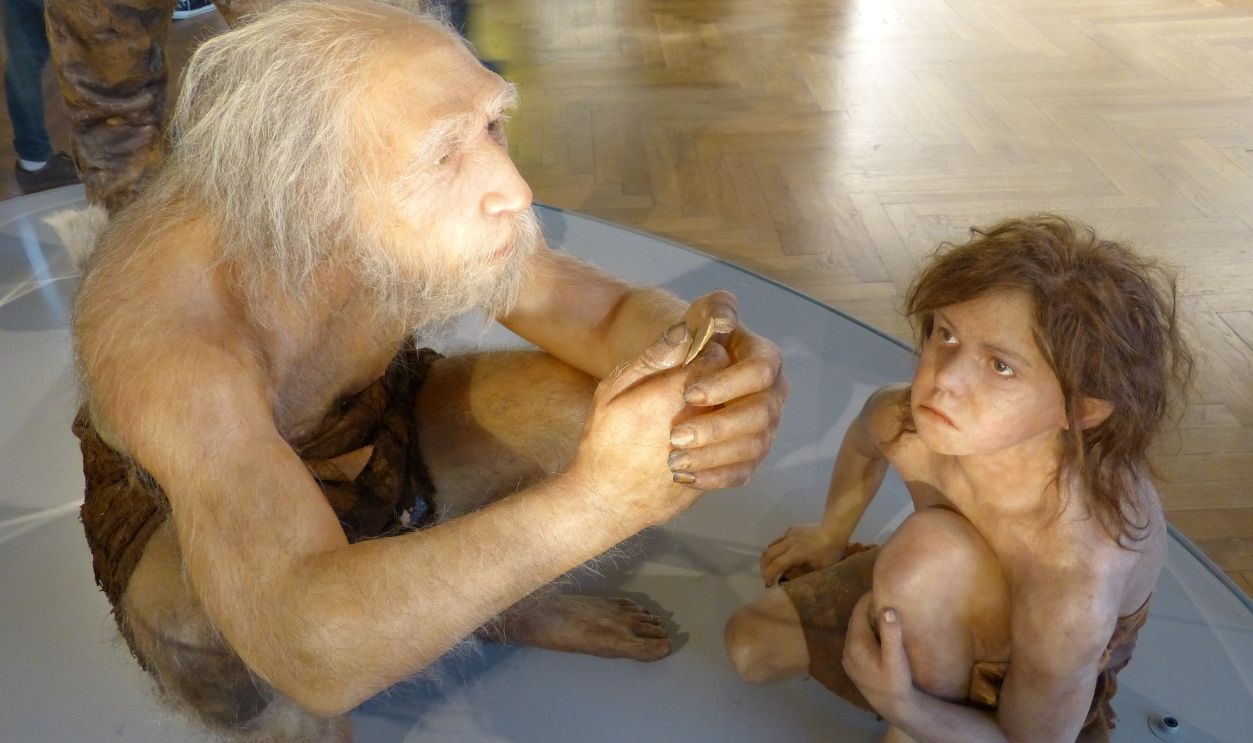
That Means Food Was Shared
The evidence suggests Neanderthal groups likely shared food and responsibilities with weaker members of the group. In simple terms, healthier individuals probably helped care for injured or elderly companions.
 Wolfgang Sauber, CC BY-SA 4.0, Wikimedia Commons
Compassion in the Ice Age
That idea shocked many researchers because people once assumed compassion and caregiving were uniquely modern human traits. Archaeology now suggests Neanderthals may have practiced both tens of thousands of years earlier.

They May Have Buried Their Dead Too
Some Neanderthal sites also show possible evidence of intentional burials. While experts still debate exactly what these practices meant, they suggest Neanderthals may have had emotional bonds and rituals surrounding death.

They Were Smarter Than Expected
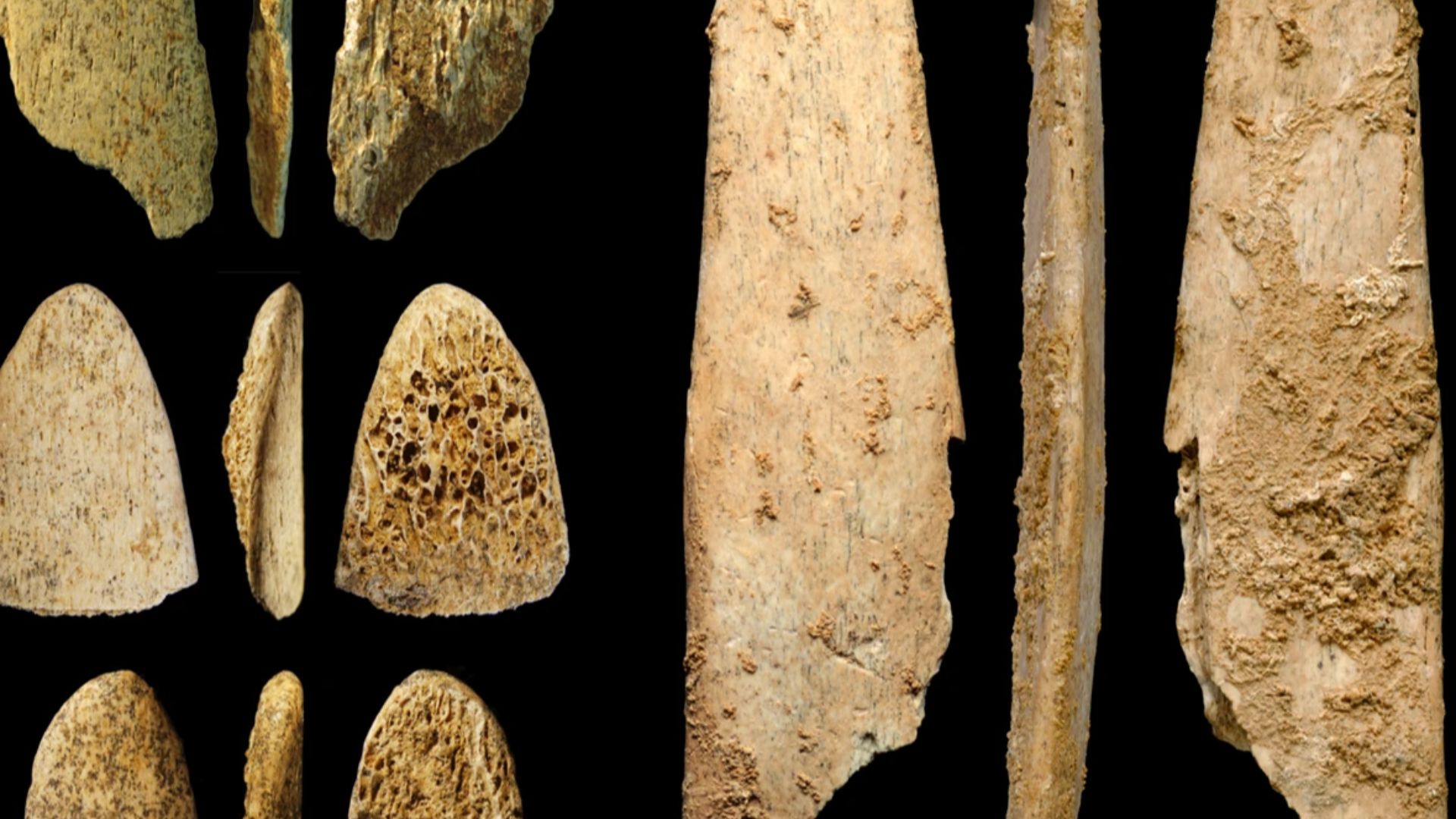
As more discoveries appeared, the old “dumb caveman” stereotype continued falling apart. Neanderthals made advanced stone tools, controlled fire, built shelters, processed animal hides, and possibly even created art and jewelry.
They May Have Used Medicine
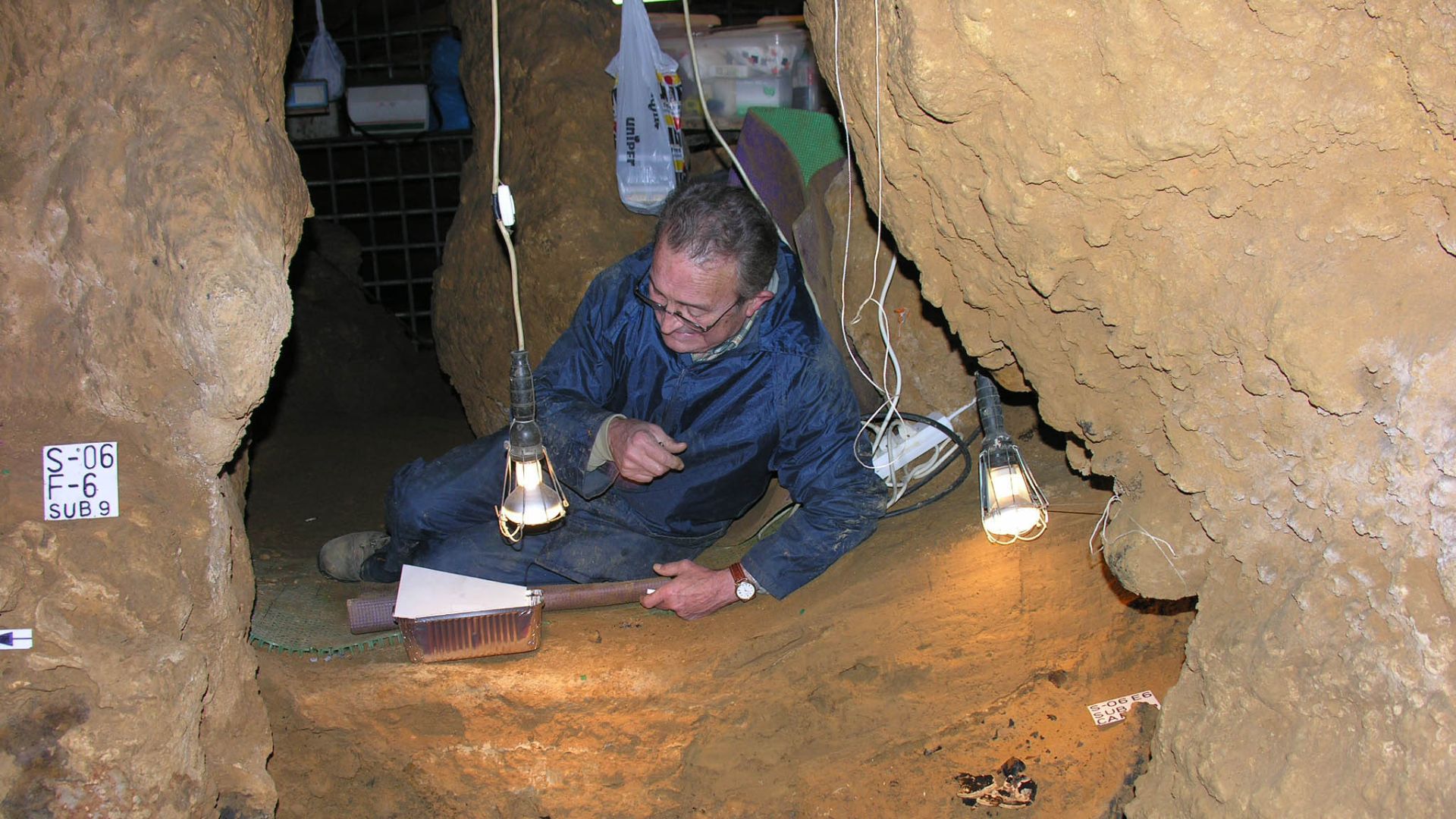
Researchers studying Neanderthal teeth discovered traces of medicinal plants and natural painkillers. One famous Neanderthal from El Sidrón Cave in Spain appears to have consumed poplar bark, which contains compounds related to aspirin.
Family Bonds Probably Mattered
Anthropologists now believe Neanderthal groups were likely close-knit communities where survival depended on teamwork. Caring for injured members may have strengthened social bonds and improved the group’s chances of survival overall.

Life Was Still Brutal
Even with help from others, Neanderthal life remained extremely dangerous. Harsh winters, injuries, predators, and limited food constantly threatened survival. The fact that some disabled individuals lived for years makes the discoveries even more remarkable.
They Were More Human Than People Realized
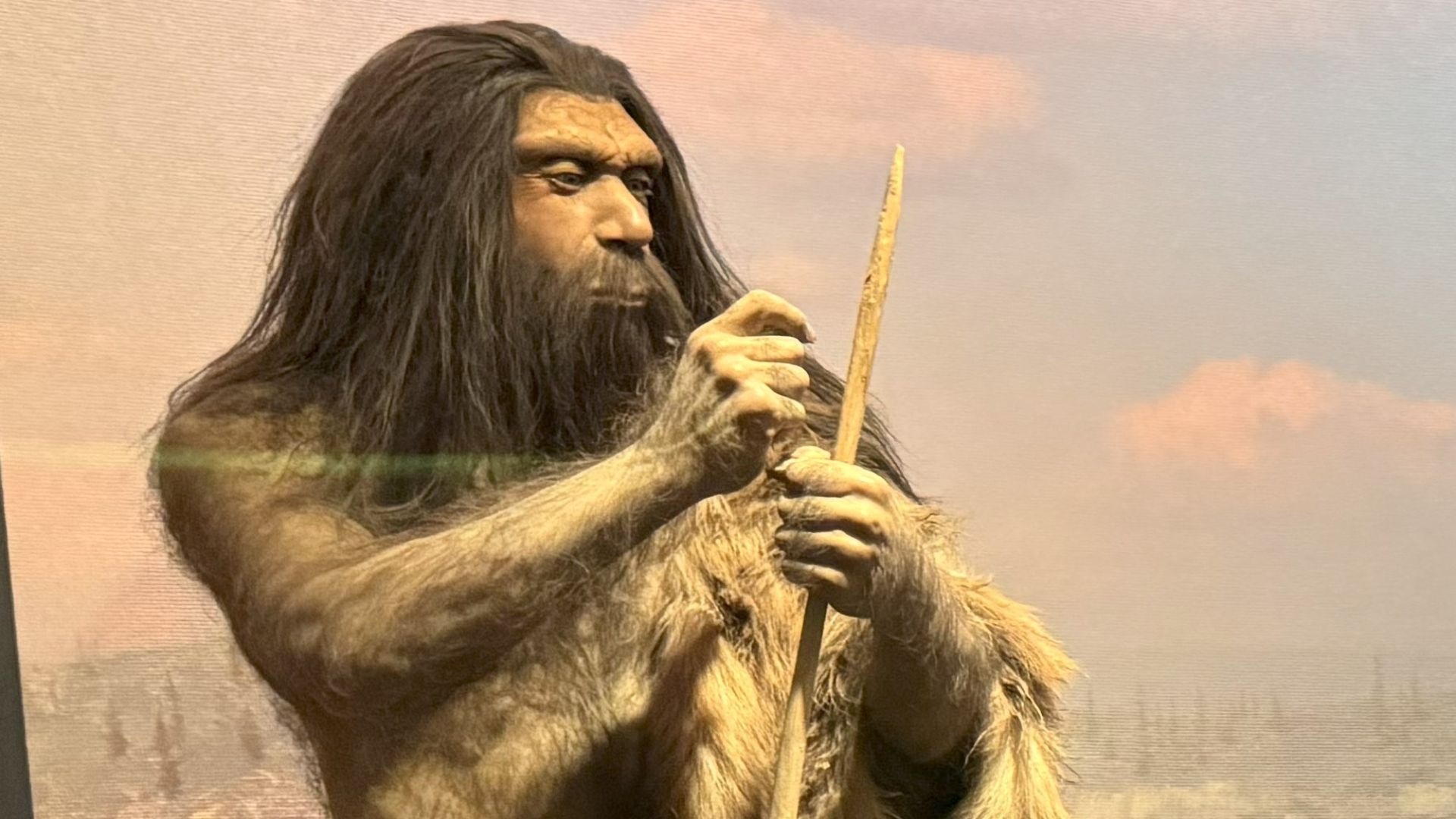
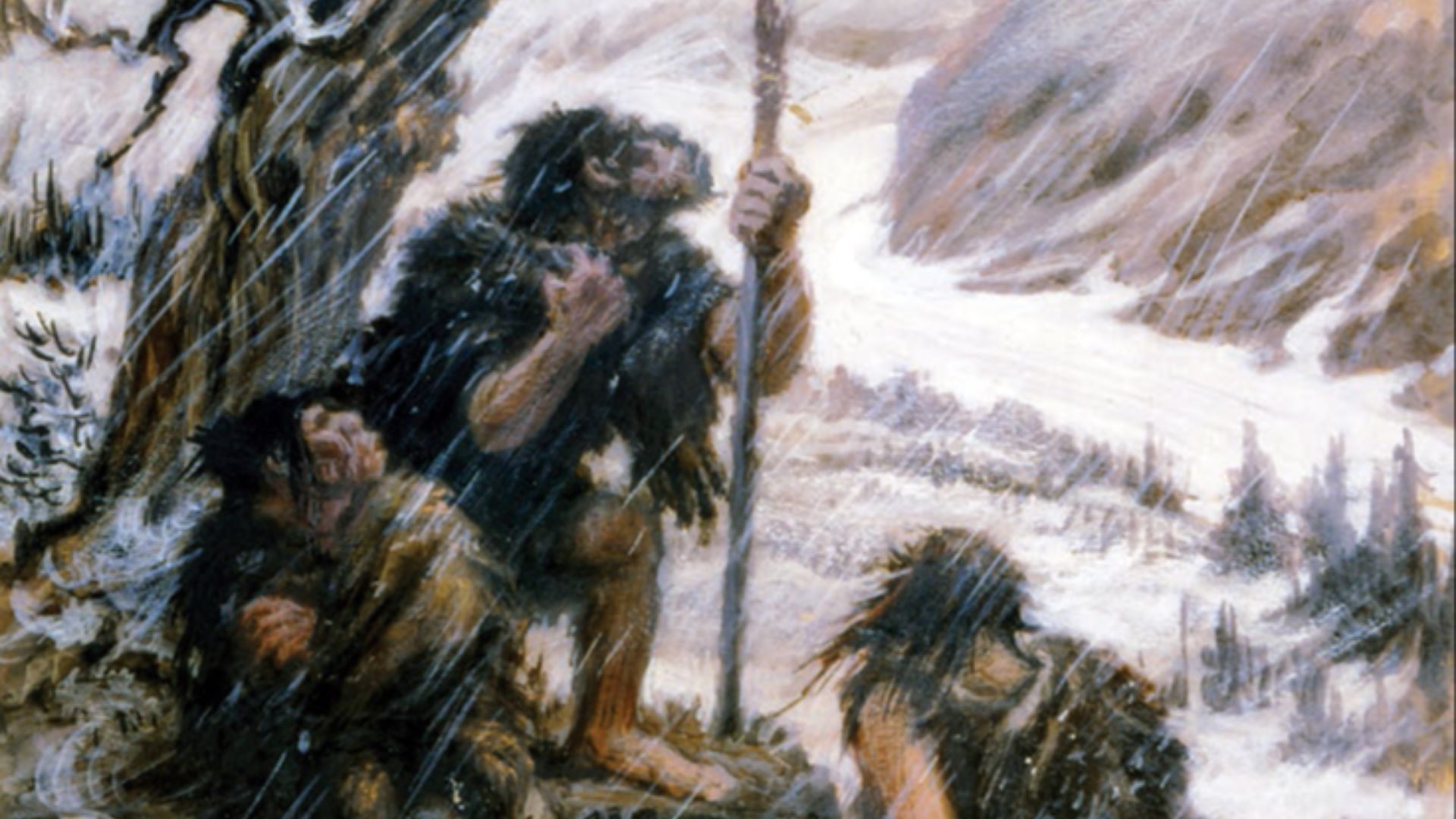
The deeper archaeologists looked into Neanderthal life, the more familiar it began to seem. These were not monsters wandering through caves alone. They were people who lived in groups, protected one another, and likely mourned their dead.
 Charles R. Knight, Wikimedia Commons
The Biggest Surprise of All
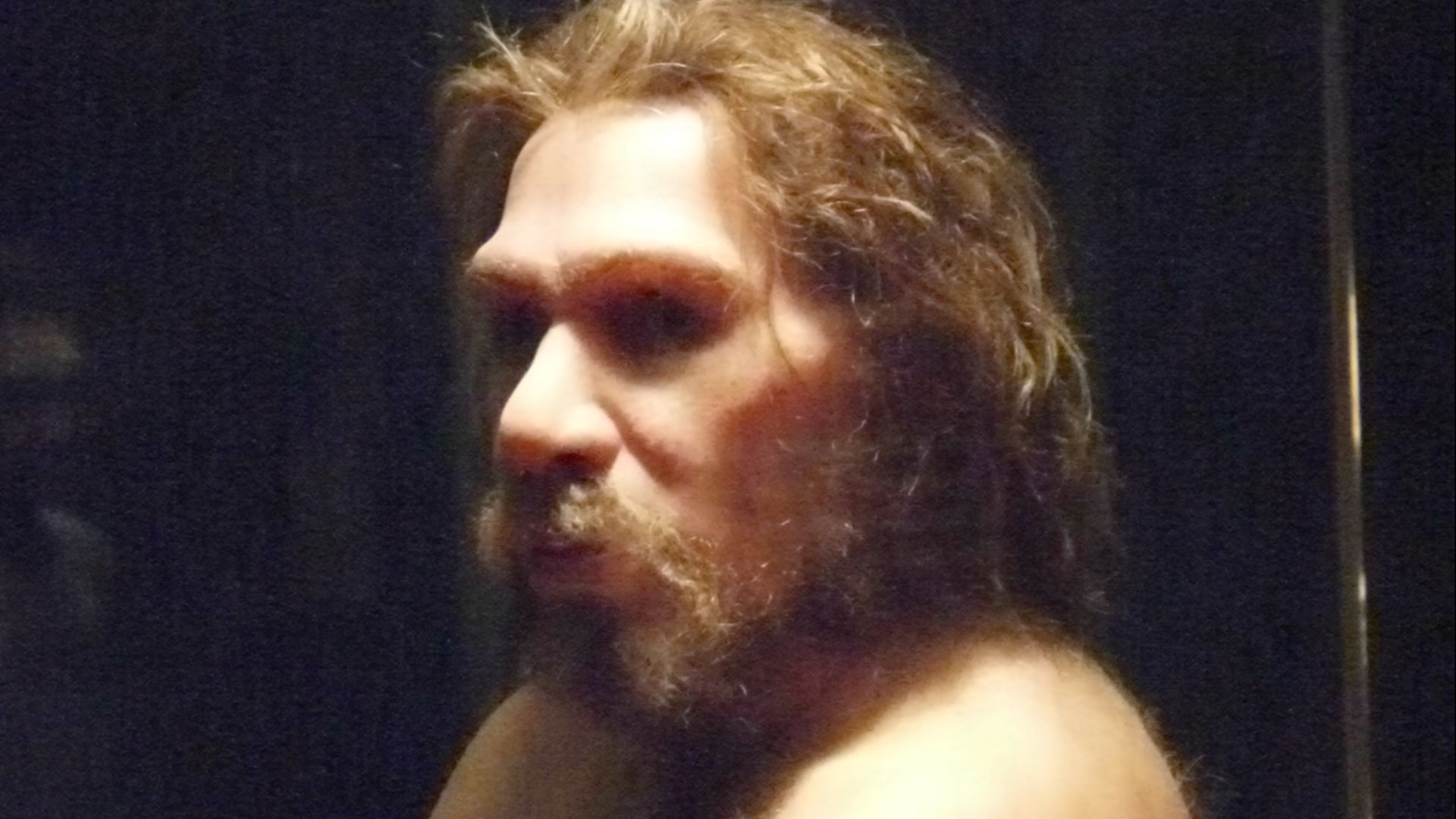
The most shocking part may be how modern their behavior feels. Long before hospitals, nursing homes, or modern medicine existed, Neanderthals may already have understood something deeply human: vulnerable people still mattered.
 Eden, Janine and Jim from New York City, Wikimedia Commons
The Old Stereotype Completely Collapsed
Today, most researchers no longer see Neanderthals as primitive failures of evolution. Instead, they are increasingly viewed as intelligent, emotionally complex humans who survived impossible conditions while caring for members of their communities.
Ancient Humanity Wasn’t So Different After All
The discoveries at Shanidar Cave and other Neanderthal sites revealed something archaeologists never expected to find buried in Ice Age caves: evidence of compassion. And somehow, that may be one of the most human discoveries archaeology has ever uncovered.
You May Also Like: