


Walk Straight Into The Past
Ancient routes were never just lines on a map. They carried pilgrims, traders, soldiers, messengers, and families across mountains, deserts, forests, and coastlines. Today, many of those old corridors are still open to modern travelers who want history under their feet instead of behind glass.
 Sean Pavone, Shutterstock; maxbelchenko, Shutterstock
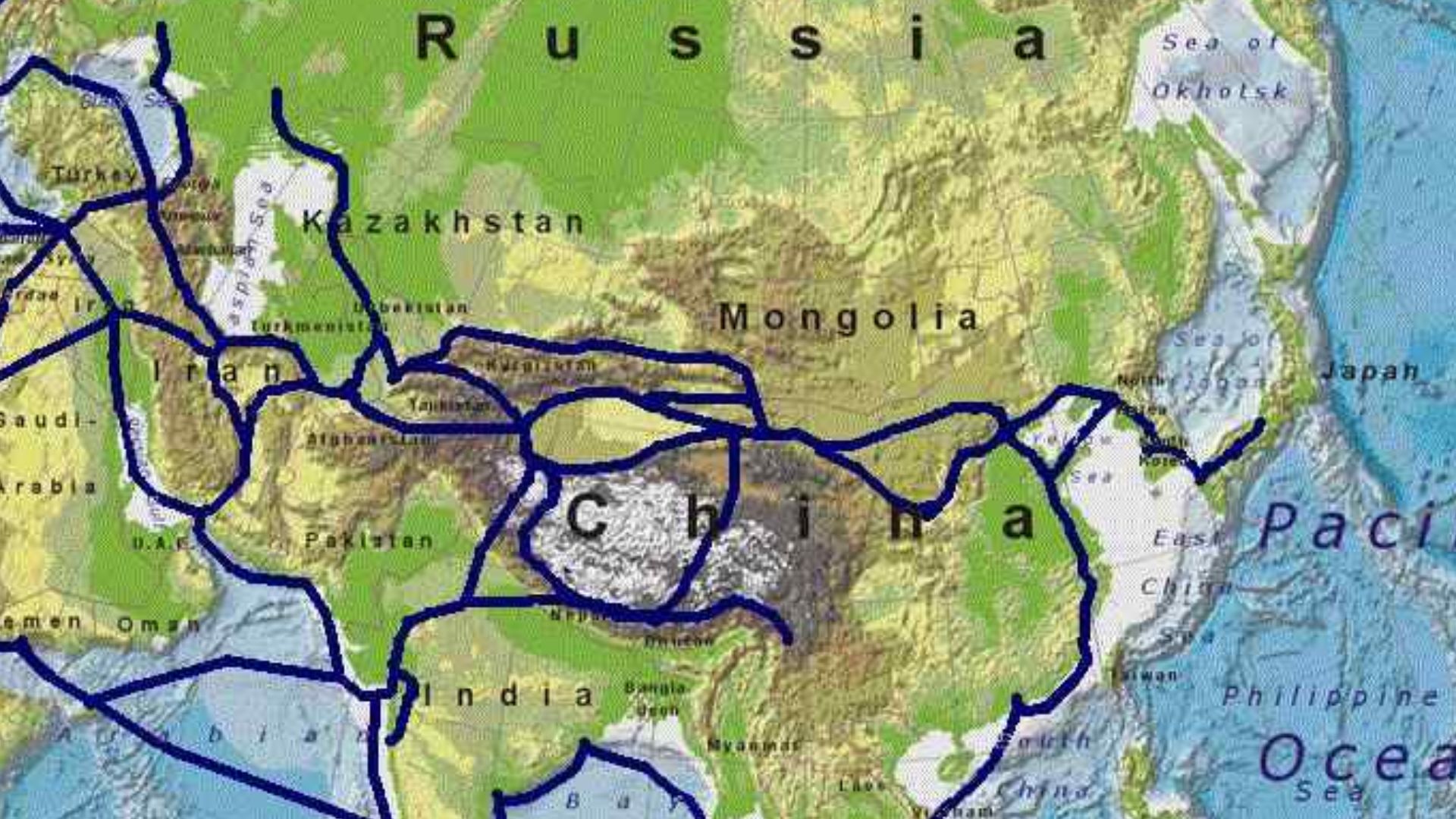
The Silk Road Still Stretches Across Asia
The Silk Road was not one single road, but a huge network of trade routes linking China, Central Asia, the Middle East, and Europe. UNESCO recognizes the Chang’an-Tianshan Corridor as a 5,000-kilometer section of that wider system. Modern travelers can still follow pieces of it through China, Kazakhstan, and Kyrgyzstan.
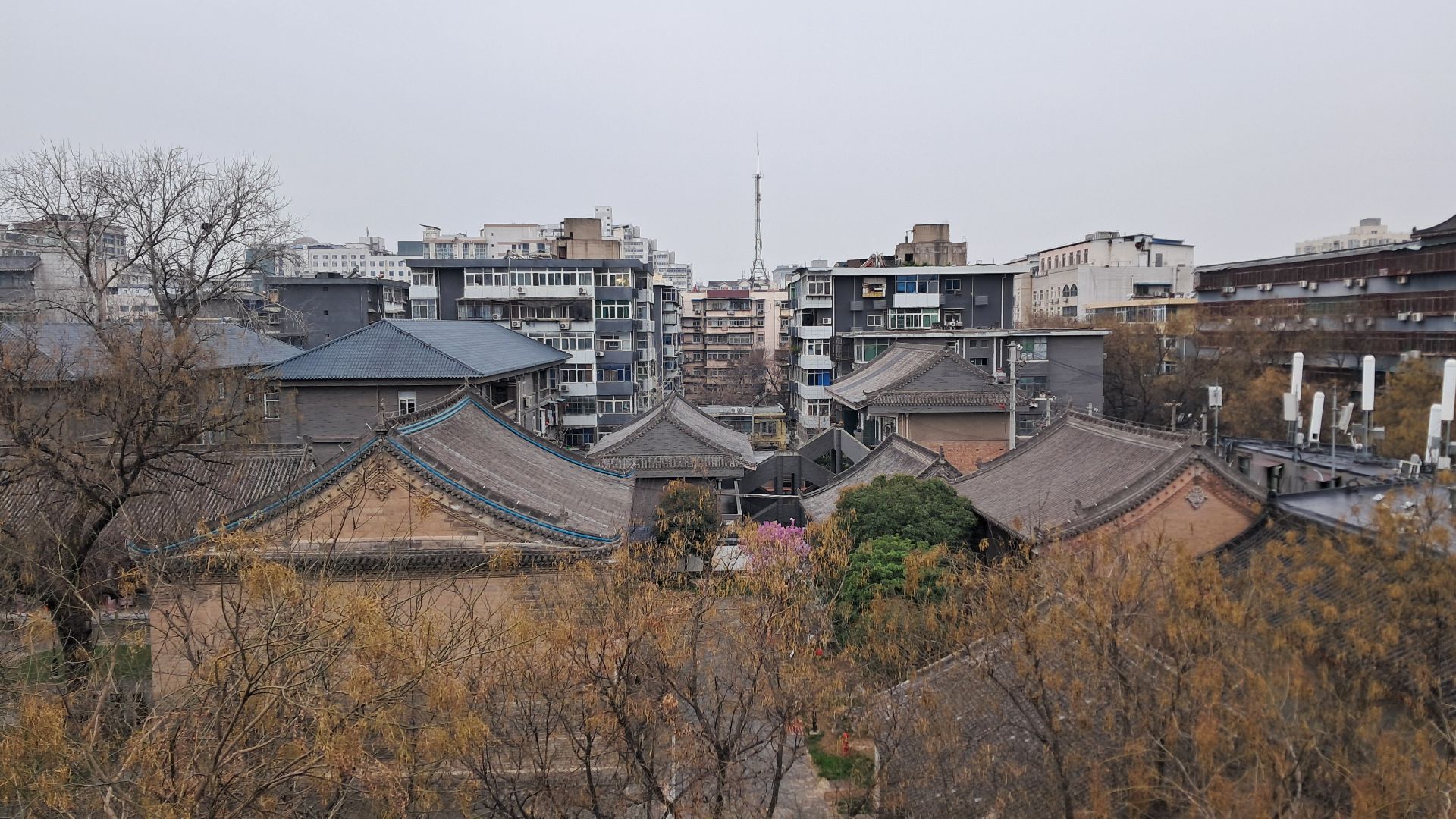
Start Where Silk Road Traders Once Gathered
Xi’an, once known as Chang’an, was one of the great eastern starting points of the Silk Road. From there, travelers can visit old gates, pagodas, cave temples, and desert-edge trading towns. The journey feels especially powerful because it moves from imperial cities into landscapes that once tested caravans.
 Ideophagous, Wikimedia Commons
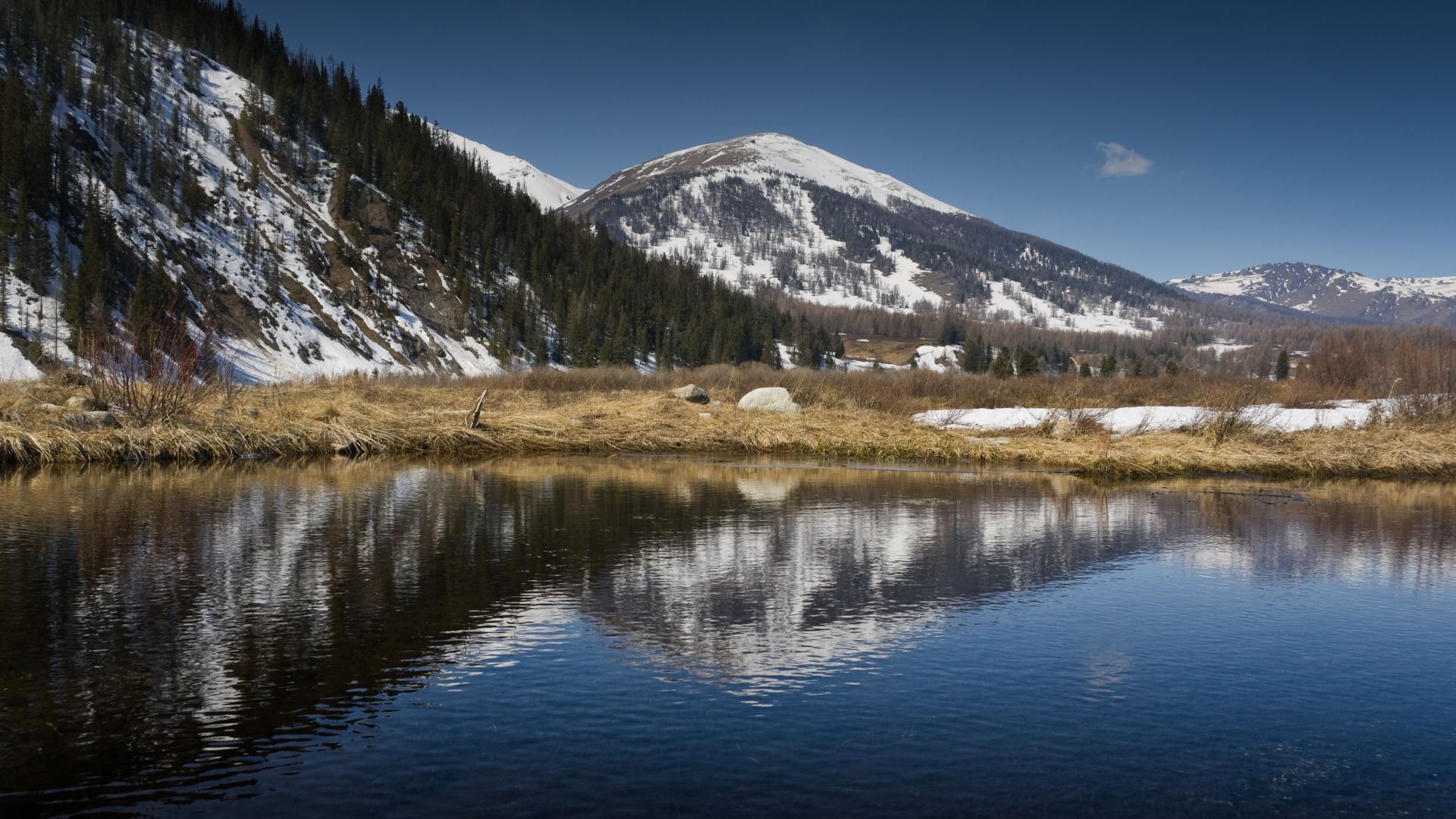
Cross Central Asia On Caravan Country
Kazakhstan and Kyrgyzstan preserve important Silk Road sites connected to towns, trade posts, and mountain corridors. These places were once part of the movement of silk, horses, religions, languages, and ideas. Today, road trips and guided itineraries make it possible to trace sections without needing a camel caravan.
 Dmitry A. Mottl, Wikimedia Commons
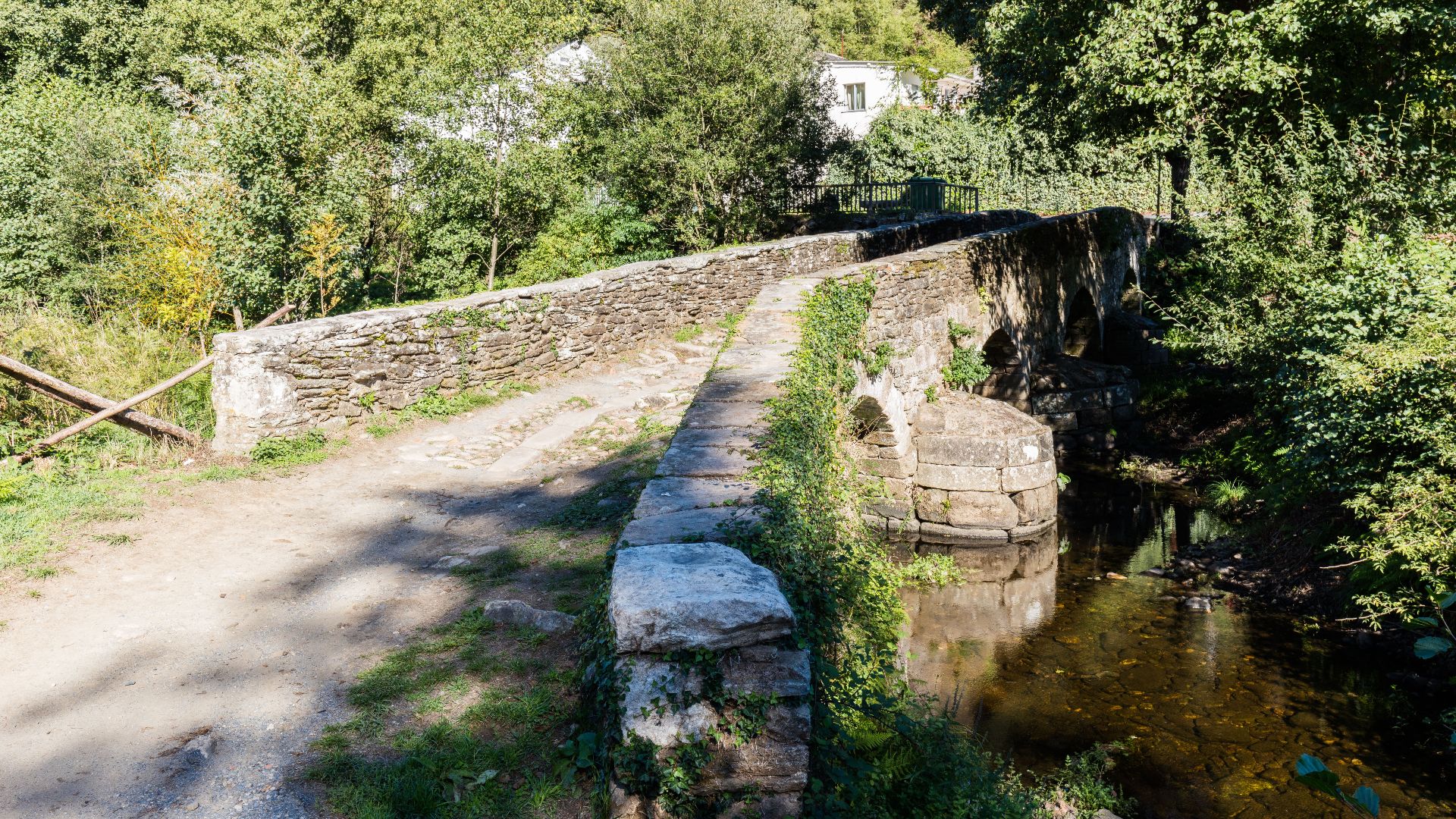
Follow The Camino To Santiago
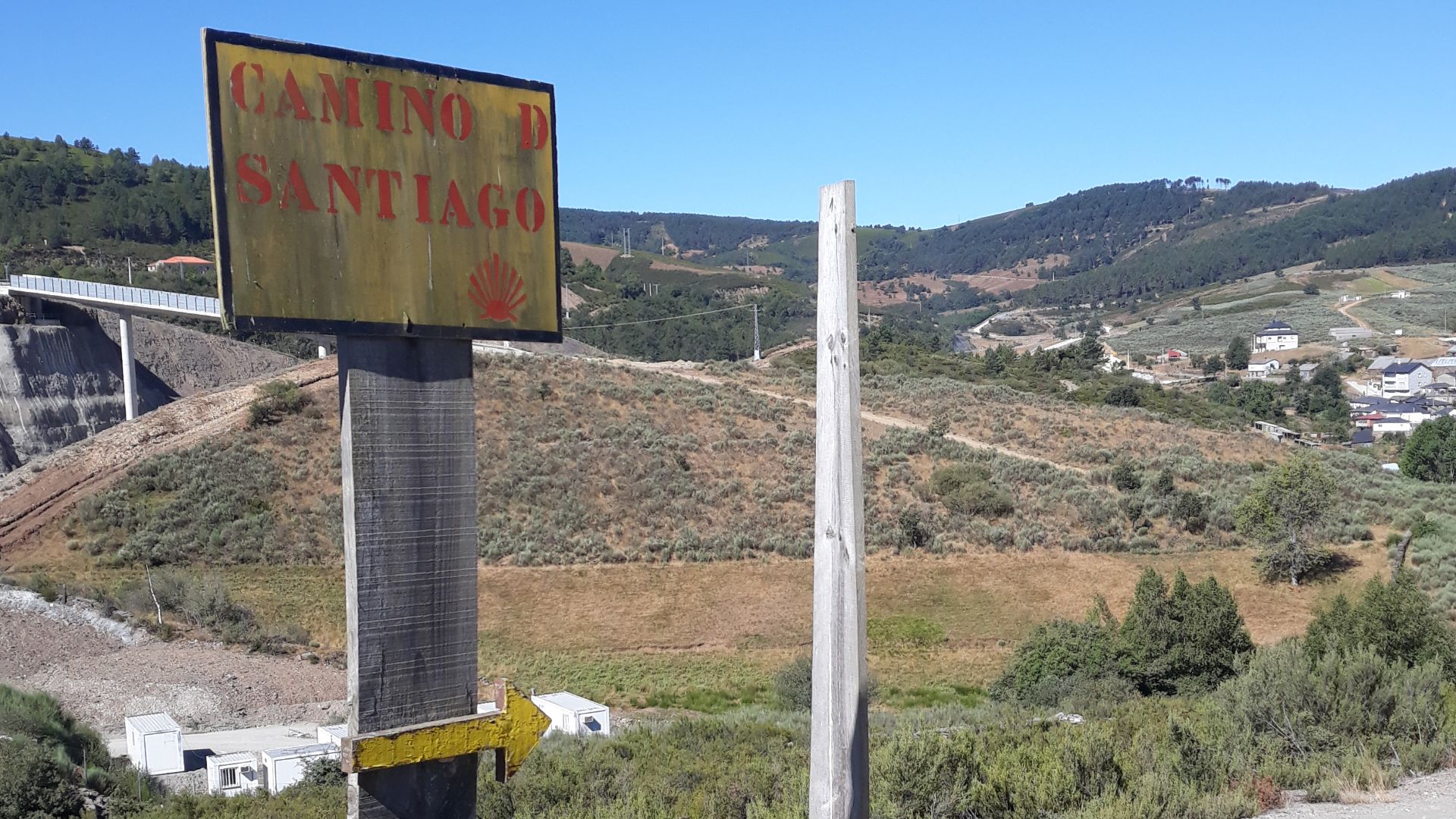
The Camino de Santiago is one of Europe’s most famous surviving pilgrimage routes. Medieval pilgrims crossed France and Spain to reach Santiago de Compostela, where a tomb was believed to be connected to St. James. Modern walkers still follow marked routes through villages, churches, bridges, hostels, and cathedral towns.
 Diego Delso, Wikimedia Commons
Choose Your Own Camino Pace
You do not need to walk the entire Camino to feel its history. Many travelers complete a final stretch into Santiago, while others choose longer routes through northern Spain or France. The best part is that the infrastructure still supports the same basic rhythm of walking, resting, eating, and moving on.
 Simon Burchell, Wikimedia Commons
Take The Via Francigena Toward Rome
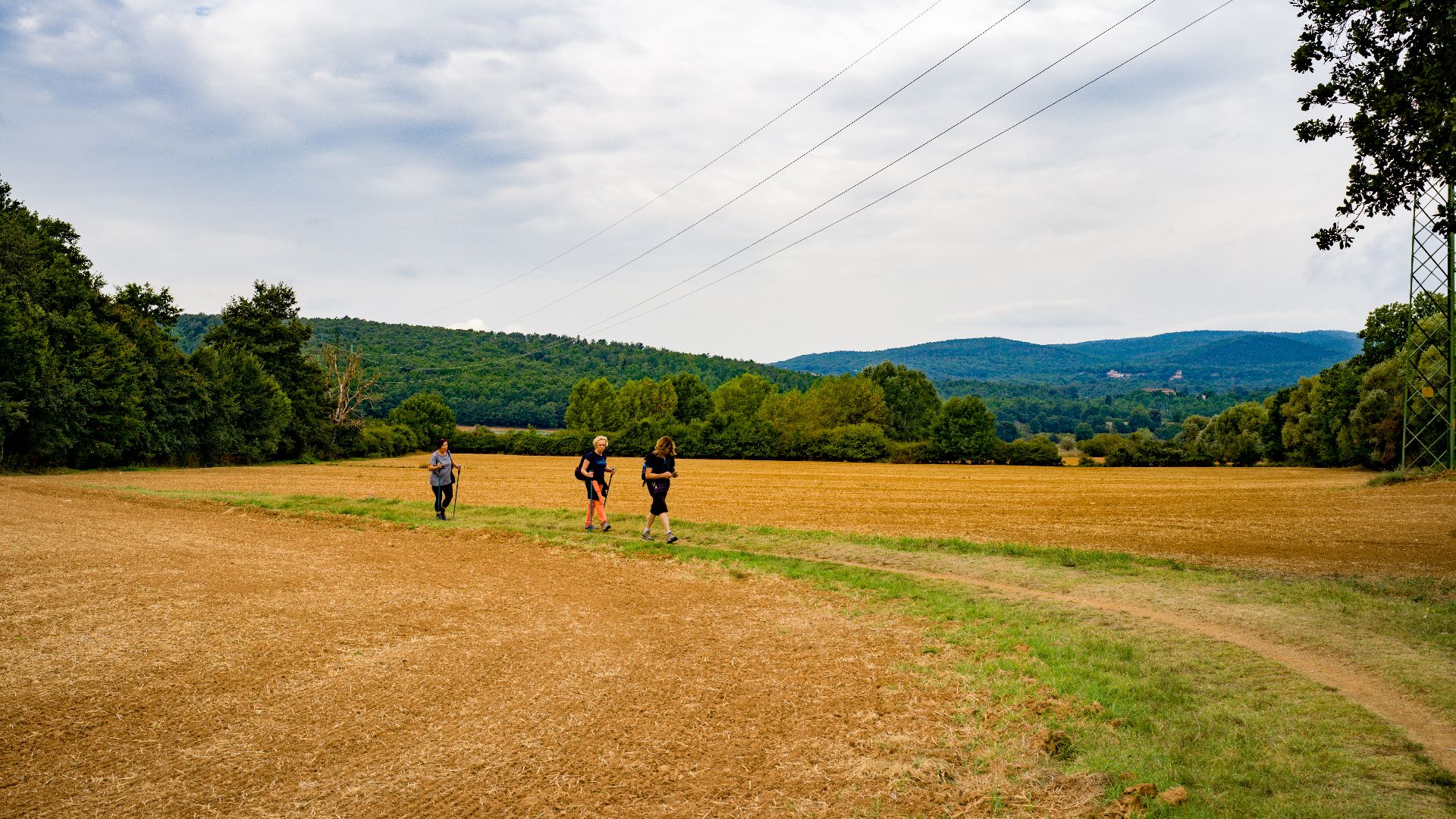
The Via Francigena is another great European pilgrimage route, traditionally connecting Canterbury with Rome. Modern route organizations describe it as a roughly 3,000-kilometer journey crossing England, France, Switzerland, and Italy. Travelers can walk, cycle, or ride selected stages through countryside, villages, and historic towns.
Enter Italy Like A Medieval Pilgrim
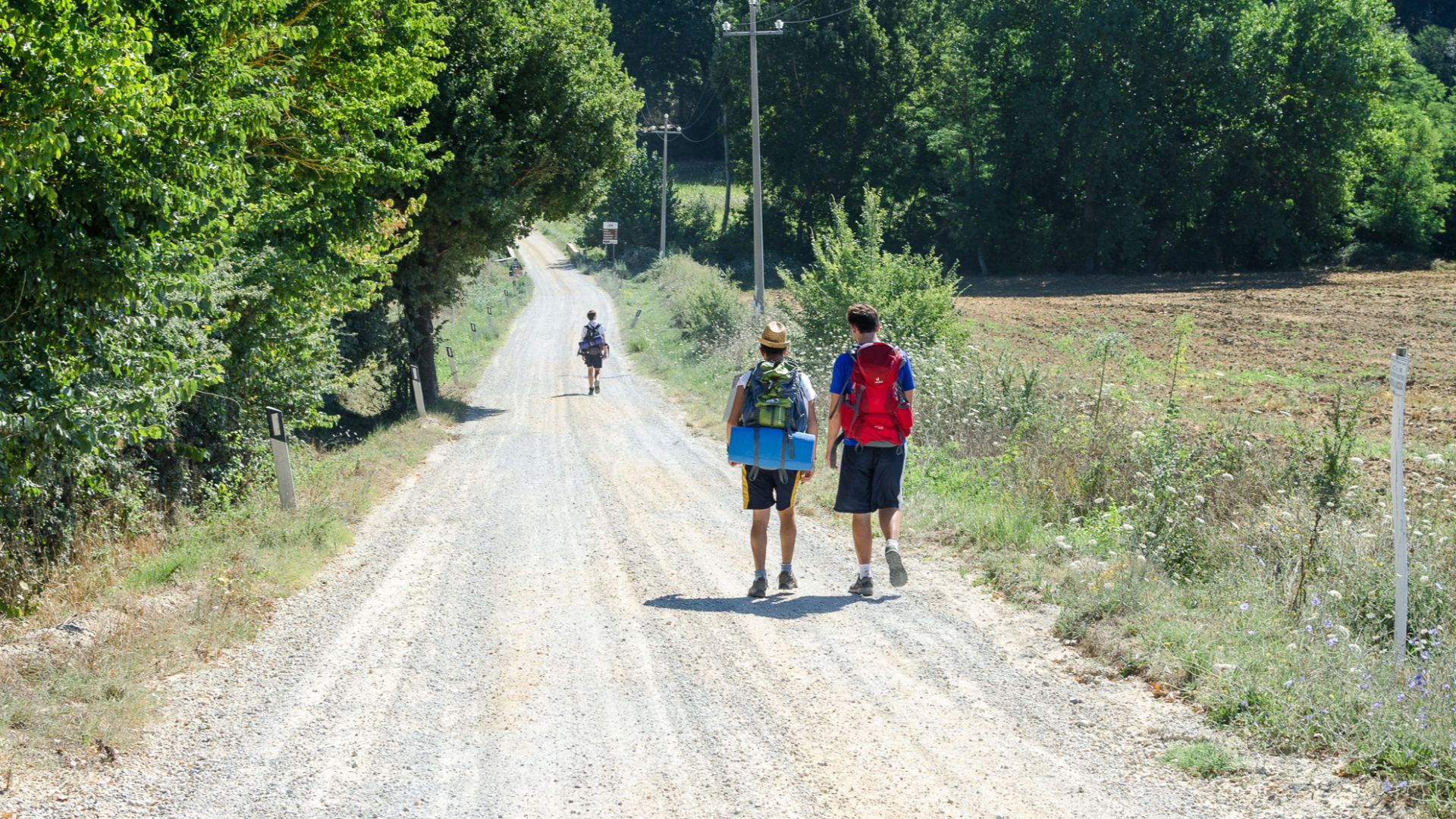
The Italian sections of the Via Francigena are especially rewarding for slow travelers. The route passes through regions such as Tuscany and Lazio before reaching Rome. It turns a trip to the Eternal City into a gradual arrival rather than a quick city break.
 Luca Casartelli, Wikimedia Commons
Walk Rome’s Ancient Appian Way
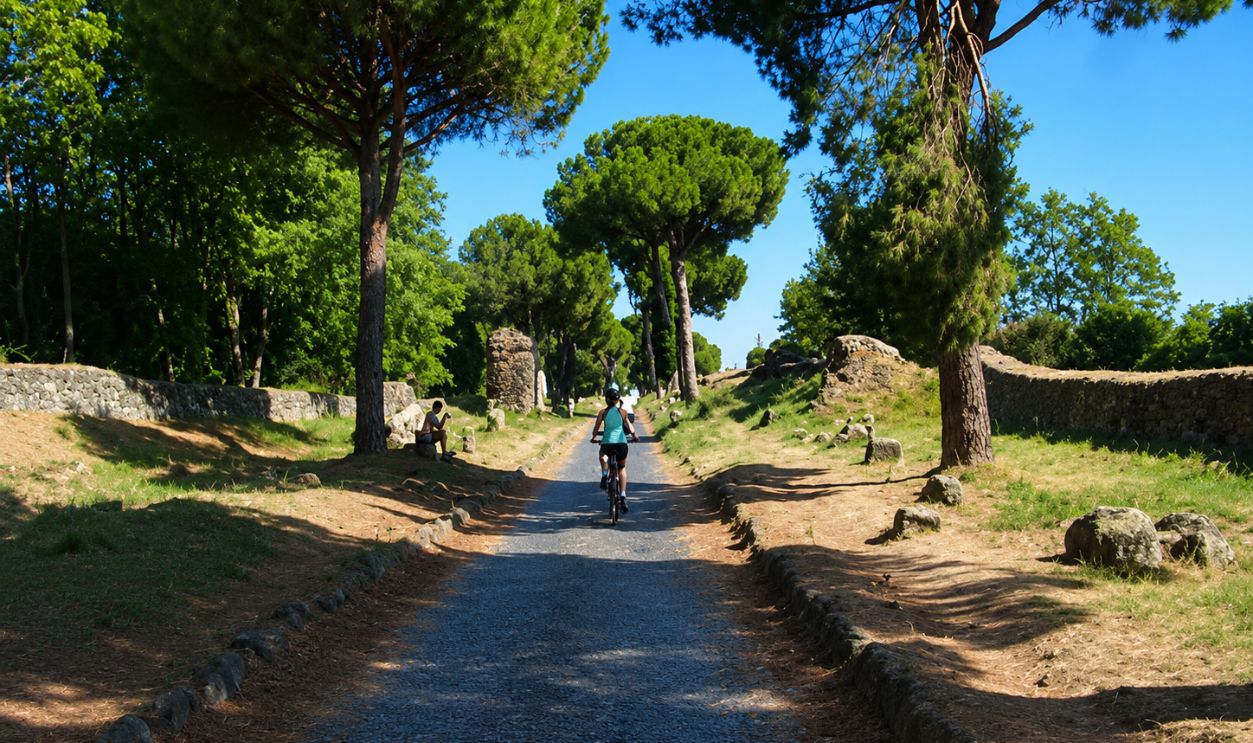
The Via Appia was begun in 312 BCE and became one of the most important roads of ancient Rome. UNESCO now recognizes the Via Appia as a World Heritage Site more than 800 kilometers long. In Rome, visitors can still walk or cycle atmospheric sections lined with ruins, tombs, catacombs, and old stone paving.
 Larry, CC BY 2.0, Wikimedia Commons, Modified
Follow Hadrian’s Wall Across England
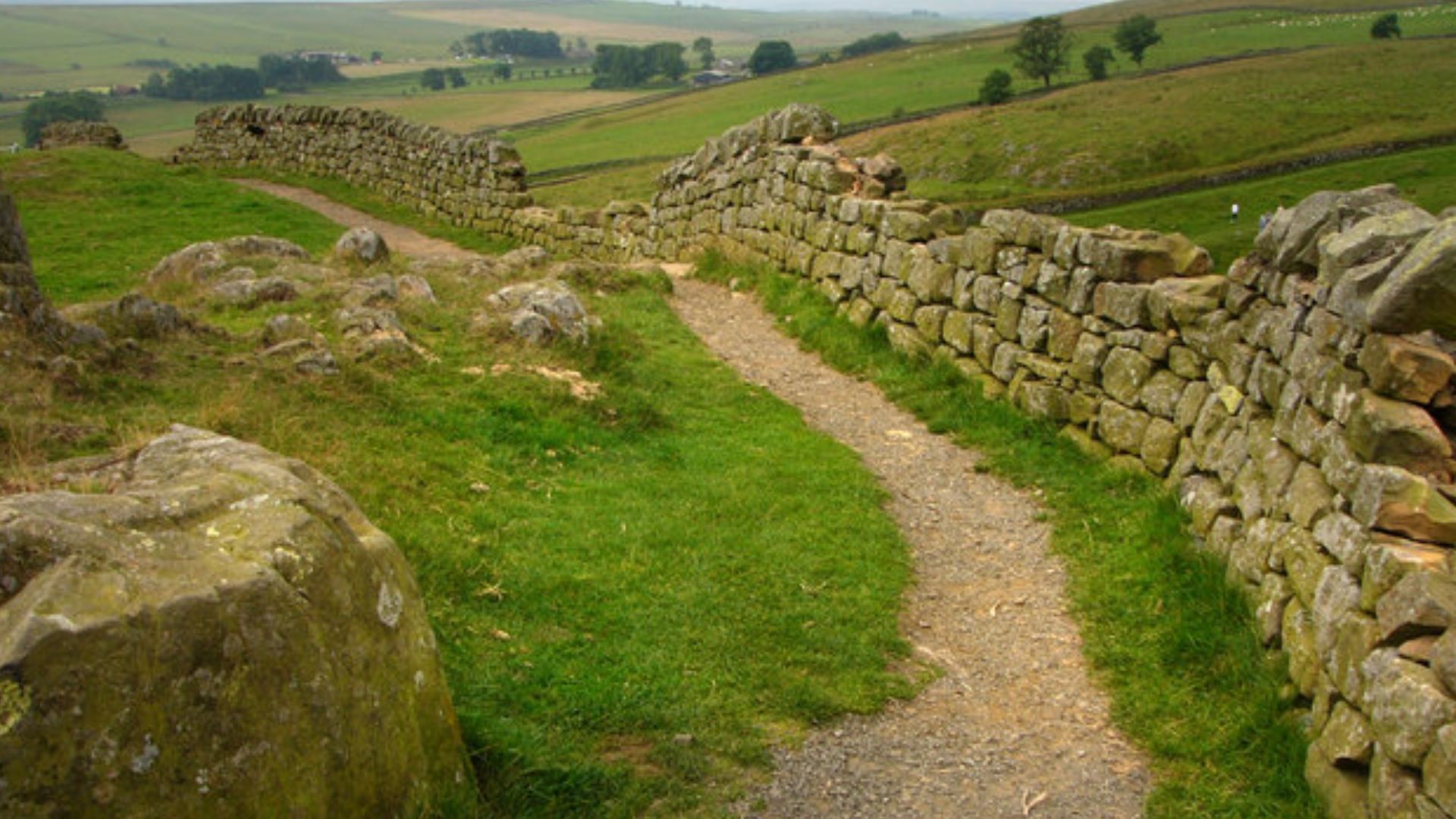
Hadrian’s Wall Path follows the line of the Roman frontier across northern England. The National Trail runs 84 miles, or 135 kilometers, from Wallsend to Bowness-on-Solway. Along the way, walkers pass forts, museums, wild hills, and some of the most dramatic Roman remains in Britain.
 Chris Gunns, Wikimedia Commons
Travel The Incense Route In The Negev
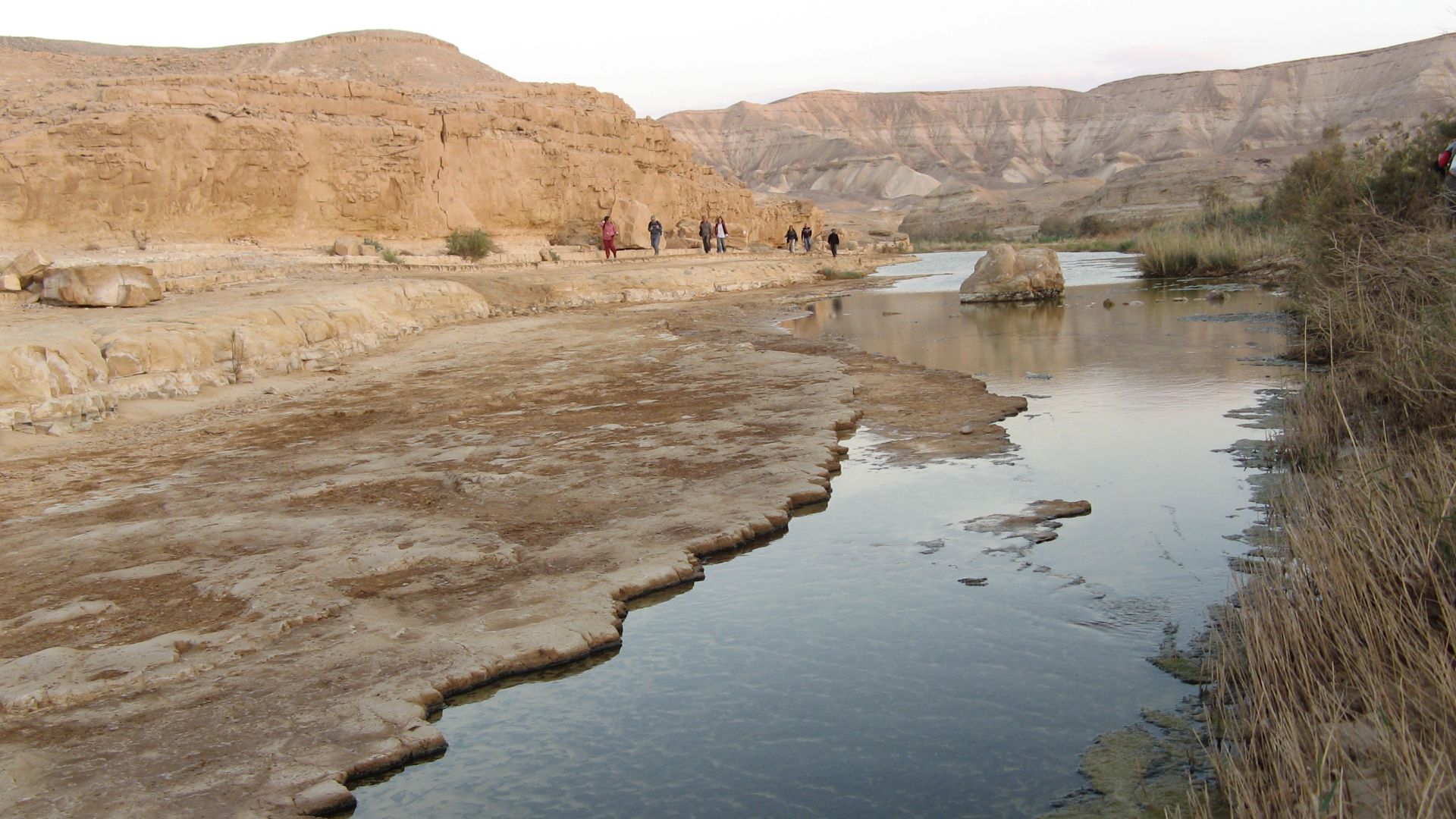
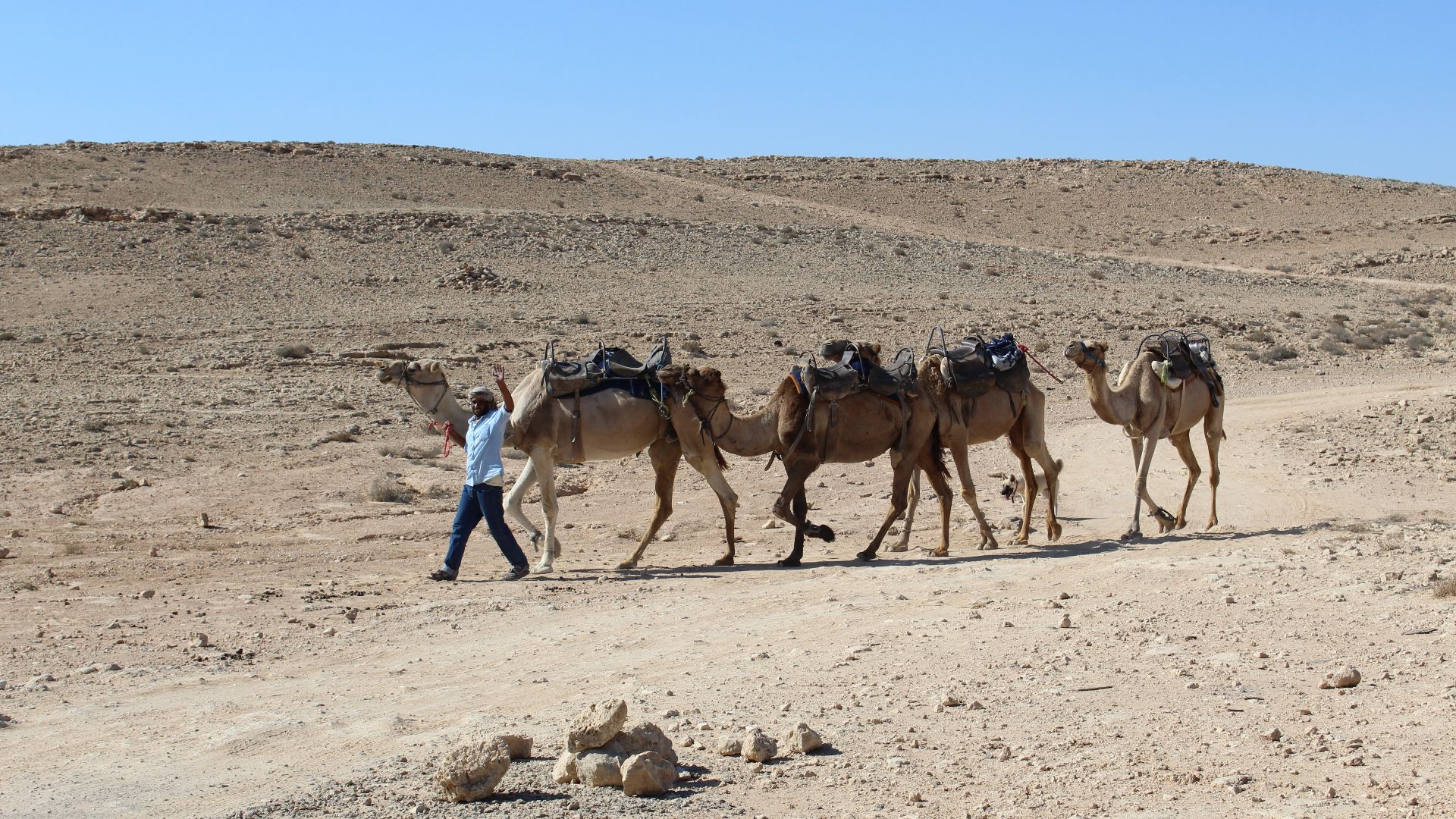
The ancient incense and spice routes once connected Arabia with Mediterranean markets. In Israel’s Negev Desert, UNESCO recognizes Nabatean towns including Haluza, Mamshit, Avdat, and Shivta along this old network. Modern travelers can visit desert ruins that once served caravans carrying frankincense, myrrh, and spices.
See How Desert Traders Survived
The Negev sites are not just ruins in pretty settings. They show how ancient communities managed water, agriculture, forts, and trade in an unforgiving landscape. Visiting them gives travelers a clearer sense of how much planning and engineering caravan life required.
 Mohammad Shad Siddiqui, Wikimedia Commons
Follow The Qhapaq Ñan Through The Andes
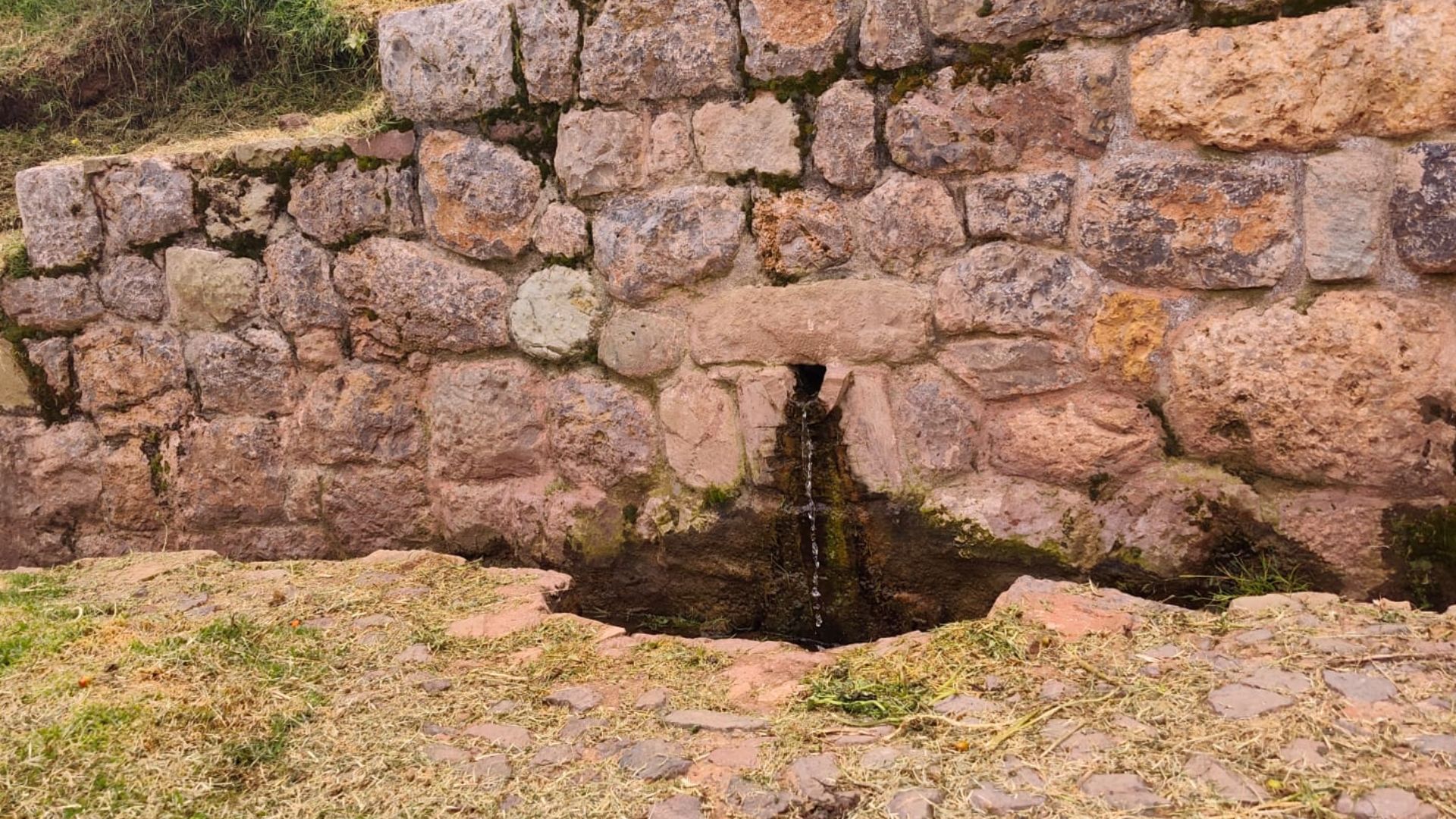
The Qhapaq Ñan was the great road system of the Inca world. UNESCO describes it as a network of more than 30,000 kilometers across the Andes, with selected World Heritage components in six South American countries. Travelers can still experience portions of it in Peru, Ecuador, Bolivia, Chile, Argentina, and Colombia.
Walk Toward Machu Picchu
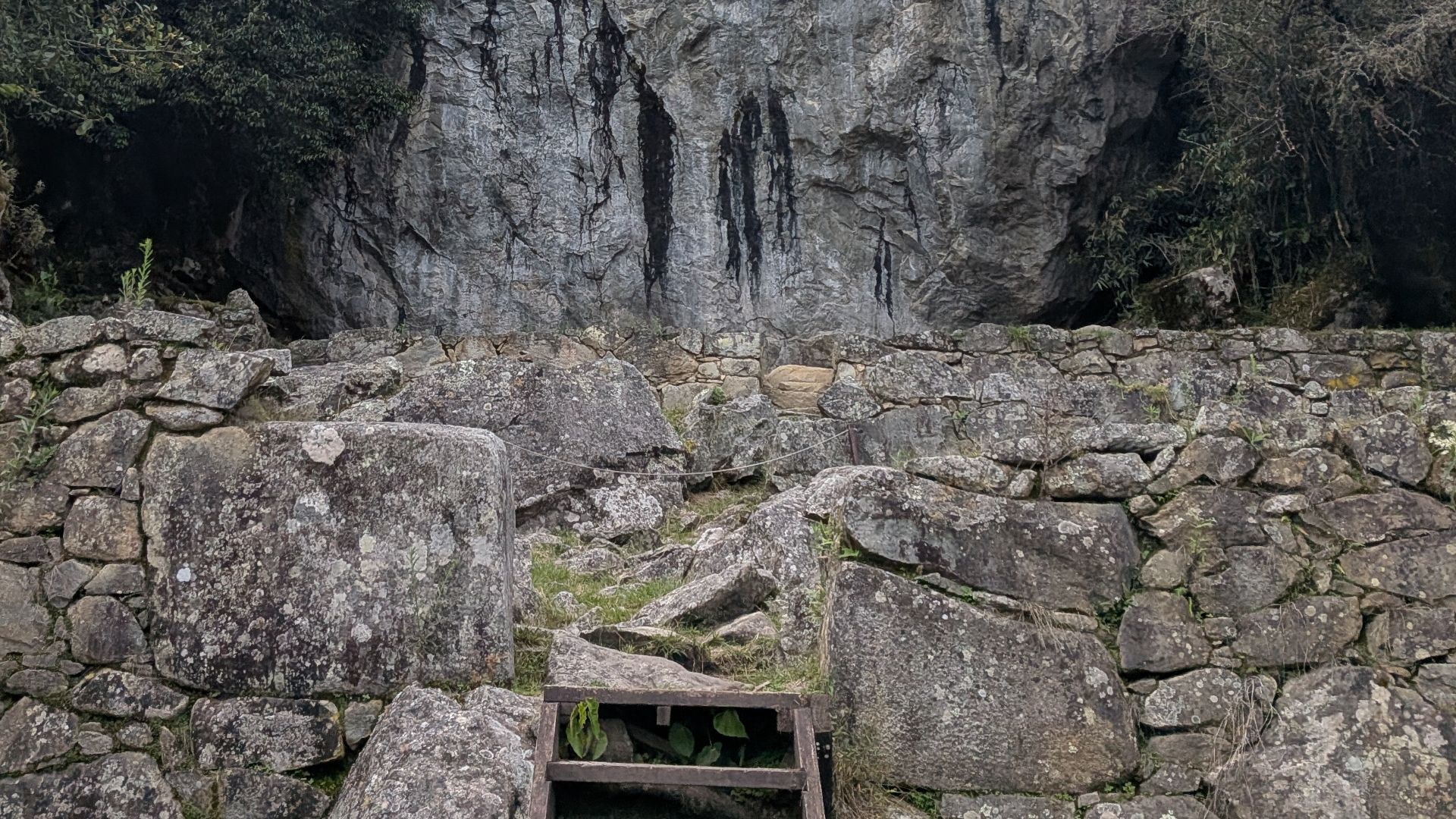
The Inca Trail to Machu Picchu is the best-known modern way to experience part of this road tradition. It combines mountain passes, cloud forest, stone steps, and archaeological sites. Because the route is protected and tightly managed, travelers need permits and should plan well ahead.
 Gedankenstuecke, Wikimedia Commons
Take Japan’s Kumano Kodo
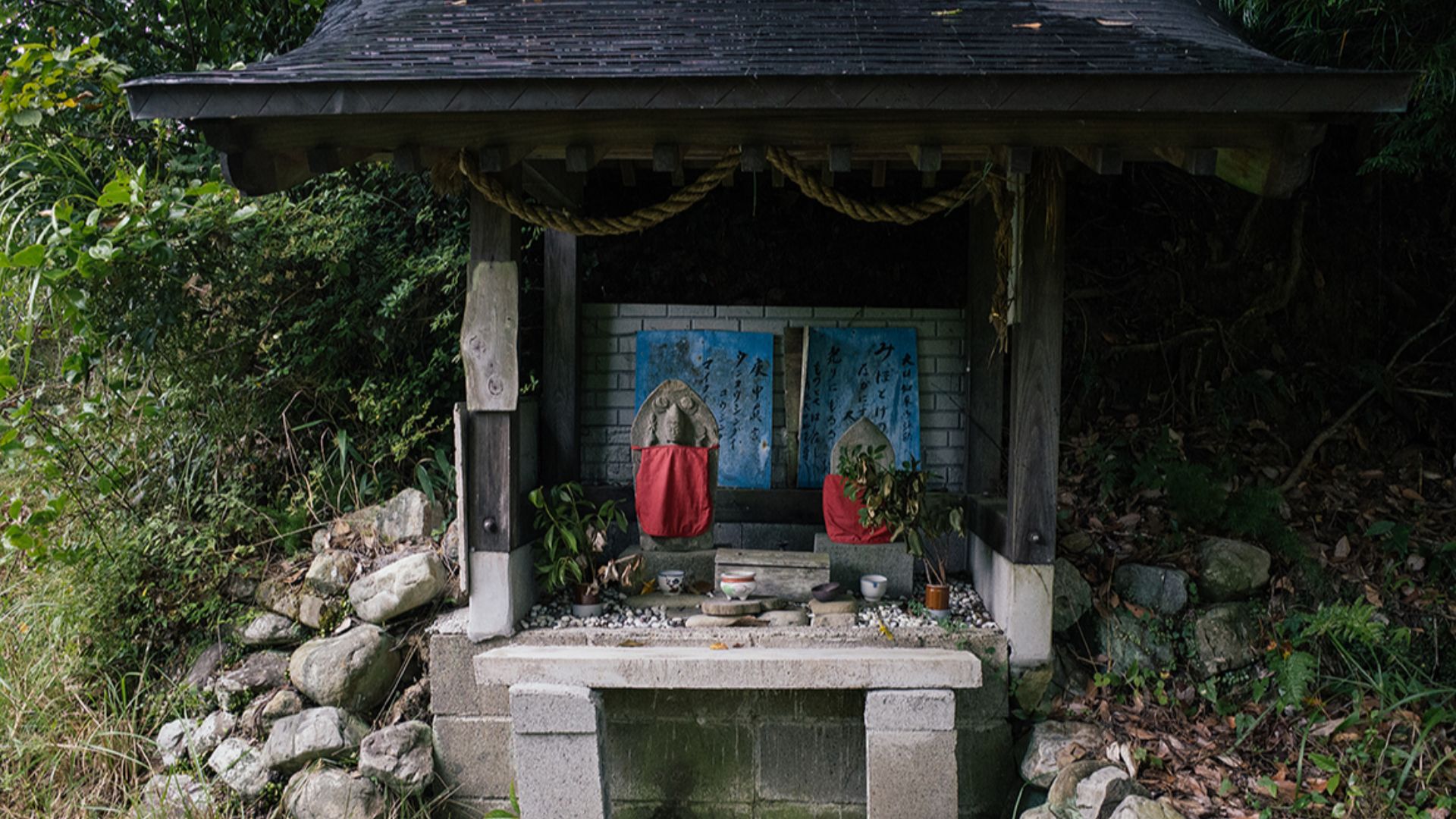
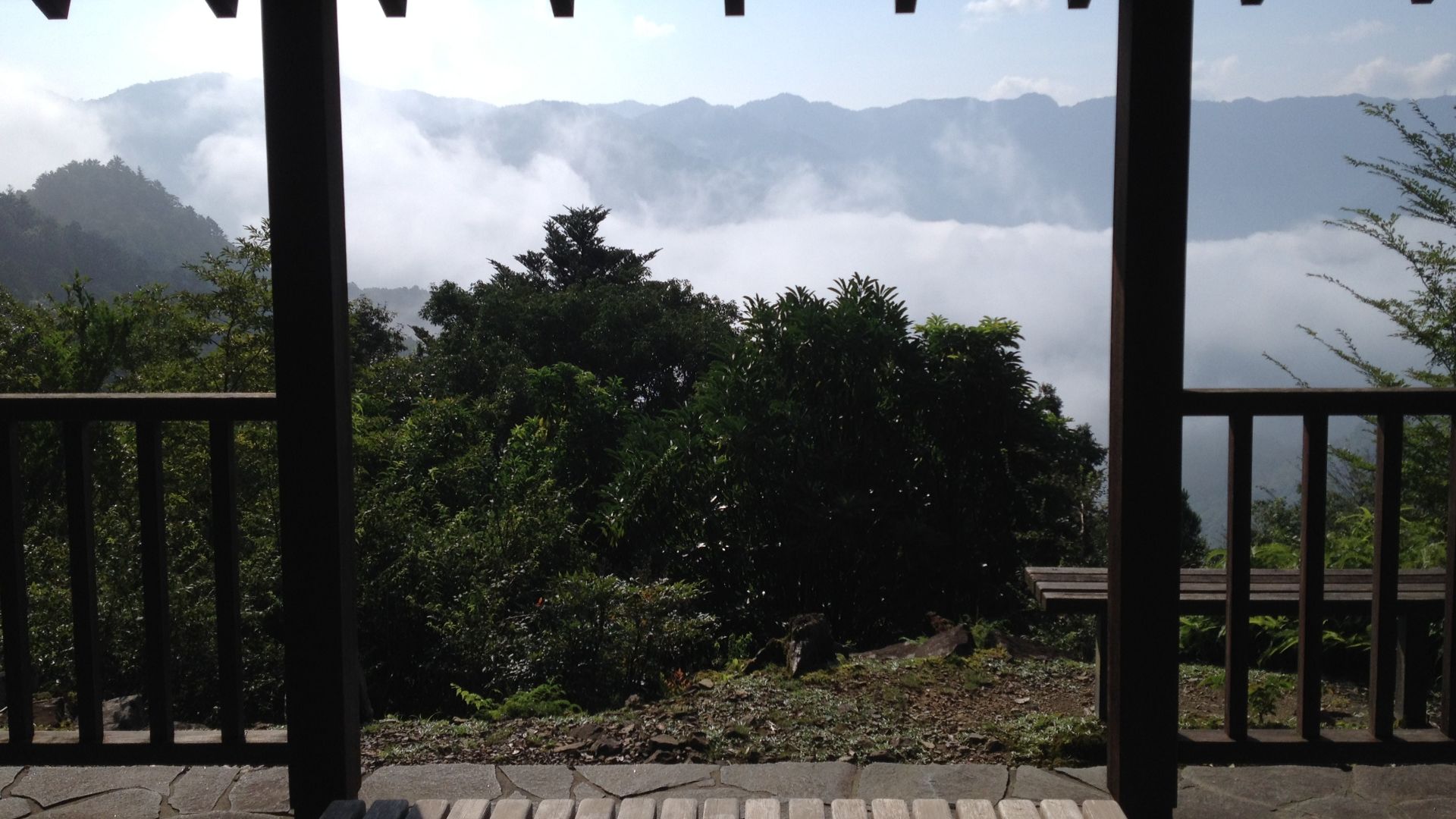
The Kumano Kodo is a network of ancient pilgrimage routes across Japan’s Kii Peninsula. For more than 1,000 years, pilgrims traveled these mountain paths toward sacred sites known as the Kumano Sanzan. Today, visitors can walk forest trails, stay in small inns, and reach shrines that still feel deeply connected to the landscape.
Make The Journey Part Of The Ritual
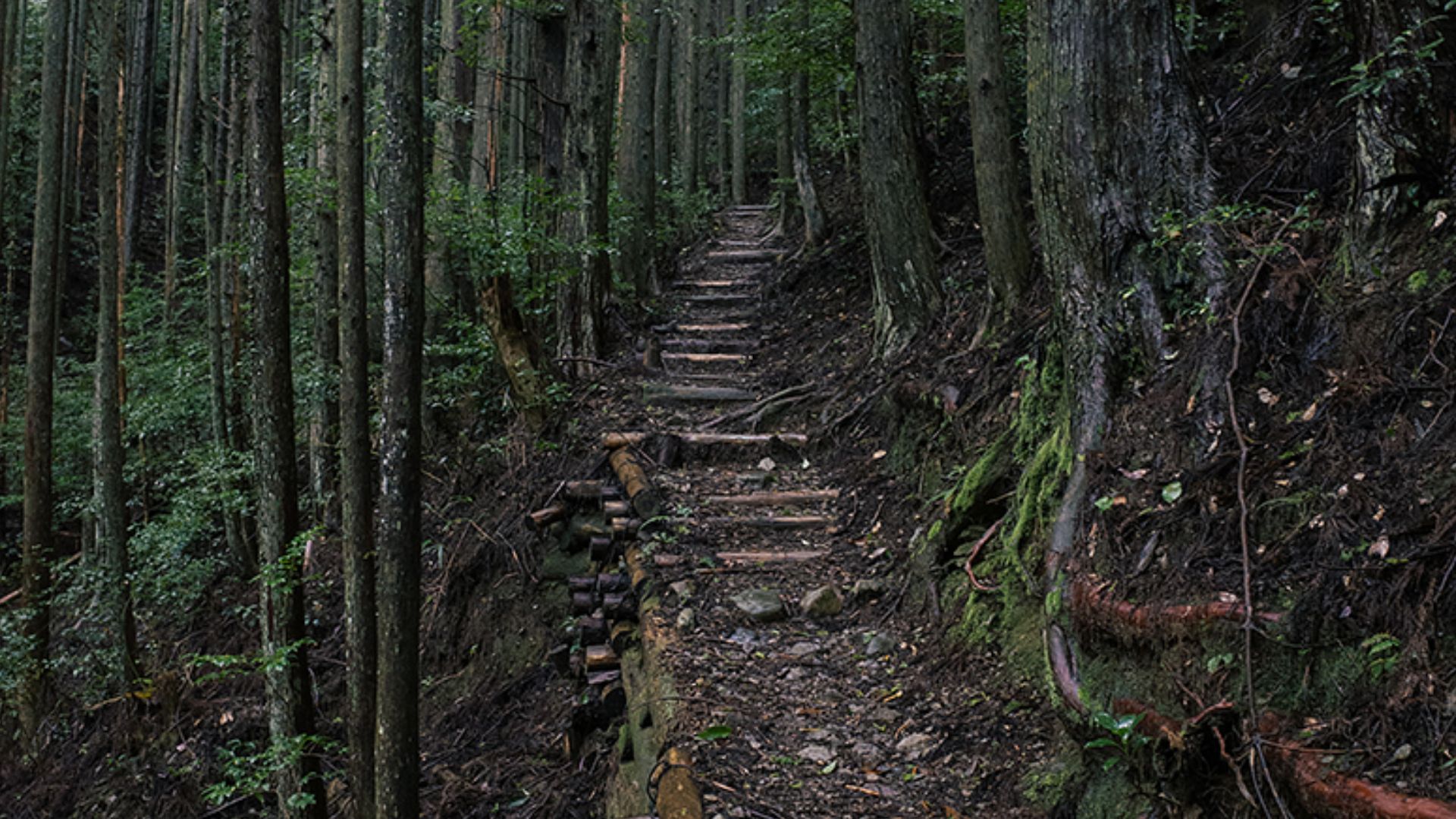
On the Kumano Kodo, the walking matters as much as the destination. The route passes waterfalls, old-growth forests, stone markers, and villages shaped by centuries of pilgrimage. It is one of the rare places where a modern hike can still feel like a spiritual journey.
Step Onto Japan’s Nakasendo Trail
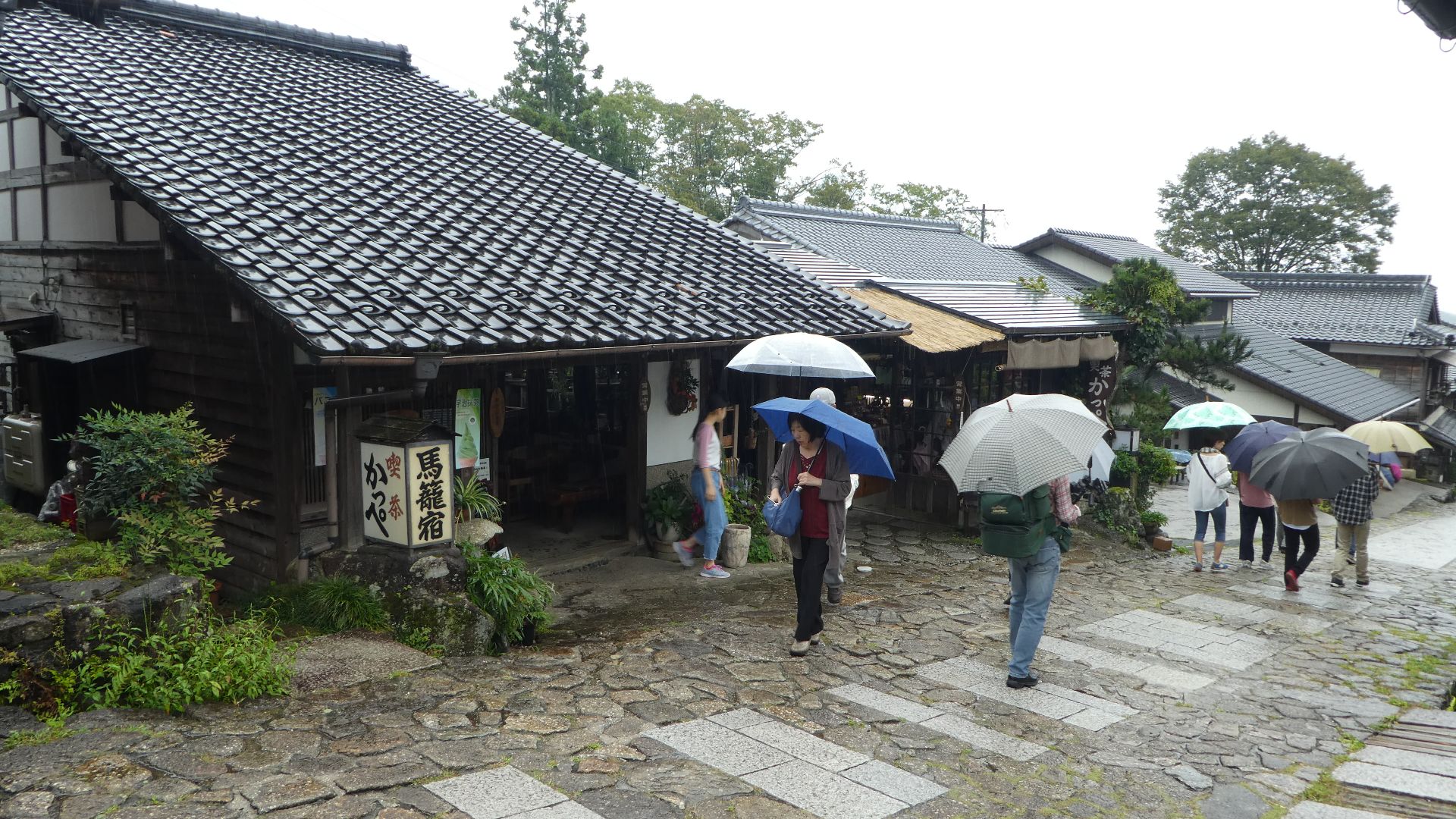
The Nakasendo was one of the major routes of Japan’s Edo period, linking Kyoto and Edo, now Tokyo. The full road stretched about 540 kilometers and included 69 station towns. Today, the Kiso Valley section is especially popular because travelers can walk between preserved post towns such as Magome and Tsumago.
 Steven16091984, Wikimedia Commons
Sleep Where Travelers Once Stopped
The magic of the Nakasendo comes from its human scale. You move between wooden buildings, forest paths, stone paving, and former rest towns designed for people traveling on foot. It is a gentle reminder that not every great route needs dramatic wilderness to feel unforgettable.
![500px provided description: Some stones next to the Nakasendo trail near Magome, Japan [#magome ,#Nakasendo ,#Forest ,#Japan ,#Gravestones]](https://www.factinate.com/storage/app/media/splashtravels/2026/7/15/1784120466e283ad798c6533ec11e8cb06a05cba2f939046fb.jpeg) Jonathan Corbet, Wikimedia Commons
Jonathan Corbet, Wikimedia Commons
Hike Turkey’s Lycian Way
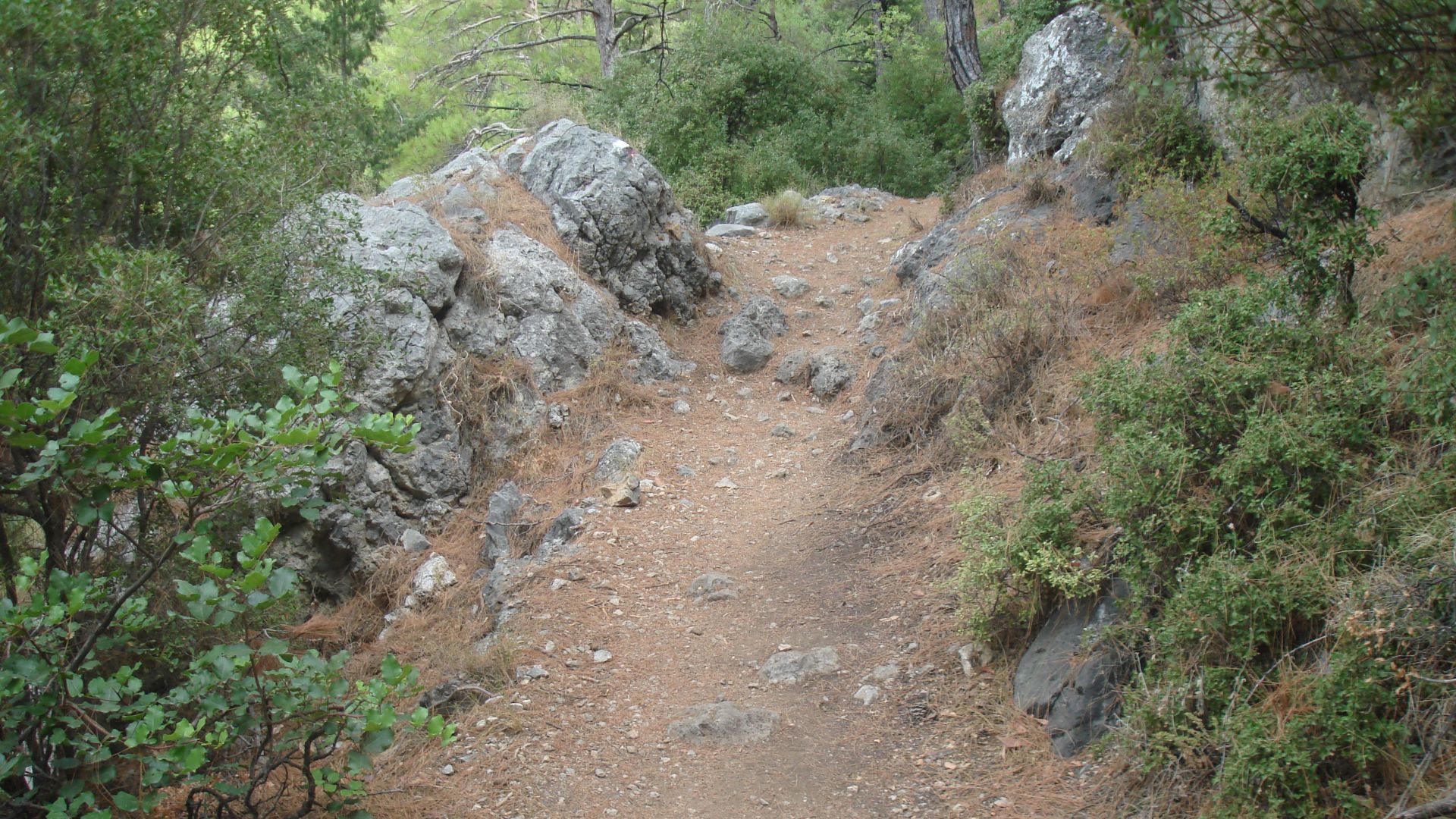
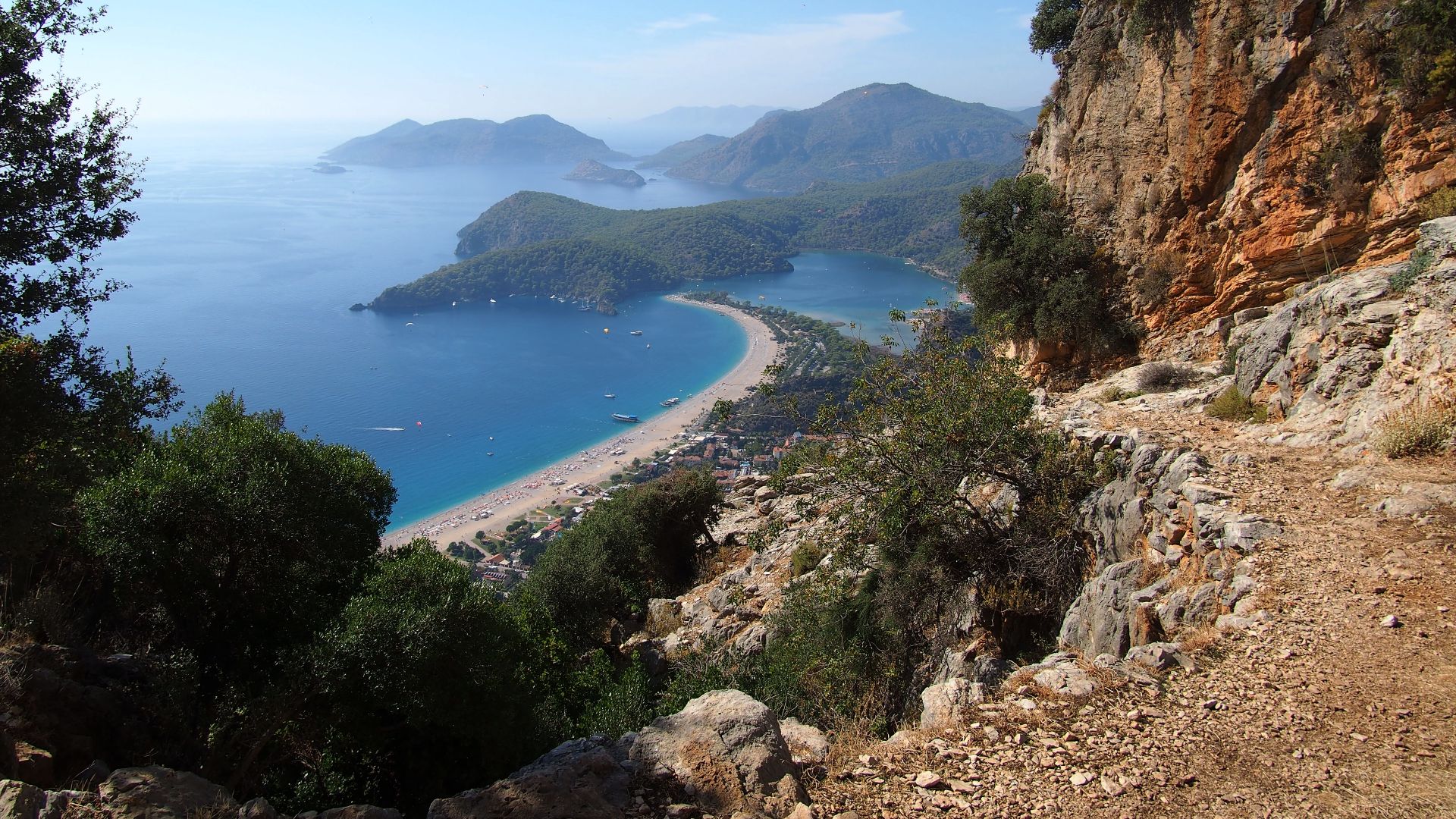
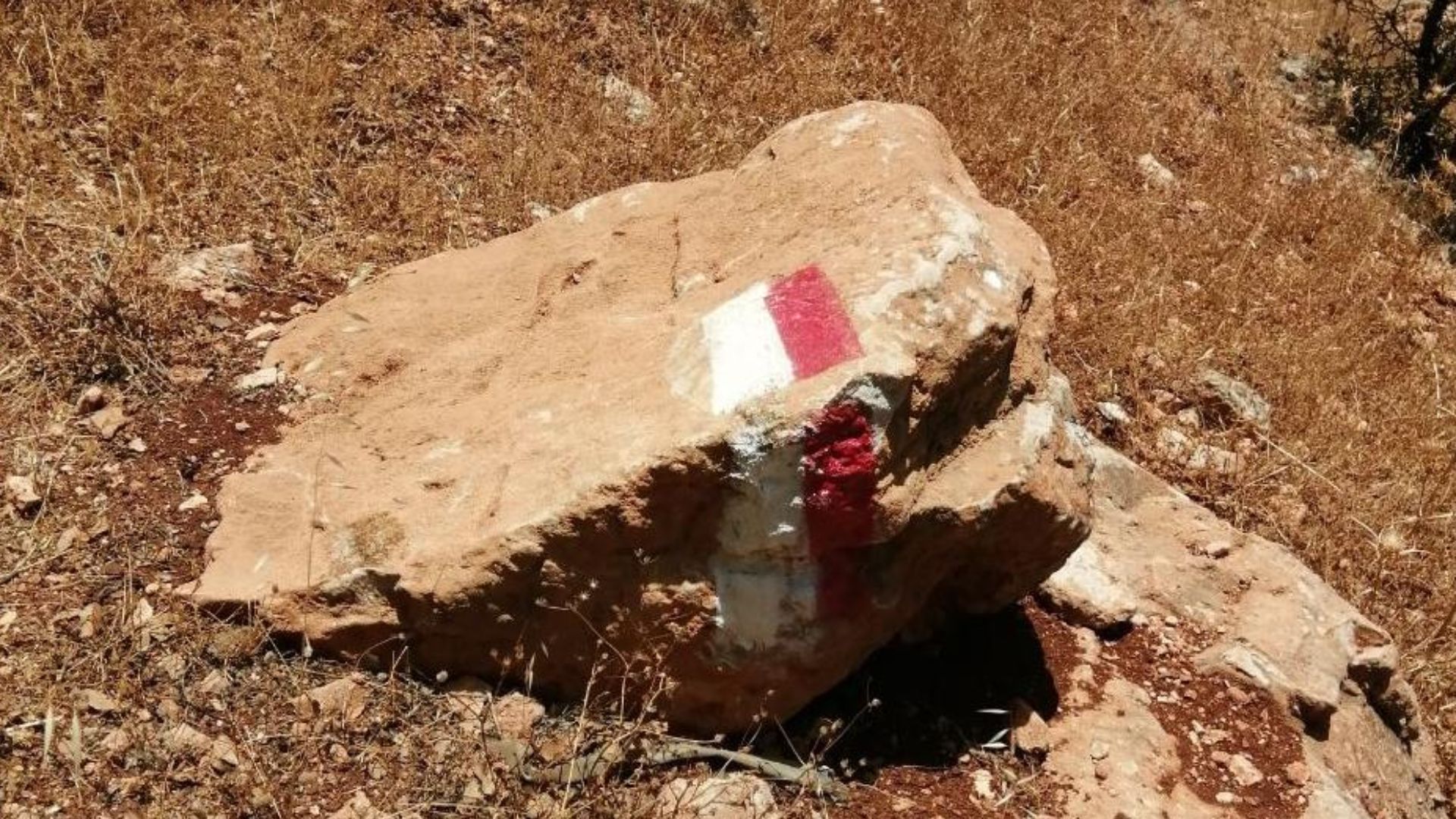
The Lycian Way follows the Mediterranean coast of southwestern Turkey through the ancient region of Lycia. The modern trail uses old paths, village routes, and coastal tracks to connect archaeological sites, mountains, and sea views. Travelers can walk short sections or take on a longer multi-day journey.
Meet Ruins Above The Sea
Lycia’s appeal is the way history and scenery overlap. One day can bring tombs, old roads, pine forests, and bright blue water below the cliffs. It is one of the best ancient-route trips for travelers who want both ruins and a classic Mediterranean feel.
Cross Jordan On Old Trade Paths
The Jordan Trail runs from Umm Qais in the north to Aqaba on the Red Sea. Its route connects landscapes shaped by older paths, trade corridors, villages, and desert travel. Modern hikers can experience forests, canyons, wadis, Petra, Wadi Rum, and Bedouin hospitality along the way.
Drive The King’s Highway
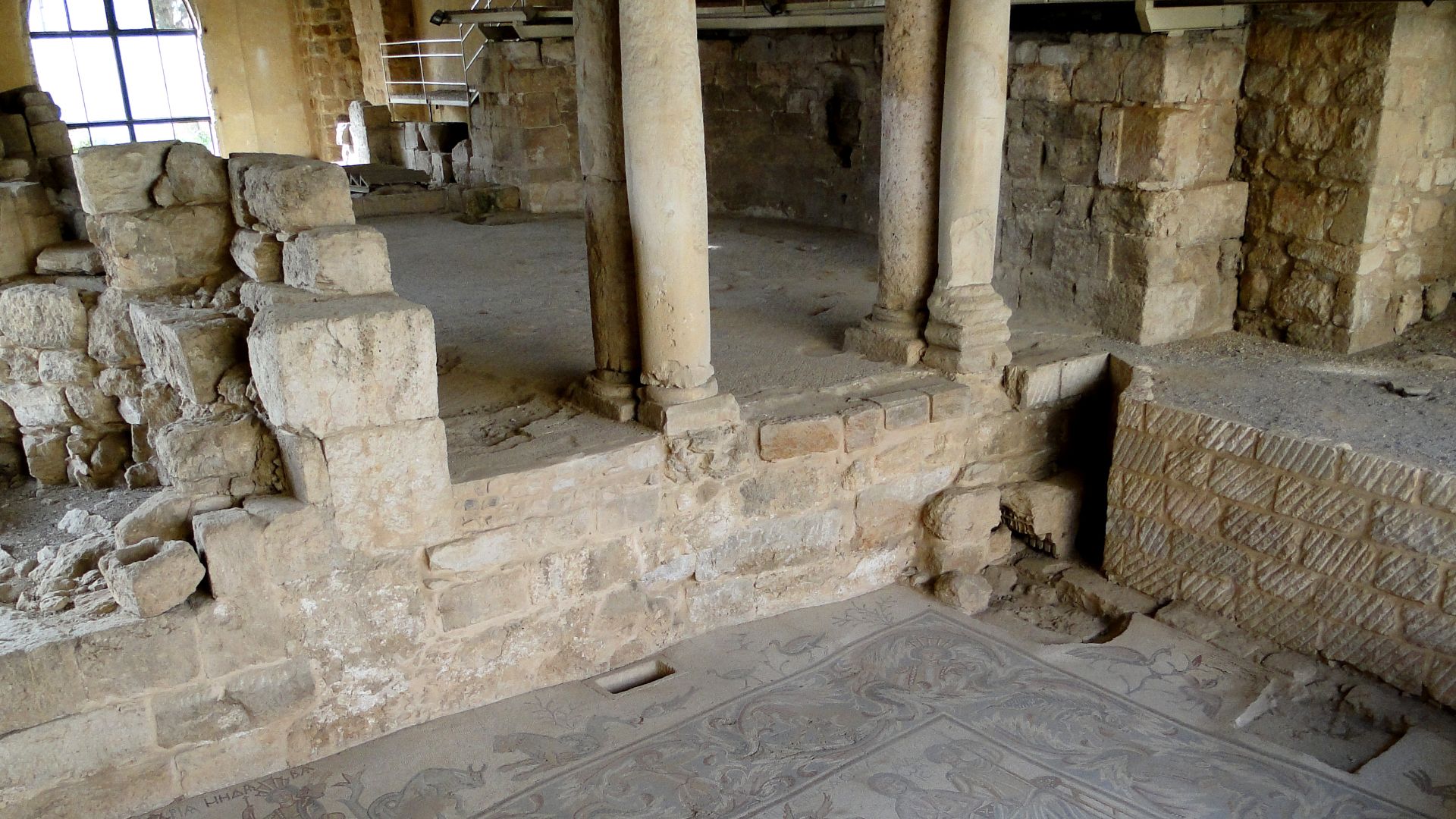
Jordan’s King’s Highway is another ancient corridor that modern travelers can still follow by road. It links major historic and scenic stops, including Madaba, Wadi Mujib, Kerak, and Petra. For travelers short on hiking time, it is one of the easiest ways to turn an ordinary transfer into a historical route.
 Bernard Gagnon, Wikimedia Commons
Trace The Camino Real In Mexico
The Camino Real de Tierra Adentro was also known as the Silver Route. UNESCO identifies a 1,400-kilometer World Heritage section within a larger 2,600-kilometer route from Mexico City north toward Texas and New Mexico. Travelers can still explore cities, missions, bridges, mining towns, and historic plazas tied to the road.
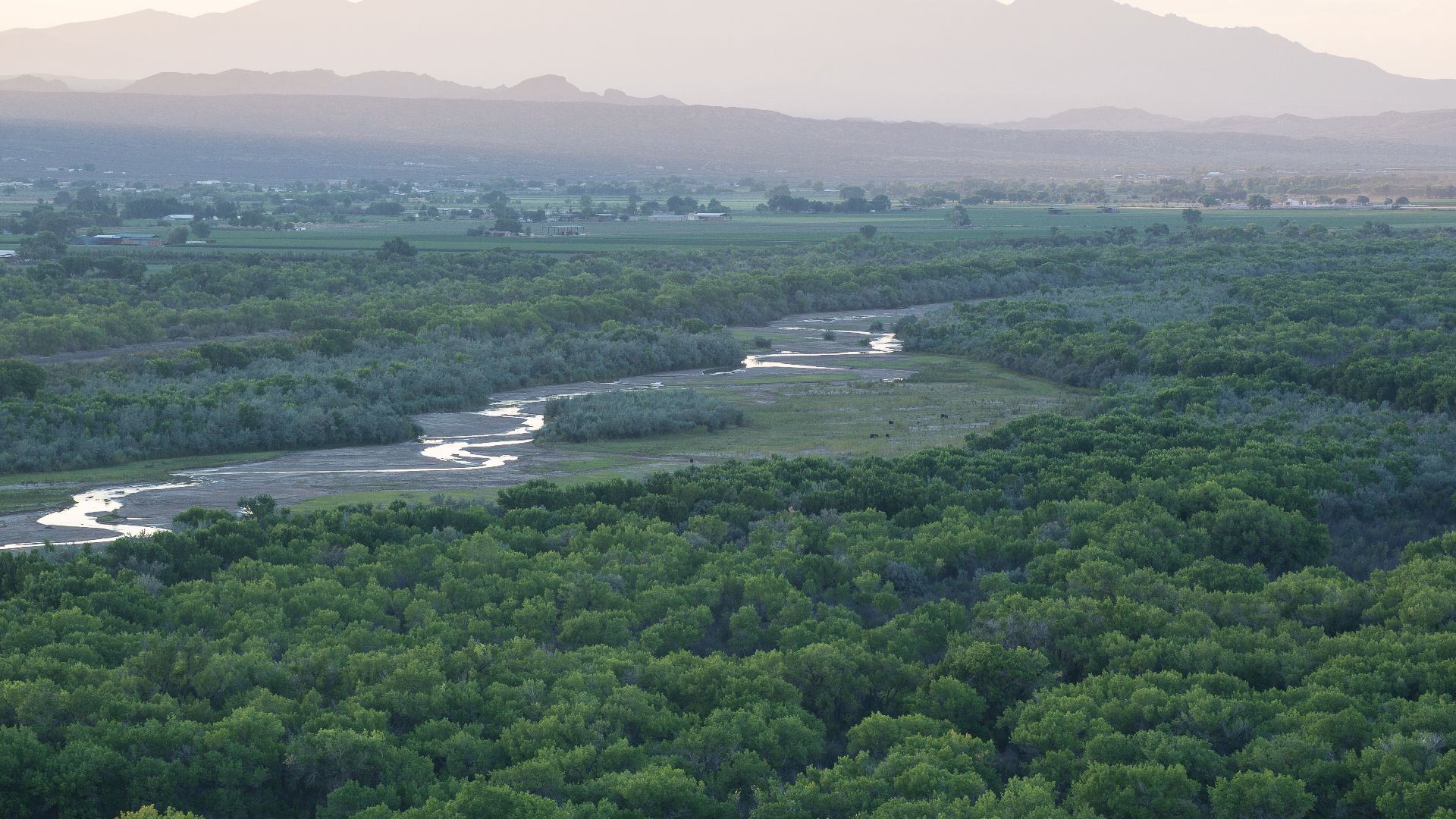 Bureau of Land Management, Wikimedia Commons
Follow The Silver North
This route was used for centuries to move silver, mercury, goods, officials, settlers, and ideas. Today, it works beautifully as a cultural road trip through central and northern Mexico. The route is especially rich for travelers who enjoy colonial cities, mining history, and layered architecture.
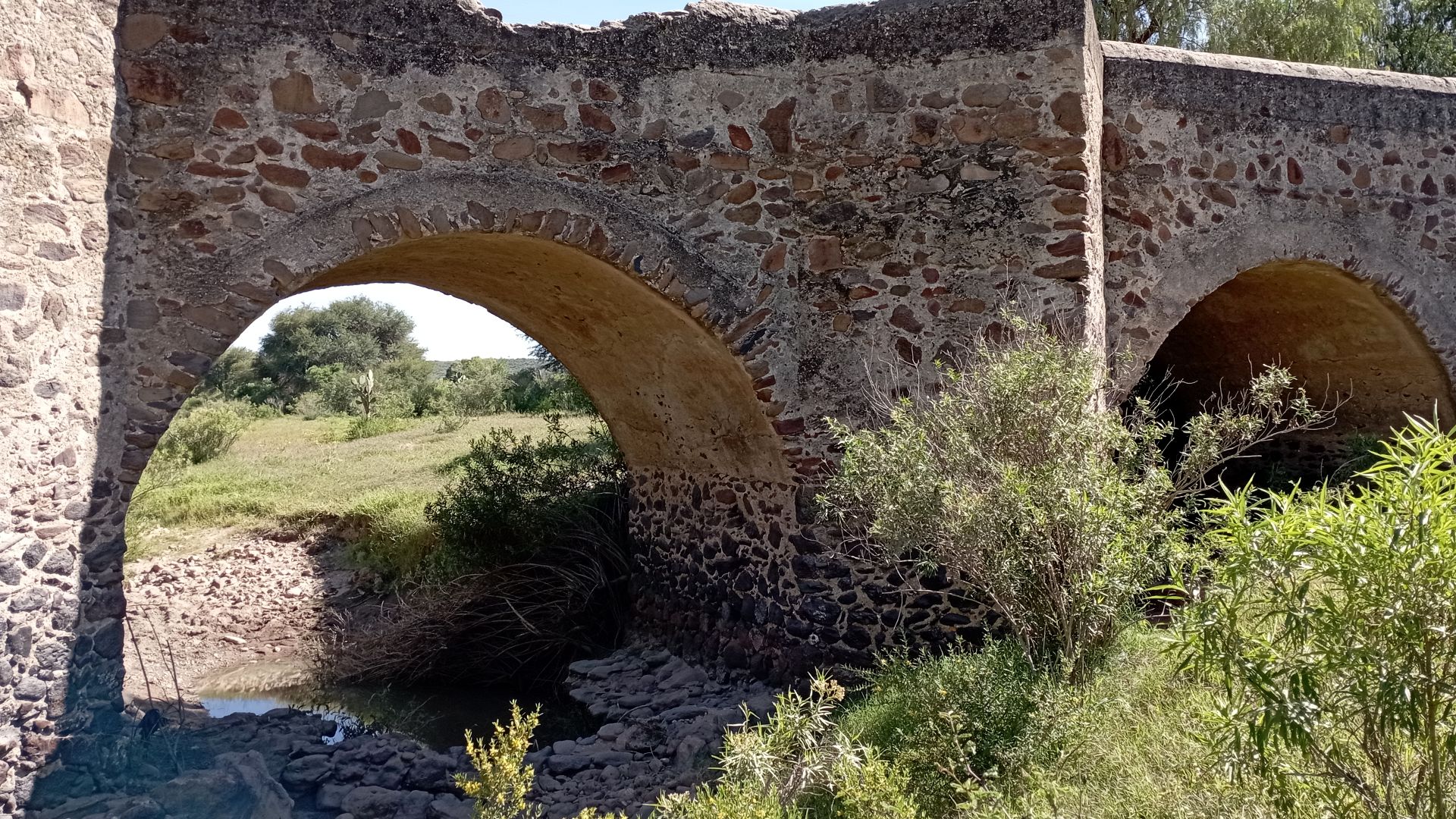 Juan Carlos Fonseca Mata, Wikimedia Commons
Walk Scotland’s Old Highland Ways
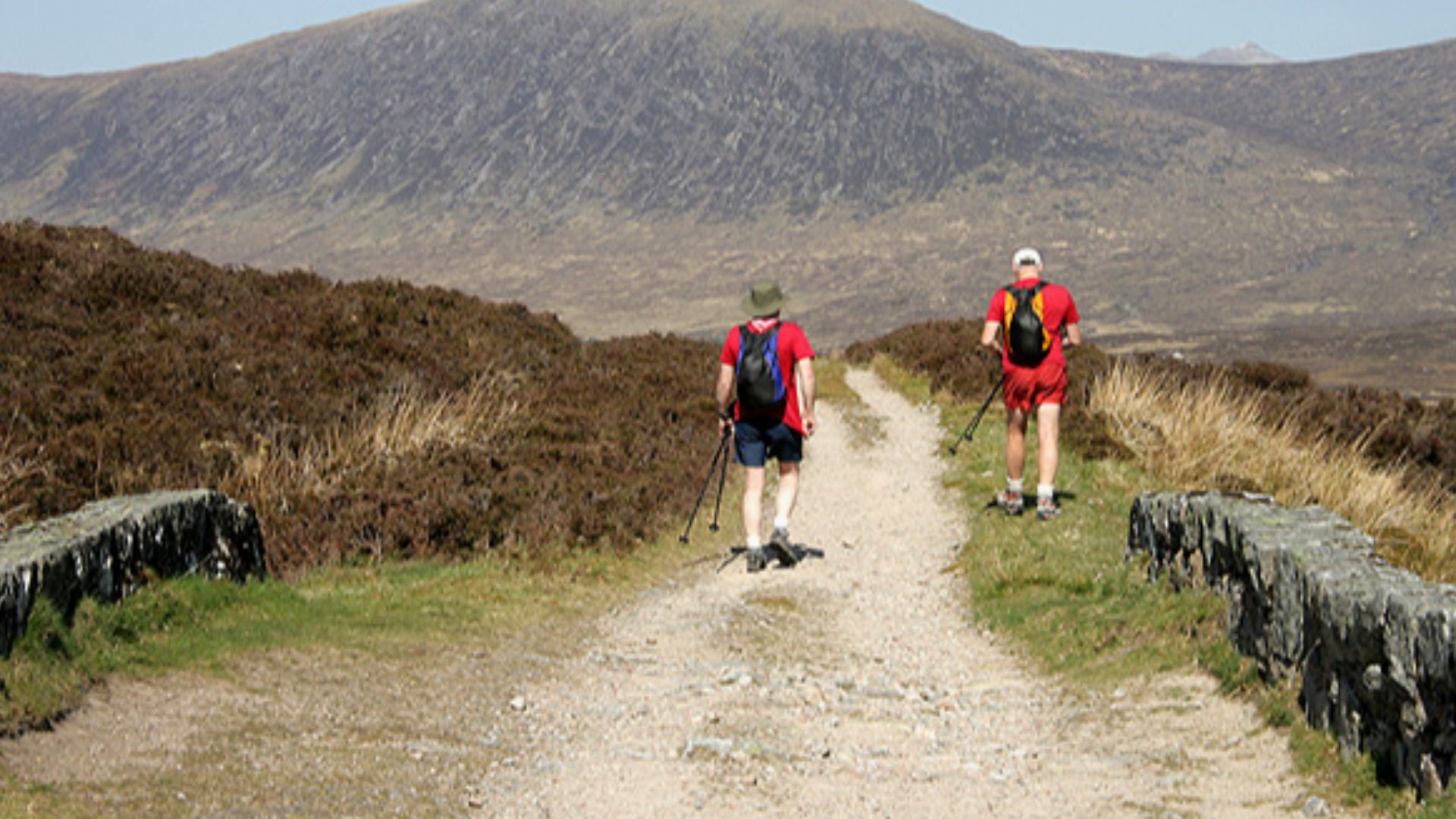
The West Highland Way is a modern long-distance trail, but parts of it follow older drover roads and military roads. The route runs 96 miles, or 153 kilometers, from Milngavie to Fort William. Travelers move from lowland paths to lochs, moors, mountain scenery, and Highland villages.
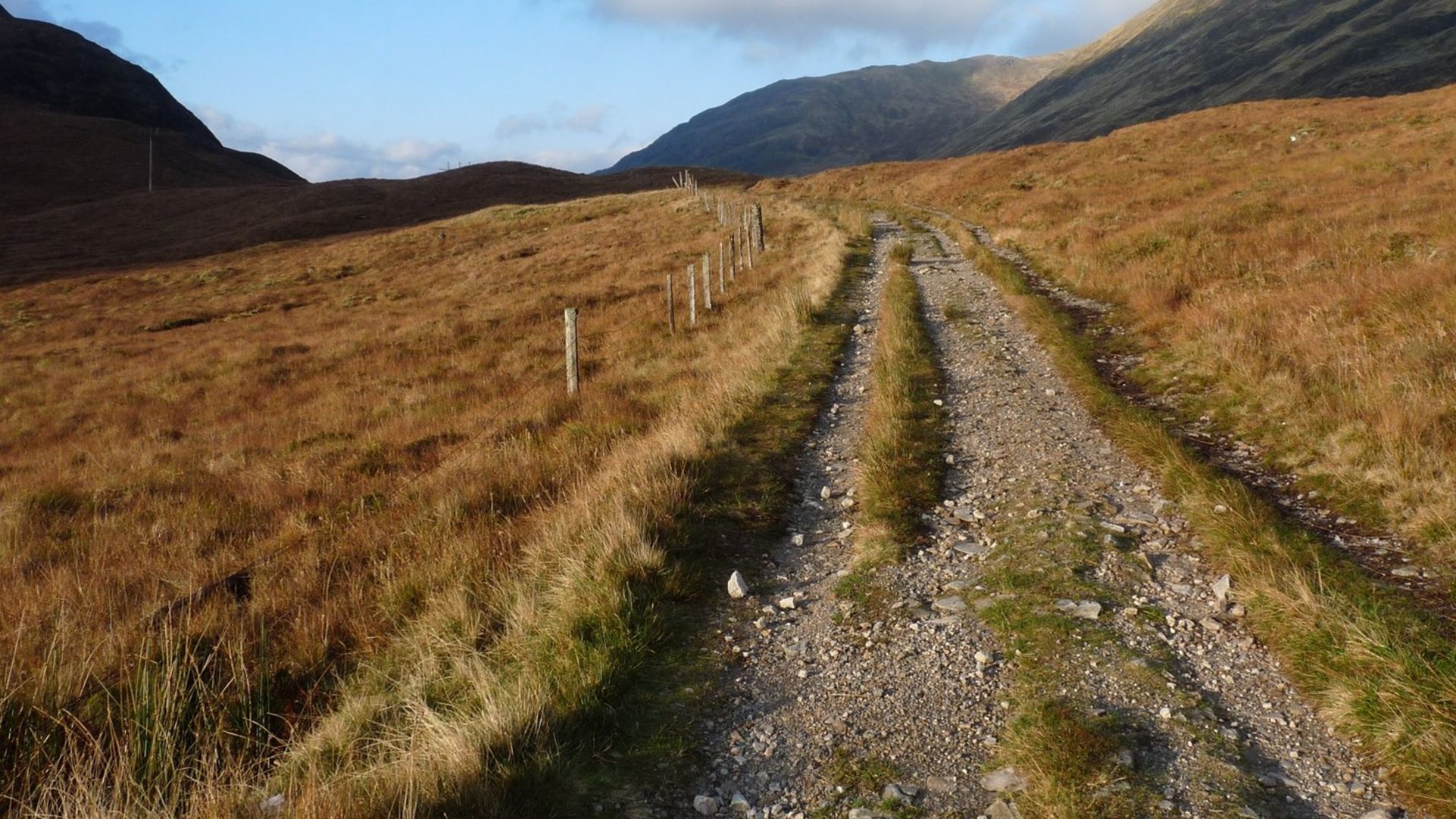
Feel Why Old Routes Endure
Ancient routes survive because geography has a long memory. Mountain passes, river valleys, desert wells, and coastal paths often remain useful long after empires disappear. That is why modern travelers can still follow routes first shaped by need, faith, trade, and survival.
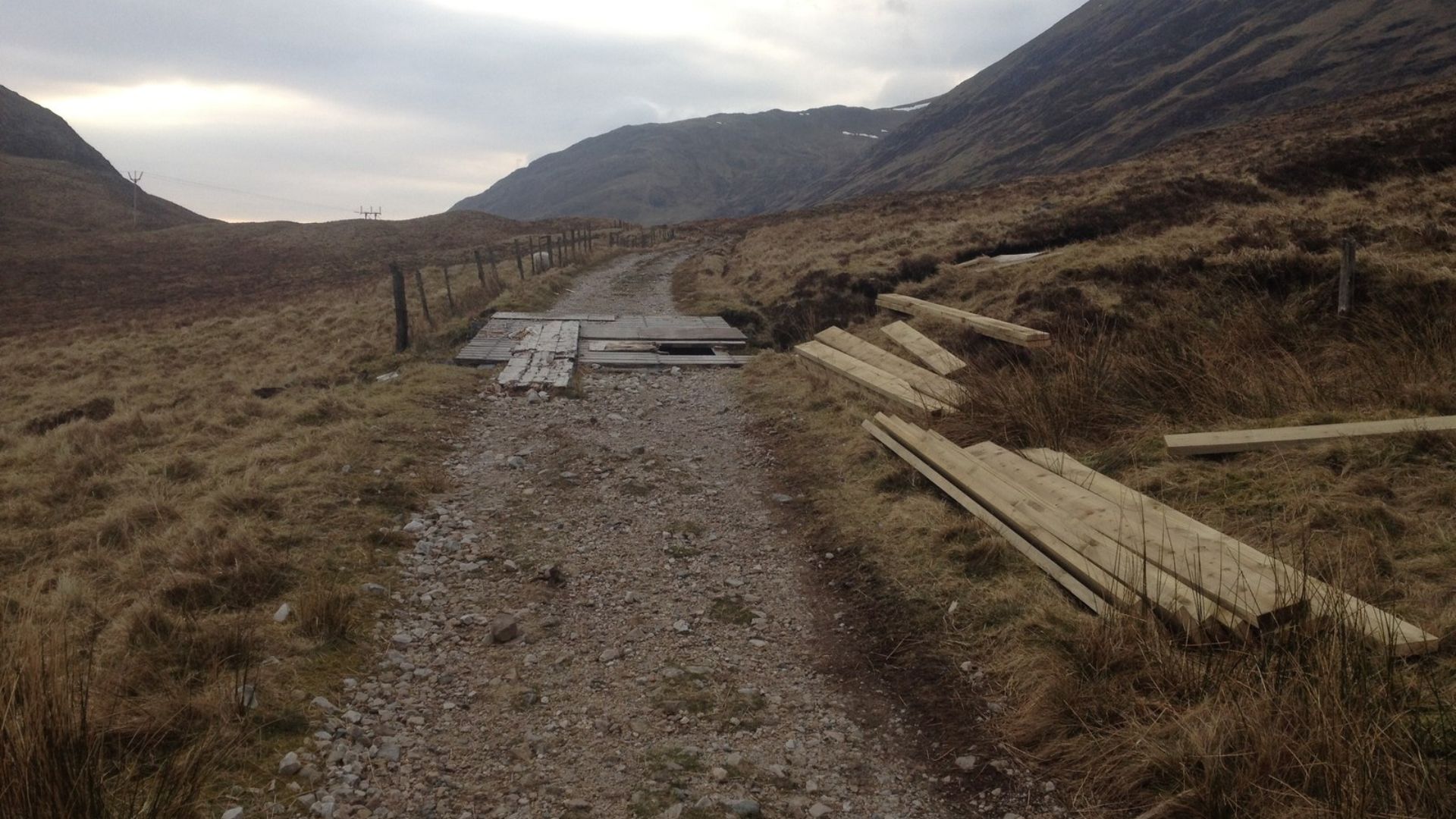 Steven Brown , Wikimedia Commons
Plan With Respect And Patience
These routes are not theme parks. Many pass through living communities, protected heritage sites, sacred places, and fragile landscapes. The best travelers go slowly, follow local rules, support local guides and businesses, and remember that walking an ancient route is a privilege.
 Walter Baxter , Wikimedia Commons
The Road Is The Destination
Ancient routes reward people who enjoy the spaces between famous stops. You notice the bridges, wells, milestones, shrines, inns, and paths that once made long-distance travel possible. Follow one today, and the past stops feeling distant because it starts moving beside you.
You May Also Like:
Ranking The Most Beautiful Train Routes In The World—According To Travelers
Historic Destinations That Still Exist—But Look Nothing Like They Did 100 Years Ago
Countries Where Americans Are Often Surprised By Everyday Customs—The Culture Shock Is Real
Sources: 1, 2, 3, 4, 5, 6, 7, 8, 9, 10, 11, 12, 13, 14, 15, 16, 17, 18, 19




.jpg)