The World Has More Rules Than You Think
Travel is full of surprises, and some of the biggest ones come from everyday customs. From Japan's quiet trains and France's greeting etiquette to Spain's late dinners and Iceland's pool rules, simple routines can feel completely unfamiliar. These are the countries where culture shock often shows up when you least expect it.
Japan Turns Quiet Into A Social Skill
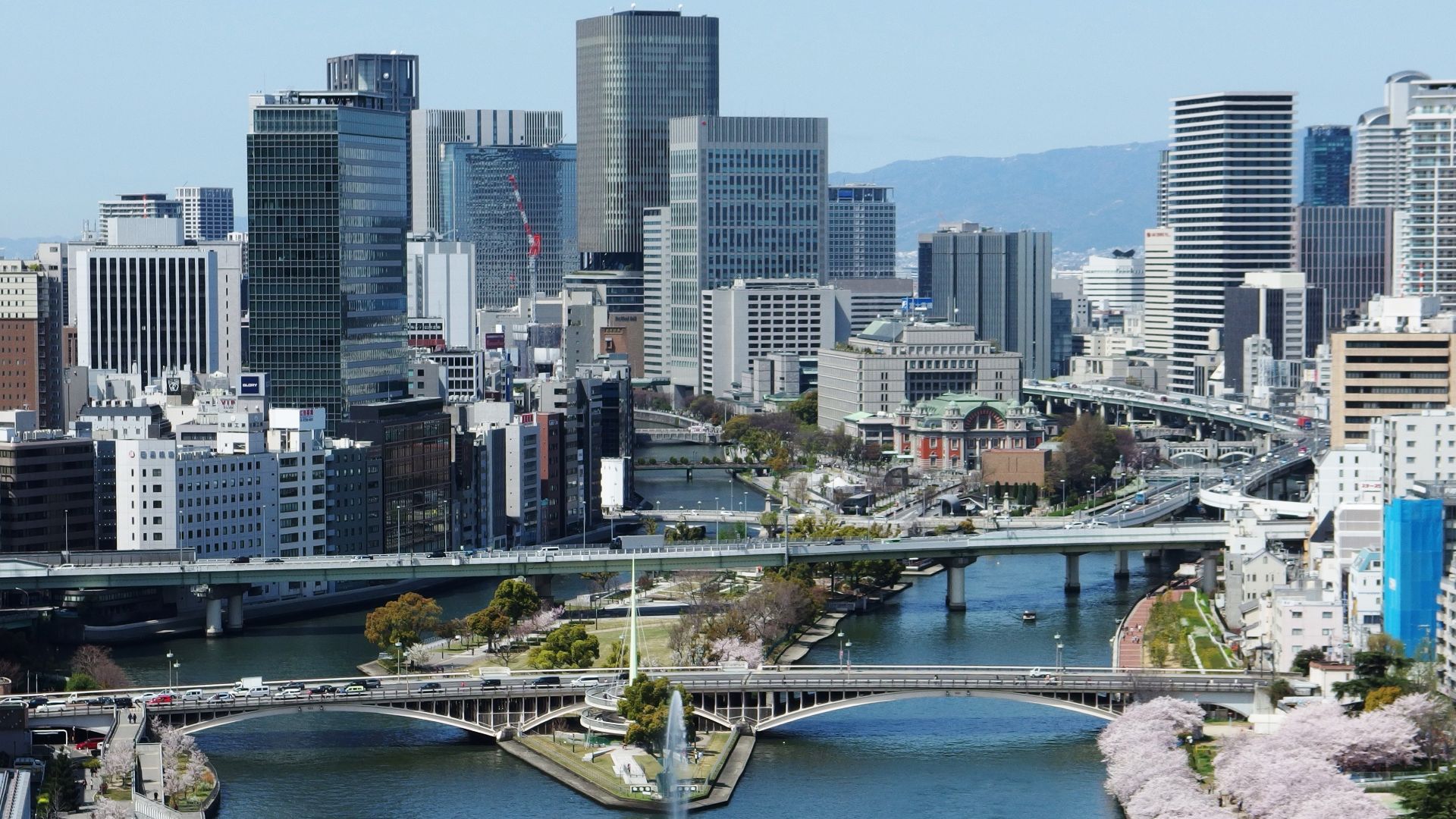
Japan can feel wonderfully calm, but that calm comes with rules visitors notice fast. Phone calls on trains are discouraged, shoes often come off indoors, and careful manners shape everyday public life. Then dinner flips the script, because slurping noodles is widely accepted and can signal enjoyment.
France Makes Hello Feel Mandatory
In France, walking into a shop without saying “Bonjour” can feel brusque to locals. Americans who are used to starting with a question may be surprised by how much a greeting matters. Once you get the rhythm, the interaction usually feels warmer and smoother.
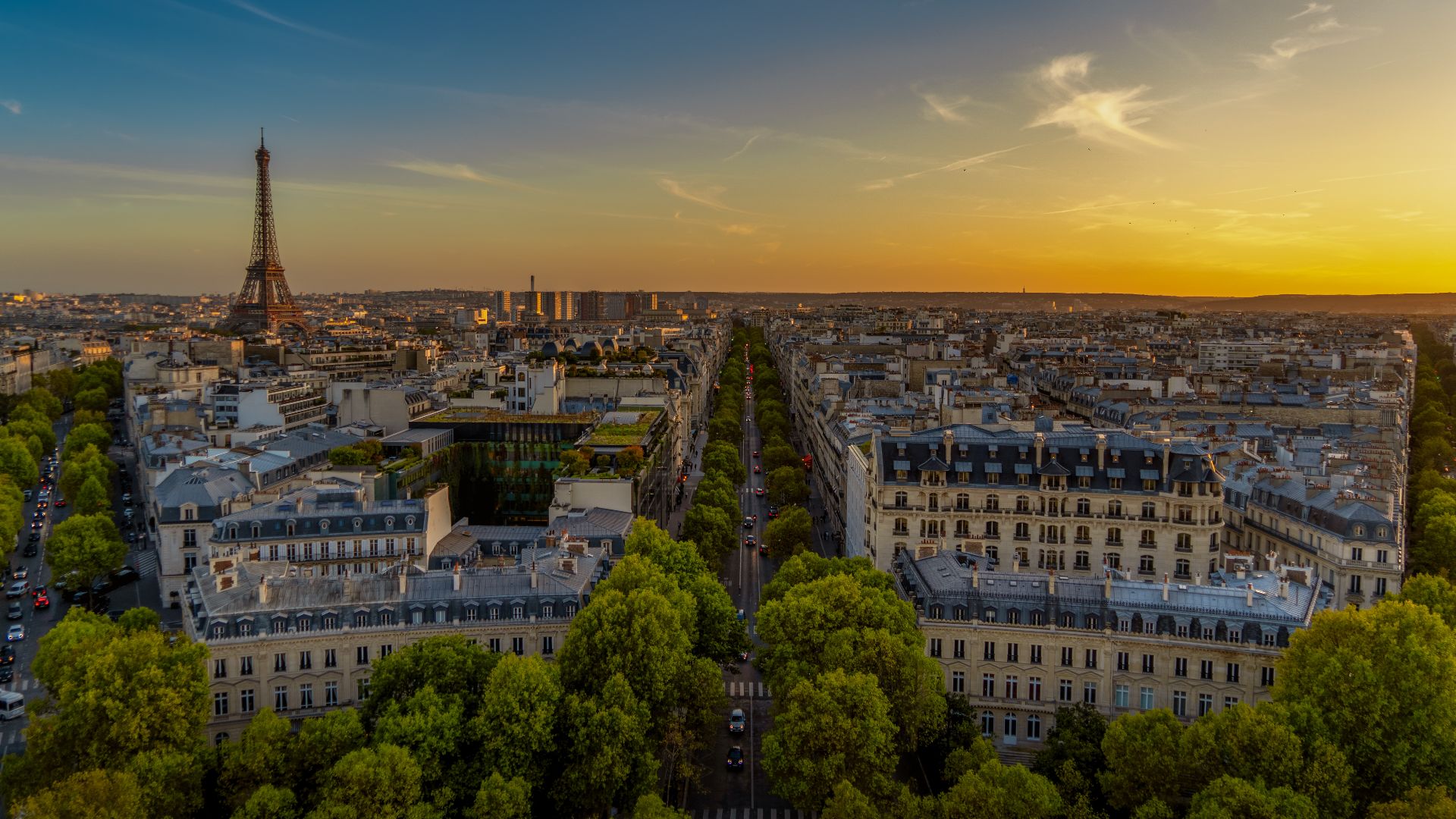 Pierre Blache from Paris, France, Wikimedia Commons
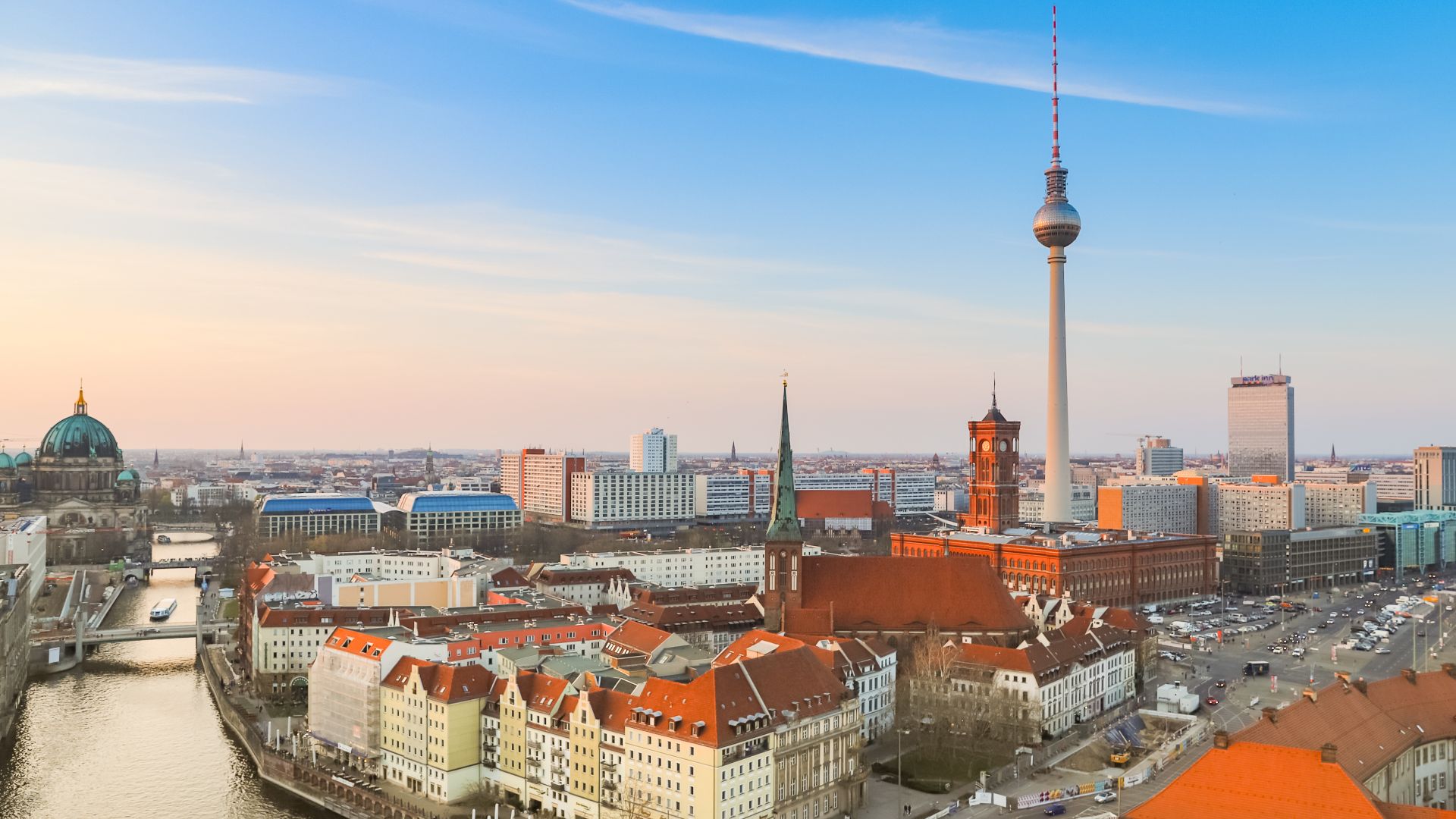
Germany Takes Quiet Hours Seriously
Germany can surprise visitors with how structured daily life feels. Quiet hours, recycling rules, and Sunday rest are treated with real respect in many communities. The payoff is a country that often feels orderly, clean, and considerate.
Italy Has Coffee Rules You Can Actually Taste
Italy’s coffee culture is not random, and that is part of the charm. Cappuccino is usually a morning drink, while espresso is the safer choice later in the day. Standing at the bar can also cost less than sitting at a table.
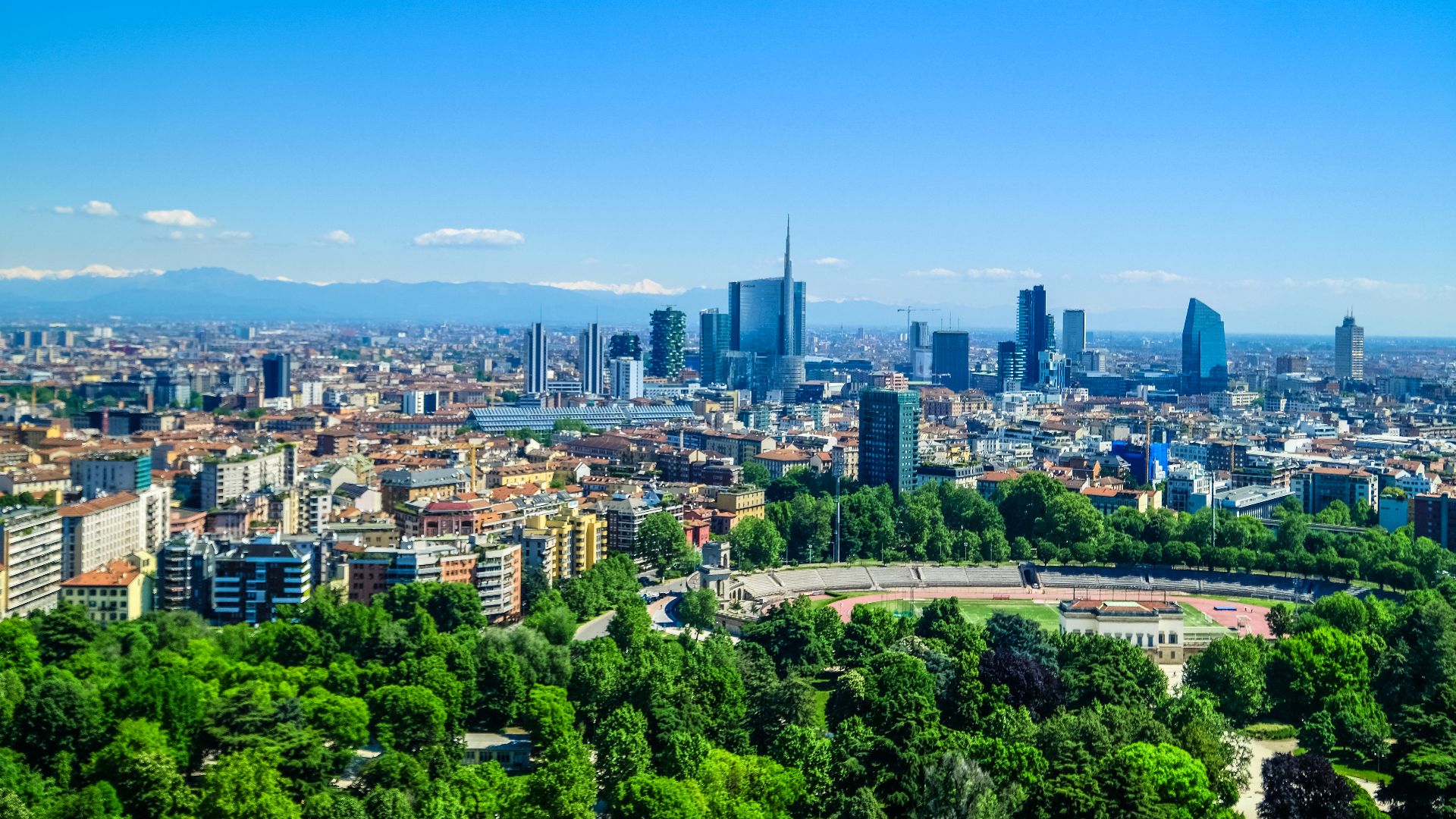 Francesco Ungaro, Wikimedia Commons
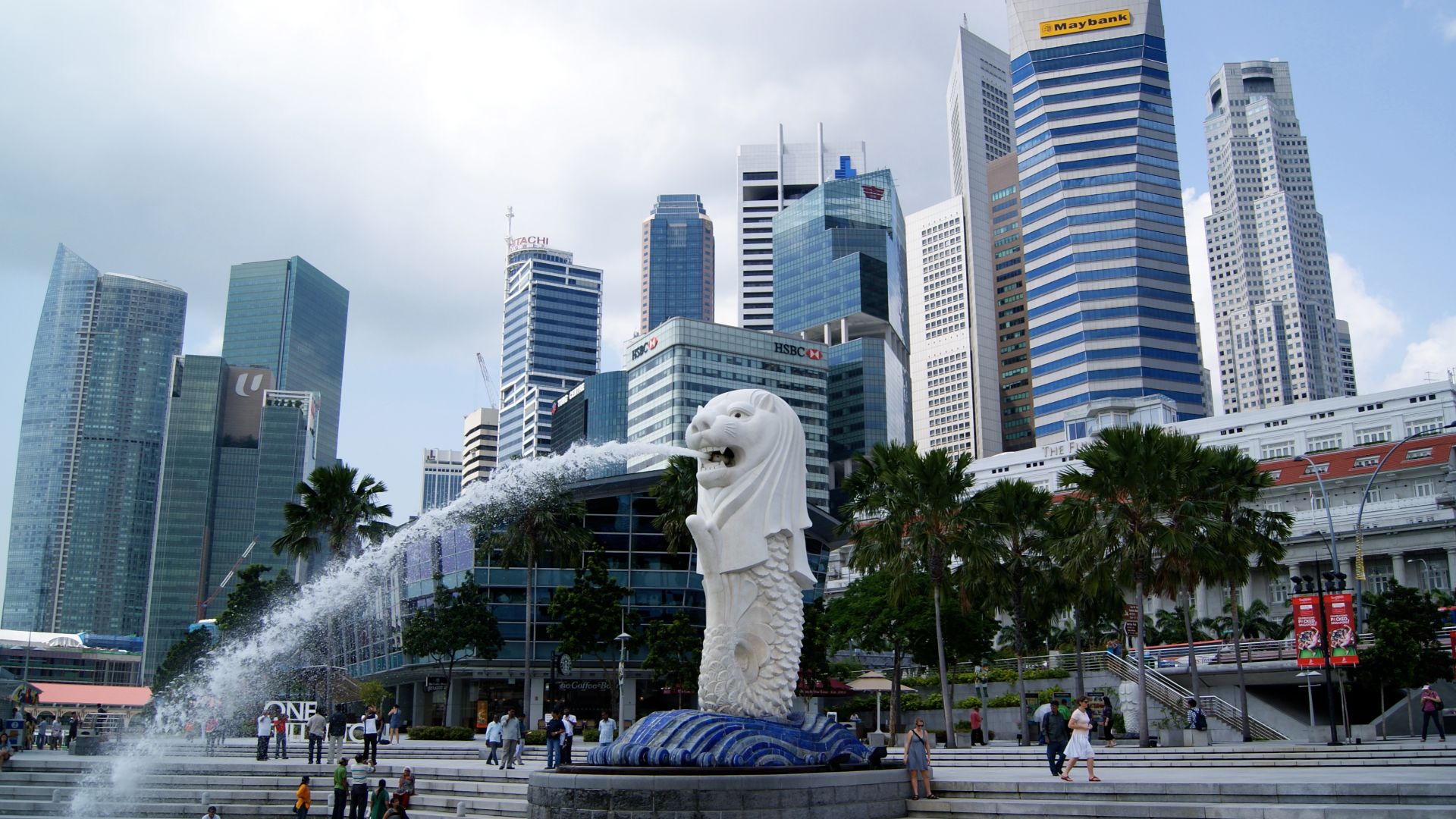
Singapore Runs On Cleanliness And Consequences
Singapore’s spotless streets are not an accident. Rules around littering, public transport behavior, and chewing gum surprise many first-time visitors. The city is easy to enjoy when you understand that civic order is part of daily culture.
Thailand Puts Respect Into Body Language
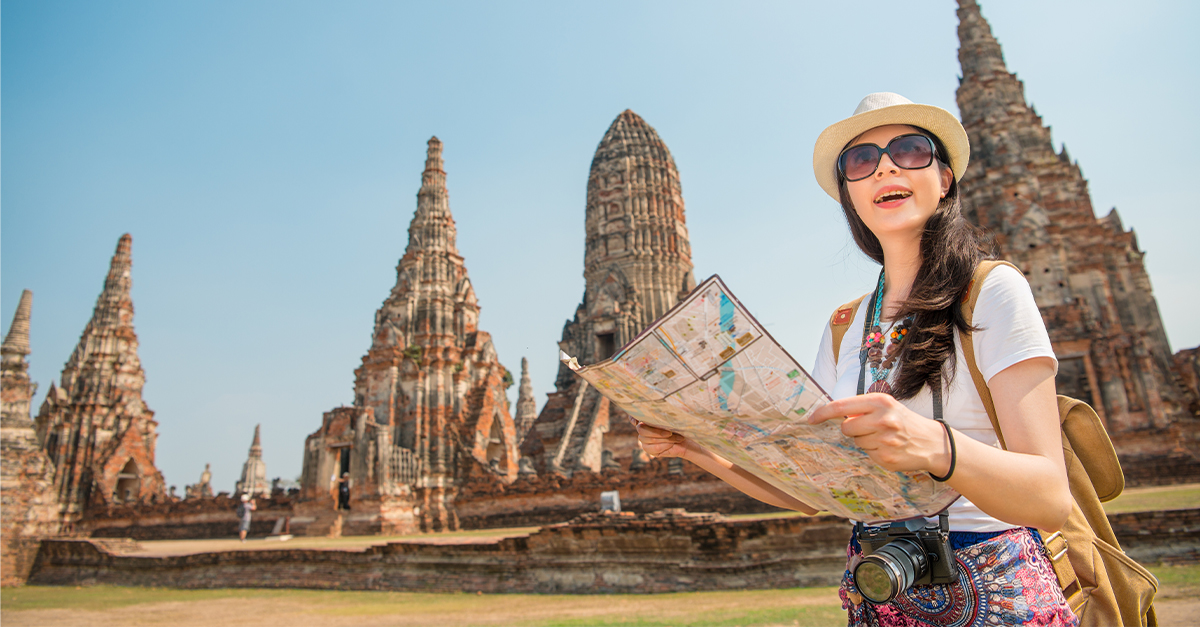
Thailand’s etiquette often lives in gestures rather than speeches. The wai greeting, respect for the head, and caution about pointing feet matter more than many Americans expect. Temple visits also call for modest clothing and calm behavior.
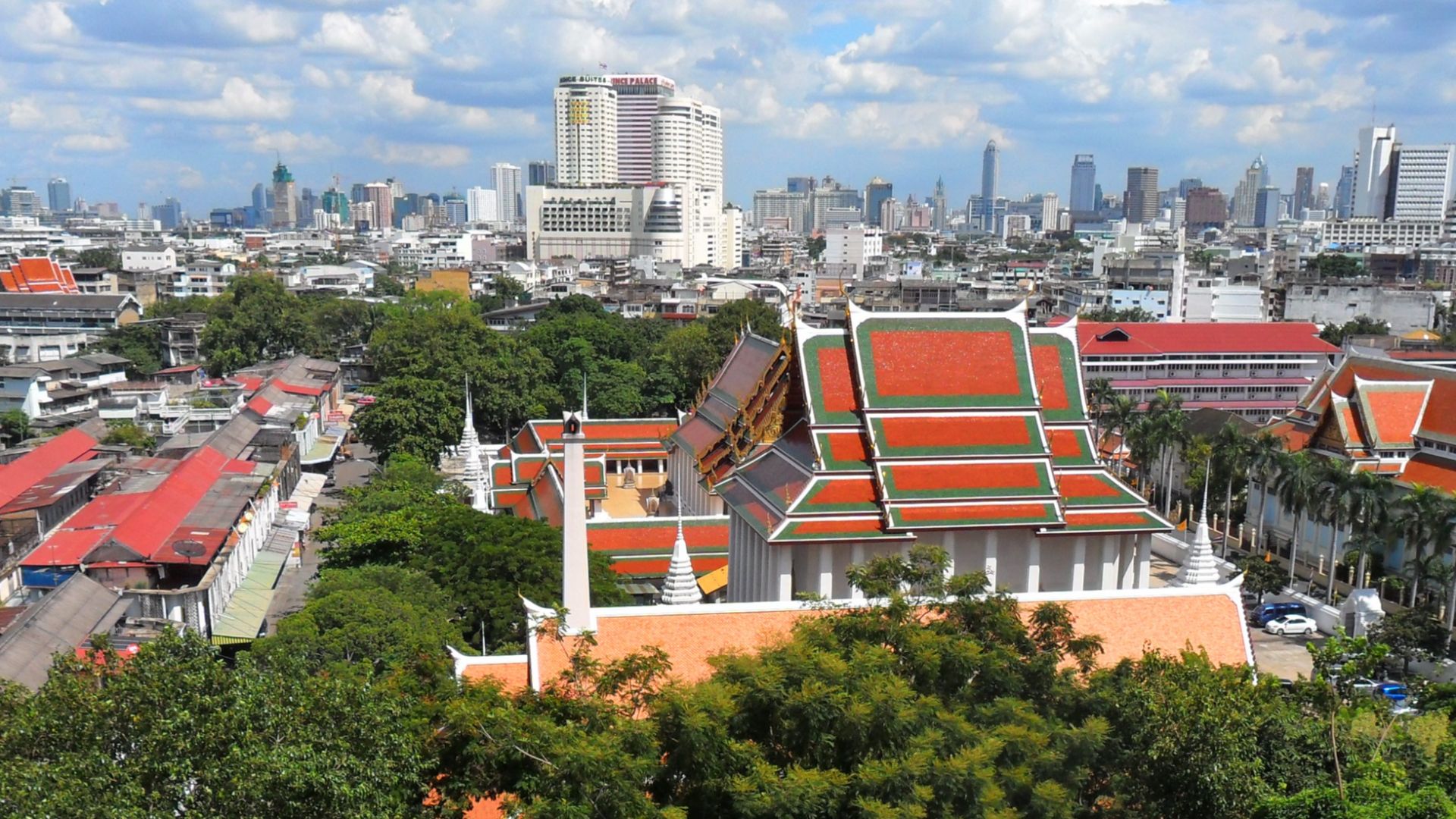 Milei.vencel, Wikimedia Commons
South Korea Gives Age A Seat At The Table
South Korea’s social customs often reflect respect for age and hierarchy. Using two hands when giving or receiving something can show courtesy. At meals, drinking customs and seating arrangements may feel more formal than casual American dining.

Spain Eats On A Different Clock
Spain can make Americans feel as if their watches are wrong. Lunch is often later, dinner can stretch deep into the evening, and lingering after a meal is normal. Once visitors stop fighting the timetable, the pace begins to feel generous.
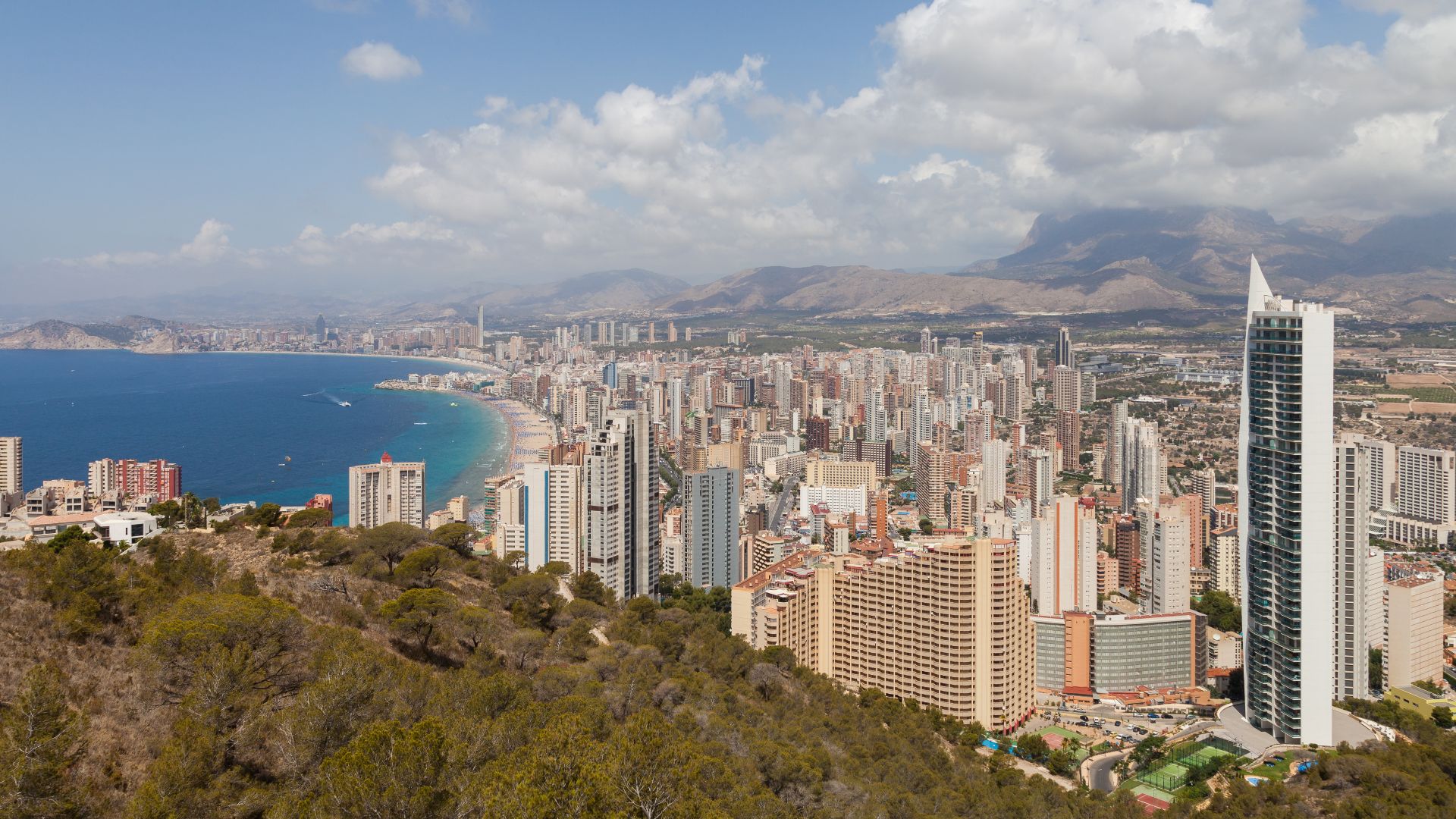 Diego Delso, Wikimedia Commons
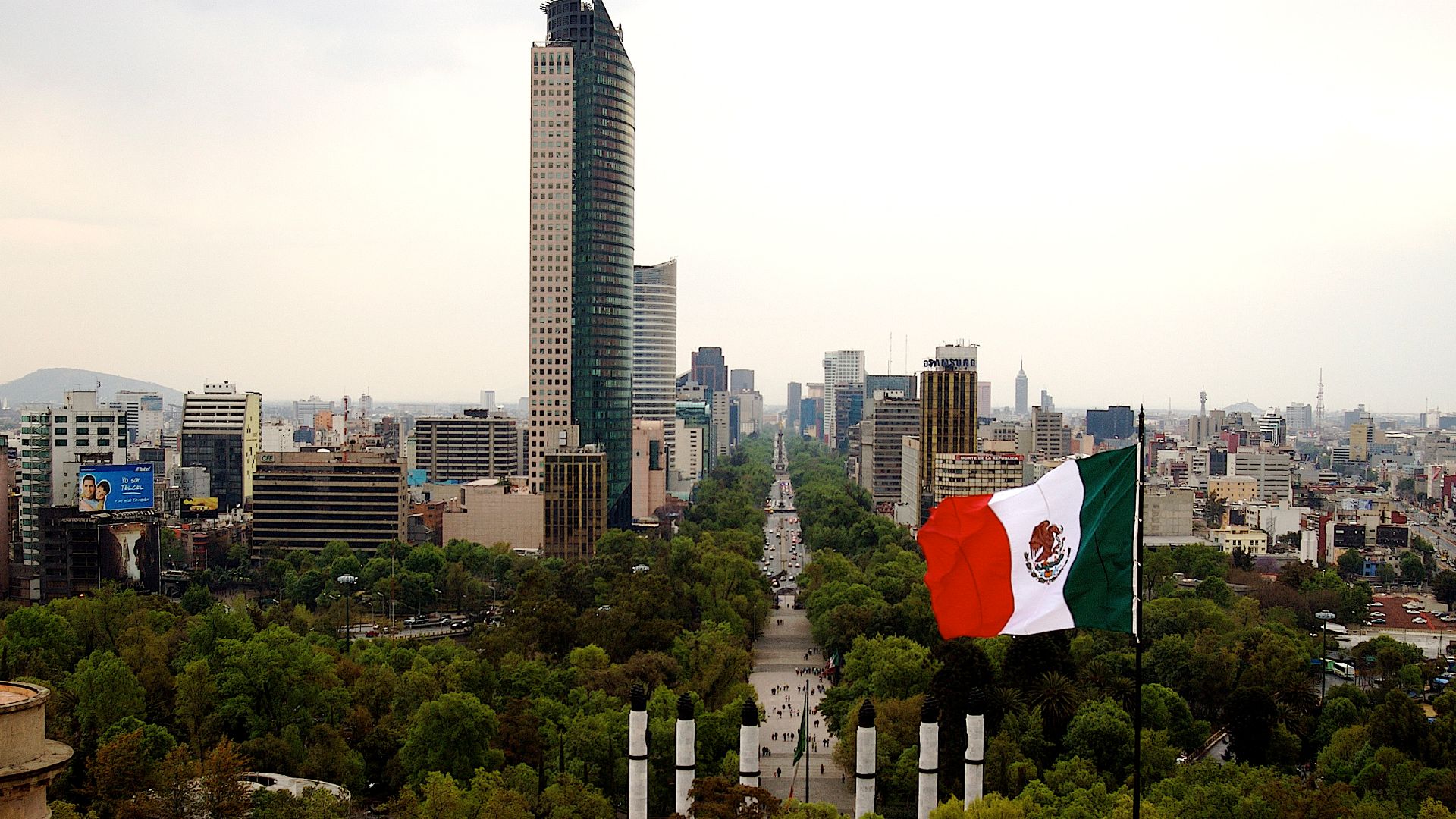
Mexico Makes Social Warmth Part Of The Welcome
Mexico often feels warm, expressive, and personal in everyday interactions. Greetings matter, titles can show respect, and social events may not start exactly on the stated time. Americans who relax into the rhythm usually find the hospitality memorable.
India Keeps Etiquette Deeply Regional
India is too diverse for one simple rulebook, which is part of the culture shock. Still, removing shoes in homes and temples, dressing modestly at religious sites, and using the right hand for eating are common expectations. A little observation goes a long way.
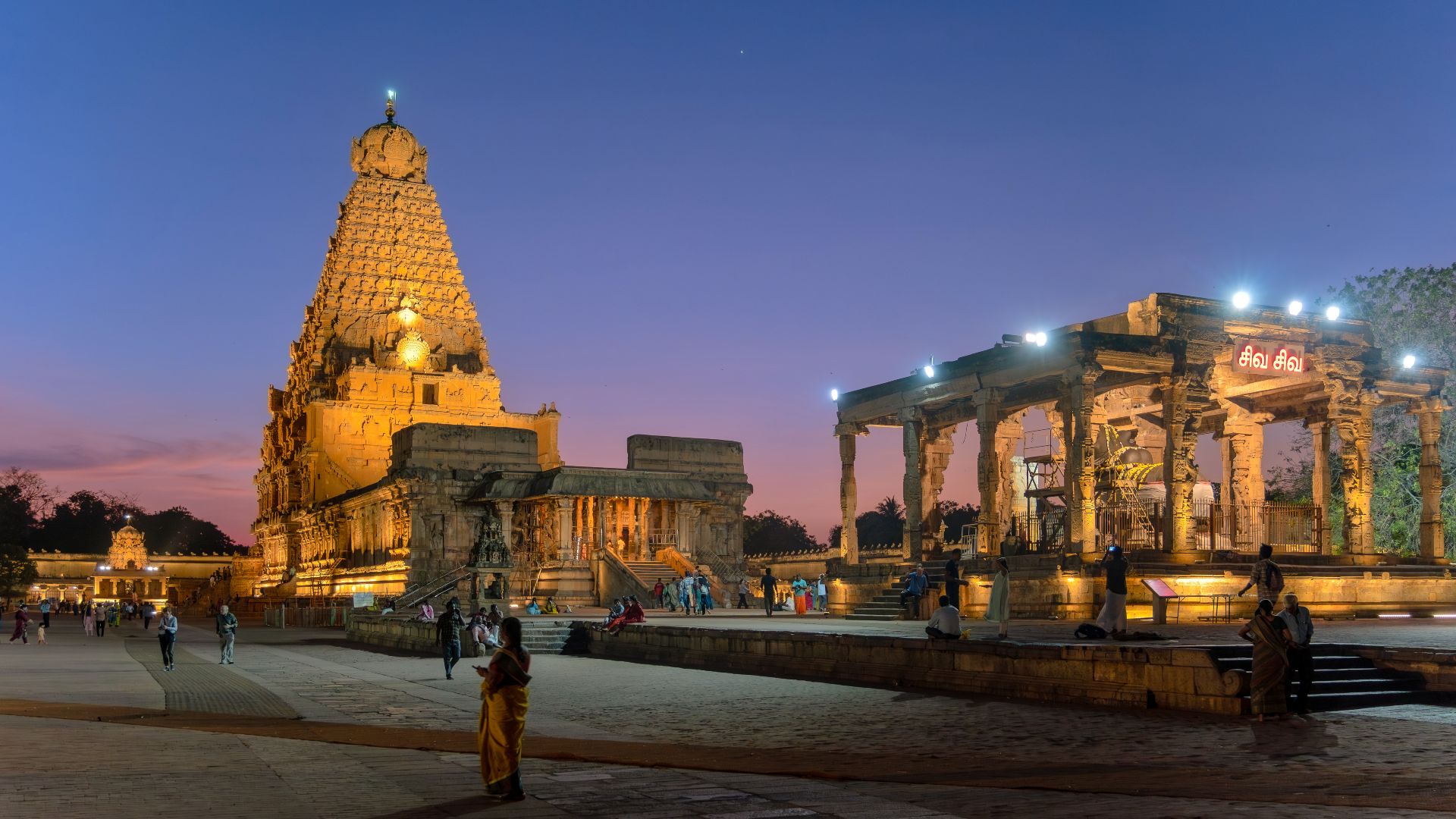 Original: Rainer Halama Derivative work: UnpetitproleX, Wikimedia Commons
Morocco Turns Tea Into Hospitality
In Morocco, mint tea is more than a drink. It is often a gesture of welcome, patience, and social connection. Visitors may also notice that bargaining can be normal in markets, but it works best when it stays friendly.

Turkey Makes Hospitality Feel Personal
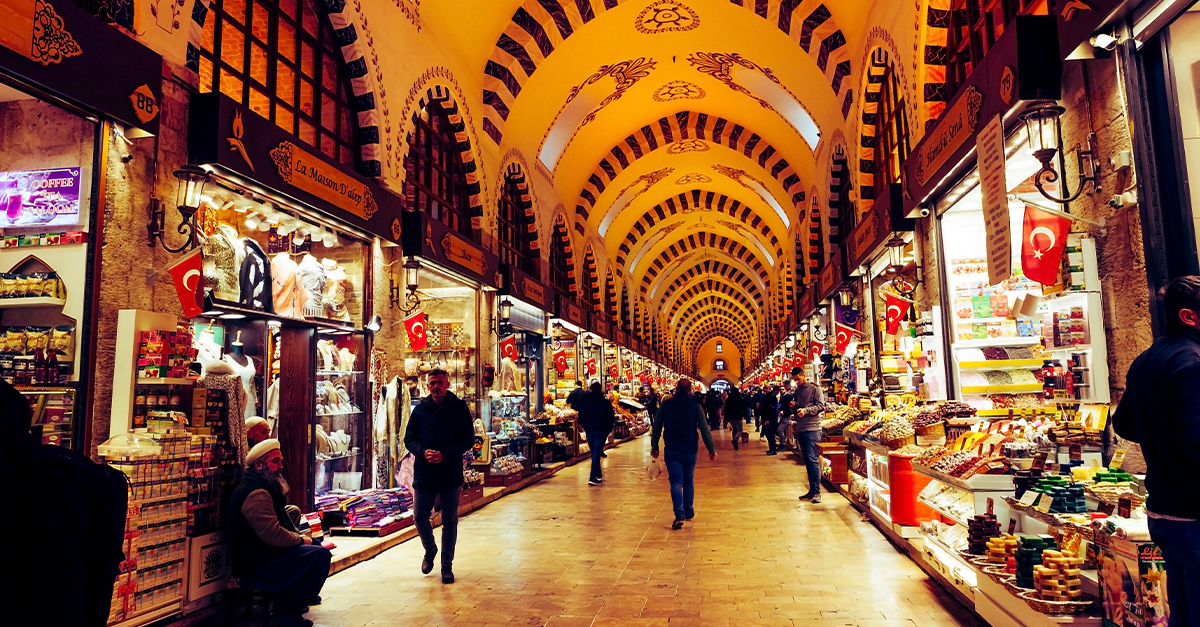
Turkey often surprises Americans with how quickly hospitality appears. Tea, conversation, and generous hosting can turn ordinary moments into social rituals. In homes and mosques, removing shoes and dressing respectfully are important signs of awareness.
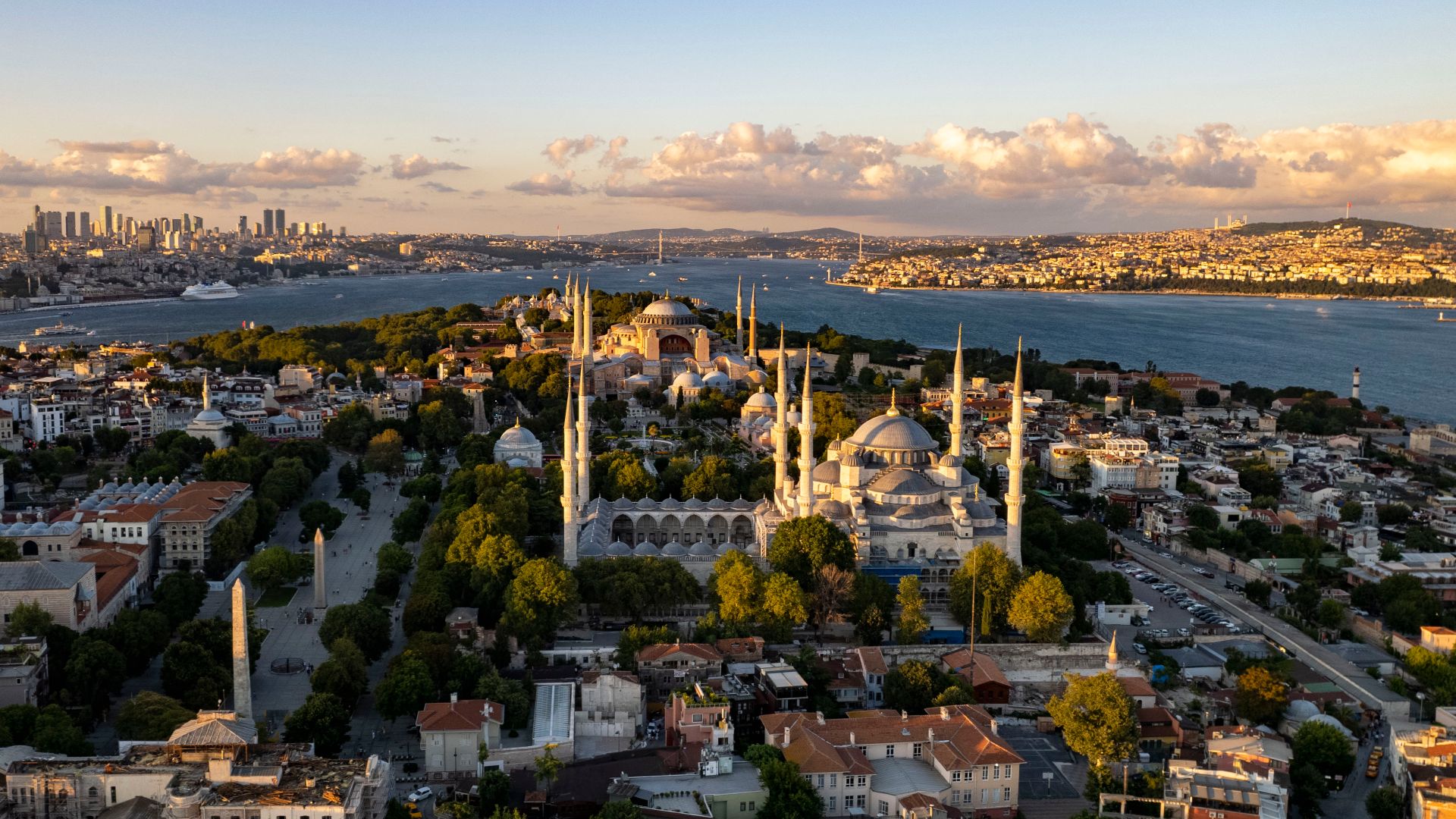
The United Arab Emirates Has Public Manners With Real Weight
The UAE blends modern luxury with conservative social expectations. Visitors should be mindful of dress, public affection, photography, and Ramadan customs. The surprise is not that rules exist, but that they coexist with such a global, high-energy travel scene.
 Norlando Pobre, Wikimedia Commons
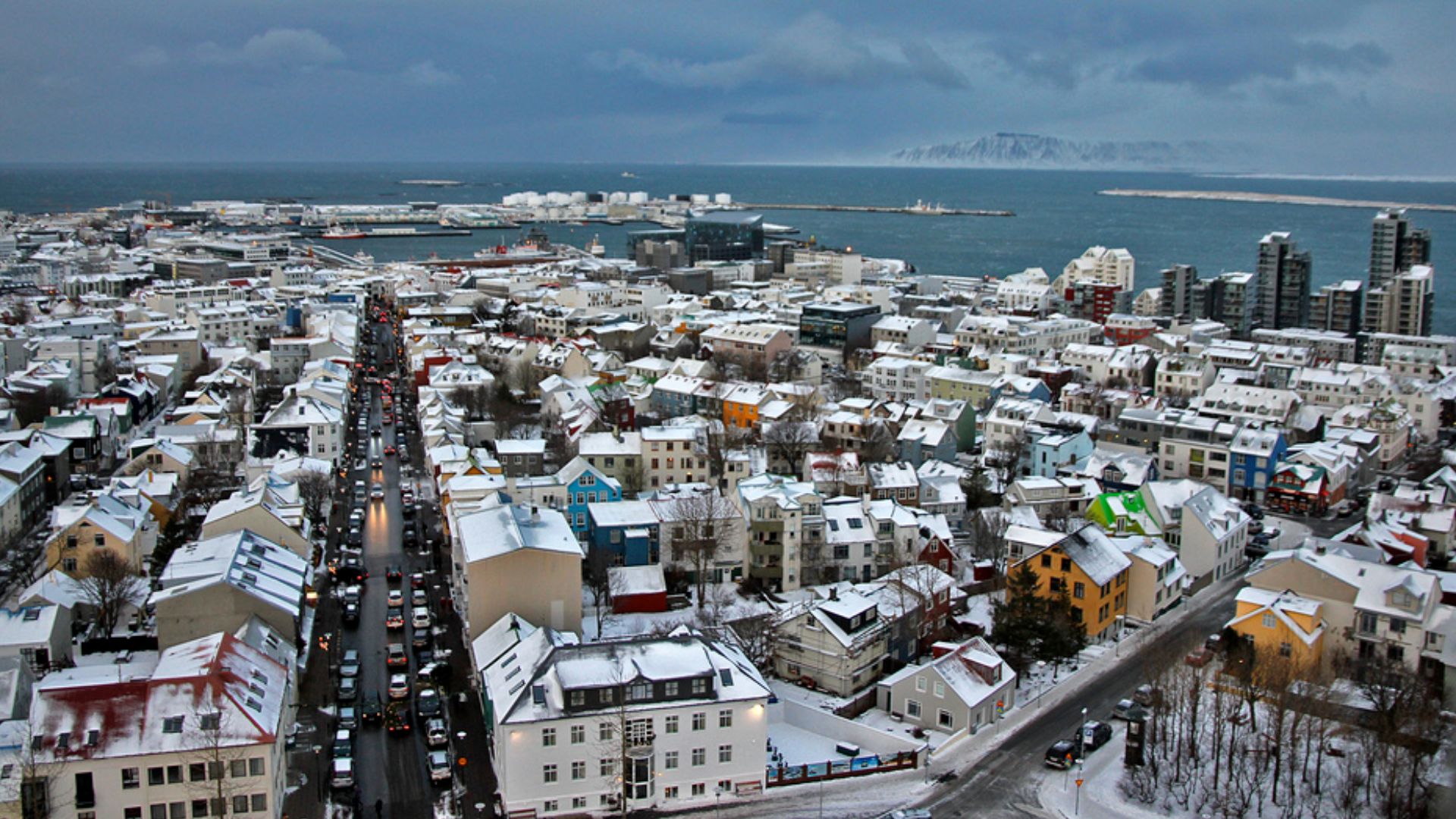
Iceland Takes Pool Hygiene Very Seriously
Iceland’s geothermal pools are relaxing, but the shower rules are not optional. Visitors are expected to wash thoroughly before entering pools or lagoons. For Americans used to quick locker-room routines, this can be one of the trip’s biggest surprises.
 Kjell Joran Hansen, Wikimedia Commons
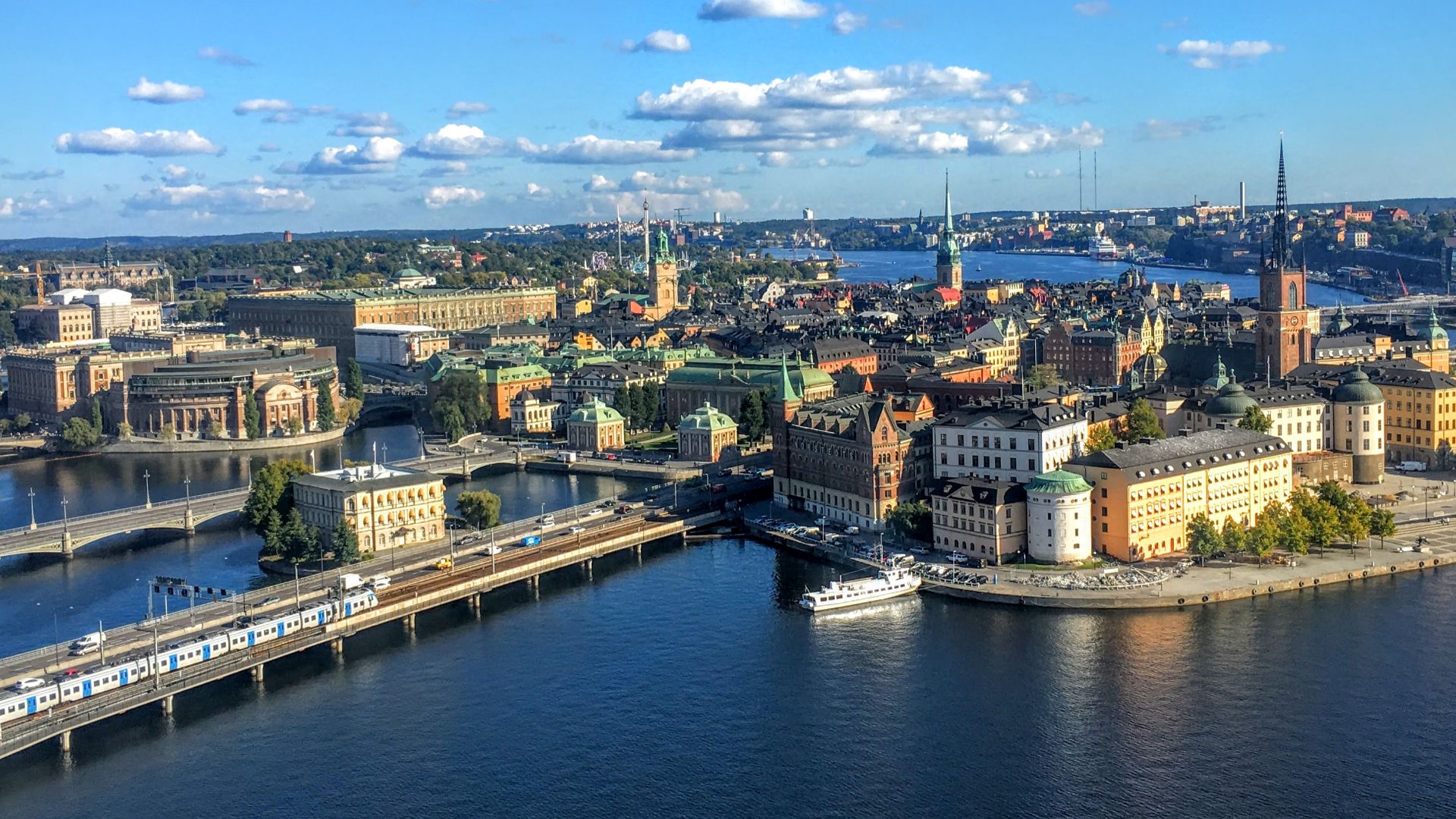
Sweden Makes Queueing Almost Sacred
Sweden’s everyday customs often prize calm, equality, and personal space. Queueing systems, quiet public transport, and fika breaks all reveal a culture that values order without much fuss. The effect is subtle, but visitors notice it quickly.
 Jonatan Svensson Glad, Wikimedia Commons
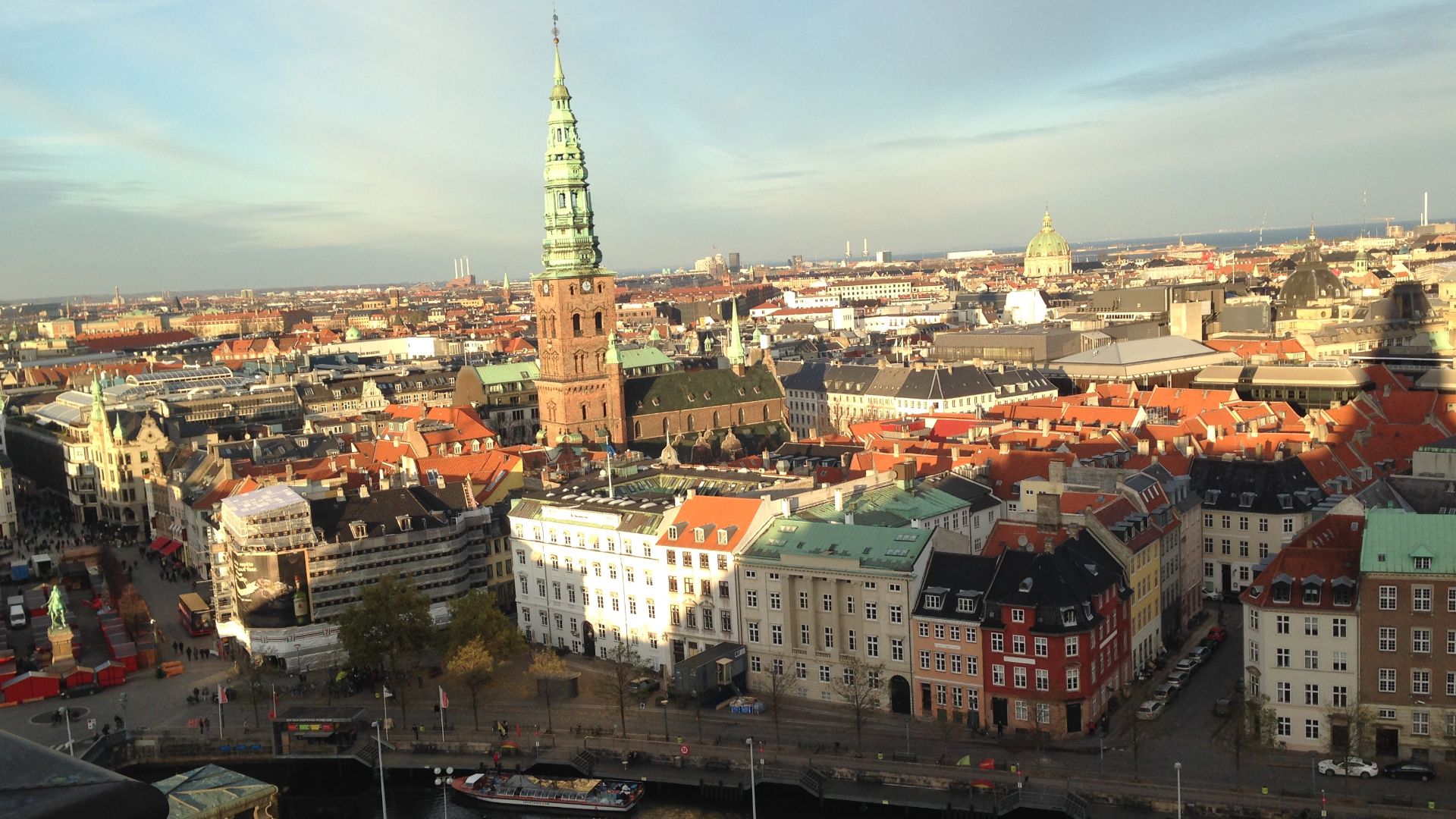
Denmark Keeps Things Cozy But Punctual
Denmark’s famous coziness does not mean social life is careless. Punctuality, understated manners, and respect for personal space matter. Hygge feels casual on the surface, but it works because people follow the social cues around it.
The Netherlands Says What It Means
Dutch directness can feel startling to Americans who expect more cushioning in conversation. In the Netherlands, bluntness is often linked to honesty and efficiency rather than rudeness. Birthday customs can also surprise visitors, especially when everyone in the room gets congratulated.
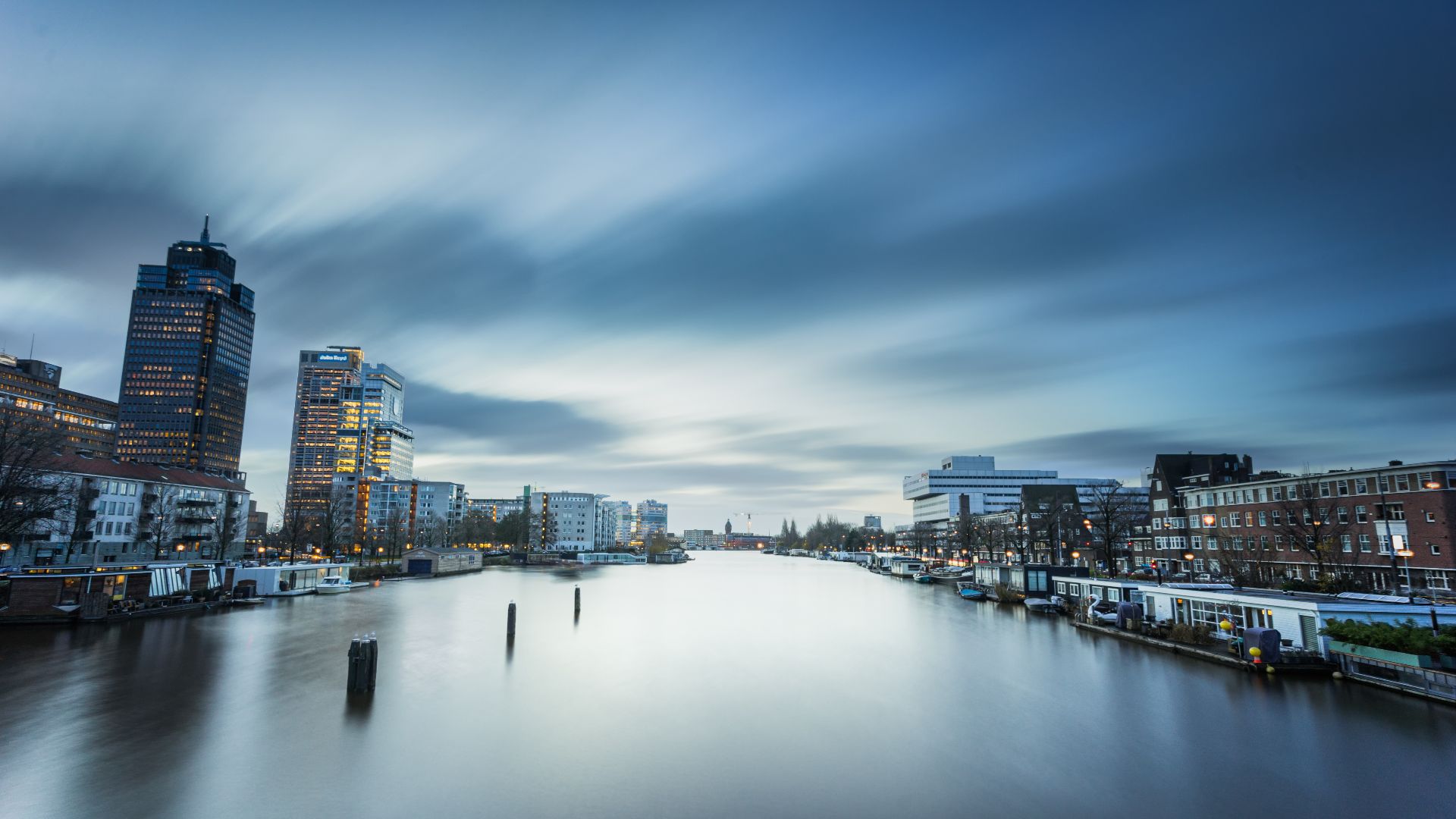 Milad Alizadeh mastodonic, Wikimedia Commons
The United Kingdom Has Pub Rules Without A Rulebook
British pubs can confuse Americans because table service is not always the default. Ordering at the bar, buying rounds, and knowing whose turn it is all matter. The pub may look casual, but it has its own quiet etiquette.
![500px provided description: London Skyline [#sunset ,#architecture ,#cityscape ,#london ,#uk ,#skyline ,#financial district ,#thames ,#london bridge ,#london shard]](https://www.factinate.com/storage/app/media/splashtravels/2026/6/11/17811732309a58fdb3ffcbf38b1e5e68b24d00dabdd9e00300.jpeg) Ilya Grigorik, Wikimedia Commons
Ilya Grigorik, Wikimedia Commons
Australia Keeps It Casual But Not Careless
Australia’s laid-back style can make visitors assume anything goes. In reality, friendliness and not taking yourself too seriously are useful social skills. Tipping is appreciated for great service, but it is not built into daily life the way it is in the United States.
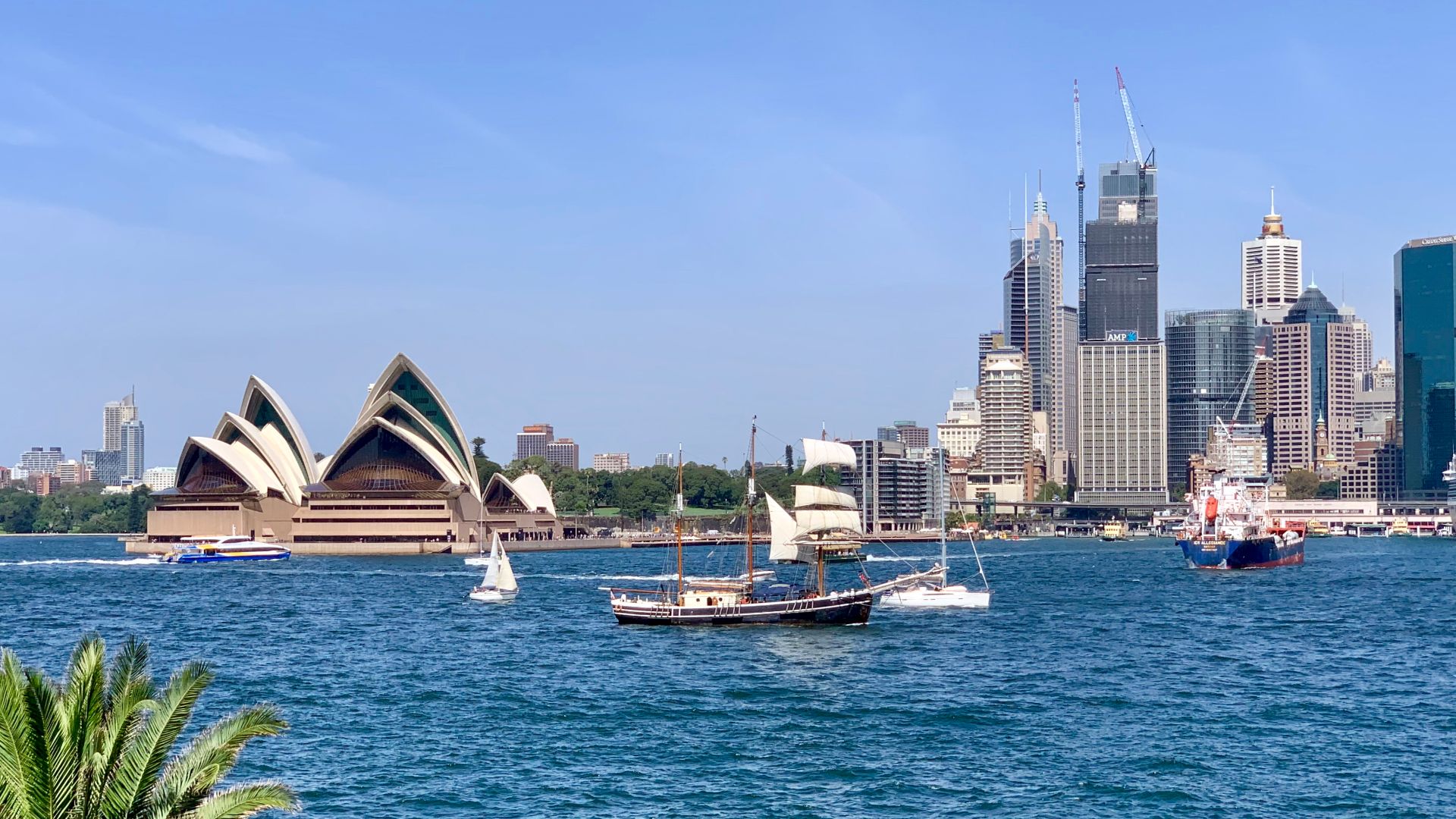
New Zealand Blends Kiwi Ease With Māori Protocol
New Zealand often feels relaxed, but Māori customs deserve careful respect. On a marae, visitors follow welcome protocols, remove shoes before entering the meeting house, and listen closely to hosts. Even common greetings like “Kia ora” carry cultural warmth.
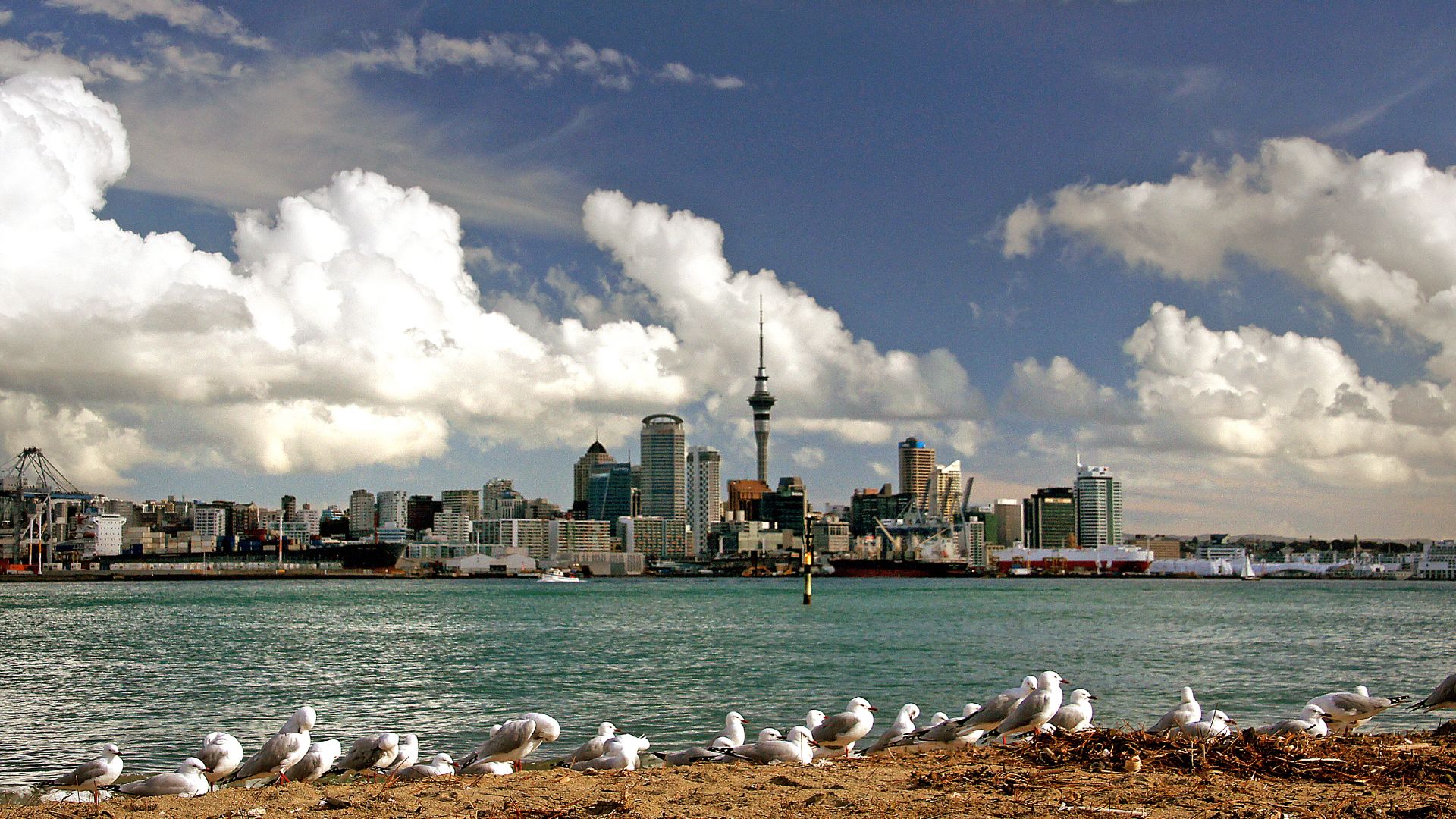 Bernard Spragg. NZ from Christchurch, New Zealand, Wikimedia Commons
Brazil Greets With Closeness
Brazilian greetings can feel much more physical than many Americans expect. Cheek kisses, hugs, and close conversational distance are common in social settings, though customs vary by region. The warmth is genuine, and visitors usually adjust faster than they expect.
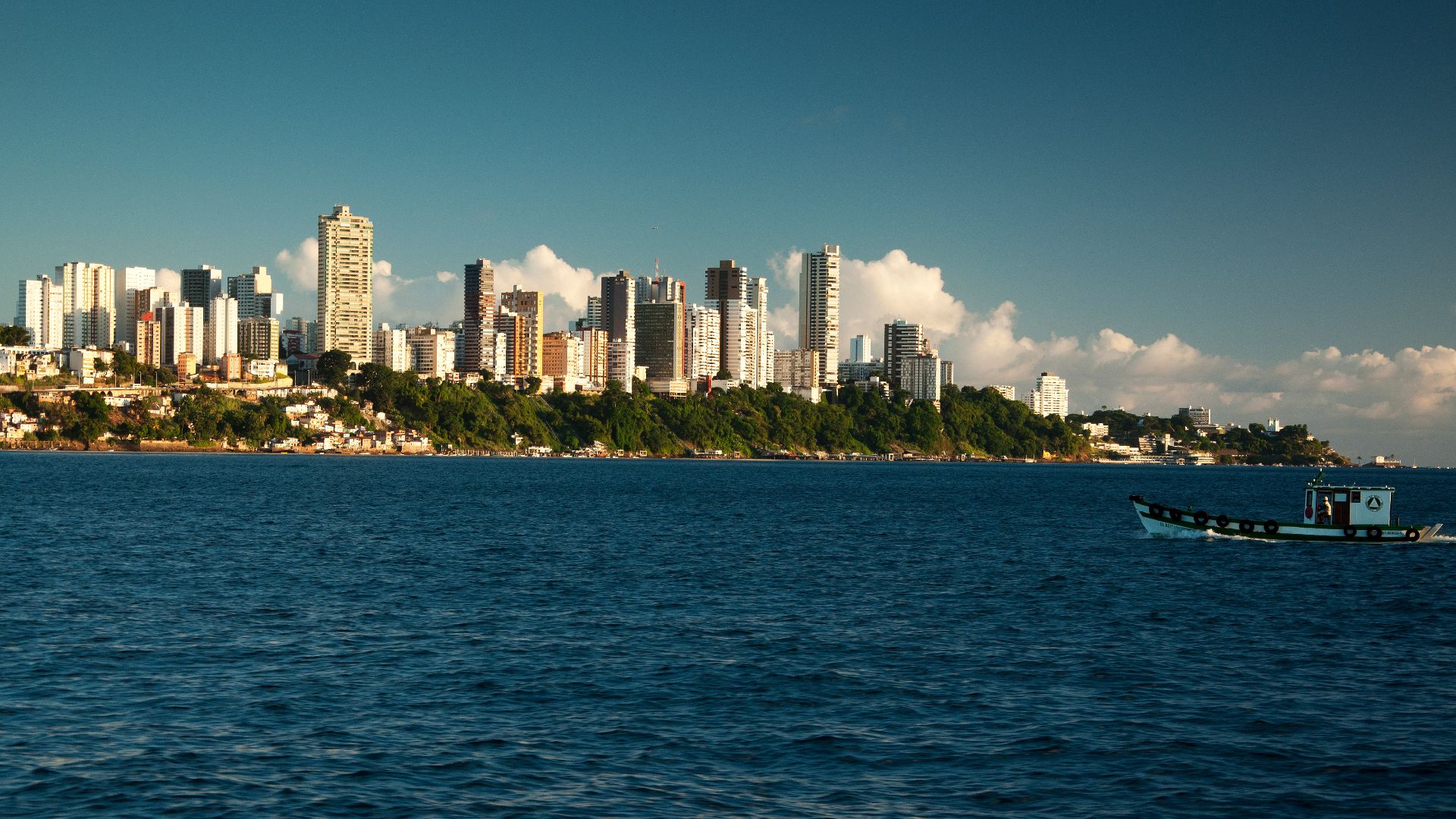 Avinash Achar, Wikimedia Commons
Argentina Eats Late And Shares Mate
Argentina’s social calendar can stretch well past American dinner hours. Late dinners, long asados, and shared mate all reflect a culture built around conversation. Saying “gracias” during mate can signal that you are done, not just polite.
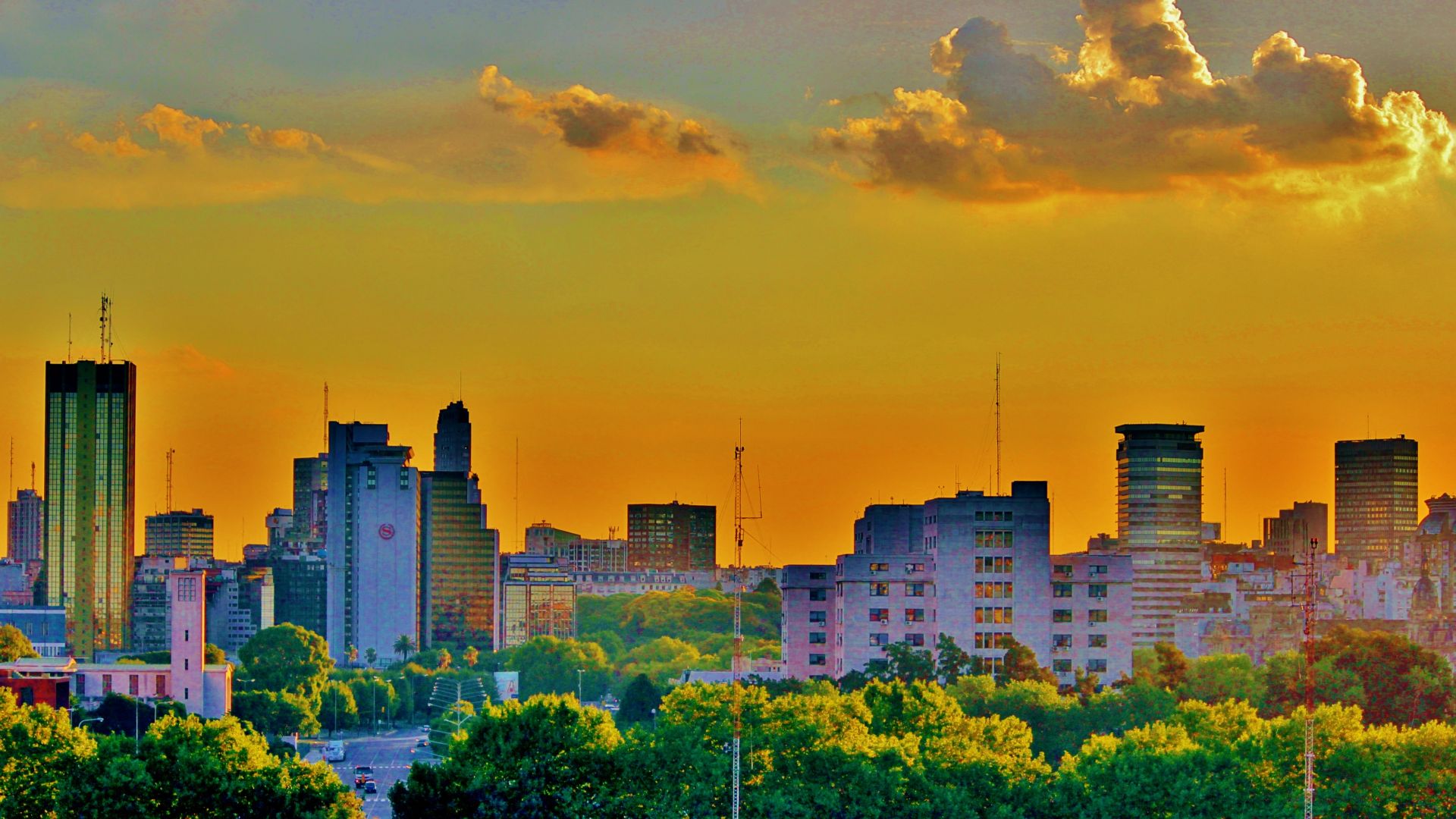 Michelle Maria, Wikimedia Commons
China Makes The Table A Shared Stage
In China, dining is often communal rather than individual. Dishes may be shared, elders may guide ordering, and chopstick placement matters. Sticking chopsticks upright in rice is especially avoided because of funeral associations.
 Rodrigo.Argenton, Wikimedia Commons
Vietnam Rewards Calm And Courtesy
Vietnam’s everyday etiquette values harmony, respect, and composure. Visitors should be mindful with chopsticks, temple clothing, and loud public behavior. In homes and sacred spaces, shoes may come off and observation is your best guide.
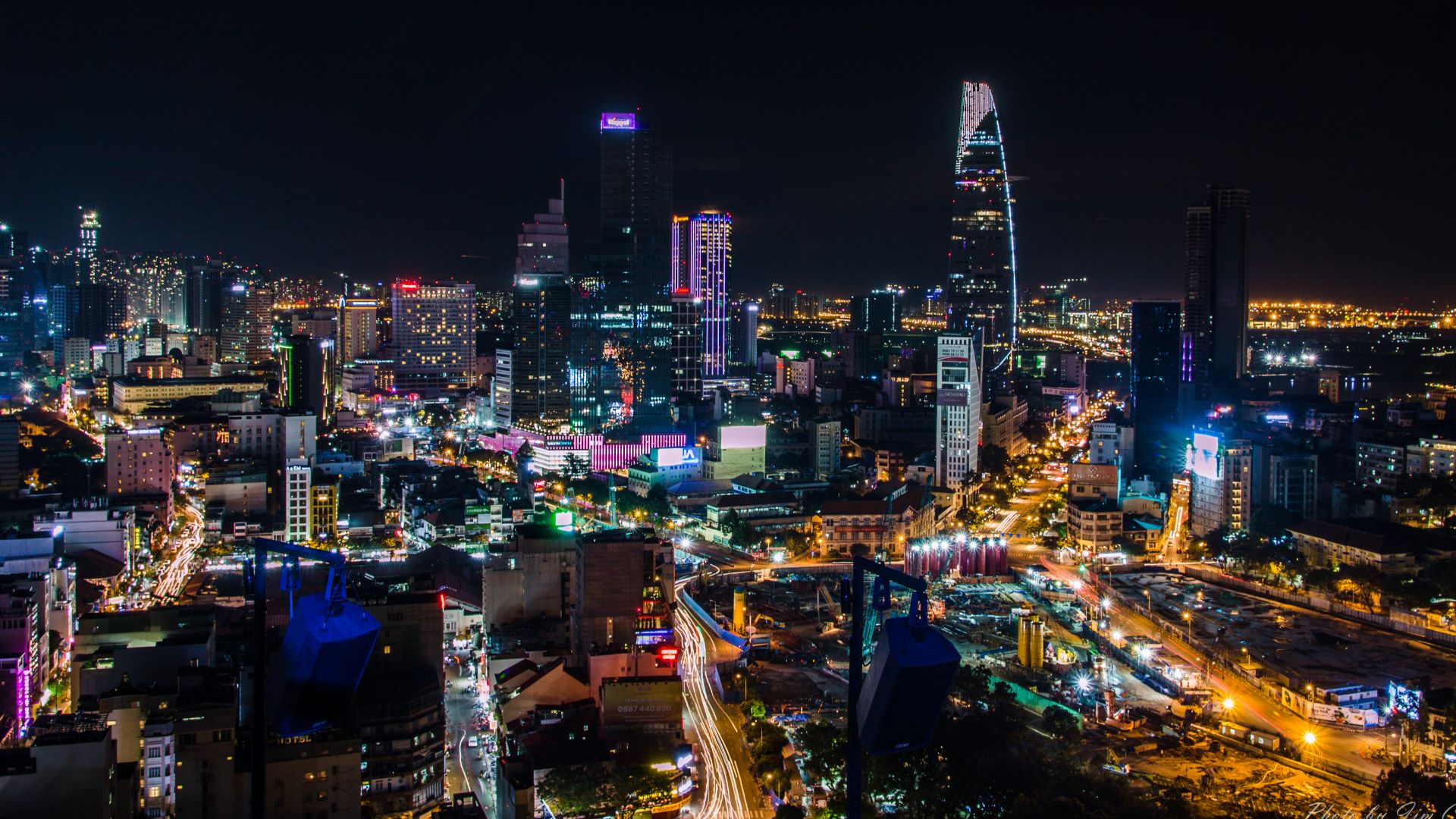
Greece Turns Meals Into Social Time
Greece can surprise Americans with how long and lively meals become. Dining is social, hospitality is important, and dinner often starts later than many visitors expect. Church visits also call for modest clothing and respectful behavior.
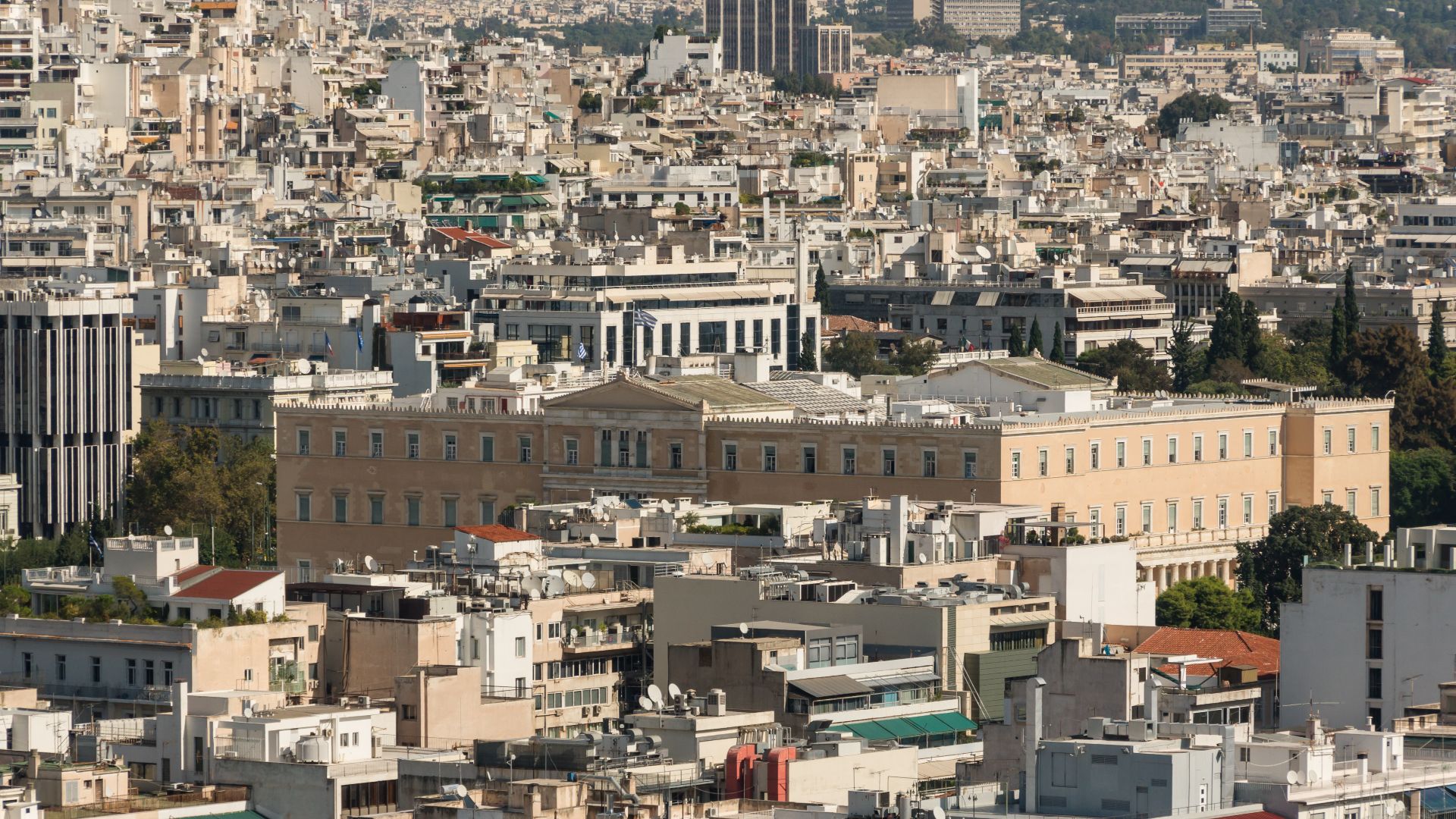
Portugal Moves At A Polite Pace
Portugal’s customs often feel gentle, formal, and warmly understated. Greetings matter, meals are not rushed, and café culture rewards patience. Visitors who learn a few Portuguese phrases usually find the effort appreciated.
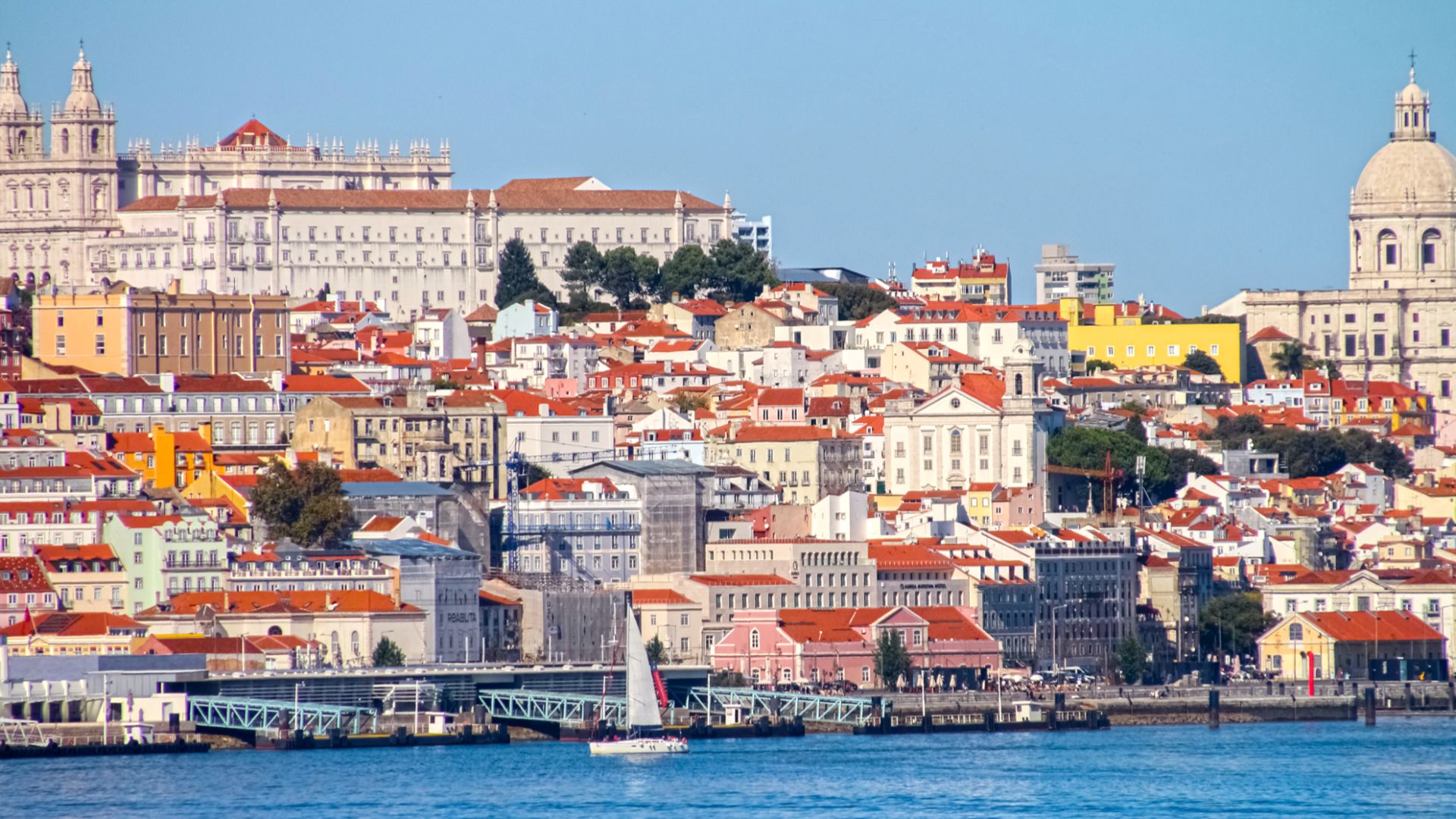 Vitor Oliveira from Torres Vedras, PORTUGAL, Wikimedia Commons
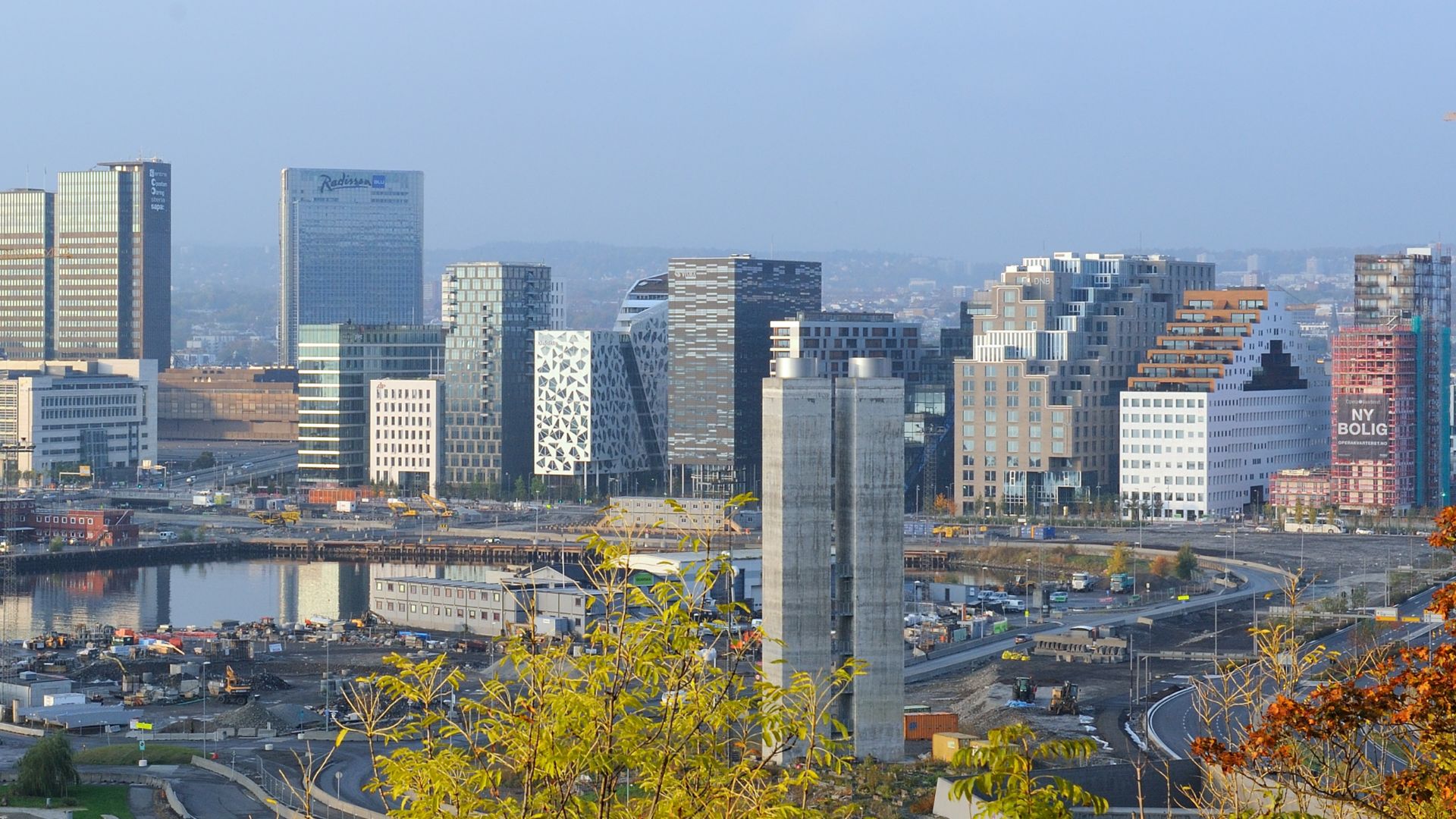
Norway Protects Personal Space
Norway can feel reserved at first, especially to Americans used to easy small talk. Personal space, quiet voices, and modest behavior are valued in public settings. The reserve is not coldness, but a different style of respect.
You May Also Like:
Americans Were Asked Which Countries Have The Friendliest People. Do You Agree With The Results?
America's best fast food chains, according to Americans. Do you agree with their choices?
Sources: 1, 2, 3, 4, 5, 6, 7, 8, 9, 10, 11, 12, 13, 14, 15, 16, 17, 18, 19, 20, 21, 22, 23, 24, 25, 26, 27,