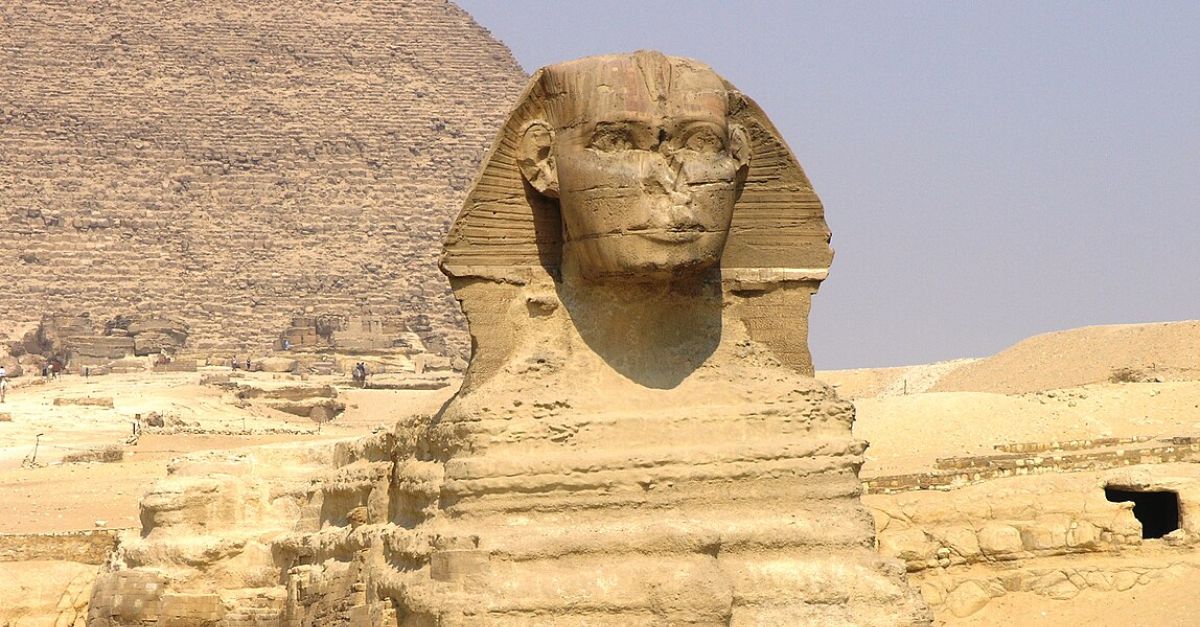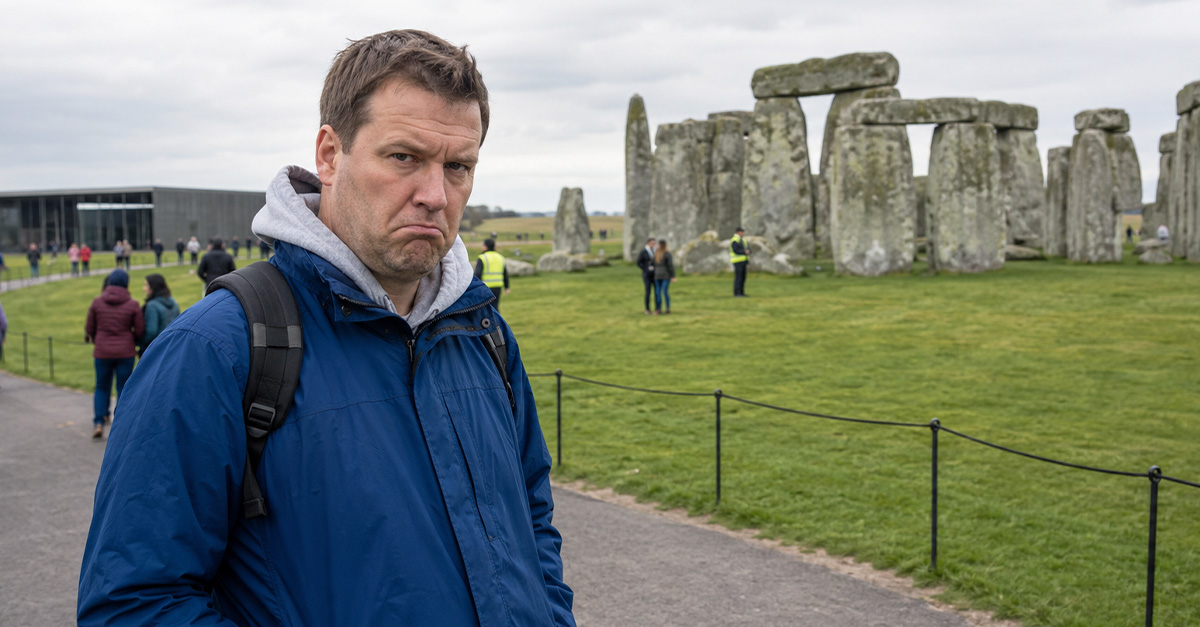
Time Travel Comes With Crowds
Some places seem frozen in history—until you actually visit. The stones may be ancient, the stories may be legendary, but the view around them has changed dramatically. Over the last century, these famous destinations gained roads, crowds, lights, gift shops, restoration work, and sometimes entire skylines.
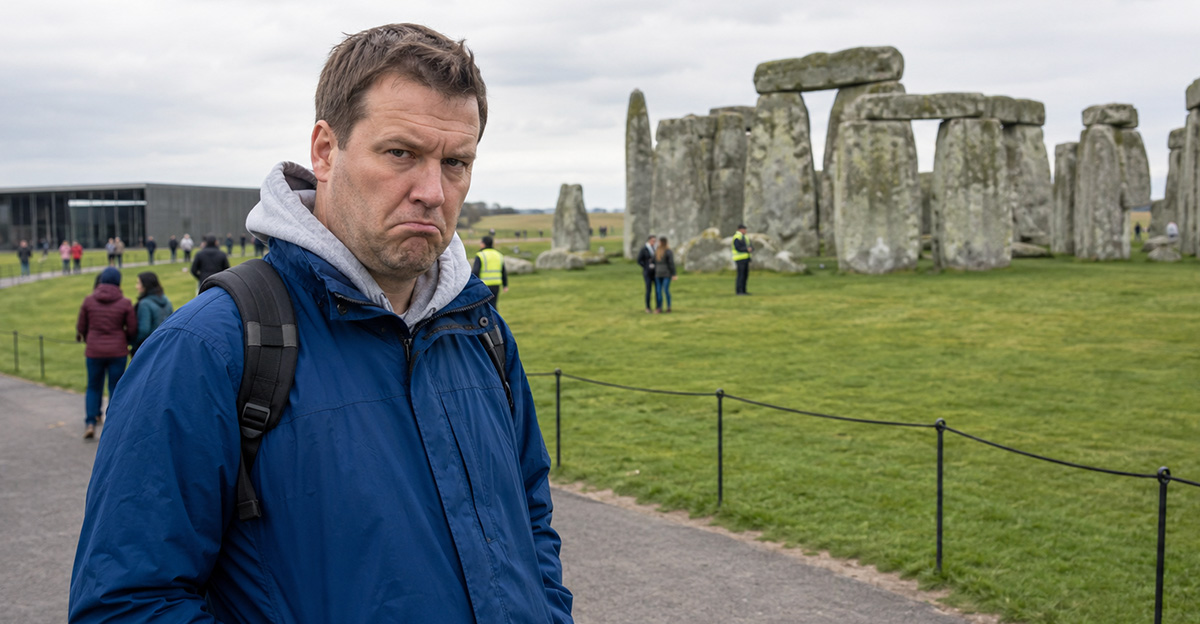
The Colosseum, Rome
A century ago, the Colosseum looked more like a weathered giant sitting in a quieter city. Today, it is surrounded by traffic, tour groups, selfie sticks, and carefully managed visitor paths. The arena still feels mighty, but modern Rome now roars all around it.
 Dietmar Rabich, Wikimedia Commons
Machu Picchu, Peru
Machu Picchu once sat in misty isolation, reached by rugged trails and known mostly to locals and explorers. Now, it is one of the world’s dream trips, with timed tickets, buses, guides, and camera-ready viewpoints. The ruins remain magical, but the journey feels far less secret.
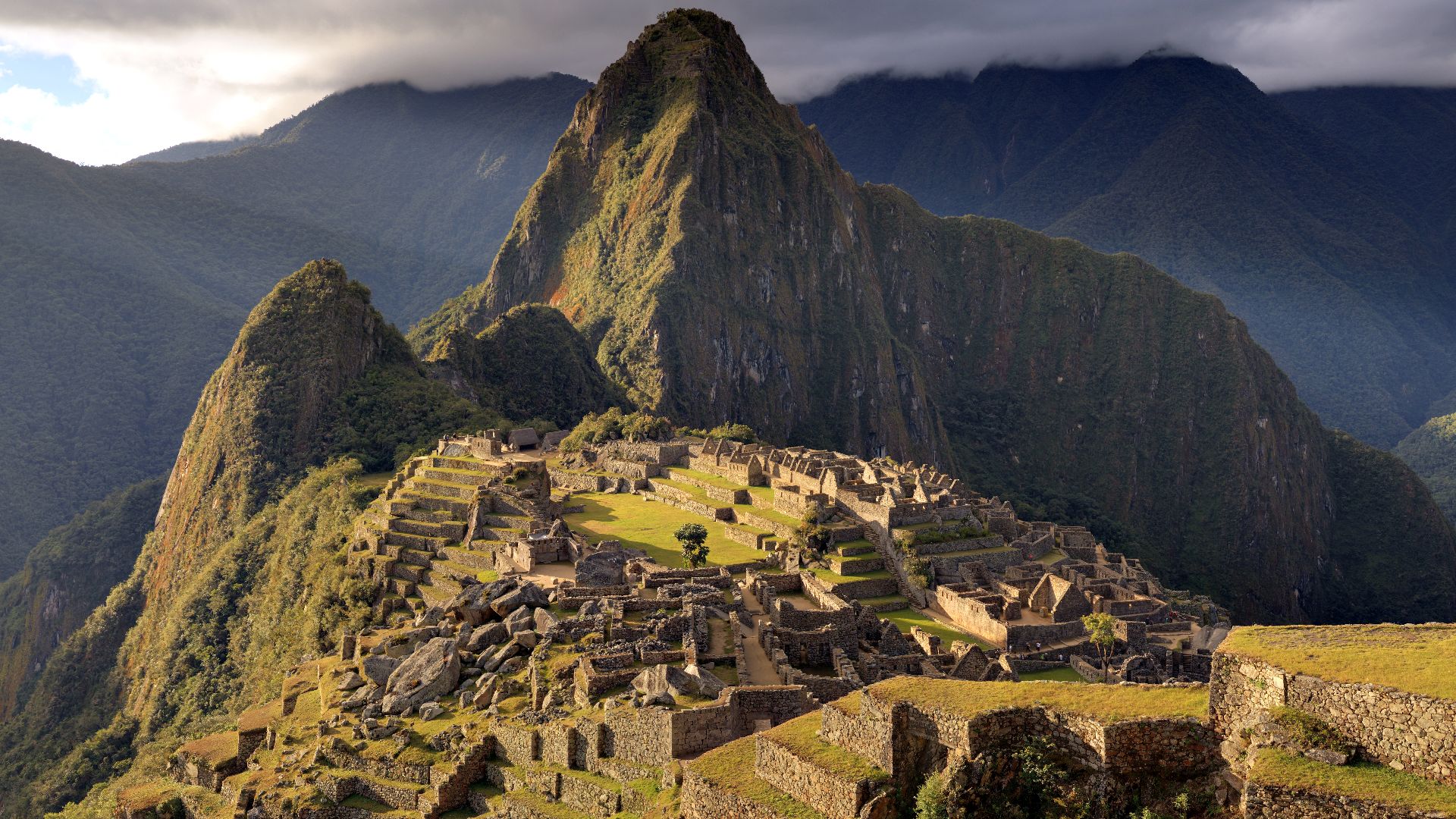 Martin St-Amant (S23678), Wikimedia Commons
Venice, Italy
Venice still floats on its lagoon, but the mood has changed. Gondolas now share the canals with camera-clicking crowds, water taxis, delivery boats, and debates about overtourism. A hundred years ago, it was fading gracefully; today, it is beautiful, busy, and fighting to stay afloat.
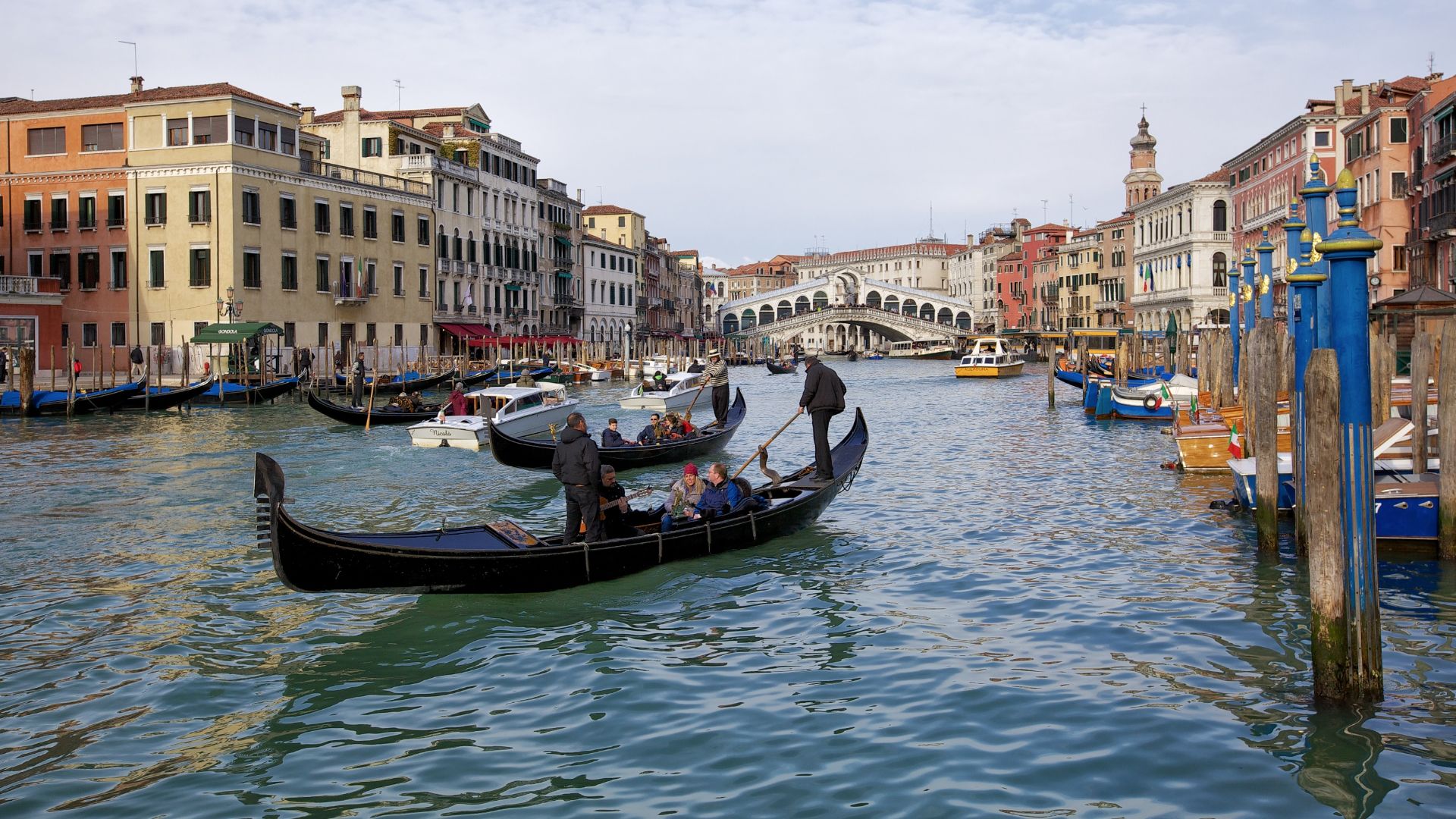 Sergey Ashmarin, Wikimedia Commons
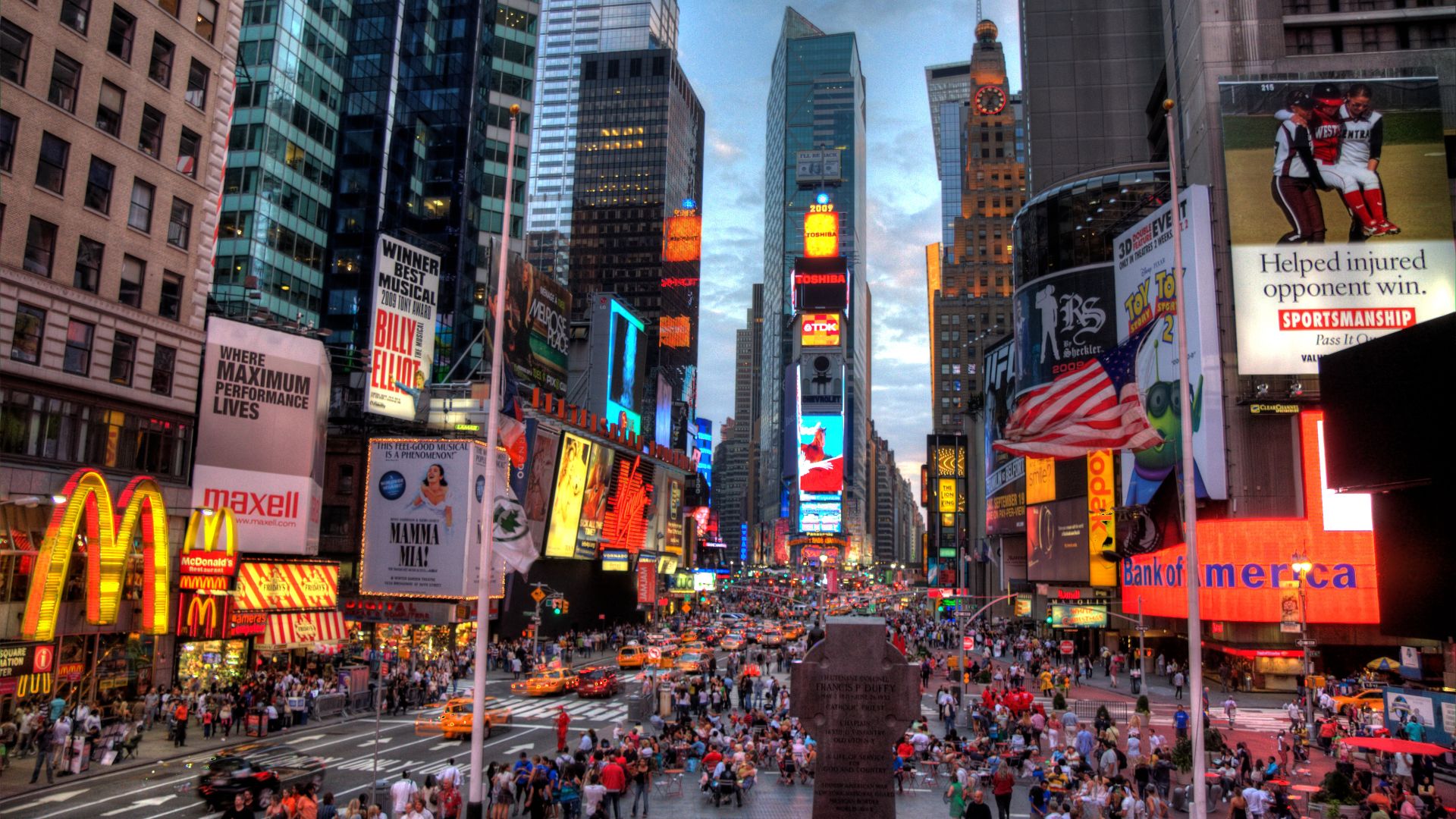
Times Square, New York City
Times Square was once a theater district glowing with marquees and early electric signs. Today, it is basically a neon thunderstorm. Giant screens, costumed characters, chain stores, and endless foot traffic have turned it into a dazzling, chaotic symbol of modern urban spectacle.
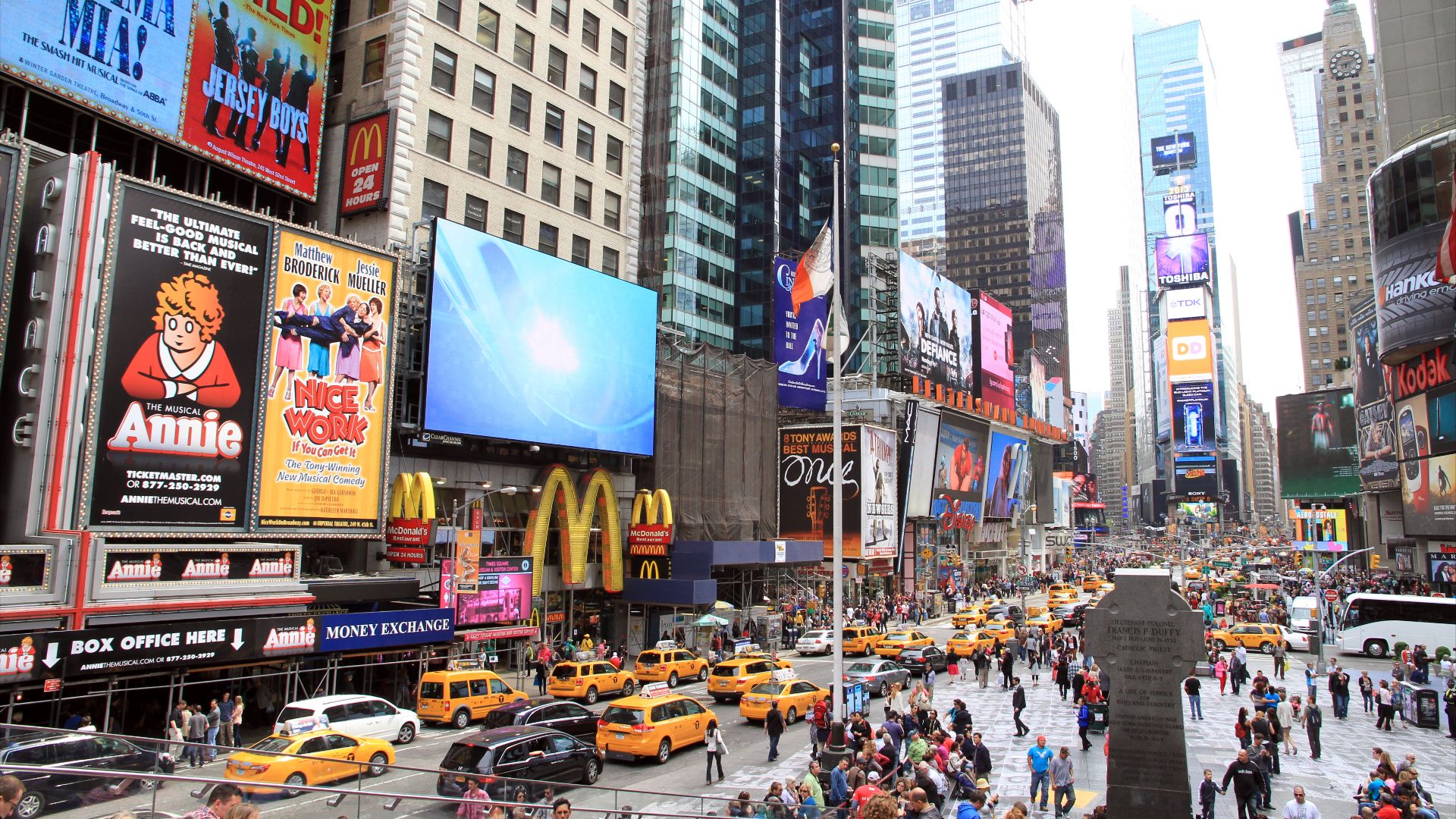
Hagia Sophia, Istanbul
Hagia Sophia has lived many lives, and the last century added even more chapters. Once a museum for much of the modern era, it is now a mosque again, welcoming worshippers and visitors. Its ancient dome remains, but the way people experience it keeps changing.
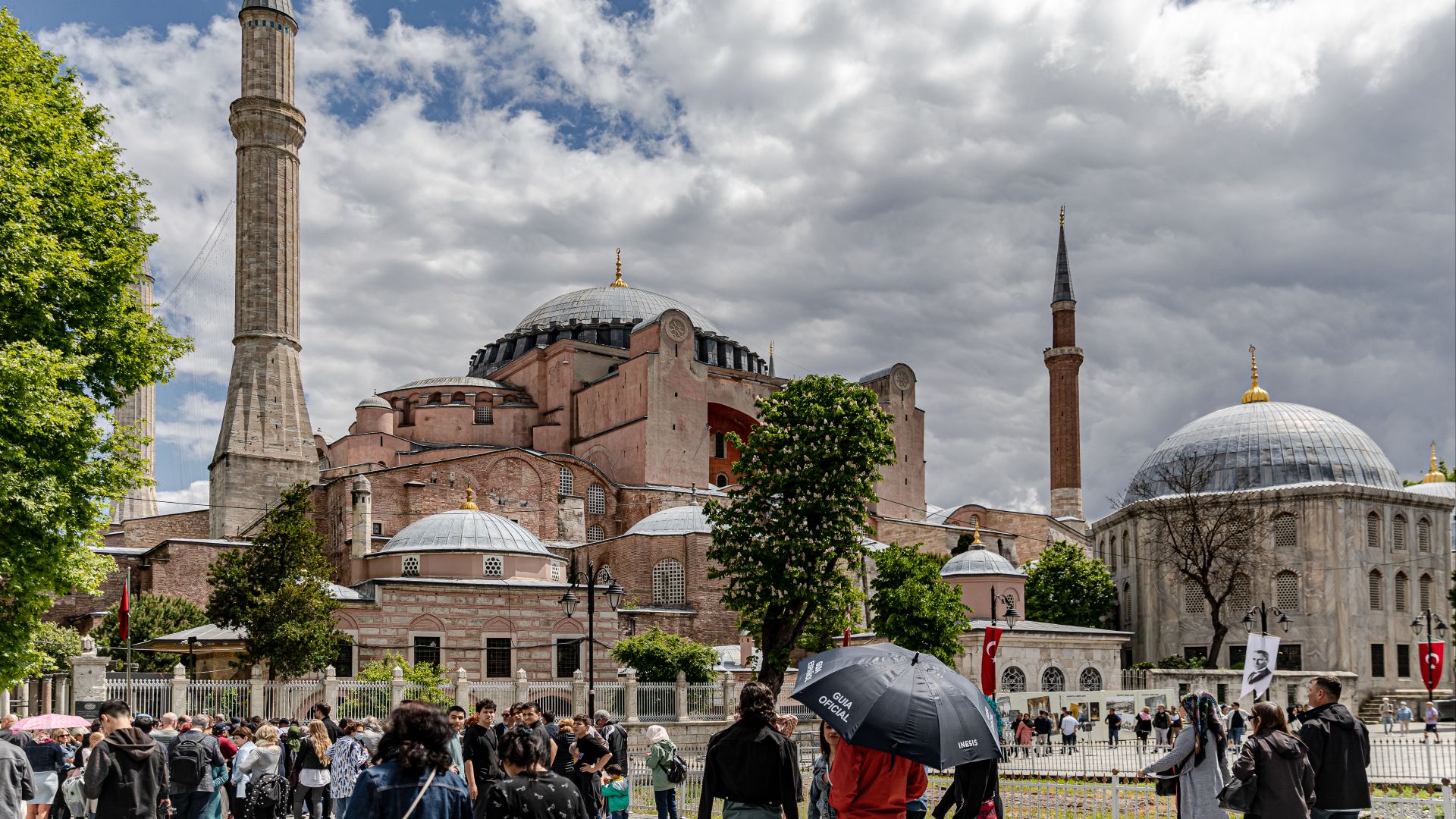
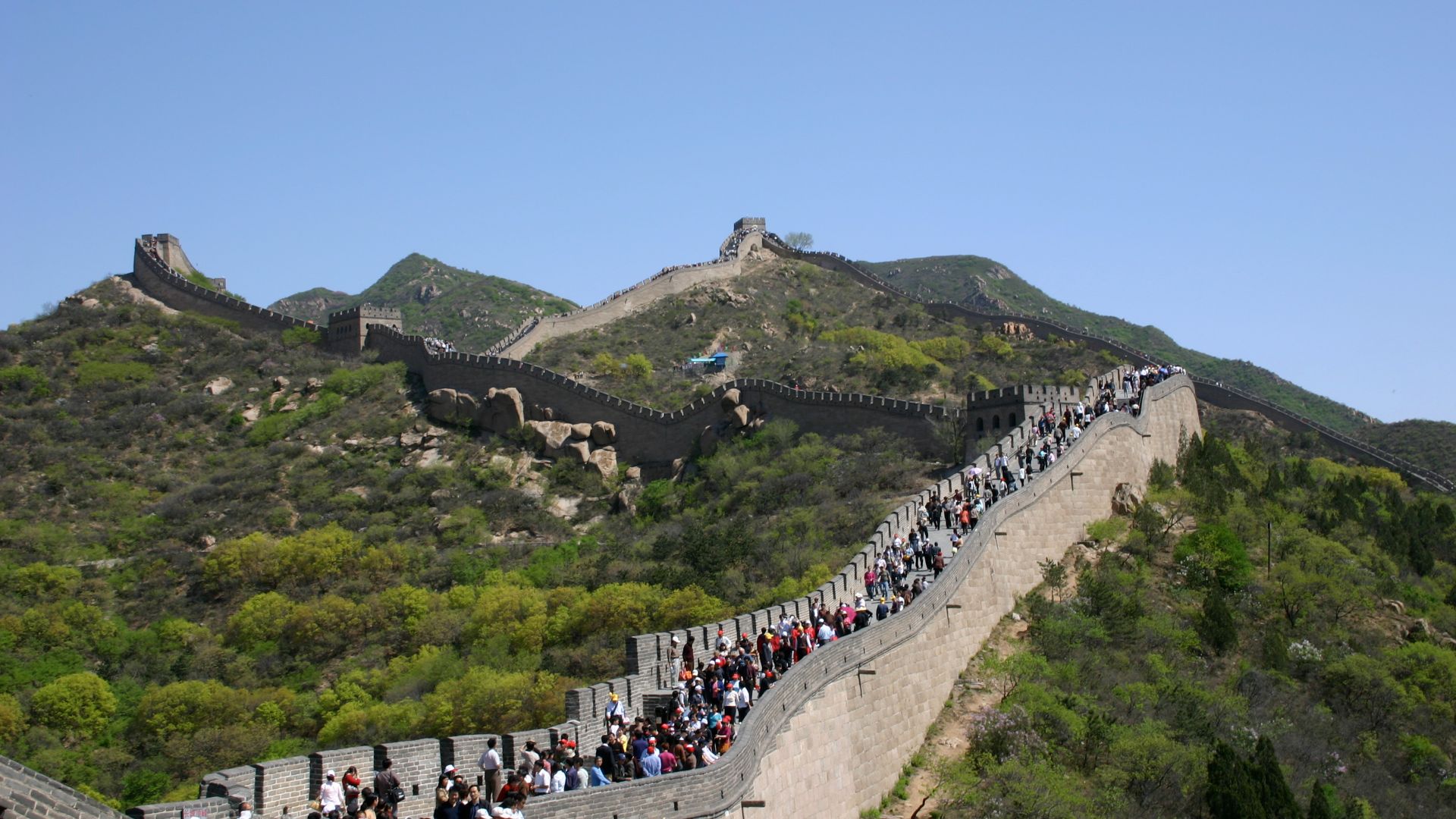
The Great Wall At Badaling, China
The Great Wall once stretched through mountains in lonely, broken sections. At Badaling, the experience is now much more polished: restored stonework, cable cars, rail links, souvenir stalls, and massive crowds. It is still breathtaking, but it is no longer a quiet frontier.
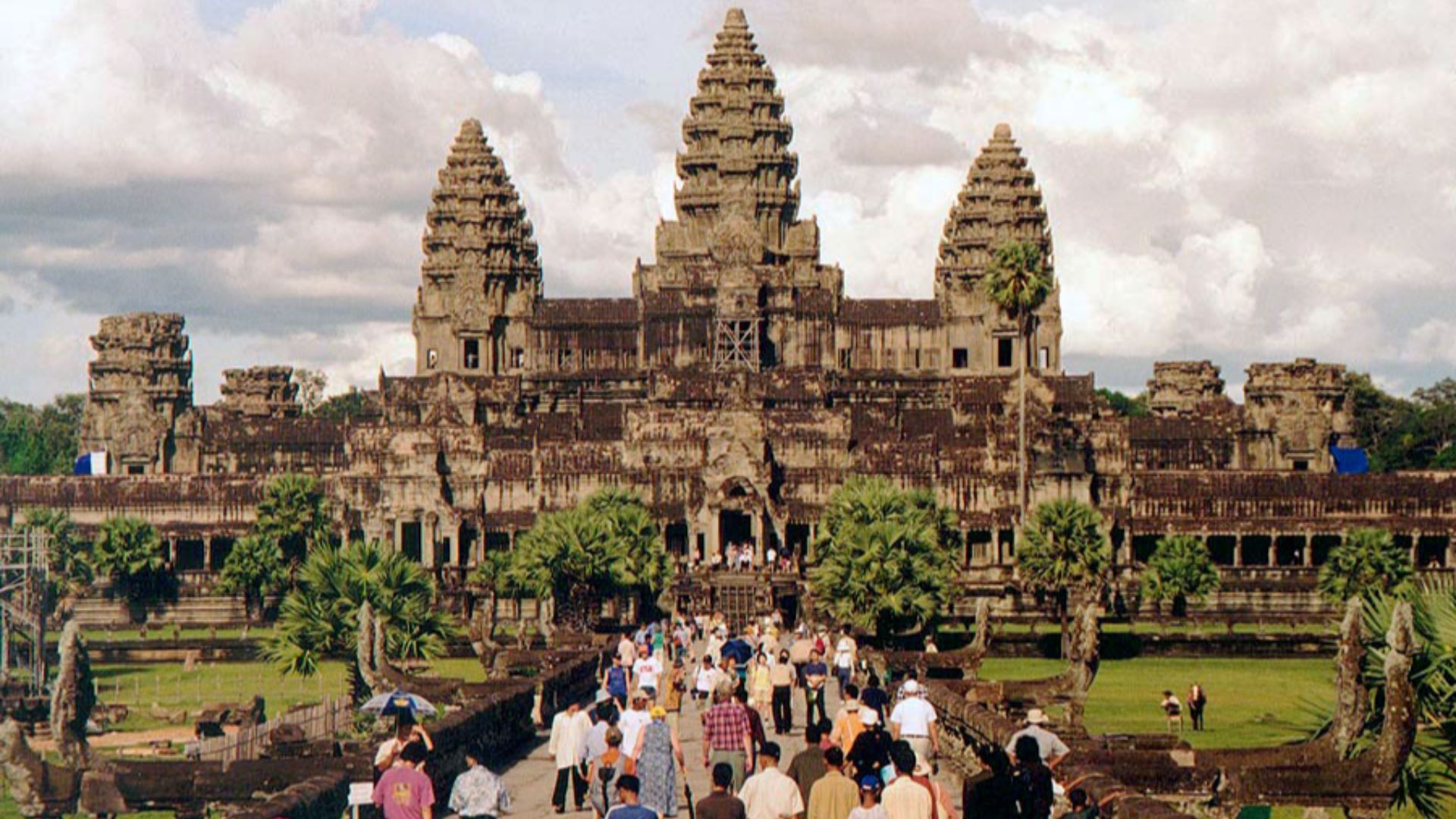
Angkor Wat, Cambodia
Angkor Wat spent centuries wrapped in jungle, legend, and local devotion. Today, it is a global bucket-list superstar. Sunrise crowds gather with tripods and phones, while conservation teams protect the temples. The towers are ancient, but the visitor scene is completely modern.
 Manfred Werner (talk · contribs), Wikimedia Commons
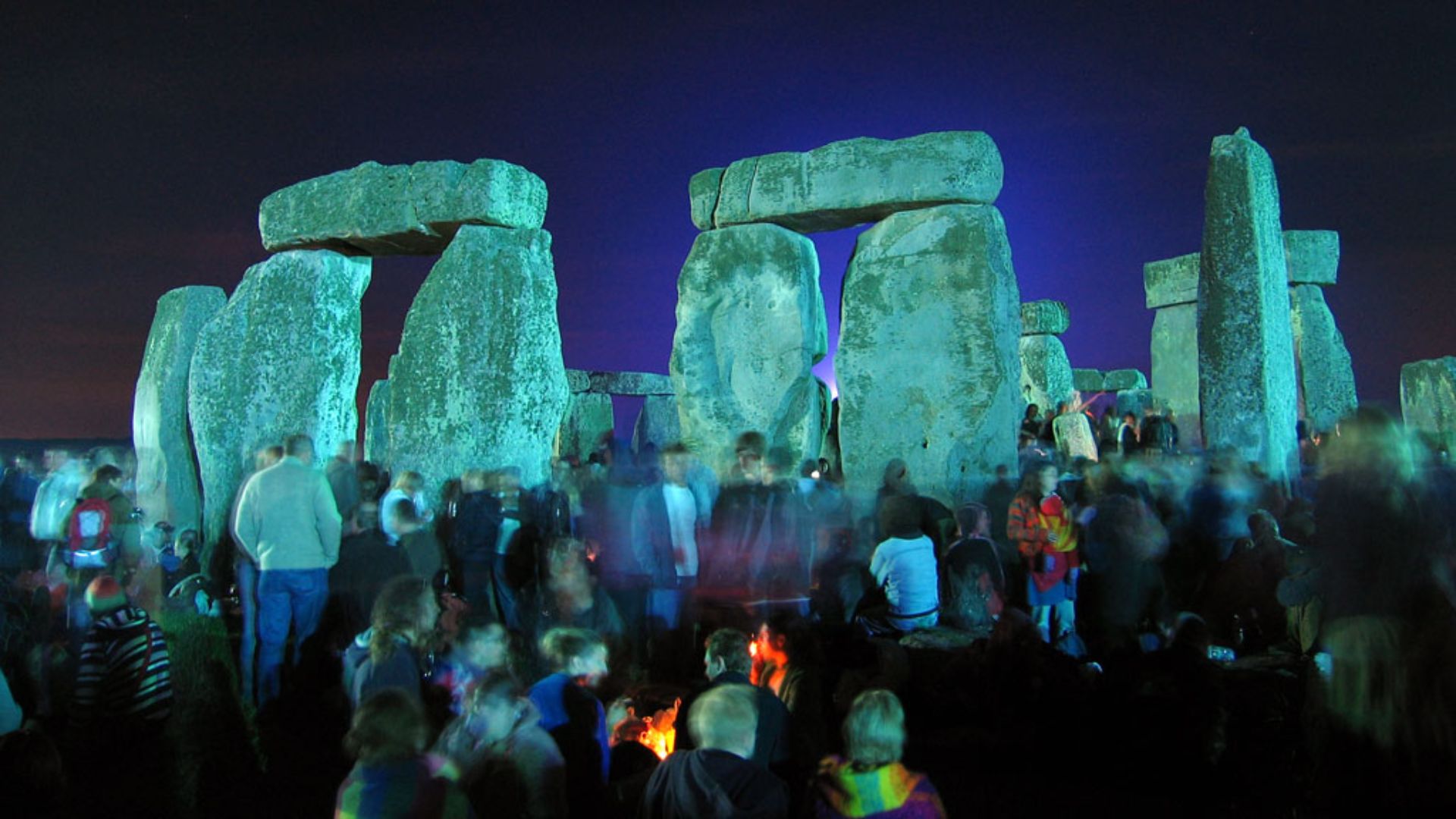
Stonehenge, England
Stonehenge once stood beside open roads where travelers could get surprisingly close. Now, the stones are protected by careful pathways, visitor centers, and managed access. The mystery is still there, but the experience has become more organized, respectful, and slightly less wild.
 Solipsist~commonswiki, Wikimedia Commons
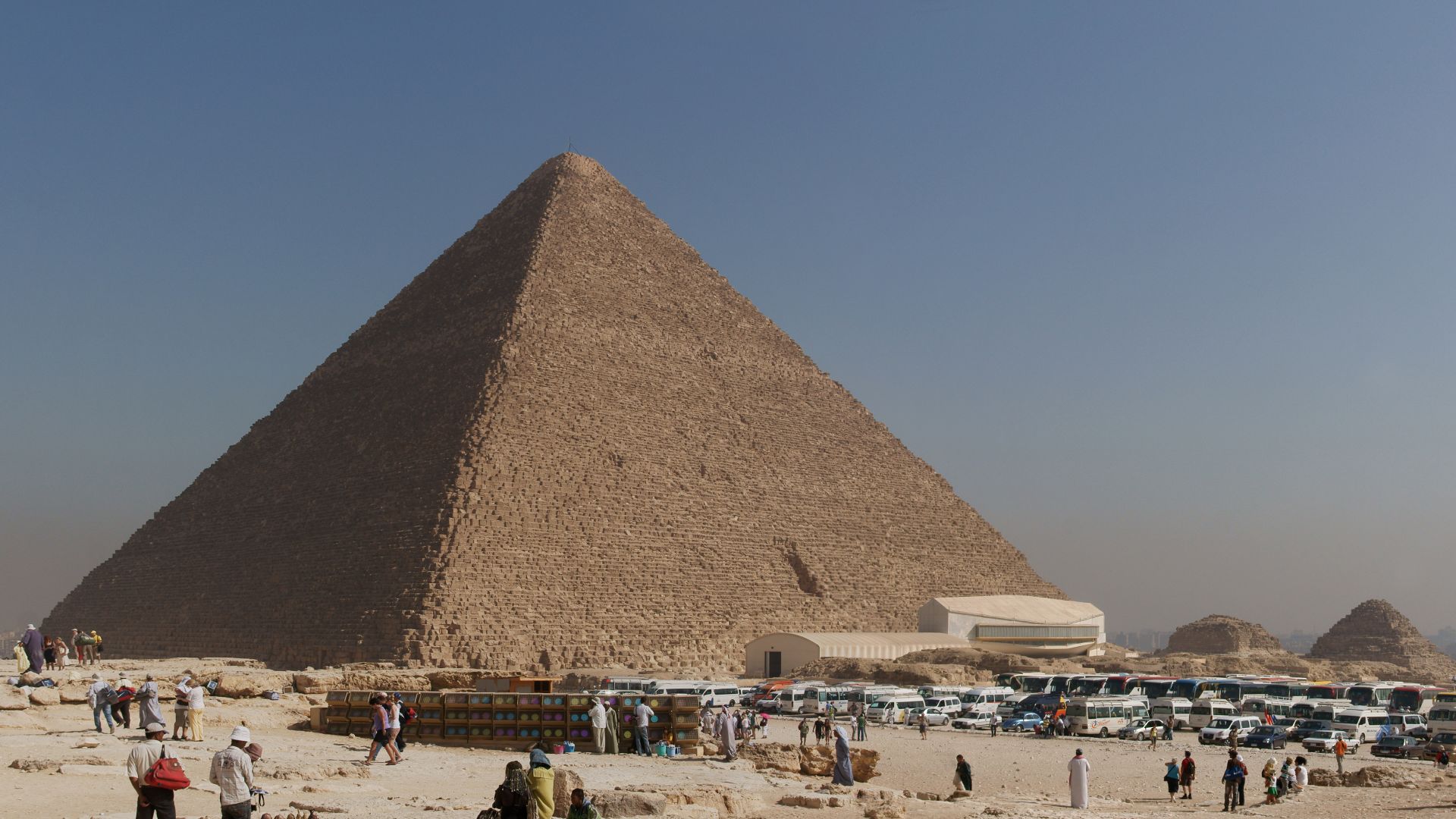
The Pyramids Of Giza, Egypt
The pyramids once appeared to rise from an endless desert. Today, Cairo’s growth presses close to the plateau, and visitors arrive by tour bus, taxi, camel, or horse cart. The monuments remain astonishing, but the modern city is now part of the view.
The Taj Mahal, India
The Taj Mahal still glows like a poem in marble, but its surroundings have changed dramatically. Bigger crowds, pollution controls, security lines, and carefully maintained gardens shape today’s visit. The romance remains, though now it comes with timed entry and many photographs.
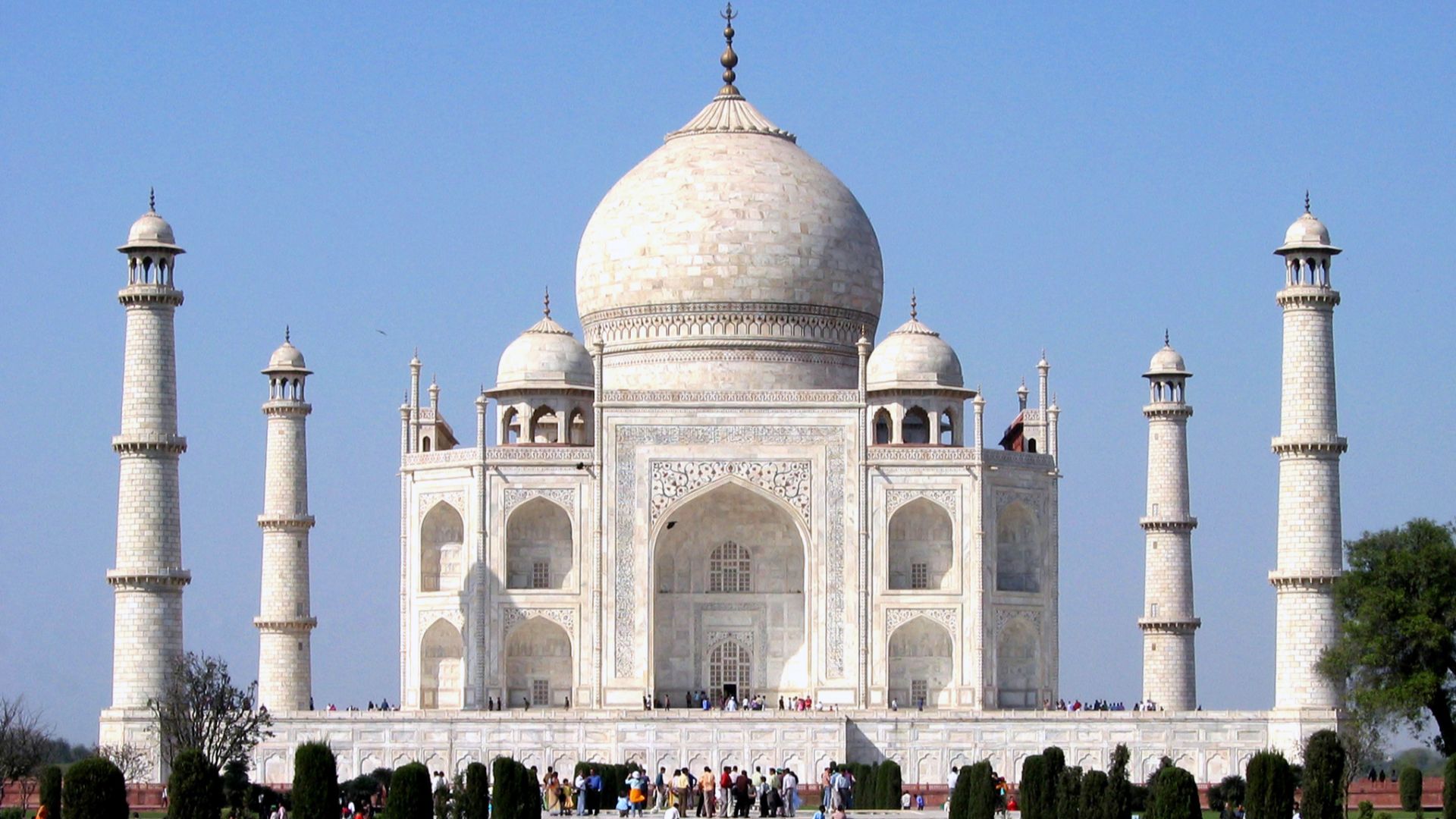 Dhirad, picture edited by J. A. Knudsen, Wikimedia Commons
Gion, Kyoto
Gion was once a quiet entertainment district of wooden teahouses, lanterns, and narrow lanes. Many of those details survive, but modern tourism has changed the rhythm. Visitors now arrive hoping to glimpse old Kyoto, while signs politely remind everyone that people still live there.
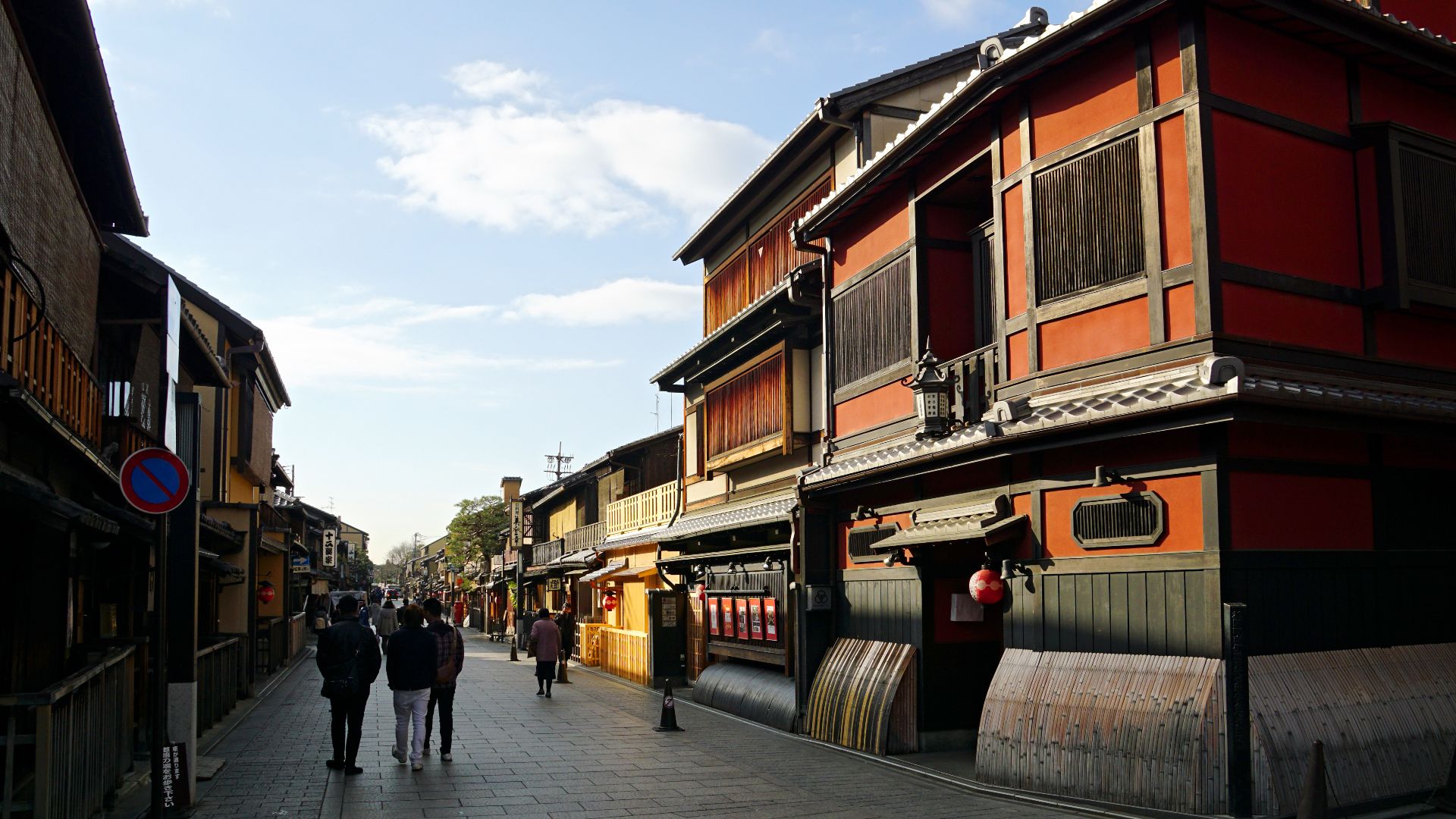 663highland, Wikimedia Commons
Petra, Jordan
Petra’s rose-colored cliffs once hid an ancient city known mainly to Bedouin communities and adventurous travelers. Today, the Siq funnels visitors toward that famous Treasury reveal every day. The stone facades still stun, but the site now runs on tickets, guides, and global fame.
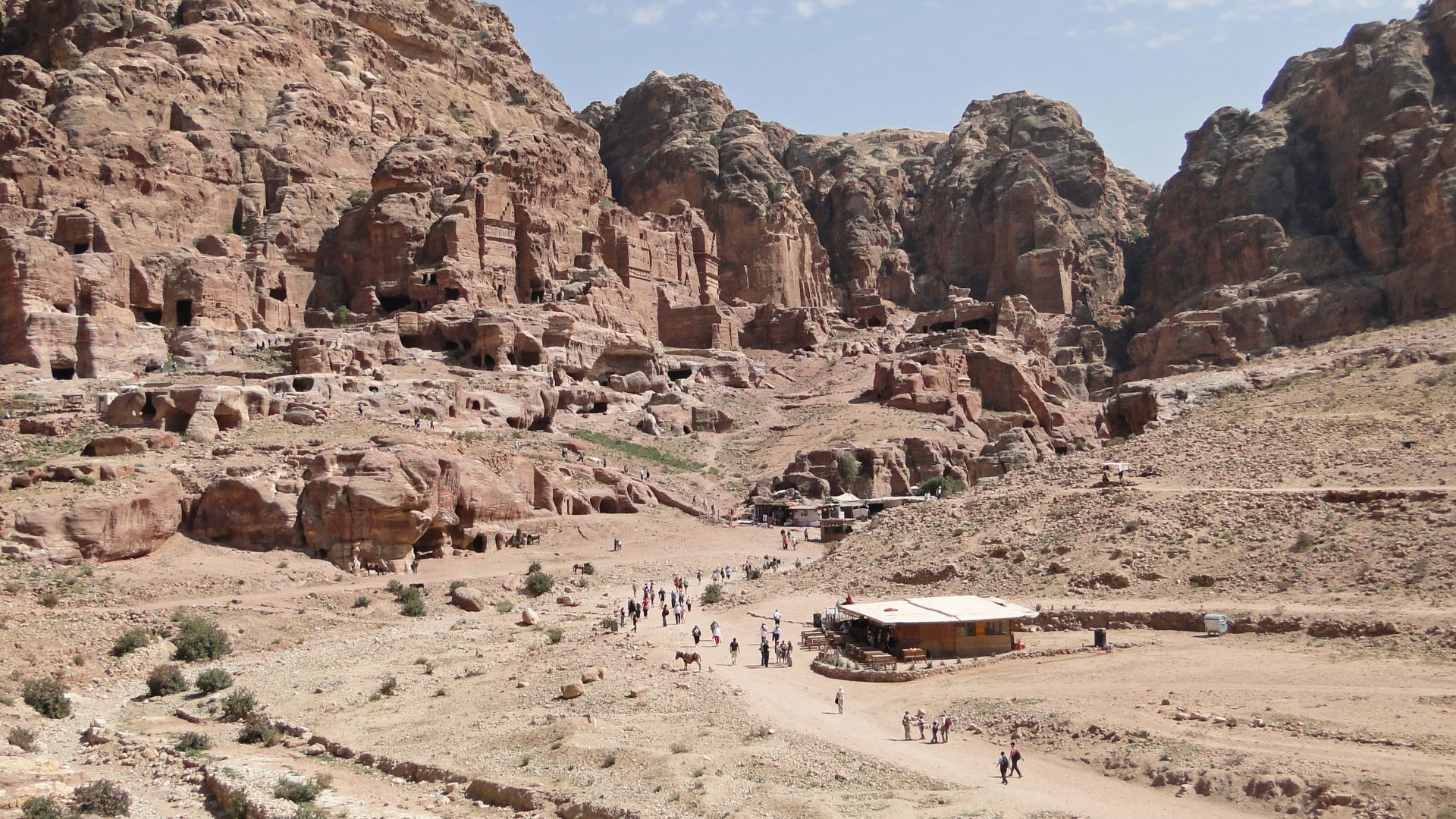 Bernard Gagnon, Wikimedia Commons
Tower Bridge, London
Tower Bridge looked dramatic 100 years ago, but its surroundings were more industrial and smoky. Today, glass towers, river walks, offices, restaurants, and constant traffic frame it. The bridge itself remains wonderfully Victorian, while the city around it has sprinted into the future.
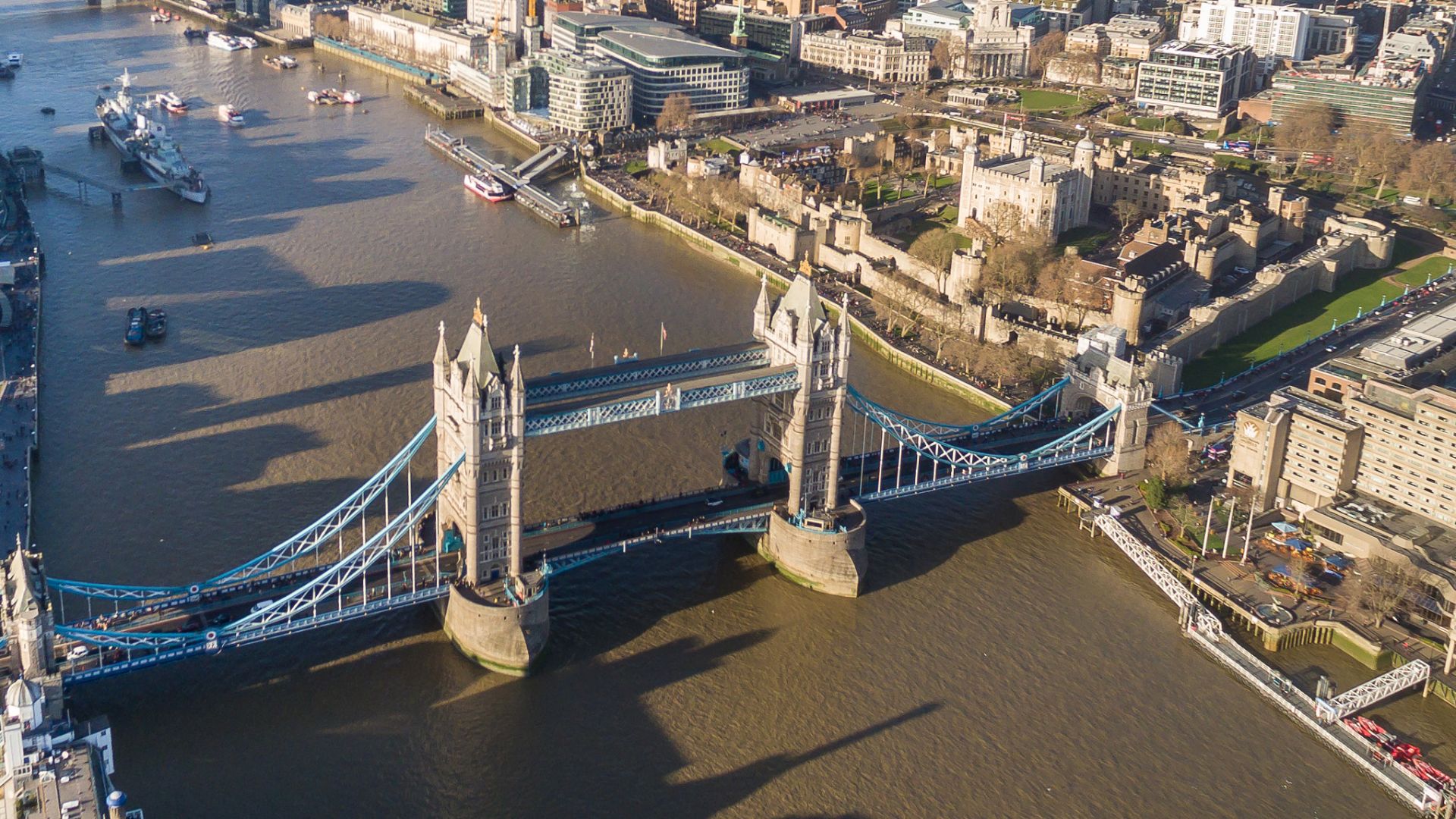
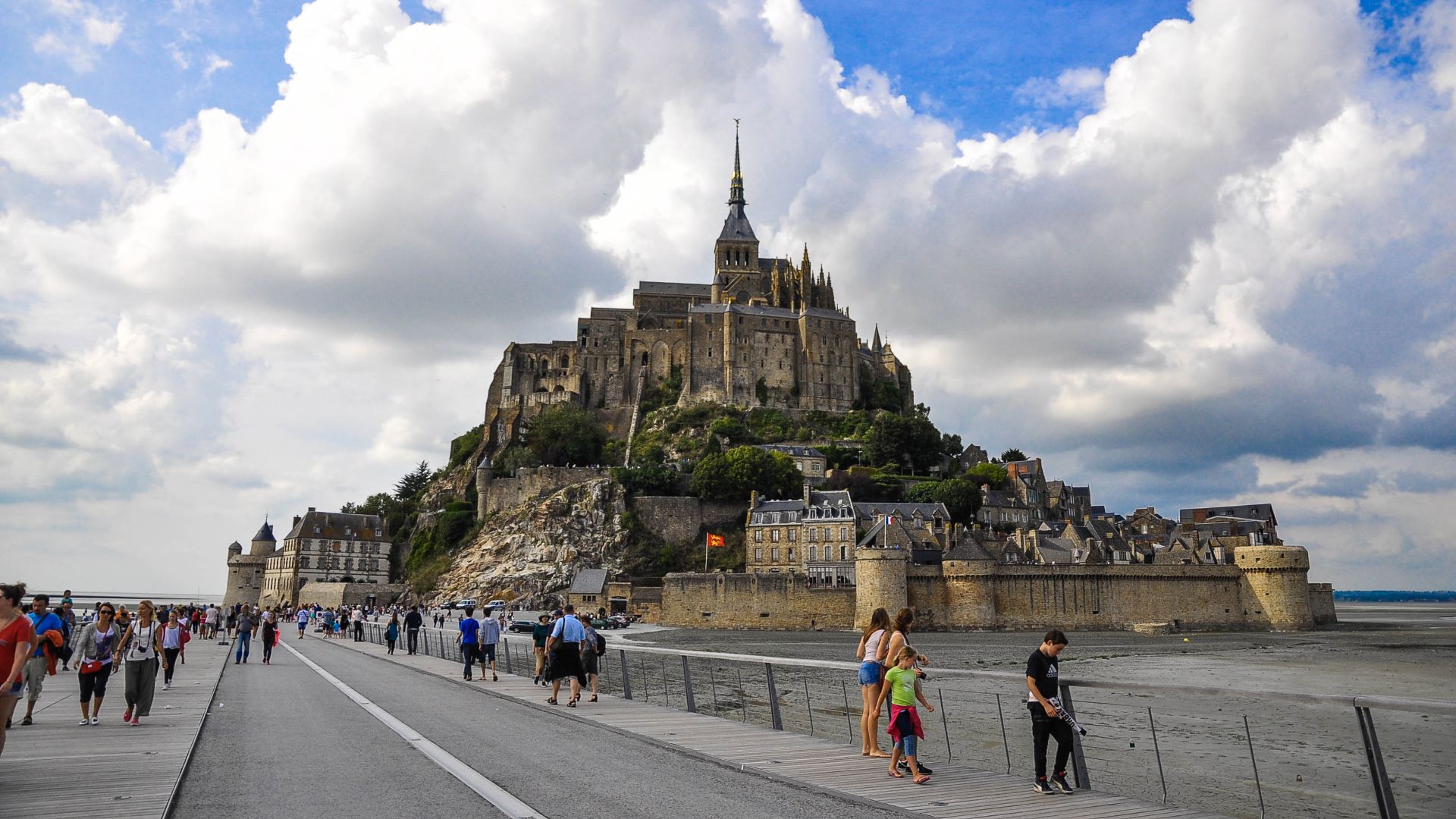
Mont Saint-Michel, France
Mont Saint-Michel used to feel like a mystical island rising from shifting tides. It still does—just with more buses, boardwalks, restaurants, and visitors climbing its narrow lanes. Restoration and access changes have protected the setting, but the peaceful medieval mood now comes in waves.
 Elizaveta Butryn, Wikimedia Commons
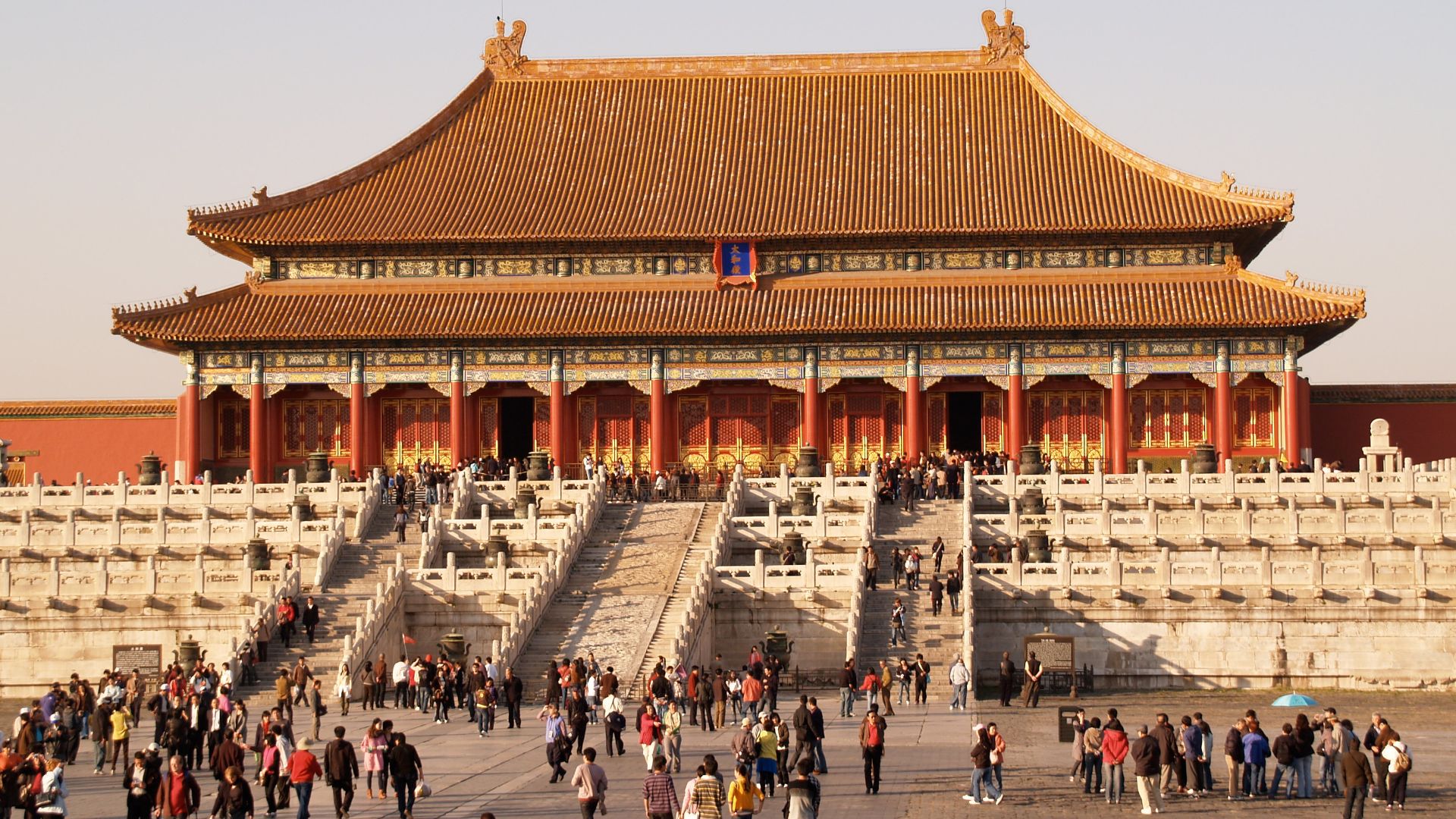
The Forbidden City, Beijing
For centuries, the Forbidden City was closed to most people. A hundred years ago, imperial China was already gone, and the palace was becoming a historic site. Today, it is a vast museum complex, surrounded by modern Beijing and visited by enormous daily crowds.
 Dave Proffer, Wikimedia Commons
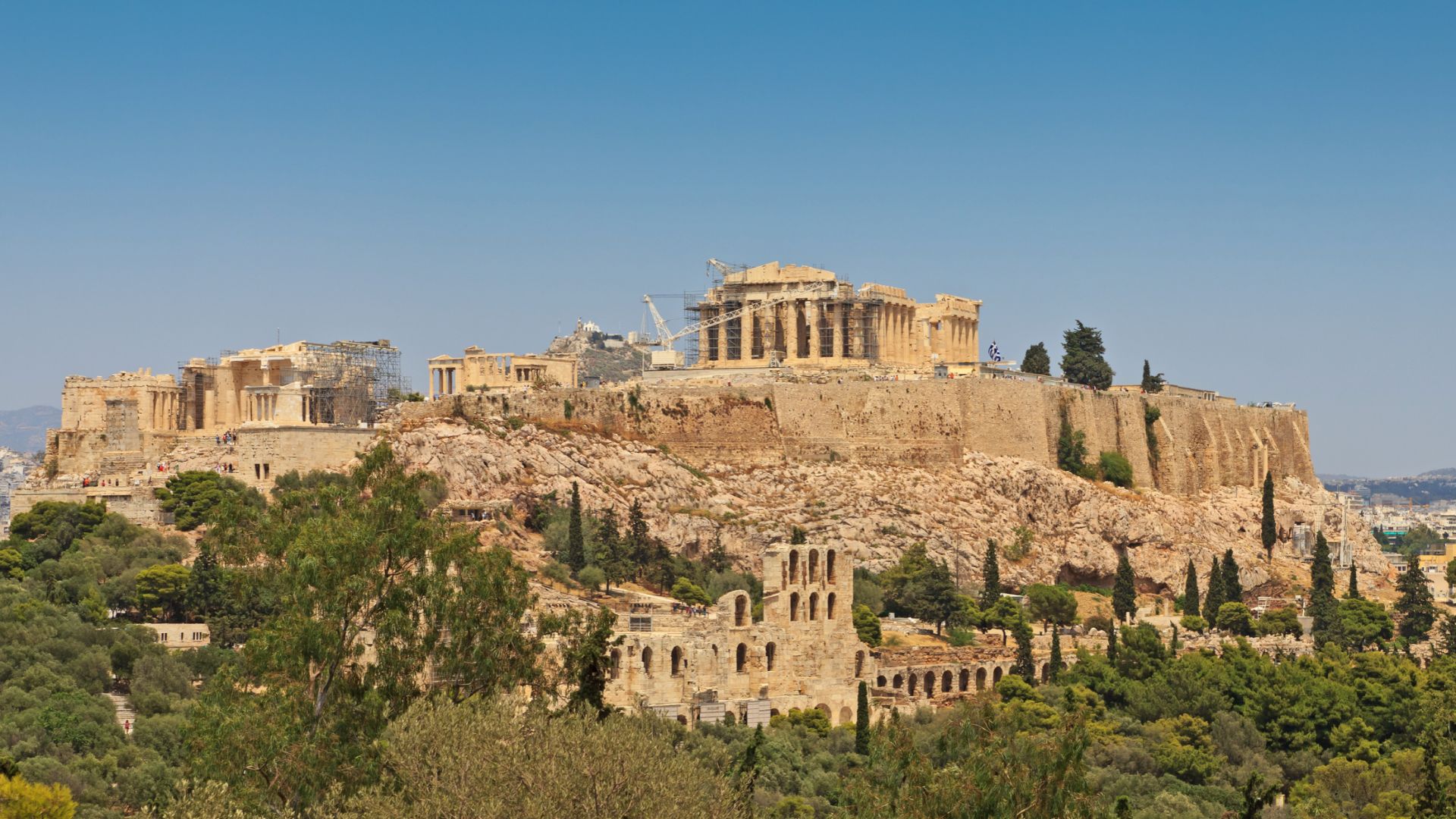
The Acropolis, Athens
The Acropolis once rose over a lower, less crowded Athens. Today, it overlooks a sprawling capital filled with apartments, traffic, cafés, and museums. The Parthenon is still the star, but scaffolding, preservation work, and controlled walkways show how carefully history must be protected.
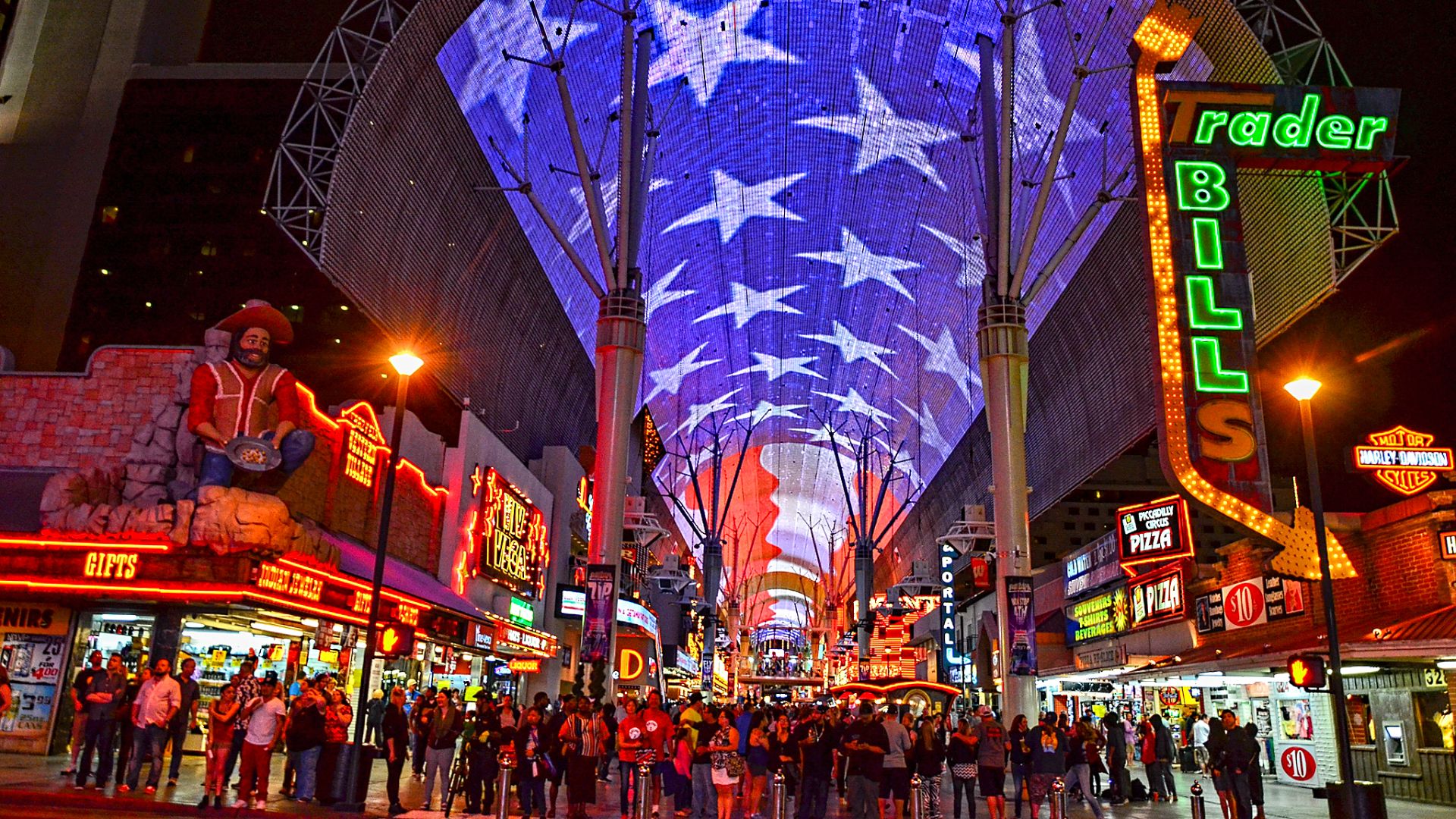
Fremont Street, Las Vegas
Fremont Street existed before Las Vegas became a global playground. A century ago, it was dusty, modest, and far from the casino fantasy we know now. Today, it flashes with a giant video canopy, street performers, zip lines, and old-school Vegas energy.
 Tomás Del Coro from Las Vegas, Nevada, USA, Wikimedia Commons
Dubai Creek, United Arab Emirates
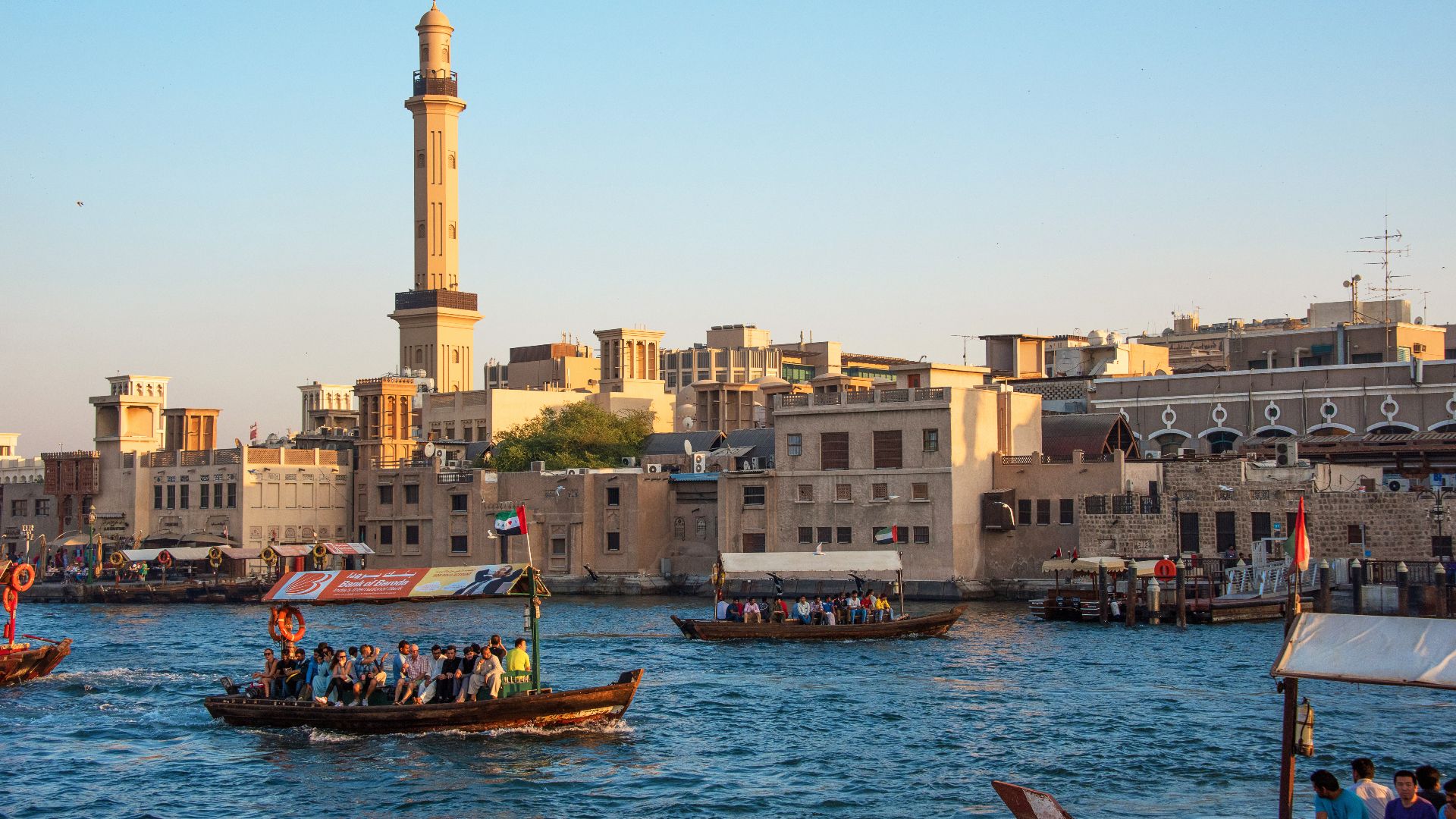
Dubai Creek was once the center of a smaller trading port, filled with wooden boats and waterfront commerce. Today, those traditions survive beside skyscrapers, highways, metro lines, and luxury hotels. The creek still tells Dubai’s older story, but the skyline tells a newer one.
Old Havana, Cuba
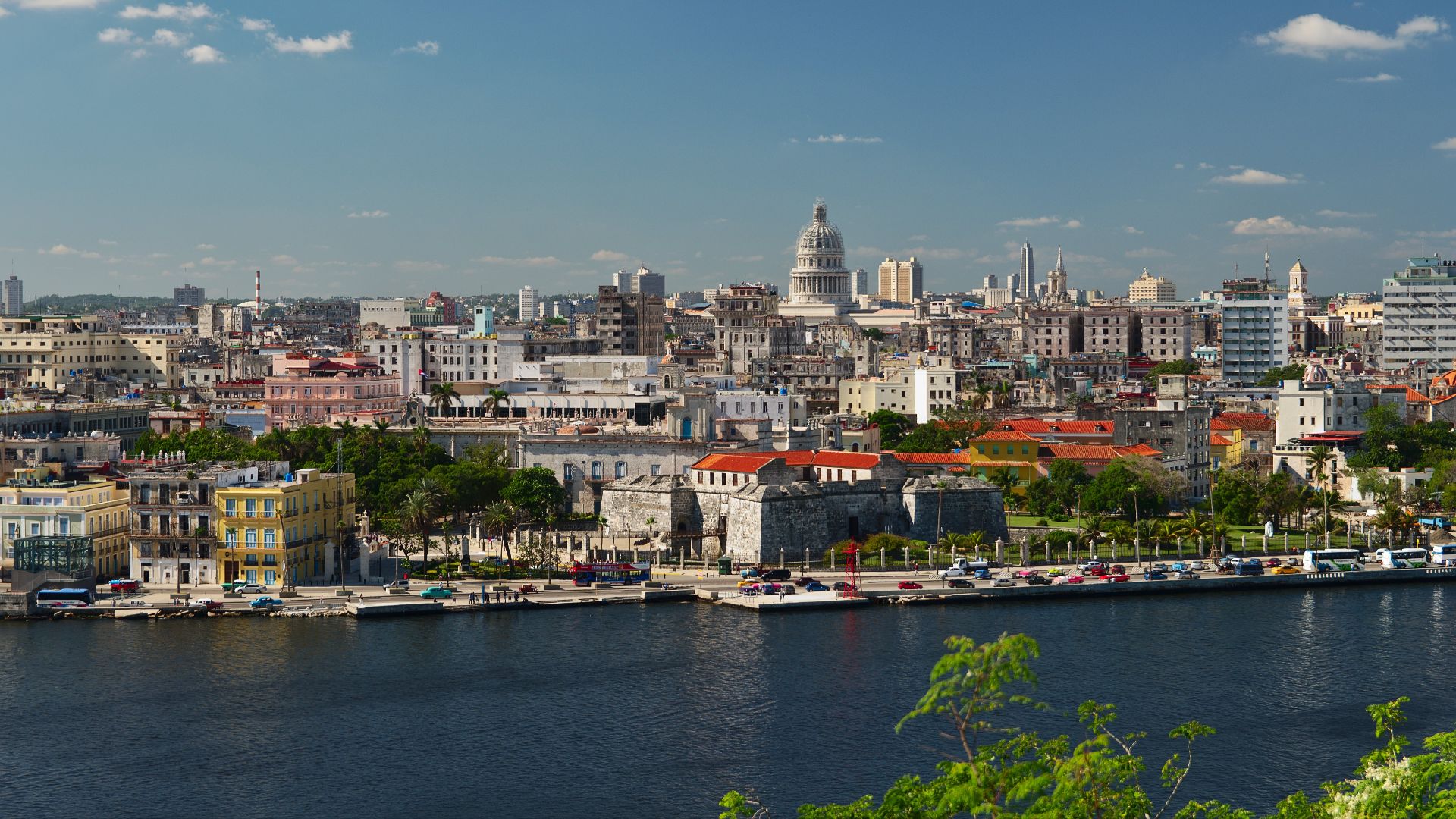
Old Havana still has balconies, plazas, churches, and candy-colored buildings, but time has layered it with change. Vintage cars now share streets with restoration projects and lively tourism. The city feels like a living museum, but it is also noisy, musical, and very real.
 Rob Oo from NL, Wikimedia Commons
Singapore River, Singapore
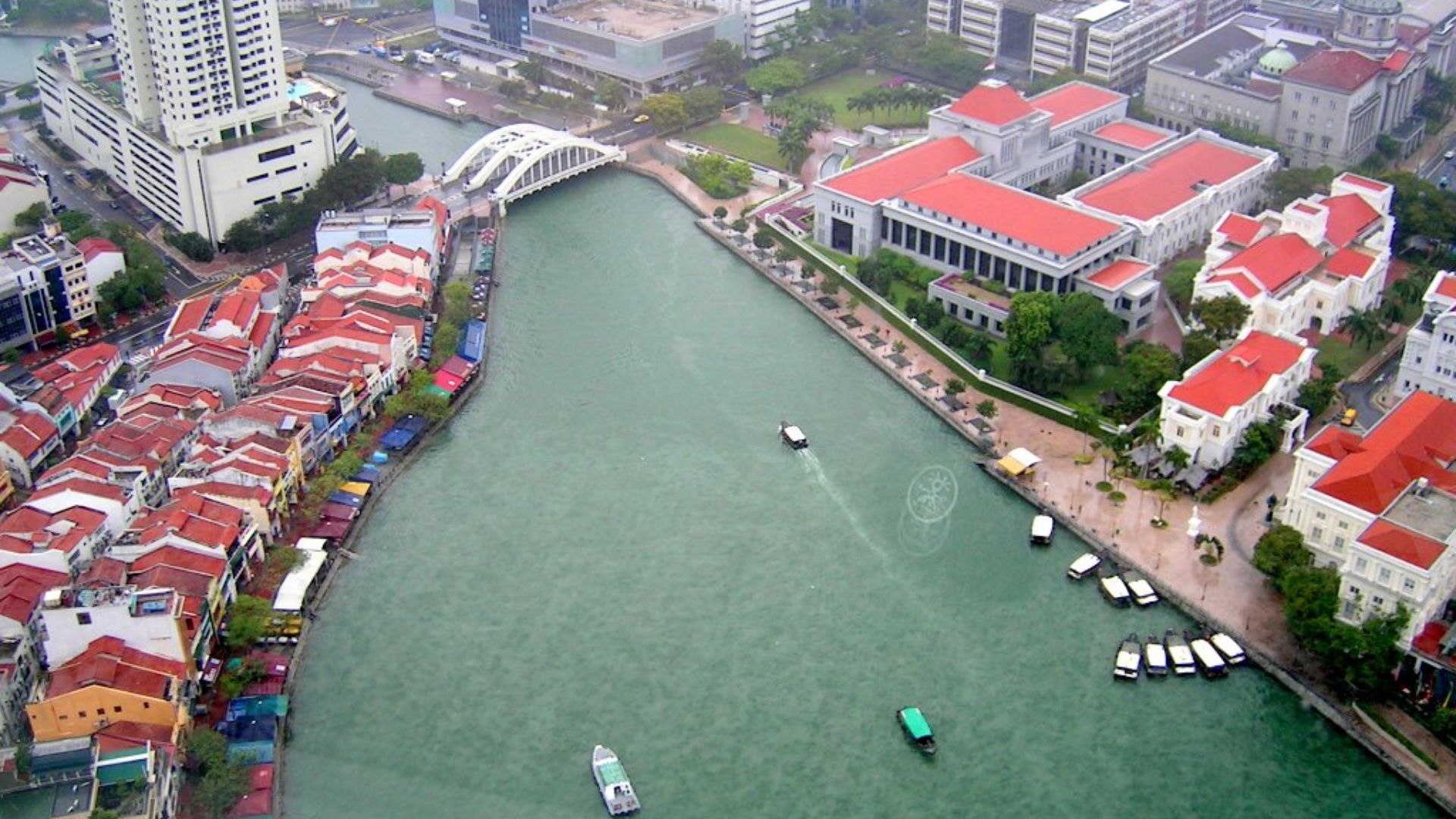
The Singapore River was once crowded with bumboats, warehouses, traders, and the smell of hard work. Today, it is lined with restaurants, bridges, public art, and shiny nightlife. The waterway remains historic, but its rough commercial edge has been polished into a promenade.
 Formulax~commonswiki, Wikimedia Commons
Alcatraz Island, San Francisco
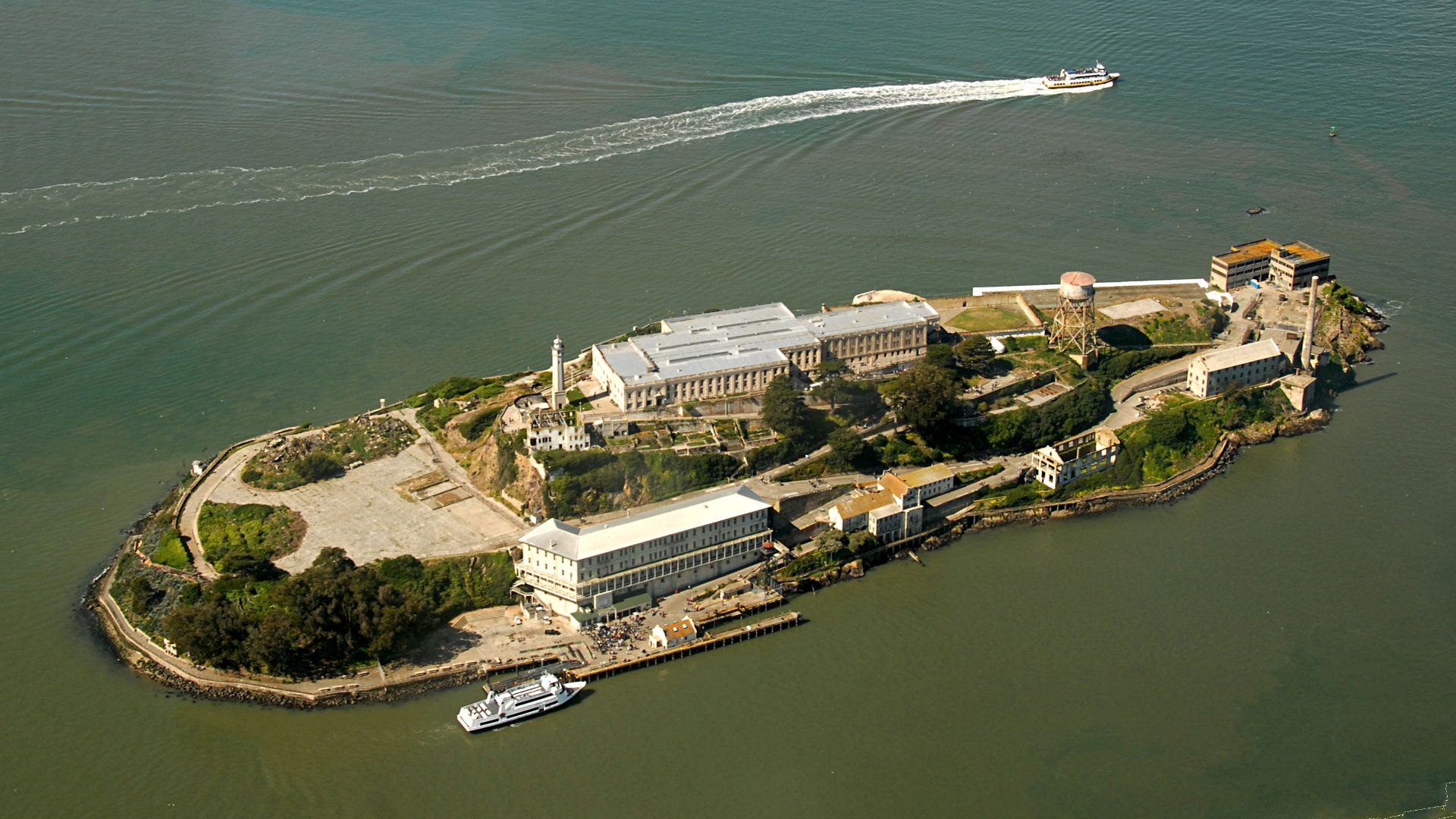
A hundred years ago, Alcatraz was a military prison site before becoming America’s most famous federal prison. Today, visitors arrive by ferry with audio guides instead of sentence papers. The cells remain eerie, but the island now belongs to tourists, seabirds, and history buffs.
 Ralf Baechle, Wikimedia Commons
Route 66, United States
Route 66 was born in the age of road maps, diners, gas pumps, and big American dreams. Today, many stretches feel nostalgic rather than necessary. Interstate highways changed the journey, but travelers still chase neon signs, roadside motels, and the romance of the open road.
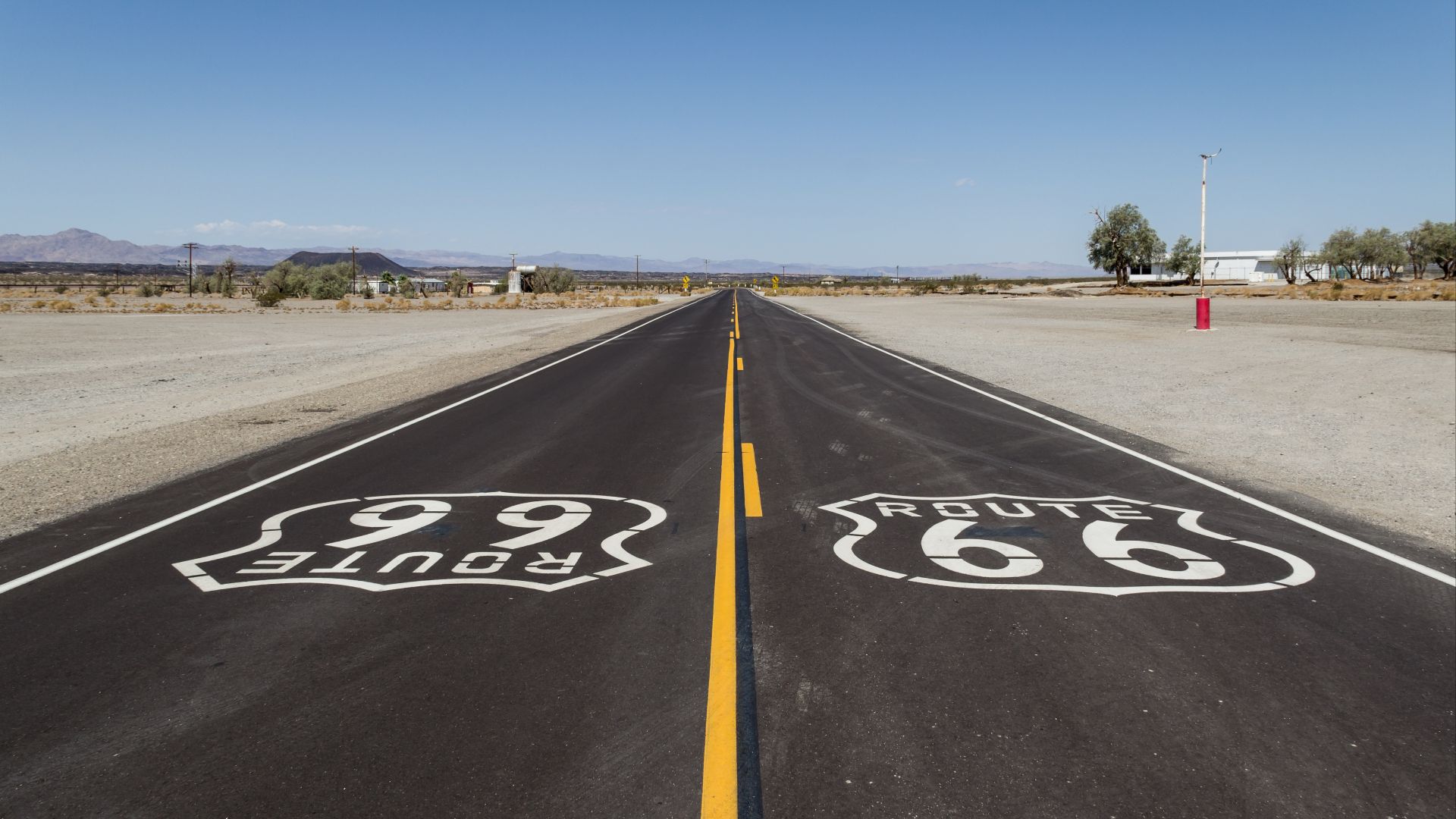 Dietmar Rabich, Wikimedia Commons
Sultanahmet, Istanbul
Sultanahmet has long been the historic heart of Istanbul, home to monuments from empires that shaped the world. Today, tram lines, hotels, cafés, and steady crowds surround its ancient landmarks. The past is still everywhere, but the neighborhood moves at a modern tourist pace.
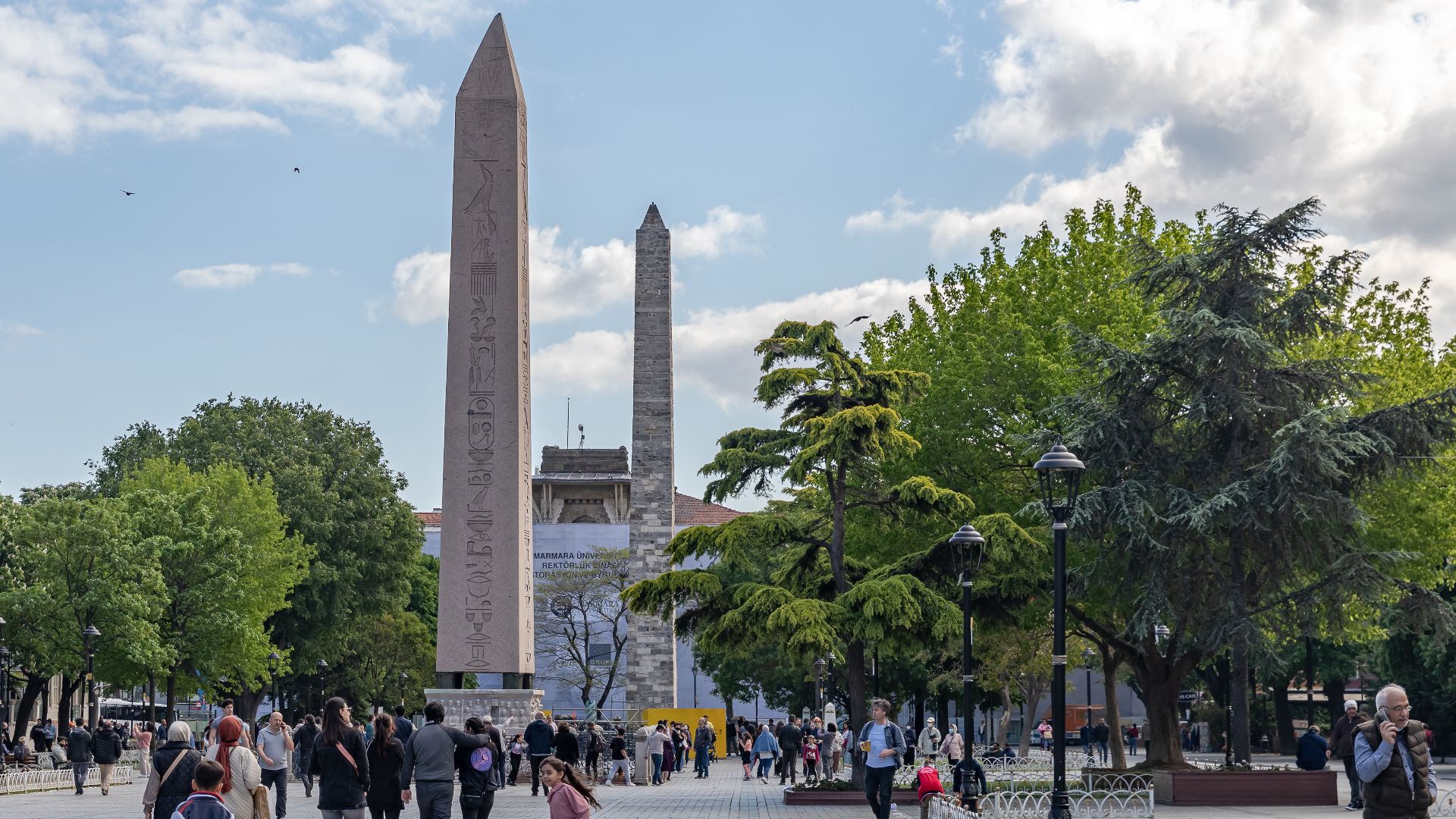
The French Quarter, New Orleans
The French Quarter looked old even 100 years ago, with iron balconies, music, and layered cultures. Today, it is louder, brighter, and more visitor-focused, especially around Bourbon Street. Still, step down a quieter lane and the old charm slips right back into view.
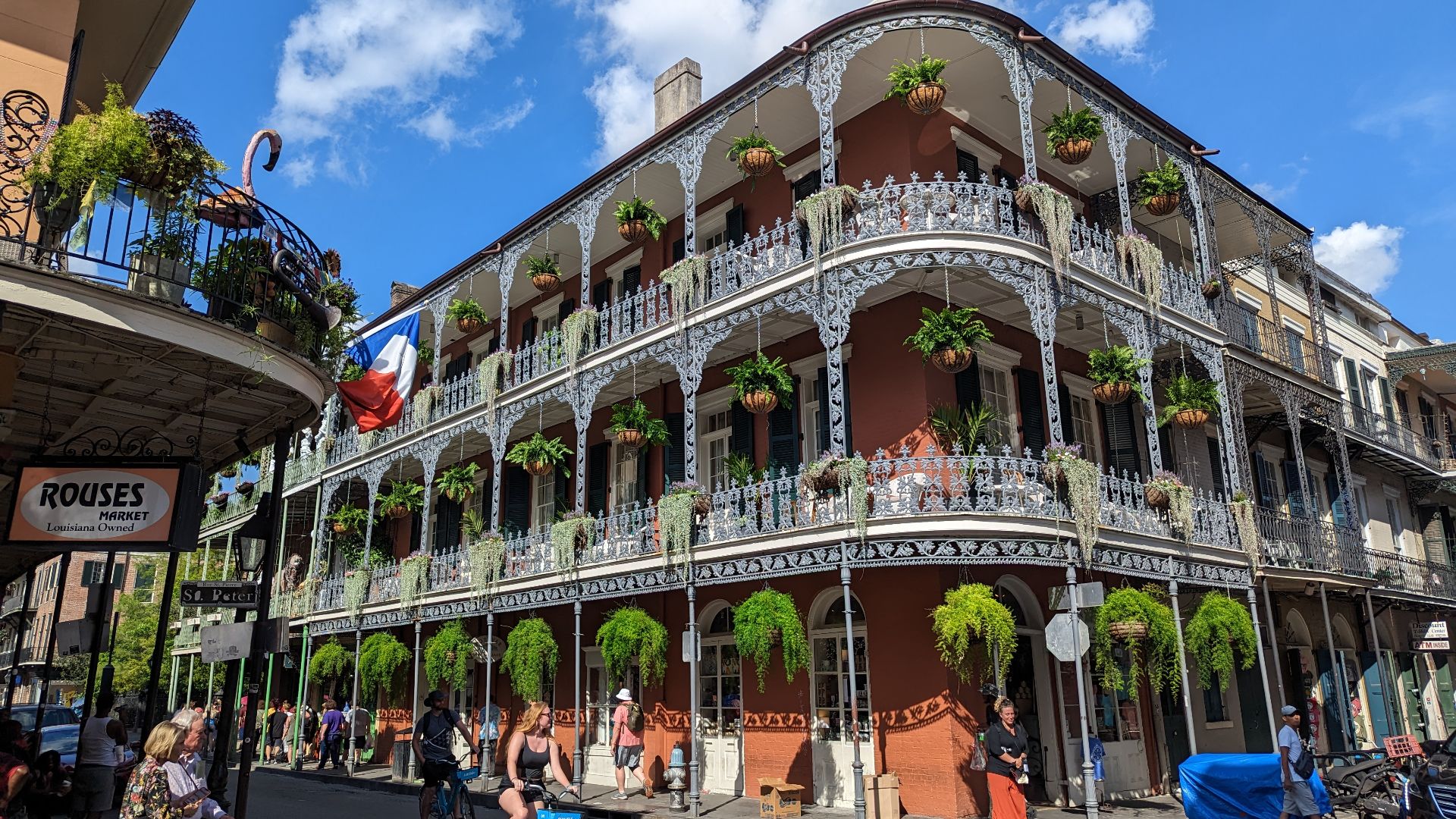 Roller Coaster Philosophy, Wikimedia Commons
The Historic Center Of Mexico City
Mexico City’s historic center has always been grand, crowded, and powerful. Over the last century, cars, metro stations, shops, protests, restorations, and high-rises reshaped the scene. The cathedral and plazas remain anchors, but the city around them never stops reinventing itself.
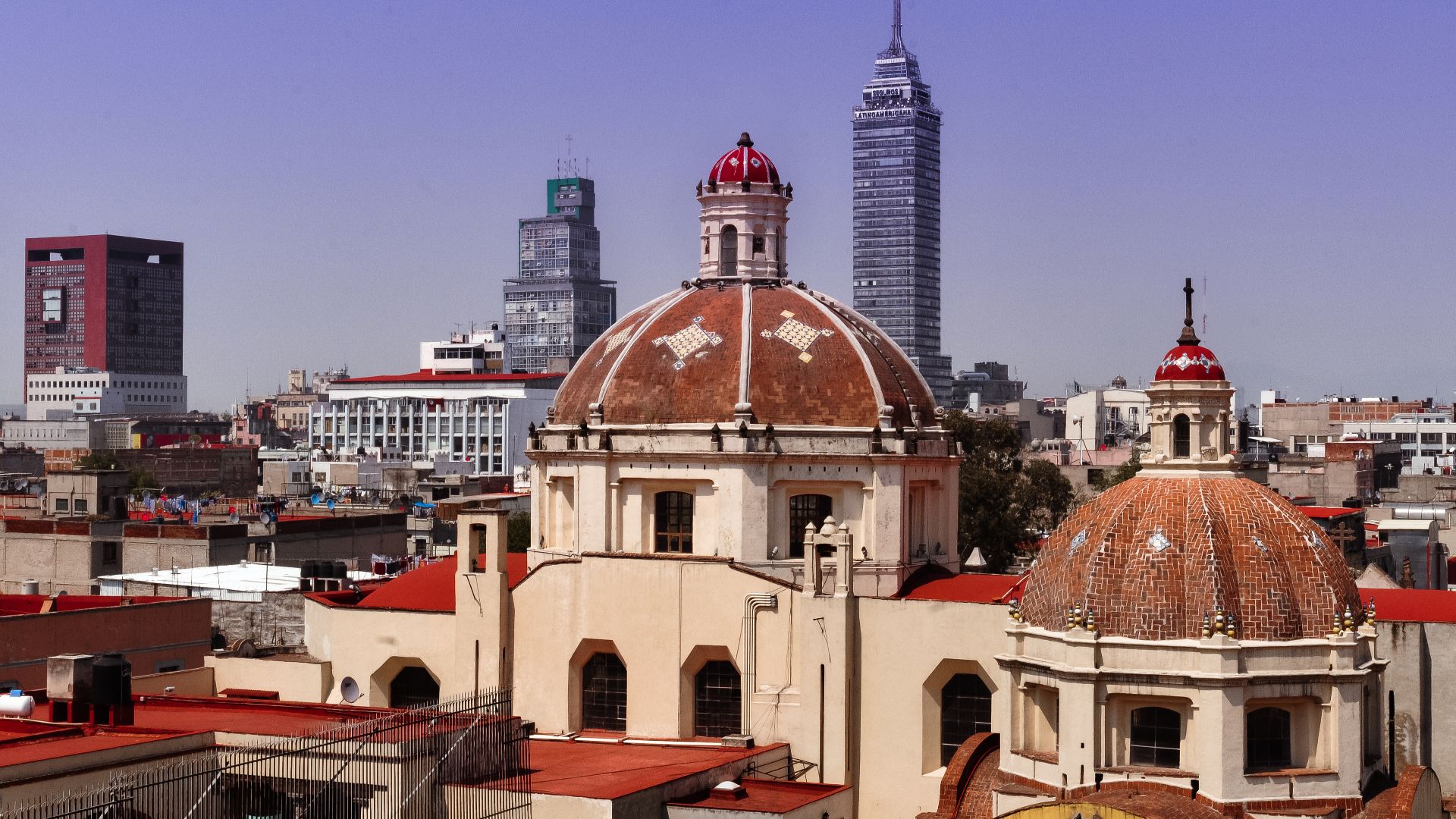 Eneas De Troya from Mexico City, México, Wikimedia Commons
The Past Never Really Stands Still
These destinations prove that history is not a glass case. It gets cleaned, crowded, restored, commercialized, threatened, protected, and photographed from every angle. The magic is still there—but now it lives beside ticket scanners, traffic lights, and travelers trying to touch the past.
You May Also Like: