Your House, Their Rules?
Buying a house comes with a lot of responsibilities. Paying the mortgage. Mowing the lawn. Pretending you'll finally organize the garage someday. But some perfectly normal homeowner habits that barely raise an eyebrow in parts of America can get you fined, ticketed, or into trouble north of the border. And a few of them are a lot more surprising than you'd probably expect.

Using Certain Lawn Pesticides
This is one of the strongest Canada-versus-America surprises. Ontario's province-wide cosmetic pesticide ban restricts many pesticides for lawns, gardens, parks, and schoolyards. Quebec has similar restrictions. An American homeowner trying to achieve the perfect weed-free lawn may be surprised to discover that some common lawn chemicals are heavily restricted or unavailable.
And speaking of lawns…

Parking On Your Front Lawn
In many parts of the U.S., parking on the grass might just make the neighborhood look a little chaotic. In parts of Canada, it can earn you a fine. Brampton, Ontario, for example, prohibits parking on lawns, landscaped areas, and other unauthorized parts of a property. Your lawn may technically be yours, but apparently that does not mean it gets to become overflow parking every time someone buys another used Honda.
Letting Your Car Idle In The Driveway
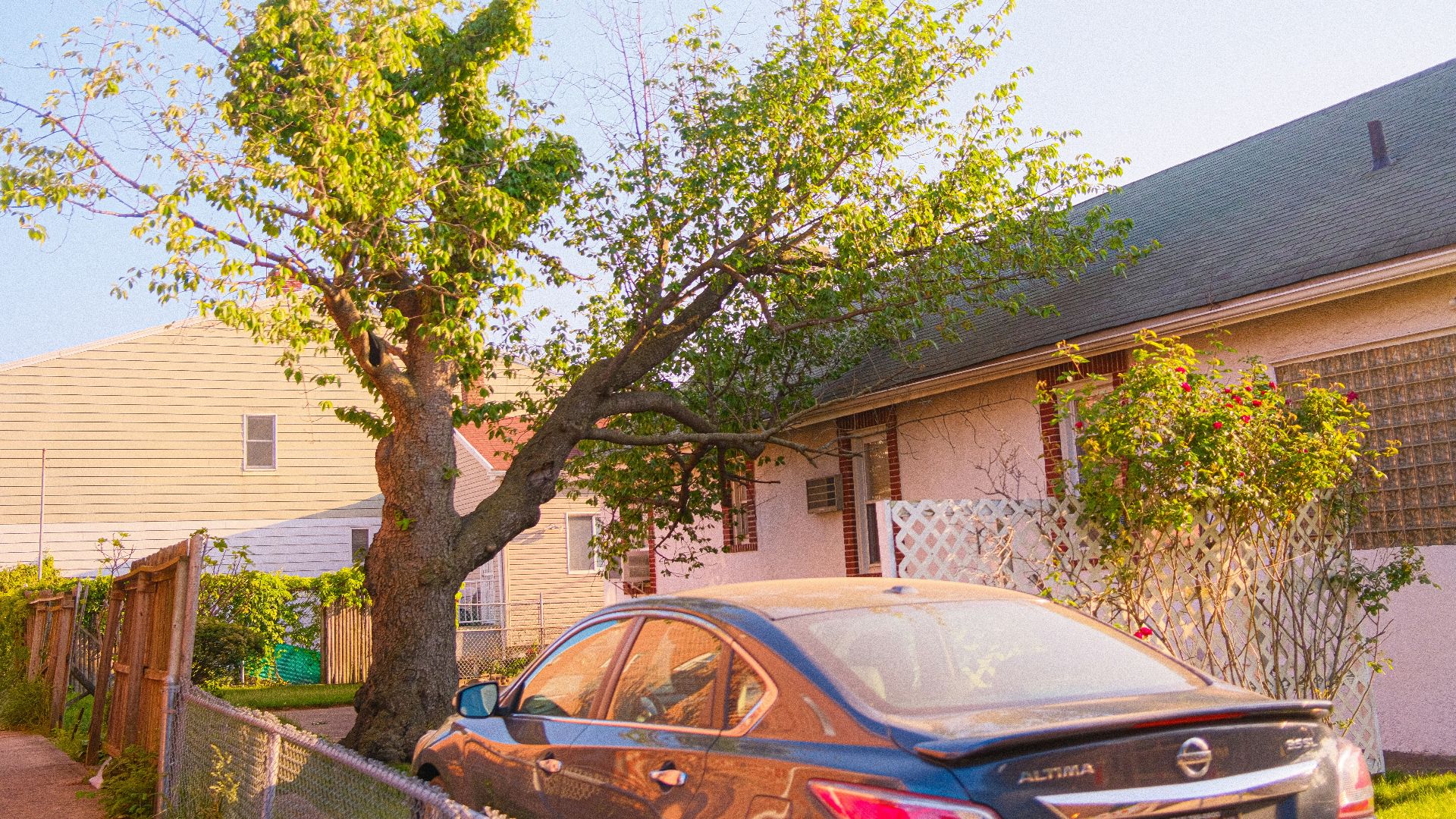
Warming up the car feels extremely normal, especially when it is freezing outside. But Toronto limits idling to one minute in a 60-minute period, and Montréal prohibits unnecessary idling across its boroughs with limited exceptions. That means the classic 'I’m just letting it warm up' move can turn into a bylaw problem surprisingly fast.
Feeding Wildlife In Your Yard
Feeding wildlife sounds harmless, maybe even kind of wholesome. But many Canadian communities take a very different view. In British Columbia, laws and local bylaws are designed to prevent people from feeding or attracting wildlife because it can alter animal behavior and create dangerous encounters. That cute deer in the backyard can quickly become a public-safety concern.

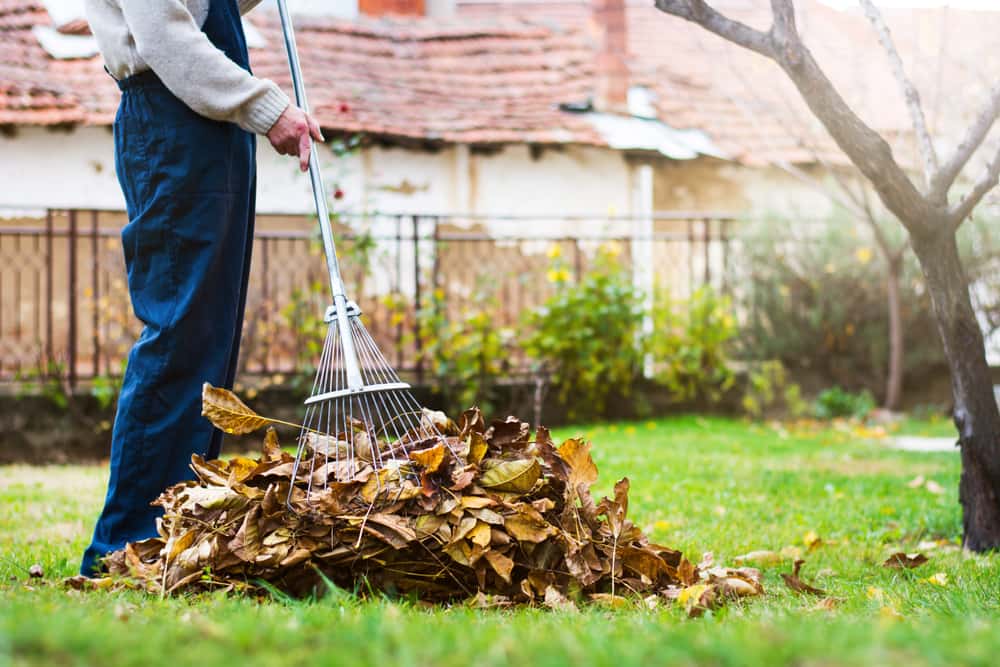
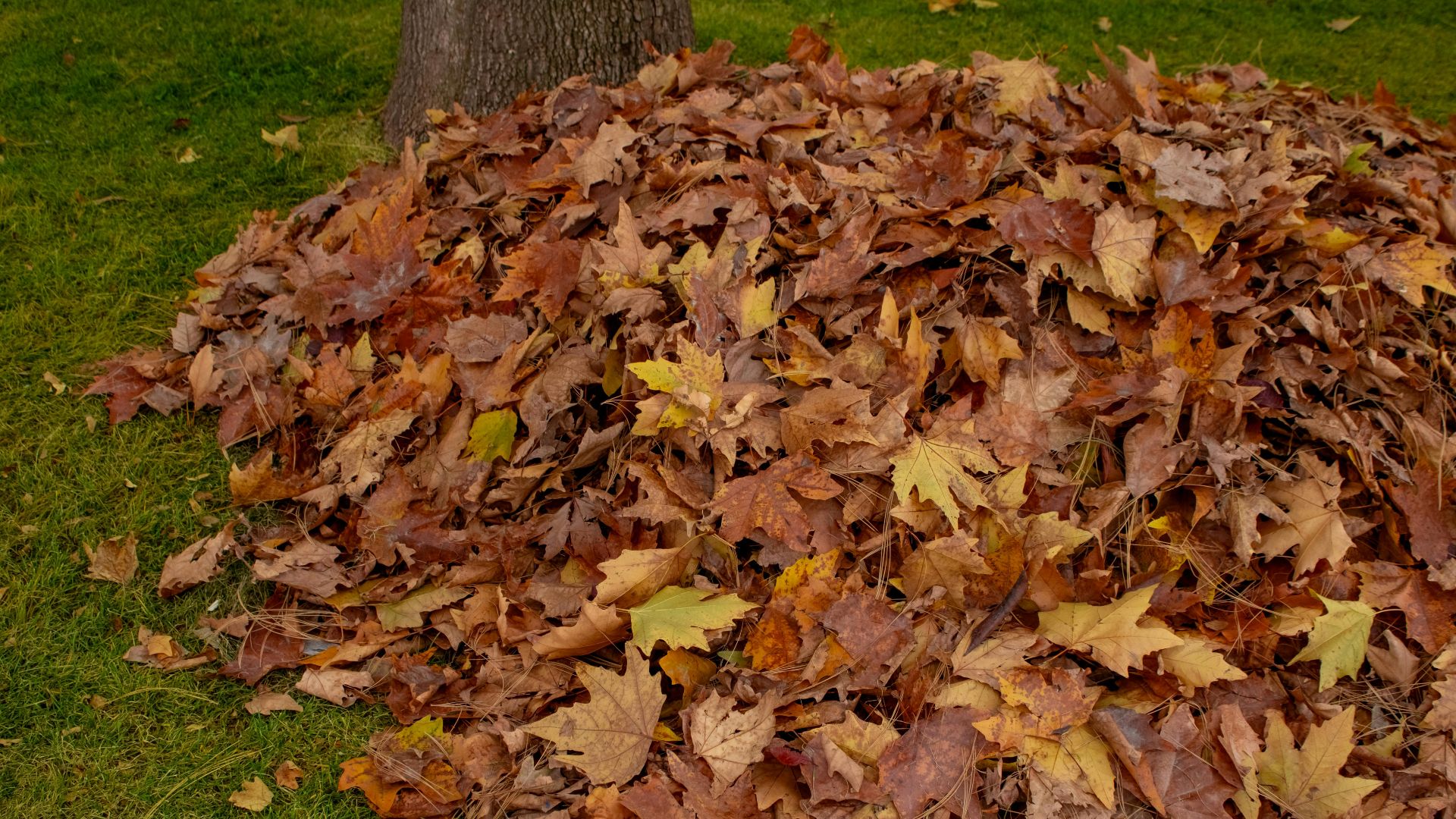
Burning Leaves In Your Backyard
The old-school fall leaf fire may feel like something from decades past, but many Canadian cities are not having it. Toronto prohibits most open-air burning and specifically advises against burning leaves. So yes, even your nostalgic little leaf pile can become a municipal issue.
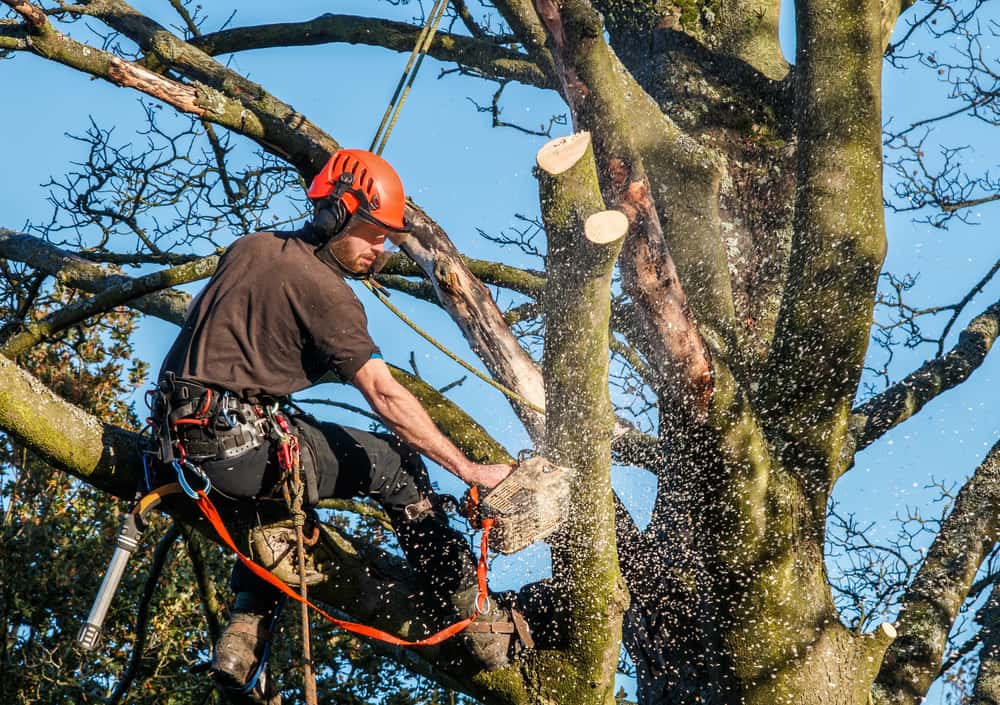
Cutting Down A Mature Tree On Your Own Property
A lot of Americans assume that if the tree is in their yard, the chainsaw decision is theirs. In Toronto, private trees with a trunk diameter of 30 centimeters or more are generally protected and require a permit before removal. So that giant maple may be on your property, but the city still wants a say before it comes down.
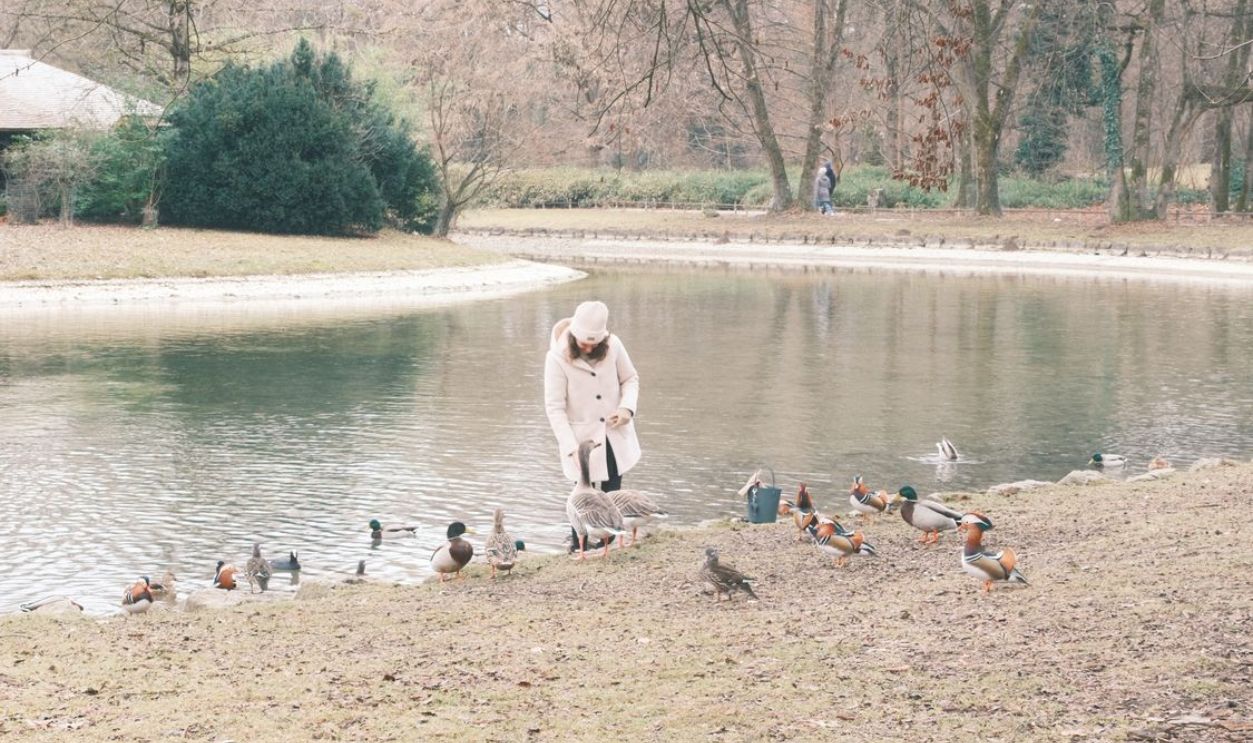
Feeding Ducks And Geese At The Local Pond
Tossing bread to ducks is practically a childhood tradition. In Vancouver, feeding wildlife is prohibited and can result in a $500 fine. That includes birds, squirrels, raccoons, coyotes, and more. The ducks may still act like they are entitled to snacks, but the city would very much prefer that you stop running the pond buffet.
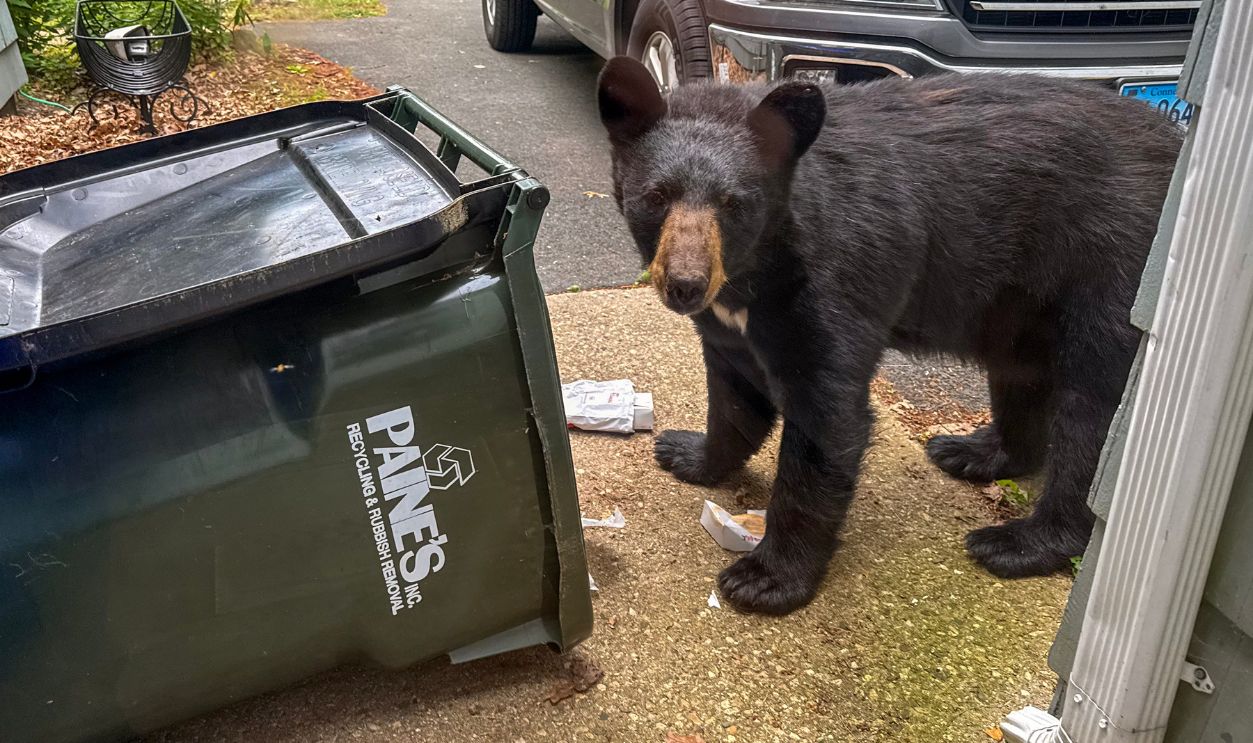
Leaving Garbage Accessible To Bears And Wildlife
In bear country, unsecured garbage is not just gross. It can become a legal issue. British Columbia communities regularly enforce wildlife-attractant rules because improperly stored trash can draw bears and other dangerous animals into residential areas. If your garbage teaches a bear that your driveway is a restaurant, somebody is eventually getting a ticket.
 Connecticut Public Broadcasting, Getty Images
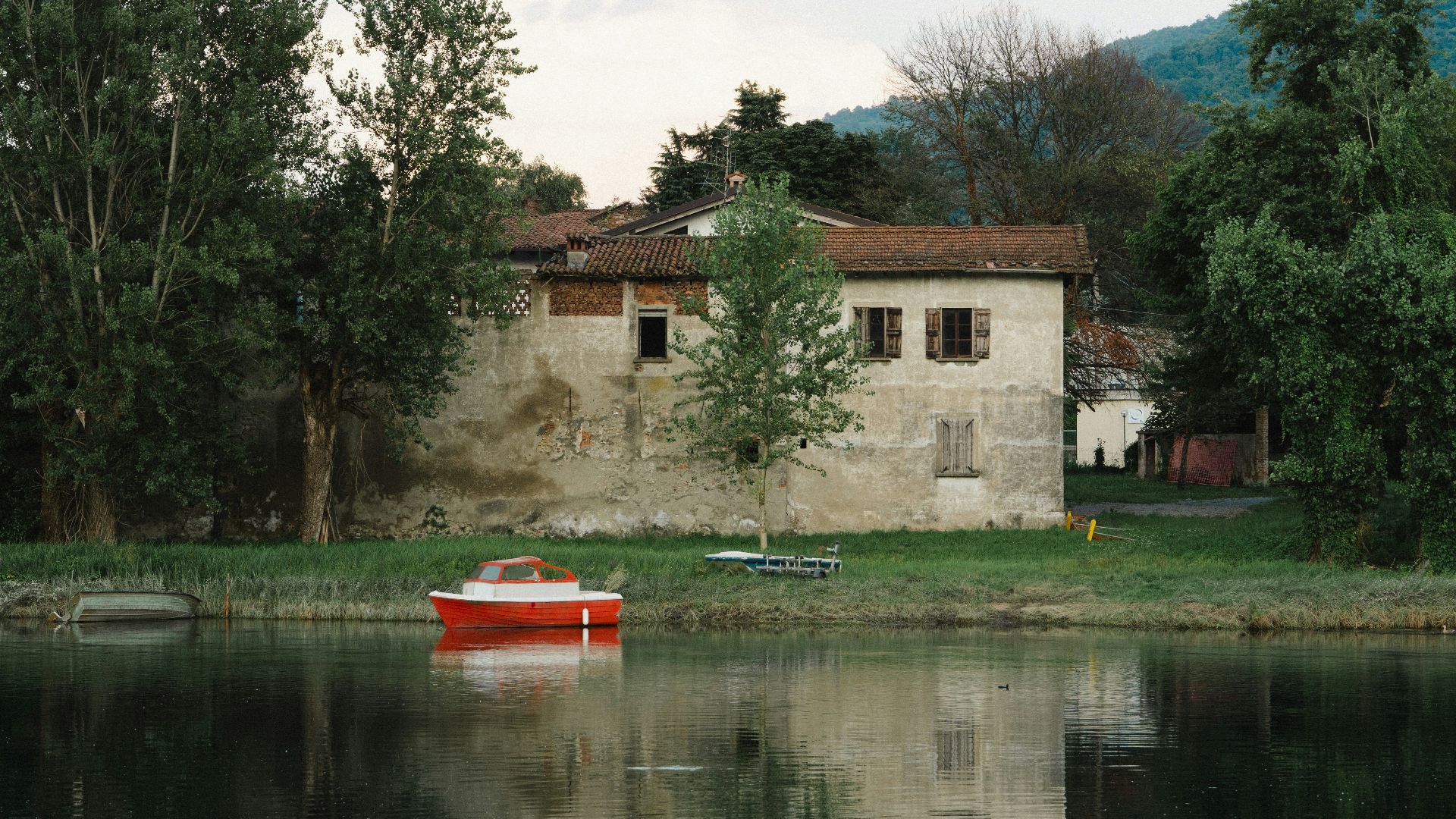
Removing Trees Or Vegetation Along A Shoreline
Waterfront property sounds dreamy until you realize the shoreline is not always yours to redesign however you want. In many parts of Canada, clearing vegetation near lakes, rivers, wetlands, and protected waterways can require permits because those plants help prevent erosion and protect water quality. The view may be yours, but the shoreline often comes with rules.
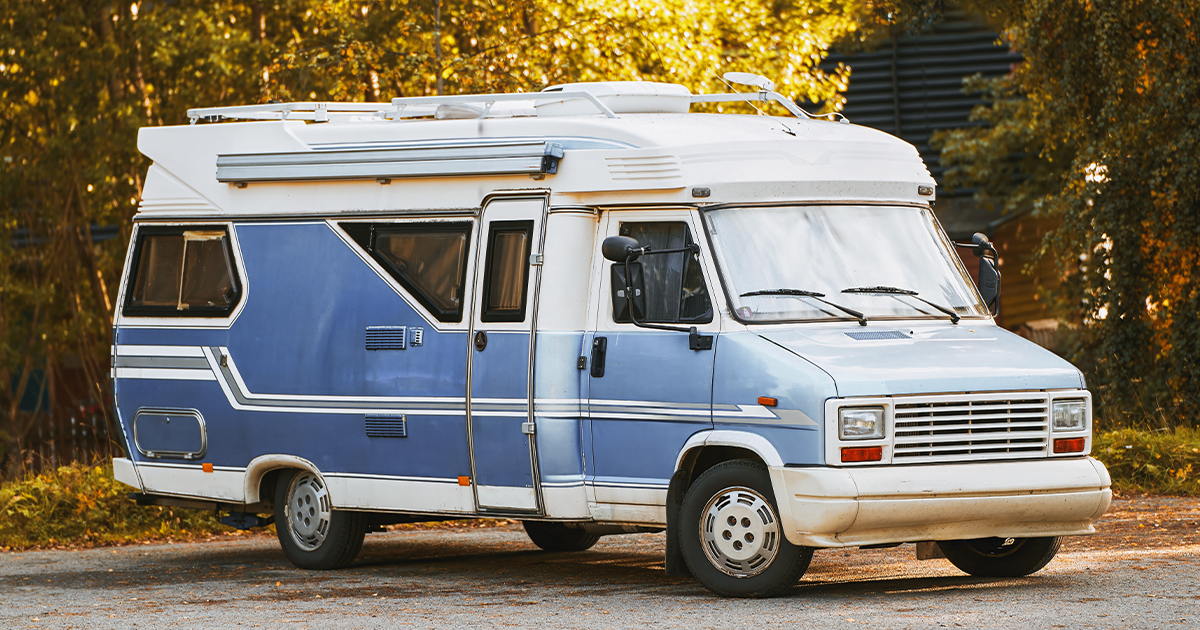
Parking An RV In Your Driveway Long-Term
In much of the U.S., an RV in the driveway is just a sign that someone likes road trips. In Canadian cities such as Calgary, recreational vehicle parking is regulated, including limits on how long certain RVs can remain in front-driveway areas. Your rolling vacation home may need its own vacation home.
 alexgo.photography, Shutterstock
Burning Yard Waste
Branches, brush, and yard waste may feel like obvious things to burn after a weekend cleanup. But many Canadian municipalities restrict open-air burning or require permits. In places such as Ottawa, burning rules can be surprisingly detailed. That quick backyard burn pile can suddenly come with paperwork.
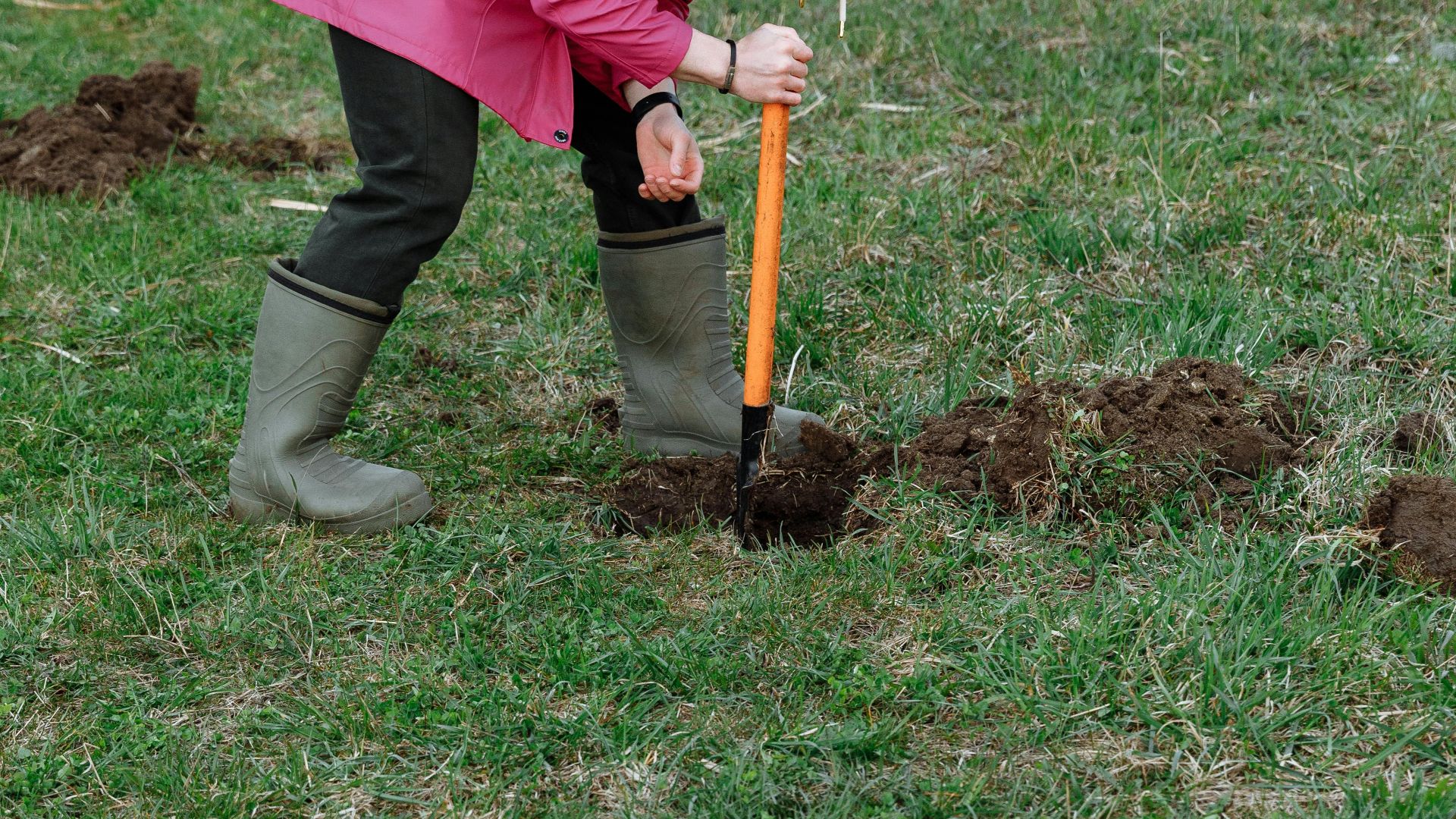
Digging Without Calling Utility Locates First
Installing a fence, planting a tree, or building a deck might feel like standard homeowner stuff. In Ontario, homeowners must contact Ontario One Call before digging, even for many small projects. It is free, but it is also required. Hit a gas line because you skipped the locate request, and suddenly your weekend project becomes neighborhood news.
Washing Your Car So Soap Runs Into Storm Drains
Washing the car in the driveway is about as normal as it gets. But cities such as Toronto warn residents not to allow dirty, soapy runoff into storm sewers because those drains often lead directly to local waterways. The bucket and sponge are not the problem. Where the water ends up is.
 monkeybusinessimages, Getty Images
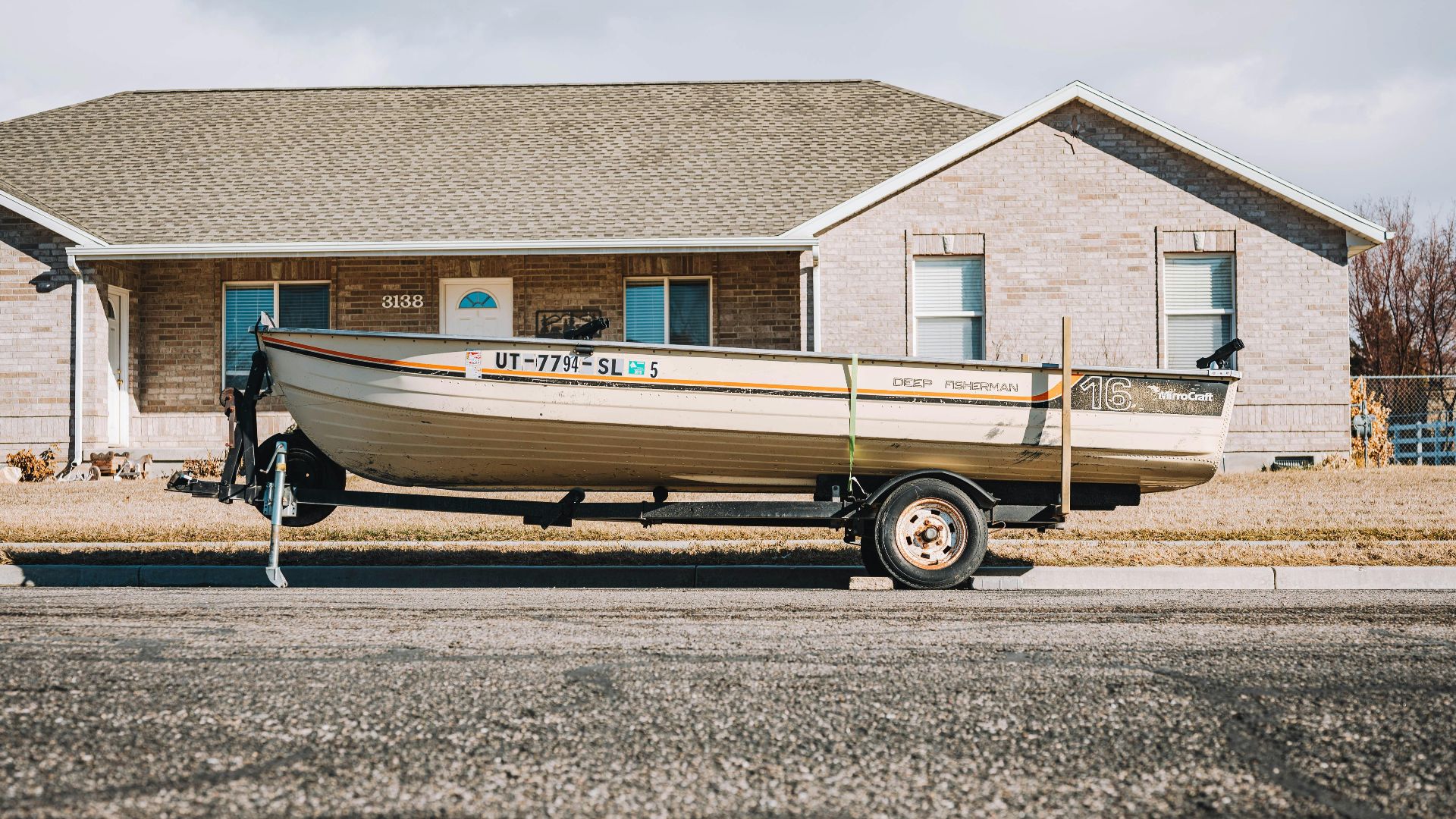
Parking A Boat Or Trailer In Your Driveway Long-Term
A boat in the driveway can feel like a badge of suburban optimism. In some Canadian municipalities, though, boats, trailers, and recreational vehicles are subject to parking and storage limits. Apparently, owning a boat is one thing. Displaying it year-round is another.
Having An Outdoor Fire During A Burn Ban
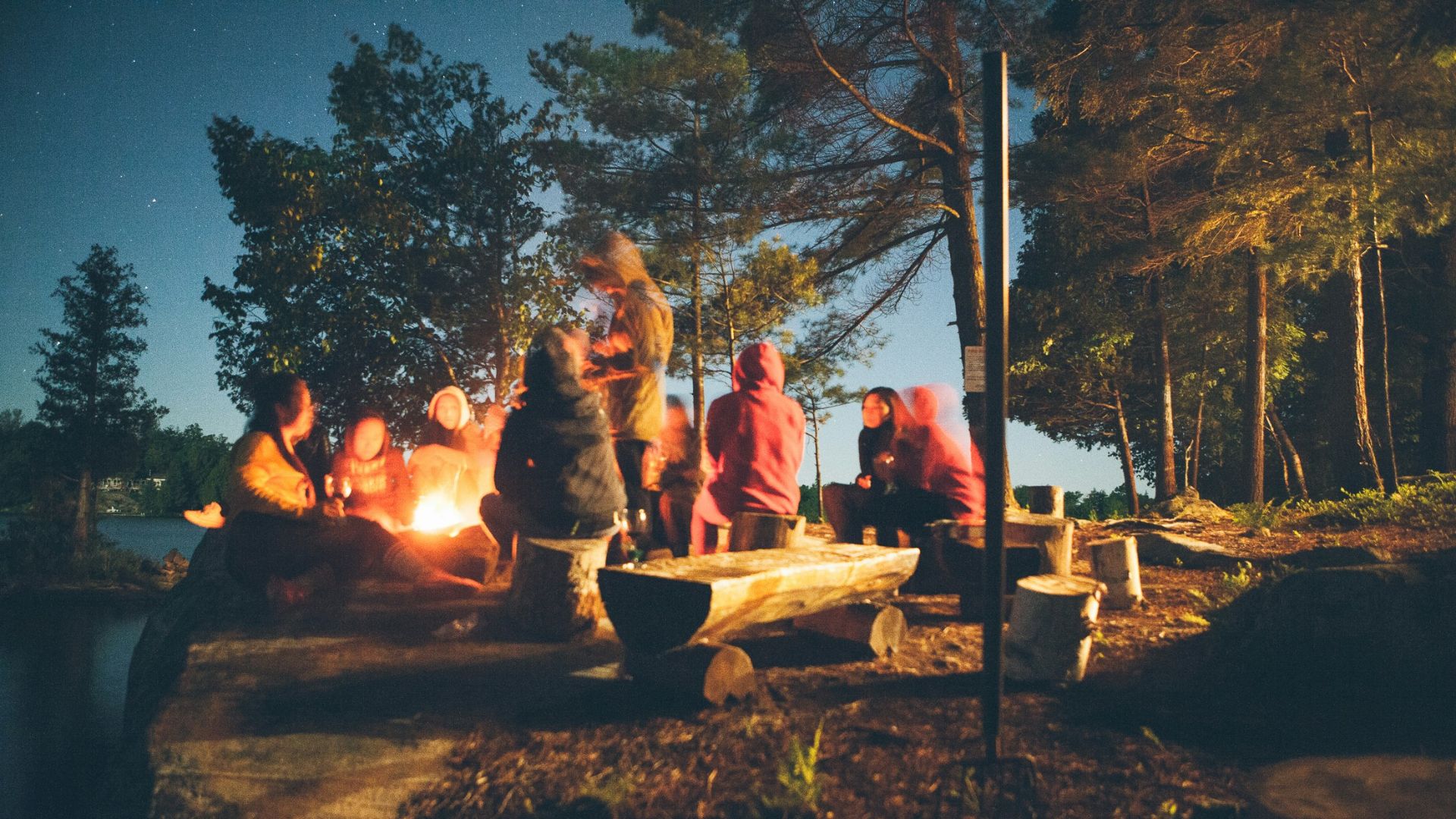
A backyard fire pit is one of life's simple pleasures, right up until a burn ban kicks in. During dry conditions, Canadian communities can prohibit campfires, brush piles, and other outdoor fires. The marshmallows may be ready, but local fire officials get the final vote.
Not Securing Wildlife Attractants
This one catches a lot of people off guard. Bird seed, pet food, fruit trees, compost bins, and even barbecue grease can attract wildlife. In parts of British Columbia and Alberta, communities actively enforce rules designed to reduce these attractants. To a hungry bear, your backyard might look less like a home and more like an all-you-can-eat buffet.

Building A Shed Without A Permit
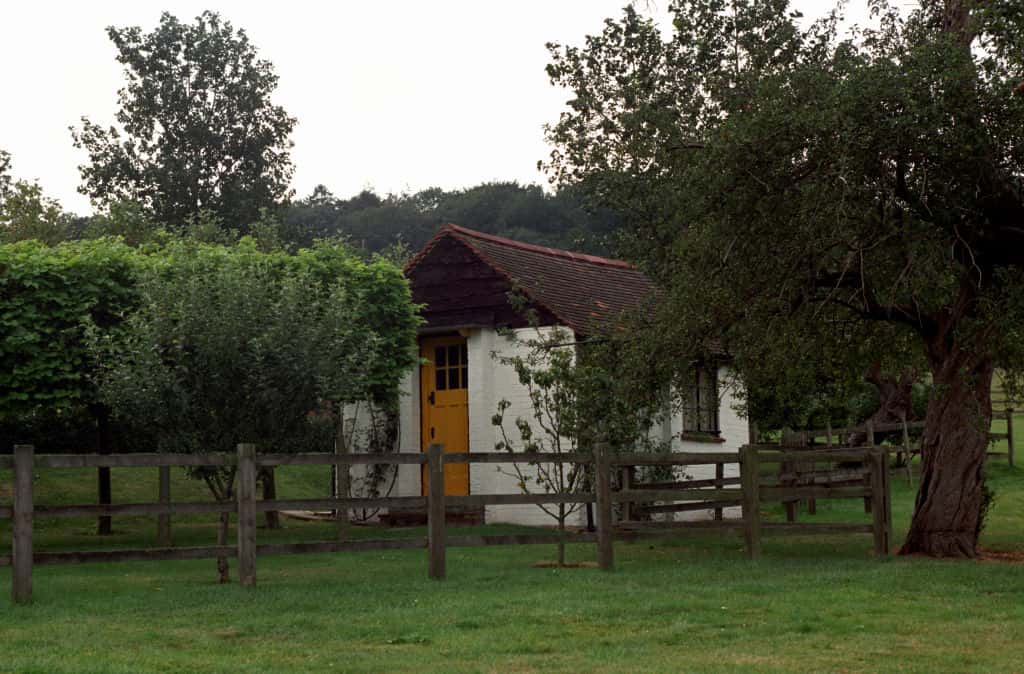
A backyard shed may look like a simple weekend project. But in many Canadian municipalities, structures above certain size thresholds require permits. Homeowners occasionally discover this only after the shed is already built, which is usually not the ideal time to start reading building codes.
Building A Large Deck Without A Permit
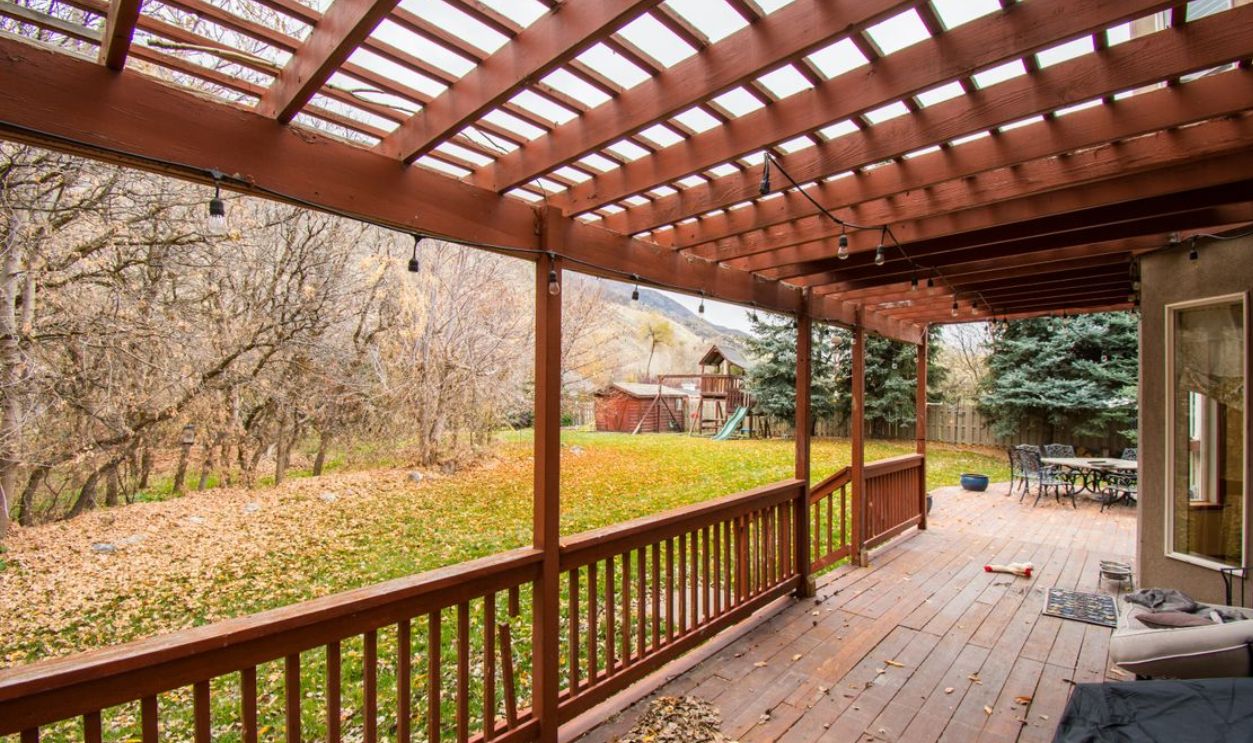
Decks are another classic homeowner trap. In many Canadian jurisdictions, larger decks require permits and inspections because height, stairs, railings, and structural supports all matter. It may feel like you are just creating a place for burgers and patio chairs, but inspectors see something very different.
Renting Out An Unapproved Basement Suite
Turning a basement into rental income sounds practical, especially in expensive housing markets. But municipalities often require basement suites to meet fire, building, and safety codes. Renting out a non-compliant unit can lead to fines, enforcement orders, and a lot more paperwork than expected.

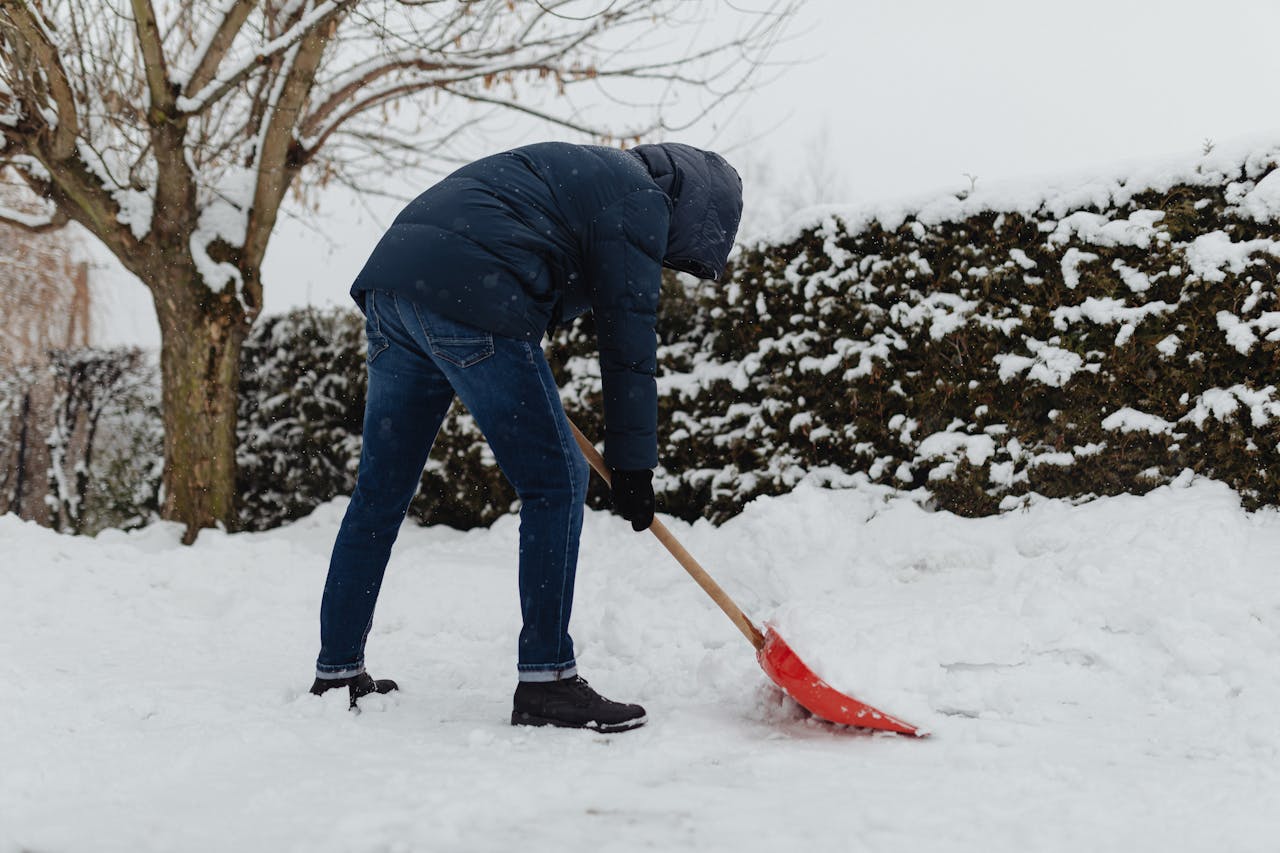
Failing To Clear Snow And Ice From Sidewalks
This may be the most Canadian homeowner rule on the list. Cities across Canada have snow-clearing requirements, and some impose deadlines after a snowfall. In certain cases, municipalities can clear the sidewalk themselves and send the bill to the property owner. Apparently, even the snow has regulations.
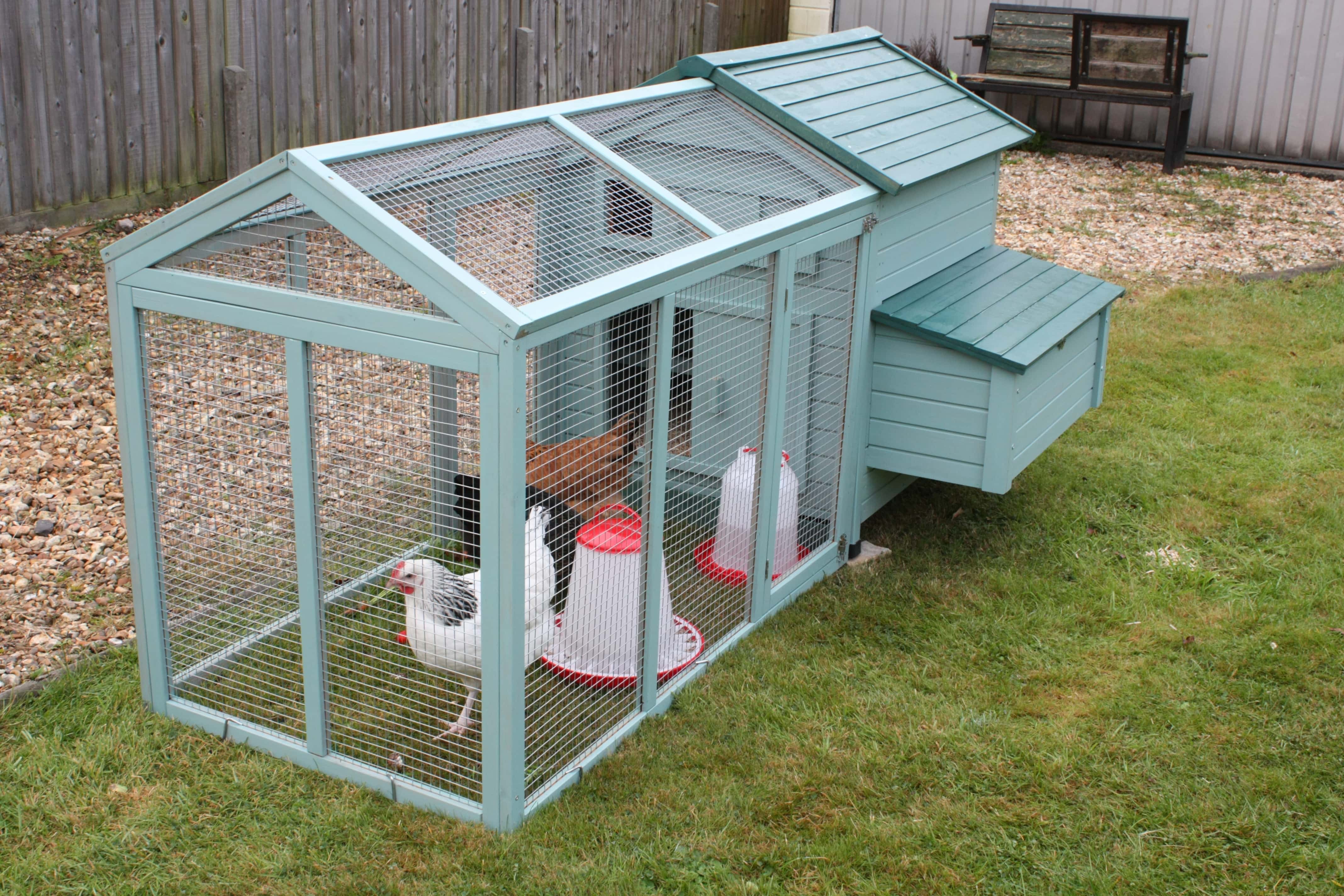
Keeping Backyard Chickens
Backyard chickens have become increasingly popular, but the rules vary dramatically from city to city. Some Canadian municipalities allow them under strict conditions, while others heavily regulate flock size, coop placement, and maintenance requirements. Fresh eggs sound great until your chicken coop becomes a zoning dispute.
You Might Also Like:
The Most Peaceful Countries In The World—Ranked According To Data